01. The Kimberley Grande Resort
4 (399 reviews)
The Kimberley Grande Resort — The Kimberley
Book Direct & Save →Barramundi is the fish that most travellers come to the Kimberley to catch, and the region's combination of the vast freshwater impoundment at Lake Argyle, the Ord River below the dam, and a coastline full of tidal waterways produces barramundi fishing that stands alongside the best in Australia. The Kimberley is not a casual destination for anglers who want easy access and convenient facilities -- the remoteness is real, the croc situation is genuinely serious, and the regulations exist for good biological reasons. But for those who do the preparation, the fishing is extraordinary.
View 3 Properties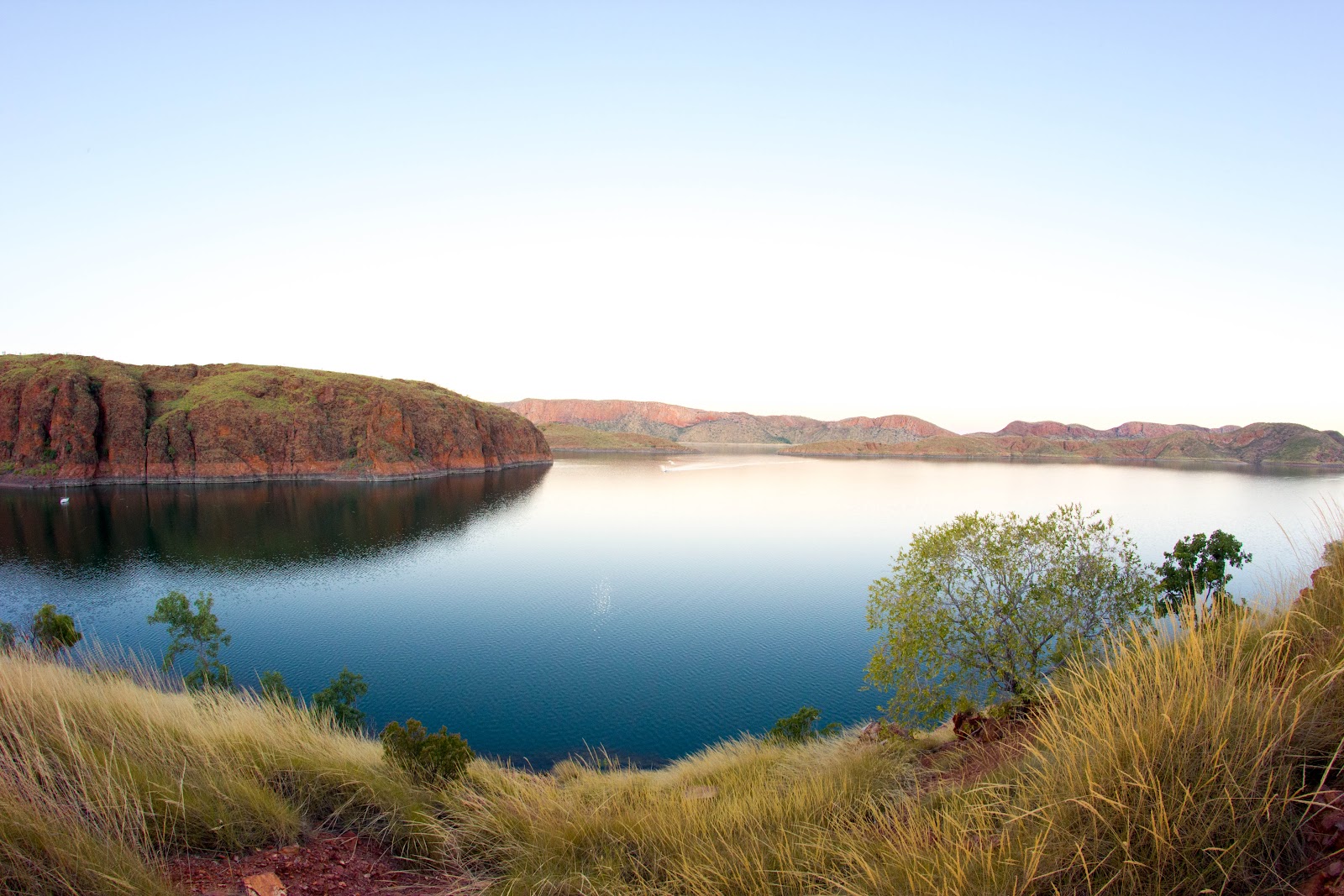
"Remote, serious, rewarding"
Barramundi in the Kimberley require a Western Australia Recreational Fishing Licence for anyone 16 years and over fishing in inland, tidal or marine waters. Size limits apply (38cm minimum in freshwater, 40cm minimum in saltwater at time of writing -- confirm current DPIRD regulations before you fish as these can be updated); bag limits apply; and there are specific rules about what gear is permitted in certain zones. The fishing in this guide is framed around the key locations, the best seasons, and the croc safety rules that are non-negotiable and non-optional in a region where saltwater crocodiles inhabit virtually every waterway.
Barramundi are WA's most sought-after freshwater sportfish, and the Kimberley's combination of Lake Argyle (the largest reservoir in Australia by surface area in the Wet season), the Ord River system, and the tidal rivers of the north coast gives them an unusual range of habitat. Lake Argyle's impoundment holds large numbers of barra that are well-established and reproducing; the Ord River below the dam produces consistently; and the tidal reaches of the Pentecost and Chamberlain rivers give coastal and estuary fishing options to those who understand croc-safe bank positioning.
The run-off season is a term Kimberley anglers use for the period just after the Wet, when freshwater barra move with the receding floods into new holding positions and are actively feeding. The practical catch is that this period (roughly March to May) coincides with the end of the Wet when roads are still unreliable and access is limited to those with serious off-road capability and local knowledge. Most visiting anglers fish the reliable June to September Dry-season window, which produces good fishing if not always the run-off fireworks.
Before any fishing trip in the Kimberley, understand the croc rules. Saltwater crocodiles inhabit virtually every waterway in the region, from the fully tidal coastal rivers to many sections of the Ord and the lake margins. The advice from local guides and experienced Kimberley anglers is consistent: never wade, never kneel or crouch at the water's edge, never cast from a position you can't step back from quickly, and never clean fish, dispose of bait, or handle catch at the bank. The majority of crocodile incidents in the Kimberley involve water-edge behaviour that is casual rather than careless -- the distinction is important.
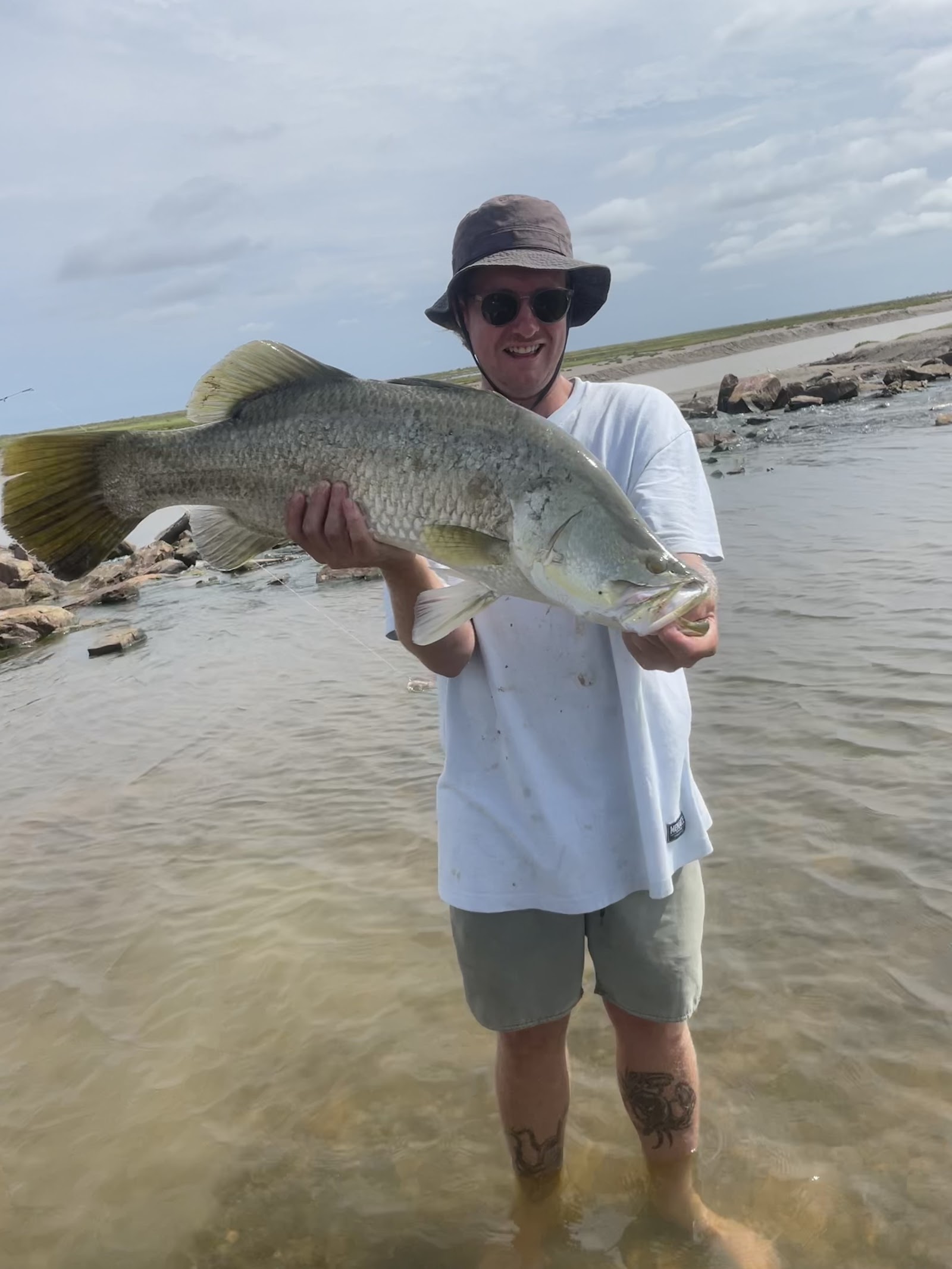
Lake Argyle is the most important freshwater fishing destination in the Kimberley. Created by the Ord River Dam and covering between 740 and 2,000 square kilometres depending on the season (it triples in size over a Wet), the lake holds a well-established population of barramundi, saratoga, sooty grunter and a range of other freshwater species. The barramundi fishery at Argyle is particularly productive: fish reach large sizes in the lake's warm, food-rich water, and the submerged timber and rock structure around the old pastoral stations drowned by the impoundment provide holding structure that barra and saratoga exploit heavily.
Fishing Lake Argyle effectively requires a boat -- the scale of the water rules out bank fishing for most of it. Tinnie hire is available at Lake Argyle Village and several Kununurra operators, and guided fishing charters specifically targeting the lake's barramundi are the most efficient option for visiting anglers unfamiliar with the water. The guides know the structure, the seasonal holding positions, and the productive lure and live-bait techniques for the lake's fish. Self-guided anglers with their own or hired boats should focus on submerged timber lines, rock bars and the inflowing creek channels, particularly at dawn and dusk.
Crocodile safety on Lake Argyle is a specific consideration. Saltwater crocodiles have been documented in the lake despite its inland location -- they access it via the overflow and channel system. The standard freshwater-safe assumption does not apply here. Freshwater crocodiles are also present and common at the shore. Do not wade in the lake at any point; keep fish processing away from the bank and the water's edge; and never lean over the side of a tinnie in shallow water near the shore.
The largest freshwater impoundment in the region, full of big barramundi and saratoga in submerged-timber habitat -- the best self-guided barra fishing destination in the Kimberley.
“Hired a tinnie, spent the day working the submerged timber with surface lures at dawn and trolling the rock bars through the morning. Landed three barra. The lake is extraordinary.”
— Google review
Dawn surface fishing over submerged timber lines when barra are actively busting bait -- the most productive window of the day.
Do not wade or lean over the tinnie in shallow water -- both saltwater and freshwater crocs are present in the lake. Process fish away from the water's edge.
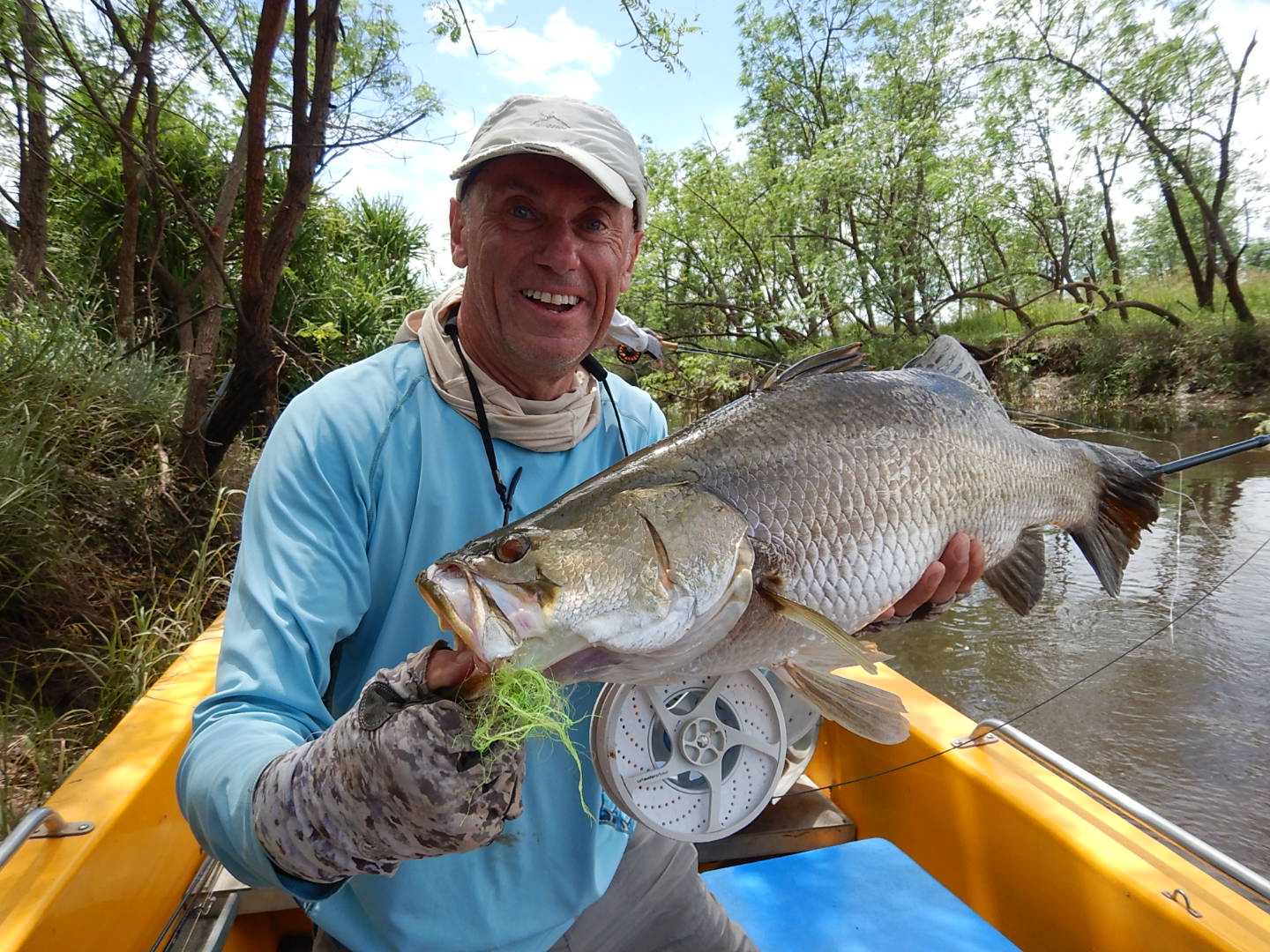
The Ord River below the Lake Argyle Dam and through its 55-kilometre run to the Keep River (and eventually Lake Kununurra) is the most accessible barramundi fishing in the Kimberley. Because the dam releases year-round flow, the river maintains consistent water levels through the Dry season -- a significant advantage in a region where most waterways reduce to disconnected pools by July. The dam-wall area and the first few kilometres below it hold consistently strong barra fishing, with fish using the fast water below the outlet and the slower runs and pools further downstream.
Bank fishing on the Ord is possible from several points below the dam and through the Ivanhoe Crossing area (a concrete causeway crossing downstream of the dam wall that provides easy bank access). A tinnie -- available to hire in Kununurra -- extends the range considerably, allowing anglers to work structure and runs that are inaccessible from the bank. Barra respond well to surface lures, soft plastics and live bait in the Ord; dawn and dusk are the productive windows, with midday fishing slow in the heat.
The Ord River is saltwater-croc territory throughout its lower tidal reaches, and croc movement in the upper freshwater sections is also documented. The dam-wall area has had crocodile activity. Never wade in the Ord at any point; never sit or crouch at the water's edge; position yourself standing with a full step back from the bank at all times. Crocodile incidents in the Kimberley frequently involve experienced anglers who were careless for a moment -- the threat is real, not theoretical.
Year-round flow from the dam means consistent barra fishing in the town corridor even at the end of the Dry -- the most reliable Kimberley barramundi water.
“Fished the dam wall area at first light and had three barra on surface lures in the first hour. The Ord is as good as everyone says.”
— Traveller review
First light below the dam wall when barra are feeding on the surface in the fast water -- surface lures in the current is the technique.
Saltwater crocs are in the lower tidal Ord and have been documented in the freshwater upper sections -- never wade, never crouch at the bank edge. Process fish 3+ metres from the water.
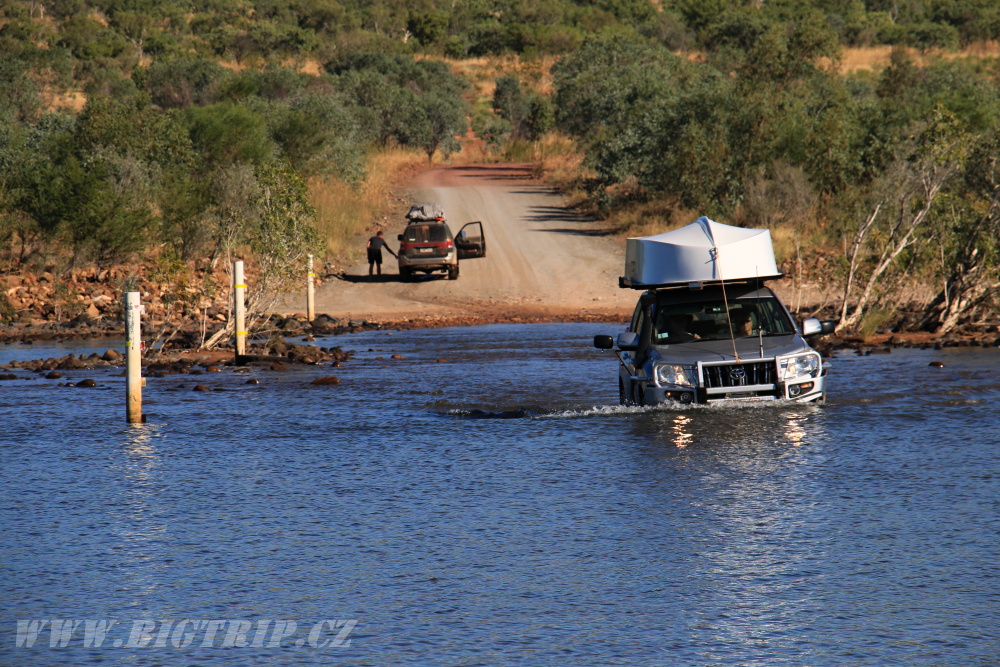
The Pentecost River is the most photographed river crossing on the Gibb River Road and one of the better-known barramundi fisheries in the eastern Kimberley. The crossing sits at the foot of the Cockburn Ranges on the road into El Questro, and at dawn or dusk with the ranges lit behind it and the water running, it's one of the most spectacular settings for fishing in Australia. The tidal estuary section holds solid barramundi through the Dry season, with fish working the tidal push and the structure of the bank edges and submerged timber in the wide, mangrove-lined run below the crossing.
Fishing the Pentecost requires a boat -- the bank access is limited, the mangroves are extensive, and the productive reaches are away from the crossing area. El Questro station and the surrounding properties have specific rules about fishing access and require payment of the El Questro entry fee for those using the facilities; confirm current access arrangements before fishing. The most productive technique is lure fishing at the tidal change -- dawn and dusk on an incoming tide typically produce the best results.
The croc situation on the Pentecost is serious. Saltwater crocodiles are present in significant numbers in the tidal Pentecost, and the crossing area -- where vehicles stop and people frequently walk near the water -- has had documented crocodile activity over the years. Never exit your vehicle in the crossing. Never fish from the crossing banks. When fishing from a boat, maintain absolute croc vigilance -- they approach from behind and below, and the bank-edge behaviour that casual anglers adopt (crouching to net fish, leaning over the side in shallow water) is specifically the behaviour that creates incidents.
Casting for barra in the tidal Pentecost with the Cockburn Ranges lit blood-red behind you is the most beautiful setting for fishing in the entire Kimberley.
“Fished the tidal Pentecost at dawn from a tinnie. Caught two barra and watched the ranges come up in the sunrise behind us. You can't buy that combination anywhere.”
— Google review
Dawn fishing on the tidal Pentecost with the Cockburn Ranges at sunrise -- the combination of the fish and the setting is the best in the region.
Saltwater crocs are present in significant numbers -- never fish from the crossing bank, never wade, never lean over a tinnie in shallow water near mangroves. The crossing is not a safe bank-fishing spot under any circumstances.
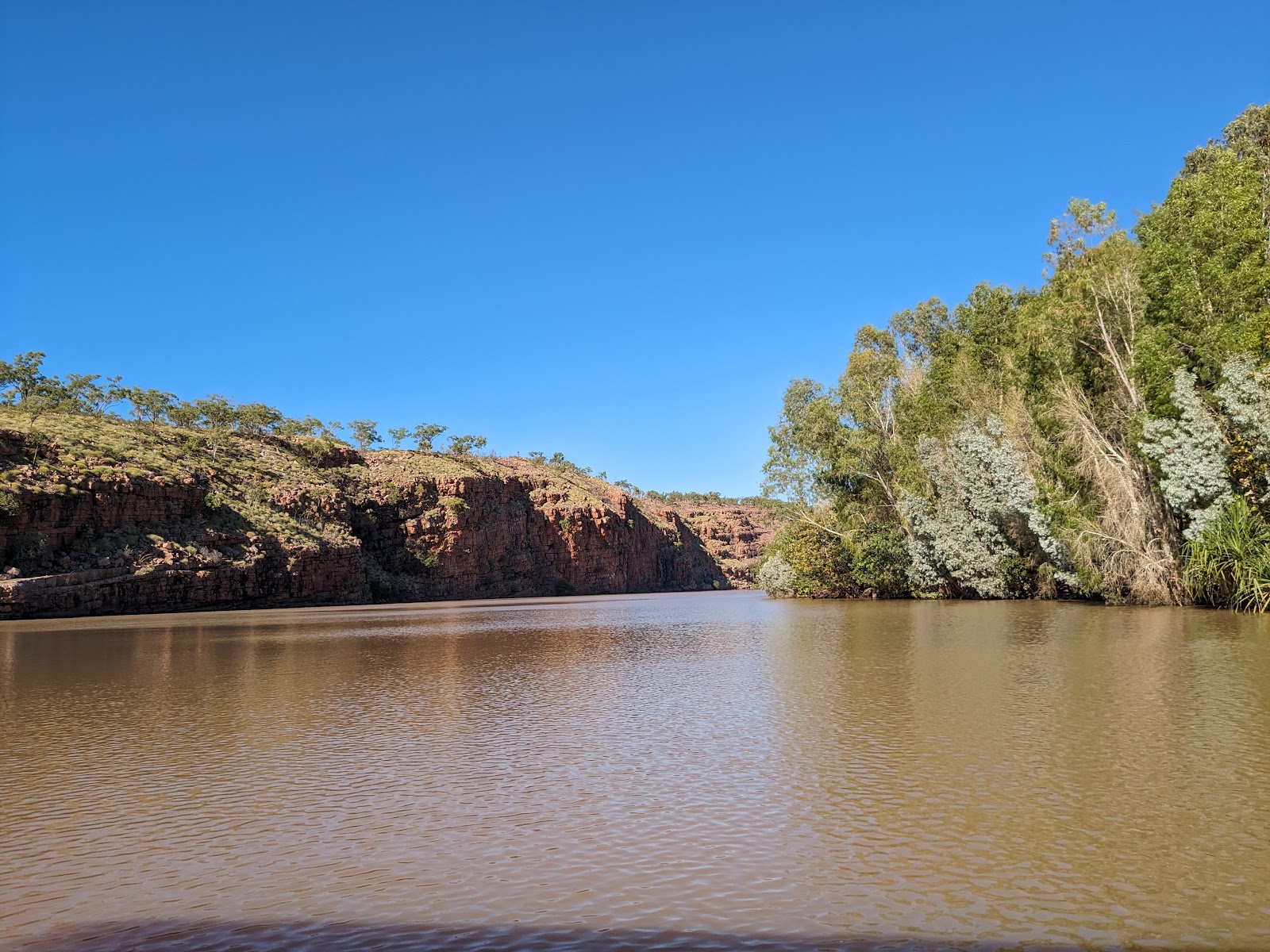
The Chamberlain River through Chamberlain Gorge at El Questro is primarily accessed as a boat-tour experience -- the gorge's walls rise steeply above the water and the reflection in the still pool is one of the more photographed water scenes in the Kimberley. For anglers, the Chamberlain's tidal lower reaches hold barramundi and golden snapper, and a small number of guided fishing trips target the system. The boat tour is the far more common experience; angling is a secondary activity here and the main river fishing at El Questro is properly the Pentecost and the Ord tributary system.
The gorge tour runs in the early morning and is conducted by El Questro guides; independently, the lower river fishing is done from a boat in the tidal section. The combination of a gorge boat tour and an afternoon's barra fishing on the Pentecost from El Questro campsite makes for a full day that covers both the sightseeing and the fishing dimensions of the eastern Kimberley.
Saltwater crocs are present in the Chamberlain as in all tidal Kimberley waterways. The boat tour is conducted by El Questro guides who are very familiar with the croc situation in the gorge -- follow their guidance without exception. Independent fishing from the river bank is not recommended. Fishing in this waterway requires an El Questro entry ticket and compliance with the station's current fishing rules, which should be confirmed at the El Questro reception when you arrive.
The Chamberlain Gorge boat tour in early morning light, with the walls reflected in still water, is one of the most beautiful experiences at El Questro.
“Took the gorge boat tour at dawn. Still water, huge reflections, a freshwater croc on the bank. One of the most peaceful hours of the whole trip.”
— Traveller review
The early-morning boat tour through the gorge -- still water, full reflections, and the croc on the warm bank ledge.
Independent bank fishing on the Chamberlain is not recommended -- saltwater crocs are present; conduct all fishing from a boat and follow El Questro's current rules and guide instructions.
Kununurra is the fishing hub of the east Kimberley, and several charter operators run guided barramundi trips on the Ord River, Lake Argyle, the Pentecost and other accessible waterways from in-town departure. For visiting anglers unfamiliar with the Kimberley's specific conditions, a charter is the best first option -- the guides know the current holding positions of fish in the large, complex waterways, they understand the tidal windows and the lure techniques that work on the day, and they handle the croc safety briefing and positioning for you. Half-day and full-day trips are the standard format; multi-day expeditions to more remote water are also available.
Kununurra charter fishing rates vary between operators and season; expect half-day trips for barramundi to start from around $150 per person, with full-day and specialised trips higher. Operators generally supply tackle, and guides carry the knowledge of what lures are working on their water in the current week. Soft plastics, surface lures and hardbodies are the standard barramundi kit in the Kimberley, and most guides will provide the relevant confidence lures for their territory.
For those planning a self-guided fishing trip to the Ord or Lake Argyle, a single day with a charter is still the recommended first step -- the contextual knowledge of water levels, fish positions and seasonal behaviour that a local guide provides is effectively a semester's worth of self-teaching compressed into six hours, and the croc safety habits they model are worth observing carefully.
Kununurra charter guides know exactly where the barra are holding today -- that knowledge shortcut, combined with their croc safety protocols, is worth every dollar of the charter fee.
“Booked a charter with a local guide, fished the Ord and a section of Lake Argyle. Landed six barra and learned more about the system in one day than I'd have figured out in a week.”
— Google review
A full-day charter on Lake Argyle's barramundi water -- the guide finds the fish and shows you the system in one trip.
Charter availability fills quickly in July and August -- book at least two weeks ahead and confirm current season schedules directly with operators in Kununurra.
The "run-off" season is what serious Kimberley barra anglers talk about when they talk about catching big fish in numbers -- the period from roughly late March to May when the receding Wet-season floodwaters concentrate barramundi in the shrinking waterways and billabongs. As water levels drop, fish that dispersed across the flooded country during the Wet are pushed back into the main river channels, gorges and lake systems, and they are actively feeding and in high densities. The fishing in this window, for those with access to it, is extraordinary.
The practical reality is that the run-off season coincides with the tail end of the Wet. Roads are unreliable or still officially closed in many areas; access requires serious four-wheel-drive capability and the local knowledge to navigate flooded roads and assess waterway crossings. Commercial charter operators running at this time have the access, the equipment and the current road intelligence that visiting anglers almost always lack. For those serious about the run-off, a charter in late March or April is the safest and most productive approach.
Croc vigilance during the run-off is even more important than in the settled Dry season. Receding water concentrates both barramundi and saltwater crocodiles in the same shrinking waterways and billabong edges -- exactly the spots where anglers naturally want to fish. Crocodiles are actively hunting the same concentrated fish. The bank-fishing rules (never wade, never crouch, always stand with a step back, always process fish away from the water's edge) are non-negotiable and need to be applied without exception.
The run-off is when barramundi are most concentrated and most aggressively feeding -- the most productive window for big barra in the Kimberley, for those with the access and preparation.
“Did a run-off charter in early April. We went four days and the guide said it was one of the best runs he'd seen in years. Every angler's definition of a perfect trip.”
— Traveller review
A guided run-off charter in late March or April when barra are concentrated in receding floodwater -- the most productive barramundi fishing in the region.
Roads are unreliable; self-guided run-off fishing is not recommended for visiting anglers without local knowledge and serious remote recovery capability. Croc densities in shrinking billabongs are at their highest -- apply all safety rules without exception.
| Season | Conditions | Highlights | Crowds |
|---|---|---|---|
| March-May (Run-off) | Receding Wet, roads unreliable, highest croc density | Most productive barra fishing of the year; charter-only for most visitors; roads partially closed | Very low -- serious anglers only |
| June-July (Early Dry) | Cool, comfortable, roads open, excellent fishing | Best all-round fishing conditions -- fish are active, temperatures are manageable, roads reliable | Low-moderate |
| August-September (Peak Dry) | Perfect weather, reliable access | Busiest tourist period; charters book out; fishing still good on Ord and Lake Argyle; fish moving to deeper water as heat builds | High -- book charters well ahead |
| October (Late Dry) | Very hot, roads may start closing | Fish become lethargic in heat; early-morning fishing only; roads close as Wet season begins; not recommended for serious fishing trips | Low |
| November-February (Wet) | Flooded, inaccessible | No fishing access for visitors; most waterways unsafe and unreachable | None |
What recent visitors say:
“OMG...this place reduced me to tears due to being overwhelmed by its grandeur and spectacular scenery. We had two days here but would have loved a week. Echidna Chasm was amazing, Cathedral Gorge breathtaking and Mini Palms gorgeous. I have travelled extensively throughout Europe, Australia, Asia and parts of Canada and the US and l rate this as No 1. This I”— Megan Hollick (on The Bungle Bungles), Google review
“I'll admit that before I visited The Kimberley all I knew about The Bungles Bungles was the classic aerial image of the striated doom rocks. We visited at sunrise so caught the early morning, 'golden hour' light on the ranges. Early start meant that the day use area was not busy, and the trails were cool, shaded and not crowded. Trial heads had maps, paths w”— Zeglar “Zeg” Fergus (on The Bungle Bungles), Google review
“A place that is kinda impossible to review, you gotta see it for yourself! First warning, the track in is not for the faint hearted (even when graded) but if you can do that you will be fine. Its over 45kms from the front gate to the Visitors centre, which you have to stop at and check in if you are staying at either campsite (Walardi or Kurrajon). Special ”— cktravels (on The Bungle Bungles), Google review
The croc safety rules for fishing in the Kimberley are not precautions for the anxious -- they are the baseline behaviour required to fish here without incident. Saltwater crocodiles inhabit virtually all Kimberley waterways, including many sections of the freshwater Ord and Lake Argyle. Freshwater crocodiles (smaller and far less dangerous) are common in most inland gorges and rivers. Both species are present in the same waterways in many areas.
The rules: Never wade in any Kimberley waterway for any reason. Never crouch, kneel or sit at the water's edge. Always stand upright with a full step back from the bank. Never clean or process fish at or near the water's edge -- do it away from the water, dispose of offal in a bin, not in the water. Never approach crocodiles, even freshwater ones, and never allow children near the bank unsupervised. At dawn and dusk -- the two most productive fishing windows -- crocodile activity is at its highest; this is precisely when the most vigilance is required. The majority of crocodile incidents in the Kimberley involve experienced, confident adults who were momentarily casual, not inexperienced visitors who didn't know the rules. The rules apply to everyone, every time.
Licensing and regulations: A WA Recreational Fishing Licence is required for anyone 16 years or older fishing in WA freshwater, tidal or marine waters. Size and bag limits for barramundi and other species are enforced and are subject to change -- verify current regulations with DPIRD (the WA Department of Primary Industries and Regional Development) before each trip, not from outdated printed guides.
The Kimberley is one of the best barramundi fishing destinations in Australia. Lake Argyle's big-fish impoundment, the Ord River's year-round regulated flow, the tidal productivity of the Pentecost and Chamberlain, and the run-off season's concentrated fishing make it a region that delivers for serious anglers at every level. The croc situation is real and requires genuine vigilance, not just awareness -- it is part of fishing here, not a reason to avoid it, but it demands consistent discipline that casual approaches cannot sustain.
For visiting anglers, a Kununurra charter for at least the first day on the water is strongly recommended regardless of experience level. The local knowledge shortcut is valuable; the croc safety model is invaluable. After that, the Ord and Lake Argyle in a hired tinnie at dawn are two of the best barramundi fishing experiences in the country. Buy the licence, know the regulations, respect the croc rules, and fish the Kimberley at its own pace. It will reward you.
Enjoying fishing? Here’s where else in Australia it’s worth the trip — ranked by how loved each destination is, with the one thing not to miss at each.
 Kangaroo Valley
Shoalhaven, New South Wales
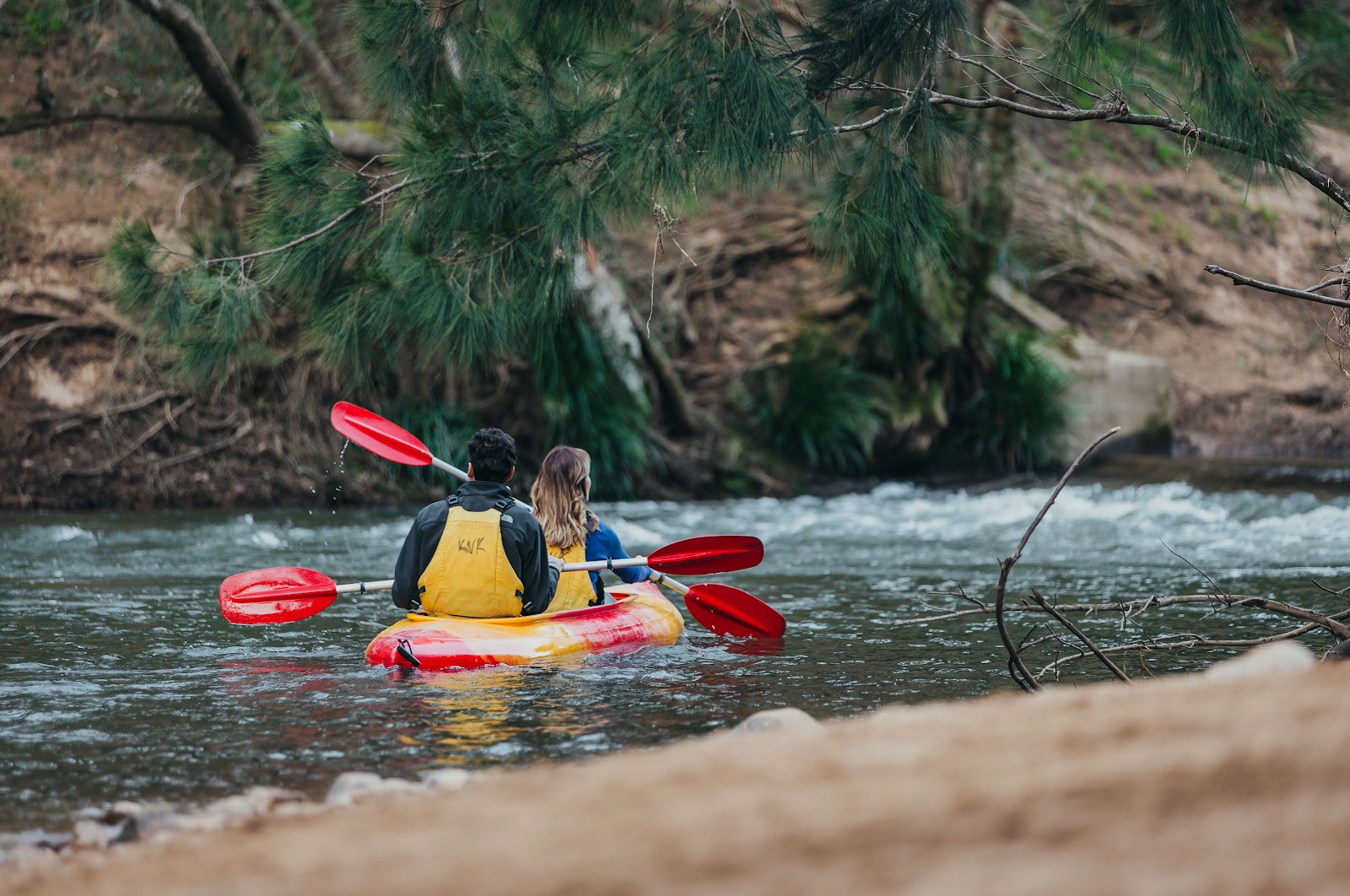
Kangaroo River bass on lures — the signature paddle-and-cast — A dawn surface-lure session in the clear pools — a bass blowing up on a popper, photographed and released.
Explore fishing in Kangaroo Valley →
2
Kangaroo Valley
Shoalhaven, New South Wales
Kangaroo River bass on lures — the signature paddle-and-cast — A dawn surface-lure session in the clear pools — a bass blowing up on a popper, photographed and released.
Explore fishing in Kangaroo Valley →
2
 Hamilton Island
The Whitsundays, Queensland
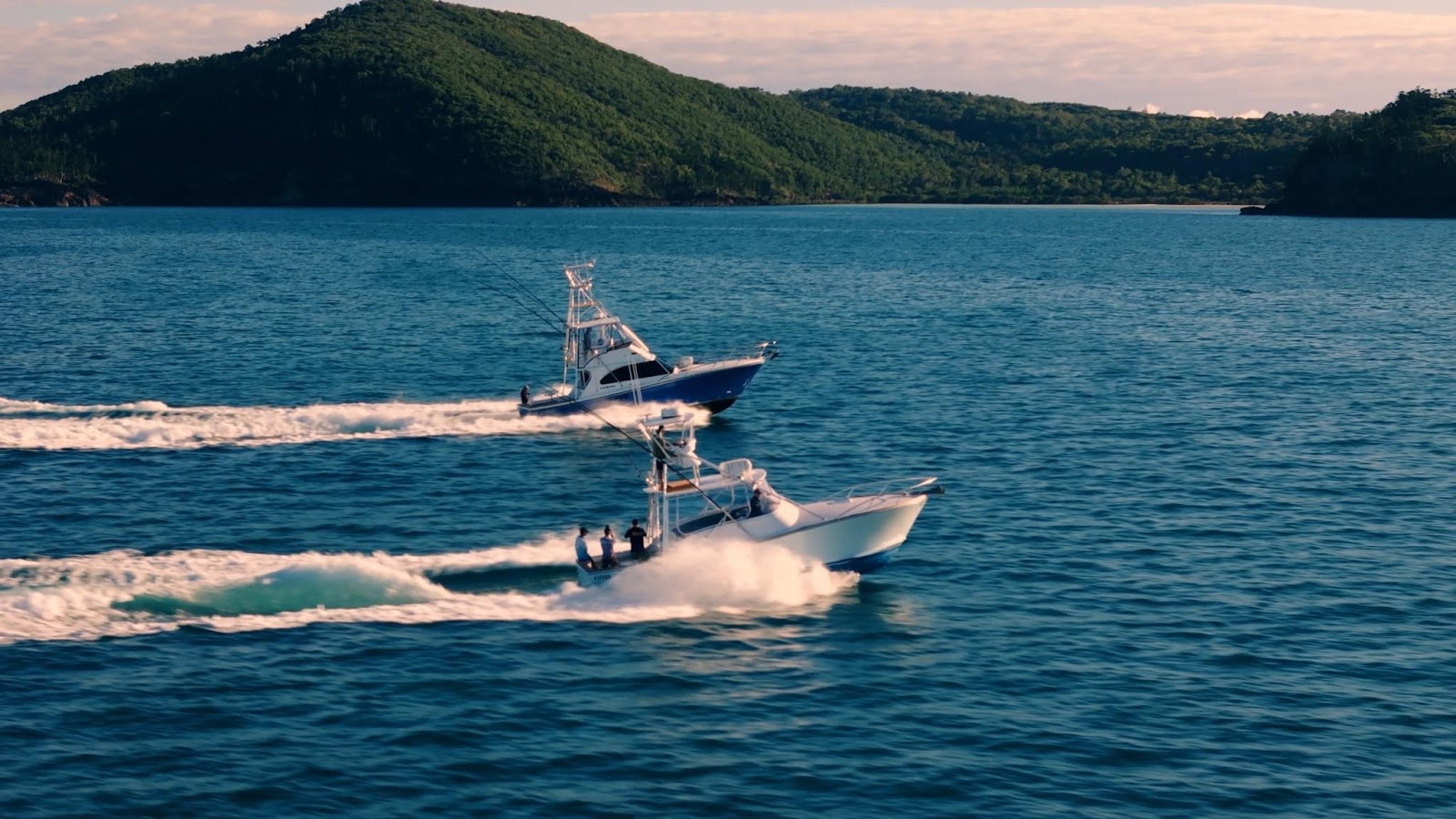
Reef bottom-fishing — coral trout, emperor & sweetlip — A full-day run to the outer reef for red emperor and big nannygai, with coral trout on the inshore drop-offs.
Explore fishing in Hamilton Island →
The Kimberley you’re here
Australia's North West, Western Australia
Lake Argyle — Dawn surface fishing over submerged timber lines when barra are actively busting bait -- the most productive window of the day.
You’re reading this guide
Hamilton Island
The Whitsundays, Queensland
Reef bottom-fishing — coral trout, emperor & sweetlip — A full-day run to the outer reef for red emperor and big nannygai, with coral trout on the inshore drop-offs.
Explore fishing in Hamilton Island →
The Kimberley you’re here
Australia's North West, Western Australia
Lake Argyle — Dawn surface fishing over submerged timber lines when barra are actively busting bait -- the most productive window of the day.
You’re reading this guide
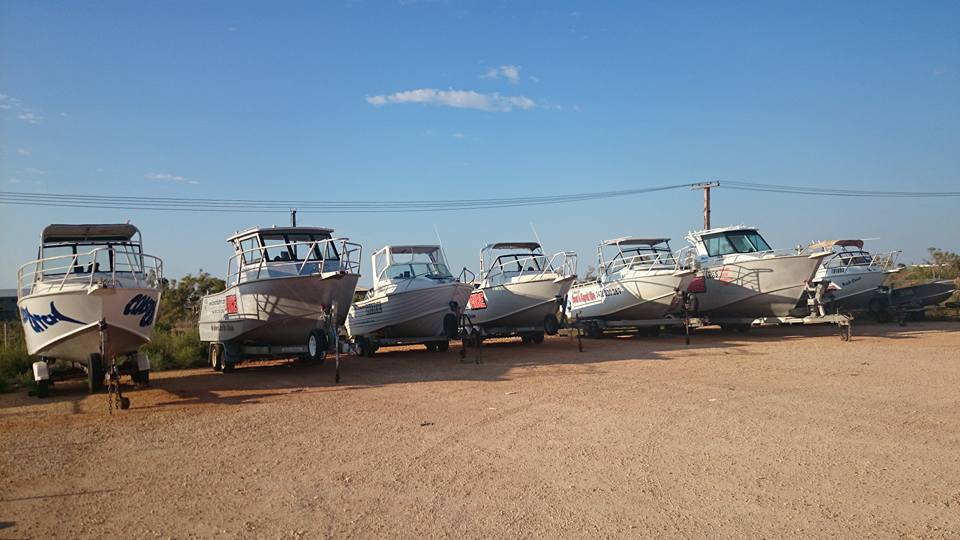 Ningaloo Reef
Australia's Coral Coast, Western Australia
Exmouth Gulf game fishing charters — A full-day blue-water charter targeting billfish in the Gulf — the premier fishing experience at Ningaloo, with a knowledgeable skipper who knows where the fish are.
Explore fishing in Ningaloo Reef →
5
Ningaloo Reef
Australia's Coral Coast, Western Australia
Exmouth Gulf game fishing charters — A full-day blue-water charter targeting billfish in the Gulf — the premier fishing experience at Ningaloo, with a knowledgeable skipper who knows where the fish are.
Explore fishing in Ningaloo Reef →
5
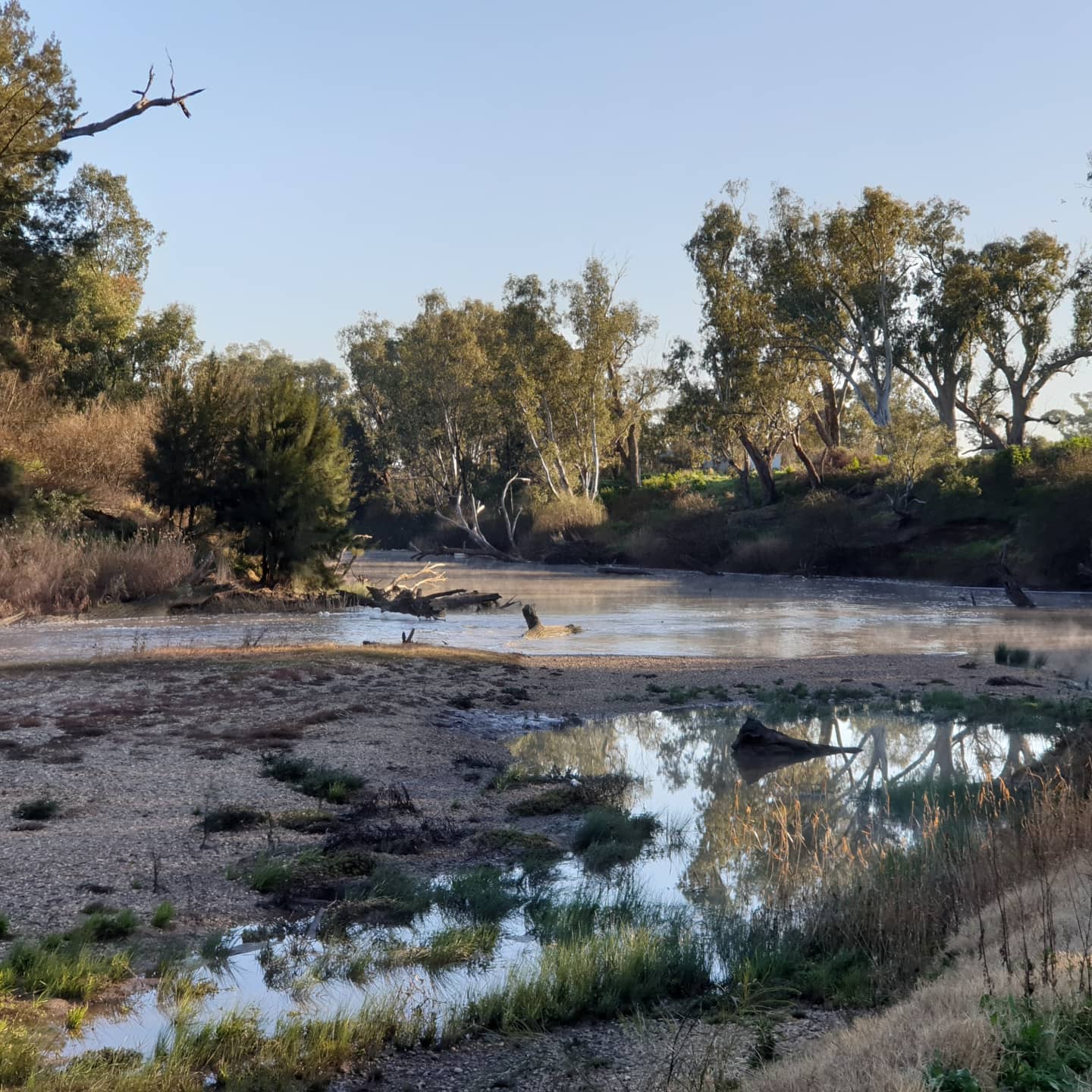 Dubbo
Central West, New South Wales
The Macquarie River through Dubbo — the riverside reserves — A dawn or dusk session working a surface lure over the river timber for Murray cod.
Explore fishing in Dubbo →
6
Dubbo
Central West, New South Wales
The Macquarie River through Dubbo — the riverside reserves — A dawn or dusk session working a surface lure over the river timber for Murray cod.
Explore fishing in Dubbo →
6
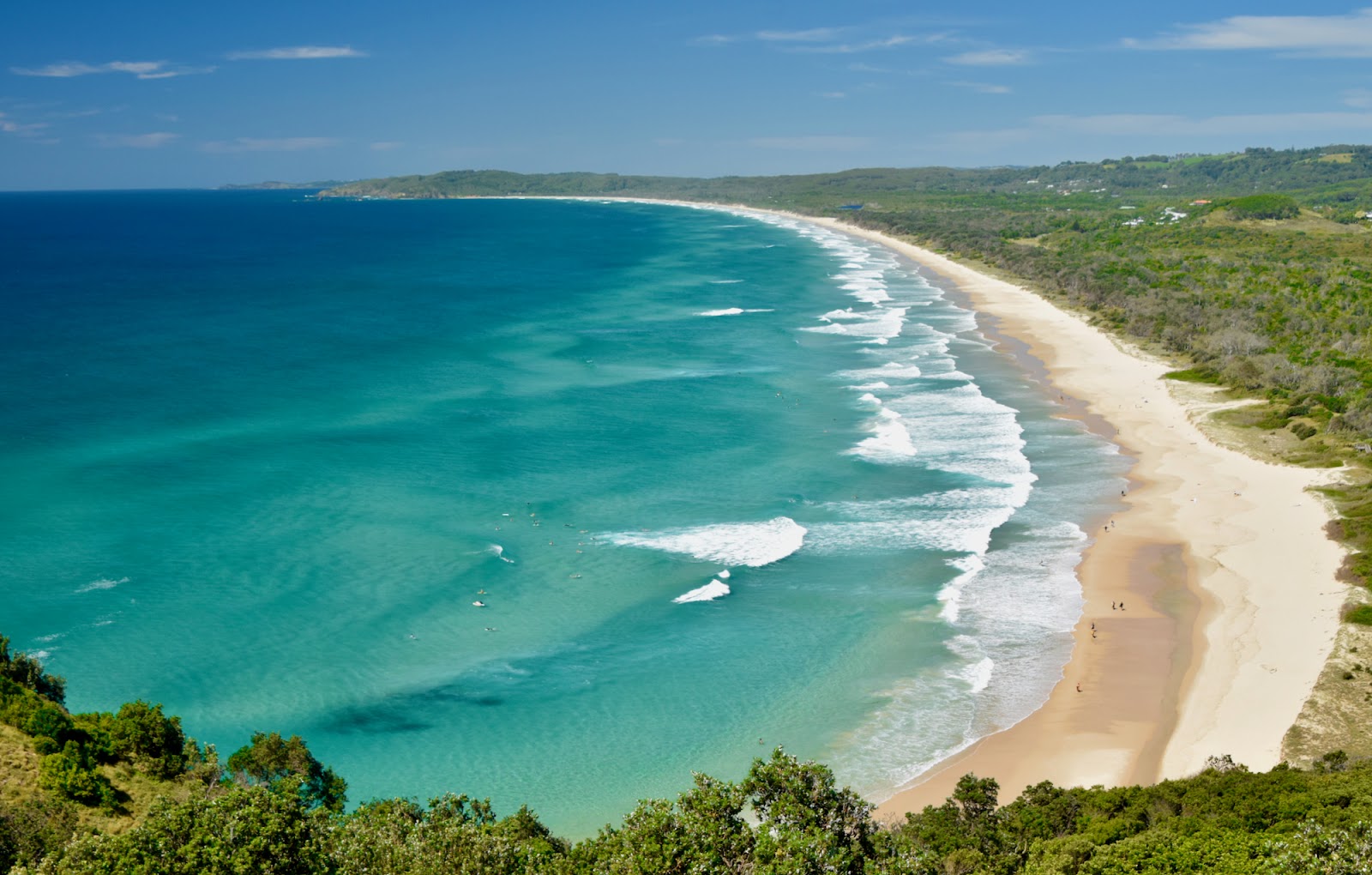 Byron Bay
Northern Rivers, New South Wales
Beach & surf fishing — Tallow and the open beaches — A moving-tide dawn session in a Tallow Beach gutter for tailor, whiting and a shot at a jewfish.
Explore fishing in Byron Bay →
7
Byron Bay
Northern Rivers, New South Wales
Beach & surf fishing — Tallow and the open beaches — A moving-tide dawn session in a Tallow Beach gutter for tailor, whiting and a shot at a jewfish.
Explore fishing in Byron Bay →
7
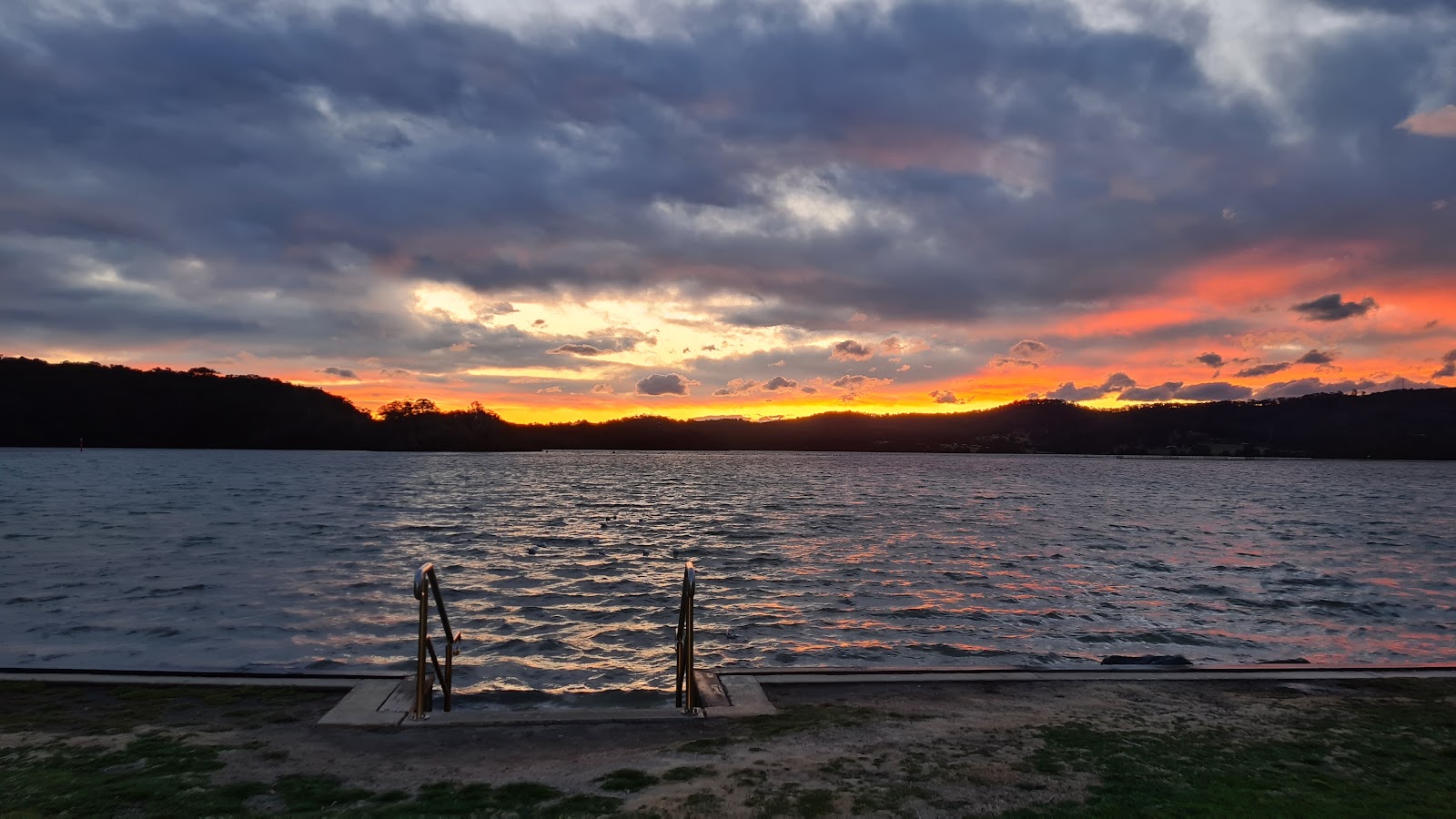 Narooma
South Coast, New South Wales
Wagonga Inlet — the estuary fishing jewel — A dawn session on the sand flats with soft plastics — and a ‘croc’ flathead photographed and released.
Explore fishing in Narooma →
8
Narooma
South Coast, New South Wales
Wagonga Inlet — the estuary fishing jewel — A dawn session on the sand flats with soft plastics — and a ‘croc’ flathead photographed and released.
Explore fishing in Narooma →
8
 Broome
Australia's North West, Western Australia
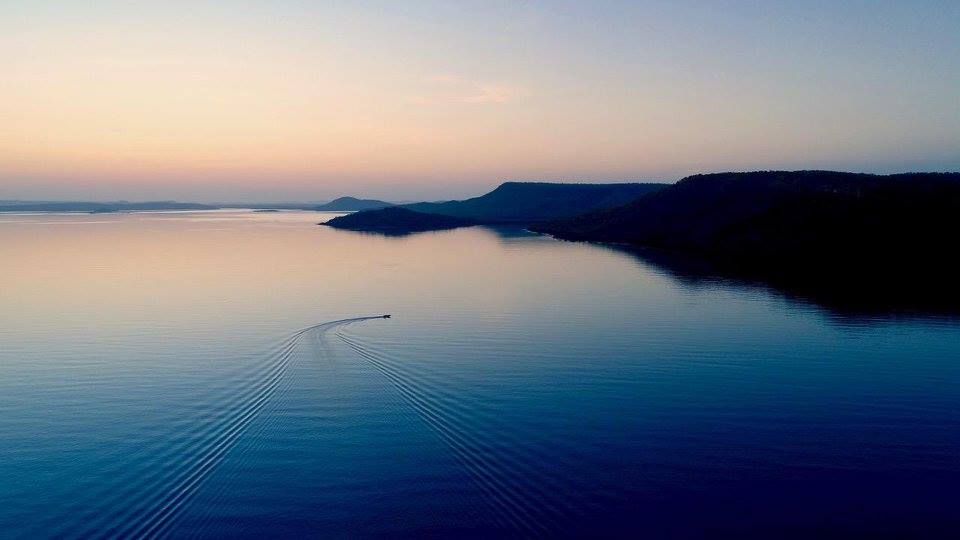
Town Beach jetty and foreshore — Fishing the run-in tide with a surface popper or metal slice for queenfish and trevally — the bite window is two hours, so time it well.
Explore fishing in Broome →
Broome
Australia's North West, Western Australia
Town Beach jetty and foreshore — Fishing the run-in tide with a surface popper or metal slice for queenfish and trevally — the bite window is two hours, so time it well.
Explore fishing in Broome →
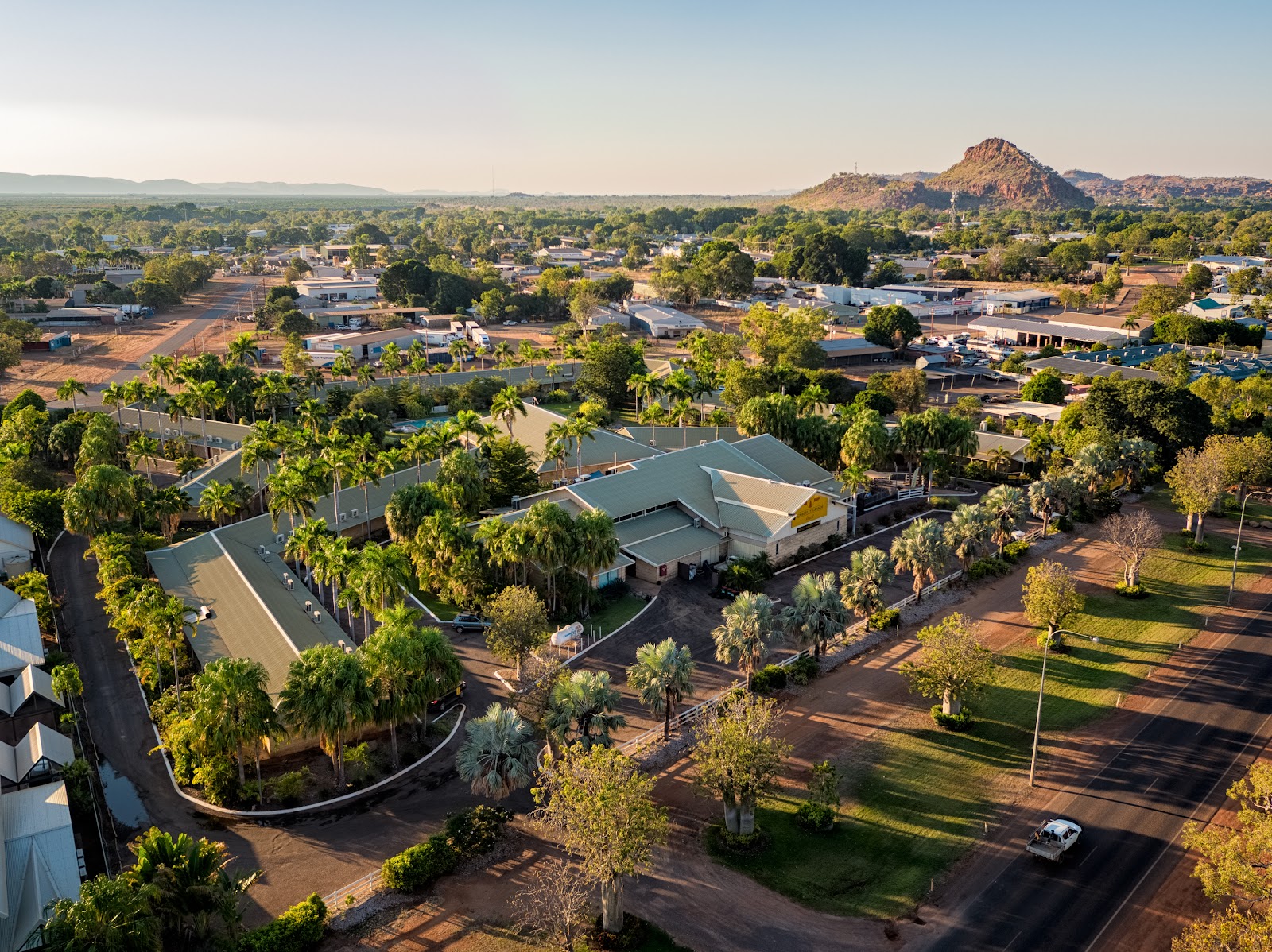
The Kimberley Grande Resort — The Kimberley
Book Direct & Save →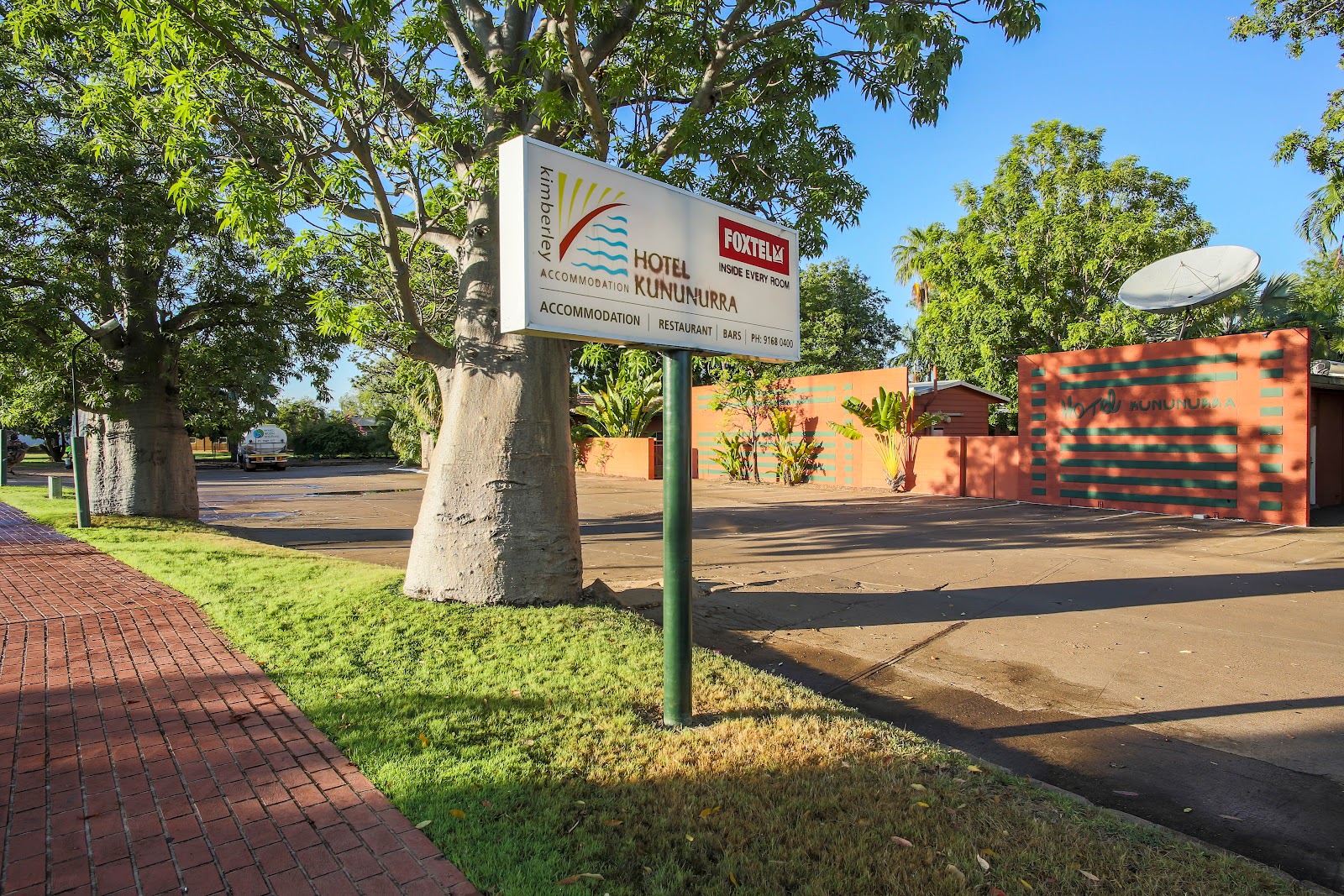
Best Western Cambridge Hotel Kununurra — The Kimberley
Book Direct & Save →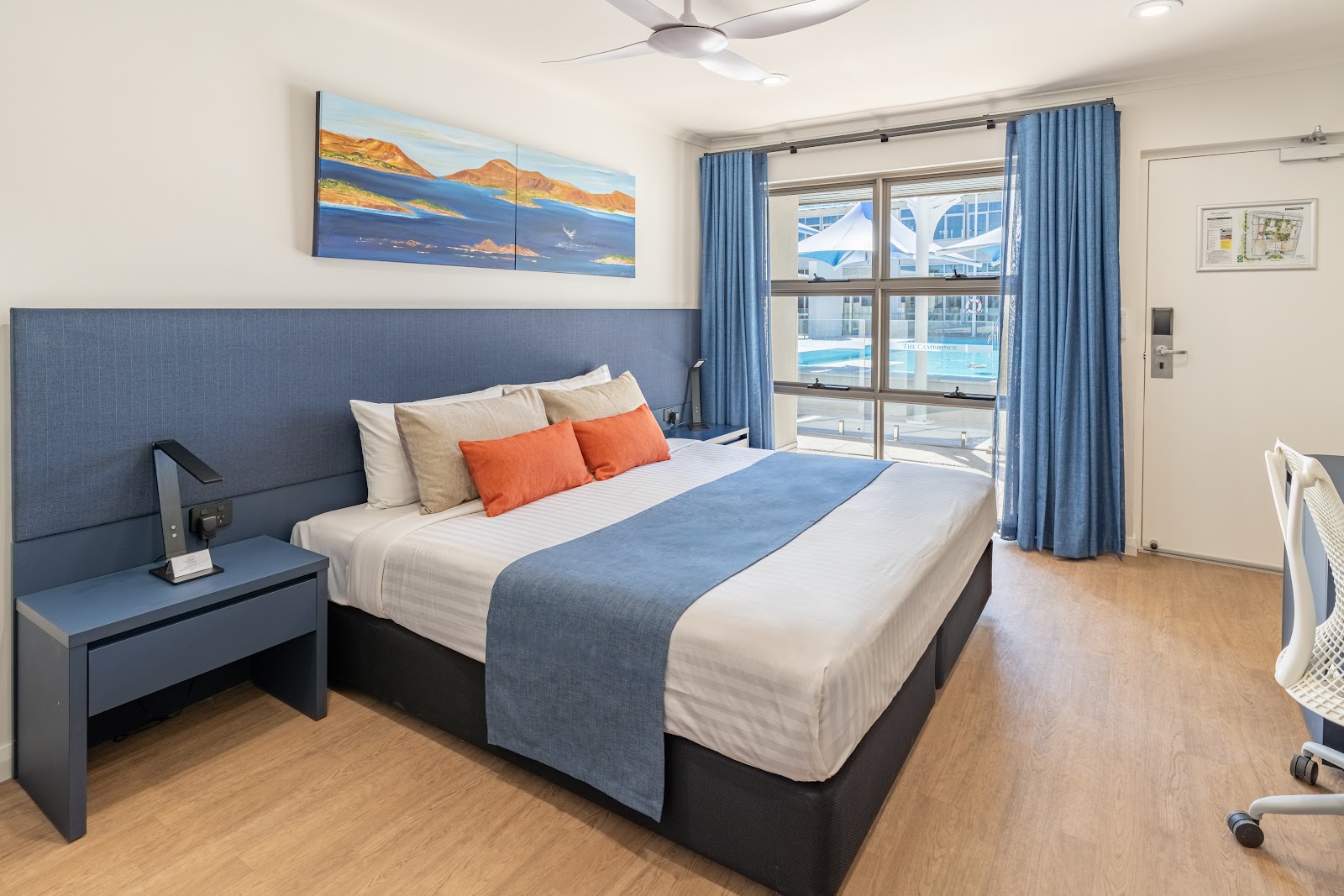
Hotel Kununurra — The Kimberley
Book Direct & Save →Skip OTA fees. Connect directly with The Kimberley owners for the best rates and a truly personal experience.
We match any online rate. No service fees — 100% of your payment supports local owners.
Direct guests receive complimentary hampers, early check-in, and priority access to experiences.
Speak directly with the people who manage the properties. No call centres, just local expertise.
Part of Western Australia · Australia's North West
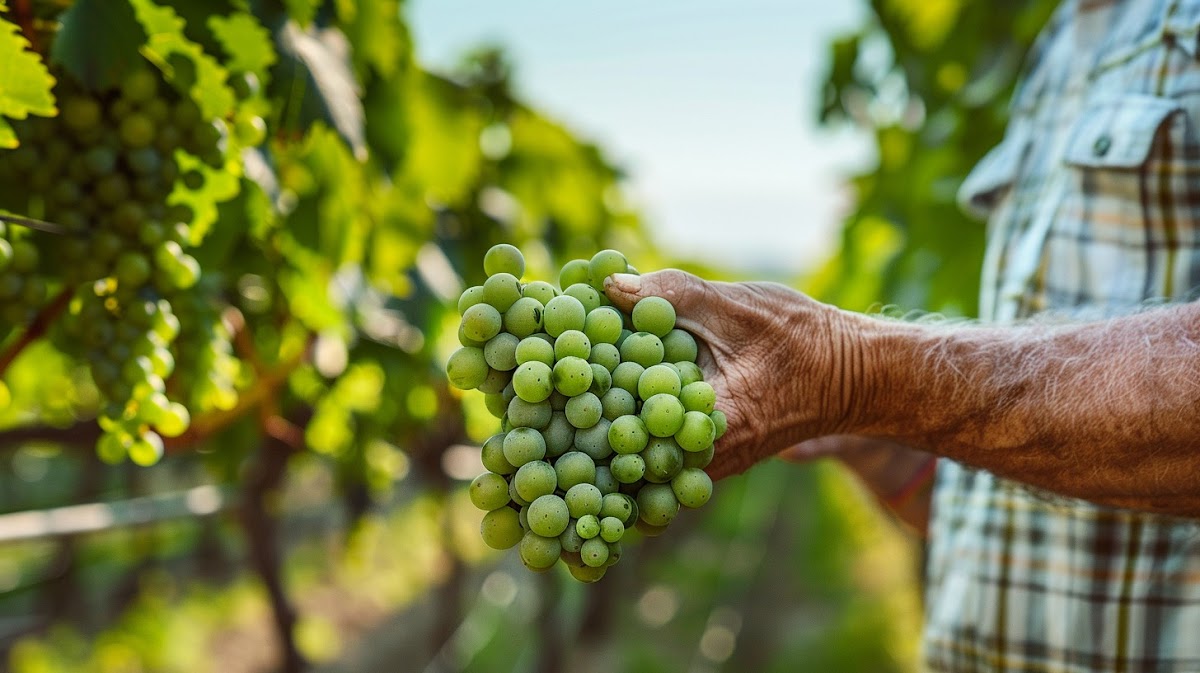 Glen Aplin
Granite Belt, Queensland
Queensland's most underrated wine valley
Explore the guide →
Glen Aplin
Granite Belt, Queensland
Queensland's most underrated wine valley
Explore the guide →
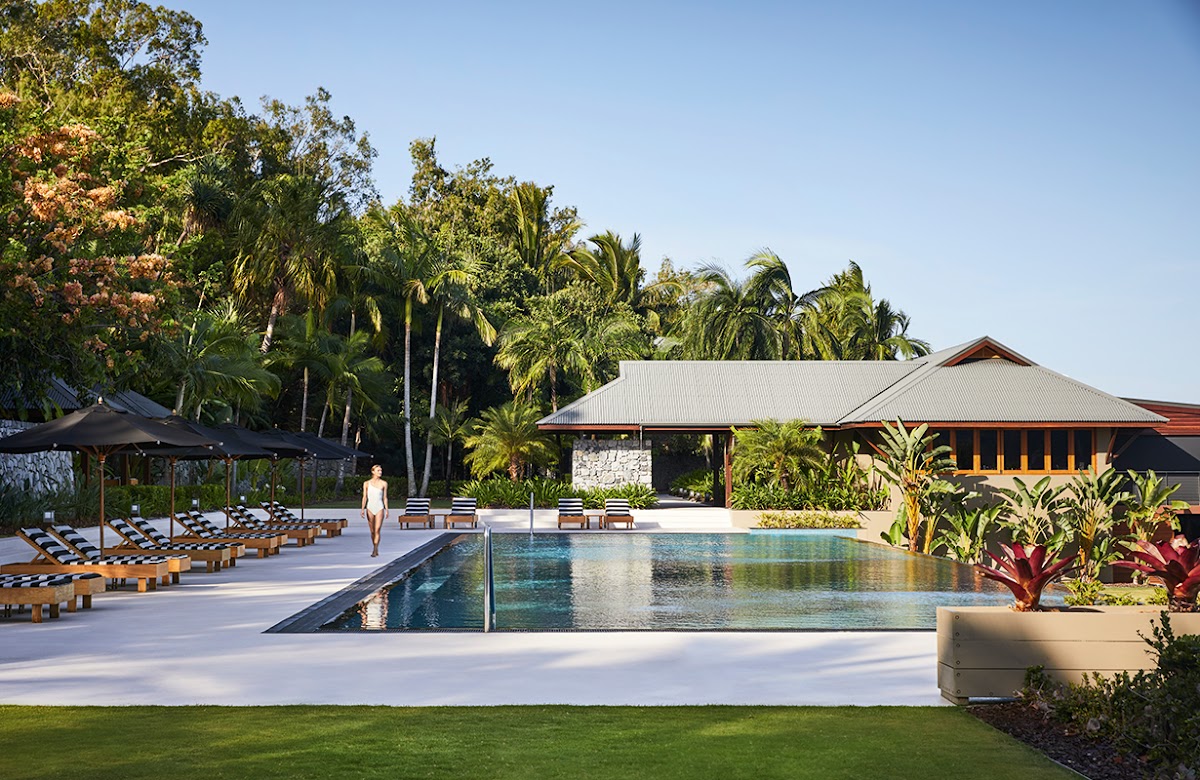 Hamilton Island
The Whitsundays, Queensland
Whitsundays island resort — Whitehaven Beach, reef trips and golf-buggy life
Explore the guide →
Hamilton Island
The Whitsundays, Queensland
Whitsundays island resort — Whitehaven Beach, reef trips and golf-buggy life
Explore the guide →
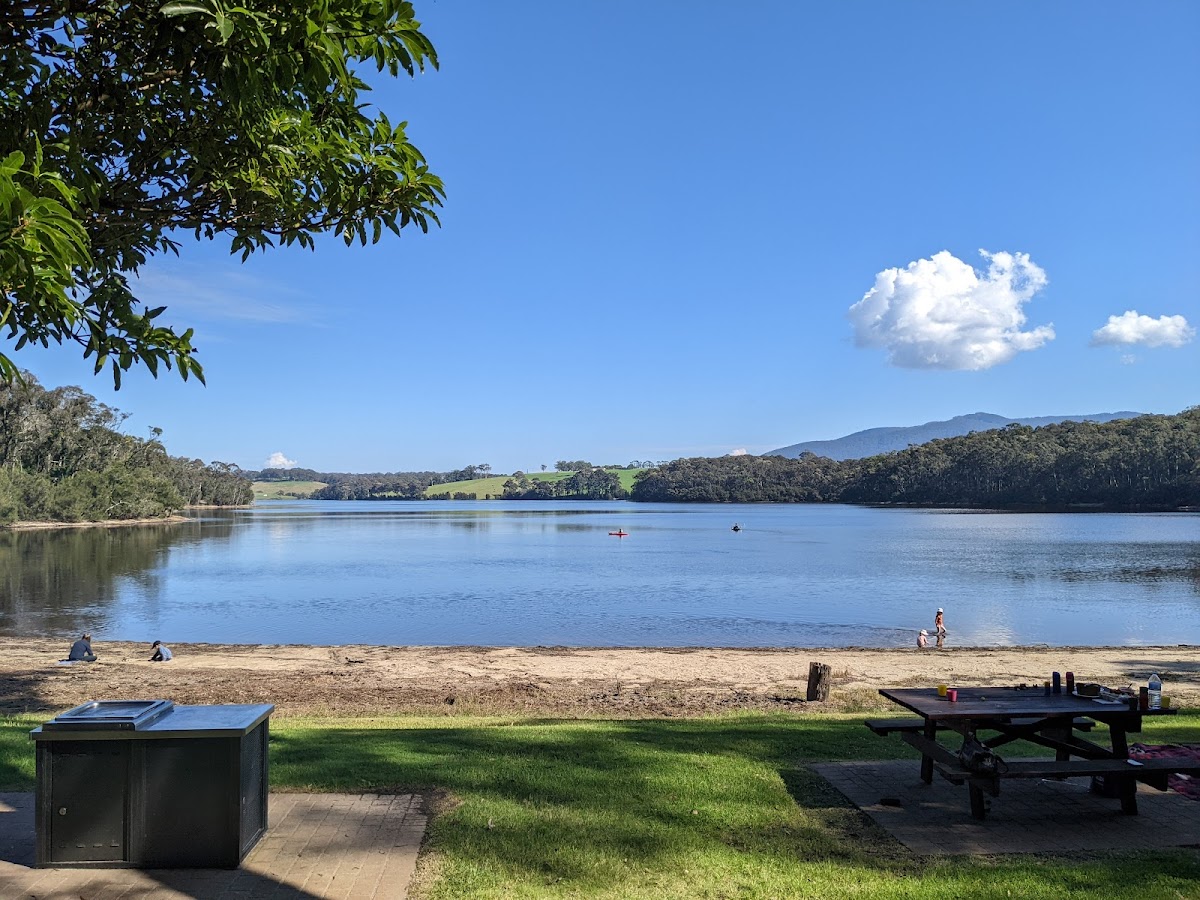 Narooma
South Coast, New South Wales
Crystal-clear inlet, surf beaches, oysters and Montague Island
Explore the guide →
Narooma
South Coast, New South Wales
Crystal-clear inlet, surf beaches, oysters and Montague Island
Explore the guide →
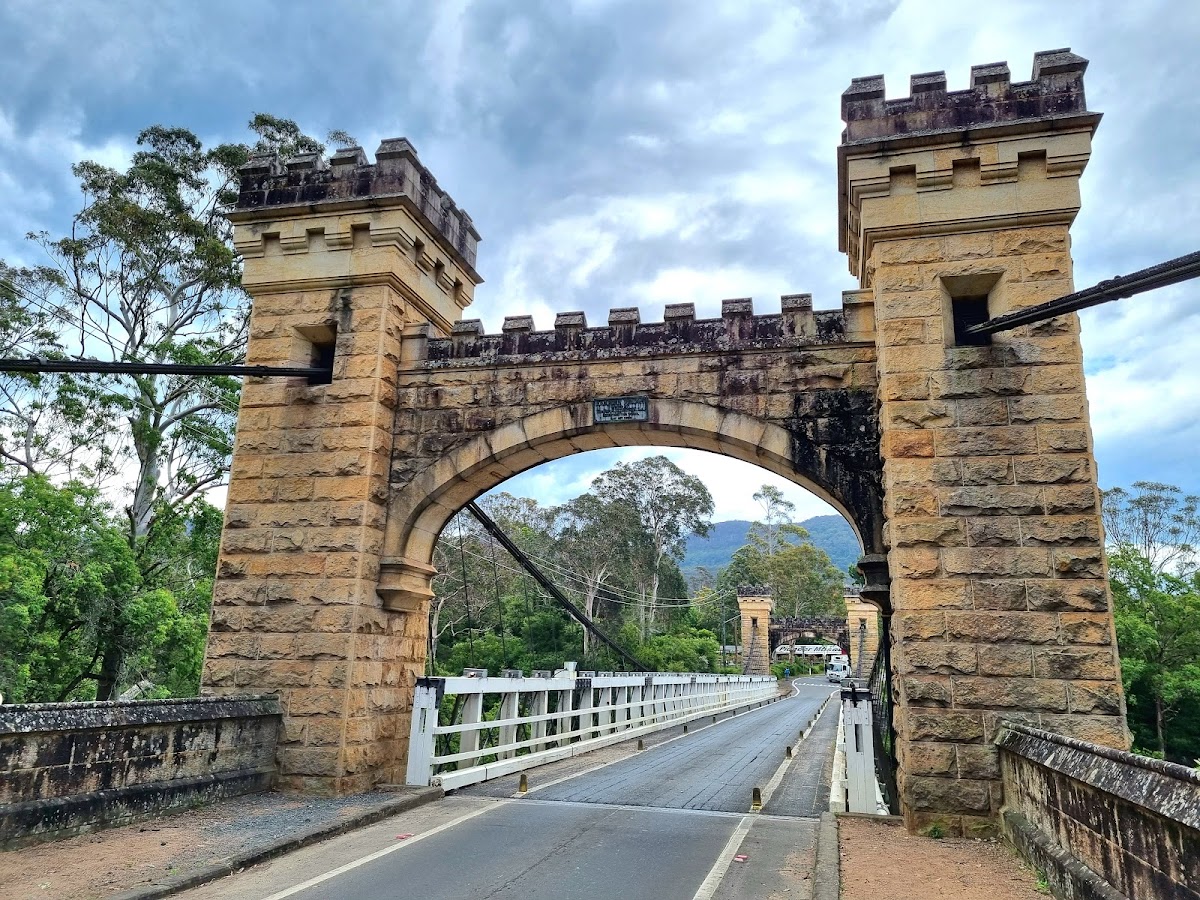 Kangaroo Valley
Shoalhaven, New South Wales
Hampden Bridge, kayaking and wombats in a green valley
Explore the guide →
Kangaroo Valley
Shoalhaven, New South Wales
Hampden Bridge, kayaking and wombats in a green valley
Explore the guide →
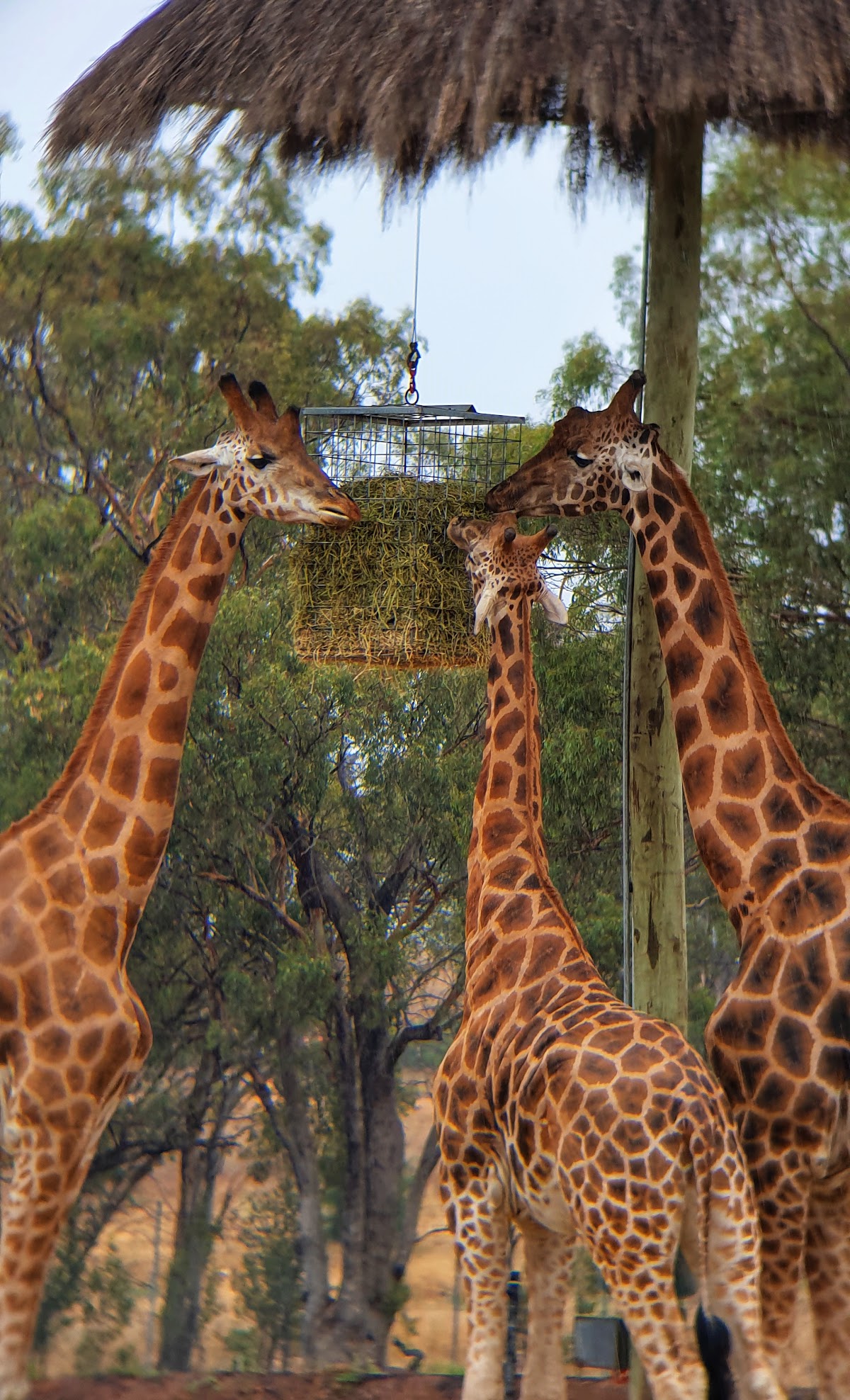 Dubbo
Central West, New South Wales
Open-range zoo and Outback gateway on the Macquarie River
Explore the guide →
Dubbo
Central West, New South Wales
Open-range zoo and Outback gateway on the Macquarie River
Explore the guide →
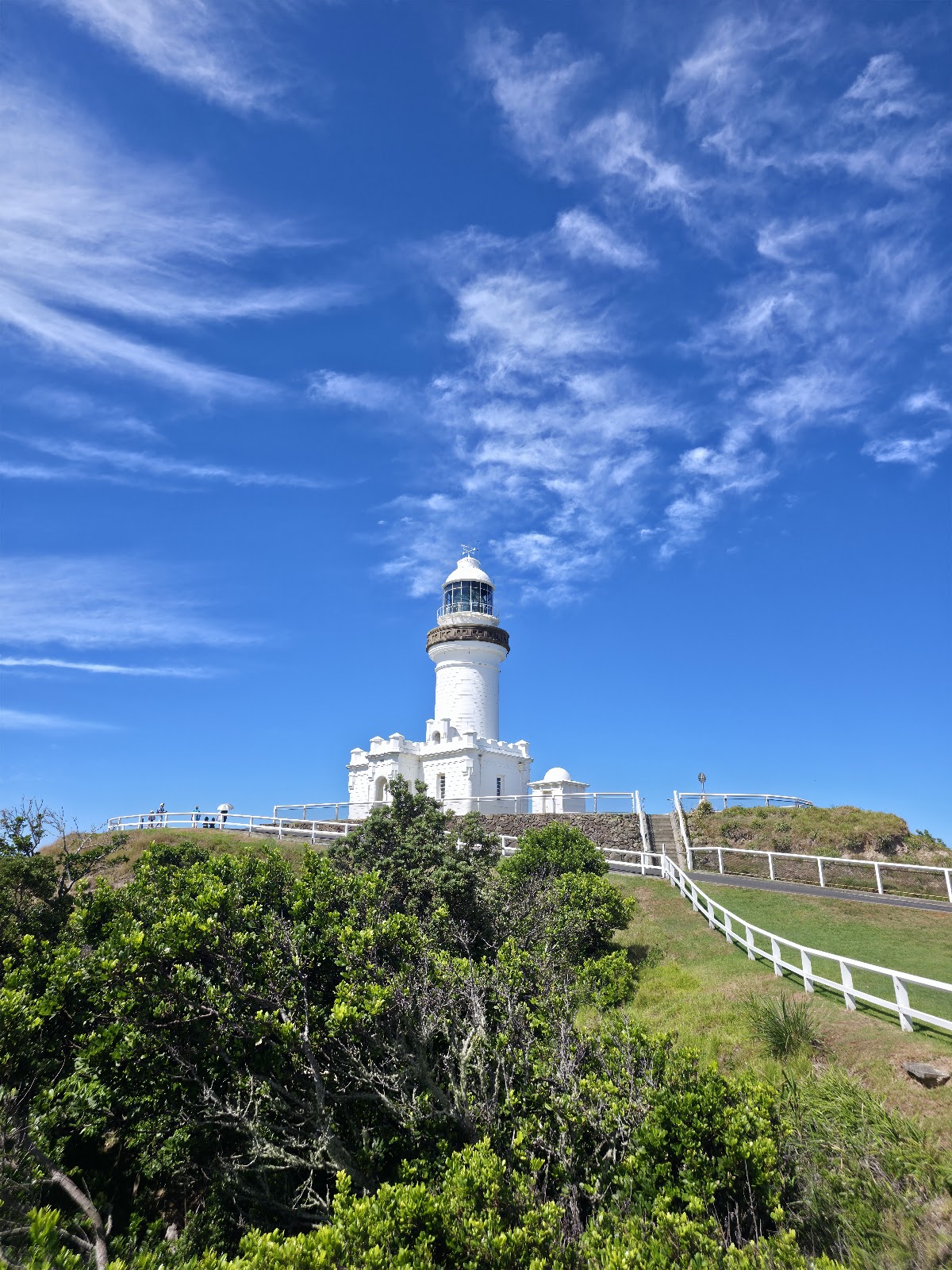 Byron Bay
Northern Rivers, New South Wales
Australia's iconic beach town and most easterly point
Explore the guide →
Byron Bay
Northern Rivers, New South Wales
Australia's iconic beach town and most easterly point
Explore the guide →
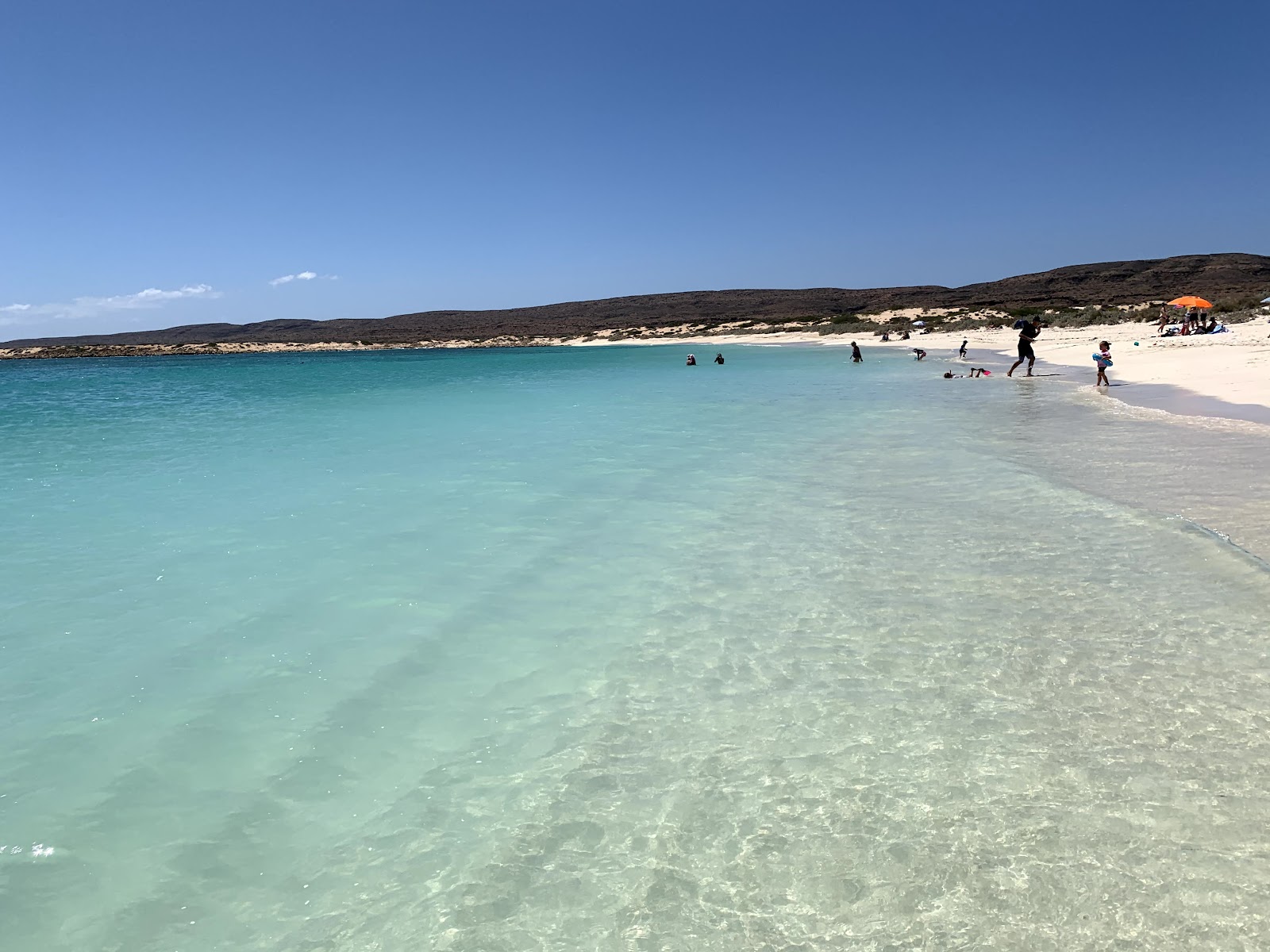 Ningaloo Reef
Australia's Coral Coast, Western Australia
Swim with whale sharks and snorkel a World-Heritage reef straight off the beach
Explore the guide →
Ningaloo Reef
Australia's Coral Coast, Western Australia
Swim with whale sharks and snorkel a World-Heritage reef straight off the beach
Explore the guide →
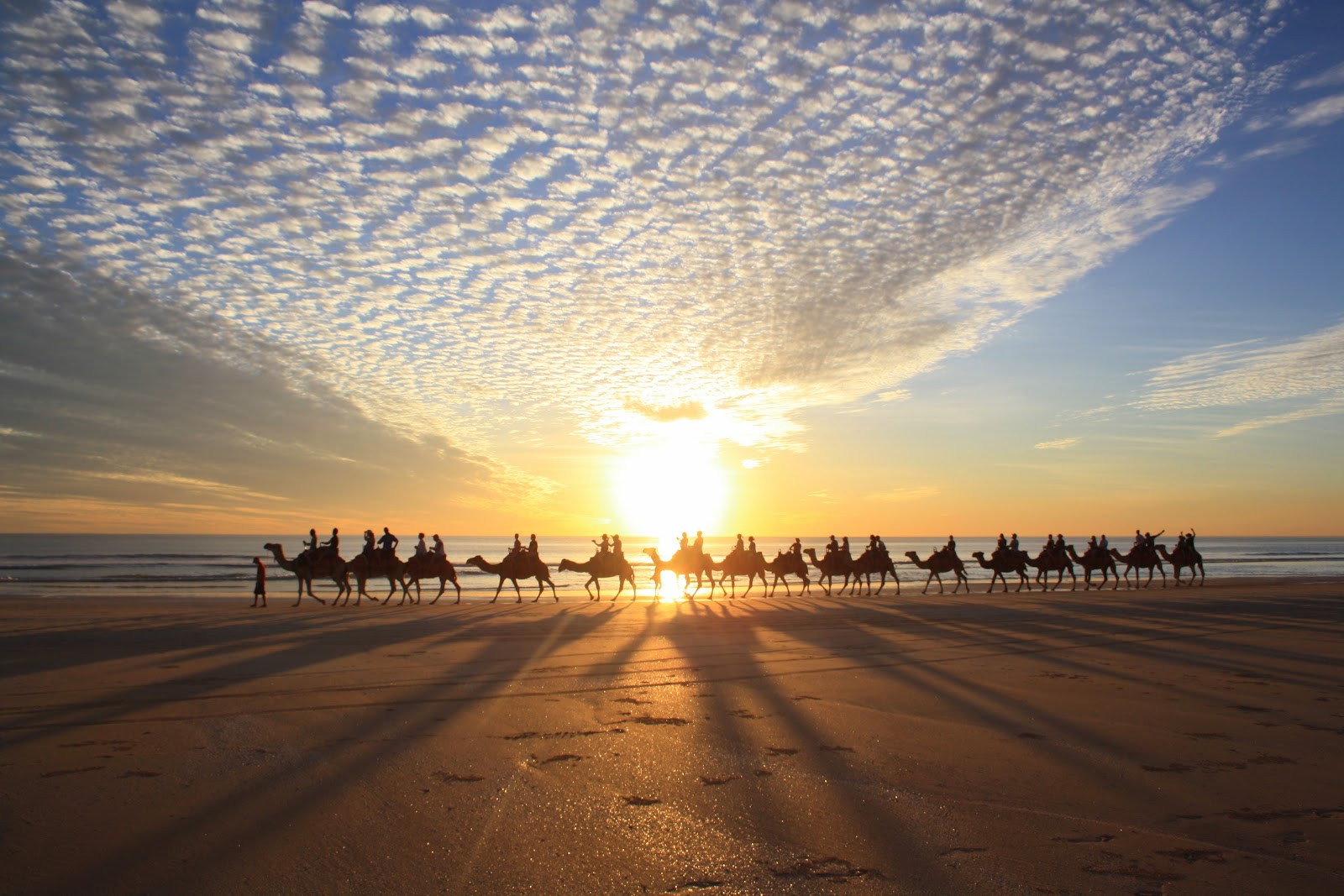 Broome
Australia's North West, Western Australia
Cable Beach sunsets, pearling history and camels on 22km of sand
Explore the guide →
Broome
Australia's North West, Western Australia
Cable Beach sunsets, pearling history and camels on 22km of sand
Explore the guide →
 Margaret River
Australia's South West, Western Australia
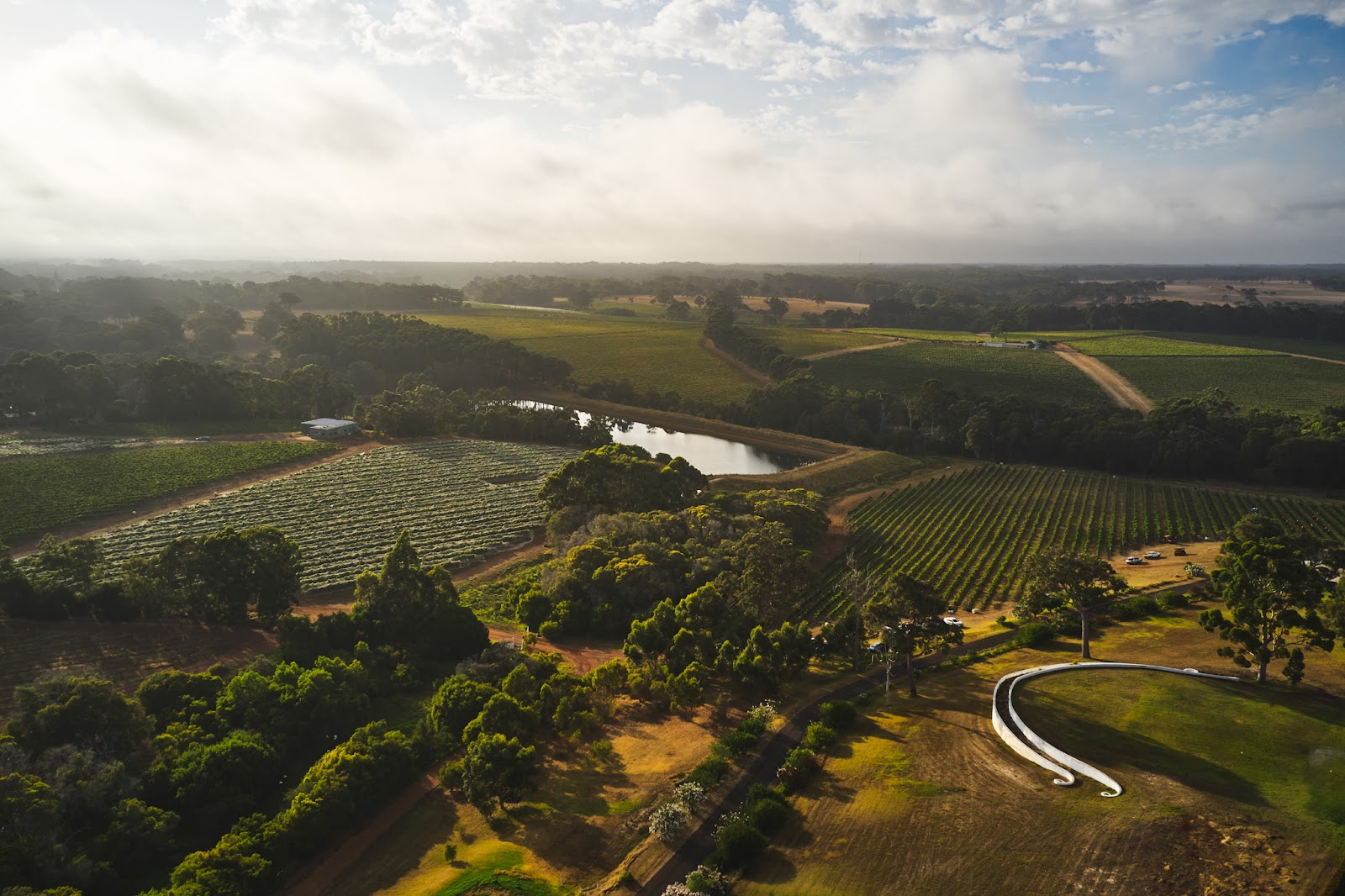
World-class wineries, surf breaks and limestone caves three hours south of Perth
Explore the guide →
Margaret River
Australia's South West, Western Australia
World-class wineries, surf breaks and limestone caves three hours south of Perth
Explore the guide →