01. Cable Beach Club Resort & Spa
4.5 (968 reviews)
Cable Beach Club Resort & Spa — Broome
Book Direct & Save →Fishing in Broome is some of the most varied and productive in Western Australia, and very little of it is discussed outside the fishing community. The town sits on the edge of one of the most biodiverse coastal systems in the country — the Kimberley coastline, the mangrove-lined creeks of Roebuck Bay, and the offshore reef and pelagic grounds of the Indian Ocean — and all of it holds fish that anglers travel specifically to catch. Barramundi in the creek systems. Giant threadfin salmon (king salmon) running the bay. Mangrove jack, queenfish, trevally and black jewfish in the shallows. Sailfish, Spanish mackerel and cobia offshore. The list is genuine.
View 3 Properties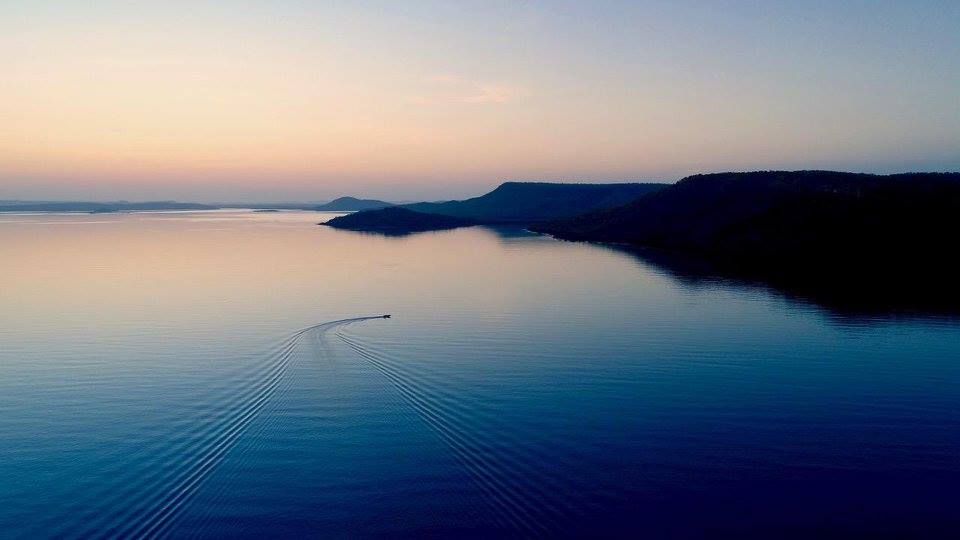
"Wild, productive, world-class croc country — respect the rules"
This guide covers the main fishing locations and methods in and around Broome — from the Town Beach jetty (a productive, equipment-free starting point) through to specialised offshore charters for sailfish and reef species. It includes honest practical advice about seasons, tides and technique for each location, and it addresses the saltwater crocodile safety rules in full. Crocodiles inhabit the creek systems, mangrove margins and much of Roebuck Bay's tidal zone, and the safety rules are not optional or overcautious — they are what allows fishing in these systems to be both productive and safe.
Western Australian fishing regulations require a valid recreational fishing licence for most finfish species; confirm current requirements with the WA Department of Primary Industries and Regional Development (DPIRD) before fishing. Size and bag limits apply to most species; always check current rules for the species you are targeting.
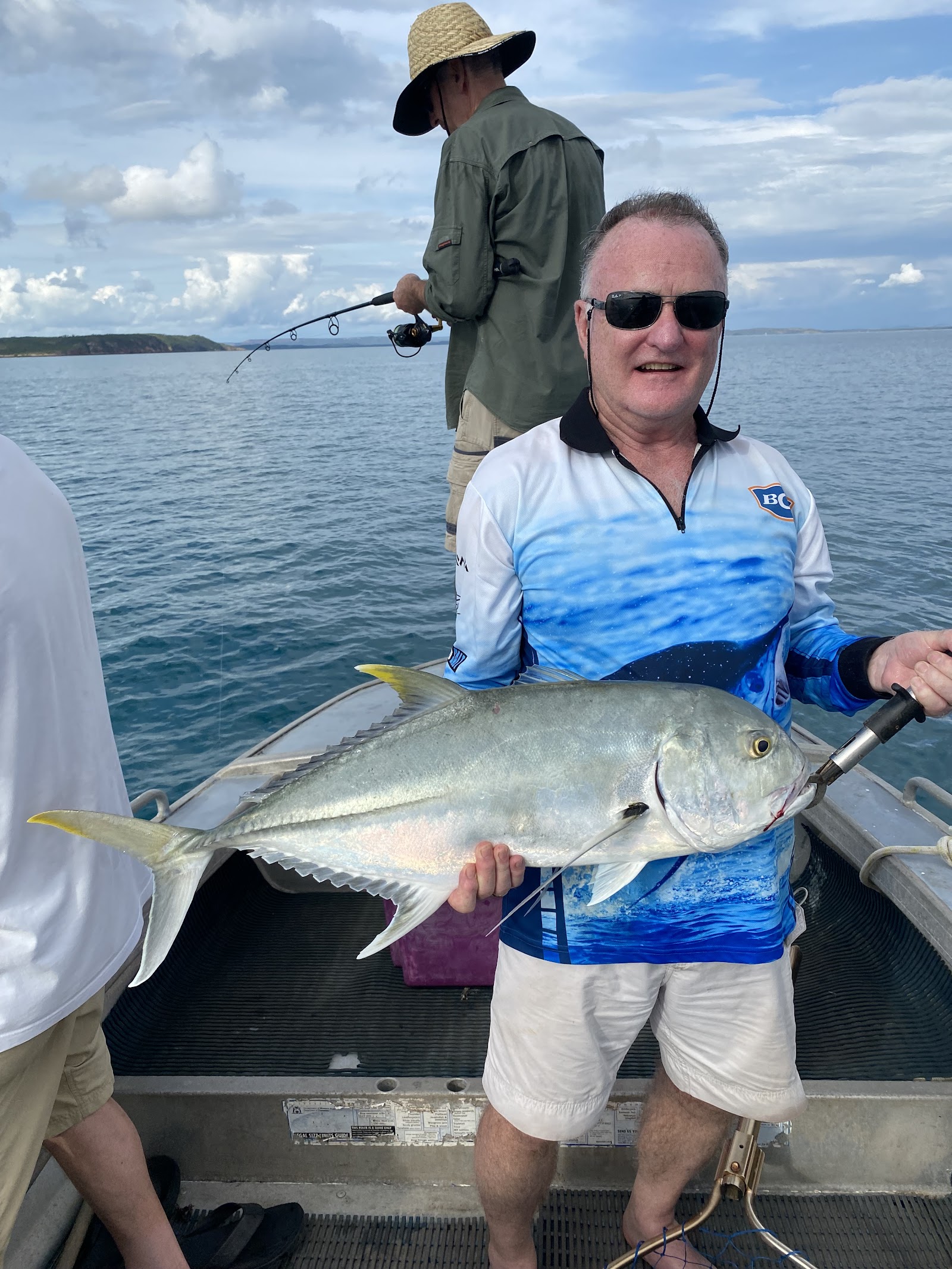
Broome sits at the intersection of three distinct fishing environments, and accessing all three is straightforward for visiting anglers. To the east, Roebuck Bay and its tributary creek systems hold barramundi, mangrove jack and threadfin salmon in the tidal margins and mangrove-lined channels. The bay itself supports large schools of queenfish, trevally and black jewfish on moving tides. West and north, the Indian Ocean reef and pelagic grounds within reach of day boats carry Spanish mackerel, cobia, coral trout and seasonal sailfish. And within town, the Town Beach jetty and the rock walls near Gantheaume Point give shore anglers access to surprisingly productive water without any boat at all.
The Kimberley tidal range is the dominant practical factor in almost all Broome fishing. With a tidal range of up to nine metres, the creek and bay systems transform completely over the tidal cycle — fish move on and off the flats, through the creek mouths and into holding positions in a predictable tidal rhythm. The most productive fishing is almost always on the tide changes: the last two hours of the run-out and the first two hours of the run-in being the consistent productive windows. Understanding this — and checking tide tables before every outing — will make more difference to your results than any other single factor.
Croc safety, addressed fully in each relevant location section below: saltwater crocodiles are present in Broome's creek systems, along the mangrove margins of Roebuck Bay, and in the tidal zones adjacent to the bay. They are not aggressive toward humans who follow sensible guidelines, but the guidelines are non-negotiable: do not stand at the water's edge in creek systems or mangrove margins; do not clean fish at the water's edge; don't wade; don't fish alone in remote creek locations. These rules allow safe and enjoyable fishing in some of the most productive water in Australia.
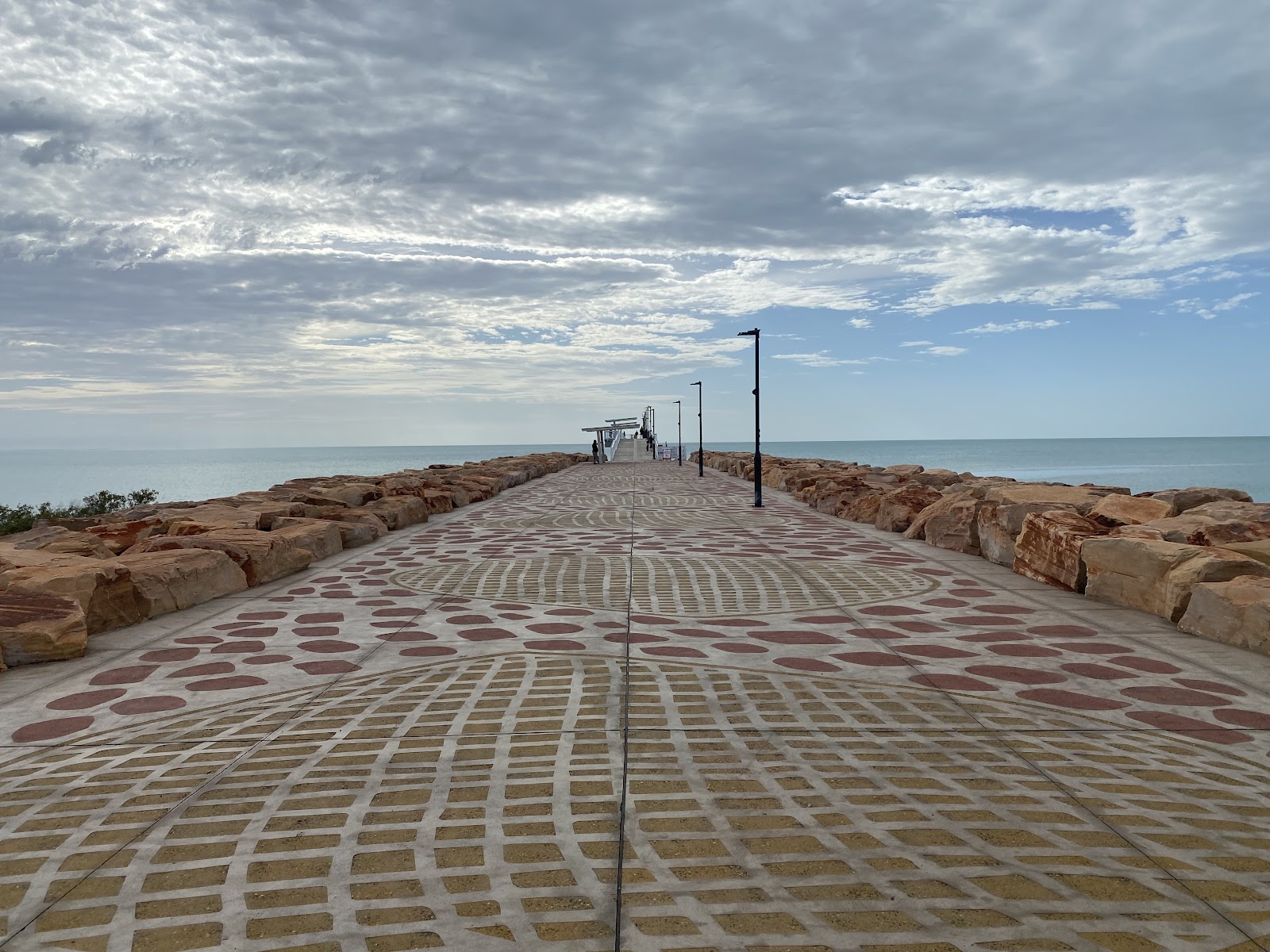
The Town Beach jetty on the Roebuck Bay side of Broome is the most accessible fishing location in town and consistently productive for the effort involved. From the jetty and the adjacent rock walls and foreshore you can target queenfish, trevally, mangrove jack, bream and occasional black jewfish on lures or bait without a boat, a guide or any specialist equipment beyond a rod and a fishing licence. It's the ideal starting point for visiting anglers assessing the local conditions before committing to a charter or a creek run.
The productive windows are on the tide change — fish move through the bay on tidal flows, and the jetty sits in the path of these movements. The run-in tide particularly suits lure fishing for trevally and queenfish, both of which chase surface poppers and metal slices with enthusiasm on the right tide. The run-out pushes baitfish past the structure of the jetty, which pulls predators in behind them. Dead low and dead high tides are generally slower.
For anglers visiting Broome with families or as part of a mixed group, the Town Beach jetty works well as a social base: non-fishers can use the foreshore, and the catch-and-release opportunities for smaller fish give children and beginner anglers genuine success without needing to process and handle large fish. The jetty is well lit at night, and evening fishing sessions after dinner are both practical and productive.
It's the easiest productive fishing in Broome — no boat, no guide, no advance booking; just a rod, the right tide, and one of Australia's most beautiful bays in front of you.
“Tossed a metal slice off the jetty on the run-in tide for an hour and landed two solid trevally and a queenfish. Easy, productive, and the view is extraordinary.”
— Google review
Fishing the run-in tide with a surface popper or metal slice for queenfish and trevally — the bite window is two hours, so time it well.
Dead tides (full high or full low) are generally slow — time your visit to a tide change. Crocs are present in Roebuck Bay: do not stand at the water's edge below the jetty structure, particularly at night.
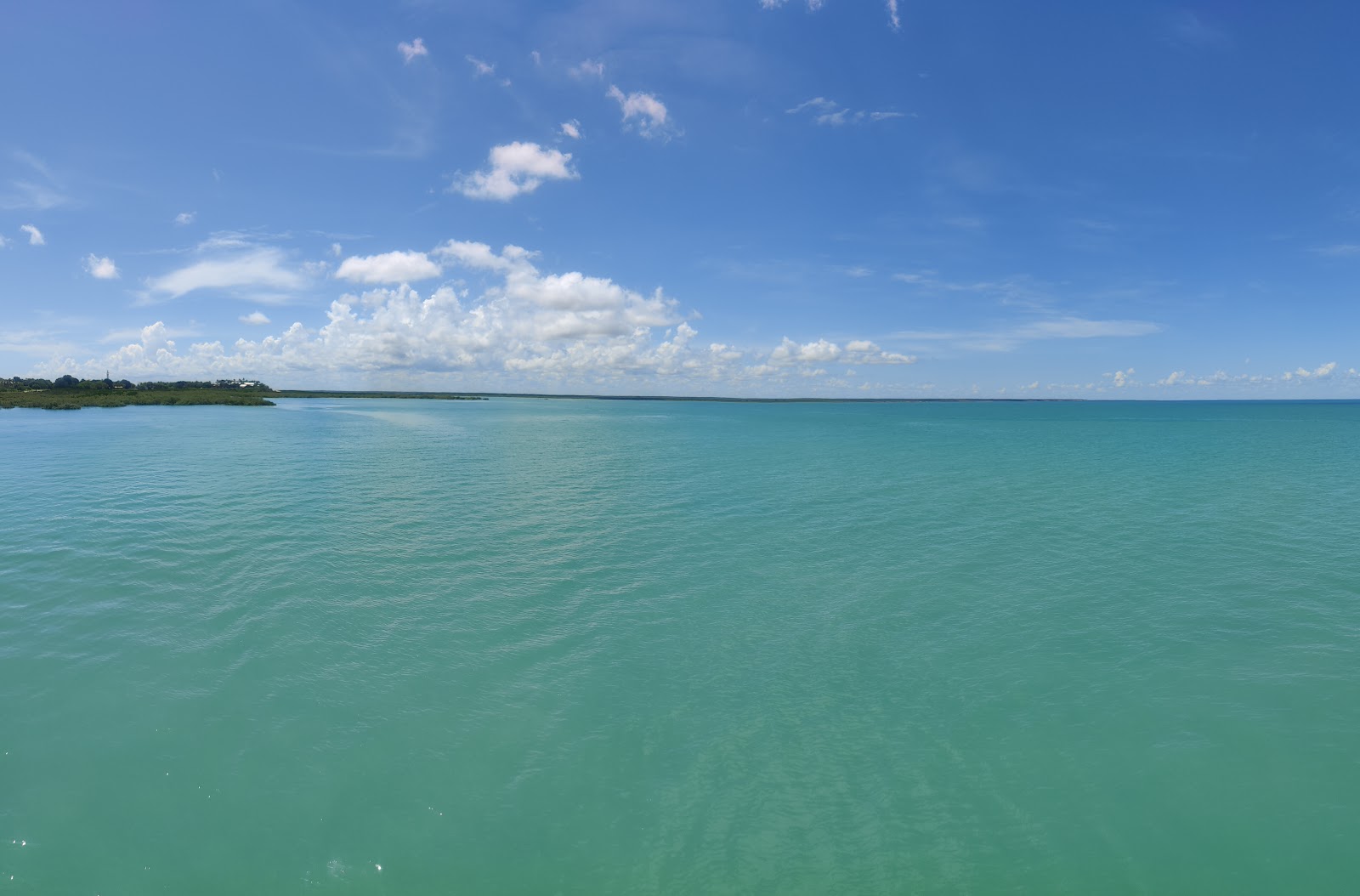
Roebuck Bay is one of the best locations in Western Australia for giant threadfin salmon — also called blue salmon or king salmon locally — and this alone justifies the trip for dedicated lure and fly anglers. Threadfin are among the most spectacular estuary and tidal flat species in the country: they grow large, run hard, and are targeted on lures, flies and live bait in the shallow tidal margins and channel edges of the bay. Schools of large threadfin work the bay edges on moving tides, and a well-placed cast at the right time can produce a fish over a metre in length and well over ten kilograms.
The bay also holds excellent queenfish in good numbers — faster, more aggressive and ideal for surface and sub-surface lure fishing. Boat access from the Town Beach boat ramp is straightforward for trailer boats; the tidal range requires launching and retrieving at appropriate tide stages. A local charter or guided trip is strongly recommended for first-time visitors to the bay — the local knowledge about where fish hold on specific tides, and how the enormous tidal movement through the bay affects approach angles and casting positions, is not easily self-taught on a short visit.
Croc safety applies strongly in Roebuck Bay: do not wade or beach the boat in mangrove creek mouths, do not clean fish at the water's edge in tidal channels, and do not anchor in the tidal creek systems after dark. The open bay flats in daylight with sensible habits are manageable; the creek margins require proper awareness.
Trophy threadfin salmon in shallow tidal flats water — watching a large fish crash a surface lure in gin-clear bay water is as good as tropical estuary fishing gets.
“Caught two threadfin over 90cm in two hours on the flats. The guide knew exactly where they'd be on the tide. That's the difference between a good day and an empty one here.”
— Traveller review
A large threadfin salmon on a surface lure at the edge of the tidal flats on the run-in — use a guide for the first visit to get straight onto fish.
Do not wade or beach the boat in mangrove creek mouths — croc risk is real. First-time visitors should use a guide; the tidal movement and fish positioning here are highly specific and change rapidly.
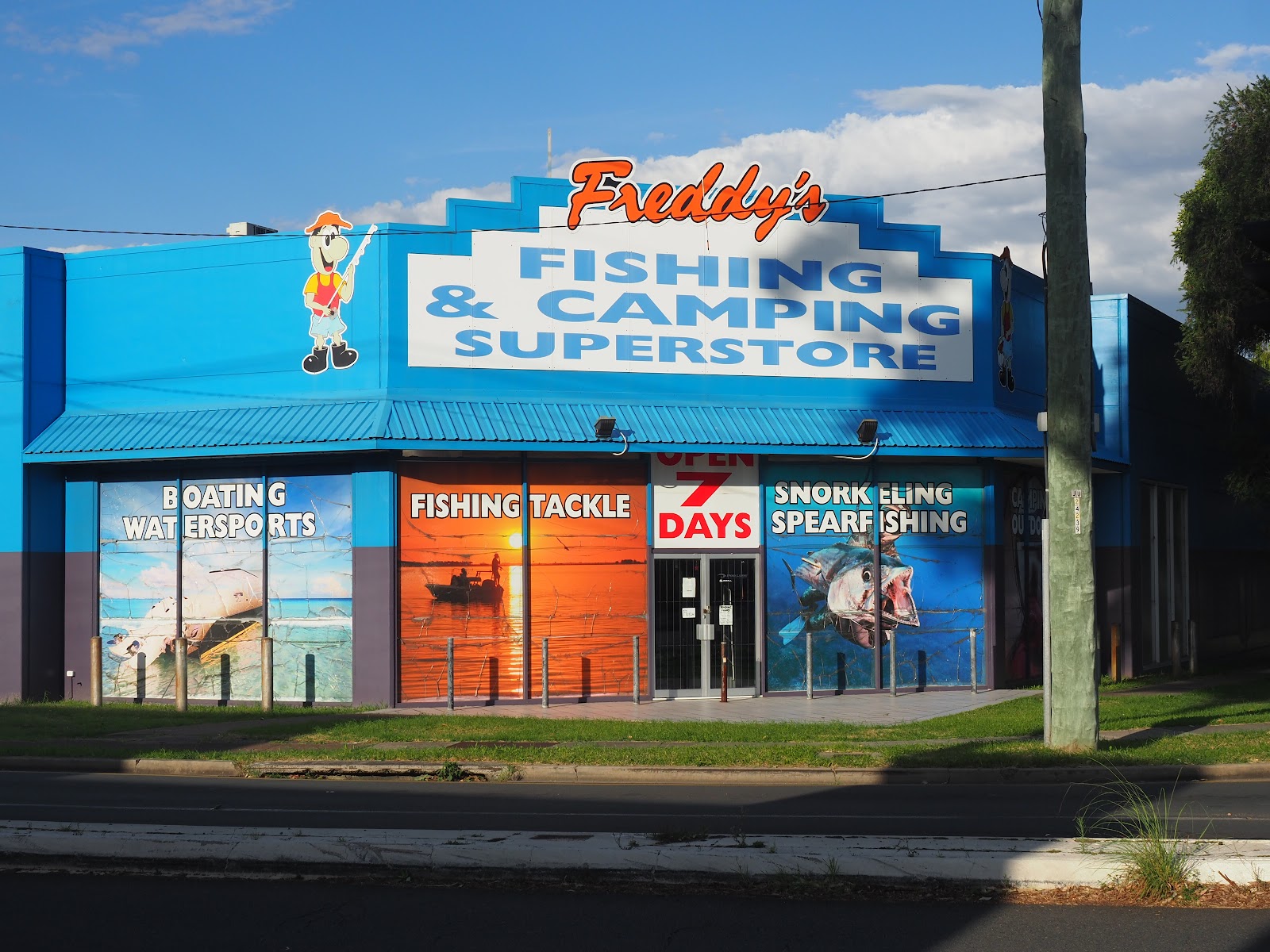
The mangrove-lined tidal creeks feeding Roebuck Bay and the coast north of Broome hold barramundi, and fishing for them in this environment is one of the genuine bucket-list experiences for Australian freshwater and estuary anglers. Barra in tidal creeks are ambush predators; they hold in specific snaggy, structure-heavy positions — undercut mangrove banks, submerged logs, narrow creek bends — and are targeted on cast-and-retrieve lures worked tight to the structure. A well-executed cast that lands a surface popper or a diving bibbed lure within 20 centimetres of a root mass and then works it back through the shadow is exactly what creek barramundi fishing is. The fish that hits a perfect cast in this environment — an eruption from dark water against a mangrove bank — is not an experience that fades quickly.
The wet season (November to April) and immediately post-wet (April to June) is the most productive period for creek barra: the rising and falling floodwaters concentrate fish and trigger feeding aggression. The dry season sees fish present but sometimes less active in the heat of the day; dawn and dusk sessions and overcast days improve catch rates. Water temperature, tidal height and moon phase all influence activity, and a knowledgeable guide on your first visit will translate these factors into fish on the end of the line far more reliably than independent trial and error.
Croc safety is paramount in the creek systems and is non-negotiable: always fish from inside the boat or well back from the water's edge, never stand at the edge of a creek bank or allow feet to dangle over the water, do not clean fish near the creek margin, and do not fish alone in remote creek positions. These are productive, beautiful fishing environments and the croc risk is manageable with sensible habits — but it is real and the guidelines are not overcautious.
A barramundi erupting from a shadowed mangrove bank on a surface lure in a remote Kimberley creek is about as close to a religious fishing experience as Australia offers.
“The guide positioned the boat perfectly — barra holding under the mangroves exactly where he said. That hit on the surface plug at dawn was the best fishing moment of my life.”
— Google review
A surface-lure cast placed tight to a mangrove root mass at dawn, worked back slowly — and the barramundi that comes from the dark water to hit it.
CROC SAFETY: never fish from the bank in creek systems; always stay inside the boat; do not clean fish at the water's edge; do not fish alone in remote creek locations. These rules are mandatory, not optional.
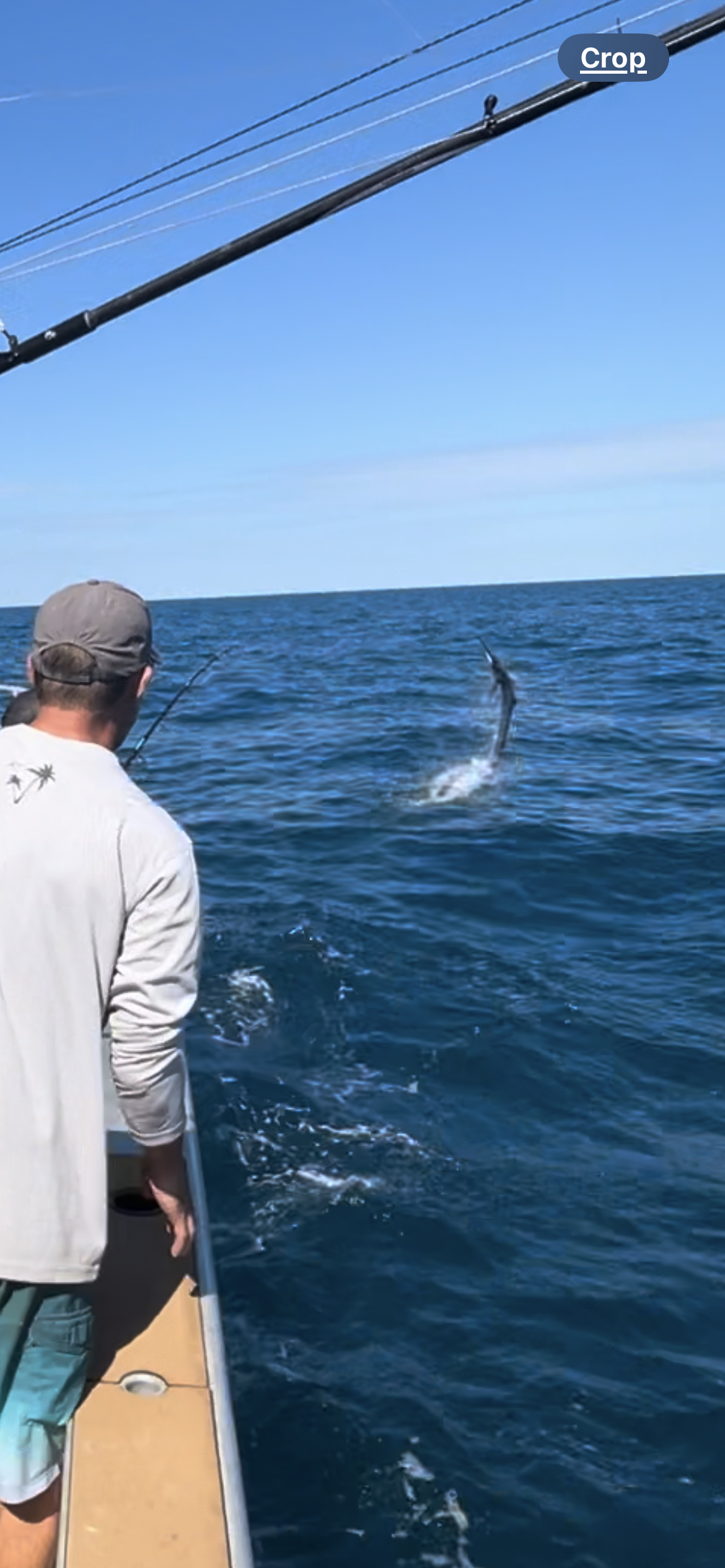
The Indian Ocean offshore grounds accessible from Broome hold excellent reef species — coral trout, red emperor, nannygai, and large trevally — and one spectacular pelagic: sailfish. Broome is one of the more consistent sailfish destinations in Western Australia, with fish present in the offshore grounds from approximately August to October as they follow bait schools moving south with the dry-season current. Sailfish here run larger than the season's NSW fish and are generally caught on trolled baits and lures, with some operators offering live baiting for more consistent hook-up rates.
Day-boat charters operating out of Broome Boat Harbour cover both the offshore pelagic grounds (typically 20–50km offshore) and the reef systems in between, meaning a day trip can combine a run for sailfish in the morning with bottom-bashing over reef for coral trout on the way back. The Kimberley offshore is not as well-established a charter destination as Exmouth or the Coral Sea, but the operators who work these grounds consistently put clients onto fish and the grounds are comparatively light-pressured.
Sailfish, as a rule, are released: they are a sportfish of considerable charisma and fragile when stressed in Kimberley water temperatures. Most Broome charter operators practice catch-and-photograph-and-release as a matter of course for sailfish; confirm the operator's policy when booking. For table fish — coral trout, red emperor — limits apply under WA regulations; confirm current bag and size limits with DPIRD before your trip.
A Kimberley sailfish on deck — even for a photograph before release — is one of the most impressive sportfish encounters available within a day-boat distance of any Australian town.
“Had two sailfish up on the same troll run, released both in good condition. Came back over the reef for coral trout on the way in. Perfect day on the water.”
— Traveller review
A sailfish to the boat on a troll lure in the offshore grounds — request a catch-and-release operator if the release matters to you.
The offshore grounds require suitable sea conditions — check the weather before booking a day trip and ensure the operator monitors the forecast. The season window for sailfish is roughly Aug–Oct; outside this window, reef fishing is the main offshore option.
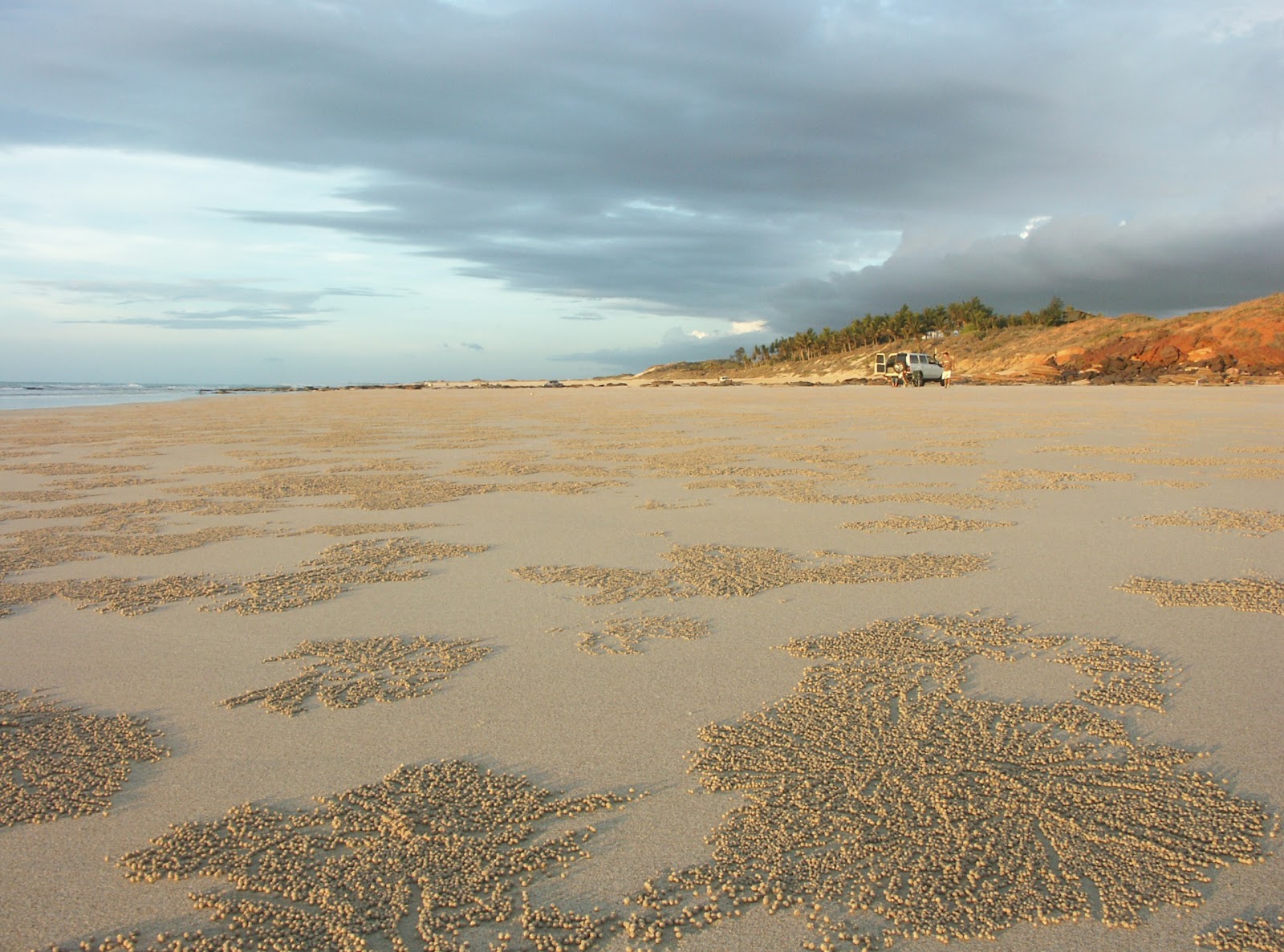
The rock groyne at Cable Beach and the northern 4WD section of the beach provide accessible ocean-facing fishing without needing a boat. The groyne itself, and the rock platform adjacent to it, holds fish in the deeper water on the ocean side — gutfish, dart, whiting and the occasional threadfin or trevally move through with the tide. It's casual, low-effort fishing — a handline or a light rod into the clear Indian Ocean water — and it suits the approach of bringing a rod to Cable Beach and fishing quietly while the rest of the group swims or waits for sunset.
North of the rocks on the 4WD beach, driving along the northern stretch and fishing the deeper gutters and beach channels at tide change is a pleasant and sometimes productive option for travellers who already have a 4WD beach permit. The beach channels that form along the northern stretch can hold dart, whiting, small cobia and occasional surf-zone trevally on the right combination of swell and tide. It's not specialist fishing — it's the kind of relaxed beach session that suits a holiday rather than a fishing trip, and that's its appeal.
Creel and stinger awareness applies: check the same stinger season advice as for swimming, and note that northern creek drainage points on the beach carry a low but present croc risk — do not wade or fish from the waterline at creek drainage points, particularly at dawn, dusk or after dark.
Fishing from the groyne at Cable Beach while the sunset builds behind you is not the most productive fishing in Broome — but it might be the most scenic.
“Threw a handline off the groyne for an hour while the family swam. Caught nothing exciting but it's a hard place to be unhappy fishing from.”
— Traveller review
Evening fishing from the groyne as the light changes — bring a light rod, a few lures, and low expectations; the setting makes up for the catch rate.
This is casual fishing, not specialist angling — don't expect high catch rates. The best species are not present in large numbers from the shore; it suits a relaxed holiday session rather than serious fishing. Do not wade or fish from the waterline near creek drainage points — croc risk.
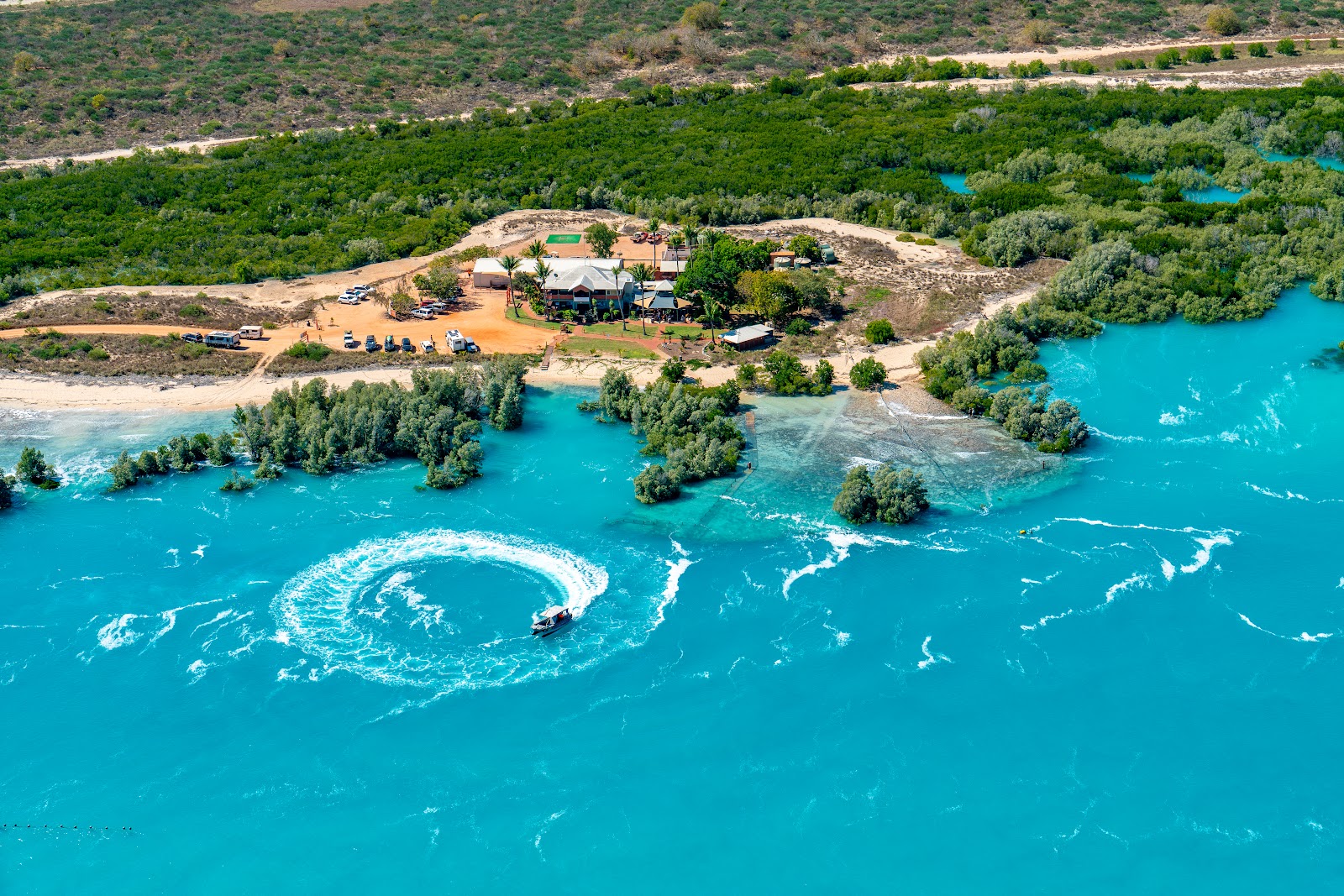
Willie Creek, approximately 30 kilometres north of Broome on a dirt road (4WD recommended in the wet season), is a tidal inlet renowned locally for barramundi, mangrove jack and threadfin salmon in the lower tidal reaches, and for the spectacular red-ochre Kimberley landscape surrounding it. The creek system drains a substantial mangrove catchment into Roebuck Bay, and the combination of structure, tidal flushing and baitfish makes it genuinely productive, particularly in the early morning and late afternoon on moving tides.
Fishing Willie Creek independently requires a boat to reach the better upstream sections effectively, though the tidal area accessible from the bank near the mouth can be productive on lures worked along the mangrove edges. The creek is better known as the location of Willie Creek Pearls' pearl farm tour — most visitors to Willie Creek see the pearling operation, and fishing here is an add-on for dedicated anglers willing to make the drive. That relative lack of fishing pressure is, in turn, part of its appeal.
Croc safety here is the same as for all Broome creek systems, and is particularly important given the more remote location: never wade; fish from the boat or from well back from the bank; never fish alone; don't approach the mangrove fringe on foot; and have a means of communication. The remote setting that makes Willie Creek appealing is also what makes precaution important — help is not close.
Barramundi fishing in a remote Kimberley tidal creek against a backdrop of red gorge country — the scenery doubles the experience even when the fish aren't biting.
“Fished the mouth of Willie Creek for barra at dawn before the pearl farm tour. Caught two, released both. The drive out alone is worth the 4WD.”
— Google review
First light on the incoming tide at Willie Creek — barra holding tight to the mangrove banks, the creek systems lit red by the rising sun.
CROC SAFETY essential in this remote location — do not wade, do not approach mangrove banks on foot, do not fish alone. The road requires a 4WD in the wet season; access may be closed during and after heavy rain.
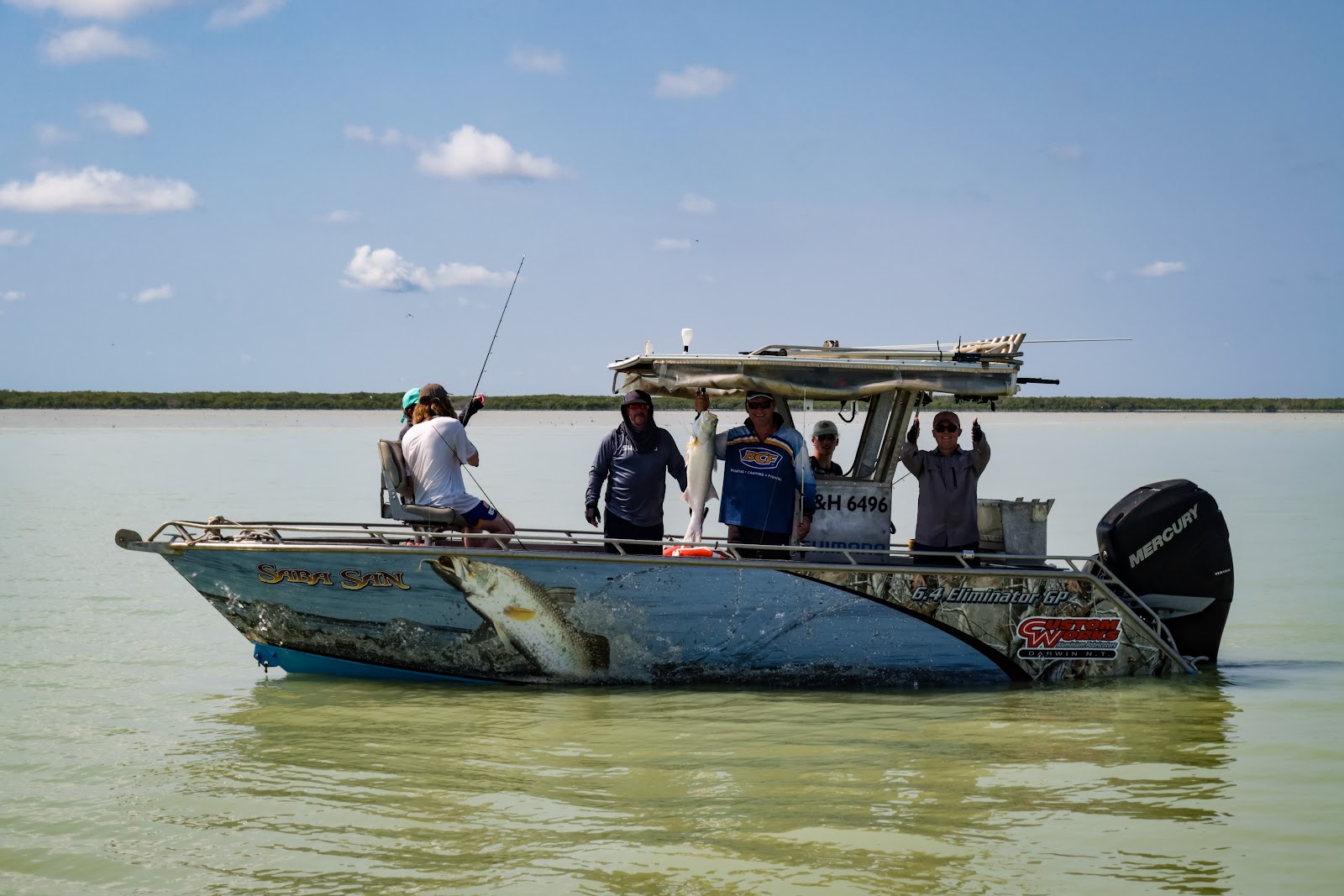
Giant threadfin salmon — also referred to as blue salmon or king salmon in the Kimberley — deserve a dedicated entry because they are a species that Broome delivers in a way that most of Australia does not. Threadfin are found across the north Australian coast, but the combination of the Kimberley tidal system, the shallow bay flats and the productive mangrove creek mouths around Broome creates ideal conditions for large fish to concentrate in accessible water. The species can reach 170 centimetres in length and well over 15 kilograms; fish in the 60–90 centimetre class are common in good years.
Threadfin are targeted on lures (surface poppers, bibbed divers and metal slices worked across the tidal margins) and on live bait, particularly mullet or herring fished at creek mouths on the run-in tide. They school in relatively predictable tidal zones — the shallow flats and channel edges of Roebuck Bay on the moving tide — and a properly positioned cast on a feeding school can produce multiple hook-ups in a session. They fight spectacularly and eat well; most Broome anglers keep fish within bag limits for eating and release larger specimens.
Because threadfin fishing in the bay is dependent on precise positioning within tidal windows, a half-day guided bay fishing session is the most efficient way for visiting anglers to target the species. The local guides who work these grounds daily know the fish's holding patterns through the tidal cycle and make the difference between a trophy session and an empty boat.
Giant threadfin salmon on lures in clear tidal water — it's a species Australia has that the rest of the world mostly doesn't, and Broome has them in numbers that make a visiting angler feel like the trip was worth it.
“Guided half-day on the flats for threadfin. Guide put us on fish within twenty minutes — the size of them in the shallows is astonishing. Came home with fillets and a photo we're still showing people.”
— Traveller review
A large threadfin salmon crashing a surface popper in the tidal shallows on a run-in tide — book a guided session for the first visit.
Threadfin fishing is highly tide and location-specific — independent anglers without local knowledge will struggle to find fish consistently. Use a guide for your first Roebuck Bay session, then build the local knowledge from there.
| Season | Conditions | Highlights | Crowds |
|---|---|---|---|
| Wet season (Nov–Apr) | High humidity, monsoonal rain, warm water (28–32°C), some creek access limitations | Peak barramundi season — post-flood fish are active and aggressive; threadfin salmon productive in the bay on big tides; offshore fishing often limited by weather conditions | Low — fewer visiting anglers |
| Dry season early (May–Jun) | Cooling, clear, best post-wet creek access returning | Excellent transition fishing — barra still active post-wet; flats fishing for threadfin building; offshore conditions improving; the best combination season for mixed-target anglers | Moderate |
| Dry season peak (Jul–Sep) | Clear, cool mornings, excellent sea conditions offshore | Best offshore season — reef fishing and sailfish (Aug–Oct) at peak; flats fishing for threadfin and queenfish reliable; Town Beach jetty productive | High (peak tourist season) |
What recent visitors say:
“Cable beach is a lovely spot to sit and relax and go for a dip. You can ride a camel or take your bike on the compact sand. Later in the day drive onto the beach have a glass of wine and watch the sunset.”— Pamela Rivers (on Cable Beach), Google review
“Excellent place, they’re currently doing renovations on the for-sure but since there are life guards, there’s safe excellent beach swimming along with a easy walk to the beachside business/restaurants. Great views allowed by 4x4 vehicles able to view the sunset while driving on the beach. Also able to see the camel rides with the tide being quite volatile so”— Kyle Sapphire (on Cable Beach), Google review
“Cable Beach: An absolute gem for sunset enthusiasts, Cable Beach offers stunning views with a vibrant atmosphere. Crowds gather to admire the breathtaking sunset, and the sight of people enjoying camel rides adds a unique charm to the experience. A must-visit spot for those seeking beauty and a lively beach ambiance.”— Amy Elizabeth (on Cable Beach), Google review

Saltwater crocodile safety — mandatory reading: Saltwater crocodiles are present throughout the creek systems, mangrove margins and tidal zones around Broome. They are not a reason to avoid fishing in these environments — they are a reason to follow the rules, which are straightforward. Never stand at the water's edge in creek or mangrove environments; never wade in or near tidal creeks; fish from inside the boat or from a bank position at least two metres back from the water; never clean fish at the water's edge near the creeks; never fish alone in remote creek locations; be especially careful at dawn, dusk and after dark when crocodile activity increases. These rules allow safe fishing in productive water. Ignoring them doesn't.
Fishing licences and regulations: Western Australia requires a valid recreational fishing licence for most finfish species. Size and bag limits apply to all key species including barramundi, threadfin salmon, mangrove jack, coral trout and red emperor. Check the WA Department of Primary Industries and Regional Development (DPIRD) for current requirements before fishing — regulations are updated periodically and this guide does not substitute for the official current rules. The licence is inexpensive and available online.
Tides are everything: the Kimberley has one of the largest tidal ranges in Australia (up to nine metres near Broome). Every productive fishing location in this guide is tide-dependent. Download or print a current Broome tide chart before every session. The productive window for almost all Broome locations is the tide change — the last two hours of the run-out and the first two hours of the run-in. Local tackle shops in Broome are an excellent resource for current biting conditions, recent catches and specific local advice; ask before you head out.
Fishing in Broome is genuinely world-class and genuinely varied. The barramundi in the creek systems, the trophy threadfin salmon on the Roebuck Bay flats, the queenfish and sailfish offshore — each of these is a species-specific reason to fly to the Kimberley, and most visiting anglers come home having caught more than they expected. The environment is productive precisely because the tidal systems are large, complex and relatively lightly fished compared with the more famous destinations further south.
The rules are simple: follow the croc safety guidelines without exception, fish on the tide change, use a local guide for your first session in the creek and bay systems, and check your WA licence requirements before you go. Do those things and Broome will reward you with fishing that stays in the story-telling rotation for the rest of your life. The fish are real, the setting is extraordinary, and the Kimberley coast is as wild as it looks in the photographs.
Enjoying fishing? Here’s where else in Australia it’s worth the trip — ranked by how loved each destination is, with the one thing not to miss at each.
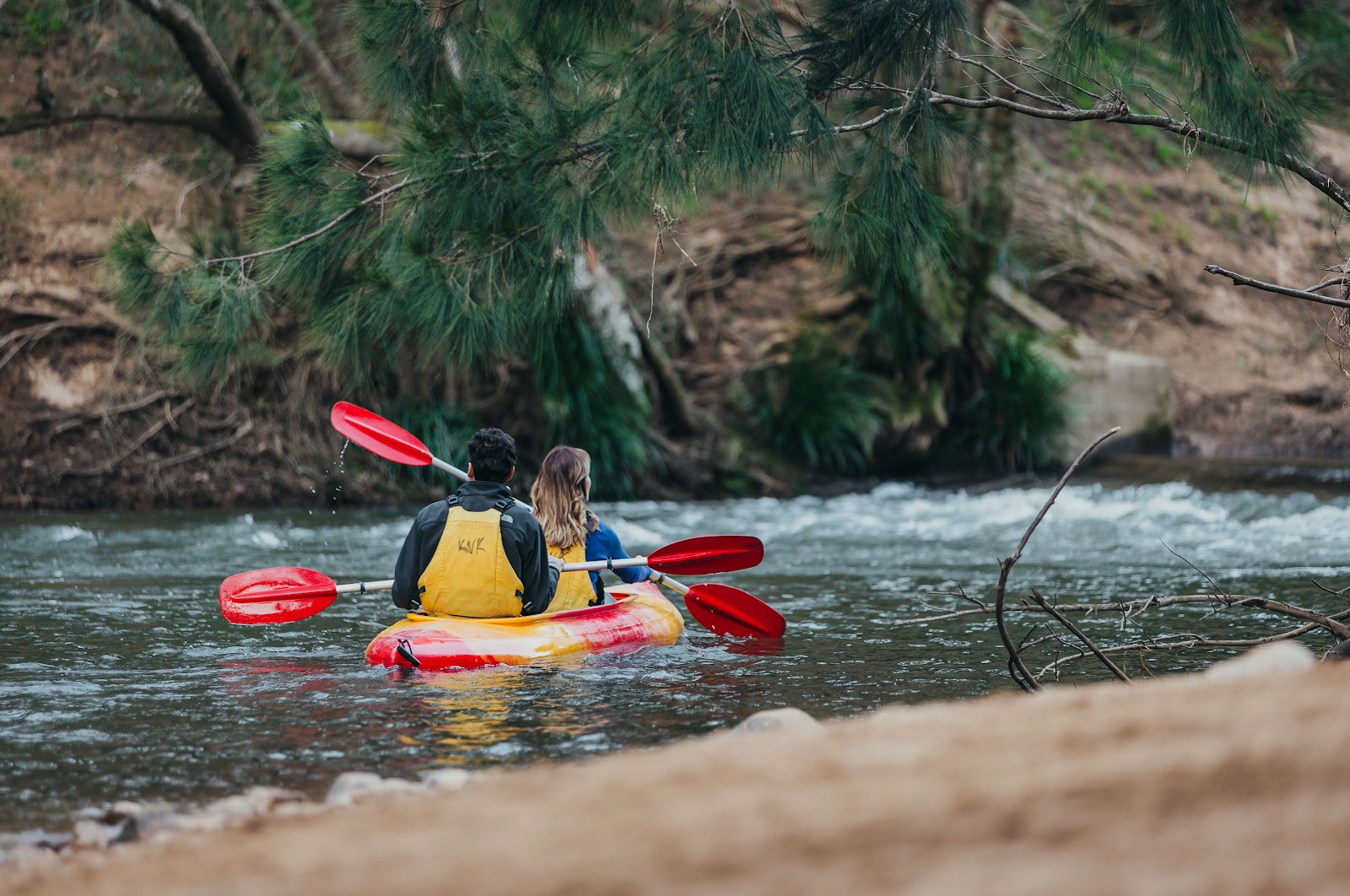 Kangaroo Valley
Shoalhaven, New South Wales
Kangaroo River bass on lures — the signature paddle-and-cast — A dawn surface-lure session in the clear pools — a bass blowing up on a popper, photographed and released.
Explore fishing in Kangaroo Valley →
2
Kangaroo Valley
Shoalhaven, New South Wales
Kangaroo River bass on lures — the signature paddle-and-cast — A dawn surface-lure session in the clear pools — a bass blowing up on a popper, photographed and released.
Explore fishing in Kangaroo Valley →
2
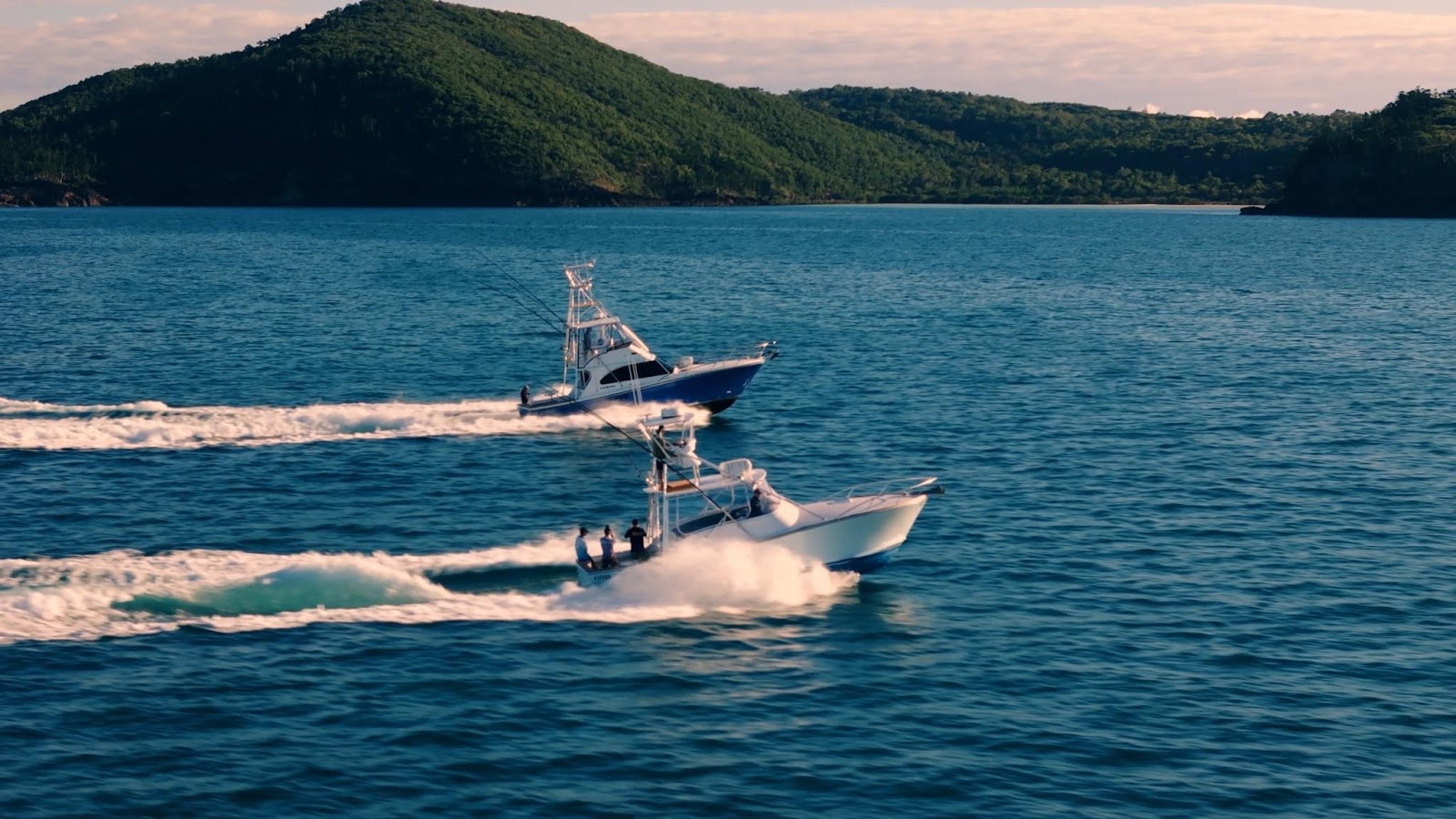 Hamilton Island
The Whitsundays, Queensland
Reef bottom-fishing — coral trout, emperor & sweetlip — A full-day run to the outer reef for red emperor and big nannygai, with coral trout on the inshore drop-offs.
Explore fishing in Hamilton Island →
3
Hamilton Island
The Whitsundays, Queensland
Reef bottom-fishing — coral trout, emperor & sweetlip — A full-day run to the outer reef for red emperor and big nannygai, with coral trout on the inshore drop-offs.
Explore fishing in Hamilton Island →
3
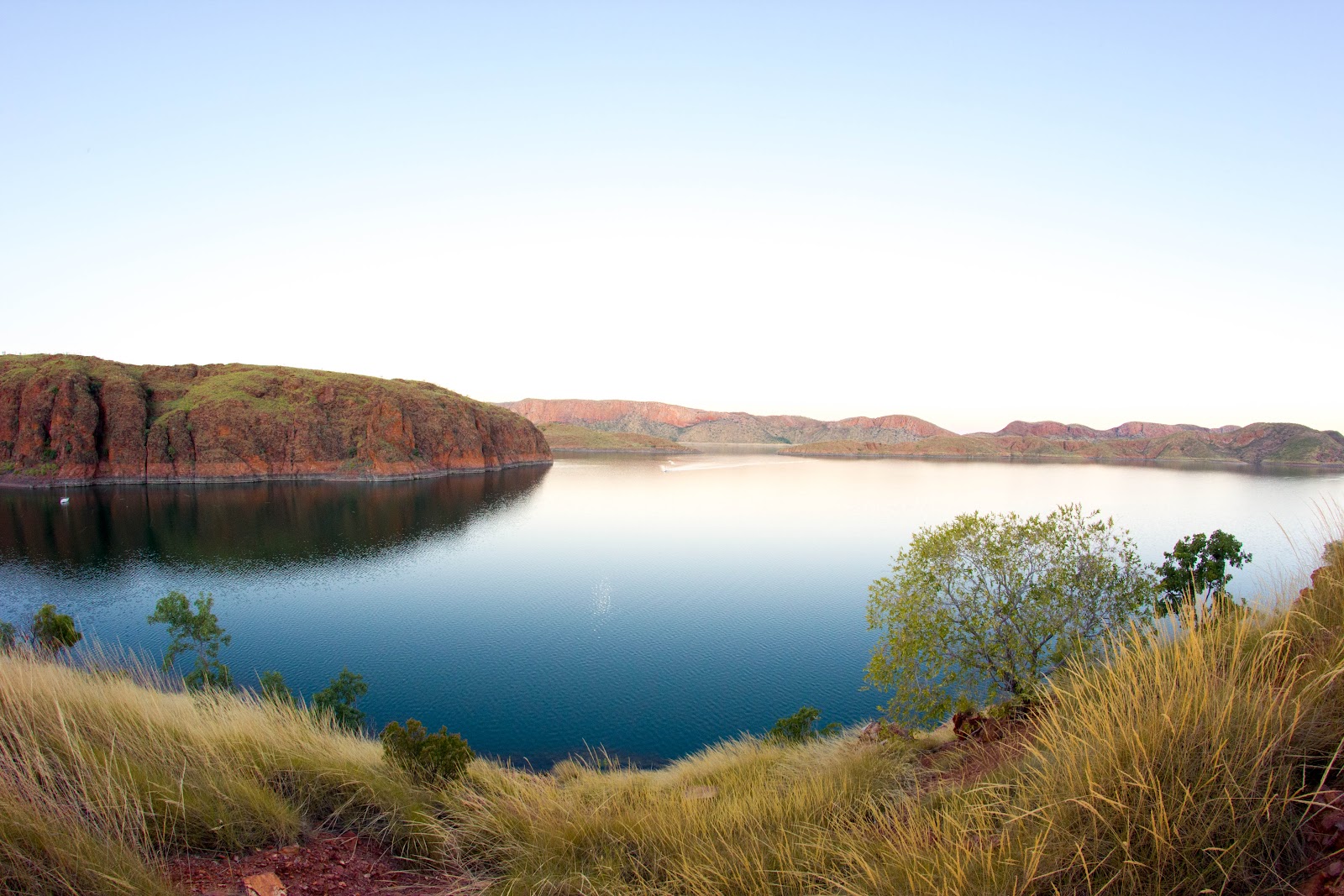 The Kimberley
Australia's North West, Western Australia
Lake Argyle — Dawn surface fishing over submerged timber lines when barra are actively busting bait -- the most productive window of the day.
Explore fishing in The Kimberley →
4
The Kimberley
Australia's North West, Western Australia
Lake Argyle — Dawn surface fishing over submerged timber lines when barra are actively busting bait -- the most productive window of the day.
Explore fishing in The Kimberley →
4
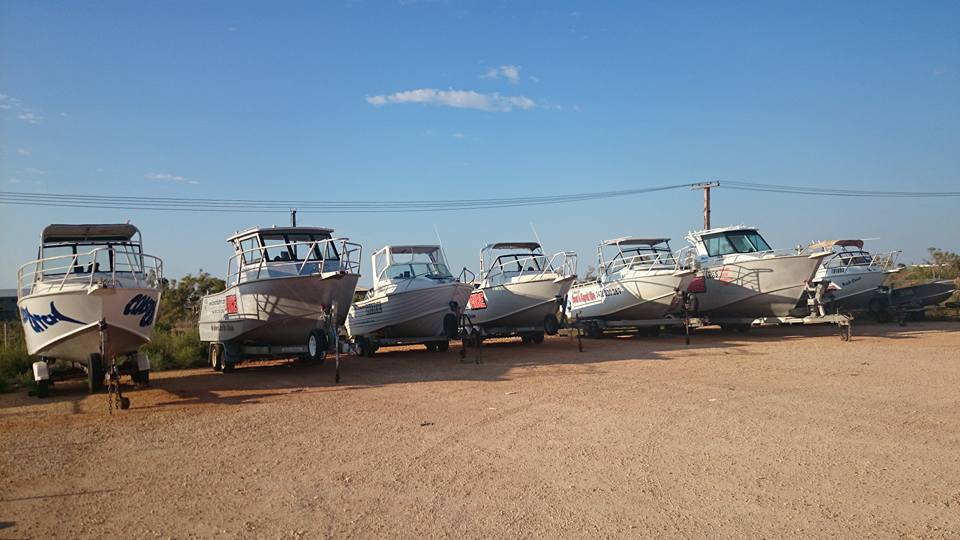 Ningaloo Reef
Australia's Coral Coast, Western Australia
Exmouth Gulf game fishing charters — A full-day blue-water charter targeting billfish in the Gulf — the premier fishing experience at Ningaloo, with a knowledgeable skipper who knows where the fish are.
Explore fishing in Ningaloo Reef →
5
Ningaloo Reef
Australia's Coral Coast, Western Australia
Exmouth Gulf game fishing charters — A full-day blue-water charter targeting billfish in the Gulf — the premier fishing experience at Ningaloo, with a knowledgeable skipper who knows where the fish are.
Explore fishing in Ningaloo Reef →
5
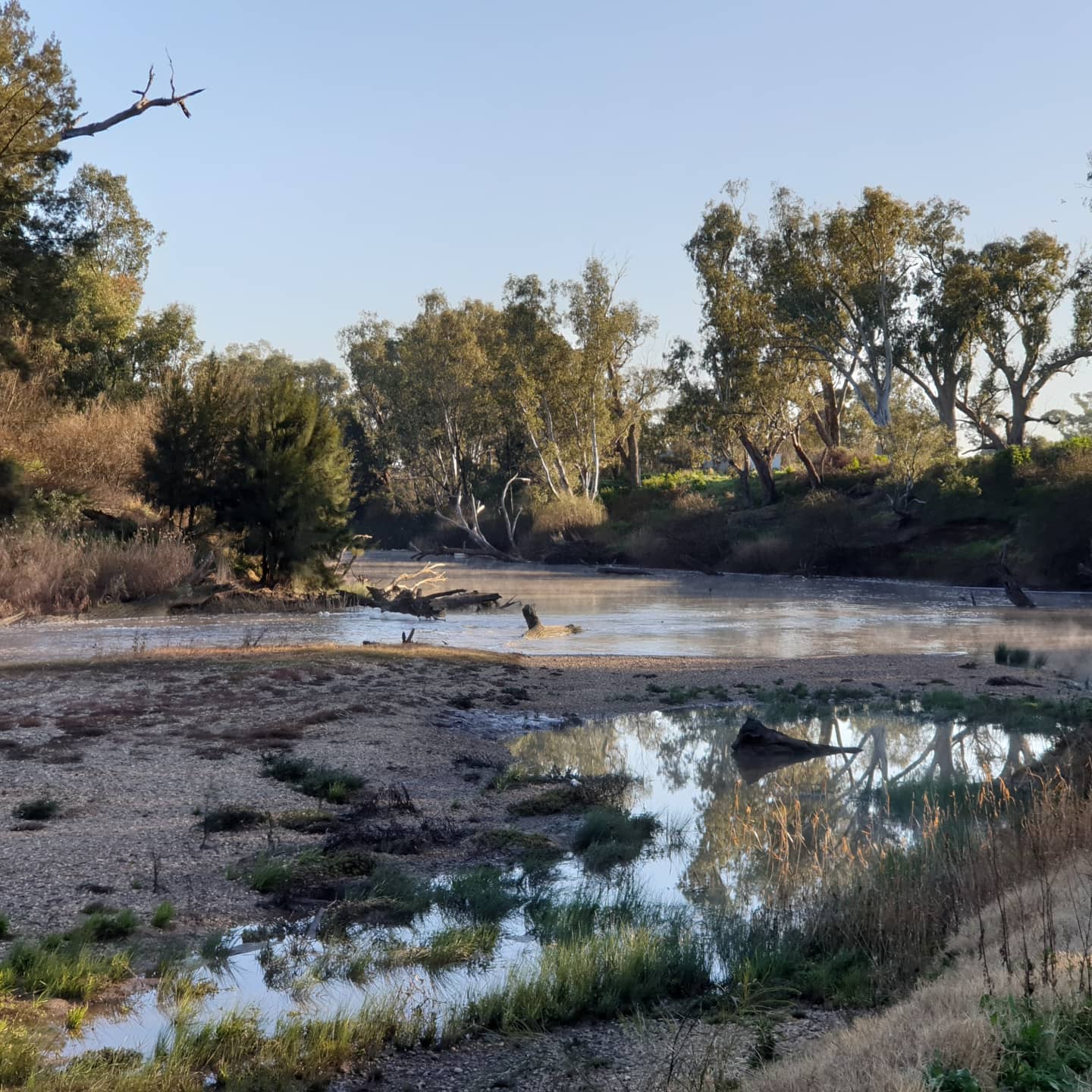 Dubbo
Central West, New South Wales
The Macquarie River through Dubbo — the riverside reserves — A dawn or dusk session working a surface lure over the river timber for Murray cod.
Explore fishing in Dubbo →
6
Dubbo
Central West, New South Wales
The Macquarie River through Dubbo — the riverside reserves — A dawn or dusk session working a surface lure over the river timber for Murray cod.
Explore fishing in Dubbo →
6
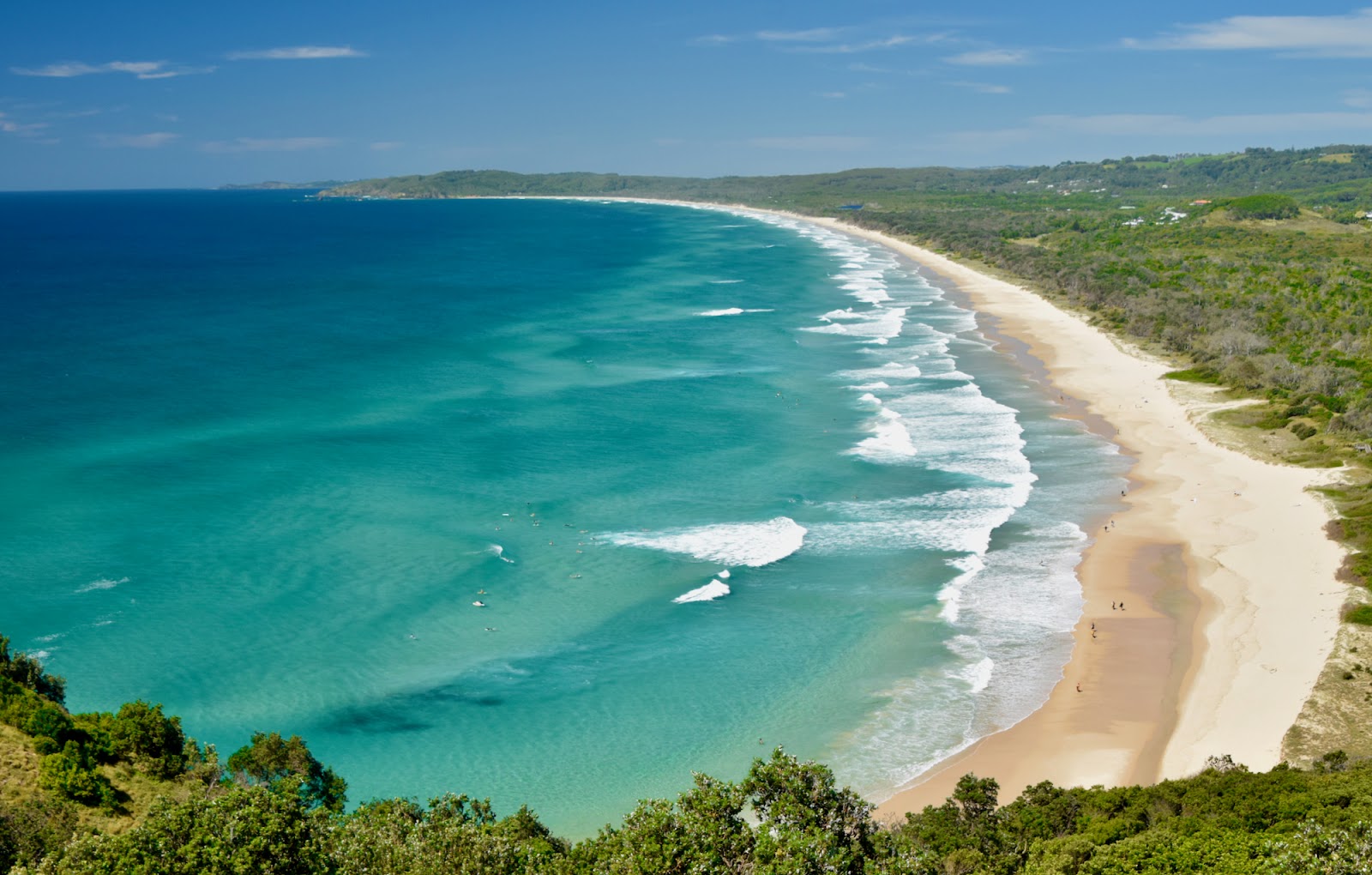 Byron Bay
Northern Rivers, New South Wales
Beach & surf fishing — Tallow and the open beaches — A moving-tide dawn session in a Tallow Beach gutter for tailor, whiting and a shot at a jewfish.
Explore fishing in Byron Bay →
7
Byron Bay
Northern Rivers, New South Wales
Beach & surf fishing — Tallow and the open beaches — A moving-tide dawn session in a Tallow Beach gutter for tailor, whiting and a shot at a jewfish.
Explore fishing in Byron Bay →
7
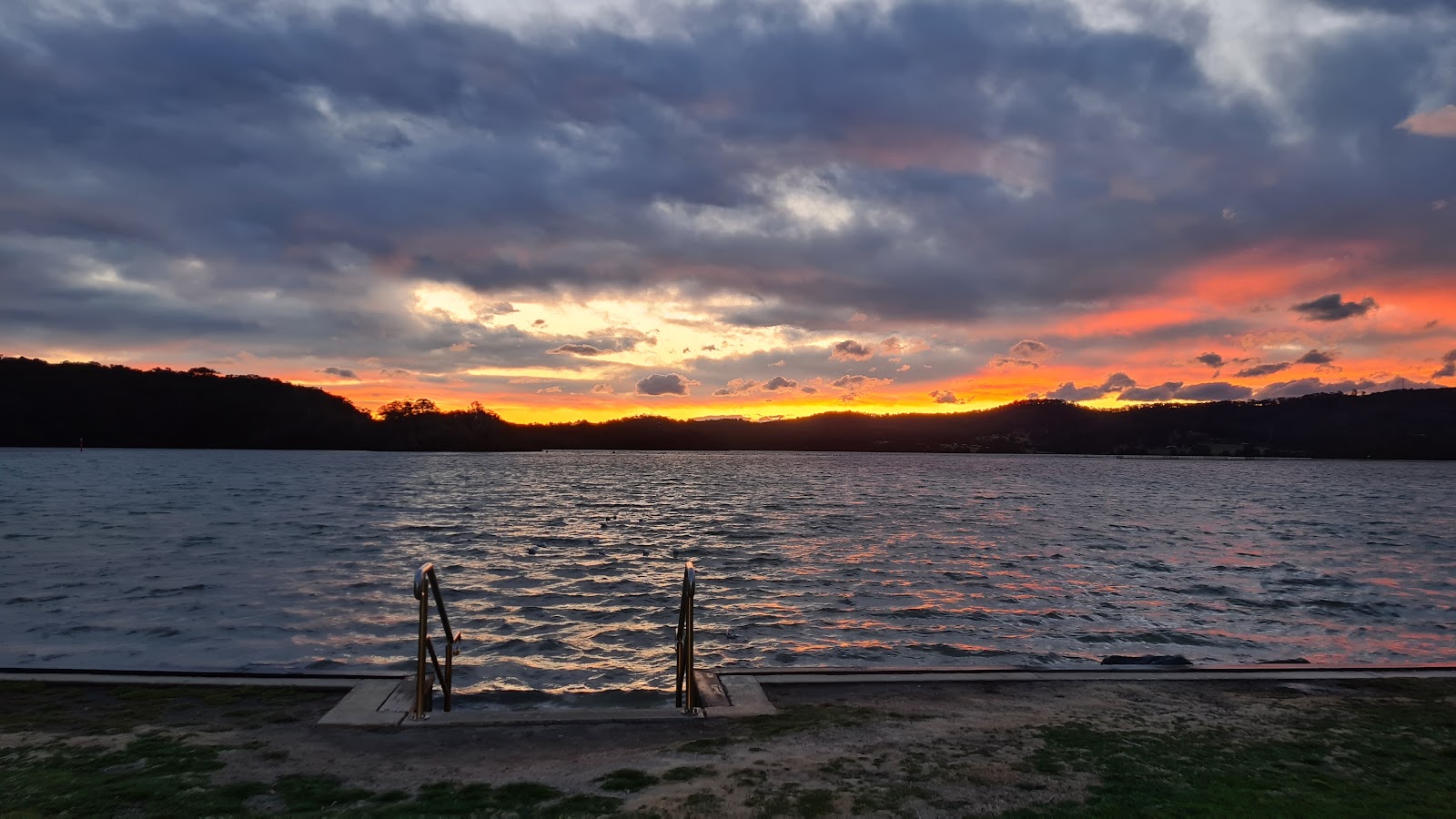 Narooma
South Coast, New South Wales
Wagonga Inlet — the estuary fishing jewel — A dawn session on the sand flats with soft plastics — and a ‘croc’ flathead photographed and released.
Explore fishing in Narooma →
Broome you’re here
Australia's North West, Western Australia
Town Beach jetty and foreshore — Fishing the run-in tide with a surface popper or metal slice for queenfish and trevally — the bite window is two hours, so time it well.
You’re reading this guide
Narooma
South Coast, New South Wales
Wagonga Inlet — the estuary fishing jewel — A dawn session on the sand flats with soft plastics — and a ‘croc’ flathead photographed and released.
Explore fishing in Narooma →
Broome you’re here
Australia's North West, Western Australia
Town Beach jetty and foreshore — Fishing the run-in tide with a surface popper or metal slice for queenfish and trevally — the bite window is two hours, so time it well.
You’re reading this guide
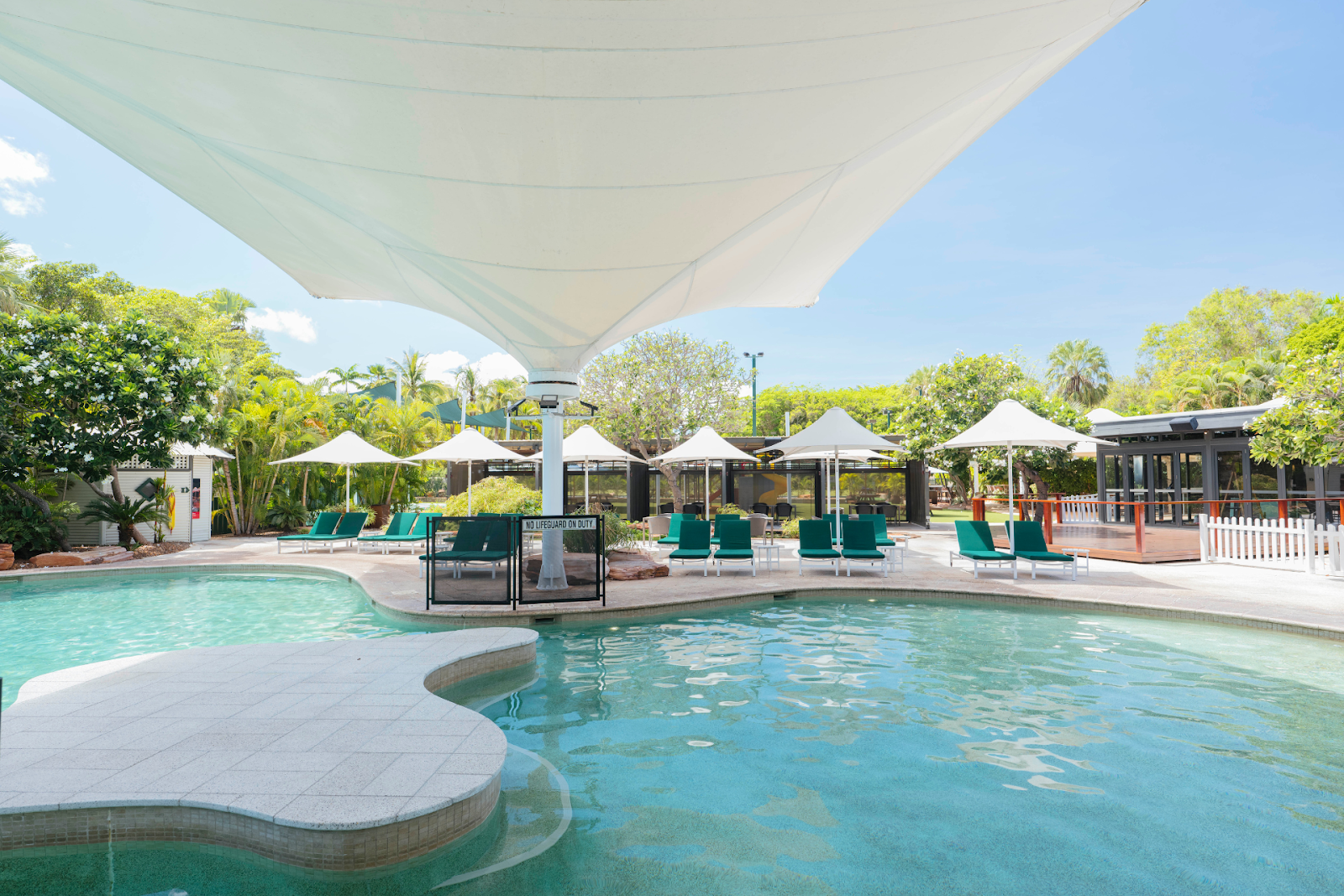
Cable Beach Club Resort & Spa — Broome
Book Direct & Save →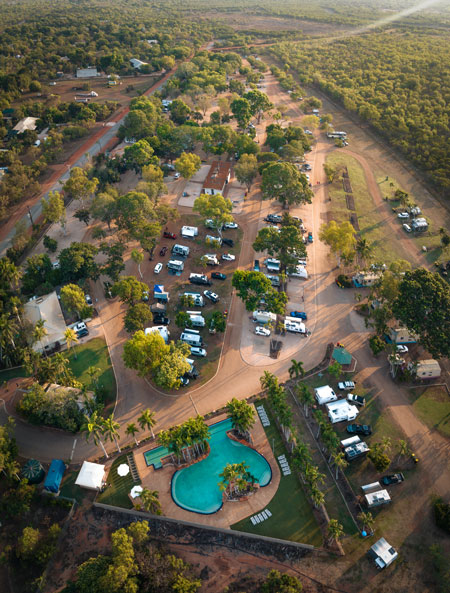
Broome Caravan Park — Broome
Book Direct & Save →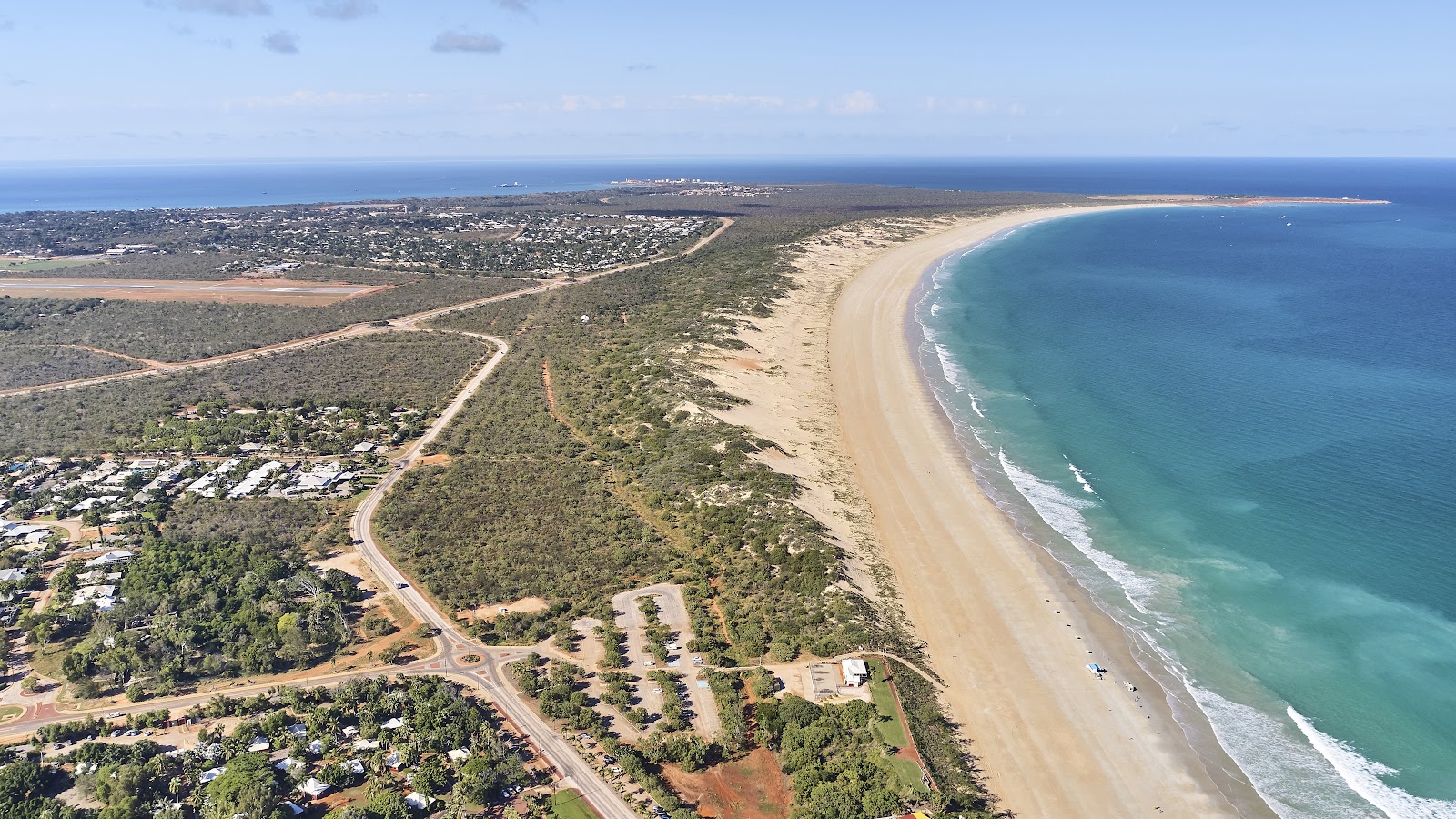
Beaches of Broome — Broome
Book Direct & Save →Skip OTA fees. Connect directly with Broome owners for the best rates and a truly personal experience.
We match any online rate. No service fees — 100% of your payment supports local owners.
Direct guests receive complimentary hampers, early check-in, and priority access to experiences.
Speak directly with the people who manage the properties. No call centres, just local expertise.
Part of Western Australia · Australia's North West
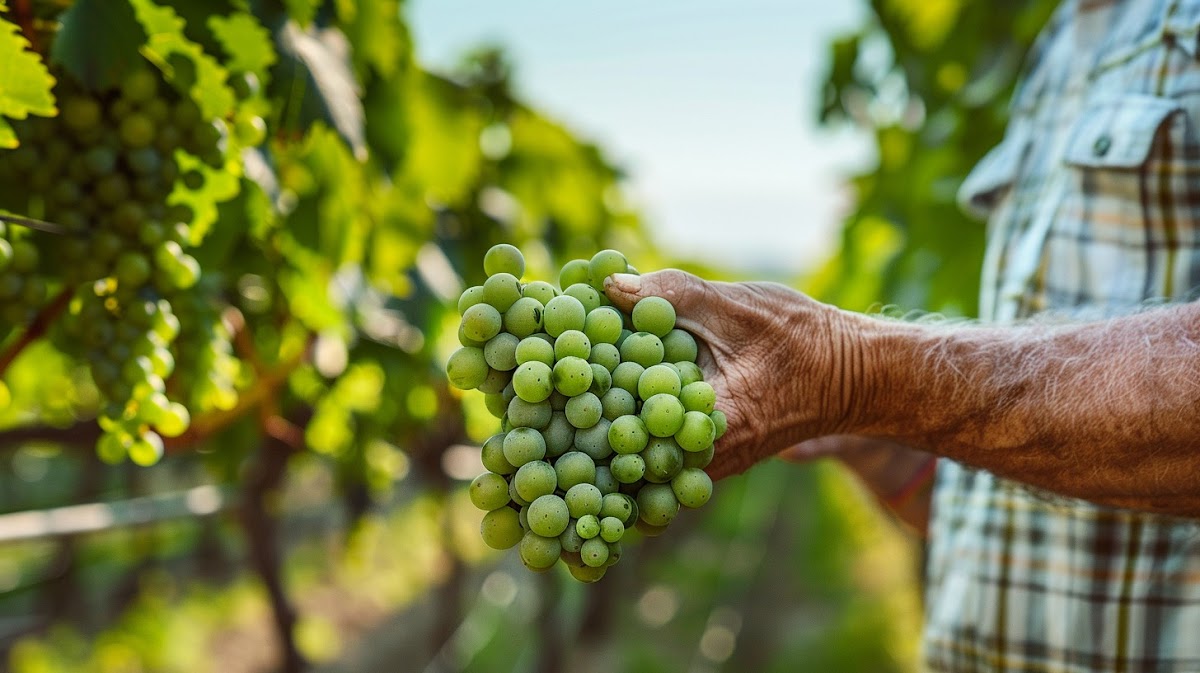 Glen Aplin
Granite Belt, Queensland
Queensland's most underrated wine valley
Explore the guide →
Glen Aplin
Granite Belt, Queensland
Queensland's most underrated wine valley
Explore the guide →
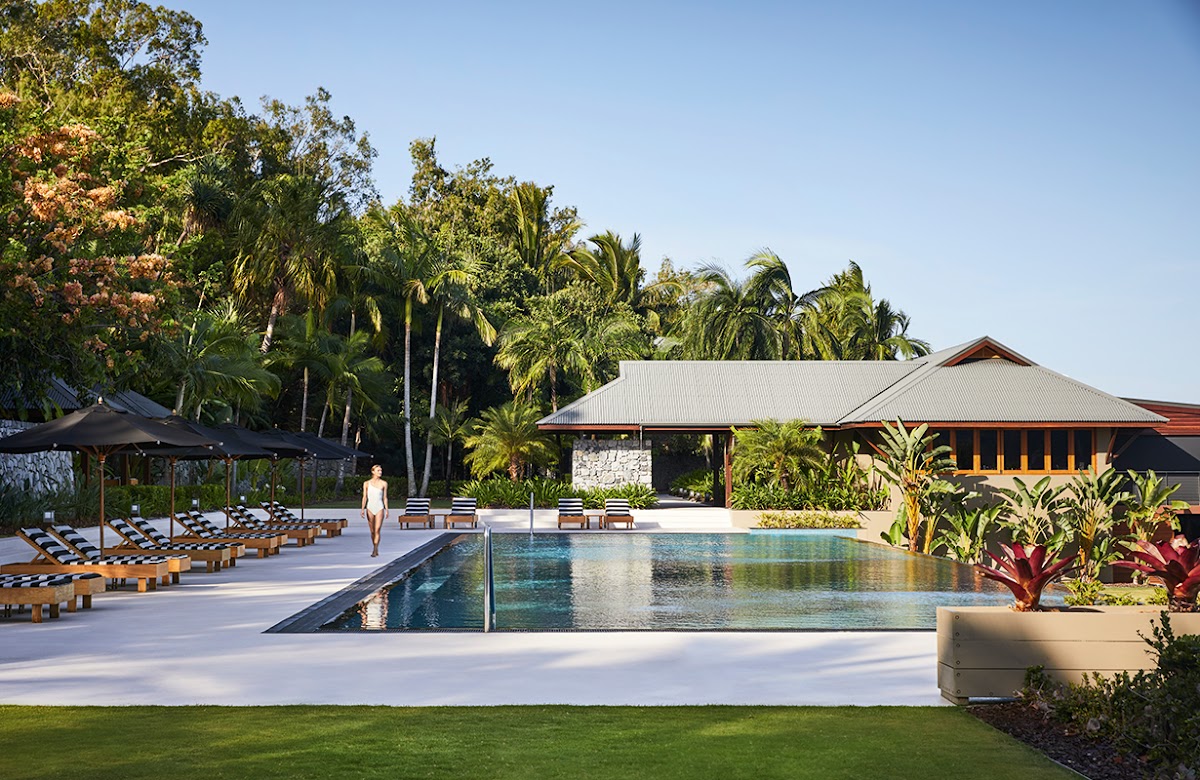 Hamilton Island
The Whitsundays, Queensland
Whitsundays island resort — Whitehaven Beach, reef trips and golf-buggy life
Explore the guide →
Hamilton Island
The Whitsundays, Queensland
Whitsundays island resort — Whitehaven Beach, reef trips and golf-buggy life
Explore the guide →
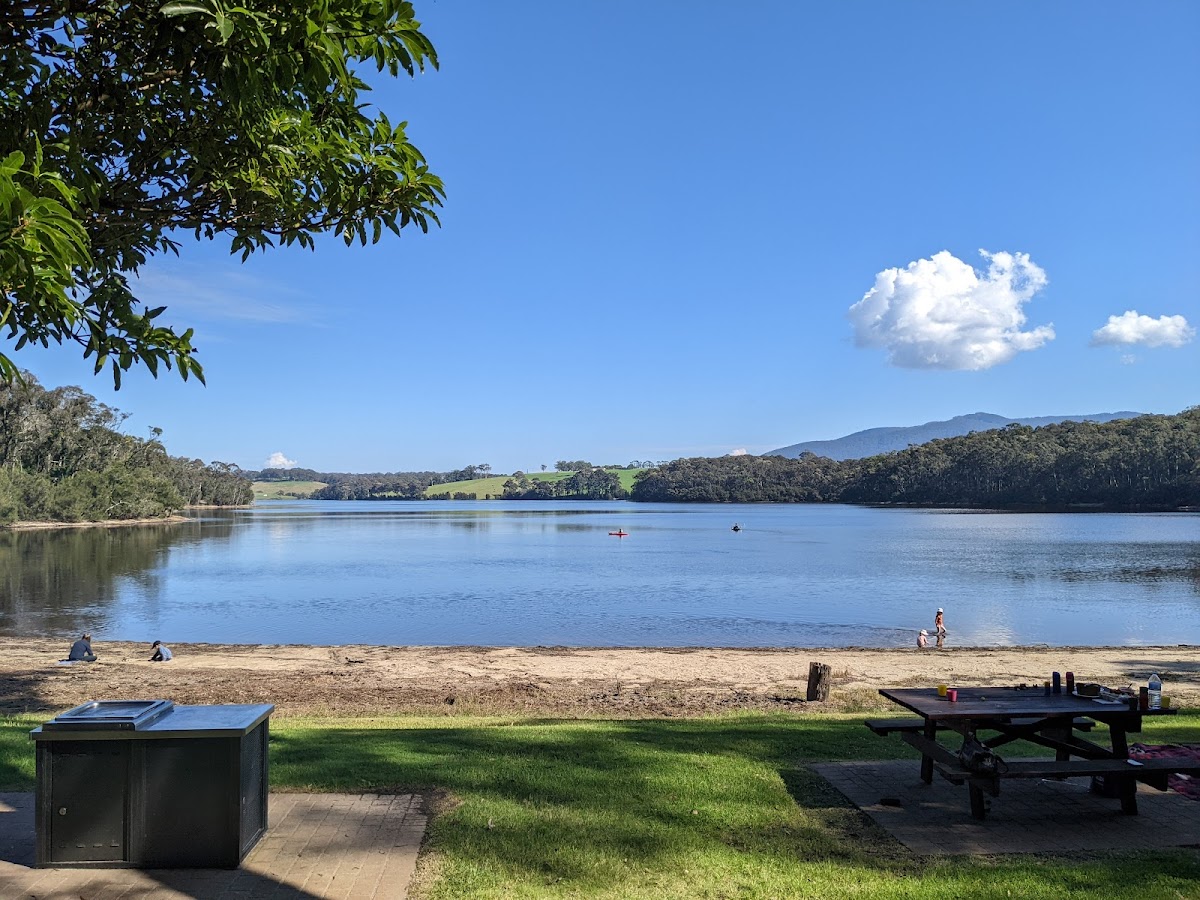 Narooma
South Coast, New South Wales
Crystal-clear inlet, surf beaches, oysters and Montague Island
Explore the guide →
Narooma
South Coast, New South Wales
Crystal-clear inlet, surf beaches, oysters and Montague Island
Explore the guide →
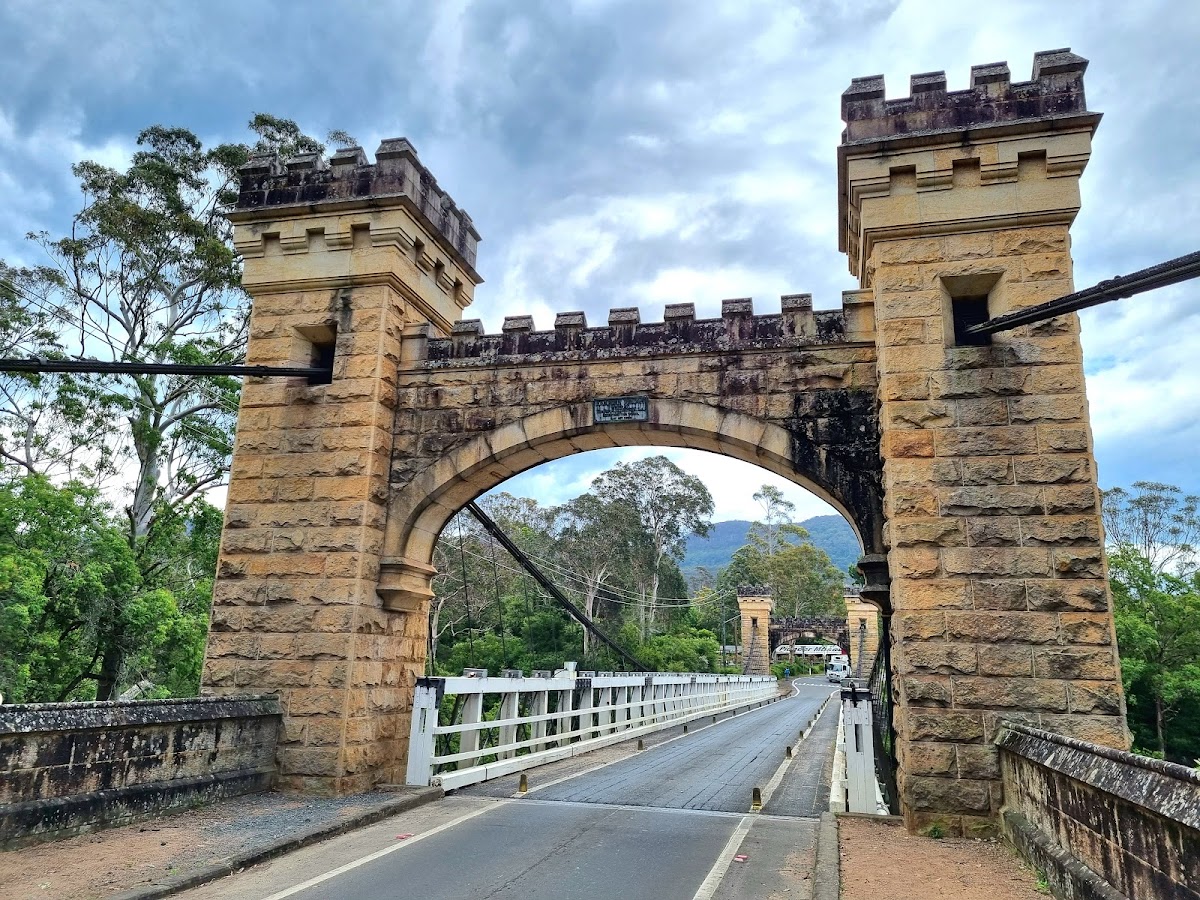 Kangaroo Valley
Shoalhaven, New South Wales
Hampden Bridge, kayaking and wombats in a green valley
Explore the guide →
Kangaroo Valley
Shoalhaven, New South Wales
Hampden Bridge, kayaking and wombats in a green valley
Explore the guide →
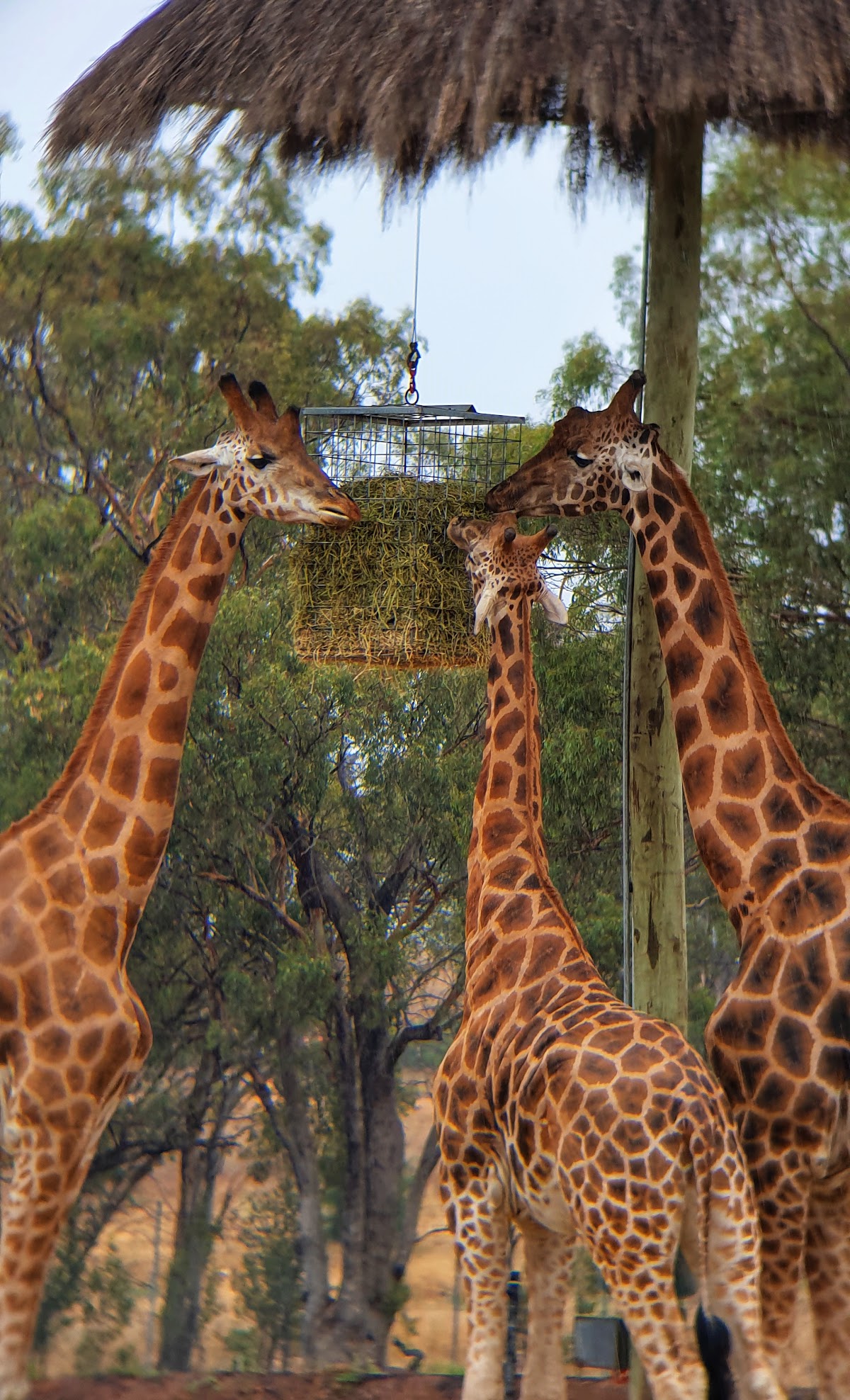 Dubbo
Central West, New South Wales
Open-range zoo and Outback gateway on the Macquarie River
Explore the guide →
Dubbo
Central West, New South Wales
Open-range zoo and Outback gateway on the Macquarie River
Explore the guide →
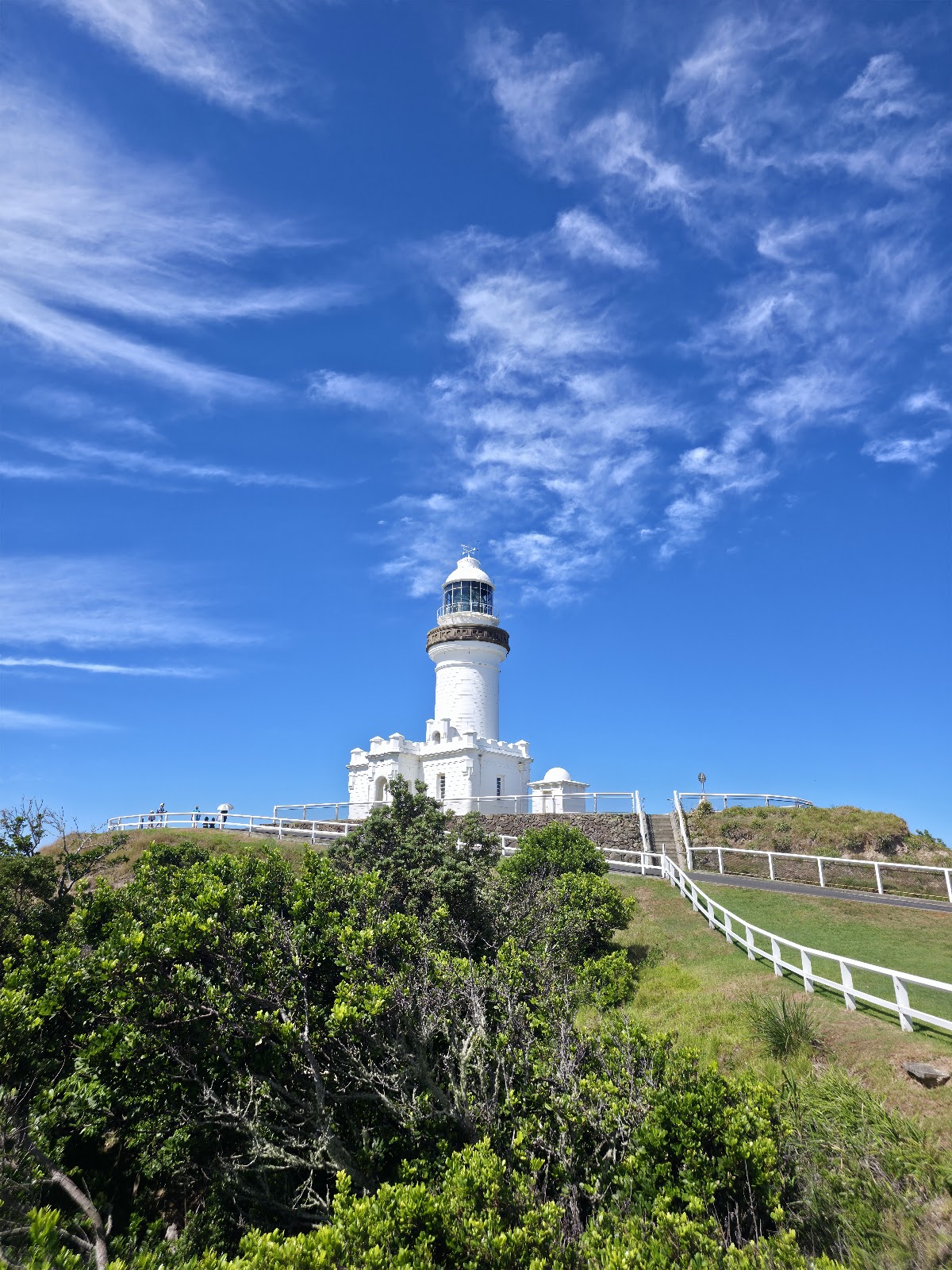 Byron Bay
Northern Rivers, New South Wales
Australia's iconic beach town and most easterly point
Explore the guide →
Byron Bay
Northern Rivers, New South Wales
Australia's iconic beach town and most easterly point
Explore the guide →
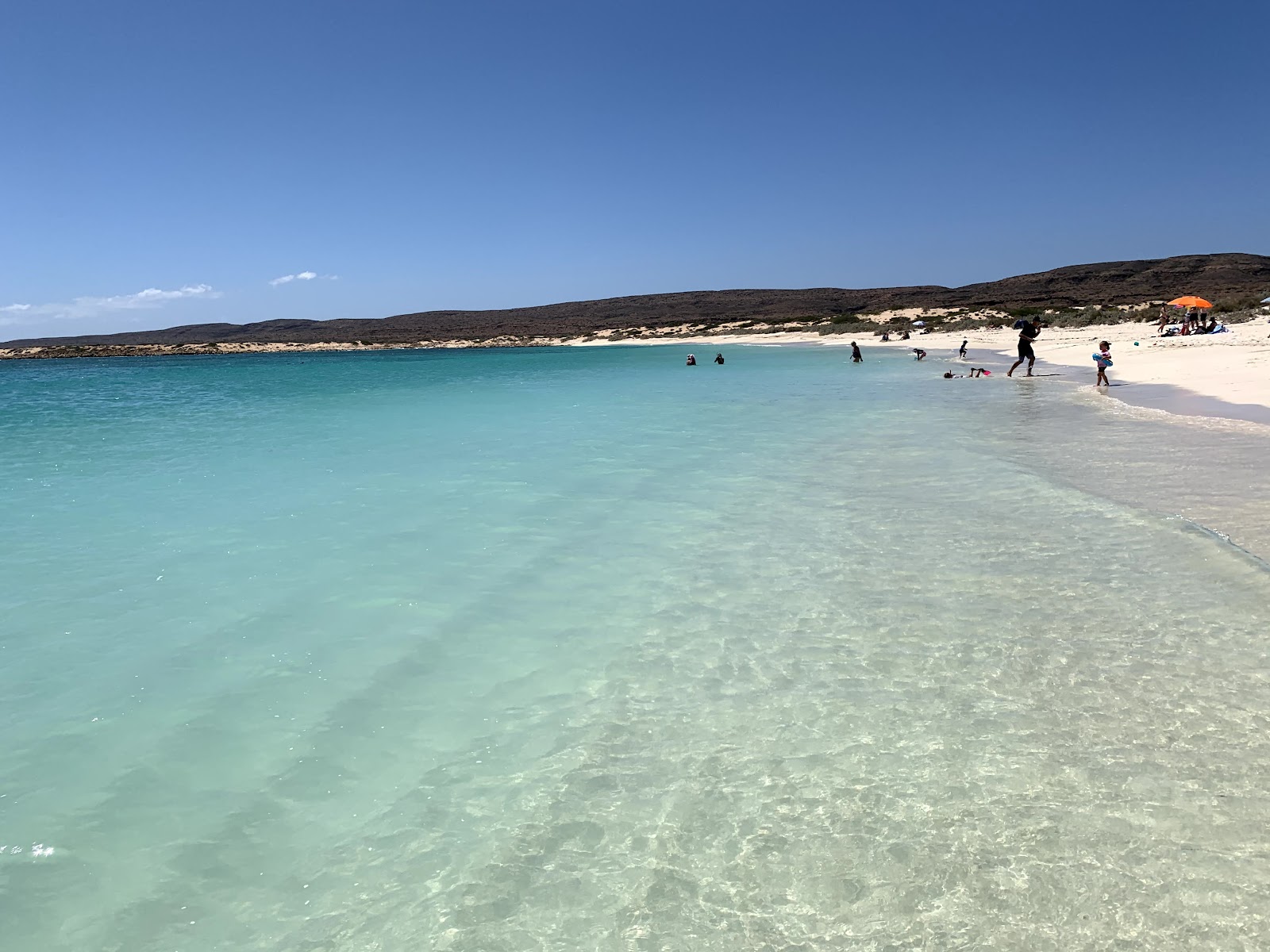 Ningaloo Reef
Australia's Coral Coast, Western Australia
Swim with whale sharks and snorkel a World-Heritage reef straight off the beach
Explore the guide →
Ningaloo Reef
Australia's Coral Coast, Western Australia
Swim with whale sharks and snorkel a World-Heritage reef straight off the beach
Explore the guide →
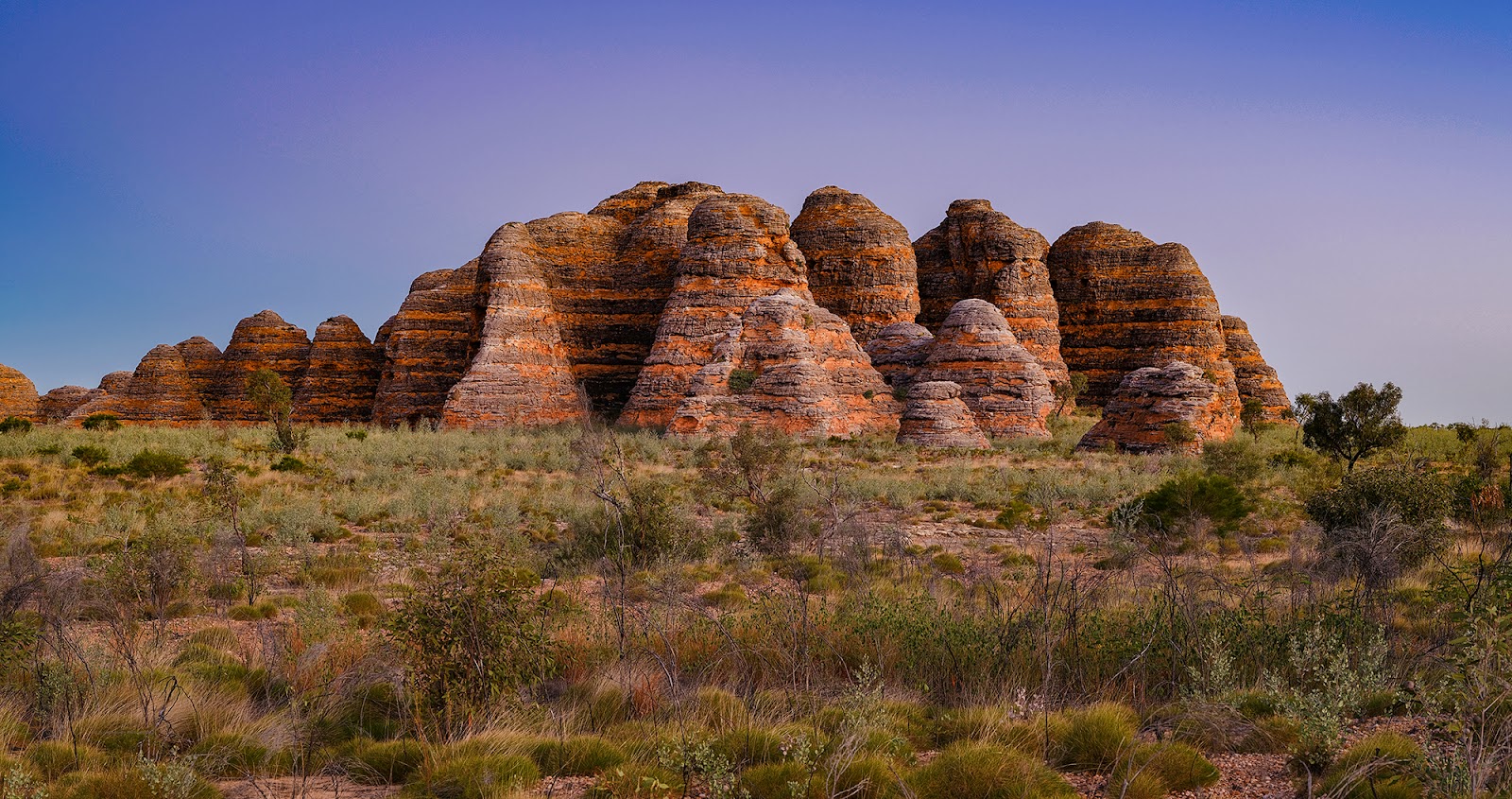 The Kimberley
Australia's North West, Western Australia
Gibb River Road, the Bungle Bungles, gorges and waterfalls in Australia's last frontier
Explore the guide →
The Kimberley
Australia's North West, Western Australia
Gibb River Road, the Bungle Bungles, gorges and waterfalls in Australia's last frontier
Explore the guide →
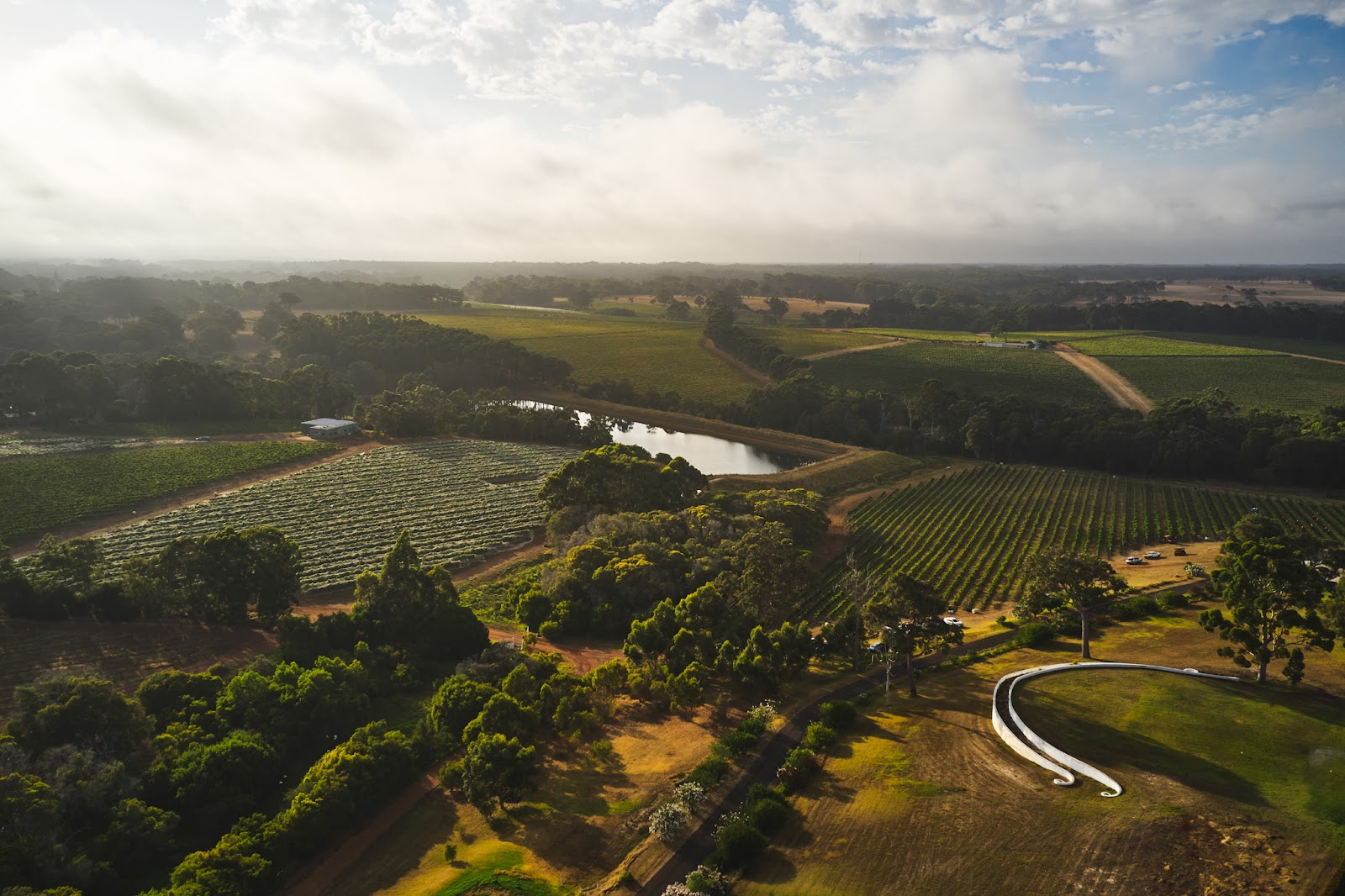 Margaret River
Australia's South West, Western Australia
World-class wineries, surf breaks and limestone caves three hours south of Perth
Explore the guide →
Margaret River
Australia's South West, Western Australia
World-class wineries, surf breaks and limestone caves three hours south of Perth
Explore the guide →