01. Elements of Byron
4.7 (1570 reviews)
Elements of Byron — Byron Bay
Book Direct & Save →Byron Bay is better known for its surf and its sunsets than its fishing, but anglers in the know rate this stretch of the Northern Rivers among the most exciting on the NSW coast. You can walk a gutter on Tallow Beach at first light for tailor and jewfish, flick soft plastics for flathead in the Brunswick River, drop a line for snapper and pearl perch on the Cape Byron reefs, or run offshore into the warm East Australian Current for marlin, mahi mahi and tuna. Tropical and temperate species overlap here in a way few places in Australia can match.
View 3 Properties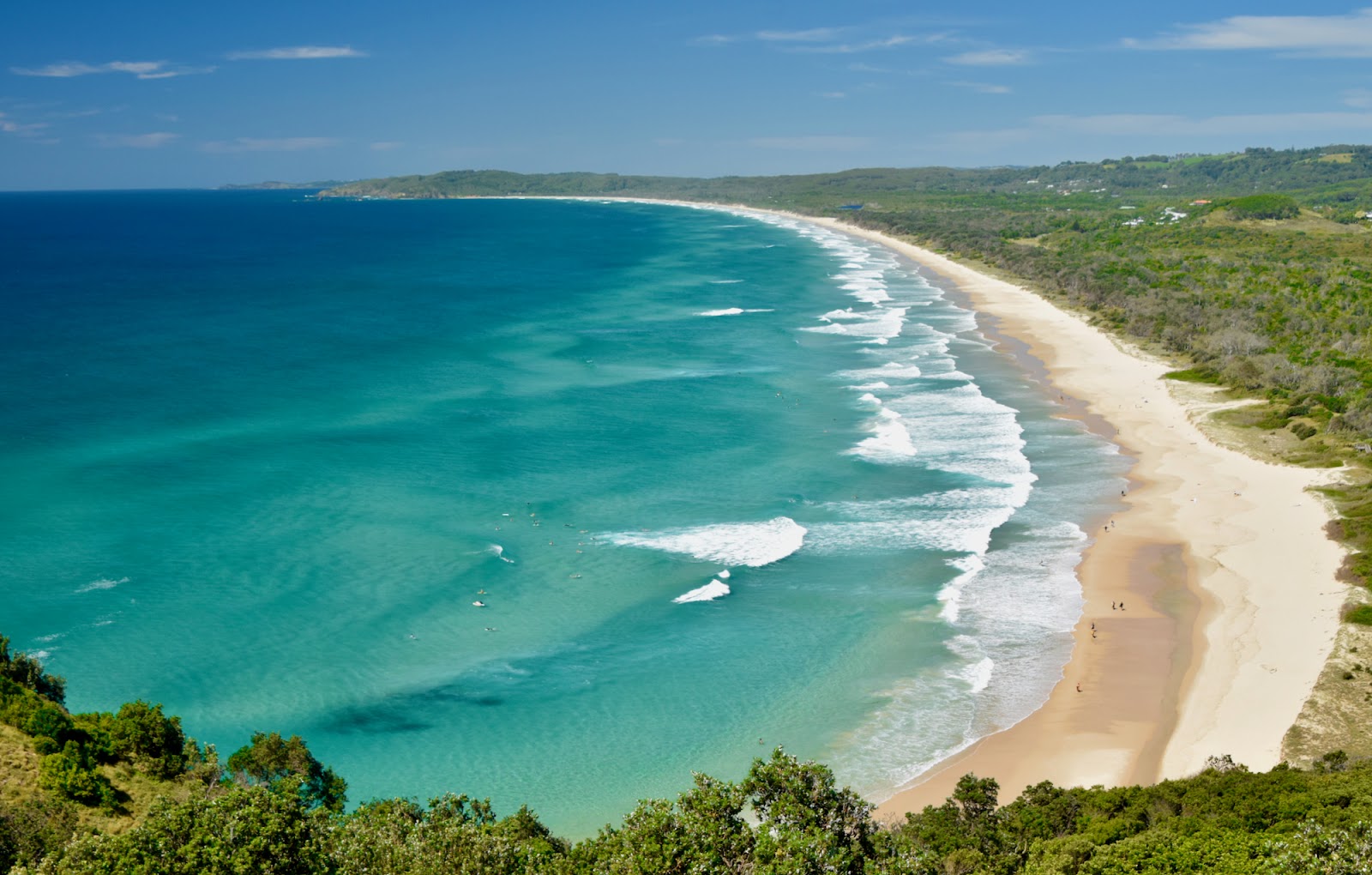
"Subtropical, warm-current, year-round"
This Byron Bay fishing guide covers it all — the best beach and surf spots, the Brunswick estuary and Belongil Creek, the offshore reefs and the game grounds on the current; the species you’ll catch and when; the charters running out of Brunswick Heads and Byron; and the licences, rules and very real safety considerations you need to know. Whether you’re a land-based angler after a feed or a game fisher chasing a billfish, here’s how fishing in Byron Bay works.
Two things upfront. You need a NSW recreational fishing licence (more below), and these waters sit inside the Cape Byron Marine Park — which has sanctuary (no-take) zones at Julian Rocks (Nguthungulli), The Pass and Belongil where all fishing is prohibited. Just as importantly, the Byron–Ballina coast is a notorious rock-fishing blackspot with a tragic history; we treat rock-fishing safety as a strong theme throughout, not a footnote. Always check current zoning and conditions before you cast.
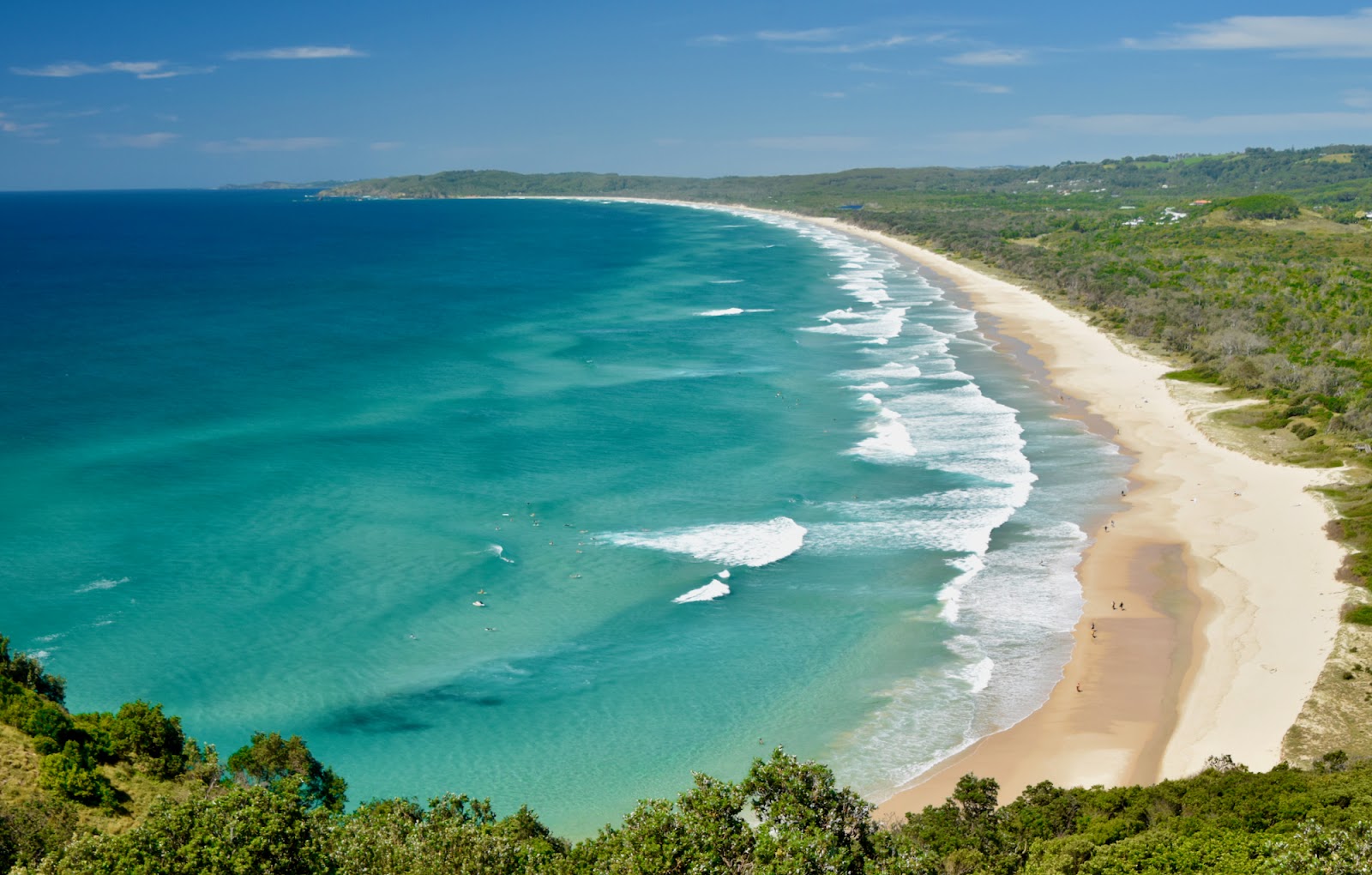
Few stretches of the NSW coast offer the fishing range that Byron Bay does, and the reason is the water itself. Byron sits where the warm, nutrient-rich East Australian Current sweeps closest to land, dragging tropical pelagics south to mingle with the cooler-water species of the temperate coast. The upshot is an unusual overlap: teraglin, spotted mackerel, wahoo, samson fish and pearl perch sharing the grounds with tailor, snapper and mulloway. Add kilometres of surf beach, a productive tidal estuary at Brunswick Heads and reefs just offshore, and a small town gives you four very different fisheries within a short drive.
That variety is also what makes Byron reliable. When the swell is up and the beaches are unfishable, the Brunswick River still fishes beautifully; when the estuary is quiet, the reefs and the current are firing. There’s an option to suit every kind of angler, from a family soaking baits on the Brunswick breakwall to a game crew trolling skirts on the shelf — and because the warm current keeps the water alive, something is almost always biting somewhere along this coast.
The two things worth getting right before you start are the rules and the risks. A NSW recreational fishing licence is required, and the waters around Byron fall within the Cape Byron Marine Park, which includes sanctuary zones at Julian Rocks, The Pass and Belongil where fishing is completely prohibited. And the local headlands and breakwalls, while productive, sit on a coast with a genuinely dangerous rock-fishing history. Sort the licence, check the current zoning maps, respect the conditions, and the rest is choosing your water.
Byron fishes well year-round, but knowing what’s running when helps you plan. Year-round and reliable are flathead, bream, whiting, tailor and mulloway in the estuary and off the beaches, and snapper, pearl perch, kingfish and teraglin on the offshore reefs. The cooler months (roughly May to September) are prime for beach salmon and tailor, for jewfish/mulloway in the surf gutters and off the breakwalls, and for snapper on the reefs — the classic land-based season.
The warmer months are when Byron’s subtropical character really shows. As the East Australian Current warms and pushes south through spring and summer, the pelagics arrive: marlin (striped and black), yellowfin tuna, mahi mahi, cobia and wahoo offshore, with the local DPI Fish Aggregating Device (FAD) famous for quality mahi mahi through summer and autumn. Spanish and spotted mackerel run on the warm water (Spanish mackerel have a managed open season, roughly January to April), and in the estuary summer is mangrove-jack time — chase them on lures around the Brunswick snags — alongside whiting on the flats and mud crabs in the river.
A conservation note worth honouring throughout: the big breeding flathead are vital to future stocks, so take a quick photo and release the larger ‘dusky’ flathead, keeping smaller fish for a feed. Observe the NSW size and bag limits (mud crabs, for example, must be over 8.5cm carapace with a bag limit of five), release undersized and excess fish, and the fishery stays great for the next angler. Always confirm what’s running with a local charter or the Brunswick Heads tackle shop before a special trip.
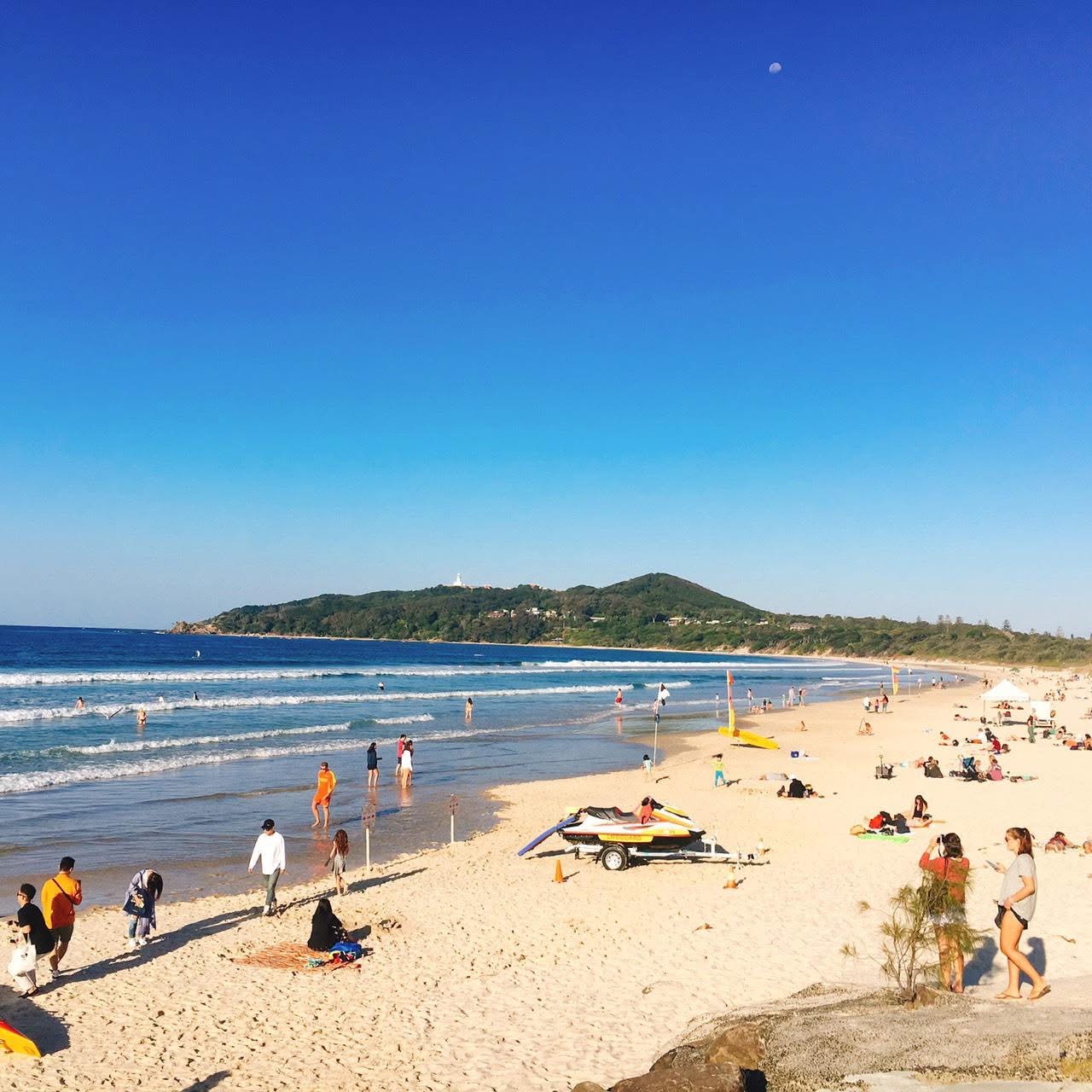
The open beaches are the heart of land-based fishing in Byron Bay, and the long, wild sweep of Tallow Beach — running south from the Cape Byron headland to Broken Head — is the standout. Its surf gutters give up bream, whiting, tailor and dart by day, and quality mulloway (jewfish) to anglers who soak big baits into the deeper holes at dawn, dusk or after dark. Belongil Beach to the north, the more sheltered Main Beach in town, and the pretty pocket of Wategos all fish too, each with its own character — Wategos and Main Beach suiting a relaxed family flick, Tallow rewarding those willing to walk and read the water.
The key to beach fishing here is the gutter and the tide. Find a deeper channel running parallel to the sand — often marked by darker, calmer water between the breakers — and fish it on a moving tide, ideally the run-in around dawn or late afternoon. Strip baits of mullet, fresh beach worms, pipis and pilchards account for most of the catch; for mulloway, larger baits or big soft plastics and minnows worked through the gutters at low light are the go.
It suits just about everyone who likes their feet on the sand — families and beginners on the gentler beaches, and more committed anglers chasing a jewfish on Tallow at first light. The honest caveat is the surf itself: Tallow is a powerful, unpatrolled beach with strong rips, so never wade deep, keep children well back from the water, and treat the swell with respect. Check the marine-park zones too — the Belongil sanctuary zone near the creek mouth is a no-fishing area.
It’s free, accessible and genuinely productive — a dawn session in a Tallow Beach gutter can produce tailor, whiting and a chance at a jewfish with nothing more than a rod and a moving tide.
“Pulled tailor and a couple of nice whiting out of a gutter on Tallow at first light, then a solid jewie just on dark. Long beach, great fishing, just watch the rips.”
— Google review
A moving-tide dawn session in a Tallow Beach gutter for tailor, whiting and a shot at a jewfish.
Tallow is a powerful, unpatrolled surf beach with strong rips — never wade deep and keep kids back. The Belongil sanctuary zone near the creek mouth is no-fishing.
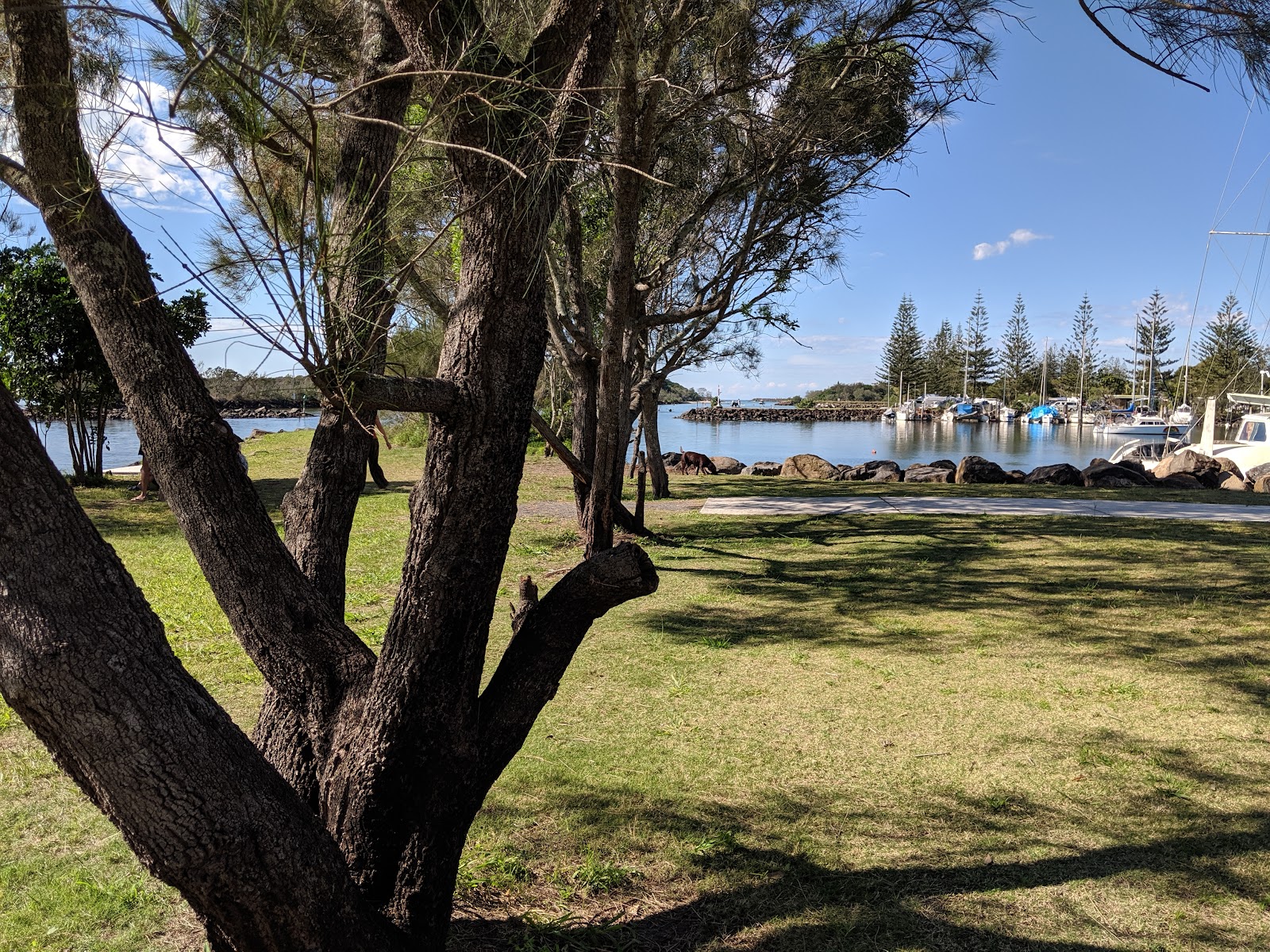
When the swell is up or you’ve got kids in tow, the estuary is the answer — and the Brunswick River at Brunswick Heads, about fifteen minutes north of Byron, is one of the best little estuaries on the Northern Rivers. It produces flathead, bream, whiting, tailor, trevally and small mulloway year-round, and in the warmer months it becomes mangrove-jack country, with these hard-pulling, snag-loving fish taking lures around the rock walls and timber. Mud crabs are a popular bonus in the river’s reaches. Closer to Byron, Belongil Creek offers a smaller, more sheltered land-based option — though note the Belongil sanctuary zone near the creek mouth, where fishing is prohibited.
The best of the Brunswick rewards a little local knowledge. The rock training walls at the river mouth are a productive land-based platform for seasonal mulloway, bream and tailor; the flats and channels through the estuary hold flathead and whiting on fresh nippers and yabbies; and the mangrove edges and snags upstream are where the jacks live in summer. Troll, spin or bait-fish for flathead scattered right through the system, and fish the run-in tide for the cleanest water.
It suits just about everyone — families and beginners off the breakwall and the riverbank, and experienced anglers casting lures for jacks and flathead from a small boat or kayak. It’s also the safe-weather fallback that keeps a Byron fishing trip alive when the beaches and the bar are blown out. The one rule to honour, beyond the licence: photograph and release the big breeding flathead, and keep the smaller ones for the table.
It’s a calm, sheltered, year-round fishery fifteen minutes from Byron that produces flathead and bream for everyone and summer mangrove jacks for the keen — the perfect bad-weather backup.
“Spent a morning drifting the Brunswick flats and landed flathead after flathead, plus a cracking jack off the snags. Easy launch, calm water, and the kids caught whiting off the wall.”
— Traveller review
A drift across the Brunswick flats with soft plastics for flathead — and a mangrove jack off the snags in summer.
The big breeding flathead should be released, not kept — they’re vital to stocks. Belongil Creek’s mouth is a no-fishing sanctuary zone; mud crabs must be over 8.5cm (bag limit 5).
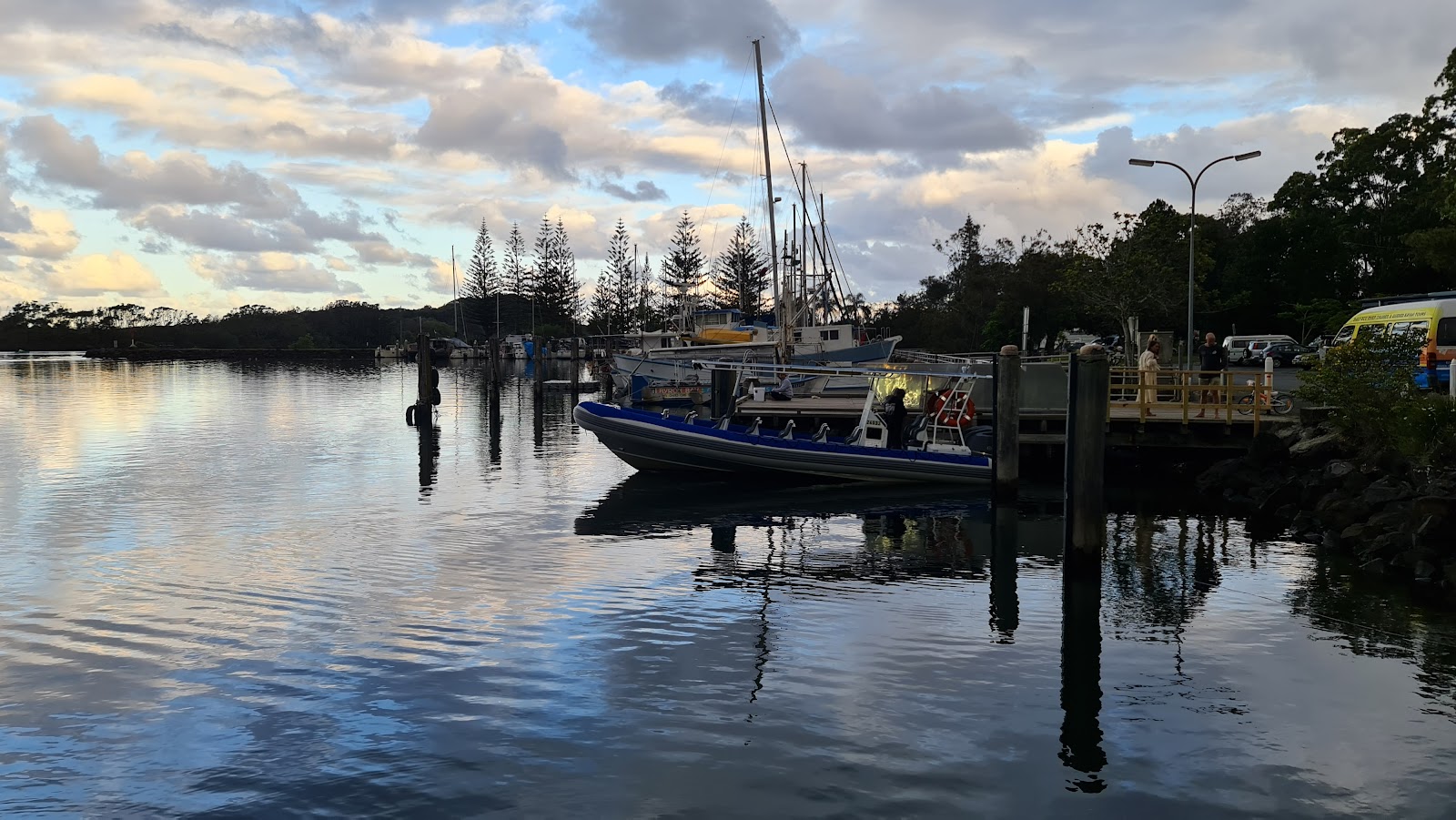
A short run offshore from Brunswick Heads or Byron and you’re onto the reefs that make this coast a serious boat-fishing destination. This is where Byron’s tropical-meets-temperate overlap really shows: the wider reefs produce snapper, pearl perch, kingfish and teraglin reliably all year, with samson fish, tusk fish, sweetlip and a procession of other reef species mixed through. Pearl perch in particular — a prized eating fish — are a Northern Rivers signature, and the snapper fishing on the cooler-water reefs through autumn and winter is excellent.
This is the fishing that lifts Byron beyond its beaches and estuary. Bottom-bouncing baits and soft plastics over the reef accounts for the snapper, pearlies and teraglin; dropping live baits or working jigs around the bait schools and the headland pinnacles is the play for yellowtail kingfish. Because the reefs are close and the grounds are well known to local skippers, you don’t need a full offshore expedition to get among quality fish — a half-day reef trip can fill an esky.
It suits boat anglers and charter guests of all levels, and it’s the natural next step up from the estuary. The critical caveat is the marine park: the waters off Byron fall within the Cape Byron Marine Park, and the sanctuary zone around Julian Rocks (Nguthungulli) — within a 200m radius of the rock, which is also grey nurse shark critical habitat — is completely closed to fishing. Check the current zoning maps before you drop a line, or fish with a licensed charter who knows exactly where the boundaries are.
Reliable year-round reef fishing a short run offshore — snapper, prized pearl perch and hard-fighting kingfish, with the warm current adding subtropical species you won’t catch much further south.
“Half a day on the reefs off Byron and we boxed snapper, a few pearl perch and a solid kingie on a jig. The skipper knew every mark and kept us well clear of the sanctuary zone.”
— Google review
Bottom-bouncing the reefs for snapper and prized pearl perch, then a jig for kingfish around the pinnacles.
Julian Rocks (Nguthungulli) is a no-take sanctuary zone and grey nurse shark habitat — no fishing within 200m. Check the Cape Byron Marine Park zoning maps or go with a charter.
For serious game fishers, Byron Bay’s blue water is the headline. Cape Byron is the most easterly point of mainland Australia, and the warm East Australian Current sweeps close in here, dragging baitfish and the predators that follow them within easy reach of the coast. The result is a genuine game-fishing pedigree: marlin (striped and black), yellowfin tuna, mahi mahi, cobia, wahoo and Spanish and spotted mackerel all run through the warmer months, when the current is at its warmest and pushing furthest south. The local DPI Fish Aggregating Device (FAD) off the coast is famous for quality mahi mahi through summer and autumn.
This is charter territory for most visitors. Game fishing the current is genuine open-ocean work that demands a capable boat, the right gear and local knowledge of where the warm water, the temperature breaks and the bait are sitting on the day — and Byron’s established operators have all three. The reward is the chance at a trophy: a billfish on the troll, a screaming yellowfin, or a deck full of mahi mahi from around the FAD on a hot summer’s day.
It suits experienced game anglers and anyone willing to invest in a full-day charter for a shot at a billfish, tuna or mahi mahi. It doesn’t suit beginners, young children or anyone prone to seasickness on a long open-water day — for them, the estuary and the close reefs are far better. Spanish mackerel have a managed open season (roughly January to April), so confirm what’s running, the season and the trip length with a game charter before booking, and take sea-sickness precautions seriously.
A genuine shot at marlin, tuna and mahi mahi where the warm East Australian Current runs closest to the mainland — internationally regarded blue water within reach of a small coastal town.
“Ran wide off Byron with a local game crew, raised two marlin and loaded the deck with mahi mahi off the FAD. The skipper read the current breaks perfectly. Bucket-list stuff.”
— Traveller review
A full-day game charter into the current — trolling skirts for marlin or working the FAD for mahi mahi.
It’s a long open-water day for experienced anglers — not for beginners, young kids or the seasickness-prone. Go with a capable charter, not your own small boat, and mind the bar.
The headlands and breakwalls around Byron produce some of the best land-based fish on the coast — drummer, bream, tailor, snapper and big mulloway off the rocks — but this is where honesty matters most. The Byron–Ballina coast is a notorious rock-fishing blackspot, the kind of coastline that has claimed lives, with powerful swells, deep ledges and rogue waves that arrive without warning. Rock fishing here is among the highest-risk forms of angling in Australia, and it should only ever be attempted by experienced anglers, in calm conditions, never alone, and never with your back to the sea. Note too that The Pass — one of Byron’s best-known rocky areas — is a marine-park sanctuary zone where fishing is prohibited.
A lifejacket is non-negotiable on these rocks. The NSW rock-fishing lifejacket law is mandatory in declared areas, and the adjacent Ballina and Richmond Valley shires (Lennox Head, Flat Rock, Ballina Head and others just south) are declared zones where a lifejacket is compulsory and fines apply. Byron Shire itself is not currently a declared area, but the risk is identical — so wear an approved lifejacket, grippy cleated boots, and check the swell and tide forecast every single time. If there’s any doubt in the conditions, fish the beach or the estuary instead.
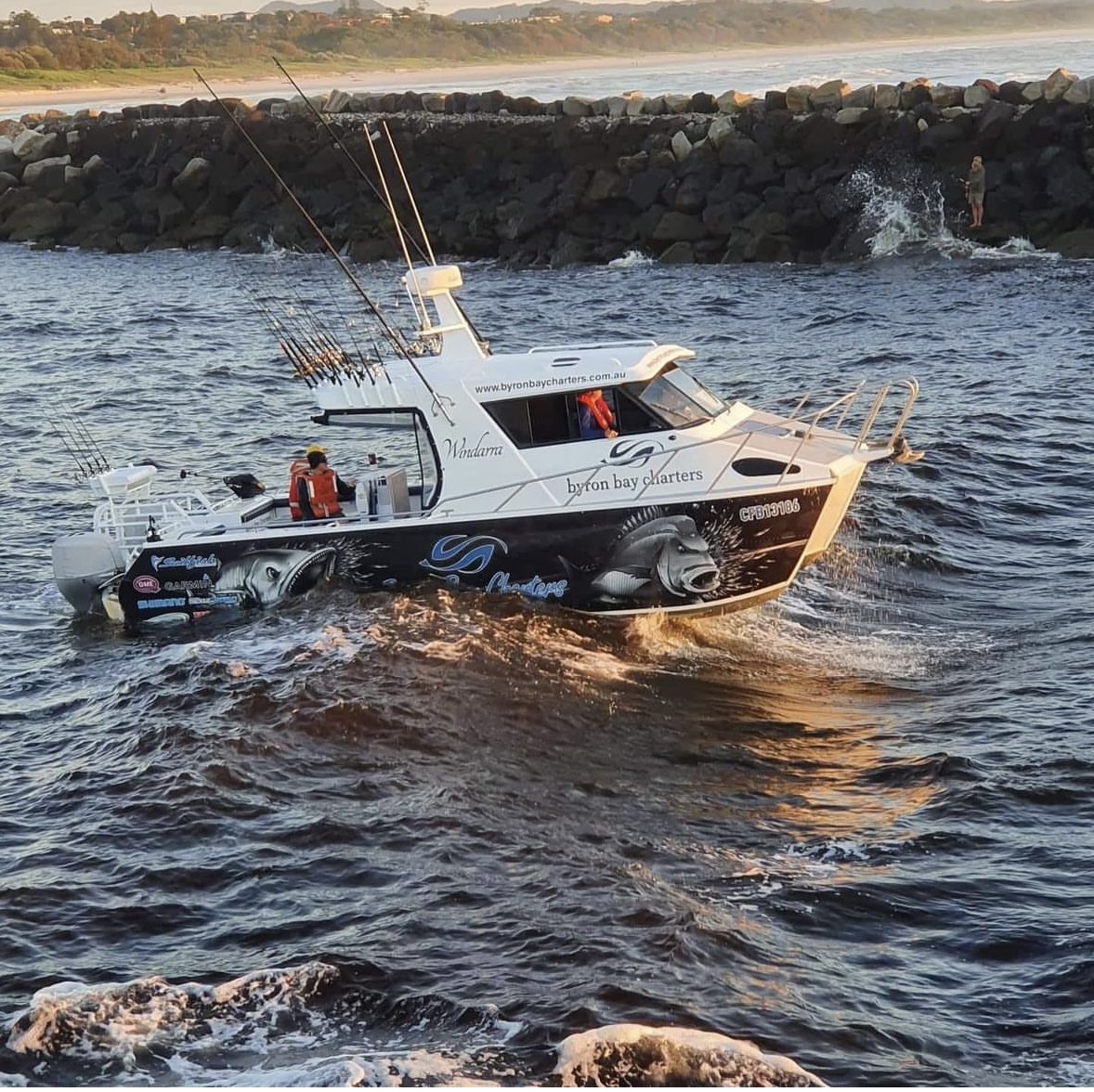
For most visitors, the safest and most productive way onto the water is a charter. Several established operators run out of Brunswick Heads (about fifteen minutes north of Byron) and Byron Bay, offering everything from half-day reef trips to full-day game missions, with boat, gear, bait and local expertise supplied. Operators and their offerings change, so confirm current charters and what they target directly before booking. And if you’re taking your own boat offshore, treat the Brunswick Heads bar with respect — it can be hazardous and should only be crossed in good conditions.
It’s the honest path onto Byron’s best water — productive headland rocks for the experienced and well-equipped, and charters out of Brunswick Heads and Byron that put everyone else safely onto the fish.
“Booked a Brunswick Heads charter rather than risk the rocks — best call we made. Reef in the morning, a run wide for mackerel after, gear and knowledge all sorted. Far safer than going it alone.”
— Google review
A guided charter out of Brunswick Heads or Byron — the safe, productive way onto the reefs and the current.
The Byron–Ballina coast is a rock-fishing blackspot that has claimed lives — wear a lifejacket, never fish alone or in swell. The Pass is a no-fishing sanctuary zone; the Brunswick bar is hazardous.
| Season | Conditions | Highlights | Crowds |
|---|---|---|---|
| Summer (Dec–Feb) | Warm, EAC at its strongest | Marlin, yellowfin & mahi mahi offshore (FAD prime); mangrove jacks on lures in the Brunswick; whiting on the flats; Spanish mackerel running | Peak (school holidays) |
| Autumn (Mar–May) | Settled, often the sweet spot | Snapper firing on the reefs; mahi mahi still around the FAD; reliable estuary flathead and bream in mild, less-crowded conditions | Low–moderate |
| Winter (Jun–Aug) | Cooler but mild by NSW standards | Prime beach salmon, tailor and jewfish in the surf gutters; snapper and pearl perch on the reefs; the classic land-based season | Low |
| Spring (Sep–Nov) | Warming, current pushing south | Game season building as the EAC warms; early pelagics and kingfish active; estuary waking up for flathead and whiting | Low–moderate |
What anglers consistently say about fishing Byron Bay:
The recurring praise is the range and the species mix — beach, estuary, reef and blue water from one town, with the East Australian Current bringing tropical pelagics like mahi mahi and mackerel south alongside the snapper and flathead.
Anglers note the Cape Byron Marine Park sanctuary zones (Julian Rocks, The Pass, Belongil), the hazardous Brunswick bar and — most of all — the dangerous rock-fishing coast; those who check the maps, watch the swell and wear a lifejacket have the best and safest trips.
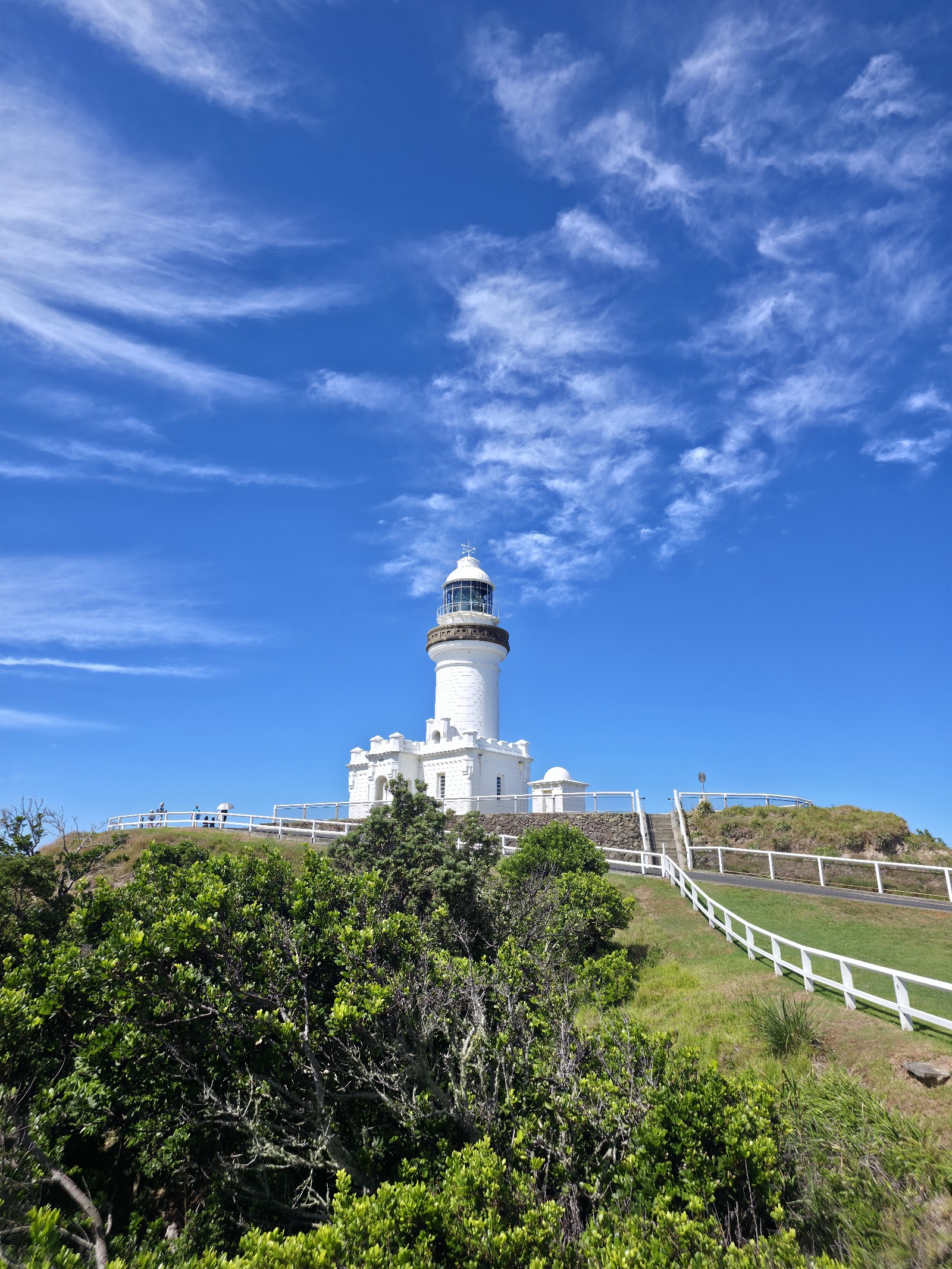
“The Cape Byron Lighthouse is a dream. The stark white lighthouse stands beautifully against the deep blue sky, overlooking the endless azure sea. With the bright sunshine and a gentle breeze, it’s the perfect spot to let your mind wander and feel truly relaxed. Note that there’s a $10 parking fee to drive up, but the stunning views are worth every cent.”— Lunga RJ (on Cape Byron Lighthouse), Google review
“It's a bit of a yreck to get here bit well worth it. Amazing views and fantastic views on the way. The whole loop is about 3.5k but there is an access road and carpark for those who don't want to walk.”— Mark Edmondson (on Cape Byron Lighthouse), Google review
“A Must-Do in Byron! Coastal views, rainforest, and wildlife. The walk up to the Cape Byron Lighthouse was the absolute highlight of my trip to Byron Bay! I highly recommend taking the coastal track. The path takes you through a beautiful small rainforest and then follows the cliffs with stunning ocean views. Along the way, there are several information board”— Shabanna H. (on Cape Byron Lighthouse), Google review
Before you wet a line in Byron Bay, get the legal side sorted — it’s quick and inexpensive. In NSW you must pay the recreational fishing fee and carry your licence receipt when fishing in both fresh and salt water, including from the shore. Short-term and longer licences are available online through NSW DPI Fisheries, for periods ranging from three days to three years, and you can also buy one over the counter at the Brunswick Heads tackle shop. Some exemptions apply (for example under-18s and certain pensioners) — check the current rules, and note that fisheries officers do check.
NSW has legal minimum sizes and bag limits for each species to protect stocks, so check the current NSW DPI saltwater limits before keeping any fish, and release undersized and excess fish (mud crabs, for example, must be over 8.5cm carapace with a bag limit of five). Just as importantly, these waters sit within the Cape Byron Marine Park, which has sanctuary (no-take) zones at Julian Rocks (Nguthungulli), The Pass and Belongil where all fishing is prohibited — check the current marine park zoning maps or the FishSmart NSW app before you fish, as boundaries and rules can change.
Safety is the part not to skim here. The Byron–Ballina coast is a notorious rock-fishing blackspot with a history of fatalities: wear an approved lifejacket and cleated boots, never fish the rocks alone or in swell, and never turn your back on the sea. The lifejacket law is mandatory in the adjacent Ballina and Richmond Valley shires; Byron Shire isn’t a declared area, but the risk is the same, so wear one regardless. Treat the Brunswick Heads bar with respect (cross only in good conditions), keep well back from strong surf rips on Tallow and the open beaches, and when in doubt, fish the estuary or take a charter.
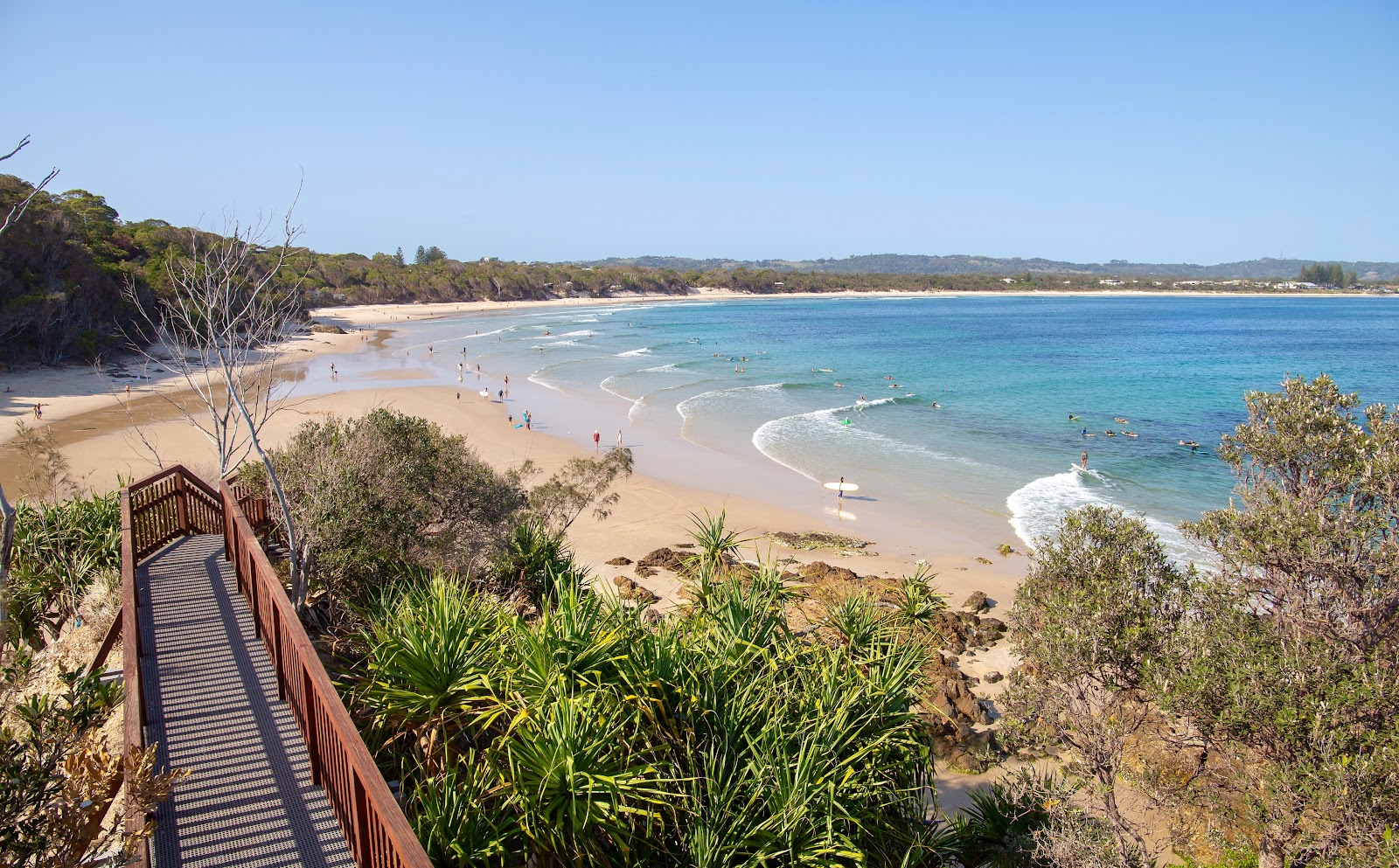
Byron Bay rewards the angler who looks past the surfboards. In a single trip you can walk a Tallow Beach gutter at dawn for tailor and jewfish, drift the Brunswick River for flathead and summer mangrove jacks, bottom-bounce the Cape Byron reefs for snapper and prized pearl perch, and — for those who want it — run wide into the warm East Australian Current for marlin, tuna and mahi mahi. Few places blend the tropical and the temperate the way this stretch of the Northern Rivers does.
Sort your licence, check the Cape Byron Marine Park sanctuary zones, respect the breeding fish, and — above all — respect the conditions on a coast that can be genuinely dangerous off the rocks. Pick your water: beach, estuary, reef or blue water. Whether you’re after a relaxed family session on the Brunswick or a serious offshore mission on the current, the Byron Bay fishing spots in this guide will put you on the fish. Tight lines — wear your lifejacket, and let the big flathead go.
Enjoying fishing? Here’s where else in Australia it’s worth the trip — ranked by how loved each destination is, with the one thing not to miss at each.
 Kangaroo Valley
Shoalhaven, New South Wales
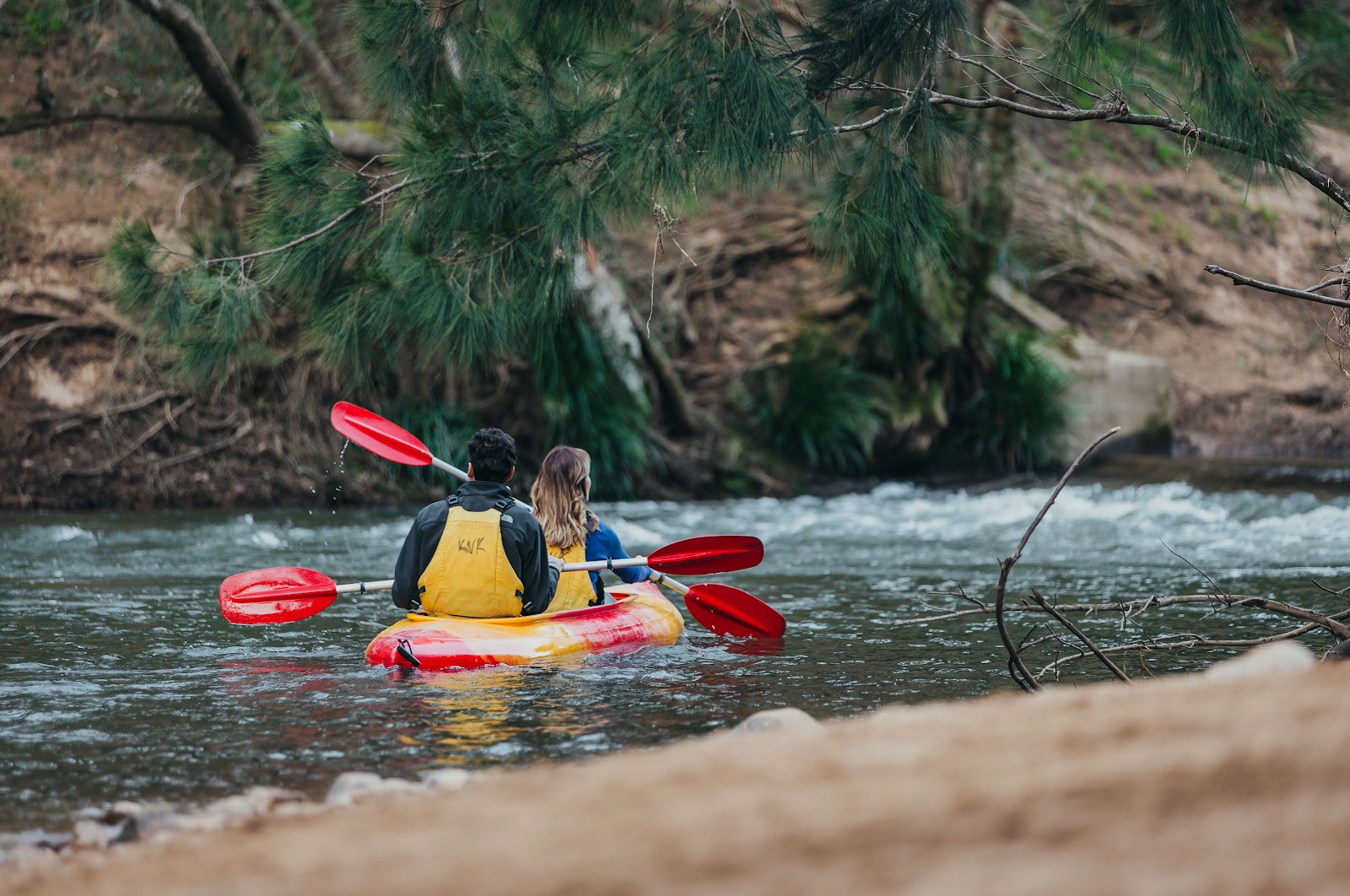
Kangaroo River bass on lures — the signature paddle-and-cast — A dawn surface-lure session in the clear pools — a bass blowing up on a popper, photographed and released.
Explore fishing in Kangaroo Valley →
2
Kangaroo Valley
Shoalhaven, New South Wales
Kangaroo River bass on lures — the signature paddle-and-cast — A dawn surface-lure session in the clear pools — a bass blowing up on a popper, photographed and released.
Explore fishing in Kangaroo Valley →
2
 Hamilton Island
The Whitsundays, Queensland
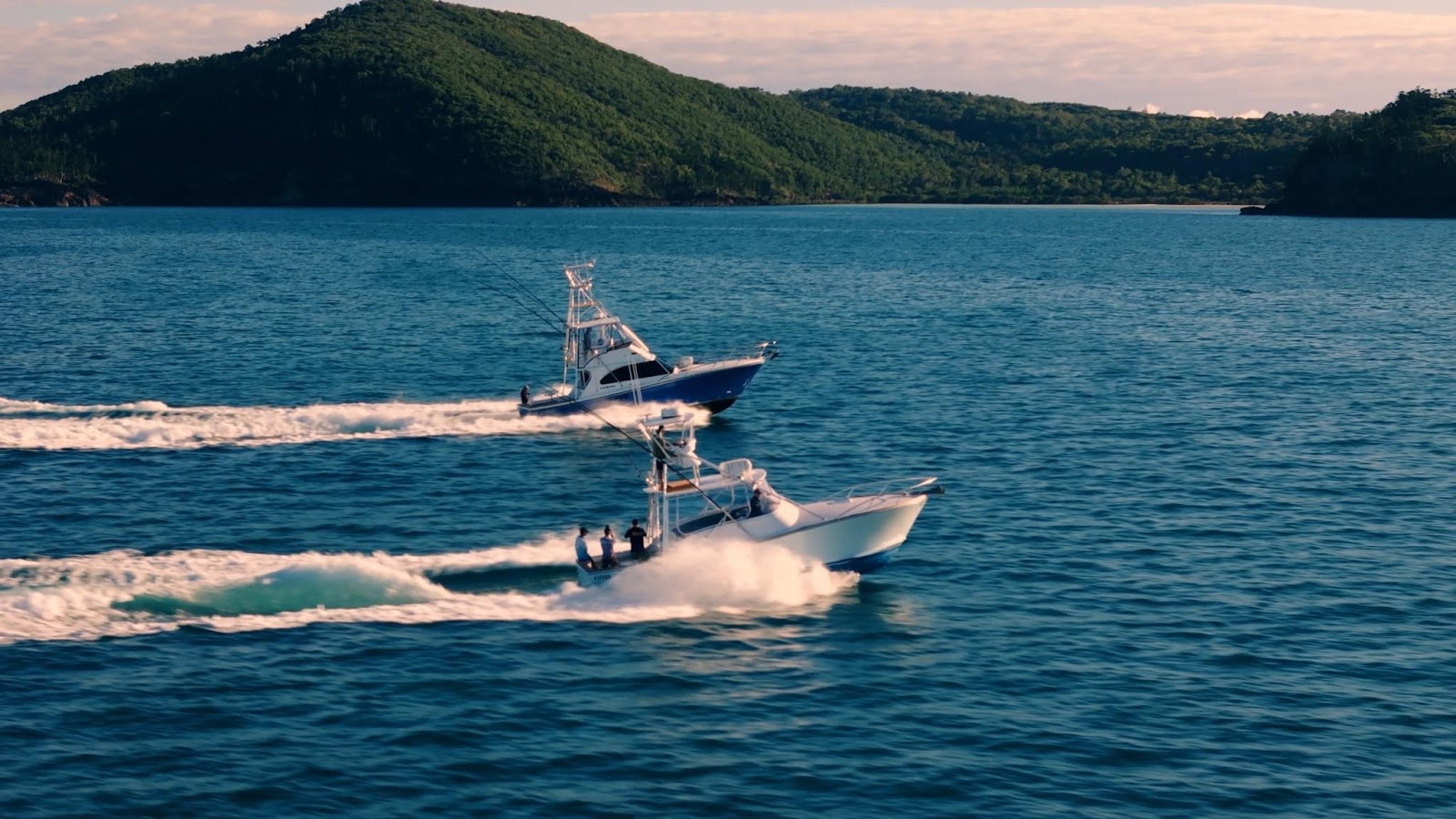
Reef bottom-fishing — coral trout, emperor & sweetlip — A full-day run to the outer reef for red emperor and big nannygai, with coral trout on the inshore drop-offs.
Explore fishing in Hamilton Island →
3
Hamilton Island
The Whitsundays, Queensland
Reef bottom-fishing — coral trout, emperor & sweetlip — A full-day run to the outer reef for red emperor and big nannygai, with coral trout on the inshore drop-offs.
Explore fishing in Hamilton Island →
3
 The Kimberley
Australia's North West, Western Australia
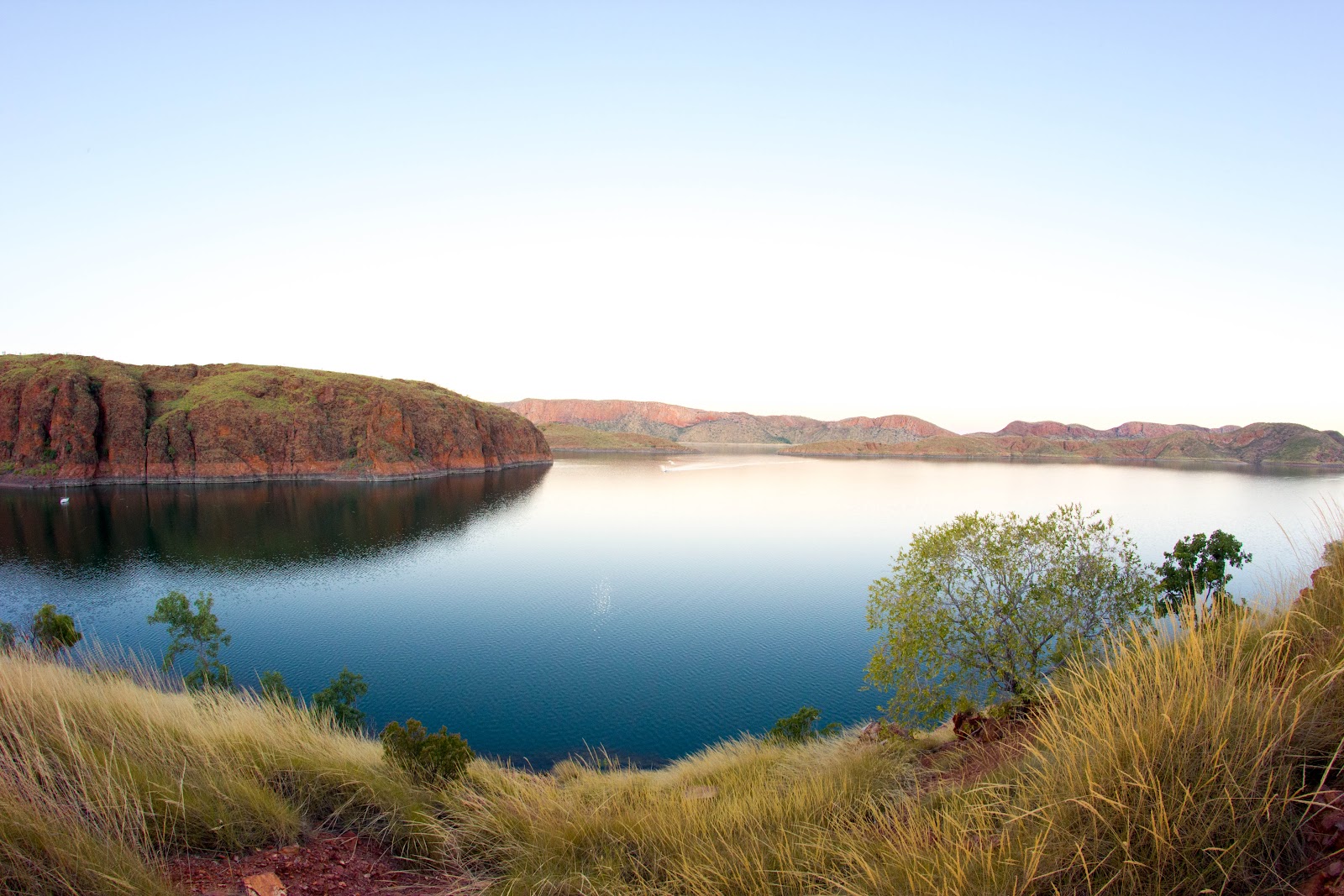
Lake Argyle — Dawn surface fishing over submerged timber lines when barra are actively busting bait -- the most productive window of the day.
Explore fishing in The Kimberley →
4
The Kimberley
Australia's North West, Western Australia
Lake Argyle — Dawn surface fishing over submerged timber lines when barra are actively busting bait -- the most productive window of the day.
Explore fishing in The Kimberley →
4
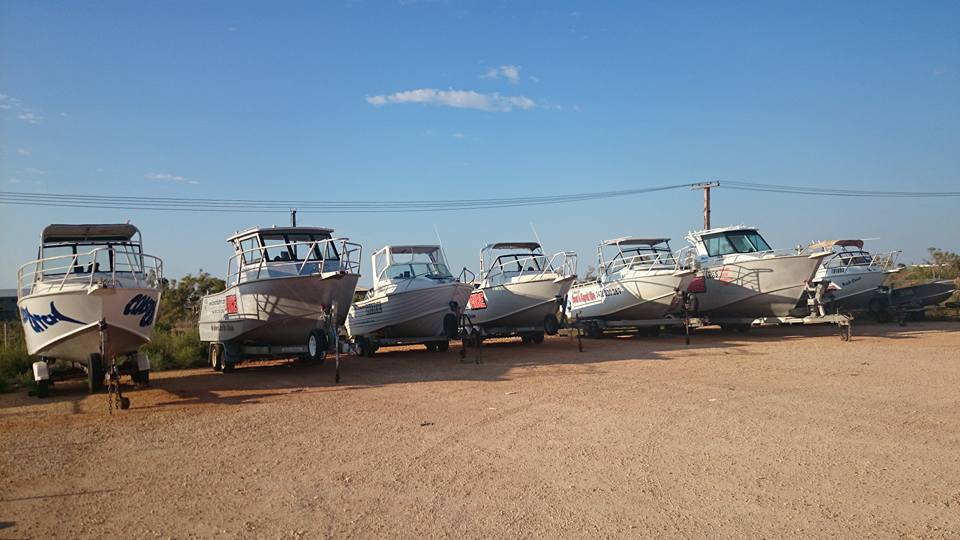 Ningaloo Reef
Australia's Coral Coast, Western Australia
Exmouth Gulf game fishing charters — A full-day blue-water charter targeting billfish in the Gulf — the premier fishing experience at Ningaloo, with a knowledgeable skipper who knows where the fish are.
Explore fishing in Ningaloo Reef →
5
Ningaloo Reef
Australia's Coral Coast, Western Australia
Exmouth Gulf game fishing charters — A full-day blue-water charter targeting billfish in the Gulf — the premier fishing experience at Ningaloo, with a knowledgeable skipper who knows where the fish are.
Explore fishing in Ningaloo Reef →
5
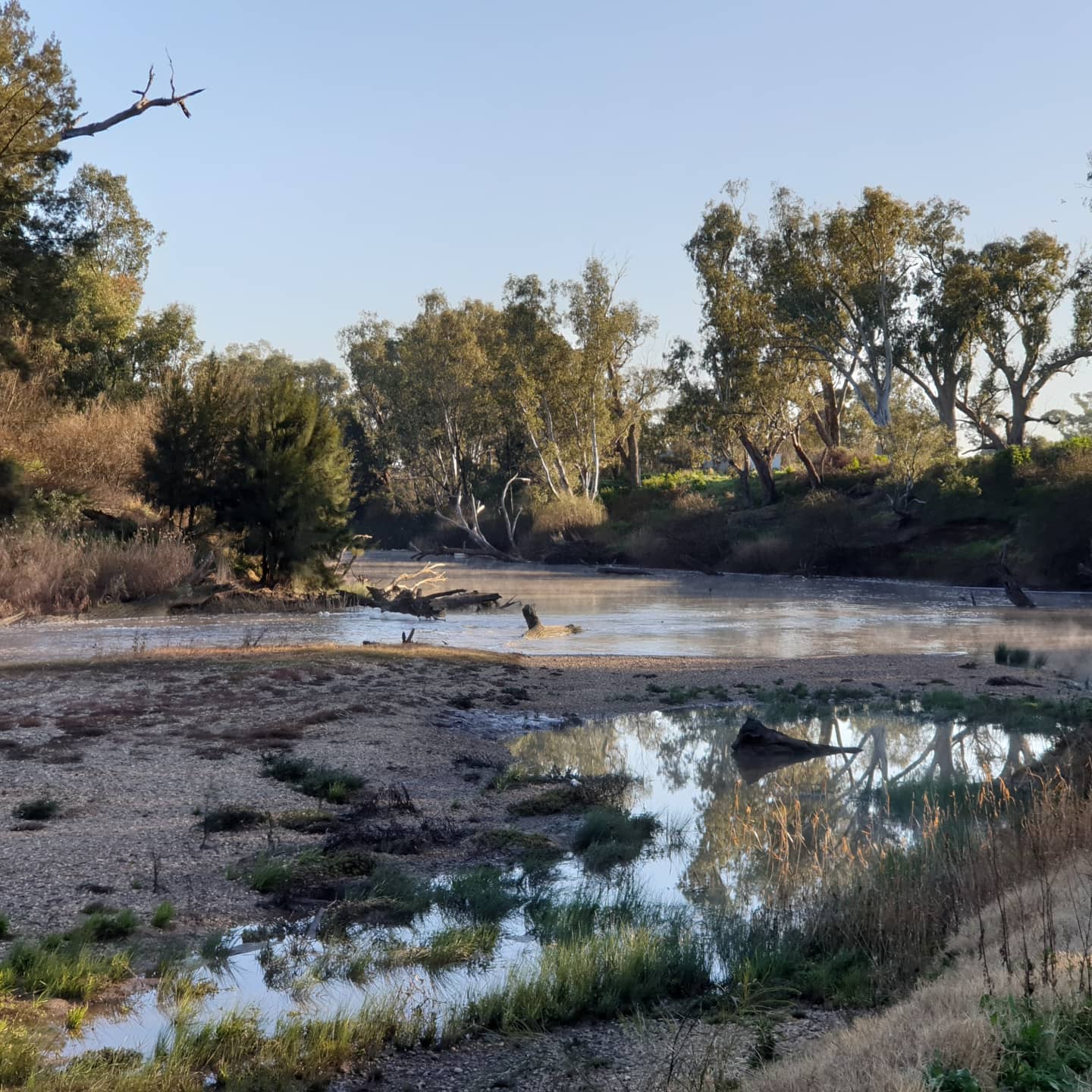 Dubbo
Central West, New South Wales
The Macquarie River through Dubbo — the riverside reserves — A dawn or dusk session working a surface lure over the river timber for Murray cod.
Explore fishing in Dubbo →
Byron Bay you’re here
Northern Rivers, New South Wales
Beach & surf fishing — Tallow and the open beaches — A moving-tide dawn session in a Tallow Beach gutter for tailor, whiting and a shot at a jewfish.
You’re reading this guide
Dubbo
Central West, New South Wales
The Macquarie River through Dubbo — the riverside reserves — A dawn or dusk session working a surface lure over the river timber for Murray cod.
Explore fishing in Dubbo →
Byron Bay you’re here
Northern Rivers, New South Wales
Beach & surf fishing — Tallow and the open beaches — A moving-tide dawn session in a Tallow Beach gutter for tailor, whiting and a shot at a jewfish.
You’re reading this guide
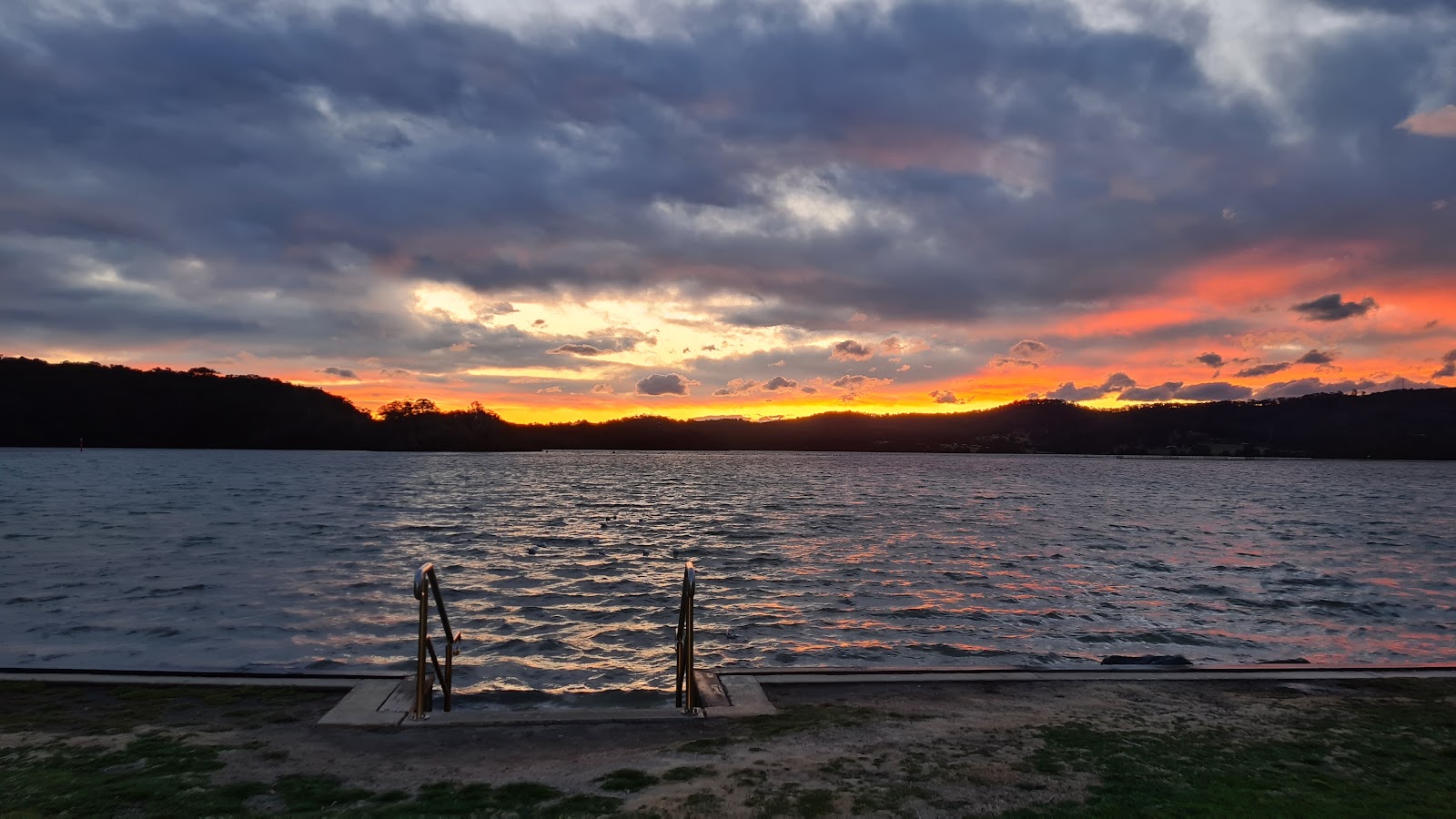 Narooma
South Coast, New South Wales
Wagonga Inlet — the estuary fishing jewel — A dawn session on the sand flats with soft plastics — and a ‘croc’ flathead photographed and released.
Explore fishing in Narooma →
8
Narooma
South Coast, New South Wales
Wagonga Inlet — the estuary fishing jewel — A dawn session on the sand flats with soft plastics — and a ‘croc’ flathead photographed and released.
Explore fishing in Narooma →
8
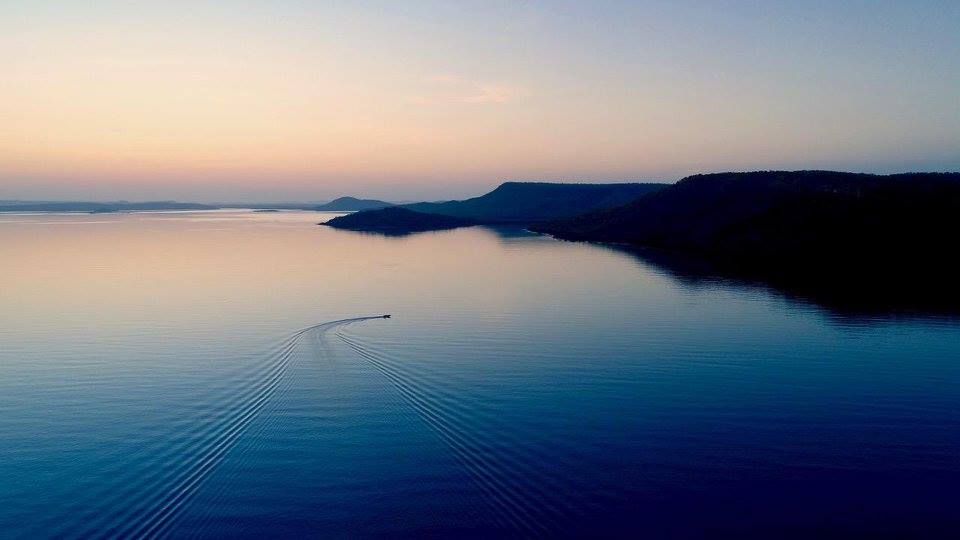 Broome
Australia's North West, Western Australia
Town Beach jetty and foreshore — Fishing the run-in tide with a surface popper or metal slice for queenfish and trevally — the bite window is two hours, so time it well.
Explore fishing in Broome →
Broome
Australia's North West, Western Australia
Town Beach jetty and foreshore — Fishing the run-in tide with a surface popper or metal slice for queenfish and trevally — the bite window is two hours, so time it well.
Explore fishing in Broome →
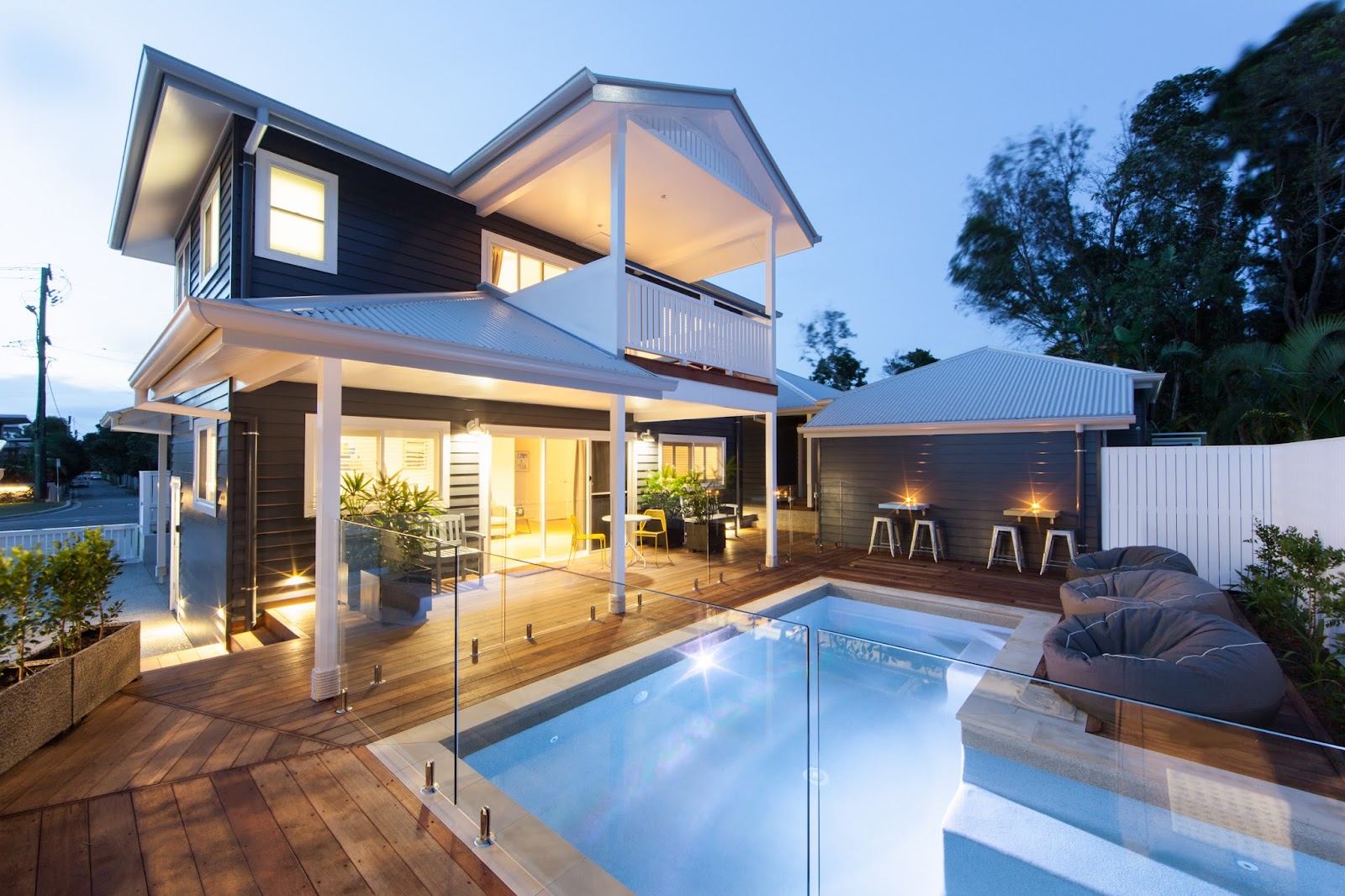
Elements of Byron — Byron Bay
Book Direct & Save →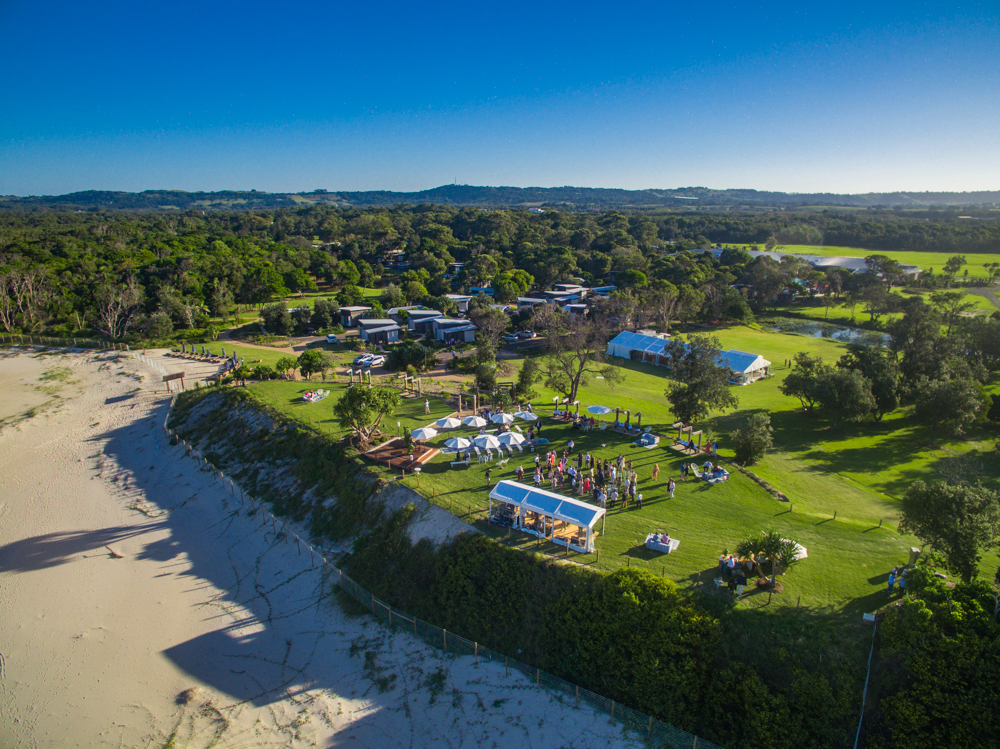
The Beach Shack — Byron Bay
Book Direct & Save →
Skip OTA fees. Connect directly with Byron Bay owners for the best rates and a truly personal experience.
We match any online rate. No service fees — 100% of your payment supports local owners.
Direct guests receive complimentary hampers, early check-in, and priority access to experiences.
Speak directly with the people who manage the properties. No call centres, just local expertise.
Part of New South Wales · Northern Rivers
 Glen Aplin
Granite Belt, Queensland
Queensland's most underrated wine valley
Explore the guide →
Glen Aplin
Granite Belt, Queensland
Queensland's most underrated wine valley
Explore the guide →
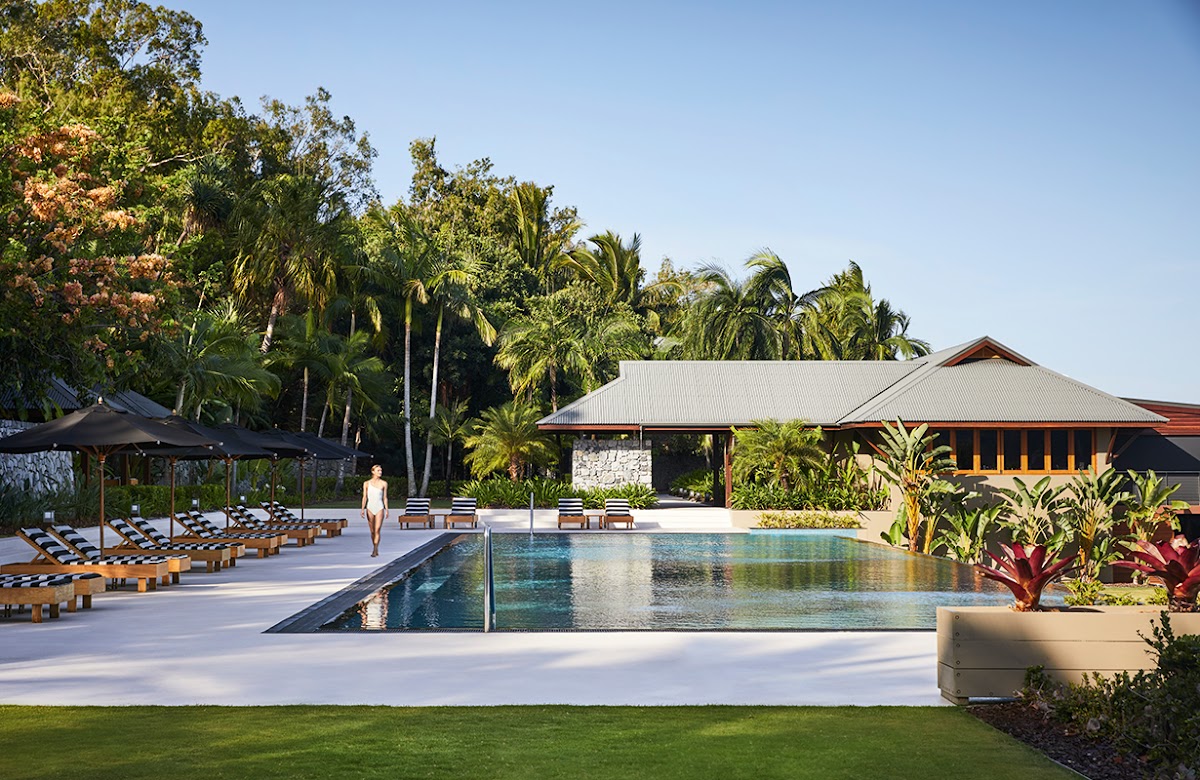 Hamilton Island
The Whitsundays, Queensland
Whitsundays island resort — Whitehaven Beach, reef trips and golf-buggy life
Explore the guide →
Hamilton Island
The Whitsundays, Queensland
Whitsundays island resort — Whitehaven Beach, reef trips and golf-buggy life
Explore the guide →
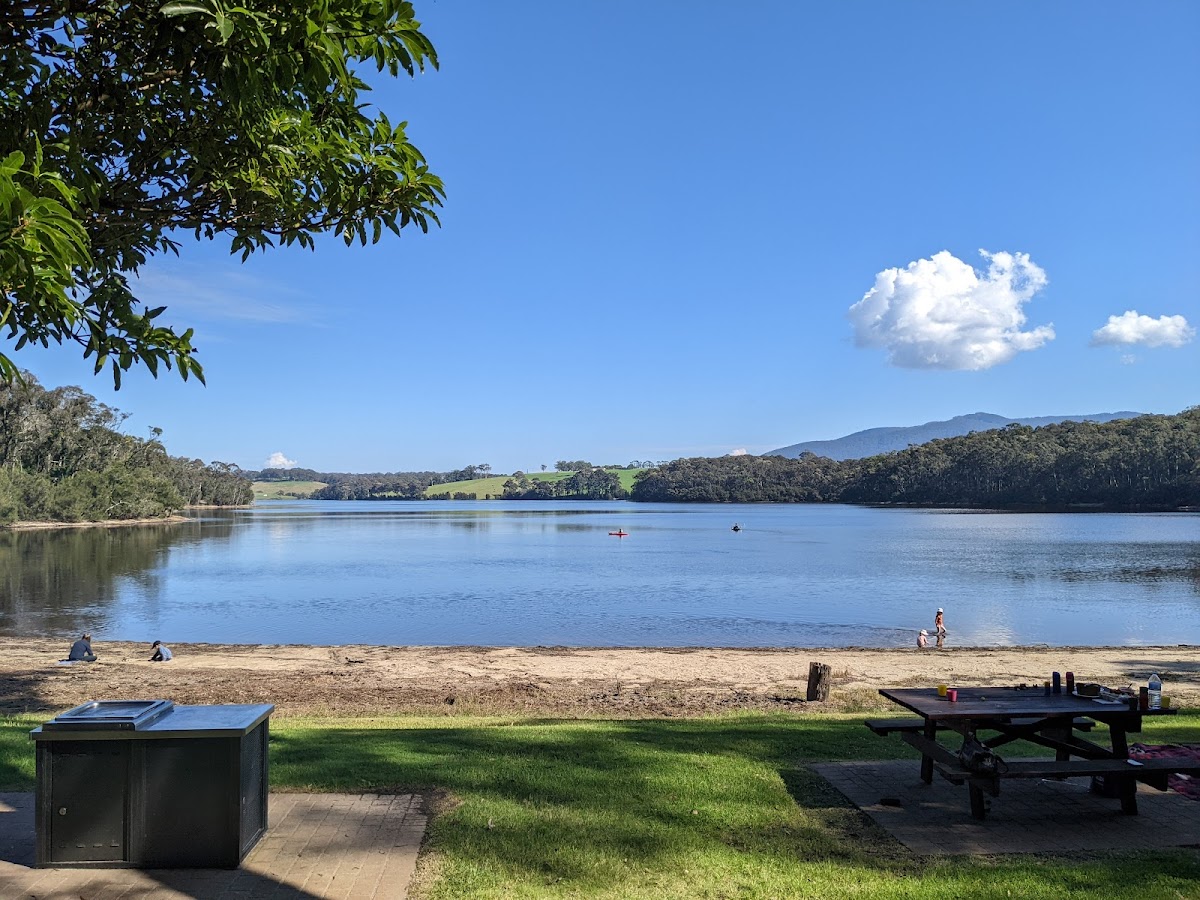 Narooma
South Coast, New South Wales
Crystal-clear inlet, surf beaches, oysters and Montague Island
Explore the guide →
Narooma
South Coast, New South Wales
Crystal-clear inlet, surf beaches, oysters and Montague Island
Explore the guide →
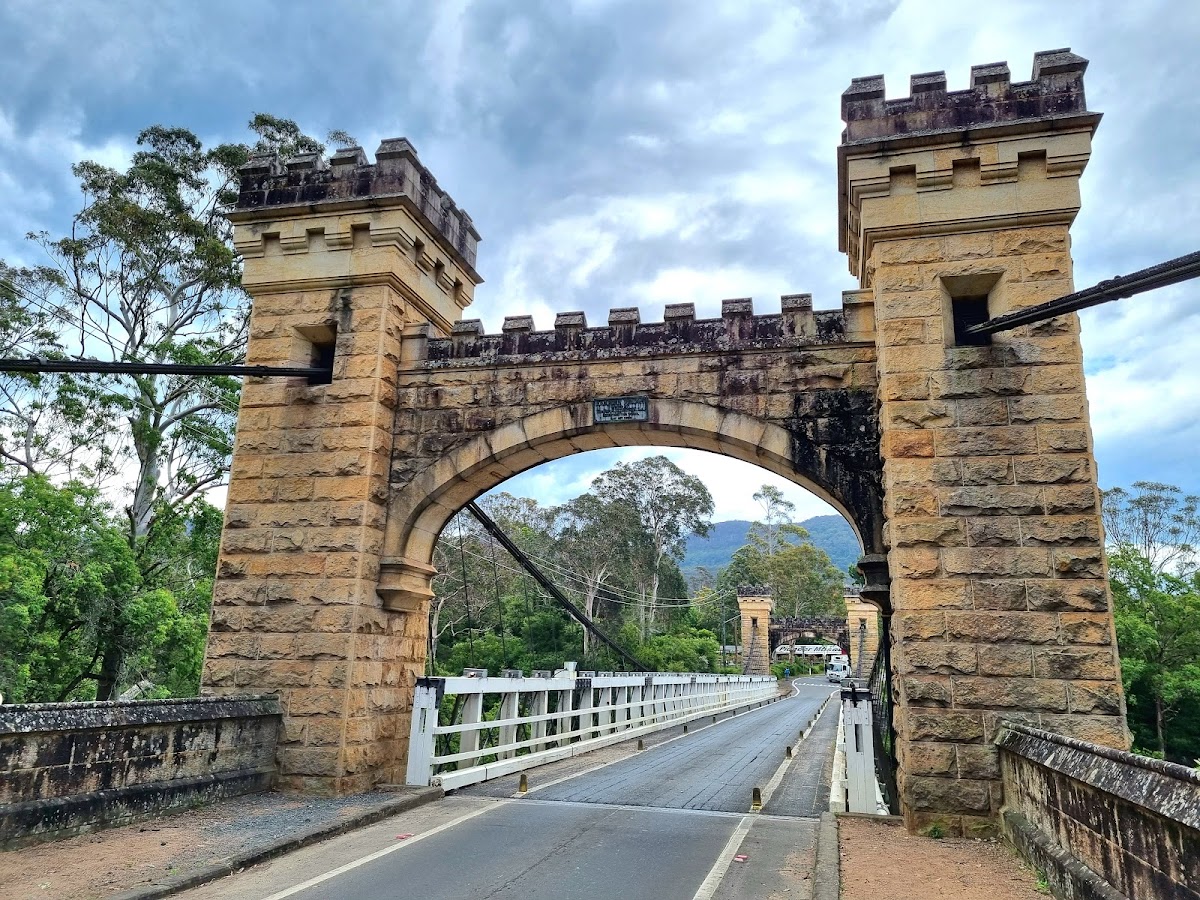 Kangaroo Valley
Shoalhaven, New South Wales
Hampden Bridge, kayaking and wombats in a green valley
Explore the guide →
Kangaroo Valley
Shoalhaven, New South Wales
Hampden Bridge, kayaking and wombats in a green valley
Explore the guide →
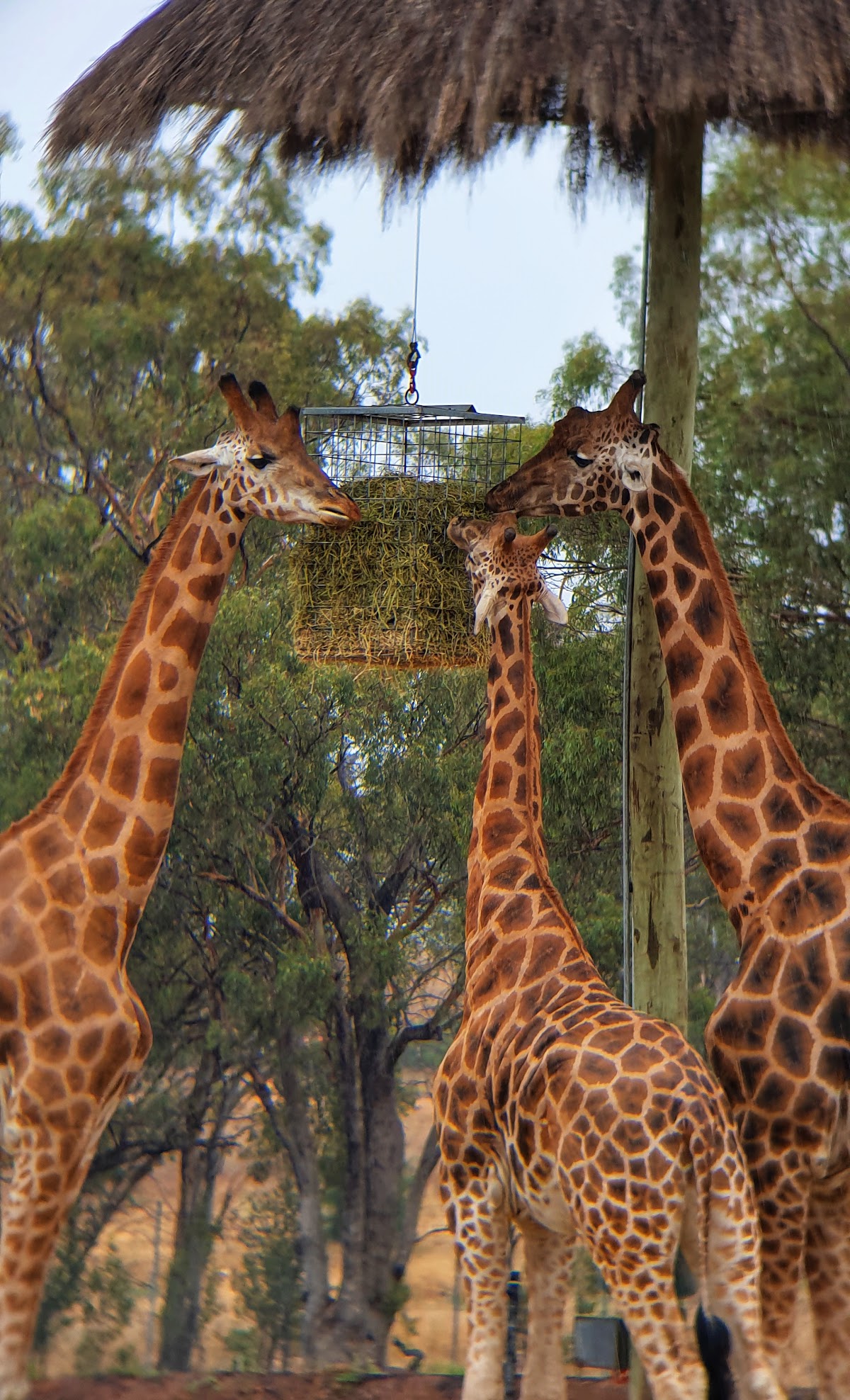 Dubbo
Central West, New South Wales
Open-range zoo and Outback gateway on the Macquarie River
Explore the guide →
Dubbo
Central West, New South Wales
Open-range zoo and Outback gateway on the Macquarie River
Explore the guide →
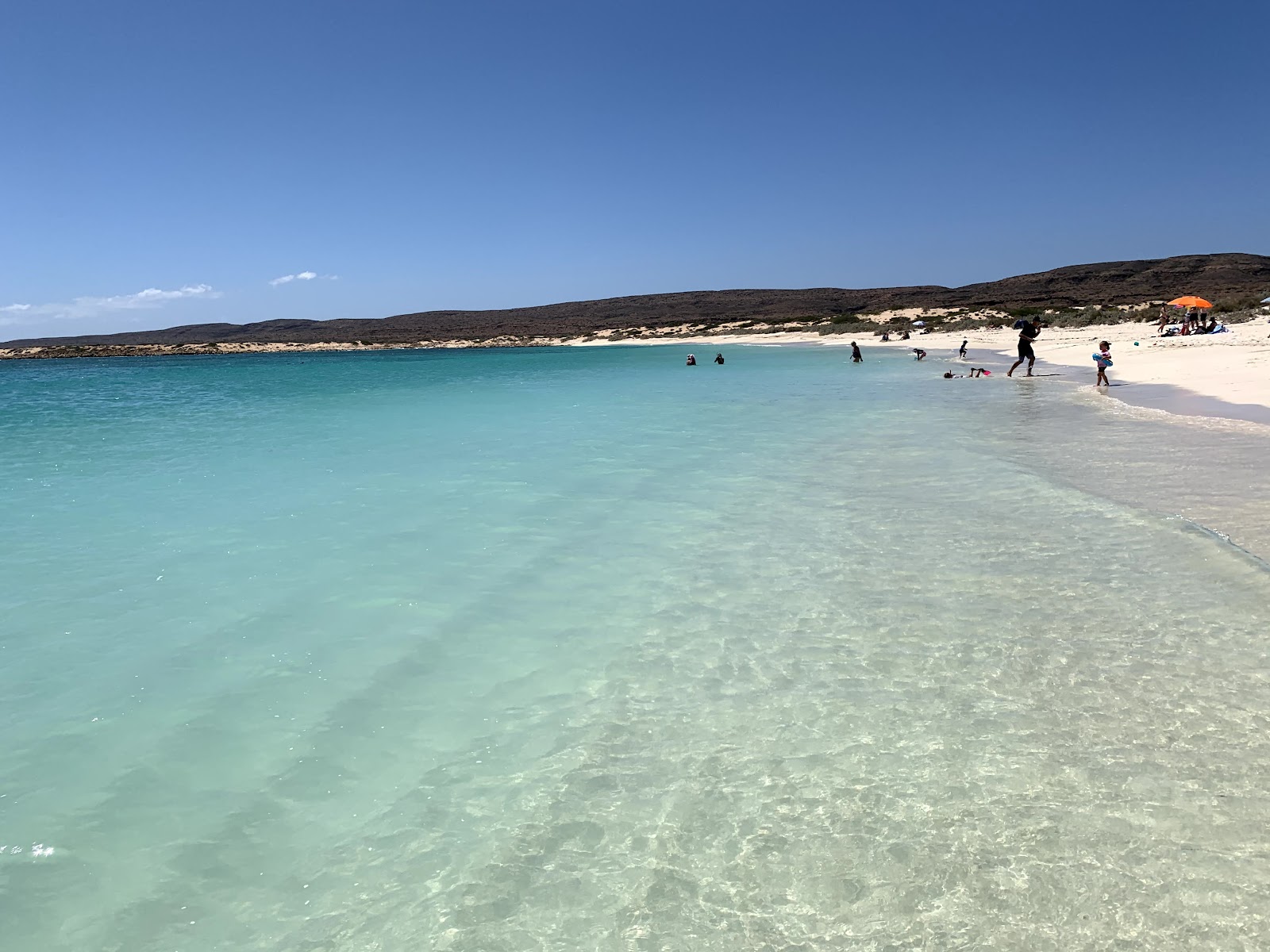 Ningaloo Reef
Australia's Coral Coast, Western Australia
Swim with whale sharks and snorkel a World-Heritage reef straight off the beach
Explore the guide →
Ningaloo Reef
Australia's Coral Coast, Western Australia
Swim with whale sharks and snorkel a World-Heritage reef straight off the beach
Explore the guide →
 Broome
Australia's North West, Western Australia
Cable Beach sunsets, pearling history and camels on 22km of sand
Explore the guide →
Broome
Australia's North West, Western Australia
Cable Beach sunsets, pearling history and camels on 22km of sand
Explore the guide →
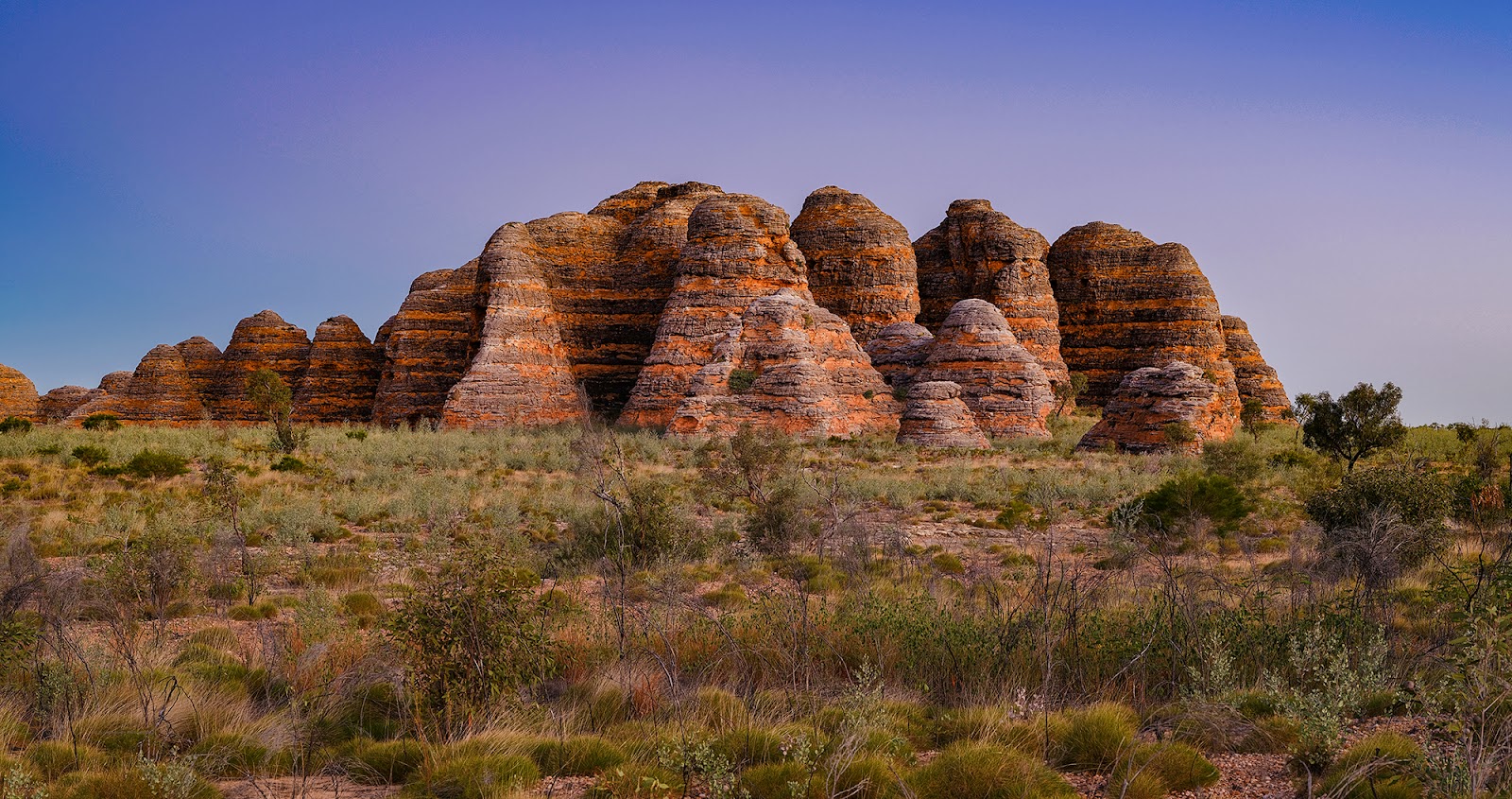 The Kimberley
Australia's North West, Western Australia
Gibb River Road, the Bungle Bungles, gorges and waterfalls in Australia's last frontier
Explore the guide →
The Kimberley
Australia's North West, Western Australia
Gibb River Road, the Bungle Bungles, gorges and waterfalls in Australia's last frontier
Explore the guide →
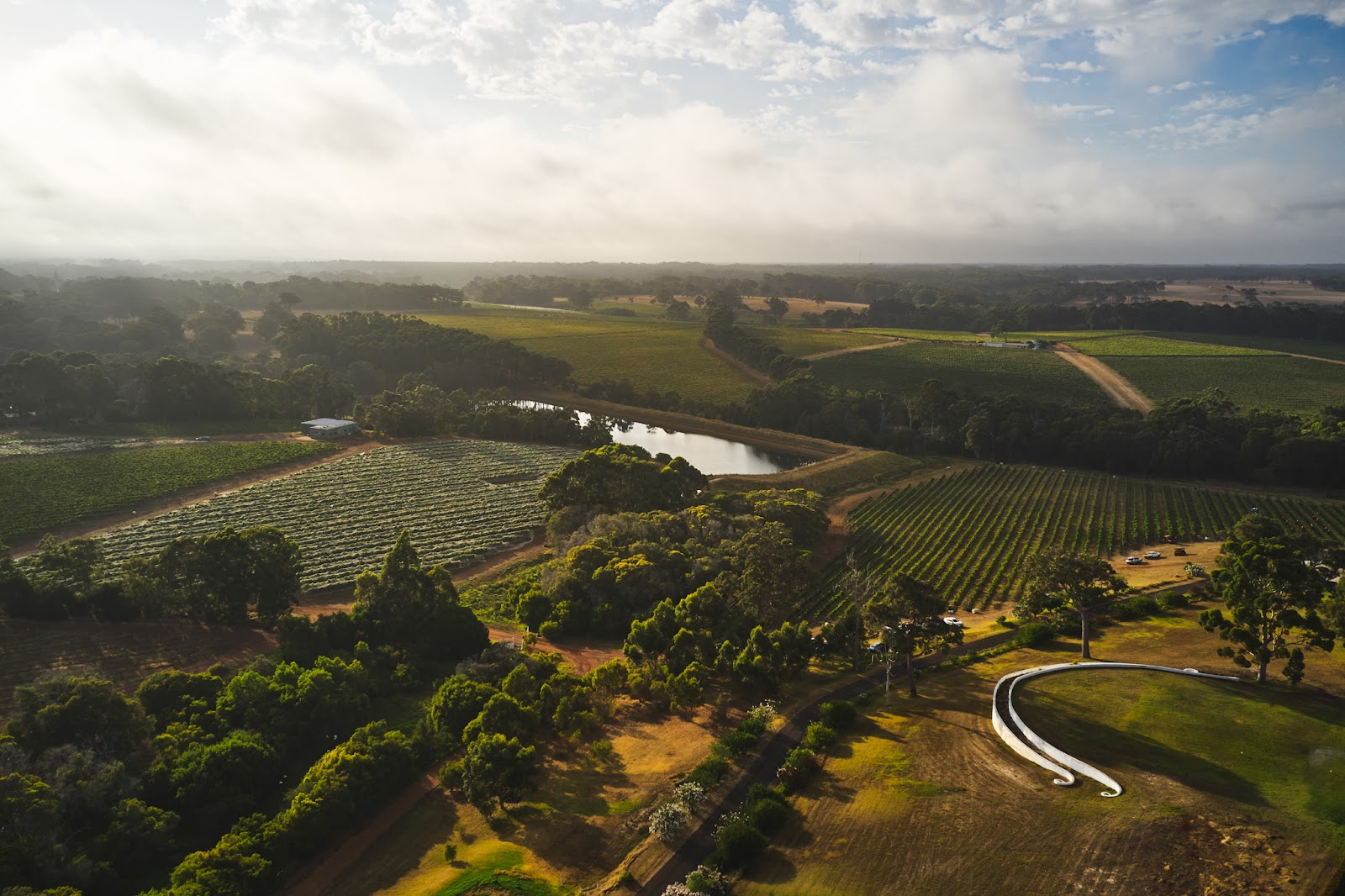 Margaret River
Australia's South West, Western Australia
World-class wineries, surf breaks and limestone caves three hours south of Perth
Explore the guide →
Margaret River
Australia's South West, Western Australia
World-class wineries, surf breaks and limestone caves three hours south of Perth
Explore the guide →