01. Exmouth Escape Resort
4.5 (428 reviews)
Exmouth Escape Resort — Ningaloo Reef
Book Direct & Save →Fishing at Ningaloo requires a genuine understanding of the marine park before you rig up. The Ningaloo Marine Park covers more than 260,000 hectares of the WA Coral Coast — and a significant proportion of that area is protected sanctuary zones where fishing is entirely prohibited. The reef itself, the section most visitors think of when they hear "Ningaloo", is largely no-take. The fishing is on the Gulf side of the Cape Range Peninsula, in designated areas of the marine park, and from specific boat ramps and shore spots that sit outside the sanctuary zone boundaries.
View 3 Properties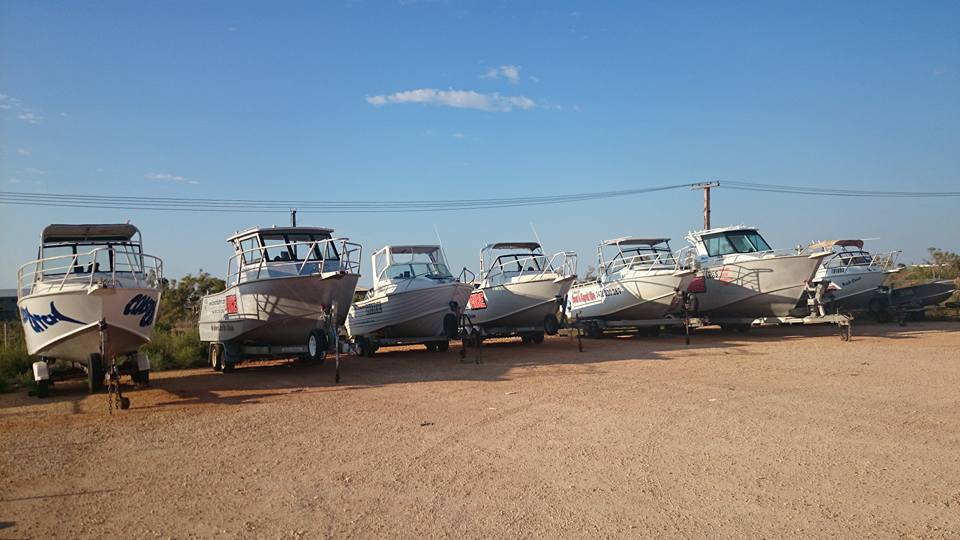
"Remote, productive, strictly regulated"
Get those boundaries right and Ningaloo's fishing is outstanding. The Exmouth Gulf is one of WA's most productive game fishing areas, with marlin, sailfish, tuna, Spanish mackerel and a range of reef species available to charter and recreational anglers. Tantabiddi and Bundegi boat ramps give shore-launched anglers access to some excellent water. The Learmonth jetty is a popular land-based option for mixed species. And Coral Bay offers its own fishing in designated areas of the southern reef system.
Western Australia requires a recreational fishing licence for most saltwater species. Check current licensing requirements with the Department of Primary Industries and Regional Development (DPIRD) before you fish. Marine park sanctuary zone boundaries are available from the Department of Biodiversity, Conservation and Attractions (DBCA) and should be consulted before any trip — ignorance of the boundaries is not a legal defence, and penalties for fishing in sanctuary zones are significant.
This section comes before the fishing spots because it must. The Ningaloo Marine Park is divided into multiple management zones, and the rules differ significantly between them. Sanctuary zones (Class A Marine Nature Reserve areas) permit no extractive use whatsoever — no fishing, no collecting, no anchoring on reef. General-use zones and recreation zones permit various activities, including fishing in some areas with species-specific restrictions. The boundaries are not always obvious from the water, and a GPS unit loaded with the current DBCA zone map is not optional for responsible anglers at Ningaloo.
The practical upshot: the main Ningaloo reef fringe — the section running along the Cape Range Peninsula that most visitors picture — is largely sanctuary zone. Fishing in this area is prohibited. The productive fishing areas at Ningaloo are the Exmouth Gulf (the calmer eastern side of the peninsula), specific designated areas at Tantabiddi and Bundegi, the designated fishing section around Learmonth Jetty, and the sections of the Coral Bay area that fall outside sanctuary zones. Know your zones before you launch.
Bag and size limits apply to all species in permitted areas. Spearfishing is prohibited throughout the marine park (both with and without scuba). The DBCA website and the WA Fisheries app carry the current zone maps, bag limits and size limits. These are updated periodically, so download current information before your trip rather than relying on older printed guides. The penalties for fishing in a sanctuary zone are enforced, and marine park rangers patrol by boat and aircraft.
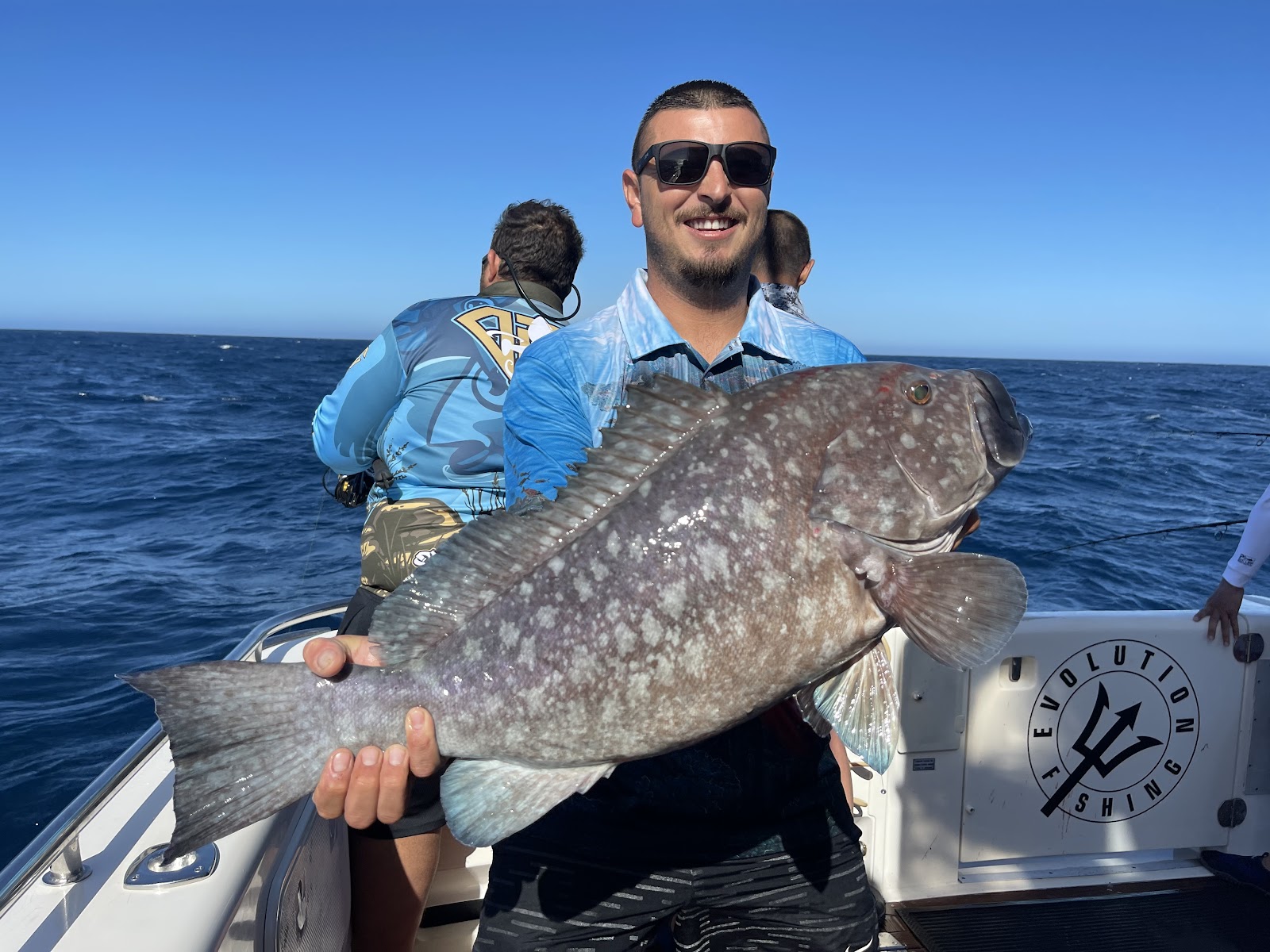
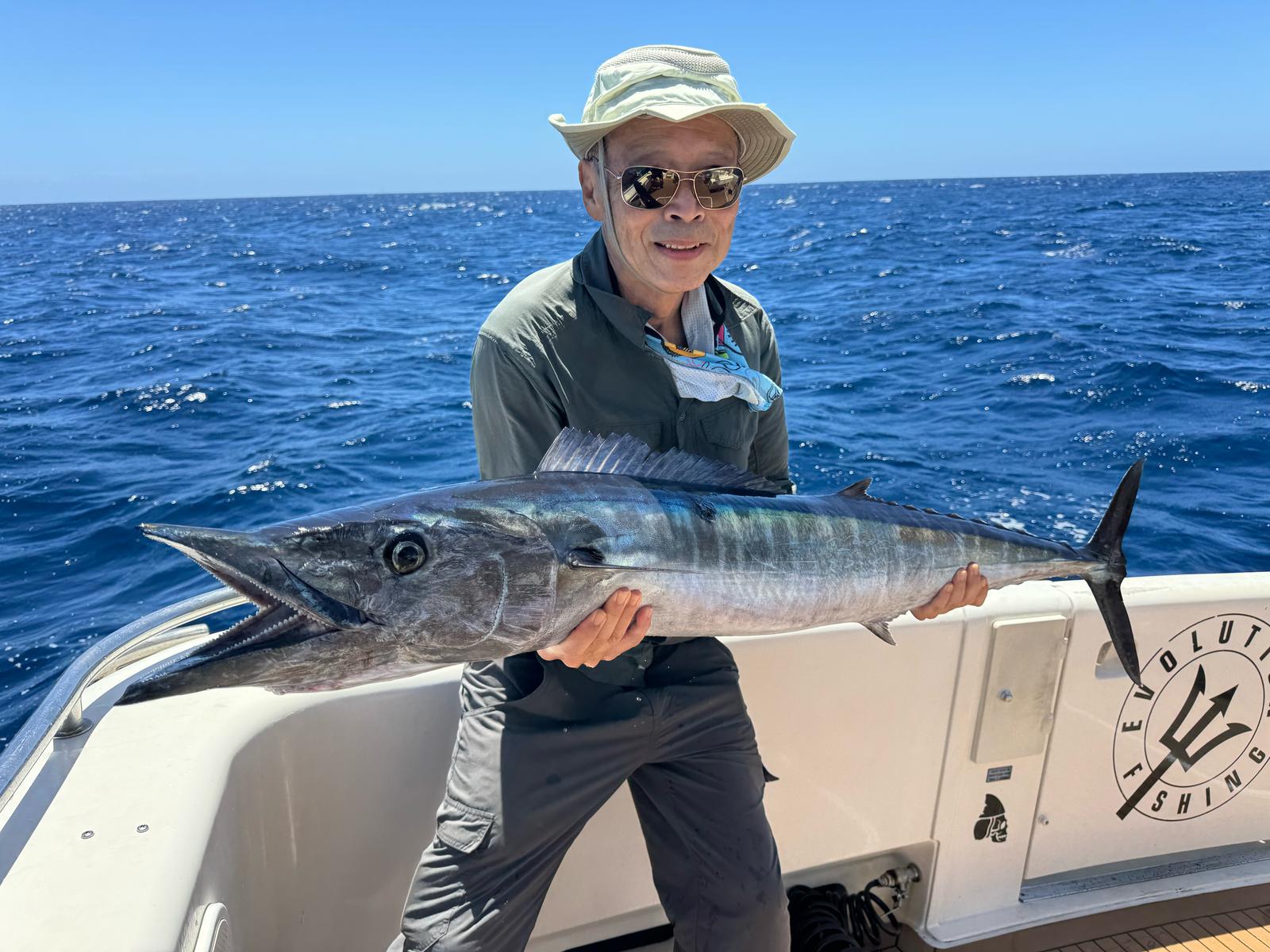
The Exmouth Gulf is one of Western Australia's premier game fishing destinations. The Gulf's deep, productive water supports populations of black marlin, blue marlin, striped marlin, sailfish, Spanish mackerel, yellowfin tuna, mahi-mahi (dolphinfish) and wahoo that keep serious anglers returning year after year. The combination of deep water in relatively close proximity to Exmouth, together with the Gulf's semi-enclosed nature generating good current patterns, produces game fishing that's among the most accessible in the state for the size of fish on offer.
Game fishing charters depart from the Exmouth marina on half-day and full-day formats, with specialist operators running dedicated blue-water and light-tackle game fishing programmes throughout the season. Operators including Ningaloo Blue Dive & Tours, Absolute Fishing Charters and others run fully equipped game fishing vessels with live bait, trolling rigs and heavy-tackle setups for billfish, alongside lighter-tackle options for pelagic species. Most charter boats are set up for both trolling and jigging, adapting to the conditions and target species on the day.
The experience suits serious anglers who want a focused, knowledgeable skipper and a properly equipped vessel. A half-day is a viable introduction; experienced anglers after billfish should book a full day and discuss target species and current conditions with the skipper before departure. All game fishing in the Gulf must comply with marine park zone requirements — charter operators know the current zone boundaries and will brief passengers accordingly.
The Gulf's deep, productive water in close proximity to Exmouth produces billfish and pelagic game fish accessible on a day charter that would require far longer offshore runs elsewhere in WA.
“Skipper knew the Gulf inside out — had us on Spanish mackerel in the first hour then trolled for marlin in the afternoon. Both the fishing and the boat setup were excellent. Worth every dollar.”
— Google review
A full-day blue-water charter targeting billfish in the Gulf — the premier fishing experience at Ningaloo, with a knowledgeable skipper who knows where the fish are.
Game fishing charters are a significant investment — a full day for billfish can run to several hundred dollars per person. Not suited to casual anglers; the experience rewards those who are genuinely committed to the fishing and prepared for a long day in open water.
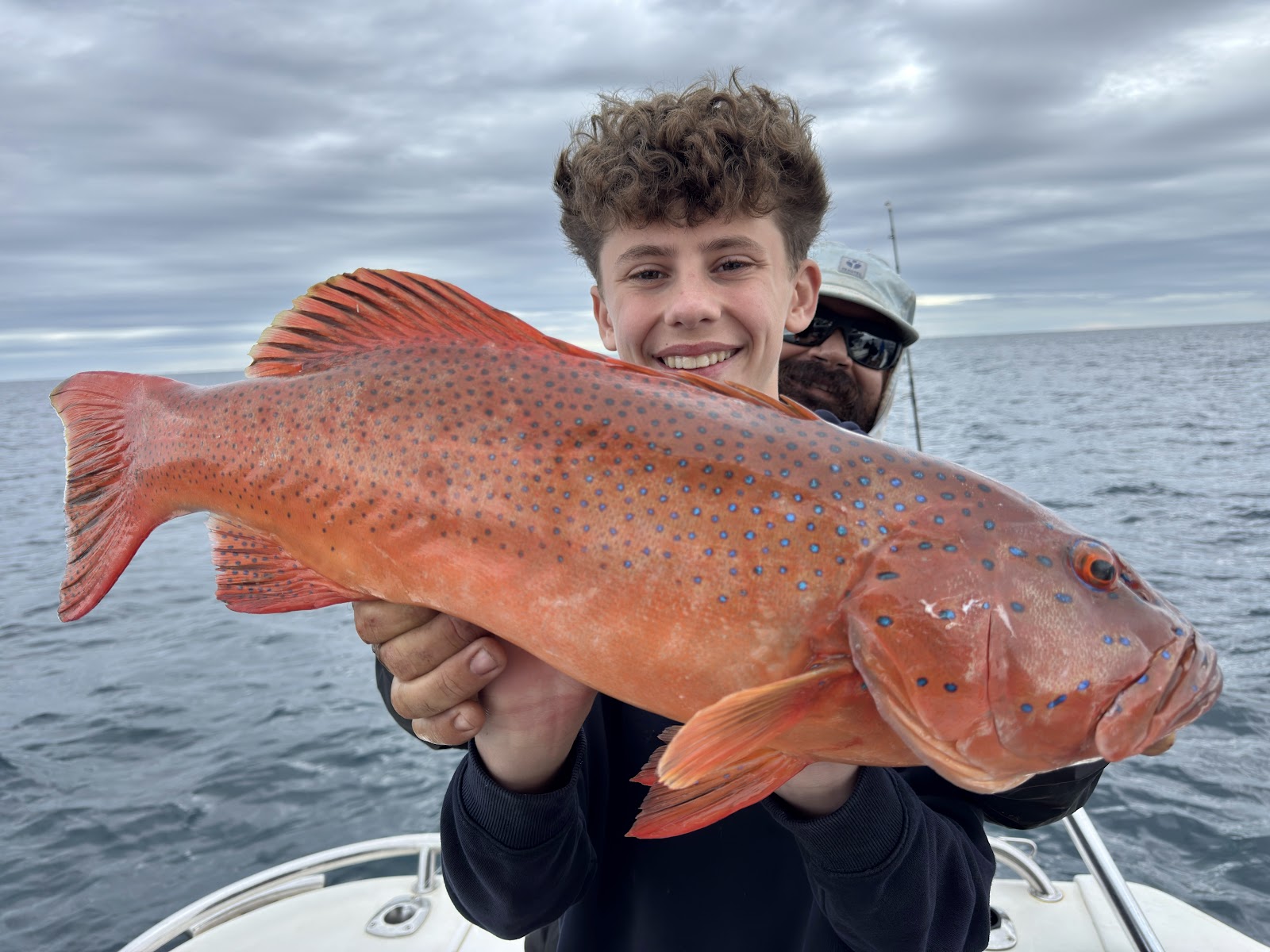
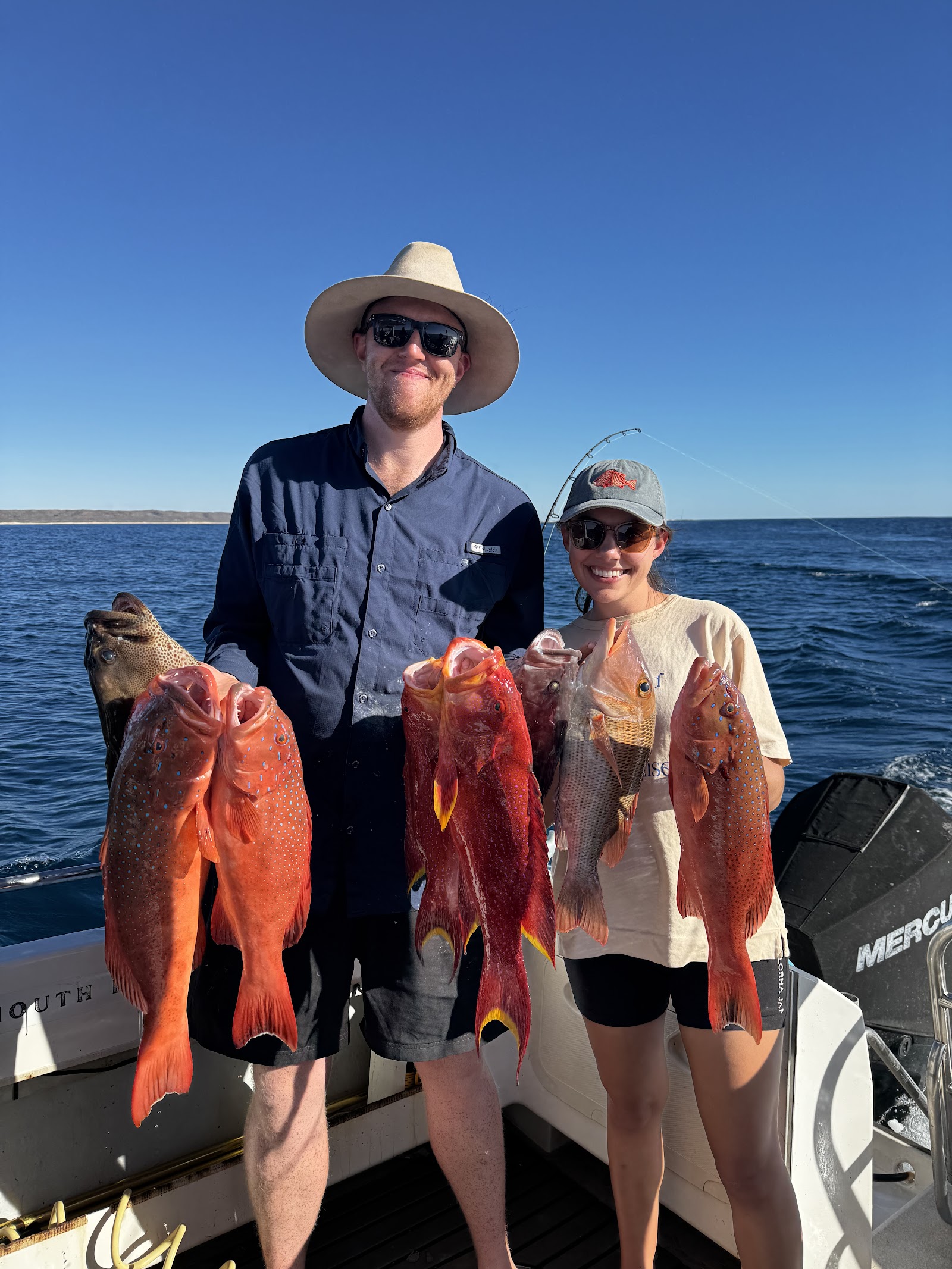
Tantabiddi boat ramp, inside Cape Range National Park on the western side of the peninsula, is one of the primary launch points for recreational anglers who want to fish the outer reef areas of Ningaloo. The ramp gives access to the deeper reef sections to the north and south where fishing is permitted, as well as the passage between the reef and the Gulf side. From Tantabiddi, small-to-medium boats can access reef fish species including coral trout, emperor, snapper and trevally in designated fishing areas.
The critical logistics point is the marine park zone boundary. Tantabiddi sits close to sanctuary zone edges, and anglers launching here must know exactly where they can and cannot fish. Download the current DBCA zone map to your GPS before launching, and cross-reference it each trip — zone boundaries can be updated. National park entry fees also apply for the Tantabiddi access road.
It suits self-sufficient anglers with their own trailered boats who know the Ningaloo zone rules. The conditions at the ramp and the reef can be rougher on windy days than the Gulf-side ramps, so check the forecast before committing to a Tantabiddi launch. For anglers who want guided access to the outer reef rather than self-launching, Exmouth charter operators can also take reef fishing clients to permitted outer reef areas.
The closest self-launch access to Ningaloo's outer reef fishing areas for trailered boat anglers who know their zone map — reef fish in some of the most pristine water in WA.
“Launched at Tantabiddi with the zone map on the GPS, fished the permitted reef sections north of the ramp. Coral trout and emperor in excellent condition. Bring more ice than you think you need.”
— Traveller review
Reef fish in excellent condition in permitted outer-reef areas — coral trout, emperor and snapper close to the most intact section of the reef.
Know your zone boundaries before you launch — sanctuary zones are close and enforcement is active. The ramp and reef access can be rougher on exposed days; check the forecast. Cape Range National Park entry fee applies.
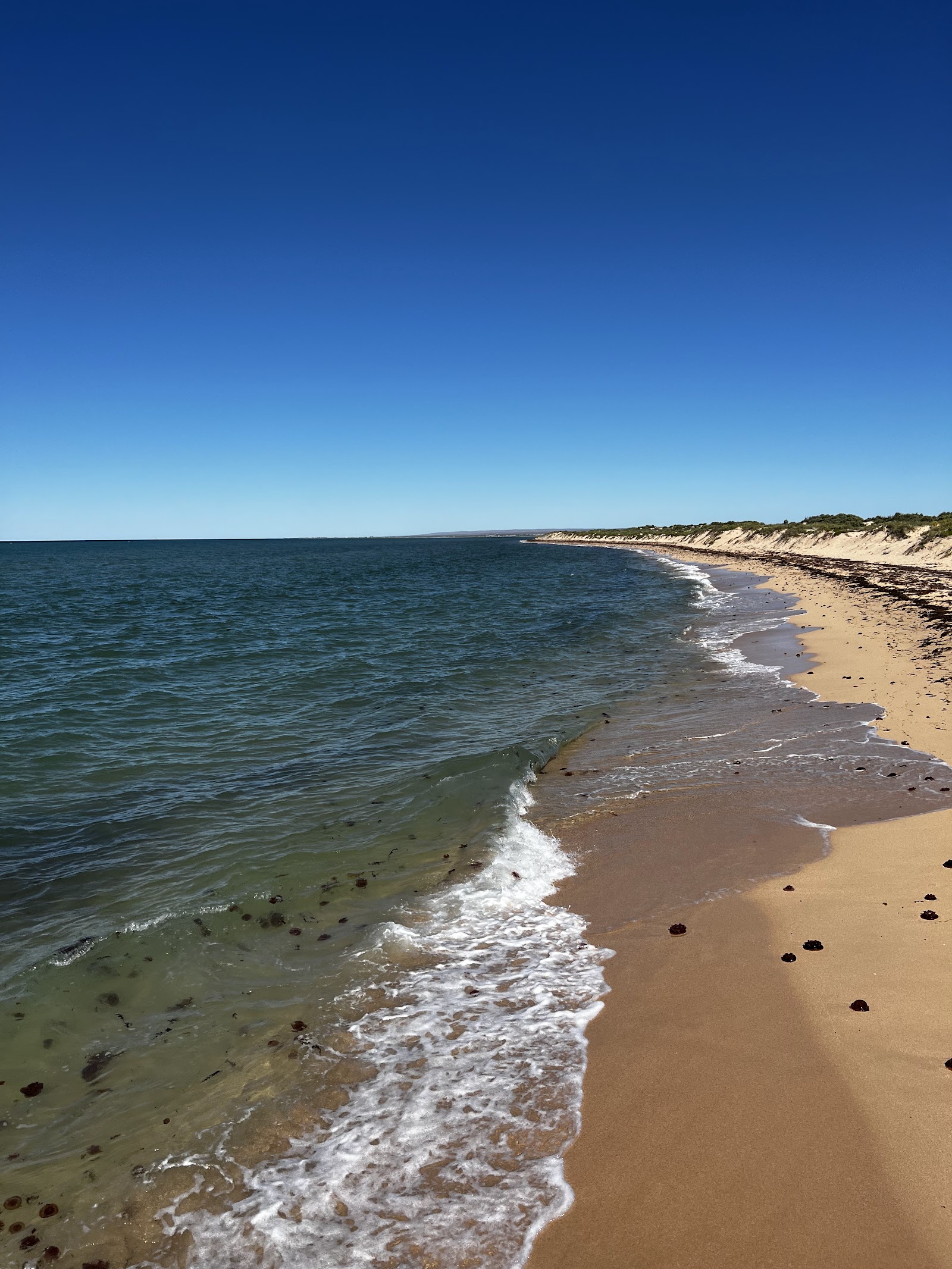
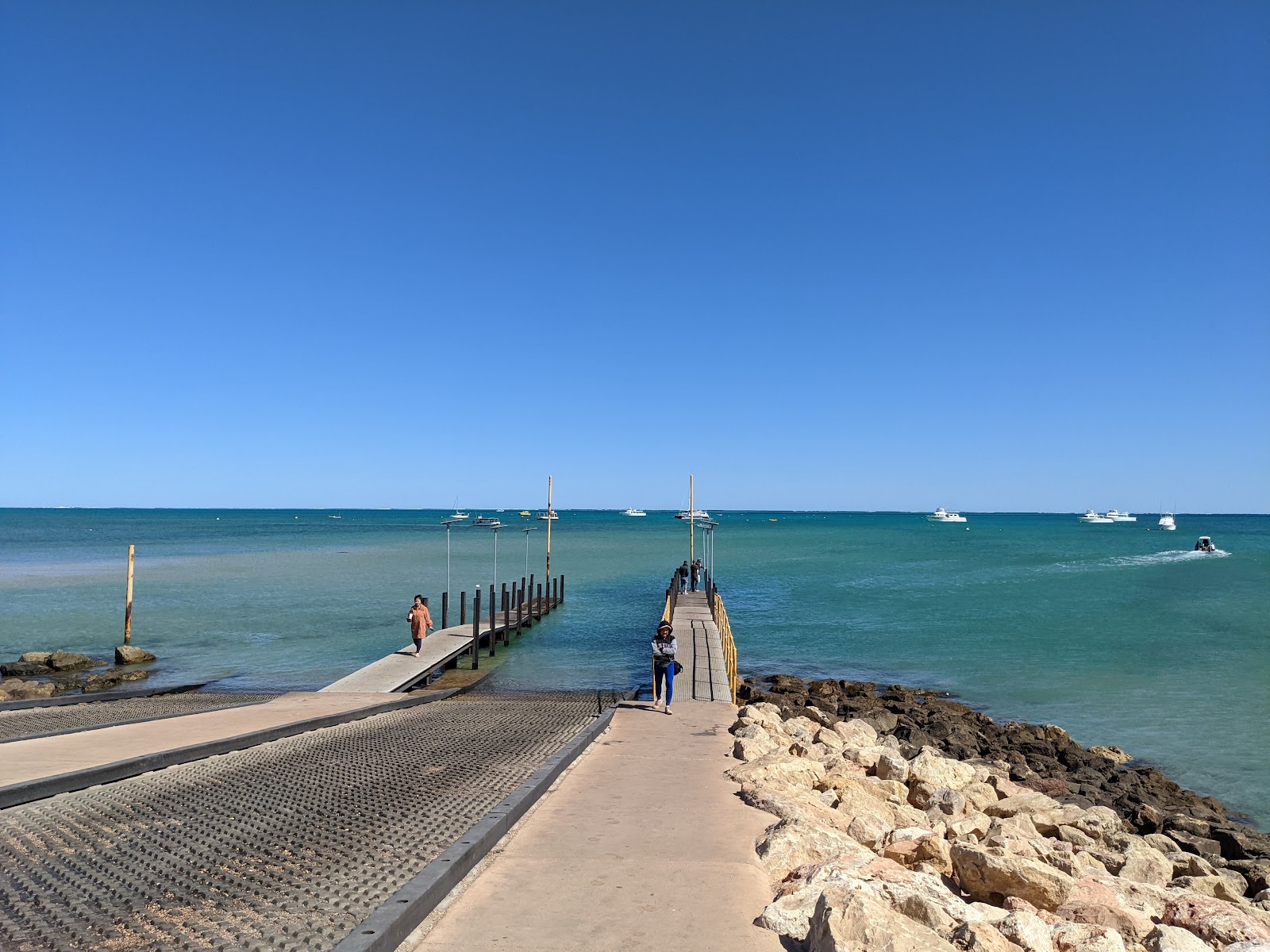
Bundegi, on the sheltered eastern (Gulf) side of the Cape Range Peninsula, is the calmer and more protected boat launch compared with Tantabiddi. The Gulf-side location means the ramp is generally usable in conditions that would make the reef-side launch impractical, which makes Bundegi the reliable fallback when a westerly swell is running. From Bundegi, anglers can run north or south into the Gulf for game fish and reef species, or fish relatively close to the ramp for mixed species in the sheltered water.
Beach fishing from Bundegi's foreshore is also popular, targeting species like bream, whiting, queenfish and trevally in the calm Gulf water. The beach itself is gently sloping and accessible, which makes it a more family-friendly shore fishing option than the rougher western beach sites. A basic pontoon provides some infrastructure, and the short drive from Exmouth makes it an easy morning or evening session option.
Bundegi suits a broad fishing range — from shore anglers after a calm, accessible option close to town, to boat anglers wanting a reliable launch for Gulf fishing. The zone rules still apply on the Gulf side: download the current DBCA zone map before launching, and note that parts of the Gulf also fall within marine park management areas. The northern reaches of the Gulf outside the marine park boundary offer unrestricted fishing, but the boundary runs through the Gulf — check before you motor.
The most reliable and accessible launching point near Exmouth — calm, sheltered, usable when Tantabiddi is too rough, with good mixed-species fishing close to the ramp.
“Launched at Bundegi when the swell closed Tantabiddi. Queenfish close to the ramp in the morning, then ran north for tuna. Calm water, easy launch. Good backup plan that turned out to be the better day.”
— Google review
A reliable calm-water launch for Gulf fishing when reef-side conditions are rough — and queenfish and trevally within reach of the beach in the sheltered water.
Gulf zone boundaries run through this area — download the current DBCA zone map before launching. The calmer water means different species profiles than the outer reef; manage expectations for reef fish on a Bundegi launch.
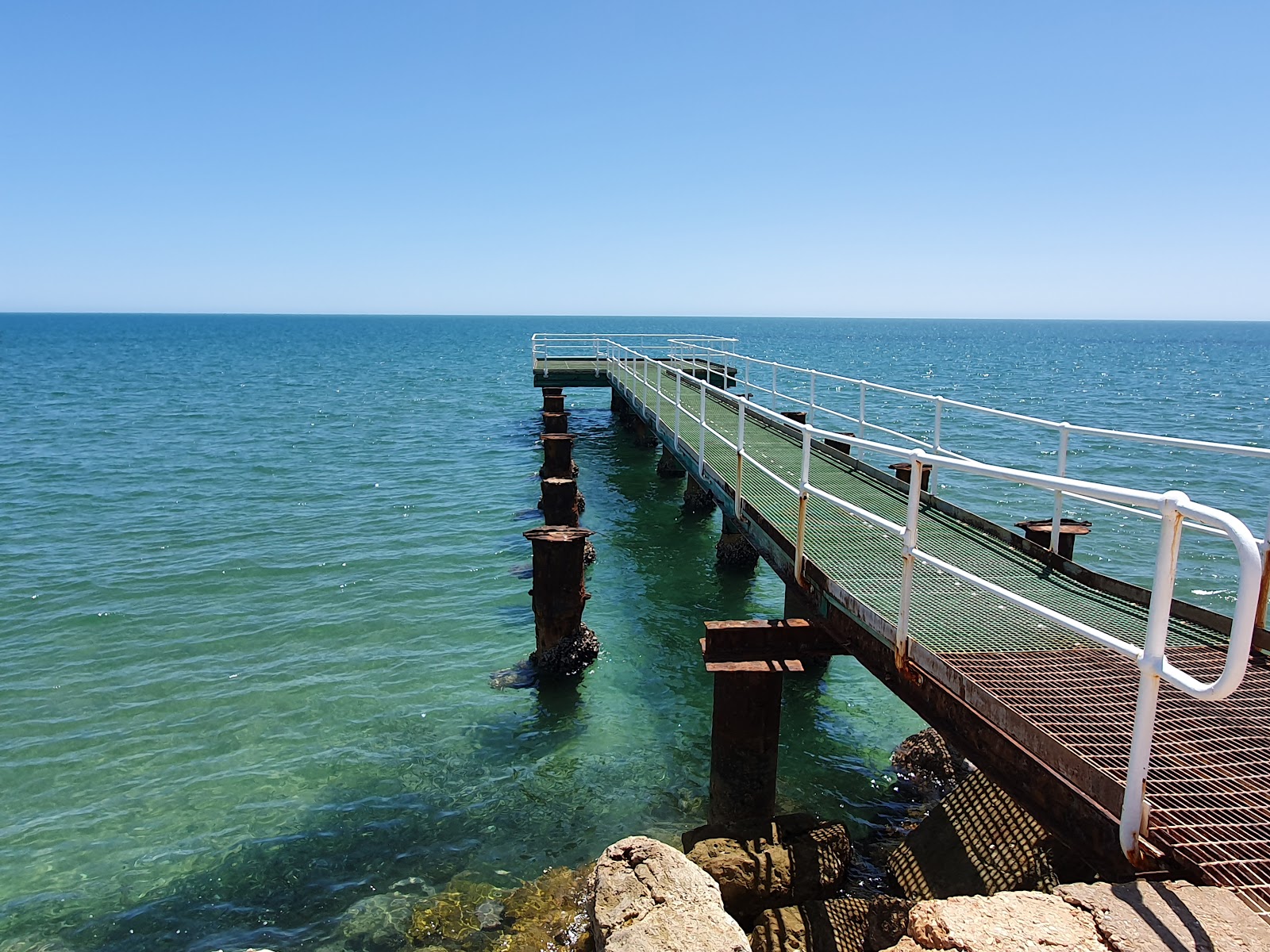
Learmonth Jetty, about 35 kilometres south of Exmouth near the RAAF Base Learmonth, is one of the most productive land-based fishing spots in the Ningaloo area. The jetty extends into the Gulf, providing access to deeper water than most shore positions, and the range of species caught here is exceptional for a land-based option: coral trout, barramundi (in the estuary sections), mangrove jack, trevally, queenfish, fingermark, and at night, sharks and rays. Evening and night fishing from the jetty is particularly productive, with bait-fishers targeting mixed reef species once the heat of the Pilbara day drops.
The jetty itself is straightforward infrastructure — no fees, no permits beyond the standard fishing licence, and enough length to allow casting and bottom fishing in decent depth. It's one of the most accessible fishing options in the area for anglers without a boat, families with children, and visitors who want reliable land-based action without the logistics of a charter or a boat launch.
Access to the jetty should be confirmed locally before visiting, as it is close to a Defence establishment at Learmonth and access conditions can vary. The road south from Exmouth is mostly sealed. Bring bait (blueies, prawns) or lures for the trevally and queenfish, and a bottom rig for the bigger reef species in depth. Night fishing here is popular with local anglers for a reason.
Land-based access to deep Gulf water with a species diversity that most jetties don't come close to — the Ningaloo area's best no-boat fishing experience.
“Night fishing the jetty with live bait. Mangrove jack and a nice fingermark before midnight, shark on the bottom rig after. The locals were friendly and generous with information. Great spot.”
— Traveller review
Night fishing from the jetty with live bait for mangrove jack and trevally — the most productive session at Learmonth and a genuine local favourite.
Confirm access conditions locally before visiting — the proximity to a Defence establishment means access can occasionally be restricted. It's a long drive from Exmouth for a short session; plan it as a half-day at minimum.
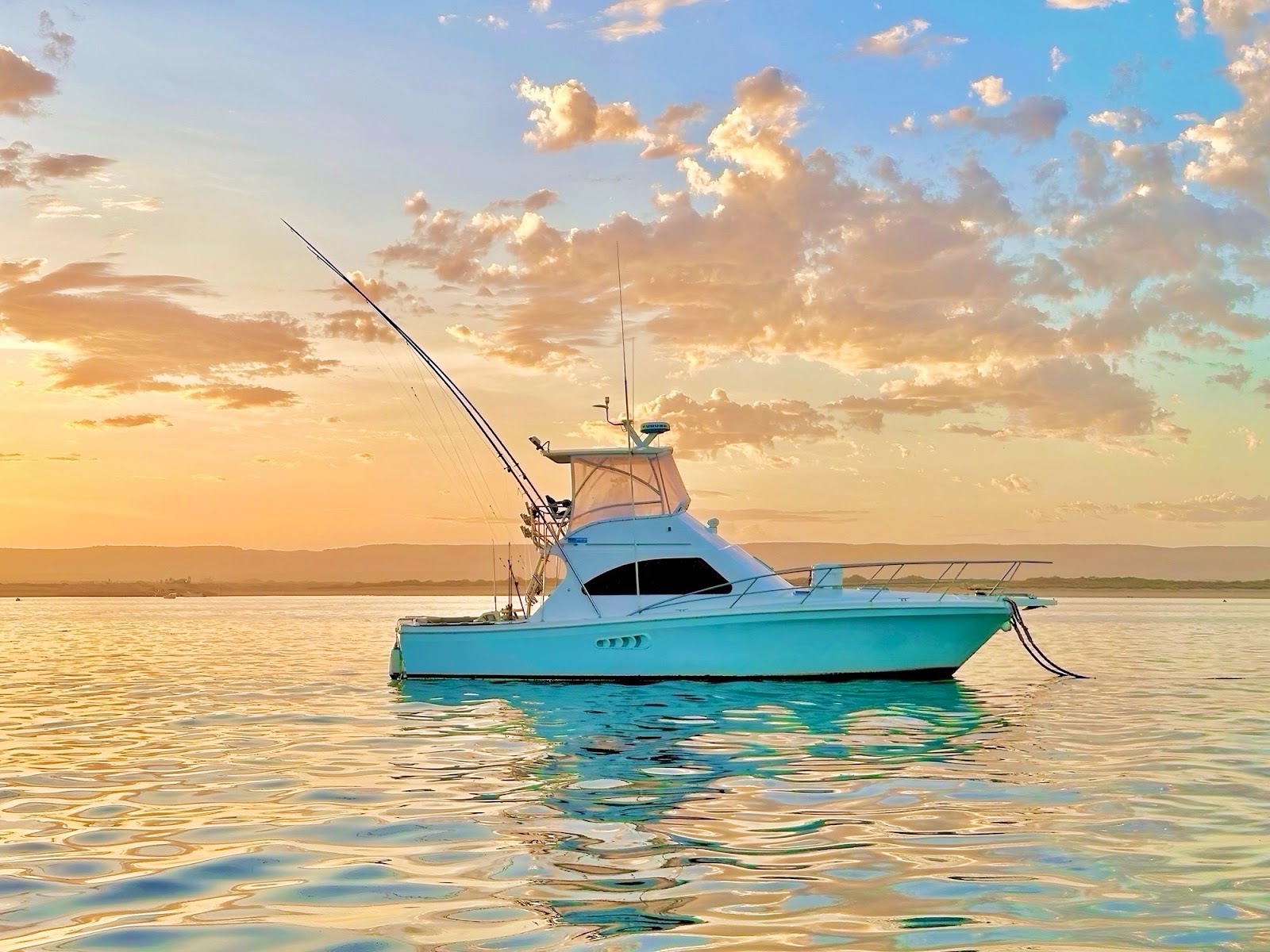
Spanish mackerel are the light-tackle highlight of Ningaloo fishing, and the Exmouth Gulf and adjacent outer passages produce them in numbers from around April through to September. Mackerel fishing here is a fast, visual sport — they strike hard on trolled lures and live bait, run fast on light gear, and are excellent table fish. The peak mackerel season aligns with the cooler months when conditions in the Gulf are often at their best for small-boat anglers: calm mornings, good visibility, and the mackerel staging in the current lines.
Beyond mackerel, the light-tackle sportfishing scene at Exmouth extends to mahi-mahi (dolphinfish), wahoo, tuna and trevally, all available on appropriate trolling and casting gear. For anglers who want the sportfishing experience without the expense of a heavy-tackle blue-water charter, a half-day mackerel run from Bundegi or a charter focused on light-tackle pelagics delivers excellent action at a lower price point than a full billfish day.
Several Exmouth charter operators run light-tackle and mackerel-specific programmes in season, often as half-day options. Self-launching anglers can target mackerel independently from Bundegi or Tantabiddi (confirming zone rules) on a suitably rigged trailer boat with trolling gear. For table-fish quality, Spanish mackerel at Ningaloo is hard to beat — fresh-caught mackerel on a barbecue the evening after a half-day charter is one of the practical pleasures of fishing this part of WA.
Spanish mackerel in the Gulf is Ningaloo fishing distilled — a fast, visual, accessible light-tackle sport fish that produces excellent table fare, on a half-day from a manageable boat.
“Half-day mackerel charter out of Exmouth. Three mackerel before 10am on trolled lures, barbecued on the campsite that evening. The best-value fishing day of the trip by far.”
— Google review
A mackerel on light gear in the Gulf, followed by barbecuing it the same evening — the simplest and most satisfying Ningaloo fishing experience.
Mackerel are seasonal (April–September peak). Outside the season, pelagic action is available but less predictable — check current conditions with Exmouth charter operators before booking.
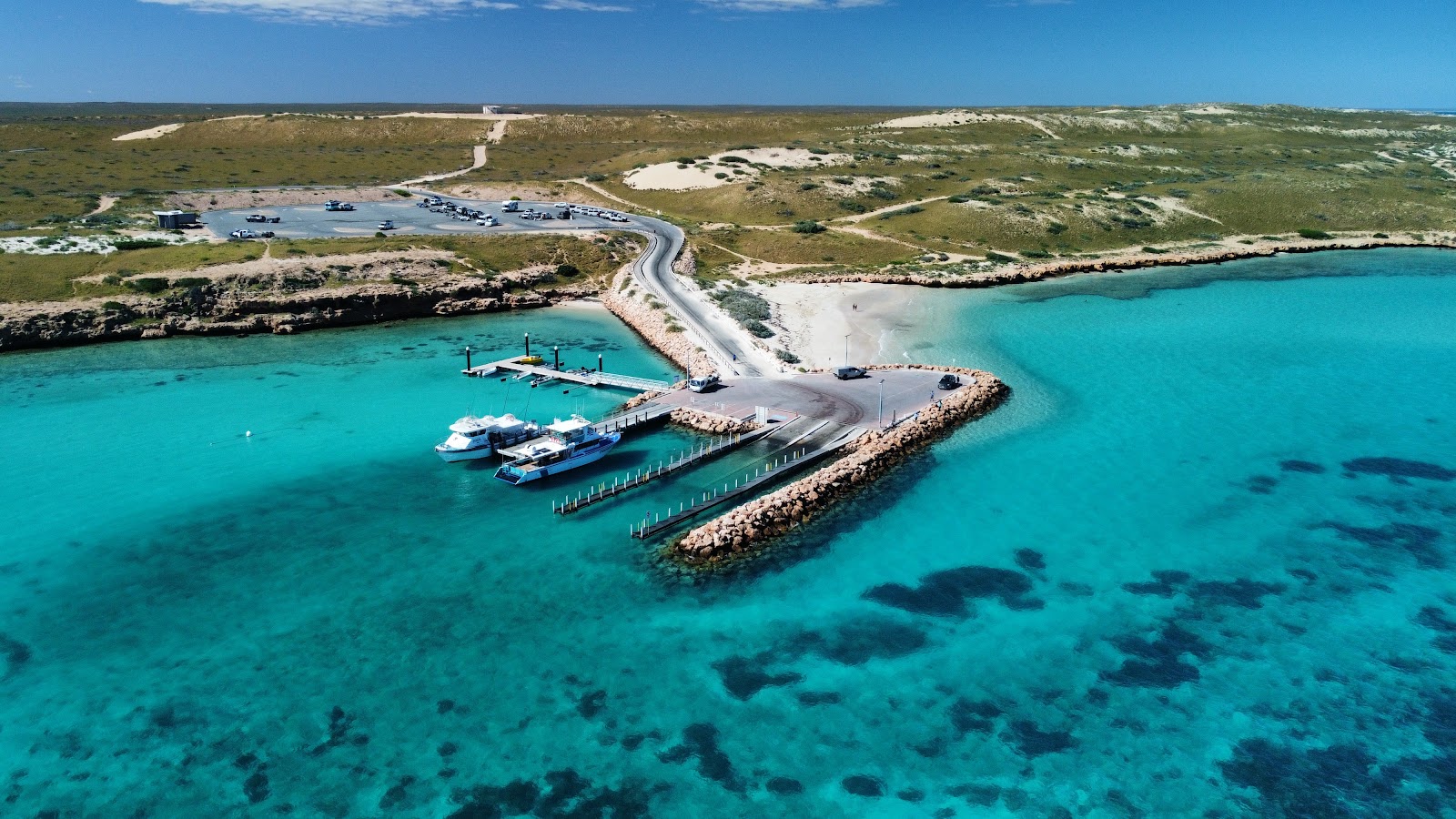
Coral Bay provides the southern access point for Ningaloo fishing, with a small boat ramp and shore fishing options in the designated fishing areas around the township. The key is knowing the zone boundaries — the reef adjacent to Coral Bay is largely sanctuary zone, but there are designated recreational fishing areas identified on the DBCA zone map where reef species can be legally targeted. Local anglers here fish for coral trout, emperor, snapper and trevally in the permitted sections of the reef and the inner lagoon edges.
Fishing from shore at Coral Bay is possible from the beach and some rock-edge points in permitted areas, targeting mixed species including whiting, bream and smaller reef fish. The access is straightforward and the distance from Exmouth makes Coral Bay a natural option for visitors based in the township rather than in Exmouth itself. The combination of snorkelling, reef wildlife and some fishing in the same day is a common Coral Bay approach.
The zone complexity is even more critical here than at Exmouth, because the sanctuary zone boundaries run very close to the township foreshore. The DBCA Ningaloo Reef Marine Park zone map app (or a GPS-loaded zone layer) is essential before any fishing in or around Coral Bay. Talk to the local information centre or a local charter operator for an updated briefing on the current rules — the rules and boundaries are occasionally adjusted, and local knowledge is the best source of current detail.
For visitors based in Coral Bay, the designated reef fishing areas deliver good reef species without the 150-kilometre drive to Exmouth — and the combination of snorkelling and light fishing suits a full family day on the southern reef.
“Fished the permitted areas at Coral Bay with the zone map on the phone. Nice coral trout and a good-sized emperor. The key is knowing exactly where you can and can't be. Worth the research before you arrive.”
— Traveller review
Reef species in the designated fishing areas of the southern reef — coral trout and emperor on relatively light gear in good condition.
The zone boundaries at Coral Bay are complex and close — fishing in a sanctuary zone here is a genuine risk for the unprepared. Download the DBCA zone map before any fishing, and confirm current rules with the local information centre on arrival.
| Season | Conditions | Highlights | Crowds |
|---|---|---|---|
| April–June | Autumn; calm, mild; best Gulf conditions | Peak Spanish mackerel season begins; whale shark season overlapping; best all-round conditions for Gulf and reef fishing; comfortable temperatures | Moderate — whale shark visitors overlap |
| July–September | Winter; cool, calm, excellent visibility | Continuing Spanish mackerel; tuna and pelagics active; best conditions for long Gulf runs; cooler but comfortable; humpback whale swims begin August | Lower — but peak mackerel season draws serious anglers |
| October–March | Spring through summer; warming water, cyclone risk Nov–Apr | Marlin and sailfish season October–May; mahi-mahi and wahoo; tuna and pelagics year-round; summer heat and occasional cyclone risk; lightest crowds Jan–Feb | Low (Jan–Feb); moderate (Oct–Nov, school holidays) |
What recent visitors say:
“Inside the National park, must pay $17 entry for 1 day or can get a multi-day-pass. Toilets are available, No showers. Sanctuary area- no fishing Beautiful snorkelling and exploring day along the beach and the water. Be mindful of the strong currents/ rips around the sandbank. Take some shade and a picnic it's a gorgeous place.”— Ca Bi (on Turquoise Bay), Google review
“Drift Snorkeling is amazing!!! Water temp was nice - early August, didn't need a wetsuit. Plenty of colourful fish of varying sizes, even a reef shark crossed my path Totally recommend when in the area”— Violet Patty (on Turquoise Bay), Google review
“Absolutely perfectly clear water and clean sand. Great for snorkelling. Had fish swimming around me which was an awesome experience”— Taylor Cougle (on Turquoise Bay), Google review
WA recreational fishing licence: Western Australia requires a current Recreational Fishing Licence (from the Department of Primary Industries and Regional Development) for most saltwater fishing. Check current requirements, costs and exemptions at the DPIRD website before you arrive — requirements for certain species and categories are updated annually. Fishing without the required licence is a fineable offence.
Marine park zones: the DBCA Ningaloo Marine Park zone map is the single most important document for any angler at Ningaloo. Download it to your phone or GPS unit before your first fishing session. The sanctuary zone boundaries are not always obvious on the water, and inadvertent entry into a no-take zone is not a defence against the fine. The DBCA Parks and Wildlife app carries zone maps for Ningaloo, and ranger-distributed hard-copy zone maps are available at the DBCA Milyering Visitor Centre and the Exmouth Visitor Centre.
Bag and size limits: species-specific bag and size limits apply throughout the permitted fishing areas of Ningaloo. Download the current Recreational Fishing Guide from DPIRD for the specific bag limits relevant to the species you're targeting. Spearfishing is prohibited throughout the entire marine park — with or without scuba. No-take species including whale sharks, manta rays and all cetaceans are fully protected in the marine park — if you hook one accidentally, cut the line as quickly and carefully as possible and report the event.
Fishing at Ningaloo is excellent but not simple. The marine park's zone structure makes it more demanding than most WA fishing destinations, and the preparation — licences, zone maps, briefings — is genuinely necessary rather than bureaucratic box-ticking. Get the preparation right and you're fishing in some of the most productive and pristine water in Western Australia.
The Exmouth Gulf's game fishing is outstanding. The mackerel are excellent table fish on light gear. The Learmonth Jetty is one of the most productive land-based spots in the northwest. Download the zone map, get your licence, talk to the local operators, and you'll have a fishing trip that rewards the effort of getting here. Ignore the rules and you risk a significant fine and the kind of trip-ending experience no one wants on a long-haul WA holiday.
Enjoying fishing? Here’s where else in Australia it’s worth the trip — ranked by how loved each destination is, with the one thing not to miss at each.
 Kangaroo Valley
Shoalhaven, New South Wales
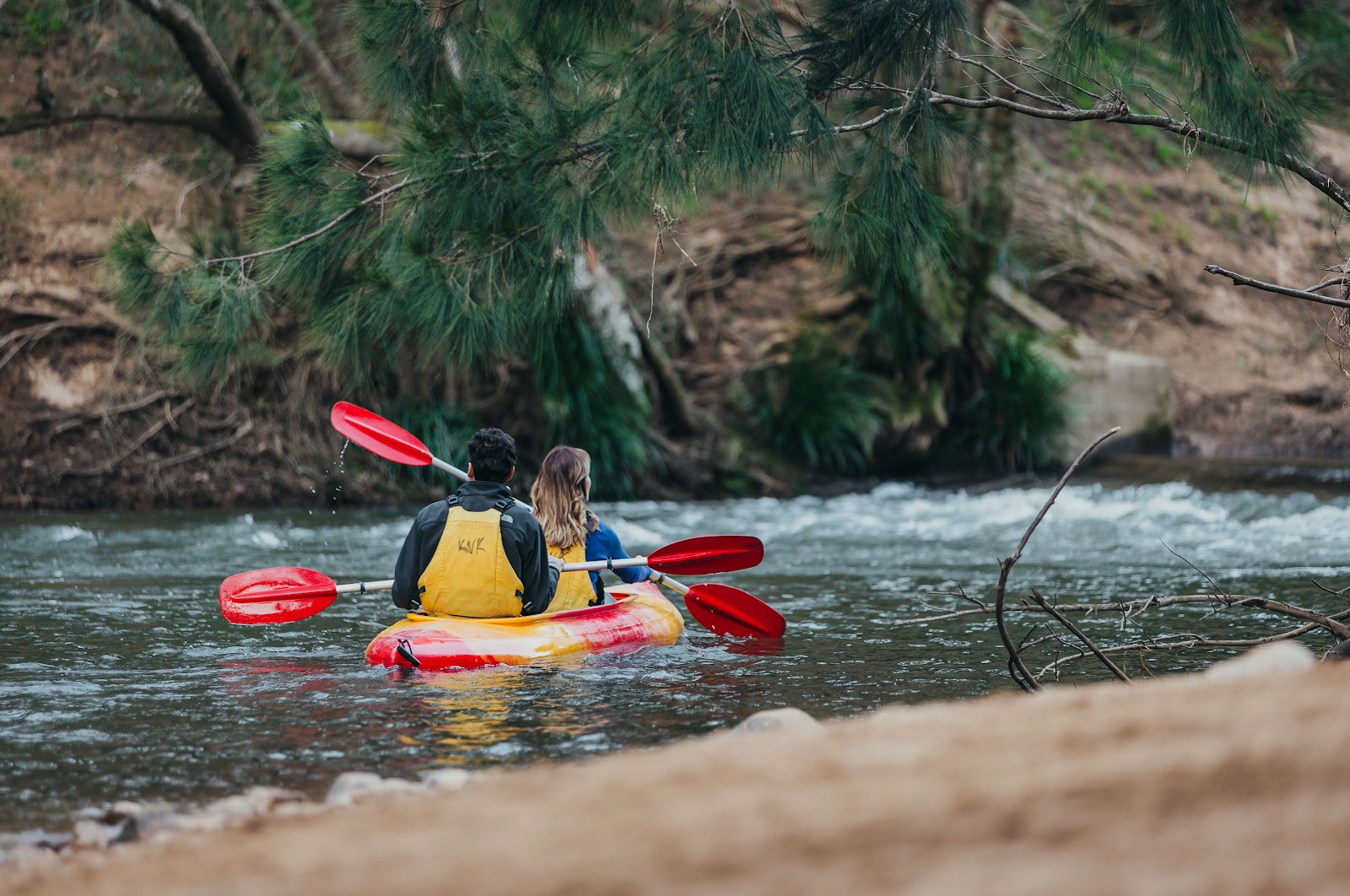
Kangaroo River bass on lures — the signature paddle-and-cast — A dawn surface-lure session in the clear pools — a bass blowing up on a popper, photographed and released.
Explore fishing in Kangaroo Valley →
2
Kangaroo Valley
Shoalhaven, New South Wales
Kangaroo River bass on lures — the signature paddle-and-cast — A dawn surface-lure session in the clear pools — a bass blowing up on a popper, photographed and released.
Explore fishing in Kangaroo Valley →
2
 Hamilton Island
The Whitsundays, Queensland
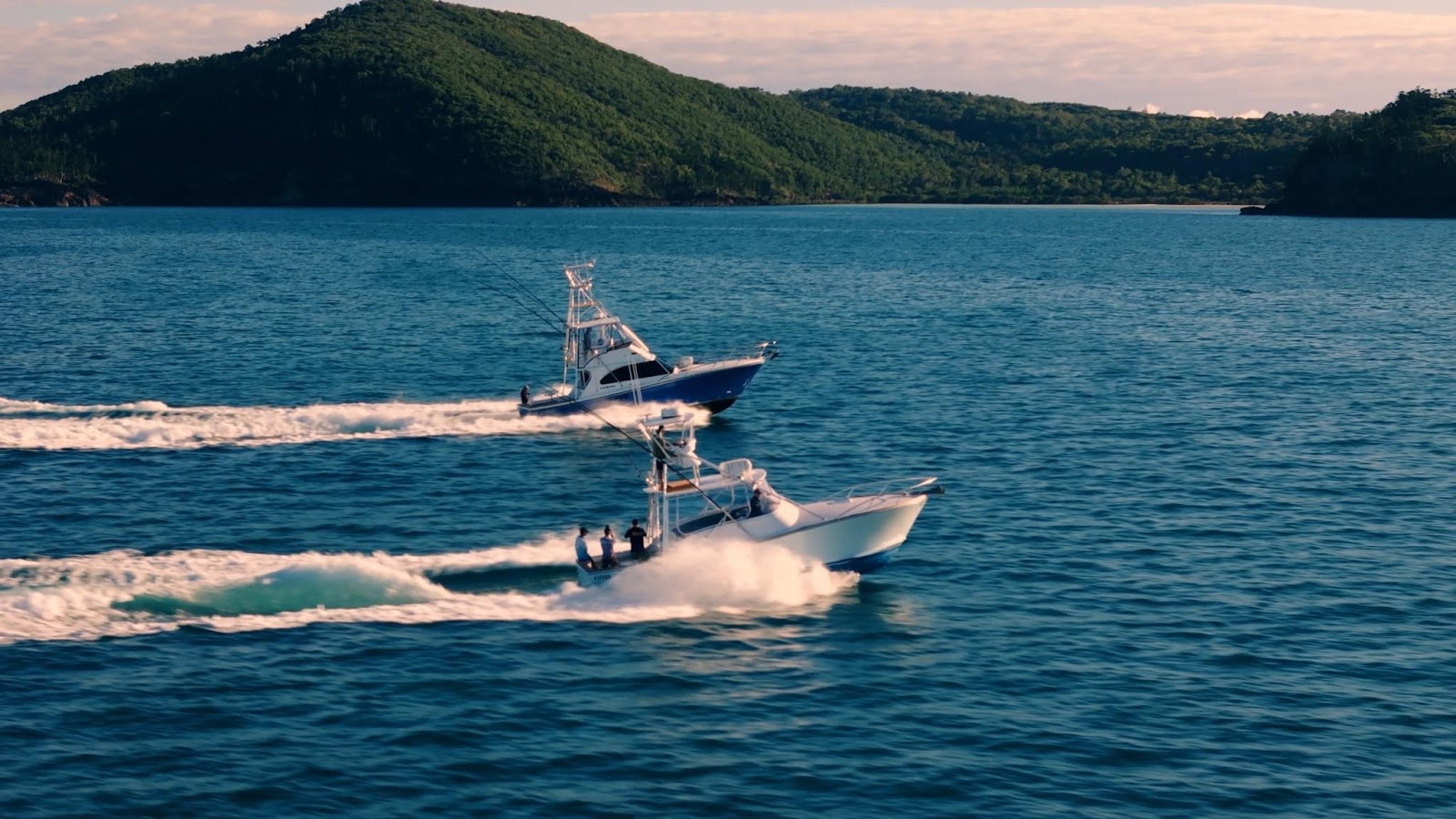
Reef bottom-fishing — coral trout, emperor & sweetlip — A full-day run to the outer reef for red emperor and big nannygai, with coral trout on the inshore drop-offs.
Explore fishing in Hamilton Island →
3
Hamilton Island
The Whitsundays, Queensland
Reef bottom-fishing — coral trout, emperor & sweetlip — A full-day run to the outer reef for red emperor and big nannygai, with coral trout on the inshore drop-offs.
Explore fishing in Hamilton Island →
3
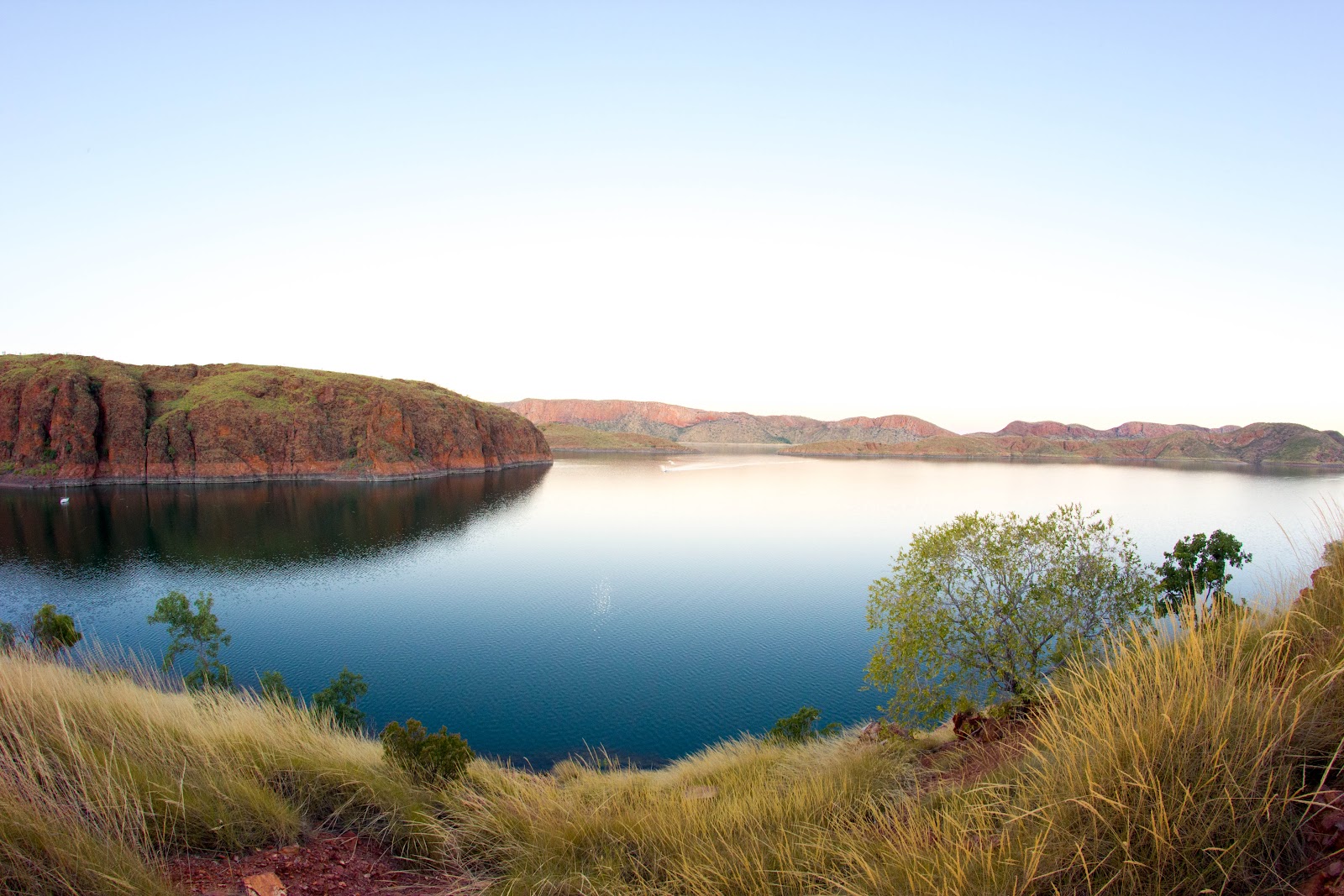 The Kimberley
Australia's North West, Western Australia
Lake Argyle — Dawn surface fishing over submerged timber lines when barra are actively busting bait -- the most productive window of the day.
Explore fishing in The Kimberley →
Ningaloo Reef you’re here
Australia's Coral Coast, Western Australia
Exmouth Gulf game fishing charters — A full-day blue-water charter targeting billfish in the Gulf — the premier fishing experience at Ningaloo, with a knowledgeable skipper who knows where the fish are.
You’re reading this guide
The Kimberley
Australia's North West, Western Australia
Lake Argyle — Dawn surface fishing over submerged timber lines when barra are actively busting bait -- the most productive window of the day.
Explore fishing in The Kimberley →
Ningaloo Reef you’re here
Australia's Coral Coast, Western Australia
Exmouth Gulf game fishing charters — A full-day blue-water charter targeting billfish in the Gulf — the premier fishing experience at Ningaloo, with a knowledgeable skipper who knows where the fish are.
You’re reading this guide
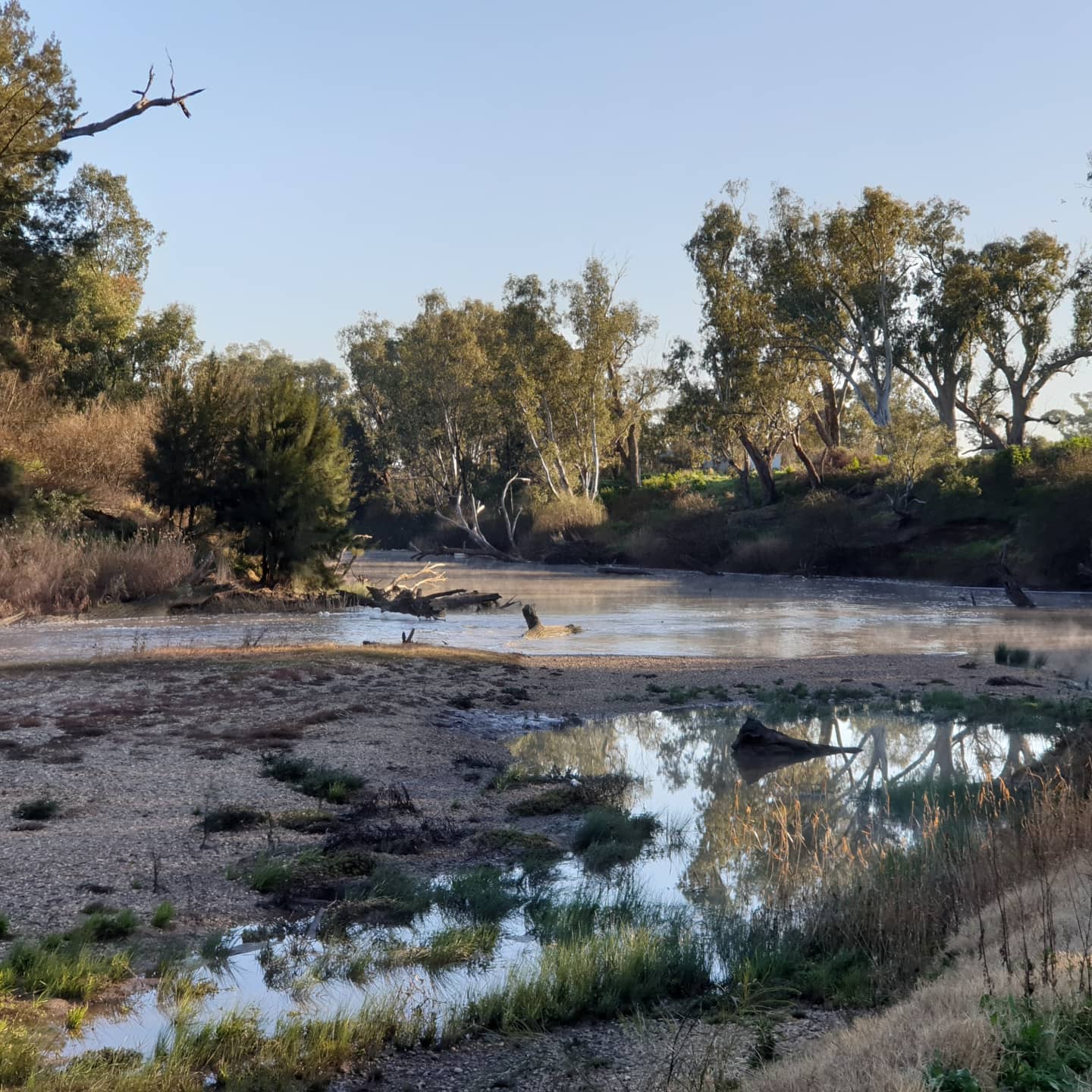 Dubbo
Central West, New South Wales
The Macquarie River through Dubbo — the riverside reserves — A dawn or dusk session working a surface lure over the river timber for Murray cod.
Explore fishing in Dubbo →
6
Dubbo
Central West, New South Wales
The Macquarie River through Dubbo — the riverside reserves — A dawn or dusk session working a surface lure over the river timber for Murray cod.
Explore fishing in Dubbo →
6
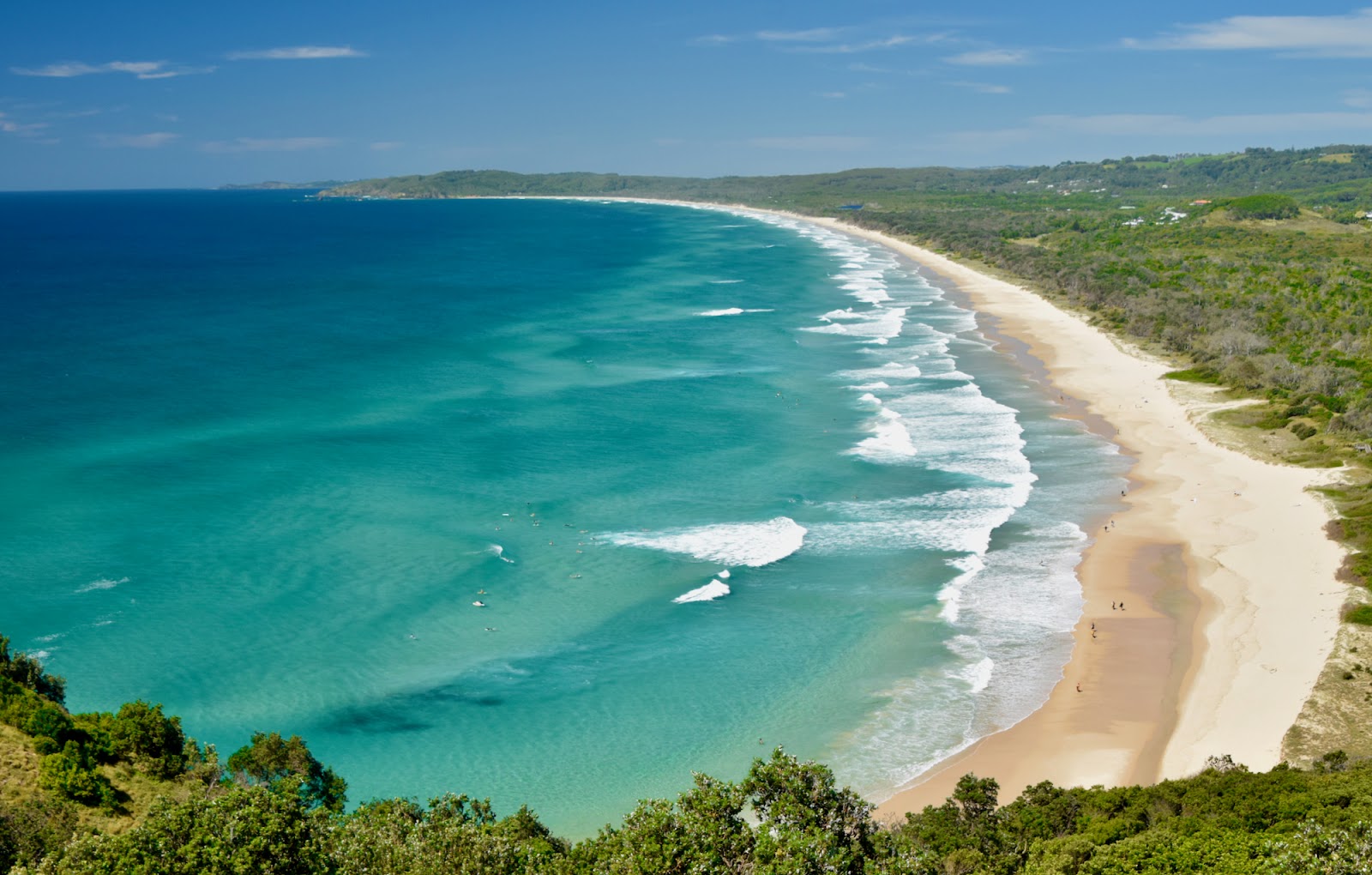 Byron Bay
Northern Rivers, New South Wales
Beach & surf fishing — Tallow and the open beaches — A moving-tide dawn session in a Tallow Beach gutter for tailor, whiting and a shot at a jewfish.
Explore fishing in Byron Bay →
7
Byron Bay
Northern Rivers, New South Wales
Beach & surf fishing — Tallow and the open beaches — A moving-tide dawn session in a Tallow Beach gutter for tailor, whiting and a shot at a jewfish.
Explore fishing in Byron Bay →
7
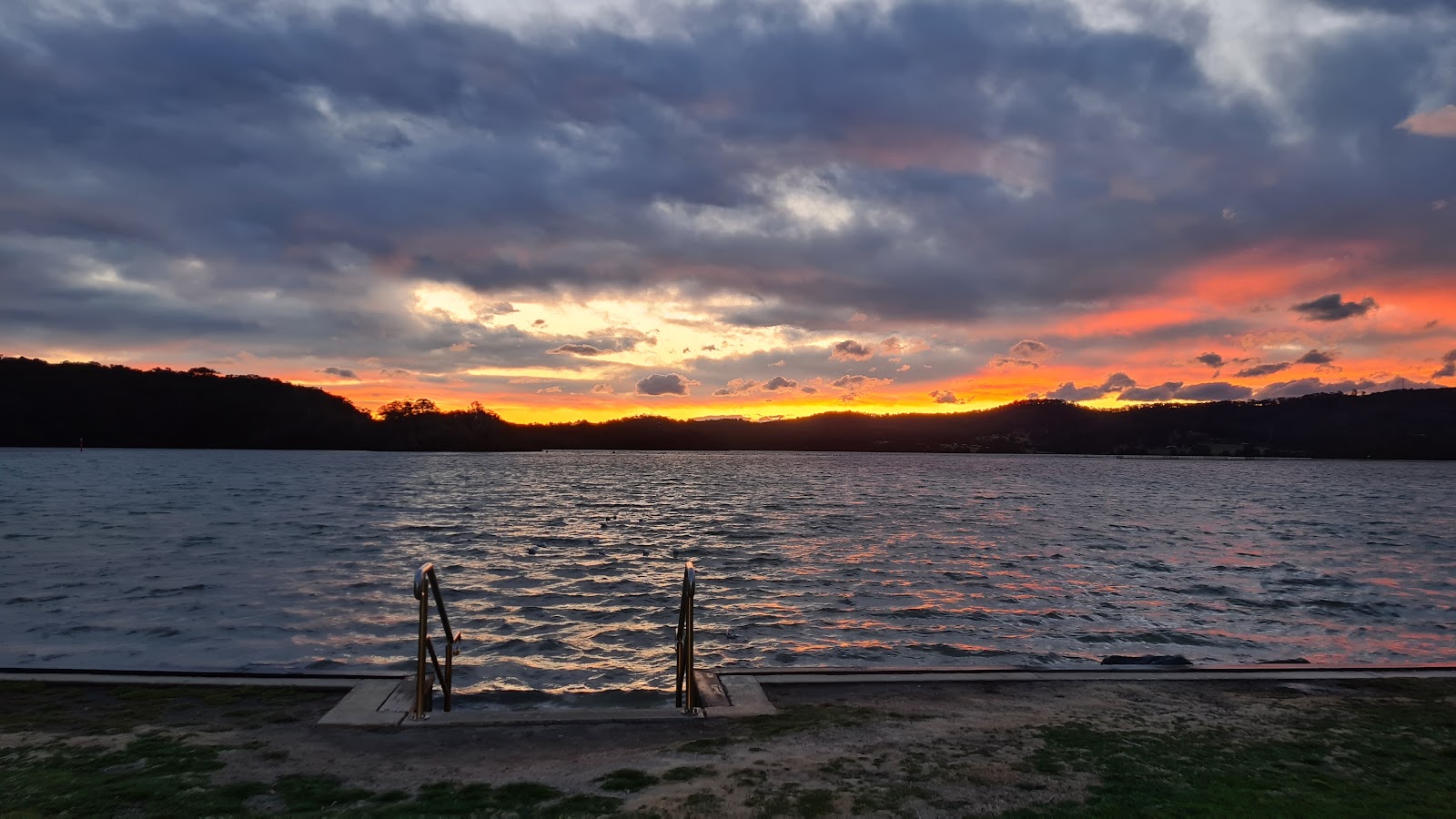 Narooma
South Coast, New South Wales
Wagonga Inlet — the estuary fishing jewel — A dawn session on the sand flats with soft plastics — and a ‘croc’ flathead photographed and released.
Explore fishing in Narooma →
8
Narooma
South Coast, New South Wales
Wagonga Inlet — the estuary fishing jewel — A dawn session on the sand flats with soft plastics — and a ‘croc’ flathead photographed and released.
Explore fishing in Narooma →
8
 Broome
Australia's North West, Western Australia
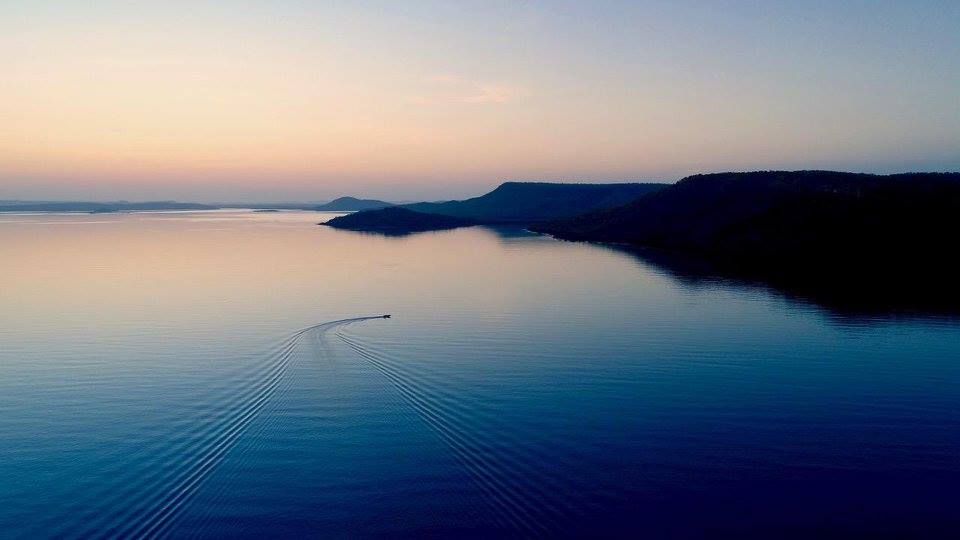
Town Beach jetty and foreshore — Fishing the run-in tide with a surface popper or metal slice for queenfish and trevally — the bite window is two hours, so time it well.
Explore fishing in Broome →
Broome
Australia's North West, Western Australia
Town Beach jetty and foreshore — Fishing the run-in tide with a surface popper or metal slice for queenfish and trevally — the bite window is two hours, so time it well.
Explore fishing in Broome →
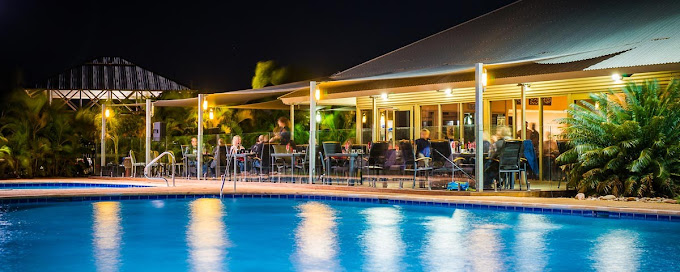
Exmouth Escape Resort — Ningaloo Reef
Book Direct & Save →
Ningaloo Caravan and Holiday Resort — Ningaloo Reef
Book Direct & Save →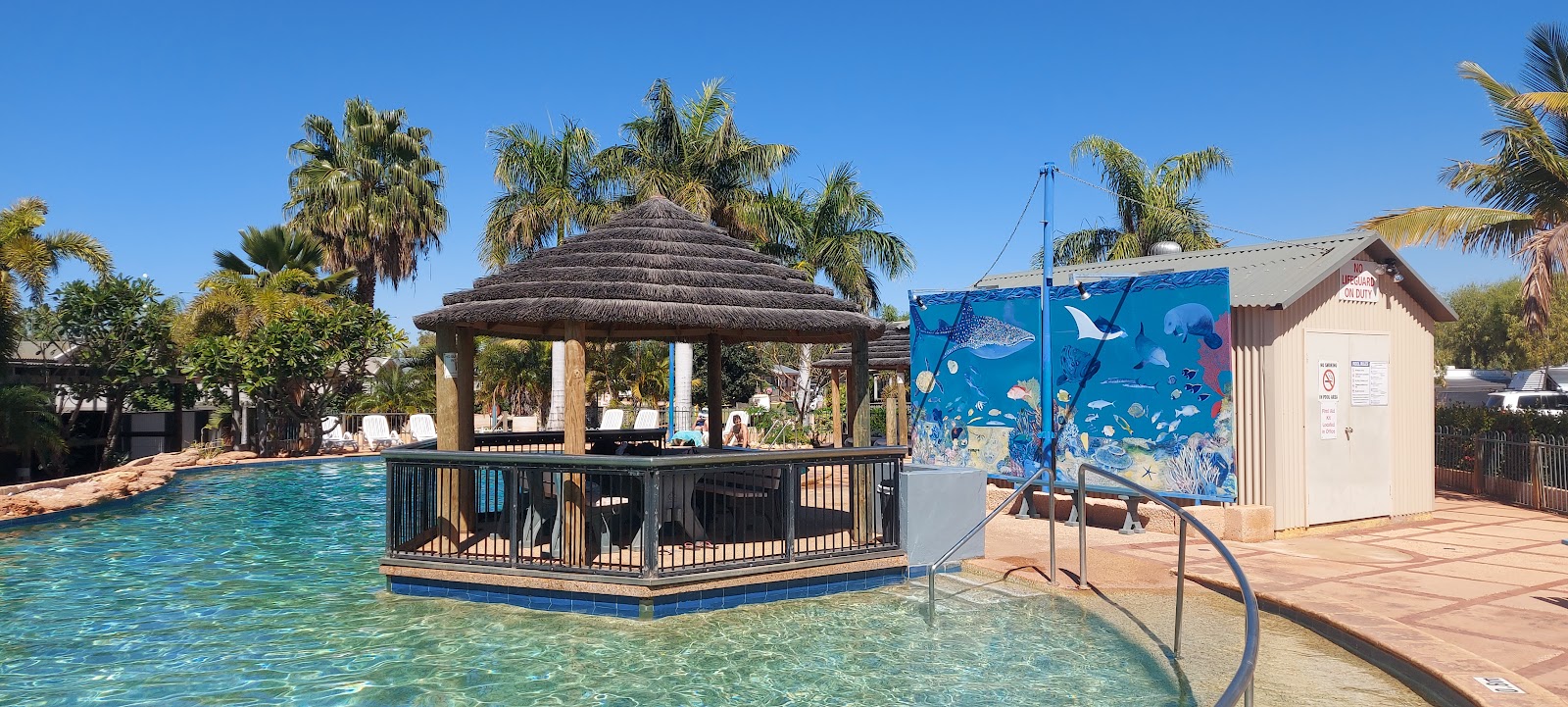
Skip OTA fees. Connect directly with Ningaloo Reef owners for the best rates and a truly personal experience.
We match any online rate. No service fees — 100% of your payment supports local owners.
Direct guests receive complimentary hampers, early check-in, and priority access to experiences.
Speak directly with the people who manage the properties. No call centres, just local expertise.
Part of Western Australia · Australia's Coral Coast
 Glen Aplin
Granite Belt, Queensland
Queensland's most underrated wine valley
Explore the guide →
Glen Aplin
Granite Belt, Queensland
Queensland's most underrated wine valley
Explore the guide →
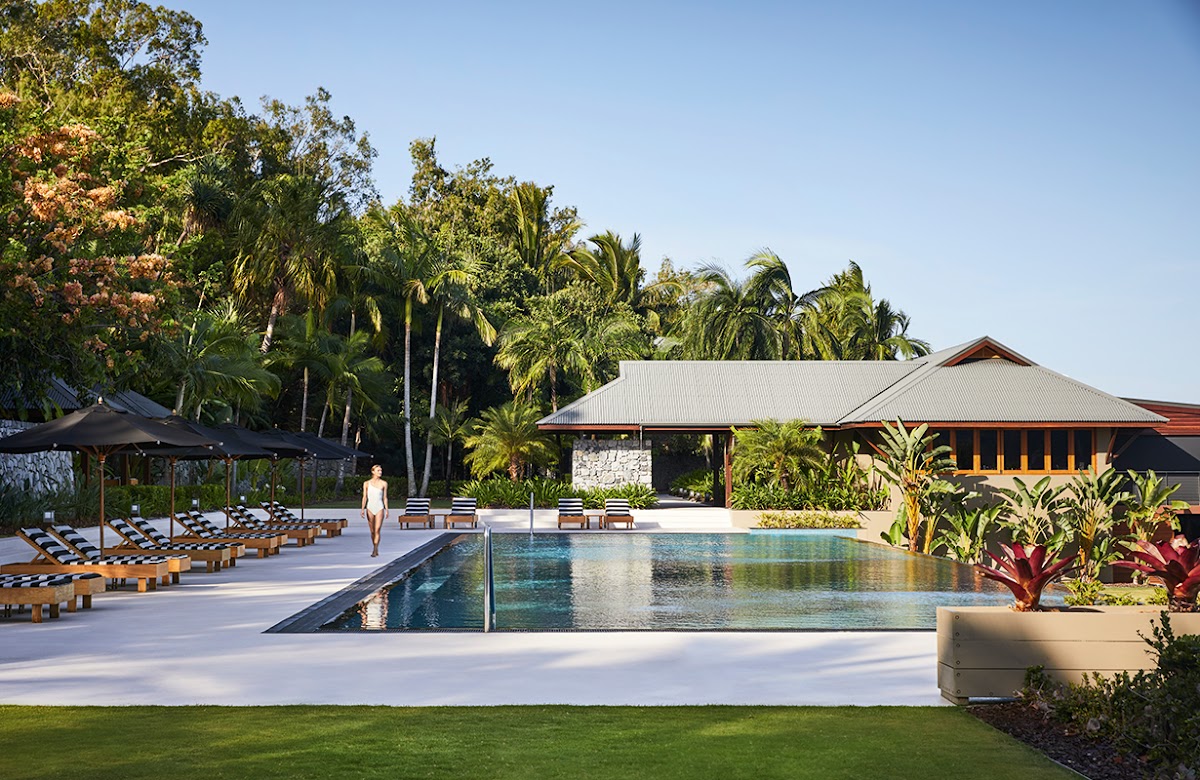 Hamilton Island
The Whitsundays, Queensland
Whitsundays island resort — Whitehaven Beach, reef trips and golf-buggy life
Explore the guide →
Hamilton Island
The Whitsundays, Queensland
Whitsundays island resort — Whitehaven Beach, reef trips and golf-buggy life
Explore the guide →
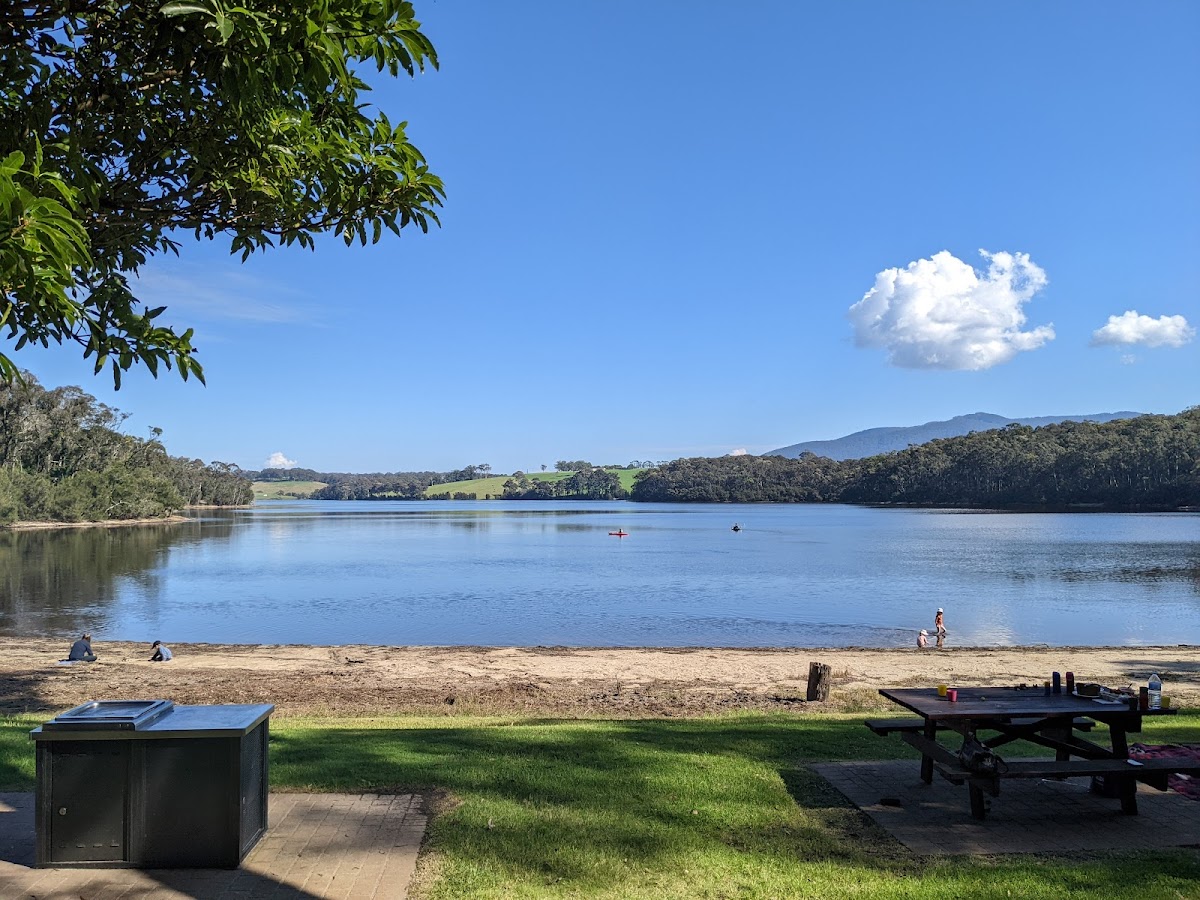 Narooma
South Coast, New South Wales
Crystal-clear inlet, surf beaches, oysters and Montague Island
Explore the guide →
Narooma
South Coast, New South Wales
Crystal-clear inlet, surf beaches, oysters and Montague Island
Explore the guide →
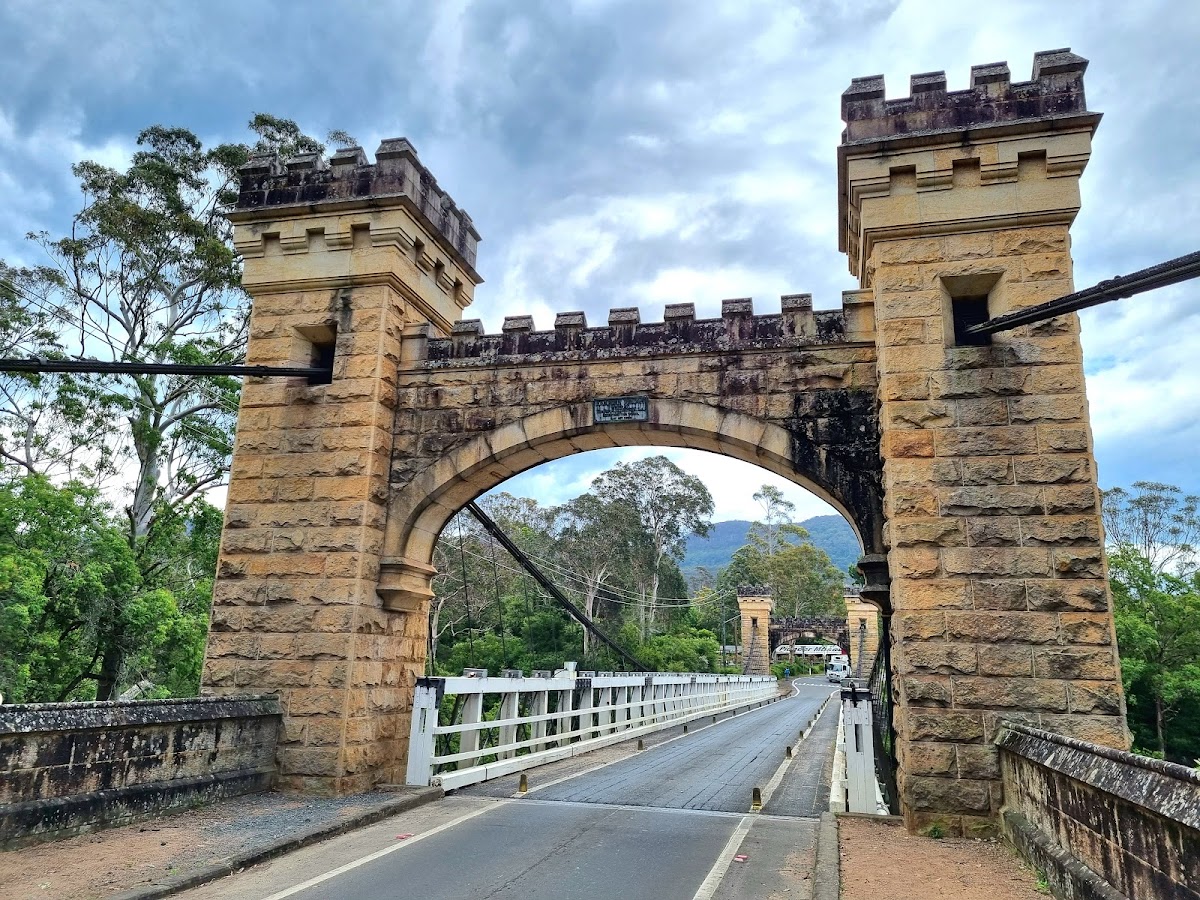 Kangaroo Valley
Shoalhaven, New South Wales
Hampden Bridge, kayaking and wombats in a green valley
Explore the guide →
Kangaroo Valley
Shoalhaven, New South Wales
Hampden Bridge, kayaking and wombats in a green valley
Explore the guide →
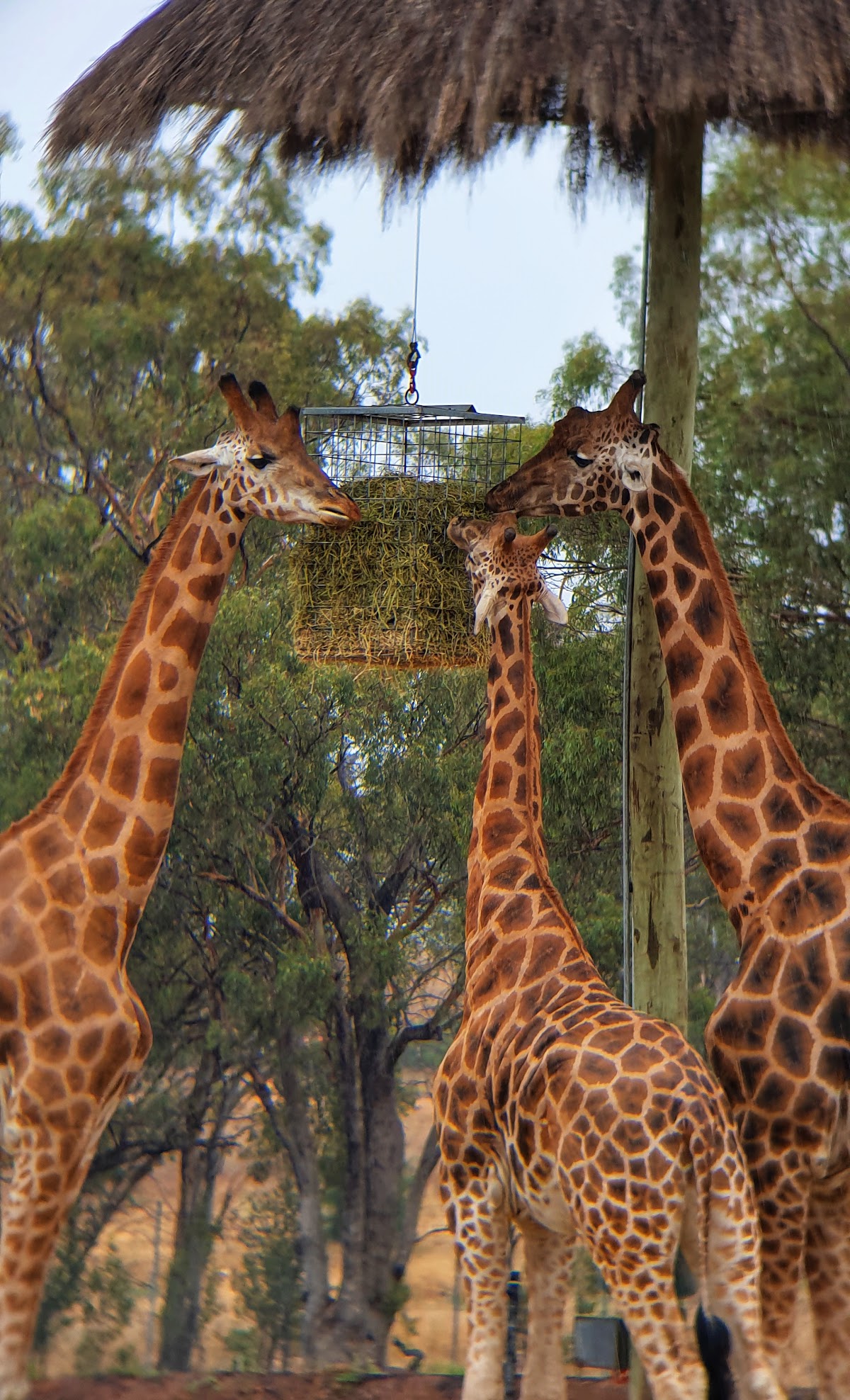 Dubbo
Central West, New South Wales
Open-range zoo and Outback gateway on the Macquarie River
Explore the guide →
Dubbo
Central West, New South Wales
Open-range zoo and Outback gateway on the Macquarie River
Explore the guide →
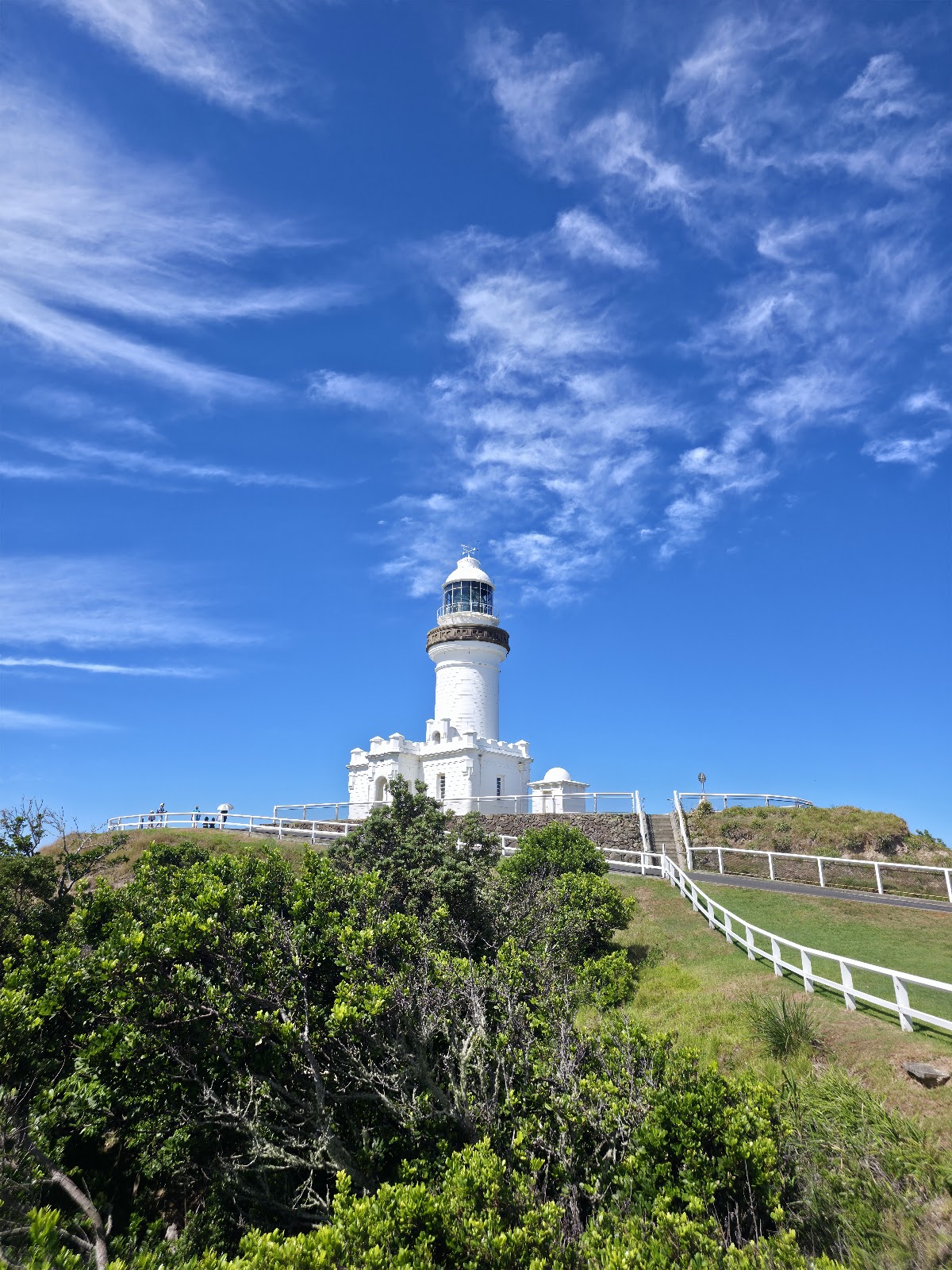 Byron Bay
Northern Rivers, New South Wales
Australia's iconic beach town and most easterly point
Explore the guide →
Byron Bay
Northern Rivers, New South Wales
Australia's iconic beach town and most easterly point
Explore the guide →
 Broome
Australia's North West, Western Australia
Cable Beach sunsets, pearling history and camels on 22km of sand
Explore the guide →
Broome
Australia's North West, Western Australia
Cable Beach sunsets, pearling history and camels on 22km of sand
Explore the guide →
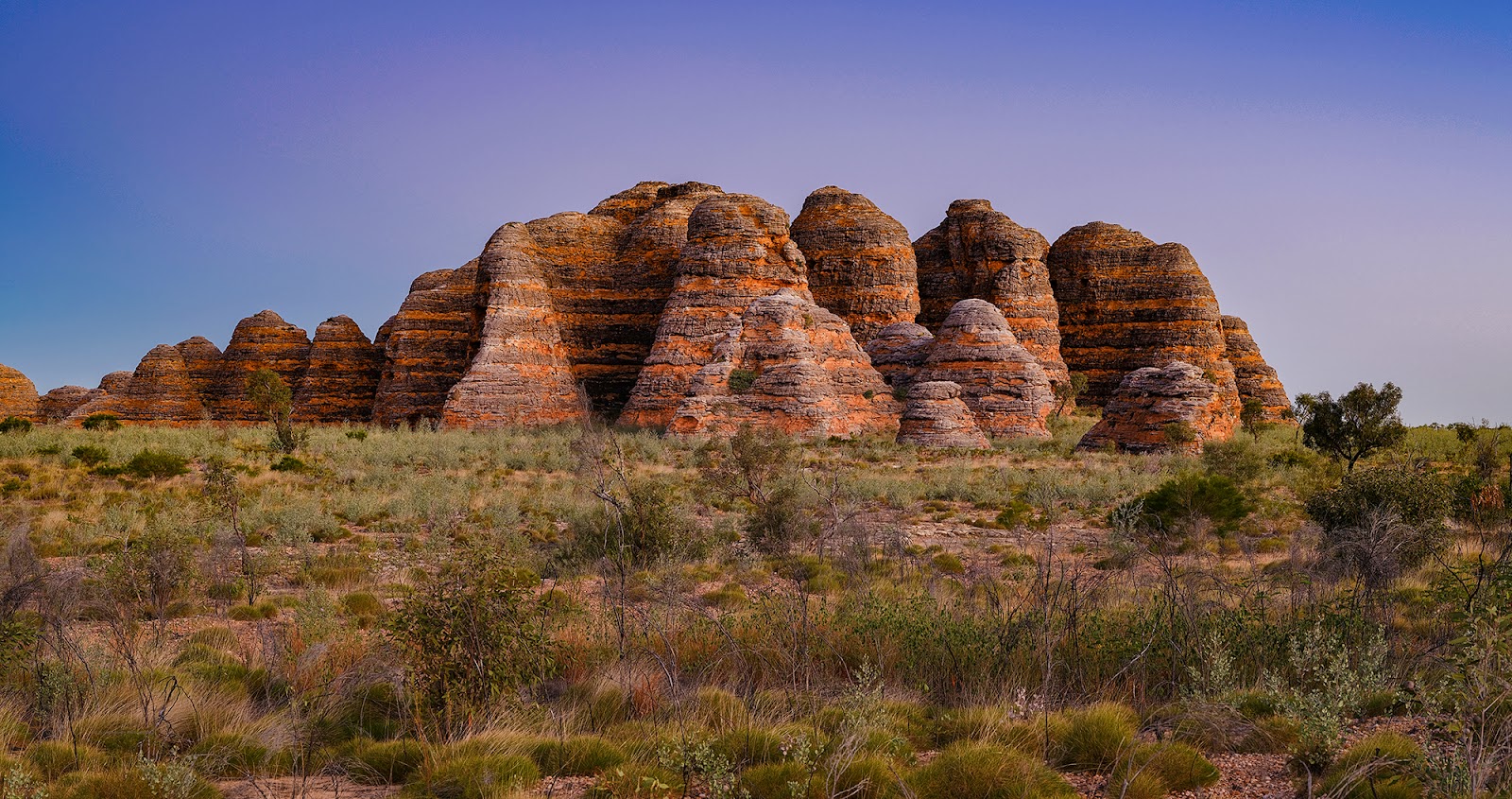 The Kimberley
Australia's North West, Western Australia
Gibb River Road, the Bungle Bungles, gorges and waterfalls in Australia's last frontier
Explore the guide →
The Kimberley
Australia's North West, Western Australia
Gibb River Road, the Bungle Bungles, gorges and waterfalls in Australia's last frontier
Explore the guide →
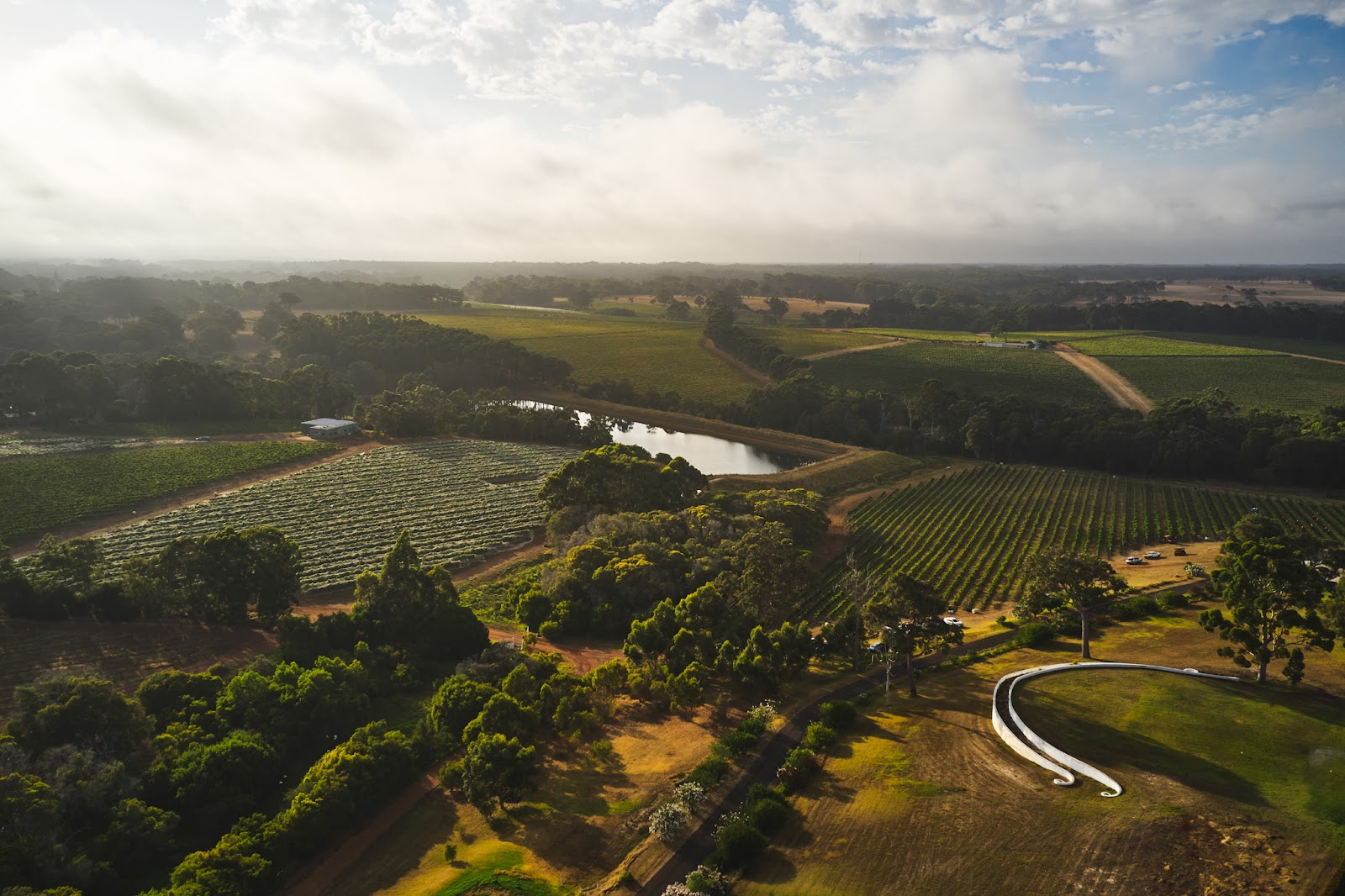 Margaret River
Australia's South West, Western Australia
World-class wineries, surf breaks and limestone caves three hours south of Perth
Explore the guide →
Margaret River
Australia's South West, Western Australia
World-class wineries, surf breaks and limestone caves three hours south of Perth
Explore the guide →