01. Exmouth Escape Resort
4.5 (428 reviews)
Exmouth Escape Resort — Ningaloo Reef
Book Direct & Save →Ningaloo is the only large coral reef in the world that runs close to a continental shoreline — in some places you're in the water inside ten minutes of leaving your car. That accessibility is the thing that sets it apart from every other major reef on Earth. The Great Barrier Reef requires a boat; Ningaloo lets you walk in from the beach. What you'll find when you do is hard to prepare for: coral gardens, sea turtles surfacing for a breath right next to your mask, reef sharks gliding past without a backward glance, and fish in such numbers and colour that beginners just stop and float for a while before they remember to kick.
View 3 Properties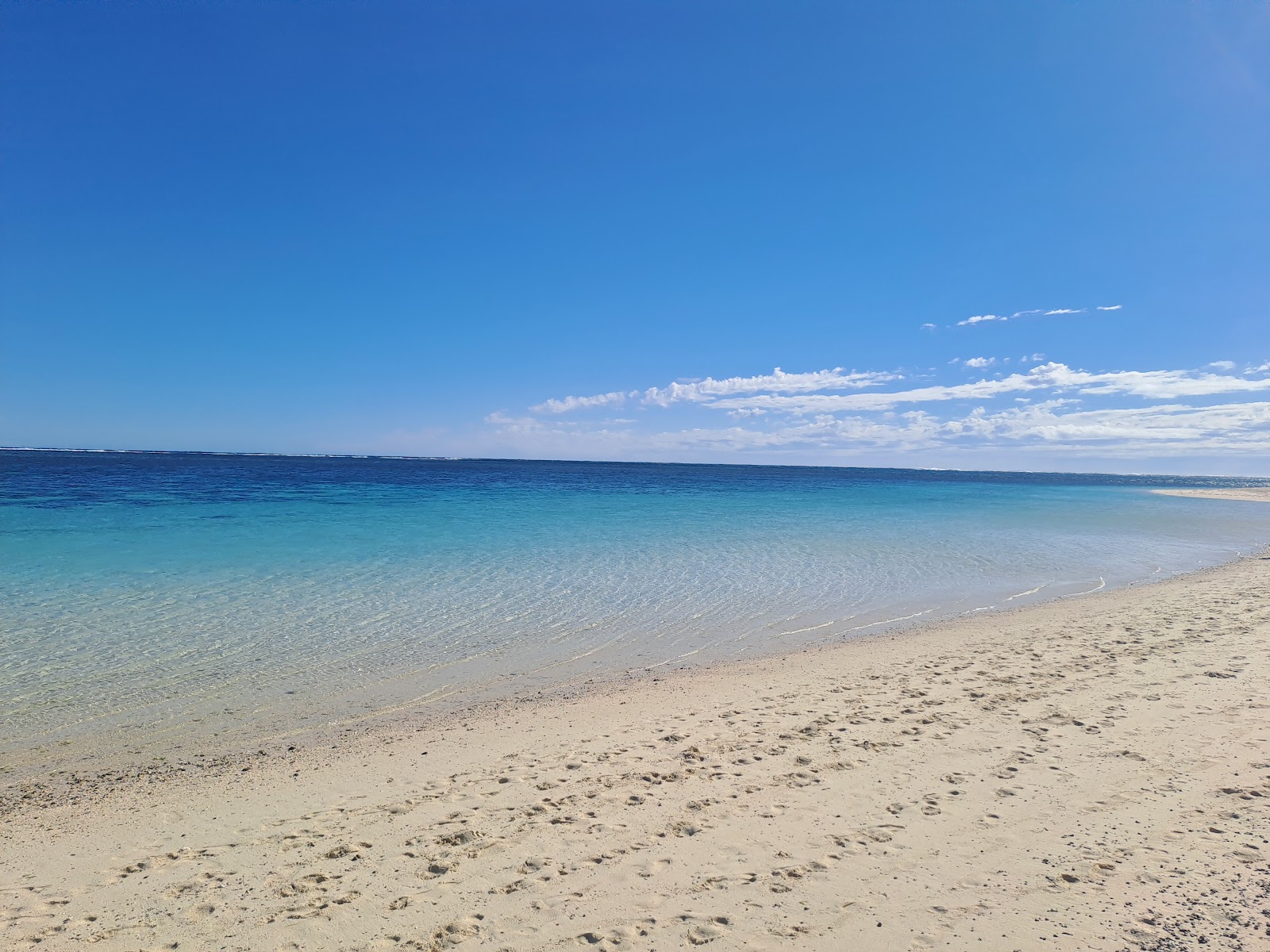
"Accessible, wild, world-class coral"
This guide covers the best snorkelling sites at Ningaloo Reef in detail — the conditions, the marine life, the logistics of each spot, who each suits and, crucially, the honest caveats that save a snorkelling trip from disappointment. Both the Exmouth base to the north, and Coral Bay to the south, have outstanding snorkelling; between them they offer something for every skill level, from complete beginners to experienced snorkellers after the reef's more demanding sites.
One reality check first: Ningaloo sits within the Ningaloo Marine Park, a Commonwealth and state-protected area. Stay off the coral, take nothing, follow the regulations, and go with an operator for the whale shark and manta ray encounters. The reef's extraordinary condition — still intact after decades of visitation — is the result of those protections, and every snorkeller benefits from them.
Most of the world's great reefs require a boat, a significant journey, and an entry ticket. Ningaloo doesn't. The reef hugs the shoreline of the Cape Range Peninsula so closely that you can park your car at Turquoise Bay, pull on fins and a mask, and be in water with living coral within a few minutes of arrival. That proximity — unique for a reef of this scale and quality — is why snorkellers return again and again, and why the experience is accessible to people who wouldn't ordinarily call themselves divers.
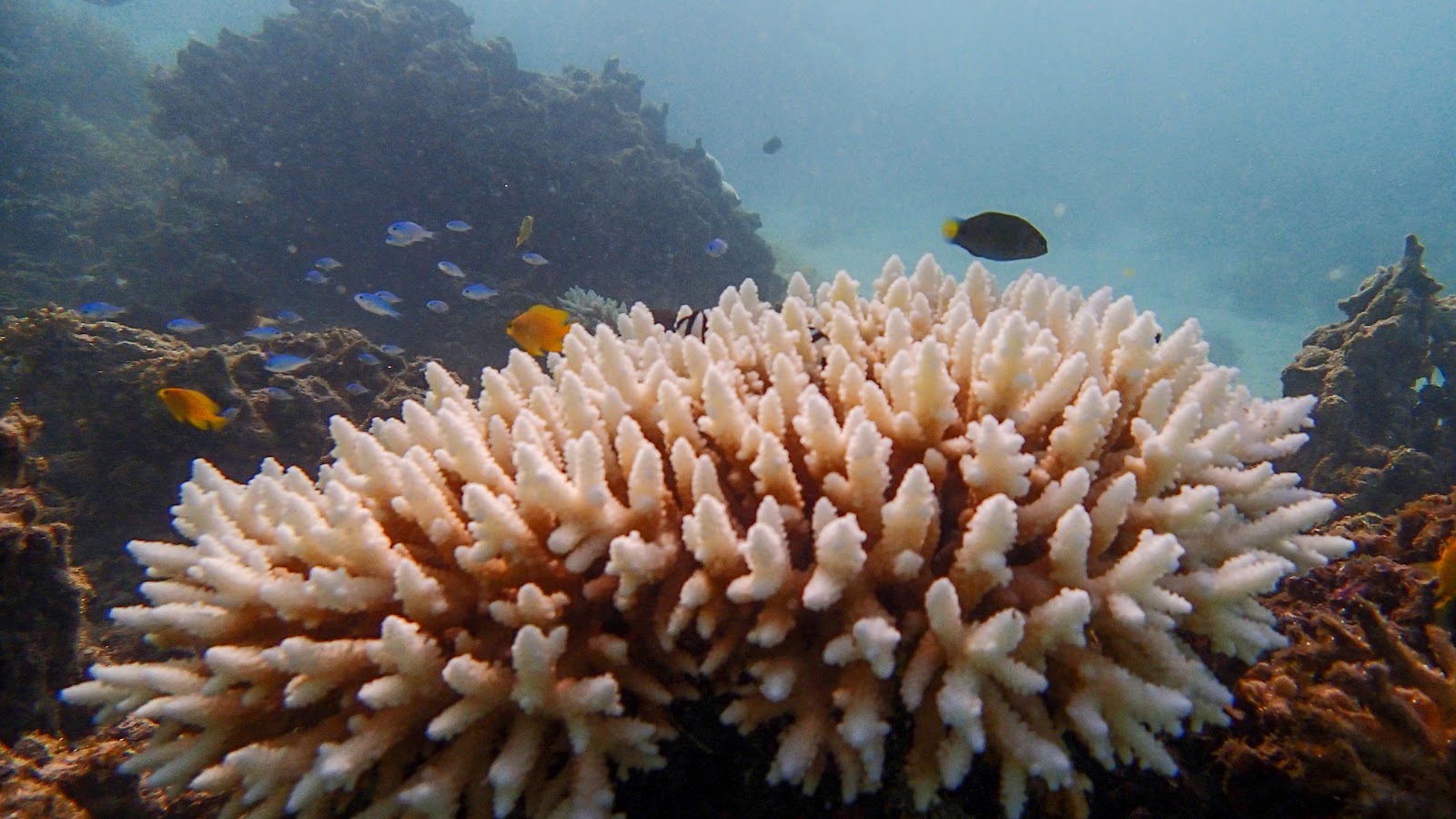
The marine life at Ningaloo is, frankly, extraordinary. The diversity of fish species is among the highest in the Indian Ocean — more than 500 species call the reef home, along with five species of sea turtle, manta rays, reef sharks, and the annual parade of whale sharks and humpback whales. What makes snorkelling here feel different from lesser reefs is the sheer density of life. You don't drift over sand searching for something to see; on a good day at Turquoise Bay or Oyster Stacks you're surrounded by it within seconds of entering the water.
Crucially, the reef's health is exceptional. The Ningaloo Marine Park's sanctuary zones and strict regulations have kept the coral in far better condition than most world reefs, which means what you see here is closer to the reef as it existed before the age of mass tourism than almost anywhere else. The experience benefits directly from that protection, and every snorkeller bears a small responsibility for keeping it that way.
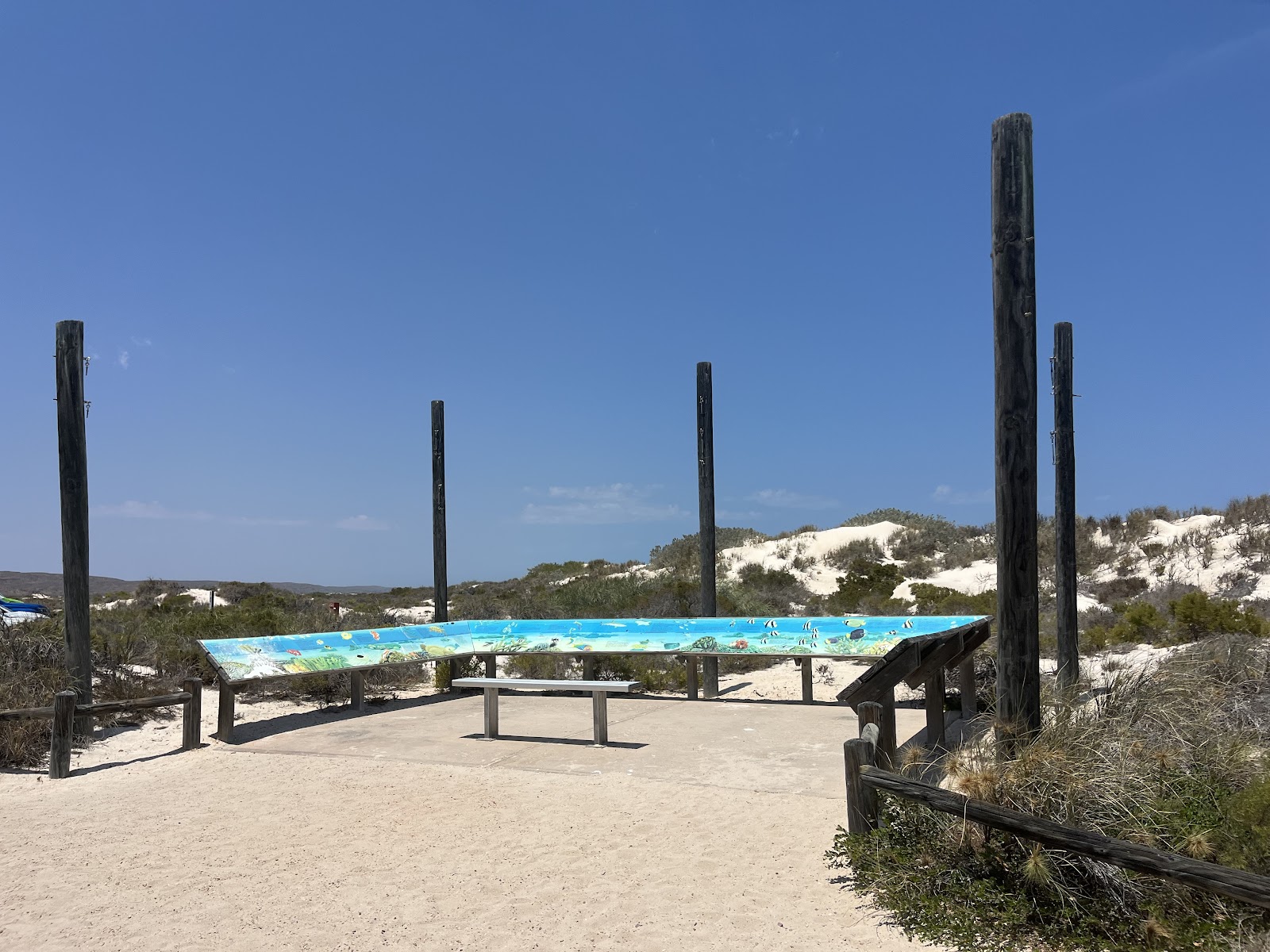
Turquoise Bay is Ningaloo's most famous snorkelling experience, and the fame is entirely justified. The drift snorkel works like this: you enter the water at the southern end of the bay, where a gentle current carries you northward over a coral garden, and you simply float and watch as the reef slides underneath you. The coral here is dense, colourful and alive — large table corals, branching formations, brain corals — and the fish life is staggering. Reef sharks are a routine sighting. Sea turtles surface next to snorkellers with the casual indifference of creatures who have never been frightened of humans.
The drift covers roughly 400 to 500 metres before the current brings you close to shore, at which point you walk back along the beach and do it again. It's the most efficient snorkelling in Australia: you see more in 20 minutes drifting than most snorkellers see in an hour at other sites. Visibility on a calm day is exceptional — 10 to 20 metres in places — and the shallow sections (as little as one to two metres over the coral) mean colours stay vivid right down to the bottom.
It suits most skill levels, including capable beginner snorkellers comfortable in the ocean. Children who are confident in the water do well here with parental supervision, and the gentle drift removes the effort of swimming. What it isn't suitable for is anyone who panics in open water, weak swimmers (the drift can deposit you in slightly deeper water), or anyone on a windy day when surface chop makes mask management difficult. A calm morning is worth waiting for.
The drift carries you over one of the most biodiverse coral gardens in the Indian Ocean — reef sharks and sea turtles are so routine they barely warrant a mention in trip reports.
“Did the drift three times in a row. Can't describe the fish numbers — and then a turtle surfaced right next to me on the second pass. Best snorkelling of my life.”
— Google review
The first drift on a calm morning, when the water is glassy and the coral catches the light — and the moment a sea turtle surfaces within arm's reach.
Stay clear on choppy or windy days when surface conditions make mask management hard. The current is gentle but consistent — weak swimmers should stay close to the shoreline edge of the drift zone.
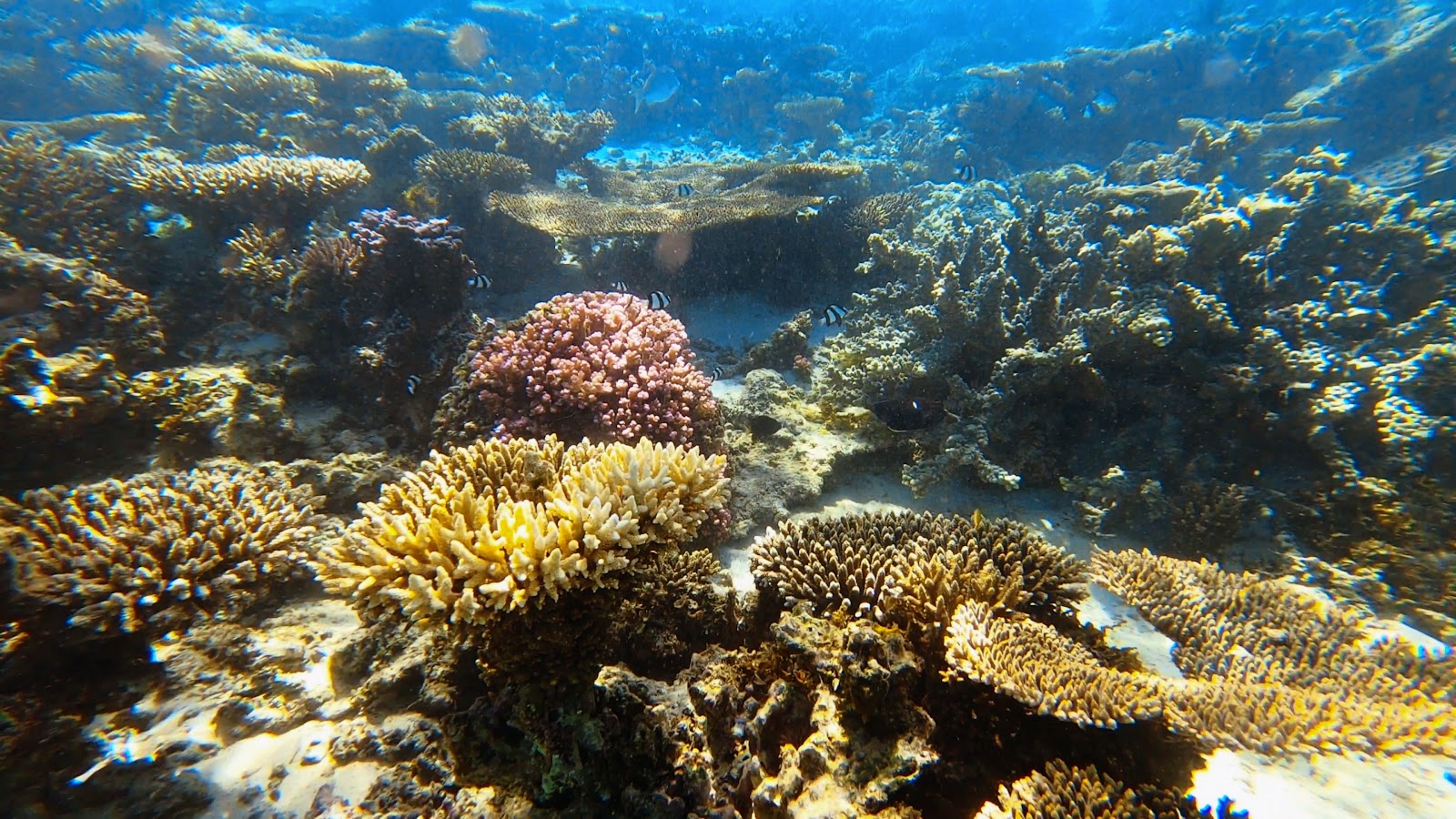
Oyster Stacks is widely regarded as the best pure coral-reef snorkelling in the park — the kind of site that experienced snorkellers travel specifically to see. The "stacks" are enormous coral formations rising from the sandy bottom, covered in extraordinary species diversity including gorgonian fans, giant clams, barrel sponges and enormous table corals, surrounded by fish in improbable numbers. It's the site that makes serious snorkellers stay an extra week.
The critical detail is the tide. Oyster Stacks sits in very shallow water — at low tide, parts of it are barely covered and you risk touching or standing on coral. The site is only accessible and enjoyable at mid to high tide, when the water level allows you to float freely over the formations without grounding yourself on them. This isn't a matter of preference; it's the protection rule that keeps the coral intact. Check tide times at Exmouth before you go, and plan your visit around a rising or high tide.
It suits intermediate snorkellers comfortable navigating near coral without touching it — the sheer volume of life in a confined space can feel overwhelming for beginners, and the need to be constantly aware of your fins and buoyancy demands more skill than the open drift at Turquoise Bay. That said, a calm-day visit at high tide is the single most impressive piece of coral reef most visitors will ever snorkel over. Bring an underwater camera.
The density of coral life here — on a good tide — is unlike anything else at Ningaloo: giant table corals, massive clams and fish schools so thick you can't see through them.
“Timed it for high tide as instructed and it was jaw-dropping. Coral walls on both sides, fish everywhere, the biggest table corals I've ever seen. Worth planning your whole day around the tide.”
— Traveller review
Floating above the massive coral formations at high tide, surrounded by fish so numerous they form walls on either side of you.
Do not go at low tide — the coral is exposed and easily damaged, and you'll have a frustrating, guilt-inducing experience. Check the Exmouth tide chart and arrive at mid-to-high tide only.
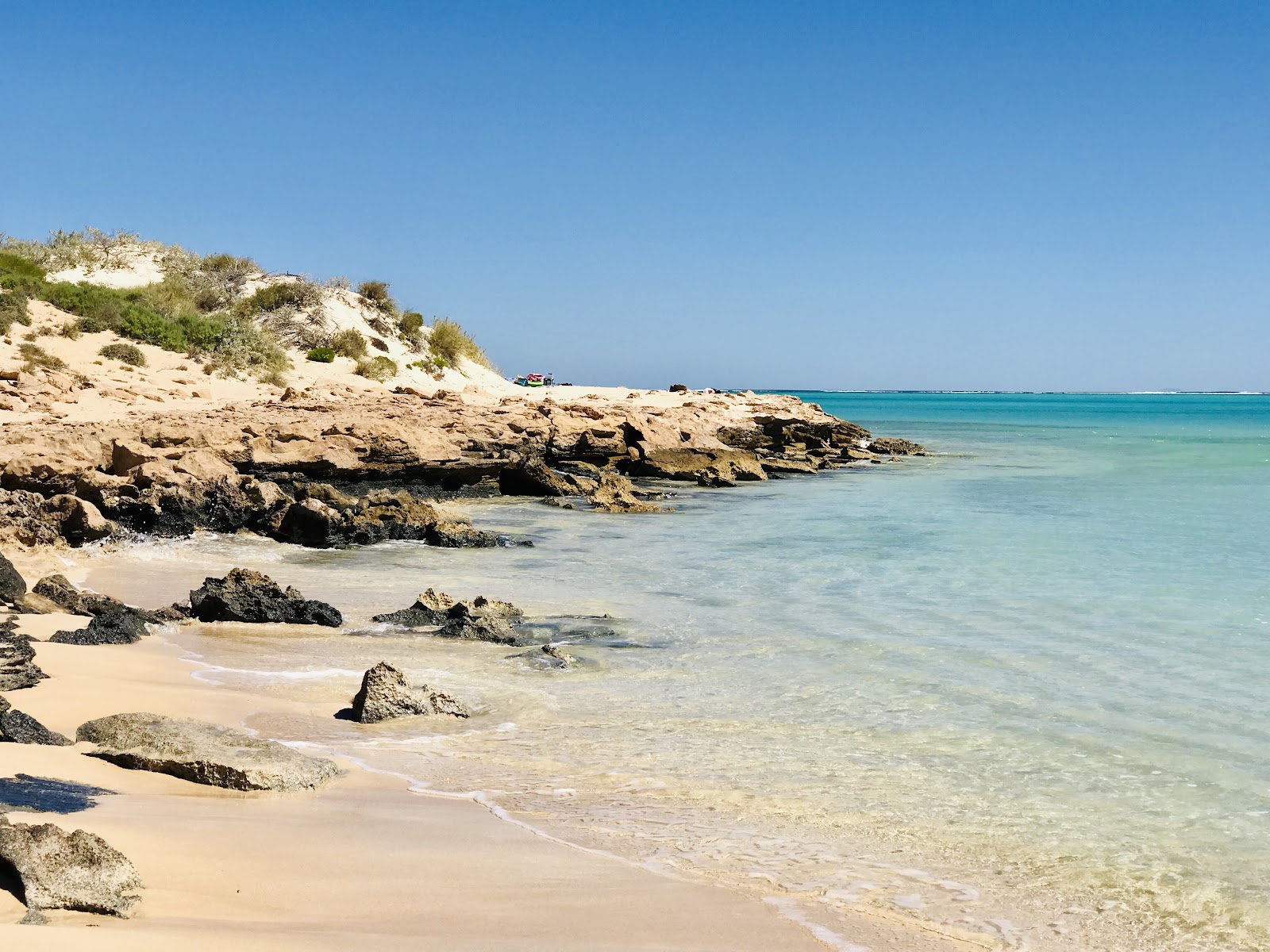
Lakeside is the reef's most forgiving snorkelling site — a sheltered section of the lagoon where the water is calmer, shallower and less exposed than the drift sites. The coral quality is genuinely good, with a mix of table corals, branching staghorns and a steady cast of reef fish including parrotfish, wrasse and butterflyfish. Sea turtles are a regular sighting. It's not as spectacular as Turquoise Bay on a perfect day, but on a day when wind has made the drift sites choppy, Lakeside often remains calm.
This is the site to head to when you have very young or nervous snorkellers in the group, or when conditions have deteriorated. The sheltered entry and relatively calm water reduce the anxiety of managing mask and fins in surface chop, and parents can enter comfortably with young children in a flotation vest. It's also a good acclimatisation site for beginners before they attempt the more demanding drift at Turquoise Bay.
For experienced snorkellers on a calm day, Turquoise Bay and Oyster Stacks will be more rewarding — Lakeside is at its most valuable when the rest of the park is rough or when you need a site that works for the whole group without leaving anyone behind. The honest framing is: not Ningaloo's showpiece, but reliably good and reliably accessible.
When the drift sites are choppy and the less-confident snorkellers need a win, Lakeside delivers good coral, sea turtles and calm water that keeps everyone happy.
“Took the kids here first before Turquoise Bay. Calm, good coral, turtle came up near us. Perfect intro before the bigger sites.”
— Google review
A calm-water sea turtle sighting in the shallows — the most reliably accessible wildlife encounter in the park for young snorkellers.
If you have a full day and calm conditions, put Turquoise Bay and Oyster Stacks first — Lakeside is at its best as a backup on rough days or as an introduction for beginners.
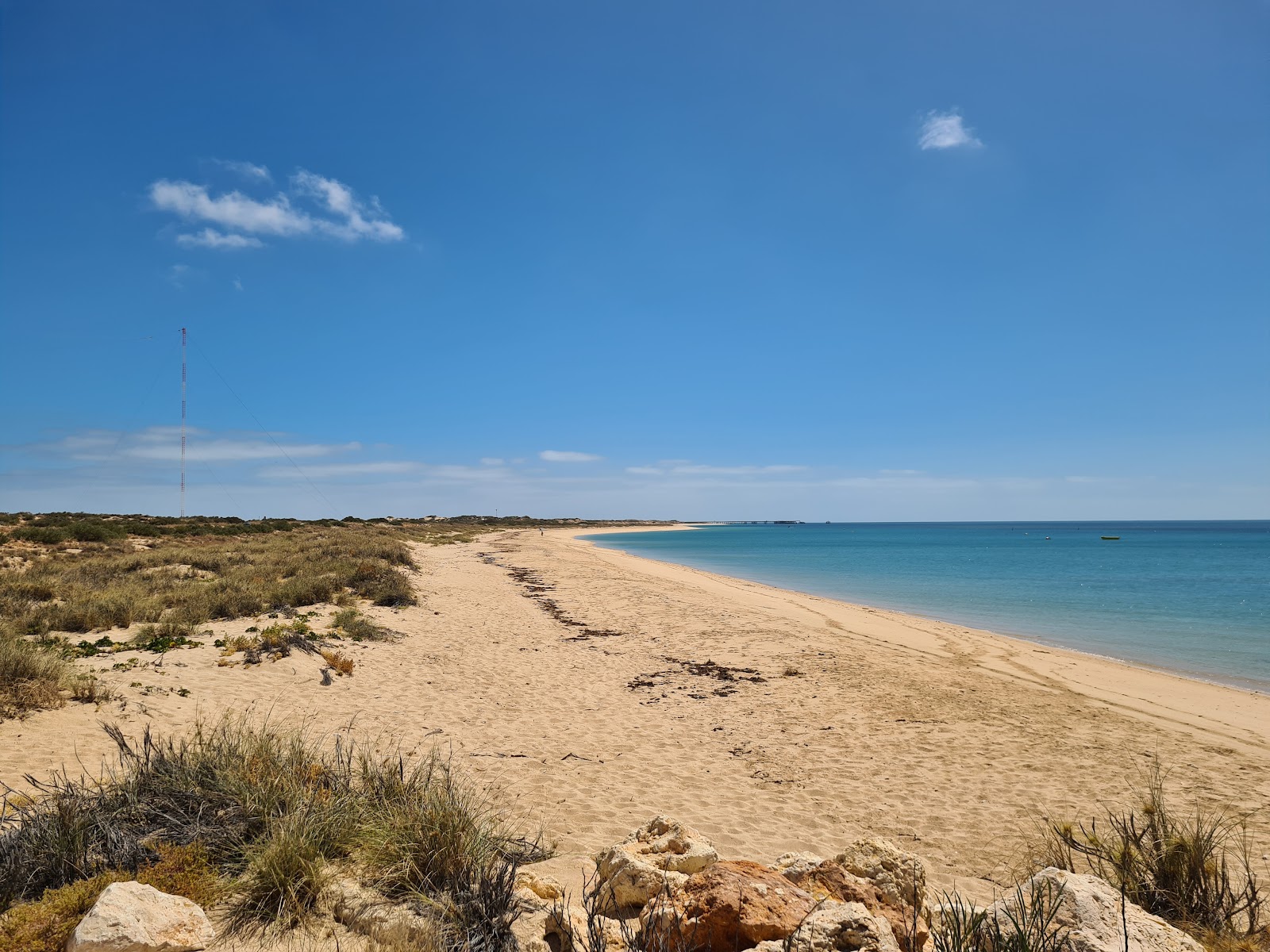
Bundegi is the most accessible snorkelling in the Exmouth area — a sheltered bay on the eastern side of the Cape Range Peninsula, close to town, with no Cape Range National Park entry fee required. The snorkelling quality is below Turquoise Bay and Oyster Stacks, but for a quick session on arrival, an evening snorkel after a day in the park, or a morning with young children who aren't ready for the full drift experience, Bundegi is perfectly good. Reef fish, small coral heads and occasional turtle sightings make for a worthwhile hour in the water.
Bundegi is also a popular boat-launching point for the Exmouth Gulf, and the bay has a pontoon and some basic facilities. The shallow, protected water makes it the most beginner-safe entry point in the area — a good option if you've never snorkelled before and want to practise before committing to Turquoise Bay or if you want somewhere close to town for an early morning.
The honest framing matters: don't base your Ningaloo snorkelling plans around Bundegi — the reef's showpiece sites in Cape Range National Park are incomparably better. But as a no-fee, close-to-town option when conditions or timing don't allow the drive into the park, it delivers more than you'd get from a hotel pool.
It's a no-fee, five-minute drive from town — the easiest introduction to Ningaloo snorkelling and a genuine fallback when the park is too far or too rough.
“Stopped here on the way in from the highway, kit on, in the water within minutes of arriving. Good starter snorkel with the kids before heading to the park sites.”
— Google review
A quick, no-fee snorkel session close to Exmouth town — good for an early morning or late arrival when the park is a long drive.
Not a destination in itself — the Cape Range park sites are significantly better. Use Bundegi as an intro or a time-pressured backup, not the main event.
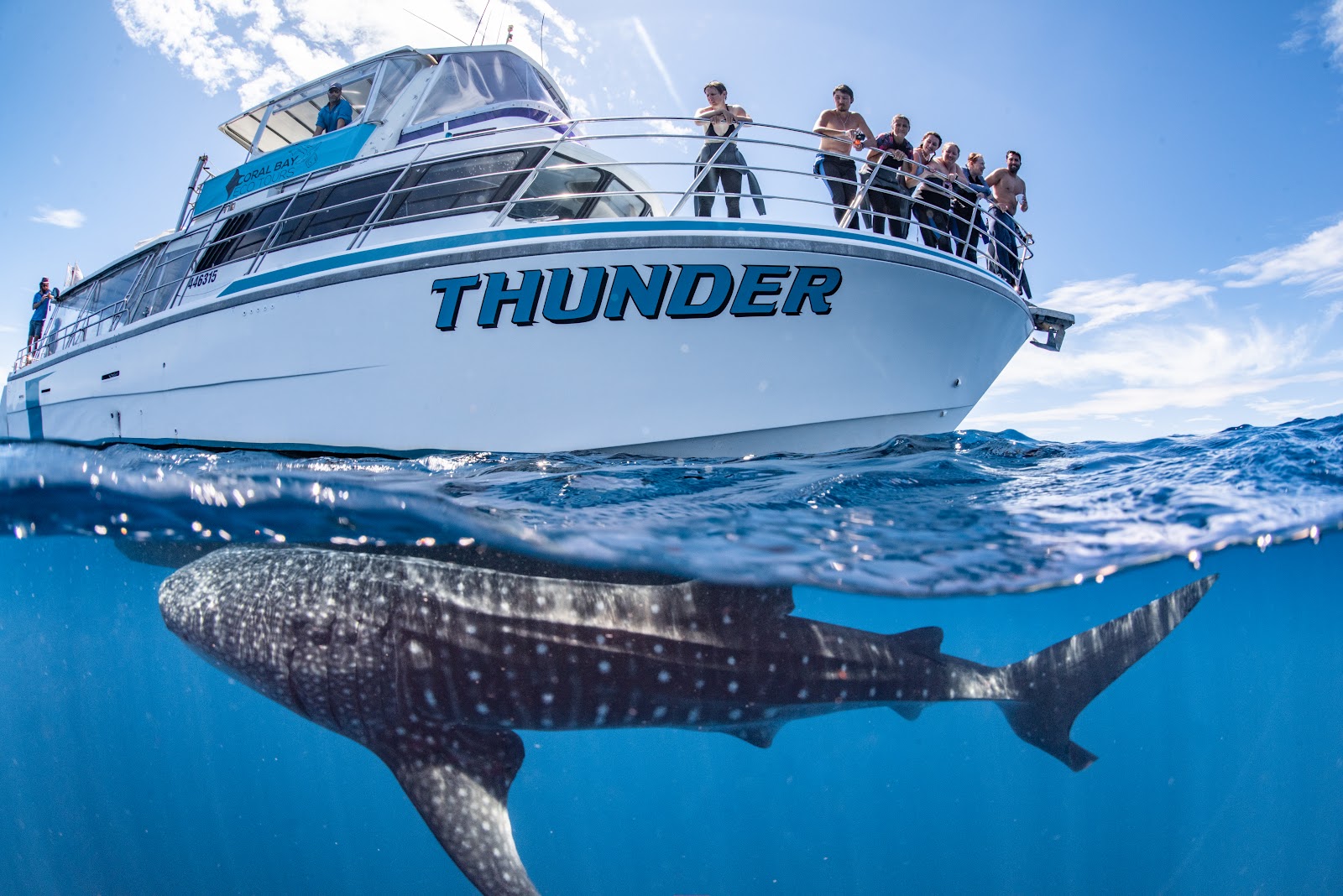
Coral Bay offers some of the most extraordinary snorkelling at Ningaloo for a completely different reason from the Cape Range sites: manta rays. Manta rays feed year-round in the bay, particularly around the Purdy Point and inner reef areas, and an encounter with one — or several — while snorkelling is not an unusual experience here. The rays can have wingspans exceeding four metres, and watching them feed in the shallows from a snorkel is one of the genuinely remarkable wildlife experiences available in Australia without a booking or a guide.
The snorkelling in Bills Bay is good in its own right — coral gardens start close to shore, the water is calm and warm, and the reef fish diversity is high. The marine life on the inner reef includes hawksbill turtles, reef sharks, and on lucky mornings, a whale shark (if conditions align during the season). For visitors not heading north to Exmouth, Coral Bay's snorkelling is world-class and entirely accessible from the beach.
For guided manta ray snorkel tours, several Coral Bay operators run dedicated manta swims — a structured, ethical experience where a guide leads you to active manta feeding areas. The wild encounters from shore are spontaneous; the tours increase the likelihood of a close interaction and include briefings on how to approach without disturbing the rays. Either way, Coral Bay is the best place in Australia to snorkel with manta rays without a permit or a long offshore trip.
Year-round manta rays feeding in the bay, accessible from shore or with a guided tour — the single most compelling reason to spend time in Coral Bay rather than driving straight through to Exmouth.
“Waded in off the beach and a manta ray was feeding twenty metres away. Spent two hours watching them pass. No tour, no booking. Couldn't believe it was free.”
— Traveller review
A wild manta ray encounter from the beach at Purdy Point — one of the most reliably accessible large-marine-life experiences in Australia.
Manta encounters from shore are spontaneous and never guaranteed — if you want a reliable experience, book a guided manta tour. Check conditions before snorkelling; the inner reef can have surge on windy days.
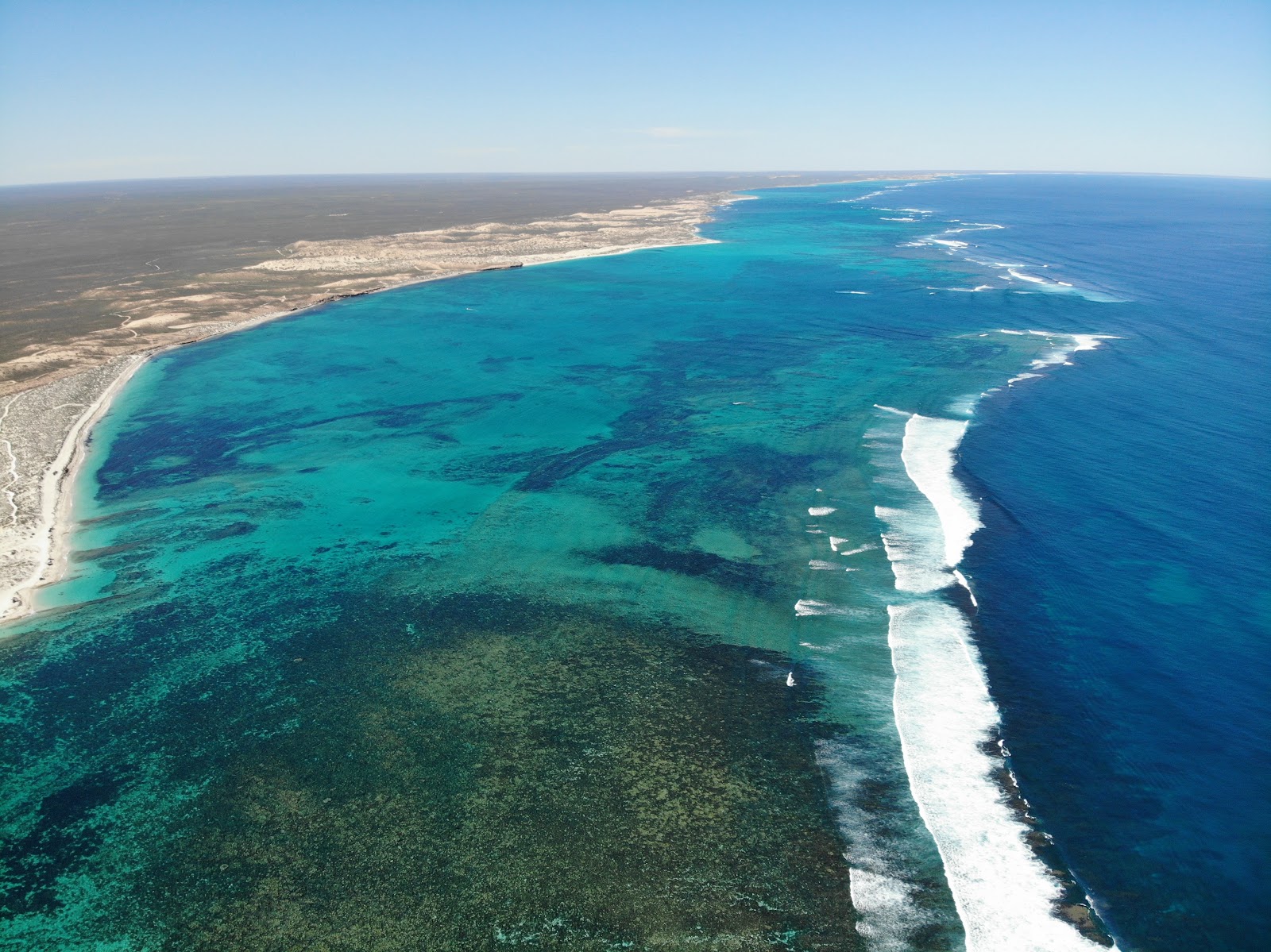
Five Finger Reef is one of the outer reef sections of Ningaloo — further from shore, accessed by boat on guided tours, and offering a coral experience that's closer to the deeper, more pristine sections of the marine park than the easily walked beach sites. The reef structures here are more developed, the drop-offs more dramatic, and the large pelagic fish more commonly encountered. It's the upgrade for snorkellers who've done Turquoise Bay and want to see what Ningaloo looks like away from the foot-traffic zones.
Access is by guided snorkel tour departing from Exmouth, which means a degree of logistics — you're booking rather than driving up on the day — but the guided format also means a briefing, marine park compliance, and a guide who knows exactly where the best sections of reef are on that day in those conditions. Most Five Finger tours combine snorkelling with other activities such as kayaking, reef walking (where permitted) or glass-bottom boat viewing.
It suits capable snorkellers comfortable in deeper, more open water and wanting more of Ningaloo's outer reef. The boat access makes it less suited to families with very young children or anyone prone to seasickness on a short offshore crossing. For snorkellers who have already worked through the shore sites and want the tour operator experience, Five Finger is the standard next step.
Outer reef conditions and pristine coral formations most visitors never see — because they stay on shore. The guided format means no logistics, just snorkelling.
“Joined a tour out to Five Finger after spending a day at Turquoise Bay. Completely different scale — huge formations, big fish, the outer reef as it should look. Worth the tour booking.”
— Google review
The outer reef's scale and pristine formations, unreachable from shore — seen at their best on a guided tour with a guide who knows the conditions.
Requires booking a guided tour and a boat crossing — not as spontaneous as the shore sites. Not ideal for the seasick-prone or young children on a rough offshore day.
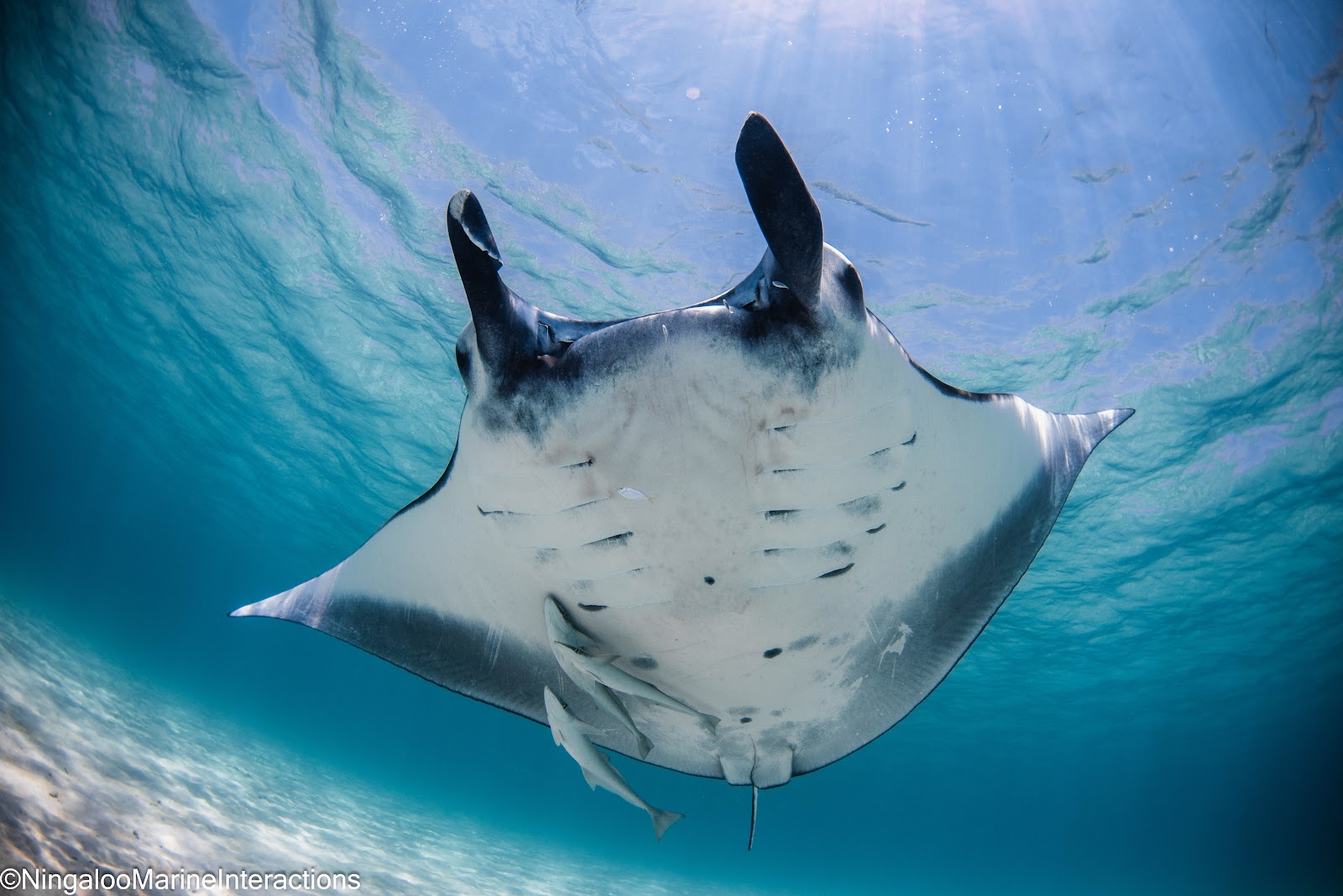
The Maud sanctuary zone adjacent to Coral Bay is a no-take, fully protected section of Ningaloo Marine Park where manta rays feed on plankton-rich water year-round. Guided snorkel-with-manta tours operated from Coral Bay take small groups into the zone under strict codes of conduct — no touching, no chasing, maintaining distance and entering the water in a controlled way to avoid startling the rays. The experience of floating in clear water as a manta with a three- or four-metre wingspan glides beneath you is extraordinary.
The difference between a guided manta tour and a spontaneous beach encounter is predictability and compliance. Tour operators know the ray feeding patterns, know the zone, and know how to position a group for the best encounter without harassing the animals — critical in a sanctuary zone where anchoring and approaches are tightly regulated. Operators such as Coral Bay Ecotours and Ningaloo Reef Dive & Snorkel run these tours from the township with small group sizes and ethical briefings.
A guided manta swim is the best entry point for anyone who wants to turn a possible beach sighting into a near-certain, well-managed close encounter. It suits all snorkelling levels including capable beginners, and the small group format means nobody gets left behind. The tours run year-round (mantas are not seasonal at Coral Bay), but book ahead — capacity is limited and they sell out during school holidays and the April to September peak season.
A small-group guided swim with manta rays in a sanctuary zone where the rays choose to stay year-round — nothing at Ningaloo is quite as reliably overwhelming.
“A manta passed right under me twice while the guide held the group still. Three-metre wingspan. The operator knew exactly where to find them and how to approach without spooking them. Book ahead.”
— Traveller review
A manta ray passing beneath you at arm's reach, with a guide ensuring the approach is done properly — the highest-quality wildlife snorkel at Ningaloo.
Sanctuary zone rules are strict — no touching, no chasing, guided access only. Don't attempt to replicate this experience independently inside the sanctuary. Book well in advance for school holidays.
| Season | Conditions | Highlights | Crowds |
|---|---|---|---|
| April–July | Warm water, low winds, exceptional visibility | The peak snorkelling window: calm conditions, clear water, whale shark season overlapping from mid-March; water 22–24°C | Moderate — building toward school holidays |
| August–October | Cool air, still warm water (21–23°C) | Humpback whales in the marine park; still excellent snorkelling; Exmouth Gulf fishing peaks; slightly cooler water | Moderate — spring school holidays peak in September |
| November–March (summer) | Hot air, warm water 26–28°C, cyclone risk | Warmest water; fewer crowds in Jan–Feb; manta rays at Coral Bay year-round; some closures possible during cyclone events | Low except school holidays (Jan); check cyclone forecasts |
What recent visitors say:
“Inside the National park, must pay $17 entry for 1 day or can get a multi-day-pass. Toilets are available, No showers. Sanctuary area- no fishing Beautiful snorkelling and exploring day along the beach and the water. Be mindful of the strong currents/ rips around the sandbank. Take some shade and a picnic it's a gorgeous place.”— Ca Bi (on Turquoise Bay), Google review
“Drift Snorkeling is amazing!!! Water temp was nice - early August, didn't need a wetsuit. Plenty of colourful fish of varying sizes, even a reef shark crossed my path Totally recommend when in the area”— Violet Patty (on Turquoise Bay), Google review
“Absolutely perfectly clear water and clean sand. Great for snorkelling. Had fish swimming around me which was an awesome experience”— Taylor Cougle (on Turquoise Bay), Google review
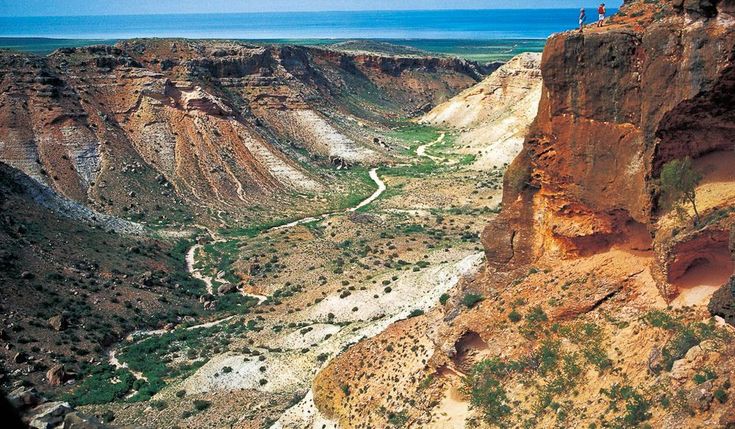
Gear: Most visitors hire snorkel gear in Exmouth or Coral Bay (from around $20/day) rather than bringing their own, though bringing your own mask pays for itself within two days. A wetsuit or rash vest is recommended for sun protection and comfort; the water is warm but an hour in it can result in significant UV exposure on your back. Fins are strongly advised at all sites — they protect your energy and keep you off the coral.
Marine park rules: Ningaloo is a protected marine park. Stay off the coral — even a brief accidental touch can kill a colony. Do not remove anything: no shells, coral fragments, marine life. Feeding fish is prohibited. In sanctuary zones, anchoring and certain approaches are also regulated, which is why guided tours into these zones are mandatory. The park rangers are present and the rules are enforced; they also protect the thing you've come to see.
Practical logistics: Cape Range National Park charges an entry fee (check current rates with DBCA — the Department of Biodiversity, Conservation and Attractions). The park road south from Exmouth is unsealed in sections and can be slow; allow more time than the distance suggests. Arrive at Turquoise Bay before 9am to avoid tour groups and secure shade. Bring more water than you think you need — the Pilbara heat is serious, even in winter, and there are no facilities beyond the car park.
Ningaloo is not the most famous reef in Australia. It is, for snorkellers, the best. The access is extraordinary — you walk in from the beach, the coral is at your feet within minutes, and the wildlife density is genuinely hard to describe until you've been in the water. No other reef of this quality and scale on Earth comes this close to a road.
Start at Turquoise Bay for the drift, plan your tide for Oyster Stacks, head to Coral Bay if mantas are on your list, and bring a wetsuit in winter. Arrive early, follow the rules, and stay off the coral. What you get in exchange is one of the most concentrated, accessible, and flat-out spectacular wildlife experiences available anywhere in Australia — and you don't even need a boat to reach it.
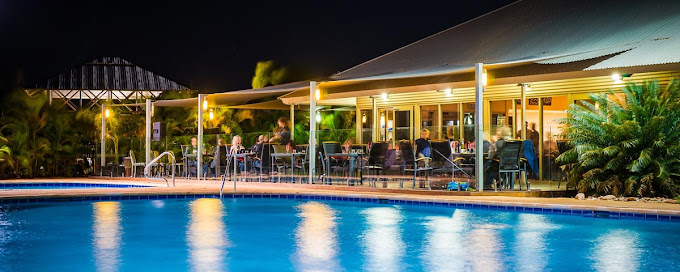
Exmouth Escape Resort — Ningaloo Reef
Book Direct & Save →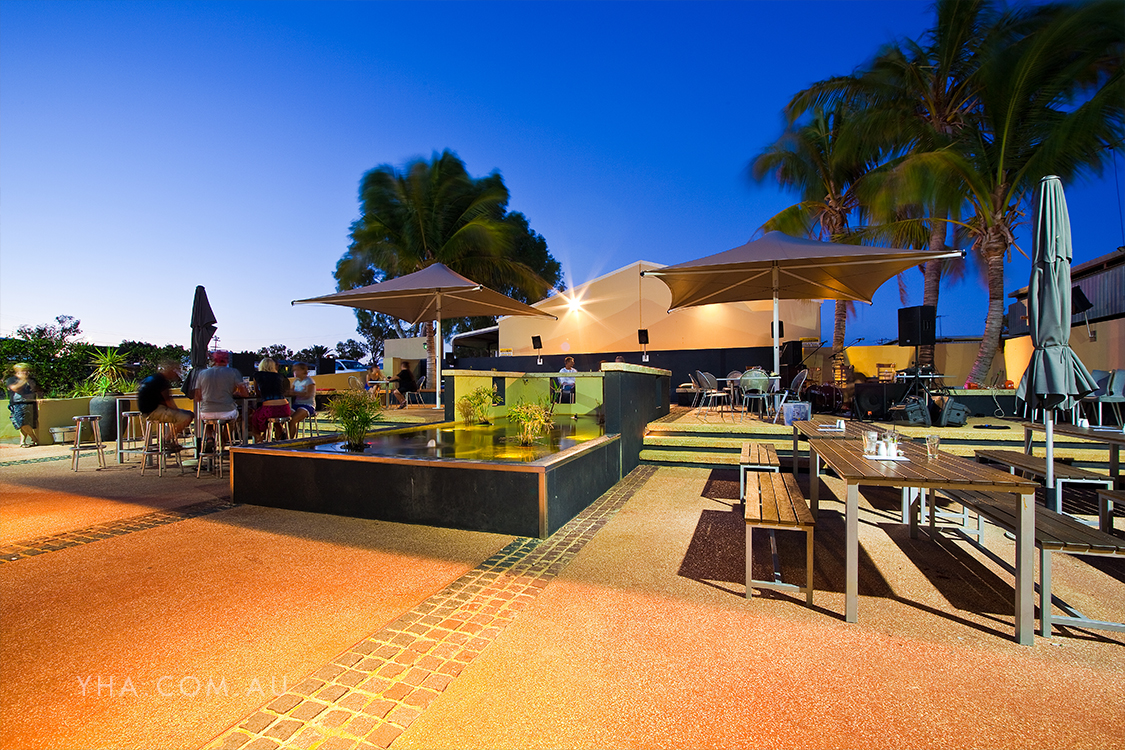
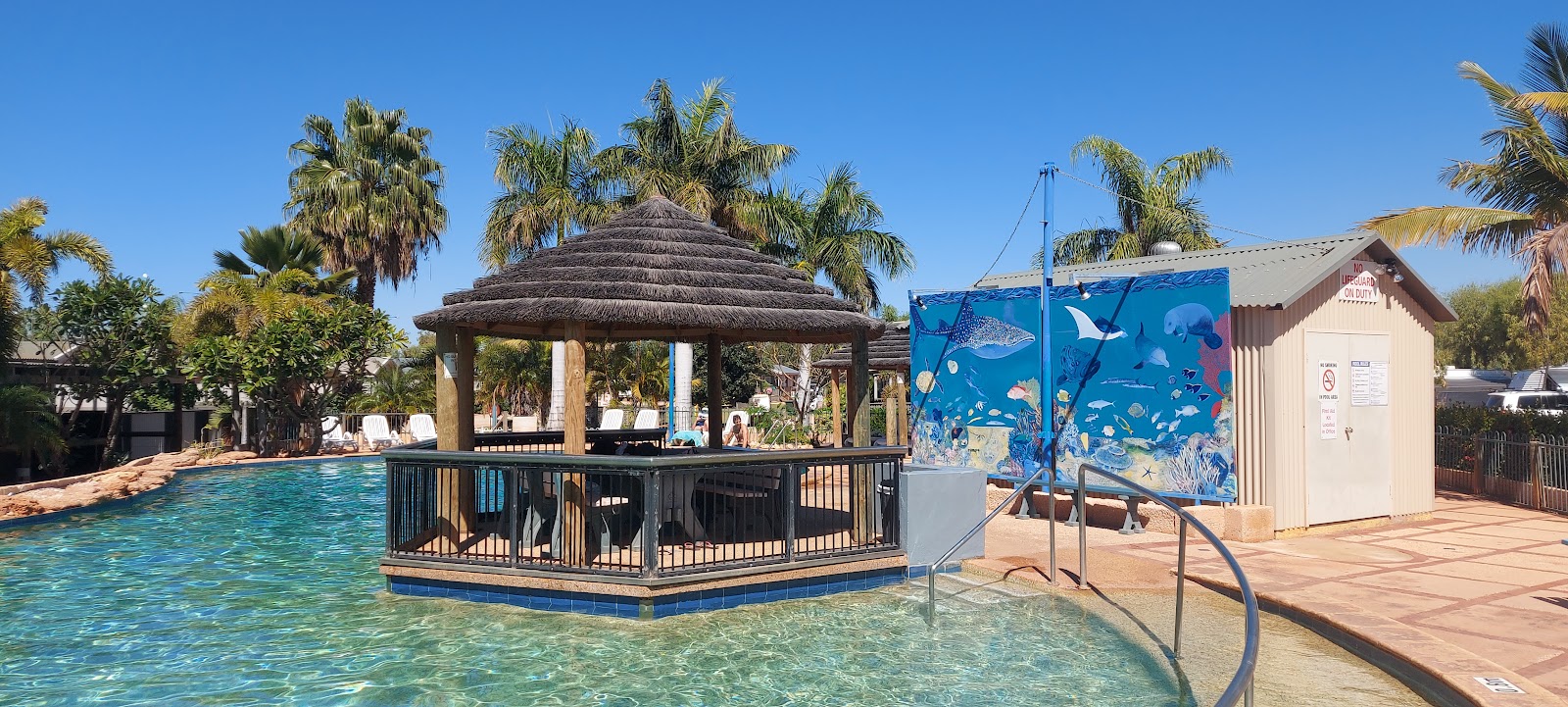
Ningaloo Caravan and Holiday Resort — Ningaloo Reef
Book Direct & Save →Skip OTA fees. Connect directly with Ningaloo Reef owners for the best rates and a truly personal experience.
We match any online rate. No service fees — 100% of your payment supports local owners.
Direct guests receive complimentary hampers, early check-in, and priority access to experiences.
Speak directly with the people who manage the properties. No call centres, just local expertise.
Part of Western Australia · Australia's Coral Coast
 Glen Aplin
Granite Belt, Queensland
Queensland's most underrated wine valley
Explore the guide →
Glen Aplin
Granite Belt, Queensland
Queensland's most underrated wine valley
Explore the guide →
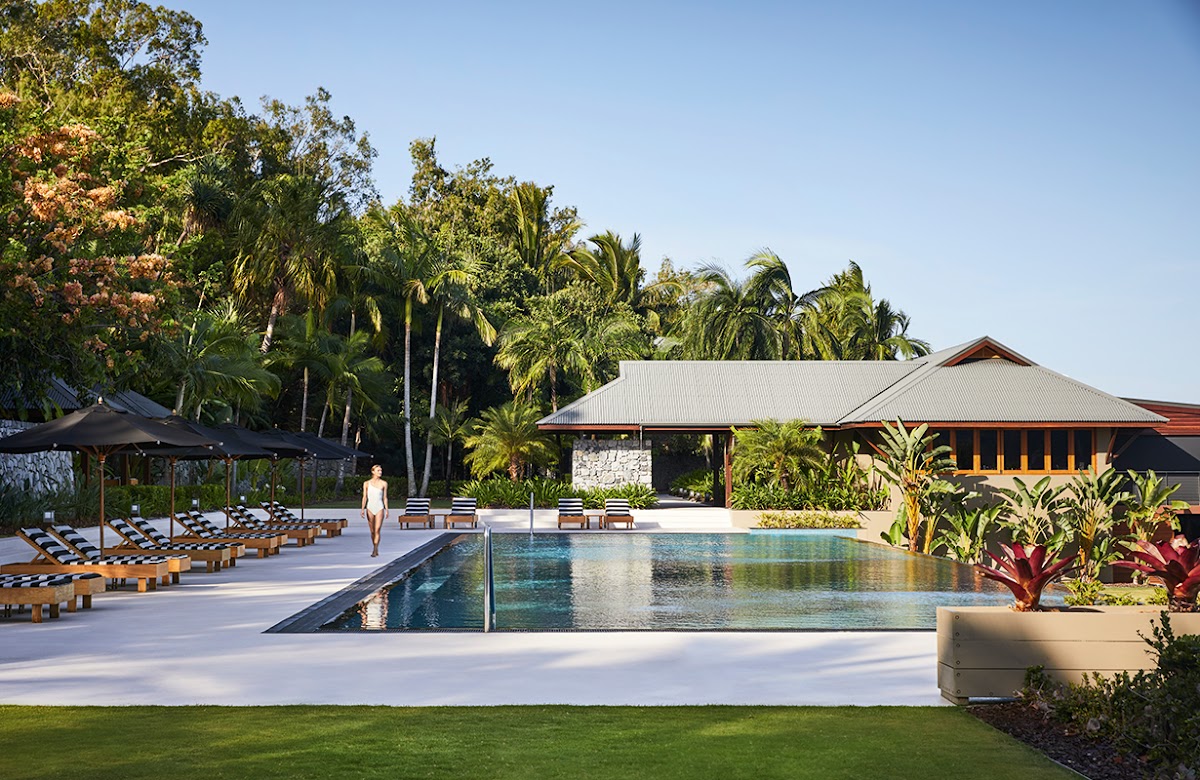 Hamilton Island
The Whitsundays, Queensland
Whitsundays island resort — Whitehaven Beach, reef trips and golf-buggy life
Explore the guide →
Hamilton Island
The Whitsundays, Queensland
Whitsundays island resort — Whitehaven Beach, reef trips and golf-buggy life
Explore the guide →
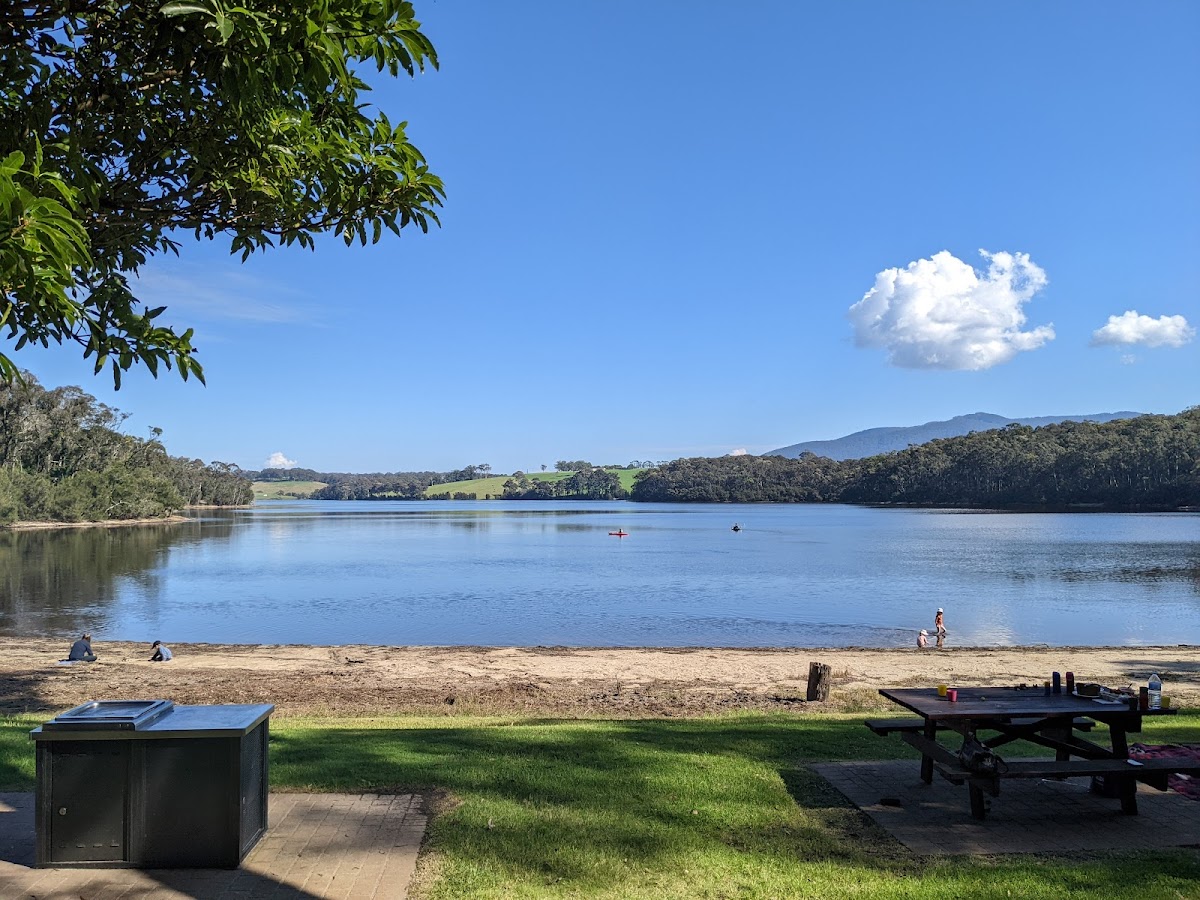 Narooma
South Coast, New South Wales
Crystal-clear inlet, surf beaches, oysters and Montague Island
Explore the guide →
Narooma
South Coast, New South Wales
Crystal-clear inlet, surf beaches, oysters and Montague Island
Explore the guide →
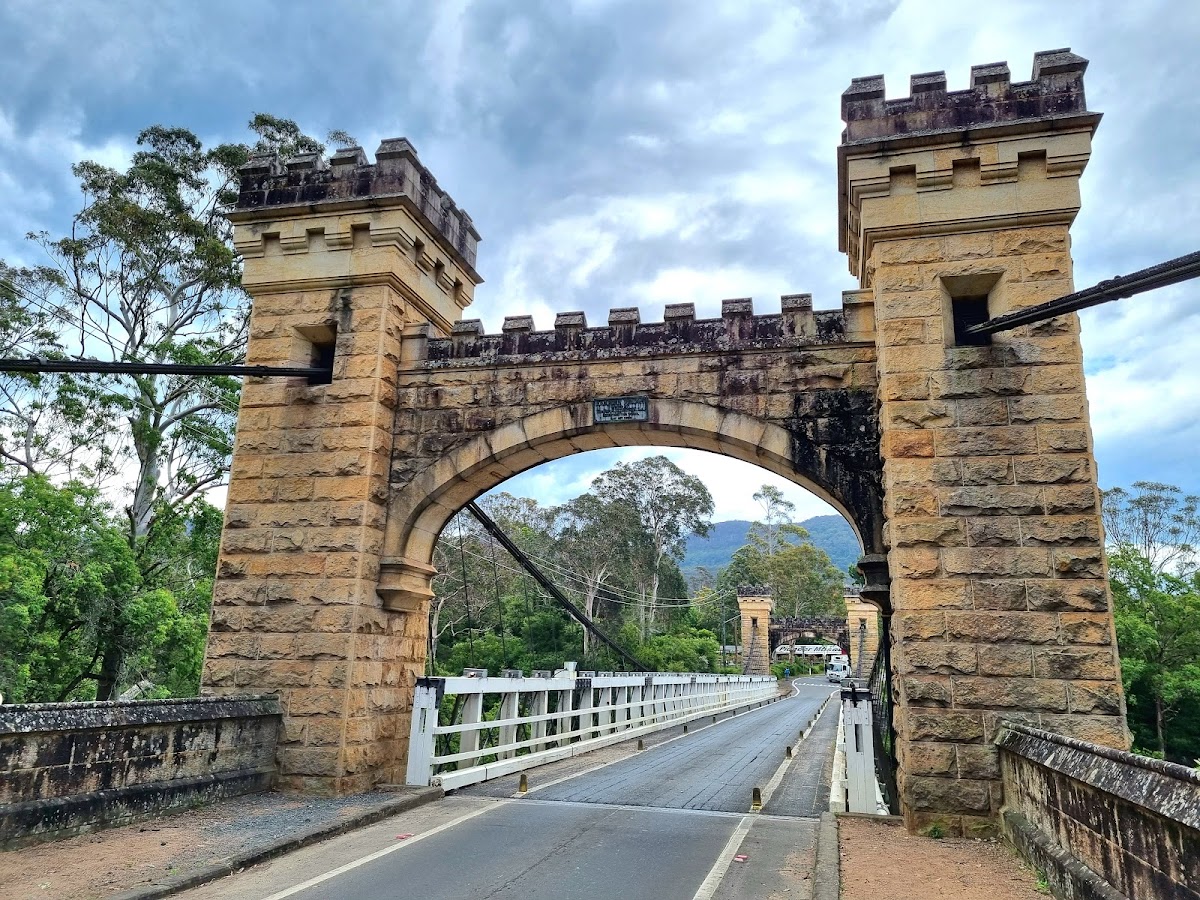 Kangaroo Valley
Shoalhaven, New South Wales
Hampden Bridge, kayaking and wombats in a green valley
Explore the guide →
Kangaroo Valley
Shoalhaven, New South Wales
Hampden Bridge, kayaking and wombats in a green valley
Explore the guide →
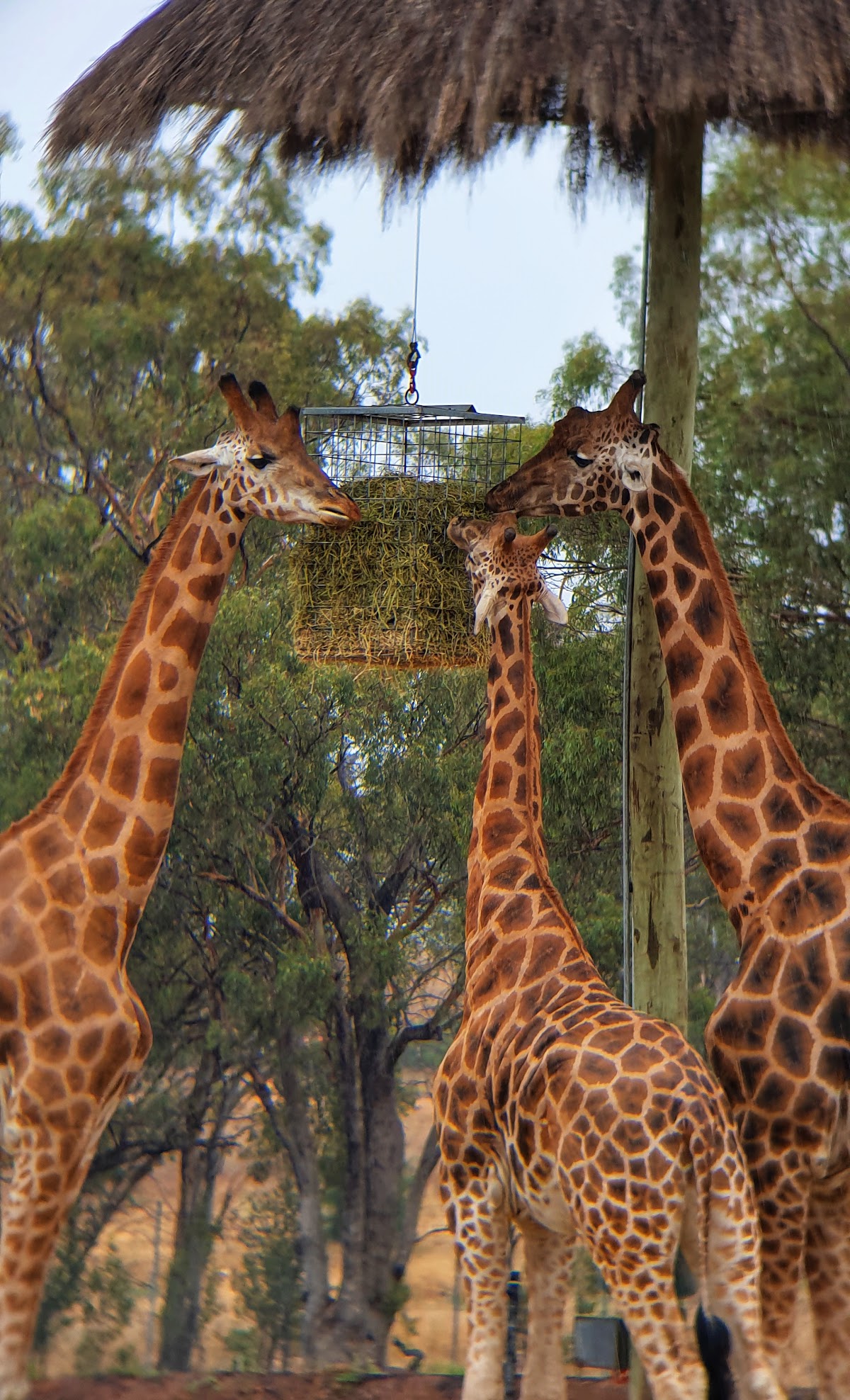 Dubbo
Central West, New South Wales
Open-range zoo and Outback gateway on the Macquarie River
Explore the guide →
Dubbo
Central West, New South Wales
Open-range zoo and Outback gateway on the Macquarie River
Explore the guide →
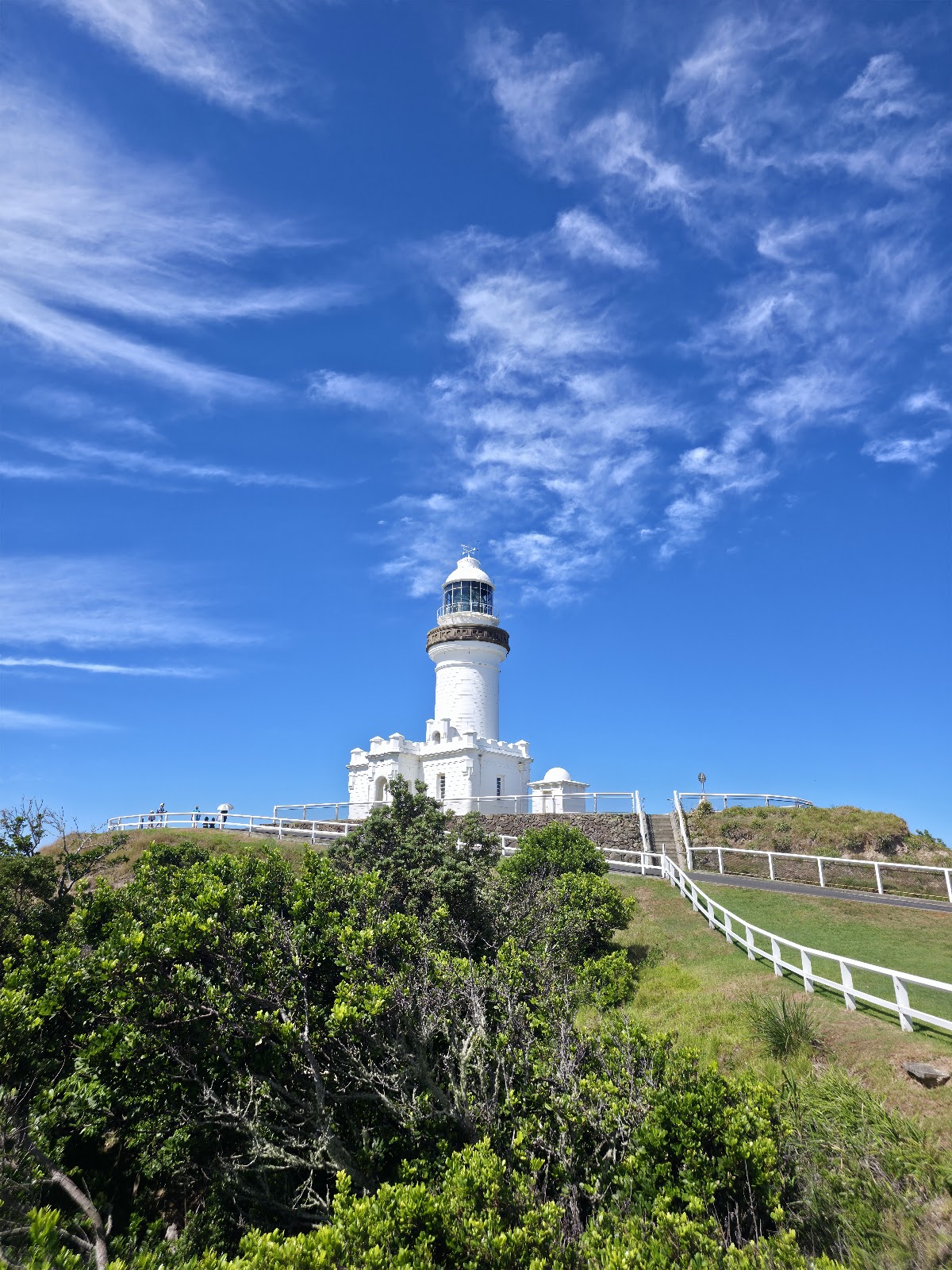 Byron Bay
Northern Rivers, New South Wales
Australia's iconic beach town and most easterly point
Explore the guide →
Byron Bay
Northern Rivers, New South Wales
Australia's iconic beach town and most easterly point
Explore the guide →
 Broome
Australia's North West, Western Australia
Cable Beach sunsets, pearling history and camels on 22km of sand
Explore the guide →
Broome
Australia's North West, Western Australia
Cable Beach sunsets, pearling history and camels on 22km of sand
Explore the guide →
 The Kimberley
Australia's North West, Western Australia
Gibb River Road, the Bungle Bungles, gorges and waterfalls in Australia's last frontier
Explore the guide →
The Kimberley
Australia's North West, Western Australia
Gibb River Road, the Bungle Bungles, gorges and waterfalls in Australia's last frontier
Explore the guide →
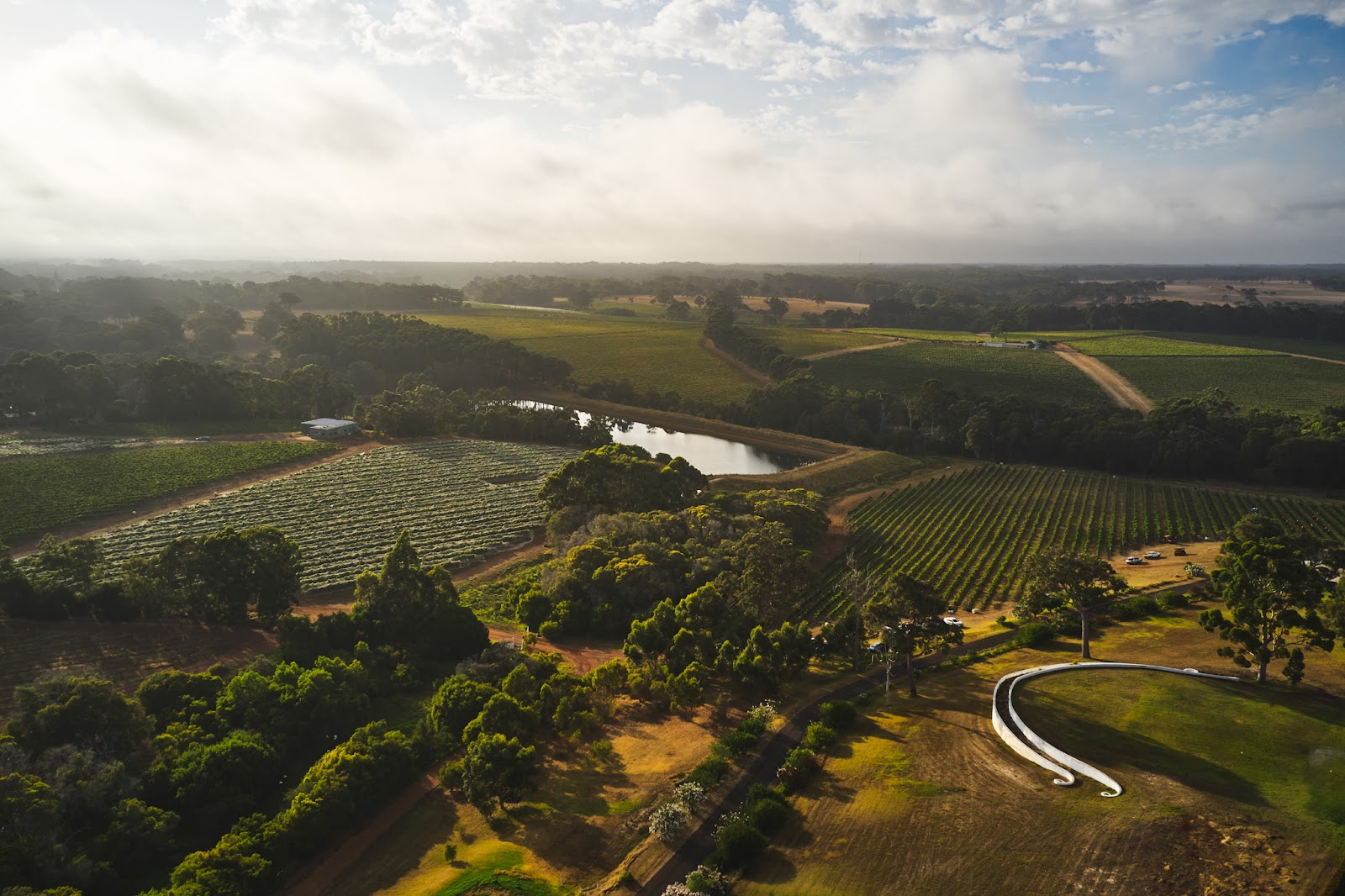 Margaret River
Australia's South West, Western Australia
World-class wineries, surf breaks and limestone caves three hours south of Perth
Explore the guide →
Margaret River
Australia's South West, Western Australia
World-class wineries, surf breaks and limestone caves three hours south of Perth
Explore the guide →