01. Exmouth Escape Resort
4.5 (428 reviews)
Exmouth Escape Resort — Ningaloo Reef
Book Direct & Save →Ningaloo's beaches aren't really beaches in the usual sense — they're entry points to a reef. Along this stretch of the Coral Coast the white sand meets a turquoise lagoon, and a short wade out puts you over living coral. The variety is the point: within an hour you can move from the world-famous drift snorkel at Turquoise Bay to a gentle bommie-snorkel at Lakeside, a kite-surf beach at Sandy Bay, and the calm, walk-in lagoon at Coral Bay where families never leave.
View 3 Properties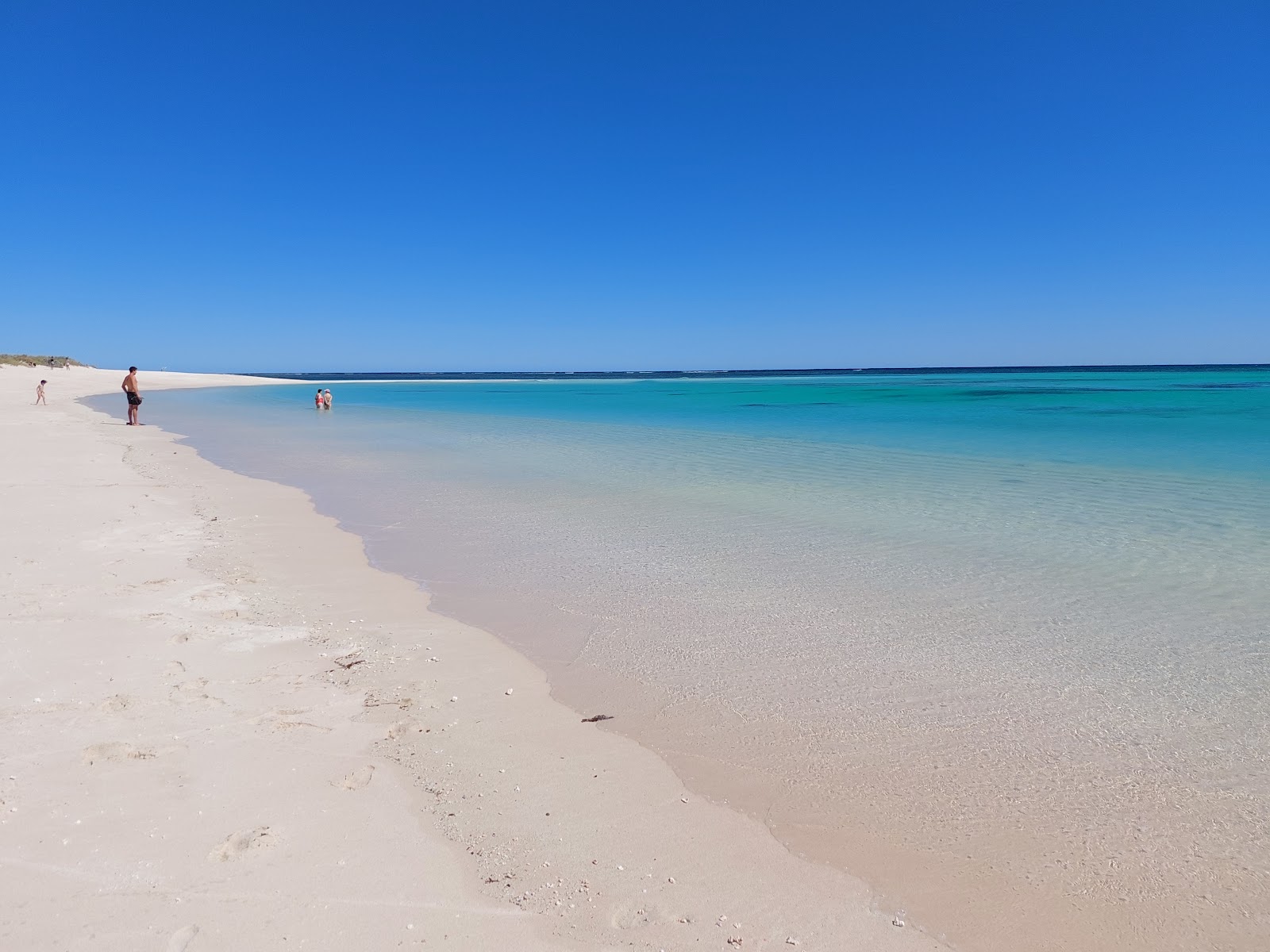
"White sand, turquoise lagoon, living reef"
This guide covers the best beaches at Ningaloo one by one — what each is best for, whether it's a swim, a snorkel or a walk, how to find it, and the conditions that suit it. Crucially, it's honest about the currents and the tides, because on this reef the difference between a gentle paddle and a serious drift matters. A safety note throughout: most of these beaches are unpatrolled, conditions change fast, there's little shade, and the snorkel sites have real currents. Check conditions, snorkel with a buddy, send nervous swimmers and kids to the calm options, and never stand on the coral.
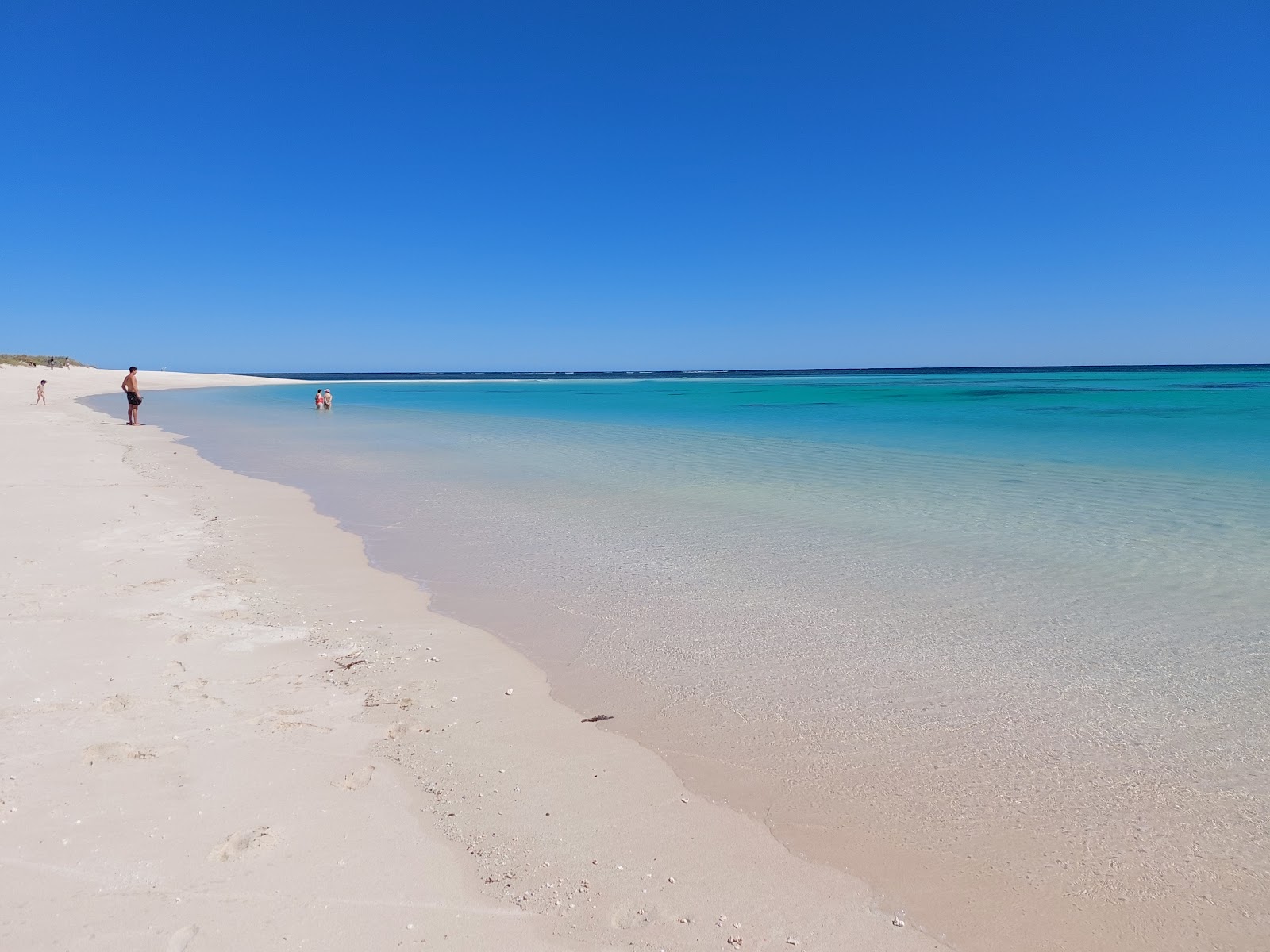
Most coastlines give you one beach repeated. Ningaloo gives you a string of genuinely different ones, and the difference is almost always about the reef and the current. At Turquoise Bay the lagoon is split by a sandbar into a calm 'Bay' swimming end and a 'Drift' snorkelling end with a real current; at Oyster Stacks the coral is so close and shallow you can only snorkel it safely at high tide; at Lakeside the big coral heads sit in calmer water that suits beginners; and at Coral Bay the whole bay is a sheltered, walk-in reef. Knowing which is which is the whole game.
That's why it pays to read a beach guide before you go rather than just driving to the nearest sand. The single most important decision you'll make is matching the beach to your group and the conditions — the gentle bommies for families and nervous snorkellers, the drift for confident ones, the high-tide-only sites for those who can time them, and the walk-in lagoons when calm water matters. Get that right and Ningaloo delivers some of the best and most varied beach days anywhere in Australia.
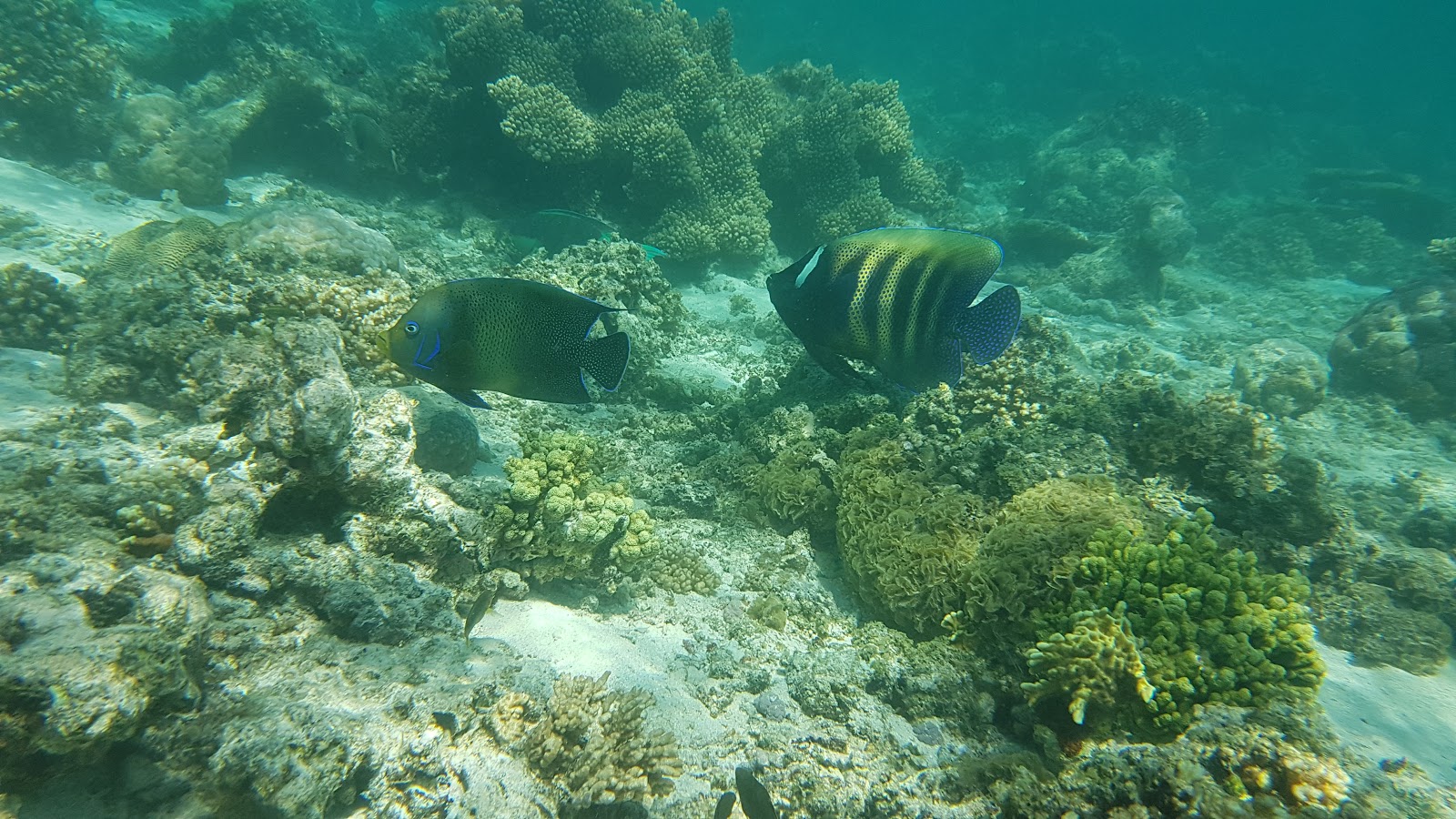
Turquoise Bay is the beach that put Ningaloo on the map, and it earns the reputation — a dazzling crescent of white sand and impossibly blue water with the reef just metres offshore. A sandbar divides it into two: the 'Bay' end is a calm, protected swimming beach, while the 'Drift' end at the south is where you start the famous drift snorkel, wading in and letting a gentle current carry you north over coral gardens thick with fish, turtles and reef sharks before you exit ahead of the channel.
It's the single best beach snorkel in the country, and it suits confident swimmers and snorkellers above all. The drift current, while gentle, makes it unsuitable for young children and nervous swimmers — they should stick to the calm Bay swimming end or head to Lakeside down the road. There's a car park, drop toilets and almost no shade, so bring everything you need. Check the current direction at the marker on arrival, always exit before the northern channel, and snorkel with a buddy — every season this beach catches out people who drift too far.
It's the world-class snorkel you reach by walking off a beach — calm swim at one end, a drift over living coral at the other.
“The water really is that blue, and the snorkel off the drift end was unreal — fish, a turtle, all just metres from the sand. Stick to the Bay end with little kids though.”
— Google review
The drift snorkel at the southern end — the reef slides past while the current does the work.
The drift end has a real current and a channel at the north — not for young kids or weak swimmers. There's no shade; send nervous swimmers to the calm Bay end or to Lakeside.
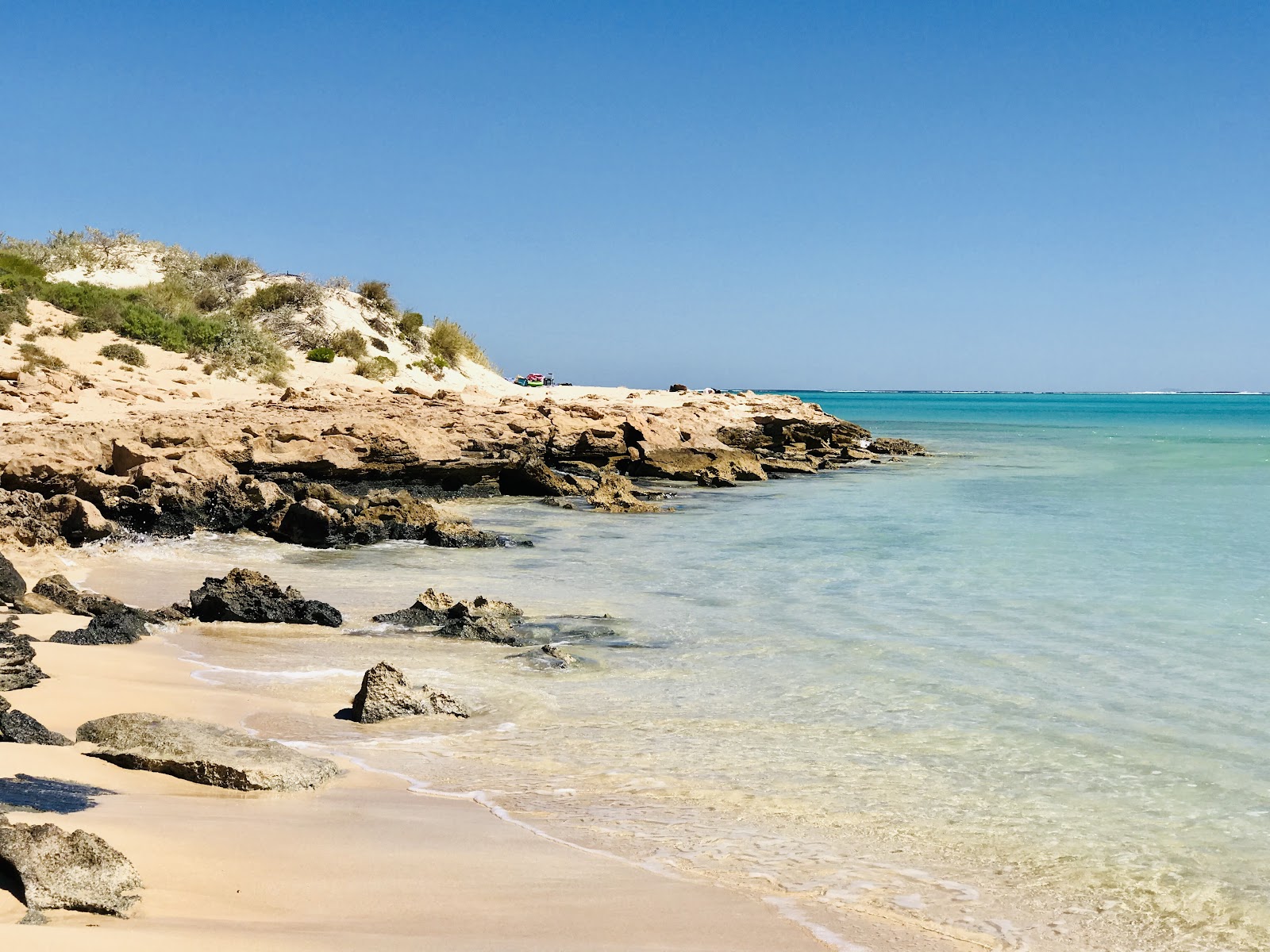
If Turquoise Bay's drift sounds daunting, Lakeside is the answer — and for a lot of visitors it's the better snorkel anyway. From the car park you walk a few hundred metres south along the sand to where a series of large coral bommies sit in calmer, more protected water. Those big coral heads act like magnets for the bigger animals: turtles, larger reef and pelagic fish, stingrays and harmless reef sharks all hang around them, often in better numbers than the busier sites.
Because the water is gentler and the entry easier, Lakeside is the snorkel I'd point families with confident kids, nervous swimmers and anyone building up to the Turquoise Bay drift toward first. It still has current and it's still unpatrolled open reef, so it's not a paddling pool — confident swimming and a buddy are non-negotiable. The walk from the car park and the lack of shade mean you should carry water and sun protection. Time it for a calm morning and you may well rate it your favourite snorkel of the trip.
It's the gentler snorkel that often out-delivers the famous one — big bommies, big animals, calmer water.
“Calmer than Turquoise Bay and we saw more — turtles, a stingray and a reef shark around the big coral heads. Perfect for the kids who weren’t up for the drift.”
— Traveller review
The big coral bommies that pull in turtles, rays and reef sharks in calmer water.
It's still open reef with current and no patrol — confident swimmers only, snorkel with a buddy, and carry water for the unshaded walk from the car park.
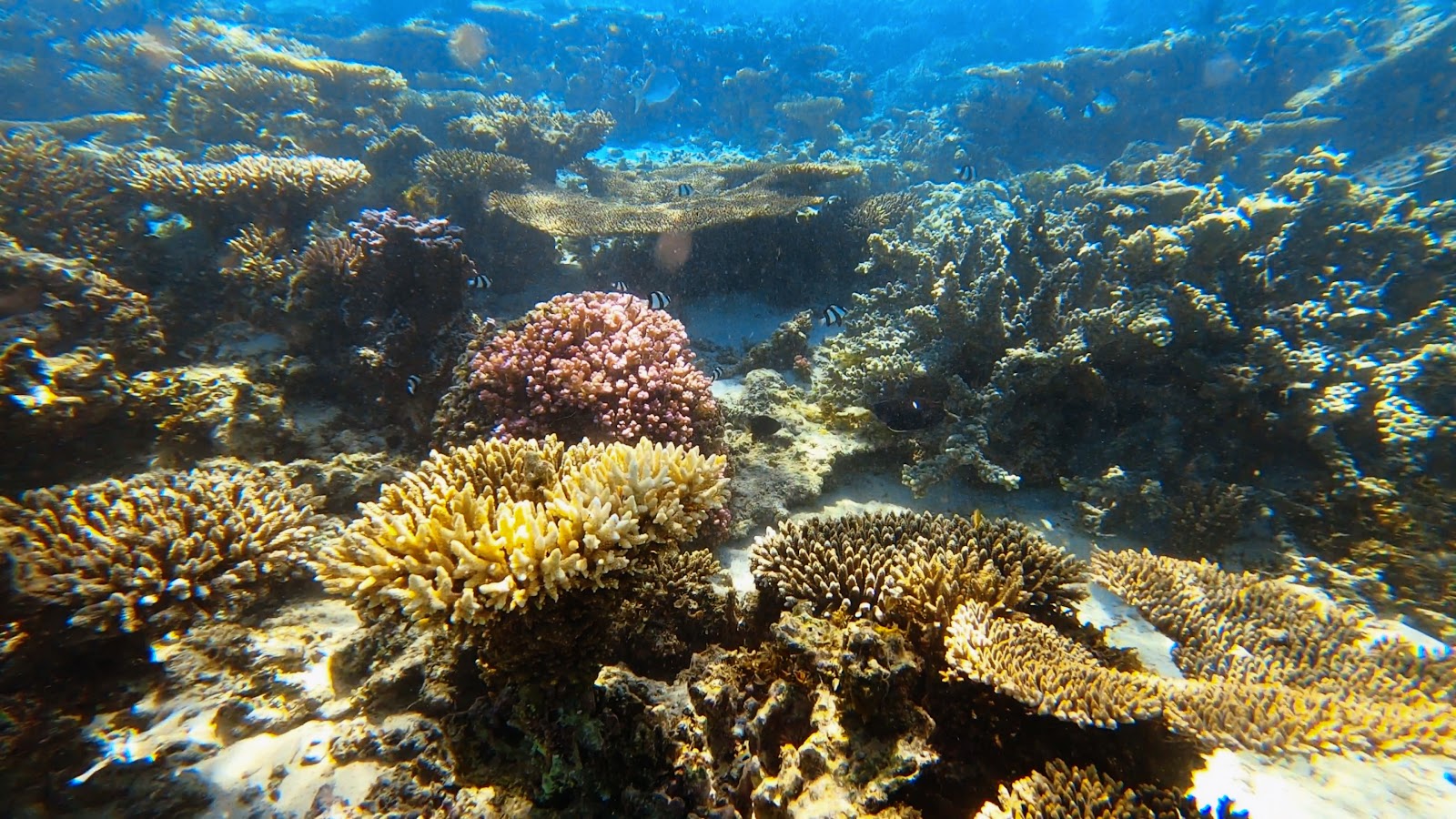
Oyster Stacks is the snorkel for the coral itself — some of the densest, healthiest hard coral on the whole Ningaloo coast sits right at the edge of the rocks here, close enough to the surface that the colour is extraordinary. The catch is in the name and the tide: the entry is over sharp oyster-encrusted rocks and the water is shallow, so it's strictly a high-tide site. Snorkel it at low tide and you risk grinding yourself and the coral; the park signage recommends a water depth of at least 1.2 metres, so check the tide chart before you commit to the drive.
When the tide is right, it's a stunning, easy float over a coral wall busy with fish. It suits confident snorkellers who can time a tide and pick their way over rocks — it's not the spot for young children, the unsteady, or anyone without reef shoes. There's a small car park and no shade. Get the timing right (a couple of hours either side of high tide) and you'll see why regulars rate it the best coral on the cape; get it wrong and you'll wish you'd gone to Lakeside instead.
It's the densest, most vivid coral on the cape — when the tide's right, the colour is genuinely breathtaking.
“Best coral we saw anywhere at Ningaloo — but you have to go at high tide or it’s a no-go. Reef shoes essential for the rocky entry. Time it right and it’s incredible.”
— Google review
The dense, vivid hard coral right at the rock edge — at high tide, the colour is unmatched on the cape.
High tide only (aim for 1.2m+ depth) — go at low tide and you'll damage the coral and yourself. Sharp rocky entry: not for young kids or anyone without reef shoes.
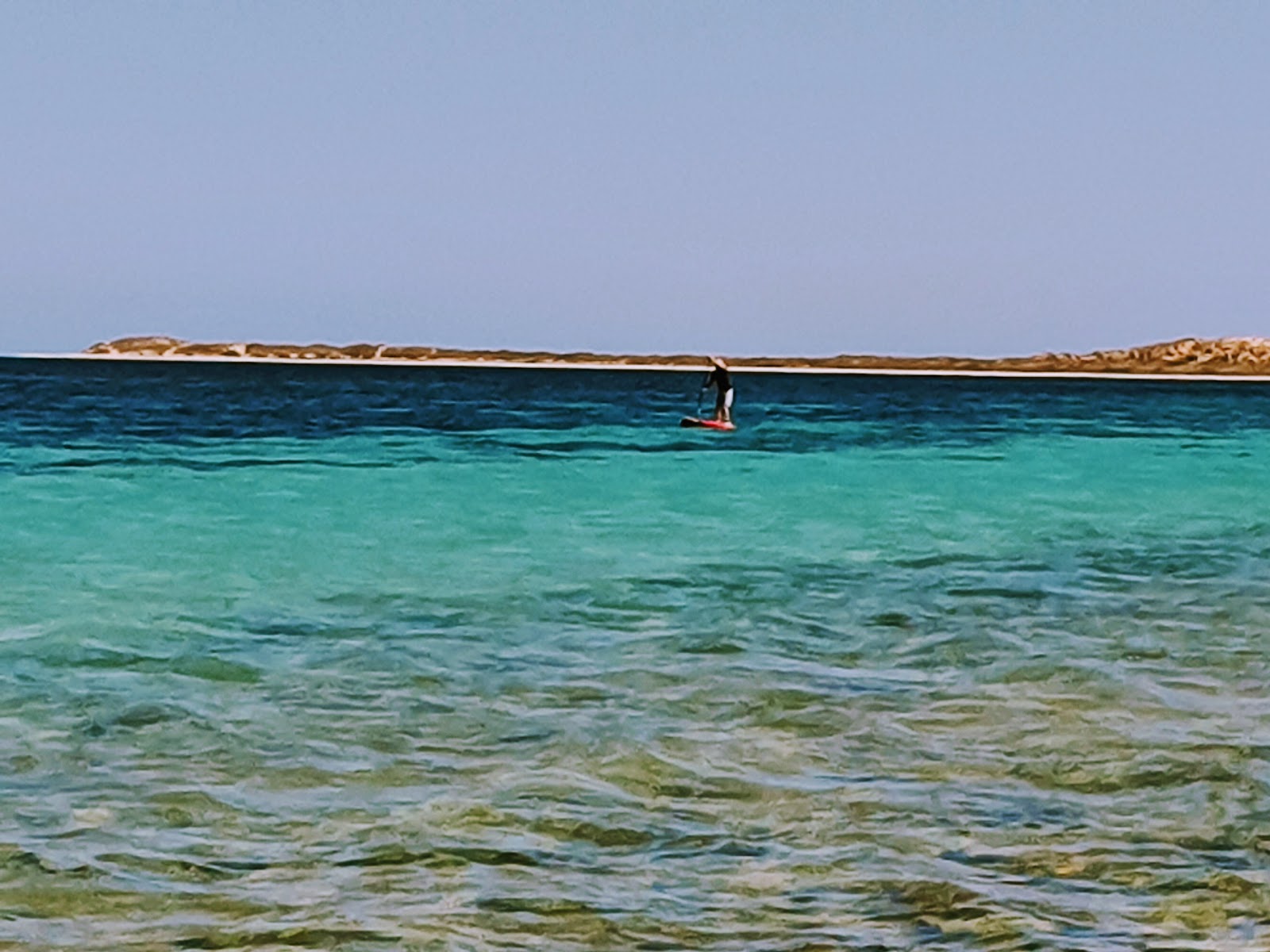
Bills Bay is the heart of Coral Bay and the most effortless reef experience at Ningaloo — a huge, sweeping bay protected by the reef so the water stays calm, clear and turquoise. You walk out of the township, across the sand, into the lagoon, and within a few minutes you're snorkelling over coral and fish without a boat, a drive or a national-park gate. The southern end of the bay is the protected swimming-and-snorkelling zone; further north the current picks up toward the 'snorkel drift', so read the signage and stay in the right area.
This is the family beach of Ningaloo. The sheltered, gently shelving lagoon suits young children, beginner snorkellers, grandparents and anyone who wants the reef without the open-water drama, and the township's cafes, kayak hire and tour jetty are all right there. It's the one spot you can happily base a whole relaxed day around. It's still the ocean and largely unpatrolled, so supervise children and check where the current zones are — but for sheer easy access to living reef, nothing else at Ningaloo comes close.
It's the reef you walk into off the street — calm, clear and easy, the most family-friendly snorkel at Ningaloo.
“Walked off the beach in Coral Bay and the kids were snorkelling over coral and fish in minutes. Calm, shallow, no boat needed. We barely left the bay all week.”
— Google review
Snorkelling living reef a few minutes’ walk from the township, no boat or drive required.
Stay in the protected southern swimming zone — the current strengthens toward the northern drift. It's largely unpatrolled, so supervise children and read the signage.
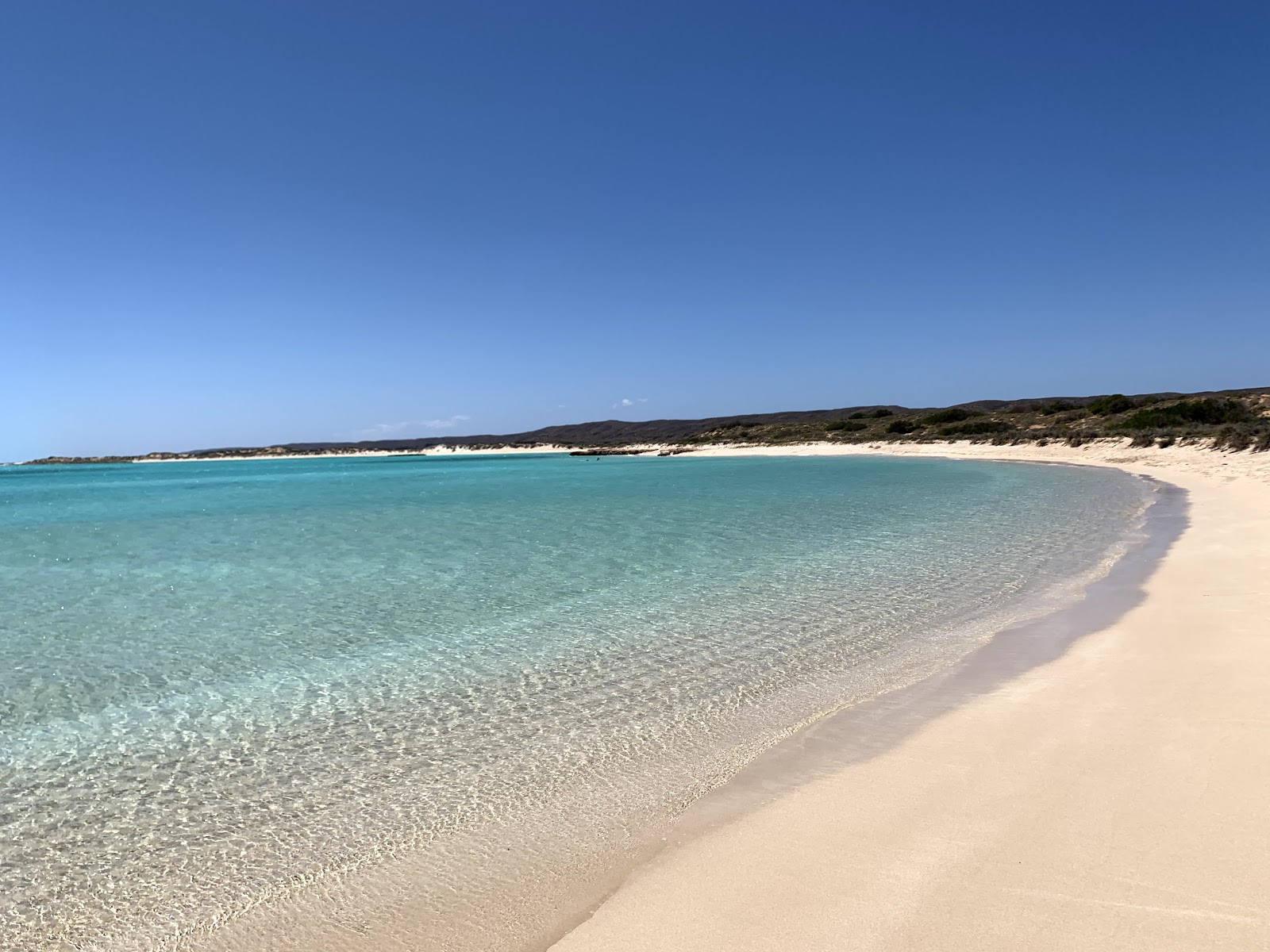
Sandy Bay is one of the most beautiful white-sand beaches in Western Australia — a long, wide sweep of brilliant sand and shallow turquoise water near the southern end of Cape Range National Park. Unlike the reef-edge snorkel sites, the water here stays shallow a long way out, which makes it a glorious place simply to swim, paddle and lounge, and the steady afternoon breeze that funnels along this part of the coast has made it the go-to spot for kite-surfers and windsurfers riding the flat, shallow water.
It suits a broad mix: families wanting safe, shallow water without a reef drift; couples and solo travellers after space and a postcard beach; and wind-sport enthusiasts who plan their day around the afternoon breeze. The flip side of that breeze is that it can make for a gritty, blowy beach day if you've come to lie still, so mornings are calmer if you want stillness. There's little shade and no facilities to speak of, so bring water, sun protection and a windbreak, and don't expect the dense coral of the snorkel sites — this is a beach for the sand and the swim.
It's the postcard beach with room to breathe — brilliant white sand, shallow turquoise water, and a breeze the kite-surfers love.
“Miles of perfect white sand and shallow blue water — the kids paddled safely for hours while the kite-surfers ripped along in the afternoon wind. Bring a windbreak.”
— Traveller review
The long shallow white-sand sweep — perfect for a safe swim, or for watching the afternoon kite-surfers.
The afternoon wind that suits kite-surfers makes it gritty and blowy for a still beach day — come in the morning for calm, and don't expect reef-edge coral here.
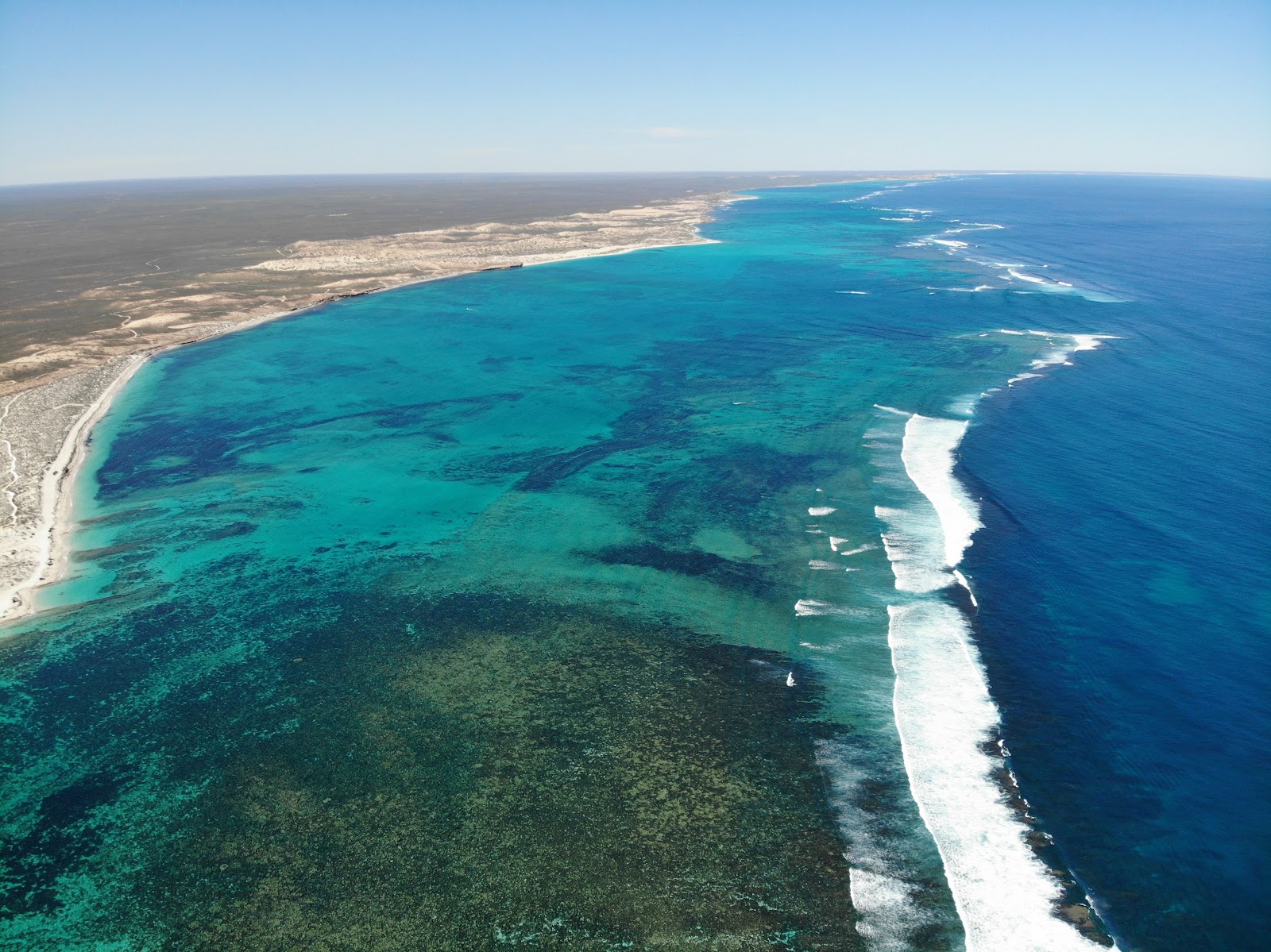
Five Fingers Reef, on the eastern side of the cape south of Exmouth, is the spot the locals keep for themselves — a quiet stretch of coast where five fingers of reef run out from the shore, creating sheltered pockets to snorkel and, when the swell lines up, a few of the area's better surf breaks. It's a complete change of pace from the busy western beaches: the scenery is rugged, the crowds are thin, and on a calm day the snorkelling in the protected gutters between the reef fingers is excellent, with good coral and fish and far fewer people.
The trade-off is access and conditions. The track in is rough and a 4WD is recommended (check your hire agreement), there are no facilities, and the exposed reef means conditions can turn quickly — it suits experienced, self-sufficient snorkellers and surfers more than casual visitors. Couples and solo travellers chasing solitude love it; families and nervous swimmers are better served by Lakeside or Coral Bay. Come prepared, check the swell and wind, tell someone your plans, and treat it as the wilder, quieter alternative it is.
It's the quiet, rugged alternative the locals keep — sheltered snorkel pockets and a surf break with hardly anyone around.
“Bumpy 4WD track in but worth it — had the reef almost to ourselves, good coral in the calm pockets and a fun surf break. Definitely the local’s spot. Come prepared.”
— Google review
Snorkelling the sheltered gutters between the reef fingers on a calm day, with the place near-empty.
The access track is rough (4WD recommended), there are no facilities and conditions turn quickly — not for casual visitors, families or nervous swimmers; check the swell and tell someone your plans.
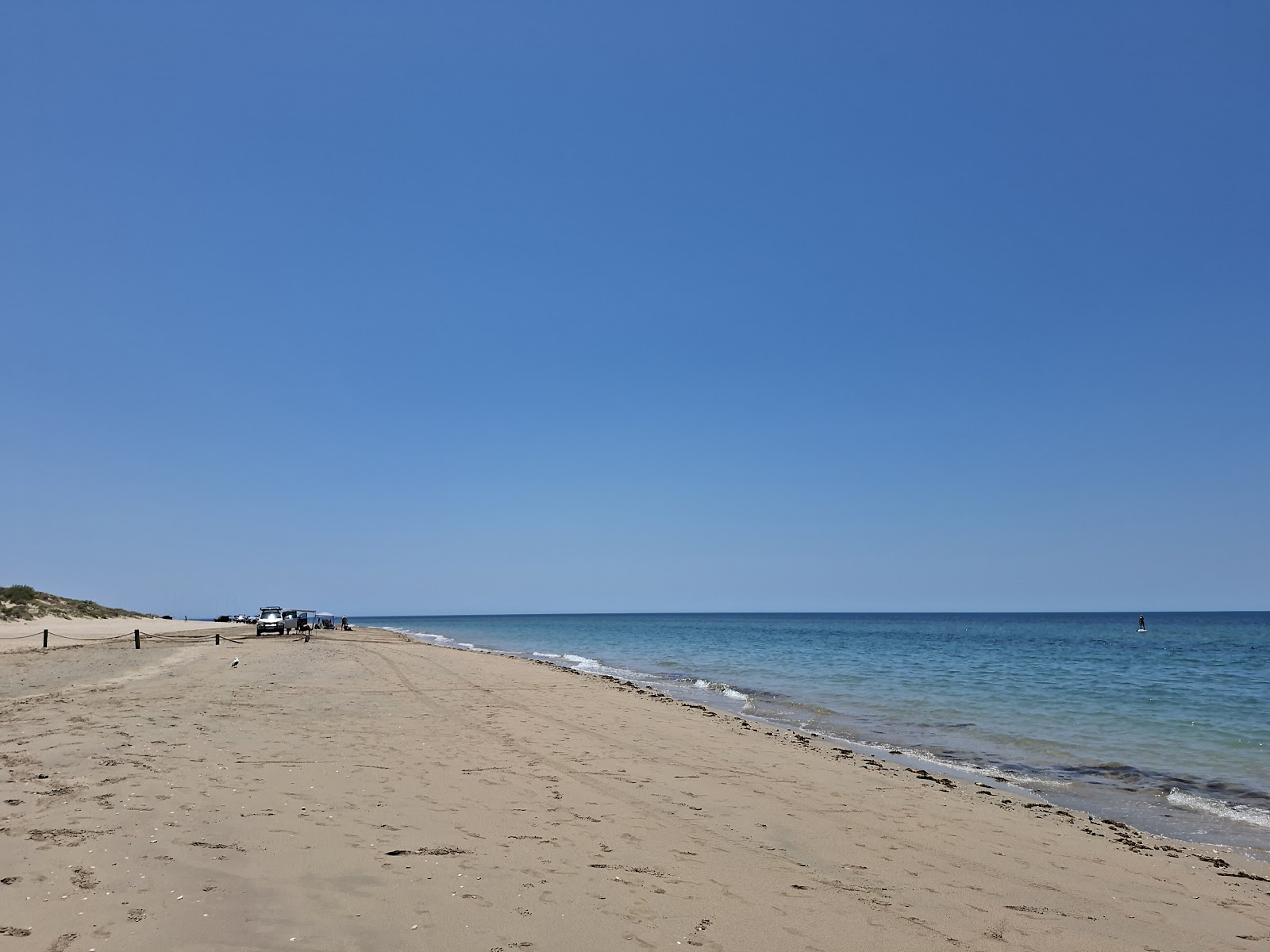
Not every beach day needs a national-park drive, and Town Beach is Exmouth's easy, in-town option on the calm eastern (gulf) side of the cape. The water here is sheltered and gentle compared with the reef-edge surf beaches, which makes it a relaxed spot for a swim, a paddle or a sundowner close to your accommodation. In whale season (roughly June to November) it's also one of the better shore-based whale-watching beaches, with humpbacks often visible from the sand as they move through the gulf.
It's the convenient, low-effort choice — handy for an evening swim after a big day on the water, for families wanting calm water without a long drive, and for anyone basing themselves in Exmouth town. It doesn't have the coral of the western snorkel sites, so come for the easy swim and the whale-watching rather than a reef snorkel. Facilities and parking are close, the water is calm, and on a still evening it's a quietly lovely place to end the day with the cape behind you.
It's the easy in-town swim — calm gulf water minutes from your room, and a shore-based whale watch in season.
“Lovely calm beach right in town for an evening swim after a big day. Watched humpbacks go past from the sand in spring. No coral, but easy and relaxed.”
— Traveller review
Shore-based whale watching from the sand in season (June–November).
It's a calm-water swim and whale-watching beach, not a reef snorkel — for coral, head to the western Cape Range sites or Coral Bay.
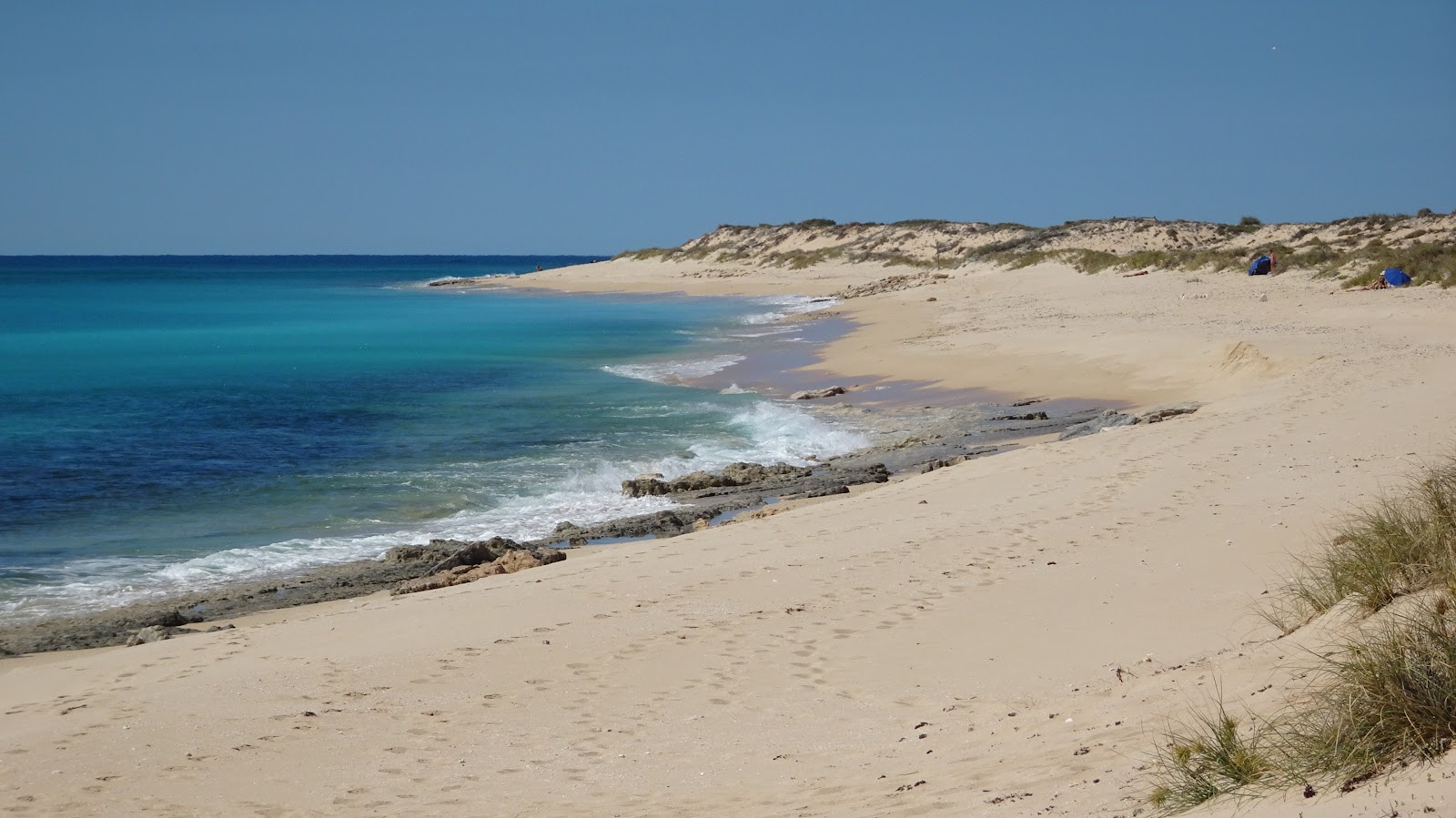
Mauritius Beach sits up on the north-western cape near the Jurabi Turtle Centre, tucked behind low dunes that double as turtle nesting ground in summer. It's a quieter, more local-feeling beach than the Cape Range headliners — a pretty stretch of sand and clear water that's good for a swim and a beach walk, and one of the spots where, between November and March, you may see turtle tracks in the sand or nesting females after dark (always following the turtle code). For most of the year it's simply a peaceful, uncrowded place to swim away from the busier western sites.
It suits couples and solo travellers after a quieter beach, families wanting space, and anyone combining a beach afternoon with a turtle-watching evening at nearby Jurabi. It's exposed and largely without facilities or shade, so bring everything and check conditions before swimming. In nesting season, give the dunes and any turtles a wide berth — this is working habitat, and the quiet is part of what keeps it that way.
It's the quiet local beach by the turtle dunes — uncrowded sand, clear water, and tracks in the sand come summer.
“Quiet, pretty beach away from the crowds, lovely for a swim. Saw turtle tracks in the dunes in summer. Pair it with a turtle evening at Jurabi just up the road.”
— Google review
A quiet swim by the turtle dunes, with tracks in the sand and nesting nearby in summer.
Exposed with little shade or facilities — bring everything. In nesting season (Nov–Mar), keep well clear of the dunes and any turtles, and follow the turtle code.
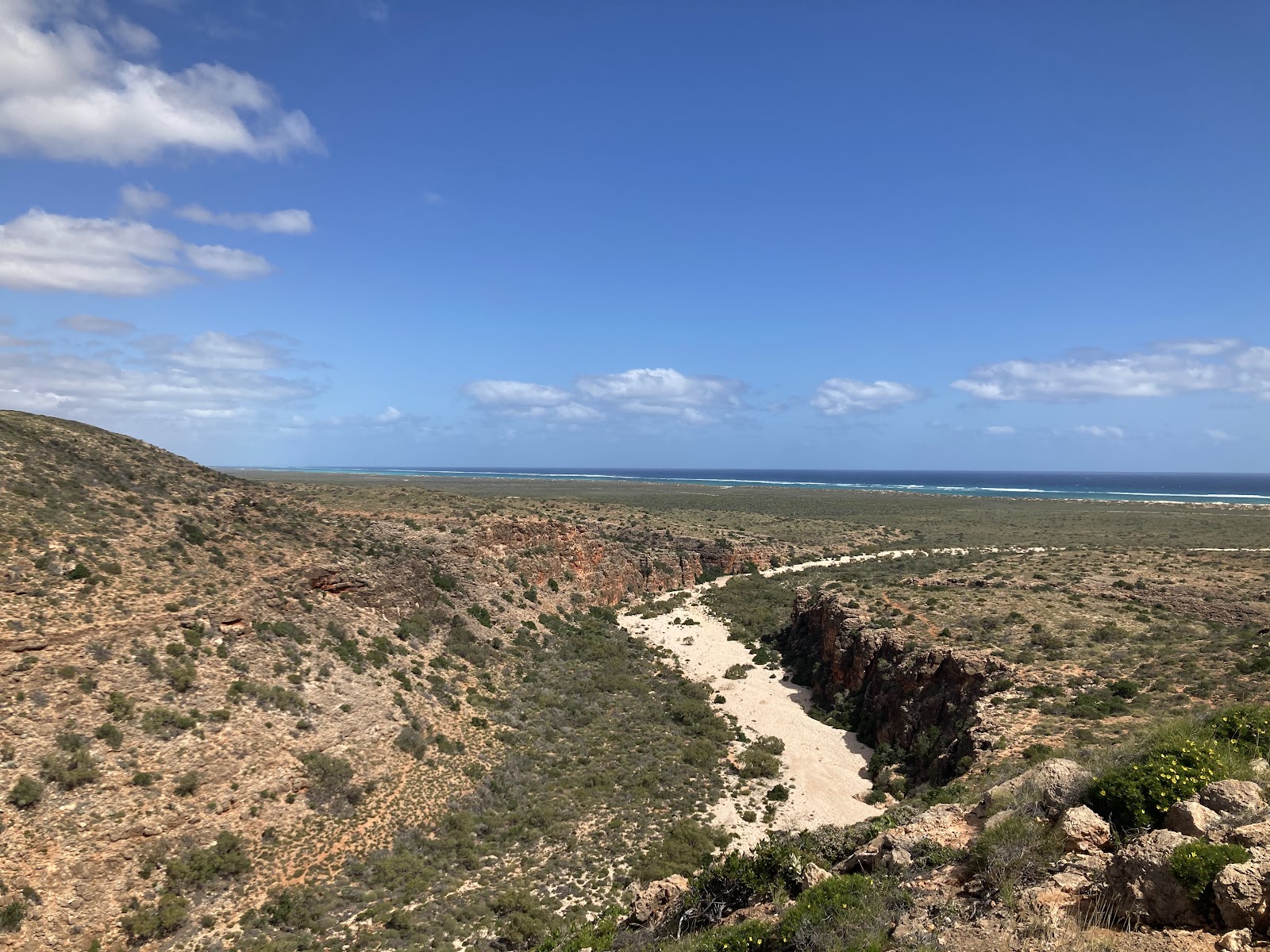
Mandu Mandu is where the two halves of Ningaloo meet — a Cape Range beach with the reef offshore, and behind it a short, rugged gorge loop walk into the range. The beach itself is a quiet snorkel-and-swim spot off the western road, less busy than Turquoise Bay, with reef accessible on calm days. But the real draw is pairing it with the Mandu Mandu Gorge walk, a roughly three-kilometre loop that climbs a dry creek bed and a rocky rim with views over the gorge and out to the reef — and a good chance of spotting black-flanked rock-wallabies among the rocks.
It suits active visitors who want a beach and a walk in one stop — couples, solo travellers and families with surefooted older kids. The gorge loop is rocky and unshaded, so it's not for the unsteady, for prams, or for the heat of midday; do it early with plenty of water and decent shoes. As a beach alone it's an easy, quiet swim; as a beach-plus-gorge it's one of the better ways to feel both sides of the Ningaloo Coast in a single morning.
It's the two-sides-of-Ningaloo stop — a quiet reef swim and a rock-wallaby gorge walk in one easy morning.
“Did the gorge loop early then swam off the beach below — rock wallabies on the walk, reef in the water, hardly anyone around. Best of both sides of the park in one stop.”
— Traveller review
Pairing a quiet reef swim with the gorge loop walk and its black-flanked rock-wallabies.
The gorge loop is rocky, unshaded and not for prams, the unsteady or midday heat — walk it early with water and proper shoes; the beach alone is the easy option.
| Season | Conditions | Highlights | Crowds |
|---|---|---|---|
| Autumn (Mar–May) | Warm, calm, clear water | Best snorkel visibility, all reef beaches firing, whale sharks offshore | High — book accommodation ahead |
| Winter (Jun–Aug) | Mild days, cooler water, dry | Calm beach days, shore-based whale watching, gorge walks | Peak — WA school holidays |
| Spring (Sep–Nov) | Warming, breezier afternoons | Kite-surfing at Sandy Bay, humpbacks, turtle nesting begins (Nov) | Moderate to high |
| Summer (Dec–Feb) | Hot, humid, cyclone-risk window | Turtle nesting and hatching, quiet beaches, warmest water | Low — hot and quiet |
What visitors say most often about Ningaloo’s beaches:
Visitors are repeatedly amazed that world-class coral and fish sit a short wade off the beach at Turquoise Bay, Lakeside and Coral Bay — no boat, no cost beyond the park pass.
Those who match the beach to the conditions (high tide for Oyster Stacks, calm water for kids, the drift for confident snorkellers) love it; those who ignore the signage and currents get caught out.
“Inside the National park, must pay $17 entry for 1 day or can get a multi-day-pass. Toilets are available, No showers. Sanctuary area- no fishing Beautiful snorkelling and exploring day along the beach and the water. Be mindful of the strong currents/ rips around the sandbank. Take some shade and a picnic it's a gorgeous place.”— Ca Bi (on Turquoise Bay), Google review
“Drift Snorkeling is amazing!!! Water temp was nice - early August, didn't need a wetsuit. Plenty of colourful fish of varying sizes, even a reef shark crossed my path Totally recommend when in the area”— Violet Patty (on Turquoise Bay), Google review
“Absolutely perfectly clear water and clean sand. Great for snorkelling. Had fish swimming around me which was an awesome experience”— Taylor Cougle (on Turquoise Bay), Google review
With reef, current and tide all in play, matching the beach to your group and the conditions is the most important decision you'll make at Ningaloo.
For families and nervous swimmers: the sheltered, walk-in lagoon at Coral Bay (Bills Bay) and the calmer bommies at Lakeside are the safest snorkels. For confident swimmers: Turquoise Bay's drift end — but always exit before the northern channel.
Tide-critical and rough-access sites: Oyster Stacks is high tide only (aim for 1.2m+ depth, and wear reef shoes); Five Fingers Reef needs a 4WD and self-sufficiency. These are not for casual visitors or young children.
Always: most Ningaloo beaches are unpatrolled, conditions change quickly, and there's little to no shade. Check tides and currents before entering, snorkel with a buddy, never stand on the coral, carry far more water than you think you need, and sun-protect properly. A Cape Range National Park pass is required for the cape beaches — buy it ahead or at the entry.
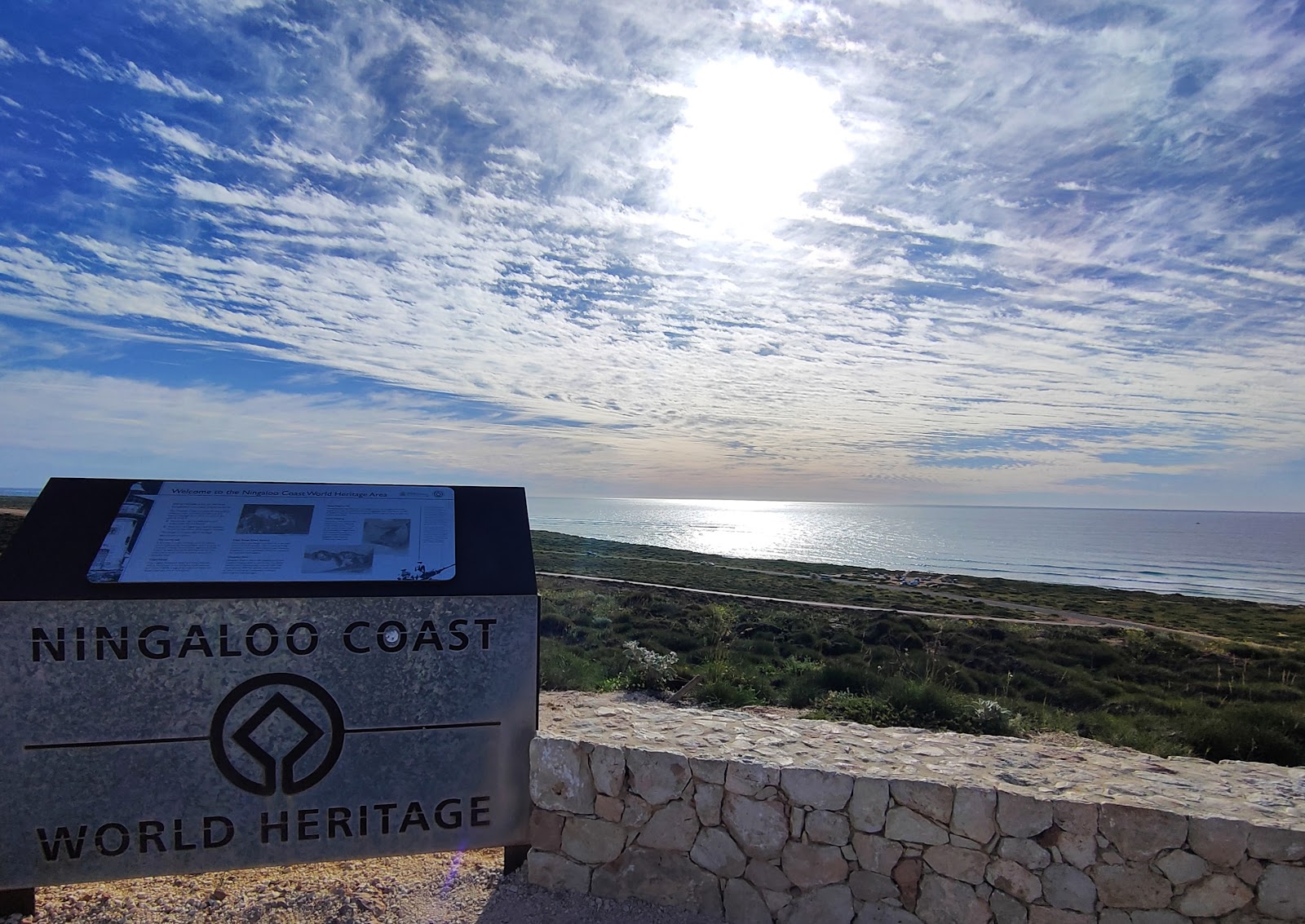
The beauty of Ningaloo's beaches is that there's a right one for every group and every condition. Calm family snorkel? Coral Bay or Lakeside. The famous drift? Turquoise Bay. The densest coral, if you can time the tide? Oyster Stacks. A long white-sand swim or a kite-surf? Sandy Bay. Quiet and rugged? Five Fingers or Mauritius. The whole spectrum runs along one remarkable stretch of the Coral Coast.
The most important thing is to match the beach to your swimmers and the conditions — the gentle, walk-in reef when calm water matters, the drift when you're confident, and the high-tide-only sites when you can time them. Get that right, carry your water, watch the current, and stay off the coral, and the Ningaloo coast will hand you some of the best and most varied beach days anywhere in Australia. Check the tide, pack the reef shoes, and take your pick.
Enjoying beaches? Here’s where else in Australia it’s worth the trip — ranked by how loved each destination is, with the one thing not to miss at each.
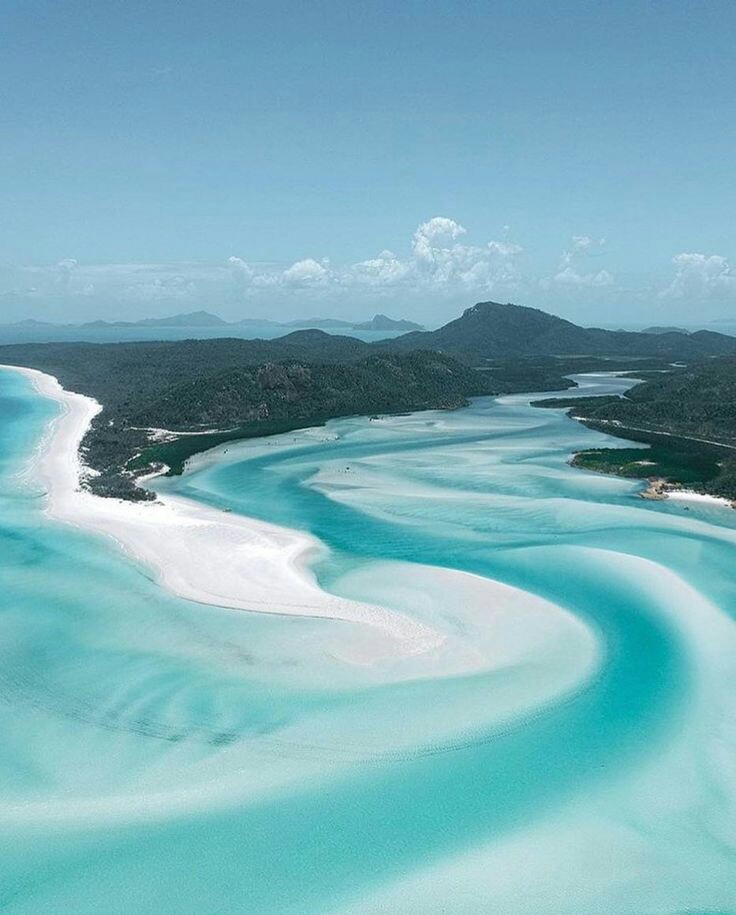 Hamilton Island
The Whitsundays, Queensland
Whitehaven Beach — Walking the squeaky cool silica sand at the quiet end with the turquoise water beside you.
Explore beaches in Hamilton Island →
Ningaloo Reef you’re here
Australia's Coral Coast, Western Australia
Turquoise Bay — The drift snorkel at the southern end — the reef slides past while the current does the work.
You’re reading this guide
Hamilton Island
The Whitsundays, Queensland
Whitehaven Beach — Walking the squeaky cool silica sand at the quiet end with the turquoise water beside you.
Explore beaches in Hamilton Island →
Ningaloo Reef you’re here
Australia's Coral Coast, Western Australia
Turquoise Bay — The drift snorkel at the southern end — the reef slides past while the current does the work.
You’re reading this guide
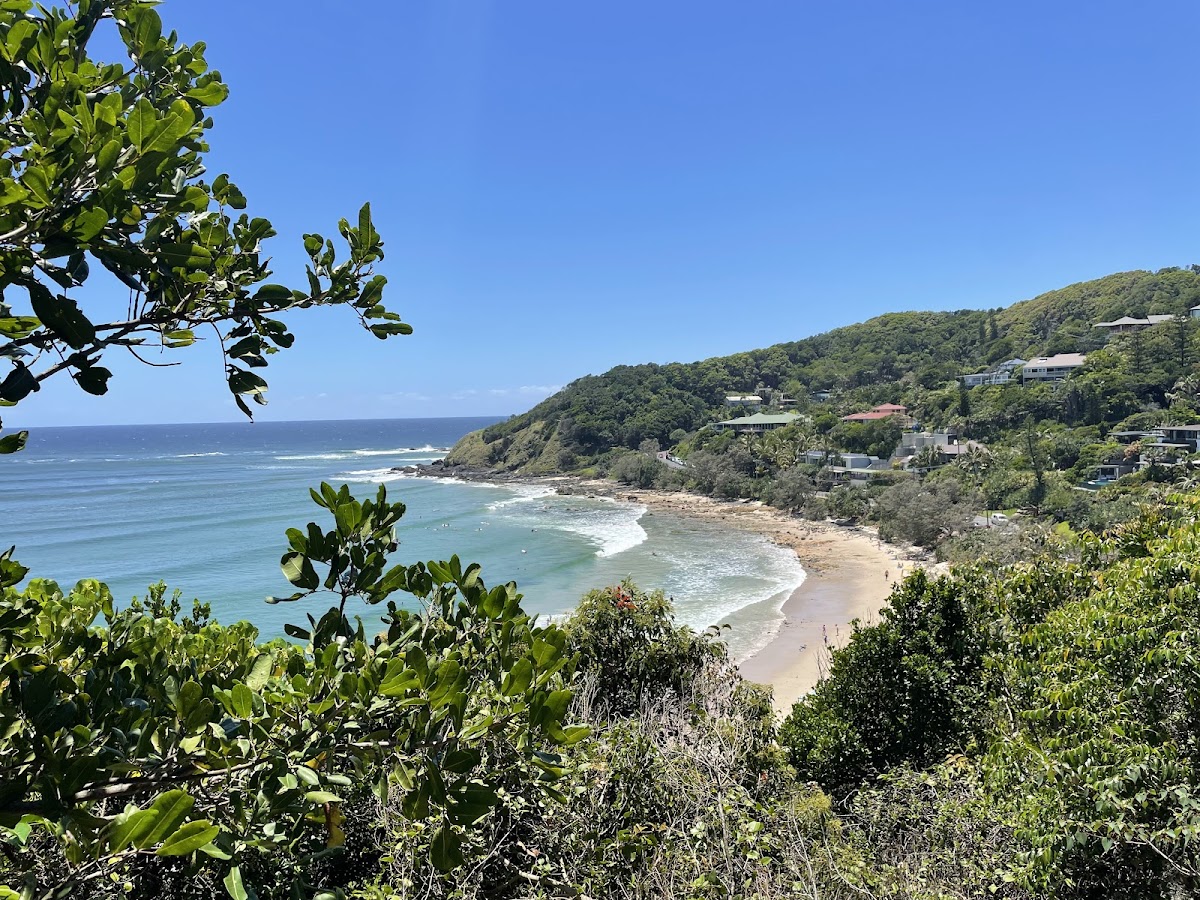 Byron Bay
Northern Rivers, New South Wales
The Pass — A dawn surf or a coffee on the point with dolphins in the lineup before the crowd arrives.
Explore beaches in Byron Bay →
4
Byron Bay
Northern Rivers, New South Wales
The Pass — A dawn surf or a coffee on the point with dolphins in the lineup before the crowd arrives.
Explore beaches in Byron Bay →
4
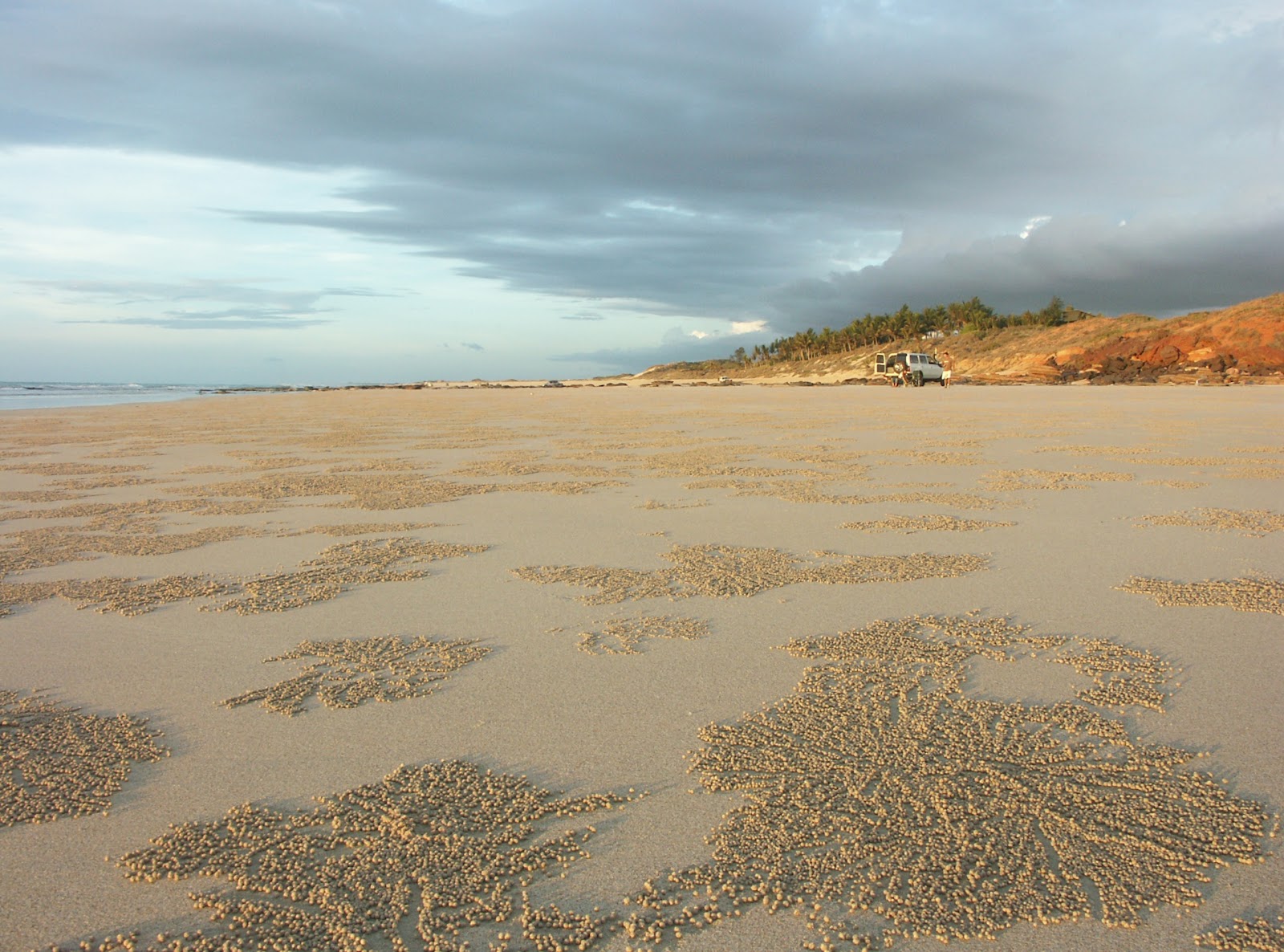 Broome
Australia's North West, Western Australia
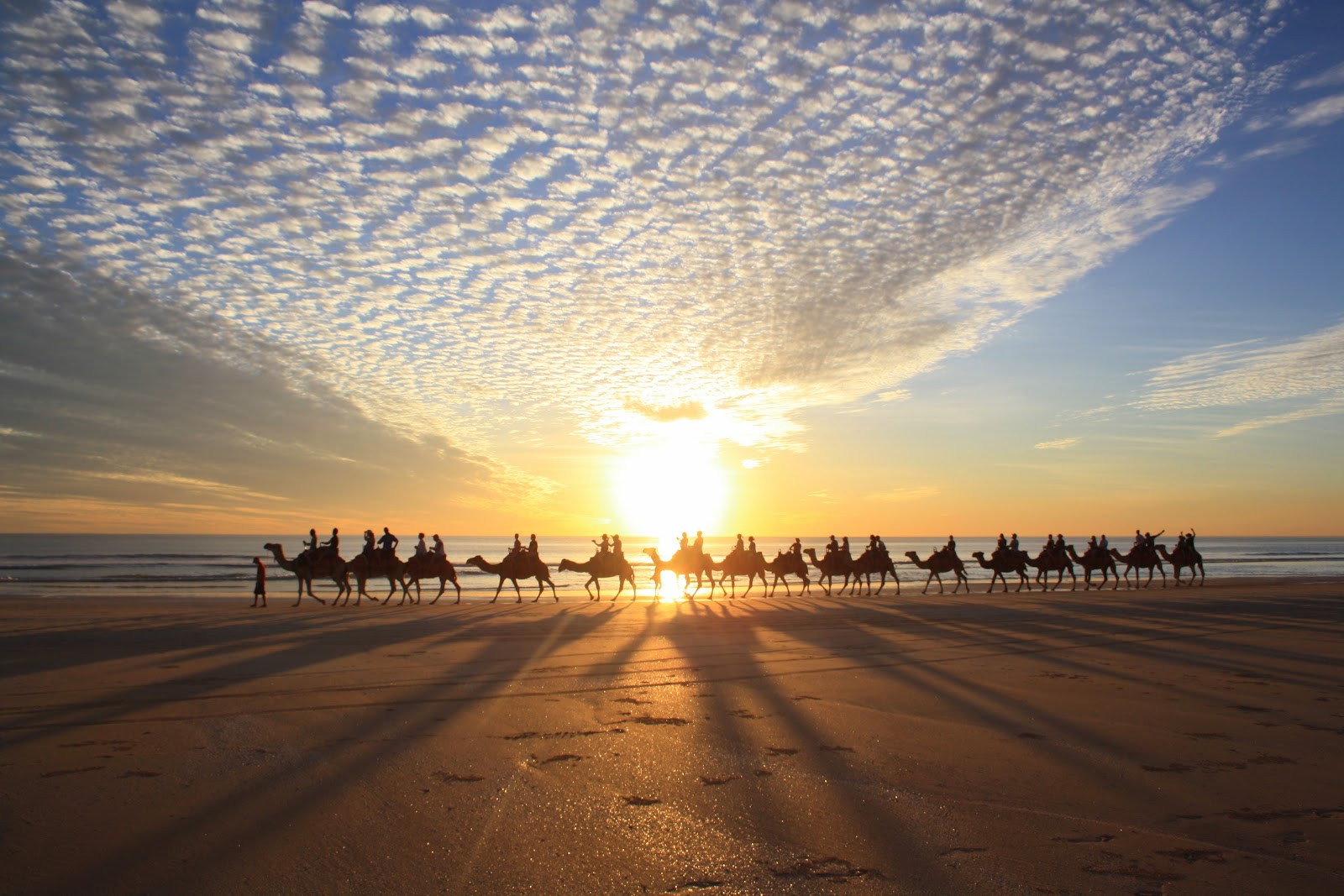
Cable Beach (South / Patrolled End) — A swim between the flags by day, then the camels and the Indian Ocean sunset in the evening.
Explore beaches in Broome →
5
Broome
Australia's North West, Western Australia
Cable Beach (South / Patrolled End) — A swim between the flags by day, then the camels and the Indian Ocean sunset in the evening.
Explore beaches in Broome →
5
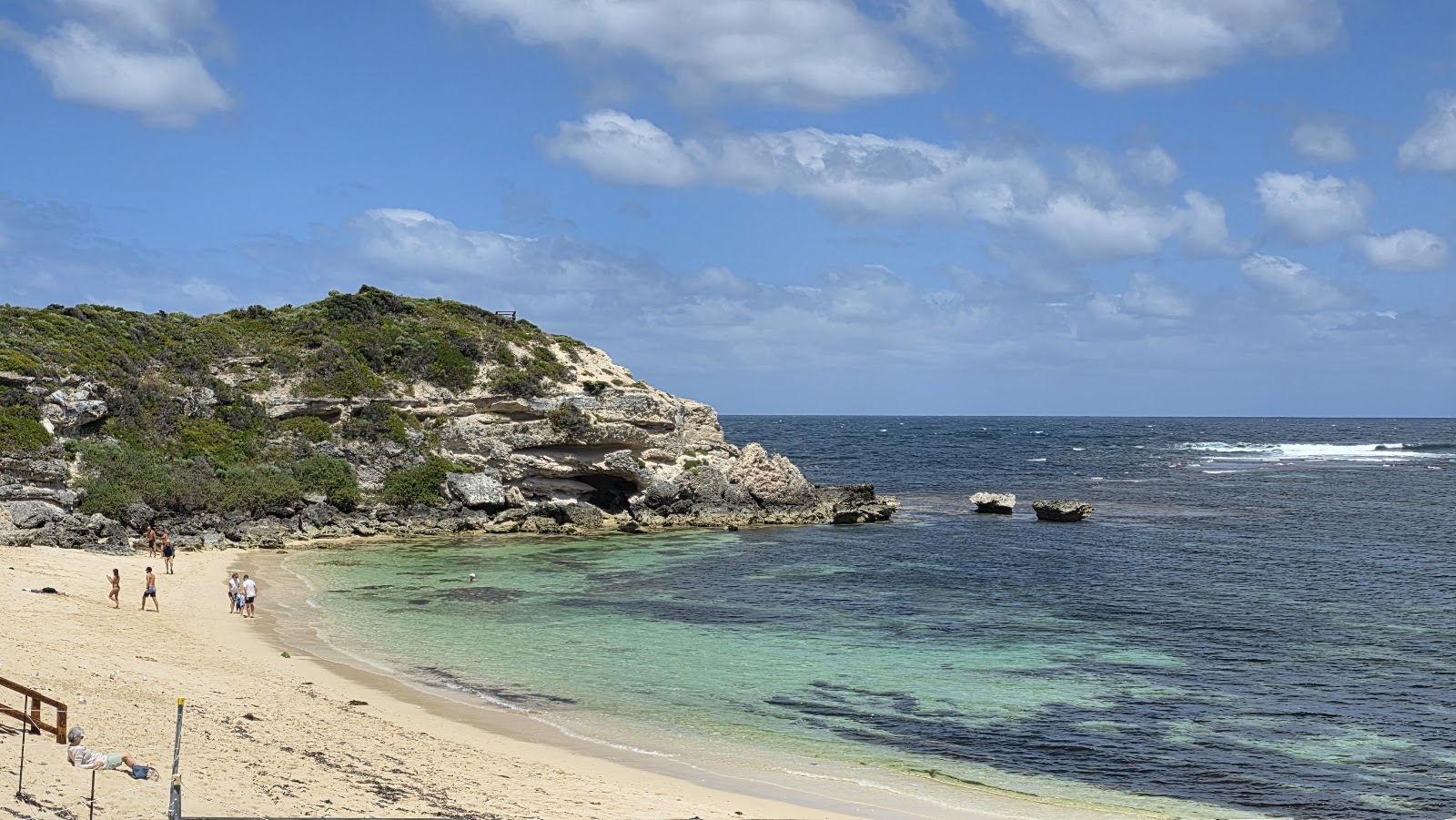 Margaret River
Australia's South West, Western Australia
Hamelin Bay — Stingray Beach — Arriving early, when the water is clear and the stingrays are active — buy fish scraps nearby and take your time rather than rushing.
Explore beaches in Margaret River →
6
Margaret River
Australia's South West, Western Australia
Hamelin Bay — Stingray Beach — Arriving early, when the water is clear and the stingrays are active — buy fish scraps nearby and take your time rather than rushing.
Explore beaches in Margaret River →
6
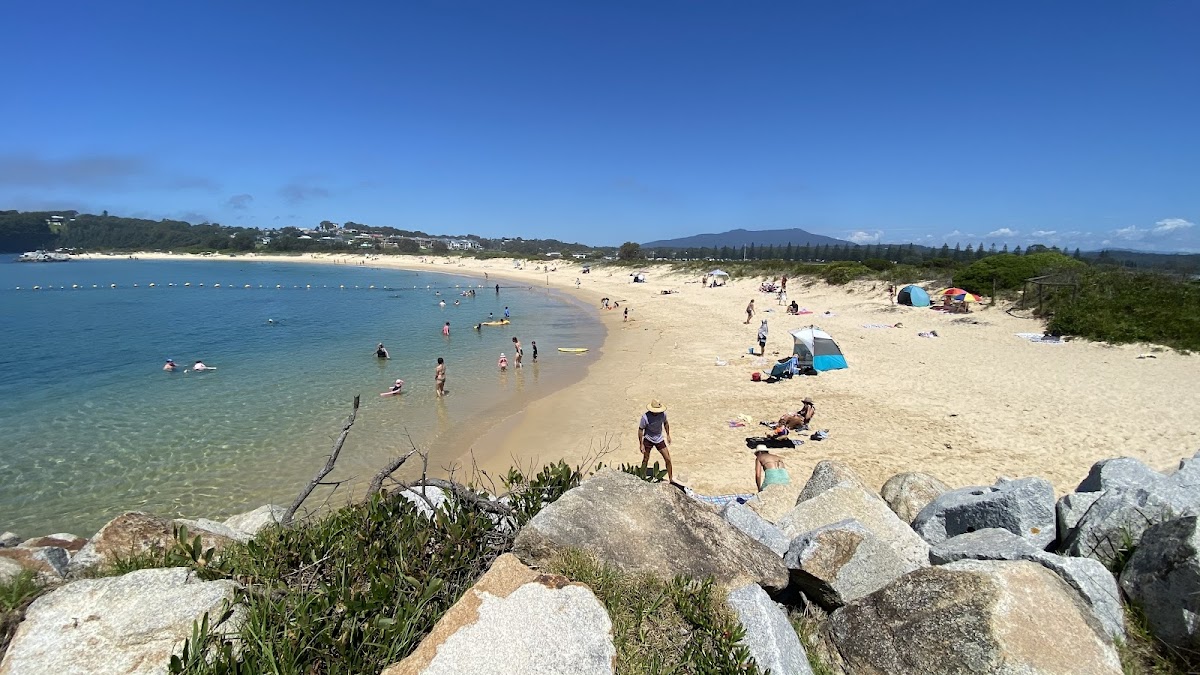 Narooma
South Coast, New South Wales
Bar Beach South — A genuine ocean swim without the surf, with seals sometimes off the breakwater.
Explore beaches in Narooma →
Narooma
South Coast, New South Wales
Bar Beach South — A genuine ocean swim without the surf, with seals sometimes off the breakwater.
Explore beaches in Narooma →
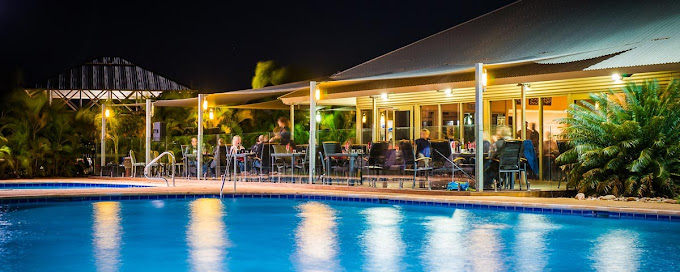
Exmouth Escape Resort — Ningaloo Reef
Book Direct & Save →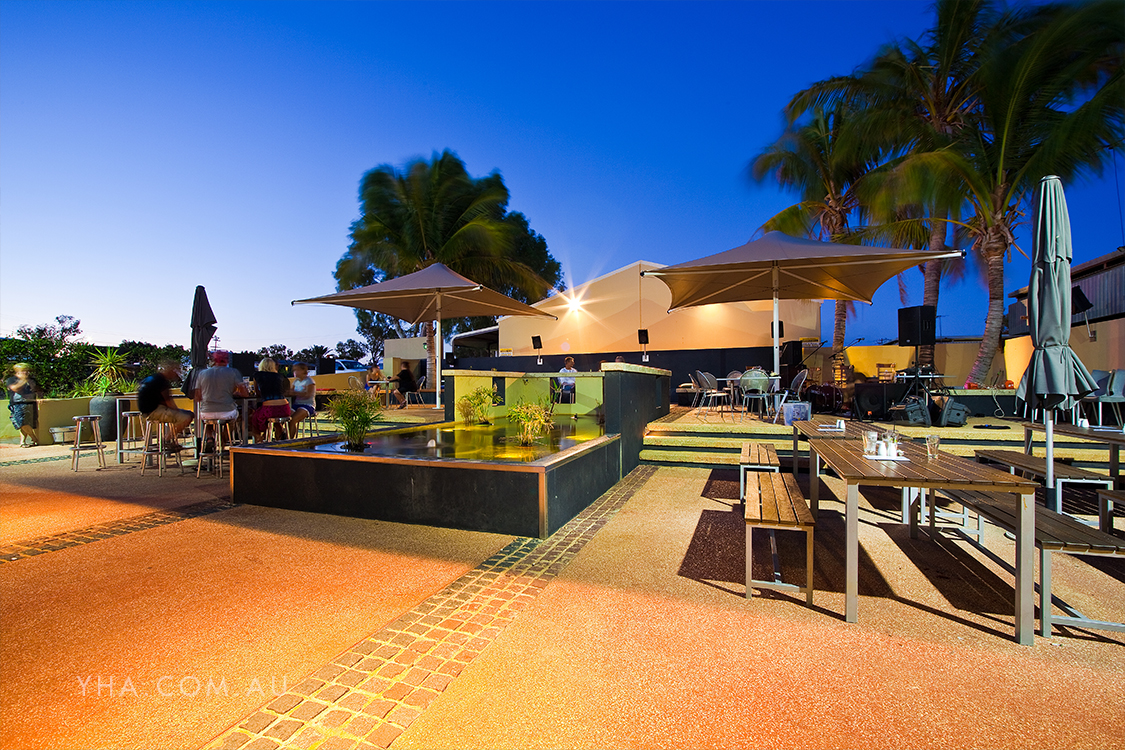
Ningaloo Caravan and Holiday Resort — Ningaloo Reef
Book Direct & Save →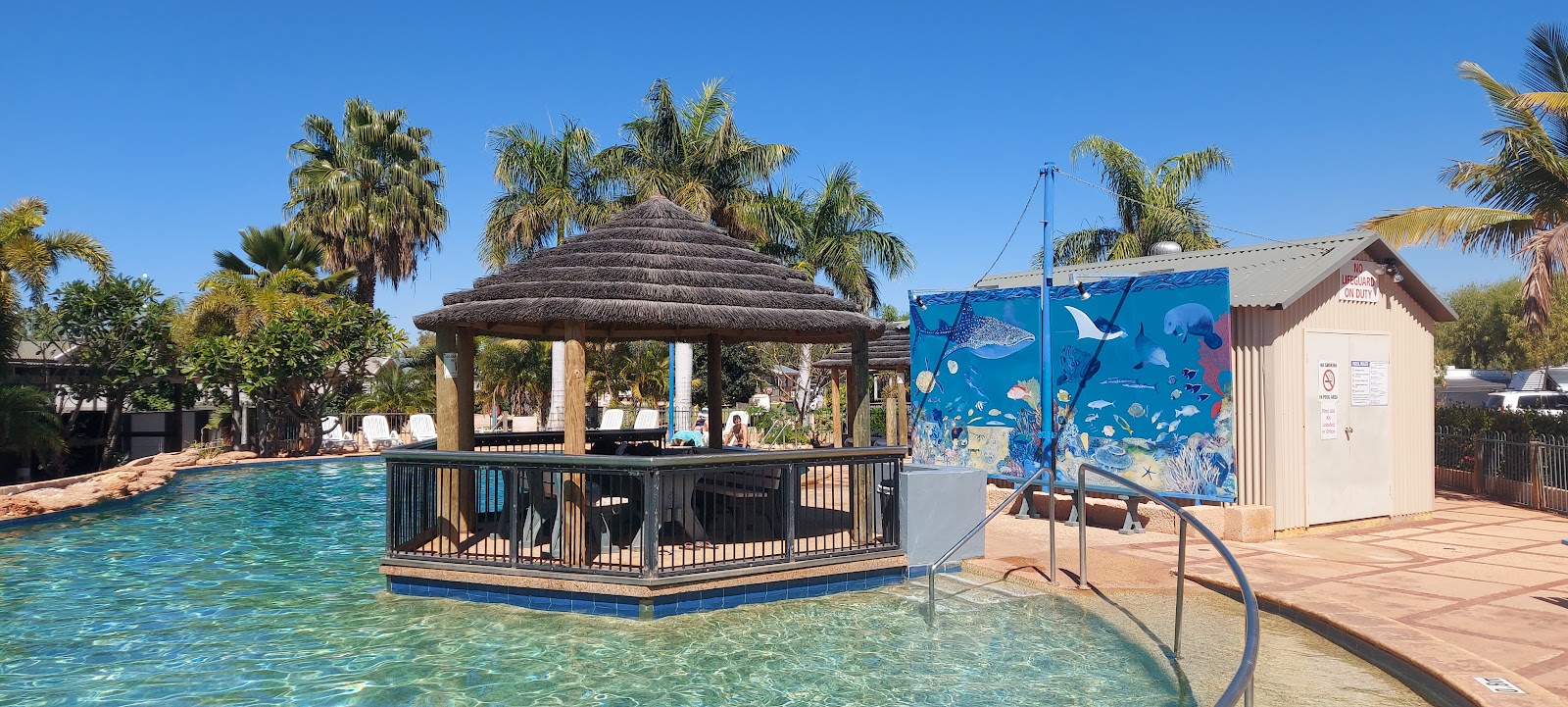
Skip OTA fees. Connect directly with Ningaloo Reef owners for the best rates and a truly personal experience.
We match any online rate. No service fees — 100% of your payment supports local owners.
Direct guests receive complimentary hampers, early check-in, and priority access to experiences.
Speak directly with the people who manage the properties. No call centres, just local expertise.
Part of Western Australia · Australia's Coral Coast
 Glen Aplin
Granite Belt, Queensland
Queensland's most underrated wine valley
Explore the guide →
Glen Aplin
Granite Belt, Queensland
Queensland's most underrated wine valley
Explore the guide →
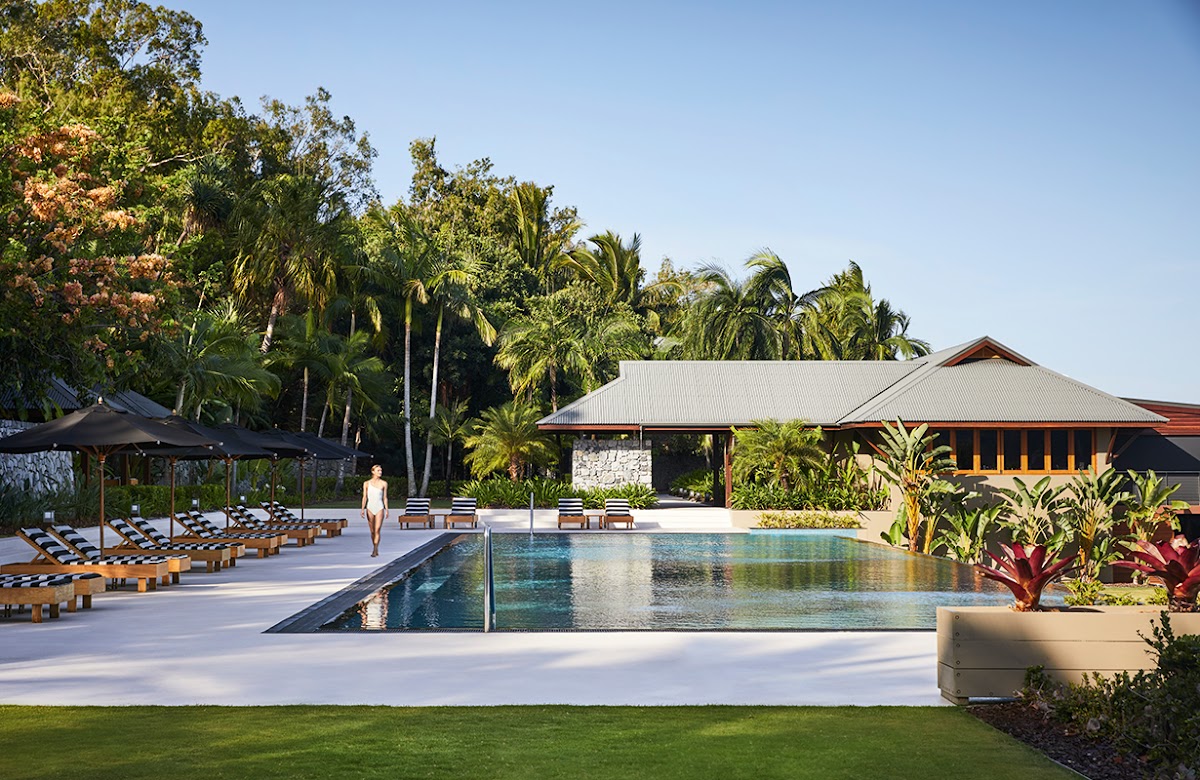 Hamilton Island
The Whitsundays, Queensland
Whitsundays island resort — Whitehaven Beach, reef trips and golf-buggy life
Explore the guide →
Hamilton Island
The Whitsundays, Queensland
Whitsundays island resort — Whitehaven Beach, reef trips and golf-buggy life
Explore the guide →
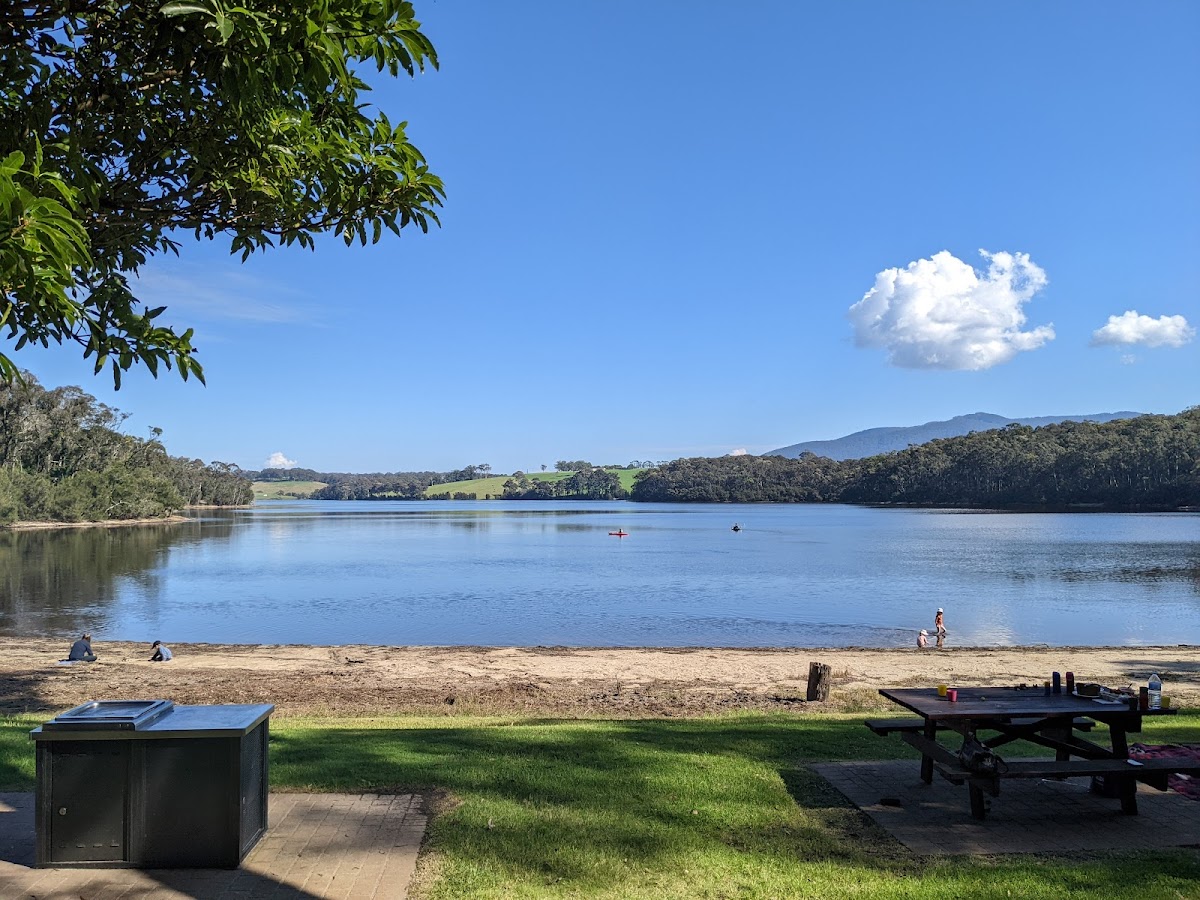 Narooma
South Coast, New South Wales
Crystal-clear inlet, surf beaches, oysters and Montague Island
Explore the guide →
Narooma
South Coast, New South Wales
Crystal-clear inlet, surf beaches, oysters and Montague Island
Explore the guide →
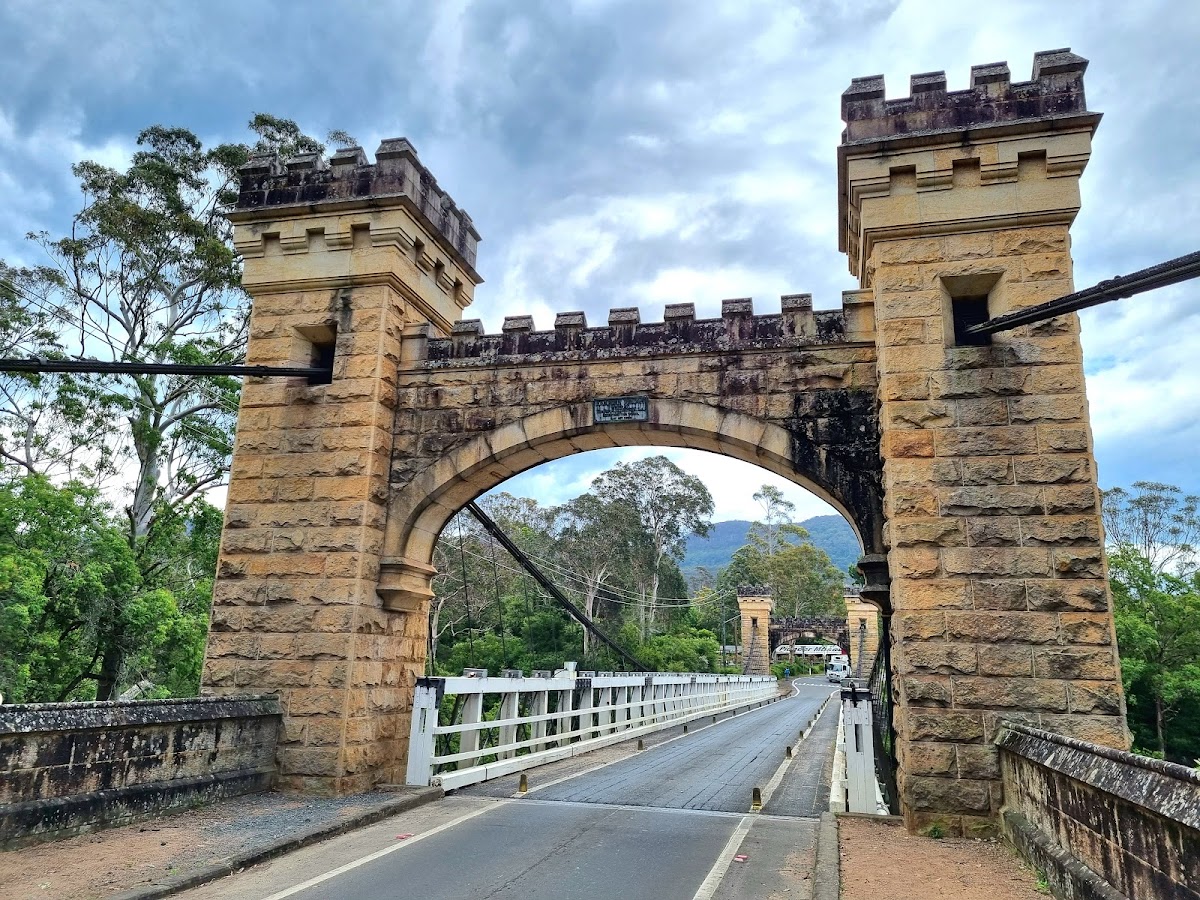 Kangaroo Valley
Shoalhaven, New South Wales
Hampden Bridge, kayaking and wombats in a green valley
Explore the guide →
Kangaroo Valley
Shoalhaven, New South Wales
Hampden Bridge, kayaking and wombats in a green valley
Explore the guide →
 Dubbo
Central West, New South Wales
Open-range zoo and Outback gateway on the Macquarie River
Explore the guide →
Dubbo
Central West, New South Wales
Open-range zoo and Outback gateway on the Macquarie River
Explore the guide →
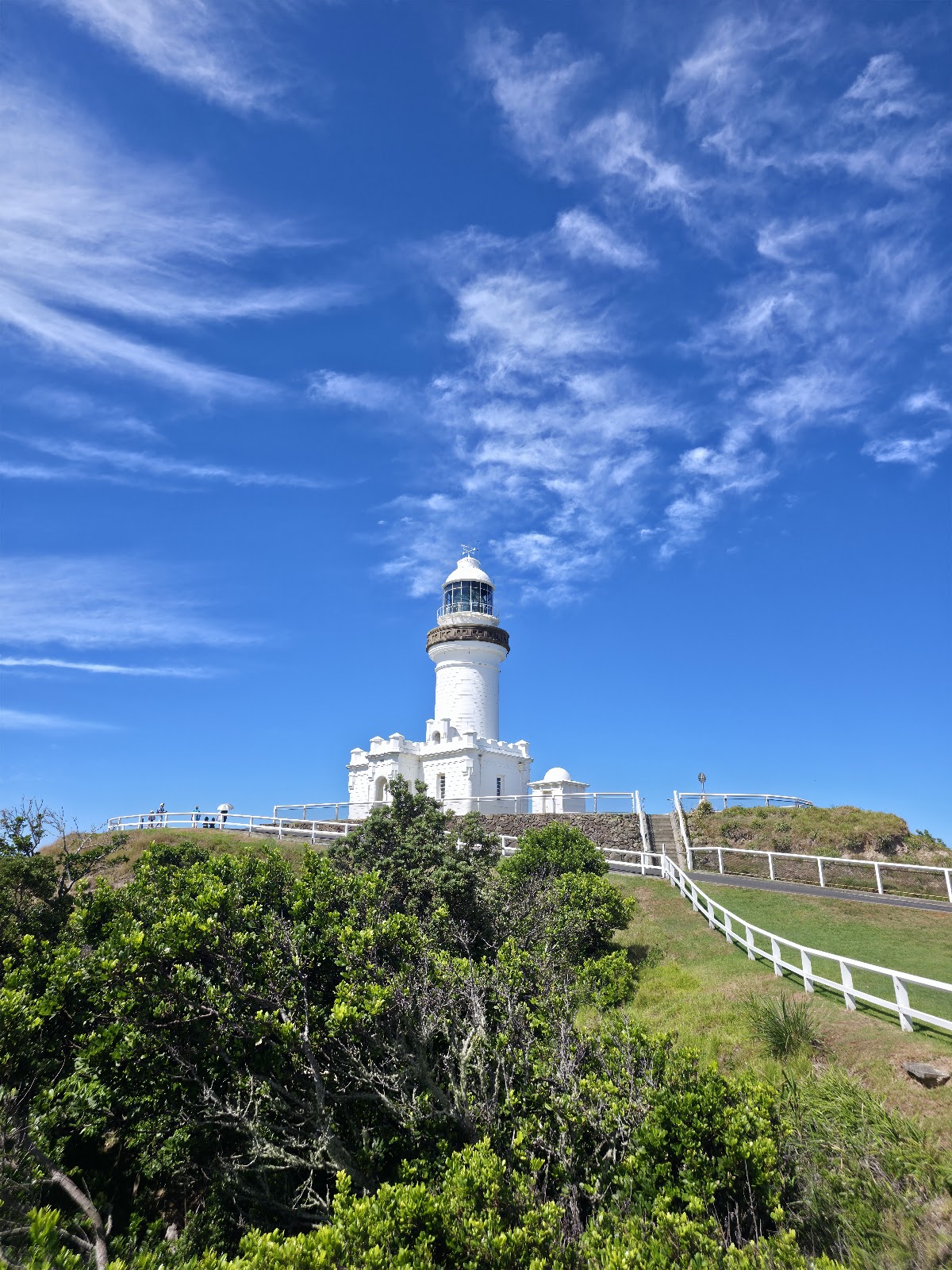 Byron Bay
Northern Rivers, New South Wales
Australia's iconic beach town and most easterly point
Explore the guide →
Byron Bay
Northern Rivers, New South Wales
Australia's iconic beach town and most easterly point
Explore the guide →
 Broome
Australia's North West, Western Australia
Cable Beach sunsets, pearling history and camels on 22km of sand
Explore the guide →
Broome
Australia's North West, Western Australia
Cable Beach sunsets, pearling history and camels on 22km of sand
Explore the guide →
 The Kimberley
Australia's North West, Western Australia
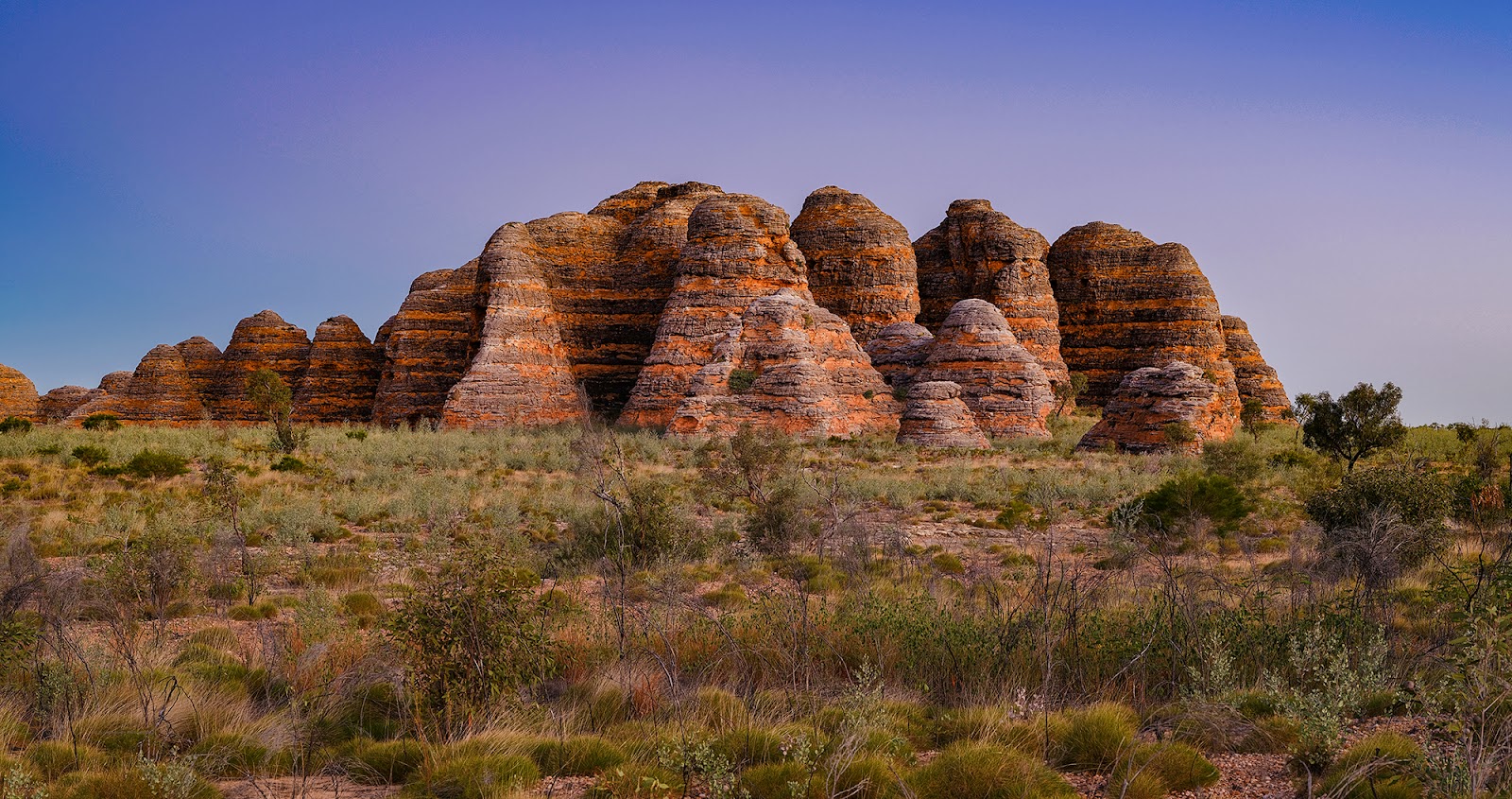
Gibb River Road, the Bungle Bungles, gorges and waterfalls in Australia's last frontier
Explore the guide →
The Kimberley
Australia's North West, Western Australia
Gibb River Road, the Bungle Bungles, gorges and waterfalls in Australia's last frontier
Explore the guide →
 Margaret River
Australia's South West, Western Australia
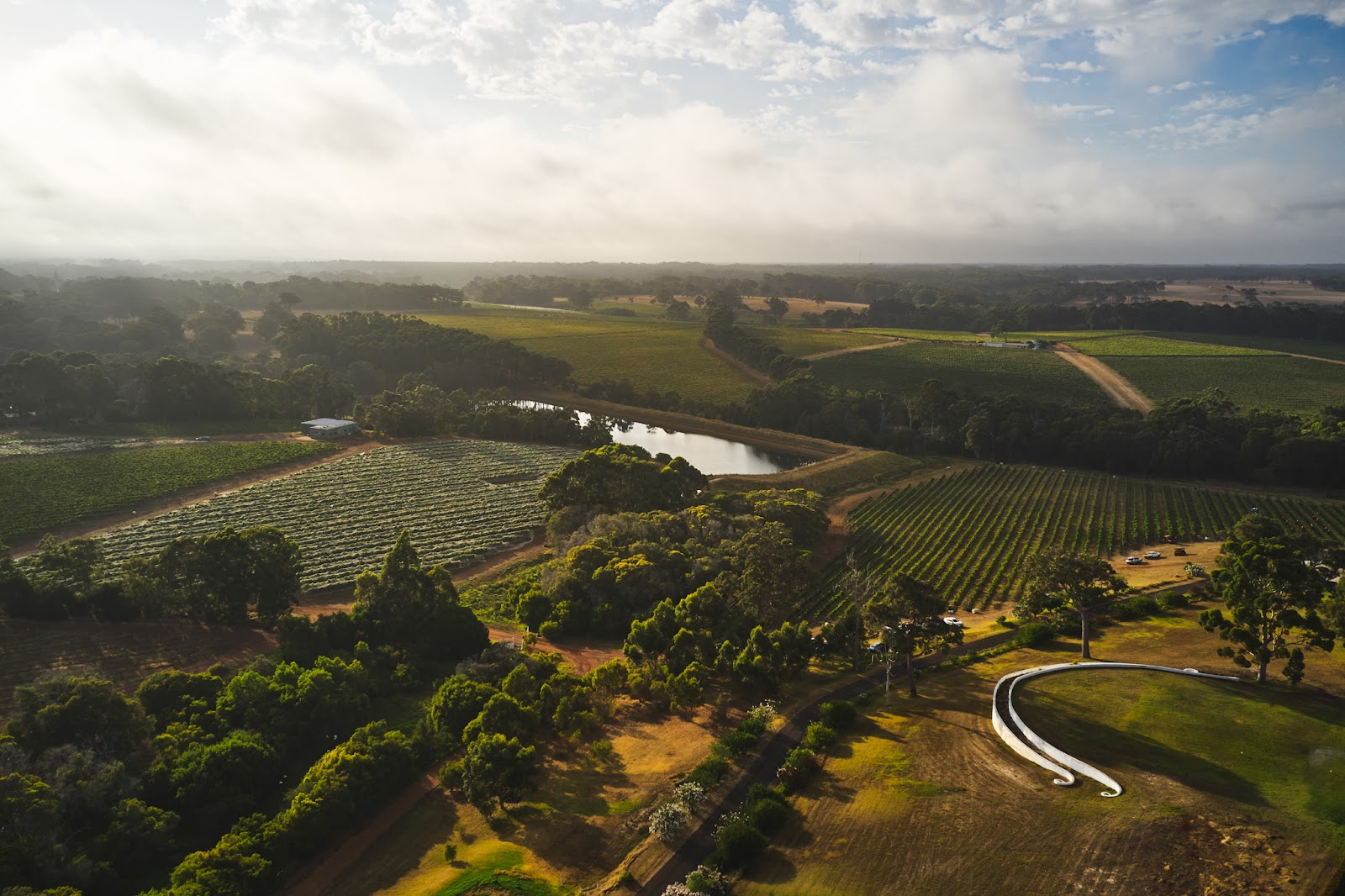
World-class wineries, surf breaks and limestone caves three hours south of Perth
Explore the guide →
Margaret River
Australia's South West, Western Australia
World-class wineries, surf breaks and limestone caves three hours south of Perth
Explore the guide →