01. The Kimberley Grande Resort
4 (399 reviews)
The Kimberley Grande Resort — The Kimberley
Book Direct & Save →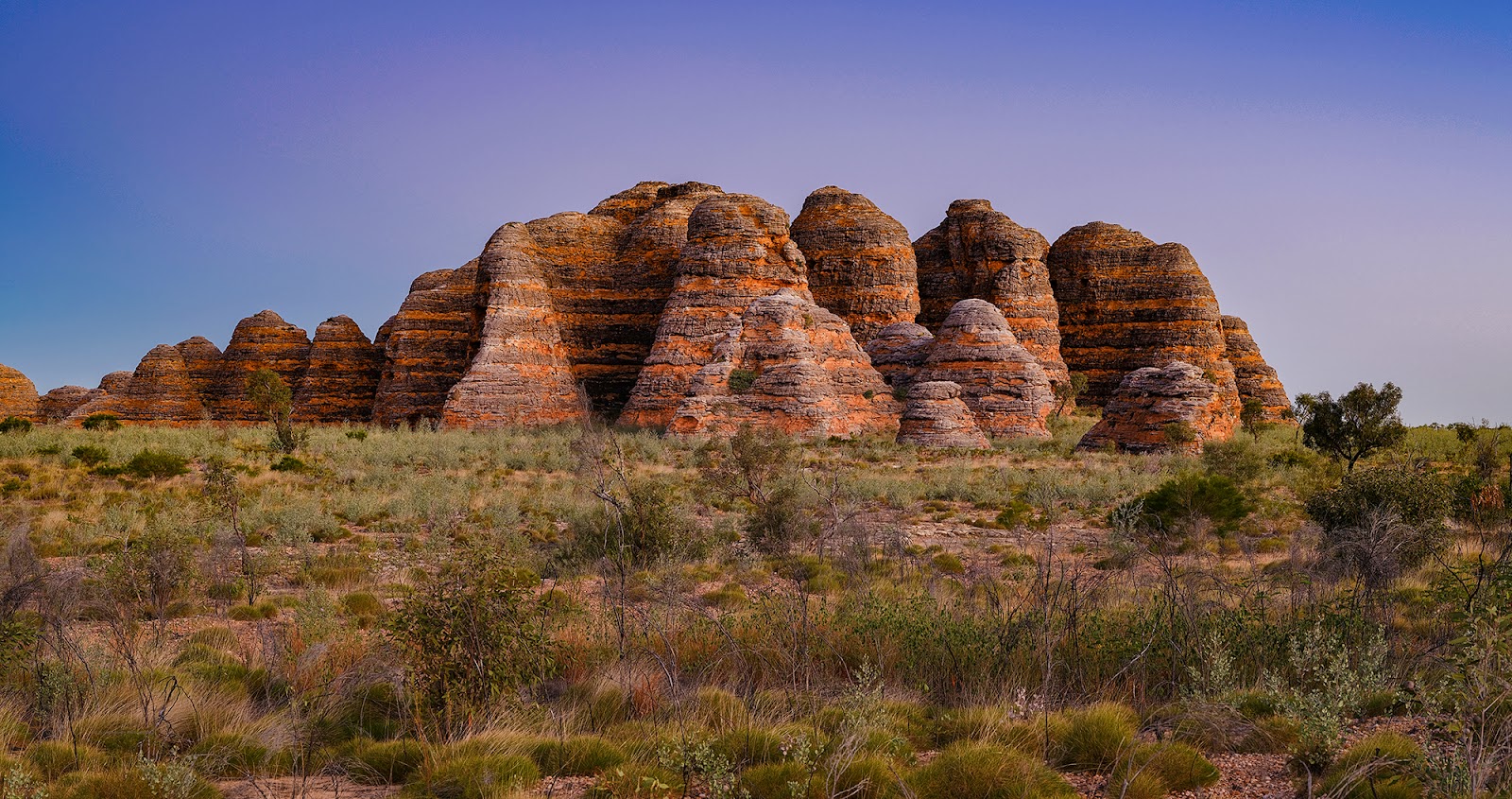
The Kimberley is one of those places whose scale doesn't fit on a map you can read at a glance. It covers roughly 420,000 square kilometres of Australia's far north-west — bigger than most countries — and yet fewer people live across the whole region than fill a single suburb of Perth. That ratio is the entire point. You come here for distance: red sandstone ranges that run unbroken to the horizon, gorges cut a hundred metres deep, waterfalls that only exist for part of the year, and a coastline so remote that most of it can only be reached by boat or light aircraft.
View 3 PropertiesRemoteness is also the catch. There is one sealed highway — the Great Northern — looping the region's edge between Broome, Derby, Halls Creek, Kununurra and Wyndham, and almost everything worth travelling for sits off it, down gravel and dirt that demands a four-wheel drive, real planning, and a respect for fuel, water and communications that city travel never asks of you. The famous Gibb River Road is 660 kilometres of that gravel. And the whole region runs on a clock most visitors underestimate: the Dry (roughly May to October) is the travel season; the Wet (November to April) floods the roads and closes much of what you came to see.
This guide is built to make that planning straightforward rather than daunting. Every section below links to a dedicated in-depth guide — the Gibb River Road, the Bungle Bungles, the gorges, the waterfalls, the seasons, a road-trip itinerary, and the practical questions about 4WDs, crocodiles and travelling with kids. The reward for getting the planning right is genuine wilderness on a scale Australia has almost nowhere else. Here is how the Kimberley works — and how to put a trip together that does it justice.
 Things to Do
The Kimberley’s headline experiences ranked — the Bungles, the Gibb, Horizontal Falls, Lake Argyle, El Questro, rock art and more
Best Things to Do in The Kimberley →
Things to Do
The Kimberley’s headline experiences ranked — the Bungles, the Gibb, Horizontal Falls, Lake Argyle, El Questro, rock art and more
Best Things to Do in The Kimberley →
 Hidden Gems
The quieter Kimberley — Mornington, the Mitchell Plateau, a quiet Gibb gorge, Dampier Peninsula community stays, Wyndham and Parry Lagoons
Hidden Gems of The Kimberley →
Hidden Gems
The quieter Kimberley — Mornington, the Mitchell Plateau, a quiet Gibb gorge, Dampier Peninsula community stays, Wyndham and Parry Lagoons
Hidden Gems of The Kimberley →
 Gibb River Road
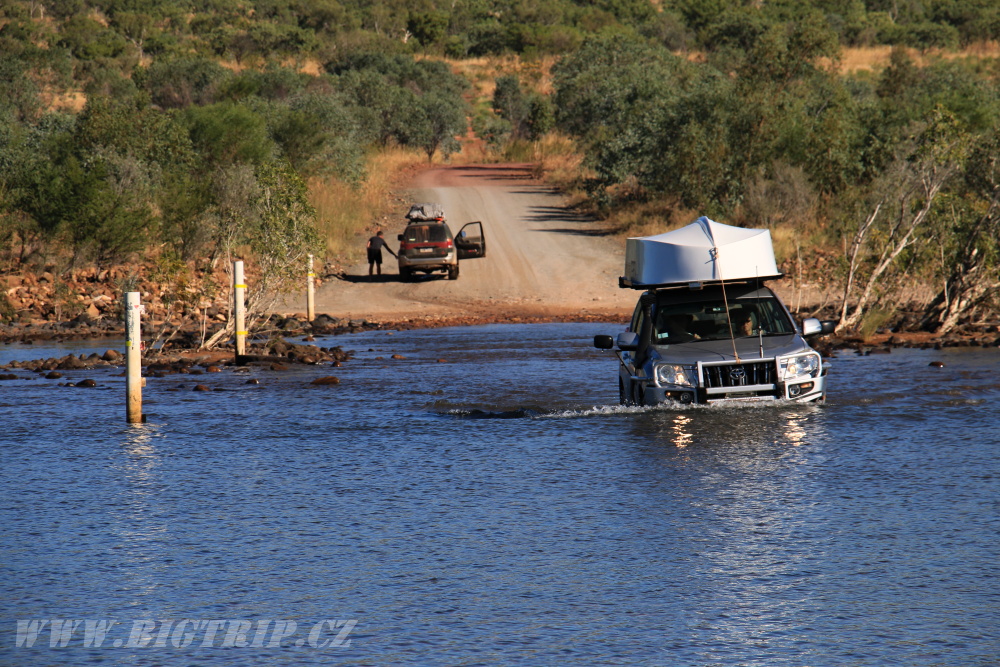
The 660km Derby–Kununurra 4WD route — the stops, the crossings, fuel, tyres and how to plan the drive
Gibb River Road Guide →
Gibb River Road
The 660km Derby–Kununurra 4WD route — the stops, the crossings, fuel, tyres and how to plan the drive
Gibb River Road Guide →
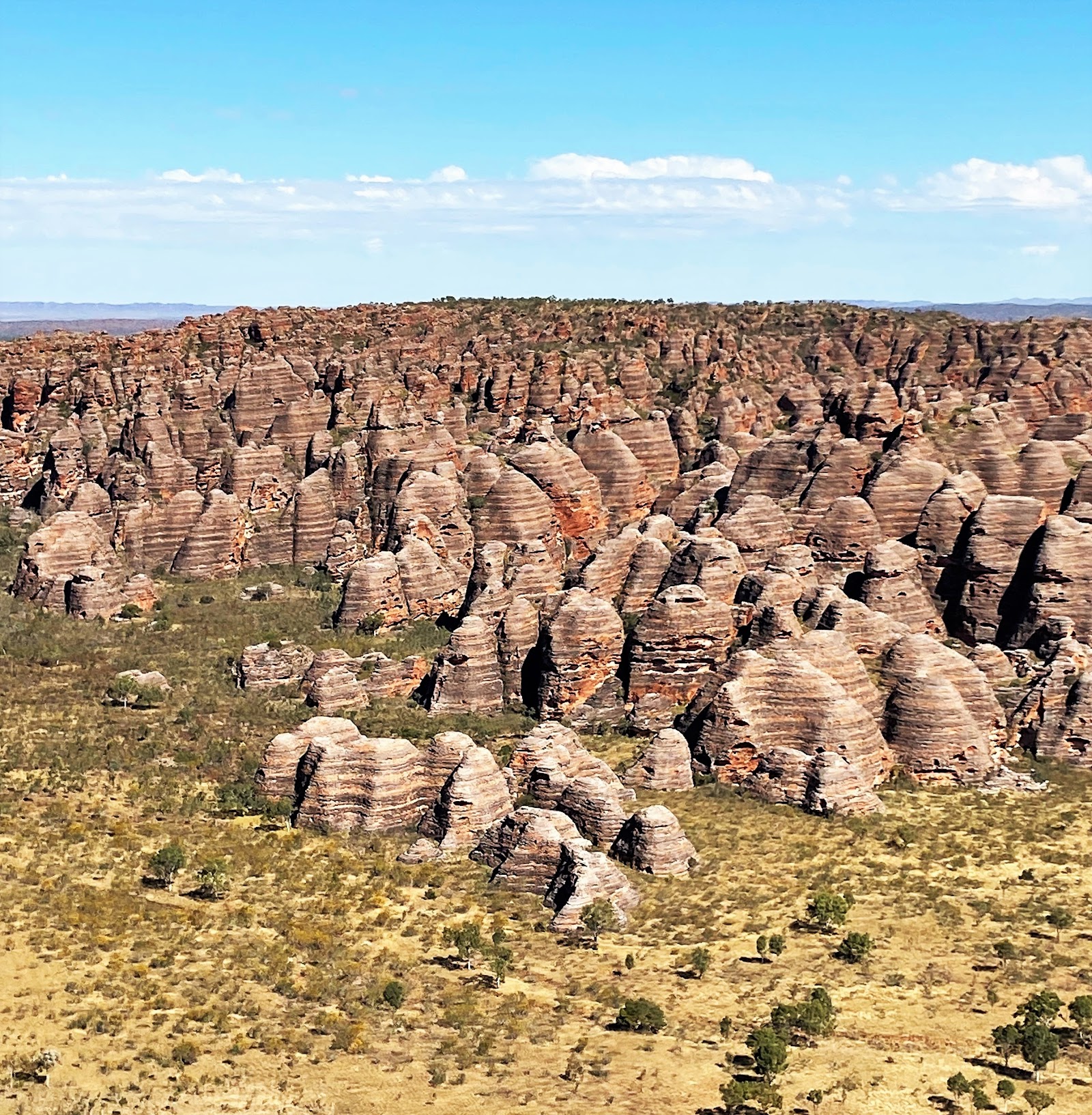 Bungle Bungles
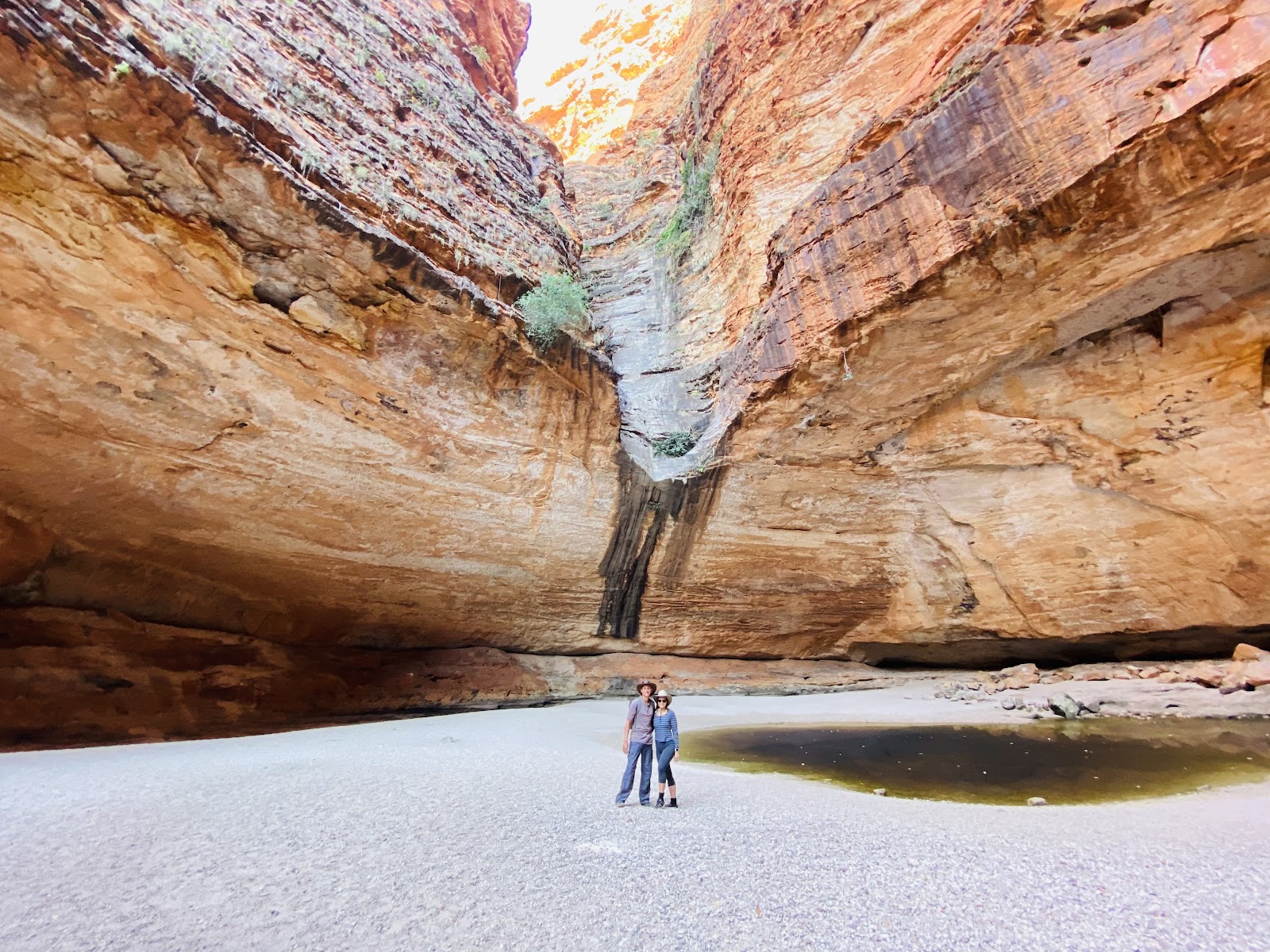
Purnululu’s beehive domes, Cathedral Gorge and Echidna Chasm — the Spring Creek track, walks and scenic flights
Bungle Bungles & Purnululu Guide →
Bungle Bungles
Purnululu’s beehive domes, Cathedral Gorge and Echidna Chasm — the Spring Creek track, walks and scenic flights
Bungle Bungles & Purnululu Guide →
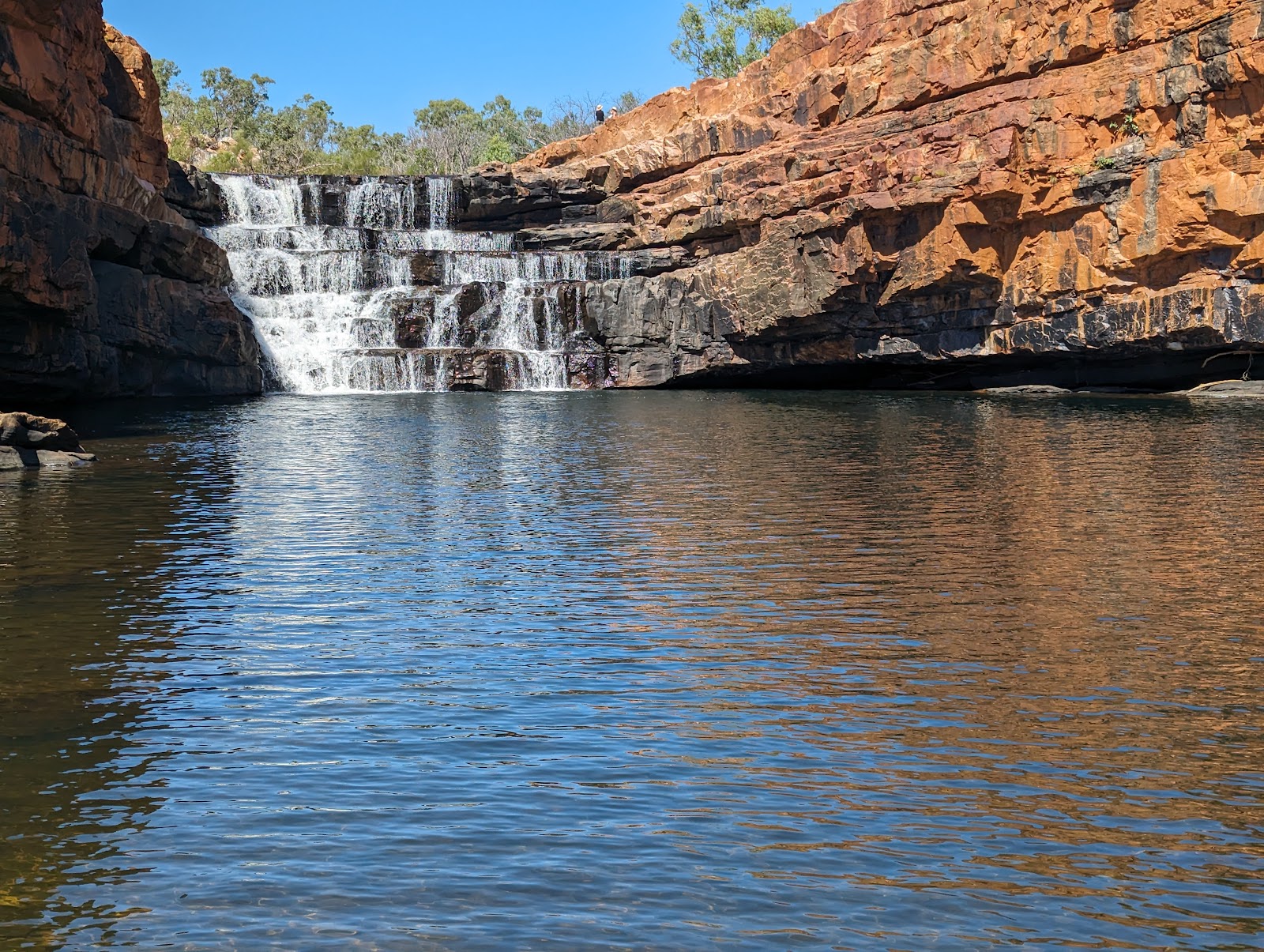 Best Gorges
Windjana, Bell, Manning, Galvans, Adcock, Emma and Tunnel Creek — which to swim, which to walk, where the crocs are
Best Gorges in The Kimberley →
Best Gorges
Windjana, Bell, Manning, Galvans, Adcock, Emma and Tunnel Creek — which to swim, which to walk, where the crocs are
Best Gorges in The Kimberley →
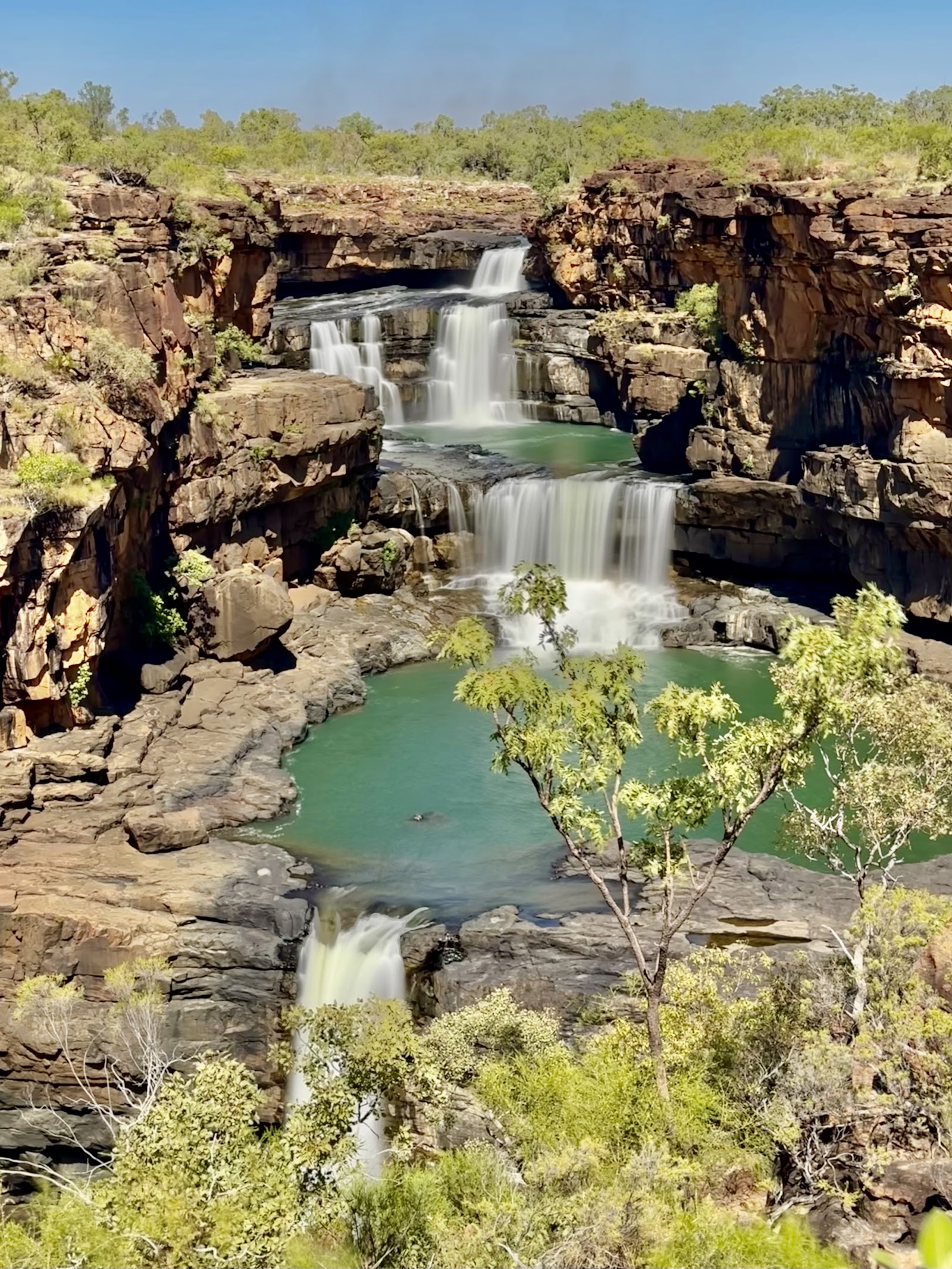 Waterfalls
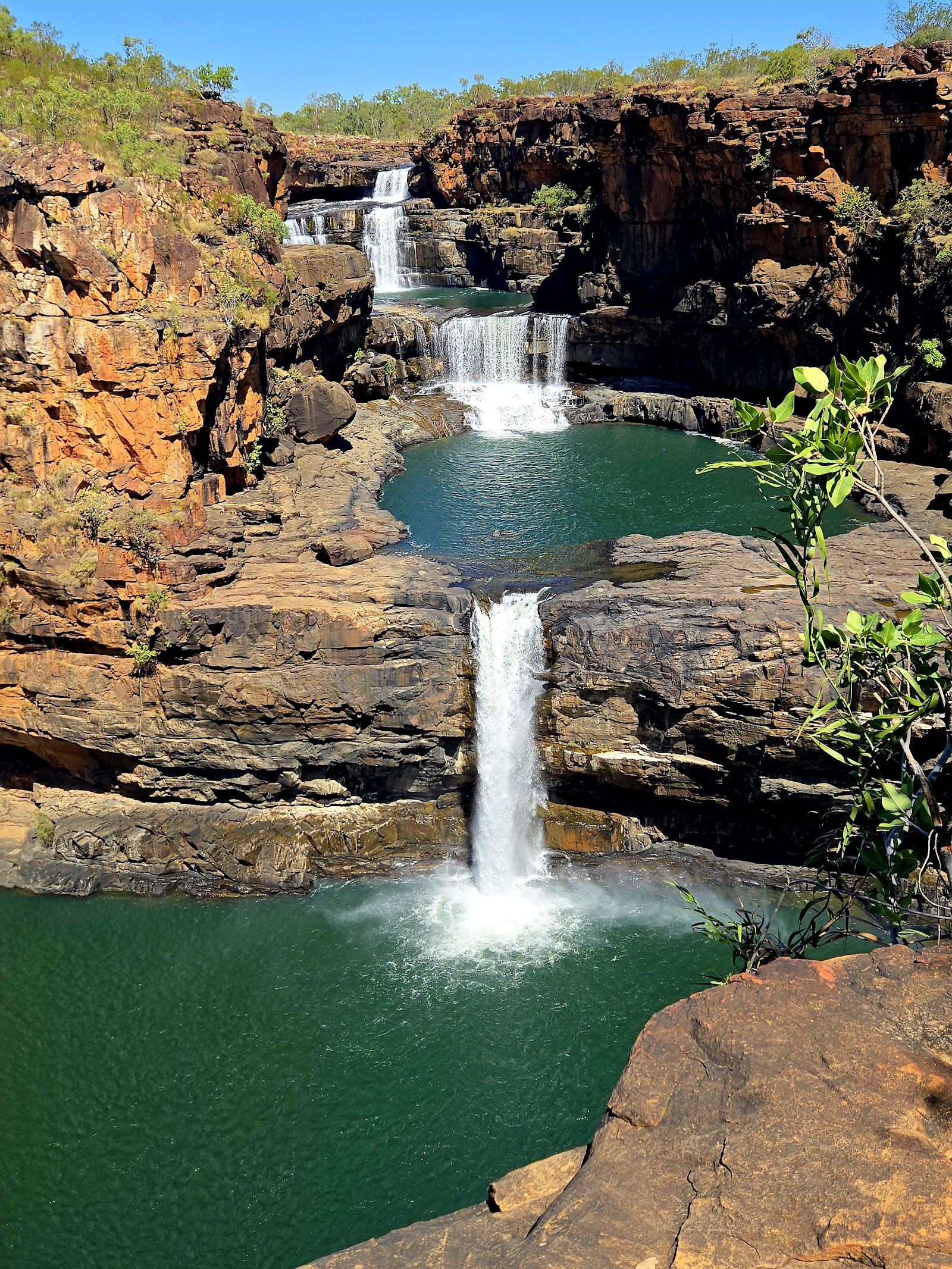
Mitchell Falls, King George Falls and the Dry-season cascades — when they run and how to reach them
Kimberley Waterfalls Guide →
Waterfalls
Mitchell Falls, King George Falls and the Dry-season cascades — when they run and how to reach them
Kimberley Waterfalls Guide →
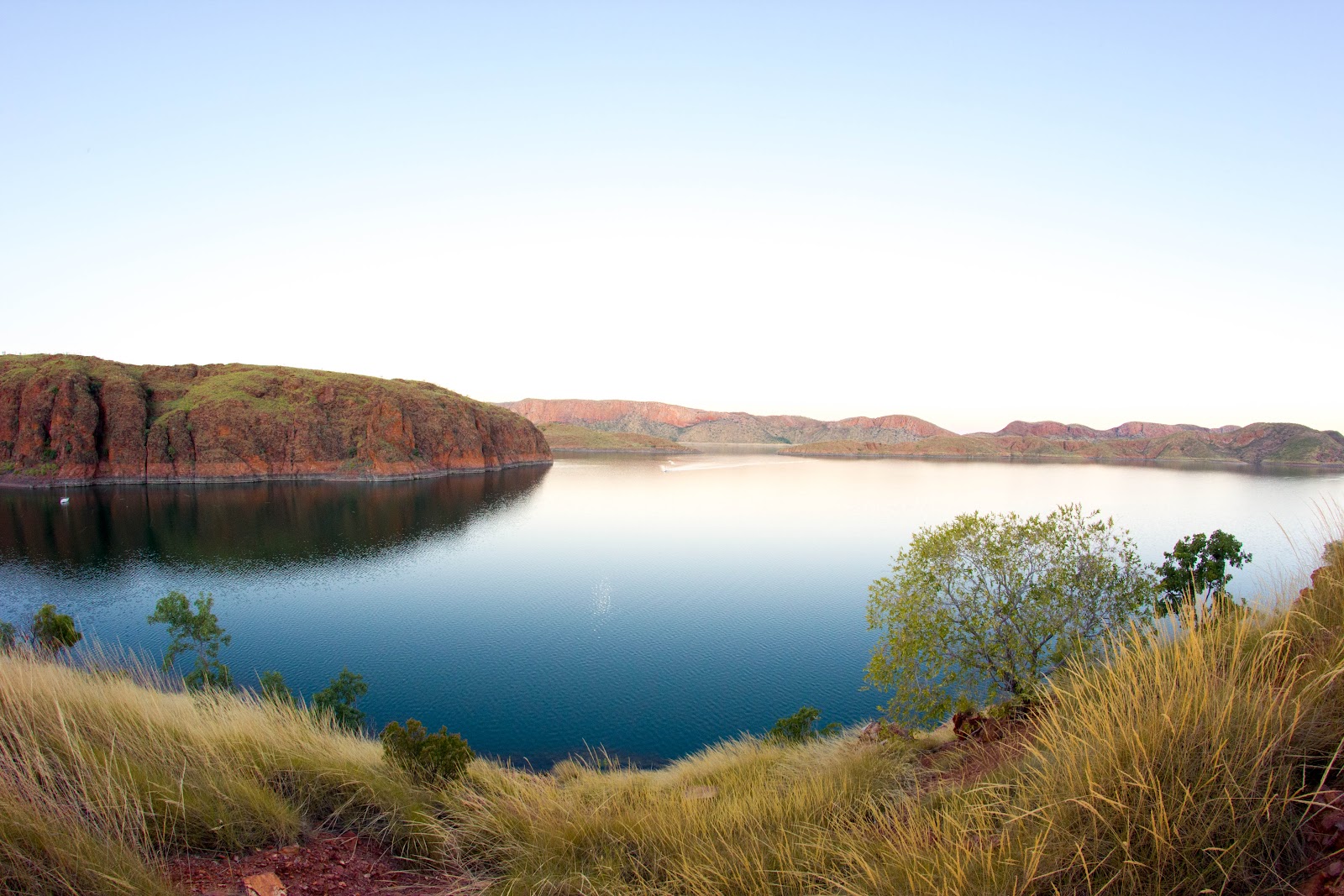 Fishing
Barramundi on the Ord and the coast — charters, catch-and-release, croc safety and where to cast
Fishing in The Kimberley →
Fishing
Barramundi on the Ord and the coast — charters, catch-and-release, croc safety and where to cast
Fishing in The Kimberley →
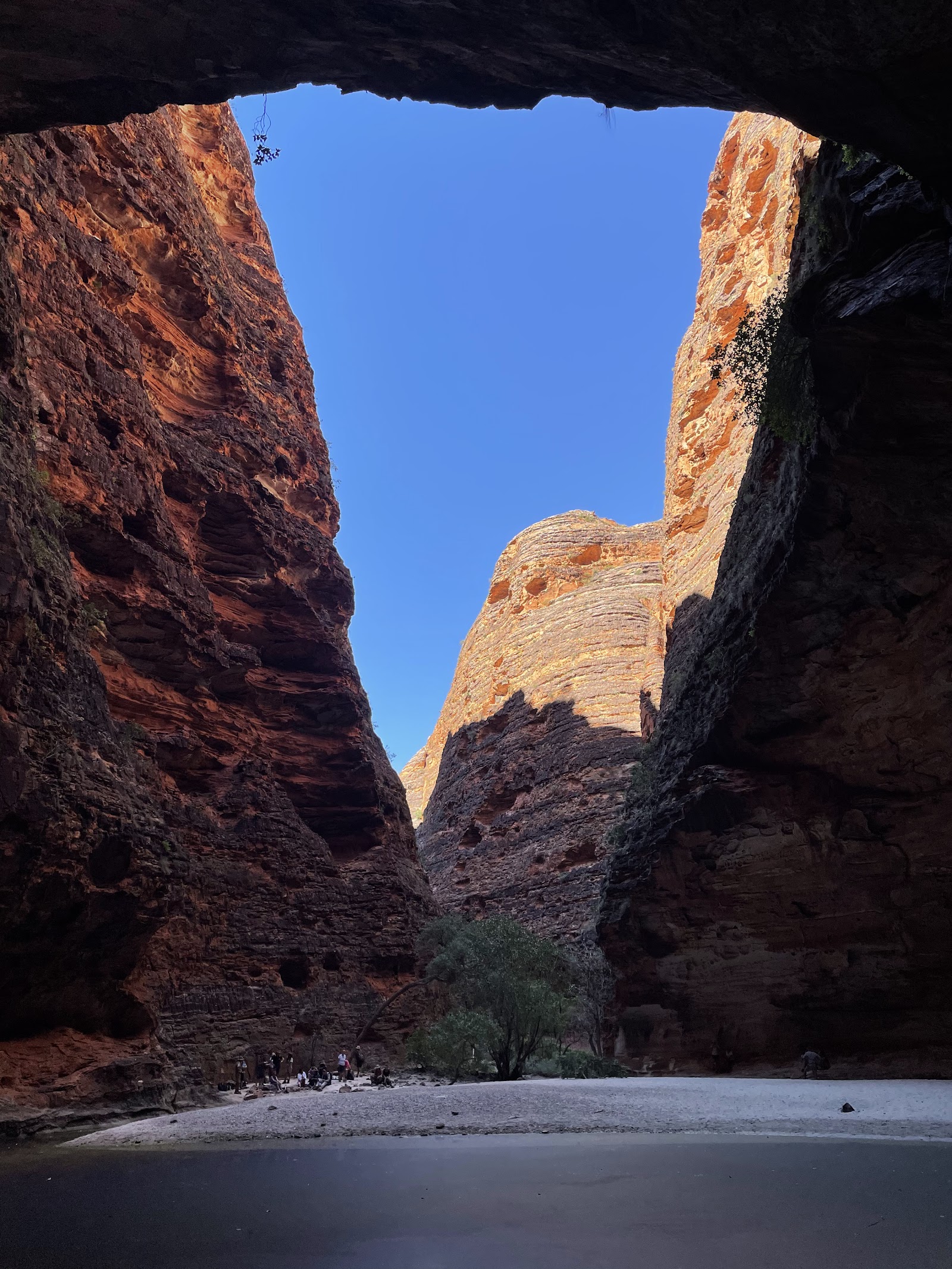 Best Walks
The gorge walks, Cathedral Gorge, the Mitchell Falls trail and the short lookouts — distances, difficulty and water
Best Walks in The Kimberley →
Best Walks
The gorge walks, Cathedral Gorge, the Mitchell Falls trail and the short lookouts — distances, difficulty and water
Best Walks in The Kimberley →
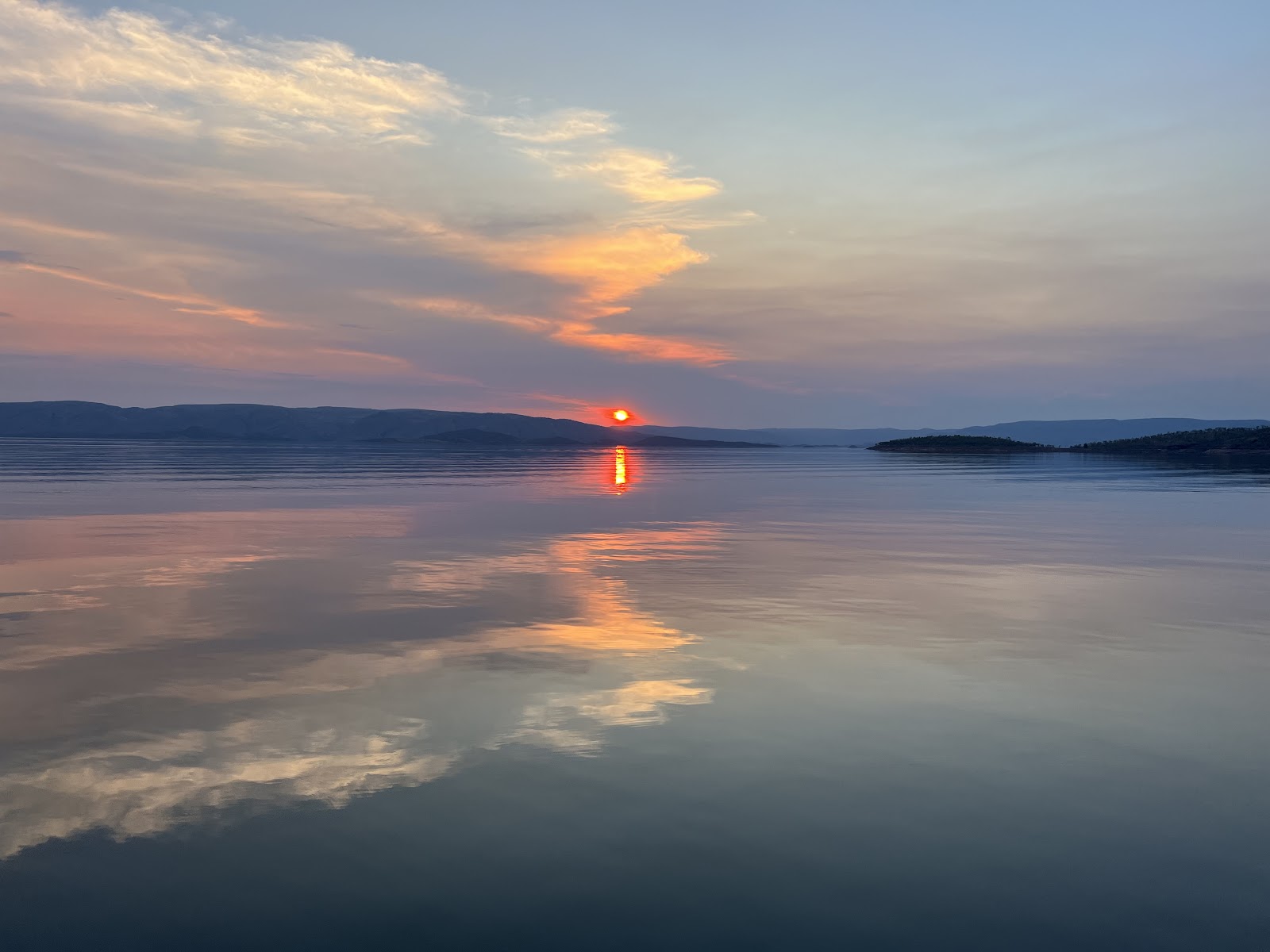 The Kimberley With Kids
Which experiences suit children — scenic flights, Lake Argyle, the easier gorges — and the remoteness to plan around
The Kimberley With Kids →
The Kimberley With Kids
Which experiences suit children — scenic flights, Lake Argyle, the easier gorges — and the remoteness to plan around
The Kimberley With Kids →
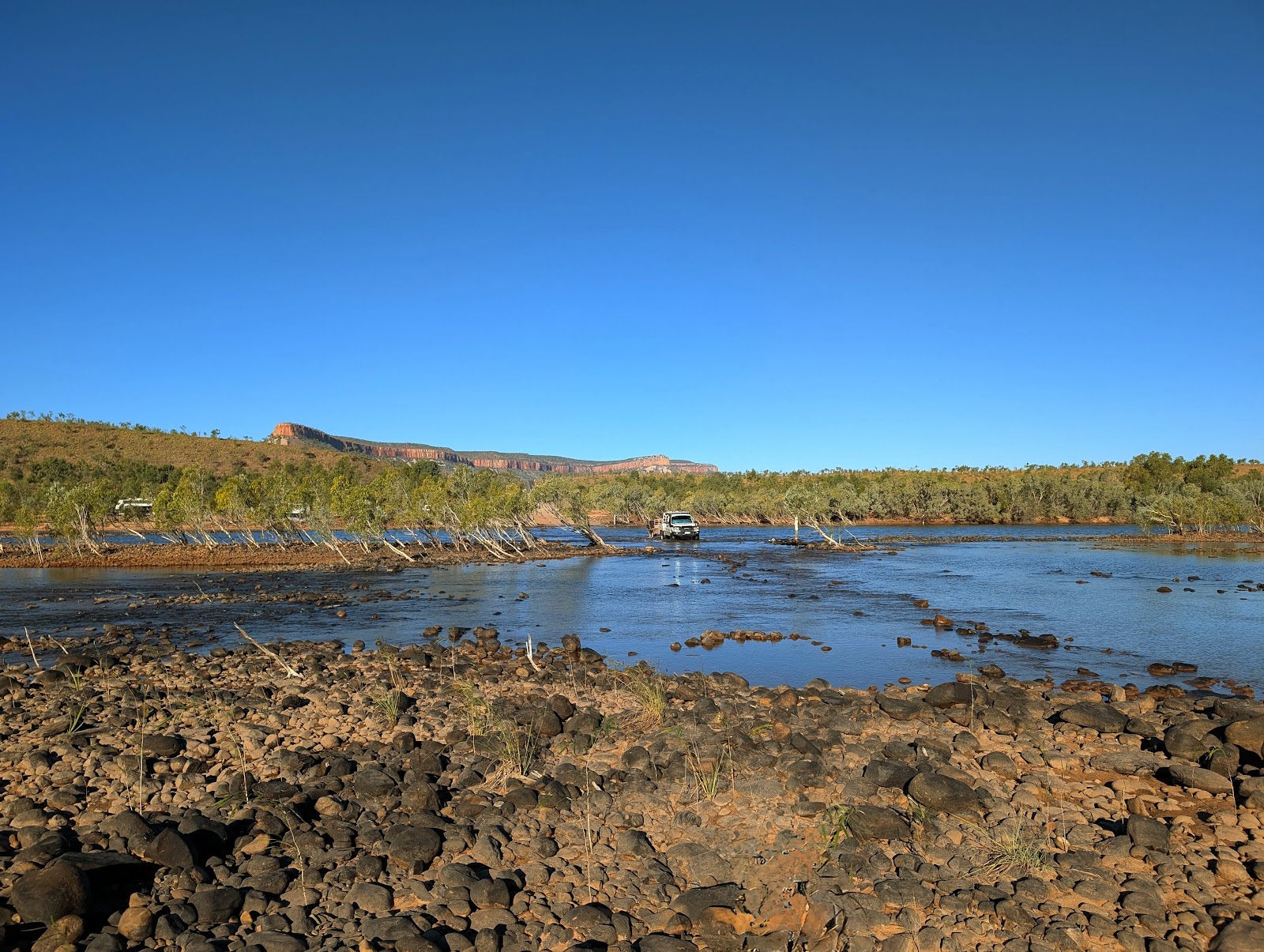 First-Timer Guide
How to get there, when to go, what to book, the 4WD question, fuel, comms and the cultural basics
First-Time Visitor Guide to The Kimberley →
First-Timer Guide
How to get there, when to go, what to book, the 4WD question, fuel, comms and the cultural basics
First-Time Visitor Guide to The Kimberley →
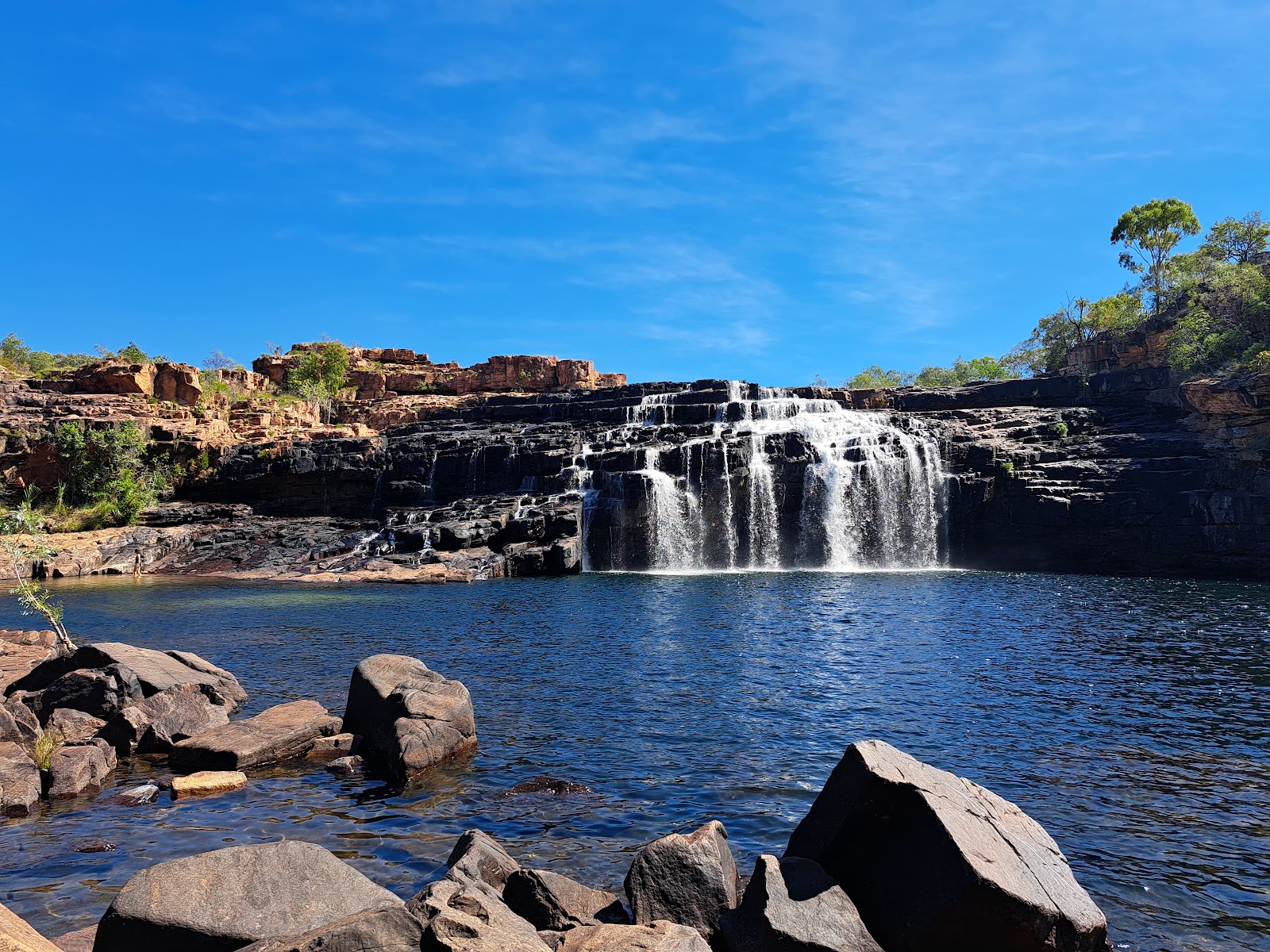 Free Things to Do
The lookouts, the gorge swims, the rock art and the sunsets that cost nothing across the region
Free Things to Do in The Kimberley →
Free Things to Do
The lookouts, the gorge swims, the rock art and the sunsets that cost nothing across the region
Free Things to Do in The Kimberley →
 Best Time to Visit
The Dry versus the Wet, month by month — when the roads open, when the falls run and when it’s too hot
Best Time to Visit The Kimberley →
Best Time to Visit
The Dry versus the Wet, month by month — when the roads open, when the falls run and when it’s too hot
Best Time to Visit The Kimberley →
 Road-Trip Itinerary
A planned Kimberley road trip — Broome to Kununurra, the Gibb, Purnululu and the time each leg really needs
Kimberley Road-Trip Itinerary →
Road-Trip Itinerary
A planned Kimberley road trip — Broome to Kununurra, the Gibb, Purnululu and the time each leg really needs
Kimberley Road-Trip Itinerary →
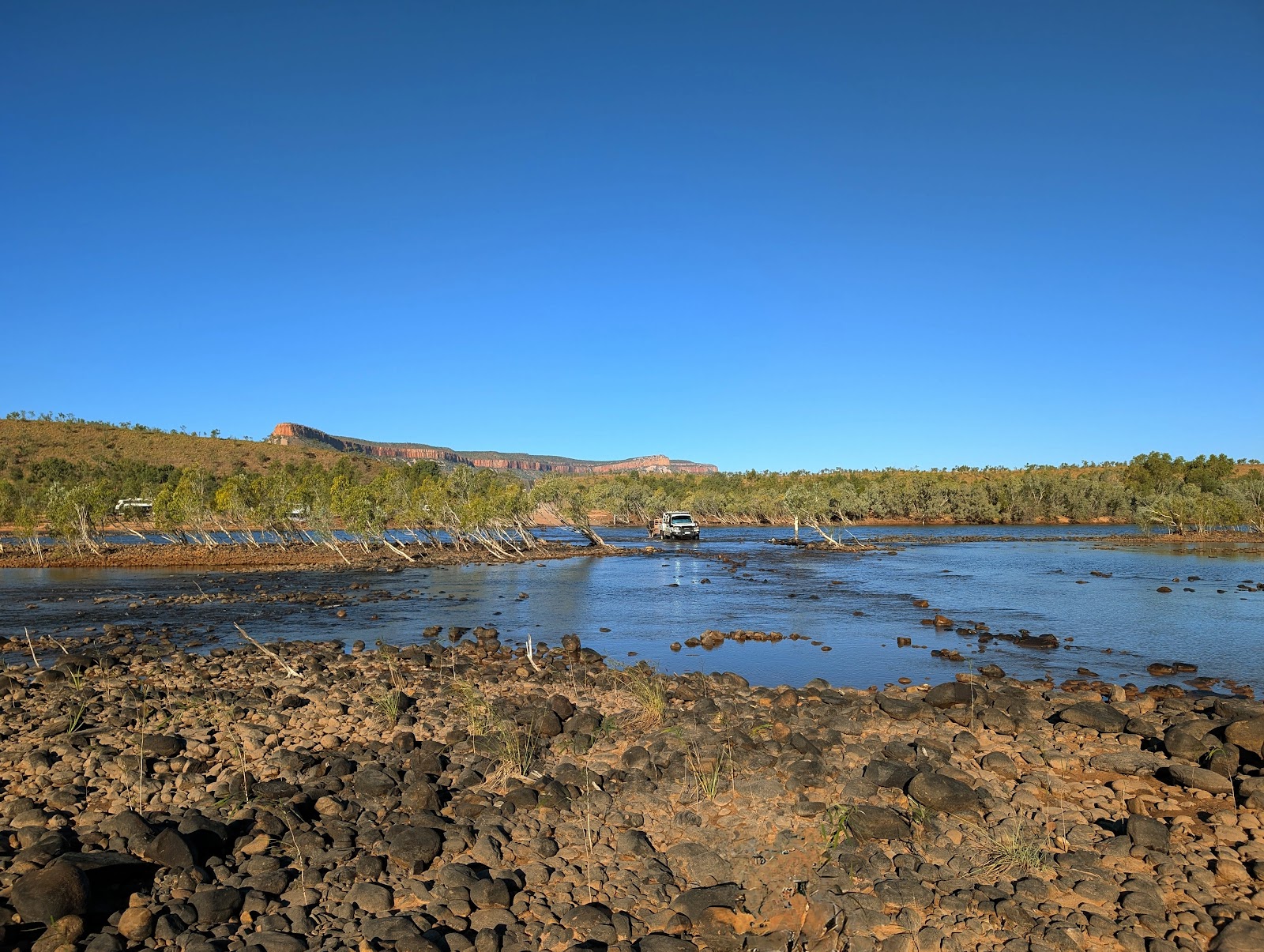
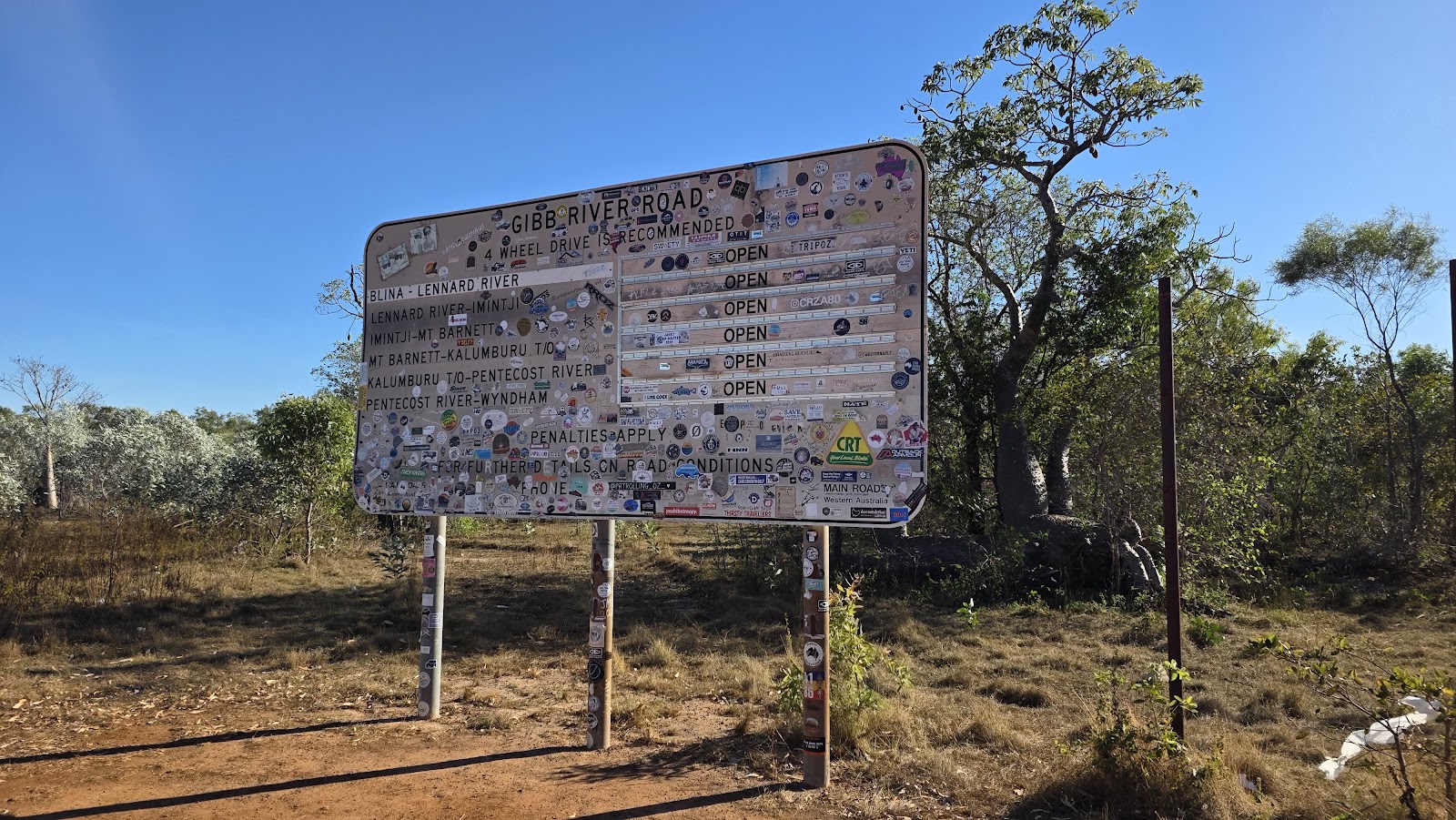
For most travellers the Gibb River Road is the Kimberley trip — the 660-kilometre gravel route between Derby in the west and the Kununurra–Wyndham junction in the east that strings together the region's best inland gorges. It was built as a cattle road and it still feels like one: corrugations, river crossings, bull dust and long stretches where you'll pass one vehicle in an hour. A high-clearance four-wheel drive is not optional, and most travellers carry two spare tyres, recovery gear and the ability to fix a flat themselves, because help can be a long way off.
The payoff is access. Off the Gibb sit Windjana Gorge and Tunnel Creek at the western end, Bell, Galvans, Adcock and Manning Gorges through the middle, and the turn-off north to the Mitchell Plateau and Mitchell Falls. Allow seven to fourteen days to do it properly rather than rushing it as a transit route — the gorges are the point, not the kilometres. The dedicated Gibb River Road guide covers fuel stops, the crossings, tyre strategy and a stop-by-stop plan.
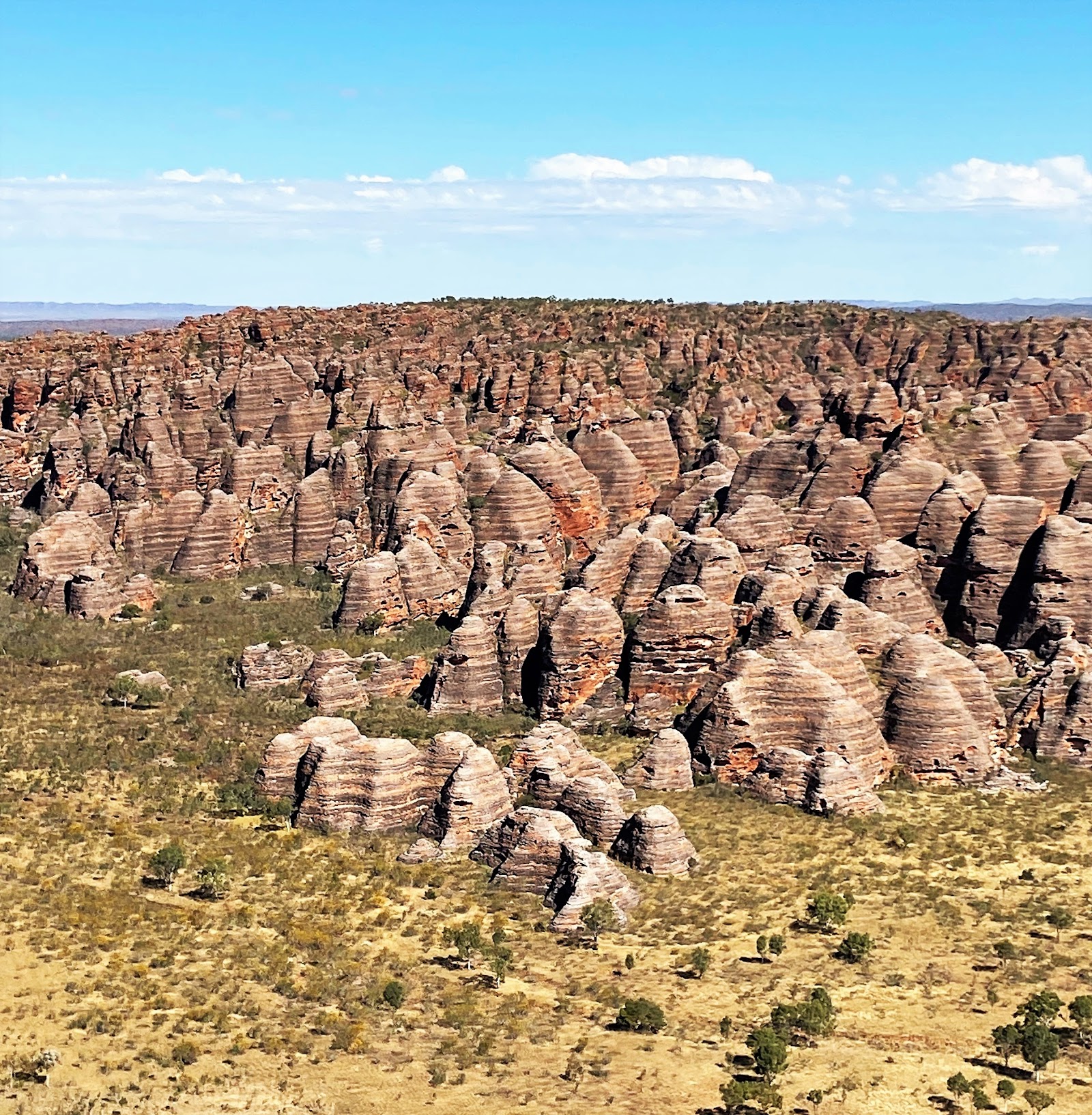
The orange-and-grey striped sandstone domes of the Bungle Bungle Range are the single most recognisable image of the Kimberley, and Purnululu National Park around them is World Heritage-listed for good reason — it's one of the world's finest examples of cone karst, sandstone laid down 360 million years ago and weathered into beehive towers over the last twenty. The domes themselves are walked among on the southern trails; Cathedral Gorge, a vast natural red-rock amphitheatre, sits a short walk in, and the narrow, palm-lined Echidna Chasm cuts the range at the northern end.
The honest catch is access. Purnululu sits about 300 kilometres south of Kununurra, and the final 53-kilometre Spring Creek Track in from the highway is a slow, rough, creek-crossing 4WD route that takes one and a half to three hours and turns many hire vehicles away. The alternative — a scenic flight from Kununurra or Halls Creek — gives you the domes from the air without the drive, and for the dome field that aerial view is arguably the best one there is.
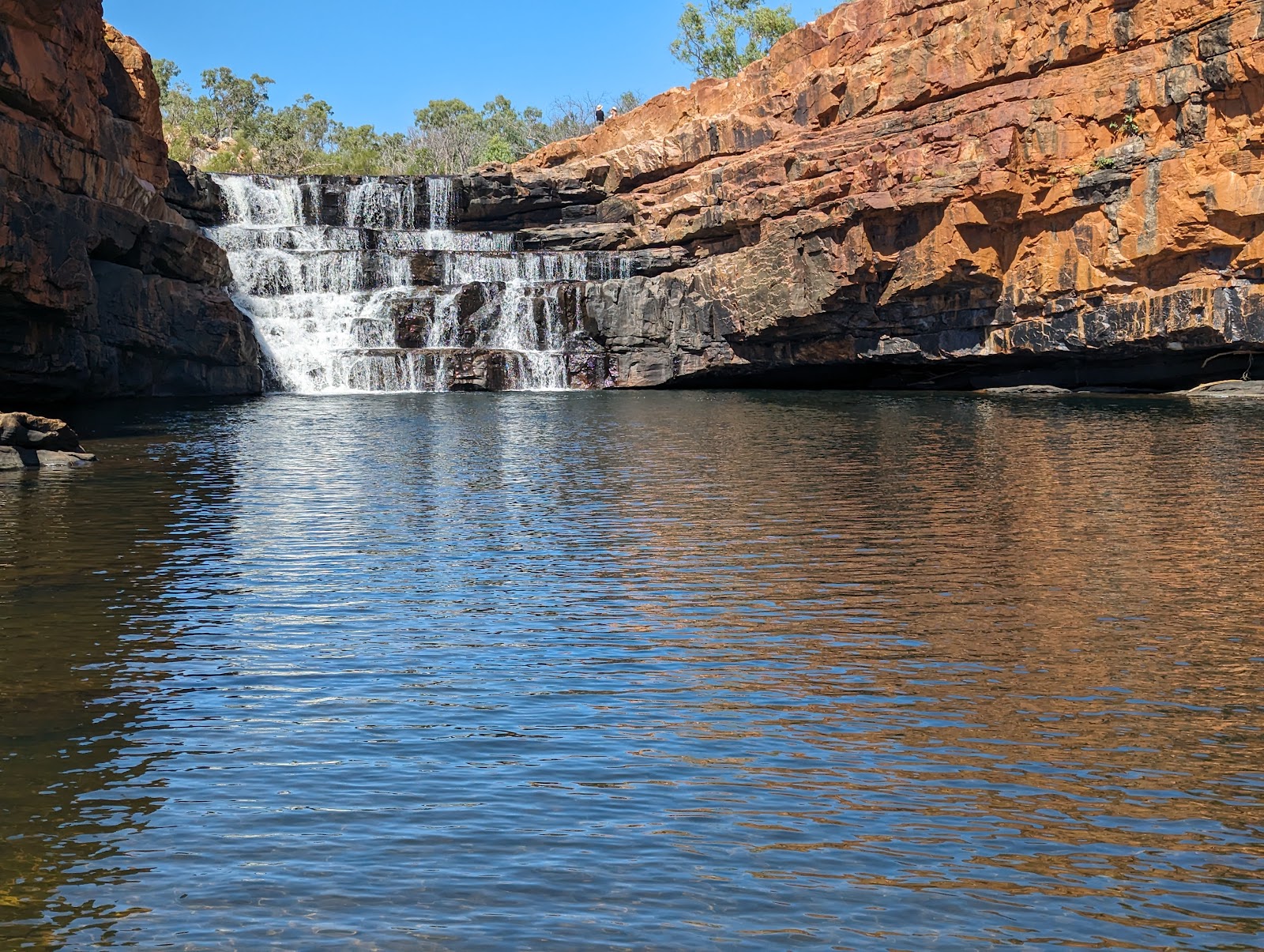
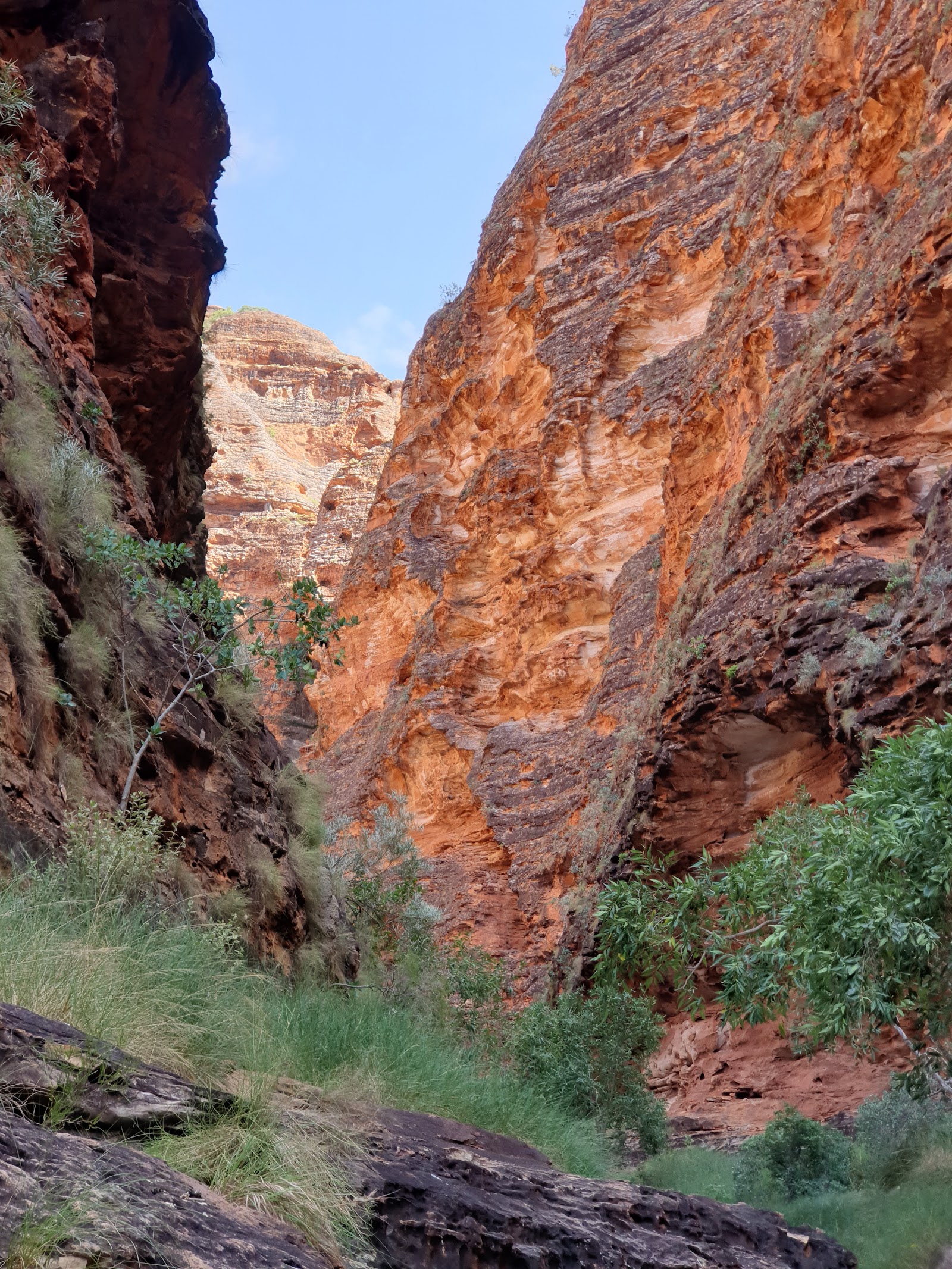
Strip the Kimberley down to one experience and it's this: a hot, dusty walk into a gorge that ends at a cold, clear waterhole under a waterfall. Bell Gorge off the Gibb is the classic — a tiered falls into a deep pool you can swim. Manning Gorge rewards a longer walk with one of the best swims in the region, and the smaller Galvans and Adcock gorges off the same road are quieter again. In the east, El Questro's Emma Gorge ends at a towering wall with a thermal trickle, and Zebedee Springs nearby is a palm-shaded warm spring.
The waterfalls run on the season. Mitchell Falls (Punamii-Uunpuu), the four-tiered falls sacred to the Wunambal people, and the towering King George Falls on the remote north coast are at their most powerful early in the Dry and slow to a trickle by October. The crocodile rule governs every one of these: freshwater crocodiles share many gorge pools and are generally left alone, but saltwater crocodiles inhabit the rivers and lower reaches — only ever swim where the signage and the local advice say it's safe.
Image A lone boab tree on a red dirt road in the Dry season, golden grass, late-afternoon Kimberley light
No other Australian region is governed by its seasons quite like this one. The Dry — roughly May to October — is the travel window: clear skies, warm days, cool nights, open roads and running waterfalls early on. The Wet — November to April — brings monsoon rains that flood the rivers, cut the Gibb River Road and the Purnululu access, and make much of the interior simply unreachable, though the empty waterfalls thunder and the landscape turns green for those who fly in to see it.
That seasonality drives every decision. Aim for the early-to-mid Dry (May–August) for the fullest waterfalls and the most comfortable temperatures; September and October are reliably open but hot and the falls are fading. Whichever month you choose, the Kimberley is remote country — book remote camps and scenic flights well ahead, carry far more fuel and water than a southern trip would need, and check road and park status before every leg. The dedicated season guide and the road-trip itinerary turn this into a week-by-week plan.
Synthesised from traveller reviews, tour-operator feedback and 4WD touring forums — the themes visitors raise most consistently about the Kimberley.
The single most common reaction is to the sheer size and emptiness — travellers describe days of red ranges and almost no one else, and rate it the most genuinely remote trip they have done in Australia.
“We drove for hours and saw two other cars and a hundred kilometres of escarpment. Nowhere else in Australia feels this far from everything.”— Traveller review
Visitors who came prepared — right vehicle, spare tyres, fuel, water, a flexible plan — loved it; those who underestimated the roads or the distances had flats, delays or had to turn back.
“Two punctures on the Gibb in one day. So glad we had two spares and knew how to change them. This is not a soft-road trip.”— Google review
Travellers repeatedly single out the rock art, the cultural tours on the Dampier Peninsula and the sense of being on Country as the part that stayed with them — and value the operators who tell those stories properly.
“OMG...this place reduced me to tears due to being overwhelmed by its grandeur and spectacular scenery. We had two days here but would have loved a week. Echidna Chasm was amazing, Cathedral Gorge breathtaking and Mini Palms gorgeous. I have travelled extensively throughout Europe, Australia, Asia and parts of Canada and the US and l rate this as No 1. This I”— Megan Hollick (on The Bungle Bungles), Google review
“I'll admit that before I visited The Kimberley all I knew about The Bungles Bungles was the classic aerial image of the striated doom rocks. We visited at sunrise so caught the early morning, 'golden hour' light on the ranges. Early start meant that the day use area was not busy, and the trails were cool, shaded and not crowded. Trial heads had maps, paths w”— Zeglar “Zeg” Fergus (on The Bungle Bungles), Google review
“A place that is kinda impossible to review, you gotta see it for yourself! First warning, the track in is not for the faint hearted (even when graded) but if you can do that you will be fine. Its over 45kms from the front gate to the Visitors centre, which you have to stop at and check in if you are staying at either campsite (Walardi or Kurrajon). Special ”— cktravels (on The Bungle Bungles), Google review
| Season | Conditions | Highlights | Crowds |
|---|---|---|---|
| Early Dry (May–Jun) | Warm days, cool nights, roads opening, falls full | The best waterfalls of the year, green-tinged landscape, comfortable walking | Building — roads may still be opening after the Wet |
| Peak Dry (Jul–Aug) | Clear, warm days, cold nights, all roads open | Prime time — every gorge, the Gibb and Purnululu all accessible | Peak — book remote camps and flights well ahead |
| Late Dry (Sep–Oct) | Hot and getting hotter, falls fading | Still open and quieter, but build-up heat arrives and some falls slow to a trickle | Easing — hotter, fewer travellers |
| The Wet (Nov–Apr) | Monsoon rain, flooding, heat and humidity | Thundering waterfalls and lush green — but the Gibb and Purnululu close; fly-in/scenic-flight only | Very low — most inland routes closed |
| Approach | Best for | The trade-off |
|---|---|---|
| Self-drive 4WD | Experienced, self-sufficient travellers with time and the right vehicle | Total freedom and the lowest daily cost — but you carry all the risk, planning and mechanical responsibility |
| Guided 4WD tour | First-timers and anyone who doesn’t want to drive the gravel themselves | No vehicle worries and local knowledge — but fixed dates, group pace and a higher price |
| Fly-in / scenic flights | Limited time, the Wet season, or skipping the long drives | See the Bungles, Horizontal Falls and the coast fast — but you miss the slow, on-the-ground gorge experience |
| Coastal cruise | The remote north coast (King George Falls, Mitchell Plateau, the Buccaneer Archipelago) | The only practical access to the wild coast — but expensive and on the operator’s itinerary |
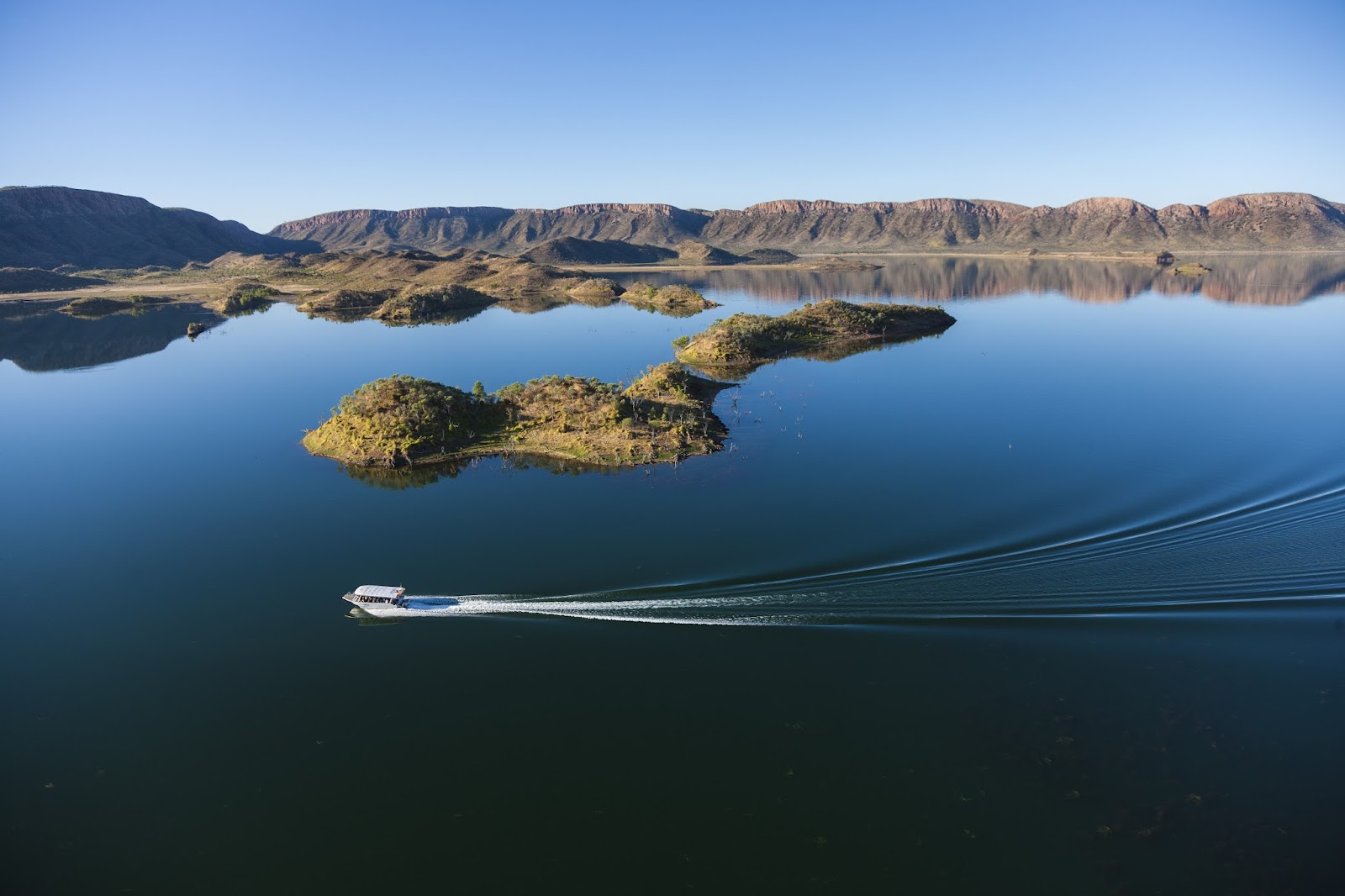
The Kimberley is not a place you pass through — it's a place you commit to. It asks more of a traveller than almost anywhere else in Australia: the right vehicle, real planning, a tolerance for distance and dust, and the humility to read the signs and the seasons rather than your own schedule. Underestimate it and the region pushes back with flat tyres, closed roads and long, hot drives to nowhere you meant to go.
Get it right and there's nothing else like it. A swim under a gorge waterfall with no one else for miles. The Bungle Bungles glowing from a light aircraft at dawn. Forty-thousand-year-old rock art explained by the people whose Country it is. The clock here is the Dry season and the spine is the Gibb River Road — book the remote camps and scenic flights first, then build the rest around the gorges and the falls. Use the guides below to plan each leg properly, and the Kimberley will give you the most genuinely wild trip you can take on this continent.
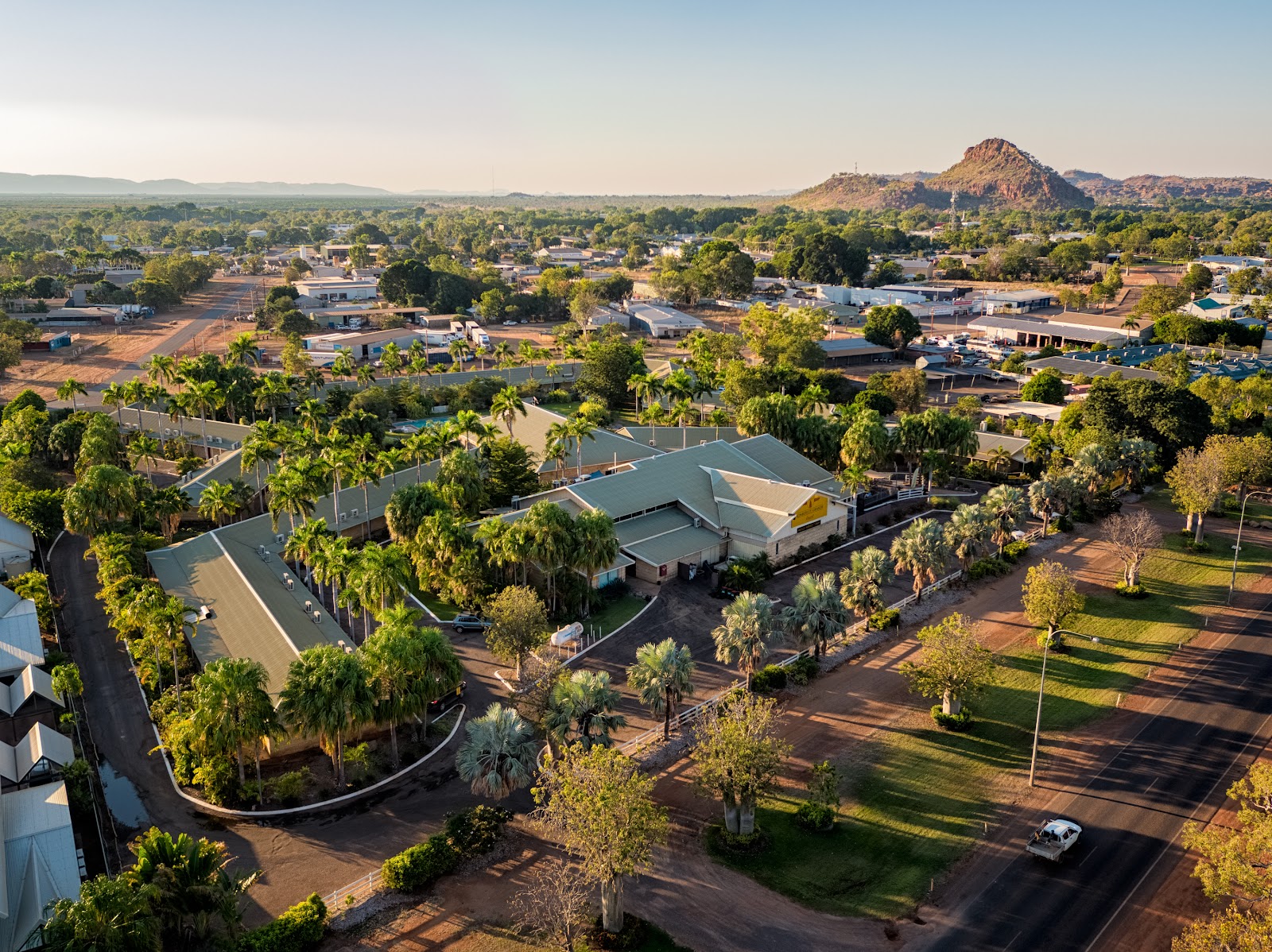
The Kimberley Grande Resort — The Kimberley
Book Direct & Save →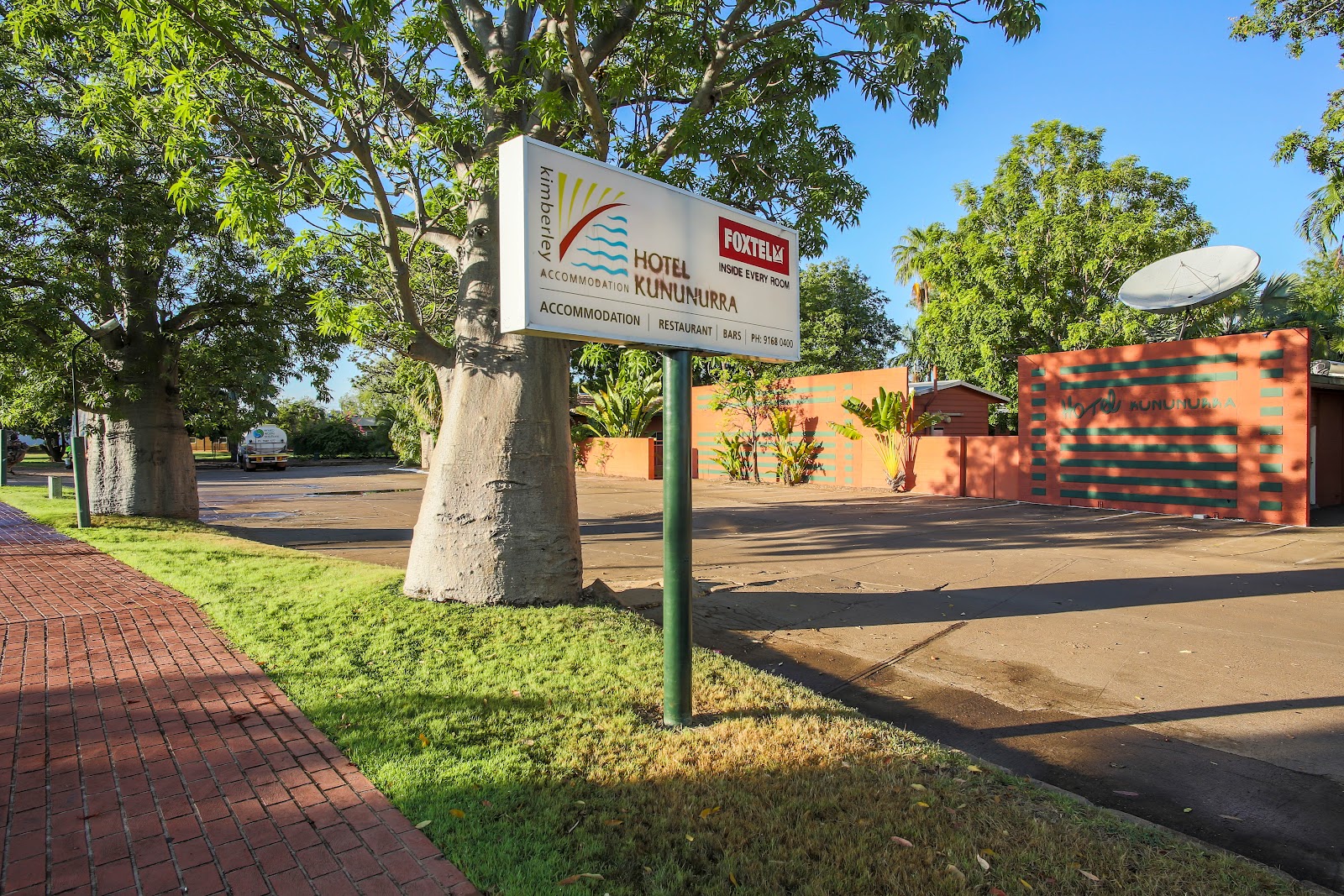
Best Western Cambridge Hotel Kununurra — The Kimberley
Book Direct & Save →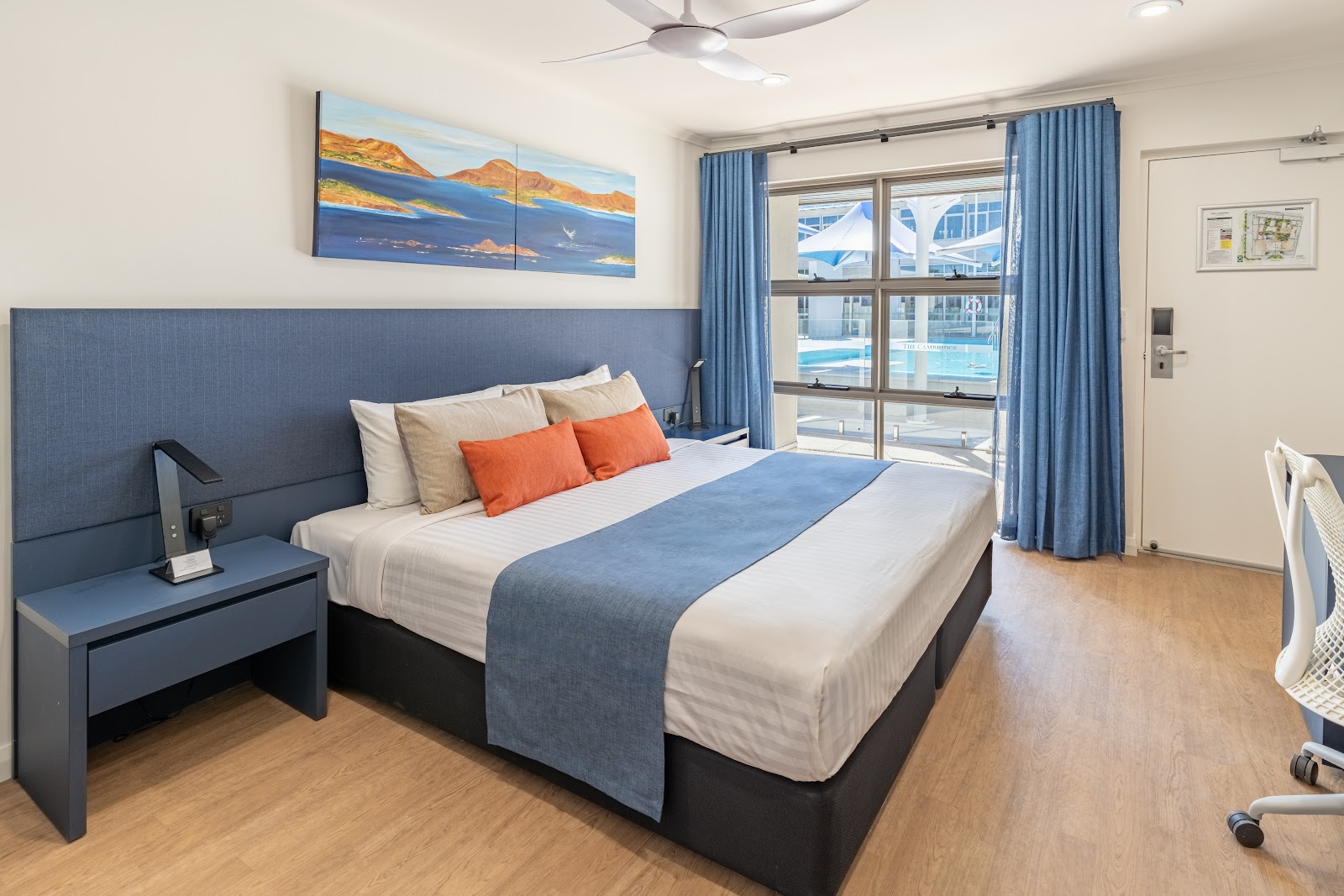
Hotel Kununurra — The Kimberley
Book Direct & Save →Skip OTA fees. Connect directly with The Kimberley owners for the best rates and a truly personal experience.
We match any online rate. No service fees — 100% of your payment supports local owners.
Direct guests receive complimentary hampers, early check-in, and priority access to experiences.
Speak directly with the people who manage the properties. No call centres, just local expertise.
Part of Western Australia · Australia's North West
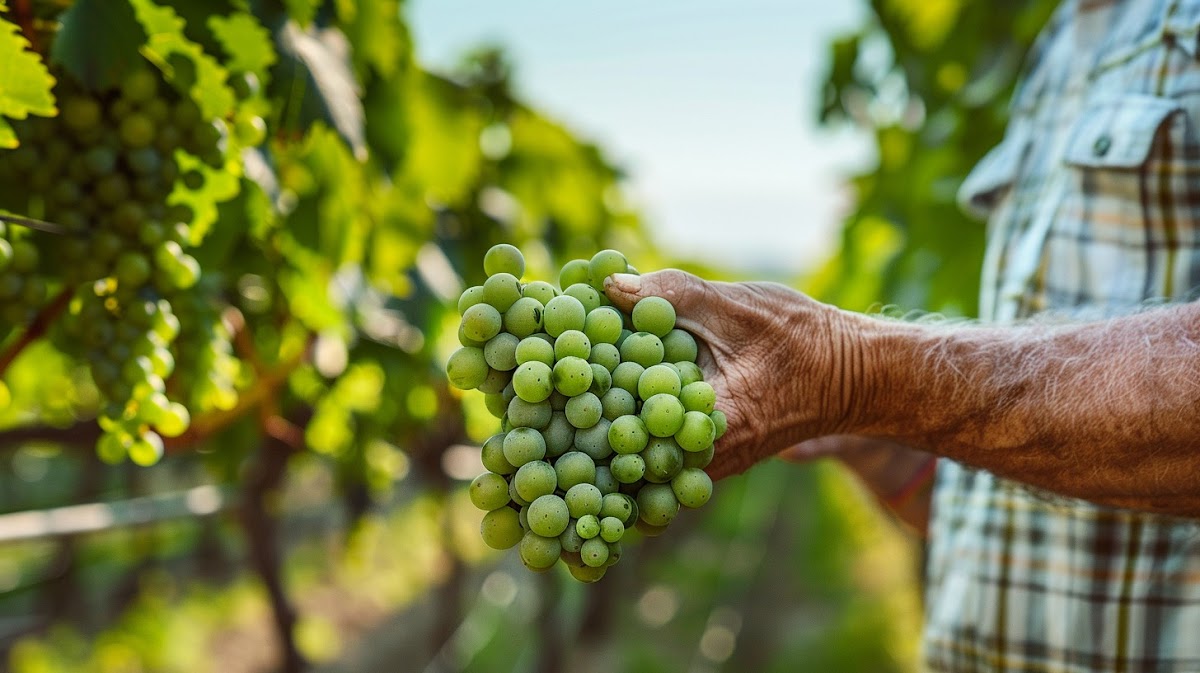 Glen Aplin
Granite Belt, Queensland
Queensland's most underrated wine valley
Explore the guide →
Glen Aplin
Granite Belt, Queensland
Queensland's most underrated wine valley
Explore the guide →
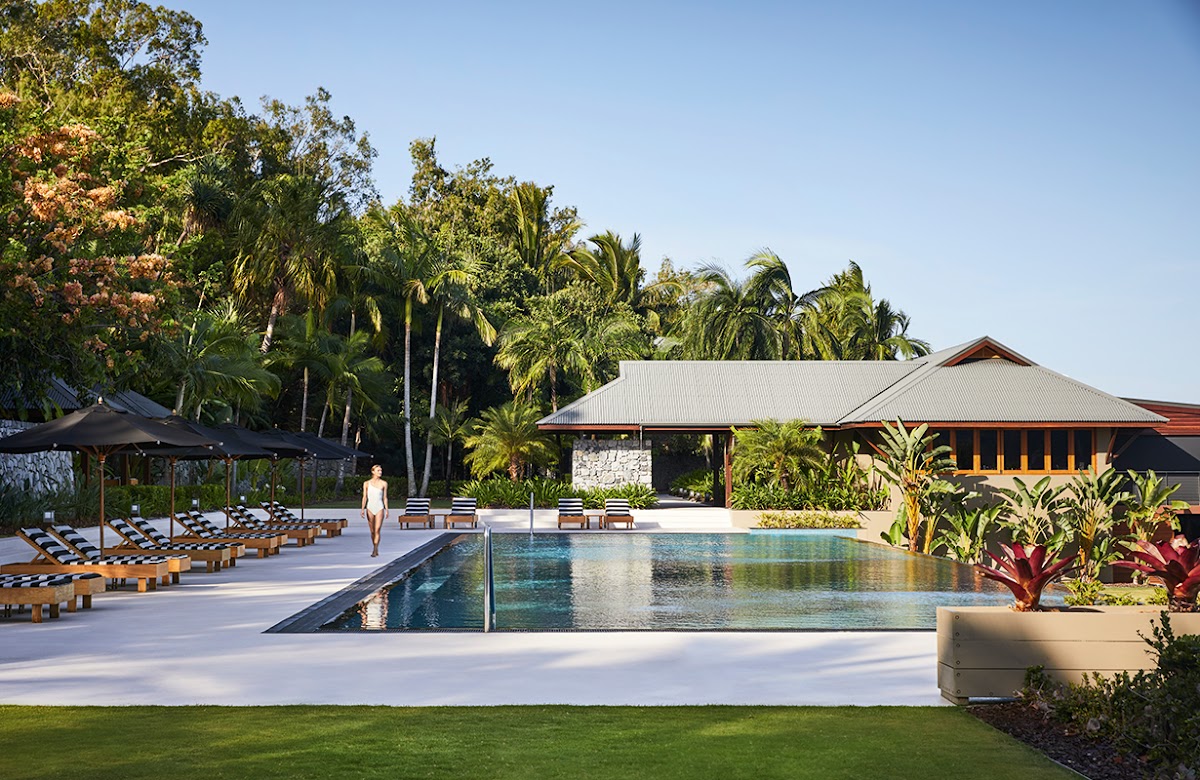 Hamilton Island
The Whitsundays, Queensland
Whitsundays island resort — Whitehaven Beach, reef trips and golf-buggy life
Explore the guide →
Hamilton Island
The Whitsundays, Queensland
Whitsundays island resort — Whitehaven Beach, reef trips and golf-buggy life
Explore the guide →
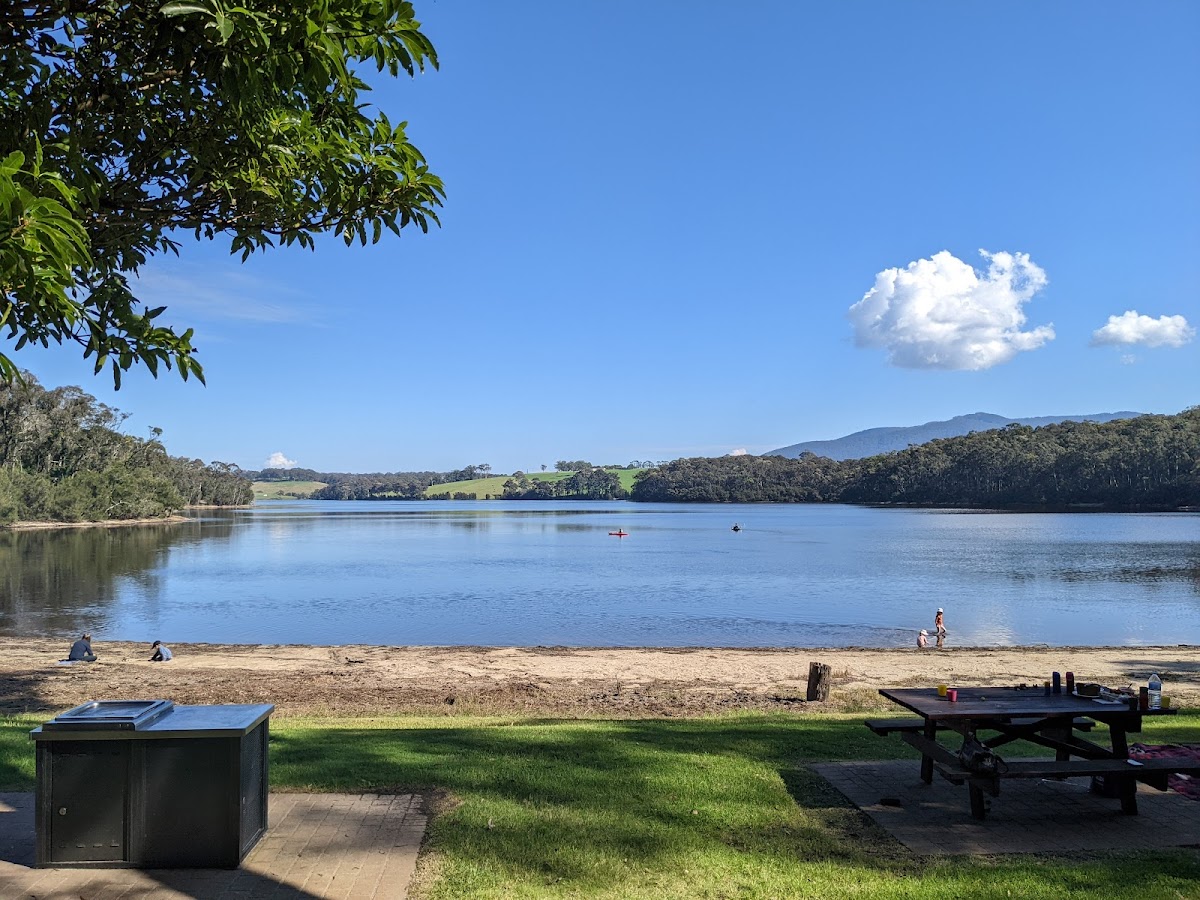 Narooma
South Coast, New South Wales
Crystal-clear inlet, surf beaches, oysters and Montague Island
Explore the guide →
Narooma
South Coast, New South Wales
Crystal-clear inlet, surf beaches, oysters and Montague Island
Explore the guide →
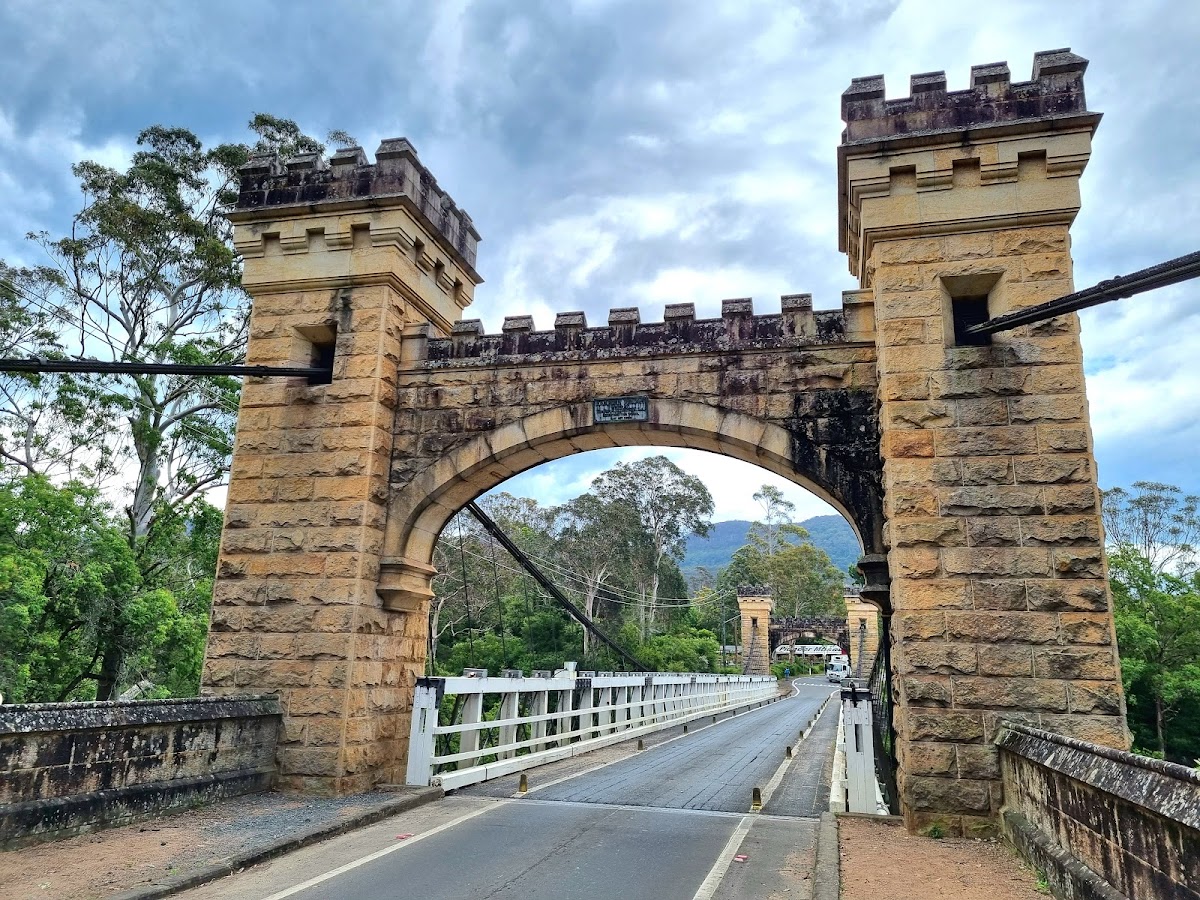 Kangaroo Valley
Shoalhaven, New South Wales
Hampden Bridge, kayaking and wombats in a green valley
Explore the guide →
Kangaroo Valley
Shoalhaven, New South Wales
Hampden Bridge, kayaking and wombats in a green valley
Explore the guide →
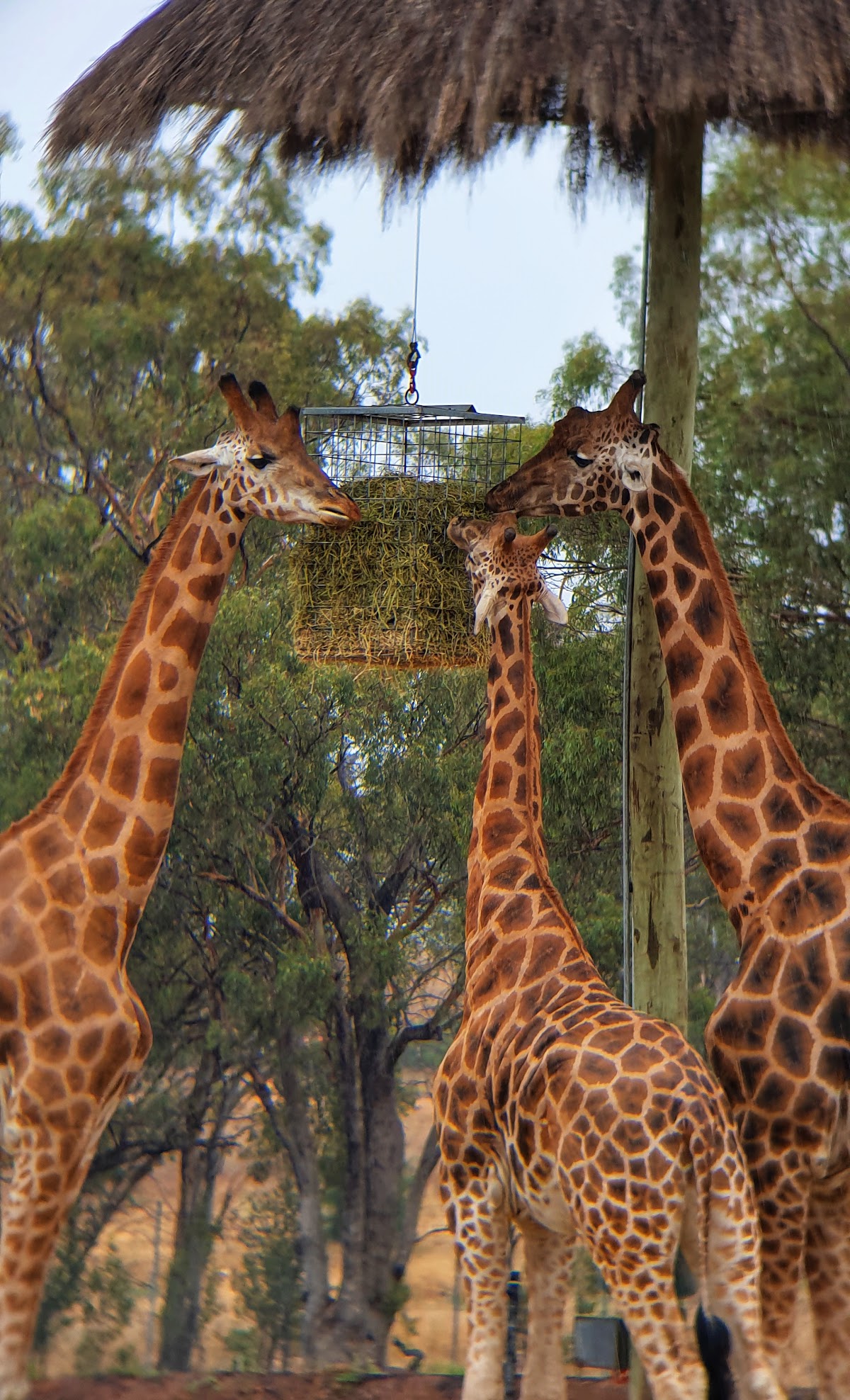 Dubbo
Central West, New South Wales
Open-range zoo and Outback gateway on the Macquarie River
Explore the guide →
Dubbo
Central West, New South Wales
Open-range zoo and Outback gateway on the Macquarie River
Explore the guide →
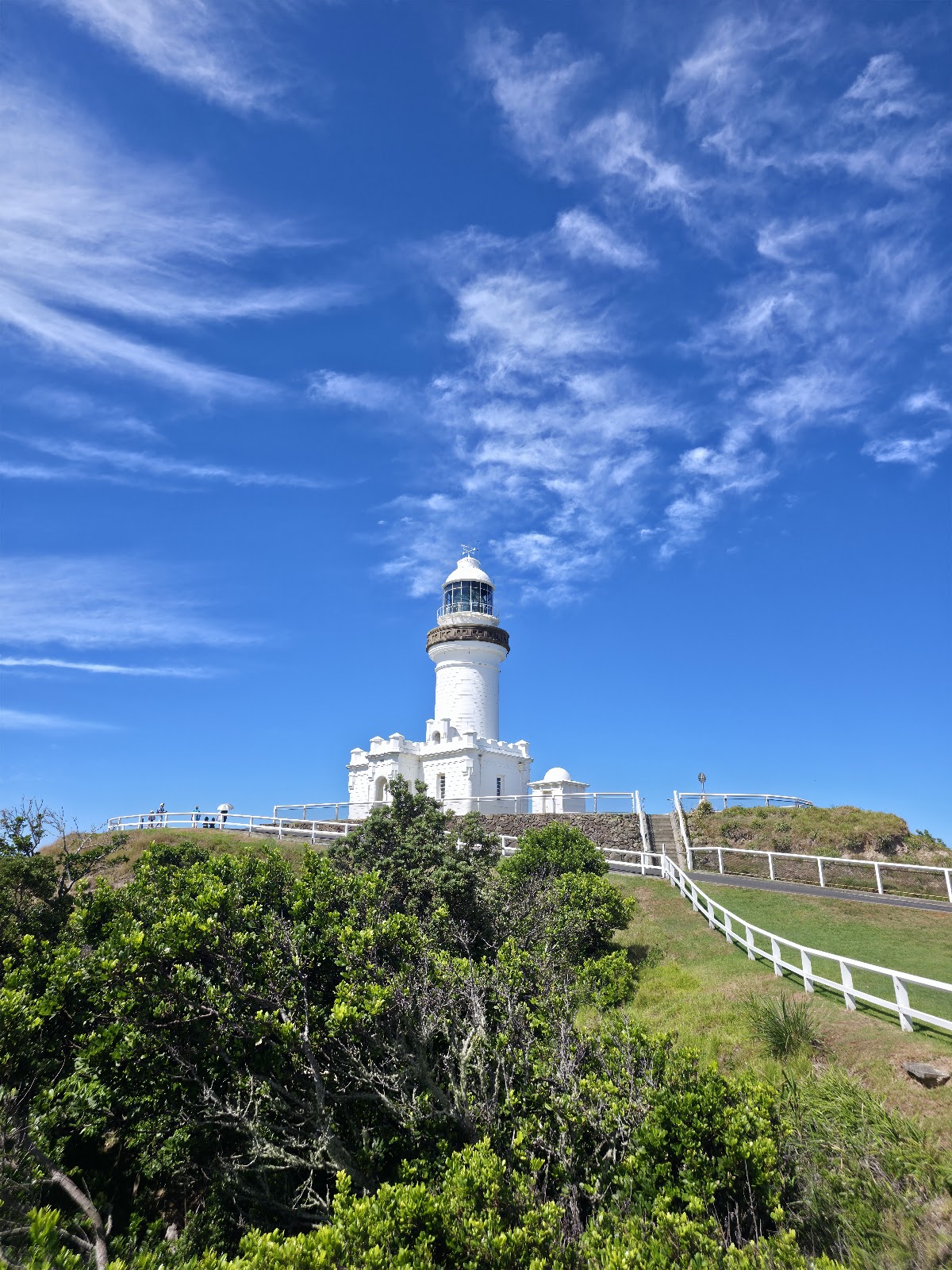 Byron Bay
Northern Rivers, New South Wales
Australia's iconic beach town and most easterly point
Explore the guide →
Byron Bay
Northern Rivers, New South Wales
Australia's iconic beach town and most easterly point
Explore the guide →
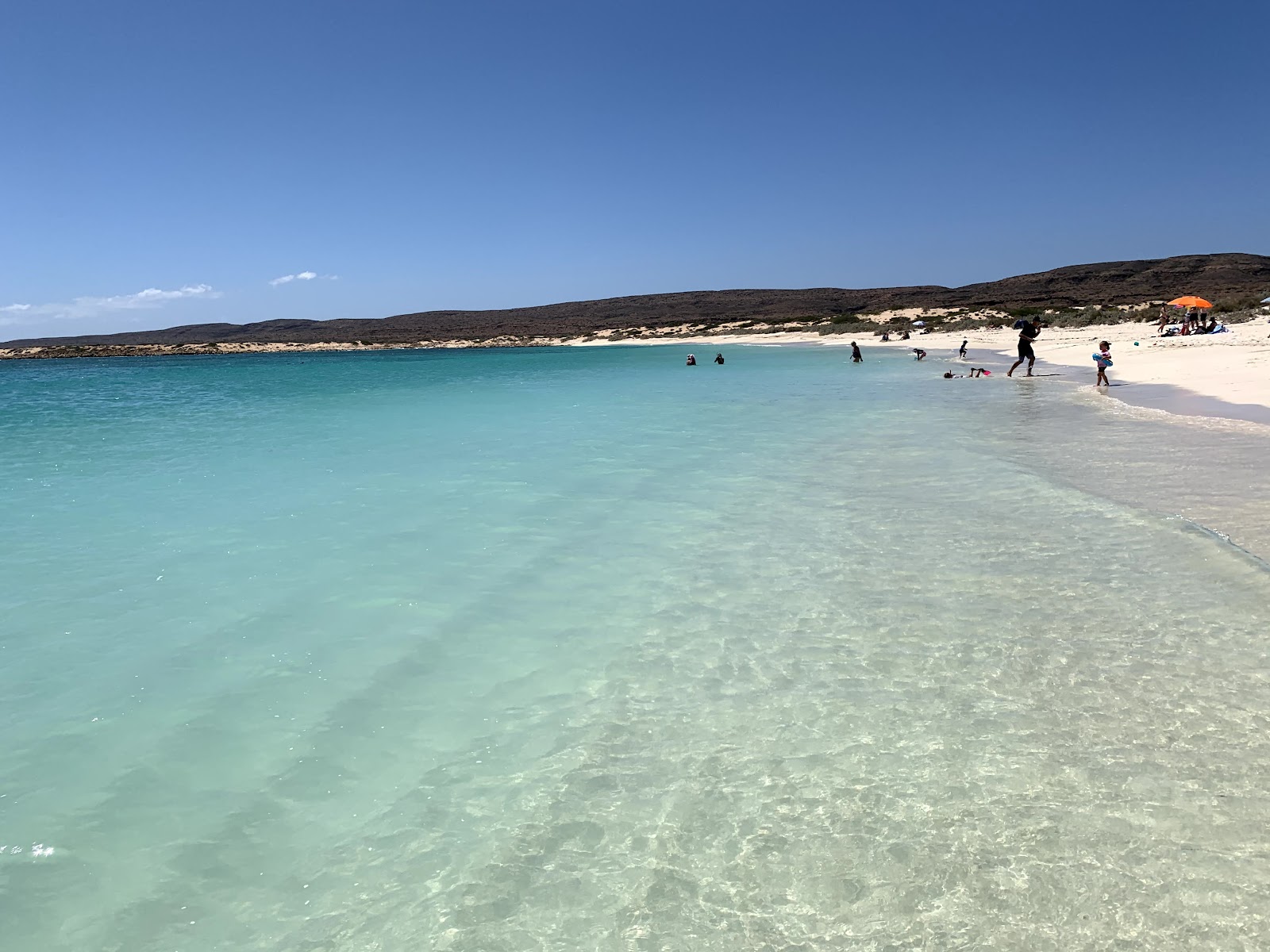 Ningaloo Reef
Australia's Coral Coast, Western Australia
Swim with whale sharks and snorkel a World-Heritage reef straight off the beach
Explore the guide →
Ningaloo Reef
Australia's Coral Coast, Western Australia
Swim with whale sharks and snorkel a World-Heritage reef straight off the beach
Explore the guide →
 Broome
Australia's North West, Western Australia
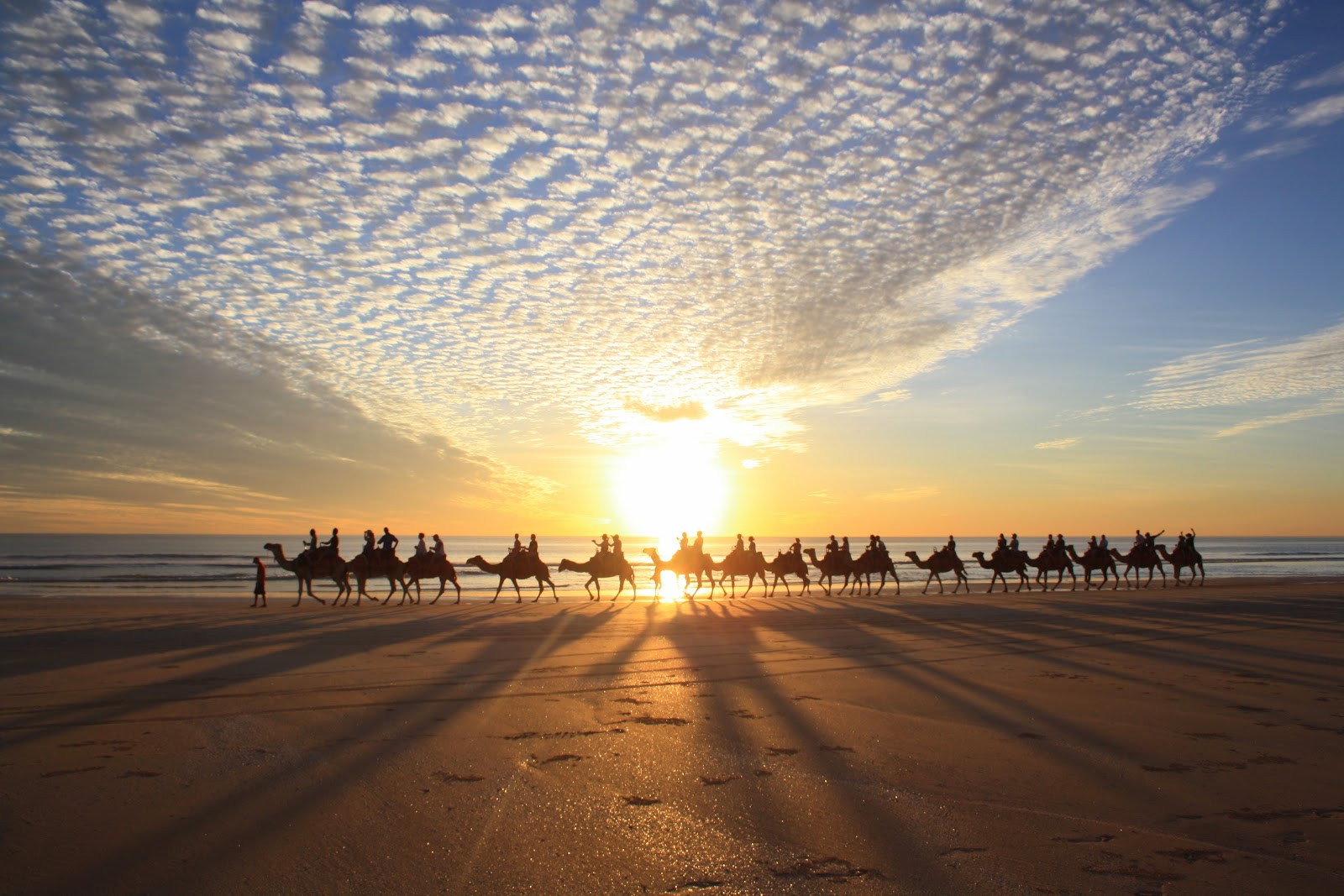
Cable Beach sunsets, pearling history and camels on 22km of sand
Explore the guide →
Broome
Australia's North West, Western Australia
Cable Beach sunsets, pearling history and camels on 22km of sand
Explore the guide →
 Margaret River
Australia's South West, Western Australia
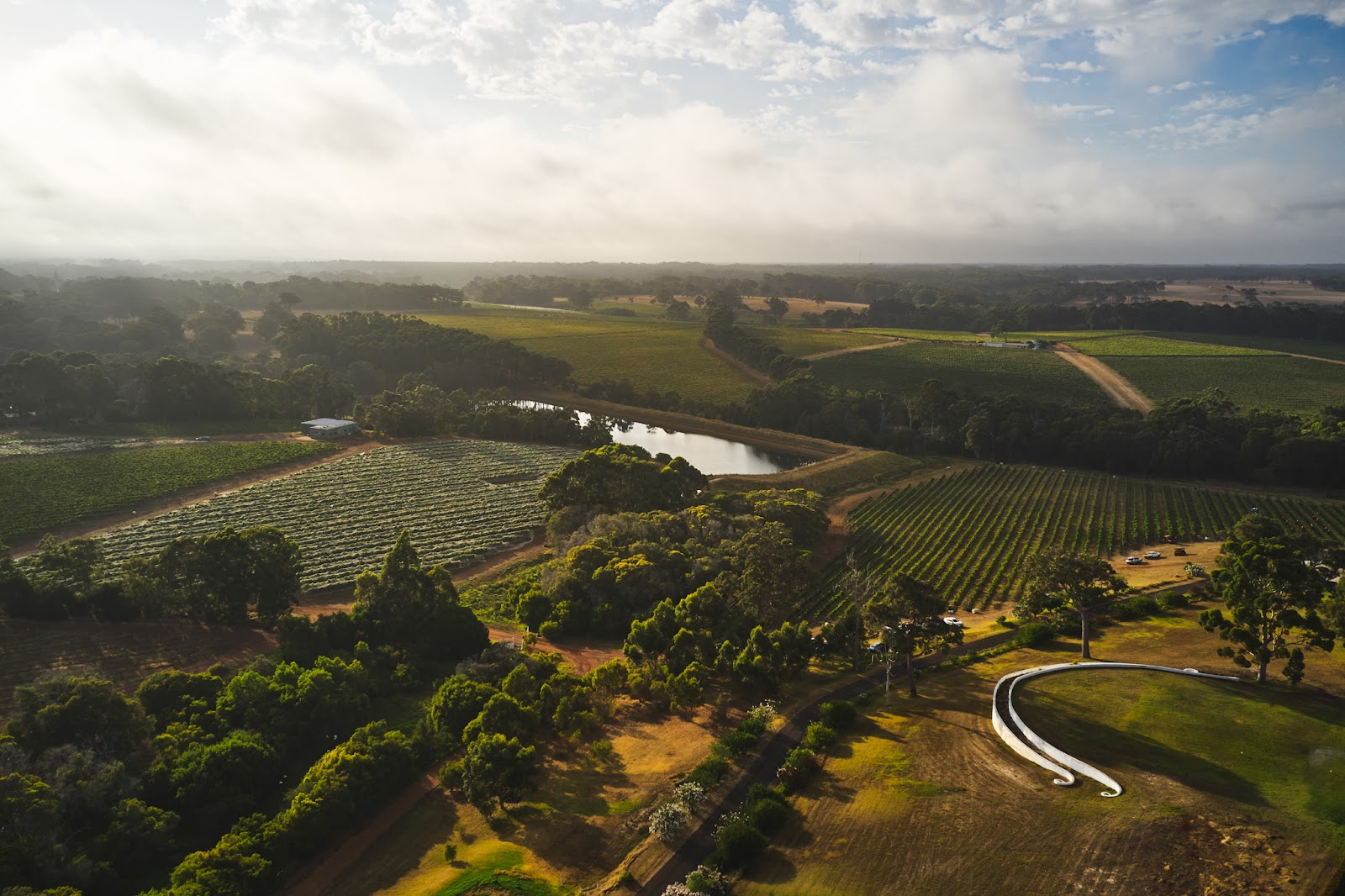
World-class wineries, surf breaks and limestone caves three hours south of Perth
Explore the guide →
Margaret River
Australia's South West, Western Australia
World-class wineries, surf breaks and limestone caves three hours south of Perth
Explore the guide →