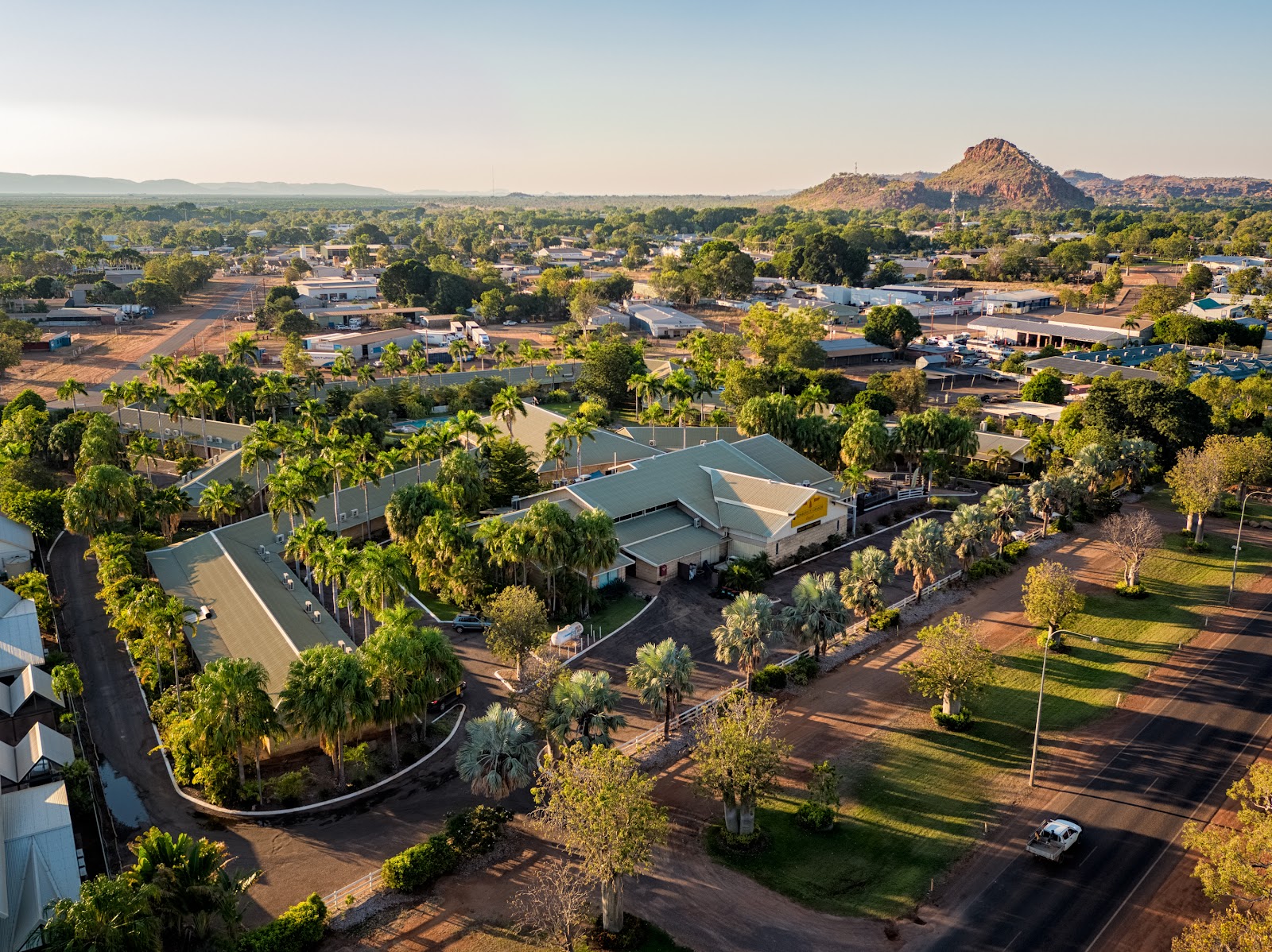
01. The Kimberley Grande Resort
4 (399 reviews)
The Kimberley Grande Resort — The Kimberley
Book Direct & Save →The Kimberley has so many gorges that travellers start running out of superlatives by the fourth or fifth one, which is precisely the problem with a list like this -- each gorge is genuinely different, and the one you remember most strongly will depend on when you arrive, who you're with, and whether you're after a swim, a walk, a photograph, or something it's harder to name. This guide ranks them honestly, with the swim safety and crocodile situation stated plainly for each one, because those aren't details you should have to look up separately.
View 3 Properties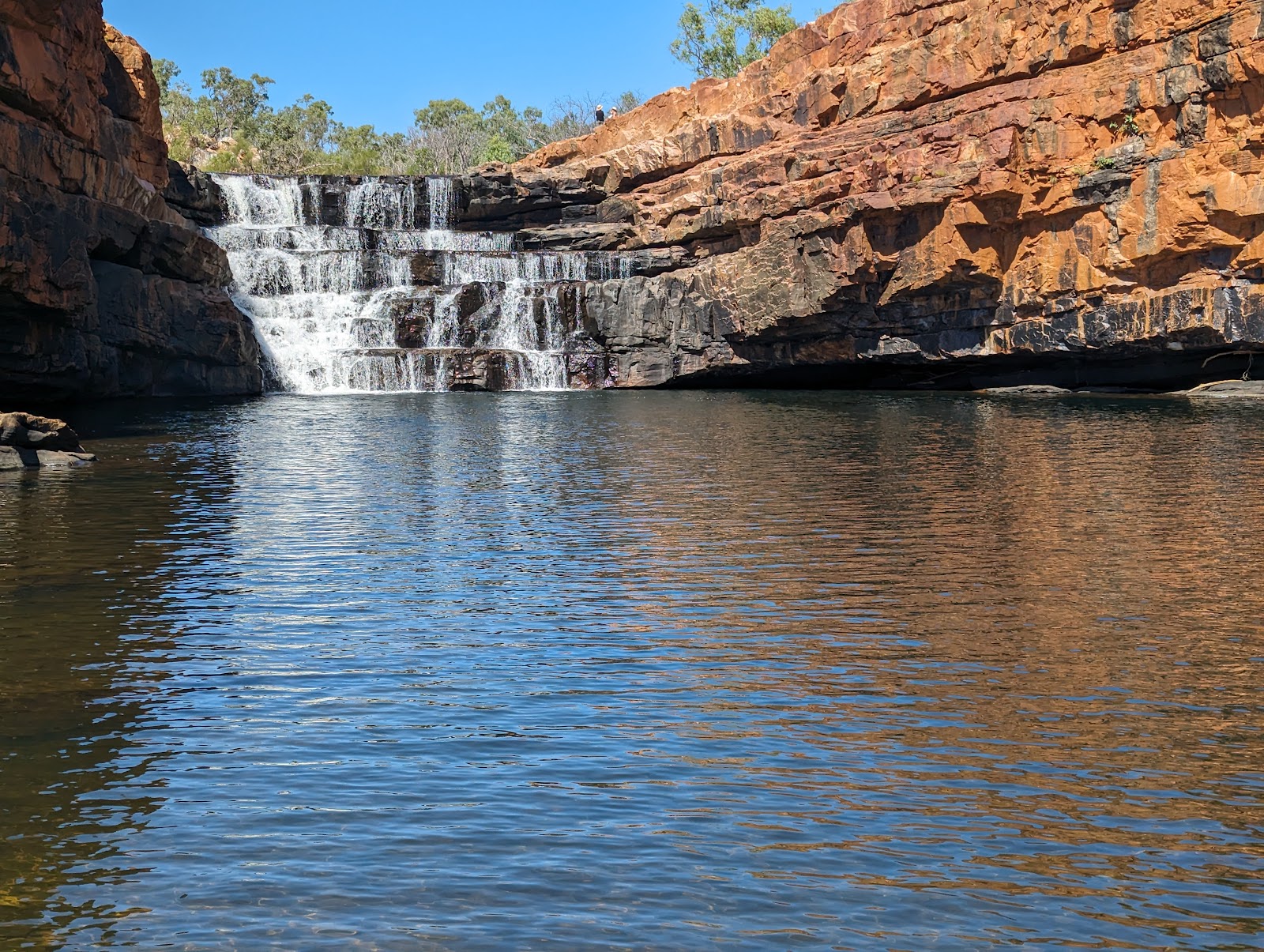
"Remote, ancient, spectacular"
A few ground rules before the list. First: crocodiles. Saltwater (estuarine) crocodiles inhabit most Kimberley waterways and coastal areas and are genuinely dangerous. Freshwater crocodiles (slimmer, usually smaller, much less aggressive) inhabit many inland gorges and waterways. In some gorges the swimming hole is signed safe; in others it is not; in a few the situation changes by season as water levels and croc movement shifts. Always check the signage at the site, never swim in an unsigned waterway, and treat any gorge with pools as a croc-possible environment until you have current confirmation otherwise. Second: all of these gorges are on Aboriginal country and several have significant cultural meaning -- approach them as guests on others' land, stay on tracks, and follow any posted cultural guidance.
The Kimberley's gorges are not all the same type of experience. Some -- Bell, Manning, Galvans, Adcock -- are on or near the Gibb River Road and have signed swimming pools that make them safe gorge swims as well as walks. Others -- Tunnel Creek, Emma Gorge, Lennard Gorge -- are either pure walk experiences or involve active engagement (wading, scrambling, swimming in thermal springs). Cathedral Gorge in the Bungle Bungles is a cultural and photographic destination as much as a walk. Each calls for a different approach.
Before you visit any gorge, the croc situation needs to be checked and understood at the site, not assumed from a guidebook. Even gorges that have been signed safe for swimming can have conditions change after rain, when water movement pushes crocs upstream from coastal and estuarine areas. If you arrive and there is no current safety signage at the water's edge, treat it as an unsigned pool -- which means do not swim. This is not excessive caution; it is the correct application of the rule.
Practical note on timing: the gorges in this list are spread along 400+ kilometres of rough road between Derby and Kununurra. They cannot all be visited in a single day or even two; this is a multi-day itinerary, not a day-trip list. Plan the stops alongside a Gibb River Road route plan (see the dedicated guide) or a Kununurra-based day itinerary for El Questro and the eastern gorges.
Bell Gorge is the gorge that most Gibb River Road veterans cite when asked which stop they'd revisit. A tiered waterfall drops through bands of orange and grey sandstone into a broad, deep swimming hole at the base -- the geometry of it, with water catching the light against the canyon walls and paperbarks at the rim, is the most photographed gorge image in the Kimberley. In the early Dry season (May-June) the falls are at full flow; later they taper, but the swimming hole remains deep and clear through the season.
The walk from the Silent Grove campsite is approximately 3.5 kilometres return over rocky, uneven terrain with some easy scrambling. It's classified moderate rather than easy -- the footing demands attention, especially near the pools where wet rock adds a hazard. Start early: the gorge faces east and the best light is in the morning, and by 9am in July and August tour groups begin to arrive from overnight camps and day visitors from the road. The campsite at Silent Grove is one of the better-equipped on the Gibb, and an overnight stay is strongly recommended for dawn access.
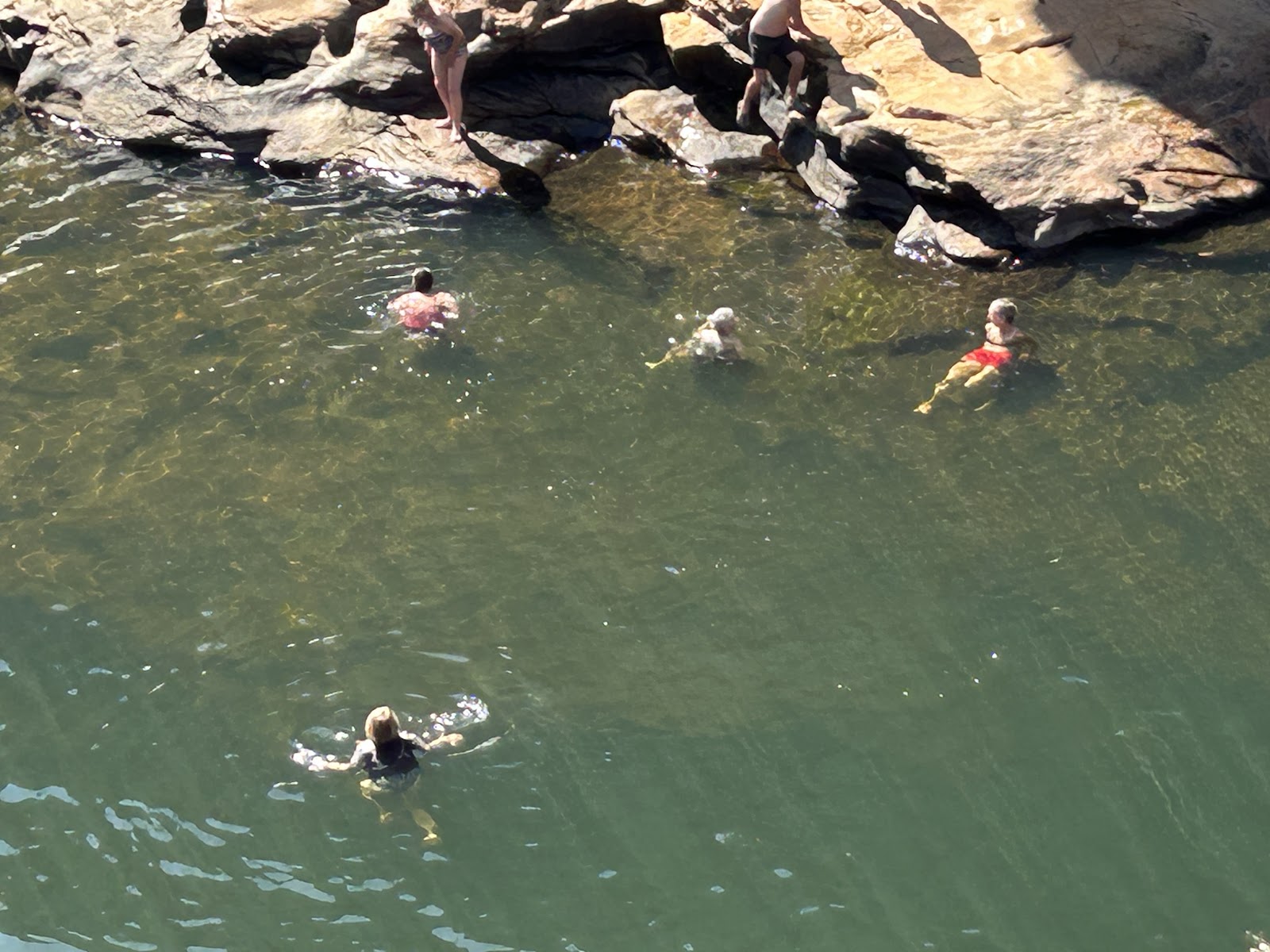
Bell is signed safe for swimming in the main pool area through most of the Dry season. Always check current signage on arrival -- conditions can change. The area around the falls themselves should be treated as hazardous after any rain due to the risk of flash water from upstream.
After days of corrugations and heat, that first jump into Bell Gorge's cold, clear pool beneath a flowing waterfall is one of the best single moments of any Kimberley trip.
“We camped at Silent Grove specifically for Bell Gorge at dawn. The pool before the tour groups arrive, with the falls lit orange -- nothing else comes close.”
— Google review
The tiered plunge pools at dawn before any tour group arrives -- cold, clear, and in the best morning light on the Gibb.
The rocky walk is not appropriate for less-mobile visitors or very young children; always check the current croc safety signage at the pool before swimming; do not swim near the falls after rain.
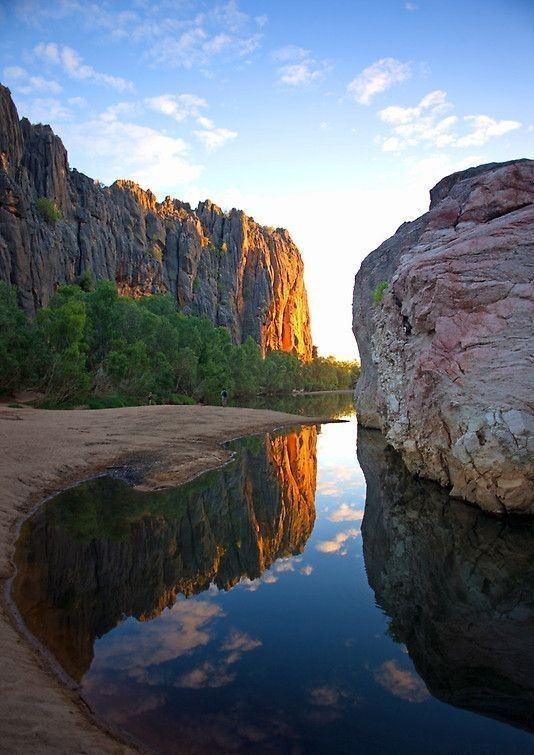
Windjana Gorge is the most visually dramatic gorge at the western end of the Gibb. The Lennard River has sliced through the ancient Devonian reef limestone -- 350-million-year-old rock -- and the result is sheer grey walls rising up to 90 metres on both sides of a wide, sandy riverbed. Walk the 3.5-kilometre return path through the gorge floor and the scale becomes comprehensible: the walls run unbroken for hundreds of metres, fig trees and river red gums root themselves into ledges and crevices, and the still pools between the sandy banks are lined with freshwater crocodiles sunning themselves. In the Dry season, dozens of freshwater crocs are typically visible -- sometimes well over thirty.
Freshwater crocodiles are significantly less dangerous than their saltwater relatives, but they are wild animals and should be treated with caution. They will generally retreat to the water when approached, but cornered or threatened individuals can bite. Maintain a distance of at least three to four metres, never touch or approach them, and do not enter the water where crocs are present, even freshwater ones. Swimming is not signed safe at Windjana, and the combination of fresh and saltwater croc habitat in Kimberley waterways means unsigned pools should never be entered.
The best time for Windjana is early morning -- the easterly light warms the limestone to a gold-grey and the croc viewing is best on the banks before the heat drives them to shade. Combine with Tunnel Creek (30 kilometres south) in the same day visit for the complete western-Gibb cultural and geological experience.
Thirty freshwater crocodiles on the banks beneath 90-metre limestone walls at first light is one of the Kimberley's most singular quiet scenes.
“We walked through at 7am and counted 34 freshwater crocs on the banks. The walls glowing and the crocs just sitting there. Unforgettable morning.”
— Google review
An early-morning walk through the gorge when the crocs are out on the banks and the limestone is catching the low eastern light.
Do not enter the water -- freshwater crocs are present and the pool system is not signed safe for swimming. Maintain distance from crocs at all times.
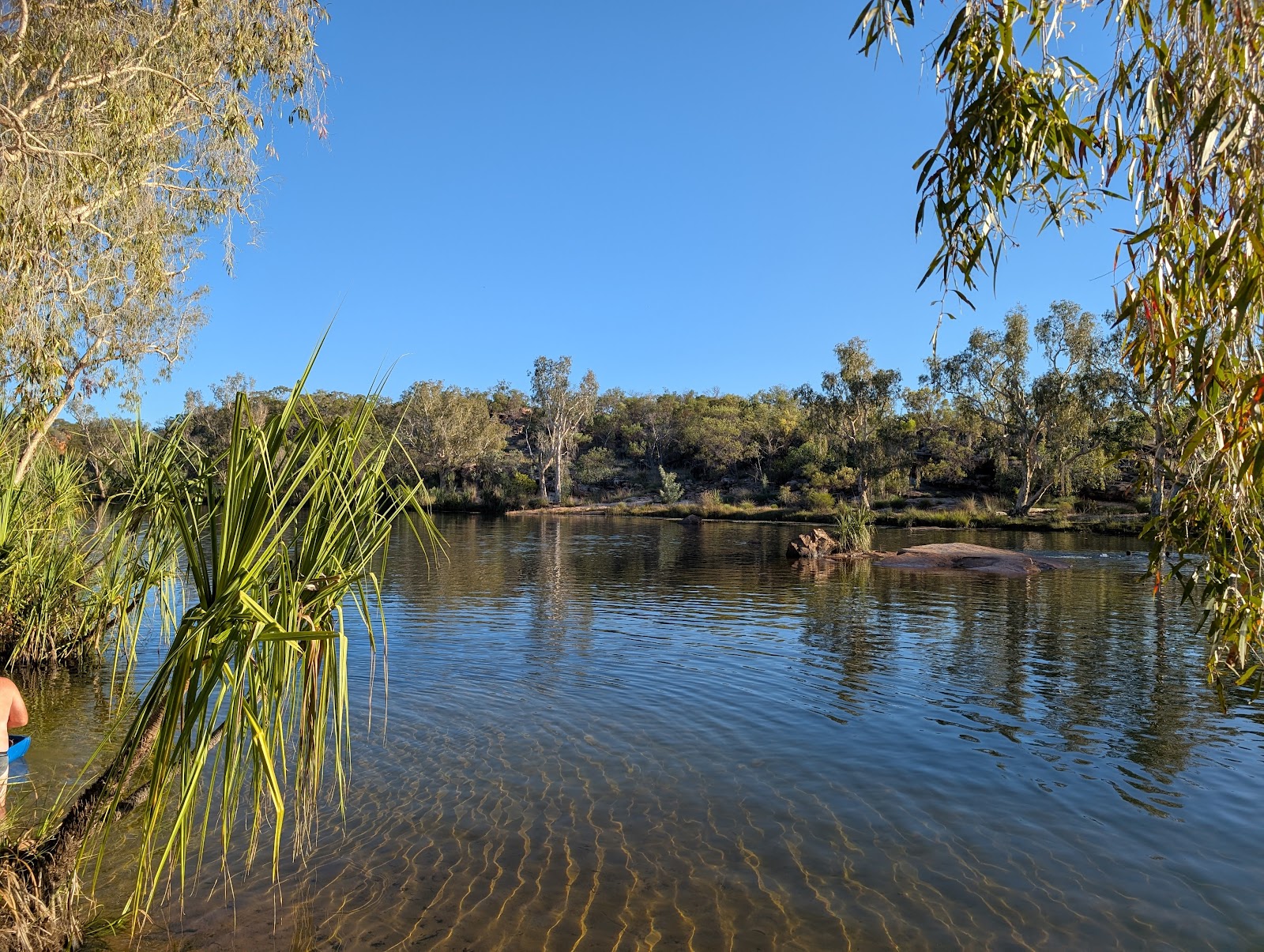
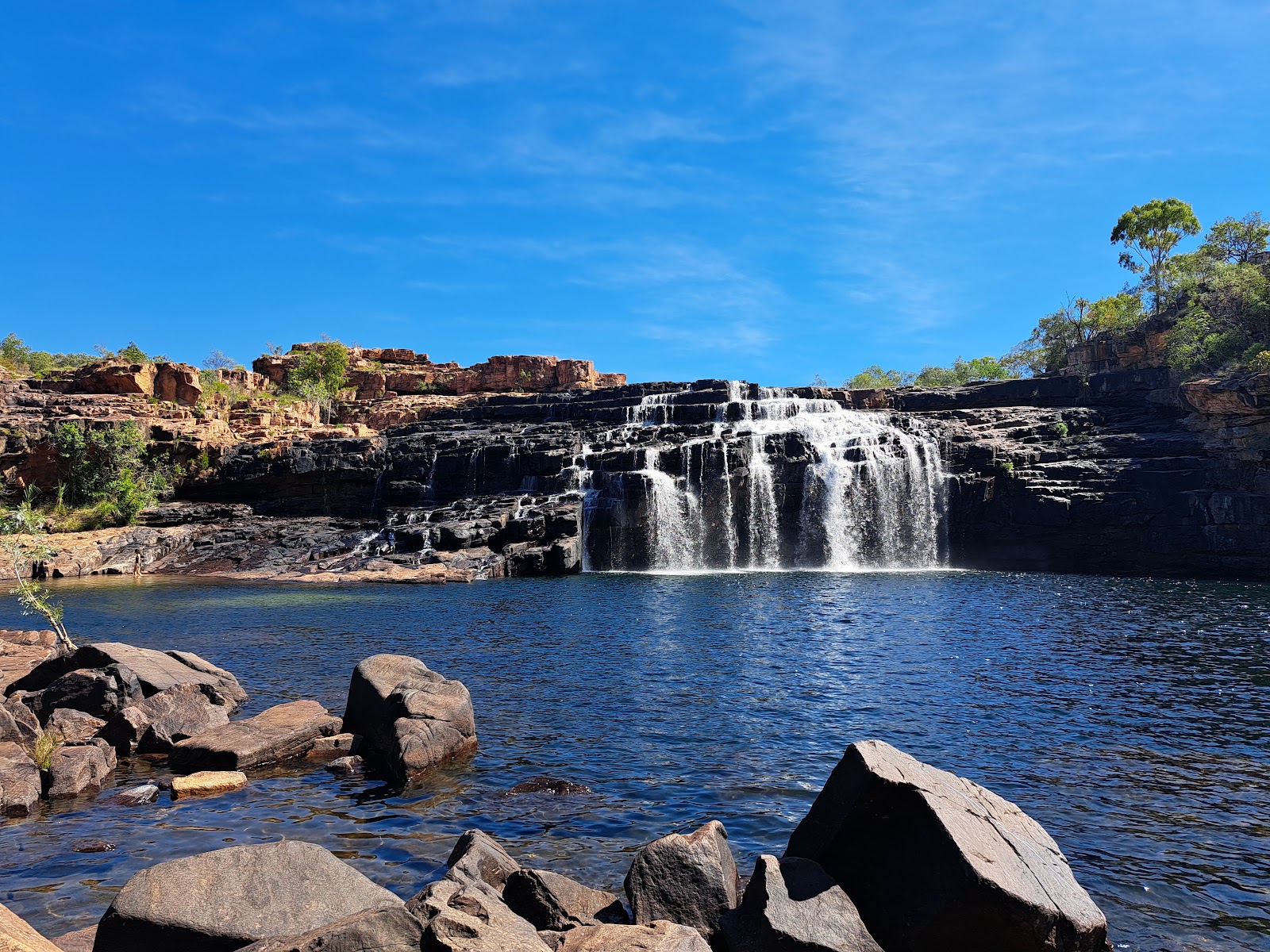
Manning Gorge has two personalities depending on how far you walk. The lower section -- reached via a short walk and a rope-assisted river crossing from the Mt Barnett campsite -- has a wide, accessible swimming hole beneath the lower Manning Falls that fills with day visitors and campers. It's a good swim, the water is cold and clear, and the walk is short. But the upper gorge, accessed via an 8-kilometre return walk across sandstone plateau with little shade, is the real destination: a multi-tier plunge pool system with a wide, powerful waterfall that few Gibb travellers make the effort to reach.
The upper gorge walk is a genuine half-day commitment over rough, hot terrain. The sandstone plateau between the lower gorge and the upper falls is exposed and devoid of shade; the footing is uneven and demands concentration; and the return journey in the afternoon heat is significantly harder than the morning approach. Allow a full day and a very early start. Most travellers who make the effort describe it as the most rewarding walk they did on the Gibb, and the upper falls -- wide, powerful and in a pool system most visitors never reach -- justify every kilometre.
The lower gorge swim suits most fit adults and older teenagers. The upper gorge walk suits only fit, experienced hikers willing to manage the heat and distance. Mt Barnett Roadhouse nearby is a critical fuel stop -- fill your tank regardless of whether you intend to walk.
The upper Manning Falls, wide and powerful in a pool that most people never reach, earned by a hard walk across bleached sandstone plateau.
“Left at 5.30am, got to the upper falls at 8.15, had it to ourselves for an hour. One of the great Kimberley moments -- absolutely worth the effort.”
— Traveller review
The upper Manning Falls and plunge pool -- a wide, multi-drop waterfall in a gorge system that the majority of Gibb travellers don't see.
The upper gorge walk is hard, hot and remote -- not for the unfit or anyone without sufficient water and an early start. The lower swim is accessible but check croc signage.
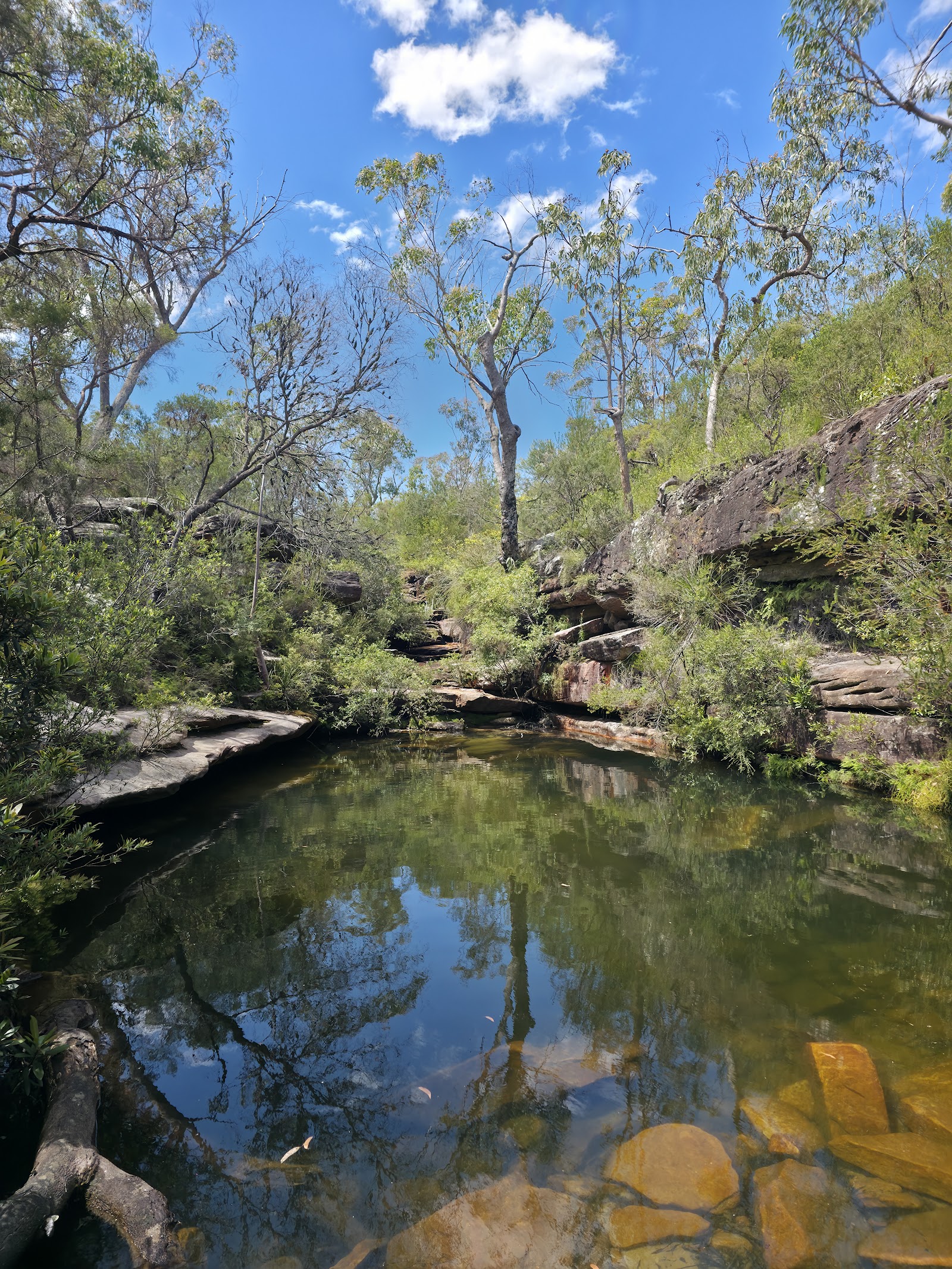
Emma Gorge is the jewel of El Questro and the best gorge experience in the Kununurra corridor. A 2-kilometre return walk from the gorge campsite leads over easy, marked terrain through spinifex and red rock to a plunge pool fed by a 65-metre waterfall that runs year-round from a thermal spring seeping through the sandstone. The pool is warm -- between 20 and 30 degrees Celsius depending on mix and conditions -- and the setting is outstanding: tall sandstone walls, livistona palms crowding the rim, and the waterfall running in a white ribbon down the orange cliff face into the palm-fringed pool.
What makes Emma Gorge stand out beyond its physical beauty is accessibility. The walk is genuinely easy -- short, well-marked and mostly flat -- which makes it one of the few Kimberley gorge swims that suits a wide range of fitness levels. Families with children, less-fit adults and older visitors all manage the Emma Gorge walk with more comfort than the rocky terrain of Bell or the punishing distance of upper Manning. The El Questro entry fee applies and the gorge campsite accommodation (camping to permanent tents) should be booked ahead in peak season.
The pool is signed safe for swimming at the base of the falls. Swimming is best in the early morning before day visitors from Kununurra arrive; El Questro campsite guests walk over before 7am and have the gorge to themselves for an hour before the first day groups reach the trailhead. The saltwater croc situation at El Questro requires attention to signage across the station, though the specific Emma Gorge pool -- fed by a spring, not a river channel -- maintains signed safe swimming through the Dry.
A warm spring-fed pool beneath a 65-metre waterfall at the end of an easy 2km walk -- Emma Gorge is the Kimberley gorge most people can actually enjoy.
“The pool is genuinely warm from the thermal spring, the waterfall runs all year, and the palms frame the whole thing. One of the best swims of our lives.”
— Google review
The thermal spring pool at the base of the falls on a cool Dry-season morning -- warm water, cold air, orange walls.
El Questro has an entry fee and the gorge campsite books out in peak season -- plan and book ahead. Follow saltwater croc signage across the station (the Emma pool is safe but the wider station waterways are not).
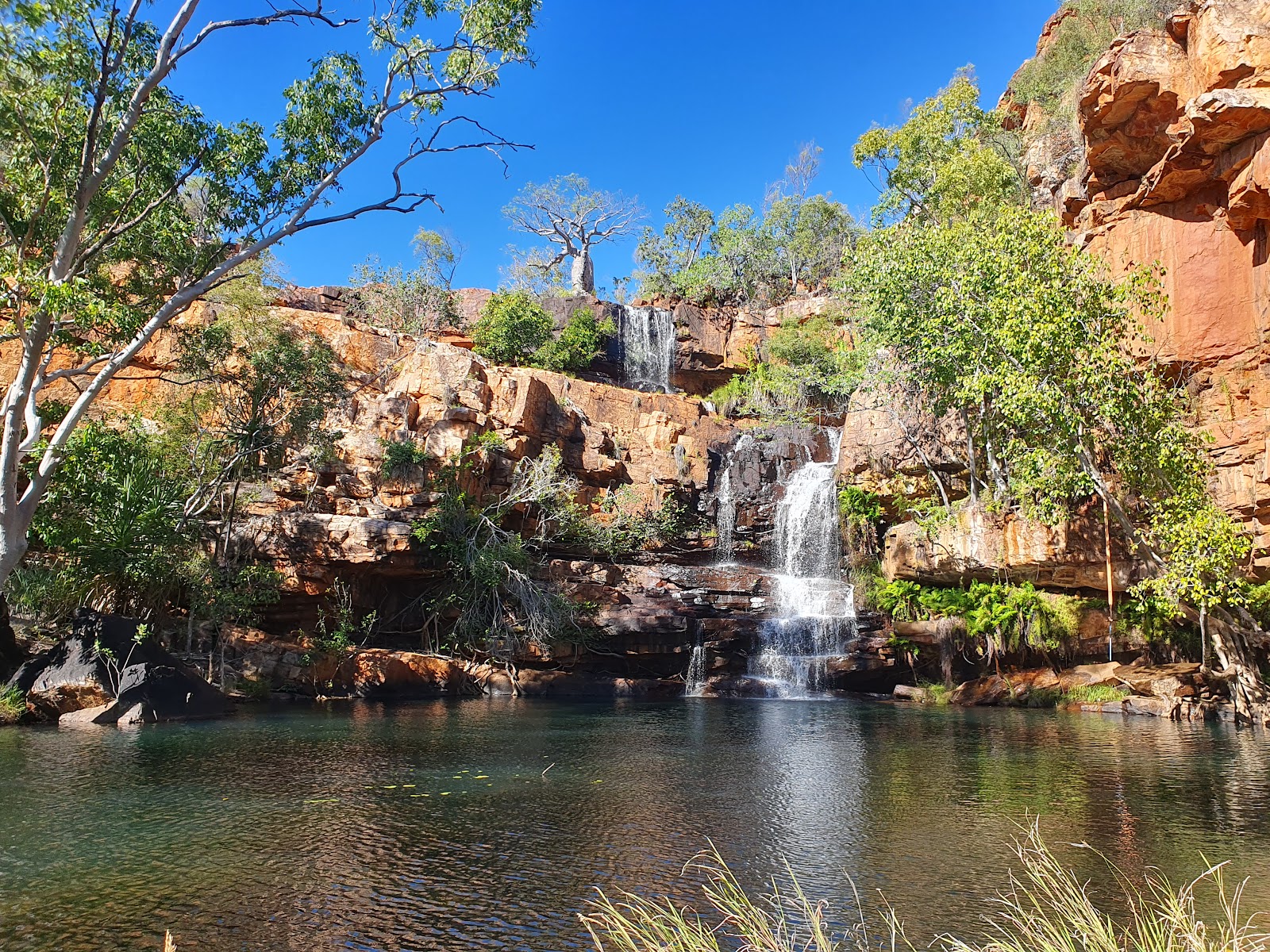
Galvans Gorge has the best effort-to-reward ratio of any gorge stop on the Gibb. A 10-minute flat walk from the road reaches a clear, deep swimming pool at the base of a low waterfall, with a painted overhang holding Wandjina rock art -- the large-eyed, halo-headed ancestral figures of the Wunambal Gaambera people -- directly above the pool. The combination of a quality swim and a culturally significant art site in under half an hour of effort is why Galvans appears on nearly every Gibb itinerary.
The pool is fed by the Galvans Gorge waterfall and is typically clear and inviting through the Dry season. Freshwater crocs are present at the margins -- they're part of the scene, visible on the rocks at the pool's edge, generally retreating when humans approach the water. Swim in the main pool body rather than investigating the rocky edges where the crocs sun themselves, and check current signage at the site. The usual Kimberley croc awareness rules apply: if it's not signed safe, don't swim.
The Wandjina art at Galvans is one of the most accessible examples of this tradition in the Kimberley. Approach the rock face quietly, do not touch the paintings under any circumstances, and do not position yourself in the art panel for photographs -- the site should be treated as a living cultural place, not a backdrop.
The best 20-minute gorge stop on the Gibb -- a proper cold swim and Wandjina rock art that gives the whole site an entirely different weight.
“Ten minutes from the road, a beautiful pool, two freshies basking at the edge, and Wandjina faces above the water. We stopped for twenty minutes and stayed two hours.”
— Traveller review
The Wandjina painted overhang above the pool -- look at it carefully and let the scale and age of it register.
Swim in the main pool body, not the croc-occupied rocky margins. Never touch the Wandjina art. The gorge is close to the road and can be busy mid-morning in peak season -- arrive early.
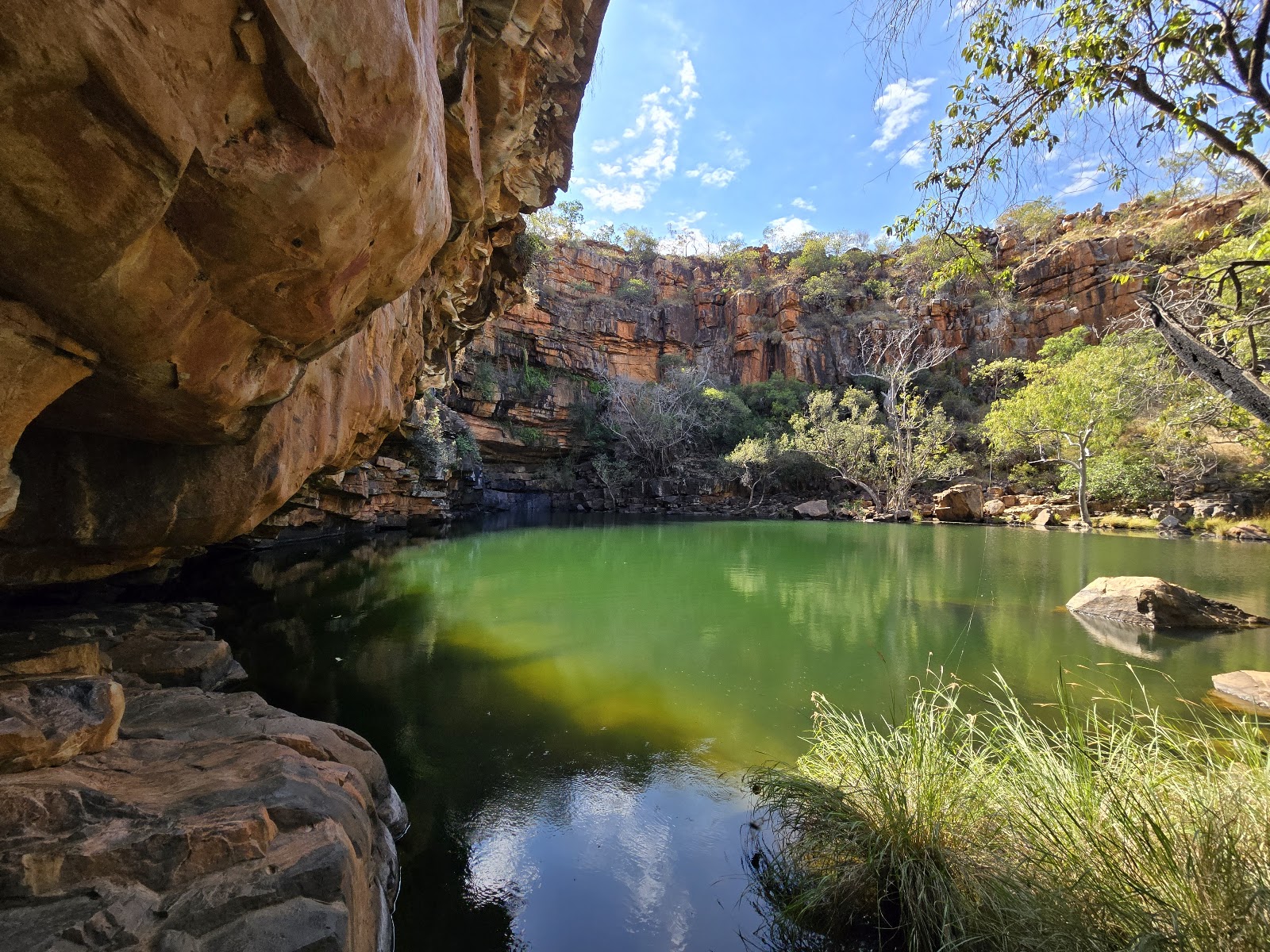
Adcock Gorge is the least-celebrated of the central Gibb swimming gorges, which means it's often the quietest. A short walk -- mostly flat with minor rock scrambling at the end -- reaches a compact, deep swimming hole tucked into red sandstone walls. There's no waterfall feature, just the pool, the walls, and the sound of nothing. In peak July-August that quietness, compared with the tour-group presence at Bell or Galvans, is its strongest recommendation.
The water is clear and cold in the early Dry season, and the sandstone walls warm to a deep orange in the afternoon light when most other gorges face the wrong way. It's a very good gorge swim by any objective measure; it just happens to sit next to Bell and Manning on the itinerary, which means most travellers allocate less time or skip it entirely. The travellers who stop find it a genuinely satisfying experience and are usually glad they did.
Adcock suits most fitness levels given the easy-to-moderate access, and it's one of the better gorges for a late-afternoon swim when the long driving day is done and an easy stop is more appealing than another Rocky Scramble. Check current croc safety signage on arrival as with all Gibb waterways.
The quietest good swimming hole on the central Gibb -- the same clear water as the famous gorges, with none of the tour-group presence.
“Had the gorge to ourselves for an hour and a half. Red walls, cold water, silence. That's what you come to the Kimberley for.”
— Google review
An afternoon swim alone in the pool with the warm sandstone walls and near-total silence.
Check croc safety signage on arrival; the side road is easy to miss -- check your map before the turn-off. Not as spectacular as Bell but significantly less crowded.
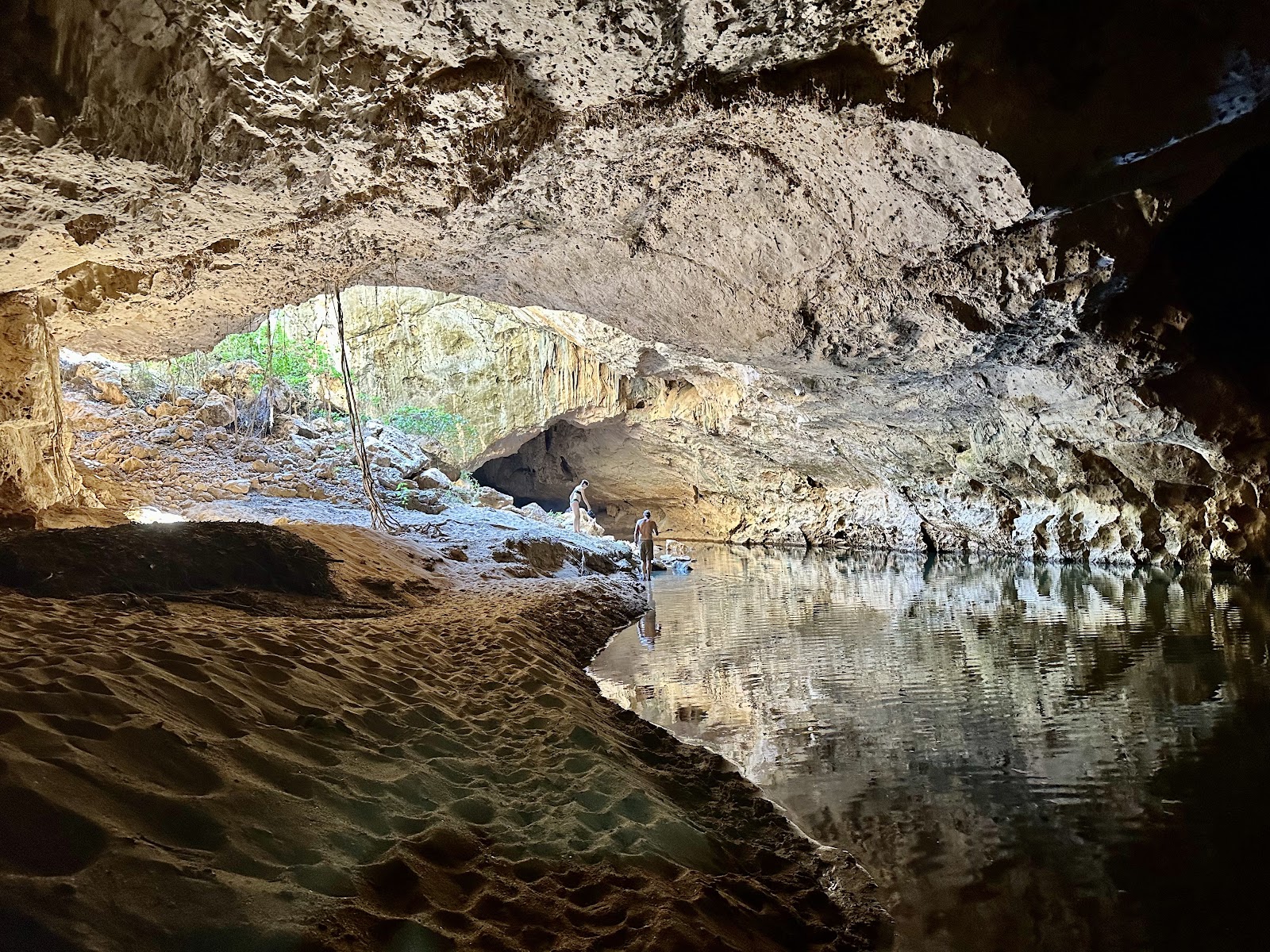
Tunnel Creek belongs in a different category from the swimming gorges -- it's a walk-through experience that happens to involve wading. A natural tunnel approximately 750 metres long cuts through the Napier Range; the only way through is to wade the creek that runs along its floor, in darkness, with a torch. Freshwater crocodiles are present, bats flush from the roof as you approach, and the walls glimmer with moisture. At the mid-point, a collapsed section of the tunnel ceiling creates a shaft of daylight falling into a pool -- the most striking single image on the western Gibb. Allow at least an hour and bring two torches per person.
What elevates Tunnel Creek beyond its geological interest is its history. The Bunuba warrior and tracker Jandamarra used the tunnel as a hide during his three-year resistance against colonial forces between 1894 and 1897 -- one of the most significant episodes in Kimberley frontier history. The Bunuba people interpret this landscape and history through cultural tours; if you have the opportunity to do a guided tour with a Bunuba cultural interpreter, it changes the walk entirely and is the recommended way to experience Tunnel Creek for those it's available to.
The experience suits most adults comfortable with dark, confined spaces and knee-deep water. It's not suitable for young children who can't manage the depth and darkness, or for anyone with claustrophobia. The freshwater crocs are generally small and experienced with people, but maintain distance and never approach them. Carry waterproof shoes or sandals -- you will get wet.
The shaft of blue daylight falling through the collapsed ceiling into a dark, knee-deep tunnel is one of the most singular and beautiful moments the Kimberley produces.
“Stood at the collapse with the light coming through while bats flew past and a freshie crossed the water in front of me. One of the most extraordinary experiences of my life.”
— Traveller review
The collapsed mid-section, where a shaft of sky falls into the dark tunnel and the contrast between the two lights is extraordinary.
Not for claustrophobics or young children who can't manage dark, knee-deep water. Two torches per person is non-negotiable -- losing your only torch in a dark tunnel is a genuine emergency.
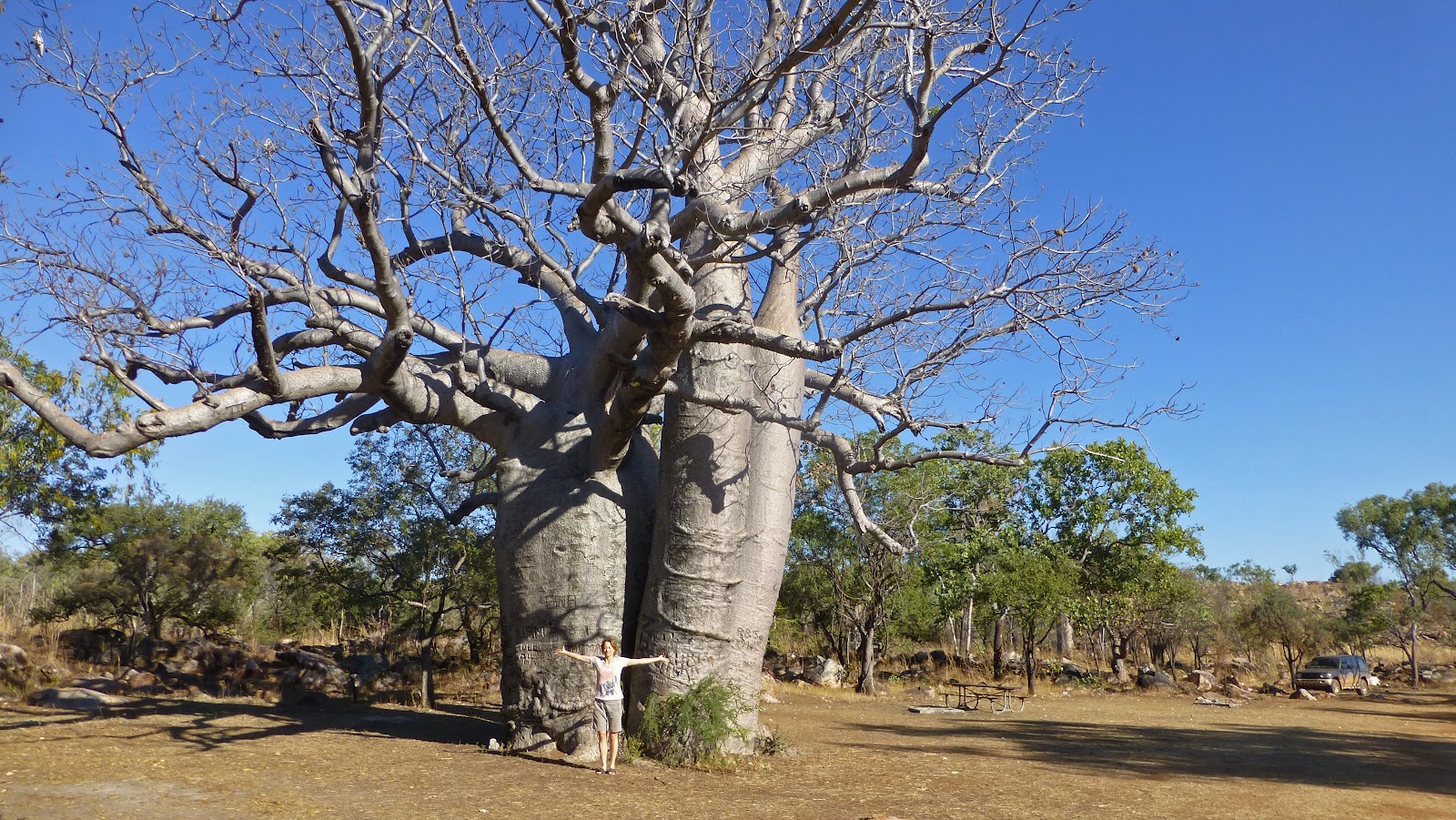
Lennard Gorge is the most dramatic gorge that the majority of Gibb travellers drive past without stopping. A 20-kilometre (each way) rough and rocky side road branches south from the Gibb to a walk of about 2 kilometres ending at an extraordinary sight: a deep, narrow plunge gorge where the Lennard River drops in a powerful waterfall into a canyon so deep and tight that the bottom is barely visible from the rim. The volume and force of the fall -- particularly in the early Dry when flow is high -- and the sheer verticality of the canyon walls make Lennard arguably the most visually dramatic single waterfall point in the Gibb corridor.
It is not a swimming gorge -- the plunge pool is inaccessible from above. The experience is entirely about the view into the gorge from the rim walk. The rim terrain is rough sandstone with some exposure on the edges; good footwear and care near the rim are essential. The 40-kilometre round-trip detour on a rough side road costs a significant chunk of a driving day, which is why most itineraries skip it, and why the gorge is notably quiet when you do arrive.
For travellers with a flexible Gibb itinerary and a full day, the detour is worth it. For those on a tighter schedule, it's a genuinely hard call -- Bell, Manning and Galvans offer swimmable gorges in less travel time. But for sheer visual impact, Lennard Gorge has very few rivals on the Gibb.
The scale and force of the Lennard plunge -- a powerful waterfall dropping into a canyon you can't see the bottom of -- is unlike any other single viewpoint on the Gibb.
“The worst side road on the Gibb and absolutely worth it. We stood at the rim of Lennard for 40 minutes and couldn't make ourselves leave.”
— Google review
Standing at the canyon rim and looking down at the full force of the Lennard River plunging into the gorge below -- spectacular in any season.
The 40km round-trip side road is among the roughest on the Gibb and costs a full afternoon. Swimming is not possible -- it's a viewing experience. Skip if time is tight and prioritise Bell or Manning.
What recent visitors say:
“OMG...this place reduced me to tears due to being overwhelmed by its grandeur and spectacular scenery. We had two days here but would have loved a week. Echidna Chasm was amazing, Cathedral Gorge breathtaking and Mini Palms gorgeous. I have travelled extensively throughout Europe, Australia, Asia and parts of Canada and the US and l rate this as No 1. This I”— Megan Hollick (on The Bungle Bungles), Google review
“I'll admit that before I visited The Kimberley all I knew about The Bungles Bungles was the classic aerial image of the striated doom rocks. We visited at sunrise so caught the early morning, 'golden hour' light on the ranges. Early start meant that the day use area was not busy, and the trails were cool, shaded and not crowded. Trial heads had maps, paths w”— Zeglar “Zeg” Fergus (on The Bungle Bungles), Google review
“A place that is kinda impossible to review, you gotta see it for yourself! First warning, the track in is not for the faint hearted (even when graded) but if you can do that you will be fine. Its over 45kms from the front gate to the Visitors centre, which you have to stop at and check in if you are staying at either campsite (Walardi or Kurrajon). Special ”— cktravels (on The Bungle Bungles), Google review
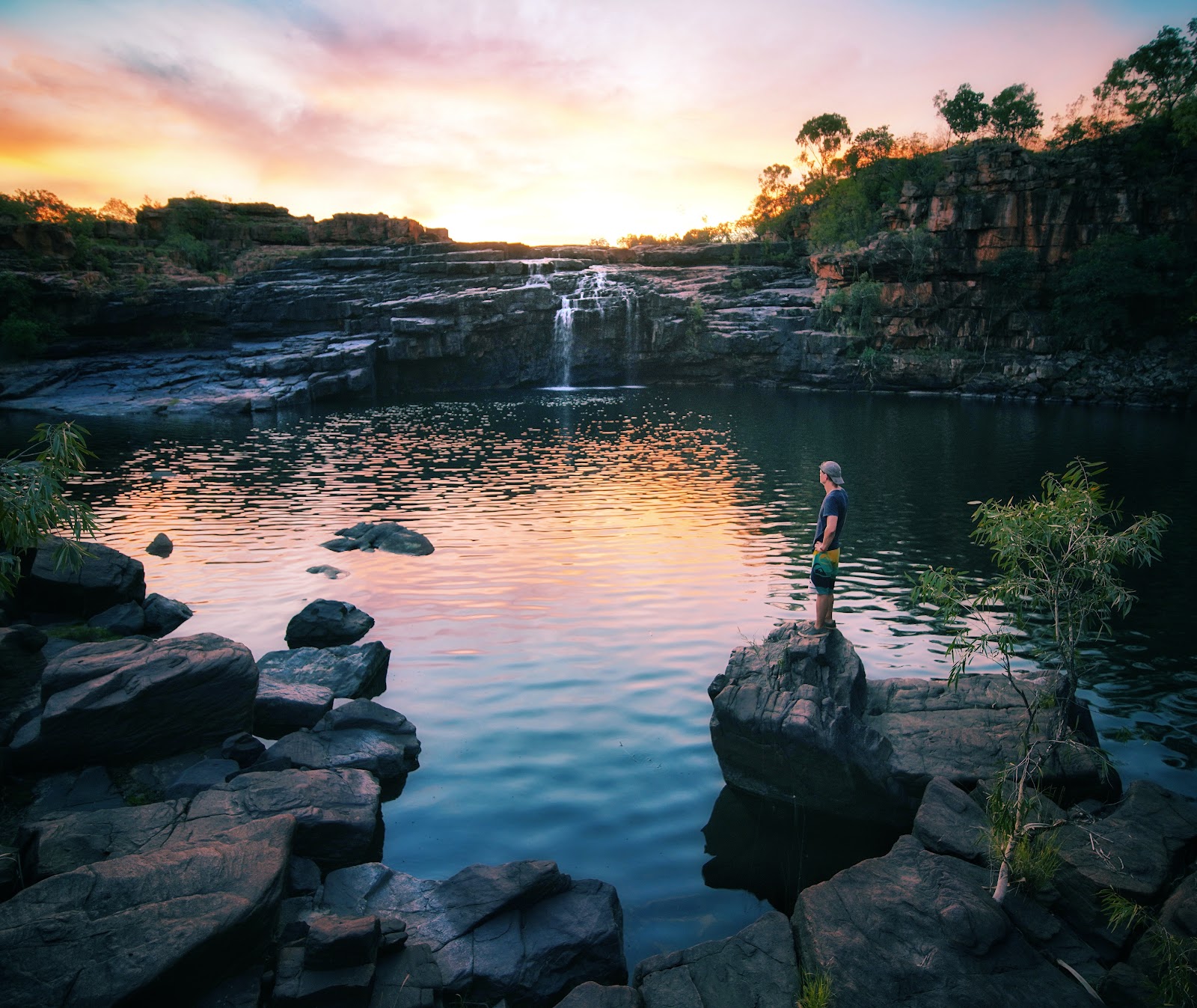
The croc safety situation across Kimberley gorges is not uniform and it changes. Gorges that are signed safe in May may have different conditions in October after a wet-season water movement cycle. Signed safe means someone -- DBCA rangers or station management -- has assessed that specific swimming area recently and found it free of saltwater crocodiles and safe to swim in. Unsigned does not mean safe; it means it hasn't been assessed, or has been assessed and found unsafe. If the sign isn't there and current, treat it as a no-swim site.
Freshwater crocodile rules are simpler but still important: they are significantly less dangerous than saltwater crocs and historically accustomed to people at popular gorges, but they are wild animals that will bite if cornered or surprised. Maintain a minimum of three metres distance, never touch or approach them, and do not enter the water where they are present at the water's edge, even in gorges where swimming is technically permitted in the main pool body.
Practical rules for every gorge: arrive with closed-toe, grippy footwear (sandals are inadequate on most Kimberley gorge floors); bring more water than you think you need (1.5 litres per person per hour in the heat); start every serious walk before 8am; carry a satellite communicator on any walk over 3 kilometres in remote country; and tell someone your intended itinerary before leaving your campsite or vehicle.
The Kimberley's gorges are the reason most people make the trip. Bell is the benchmark -- the tiered falls and cold plunge pool that justifies every corrugation on the Gibb. Windjana is the one you remember longest because of the crocs and the limestone. Emma Gorge is the most accessible great swim. Galvans is the best value-for-effort stop. Tunnel Creek is in a category of its own. And the rest -- Manning, Adcock, Lennard -- reward the travellers willing to walk past the most obvious stops.
The common thread is this: go early, check the croc signage, wear proper shoes, carry water, and give each gorge the time it deserves rather than treating it as a box to tick. The Kimberley's gorges are among the finest natural experiences in Australia. They deserve more than a thirty-minute stopover.
The Kimberley Grande Resort — The Kimberley
Book Direct & Save →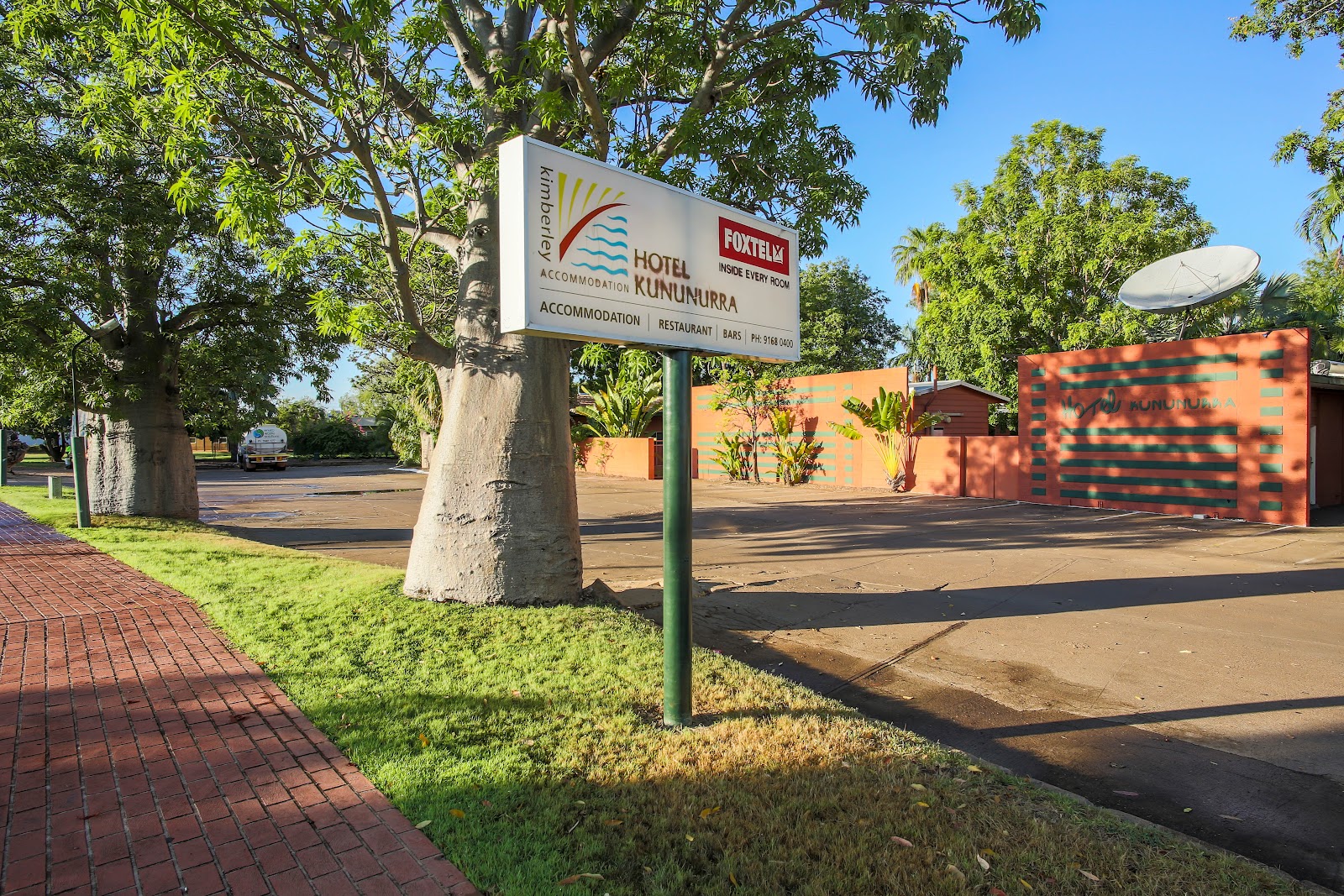
Best Western Cambridge Hotel Kununurra — The Kimberley
Book Direct & Save →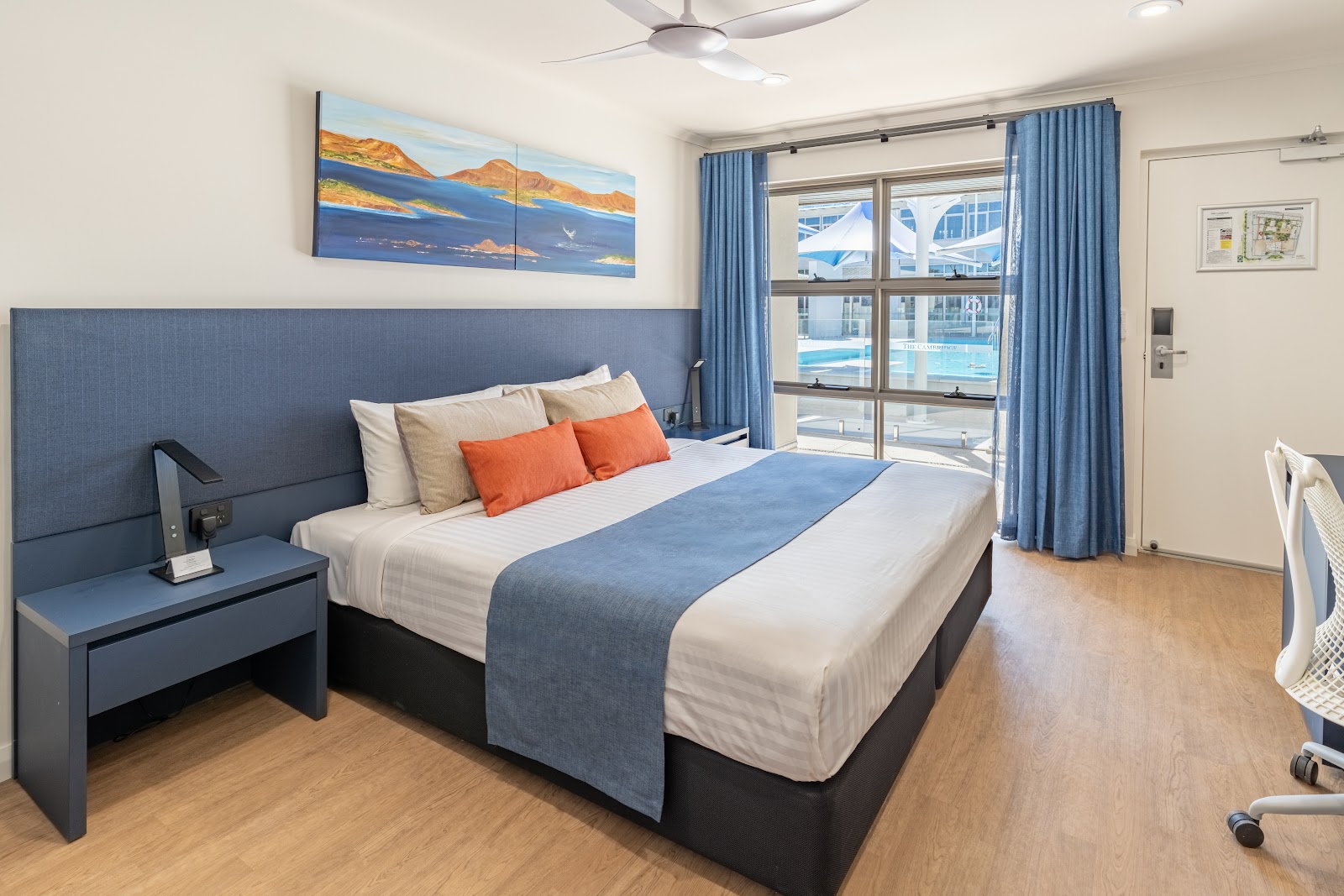
Hotel Kununurra — The Kimberley
Book Direct & Save →Skip OTA fees. Connect directly with The Kimberley owners for the best rates and a truly personal experience.
We match any online rate. No service fees — 100% of your payment supports local owners.
Direct guests receive complimentary hampers, early check-in, and priority access to experiences.
Speak directly with the people who manage the properties. No call centres, just local expertise.
Part of Western Australia · Australia's North West
 Glen Aplin
Granite Belt, Queensland
Queensland's most underrated wine valley
Explore the guide →
Glen Aplin
Granite Belt, Queensland
Queensland's most underrated wine valley
Explore the guide →
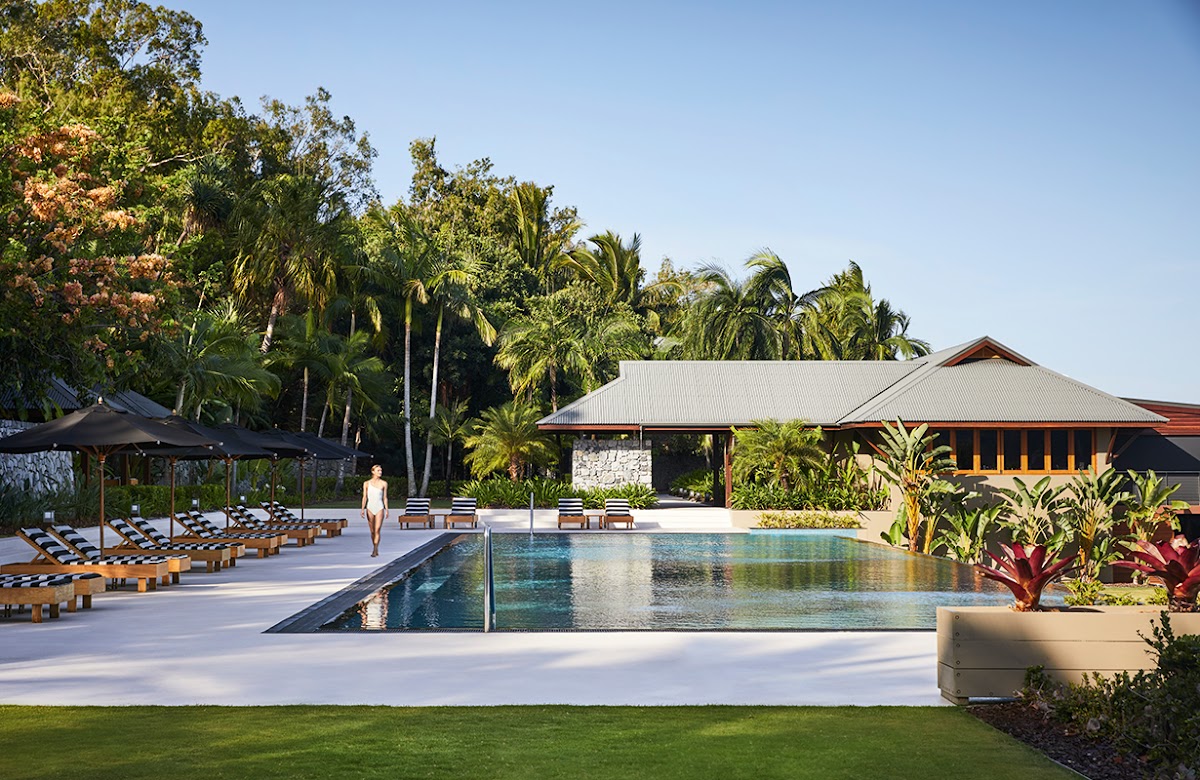 Hamilton Island
The Whitsundays, Queensland
Whitsundays island resort — Whitehaven Beach, reef trips and golf-buggy life
Explore the guide →
Hamilton Island
The Whitsundays, Queensland
Whitsundays island resort — Whitehaven Beach, reef trips and golf-buggy life
Explore the guide →
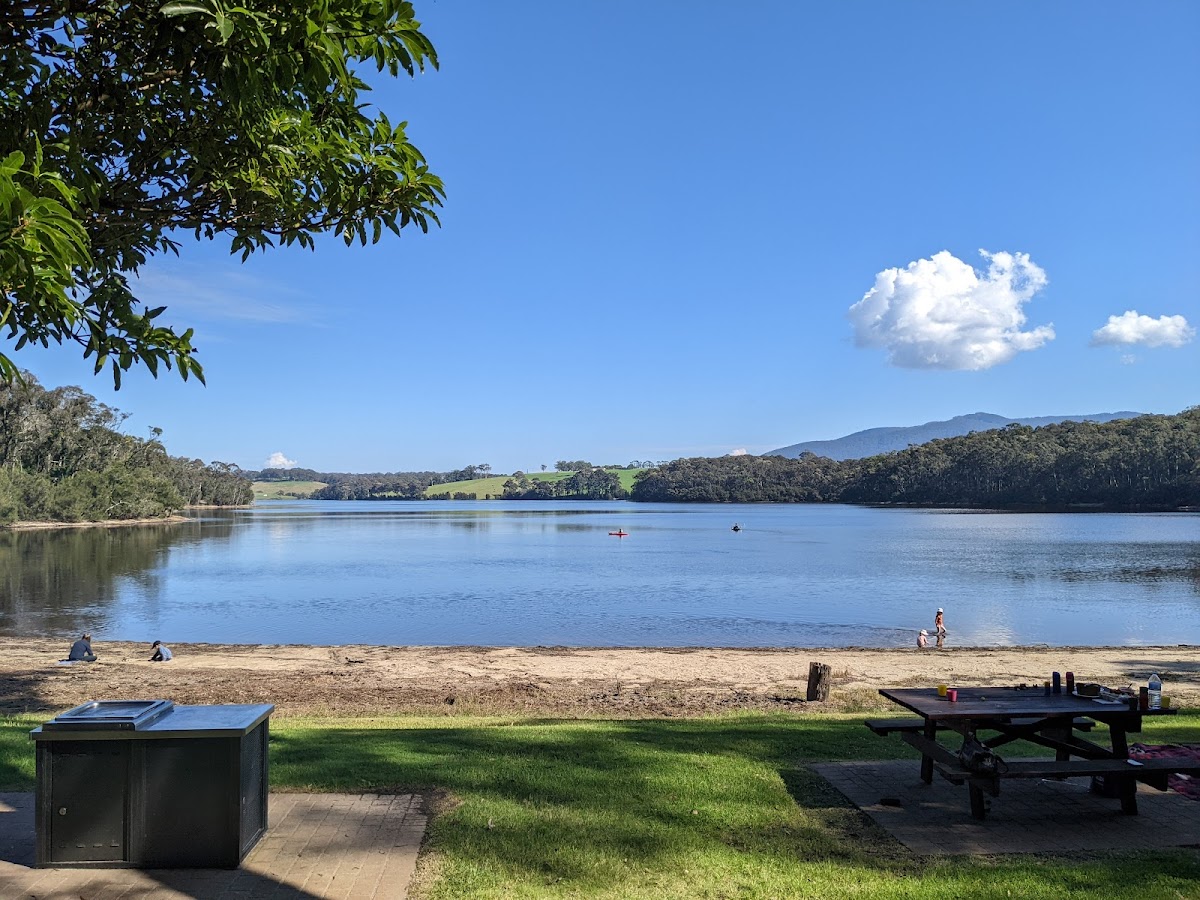 Narooma
South Coast, New South Wales
Crystal-clear inlet, surf beaches, oysters and Montague Island
Explore the guide →
Narooma
South Coast, New South Wales
Crystal-clear inlet, surf beaches, oysters and Montague Island
Explore the guide →
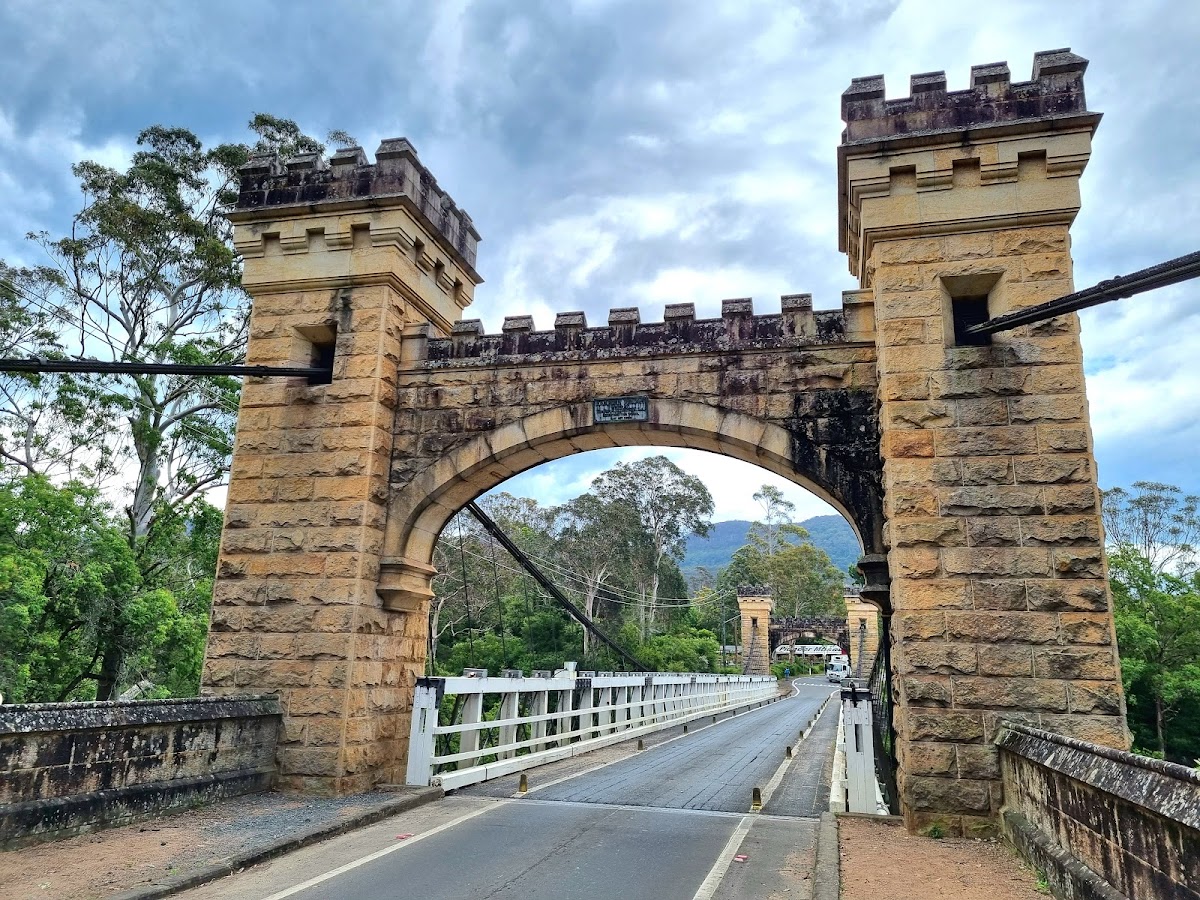 Kangaroo Valley
Shoalhaven, New South Wales
Hampden Bridge, kayaking and wombats in a green valley
Explore the guide →
Kangaroo Valley
Shoalhaven, New South Wales
Hampden Bridge, kayaking and wombats in a green valley
Explore the guide →
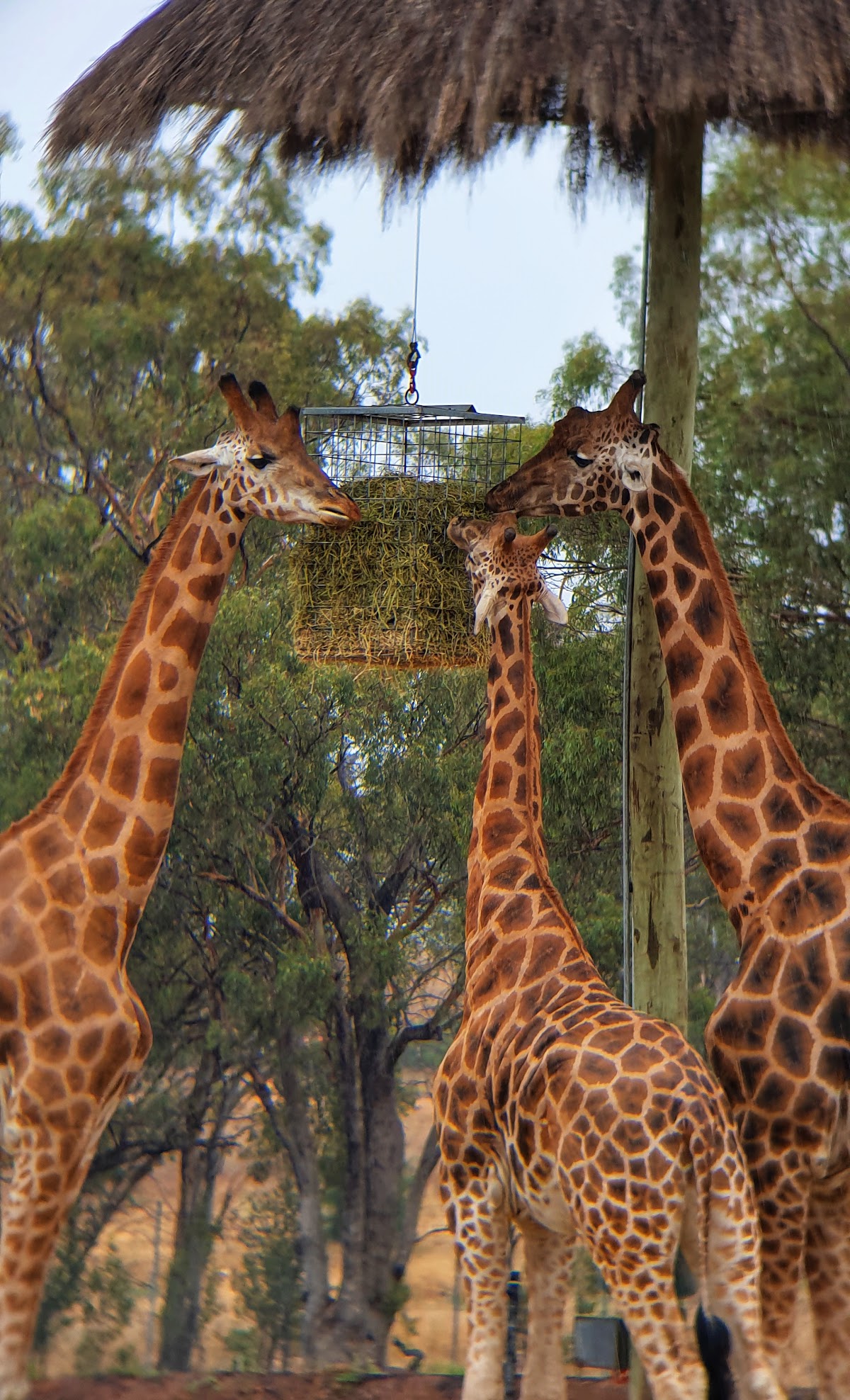 Dubbo
Central West, New South Wales
Open-range zoo and Outback gateway on the Macquarie River
Explore the guide →
Dubbo
Central West, New South Wales
Open-range zoo and Outback gateway on the Macquarie River
Explore the guide →
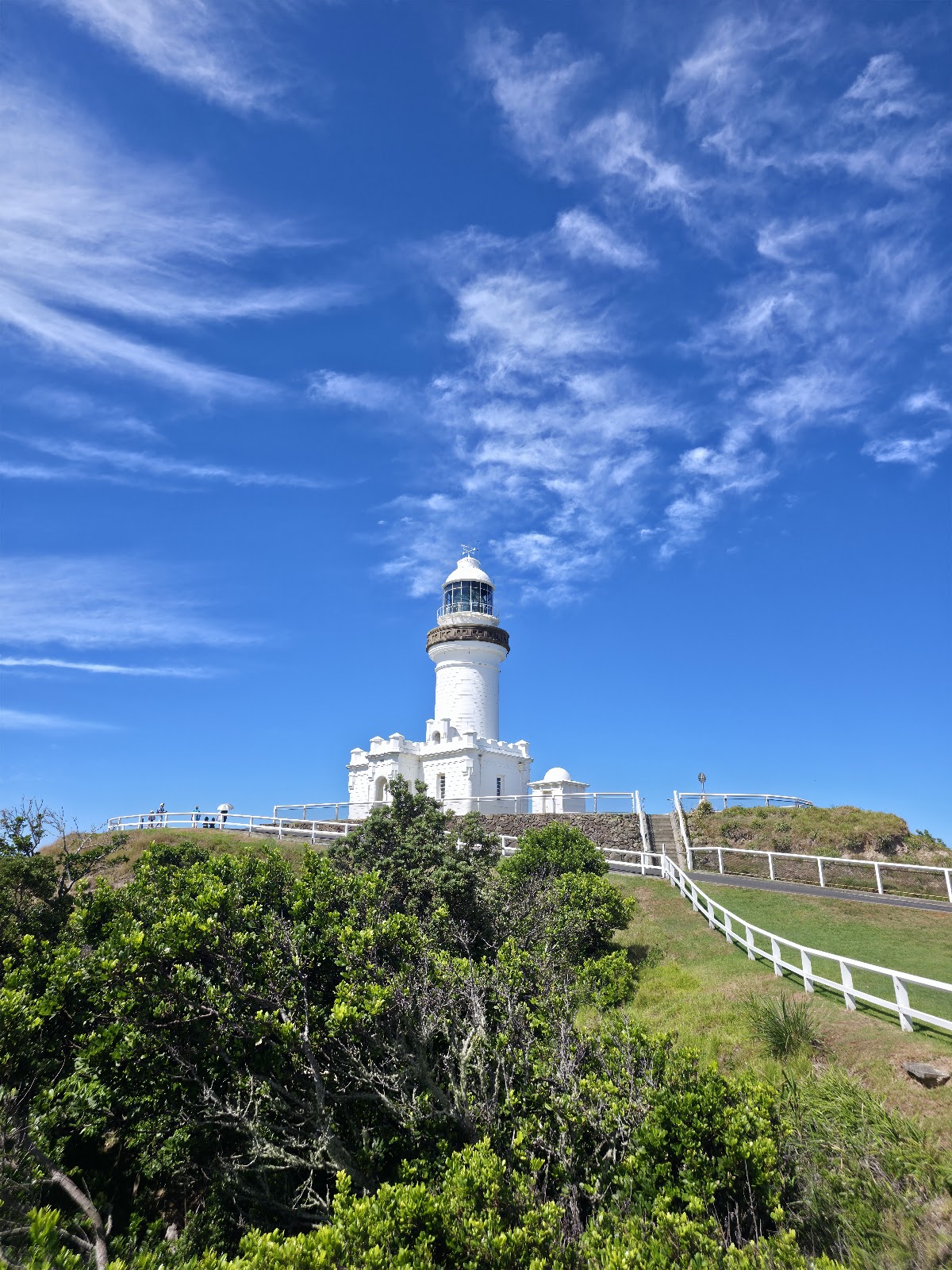 Byron Bay
Northern Rivers, New South Wales
Australia's iconic beach town and most easterly point
Explore the guide →
Byron Bay
Northern Rivers, New South Wales
Australia's iconic beach town and most easterly point
Explore the guide →
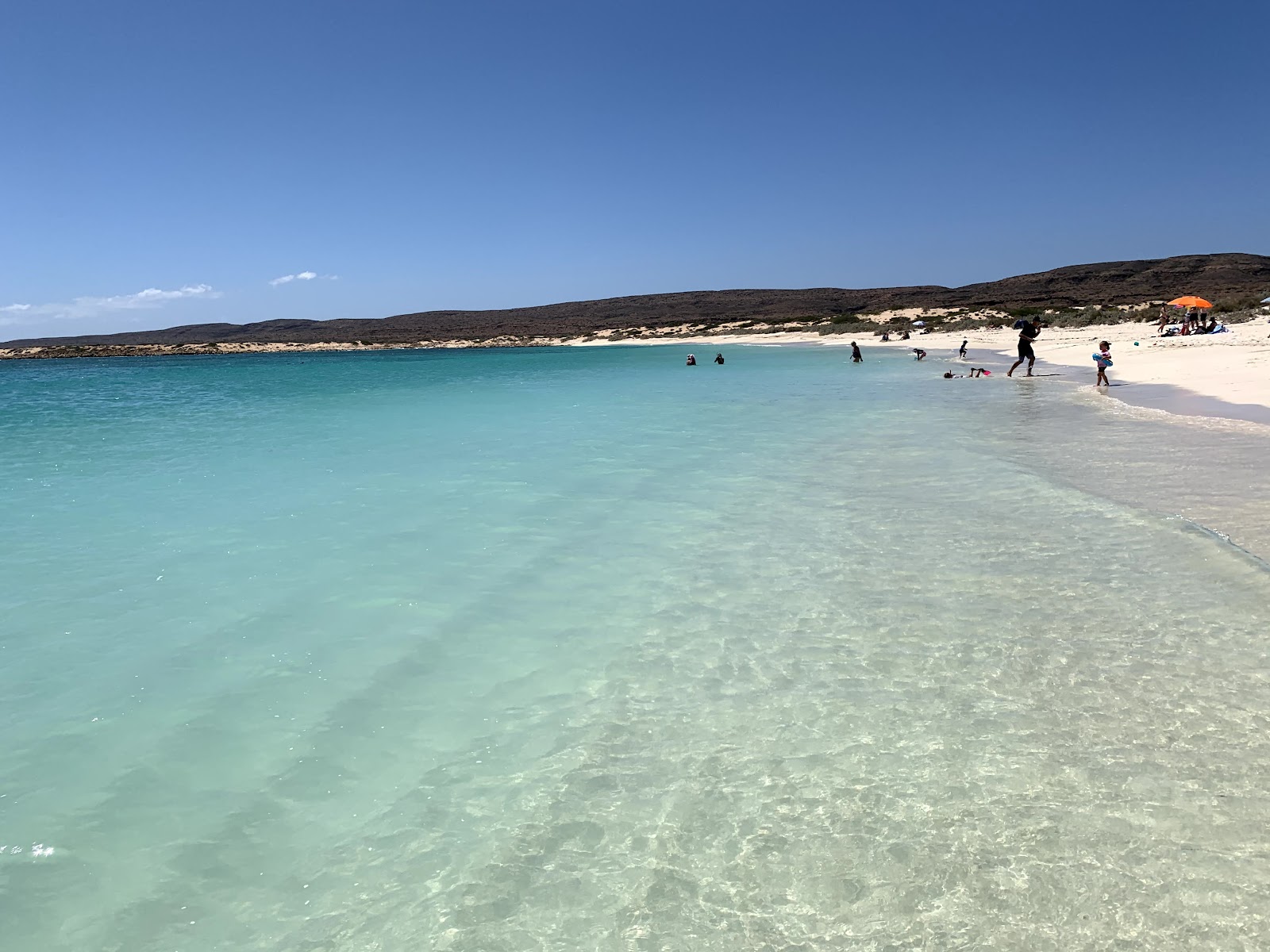 Ningaloo Reef
Australia's Coral Coast, Western Australia
Swim with whale sharks and snorkel a World-Heritage reef straight off the beach
Explore the guide →
Ningaloo Reef
Australia's Coral Coast, Western Australia
Swim with whale sharks and snorkel a World-Heritage reef straight off the beach
Explore the guide →
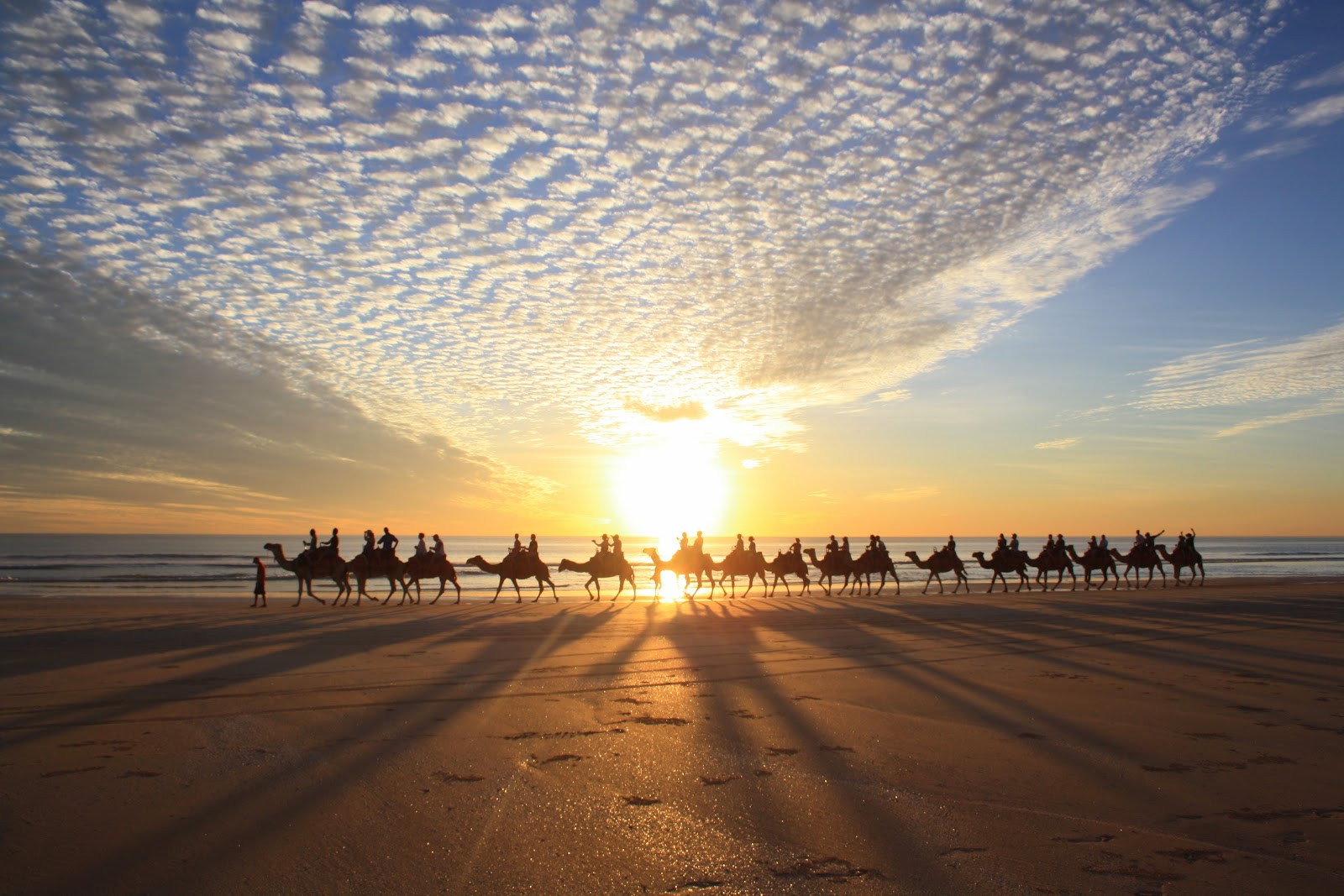 Broome
Australia's North West, Western Australia
Cable Beach sunsets, pearling history and camels on 22km of sand
Explore the guide →
Broome
Australia's North West, Western Australia
Cable Beach sunsets, pearling history and camels on 22km of sand
Explore the guide →
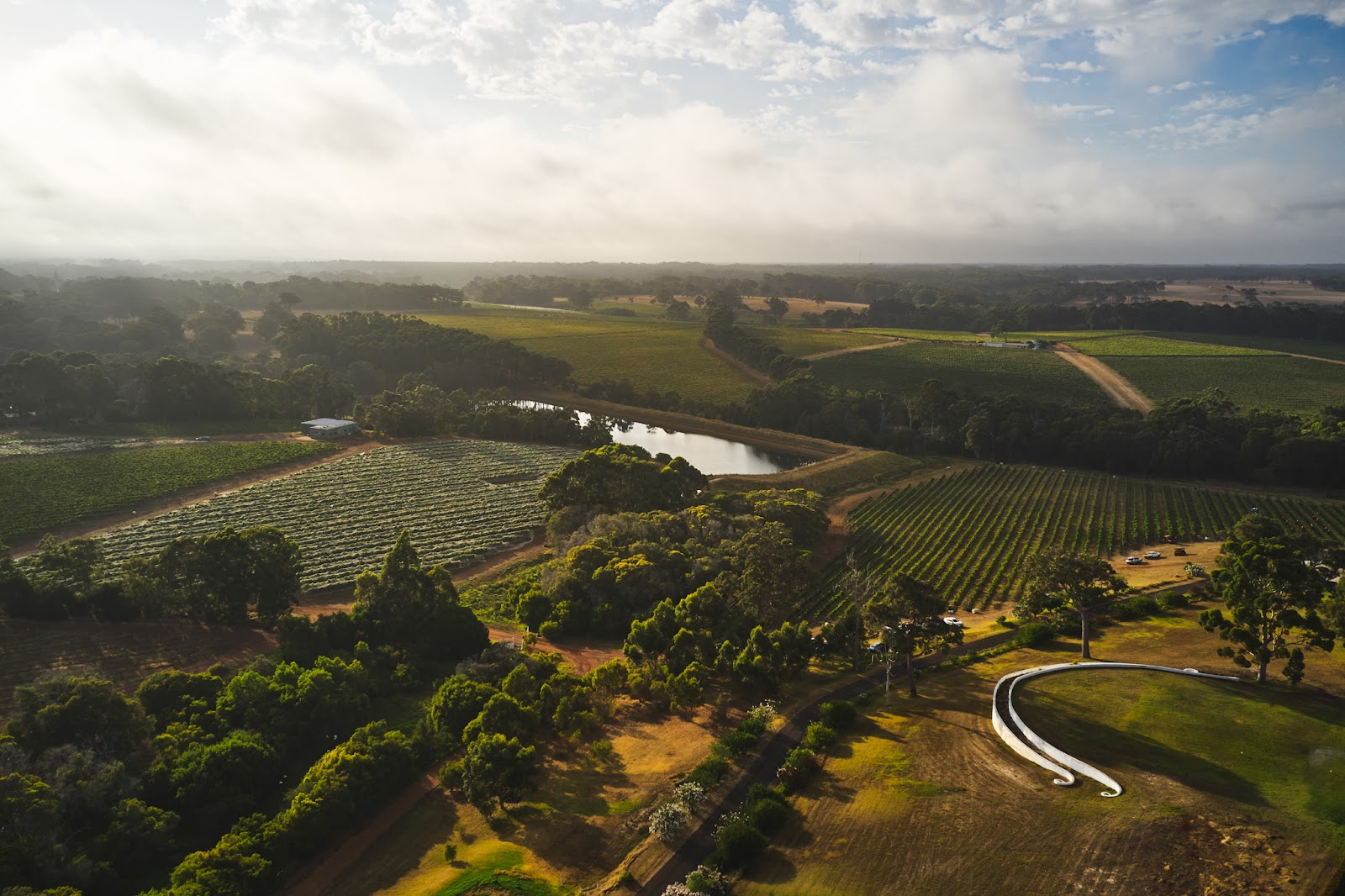 Margaret River
Australia's South West, Western Australia
World-class wineries, surf breaks and limestone caves three hours south of Perth
Explore the guide →
Margaret River
Australia's South West, Western Australia
World-class wineries, surf breaks and limestone caves three hours south of Perth
Explore the guide →