01. The Kimberley Grande Resort
4 (399 reviews)
The Kimberley Grande Resort — The Kimberley
Book Direct & Save →The Kimberley's walks are unlike anything else in Australia. These are not manicured national-park loops with shade shelters and drinking water every kilometre — they are raw, remote, sometimes genuinely demanding tracks through some of the oldest and most dramatic landscape on earth. Ancient red gorges, beehive domes of rock, waterfall plunge pools you can swim in, and creek beds that require you to wade. The rewards are proportional to the effort, and the effort is real.
View 3 Properties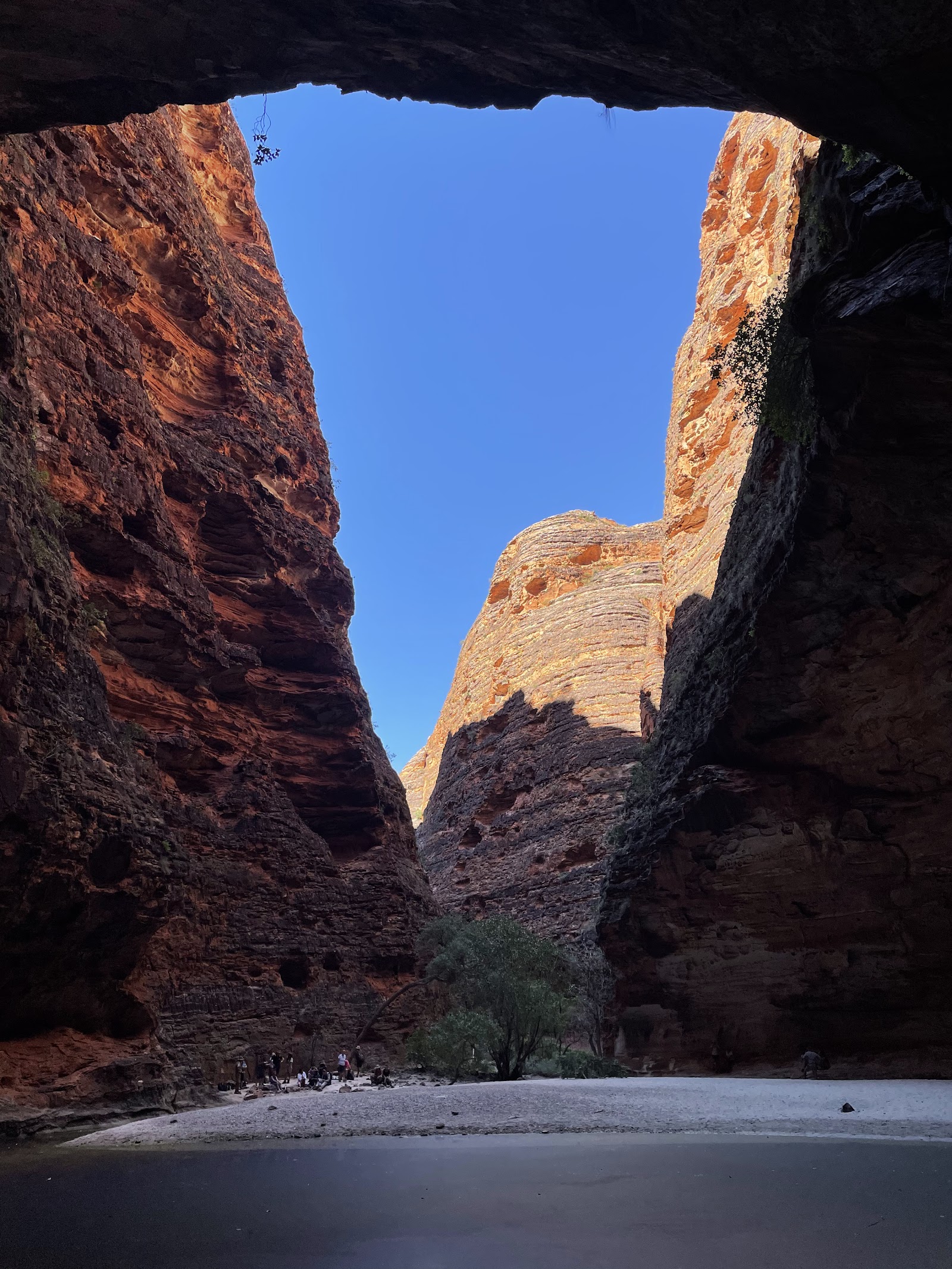
"Remote, raw, ancient red rock"
Everything here is shaped by one hard rule: the Dry Season (May to October) is when you walk, and the Wet Season (November to April) is when you do not. Roads flood, tracks close, creek crossings become impassable and the heat reaches life-threatening levels in the build-up. In the Dry, the gorges are accessible, the light is extraordinary, and a start before 8am is not just a nice idea — it is the single most important practical decision you will make every day. Start early, carry far more water than you think you need, and respect this landscape absolutely.
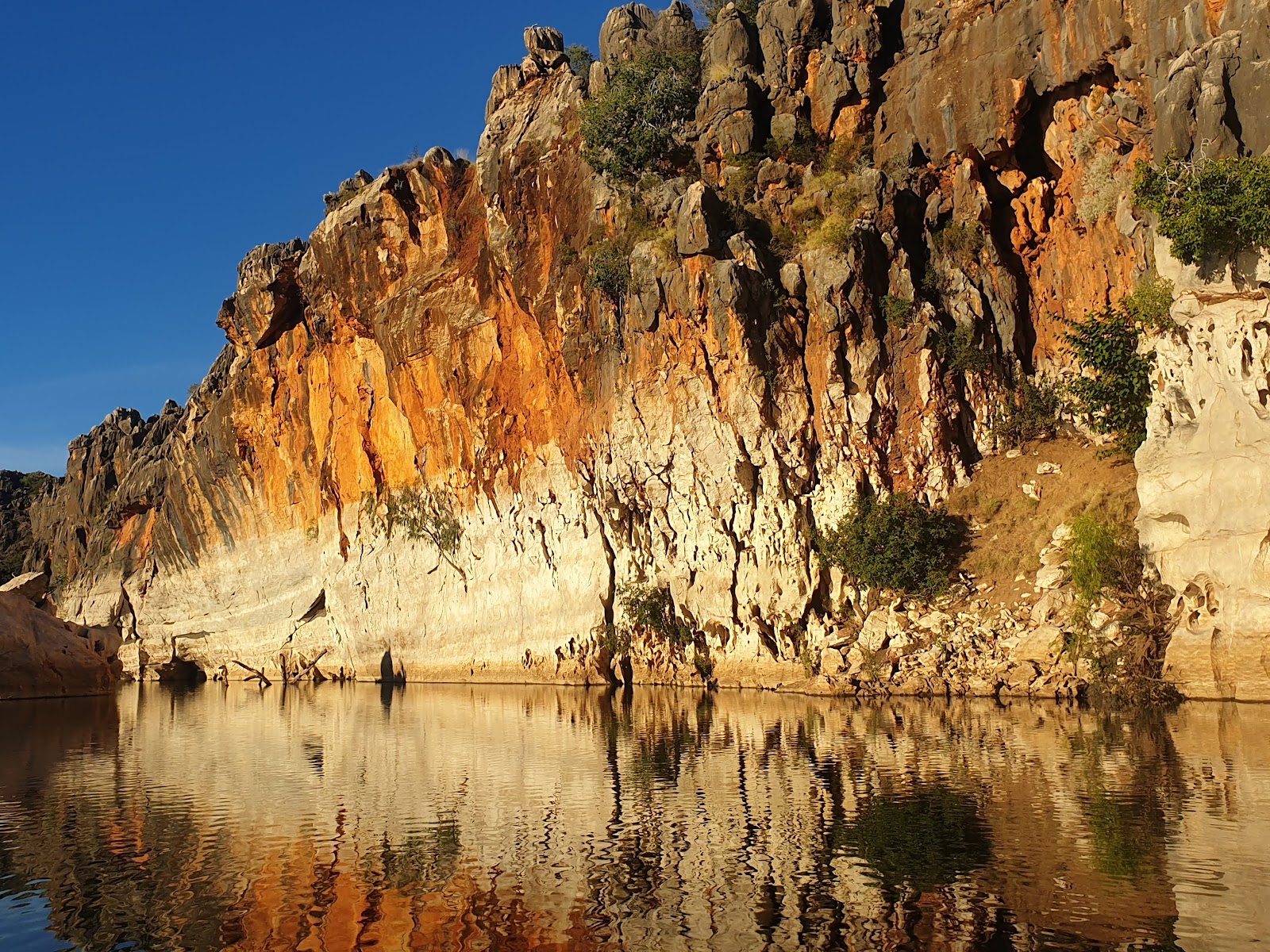
The Kimberley's walks require a different mindset from most Australian walking. Even the "easy" walks here sit inside remote national parks reached by unsealed roads that require a 4WD, and some of the best — Purnululu/Bungle Bungles, Mitchell Falls — require significant driving time from the nearest town to reach the trailhead. Factor in that distance when you plan: getting to Cathedral Gorge means crossing the Purnululu access road (53km unsealed from the highway), and the park is a full day's drive south of Kununurra.
Heat is the dominant safety factor. From May to June and again in September to October, temperatures in the gorges climb past 35°C by mid-morning and can be deadly by early afternoon. July and August are the most comfortable walking months — daytime temperatures of 28–32°C rather than 40°C+. Start before 8am regardless of month, carry three litres of water minimum per person for any walk over 2km, and turn back if your water is running low. A Personal Locator Beacon (PLB) or satellite messenger is not optional for remote walks — it is the item most rescue calls reveal was missing.
Crocodile awareness runs through everything. Freshwater crocs inhabit many gorge pools and are generally not aggressive to humans, but saltwater crocs can travel far inland through creek systems and are extremely dangerous. Never enter any waterway in the Kimberley without a current ranger sign confirming it is croc-safe for swimming. Ranger advice is always current; no sign or verbal secondhand advice is not sufficient.
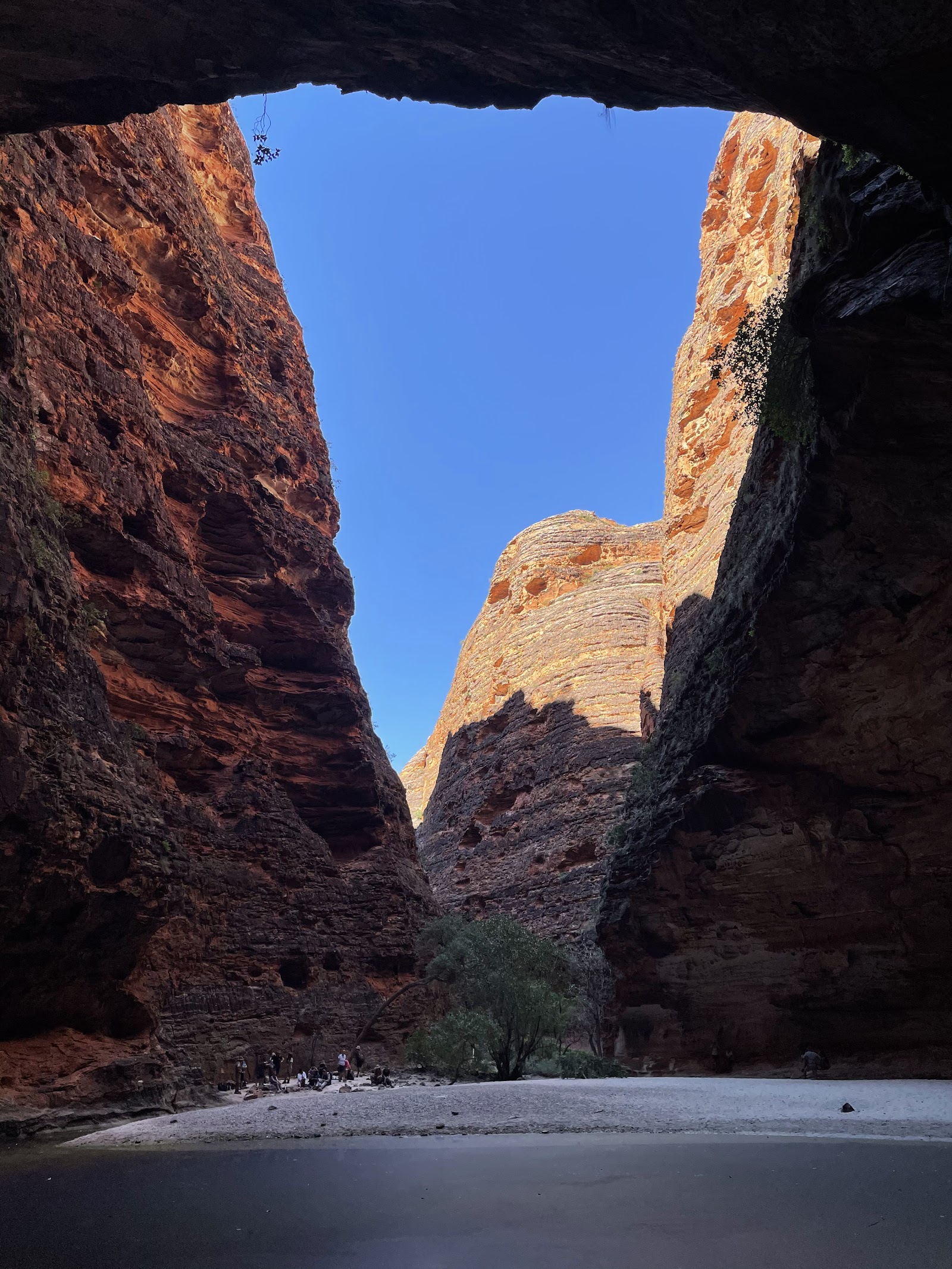
Cathedral Gorge is the walk most visitors come to Purnululu specifically to do, and it earns every reputation. The track (3km return, mostly flat, one hour) leads from the Piccaninny Creek car park through a narrow gorge corridor between the orange and black striped Bungle Bungle domes, opening into a vast natural amphitheatre whose walls rise 100 metres on all sides and curve overhead to a narrow slice of sky. The silence inside is absolute, the scale is disorienting, and the light — particularly in the early morning when the eastern walls catch the first sun — is extraordinary.
This is the one walk in Purnululu that rewards the significant effort of getting there, and it remains achievable for a wide range of walkers. The path is mostly level with some rocky sections; it suits confident walkers including many older visitors and older teenagers, though it is not suitable for small children, prams or anyone unsteady on rough ground. The key is arriving at the trailhead before 8am — the gorge stays cool inside through mid-morning, but the access walk and the return journey in full sun after 10am can be genuinely hard in the September–October heat.
Purnululu sits 53km down an unsealed access road from the Great Northern Highway and requires a high-clearance 4WD to access. Park entry fees apply (~$17/person; check current rates with DBCA). Plan a minimum of two nights camping inside the park to do the gorge walks justice — a day trip from Kununurra technically works but wastes what the place offers.
The moment the gorge opens into the amphitheatre is one of the most dramatic single experiences in Australian walking — a natural cathedral that earns the name entirely.
“We walked in just after sunrise and had the amphitheatre to ourselves for twenty minutes. The walls went orange and the silence was complete. Worth every kilometre of that unsealed road.”
— Google review
The natural amphitheatre at the end of the gorge — arrive at sunrise for the walls glowing orange in the first light.
Not suitable for small children, prams or anyone unsteady on rough ground. The access road is 53km unsealed and requires a high-clearance 4WD — do not attempt it in a 2WD. Start before 8am to beat the heat on the return walk.
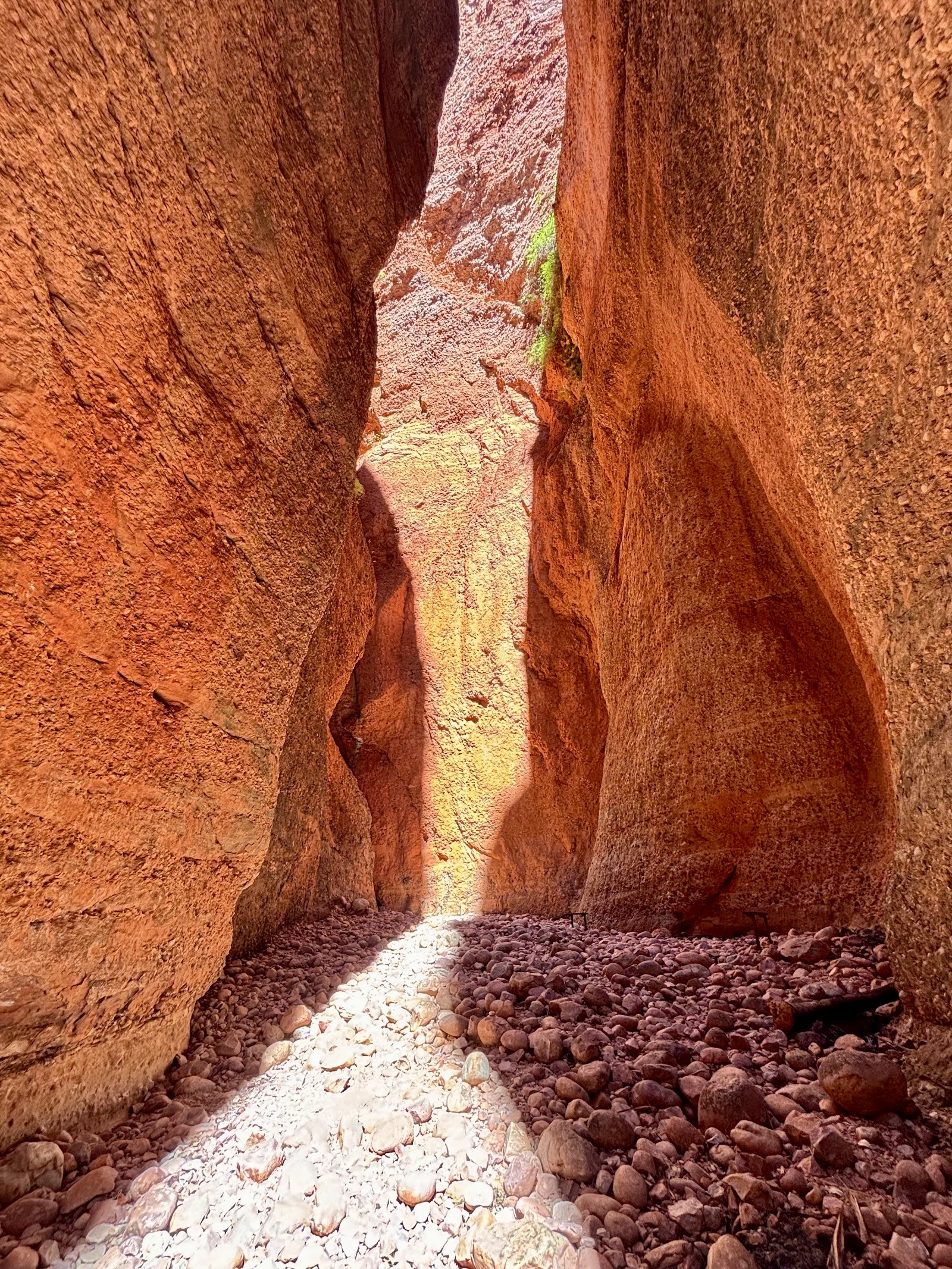
Echidna Chasm is the walk at the northern end of Purnululu — a 2km return track (about 1.5 hours) that leads into a slot canyon so narrow in places that you walk with your hands touching both walls. The walls rise hundreds of metres above; the sky reduces to a sliver of blue. The deep red and orange of the rock is at its most saturated here, and around midday when the sun aligns directly overhead, the walls light up gold in a way that photographers time their visits around.
The walk involves some scrambling over boulders in the chasm itself, including a low crawl through a tight section to reach the deepest part of the gorge — a small effort that filters out casual visitors and makes the final chamber feel genuinely earned. It suits fit walkers comfortable with minor scrambling, and older teenagers who enjoy a bit of adventure. Those with any claustrophobia or mobility concerns should be honest with themselves — the narrow sections and low scramble are not stressful for most people, but can be for some.
Echidna Chasm requires the same access as Cathedral Gorge — the 53km unsealed road into Purnululu, a high-clearance 4WD, and the same early start. Plan to combine it with Cathedral Gorge as part of a two-day visit to the park's north and south circuits respectively.
The walls closing to arm's-width overhead and the way the light travels down at midday make this the most intimate, otherworldly walk in the Bungles.
“You walk with your hands on both walls and look up at a thread of sky. When the light came through around noon the rock went gold. One of the most unusual places I've been in Australia.”
— Traveller review
The slot canyon in the deepest section, particularly around midday when the sun aligns and the walls light up gold.
Involves boulder scrambling and a low crawl — not suitable for people with claustrophobia, mobility issues or young children. Requires the same 4WD access as Cathedral Gorge.
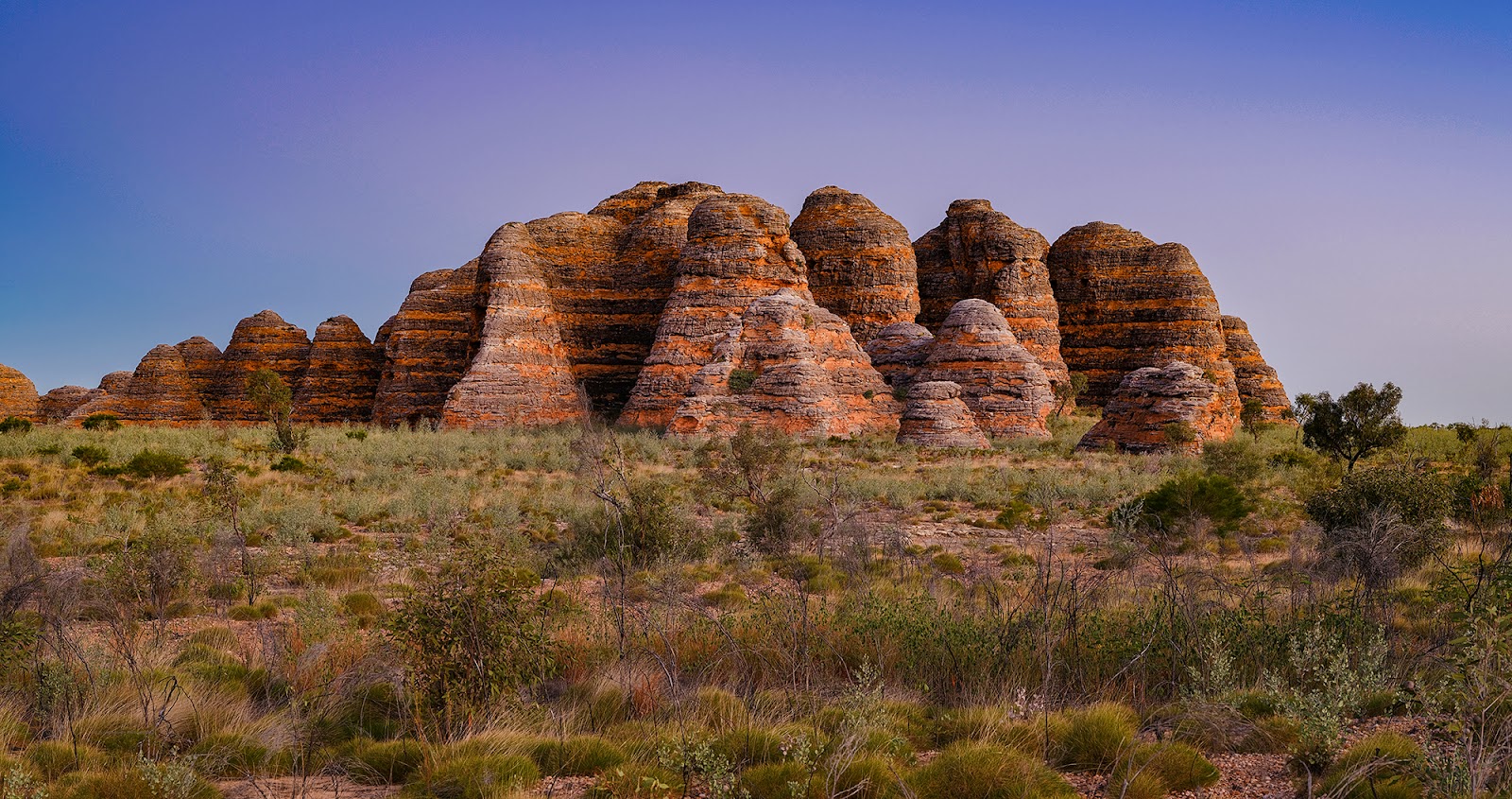
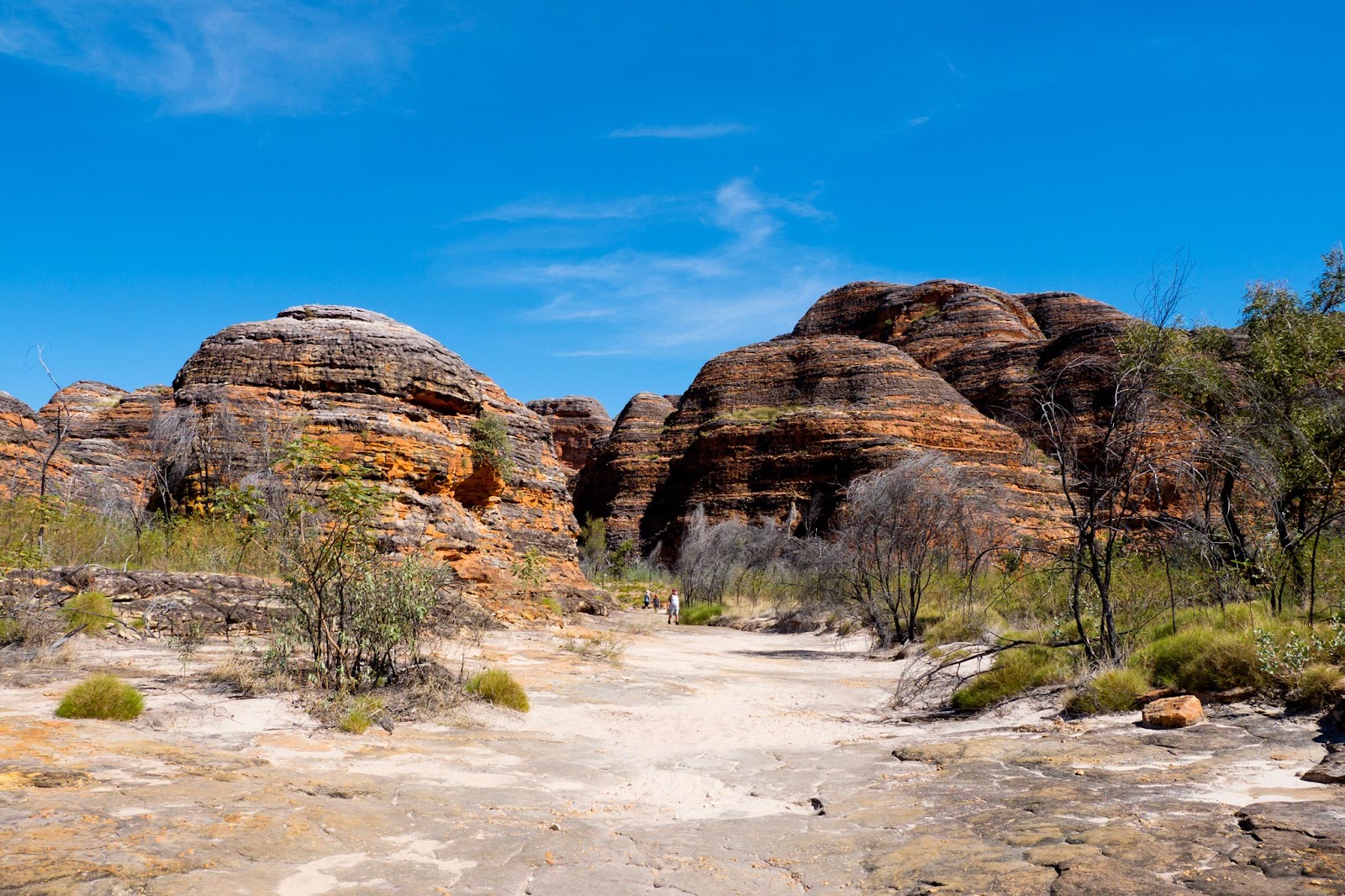
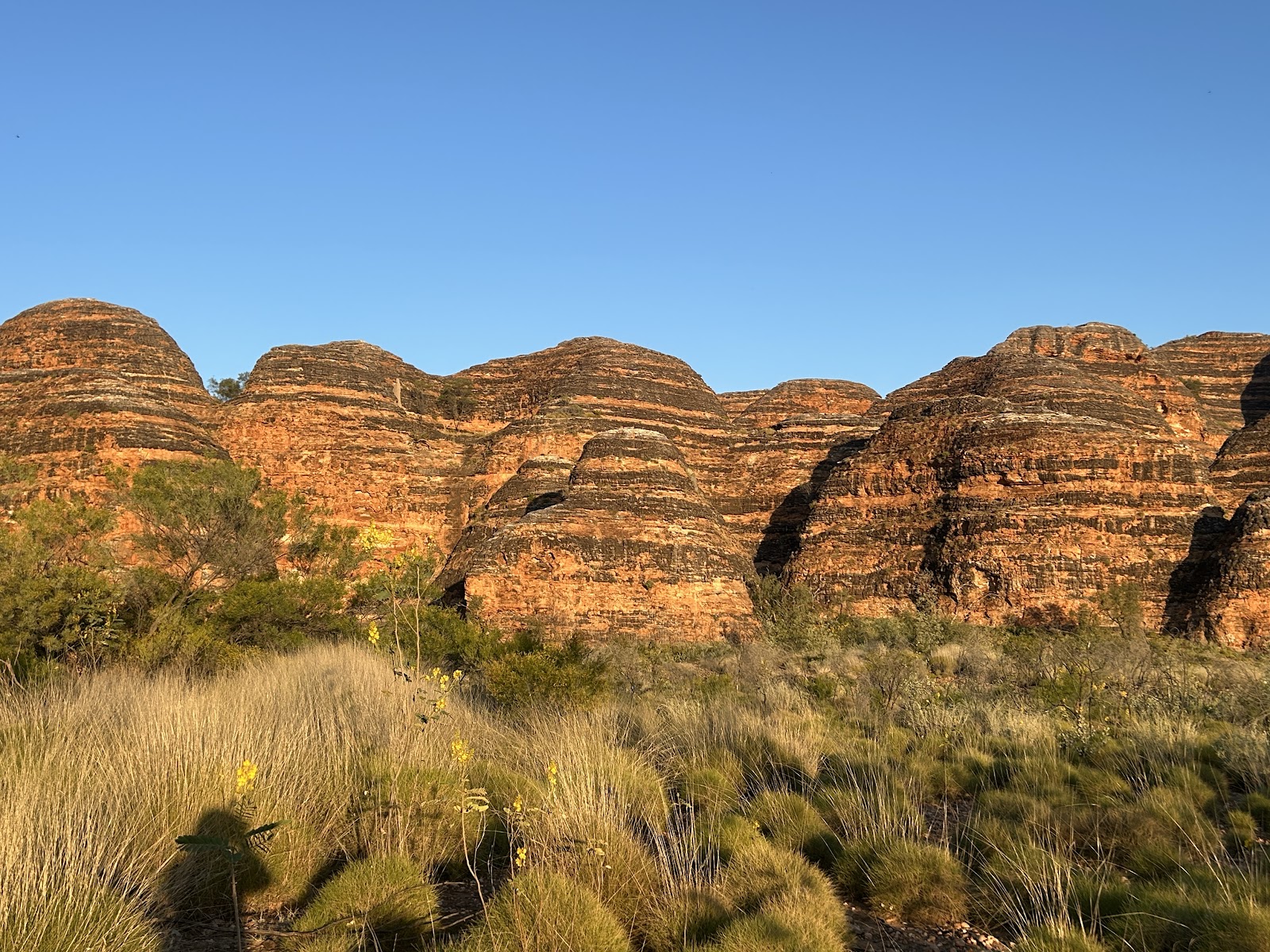
The Domes Walk (2.4km return, one hour, easy) is the walk to do if you want the closest ground-level view of the beehive-shaped orange-and-black striped formations that have made Purnululu one of Australia's most photographed landscapes. The track circles through the southern end of the park, weaving between the domes at ground level so you can touch the ancient sandstone and understand the scale — photographs from above or from a distance cannot convey how enormous these formations actually are, and how close together they stand.
This is one of the more accessible walks in Purnululu — the surface is generally good with some sand and small rocks, and it suits a range of walkers including many older visitors who find Cathedral Gorge too rough. It pairs naturally with Cathedral Gorge as a half-day from the southern car park: do the Domes Walk early for the intimate dome views, then the Cathedral Gorge walk before the heat builds. The formations photograph best in the early morning or late afternoon golden light, when the orange and black banding catches the low sun from the side.
Note that even "easy" walks in Purnululu require heat respect, adequate water and an early start. The walk is exposed with minimal shade.
Walking among the domes at ground level resets your sense of scale — photographs taken from planes do not prepare you for standing at the base of these formations.
“The domes are so much bigger than the photos suggest. Walking right up close and touching the striped rock is the thing that made Purnululu real for us.”
— Google review
The formations in early-morning light, when the orange and black banding catches the low sun from the side.
Exposed with minimal shade — start before 8am and carry at least two litres per person. Same 4WD access as all Purnululu walks; not suitable for anyone expecting a sealed path.
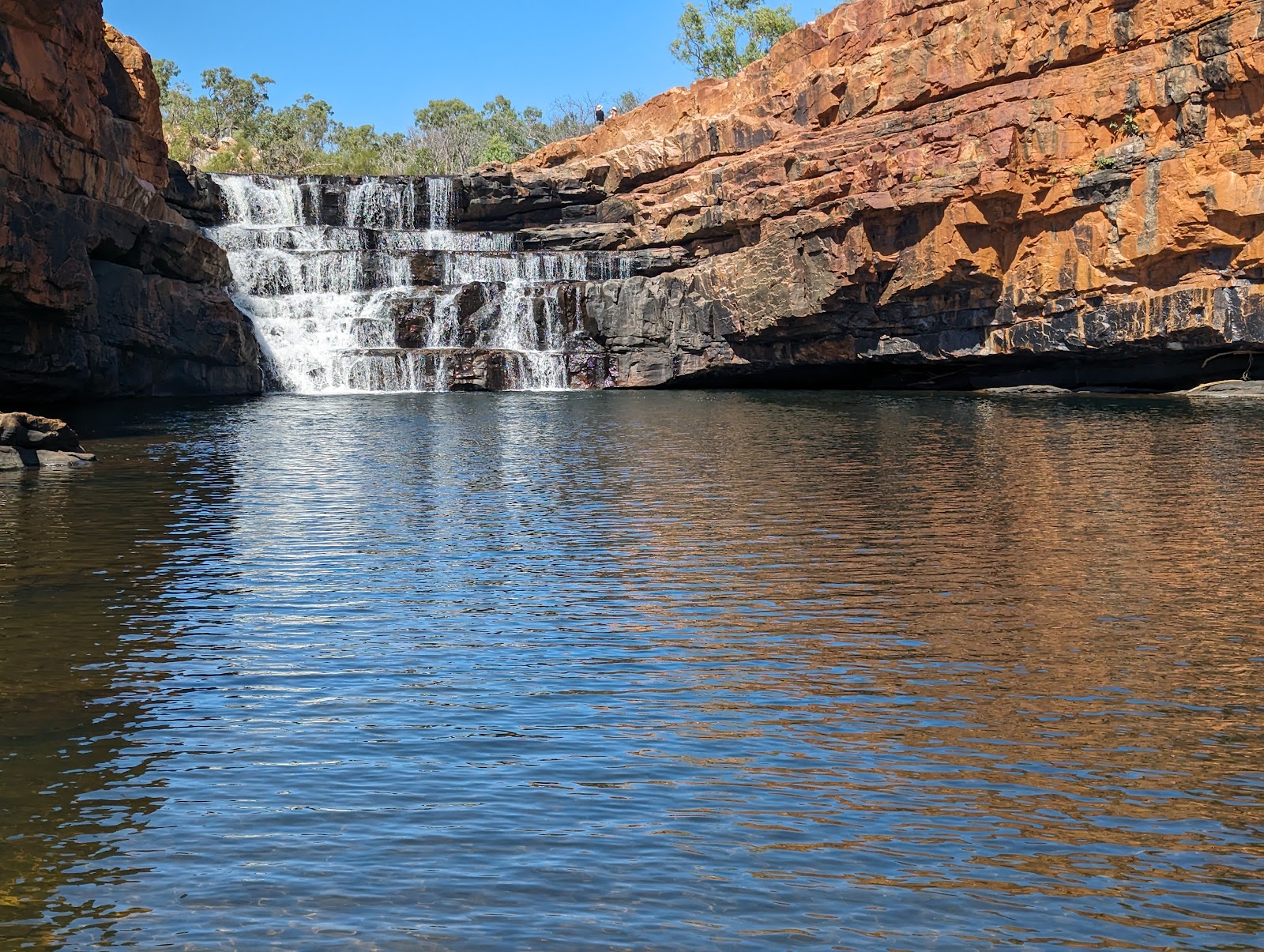
Bell Gorge is widely considered the standout gorge-and-waterfall combination along the Gibb River Road, and the 8km return walk to reach it is what most visitors remember most about the Gibb. The track from Silent Grove Campground descends through woodland and spinifex to the creek, then follows the water upstream to a multi-tiered waterfall that drops into a deep, rocky plunge pool you can swim in — subject always to the current croc-safe confirmation from the park ranger or signage at the site. The combination of the waterfall, the red gorge walls, and the swimming hole is the classic Kimberley scene.
The walk is moderate and genuinely physical — rocky terrain, some steep sections down into the gorge, and limited shade from mid-morning. The return journey, mostly uphill, is where the heat matters most, so the start-before-8am rule applies firmly here. It suits fit walkers comfortable with uneven rocky ground; families with primary-school-aged children who are confident on rough terrain can manage it with patience, but it is not appropriate for small children, the less mobile or anyone without sturdy footwear. The Swimming hole at the base is the highlight — allow time to sit and cool down before the walk out.
Access is via Silent Grove Campground on the Gibb River Road, approximately 30km south of the highway turnoff on unsealed road. Camping at Silent Grove and doing the walk in the morning is the standard approach — a day trip works but rushes the experience.
The combination of the multi-tiered waterfall and the deep gorge swimming hole is the defining Kimberley experience — worth every step of the rocky walk in.
“The best gorge walk on the Gibb. The waterfall was thundering and the pool was cold and deep — stayed in there for an hour. Worth every kilometre of unsealed road to get there.”
— Google review
The plunge pool at the base of the waterfall — swim in, feel the cold water, look up at the red gorge walls.
Confirm croc safety with the ranger or signage before swimming — never assume. The rocky return journey in the heat is the hard part; carry three litres and start before 8am. Not suitable for small children or the less mobile.
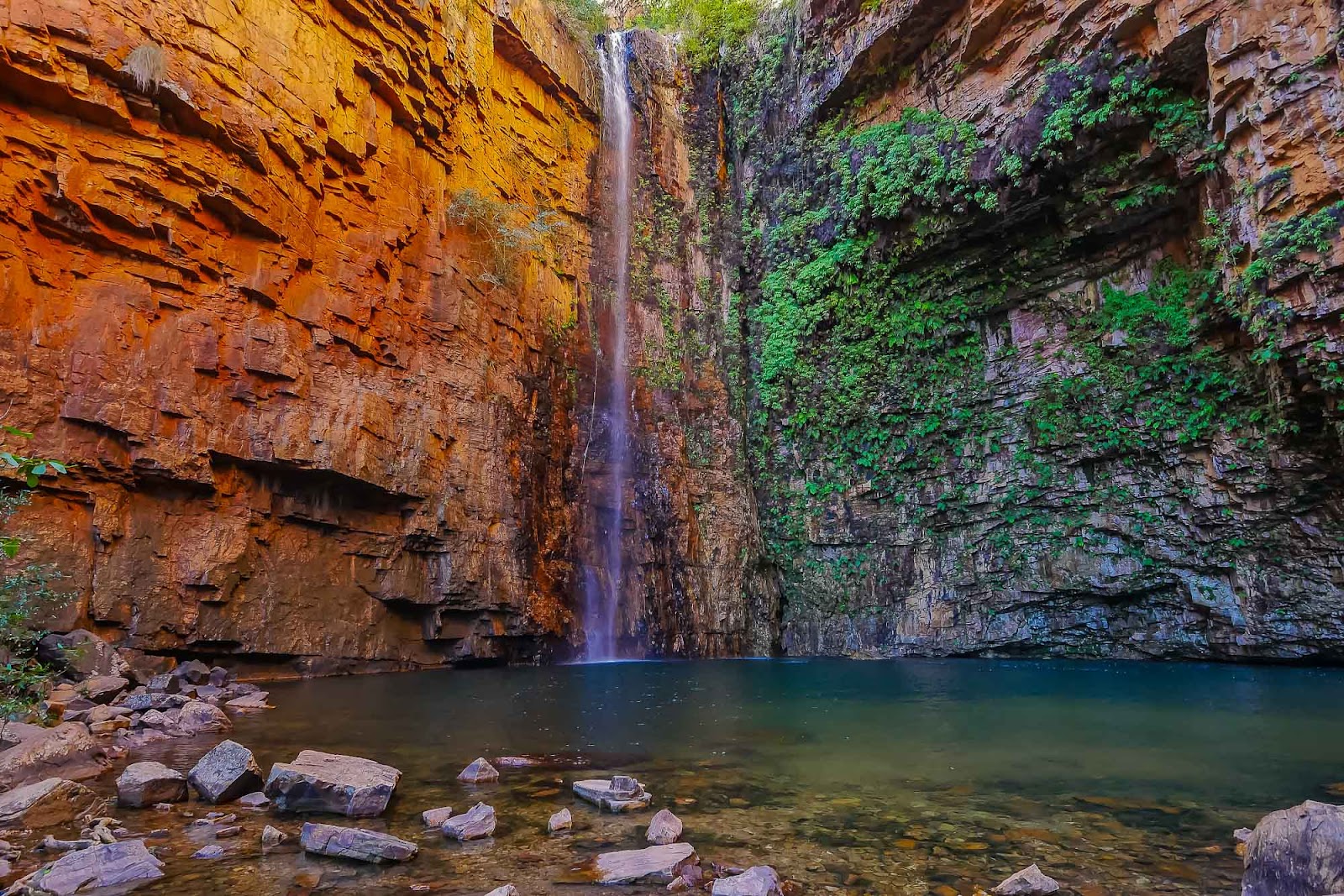
Emma Gorge at El Questro Wilderness Park is the Gibb River Road walk with the best entry and exit: a 2km return track (about 2.5 hours at a relaxed pace) that leads through a shaded gorge corridor to a slender waterfall and cool, clear plunge pool. El Questro is a working station and tourism operation, so the infrastructure is relatively good — the track is reasonably well-maintained, there is accommodation and a restaurant at the homestead nearby, and the gorge entry fee is straightforward. It is the Kimberley gorge experience that is most manageable for first-time visitors who are not fully expedition-equipped.
The walk involves wading through the creek several times — expect to get wet feet from about halfway in, which is the sign you're doing it right. The final section involves some boulder scrambling to reach the pool and the waterfall, where a curtain of water drops into the swimming hole. Confirm croc safety with El Questro staff before swimming — this is non-negotiable. The gorge stays cool in the mornings, which makes the standard early-morning walk in followed by a swim one of the most pleasant experiences on the Gibb.
Entrance to El Questro requires the payment of a station pass (~$20 per vehicle per day in recent seasons; verify with El Questro directly). The gorge suits fit walkers of almost any age who are comfortable with wet crossings and some scrambling, and it is the walk most suitable for visitors who are new to Kimberley gorge walking.
The combination of the creek wades, the shaded gorge corridor and the waterfall pool makes Emma Gorge feel like a proper adventure, even though it's accessible enough for most fit visitors.
“Waded in through the creek, scrambled up to the pool under the waterfall and swam in cold clear water. The most surprised we've been by how beautiful a place was on the whole trip.”
— Traveller review
Swimming in the cold, clear plunge pool beneath the slender waterfall — after the creek wades and the scramble, it's earned.
Wet-foot crossings are unavoidable — wear sandals or bring a change of footwear. Station pass fees apply. Confirm croc safety with El Questro staff before swimming. Not suitable for anyone unable to wade shallow crossings.
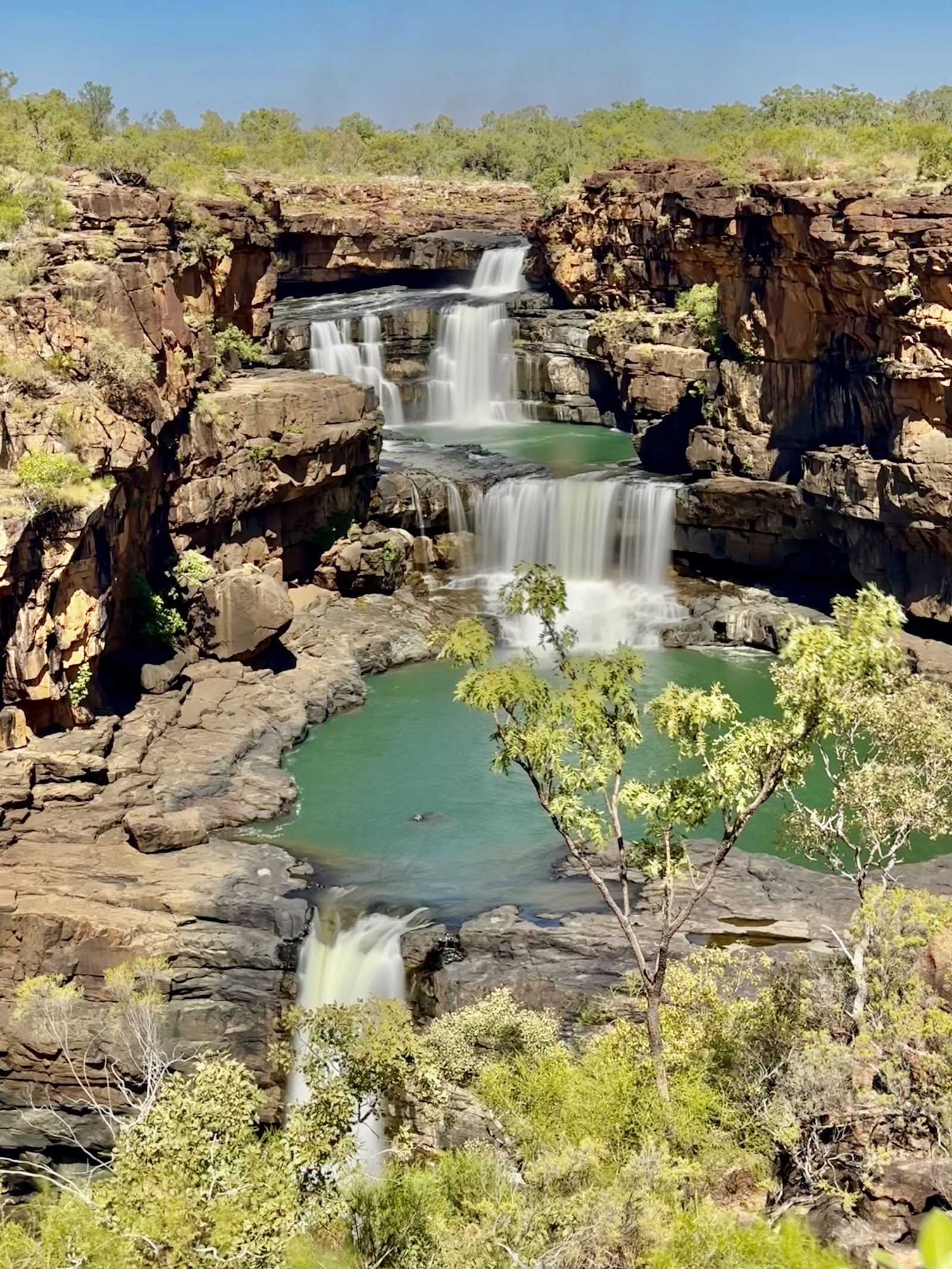
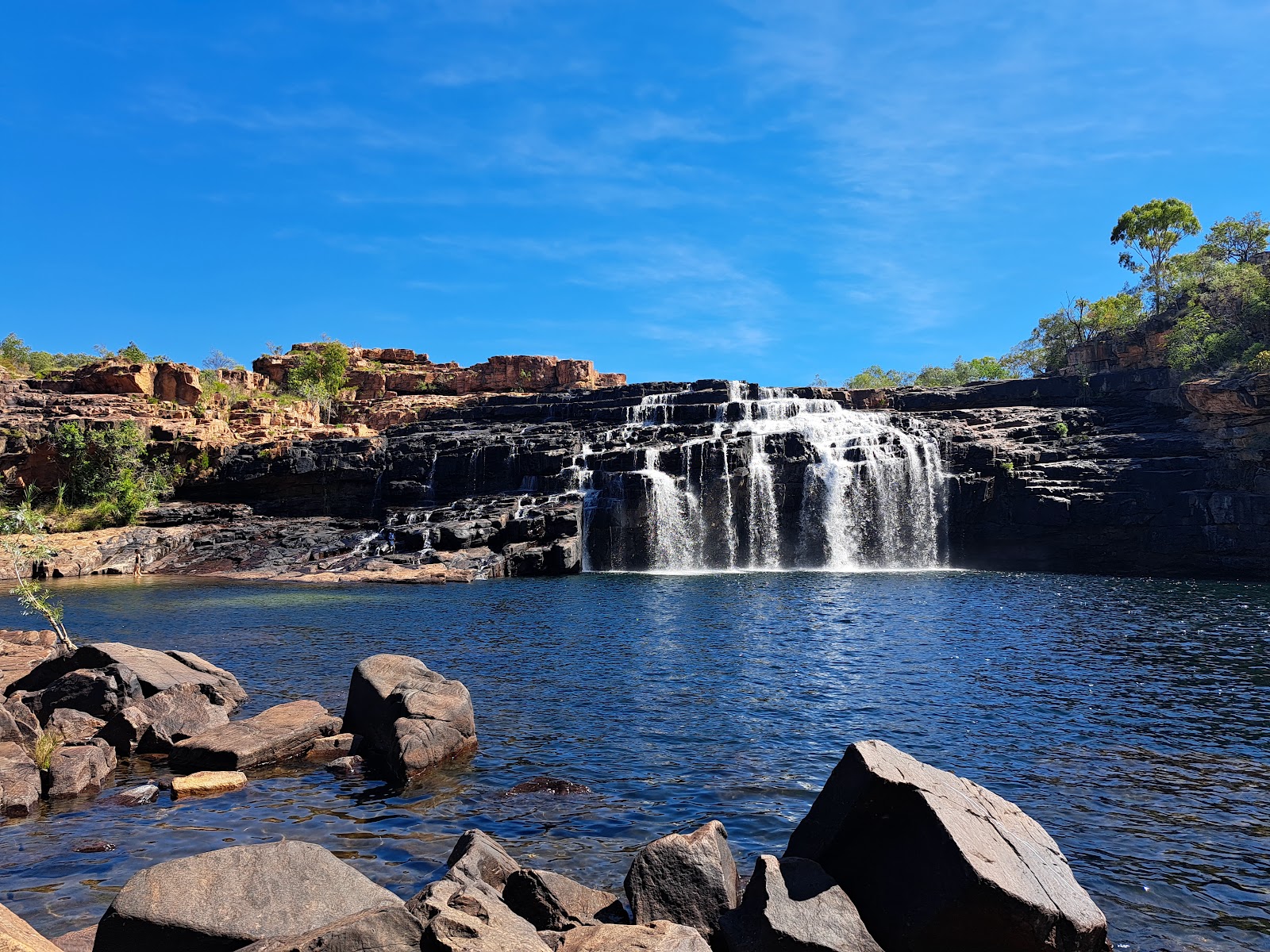
Mitchell Falls is the walk that earns the title of most spectacular waterfall in Western Australia — a four-tiered cascade dropping into a wide plunge pool on the Mitchell Plateau, reached via an 8.5km return track that crosses the plateau through spinifex and pandanus and involves multiple creek crossings. The visual payoff is exceptional: the falls drop through broad sandstone benches into a deep, layered pool, and the surrounding plateau landscape — ancient lava flows, wildflowers in season, the blue plateau edge to the horizon — is unlike anywhere else in the Kimberley.
Be honest with yourself about the commitment this walk requires. The track is rocky and unmarked in sections, the heat on the Mitchell Plateau in September and October is extreme, the creek crossings involve wading and some deeper channels, and the return journey is relentlessly hot and exposed. Start at or before first light, carry a minimum of four litres of water per person, and bring sun protection, a hat with a brim and good boots. A PLB or satellite communicator is non-negotiable this far from assistance. Most walkers take 4–6 hours return including time at the falls.
Access requires driving the Mitchell Plateau track from the Gibb River Road — approximately 90km of rocky, corrugated 4WD track from the turnoff. Scenic flights from Drysdale River Station or Kalumburu bypass the access track and add a bird's-eye view of the broader plateau. This walk is for experienced, well-prepared walkers with solid 4WD capability.
It is the most remote and dramatic waterfall walk in Western Australia — a four-tiered cascade on an ancient plateau, and the full sense of genuine wilderness that most Australian destinations no longer deliver.
“Started at 5:30am, crossed every creek, got soaked, and arrived at those falls in time for the light hitting the top tier. The most effort we've ever put into a walk, and absolutely worth it.”
— Google review
Standing at the top tier of the falls looking down through three more tiers of cascading water to the wide plunge pool below.
The most demanding walk in this guide — extreme heat, remote location, no phone signal, rocky terrain and multiple creek crossings. Experienced walkers with proper gear only. Not suitable for children, the less mobile, or anyone without 4WD access and wilderness experience.
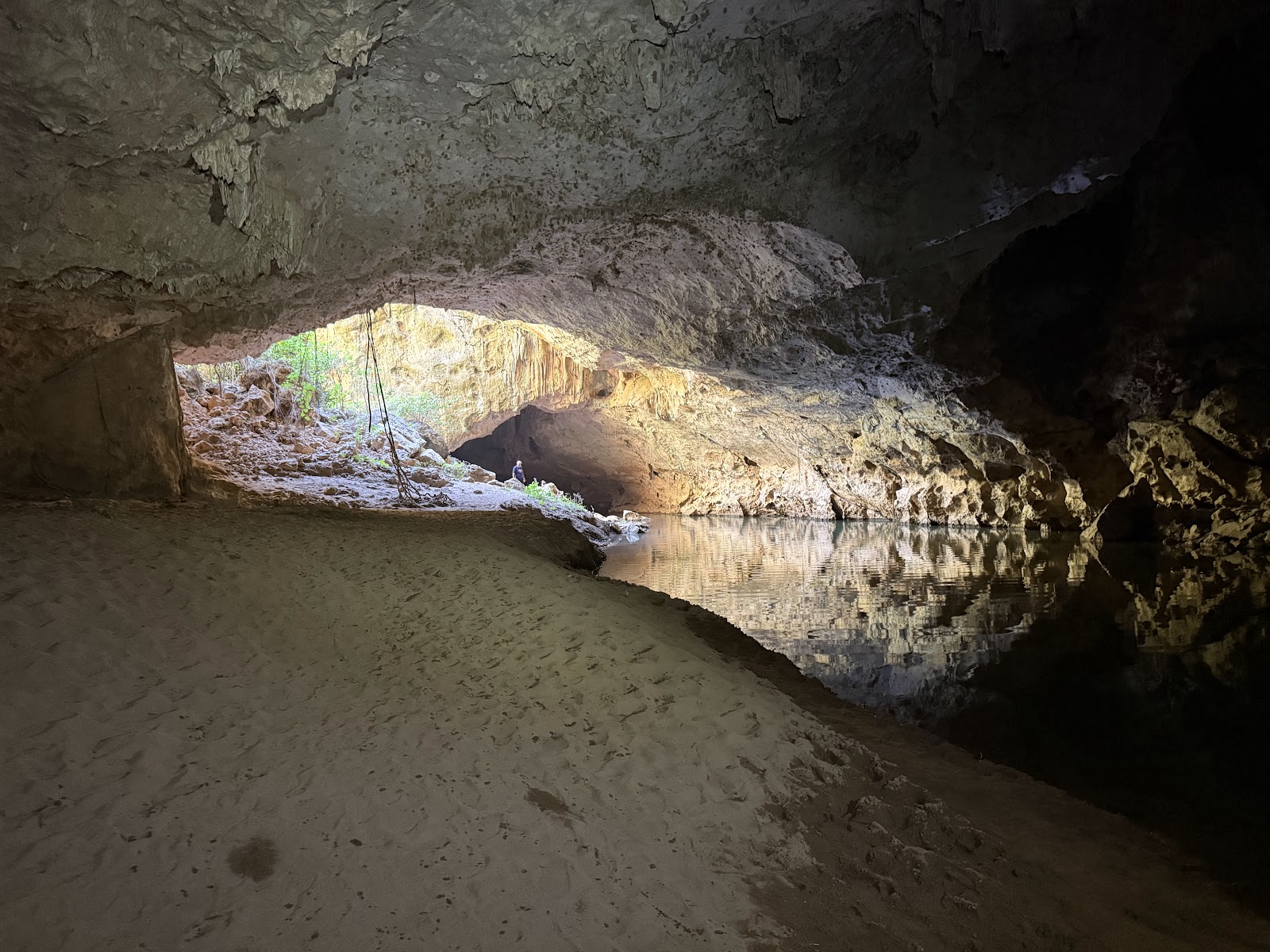
Tunnel Creek is one of the most distinctive walks in Australia: a 750-metre-long natural tunnel bored through a sandstone ridge, requiring you to wade through cold, dark water — sometimes thigh-deep — by torchlight, emerging into a sunlit chamber in the middle before re-entering the darkness to the far exit. The full through-walk takes about 1.5 hours return and is entirely unlike any gorge walk in the Kimberley; it is geological, slightly eerie, and genuinely memorable.
Come prepared to wade. Bring a torch (a head torch is best, and carry a spare), old shoes you can get thoroughly wet, and the confidence to walk through dark water in the near-absence of light. The temperature inside drops noticeably — a welcome relief in the Dry Season heat, but bring a layer for the middle section. The cave is also home to freshwater crocodiles, which are not generally aggressive to humans but are present — do not enter without reading the current ranger information and checking for crocodile activity notices. The freshwater crocs here are not typically dangerous, but always confirm local conditions before entering.
Tunnel Creek sits on the Gibb River Road about 35km north of Fitzroy Crossing and is accessible via a sealed section of road, making it one of the more accessible Kimberley walk-and-wade experiences for visitors without a full 4WD setup. It combines well with a visit to Windjana Gorge nearby — both are in the Devonian Reef national parks that form the western Kimberley geology anchor.
There is nothing quite like walking through a pitch-black flooded limestone cave by torchlight and emerging into a sunlit collapse chamber — it is singular and completely irreplaceable.
“Wading through cold dark water by headtorch with bats overhead — completely different from anything else we did in the Kimberley. Bring a proper torch and expect wet shoes.”
— Traveller review
The sunlit collapse chamber in the middle of the tunnel — the light after the darkness is one of the most dramatic natural reveals in the Kimberley.
Requires wading through dark water — not suitable for anyone with a strong fear of the dark or water. Freshwater crocs are present; read current ranger information before entering. Bring a head torch and a spare.
For experienced walkers wanting the deepest possible engagement with Purnululu, the Piccaninny Gorge circuit is Australia's finest gorge-walking experience and a serious multi-day undertaking. The route begins at Piccaninny Creek car park and penetrates deep into the gorge system — up to 15km one way into the narrowing canyon before the walls close entirely at Piccaninny's inner end, requiring a return on a route of your own making through side gorges and creek beds. Most parties complete 2–3 days of camping, covering 30+ kilometres total with all water carried.
The walk is demanding by any measure. There is no marked trail beyond the initial kilometre — navigation is by creek bed, canyon wall and map reading. Creek crossings are frequent and the terrain is boulder-hopping, not path-walking. Water must be sourced from the creek and treated, and campsites selected from sandy creek beds. All waste must be carried out. The payoff is access to canyon scenery that day-walkers never reach: gorge walls rising 200 metres in the innermost sections, ancient rock art in sheltered alcoves, and the deep silence of country unchanged for millennia.
Permit and self-registration are required; check with DBCA before entry. This is for experienced, self-sufficient walkers with proper navigation skills, backcountry first aid, and a PLB. Solo walking is strongly discouraged. It is one of the most extraordinary walks in Australia for those prepared for it.
Penetrating to the innermost sections of Piccaninny Gorge, where the walls close overhead and the silence is complete, is an experience that no day walk in Australia rivals.
“Three days, no trail, just the gorge walls and the creek. Rock art in a side canyon on day two that we'd never have seen from a day walk. Completely life-changing.”
— Traveller review
The innermost canyon sections on day two, where the walls close to 10 metres wide and the scale is absolute.
Experienced, self-sufficient walkers only — no trail, remote location, all water carried and treated, multi-day camping in extreme heat. Not for beginners, families or anyone without navigation skills and wilderness first aid.
| Season | Conditions | Highlights | Crowds |
|---|---|---|---|
| May–June (early Dry) | Warm days (30–35°C), cooler nights, some tracks still opening | Waterfalls still running from the wet season, lush green, gorge pools full | Moderate — earlier visitors, some access roads may still be closed |
| July–August (peak Dry) | Ideal — 28–32°C days, cool nights, all roads open | Best walking temperatures, all parks accessible, clear skies | Peak — book campsites and accommodation well ahead |
| September–October (late Dry) | Hot — 35–42°C, building humidity, tracks drying | Fewer visitors, good for early-morning walks before the heat builds | Moderate decreasing — some visitors leave before end of season |
| November–April (Wet Season) | Extreme — 35–45°C, monsoon humidity, flooding, roads closed | Waterfalls at maximum flow (but inaccessible), dramatic skies | Almost none — most infrastructure closed or inaccessible |
What recent visitors say:
“OMG...this place reduced me to tears due to being overwhelmed by its grandeur and spectacular scenery. We had two days here but would have loved a week. Echidna Chasm was amazing, Cathedral Gorge breathtaking and Mini Palms gorgeous. I have travelled extensively throughout Europe, Australia, Asia and parts of Canada and the US and l rate this as No 1. This I”— Megan Hollick (on The Bungle Bungles), Google review
“I'll admit that before I visited The Kimberley all I knew about The Bungles Bungles was the classic aerial image of the striated doom rocks. We visited at sunrise so caught the early morning, 'golden hour' light on the ranges. Early start meant that the day use area was not busy, and the trails were cool, shaded and not crowded. Trial heads had maps, paths w”— Zeglar “Zeg” Fergus (on The Bungle Bungles), Google review
“A place that is kinda impossible to review, you gotta see it for yourself! First warning, the track in is not for the faint hearted (even when graded) but if you can do that you will be fine. Its over 45kms from the front gate to the Visitors centre, which you have to stop at and check in if you are staying at either campsite (Walardi or Kurrajon). Special ”— cktravels (on The Bungle Bungles), Google review
The single most important decision in Kimberley walking is the start time: before 8am, every day, every walk. The temperature at 6am is bearable; at 11am it is dangerous; at 1pm it can be life-threatening in exposed terrain with insufficient water. This is not a guidebook formality — it is the operational reality of a landscape where the sun is extreme, shade is absent and assistance is remote. Set the alarm, start early, and turn back if your water is running low.
Carry more water than you think you need. For any walk over 2km, plan two to three litres per person per hour as a minimum in late Dry Season conditions. A PLB or satellite messenger is not optional for the remote walks — Mitchell Falls, Piccaninny and Bell Gorge are all significant distances from emergency assistance. Sturdy boots, not trail runners, for the rocky terrain. Sun protection including a wide-brim hat is not optional.
Croc safety: never enter any waterway without a current ranger sign or direct ranger confirmation that it is safe. Freshwater crocs are present in many gorge pools and are generally not dangerous to humans, but saltwater crocs can move inland through creek systems and are extremely dangerous. When in doubt, don't swim. The swimming hole experiences are among the Kimberley's highlights, but they require a real safety check, not an assumption.
The Kimberley's walks are not convenient, and they are not designed to be. The unsealed access roads, the 4WD requirement, the pre-dawn starts and the heat are all real. But the country on the other side of that friction is unlike anywhere else in Australia: gorges whose walls are 100 million years old, waterfalls falling into deep plunge pools, canyon systems so narrow the sky reduces to a sliver, and a silence that most people in modern life have simply never heard.
Start with Cathedral Gorge and Echidna Chasm in Purnululu, add Emma Gorge or Bell Gorge on the Gibb, and save Tunnel Creek for the most unique single experience of the trip. If the multi-day call is in you, Piccaninny Gorge is waiting. Go early, carry water, respect the croc signs, and the Kimberley will reward you completely.
Enjoying walks? Here’s where else in Australia it’s worth the trip — ranked by how loved each destination is, with the one thing not to miss at each.
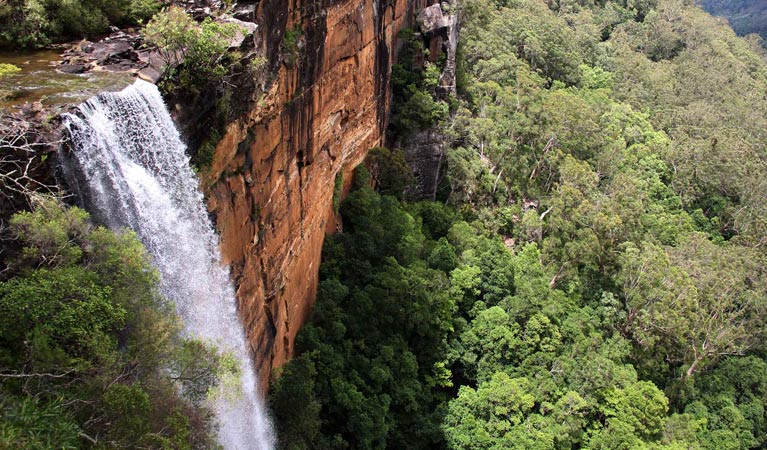 Kangaroo Valley
Shoalhaven, New South Wales
Fitzroy Falls — East & West Rim — The West Rim lookouts after decent rain, when the falls are thundering.
Explore walks in Kangaroo Valley →
2
Kangaroo Valley
Shoalhaven, New South Wales
Fitzroy Falls — East & West Rim — The West Rim lookouts after decent rain, when the falls are thundering.
Explore walks in Kangaroo Valley →
2
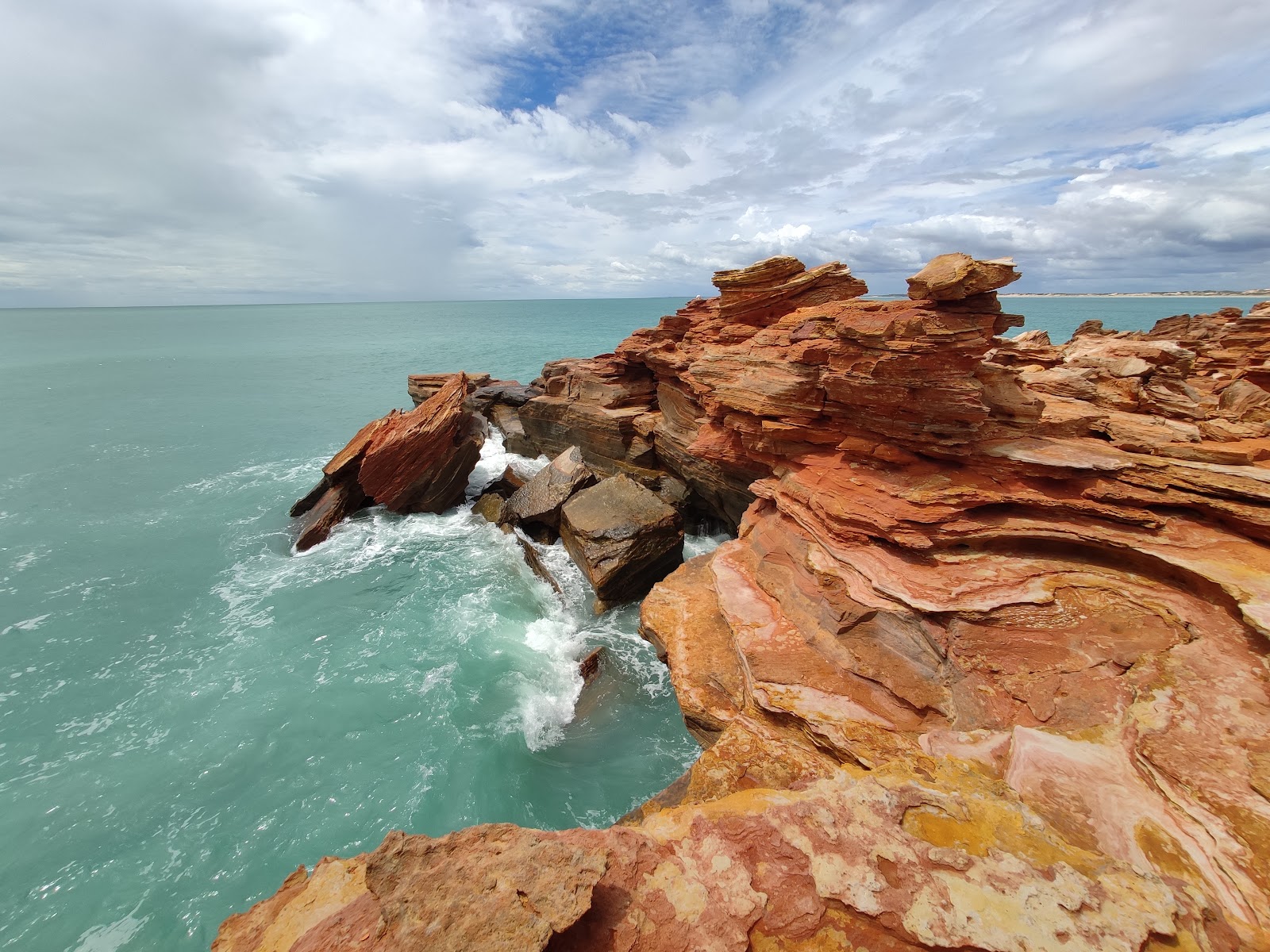 Broome
Australia's North West, Western Australia
Gantheaume Point Dinosaur Coast Walk — The pindan cliffs glowing red-gold at sunrise, with the dinosaur footprints in the reef flat below.
Explore walks in Broome →
3
Broome
Australia's North West, Western Australia
Gantheaume Point Dinosaur Coast Walk — The pindan cliffs glowing red-gold at sunrise, with the dinosaur footprints in the reef flat below.
Explore walks in Broome →
3
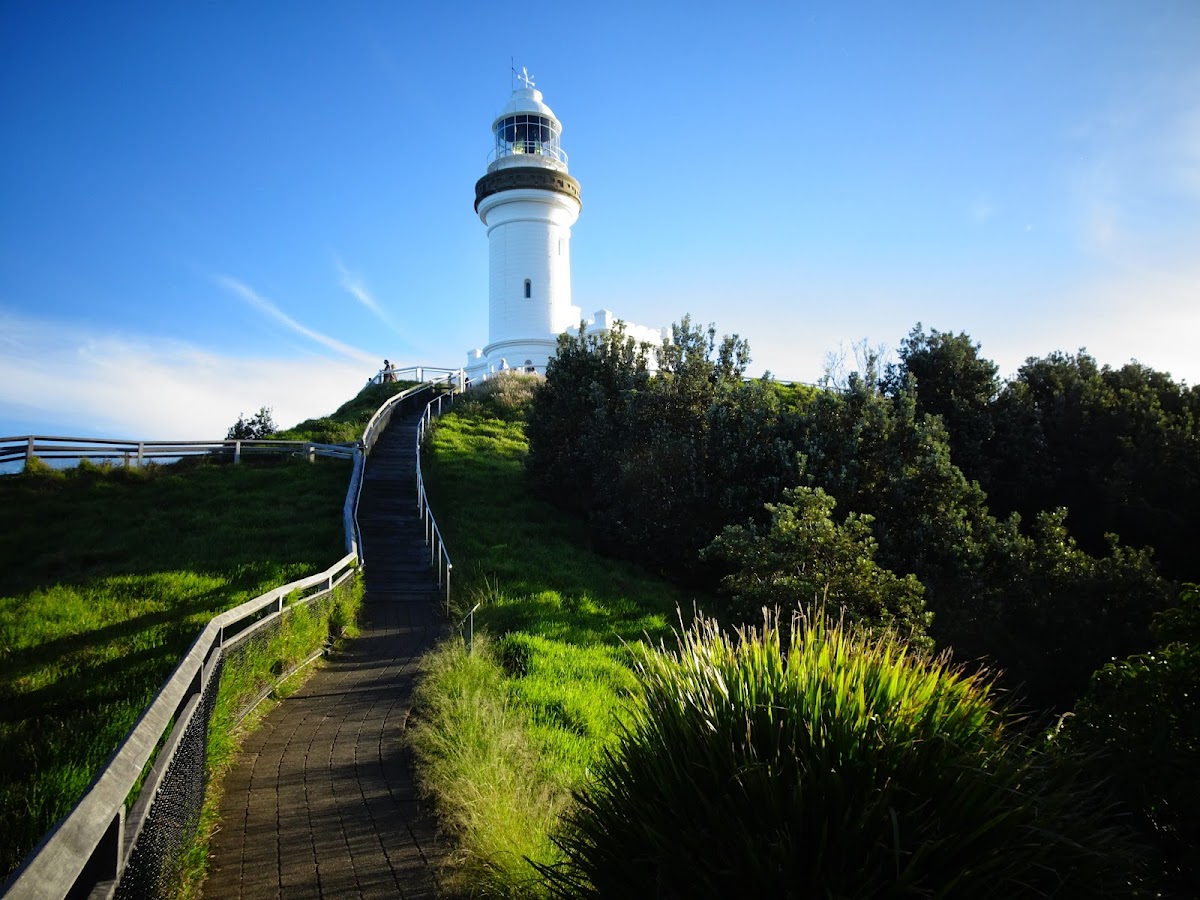 Byron Bay
Northern Rivers, New South Wales
Cape Byron Walking Track — First light at the easternmost point with humpbacks offshore (May–November).
Explore walks in Byron Bay →
4
Byron Bay
Northern Rivers, New South Wales
Cape Byron Walking Track — First light at the easternmost point with humpbacks offshore (May–November).
Explore walks in Byron Bay →
4
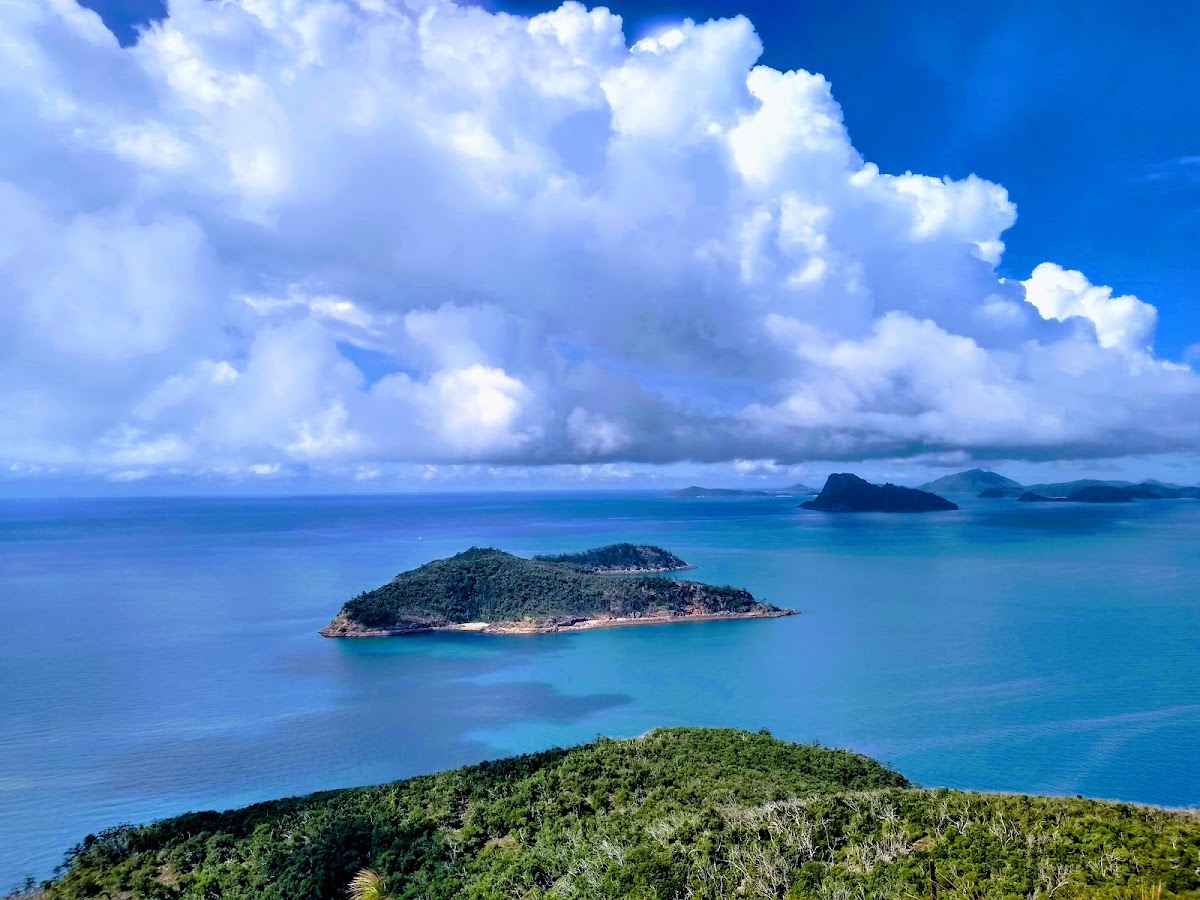 Hamilton Island
The Whitsundays, Queensland
Passage Peak — The 360-degree summit panorama at dawn, with the islands stacked away to the horizon and barely anyone else up there.
Explore walks in Hamilton Island →
5
Hamilton Island
The Whitsundays, Queensland
Passage Peak — The 360-degree summit panorama at dawn, with the islands stacked away to the horizon and barely anyone else up there.
Explore walks in Hamilton Island →
5
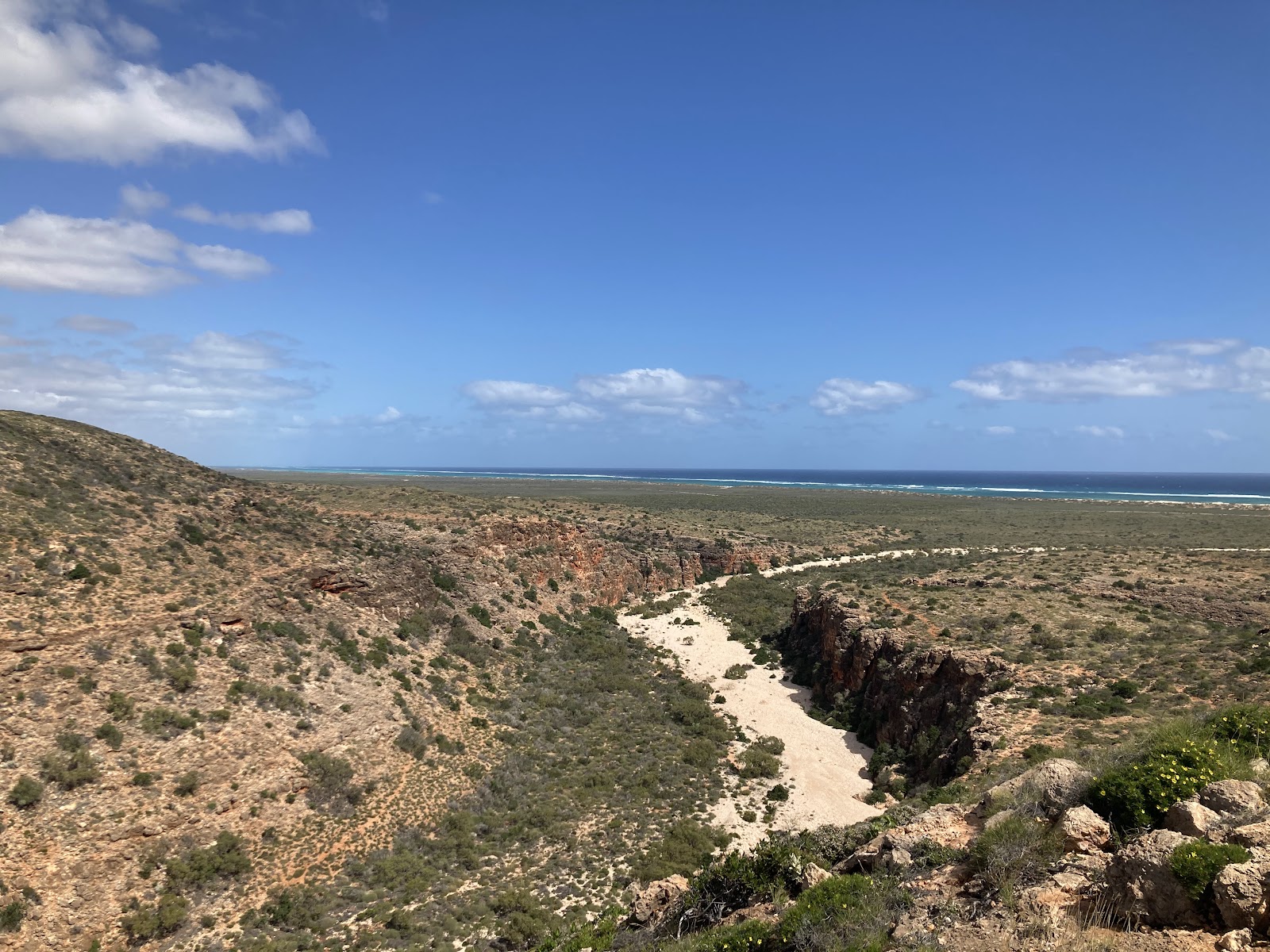 Ningaloo Reef
Australia's Coral Coast, Western Australia
Mandu Mandu Gorge Walk — The gorge descent at first light, with the limestone walls catching the sunrise in orange and ochre.
Explore walks in Ningaloo Reef →
6
Ningaloo Reef
Australia's Coral Coast, Western Australia
Mandu Mandu Gorge Walk — The gorge descent at first light, with the limestone walls catching the sunrise in orange and ochre.
Explore walks in Ningaloo Reef →
6
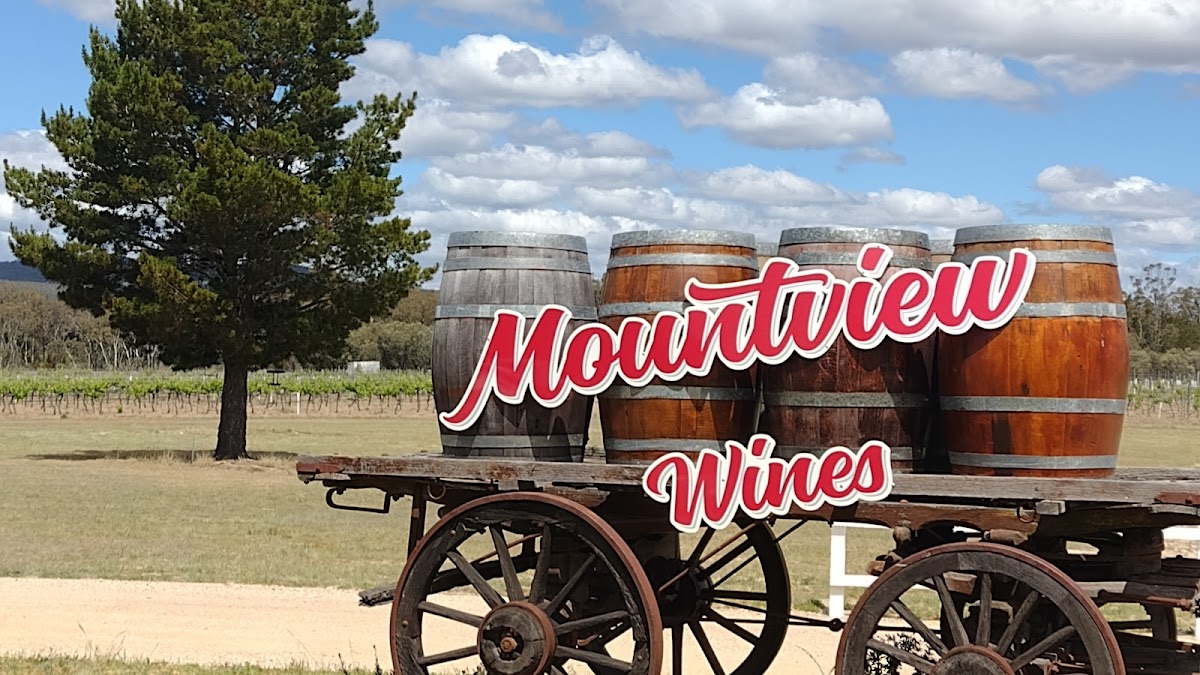 Glen Aplin
Granite Belt, Queensland
Mount Stirling Road Vineyard Trail — The northern stretch where the vineyards open on both sides — best light between 7 and 8am.
Explore walks in Glen Aplin →
The Kimberley you’re here
Australia's North West, Western Australia
Cathedral Gorge, Purnululu National Park — The natural amphitheatre at the end of the gorge — arrive at sunrise for the walls glowing orange in the first light.
You’re reading this guide
Glen Aplin
Granite Belt, Queensland
Mount Stirling Road Vineyard Trail — The northern stretch where the vineyards open on both sides — best light between 7 and 8am.
Explore walks in Glen Aplin →
The Kimberley you’re here
Australia's North West, Western Australia
Cathedral Gorge, Purnululu National Park — The natural amphitheatre at the end of the gorge — arrive at sunrise for the walls glowing orange in the first light.
You’re reading this guide
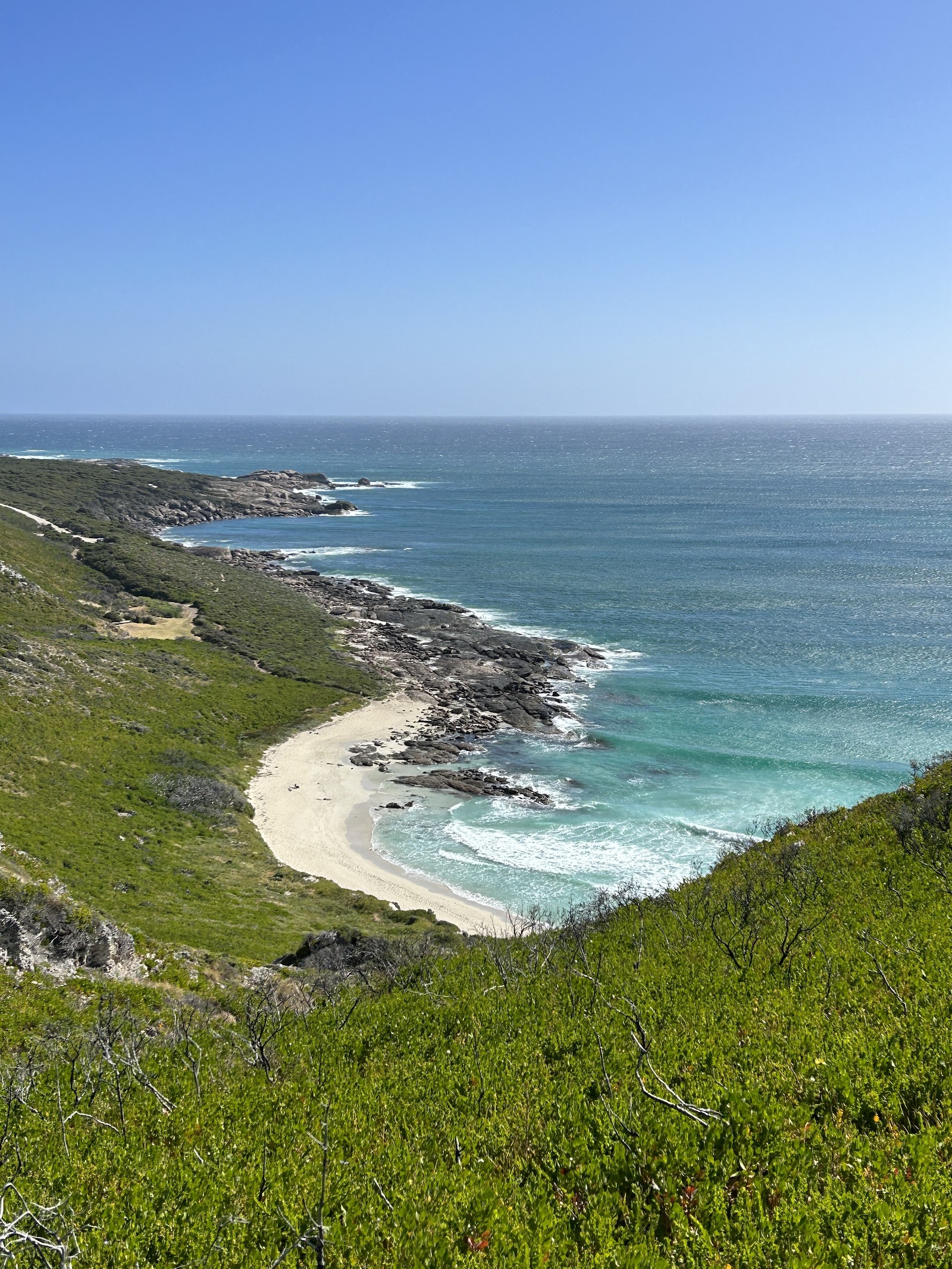 Margaret River
Australia's South West, Western Australia
Cape Naturaliste Lighthouse Walk & Whale Lookout — Humpback whales in Geographe Bay from the headland lookout, August to December.
Explore walks in Margaret River →
9
Margaret River
Australia's South West, Western Australia
Cape Naturaliste Lighthouse Walk & Whale Lookout — Humpback whales in Geographe Bay from the headland lookout, August to December.
Explore walks in Margaret River →
9
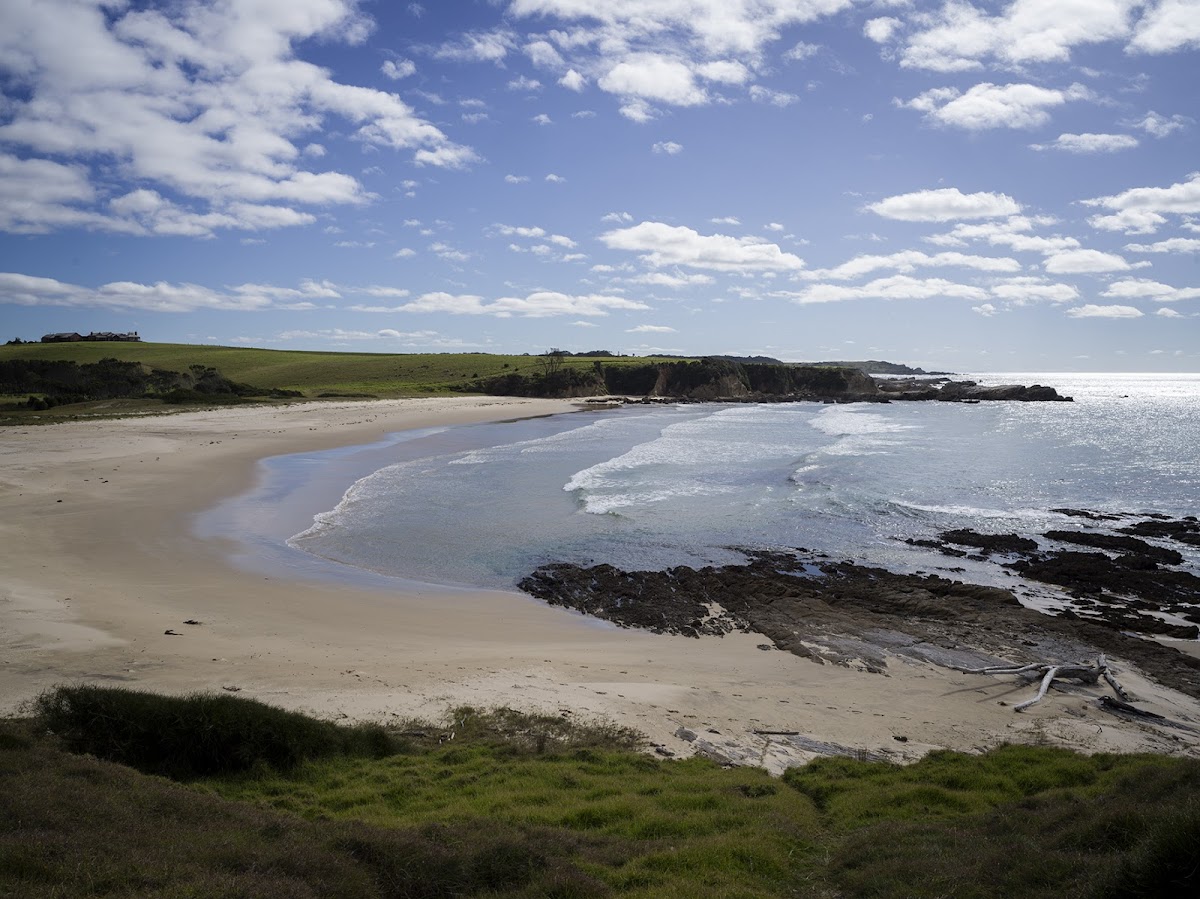 Narooma
South Coast, New South Wales
Mill Bay Boardwalk — Stingrays gliding below the planks in the clear shallows — best in the still early morning.
Explore walks in Narooma →
10
Narooma
South Coast, New South Wales
Mill Bay Boardwalk — Stingrays gliding below the planks in the clear shallows — best in the still early morning.
Explore walks in Narooma →
10
 Dubbo
Central West, New South Wales
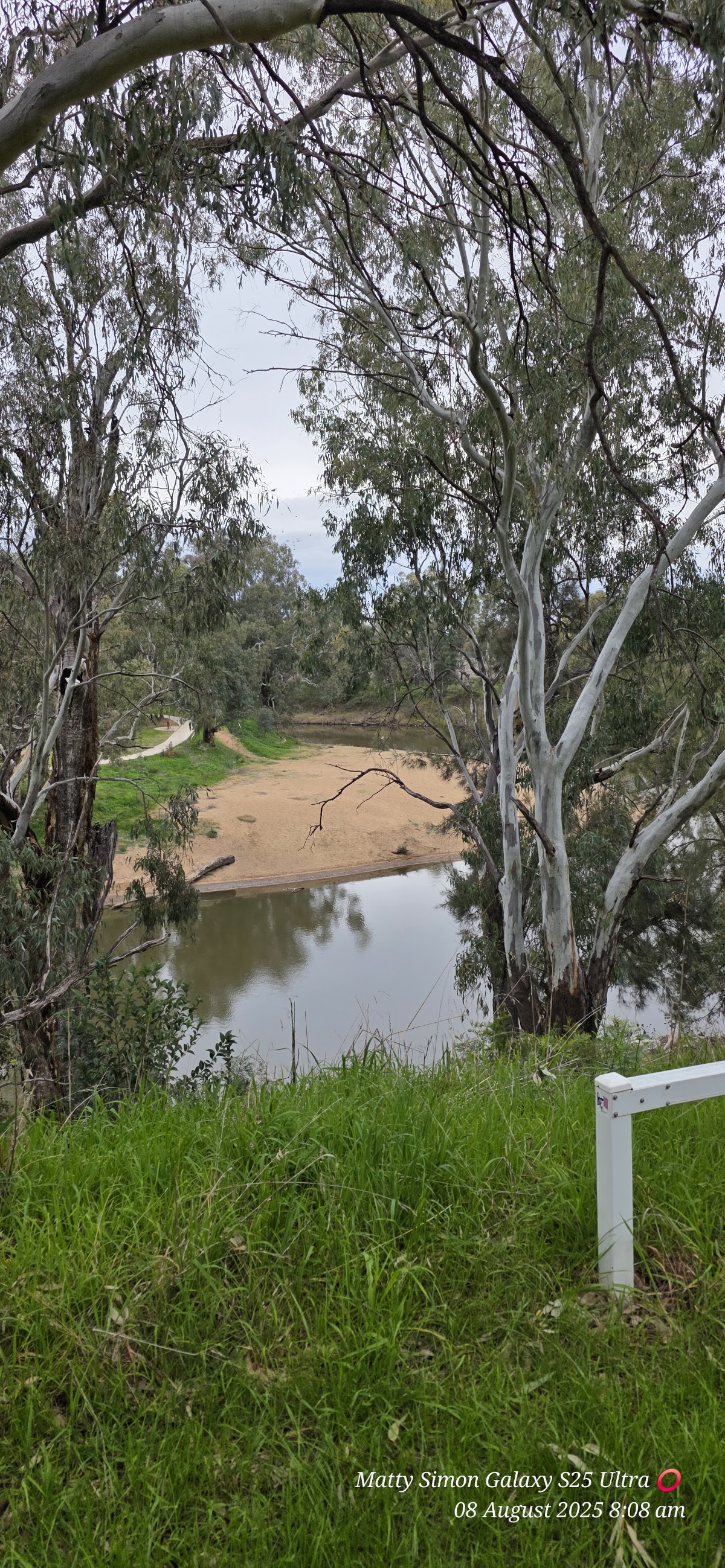
Tracker Riley Cycleway — The riverbank at dawn, with mist on the water and the birdlife at its busiest.
Explore walks in Dubbo →
Dubbo
Central West, New South Wales
Tracker Riley Cycleway — The riverbank at dawn, with mist on the water and the birdlife at its busiest.
Explore walks in Dubbo →
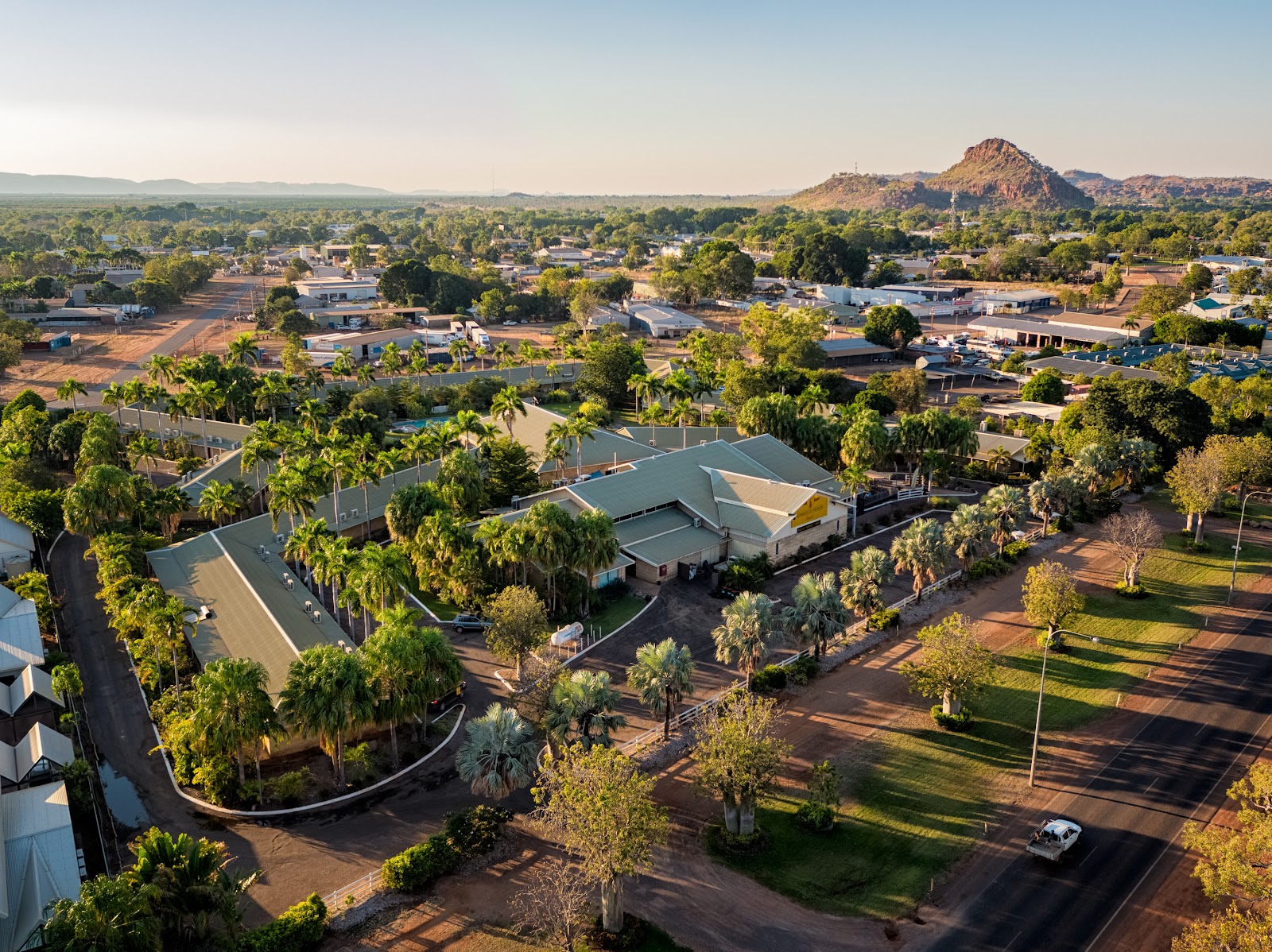
The Kimberley Grande Resort — The Kimberley
Book Direct & Save →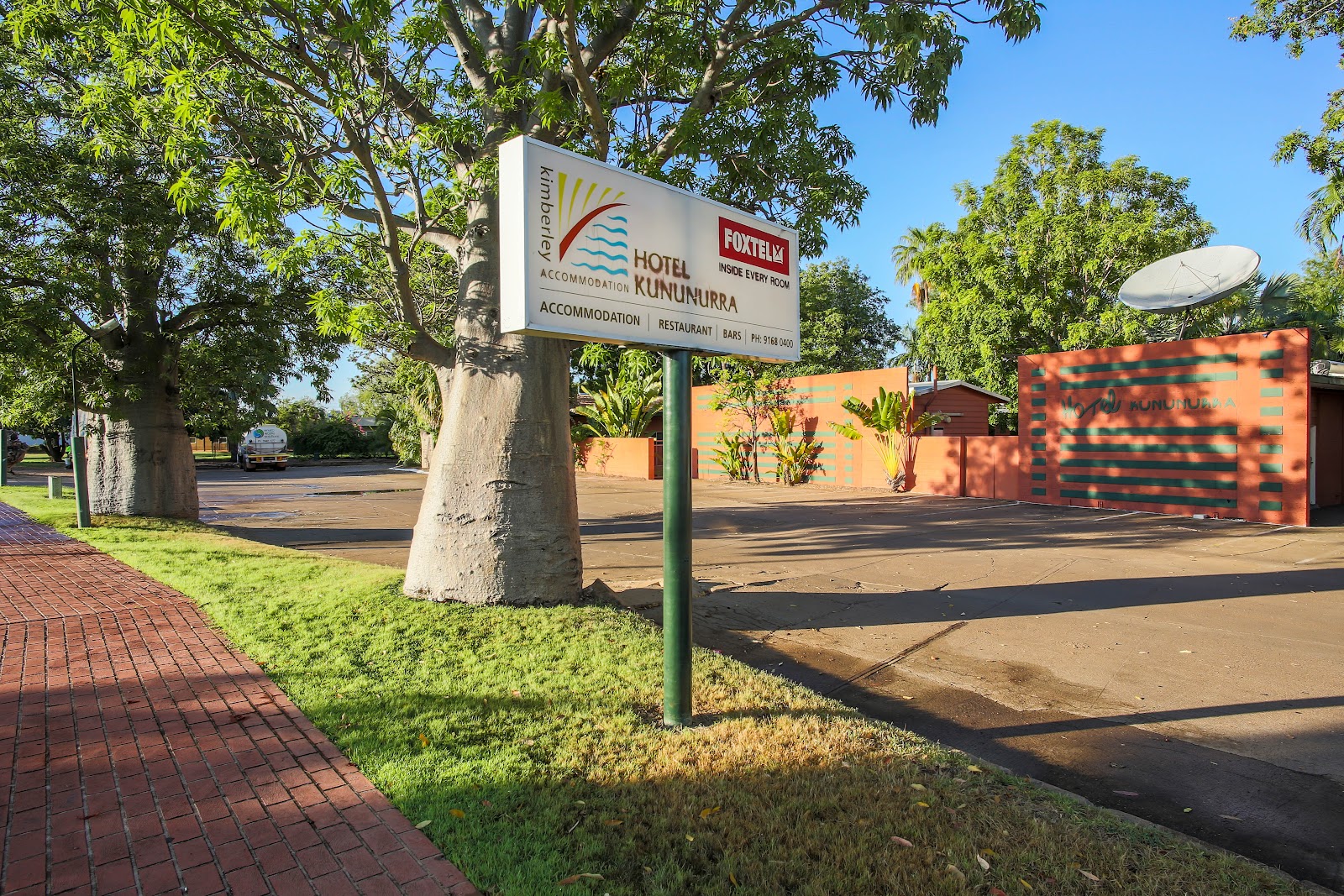
Best Western Cambridge Hotel Kununurra — The Kimberley
Book Direct & Save →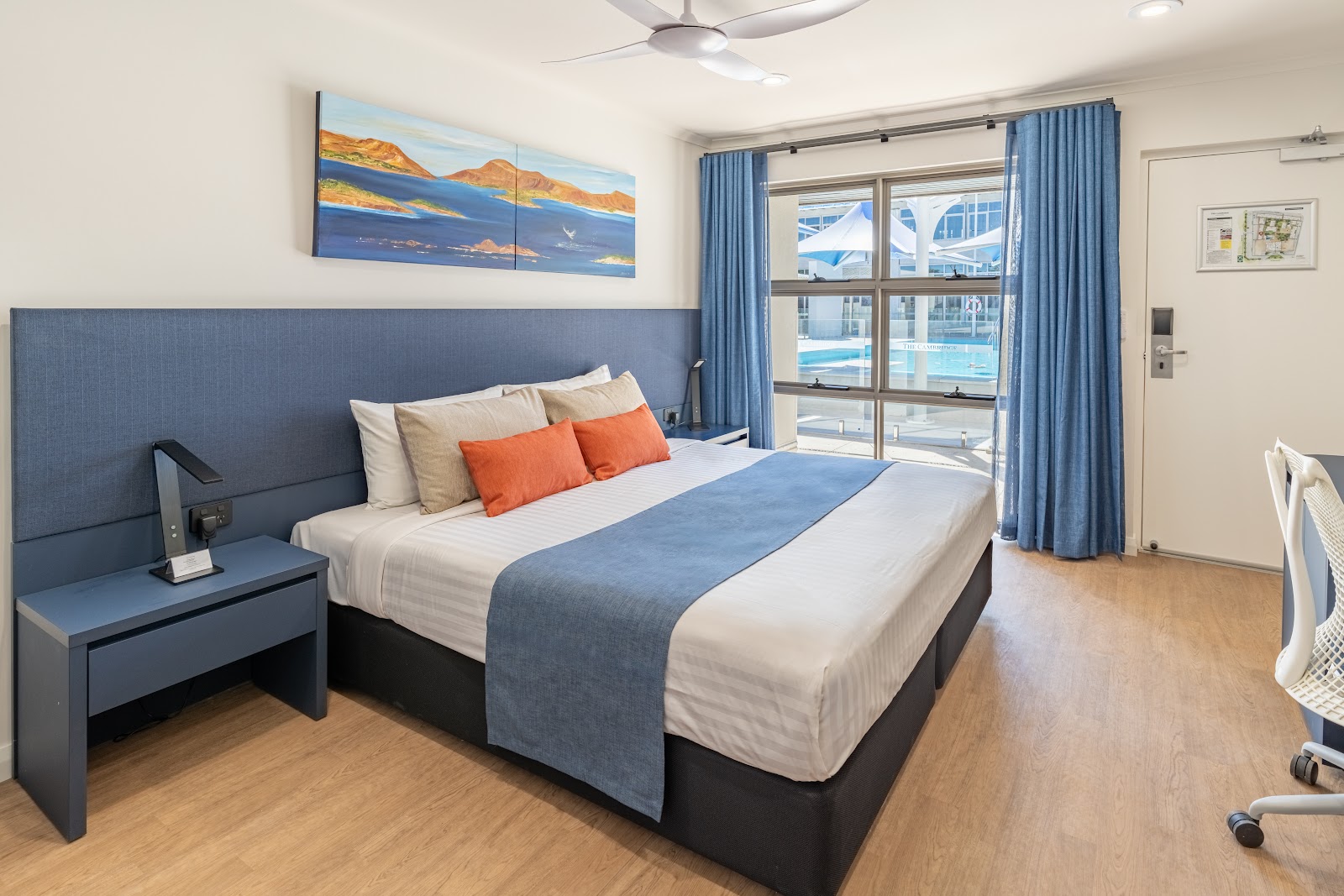
Hotel Kununurra — The Kimberley
Book Direct & Save →Skip OTA fees. Connect directly with The Kimberley owners for the best rates and a truly personal experience.
We match any online rate. No service fees — 100% of your payment supports local owners.
Direct guests receive complimentary hampers, early check-in, and priority access to experiences.
Speak directly with the people who manage the properties. No call centres, just local expertise.
Part of Western Australia · Australia's North West
 Glen Aplin
Granite Belt, Queensland
Queensland's most underrated wine valley
Explore the guide →
Glen Aplin
Granite Belt, Queensland
Queensland's most underrated wine valley
Explore the guide →
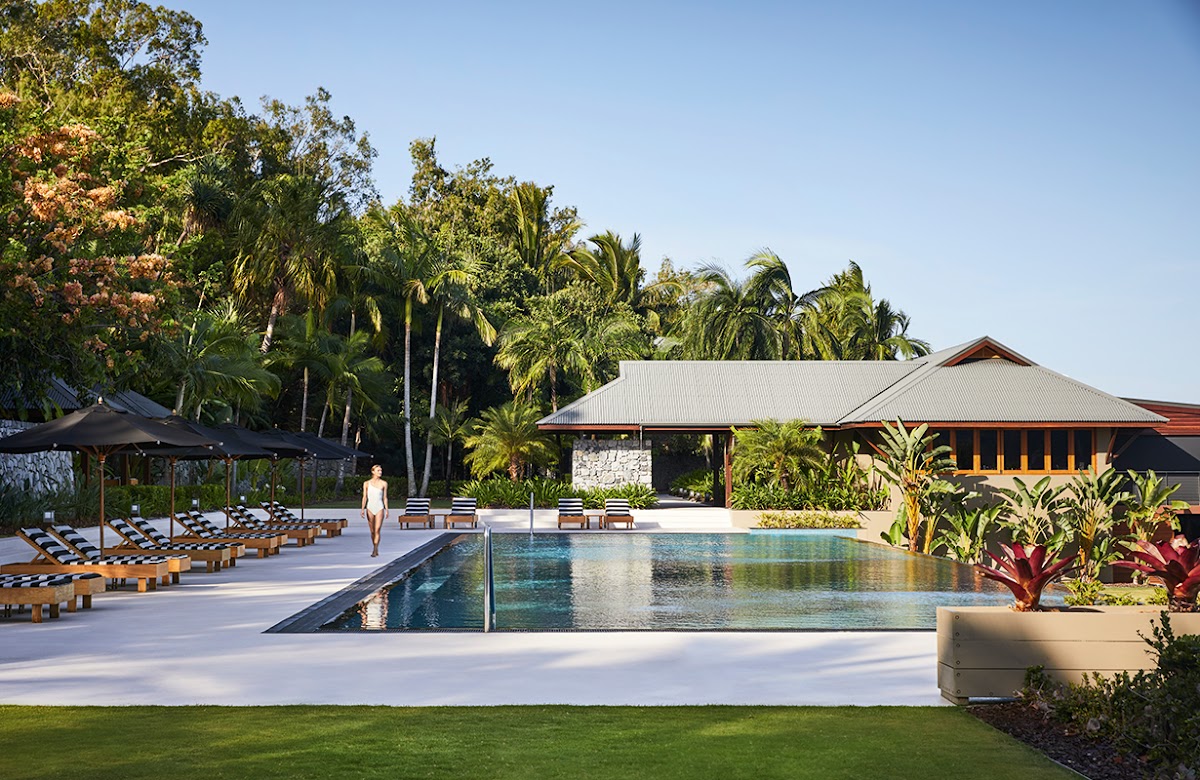 Hamilton Island
The Whitsundays, Queensland
Whitsundays island resort — Whitehaven Beach, reef trips and golf-buggy life
Explore the guide →
Hamilton Island
The Whitsundays, Queensland
Whitsundays island resort — Whitehaven Beach, reef trips and golf-buggy life
Explore the guide →
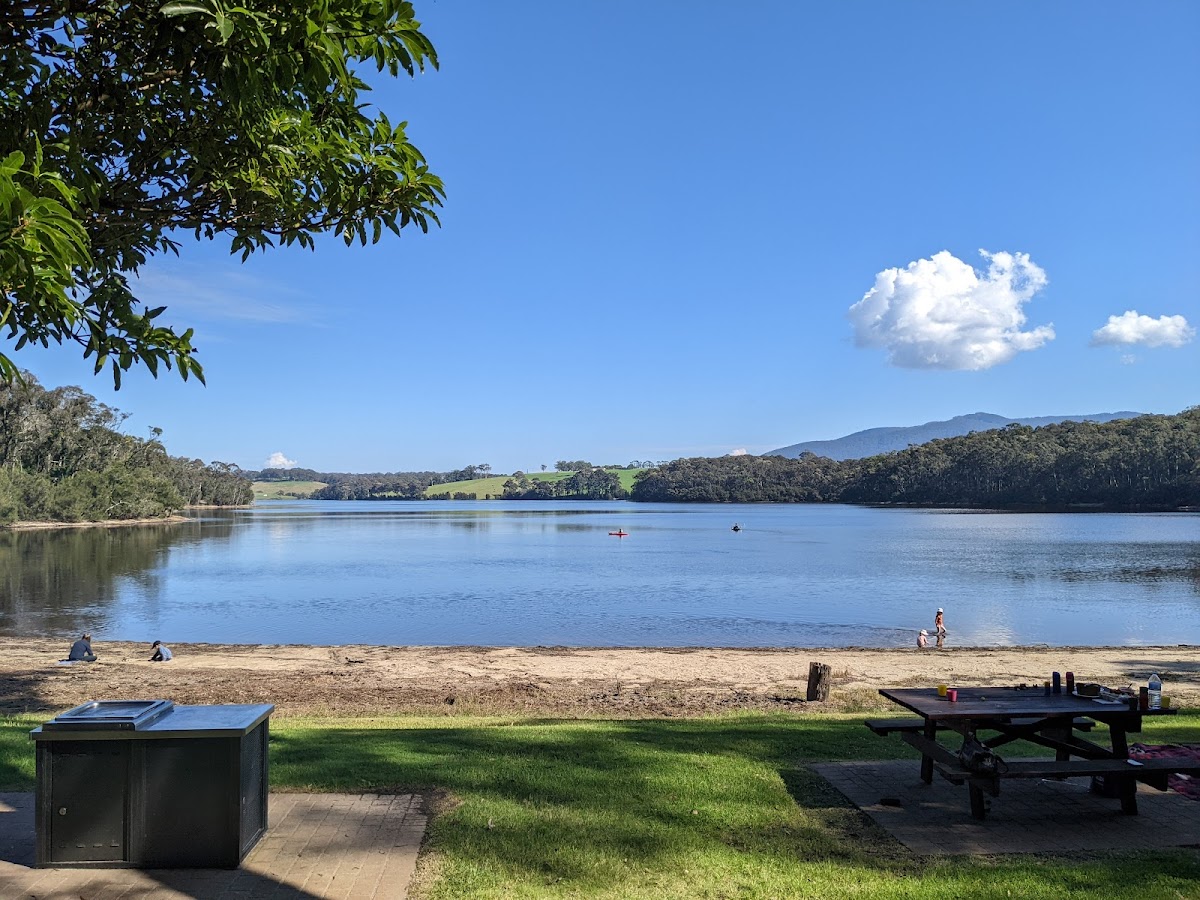 Narooma
South Coast, New South Wales
Crystal-clear inlet, surf beaches, oysters and Montague Island
Explore the guide →
Narooma
South Coast, New South Wales
Crystal-clear inlet, surf beaches, oysters and Montague Island
Explore the guide →
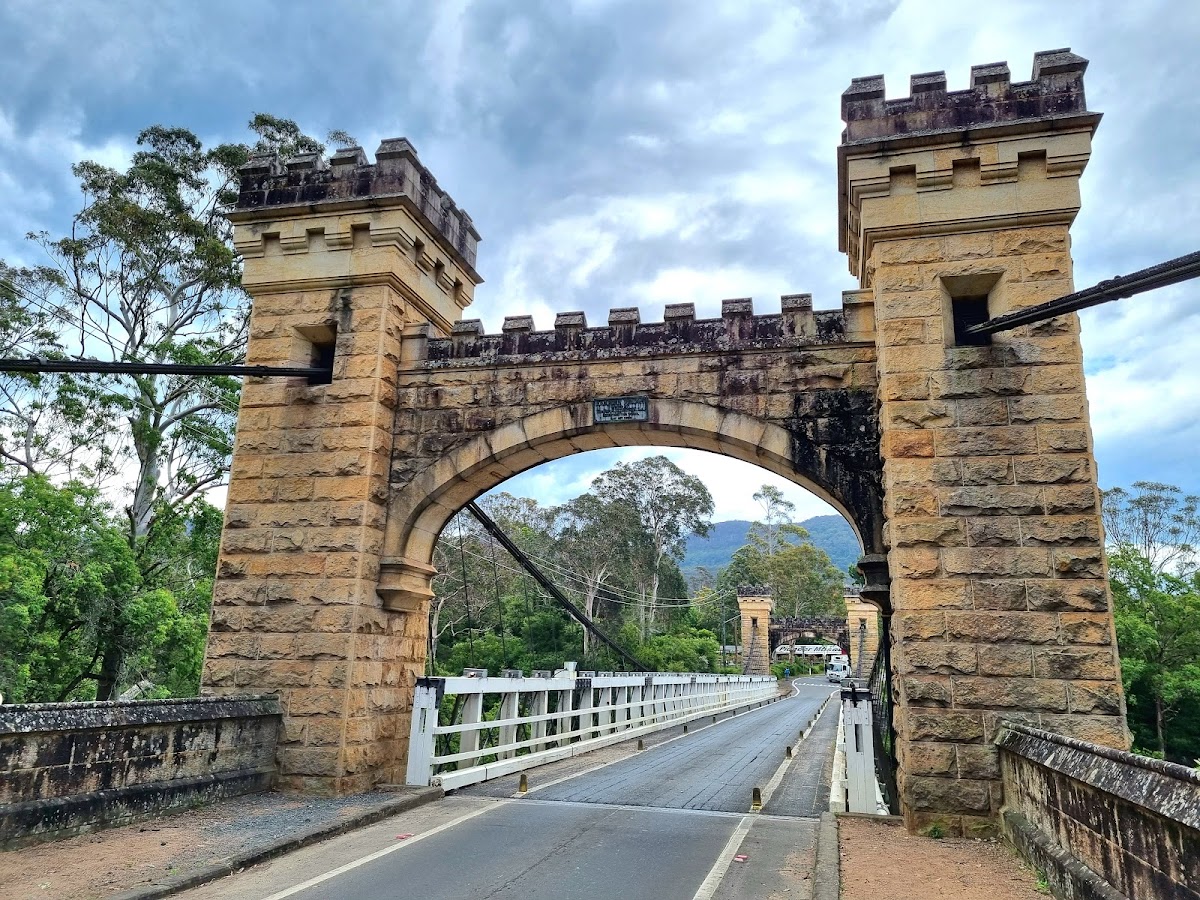 Kangaroo Valley
Shoalhaven, New South Wales
Hampden Bridge, kayaking and wombats in a green valley
Explore the guide →
Kangaroo Valley
Shoalhaven, New South Wales
Hampden Bridge, kayaking and wombats in a green valley
Explore the guide →
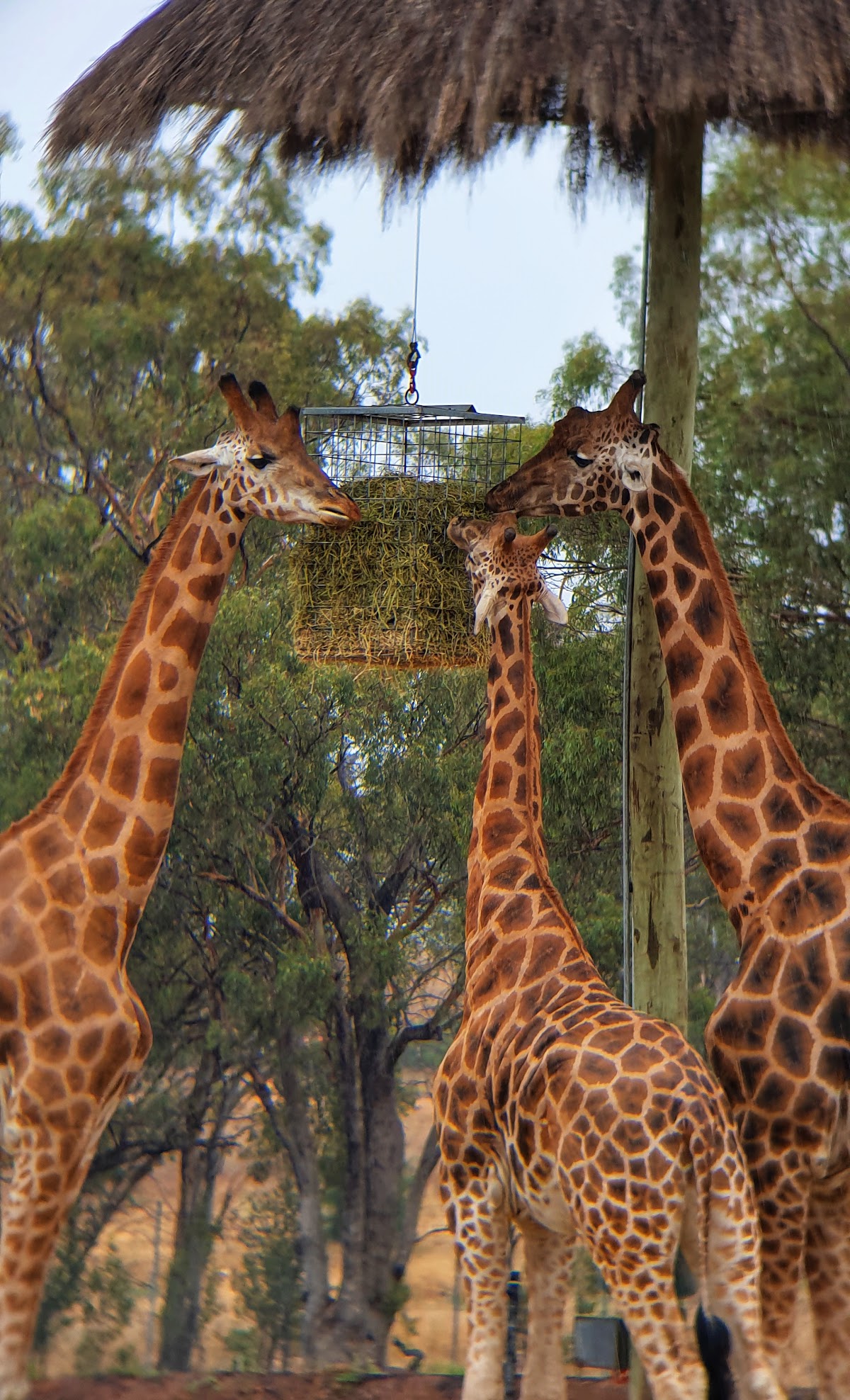 Dubbo
Central West, New South Wales
Open-range zoo and Outback gateway on the Macquarie River
Explore the guide →
Dubbo
Central West, New South Wales
Open-range zoo and Outback gateway on the Macquarie River
Explore the guide →
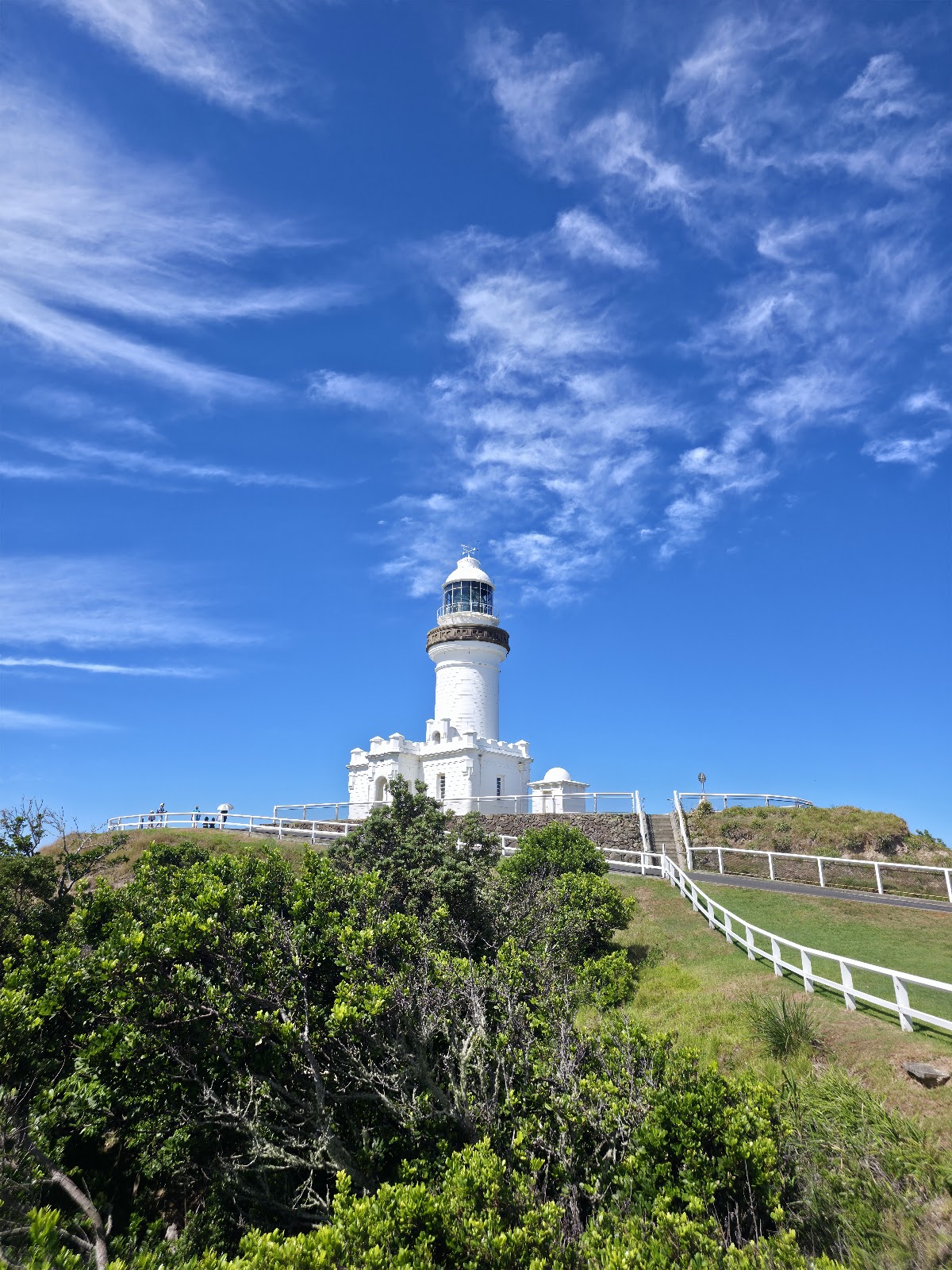 Byron Bay
Northern Rivers, New South Wales
Australia's iconic beach town and most easterly point
Explore the guide →
Byron Bay
Northern Rivers, New South Wales
Australia's iconic beach town and most easterly point
Explore the guide →
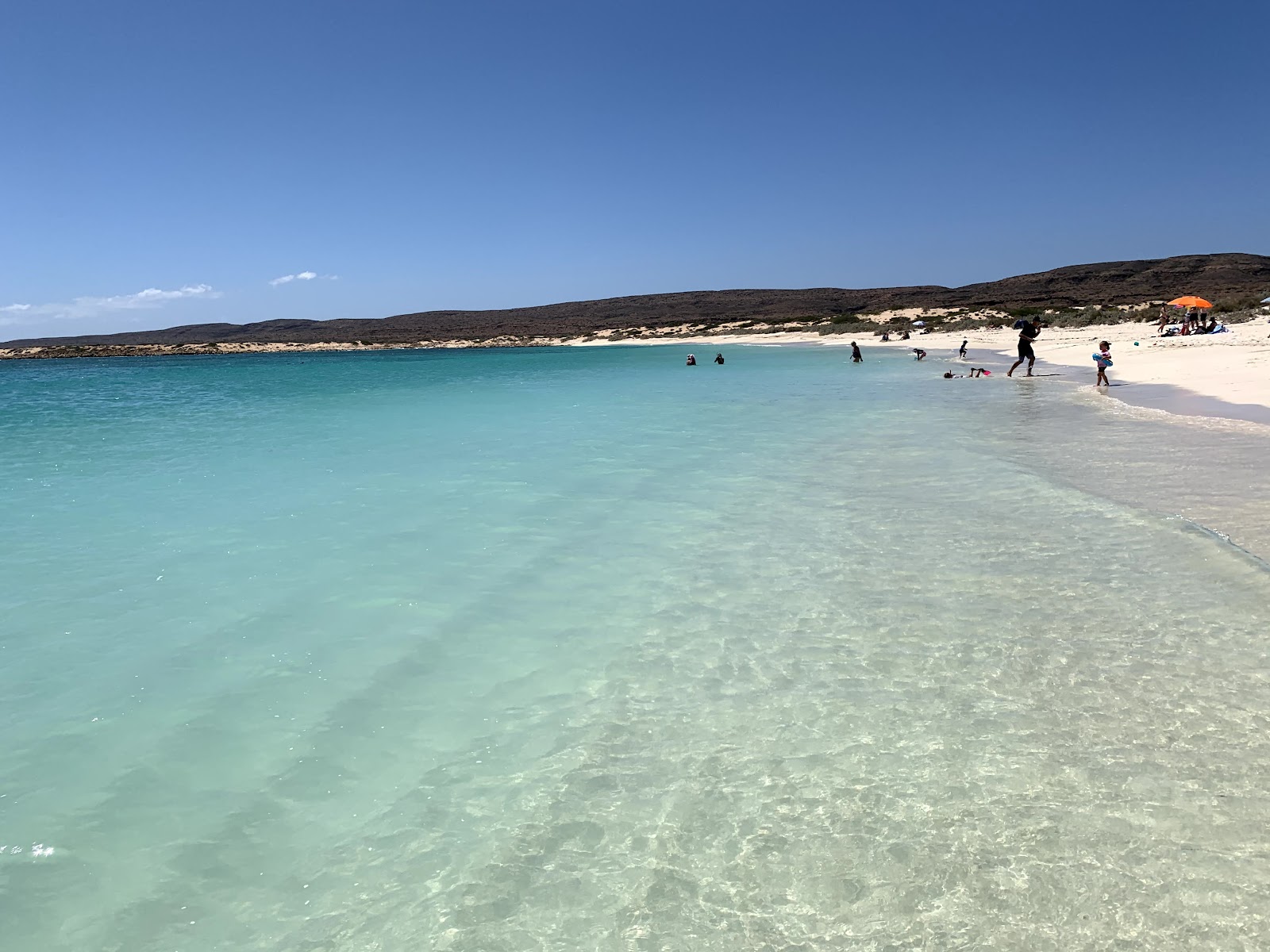 Ningaloo Reef
Australia's Coral Coast, Western Australia
Swim with whale sharks and snorkel a World-Heritage reef straight off the beach
Explore the guide →
Ningaloo Reef
Australia's Coral Coast, Western Australia
Swim with whale sharks and snorkel a World-Heritage reef straight off the beach
Explore the guide →
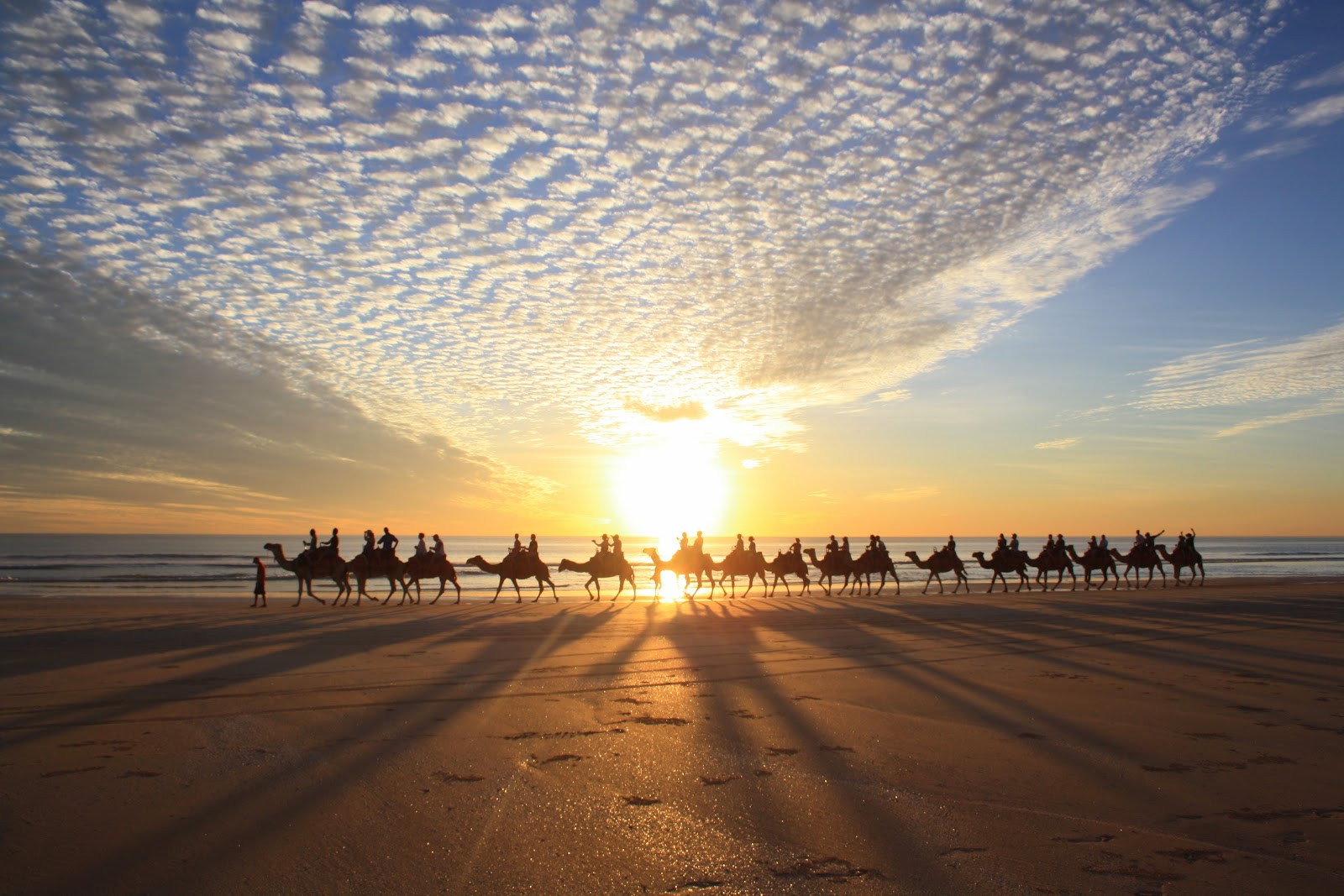 Broome
Australia's North West, Western Australia
Cable Beach sunsets, pearling history and camels on 22km of sand
Explore the guide →
Broome
Australia's North West, Western Australia
Cable Beach sunsets, pearling history and camels on 22km of sand
Explore the guide →
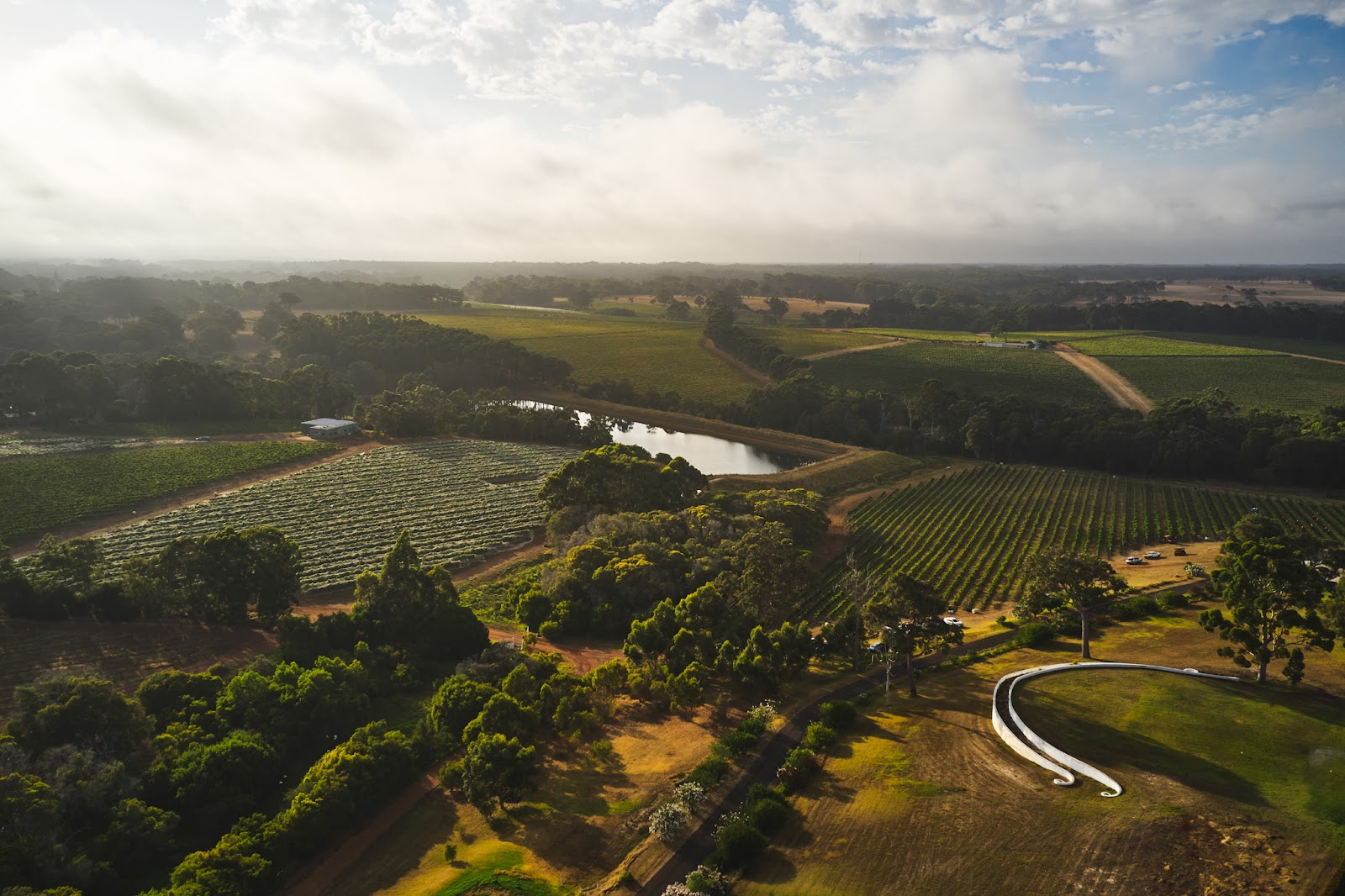 Margaret River
Australia's South West, Western Australia
World-class wineries, surf breaks and limestone caves three hours south of Perth
Explore the guide →
Margaret River
Australia's South West, Western Australia
World-class wineries, surf breaks and limestone caves three hours south of Perth
Explore the guide →