01. The Kimberley Grande Resort
4 (399 reviews)
The Kimberley Grande Resort — The Kimberley
Book Direct & Save →The Kimberley's visitor season is more binary than almost any other destination in Australia. The Dry Season (May to October) is when you go; the Wet Season (November to April) is when you do not — not because it is unpleasant in an abstract sense, but because it is physically inaccessible. The Gibb River Road closes. Purnululu closes. Most gorge tracks become impassable, many station camps shut down, and the combination of extreme heat (40–45°C with monsoonal humidity) and flooded roads makes independent 4WD travel across the region genuinely dangerous. The rare visitor who does come in the Wet is either on a guided tour to specific accessible locations or has a very specific reason to be there.
View 3 Properties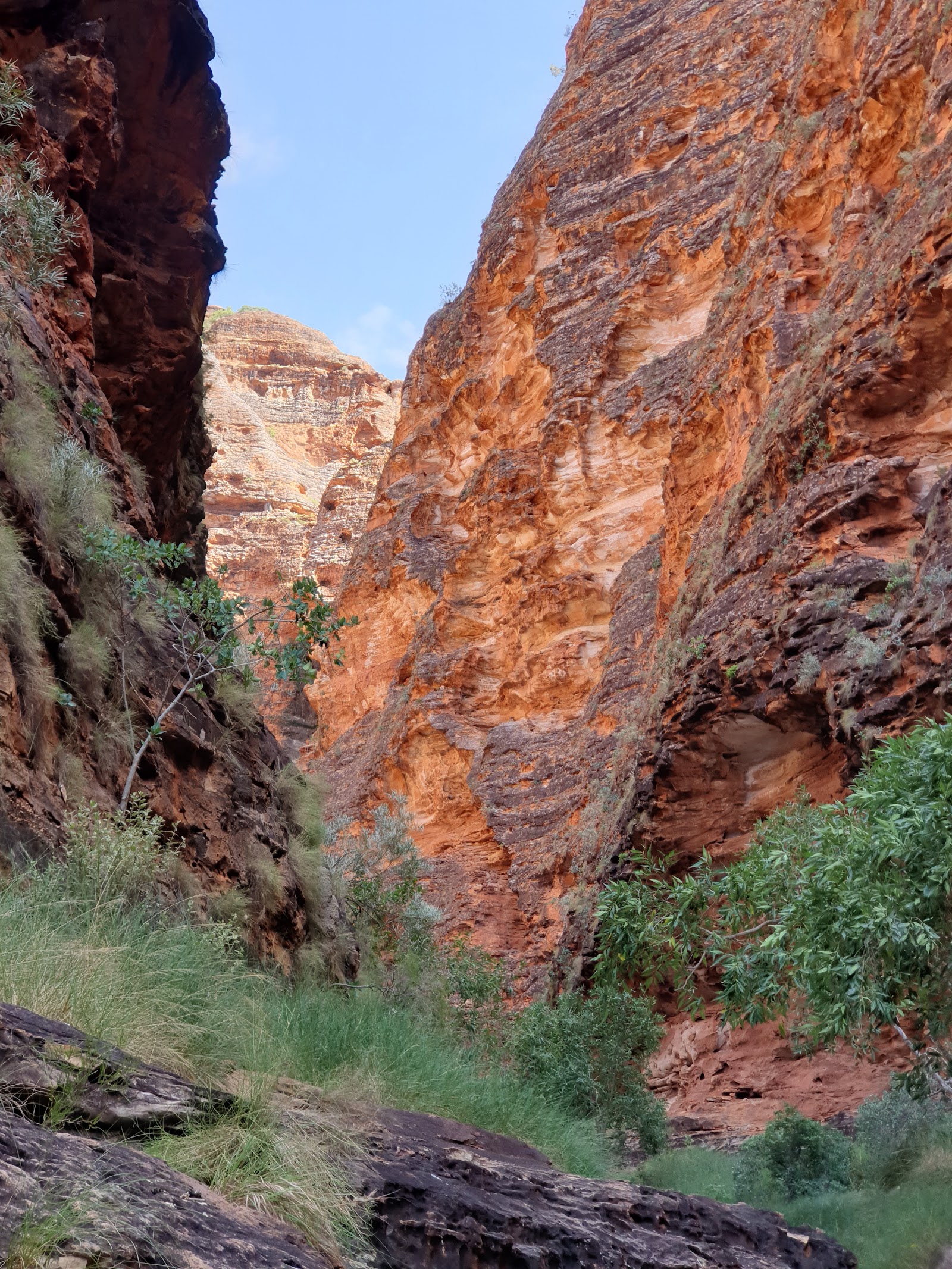
"Governed by a hard binary: Dry access vs Wet closure"
Within the Dry Season, the choice is more nuanced. May and June offer fuller waterfalls and green country but some ongoing road closures. July and August are the peak months — comfortable temperatures, all roads open, all parks operating, and a density of visitors that requires advance booking. September and October are excellent for those who can manage the heat, with fewer crowds and lower prices. Each window has distinct advantages, and understanding them is the planning question most Kimberley visitors actually need to answer.
The Kimberley sits in a monsoon-influenced climate zone where the seasonal contrast is more extreme than almost anywhere else in Australia. The Wet Season (November to April) delivers intense rainfall concentrated into storms, flooding that turns flat roads into rivers, and temperatures with humidity that make outdoor activity genuinely dangerous. The Gibb River Road — 660km of unsealed red dirt through station country — becomes impassable not because of surface damage alone but because the river crossings fill. The Pentecost River crossing, which you can drive through in the Dry at 300mm of water, becomes a 2-metre-deep fast-flowing river in the Wet. Purnululu's 53km access track becomes a creek.
That closure is total for most of the region's headline experiences. Some operators continue to fly scenic tours during the Wet — Mitchell Falls from the air in full flow, Lake Argyle at maximum level — and these are extraordinary if you specifically want the waterfall peak. But they are the exception, and they are expensive. The independent 4WD Kimberley trip that most visitors are planning cannot happen in the Wet.
The Dry Season, by contrast, opens progressively. Late April, rangers and road authorities begin checking the main access roads and crossings. By mid-May most of the major routes are confirmed open, and by June the full visitor infrastructure — station camps, guided tours, park rangers — is operational. The season closes at the other end around late October to early November, when the first Wet storms begin to build and the temperature and humidity signals the shift back.
| Common mistake | The fix |
|---|---|
| Arriving in the Wet Season expecting to do the Gibb River Road or visit Purnululu independently | Book for May to October only. The Wet closes these routes completely to independent 4WD travel. Check road status via WA Main Roads (MRWA) and DBCA park closure notices before finalising any Wet-season plan. |
| Assuming July and August have no booking requirements | Peak season accommodation and tours fill months in advance. El Questro station accommodation, Lake Argyle Resort sunset cruises, and Purnululu campgrounds regularly book out completely in July and August. Plan 3–6 months ahead for peak travel. |
| Choosing May thinking the waterfalls will be at peak but the roads are fully open | Some roads, particularly the Purnululu access track and some Gibb River Road sections, may still be in the process of opening in early May. Check DBCA and MRWA road status reports in April before finalising May travel plans. |
| Underestimating the September–October heat | September and October can be excellent months with the right planning, but the heat is significantly harder than July–August — 38–42°C by mid-morning, not 30°C. Start every outdoor activity before 7am in these months, plan midday shelter, and carry extra water. |
| Season | Conditions | Highlights | Crowds |
|---|---|---|---|
| May–June (Early Dry) | 28–35°C days, 18–22°C nights, some tracks still opening after Wet | Waterfalls at or near their best — Bell Gorge and Mitchell Falls still running strongly; green and lush vegetation; quieter than peak; lower prices | Moderate — growing through June as more roads open; some campgrounds not yet at peak capacity |
| July–August (Peak Dry) | 28–32°C days, 14–18°C nights — the most comfortable of the year | All roads and parks open; best walking temperatures; peak wildlife activity; full range of tours operating; the reference Kimberley experience | High — book campsites, resorts and tours 3–6 months ahead; July and August are the most popular months in the calendar |
| September–October (Late Dry) | 35–42°C days, 22–26°C nights — hot; building humidity in October | Fewer visitors; lower prices; all parks and roads still open early in the period; good for experienced travellers who manage the heat with early starts | Moderate, declining — some operators begin closing in October as the first Wet storms approach |
| November–April (Wet Season) | 38–45°C days with monsoonal humidity; monsoon rains; flooding; roads close | Waterfalls at peak flow (inaccessible to most independent travellers); dramatic skies; some guided fly-in tours to Mitchell Falls and Horizontal Falls still operate | Minimal — most infrastructure closed or inaccessible to independent visitors; suited only to specific guided operations |
For a first visit, the answer is July and August — the most comfortable walking temperatures, all roads and parks accessible, the full range of services, and the assurance that the trip will deliver what the planning promised. The cost is higher prices and the need to book well ahead, but both of those are manageable realities rather than genuine obstacles.
For the experienced Kimberley visitor or the flexible traveller, May–June offers the waterfall bonus and lower crowds at a small cost of some road uncertainty in early May. September–October works well for heat-tolerant travellers who can start before 7am and want the quieter, lower-cost version of the same landscape. Avoid the Wet Season for any independent 4WD trip unless you specifically want a guided fly-in experience to inaccessible waterfalls — and if that is what you want, plan it with a reputable operator well in advance. The Kimberley rewards visitors who plan around its actual conditions rather than their preferred dates.
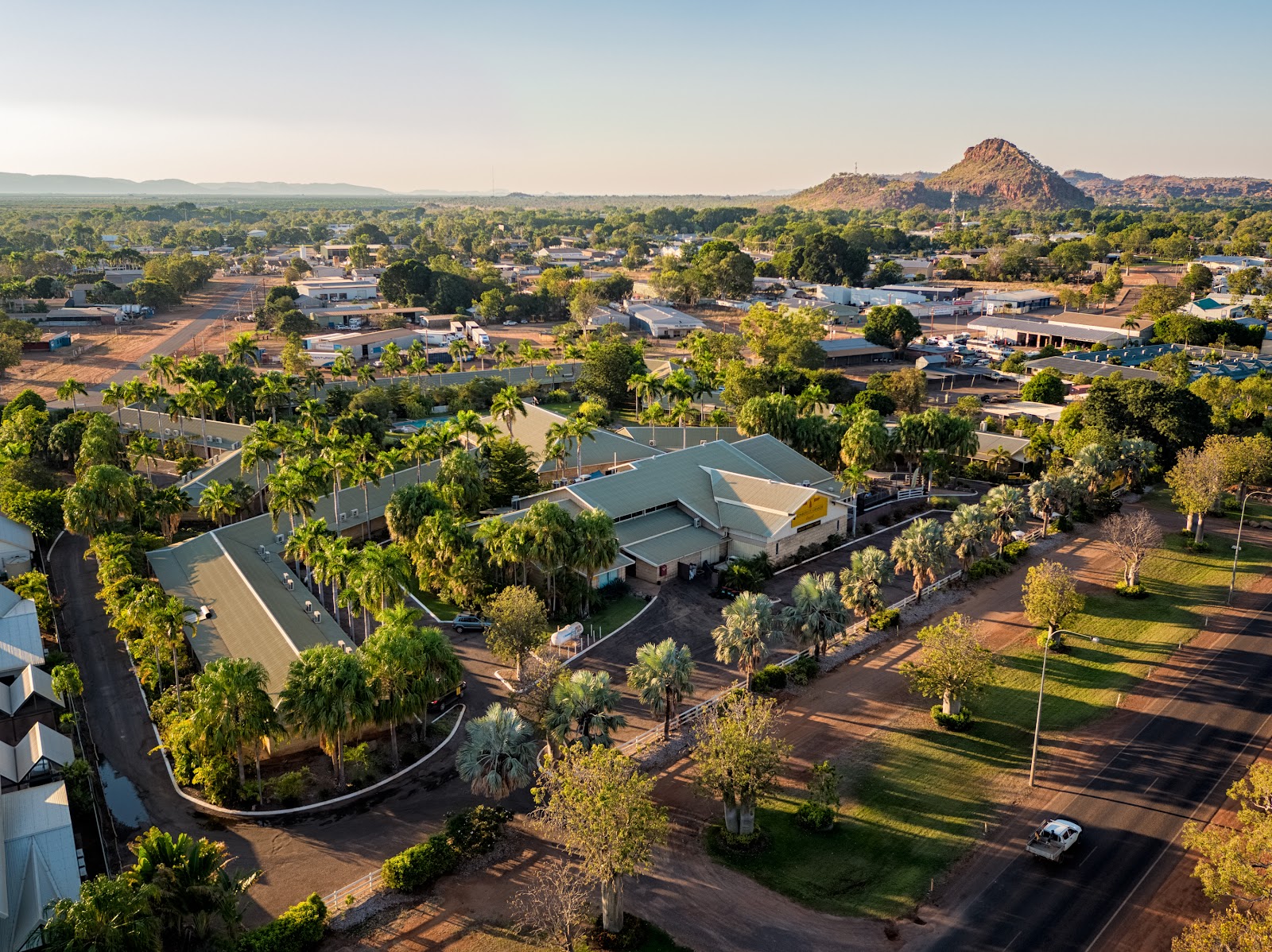
The Kimberley Grande Resort — The Kimberley
Book Direct & Save →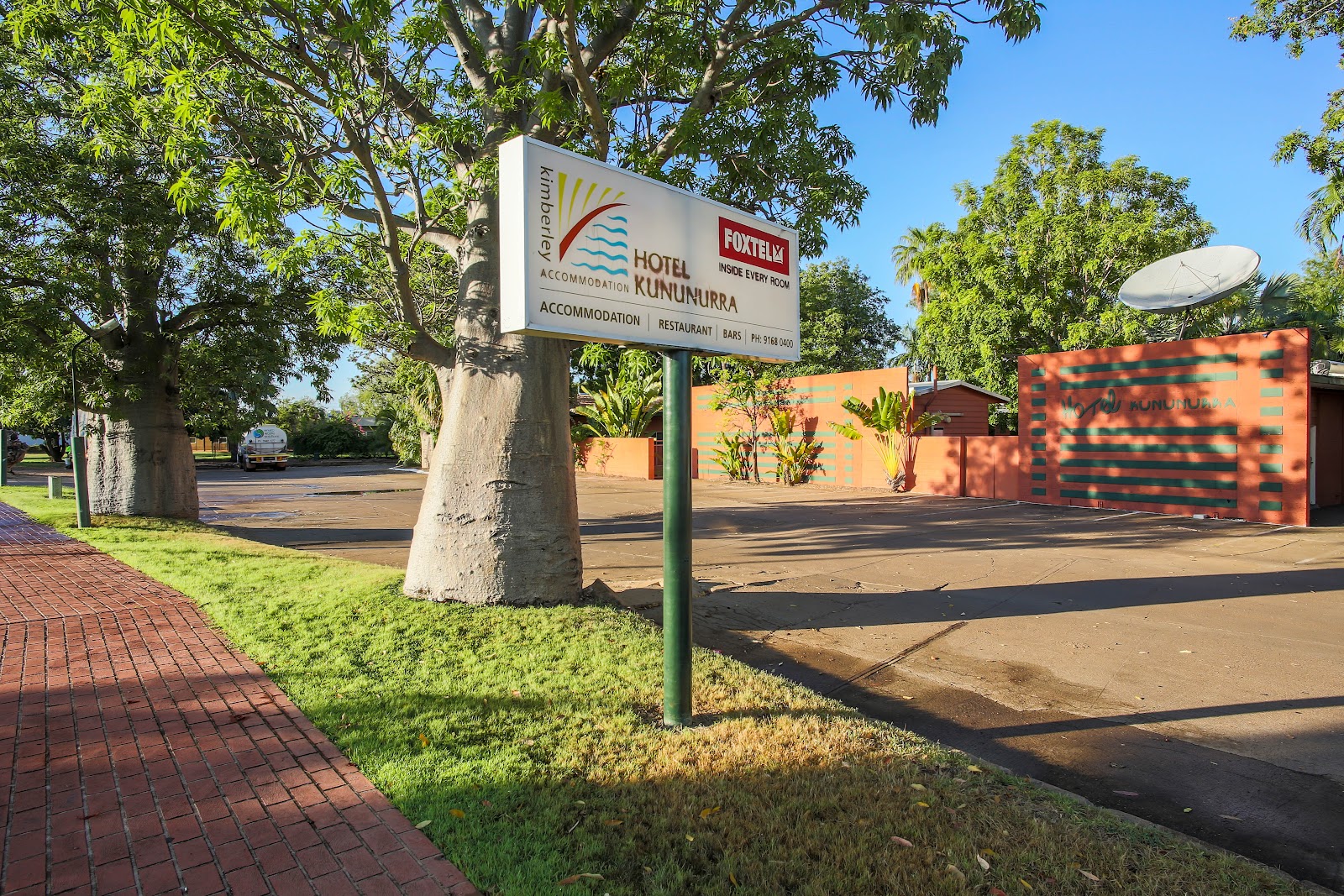
Best Western Cambridge Hotel Kununurra — The Kimberley
Book Direct & Save →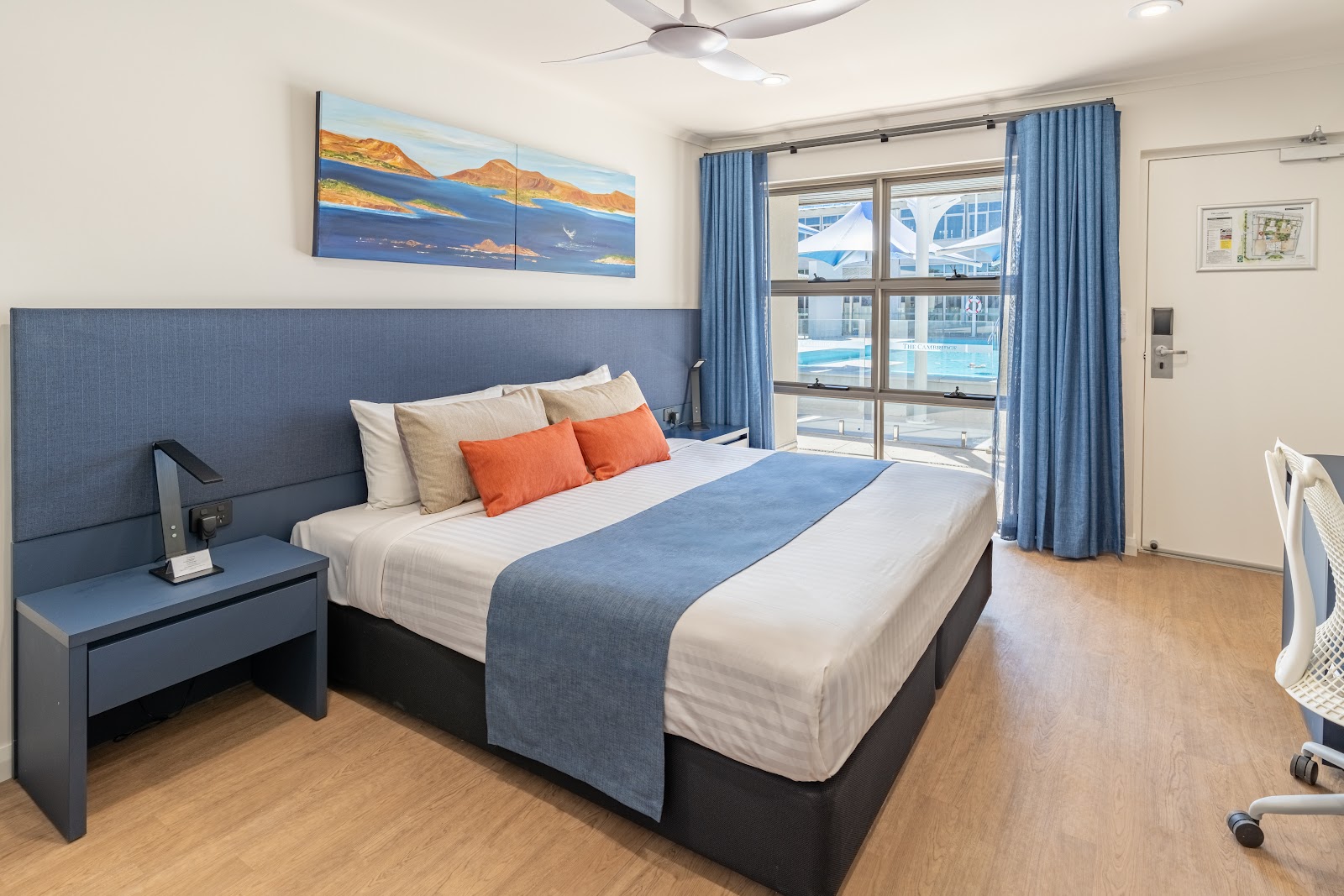
Hotel Kununurra — The Kimberley
Book Direct & Save →Skip OTA fees. Connect directly with The Kimberley owners for the best rates and a truly personal experience.
We match any online rate. No service fees — 100% of your payment supports local owners.
Direct guests receive complimentary hampers, early check-in, and priority access to experiences.
Speak directly with the people who manage the properties. No call centres, just local expertise.
Part of Western Australia · Australia's North West
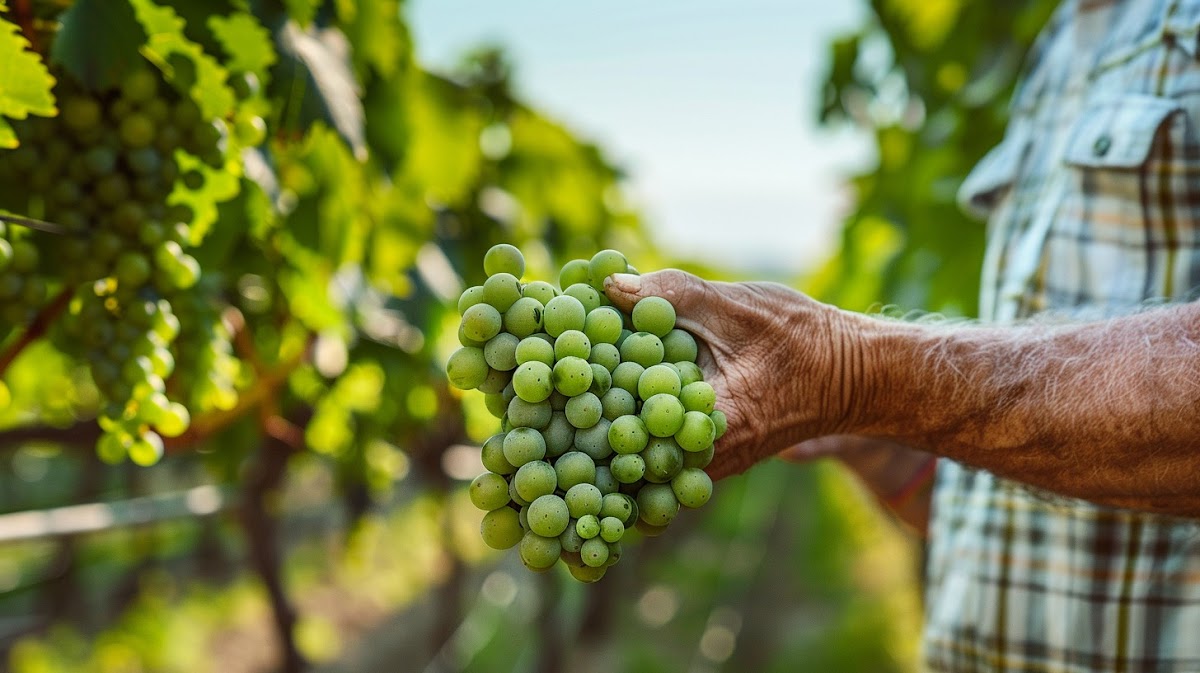 Glen Aplin
Granite Belt, Queensland
Queensland's most underrated wine valley
Explore the guide →
Glen Aplin
Granite Belt, Queensland
Queensland's most underrated wine valley
Explore the guide →
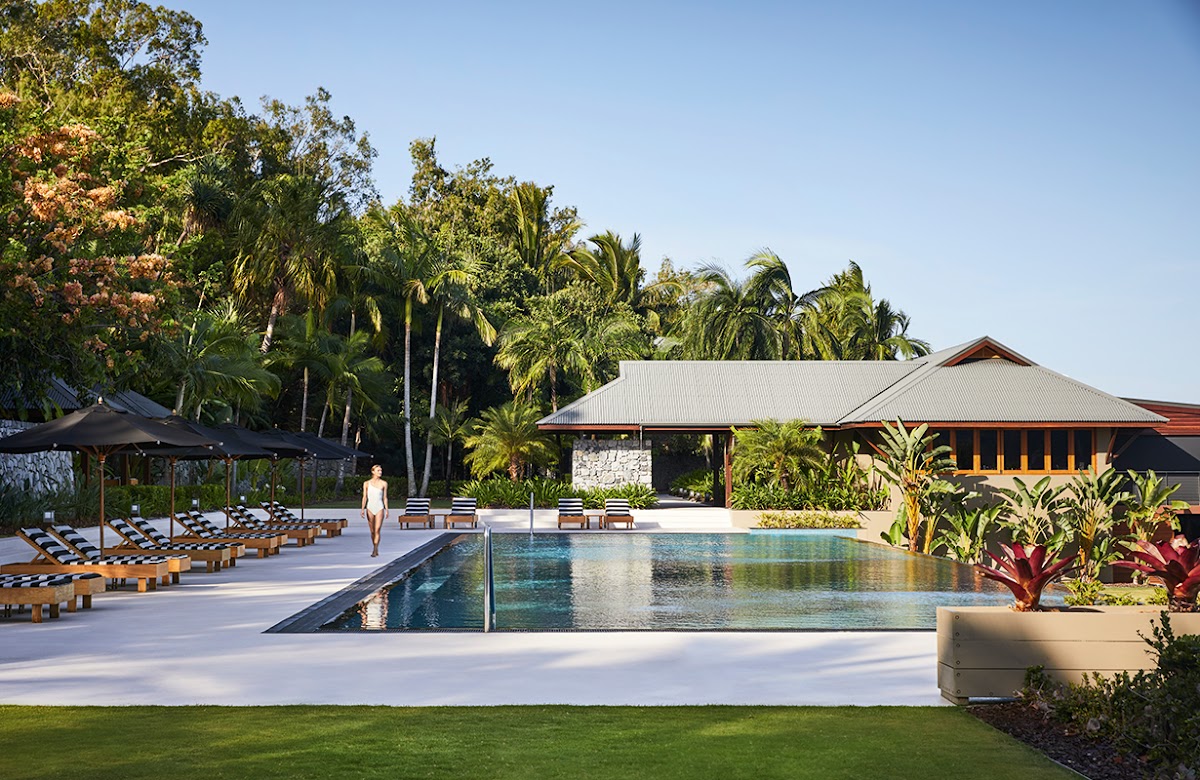 Hamilton Island
The Whitsundays, Queensland
Whitsundays island resort — Whitehaven Beach, reef trips and golf-buggy life
Explore the guide →
Hamilton Island
The Whitsundays, Queensland
Whitsundays island resort — Whitehaven Beach, reef trips and golf-buggy life
Explore the guide →
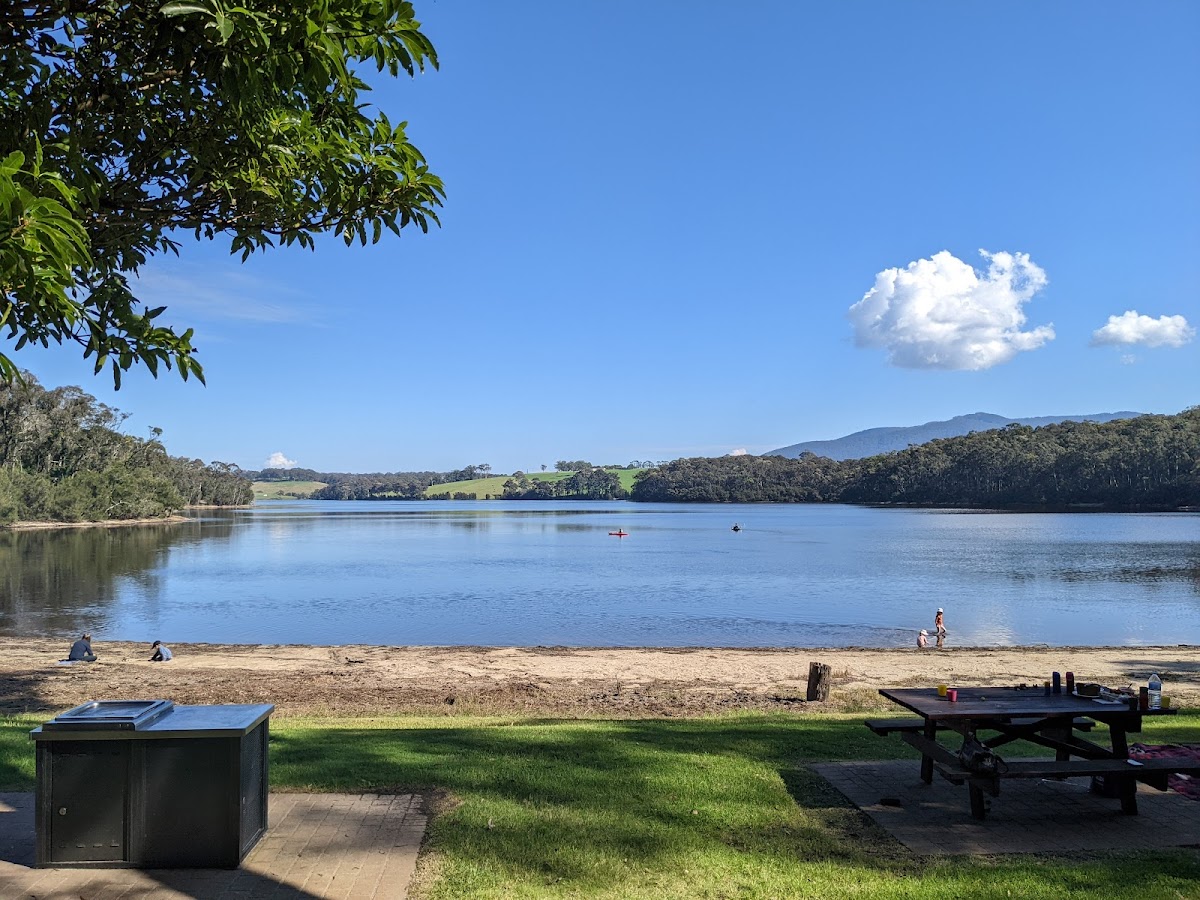 Narooma
South Coast, New South Wales
Crystal-clear inlet, surf beaches, oysters and Montague Island
Explore the guide →
Narooma
South Coast, New South Wales
Crystal-clear inlet, surf beaches, oysters and Montague Island
Explore the guide →
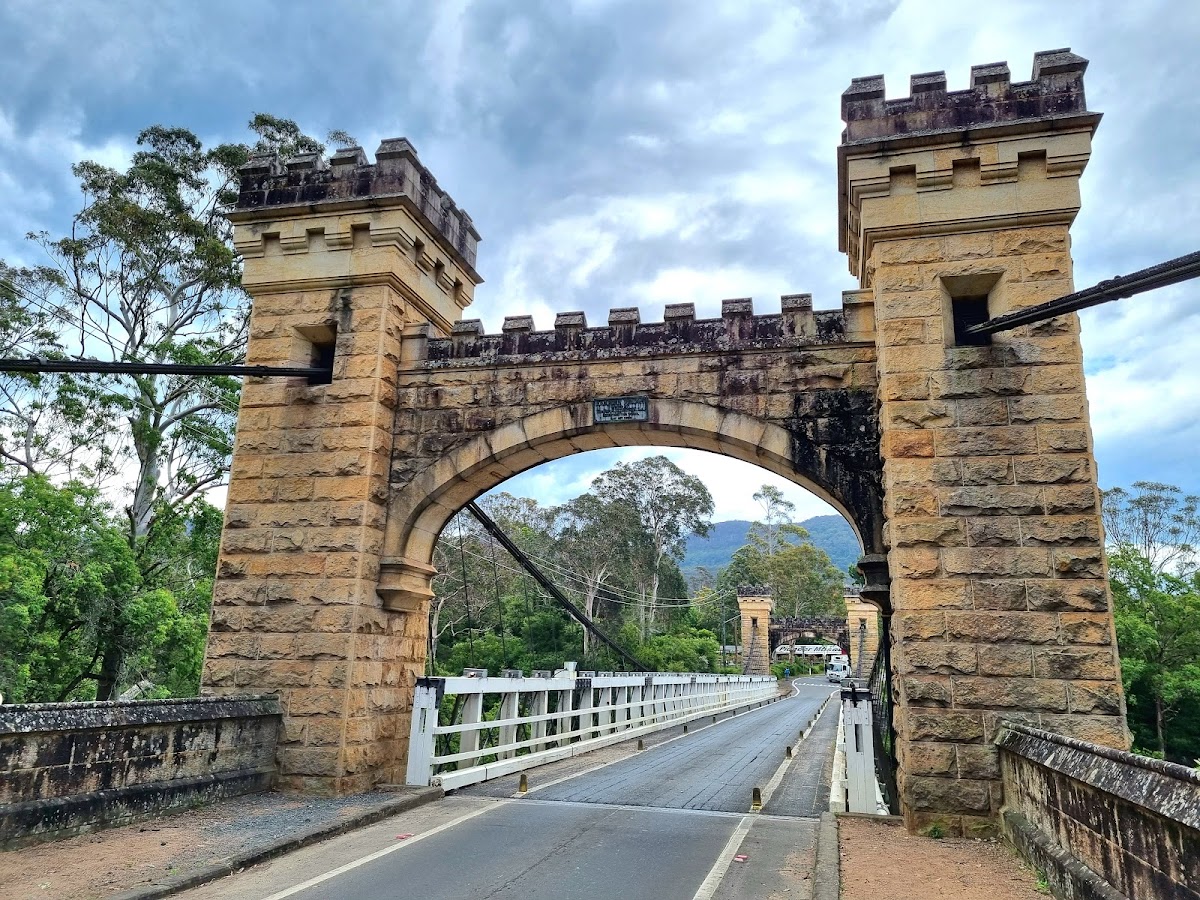 Kangaroo Valley
Shoalhaven, New South Wales
Hampden Bridge, kayaking and wombats in a green valley
Explore the guide →
Kangaroo Valley
Shoalhaven, New South Wales
Hampden Bridge, kayaking and wombats in a green valley
Explore the guide →
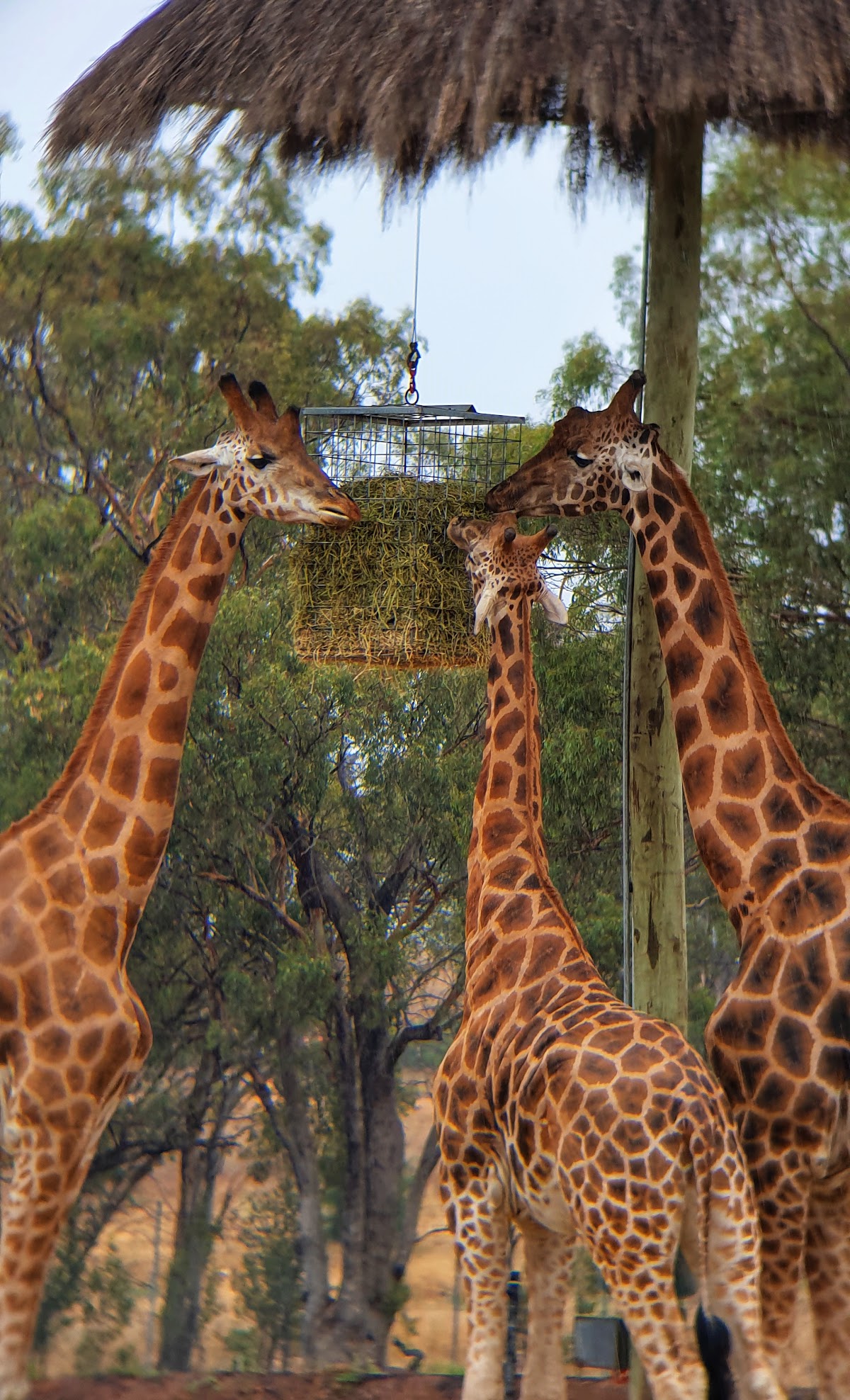 Dubbo
Central West, New South Wales
Open-range zoo and Outback gateway on the Macquarie River
Explore the guide →
Dubbo
Central West, New South Wales
Open-range zoo and Outback gateway on the Macquarie River
Explore the guide →
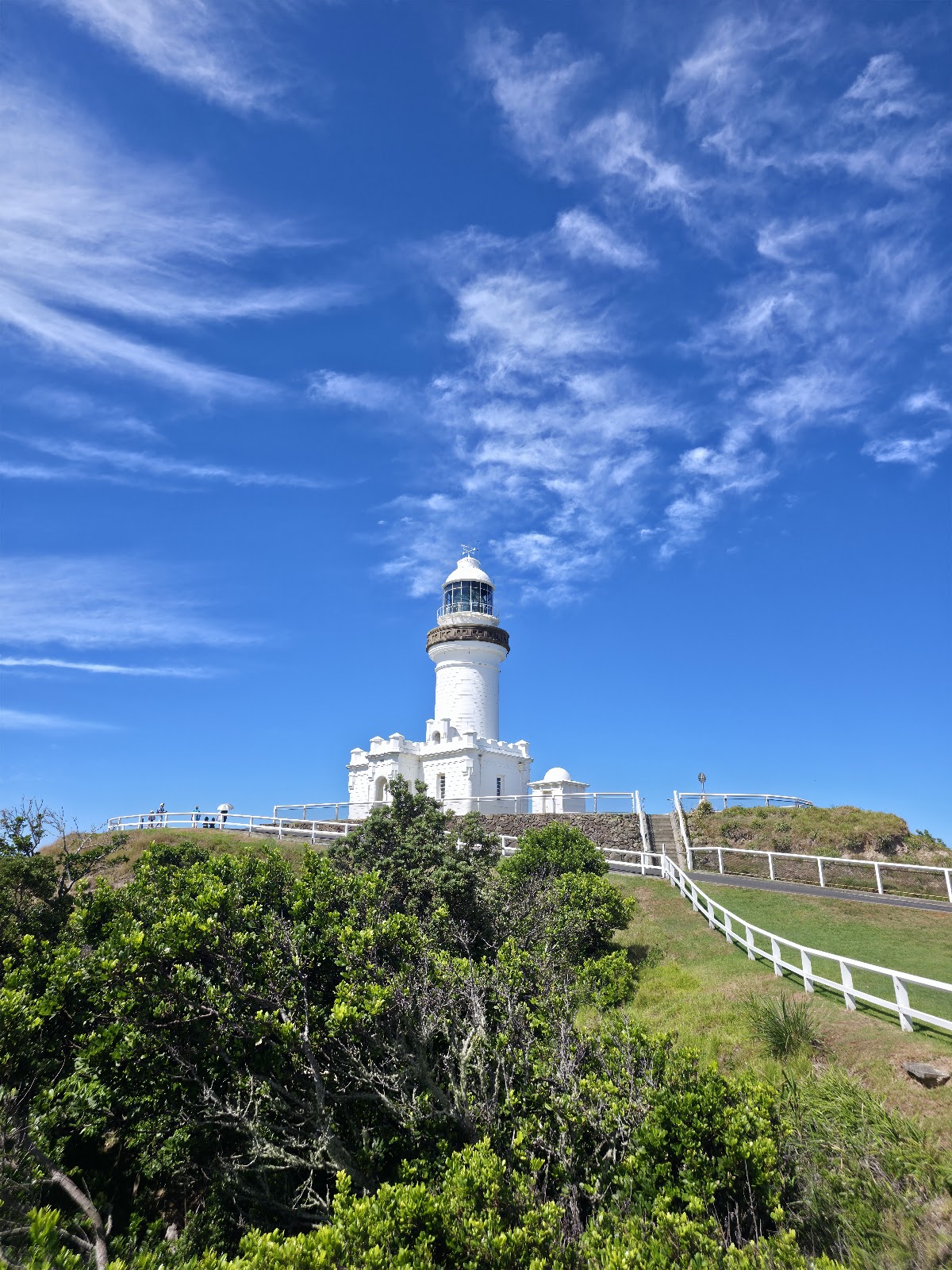 Byron Bay
Northern Rivers, New South Wales
Australia's iconic beach town and most easterly point
Explore the guide →
Byron Bay
Northern Rivers, New South Wales
Australia's iconic beach town and most easterly point
Explore the guide →
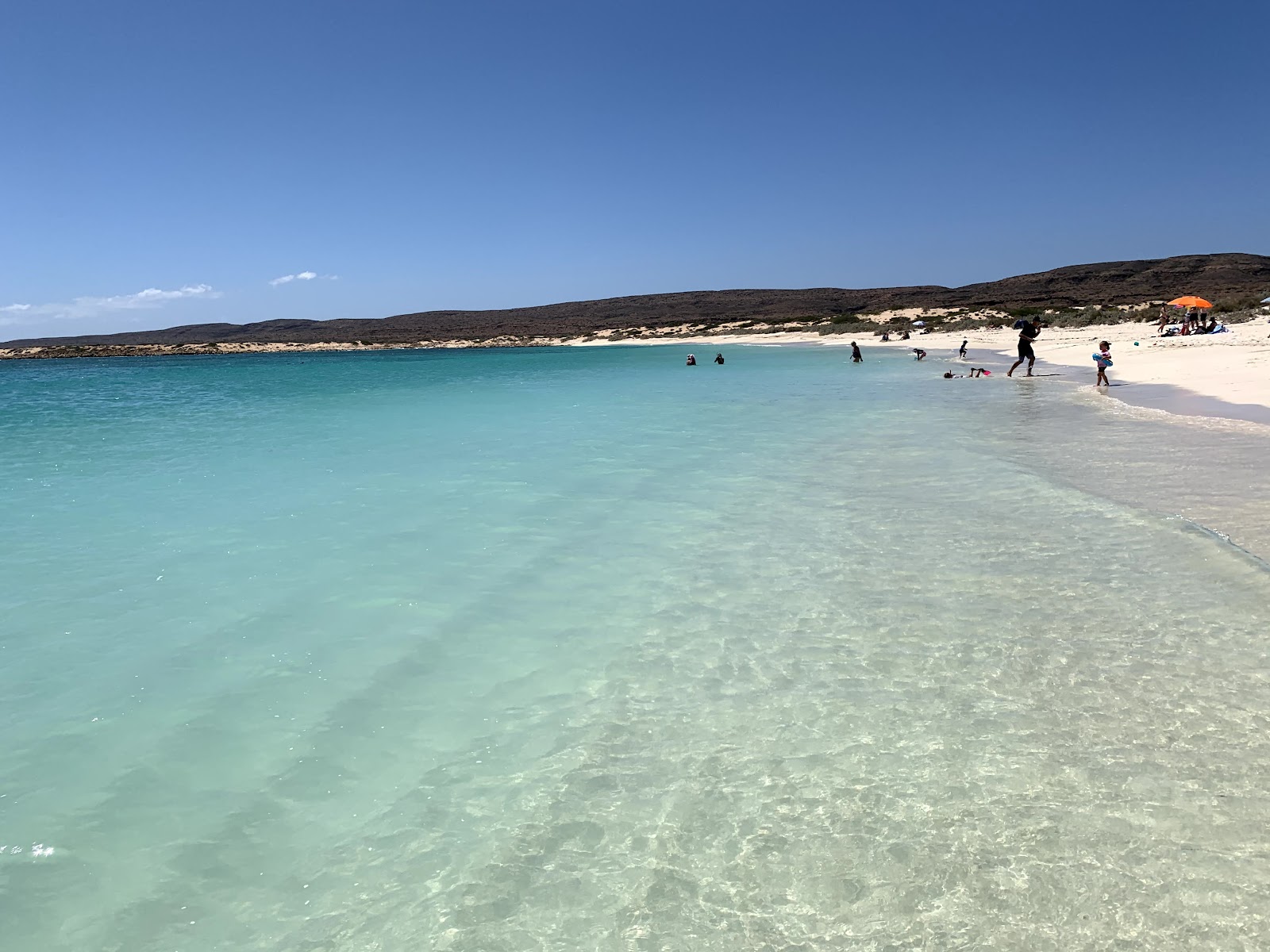 Ningaloo Reef
Australia's Coral Coast, Western Australia
Swim with whale sharks and snorkel a World-Heritage reef straight off the beach
Explore the guide →
Ningaloo Reef
Australia's Coral Coast, Western Australia
Swim with whale sharks and snorkel a World-Heritage reef straight off the beach
Explore the guide →
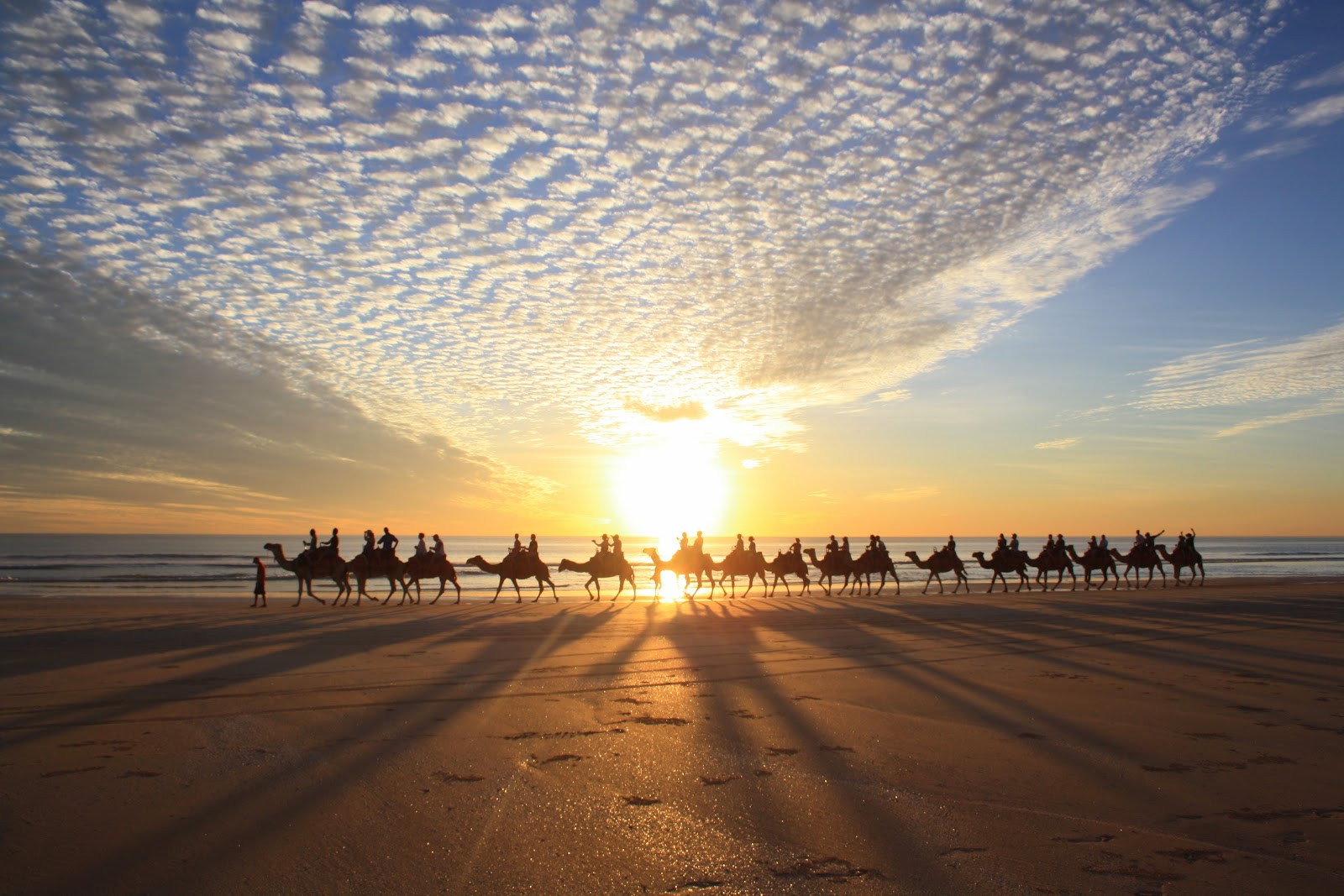 Broome
Australia's North West, Western Australia
Cable Beach sunsets, pearling history and camels on 22km of sand
Explore the guide →
Broome
Australia's North West, Western Australia
Cable Beach sunsets, pearling history and camels on 22km of sand
Explore the guide →
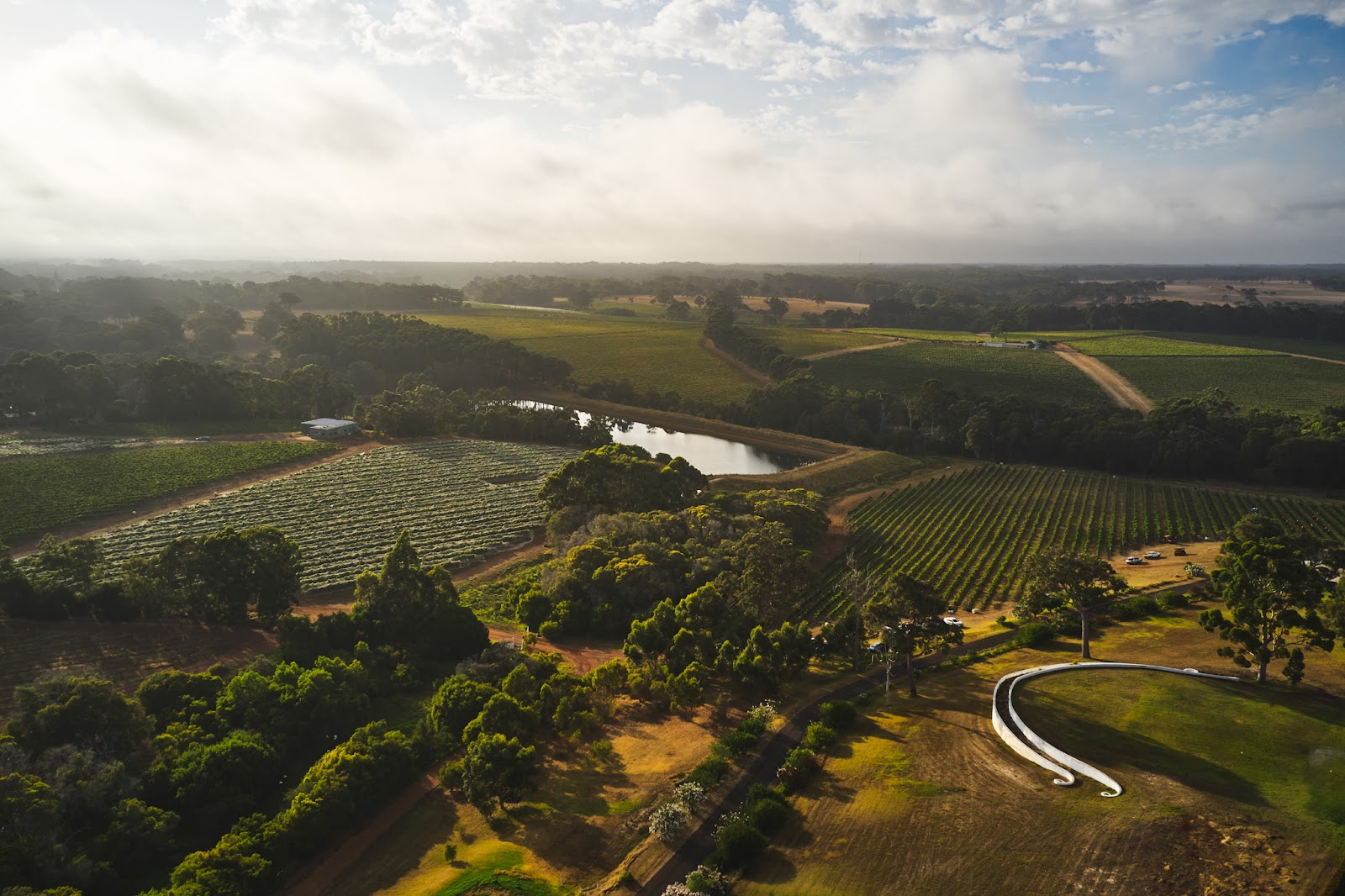 Margaret River
Australia's South West, Western Australia
World-class wineries, surf breaks and limestone caves three hours south of Perth
Explore the guide →
Margaret River
Australia's South West, Western Australia
World-class wineries, surf breaks and limestone caves three hours south of Perth
Explore the guide →