01. The Kimberley Grande Resort
4 (399 reviews)
The Kimberley Grande Resort — The Kimberley
Book Direct & Save →The Kimberley is not a destination you stumble into unprepared and have a good time anyway. It is one of Australia's most dramatic and rewarding regions, and it genuinely requires planning — the kind of planning that accounts for distances measured in hundreds of kilometres, fuel stops 200km apart, roads that require a specific class of vehicle, and conditions that can make the whole thing inaccessible for six months of the year. Get the planning right and the Kimberley delivers an experience that ranks among the best in Australia. Get it wrong and you can face a broken-down vehicle on an unsealed road 150km from the nearest assistance.
View 3 Properties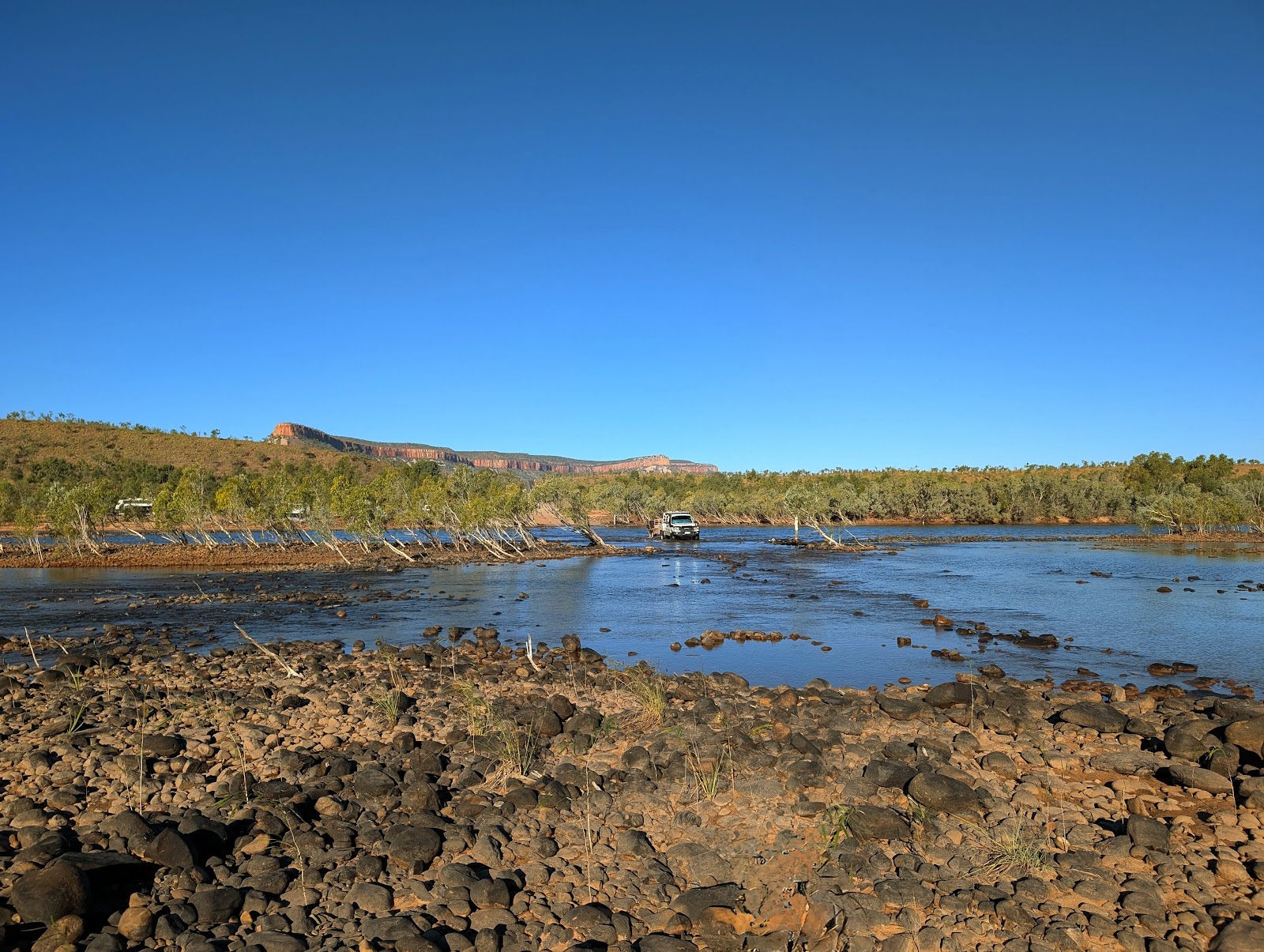
"Remote wilderness requiring serious planning"
This guide covers everything a first-time visitor needs to know before they arrive: when to go, how to get there, what vehicle you actually need, self-drive versus guided tour, the real distances involved, croc safety, communications, and the specific mistakes that first-timers make most often. None of this is designed to discourage — the Kimberley is extraordinary and absolutely worth the effort. It is designed to make sure the effort you invest delivers the trip it promises.
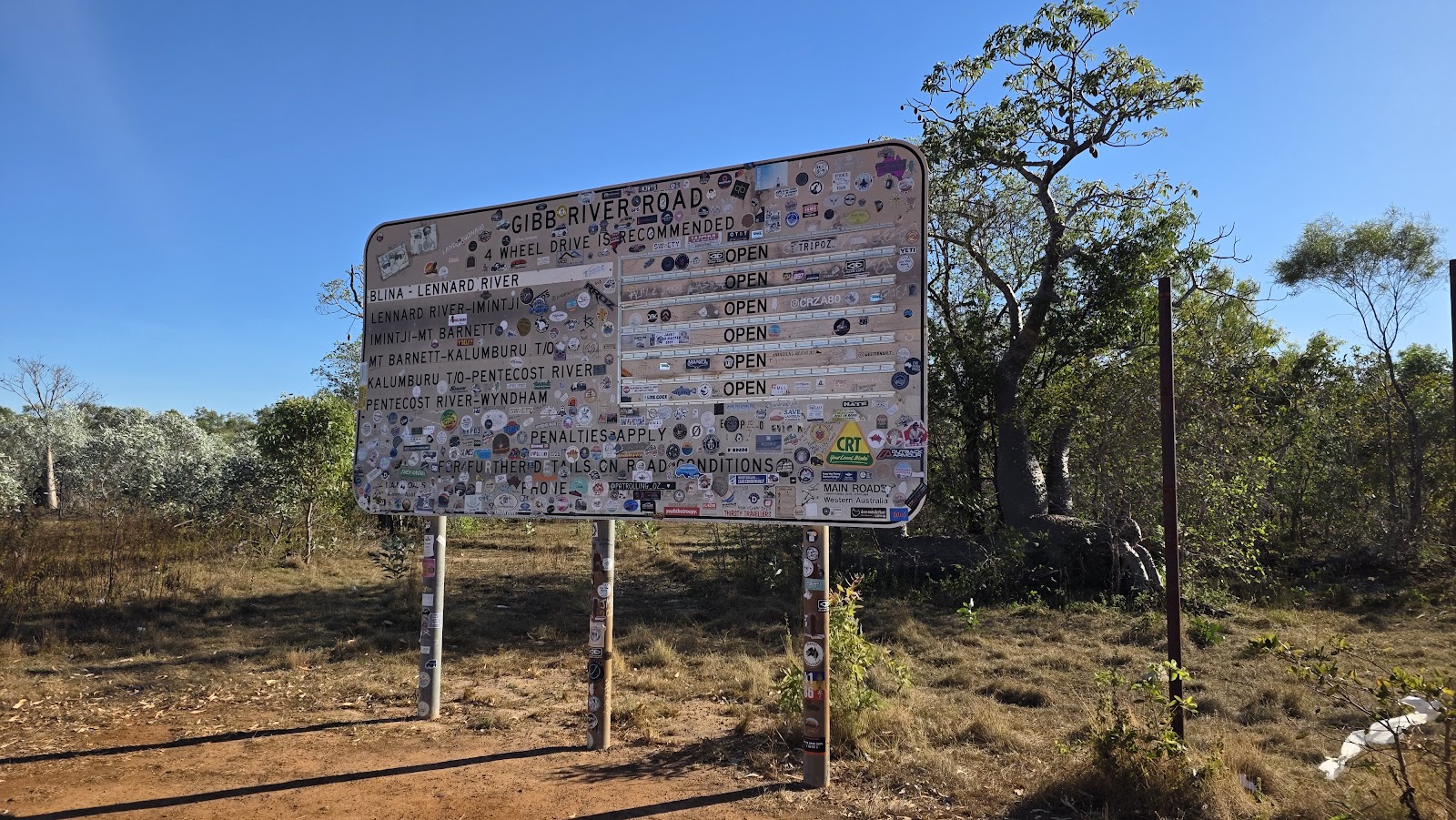
The Kimberley is a region of approximately 421,000 square kilometres in Western Australia's far north — about three times the size of the United Kingdom. The gorge and wilderness country that most visitors come to see is spread across this area in ways that make driving times genuinely significant: Kununurra to Purnululu is a three-hour 4WD drive from the highway turnoff; Broome to Derby and onto the Gibb River Road is four hours before you've gone anywhere. Planning around these distances — building in enough days, enough fuel, enough contingency — is the foundation of a successful trip.
The vehicle question matters more than most people expect. "4WD" in the Kimberley context means a genuine body-on-frame or modern high-clearance 4WD with low-range gearing, not a soft-roader or small SUV. The Gibb River Road is 660km of unsealed corrugated red dirt; the Purnululu access road is 53km of rocky track with deep bulldust sections. These roads puncture tyres at a meaningful rate even in a proper 4WD — carry two full-size spare tyres, a compressor, a repair kit, and the knowledge to use them. The most common breakdown scenario on the Gibb is a single tyre changing a tyre 100km from the nearest help — manageable with preparation, a serious problem without it.
A satellite communicator is the item that most rescue situations reveal was absent. Mobile coverage does not exist across most of the Kimberley outside of Broome, Kununurra and Derby. A Garmin inReach or similar device costs less than a day's accommodation in the region and is the difference between a managed emergency and an unmanaged one. This is not theoretical — the Royal Flying Doctor Service responds to incidents in this region regularly.
| Common mistake | The fix |
|---|---|
| Attempting the Gibb River Road in a 2WD or soft-roader | Hire or bring a genuine high-clearance 4WD with low-range gearing, carry two full-size spare tyres and a compressor. A standard SUV or campervan will not manage the corrugations and rocky sections without serious risk. |
| Travelling in the Wet Season (November–April) | Book for May to October. The Wet floods most unsealed roads, closes Purnululu and most gorge parks, and makes the main attractions inaccessible for months. Some flights and guided tours still operate during the Wet to specific locations, but independent 4WD travel essentially stops. |
| Underestimating distances and fuel requirements | Map every fuel stop before leaving each town, carry at least 20L of extra fuel on the Gibb River Road, and check current station fuel availability at each stop. Distances between reliable fuel on the Gibb can exceed 200km, and running out on a remote section is a serious situation. |
| Swimming without croc-safety confirmation | Never enter any waterway without a current green ranger sign at that exact location confirming it is croc-safe. Never rely on secondhand advice, previous reviews, or the fact that other people appear to be swimming. This is the most important safety rule in the Kimberley and applies to children and adults equally. |
| Travelling without a satellite communicator | Carry a Garmin inReach, SPOT or equivalent satellite communicator and know how to use the SOS function. Mobile coverage effectively does not exist between the major towns. A PLB (Personal Locator Beacon) is a minimum; a two-way satellite communicator is better. |
| Arriving in peak season without advance bookings | For July and August travel, book accommodation and key tours 3–6 months ahead. Lake Argyle Resort, El Questro station accommodation and the Purnululu campgrounds all fill completely. Arriving without bookings in peak season means potentially sleeping in your vehicle or driving back 200km to the previous town. |
| Planning too few days | Allow a minimum of 10 days for the Broome–Gibb–Kununurra–Purnululu traverse, and 14 days if you want unhurried time at the key spots. A rushed Kimberley trip misses the experience that makes the place — the slow mornings at gorge camps, the second swim in a plunge pool, the sunset you weren't expecting. |
| Season | Conditions | Highlights | Crowds |
|---|---|---|---|
| May–June (early Dry) | Warming days (28–35°C), cool nights, some roads still opening after Wet | Waterfalls still flowing strongly, lush green vegetation, less crowded | Lower — earlier visitors; check road status before departure |
| July–August (peak Dry) | Ideal — 28–32°C days, 14–18°C nights, dry and clear | All roads and parks open, best walking weather, full services operating | Peak — book well in advance; campgrounds and accommodation fill completely |
| September–October (late Dry) | Hot — 35–42°C days, building humidity, some facilities closing | Fewer crowds, lower prices, can still be excellent with early starts | Moderate decreasing — good value if you manage the heat carefully |
| November–April (Wet Season) | Extreme — monsoon rains, flooding, roads closed, 40–45°C with humidity | Dramatic waterfalls (inaccessible), wildlife movement, genuine wilderness | Almost none — most attractions inaccessible to independent travellers |
Three decisions define your Kimberley trip before you even arrive: the timing (Dry Season only, July–August ideal), the vehicle (genuine high-clearance 4WD with two spare tyres, non-negotiable), and whether to self-drive or join a guided tour. Guided tours remove the vehicle and navigation overhead at the cost of flexibility and independence; self-drive rewards preparation with the freedom to linger where the place earns it. Many first-timers do a guided tour on their first trip and return to self-drive once they know the country.
Once you arrive, the rules that govern the experience are simple: start every outdoor activity before 8am, carry more water than you think you need, never swim without a current croc-safety sign, and carry a satellite communicator. The Kimberley rewards visitors who take it seriously and on its own terms. It is one of the most extraordinary landscapes in Australia, and the combination of ancient gorges, remote wilderness and a scale that genuinely alters your sense of what "big" means is unlike anything else on the continent. Book it, plan it properly, and go.
Enjoying first-time guides? Here’s where else in Australia it’s worth the trip — ranked by how loved each destination is, with the one thing not to miss at each.
 Glen Aplin
Granite Belt, Queensland
What Glen Aplin Actually Is (and Isn’t)
Explore first-time guides in Glen Aplin →
2
Glen Aplin
Granite Belt, Queensland
What Glen Aplin Actually Is (and Isn’t)
Explore first-time guides in Glen Aplin →
2
 Narooma
South Coast, New South Wales
What Narooma Actually Is (and Isn’t)
Explore first-time guides in Narooma →
3
Narooma
South Coast, New South Wales
What Narooma Actually Is (and Isn’t)
Explore first-time guides in Narooma →
3
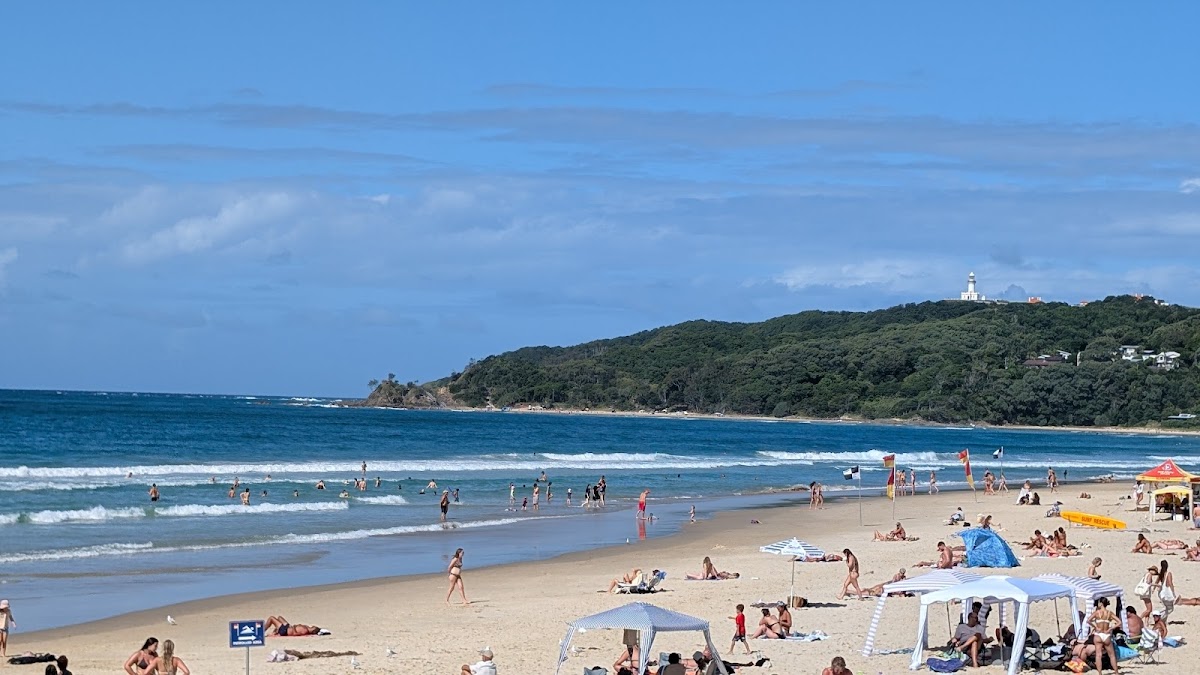 Byron Bay
Northern Rivers, New South Wales
A dawn lighthouse walk and a quiet cove swim on your first morning — the moment Byron earns its reputation.
Explore first-time guides in Byron Bay →
4
Byron Bay
Northern Rivers, New South Wales
A dawn lighthouse walk and a quiet cove swim on your first morning — the moment Byron earns its reputation.
Explore first-time guides in Byron Bay →
4
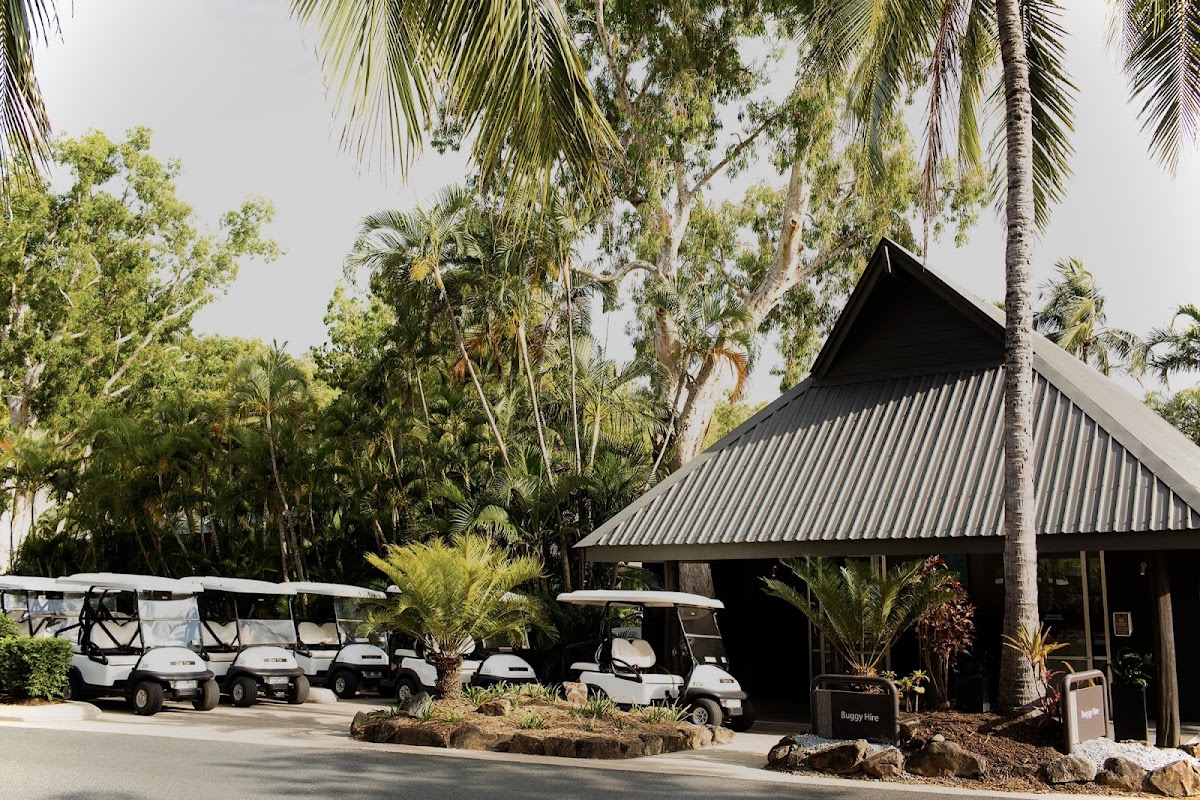 Hamilton Island
The Whitsundays, Queensland
What Hamilton Island Actually Is (and Isn’t)
Explore first-time guides in Hamilton Island →
5
Hamilton Island
The Whitsundays, Queensland
What Hamilton Island Actually Is (and Isn’t)
Explore first-time guides in Hamilton Island →
5
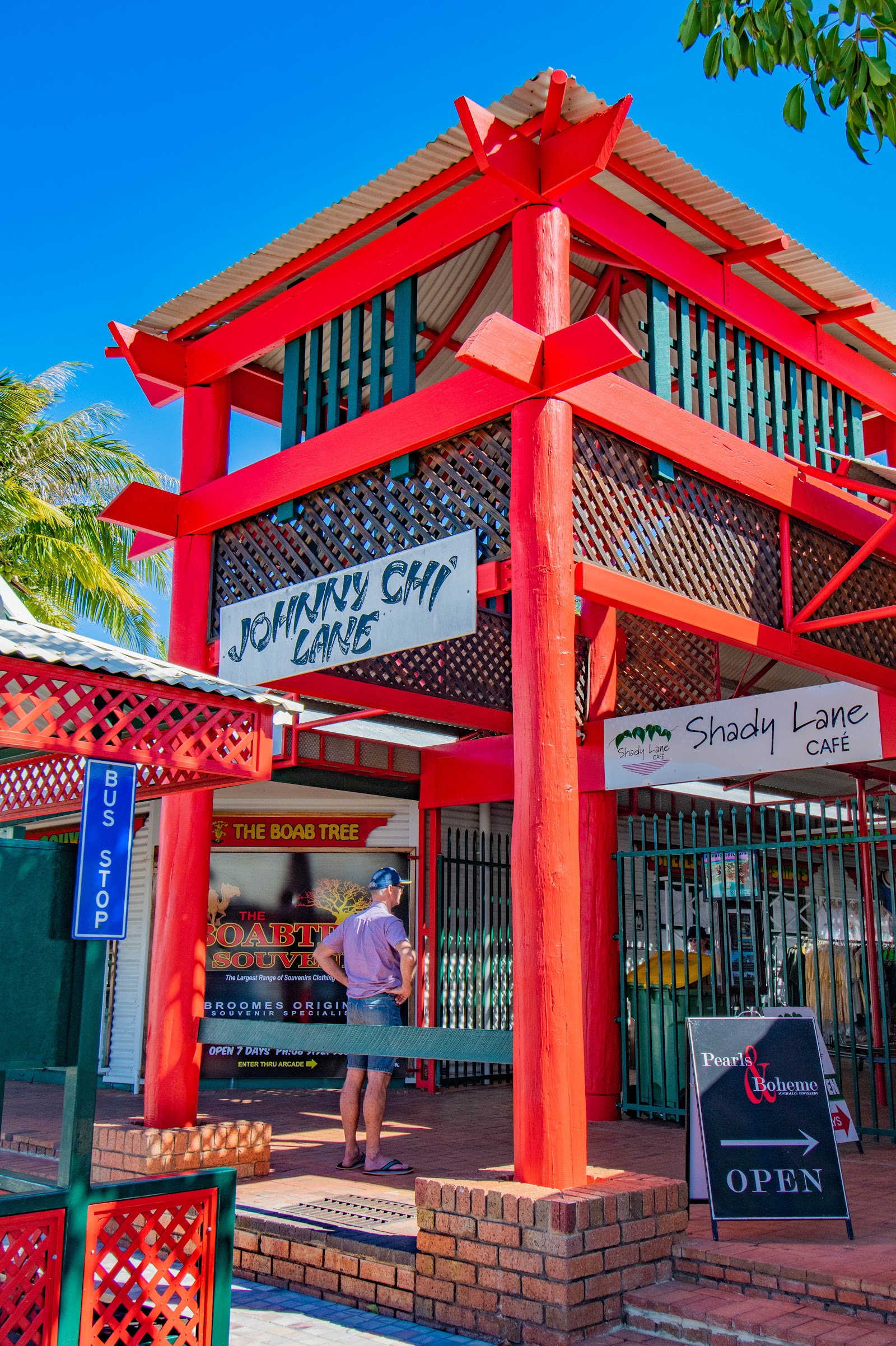 Broome
Australia's North West, Western Australia
What Broome Actually Is (and Isn't)
Explore first-time guides in Broome →
6
Broome
Australia's North West, Western Australia
What Broome Actually Is (and Isn't)
Explore first-time guides in Broome →
6
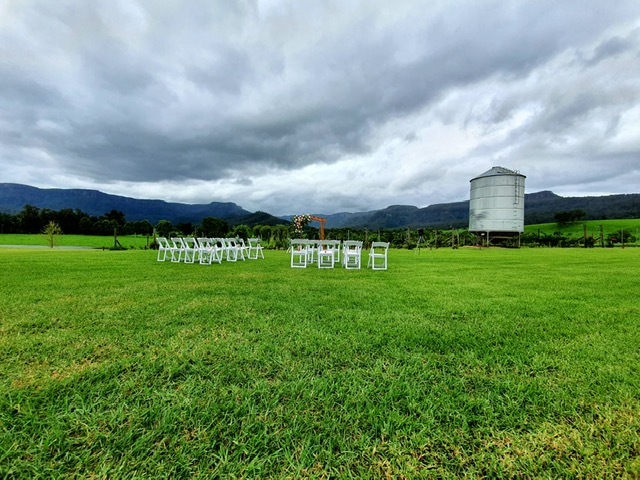 Kangaroo Valley
Shoalhaven, New South Wales
That first drop off the escarpment into the green valley, which tells you straight away what kind of weekend this is.
Explore first-time guides in Kangaroo Valley →
7
Kangaroo Valley
Shoalhaven, New South Wales
That first drop off the escarpment into the green valley, which tells you straight away what kind of weekend this is.
Explore first-time guides in Kangaroo Valley →
7
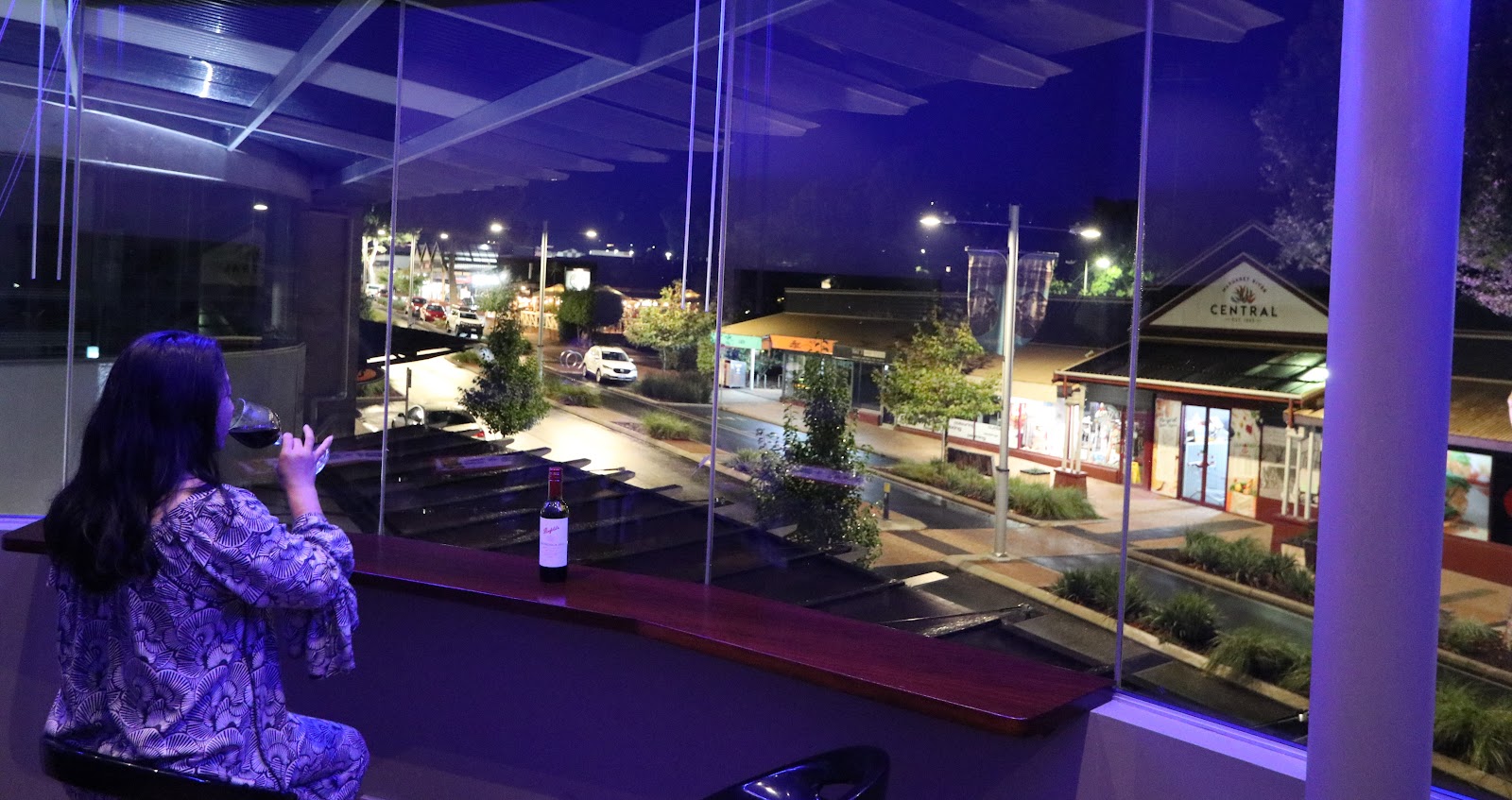 Margaret River
Australia's South West, Western Australia
What Margaret River Actually Is (and What First-Timers Often Miss)
Explore first-time guides in Margaret River →
The Kimberley you’re here
Australia's North West, Western Australia
What the Kimberley Actually Requires of You
You’re reading this guide
Margaret River
Australia's South West, Western Australia
What Margaret River Actually Is (and What First-Timers Often Miss)
Explore first-time guides in Margaret River →
The Kimberley you’re here
Australia's North West, Western Australia
What the Kimberley Actually Requires of You
You’re reading this guide
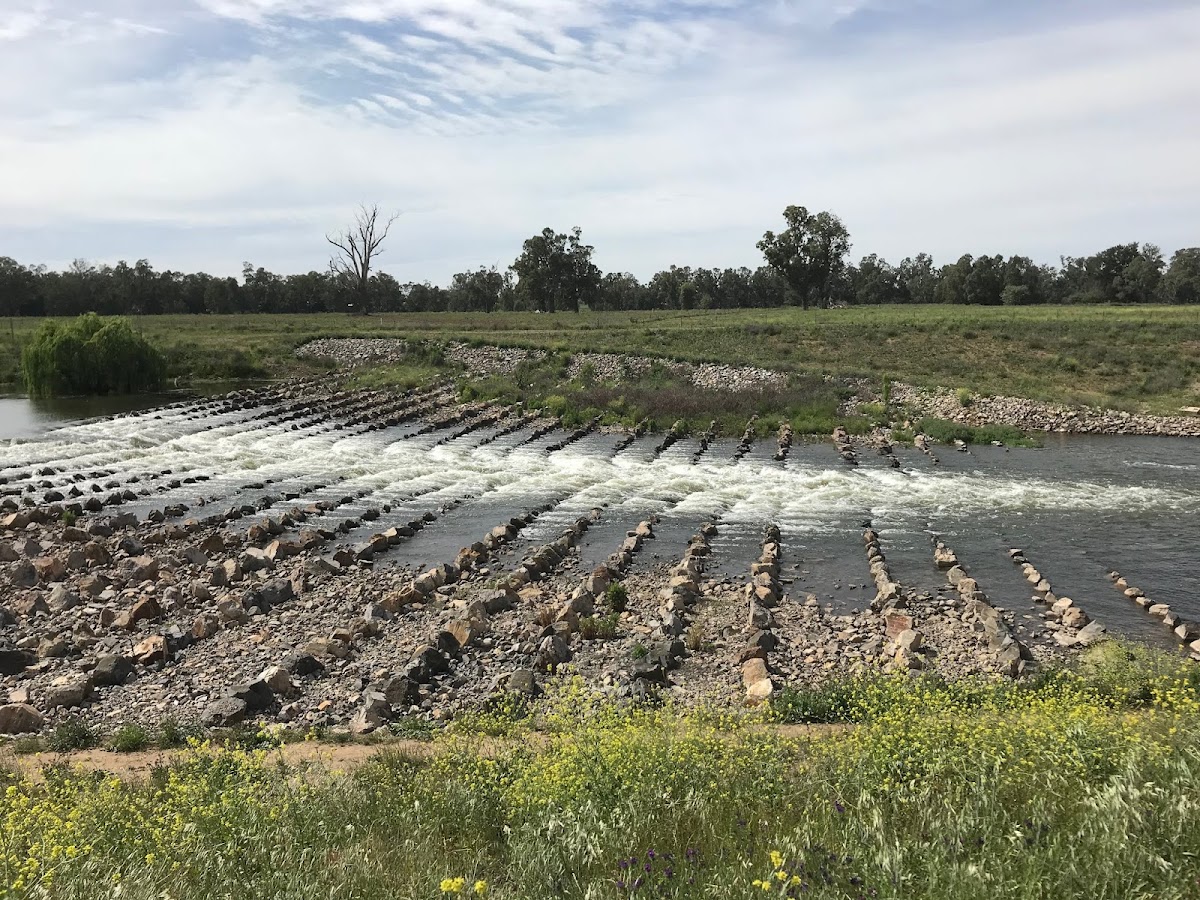 Dubbo
Central West, New South Wales
Realising how easy Dubbo is once you've planned for the drive and the heat — everything else just works.
Explore first-time guides in Dubbo →
10
Dubbo
Central West, New South Wales
Realising how easy Dubbo is once you've planned for the drive and the heat — everything else just works.
Explore first-time guides in Dubbo →
10
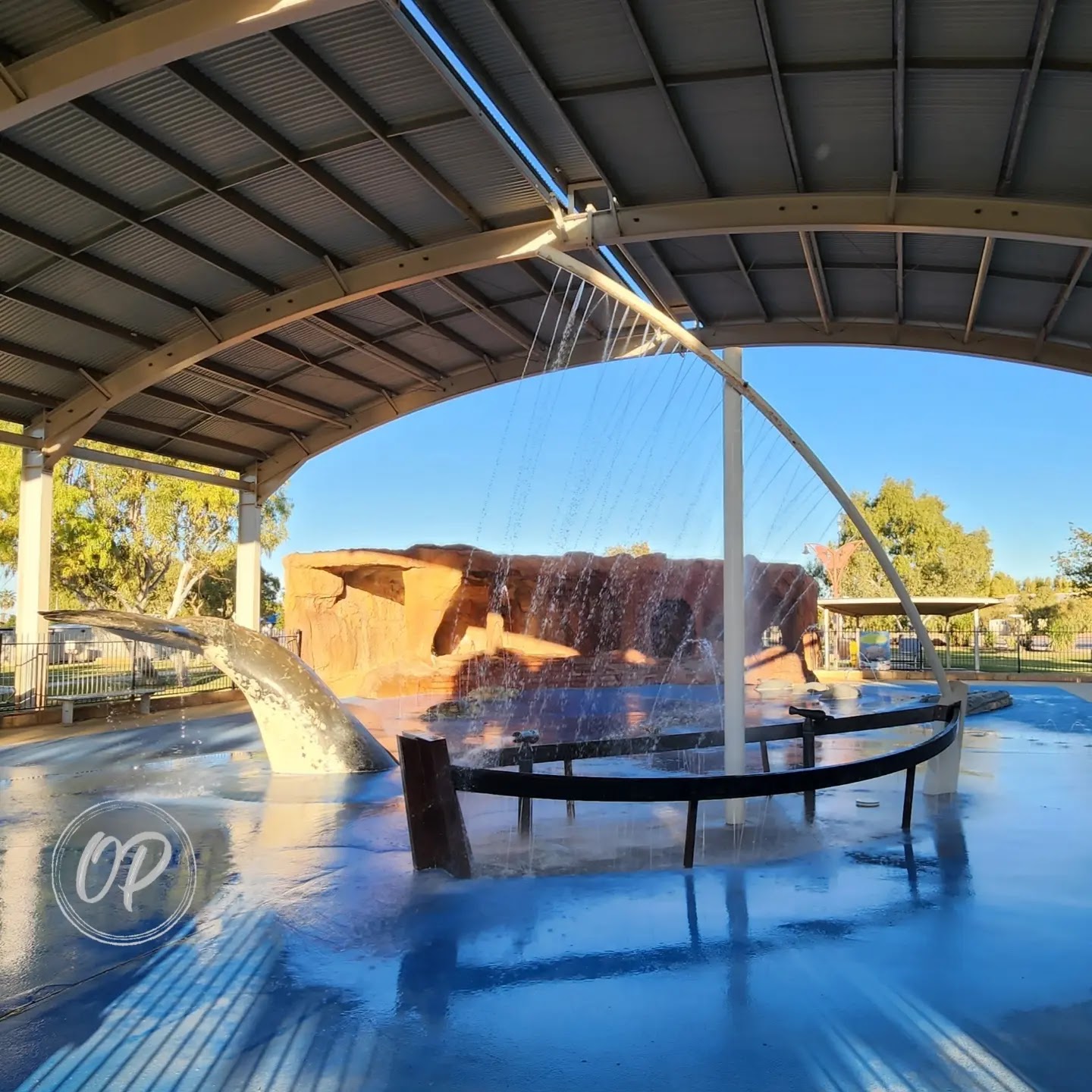 Ningaloo Reef
Australia's Coral Coast, Western Australia
What Ningaloo Actually Is — and Why It's Worth the Distance
Explore first-time guides in Ningaloo Reef →
Ningaloo Reef
Australia's Coral Coast, Western Australia
What Ningaloo Actually Is — and Why It's Worth the Distance
Explore first-time guides in Ningaloo Reef →
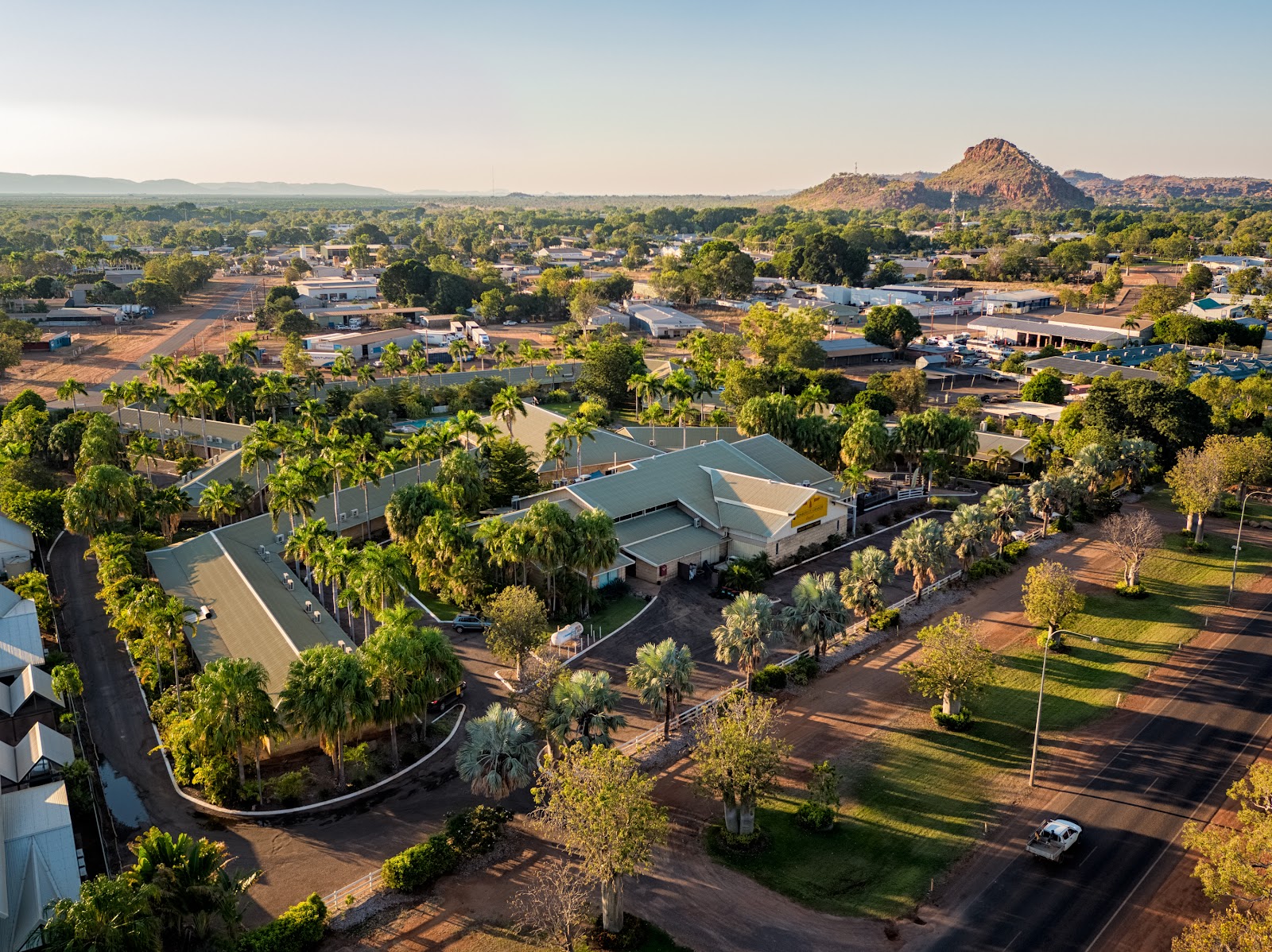
The Kimberley Grande Resort — The Kimberley
Book Direct & Save →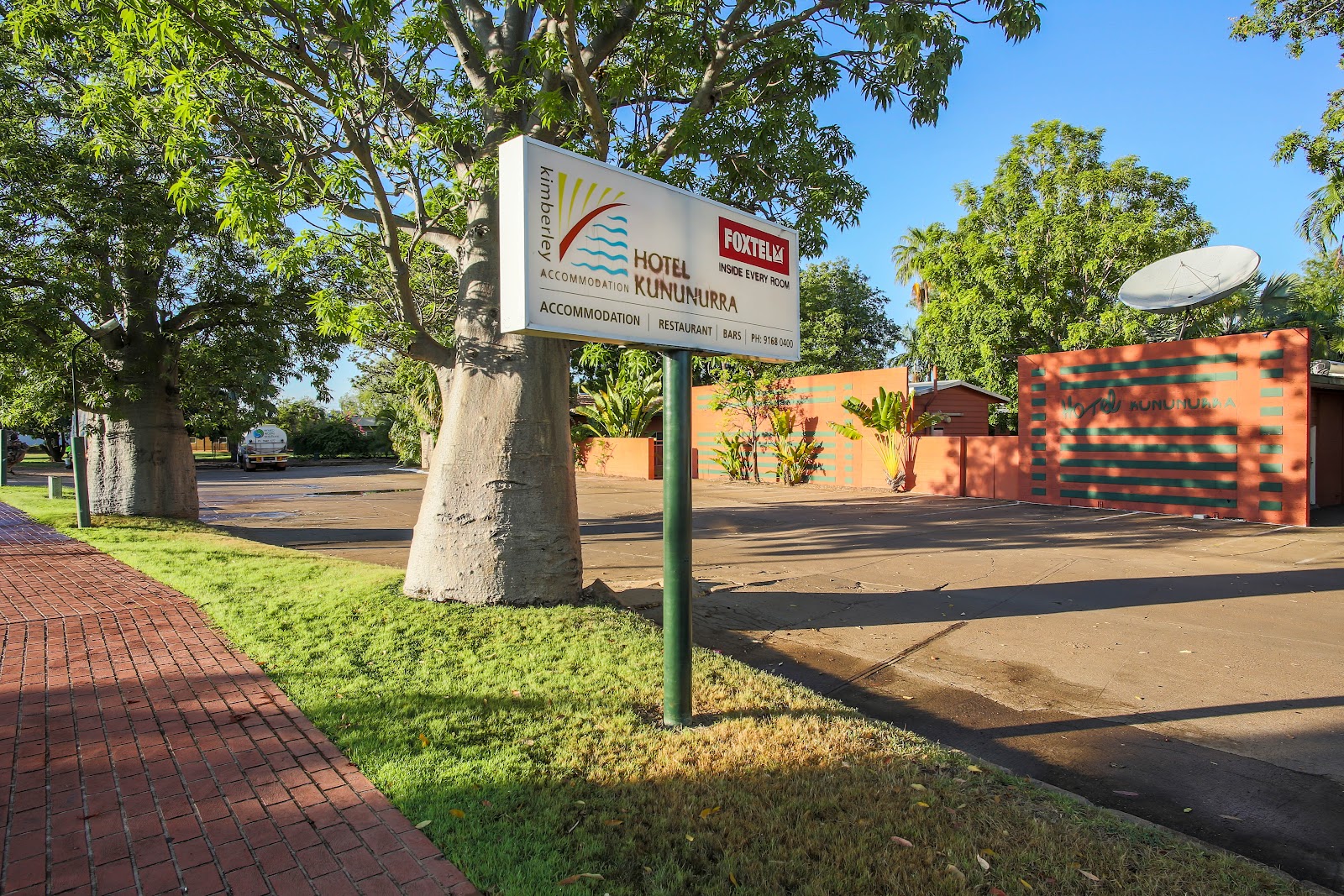
Best Western Cambridge Hotel Kununurra — The Kimberley
Book Direct & Save →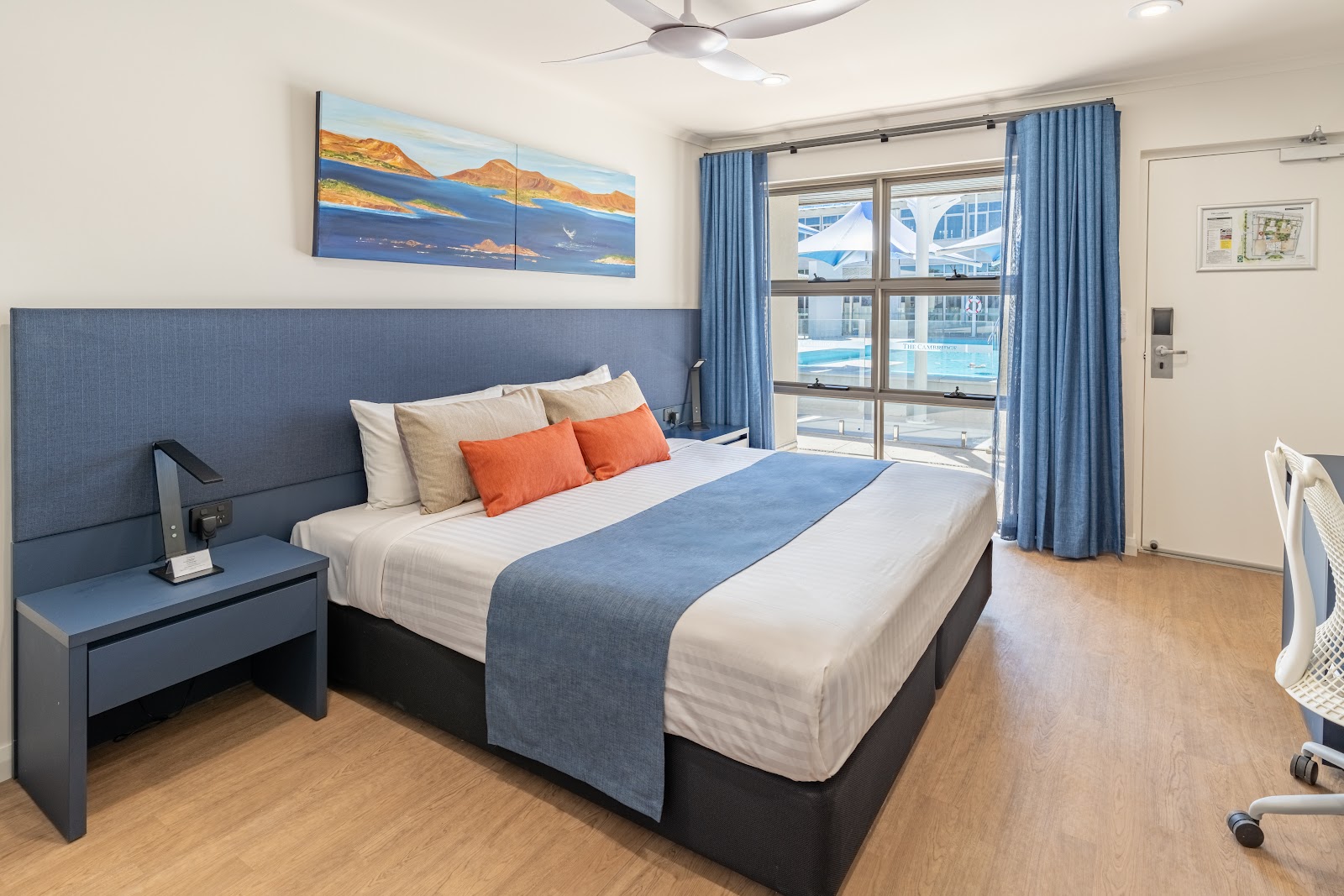
Hotel Kununurra — The Kimberley
Book Direct & Save →Skip OTA fees. Connect directly with The Kimberley owners for the best rates and a truly personal experience.
We match any online rate. No service fees — 100% of your payment supports local owners.
Direct guests receive complimentary hampers, early check-in, and priority access to experiences.
Speak directly with the people who manage the properties. No call centres, just local expertise.
Part of Western Australia · Australia's North West
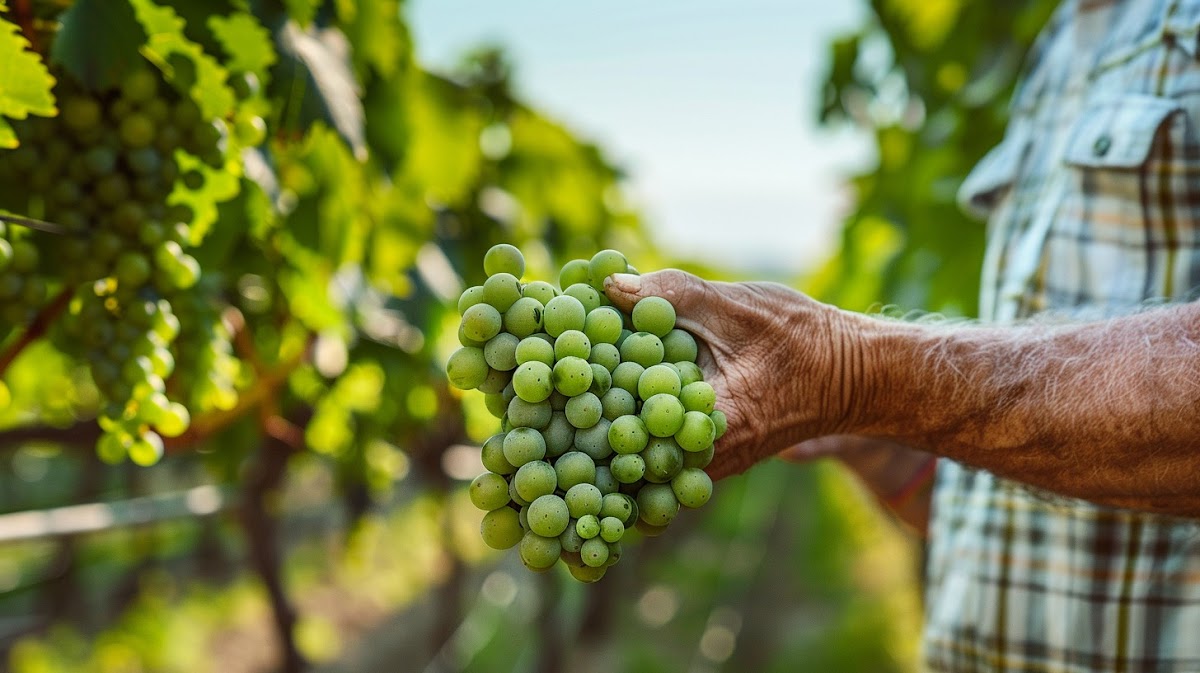 Glen Aplin
Granite Belt, Queensland
Queensland's most underrated wine valley
Explore the guide →
Glen Aplin
Granite Belt, Queensland
Queensland's most underrated wine valley
Explore the guide →
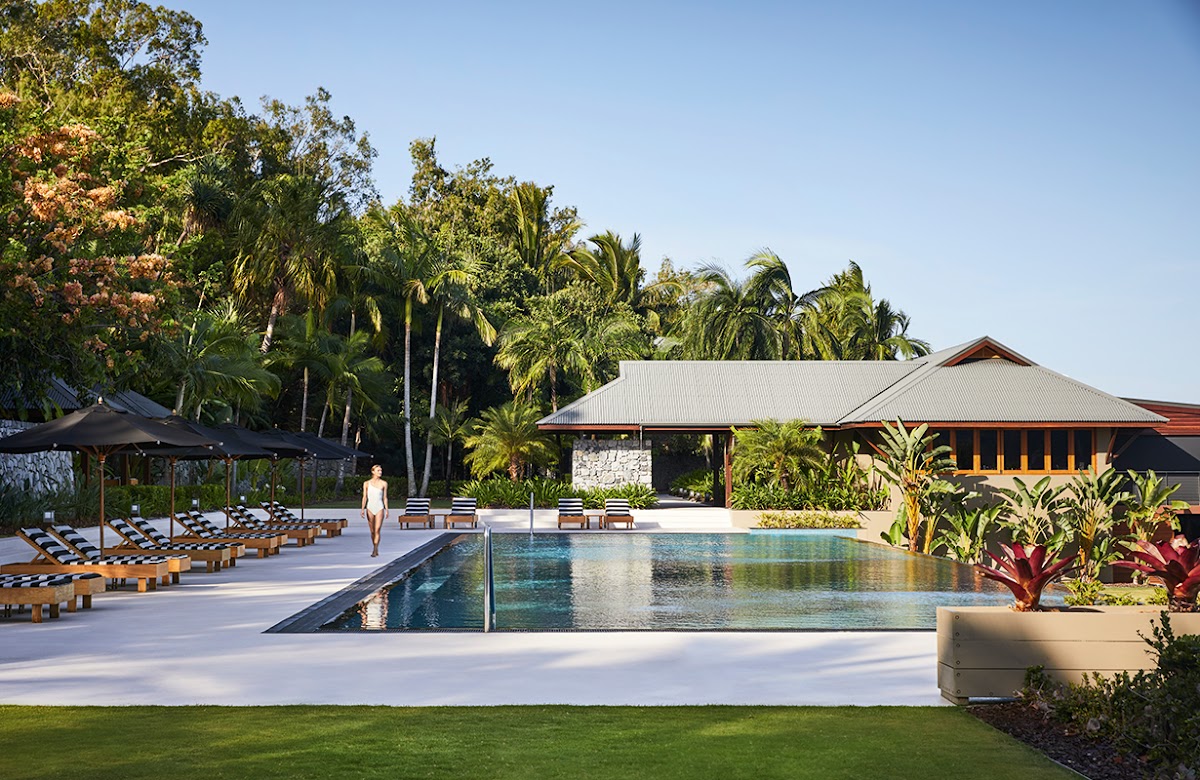 Hamilton Island
The Whitsundays, Queensland
Whitsundays island resort — Whitehaven Beach, reef trips and golf-buggy life
Explore the guide →
Hamilton Island
The Whitsundays, Queensland
Whitsundays island resort — Whitehaven Beach, reef trips and golf-buggy life
Explore the guide →
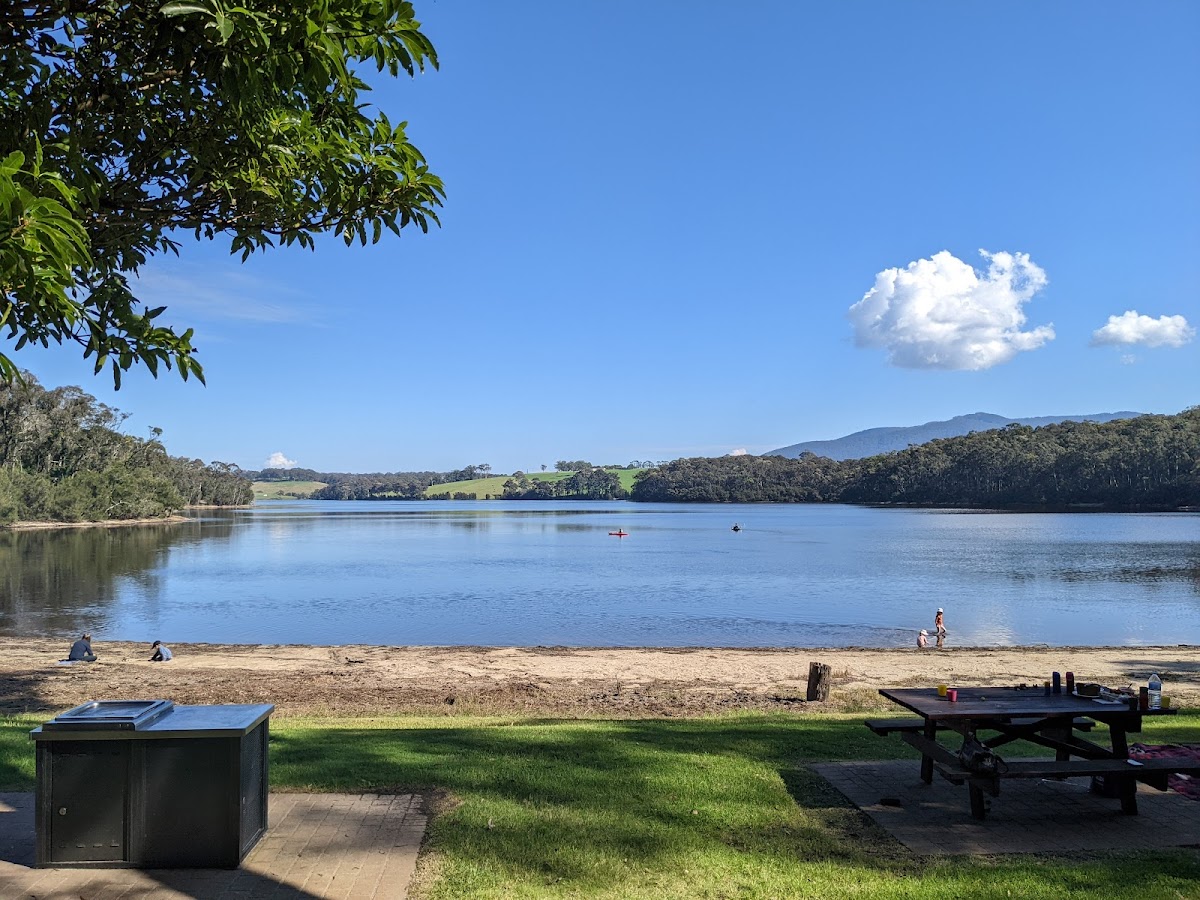 Narooma
South Coast, New South Wales
Crystal-clear inlet, surf beaches, oysters and Montague Island
Explore the guide →
Narooma
South Coast, New South Wales
Crystal-clear inlet, surf beaches, oysters and Montague Island
Explore the guide →
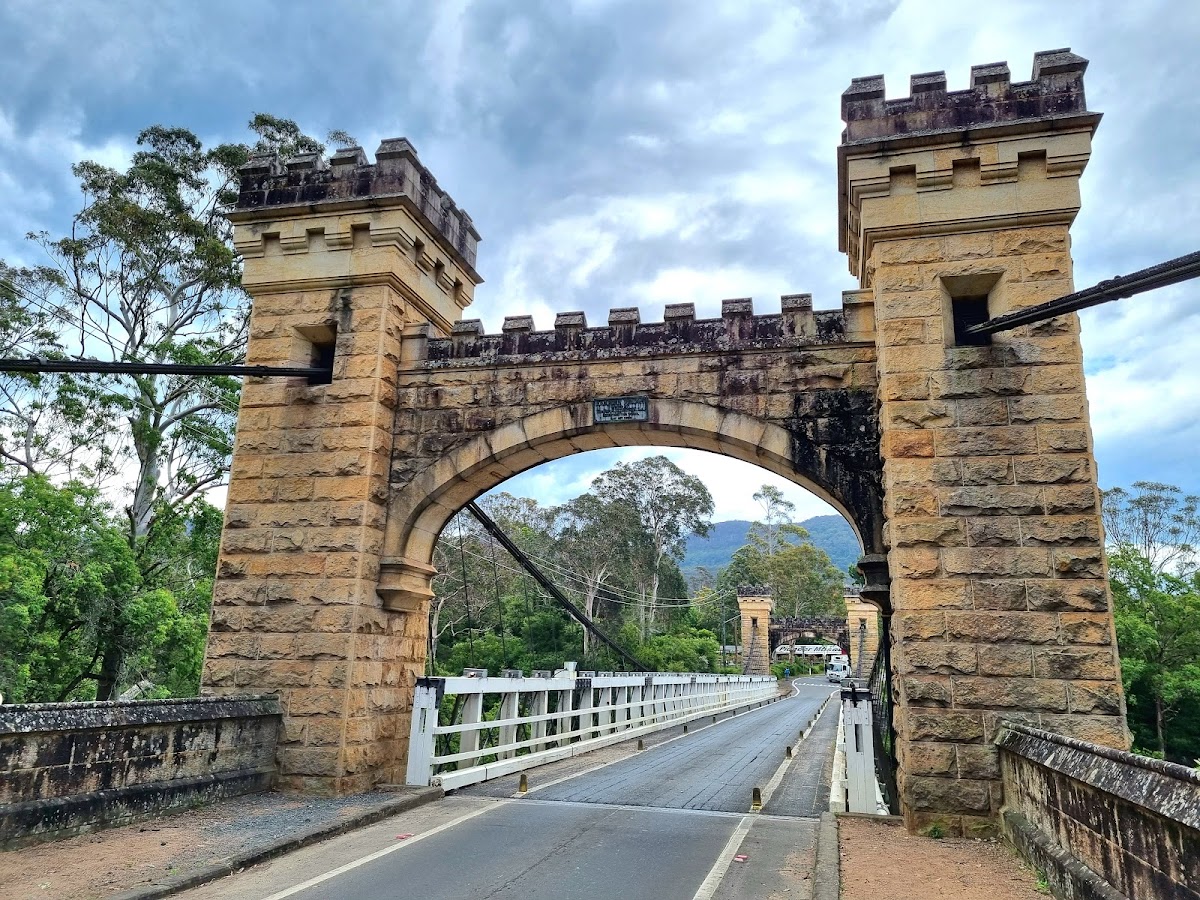 Kangaroo Valley
Shoalhaven, New South Wales
Hampden Bridge, kayaking and wombats in a green valley
Explore the guide →
Kangaroo Valley
Shoalhaven, New South Wales
Hampden Bridge, kayaking and wombats in a green valley
Explore the guide →
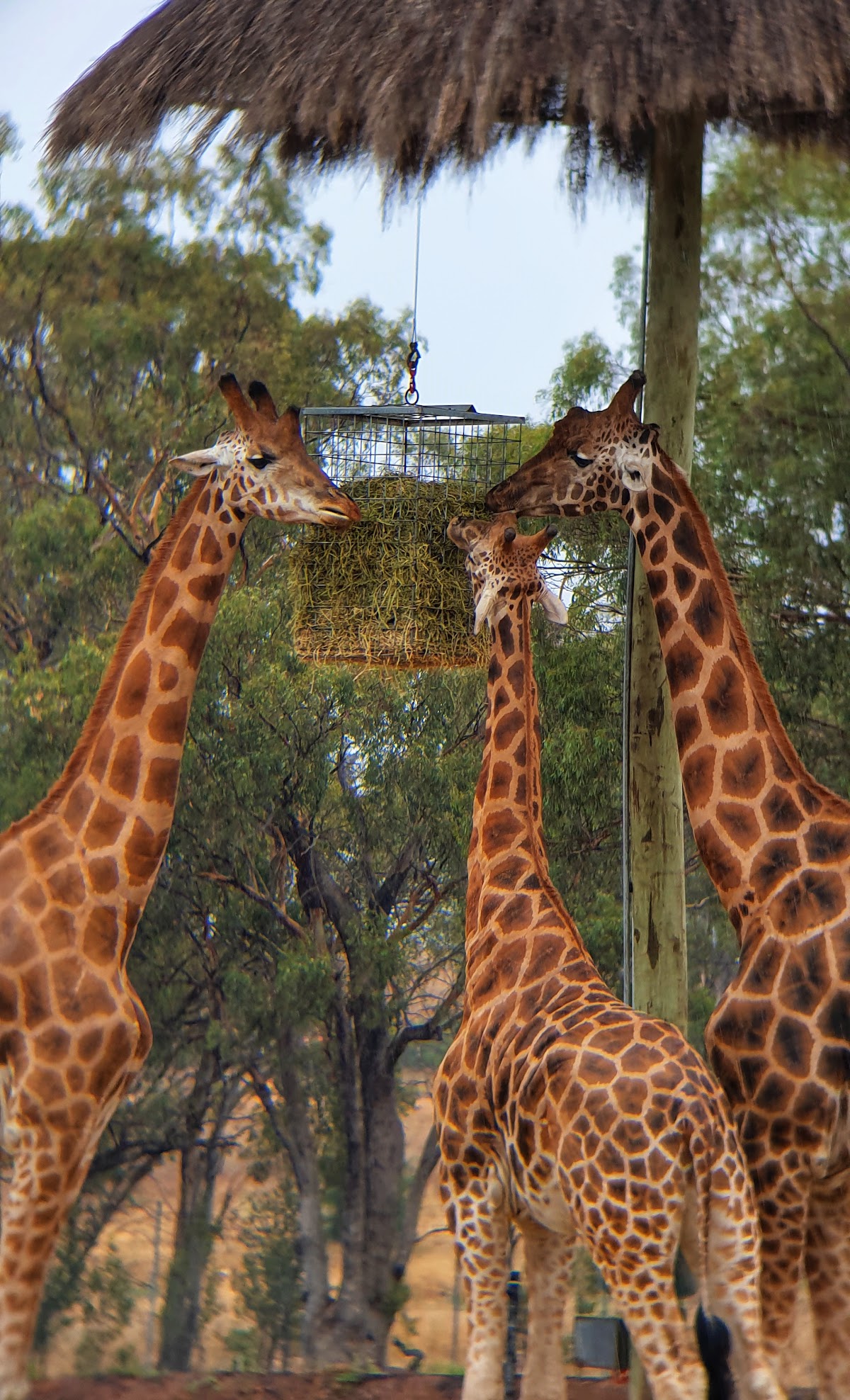 Dubbo
Central West, New South Wales
Open-range zoo and Outback gateway on the Macquarie River
Explore the guide →
Dubbo
Central West, New South Wales
Open-range zoo and Outback gateway on the Macquarie River
Explore the guide →
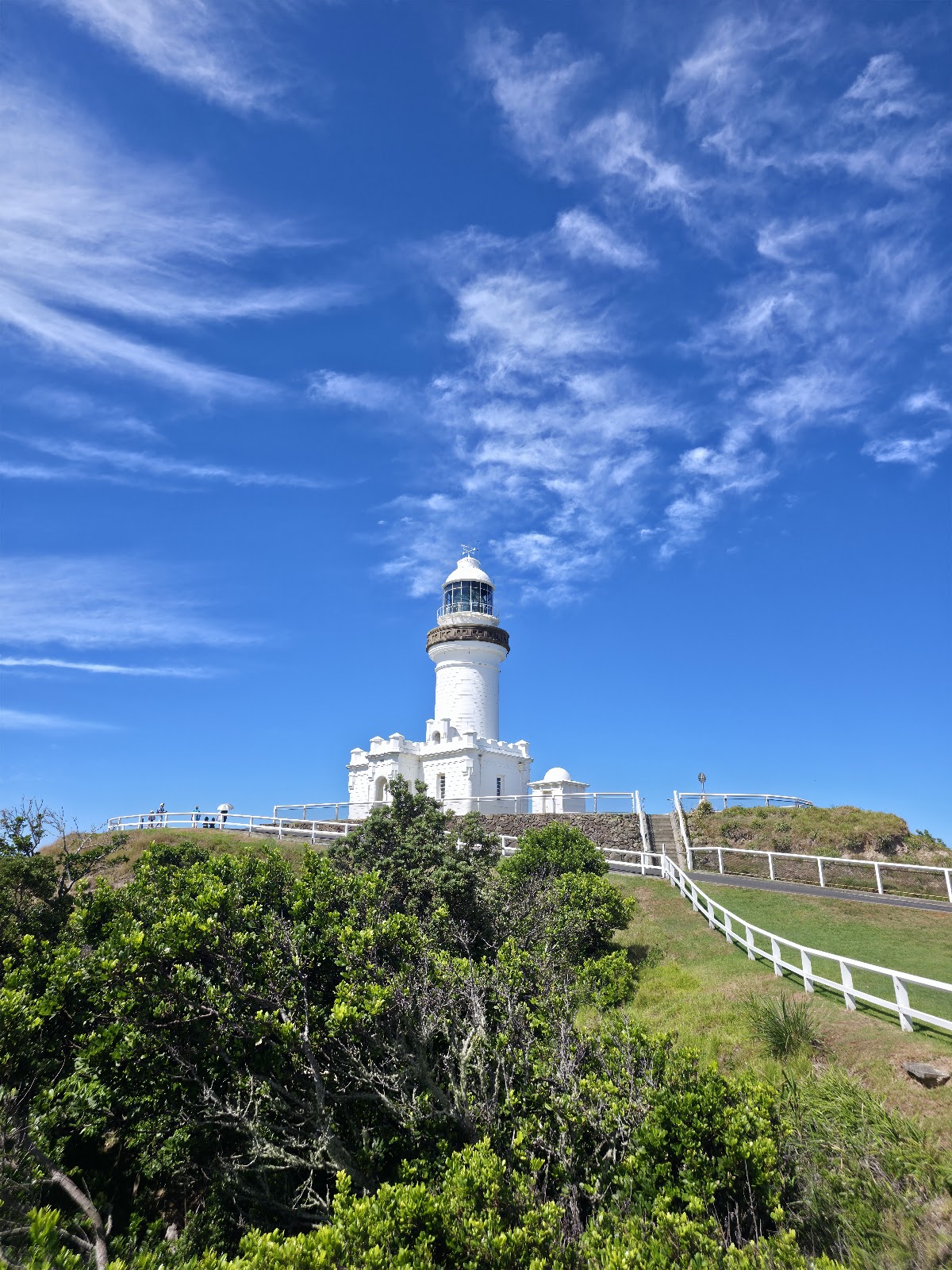 Byron Bay
Northern Rivers, New South Wales
Australia's iconic beach town and most easterly point
Explore the guide →
Byron Bay
Northern Rivers, New South Wales
Australia's iconic beach town and most easterly point
Explore the guide →
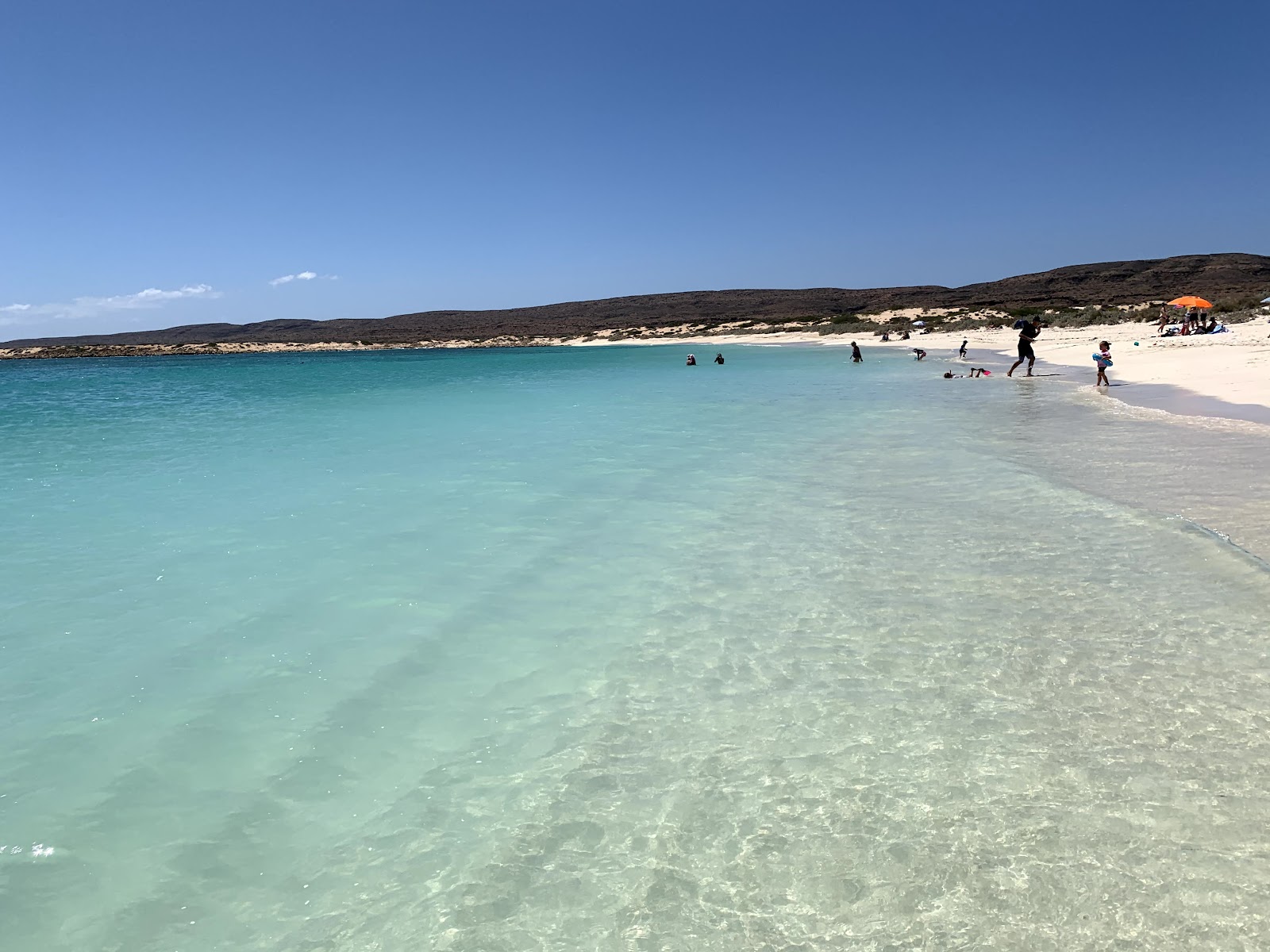 Ningaloo Reef
Australia's Coral Coast, Western Australia
Swim with whale sharks and snorkel a World-Heritage reef straight off the beach
Explore the guide →
Ningaloo Reef
Australia's Coral Coast, Western Australia
Swim with whale sharks and snorkel a World-Heritage reef straight off the beach
Explore the guide →
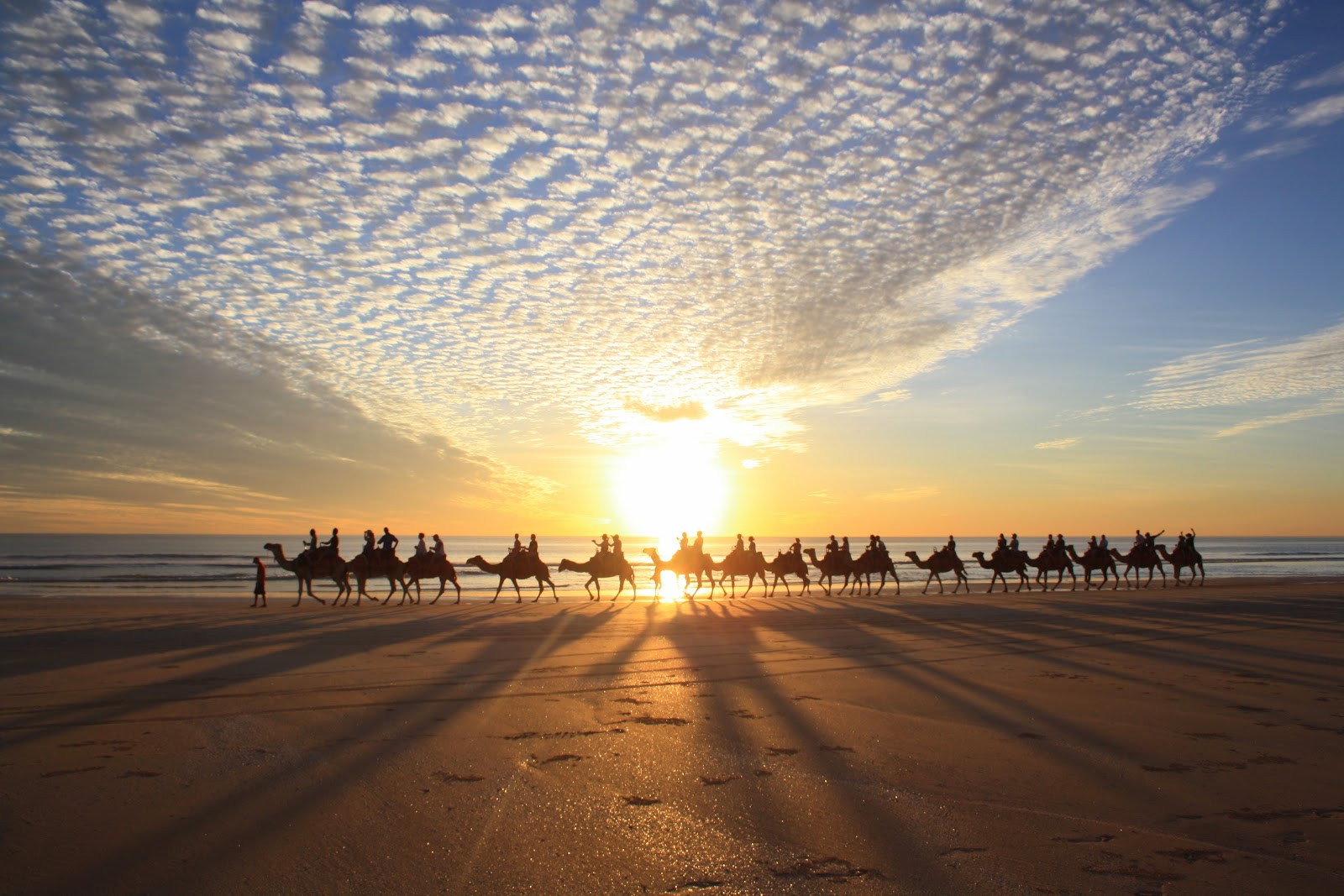 Broome
Australia's North West, Western Australia
Cable Beach sunsets, pearling history and camels on 22km of sand
Explore the guide →
Broome
Australia's North West, Western Australia
Cable Beach sunsets, pearling history and camels on 22km of sand
Explore the guide →
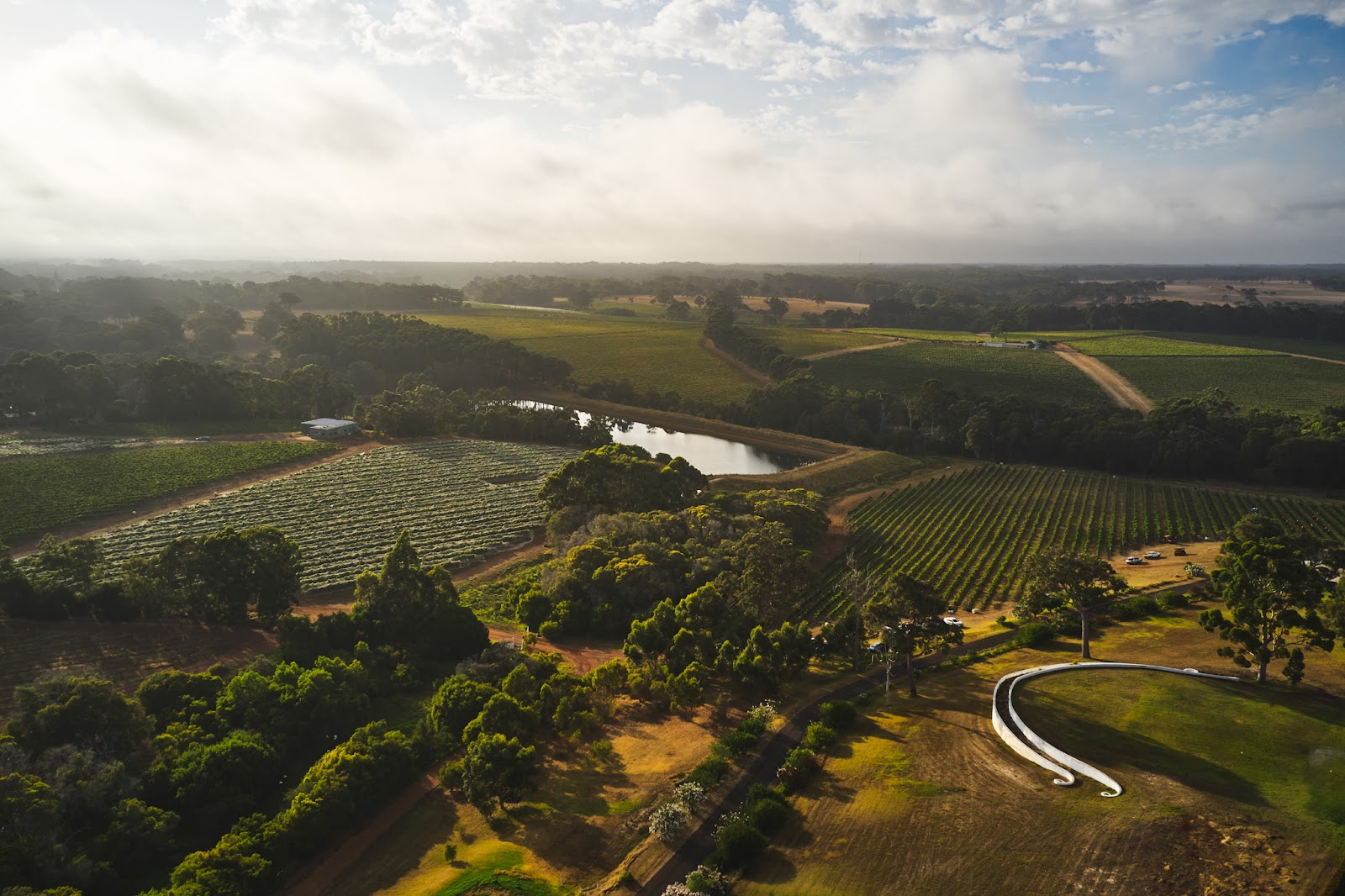 Margaret River
Australia's South West, Western Australia
World-class wineries, surf breaks and limestone caves three hours south of Perth
Explore the guide →
Margaret River
Australia's South West, Western Australia
World-class wineries, surf breaks and limestone caves three hours south of Perth
Explore the guide →