01. BIG4 Narooma Easts Holiday Park
4.4 (665 reviews)
BIG4 Narooma Easts Holiday Park — Narooma
Book Direct & Save →Narooma comes up in conversation more often than it gets explained. People mention the oysters, or Montague Island, or a sunset they saw at a bay south of town — but the practical detail, the how and when and what-to-book, tends to get left out. It’s a working coastal town four hours south of Sydney with no resort strip, no public transport to speak of, and its best experiences hidden at the edges of the day, which means arriving prepared makes a real difference.
View 3 Properties
"Relaxed working coastal town"
Get the basics right and Narooma delivers far more than its size suggests: some of the best oysters in NSW, an offshore island of seals and penguins, a netted family swimming beach, world-class shore-based whale watching, and a sunset among granite boulders that ranks with any on the coast. By the end of this guide you’ll know exactly where to go, what to book, what to pack, and what to happily leave for the second visit.
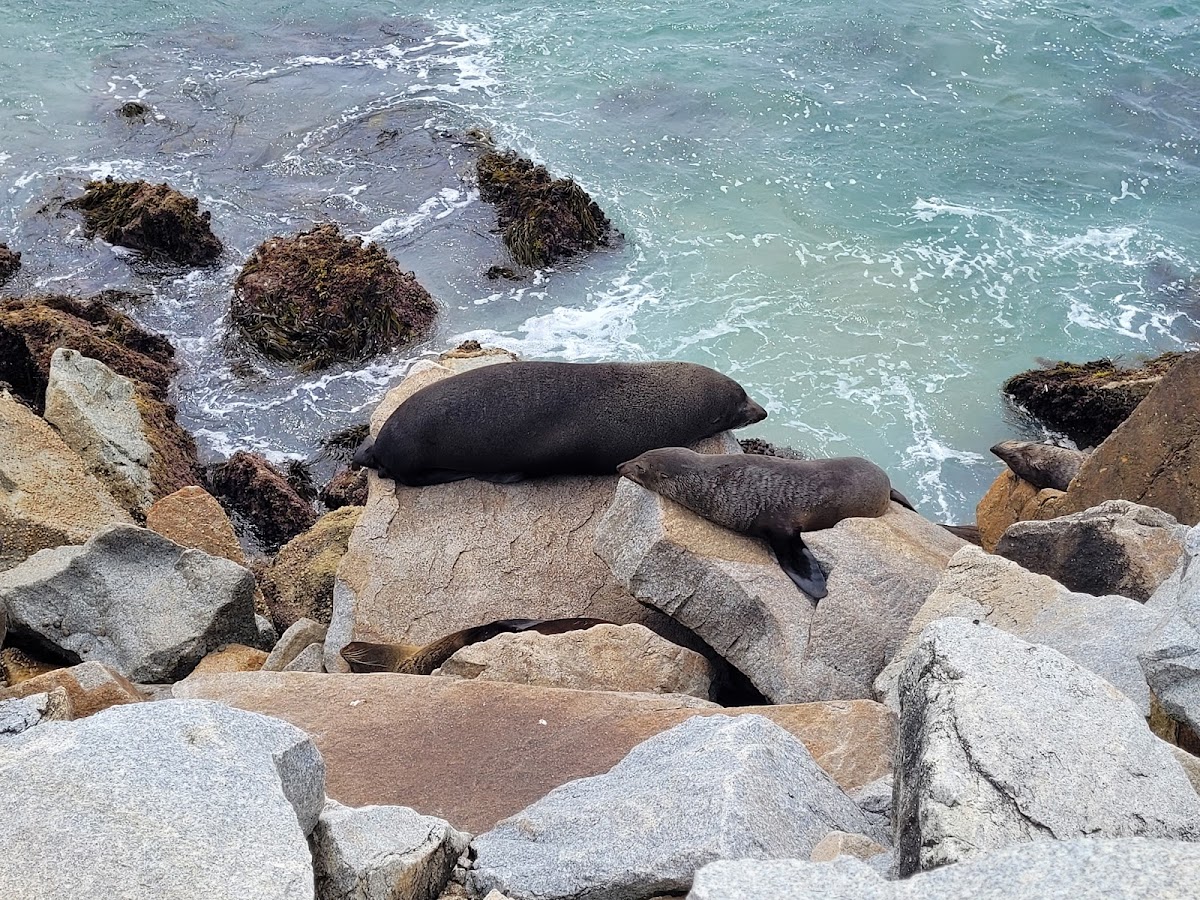
The single most useful thing to understand before your first visit: Narooma is a relaxed, working coastal town, not a resort. There’s a fishing co-op on the wharf, a surf break, an oyster-producing inlet and a small main street — but no resort strip, no big nightlife, and no public transport to speak of. What looks on paper like a lack of polish is actually the appeal: the seafood is landed by the boats you can see, the beaches aren’t crowded, and the town serves locals first and tourists second.
Get your expectations right and the town over-delivers: oysters rated among the best in NSW for a few dollars off the wharf, Montague Island’s seals and penguins nine kilometres offshore, a netted swimming enclosure safe enough for a toddler, world-class shore-based whale watching in season, and a granite-boulder sunset at Mystery Bay. Arrive expecting a glossy beach resort and you’ll be briefly underwhelmed; arrive expecting a genuine coastal town that rewards a car, an early alarm and a bit of planning, and you’ll have one of the best-value weekends on the NSW coast.
| Common mistake | The fix |
|---|---|
| Treating it as a day trip from Sydney | Stay at least two nights — four hours each way leaves no time for the sunrise, sunset and diving that make the town |
| Pinning Montague Island to your only afternoon | Tours are weather-dependent and can be bumped — book ahead and keep a buffer day in a longer stay |
| Assuming the fish co-op keeps retail hours | It runs on the fishing season — phone ahead before you build a midday oyster lunch around it |
| Sending weak swimmers or kids into the open surf | Use the netted enclosure at Bar Beach South, and swim between the flags at patrolled Main Beach in summer |
| Not booking accommodation early for peak periods | Summer, school holidays and the May Oyster Festival fill fast — book well ahead |
| Skipping the sunrise and the sunset | The headland at dawn and Mystery Bay at dusk are the best free things in town — set one early alarm |
| Expecting to walk everywhere | The attractions are spread along the coast — bring a car; Mystery Bay alone is 10km south |
| Season | Conditions | Highlights | Crowds |
|---|---|---|---|
| Summer (Dec–Feb) | Hot, busy, best beach weather | Surf, swimming, live music, long days | Peak — book early |
| Autumn (Mar–May) | Warm, clear, calmer | Oyster Festival (May), clear water for diving, whales begin | Moderate |
| Winter (Jun–Aug) | Cool, very quiet, dramatic | Whale watching peak, Grey nurse sharks, empty beaches, best value | Low |
| Spring (Sep–Nov) | Warming, ideal conditions | Whales continue, surf building, markets active | Moderate |
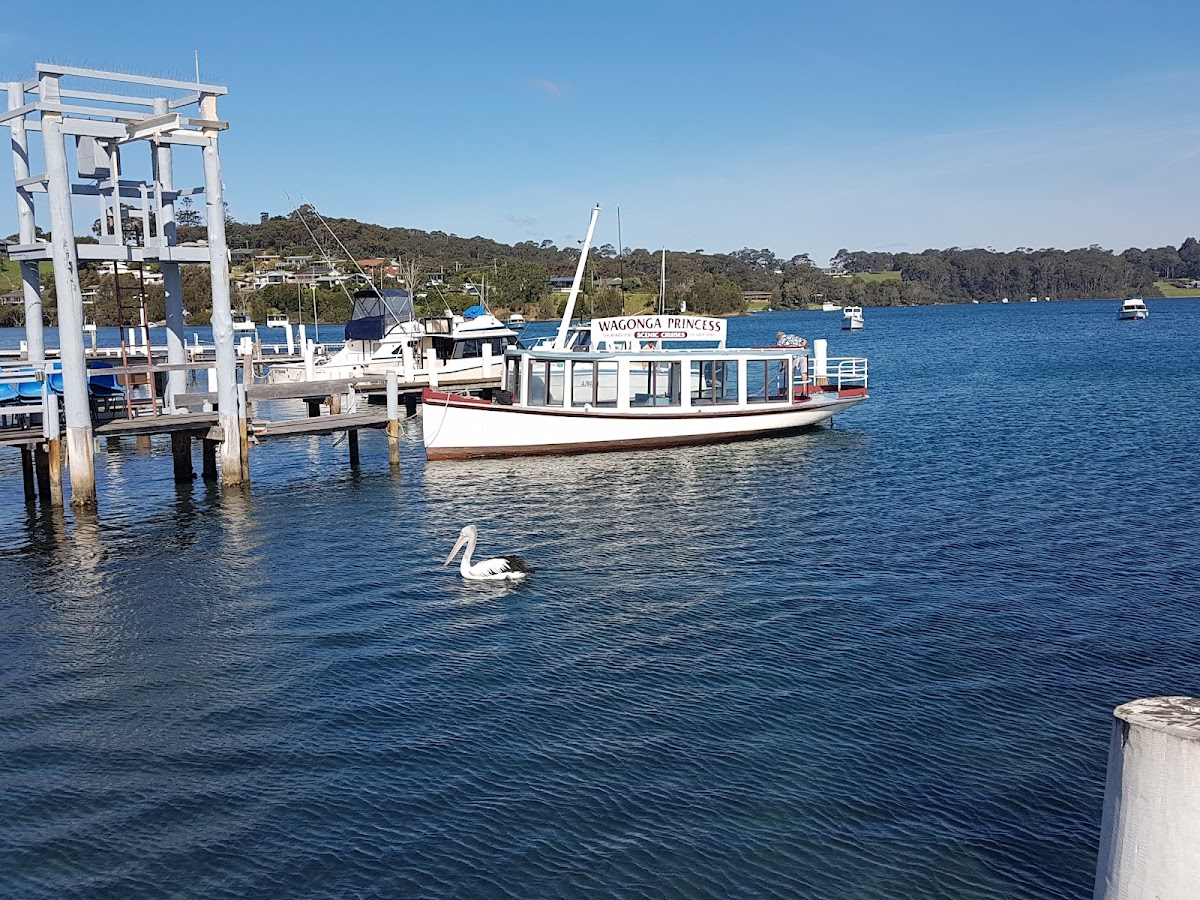
If you remember only five things: stay at least two nights, book your accommodation and any Montague Island tour before anything else, phone the co-op for oyster hours, send weak swimmers and kids to the netted enclosure at Bar Beach South rather than the open surf, and set one early alarm for sunrise on the headland. Bring a car — the attractions are spread along the coast — and pack a wind layer and grippy shoes for the exposed headlands.
Do those, keep each day to a couple of headline experiences rather than a packed checklist, and let the town set the pace. First-timers who try to “see everything” leave a little frazzled; the ones who watch the sunrise, eat oysters on the wharf, walk the Mill Bay Boardwalk and catch the Mystery Bay sunset are the ones already planning the trip back before they’ve reached Batemans Bay on the drive home. Four hours from Sydney, and worth every kilometre.
Enjoying first-time guides? Here’s where else in Australia it’s worth the trip — ranked by how loved each destination is, with the one thing not to miss at each.
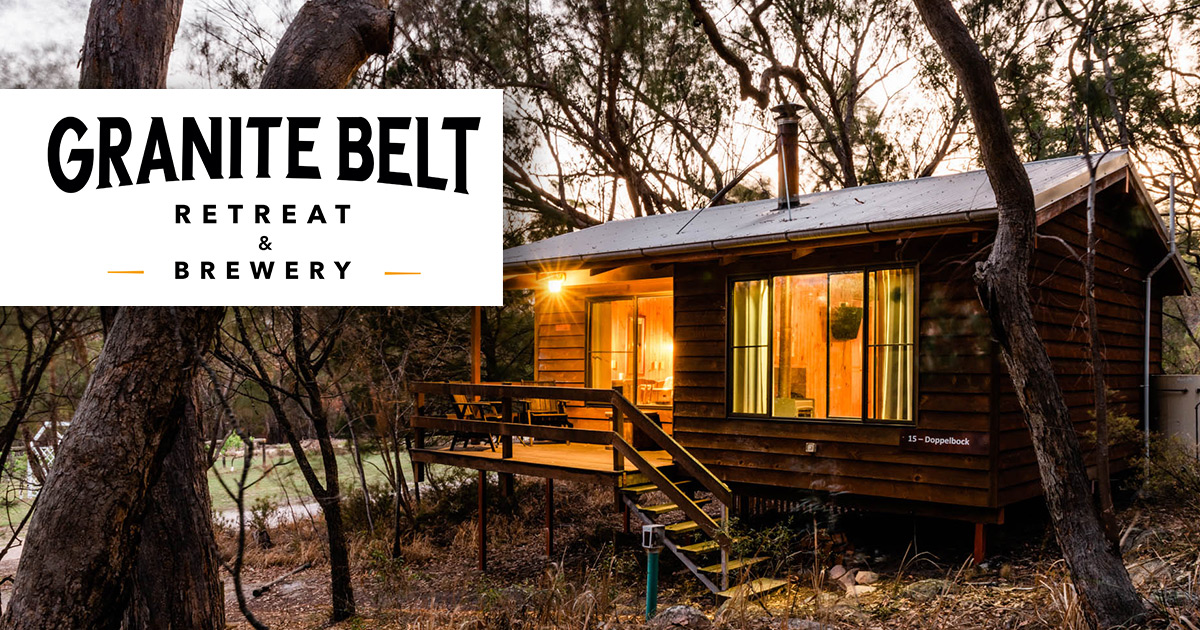 Glen Aplin
Granite Belt, Queensland
What Glen Aplin Actually Is (and Isn’t)
Explore first-time guides in Glen Aplin →
Narooma you’re here
South Coast, New South Wales
What Narooma Actually Is (and Isn’t)
You’re reading this guide
Glen Aplin
Granite Belt, Queensland
What Glen Aplin Actually Is (and Isn’t)
Explore first-time guides in Glen Aplin →
Narooma you’re here
South Coast, New South Wales
What Narooma Actually Is (and Isn’t)
You’re reading this guide
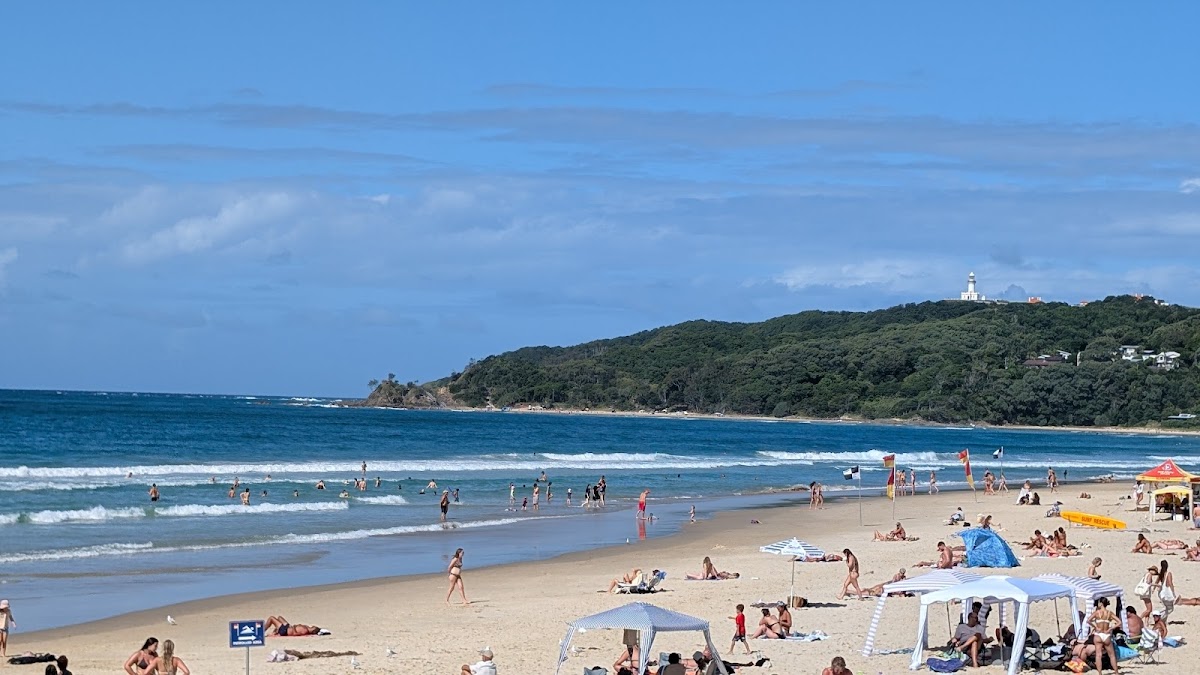 Byron Bay
Northern Rivers, New South Wales
A dawn lighthouse walk and a quiet cove swim on your first morning — the moment Byron earns its reputation.
Explore first-time guides in Byron Bay →
4
Byron Bay
Northern Rivers, New South Wales
A dawn lighthouse walk and a quiet cove swim on your first morning — the moment Byron earns its reputation.
Explore first-time guides in Byron Bay →
4
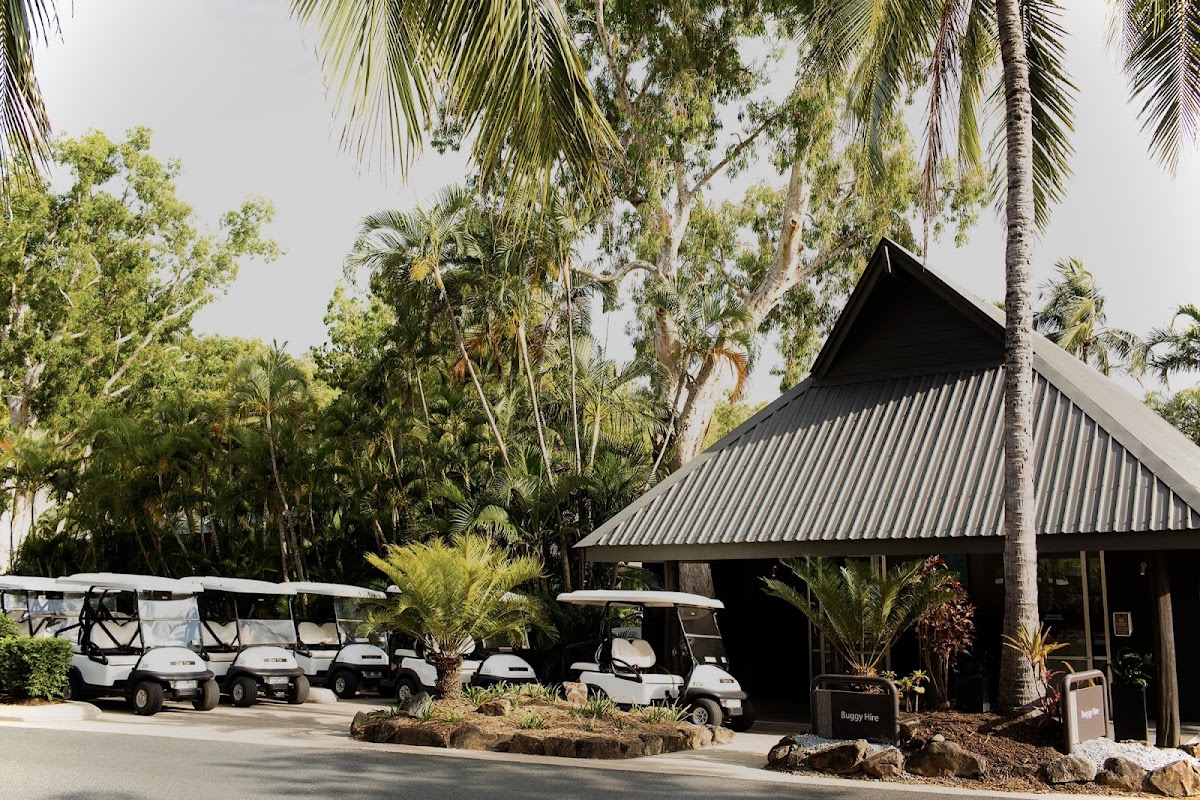 Hamilton Island
The Whitsundays, Queensland
What Hamilton Island Actually Is (and Isn’t)
Explore first-time guides in Hamilton Island →
5
Hamilton Island
The Whitsundays, Queensland
What Hamilton Island Actually Is (and Isn’t)
Explore first-time guides in Hamilton Island →
5
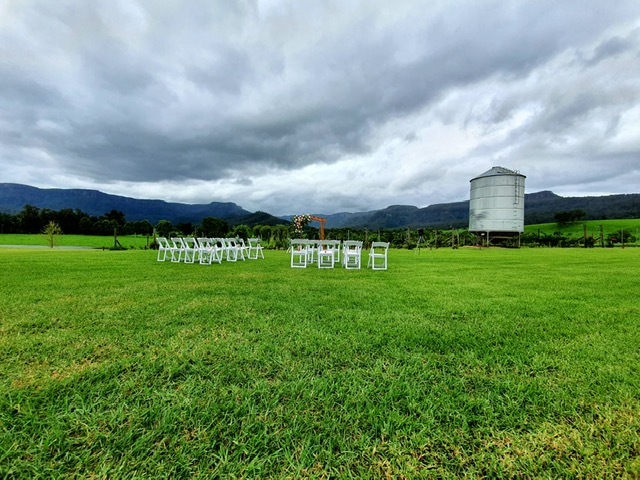 Kangaroo Valley
Shoalhaven, New South Wales
That first drop off the escarpment into the green valley, which tells you straight away what kind of weekend this is.
Explore first-time guides in Kangaroo Valley →
6
Kangaroo Valley
Shoalhaven, New South Wales
That first drop off the escarpment into the green valley, which tells you straight away what kind of weekend this is.
Explore first-time guides in Kangaroo Valley →
6
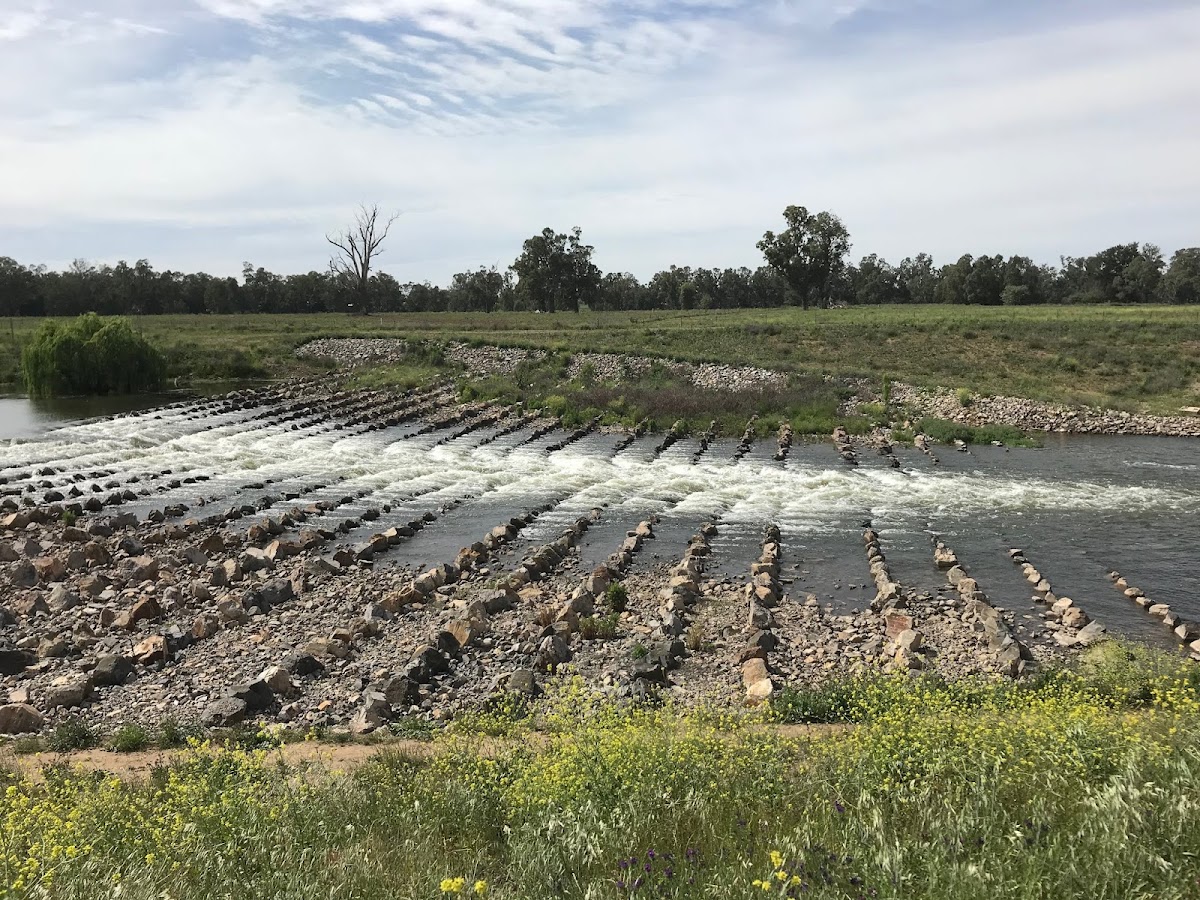 Dubbo
Central West, New South Wales
Realising how easy Dubbo is once you've planned for the drive and the heat — everything else just works.
Explore first-time guides in Dubbo →
Dubbo
Central West, New South Wales
Realising how easy Dubbo is once you've planned for the drive and the heat — everything else just works.
Explore first-time guides in Dubbo →
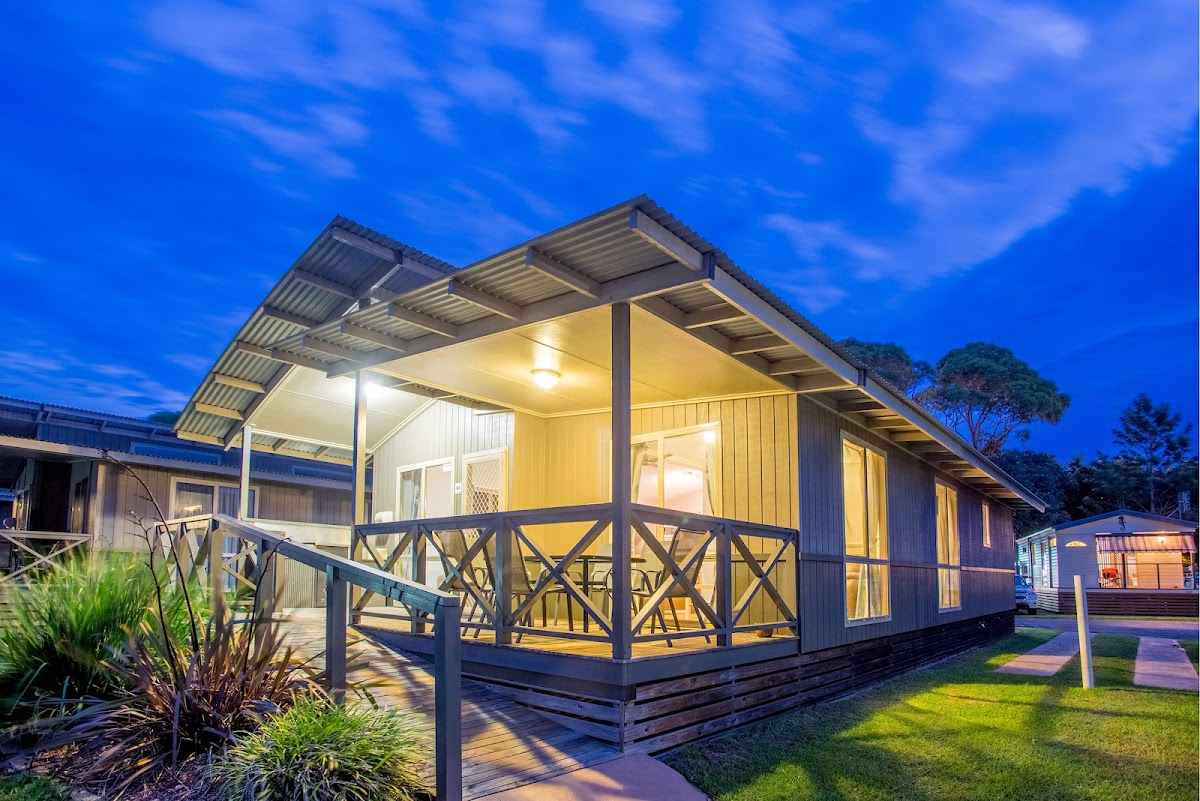
BIG4 Narooma Easts Holiday Park — Narooma
Book Direct & Save →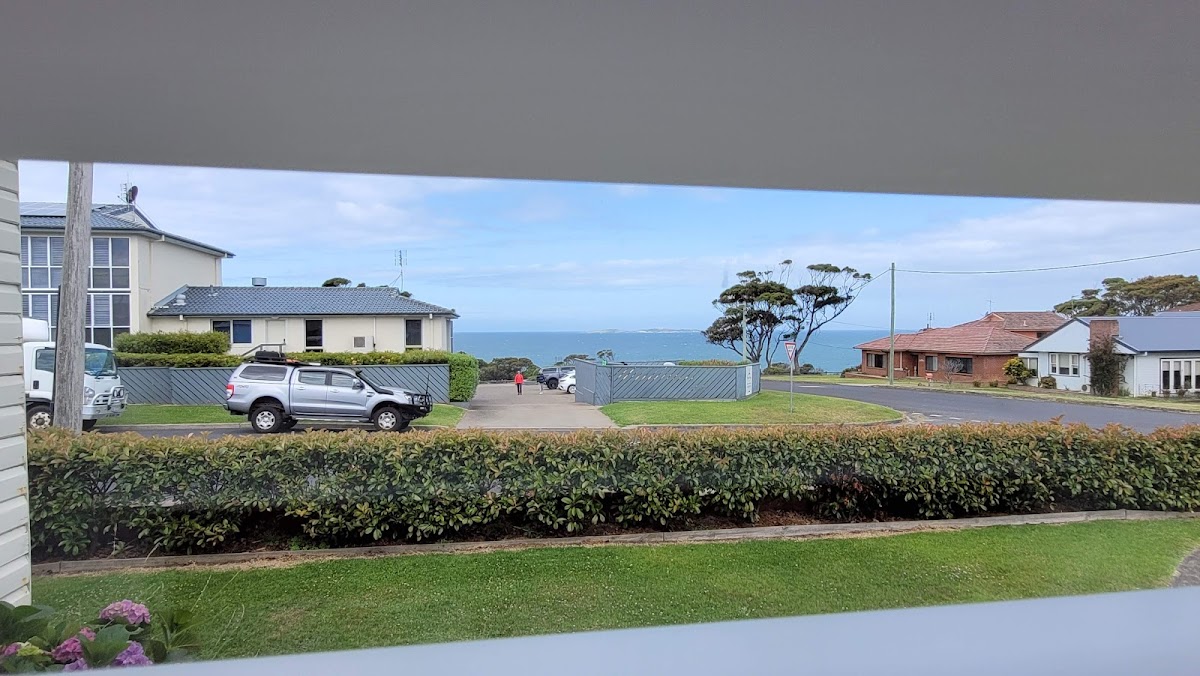
Amooran Oceanside Apartments and Motel — Narooma
Book Direct & Save →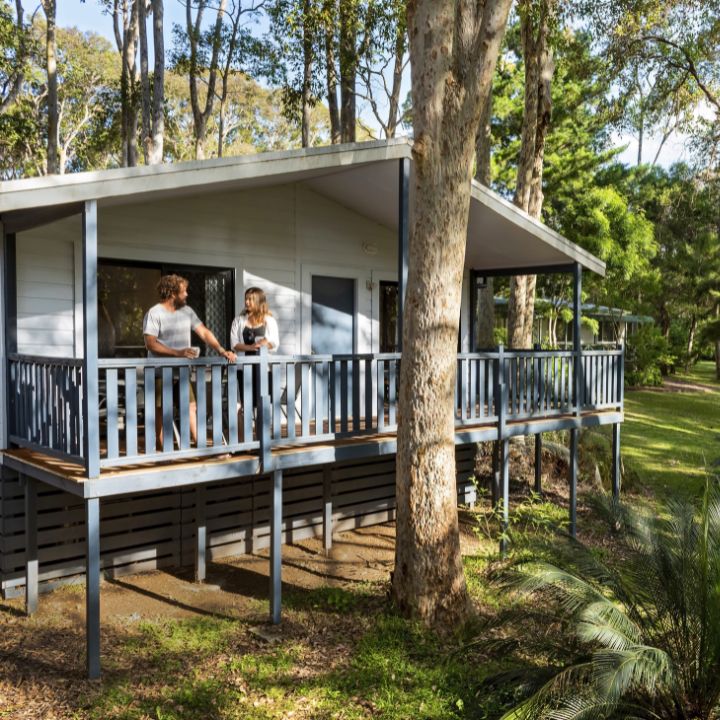
Discovery Parks - Narooma Beach — Narooma
Book Direct & Save →Skip OTA fees. Connect directly with Narooma owners for the best rates and a truly personal experience.
We match any online rate. No service fees — 100% of your payment supports local owners.
Direct guests receive complimentary hampers, early check-in, and priority access to experiences.
Speak directly with the people who manage the properties. No call centres, just local expertise.
Part of New South Wales · South Coast