01. Exmouth Escape Resort
4.5 (428 reviews)
Exmouth Escape Resort — Ningaloo Reef
Book Direct & Save →Ningaloo Reef is one of Australia's most extraordinary natural places and one of its least understood by first-time visitors. People hear "whale sharks" and "world-class snorkelling" but the practical context — how remote it is, when to go, what to book first, how the reef works, what the heat means for planning — rarely makes it into the conversation. Arriving without that context means either wasting a significant trip cost or, in summer, making genuinely dangerous decisions about heat and water.
View 3 Properties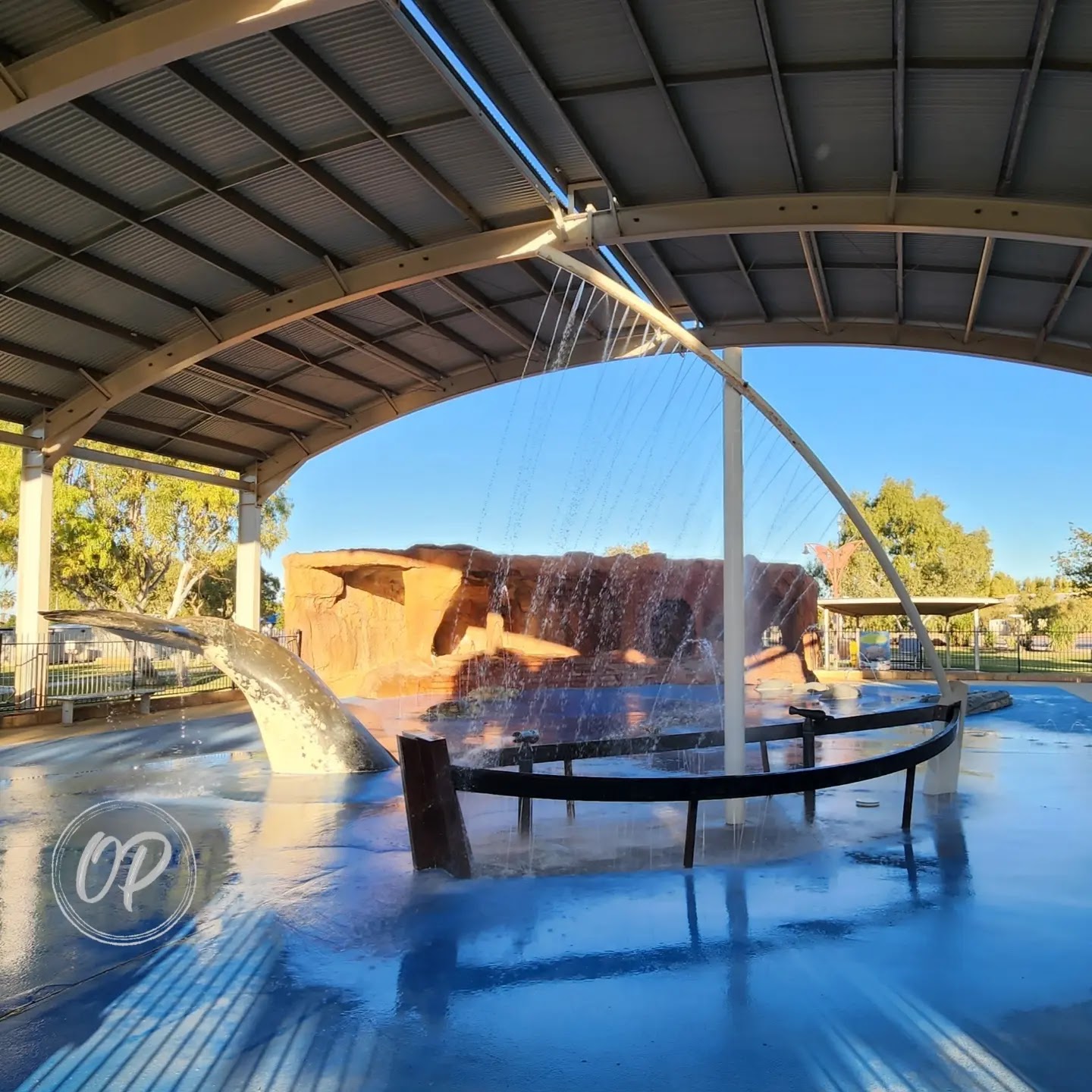
"Remote, active, natural — this is not a resort destination"
Get the basics right and Ningaloo delivers experiences that most visitors describe as among the best of their lives: swimming alongside a 10-metre whale shark in crystal-clear water, drifting over an intact reef teeming with 500 species of fish from an empty beach, walking a limestone gorge at dawn with rock wallabies on the canyon walls and total silence, and lying under the clearest night sky most Australians have ever seen. By the end of this guide you'll know exactly how to get there, when to go, what to book before anything else, what to pack, and what first-timers consistently get wrong.
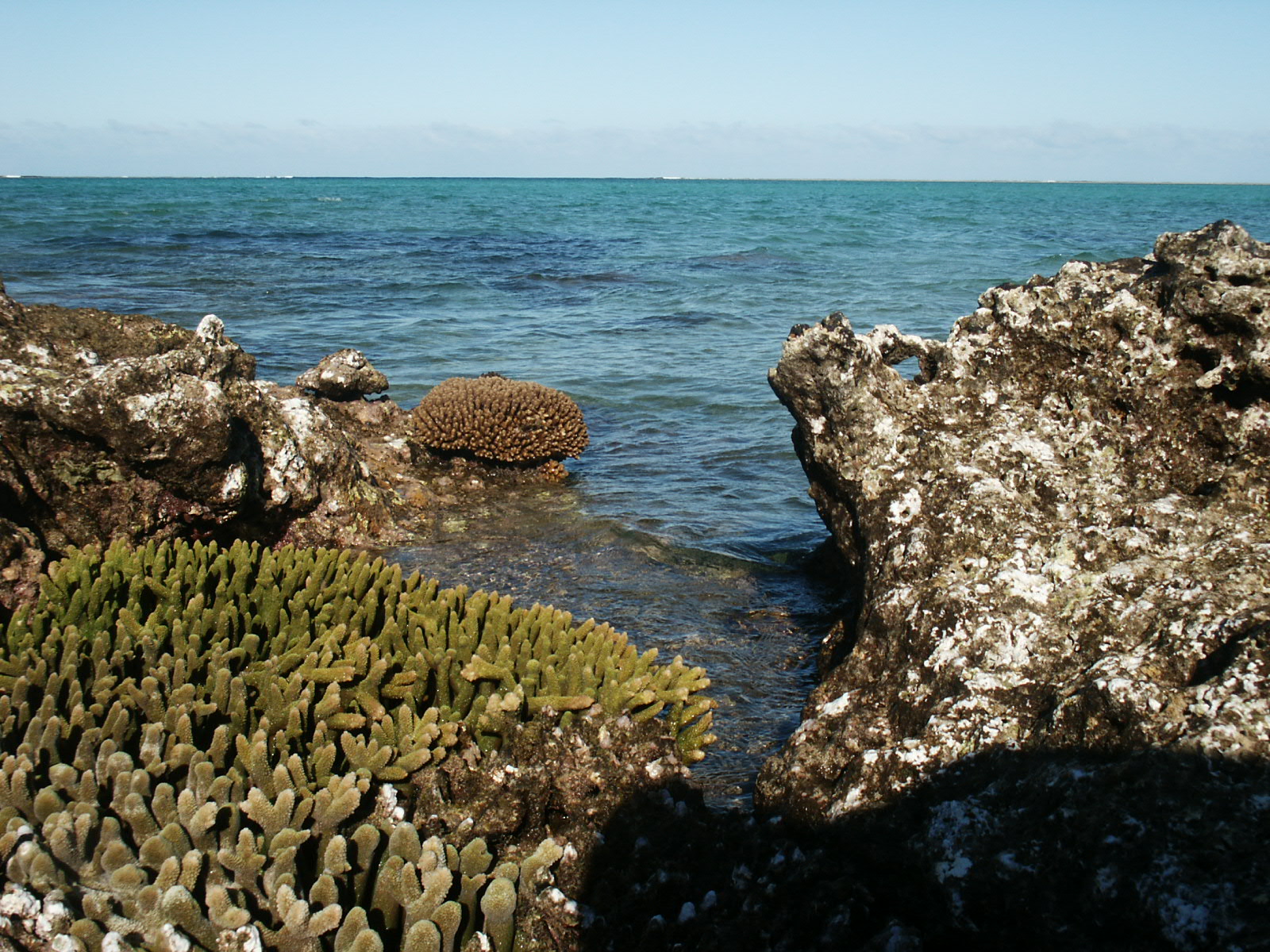
The single most important thing to understand before your first visit: Ningaloo is a remote Australian natural heritage site, not a resort destination. Exmouth, the main base town, has around 2,800 people, a handful of cafes and restaurants, a good craft brewery and very limited nightlife. Coral Bay, the other base, is smaller still. What Ningaloo has instead is a fringing reef — the world's largest — that begins literally metres from the beach on the Indian Ocean side of North West Cape, and an active marine calendar that includes the world's largest fish (whale sharks, March–mid-August), humpback whale snorkelling (August–October), manta rays (year-round), green and loggerhead sea turtles (year-round), and 500 species of reef fish in water so clear you can count the fish from a snorkel mask five metres down.
The distance is the price of admission, and it's non-trivial: Exmouth is 1,260km north of Perth. But it's also what makes the reef intact and the beaches genuinely empty. The reef at Ningaloo is not the Great Barrier Reef — it's smaller, more accessible, less crowded, and in many respects in better condition. It begins from the shore. You don't need a boat to access the best snorkelling; you need to walk to the water's edge and put your face in. Get the expectations right — remote, active, natural, limited services — and Ningaloo is one of the most extraordinary places in Australia.
| Common mistake | The fix |
|---|---|
| Visiting in summer (November–March) | Come in the April–October dry season. Summer temperatures reach 40–45°C and the cyclone season is active — it is genuinely dangerous to walk Cape Range gorges in the heat, accommodation is limited (some properties close), and the whale shark season is over. |
| Trying to do Ningaloo as a 2-day trip | A minimum of 3 full days is needed; 5 is honest. The combination of a whale shark tour (full day), Cape Range gorge walks, Turquoise Bay drift snorkel, Coral Bay, and Vlamingh Head cannot be covered in 2 days without rushing everything. |
| Not booking the whale shark tour first | Licensed whale shark tour operators fill 4–8 weeks ahead in peak season (June–August). Book the tour before booking flights. An unbookable tour is an unbookable trip. |
| Bringing chemical sunscreen into the marine park | Chemical sunscreens are prohibited in the Ningaloo Marine Park — they bleach coral. Reef-safe, mineral-only (zinc oxide / titanium dioxide) sunscreen is mandatory. Buy it before you go; selection is limited in Exmouth. |
| Walking Cape Range gorges after 9am in summer | In November–March, start all gorge walks before 7am or skip them entirely — 40°C heat on exposed limestone tracks is medically dangerous. In April–October, start before 8am to avoid the worst of the midday heat. |
| Only visiting Exmouth without going to Coral Bay | Coral Bay is 120km south and offers walk-in reef snorkelling from the beach in a sheltered bay that is gentler and shallower than the open reef sites. Budget at least a half-day drive; it's worth it for first-timers. |
| Assuming standard mobile coverage for navigation and emergencies | Mobile coverage in Cape Range National Park is limited or non-existent beyond the park entrance. Download offline maps (Maps.me or Google Maps offline area), carry a paper park map from Milyering Discovery Centre, and tell someone your route if walking remote sections. |
| Season | Conditions | Highlights | Crowds |
|---|---|---|---|
| March–mid August | Warm to hot, dry, 28–38°C — whale shark season | Whale sharks (March–mid-Aug), manta rays active, perfect snorkelling visibility | Building from April; peak June–August — book well ahead |
| August–October | Cooling and very pleasant, 24–32°C | Humpback whale season — surface snorkel encounters; whale shark season ending; sea turtles | High August–September; easing October |
| April–May | Warm and comfortable, 26–34°C — sweet spot | Whale shark season underway; good visibility; lower crowds and prices than June–August | Moderate — best value window |
| November–March | Extreme heat 38–45°C, high humidity, cyclone risk | Turtle nesting at Jurabi (Dec–Feb); near-empty reef; cheap accommodation | Very low — not recommended for first visits |
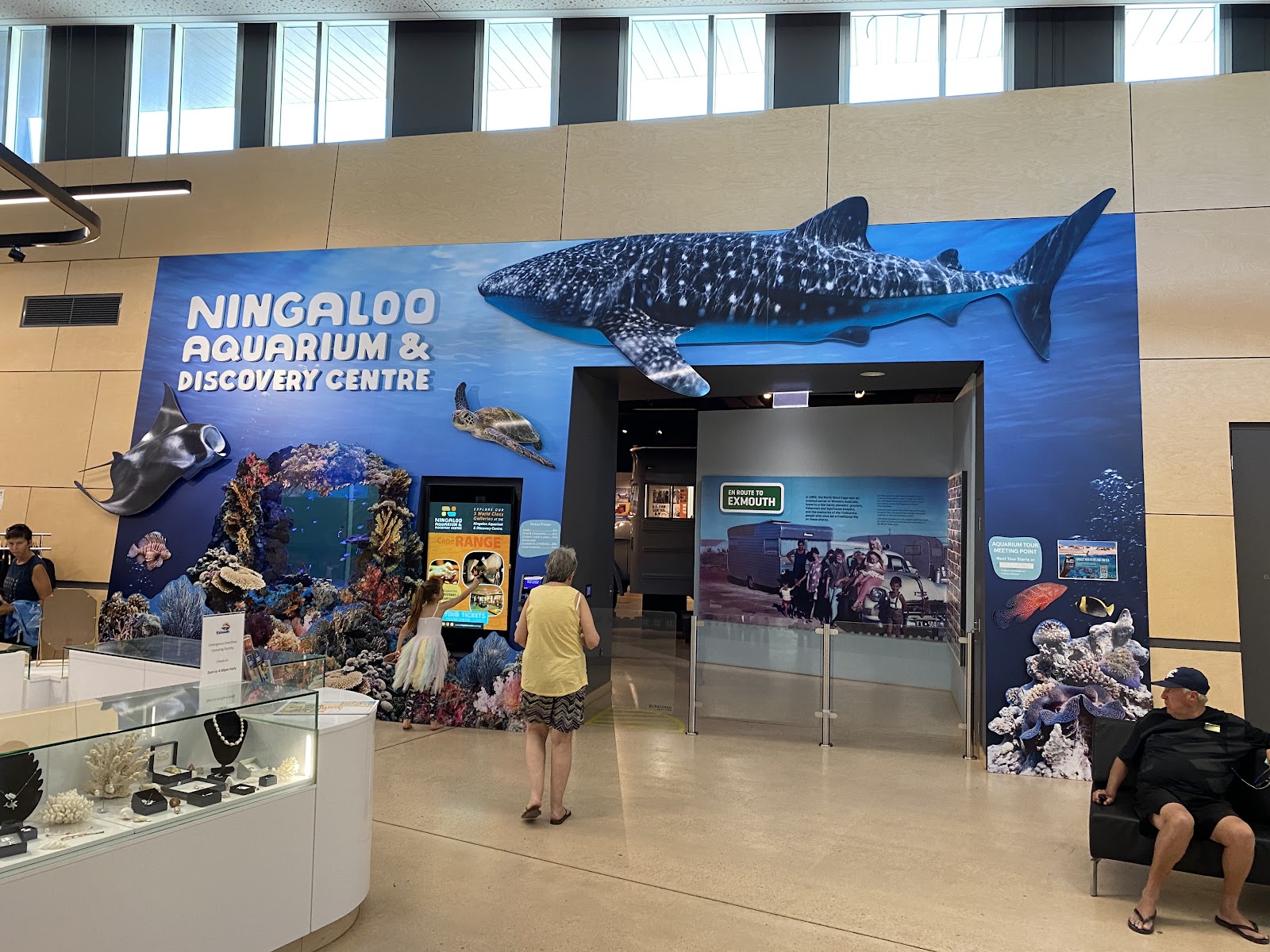
If you remember only five things: go in April–October (never summer as a first visit), book the whale shark tour and your accommodation before anything else, pack reef-safe mineral sunscreen and fins before you fly (limited selection in Exmouth), start all Cape Range gorge walks before 8am, and plan a minimum of three full days.
The people who come back from Ningaloo declaring it the best trip of their lives are, almost without exception, people who got those five things right. They were in the water with whale sharks by the end of Day 2, they stood on the empty Turquoise Bay beach at sunrise, and they lay under the Milky Way on their last night wondering why they'd never come before. The distance is real — 1,260km from Perth, 2 hours by plane — and it is worth every kilometre of it. Bring fins, bring reef-safe sunscreen, set an early alarm every morning, and go.
Enjoying first-time guides? Here’s where else in Australia it’s worth the trip — ranked by how loved each destination is, with the one thing not to miss at each.
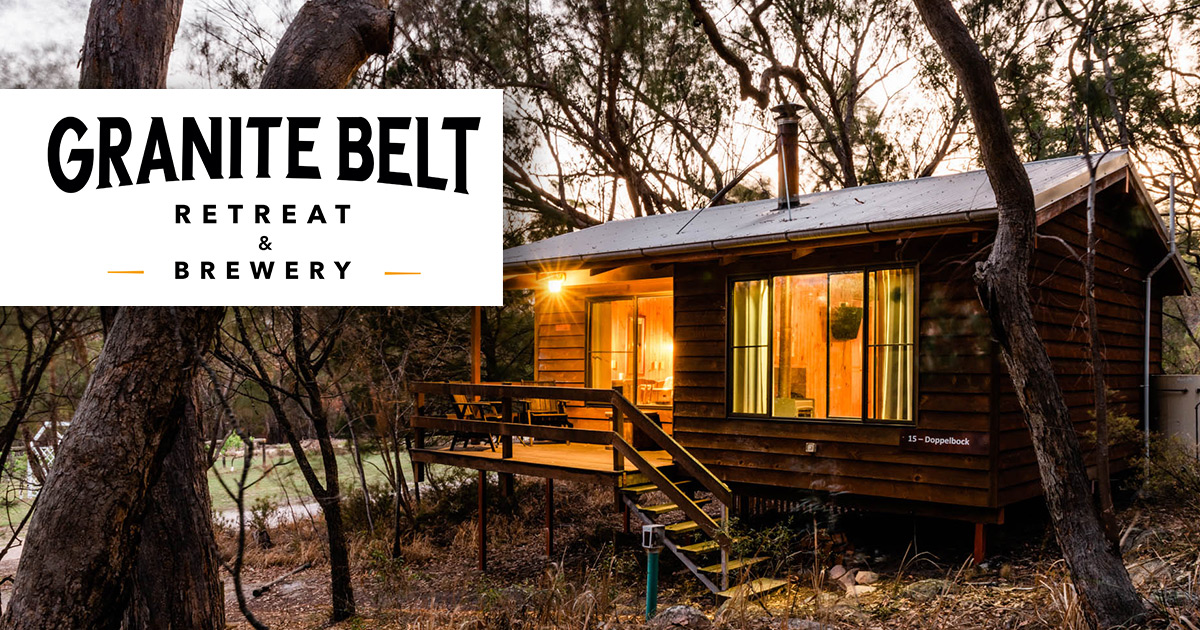 Glen Aplin
Granite Belt, Queensland
What Glen Aplin Actually Is (and Isn’t)
Explore first-time guides in Glen Aplin →
2
Glen Aplin
Granite Belt, Queensland
What Glen Aplin Actually Is (and Isn’t)
Explore first-time guides in Glen Aplin →
2
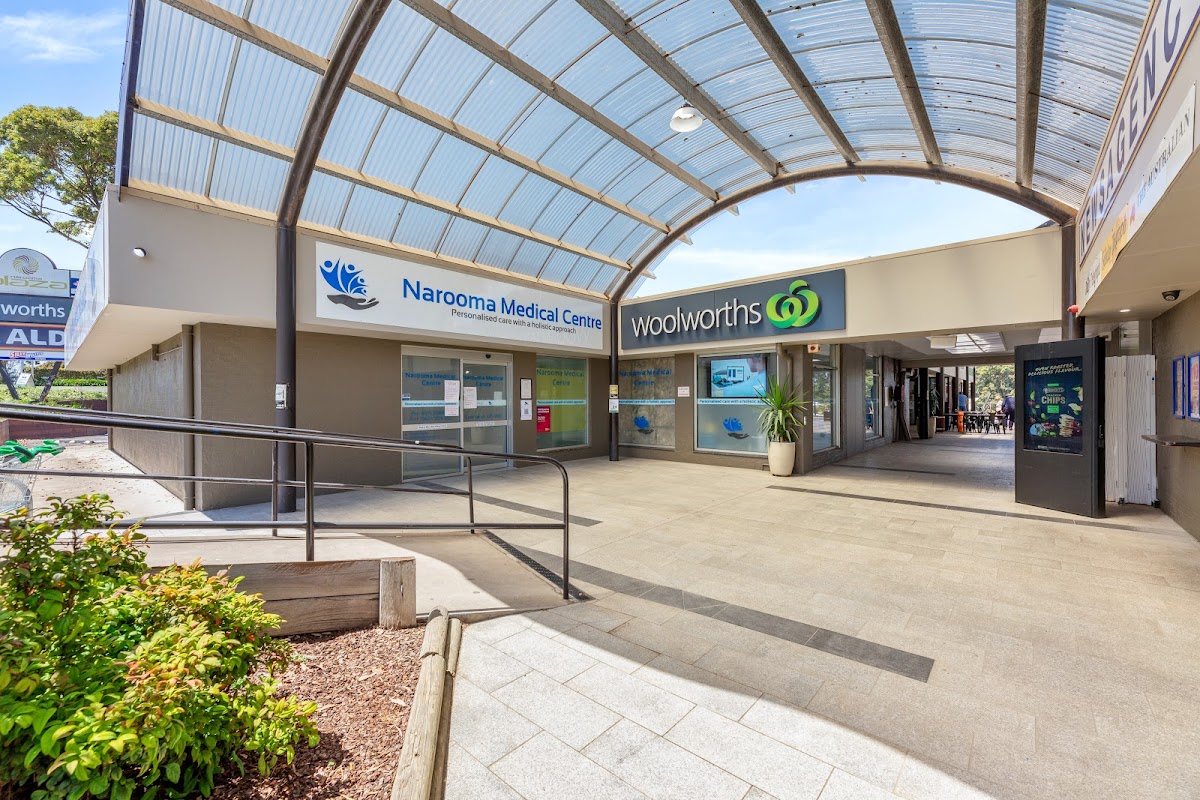 Narooma
South Coast, New South Wales
What Narooma Actually Is (and Isn’t)
Explore first-time guides in Narooma →
3
Narooma
South Coast, New South Wales
What Narooma Actually Is (and Isn’t)
Explore first-time guides in Narooma →
3
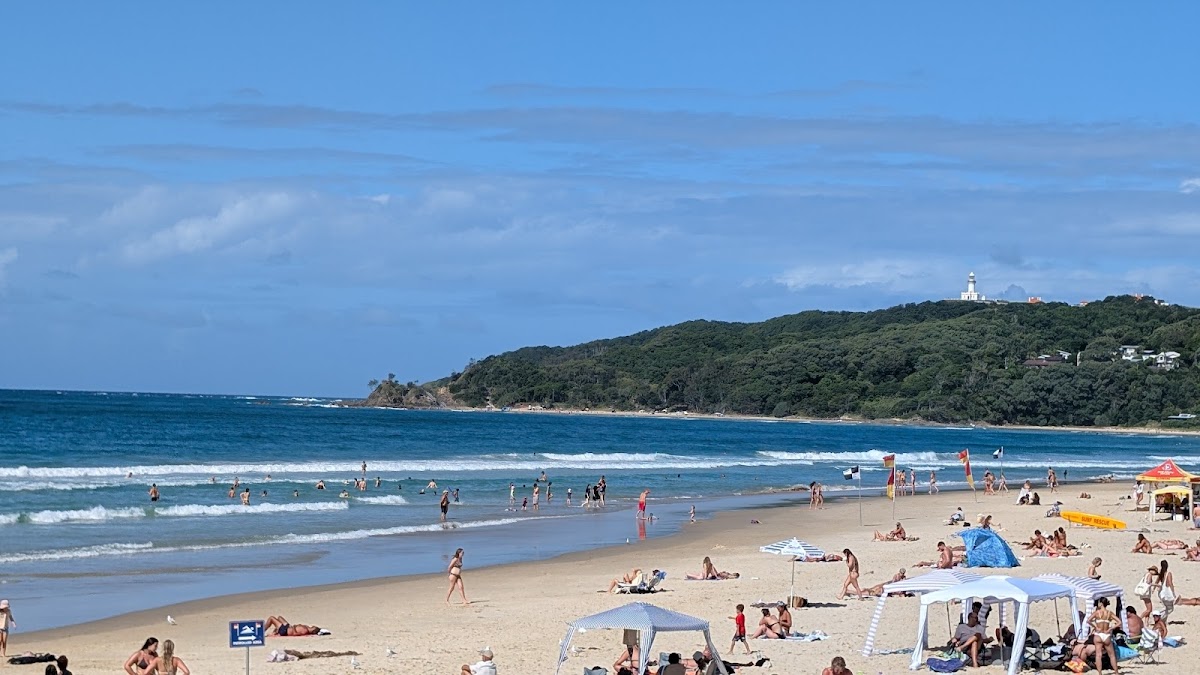 Byron Bay
Northern Rivers, New South Wales
A dawn lighthouse walk and a quiet cove swim on your first morning — the moment Byron earns its reputation.
Explore first-time guides in Byron Bay →
4
Byron Bay
Northern Rivers, New South Wales
A dawn lighthouse walk and a quiet cove swim on your first morning — the moment Byron earns its reputation.
Explore first-time guides in Byron Bay →
4
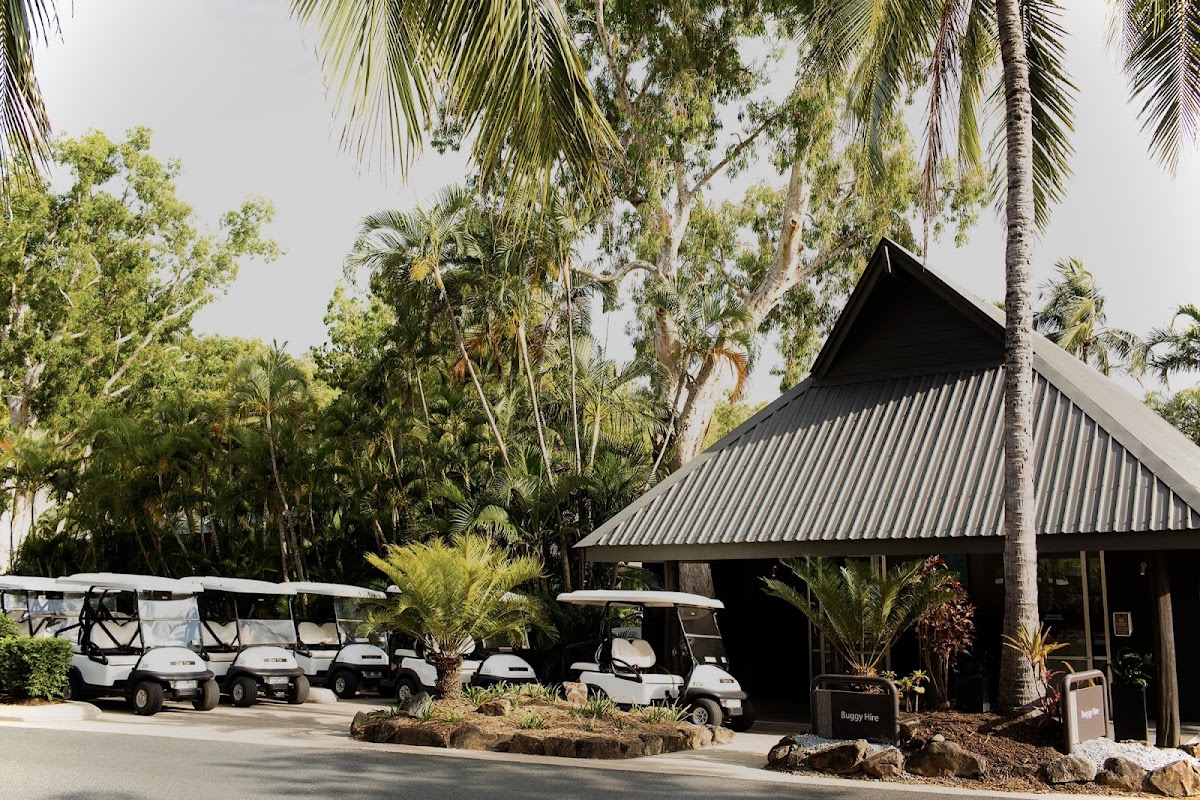 Hamilton Island
The Whitsundays, Queensland
What Hamilton Island Actually Is (and Isn’t)
Explore first-time guides in Hamilton Island →
5
Hamilton Island
The Whitsundays, Queensland
What Hamilton Island Actually Is (and Isn’t)
Explore first-time guides in Hamilton Island →
5
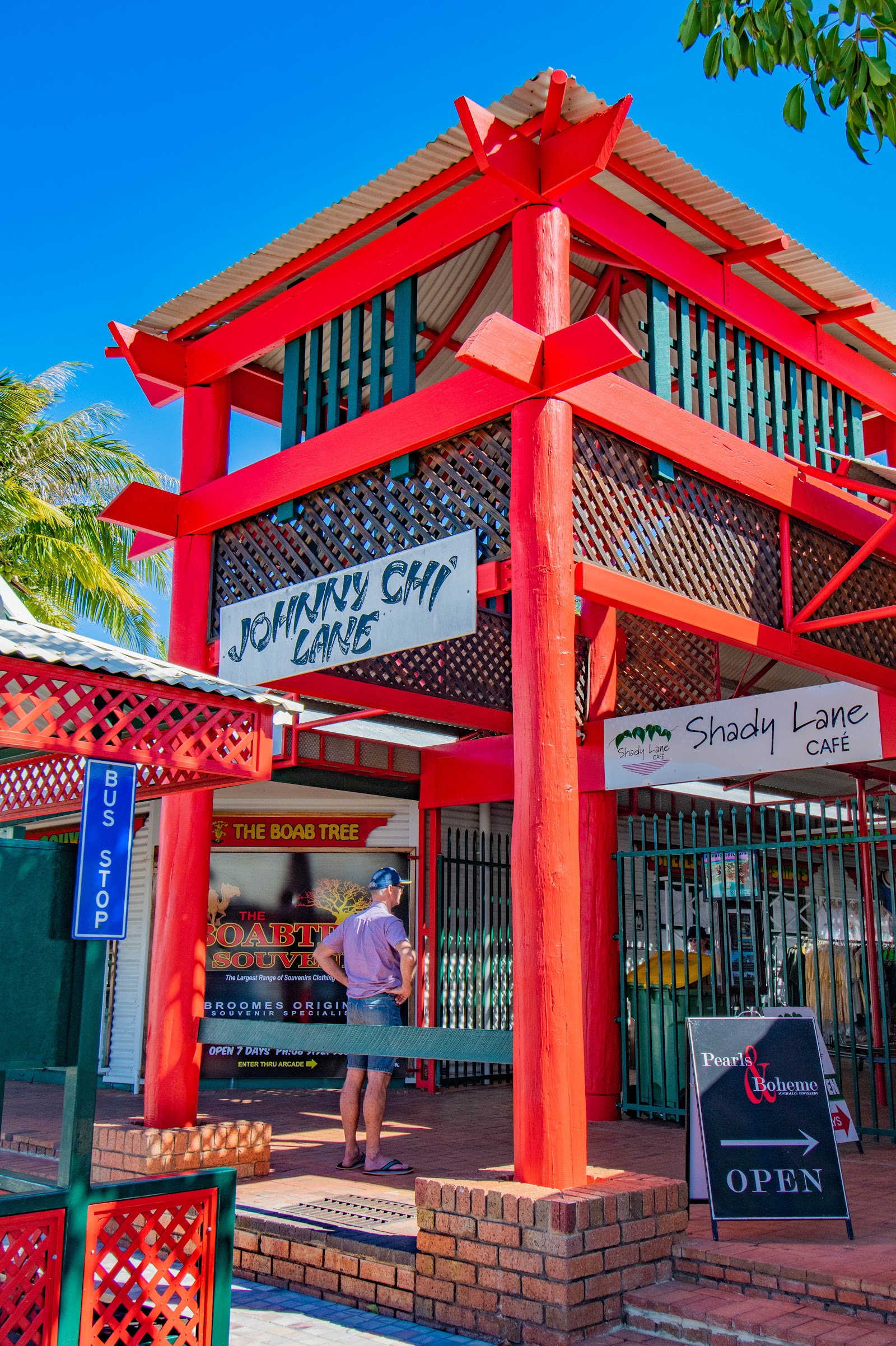 Broome
Australia's North West, Western Australia
What Broome Actually Is (and Isn't)
Explore first-time guides in Broome →
6
Broome
Australia's North West, Western Australia
What Broome Actually Is (and Isn't)
Explore first-time guides in Broome →
6
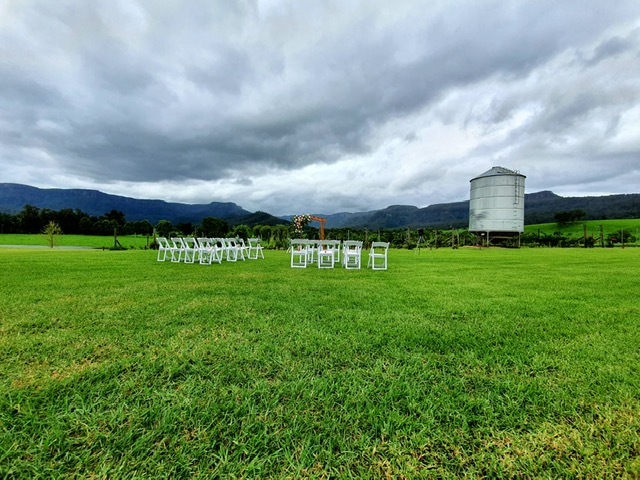 Kangaroo Valley
Shoalhaven, New South Wales
That first drop off the escarpment into the green valley, which tells you straight away what kind of weekend this is.
Explore first-time guides in Kangaroo Valley →
7
Kangaroo Valley
Shoalhaven, New South Wales
That first drop off the escarpment into the green valley, which tells you straight away what kind of weekend this is.
Explore first-time guides in Kangaroo Valley →
7
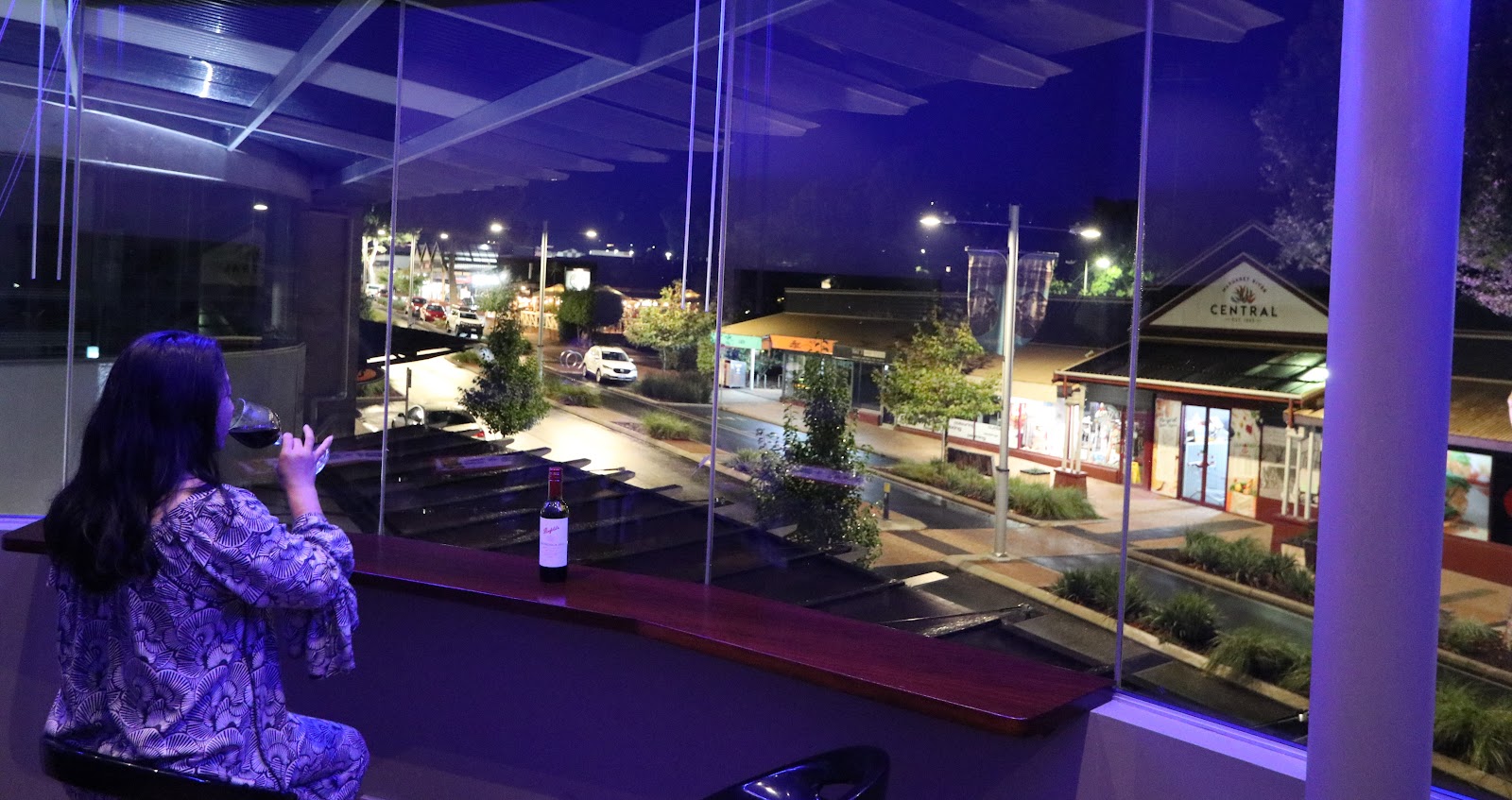 Margaret River
Australia's South West, Western Australia
What Margaret River Actually Is (and What First-Timers Often Miss)
Explore first-time guides in Margaret River →
8
Margaret River
Australia's South West, Western Australia
What Margaret River Actually Is (and What First-Timers Often Miss)
Explore first-time guides in Margaret River →
8
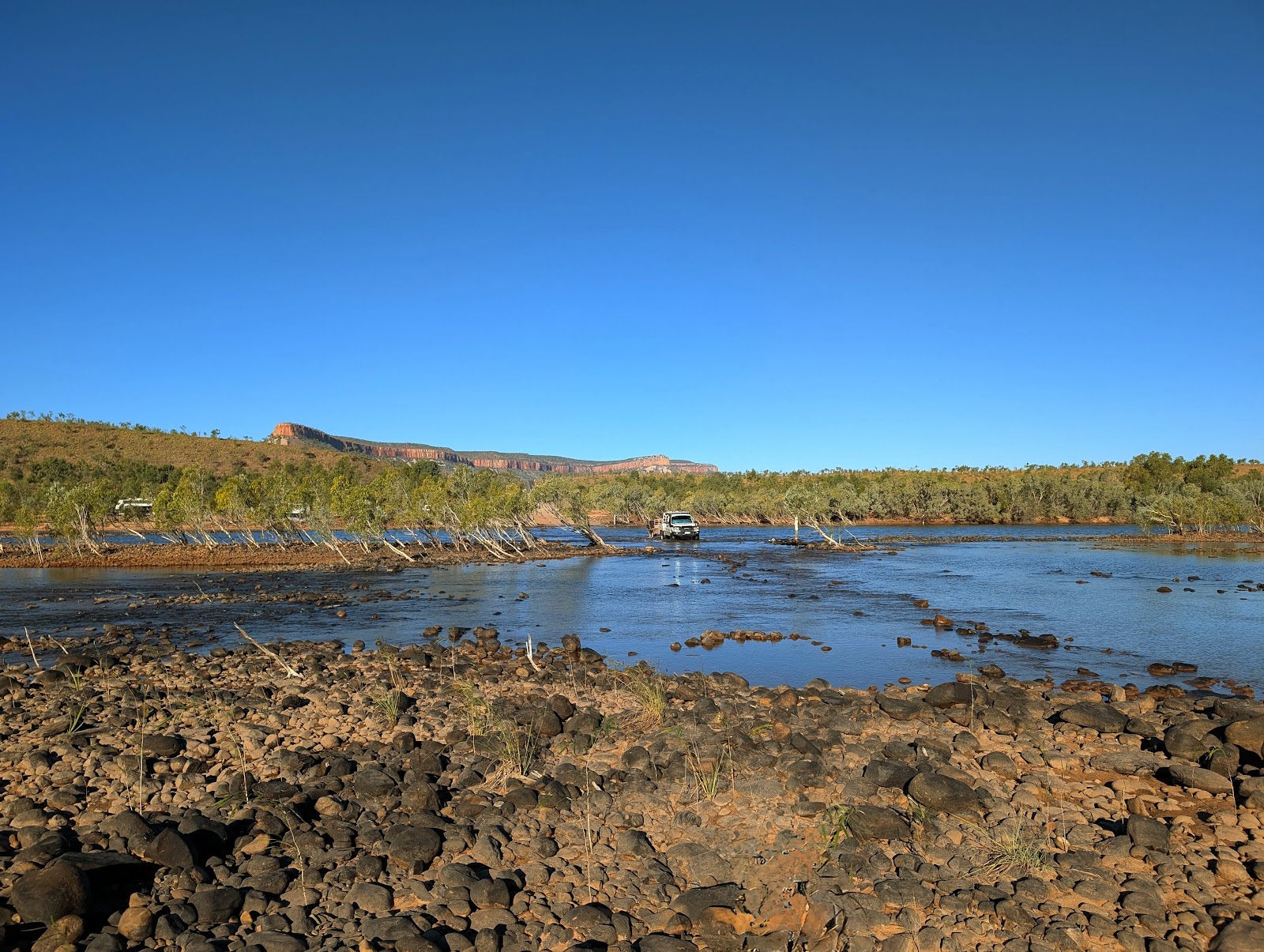 The Kimberley
Australia's North West, Western Australia
What the Kimberley Actually Requires of You
Explore first-time guides in The Kimberley →
9
The Kimberley
Australia's North West, Western Australia
What the Kimberley Actually Requires of You
Explore first-time guides in The Kimberley →
9
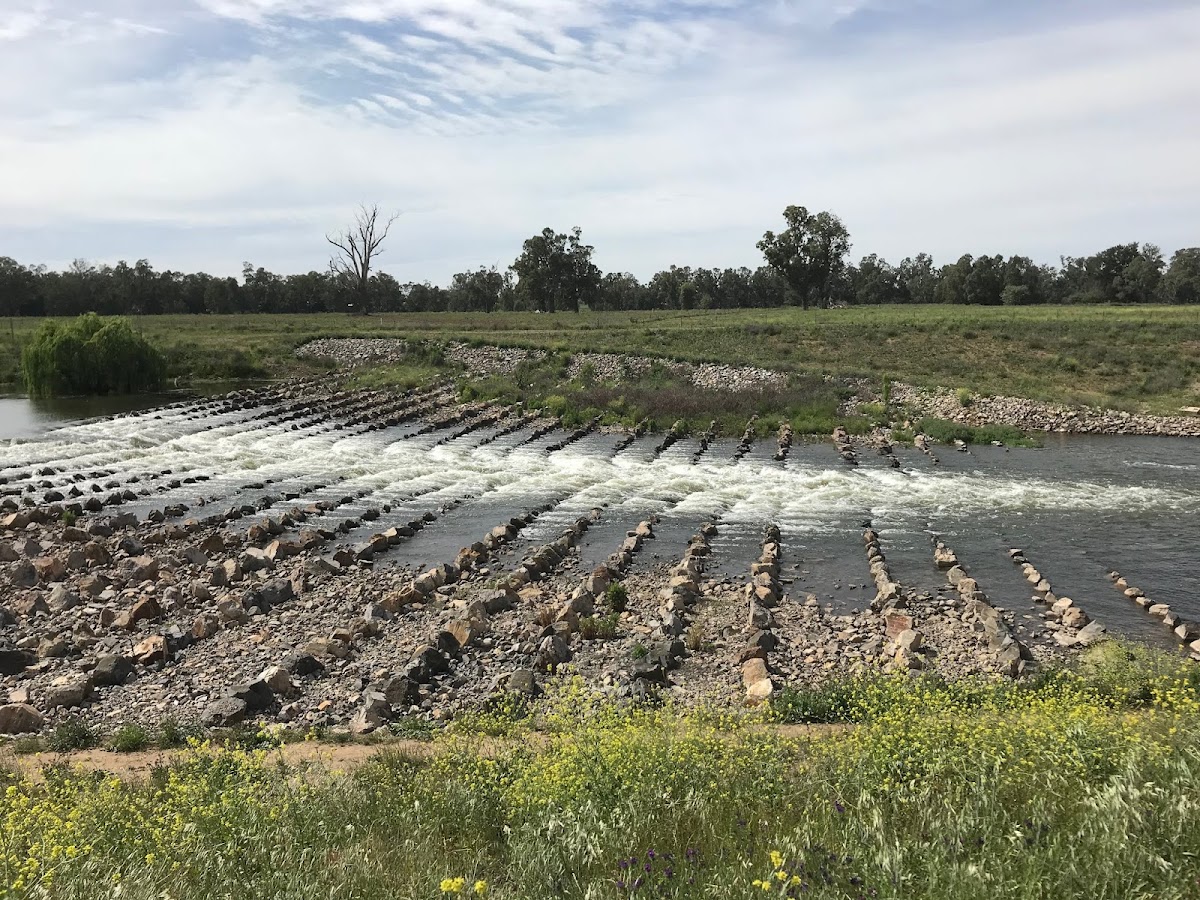 Dubbo
Central West, New South Wales
Realising how easy Dubbo is once you've planned for the drive and the heat — everything else just works.
Explore first-time guides in Dubbo →
Ningaloo Reef you’re here
Australia's Coral Coast, Western Australia
What Ningaloo Actually Is — and Why It's Worth the Distance
You’re reading this guide
Dubbo
Central West, New South Wales
Realising how easy Dubbo is once you've planned for the drive and the heat — everything else just works.
Explore first-time guides in Dubbo →
Ningaloo Reef you’re here
Australia's Coral Coast, Western Australia
What Ningaloo Actually Is — and Why It's Worth the Distance
You’re reading this guide
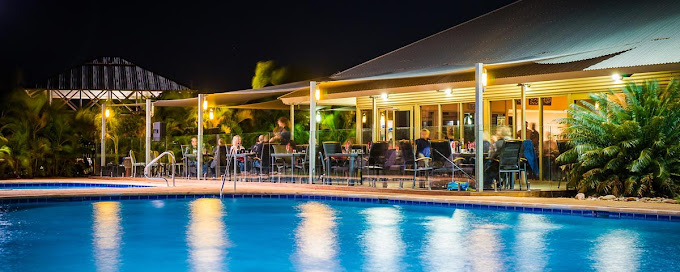
Exmouth Escape Resort — Ningaloo Reef
Book Direct & Save →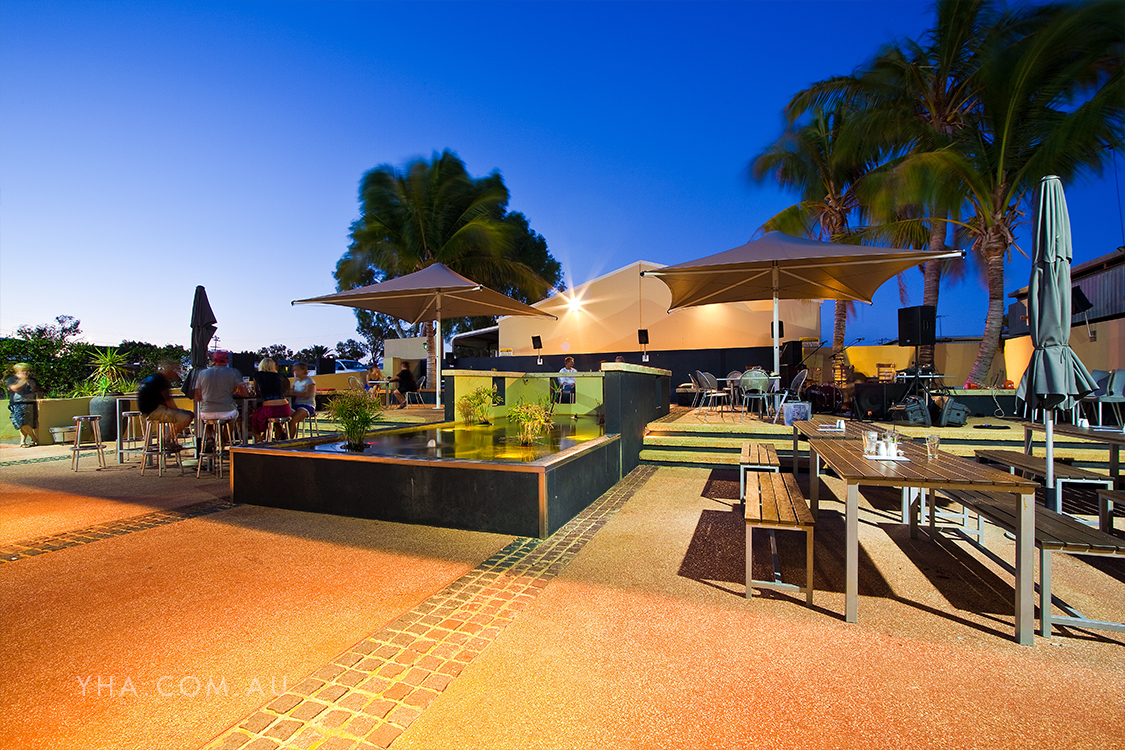
Ningaloo Caravan and Holiday Resort — Ningaloo Reef
Book Direct & Save →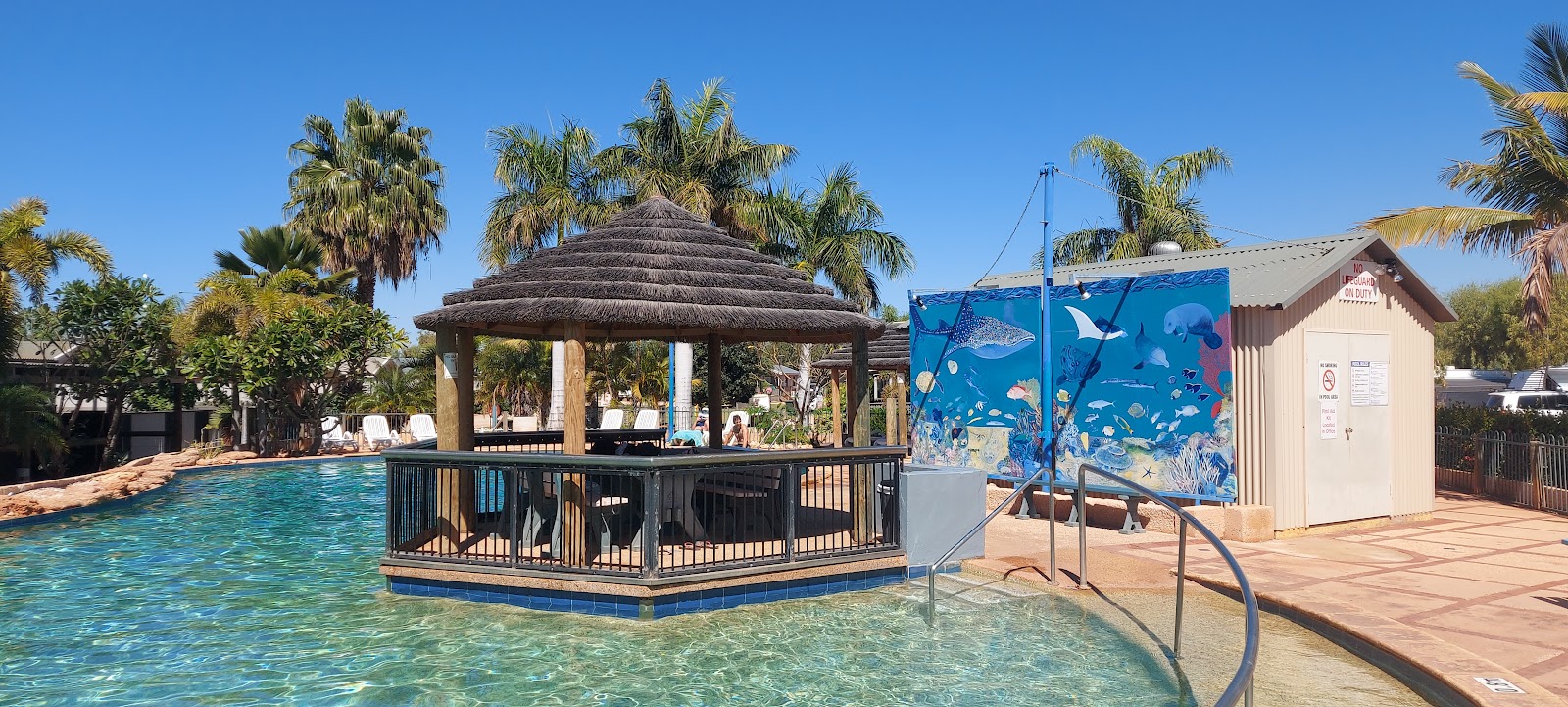
Skip OTA fees. Connect directly with Ningaloo Reef owners for the best rates and a truly personal experience.
We match any online rate. No service fees — 100% of your payment supports local owners.
Direct guests receive complimentary hampers, early check-in, and priority access to experiences.
Speak directly with the people who manage the properties. No call centres, just local expertise.
Part of Western Australia · Australia's Coral Coast
 Glen Aplin
Granite Belt, Queensland
Queensland's most underrated wine valley
Explore the guide →
Glen Aplin
Granite Belt, Queensland
Queensland's most underrated wine valley
Explore the guide →
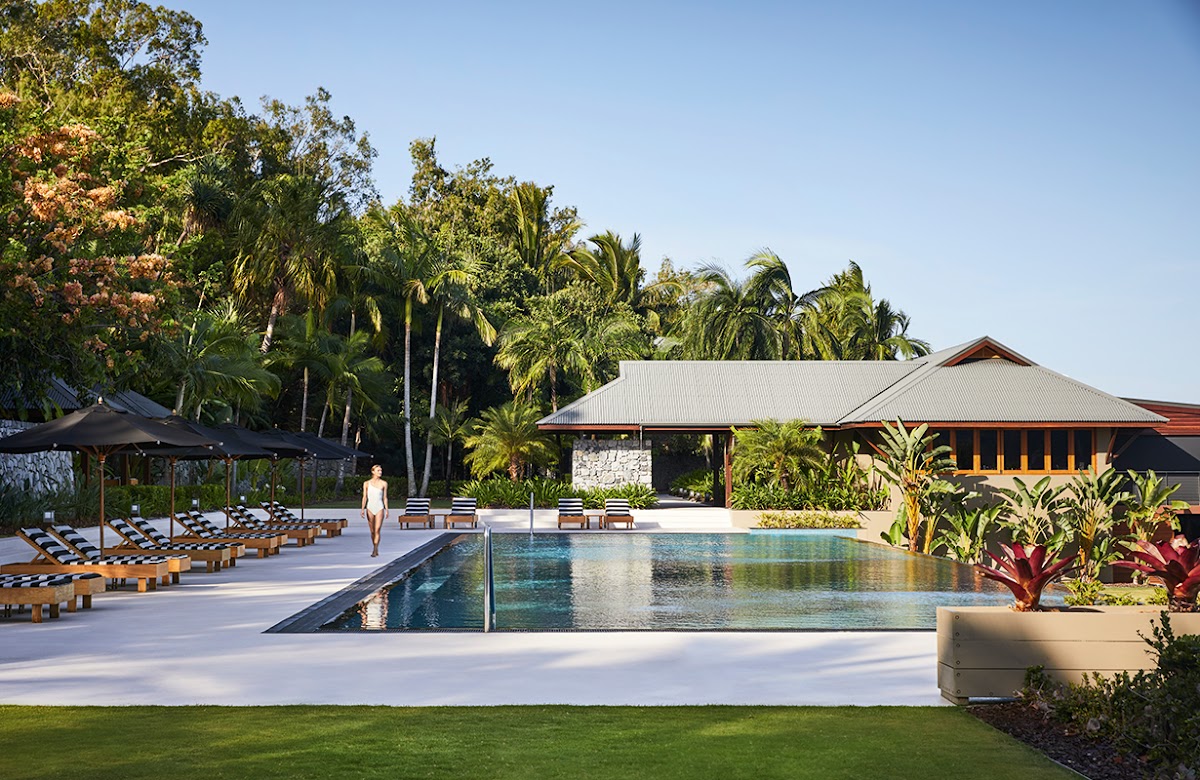 Hamilton Island
The Whitsundays, Queensland
Whitsundays island resort — Whitehaven Beach, reef trips and golf-buggy life
Explore the guide →
Hamilton Island
The Whitsundays, Queensland
Whitsundays island resort — Whitehaven Beach, reef trips and golf-buggy life
Explore the guide →
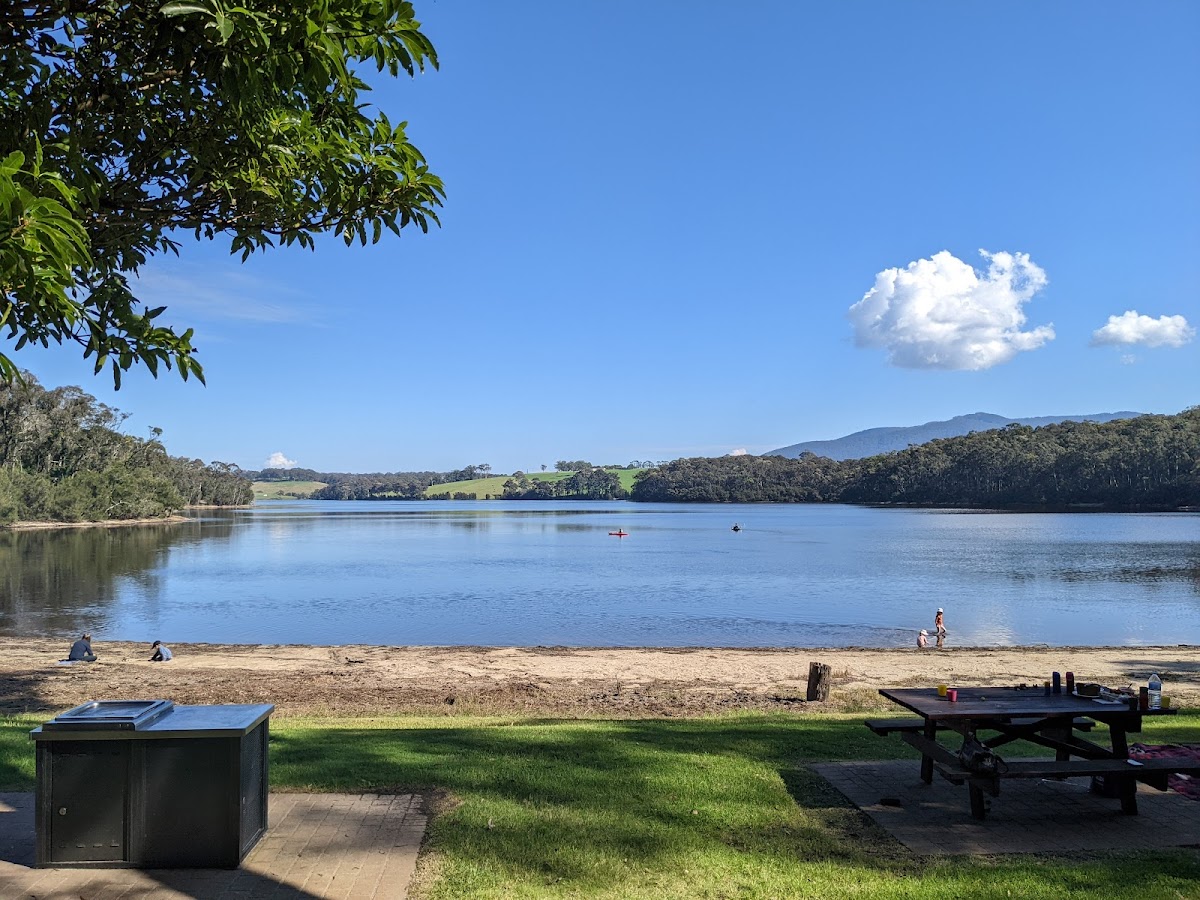 Narooma
South Coast, New South Wales
Crystal-clear inlet, surf beaches, oysters and Montague Island
Explore the guide →
Narooma
South Coast, New South Wales
Crystal-clear inlet, surf beaches, oysters and Montague Island
Explore the guide →
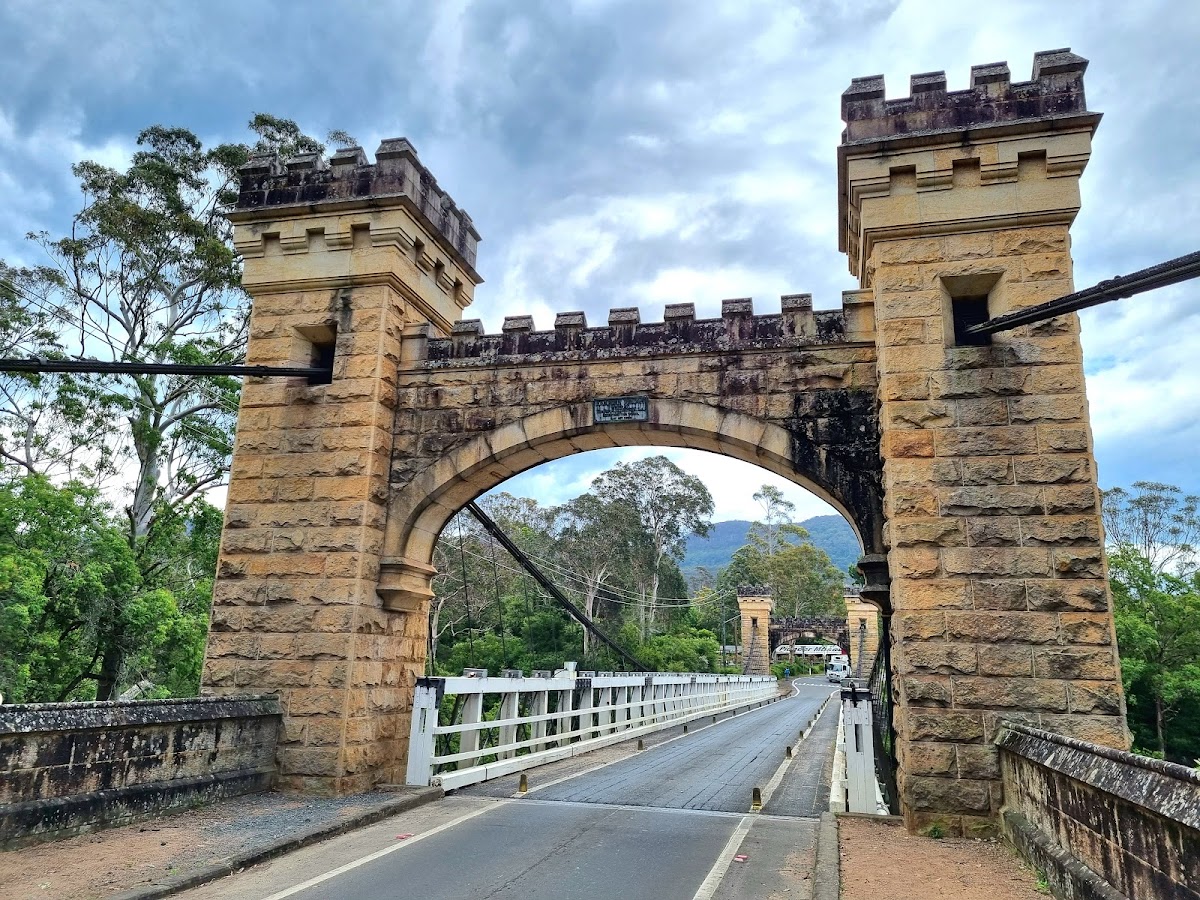 Kangaroo Valley
Shoalhaven, New South Wales
Hampden Bridge, kayaking and wombats in a green valley
Explore the guide →
Kangaroo Valley
Shoalhaven, New South Wales
Hampden Bridge, kayaking and wombats in a green valley
Explore the guide →
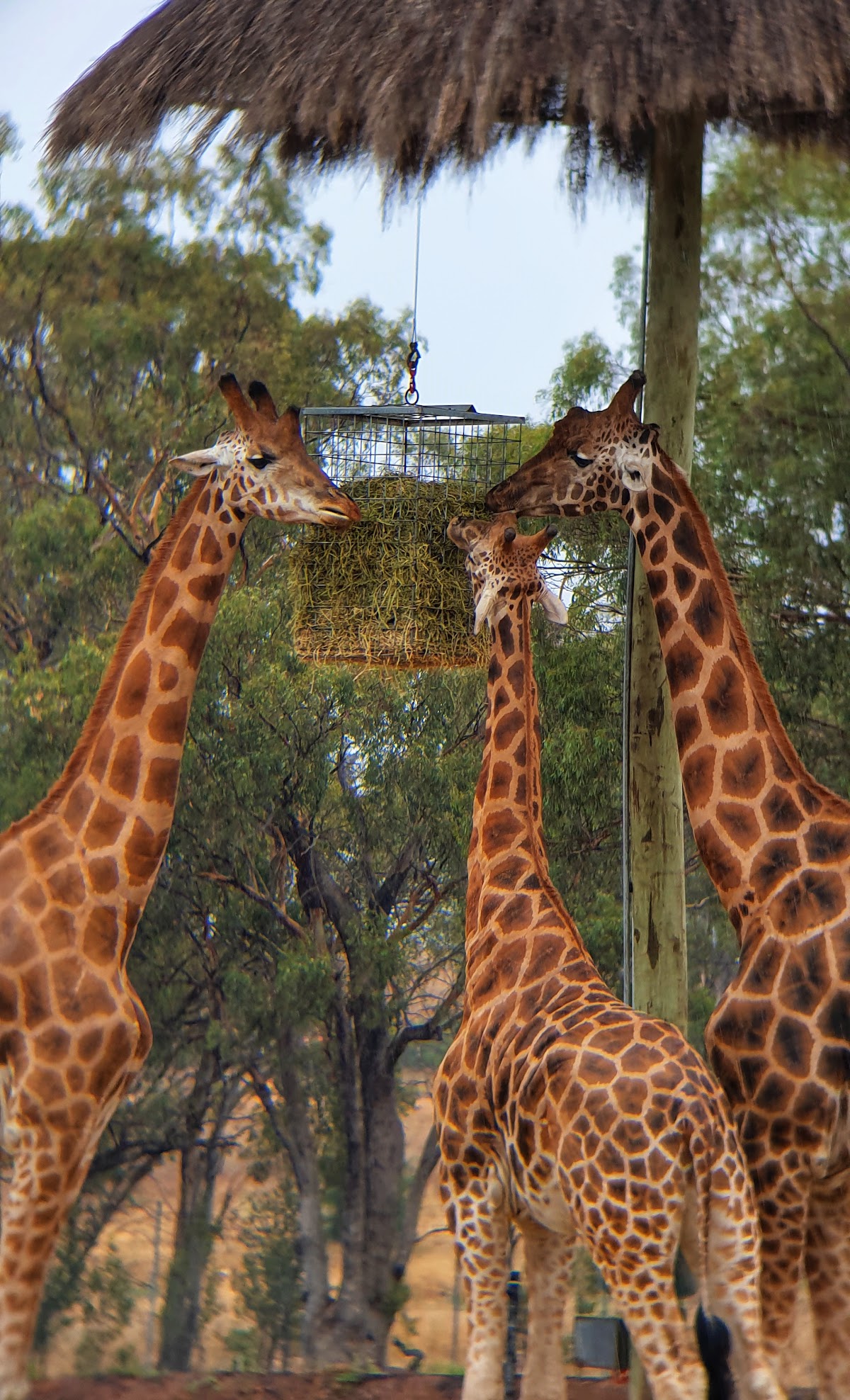 Dubbo
Central West, New South Wales
Open-range zoo and Outback gateway on the Macquarie River
Explore the guide →
Dubbo
Central West, New South Wales
Open-range zoo and Outback gateway on the Macquarie River
Explore the guide →
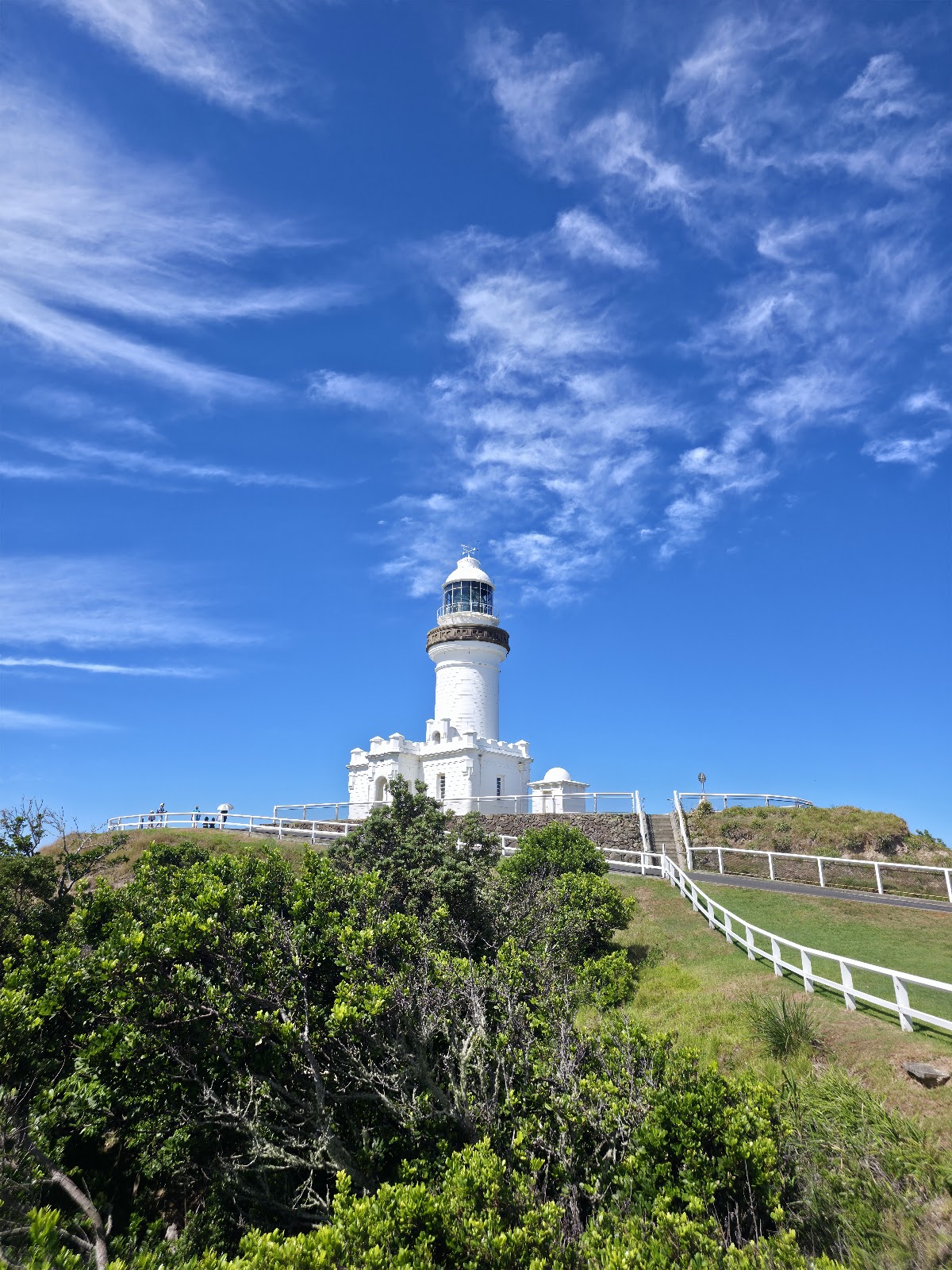 Byron Bay
Northern Rivers, New South Wales
Australia's iconic beach town and most easterly point
Explore the guide →
Byron Bay
Northern Rivers, New South Wales
Australia's iconic beach town and most easterly point
Explore the guide →
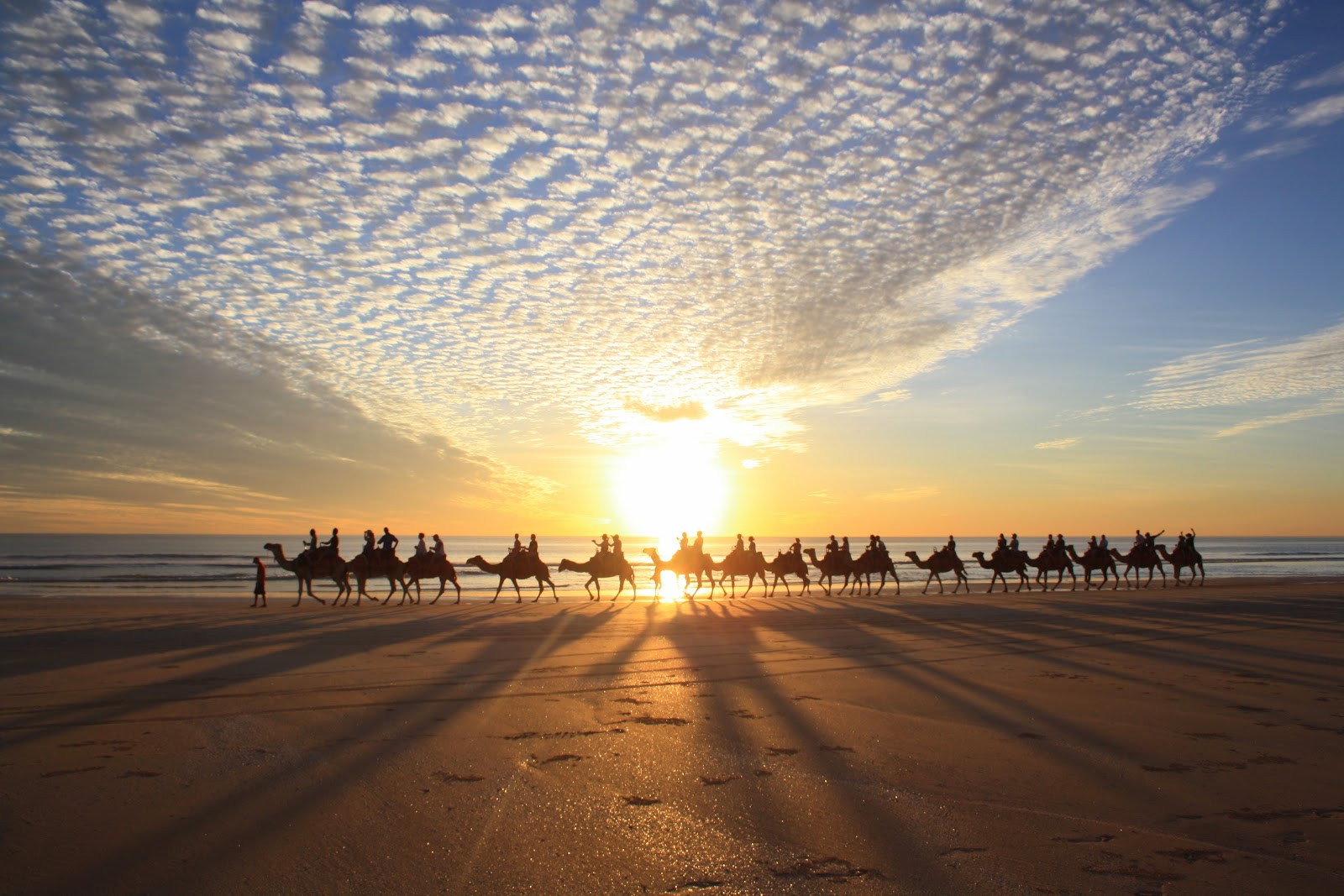 Broome
Australia's North West, Western Australia
Cable Beach sunsets, pearling history and camels on 22km of sand
Explore the guide →
Broome
Australia's North West, Western Australia
Cable Beach sunsets, pearling history and camels on 22km of sand
Explore the guide →
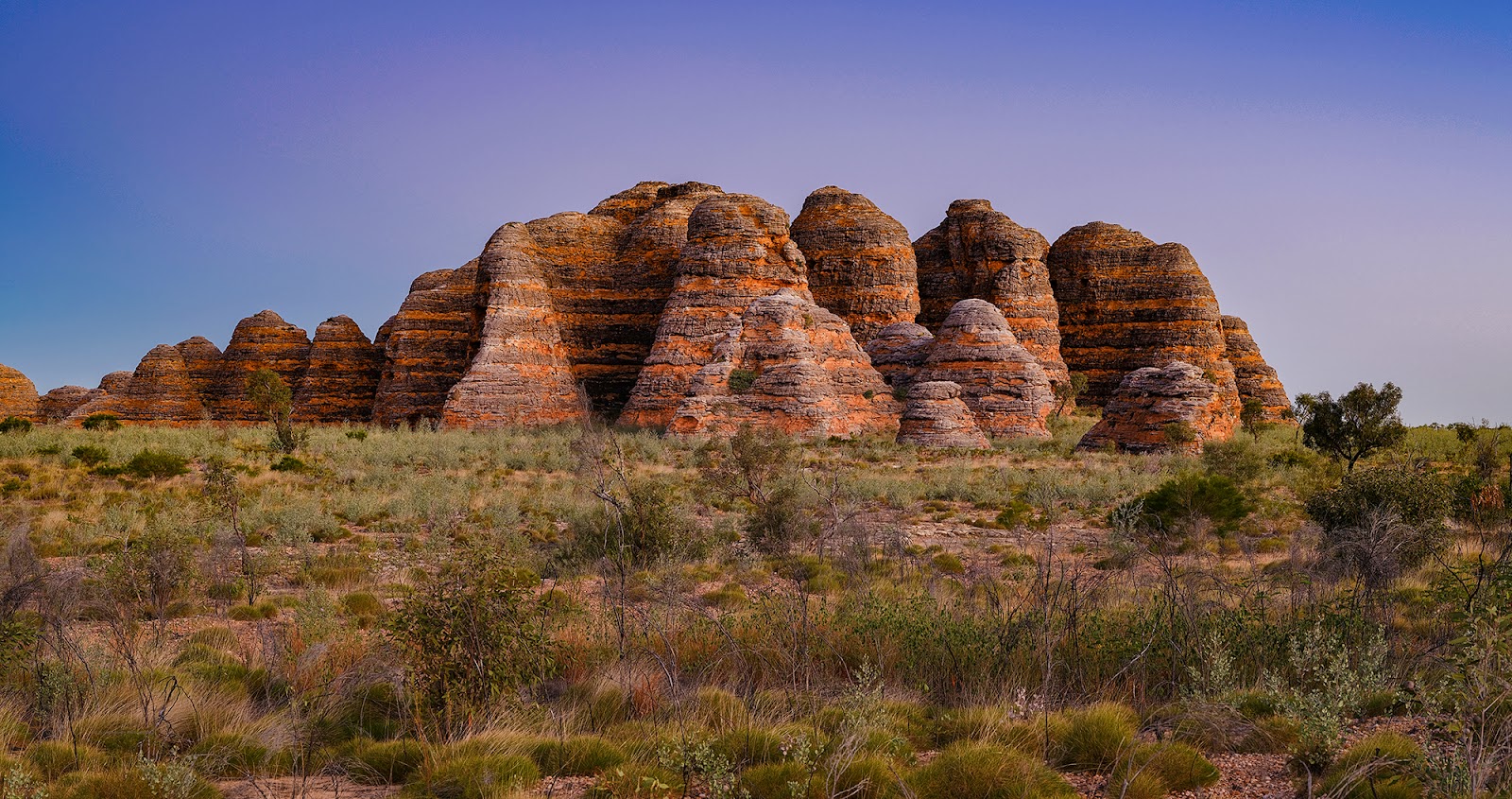 The Kimberley
Australia's North West, Western Australia
Gibb River Road, the Bungle Bungles, gorges and waterfalls in Australia's last frontier
Explore the guide →
The Kimberley
Australia's North West, Western Australia
Gibb River Road, the Bungle Bungles, gorges and waterfalls in Australia's last frontier
Explore the guide →
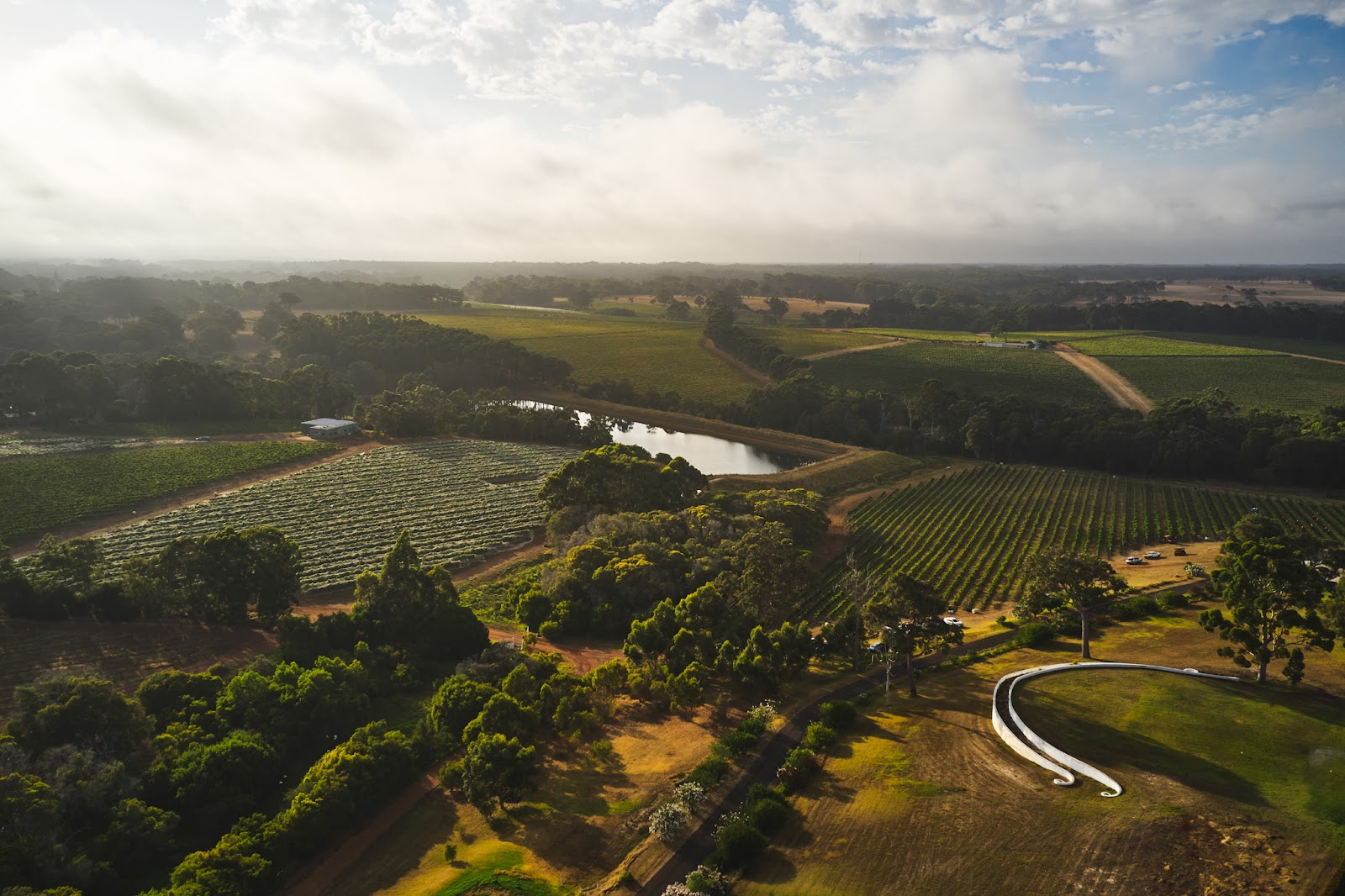 Margaret River
Australia's South West, Western Australia
World-class wineries, surf breaks and limestone caves three hours south of Perth
Explore the guide →
Margaret River
Australia's South West, Western Australia
World-class wineries, surf breaks and limestone caves three hours south of Perth
Explore the guide →