01. Cable Beach Club Resort & Spa
4.5 (968 reviews)
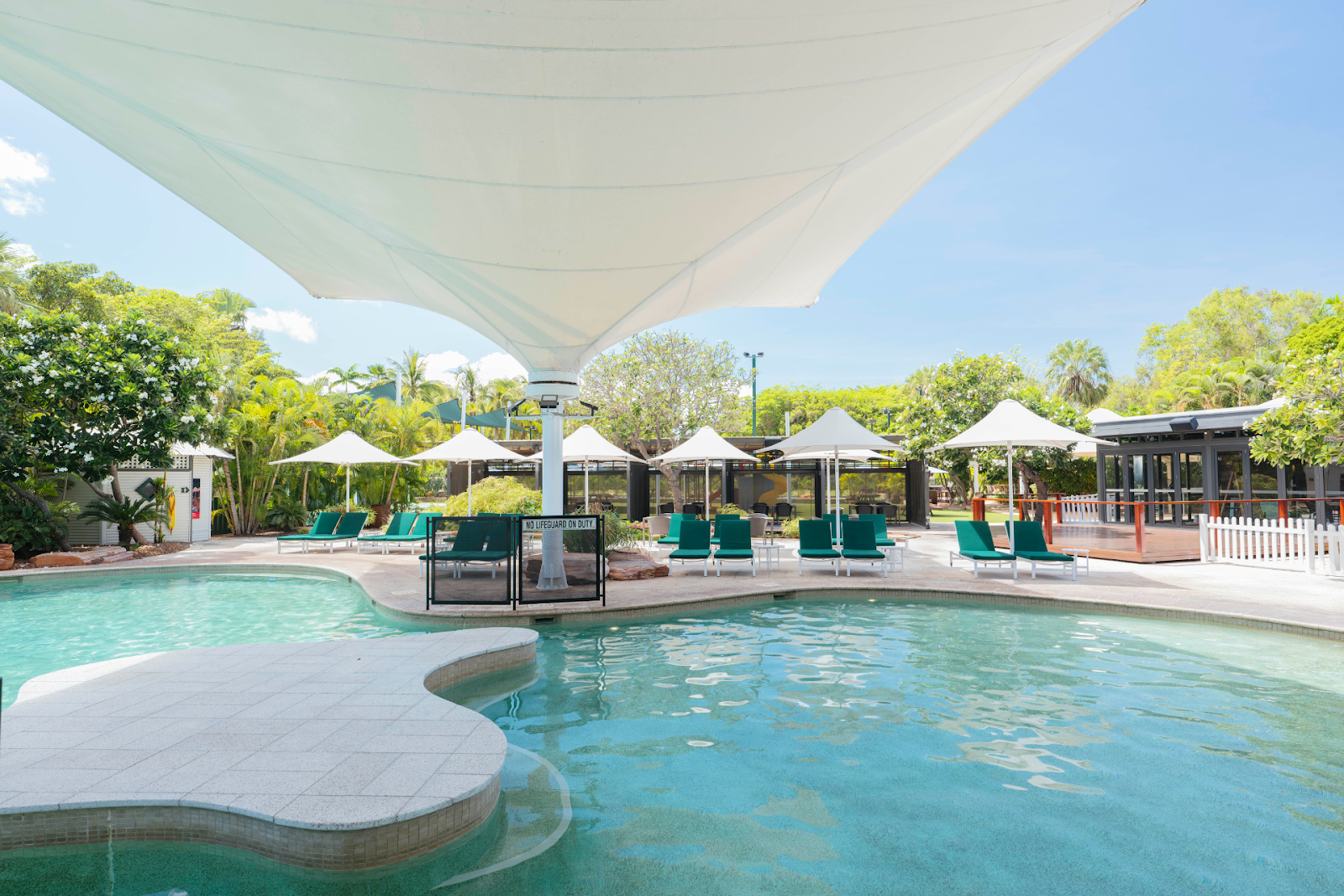
Cable Beach Club Resort & Spa — Broome
Book Direct & Save →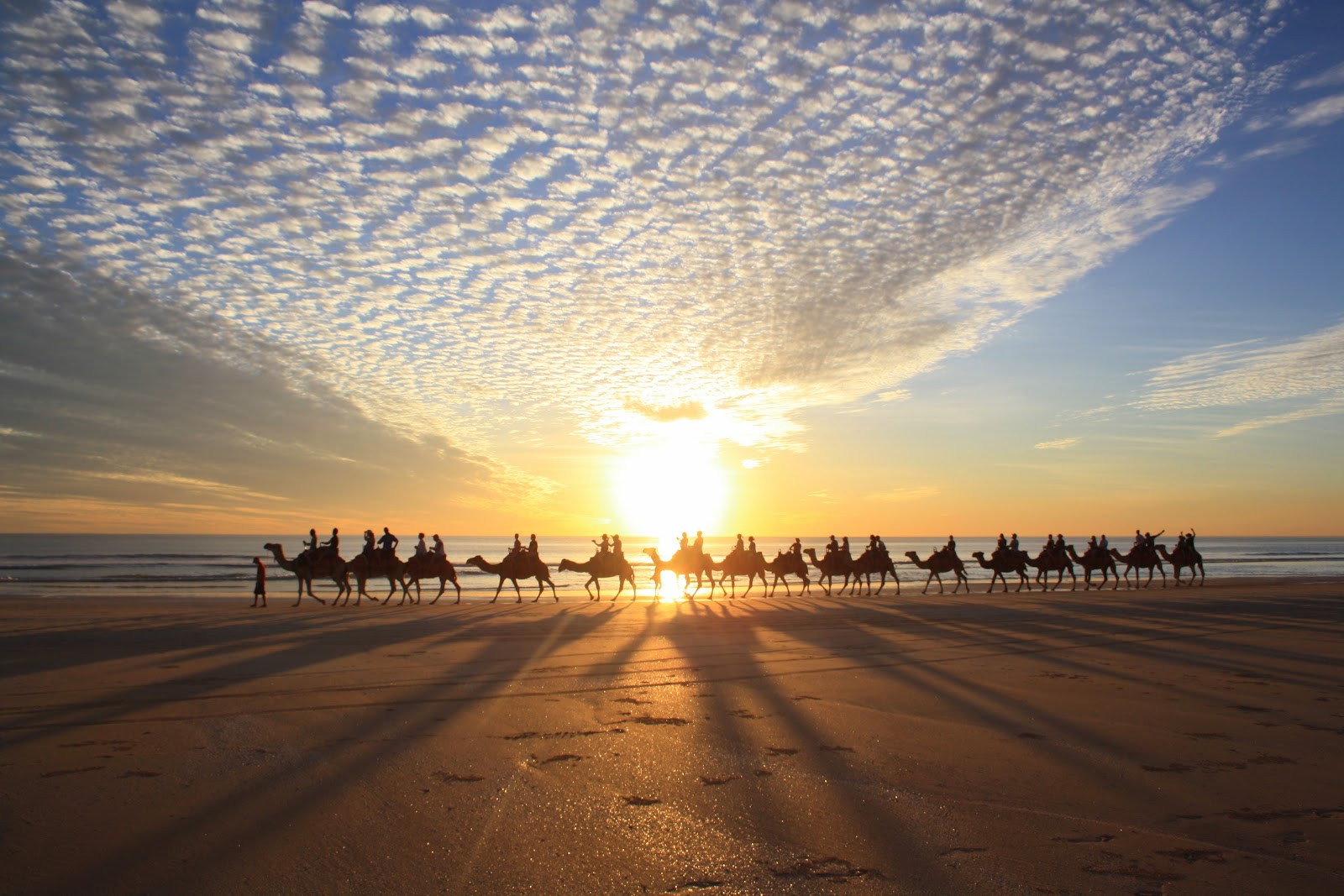
Broome doesn't sit on the coast so much as straddle two of them. On its western side, the Indian Ocean rolls onto Cable Beach — twenty-two kilometres of white sand where camels file along the tideline at sunset. On its eastern side, the turquoise sweep of Roebuck Bay laps red mangrove flats where snubfin dolphins surface and tens of thousands of migratory shorebirds gather. Between the two sits a town built on pearls, shaped by Japanese, Malay, Chinese and Aboriginal pearling crews, and now reinvented as the most accessible piece of the Kimberley most travellers will ever reach.
View 3 PropertiesThe things to do in Broome span every visitor type — the couple after a sunset camel ride and a cold mango beer, the family chasing 130-million-year-old dinosaur footprints across the reef at low tide, the photographer waiting for the full moon to light the mudflats of Roebuck Bay, the angler after barramundi and threadfin salmon, and the history-minded traveller tracing the pearling boom through Chinatown's verandahs and the Japanese Cemetery. This Broome travel guide covers all of it, organised by what you're actually looking for rather than what a brochure decided you should want.
It is also honest about the parts a brochure skips: this is the tropical north, and the water here is not the water of a southern beach holiday. Saltwater crocodiles live in these creeks and bays, and box jellyfish and Irukandji drift in over the Wet-season months. Cable Beach is the patrolled swim and the safe default; Roebuck Bay is for looking, not swimming. Every section below links to a dedicated in-depth guide — here's everything Broome does well, and how to do each of it safely.
 Things to Do
A full Broome day — sunset camels, dinosaur footprints, Sun Pictures, pearl farms, Matso’s and the Staircase to the Moon
Best Things to Do in Broome →
Things to Do
A full Broome day — sunset camels, dinosaur footprints, Sun Pictures, pearl farms, Matso’s and the Staircase to the Moon
Best Things to Do in Broome →
 Beaches
Cable Beach, Town Beach, Reddell Beach’s red cliffs, Gantheaume Point and the look-don’t-swim shores of Roebuck Bay
Best Beaches in Broome →
Beaches
Cable Beach, Town Beach, Reddell Beach’s red cliffs, Gantheaume Point and the look-don’t-swim shores of Roebuck Bay
Best Beaches in Broome →
 Cable Beach
The 22km main event — sunset camel rides, the 4WD north end, where to swim safely and the best sundowner spots
Cable Beach Guide →
Cable Beach
The 22km main event — sunset camel rides, the 4WD north end, where to swim safely and the best sundowner spots
Cable Beach Guide →
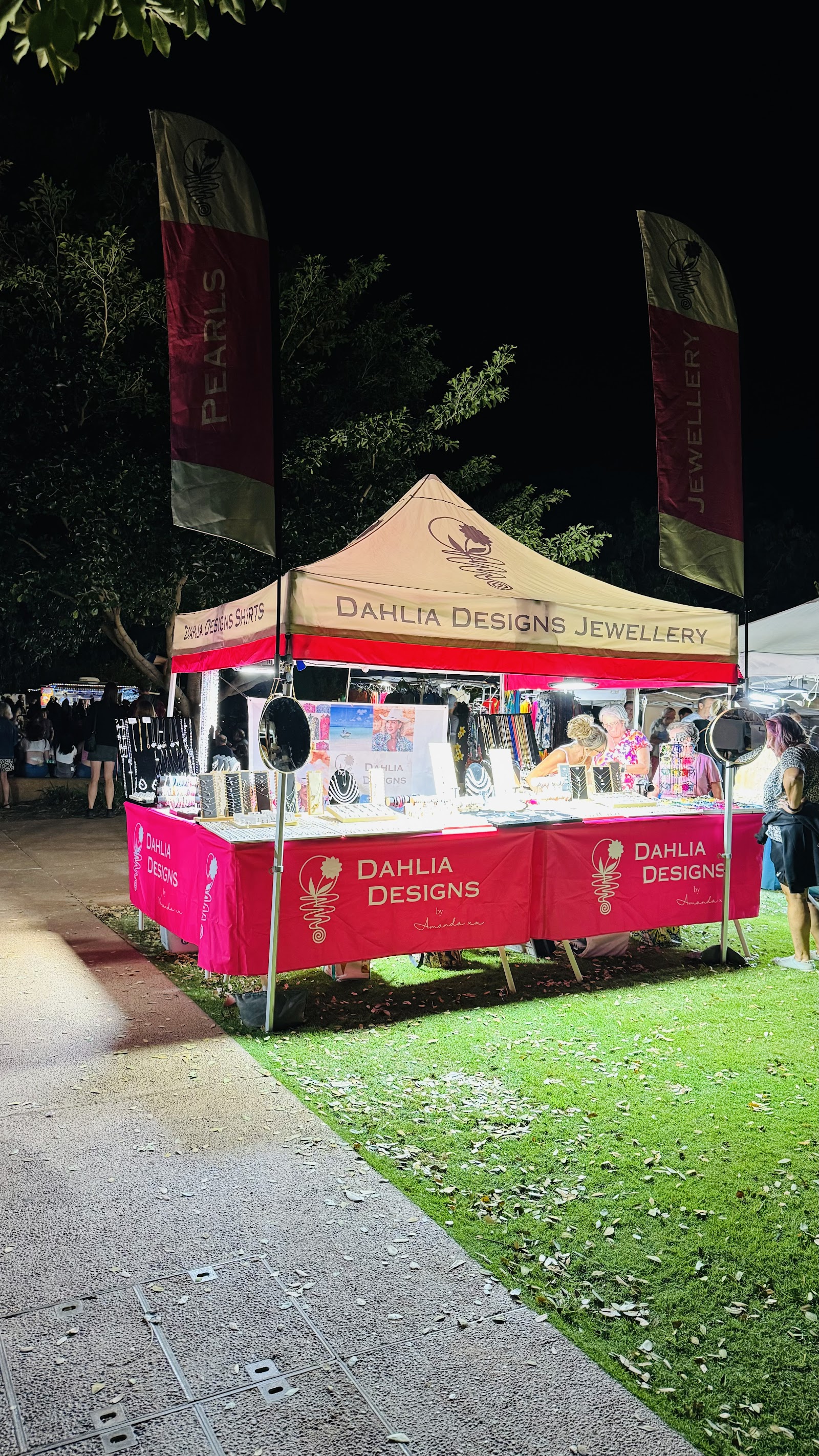 Staircase to the Moon
The full-moon optical phenomenon over Roebuck Bay — dates, the best viewing spots and the Town Beach night markets
Staircase to the Moon Guide →
Staircase to the Moon
The full-moon optical phenomenon over Roebuck Bay — dates, the best viewing spots and the Town Beach night markets
Staircase to the Moon Guide →
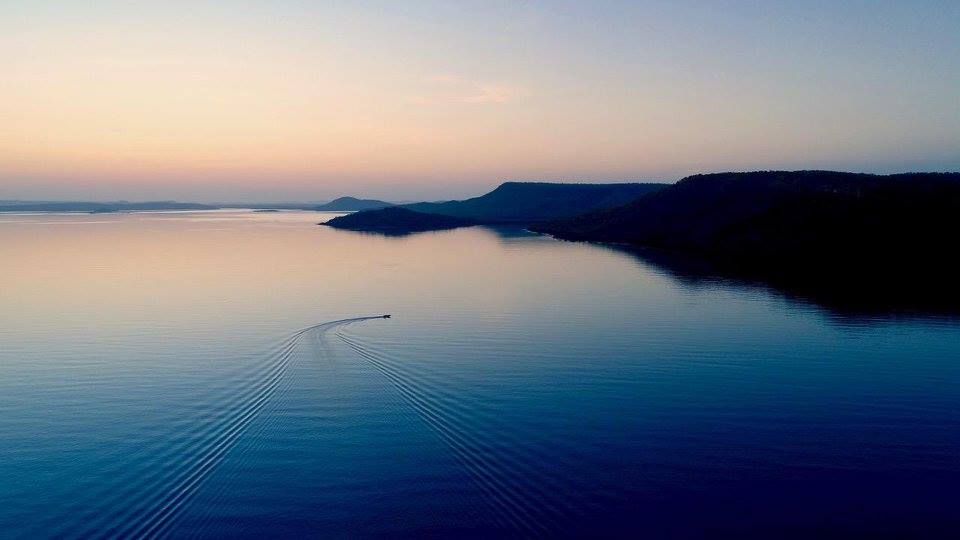 Fishing
Barramundi, threadfin salmon, mangrove jack and bluewater sportfishing — spots, charters, seasons and croc-safe shore fishing
Fishing in Broome →
Fishing
Barramundi, threadfin salmon, mangrove jack and bluewater sportfishing — spots, charters, seasons and croc-safe shore fishing
Fishing in Broome →
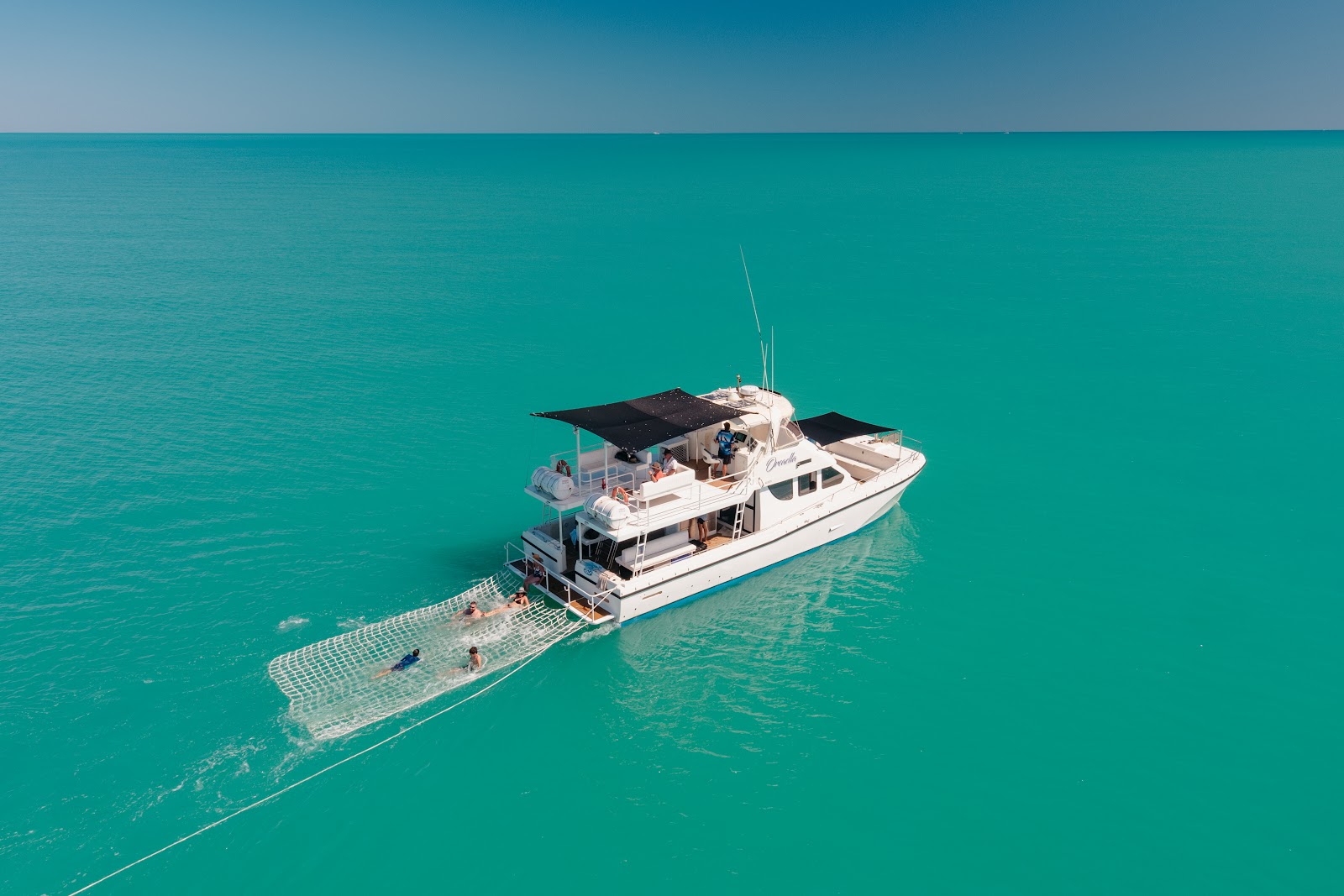 Whale Watching
The humpback migration June–November through the Kimberley — boat tours, what you’ll see and when to go
Whale Watching in Broome →
Whale Watching
The humpback migration June–November through the Kimberley — boat tours, what you’ll see and when to go
Whale Watching in Broome →
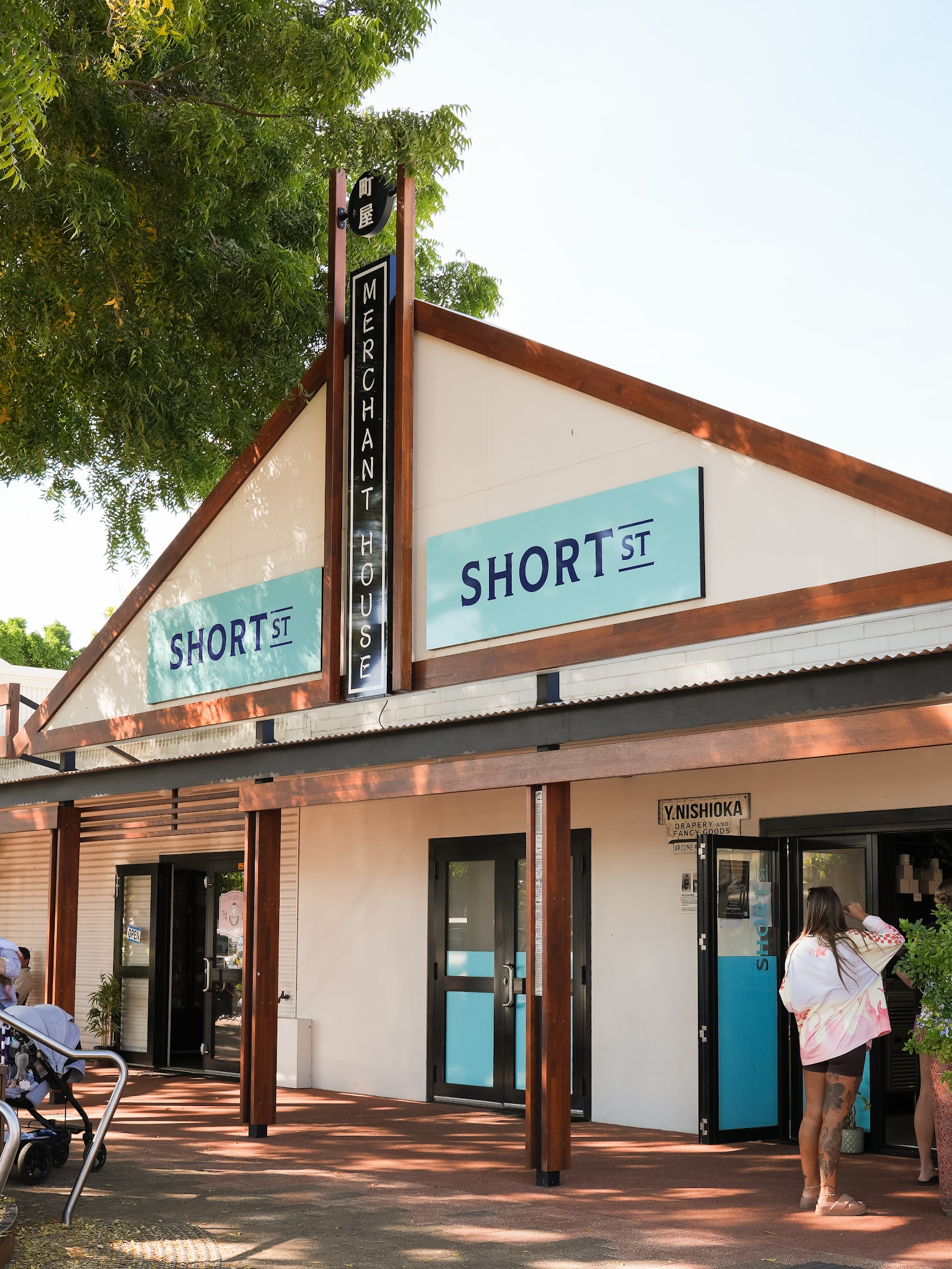 Best Cafes
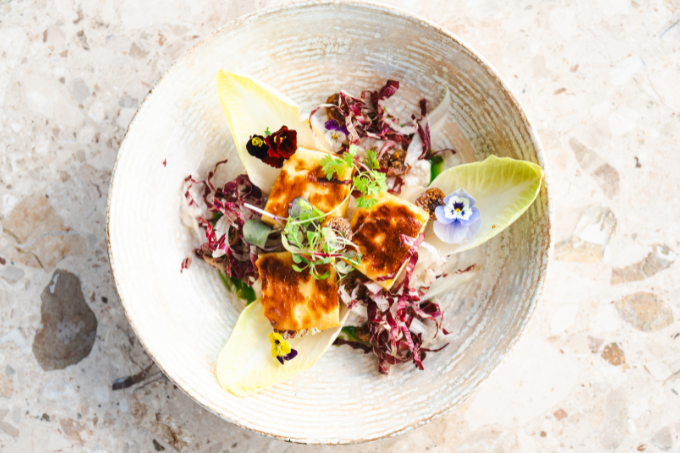
Where to eat and drink — Broome’s coffee, the seafood, Chinatown and Matso’s mango beer
Best Cafes in Broome →
Best Cafes
Where to eat and drink — Broome’s coffee, the seafood, Chinatown and Matso’s mango beer
Best Cafes in Broome →
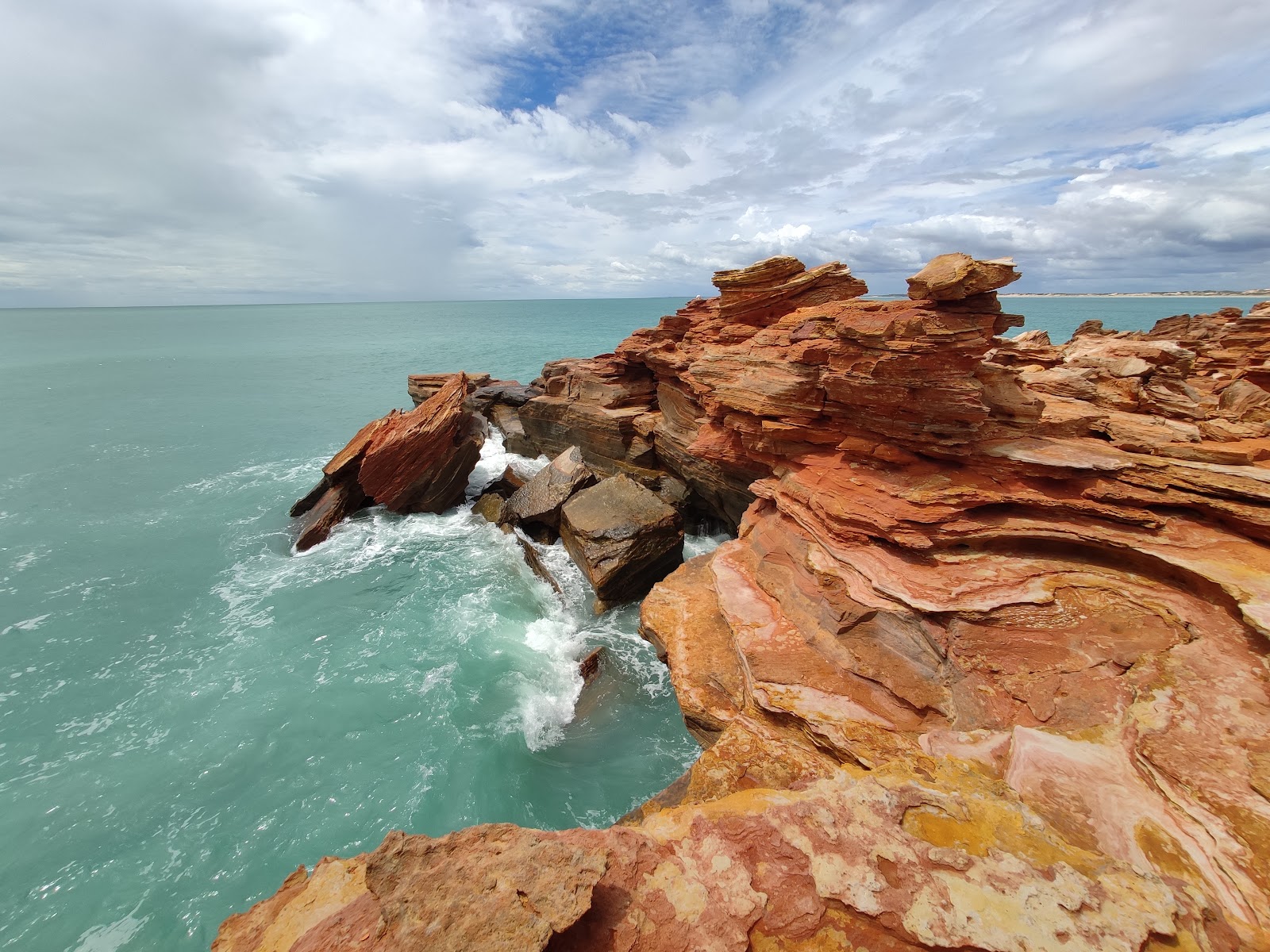 Best Walks
Gantheaume Point, the Cable Beach to Gantheaume stretch, Town Beach mangroves and the Chinatown heritage trail
Best Walks in Broome →
Best Walks
Gantheaume Point, the Cable Beach to Gantheaume stretch, Town Beach mangroves and the Chinatown heritage trail
Best Walks in Broome →
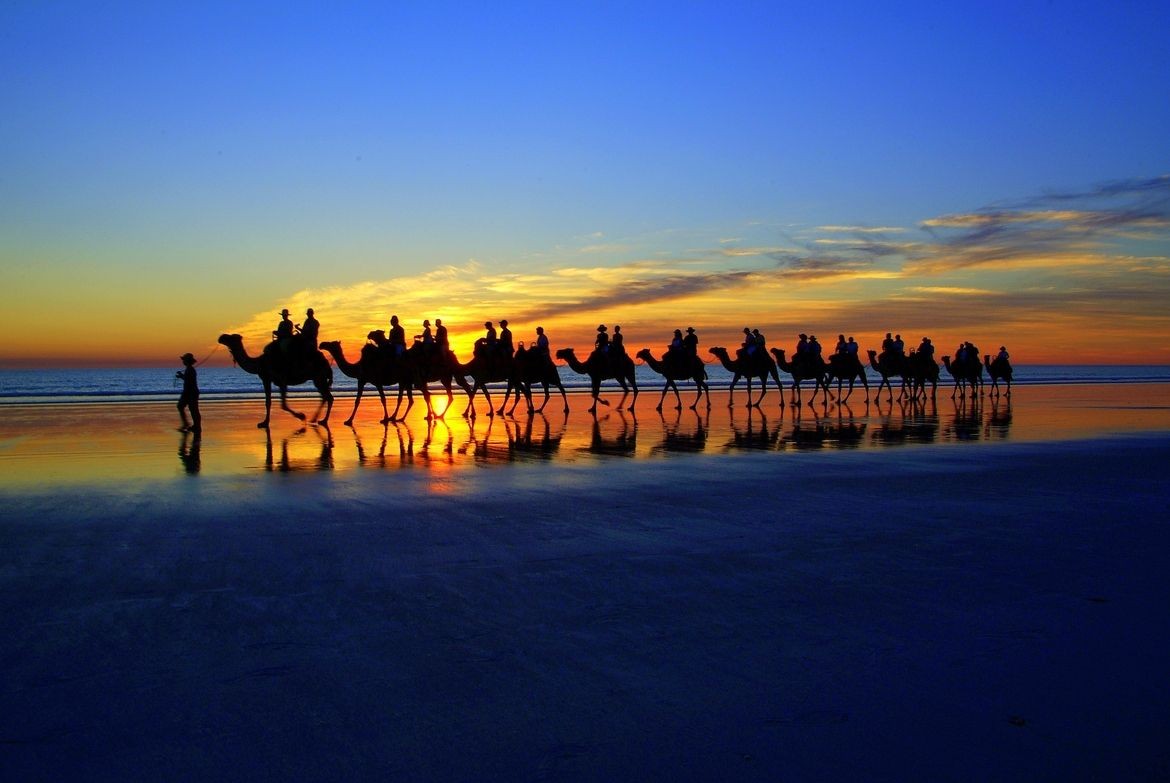 Weekend Itinerary
Three days planned out — Cable Beach sunset through the pearl farms and the dinosaur footprints
Weekend Itinerary for Broome →
Weekend Itinerary
Three days planned out — Cable Beach sunset through the pearl farms and the dinosaur footprints
Weekend Itinerary for Broome →
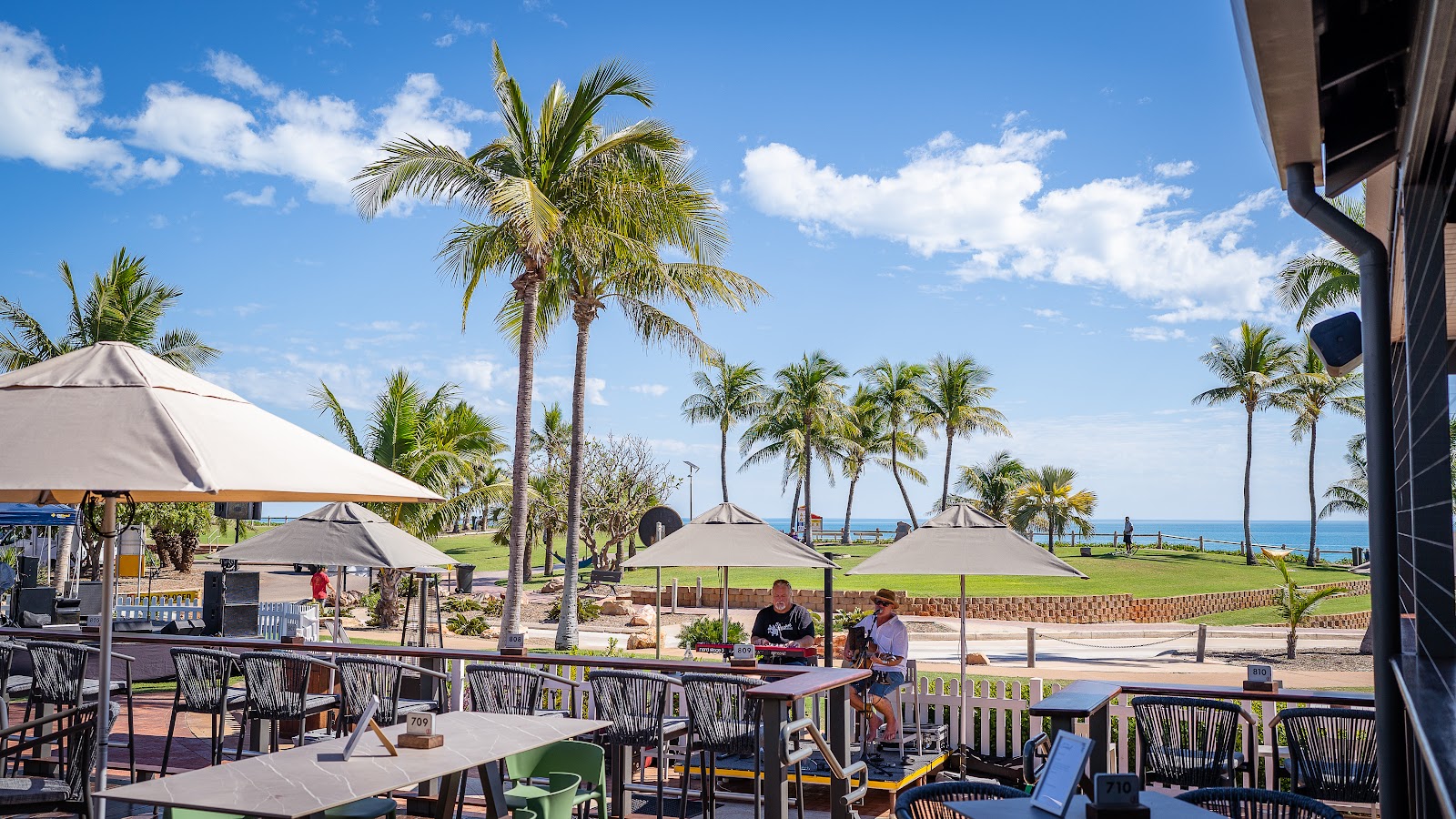 Romantic Getaways
Couples stays, sunset camels, pearl shopping, Cable Beach sundowners and Staircase dinners
Romantic Getaways in Broome →
Romantic Getaways
Couples stays, sunset camels, pearl shopping, Cable Beach sundowners and Staircase dinners
Romantic Getaways in Broome →
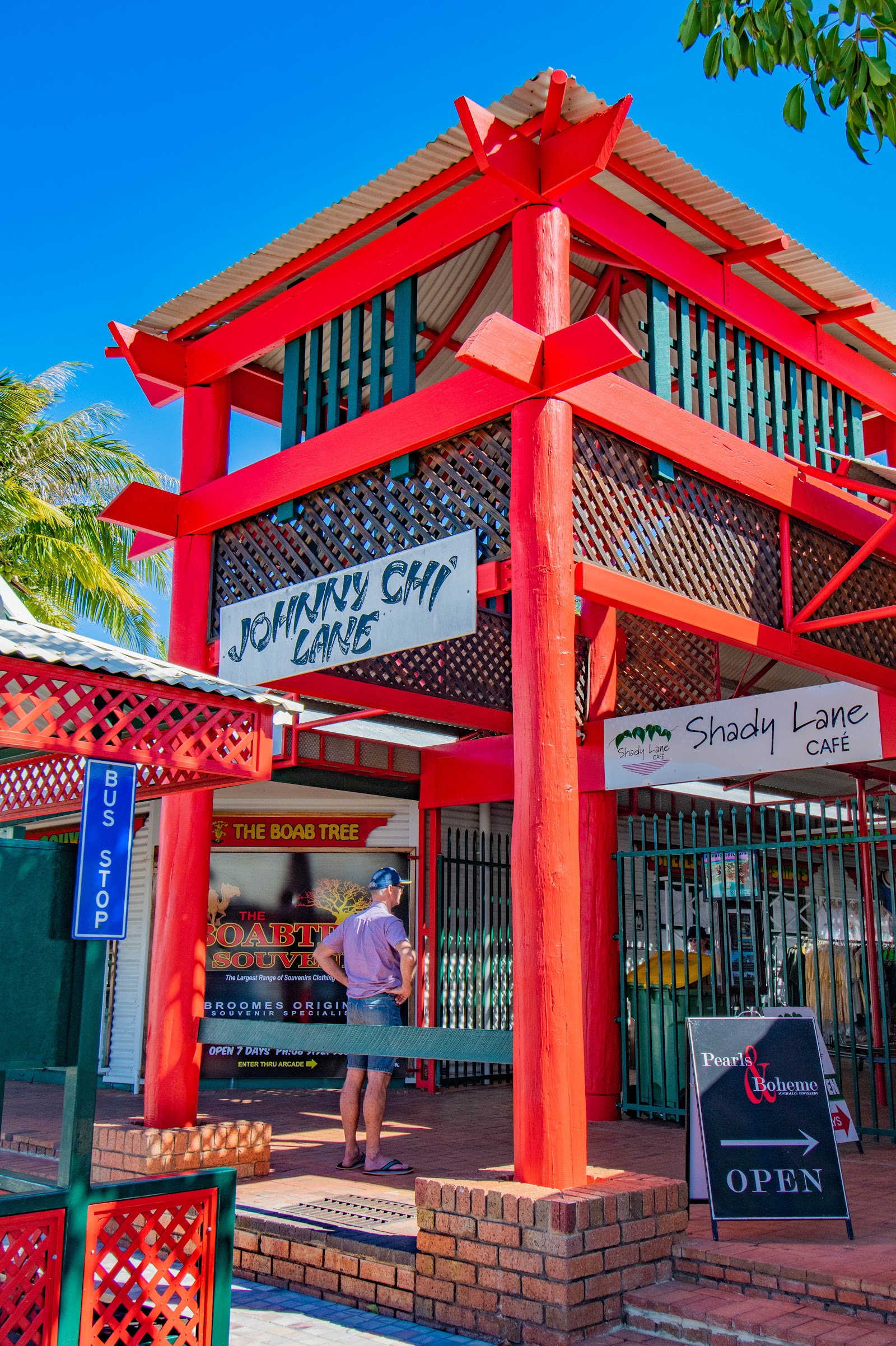 First-Timer Guide
When to come (Dry vs Wet), getting there, what to book and the crocodile and stinger safety you need to know
First-Time Visitor Guide to Broome →
First-Timer Guide
When to come (Dry vs Wet), getting there, what to book and the crocodile and stinger safety you need to know
First-Time Visitor Guide to Broome →
 Broome With Kids
Camel rides, the Town Beach water park, the croc park, dinosaur footprints and safe family swimming
Broome With Kids →
Broome With Kids
Camel rides, the Town Beach water park, the croc park, dinosaur footprints and safe family swimming
Broome With Kids →
 Hidden Gems
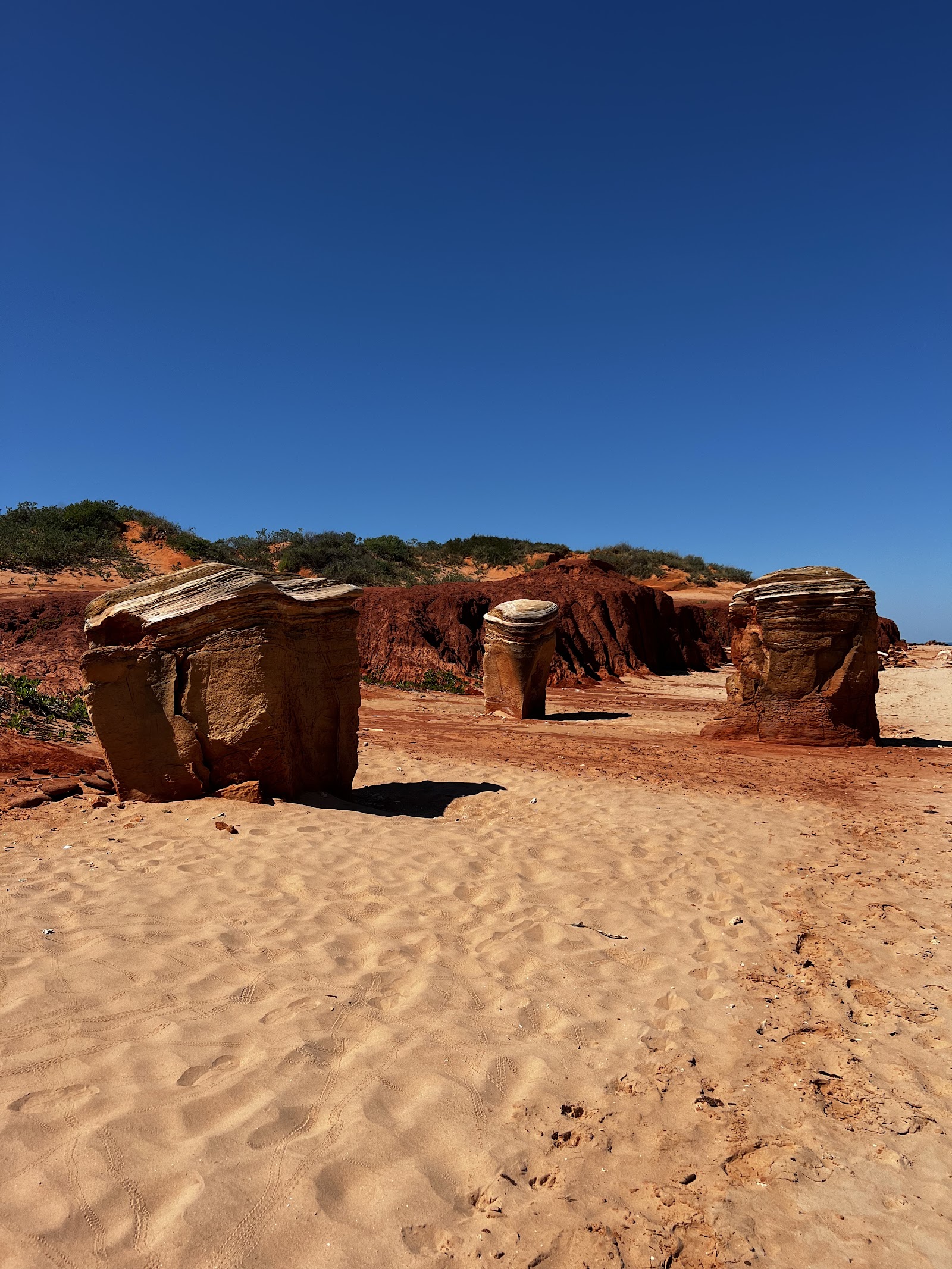
The quieter side — Reddell Beach at sunset, the Japanese Cemetery, Anastasia’s Pool and the bird observatory
Hidden Gems in Broome →
Hidden Gems
The quieter side — Reddell Beach at sunset, the Japanese Cemetery, Anastasia’s Pool and the bird observatory
Hidden Gems in Broome →
 Free Things to Do
Cable Beach sunset, dinosaur footprints, Reddell Beach, Chinatown and the Staircase to the Moon
Free Things to Do in Broome →
Free Things to Do
Cable Beach sunset, dinosaur footprints, Reddell Beach, Chinatown and the Staircase to the Moon
Free Things to Do in Broome →
 Indoor Activities
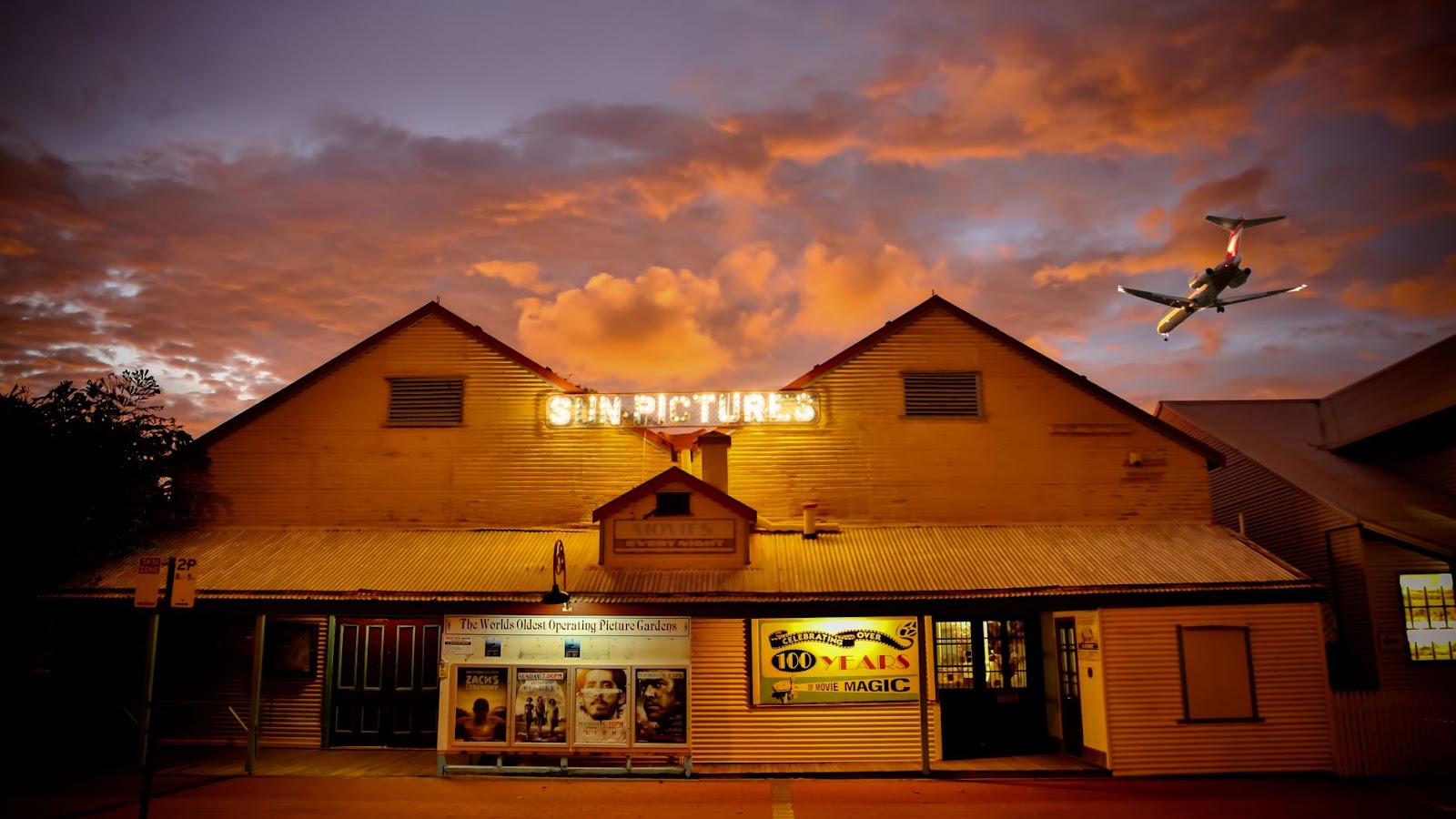
Rainy-Wet-season options — Sun Pictures cinema, the pearl museums, galleries and Pearl Luggers
Indoor Activities in Broome →
Indoor Activities
Rainy-Wet-season options — Sun Pictures cinema, the pearl museums, galleries and Pearl Luggers
Indoor Activities in Broome →
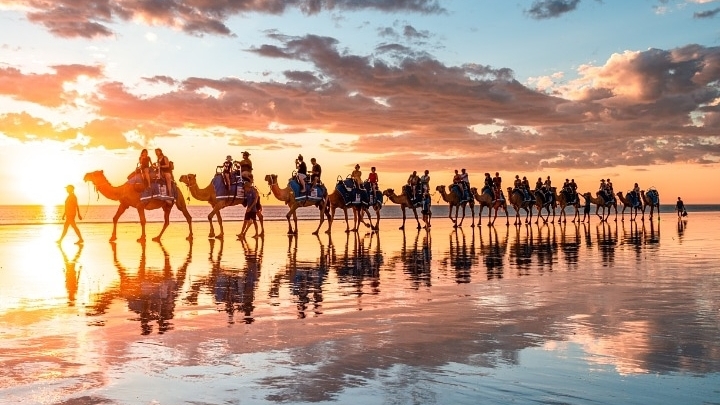
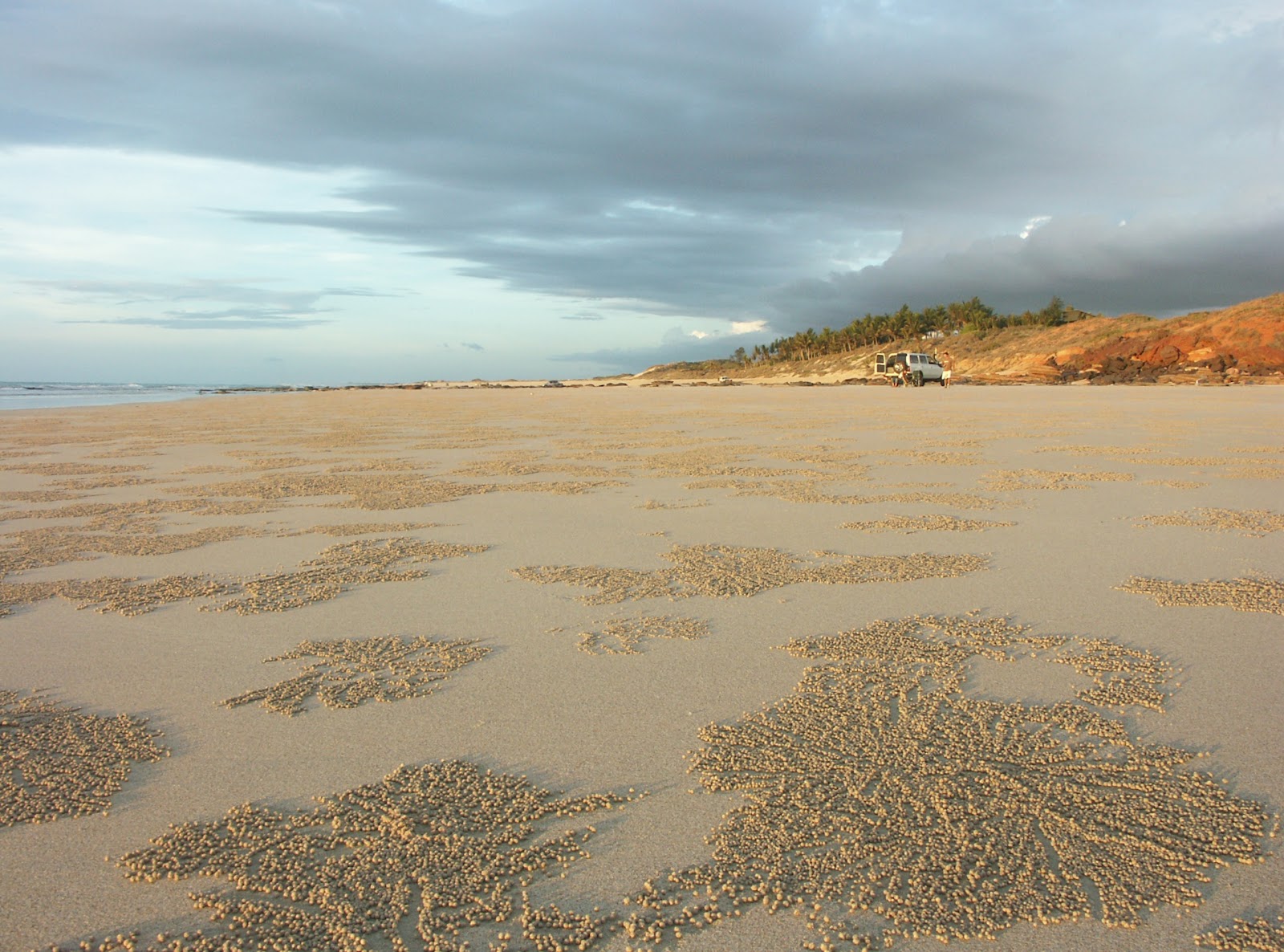
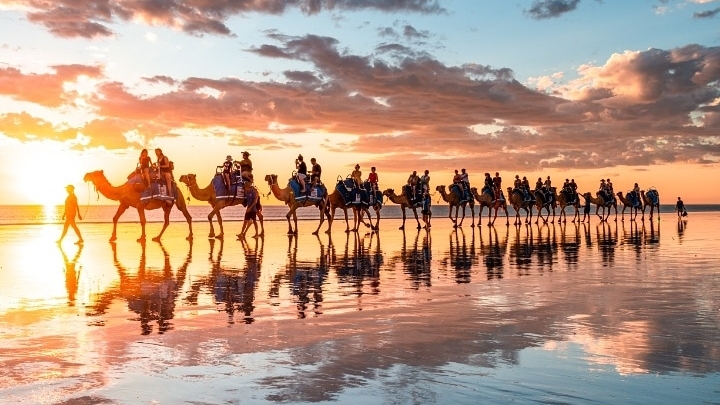
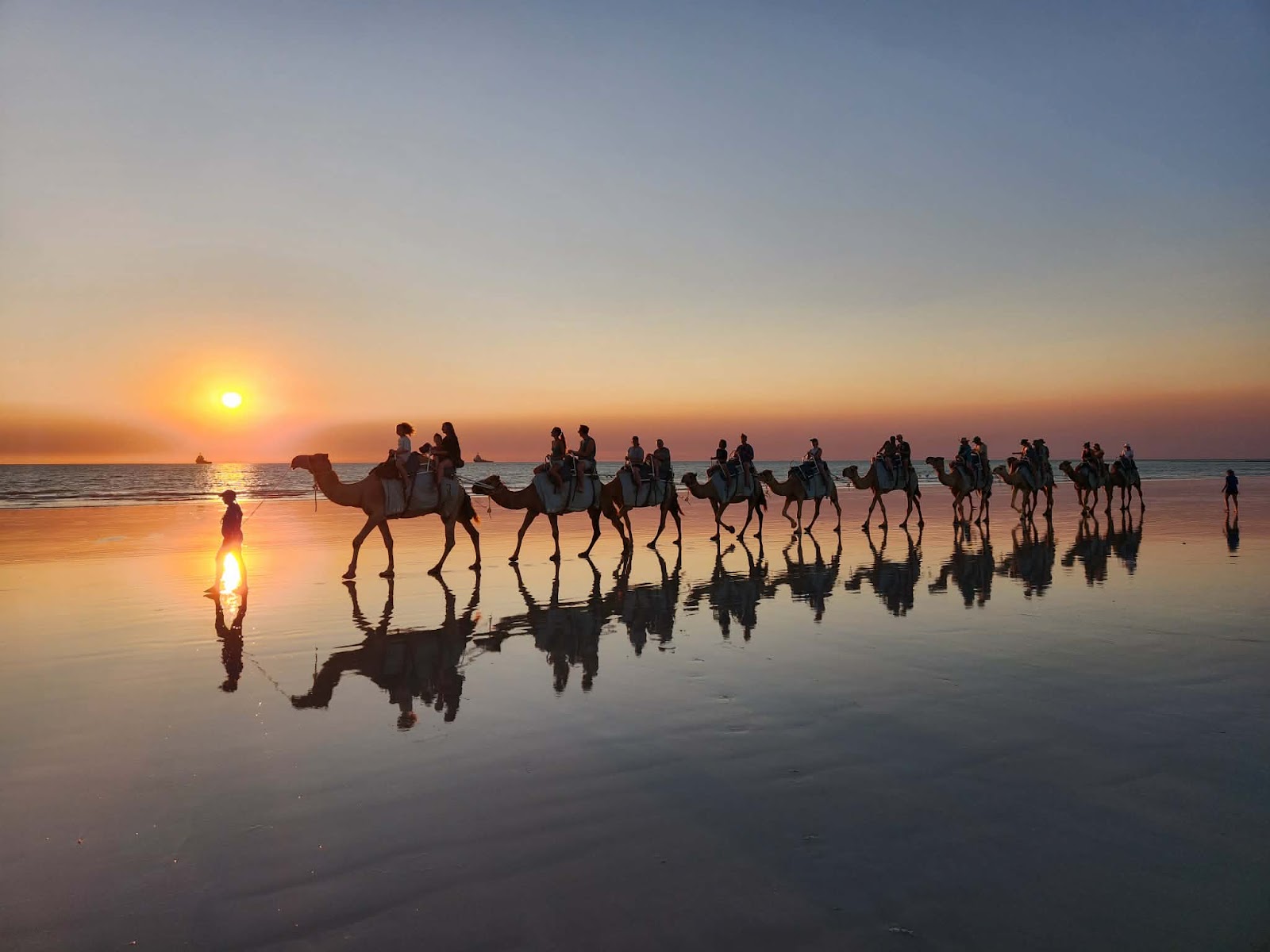
Cable Beach is the reason most people first picture Broome, and for once the picture is accurate. Twenty-two kilometres of white sand run dead straight along the Indian Ocean, broad and firm enough at low tide that 4WDs cruise the northern end and camel trains file along the tideline as the sun drops. The sunset here is a genuine event — half the town drives out, sets up chairs above the high-water mark, and watches the sky run through orange to deep red before the green flash on a clear evening.
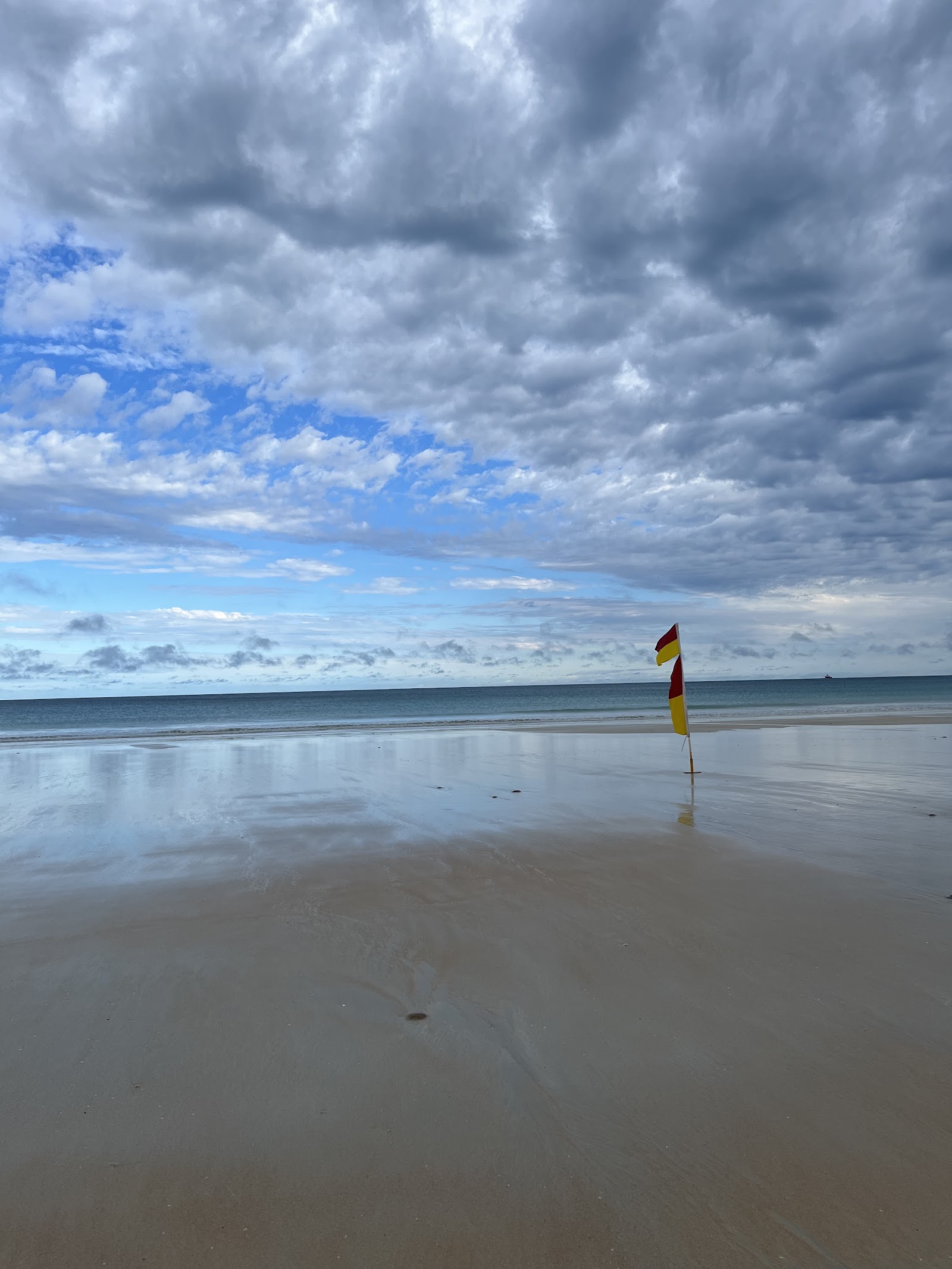
Swimming is safe and patrolled at the southern, main end during the Dry, where Surf Life Saving WA flags the beach and runs a stinger-aware patrol. The northern end, beyond the rocks and the 4WD ramp, is clothing-optional and quieter, but it is unpatrolled — and from roughly October to May, box jellyfish and Irukandji mean you respect every sign and stay out of the water unless it's flagged. A sunset camel ride with one of the long-running operators, a cold drink at the Sunset Bar, and a swim between the flags before dusk is the classic Cable Beach evening.
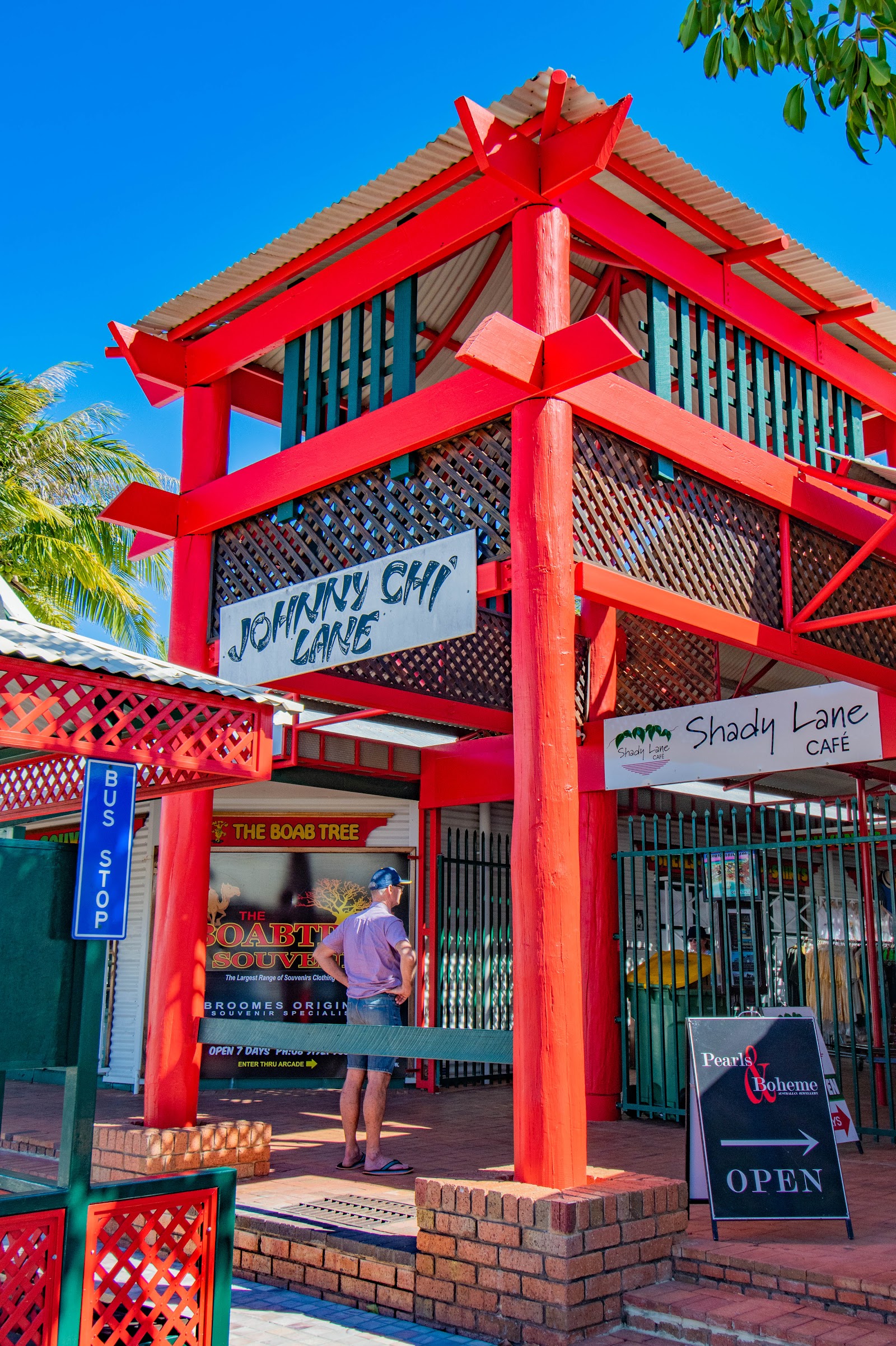
Broome exists because of pearls. From the 1880s it was the pearling capital of the world, and the dangerous work of diving for pearl shell drew Japanese, Malay, Chinese, Filipino and Koepanger crews to a town that became one of the most multicultural places in Australia long before that was fashionable. You feel that history everywhere: in the corrugated-iron verandahs and pearl showrooms of Chinatown, in the weathered headstones of the Japanese Cemetery (the resting place of more than 900 pearl divers), and in the working pearl farms still producing the South Sea pearls Broome is famous for.
The history is easy to walk into. Pearl Luggers in Chinatown tells the diving story with original luggers and a hard-hat demonstration; Willie Creek Pearl Farm, a drive north of town, shows the modern cultured-pearl operation on a tidal creek; and Cygnet Bay, further out on the Dampier Peninsula, runs the oldest Australian-owned pearl farm of all. Even a slow morning wandering Chinatown's lanes, coffee in hand, reading the heritage plaques, tells you more about who built this place than any museum could.
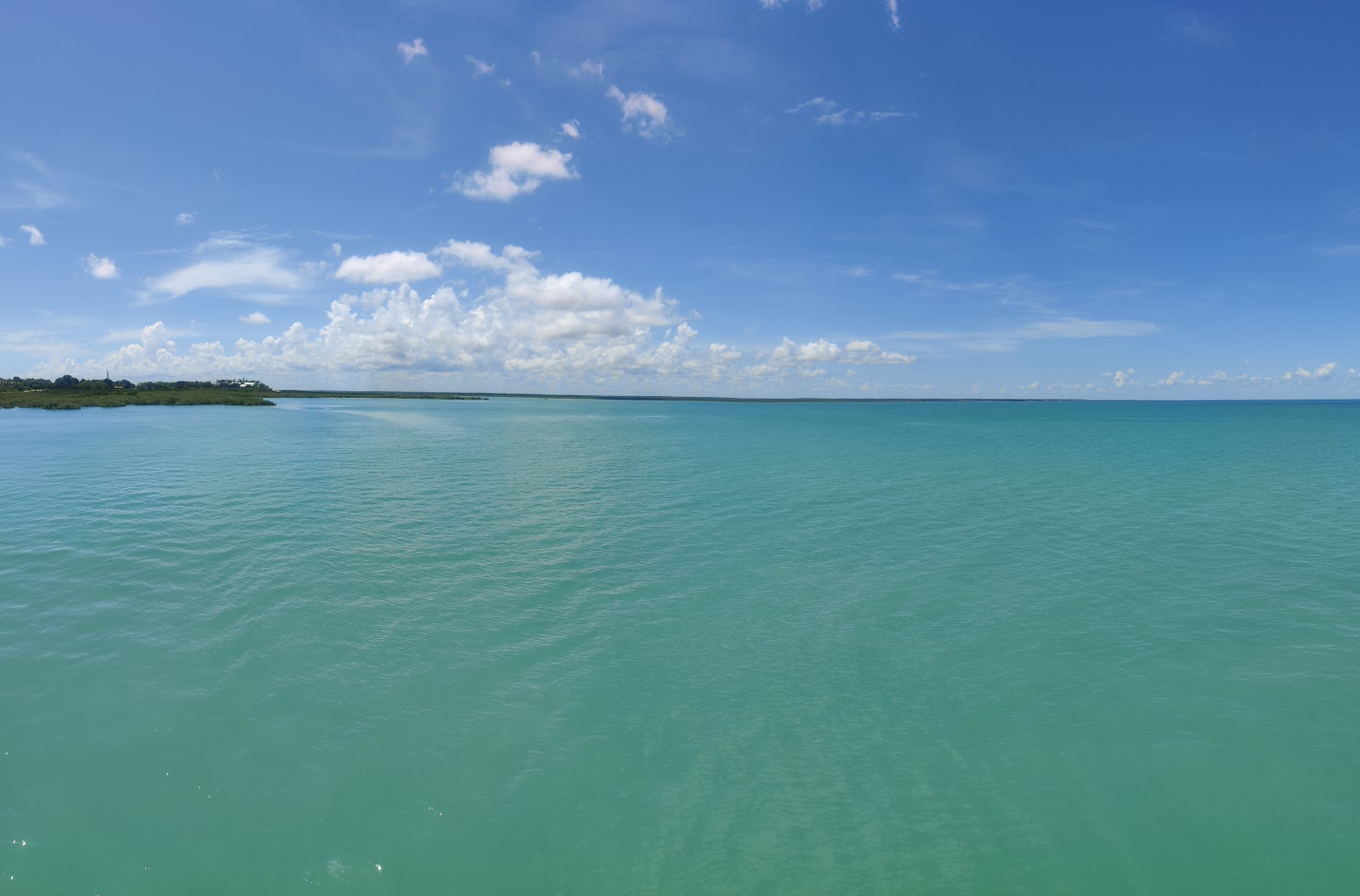
On the town side of Broome, Roebuck Bay is one of the most important shorebird sites on the planet. Each year tens of thousands of migratory waders — from godwits to sandpipers — fly in from the Arctic to feed on its rich mudflats, and the Broome Bird Observatory on the bay's shore is one of Australia's premier birdwatching bases. The bay is also home to the rare Australian snubfin dolphin, found only in northern Australian waters, which surfaces in the shallows on calm mornings.
The colour alone stops people: when the tide fills the bay over the red pindan cliffs, the water turns an electric turquoise that looks unreal next to the rust-red earth. It is, however, a look-don't-swim bay. Saltwater crocodiles move through these mangrove creeks, and the mudflats and stingers make it unsuitable for swimming regardless. Come for the birds, the dolphins, the Staircase to the Moon over the flats, and the colour — and keep the swimming for patrolled Cable Beach.
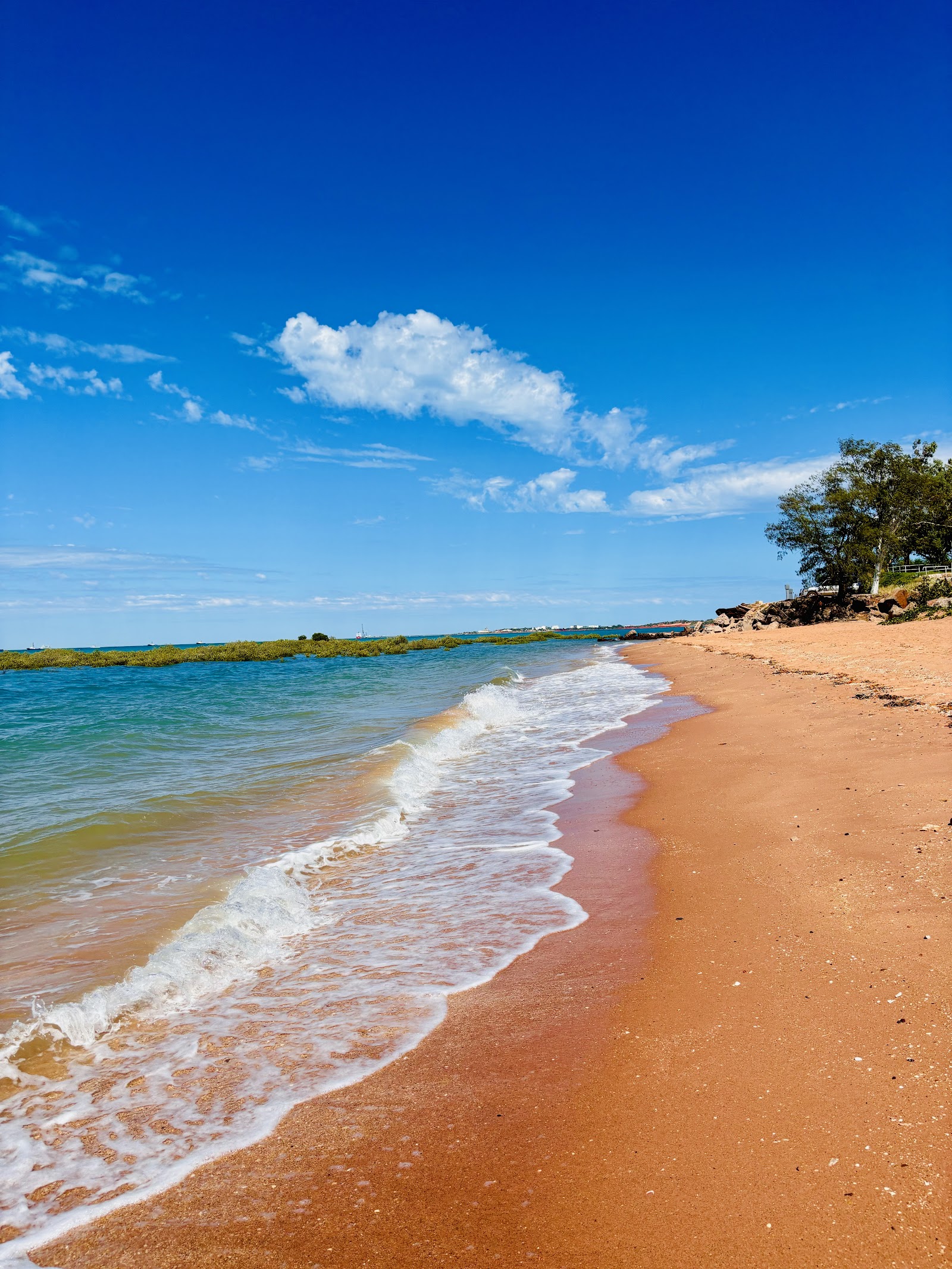
Broome runs on two seasons, not four, and choosing between them shapes the whole trip. The Dry, roughly May to October, is the peak: warm days in the high twenties and thirties, cloudless blue skies, almost no rain, cool nights, and the full run of tours, markets and camel rides. This is when most people come, when the whales pass offshore, and when the Staircase to the Moon lights Roebuck Bay on the full moons. It is also when prices are highest and accommodation books out, so plan ahead.
The Wet, November to April, is a different town: hot, humid, dramatic with lightning and monsoon storms, and the season of stingers in the water and a quieter, cheaper, greener Broome. Some tours pause, the heat is serious, and the build-up before the rains can be oppressive — but the storms over Roebuck Bay are spectacular and the town is yours. For a first visit, the Dry is the safe call; the Wet rewards travellers who don't mind heat and want the place without the crowds.
Synthesised from Google reviews, traveller forums and visitor feedback — the themes people raise most consistently about Broome.
The single most-praised Broome experience: the camels on the tideline and the Indian Ocean sunset, described again and again as the highlight of the whole trip.
“Watched the camels cross in front of the setting sun on Cable Beach with a drink in hand. Genuinely one of the best evenings we’ve had anywhere in Australia.”— Google review
Visitors love Broome but note it sits a long way from anywhere — flights and Dry-season accommodation are pricey, and a few days here is a real commitment, not a side trip.
“Worth every cent, but book flights and accommodation early for the Dry — prices climb and the good places sell out months ahead.”— Traveller review
The crocodile and stinger warnings are real, and the visitors who heed the signage and swim only at patrolled Cable Beach have the best (and safest) time.
“Cable beach is a lovely spot to sit and relax and go for a dip. You can ride a camel or take your bike on the compact sand. Later in the day drive onto the beach have a glass of wine and watch the sunset.”— Pamela Rivers (on Cable Beach), Google review
“Excellent place, they’re currently doing renovations on the for-sure but since there are life guards, there’s safe excellent beach swimming along with a easy walk to the beachside business/restaurants. Great views allowed by 4x4 vehicles able to view the sunset while driving on the beach. Also able to see the camel rides with the tide being quite volatile so”— Kyle Sapphire (on Cable Beach), Google review
“Cable Beach: An absolute gem for sunset enthusiasts, Cable Beach offers stunning views with a vibrant atmosphere. Crowds gather to admire the breathtaking sunset, and the sight of people enjoying camel rides adds a unique charm to the experience. A must-visit spot for those seeking beauty and a lively beach ambiance.”— Amy Elizabeth (on Cable Beach), Google review
| Season | Conditions | Highlights | Crowds |
|---|---|---|---|
| The Dry (May–Oct) | Warm days, cloudless skies, cool nights, no rain | Peak season — camel rides, all tours running, whales offshore, Staircase to the Moon | Peak — book flights and stays months ahead |
| The Wet (Nov–Apr) | Hot, humid, monsoon storms and lightning | Dramatic storms over Roebuck Bay, lush green country, far fewer visitors | Low — quietest and cheapest; some tours pause |
| Whale season (Jun–Nov) | Within the Dry — calm seas, clear days | Humpback whales migrating through the Kimberley; boat tours from Broome | Peak (within the Dry) |
| Staircase to the Moon (Mar–Oct) | Full-moon nights over low tides, 2–3 per month | The optical “staircase” over Roebuck Bay; Town Beach night markets on market nights | Busy on market/full-moon nights — arrive early |
| If you want… | Come in… | Why |
|---|---|---|
| Perfect weather + every tour running | The Dry (May–Oct) | Warm, rainless, all camel rides, whales and markets on — but peak prices |
| Humpback whales | Jun–Nov (in the Dry) | The migration runs offshore through the Kimberley winter |
| Staircase to the Moon | Full moons, Mar–Oct | The optical phenomenon over Roebuck Bay needs a full moon and low tide |
| Fewer crowds + lower prices | The Wet (Nov–Apr) | Hot and humid with storms and stingers, but the town is yours and far cheaper |
| A first-ever visit | The Dry (May–Oct) | Easiest weather, safest swimming window and the fullest range of things to do |
Broome is a long way from everywhere, and that's the point. The remoteness is what's kept it itself — a pearling town with a multicultural soul, sitting where the red Kimberley dirt runs straight into turquoise water, with one of the great beach sunsets on Earth thrown in nightly. The first visit gives you Cable Beach, the camels, the dinosaur footprints and a cold mango beer. The second gives you the pearl farms, the bird observatory, the Staircase to the Moon and the quiet red glow of Reddell Beach with hardly anyone there.
This guide covers the full range — the beaches and the camel rides, the pearling history and the wildlife, the whale season and the fishing, and the honest safety facts about crocodiles and stingers that a brochure won't tell you. Come in the Dry for your first time, book flights and accommodation early, swim only where it's patrolled, and let Broome do what it does best. Two and a half hours from Perth by air, and unlike anywhere else in Australia.
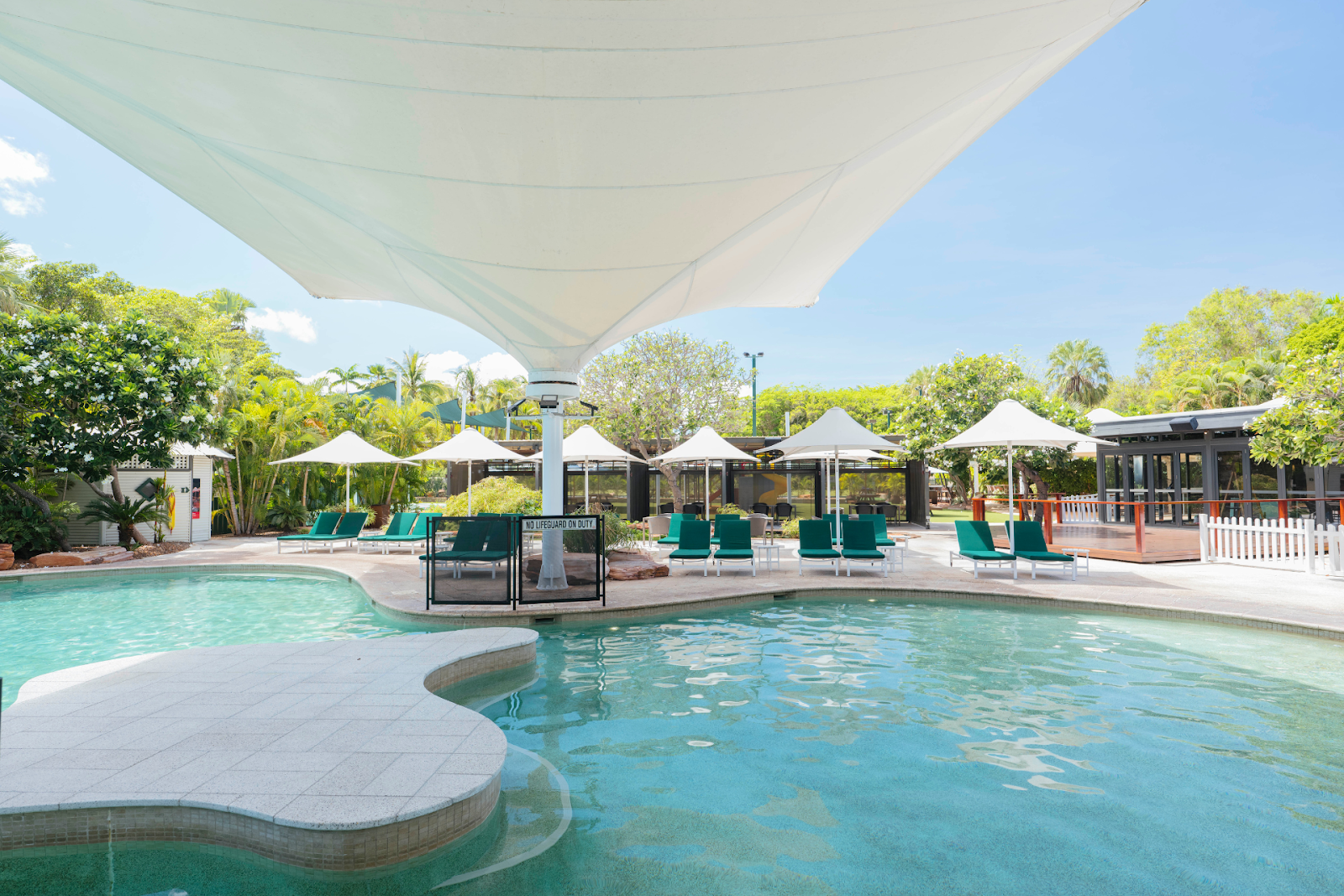
Cable Beach Club Resort & Spa — Broome
Book Direct & Save →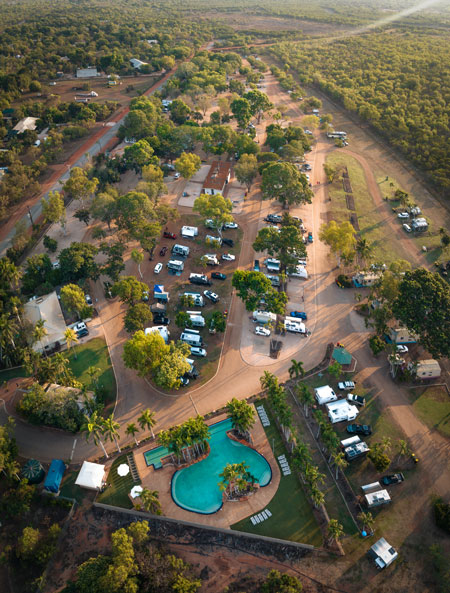
Broome Caravan Park — Broome
Book Direct & Save →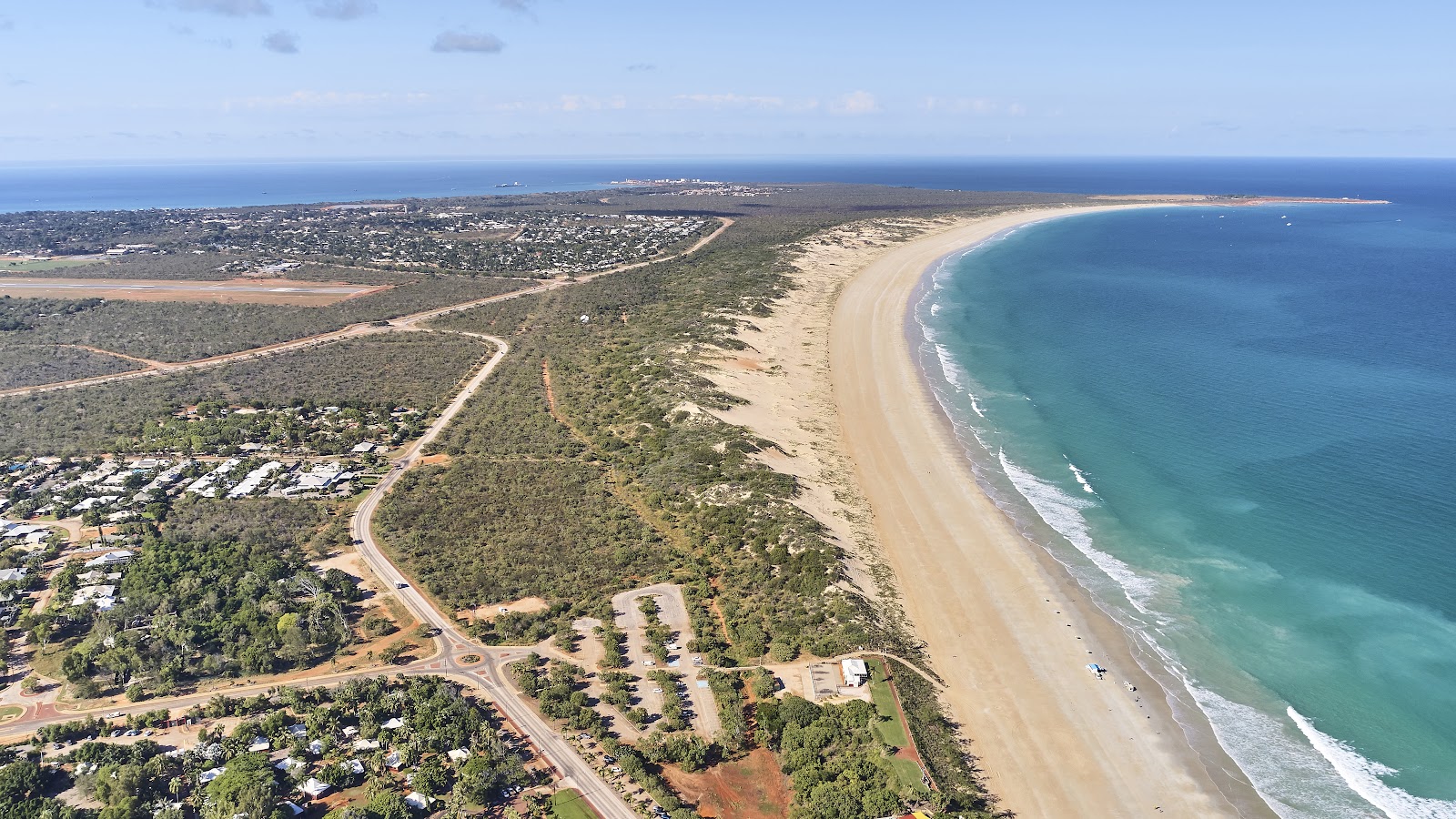
Skip OTA fees. Connect directly with Broome owners for the best rates and a truly personal experience.
We match any online rate. No service fees — 100% of your payment supports local owners.
Direct guests receive complimentary hampers, early check-in, and priority access to experiences.
Speak directly with the people who manage the properties. No call centres, just local expertise.
Part of Western Australia · Australia's North West
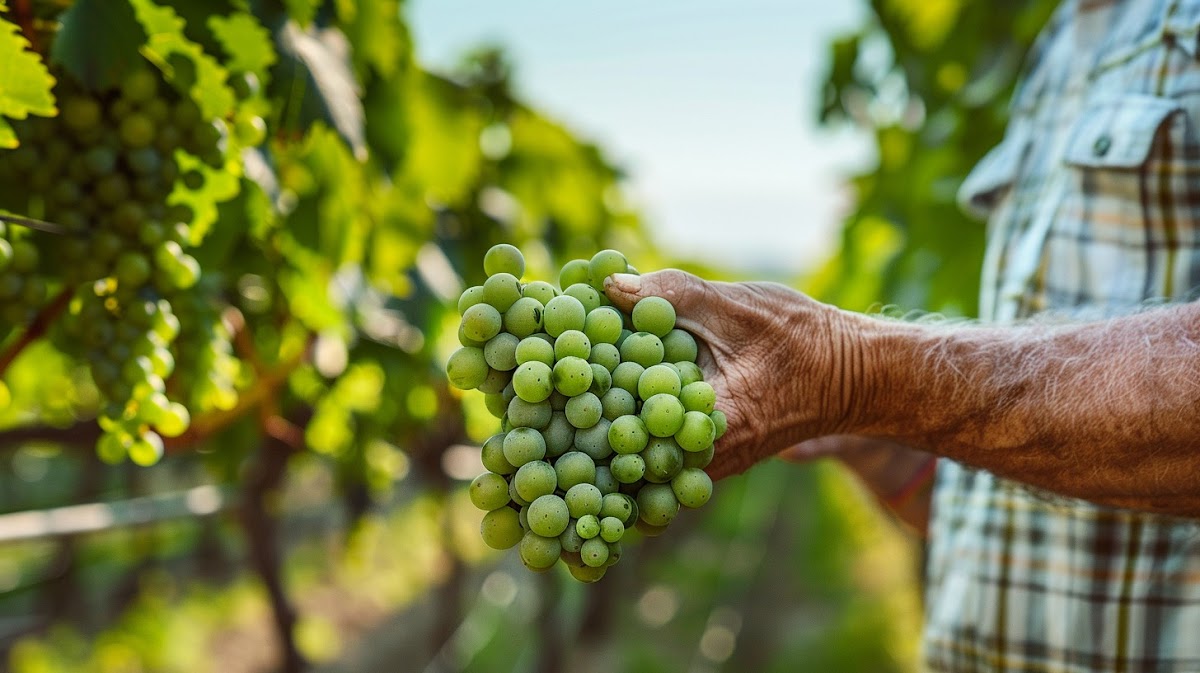 Glen Aplin
Granite Belt, Queensland
Queensland's most underrated wine valley
Explore the guide →
Glen Aplin
Granite Belt, Queensland
Queensland's most underrated wine valley
Explore the guide →
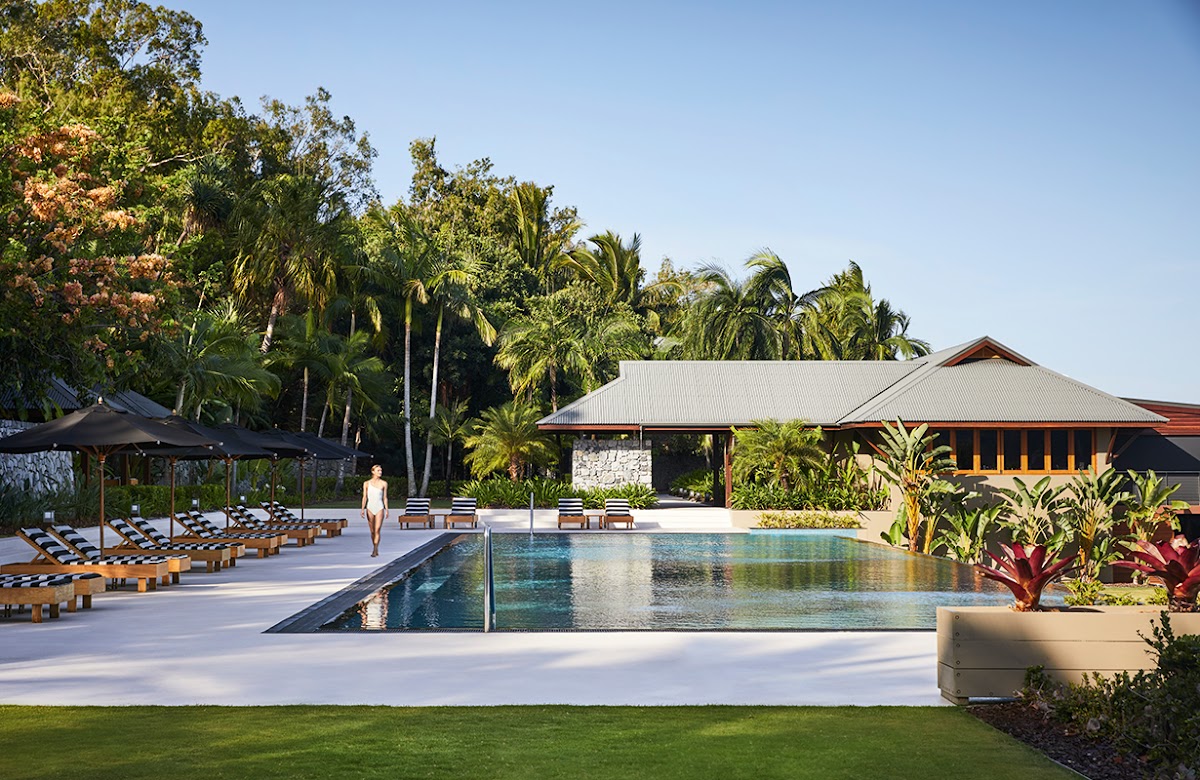 Hamilton Island
The Whitsundays, Queensland
Whitsundays island resort — Whitehaven Beach, reef trips and golf-buggy life
Explore the guide →
Hamilton Island
The Whitsundays, Queensland
Whitsundays island resort — Whitehaven Beach, reef trips and golf-buggy life
Explore the guide →
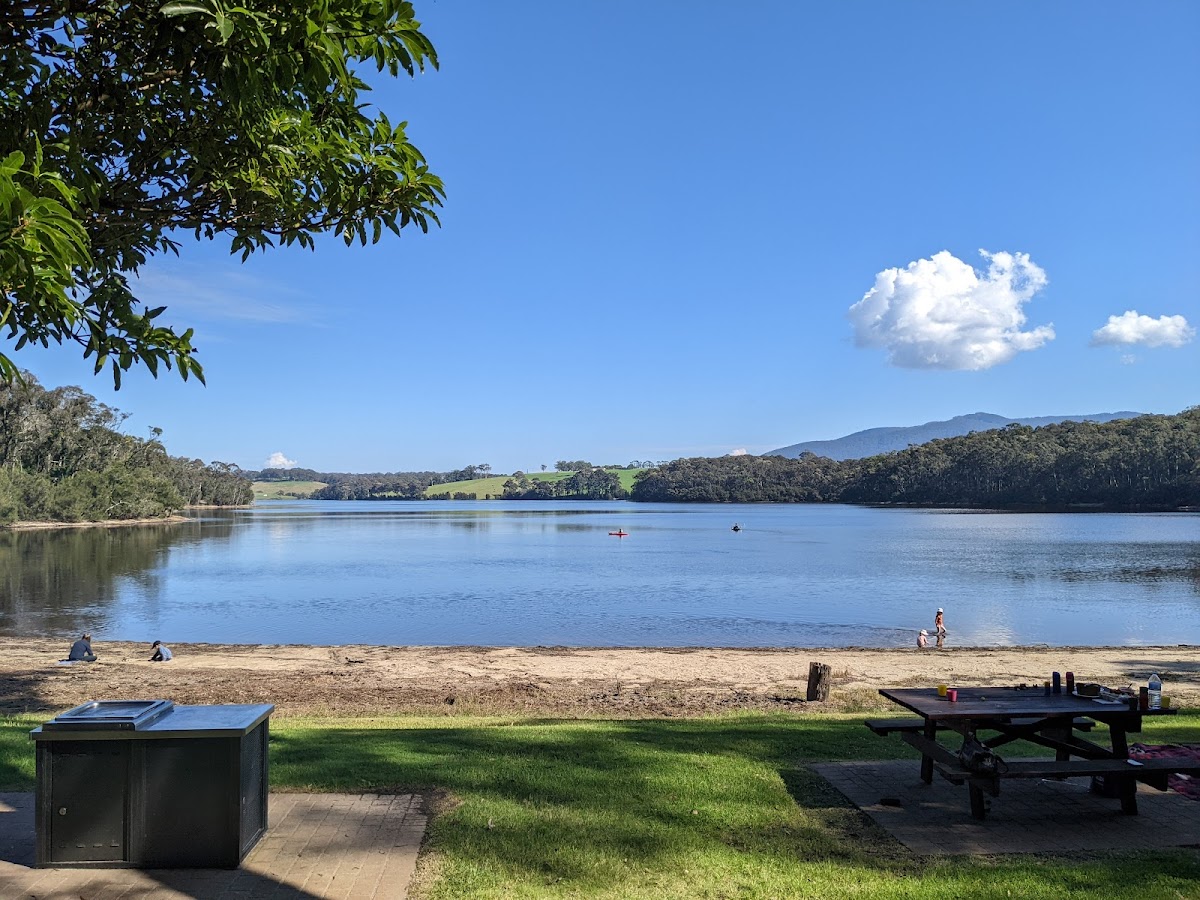 Narooma
South Coast, New South Wales
Crystal-clear inlet, surf beaches, oysters and Montague Island
Explore the guide →
Narooma
South Coast, New South Wales
Crystal-clear inlet, surf beaches, oysters and Montague Island
Explore the guide →
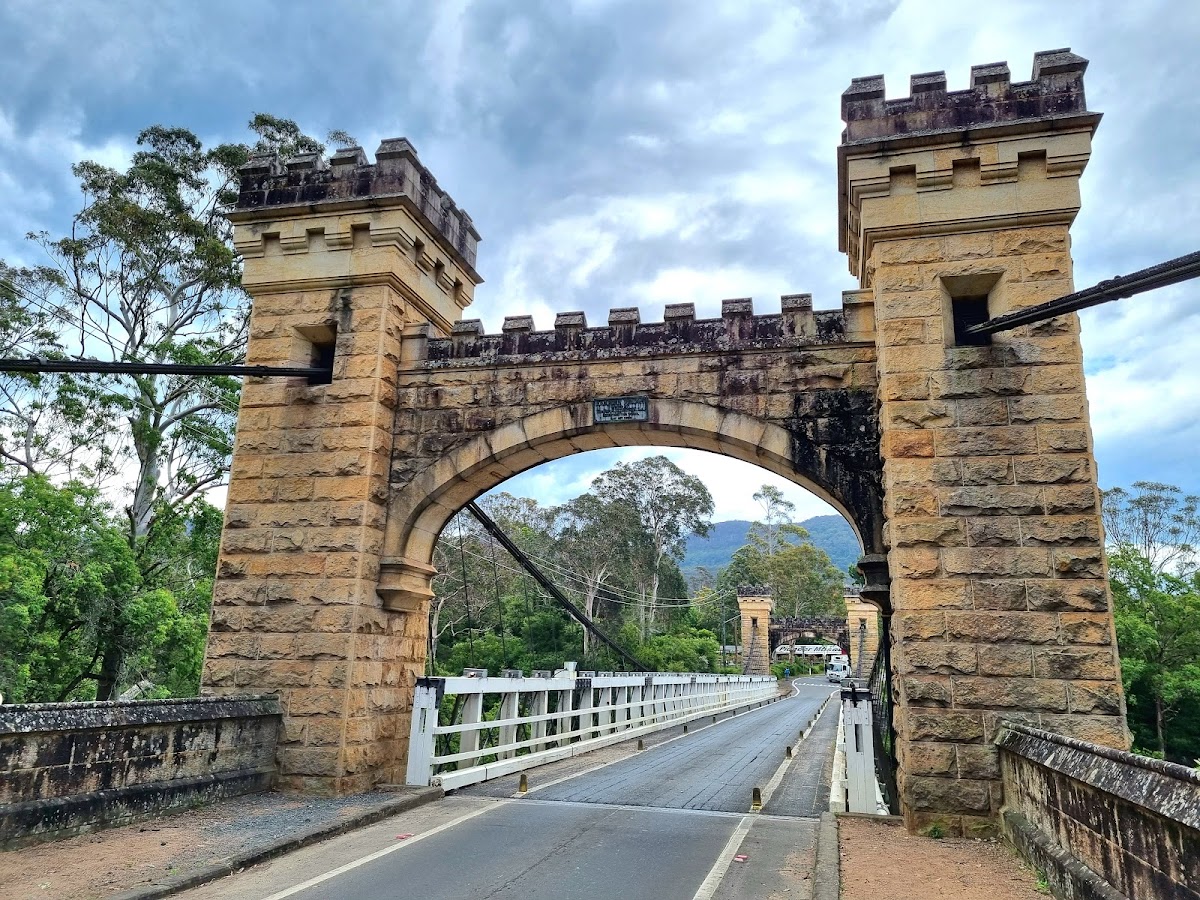 Kangaroo Valley
Shoalhaven, New South Wales
Hampden Bridge, kayaking and wombats in a green valley
Explore the guide →
Kangaroo Valley
Shoalhaven, New South Wales
Hampden Bridge, kayaking and wombats in a green valley
Explore the guide →
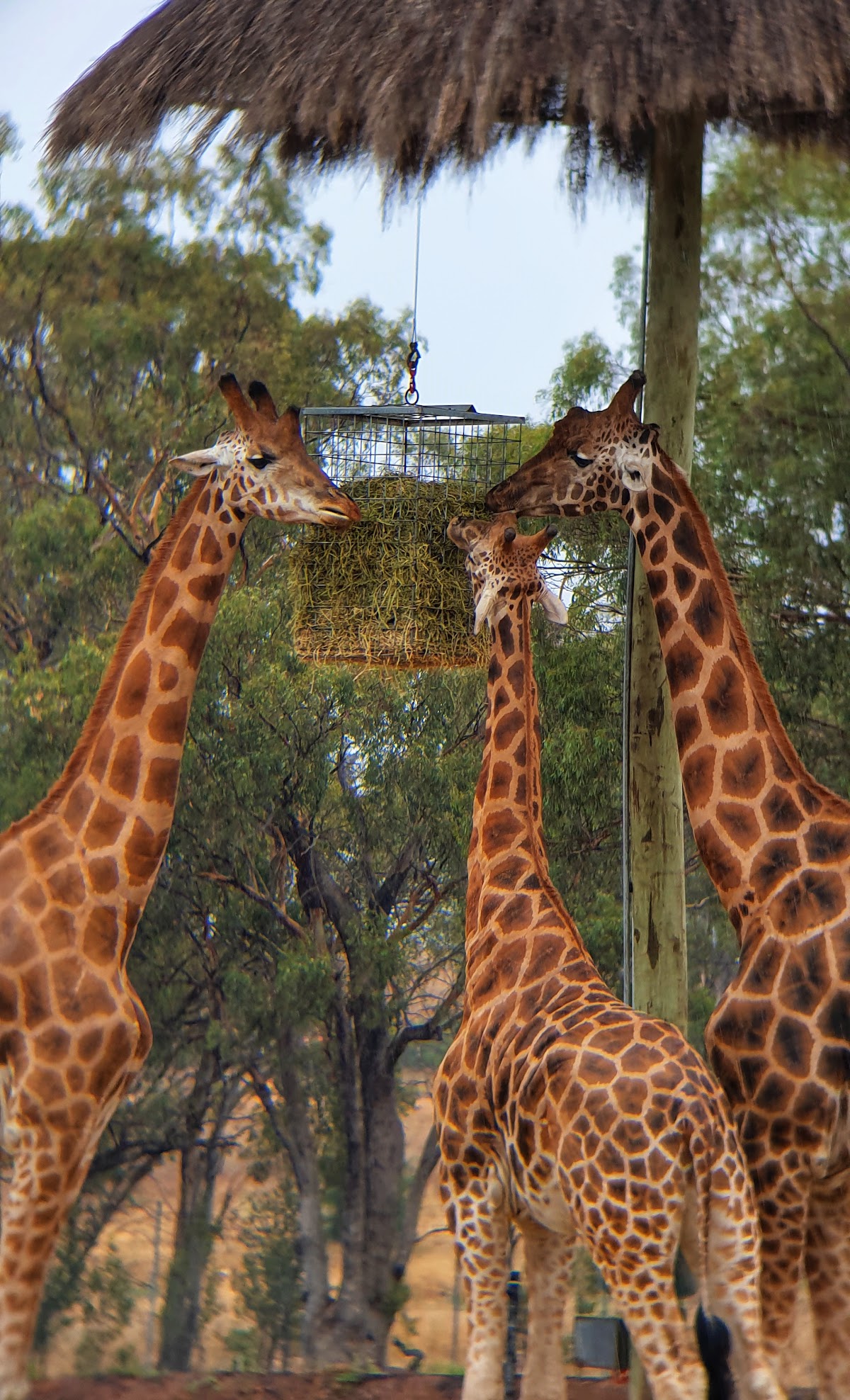 Dubbo
Central West, New South Wales
Open-range zoo and Outback gateway on the Macquarie River
Explore the guide →
Dubbo
Central West, New South Wales
Open-range zoo and Outback gateway on the Macquarie River
Explore the guide →
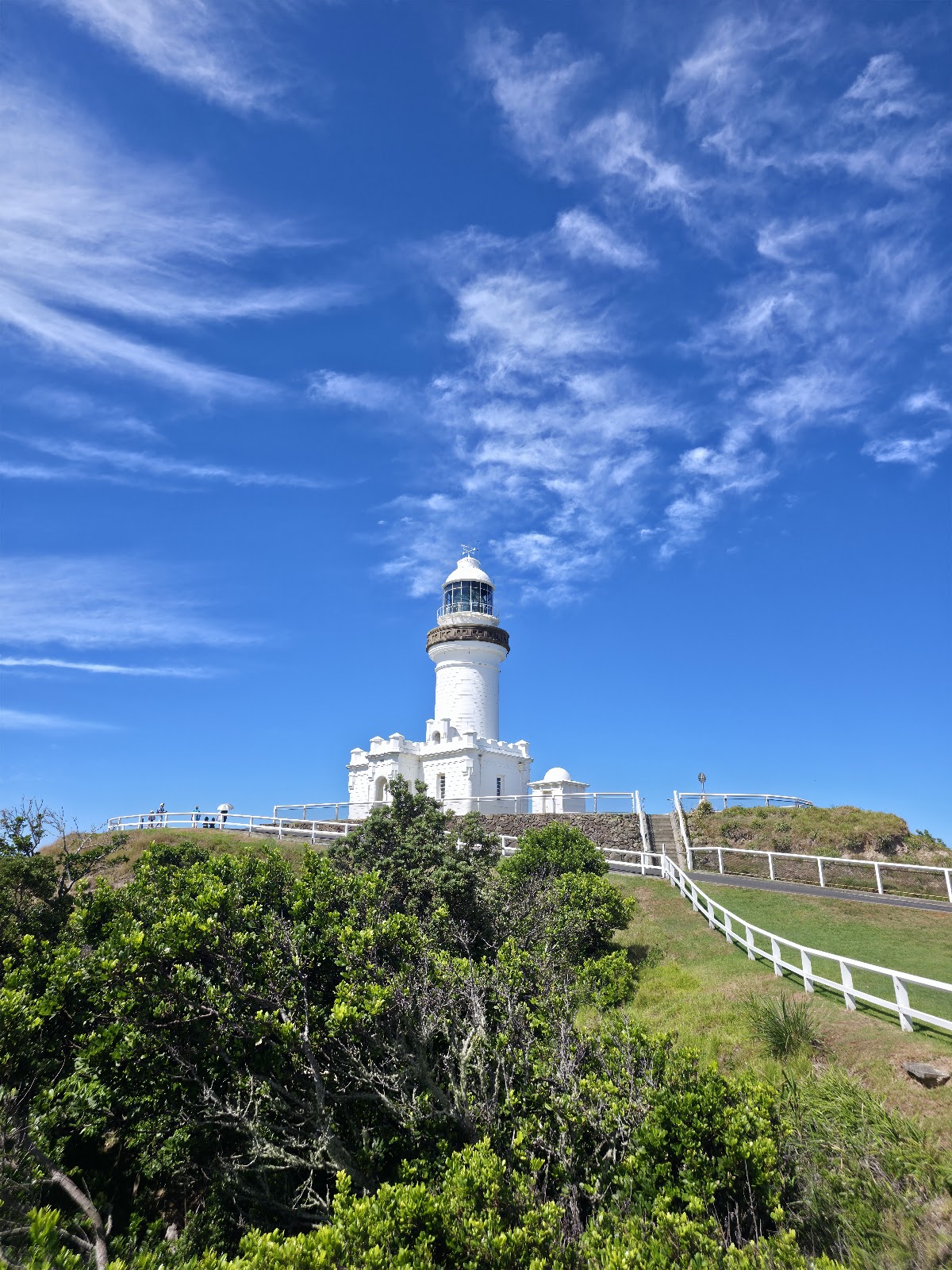 Byron Bay
Northern Rivers, New South Wales
Australia's iconic beach town and most easterly point
Explore the guide →
Byron Bay
Northern Rivers, New South Wales
Australia's iconic beach town and most easterly point
Explore the guide →
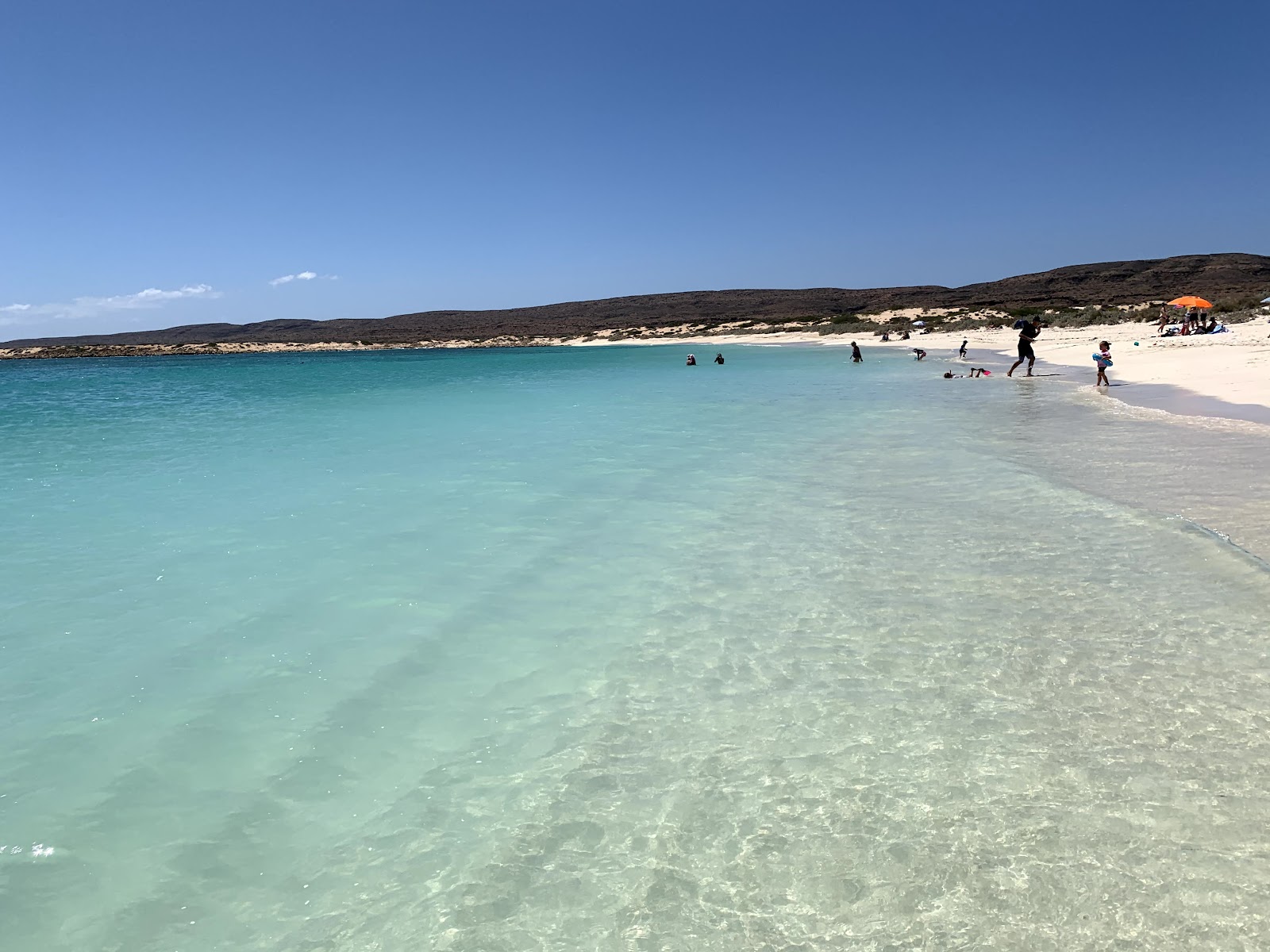 Ningaloo Reef
Australia's Coral Coast, Western Australia
Swim with whale sharks and snorkel a World-Heritage reef straight off the beach
Explore the guide →
Ningaloo Reef
Australia's Coral Coast, Western Australia
Swim with whale sharks and snorkel a World-Heritage reef straight off the beach
Explore the guide →
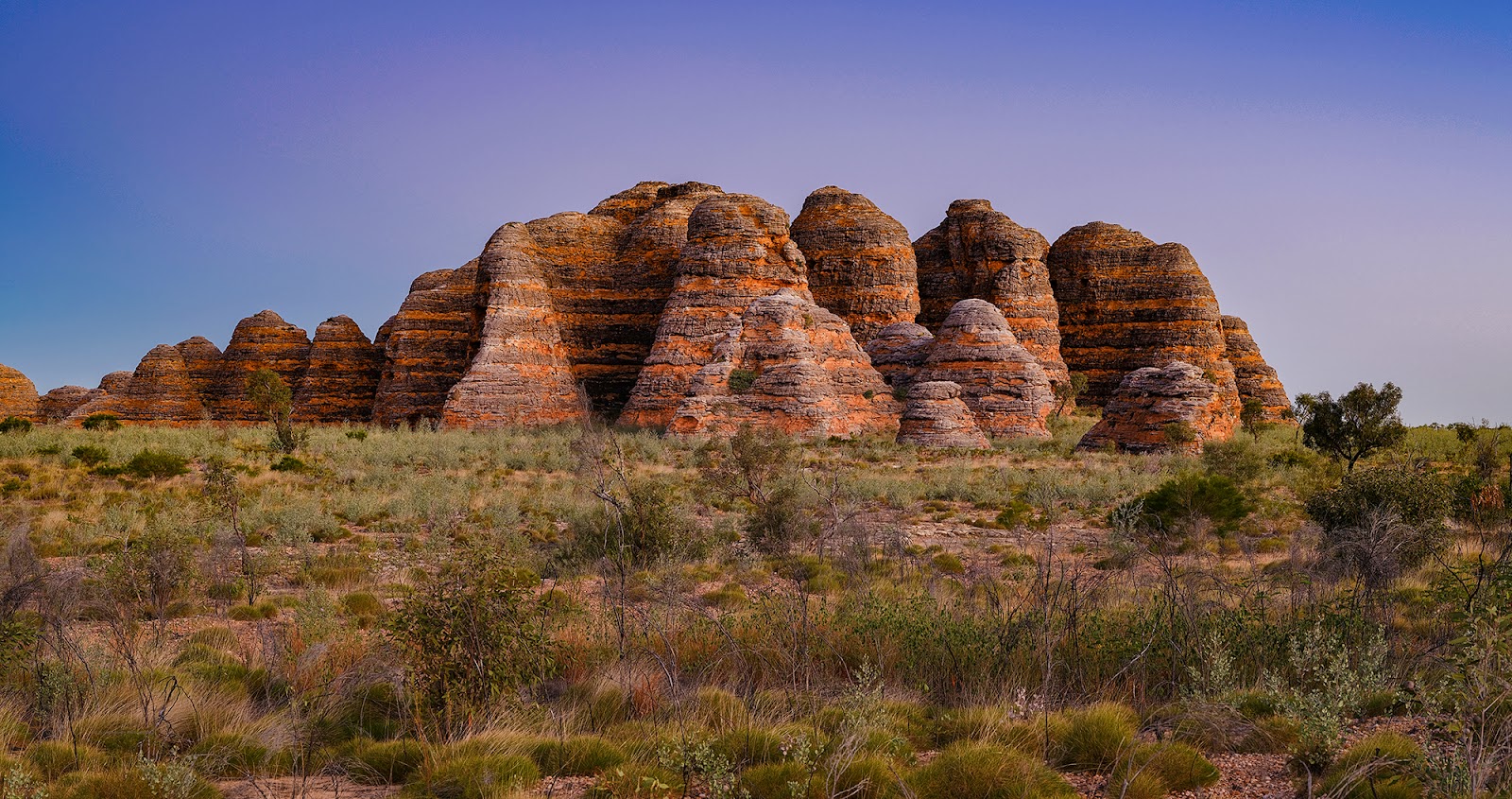 The Kimberley
Australia's North West, Western Australia
Gibb River Road, the Bungle Bungles, gorges and waterfalls in Australia's last frontier
Explore the guide →
The Kimberley
Australia's North West, Western Australia
Gibb River Road, the Bungle Bungles, gorges and waterfalls in Australia's last frontier
Explore the guide →
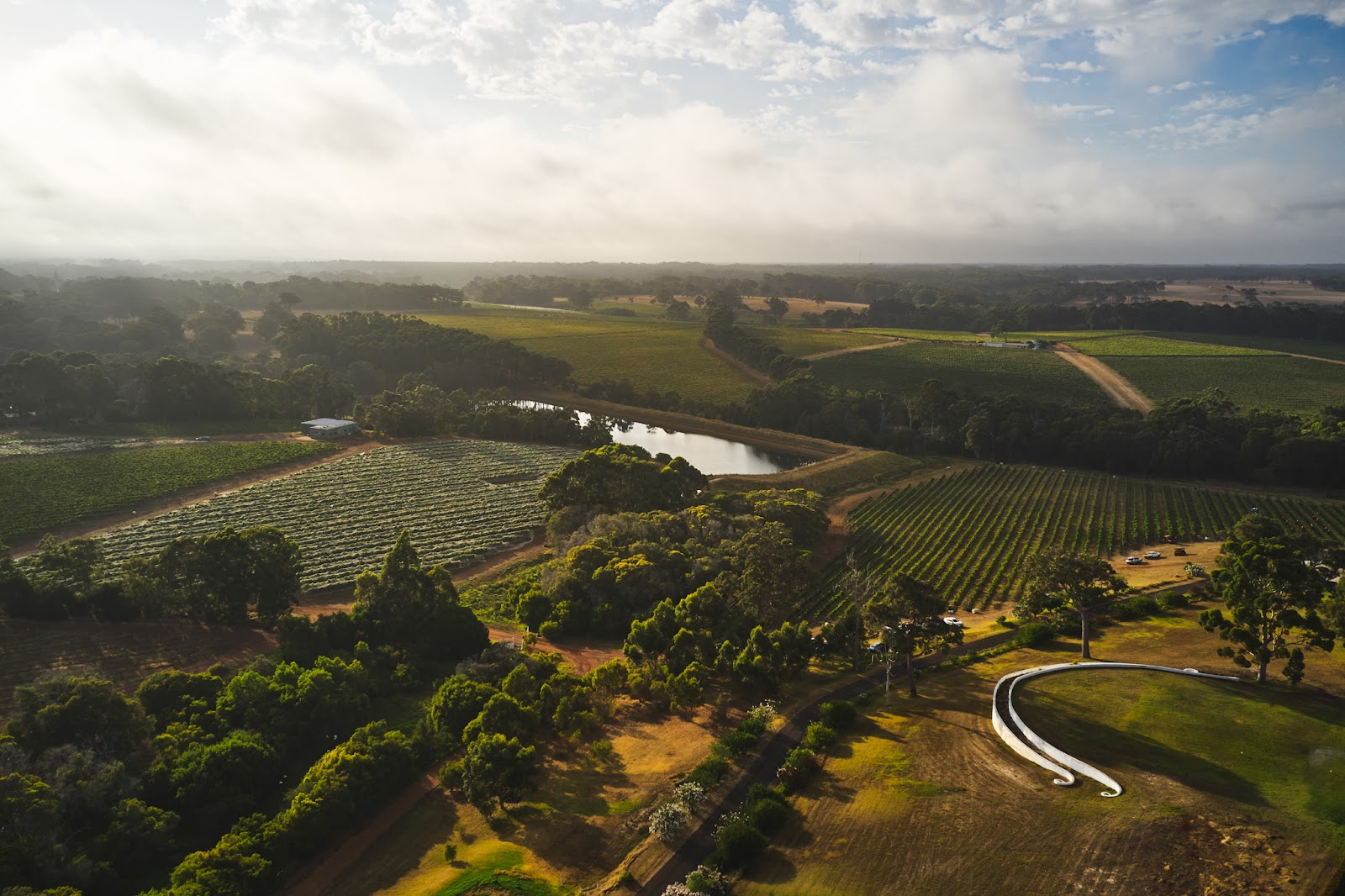 Margaret River
Australia's South West, Western Australia
World-class wineries, surf breaks and limestone caves three hours south of Perth
Explore the guide →
Margaret River
Australia's South West, Western Australia
World-class wineries, surf breaks and limestone caves three hours south of Perth
Explore the guide →