01. Cable Beach Club Resort & Spa
4.5 (968 reviews)
Cable Beach Club Resort & Spa — Broome
Book Direct & Save →Every visitor to Broome does Cable Beach and the camel rides — and they are right to, because both deliver. But Broome is a layered town with a complicated and fascinating history, and visitors who look only at the headline attractions leave without understanding the place they have spent a week in. The dinosaur footprints that emerge at low tide on a headland five kilometres from town. The Japanese Cemetery that tells more about Broome's pearling past than any showroom. The bird observatory at the edge of Roebuck Bay that draws ornithologists from across the world. The red cliffs at sunset that Cable Beach visitors never see because they are looking in the wrong direction.
View 3 Properties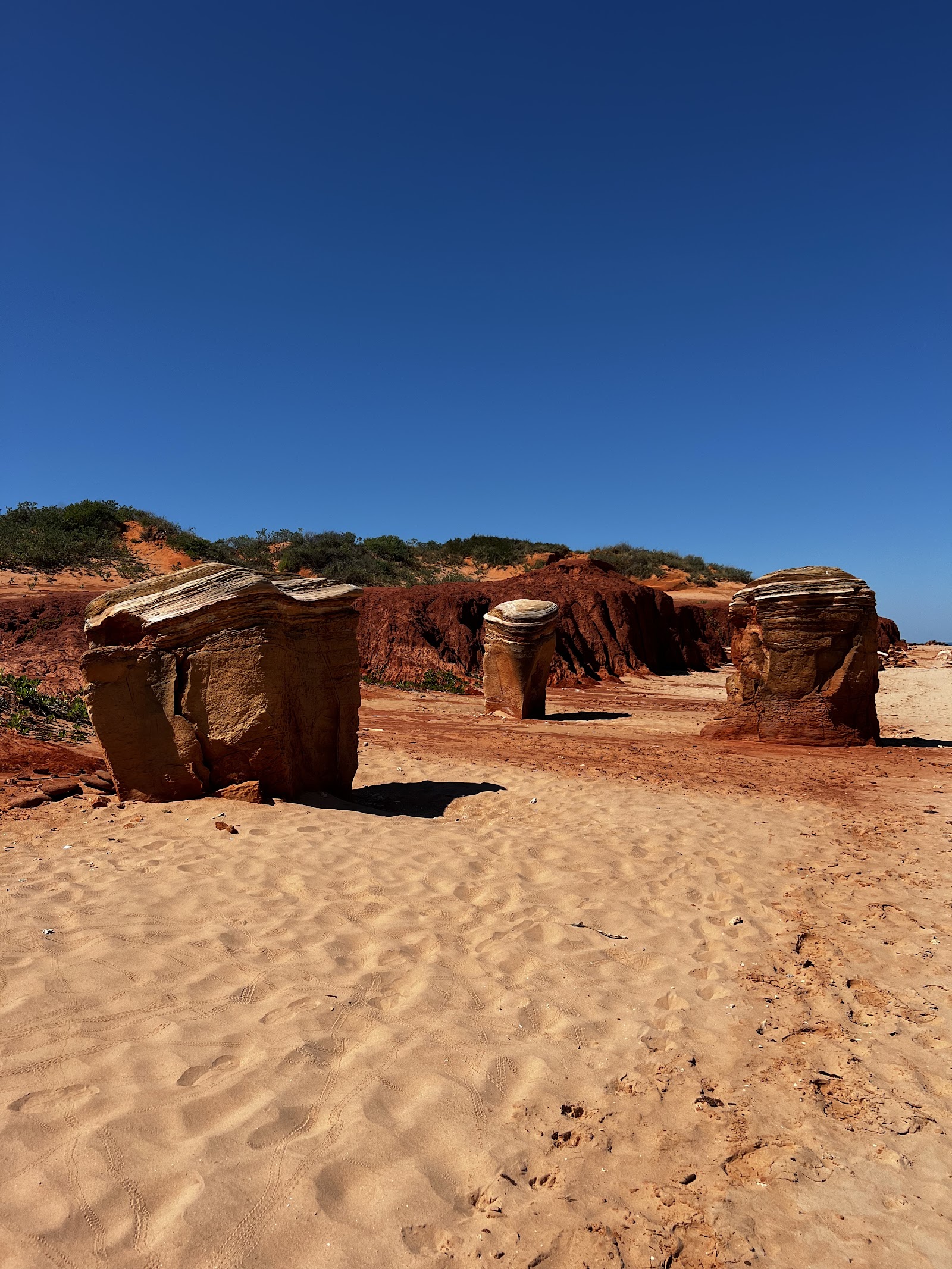
"Quieter, historically layered, culturally complex"
This guide is the other side of Broome — the quieter, older, stranger, and more honest parts of a town that has far more to offer than its famous beach. A note that belongs at the front: Broome sits on Yawuru Country, and several places in this guide carry deep cultural significance for the Yawuru people and other Traditional Custodians. Kennedy Hill, for example, is a living community and a registered heritage site — it is listed here as context, not as a tourist destination. Approach culturally significant places with genuine respect, do not enter without invitation, do not photograph sacred sites without permission, and take your lead from signage and on-site information at every location.
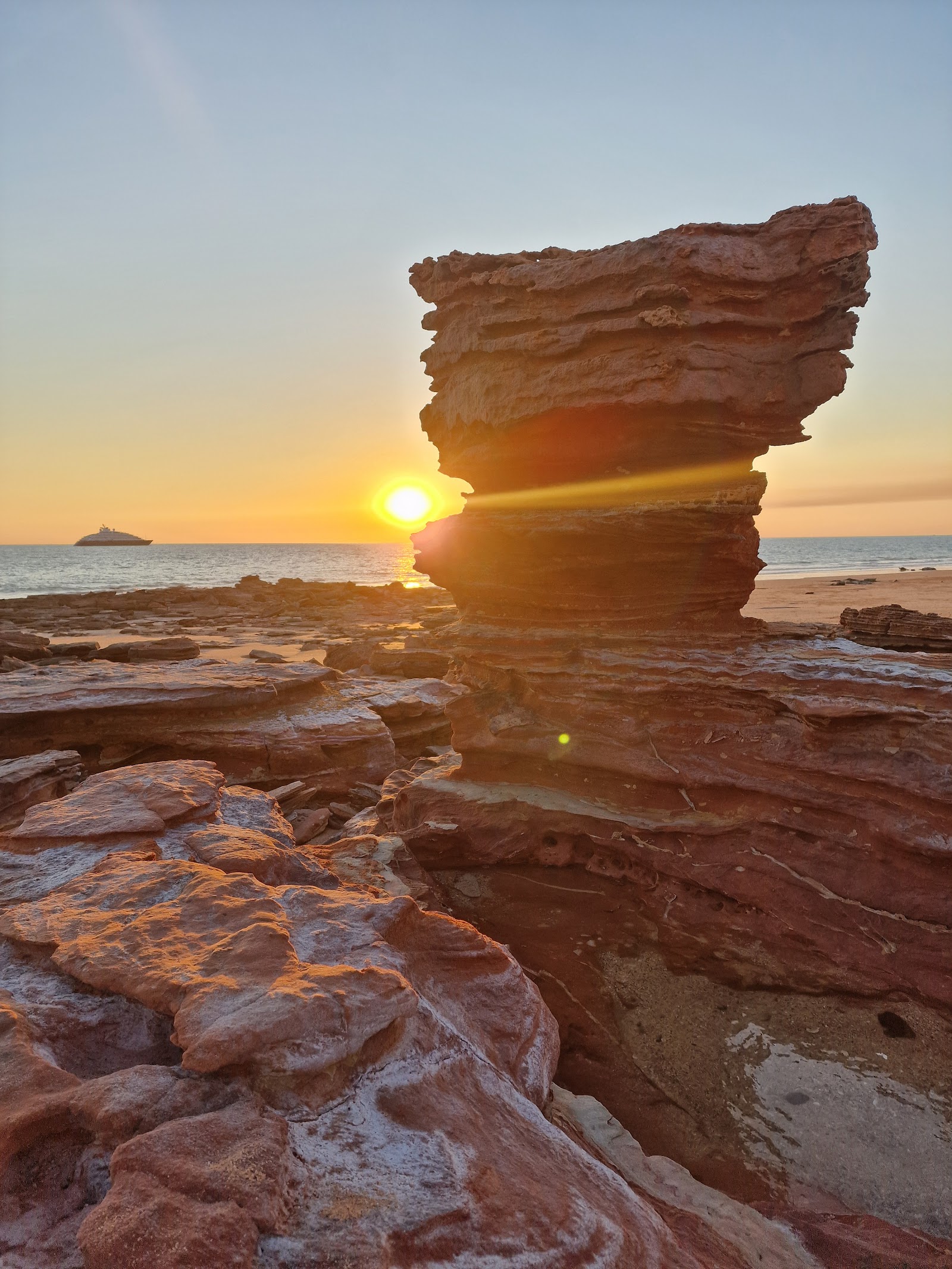
Reddell Beach sits a short drive north of Cable Beach and is one of the most visually striking spots on the Broome coast — a stretch of red pindan cliffs dropping to tidal flats that turn extraordinary at low tide and sunset when the red of the rock, the orange of the sky and the silver of the tidal pools intersect. Almost no one from Cable Beach makes the short detour, which is one of the more baffling omissions in Broome tourism.
The experience depends entirely on tide and light timing. Arrive at a low tide in the late afternoon when the sun is falling toward the Indian Ocean, and the cliffs glow in a colour that photographs struggle to do justice to. The tidal platform at the base of the cliffs reveals rock pools and channels that reward close examination. It is an informal site with no formal facilities — bring water, wear sun protection, and take care on the red pindan rock which can be unstable near the cliff edge.
It is five minutes from Cable Beach and visited by almost nobody — red cliffs, tidal reflections and a sunset angle that the famous beach misses entirely.
Low tide in the late afternoon, when the cliffs are at their most vivid and the tidal pools are fully exposed.
The cliff edges are composed of unstable pindan — keep well back from the edge. The experience only works at low tide and in reasonable light; at high tide there is little beach to stand on.
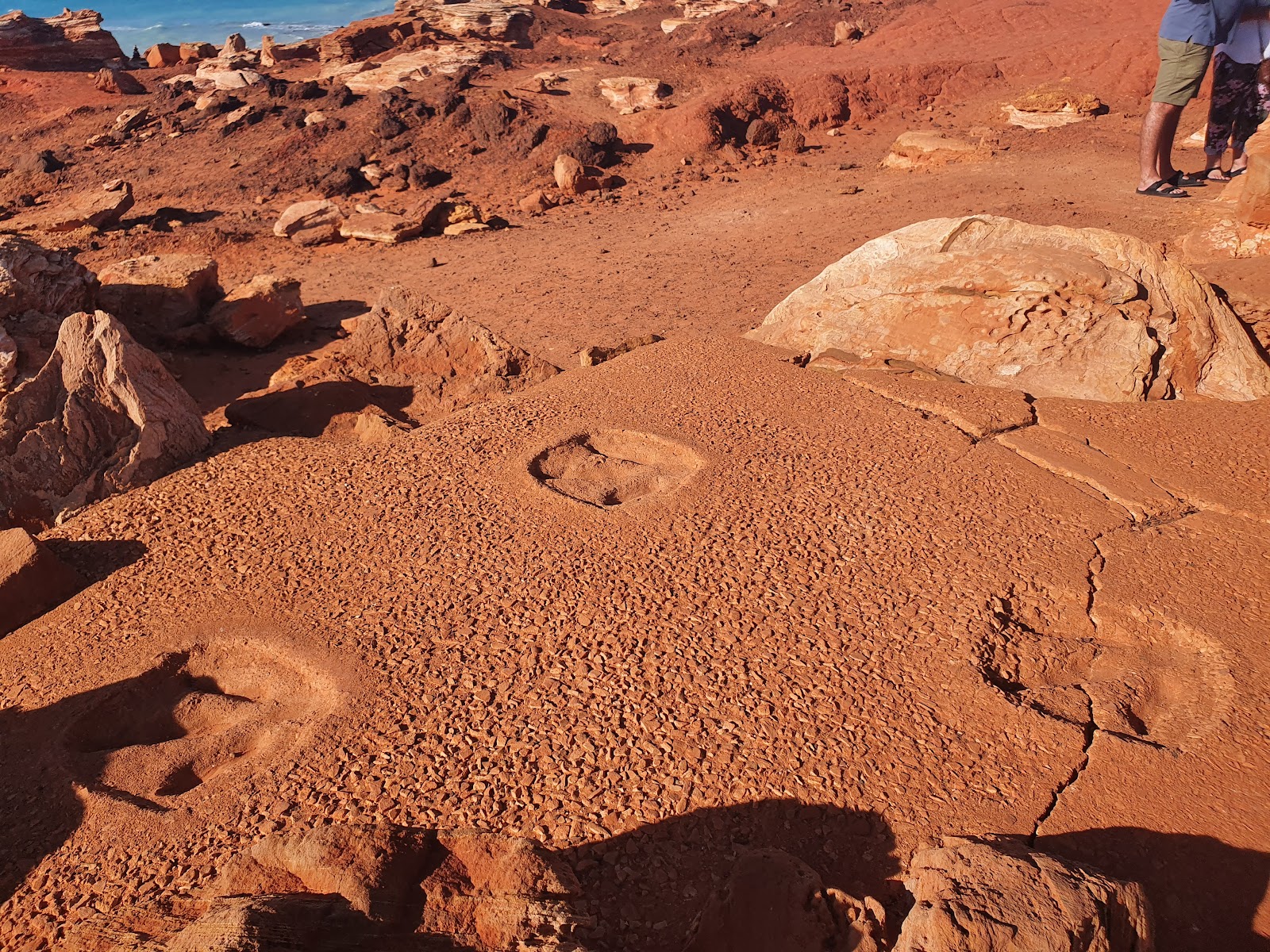
Gantheaume Point is the headland five kilometres south of Cable Beach where genuine dinosaur footprints — 130 million years old — emerge from the rock shelf at very low tides. The footprints were made by sauropod-like dinosaurs walking across the mudflats of the Broome Sandstone formation, and they are among the most accessible dinosaur tracks in Australia when conditions allow. A cast of the original footprints is permanently on display on the headland above the tide line for visits when the low tide does not cooperate.
The red pindan cliffs at the point are among the most dramatic in the Broome region, and the layered sandstone and rock pools around the base of the headland make it worth a visit even when the footprints are underwater. Anastasia's Pool — a rock pool created by the first lighthouse keeper at the point, reputedly cut into the rock so his arthritic wife could bathe — sits at the base of the cliffs and fills with clear seawater at high tide. Check the tide times carefully before visiting specifically to see the footprints; they require a very low tide and the window is short.
Standing next to 130-million-year-old dinosaur footprints on a headland overlooking the Indian Ocean, knowing most Broome visitors are still asleep back at Cable Beach.
A very low spring tide reveals the actual footprints in the sandstone shelf — check tide tables and plan your visit precisely.
The footprints are only visible at very low spring tides — they are entirely submerged at high tide. The rock platforms are slippery in places; wear sturdy shoes and exercise caution near the water's edge. Check croc signage before approaching tidal areas.
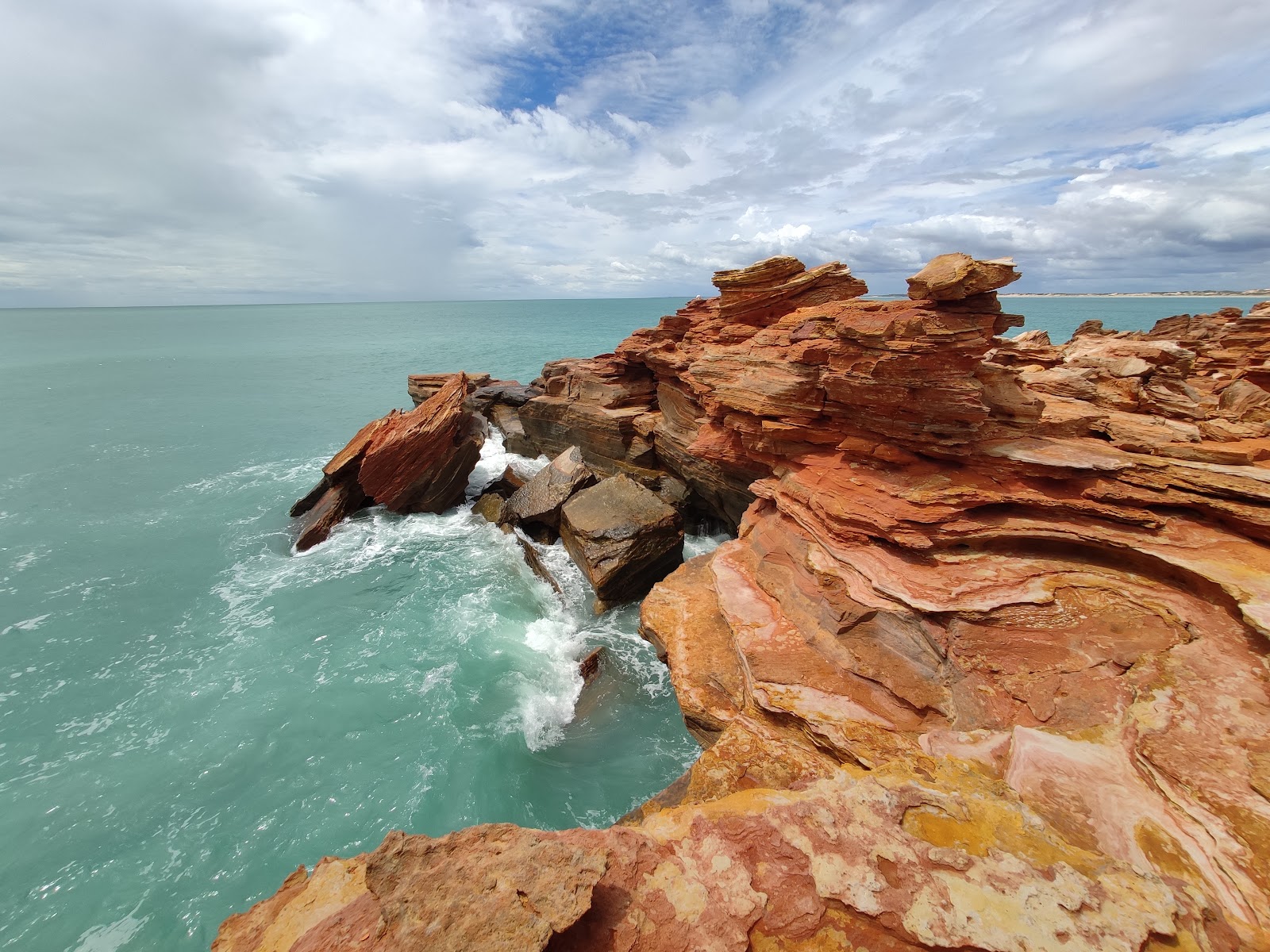
Anastasia's Pool sits at the base of the Gantheaume Point cliffs and is one of Broome's most quietly appealing spots — a natural-looking rock pool that fills with clear seawater at high tide, reputedly created by the lighthouse keeper James Clark in the early 1900s so his wife Anastasia, who suffered from arthritis, could bathe in the sea. Whether the story is entirely factual or has acquired embellishments over the years is a matter of local debate, but the pool is real and the setting is genuinely beautiful.
At high tide the pool fills to make a calm, clear bathing spot sheltered from the swell. At low tide it drains and reveals the sandstone shelf below. The combination of the pool's history, the red cliffs above, the ocean view and its relative quiet makes it one of the more atmospheric spots in Broome. It is almost never crowded, and combining it with a visit to the dinosaur footprint cast or a low-tide footprint hunt makes Gantheaume Point a half-day outing with multiple layers of interest.
A quiet, story-laden rock pool at the base of red cliffs, created by a lighthouse keeper for his wife — and still offering the same calm water, for those who look for it.
Visit at high tide when the pool fills to its most inviting; combine with the dinosaur footprint cast display on the headland above.
Do not confuse the pool filling with safe ocean swimming conditions at the cliff base — check croc signage, watch the swell, and never swim alone in any unpatrolled coastal location.
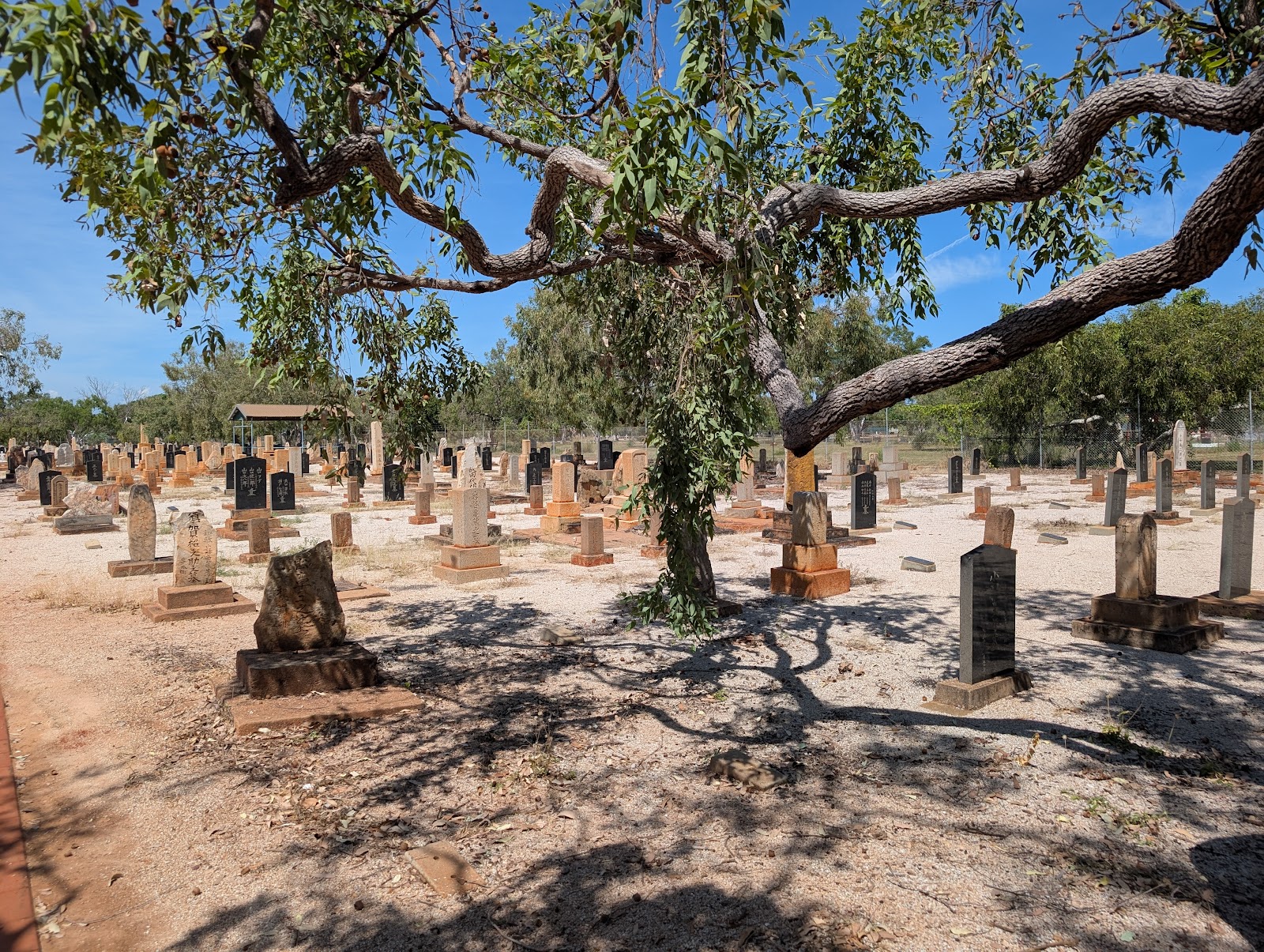
The Japanese Cemetery on Port Drive is one of the most historically significant and quietly moving places in Broome, and one of the most undervisited. It holds the graves of over 900 Japanese pearl divers who died working the Broome pearling grounds from the late 1800s through to the mid-20th century — workers who came from Japan, Korea, Malaya and the Torres Strait Islands to dive in a dangerous industry that built Broome's wealth and shaped its unique multicultural character. The gravestone inscriptions, the dates and the ages (many were young men) tell a story about the human cost of the pearl trade that no showroom or museum exhibition fully conveys.
The cemetery is maintained and accessible; there is no entry fee. It is most affecting in the quieter hours of early morning or late afternoon, when the light is gentler and it is often empty. A visit here before or after the Pearl Luggers museum on Dampier Terrace gives the maritime history of Broome an emotional depth that the commercial pearl retail experience never touches. This is Broome's most honest monument.
It is the part of Broome's pearling story that the showrooms do not tell — 900 graves, and a reminder that the industry that made this town was built on extraordinary human cost.
Early morning when the light is low and the cemetery is quiet — combine it with the Pearl Luggers museum for the full context.
This is a place of genuine historical mourning — treat it accordingly. Speak quietly, do not disturb the grounds, and read the information boards before walking through.
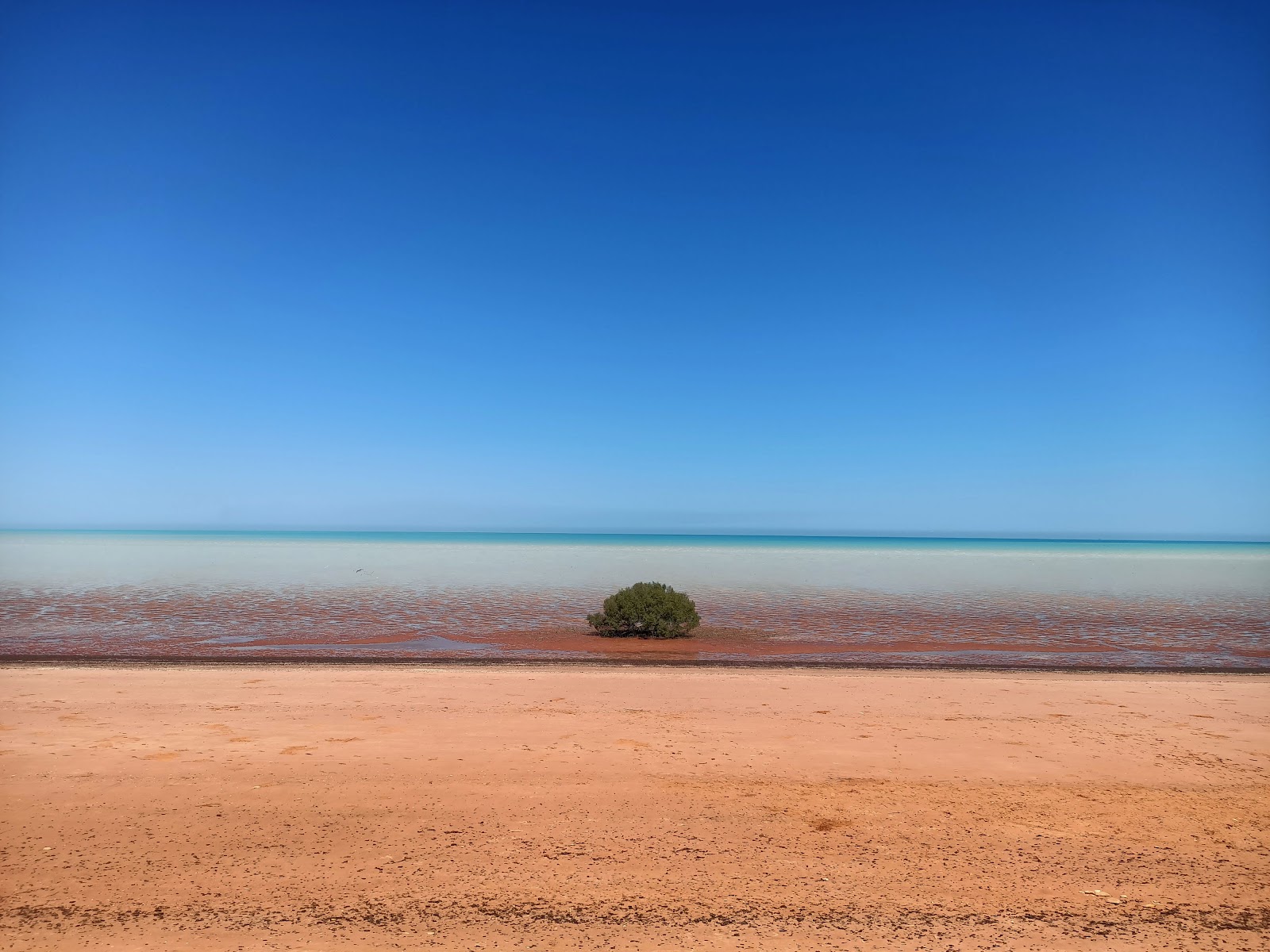
The Broome Bird Observatory on the shores of Roebuck Bay is one of the most important shorebird monitoring and research sites in the world, and it receives a fraction of the attention it deserves. Roebuck Bay's intertidal mudflats form a critical feeding ground on the East Asian–Australasian Flyway, hosting over 300 bird species and tens of thousands of migratory waders in the right season. The bar-tailed godwit, the great knot and numerous other long-distance migrants that travel from Siberia and Alaska to Australia every year use these mudflats as a refuelling stop.
The observatory runs guided tours that are accessible even for visitors with limited birding experience, and the staff expertise is exceptional. The site operates as a research station and field study centre, so visits outside guided hours require advance booking — do not simply turn up and expect open access. The best birding windows align with the high-tide roosting events (when the incoming tide pushes birds off the flats and concentrates them in visible roosts) and the peak migration months of August to October when shorebird numbers are highest. Bring binoculars — a good pair makes the difference between a pleasant walk and a transformative wildlife experience.
Standing on the edge of Roebuck Bay during a high-tide roost, watching tens of thousands of shorebirds that have flown from Siberia — it is one of the most extraordinary wildlife spectacles accessible from any Australian town.
Book a guided high-tide roost tour during August–October migration peak — the concentration of birds driven off the flats by the incoming tide is remarkable.
Do not arrive without booking — the observatory is a working research station and access requires advance arrangement. Without binoculars, the shorebird experience is significantly reduced; borrow or hire if you do not own a pair.
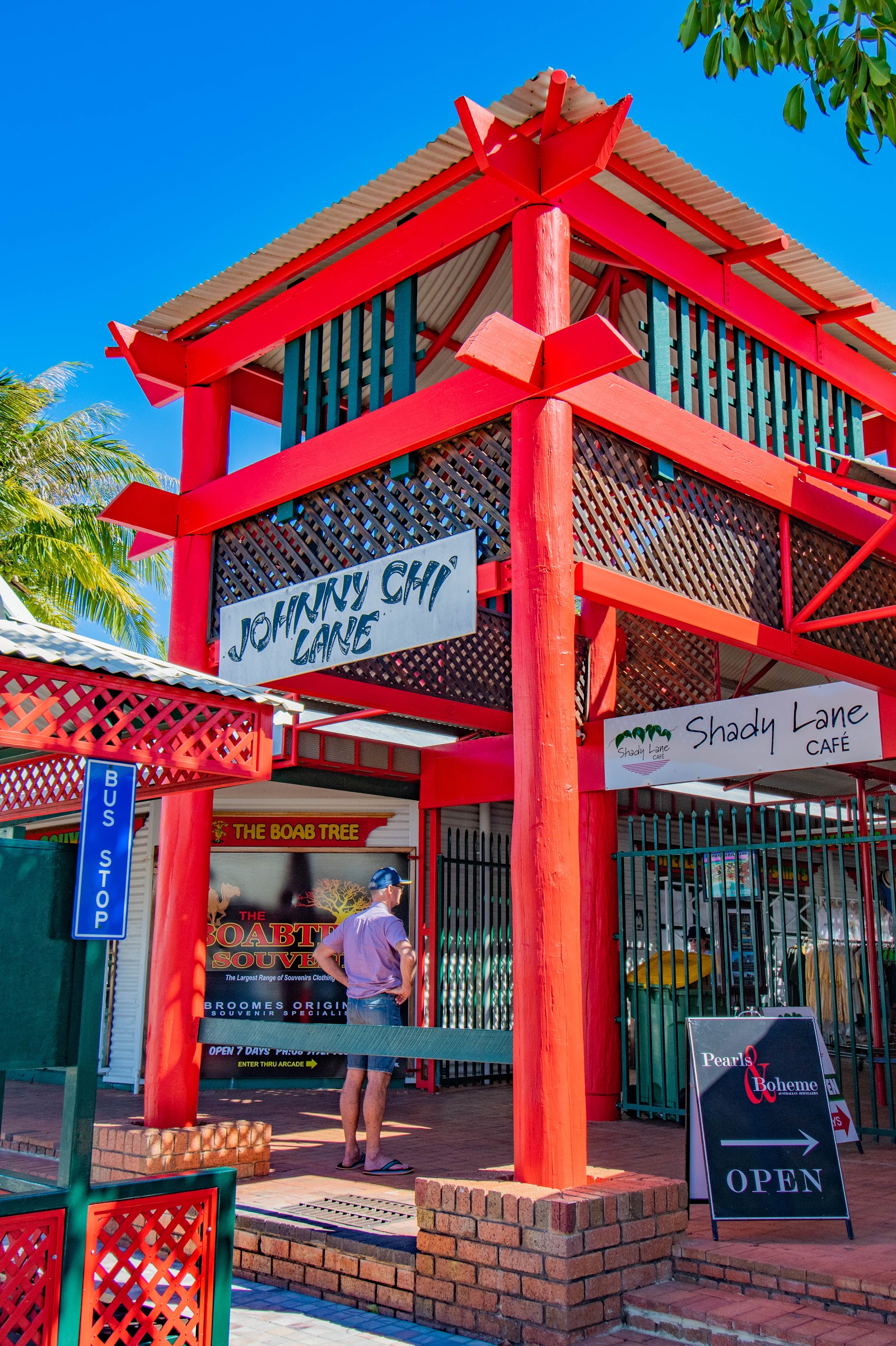
Chinatown in Broome is busy with tourists by mid-morning in the dry season, but the hour before the galleries and showrooms open — when the delivery vans are doing their rounds, the café chairs are being set out and the resident population is moving at its own pace — reveals a working town that the tourist experience tends to cover over. The Sino-Malay-Japanese architectural heritage of Carnarvon Street is more readable before it is competing with browsing crowds, and the light on the old pearl-trading buildings in the early morning is significantly better for understanding the character of the place.
This is not a hidden location, obviously — it is the commercial centre of Broome. The point is timing. Arriving early for the first coffee of the day, walking the street before the galleries open and taking time to read the heritage interpretation boards before the crowds arrive is the version of Chinatown that feels like a local experience rather than a tourist one. The architecture speaks to the extraordinary mix of cultures that the pearling industry assembled here, and the buildings are worth looking at carefully.
The same Chinatown street, half an hour before the galleries open — delivery vans, first coffees and century-old buildings in morning light, without the tourist scrum.
Arrive at first-coffee time (7–8am) on a dry-season morning and walk Carnarvon Street before the galleries and showrooms open.
This is simply a timing tip, not a different location — if early mornings are not your thing, the standard mid-morning Chinatown visit is still worth doing.
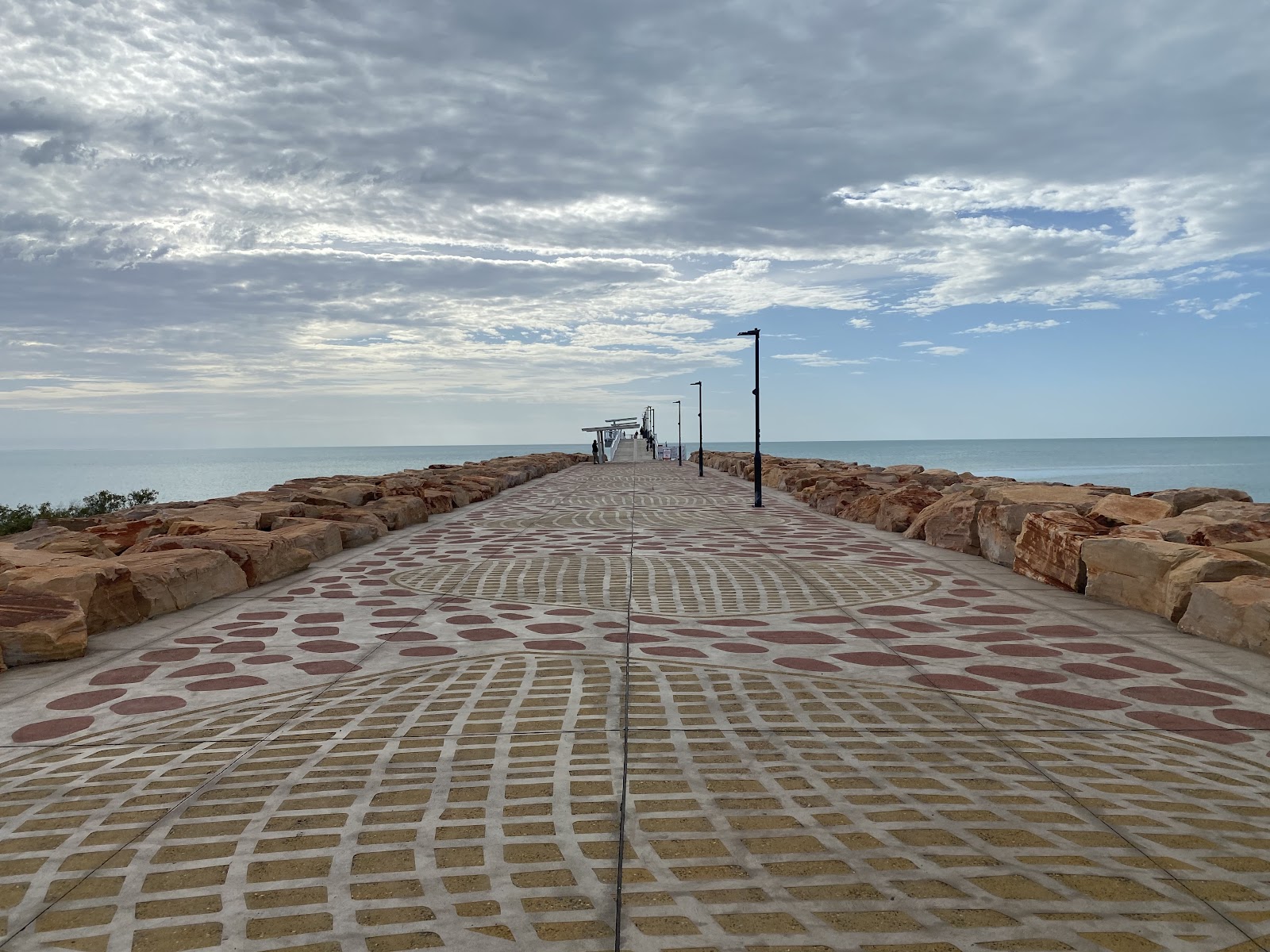
Entrance Point is a small headland reserve on the northern edge of Roebuck Bay, a short drive from central Broome, that offers some of the best views of the bay and the surrounding coastline from a spot that the main tourist circuit entirely ignores. The point was historically used as a pilot lookout for vessels entering Roebuck Bay, and the remnant infrastructure and interpretive material tells a quiet story about the town's maritime past. The fishing from the rocks here is a local activity that locals tend to return to with some regularity.
The appeal is precisely the absence of the infrastructure of more visited Broome viewpoints — no facilities, no tour buses, no admission fee, no queue. The view north across Roebuck Bay toward the mudflats and the mangroves at the edge of the tidal plain is one of the cleaner coastal panoramas in the region, and on a clear dry-season morning with good light it is worth a deliberate half-hour detour. It also happens to face west, which makes the evening light worthwhile.
A genuine lookout with bay views, no facilities, no crowds and no admission fee — the kind of place that stays good because nobody bothers to advertise it.
A clear dry-season morning or late afternoon for the bay views and the light on the coastal plain.
No facilities at all — bring water and sun protection. The access road is unsealed; check conditions after rain. Do not approach tidal areas without checking local croc safety advice.
What curious visitors to Broome say after looking beyond the headline attractions:
Visitors who find the Japanese Cemetery and the Pearl Luggers museum consistently say the same thing: the commercial pearl retail experience in Chinatown is pleasant, but it is the human cost that the cemetery makes tangible that actually explains what Broome is. The pearl heritage is genuinely extraordinary when you encounter its full dimension.
Birders who discover the Broome Bird Observatory are often astonished that a site of genuine global ecological significance sits at the edge of a tourist town and receives so little mainstream attention. The high-tide roost tours during migration season are described as among the most remarkable wildlife experiences in Australia.
The places in this guide — low-tide dinosaur footprints, Reddell Beach cliffs at sunset, Chinatown at opening time, the observatory during peak migration — all require deliberate timing. Visitors who plan around tides, light and seasons get a completely different Broome to visitors who arrive and respond to what is in front of them.
“Cable beach is a lovely spot to sit and relax and go for a dip. You can ride a camel or take your bike on the compact sand. Later in the day drive onto the beach have a glass of wine and watch the sunset.”— Pamela Rivers (on Cable Beach), Google review
“Excellent place, they’re currently doing renovations on the for-sure but since there are life guards, there’s safe excellent beach swimming along with a easy walk to the beachside business/restaurants. Great views allowed by 4x4 vehicles able to view the sunset while driving on the beach. Also able to see the camel rides with the tide being quite volatile so”— Kyle Sapphire (on Cable Beach), Google review
“Cable Beach: An absolute gem for sunset enthusiasts, Cable Beach offers stunning views with a vibrant atmosphere. Crowds gather to admire the breathtaking sunset, and the sight of people enjoying camel rides adds a unique charm to the experience. A must-visit spot for those seeking beauty and a lively beach ambiance.”— Amy Elizabeth (on Cable Beach), Google review
| Season | Conditions | Highlights | Crowds |
|---|---|---|---|
| Dry season (May–Sep) | Warm, clear, low humidity | Best tide windows for Gantheaume footprints, Reddell Beach cliffs at peak colour, markets running, Bird Observatory accessible | Moderate (July–August busy) |
| Migration peak (Aug–Oct) | Warming, end of dry to early wet | Shorebird numbers at peak at Roebuck Bay; high-tide roost events at the Bird Observatory | Low at the observatory; moderate in town |
| Wet season (Nov–Apr) | Hot, humid, heavy rain events | Japanese Cemetery and Chinatown are accessible year-round; fewer visitors to these sites in the wet | Low overall; some sites affected by road access after rain |
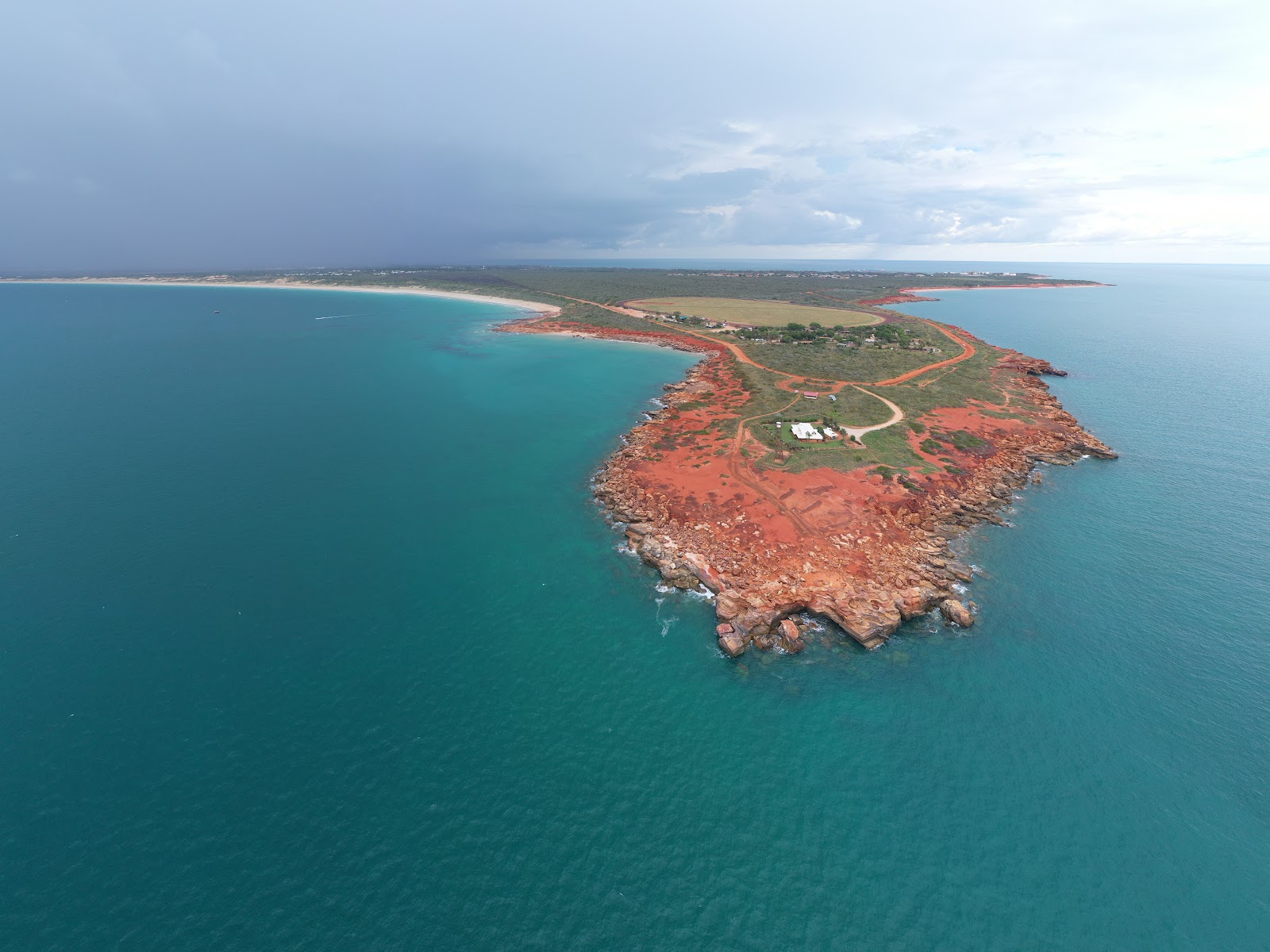
The places in this guide reward preparation more than most tourist activities do. Check tide tables before any visit to Gantheaume Point or the tidal areas — the dinosaur footprints only appear in a short window at very low spring tides, and Reddell Beach changes completely between high and low water. Download the BoM Tides app or check the DBCA website for accurate Broome tide times. For the Broome Bird Observatory, book ahead rather than turning up — it is a research station, not a walk-in attraction, and advance contact is both required and courteous.
Approach Broome's Indigenous heritage sites with genuine respect. Kennedy Hill is a living community, not a heritage trail, and several sites in the region carry cultural significance for the Yawuru people that is not diminished by their proximity to a tourist town. Take your cues from on-site signage, do not enter without invitation, do not photograph without permission, and do not share exact GPS locations of sacred places on social media. The same care that keeps the Japanese Cemetery a genuine memorial — quiet respect, no disturbance — applies to the broader heritage of the town and country it sits on.
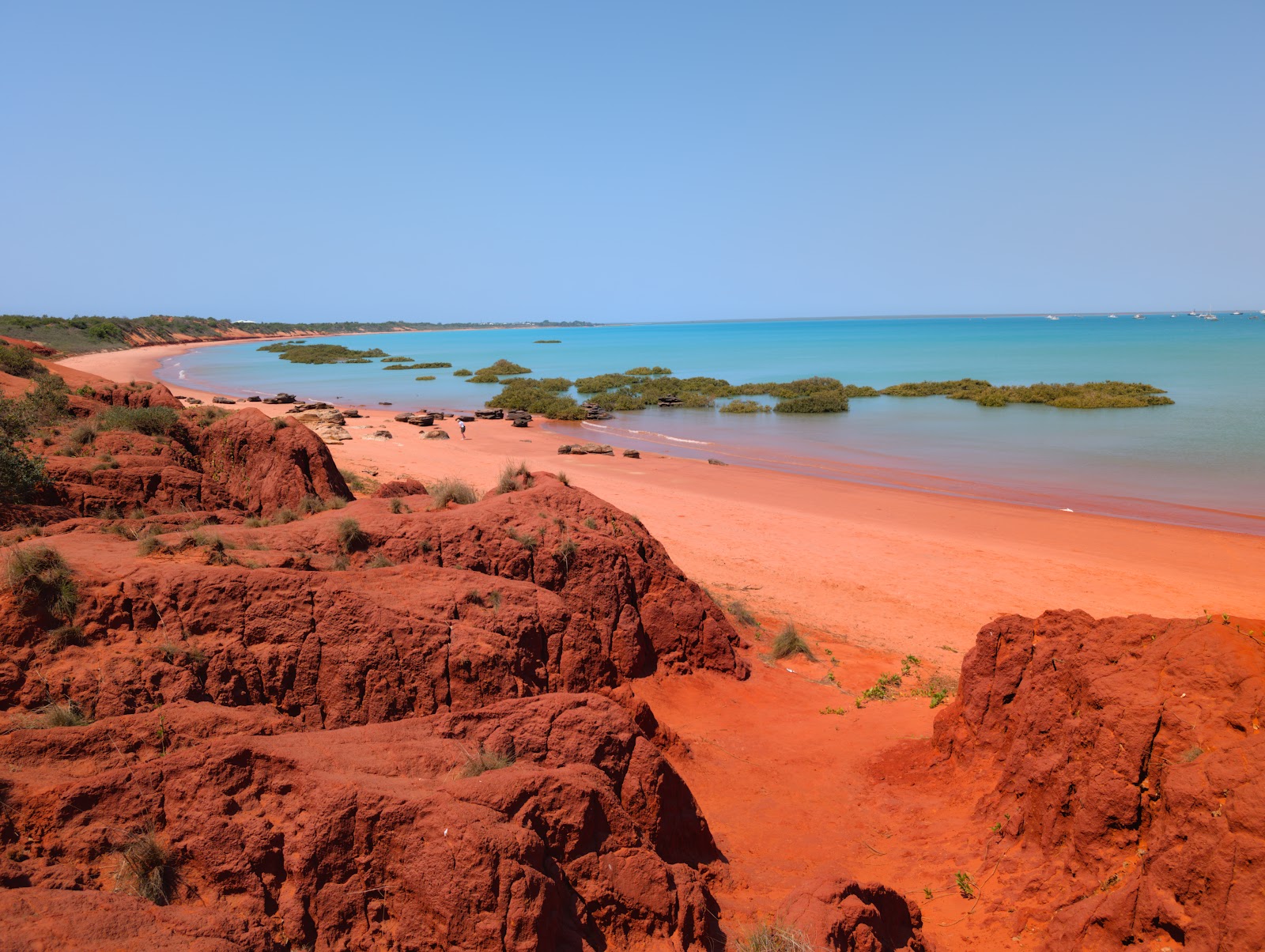
The famous Broome — Cable Beach, the camel rides, the pearl showrooms — is real and worth your time. But there is a second Broome layered underneath it: the Japanese Cemetery, the 130-million-year-old footprints, the bird observatory that draws ornithologists from across the world, the red cliffs that most visitors miss by looking the wrong direction at sunset, the Chinatown street before the galleries open.
That second Broome is not harder to find. It requires only the combination of decent tide tables, an early alarm, a prior booking at the Bird Observatory, and the willingness to go somewhere that is not on the main tourist circuit. The reward is a town that earns its remote-Australia reputation for reasons that go well beyond a famous beach — a town with a real history, genuine ecological significance, and the kind of quieter places that become the ones you remember longest.
Enjoying hidden gems? Here’s where else in Australia it’s worth the trip — ranked by how loved each destination is, with the one thing not to miss at each.
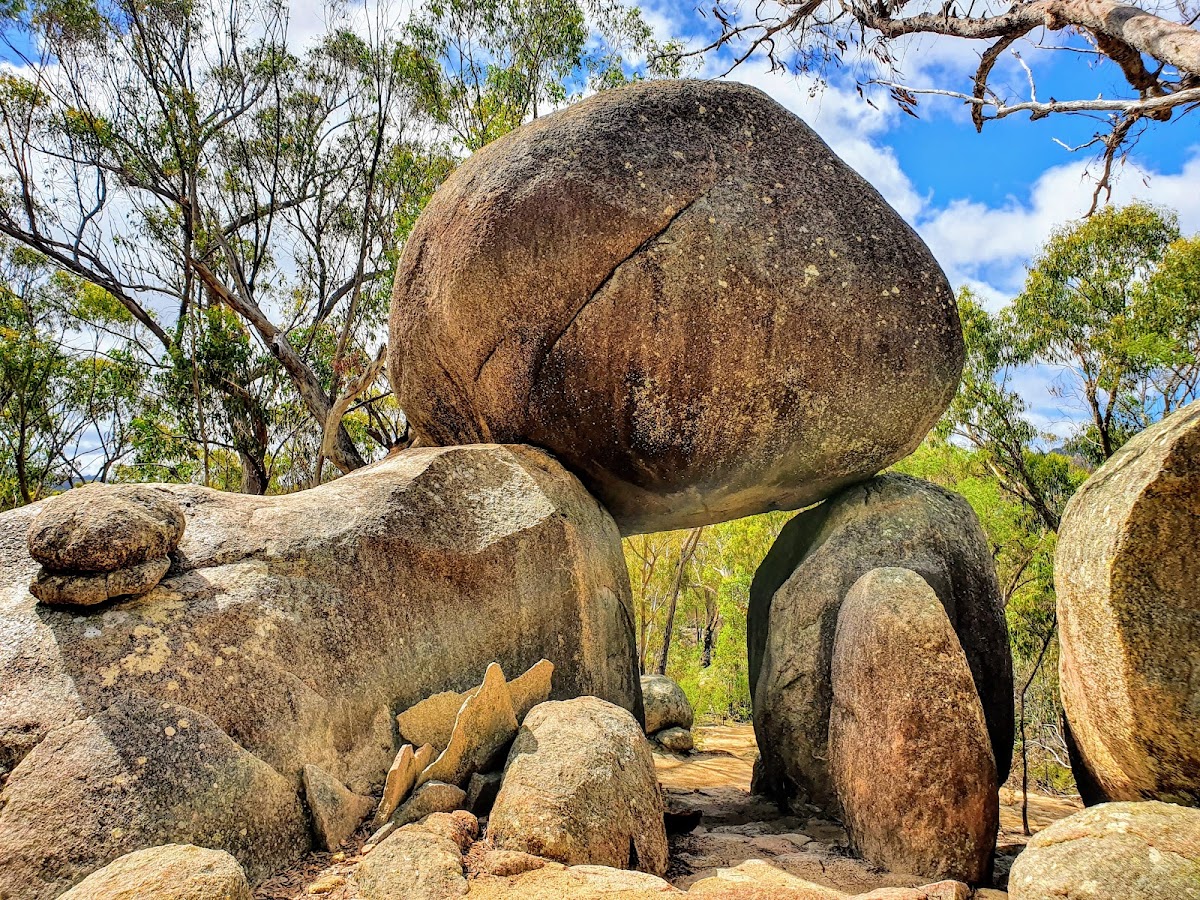 Glen Aplin
Granite Belt, Queensland
The broad granite pools upstream at dawn, when the canopy is full of birdsong.
Explore hidden gems in Glen Aplin →
2
Glen Aplin
Granite Belt, Queensland
The broad granite pools upstream at dawn, when the canopy is full of birdsong.
Explore hidden gems in Glen Aplin →
2
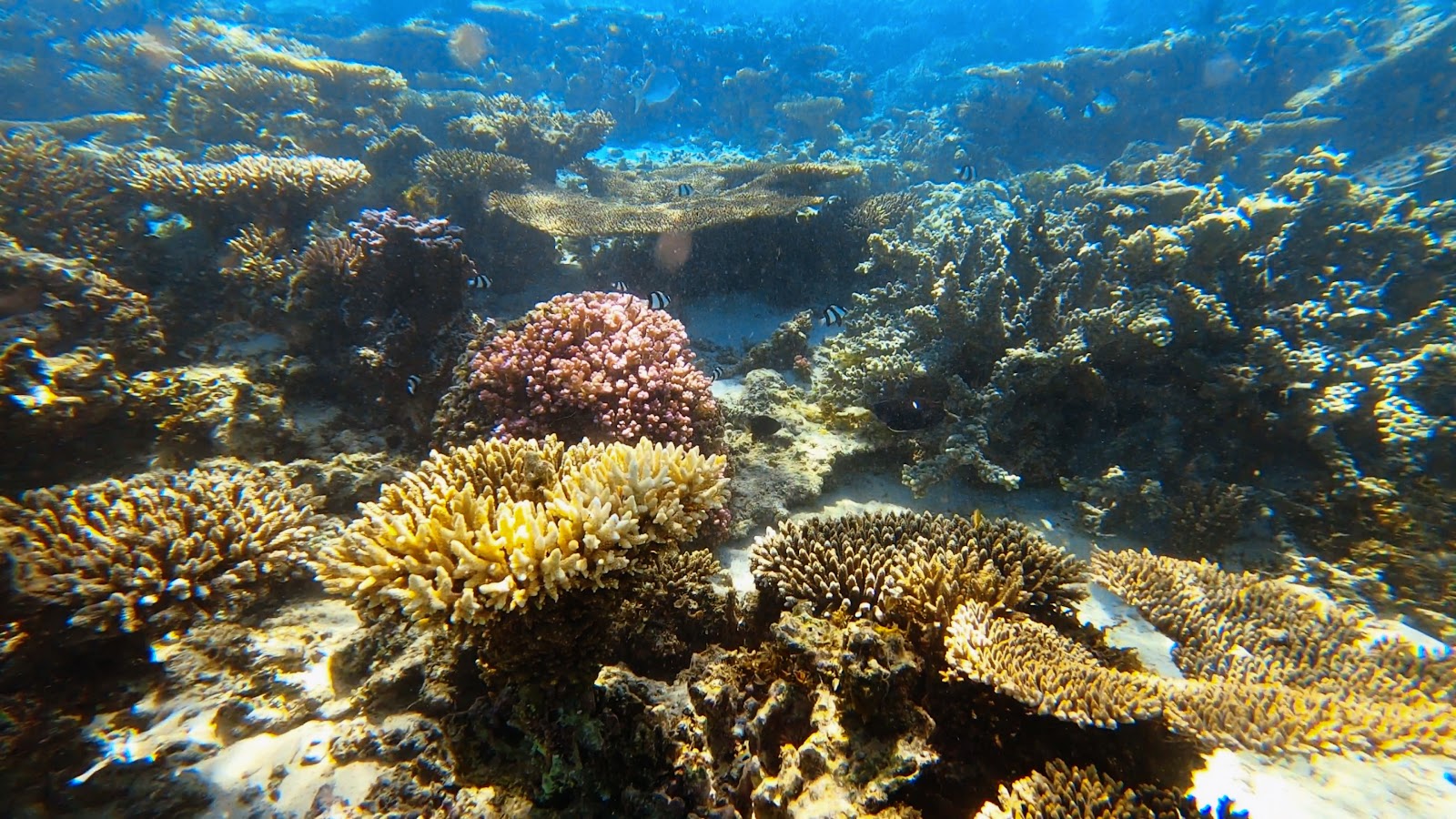 Ningaloo Reef
Australia's Coral Coast, Western Australia
Arriving in the correct tidal window for a light drift snorkel through the coral channel — check the tide chart the night before and leave Exmouth early.
Explore hidden gems in Ningaloo Reef →
3
Ningaloo Reef
Australia's Coral Coast, Western Australia
Arriving in the correct tidal window for a light drift snorkel through the coral channel — check the tide chart the night before and leave Exmouth early.
Explore hidden gems in Ningaloo Reef →
3
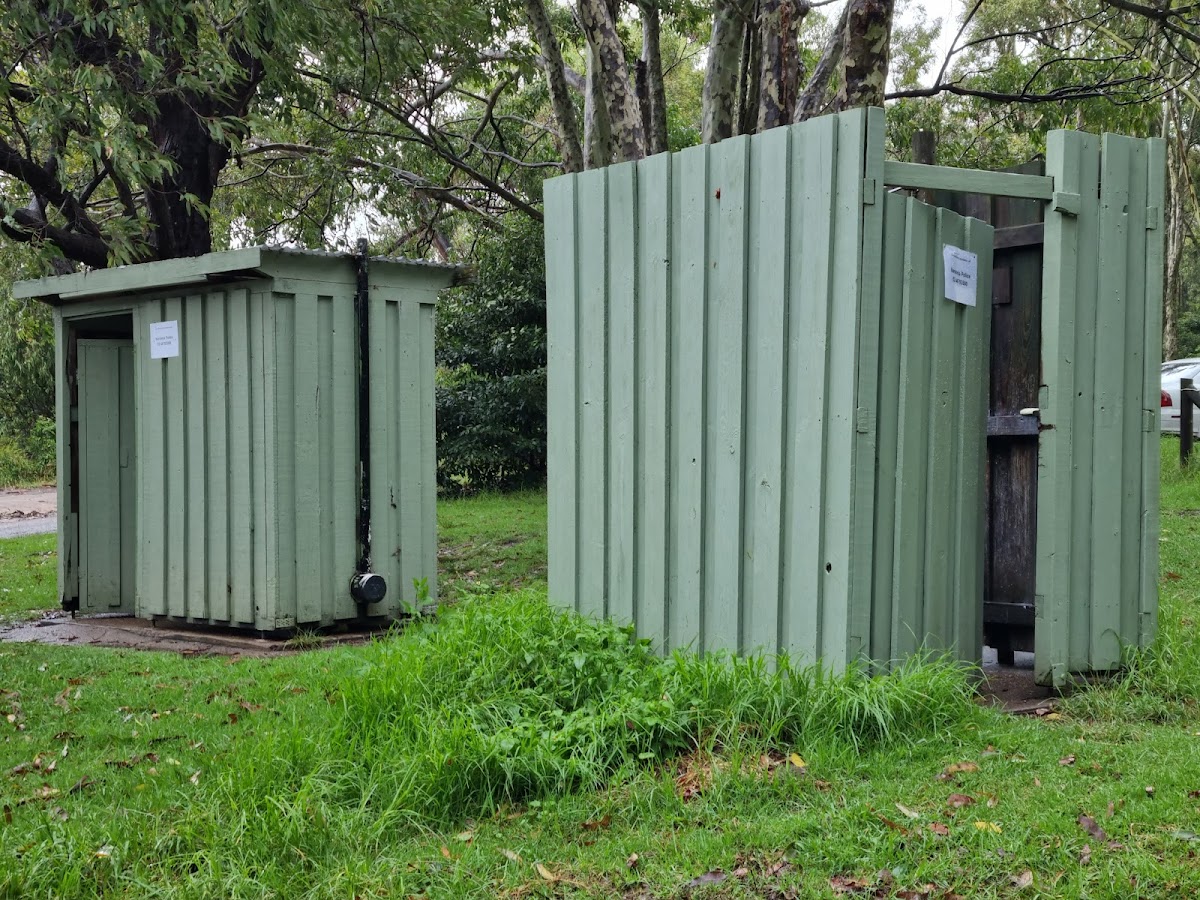 Narooma
South Coast, New South Wales
Low tide for the exposed rock platforms and pools; late afternoon for the light on the tilted formations.
Explore hidden gems in Narooma →
4
Narooma
South Coast, New South Wales
Low tide for the exposed rock platforms and pools; late afternoon for the light on the tilted formations.
Explore hidden gems in Narooma →
4
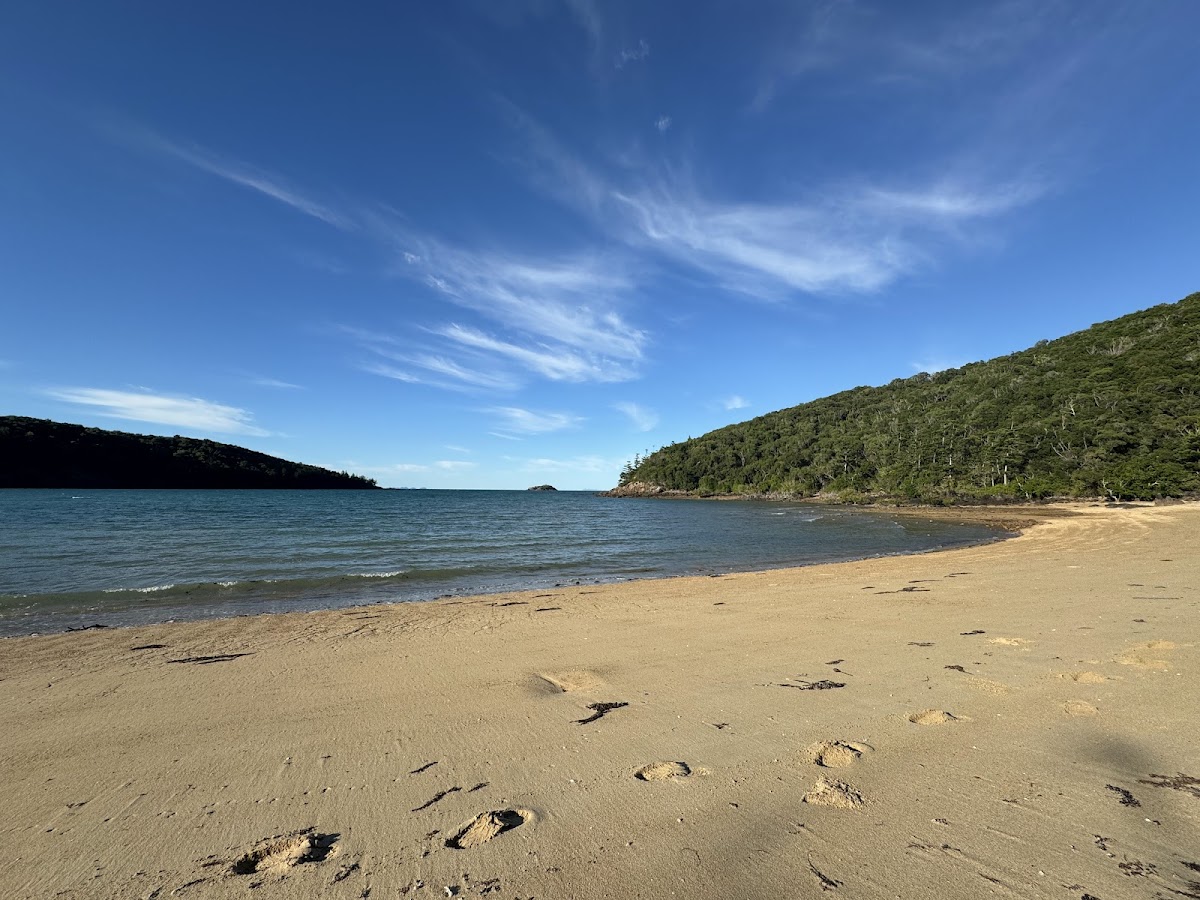 Hamilton Island
The Whitsundays, Queensland
A mid-morning swim at Coral Cove when Catseye is busy and you want a beach with barely anyone on it.
Explore hidden gems in Hamilton Island →
5
Hamilton Island
The Whitsundays, Queensland
A mid-morning swim at Coral Cove when Catseye is busy and you want a beach with barely anyone on it.
Explore hidden gems in Hamilton Island →
5
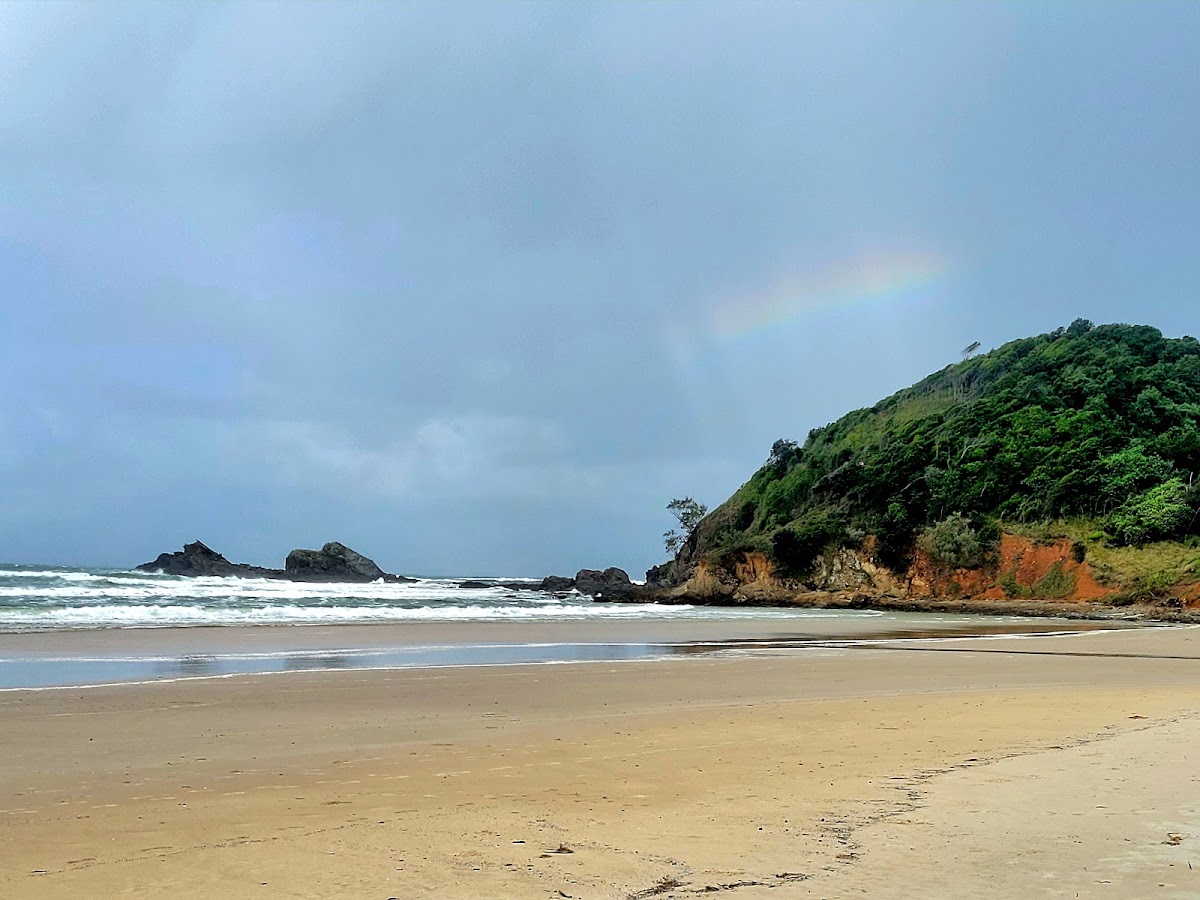 Byron Bay
Northern Rivers, New South Wales
A near-empty hidden beach at Broken Head or a swimmable hinterland waterfall, both minutes from the crowds.
Explore hidden gems in Byron Bay →
6
Byron Bay
Northern Rivers, New South Wales
A near-empty hidden beach at Broken Head or a swimmable hinterland waterfall, both minutes from the crowds.
Explore hidden gems in Byron Bay →
6
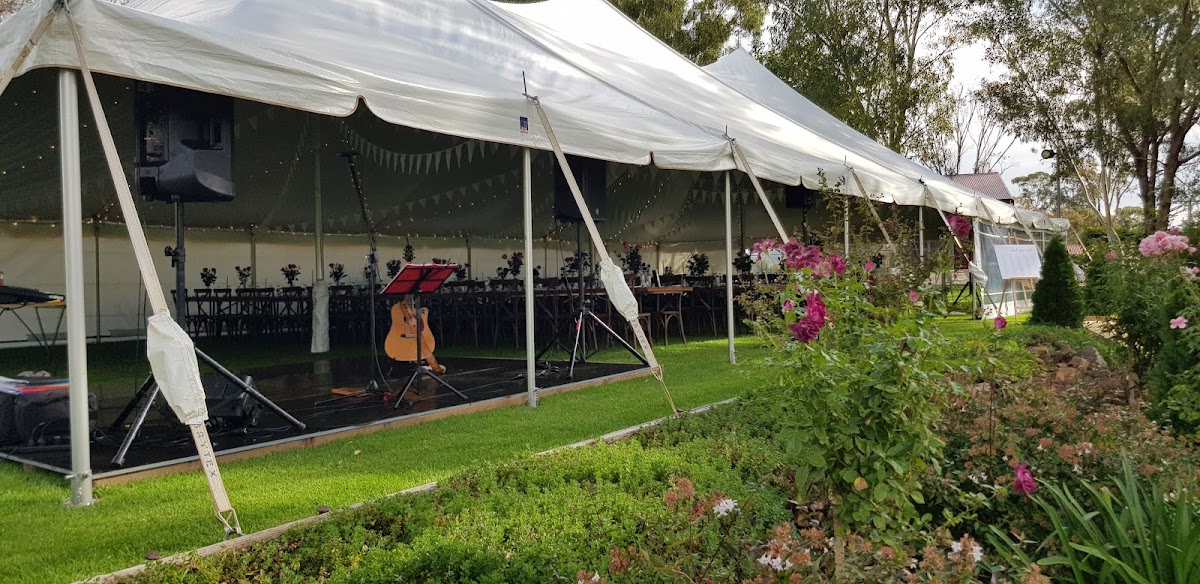 Dubbo
Central West, New South Wales
Realising, on a third unhurried day, how much of the region sits just beyond the headline attractions.
Explore hidden gems in Dubbo →
7
Dubbo
Central West, New South Wales
Realising, on a third unhurried day, how much of the region sits just beyond the headline attractions.
Explore hidden gems in Dubbo →
7
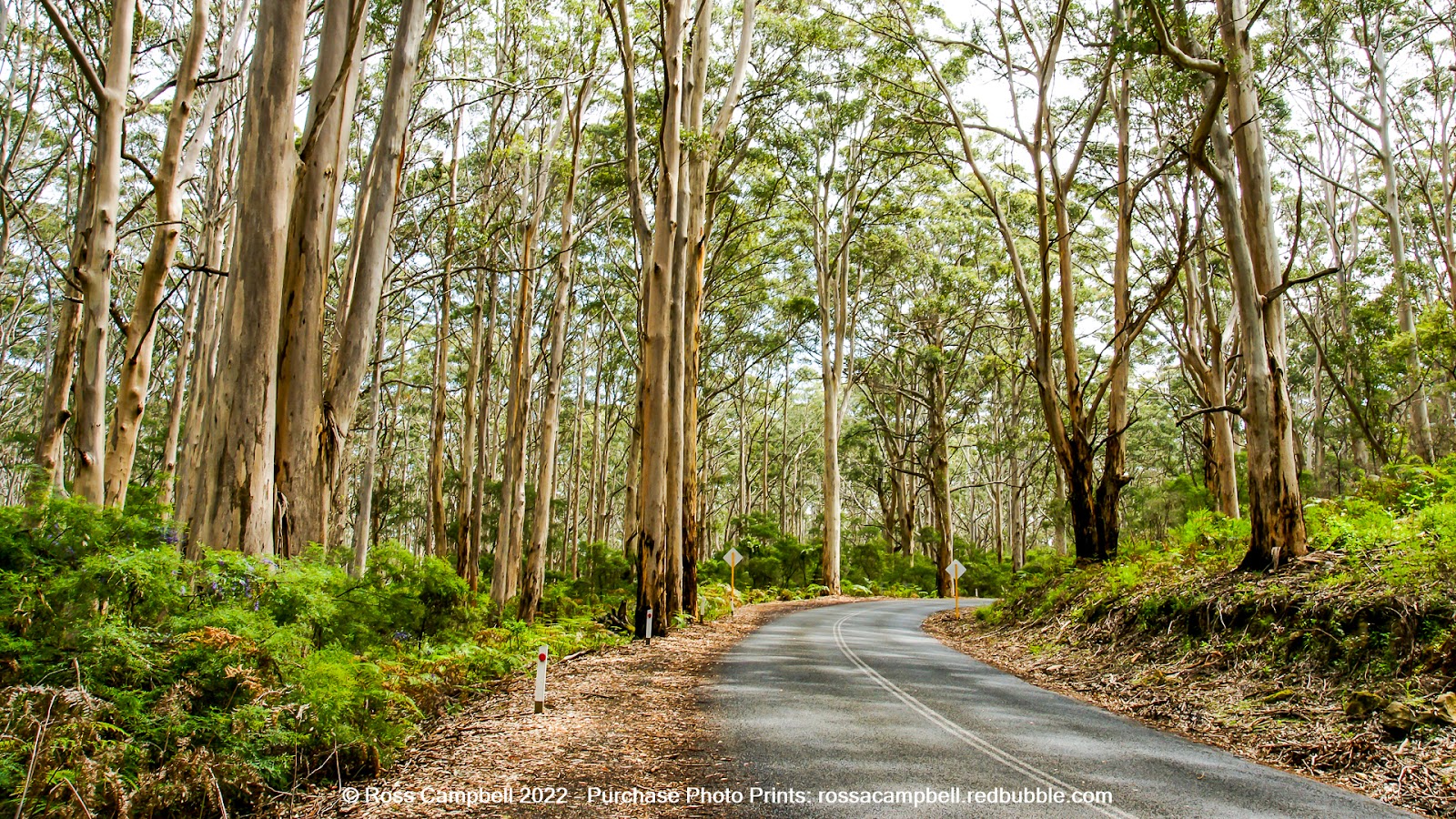 Margaret River
Australia's South West, Western Australia
The Boranup Lookout midway through the drive, with views over the forest canopy to the turquoise water of Hamelin Bay.
Explore hidden gems in Margaret River →
8
Margaret River
Australia's South West, Western Australia
The Boranup Lookout midway through the drive, with views over the forest canopy to the turquoise water of Hamelin Bay.
Explore hidden gems in Margaret River →
8
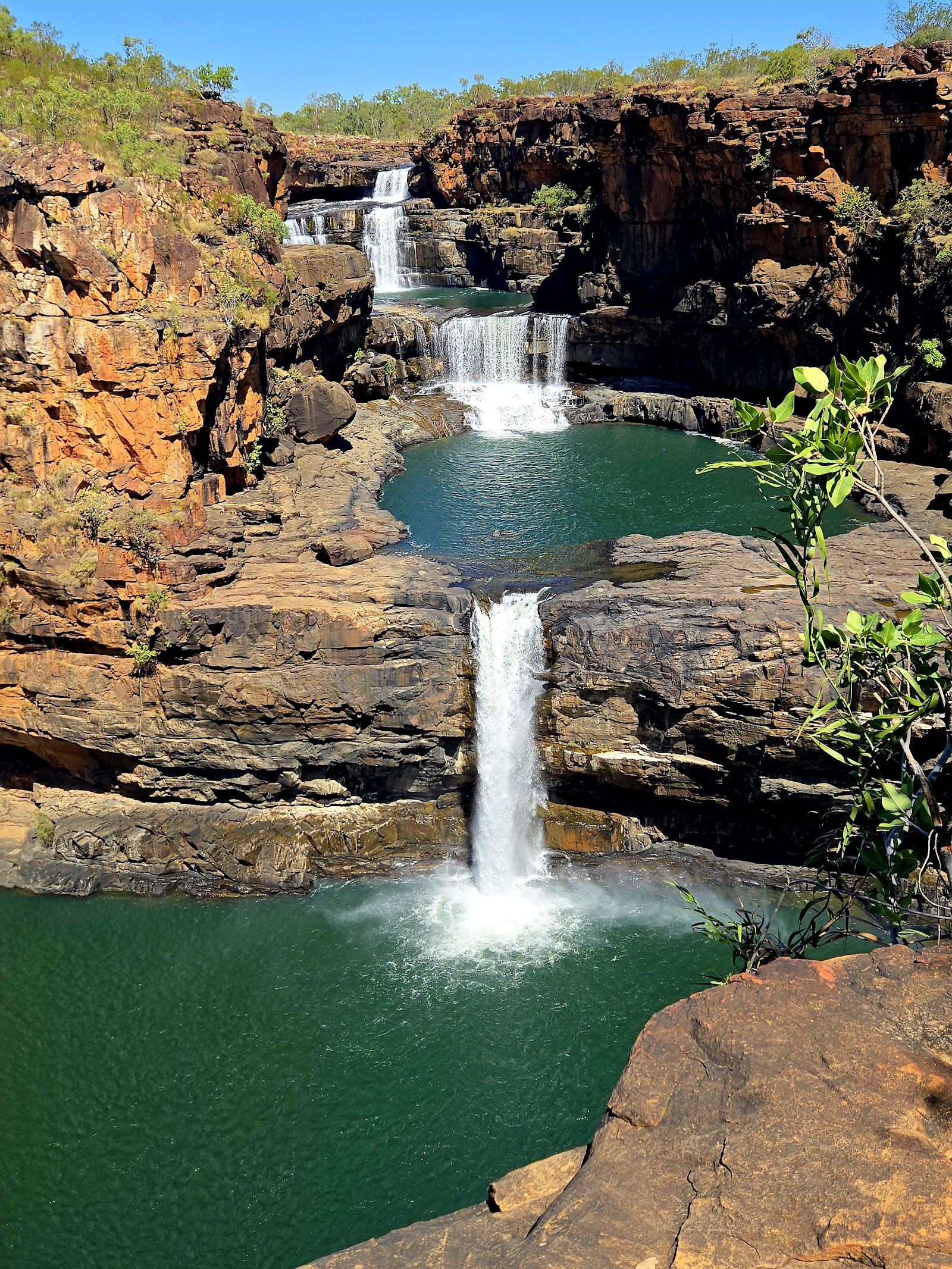 The Kimberley
Australia's North West, Western Australia
Canoeing Dimond Gorge and swimming Sir John Gorge — quiet, cliff-walled water, often to yourself.
Explore hidden gems in The Kimberley →
Broome you’re here
Australia's North West, Western Australia
Low tide in the late afternoon, when the cliffs are at their most vivid and the tidal pools are fully exposed.
You’re reading this guide
The Kimberley
Australia's North West, Western Australia
Canoeing Dimond Gorge and swimming Sir John Gorge — quiet, cliff-walled water, often to yourself.
Explore hidden gems in The Kimberley →
Broome you’re here
Australia's North West, Western Australia
Low tide in the late afternoon, when the cliffs are at their most vivid and the tidal pools are fully exposed.
You’re reading this guide
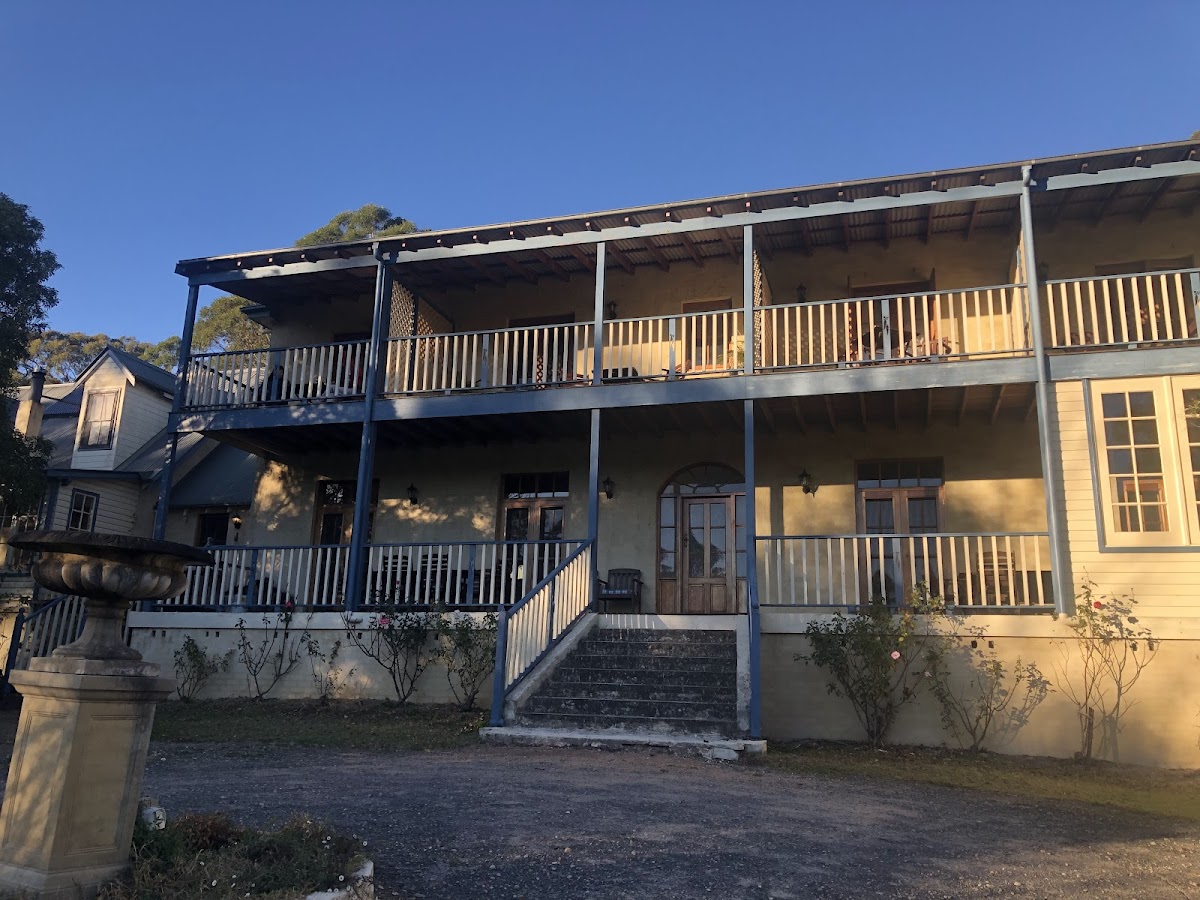 Kangaroo Valley
Shoalhaven, New South Wales
The realisation, on a second night, that the quiet dawn-and-dusk valley is a different place from the busy day one.
Explore hidden gems in Kangaroo Valley →
Kangaroo Valley
Shoalhaven, New South Wales
The realisation, on a second night, that the quiet dawn-and-dusk valley is a different place from the busy day one.
Explore hidden gems in Kangaroo Valley →
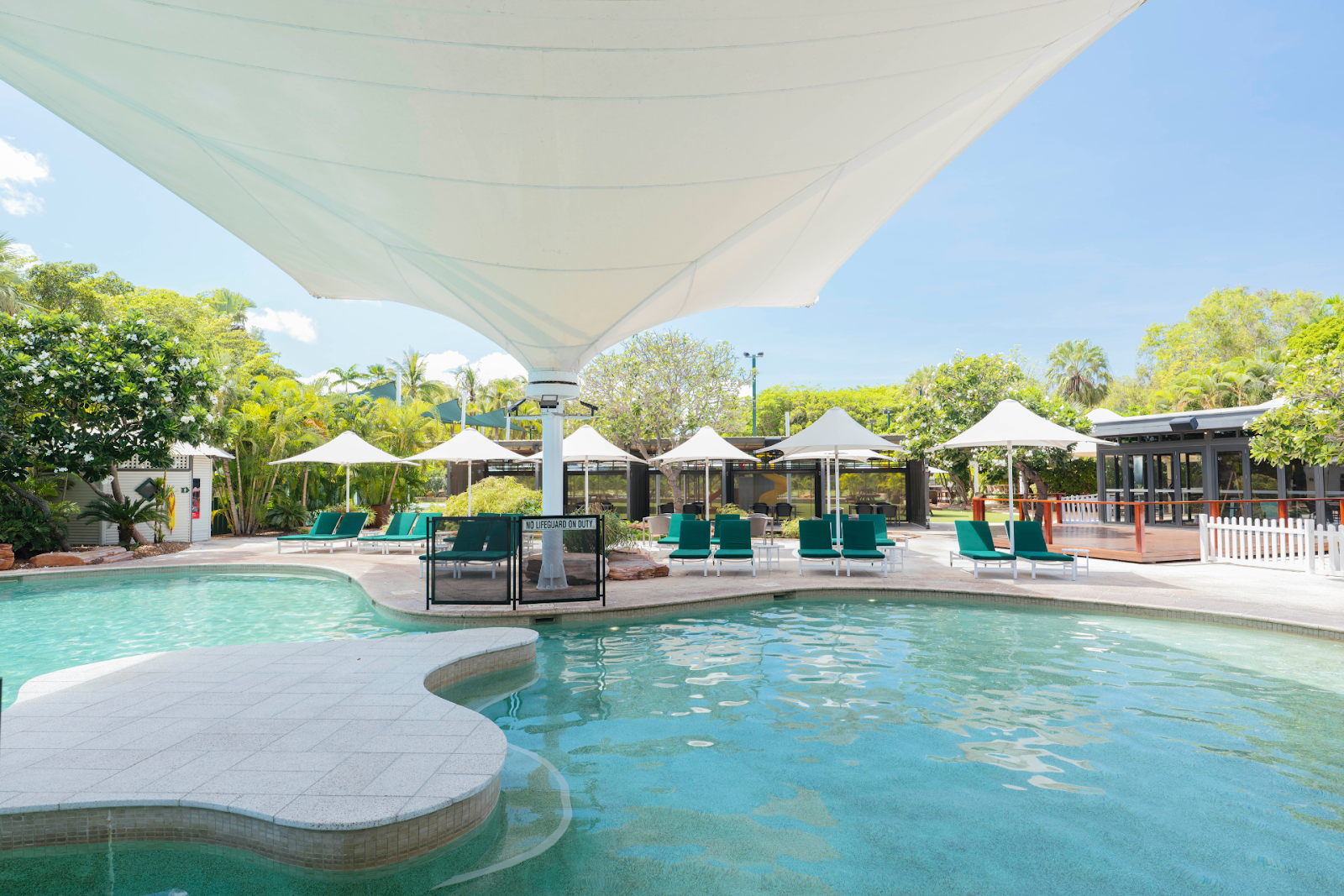
Cable Beach Club Resort & Spa — Broome
Book Direct & Save →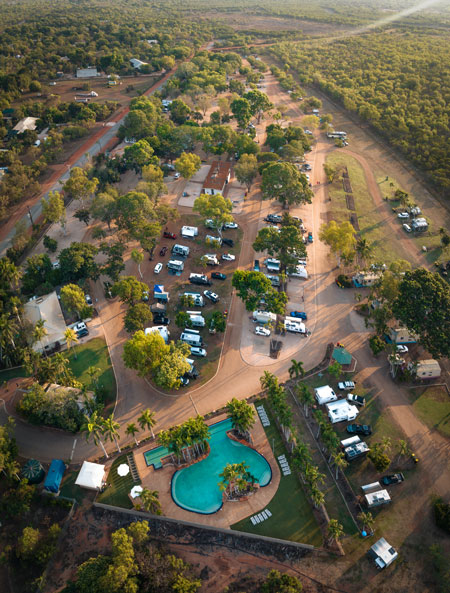
Broome Caravan Park — Broome
Book Direct & Save →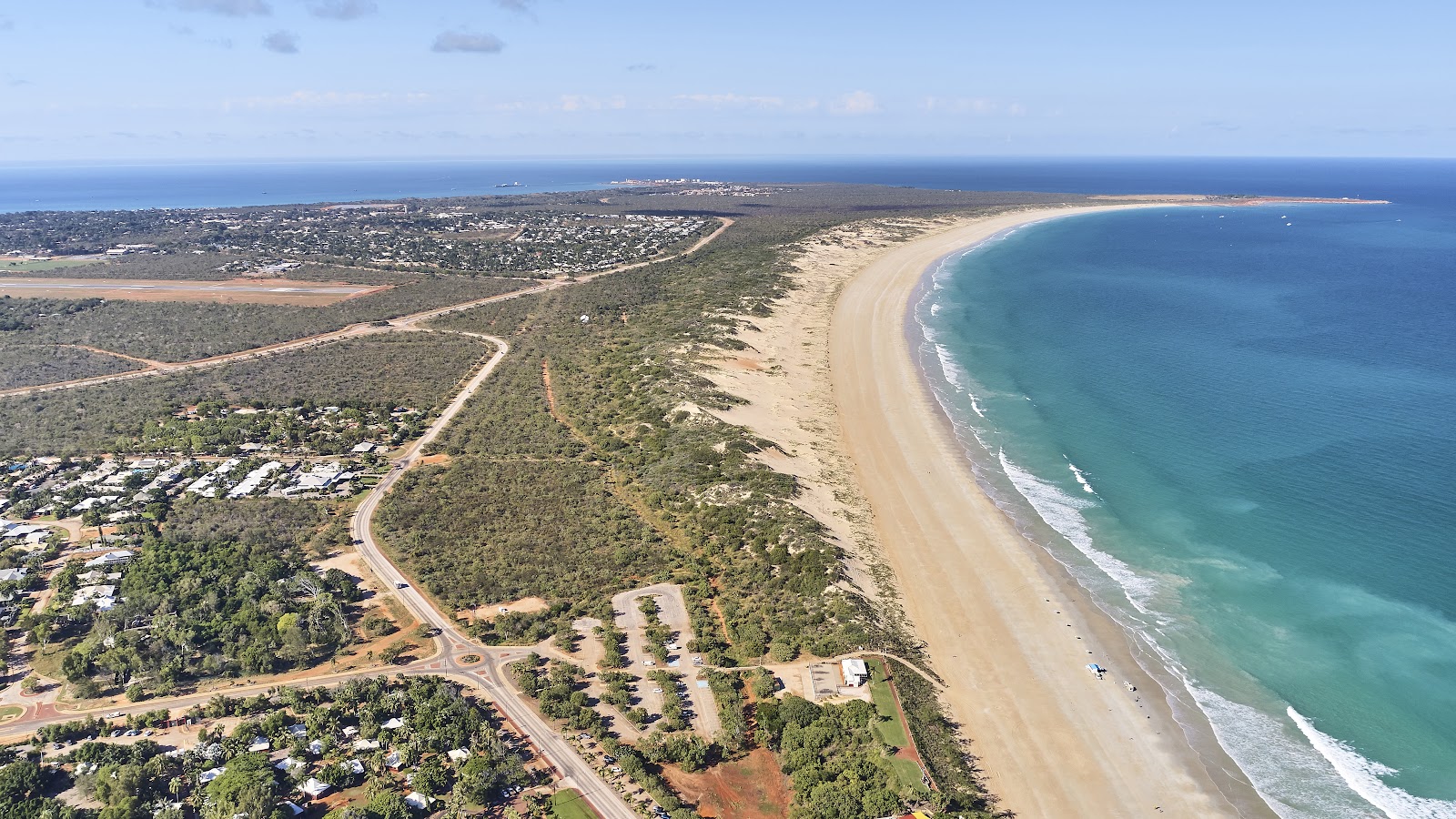
Skip OTA fees. Connect directly with Broome owners for the best rates and a truly personal experience.
We match any online rate. No service fees — 100% of your payment supports local owners.
Direct guests receive complimentary hampers, early check-in, and priority access to experiences.
Speak directly with the people who manage the properties. No call centres, just local expertise.
Part of Western Australia · Australia's North West
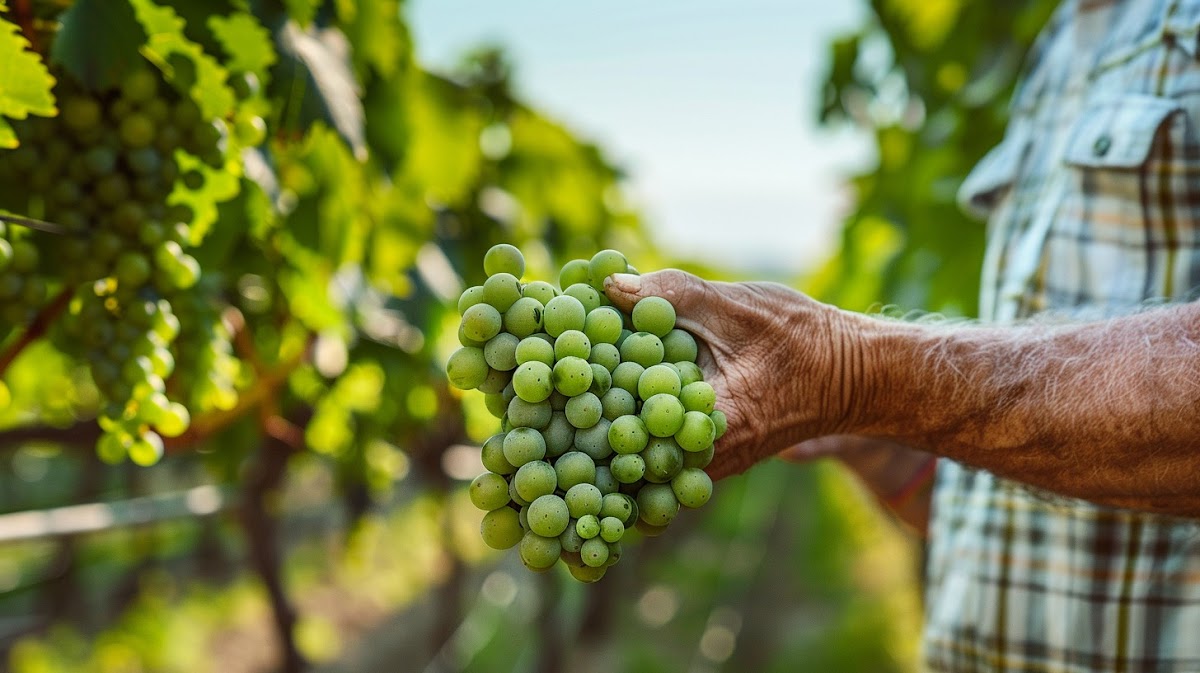 Glen Aplin
Granite Belt, Queensland
Queensland's most underrated wine valley
Explore the guide →
Glen Aplin
Granite Belt, Queensland
Queensland's most underrated wine valley
Explore the guide →
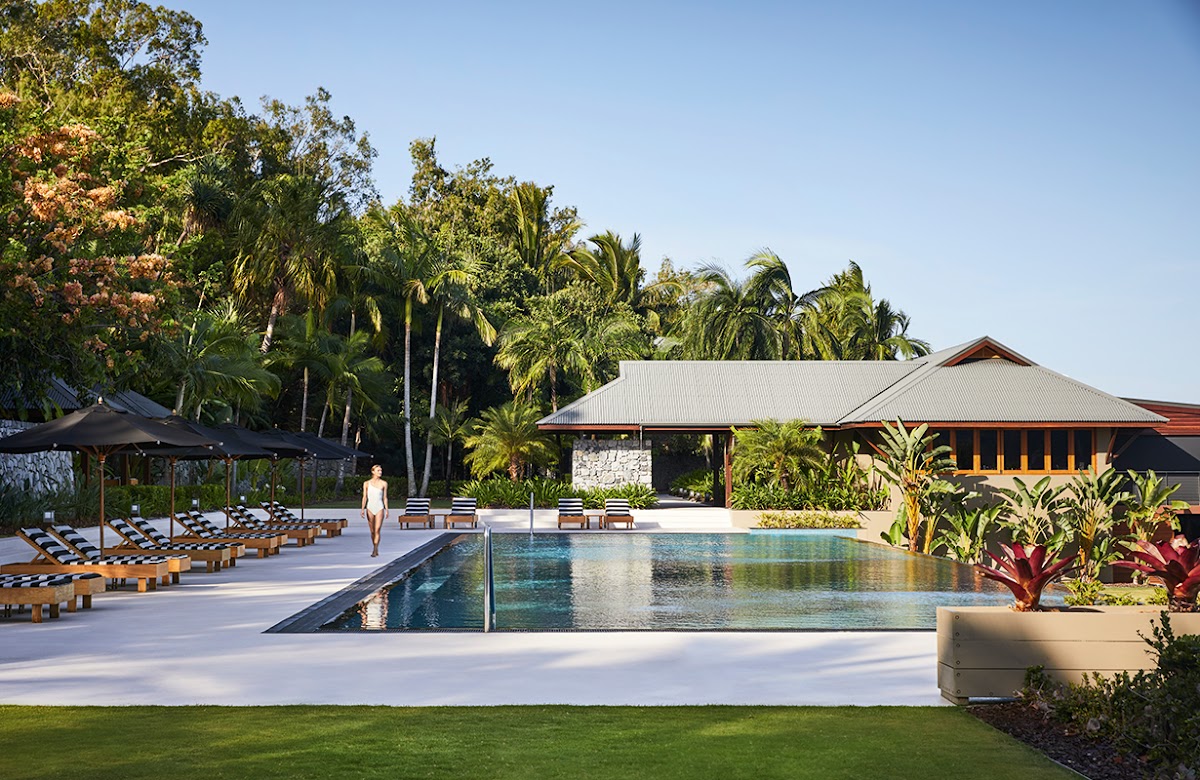 Hamilton Island
The Whitsundays, Queensland
Whitsundays island resort — Whitehaven Beach, reef trips and golf-buggy life
Explore the guide →
Hamilton Island
The Whitsundays, Queensland
Whitsundays island resort — Whitehaven Beach, reef trips and golf-buggy life
Explore the guide →
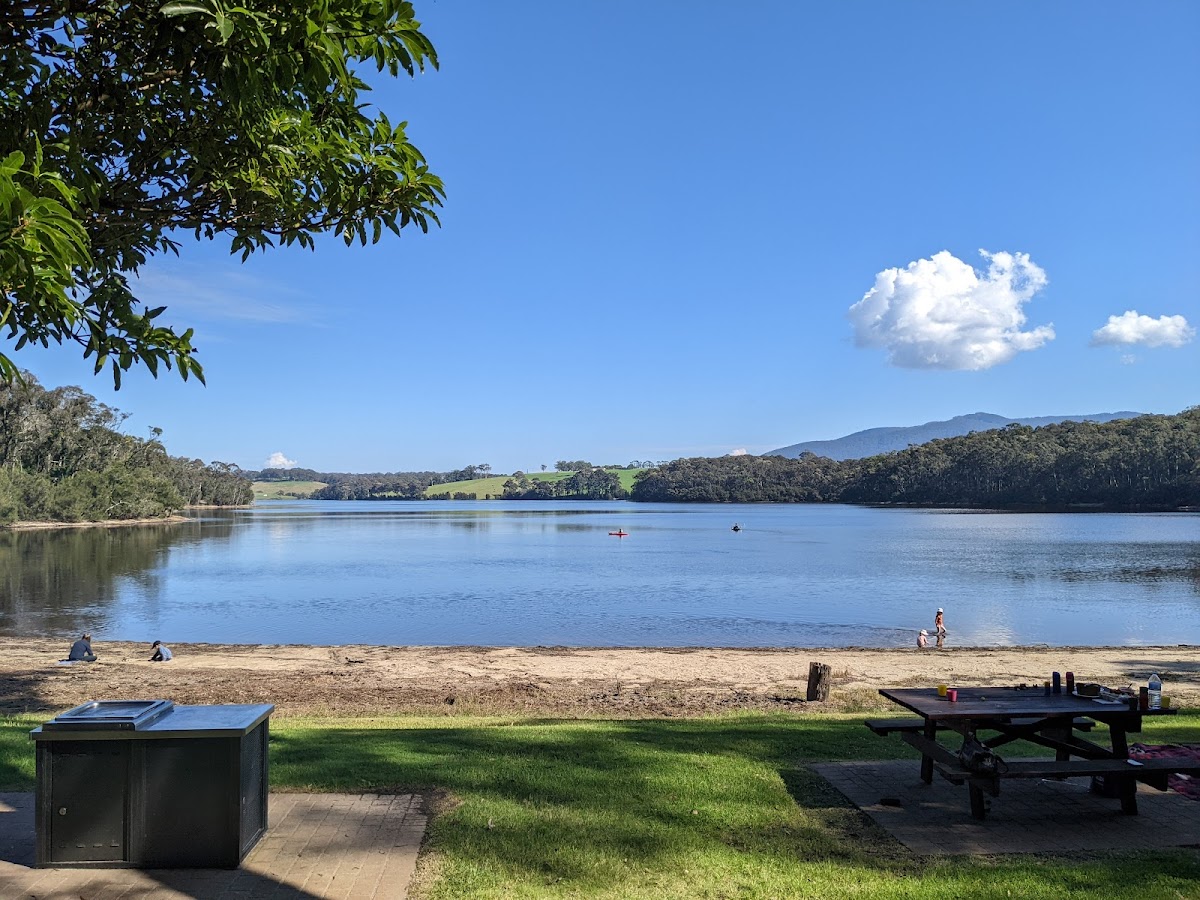 Narooma
South Coast, New South Wales
Crystal-clear inlet, surf beaches, oysters and Montague Island
Explore the guide →
Narooma
South Coast, New South Wales
Crystal-clear inlet, surf beaches, oysters and Montague Island
Explore the guide →
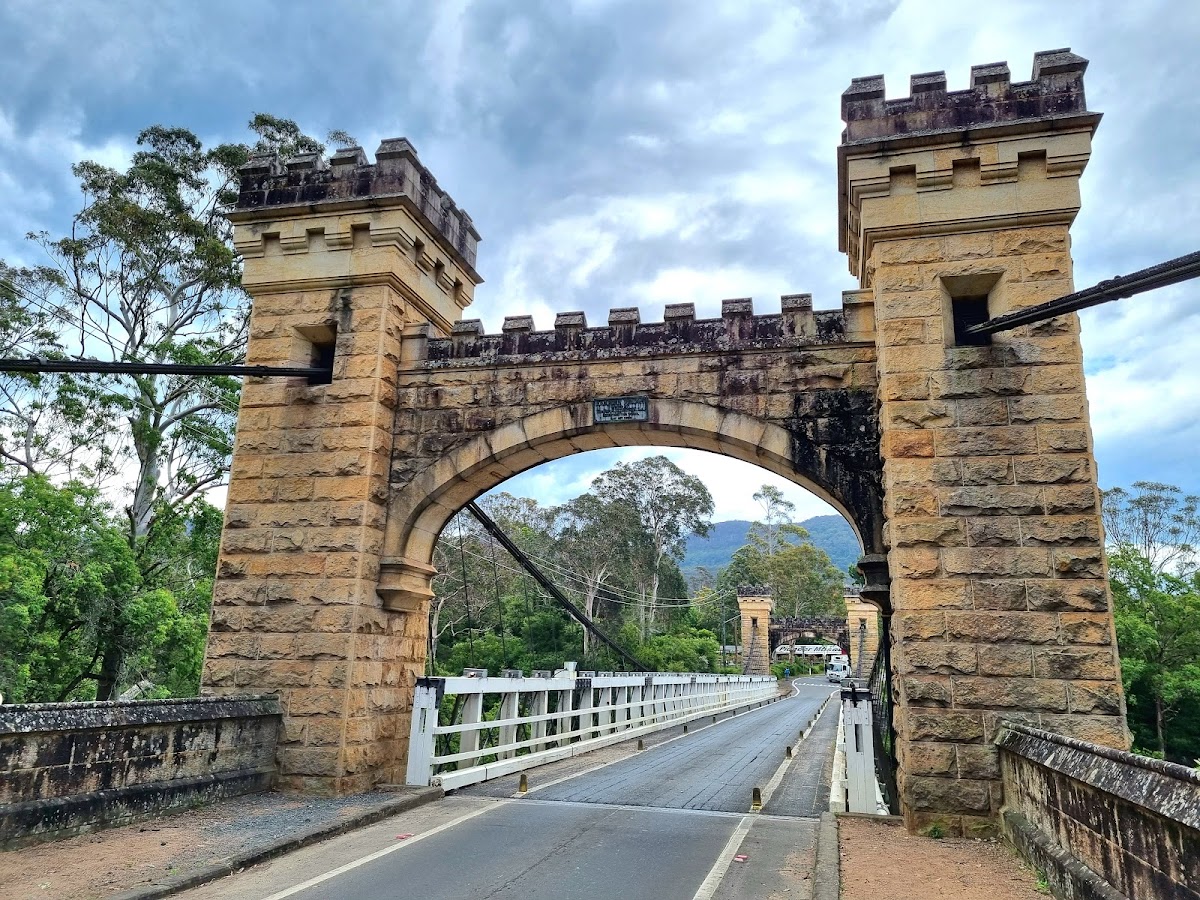 Kangaroo Valley
Shoalhaven, New South Wales
Hampden Bridge, kayaking and wombats in a green valley
Explore the guide →
Kangaroo Valley
Shoalhaven, New South Wales
Hampden Bridge, kayaking and wombats in a green valley
Explore the guide →
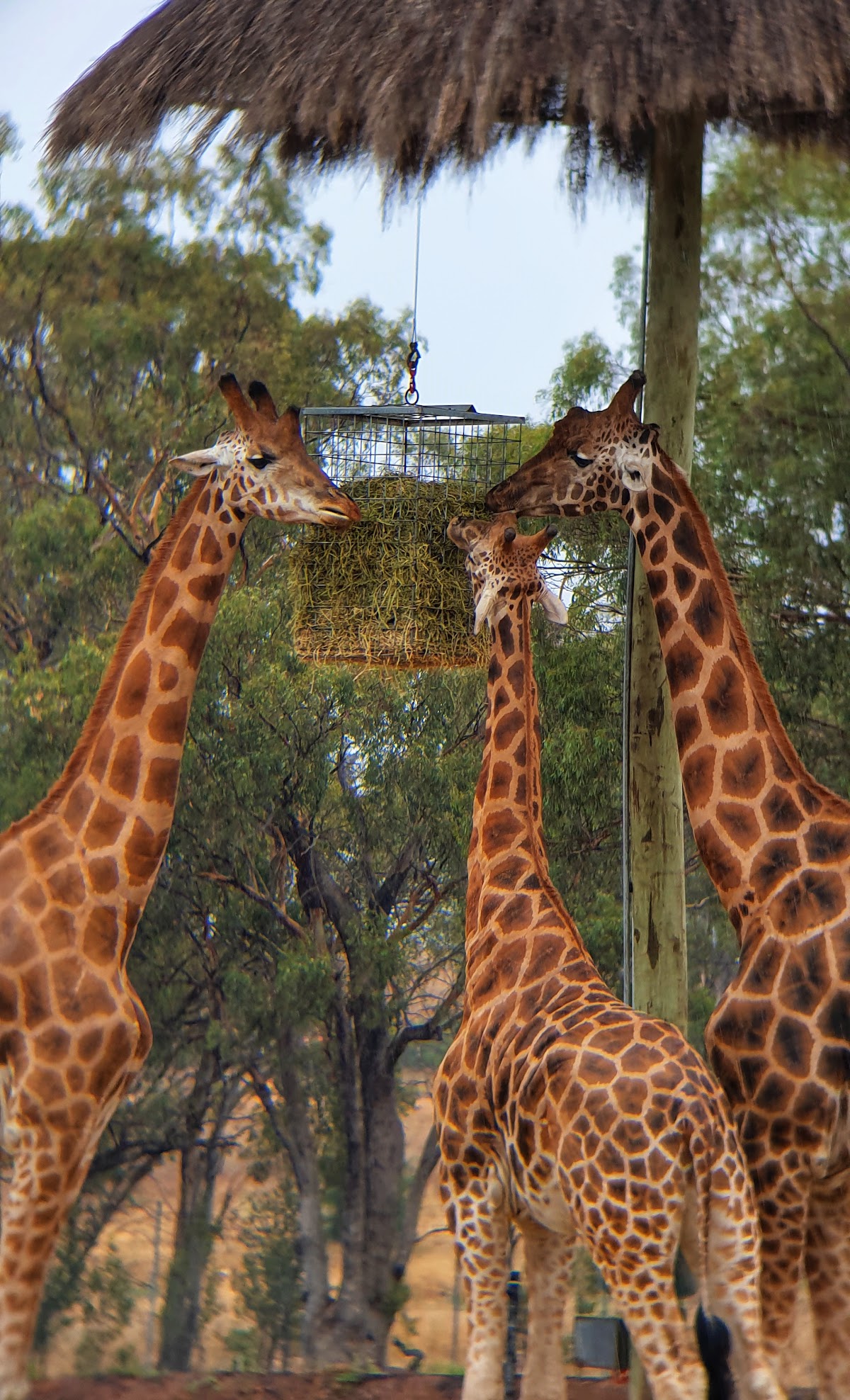 Dubbo
Central West, New South Wales
Open-range zoo and Outback gateway on the Macquarie River
Explore the guide →
Dubbo
Central West, New South Wales
Open-range zoo and Outback gateway on the Macquarie River
Explore the guide →
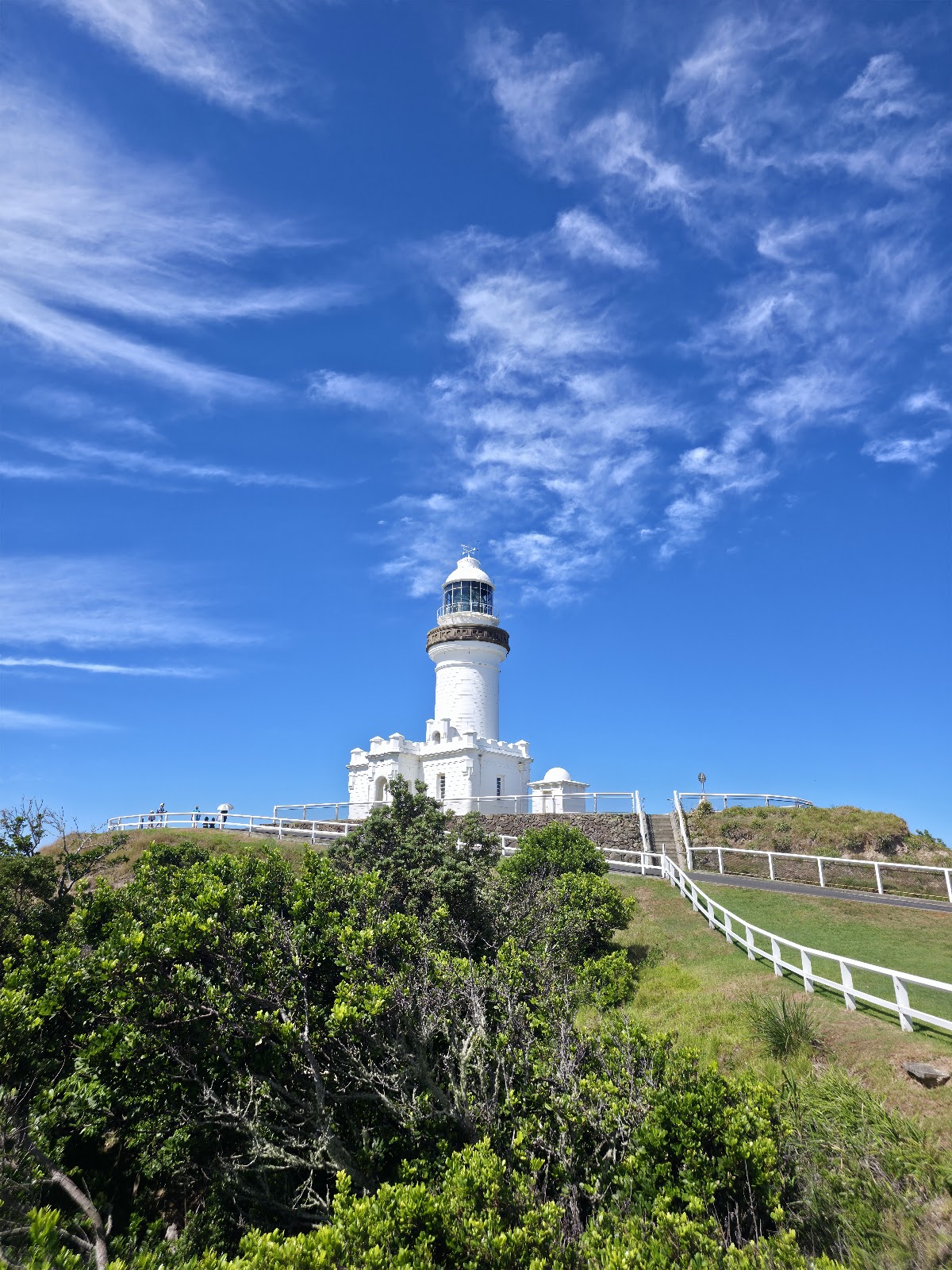 Byron Bay
Northern Rivers, New South Wales
Australia's iconic beach town and most easterly point
Explore the guide →
Byron Bay
Northern Rivers, New South Wales
Australia's iconic beach town and most easterly point
Explore the guide →
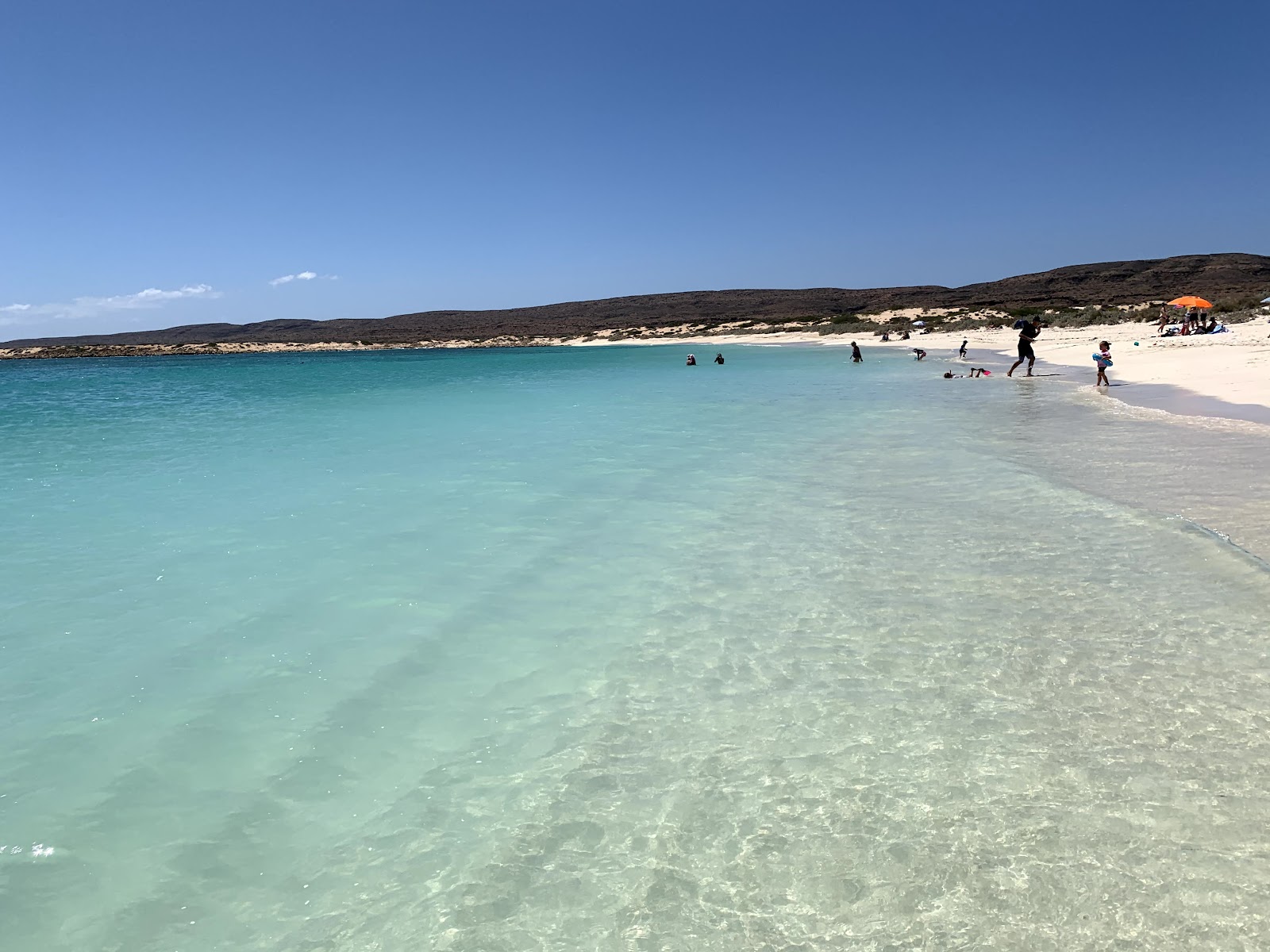 Ningaloo Reef
Australia's Coral Coast, Western Australia
Swim with whale sharks and snorkel a World-Heritage reef straight off the beach
Explore the guide →
Ningaloo Reef
Australia's Coral Coast, Western Australia
Swim with whale sharks and snorkel a World-Heritage reef straight off the beach
Explore the guide →
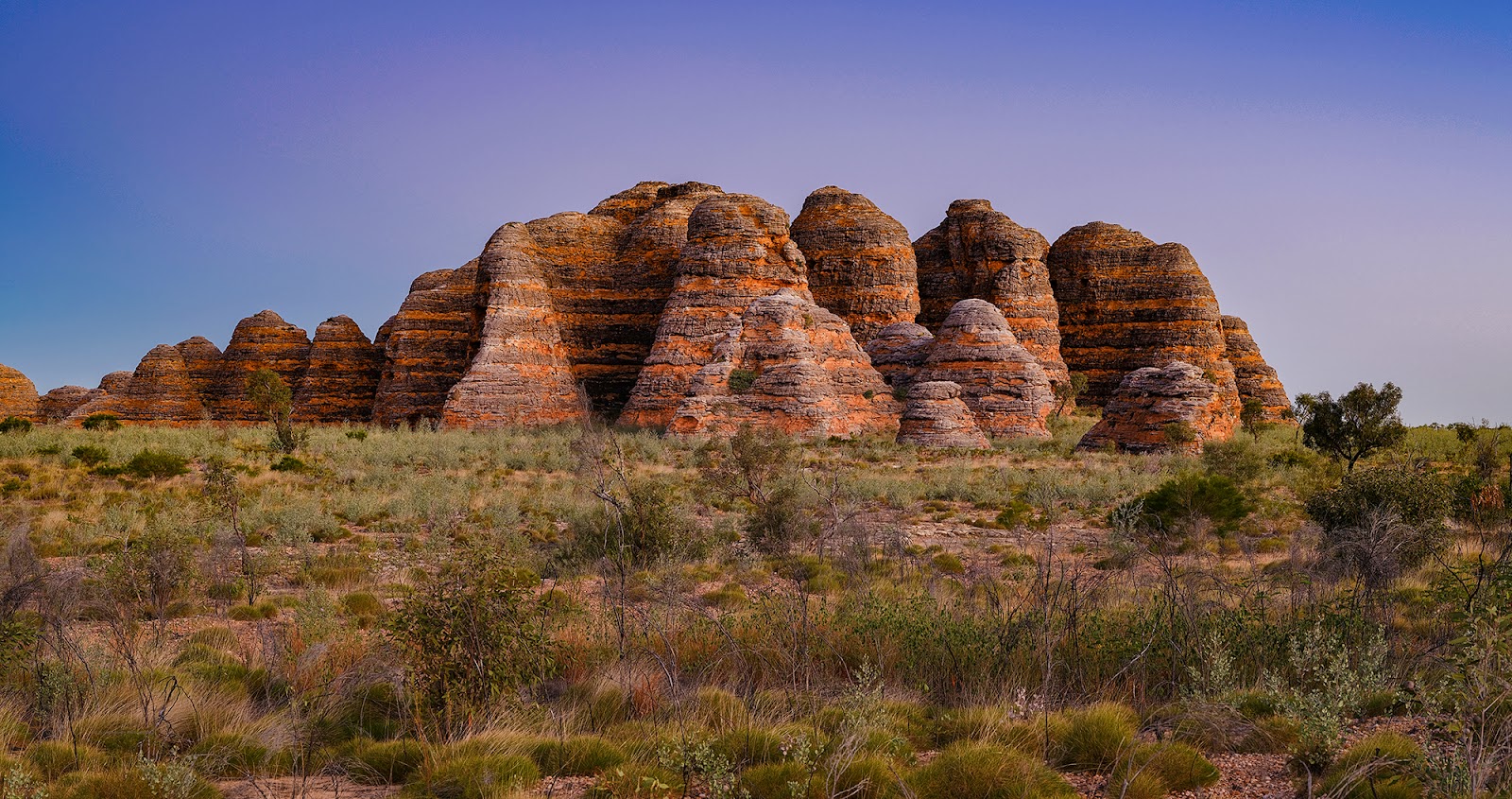 The Kimberley
Australia's North West, Western Australia
Gibb River Road, the Bungle Bungles, gorges and waterfalls in Australia's last frontier
Explore the guide →
The Kimberley
Australia's North West, Western Australia
Gibb River Road, the Bungle Bungles, gorges and waterfalls in Australia's last frontier
Explore the guide →
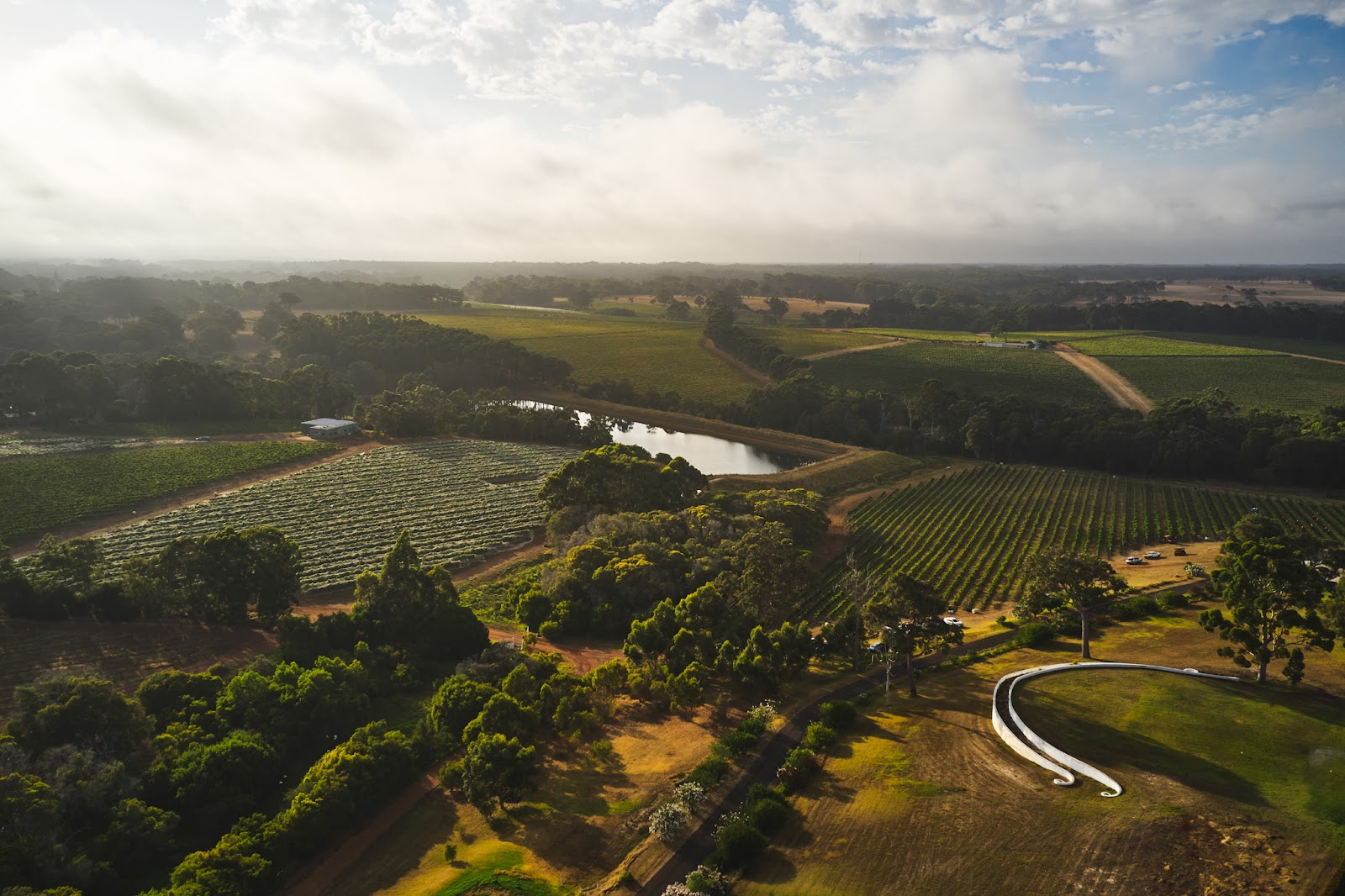 Margaret River
Australia's South West, Western Australia
World-class wineries, surf breaks and limestone caves three hours south of Perth
Explore the guide →
Margaret River
Australia's South West, Western Australia
World-class wineries, surf breaks and limestone caves three hours south of Perth
Explore the guide →