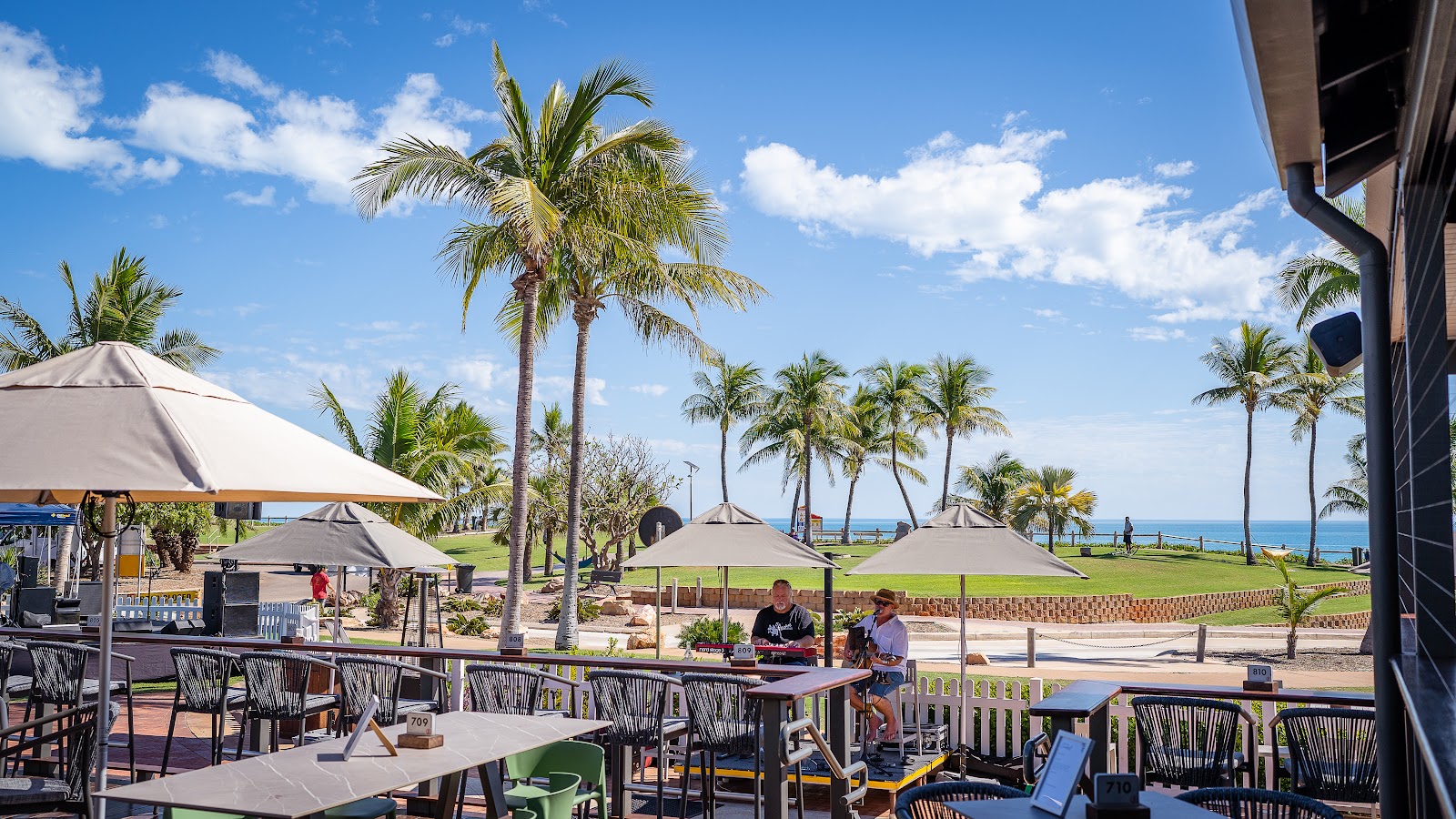
01. Cable Beach Club Resort & Spa
4.5 (968 reviews)
Cable Beach Club Resort & Spa — Broome
Book Direct & Save →Most guides to Broome hand you a scattered list — camels here, a cinema there, a note about pearls. You read it, nod along, and arrive with a dozen tabs open and no sense of how a few days in this corner of the Kimberley actually fit together.
View 3 Properties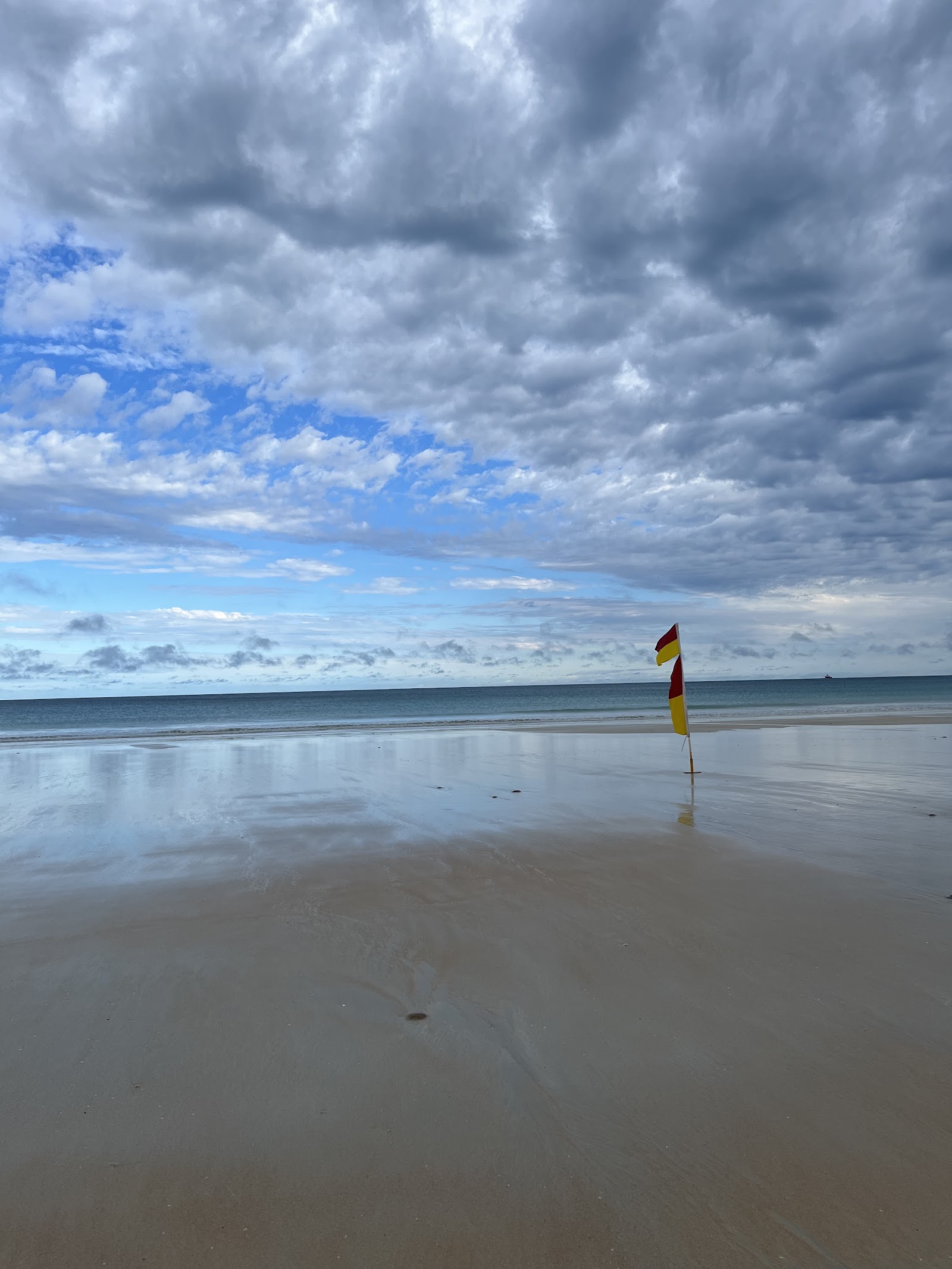
"Tropical, historic, wild"
This guide does it differently. It runs through the genuinely great things to do in Broome in the order they make the most sense — the unmissable sunset experience first, then the daytime adventures, the history you can walk into, the tours worth the splurge, and the simple pleasures that round out the trip. Whether you have two days or a week, here is everything Broome does well, with enough honesty about crowds, cost, tides and croc-and-stinger safety to plan around. Top of the list, every time: be on Cable Beach for the sunset.
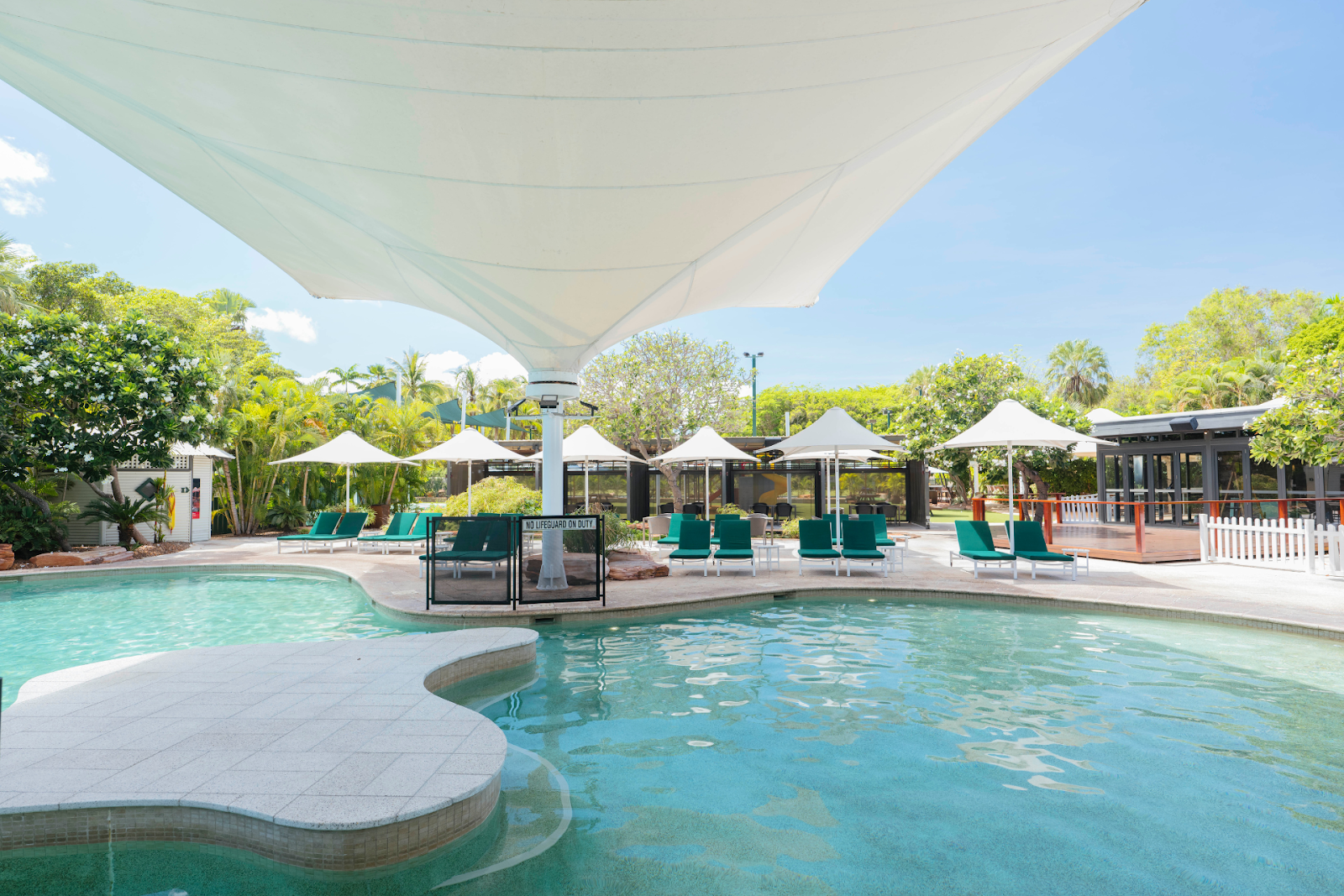
There's a rhythm to Broome that the best visitors fall into without trying. The middle of the day, especially in the Dry, is hot and bright — good for the air-conditioned pearl museums, a long lunch in Chinatown, or a tour out to a pearl farm. The edges of the day belong to the coast: the low-tide morning for the dinosaur footprints and Gantheaume Point, the late afternoon for Cable Beach, where the whole town drifts out to watch the sun drop into the Indian Ocean.
The attractions here aren't hard to find, but a few are tide-and-season dependent in ways that catch people out. The dinosaur footprints only appear at very low tide; the Staircase to the Moon only happens on full moons from March to October; the whales only pass from June; and the camel rides book out in the Dry. The list below runs roughly in the order you'd want to do them — the sunset that defines the place first, then the daytime adventures and the history — with the tide, season and booking notes you need to get each one right.
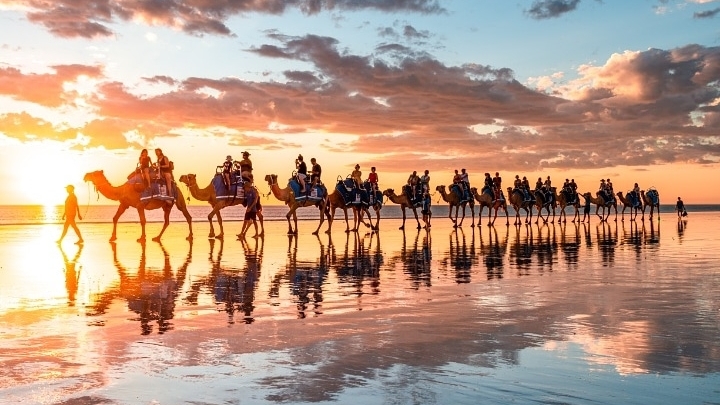
If you do one thing in Broome, do this. As the afternoon cools, strings of camels file along the firm low-tide sand of Cable Beach, and riding one as the sun drops into the Indian Ocean is the image that sells the whole town — and, unusually, lives up to it. Long-running operators run morning, pre-sunset and sunset rides; the sunset ride is the one to book, with the camels silhouetted against an orange-to-crimson sky and the wet sand mirroring the light. It lasts around an hour and needs no experience.
It suits almost everyone — couples making a moment of it, families with kids who'll talk about the camel for the rest of the trip, and solo travellers happy to share a quiet hour on a moving beach. Less-mobile visitors should ask operators about mounting assistance, as you board a kneeling camel. Book ahead in the Dry, when rides sell out days in advance, and bring a little cash for tips and photos. If you'd rather not ride, simply walking the beach alongside the camel train at sunset, drink in hand, is free and almost as good.
It's the rare bucket-list image that's better in person — the camels, the firm wet sand and the Indian Ocean sunset all at once, and genuinely accessible to first-timers and kids.
“Booked the sunset camel ride on a whim and it was the highlight of the whole trip. The camels were calm, the guides were great with the kids, and the sky over the ocean was unreal.”
— Google review
Riding the camel train along the tideline as the sun hits the horizon over the Indian Ocean.
Sunset rides sell out in the Dry — book ahead, not on the day. It's hot and exposed; bring water and sun protection, and ask about mounting help if mobility is an issue.
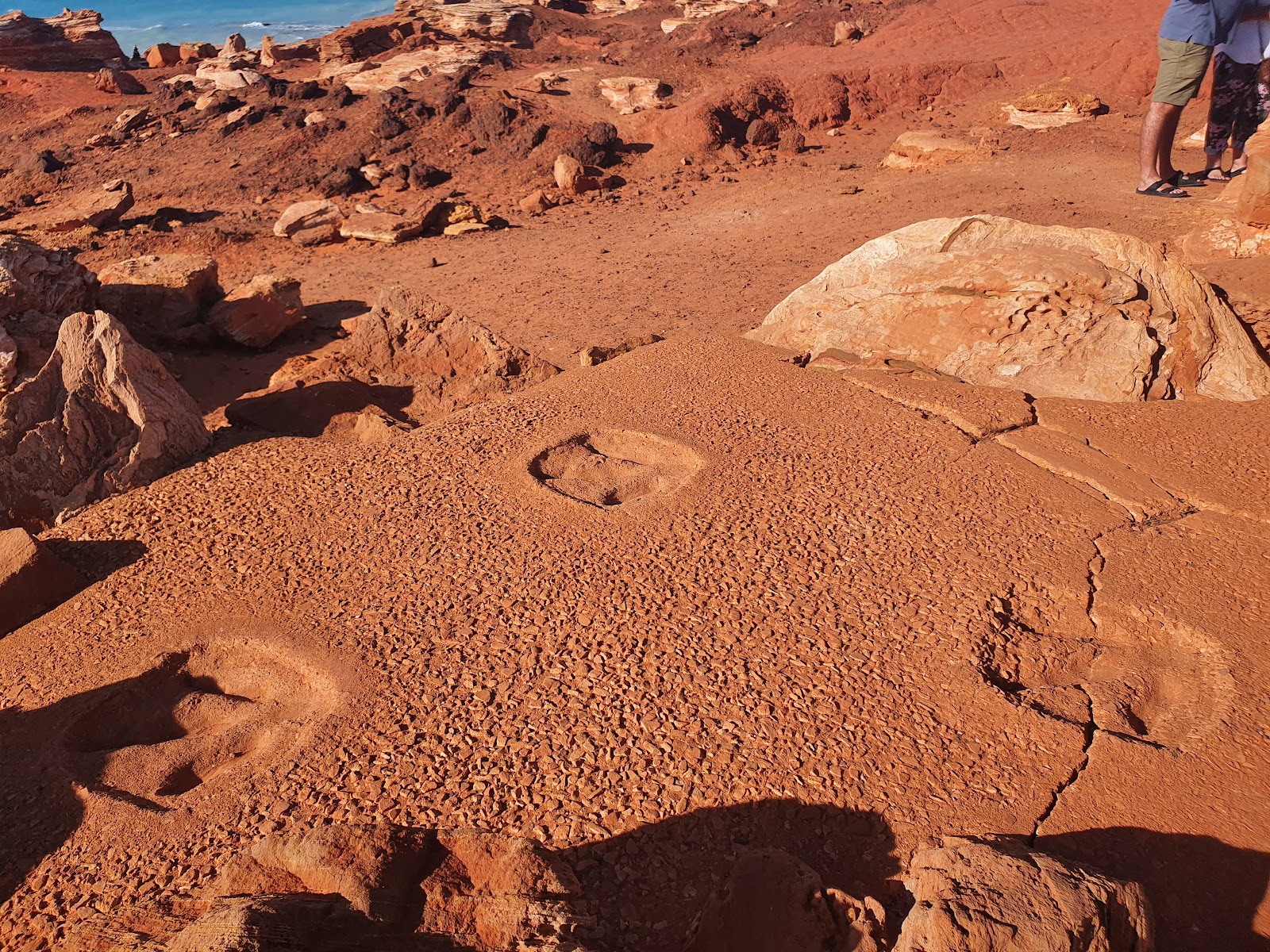
Five to ten minutes' drive from town, Gantheaume Point is where Broome's red pindan cliffs meet turquoise water — a tumble of rust-orange rock above the Indian Ocean that's spectacular at any tide and at its best when the late light sets the stone glowing. Preserved in the reef rock below are dinosaur footprints more than 125 million years old, among the oldest in the world, but they're only exposed and reachable at very low tide. Plaster casts of the tracks sit at the top of the cliff so you can see them whatever the tide is doing.
A short walk to the northern side leads to Anastasia's Pool, a rock pool cemented by an early lighthouse keeper for his arthritic wife — storm-damaged in 2014, but the remains and the story remain. It suits photographers, families chasing the footprints across the reef at low tide, and anyone who wants the red-cliff-and-turquoise shot Broome is known for. Check a tide chart before you go for the real footprints, wear grippy shoes on the slippery reef, and don't swim — this is unpatrolled, croc-and-stinger country.
Where else can you walk across 130-million-year-old dinosaur footprints below red cliffs glowing over turquoise water — for free, ten minutes from town?
“The red rocks against the blue water are stunning, and finding the actual dinosaur footprints out on the reef at low tide felt like a proper adventure. Check the tides first or you’ll miss them.”
— Google review
The real dinosaur footprints on the reef at very low tide; the red cliffs glowing at sunset.
The genuine footprints only show at very low tide — check a tide chart or you'll see only the casts. The reef is slippery, and it's unpatrolled croc-and-stinger water, so don't swim.
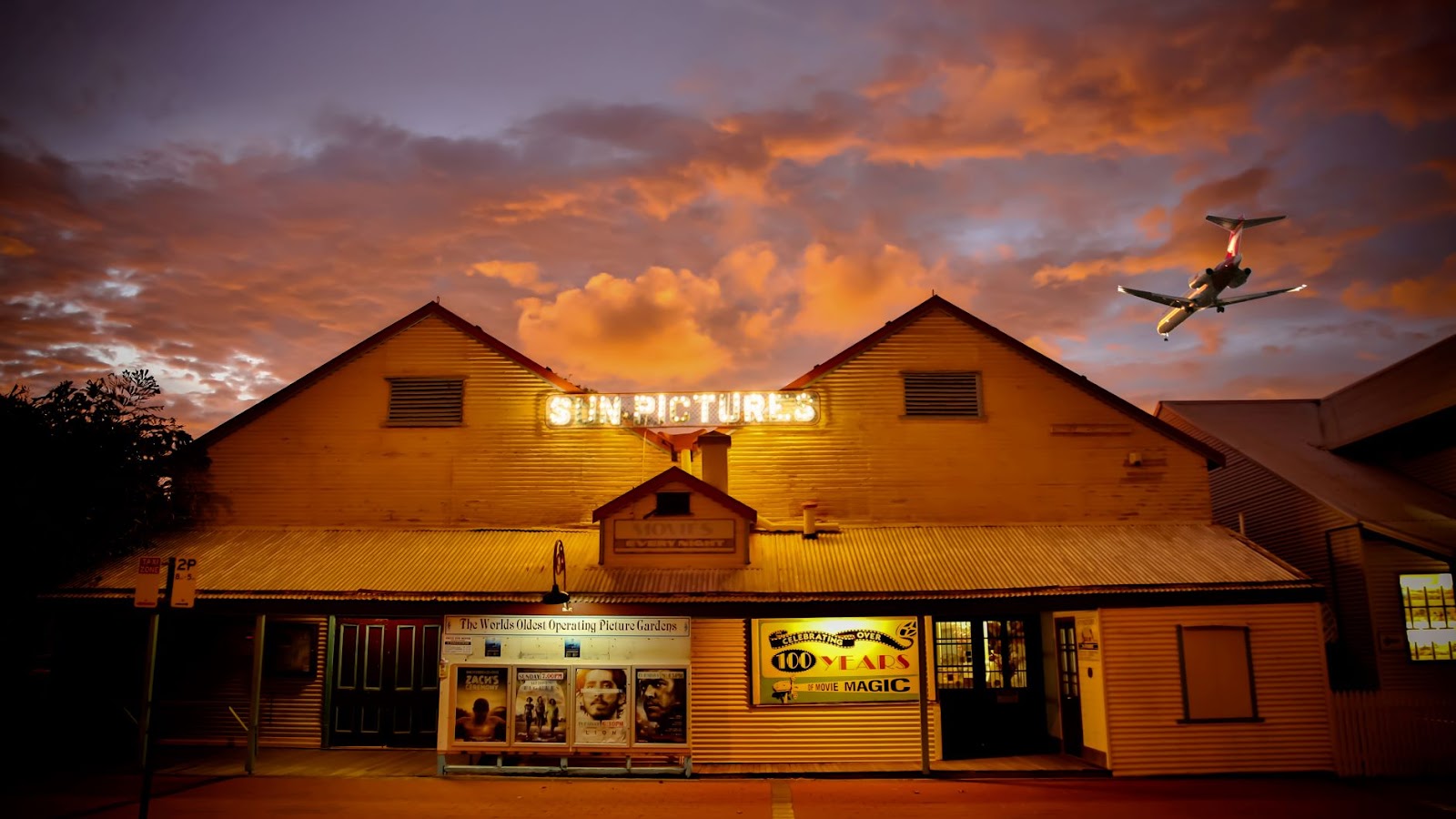
Catching a film at Sun Pictures is one of those experiences that's about far more than the movie. Opened in December 1916 and recognised by Guinness World Records as the world's oldest operating outdoor picture garden, it screens current-release films under the Kimberley stars from rows of canvas deck chairs, with the warm night air, the occasional fruit bat overhead, and a century of Broome history in the corrugated-iron walls. The building started life as an Asian goods store and a Japanese theatre before becoming a cinema — the layers of the town's pearling-era multiculturalism are baked into the place.
It's a genuine Broome institution and a perfect plan for a warm evening or a Wet-season night when the day's heat or a storm sends you looking for somewhere covered. It suits everyone — couples on a date, families on a relaxed night out, solo travellers and film buffs. Bring a cushion or hire one, a light layer for later, and insect repellent. The deck chairs are charming but not built for limited mobility, so ask about accessible seating when you book, and check the current session times, as they run a real cinema schedule.
You're watching a current film from a deck chair in a 1916 picture garden under the stars — there's nowhere else in the world quite like it.
“Watched a new-release movie in deck chairs under the open sky in a cinema older than most of the country. The history, the warm night, the whole vibe — magic. Bring repellent.”
— Traveller review
Watching a film from a canvas deck chair under the open Kimberley sky in a 1916 picture garden.
The deck chairs aren't built for limited mobility — ask about accessible seating. It's open-air, so bring repellent and a layer, and check session times rather than just turning up.
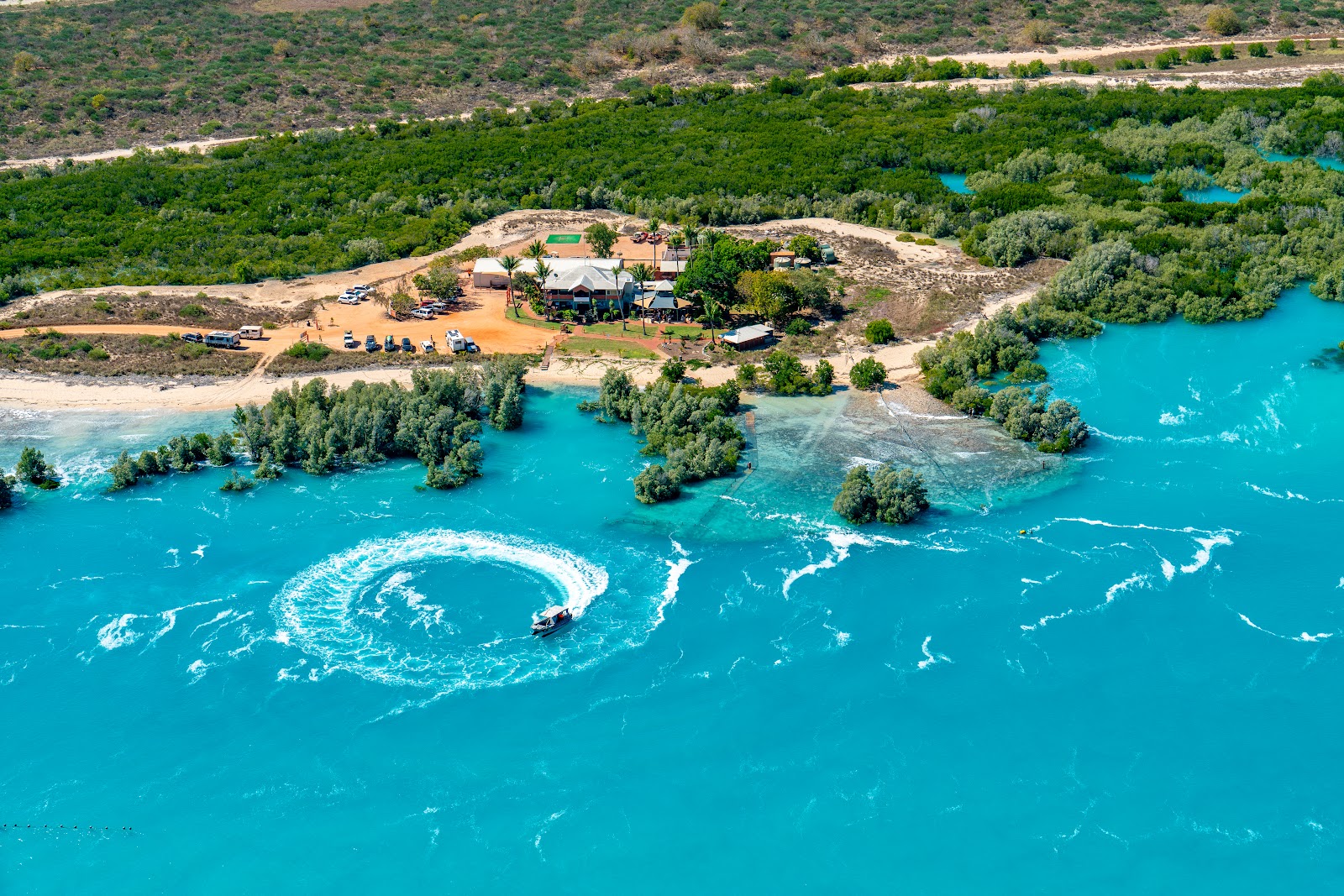
Pearls built Broome, and Willie Creek is the easiest place to understand how. On a working pearl farm set on a tidal creek about half an hour north of town, the tour walks you through the whole cultured-pearl process — from seeding the oyster to harvest — and out onto the turquoise creek by boat to see the pearl lines suspended below the surface. It's genuinely interesting even if you've never thought twice about a pearl, and the setting alone, with the vivid creek against the red pindan, is worth the trip.
You can self-drive (the access road is unsealed and can need a 4WD, especially after rain) or take a coach tour from town that handles the road and the timing. It suits couples, history-minded travellers, and anyone curious about the industry that made Broome; kids manage well on the boat portion. The showroom at the end is, predictably, where the South Sea pearls are for sale — beautiful and not cheap, but there's no pressure to buy. Book ahead in the Dry, and check whether your vehicle suits the road if you're self-driving.
It turns 'pearls' from a shop window into a story you can see on the water — the one tour that explains why Broome exists at all.
“Fascinating tour — we had no idea how pearls were actually farmed. The boat trip on the creek was beautiful and the guides really knew their stuff. The road in is rough, so we took the coach.”
— Google review
The boat trip out over the pearl lines on the turquoise creek against the red pindan.
The self-drive road is unsealed and can need a 4WD after rain — take the coach tour if unsure. The showroom is tempting; the pearls are gorgeous but expensive.
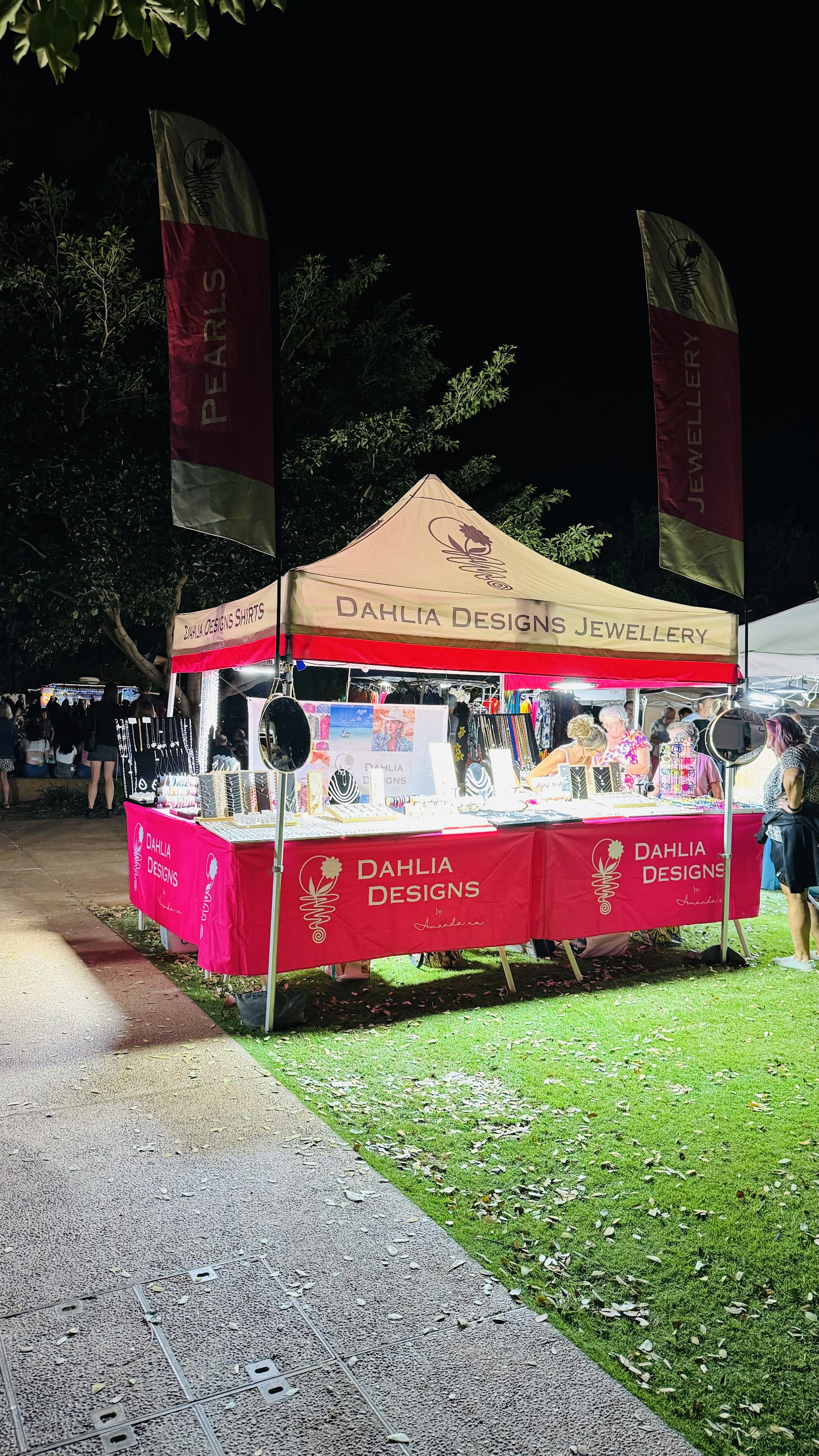
On the right nights, Broome puts on a show no one organised. When a full moon rises over the exposed mudflats of Roebuck Bay at very low tide, the reflection breaks into a shimmering ladder of light that looks like a staircase climbing to the moon. It happens on just two to three nights each month between March and October, and it draws crowds to the Town Beach foreshore and the Mangrove Hotel lawn, both of which look straight out over the bay.
The experience is as much about the evening as the moon. On the market nights, the Staircase to the Moon night markets fill the Town Beach precinct with food stalls, music and craft, and the whole town turns out. It suits everyone — couples, families, solo travellers and photographers (bring a tripod). It's completely free. The catches: it only happens on specific dates, so check the current Visit Broome calendar and plan your trip around it if you can; arrive early on market nights for a parking spot and a patch of grass; and remember Roebuck Bay is for looking, not swimming.
It's a free, genuinely natural spectacle that turns into a town-wide party on market nights — the moon, the mudflats and the whole of Broome out on the foreshore.
“We timed our trip for the full moon and the Staircase was magical — the light really does look like steps across the bay. The night markets made it a whole event. Get there early for a spot.”
— Traveller review
The first moments as the full moon clears the horizon and the “staircase” forms over the mudflats.
It only happens on specific full-moon dates March to October — check the calendar before you book. Market nights are crowded; arrive early, and don't go down onto the bay’s mudflats.
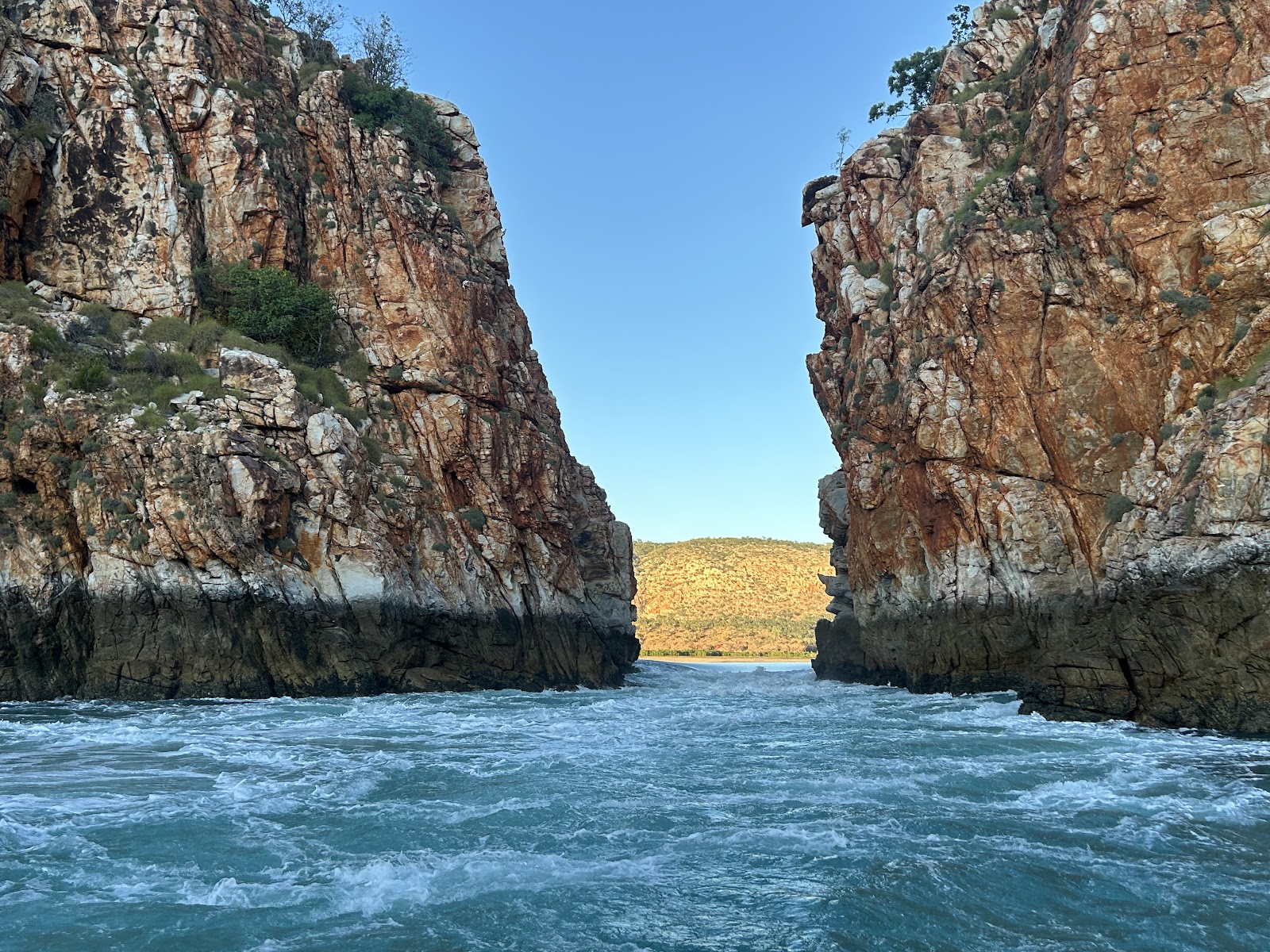
The Horizontal Falls aren't a waterfall at all — they're a tidal phenomenon where enormous Kimberley tides force seawater through two narrow gorges in the McLarty Range, stacking the sea up to several metres higher on one side and creating a roaring 'horizontal waterfall'. Sir David Attenborough called them one of the greatest natural wonders of the world, and the way most people see them is by seaplane or fast boat from Broome, on a half- or full-day tour out over the Buccaneer Archipelago's maze of red islands and turquoise channels.
It is the big splurge of a Broome trip, and worth it for the scale of the country alone — the flight over the thousand islands is as memorable as the falls. It suits adventurous couples, families with older kids, and anyone who wants to grasp how vast and wild the Kimberley is. Note that boat transits through the falls themselves have been restricted on safety grounds, so confirm exactly what your tour includes when booking. It's weather- and tide-dependent, pricey, and books out in the Dry, so reserve early and build a buffer day in case of cancellation.
It's the single best way to comprehend the scale of the Kimberley — a thousand red islands and turquoise channels from the air, with a tidal wonder at the heart of it.
“The seaplane flight over the Buccaneer Archipelago was worth the price on its own. The falls are astonishing when the tide is running. Expensive, but a genuine once-in-a-lifetime day.”
— Google review
The seaplane flight over the thousand red islands of the Buccaneer Archipelago.
It's the trip's biggest cost and is weather- and tide-dependent — book early and leave a buffer day. Confirm what your tour includes, as boat transits through the falls are restricted.
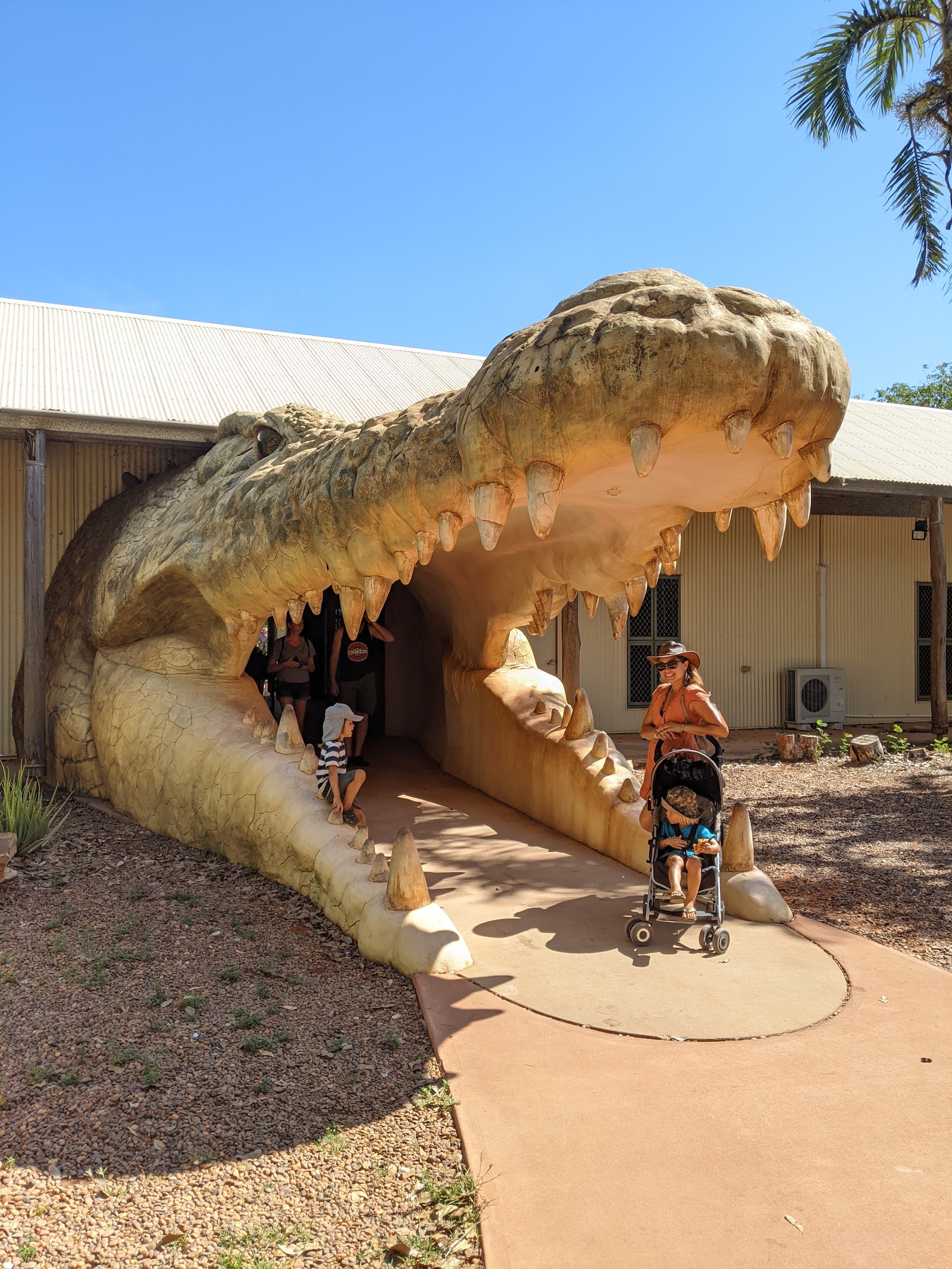
Given that Broome's waters genuinely hold saltwater crocodiles, the Malcolm Douglas Crocodile Park is both a great family outing and a useful reality check. Set up by the late wildlife filmmaker Malcolm Douglas as a refuge for problem and rescued crocs, the park houses hundreds of saltwater and freshwater crocodiles in landscaped enclosures, and the daily feeding tour — where the keepers walk you through and feed the big males — is genuinely riveting and a little terrifying. Seeing a four-metre saltie launch for its food brings home exactly why you don't swim in the creeks.
It suits families above all — kids are transfixed — but also any adult curious about the apex predator that shapes how everyone uses the water up here. The feeding tour is the thing to time your visit around, so check the current tour times before you go. It's outdoors and hot, so come earlier in the day, bring water, hats and repellent, and wear closed shoes. Paths are mostly flat and manageable, but confirm accessibility if needed. It's an easy, educational half-day and a smart one to do early in your trip.
It turns the abstract 'there are crocs here' warning into an unforgettable, up-close lesson — and the kids will not stop talking about the feeding tour.
“The feeding tour was incredible — watching a huge saltie explode out of the water for its food made the crocodile warnings around town suddenly very real. The kids loved it.”
— Google review
The daily feeding tour, when the keepers feed the big saltwater crocs up close.
It's outdoors and hot — go earlier in the day with water and a hat. Time your visit for a feeding tour, as that's the highlight; turning up between tours is far less exciting.
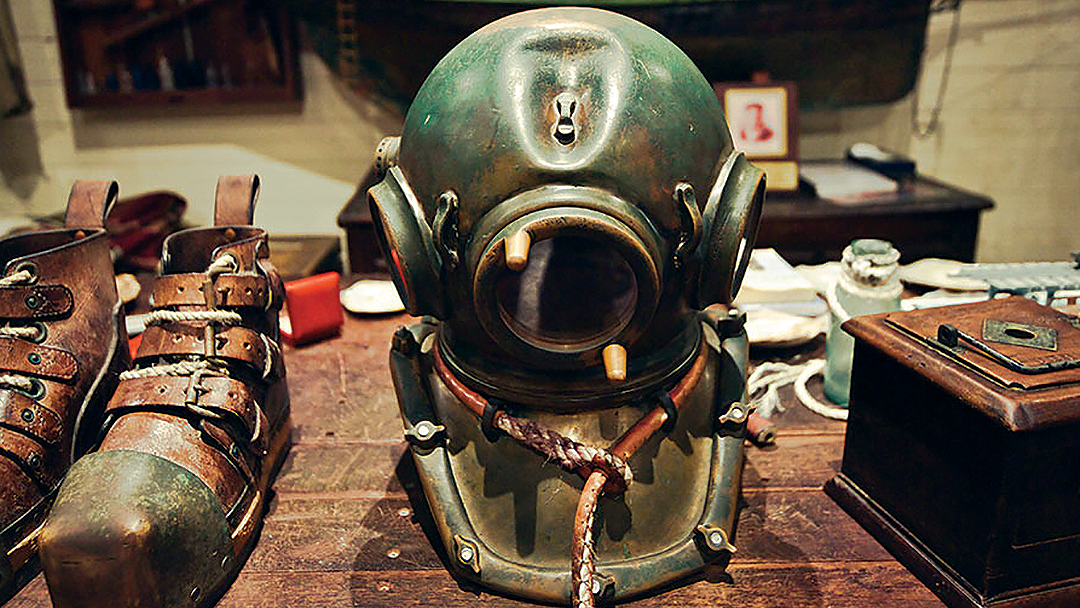
To understand Broome you have to understand pearling, and Chinatown is where the story lives in town. Pearl Luggers, on Dampier Terrace, preserves original pearling boats and tells the brutal, fascinating history of hard-hat diving for pearl shell — the bends, the cyclones, the divers of many nationalities who risked everything for a living. The talks and the historic luggers bring home just how dangerous the trade was. Around it, the lanes of Chinatown still carry the corrugated-iron verandahs and pearl showrooms of the boom era, alongside cafes, galleries and the Sun Pictures cinema.
A couple of hours wandering here — a guided Pearl Luggers session, a slow loop of Chinatown's heritage buildings and pearl shops, a coffee under a verandah — is one of the best ways to spend a hot middle-of-the-day. It suits history lovers, couples and curious travellers of any age; it's flat, central and easy on the legs, which makes it a good option for less-mobile visitors too. Pair it with the Japanese Cemetery a short drive away, where more than 900 pearl divers are buried, for the full, sobering picture of what built this town.
It's the most human side of Broome — the dangerous, multicultural pearling story told through real luggers and the streets it played out on.
“The Pearl Luggers talk was gripping — the history of the divers is incredible and quite confronting. Wandering Chinatown afterwards with all its old pearling buildings really brought Broome to life.”
— Traveller review
A Pearl Luggers session, then a slow wander of Chinatown’s heritage verandahs and pearl shops.
It's a hot-part-of-the-day activity rather than a sunset one. Some pearl showrooms lean hard on sales — browse freely; there's no need to buy.
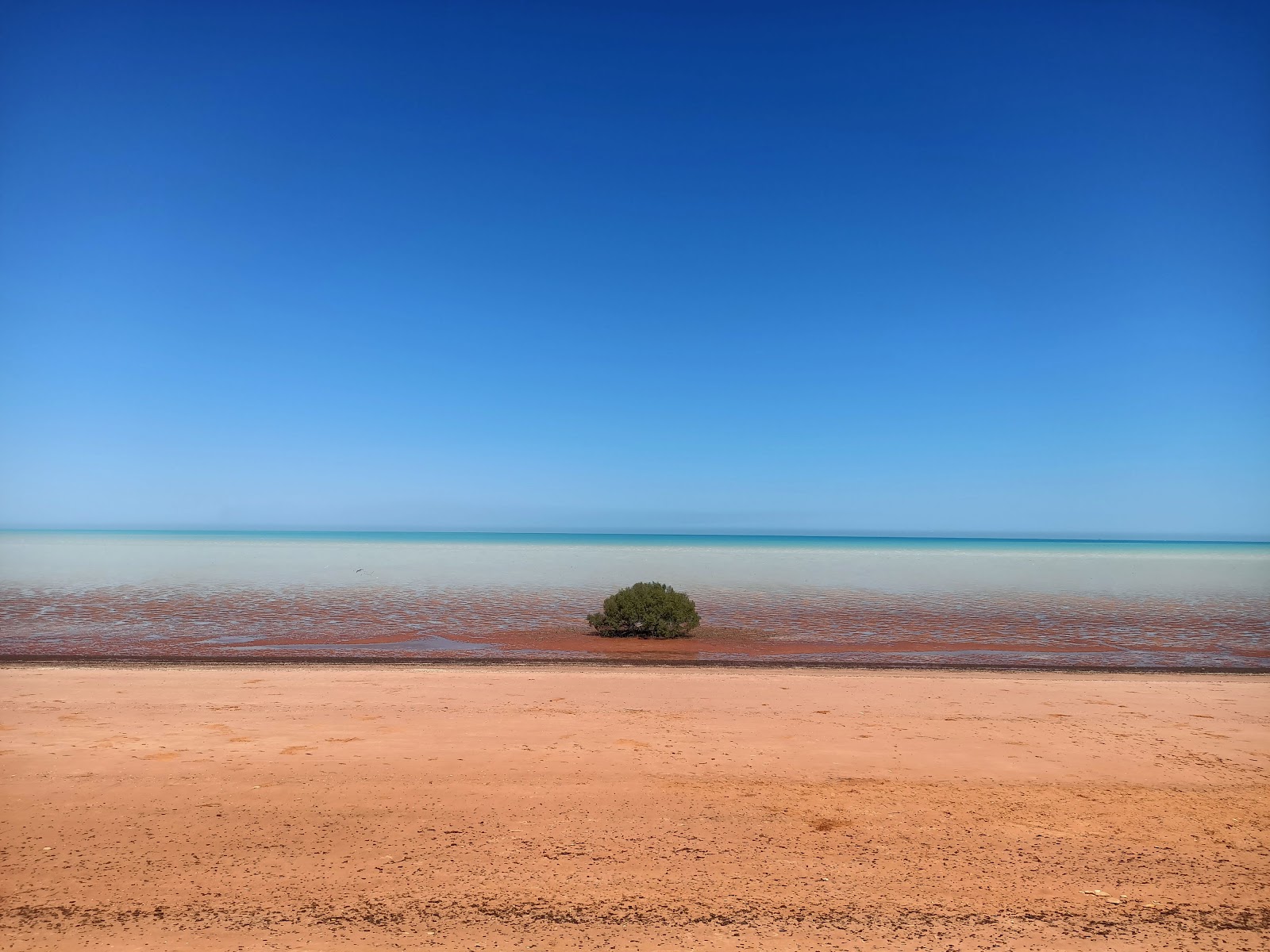
Roebuck Bay is one of the most important shorebird sites on Earth, and the Broome Bird Observatory on its shore is the place to experience it. Each year tens of thousands of migratory waders — godwits, sandpipers, knots and more — arrive from as far as the Arctic to feed on the bay's rich mudflats, and the observatory runs guided tours, courses and accommodation for birders. Even for casual visitors, standing on the red pindan shore as enormous flocks wheel over the turquoise bay is a genuine wildlife spectacle. The bay is also home to the rare Australian snubfin dolphin.
It suits keen birdwatchers most of all, but also families and wildlife lovers happy with a quieter, slower outing away from the main tourist beat. The access road is partly unsealed and can be rough, so check conditions and vehicle suitability, or join an organised tour. Bring binoculars, water, sun protection and repellent. And the standing rule of Roebuck Bay applies here too: it's a look-don't-swim bay — crocodiles move through these creeks, so stay on the shore and well back from the water's edge.
It's a globally significant wildlife site hiding in plain sight — clouds of Arctic-bred shorebirds over an electric-turquoise bay, with snubfin dolphins in the mix.
“A magic spot for anyone who loves birds — the sheer number of waders on the mudflats is staggering, and the guides know every species. The turquoise bay against the red cliffs is something else.”
— Google review
Huge flocks of migratory shorebirds wheeling over the turquoise bay at high tide.
The access road is partly unsealed and rough — check conditions or take a tour. It's a working observatory, not a theme park, and the bay is croc country, so don't go near the water.
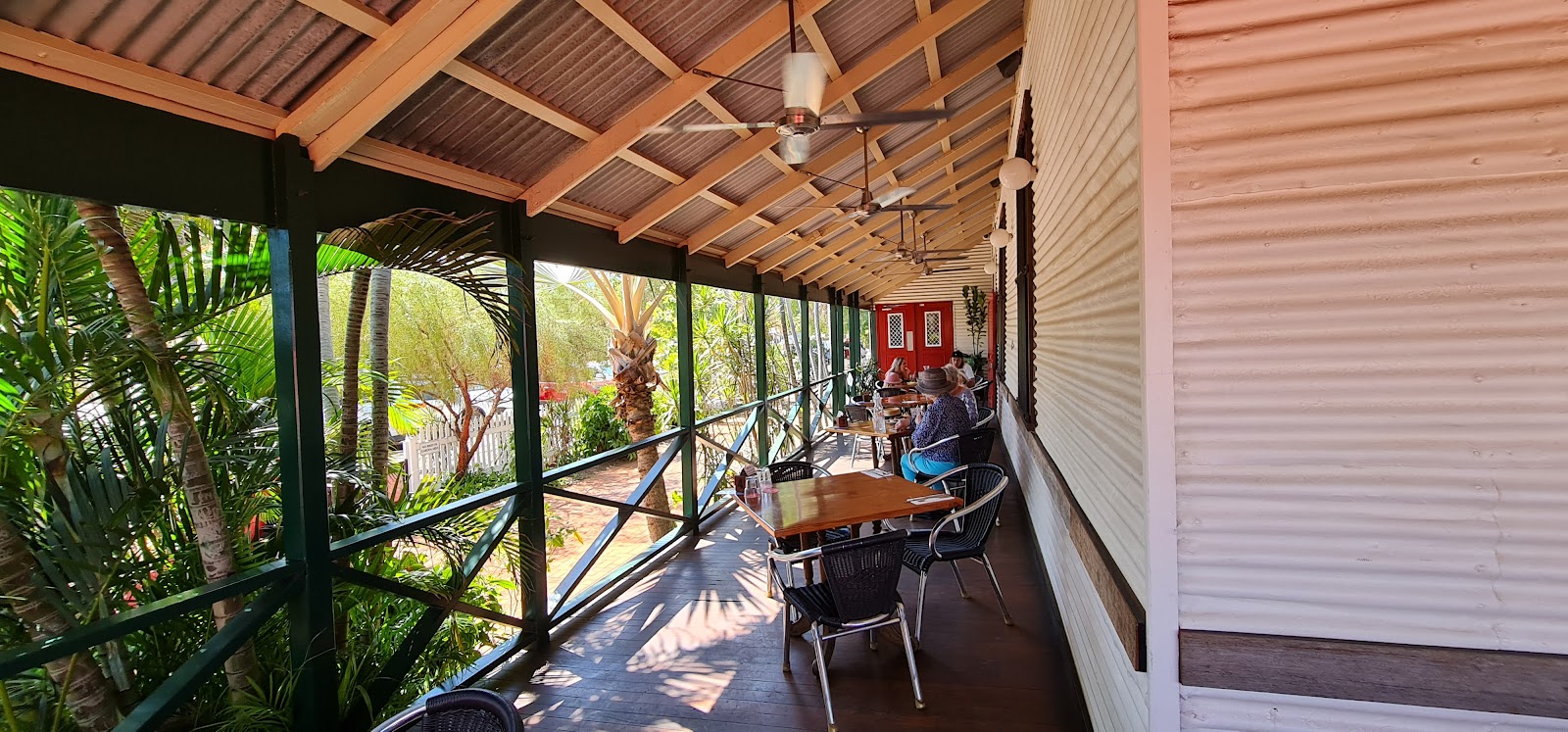
Every Broome trip seems to end up at Matso's at least once, and for good reason. Set in a heritage building on a breezy verandah overlooking Roebuck Bay, this is the brewery behind the famous Mango Beer and Ginger Beer that you'll see in fridges right across the country — and there's something fitting about drinking them at the source, in the tropical heat, with the bay shimmering below. The food is solid pub-plus fare with a local seafood lean, and the verandah catches whatever breeze is going.
It suits everyone — couples after a relaxed lunch or sundowner, families (it's welcoming to kids in the daytime), groups and solo travellers wanting somewhere easy and social. The Mango Beer is the one to try even if you're not usually a beer drinker; the tasting paddle is the way to sample the range. It's busy in the Dry, especially around sunset and lunch, so book a table for a meal in peak season. It's central, flat and easy to reach, which also makes it a comfortable option for less-mobile visitors.
It's the famous Mango Beer drunk where it's brewed, on a breezy heritage verandah over Roebuck Bay — pure, easy Broome.
“You have to try the Mango Beer at the source — it’s as good as everyone says. Great spot on the verandah looking over the bay, friendly service, decent food. Book ahead in peak season.”
— Google review
A cold Mango Beer or a tasting paddle on the verandah over Roebuck Bay.
It's busy at lunch and sunset in the Dry — book a table for meals. It's a brewery, so it leans towards a drinks-and-pub-food experience rather than fine dining.
The recurring themes across Broome reviews and traveller accounts:
Across the board, the Cable Beach sunset — with or without a camel — is the thing visitors rate most highly and remember longest.
The best experiences are tide- and season-locked — dinosaur footprints at low tide, the Staircase on full moons, whales from June — so visitors who check the calendar before booking come out ahead.
“Cable beach is a lovely spot to sit and relax and go for a dip. You can ride a camel or take your bike on the compact sand. Later in the day drive onto the beach have a glass of wine and watch the sunset.”— Pamela Rivers (on Cable Beach), Google review
“Excellent place, they’re currently doing renovations on the for-sure but since there are life guards, there’s safe excellent beach swimming along with a easy walk to the beachside business/restaurants. Great views allowed by 4x4 vehicles able to view the sunset while driving on the beach. Also able to see the camel rides with the tide being quite volatile so”— Kyle Sapphire (on Cable Beach), Google review
“Cable Beach: An absolute gem for sunset enthusiasts, Cable Beach offers stunning views with a vibrant atmosphere. Crowds gather to admire the breathtaking sunset, and the sight of people enjoying camel rides adds a unique charm to the experience. A must-visit spot for those seeking beauty and a lively beach ambiance.”— Amy Elizabeth (on Cable Beach), Google review
| When | Where | Why |
|---|---|---|
| Low-tide morning | Gantheaume Point | Dinosaur footprints and red cliffs before the heat builds |
| Midday heat | Chinatown / Pearl Luggers / a pearl farm | History and pearls in the shade or on the water |
| Afternoon | Croc park or the bird observatory | Wildlife while the sun is still high |
| Late afternoon | Cable Beach | The sunset camel ride and a sundowner — the day’s main event |
| Full-moon nights | Town Beach | The Staircase to the Moon and the night markets |
Getting around: A hire car or 4WD is the way to do Broome. The sights spread from Cable Beach in the west to Roebuck Bay in the east and out to the pearl farms north of town, and some access roads (Willie Creek, the bird observatory, Cape Leveque) are unsealed and can need a 4WD, especially after rain.
Season and tides: Come in the Dry (May–October) for your first visit — warm, rainless and with every tour running. Many of the best things are locked to tides or dates: the dinosaur footprints need a very low tide, the Staircase to the Moon needs a full moon (March–October), and whales run from June. Check a tide chart and the Visit Broome calendar and plan around them.
Booking: In the Dry, flights, accommodation, camel rides and tours like Horizontal Falls and Willie Creek book out — reserve well ahead and build a buffer day for weather-dependent flights and boat trips.
Safety: This is the tropical north. Saltwater crocodiles live in the creeks and bays, and box jellyfish and Irukandji stingers drift in roughly October to May. Swim only at patrolled Cable Beach during the Dry, between the flags; treat Roebuck Bay and every creek as look-don't-swim; never swim at dawn or dusk; and heed every warning sign. Bring serious sun protection, a hat and water everywhere — the heat is real.
Dinosaur footprints at low tide. A pearl farm on a turquoise creek. A film in a 1916 cinema under the stars. The Staircase to the Moon climbing out of Roebuck Bay on a full moon. And, every single evening, the camels and the sunset on Cable Beach. That's Broome doing what it does best — a town that's part beach holiday, part pearling history, part Kimberley wilderness, and entirely its own thing.
The best things to do in Broome reward a little planning: check the tides, watch the full-moon dates, book the camels and the flights early, and respect the water. Do that, and a few days here delivers more variety than places ten times the size. Two and a half hours from Perth by air, a long way from anywhere else, and worth every kilometre.
Enjoying things to do? Here’s where else in Australia it’s worth the trip — ranked by how loved each destination is, with the one thing not to miss at each.
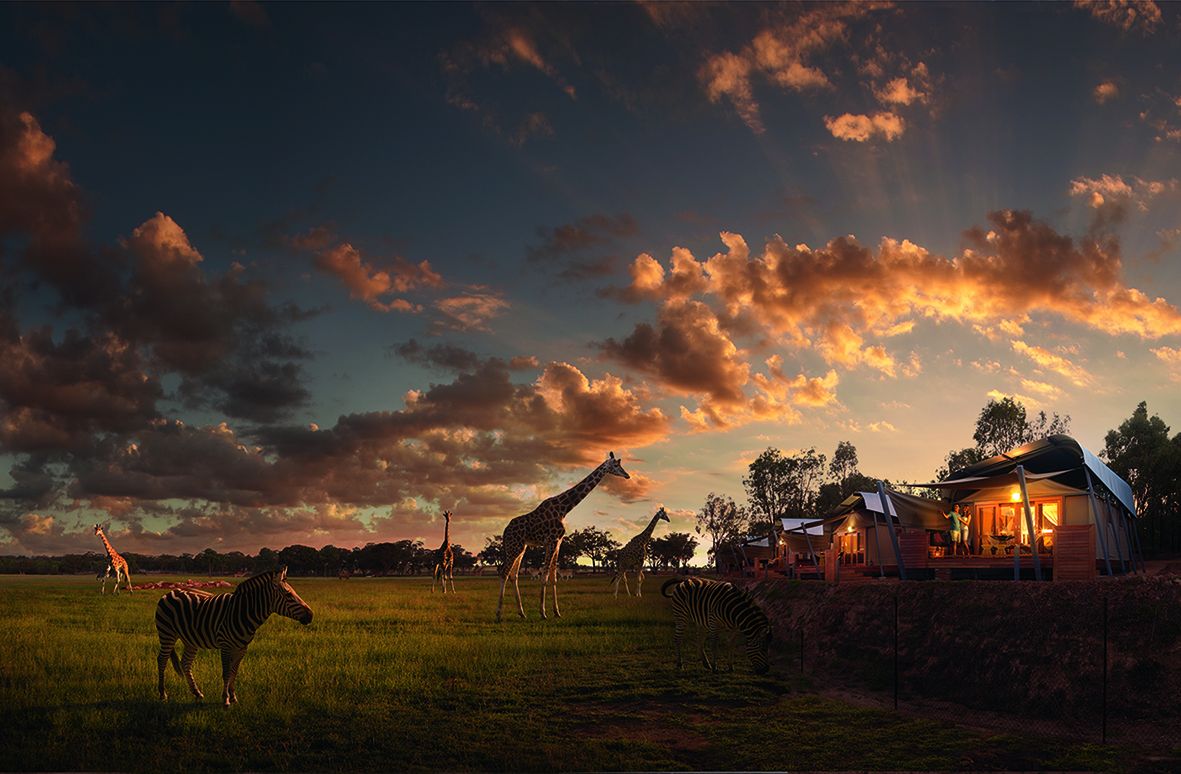 Dubbo
Central West, New South Wales
Taronga Western Plains Zoo — Cycling the open-range loop in the cool of early morning, before the heat and the crowds build.
Explore things to do in Dubbo →
2
Dubbo
Central West, New South Wales
Taronga Western Plains Zoo — Cycling the open-range loop in the cool of early morning, before the heat and the crowds build.
Explore things to do in Dubbo →
2
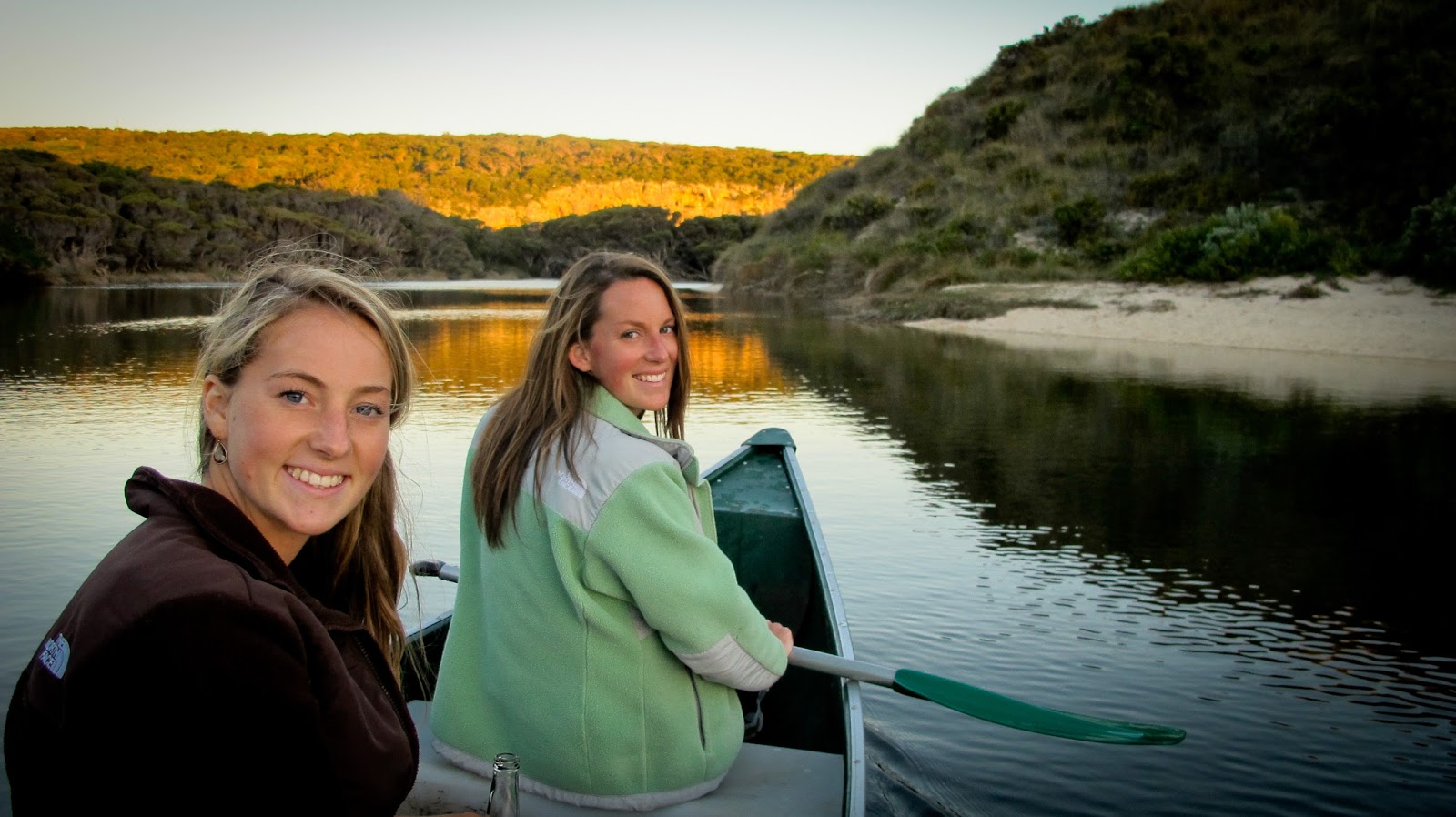 Margaret River
Australia's South West, Western Australia
Cellar-Door Wine Touring — A long lunch at a cellar-door restaurant, booked ahead, in the middle of a tasting day.
Explore things to do in Margaret River →
3
Margaret River
Australia's South West, Western Australia
Cellar-Door Wine Touring — A long lunch at a cellar-door restaurant, booked ahead, in the middle of a tasting day.
Explore things to do in Margaret River →
3
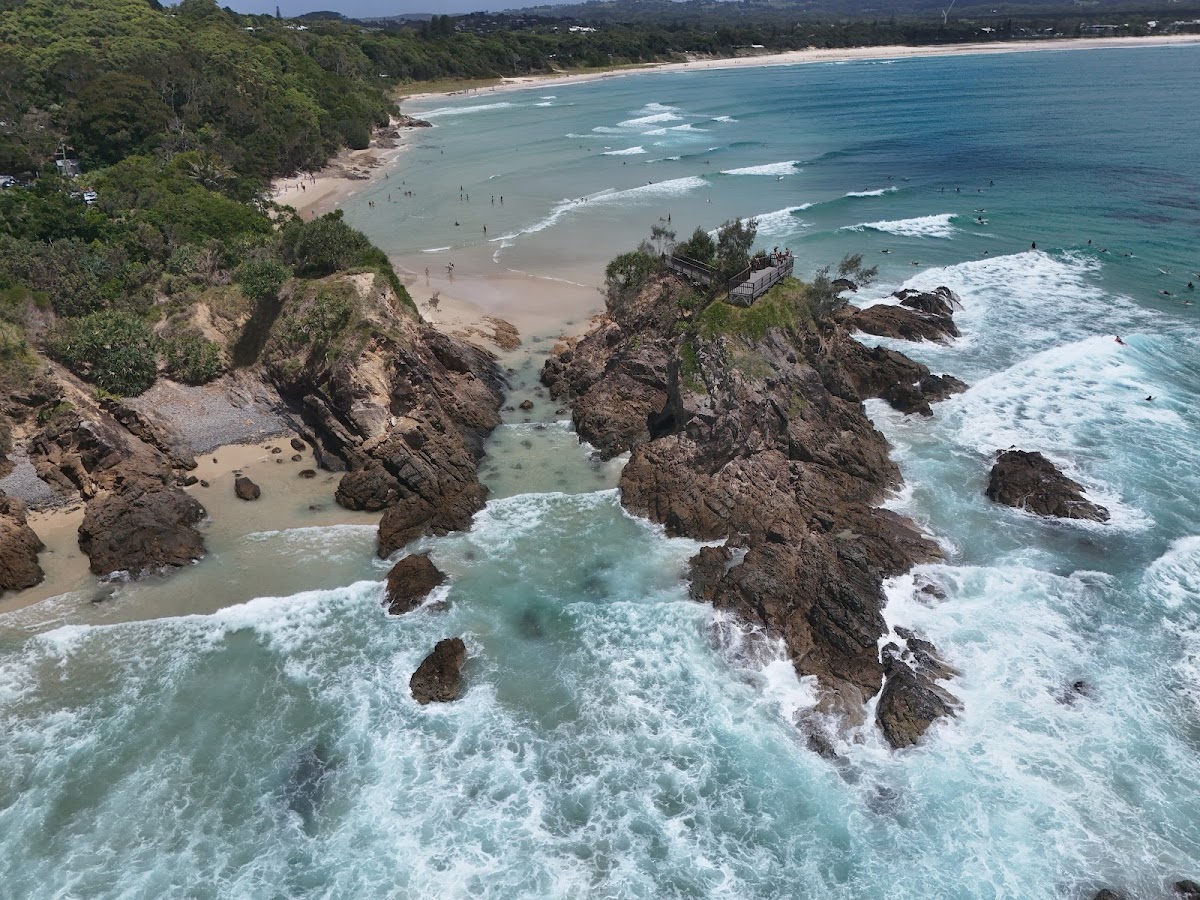 Byron Bay
Northern Rivers, New South Wales
Cape Byron lighthouse walk — First light at the easternmost point with humpbacks offshore (May–November).
Explore things to do in Byron Bay →
4
Byron Bay
Northern Rivers, New South Wales
Cape Byron lighthouse walk — First light at the easternmost point with humpbacks offshore (May–November).
Explore things to do in Byron Bay →
4
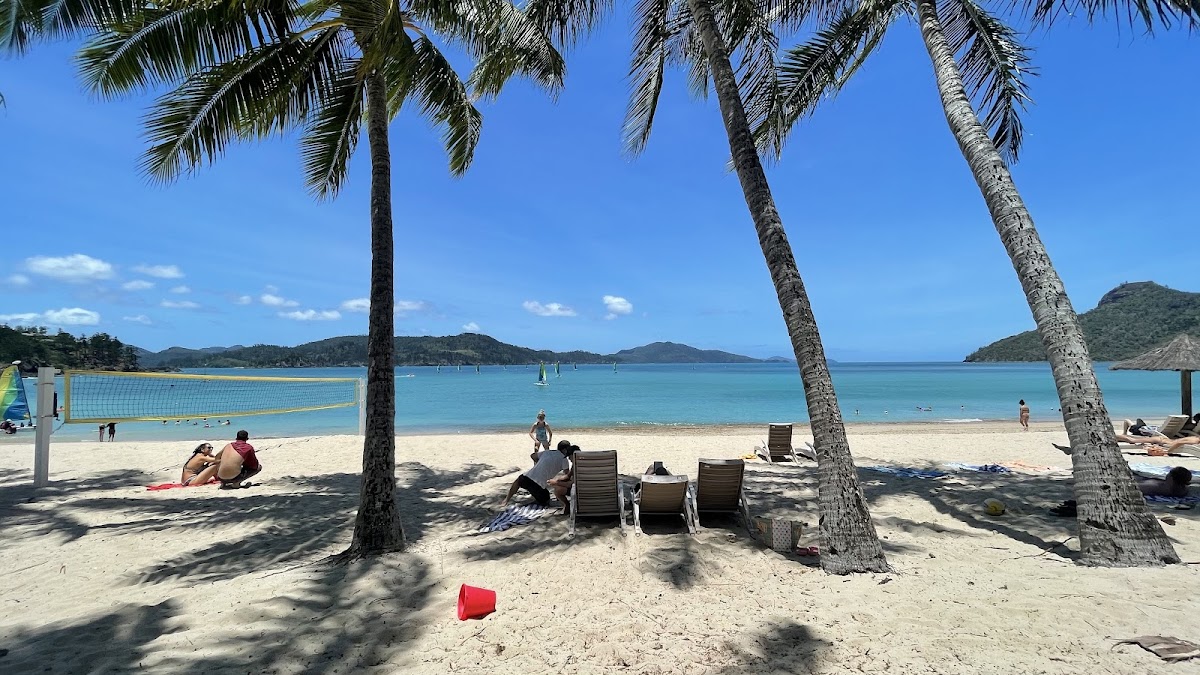 Hamilton Island
The Whitsundays, Queensland
Whitehaven Beach & Hill Inlet day trip — The Hill Inlet lookout from Tongue Point at low-to-mid tide, when the sand and water swirl together.
Explore things to do in Hamilton Island →
5
Hamilton Island
The Whitsundays, Queensland
Whitehaven Beach & Hill Inlet day trip — The Hill Inlet lookout from Tongue Point at low-to-mid tide, when the sand and water swirl together.
Explore things to do in Hamilton Island →
5
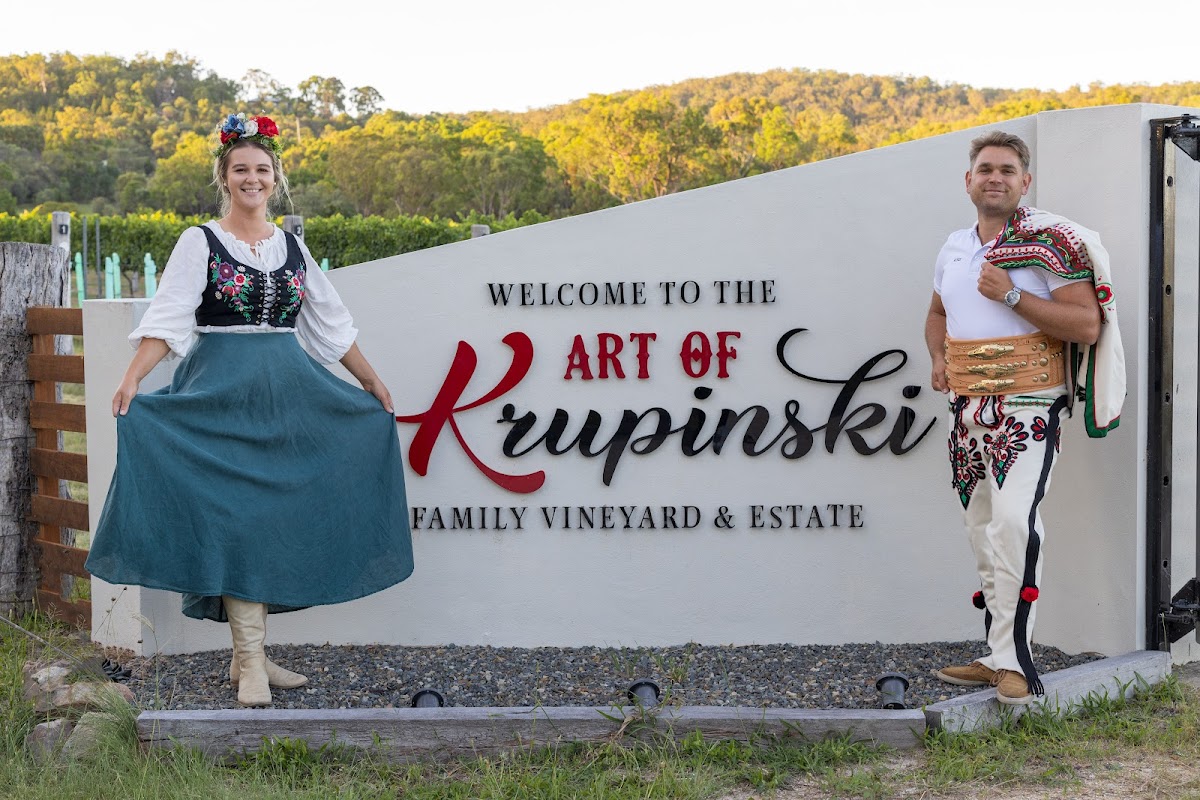 Glen Aplin
Granite Belt, Queensland
Wine tasting at the cellar doors — A winemaker-led tasting at a small cellar door, early while your palate is fresh.
Explore things to do in Glen Aplin →
Broome you’re here
Australia's North West, Western Australia
Sunset Camel Ride on Cable Beach — Riding the camel train along the tideline as the sun hits the horizon over the Indian Ocean.
You’re reading this guide
Glen Aplin
Granite Belt, Queensland
Wine tasting at the cellar doors — A winemaker-led tasting at a small cellar door, early while your palate is fresh.
Explore things to do in Glen Aplin →
Broome you’re here
Australia's North West, Western Australia
Sunset Camel Ride on Cable Beach — Riding the camel train along the tideline as the sun hits the horizon over the Indian Ocean.
You’re reading this guide
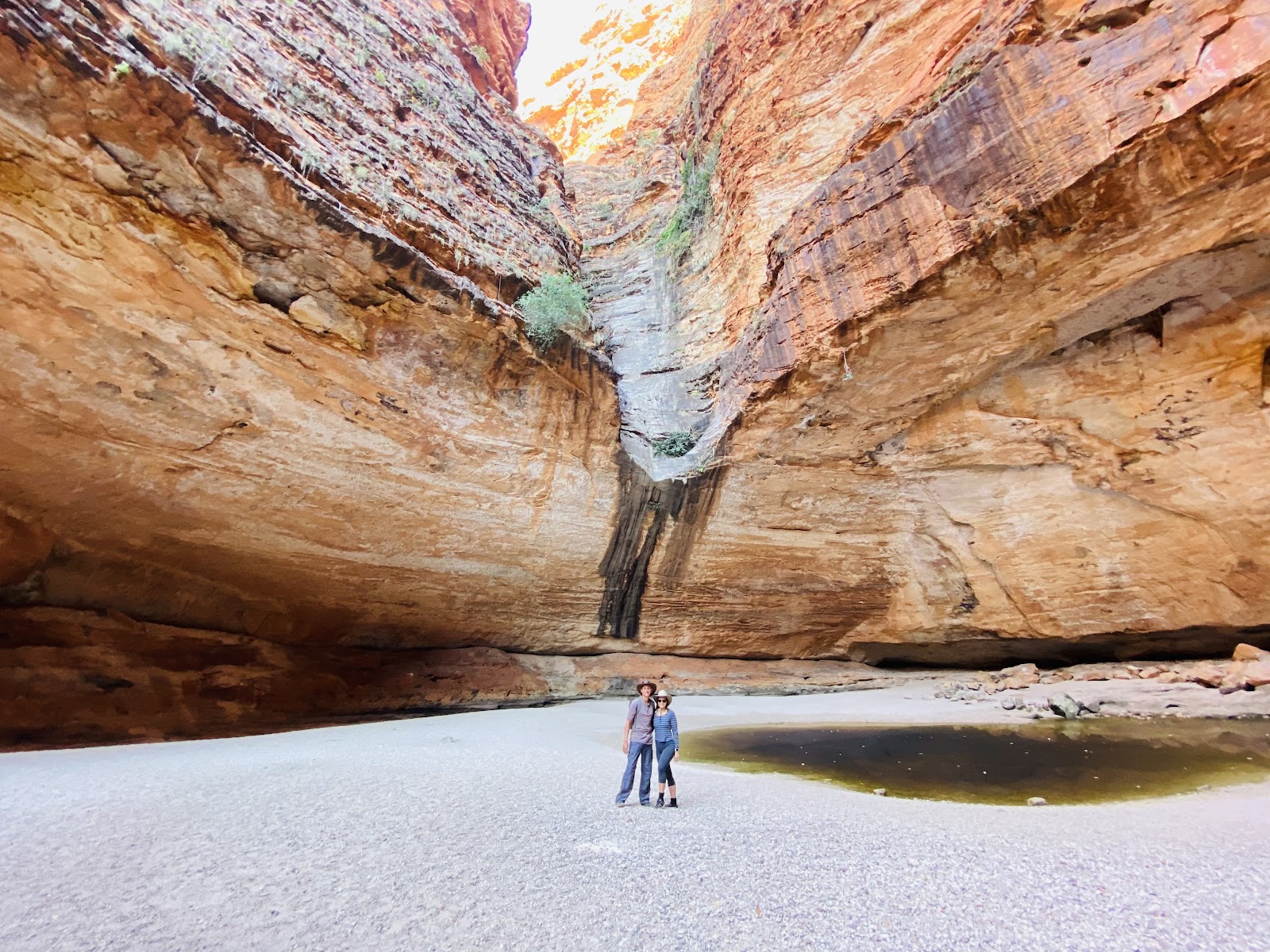 The Kimberley
Australia's North West, Western Australia
The Bungle Bungles & Cathedral Gorge, Purnululu — Cathedral Gorge’s amphitheatre on foot, and the striped domes from a dawn or dusk scenic flight.
Explore things to do in The Kimberley →
8
The Kimberley
Australia's North West, Western Australia
The Bungle Bungles & Cathedral Gorge, Purnululu — Cathedral Gorge’s amphitheatre on foot, and the striped domes from a dawn or dusk scenic flight.
Explore things to do in The Kimberley →
8
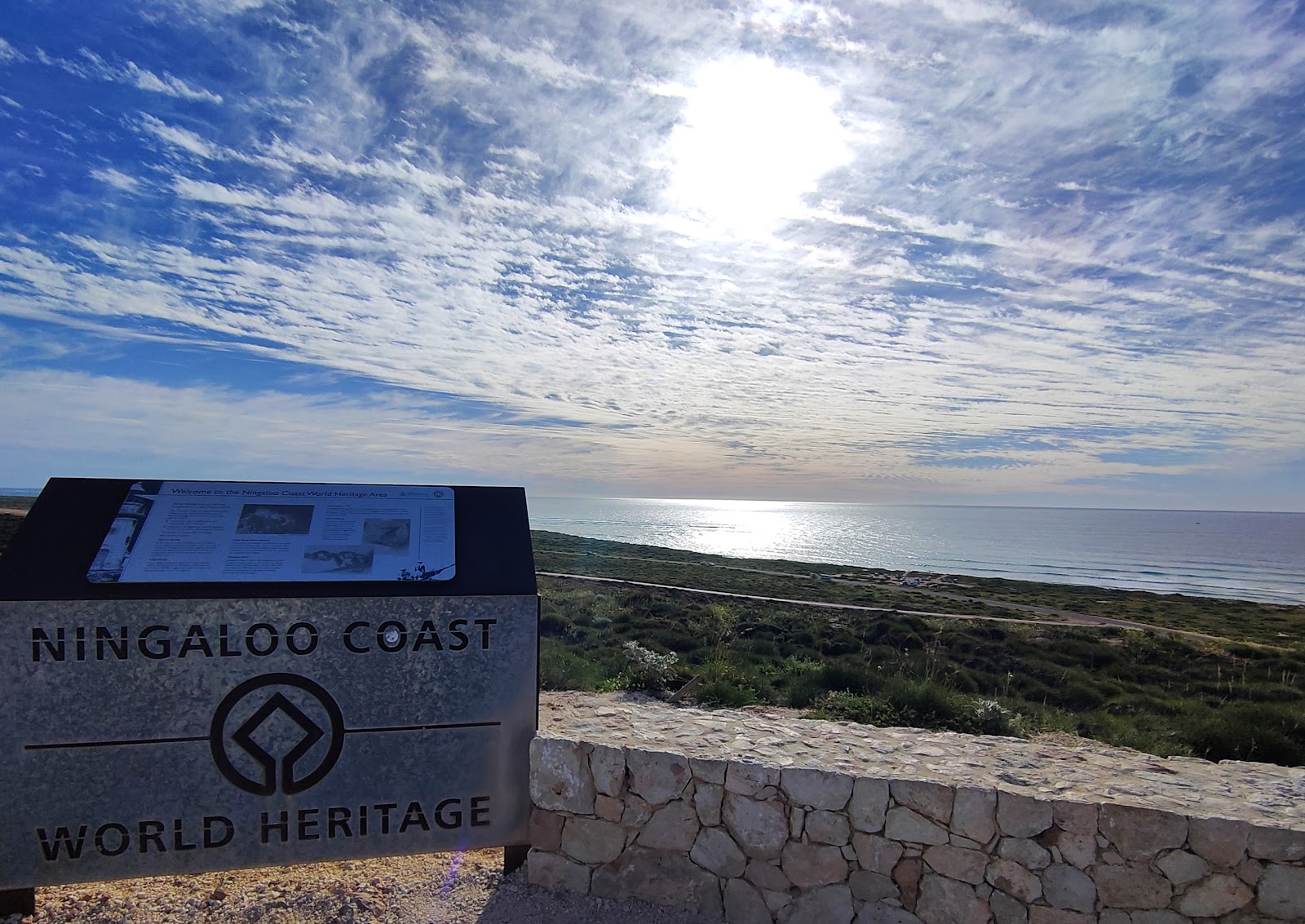 Ningaloo Reef
Australia's Coral Coast, Western Australia
Swim with Whale Sharks — The first time the shark materialises out of the blue beneath you — nothing prepares you for the size.
Explore things to do in Ningaloo Reef →
9
Ningaloo Reef
Australia's Coral Coast, Western Australia
Swim with Whale Sharks — The first time the shark materialises out of the blue beneath you — nothing prepares you for the size.
Explore things to do in Ningaloo Reef →
9
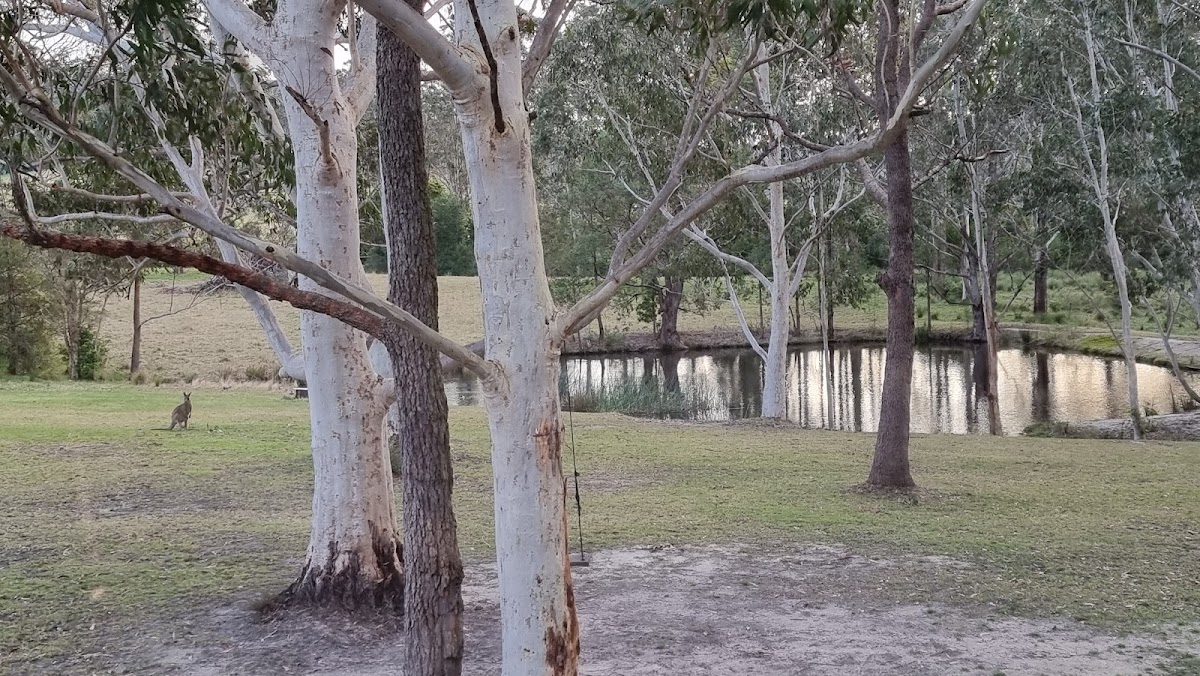 Kangaroo Valley
Shoalhaven, New South Wales
Paddle the Kangaroo River — The quiet upstream stretch from Hampden Bridge, paddled early before the hire crowd arrives.
Explore things to do in Kangaroo Valley →
10
Kangaroo Valley
Shoalhaven, New South Wales
Paddle the Kangaroo River — The quiet upstream stretch from Hampden Bridge, paddled early before the hire crowd arrives.
Explore things to do in Kangaroo Valley →
10
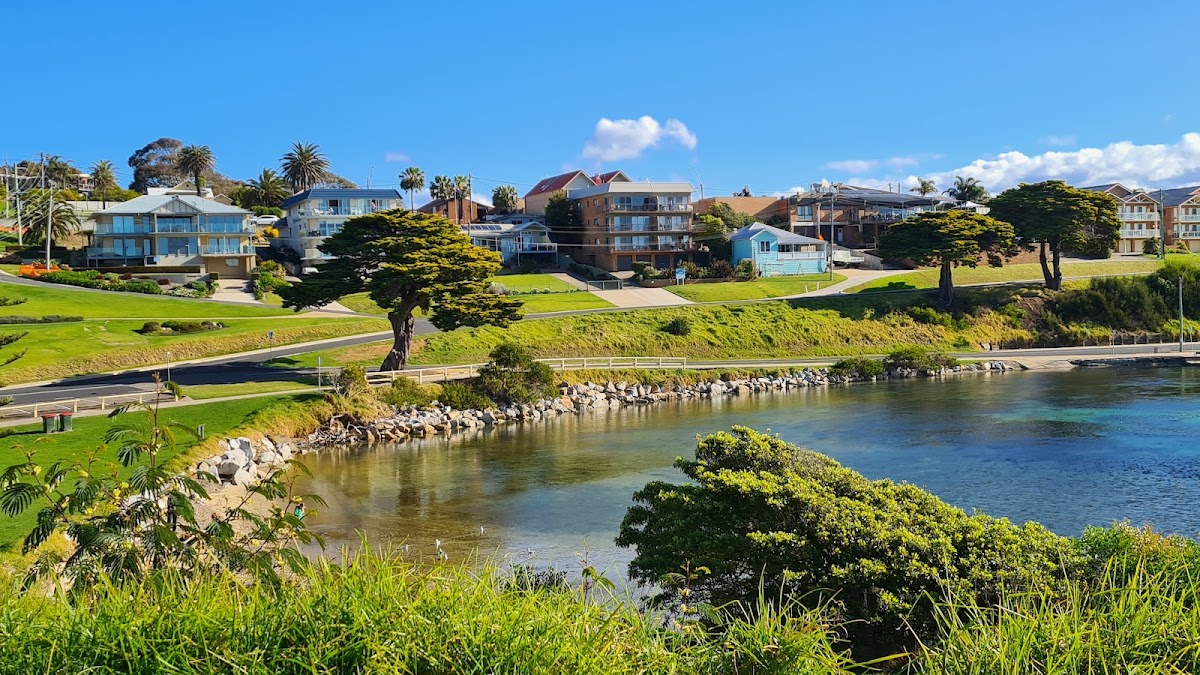 Narooma
South Coast, New South Wales
Sunrise at Narooma Headland — Arriving 20 minutes before sunrise in winter, when the light catches the spray off the headland.
Explore things to do in Narooma →
Narooma
South Coast, New South Wales
Sunrise at Narooma Headland — Arriving 20 minutes before sunrise in winter, when the light catches the spray off the headland.
Explore things to do in Narooma →
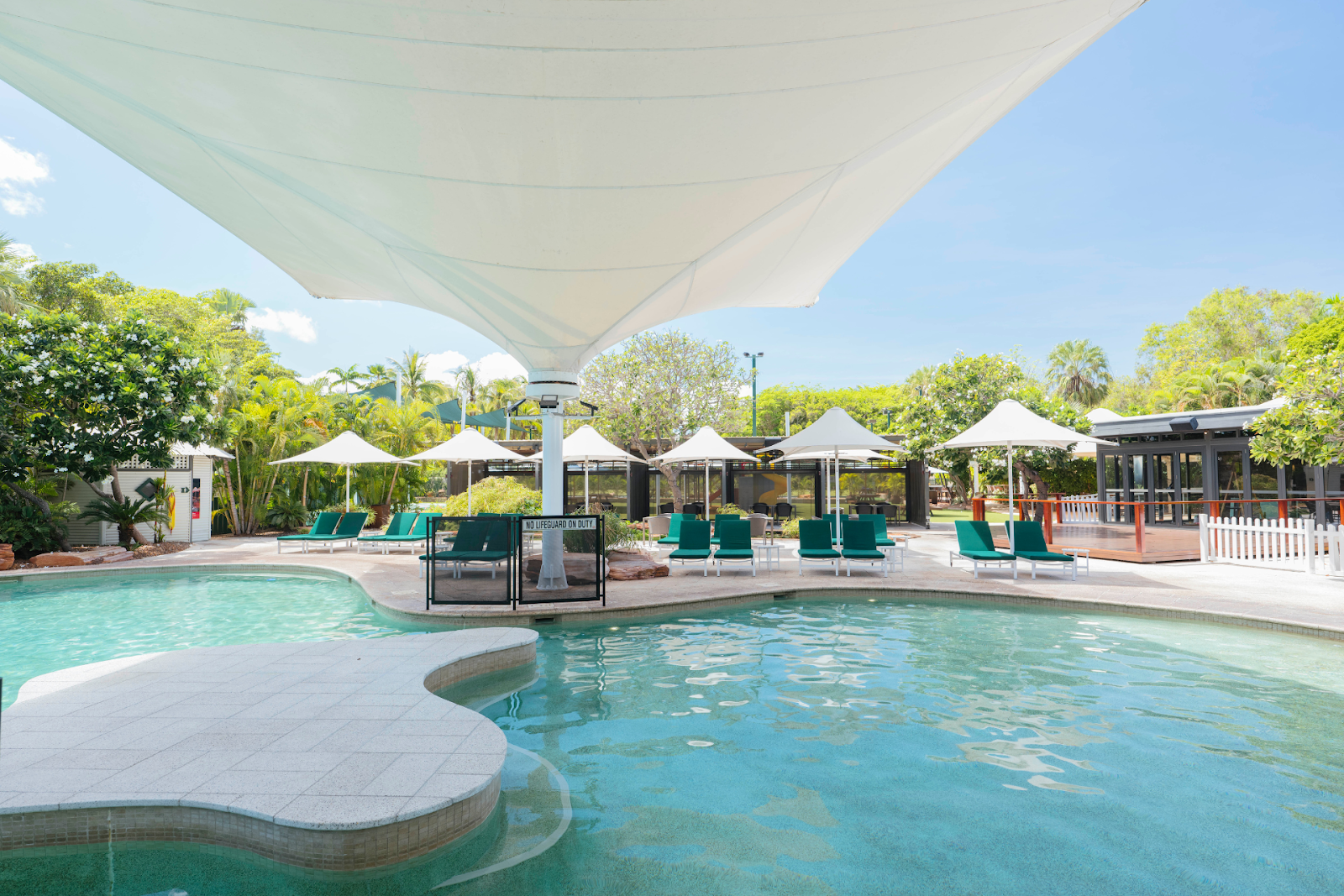
Cable Beach Club Resort & Spa — Broome
Book Direct & Save →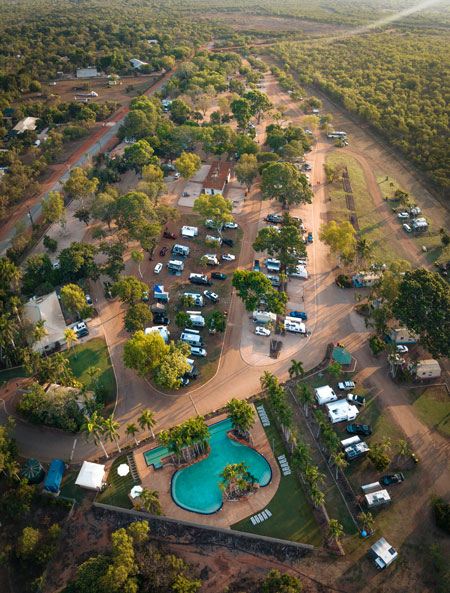
Broome Caravan Park — Broome
Book Direct & Save →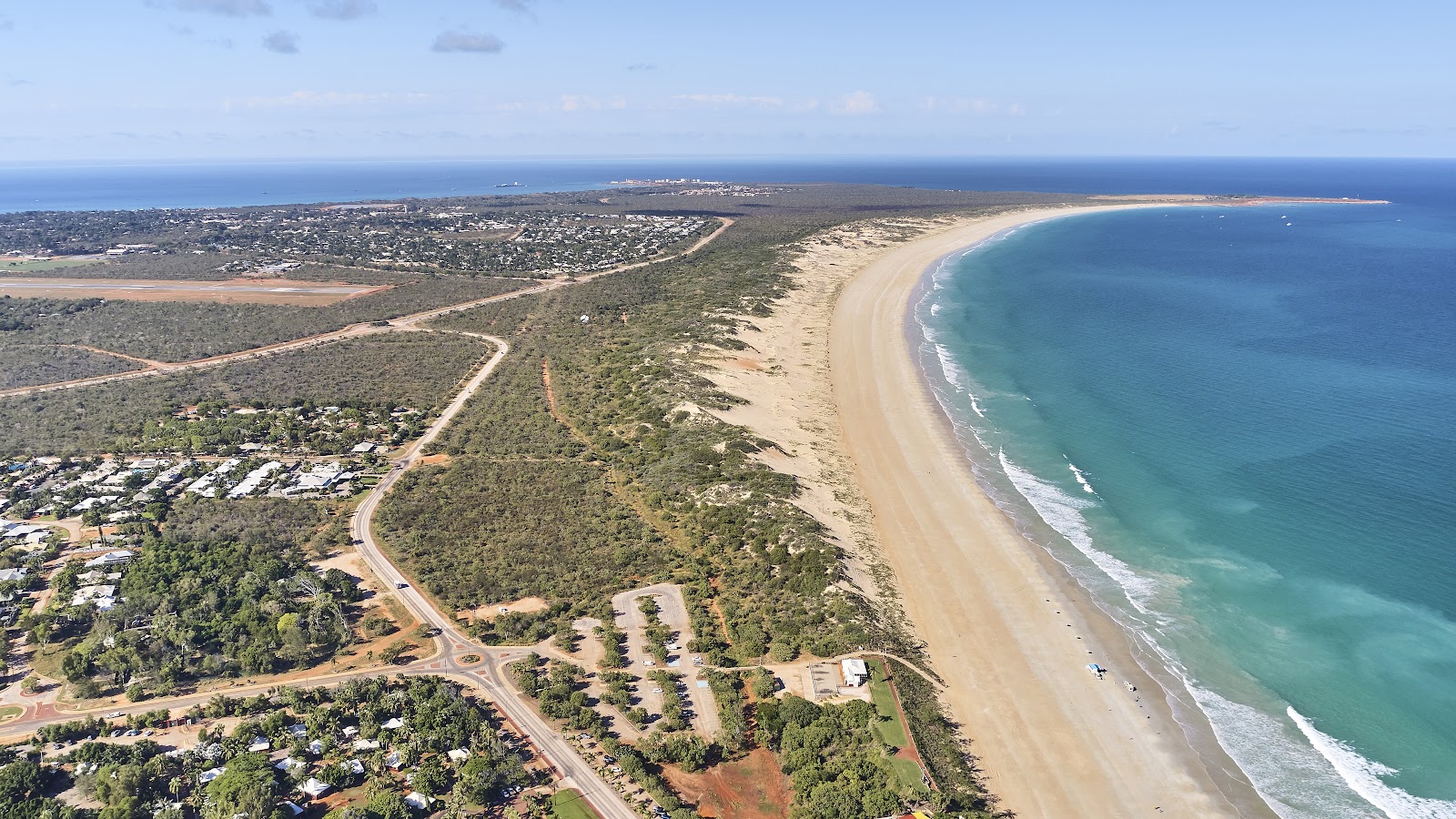
Beaches of Broome — Broome
Book Direct & Save →Skip OTA fees. Connect directly with Broome owners for the best rates and a truly personal experience.
We match any online rate. No service fees — 100% of your payment supports local owners.
Direct guests receive complimentary hampers, early check-in, and priority access to experiences.
Speak directly with the people who manage the properties. No call centres, just local expertise.
Part of Western Australia · Australia's North West
 Glen Aplin
Granite Belt, Queensland
Queensland's most underrated wine valley
Explore the guide →
Glen Aplin
Granite Belt, Queensland
Queensland's most underrated wine valley
Explore the guide →
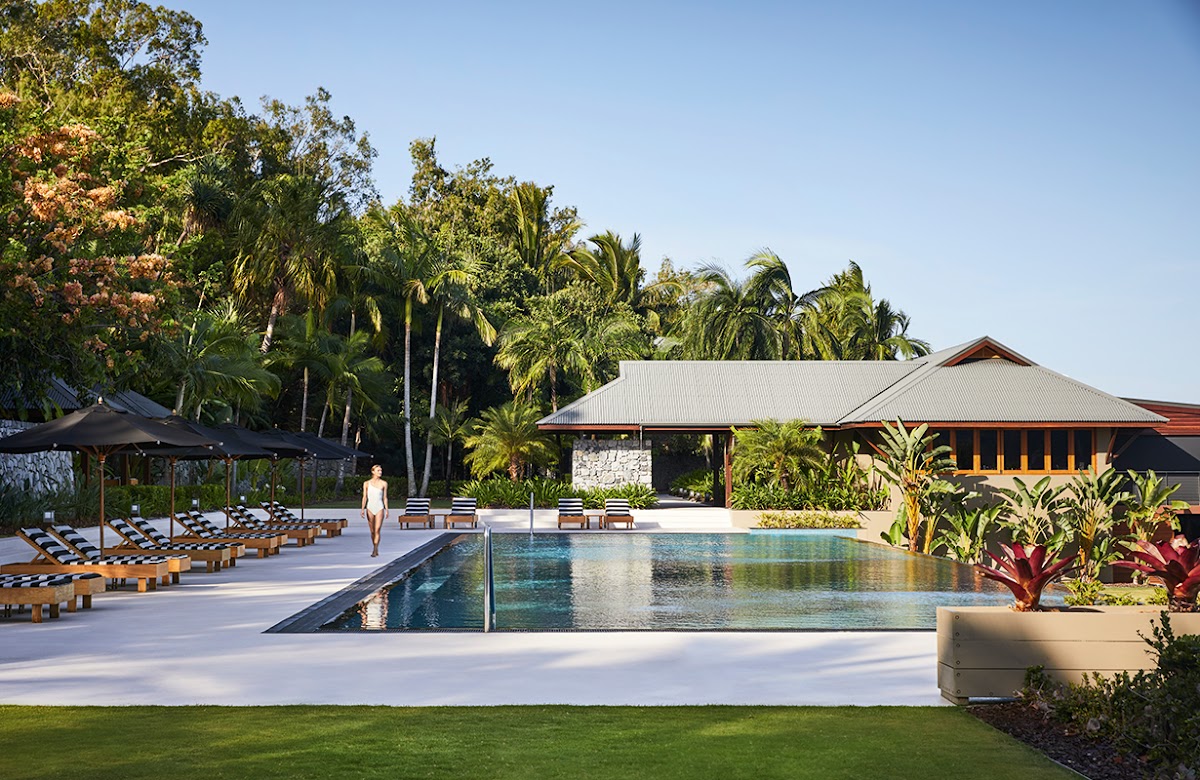 Hamilton Island
The Whitsundays, Queensland
Whitsundays island resort — Whitehaven Beach, reef trips and golf-buggy life
Explore the guide →
Hamilton Island
The Whitsundays, Queensland
Whitsundays island resort — Whitehaven Beach, reef trips and golf-buggy life
Explore the guide →
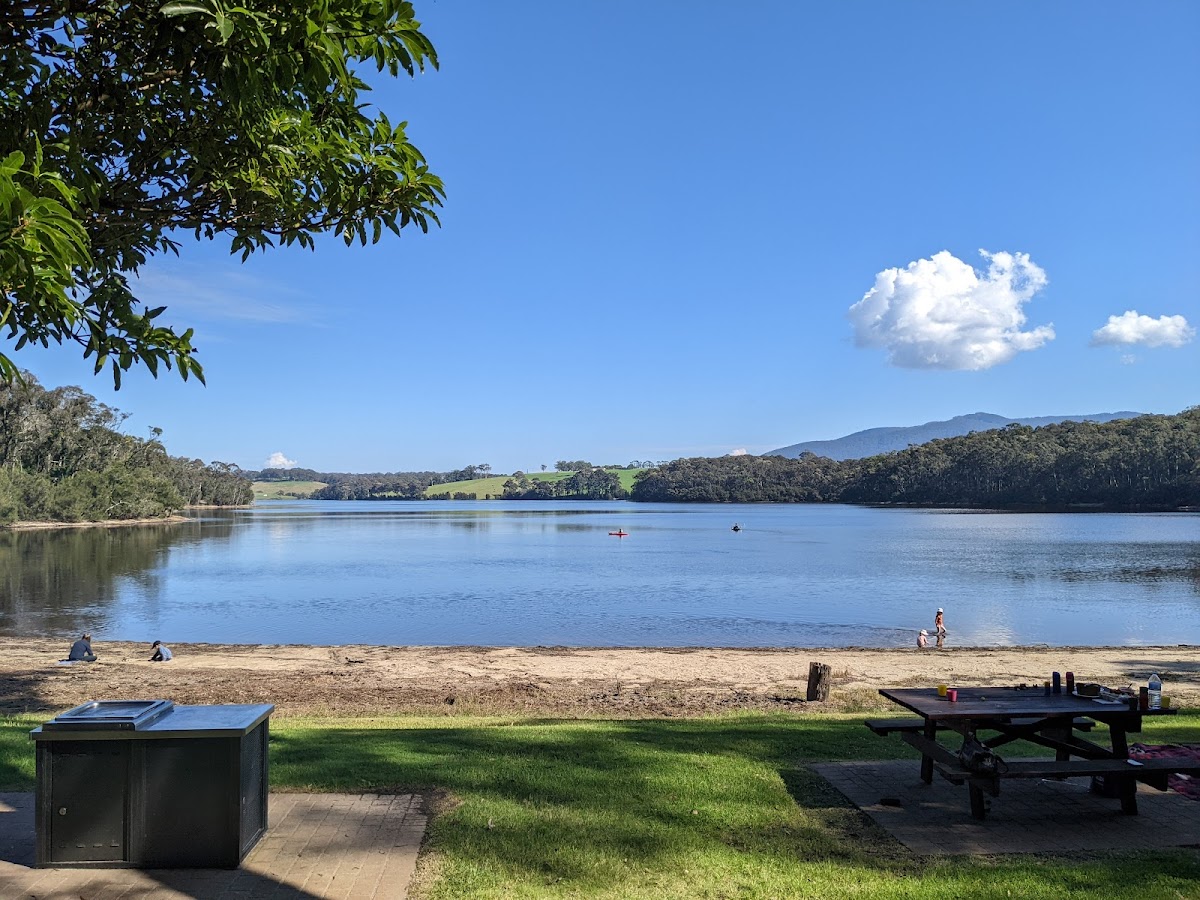 Narooma
South Coast, New South Wales
Crystal-clear inlet, surf beaches, oysters and Montague Island
Explore the guide →
Narooma
South Coast, New South Wales
Crystal-clear inlet, surf beaches, oysters and Montague Island
Explore the guide →
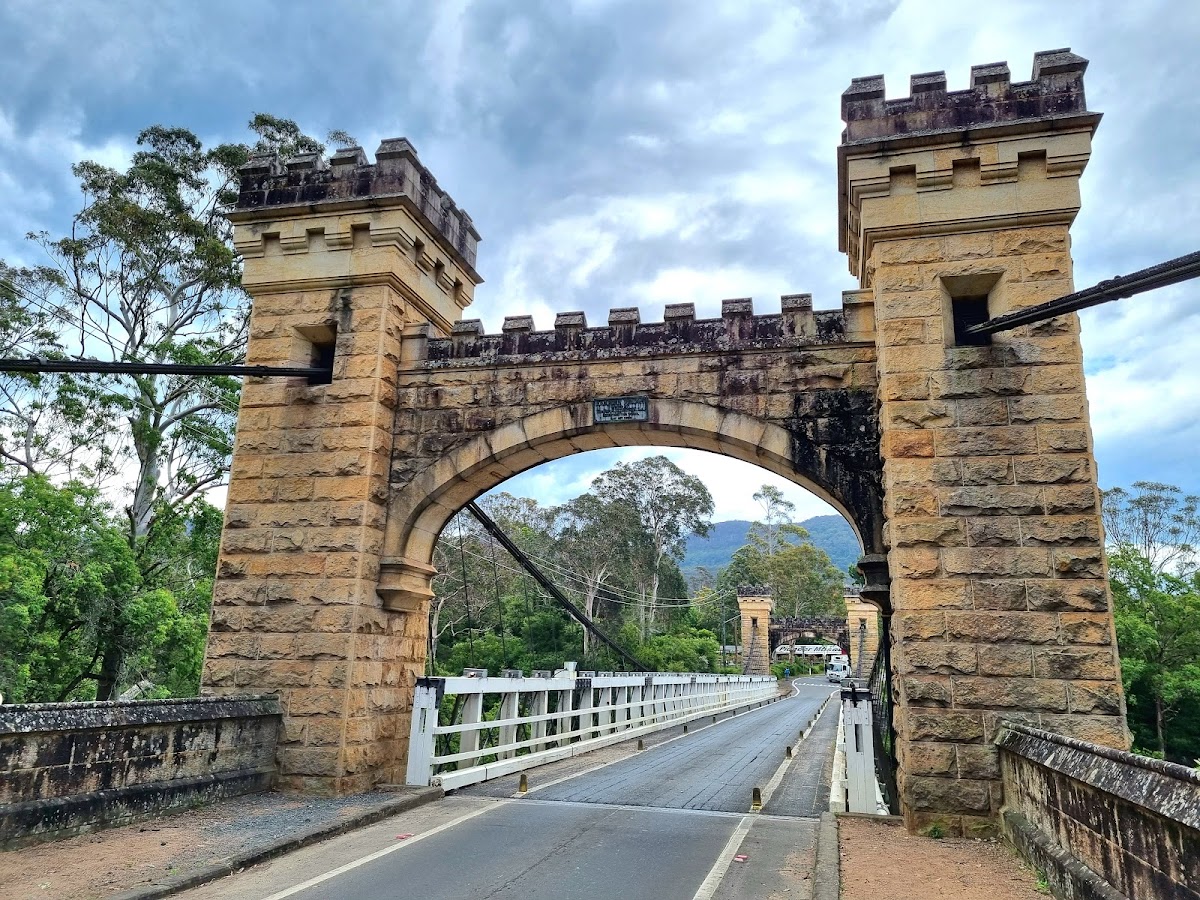 Kangaroo Valley
Shoalhaven, New South Wales
Hampden Bridge, kayaking and wombats in a green valley
Explore the guide →
Kangaroo Valley
Shoalhaven, New South Wales
Hampden Bridge, kayaking and wombats in a green valley
Explore the guide →
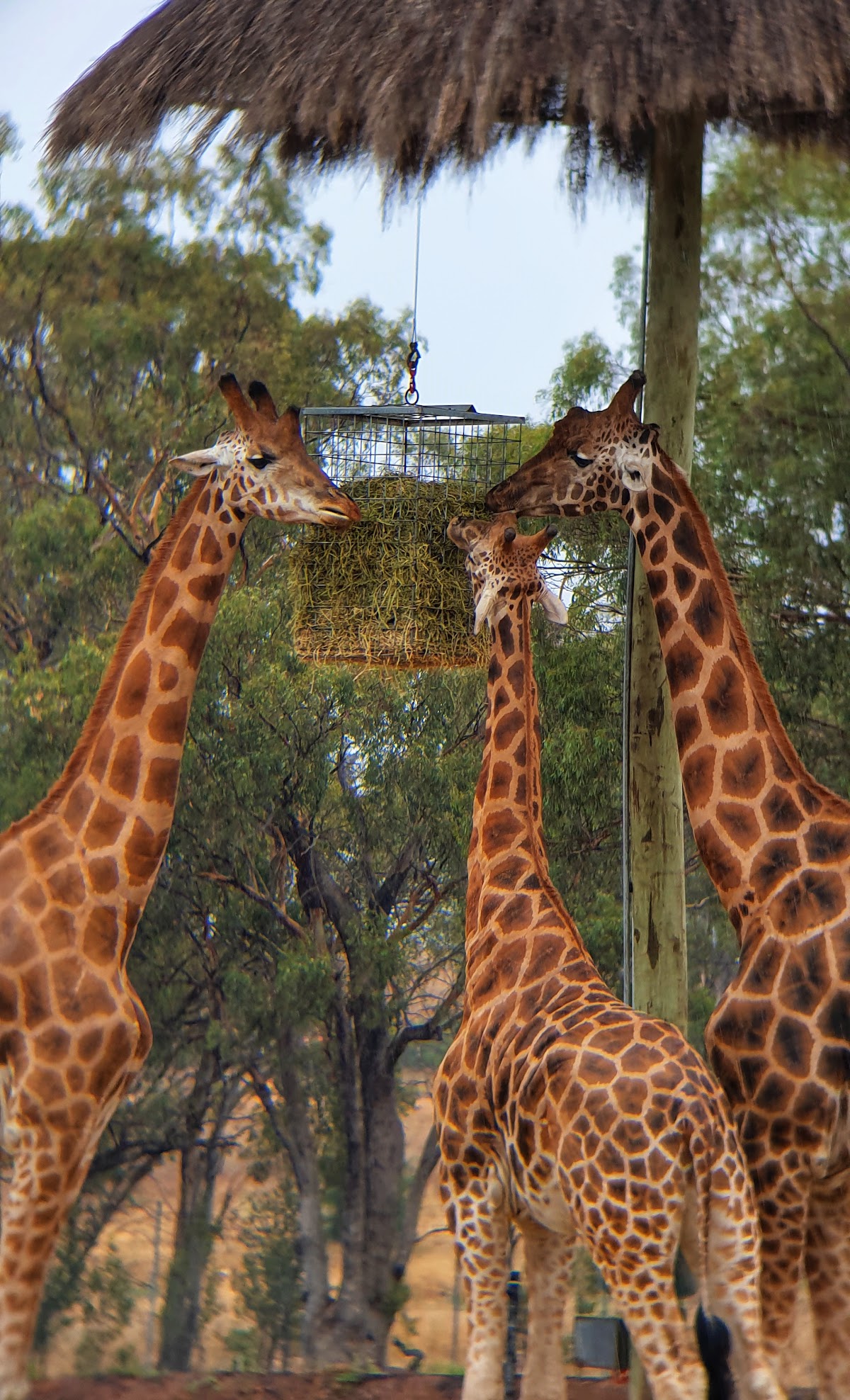 Dubbo
Central West, New South Wales
Open-range zoo and Outback gateway on the Macquarie River
Explore the guide →
Dubbo
Central West, New South Wales
Open-range zoo and Outback gateway on the Macquarie River
Explore the guide →
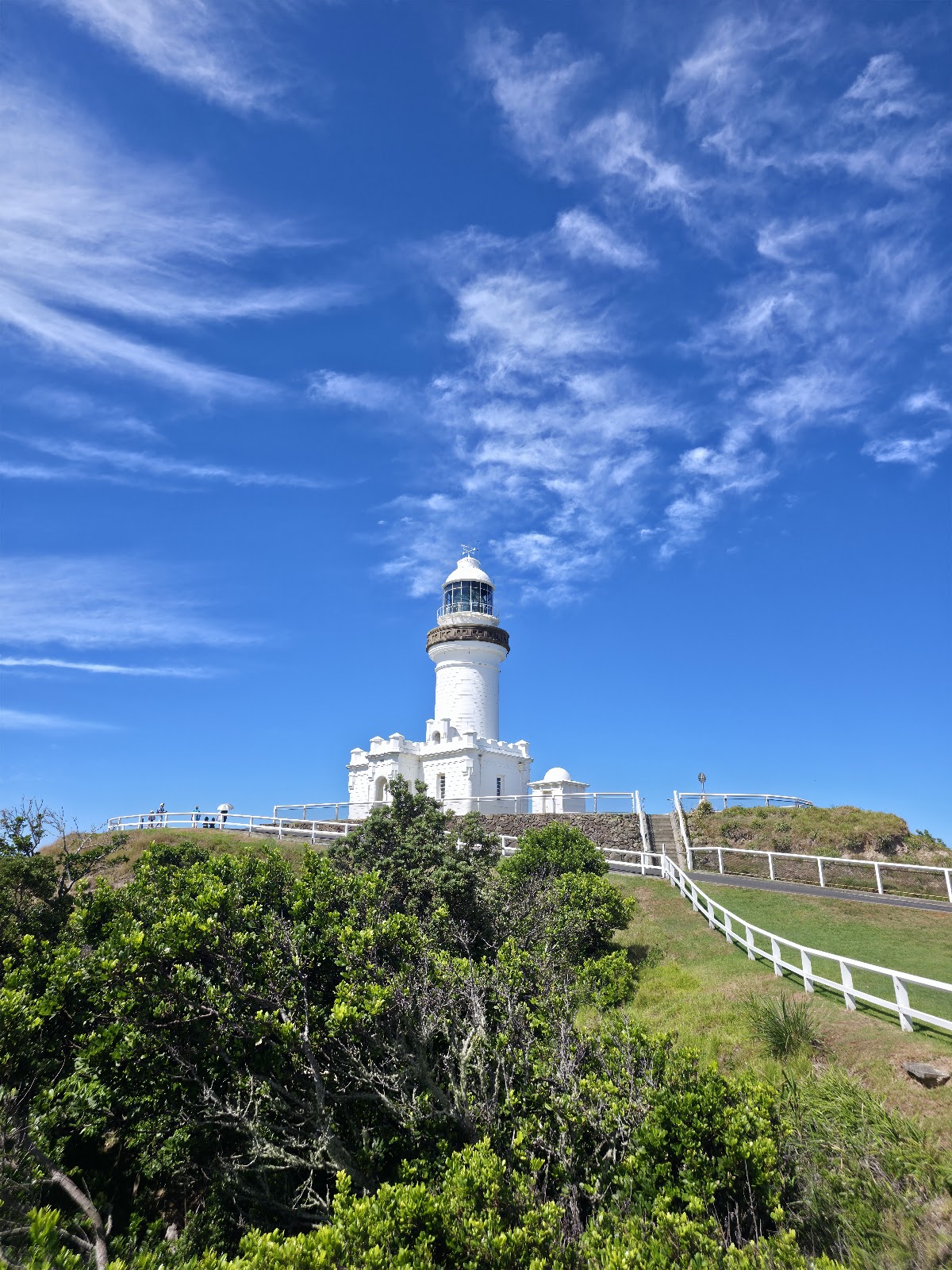 Byron Bay
Northern Rivers, New South Wales
Australia's iconic beach town and most easterly point
Explore the guide →
Byron Bay
Northern Rivers, New South Wales
Australia's iconic beach town and most easterly point
Explore the guide →
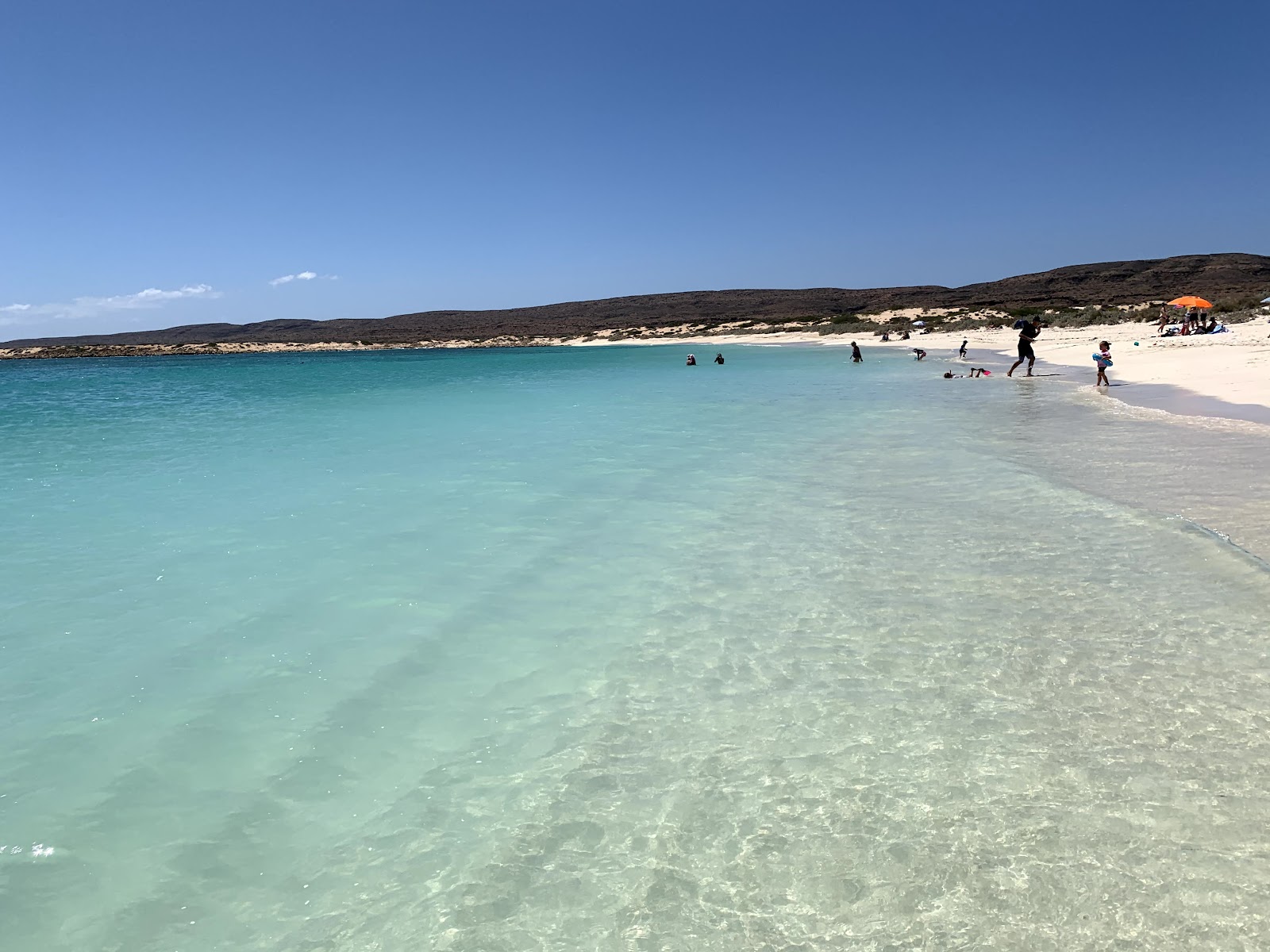 Ningaloo Reef
Australia's Coral Coast, Western Australia
Swim with whale sharks and snorkel a World-Heritage reef straight off the beach
Explore the guide →
Ningaloo Reef
Australia's Coral Coast, Western Australia
Swim with whale sharks and snorkel a World-Heritage reef straight off the beach
Explore the guide →
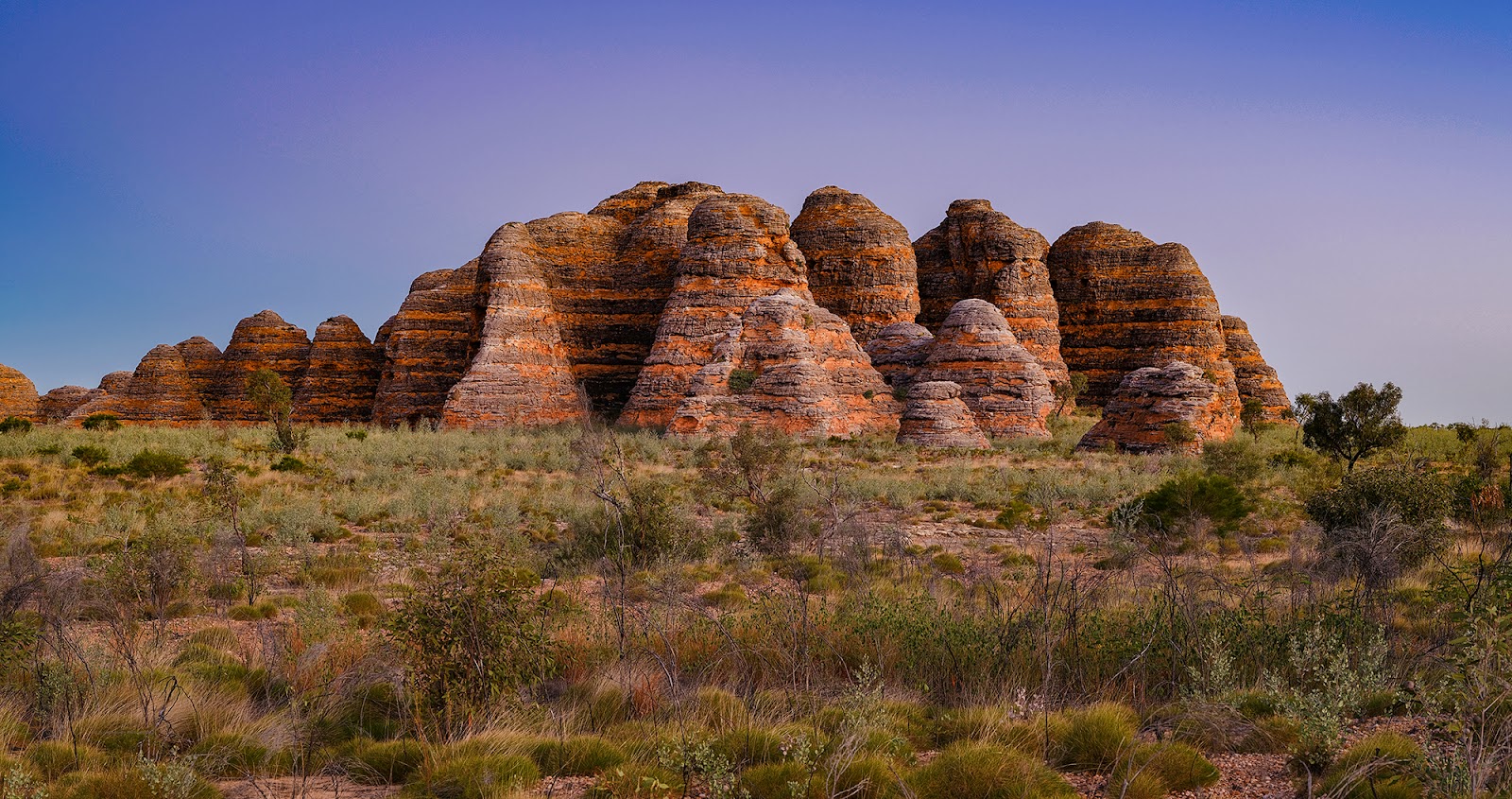 The Kimberley
Australia's North West, Western Australia
Gibb River Road, the Bungle Bungles, gorges and waterfalls in Australia's last frontier
Explore the guide →
The Kimberley
Australia's North West, Western Australia
Gibb River Road, the Bungle Bungles, gorges and waterfalls in Australia's last frontier
Explore the guide →
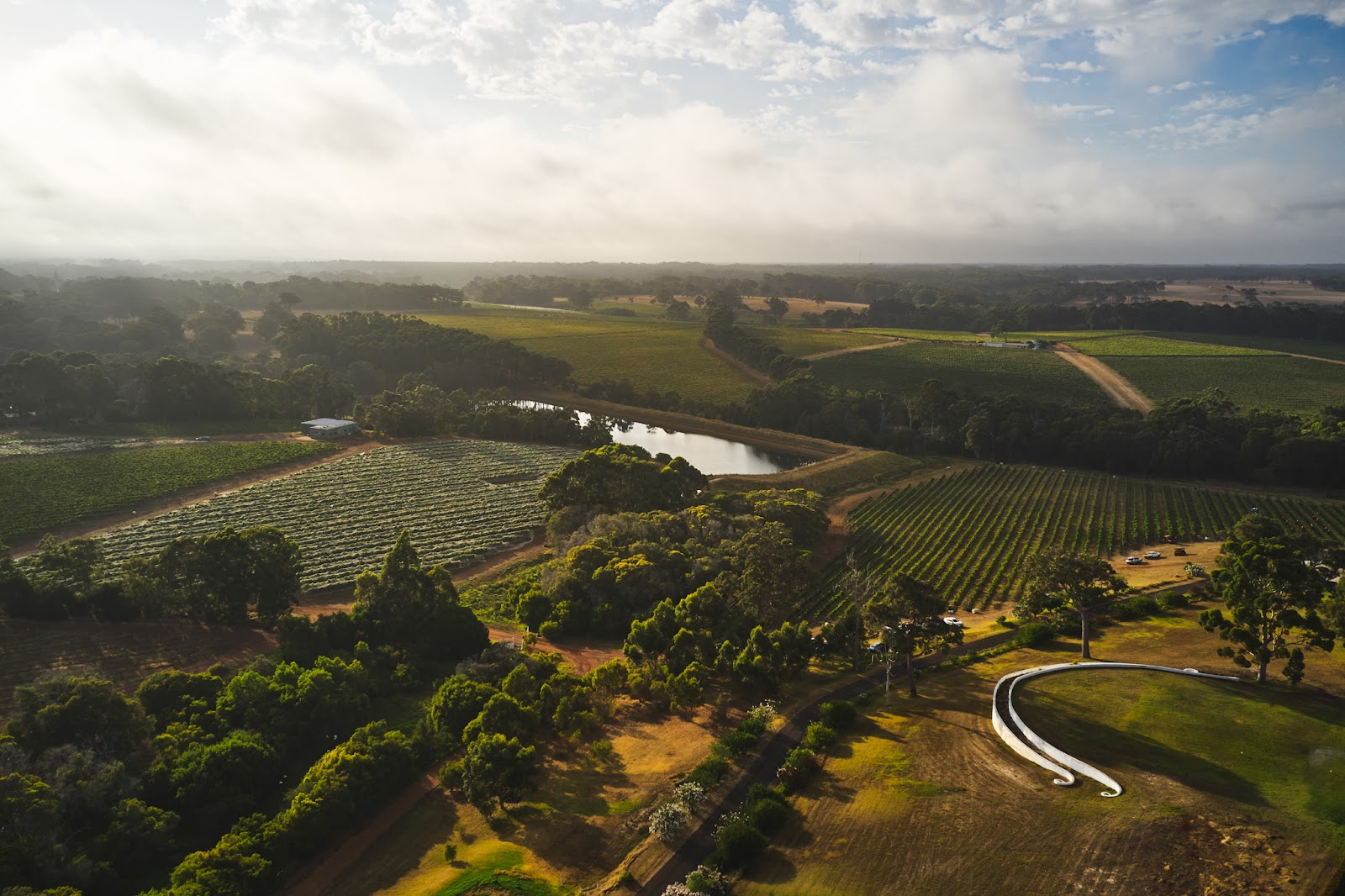 Margaret River
Australia's South West, Western Australia
World-class wineries, surf breaks and limestone caves three hours south of Perth
Explore the guide →
Margaret River
Australia's South West, Western Australia
World-class wineries, surf breaks and limestone caves three hours south of Perth
Explore the guide →