01. Margarets Beach Resort
4.5 (689 reviews)
Margarets Beach Resort — Margaret River
Book Direct & Save →Margaret River is one of those rare regions where the hard part isn’t finding something to do — it’s choosing. Within an easy drive of the township you have a couple of hundred wineries, some of Australia’s most serious surf, a system of limestone caves, a 135-kilometre coastal walking track, a karri forest, friendly wild stingrays and a craft-beer scene to land in afterwards. A first-time visitor can genuinely feel spoiled for choice.
View 3 Properties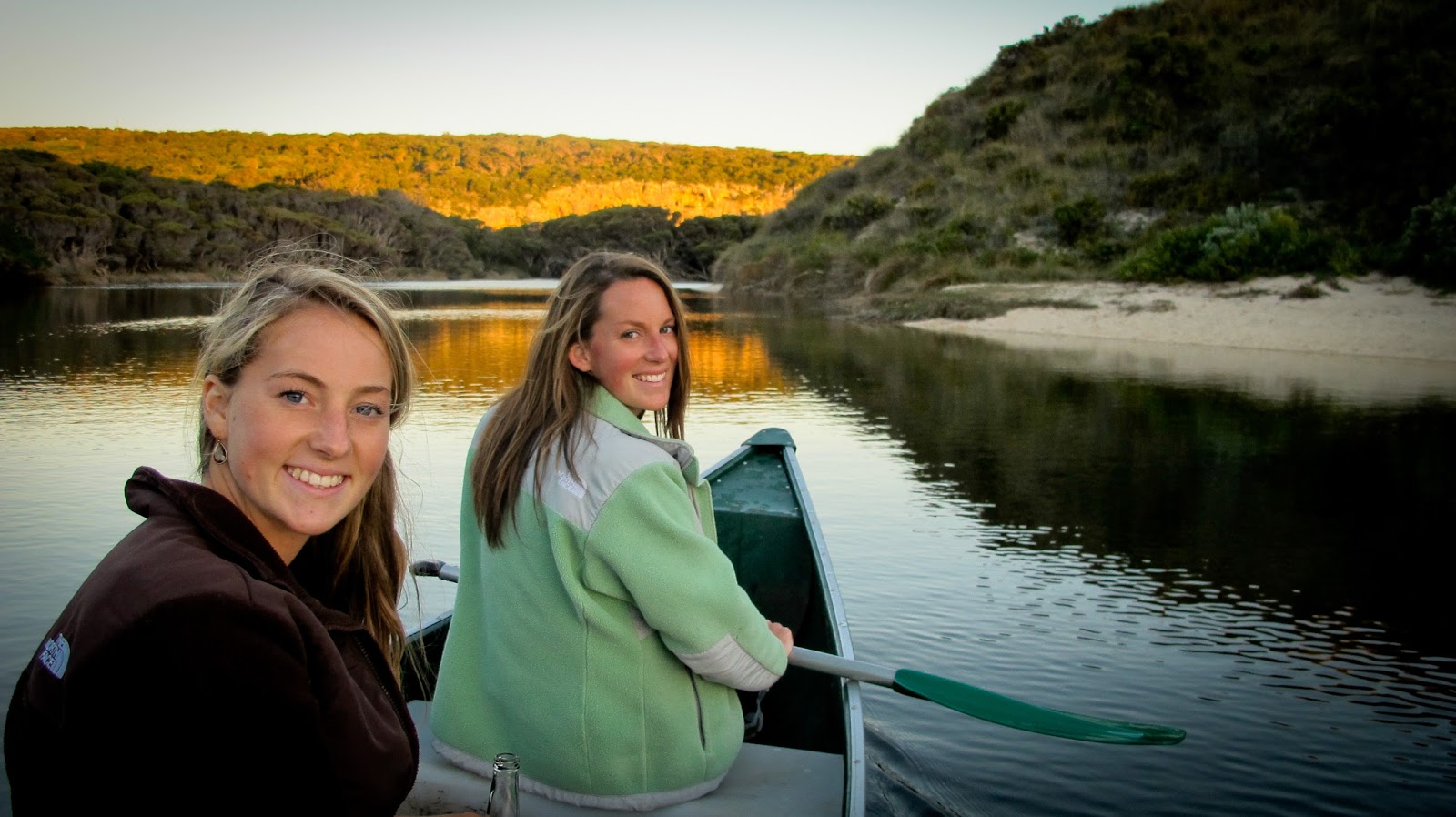
"Wine, surf, caves and coast"
This guide cuts it down to the experiences worth building a trip around — the ones visitors consistently rate highest, with an honest read on who each suits and what to know before you go. Mix two or three a day, leave room to swim or walk between them, and don’t try to do the lot: the region rewards a slower pace far more than a packed checklist.
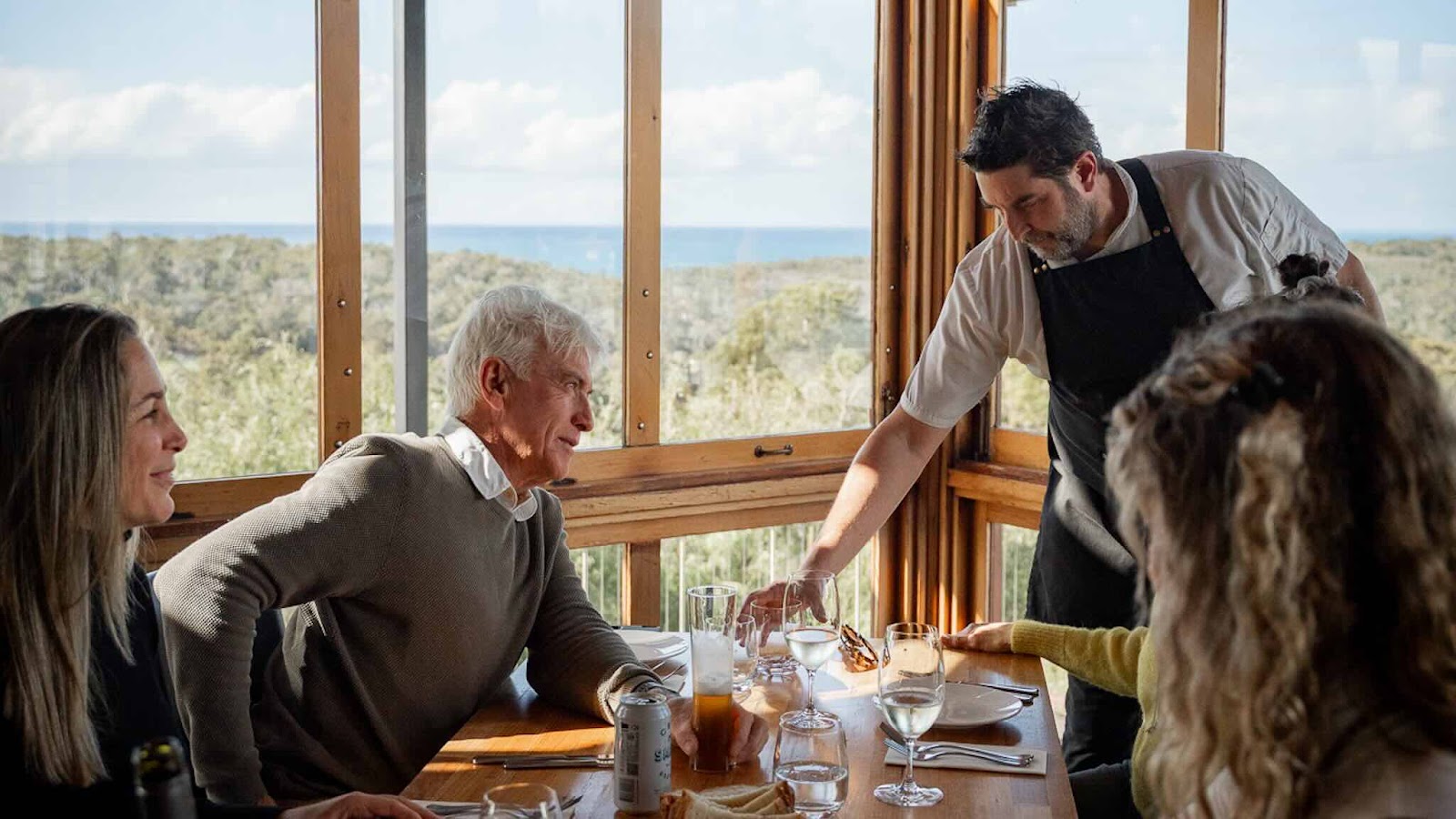
The thing to understand about Margaret River is that it’s a region, not a single town — the experiences run along Caves Road and the coast between the two capes, and almost nothing is walkable from anything else. That makes a car (and a loose plan) the single most useful thing you can bring. The classic mistake is treating it like a city break and trying to cram six wineries and three beaches into a day; the visitors who enjoy it most pick two or three things, space them out, and leave time to swim or sit.
The natural rhythm is a cellar door or two and a long lunch in the middle of the day, a beach, walk or cave in the afternoon, and a brewery or sunset to finish. The list below isn’t meant to be done in order or in a day — it’s the menu. Choose what fits your group, book the lunches and tours ahead, and let the rest fall into place around the weather.
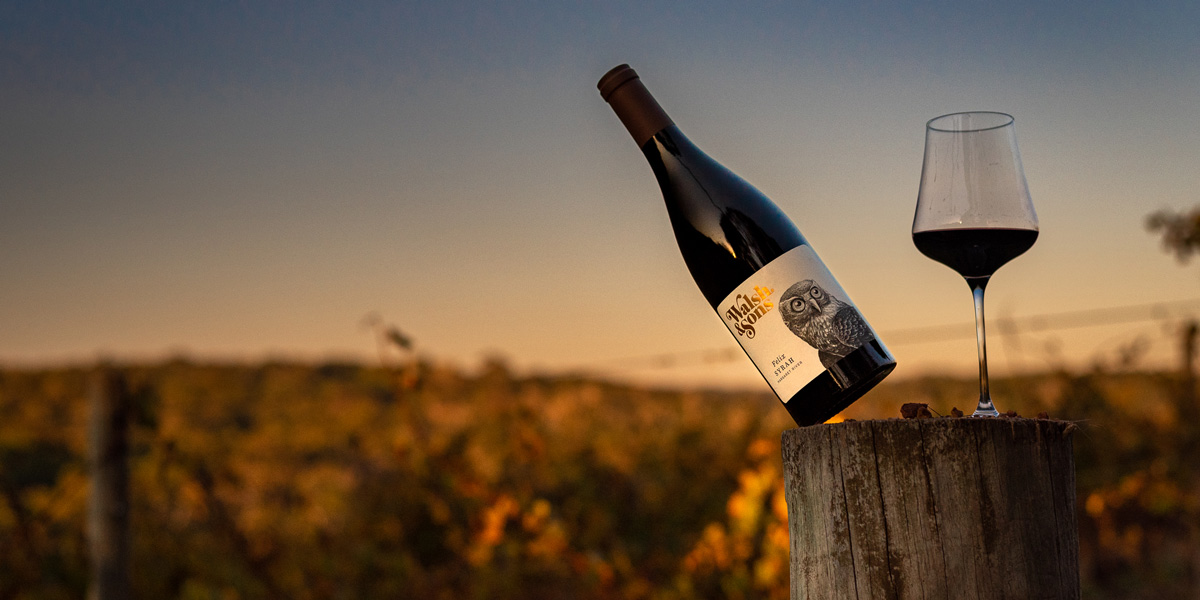
Tasting your way along the cellar doors is the experience most people come to Margaret River for, and it lives up to it. Around 200 wineries sit within an easy drive, the densest cluster strung along Caves Road through the Wilyabrup and Cowaramup sub-regions, and the standard ranges from architectural flagships with acclaimed restaurants to small family rooms where the winemaker pours. The region’s strengths are Cabernet Sauvignon and Chardonnay above all, with strong Sauvignon Blanc–Semillon blends alongside.
The trick is restraint: pick four or five cellar doors rather than ten, book a long lunch at one, and space them out so the day doesn’t blur. It suits couples, friends and serious wine lovers most, but plenty of cellar doors are relaxed and family-friendly too. The one non-negotiable is the driving — if you want to taste properly, book a designated-driver tour or nominate a non-drinker, because the spots are too far apart to walk and WA drink-driving enforcement is strict.
It’s the rare wine region where the big names and the small family rooms are both worth your time, and the welcome stays relaxed even at the flagships.
“Did five cellar doors over a day with a driver and every single one was generous and unpretentious. The Cabernet and Chardonnay are the real deal.”
— Google review
A long lunch at a cellar-door restaurant, booked ahead, in the middle of a tasting day.
Don’t try to drive yourself between tastings — book a tour or a designated driver. And don’t over-schedule; four cellar doors done well beats eight done in a rush.
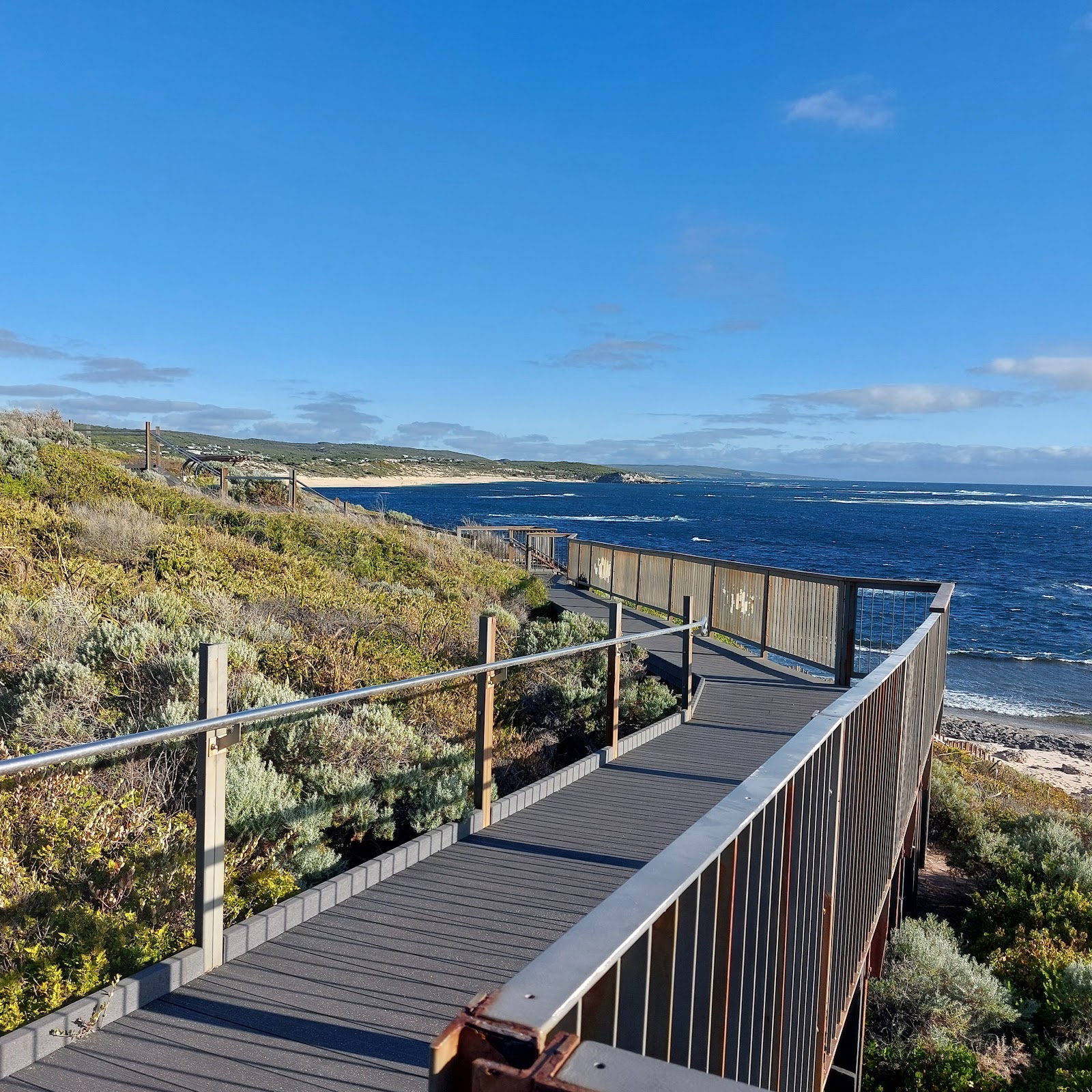
Surfers Point at Prevelly — known to surfers as Main Break — is the region’s headline wave and the home of the WSL Margaret River Pro each April, when the world’s best compete on a powerful left-and-right reef break with the notorious slab called The Box close by. Even if you never paddle out, the viewing deck above the point is one of the best free spectacles in the region, especially on a big Indian Ocean swell when the sets stack to the horizon.
For surfers, this is serious, heavy water over reef — not a place to learn. Experienced surfers will find it among the best waves in the country; everyone else should come to watch from the deck and then learn somewhere gentler, as the region’s surf schools run beginner lessons on more forgiving beaches. The walk down to the rivermouth at Prevelly is worth doing regardless, and the sunsets here are exceptional.
Standing on the deck while a clean swell detonates over the reef is a free, only-here kind of show — and in April you might catch the world tour live.
“Watched from the lookout on a big day and couldn’t believe the size and power of it. You don’t need to surf to be blown away.”
— Traveller review
The viewing deck above the point on a big swell — or the WSL Pro in April.
Main Break and The Box are expert-only reef breaks with real consequences — beginners should watch, not paddle out, and learn at a patrolled surf-school beach instead.
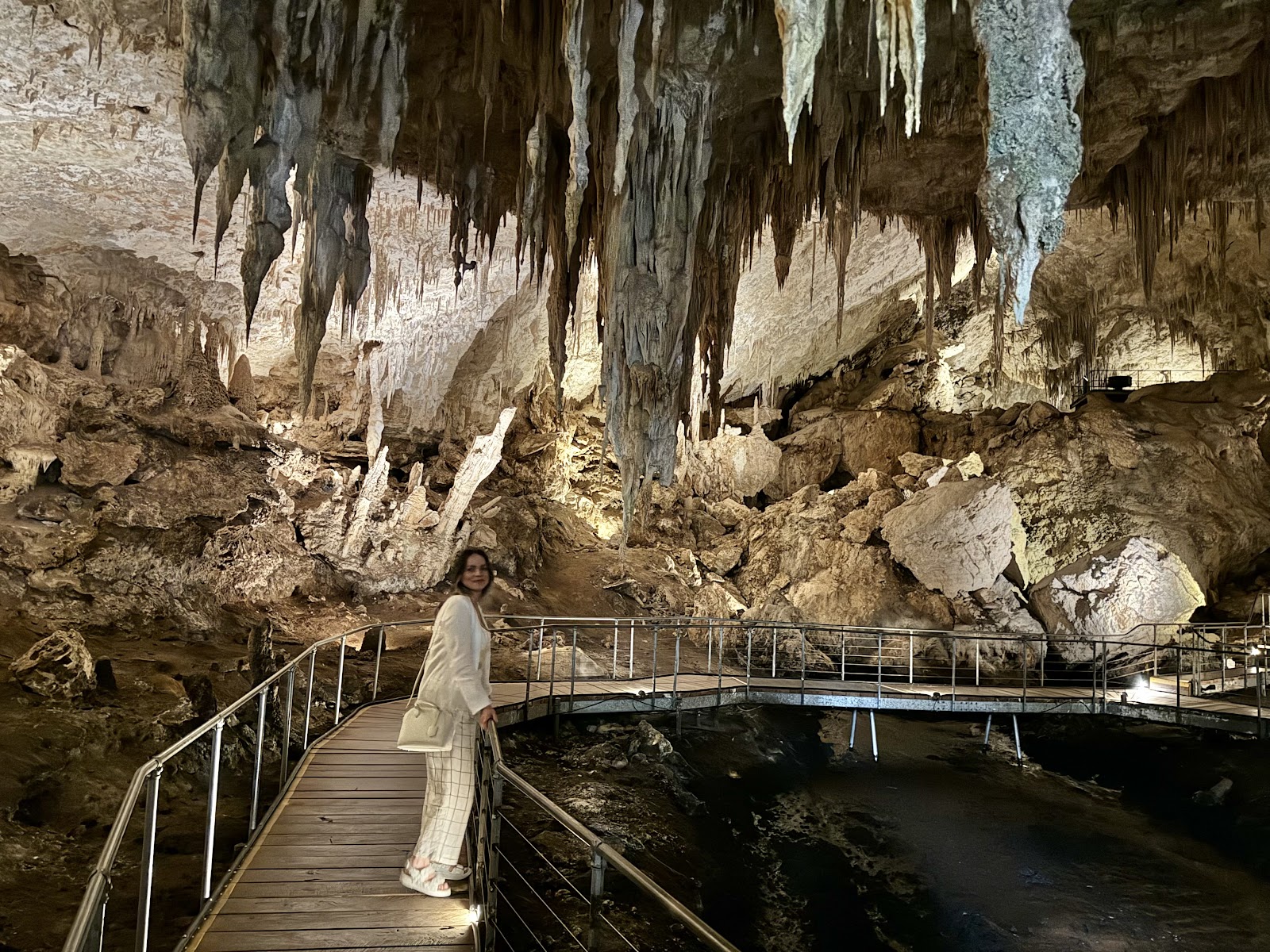
Beneath the ridge that runs between Cape Naturaliste and Cape Leeuwin lies a system of limestone caves formed long before the first vines, and several are open to visit. Mammoth Cave is the easiest to do independently — a self-guided boardwalk through huge chambers with an audio guide, and partly accessible for limited mobility. Lake Cave descends to a still underground pool beneath a suspended ‘table’ of rock and is seen on a guided tour, while Jewel Cave near Augusta is the largest show cave and Ngilgi at Yallingup carries deep Wadandi cultural significance.
The caves are the region’s best all-weather card — cool and dry whatever the sky is doing, which makes them the obvious move on a hot or wet afternoon. They suit families, couples and anyone curious about the geology under the wine country. One cave is usually enough for most visitors; choose Mammoth for self-paced ease, Lake for the underground pool and a guide, Jewel for scale.
It’s the unexpected layer of Margaret River — an ancient world directly beneath the vineyards, and a perfect cool escape when the weather turns.
“Did Mammoth with the audio guide at our own pace — the scale of the chambers is incredible and it was a relief from the heat outside.”
— Google review
Mammoth Cave’s self-guided boardwalk, or Lake Cave’s underground pool on the guided tour.
There’s a lot of stair descent at Lake and Jewel — check accessibility before you go, and one cave is plenty for most people; don’t try to do several in a day.
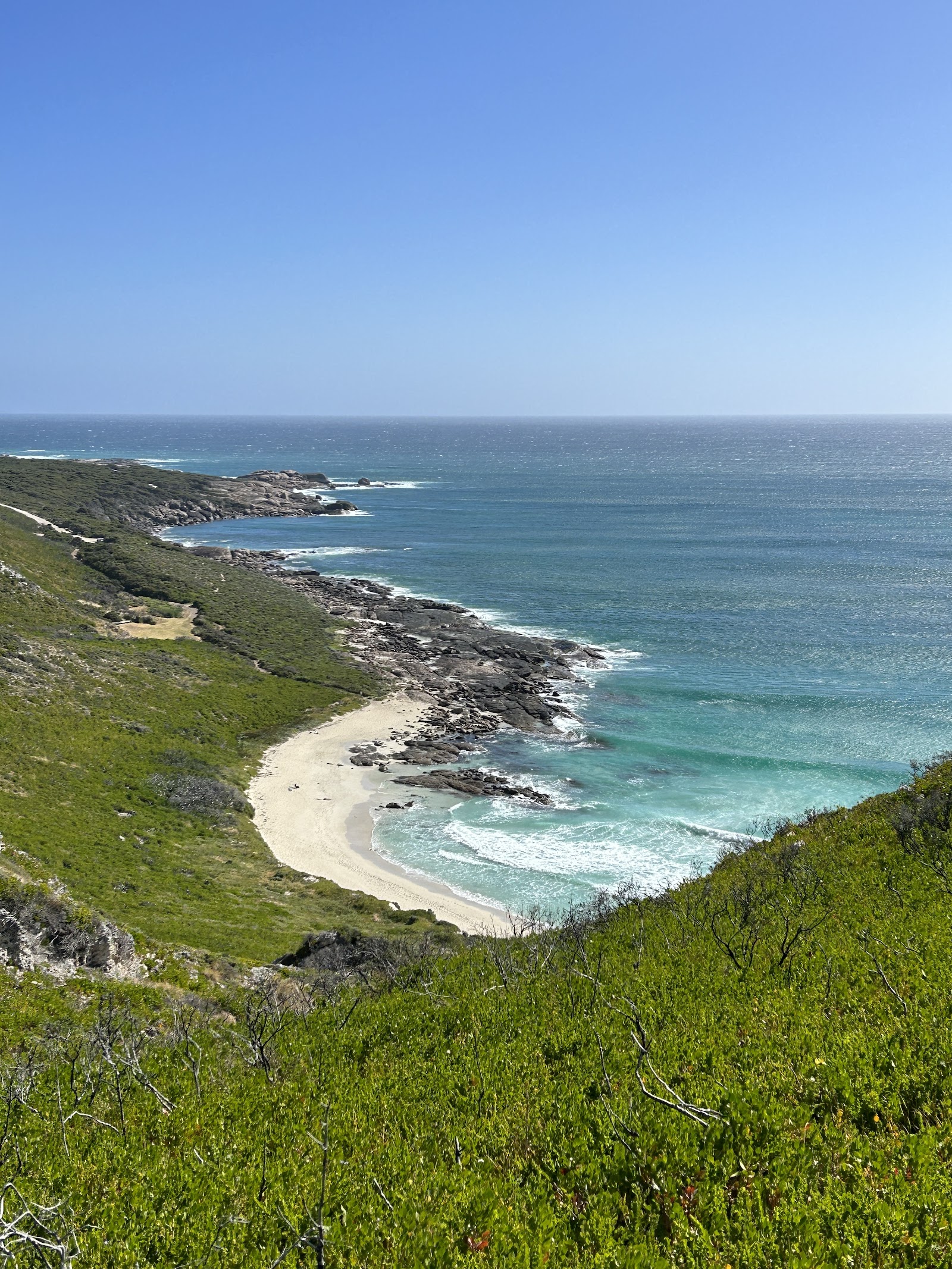
The Cape-to-Cape Track runs roughly 135 kilometres along the coast between the Cape Naturaliste and Cape Leeuwin lighthouses, taking in clifftops, headlands, long beaches and pockets of forest. Few people walk the whole thing — most do it as day sections, and that’s where the value is for a normal trip. Short, spectacular stretches near each cape, around Wilyabrup’s sea cliffs, or down from Prevelly give you the best of it in a couple of hours.
It suits walkers of most abilities provided you pick the right section — some are gentle clifftop strolls, others involve soft sand and rock-hopping. Spring brings wildflowers along the track and winter and spring bring whales offshore, so a coastal walk often doubles as wildlife watching. Carry water, sun protection and a charged phone, check the tides for any beach sections, and tell someone your plan if you’re heading out alone.
You can sample one of Australia’s great coastal walks in a single morning — clifftops, whales offshore and wildflowers, with the car never far away.
“Walked a clifftop section near the lighthouse in spring with wildflowers out and a whale breaching offshore. Didn’t need to do the whole track to get the magic.”
— Traveller review
A clifftop day section near either cape in spring — wildflowers out, whales offshore.
Some sections are exposed with soft sand and no shade or water — pick a section that matches your fitness, carry water, and check tides before any beach stretch.
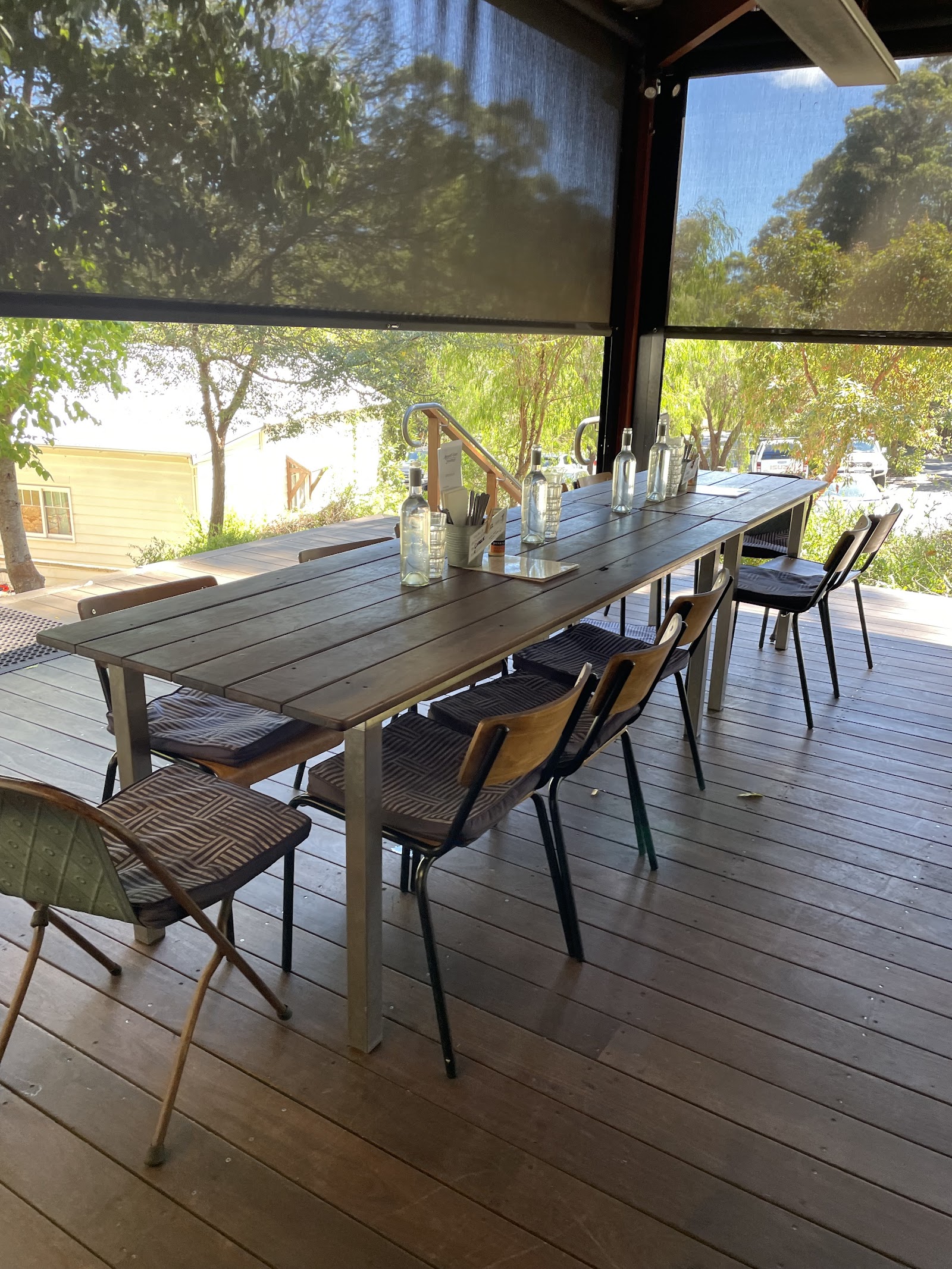
Margaret River’s craft-beer, cider and distillery scene is every bit as serious as the wine and a lot more relaxed about it. Forest beer gardens and brewery taprooms are scattered through the hinterland — the natural place to land in the afternoon after a morning of cellar doors, usually with a kitchen, plenty of space and a far more casual feel than a tasting room.
This is the part of the day that suits everyone — families with kids who can run around the garden, designated drivers who’d rather a cider than another red, and groups after a relaxed late lunch. Many of the breweries sit in genuine bush settings, so you’re drinking among the trees rather than in a town. Most are open daily; on weekends and holidays the popular ones fill up, so arrive early for a table or call ahead for larger groups.
It’s the easygoing other half of Margaret River — proper craft beer in a forest beer garden where the kids can run and no one’s precious about it.
“Spent the afternoon at a brewery in the bush after the wineries — great beer, big garden, kids happy, no rush. Exactly what we needed.”
— Google review
A late lunch in a forest beer garden, beer or cider in hand, after a morning of cellar doors.
The popular taprooms fill on weekends and holidays — arrive early for a table, and still sort a driver, as a brewery counts the same as a cellar door.
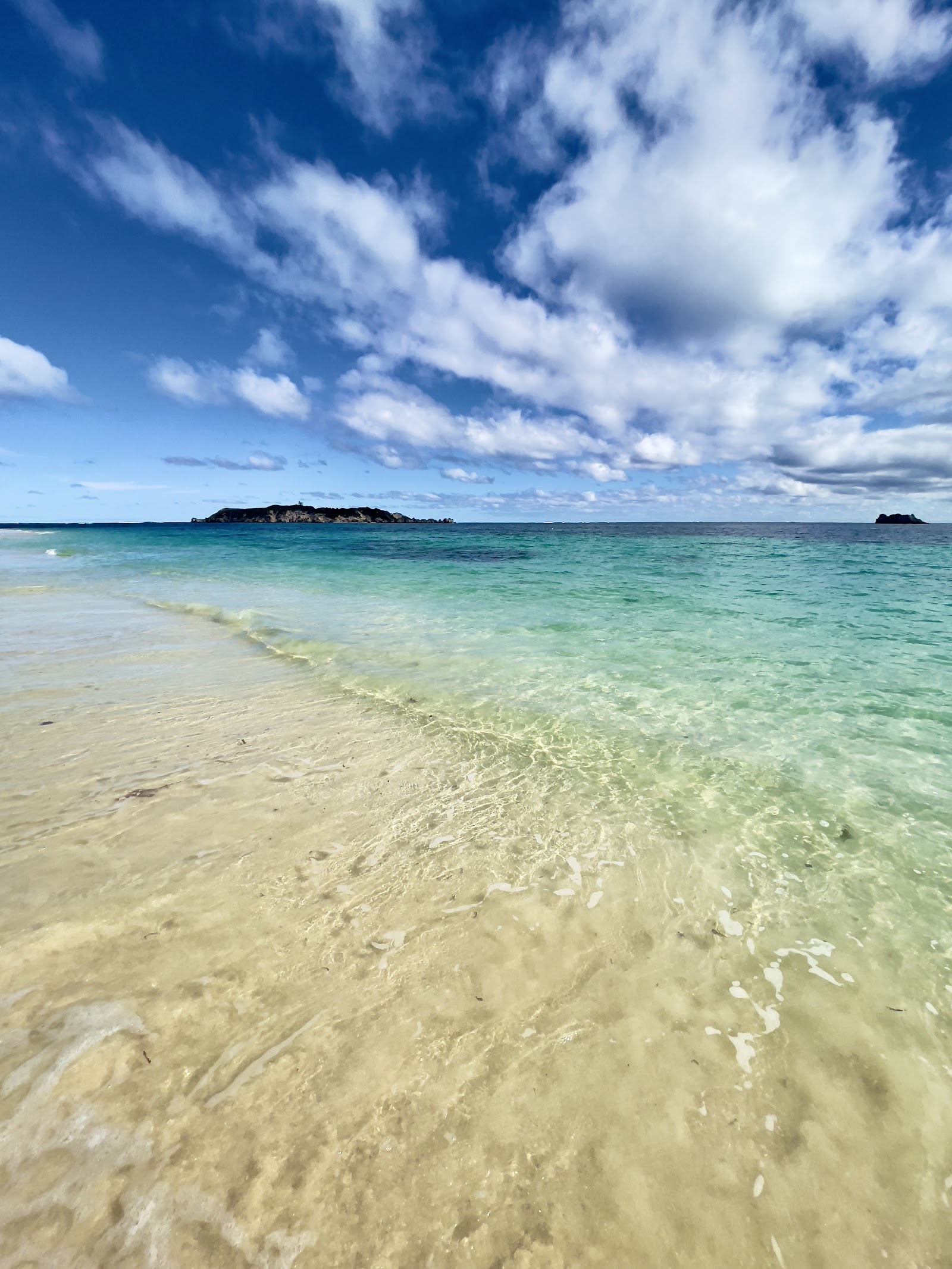
Hamelin Bay, in the south of the region, is a wide arc of white sand and clear water best known for the wild stingrays that cruise the shallows by the boat ramp. Smooth and eagle rays come in close to the beach, gliding past ankle-deep visitors as they forage — one of the most reliable and genuinely memorable wildlife encounters in the South West, and it costs nothing.
It’s a standout for families and a magnet for photographers, and the beach itself is beautiful enough to justify the trip even on a quiet ray day. A few sensible rules apply: don’t feed or chase the rays, keep your feet shuffling and movements calm, and watch small children closely, as these are large wild animals with a barb. Mornings tend to be calmer and quieter. Pair it with the short detour to nearby Boranup Forest on the way.
Wild stingrays gliding past your ankles on a beautiful beach is the kind of free, only-here moment that kids and adults talk about for years.
“The rays came right up to us in the shallows by the ramp — the kids were mesmerised. Stunning beach too, even before the rays showed up.”
— Google review
Wild smooth and eagle rays gliding through the shallows by the boat ramp, best in the morning.
They’re wild animals with a barb — don’t feed, touch or chase them, shuffle your feet, and supervise children. Ray numbers vary day to day, so it’s not guaranteed.
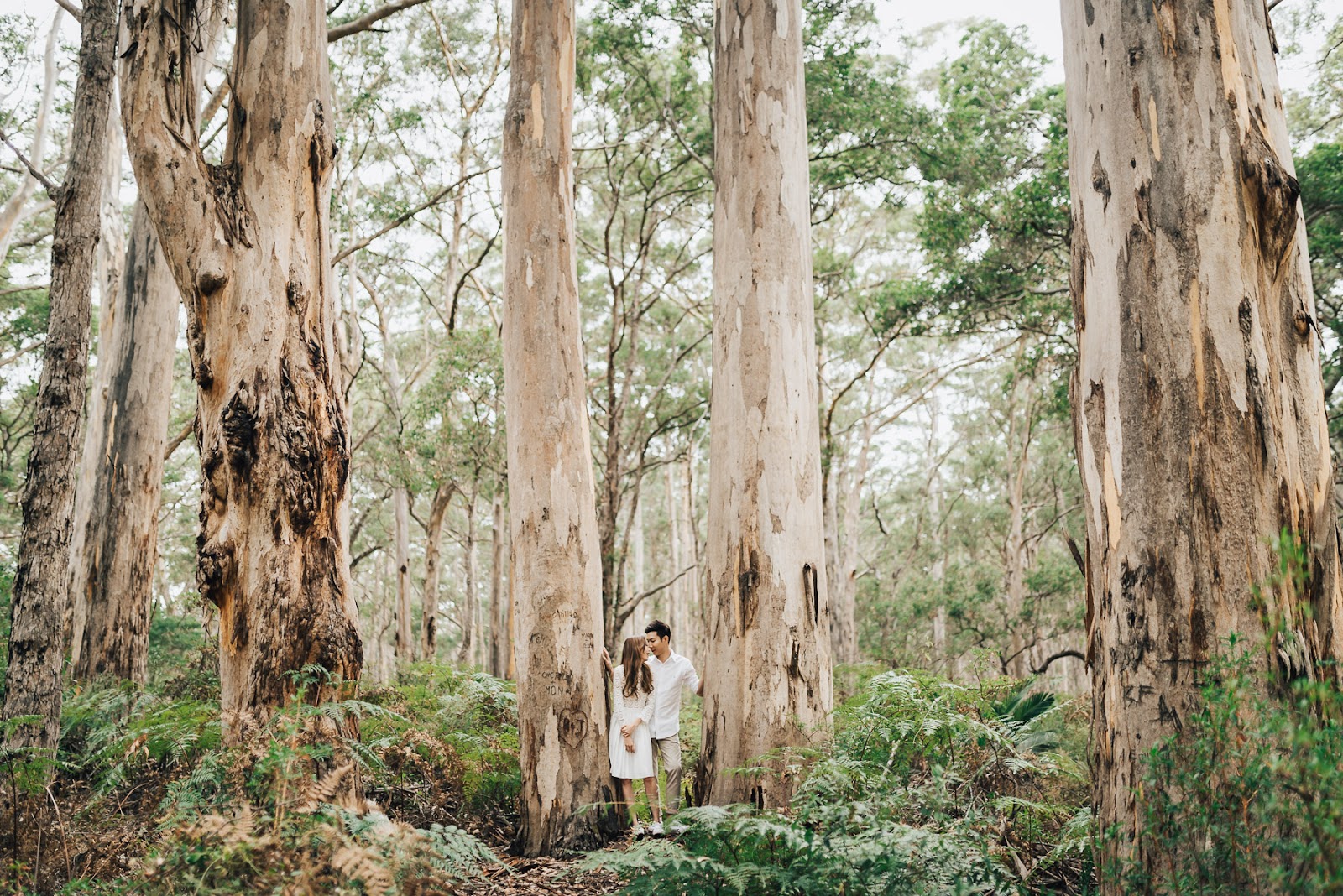
A few kilometres from the surf coast, the Boranup Karri Forest is the region’s quiet surprise — a stand of pale, towering karri trees, some over 60 metres tall, that you drive through on the unsealed Boranup Drive off Caves Road. The light through the trunks in the early morning is the reason photographers set an alarm for it, and standing among trees this size feels like another climate entirely from the beach nearby.
There’s a lookout over the forest canopy to the coast, short walking loops if you want to stretch the legs, and a section of the Cape-to-Cape Track that passes through. It suits everyone — an easy, free, low-effort highlight that slots neatly between Hamelin Bay and the township. The drive is gravel but generally fine for a normal car in dry conditions; take it slowly, watch for oncoming traffic on the narrow sections, and check conditions after heavy rain.
Driving through 60-metre karri a few minutes from the coast is the moment Margaret River stops being only about wine and surf.
“Pulled off Caves Road onto Boranup Drive on a whim and it was a highlight — enormous pale trees, soft morning light, hardly anyone there.”
— Traveller review
Early-morning light through the karri trunks, and the lookout over the canopy to the coast.
Boranup Drive is unsealed and narrow in parts — drive slowly, watch for oncoming cars, and check conditions after heavy rain before taking a low-clearance car in.
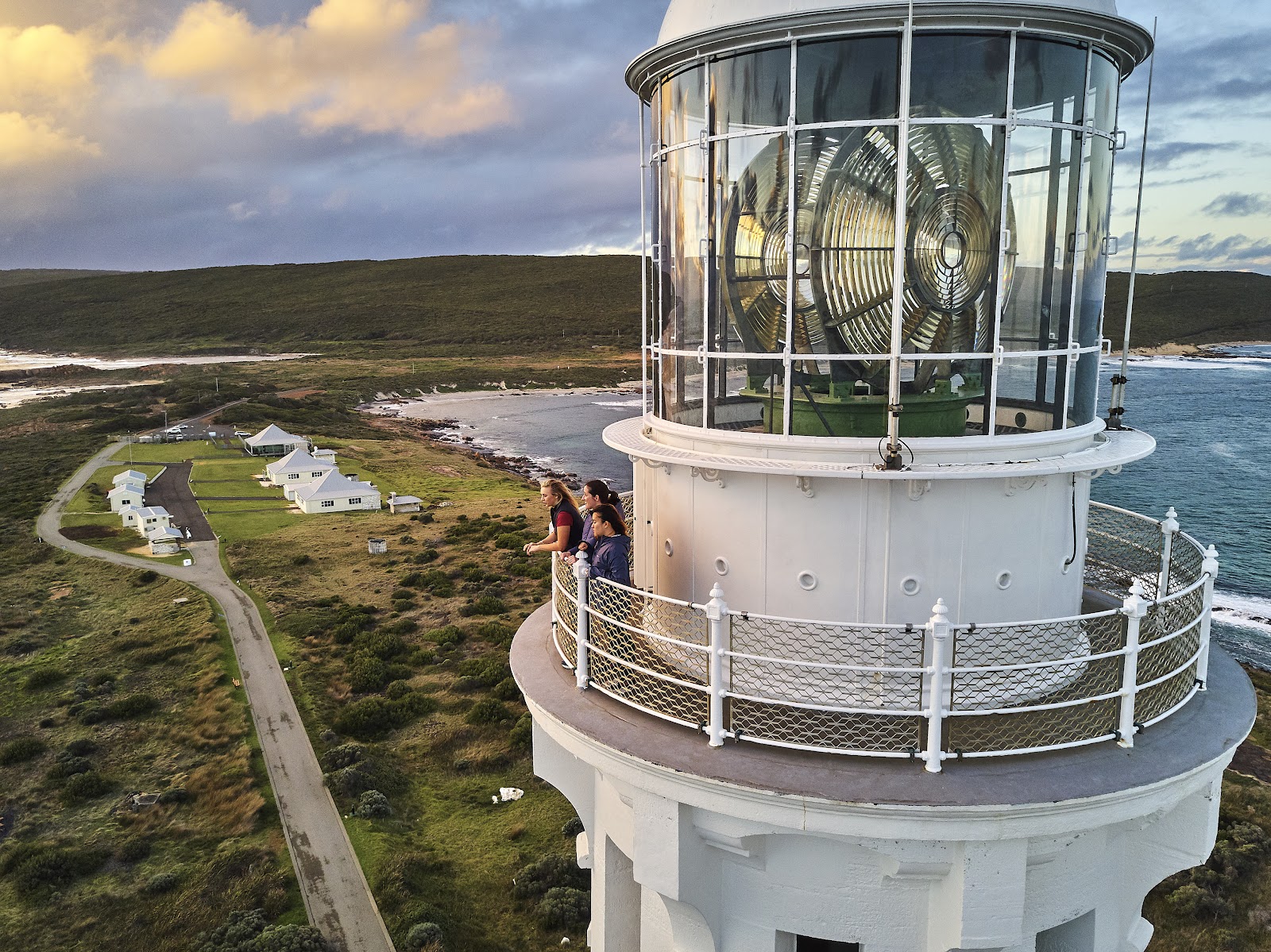
At the southern tip of the region, near Augusta, Cape Leeuwin Lighthouse marks the point where the Indian and Southern Oceans meet — the most south-westerly point of mainland Australia and the tallest lighthouse on the mainland. The setting is genuinely dramatic: a windswept headland, churning seas, and on a wild winter day some of the biggest weather the coast throws up.
You can visit the grounds and the historic precinct, climb the tower on a guided tour for views along the coast, and watch for whales offshore in season — Augusta’s whale window runs roughly May to August. It’s a fair drive south from the township, so most people pair it with the southern beaches, Jewel Cave or a southern Cape-to-Cape section to make a half-day of it. The grounds and water-wheel are worth the stop even if you don’t climb.
Standing at the meeting point of two oceans on the corner of the continent is a simple, only-here thrill — and the wild winter weather makes it unforgettable.
“Climbed the tower on a blustery day and watched the two oceans collide below — and spotted whales offshore. Worth the drive south from the township.”
— Google review
Climbing the tower for the coastal views, with whales offshore in season (May–Aug off Augusta).
It’s a 45-minute drive each way from the township — don’t do it as a quick detour; pair it with Augusta, Jewel Cave or a southern walk to make the trip worthwhile.
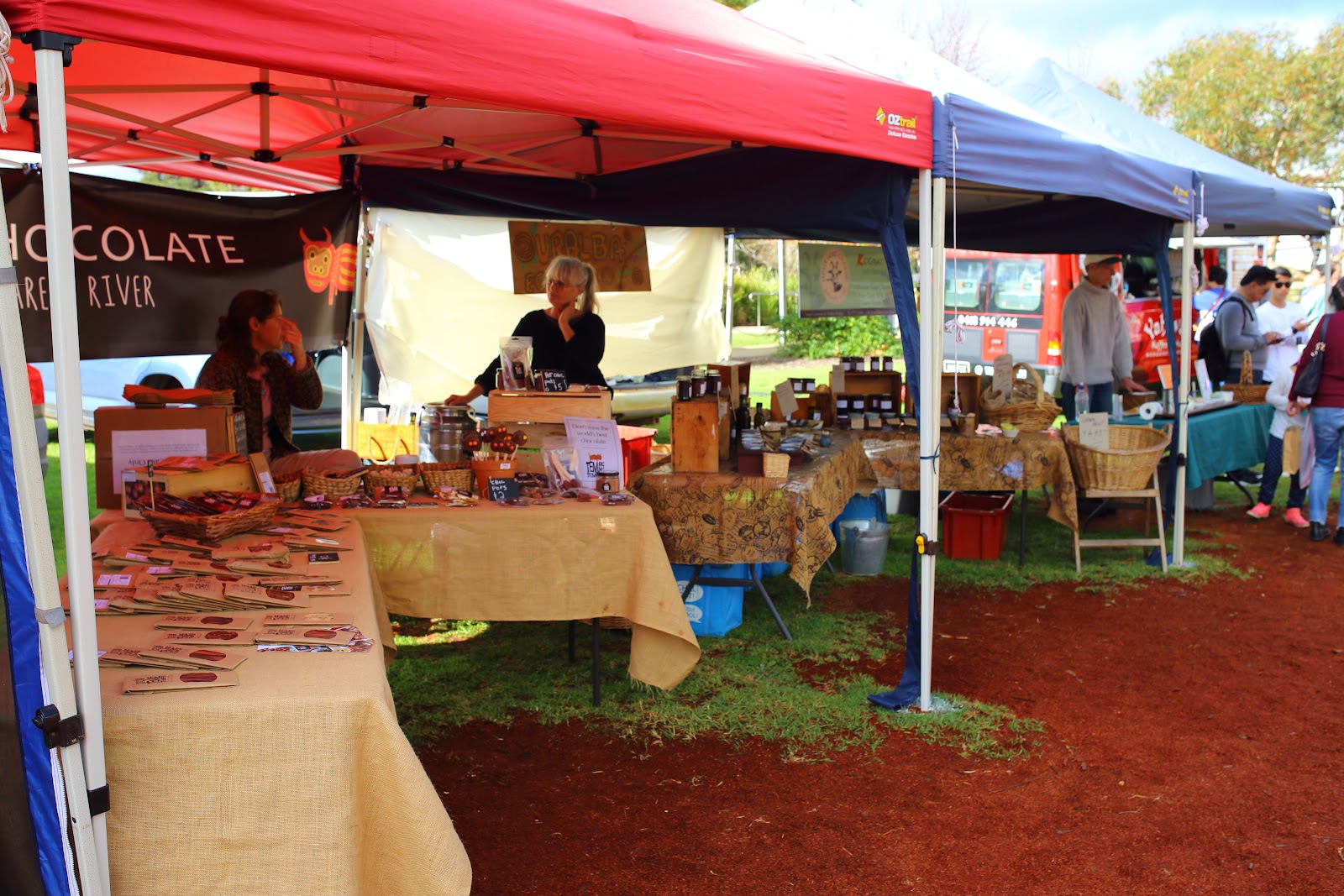
The Saturday-morning farmers market in the township is the best single window into what the region actually grows and makes — fresh produce, cheese, bread, smallgoods, honey, flowers and prepared food, sold by the people who produced it. It’s a genuinely local affair rather than a tourist setpiece, and it’s become a fixture of a Margaret River weekend for visitors and residents alike.
Go early, take cash and a bag, grab a coffee and breakfast from the stalls, and stock up for a self-catered lunch or a picnic to take to a beach or the forest. It suits everyone — families, couples, self-caterers and anyone who likes to eat where the food comes from. As an outdoor weekly market the exact day and hours can shift around holidays, so confirm the current schedule before you build a Saturday around it.
It’s the most honest taste of the region in one place — the growers and makers themselves, and the best breakfast-and-coffee start to a Saturday.
“Loved the Saturday market — incredible local cheese, bread and produce straight from the growers. Had breakfast there and stocked up for a picnic.”
— Traveller review
An early Saturday breakfast and coffee at the stalls, then stocking up for a beach or forest picnic.
It’s a once-a-week morning market and timing can shift around holidays — confirm the day and hours, and arrive early before the best produce sells out.
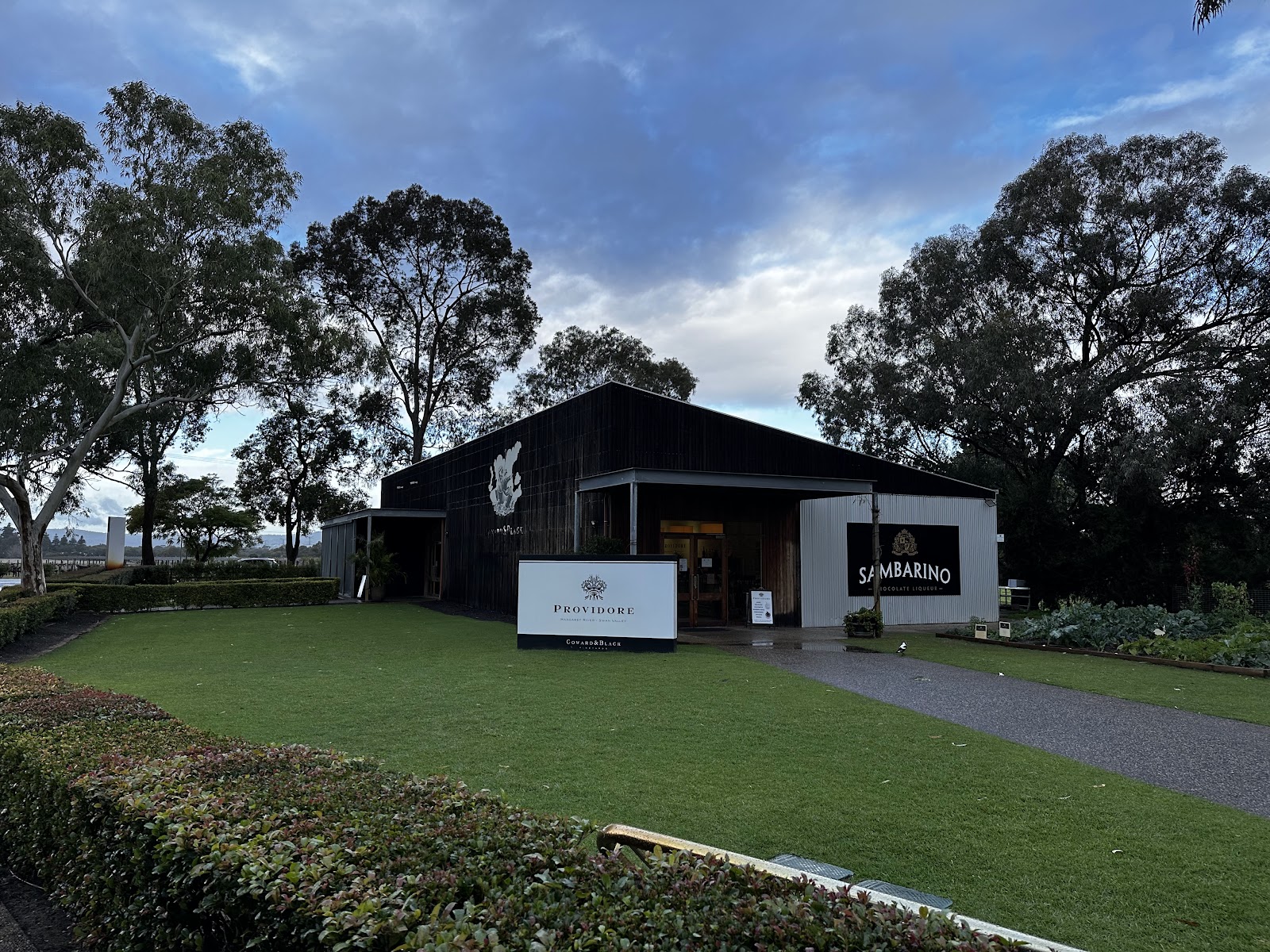
Beyond the wine, Margaret River is dense with food producers you can visit directly, and stringing a few together makes a relaxed, free (or cheap) half-day. The Margaret River Chocolate Company is the crowd-pleaser — free tastings and a viewing window onto the kitchen — and around it sit a cheese company, a venison and a dairy producer, olive growers and providores, most with samples on the counter.
It’s the easiest thing in the region to do with kids and the natural fallback when the weather turns, since most of it is indoors or under cover. It also makes a sober alternative to the cellar doors for non-drinkers and designated drivers. Many of the producers are free to visit with tastings; you’ll spend on what you take home rather than on entry. Check individual opening hours, as the smaller producers keep shorter and seasonal times.
It’s the region’s most family-friendly, all-weather, budget-friendly day — free chocolate and cheese tastings that turn ‘what do we do with the kids’ into a highlight.
“The chocolate factory was a hit with the kids — free tastings and you watch them make it. Strung a few producers together and it filled a rainy morning perfectly.”
— Google review
Free tastings and the kitchen viewing window at the Margaret River Chocolate Company.
Smaller producers keep short, seasonal hours and the chocolate factory gets very busy on wet-weather school-holiday mornings — check times and arrive early.
The recurring themes across Margaret River reviews and traveller accounts:
Visitors love how many genuinely different experiences sit within a short drive — the hardest part is fitting them in, not finding them.
The attractions run along Caves Road and the coast rather than clustering in one town — visitors with a car and a loose plan thrive; those expecting a walkable strip feel the distances.
“The Voyager Estate is a must visit when you are in the Margaret River area. The gardens are perfectly manicured, the rose garden in gorgeous and the vineyards very pretty. This is a winery on a larger scale. The Dutch inddpired Estate house is absolutely beautiful insand out. There is a restaurant there and a bar area where you can taste wines or oder a smal”— Babs (on Voyager Estate), Google review
“We had a beautiful long lunch at Voyager Estate yesterday. Each dish was delicious and beautifully presented. Maria and Lisanne were excellent hosts. We enjoyed the wine pairing and their philosophy of matching the food to the wine. The gardens are amazing too, especially the rose garden. Not inexpensive, but a great choice for a special day out 💕.”— Michele Campbell (on Voyager Estate), Google review
“Voyage Estate is absolutely wonderful—a true beauty! The food is fantastic, the wine is excellent, and the service is impeccable. Every detail makes it a memorable experience. Highly recommend visiting for a relaxing and indulgent day out!”— Kristie Park (on Voyager Estate), Google review
| When | What | Why |
|---|---|---|
| Morning | Farmers market or a cave | Breakfast and produce, or a cool start underground |
| Midday | A cellar door and a long lunch | The signature experience, booked ahead, with a driver |
| Afternoon | A beach, a Cape-to-Cape section or Boranup | Swim, walk or drive off the morning’s wine |
| Late afternoon | A brewery in the forest | The relaxed counterweight — beer, cider, space for kids |
| Sunset | Surfers Point or the coast | The day’s best free show, especially on a swell |
Getting around: A car is essential. The wineries, caves, beaches and forest are spread along Caves Road and the coast between the two capes, with no useful public transport — budget a vehicle for the whole trip and a loose plan rather than a packed schedule.
The wine and the driving: If you want to taste seriously, book a designated-driver wine tour or nominate a non-drinker. WA drink-driving enforcement is strict, the cellar doors are too far apart to walk between, and a brewery counts the same as a winery. Book any cellar-door restaurant well ahead, especially on weekends, over Easter and during the Margaret River Pro.
Safety on the coast: The famous surf breaks — Surfers Point, The Box, North Point — are expert-only reef breaks; watch from the deck and learn at a patrolled surf-school beach instead. On the Cape-to-Cape, match the section to your fitness, carry water and sun protection, and check tides for beach stretches.
Weather and season: Autumn brings harvest and warm sea, spring brings wildflowers and whales, winter is quiet and green with the caves at their best, and summer is for beaches but books out over school holidays. The caves and the food producers are the reliable wet-weather fallbacks.
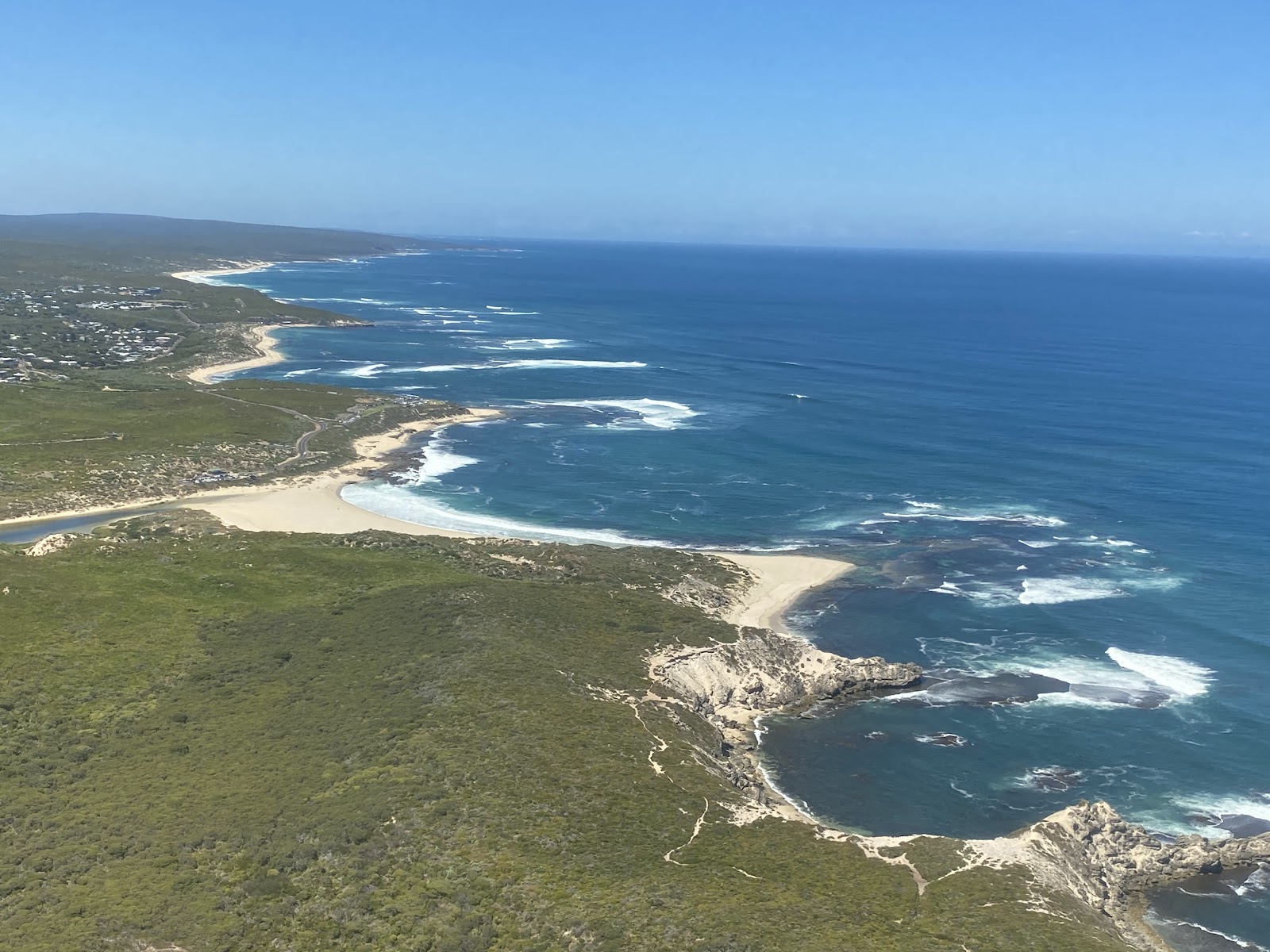
A cellar door and a long lunch. A cave under the vineyards. A clifftop section of the Cape-to-Cape with whales offshore. Wild stingrays in the shallows at Hamelin Bay. A drive through 60-metre karri at Boranup. A brewery in the forest, and the surf detonating at Surfers Point as the sun drops. That’s a Margaret River trip done properly — and you don’t need to cram it all into one day.
The best things to do here aren’t hard to find; they’re just spread out, and easy to rush. Pick a handful, book the lunches and the tours ahead, leave room to swim and walk between them, and let the region set the pace. Three hours from Perth, with more variety packed into a short drive than almost anywhere in the country.
Enjoying things to do? Here’s where else in Australia it’s worth the trip — ranked by how loved each destination is, with the one thing not to miss at each.
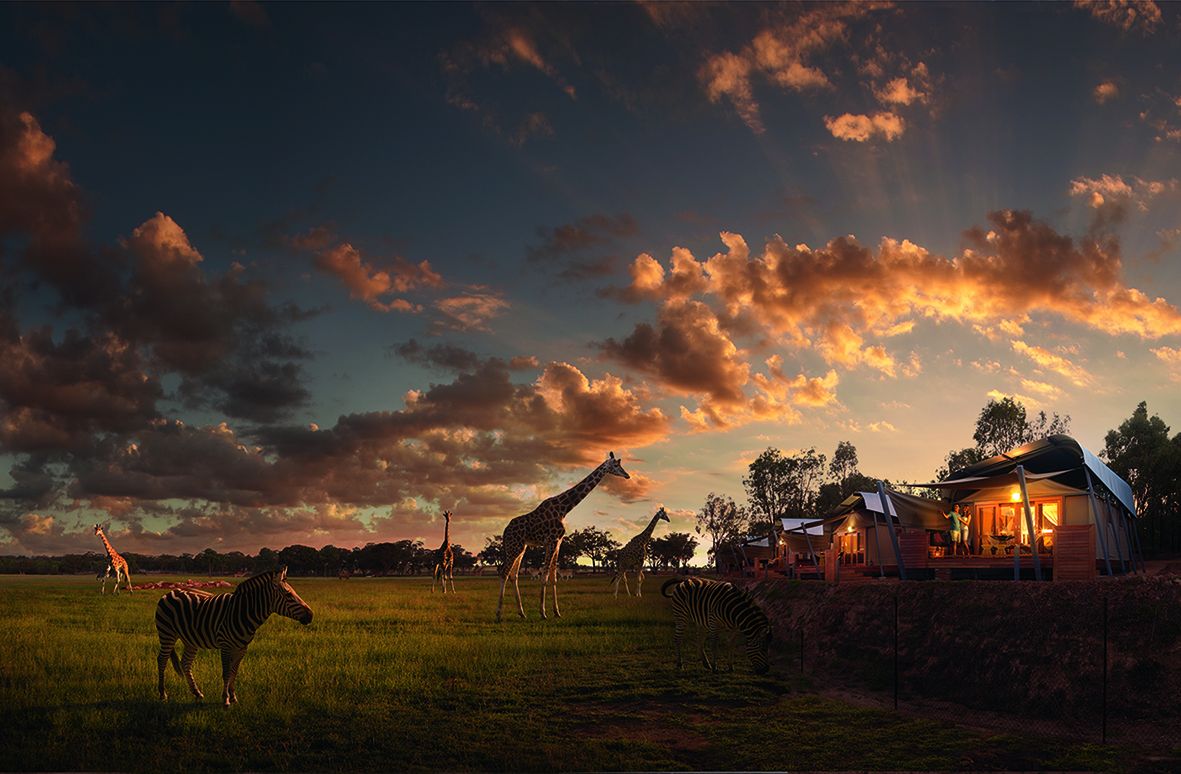 Dubbo
Central West, New South Wales
Taronga Western Plains Zoo — Cycling the open-range loop in the cool of early morning, before the heat and the crowds build.
Explore things to do in Dubbo →
Margaret River you’re here
Australia's South West, Western Australia
Cellar-Door Wine Touring — A long lunch at a cellar-door restaurant, booked ahead, in the middle of a tasting day.
You’re reading this guide
Dubbo
Central West, New South Wales
Taronga Western Plains Zoo — Cycling the open-range loop in the cool of early morning, before the heat and the crowds build.
Explore things to do in Dubbo →
Margaret River you’re here
Australia's South West, Western Australia
Cellar-Door Wine Touring — A long lunch at a cellar-door restaurant, booked ahead, in the middle of a tasting day.
You’re reading this guide
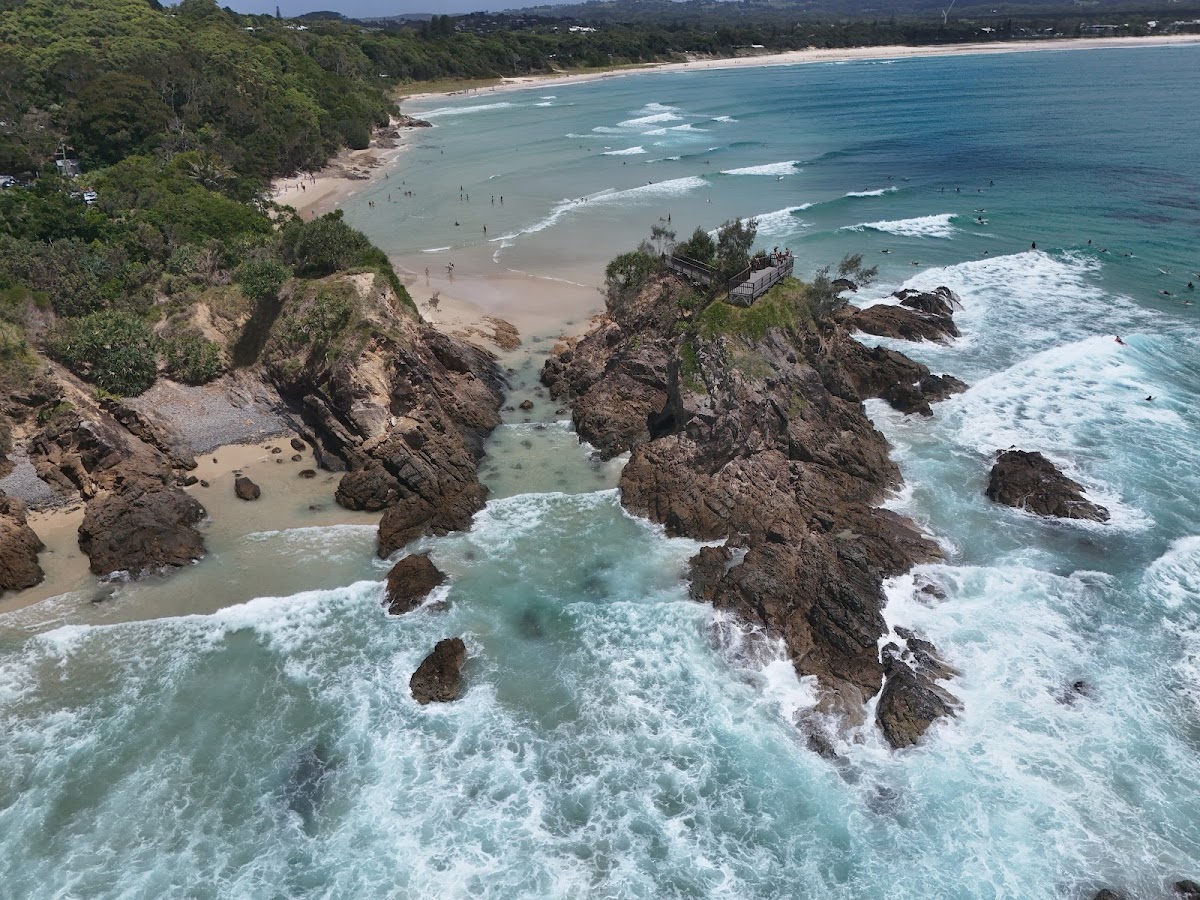 Byron Bay
Northern Rivers, New South Wales
Cape Byron lighthouse walk — First light at the easternmost point with humpbacks offshore (May–November).
Explore things to do in Byron Bay →
4
Byron Bay
Northern Rivers, New South Wales
Cape Byron lighthouse walk — First light at the easternmost point with humpbacks offshore (May–November).
Explore things to do in Byron Bay →
4
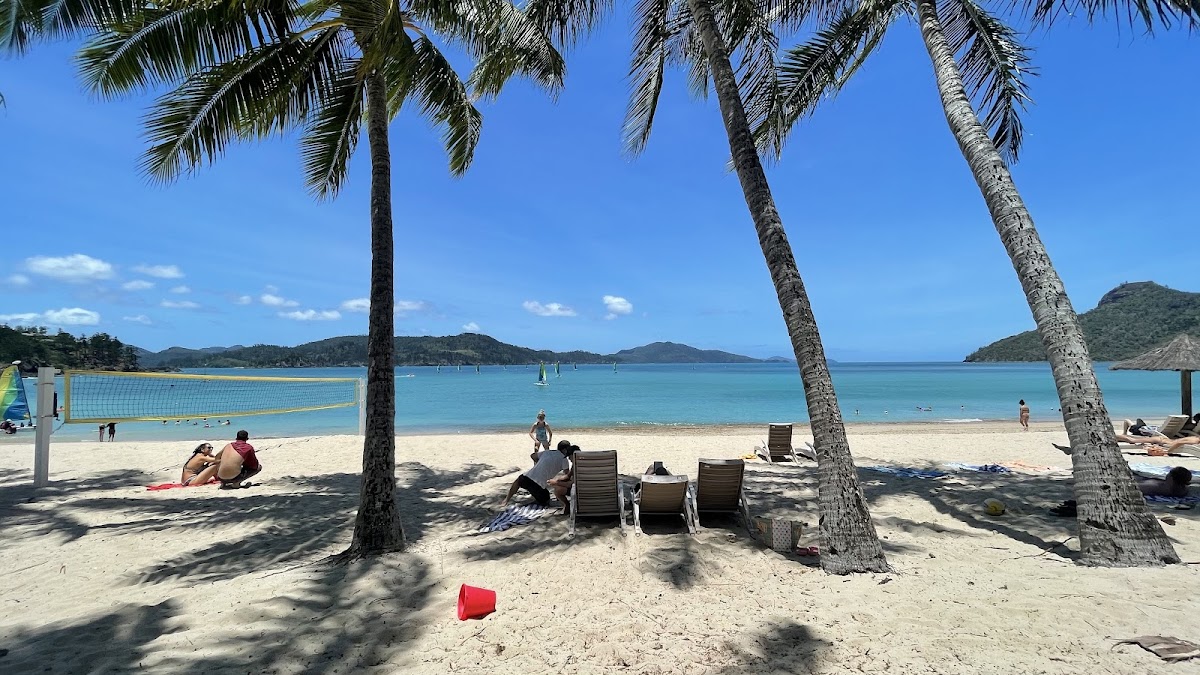 Hamilton Island
The Whitsundays, Queensland
Whitehaven Beach & Hill Inlet day trip — The Hill Inlet lookout from Tongue Point at low-to-mid tide, when the sand and water swirl together.
Explore things to do in Hamilton Island →
5
Hamilton Island
The Whitsundays, Queensland
Whitehaven Beach & Hill Inlet day trip — The Hill Inlet lookout from Tongue Point at low-to-mid tide, when the sand and water swirl together.
Explore things to do in Hamilton Island →
5
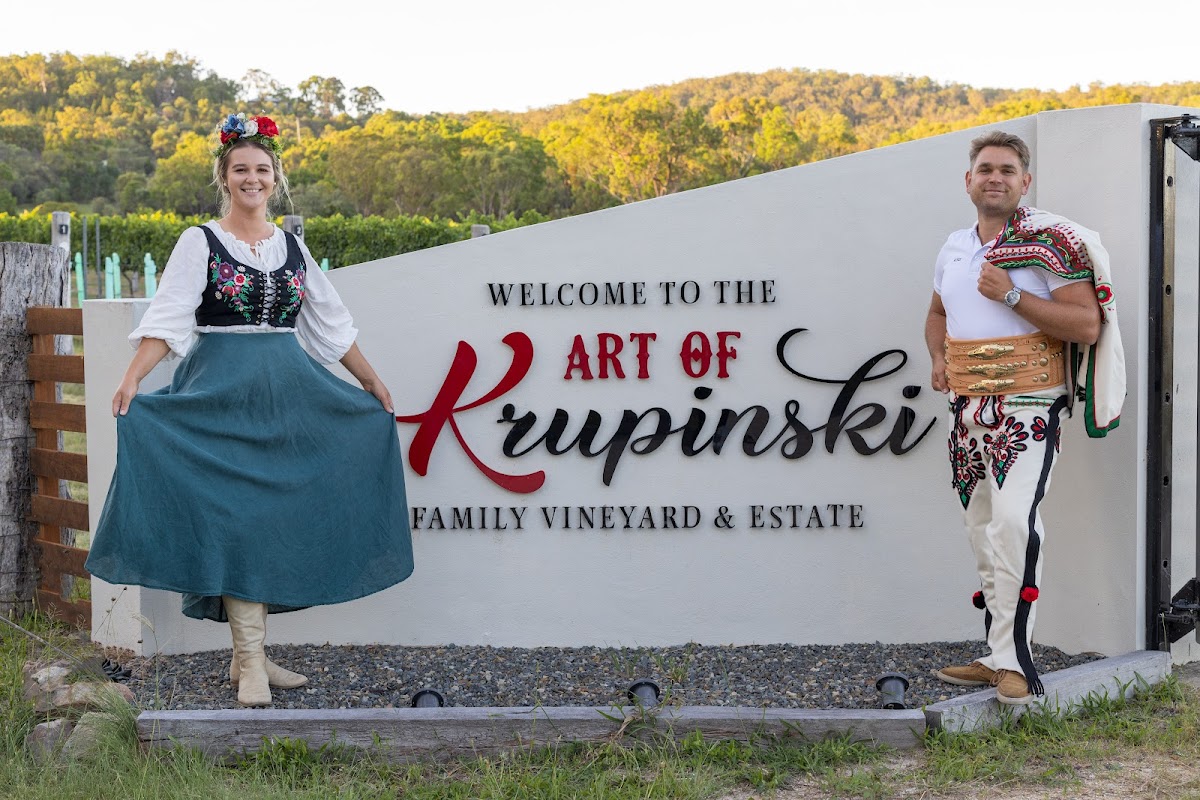 Glen Aplin
Granite Belt, Queensland
Wine tasting at the cellar doors — A winemaker-led tasting at a small cellar door, early while your palate is fresh.
Explore things to do in Glen Aplin →
6
Glen Aplin
Granite Belt, Queensland
Wine tasting at the cellar doors — A winemaker-led tasting at a small cellar door, early while your palate is fresh.
Explore things to do in Glen Aplin →
6
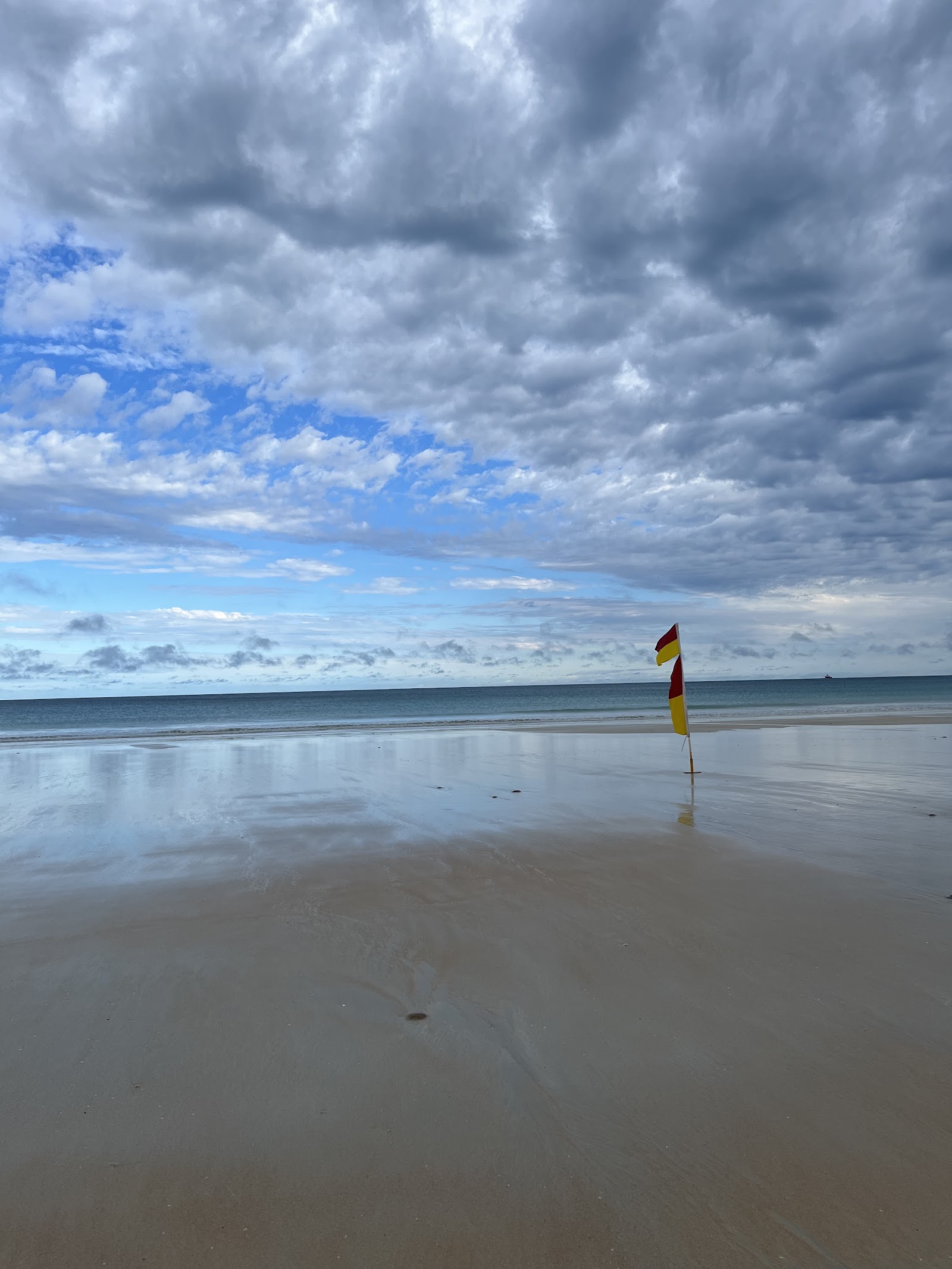 Broome
Australia's North West, Western Australia
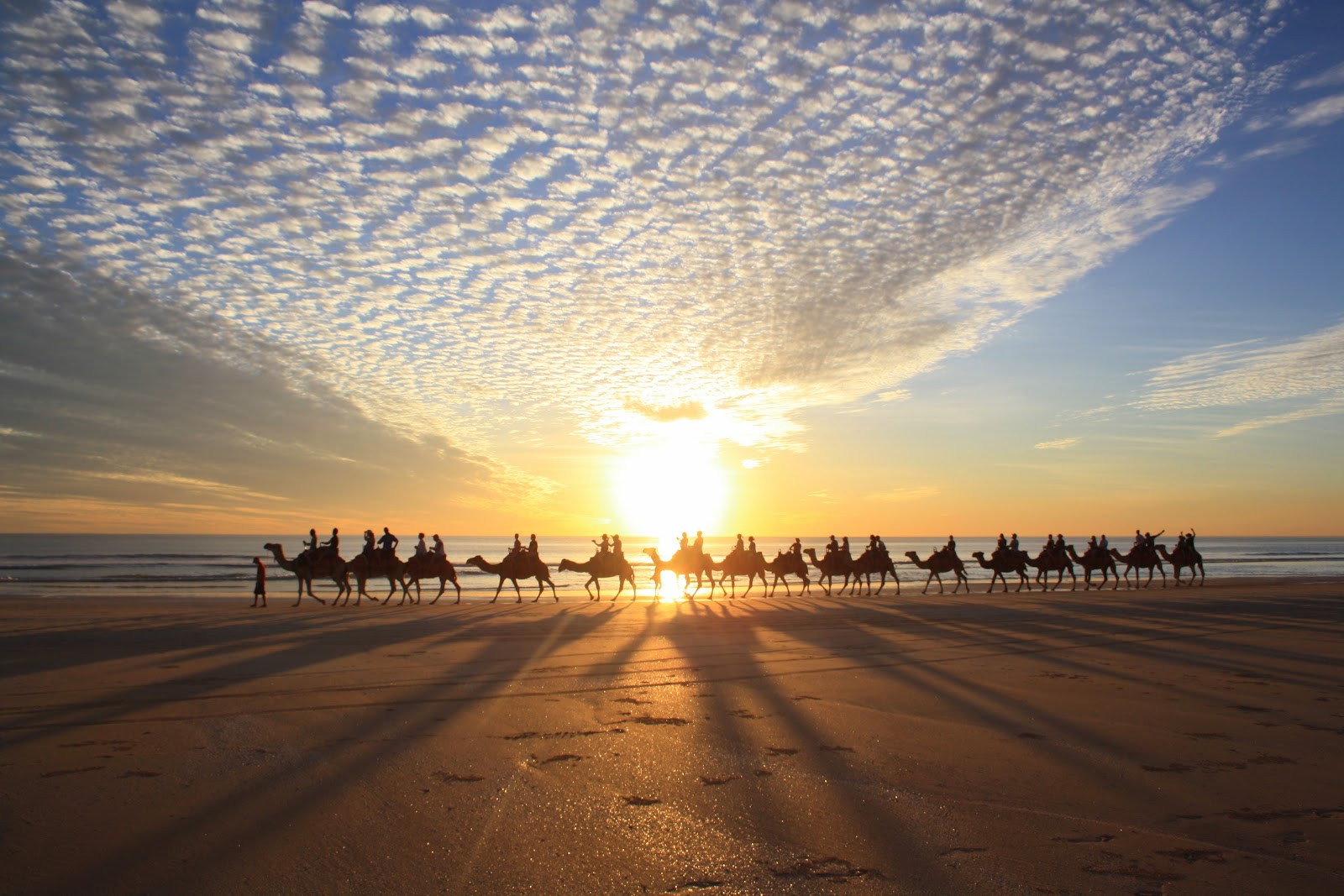
Sunset Camel Ride on Cable Beach — Riding the camel train along the tideline as the sun hits the horizon over the Indian Ocean.
Explore things to do in Broome →
7
Broome
Australia's North West, Western Australia
Sunset Camel Ride on Cable Beach — Riding the camel train along the tideline as the sun hits the horizon over the Indian Ocean.
Explore things to do in Broome →
7
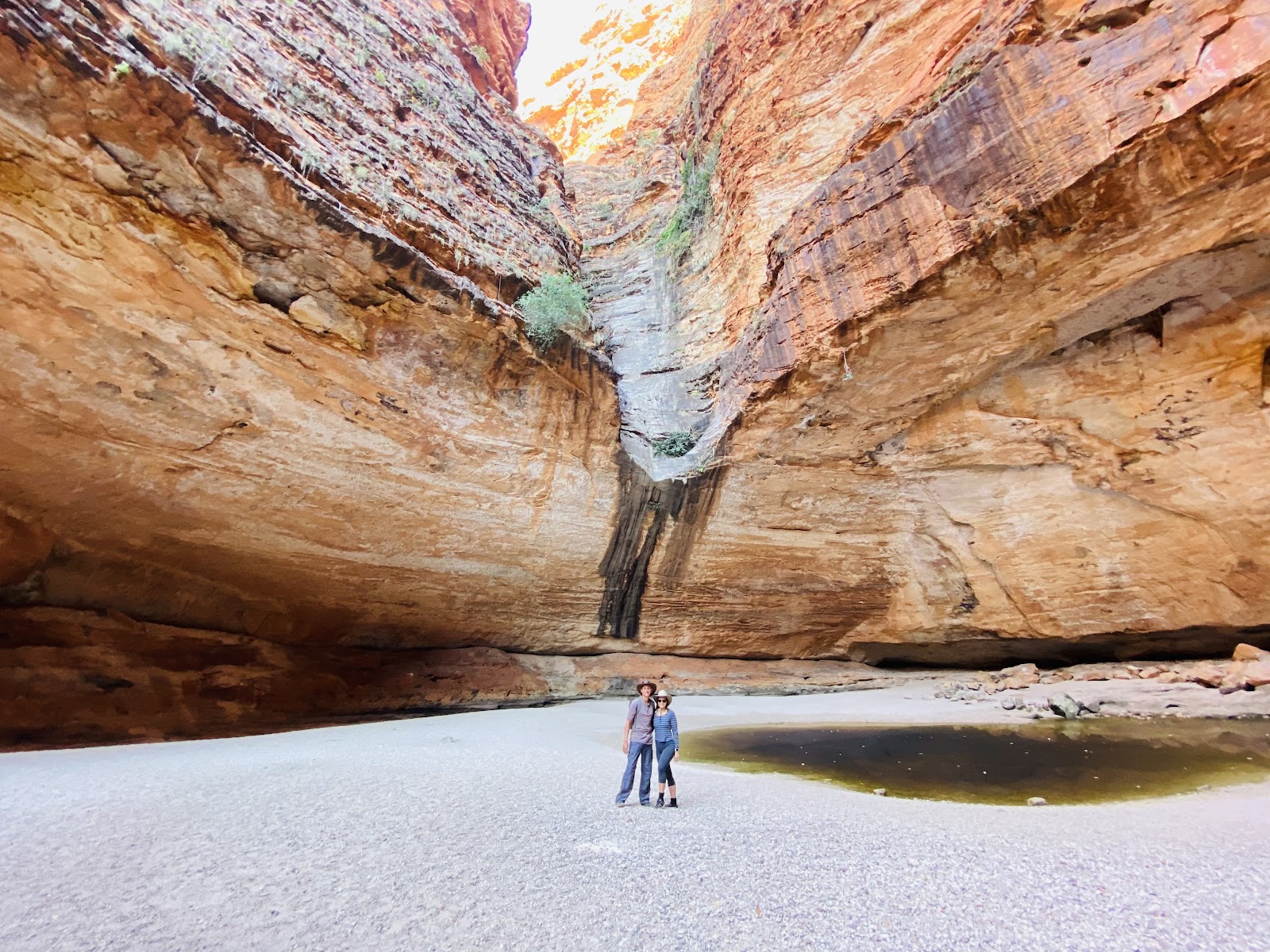 The Kimberley
Australia's North West, Western Australia
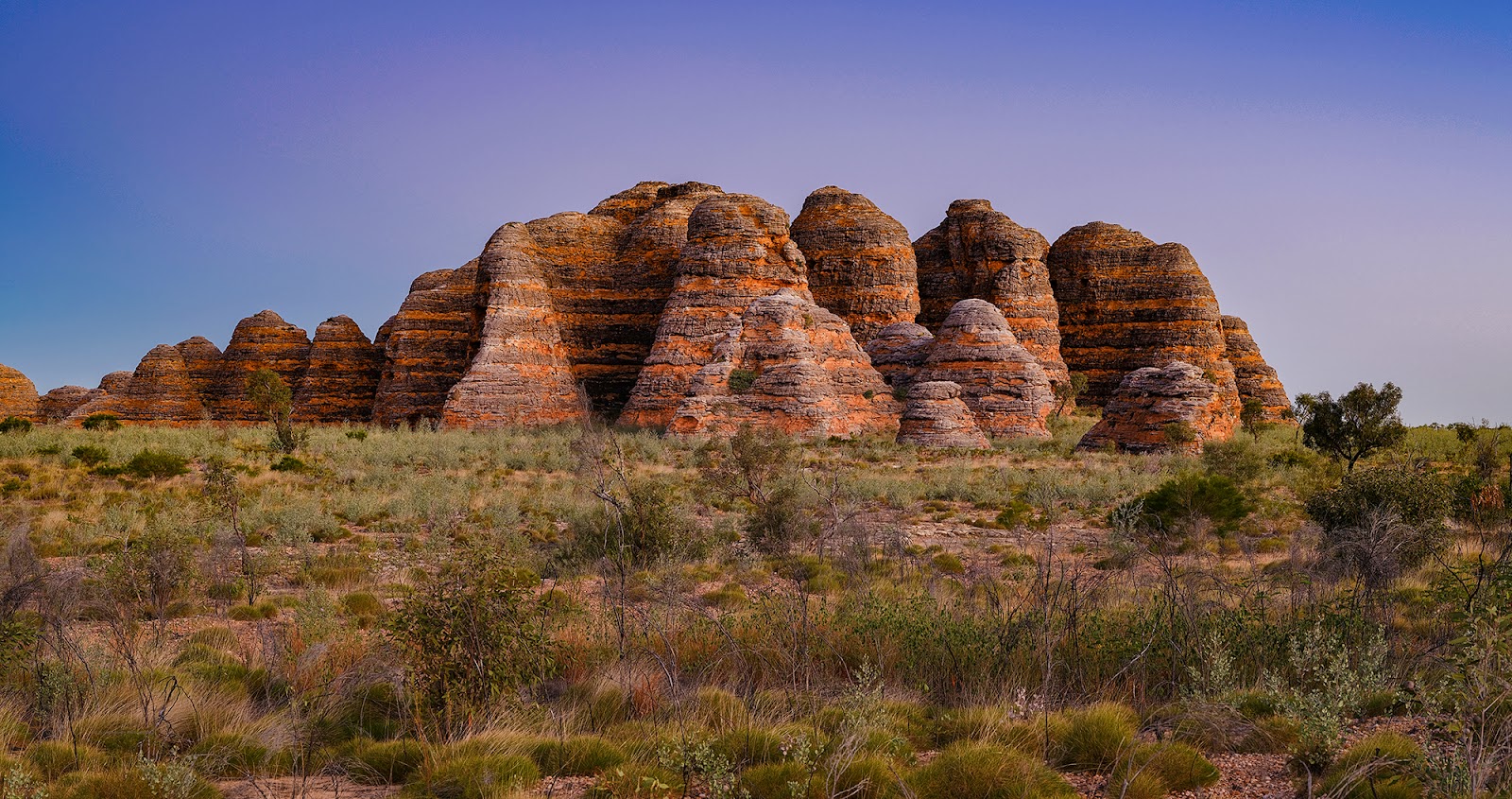
The Bungle Bungles & Cathedral Gorge, Purnululu — Cathedral Gorge’s amphitheatre on foot, and the striped domes from a dawn or dusk scenic flight.
Explore things to do in The Kimberley →
8
The Kimberley
Australia's North West, Western Australia
The Bungle Bungles & Cathedral Gorge, Purnululu — Cathedral Gorge’s amphitheatre on foot, and the striped domes from a dawn or dusk scenic flight.
Explore things to do in The Kimberley →
8
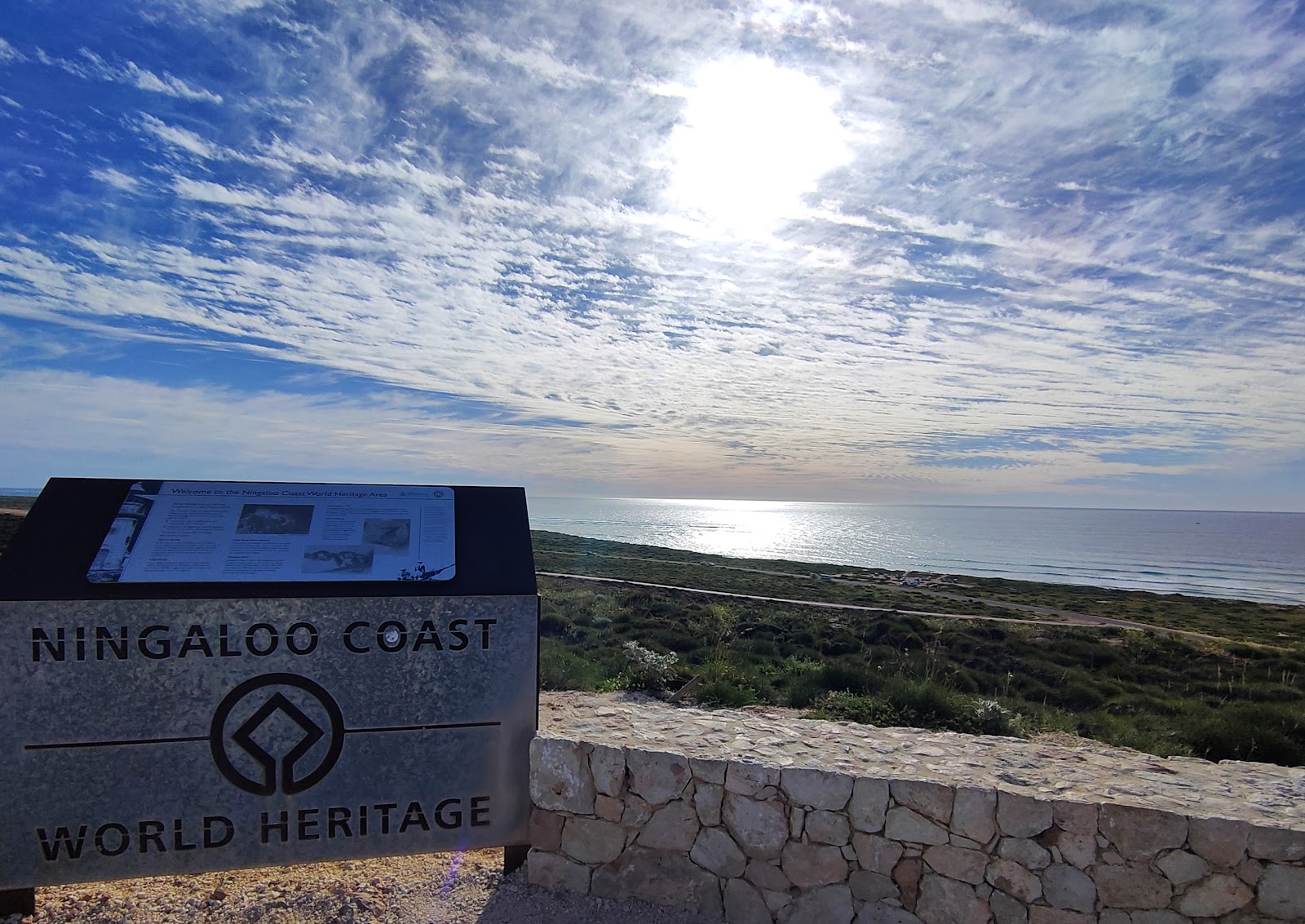 Ningaloo Reef
Australia's Coral Coast, Western Australia
Swim with Whale Sharks — The first time the shark materialises out of the blue beneath you — nothing prepares you for the size.
Explore things to do in Ningaloo Reef →
9
Ningaloo Reef
Australia's Coral Coast, Western Australia
Swim with Whale Sharks — The first time the shark materialises out of the blue beneath you — nothing prepares you for the size.
Explore things to do in Ningaloo Reef →
9
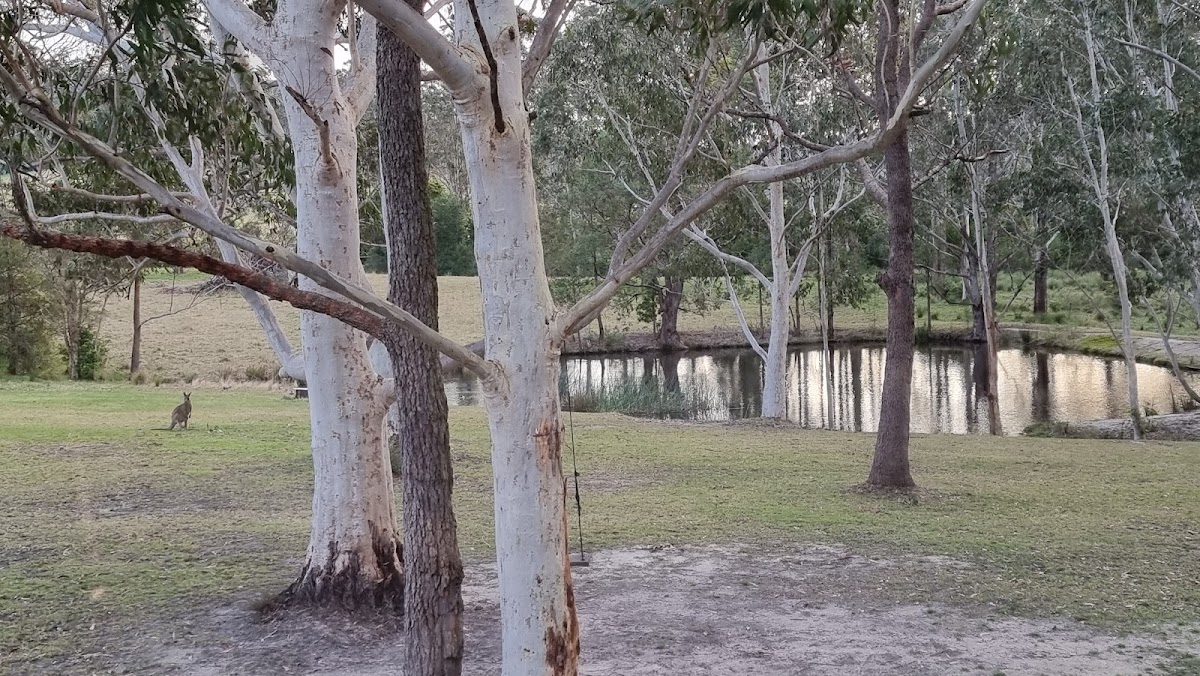 Kangaroo Valley
Shoalhaven, New South Wales
Paddle the Kangaroo River — The quiet upstream stretch from Hampden Bridge, paddled early before the hire crowd arrives.
Explore things to do in Kangaroo Valley →
10
Kangaroo Valley
Shoalhaven, New South Wales
Paddle the Kangaroo River — The quiet upstream stretch from Hampden Bridge, paddled early before the hire crowd arrives.
Explore things to do in Kangaroo Valley →
10
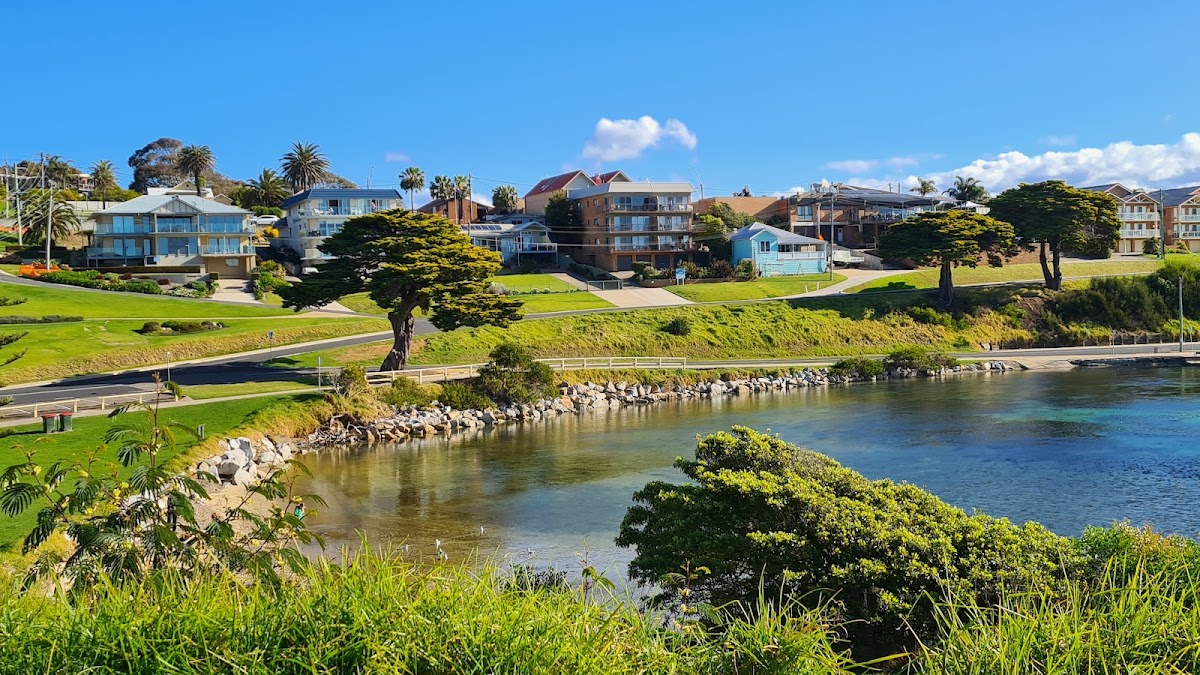 Narooma
South Coast, New South Wales
Sunrise at Narooma Headland — Arriving 20 minutes before sunrise in winter, when the light catches the spray off the headland.
Explore things to do in Narooma →
Narooma
South Coast, New South Wales
Sunrise at Narooma Headland — Arriving 20 minutes before sunrise in winter, when the light catches the spray off the headland.
Explore things to do in Narooma →
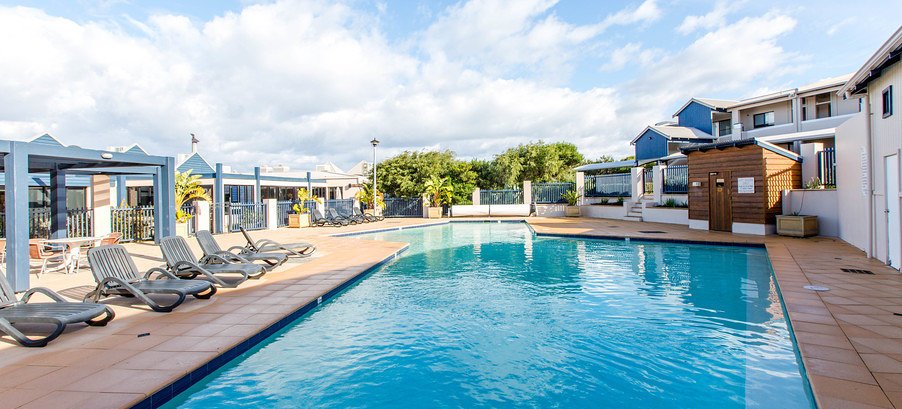
Margarets Beach Resort — Margaret River
Book Direct & Save →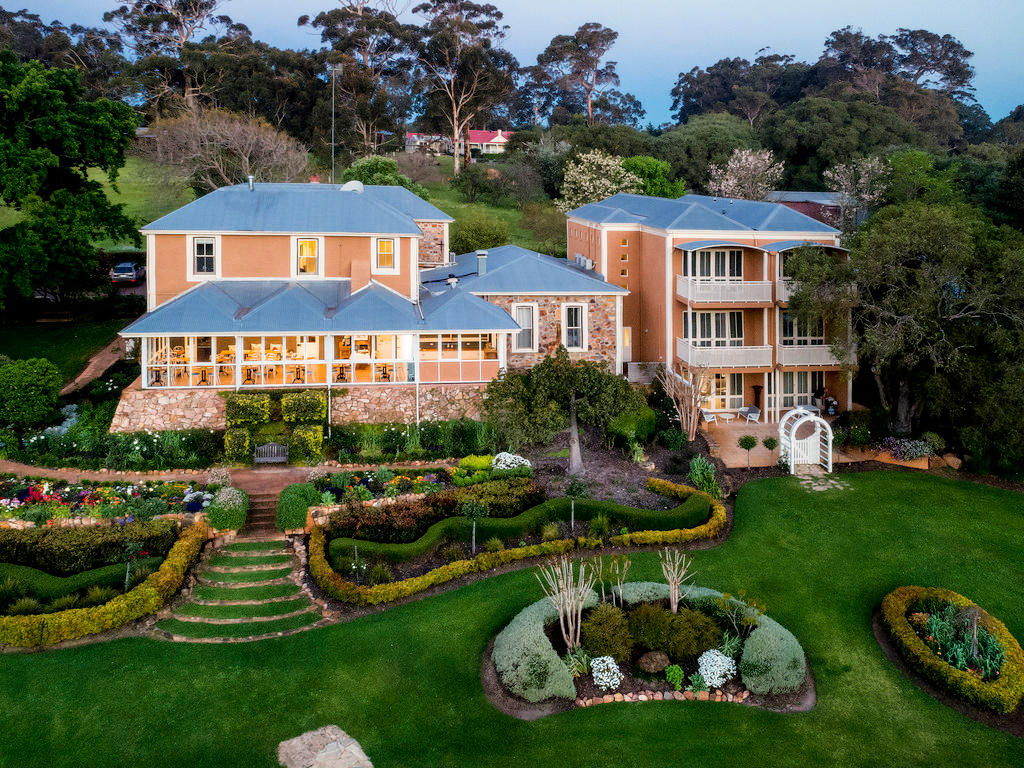
Margaret River Guest House — Margaret River
Book Direct & Save →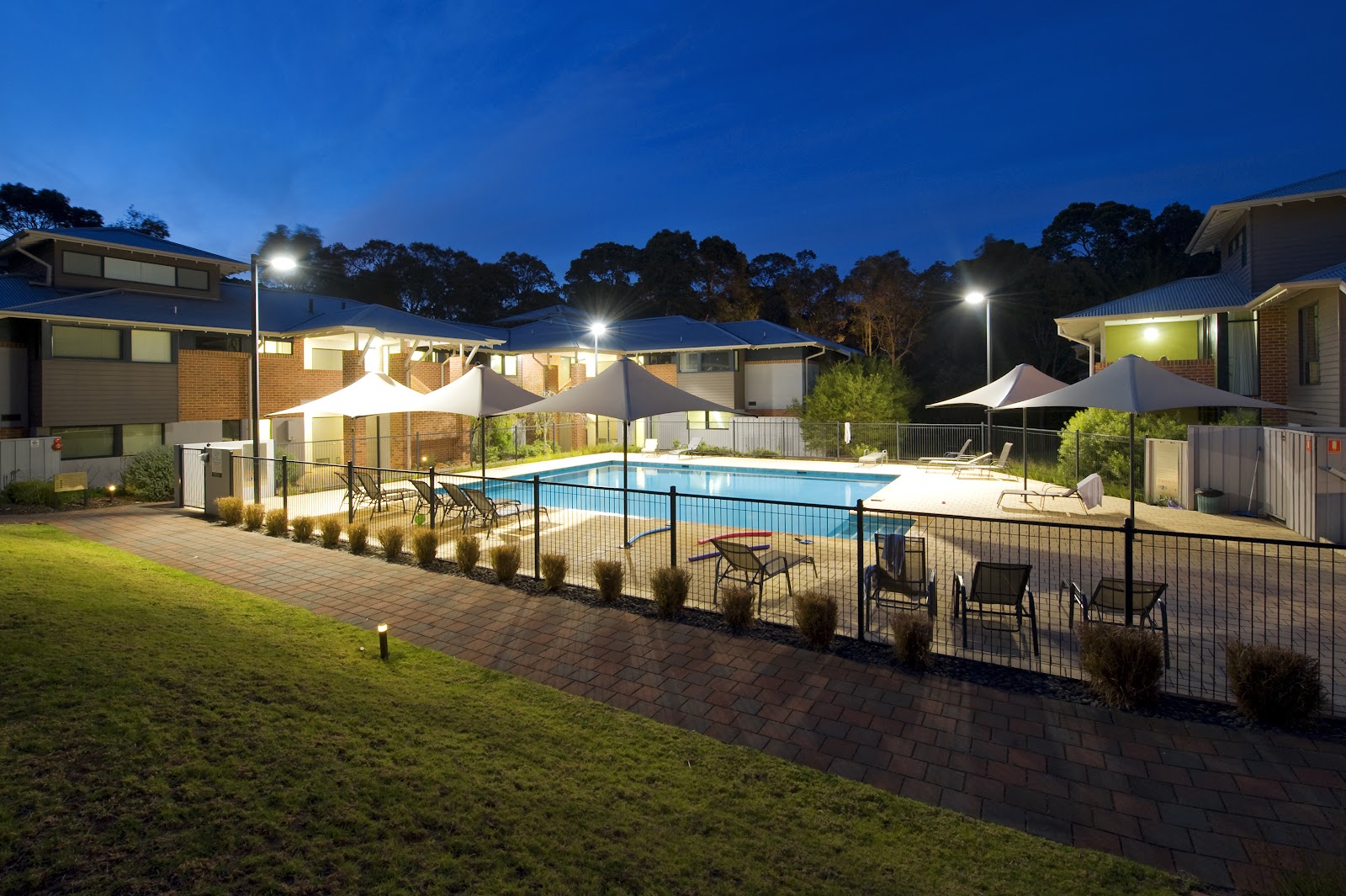
RAC Margaret River Nature Park — Margaret River
Book Direct & Save →Skip OTA fees. Connect directly with Margaret River owners for the best rates and a truly personal experience.
We match any online rate. No service fees — 100% of your payment supports local owners.
Direct guests receive complimentary hampers, early check-in, and priority access to experiences.
Speak directly with the people who manage the properties. No call centres, just local expertise.
Part of Western Australia · Australia's South West
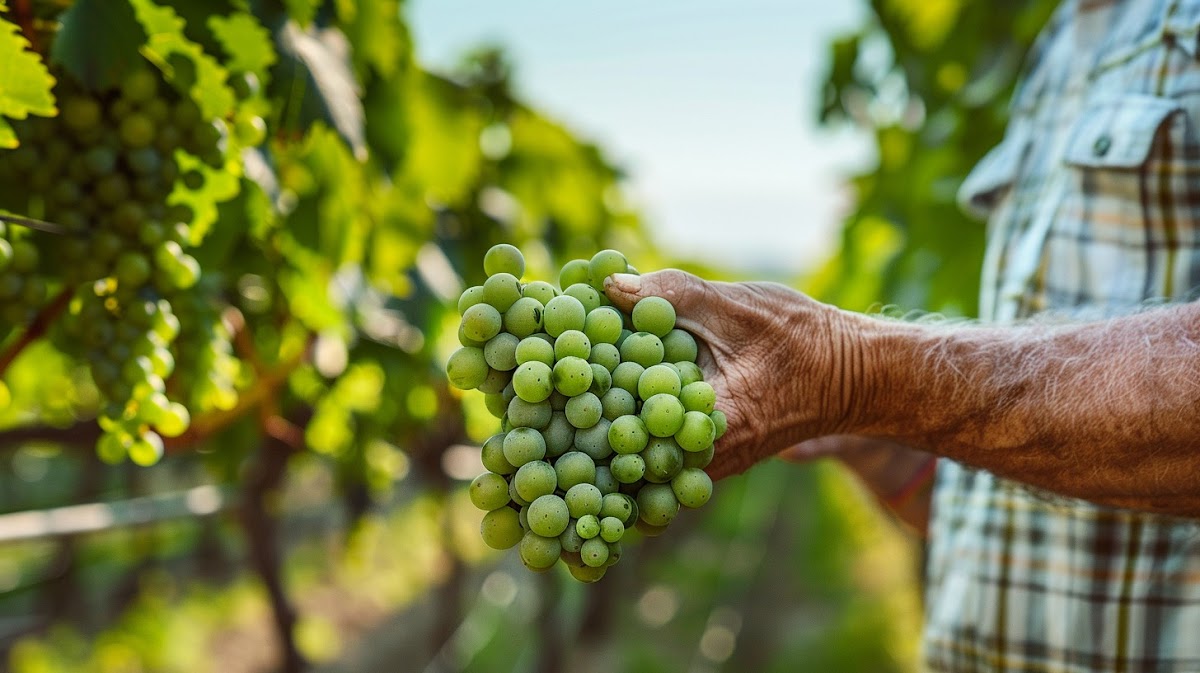 Glen Aplin
Granite Belt, Queensland
Queensland's most underrated wine valley
Explore the guide →
Glen Aplin
Granite Belt, Queensland
Queensland's most underrated wine valley
Explore the guide →
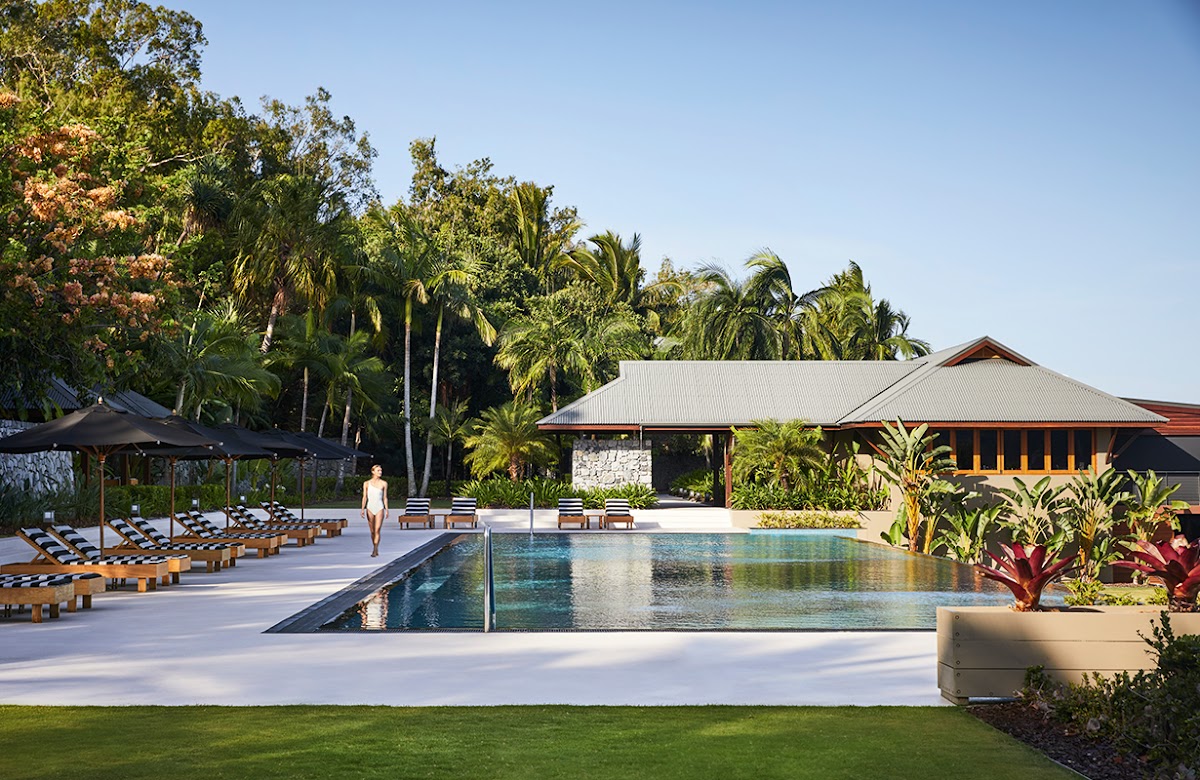 Hamilton Island
The Whitsundays, Queensland
Whitsundays island resort — Whitehaven Beach, reef trips and golf-buggy life
Explore the guide →
Hamilton Island
The Whitsundays, Queensland
Whitsundays island resort — Whitehaven Beach, reef trips and golf-buggy life
Explore the guide →
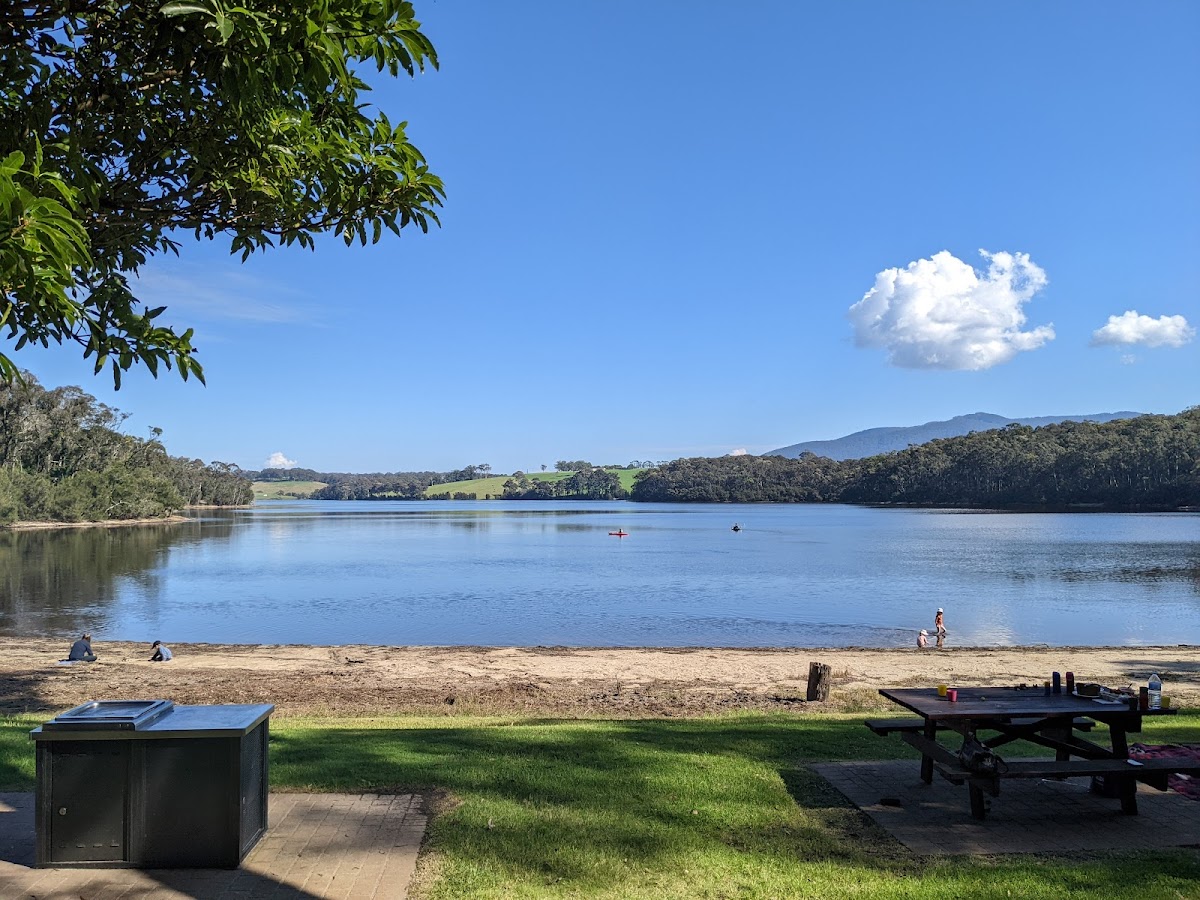 Narooma
South Coast, New South Wales
Crystal-clear inlet, surf beaches, oysters and Montague Island
Explore the guide →
Narooma
South Coast, New South Wales
Crystal-clear inlet, surf beaches, oysters and Montague Island
Explore the guide →
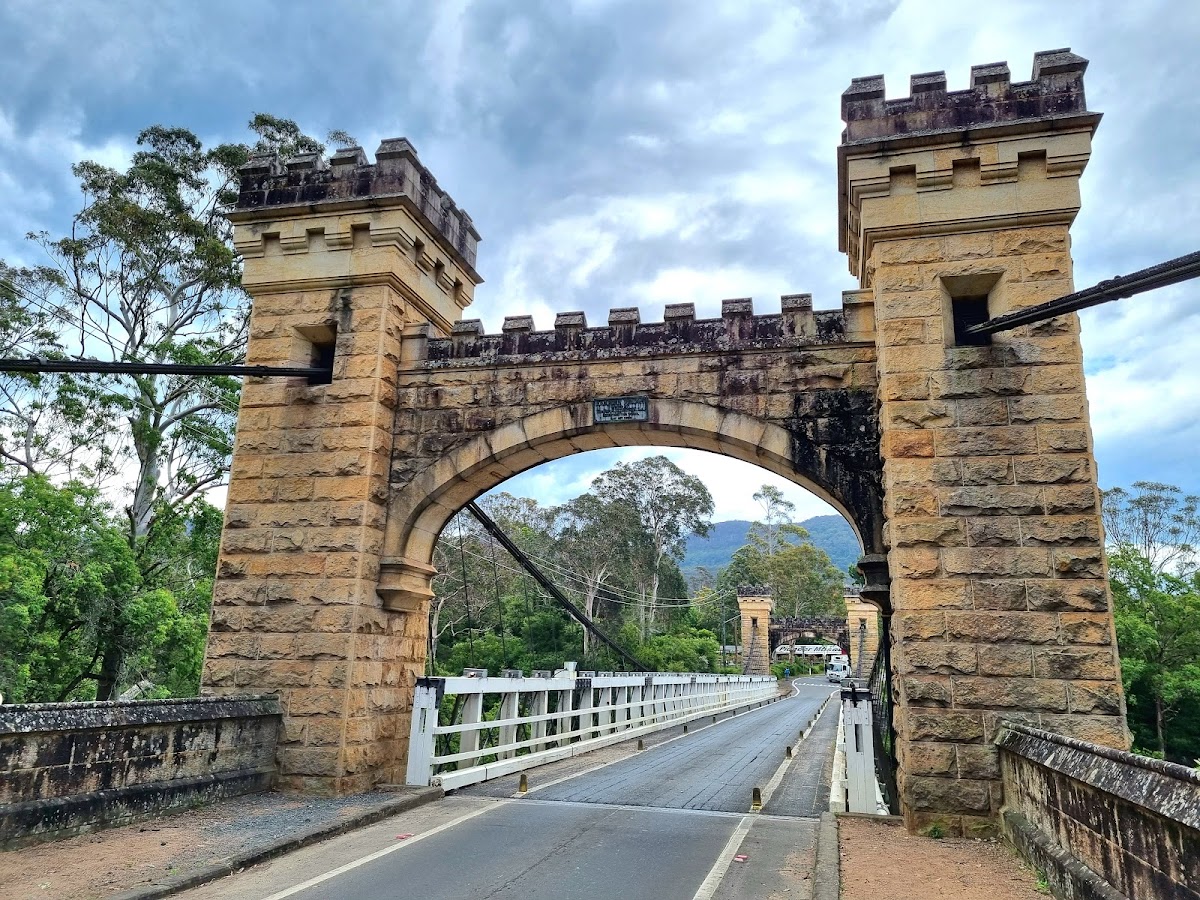 Kangaroo Valley
Shoalhaven, New South Wales
Hampden Bridge, kayaking and wombats in a green valley
Explore the guide →
Kangaroo Valley
Shoalhaven, New South Wales
Hampden Bridge, kayaking and wombats in a green valley
Explore the guide →
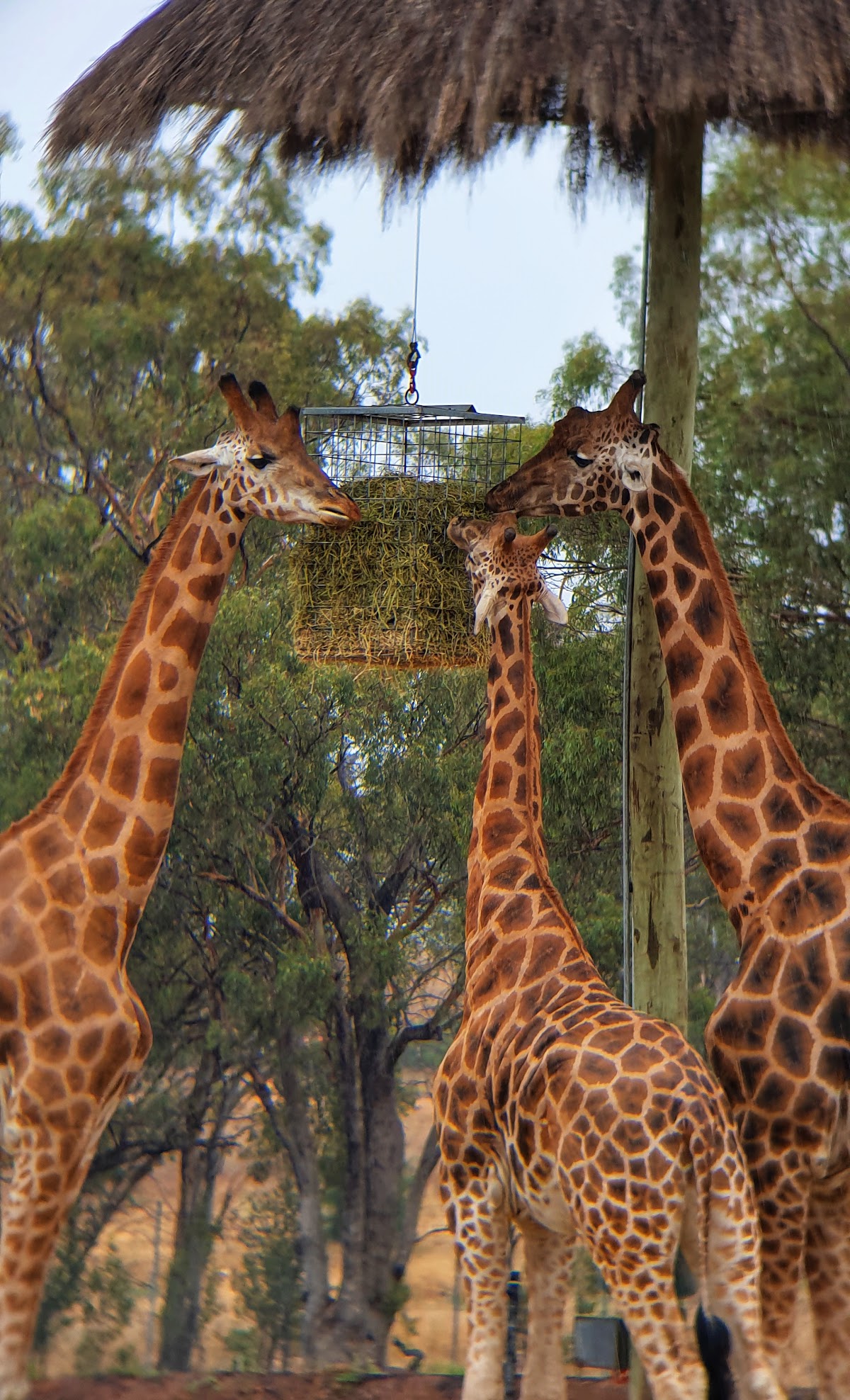 Dubbo
Central West, New South Wales
Open-range zoo and Outback gateway on the Macquarie River
Explore the guide →
Dubbo
Central West, New South Wales
Open-range zoo and Outback gateway on the Macquarie River
Explore the guide →
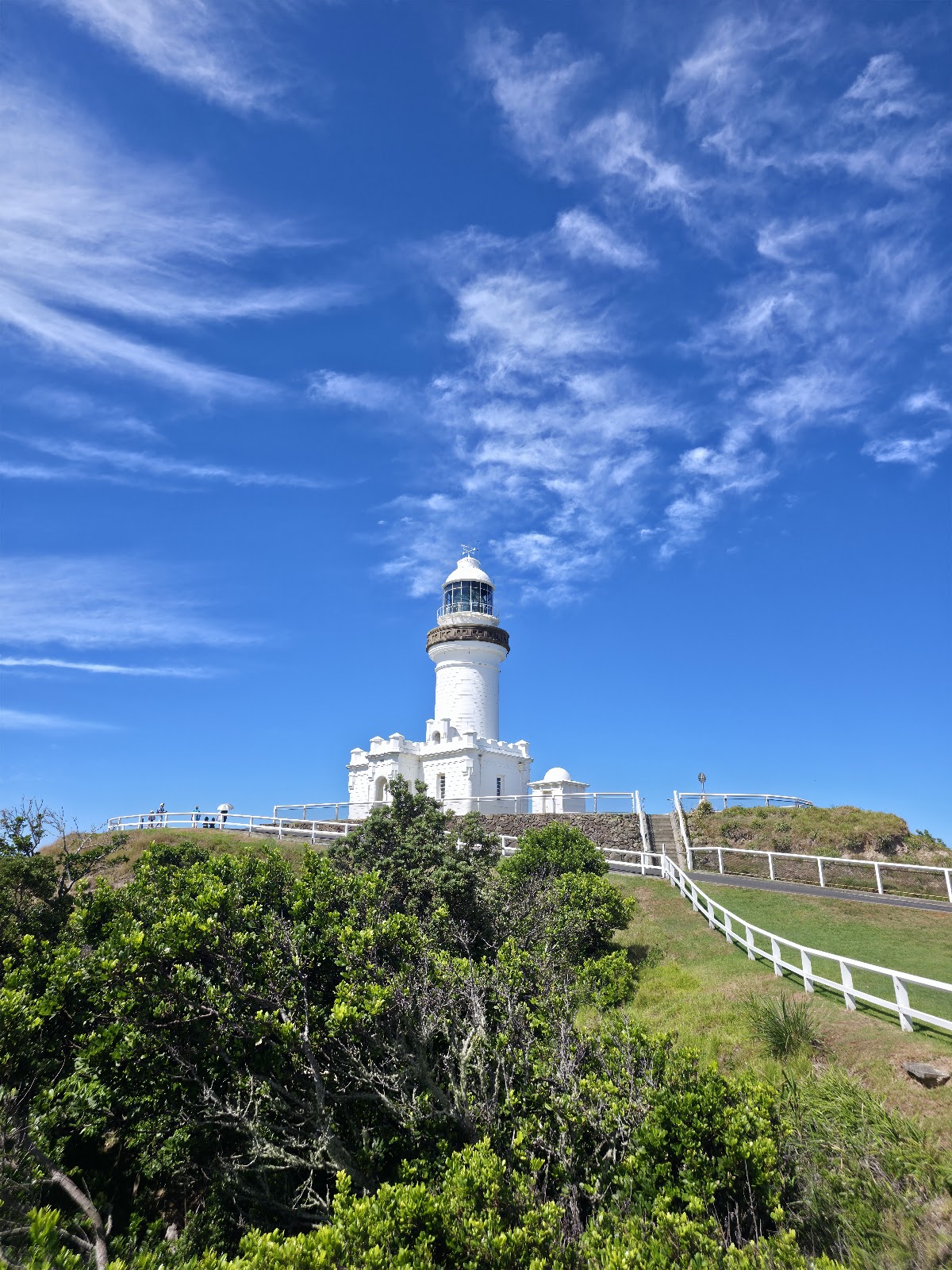 Byron Bay
Northern Rivers, New South Wales
Australia's iconic beach town and most easterly point
Explore the guide →
Byron Bay
Northern Rivers, New South Wales
Australia's iconic beach town and most easterly point
Explore the guide →
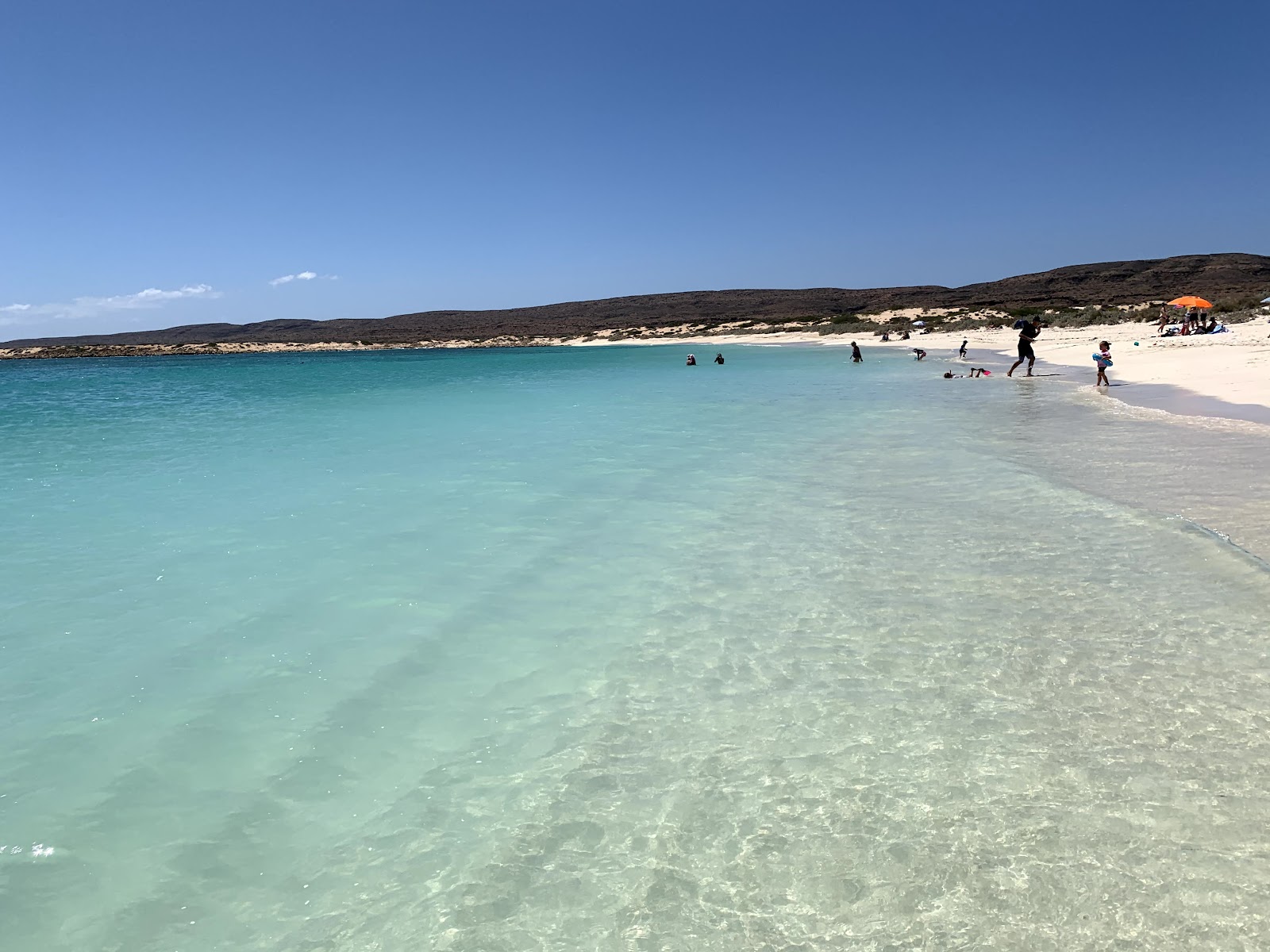 Ningaloo Reef
Australia's Coral Coast, Western Australia
Swim with whale sharks and snorkel a World-Heritage reef straight off the beach
Explore the guide →
Ningaloo Reef
Australia's Coral Coast, Western Australia
Swim with whale sharks and snorkel a World-Heritage reef straight off the beach
Explore the guide →
 Broome
Australia's North West, Western Australia
Cable Beach sunsets, pearling history and camels on 22km of sand
Explore the guide →
Broome
Australia's North West, Western Australia
Cable Beach sunsets, pearling history and camels on 22km of sand
Explore the guide →
 The Kimberley
Australia's North West, Western Australia
Gibb River Road, the Bungle Bungles, gorges and waterfalls in Australia's last frontier
Explore the guide →
The Kimberley
Australia's North West, Western Australia
Gibb River Road, the Bungle Bungles, gorges and waterfalls in Australia's last frontier
Explore the guide →