01. Margarets Beach Resort
4.5 (689 reviews)
Margarets Beach Resort — Margaret River
Book Direct & Save →There are a handful of places in the world where the surf is serious enough to host a World Surf League Championship Tour event and accessible enough for a travelling intermediate to score uncrowded waves on the same trip. Margaret River is one of them. The region hosts the Margaret River Pro each autumn, with the contest site at Surfers Point drawing the best surfers in the world to a wave that — on a quality south-west groundswell with an offshore easterly — stands up as one of the most technically demanding and visually spectacular waves on tour.
View 3 Properties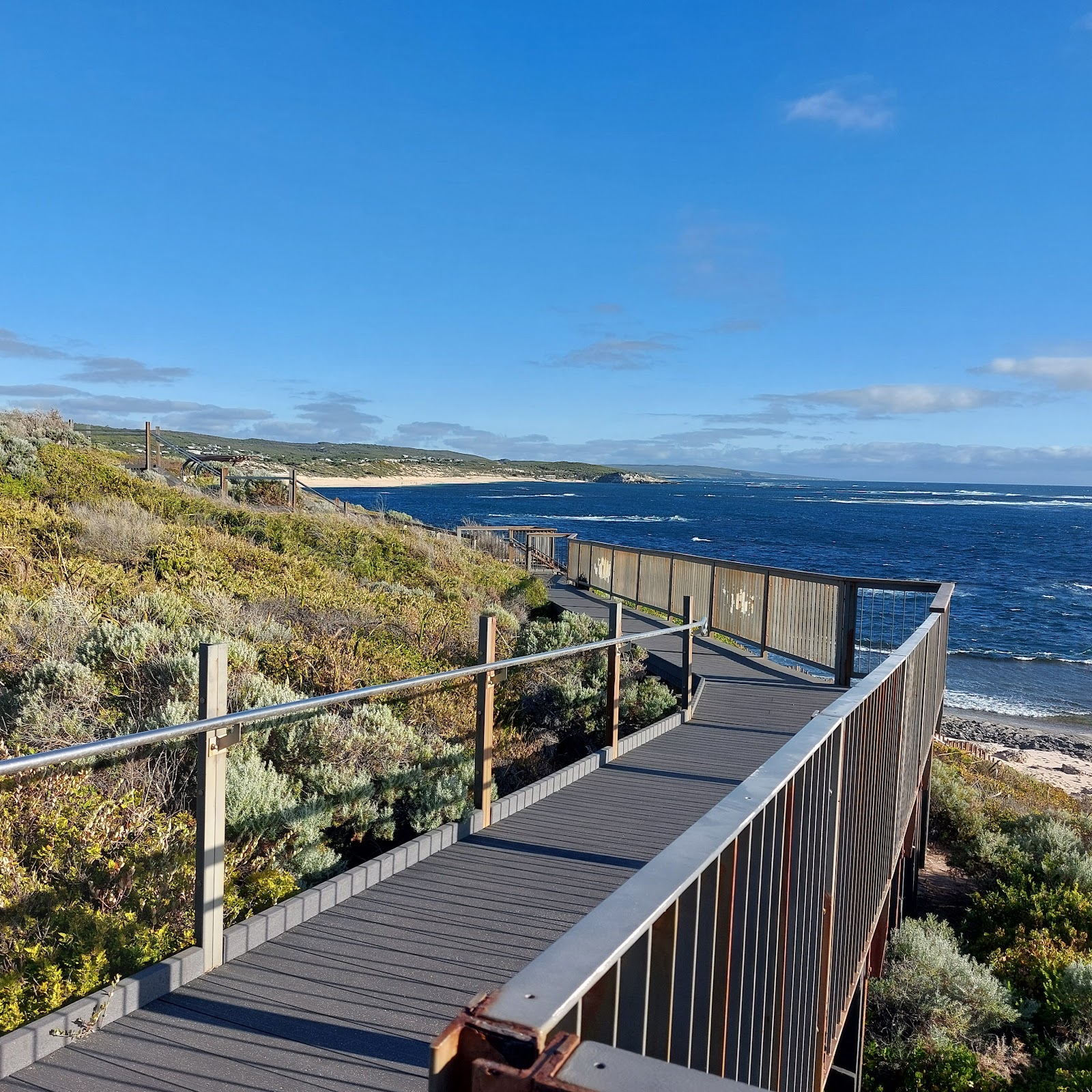
"World-class, powerful, diverse"
But Margaret River surfing is bigger than the Pro. The region has six or seven distinct, quality breaks spread across a 30-kilometre stretch of coast, ranging from the raw power of The Box (a WSL-rated slab wave at Prevelly) and North Point's long, fast right-hander at Gracetown, to the intermediate-friendly beach breaks of Yallingup and Smiths Beach, and surf schools that have been teaching beginners safely for decades. This guide covers every break worth knowing — what it is, when it works, who it suits, and where to get lessons if you're just starting out. One thing applies to every entry: know your level, check the conditions, and don't paddle out at a wave you can't handle.
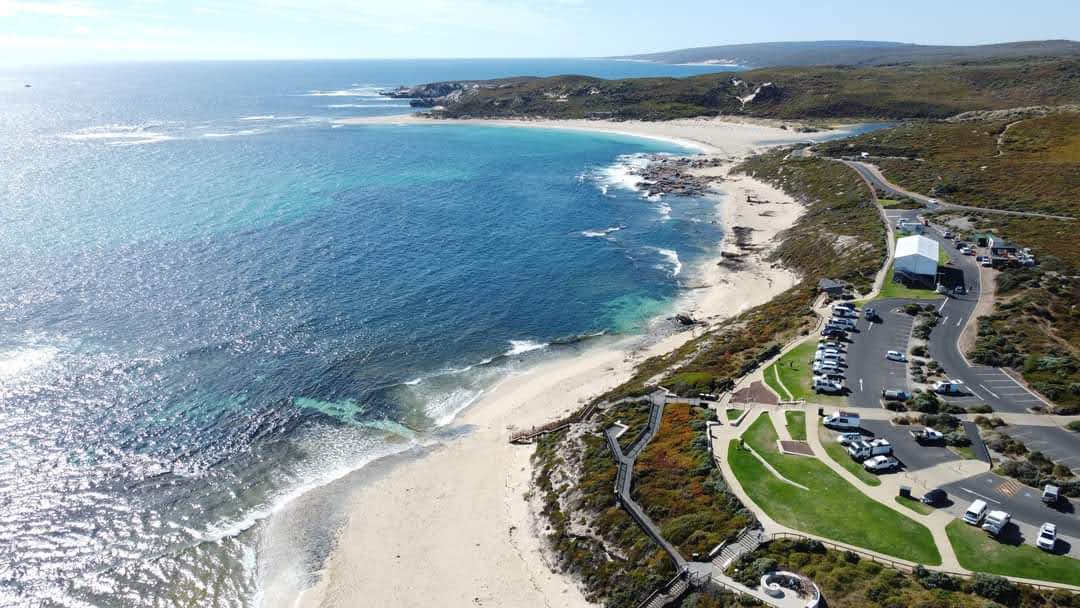
The Margaret River region earns its place on the World Surf League calendar for the same reason it earns a place in this guide: it has more variety, more quality and more consistency than almost anywhere else in Australia. The south-west corner of the continent is uniquely positioned to receive long-period groundswells from the Southern Ocean and the southern Indian Ocean, and the Leeuwin-Naturaliste coastline has the limestone reefs, rocky points and sand banks to do something spectacular with that energy.
The Margaret River Pro at Surfers Point is the most visible manifestation of that reputation — a Championship Tour event that regularly produces some of the year's standout competitive surfing because the wave itself is legitimately world-class. But the region's surf culture goes well beyond a single contest site. North and South Point at Gracetown are rock-bottom points that have shaped generations of WA surfers. The Box, just south of Surfers Point, is a slab wave that WSL rates among its most dangerous and most spectacular venues. Yallingup has been the training ground for WA's surf community for decades. And in between, there's enough beach break, reef break and point break to keep a travelling surfer entertained for a week without surfing the same wave twice.
For beginners, the region's surf schools deserve equal credit. The Margaret River Surf School and Josh Palmateer's Surf Academy have been turning beach-day tourists into actual surfers at the region's beginner-appropriate beaches for many years. A lesson here doesn't get you into the Mainbreak, but it gives you a foundation for surfing one of Australia's great surf regions — eventually.
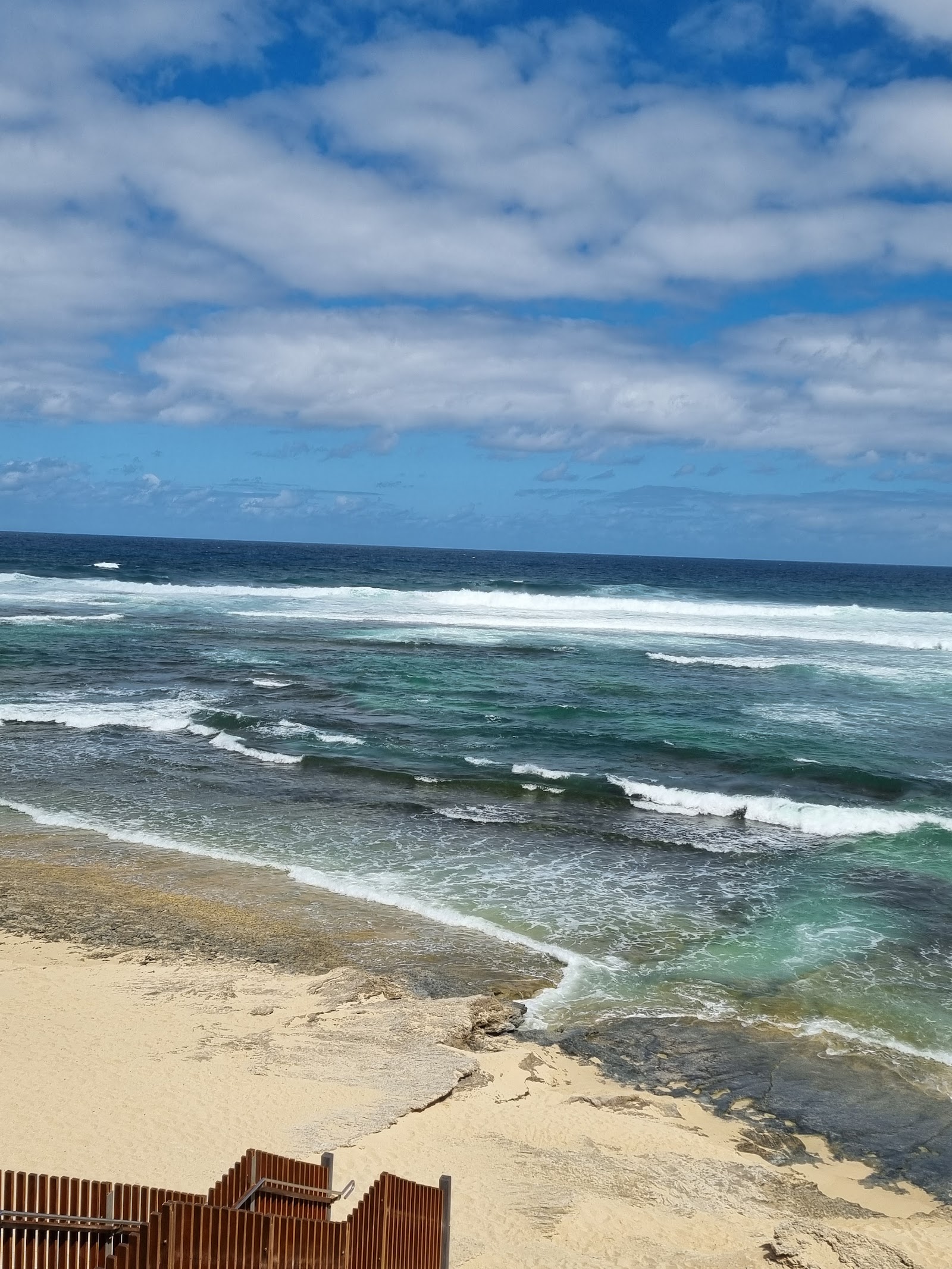
Surfers Point is the reason the Margaret River region has a World Surf League event. The Mainbreak is a left-hander that breaks along a rock shelf at the end of the point, handling south-south-west to west-south-west groundswell with an offshore easterly or south-easterly — and when those conditions align, it produces long, powerful, technically demanding waves that have challenged the best surfers in the world on tour. On a two-metre-plus swell with the right wind, it's as good as Australian surfing gets.
The wave entry is over a shallow, sharp rock shelf, and the power of the wave combined with that bottom makes it genuinely expert territory on any solid swell. The best sections wall up fast and demand commitment — it rewards surfers who can read a point break, hold their line under pressure, and handle a wipeout in shallow water with some authority. During the annual Margaret River Pro, the contest sits here and crowds of spectators watch from the point; outside the event, it's busy by WA standards but rarely unmanageably crowded.
For non-surfers and spectators, Surfers Point is spectacular viewing. The walk out to the contest site gives an up-close view of the wave that no photograph fully captures, and watching surfers take on the Mainbreak on a quality swell day is a memorable experience in itself. Intermediate surfers: this is worth watching, not paddling out at until you're genuinely ready.
The WSL brings the world's best surfers here because the wave is legitimately world-class — and seeing it on a quality swell in person explains why immediately.
“Watched the Pro from the point for two days. The wave walls up and gives long, powerful rides you can follow from take-off to the inside. One of the great spectator sports.”
— Traveller review
A south-south-west groundswell of 1.5m+ with a clean offshore easterly — the conditions that turn Mainbreak into the wave the WSL comes for.
Expert surfers only on solid swell — rock shelf entry, powerful, shallow. Intermediate and beginner surfers should not attempt this break; go to Smiths Beach or Yallingup instead.
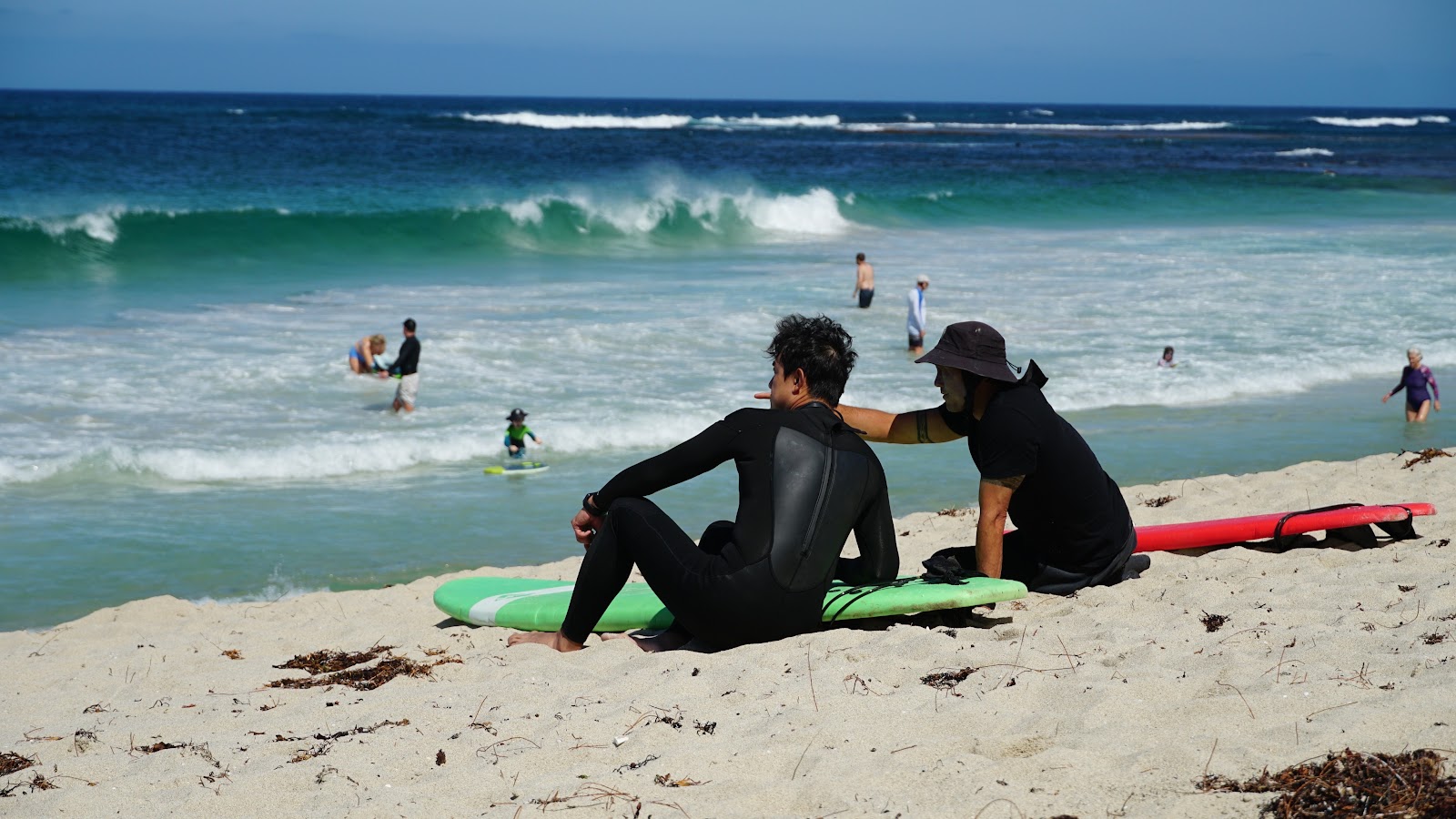
The Box sits just south of the Mainbreak and is a completely different wave — a heavy, hollow, short-period slab that pitches hard over a shallow limestone ledge and produces some of the most powerful barrel sections in WA. It's rated by the WSL as one of its most dangerous venues, which is not hyperbole. The wave breaks suddenly, throws hard, and the wipeout zone is a limestone shelf in shallow water. On a quality day it's stunning to watch and extraordinary to ride; on a big day it's terrifying by design.
This is purely an expert wave, and the word "expert" here means surfers who have ridden hollow, shallow reef breaks before and who understand what happens when you don't pull in and make it. The line-up is dominated by experienced locals and professionals who know the spot intimately — a travelling intermediate paddling out here on a solid day is not welcome and puts everyone at risk, including themselves.
From the clifftop or the point, The Box is spectacular to watch. The slab appears abruptly, throws a short, wide barrel, and either spits perfectly or closes out violently depending on the swell angle and tide. It works best on a south-west swell with a low-to-mid tide, and on the right day attracts bodyboarders as well as shortboarders who appreciate its compact, intense character. Come as a spectator — it rewards that entirely.
One of the heaviest, most visually dramatic waves in Australia — spectacular to watch from the cliff even if you never paddle out.
“Watched for an hour from the cliff. One guy got a five-second barrel, the next guy got pile-driven into the ledge. It's brutal and beautiful in equal measure.”
— Google review
A clean, medium-period south-west swell at low-to-mid tide when the slab is throwing wide, grinding barrels — even from the cliff it's unmissable.
For watching only unless you are an experienced slab-wave surfer. The consequences of a wipeout are serious; this is not a wave for the brave, it's a wave for the experienced.
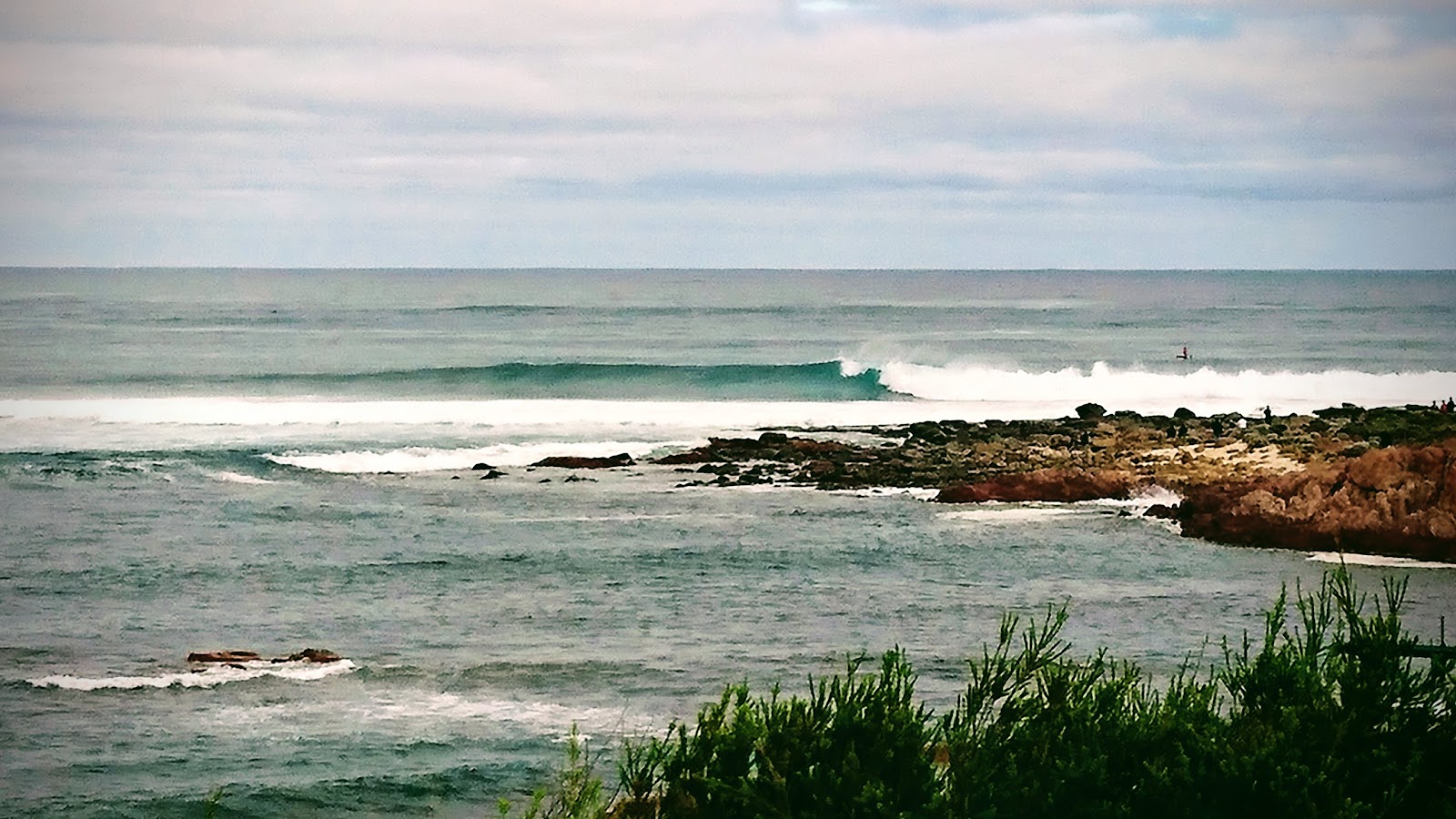
North Point at Gracetown is the south-west's most celebrated point break outside the contest venues at Surfers Point. It's a long, fast right-hander that peels along a rocky point on the northern headland of Cowaramup Bay — on a quality south-west groundswell with an offshore wind, it produces walls of 100 metres or more that reward rail-to-rail surfing and demand commitment from a bottom turn.
The wave breaks over a rock platform and the take-off spot shifts across the tide, which means reading the break before you paddle out matters as much as fitness. It's an advanced wave — the rock bottom, the power generated by the open-ocean groundswell, and the long-period sets that catch surfers out of position make it unsuitable for anyone not already comfortable on solid overhead reef. On a good day, the privilege of surfing a wave this quality with a light crowd is something most surfers from the east coast struggle to believe is real.
South Point, on the southern headland of Cowaramup Bay, offers a more intense and hollower companion wave — shorter and punchier, favouring those who can pull into short barrels over a rock shelf. The two points together mean experienced surfers can spend a full day at Gracetown reading conditions and alternating between breaks as the tide moves. It's the kind of surf day that becomes the reference point for the entire WA trip.
A long, fast right-hander with a light crowd by east-coast standards — the reward for surfers willing to drive past the more obvious options.
“Scored two-hour sessions on North Point both mornings of our trip. Crispy, long rights, maybe twelve people out. The whole point of surfing in WA.”
— Google review
A medium-to-large south-west groundswell at mid-tide with a south-easterly offshore — when North Point is doing its thing, it's as good as a point break gets in Australia.
Advanced surfers only — rock bottom, real power, consequences for a missed wave. Not a spot for intermediates building confidence; go to Yallingup or Smiths Beach instead.
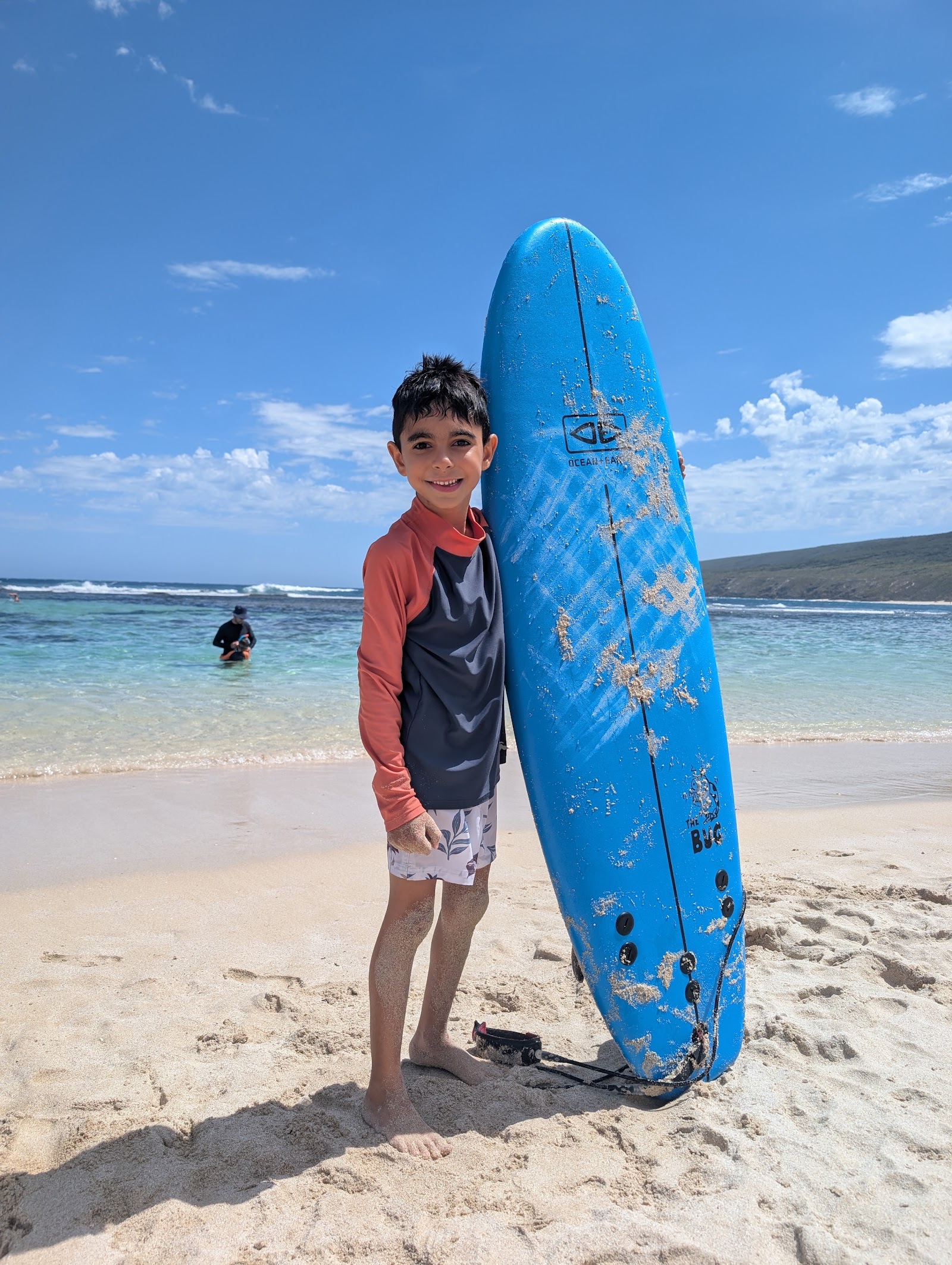
Yallingup is where the Margaret River surf story really begins — this broad, consistent beach break has been the training ground for WA surf culture for generations, producing an outsized number of professional surfers and remaining the most beloved everyday surf beach in the region. It faces south-west and picks up the prevailing Indian Ocean swell reliably across a variety of conditions, with shifting banks that offer everything from forgiving open-face waves for intermediates to punchy, hollow sections for stronger surfers.
The beach is wide and well-attended without being uncomfortably crowded by regional standards, and the surf community here is welcoming to travelling surfers who approach the line-up with respect. The northern end of the beach tends to be the most consistent for intermediate surfing; the southern end toward the Yallingup townsite produces more intense conditions on bigger swells. The beach is overlooked by the Caves House Hotel and a cluster of holiday accommodation, making it easy to combine a surf stay with all of the region's other attractions.
For improving surfers, Yallingup is the right step up from Smiths Beach — it offers more consistent wave quality and longer rides than a typical patrolled beach break, without the commitment of Gracetown or Surfers Point. It suits intermediate surfers looking to progress, couples where one surfs and the other wants to watch from a beautiful beach, and travelling surfers who want to spend multiple days in the water on a reliable wave.
Reliable, quality beach break, a genuine surf culture, and the sense of surfing where WA's surf story started — it's the heartbeat of Margaret River surfing.
“Surfed here every morning for five days. The banks shifted but there was always something. Great vibe in the water — locals happy to see visiting surfers who know what they're doing.”
— Traveller review
A consistent south-west swell with a light easterly early morning — before the sea breeze picks up, when the banks are peeling and the line-up is still quiet.
On a bigger swell the southern end can be powerful and hollow — intermediate surfers should stay north. Respect the line-up; Yallingup has a proud local surf culture.
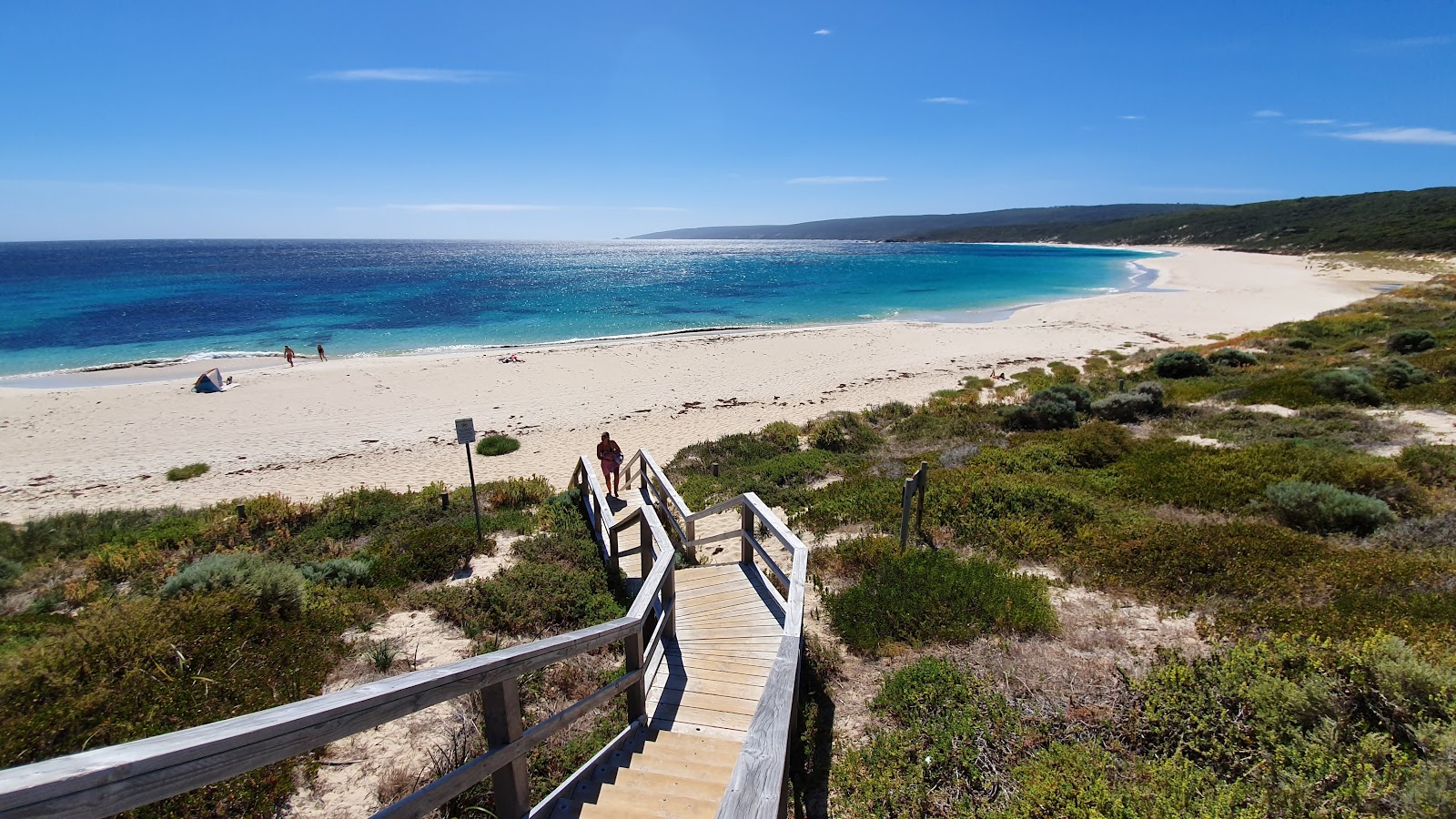
Smiths Beach is the region's most accessible surf beach for intermediate surfers and anyone wanting a patrolled option — broad, consistent and without the raw power of the breaks further south and north. It faces south-west, picks up the prevailing swell reliably, and produces beach-break waves that are manageable in normal conditions for surfers who can get to their feet and make basic turns. The adjacent resort means the beach is well-serviced and easy to make a full day of.
Patrol coverage during summer school holidays makes Smiths the standout option for families where one or more members want to surf and the group prefers a lifeguarded beach. That safety margin, absent at virtually every other quality surf beach in the region, is Smiths's genuine point of difference. Outside patrol season the beach is still surfable for competent swimmers with surf experience, but the unpatrolled reality needs to be understood before entering the water.
For the progressing surfer — someone who has had a few lessons and can ride down the line but is still developing — Smiths Beach is the ideal next step. It gives them a real surf environment, real beach-break waves and the confidence that grows from surfing without the pressure of more advanced breaks. Stronger surfers looking for better quality will find more to work with at Yallingup, which is just minutes up the coast.
The only patrolled surf beach in the region during summer — for families and progressing surfers, that safety margin changes everything.
“Surfed here three days in a row while my partner watched from the beach. Consistent enough to get a lot of waves, not so intense as to be intimidating. Exactly what I needed at my level.”
— Google review
A summer school holiday session between the flags on a consistent swell — the safest, most accessible real-surf experience in the region.
Patrols only operate in summer school holidays and selected weekends — check SLSWA before relying on lifeguard presence. Outside patrol times, treat it as an unpatrolled beach.
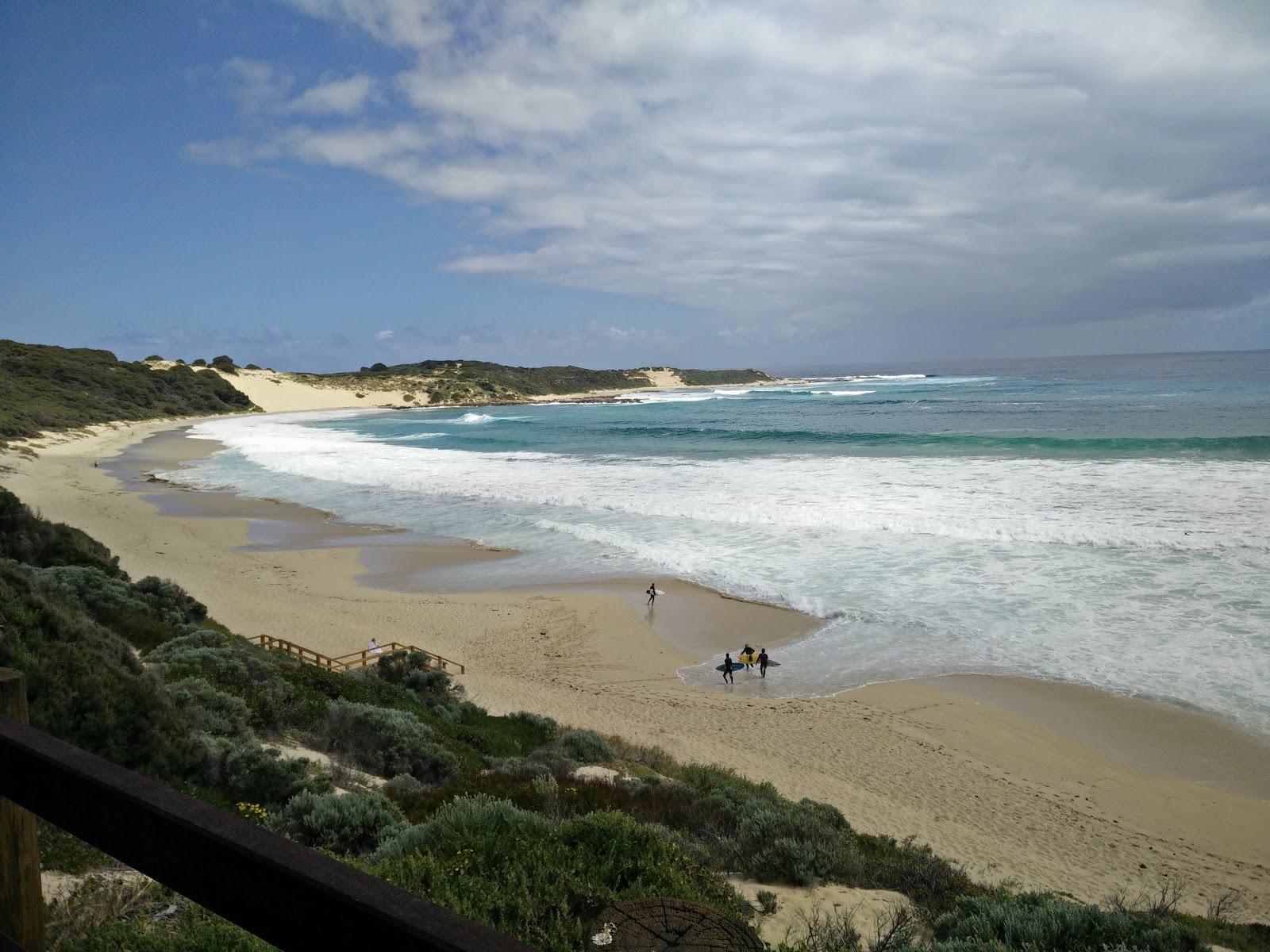
Injidup Car Park Break is the region's best-kept secret for intermediate-to-advanced surfers who are willing to carry a board down a short but steep cliff access track. The reward is a quality, consistent beach-break and reef combination in a dramatically framed limestone pocket, with significantly fewer surfers than the more accessible breaks at Yallingup or Smiths Beach. The self-selecting nature of the access — the descent keeps casual visitors away — means even on a good swell day, the water is rarely crowded.
The wave quality varies with the bank and the swell angle, but on a well-lined-up south-west groundswell Injidup produces hollow, quality beach-break sections that reward surfers who can place themselves on the peak. The reef sections at the edges of the beach add another dimension for experienced surfers, though the shallow bottom demands respect. Conditions here can be more exposed and variable than the beaches immediately to the north, so reading the swell and wind before committing to the climb down — and the climb back up — is worth doing.
This suits intermediate-to-advanced surfers with reasonable fitness (the track requires carrying your board), and the clifftop view before the descent is one of the more spectacular vantage points on the entire coast. Non-surfers who make the short walk to the cliff edge get a wide-angle view of the coast that few visitors see; they don't need to go further.
The cliff access track that puts off casual visitors is the very reason experienced surfers love it — quality waves, and room in the water to actually surf them.
“Climbed down with my board and had the peak to myself for an hour. Quality hollow waves, beautiful setting, barely anyone out. Worth the climb every time.”
— Traveller review
A south-west groundswell at low-to-mid tide when the beach-break peak is hollow and lining up — and the climb down has filtered the crowd to single figures.
The steep access track means this isn't viable for anyone with mobility limitations or those who can't carry a board safely on an uneven descent. Not for beginners.
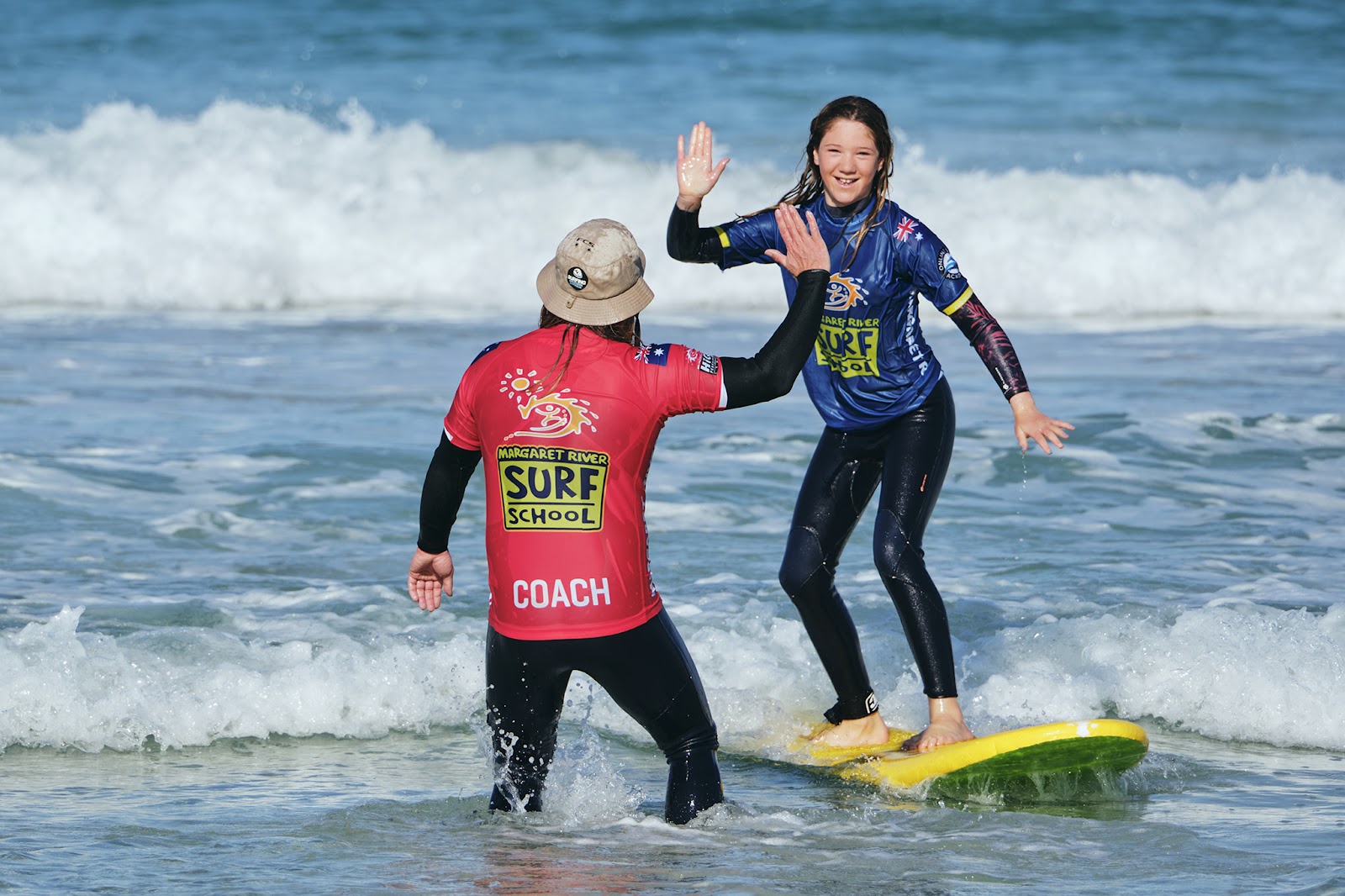
The Margaret River region is excellently set up for beginners, with two established and respected surf schools operating at the region's beginner-appropriate beaches. Margaret River Surf School is the longest-running operator in the area, running group and private lessons that give first-timers a structured, safe first experience — soft beginner boards, wetsuits, qualified instructors, and the right beach on the right day. Josh Palmateer's Surf Academy, founded by Margaret River Pro regular Josh Palmateer, offers coaching across the ability range, from first-timers through to intermediate surfers wanting to progress their skills in a region they might surf for years.
For absolute beginners, a group lesson is the best first move by a wide margin. The schools understand which beaches and conditions suit learners on any given day — far more valuable than heading to an unfamiliar beach with a rented foam board and no guidance. Smiths Beach is the typical teaching venue for beginners, with its patrolled status in summer adding an extra safety margin. More advanced coaching can move to Yallingup or other breaks as the student progresses.
Lessons typically start from around $60 for a group session and cater to all ages, making them an accessible option for families, couples on holiday, and solo travellers who want to surf in one of the world's great surf regions but haven't picked up a board before. Board and wetsuit hire is available for those already able to get to their feet and wanting independent sessions — always confirm current pricing, operators and availability directly before your trip.
Learning to surf where the WSL comes to compete, with instructors who surf these waves every day — the best possible foundation for anyone serious about surfing.
“Did a lesson with Palmateer's academy and went from never surfed to actually making turns by the end of the session. Patient, professional, and they clearly love what they're doing.”
— Google review
A private or small-group lesson at Smiths Beach during a consistent south-west swell — the instructors know exactly which bank and which conditions give beginners the best chance.
Operators, pricing and session availability change seasonally — confirm directly before travelling rather than assuming a school is running. Book ahead in summer as popular sessions fill.
| Season | Conditions | Highlights | Crowds |
|---|---|---|---|
| Autumn (Mar–May) | Swell building, offshore mornings, water cooling | The season begins — south-west groundswells arriving, Surfers Point and North Point starting to perform; WSL Margaret River Pro typically held in April; wetsuit recommended | Moderate — the informed surfer's preferred window |
| Winter (Jun–Aug) | Regular south-west groundswells, cold water (15–17°C), offshore easterlies | Peak surf season — all breaks firing; Mainbreak, The Box and North Point at their best; steamer and booties essential; coast largely empty of tourists | Low outside the WSL event period |
| Spring (Sep–Nov) | Swell inconsistent, warming water, sea breeze building earlier | Shoulder season — occasional quality swells, improving water temperature; whale watching bonus from the headlands | Low–moderate |
| Summer (Dec–Feb) | Consistent sea breeze, smaller/inconsistent swell, warm water | Smiths Beach patrolled — best season for learners and beginners; surf early before the sea breeze ruins conditions; Yallingup consistent on small south-west | Peak — book early; line-ups busier |
What recent visitors say:
“The Voyager Estate is a must visit when you are in the Margaret River area. The gardens are perfectly manicured, the rose garden in gorgeous and the vineyards very pretty. This is a winery on a larger scale. The Dutch inddpired Estate house is absolutely beautiful insand out. There is a restaurant there and a bar area where you can taste wines or oder a smal”— Babs (on Voyager Estate), Google review
“We had a beautiful long lunch at Voyager Estate yesterday. Each dish was delicious and beautifully presented. Maria and Lisanne were excellent hosts. We enjoyed the wine pairing and their philosophy of matching the food to the wine. The gardens are amazing too, especially the rose garden. Not inexpensive, but a great choice for a special day out 💕.”— Michele Campbell (on Voyager Estate), Google review
“Voyage Estate is absolutely wonderful—a true beauty! The food is fantastic, the wine is excellent, and the service is impeccable. Every detail makes it a memorable experience. Highly recommend visiting for a relaxing and indulgent day out!”— Kristie Park (on Voyager Estate), Google review
Forecasting: Reading a forecast before surfing in Margaret River is essential. The breaks here are swell- and wind-specific in ways that make the difference between a memorable session and a frustrating one. For quality surf, you want a south-south-west to west-south-west groundswell (the dominant swell window for this coast) with an offshore easterly or south-easterly wind — typically early morning before the sea breeze builds. Check Surfline, Swellnet, or Magic Seaweed for the Margaret River region before you go; each break responds differently to swell angle and size, and a few minutes reading the forecast avoids a wasted drive.
Wetsuits and gear: A wetsuit is strongly recommended from April to October and useful for the rest of the year for all but the warmest swimmers. A 3/2mm springsuit handles summer; a 4/3mm steamer is the call from mid-autumn through winter, and many surfers add booties in June–August. For the intermediate breaks (Yallingup, Smiths Beach), a standard thruster or mid-length works well. For the reef breaks — Gracetown, Injidup, The Box — a repaired, high-performance board and a helmet or impact vest are worth considering.
Respect and safety: Margaret River's surf culture has genuine pride in the region and its breaks. Respect the locals, wait your turn, don't drop in, and approach the line-up as a guest. The breaks here are not crowded by east-coast standards, and they stay that way because visiting surfers behave with respect. For beginners: do not paddle out at Mainbreak, The Box, or North Point until you are genuinely capable of handling powerful, rocky breaks. Start with a lesson, learn the basics at Smiths Beach, progress to Yallingup, and earn your way to the expert breaks over multiple trips.
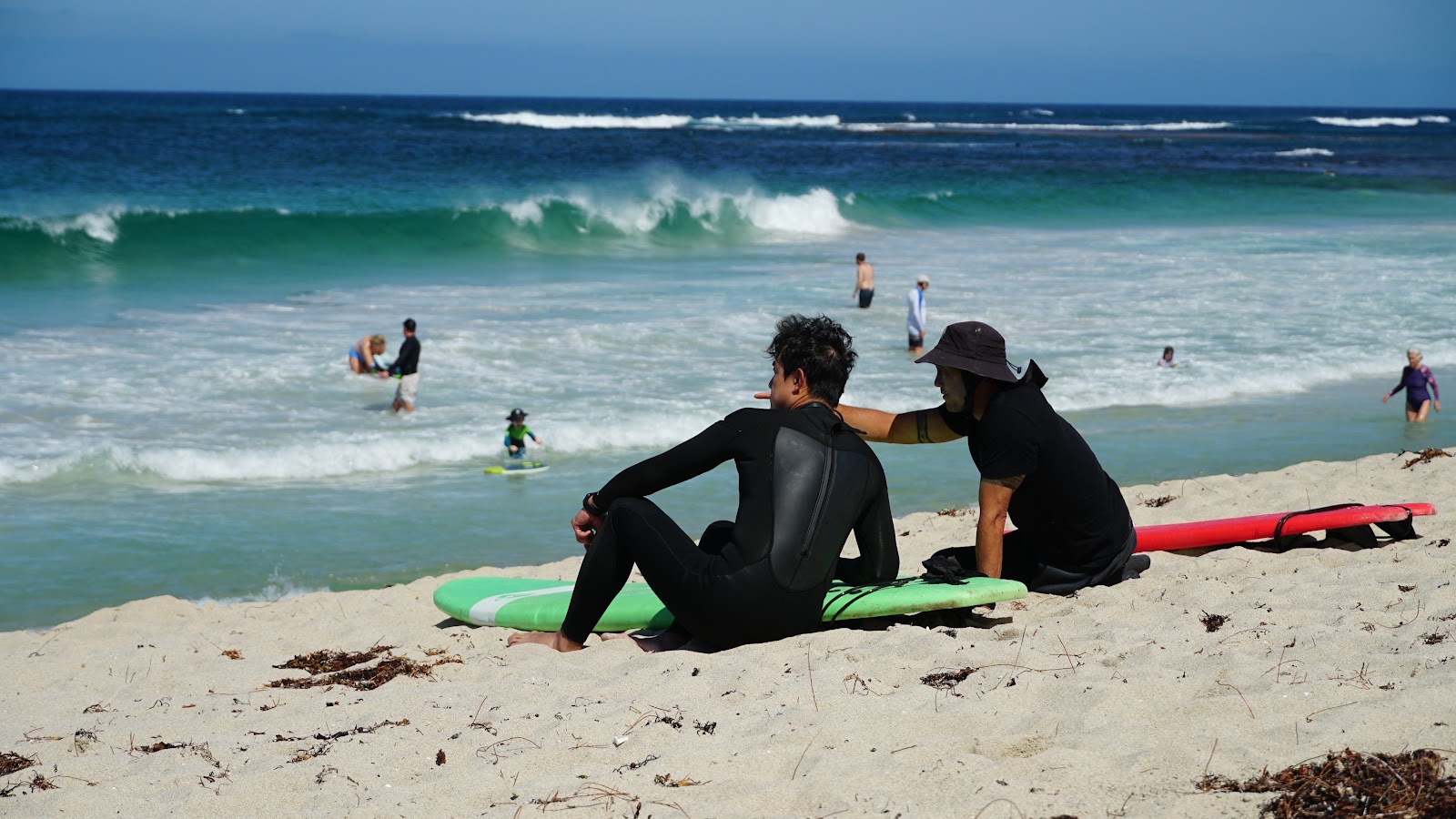
Margaret River is, without exaggeration, one of the great surf destinations on earth. It has a WSL Championship Tour event, three or four breaks that rank with anything in Australia, and a surf culture built over generations by people who surf these waves every day. That's the first half of the story.
The other half is that it also has beginner-appropriate beaches, qualified surf schools, and enough variety across ability levels to make a surf trip here worthwhile for almost anyone. Whether you're a first-timer booking a lesson at Smiths Beach, an intermediate surfer working your way up through Yallingup to Injidup, or an advanced surfer chasing North Point on a quality south-west swell, the Margaret River coast delivers. Bring the right wetsuit, check the forecast, and respect the line-up — this place rewards surfers who approach it properly.
Enjoying surfing? Here’s where else in Australia it’s worth the trip — ranked by how loved each destination is, with the one thing not to miss at each.
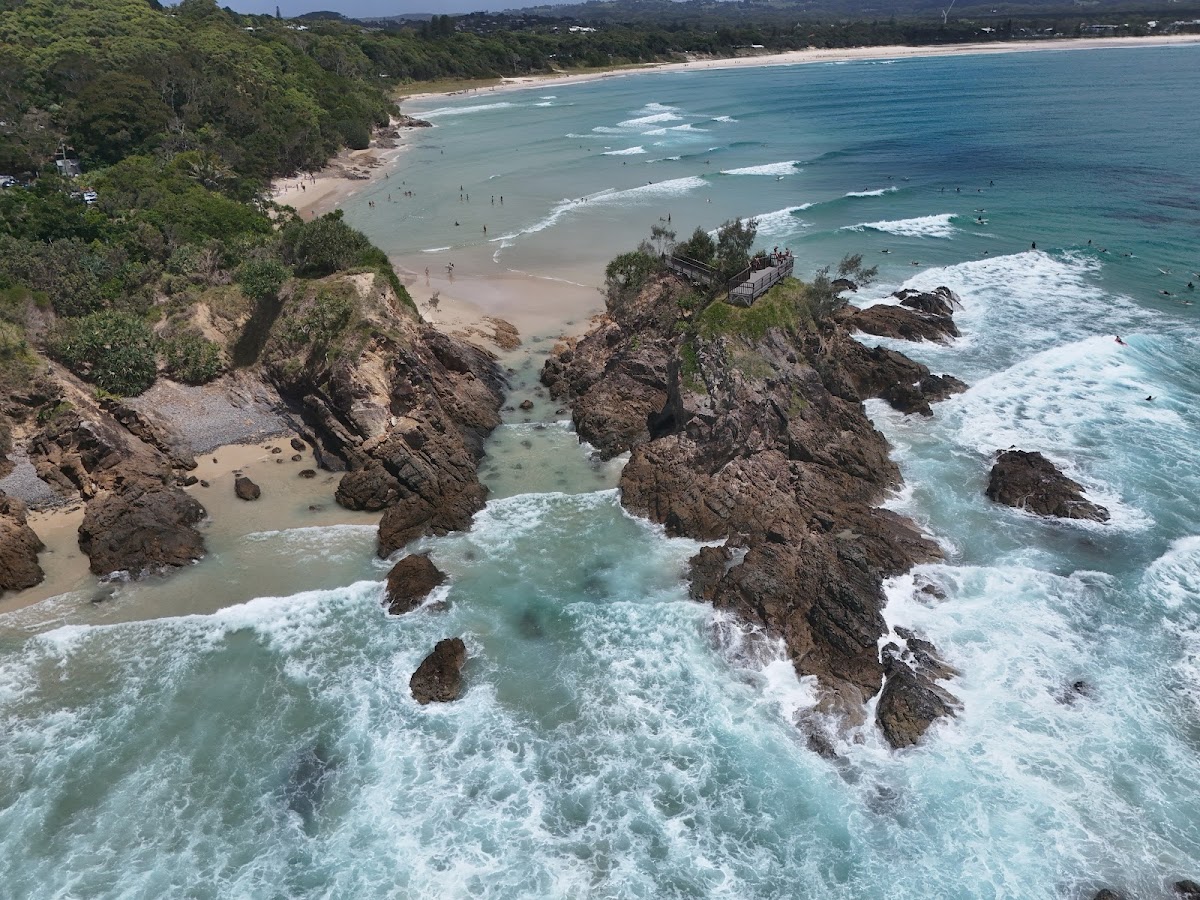 Byron Bay
Northern Rivers, New South Wales
The Pass — A long, peeling right on a dawn east swell before the line-up fills.
Explore surfing in Byron Bay →
Margaret River you’re here
Australia's South West, Western Australia
Surfers Point — Mainbreak — A south-south-west groundswell of 1.5m+ with a clean offshore easterly — the conditions that turn Mainbreak into the wave the WSL comes for.
You’re reading this guide
Byron Bay
Northern Rivers, New South Wales
The Pass — A long, peeling right on a dawn east swell before the line-up fills.
Explore surfing in Byron Bay →
Margaret River you’re here
Australia's South West, Western Australia
Surfers Point — Mainbreak — A south-south-west groundswell of 1.5m+ with a clean offshore easterly — the conditions that turn Mainbreak into the wave the WSL comes for.
You’re reading this guide
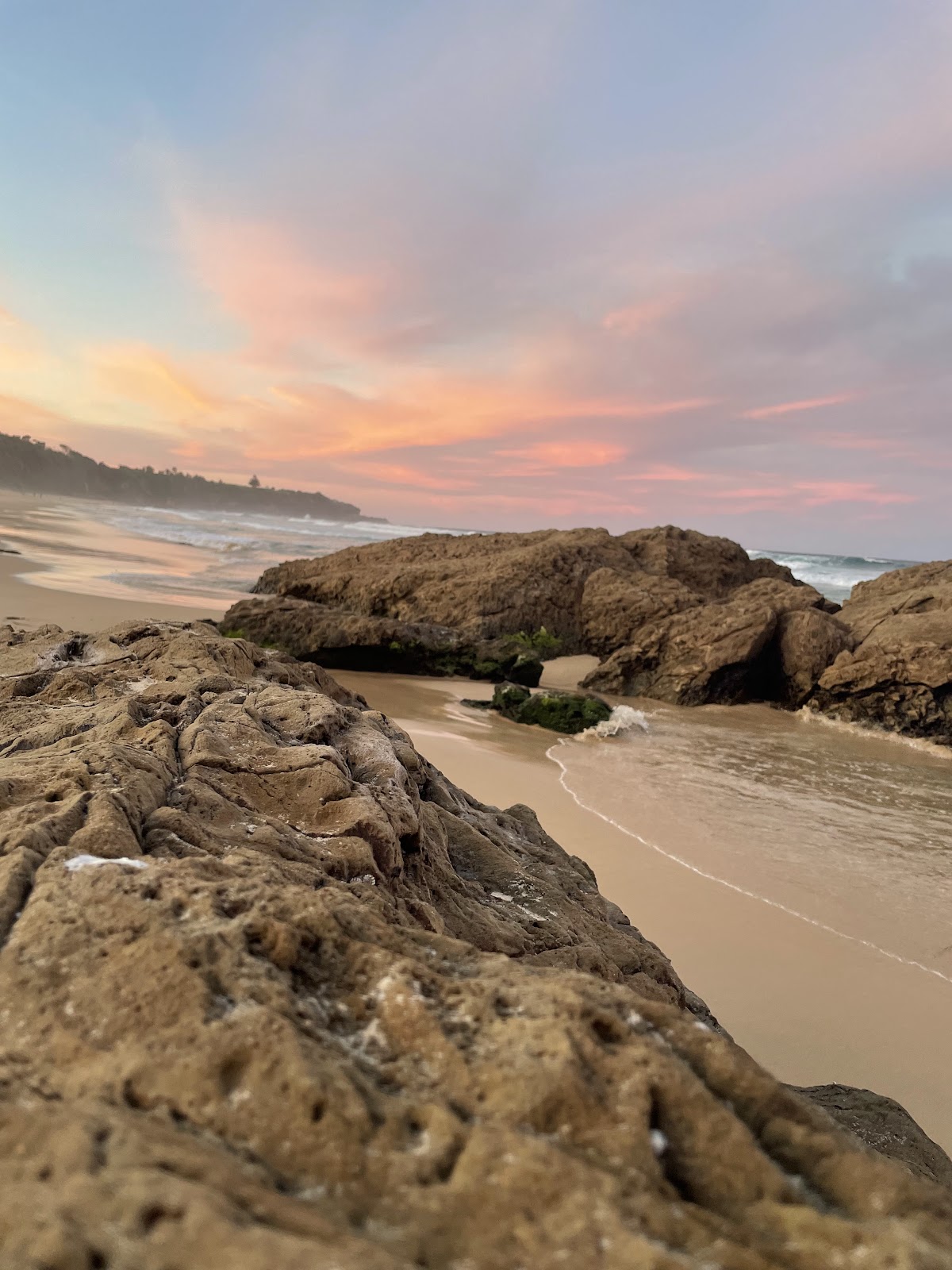 Narooma
South Coast, New South Wales
The Narooma Bar — A clean, long right-hander on an east-to-south-east swell with an offshore westerly — watch the bank from the headland before you go.
Explore surfing in Narooma →
Narooma
South Coast, New South Wales
The Narooma Bar — A clean, long right-hander on an east-to-south-east swell with an offshore westerly — watch the bank from the headland before you go.
Explore surfing in Narooma →
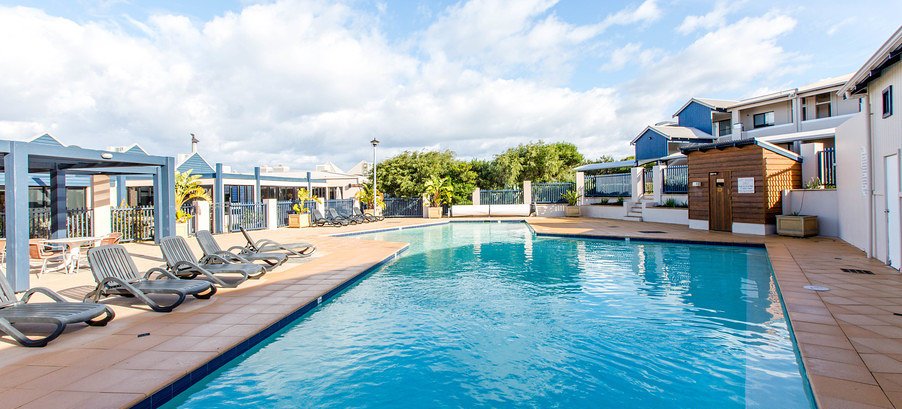
Margarets Beach Resort — Margaret River
Book Direct & Save →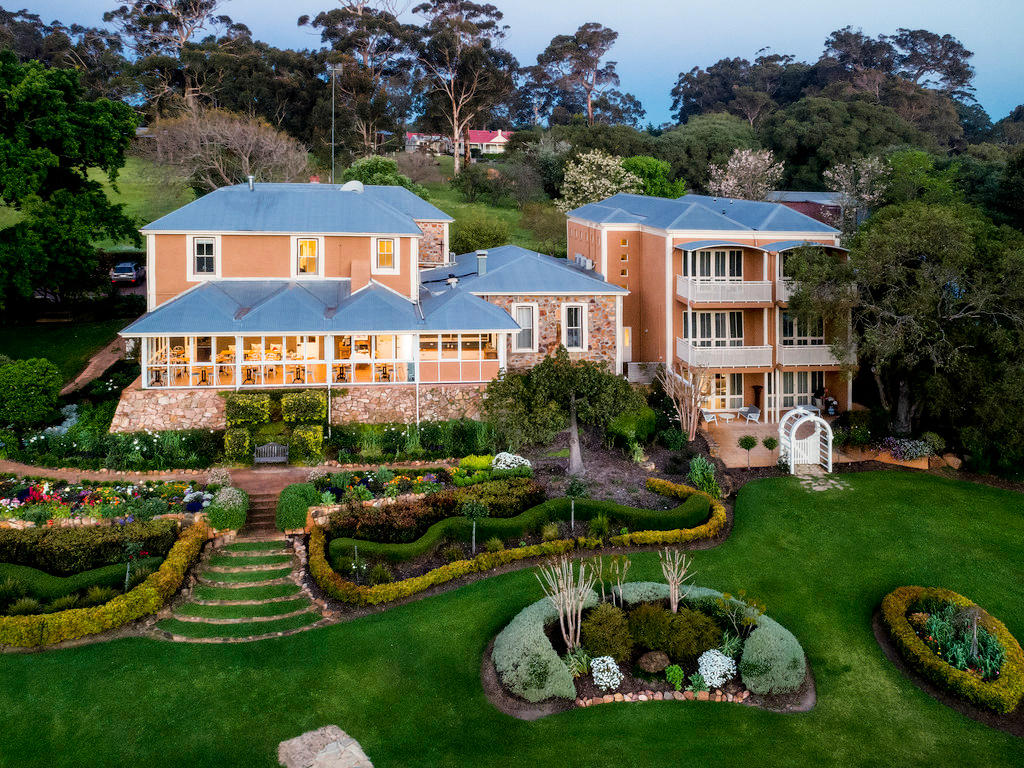
Margaret River Guest House — Margaret River
Book Direct & Save →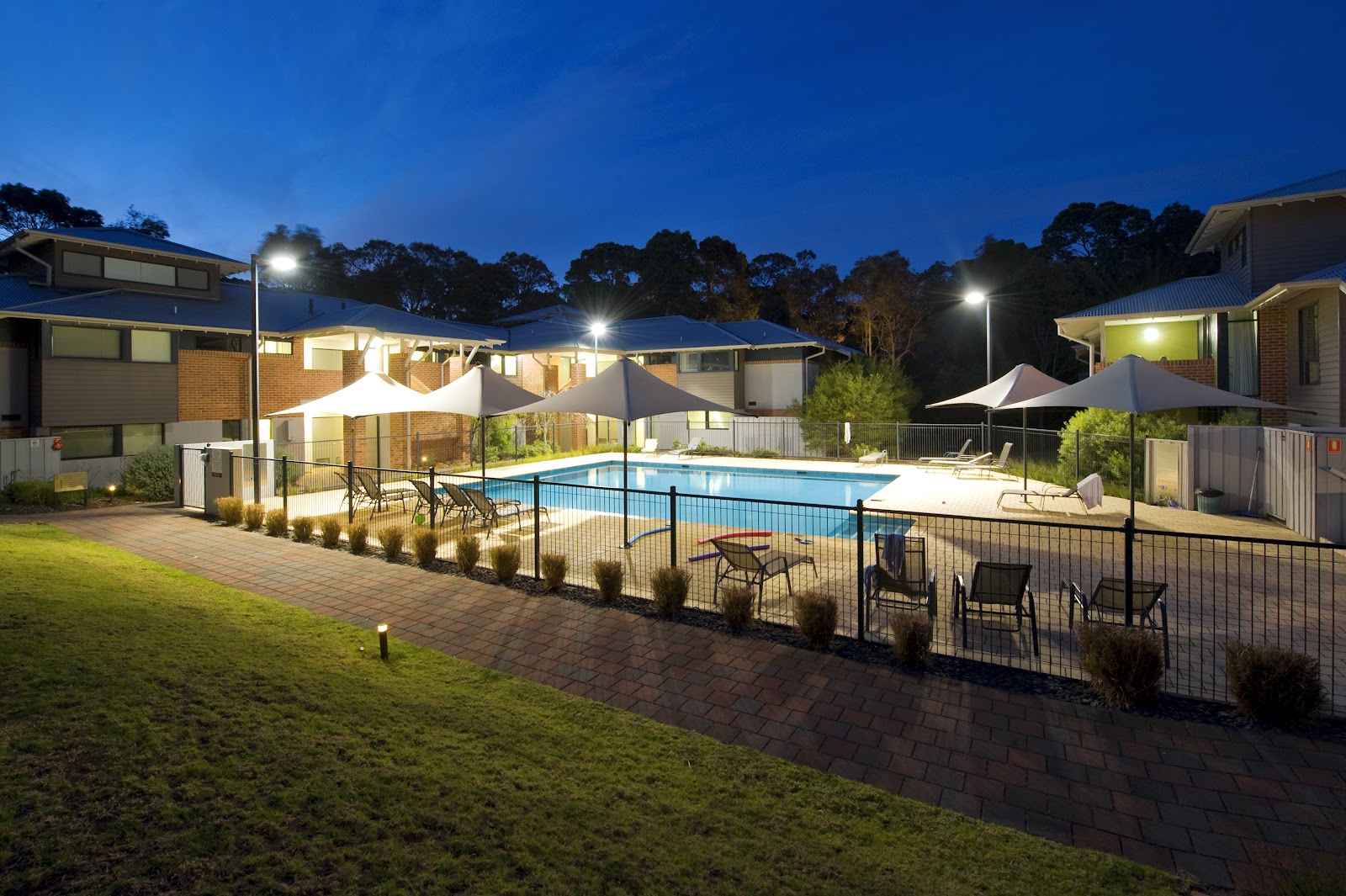
RAC Margaret River Nature Park — Margaret River
Book Direct & Save →Skip OTA fees. Connect directly with Margaret River owners for the best rates and a truly personal experience.
We match any online rate. No service fees — 100% of your payment supports local owners.
Direct guests receive complimentary hampers, early check-in, and priority access to experiences.
Speak directly with the people who manage the properties. No call centres, just local expertise.
Part of Western Australia · Australia's South West
 Glen Aplin
Granite Belt, Queensland
Queensland's most underrated wine valley
Explore the guide →
Glen Aplin
Granite Belt, Queensland
Queensland's most underrated wine valley
Explore the guide →
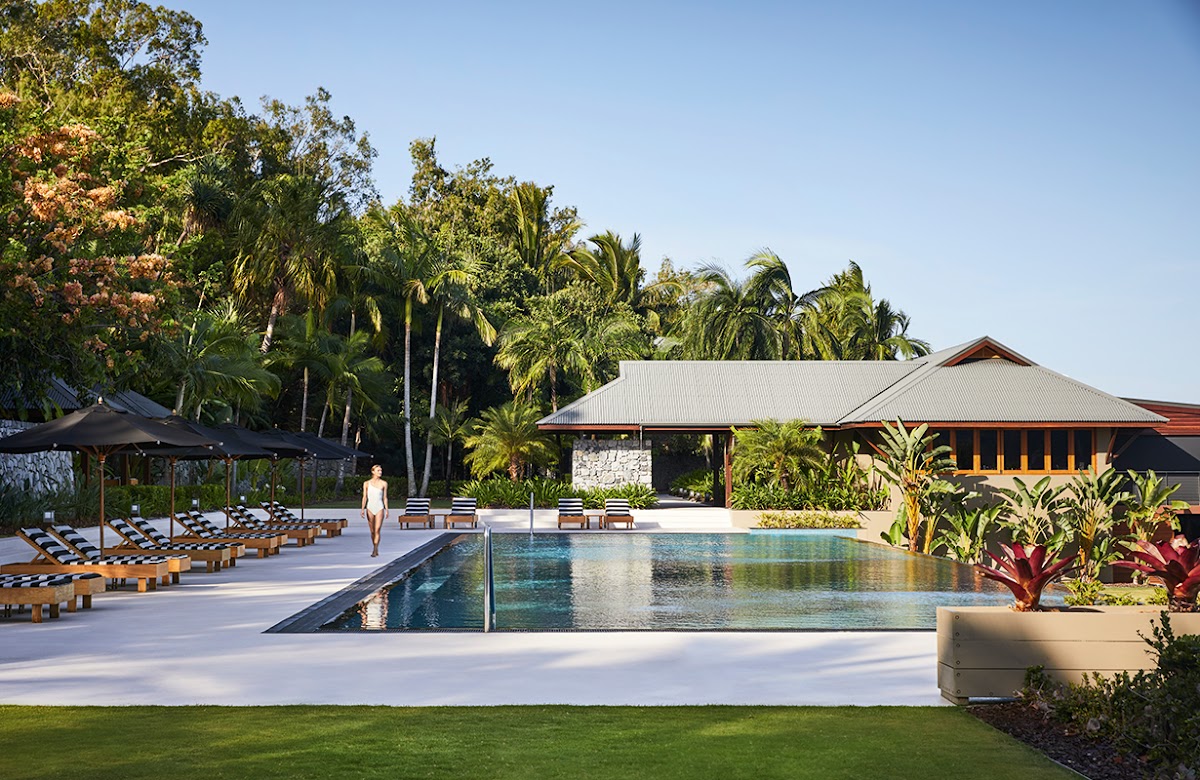 Hamilton Island
The Whitsundays, Queensland
Whitsundays island resort — Whitehaven Beach, reef trips and golf-buggy life
Explore the guide →
Hamilton Island
The Whitsundays, Queensland
Whitsundays island resort — Whitehaven Beach, reef trips and golf-buggy life
Explore the guide →
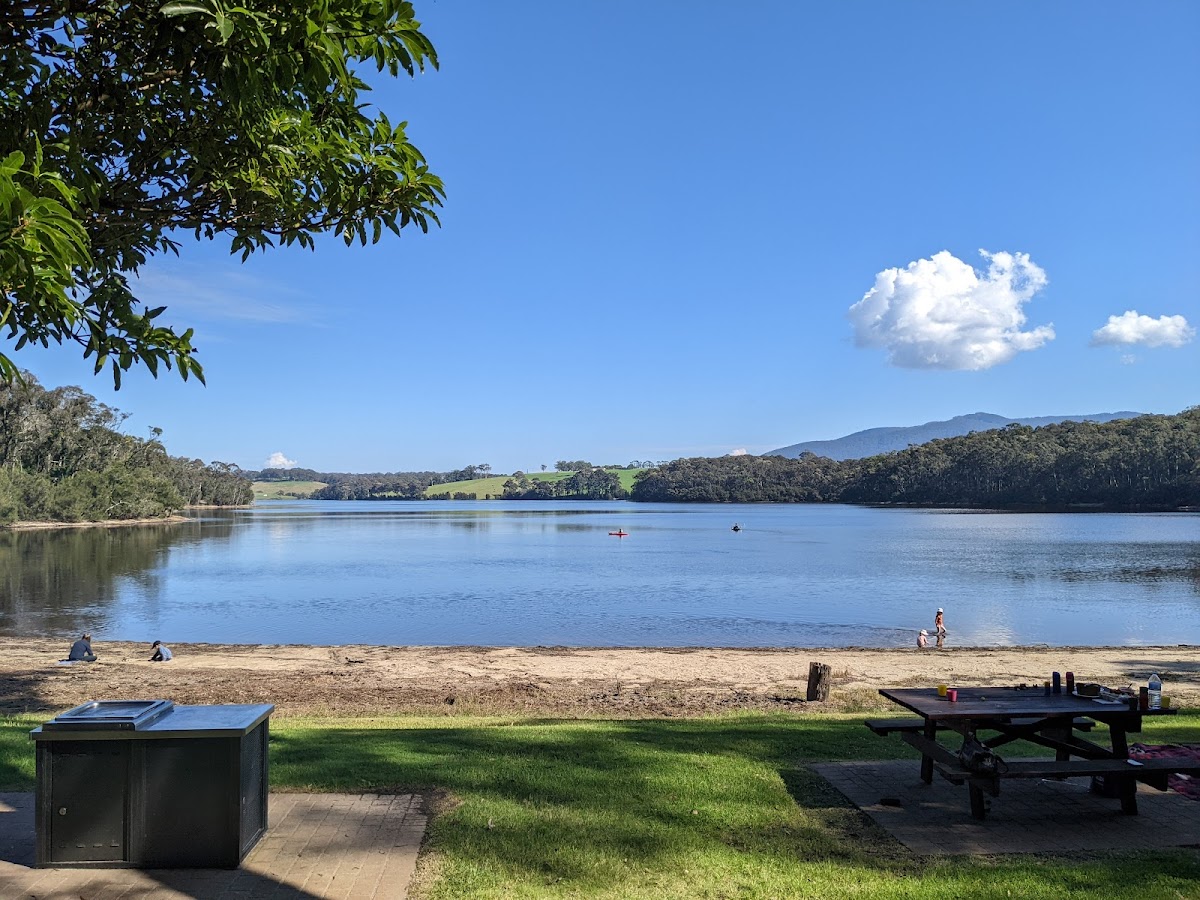 Narooma
South Coast, New South Wales
Crystal-clear inlet, surf beaches, oysters and Montague Island
Explore the guide →
Narooma
South Coast, New South Wales
Crystal-clear inlet, surf beaches, oysters and Montague Island
Explore the guide →
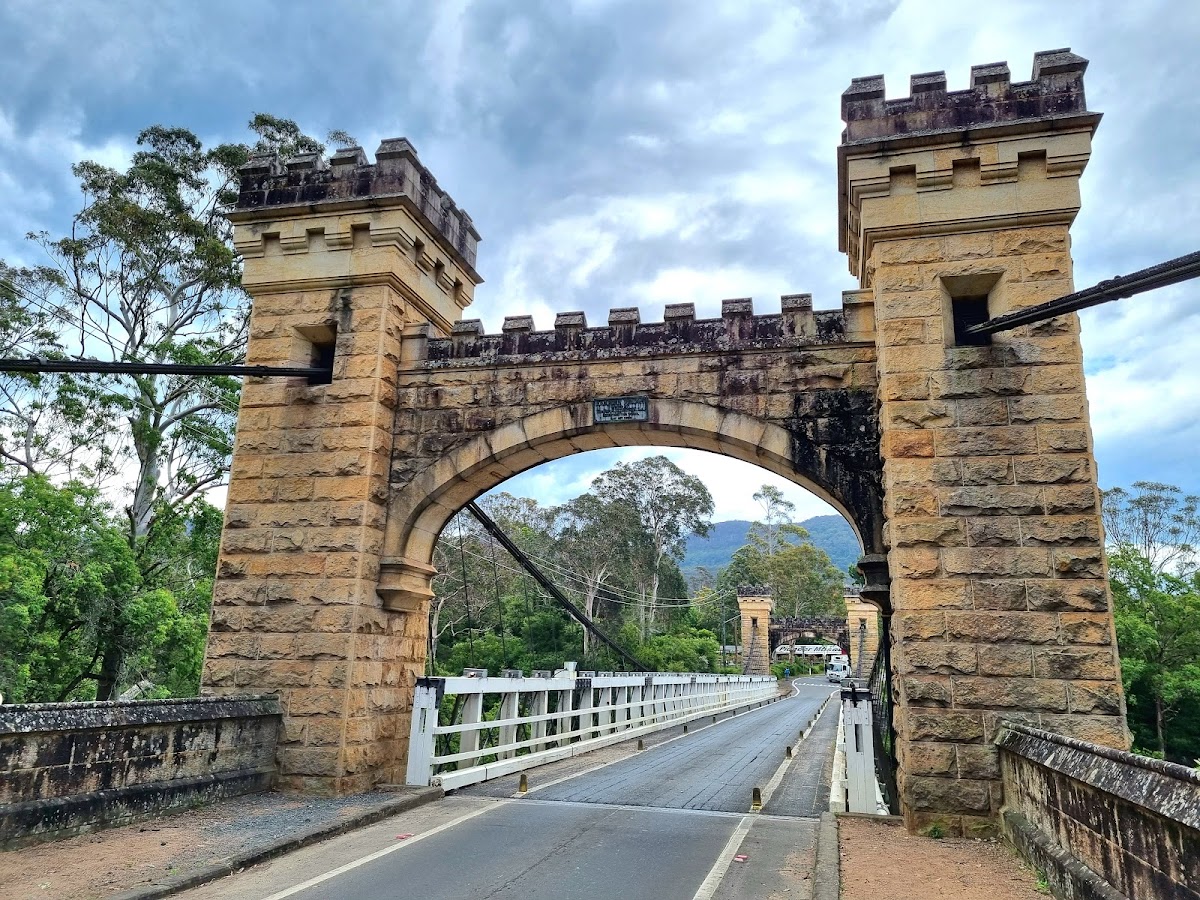 Kangaroo Valley
Shoalhaven, New South Wales
Hampden Bridge, kayaking and wombats in a green valley
Explore the guide →
Kangaroo Valley
Shoalhaven, New South Wales
Hampden Bridge, kayaking and wombats in a green valley
Explore the guide →
 Dubbo
Central West, New South Wales
Open-range zoo and Outback gateway on the Macquarie River
Explore the guide →
Dubbo
Central West, New South Wales
Open-range zoo and Outback gateway on the Macquarie River
Explore the guide →
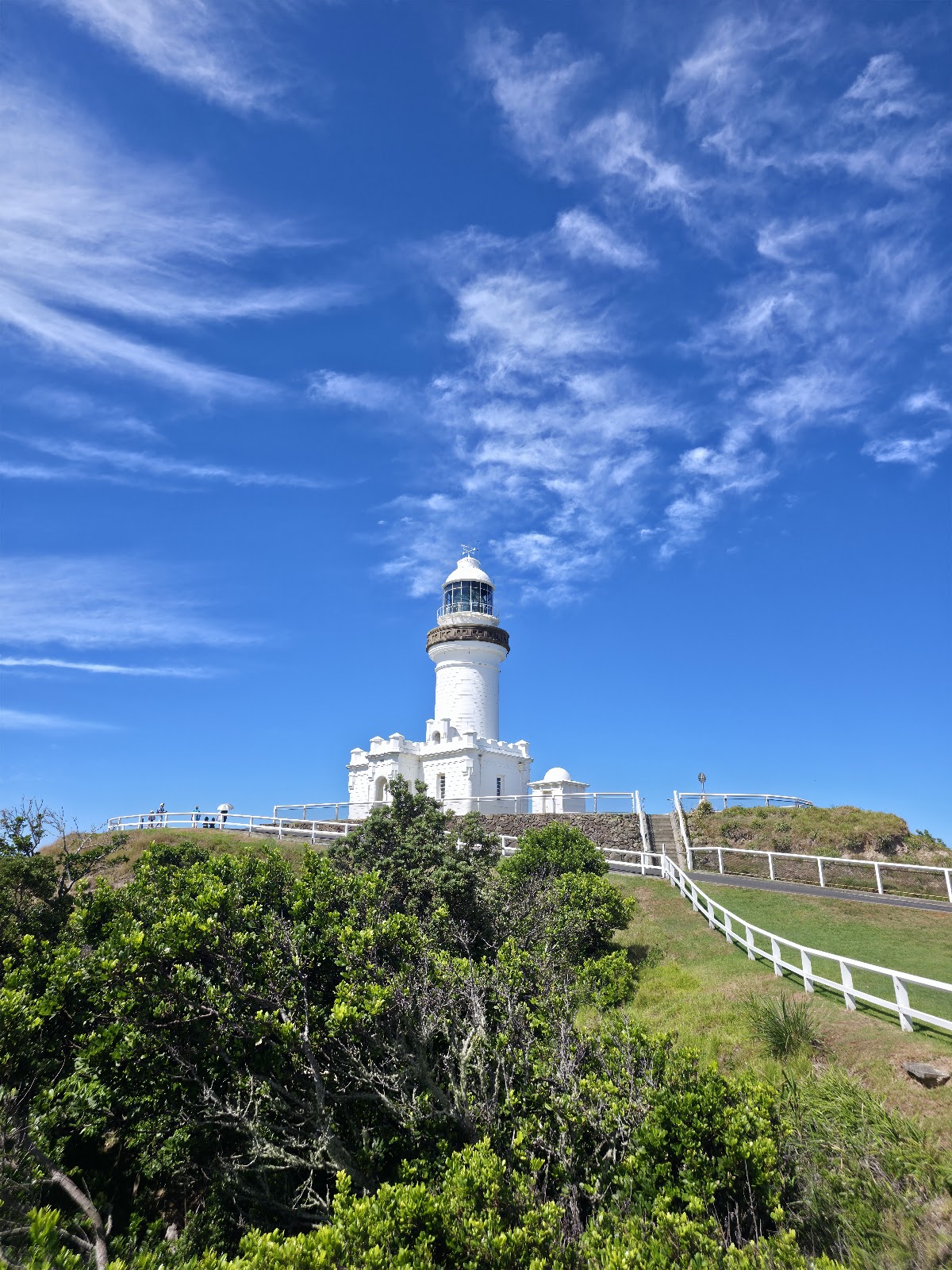 Byron Bay
Northern Rivers, New South Wales
Australia's iconic beach town and most easterly point
Explore the guide →
Byron Bay
Northern Rivers, New South Wales
Australia's iconic beach town and most easterly point
Explore the guide →
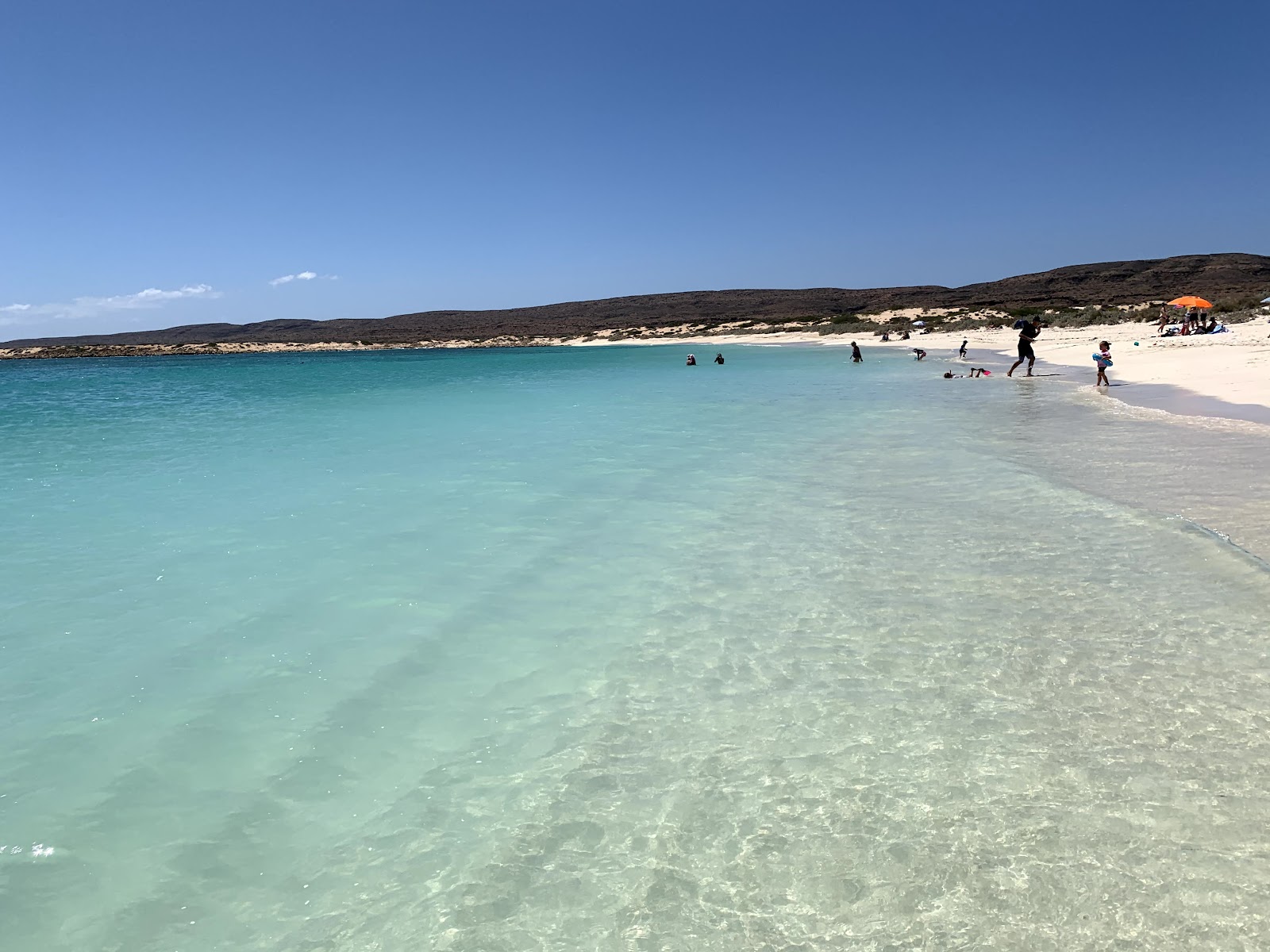 Ningaloo Reef
Australia's Coral Coast, Western Australia
Swim with whale sharks and snorkel a World-Heritage reef straight off the beach
Explore the guide →
Ningaloo Reef
Australia's Coral Coast, Western Australia
Swim with whale sharks and snorkel a World-Heritage reef straight off the beach
Explore the guide →
 Broome
Australia's North West, Western Australia
Cable Beach sunsets, pearling history and camels on 22km of sand
Explore the guide →
Broome
Australia's North West, Western Australia
Cable Beach sunsets, pearling history and camels on 22km of sand
Explore the guide →
 The Kimberley
Australia's North West, Western Australia
Gibb River Road, the Bungle Bungles, gorges and waterfalls in Australia's last frontier
Explore the guide →
The Kimberley
Australia's North West, Western Australia
Gibb River Road, the Bungle Bungles, gorges and waterfalls in Australia's last frontier
Explore the guide →