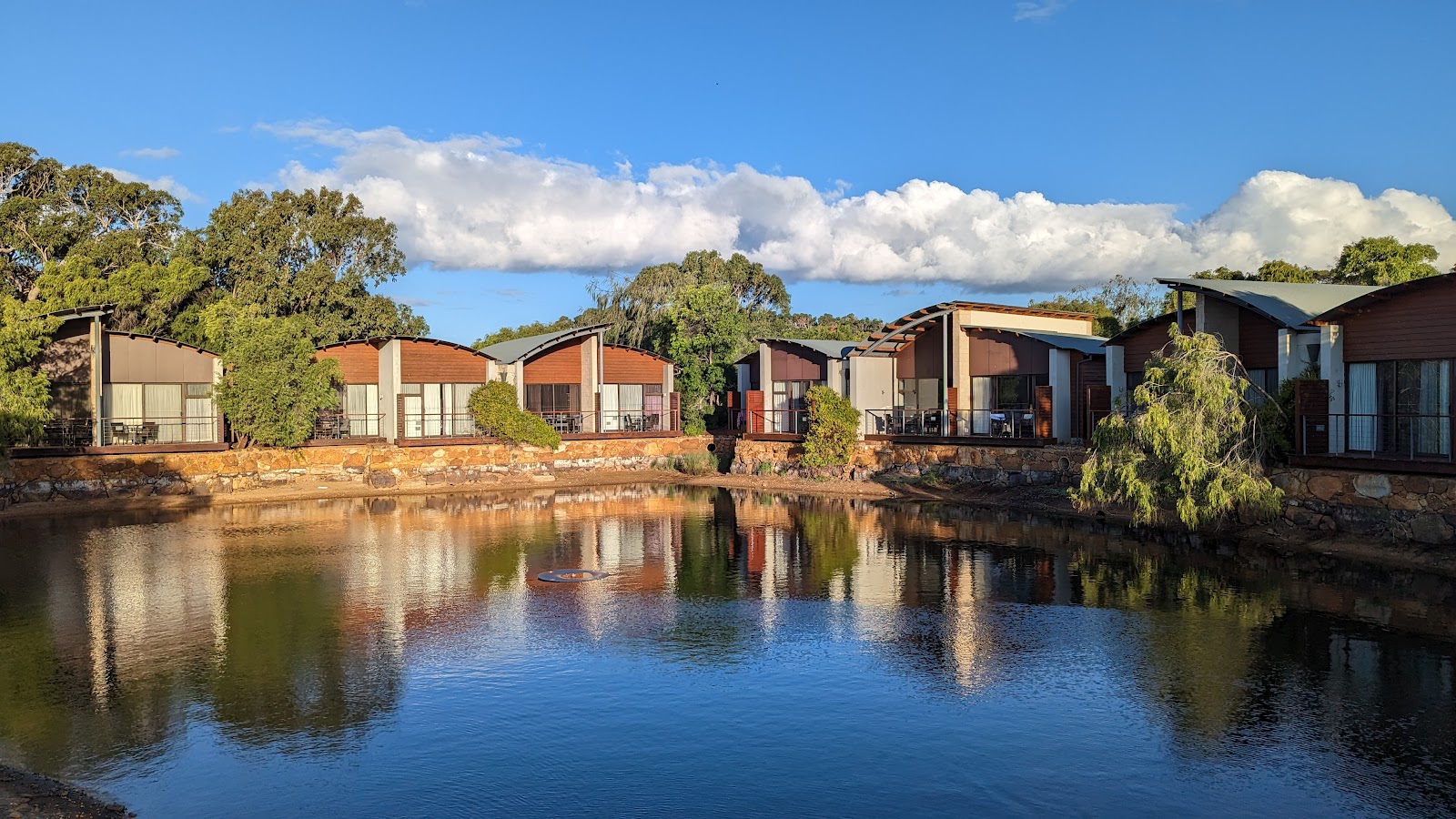
01. Margarets Beach Resort
4.5 (689 reviews)
Margarets Beach Resort — Margaret River
Book Direct & Save →The Margaret River coastline doesn't have one great beach — it has fifteen kilometres of Indian Ocean shoreline ranging from sheltered family coves to exposed surf beaches pounded by Southern Ocean swells. The challenge isn't finding a good beach; it's matching the right beach to the right person on the right day. A family with toddlers needs somewhere completely different from a surfer chasing size, and a retiree wanting a calm morning swim has nothing in common with a snorkeller exploring reef.
View 3 Properties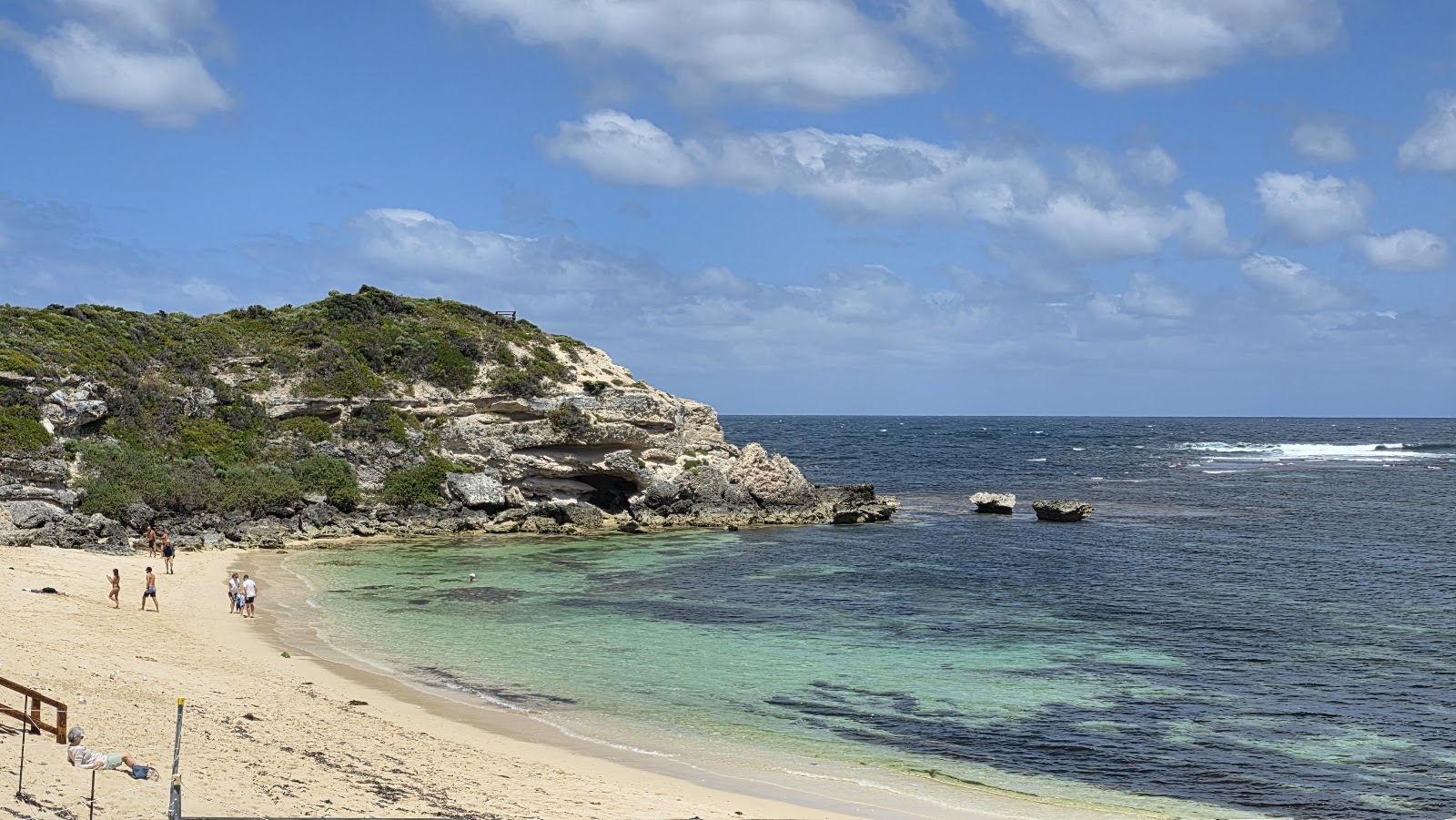
"Wild, diverse, Indian Ocean dramatic"
This guide covers the beaches worth knowing — from the gentle, postcard-perfect waters of Meelup and Bunker Bay in the north to the wild, rock-framed coves at Redgate and the extraordinary hand-feeding stingrays at Hamelin Bay's boat ramp. Each entry explains the experience honestly: what's good, what's not, who it suits, and when to go. One hard truth before we start: the Margaret River coast is beautiful and often powerful, with exposed headlands, strong rip currents and variable conditions. Always check conditions before entering the water, respect beach closures, and swim between flags where patrol is available.
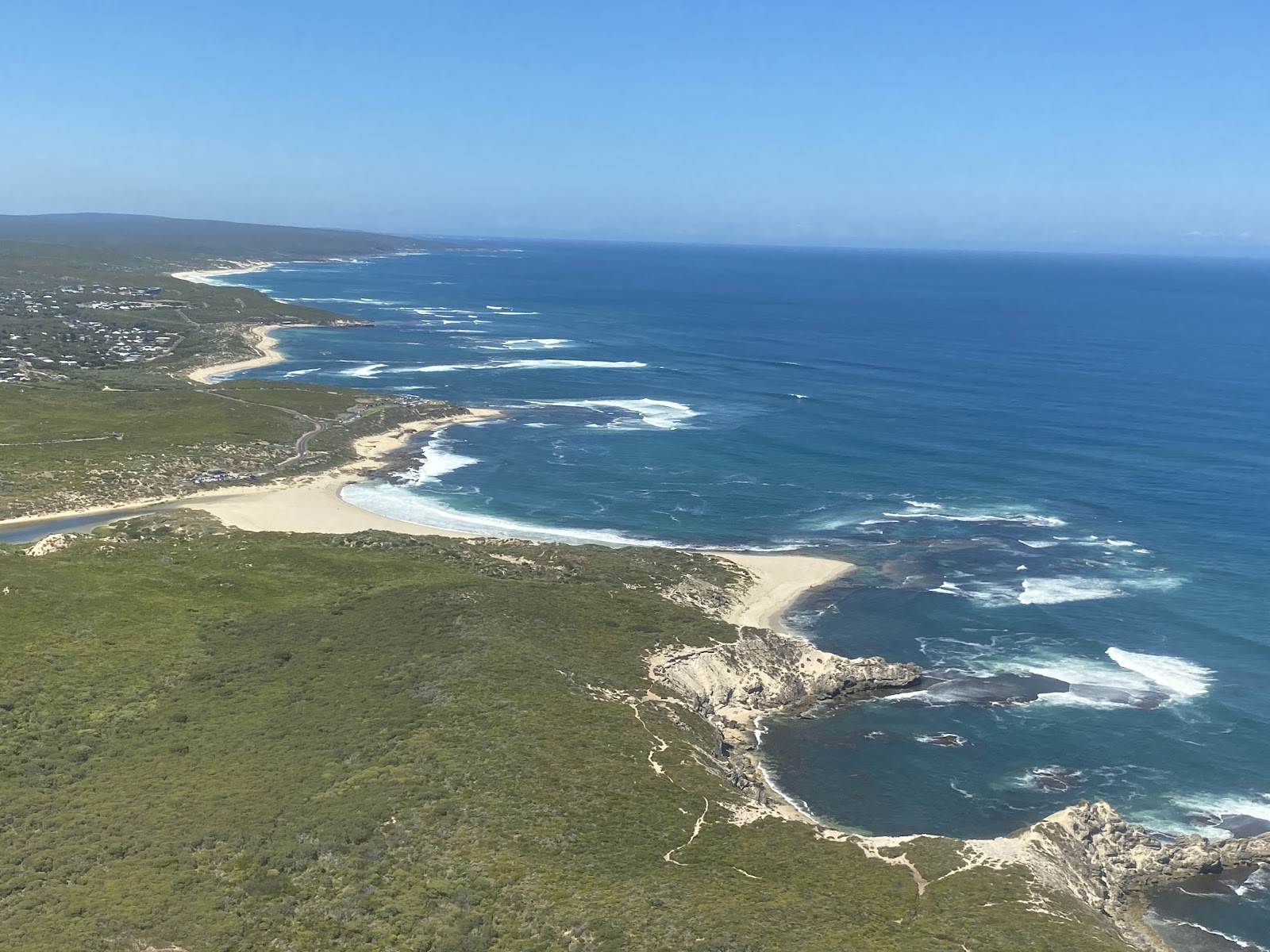
Most people come to Margaret River for wine. Then they see the coast for the first time and immediately understand why people who live here almost never leave.
The beaches along this stretch of the Leeuwin-Naturaliste Ridge are as diverse as the region's cellars. In the north, tucked into calm bays around Dunsborough, you get the clearest, most sheltered water in the South West — perfect for families, snorkellers and swimmers of any ability. Drive south through the forest and the coast opens up dramatically: Yallingup's broad sweep gives way to the exposed headlands around Gracetown and Prevelly, where the swell lines arrive uninterrupted from the Southern Ocean and world-class surf breaks have made this stretch famous globally.
Further south still, the character shifts again. Injidup's car-park break draws experienced surfers willing to hike down the cliff, and Hamelin Bay near Augusta offers one of the most unusual wildlife experiences in Australia — stingrays that have been coming to the old boat ramp for generations, which visitors can approach and even hand-feed in shallow, clear water. The common thread is the Indian Ocean light, which turns these beaches golden in the late afternoon and makes it genuinely difficult to leave before the sun goes down.
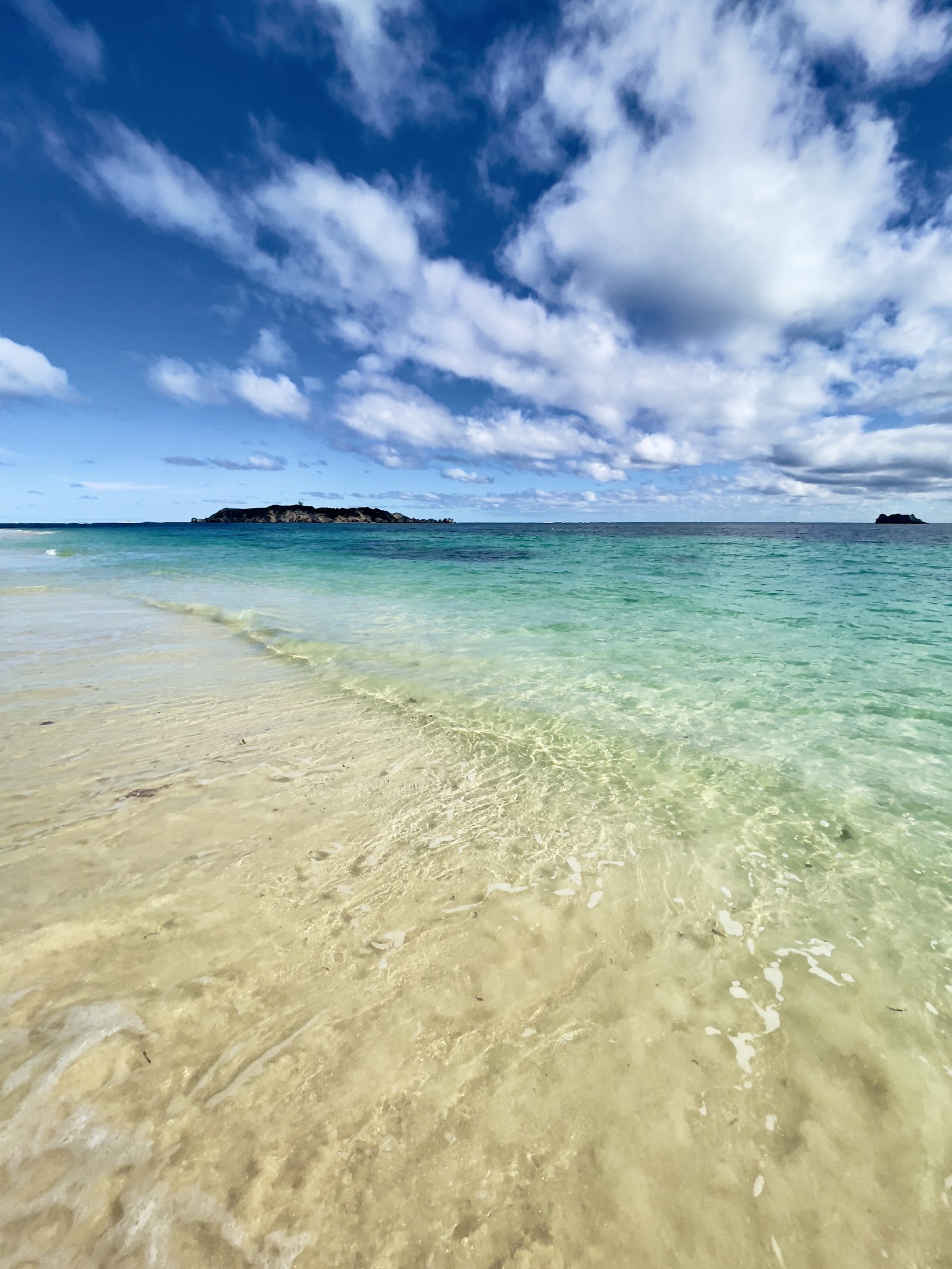
Hamelin Bay isn't the most dramatic beach on this coastline, but it hosts one of the most extraordinary wildlife experiences you'll have anywhere in Australia. At the old boat ramp on the southern end of the bay, stingrays — mostly cowtail rays with the occasional eagle ray — congregate in the shallow, clear water and have learned to associate people with food. With calm conditions, you can wade in among them, watch them cruise around your ankles in less than a metre of water, and with care, hand-feed them fish scraps you can buy from a nearby store.
The beach itself is beautiful too: a wide, sheltered arc of pale sand backed by low scrub, with the wreck of an old jetty making for an atmospheric foreground. The stingray encounter is best earlier in the day, when the water is at its clearest and the animals most active. There's a campsite nearby, making it possible to be there at dawn before the day-trippers arrive.
This suits everyone: families with children who will remember it for years, less mobile visitors who can watch from the boat ramp without entering the water, couples, and solo photographers after something genuinely unusual. The one honest caveat: stingrays are wild animals with barbed tails — don't attempt to grab, chase, or corner them, always approach slowly, and follow any on-site signage. Crowded peak days in December–January can diminish the experience; an autumn or winter visit on a weekday delivers the same encounters with a fraction of the people.
Wild stingrays in ankle-deep clear water — genuinely tame, genuinely wild, and unlike anything else in the South West.
“We had eagle rays circling our feet in 30cm of water. The kids were speechless. Absolutely nothing like it anywhere else we've been in WA.”
— Google review
Arriving early, when the water is clear and the stingrays are active — buy fish scraps nearby and take your time rather than rushing.
Never grab or corner the rays — they carry a barbed tail and will defend themselves. Peak summer weekends pack the boat ramp; a weekday visit in autumn is a far better experience.
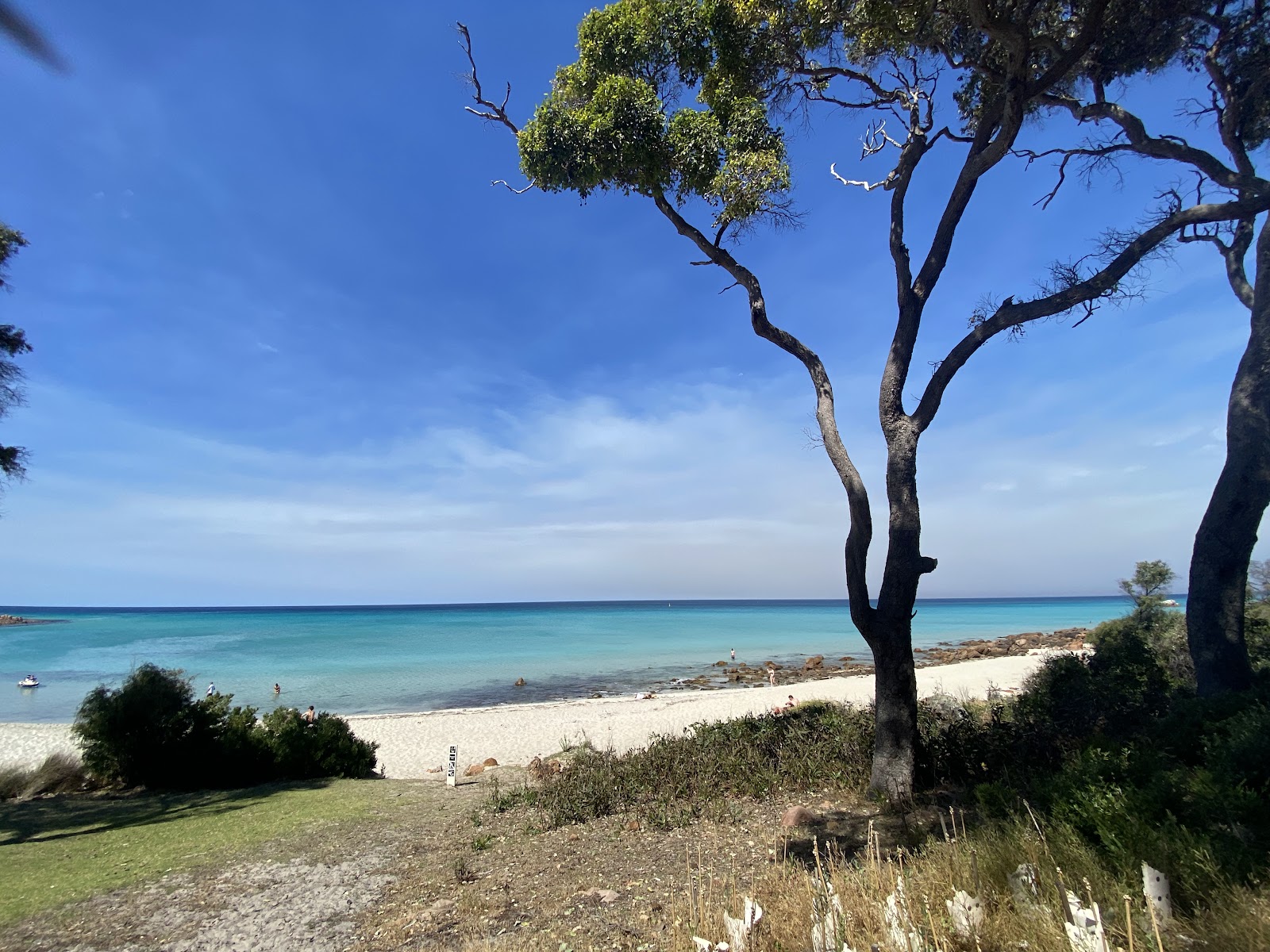
Meelup is the postcard. Tucked into a small, sheltered cove about 10 kilometres west of Dunsborough on the Cape Naturaliste headland, it has the clearest, warmest, calmest water of any beach on this coastline — so clear on a calm day that you can see every grain of sand in three metres of water. The protected bay blocks the prevailing south-west swell almost completely, making it reliable for swimming even when the surf beaches are closed-out.
The setting is spectacular: a compact arc of pale sand flanked by granite headlands, backed by coastal ti-tree and low heath, with a walk that branches out along the cape toward Cape Naturaliste Lighthouse. It's rarely deserted in summer, but its protected geography means even a moderately busy day doesn't feel crowded compared to the open beaches.
It suits everyone who wants a swim rather than a surf: families with young children in the calm, gentle shallows; elderly visitors after a pain-free entry into flat water; couples happy to lie in the sun between swims; and snorkellers who get good fish life off the rocks at either end of the bay. The parking area is a short, well-surfaced walk from the water, manageable for most mobility levels. Arrive before 10am in summer if you want a park — it fills reliably by mid-morning on fine days.
The calmest, clearest water on the coast — when everything else is blown out, Meelup is still swimming.
“Water was so clear I could see the bottom in four metres. The kids swam for two hours and we had to drag them out. Best calm beach in the South West.”
— Google review
Snorkelling off the rocks at either end of the bay on a calm, low-wind morning when the visibility is at its best.
Parking fills fast on fine summer days — aim to arrive before 10am. No surf, so wave-seekers and surfers should go elsewhere.
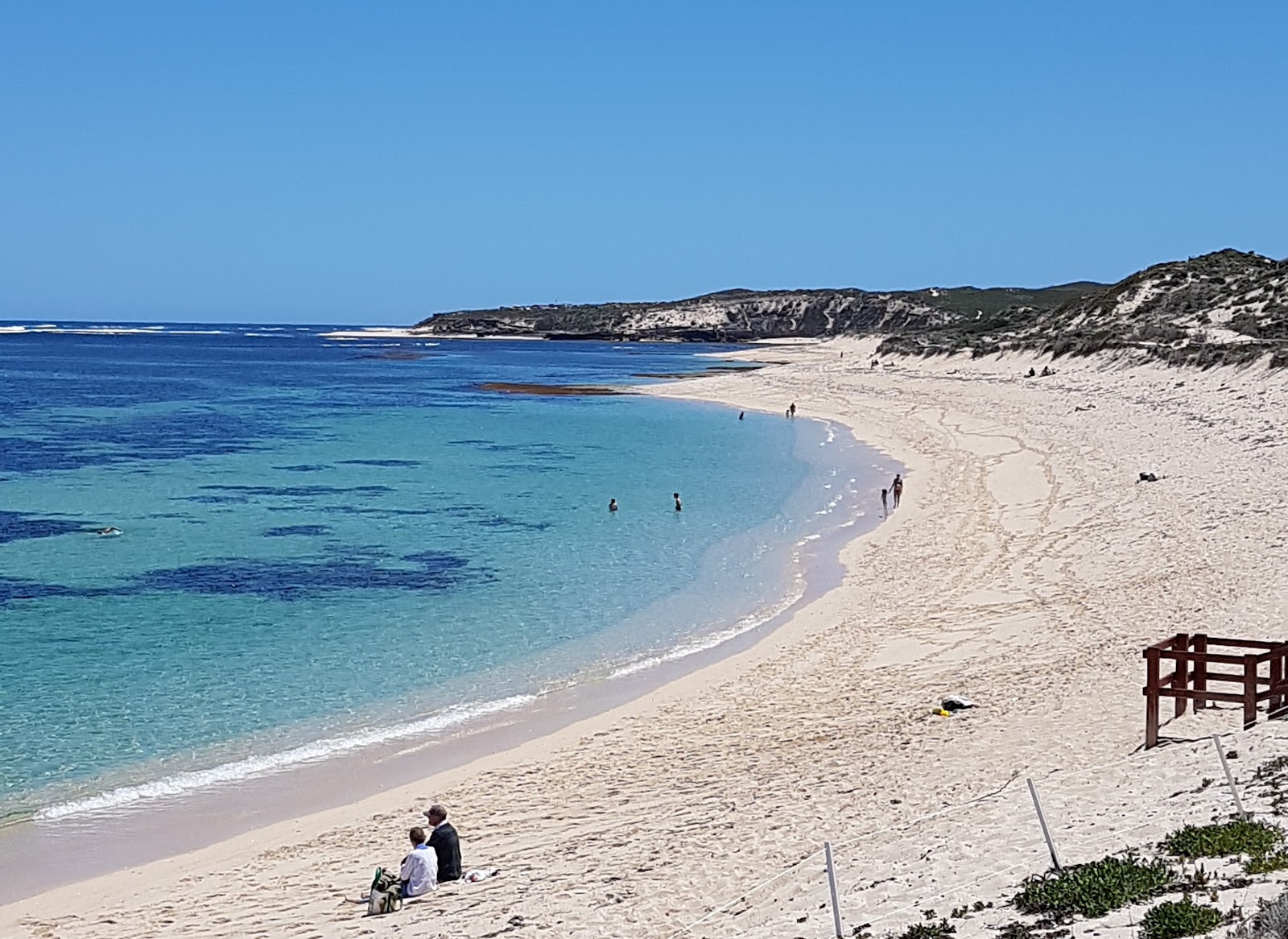
Bunker Bay sits on the eastern side of Cape Naturaliste and catches enough of the prevailing swell to have a gentle, rolling shore break while remaining far calmer than the surf beaches to the south. The water is clear, a deep turquoise in the right light, and the wide, flat beach is backed by low coastal vegetation with the cape's lighthouse visible on the headland above. It's a longer and broader beach than Meelup, giving it more room to spread out on busy days.
The location — adjacent to one of the region's most luxurious resorts — means it attracts a well-heeled crowd in peak season, but day visitors are always welcome and the public access is clearly signed. The beach is excellent for swimming and for children, with the shallow gradient and modest shore break making it manageable for all ages. Snorkelling off the rocky headlands at either end is worthwhile, particularly on a calm, low-current day.
Whale watching is an unexpected bonus from late September to December, when southern right whales and humpbacks regularly pass and sometimes linger just beyond the bay. A pair of binoculars from the beach or a short walk up the headland trail is enough to catch them. It suits families, couples, less-mobile visitors and anyone after a beautiful, comfortable swim without the anxiety of big surf.
A wide, calm beach with the bonus of whale watching from shore between October and December — hard to beat as a complete beach day.
“Sat on the beach and watched three humpbacks for an hour. Then swam in the clearest water. One of those days you can't believe you're having.”
— Traveller review
Watching southern right whales and humpbacks from the beach or the headland trail — September to December, binoculars helpful.
The resort presence means peak-season weekends can be busier than Meelup; aim for early morning or a weekday for more space. Water can be cooler on windy days.
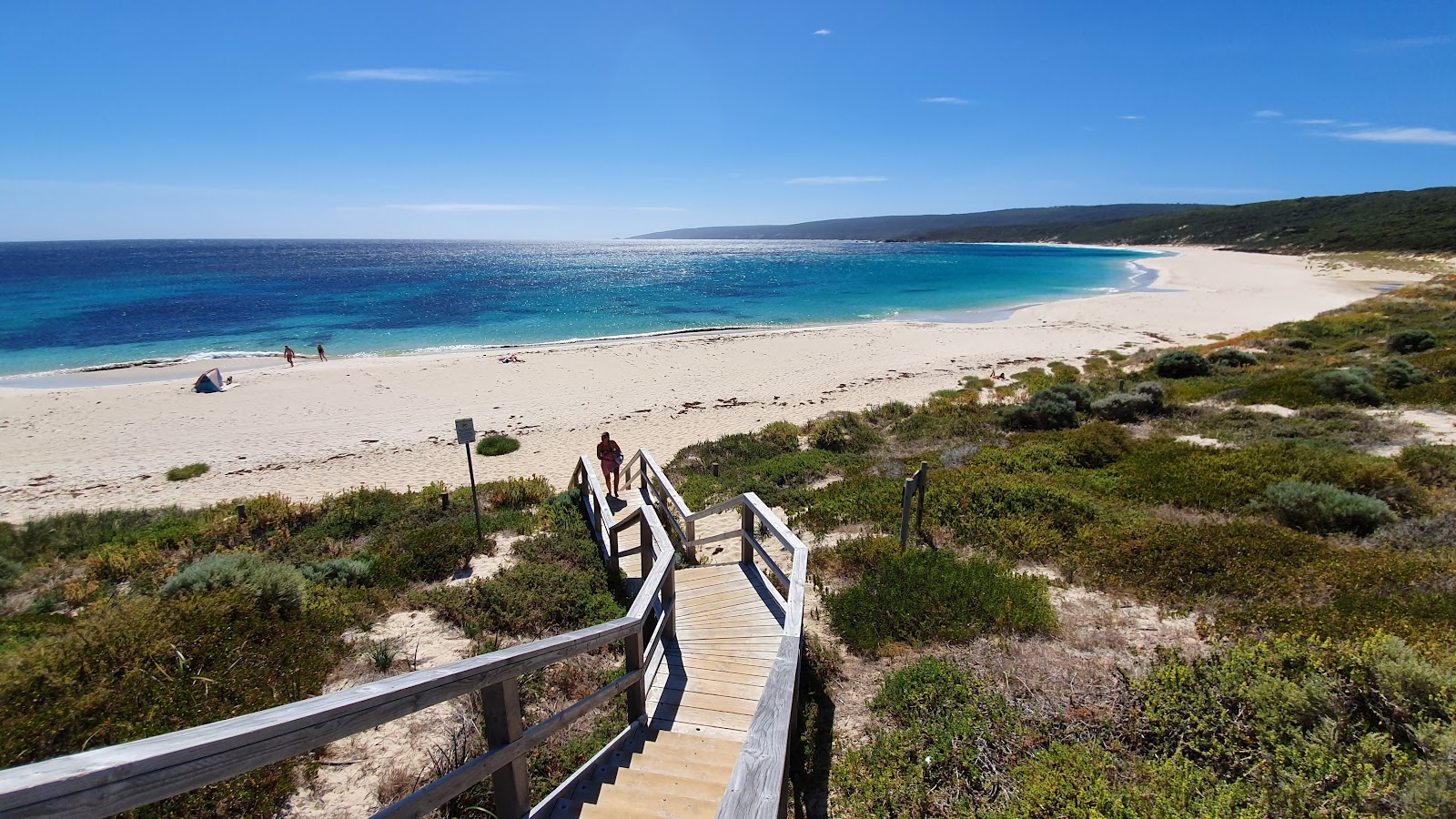
Gnarabup is the most accessible beach to Margaret River town — a 10-minute drive down Wallcliffe Road brings you to a wide bay that encompasses both the calm, flat waters behind the river mouth and the surf beach that stretches north toward Surfers Point. That dual character makes it one of the most versatile beaches on the coast: families and calm-water swimmers use the southern end near the river mouth, while surfers head north toward the famous Mainbreak.
The beach is long and broad with good parking, toilets, a kiosk open seasonally, and a grassed foreshore that makes it the obvious base for a family day at the beach. The surf at the northern end is consistent and can be powerful, so the distinction between the calm river-mouth section and the active surf zone matters — bring children to the southern end and leave the northern wave zone for experienced surfers and watchers. The Rivermouth itself, where the Margaret River meets the Indian Ocean, shifts seasonally and creates interesting channels and sandbanks worth exploring at low tide.
It suits a wide range: families using the calm southern end; intermediate surfers working the northern banks; walkers doing the trail toward Surfers Point; and sunset-watchers who come for the reliable westerly light. The kiosk makes it easy to extend a half-day into a full one — chips and a soft drink by the river mouth is one of the more pleasant ways to watch a Margaret River afternoon disappear.
The dual character — calm river mouth at one end, live surf at the other — means a family and a surfer can share the same beach without compromise.
“Kids played in the calm river-mouth section while I paddled out at the north end. Perfect beach for a family with a surfer in it.”
— Google review
The river mouth at low tide — the shifting sandbanks and channels create a natural playground that's different every visit.
The northern surf zone can be powerful and rip-prone — keep children at the southern river-mouth end, and don't enter the surf unless you understand the conditions.
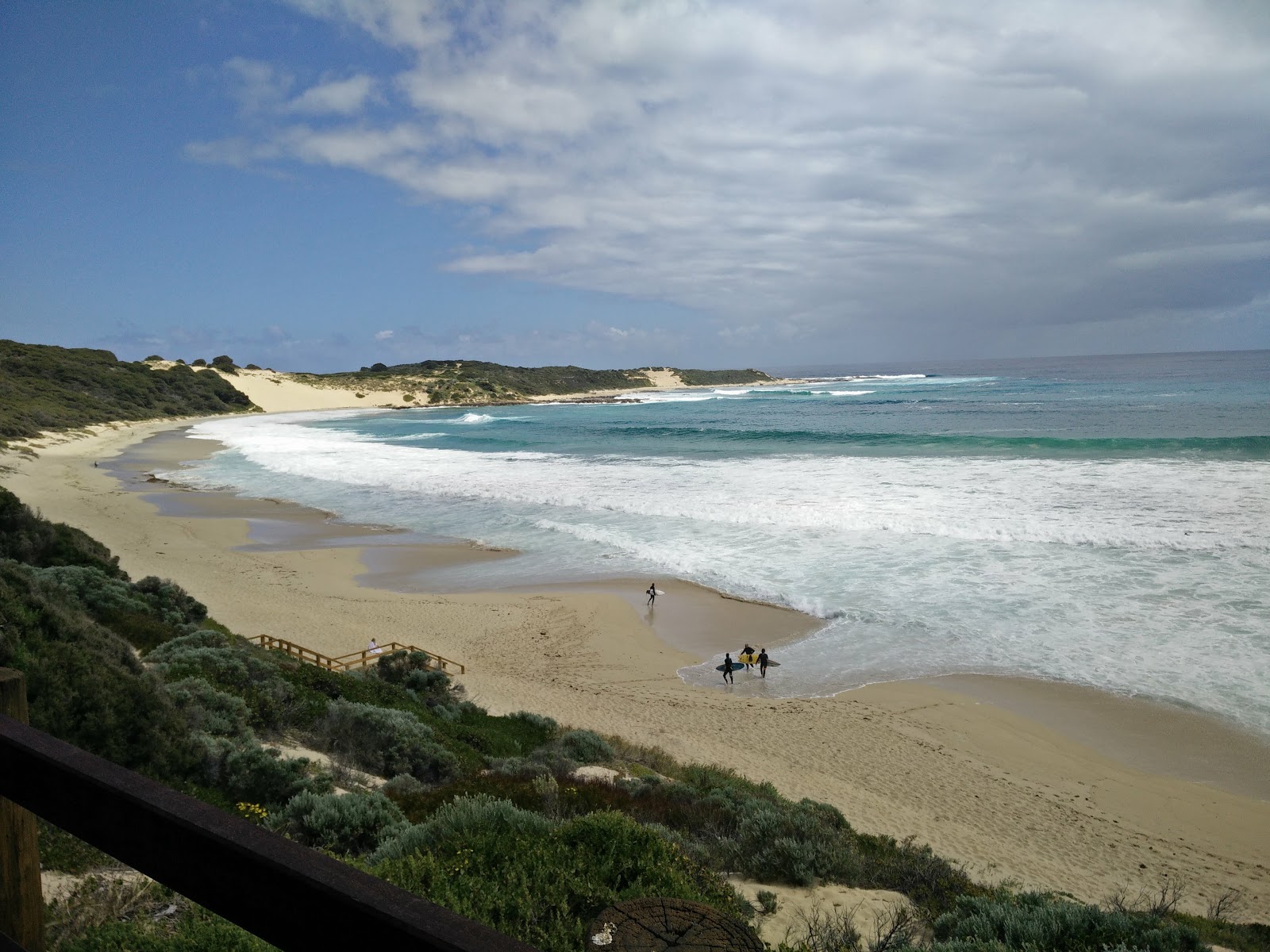
Smiths Beach is the most family-friendly surf beach on the coast — broad, patrolled during summer school holidays, with a gentle enough beach break in moderate conditions to suit families and learner surfers alongside the regulars. It sits just south of the Yallingup townsite and is accessible by a short sealed road with good parking and a low-rise resort set back from the foreshore.
The beach faces south-west and picks up the prevailing Indian Ocean swell cleanly, which means it has consistent surf without the raw exposure of the breaks further south. On most summer days the inside shore break is manageable for confident swimmers, while the outside banks offer intermediate surf. The patrolled zone in summer gives families a genuine safety margin — swim between the flags and the lifeguard service is there. It also suits learner surfers who want a patrolled beach for their first sessions rather than heading to an unmonitored break.
In autumn and winter, conditions step up and the beach becomes more firmly in the intermediate-to-experienced category, with larger swells and less forgiving conditions. Year-round it's one of the prettiest surf beaches on the coast — a long, clean arc with a decent car park, good food from the adjacent resort, and a foreshore area that works for both a quick dip and a full afternoon. Couples and solo walkers use it as the starting point for the cliffwalk track that runs north toward Yallingup beach.
Patrolled in summer, consistent surf, accessible parking and a great foreshore — the one beach that genuinely ticks every box for a family beach day.
“First time the kids have been able to play in the surf properly — patrolled, consistent waves, and great fish and chips from the resort. Best day of the trip.”
— Traveller review
A patrolled, family-safe surf beach that also suits intermediate surfers — rare on this coast where most great surf beaches are also unpatrolled.
Patrols only operate during summer school holidays and some long weekends — check current SLSWA patrol times before relying on lifeguard coverage outside that window.
Injidup is one of the region's best-kept surfing secrets — a powerful, consistent break that rewards surfers willing to descend the cliff access track, with the added inducement that it stays emptier than the more accessible spots on most days. The beach itself is a dramatic pocket of sand framed by limestone cliffs, completely inaccessible to anyone who can't manage the short but steep path down. That self-selecting access is the point.
The wave breaks over a sand-and-reef bottom and handles south-west swell particularly well, producing hollow, quality waves when conditions align. It's an intermediate-to-advanced wave — the exposed location and reef bottom mean it's not a forgiving environment for beginners or weak swimmers. Experienced surfers who know how to read a break will find one of the more satisfying and uncrowded waves in the region; everyone else should stay on the cliff and watch.
For non-surfers, the viewing experience from the headland above is genuinely spectacular: the whole exposed coast opens up, the swell lines arrive from deep water, and on a clear winter morning the light on the Southern Ocean is extraordinary. It's a short, accessible walk to the cliff viewpoint even for less-mobile visitors, and the spectacle requires no paddling at all.
The cliff-access descent filters the crowd naturally — on a good day, one of the best and least-crowded quality waves on the coast.
“Came down on a 2-metre south-west swell and had maybe eight guys out. Quality, powerful, hollow — everything you want from a WA beach break.”
— Google review
A 1.5–2 metre south-west swell on a clear winter morning — and the view from the headland above is worth the drive even if you're not surfing.
Not suitable for beginners or weak swimmers — reef bottom, exposed, powerful. The steep access track also eliminates this for anyone with mobility constraints; use the headland viewpoint instead.
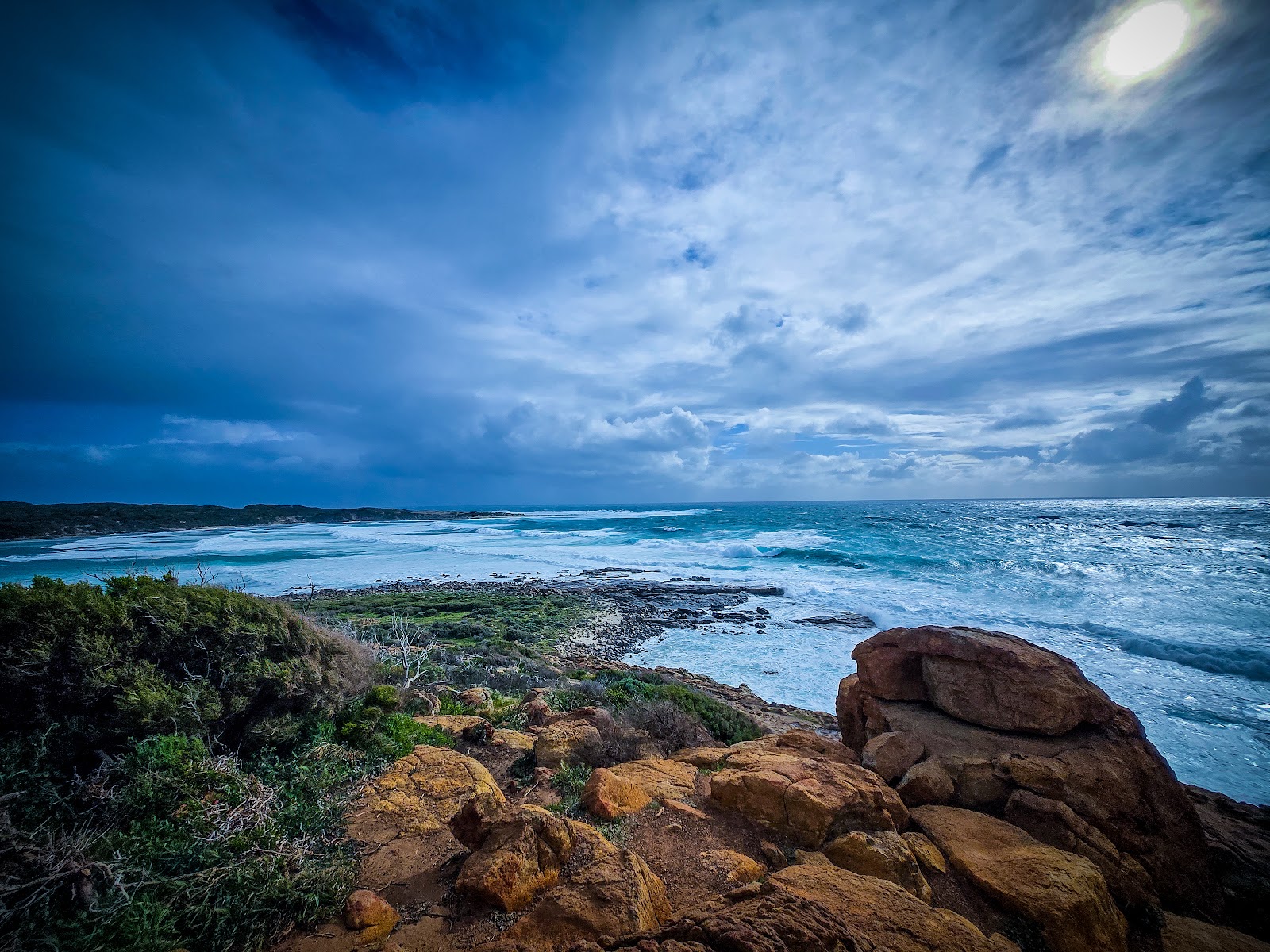
Gracetown is a small residential coastal community perched above Cowaramup Bay, and it's famous among surfers for two of the best point breaks in Western Australia — North Point on the northern headland and South Point on the southern. The bay itself is a broad, exposed arc that catches significant south-west swell and produces surf ranging from manageable beach break to genuinely powerful and expert-only reef waves.
North Point is the most celebrated: a long, fast right-hander over a rock platform that, on a serious swell, produces waves that compare with anywhere in the country. South Point is hollower and more intense. Both are for experienced surfers who understand reef waves, tides, and the consequences of a wipeout on rock. The beach break in the middle of the bay is more approachable for intermediates, but the bay is exposed and the currents can be strong — it's not a beginners' beach by any definition.
For non-surfers, the small Gracetown townsite above the bay offers a spectacular view of the whole coast, and the headland tracks are walkable on a good day. It's a remote-feeling community with no facilities beyond a small car park and toilets — bring everything you need, and don't rely on anyone else being nearby in an emergency. The stunning cliff scenery and raw surf make it one of the region's most dramatic viewpoints even for those who never enter the water.
North Point on a quality south-west swell is as good as surfing gets in WA — fast, long, quality right-hander over an honest rock platform.
“North Point delivered the best waves I've had outside Bali. If you can surf reef and you're in the region, there's no excuse for not coming here.”
— Traveller review
North Point on a 1.5–2 metre south-west swell at mid-tide — the standout point-break wave in the Margaret River region outside of Surfers Point.
Expert surfers only at both points — rock bottom, powerful, unforgiving. Non-surfers are warmly welcome to watch from the headland but should stay well clear of the water.
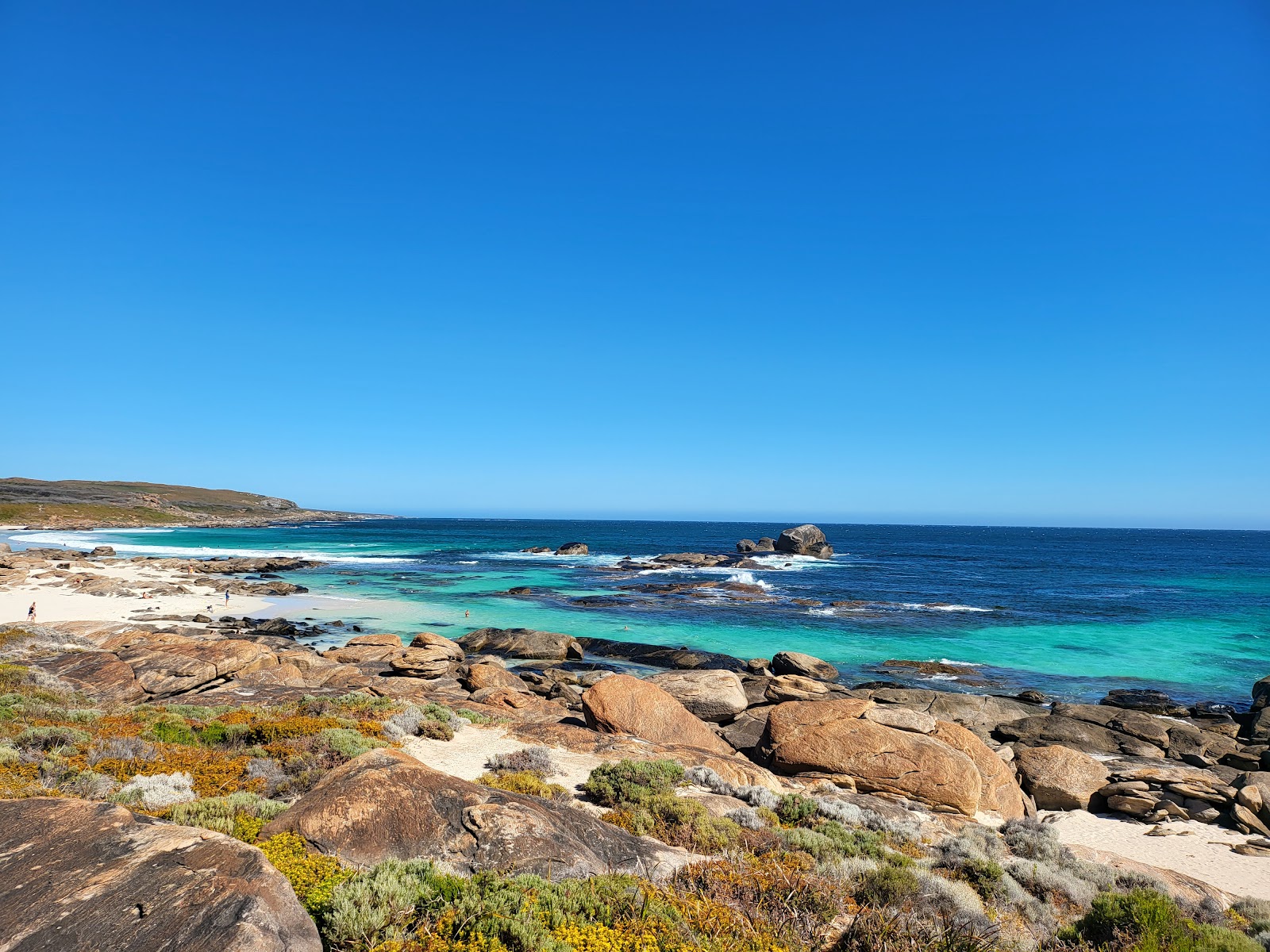
Redgate is one of the wilder and less-visited beaches on the Margaret River coastline — a broad, exposed bay set against striking ochre-red limestone cliffs that give it the most dramatic visual character of any beach in the region. Access is via a short walk from a small car park above the cliffs, and the beach sees far fewer visitors than the more accessible options, which is part of its appeal for travellers who prefer solitude to convenience.
The swimming is for confident adults only. Redgate is exposed to full south-west swell with no headland protection, produces strong rips, and is completely unpatrolled. On a calm summer day with small swell it's a beautiful place for an experienced ocean swimmer, but the conditions change quickly and the beach has a history of incidents that make it unsuitable for families with young children, non-swimmers, or anyone unfamiliar with rip-current management. The view from the clifftop, however, is spectacular and completely accessible — the red limestone against the white water and deep blue ocean is one of the most photogenic spots on the coast.
Redgate suits experienced ocean swimmers and surfers on appropriate days, photographers after the cliff scenery, and walkers using the coastal trail. Everyone else is better served by Meelup, Bunker Bay or Smiths Beach. Come here for the landscape and the solitude; swim here only if you know exactly what you're doing.
The red limestone cliffs against a Southern Ocean horizon — the most visually dramatic viewpoint on the entire Margaret River coast.
“Didn't swim — just came for the cliffs. Completely empty on a weekday, extraordinary colours, and I've been coming back every visit since.”
— Traveller review
The clifftop view over the red limestone and crashing Southern Ocean — accessible on a short walk without entering the water.
Strong rips, exposed, completely unpatrolled — not for families with young children or non-swimmers. The clifftop viewing is the right option for most visitors.
| Season | Conditions | Highlights | Crowds |
|---|---|---|---|
| Summer (Dec–Feb) | Warm, 25–30°C days, Indian Ocean at its warmest | Best for swimming and families; Smiths Beach patrolled; long daylight hours for exploring multiple beaches in a day; Hamelin Bay least crowded mid-week | Peak — arrive early at Meelup and Bunker Bay |
| Autumn (Mar–May) | Cooling, swell building, offshore winds more consistent | The surfer's season begins; Gracetown and Injidup firing on south-west groundswells; Hamelin Bay quieter; excellent whale-watching starts September | Low–moderate — best balance of conditions and space |
| Winter (Jun–Aug) | Cool, 15–18°C days, regular south-west swells, wetsuit essential | Peak surf season; North/South Point and Injidup at their best; coast dramatic and largely empty; Hamelin Bay stingrays year-round | Low — best for surfers and solitude-seekers |
| Spring (Sep–Nov) | Warming, wildflowers inland, swell inconsistent | Whale watching peaks (September–November) from Bunker Bay and the headlands; swimming improving by November; coast combines well with wildflower drives | Low–moderate |
What recent visitors say:
“The Voyager Estate is a must visit when you are in the Margaret River area. The gardens are perfectly manicured, the rose garden in gorgeous and the vineyards very pretty. This is a winery on a larger scale. The Dutch inddpired Estate house is absolutely beautiful insand out. There is a restaurant there and a bar area where you can taste wines or oder a smal”— Babs (on Voyager Estate), Google review
“We had a beautiful long lunch at Voyager Estate yesterday. Each dish was delicious and beautifully presented. Maria and Lisanne were excellent hosts. We enjoyed the wine pairing and their philosophy of matching the food to the wine. The gardens are amazing too, especially the rose garden. Not inexpensive, but a great choice for a special day out 💕.”— Michele Campbell (on Voyager Estate), Google review
“Voyage Estate is absolutely wonderful—a true beauty! The food is fantastic, the wine is excellent, and the service is impeccable. Every detail makes it a memorable experience. Highly recommend visiting for a relaxing and indulgent day out!”— Kristie Park (on Voyager Estate), Google review
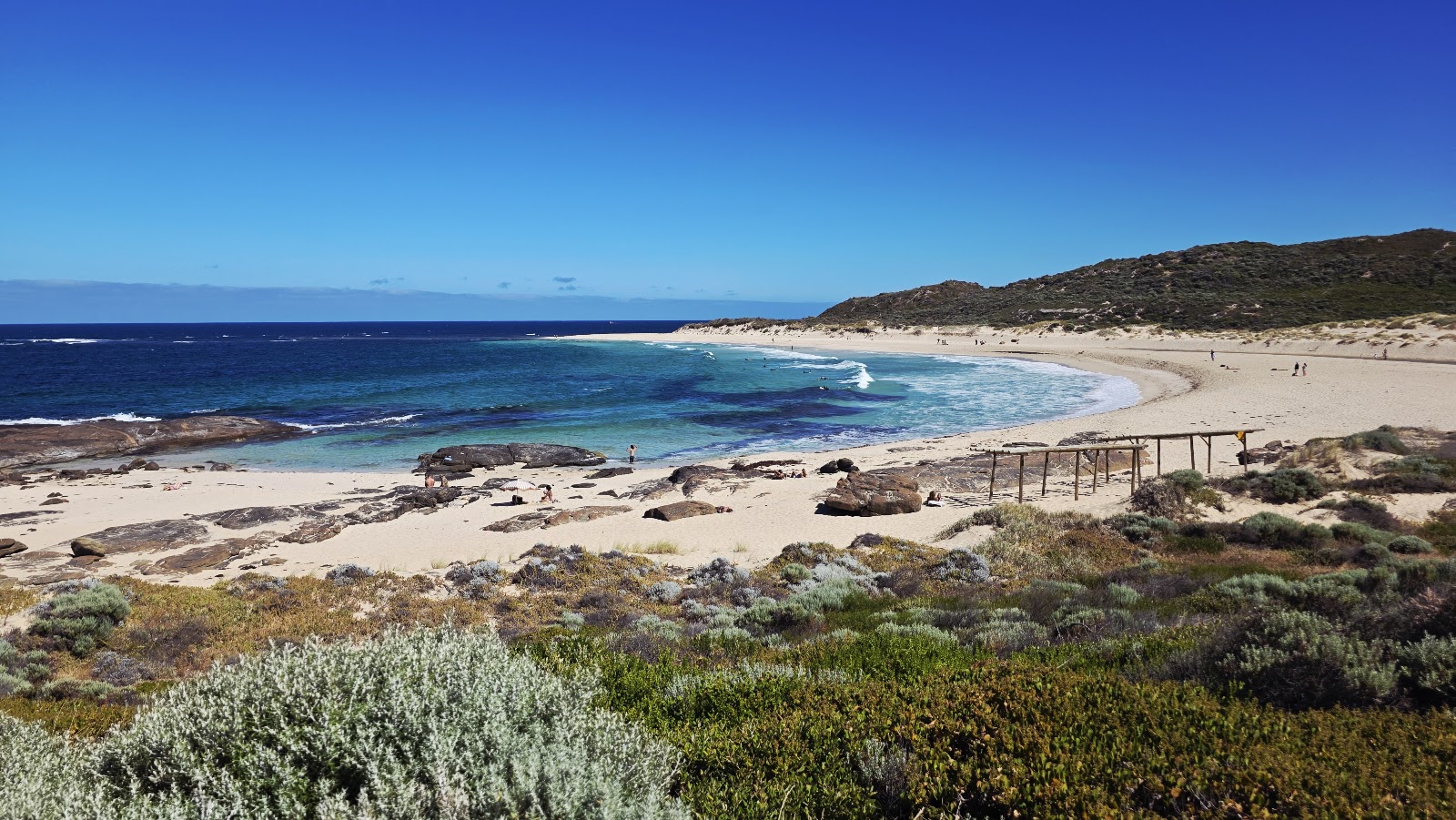
Rips and conditions: The Margaret River coastline is beautiful and variable — conditions that look manageable from the car park can be significantly more powerful in the water. Most beaches south of Dunsborough are unpatrolled for the majority of the year. If you're unsure, swim at Smiths Beach when it's patrolled, stay at Meelup or Bunker Bay where the water is calm, or ask at the Surf Life Saving WA website about current patrol schedules. Never swim alone at an unpatrolled beach, and if you're caught in a rip, don't fight it — float and signal for help.
Getting between beaches: A car is essential. The beaches are spread along Caves Road and the various coastal access roads between Dunsborough in the north and Augusta in the south — a 70km corridor. Don't expect to cover all of them in a day; pick two or three based on conditions and your group's needs. The Caves Road scenic drive between beaches is genuinely beautiful and worth taking slowly.
Swimming with stingrays at Hamelin Bay: The experience is genuinely safe if you approach it correctly — move slowly, don't attempt to grab or trap the rays, and follow any current on-site signage. The rays are accustomed to people but remain wild animals. An early-morning visit on a calm, low-wind day gives the clearest water and most active animals.
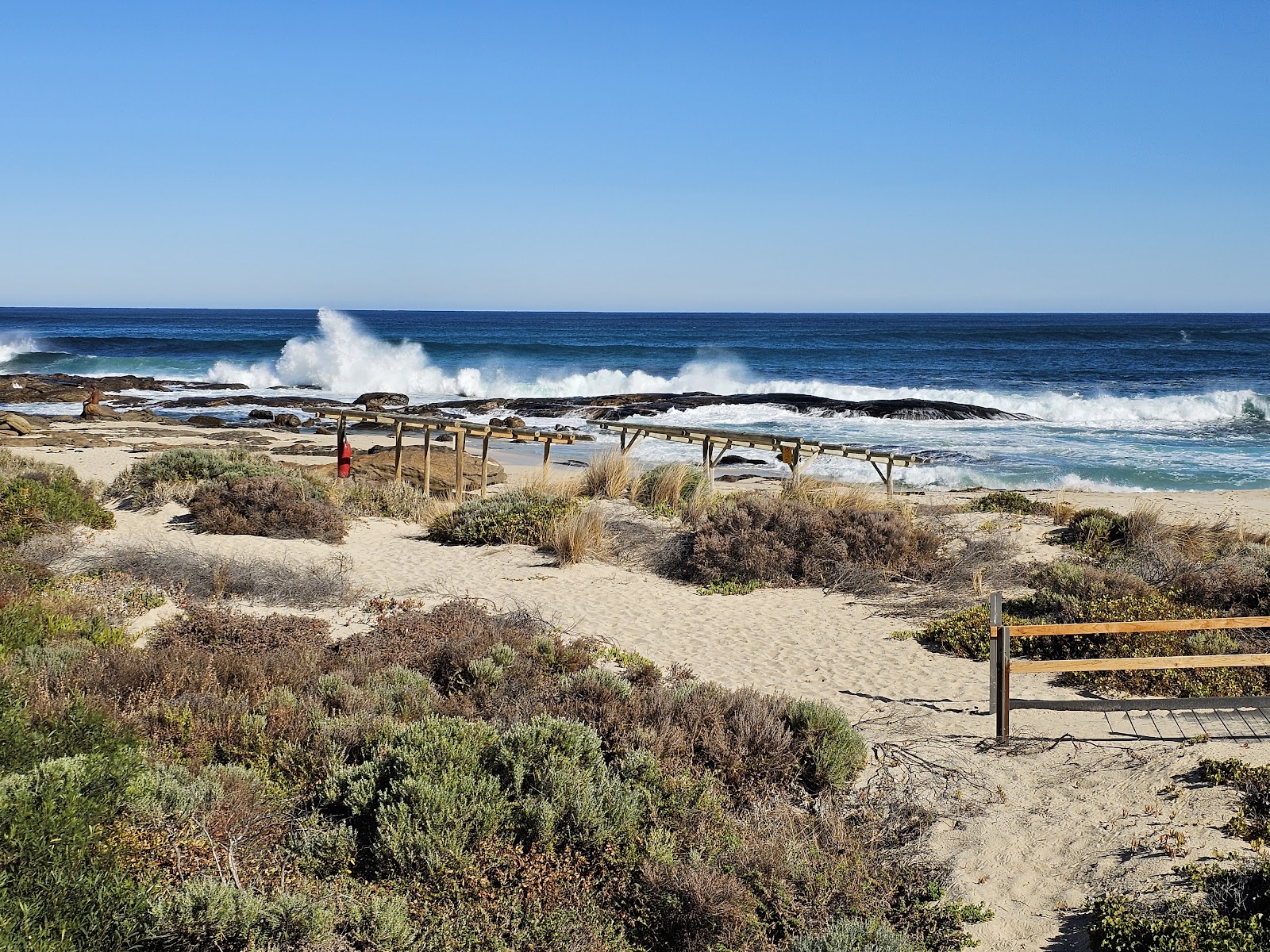
The Margaret River coastline rewards a visitor who takes the time to understand it rather than picking the nearest car park. Meelup and Bunker Bay are among the best calm-water swimming beaches in Western Australia. Smiths Beach is the standout family surf beach. Gracetown and Surfers Point are genuine world-class surf venues. Hamelin Bay is unlike anything else in the country. Redgate is for the photographer and the experienced ocean swimmer.
The common thread is the Indian Ocean light — the afternoon glow that turns white sand gold, the clarity of the water on a calm day, the drama of a six-foot swell on an exposed headland. Bring sun protection year-round (the UV is intense), a wetsuit from April to October, and a willingness to drive slowly down Caves Road and stop when something catches your eye. The coast here rewards exploration.
Enjoying beaches? Here’s where else in Australia it’s worth the trip — ranked by how loved each destination is, with the one thing not to miss at each.
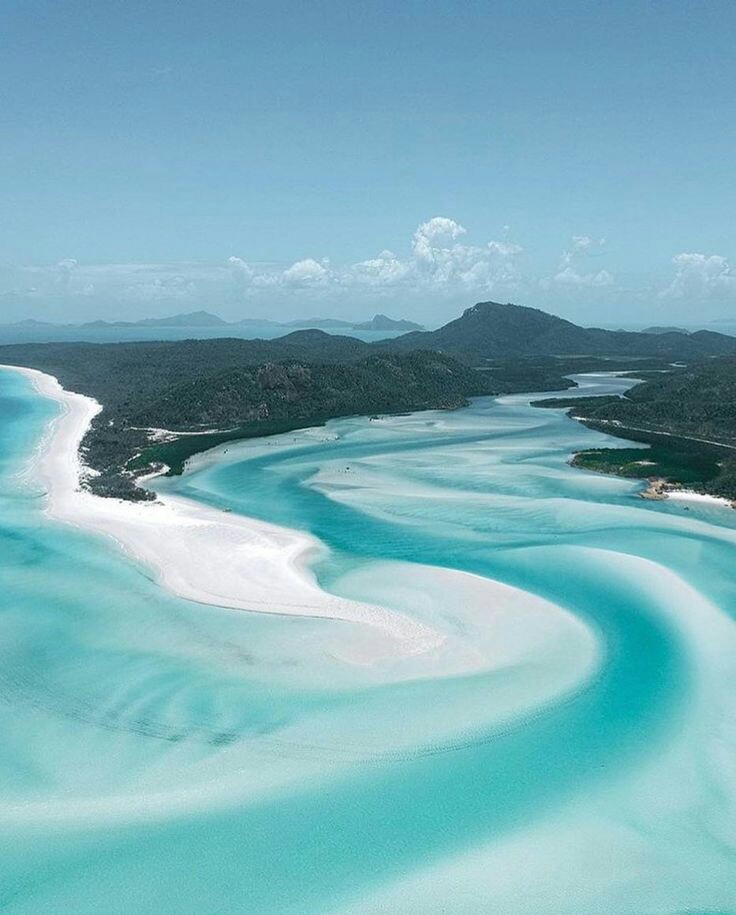 Hamilton Island
The Whitsundays, Queensland
Whitehaven Beach — Walking the squeaky cool silica sand at the quiet end with the turquoise water beside you.
Explore beaches in Hamilton Island →
2
Hamilton Island
The Whitsundays, Queensland
Whitehaven Beach — Walking the squeaky cool silica sand at the quiet end with the turquoise water beside you.
Explore beaches in Hamilton Island →
2
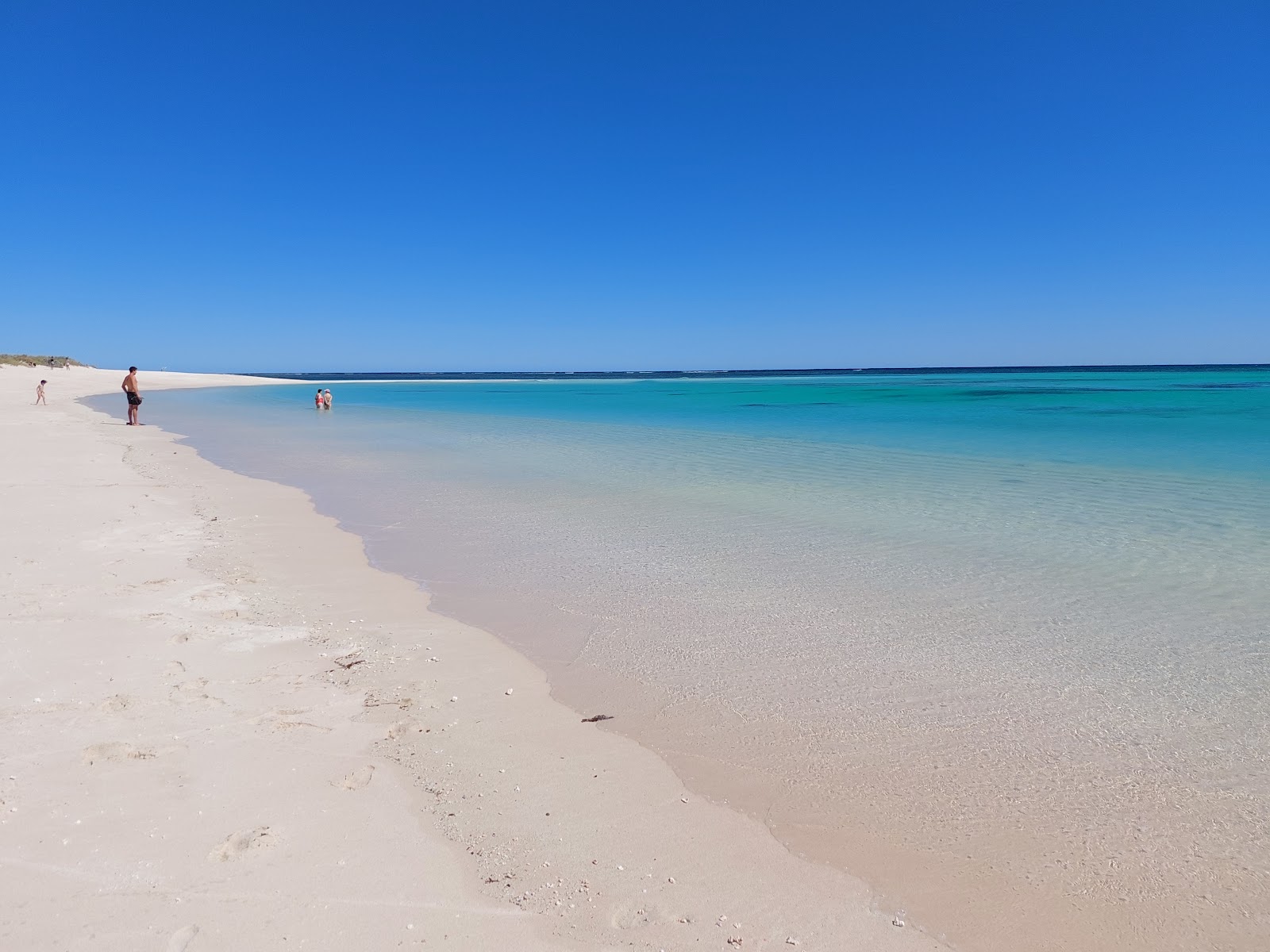 Ningaloo Reef
Australia's Coral Coast, Western Australia
Turquoise Bay — The drift snorkel at the southern end — the reef slides past while the current does the work.
Explore beaches in Ningaloo Reef →
3
Ningaloo Reef
Australia's Coral Coast, Western Australia
Turquoise Bay — The drift snorkel at the southern end — the reef slides past while the current does the work.
Explore beaches in Ningaloo Reef →
3
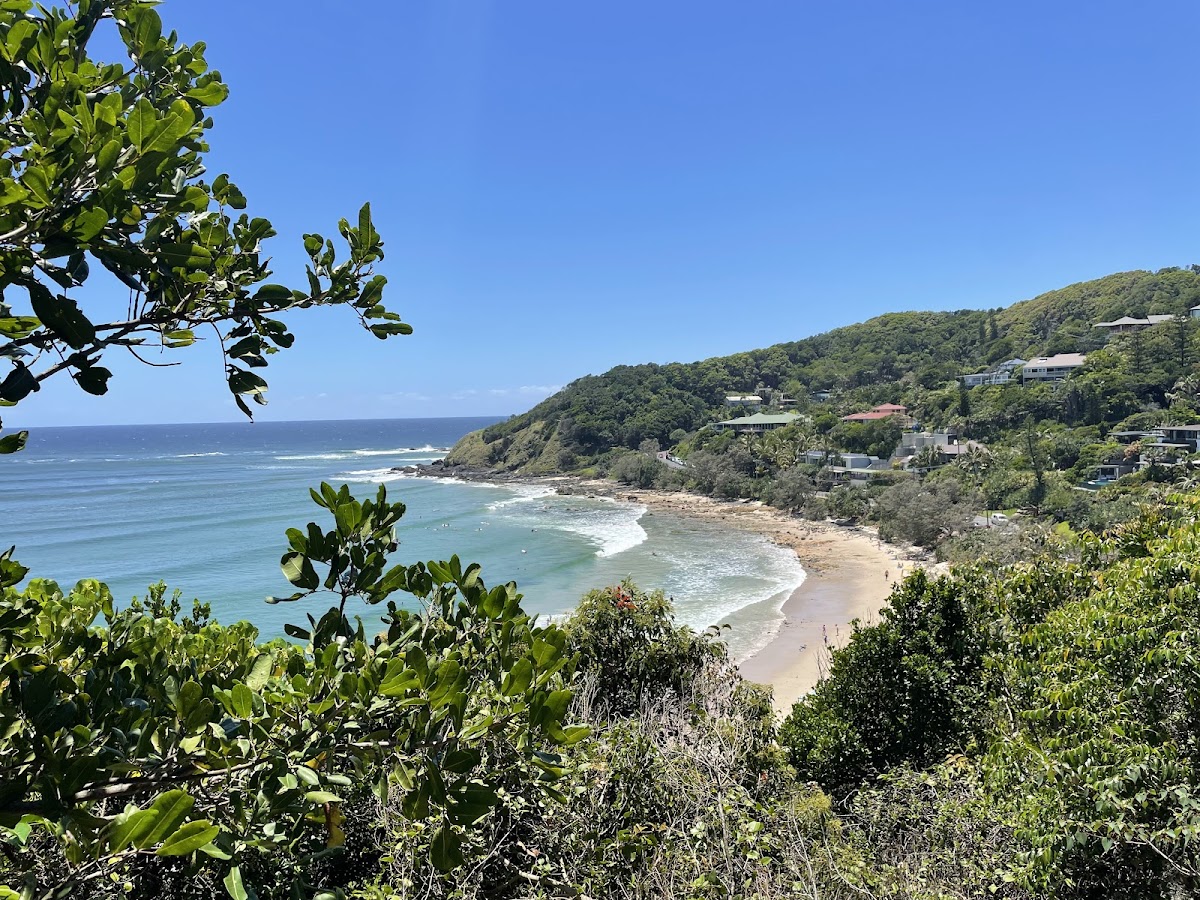 Byron Bay
Northern Rivers, New South Wales
The Pass — A dawn surf or a coffee on the point with dolphins in the lineup before the crowd arrives.
Explore beaches in Byron Bay →
4
Byron Bay
Northern Rivers, New South Wales
The Pass — A dawn surf or a coffee on the point with dolphins in the lineup before the crowd arrives.
Explore beaches in Byron Bay →
4
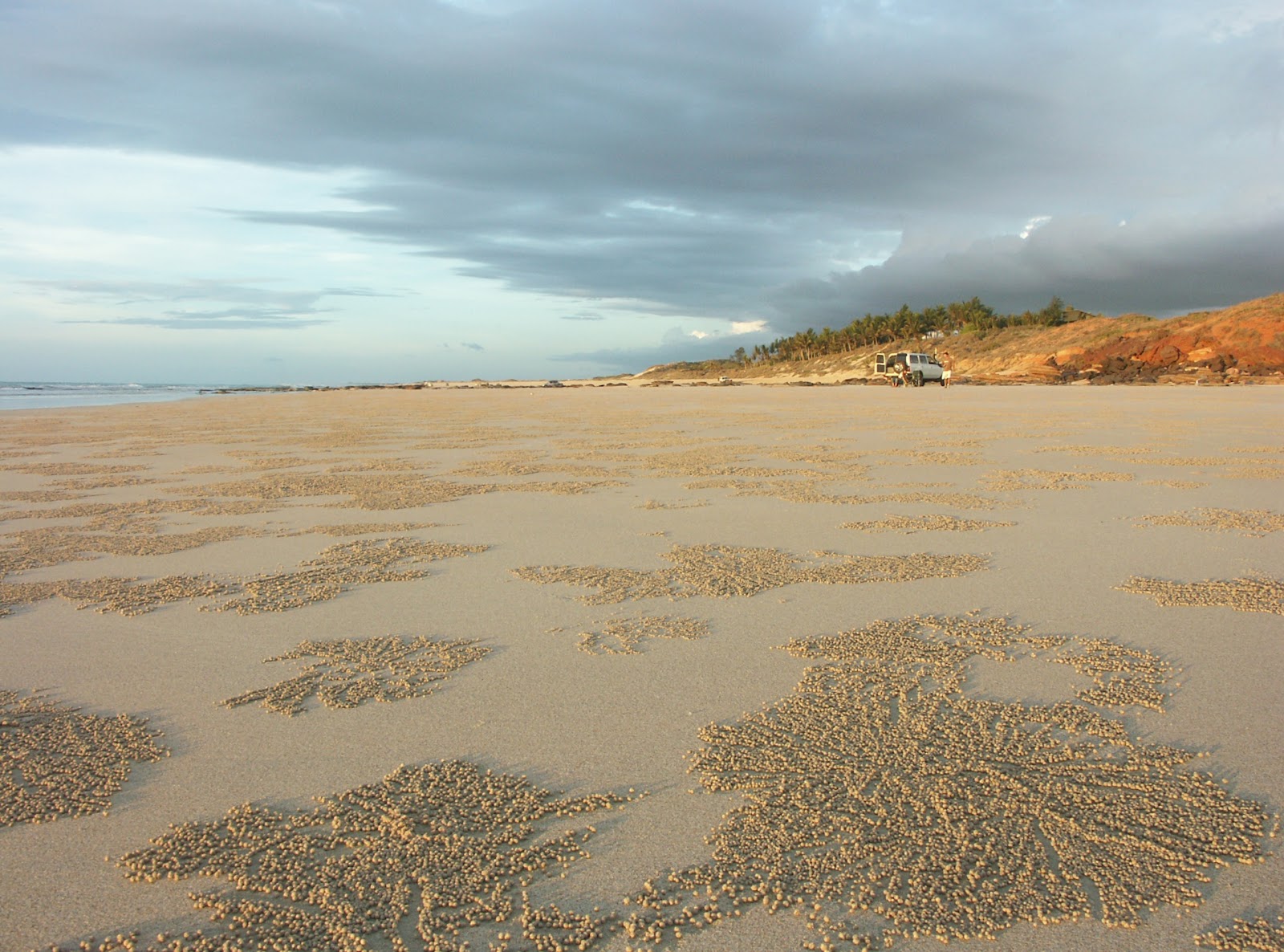 Broome
Australia's North West, Western Australia
Cable Beach (South / Patrolled End) — A swim between the flags by day, then the camels and the Indian Ocean sunset in the evening.
Explore beaches in Broome →
Margaret River you’re here
Australia's South West, Western Australia
Hamelin Bay — Stingray Beach — Arriving early, when the water is clear and the stingrays are active — buy fish scraps nearby and take your time rather than rushing.
You’re reading this guide
Broome
Australia's North West, Western Australia
Cable Beach (South / Patrolled End) — A swim between the flags by day, then the camels and the Indian Ocean sunset in the evening.
Explore beaches in Broome →
Margaret River you’re here
Australia's South West, Western Australia
Hamelin Bay — Stingray Beach — Arriving early, when the water is clear and the stingrays are active — buy fish scraps nearby and take your time rather than rushing.
You’re reading this guide
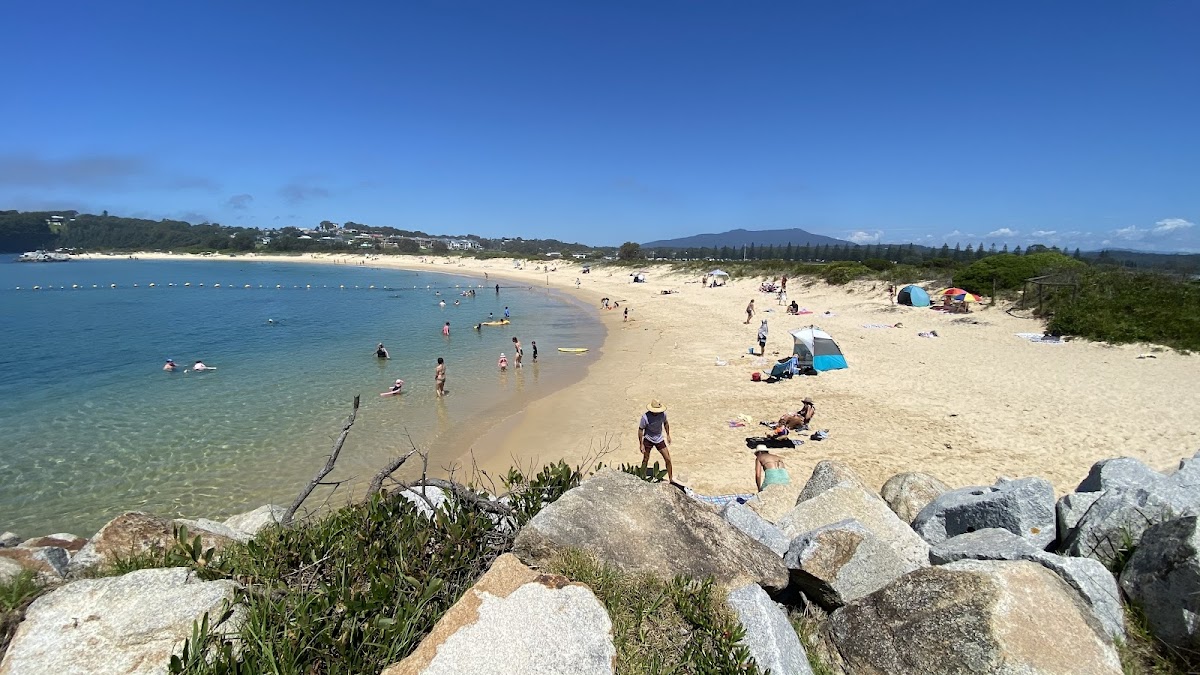 Narooma
South Coast, New South Wales
Bar Beach South — A genuine ocean swim without the surf, with seals sometimes off the breakwater.
Explore beaches in Narooma →
Narooma
South Coast, New South Wales
Bar Beach South — A genuine ocean swim without the surf, with seals sometimes off the breakwater.
Explore beaches in Narooma →
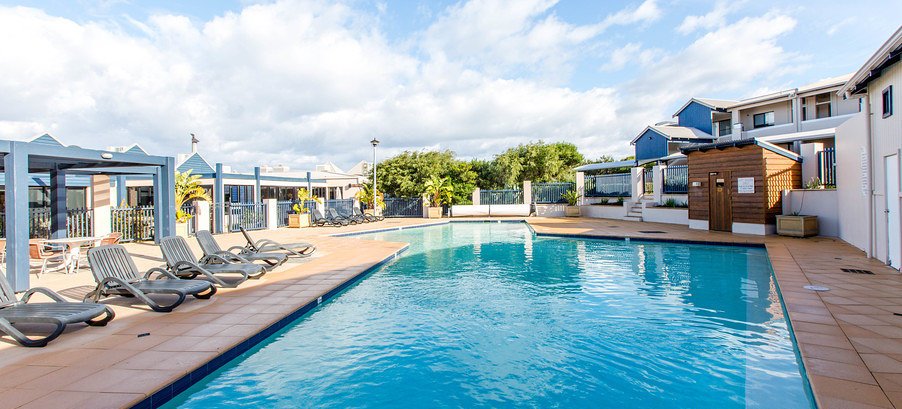
Margarets Beach Resort — Margaret River
Book Direct & Save →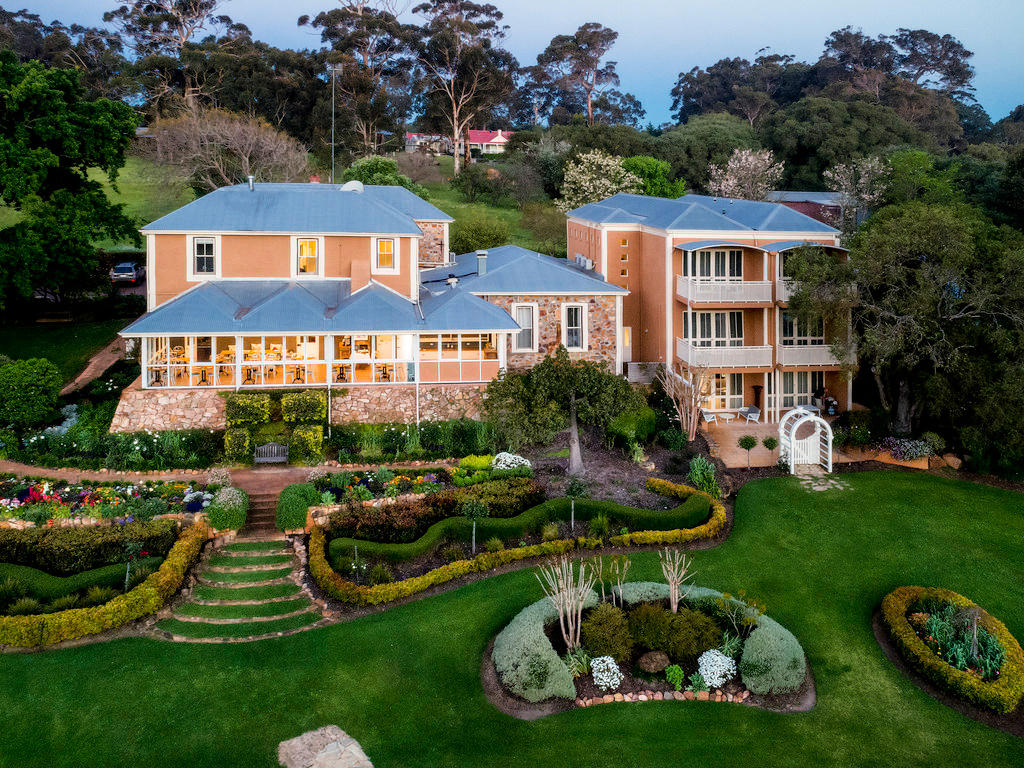
Margaret River Guest House — Margaret River
Book Direct & Save →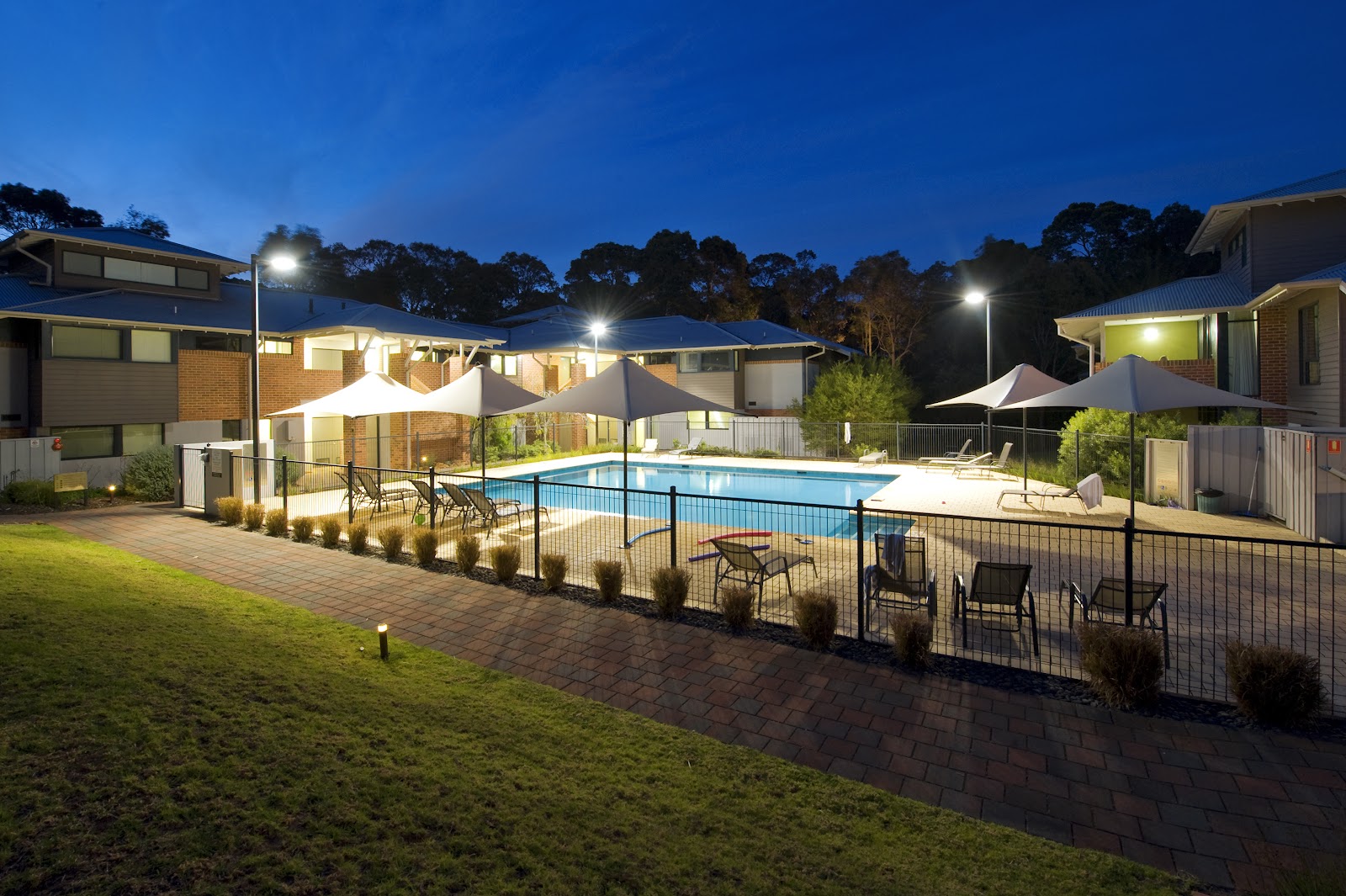
RAC Margaret River Nature Park — Margaret River
Book Direct & Save →Skip OTA fees. Connect directly with Margaret River owners for the best rates and a truly personal experience.
We match any online rate. No service fees — 100% of your payment supports local owners.
Direct guests receive complimentary hampers, early check-in, and priority access to experiences.
Speak directly with the people who manage the properties. No call centres, just local expertise.
Part of Western Australia · Australia's South West
 Glen Aplin
Granite Belt, Queensland
Queensland's most underrated wine valley
Explore the guide →
Glen Aplin
Granite Belt, Queensland
Queensland's most underrated wine valley
Explore the guide →
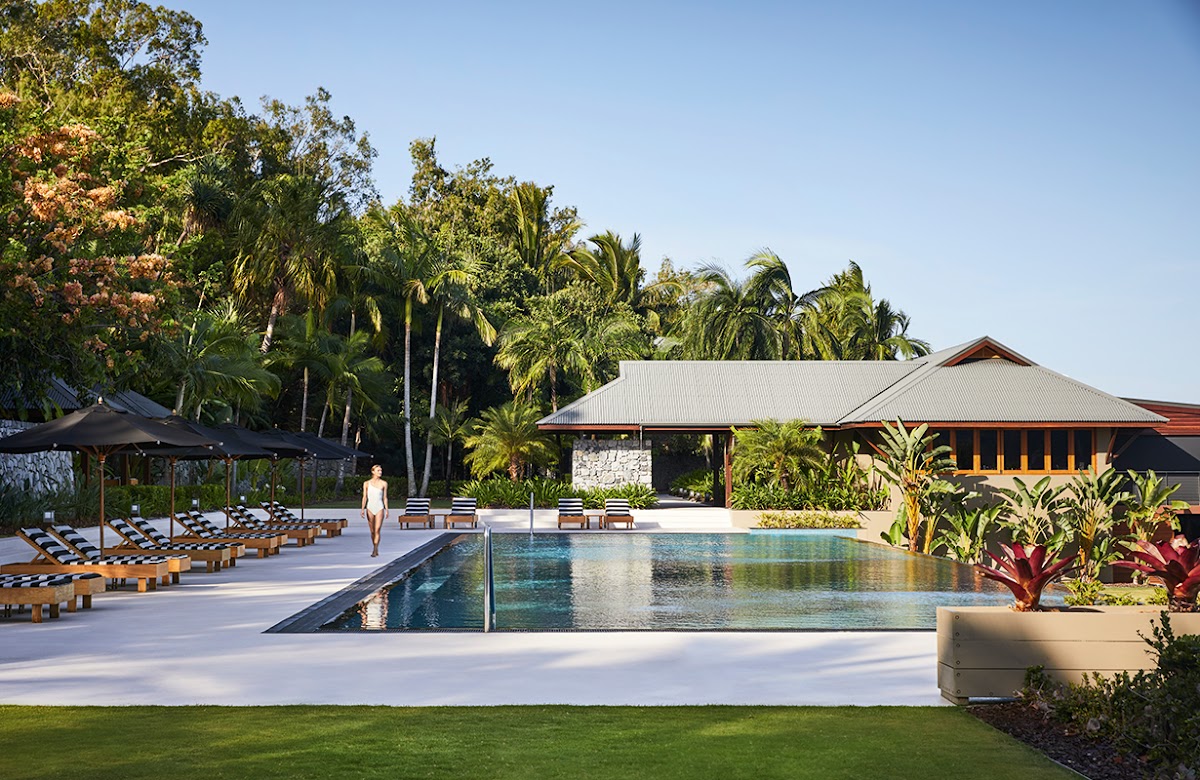 Hamilton Island
The Whitsundays, Queensland
Whitsundays island resort — Whitehaven Beach, reef trips and golf-buggy life
Explore the guide →
Hamilton Island
The Whitsundays, Queensland
Whitsundays island resort — Whitehaven Beach, reef trips and golf-buggy life
Explore the guide →
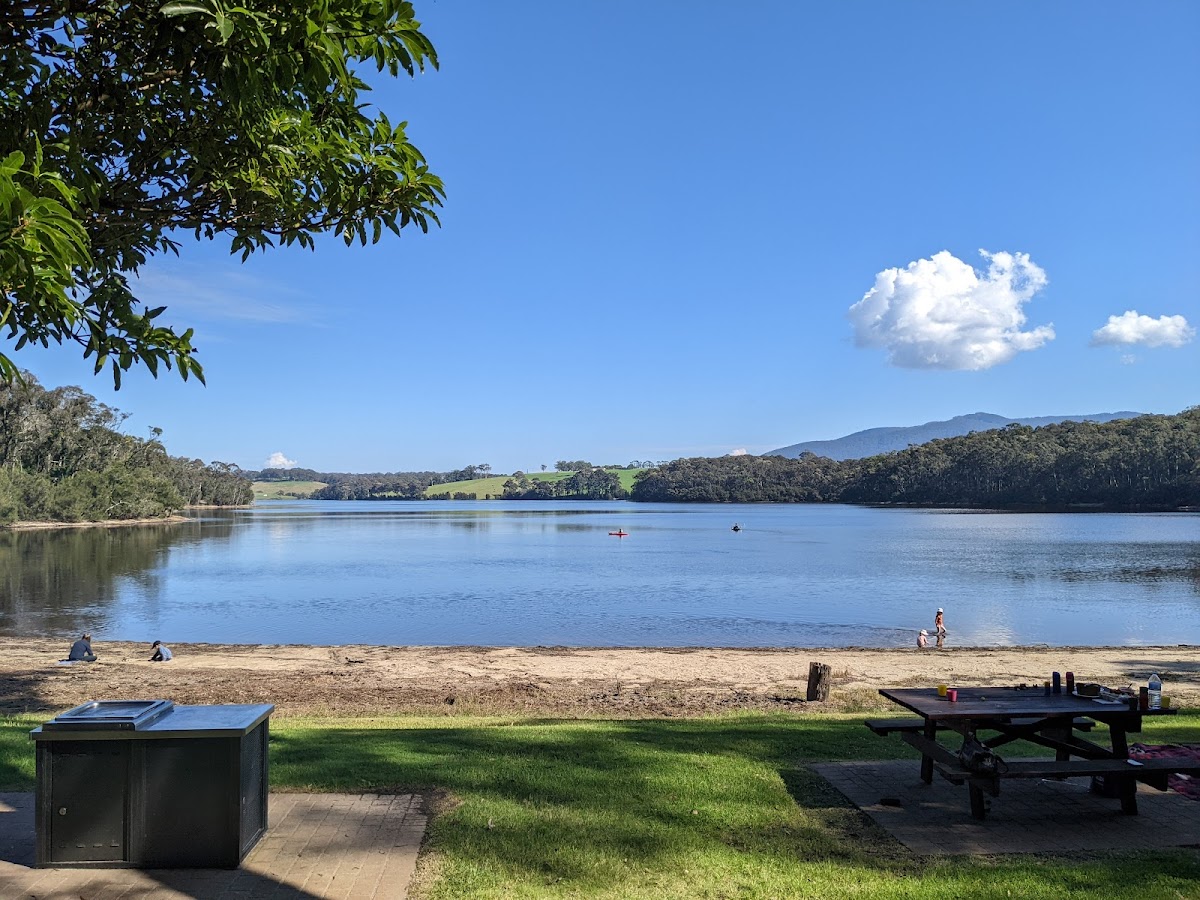 Narooma
South Coast, New South Wales
Crystal-clear inlet, surf beaches, oysters and Montague Island
Explore the guide →
Narooma
South Coast, New South Wales
Crystal-clear inlet, surf beaches, oysters and Montague Island
Explore the guide →
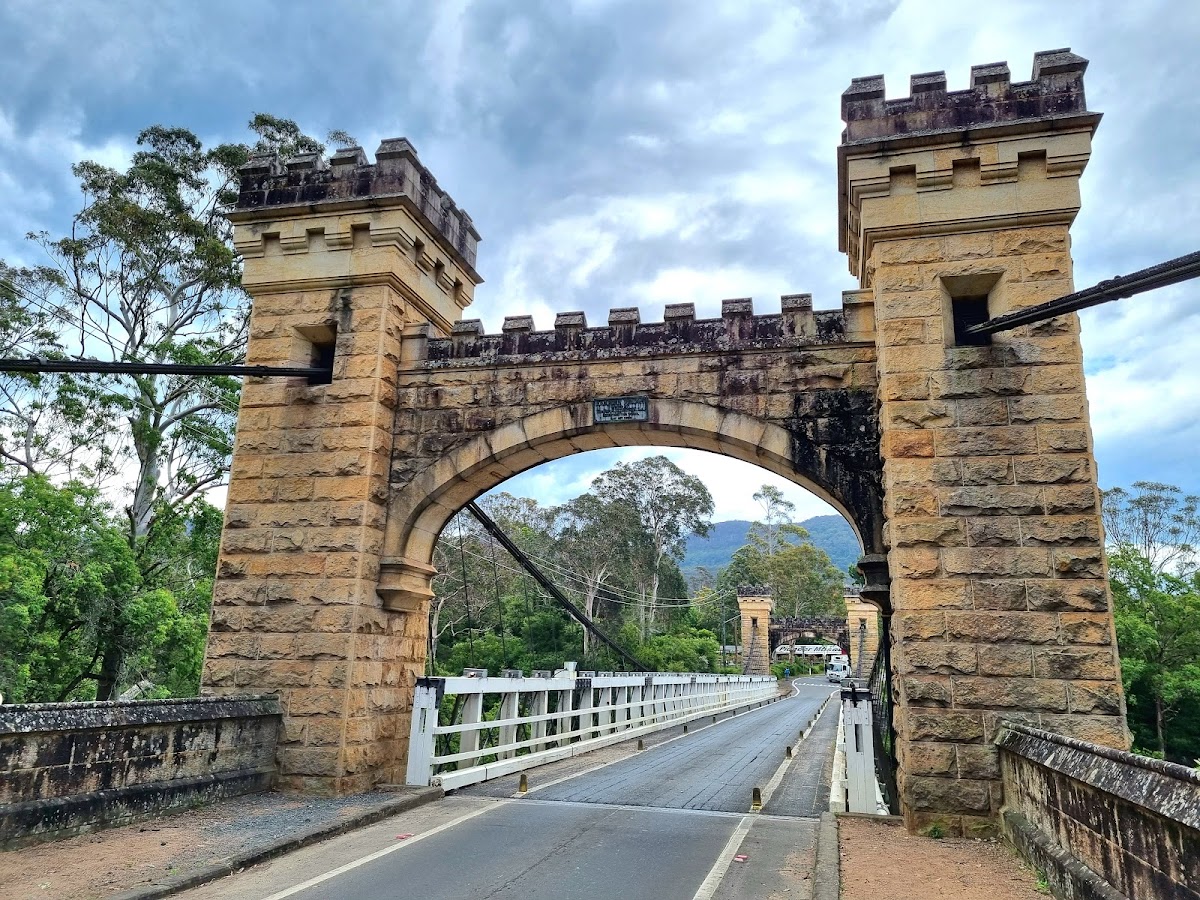 Kangaroo Valley
Shoalhaven, New South Wales
Hampden Bridge, kayaking and wombats in a green valley
Explore the guide →
Kangaroo Valley
Shoalhaven, New South Wales
Hampden Bridge, kayaking and wombats in a green valley
Explore the guide →
 Dubbo
Central West, New South Wales
Open-range zoo and Outback gateway on the Macquarie River
Explore the guide →
Dubbo
Central West, New South Wales
Open-range zoo and Outback gateway on the Macquarie River
Explore the guide →
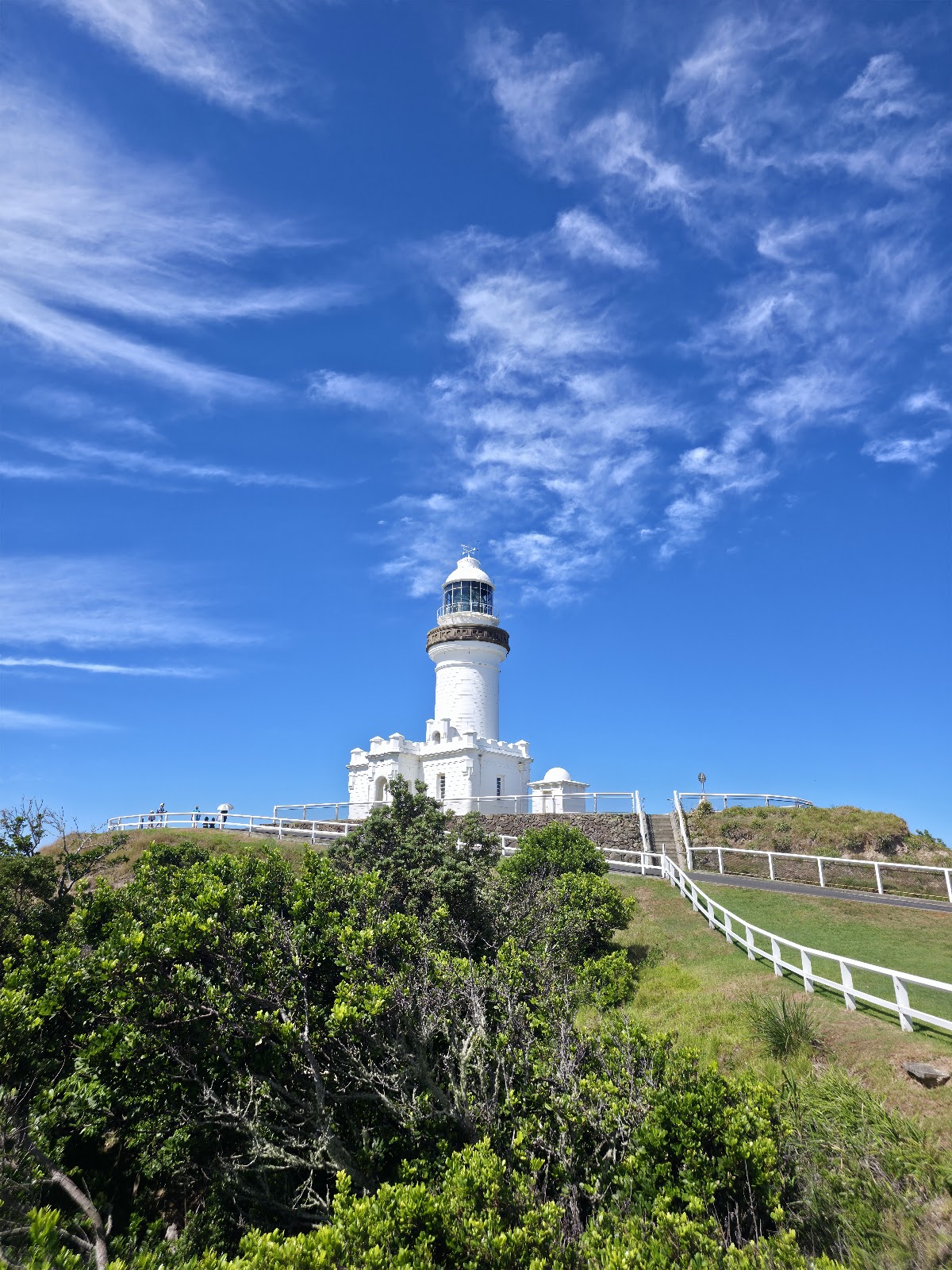 Byron Bay
Northern Rivers, New South Wales
Australia's iconic beach town and most easterly point
Explore the guide →
Byron Bay
Northern Rivers, New South Wales
Australia's iconic beach town and most easterly point
Explore the guide →
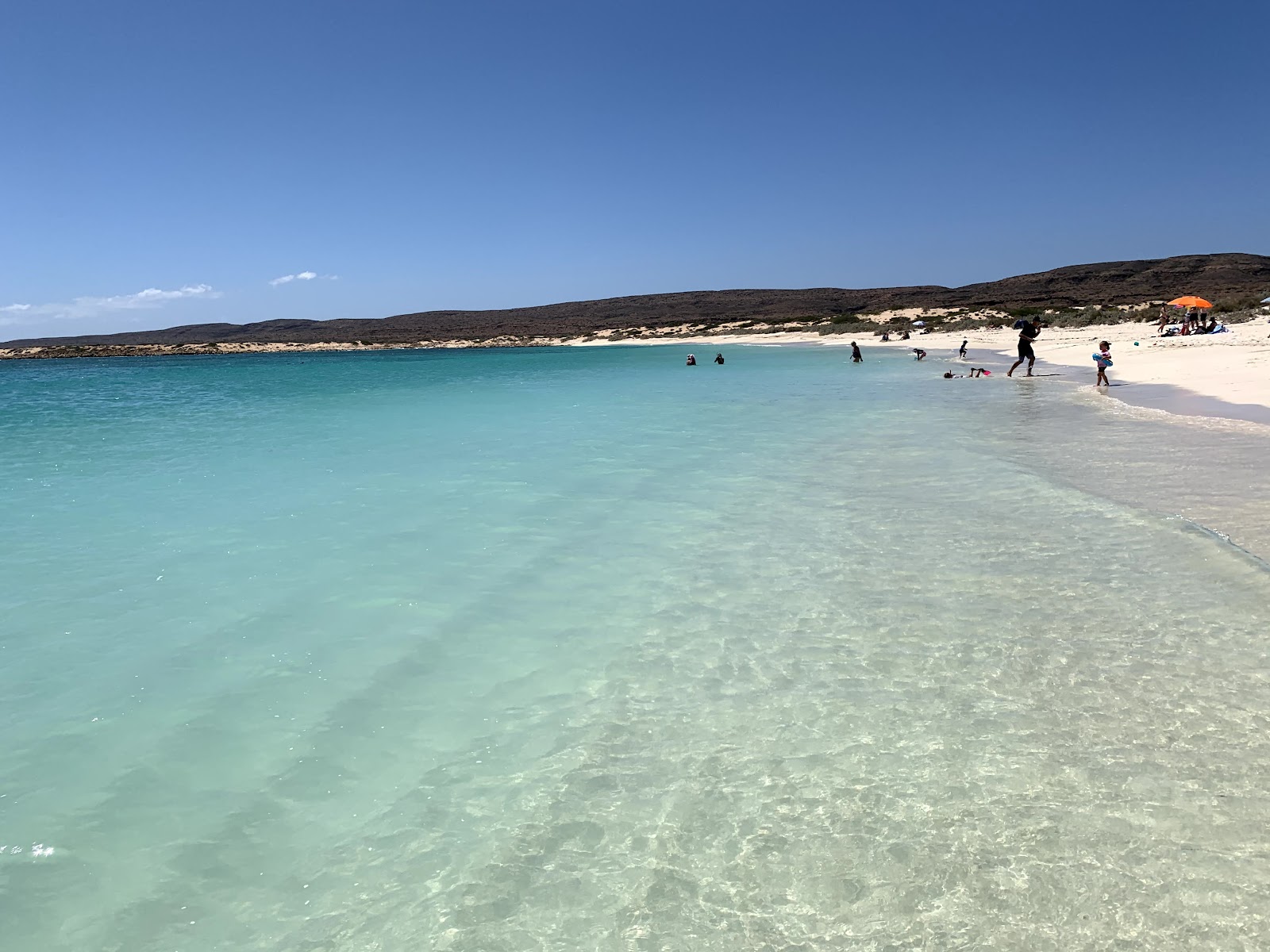 Ningaloo Reef
Australia's Coral Coast, Western Australia
Swim with whale sharks and snorkel a World-Heritage reef straight off the beach
Explore the guide →
Ningaloo Reef
Australia's Coral Coast, Western Australia
Swim with whale sharks and snorkel a World-Heritage reef straight off the beach
Explore the guide →
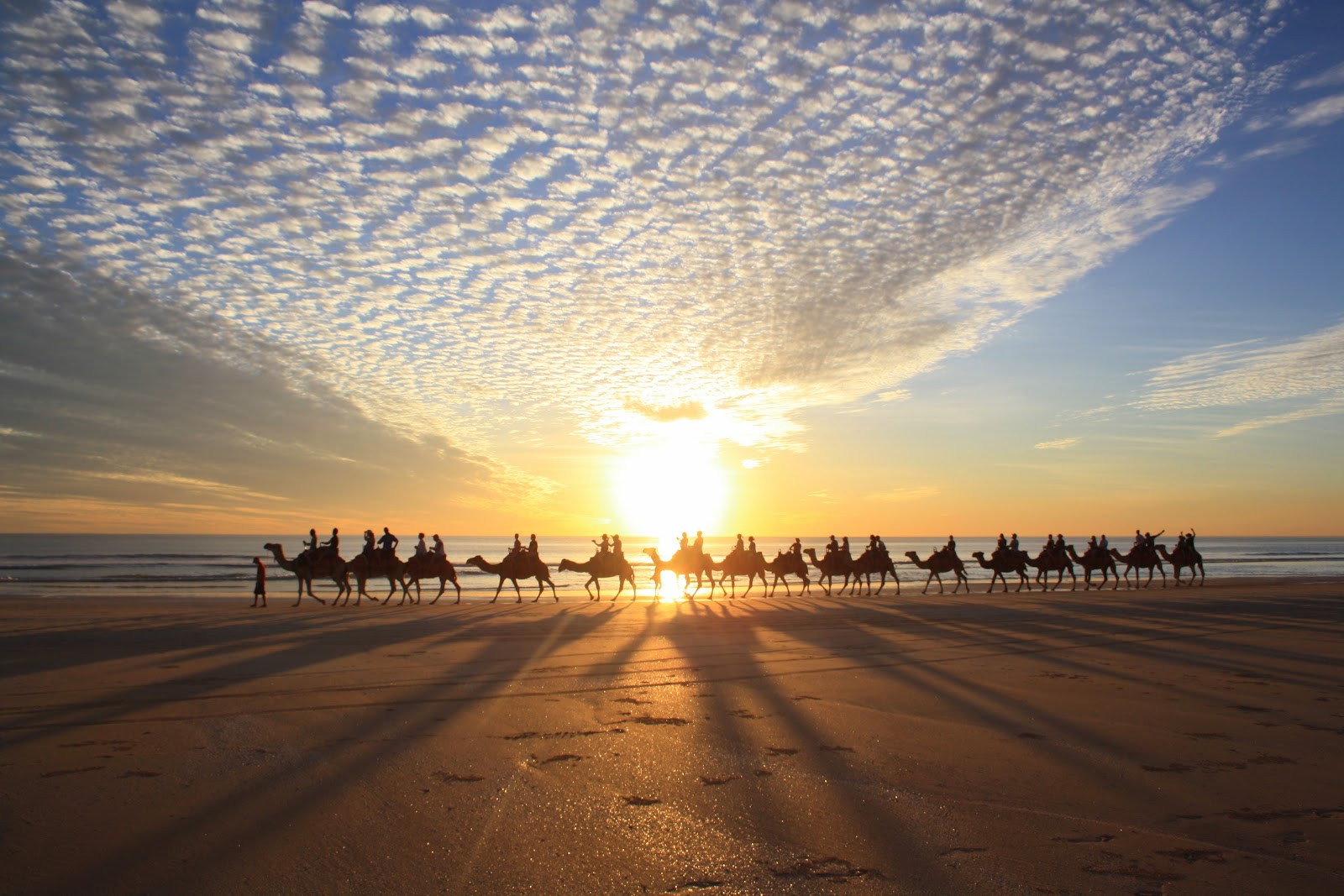 Broome
Australia's North West, Western Australia
Cable Beach sunsets, pearling history and camels on 22km of sand
Explore the guide →
Broome
Australia's North West, Western Australia
Cable Beach sunsets, pearling history and camels on 22km of sand
Explore the guide →
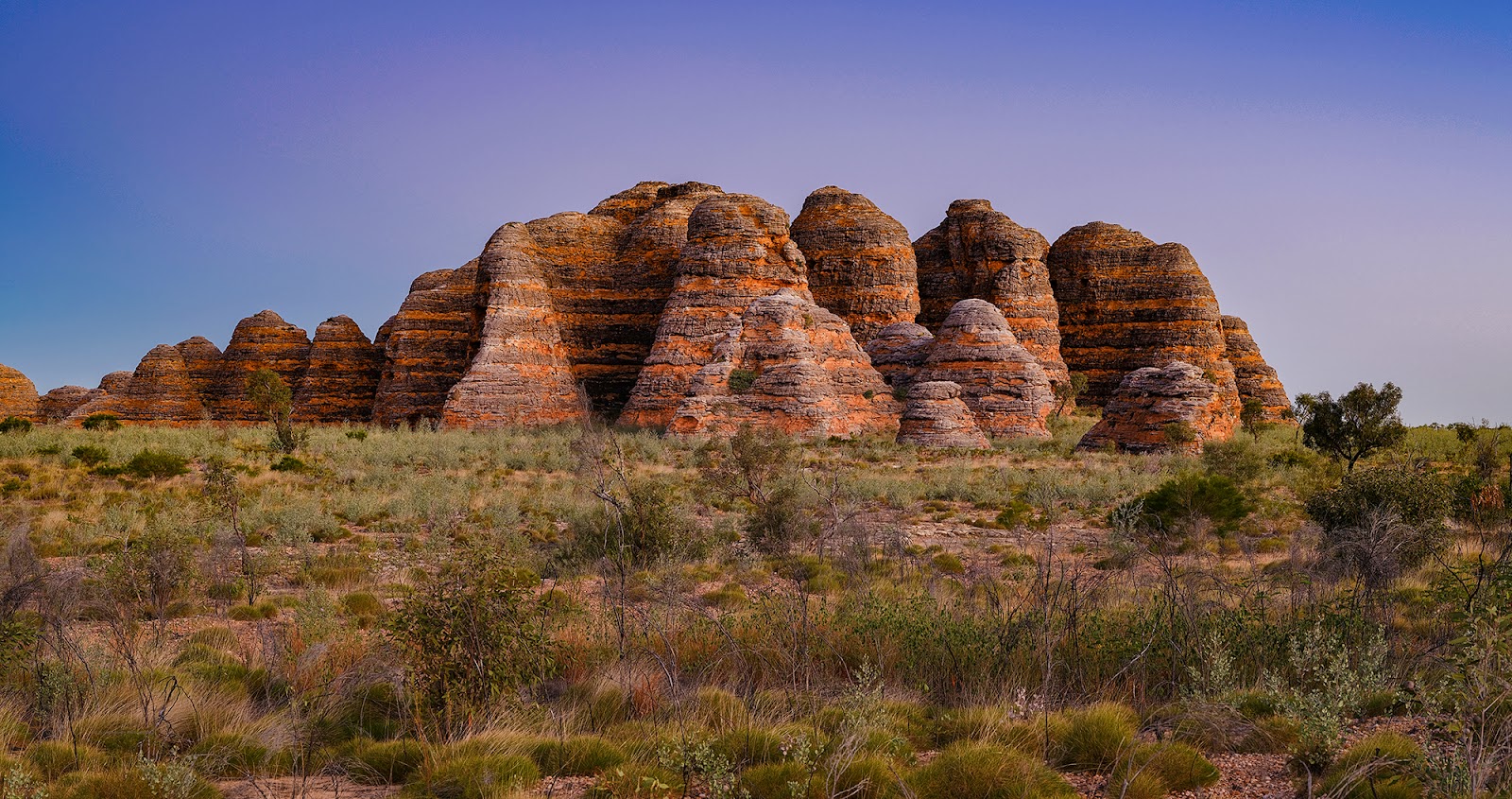 The Kimberley
Australia's North West, Western Australia
Gibb River Road, the Bungle Bungles, gorges and waterfalls in Australia's last frontier
Explore the guide →
The Kimberley
Australia's North West, Western Australia
Gibb River Road, the Bungle Bungles, gorges and waterfalls in Australia's last frontier
Explore the guide →