01. Exmouth Escape Resort
4.5 (428 reviews)
Exmouth Escape Resort — Ningaloo Reef
Book Direct & Save →Ningaloo packs more genuine wildlife spectacle into one stretch of coast than almost anywhere in Australia — and the remarkable thing is how much of it you can do under your own steam. The marquee experiences are guided (you can't conjure a whale shark), but between the boat days you've got a reef you snorkel off the sand, a national park of red gorges, and a lighthouse that turns on a sunset show with whales breaching offshore.
View 3 Properties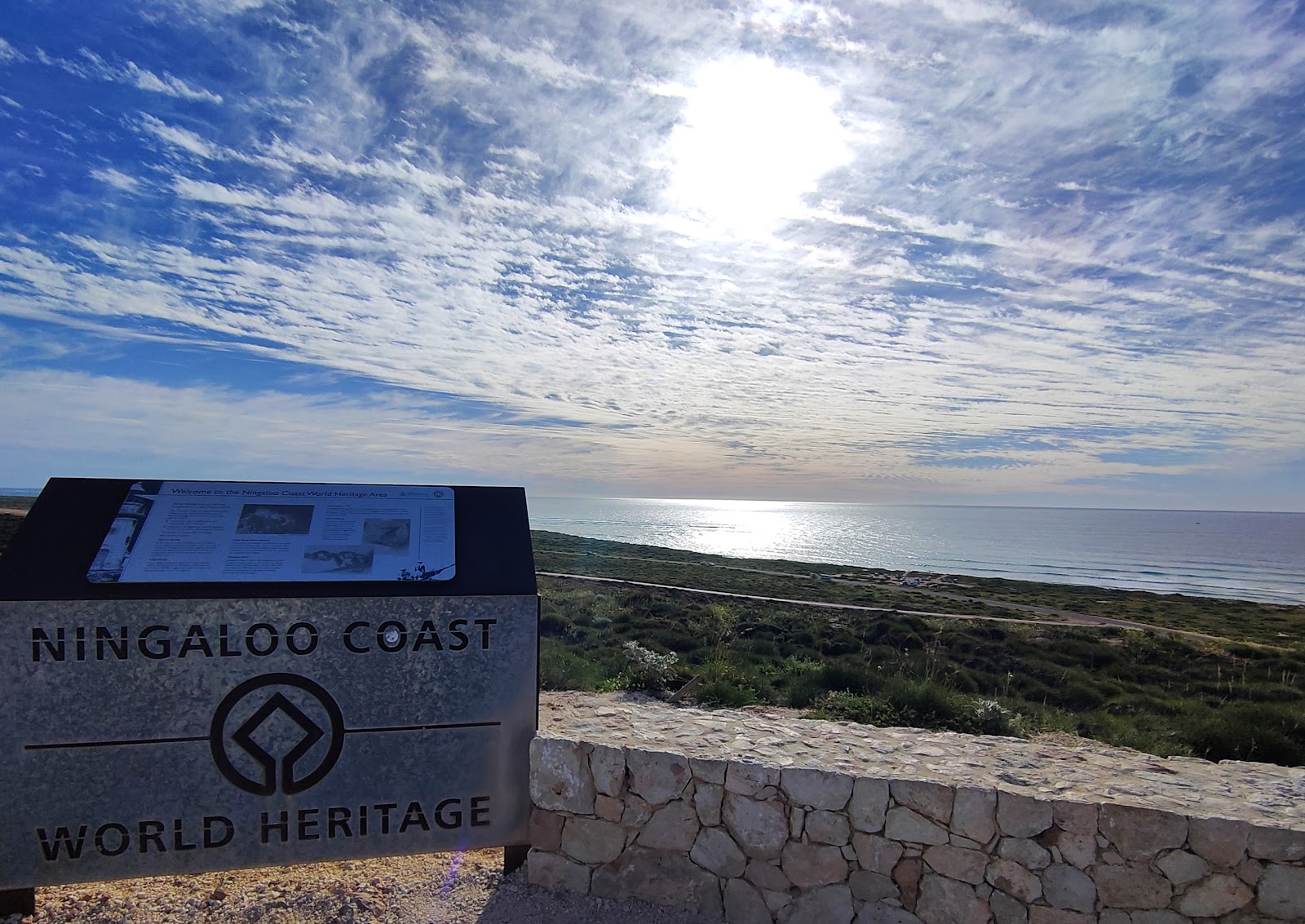
"Reef, gorges and big animals"
This guide ranks the experiences that justify the long trip north, mixing the big-ticket guided swims with the free, do-it-yourself highlights so you can build a few days that move between water and land. Whether you've come specifically for whale shark season or you're here in spring for the humpbacks and mantas, here's what to prioritise — and the honest word on what each one is really like.
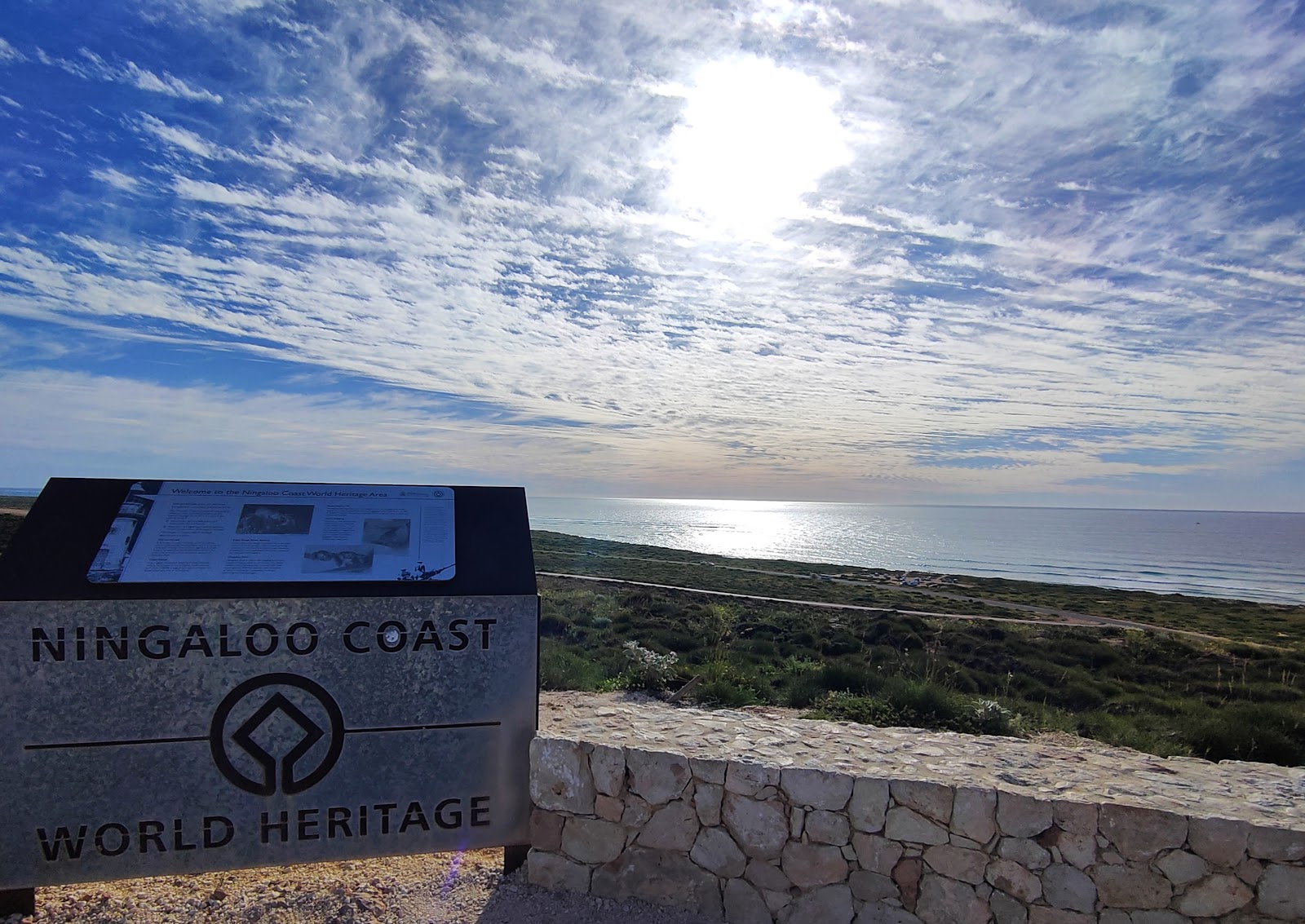
The trick with Ningaloo is to anchor your trip around the guided wildlife days and fill the rest yourself. The whale-shark and manta-ray boats are weather-dependent and book out, so lock those in first and treat them as the fixed points — then build the beach snorkels, gorge drives and lighthouse sunsets around them. If a boat day gets bumped by wind (it happens), you've got Turquoise Bay, Yardie Creek and Cape Range waiting, none of which need a booking.
Distance matters here. Cape Range National Park is a short drive west of Exmouth; Coral Bay is 1.5 hours south. Most people who do it well give the region five to seven nights, often split between the two towns, with the marquee swims slotted into the Exmouth or Coral Bay legs. The list below runs from the unmissable big-animal swims down through the reef and the gorges — pick the ones that match your season and your group, and don't try to cram them all into a long weekend.
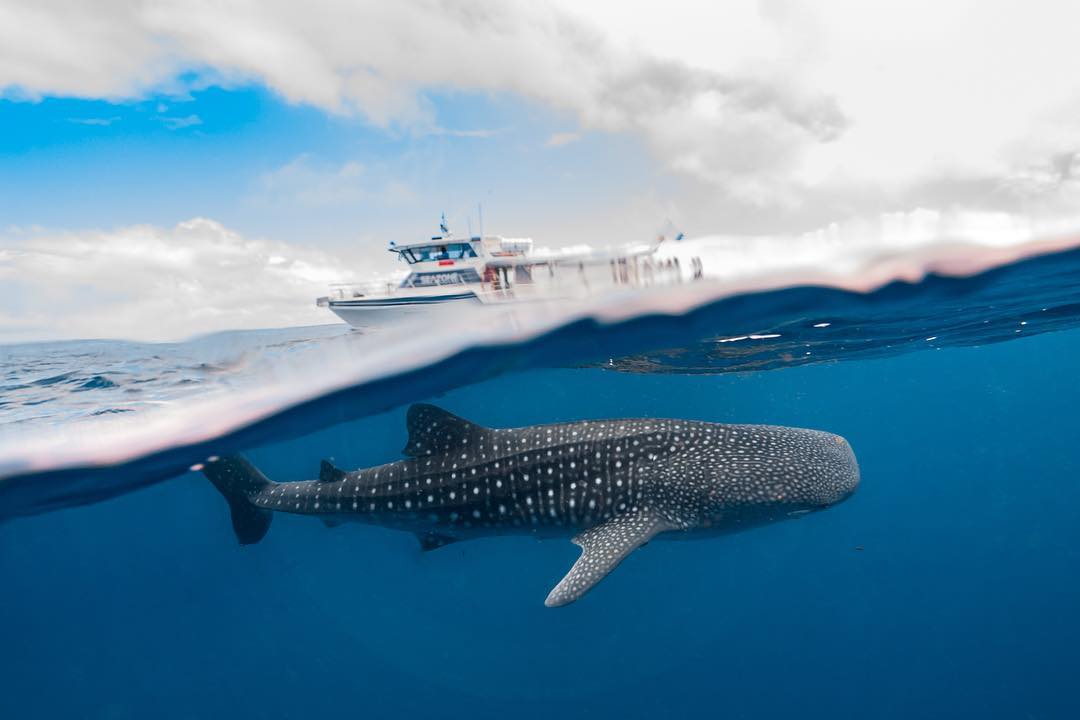
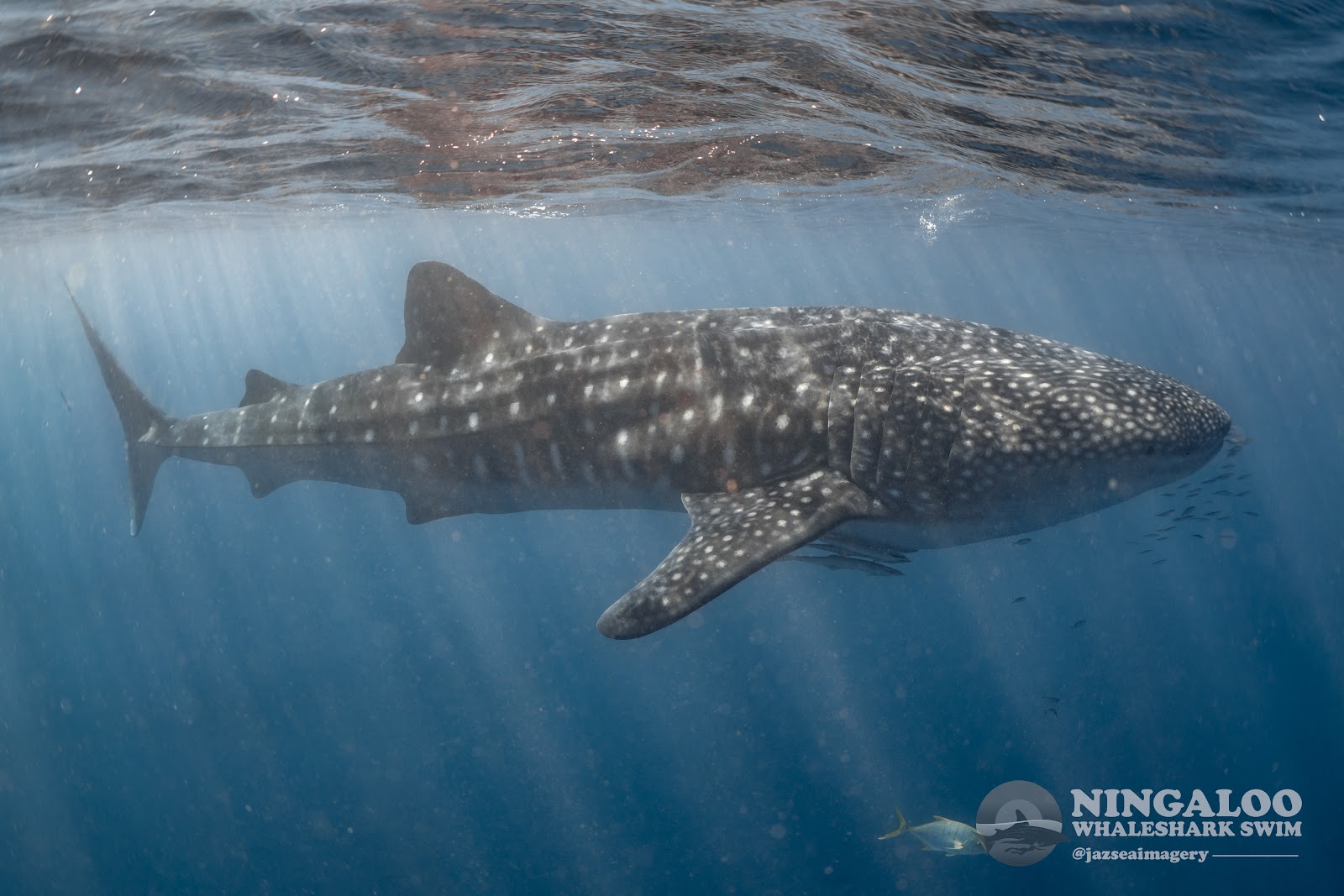
This is why most people come to Ningaloo, and it lives up to every bit of the hype. From mid-March to early August, whale sharks — the largest fish on earth, up to twelve metres long and utterly harmless — gather along the outer reef after the coral spawn. Licensed operators run full-day boats, most working with a spotter plane that radios the skipper when it sights an animal; the boat drops you in small groups ahead of the shark, and you snorkel alongside it as it cruises past. The scale of the thing underwater is genuinely hard to describe until you're in it.
It suits anyone who can snorkel and is reasonably comfortable in open water — there's no diving and no experience required, but you'll be swimming hard in short bursts to keep pace, so it's not ideal for very weak swimmers or very young kids. Couples, solo travellers and confident teens all do brilliantly. Operators include Ningaloo Discovery, Three Islands and Live Ningaloo among others; most days also include reef snorkelling, lunch and gear. Book well ahead — peak-season boats fill weeks out.
It's the rare bucket-list experience that exceeds expectations — swimming beside an animal the size of a bus that doesn't even notice you.
“Swam alongside a whale shark for what felt like minutes and completely forgot to breathe. The spotter plane found four in one day. Worth every cent and the whole drive up.”
— Google review
The first time the shark materialises out of the blue beneath you — nothing prepares you for the size.
It's a full, weather-dependent day and not cheap — don't book it for your only day in town, build in a buffer, and skip it if you're not a confident open-water swimmer.
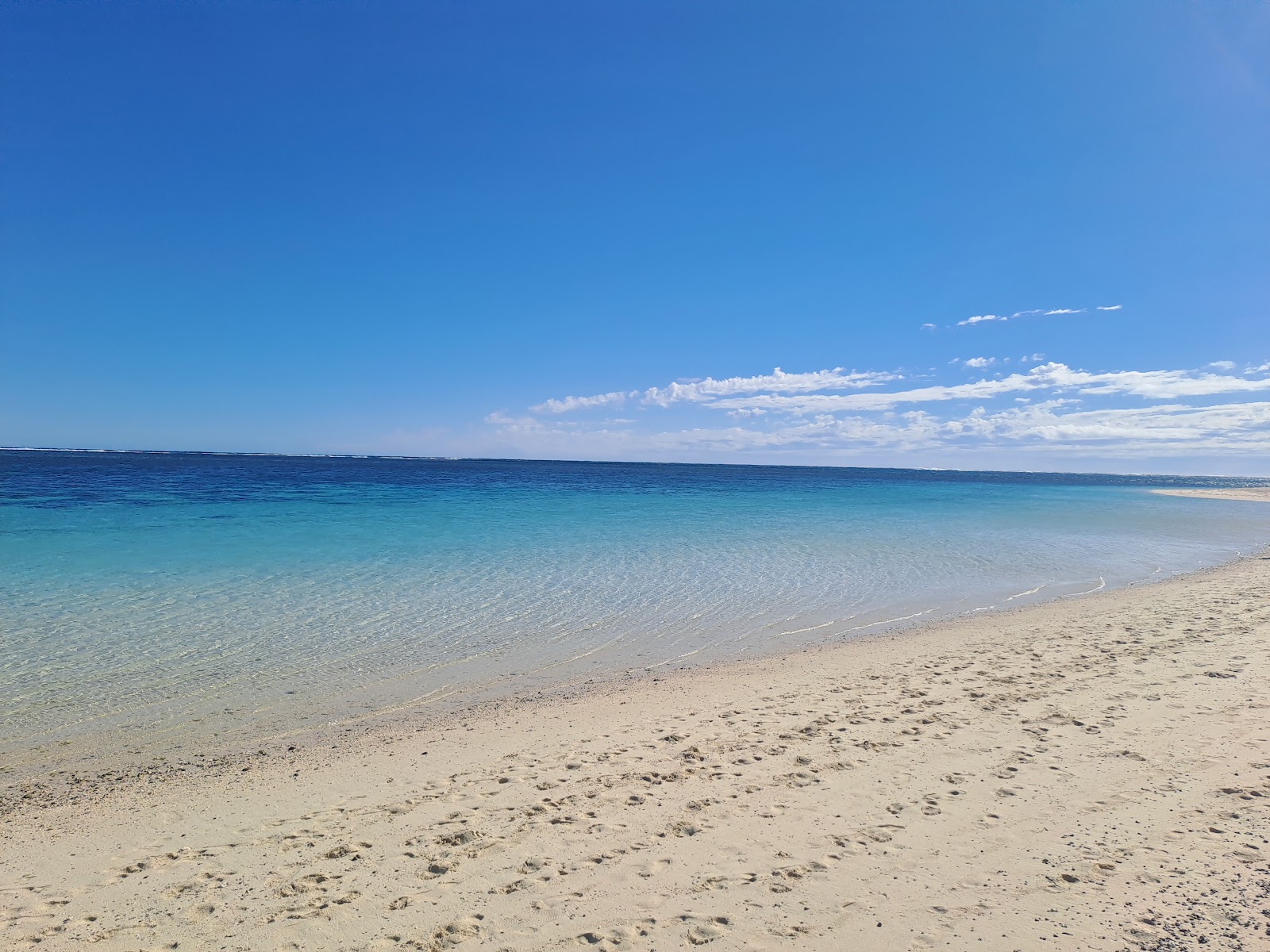
If there's a single free experience that justifies the drive to Ningaloo, it's the Turquoise Bay drift snorkel. The reef sits so close to shore that you walk to the southern 'drift' end of the beach, wade in, put your face down, and you're immediately over coral bommies alive with parrotfish, butterflyfish, wrasse and frequently a reef shark or turtle. A gentle current then carries you north along the reef — you barely kick — before you angle back to the beach well before the channel at the northern end.
It's the kind of snorkel that ruins you for ordinary ones. It suits confident swimmers and snorkellers above all; the drift current, while gentle, means it's not for young children or nervous swimmers, who are far better off at the calmer Bay (swimming) end or at Lakeside down the road. There's a car park, drop toilets and not much shade. Check the current direction with the marker on arrival, always exit before the channel, and snorkel with a buddy.
It's a world-class drift snorkel you reach by walking off a beach — the reef does the work and carries you along it.
“Floated along the reef barely kicking, fish everywhere, a turtle and a reef shark in twenty minutes. Best snorkel of my life and it was free off the sand.”
— Google review
Letting the current do the swimming while the coral garden slides past beneath you.
The drift current at the southern end isn't for weak swimmers or young kids — always exit before the northern channel, and send nervous swimmers to the calm swimming end or Lakeside instead.
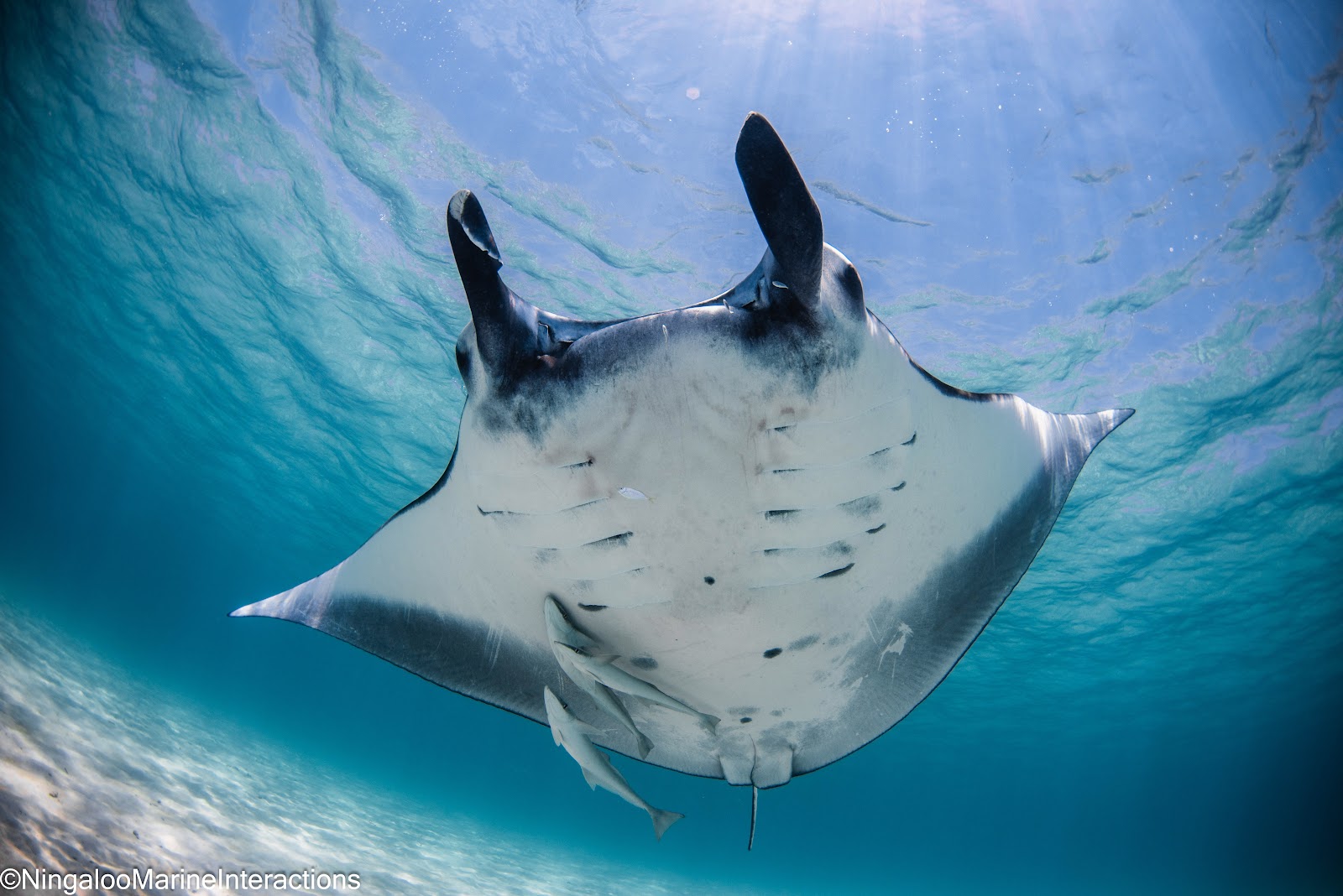
Coral Bay holds WA's largest resident population of manta rays, and unlike the seasonal whale sharks they're here all year — which makes a manta interaction the most reliable big-animal swim at Ningaloo and the obvious choice if your dates fall outside whale-shark season. Operators run half- and full-day boats that combine a spotter-guided manta snorkel with reef snorkelling over the cabbage-coral gardens just off the bay. The mantas, with wingspans up to four metres, are graceful, curious and entirely harmless, often barrel-rolling beneath you as they feed.
Because it departs Coral Bay's sheltered, easy waters and the swim is calmer than the whale-shark chase, it suits a broader range of people — families with confident swimmers, couples, and snorkellers who found the idea of the open-ocean whale-shark day daunting. Trips also frequently encounter turtles and reef sharks. As always, it's weather-dependent; book ahead in peak weeks, and listen to the guides on keeping a respectful distance from the animals.
It's the wildlife swim you can count on — resident mantas, year-round, from a calm and easy bay.
“Three mantas glided right under us, barrel-rolling as they fed. Calmer than I expected and the perfect option since we missed whale shark season. Kids loved it.”
— Traveller review
A four-metre manta barrel-rolling directly beneath you as it feeds.
It's still a boat-based snorkel in open-ish water and weather-dependent — book ahead, and don't expect to touch or chase the animals; the guides enforce respectful distance.
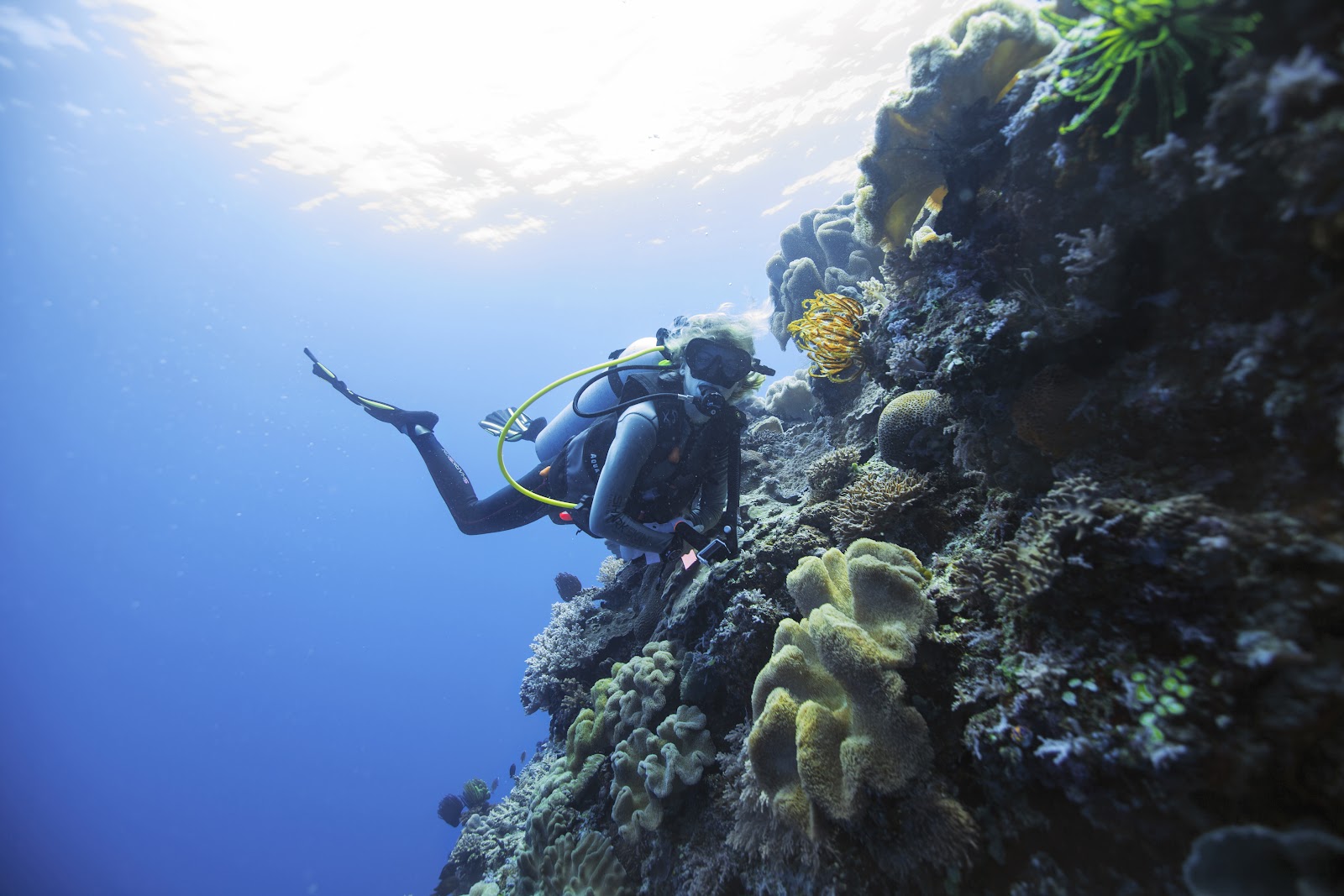
The Navy Pier at the tip of the cape is routinely rated among the top ten shore dives in the world, and the reason is pure density of life: the pylons shelter an astonishing concentration of fish, rays, octopus, nudibranchs, wobbegongs and grey nurse and reef sharks, all packed under a single structure. Because it sits on an active naval facility, access is tightly controlled — you can only dive it with the one licensed operator, and you'll need to provide ID for an Australian Federal Police check before you go, so bring your documents and book well ahead.
This is a certified-divers-only experience — it's not a snorkel or an intro dive, and the strong tidal currents mean dives are scheduled around slack water. For experienced divers it's a genuine highlight of the WA coast; for everyone else, the reef drop-offs, the Muiron Islands and the beach snorkels deliver plenty without the permit hassle. Conditions and access rules can change, so confirm current requirements with the operator when you book.
It's a world-top-ten dive hidden under a working pier — the sheer density of marine life is unlike any reef wall.
“Wobbegongs, a grey nurse, octopus, rays, fish stacked from the surface to the seabed — all under one pier. The AFP ID check is worth the hassle. Best dive in WA.”
— Google review
The wall of marine life packed under the pylons — and the wobbegongs tucked into the structure.
Certified divers only, with strong currents and a mandatory AFP ID check — bring your documents, book well ahead, and skip it entirely if you don't dive.
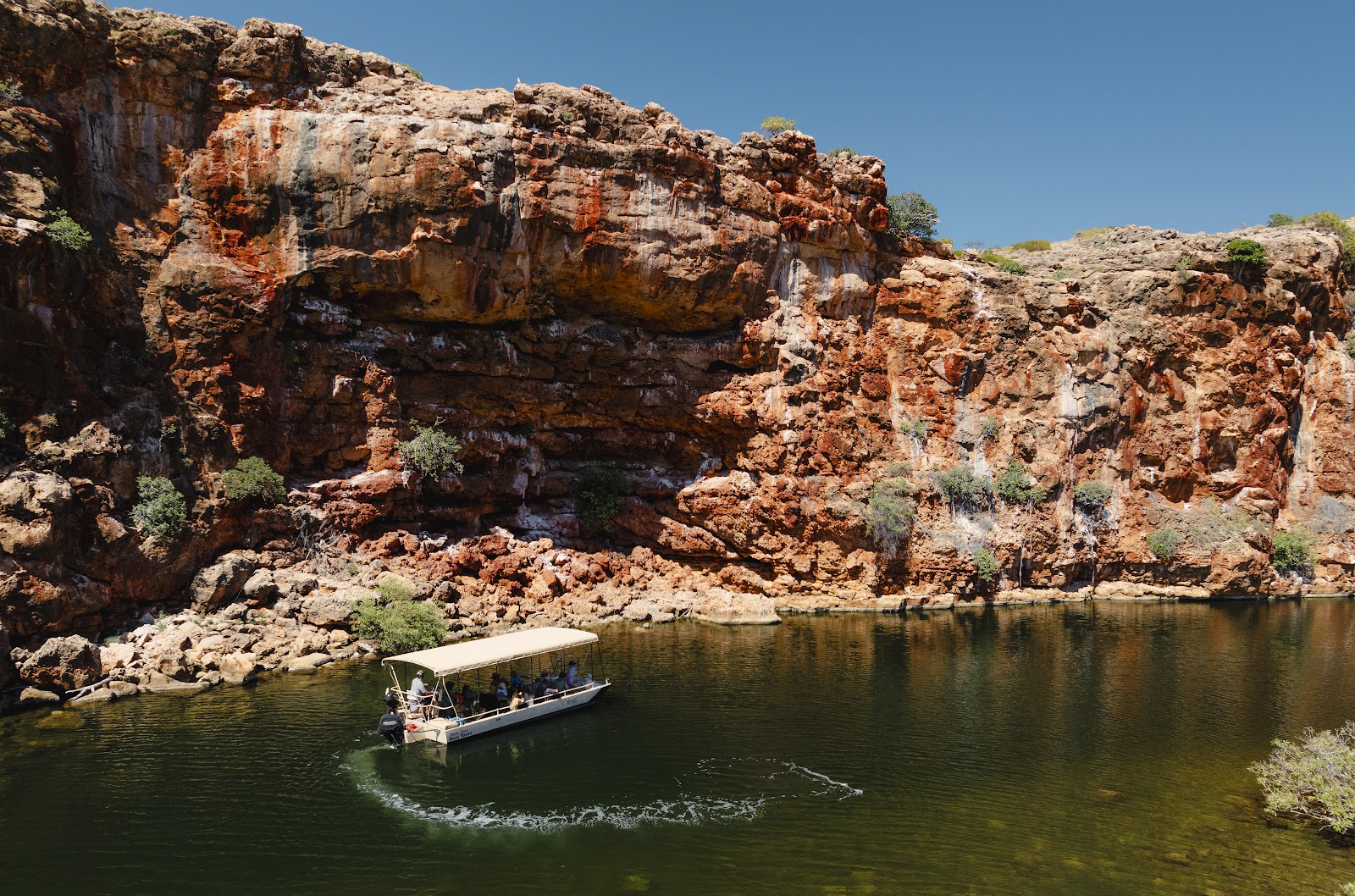
At the southern end of Cape Range National Park, Yardie Creek is the only gorge on the cape with permanent water, and the relaxed hour-long boat cruise up it is the easiest way to see the land side of Ningaloo. Guides point out the black-flanked rock-wallabies that rest on the steep red cliffs, the ospreys and sea eagles nesting in the rock faces, and explain the gorge's ecology and Aboriginal history. The contrast — ancient red gorge walls dropping straight to turquoise water with the reef just beyond the creek mouth — is genuinely striking.
It's the rare Ningaloo highlight that suits absolutely everyone: the boat is stable and shaded, so it works for young kids, grandparents and less-mobile visitors who can't manage a snorkel or a gorge scramble. If you'd rather walk, the 1.2-kilometre Yardie Creek Nature Walk along the rim gives the same views for free, with the steeper Gorge Trail continuing beyond it. Boat tours run on set days at 11am and 12:30pm and book out in peak season — reserve ahead and check current departure days.
It's the one Ningaloo highlight everyone in the family can do together — red-gorge drama from a calm, shaded boat.
“Spotted half a dozen rock wallabies on the cliffs and an osprey on the nest. Easy, shaded, brilliant for the grandparents and the kids alike. Book the boat ahead.”
— Google review
The black-flanked rock-wallabies resting on the red cliff faces above the water.
Boat tours only run on set days and times and book out — reserve ahead. There's no shade on the rim walk, so carry water and a hat if you're walking instead.
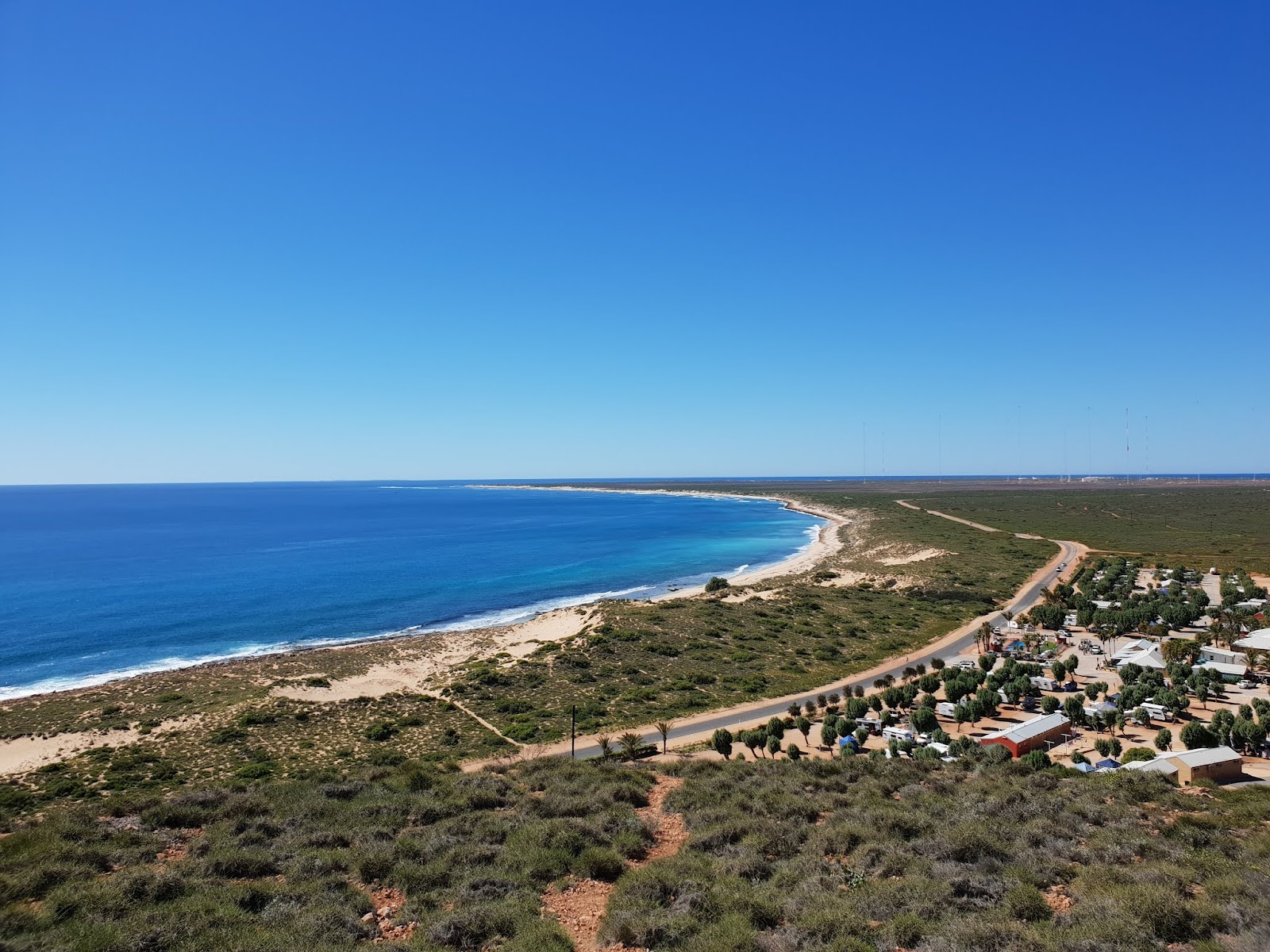
The Vlamingh Head Lighthouse sits on the highest point of the North West Cape, and at sunset it draws a small, happy crowd for one of the best free experiences in the region. The 360-degree view takes in the cape, the reef, the old WWII radar sites and the open Indian Ocean, and in whale season (roughly June to November) you'll often see humpbacks breaching offshore as the light goes gold. It's a short drive and a gentle walk up from the car park, so it's effortless to reach.
It suits everyone — couples making an occasion of it, families letting kids run the hilltop, solo travellers and older visitors, since the lookout is reachable without a scramble. Bring something warm; the cape catches the wind once the sun drops. Time your arrival for thirty minutes before sunset, and if you're staying nearby, it's worth coming back at dawn too, when the same hilltop frames the sunrise over the range with almost nobody there.
It's the region's sunset ritual — a 360-degree cape view, whales offshore in season, and it costs nothing.
“Watched the sun drop over the ocean from the lighthouse with humpbacks breaching out to sea. Easy to reach, magic at golden hour, and free. Don’t miss it.”
— Traveller review
Humpbacks breaching offshore as the sun sets over the Indian Ocean (June–November).
It's exposed and the cape wind is real once the sun drops — bring a layer, and arrive 30 minutes early for parking and a spot at sunset.
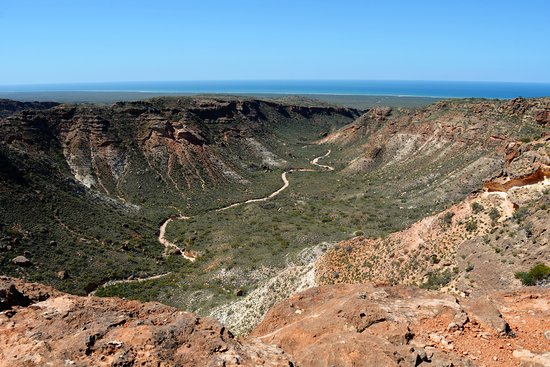
Charles Knife Road climbs a knife-edge ridge into the Cape Range, and it delivers the most dramatic gorge panoramas anywhere on the cape — deep, dry, red canyons falling away on both sides of a narrow graded gravel road. It's a complete contrast to the reef: arid, ancient and silent, more outback than coast. The lookouts along the way and the Thomas Carter Lookout near the top reward an early start, when the low sun rakes across the canyon walls and the heat hasn't yet built. The Badjirrajirra walk trail near the top adds a longer rugged loop for those who want to stretch their legs.
It suits drivers and walkers who want the land side of Ningaloo and aren't fazed by gravel — a 2WD will manage the road in dry conditions, but it's narrow with drop-offs, so take it slow. It's exposed and hot with no shade or water, so it's not the place for a midday visit or for anyone who struggles in heat. Carry water, go at sunrise, and check road conditions after rain.
It's the wild, arid flip side of Ningaloo — knife-edge canyon views that feel a world away from the reef below.
“Drove up at sunrise and had the whole canyon to ourselves, walls glowing red. Completely different to the reef, totally worth it. Take it slow on the gravel.”
— Google review
Sunrise from the ridge lookouts, when the low light sets the canyon walls glowing.
Narrow gravel ridge with drop-offs, no shade and no water — go at sunrise not midday, drive slowly, and check conditions after rain.
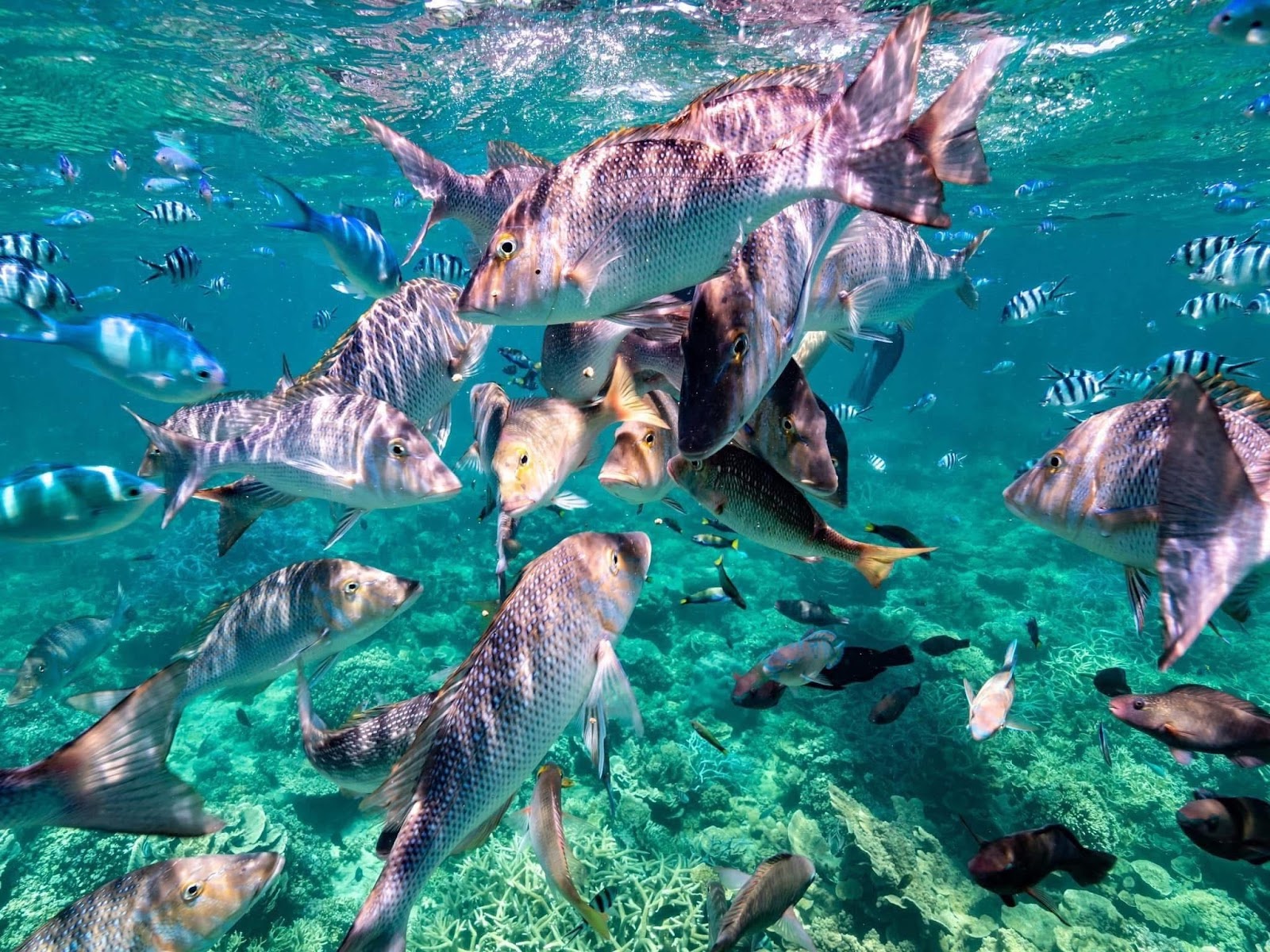
Not everyone wants to put their head underwater, and the glass-bottom boats out of Coral Bay and Exmouth are the answer — a gentle way to see the coral gardens, turtles, reef sharks and rays through a glass floor without getting wet. The Coral Bay trips potter out over the sheltered reef just beyond Bills Bay, where the coral comes up close to the surface, and most give you the option to hop in for a snorkel if the mood takes you. It's an unhurried hour or two that turns the reef into something the whole family can share.
It's the most accessible reef experience at Ningaloo, and the one I'd steer toward grandparents, very young children, non-swimmers and anyone nervous about open water. Couples and solo travellers use it as a low-effort reef hit between bigger days. Departures are weather-dependent and the glass viewing is best on calm, clear mornings before the breeze picks up, so book a morning slot and check the forecast.
It's the reef for everyone — coral, turtles and rays through a glass floor, no swimming required.
“Took the grandparents and the toddler on the glass-bottom boat and we all saw turtles and a reef shark without anyone getting wet. Calm, easy, perfect for mixed ages.”
— Traveller review
Turtles and reef sharks gliding under the glass floor on a calm morning.
Glass viewing is poor when it's choppy — book a calm morning, and note it's a gentler experience than an in-water snorkel, not a substitute for one.
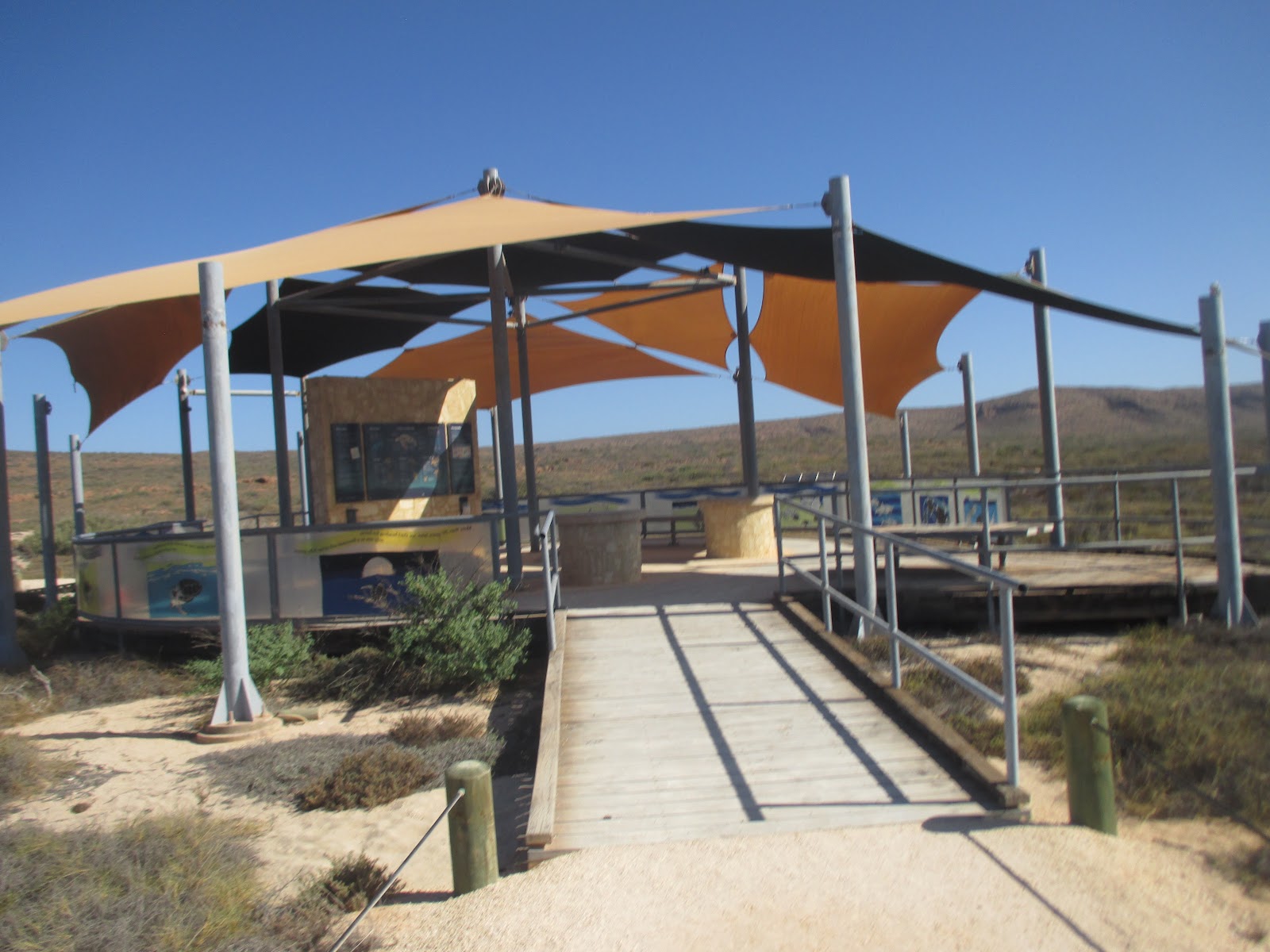
From November to March, green, loggerhead and hawksbill turtles haul up onto the beaches around the cape to nest, and 40 to 60 days later the hatchlings emerge and scramble for the water. The Jurabi Turtle Centre, tucked behind the dunes a short drive north of Exmouth, is the free, self-guided base for watching this respectfully — interpretive displays explain the biology and, crucially, the turtle-watching code that keeps the animals safe. From December to March, rangers and trained volunteers also run guided turtle-education evenings.
It's a genuinely moving, low-key experience that suits families with older kids, couples and anyone happy to be patient in the dark on a beach. It demands discipline, though: no white torches, no flash, stay low, keep back and let the turtles do their thing — get it wrong and you can cause a nesting female to abandon. Bring a red-filtered torch, insect repellent and patience, go on the guided nights if you can, and never touch or surround the animals.
It's a free, wild, after-dark spectacle — watching a turtle nest or hatchlings race the moonlight is unforgettable when done right.
“Sat quietly in the dark and watched a green turtle dig her nest just metres away. Follow the code, use a red light, keep back — magic, and completely free.”
— Google review
Watching a nesting female under moonlight — or hatchlings racing for the sea later in the season.
Only worthwhile Nov–Mar, and you must follow the turtle code — no white light, no flash, stay back. Get it wrong and you'll scare off the turtles; go on a guided night if unsure.
When whale-shark season winds down, the humpbacks take over. From August to October, tens of thousands of humpbacks move past Ningaloo on their southern migration, and the region is one of only a small handful of places on the planet licensed to run in-water humpback whale swims. On a tour, the boat finds a relaxed, curious whale, and small groups slip quietly into the water to watch a 14-metre animal glide beneath them — an encounter that operates strictly on the whales' terms, which is exactly what makes it special.
Because the whales choose whether to engage, no day is guaranteed to put you in the water with one, and operators are upfront about that — you're paying for the chance and the day on the water, with whale-watching from the boat as the fallback. It suits confident open-water snorkellers above all; it's not for young children or weak swimmers. Even from the deck the breaching and tail-slapping is a spectacle. Book ahead, manage your expectations, and treat any in-water encounter as the bonus it is.
It's a privilege the law allows in almost nowhere else — sharing the water with a curious 14-metre humpback on its own terms.
“A curious humpback hung beneath us for several minutes — the operator was clear it’s never guaranteed, but the day it happened was the highlight of the whole trip.”
— Traveller review
A curious humpback choosing to linger beneath your small group in the water.
In-water encounters are never guaranteed — the whales decide. Manage expectations, treat it as a day on the water with a chance, and skip it if you're not a confident open-water swimmer.
The recurring themes across Ningaloo reviews and traveller accounts:
Whether whale sharks, mantas, humpbacks or turtles, visitors consistently rate the wildlife encounters as the best of their lives and the clear justification for the long trip.
The marquee swims are weather-dependent and tightly seasonal — visitors who book ahead, match dates to the right animal and keep a buffer day are delighted; those who turn up hoping to wing it can miss out.
“Inside the National park, must pay $17 entry for 1 day or can get a multi-day-pass. Toilets are available, No showers. Sanctuary area- no fishing Beautiful snorkelling and exploring day along the beach and the water. Be mindful of the strong currents/ rips around the sandbank. Take some shade and a picnic it's a gorgeous place.”— Ca Bi (on Turquoise Bay), Google review
“Drift Snorkeling is amazing!!! Water temp was nice - early August, didn't need a wetsuit. Plenty of colourful fish of varying sizes, even a reef shark crossed my path Totally recommend when in the area”— Violet Patty (on Turquoise Bay), Google review
“Absolutely perfectly clear water and clean sand. Great for snorkelling. Had fish swimming around me which was an awesome experience”— Taylor Cougle (on Turquoise Bay), Google review
| When you visit | The marquee swim | Always available |
|---|---|---|
| Mar–early Aug | Whale sharks | Beach snorkels, Cape Range gorges, mantas |
| Aug–Oct | Humpback whale swim | Mantas, beach snorkels, lighthouse whales |
| Nov–Feb | Turtle nesting (Jurabi) | Mantas year-round, quiet beaches, glass-bottom boat |
| Any time | Manta rays (Coral Bay) | Turquoise Bay, Yardie Creek, Navy Pier diving |
Getting around: A car is essential. Cape Range National Park is a short drive west of Exmouth, Coral Bay is 1.5 hours south, and there's no useful public transport. A 2WD is fine for the sealed roads and the graded gravel in the dry, but check whether your hire car is allowed on unsealed roads.
Season and bookings: Match your dates to the animal — whale sharks mid-March to early August, humpback swims August to October, mantas and turtles fill the rest of the year. The marquee swims are weather-dependent and book out in peak weeks, so reserve them and your accommodation months ahead, and build in a buffer day in case a boat day is cancelled by wind.
The park and the heat: A Cape Range National Park pass is required (buy ahead or at the entry). There is little to no shade at the beaches, gorges and lookouts, and the cape gets genuinely hot — carry far more water than you think you need, sun-protect properly, and do the gorge drives and walks at dawn rather than midday.
The reef: Most of Ningaloo's best snorkels are off the beach and free, but they have real currents (Turquoise Bay drifts, Oyster Stacks is tide-dependent). Check conditions, snorkel with a buddy, send nervous swimmers and kids to Lakeside or Coral Bay, and stay off the coral.
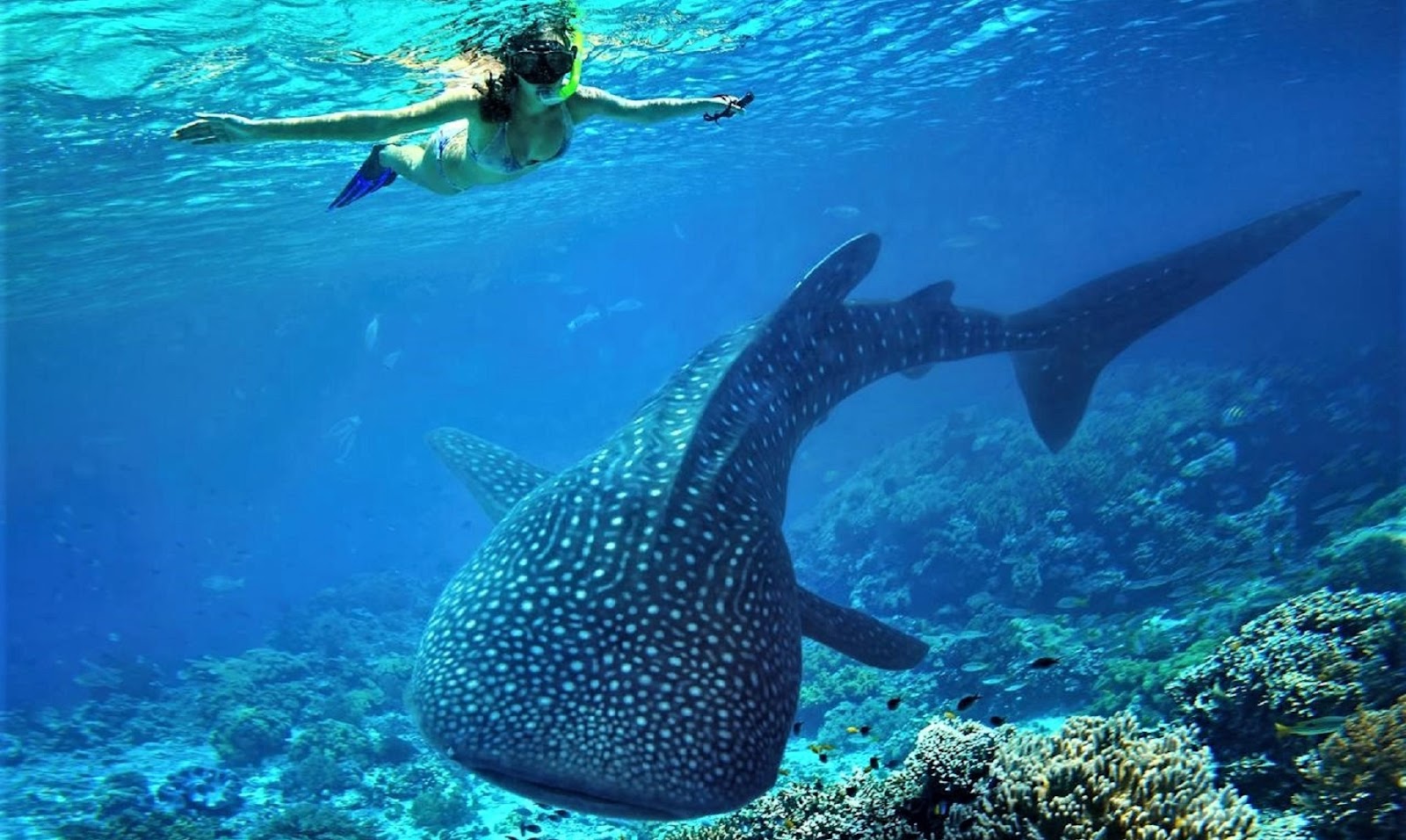
Swim with a whale shark. Drift over the reef off Turquoise Bay. Float with the mantas at Coral Bay. Cruise Yardie Creek between the red gorge walls. Watch the sun drop from Vlamingh Head with whales offshore. That's the spine of a great Ningaloo trip — a moving target between water and land, big animals and quiet beaches, adjusted for whichever season you've come in.
The best things to do at Ningaloo reward the traveller who plans the wildlife days first, builds the free reef snorkels and gorge drives around them, and gives the region the five-to-seven nights it deserves rather than trying to cram it into a weekend. Book the swims, build a buffer for the weather, carry water, and let one of the last great wild reefs on earth do the rest. Thirteen hours north of Perth — and nowhere else like it.
Enjoying things to do? Here’s where else in Australia it’s worth the trip — ranked by how loved each destination is, with the one thing not to miss at each.
 Dubbo
Central West, New South Wales
Taronga Western Plains Zoo — Cycling the open-range loop in the cool of early morning, before the heat and the crowds build.
Explore things to do in Dubbo →
2
Dubbo
Central West, New South Wales
Taronga Western Plains Zoo — Cycling the open-range loop in the cool of early morning, before the heat and the crowds build.
Explore things to do in Dubbo →
2
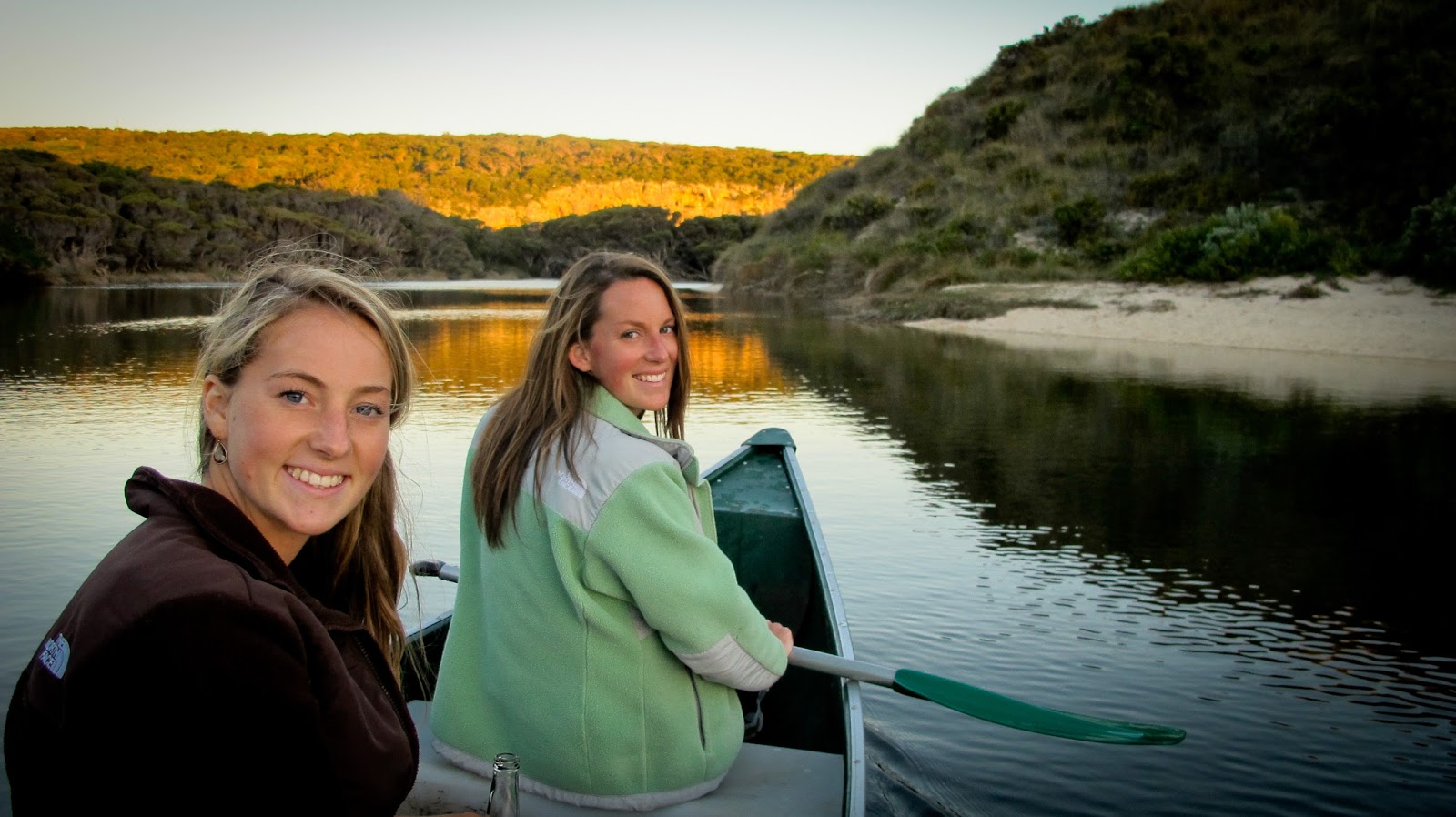 Margaret River
Australia's South West, Western Australia
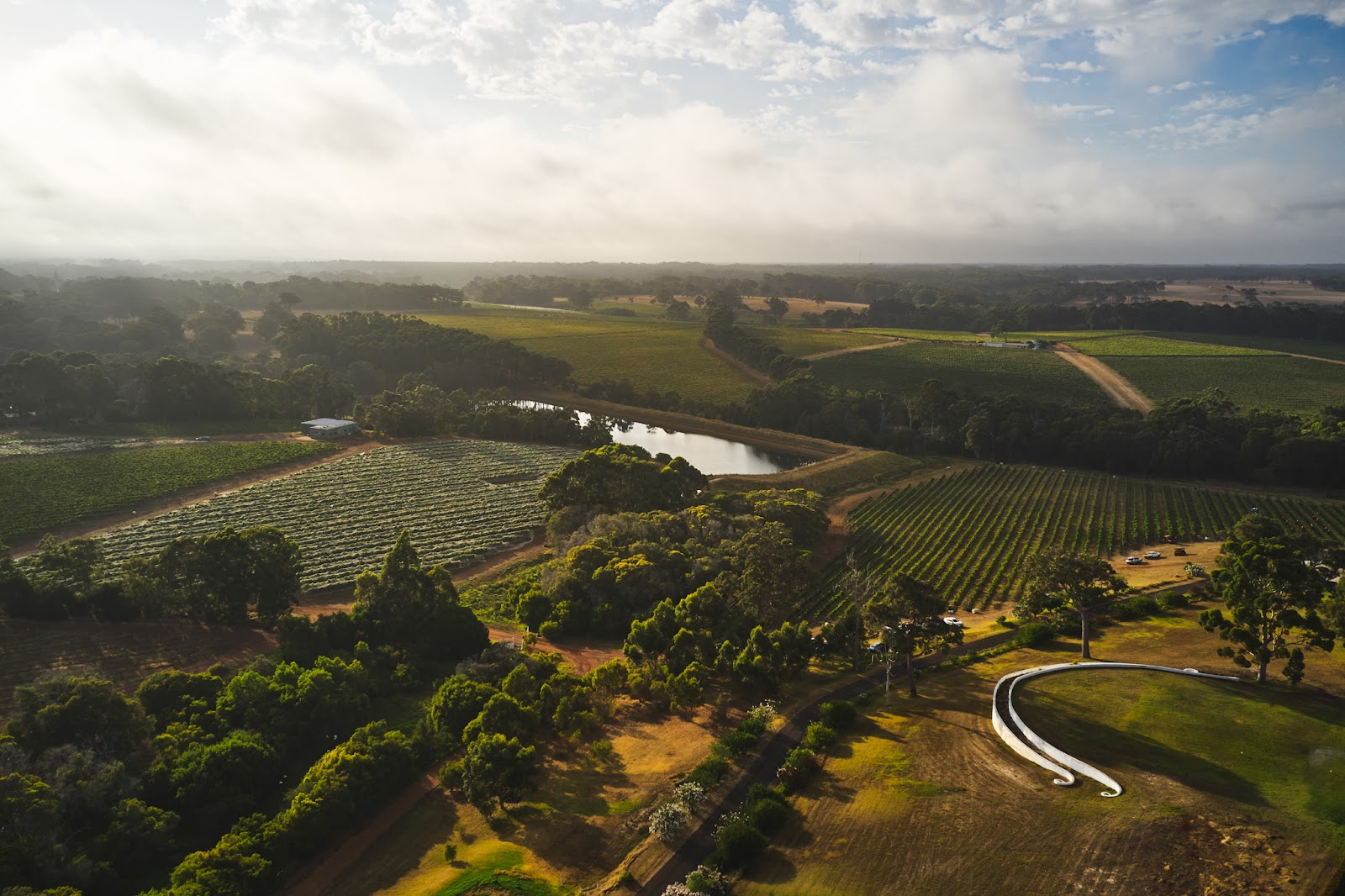
Cellar-Door Wine Touring — A long lunch at a cellar-door restaurant, booked ahead, in the middle of a tasting day.
Explore things to do in Margaret River →
3
Margaret River
Australia's South West, Western Australia
Cellar-Door Wine Touring — A long lunch at a cellar-door restaurant, booked ahead, in the middle of a tasting day.
Explore things to do in Margaret River →
3
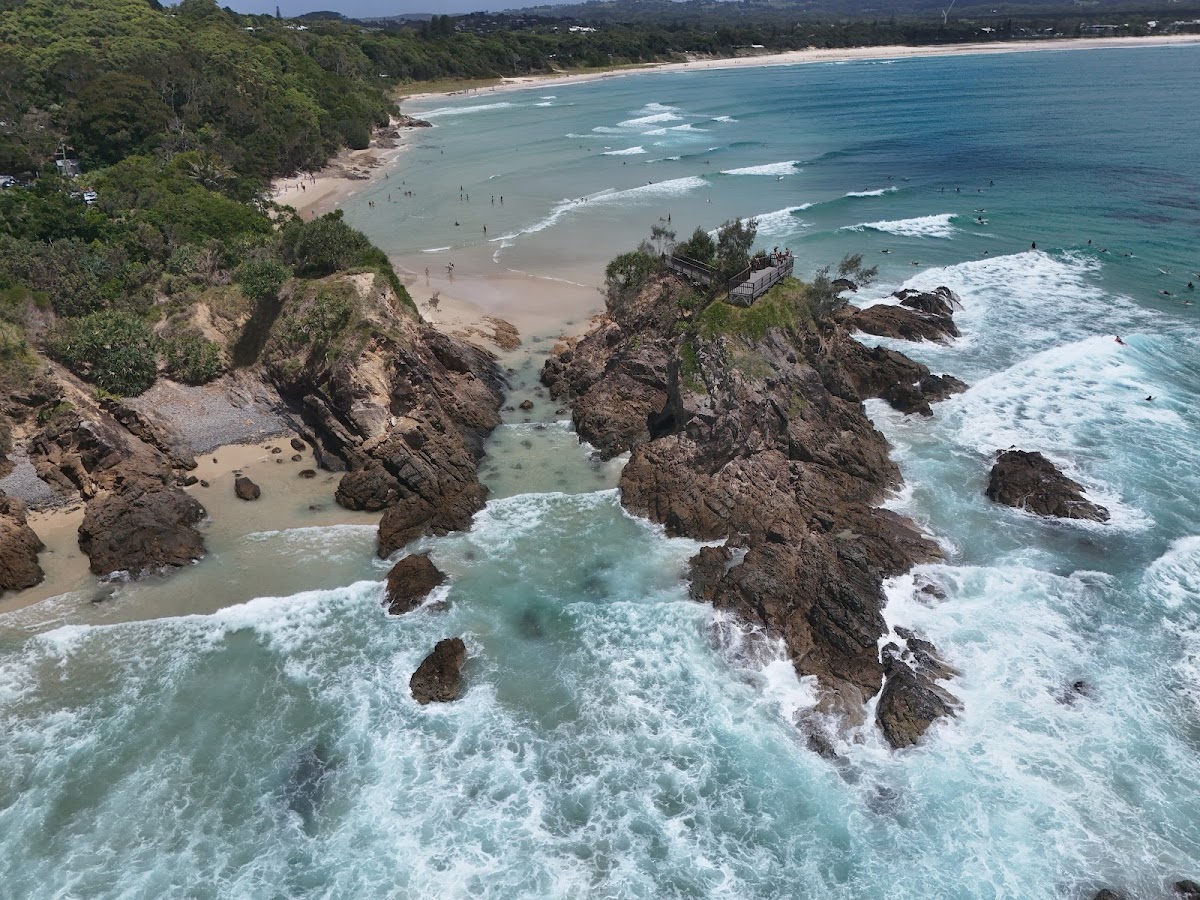 Byron Bay
Northern Rivers, New South Wales
Cape Byron lighthouse walk — First light at the easternmost point with humpbacks offshore (May–November).
Explore things to do in Byron Bay →
4
Byron Bay
Northern Rivers, New South Wales
Cape Byron lighthouse walk — First light at the easternmost point with humpbacks offshore (May–November).
Explore things to do in Byron Bay →
4
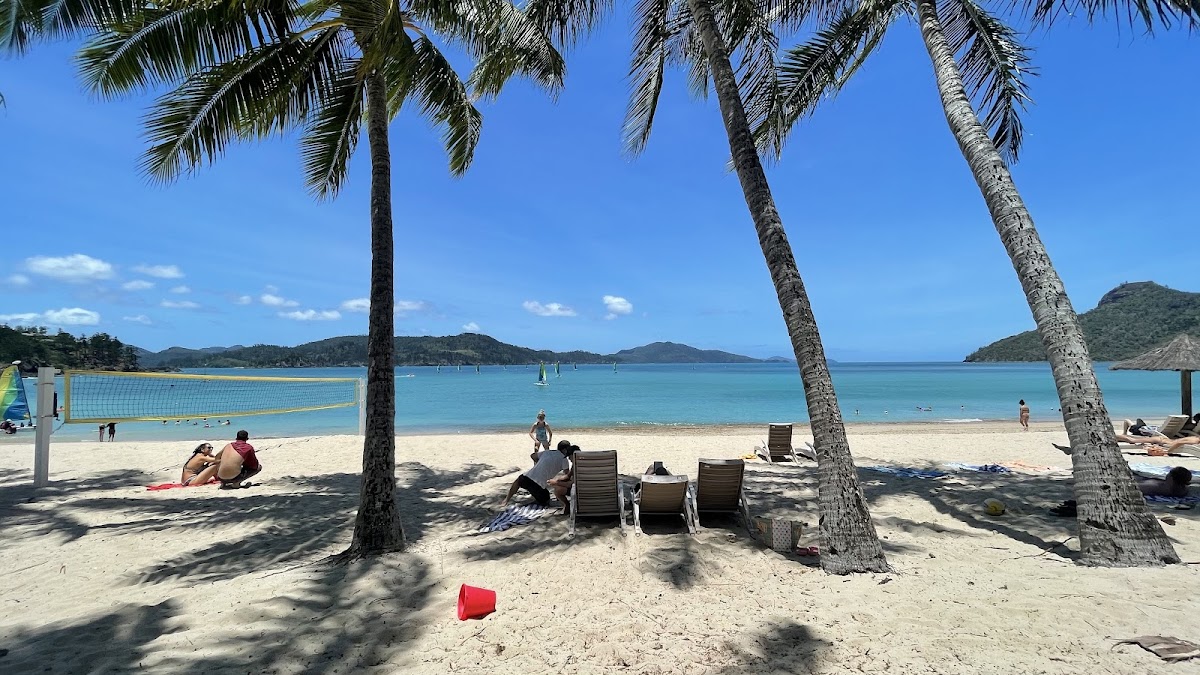 Hamilton Island
The Whitsundays, Queensland
Whitehaven Beach & Hill Inlet day trip — The Hill Inlet lookout from Tongue Point at low-to-mid tide, when the sand and water swirl together.
Explore things to do in Hamilton Island →
5
Hamilton Island
The Whitsundays, Queensland
Whitehaven Beach & Hill Inlet day trip — The Hill Inlet lookout from Tongue Point at low-to-mid tide, when the sand and water swirl together.
Explore things to do in Hamilton Island →
5
 Glen Aplin
Granite Belt, Queensland
Wine tasting at the cellar doors — A winemaker-led tasting at a small cellar door, early while your palate is fresh.
Explore things to do in Glen Aplin →
6
Glen Aplin
Granite Belt, Queensland
Wine tasting at the cellar doors — A winemaker-led tasting at a small cellar door, early while your palate is fresh.
Explore things to do in Glen Aplin →
6
 Broome
Australia's North West, Western Australia
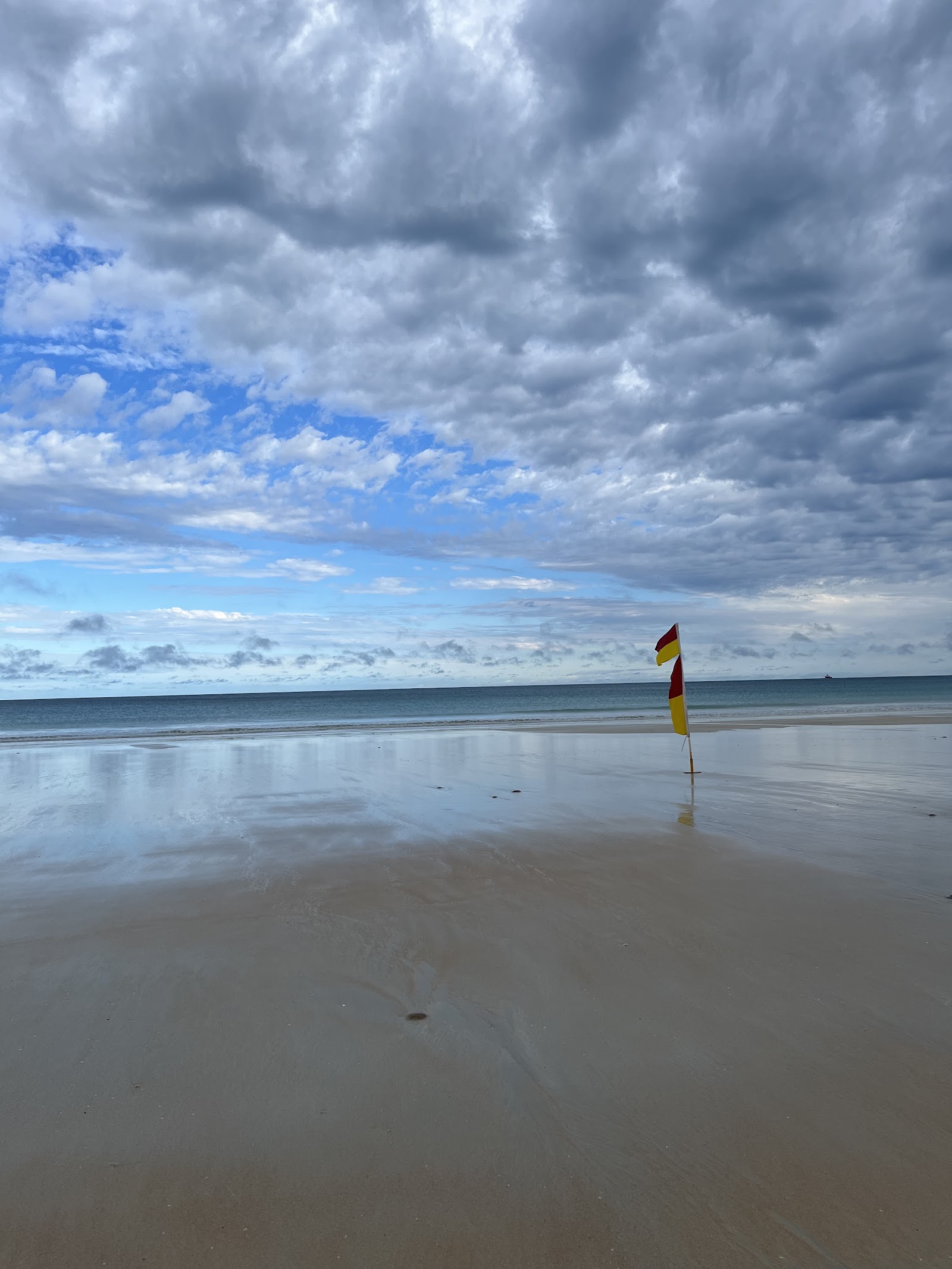
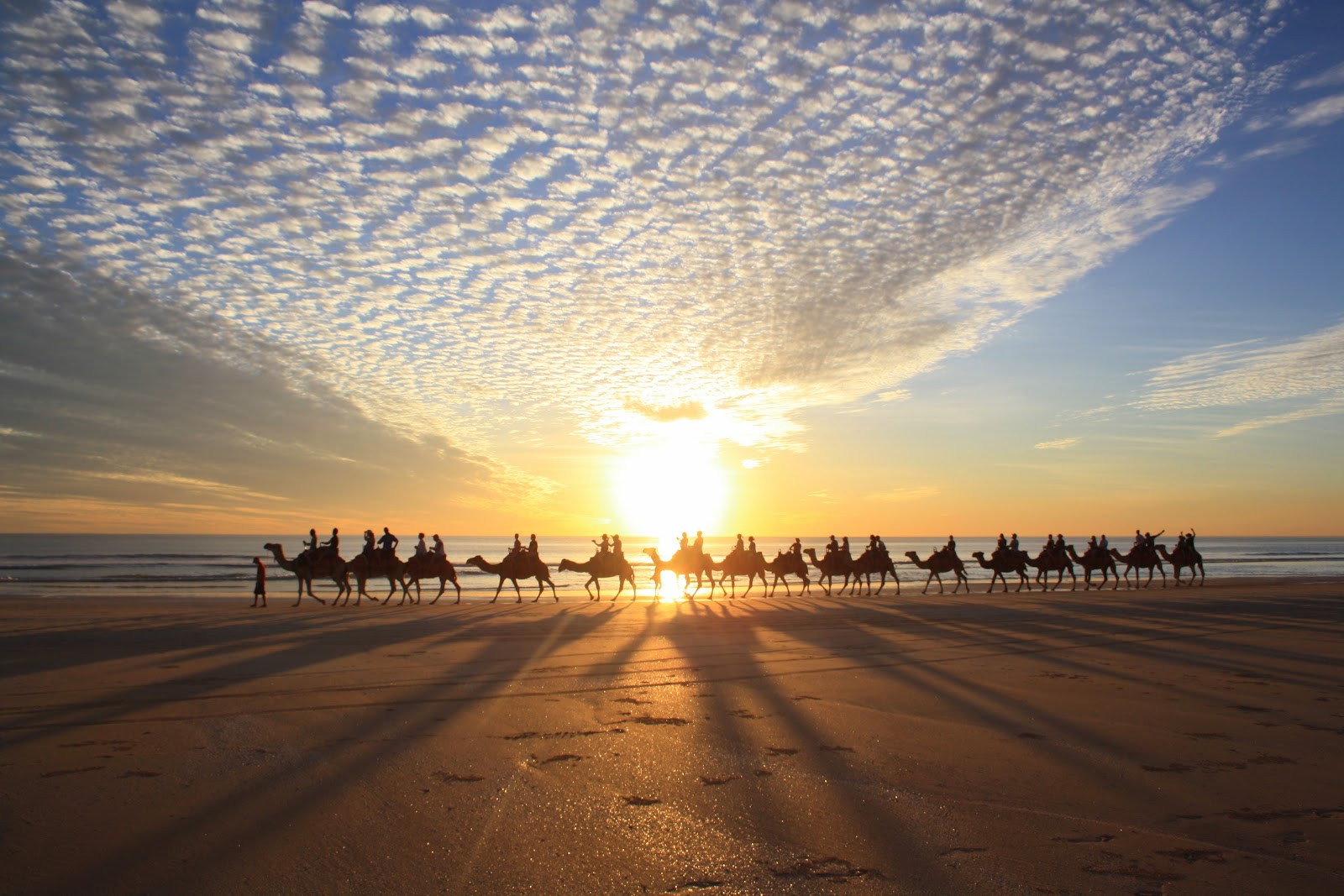
Sunset Camel Ride on Cable Beach — Riding the camel train along the tideline as the sun hits the horizon over the Indian Ocean.
Explore things to do in Broome →
7
Broome
Australia's North West, Western Australia
Sunset Camel Ride on Cable Beach — Riding the camel train along the tideline as the sun hits the horizon over the Indian Ocean.
Explore things to do in Broome →
7
 The Kimberley
Australia's North West, Western Australia
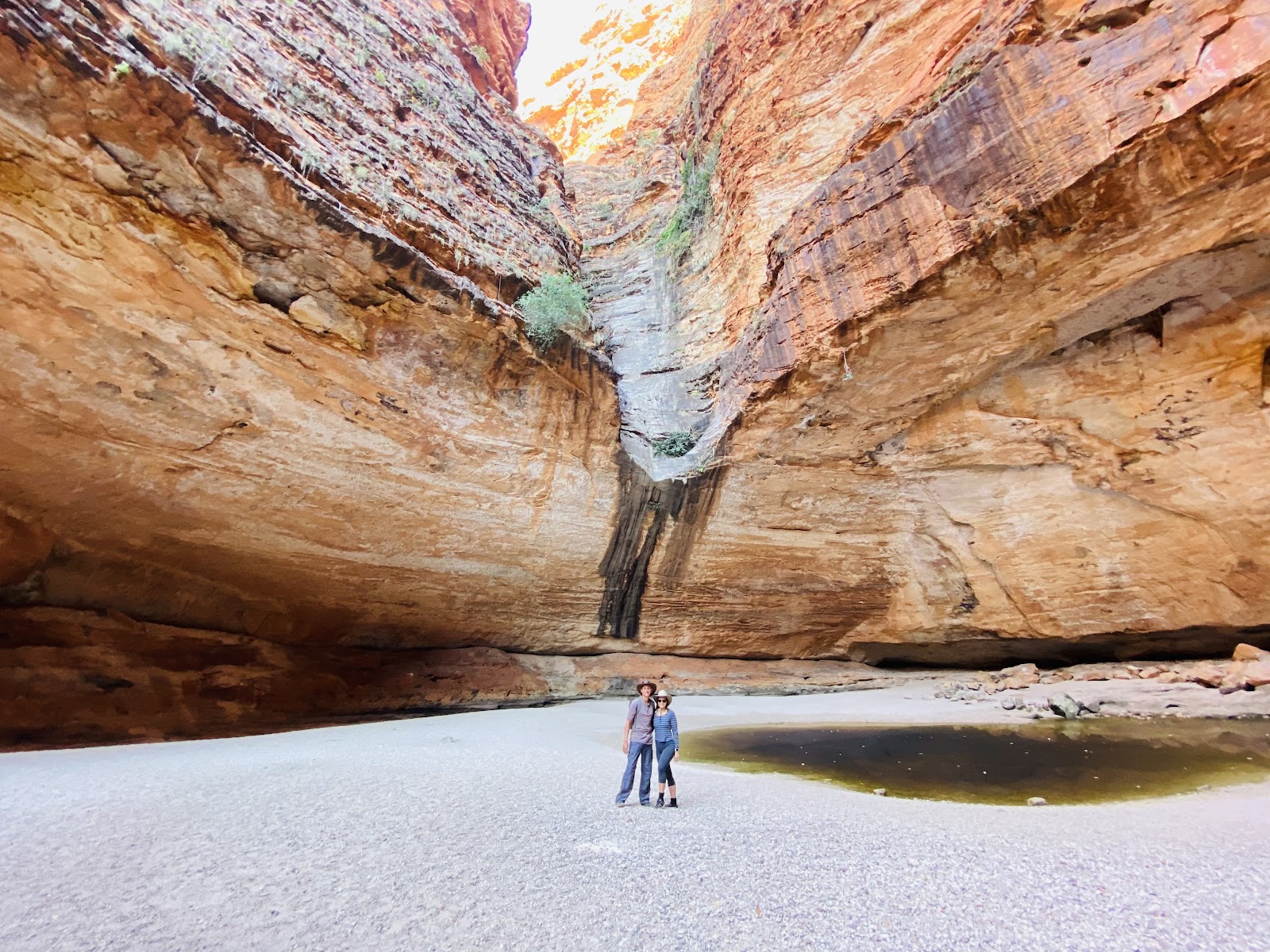
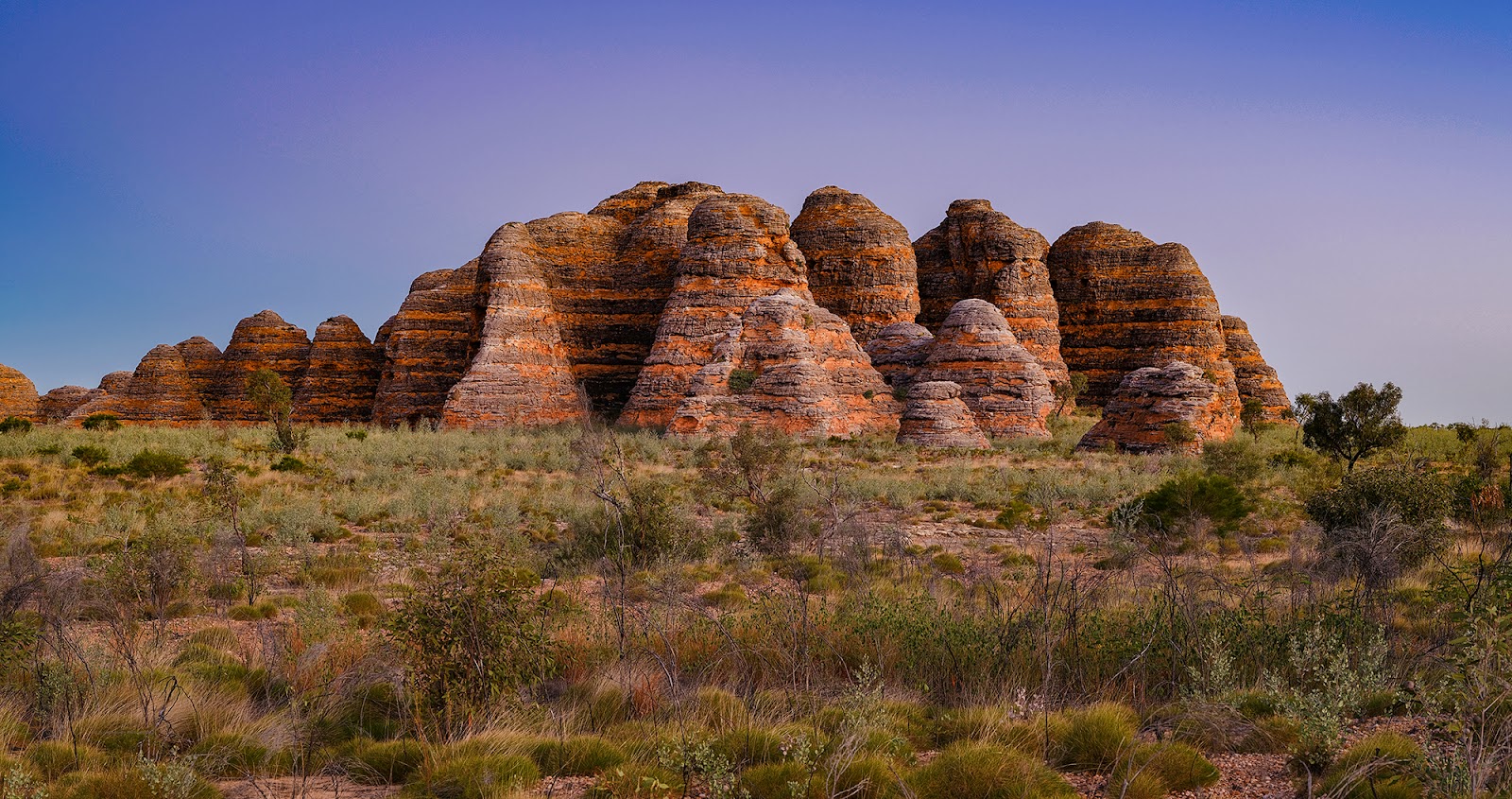
The Bungle Bungles & Cathedral Gorge, Purnululu — Cathedral Gorge’s amphitheatre on foot, and the striped domes from a dawn or dusk scenic flight.
Explore things to do in The Kimberley →
Ningaloo Reef you’re here
Australia's Coral Coast, Western Australia
Swim with Whale Sharks — The first time the shark materialises out of the blue beneath you — nothing prepares you for the size.
You’re reading this guide
The Kimberley
Australia's North West, Western Australia
The Bungle Bungles & Cathedral Gorge, Purnululu — Cathedral Gorge’s amphitheatre on foot, and the striped domes from a dawn or dusk scenic flight.
Explore things to do in The Kimberley →
Ningaloo Reef you’re here
Australia's Coral Coast, Western Australia
Swim with Whale Sharks — The first time the shark materialises out of the blue beneath you — nothing prepares you for the size.
You’re reading this guide
 Kangaroo Valley
Shoalhaven, New South Wales
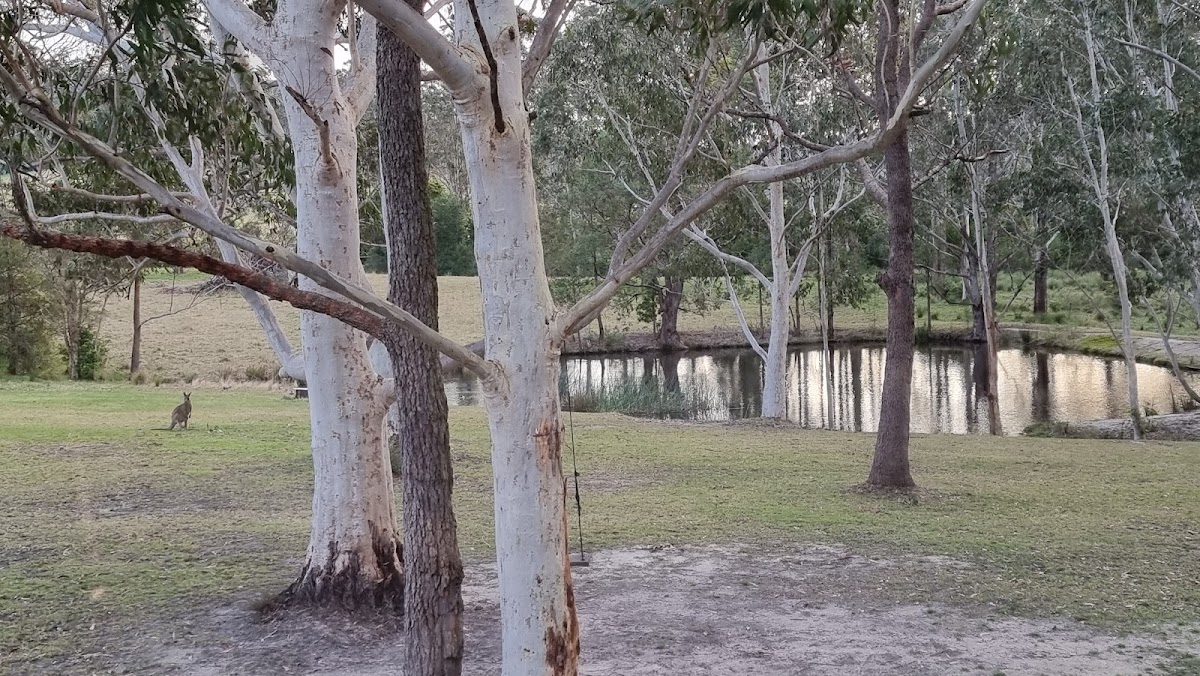
Paddle the Kangaroo River — The quiet upstream stretch from Hampden Bridge, paddled early before the hire crowd arrives.
Explore things to do in Kangaroo Valley →
10
Kangaroo Valley
Shoalhaven, New South Wales
Paddle the Kangaroo River — The quiet upstream stretch from Hampden Bridge, paddled early before the hire crowd arrives.
Explore things to do in Kangaroo Valley →
10
 Narooma
South Coast, New South Wales
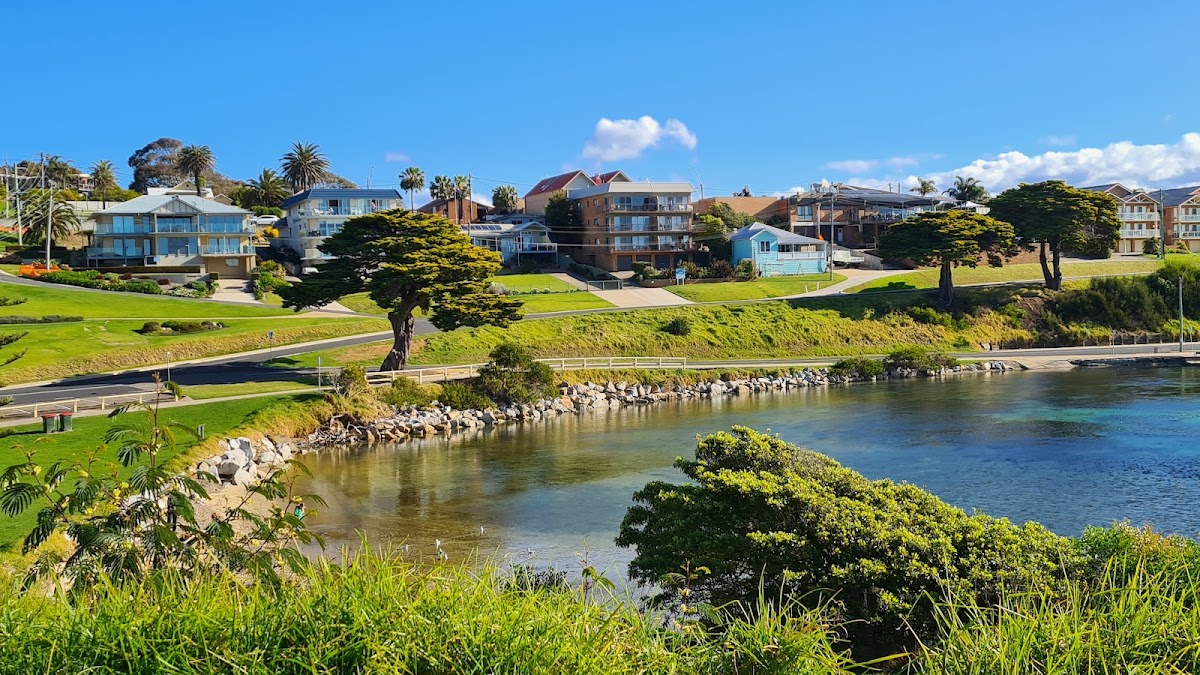
Sunrise at Narooma Headland — Arriving 20 minutes before sunrise in winter, when the light catches the spray off the headland.
Explore things to do in Narooma →
Narooma
South Coast, New South Wales
Sunrise at Narooma Headland — Arriving 20 minutes before sunrise in winter, when the light catches the spray off the headland.
Explore things to do in Narooma →
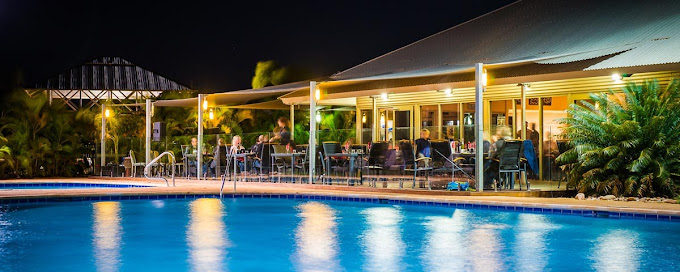
Exmouth Escape Resort — Ningaloo Reef
Book Direct & Save →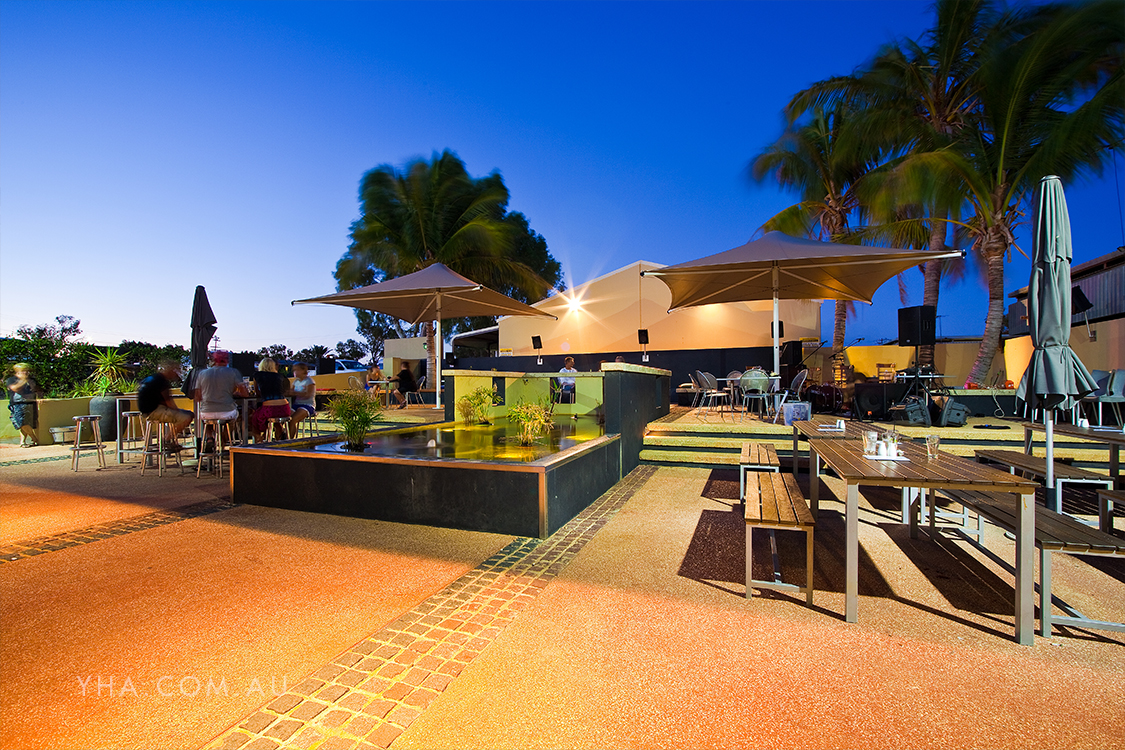
Ningaloo Caravan and Holiday Resort — Ningaloo Reef
Book Direct & Save →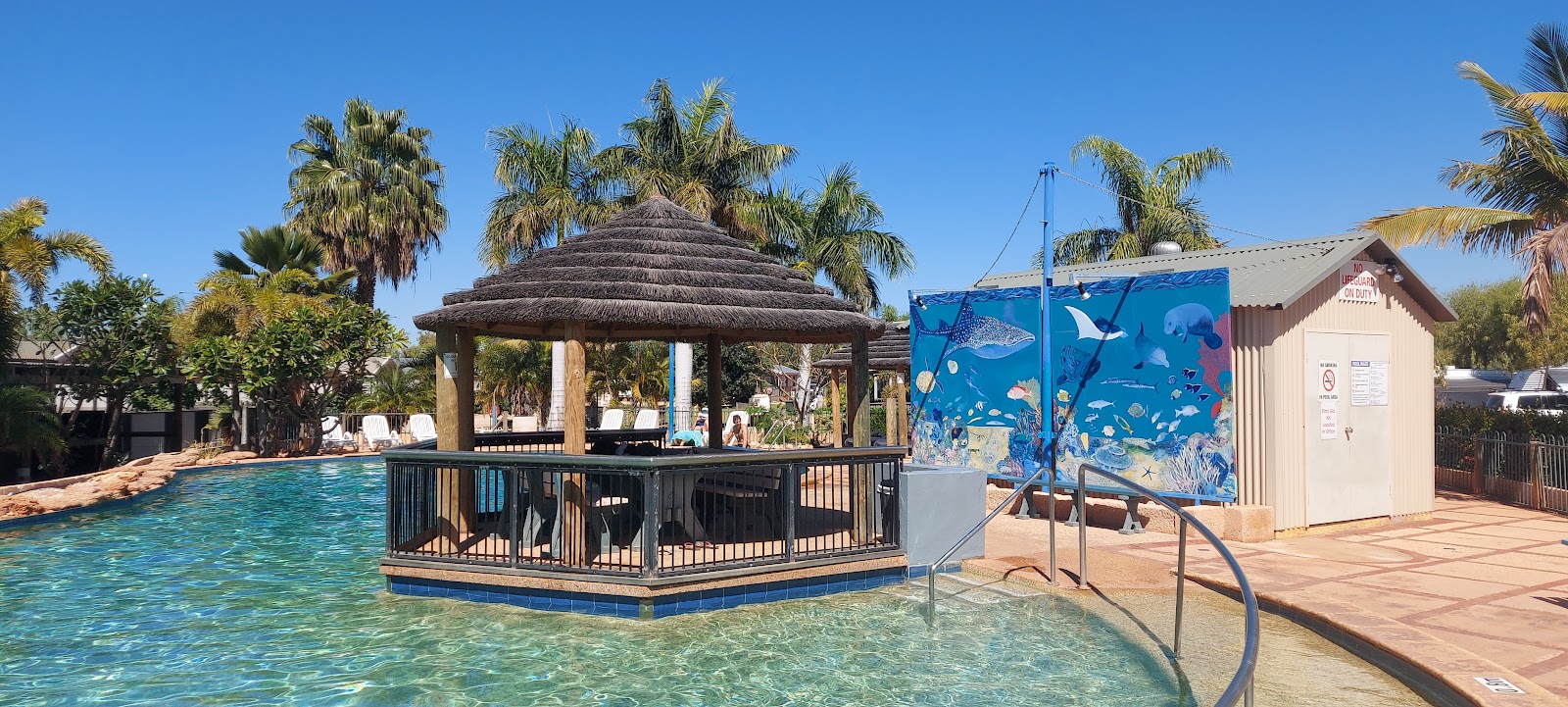
Skip OTA fees. Connect directly with Ningaloo Reef owners for the best rates and a truly personal experience.
We match any online rate. No service fees — 100% of your payment supports local owners.
Direct guests receive complimentary hampers, early check-in, and priority access to experiences.
Speak directly with the people who manage the properties. No call centres, just local expertise.
Part of Western Australia · Australia's Coral Coast
 Glen Aplin
Granite Belt, Queensland
Queensland's most underrated wine valley
Explore the guide →
Glen Aplin
Granite Belt, Queensland
Queensland's most underrated wine valley
Explore the guide →
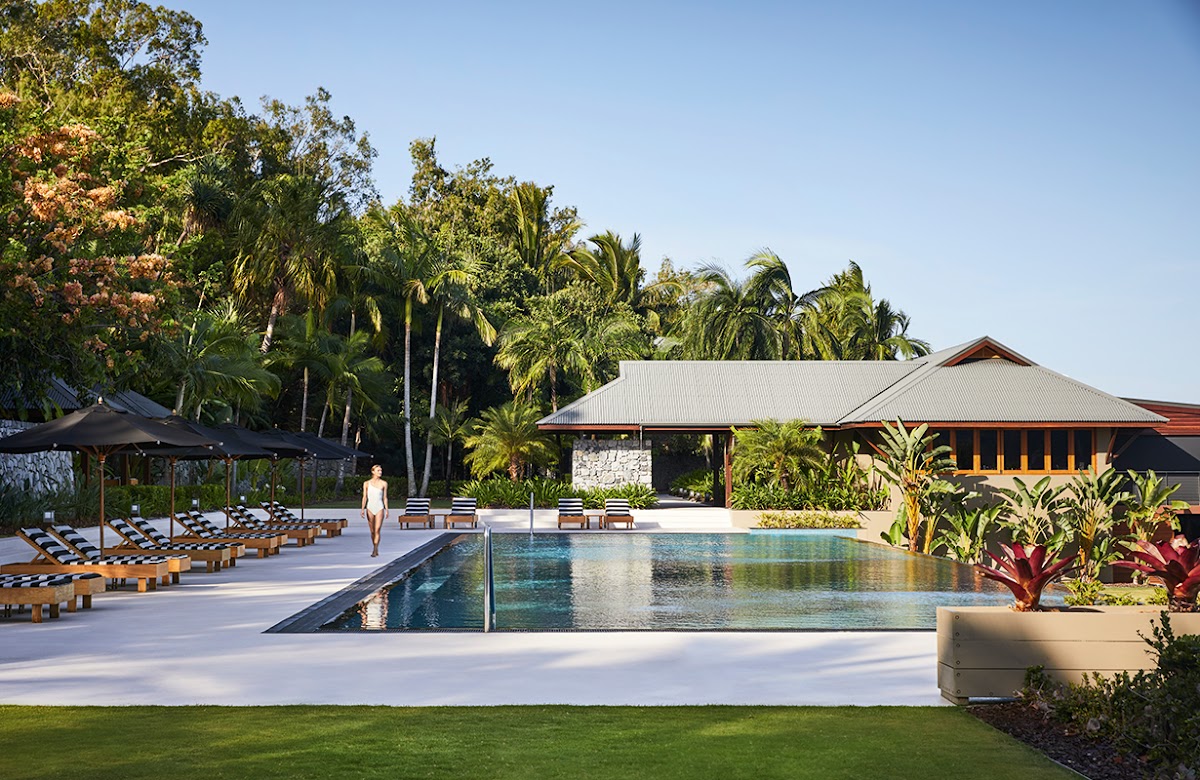 Hamilton Island
The Whitsundays, Queensland
Whitsundays island resort — Whitehaven Beach, reef trips and golf-buggy life
Explore the guide →
Hamilton Island
The Whitsundays, Queensland
Whitsundays island resort — Whitehaven Beach, reef trips and golf-buggy life
Explore the guide →
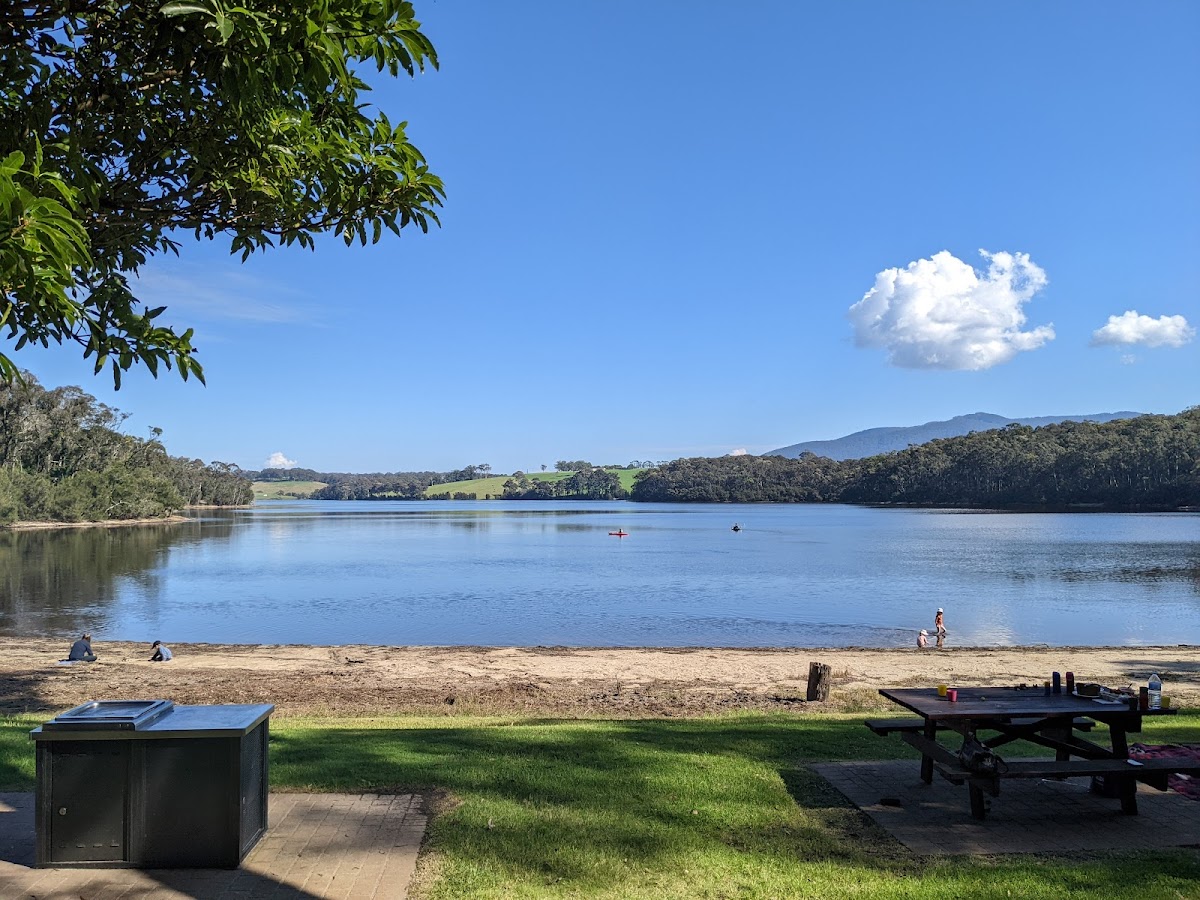 Narooma
South Coast, New South Wales
Crystal-clear inlet, surf beaches, oysters and Montague Island
Explore the guide →
Narooma
South Coast, New South Wales
Crystal-clear inlet, surf beaches, oysters and Montague Island
Explore the guide →
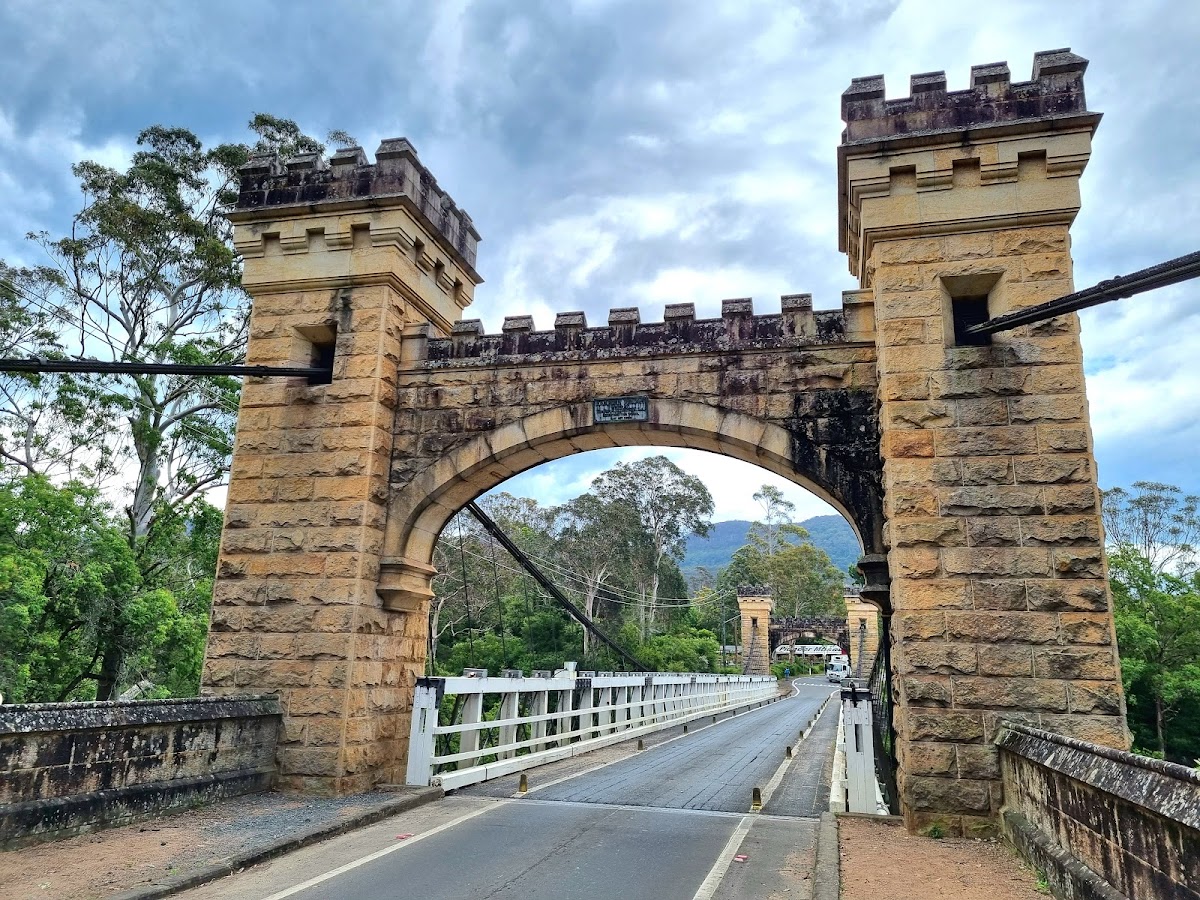 Kangaroo Valley
Shoalhaven, New South Wales
Hampden Bridge, kayaking and wombats in a green valley
Explore the guide →
Kangaroo Valley
Shoalhaven, New South Wales
Hampden Bridge, kayaking and wombats in a green valley
Explore the guide →
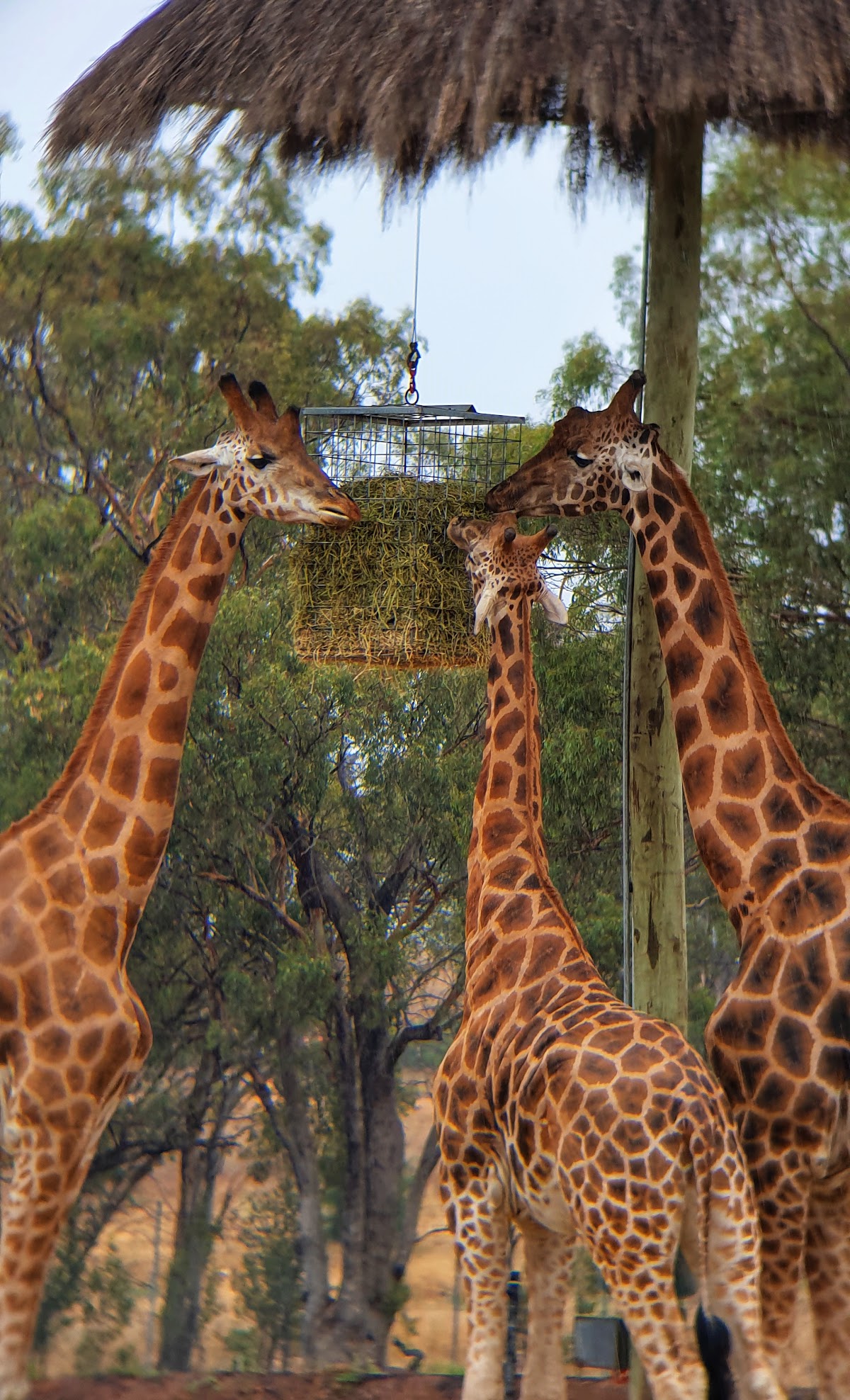 Dubbo
Central West, New South Wales
Open-range zoo and Outback gateway on the Macquarie River
Explore the guide →
Dubbo
Central West, New South Wales
Open-range zoo and Outback gateway on the Macquarie River
Explore the guide →
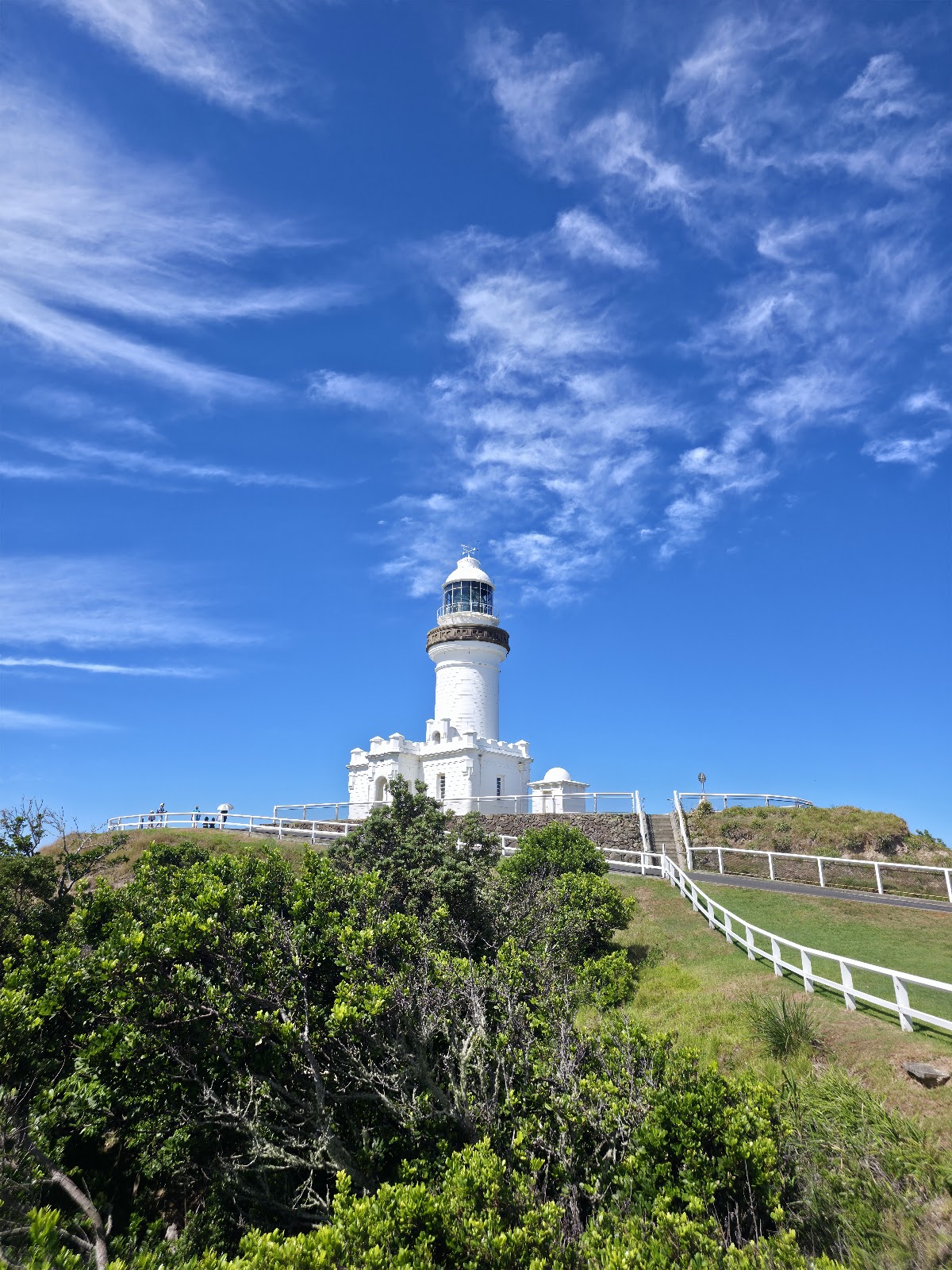 Byron Bay
Northern Rivers, New South Wales
Australia's iconic beach town and most easterly point
Explore the guide →
Byron Bay
Northern Rivers, New South Wales
Australia's iconic beach town and most easterly point
Explore the guide →
 Broome
Australia's North West, Western Australia
Cable Beach sunsets, pearling history and camels on 22km of sand
Explore the guide →
Broome
Australia's North West, Western Australia
Cable Beach sunsets, pearling history and camels on 22km of sand
Explore the guide →
 The Kimberley
Australia's North West, Western Australia
Gibb River Road, the Bungle Bungles, gorges and waterfalls in Australia's last frontier
Explore the guide →
The Kimberley
Australia's North West, Western Australia
Gibb River Road, the Bungle Bungles, gorges and waterfalls in Australia's last frontier
Explore the guide →
 Margaret River
Australia's South West, Western Australia
World-class wineries, surf breaks and limestone caves three hours south of Perth
Explore the guide →
Margaret River
Australia's South West, Western Australia
World-class wineries, surf breaks and limestone caves three hours south of Perth
Explore the guide →