01. Exmouth Escape Resort
4.5 (428 reviews)
Exmouth Escape Resort — Ningaloo Reef
Book Direct & Save →There are dive destinations and then there are places that serious divers plan entire trips around. Navy Pier is the second kind. Located on a Defence establishment at the tip of the North West Cape, it is consistently ranked as one of the greatest shore dives in the world — not among the best in Australia, not the best in WA, but genuinely one of the best on the planet. The abundance and diversity of marine life under a working military pier, where fish have been undisturbed for decades, is difficult to convey to someone who hasn't dived it.
View 3 Properties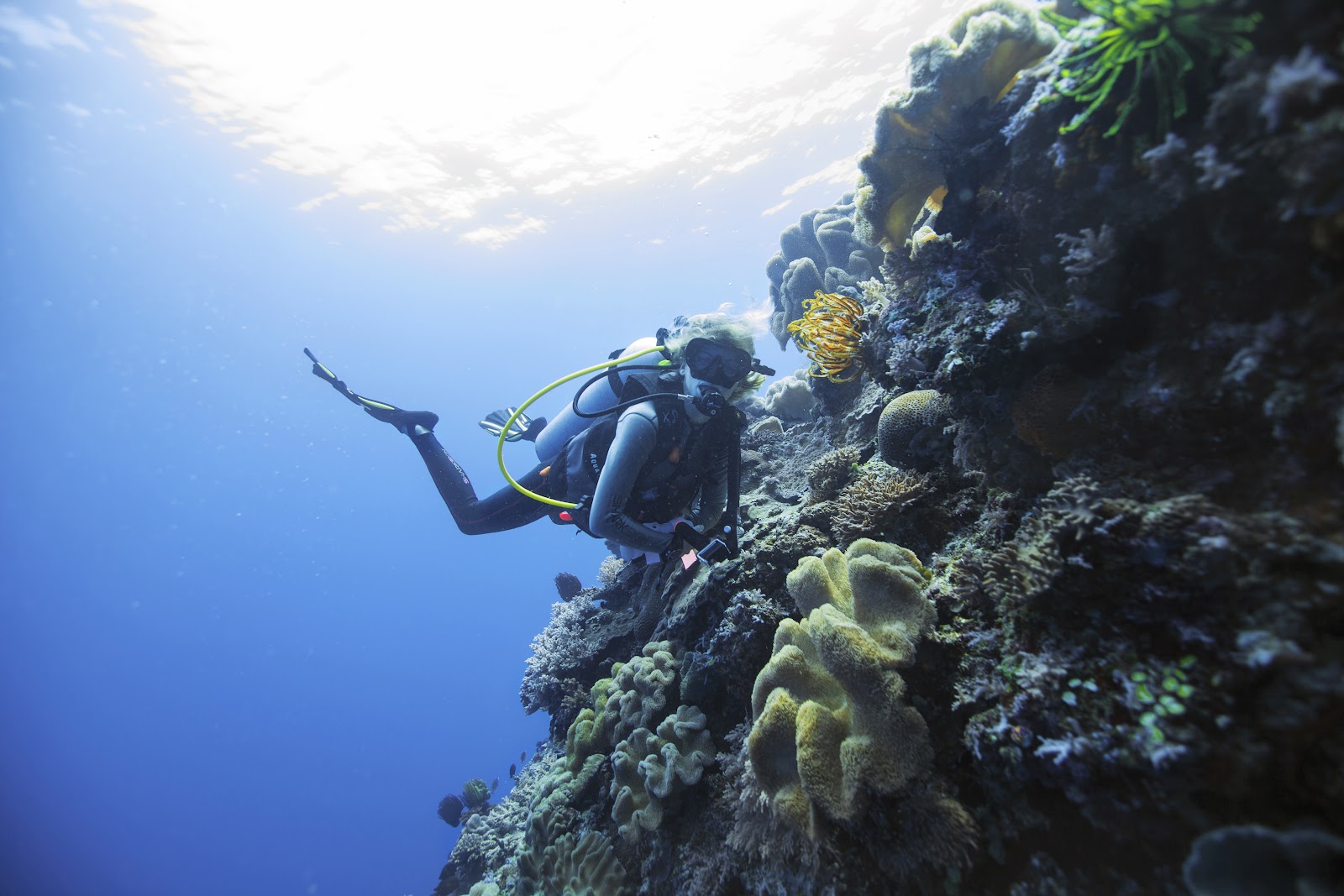
"World-class, diverse, accessible"
But Navy Pier is just one dive at Ningaloo. The Muiron Islands to the north offer pristine outer-reef walls and some of the most reliable manta encounters in WA. Lighthouse Bay has multiple sites catering to all levels. The Exmouth Gulf has deep-water sites and seasonal visits from whale sharks, manke rays and humpbacks. And the main reef itself, running along the Cape Range Peninsula, offers some of the most accessible coral diving on Earth — shore dives on a living reef from a sandy beach.
One important access point upfront: Navy Pier sits on Learmonth Naval Air Station, a Defence establishment. Access requires a licensed operator — you cannot dive Navy Pier without booking through an operator who has the required permits. This is a firm condition. All other Ningaloo sites are accessed via licensed charter from Exmouth or Coral Bay.
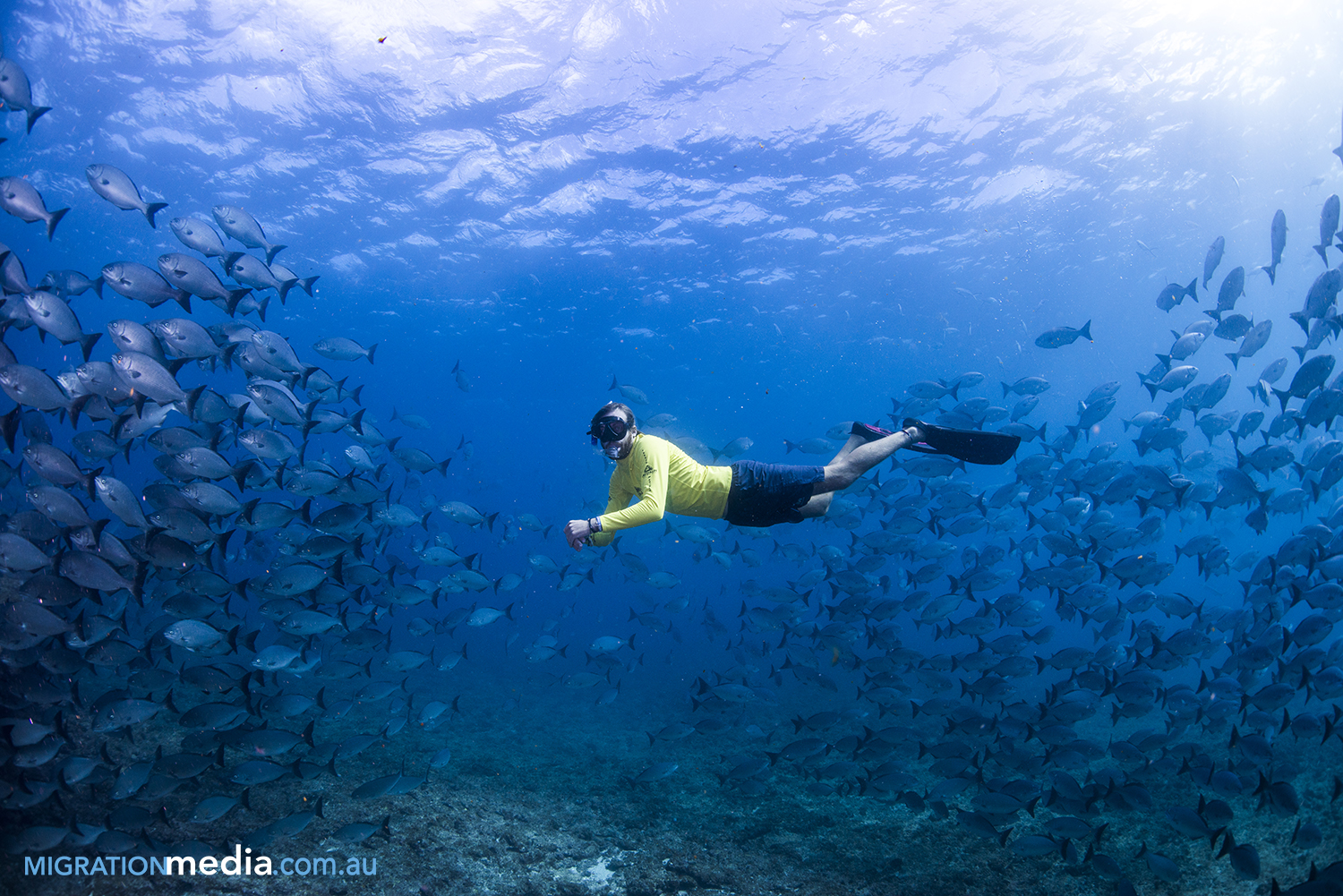
Ningaloo sits in one of the most biodiverse sections of the Indian Ocean. The reef system is in exceptional health compared with most tropical reefs globally — the result of its remoteness, the relatively small number of divers who make the trip, and decades of marine park protection. Diving here feels like diving the reef as it was meant to look: abundant, intact, and not overly familiar with people.
What makes Ningaloo compelling for divers is the range. Navy Pier is a world-class artificial reef dive. The Muiron Islands are pristine outer reef walls and drift dives. Lighthouse Bay has sheltered sites for beginners and deeper formations for the experienced. The Exmouth Gulf offers different habitat altogether — deeper water, game fish, and pelagic encounters including manta rays, whale sharks (in season) and humpback whales. You can plan a week of diving at Ningaloo without repeating yourself.
The visibility at most sites is genuinely excellent, particularly April through to October — 15 to 20 metres is a reasonable expectation at Muiron and the outer reef, and Navy Pier regularly delivers exceptional horizontal visibility despite the pier structure creating shade and some low light. The water temperature ranges from around 21°C in the coolest winter months (June to August) to 28°C in summer, meaning a 3mm wetsuit is usually sufficient for summer diving and a 5mm for winter.
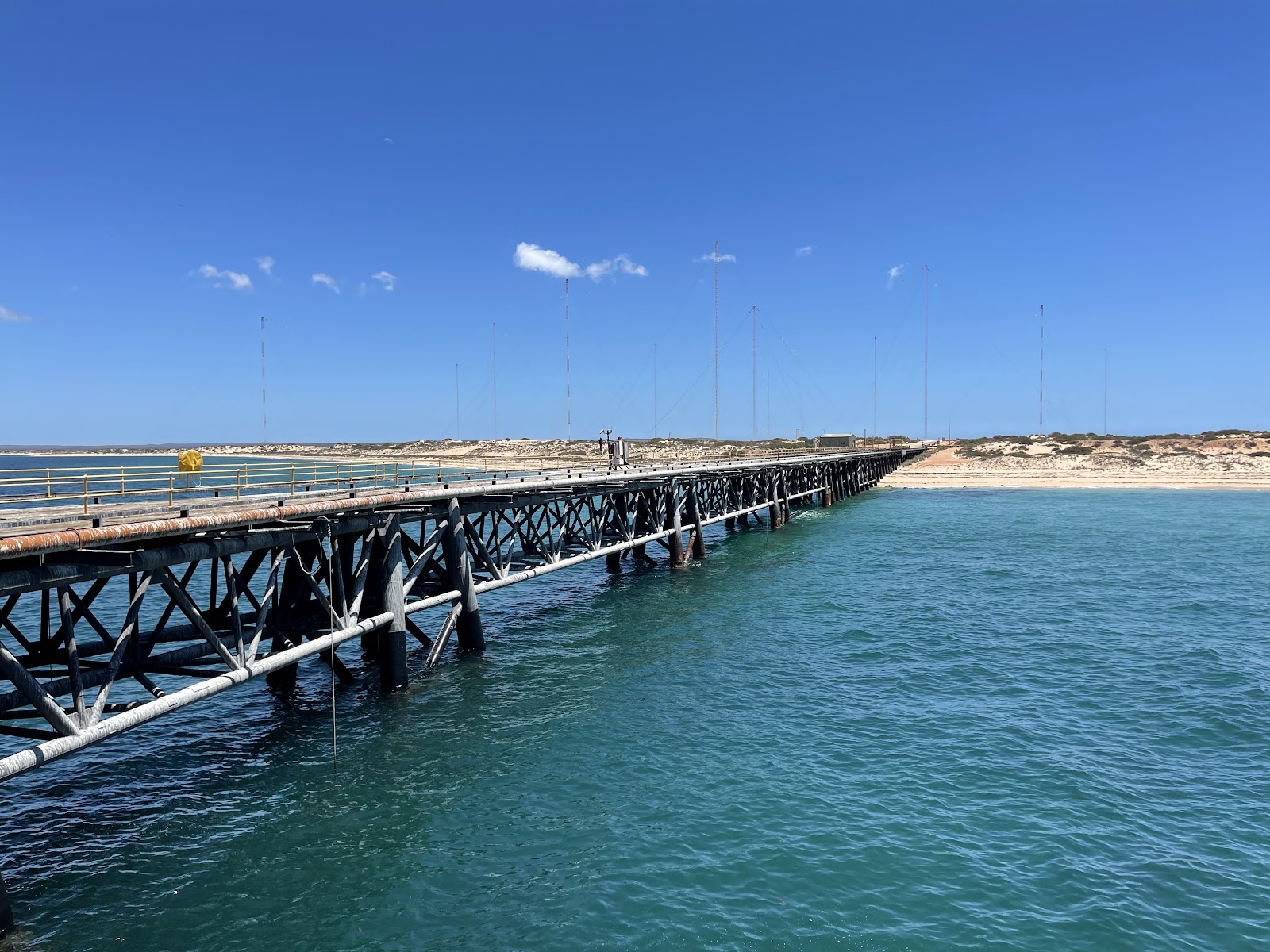
Navy Pier is, without qualification, one of the world's great dives — and its quality comes directly from the fact that it sits on an active military base where recreational access has historically been restricted. The pier structure has become an extraordinary artificial reef, colonised by decades of marine growth: sea fans, sponges, corals and encrusting organisms covering every surface, with the fish life to match. Wobbegongs draped over pipe structures. Massive schools of batfish hanging in the water column. Estuary cod the size of small cars. And, seasonally, the visiting megafauna that make Ningaloo famous everywhere else.
The dive is accessible from shore under the pier — you kit up, walk in, and descend to a depth of around 12 to 18 metres depending on the section. The structure creates a complex, multi-level dive environment with plenty of swim-throughs, overhangs and structure to explore across a 90-minute dive. The variety of marine life concentrated under a single pier is extraordinary: more than 180 species have been recorded, including large potato cod, trevally, wobbegongs, nurse sharks, sea snakes, rays, and a rotating cast of seasonal visitors.
Access is the critical point: Navy Pier is on a Defence establishment and requires booking through a licensed operator with the required permits. Exmouth Dive & Whalesharks Ningaloo is the primary operator and runs regular scheduled Navy Pier trips; they have the permits and the relationship with the base. You cannot arrive independently and dive the pier. Book well ahead — demand is high, trip numbers per session are limited, and the combination of world-class marine life and restricted access means it books out weeks in advance in peak season.
Decades of undisturbed growth on a working military pier have produced a marine life density and diversity that genuinely earns the "world's best shore dive" billing — the pier structure alone would be remarkable; the fish life makes it legendary.
“The biggest potato cod I've ever seen just hanging there next to the pier structure. Wobbegongs everywhere, batfish in formation overhead. Forty years of diving and this was up there with the best. Book it.”
— Google review
The potato cod and the sheer density of life under the structure — nothing quite prepares you for how abundant an undisturbed pier reef becomes over decades.
No independent access under any circumstances — licensed operator only. The dive is best appreciated by divers with some experience; Open Water certified is the technical minimum but the complex structure rewards divers comfortable with navigation and buoyancy. Book weeks in advance.
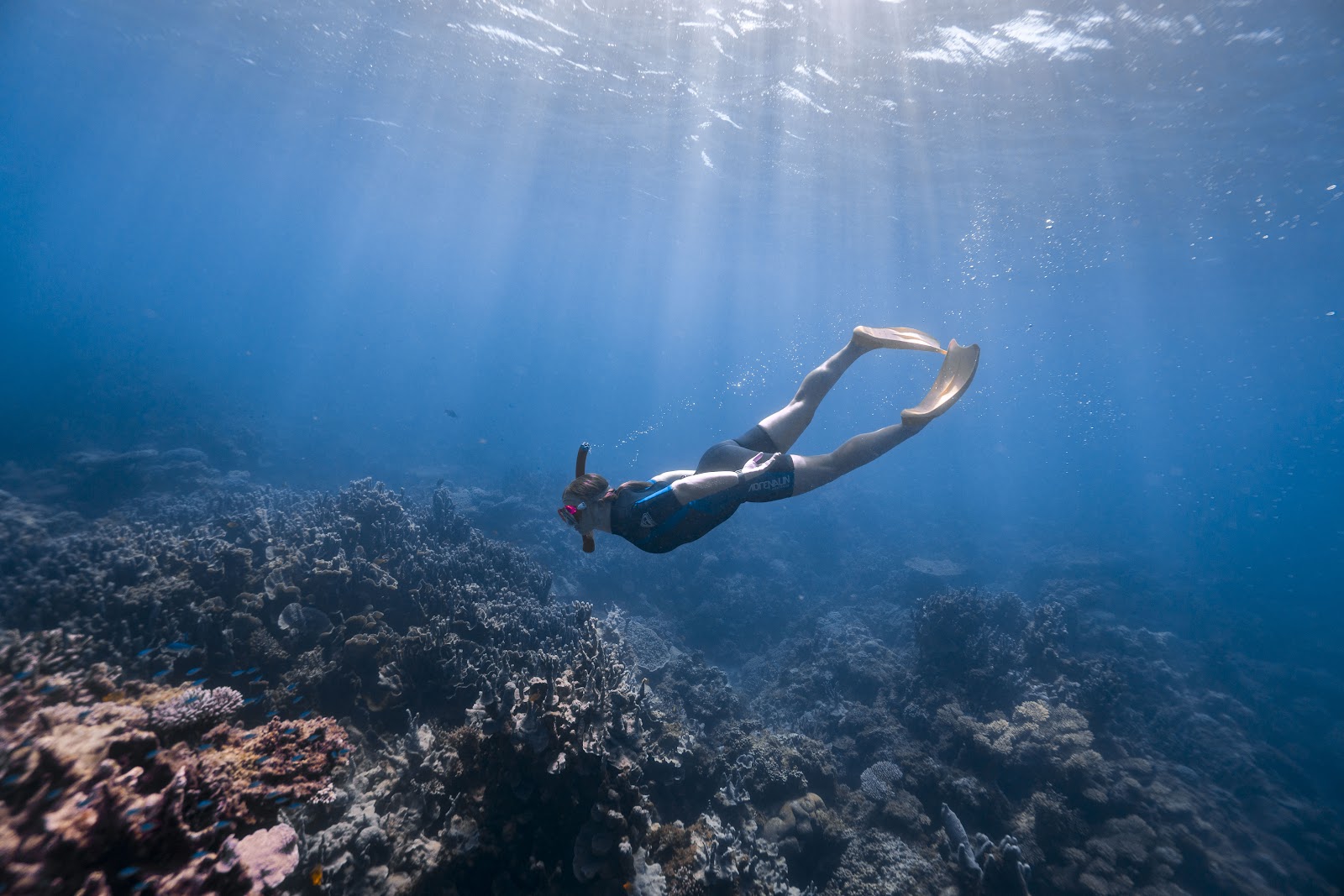
The Muiron Islands — North and South Muiron — sit approximately 14 kilometres north of Exmouth and are among the best outer reef dive sites at Ningaloo. The islands are uninhabited, surrounded by pristine reef walls, drop-offs and drift dive opportunities that showcase the Indian Ocean at its most intact. Visibility out here regularly reaches 20 to 25 metres on a good day, the coral coverage is exceptional, and the marine life includes reef sharks, barracuda, large batfish, trevally, manta rays and — in season — whale sharks and humpback whales.
The islands are accessed by boat from Exmouth, typically on half-day or full-day dive charters. Most operators who run Muiron trips offer a combination of two or three dives across different sites around the islands, allowing divers to see both the shallow coral gardens on the island's sheltered sides and the deeper wall sections and current-driven drift dives on the exposed faces. The variation in sites makes a Muiron day interesting across the whole certification range.
They suit certified divers of most levels, though the drift sites demand comfort with current and reasonable buoyancy. The outer reef environment — deeper, more exposed and with more water movement than the lagoon sites — means it's better suited to divers with some logged dives under their belt than to newly certified Open Water graduates. The boat journey (roughly 30 to 45 minutes) means motion-prone divers should take precautions before departure.
Pristine outer reef walls, drift dives in crystal visibility, and the chance of manta rays and whale sharks on the transit out — this is the Ningaloo most day-trippers never see.
“Three dives on the Muirons in 20-plus metre visibility. Reef walls covered in fans and sponges, a manta on the second dive, and a reef shark on the third. Best outer reef diving I've done in WA.”
— Traveller review
The outer wall dives in 20-metre+ visibility with manta rays and reef sharks — the Ningaloo experience at its most remote and pristine.
Outer reef conditions with current and exposure — better suited to divers with some logged experience than Open Water graduates. Boat-access dive requiring a 30–45 minute crossing.
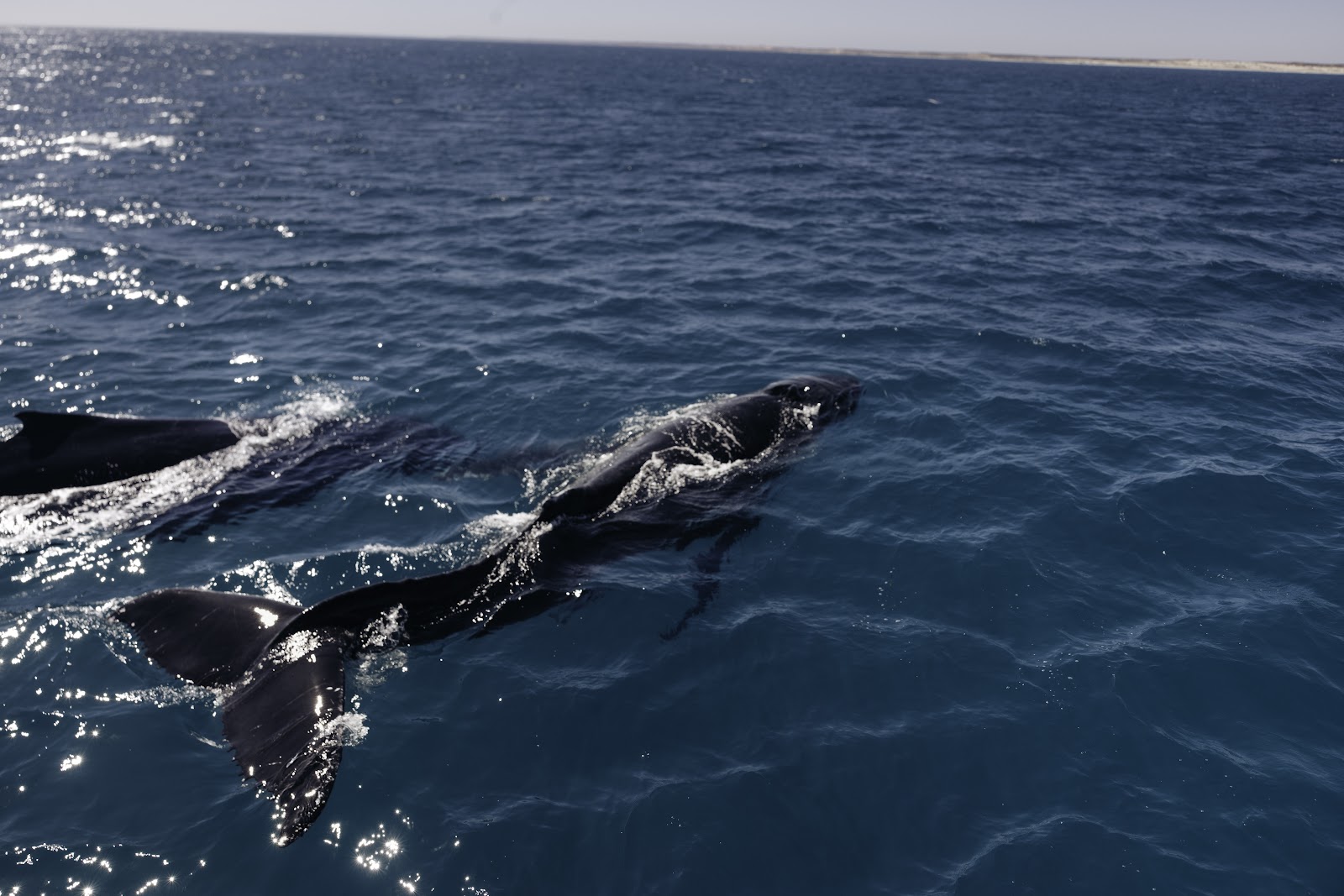
Lighthouse Bay sits on the northern side of the Cape Range Peninsula close to Exmouth and offers a cluster of accessible reef dive sites suitable for a range of certification levels. The most noted is the Labyrinth — a section of reef with swimthroughs and coral formations that rewards divers who take the time to navigate it slowly, rather than rushing across the top. Other sites in the bay offer coral gardens, drop-offs and a good cross-section of Ningaloo's resident marine life including turtles, reef fish, wobbegongs and rays.
Lighthouse Bay's position makes it one of the more sheltered dive areas at Ningaloo, which means it's often diveable on days when the outer reef and the Muirons are too rough for the crossing. For newly certified Open Water divers, it's a good introduction to Ningaloo diving in controlled conditions before attempting the more demanding outer reef sites. The shallower sections also suit refresher divers getting back into the water after a break.
For experienced divers, the bay is a solid warm-up or end-of-day site rather than the headline destination — the Muirons and Navy Pier deliver more drama. But the Labyrinth has genuinely interesting topography and the turtles alone make it worth a dive. Most Exmouth dive operators include Lighthouse Bay sites on their standard reef-dive schedules, so access is straightforward — it's often included in multi-dive day packages.
The Labyrinth's swimthroughs and resident turtles make it a more interesting local reef dive than its proximity to town suggests — and it's diveable when the outer reef is too rough.
“Dived the Labyrinth as our second dive of the day — the swimthroughs were fun and there were turtles right in the shallows. Good reef dive that I'd have overlooked if the operator hadn't included it.”
— Google review
The Labyrinth's swimthroughs on a calm morning, with a resident turtle in the shallows on the ascent.
Not the headline site at Ningaloo — experienced divers should put Navy Pier and the Muirons first. Lighthouse Bay is the accessible local site, not the showpiece.
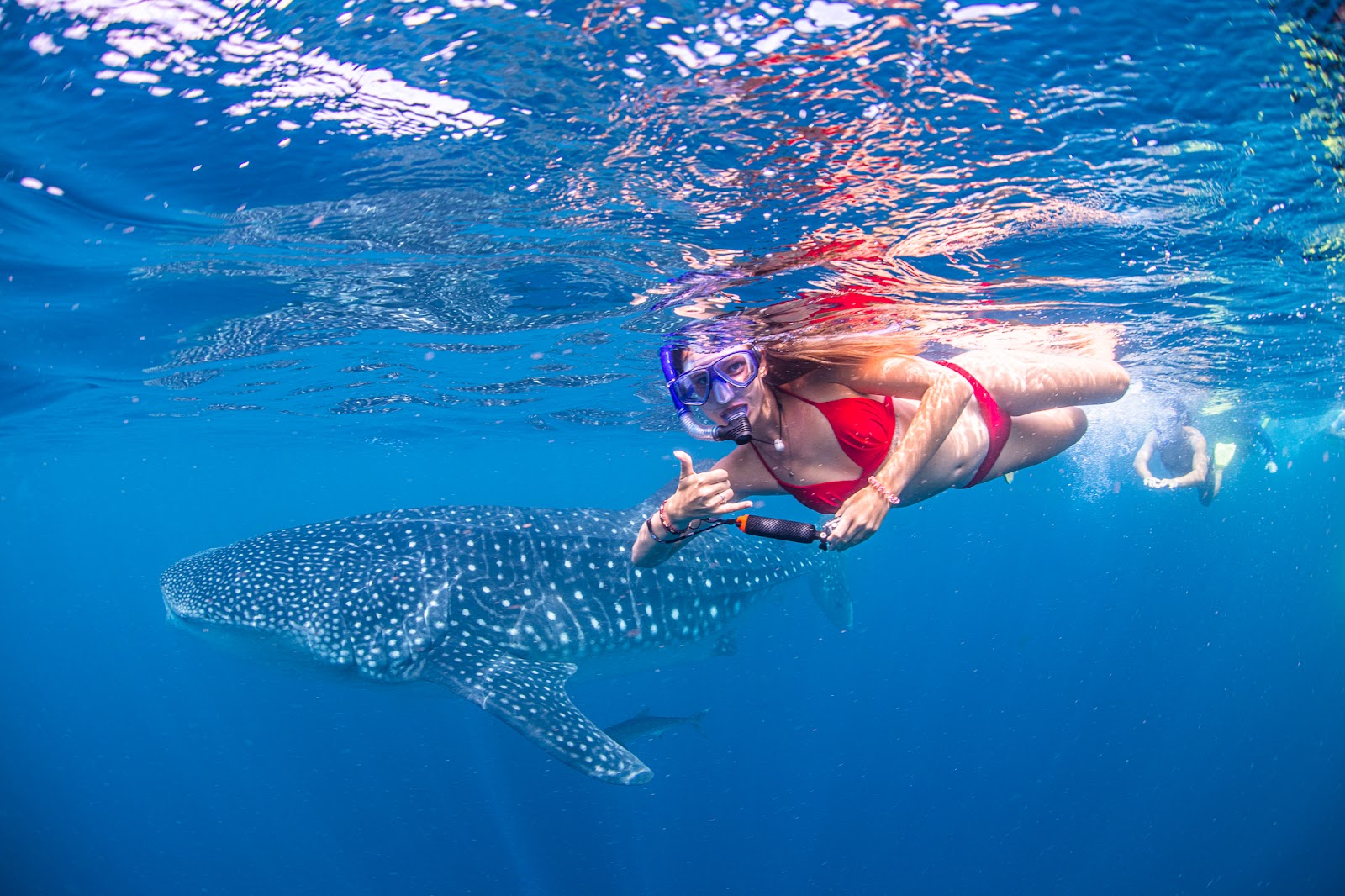
The Exmouth Gulf, on the eastern sheltered side of the North West Cape peninsula, offers a completely different diving experience from the exposed reef on the west. The gulf is deeper, calmer and subject to different current patterns, which creates habitat for species not commonly seen on the main reef: leopard sharks, guitarfish, large rays, and a range of deep-reef invertebrates. In season, whale sharks are encountered in the gulf as well as on the main reef — and the calmer water makes for more controlled in-water conditions during encounters.
Several dive sites within the gulf are rated for experienced divers — deeper drop-offs with stronger current that require comfort with open-water navigation and buoyancy. These are not beginner sites, and the logistics of diving the gulf (boat access, longer transit times) mean they're typically offered as specialist day trips rather than standard reef-dive inclusions. Operators offering gulf dives tend to target specific sites based on current conditions and what's been reported by recent trips.
For experienced divers wanting a different Ningaloo profile — calmer water, deeper habitat, different species — the gulf is worth investigating. Check which Exmouth operators include gulf dive programmes, as not all do. The gulf is also the primary game fishing area (see the Fishing guide), so a dive and fishing day from the same base is a straightforward multi-activity combination.
A calmer, deeper, different Ningaloo altogether — the gulf's habitat delivers species and encounters the main reef doesn't, and the calmer water changes the texture of the dive entirely.
“Dived the gulf on day three after two days on the main reef — completely different world. Deeper, clearer in a different way, leopard shark on the sandy bottom. Worth asking your operator about.”
— Traveller review
Leopard sharks and large rays on the gulf's sandy drop-offs, in calmer and often clearer water than the exposed reef side.
Deeper and more current-prone sites — Advanced certification recommended. Not a standard inclusion; check with operators whether gulf dive programmes are available during your visit.
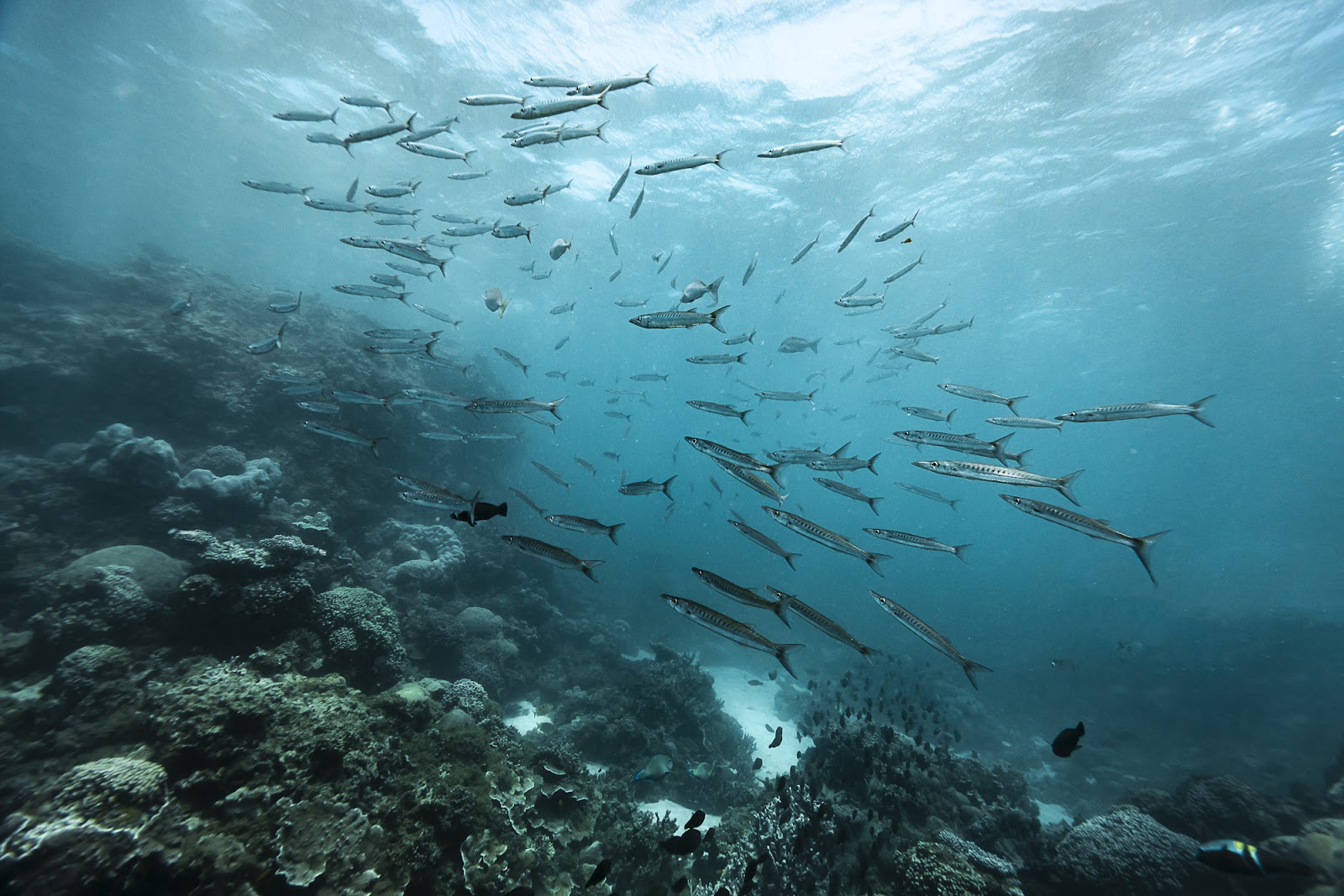
Blizzard Ridge is one of Ningaloo's more demanding and rewarding dive sites — an outer reef structure subject to strong current where big pelagic fish aggregate and current-adapted coral formations develop the distinctive swept, fanned shapes of high-flow reef. Reef sharks, large trevally, barracuda and schools of big batfish are the draw, along with the occasional whale shark in season and mantas in the right conditions. The current is the point: it brings nutrients and the fish that follow them.
This is not a site for newly certified or inexperienced divers. Strong current, the offshore location and the depth at the wall base demand current-diving experience, solid buoyancy control and the confidence to abort if conditions exceed your skill level. Most operators who run Blizzard Ridge will advise at the briefing whether the day's conditions are appropriate and may redirect the dive if they've deteriorated. Always follow that call.
For experienced divers, Blizzard Ridge is one of the genuinely exciting dives in the Ningaloo area — a site where the fish life is driven by the very conditions that make it demanding, and where the combination of current, big fish and pristine outer reef is hard to replicate elsewhere. Book through a reputable operator, confirm the current conditions, and go with the drift.
The current that makes it technically demanding is exactly why the big fish are there — Blizzard Ridge's drama is inseparable from its difficulty.
“Current was running hard and the trevally and barracuda were stacked up behind the ridge. Demanding dive; pay attention to the briefing and go with the current, not against it. Absolutely worth it for experienced divers.”
— Google review
Big pelagic fish stacked up behind the ridge in the current — the reward for the logistics and conditions.
Not for beginners or newly certified divers. Strong current and offshore depth require experience. Always follow the operator's conditions assessment and be prepared to dive a sheltered site if Blizzard Ridge is too rough.
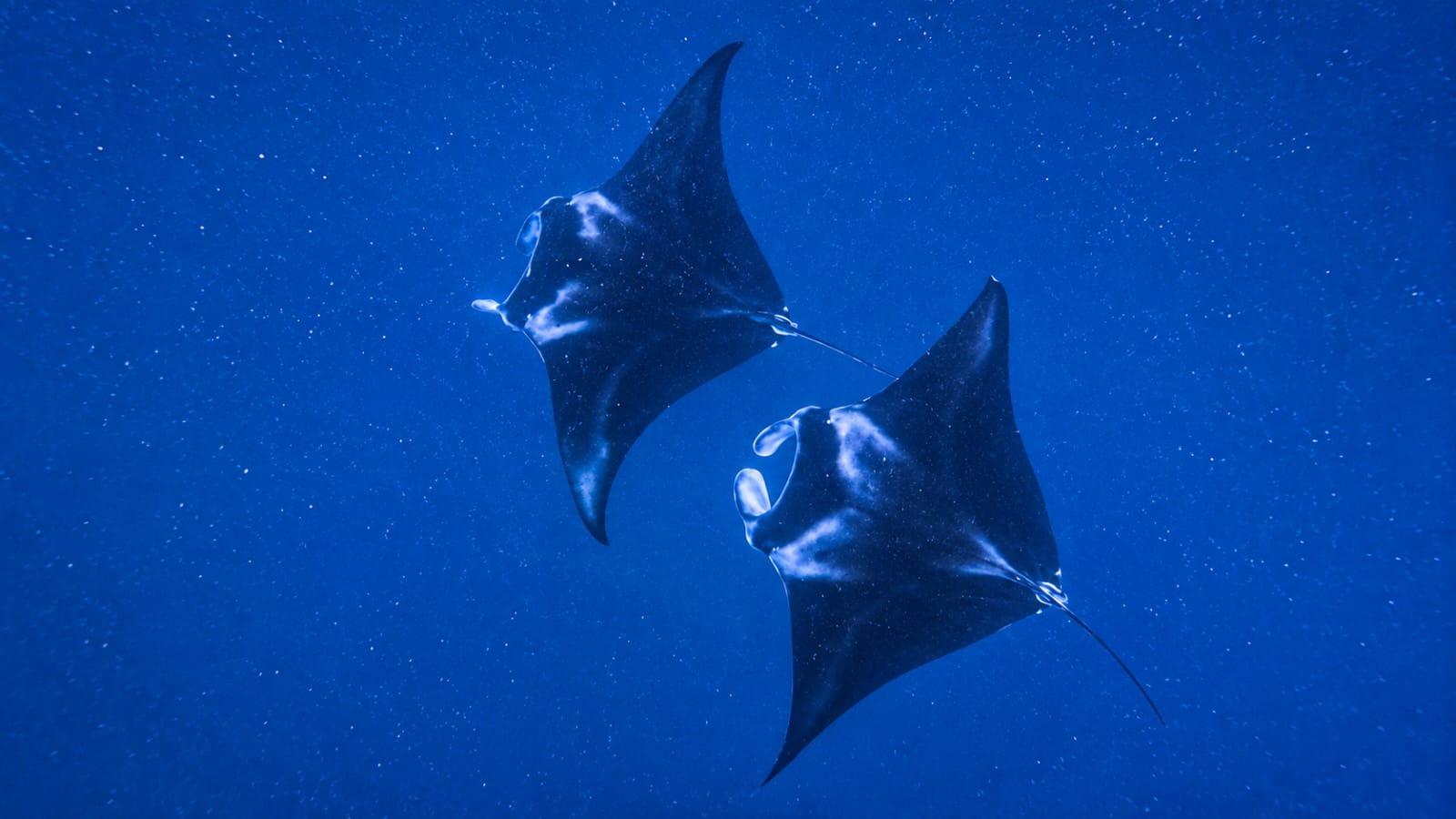
Coral Bay's reef sits close to shore and is diveable via local charter operators including Ningaloo Reef Dive & Snorkel, who run dive trips out of the township. The southern reef here is less frequently dived than the Exmouth sites, which means it often feels quieter — a different pace from the Exmouth charter fleet. Dive sites around Coral Bay offer good coral coverage, resident turtles and reef fish, and the possibility of manta ray encounters on the same dive, since the mantas feeding in the bay are not shy about approaching divers.
For visitors based in Coral Bay rather than Exmouth, these sites are the natural first option and deliver solid Ningaloo diving without the 150-kilometre drive north. For visitors choosing between bases, Coral Bay diving is best understood as complementing the Exmouth programme rather than replacing it — Navy Pier and the Muirons are not accessible from Coral Bay on a day trip.
The sites suit all certified levels, making Coral Bay a reasonable base for divers who want quieter, more relaxed conditions and the bonus of manta encounters without committing to the full Exmouth operator circuit. Coral Bay snorkelling is outstanding in its own right, and many dive visitors combine a morning boat dive with an afternoon of free shore snorkelling.
A quieter, less-crowded reef with resident mantas that will approach divers — and no 150-kilometre drive to start the day.
“Dived the bay in the morning and a manta swam directly through the group twice. Afternoon snorkelling off the beach. Relaxed, uncrowded, genuinely beautiful reef.”
— Traveller review
A manta ray approaching the dive group on the inner bay sites — spontaneous and not always guaranteed, but more common than at any other dive site in Australia.
Navy Pier and the Muiron Islands are not feasible on a day trip from Coral Bay — if those are on your list, base in Exmouth. Coral Bay's dive programme is smaller in scale.
What recent visitors say:
“Inside the National park, must pay $17 entry for 1 day or can get a multi-day-pass. Toilets are available, No showers. Sanctuary area- no fishing Beautiful snorkelling and exploring day along the beach and the water. Be mindful of the strong currents/ rips around the sandbank. Take some shade and a picnic it's a gorgeous place.”— Ca Bi (on Turquoise Bay), Google review
“Drift Snorkeling is amazing!!! Water temp was nice - early August, didn't need a wetsuit. Plenty of colourful fish of varying sizes, even a reef shark crossed my path Totally recommend when in the area”— Violet Patty (on Turquoise Bay), Google review
“Absolutely perfectly clear water and clean sand. Great for snorkelling. Had fish swimming around me which was an awesome experience”— Taylor Cougle (on Turquoise Bay), Google review
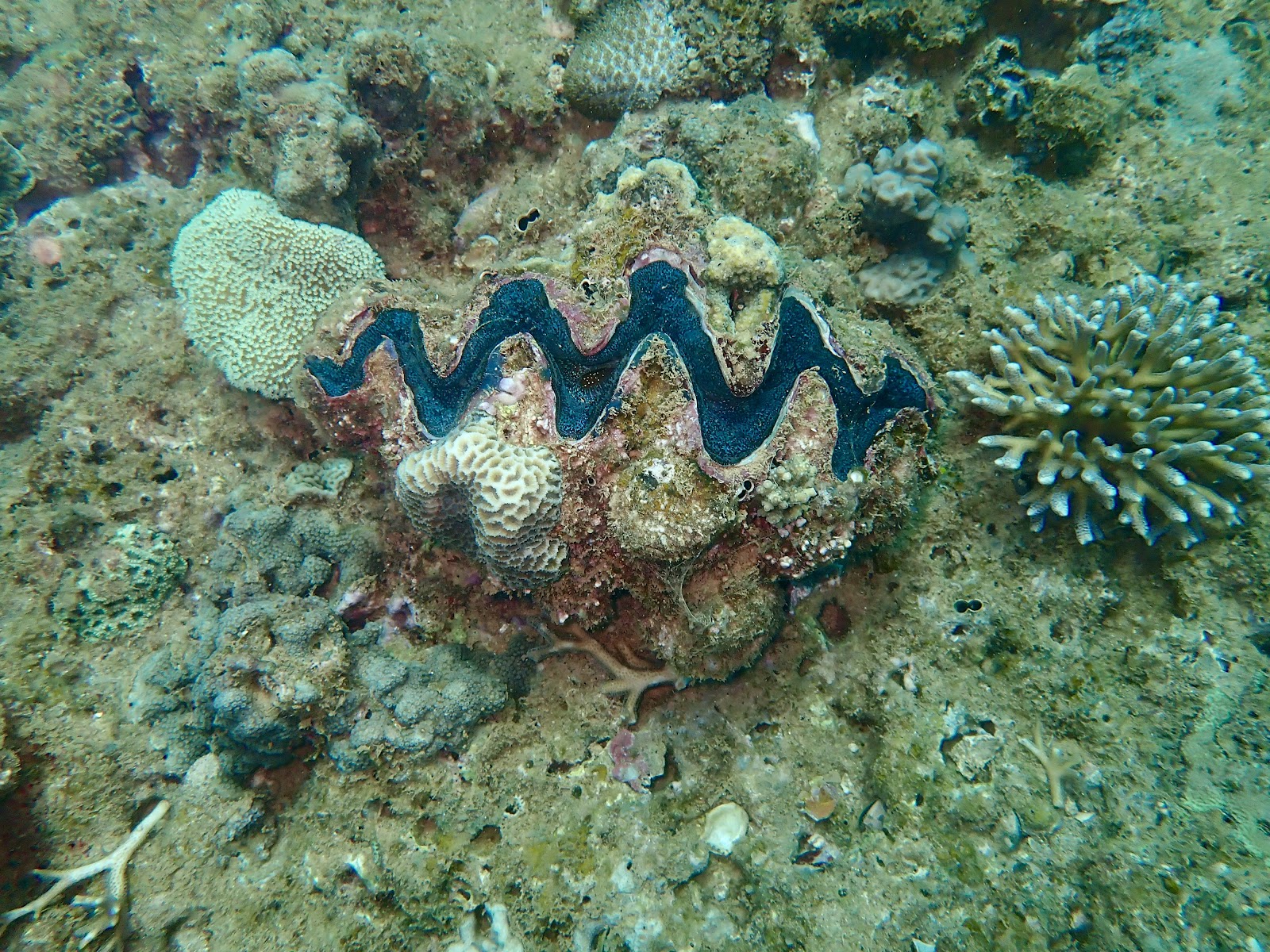
Certification and experience: all scuba diving at Ningaloo requires a recognised certification card. Show it when you book and when you board — no card, no dive. Open Water is the minimum for most reef sites; Navy Pier and the Muiron drift sites are better suited to divers with some logged experience, and Blizzard Ridge and the deeper gulf sites suit Advanced divers. If you're newly certified or returning from a long break, tell the operator when you book so they can assign you appropriate sites.
Navy Pier access: the single most important logistics point for any diver visiting Ningaloo. Navy Pier requires a licensed operator with current Defence permits — Exmouth Dive & Whalesharks Ningaloo is the primary provider. There is no way to access the pier independently. Book directly through the operator, well in advance; the pier trips are among the most in-demand dives in Australia and sell out weeks ahead during peak season.
Conditions and gear: visibility at Ningaloo is generally excellent (10–25m at most sites), particularly April through October. Water temperature ranges from 21°C in winter to 28°C in summer — a 3mm wetsuit works for summer and a 5mm for the cooler months from June to August. Most operators provide full equipment rental, but experienced divers often prefer their own mask and computer. Conditions can change, particularly at outer reef and gulf sites — always follow the operator's on-the-day assessment, including any decision to redirect to a sheltered site.
Ningaloo is not a mainstream scuba destination in the way that Cairns or the Whitsundays are — it takes effort to get to, the choices require more research, and Navy Pier's access logistics demand advance planning. The reward for that effort is diving that is, in parts, genuinely world-class: Navy Pier has earned its global reputation, the Muirons deliver pristine outer reef in exceptional visibility, and the whole reef system is in a condition that most divers in Australia's east-coast dive spots can barely imagine.
Book Navy Pier well ahead. Get out to the Muirons if you can. Dive Coral Bay for the quiet and the mantas. Bring your Advanced certification. And plan for at least three days of diving — the variety across the sites makes a full week justifiable. Ningaloo rewards divers who do the research and put in the travel.
Enjoying diving? Here’s where else in Australia it’s worth the trip — ranked by how loved each destination is, with the one thing not to miss at each.
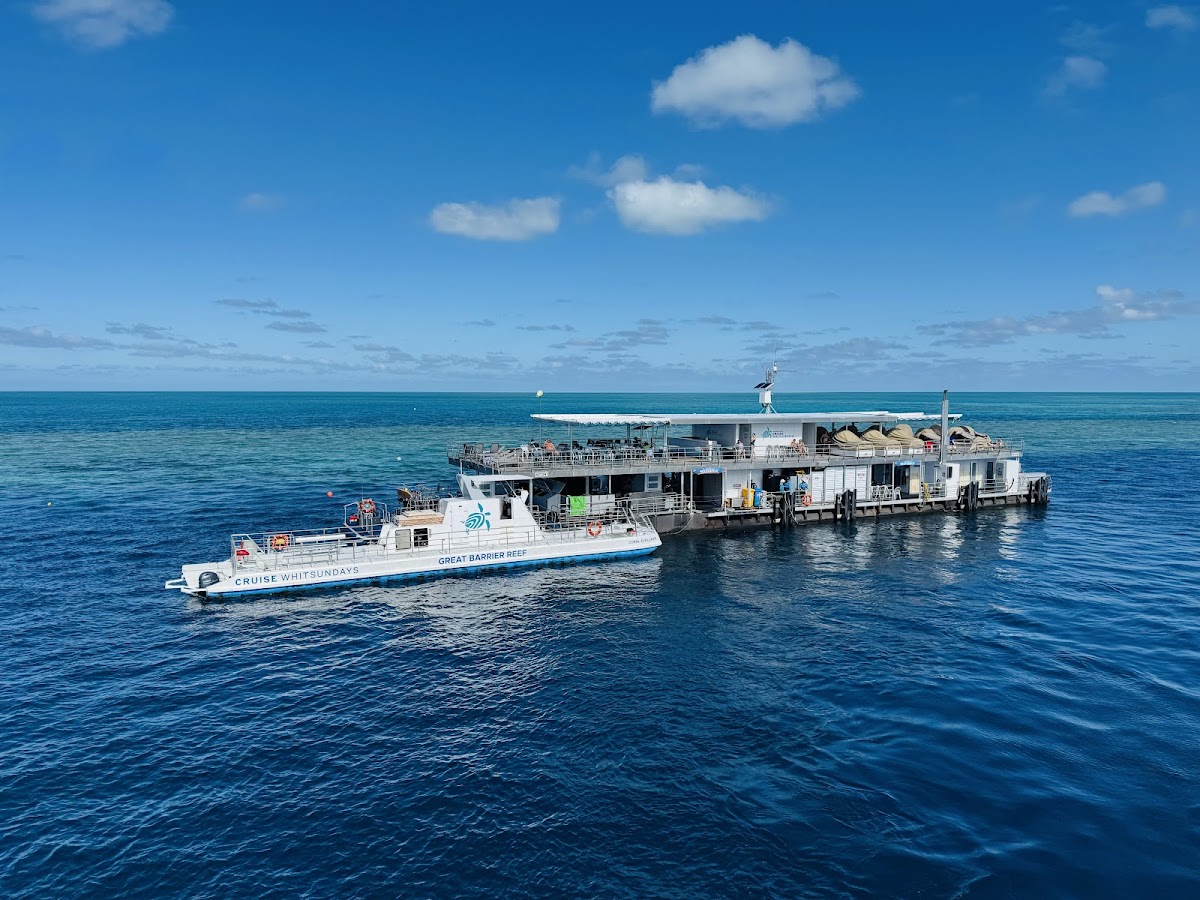 Hamilton Island
The Whitsundays, Queensland
Diving Bait Reef — the outer Great Barrier Reef — A guided dive over the coral bommies and walls at Bait Reef on a calm, clear dry-season day.
Explore diving in Hamilton Island →
2
Hamilton Island
The Whitsundays, Queensland
Diving Bait Reef — the outer Great Barrier Reef — A guided dive over the coral bommies and walls at Bait Reef on a calm, clear dry-season day.
Explore diving in Hamilton Island →
2
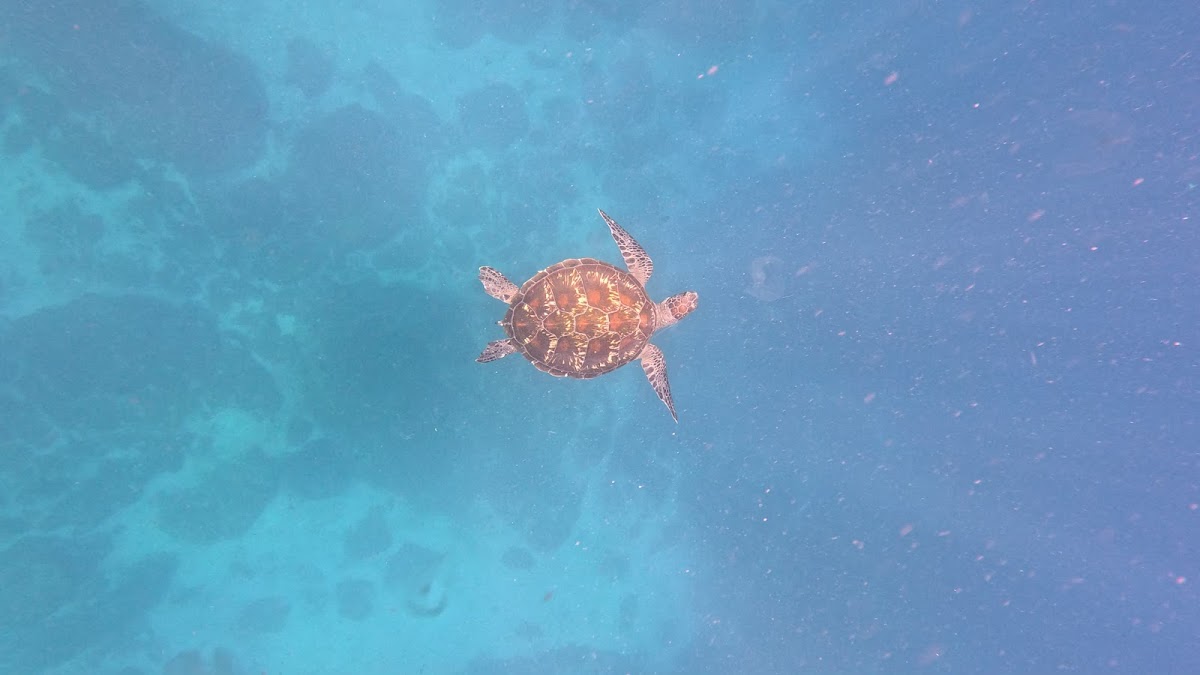 Byron Bay
Northern Rivers, New South Wales
The Nursery — the beginner and snorkel site — A shallow, sunlit drift over the Nursery with turtles and wobbegongs — the perfect first taste of Julian Rocks.
Explore diving in Byron Bay →
3
Byron Bay
Northern Rivers, New South Wales
The Nursery — the beginner and snorkel site — A shallow, sunlit drift over the Nursery with turtles and wobbegongs — the perfect first taste of Julian Rocks.
Explore diving in Byron Bay →
3
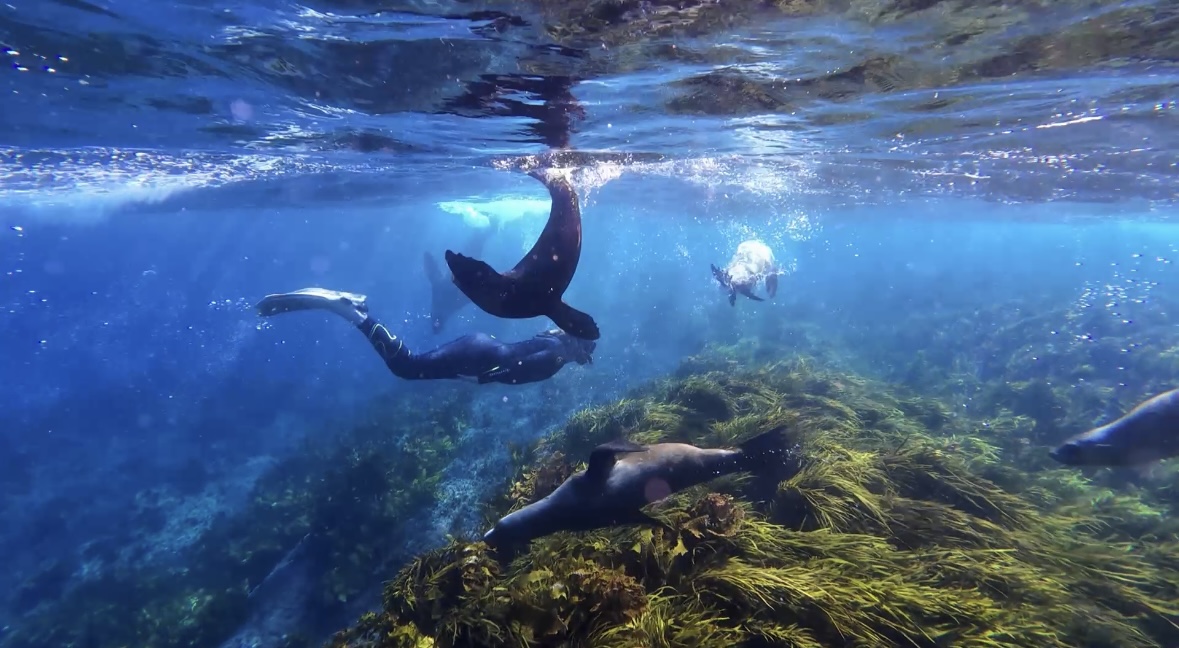 Narooma
South Coast, New South Wales
Diving with the seals — ‘the Aquarium’ — A shallow, sunlit dive at ‘the Aquarium’ with fur seals circling and darting around you — bring a camera.
Explore diving in Narooma →
Ningaloo Reef you’re here
Australia's Coral Coast, Western Australia
Navy Pier — The potato cod and the sheer density of life under the structure — nothing quite prepares you for how abundant an undisturbed pier reef becomes over decades.
You’re reading this guide
Narooma
South Coast, New South Wales
Diving with the seals — ‘the Aquarium’ — A shallow, sunlit dive at ‘the Aquarium’ with fur seals circling and darting around you — bring a camera.
Explore diving in Narooma →
Ningaloo Reef you’re here
Australia's Coral Coast, Western Australia
Navy Pier — The potato cod and the sheer density of life under the structure — nothing quite prepares you for how abundant an undisturbed pier reef becomes over decades.
You’re reading this guide
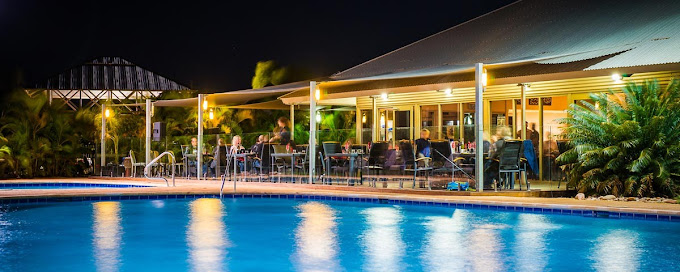
Exmouth Escape Resort — Ningaloo Reef
Book Direct & Save →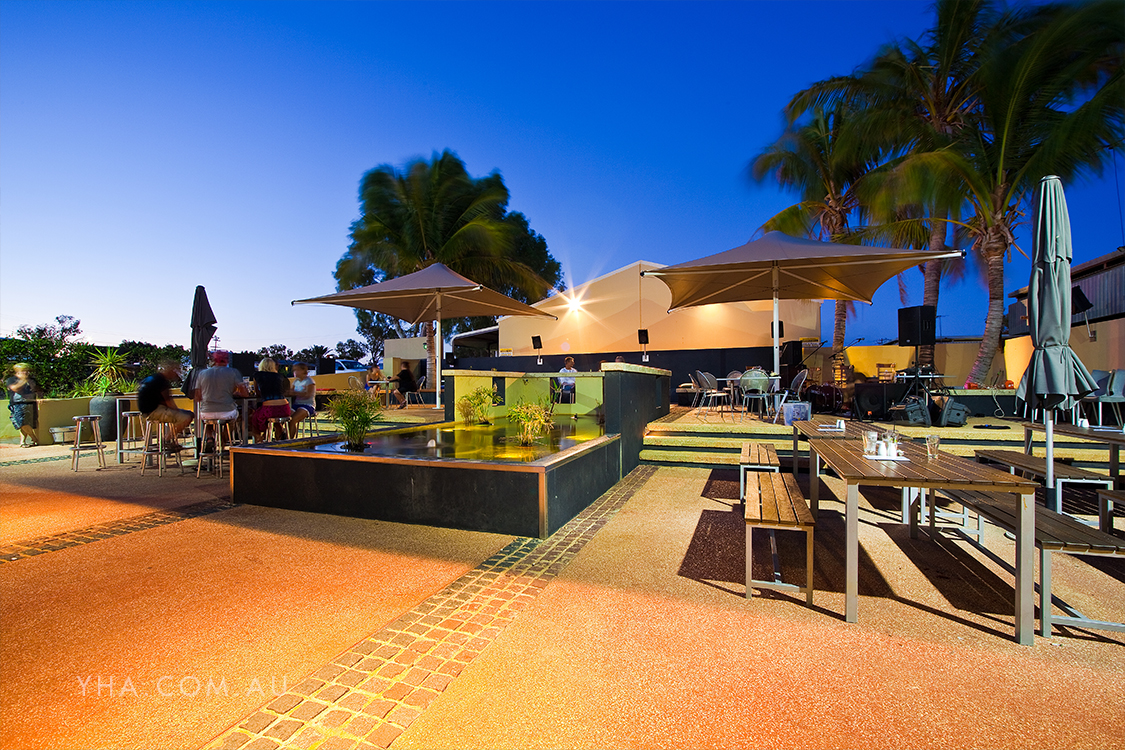
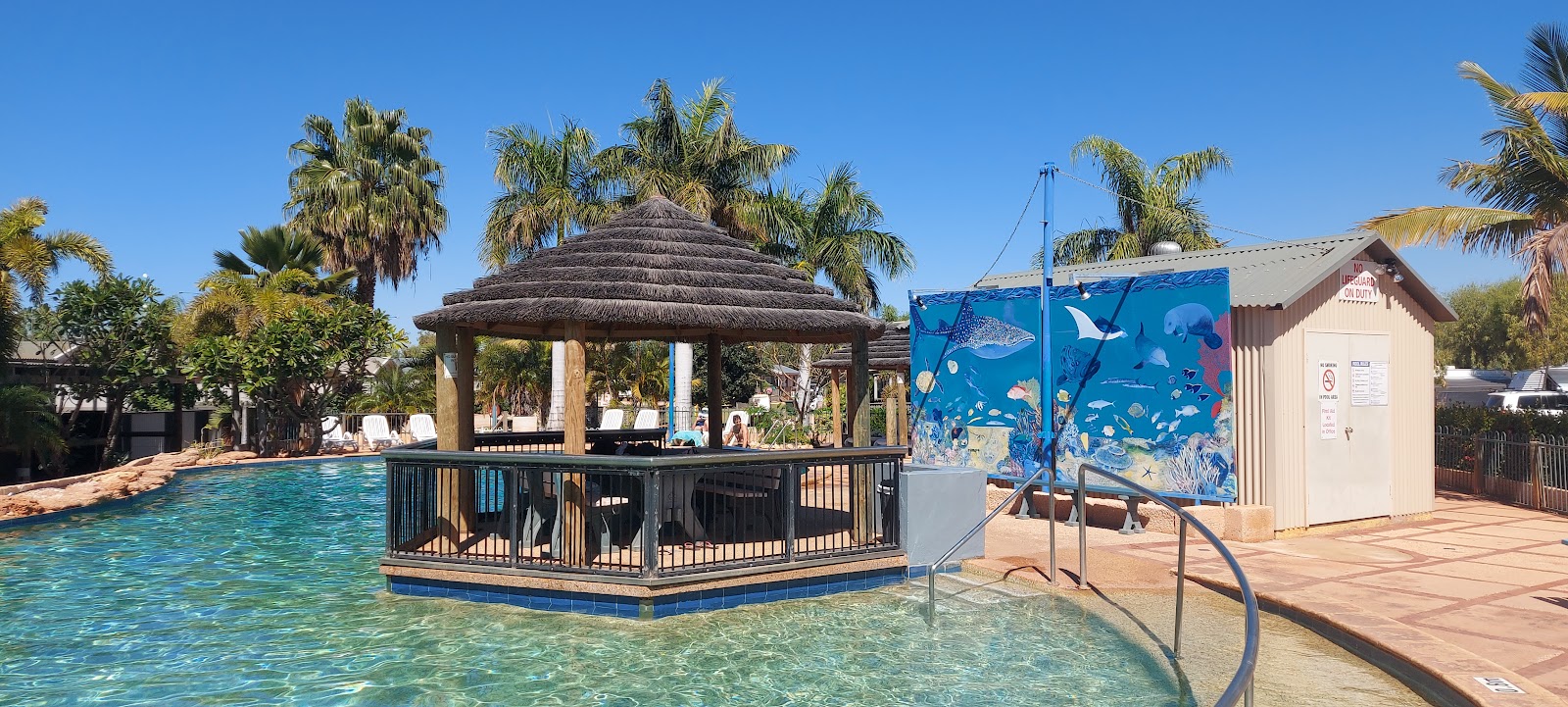
Ningaloo Caravan and Holiday Resort — Ningaloo Reef
Book Direct & Save →Skip OTA fees. Connect directly with Ningaloo Reef owners for the best rates and a truly personal experience.
We match any online rate. No service fees — 100% of your payment supports local owners.
Direct guests receive complimentary hampers, early check-in, and priority access to experiences.
Speak directly with the people who manage the properties. No call centres, just local expertise.
Part of Western Australia · Australia's Coral Coast
 Glen Aplin
Granite Belt, Queensland
Queensland's most underrated wine valley
Explore the guide →
Glen Aplin
Granite Belt, Queensland
Queensland's most underrated wine valley
Explore the guide →
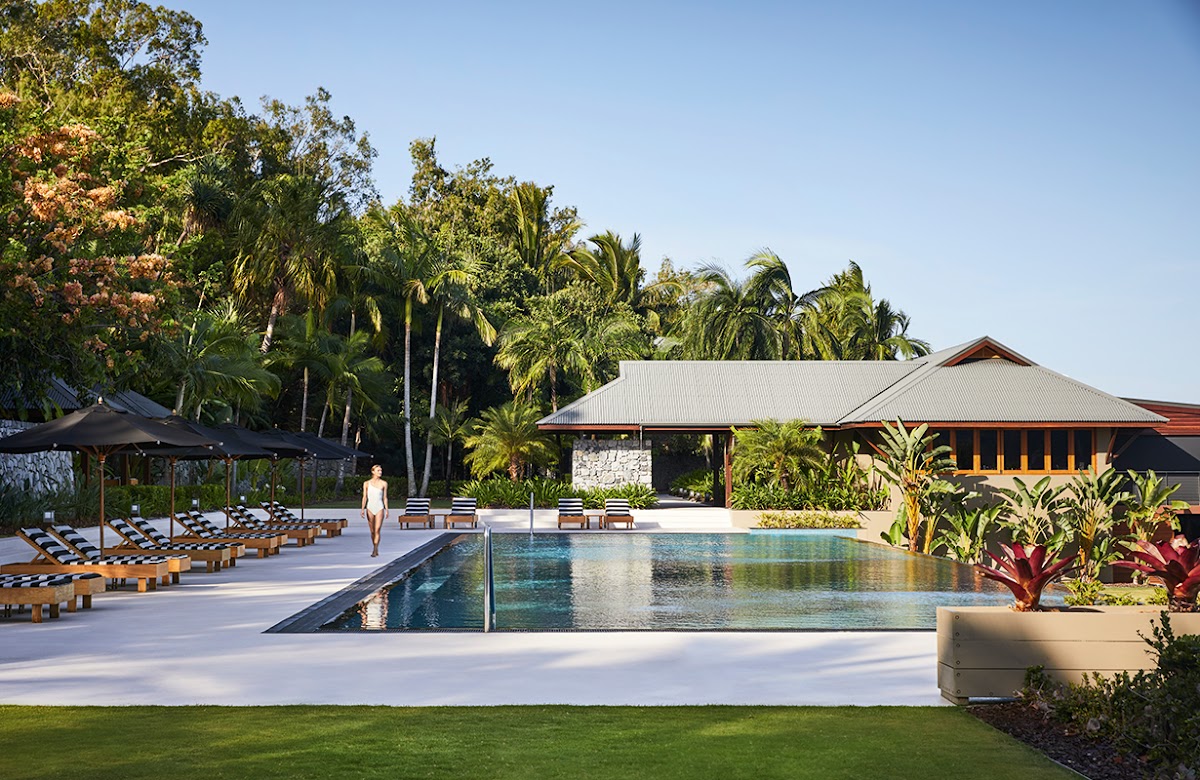 Hamilton Island
The Whitsundays, Queensland
Whitsundays island resort — Whitehaven Beach, reef trips and golf-buggy life
Explore the guide →
Hamilton Island
The Whitsundays, Queensland
Whitsundays island resort — Whitehaven Beach, reef trips and golf-buggy life
Explore the guide →
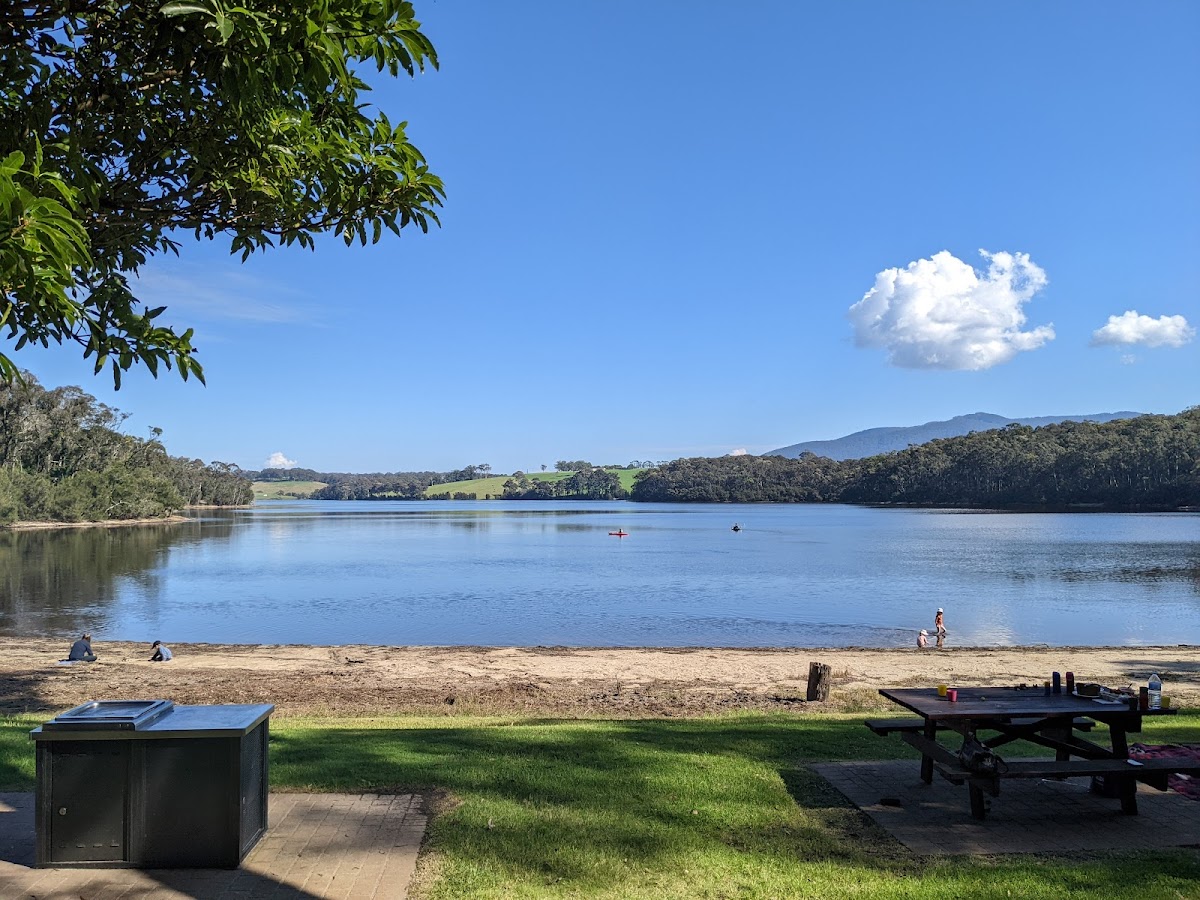 Narooma
South Coast, New South Wales
Crystal-clear inlet, surf beaches, oysters and Montague Island
Explore the guide →
Narooma
South Coast, New South Wales
Crystal-clear inlet, surf beaches, oysters and Montague Island
Explore the guide →
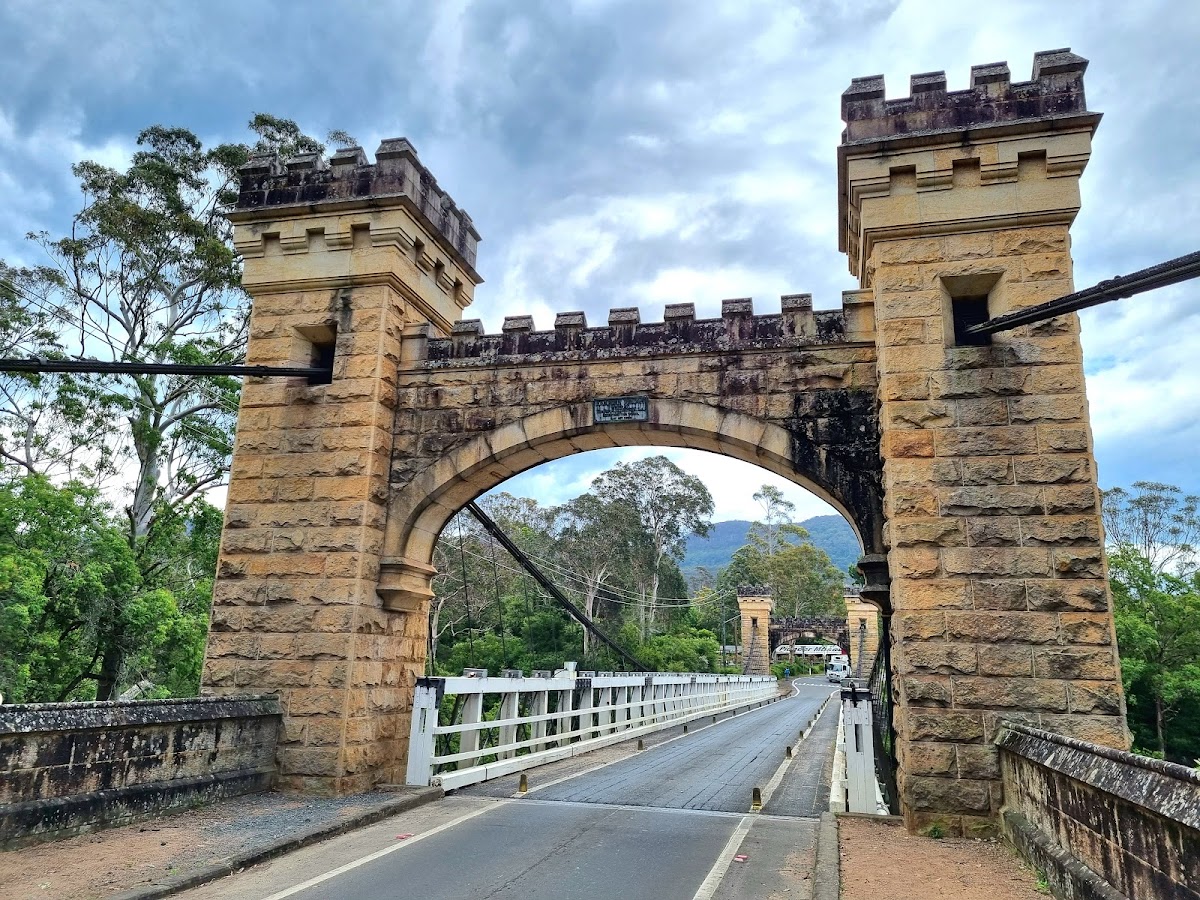 Kangaroo Valley
Shoalhaven, New South Wales
Hampden Bridge, kayaking and wombats in a green valley
Explore the guide →
Kangaroo Valley
Shoalhaven, New South Wales
Hampden Bridge, kayaking and wombats in a green valley
Explore the guide →
 Dubbo
Central West, New South Wales
Open-range zoo and Outback gateway on the Macquarie River
Explore the guide →
Dubbo
Central West, New South Wales
Open-range zoo and Outback gateway on the Macquarie River
Explore the guide →
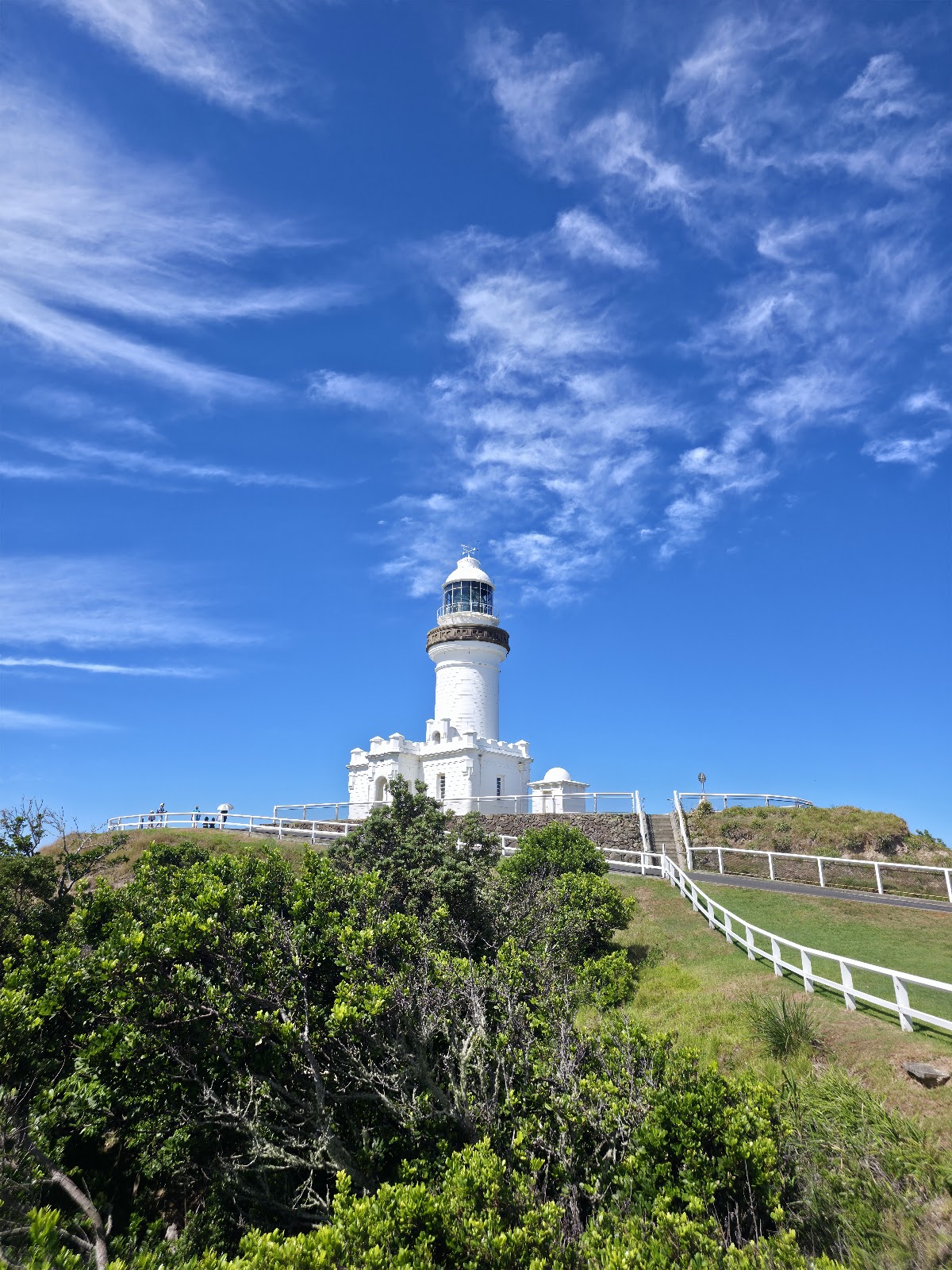 Byron Bay
Northern Rivers, New South Wales
Australia's iconic beach town and most easterly point
Explore the guide →
Byron Bay
Northern Rivers, New South Wales
Australia's iconic beach town and most easterly point
Explore the guide →
 Broome
Australia's North West, Western Australia
Cable Beach sunsets, pearling history and camels on 22km of sand
Explore the guide →
Broome
Australia's North West, Western Australia
Cable Beach sunsets, pearling history and camels on 22km of sand
Explore the guide →
 The Kimberley
Australia's North West, Western Australia
Gibb River Road, the Bungle Bungles, gorges and waterfalls in Australia's last frontier
Explore the guide →
The Kimberley
Australia's North West, Western Australia
Gibb River Road, the Bungle Bungles, gorges and waterfalls in Australia's last frontier
Explore the guide →
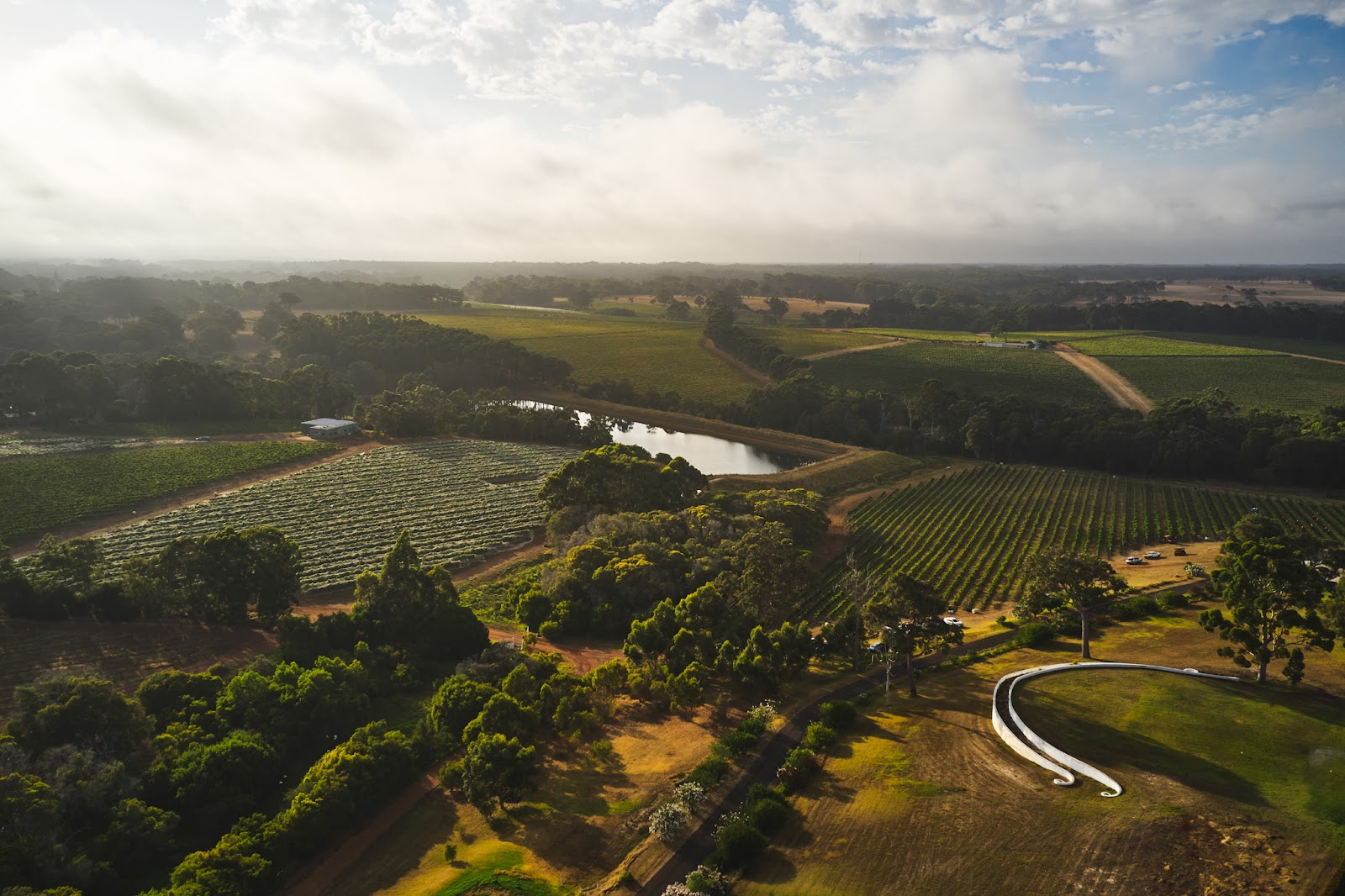 Margaret River
Australia's South West, Western Australia
World-class wineries, surf breaks and limestone caves three hours south of Perth
Explore the guide →
Margaret River
Australia's South West, Western Australia
World-class wineries, surf breaks and limestone caves three hours south of Perth
Explore the guide →