01. Reef View Hotel
4.2 (2067 reviews)
Reef View Hotel — Hamilton Island
Book Direct & Save →There are two distinct underwater worlds within reach of Hamilton Island, and most visitors only ever hear about one. The famous one is the outer Great Barrier Reef — the coral gardens of Bait and Hardy Reef, a couple of hours out across the Coral Sea, where the visibility opens up and the marine life is at its richest. The quieter one is closer to home: the fringing reefs that wrap the Whitsunday islands themselves, sheltered bays like Manta Ray Bay at Hook Island and Blue Pearl Bay at Hayman, where a curious resident Maori wrasse the size of a small fridge will swim right up to your mask. For divers, Hamilton Island sits between both.
View 3 Properties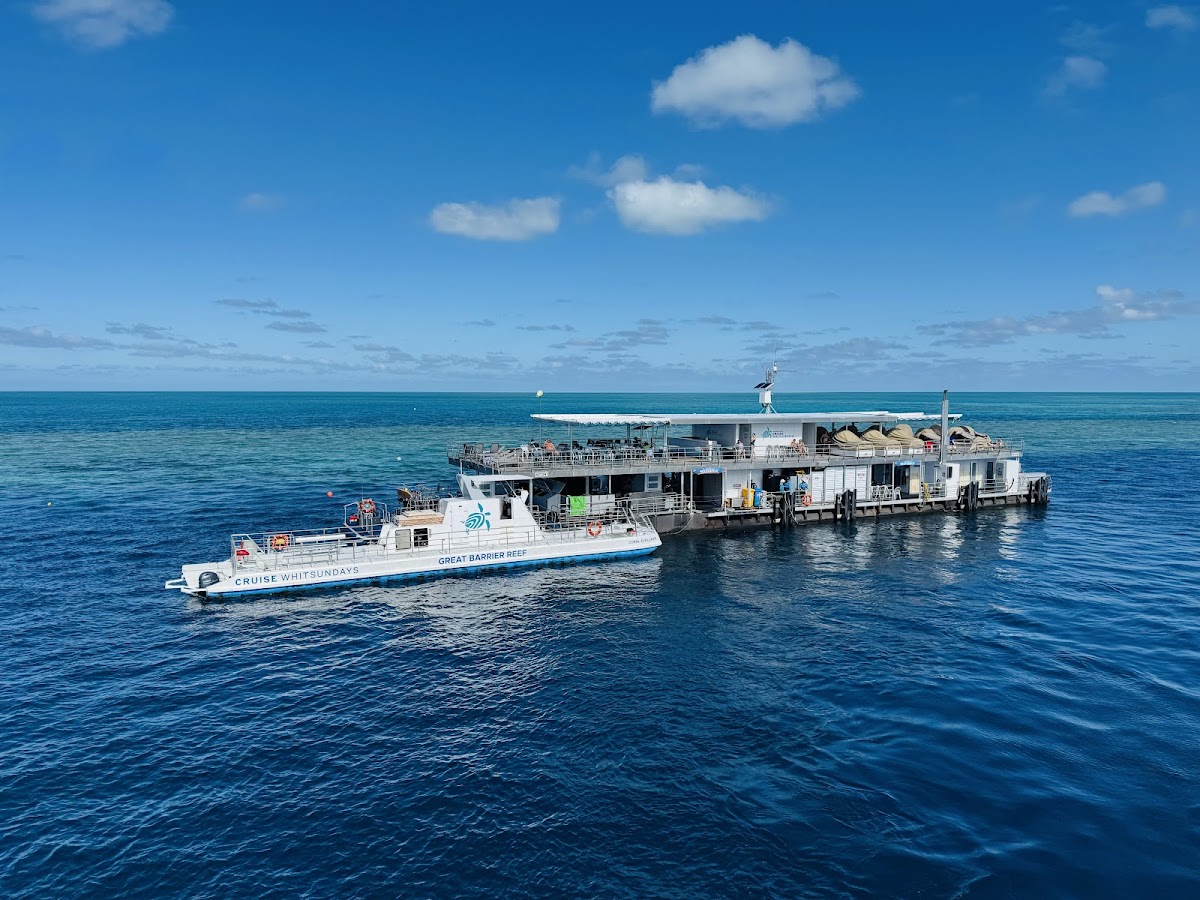
"Outer-reef coral and sheltered island bays"
This is the complete guide to diving on Hamilton Island — the outer-reef and fringing-reef dive sites and what each is like underwater, the intro-dive and certification pathway for those without a card, how the diving differs from the snorkelling, the marine life and when to see it, and how to choose a dive trip. For the broader reef-day overview — the Reefworld pontoon, the Heart Reef scenic flights and the Whitehaven-and-reef combo — see our dedicated Great Barrier Reef from Hamilton Island guide; this one is about getting in the water with a regulator in your mouth.
Safety and season note: scuba carries inherent risks, and Australian operators require certified divers to show a recognised qualification (your ‘C’ card) and ask everyone to complete a medical declaration. Crucially for the Whitsundays, marine stingers — including box jellyfish and the tiny Irukandji — are present from roughly November to May; you wear a full-body stinger or lycra suit on the fringing reefs in that window, and operators advise suits on the outer reef too. Reef and island dive trips are weather-dependent day trips that can be cancelled or moved at short notice. The detail below is general guidance — always confirm current sites, prices, schedules and conditions with licensed operators.
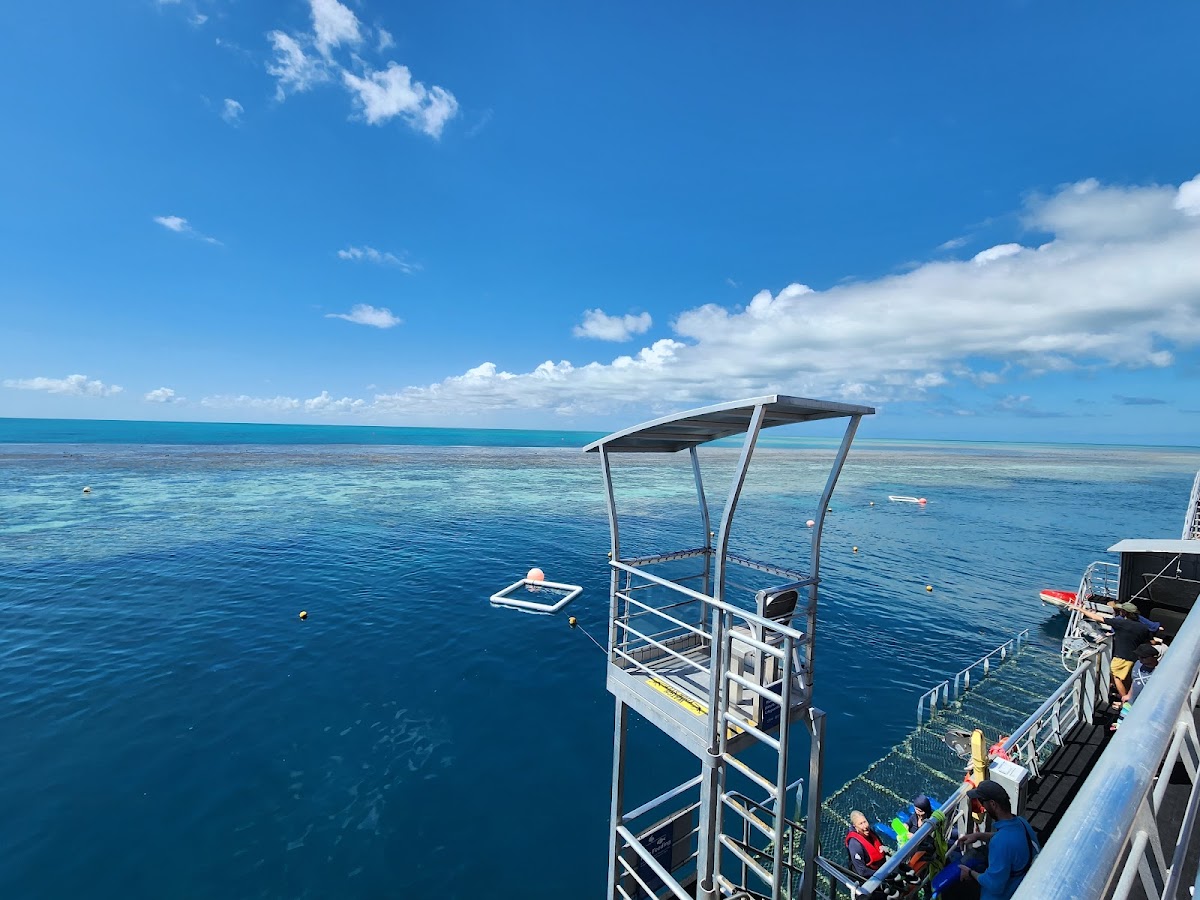
The single most useful thing to understand about diving on Hamilton Island is that there are two very different reef systems on offer, reached in very different ways. The outer Great Barrier Reef — Bait Reef and Hardy Reef — lies roughly two to three hours out across the open Coral Sea, where the water is clearer, the coral healthier and the marine life at its richest. This is the big-ticket dive, usually done from a moored pontoon or a dedicated dive boat as a long, full day on the water. Because Hamilton Island has no car and is a managed resort island, every one of these sites is reached by a booked, paid day-trip boat — there is no shore diving here.
Closer to home are the fringing reefs that ring the Whitsunday islands themselves: Manta Ray Bay and Maureen’s Cove on the northern side of Hook Island, Blue Pearl Bay at Hayman, and Langford Reef. These sheltered bays sit in calmer, shallower water than the outer reef, with coral gardens, turtles and the famous resident Maori wrasse — and because they are protected and shallow, they are superb for intro divers and for groups where some people dive and others snorkel.
The practical upshot is that a diver can tailor the trip to the day. Calm forecast and a full day to spare? Head out to Bait or Hardy for the outer-reef coral. Shorter window, mixed-ability group, or a first-ever dive? The Whitsunday fringing reefs deliver coral and big fish in sheltered water without the long crossing. Either way it is a boat day — read the broader logistics in the Great Barrier Reef from Hamilton Island guide, then come back here for the diving itself.
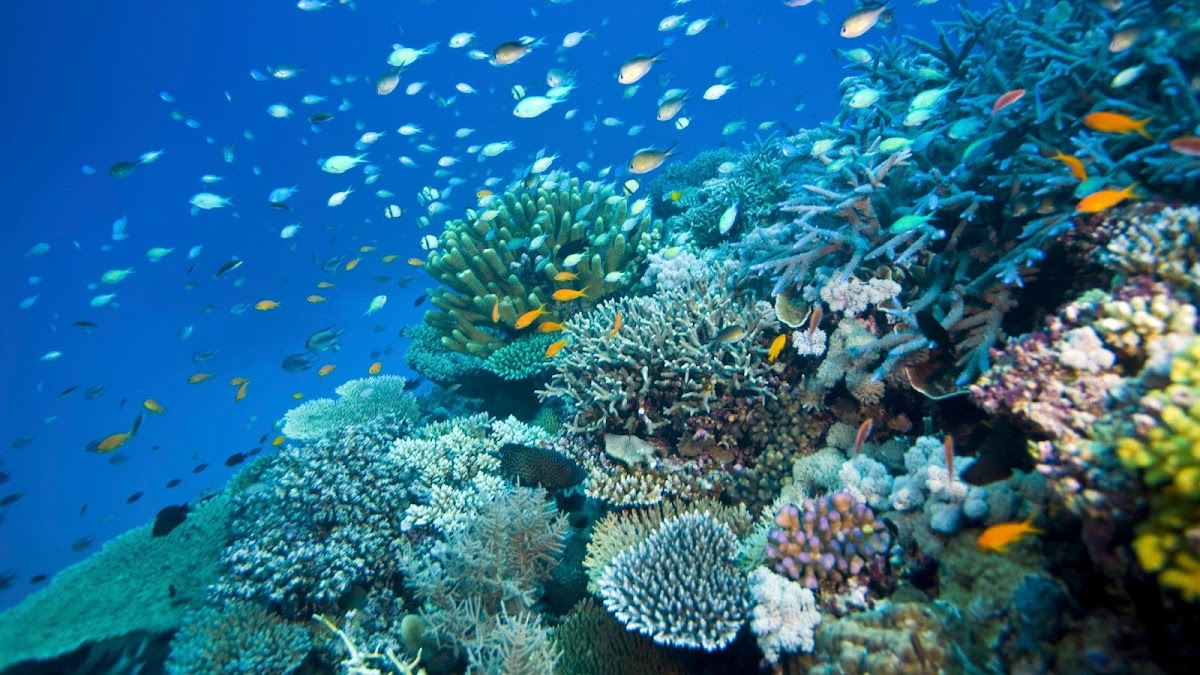
The marine life is the reason you put on a tank rather than just a mask. On the outer reef at Bait and Hardy, divers move over hard and soft coral gardens alive with reef fish in their thousands — parrotfish, wrasse, fusiliers and angelfish — alongside giant clams with their electric-blue lips, green and hawksbill turtles, white-tip and grey reef sharks cruising the drop-offs, and rays gliding over the sand. Bait Reef in particular is rated among the standout dive sites in the region. The fringing reefs add their own signature: Manta Ray Bay at Hook Island is famous for a huge, friendly resident Maori (humphead) wrasse that approaches divers and snorkellers closely, and Blue Pearl Bay at Hayman is known for turtles and coral.
Season shapes both the visibility and the comfort. The dry season — roughly April to October — brings calmer seas, clearer water and the best diving conditions, and it falls outside the stinger window. From November to May the water is warmest but the wet-season runoff and afternoon storms can cut visibility, and marine stingers mean a full-body suit on the fringing reefs.
An honest note on what is and is not guaranteed: this is wild reef, not an aquarium. Turtles, wrasse and reef sharks are common but never certain on a given dive, and conditions can change a planned site at short notice. The famous Maori wrasse at Manta Ray Bay is a near-fixture, but treat every other sighting as a wild bonus — and ask your operator what has been around lately when you book.
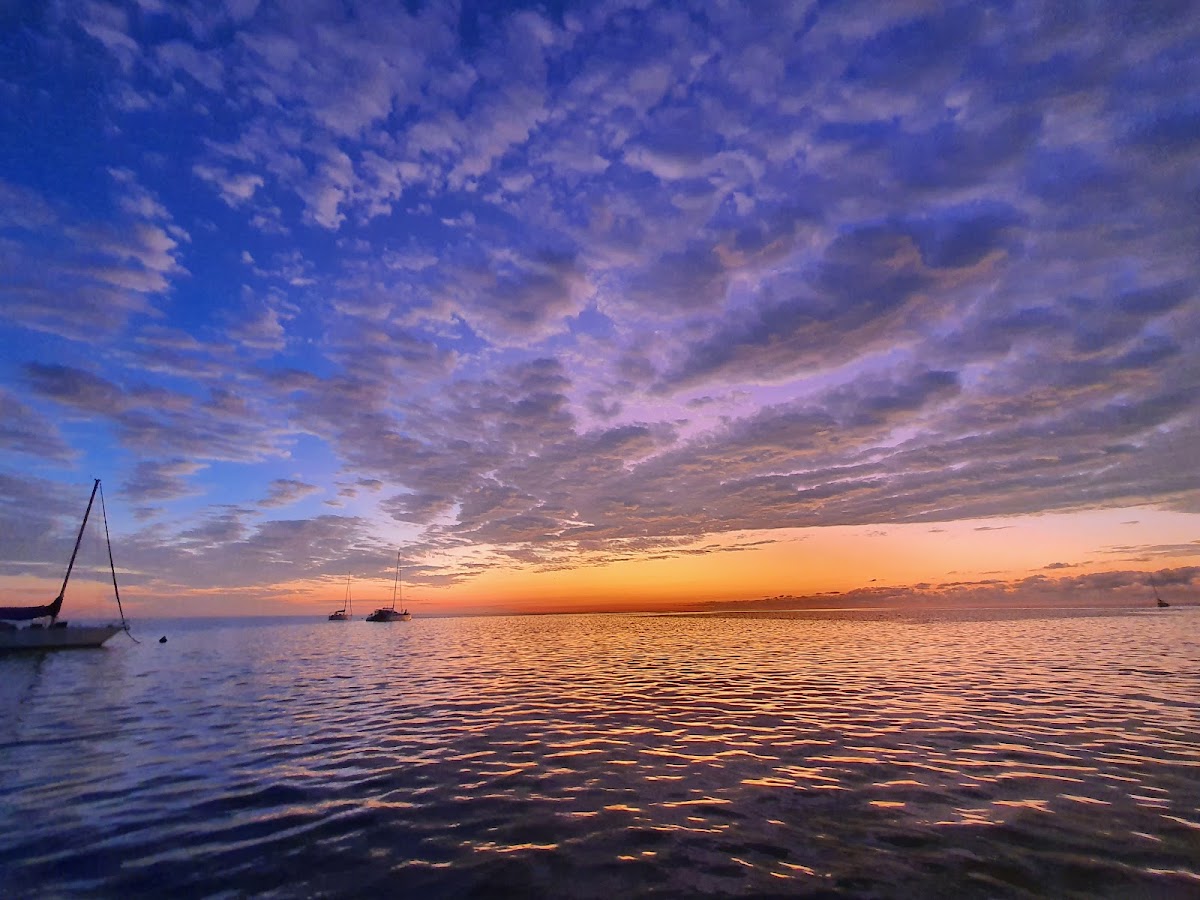
Bait Reef is the dive that explains why people travel this far to get underwater. Sitting on the outer edge of the Great Barrier Reef, around two to three hours out from Hamilton by fast catamaran, it offers the clearest water and the healthiest coral in the area — a series of coral gardens, bommies and gentle walls regularly rated among the best dive sites in the Whitsundays. Underwater you move through hard and soft coral alive with reef fish, past giant clams, with a genuine chance of turtles, rays and reef sharks on the drop-offs.
Because the outer reef is reached from a moored pontoon or a dedicated dive boat, it caters to a wide range of divers. Certified divers do guided or buddy dives at the better sites; complete beginners can take a supervised introductory dive (no certification, with an instructor) and still get over the coral. The trade-offs are real: it is a long crossing each way, it is a premium experience, and a rough day cuts both comfort and visibility. Pick a calm-forecast day, take seasickness precautions before you board, wear the stinger suit from November to May, and Bait Reef rewards you with the best coral and marine life on offer.
It is the outer-reef dive in its purest form — the clearest water, the healthiest coral and the richest marine life within reach of Hamilton, open to certified divers and supervised first-timers alike.
“Best dive of the trip — Bait Reef on a calm day was crystal clear, coral everywhere, turtles and a reef shark cruising past. Long boat ride out but completely worth it.”
— Google review
A guided dive over the coral bommies and walls at Bait Reef on a calm, clear dry-season day.
Booking it for your only free day — it is a long, weather-dependent crossing that cancels on rough seas, and seasickness can ruin it, so pick a calm forecast and keep a buffer day.
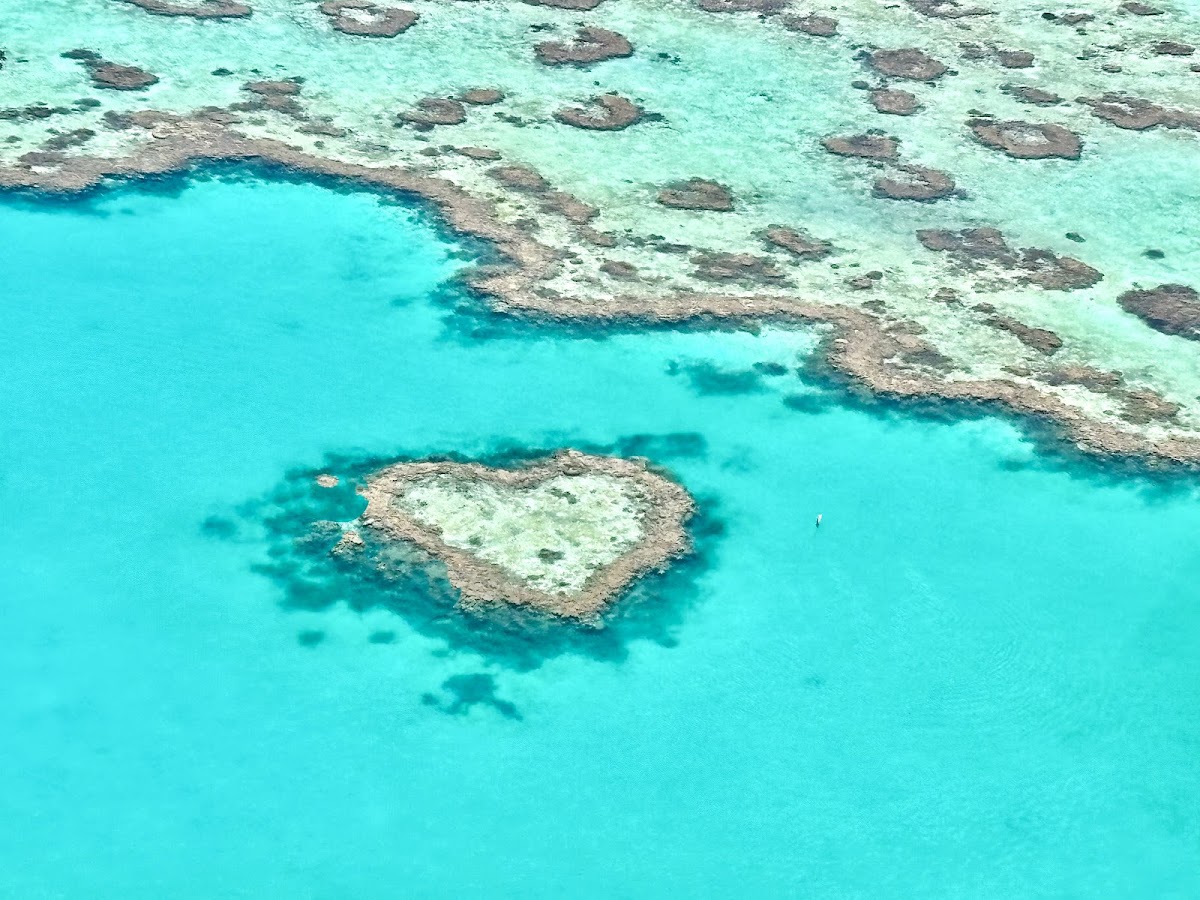
Hardy Reef is the other major outer-reef option, and for divers its great advantage is the moored pontoon: a stable platform anchored right on the reef that you dive straight off, rather than rolling backwards off a dive boat. That makes it the most beginner-friendly way to dive the outer reef. Introductory dives run with an instructor for those who have never dived, while certified divers do guided dives over the surrounding coral — and between dives you have a solid base to rest, eat and warm up on.
For a diver, the pontoon’s big plus is also its trade-off: it is the busiest, most-visited outer-reef option, so the dive sites around it see more traffic than a quieter dedicated dive boat. Most divers happily accept that for the stability and the easy water entry, especially on a first outer-reef dive or in a mixed group where some people are snorkelling. The pontoon is covered in detail as a day out in our Great Barrier Reef guide; here, the point is simply that as a dive, Hardy Reef off the pontoon is the gentlest introduction to the outer reef there is.
The moored pontoon turns the outer reef into the easiest possible dive entry — a stable platform you step straight off, ideal for a first outer-reef dive or a mixed group of divers and snorkellers.
“Did an intro dive off the pontoon at Hardy Reef — the instructor never left my side and I saw coral, clams and a turtle on my first ever dive. Felt completely safe.”
— Traveller review
An instructor-led introductory dive straight off the pontoon — the simplest way to take your first breath underwater on the outer reef.
Expecting a quiet, wild dive — the pontoon is the busiest outer-reef site; if you want fewer people and you are certified, take a dedicated dive boat to Bait Reef instead.
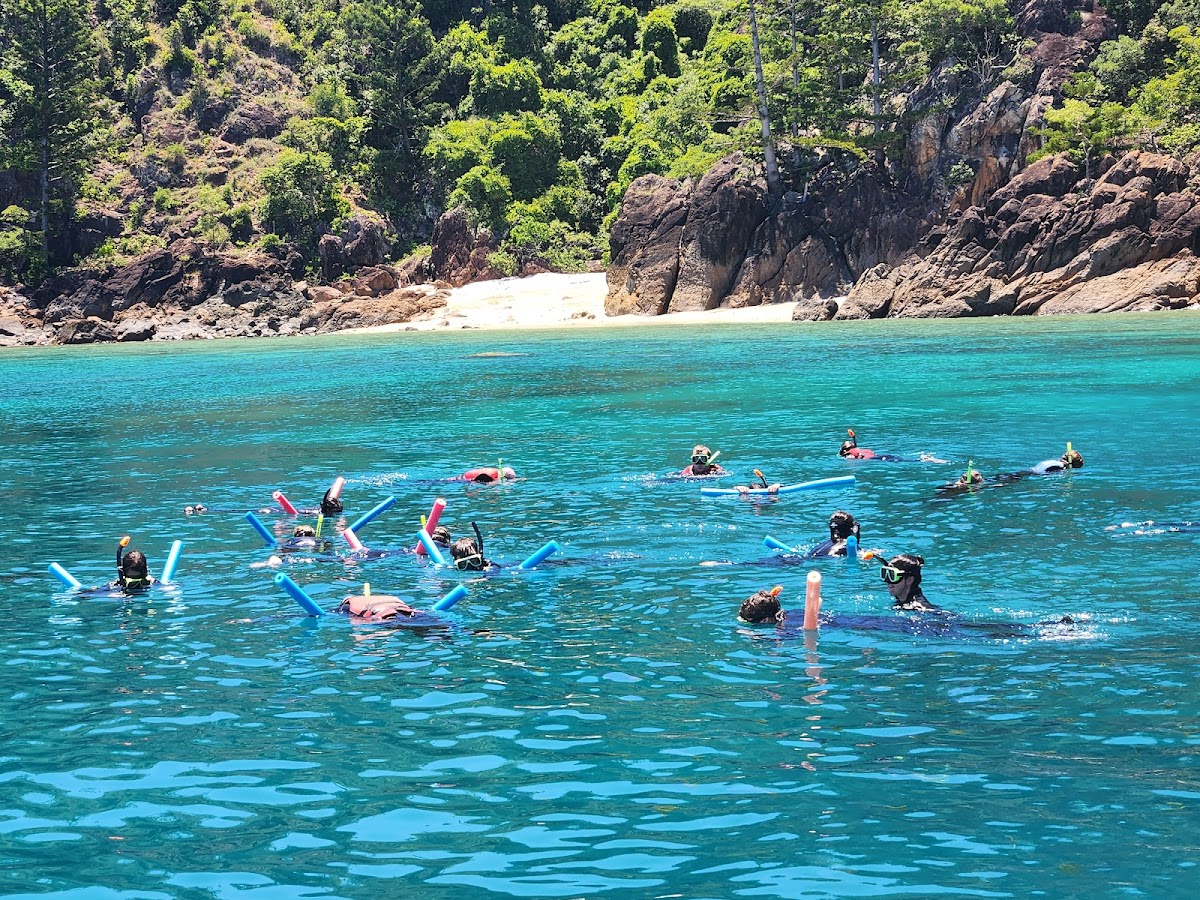
You do not have to cross to the outer reef to dive good coral — the fringing reefs of the Whitsunday islands deliver it in calm, sheltered water much closer to home. Manta Ray Bay and Maureen’s Cove, on the protected northern side of Hook Island, are the standouts. Manta Ray Bay is famous for a huge, friendly resident Maori (humphead) wrasse that has lived in the bay for years and approaches divers and snorkellers closely — a genuine highlight that few other sites can promise. Both bays have coral gardens, turtles, reef fish and easy, shallow conditions.
Because these sites are sheltered and shallow, they suit just about everyone: certified divers after an easy, fish-rich dive; first-timers on an intro dive; and snorkellers sharing the same bay from the surface. Many Whitsunday day boats and liveaboards include these fringing reefs alongside the outer reef or a Whitehaven stop, so a single trip can mix a dive here with the famous beach. The honest caveats are the stinger suit from November to May, and the fact that visibility on the fringing reefs is generally lower than the outer reef — you trade some clarity for calm water, big fish and a much shorter boat ride.
A resident giant Maori wrasse that swims right up to you, calm shallow water and coral gardens make Manta Ray Bay one of the most rewarding dives in the Whitsundays — and it is far closer than the outer reef.
“The big Maori wrasse at Manta Ray Bay came straight up to us — enormous and totally relaxed. Sheltered, shallow and full of fish; perfect for our first proper dive.”
— Google review
Coming face to face with the giant resident Maori wrasse at Manta Ray Bay — it approaches divers and snorkellers closely.
Expecting outer-reef clarity — fringing-reef visibility is generally lower, and from November to May you must wear a full stinger suit in the water.
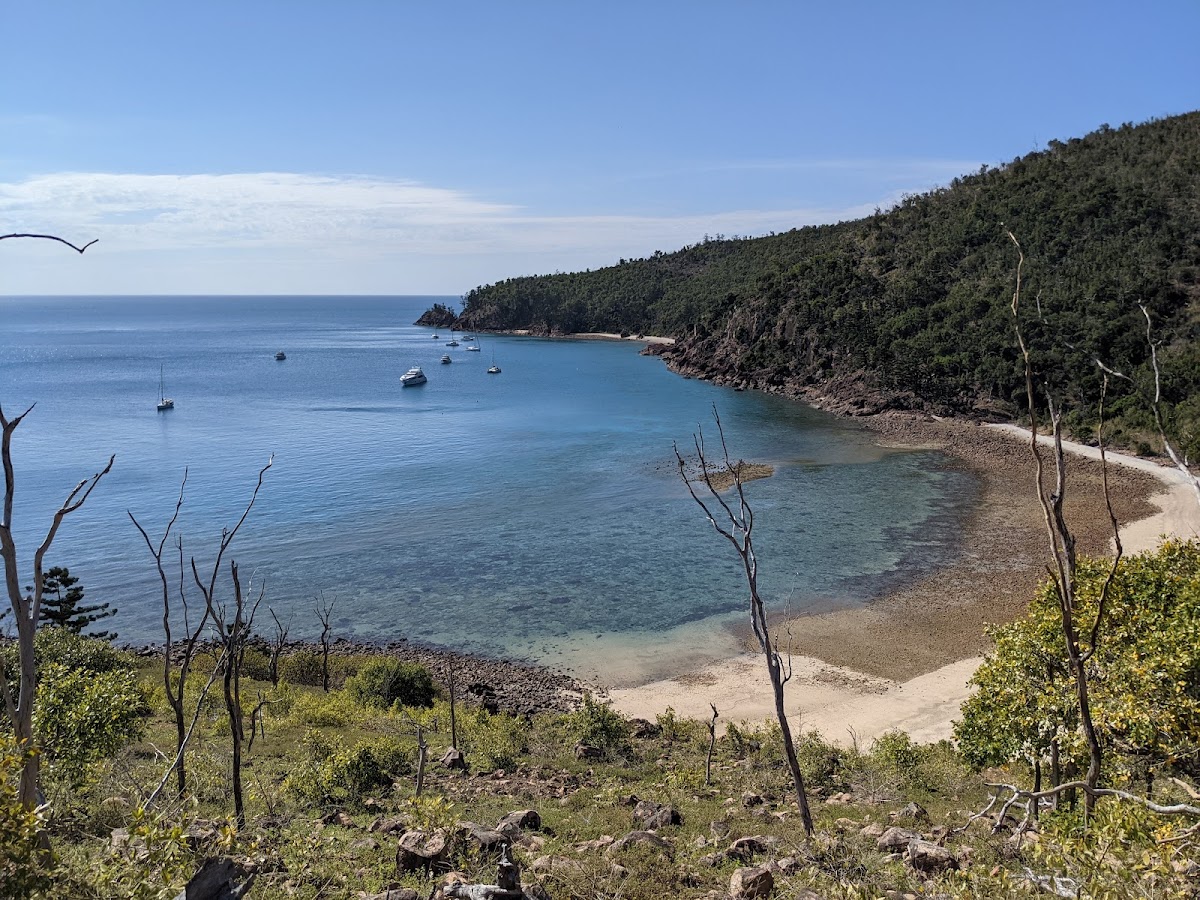
On the western, Hayman side of the island group, Blue Pearl Bay is the other fringing-reef name divers should know. A sheltered bay off Hayman Island, it is known for healthy coral, abundant reef fish, turtles and another large resident Maori wrasse, with conditions that are usually calm and forgiving. Nearby Langford Reef — a long coral spit beside Langford Island — adds coral gardens in shallow, clear water that suit divers and snorkellers alike, and it pairs naturally with a beach stop on the sandy cay.
These sites suit the same broad range as the Hook Island bays: certified divers wanting an easy, scenic dive; intro divers on their first outing; and snorkellers in mixed groups. Because they sit a little further around the island group, they can be quieter than the better-known Manta Ray Bay, which is part of their appeal — coral and turtles with fewer fins in the water. They are typically reached on the same Whitsunday day boats and sailing trips that take in Whitehaven and the fringing reefs.
The practical notes are familiar by now: it is a boat-access dive, visibility is fringing-reef rather than outer-reef, and the stinger suit is essential from November to May. But for a diver who wants coral, turtles and a big wrasse without the long outer-reef crossing — and ideally with a swim at a sandy cay built into the same day — Blue Pearl Bay and Langford are a relaxed, rewarding choice.
Healthy coral, turtles and a resident wrasse in a calm, often quieter bay — and the chance to pair the dive with a swim at the sandy Langford cay on the same trip.
“Blue Pearl Bay was beautiful and far less crowded than I expected — coral, turtles and a big wrasse, then lunch on the sand spit at Langford. A lovely relaxed dive day.”
— Traveller review
A calm dive at Blue Pearl Bay paired with a stop on the sandy spit at Langford Reef — coral, turtles and a beach in one trip.
Treating it as an outer-reef substitute — the coral is good but the visibility is lower, and like all fringing reefs it needs a stinger suit from November to May.
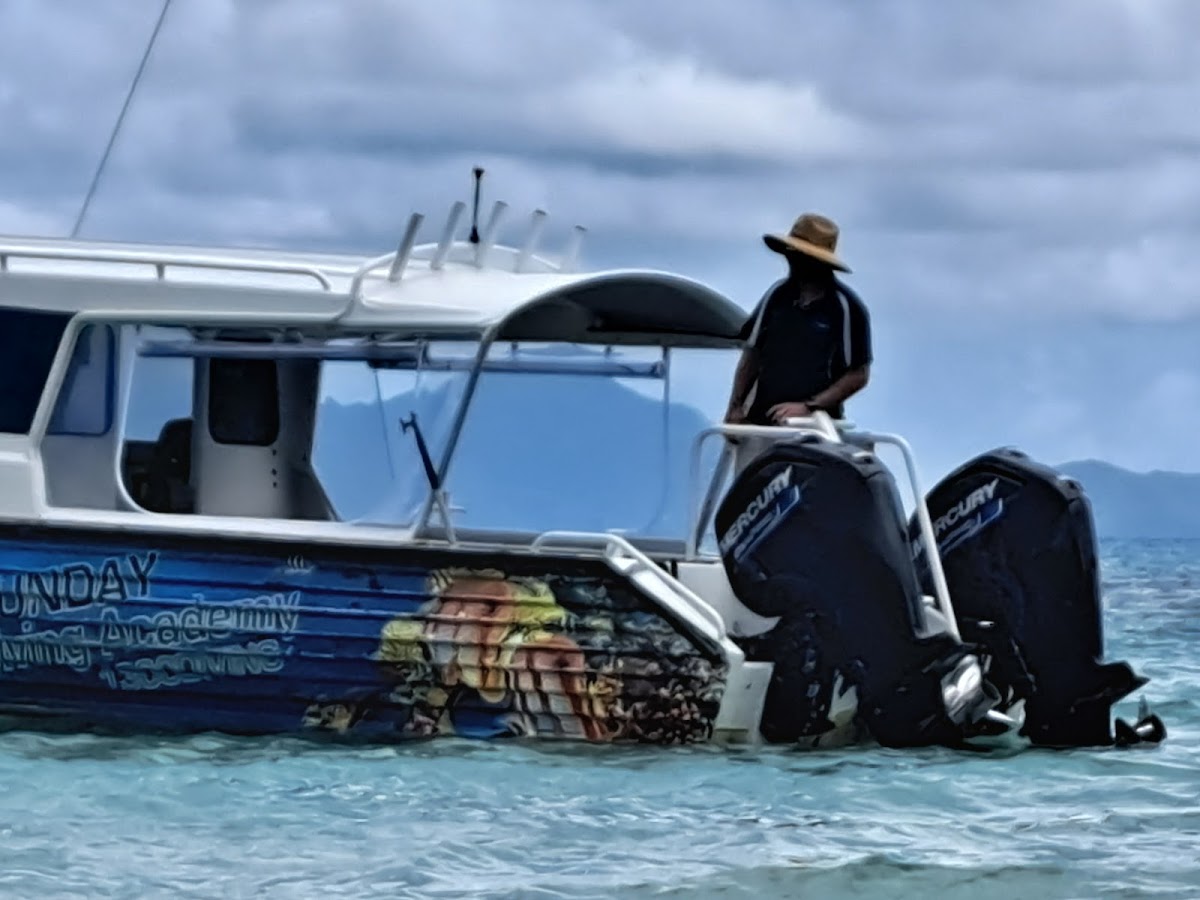
You do not need a certification to dive on Hamilton Island, and you can earn one in the Whitsundays. For a one-off taste, an introductory (or ‘resort’) dive is the entry point — a supervised first dive with an instructor, generally for ages 12 and up, available on the pontoon at Hardy Reef and on many fringing-reef day boats, with no experience or card required. To dive independently, the PADI Open Water Diver course is the first full qualification; courses run in the Whitsundays (often based out of Airlie Beach on the mainland), so it is genuinely possible to learn here and dive these reefs as part of the training. Certified divers simply bring their card and complete a medical declaration.
Choosing the right trip comes down to matching the boat to your group and your goals. The questions to compare are the same across operators: outer reef (Bait/Hardy) or the closer fringing reefs; pontoon platform or a dedicated dive boat; intro dives, guided certified dives or self-guided buddy dives; how many dives are included; and whether snorkellers can share the same trip. Mixed-ability groups are well served — most boats carry divers and snorkellers together, so non-divers are not left behind.
It suits everyone, but match the trip: a pontoon or a guided fringing-reef boat for beginners and mixed groups; a dedicated dive boat to Bait Reef for experienced, self-sufficient divers chasing the best coral. As operators, schedules, courses and prices change — and trips depend on weather — always confirm the current details, instructor credentials and stinger-suit provision directly before booking, and keep a buffer day so a blown-out forecast does not cost you your only dive.
There is a path for everyone — a supervised intro dive for absolute first-timers, a full PADI course if you want to get certified, and a boat to match whether you want the outer reef or a sheltered island bay.
“Rang a couple of operators first — booked a boat that took divers and snorkellers together so our whole family could go out on one trip. Instructor took the two beginners on intro dives while the rest of us dived. Sorted.”
— Traveller review
Matching the trip to your group — a guided pontoon or fringing-reef boat for beginners and mixed groups, a dedicated dive boat to Bait Reef for experienced divers.
Booking blind — operators, courses and prices change and trips are weather-dependent, so confirm sites, credentials, stinger-suit provision and price directly, and never pin your only dive to a single day.
| Season | Conditions | Highlights | Crowds |
|---|---|---|---|
| Autumn (Mar–May) | Warm water; wet season easing, stingers tail off by late autumn | Warm dives, improving visibility into late autumn; stinger suit still needed Nov–May | Building toward peak |
| Winter (Jun–Aug) | Dry season — calmest seas, clearest water, no stingers | Best outer-reef visibility and the smoothest crossings; whales (Jul–Sep) on the boat ride | Peak — book ahead |
| Spring (Sep–Nov) | Warming; dry early, humid and stinger season returning from Nov | Great early-spring diving, warm water; tail of whale season; suit up once stingers return | Easing then building |
| Summer (Dec–Feb) | Hot, humid wet season; afternoon storms; stinger season | Warmest water but runoff can cut visibility — full stinger suit essential on the fringing reefs | Quieter (busy over Christmas) |
What divers consistently say about diving the Whitsundays from Hamilton Island:
The recurring praise is the marine life — outer-reef coral and turtles at Bait Reef, and the famous friendly Maori wrasse on the fringing reefs — plus how well intro dives let complete beginners experience it safely with an instructor.
Divers who pick a calm-forecast day and treat it as a wild reef leave delighted; the outer-reef crossing is long, seasickness is real on a rough day, and from November to May a stinger suit is non-negotiable on the fringing reefs — flexibility and a buffer day are rewarded.
“A must see destination. The pure white sand, the crystal blue waters is like nothing else. Find your own spot amongst the long beach, relax & enjoy the serenity of it all. Don't rush this spot "just to say you've seen it". We hired our own boat, found our own section with no-one near us for over a kilometres on the sand.”— Scott Mander (on Whitehaven Beach), Google review
“Absolutely breathtaking! The sand is so pure and soft it almost squeaks under your feet, and the turquoise water looks unreal. We spent hours just relaxing, swimming, hiking and soaking in the views — it honestly feels like paradise. If you’re visiting the Whitsundays, this is a must-see. Bring your camera and plenty of sunscreen — you’ll never want to leave”— T J (on Whitehaven Beach), Google review
“Such a spectacular beach and it's so huge that even when there's heaps of boatloads of tourists there is room to spread out and have your own private slice of paradise. A must see when in Australia.”— Amy Garden (on Whitehaven Beach), Google review
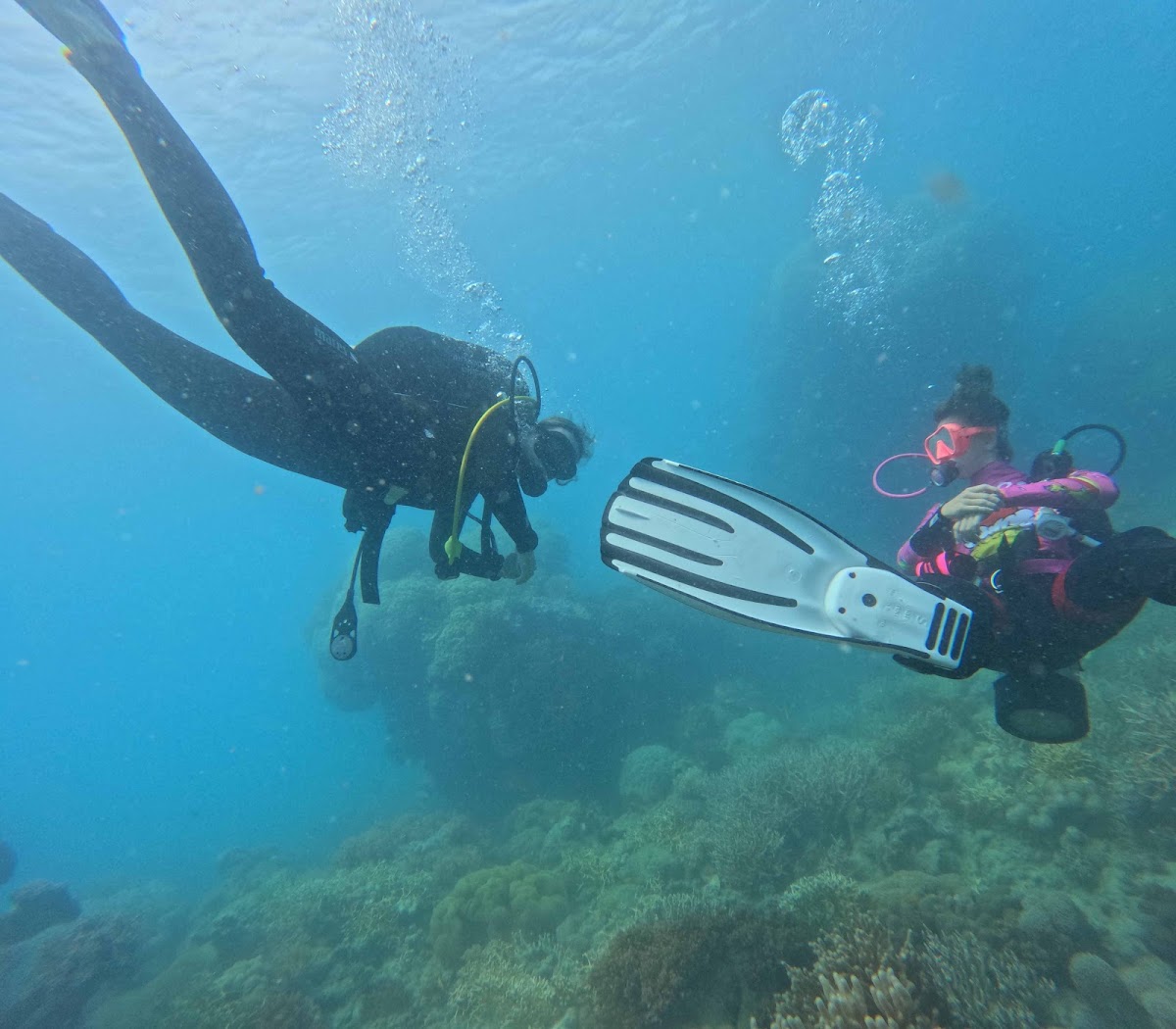
Certification & medicals: certified divers must show a recognised qualification (‘C’ card) and complete a dive medical declaration before getting in — no card, no certified dive. Introductory (resort) dives are open to beginners with an instructor, generally from age 12, and need no certification; snorkelling is open to any confident swimmer. If you are newly certified or out of practice, say so when you book so the operator pitches the dive and the site right. There are medical conditions that can rule out diving, so declare any honestly.
Stingers, suits & seasons: this is the single most important Whitsundays planning point. Marine stingers — box jellyfish and the tiny Irukandji — are present from roughly November to May, so you wear a full-body stinger or lycra suit in the water on the fringing reefs in that window (operators provide them), and operators advise suits on the outer reef too. The dry season, roughly April to October, brings calmer seas, the clearest water and the best diving, outside the stinger season — it is the ideal window if you can choose.
Getting there & conditions: there is no shore diving — Hamilton Island has no car and every dive is a booked, paid day-trip boat from the marina, either out to the outer reef (a long, two-to-three-hour crossing each way) or to the closer Whitsunday fringing reefs. Trips are weather-dependent and the skipper makes the final call on safety and which sites are accessible, so build flexibility into your trip and keep a buffer day. Take seasickness precautions before you board, not after, and confirm current sites, prices, schedules and gear directly with licensed operators.
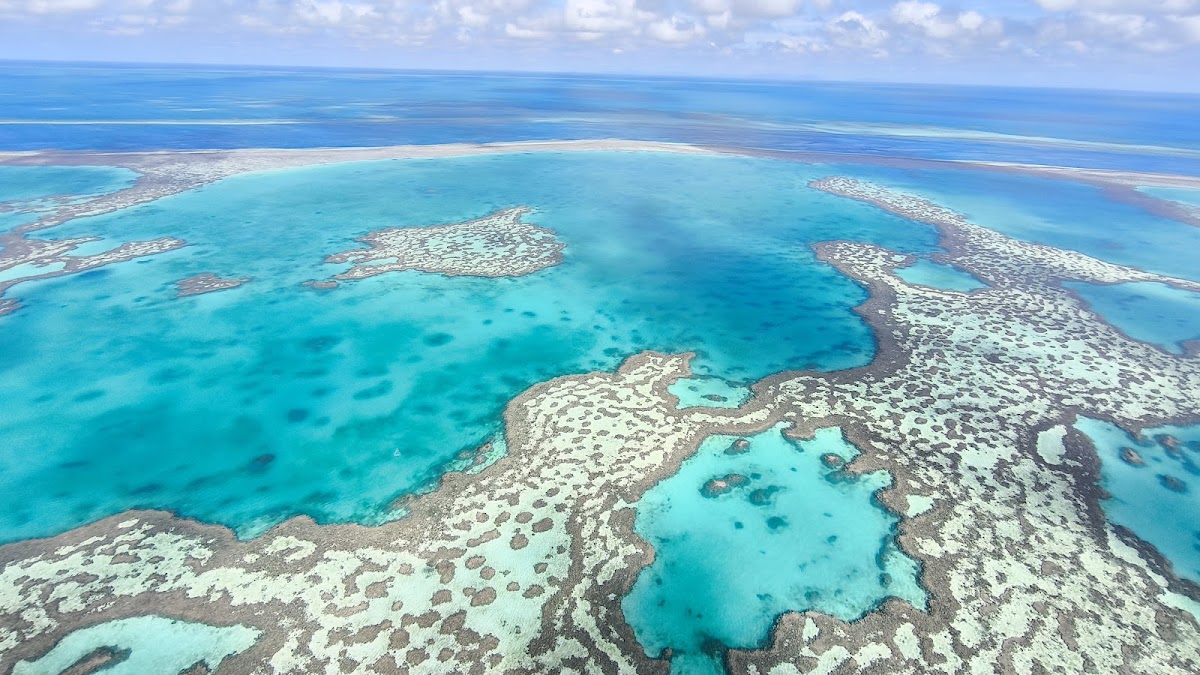
Diving from Hamilton Island gives you a genuine choice that few reef destinations can match: the outer Great Barrier Reef at Bait and Hardy, with the clearest water and the healthiest coral, or the sheltered Whitsunday fringing reefs at Hook and Hayman, where a giant resident wrasse will swim up to your mask and the boat ride is far shorter. Certified divers can chase the best coral on the outer reef; complete beginners can take an instructor-led intro dive at either; and snorkellers can share almost every trip, so no one in a mixed group is left behind.
Book with a licensed operator, bring your card if you have it or your willingness to learn if you do not, pick a calm-forecast dry-season day, and remember the stinger suit from November to May. Treat it as a wild reef rather than a guaranteed show, keep a buffer day for the weather, and use our Great Barrier Reef from Hamilton Island guide for the broader reef-day logistics. Do that, and a dive here is the kind of day that turns a Whitsundays holiday into the story you tell for years.
Enjoying diving? Here’s where else in Australia it’s worth the trip — ranked by how loved each destination is, with the one thing not to miss at each.
Hamilton Island you’re here
The Whitsundays, Queensland
Diving Bait Reef — the outer Great Barrier Reef — A guided dive over the coral bommies and walls at Bait Reef on a calm, clear dry-season day.
You’re reading this guide
 Byron Bay
Northern Rivers, New South Wales
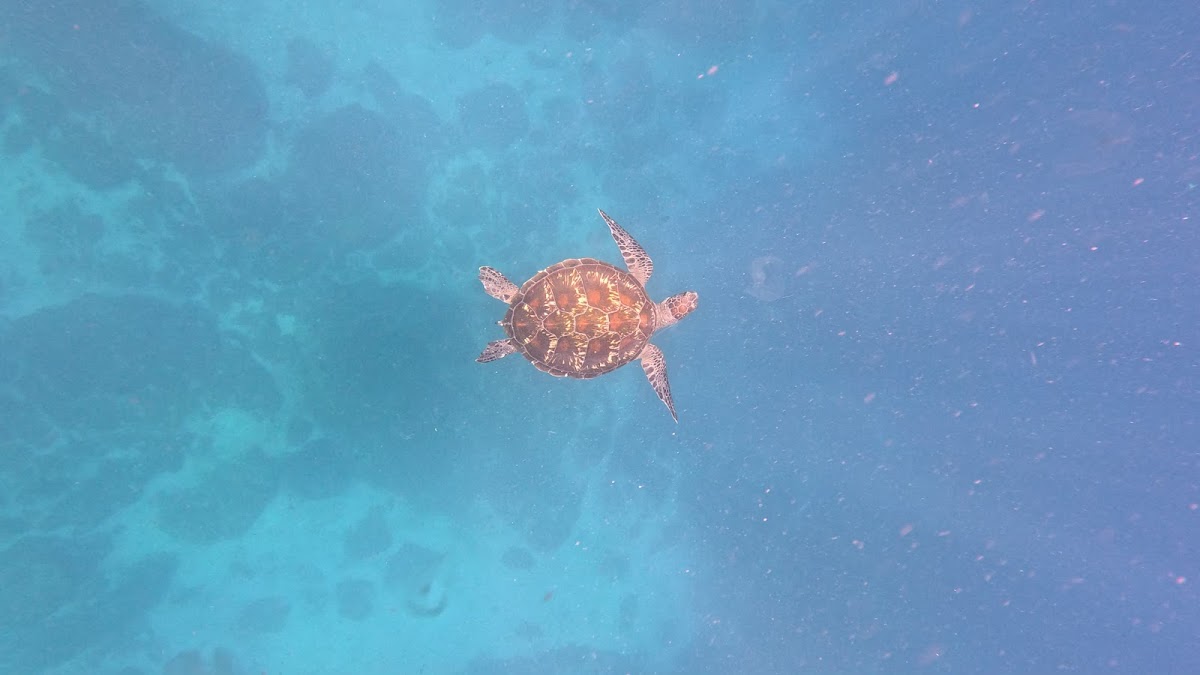
The Nursery — the beginner and snorkel site — A shallow, sunlit drift over the Nursery with turtles and wobbegongs — the perfect first taste of Julian Rocks.
Explore diving in Byron Bay →
3
Byron Bay
Northern Rivers, New South Wales
The Nursery — the beginner and snorkel site — A shallow, sunlit drift over the Nursery with turtles and wobbegongs — the perfect first taste of Julian Rocks.
Explore diving in Byron Bay →
3
 Narooma
South Coast, New South Wales
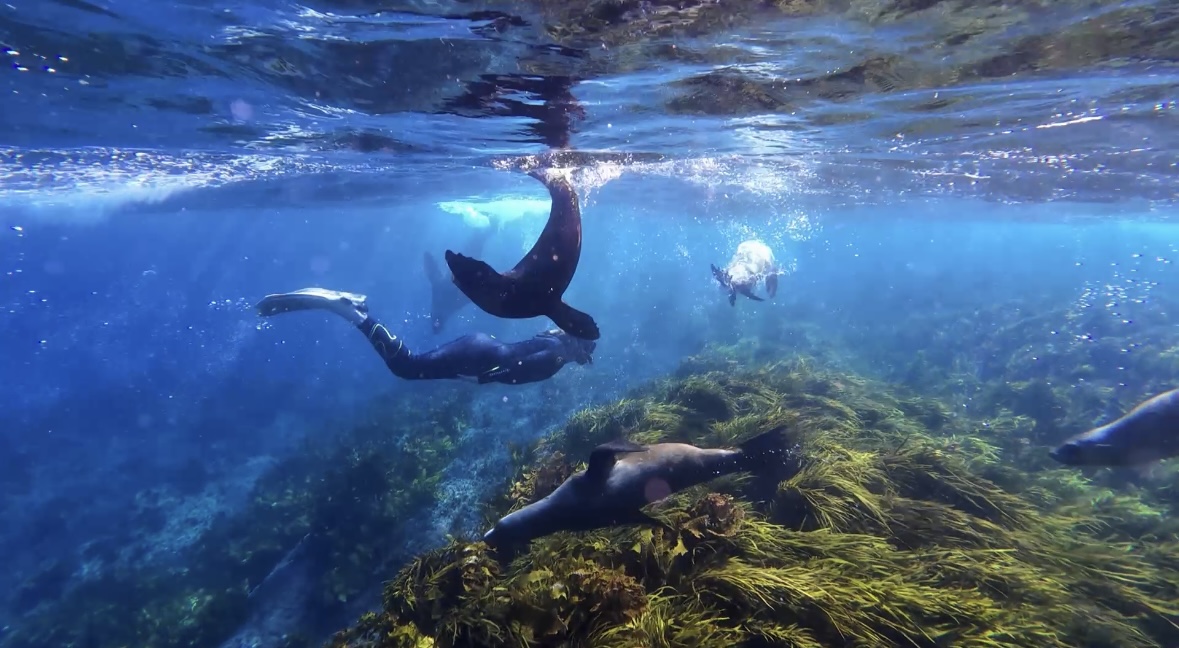
Diving with the seals — ‘the Aquarium’ — A shallow, sunlit dive at ‘the Aquarium’ with fur seals circling and darting around you — bring a camera.
Explore diving in Narooma →
Narooma
South Coast, New South Wales
Diving with the seals — ‘the Aquarium’ — A shallow, sunlit dive at ‘the Aquarium’ with fur seals circling and darting around you — bring a camera.
Explore diving in Narooma →

Reef View Hotel — Hamilton Island
Book Direct & Save →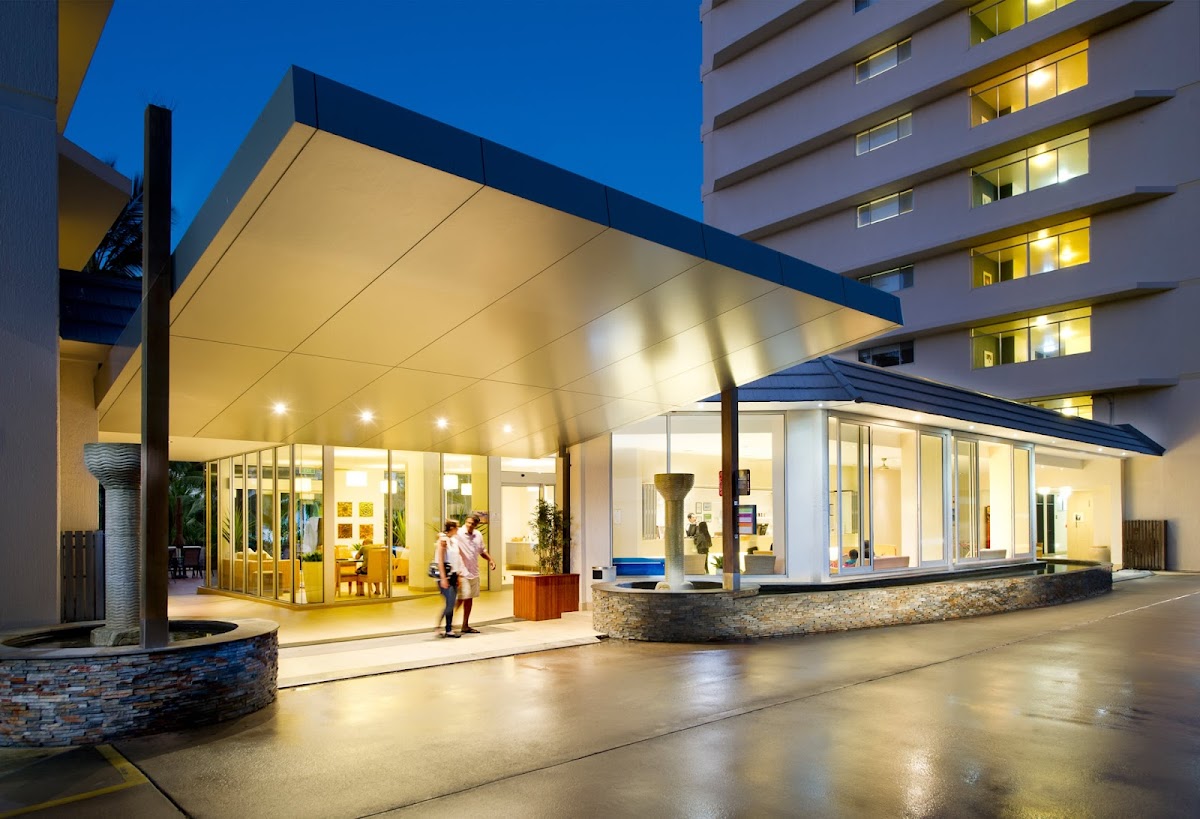
Whitsunday Apartments Hamilton Island — Hamilton Island
Book Direct & Save →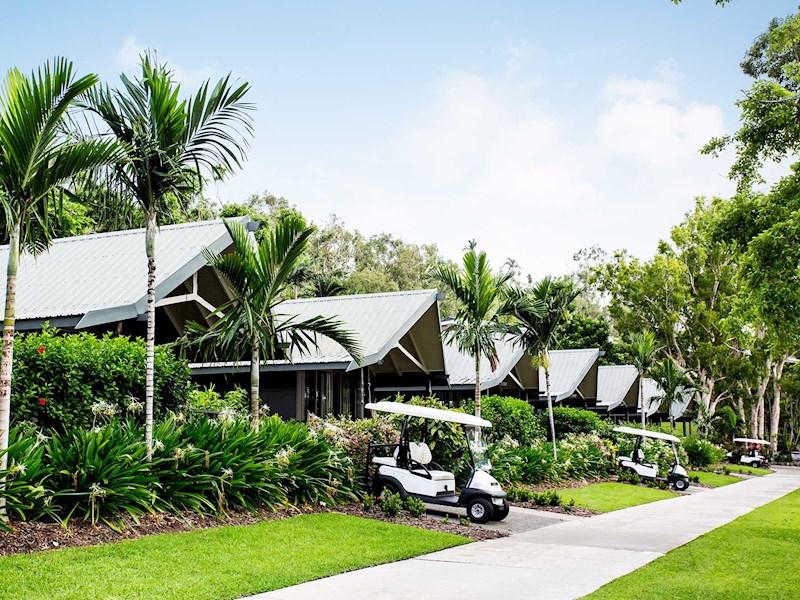
Palm Bungalows — Hamilton Island
Book Direct & Save →Skip OTA fees. Connect directly with Hamilton Island owners for the best rates and a truly personal experience.
We match any online rate. No service fees — 100% of your payment supports local owners.
Direct guests receive complimentary hampers, early check-in, and priority access to experiences.
Speak directly with the people who manage the properties. No call centres, just local expertise.
Part of Queensland · The Whitsundays