01. Reef View Hotel
4.2 (2067 reviews)
Reef View Hotel — Hamilton Island
Book Direct & Save →Each winter, thousands of humpback whales arrive in the warm, sheltered waters of the Whitsundays — not just passing through, but stopping. The islands around Hamilton form one of the great humpback nurseries on the east-coast migration, a calm, protected stretch of Coral Sea where mothers rest with their newborn calves before the long swim south to Antarctica. That changes the character of whale watching here completely: it is less about catching a fast-moving migration off a headland, and more about quiet, close, relaxed encounters with whales that have chosen to linger.
View 3 Properties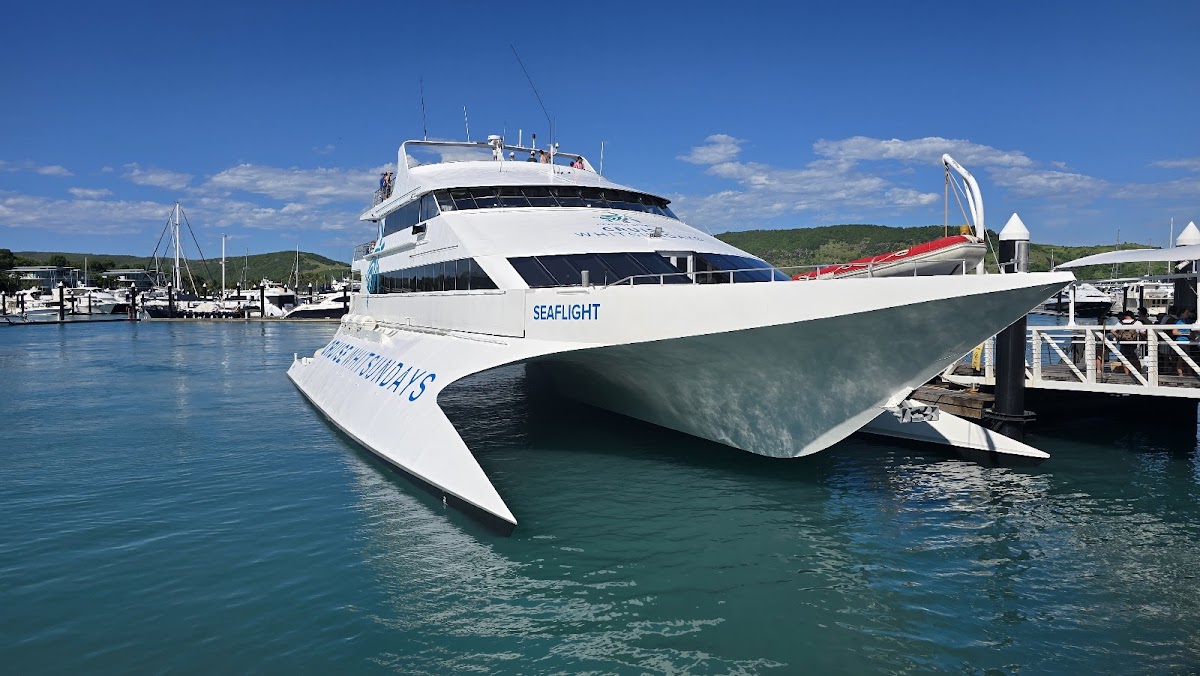
"Sheltered humpback nursery, calm encounters"
This is the complete guide to whale watching on Hamilton Island — the season and best months, what the Whitsundays nursery means for what you will see, the dedicated cruises and the reef and sailing day trips that add whale sightings in winter, the genuinely free land-based option from the island’s lookouts, and what to realistically expect. Whether you want a close encounter from a boat or a quiet morning scanning the water from a hilltop, here is how to do it.
One honest framing note before you book. Whale watching depends on wild animals and the weather, so sightings can never be guaranteed — treat it as a wildlife experience, not a show. The Whitsundays whale season is winter, roughly July to September, which conveniently falls outside the marine stinger season (stingers run November to May). And while the island lookouts are a real free option, shore watching here is far more limited than at a mainland ocean headland — the whales are out among the islands, so a boat gives you by far the best chance of a close encounter.
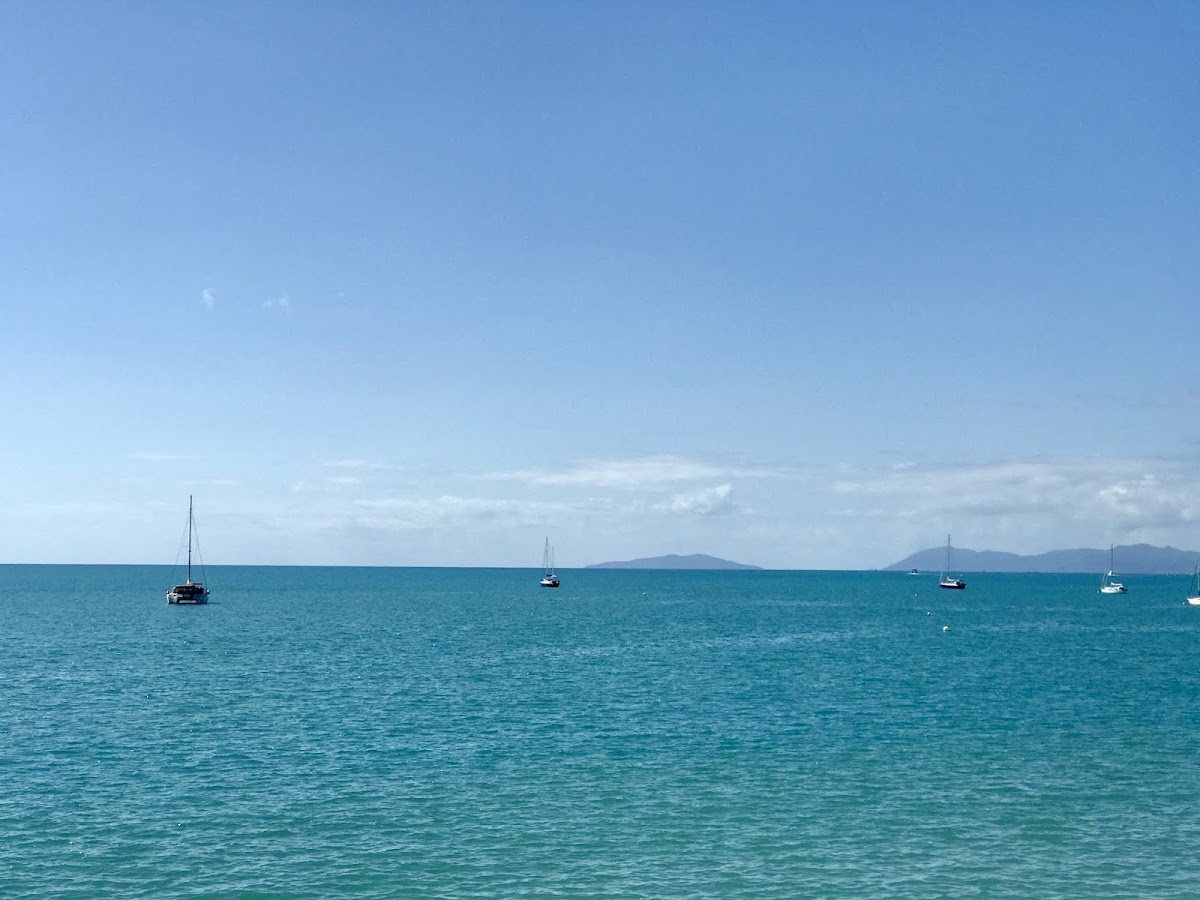
Whale watching on Hamilton Island is a winter affair. Humpback whales arrive in the Whitsundays during the cooler months on their annual migration up the east coast from Antarctica, with the season running roughly July to September. Unlike the fast spring migration past the southern mainland headlands, the Whitsundays sit near the warm northern end of the journey, which is exactly why the whales stop here rather than simply passing — and why winter is the window that matters.
Helpfully, the whale season lines up with the best time to visit Hamilton Island generally. Winter is the dry season — warm days, mild nights, calm seas and the clearest water — and it falls outside the marine stinger season (which runs November to May), so a winter trip combines whale watching with the island at its all-round best. It is also peak season, so accommodation and the popular day trips book out early.
Exact timing shifts a little year to year with conditions, so if you are travelling specifically to see whales, aim for the July-to-September window and check recent sighting reports with local operators before you book. Get the timing right — winter, dry season, school-holiday-aware — and the rest, whether by boat or from a lookout, takes care of itself.
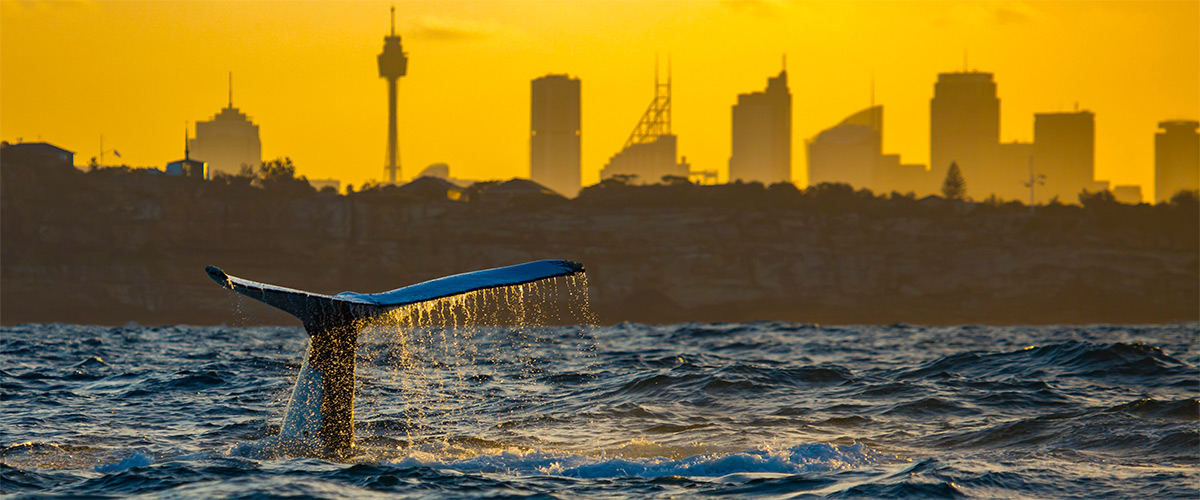
The single thing that sets whale watching in the Whitsundays apart is that this is a humpback nursery. The calm, sheltered, relatively warm waters between the islands are where humpback mothers rest with their newborn calves — resting, nursing and letting the calves build strength before the demanding swim back to the Antarctic feeding grounds. The whales here are not in a hurry; they have chosen to stop.
That changes what you see. Rather than the fast, fly-past behaviour of a migration corridor, encounters in the Whitsundays lean toward nursery behaviour — mothers and calves moving slowly together, calves practising tail-slaps and the occasional clumsy breach, pods lingering in a sheltered bay. Because the water is calmer and the whales are settled, encounters can be remarkably close and relaxed, and a curious whale will sometimes approach a stationary boat of its own accord.
It also means the experience rewards patience over chasing. A good skipper finds whales that are resting or socialising and lets the boat sit quietly while the whales do their thing, rather than racing from spout to spout. Set your expectations for that — slow, close, gentle nursery behaviour rather than a non-stop acrobatic display — and the Whitsundays deliver a kind of whale encounter that the busy mainland migration routes rarely can.
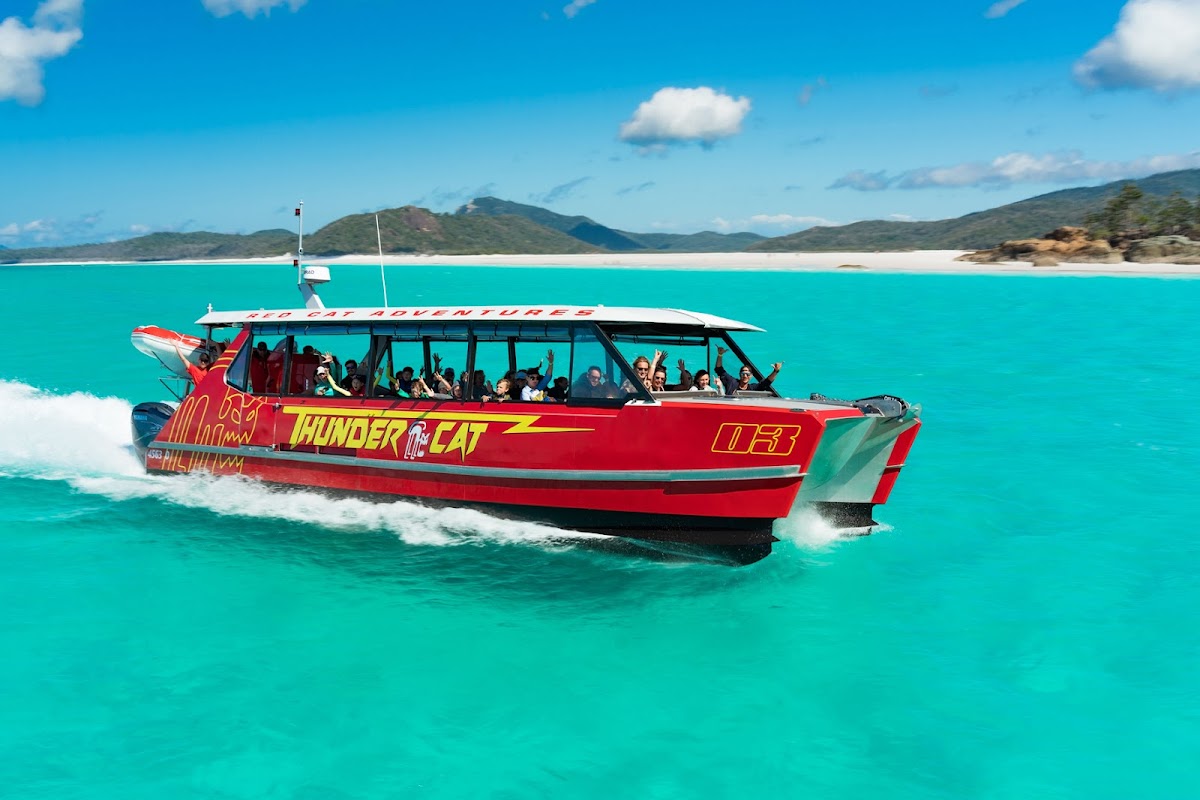
Most whale watching from Hamilton Island happens on the water in winter, either on a dedicated whale-watching cruise or as a bonus on a reef, Whitehaven or sailing day trip that runs through the whale season. The boats head out among the islands, where the sheltered waters concentrate the resting whales, so a trip often doubles as a broader Whitsundays cruise with island scenery, beaches and the chance of dolphins along the way.
On a good day you will see spouts, tails and pectoral fins, calves rolling and slapping beside their mothers, and sometimes a whale surfacing close to a stationary boat. Because these are resting nursery animals in calm water, the encounters tend to be slower and closer than a fast migration fly-past — wonderful for watching and photographing, if less reliably acrobatic. Pods can linger in a bay, giving the boat time to sit quietly nearby.
Dress for the water, not the shore: even in the Whitsundays winter it is cooler and windier out on the open water, and you can get wet, so warm layers and a spray jacket matter more than you would expect. Bring a camera, take seasickness precautions before you board if you are prone to it, and remember that sightings, while common in season, are never guaranteed — ask your operator about recent activity and any sighting policy when you book.
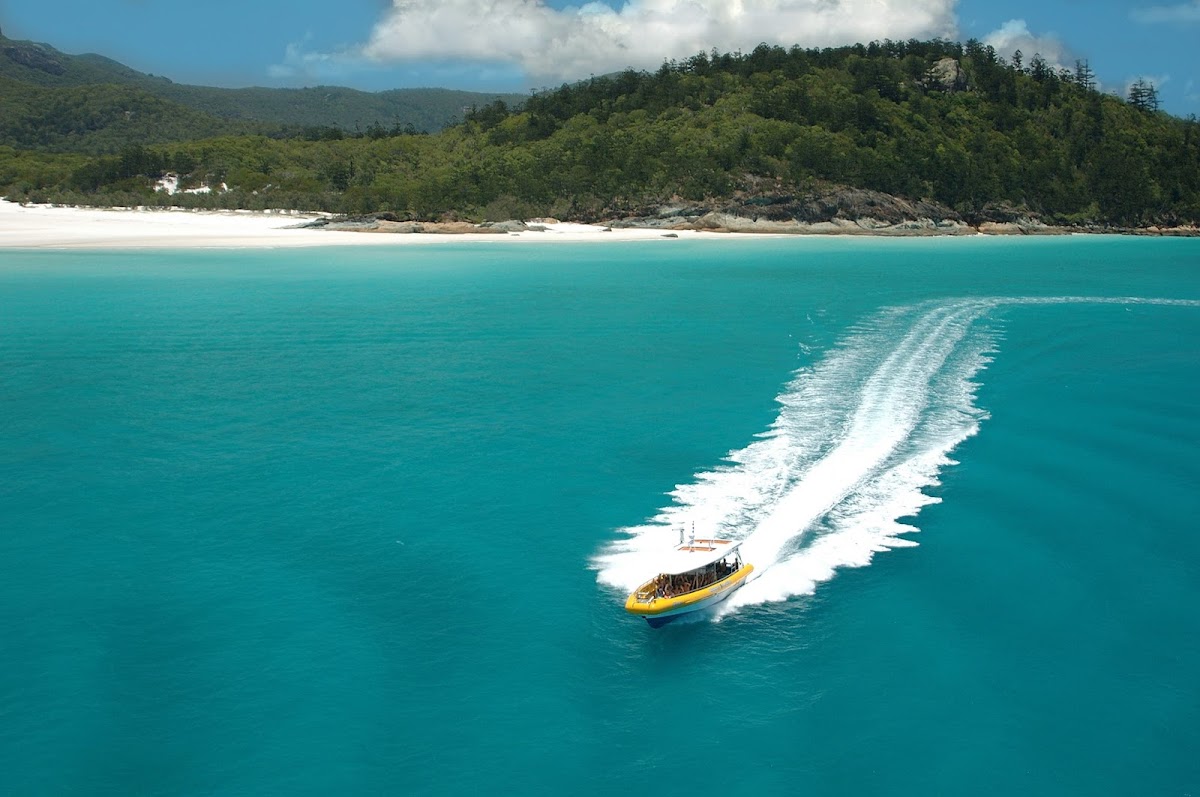
Whale watching on Hamilton Island works whether you are bringing the whole family or heading out solo — but the best approach differs depending on which you are. For families, a boat trip is the standout: the calm Whitsundays nursery waters mean a gentler ride than an exposed ocean tour, the resting mothers and calves are genuinely engaging for kids, and a winter reef or sailing day trip can fold whale sightings into a fuller day of beaches and snorkelling so children stay interested between encounters. Dress kids in warm layers and a spray jacket, take seasickness precautions for any child prone to it, and check each operator’s minimum-age guidance before booking.
For families on a budget, or anyone who would rather stay on land, the island’s elevated lookouts — Passage Peak and One Tree Hill — give a genuinely free option. In season you can sometimes spot whales offshore from these high points with a pair of binoculars, and the walk and the view are worth it regardless. Be honest with the kids that shore sightings here are a lucky bonus rather than a certainty — the whales are out among the islands, so a boat is far more reliable.
Solo travellers and independent watchers have it easy here. The free lookouts suit a quiet morning of scanning the water at your own pace — no booking, no group — while a dedicated cruise is a very welcoming, social way to spend a few hours, sharing the boat with other small groups and the crew. Solo photographers in particular favour the boats for the chance of a calf rolling beside its mother close to the vessel.
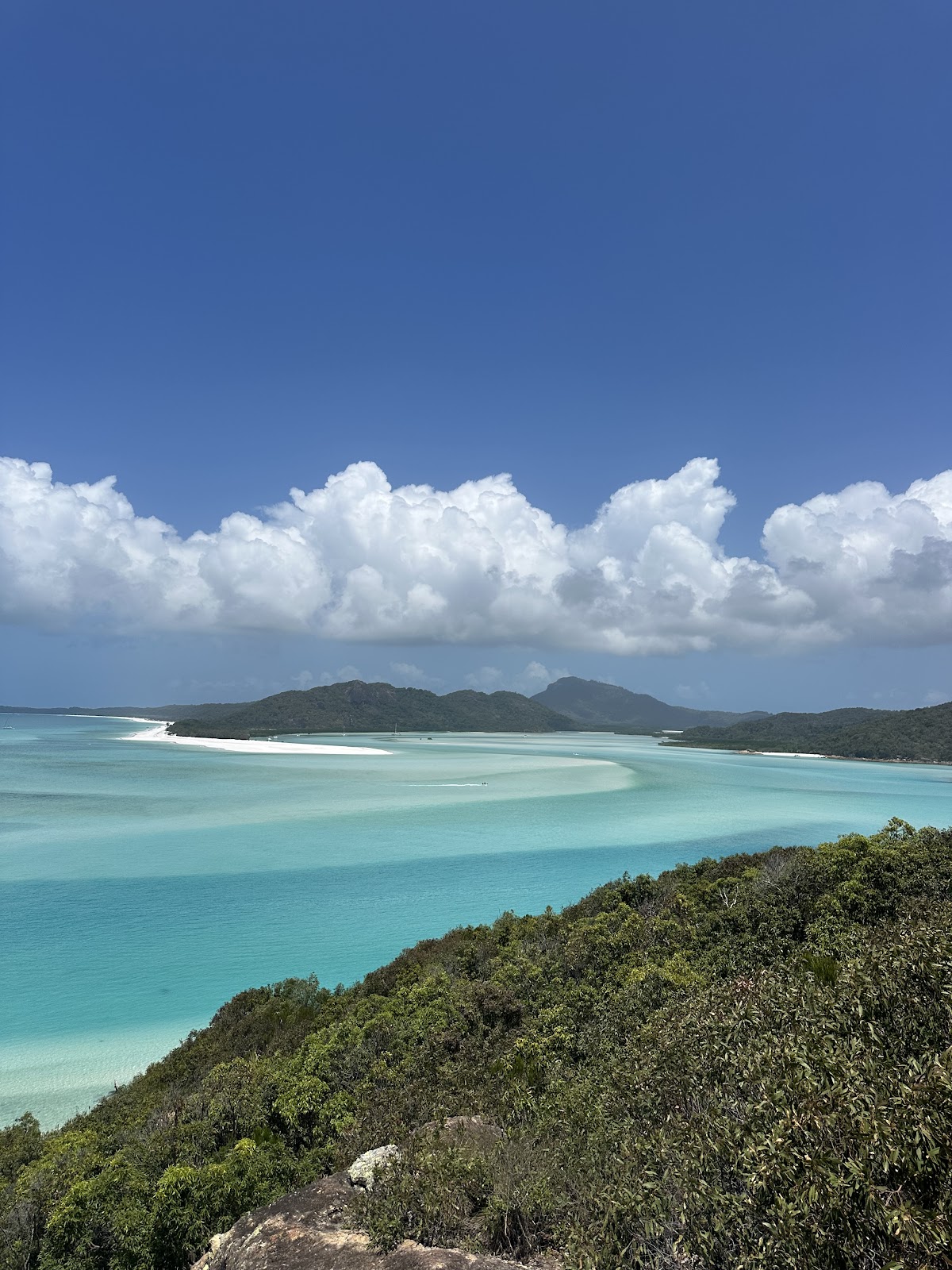
For the genuine close encounters — a calf rolling beside its mother, a whale surfacing within sight of the boat — a dedicated whale watching cruise in season is the best way to do it. Through the winter months these trips head out among the sheltered Whitsunday waters where the resting nursery whales gather, and because the whales here are settled rather than rushing past, a good skipper can position the boat quietly nearby and let the encounter come to you. It is calmer, more patient watching than a fast mainland migration tour.
The boats often double as a broader Whitsundays cruise — island scenery, the chance of dolphins, sheltered bays — so even between whale sightings there is plenty to see. It suits anyone who wants the up-close experience: couples, solo travellers, photographers and families with children old enough for a few hours on the water. It is less suited to very young children, the strongly seasickness-prone on a rough day, and anyone needing a guaranteed sighting.
The honest practicalities: cruises only run in the winter whale season (roughly July to September), they are weather-dependent, and sightings — while common in season — are never guaranteed. Confirm the operator runs dedicated whale trips for your dates, ask about any sighting or repeat-trip policy and the cancellation terms, take seasickness precautions before boarding, and dress in warm layers and a spray jacket for the cooler, windier conditions out on the water.
The sheltered nursery waters mean genuinely close, relaxed encounters — resting mothers and calves rather than a fast fly-past — and a good skipper can sit the boat quietly nearby and let the whales come to you.
“A mother and calf surfaced right beside the boat and just hung there — the calm Whitsundays water made it feel so close and relaxed. The crew knew exactly where the whales were resting.”
— Google review
A resting humpback mother and calf surfacing close to a quietly positioned boat among the islands — the moment a cruise is worth booking for.
Assuming whale cruises run year-round — they only operate in the winter season (roughly Jul–Sep), are weather-dependent and never guarantee a sighting, so confirm dates and ask about any sighting policy.
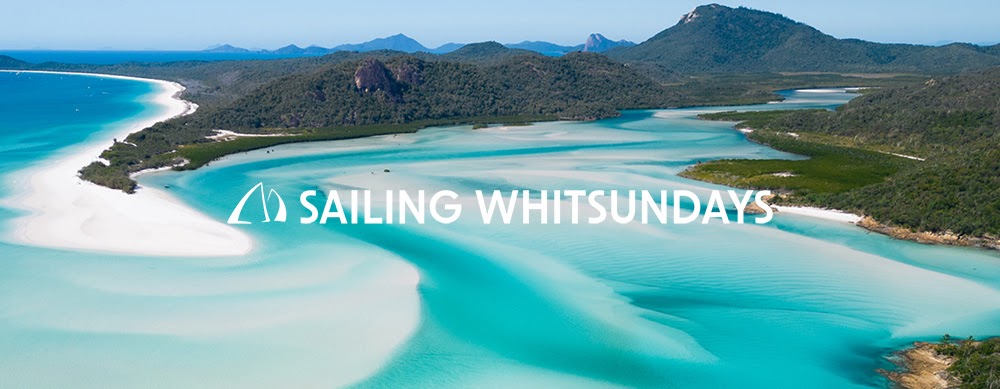
One of the best things about whale watching in the Whitsundays is that you often do not have to choose between whales and everything else. Through the winter season, many reef, Whitehaven Beach and sailing day trips cross waters where the resting humpbacks gather, so whale sightings become a regular bonus on a trip you were going to take anyway. A Whitehaven cruise or a day’s sailing among the islands in July to September can quite naturally turn into a whale watching trip when a pod is about.
This is the smart, efficient option if you want to make the most of a single day on the water — the same boat ride delivering the famous beach or the reef plus the chance of whales, which is especially good value for families and first-time visitors trying to see as much as possible. It suits anyone already planning a winter day trip who would welcome whales without booking a separate dedicated cruise.
The caveats are worth being clear about: whales on these trips are a bonus, not the purpose, so the boat will not necessarily go out of its way or linger long with a pod the way a dedicated whale cruise does. If close whale encounters are your priority, book the dedicated cruise; if you want a great day trip with whales as a likely extra, a winter sailing, Whitehaven or reef day is ideal. Either way, dress warm, bring a camera, and remember sightings are never guaranteed. For the reef-day detail, see our Great Barrier Reef from Hamilton Island guide.
In winter the same boat ride can deliver Whitehaven Beach or the reef and a whale encounter at once — several bucket-list experiences in a single day, which is brilliant value for families.
“Booked a winter Whitehaven sail and the bonus was three whales on the way out — the skipper slowed right down so we could watch. Beach and whales in one day, couldn’t believe our luck.”
— Traveller review
A winter sailing or Whitehaven trip that crosses paths with a resting pod — the beach or the reef plus whales in one outing.
Relying on it for close whale encounters — whales are a bonus, not the focus, so the boat may not linger; book a dedicated whale cruise if whales are your priority.
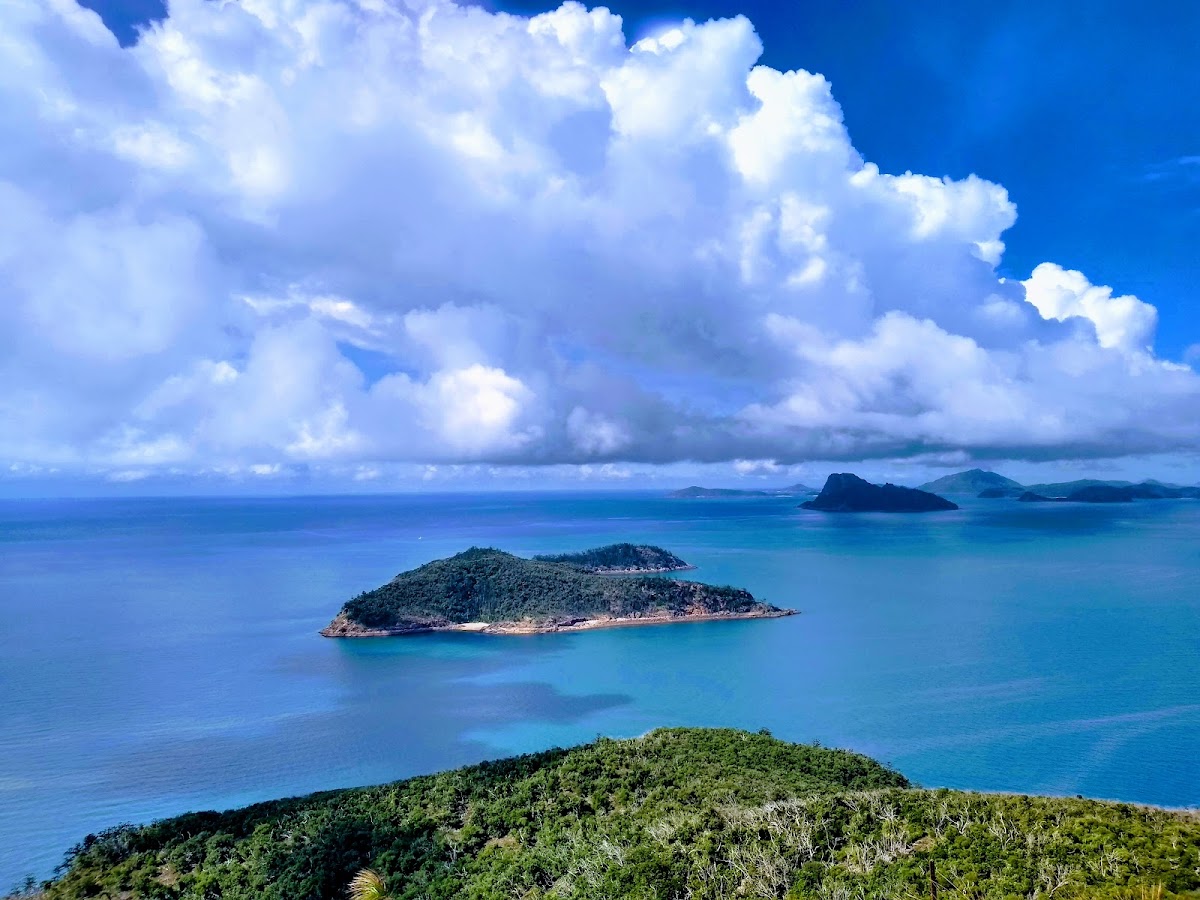
For a genuinely free shot at spotting whales, Passage Peak is the island’s highest point and its best vantage. A steady, signposted climb through dry island bush brings you to a summit with a sweeping panorama over the Whitsundays, the surrounding passages and the open Coral Sea — and in the winter whale season, that elevated outlook gives you a real, if not guaranteed, chance of spotting spouts or breaches offshore. Even without whales it is the best view on the island, so the walk earns its place regardless.
It suits reasonably active walkers, couples and families with older kids — and anyone who would rather combine whale-spotting with a proper hike than book a boat. Bring binoculars, which transform your chances of catching distant whale activity, go early before the heat builds, and take plenty of water and sun protection: the upper sections are steep and rocky with little shade.
Be realistic about it, though. This is land-based watching in a place where the whales are out among the islands rather than hugging the shore, so a sighting from the summit is a lucky bonus, not a reliable plan — far more limited than scanning from a mainland ocean headland. Treat the walk and the view as the guaranteed reward, and any whale you spot from up here as a brilliant extra on top.
It is the free, do-it-yourself option — the best panoramic view on the island, with a genuine if unguaranteed chance of spotting whales offshore in season, all for the cost of a walk.
“Climbed Passage Peak early in July and scanned the water with binoculars — spotted a couple of spouts way offshore. The view alone is the best on the island; the whales were a bonus.”
— Google review
Scanning the Coral Sea from the summit with binoculars on a clear winter morning — the best free chance of an offshore whale sighting.
Counting on a sighting — the whales are out among the islands, so shore watching here is a lucky bonus, not a reliable plan; the climb is steep and hot, so go early with water.
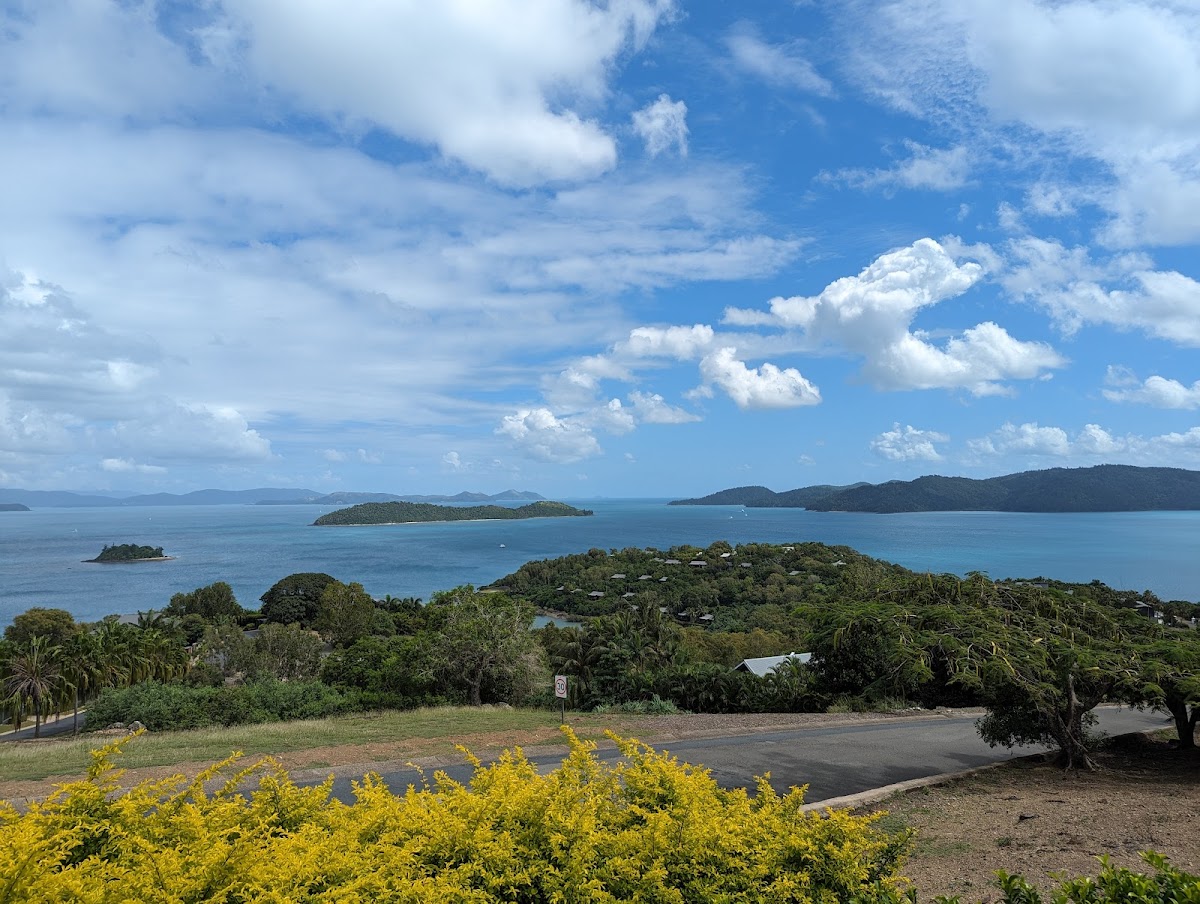
If Passage Peak is the effortful option, One Tree Hill is the easy one. A short walk or golf-buggy ride from the resort brings you to a hilltop lookout with a bar and a west-facing outlook over the islands and the Coral Sea — the island’s favourite sunset spot. In the winter whale season, it doubles as a relaxed, no-effort place to scan the water for offshore spouts and tails while you wait for the sun to drop, drink in hand.
It suits absolutely everyone: couples after the sunset romance, families bringing the kids up before dinner, less-mobile visitors who can reach it by buggy rather than the walking track, and anyone who would rather watch for whales in comfort than climb a peak or board a boat. It is free to walk up, with bar drinks paid, and it pairs a guaranteed great sunset with a chance — never a certainty — of a distant whale.
The honest framing is the same as Passage Peak: the whales are out among the islands, so a sighting from One Tree Hill is a lucky extra rather than the reason to go. Bring binoculars to improve your odds, arrive a little before sunset in peak season to find a good position as the whole island gathers, and bring a layer for the breeze. Treat the sunset as the sure thing and any whale as the bonus, and it is the most relaxed whale-watch on the island.
It pairs the island’s best sunset with a comfortable, no-effort chance of an offshore whale in season — free to reach on foot or by buggy, drink in hand, with the whole island around you.
“Went up for sunset every evening — one night in August we watched whales blowing offshore as the sun went down. Even without them, it’s the best free thing on the island.”
— Traveller review
Scanning the islands for spouts with binoculars and a drink as the sun drops over the Whitsundays — the easiest free whale-watch on Hamilton.
Expecting a guaranteed whale — the whales are offshore among the islands, so it is a bonus to the sunset, not the main event; arrive early in peak season for a good spot.
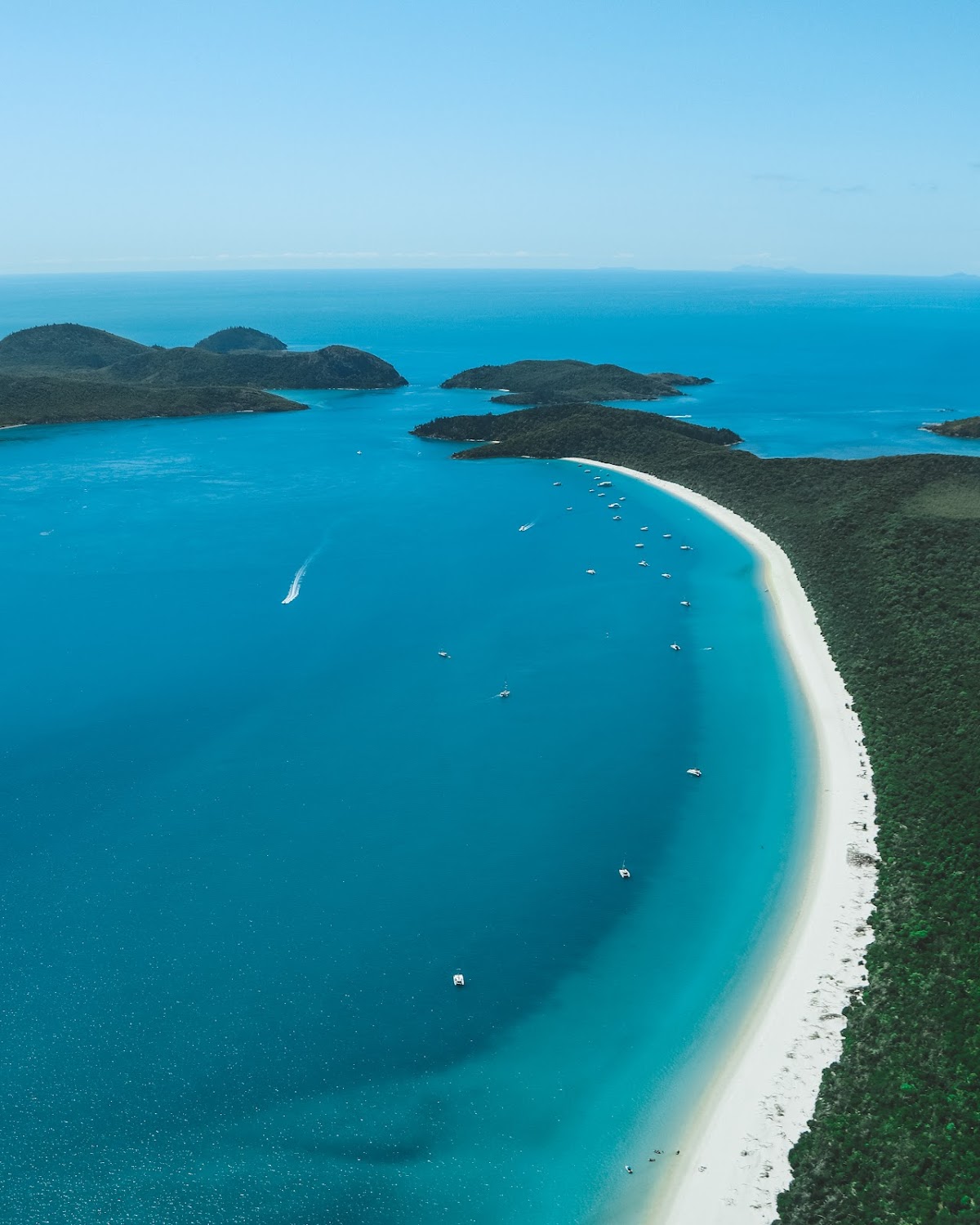
For watchers who want a different angle — or who cannot face a boat trip — a scenic flight over the Whitsundays offers a perspective no cruise can match. Seaplane and helicopter flights from Hamilton loop out over the islands, Whitehaven Beach, Hill Inlet and the outer reef, and in the winter whale season they pass over the same sheltered waters where the humpbacks rest, so a flight can deliver an aerial whale sighting alongside the famous island scenery. From above, the scale of the islands and the colour of the water are extraordinary in their own right.
It suits anyone after a fresh perspective, couples wanting a special-occasion experience, and visitors who are short on time or prone to seasickness and would rather see the Whitsundays — and, with luck, whales — from the air than spend hours on the water. Many flights already combine the reef and Whitehaven, so a winter flight folds a possible whale sighting into a trip you might take anyway.
The honest framing matters: a scenic flight is not a dedicated whale tour — whales from the air are a seasonal bonus, never the guaranteed purpose, and you see them from a distance rather than up close. Flights are also a premium experience and weather-dependent, so book ahead, keep your dates flexible, and confirm current operators, prices and conditions directly. For the close, eye-level encounter, book a boat; for the big-picture view of the islands with a chance of whales below, the flight is unbeatable.
It gives you the whole Whitsundays — the islands, Whitehaven, the reef — from above, with a winter bonus chance of spotting resting whales in the sheltered waters below.
“Took the seaplane in winter for the islands and Whitehaven from above — then spotted whales in the water below on the way back. A completely different perspective; worth the splurge.”
— Traveller review
The Whitsundays, Whitehaven and Hill Inlet from the air, with a winter chance of spotting whales resting in the sheltered waters below.
Booking it as a whale tour — whales from the air are a distant seasonal bonus, not the purpose; it is also a premium, weather-dependent flight, so book ahead and keep dates flexible.
| Season | Conditions | Highlights | Crowds |
|---|---|---|---|
| Autumn (Mar–May) | Warm, settling into the dry; stinger season tailing off | Pre-season — whales not yet arrived; warm water, easing humidity | Building toward peak |
| Early winter (Jun–Jul) | Dry season begins — calm seas, clear water, no stingers | Whale season opening as humpbacks arrive in the nursery waters | Building to peak |
| Peak winter (Jul–Sep) | Dry, calm and clear — the island at its best | Peak whale season — mothers and calves resting in sheltered waters; close, calm encounters | Peak — book well ahead |
| Spring–summer (Oct–Feb) | Warming, then hot, humid wet season; stingers return from Nov | Whales largely gone; dolphins year-round; swimming means stinger suits or pools | Easing then quieter (busy at Christmas) |
What whale watchers consistently say about the Whitsundays from Hamilton Island:
The recurring praise is how close and relaxed the encounters feel — resting mothers and calves in sheltered water, often surfacing near a quietly positioned boat, rather than the fast fly-past of a mainland migration; visitors say the calm Whitsundays setting makes it feel intimate.
Visitors love it but flag the realities: whale cruises only run in the winter season, sightings are never guaranteed, and the free island lookouts are a genuine bonus but far less reliable than a boat — the whales are out among the islands, so a cruise is the way to get close.
“A must see destination. The pure white sand, the crystal blue waters is like nothing else. Find your own spot amongst the long beach, relax & enjoy the serenity of it all. Don't rush this spot "just to say you've seen it". We hired our own boat, found our own section with no-one near us for over a kilometres on the sand.”— Scott Mander (on Whitehaven Beach), Google review
“Absolutely breathtaking! The sand is so pure and soft it almost squeaks under your feet, and the turquoise water looks unreal. We spent hours just relaxing, swimming, hiking and soaking in the views — it honestly feels like paradise. If you’re visiting the Whitsundays, this is a must-see. Bring your camera and plenty of sunscreen — you’ll never want to leave”— T J (on Whitehaven Beach), Google review
“Such a spectacular beach and it's so huge that even when there's heaps of boatloads of tourists there is room to spread out and have your own private slice of paradise. A must see when in Australia.”— Amy Garden (on Whitehaven Beach), Google review
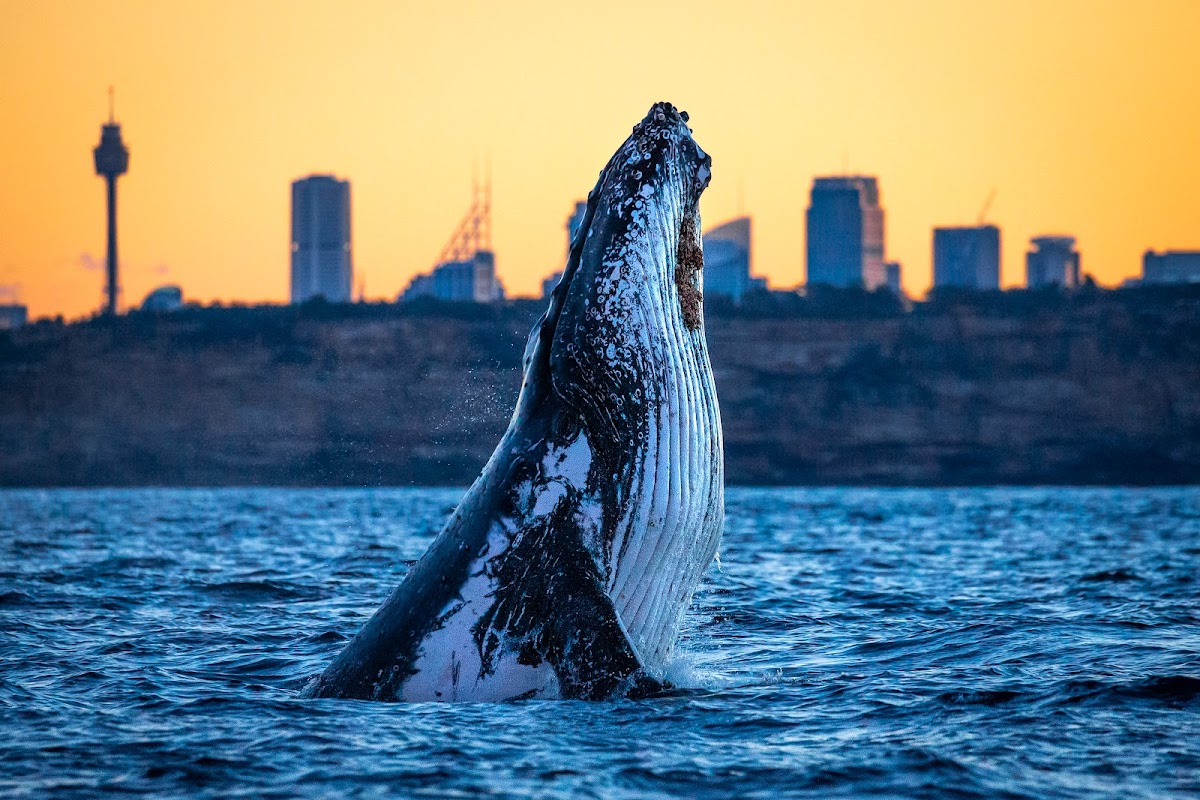
Responsible watching: humpbacks are wild, protected animals, and there are legal approach distances designed to keep both the whales and people safe. Licensed operators know and follow them — but they apply to anyone on the water, including private boats. Vessels (including jet skis and small craft) must stay at least 100 metres from a whale, or 300 metres if a calf is present — and calves are exactly what the Whitsundays nursery is full of, so the wider distance applies often here. Never approach a whale from directly ahead or behind, let any whale that approaches you pass at its own pace, and check the current Queensland and Commonwealth rules before heading out on your own craft, as breaching the distances carries fines.
What to bring: dress warmer than you would expect — even in the Whitsundays winter it is cooler and windier out on the open water, and you can get wet, so warm layers and a spray jacket are worth packing, along with a hat and sunglasses for the glare off the water. Bring a camera (a zoom helps, but resting whales often surface close enough that a phone captures plenty), and take seasickness medication before boarding if you are prone to it — once you are out there it is too late. For the free lookouts, binoculars are the one essential.
Timing & booking: the whale season is winter, roughly July to September, which is also peak season on Hamilton Island and outside the stinger window — so accommodation and the popular trips book out early. Confirm a dedicated whale cruise runs for your exact dates, ask about any sighting or cancellation policy, and keep your plans flexible, as trips are weather-dependent and the skipper makes the final call.
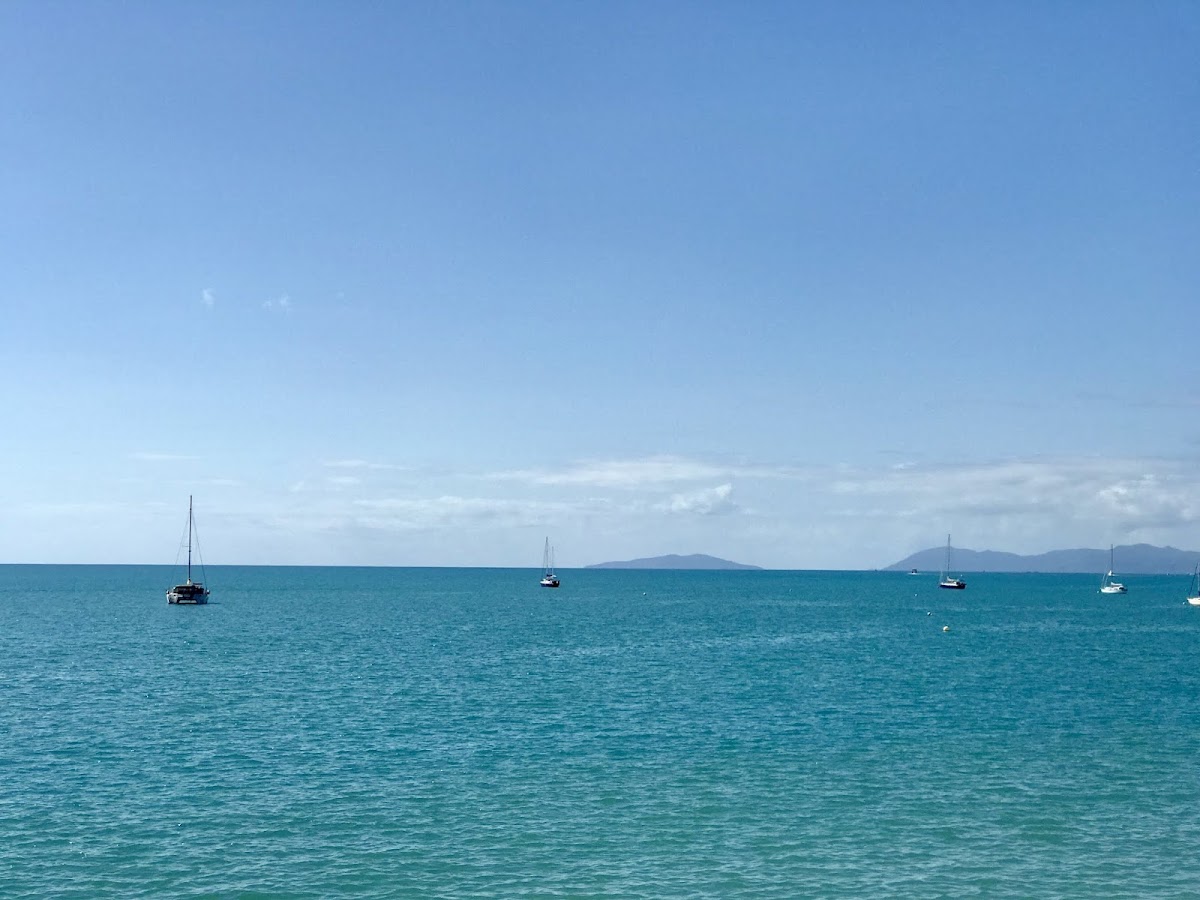
Whale watching on Hamilton Island is a winter experience, and a special one — because the Whitsundays are a humpback nursery, the whales here are not rushing past but resting, with mothers and newborn calves sheltering in the calm island waters from roughly July to September. That makes for close, gentle, unhurried encounters that the busy mainland migration routes rarely match: a calf rolling beside its mother, a whale surfacing quietly near the boat, a pod lingering in a sheltered bay.
Time your visit for the July-to-September window, which conveniently coincides with the island’s best all-round season, and choose how you want to watch: a dedicated cruise for the genuine close encounters, a winter reef or Whitehaven day trip for whales as a bonus, a scenic flight for the big-picture view, or the free island lookouts at Passage Peak and One Tree Hill for a chance from the shore. Pack warm layers and a camera, treat it as a wildlife experience rather than a guaranteed show, and the Whitsundays nursery delivers one of the most relaxed, intimate whale encounters in Australia.
Enjoying whale watching? Here’s where else in Australia it’s worth the trip — ranked by how loved each destination is, with the one thing not to miss at each.
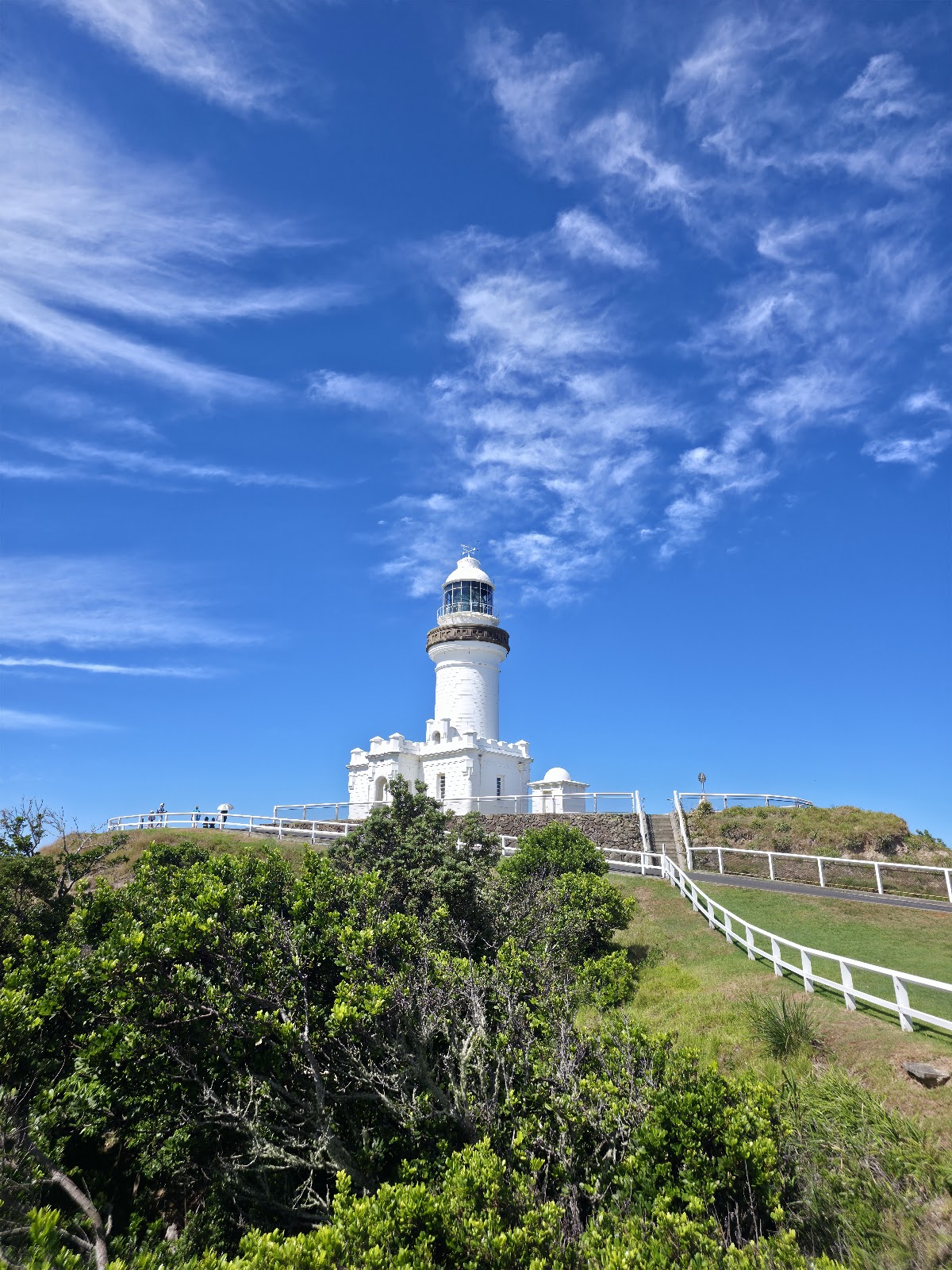 Byron Bay
Northern Rivers, New South Wales
Cape Byron lighthouse & walking track — First light at the most easterly point with humpbacks breaching offshore and dolphins in the break below.
Explore whale watching in Byron Bay →
Hamilton Island you’re here
The Whitsundays, Queensland
A dedicated whale watching cruise — A resting humpback mother and calf surfacing close to a quietly positioned boat among the islands — the moment a cruise is worth booking for.
You’re reading this guide
Byron Bay
Northern Rivers, New South Wales
Cape Byron lighthouse & walking track — First light at the most easterly point with humpbacks breaching offshore and dolphins in the break below.
Explore whale watching in Byron Bay →
Hamilton Island you’re here
The Whitsundays, Queensland
A dedicated whale watching cruise — A resting humpback mother and calf surfacing close to a quietly positioned boat among the islands — the moment a cruise is worth booking for.
You’re reading this guide
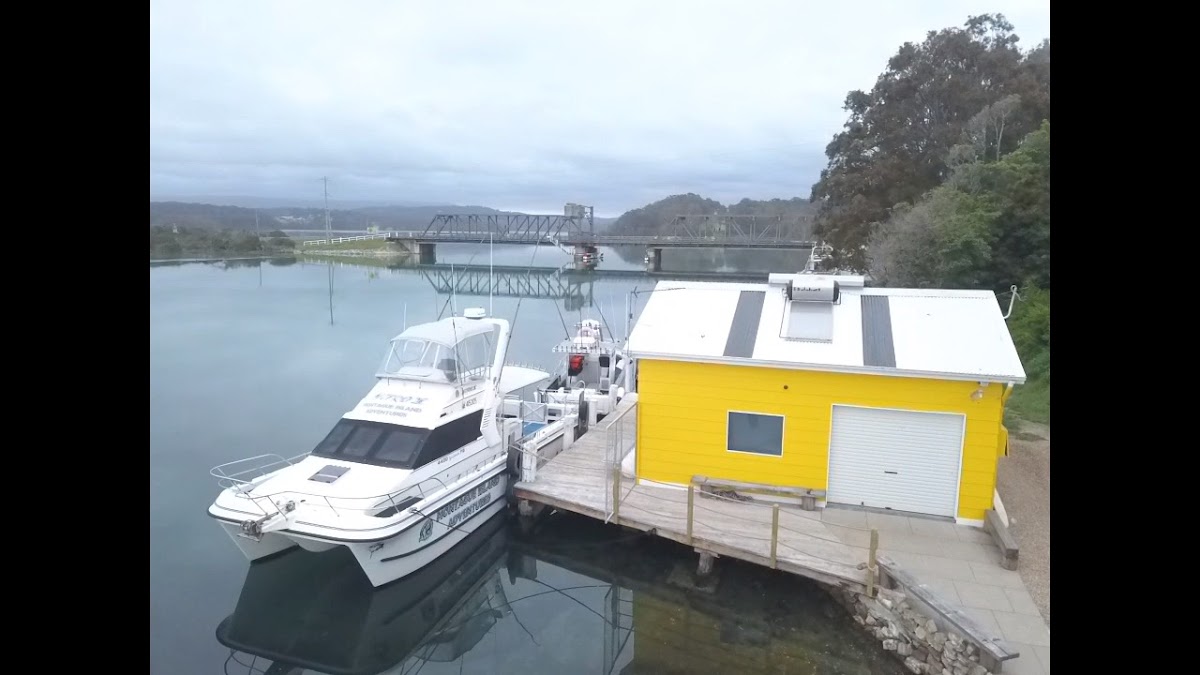 Narooma
South Coast, New South Wales
Bar Rock Lookout — A clear spring morning with binoculars and a coffee — give it time and the migration delivers.
Explore whale watching in Narooma →
Narooma
South Coast, New South Wales
Bar Rock Lookout — A clear spring morning with binoculars and a coffee — give it time and the migration delivers.
Explore whale watching in Narooma →
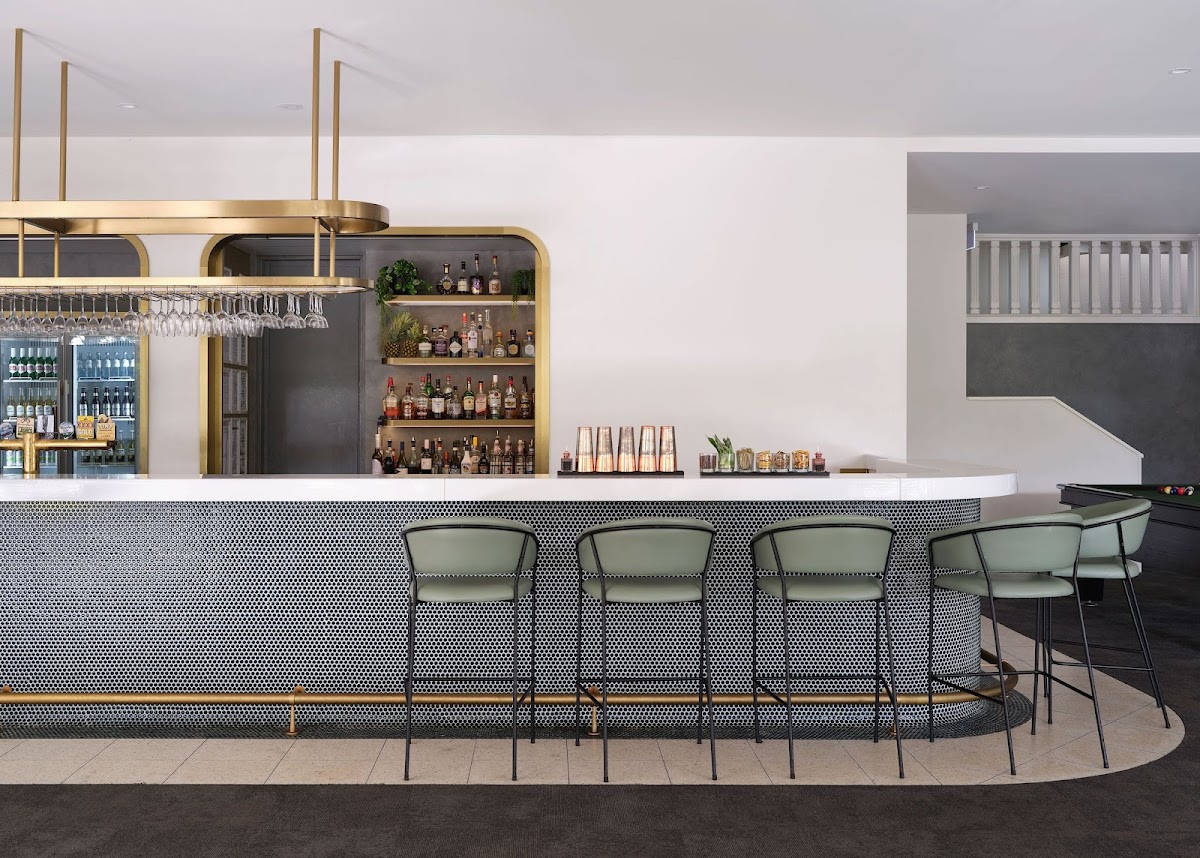
Reef View Hotel — Hamilton Island
Book Direct & Save →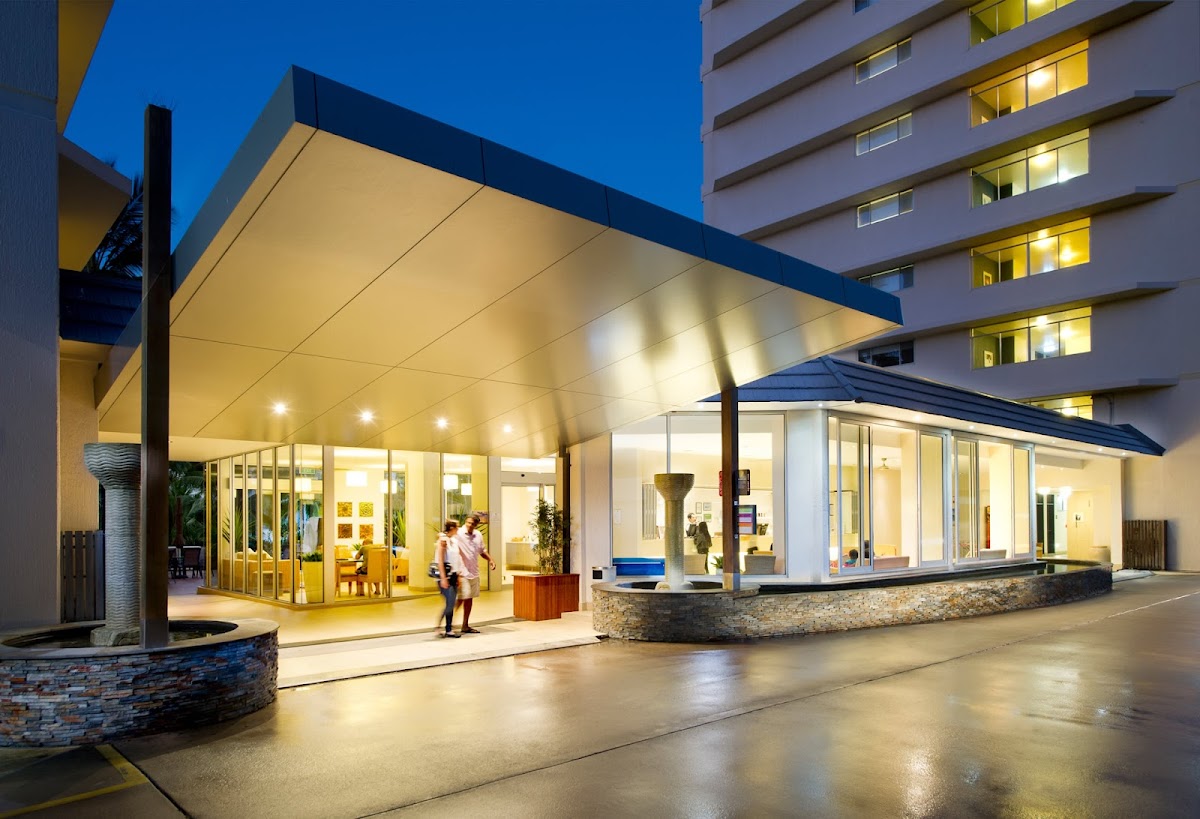
Whitsunday Apartments Hamilton Island — Hamilton Island
Book Direct & Save →
Palm Bungalows — Hamilton Island
Book Direct & Save →Skip OTA fees. Connect directly with Hamilton Island owners for the best rates and a truly personal experience.
We match any online rate. No service fees — 100% of your payment supports local owners.
Direct guests receive complimentary hampers, early check-in, and priority access to experiences.
Speak directly with the people who manage the properties. No call centres, just local expertise.
Part of Queensland · The Whitsundays