01. BIG4 Narooma Easts Holiday Park
4.4 (665 reviews)
BIG4 Narooma Easts Holiday Park — Narooma
Book Direct & Save →Twice a year, tens of thousands of whales travel past the NSW Sapphire Coast on one of the great migrations on Earth — and Narooma, with its deep offshore waters and the wildlife magnet of Montague Island just nine kilometres out, is widely regarded as one of the best whale-watching locations on the NSW South Coast. From a headland with a coffee, or from the deck of a boat as a curious humpback surfaces beside you, whale watching in Narooma is the kind of experience that stops people mid-sentence.
View 3 Properties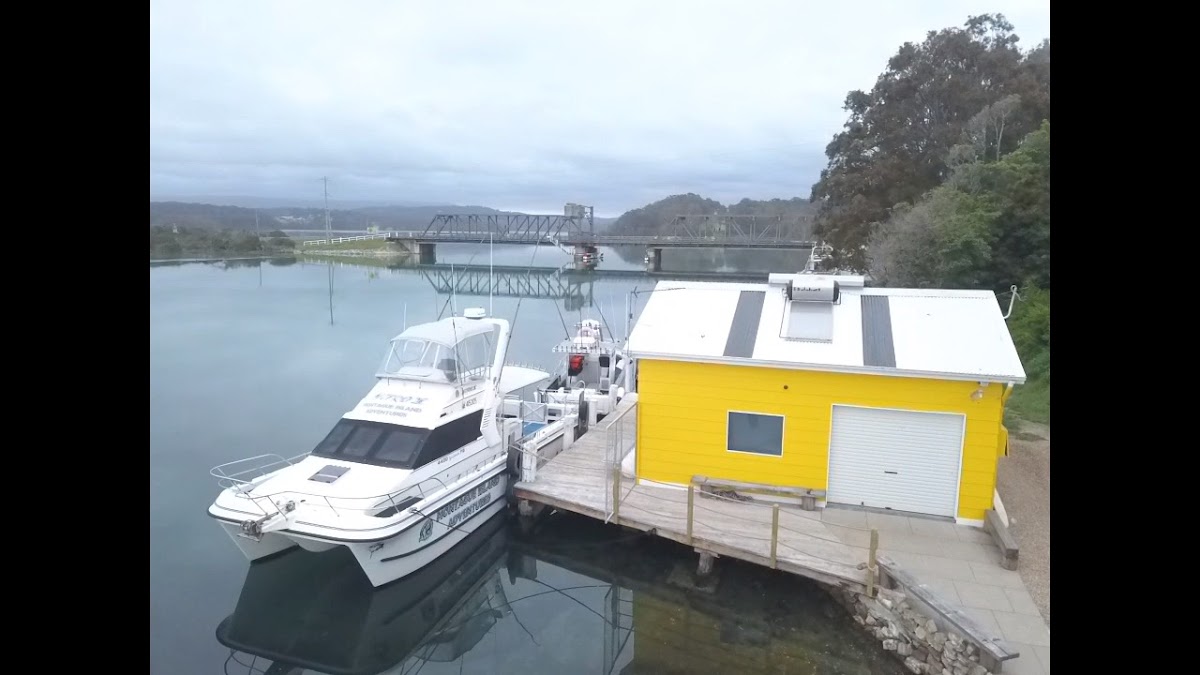
"Seasonal, jaw-dropping, accessible"
This is the complete guide to whale watching in Narooma — the season and best months, the species you’ll see, where to watch for free from shore, the boat tours and operators worth booking, what to bring, and what to realistically expect. Whether you want a free morning on a headland or a close encounter from a boat, here’s how to do it.
One quick, honest framing note: whale watching depends on wild animals and the weather. Sightings can never be absolutely guaranteed, though Narooma operators report excellent success rates and many offer a free repeat trip if you don’t see whales. Treat it as a wildlife experience, not a theme-park ride, and it rarely disappoints.
Whales pass the Sapphire Coast on their great annual migration between Antarctica and the warmer waters of the north. The peak window for whale watching in Narooma is the spring southern migration, roughly September to mid-November, when the whales are heading back toward Antarctic feeding grounds — often with newborn calves in tow. Many operators consider October the standout month.
During spring, the waters off Narooma earn the nickname ‘the Humpback Highway’ — tens of thousands of humpbacks pass along the NSW coast on their way south. The wider whale window on the Sapphire Coast can stretch from around May (the northern migration) through to November, but for Narooma specifically, spring is when the tours run daily and the sightings are most reliable.
Exact timing shifts year to year with environmental conditions, so if you’re travelling specifically to see whales, aim for the September-to-November window and check recent sighting reports with local operators before you book. Get the timing right and the rest — free or by boat — takes care of itself.
Humpback whales are the stars of whale watching in Narooma — the most commonly sighted species, and the most spectacular performers. Known for their acrobatic displays, humpbacks breach clear of the water, slap their tails and fins, and frequently approach boats out of what looks a lot like curiosity. On Narooma tours, pods of up to ten whales are a common sight, and mother whales with their calves are a highlight late in the season.
While humpbacks dominate, the Narooma waters host a genuine variety. Southern right whales — slower-moving, with distinctive callosities on their heads — are seen less often but make for breathtaking close-to-shore sightings. Rarer visitors recorded in the region include orcas (killer whales), minke whales, fin whales, Bryde’s whales, sei whales, and even the occasional blue whale, the largest animal on Earth.
Large pods of dolphins are an almost constant added delight on the water, and around Montague Island you’ll often see fur seals, little penguins and seabirds too — so even between whale sightings, there’s rarely a dull moment on a Narooma trip.
A typical Narooma whale watching cruise runs around 2.5 hours and heads out toward Montague Island, where the deep water and the island’s wildlife make for the best vantage points. Each pod of whales on the southern migration may linger in the area for up to four weeks, feeding on krill and jellyfish before playing in the waters around the island — which is part of why sighting rates here are so high.
On a good day you’ll see whales breaching clear of the water, slapping their tails and pectoral fins, and sometimes approaching the boat directly — humpbacks are genuinely curious about the people watching them. Add the dolphins, the fur seals, the little penguins and seabirds around Montague Island, and a whale watching tour doubles as a broader wildlife cruise.
Dress for the water, not the shore: it’s cooler and windier out there, and you can get wet, so warm layers and a spray jacket matter more than you’d think. Bring your camera — the combination of breaching whales and the island backdrop is hard to beat — and take sea-sickness precautions before you board if you’re prone to it.
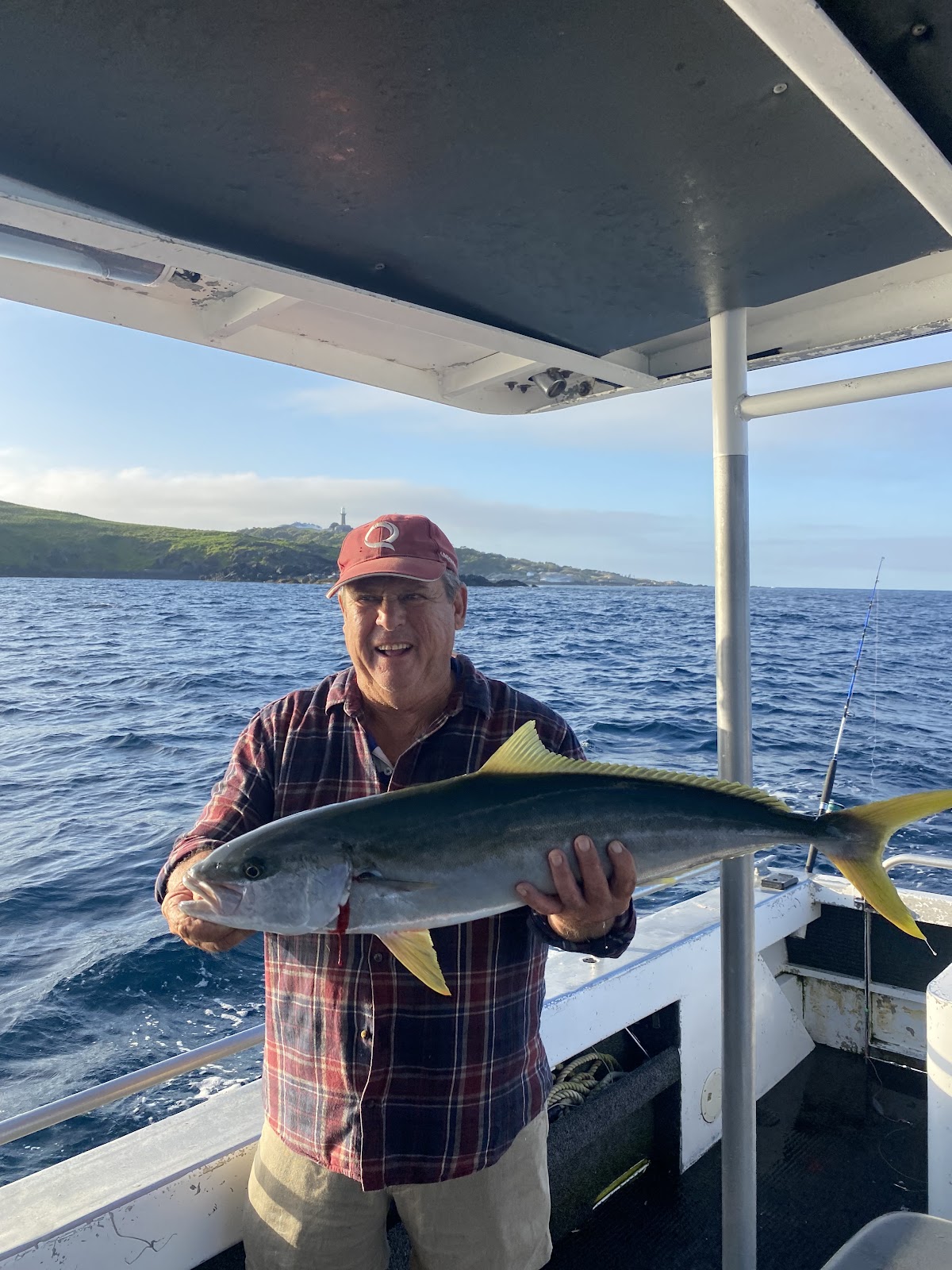
Whale watching in Narooma works whether you’re bringing the whole family or heading out solo — but the best approach differs depending on which you are. For families, the boat tours combine whale watching with the wildlife of Montague Island — seals, penguins, seabirds and often dolphins — which keeps children engaged even between whale sightings, and operators like Sheriff Charters explicitly welcome people of all ages and abilities. Dress kids in warm layers and a spray jacket, take sea-sickness precautions for any child prone to it, and check each operator’s minimum-age guidance and whether any Montague Island landing involves climbing a ladder at the jetty.
For families on a budget, the free headland lookouts — Bar Rock Lookout, Dalmeny Headland, Carters Beach at Kianga — are a brilliant no-cost option where kids can spot spouts and breaches with a pair of binoculars and a picnic. It’s a genuine, memorable wildlife experience that can cost nothing at all.
Solo travellers and independent watchers have it easy here. The free headland lookouts are perfect for a quiet morning watching the migration at your own pace — no booking, no group, just you, a coffee and the ocean. If you want the close encounters, the boat tours are very welcoming to solo travellers; you’ll share the boat with other small groups and the crew, and a 2.5-hour cruise is an easy, social way to spend a morning. Solo photographers in particular favour the boats for the chance of a breaching humpback close to the vessel.
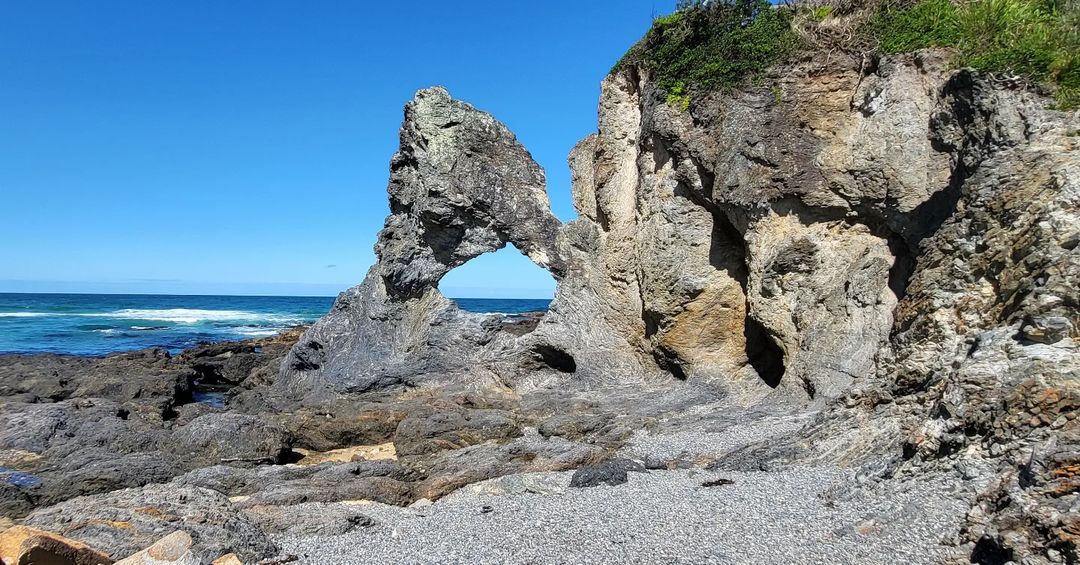
You don’t need to spend a cent to watch whales in Narooma, and Bar Rock Lookout is the best place to prove it. Right in town with elevated views over the ocean, it’s one of the most accessible whale-watching vantage points on this stretch of coast. During the spring migration, whales often pass close to shore, and from a comfortable spot on the lookout you have a genuinely good chance of watching spouts, tails and even breaches offshore — for free.
The trick is patience. Bring binoculars, find a comfortable position, give it time, and let the migration come to you — peak-season mornings are rewarded remarkably often. It pairs perfectly with a coffee and makes an easy, low-commitment start to a Narooma day, whether or not you also plan to get out on a boat.
It suits absolutely everyone: families with young children, grandparents who can’t manage a charter, anyone prone to seasickness, and solo watchers after a quiet morning. The honest caveats are simple — whales are seasonal and never guaranteed on a given day, the headland is exposed so dress for the wind, and you’ll want to take care near any cliff edges with children.
It’s a bucket-list wildlife experience that costs nothing, needs no booking and no sea legs, and is a short stroll from the middle of town.
“Sat at the lookout with a coffee and watched humpbacks cruise past for half an hour. Didn’t pay a cent — better than a boat tour we did elsewhere.”
— Google review
A clear spring morning with binoculars and a coffee — give it time and the migration delivers.
Whales are seasonal (peak Sep–Nov) and never guaranteed on a given day — manage expectations, dress for the headland wind, and mind cliff edges with kids.
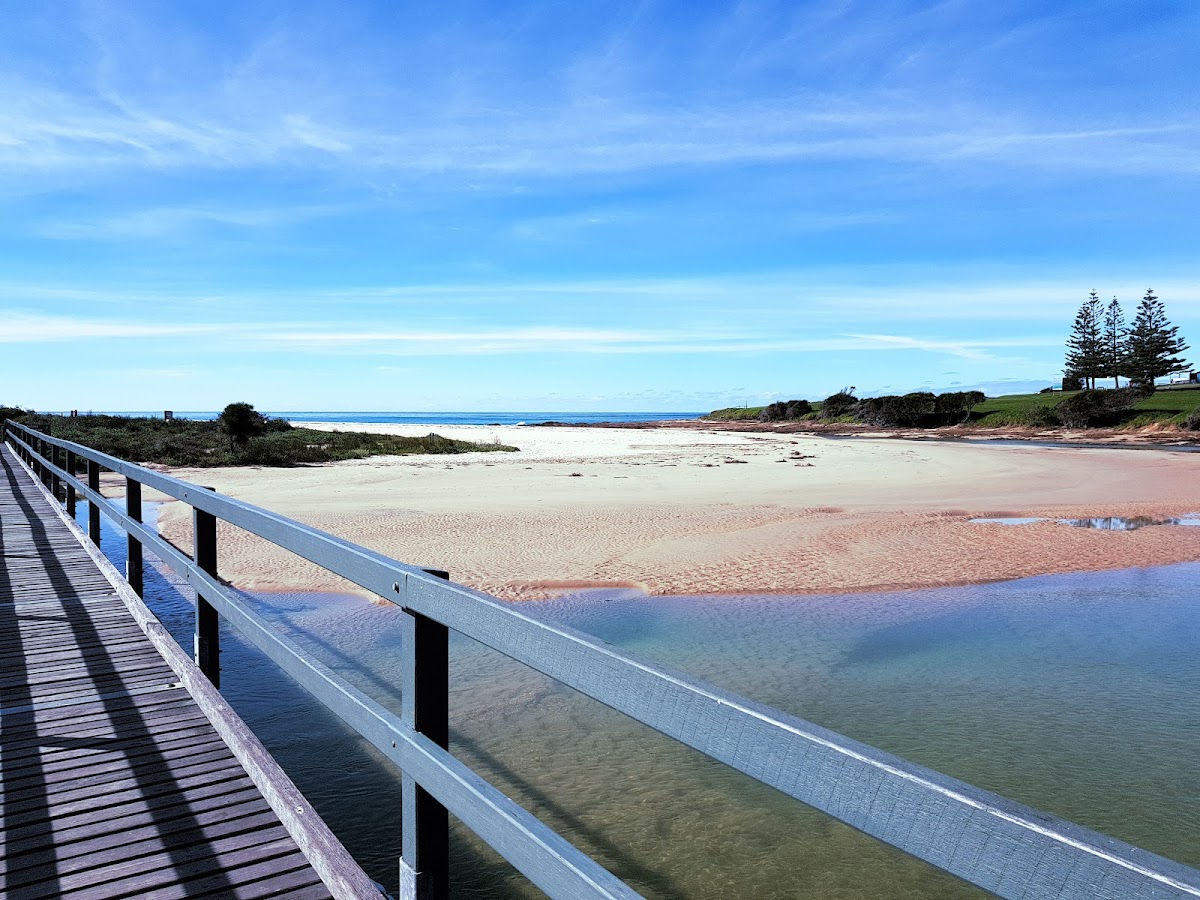
A short drive north of town, two more free vantage points are favourites with locals during the migration. Dalmeny Headland is a reliable spot for watching passing whales, with open ocean views and far fewer visitors than the in-town lookouts. The Carters Beach headland at Kianga, just north of town, is another excellent local perch popular with residents who know exactly where to stand when the whales are running.
What these northern headlands offer is space and quiet. On a busy spring weekend, when Bar Rock Lookout has a crowd, a few minutes in the car buys you a stretch of headland largely to yourself — the same migration, a more peaceful watch. They reward the visitor willing to explore a little rather than parking at the first obvious lookout.
They suit independent watchers, photographers after an uncluttered foreground, and families happy to combine the watch with a beach stop. If you’re exploring the wider Sapphire Coast, land-based spots further afield — Broulee Island, Burrewarra Point at Guerilla Bay, Toragy Point at Moruya Heads and South Head at Batemans Bay — are all good too. The caveats match Bar Rock: seasonal, weather-exposed, and you’ll want binoculars.
They deliver the same free migration views as the in-town lookout with a fraction of the crowd — a quiet headland to yourself on a busy spring weekend.
“Drove up to Dalmeny headland and had it almost to ourselves while town was packed. Watched a pod move through for ages. Locals clearly know.”
— Traveller review
Escaping the in-town crowd for a quiet northern headland — same whales, more space.
You’ll need a car, some spots are unmarked local knowledge, and like all shore watching it’s seasonal and weather-dependent — bring binoculars.
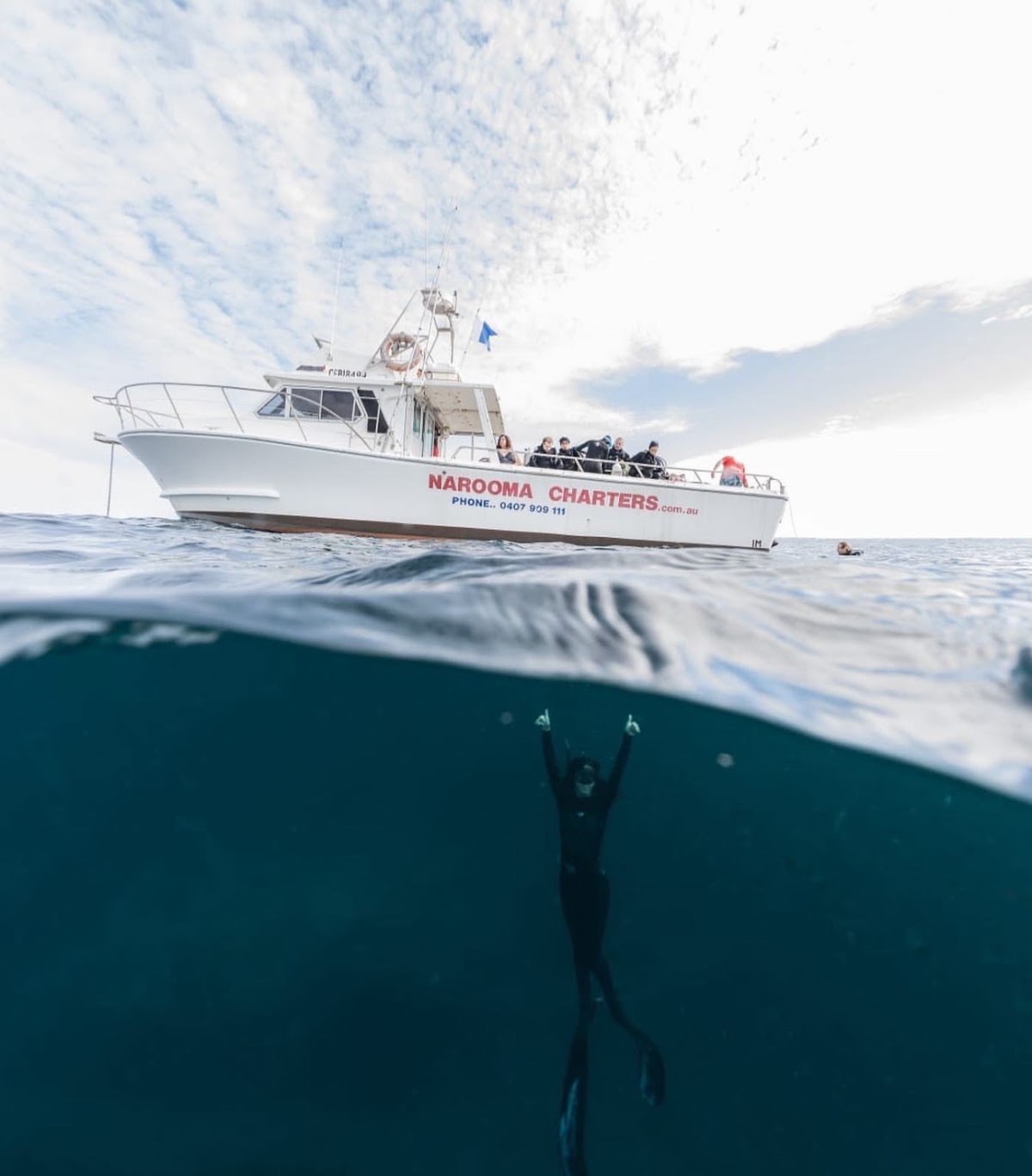
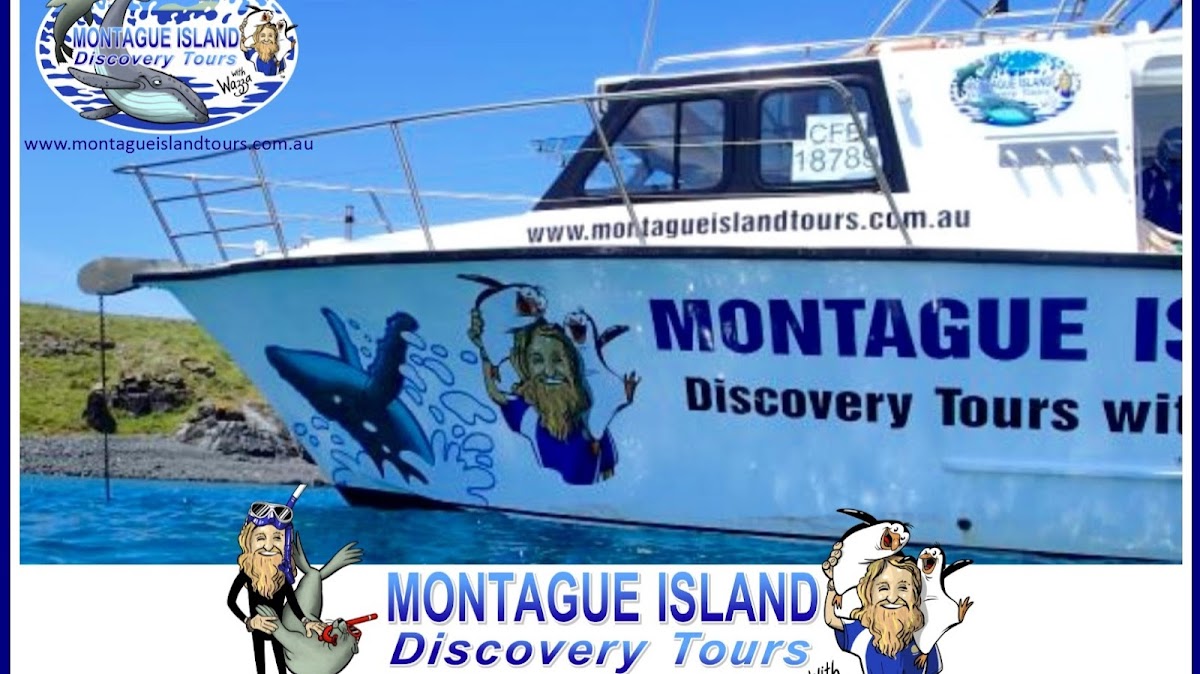
For the close encounters — the moments where a humpback surfaces beside the boat and you can hear it breathe — a boat tour is the way to go. Whale watching cruises depart from Narooma harbour through the season, typically running around 2.5 hours and combining the whale watching with the spectacular waters around Montague Island. Several established operators run tours: Narooma Charters reports a whale-spotting success rate of around 100% over the last decade, with pods of up to ten whales a common sight; Sheriff Charters offers 2.5-hour tours catering to all ages and abilities; and Montague Island Adventures runs adventures with modern boats and a free repeat trip if you don’t see whales.
Because the boats head out toward Montague Island, the deep water and the island’s wildlife make for the best vantage points, and each migrating pod may linger in the area for weeks — which is part of why sighting rates here are so high. On a good day you’ll see breaching, tail-slapping and fin-slapping, and sometimes a curious humpback approaching the boat directly.
It suits anyone who wants the up-close experience — couples, solo travellers, photographers and families with children old enough for a 2.5-hour open-water trip. It’s less suited to very young children, the strongly seasickness-prone on a rough day, and anyone needing a guaranteed sighting: confirm schedules and prices directly, ask about the free-repeat-trip policy, and check the cancellation terms, as tours depend on sea conditions.
The deep water off Montague Island delivers genuinely close encounters and very high sighting rates — many operators back it with a free repeat trip if you don’t see whales.
“A humpback surfaced right beside the boat and we heard it breathe. Two and a half hours flew by. Crew knew exactly where to find them.”
— Google review
A curious humpback surfacing beside the boat off Montague Island — the moment a tour is worth booking for.
It’s open water for 2.5 hours — not ideal for very young kids or the strongly seasickness-prone on a rough day. Sightings aren’t guaranteed, so ask about the free-repeat policy.
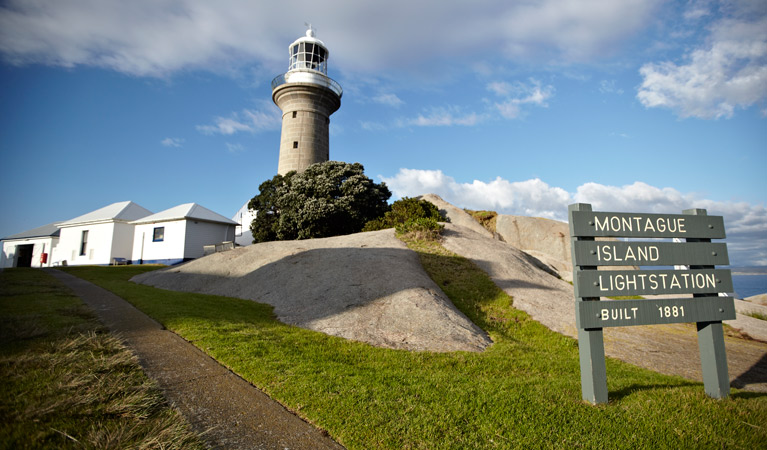
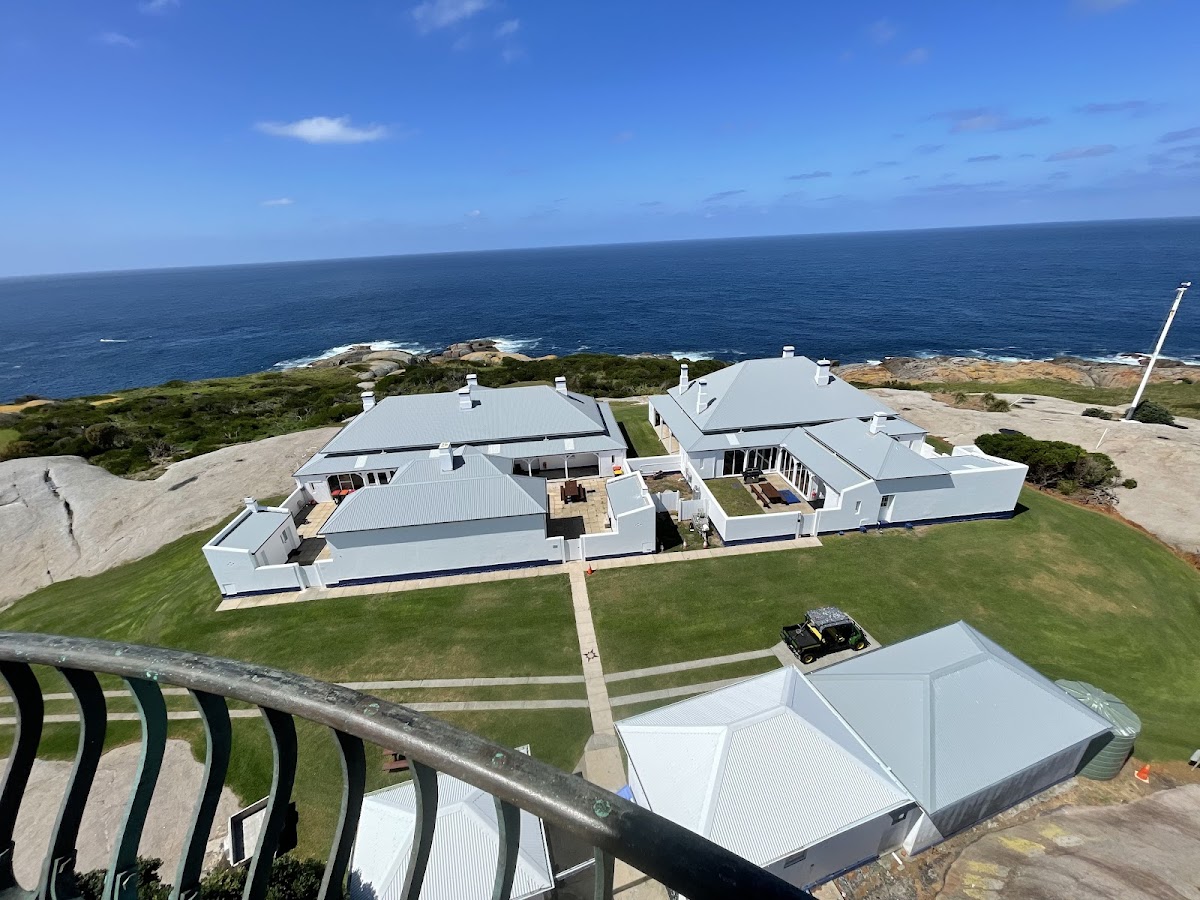
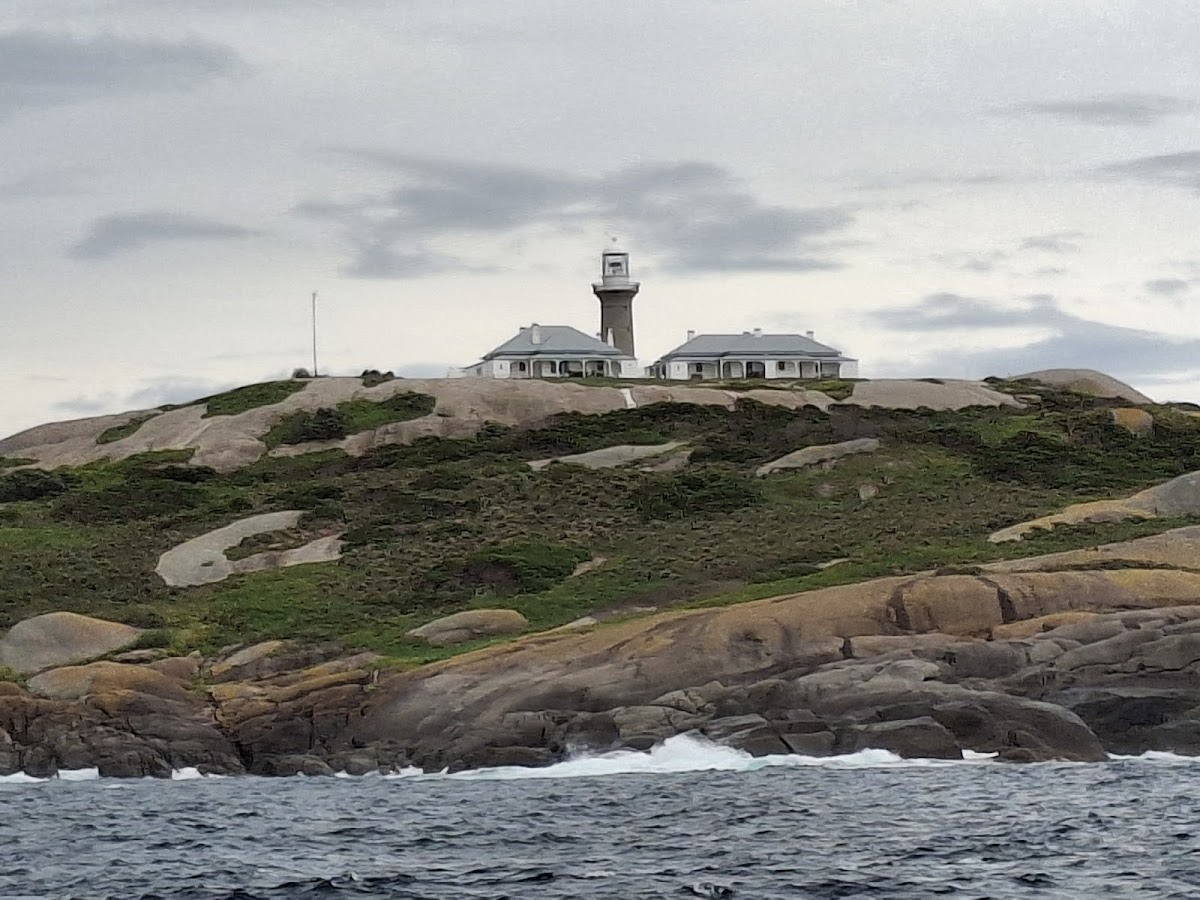
One of the best things about whale watching in Narooma is that the boats head out toward Montague Island — which means a whale tour often doubles as a full wildlife cruise. Many operators run combined whale watching and Montague Island morning tours, so between whale sightings you’ll see the island’s famous fur seal colony hauled out on the rocks, little penguins and an abundance of seabirds, all set against the island’s historic 1881 lighthouse. Pods of dolphins frequently join the boat too.
If you want to make the most of a single trip on the water, this is the option to ask about — it’s the same boat ride delivering several wildlife experiences at once, which is especially good value for families and first-time visitors who want to see as much as possible in one outing. Some combined tours include a guided landing on the island; check whether yours does, as a landing typically involves climbing a ladder at the jetty.
It suits families, wildlife enthusiasts and anyone who’d rather one rich trip than several separate ones. For the diving and snorkelling side of the island — including swimming with the seals — see our dedicated Diving in Narooma guide. The caveats are the same as any boat tour: open water, weather-dependent, and a ladder for any island landing.
It’s the same boat ride delivering whales, seals, penguins, seabirds, dolphins and an 1881 lighthouse — several bucket-list wildlife experiences in one trip.
“Booked the combined tour — whales on the way out, then seals and penguins around the island. The kids talked about it for weeks. Brilliant value.”
— Traveller review
Whales, the fur seal colony, little penguins and the historic lighthouse — all on one Montague Island cruise.
Any island landing usually means climbing a ladder at the jetty — check mobility requirements and minimum age, and expect open-water conditions.
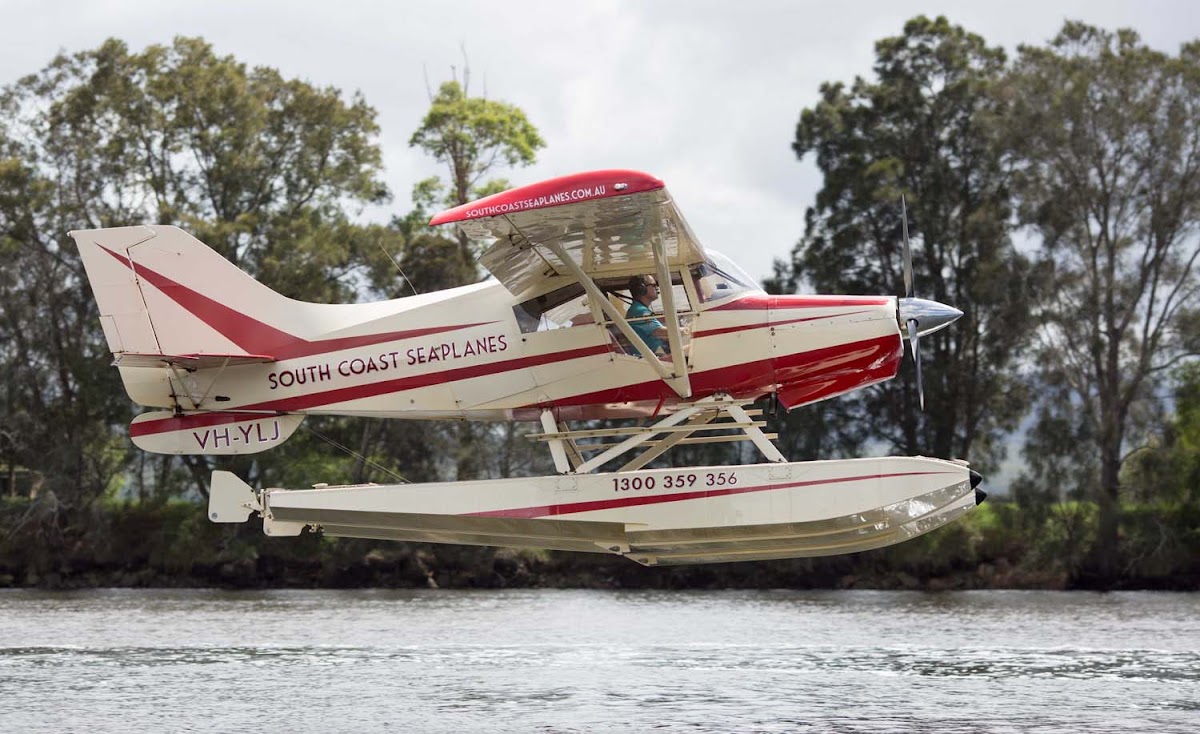
For watchers who’ve done the headland and the boat and want something different, Narooma offers a couple of memorable alternatives. Kayaking operators sometimes encounter whales on the water — an extraordinary, low, eye-level perspective when it happens — though it should be treated as a lucky bonus rather than a planned whale tour, and the legal approach distances for paddlecraft are strict. For a bird’s-eye view of the migration, aerial options like South Coast Seaplanes offer a perspective no boat can match, taking in the Humpback Highway, Montague Island and the coastline in one flight.
These suit confident, adventurous travellers and anyone chasing a fresh angle on an experience they’ve had before. A seaplane flight is also a good option for those who can’t face a 2.5-hour open-water boat trip but still want to see the coast and, with luck, whales from above.
The honest framing matters here: a kayak is not a substitute for a whale tour — you go for the paddle and the chance, not the guarantee — and you must keep the legal distance from any whale (at least 100 metres for vessels and paddlecraft, more if a calf is present). Confirm current operators, prices and conditions directly, as these seasonal options change.
A seaplane gives you the whole Humpback Highway from above, and a chance whale encounter from a kayak is an eye-level moment few people ever get.
“Took the seaplane for a different view — saw spouts and the whole coastline from above, plus the seals on Montague. Unforgettable angle on the migration.”
— Traveller review
The Humpback Highway, Montague Island and the coast all in one seaplane flight — a perspective no boat offers.
A kayak is not a whale tour — sightings are pure chance and you must keep the legal distance. Confirm seasonal operators, prices and conditions directly.
| Season | Conditions | Highlights | Crowds |
|---|---|---|---|
| May–July | Northern migration | Whales heading north; sightings possible along the coast, but tours not yet at full daily swing | Low |
| September | Spring southern migration begins | Tours ramp up and sightings increase as the Humpback Highway gets going | Building |
| October | Often the peak | High numbers, frequent pods, mothers with calves — the standout month | Peak |
| Early–mid November | Tail of the season | Still good, with calves more common close to shore | Easing |
What whale watchers consistently say:
Visitors repeatedly say the headland lookouts deliver a real, memorable wildlife experience for nothing — Bar Rock with a coffee and binoculars on a spring morning is a recurring favourite.
Tour-goers rave about humpbacks surfacing beside the boat and the very high sighting rates, while noting it’s open water, weather-dependent and never a guarantee — the free-repeat-trip policies are part of why people book with confidence.
“Incredible spot, well worth a visit. You’ll spot seals, amazing views, blue water, some great spots for photos, more seals, and a nice beach. Might even get splashed by waves along the walkway. Definitely stop by here if you get a chance, you won’t regret it.”— Ben C (on Australia Rock), Google review
“Australia Rock in Narooma is a peaceful and relaxing place. Multiple viewpoints, the Narooma River mouth, and Dolphin Point are all close by. There’s also a family-friendly area where kids can enjoy the sea. The rock formation itself is an amazing natural creation. Definitely worth a visit.”— Hasaan Keeragala (on Australia Rock), Google review
“This attraction offers breathtaking views, adorable sea lions, and truly spectacular natural scenery. With the slightly salty ocean breeze in the air, it’s a perfect place to relax and unwind.”— Dorothy (on Australia Rock), Google review
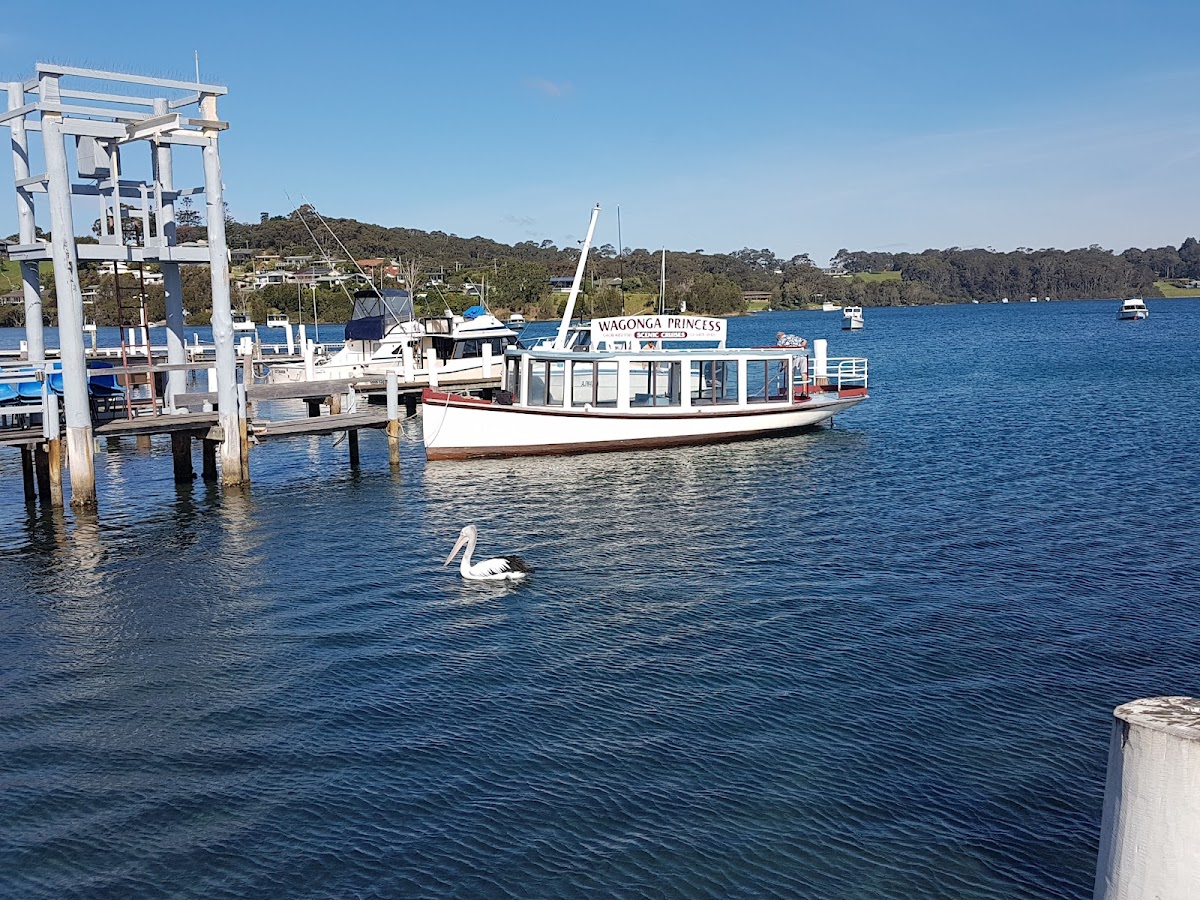
A whale watching trip is the perfect anchor for a Narooma weekend, and the town makes it easy to build a memorable couple of days around it. Narooma is as famous for its oysters as its whales, and the two go together beautifully: after a morning whale tour, head to the fish co-op or a waterfront spot for freshly shucked Wagonga Inlet rock oysters. A morning on the water watching humpbacks followed by an afternoon of local oysters and a cold drink by the inlet is about as good as a Sapphire Coast weekend gets.
Base yourself close to the harbour and the headlands so you’re minutes from both your tour departure and the free shore lookouts. Self-contained holiday accommodation suits a whale watching weekend well — you can have an early breakfast before a morning tour and store your oysters in the fridge — and owner-operated stays near the inlet or the town centre put you in the best position.
Book ahead for the spring whale season, which coincides with some of Narooma’s busier weekends. For more on the area’s no-cost experiences — including shore-based whale watching — see the Free Things to Do in Narooma guide, and the Ultimate Guide to Narooma ties the whole town together.
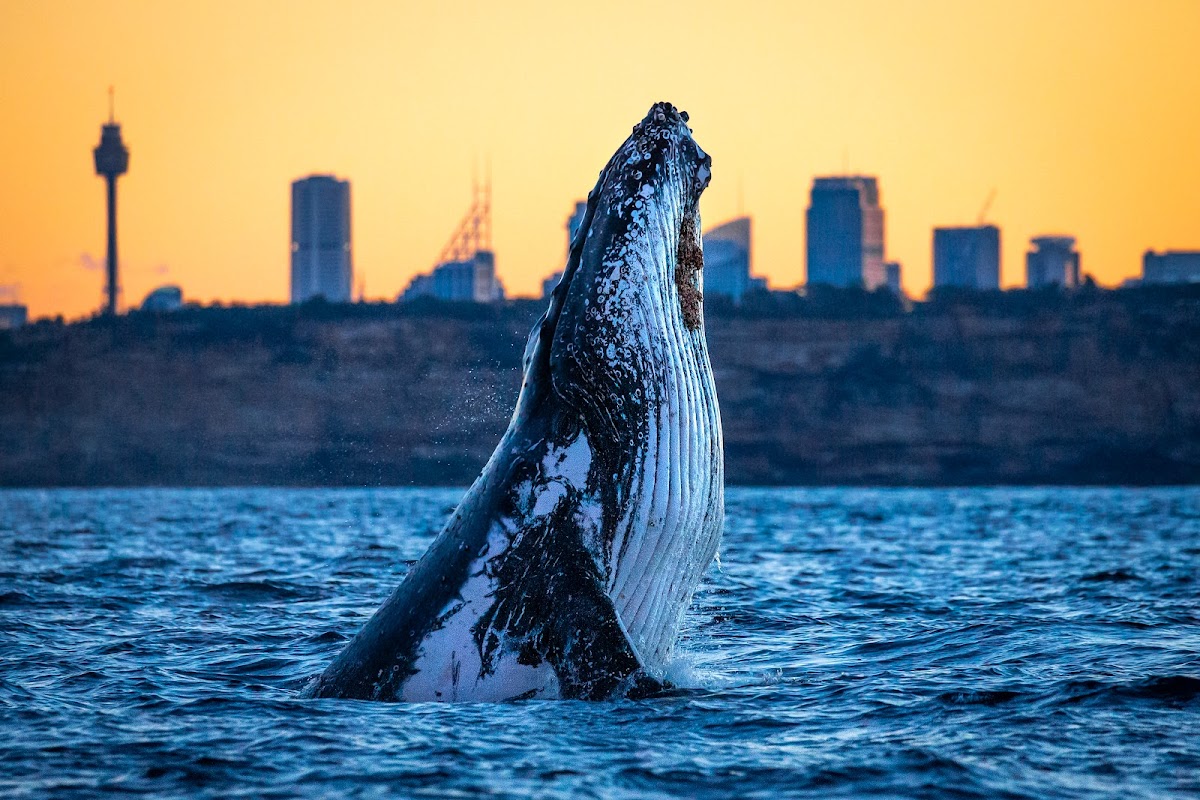
Whales are wild, protected animals, and in NSW there are legal approach distances designed to keep both the whales and people safe. Licensed operators know and follow them — but if you’re watching from your own boat, kayak or paddlecraft, they apply to you too. Under the NSW Biodiversity Conservation Regulation, vessels (including kayaks and paddlecraft) must stay at least 100 metres from a whale, or 300 metres if a calf is present; swimmers, snorkellers and divers must stay at least 30 metres back; jet skis must stay 300 metres away; and if a predominantly white whale is present, all vessels must keep 500 metres back. Never approach from directly behind or in front, no more than two vessels should approach at a time, and if a whale approaches you, slow down and let it pass. Breaching the distances carries significant on-the-spot fines — always check the current rules on the NSW environment website before heading out on your own craft.
What to bring: dress warmer than you think you need to — it’s cooler and windier on the water, and you can get wet, so warm layers and a spray jacket are essential, along with a hat and sunglasses for the glare. Bring a camera (a zoom helps, but whales often come close enough that a phone captures plenty), and take sea-sickness medication before boarding if you’re prone to it — once you’re out there it’s too late. Some Montague Island components require climbing a ladder at the jetty, so check the requirements when booking if mobility is a concern. For shore watching, binoculars are the one essential.
Whale watching in Narooma is one of those rare experiences that delivers whether you spend nothing or book the boat. Stand on Bar Rock Lookout on a clear spring morning and you might watch a pod of humpbacks cruise past for free. Step onto a tour boat and you could find yourself metres from a breaching whale with Montague Island as the backdrop. Either way, between September and November, this stretch of the Sapphire Coast becomes one of the best whale-watching destinations in Australia.
Time your visit for the spring migration, pack warm layers and a camera, choose between a free headland morning or a boat tour out to the island, and let the Humpback Highway do the rest. Few wildlife experiences anywhere are this accessible, this reliable, and this genuinely jaw-dropping — tens of thousands of whales, one spectacular coastline, there for the watching.
Enjoying whale watching? Here’s where else in Australia it’s worth the trip — ranked by how loved each destination is, with the one thing not to miss at each.
 Byron Bay
Northern Rivers, New South Wales
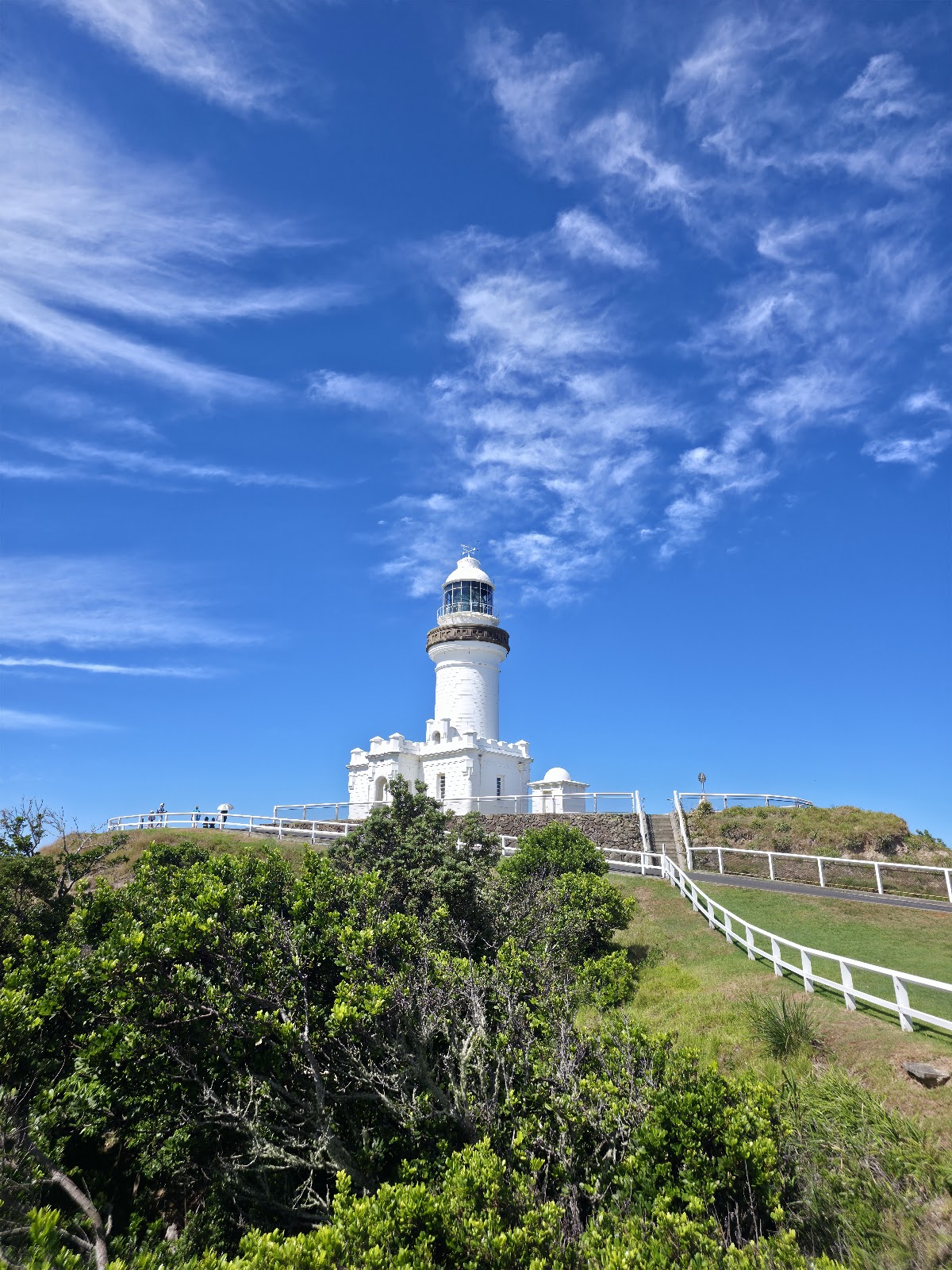
Cape Byron lighthouse & walking track — First light at the most easterly point with humpbacks breaching offshore and dolphins in the break below.
Explore whale watching in Byron Bay →
2
Byron Bay
Northern Rivers, New South Wales
Cape Byron lighthouse & walking track — First light at the most easterly point with humpbacks breaching offshore and dolphins in the break below.
Explore whale watching in Byron Bay →
2
 Hamilton Island
The Whitsundays, Queensland
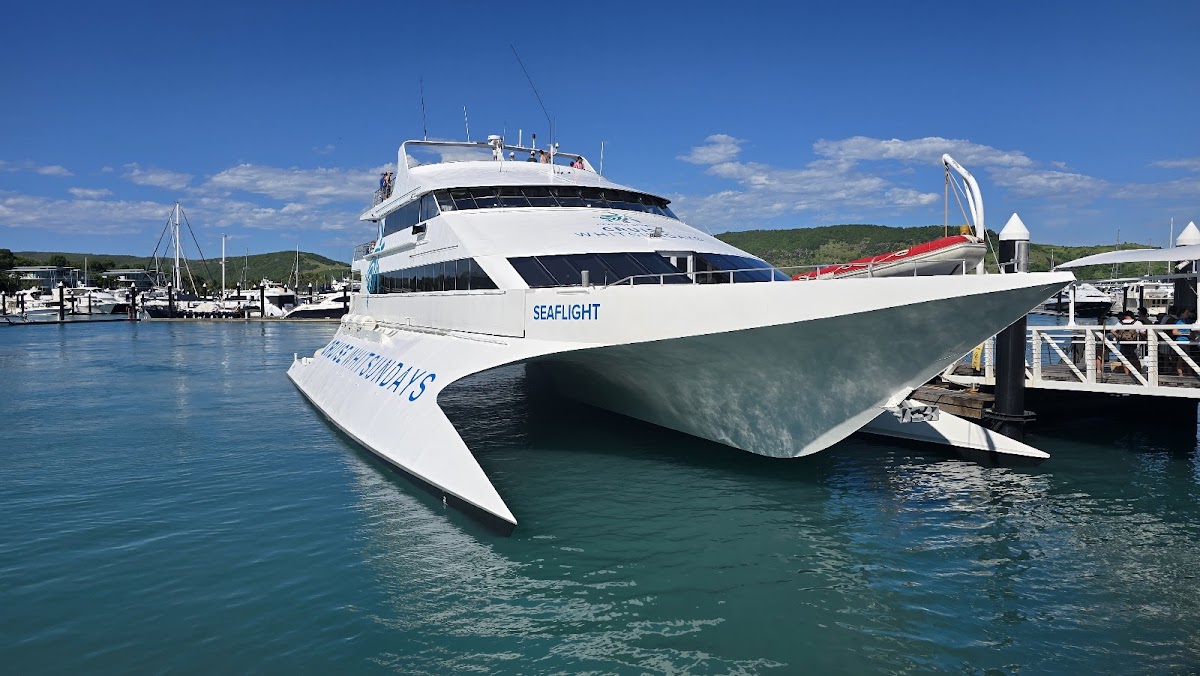
A dedicated whale watching cruise — A resting humpback mother and calf surfacing close to a quietly positioned boat among the islands — the moment a cruise is worth booking for.
Explore whale watching in Hamilton Island →
Narooma you’re here
South Coast, New South Wales
Bar Rock Lookout — A clear spring morning with binoculars and a coffee — give it time and the migration delivers.
You’re reading this guide
Hamilton Island
The Whitsundays, Queensland
A dedicated whale watching cruise — A resting humpback mother and calf surfacing close to a quietly positioned boat among the islands — the moment a cruise is worth booking for.
Explore whale watching in Hamilton Island →
Narooma you’re here
South Coast, New South Wales
Bar Rock Lookout — A clear spring morning with binoculars and a coffee — give it time and the migration delivers.
You’re reading this guide
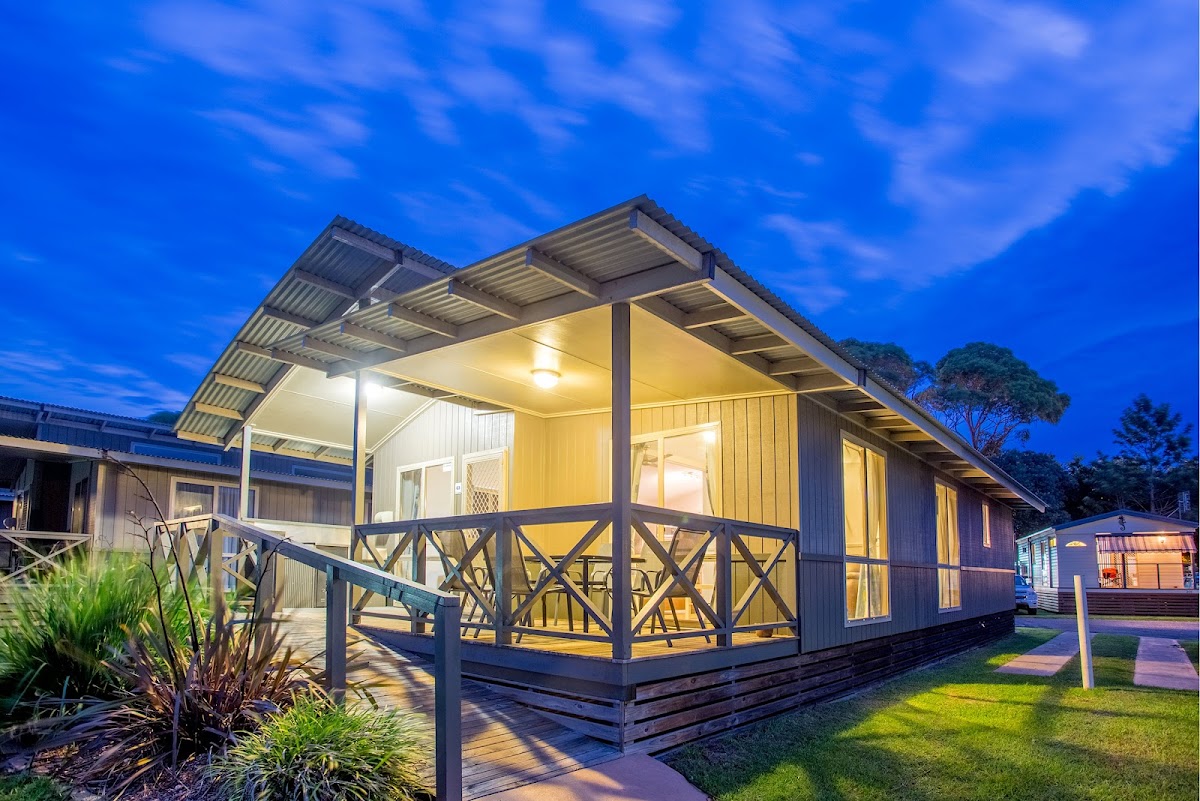
BIG4 Narooma Easts Holiday Park — Narooma
Book Direct & Save →
Amooran Oceanside Apartments and Motel — Narooma
Book Direct & Save →
Discovery Parks - Narooma Beach — Narooma
Book Direct & Save →Skip OTA fees. Connect directly with Narooma owners for the best rates and a truly personal experience.
We match any online rate. No service fees — 100% of your payment supports local owners.
Direct guests receive complimentary hampers, early check-in, and priority access to experiences.
Speak directly with the people who manage the properties. No call centres, just local expertise.
Part of New South Wales · South Coast