01. BIG4 Narooma Easts Holiday Park
4.4 (665 reviews)
BIG4 Narooma Easts Holiday Park — Narooma
Book Direct & Save →There are dives you do, and there are dives you remember for the rest of your life. Diving with the fur seals at Montague Island is firmly the second kind. Just nine kilometres off the coast of Narooma sits one of the best dive destinations in New South Wales — a granite island ringed by kelp reefs, home to the largest fur seal colony on the NSW coast, and visited at various times of year by grey nurse sharks, rays, turtles and migrating whales. And the seals, when you’re in the water with them, are as curious about you as you are about them.
View 3 Properties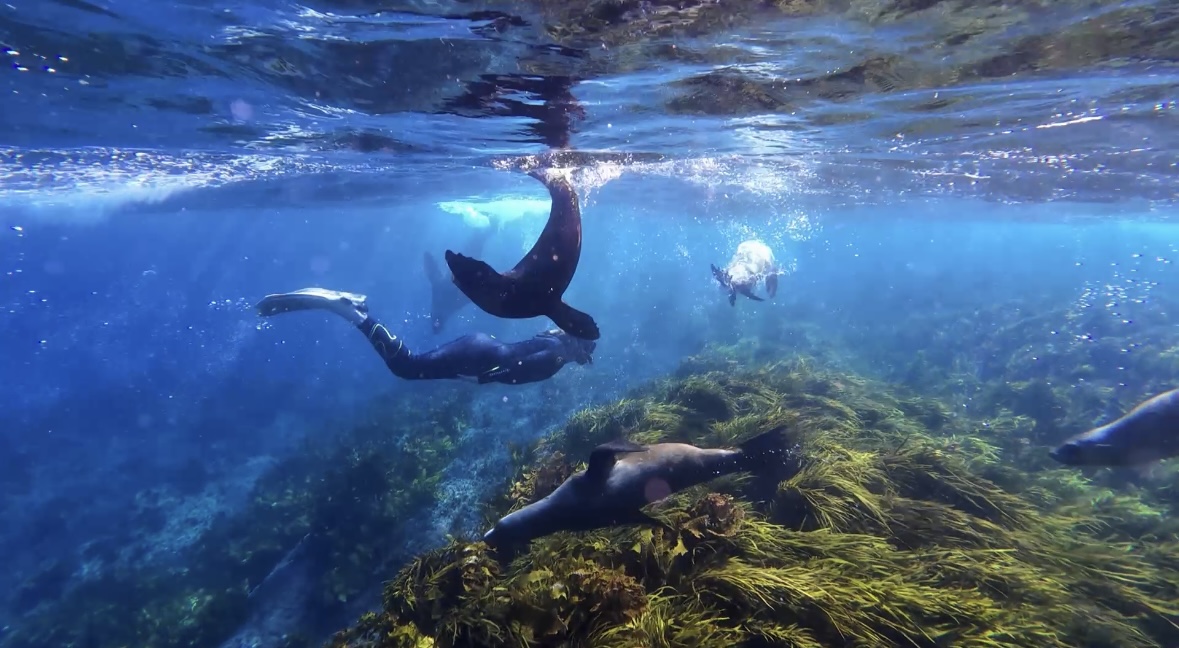
"World-class, accessible, wild"
This is the complete guide to diving in Narooma — the Montague Island dive sites, the marine life and when to see it, the depths and conditions, what suits beginners versus experienced divers, and how the snorkelling stacks up for those who’d rather stay on the surface. Whether you’re a certified diver chasing sharks or a first-timer wanting to snorkel with seals, here’s what you need to know.
Safety and conservation note: diving carries inherent risks and Australian operators require certification (your ‘C’ card) for scuba. Montague Island sits within the Batemans Marine Park, a protected area. Always dive within your training and certification, follow your operator’s briefing, and respect the marine park rules. The detail below is general guidance — always confirm current conditions, seasons and requirements with licensed operators.
Montague Island — known by its Aboriginal name Barunguba — is the reason Narooma is a serious dive destination. The granite island lies around nine kilometres offshore, a 25-minute boat ride from Narooma harbour, and sits within the protected Batemans Marine Park. It’s home to one of the largest fur seal colonies in New South Wales, alongside little penguins, breeding seabirds and kelp reef systems that support an extraordinary range of marine life.
Crucially for divers, the island offers dozens of dive locations across its flanks, which means there’s almost always a sheltered, diveable site regardless of wind direction — skippers read the wind, swell and tide each day and choose the best spots. This versatility is part of what makes Montague Island diving so reliable compared with more exposed sites. And the seal sites, by good fortune, are nearly always accessible.
The upshot is a dive destination that delivers in almost any conditions for almost any diver. You don’t need to gamble a whole trip on one perfect day; on most days the boat goes out, the seals are home, and there’s a site to suit whoever is on board — from a nervous first-timer to a photographer chasing grey nurse sharks on the deeper reefs.
Beyond the seals, Montague Island’s deeper reefs, golden kelp beds and granite drop-offs host a remarkable variety of marine life through the year. Fur seals are present year-round, with the colony swelling to several hundred over summer. Wobbegongs and Port Jackson sharks are commonly seen — the Port Jacksons more in the cooler months — while rays, including large bull rays, patrol the reefs all year. Turtles, kingfish, trevally and nudibranchs round out the cast.
A few months of the year, warm currents push down the coast bringing water temperatures up toward the mid-20s Celsius and carrying tropical fish, pelagics and the nutrients that feed the reef’s nudibranchs, tube worms and gorgonian fans. Spring layers in another drawcard: humpback whales migrate past from roughly September to November and are sometimes heard, and occasionally seen, on the boat ride out.
An honest note on grey nurse sharks: sources and operators differ on exactly when they’re most reliably present, and there are periods when they aren’t in the area at all. Rather than promising a season, the best approach is to ask your operator about recent sightings when booking, so you have realistic expectations. The seals, by contrast, are a near-certainty year-round.
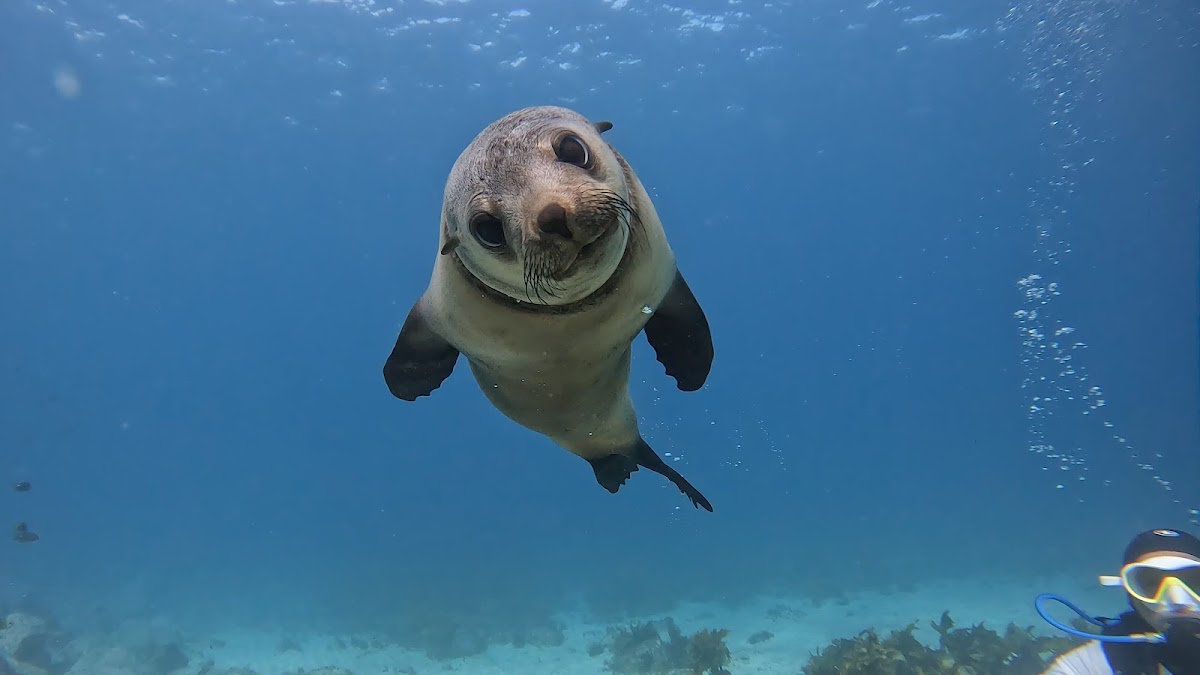
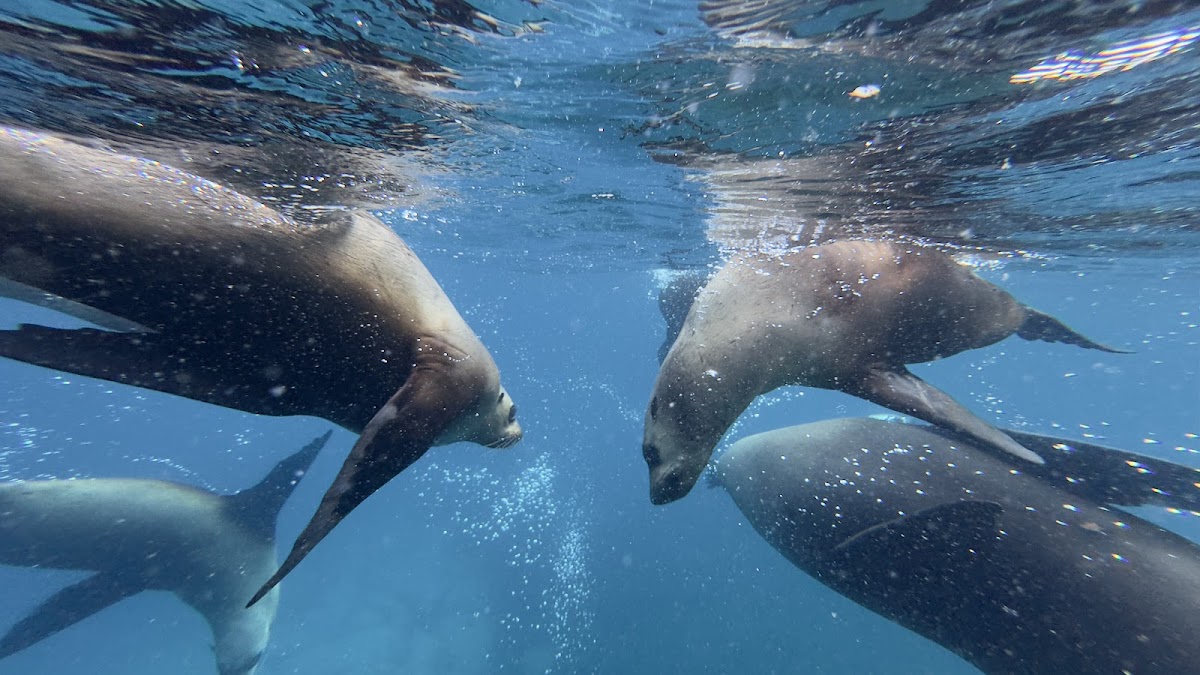
The fur seals are the headline experience of diving in Narooma, and they live up to it completely. A shallow section of reef in the marine park — known to operators as ‘the Aquarium’ — is the best spot to interact with them. Here, in water generally between 5 and 20 metres, Australian and New Zealand fur seals will often jump into the water in numbers to investigate and play with divers, twisting and darting and circling back. It’s an interaction, not a viewing — the seals are genuinely curious and frequently approach divers closely.
Because the seal sites are shallow and sheltered, this is a dive suitable for all certification levels, and even for first-timers via a Discover Scuba experience. The colony numbers swell to several hundred seals over the summer months, though seals are present year-round, making this a dependable dive in any season. The shallow depth and excellent light also make it ideal for underwater photography — bring a camera or hire a GoPro from the operator.
It suits just about everyone who can get in the water: certified divers on their fourth dive or their four-hundredth, Discover Scuba first-timers, and confident-swimmer snorkellers who share the same site from the surface. The one group it doesn’t suit is non-swimmers, and anyone uneasy in open water should build up to it.
It’s a genuinely world-class wildlife encounter that almost anyone can have — the seals play with a fourth-ever diver as happily as a seasoned one.
“The seals came straight at us, twisting and rolling like puppies. Shallow, clear, and the best dive I’ve ever done — and it was only my fifth.”
— Google review
A shallow, sunlit dive at ‘the Aquarium’ with fur seals circling and darting around you — bring a camera.
It’s open water, not a pool — non-swimmers and anyone uneasy out of their depth should start with a confident-swimmer snorkel or a Discover Scuba session first.
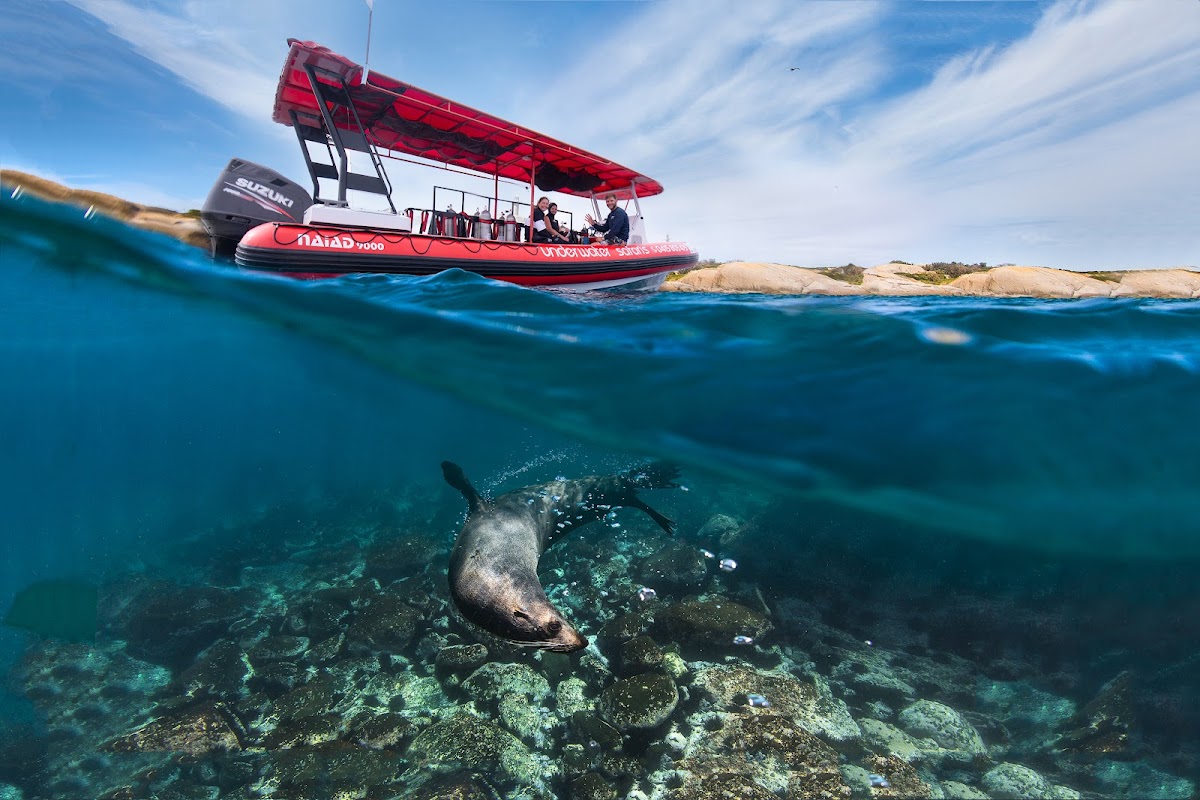
The deeper sections around Montague Island are where certified divers find the bigger picture. Golden kelp beds sway over granite formations and drop-offs that hold rays — including large bull rays — wobbegongs, Port Jackson sharks, kingfish and, seasonally, grey nurse sharks. The terrain is dramatic and the marine life genuinely abundant; this is the dive that explains why Montague is rated among the best on the NSW coast rather than just a fun seal swim.
Because depth and current vary across these sites, they’re better suited to certified and more experienced divers than to first-timers. Operators choose the specific site on the day based on conditions, and typically offer single or double-dive trips — a double dive (two dives at different sites in one trip) is the popular choice, making the most of the boat journey out. Note that some operators run guided dives while others, for certified divers, are unguided, so check which applies when you book.
It suits confident, current-comfortable divers and underwater photographers chasing sharks and rays. Newer divers are far better served sticking to the shallow seal sites until they’ve built experience; if conditions turn, the skipper may keep everyone shallow regardless, which is exactly as it should be.
Kelp, granite drop-offs, rays and the chance of grey nurse sharks — it’s the dive that earns Montague its reputation, not just its seals.
“Did a double dive — seals on the first, then a deeper kelp site with wobbegongs and a big bull ray on the second. World-class for an NSW dive.”
— Google review
A double-dive trip — the seal site first, then a deeper kelp reef for the sharks and rays.
Not for beginners — depth and current make these certified-diver sites. Don’t bank on grey nurse sharks; ask about recent sightings before you book.
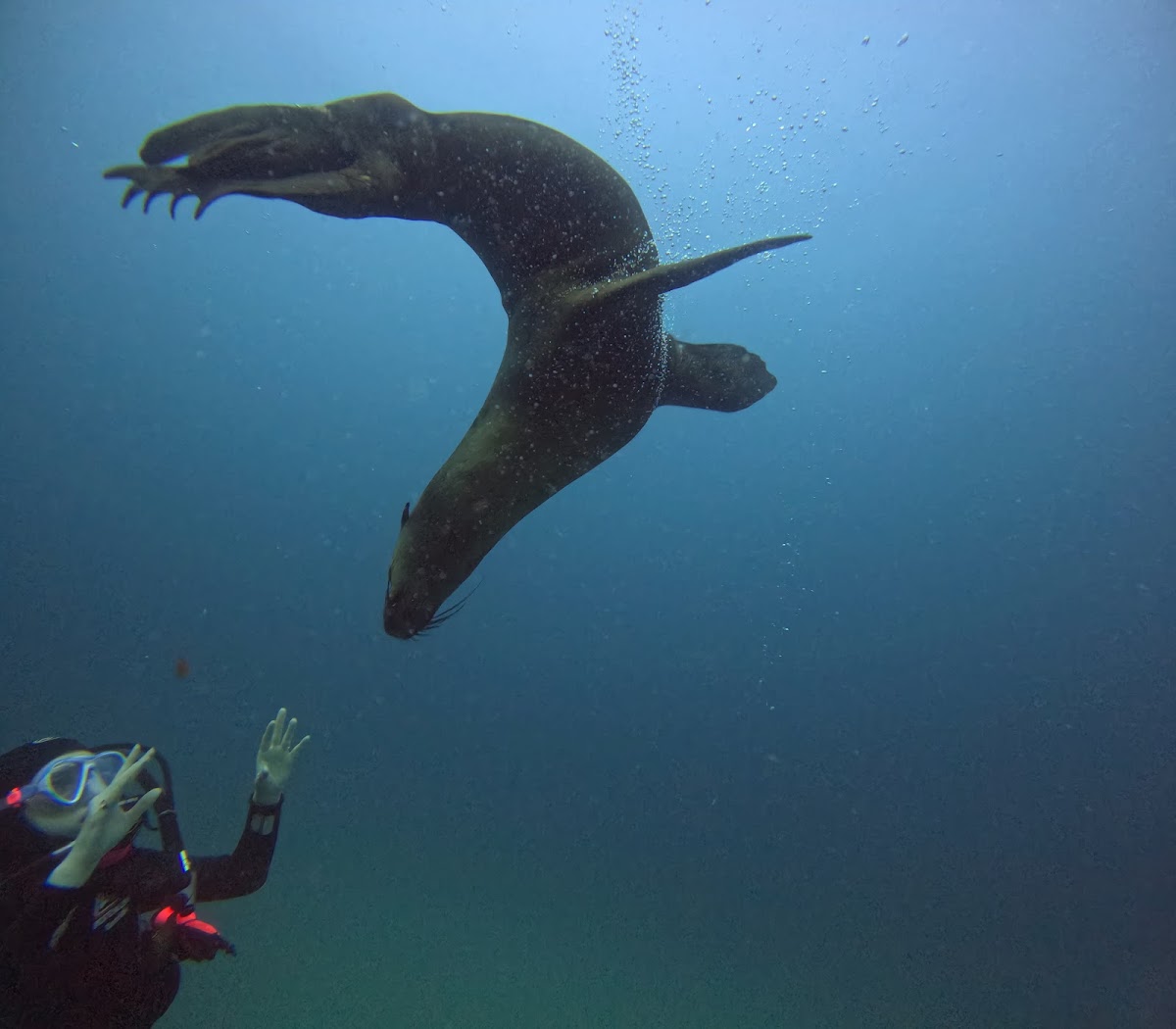
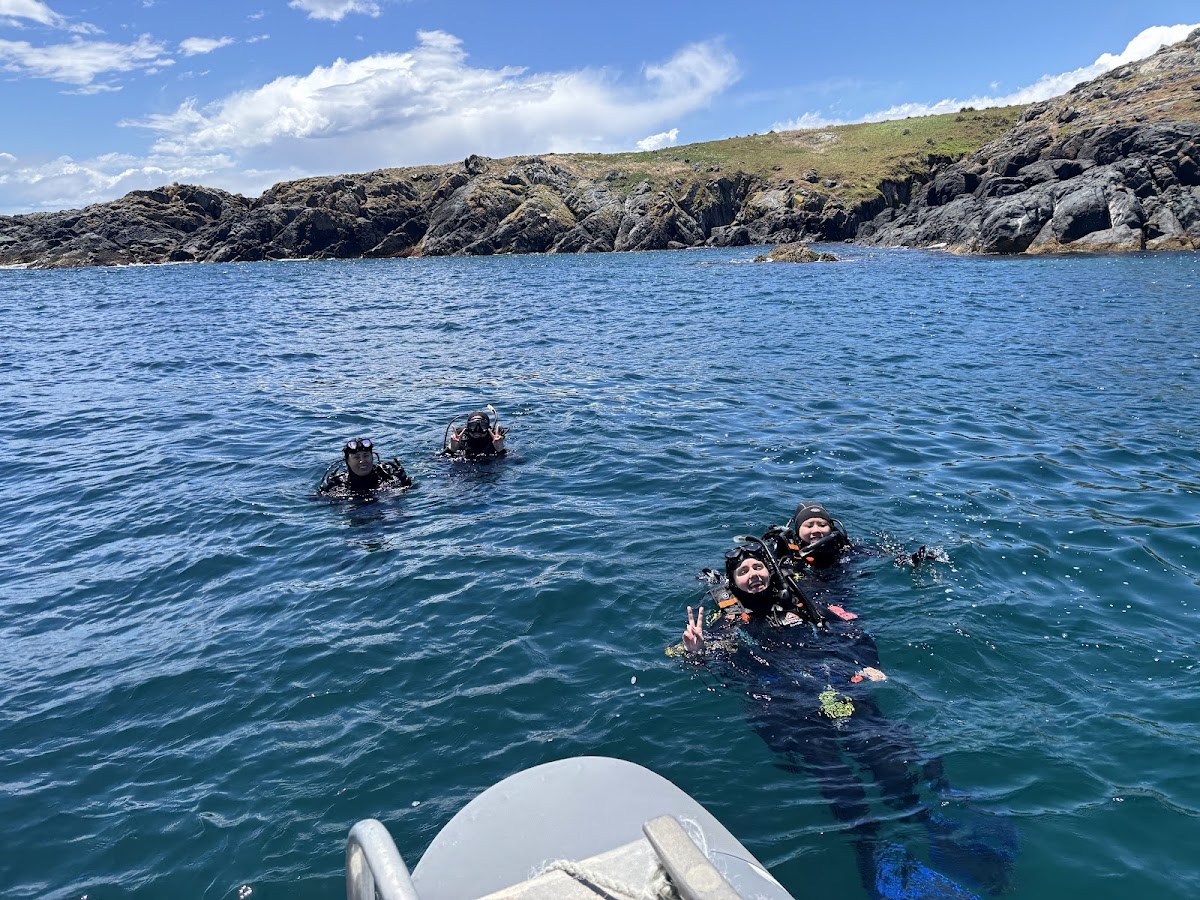
If scuba isn’t for you, snorkelling with the seals at Montague Island is an outstanding alternative — and for many visitors, just as memorable. Operators run dedicated snorkelling trips to the seal sites, where the shallow, clear water means you can watch and interact with the fur seals from the surface. The seals are every bit as curious about a snorkeller as a diver, so you lose surprisingly little by staying up top.
The key requirement is being a confident swimmer, as the water at the island can be 5 to 15 metres deep in places and conditions are open-water rather than a sheltered pool. Wetsuits and snorkelling gear are provided by operators. Snorkellers and divers are usually priced separately, and many trips take both, so mixed groups of divers and snorkellers can share the same boat and the same experience — a genuine advantage when only some of your group dives.
It suits confident-swimmer families, non-divers, and anyone who wants the seal encounter without the certification or the commitment of scuba. It doesn’t suit weak or nervous swimmers, who should build water confidence first — and on a rough day the skipper may call it, so keep your plans flexible.
You get the full curious-seal encounter with no certification, no tank and no course — just a wetsuit, a snorkel and the ability to swim.
“Booked the snorkel option as a non-diver and the seals were all around us at the surface. Didn’t feel like I missed a thing by not diving.”
— Traveller review
A snorkel trip that shares the boat with the divers — same site, same seals, no scuba needed.
You must be a confident open-water swimmer — it’s 5–15m deep and not a calm pool. Nervous swimmers should build confidence before going.
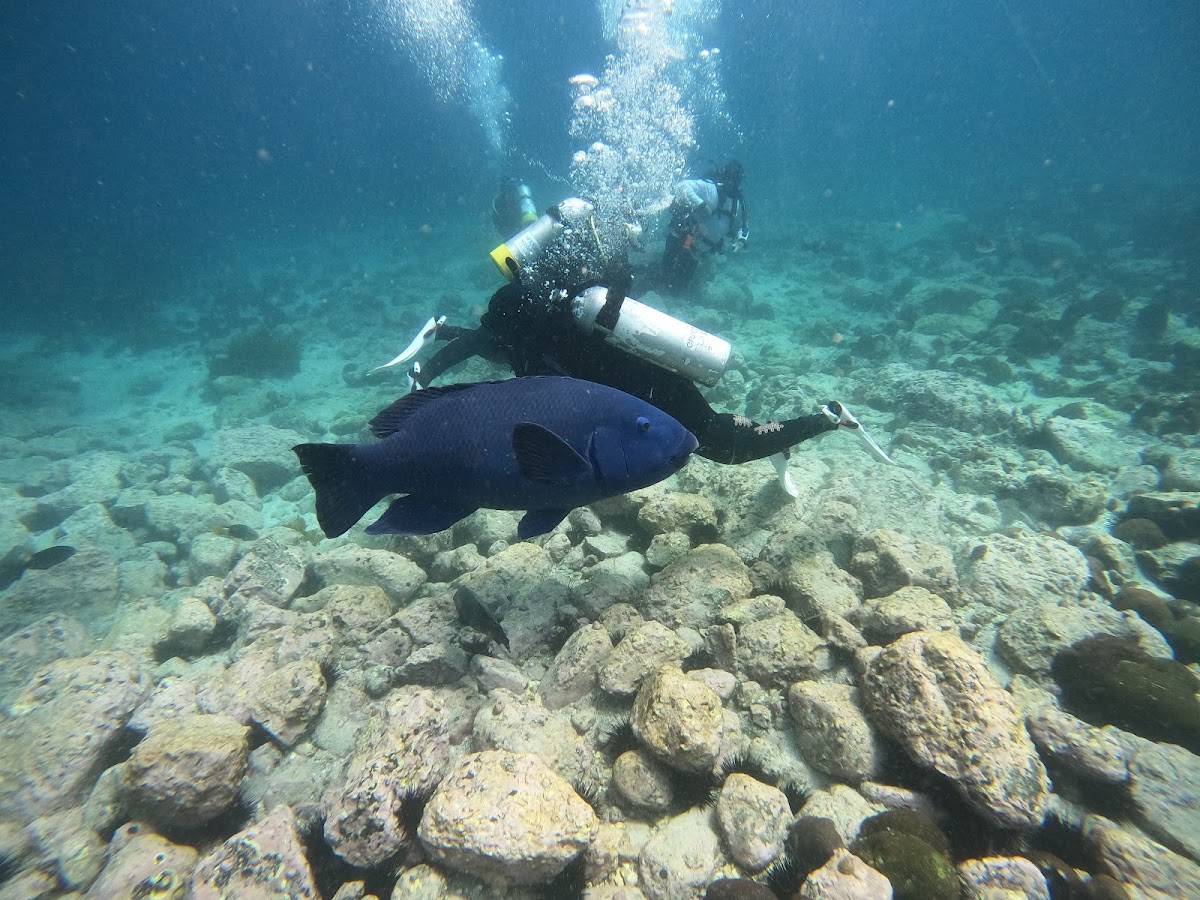
You don’t need to be a certified diver to get in the water with the seals — and Narooma is genuinely a great place to learn. Underwater Safaris is Narooma’s dedicated PADI dive centre and the main place to learn locally, running the full range of recognised courses with qualified PADI Instructors and Dive Masters, and offering the priceless advantage of doing your training dives at Montague Island itself. Its 9-metre vessel is licensed for 16 passengers, and instructors and dive masters accompany every trip.
The pathway is clear. A Discover Scuba Dive is the entry point for absolute beginners — a supervised introduction, generally for ages 12 and up, that lets you dive with the seals at the shallow sites with no experience. The PADI Open Water Diver course is the first full qualification, certifying you to dive anywhere in the world; doing it here means learning among the seals and kelp. From there, continuing-education and advanced courses build your skills, and the PADI Divemaster course is the first level of professional training — so it’s possible to progress from your very first breath underwater to a dive-industry career in Narooma.
It suits first-timers, holidaymakers wanting to ‘try before they commit’, and aspiring professionals alike. Families are well catered for too: Underwater Safaris runs a ‘Squid Squad’ snorkelling school for kids daily at Bar Beach in season — a safe, fun way to get children comfortable in the water without scuba. Other Narooma charter operators also offer introductory dives; always confirm current course offerings and instructor credentials directly when booking.
You can learn to dive — from your first breath to professional level — with your training dives at one of the best sites in NSW, surrounded by seals.
“Did my Open Water here. Learning among the seals at Montague rather than a quarry made the whole course unforgettable. Patient, professional instructors.”
— Google review
A Discover Scuba Dive — a supervised first dive with the seals, no experience or certification needed.
Discover Scuba has a minimum age (generally 12) and isn’t a certification — and courses book out in peak season, so plan ahead rather than turning up.
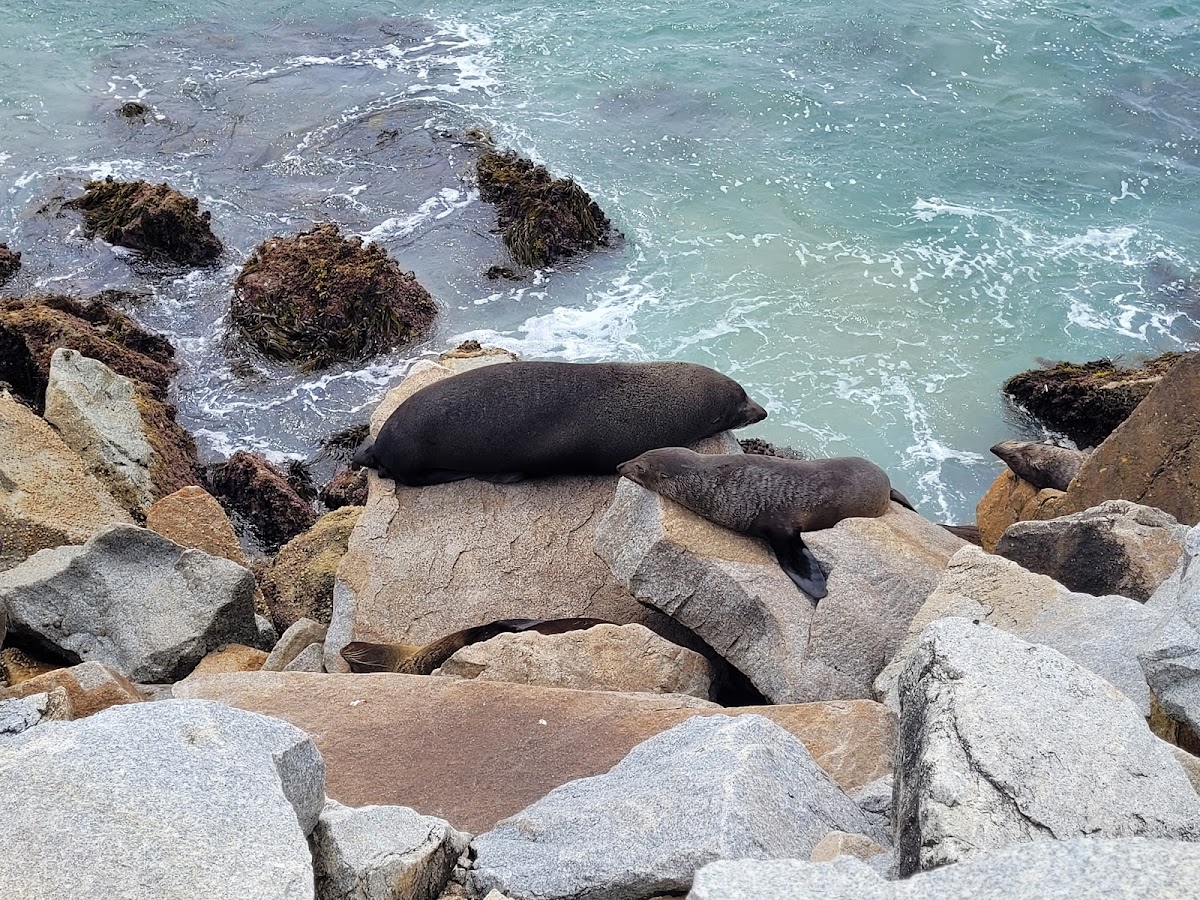
Several operators run diving and snorkelling charters to Montague Island from Narooma harbour, and the right one depends on what you want. Underwater Safaris is Narooma’s dedicated PADI diving and snorkelling boat, offering dive courses, dive trips, snorkelling trips and the Squid Squad kids’ school; instructors and dive masters accompany every trip, and it’s a single-use-plastic-free operator that doesn’t run fishing tours. Narooma Charters runs dive charters and snorkel-with-the-seals trips on boats customised for diving (dive racks, twin entry/exit ladders, air fills) — note their dive tours are unguided, for certified divers.
Other charter and dive operators also service Montague Island from Narooma and nearby. The practical questions to compare are the same across all of them: guided versus unguided dives, single versus double dives, whether snorkel options run alongside diving, what gear is included, and the current price. As operators, schedules and pricing change, always confirm the current details directly before booking.
It suits everyone — but match the operator to your group. A guided trip and a PADI school suit beginners, first-timers and mixed dive/snorkel groups; an unguided dive charter suits experienced, self-sufficient certified divers. Arrive at the wharf around 15 minutes before departure, and build flexibility into your trip in case a day is blown out.
There’s an operator for every kind of visitor — a PADI school for beginners and mixed groups, a dive-customised charter for self-sufficient certified divers.
“Rang two operators before booking — one guided for the first-timers in our group, the rest of us on the unguided charter. Both ran out of the same harbour. Sorted.”
— Traveller review
Matching the operator to your group — guided/PADI for beginners and snorkellers, unguided charter for experienced divers.
Operators, schedules and prices change, and trips depend on weather — confirm current details directly, and don’t book your only free day with no buffer.
| Season | Conditions | Highlights | Crowds |
|---|---|---|---|
| Summer (Dec–Feb) | Warm currents, water toward the mid-20s°C | Tropical fish and pelagics arrive on the warm current; seal colony at its largest; best visibility — shorty under a wetsuit | Peak (school holidays) |
| Autumn (Mar–May) | Cooling, often excellent visibility | Settled diving, seals year-round, fewer crowds; a full steamer is comfortable | Low–moderate |
| Winter (Jun–Aug) | Cooler water — full steamer | Port Jackson sharks more common; crisp, clear days between fronts; quietest line-ups | Low |
| Spring (Sep–Nov) | Variable, warming late | Humpback whales on the transit out; seal colony rebuilding; grey nurse sightings vary — ask your operator | Low–moderate |
What divers and snorkellers consistently say:
The recurring praise is the same: the seals genuinely play with you, the sites are shallow and clear, and you don’t need to be an expert — or even a diver at all — to have one of the best wildlife experiences of your trip.
Divers who treat it as a wildlife experience rather than a theme-park ride leave delighted; the grey nurse sharks come and go, the crossing is open water, and the skipper’s call on weather is final — flexibility is rewarded.
“Incredible spot, well worth a visit. You’ll spot seals, amazing views, blue water, some great spots for photos, more seals, and a nice beach. Might even get splashed by waves along the walkway. Definitely stop by here if you get a chance, you won’t regret it.”— Ben C (on Australia Rock), Google review
“Australia Rock in Narooma is a peaceful and relaxing place. Multiple viewpoints, the Narooma River mouth, and Dolphin Point are all close by. There’s also a family-friendly area where kids can enjoy the sea. The rock formation itself is an amazing natural creation. Definitely worth a visit.”— Hasaan Keeragala (on Australia Rock), Google review
“This attraction offers breathtaking views, adorable sea lions, and truly spectacular natural scenery. With the slightly salty ocean breeze in the air, it’s a perfect place to relax and unwind.”— Dorothy (on Australia Rock), Google review
Certification & experience: scuba divers must show a ‘C’ card or qualification papers before diving — no card, no scuba. Discover Scuba (generally 12+) and snorkelling are open to beginners, with snorkellers needing to be confident open-water swimmers. Always dive within your training, and if you’re newly certified or out of practice, say so when you book so the operator pitches the dive right.
Water, gear & conditions: it’s wetsuit country year-round, with warmer summer currents reaching the mid-20s Celsius; operators provide wetsuits. Trips depend on weather, swell and wind, and the skipper makes the final call on safety and which sites are accessible, so build flexibility into your trip in case a day is blown out. It’s a 25-minute open-water crossing each way — if you’re prone to seasickness, take precautions before boarding, not after.
Marine park & photography: Montague Island sits within the Batemans Marine Park, a protected area with rules that apply to everyone — follow your operator’s briefing and respect the wildlife and habitat. The shallow, well-lit seal sites are superb for underwater photography; bring a camera or hire a GoPro from the operator, and let the seals come to you rather than chasing them.
Diving in Narooma delivers something rare: a genuinely world-class wildlife encounter that’s accessible to almost anyone. You don’t need to be an expert diver, or even a diver at all — the seals will play with snorkellers just as happily as they’ll play with someone on their fourth-ever dive. Add the grey nurse sharks, the kelp reefs, the rays and the chance of whale song on the boat ride out, and Montague Island earns its reputation as one of the best dives on the NSW coast.
Book with a licensed operator, bring your certification if you have it or your willingness to learn if you don’t, ask about recent shark sightings, and pick a day with kind conditions. What you get in return is the kind of dive that turns a Narooma weekend into the story you tell for years — nine kilometres offshore, a few hundred curious seals, and worth every minute of the boat ride.
Enjoying diving? Here’s where else in Australia it’s worth the trip — ranked by how loved each destination is, with the one thing not to miss at each.
 Hamilton Island
The Whitsundays, Queensland
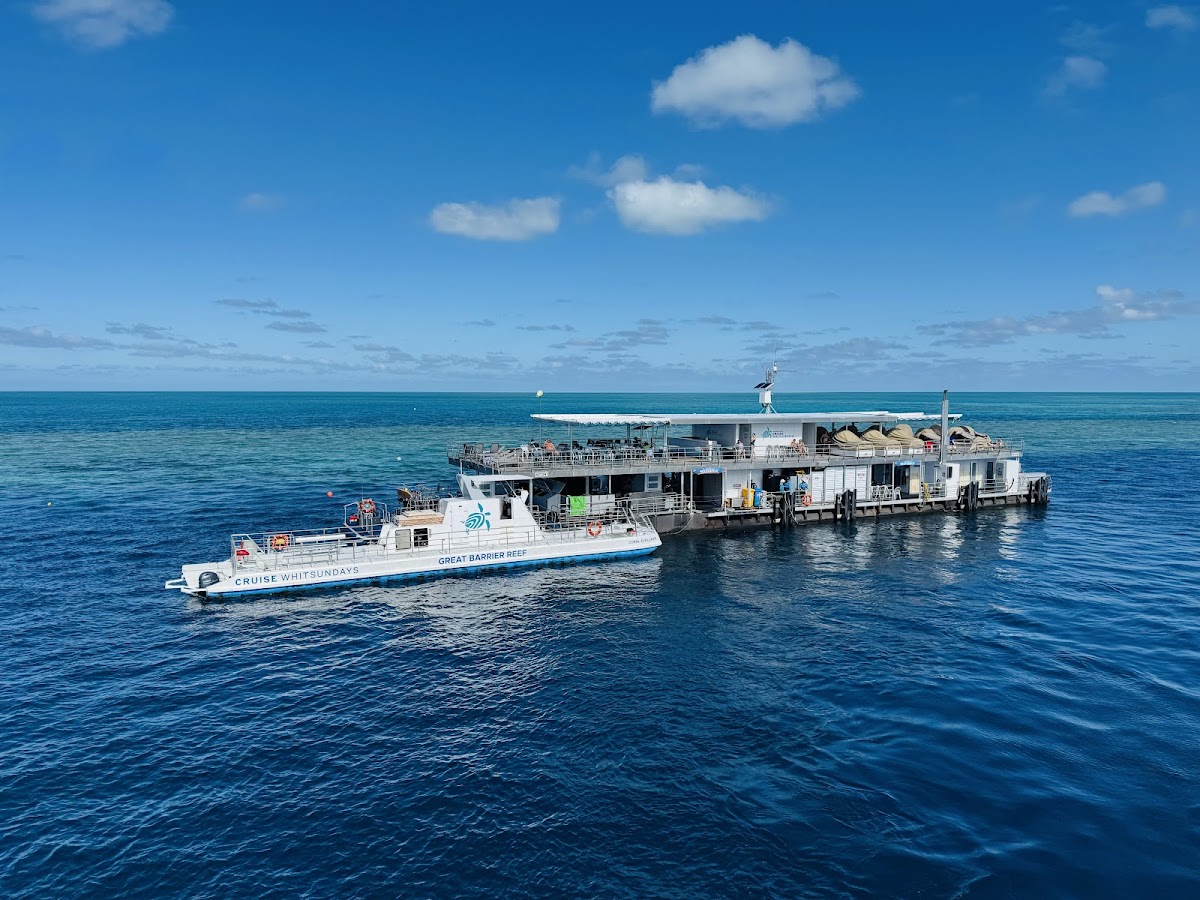
Diving Bait Reef — the outer Great Barrier Reef — A guided dive over the coral bommies and walls at Bait Reef on a calm, clear dry-season day.
Explore diving in Hamilton Island →
2
Hamilton Island
The Whitsundays, Queensland
Diving Bait Reef — the outer Great Barrier Reef — A guided dive over the coral bommies and walls at Bait Reef on a calm, clear dry-season day.
Explore diving in Hamilton Island →
2
 Byron Bay
Northern Rivers, New South Wales
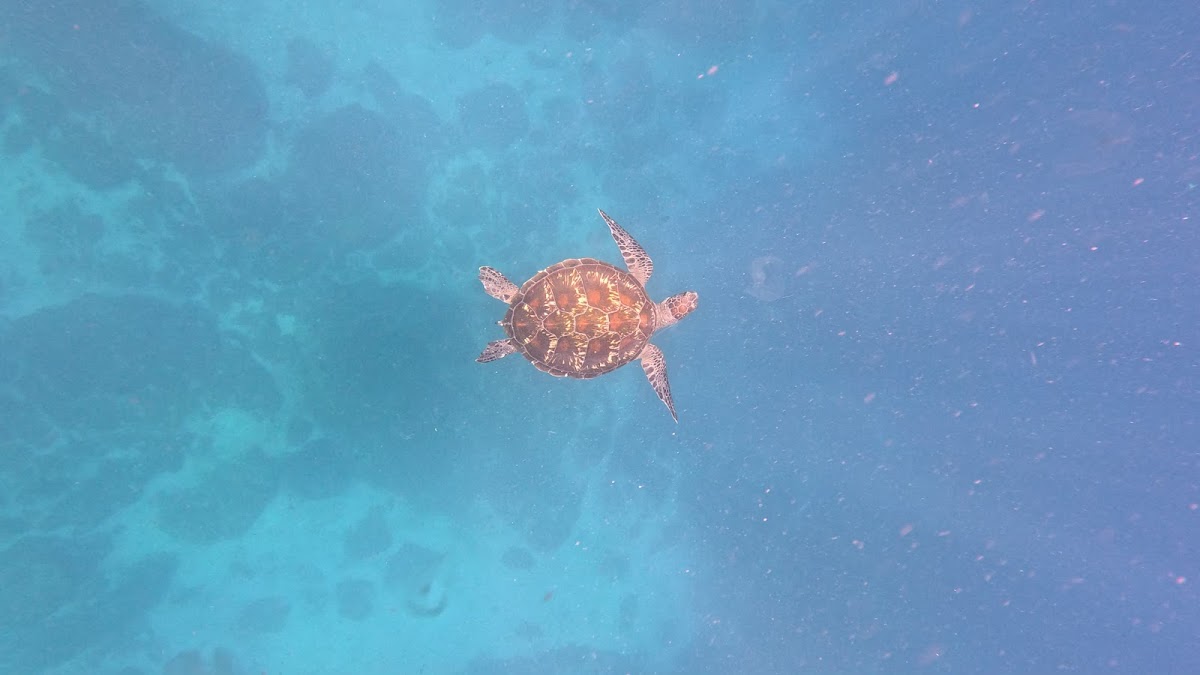
The Nursery — the beginner and snorkel site — A shallow, sunlit drift over the Nursery with turtles and wobbegongs — the perfect first taste of Julian Rocks.
Explore diving in Byron Bay →
Narooma you’re here
South Coast, New South Wales
Diving with the seals — ‘the Aquarium’ — A shallow, sunlit dive at ‘the Aquarium’ with fur seals circling and darting around you — bring a camera.
You’re reading this guide
Byron Bay
Northern Rivers, New South Wales
The Nursery — the beginner and snorkel site — A shallow, sunlit drift over the Nursery with turtles and wobbegongs — the perfect first taste of Julian Rocks.
Explore diving in Byron Bay →
Narooma you’re here
South Coast, New South Wales
Diving with the seals — ‘the Aquarium’ — A shallow, sunlit dive at ‘the Aquarium’ with fur seals circling and darting around you — bring a camera.
You’re reading this guide
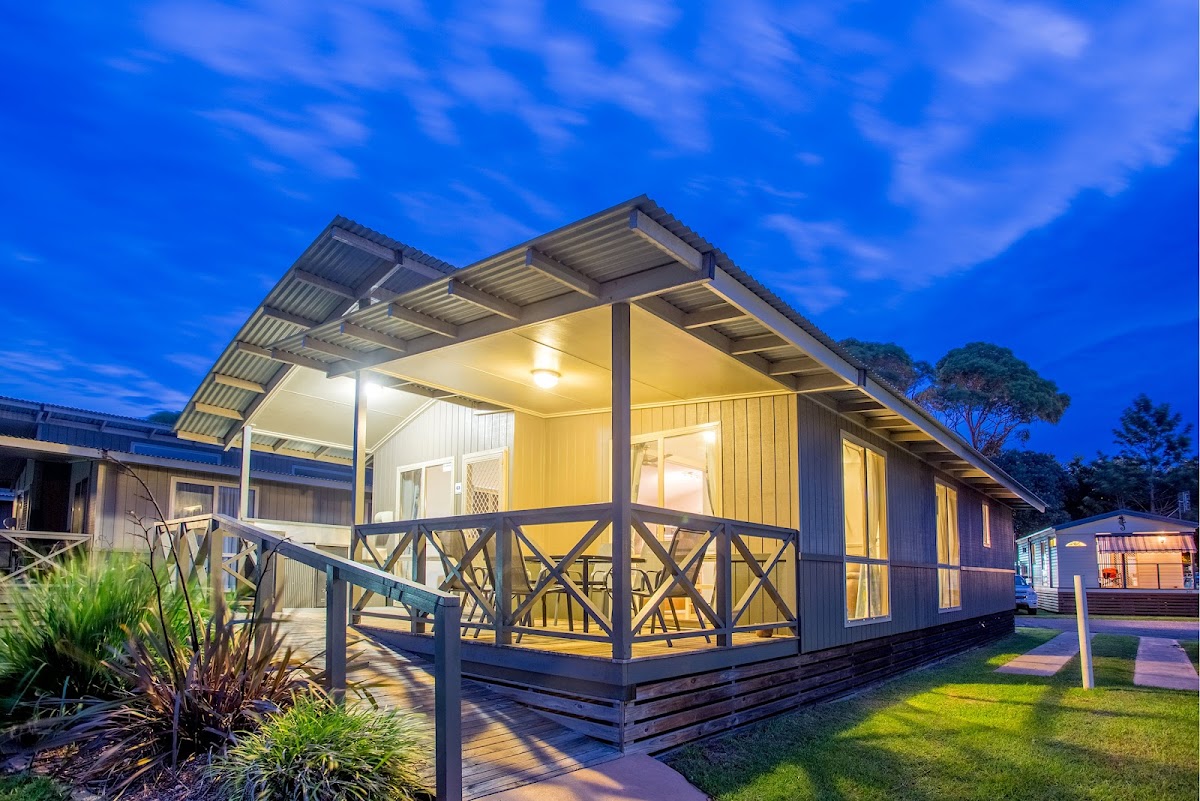
BIG4 Narooma Easts Holiday Park — Narooma
Book Direct & Save →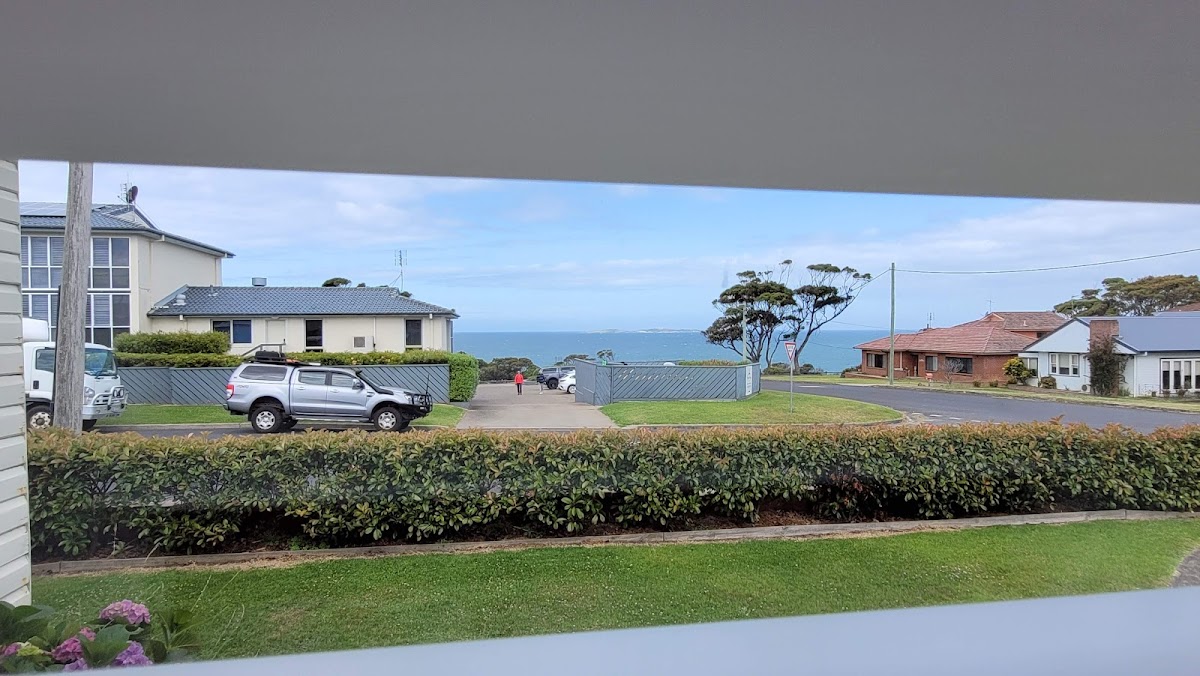
Amooran Oceanside Apartments and Motel — Narooma
Book Direct & Save →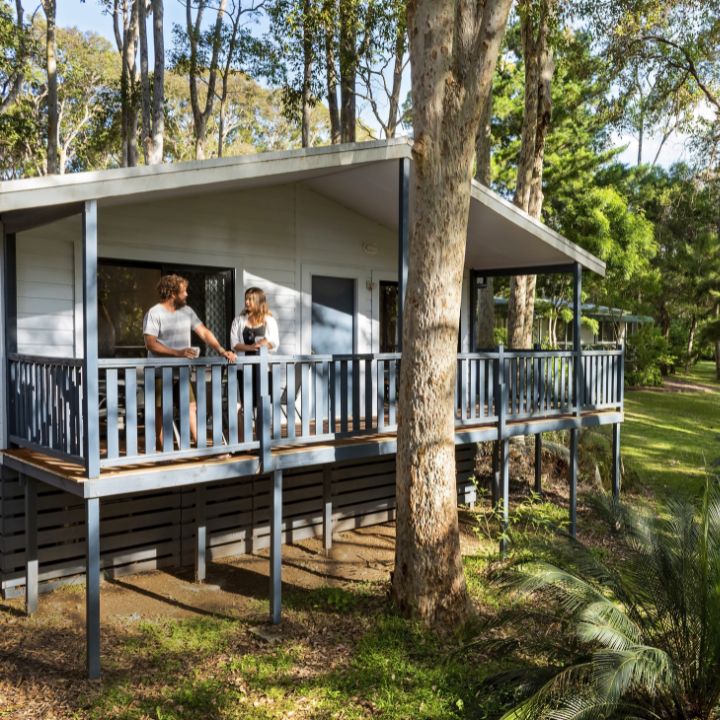
Discovery Parks - Narooma Beach — Narooma
Book Direct & Save →Skip OTA fees. Connect directly with Narooma owners for the best rates and a truly personal experience.
We match any online rate. No service fees — 100% of your payment supports local owners.
Direct guests receive complimentary hampers, early check-in, and priority access to experiences.
Speak directly with the people who manage the properties. No call centres, just local expertise.
Part of New South Wales · South Coast