01. Elements of Byron
4.7 (1564 reviews)
Elements of Byron — Byron Bay
Book Direct & Save →Some dive sites are good. A handful are world-class. Julian Rocks — known by its Aboriginal name Nguthungulli — is firmly the second kind. Just two and a half kilometres off Byron Bay’s Main Beach sits a rocky island where the warm East Australian Current collides with cooler southern waters, throwing tropical and temperate species together in a way few places on Earth manage. The upshot is grey nurse sharks in winter, leopard sharks and manta rays in summer, green and loggerhead turtles all year, and a wall of bait fish so thick it can blot out the sun. It is regularly named one of Australia’s best dives, and the boat ride to it takes barely ten minutes.
View 3 Properties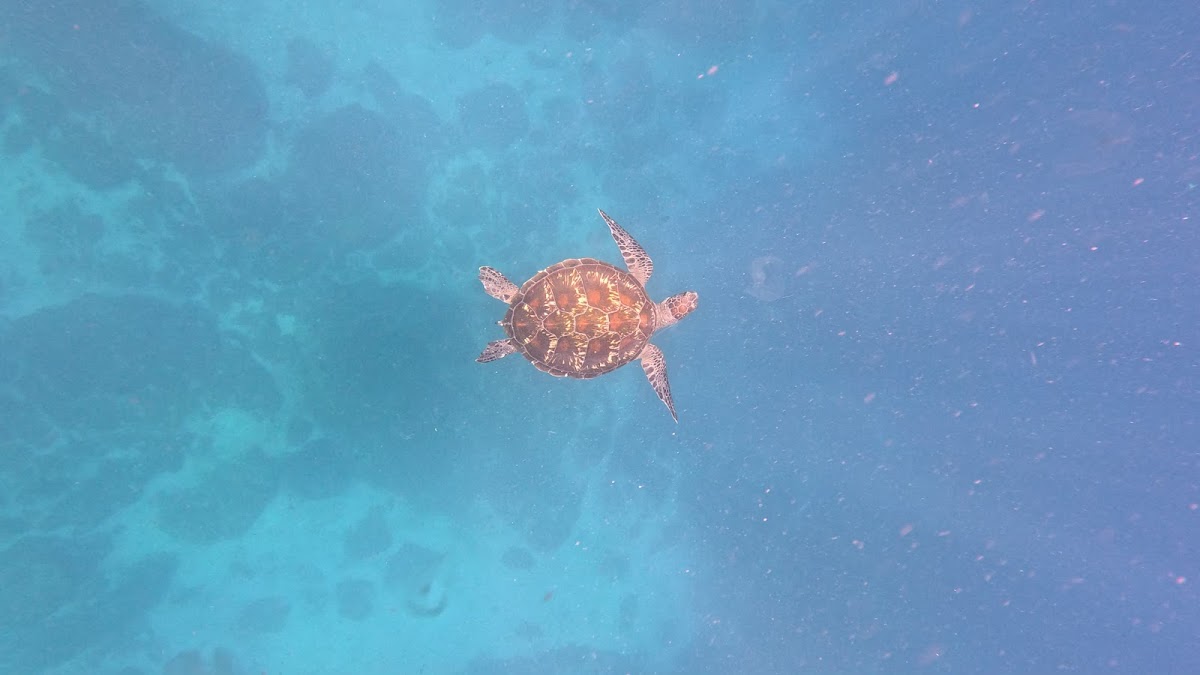
"World-class, accessible, wild"
This is the complete guide to diving in Byron Bay — the dive sites at Julian Rocks, the marine life and exactly when to see it, the depths and conditions, what suits beginners versus experienced divers, and how the snorkelling stacks up for those who’d rather stay on the surface. Whether you’re a certified diver chasing sharks or a first-timer wanting to meet a turtle, here’s what you need to know.
Safety and conservation note: diving carries inherent risks and Australian operators require certification (your ‘C’ card) for scuba. Julian Rocks is a sanctuary zone within the Cape Byron Marine Park, a protected area where strict rules apply — no fishing, no collecting, no touching the wildlife. Always dive within your training and certification, follow your operator’s briefing, and respect the marine park rules. The detail below is general guidance — always confirm current conditions, seasons and requirements with licensed operators.
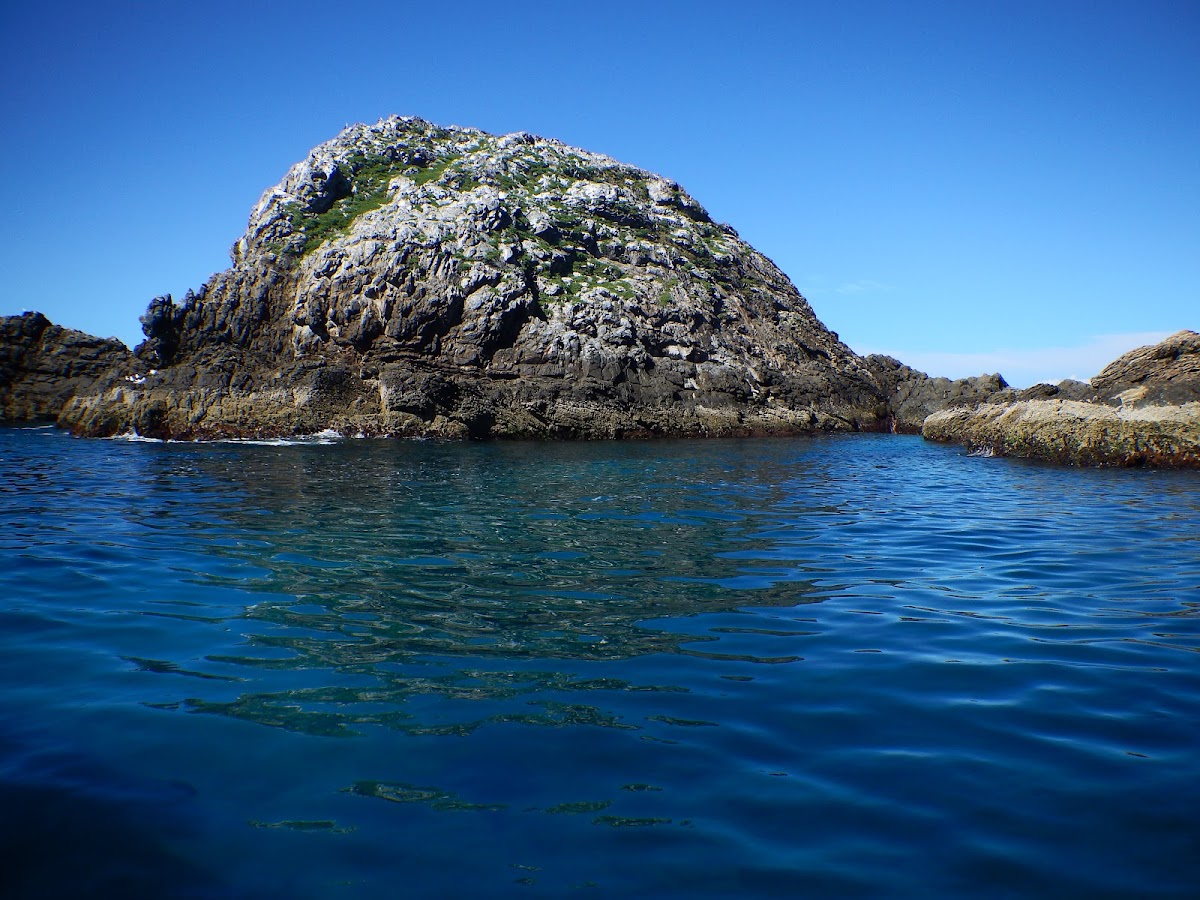
Julian Rocks — Nguthungulli in the local Bundjalung language — is the reason Byron Bay is a serious dive destination. The rocky island lies about two and a half kilometres off Main Beach, a short boat ride of roughly ten to fifteen minutes, and sits as a protected sanctuary zone within the Cape Byron Marine Park. What makes it extraordinary is its position: this is where the warm, tropical East Australian Current sweeps down the coast and meets cooler waters pushing up from the south, so a single dive can serve up reef fish you’d expect on the Great Barrier Reef alongside species from temperate New South Wales.
That collision of currents is why Julian Rocks is so consistently rated among Australia’s best dives. The site holds a remarkable density and variety of marine life — sharks, rays, turtles, huge bait-fish schools and the predators that hunt them — packed around one compact island close to shore. Because there’s no harbour at Byron, most operators drive the boat down onto Main Beach and launch straight off the sand, which is part of the local charm and means the crossing is mercifully short.
The upshot is a dive destination that punches far above its size and is genuinely accessible. There are shallow, sheltered spots for a nervous first-timer and deeper trenches for experienced divers chasing sharks, and the short crossing means even those prone to seasickness usually cope. Skippers read the wind, swell and current each day and choose the sites that work — so on most days the boat goes out and the wildlife delivers.
The cast at Julian Rocks changes with the seasons, which is part of what keeps divers coming back. Green and loggerhead turtles are present year-round and are close to a sure thing on any dive. Wobbegongs rest under the ledges, eagle rays and bull rays patrol the sand, and enormous schools of bait fish gather over the reef through much of the year, often trailed by kingfish and other pelagics.
The two headline species are seasonal. In the cooler months — roughly winter through to late spring — grey nurse sharks aggregate around the rocks, and seeing these big, prehistoric-looking but harmless sharks hovering in the blue is one of the dive’s great experiences. In the warmer months, from around summer into early autumn, the warm current brings leopard sharks cruising the sandy bottom and, on the best days, manta rays gliding overhead. During the whale migration you may even hear humpbacks singing through the water, or spot them on the boat ride out.
An honest note: this is wild diving, not an aquarium, and exact timings shift year to year with water temperature and the strength of the current. The grey nurse and the mantas are seasonal and never guaranteed on a given day, so the best approach is to ask your operator about recent sightings when you book. The turtles, the wobbegongs and the rays, by contrast, are near-certainties whenever you go.
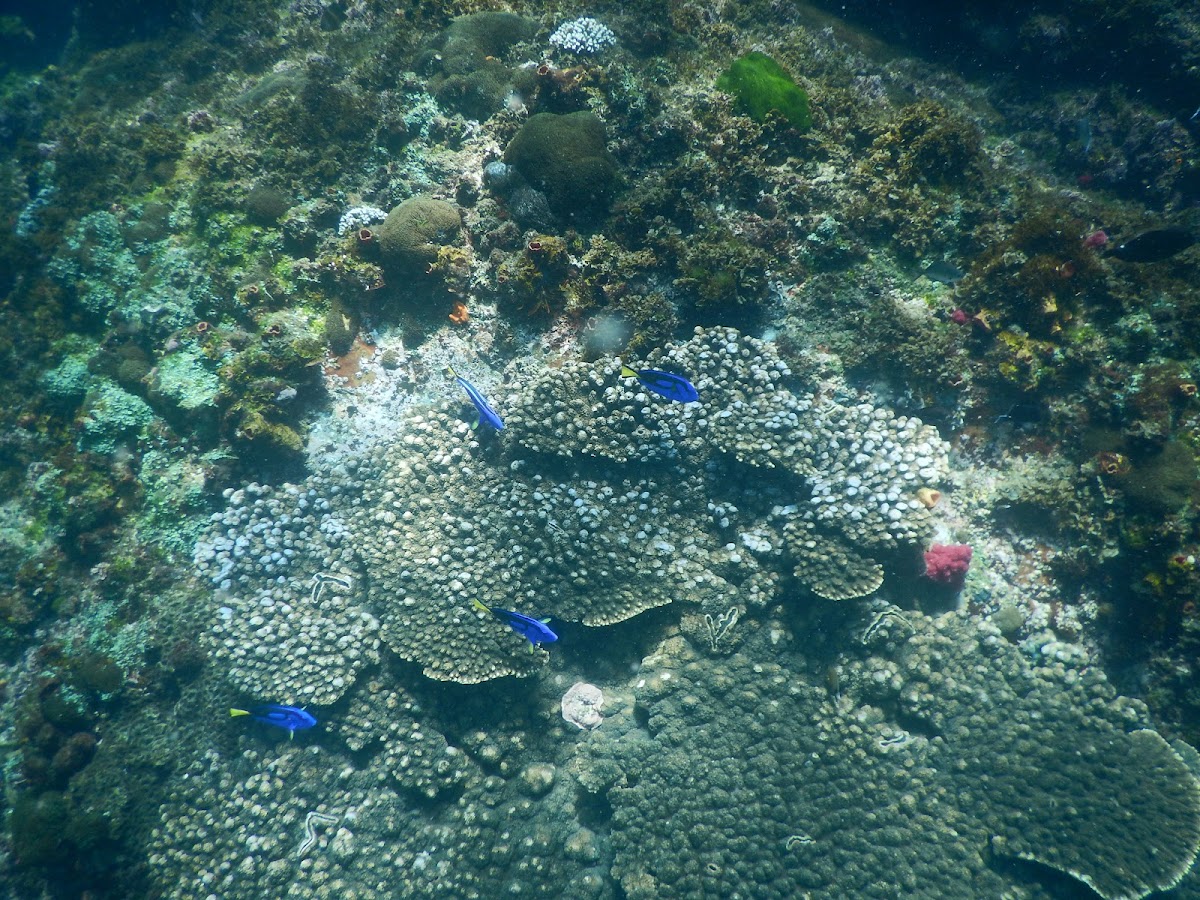
The Nursery is the shallow, sheltered side of Julian Rocks, and it’s where most people have their first encounter with the reserve’s wildlife. Tucked out of the worst of the swell, it’s the spot operators use for introductory dives, snorkellers and anyone building confidence, and it routinely delivers turtles cruising past, wobbegongs tucked under ledges, and clouds of bait fish — all in water gentle enough to relax in.
Because it’s shallow and protected, this is the site that suits everyone: certified divers on an easy first dive of the day, Discover Scuba first-timers, and confident-swimmer snorkellers who share the same water from the surface. The good visibility and easy depth also make it ideal for a first underwater photo of a turtle. It’s the proof that you don’t need to be an experienced diver to get the best of Julian Rocks.
It suits just about anyone who can get in the water — beginners, families with confident-swimmer teens, and snorkellers who’d rather stay on top. The one group it doesn’t suit is non-swimmers: even the sheltered Nursery is open ocean, not a pool, so anyone uneasy out of their depth should build up to it or start with a guided snorkel.
It’s a genuinely world-class wildlife site that a first-timer or a snorkeller can enjoy — turtles and wobbegongs in shallow, sheltered water, no experience required.
“Snorkelled the shallow side and had turtles gliding right past us within minutes. Couldn’t believe how much life there was so close to the beach.”
— Google review
A shallow, sunlit drift over the Nursery with turtles and wobbegongs — the perfect first taste of Julian Rocks.
It’s open ocean, not a calm pool — non-swimmers and anyone uneasy out of their depth should start with a guided snorkel or a Discover Scuba session first.
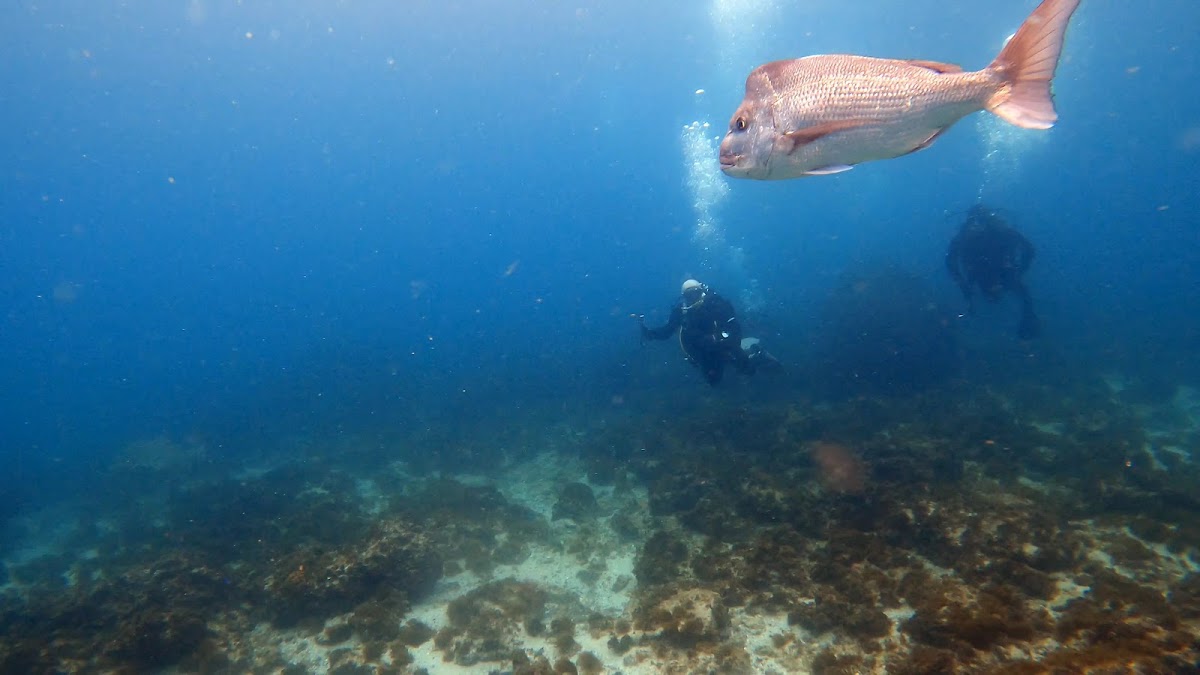
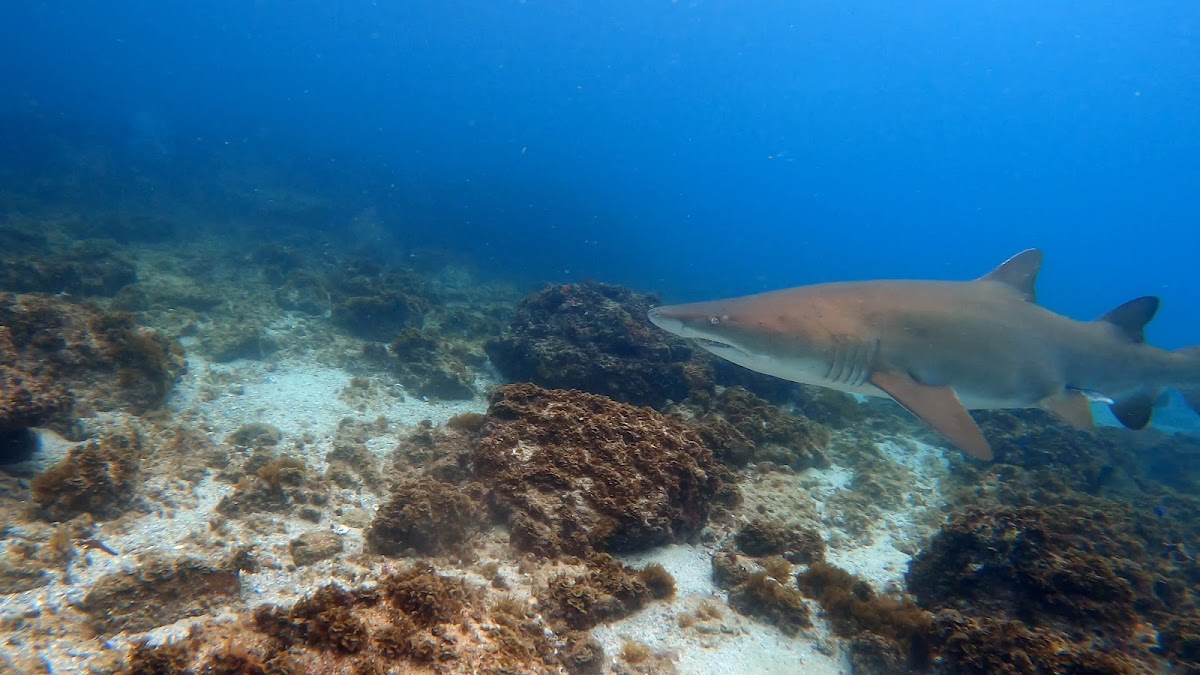
For many divers, the grey nurse sharks are the reason to dive Byron Bay. In the cooler months — broadly winter through to late spring — these large, prehistoric-looking sharks aggregate around Julian Rocks, hovering almost motionless in the blue with their toothy, fearsome grins. Despite the look, they’re docile and harmless to divers, and finning quietly among a group of them is a genuinely awe-inspiring, faintly unnerving experience that stays with you.
Grey nurse sightings are usually around the deeper edges and the gutters of the reserve, so the shark dives tend to suit certified, reasonably confident divers more than absolute beginners — depth, current and the patience to hold position all matter. Operators choose the day’s sites based on conditions and recent sightings, and a two-tank trip lets you spend more time looking. Julian Rocks is a recognised aggregation site for the species, which is part of why it’s protected as a sanctuary zone.
It suits certified divers who want a big-animal encounter and underwater photographers in particular. It’s less suited to nervous first-timers, who are far better served on the shallow Nursery side. And it carries the honest caveat of all wild encounters: the sharks are seasonal and never guaranteed on a given dive, so ask your operator about recent sightings before you book rather than banking on them.
Hovering among a group of big, harmless grey nurse sharks a few kilometres off a famous beach is the kind of encounter most divers travel the world for.
“Dropped in and there were grey nurse sharks just hanging in the current right in front of us. Heart-in-mouth at first, then pure awe. Best dive of my life.”
— Google review
A winter dive among hovering grey nurse sharks in the blue — Julian Rocks at its most unforgettable.
Not for nervous beginners — depth and current make this a certified-diver experience. Don’t bank on the sharks; they’re seasonal, so ask about recent sightings before booking.
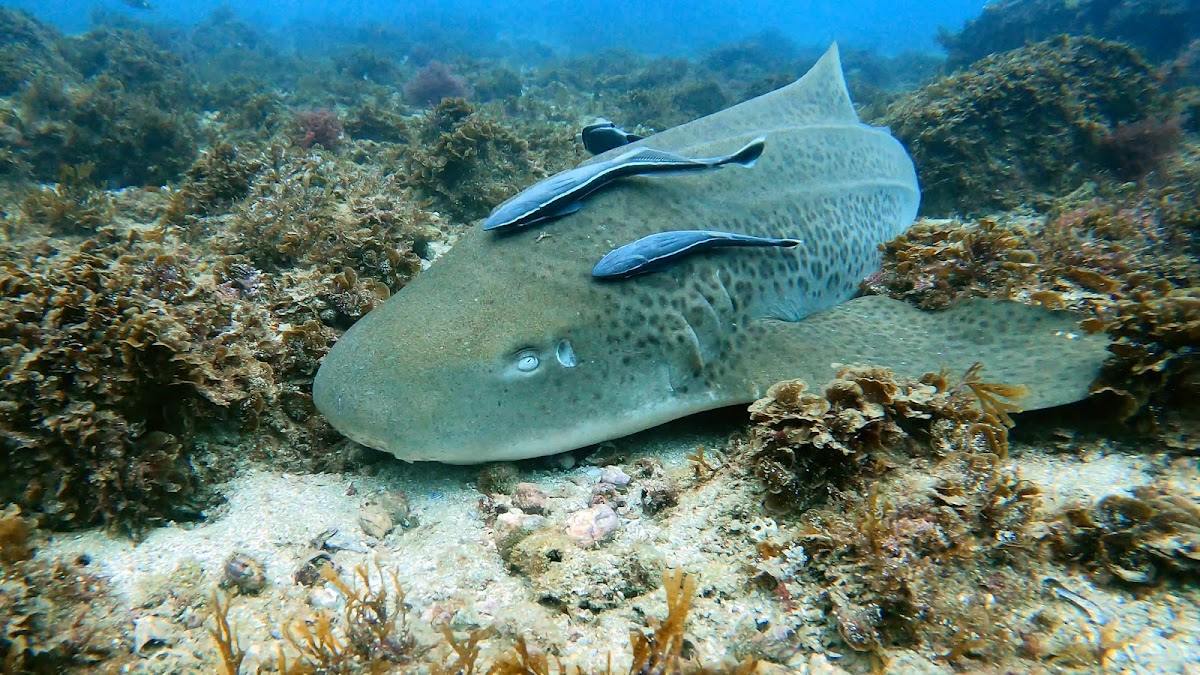
When the warm East Australian Current is running in the warmer months, Julian Rocks takes on a tropical character and the deeper sites come into their own. Leopard sharks — gentle, spotted and beautiful — settle on the sandy bottom, and on the best days manta rays glide overhead with their cleaner fish in tow. The deeper terrain around the island includes named sites like Cod Hole, The Cray Hole and Hugo’s Trench, where granite gutters and swim-throughs hold eagle rays, bull rays, wobbegongs, big bait-fish balls and the kingfish that hunt them.
Because depth and current vary across these sites, they’re better suited to certified and more experienced divers than to first-timers. Hugo’s Trench in particular is a deeper site for experienced divers, and the skipper picks the day’s spots based on conditions. A two-tank trip is the popular choice, making the most of the short boat ride and giving you a shot at both a shallower and a deeper site in one outing.
It suits confident, current-comfortable divers and underwater photographers chasing leopard sharks, mantas and rays. Newer divers are far better served sticking to the shallow Nursery until they’ve built experience — and if conditions turn, the skipper may keep everyone shallow regardless, which is exactly as it should be. As with all the seasonal species here, ask about recent sightings before you go.
Summer turns Julian Rocks tropical — leopard sharks on the sand and the chance of a manta gliding overhead is the dive that earns its world-class reputation.
“Two-tank dive in summer — leopard sharks on the bottom, a huge bait ball, and a manta cruised straight over us on the second dive. World-class, honestly.”
— Traveller review
A summer two-tank trip — a deeper site for the leopard sharks and mantas, then the bait balls and rays.
Not for beginners — the deeper sites carry depth and current. Mantas and leopard sharks are seasonal and weather-dependent, so manage expectations and ask first.
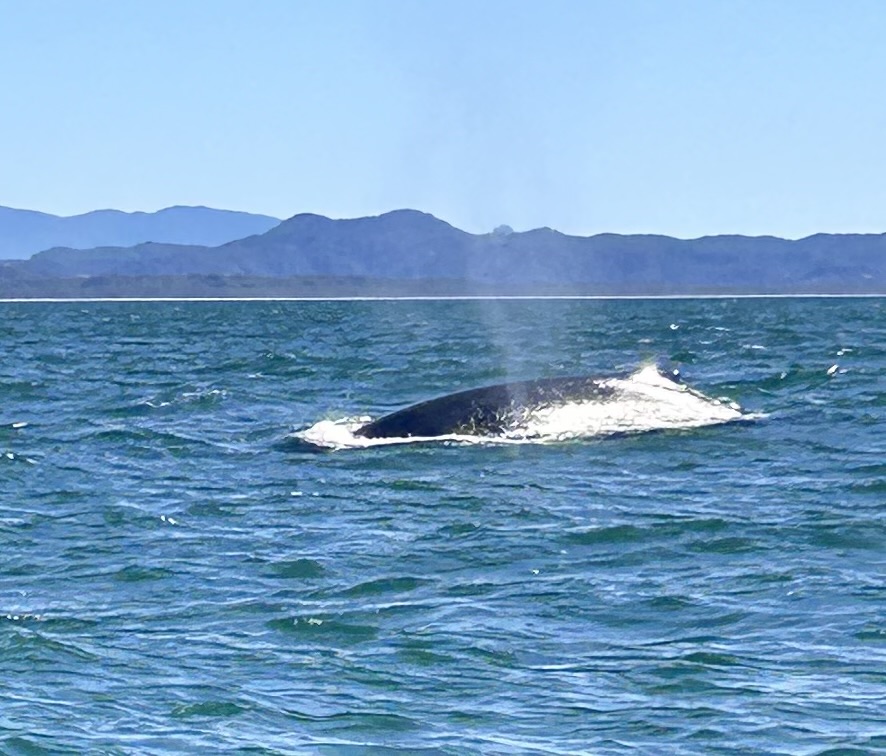
You don’t need to be a certified diver to get in the water at Julian Rocks — and Byron Bay is a genuinely brilliant place to learn. Established PADI dive centres in town, including Sundive Byron Bay and Byron Bay Dive Centre, run the full range of recognised courses with qualified instructors, with the priceless advantage of doing your training dives at Julian Rocks itself rather than a quarry or a pool with no view. Learning to dive with turtles cruising past is a very different experience to learning anywhere inland.
The pathway is clear. A Discover Scuba Dive is the entry point for absolute beginners — a supervised introduction, generally for ages 12 and up, that lets you dive the sheltered Nursery side with no prior experience. The PADI Open Water Diver course is the first full qualification, certifying you to dive anywhere in the world, and continuing-education and advanced courses build from there. Because Julian Rocks is so close to shore, even a first dive involves only a short boat ride.
It suits first-timers, holidaymakers wanting to ‘try before they commit’, and aspiring divers building toward a full qualification. Confident-swimmer families are well catered for with guided snorkel options as a gentler alternative. Operators, course offerings and prices change, so always confirm current courses and instructor credentials directly when booking — and book ahead, because courses fill in peak season.
You can learn to dive — from your very first breath — with your training dives at one of the best sites in Australia, turtles and all, a short ride off the beach.
“Did my Open Water here. Learning among turtles and wobbegongs at Julian Rocks rather than a pool made the whole course unforgettable. Patient, professional instructors.”
— Google review
A Discover Scuba Dive — a supervised first dive at the sheltered Nursery, no experience or certification needed.
Discover Scuba has a minimum age (generally 12) and isn’t a certification — and courses book out in peak season, so plan ahead rather than turning up.
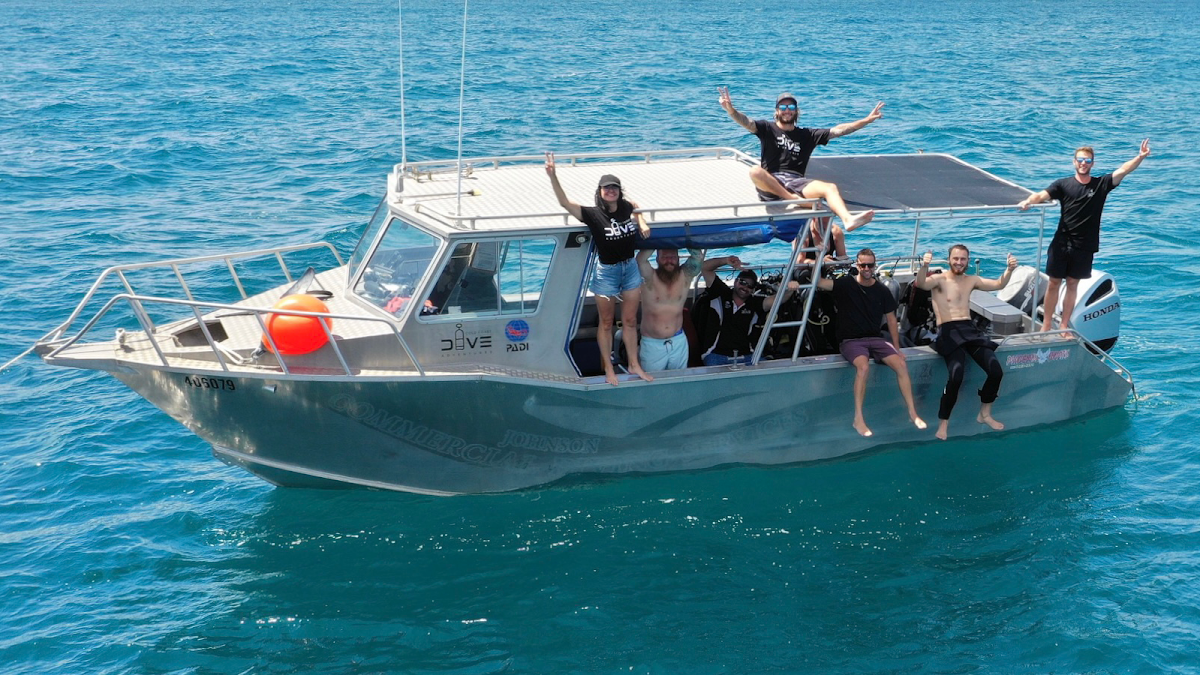
Several established operators run diving and snorkelling charters to Julian Rocks, and the right one depends on what you want. Sundive Byron Bay and Byron Bay Dive Centre are the long-standing names, offering dive trips, snorkelling trips, Discover Scuba experiences and full PADI courses. Because there’s no harbour at Byron, the boats are driven down onto Main Beach and launched off the sand — a memorable start to the day and the reason the crossing to the Rocks is so short.
The practical questions to compare are the same across all of them: guided versus self-guided dives, single versus two-tank trips, whether snorkel options run alongside the diving (good for mixed groups where only some people dive), what gear is included, and the current price. Ask too about recent grey nurse, leopard shark and manta sightings, so you book the season that matches what you most want to see. As operators, schedules and pricing change, always confirm the current details directly before booking.
It suits everyone — but match the operator to your group. A guided trip and a PADI school suit beginners, first-timers and mixed dive/snorkel groups; a two-tank charter suits experienced, self-sufficient certified divers. Arrive in good time for the briefing and beach launch, and build a little flexibility into your trip in case a day is blown out by swell or wind.
There’s an operator for every kind of visitor — a PADI school for beginners and mixed groups, a two-tank charter for self-sufficient certified divers, all launching off the beach.
“Rang two dive shops before booking — one for the first-timers in our group, a two-tank trip for the rest of us. Both launched straight off Main Beach. Easy and well run.”
— Traveller review
Matching the operator to your group — a PADI school for beginners and snorkellers, a two-tank charter for experienced divers.
Operators, schedules and prices change, and trips depend on weather — confirm current details directly, and don’t book your only free day with no buffer.
| Season | Conditions | Highlights | Crowds |
|---|---|---|---|
| Summer (Dec–Feb) | Warm East Australian Current, water often in the mid-20s°C | Leopard sharks on the sand, manta rays on the best days, tropical fish; turtles year-round — best for warm-water diving | Peak (school holidays) |
| Autumn (Mar–May) | Warm fading to cooler, often good visibility | Tail of the warm-water species; settled diving; grey nurse start to appear late in the season | Easing |
| Winter (Jun–Aug) | Cooler water — full wetsuit | Grey nurse sharks aggregate; humpback whales on the migration sometimes heard or seen on the boat; turtles year-round | Quieter (busy school holidays) |
| Spring (Sep–Nov) | Cool warming late, variable | Grey nurse often still around; whales on the southern migration; the warm current and pelagics returning late | Low–moderate |
What divers and snorkellers consistently say:
The recurring praise is the same: the variety of marine life is extraordinary, the boat ride is short, and you don’t need to be an expert — or even a diver at all — to meet turtles and see big animals a couple of kilometres off a famous beach.
Divers who treat it as a wildlife experience rather than a theme-park ride leave delighted; the grey nurse and mantas are seasonal and come and go, the beach launch and crossing depend on swell, and the skipper’s call on conditions is final — flexibility is rewarded.
“The Cape Byron Lighthouse is a dream. The stark white lighthouse stands beautifully against the deep blue sky, overlooking the endless azure sea. With the bright sunshine and a gentle breeze, it’s the perfect spot to let your mind wander and feel truly relaxed. Note that there’s a $10 parking fee to drive up, but the stunning views are worth every cent.”— Lunga RJ (on Cape Byron Lighthouse), Google review
“It's a bit of a yreck to get here bit well worth it. Amazing views and fantastic views on the way. The whole loop is about 3.5k but there is an access road and carpark for those who don't want to walk.”— Mark Edmondson (on Cape Byron Lighthouse), Google review
“A Must-Do in Byron! Coastal views, rainforest, and wildlife. The walk up to the Cape Byron Lighthouse was the absolute highlight of my trip to Byron Bay! I highly recommend taking the coastal track. The path takes you through a beautiful small rainforest and then follows the cliffs with stunning ocean views. Along the way, there are several information board”— Shabanna H. (on Cape Byron Lighthouse), Google review
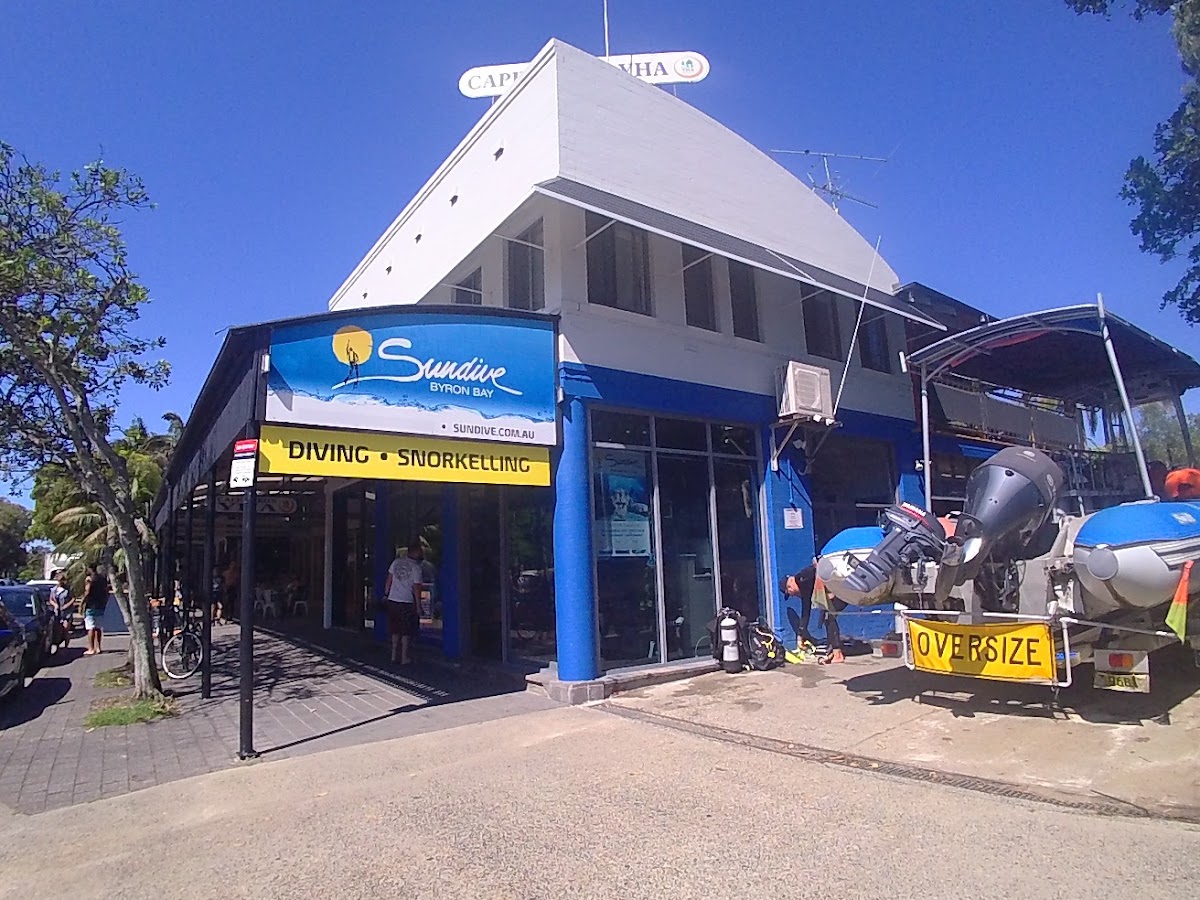
Certification & experience: scuba divers must show a ‘C’ card or qualification papers before diving — no card, no scuba. Discover Scuba (generally 12+) and snorkelling are open to beginners, with snorkellers needing to be confident open-water swimmers. Always dive within your training, and if you’re newly certified or out of practice, say so when you book so the operator pitches the dive right and chooses a suitable site.
Water, gear & conditions: Byron is subtropical, so it’s wetsuit country year-round — thinner in the warm-current summer when water can reach the mid-20s Celsius, fuller in winter. Operators provide wetsuits and gear. Visibility varies with the current and swell, and trips depend on weather; the skipper makes the final call on safety and which sites are accessible, so build flexibility into your plans in case a day is blown out. The crossing is short — around ten to fifteen minutes — and boats launch off Main Beach rather than a harbour.
Marine park & wildlife: Julian Rocks is a sanctuary zone within the Cape Byron Marine Park, a protected area with rules that apply to everyone — no fishing, no collecting, and no touching or chasing the wildlife. Follow your operator’s briefing, let the turtles and sharks come to you, and ask about recent sightings of the seasonal species (grey nurse in the cooler months, leopard sharks and mantas in the warmer months) so your expectations match the season.
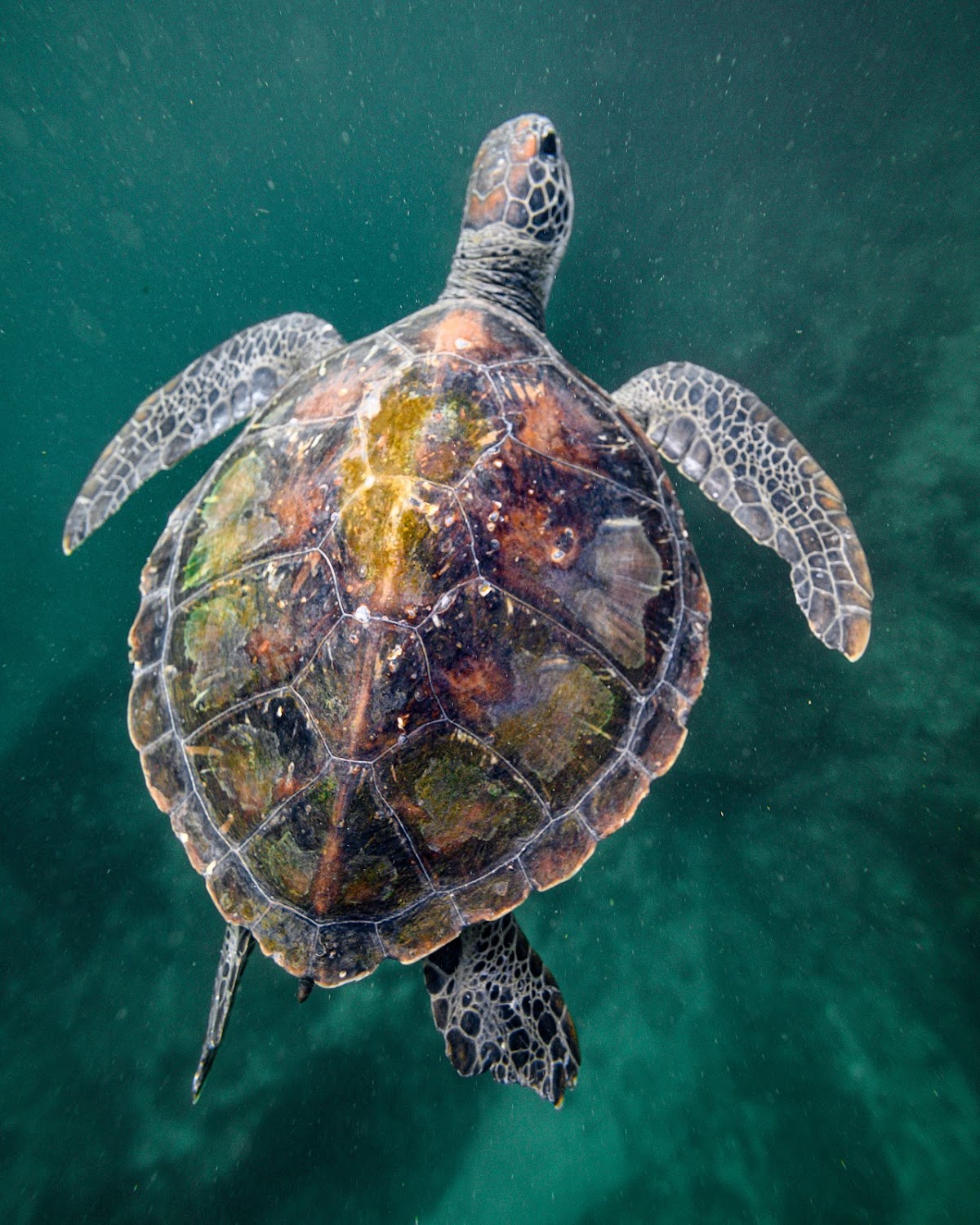
Diving in Byron Bay delivers something rare: a genuinely world-class wildlife site that’s accessible to almost anyone, a short boat ride off one of Australia’s most famous beaches. You don’t need to be an expert diver, or even a diver at all — the turtles will cruise past a snorkeller as happily as a seasoned diver. Add the grey nurse sharks in winter, the leopard sharks and mantas in summer, the rays and the bait balls year-round, and Julian Rocks earns its reputation as one of the best dives in the country.
Book with a licensed operator, bring your certification if you have it or your willingness to learn if you don’t, ask about recent sightings of the seasonal species, and pick a day with kind conditions. What you get in return is the kind of dive that turns a Byron trip into the story you tell for years — two and a half kilometres offshore, where two oceans meet, and worth every minute of the short ride out.
Enjoying diving? Here’s where else in Australia it’s worth the trip — ranked by how loved each destination is, with the one thing not to miss at each.
 Hamilton Island
The Whitsundays, Queensland
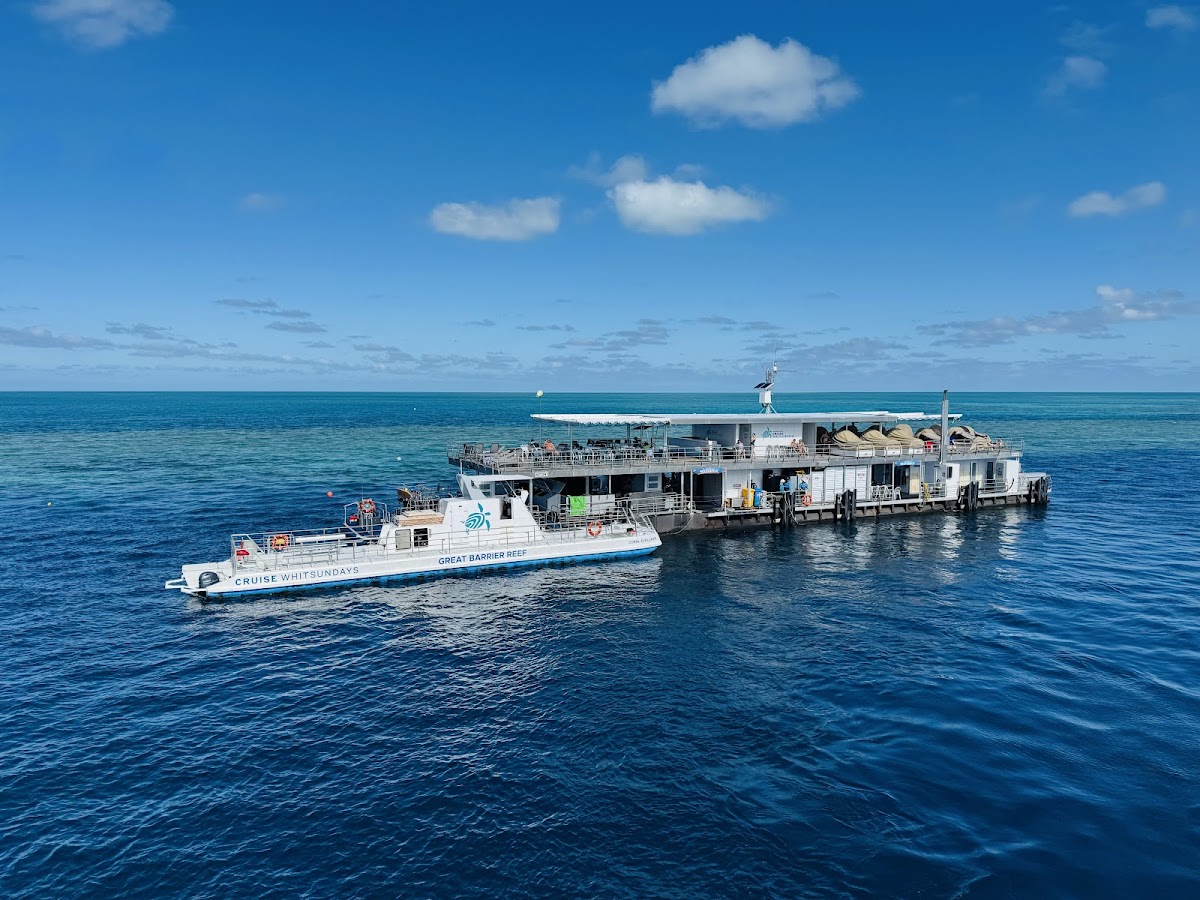
Diving Bait Reef — the outer Great Barrier Reef — A guided dive over the coral bommies and walls at Bait Reef on a calm, clear dry-season day.
Explore diving in Hamilton Island →
Byron Bay you’re here
Northern Rivers, New South Wales
The Nursery — the beginner and snorkel site — A shallow, sunlit drift over the Nursery with turtles and wobbegongs — the perfect first taste of Julian Rocks.
You’re reading this guide
Hamilton Island
The Whitsundays, Queensland
Diving Bait Reef — the outer Great Barrier Reef — A guided dive over the coral bommies and walls at Bait Reef on a calm, clear dry-season day.
Explore diving in Hamilton Island →
Byron Bay you’re here
Northern Rivers, New South Wales
The Nursery — the beginner and snorkel site — A shallow, sunlit drift over the Nursery with turtles and wobbegongs — the perfect first taste of Julian Rocks.
You’re reading this guide
 Narooma
South Coast, New South Wales
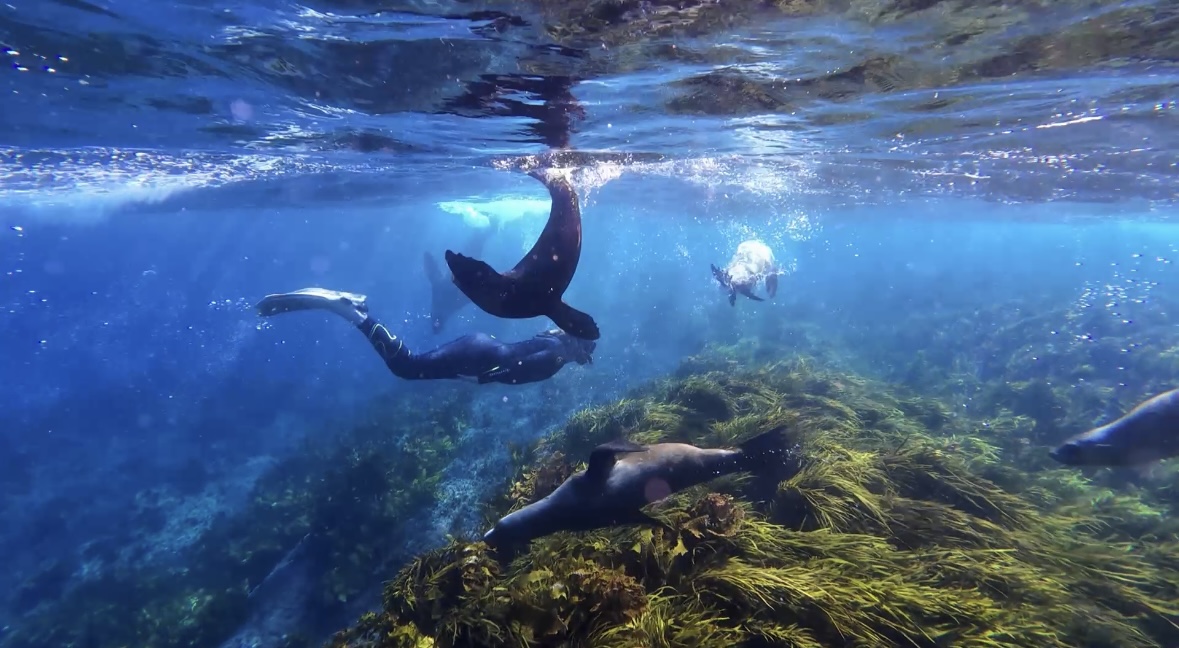
Diving with the seals — ‘the Aquarium’ — A shallow, sunlit dive at ‘the Aquarium’ with fur seals circling and darting around you — bring a camera.
Explore diving in Narooma →
Narooma
South Coast, New South Wales
Diving with the seals — ‘the Aquarium’ — A shallow, sunlit dive at ‘the Aquarium’ with fur seals circling and darting around you — bring a camera.
Explore diving in Narooma →
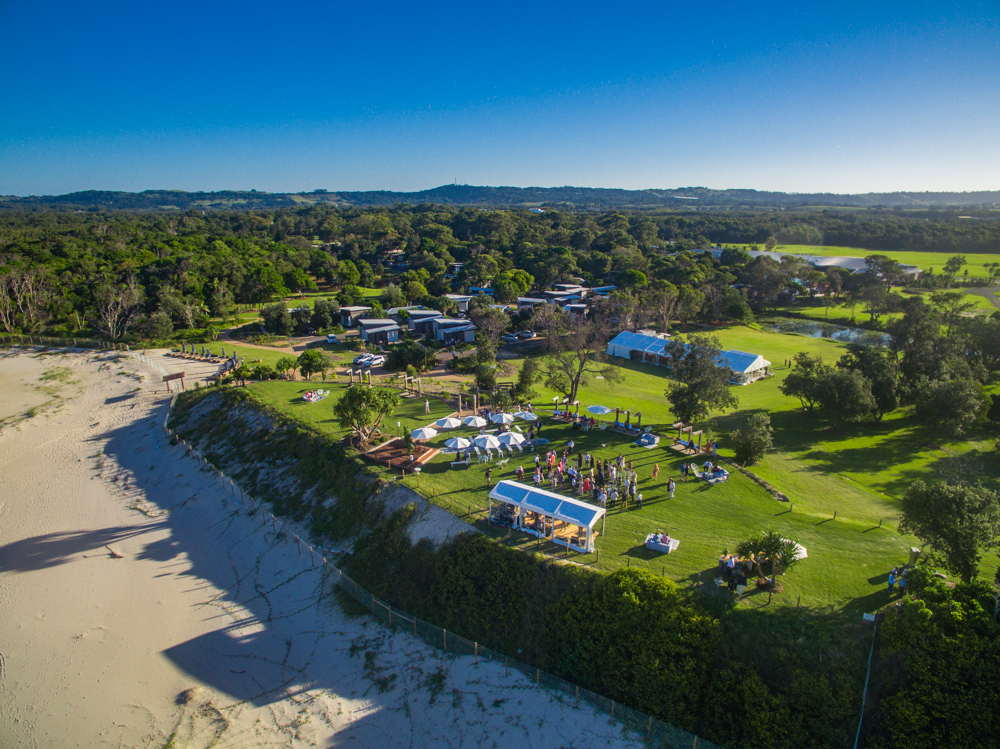
Elements of Byron — Byron Bay
Book Direct & Save →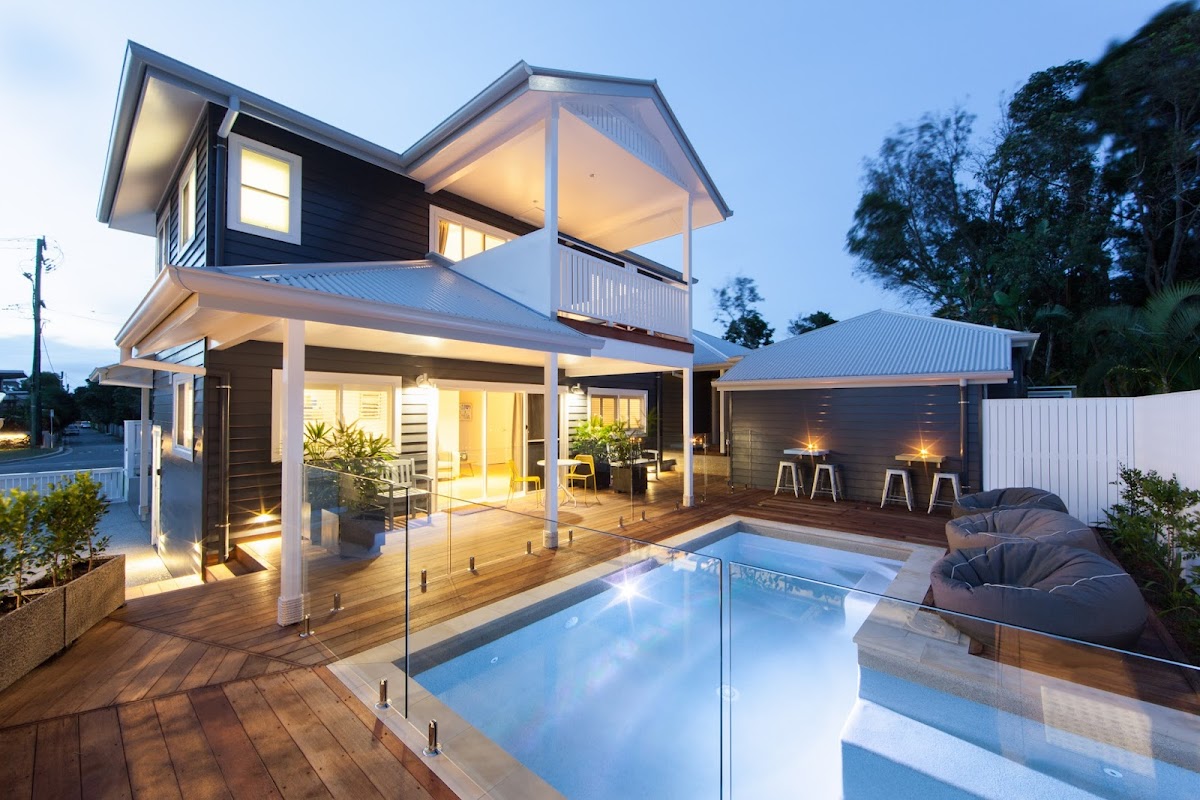
The Beach Shack — Byron Bay
Book Direct & Save →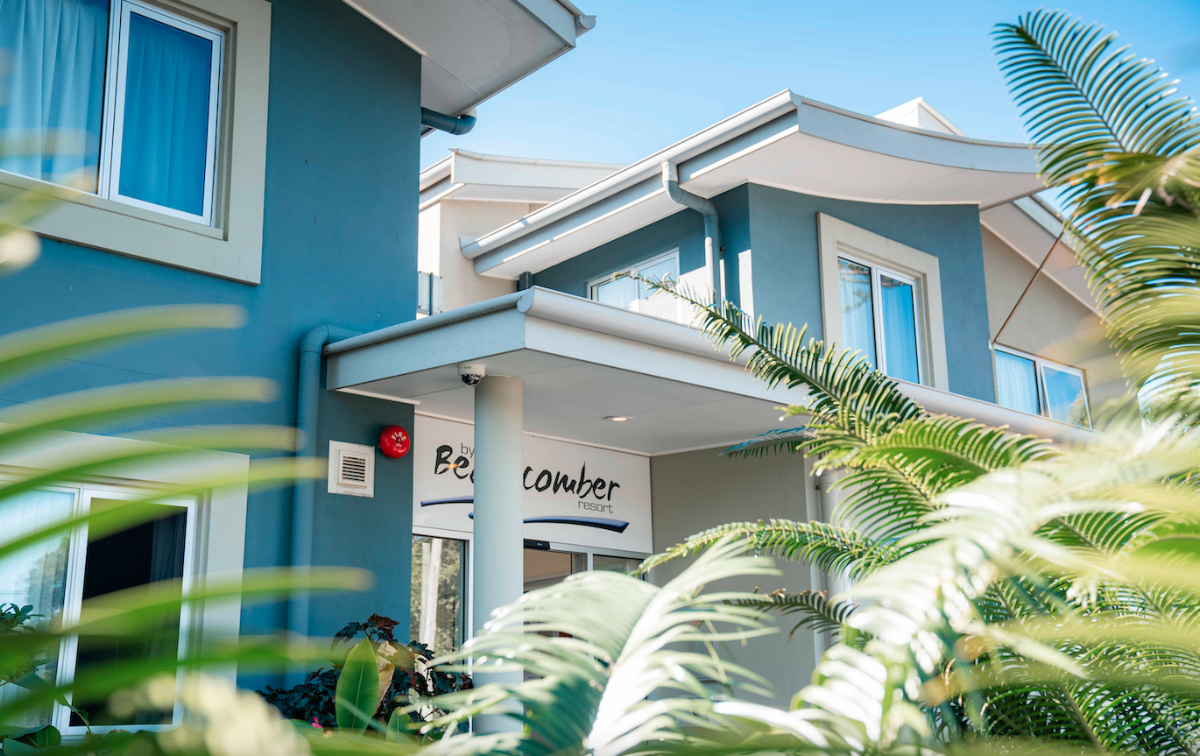
Byron Beachcomber Resort — Byron Bay
Book Direct & Save →Skip OTA fees. Connect directly with Byron Bay owners for the best rates and a truly personal experience.
We match any online rate. No service fees — 100% of your payment supports local owners.
Direct guests receive complimentary hampers, early check-in, and priority access to experiences.
Speak directly with the people who manage the properties. No call centres, just local expertise.
Part of New South Wales · Northern Rivers