01. Elements of Byron
4.7 (1564 reviews)
Elements of Byron — Byron Bay
Book Direct & Save →Byron has a name as an expensive town, and the accommodation and the long lunches can certainly add up. But here’s the thing the price tag hides: the experiences people actually remember — the lighthouse at dawn, the whales, the beaches, standing at the most easterly point of the country — are almost all free. The natural surrounds that made Byron famous don’t charge admission.
View 3 Properties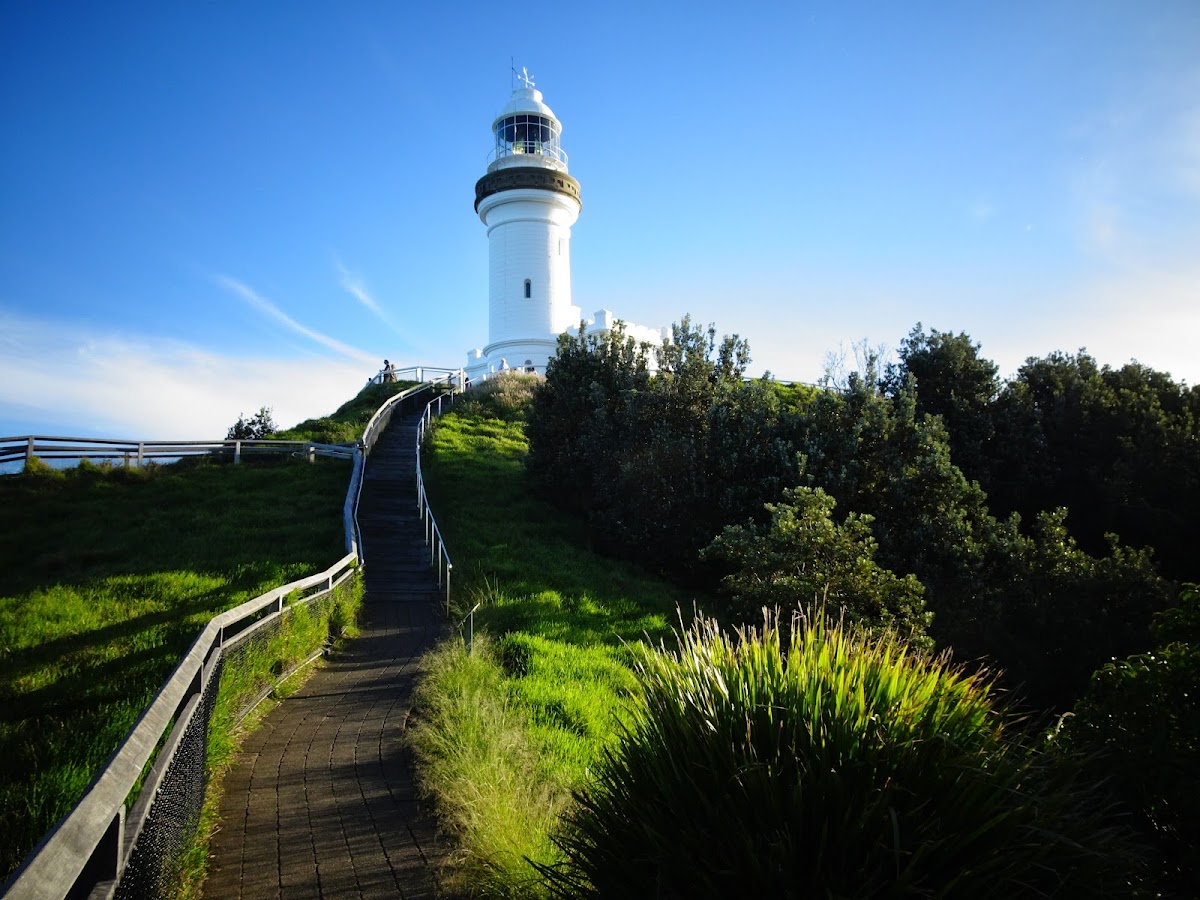
"Beaches, walks, whales, sunrise"
This guide covers the best free things to do in Byron Bay — the walks, beaches, lookouts and sunrise spots that cost nothing at all — with who each one suits and how to do it at its best rather than its busiest. The only real cost attached to most of them is parking and an early alarm, and both are easy to dodge. A great Byron day genuinely doesn’t require a holiday budget to match.
There’s a particular satisfaction in discovering that the best parts of an expensive town are free, and in Byron that isn’t a budget-travel consolation — it’s simply the truth. The lighthouse and the most easterly point, the whales rolling past the cliffs in winter, a string of beaches each facing a different way, the first sunrise in the country: none of it charges admission. The things that made Byron famous are exactly the things that cost nothing, and for a lot of visitors they end up being the trip’s highlights anyway.
The catch — and it’s the same catch as everything in Byron — is timing and parking. The free experiences are at their best early and quieter off-season, and the only real cost attached to them is the car parks at the popular spots, which fill by mid-morning in peak season and charge at the lighthouse. The fix is simple: walk or cycle the town and the beaches, start at dawn, and you sidestep both the crowds and the cost in one move. Treat the list below as a free day’s worth of the best of Byron — do three or four of them early, self-cater from the markets, and you’ll spend almost nothing on a genuinely brilliant day.
Travellers love that the experiences they remember most — the lighthouse, the whales, the beaches, the sunrise — are all free, so a great Byron day costs little more than an early alarm.
A free dawn lighthouse walk to the most easterly point with whales offshore in winter — the trip’s best moment at no cost.
Don’t pay to circle for a clifftop car park at mid-morning — walk or cycle in and go at dawn, when the free experiences are quietest and best.
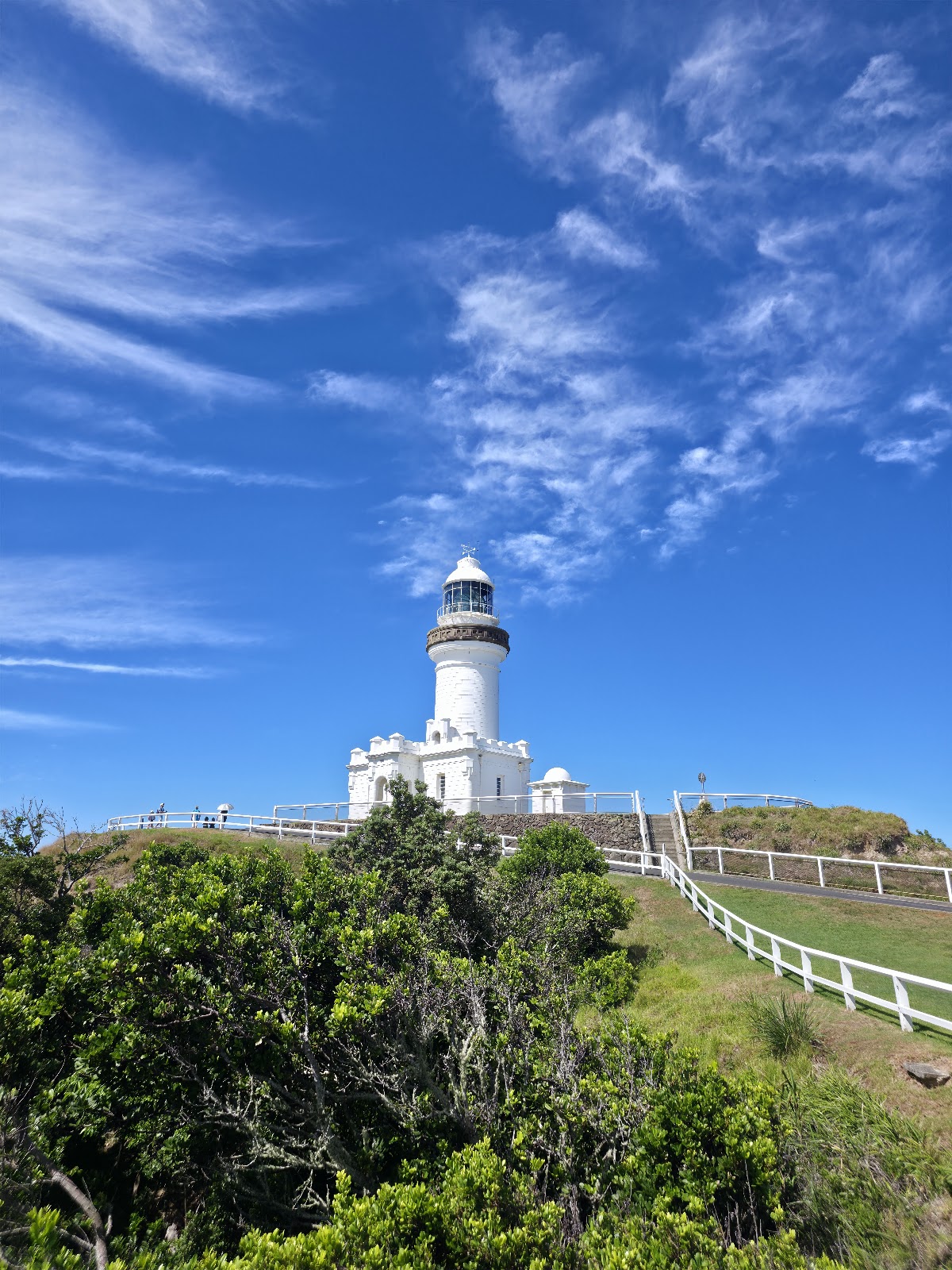
The headland loop past the white 1901 lighthouse to the most easterly point of mainland Australia is Byron’s single must-do, and it’s completely free. The track climbs from the beaches through coastal heath and rainforest pockets to clifftop lookouts, the lighthouse and the easternmost-point marker, with whales rolling past below from May to November and dolphins in the break year-round. The full loop has hills and stairs — a moderate rather than easy walk — but it’s well-formed and manageable for most reasonably active people, and active families do it comfortably.
Do it at sunrise. The same loop is a different experience at first light: cool air, golden cliffs, a near-empty path, and the genuine novelty of watching the sun come up over the Pacific before it reaches anyone else in the country. For very young children, prams or anyone less steady, the flatter beach-level sections give you the lighthouse views and the whale lookouts without the full climb. The only cost is the paid parking at the top — walk up from town or the beaches instead, and the whole experience is free.
It’s the rare bucket-list walk that genuinely lives up to it and costs nothing — the most easterly point of the country, whales for half the year, and the first sunrise in Australia.
“Did the lighthouse loop at sunrise and had it almost to ourselves — whales breaching below, the sun coming up over the ocean. Best free thing we did all trip.”
— Google review
First light at the easternmost point with humpbacks offshore (May–November).
The top car park fills early and charges; by mid-morning in peak season the track is crowded. Walk up from town and go at dawn — and note dogs aren’t allowed in the reserve.
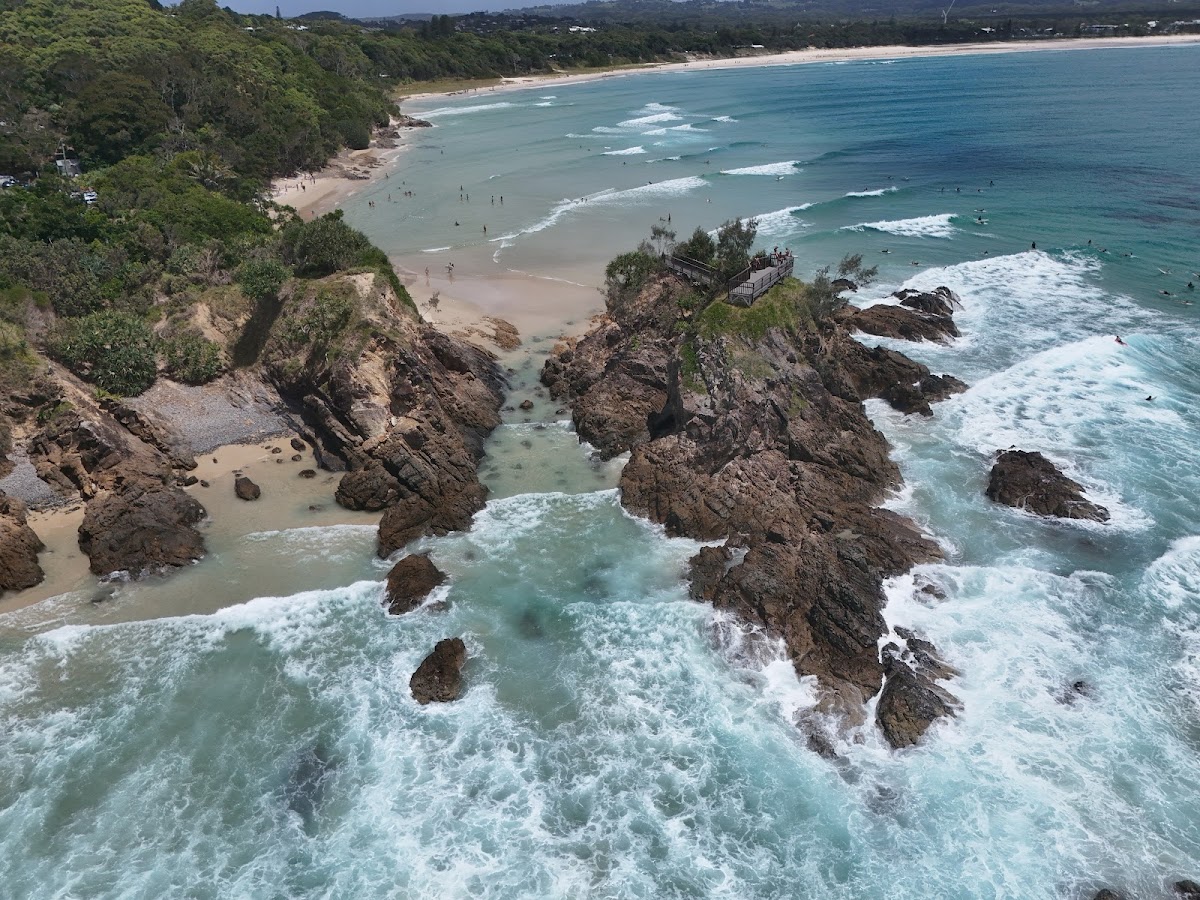
Byron is the easternmost point of the mainland, which means it catches the country’s first light — and there are few better, freer places to watch it than the grassy point above The Pass. As the sky pinks up over the Pacific, the surfers paddle out into a glassy line-up, dolphins regularly cruise the break below, and the whole scene unfolds while most of the town is still asleep. Bring a coffee from your accommodation and you have the best free show in Byron.
It suits absolutely everyone — couples after a quiet, romantic start, families with early-rising kids, photographers, and anyone who finds the town too busy by day. There’s no walking required beyond a short stroll to the point, so it works for all ages and abilities. The only effort is the early alarm, and that’s the whole trick: at dawn the point is calm and near-empty, where by mid-morning it’s the busiest spot in town. Watch the sunrise, watch the surfers and the dolphins, and you’ve had the most memorable free half-hour of the day before breakfast.
People love that it’s the first sunrise in the country, watched for free from a grassy point with surfers and dolphins below — the most memorable half-hour of the trip, before breakfast.
“Got up for sunrise at The Pass with a coffee — glassy water, surfers paddling out, dolphins in the break. Free, quiet and unforgettable. Set an alarm and do it.”
— Traveller review
The country’s first sunrise over a glassy line-up with dolphins in the break.
The point and its tiny car park are jammed by mid-morning — the magic is at dawn. Walk or cycle in, and bring your own coffee as little is open that early.
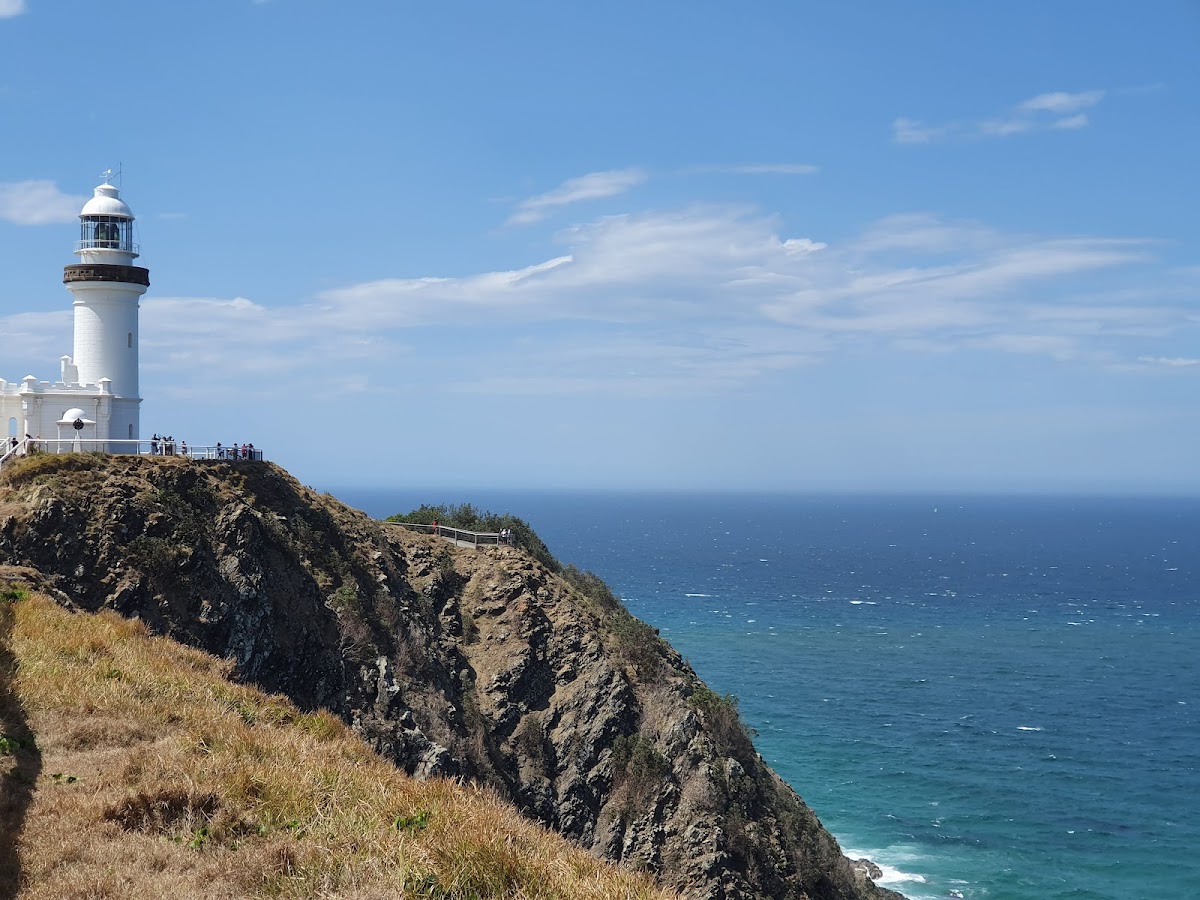
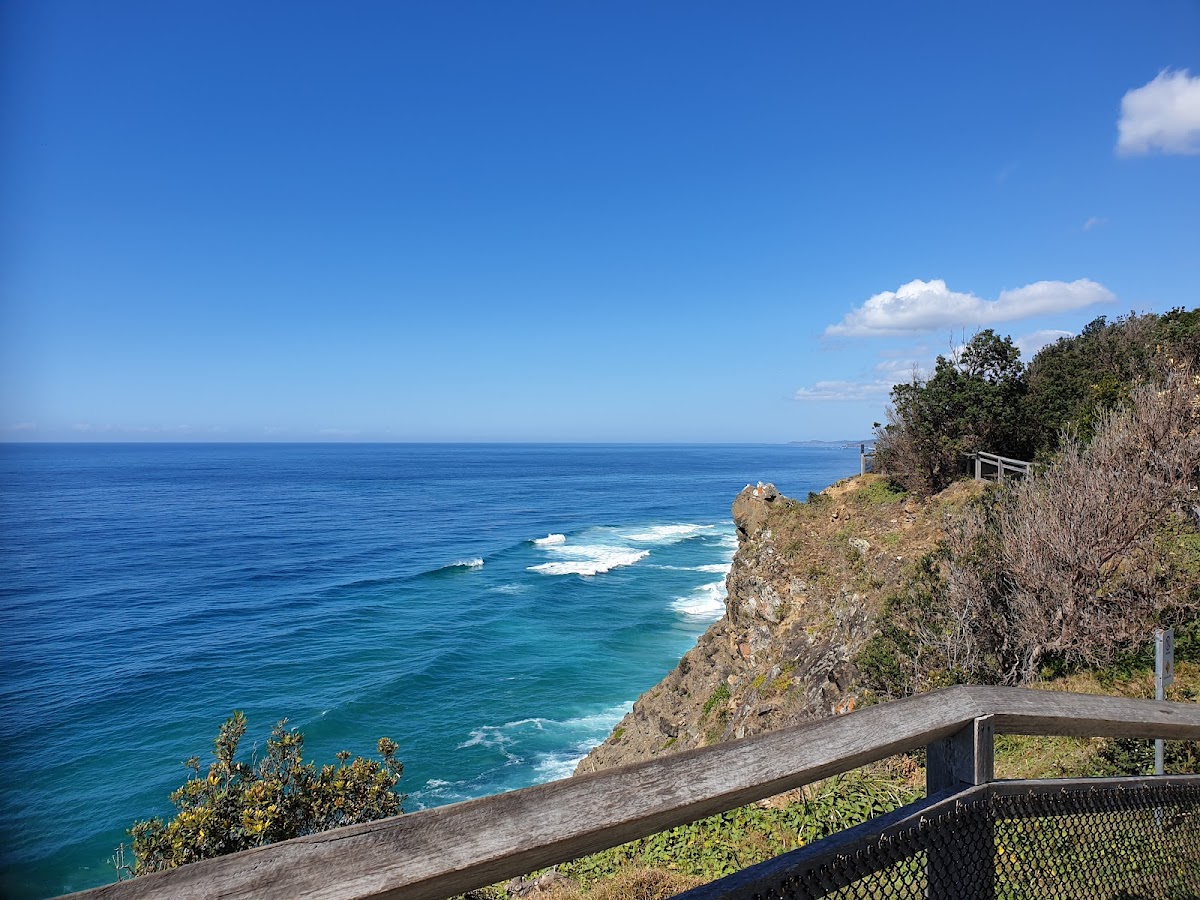
Just below the lighthouse, a plaque on the headland marks the most easterly point of mainland Australia — the literal edge of the continent, where the land runs out and the Pacific begins. It’s a small thing and a free one, but standing there is genuinely moving: you’re as far east as you can go on the mainland, the first place the sun reaches, with nothing but ocean ahead and the cliffs dropping away below. It’s the trip’s signature photo and a proper sense-of-place moment.
Reaching it is part of the Cape Byron walk, on the section between the lighthouse and the lookouts, and it suits anyone who can manage that stretch of the track — couples, families, solo travellers all make the pilgrimage. The marker is a short way below the lighthouse, so even visitors not doing the full loop can usually reach it. It costs nothing, it’s busy by day, and like everything on the headland it’s best early. Stand at the edge of the country at first light and it’s the free moment that converts even Byron sceptics.
People love the simple thrill of standing at the literal easternmost edge of the country — a free, genuinely moving sense-of-place moment and the trip’s signature photo.
“Standing at the most easterly point of Australia with the ocean stretching out and whales below — a free, surprisingly emotional moment. The photo everyone wants.”
— Google review
Standing at the easternmost edge of the mainland at sunrise, ocean to the horizon.
It’s reached via the headland track (some hills), and it’s crowded and queued for photos by mid-morning. Go at dawn for a quiet moment at the marker.
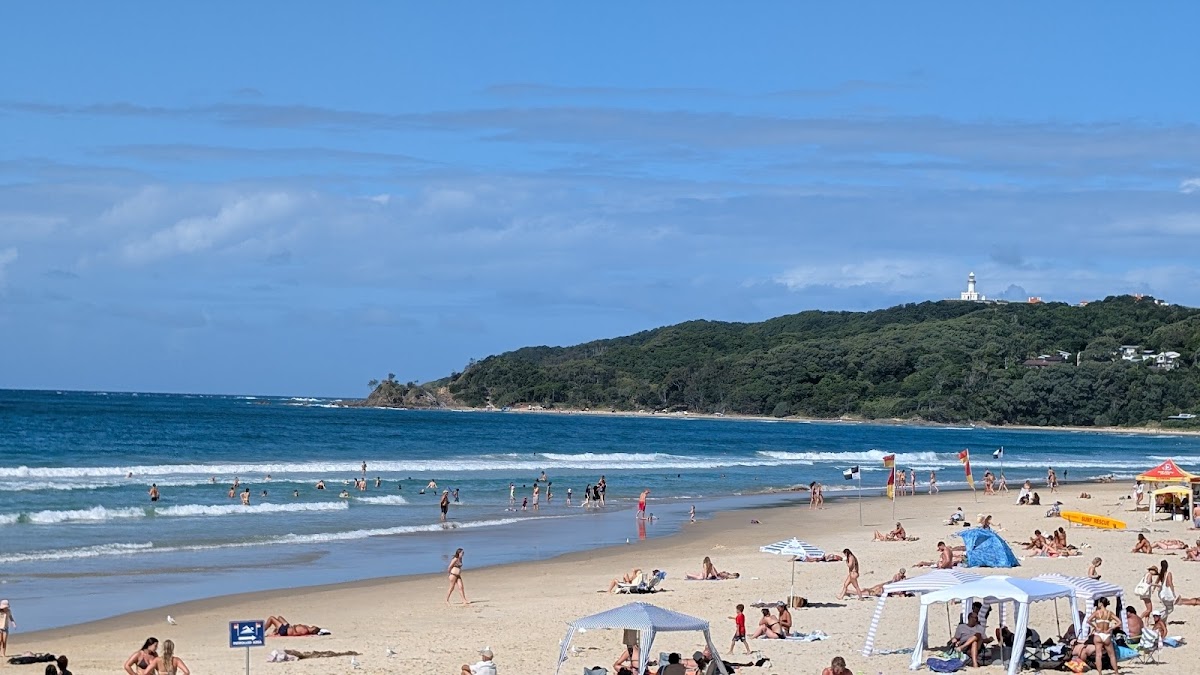
Byron’s beaches are the whole point of the town and every one of them is free — a string of bays wrapped around the cape, each facing a different way and suiting a different mood. Spend the morning in the sheltered, warm Wategos cove, walk the wild seven-kilometre sweep of Tallow when you want space and solitude, take an easy patrolled swim at Main Beach, and find shade under the pandanus at gentle Clarkes. The whole spread is within a few kilometres, so a beach-hopping day costs nothing but the walk between them.
It’s the most flexible free thing to do in Byron and works for everyone: families gravitate to calm Clarkes and Wategos, walkers and solitude-seekers to wild Tallow, couples to whichever cove is quietest that morning. The only planning needed is around safety and parking — swim between the flags at the patrolled beaches (Main and Clarkes), treat unpatrolled Tallow and Belongil as walking beaches with rips, and do the popular coves early before the car parks fill. Get those two things right and you have a full, free day on some of the best beaches on the coast.
Having a calm family cove, a wild empty beach and an easy patrolled swim all within a short, free walk of each other is the variety people rate above almost anywhere on the coast.
“Did Wategos at sunrise, walked Tallow at lunch, swam at Clarkes in the afternoon — three completely different beaches in one free day. Spoiled for choice.”
— Traveller review
A quiet early swim in the sheltered Wategos cove, then a wild walk down empty Tallow.
Not every beach is patrolled and some carry rips — swim between the flags at Main and Clarkes, treat Tallow and Belongil as walking beaches, and do the popular coves early for parking.
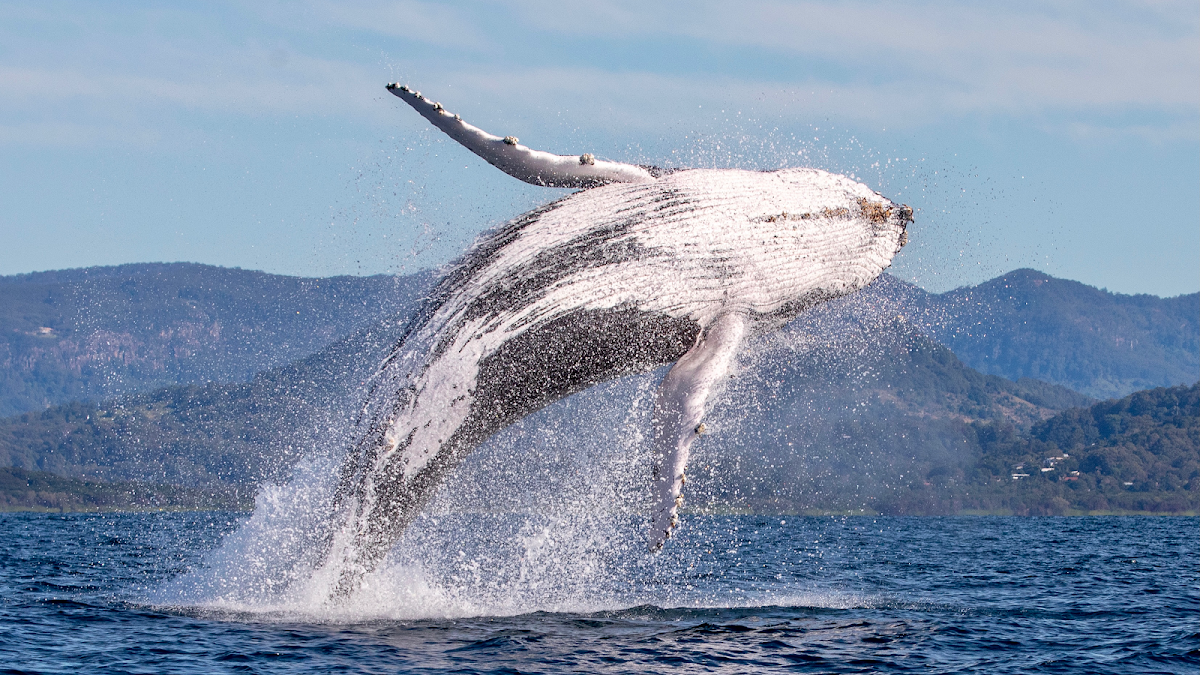
Humpbacks migrate past Cape Byron from roughly May to November — north in autumn and winter, south again in spring with calves in tow — and Byron’s easterly headland is one of the best free whale-watching vantage points on the entire east coast. From the lighthouse track and its lookouts you can watch them breach, slap and blow without spending a cent, often within a few hundred metres of the cliffs. On a calm winter morning in the heart of the season you can count whales without moving.
It suits everyone — couples, families, anyone with binoculars and a bit of patience — and the clifftop lookouts are easy and safe, so it works for all ages and abilities including those who can’t manage the full lighthouse loop. There’s no boat and no booking required: just turn up at a lookout in season, find a comfortable spot, and wait. The honest caveat is the obvious one — outside May to November there’s nothing to see, so check the season before banking on it. In season, though, it’s the most spectacular free thing in Byron after the lighthouse itself.
People love that you can watch whales breaching for free from a clifftop — one of the best land-based whale-watching spots in the country, no boat or booking required.
“Stood at the lighthouse lookout in July and counted six whales without moving. You don’t need a boat — just turn up in season with binoculars. Completely free and magic.”
— Google review
A breaching humpback close to the cliffs on a calm winter morning, watched for free.
There’s nothing to see outside May–November, and rough days are poor — check the season and the forecast, and bring binoculars for the best of it.
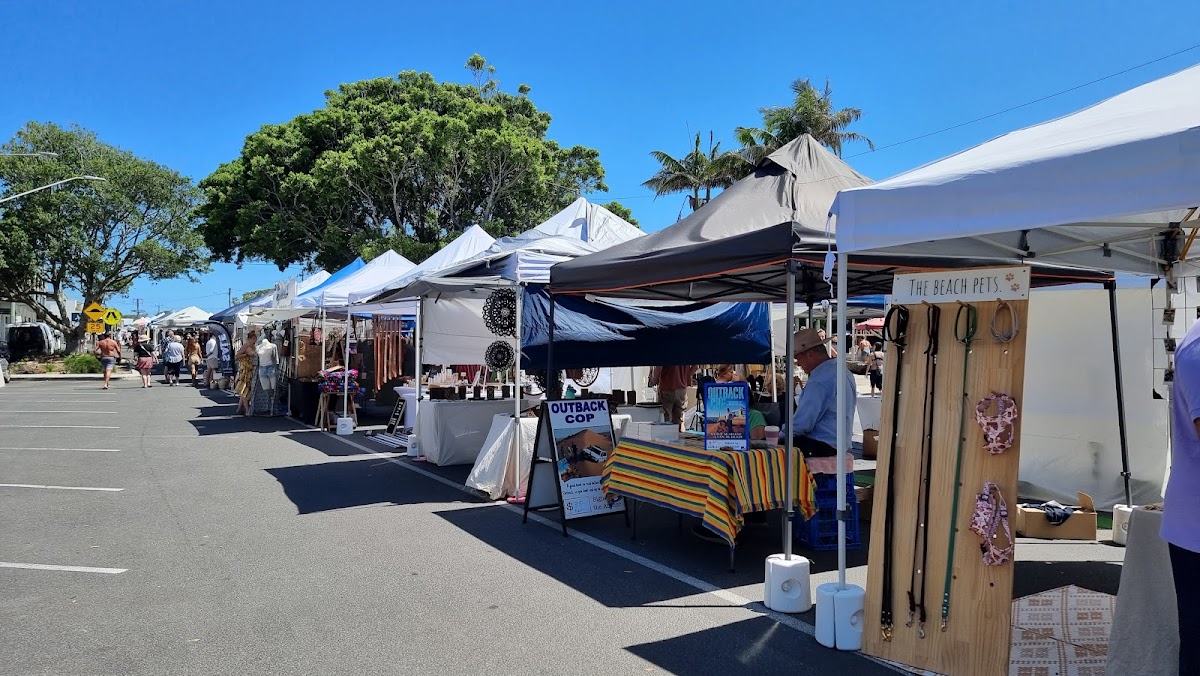
Browsing the Byron and nearby Bangalow markets costs nothing, and they’re a genuine highlight rather than a tourist-trap afterthought — local produce, makers, vintage and street food spread across a relaxed morning, with buskers and a famously laid-back energy. Wandering through, watching the buskers and soaking up the atmosphere is entirely free, and if you do want to eat, grazing the food stalls is far cheaper (and more fun) than a sit-down cafe. They run on set dates each month, so check which market falls on your trip before planning the day around it.
It suits everyone — families with kids who love the food stalls and buskers, couples after a relaxed browse, and budget travellers stocking up on cheap local produce to self-cater. Go in the morning before the heat and the crowds peak, bring cash and a cooler bag, and pair it with a beach swim to cool off after. The browse is free, the grazing is cheap, and it’s one of the best low-cost ways to taste the Northern Rivers rather than just shop.
People love that the markets turn a free morning of wandering and buskers into a proper local food experience — free to browse, cheap to graze, and the best taste of the region.
“Spent a free morning wandering the markets — incredible local produce, great buskers and a really friendly, low-key vibe. Grazed the stalls for a few dollars and stocked up to self-cater.”
— Traveller review
A free morning browse with buskers and a few dollars’ worth of market food, then a beach swim.
Markets run on specific dates and the centre is hot and crowded by midday in summer — check market days ahead, go early, and bring cash and a cooler bag.
What visitors say about doing Byron for free.
Visitors consistently say the lighthouse, the beaches and the whales — all free — end up being the highlights of the trip, not the paid extras.
“We spent almost nothing and had the best day — the lighthouse, the beaches, the whales. The free things ARE the attractions here.”— Google review
The only real cost is parking — regulars walk or cycle in and go at dawn, dodging both the crowds and the fees.
Budget travellers love the markets for cheap local produce and a free browse, keeping the rest of the trip affordable.
“The Cape Byron Lighthouse is a dream. The stark white lighthouse stands beautifully against the deep blue sky, overlooking the endless azure sea. With the bright sunshine and a gentle breeze, it’s the perfect spot to let your mind wander and feel truly relaxed. Note that there’s a $10 parking fee to drive up, but the stunning views are worth every cent.”— Lunga RJ (on Cape Byron Lighthouse), Google review
“It's a bit of a yreck to get here bit well worth it. Amazing views and fantastic views on the way. The whole loop is about 3.5k but there is an access road and carpark for those who don't want to walk.”— Mark Edmondson (on Cape Byron Lighthouse), Google review
“A Must-Do in Byron! Coastal views, rainforest, and wildlife. The walk up to the Cape Byron Lighthouse was the absolute highlight of my trip to Byron Bay! I highly recommend taking the coastal track. The path takes you through a beautiful small rainforest and then follows the cliffs with stunning ocean views. Along the way, there are several information board”— Shabanna H. (on Cape Byron Lighthouse), Google review
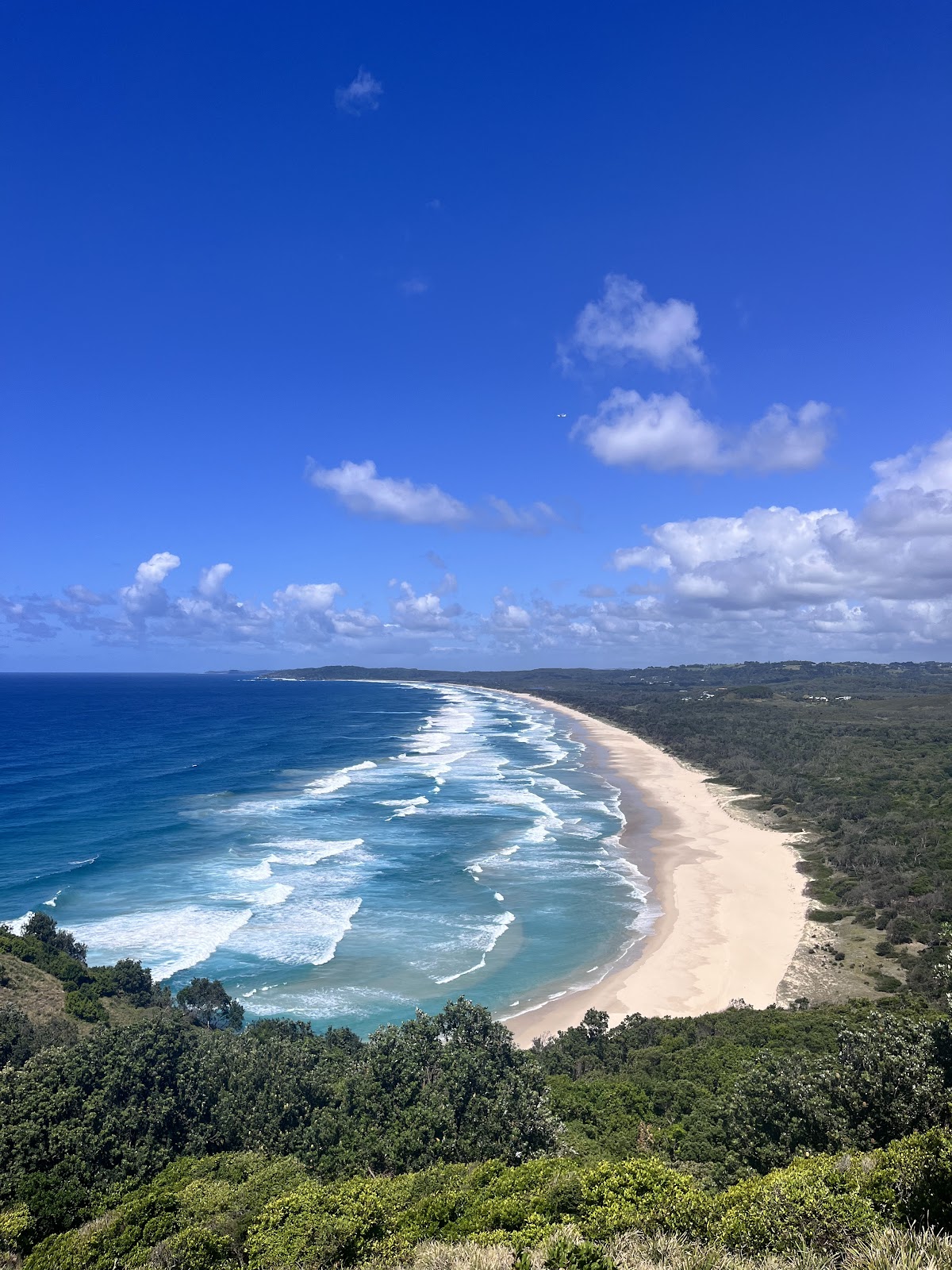
Timing beats cost: almost every free highlight — the lighthouse, the beaches, the sunrise, the whales — is better early and quieter off-season. The only real expense attached to them is parking, which fills at the popular spots by mid-morning in peak season and charges at the lighthouse. Walk or cycle the town and the beaches, start at dawn, and you sidestep both the crowds and the cost.
Beach safety: not every beach is patrolled and several carry rips. Swim between the flags at Main Beach and Clarkes, treat wild Tallow and Belongil as walking beaches, and supervise children near the water — free doesn’t mean risk-free.
Seasons & whales: humpbacks pass from May to November, peaking in winter; outside that window there are no whales to see, so check the season. Autumn and late spring give warm water and far fewer crowds; winter adds the whales and lower midweek rates.
Keeping the rest of the trip cheap: self-cater from the markets, visit midweek or in shoulder season for lower accommodation rates, pack a picnic for the headland and the beaches, and spend on just one paid extra (a surf lesson or a hinterland lunch) while the free experiences carry the rest.
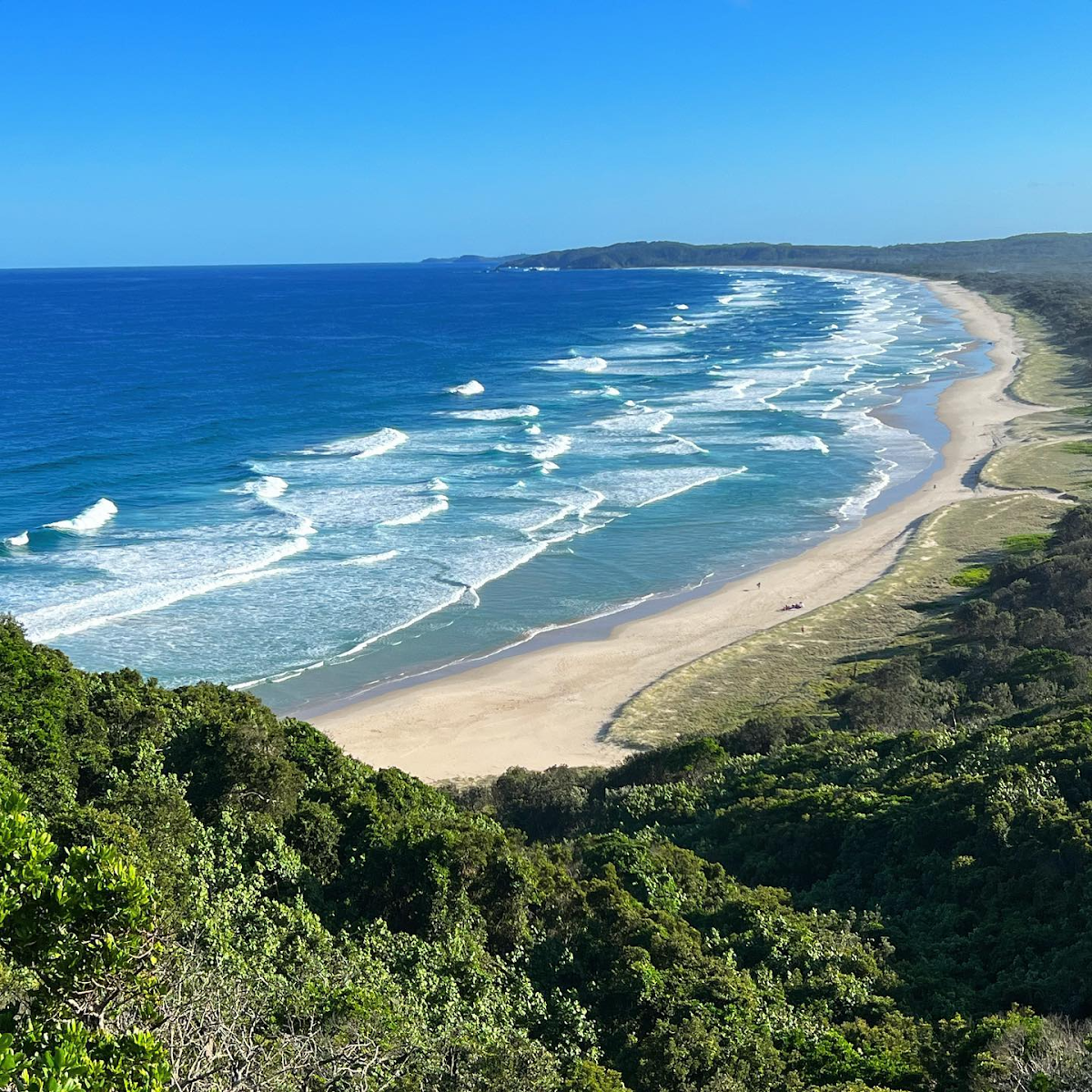
Byron’s reputation for being expensive hides a simple truth: the experiences people actually remember are free. The lighthouse at dawn, the most easterly point, the whales offshore, a string of beautiful beaches, the country’s first sunrise, a market browse — none of it charges admission, and for most visitors the free things turn out to be the trip’s highlights rather than a budget alternative to the “real” attractions.
Walk or cycle to dodge the parking, start early to beat the crowds, self-cater from the markets, and visit midweek or off-season, and you can have a genuinely brilliant Byron day for almost nothing. Bring good walking shoes, a picnic, binoculars in whale season and an alarm set for sunrise — the most easterly point of the country will do the rest, free of charge.
Enjoying free things to do? Here’s where else in Australia it’s worth the trip — ranked by how loved each destination is, with the one thing not to miss at each.
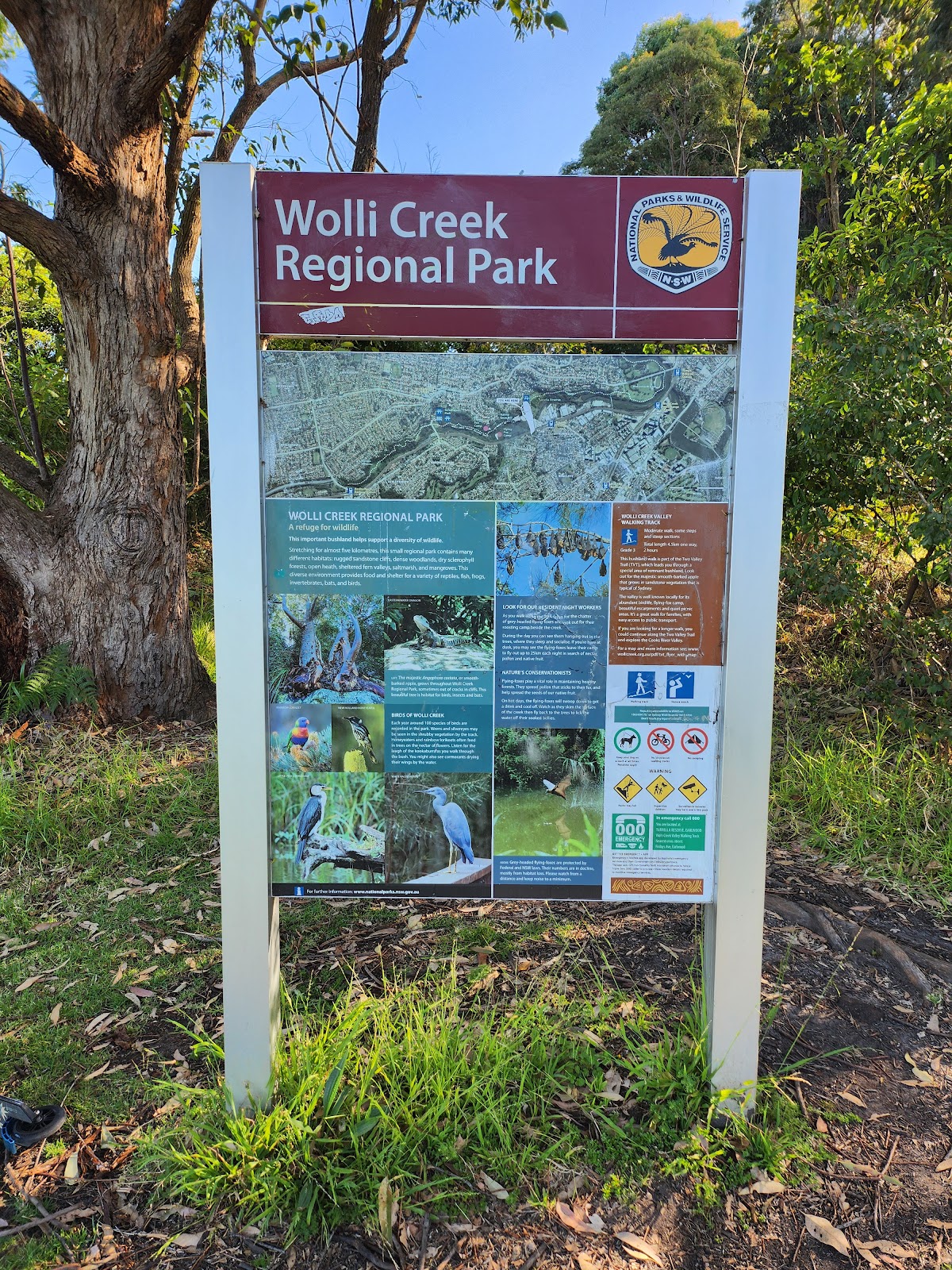 Glen Aplin
Granite Belt, Queensland
The dawn walk on Mount Stirling Road — The northern stretch where the vineyards open on both sides, in the best light between 7 and 8am.
Explore free things to do in Glen Aplin →
2
Glen Aplin
Granite Belt, Queensland
The dawn walk on Mount Stirling Road — The northern stretch where the vineyards open on both sides, in the best light between 7 and 8am.
Explore free things to do in Glen Aplin →
2
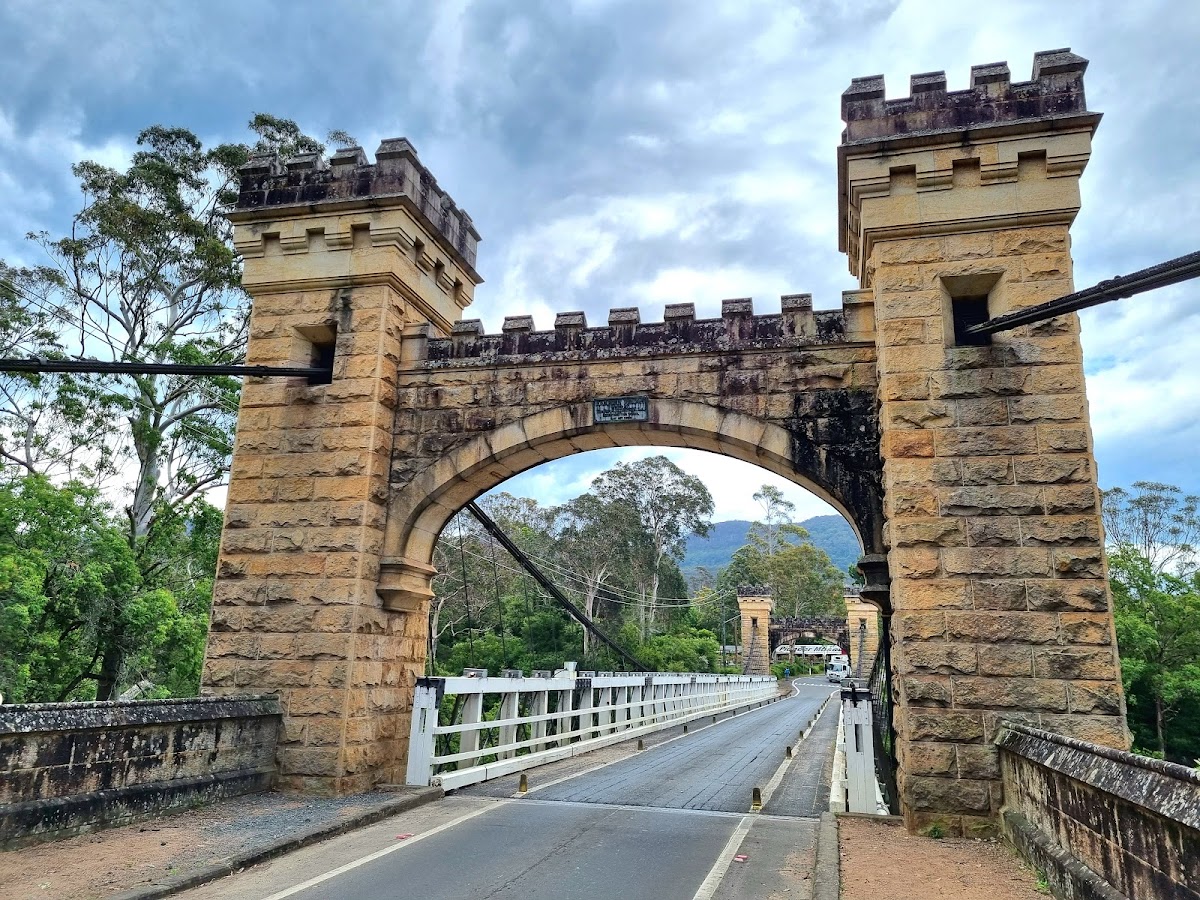 Kangaroo Valley
Shoalhaven, New South Wales
Walk Hampden Bridge — The classic view back up at the castellated towers from the riverbank below, in early-morning or late-afternoon light.
Explore free things to do in Kangaroo Valley →
Byron Bay you’re here
Northern Rivers, New South Wales
The Cape Byron lighthouse walk — First light at the easternmost point with humpbacks offshore (May–November).
You’re reading this guide
Kangaroo Valley
Shoalhaven, New South Wales
Walk Hampden Bridge — The classic view back up at the castellated towers from the riverbank below, in early-morning or late-afternoon light.
Explore free things to do in Kangaroo Valley →
Byron Bay you’re here
Northern Rivers, New South Wales
The Cape Byron lighthouse walk — First light at the easternmost point with humpbacks offshore (May–November).
You’re reading this guide
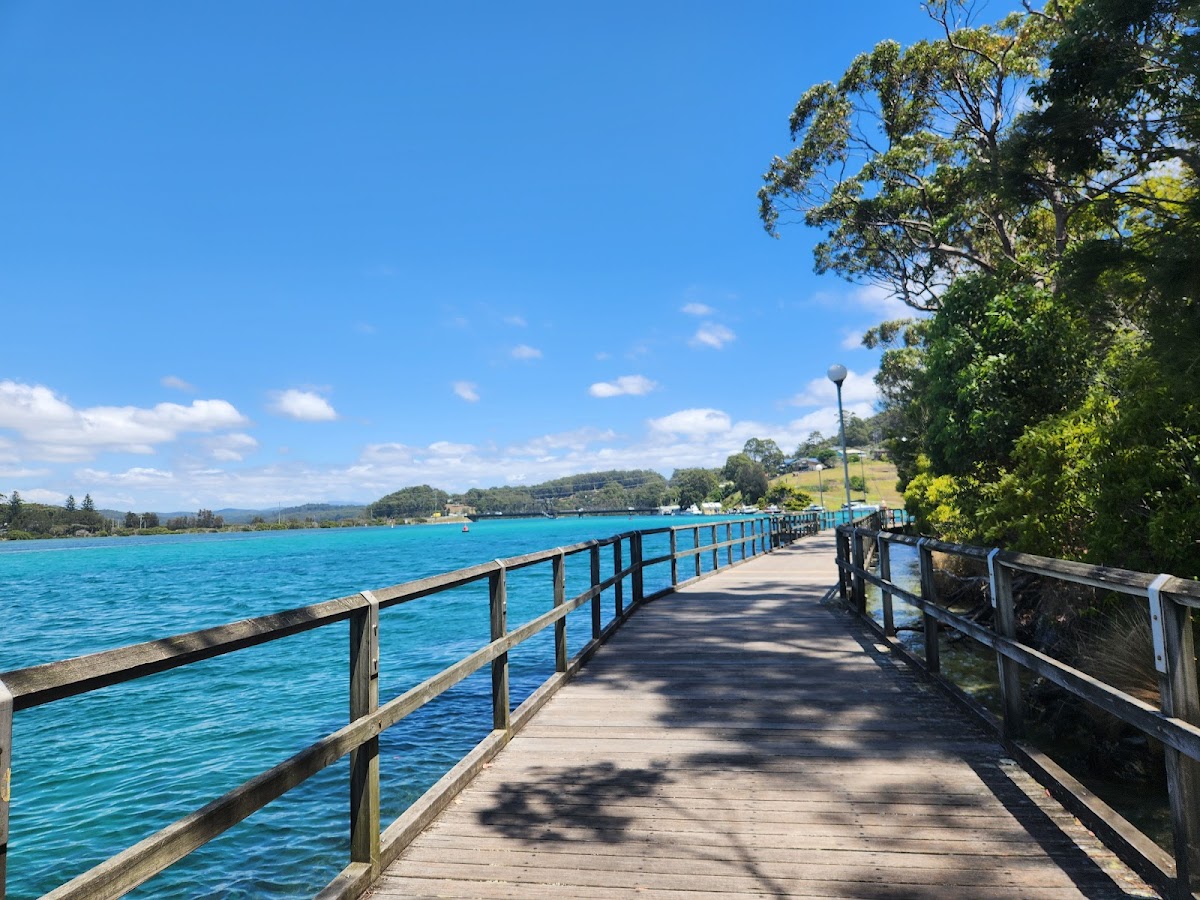 Narooma
South Coast, New South Wales
Whale watching from the headlands — A clear winter morning at the Gap lookout during peak migration — bring binoculars and give it time.
Explore free things to do in Narooma →
5
Narooma
South Coast, New South Wales
Whale watching from the headlands — A clear winter morning at the Gap lookout during peak migration — bring binoculars and give it time.
Explore free things to do in Narooma →
5
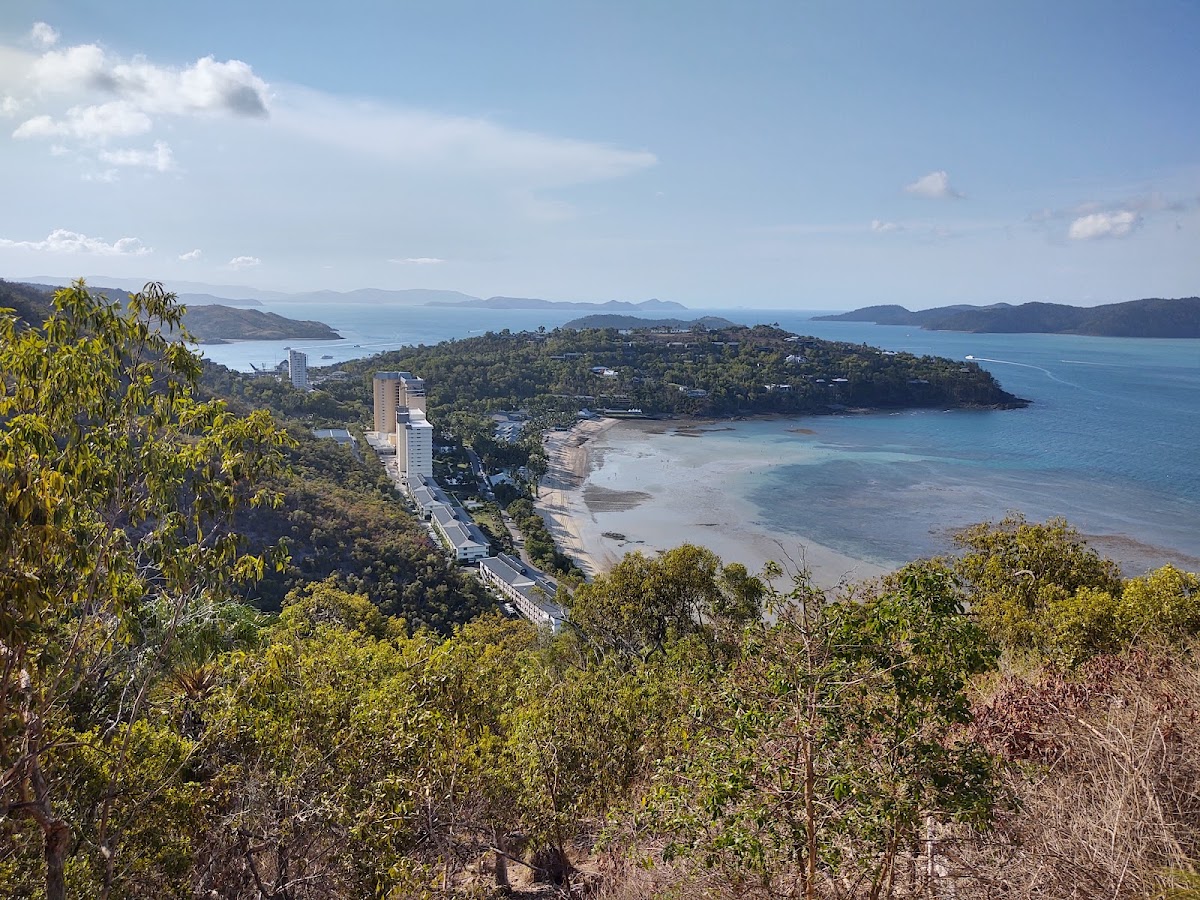 Hamilton Island
The Whitsundays, Queensland
Catseye Beach — A free swim in the netted enclosure with the islands across the water — safe through stinger season and lovely year-round.
Explore free things to do in Hamilton Island →
6
Hamilton Island
The Whitsundays, Queensland
Catseye Beach — A free swim in the netted enclosure with the islands across the water — safe through stinger season and lovely year-round.
Explore free things to do in Hamilton Island →
6
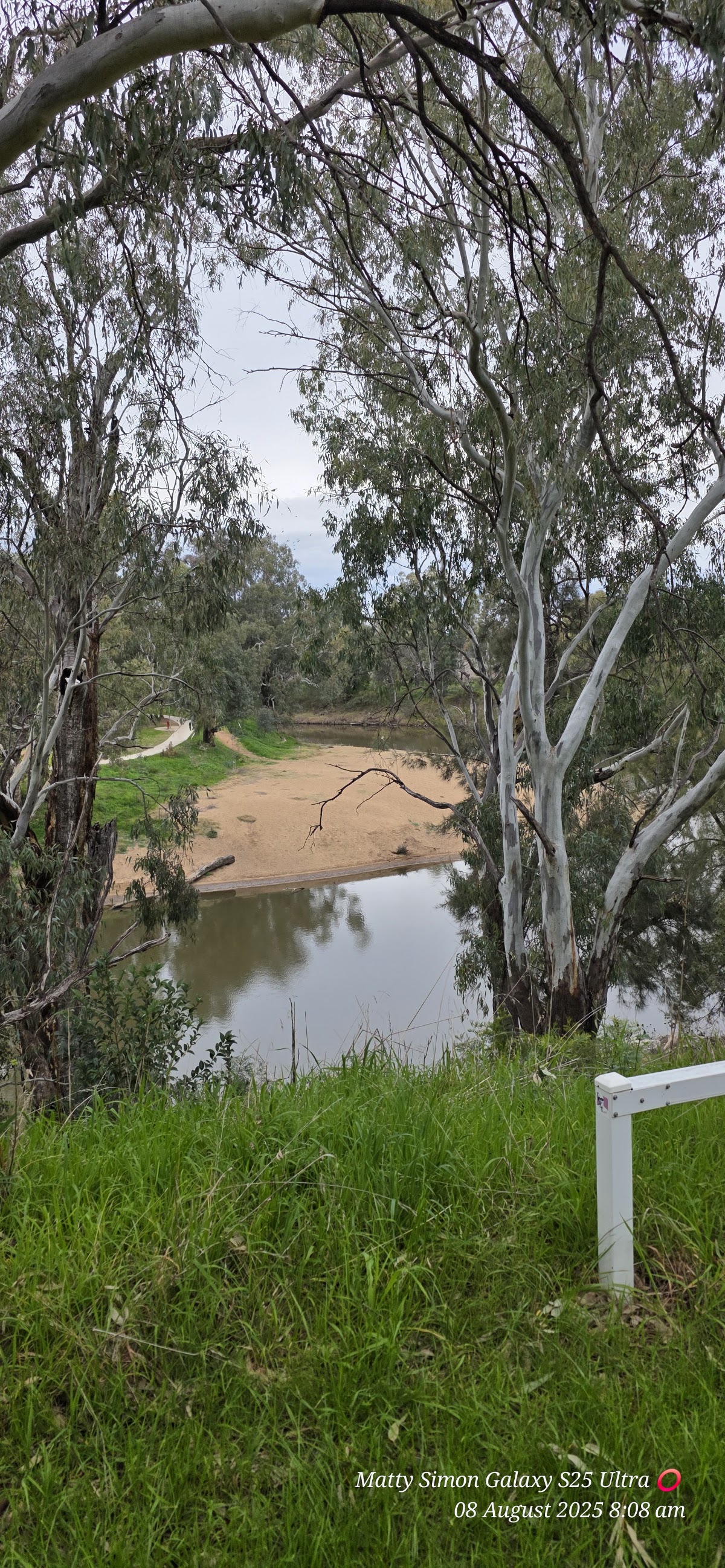 Dubbo
Central West, New South Wales
Tracker Riley Cycleway & the Macquarie River — The riverbank at dawn — soft light, birdsong and the city still asleep.
Explore free things to do in Dubbo →
Dubbo
Central West, New South Wales
Tracker Riley Cycleway & the Macquarie River — The riverbank at dawn — soft light, birdsong and the city still asleep.
Explore free things to do in Dubbo →
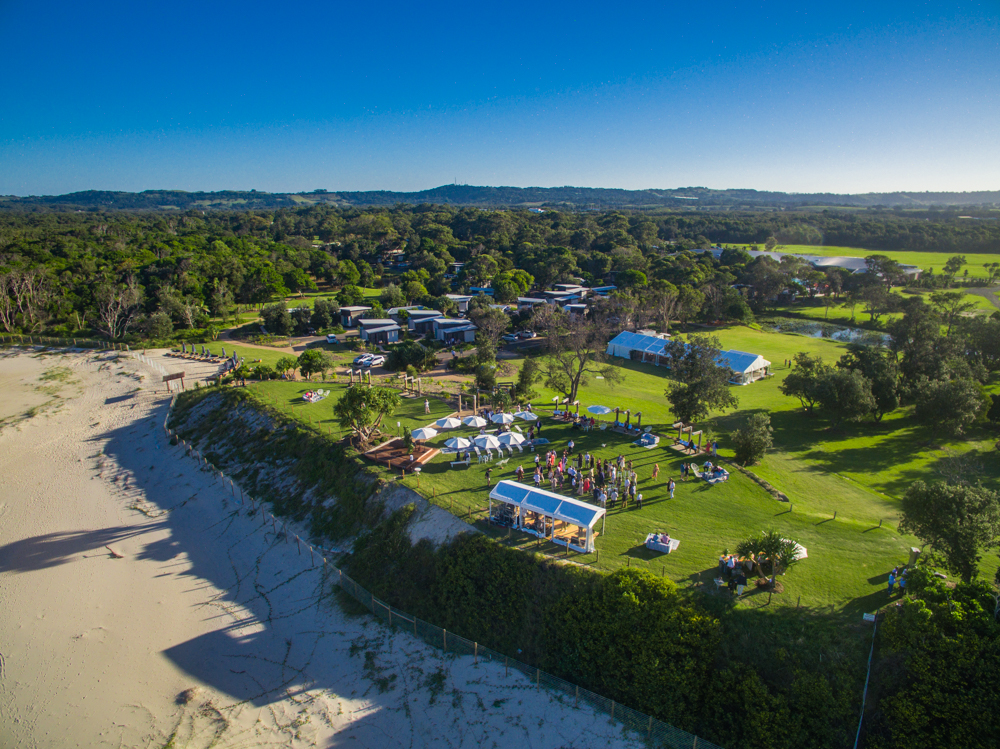
Elements of Byron — Byron Bay
Book Direct & Save →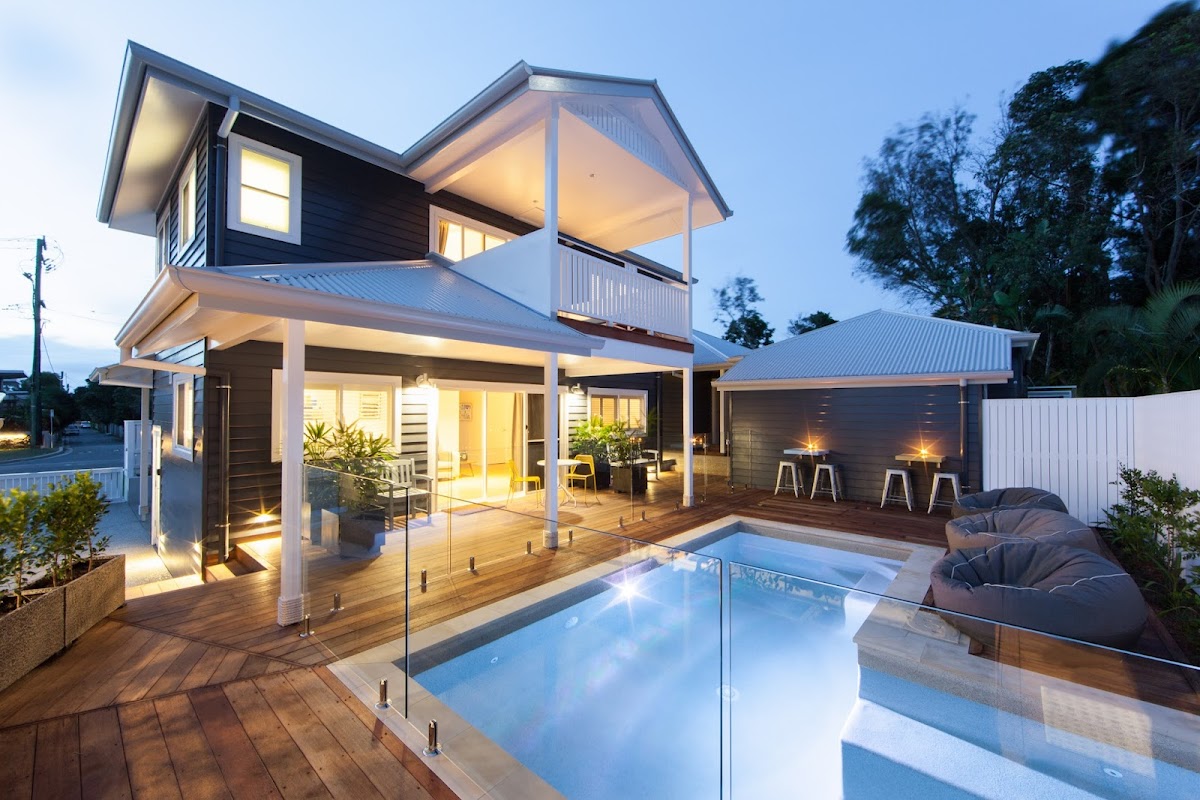
The Beach Shack — Byron Bay
Book Direct & Save →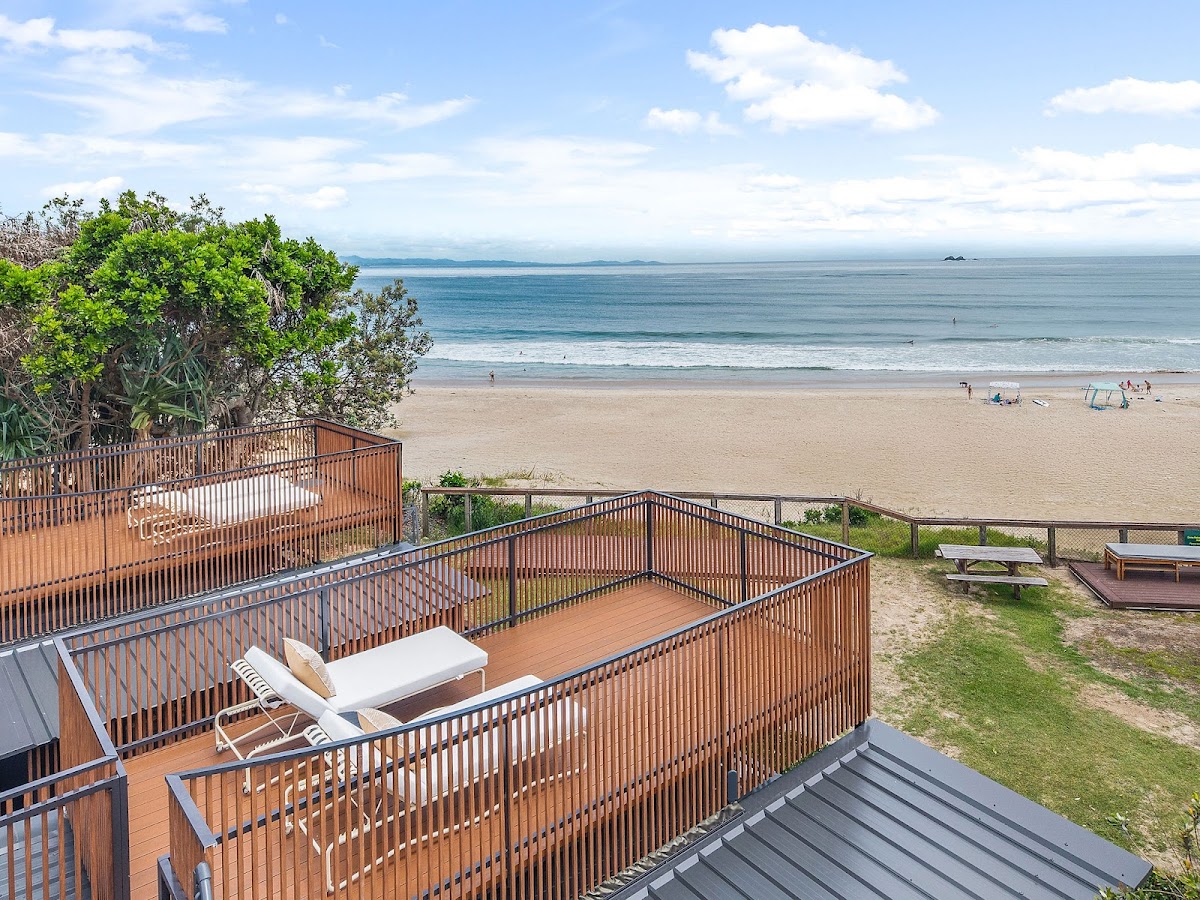
Byron Beachcomber Resort — Byron Bay
Book Direct & Save →Skip OTA fees. Connect directly with Byron Bay owners for the best rates and a truly personal experience.
We match any online rate. No service fees — 100% of your payment supports local owners.
Direct guests receive complimentary hampers, early check-in, and priority access to experiences.
Speak directly with the people who manage the properties. No call centres, just local expertise.
Part of New South Wales · Northern Rivers