01. Elements of Byron
4.7 (1564 reviews)
Elements of Byron — Byron Bay
Book Direct & Save →Each year, tens of thousands of humpback whales pass Cape Byron on one of the great migrations on Earth — and because the cape is the most easterly point of mainland Australia, the whales swing in remarkably close as they round the headland. Stand at the white lighthouse with a coffee and you can watch them breach and blow below the cliffs for free; step onto a boat and you might find a curious humpback surfacing beside you. Byron Bay is widely regarded as one of the best land-based whale-watching spots on the entire east coast.
View 3 Properties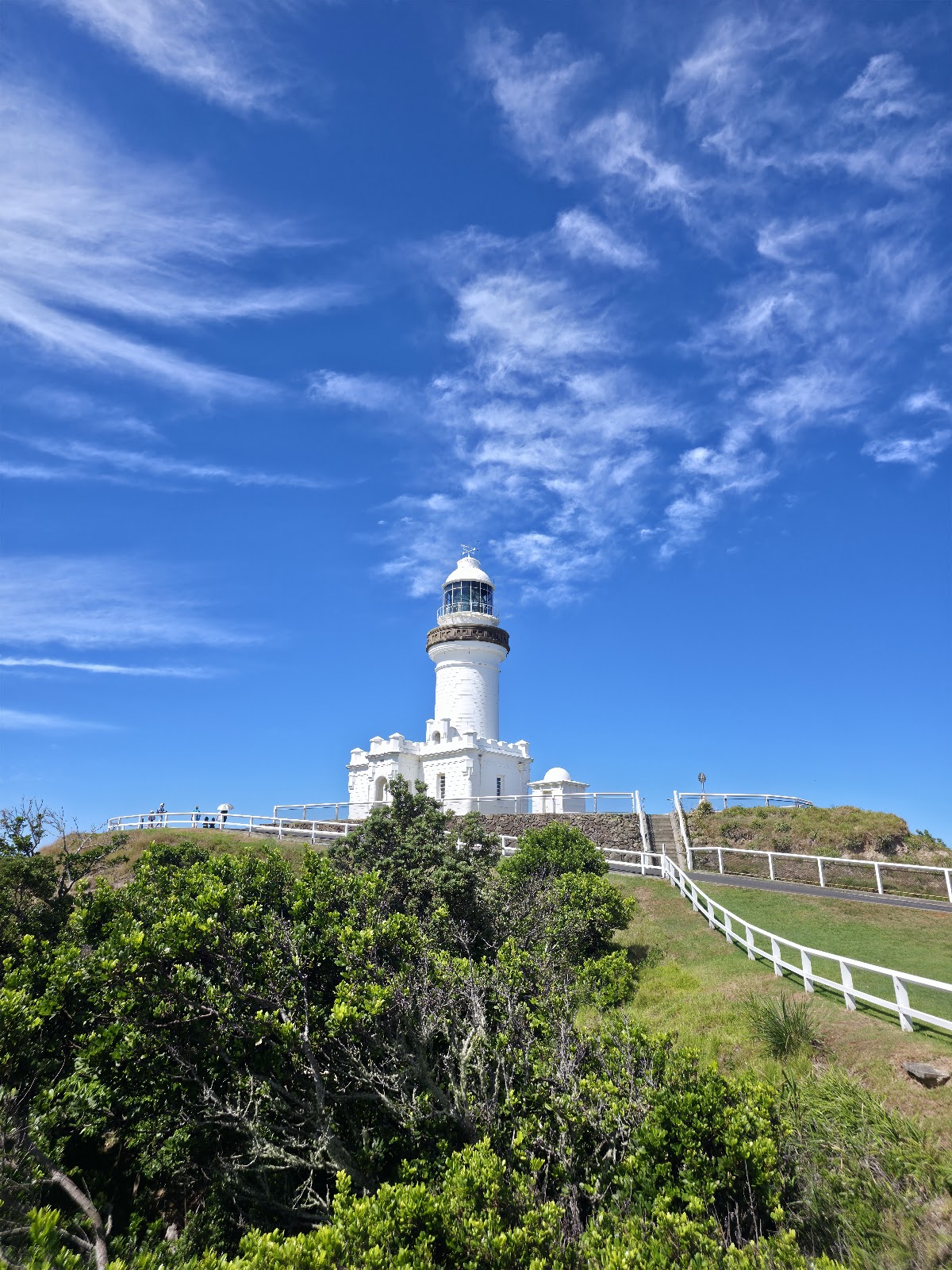
"Seasonal, jaw-dropping, accessible"
This is the complete guide to whale watching in Byron Bay — the season and best months, the species you’ll see, where to watch for free from the headland, the boat tours and sea-kayak options worth booking, what to bring, and what to realistically expect. Whether you want a free morning on the lighthouse track or a close encounter from the water, here’s how to do it.
One quick, honest framing note: whale watching depends on wild animals and the weather. Sightings can never be absolutely guaranteed, though in peak season the odds from Cape Byron are excellent, and many boat operators offer a free repeat trip if you don’t see whales. Treat it as a wildlife experience, not a theme-park ride, and it rarely disappoints.
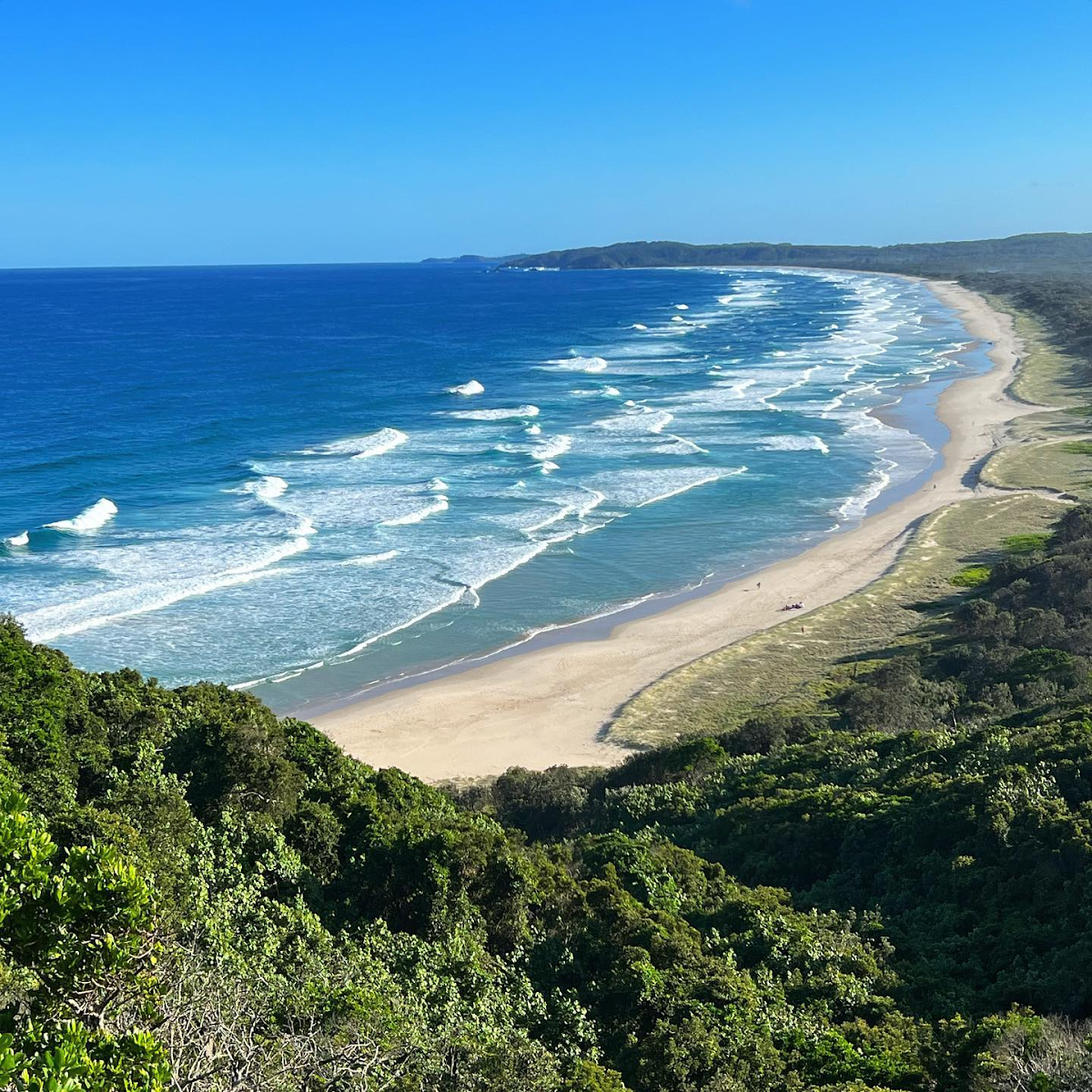
Humpback whales pass Cape Byron on their great annual migration between the cold feeding grounds of Antarctica and the warm breeding waters off Queensland. The season runs roughly from June to November, and it comes in two distinct waves. The northern migration, around June and July, sees the whales heading up the coast toward the Queensland breeding grounds; the southern return, around September to early November, brings them back down — often with newborn calves in tow, hugging the coast close to shore.
Because Cape Byron is the most easterly point of mainland Australia, the whales swing in tight as they round the headland, which is exactly why the land-based watching here is so good. Some watchers prefer the energy and breaching of the northern migration; others favour the southern return for the chance to see mothers and calves close in. Either wave delivers, and the whole window from June to November is reliable.
Exact timing shifts year to year with conditions, so if you’re travelling specifically to see whales, aim for the June-to-November season and check recent sighting reports with local operators or the lighthouse before you commit a particular morning. Get the timing right and the rest — free from the headland or out by boat — takes care of itself.
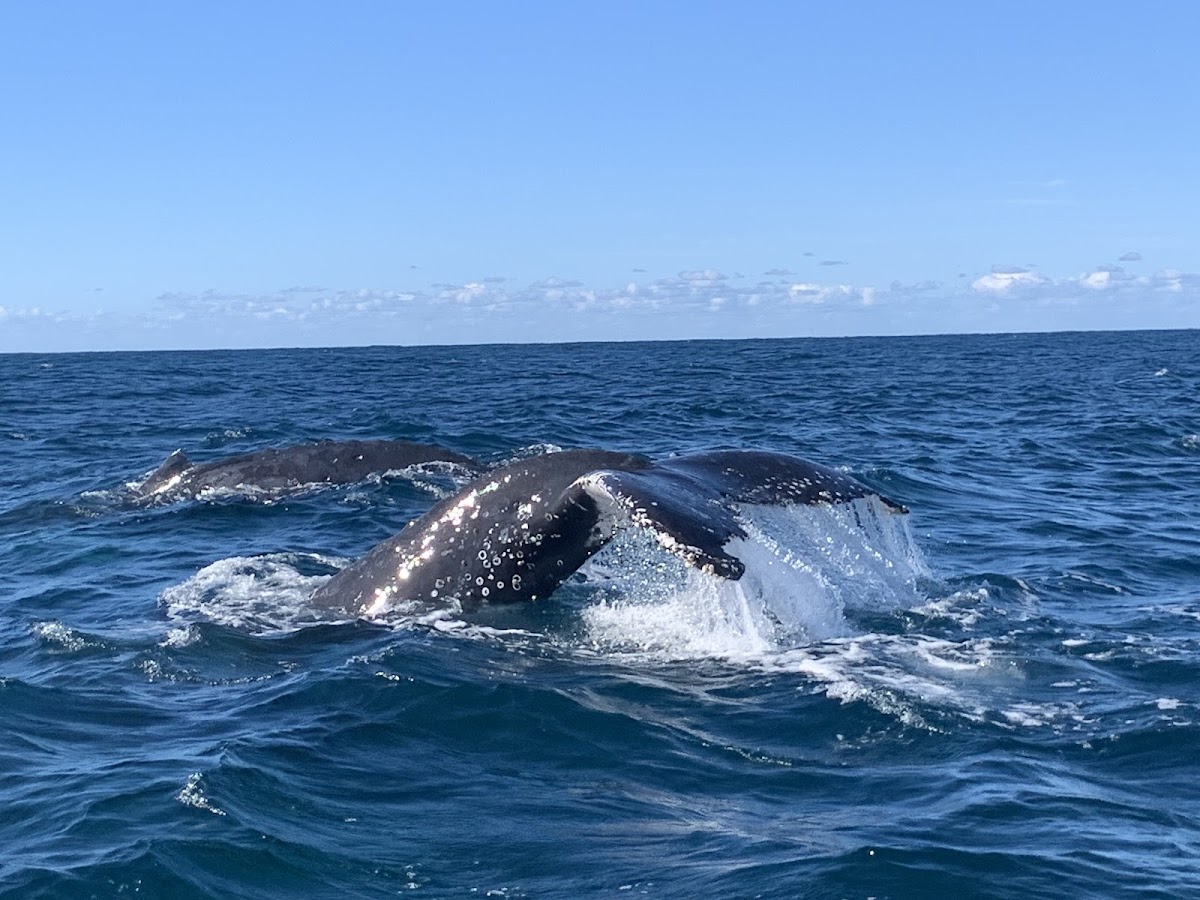
Humpback whales are the stars of whale watching in Byron Bay — by far the most commonly sighted species, and the most spectacular performers. Known for their acrobatic displays, humpbacks breach clear of the water, slap their tails and pectoral fins, and frequently approach boats out of what looks a lot like curiosity. Late in the season, on the southern return, mothers travelling with their calves are a highlight, often moving slowly and close to shore.
While humpbacks dominate, the occasional southern right whale is also seen — slower-moving, with distinctive callosities on the head, they make for breathtaking close-to-shore sightings when they appear. They’re far less common than humpbacks here, so consider one a bonus rather than an expectation.
Dolphins are a near-constant added delight off Byron, present year-round and frequently seen surfing the break below the lighthouse or riding alongside the boats. Turtles and rays also move through the bay, so even between whale sightings — and outside the whale season entirely — there’s rarely a dull moment from the headland or on the water.
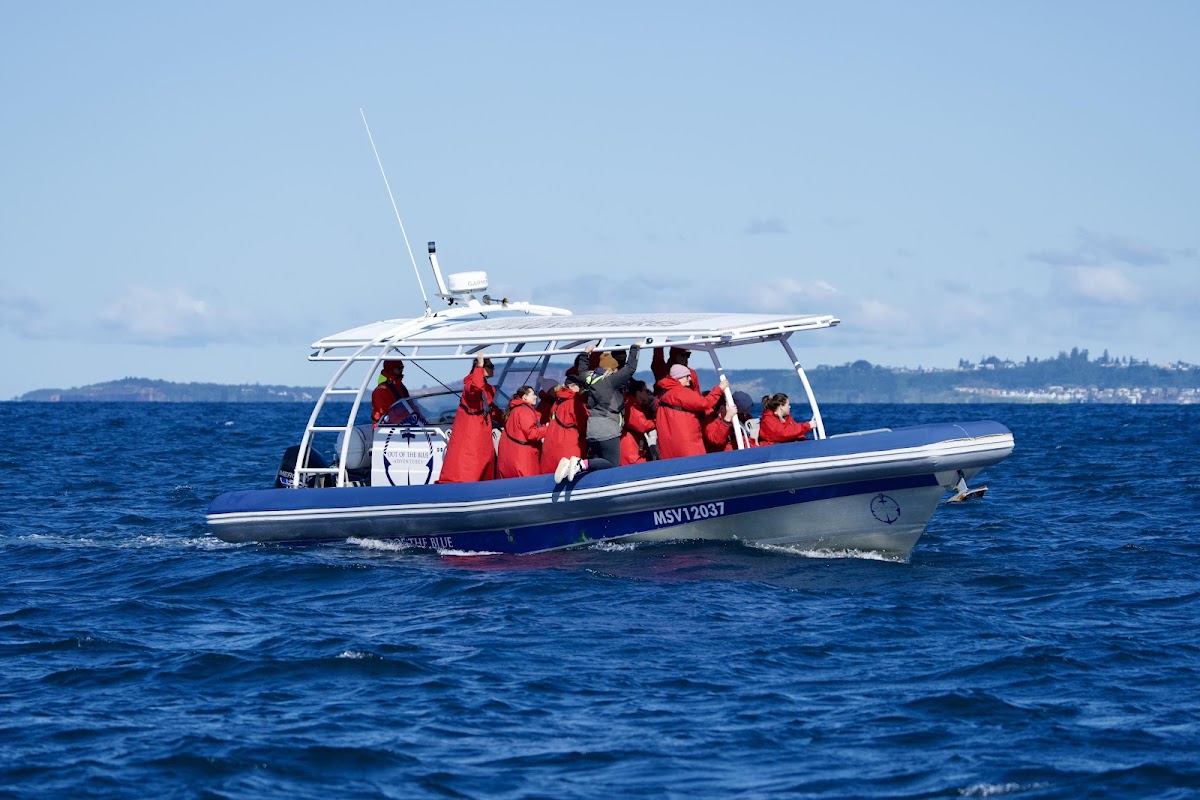
A typical Byron Bay whale watching cruise runs around two and a half to three hours and heads out from the bay toward the migration route off the cape. Because Cape Byron pushes so far east, the whales pass close, and operators position the boat to give you the best, most respectful view of the passing pods. On a good day you’ll see whales breaching clear of the water, slapping their tails and pectoral fins, and sometimes a curious humpback approaching the boat directly.
Many operators are confident enough in their season that they offer a free repeat trip if you don’t see whales on your first cruise — worth asking about when you book, as it’s a good sign of the odds and takes the pressure off picking the ‘right’ day. Dolphins frequently join the boat, so a whale tour often doubles as a broader wildlife cruise.
Dress for the water, not the shore: it’s cooler and windier out there and you can get wet, so warm layers and a spray jacket matter more than you’d think. Bring your camera — breaching whales with the lighthouse and headland behind them is hard to beat — and take sea-sickness precautions before you board if you’re prone to it, because once you’re out there it’s too late.
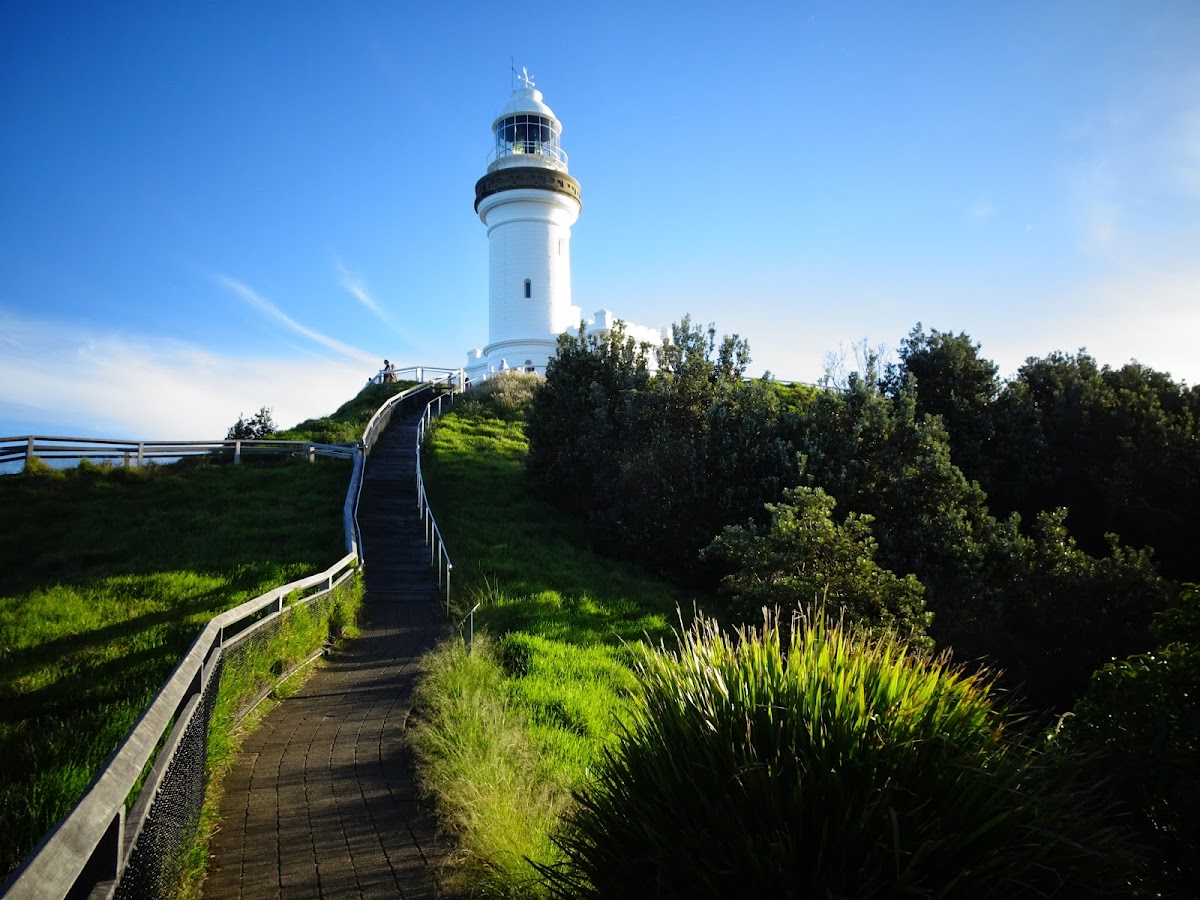
Whale watching in Byron Bay works whether you’re bringing the whole family or heading out solo — but the best approach differs depending on which you are. For families, the free Cape Byron lighthouse track is the standout: it’s family-friendly, the elevated lookouts make spotting easy, and kids can watch spouts and breaches with a pair of binoculars and a picnic at no cost. There are hills and stairs on the full loop, so for very young children the beach-level lookouts and Captain Cook Lookout give you the views without the climb. If you take a boat, dress kids in warm layers and a spray jacket, take sea-sickness precautions, and check each operator’s minimum-age guidance.
For families on a budget, the headland is a genuinely brilliant no-cost option — a memorable wildlife experience that can cost nothing at all, with the lighthouse, the most easterly point and the views thrown in regardless of whether the whales show.
Solo travellers and independent watchers have it easy here. The free lighthouse lookouts are perfect for a quiet morning watching the migration at your own pace — no booking, no group, just you, a coffee and the ocean at the easternmost point of the country. If you want the close encounters, the boat tours and sea-kayak trips are very welcoming to solo travellers; you’ll share with other small groups and the crew, and a few hours on the water is an easy, social way to spend a morning. Solo photographers in particular favour the boats for the chance of a breaching humpback close to the vessel.
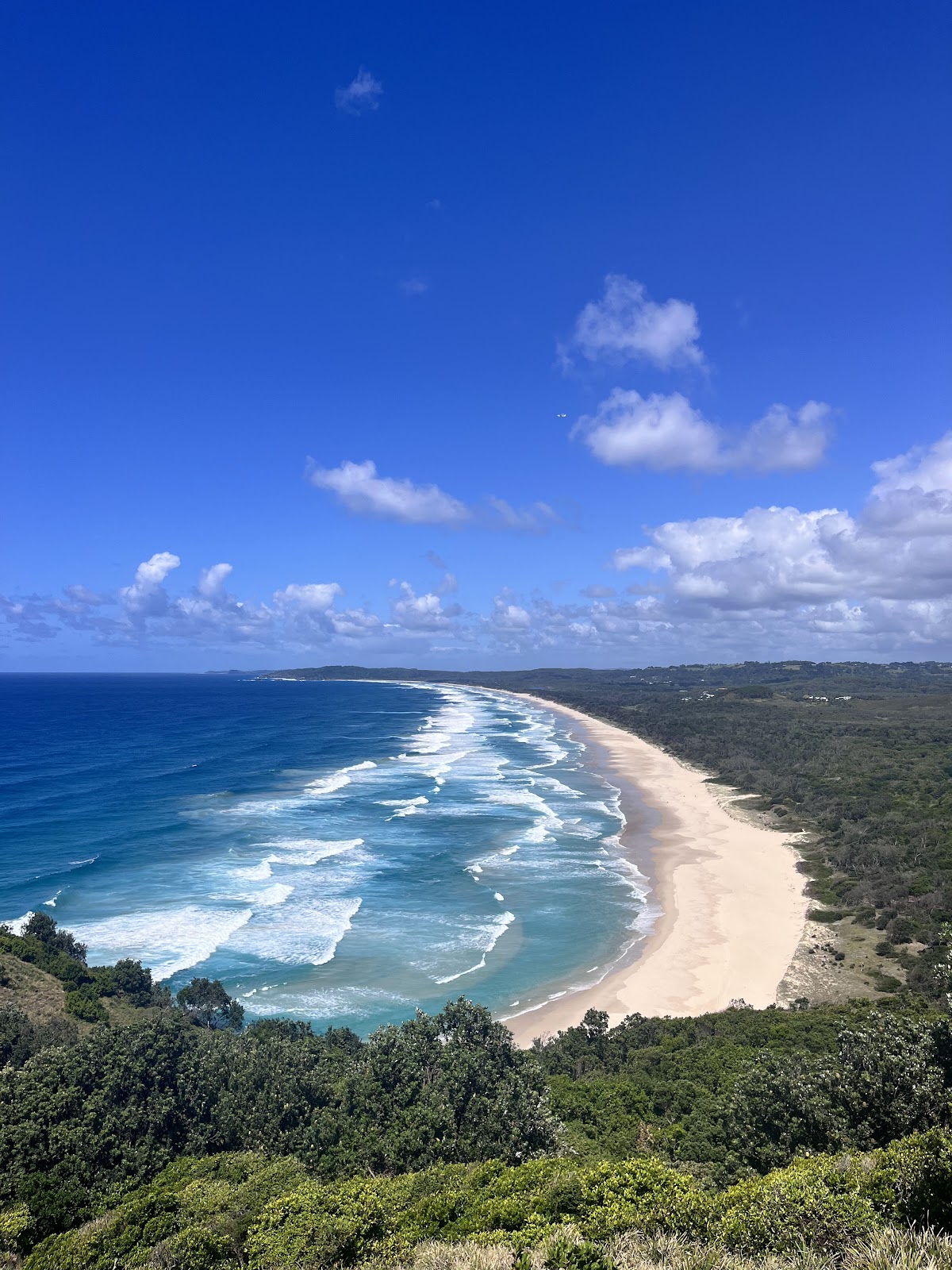
You don’t need to spend a cent to watch whales in Byron Bay, and the Cape Byron lighthouse is the best place to prove it. The white 1901 lighthouse crowns the headland at the most easterly point of mainland Australia, and the walking track loops past clifftop lookouts with elevated, wide-open views over the ocean. Because the cape pushes so far east, migrating whales round it close in — and from a comfortable spot on the track you have a genuinely excellent chance of watching spouts, tails and breaches offshore, for free.
It’s widely rated one of the best land-based whale-watching spots on the entire east coast, and the experience is about more than the whales: you’re standing at the easternmost tip of the country, with dolphins often surfing the break below year-round. Bring binoculars, give it time, and do it early — at first light the track is near-empty and the light is glorious, while by mid-morning in peak season the car park fills and the path gets busy.
It suits absolutely everyone: families with children, couples, solo watchers and anyone prone to seasickness who’d rather stay on land. The honest caveats are simple — whales are seasonal (roughly June–November) and never guaranteed on a given day, the headland is exposed so dress for the wind, the full loop has hills and stairs, and you’ll want to mind cliff edges with children.
It’s a bucket-list wildlife experience that costs nothing, needs no booking and no sea legs — whales below the cliffs at the easternmost point of the country.
“Stood at the lighthouse lookout in July and counted whales breaching without moving. You don’t need a boat here — just turn up in season with binoculars.”
— Google review
First light at the most easterly point with humpbacks breaching offshore and dolphins in the break below.
Whales are seasonal (roughly Jun–Nov) and never guaranteed on a given day — manage expectations, dress for the headland wind, mind cliff edges with kids, and note the full loop has hills and stairs.
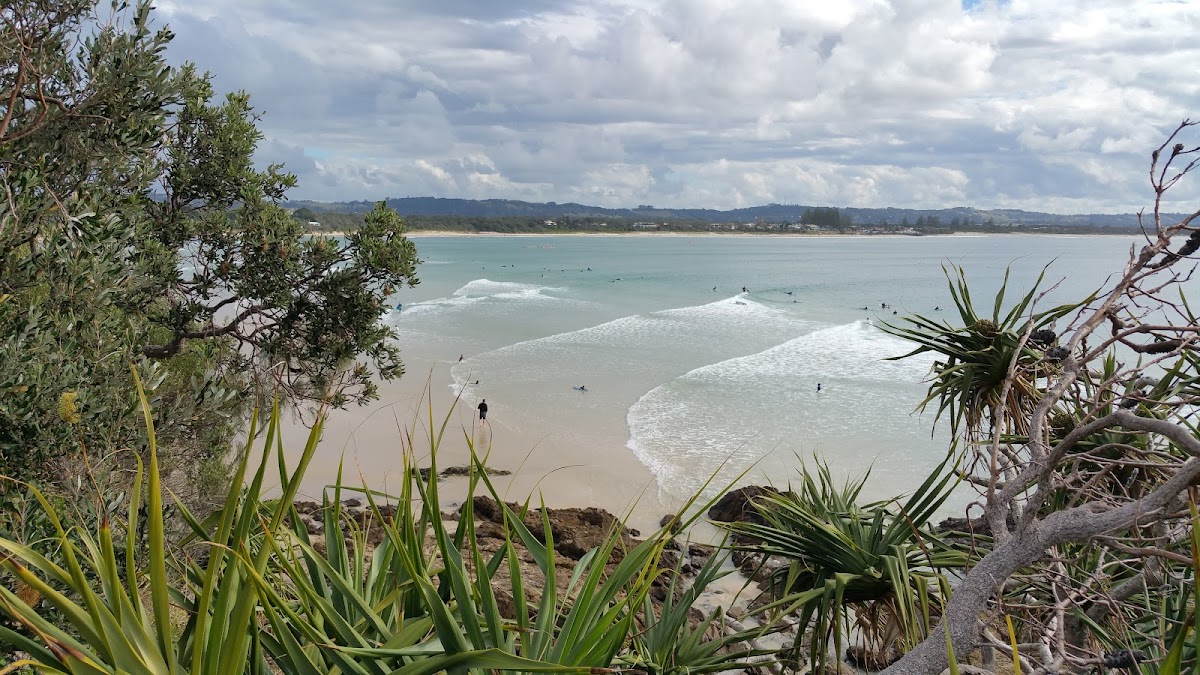
Not everyone wants — or is able — to walk the full lighthouse loop, and Captain Cook Lookout is the answer. Set on the Lighthouse Road on the way up to the cape, it offers the same elevated, wide-open ocean views that make Byron’s land-based watching so good, but with far easier access and no need to tackle the hills and stairs of the full track. On a clear morning in season, it’s a superb spot to scan the horizon for spouts and breaches.
What the lower lookouts offer is the headland’s whale-watching at a gentler pace. You can park nearby, settle in with a coffee and binoculars, and let the migration come to you — no booking, no boat, and no long walk. They pair perfectly with a slow start to a Byron day and suit anyone who finds the full loop too much, while still being a short stroll from the lighthouse for those who want it.
They suit families with very young children, less mobile and elderly visitors, grandparents who can’t manage the full track, and anyone after a quiet, low-effort watch. The caveats match the lighthouse: whales are seasonal and never guaranteed on a given day, the headland is exposed to the wind, and you’ll want to take care near any edges with children. Bring binoculars and patience.
It delivers the cape’s world-class whale-watching views with easy access and no climb — the spot that makes the experience open to everyone.
“My parents couldn’t manage the full lighthouse walk, so we watched from the lookout instead. Same incredible view, whales offshore, and an easy stroll from the car.”
— Traveller review
A clear morning with binoculars and a coffee at an easy-access lookout — the migration without the hill climb.
Like all shore watching it’s seasonal (Jun–Nov) and weather-dependent, the headland is windy, and you’ll want binoculars — manage expectations on a given day.
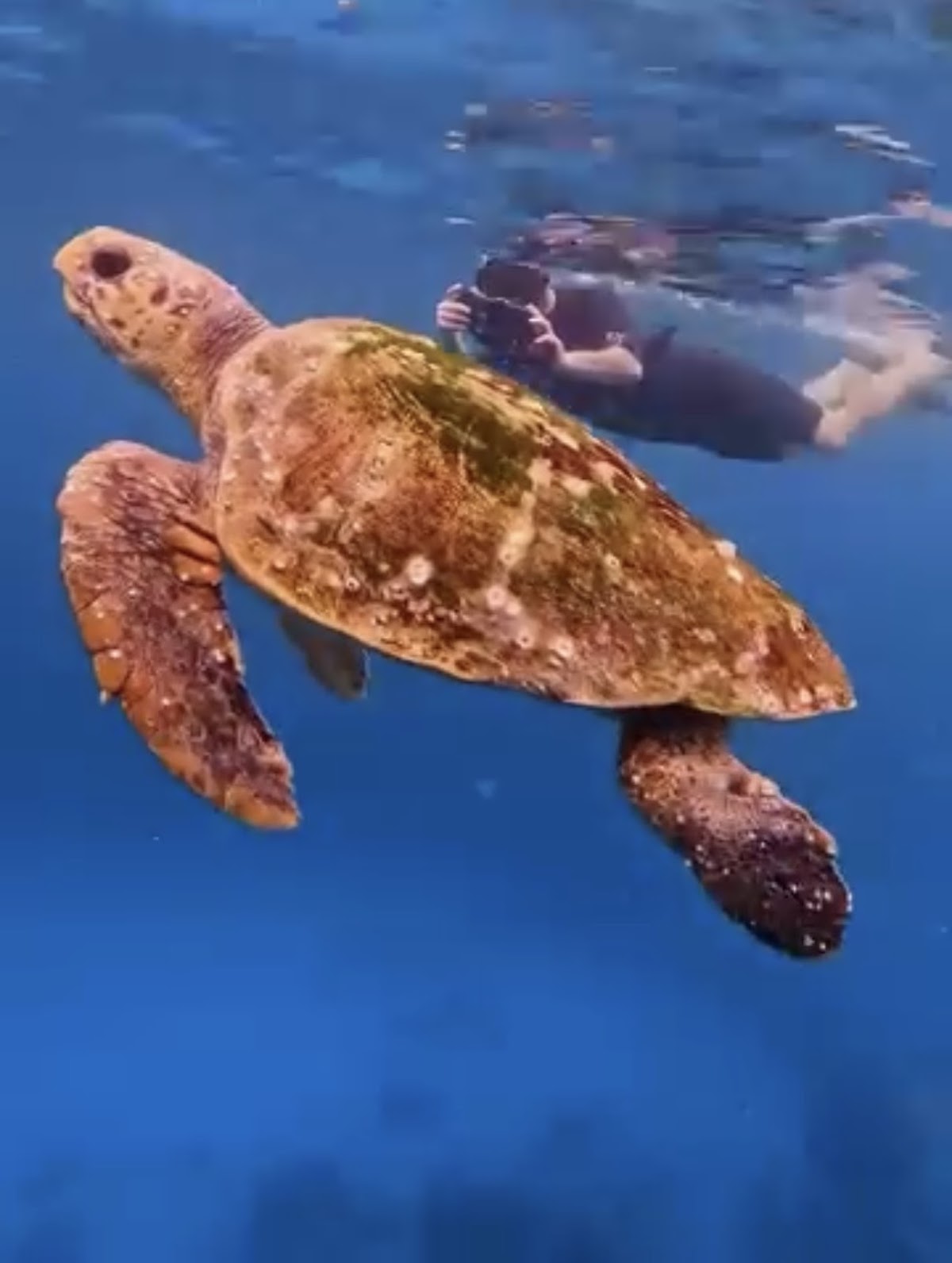
For the close encounters — the moments where a humpback surfaces near the boat and you can hear it breathe — a boat tour is the way to go. Whale watching cruises run out of Byron Bay through the season, typically lasting around two and a half to three hours, and head out toward the migration route off the cape where the whales pass close. On a good day you’ll see breaching, tail-slapping and fin-slapping, and sometimes a curious humpback approaching the boat directly — humpbacks are genuinely curious about the people watching them.
Many operators are confident enough in the season to offer a free repeat trip if you don’t see whales on your first cruise, which is well worth asking about — it’s a good sign of the odds and takes the pressure off picking the perfect day. Dolphins frequently join the boat too, so the tour often doubles as a broader wildlife cruise. As schedules, operators and prices change, confirm the current details directly when booking.
It suits anyone who wants the up-close experience — couples, solo travellers, photographers and families with children old enough for a few hours on open water. It’s less suited to very young children, the strongly seasickness-prone on a rough day, and anyone needing a guaranteed sighting: ask about the free-repeat-trip policy, check the cancellation terms, and remember that tours depend on sea conditions.
A curious humpback surfacing beside the boat off the most easterly point of the country is the moment a tour is worth booking for — and many operators back the season with a free repeat trip.
“A humpback surfaced right beside the boat and we heard it breathe. Two and a half hours flew by. The crew knew exactly where to find them.”
— Google review
A curious humpback surfacing close to the boat off Cape Byron — the close encounter the headland can’t give you.
It’s open water for a few hours — not ideal for very young kids or the strongly seasickness-prone on a rough day. Sightings aren’t guaranteed, so ask about the free-repeat policy.
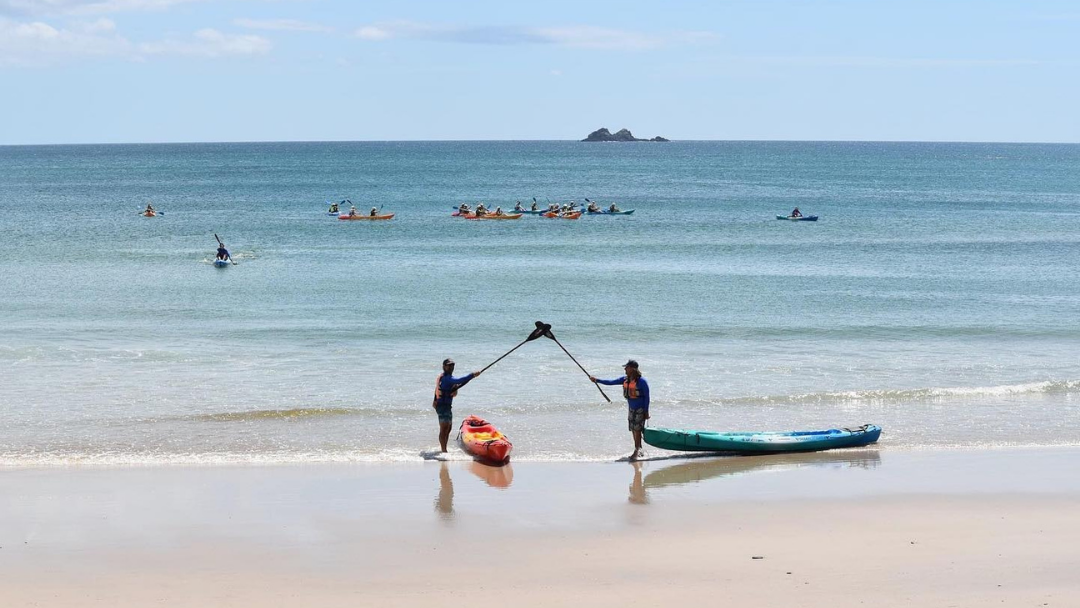
For a different, lower, eye-level perspective on Byron’s wildlife, sea-kayak tours launch straight off Main Beach and paddle out into the bay. These trips are best known for their dolphin encounters — pods are a near-constant feature of the bay year-round — and during the whale season, from roughly June to November, paddlers sometimes encounter whales too. Seeing a humpback from the surface of a kayak, at eye level on the open water, is an extraordinary experience when it happens.
The honest framing matters: a kayak tour is a paddle-and-wildlife trip with whales as a seasonal bonus, not a dedicated whale tour, and the legal approach distances for paddlecraft are strict. You go for the dolphins, the paddle and the chance, not the guarantee. The tours typically include a brief and equipment, and getting through the small shore break off the beach is part of the adventure.
They suit reasonably fit, adventurous travellers, couples and older children comfortable in the water and on a kayak. They’re less suited to very young children, non-swimmers, and anyone uneasy in open water or unable to manage a beach launch through the surf. Confirm current operators, minimum ages, fitness requirements and conditions directly, as these tours depend on the weather and the surf.
A chance whale encounter from a kayak is an eye-level moment few people ever get — and the year-round dolphins make it a brilliant trip even out of whale season.
“Paddled out off Main Beach and had dolphins right beside the kayaks the whole time. We even spotted a whale spout in the distance in winter. Unforgettable morning.”
— Traveller review
Eye-level dolphins beside the kayak — with a chance of a whale on the water during the season.
It’s a kayak tour, not a dedicated whale tour — whales are a seasonal bonus, you must keep the legal distance, and the beach launch through the surf needs reasonable fitness.
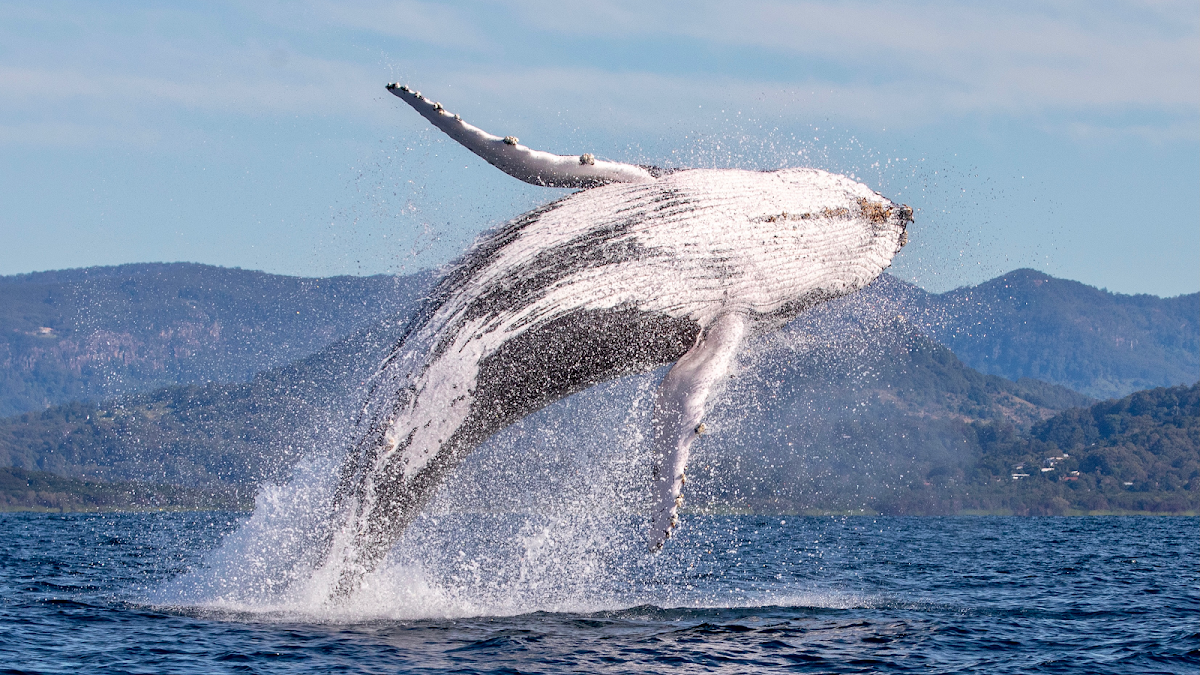
One of the best things about whale watching in Byron Bay is how easily it folds into a fuller wildlife day. Walk the Cape Byron lighthouse track in the morning to watch the migration for free from the clifftops, then head out on a boat or kayak in the afternoon for the close encounter — the two complement each other, the free headland watch and the paid trip on the water. Dolphins surf the break below the lighthouse year-round, so even outside the whale season there’s wildlife to see.
If you want to make the most of a single trip on the water, ask operators what else their cruise takes in — the coastline from the sea, the dolphins, and the bay’s broader marine life. For the underwater side of the same waters — turtles, rays and sharks at Julian Rocks just offshore — see our dedicated Diving in Byron Bay guide, which pairs naturally with a whale-watching trip for a full ocean-wildlife weekend.
It suits families, wildlife enthusiasts and anyone who’d rather a rich day of several experiences than a single outing. The caveats are the familiar ones: the whales are seasonal and never guaranteed, the boat and kayak trips are open water and weather-dependent, and the headland is exposed — but stack a free clifftop morning with an afternoon on the water and you’ve a genuinely memorable wildlife day at the easternmost point of the country.
It turns one experience into a full wildlife day — a free clifftop whale watch, dolphins in the break, a boat or kayak on the water, and turtles offshore at Julian Rocks.
“Did the lighthouse walk for whales in the morning, then a boat in the afternoon. Two completely different views of the same migration — a brilliant day on the water and the headland.”
— Traveller review
A free lighthouse morning watching whales, then a boat or kayak in the afternoon for the close encounter.
Whales are seasonal and never guaranteed, and the on-water options are weather-dependent — keep plans flexible and check the forecast and the season.
| Season | Conditions | Highlights | Crowds |
|---|---|---|---|
| June–July | Northern migration | Whales heading north to the Queensland breeding grounds; lots of breaching and energy as the season ramps up | Quieter (busy school holidays) |
| August | Mid-season | Steady numbers passing the cape; reliable land-based and boat watching on calm days | Moderate |
| September–October | Southern return begins | Whales heading back south, increasingly with calves close to shore; often the most rewarding stretch from the headland | Building |
| Early–mid November | Tail of the season | Mothers and calves still passing close to shore; the last reliable sightings before the season winds down | Easing |
What whale watchers consistently say:
Visitors repeatedly say the Cape Byron headland delivers a real, memorable wildlife experience for nothing — the lighthouse track with binoculars on a clear winter morning, whales close in below the cliffs, is a recurring favourite and rated above paid tours elsewhere.
Tour-goers rave about humpbacks surfacing near the boat, while noting it’s open water, weather-dependent and never a guarantee — the free-repeat-trip policies are part of why people book with confidence, and the strongly seasickness-prone are reminded it’s a few hours offshore.
“The Cape Byron Lighthouse is a dream. The stark white lighthouse stands beautifully against the deep blue sky, overlooking the endless azure sea. With the bright sunshine and a gentle breeze, it’s the perfect spot to let your mind wander and feel truly relaxed. Note that there’s a $10 parking fee to drive up, but the stunning views are worth every cent.”— Lunga RJ (on Cape Byron Lighthouse), Google review
“It's a bit of a yreck to get here bit well worth it. Amazing views and fantastic views on the way. The whole loop is about 3.5k but there is an access road and carpark for those who don't want to walk.”— Mark Edmondson (on Cape Byron Lighthouse), Google review
“A Must-Do in Byron! Coastal views, rainforest, and wildlife. The walk up to the Cape Byron Lighthouse was the absolute highlight of my trip to Byron Bay! I highly recommend taking the coastal track. The path takes you through a beautiful small rainforest and then follows the cliffs with stunning ocean views. Along the way, there are several information board”— Shabanna H. (on Cape Byron Lighthouse), Google review
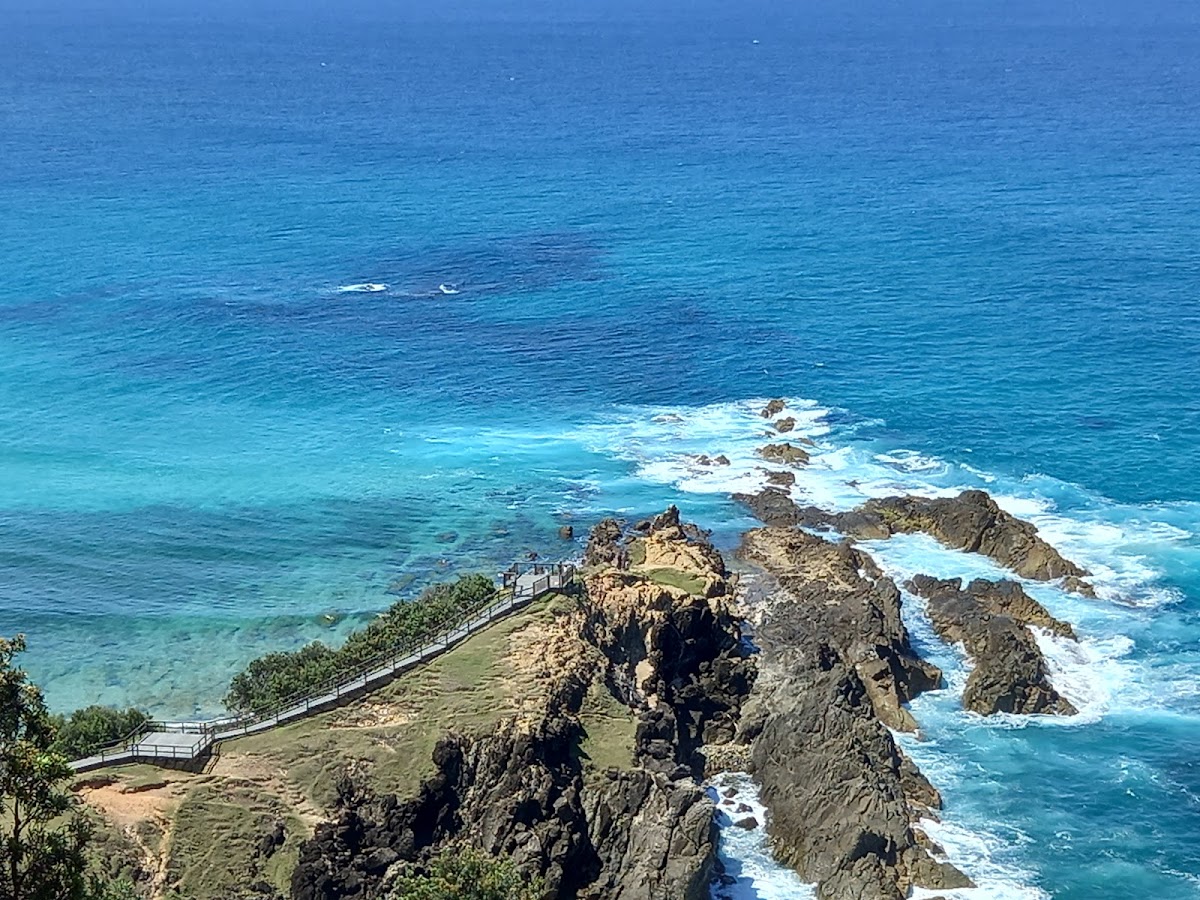
A whale watching trip is the perfect anchor for a Byron weekend, and the town makes it easy to build a memorable couple of days around it. Start with a sunrise walk up the Cape Byron lighthouse track to watch the migration for free, follow it with a swim at a sheltered cove like Wategos around the headland, and save an afternoon for a boat or kayak trip on the water. Byron’s beaches, cafes and markets fill the gaps beautifully — a morning of whales and an afternoon at the beach is about as good as a Northern Rivers weekend gets.
Base yourself close to the town and the cape so you’re minutes from both the free lighthouse lookouts and the boat departures. Self-contained holiday accommodation suits a whale-watching weekend well — you can have an early breakfast before a dawn headland watch — and staying near the centre or the beaches puts you in the best position. Byron is popular and not cheap, so book ahead, especially in the winter whale season and over school holidays.
For more on the area’s no-cost experiences — including shore-based whale watching from the lighthouse — see the Free Things to Do in Byron Bay guide, the Best Beaches in Byron Bay guide for where to swim between watches, and the Diving in Byron Bay guide for the turtles and sharks at Julian Rocks just offshore. The Ultimate Guide to Byron Bay ties the whole town together.
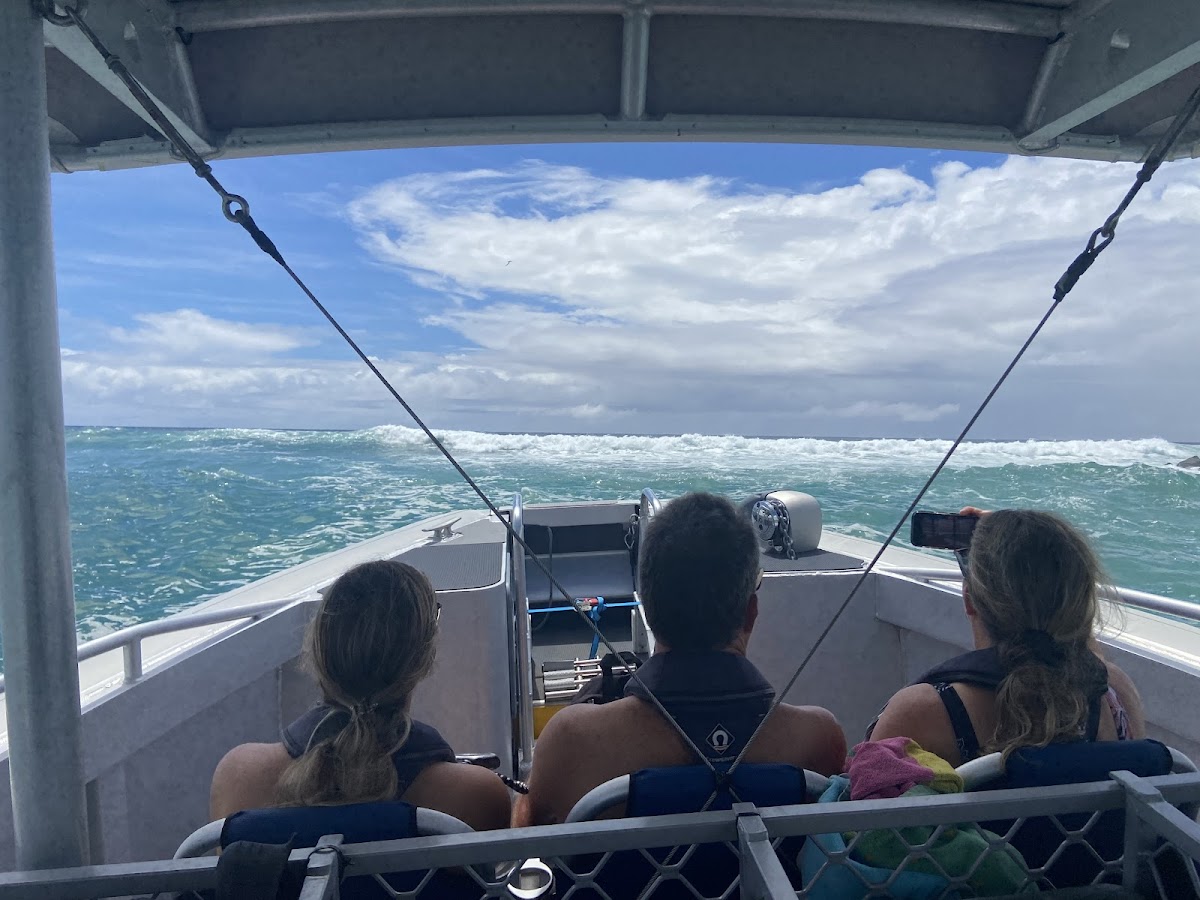
Whales are wild, protected animals, and in NSW there are legal approach distances designed to keep both the whales and people safe. Licensed operators know and follow them — but if you’re watching from your own boat, kayak or paddlecraft, they apply to you too. Under the NSW rules, vessels (including kayaks and paddlecraft) must stay at least 100 metres from a whale, or 300 metres if a calf is present; swimmers, snorkellers and divers must stay at least 30 metres back; jet skis must stay 300 metres away; and if a predominantly white whale is present, all vessels must keep 500 metres back. Never approach from directly behind or in front, no more than two vessels should approach at a time, and if a whale approaches you, slow down and let it pass. Breaching the distances carries significant on-the-spot fines — always check the current rules on the NSW environment website before heading out on your own craft.
What to bring: for shore watching at the lighthouse, binoculars are the one essential, along with sun protection and something warm for the exposed, windy headland. For a boat or kayak trip, dress warmer than you think you need to — it’s cooler and windier on the water and you can get wet, so warm layers and a spray jacket are essential, plus a hat and sunglasses for the glare. Bring a camera (a zoom helps, but whales often come close enough that a phone captures plenty), and take sea-sickness medication before boarding if you’re prone to it, because once you’re out there it’s too late.
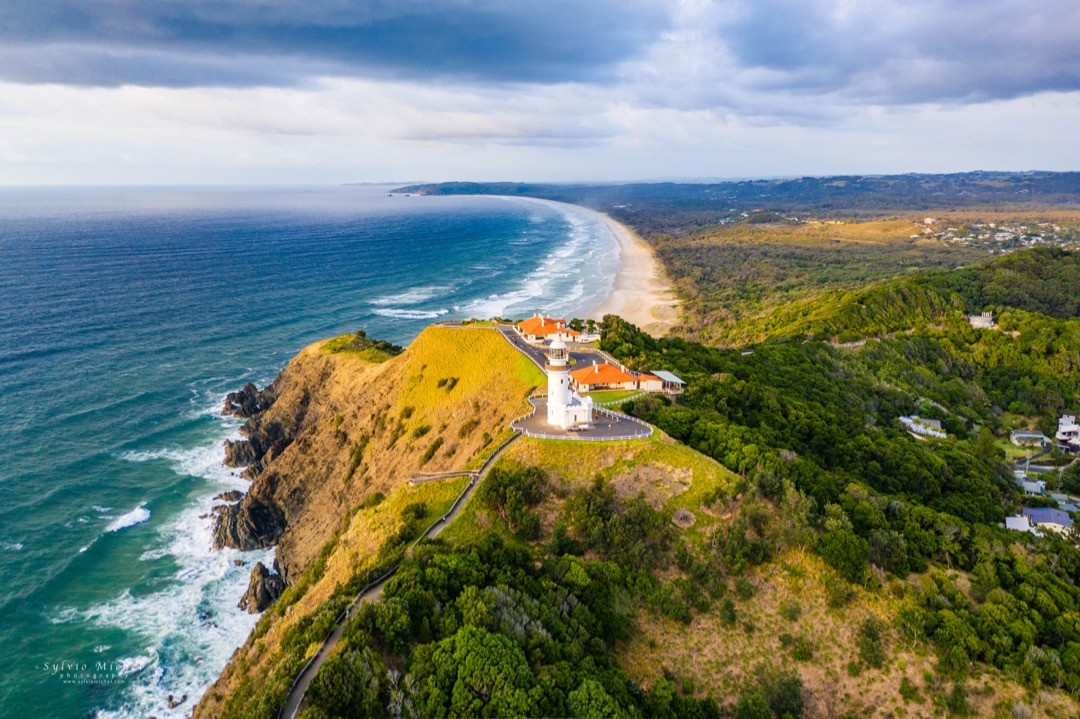
Whale watching in Byron Bay is one of those rare experiences that delivers whether you spend nothing or book the boat. Stand at the Cape Byron lighthouse on a clear winter morning and you might watch humpbacks breaching below the cliffs for free, at the most easterly point of the country. Step onto a tour boat or a kayak and you could find yourself metres from a surfacing whale, with the lighthouse on the headland behind you. Either way, between June and November, this stretch of the Northern Rivers becomes one of the best whale-watching destinations in Australia.
Time your visit for the migration, pack warm layers, binoculars and a camera, choose between a free headland morning or a trip on the water, and let the most easterly point of the mainland do the rest. Few wildlife experiences anywhere are this accessible, this reliable in season, and this genuinely jaw-dropping — tens of thousands of whales, one famous headland, there for the watching.
Enjoying whale watching? Here’s where else in Australia it’s worth the trip — ranked by how loved each destination is, with the one thing not to miss at each.
Byron Bay you’re here
Northern Rivers, New South Wales
Cape Byron lighthouse & walking track — First light at the most easterly point with humpbacks breaching offshore and dolphins in the break below.
You’re reading this guide
 Hamilton Island
The Whitsundays, Queensland
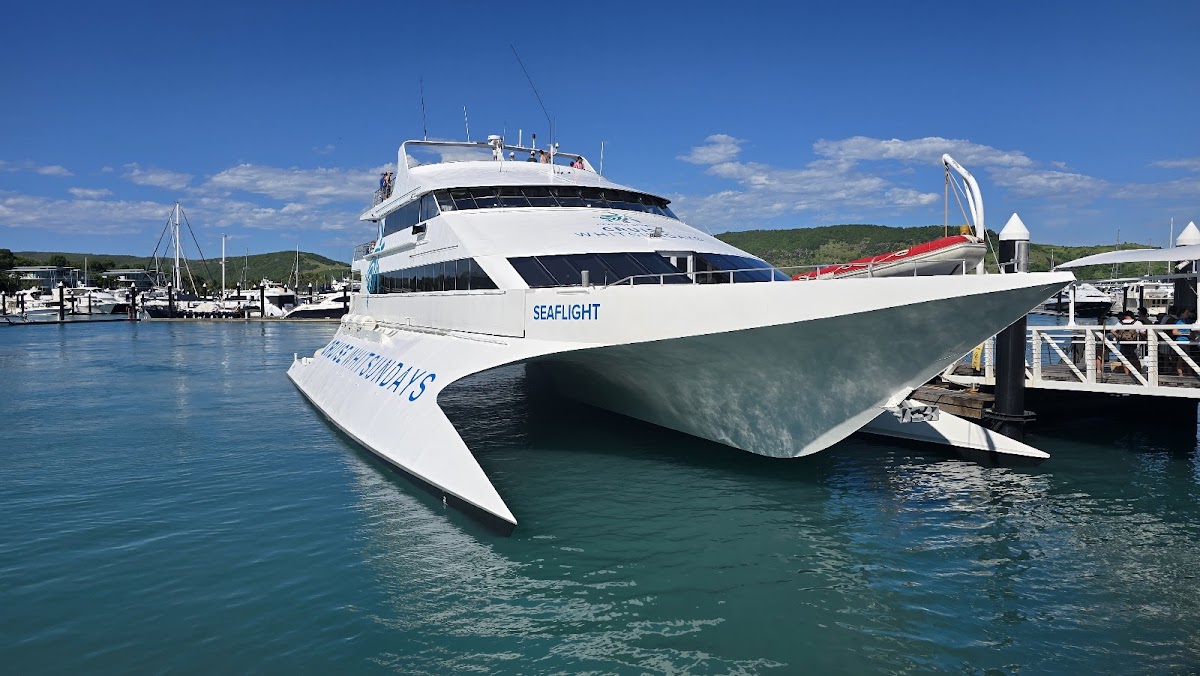
A dedicated whale watching cruise — A resting humpback mother and calf surfacing close to a quietly positioned boat among the islands — the moment a cruise is worth booking for.
Explore whale watching in Hamilton Island →
3
Hamilton Island
The Whitsundays, Queensland
A dedicated whale watching cruise — A resting humpback mother and calf surfacing close to a quietly positioned boat among the islands — the moment a cruise is worth booking for.
Explore whale watching in Hamilton Island →
3
 Narooma
South Coast, New South Wales
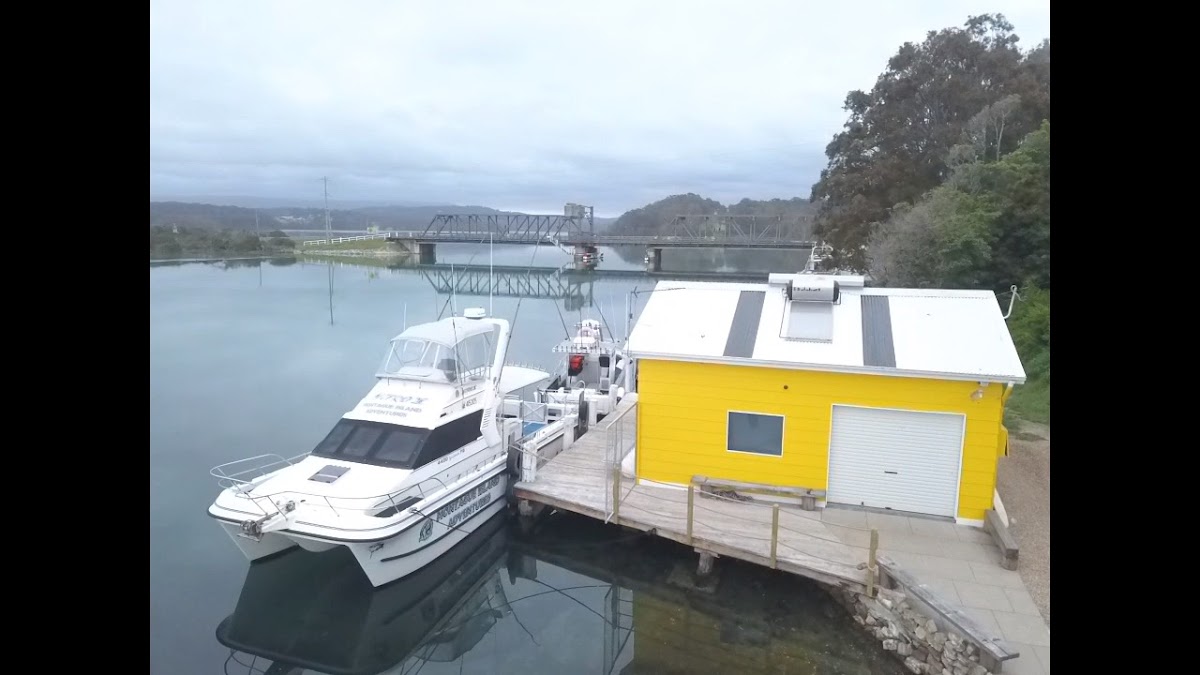
Bar Rock Lookout — A clear spring morning with binoculars and a coffee — give it time and the migration delivers.
Explore whale watching in Narooma →
Narooma
South Coast, New South Wales
Bar Rock Lookout — A clear spring morning with binoculars and a coffee — give it time and the migration delivers.
Explore whale watching in Narooma →
Elements of Byron — Byron Bay
Book Direct & Save →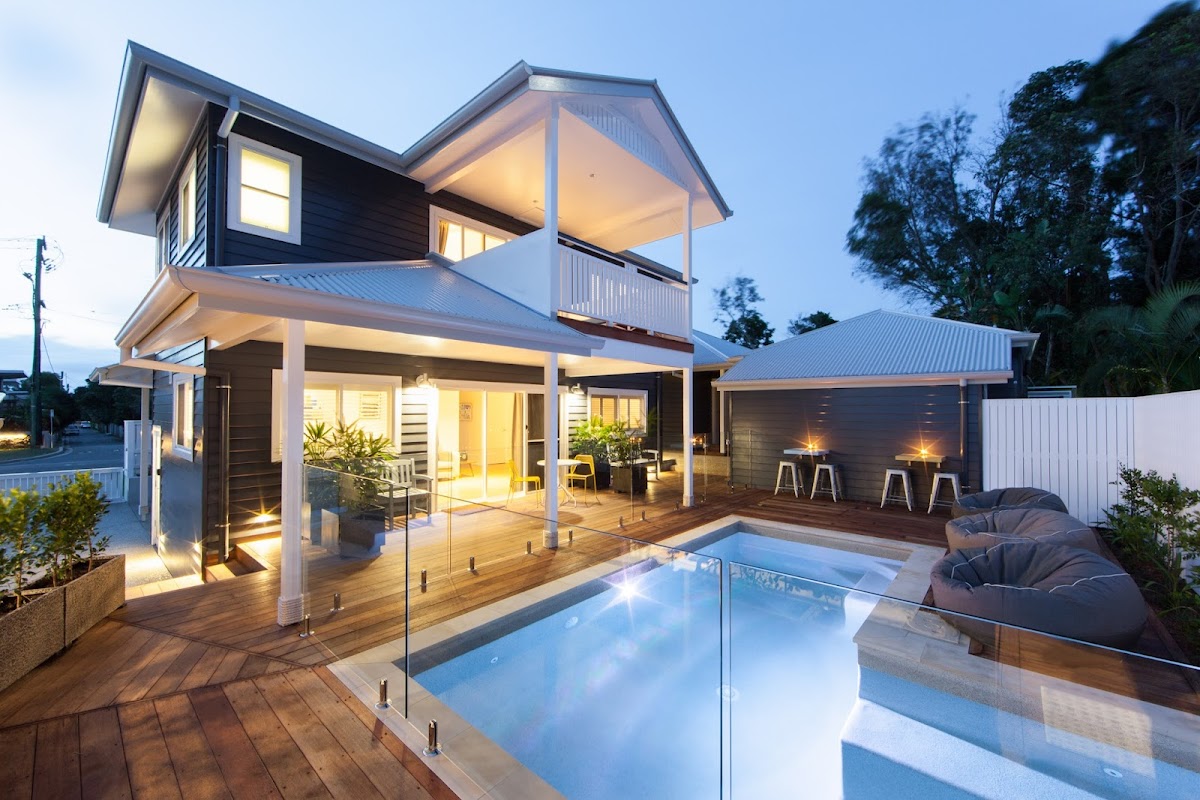
The Beach Shack — Byron Bay
Book Direct & Save →
Byron Beachcomber Resort — Byron Bay
Book Direct & Save →Skip OTA fees. Connect directly with Byron Bay owners for the best rates and a truly personal experience.
We match any online rate. No service fees — 100% of your payment supports local owners.
Direct guests receive complimentary hampers, early check-in, and priority access to experiences.
Speak directly with the people who manage the properties. No call centres, just local expertise.
Part of New South Wales · Northern Rivers