01. Reef View Hotel
4.2 (2067 reviews)
Reef View Hotel — Hamilton Island
Book Direct & Save →Hamilton Island is one of the best gateways to the Great Barrier Reef — the outer reef is a day trip away, and you can snorkel and dive living coral, see the famous Heart Reef from the air, or watch the fish from an underwater chamber without getting wet.
View 3 Properties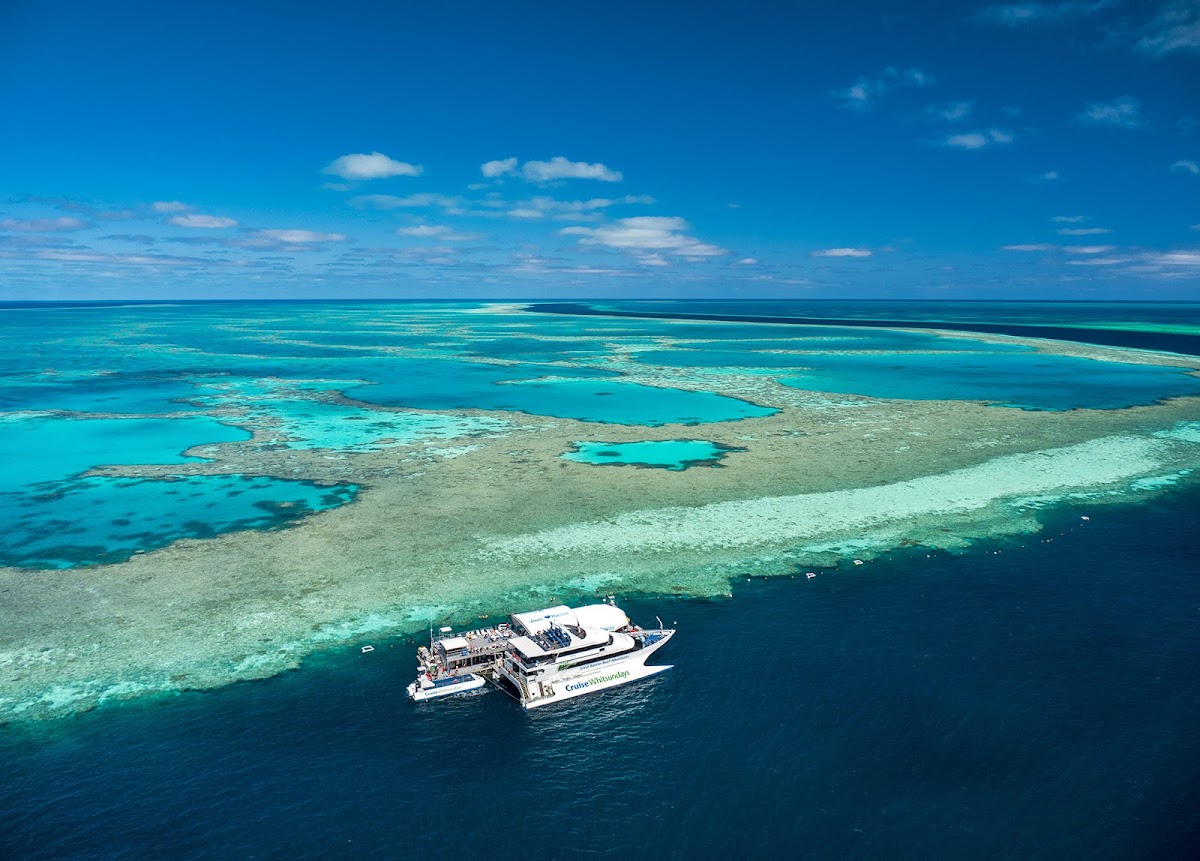
"Outer reef, coral & marine life"
Here are the best ways to experience the reef from Hamilton, who each one suits, what people love about it, and the honest caveats — the cost, the long crossing, the seasickness and the seasons — so you choose the reef day that fits you.
The Great Barrier Reef is the reason a lot of people choose the Whitsundays, and Hamilton Island is one of the most convenient places to reach it from — the outer reef, where the coral is healthiest and the marine life richest, is a day trip from the marina. The key thing to grasp is that this is the outer reef, two to three hours out by fast catamaran, not a fringing reef you can swim to from the beach; a reef day is a long, full, committed day on the water, and it is worth treating it as the centrepiece of your trip rather than a casual afternoon.
The good news is there is a reef experience for every kind of visitor — a moored pontoon for those who want a stable base and a viewing chamber, smaller snorkel and dive boats for a quieter trip, and scenic flights for those who want the big-picture view including Heart Reef. The honest planning rules are the same across all of them: pick a calm-forecast day for the smoothest crossing and the best visibility, book early because they fill in peak season, keep a spare day as a weather buffer, and take seasickness seriously if you are prone to it. Do that, and the reef day is the one most people rank as the highlight of the whole trip.
Being able to reach the outer Great Barrier Reef — the healthiest coral and richest marine life — on a day trip from your island base is something very few reef destinations can offer.
A calm-weather day on the outer reef with a viewing chamber for the non-swimmers, so the whole group sees the coral.
Treating it as a casual afternoon — it is a long crossing on the open sea, it is not cheap, and a rough day is miserable for anyone prone to seasickness. Choose a calm forecast and book early.
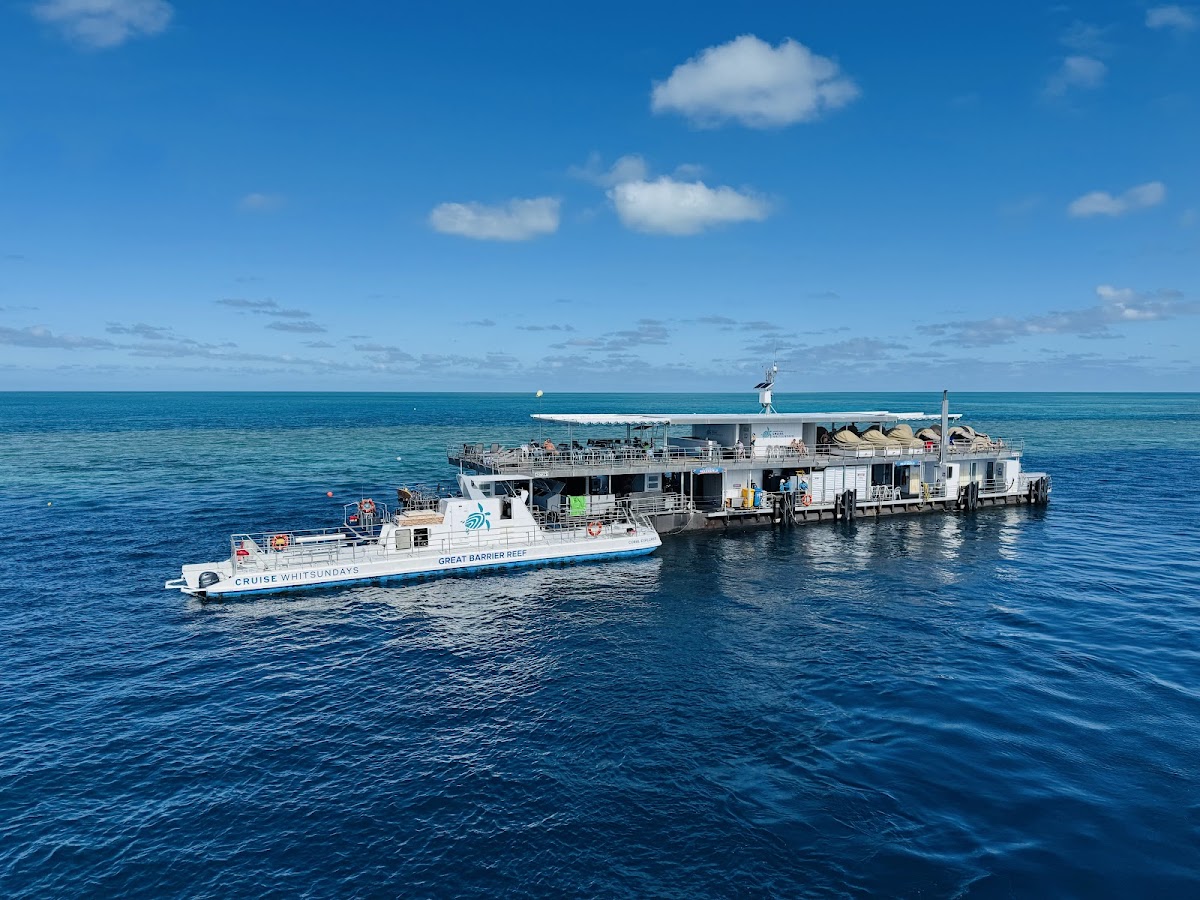
A day at the permanently moored pontoon on Hardy Reef is the most popular and the most versatile way to do the Great Barrier Reef from Hamilton. The platform sits right on the outer reef, and from it you can snorkel and dive straight into the coral, ride a glass-bottom boat or semi-submersible, and — crucially for mixed groups — see the fish and coral from an underwater viewing chamber without ever getting in the water. There is usually a guided snorkel, an introductory dive option for first-timers, and a generous block of time on the reef.
This is the reef day that suits the widest range of people, which is exactly why it is the headline option. Confident swimmers and divers get straight into the coral; nervous swimmers, families and less-mobile visitors get the viewing chamber, the semi-sub and the stable platform to relax on. The trade-offs are the cost, the two-to-three-hour crossing each way, and the fact that the popular pontoons can be busy. Pick a calm-forecast day, take motion-sickness precautions for the crossing, and the pontoon delivers the reef to everyone in the group, swimmers and non-swimmers alike.
The pontoon is the reef day that works for everyone — divers, snorkellers and non-swimmers all see the coral from the same stable platform, which is why it is the most-booked option.
“The pontoon day was incredible — snorkelled with reef fish and a turtle, and the underwater viewing room meant my parents who don't swim still saw the coral. Big day on the boat but unforgettable.”
— Google review
A guided snorkel straight off the pontoon on a calm day, with the viewing chamber and semi-sub for the non-swimmers.
The long crossing and the cost — and a rough day at sea. Take seasickness precautions, pick a calm forecast, and do not book it for your only day in case weather cancels.
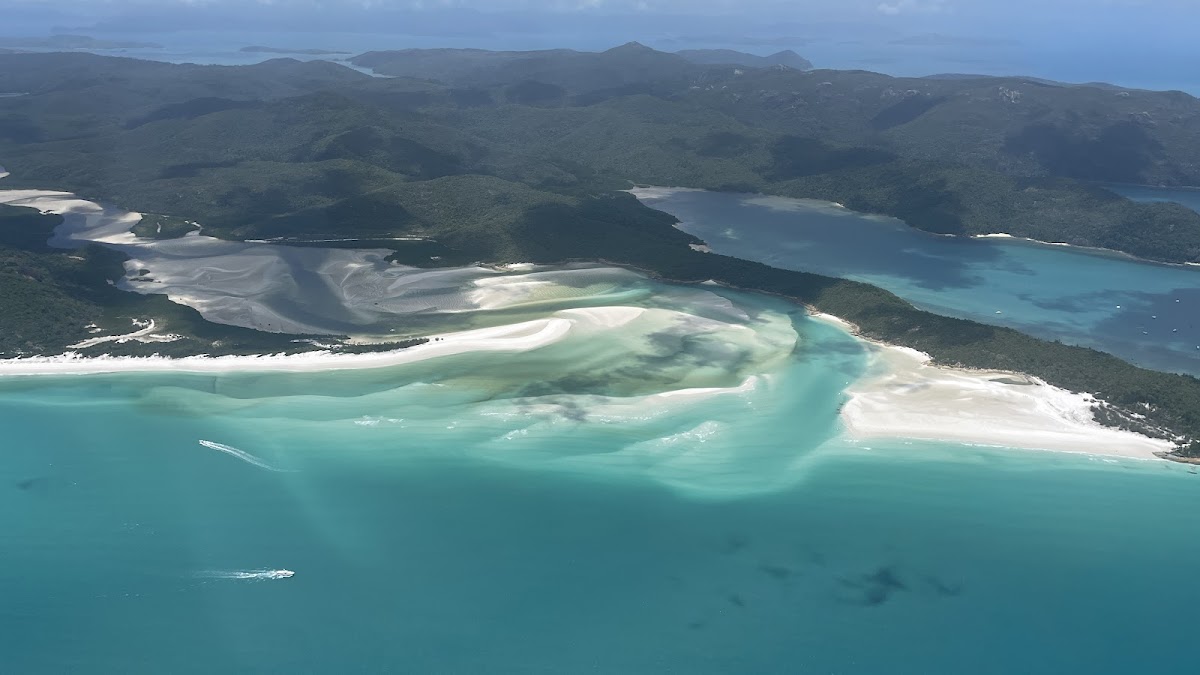
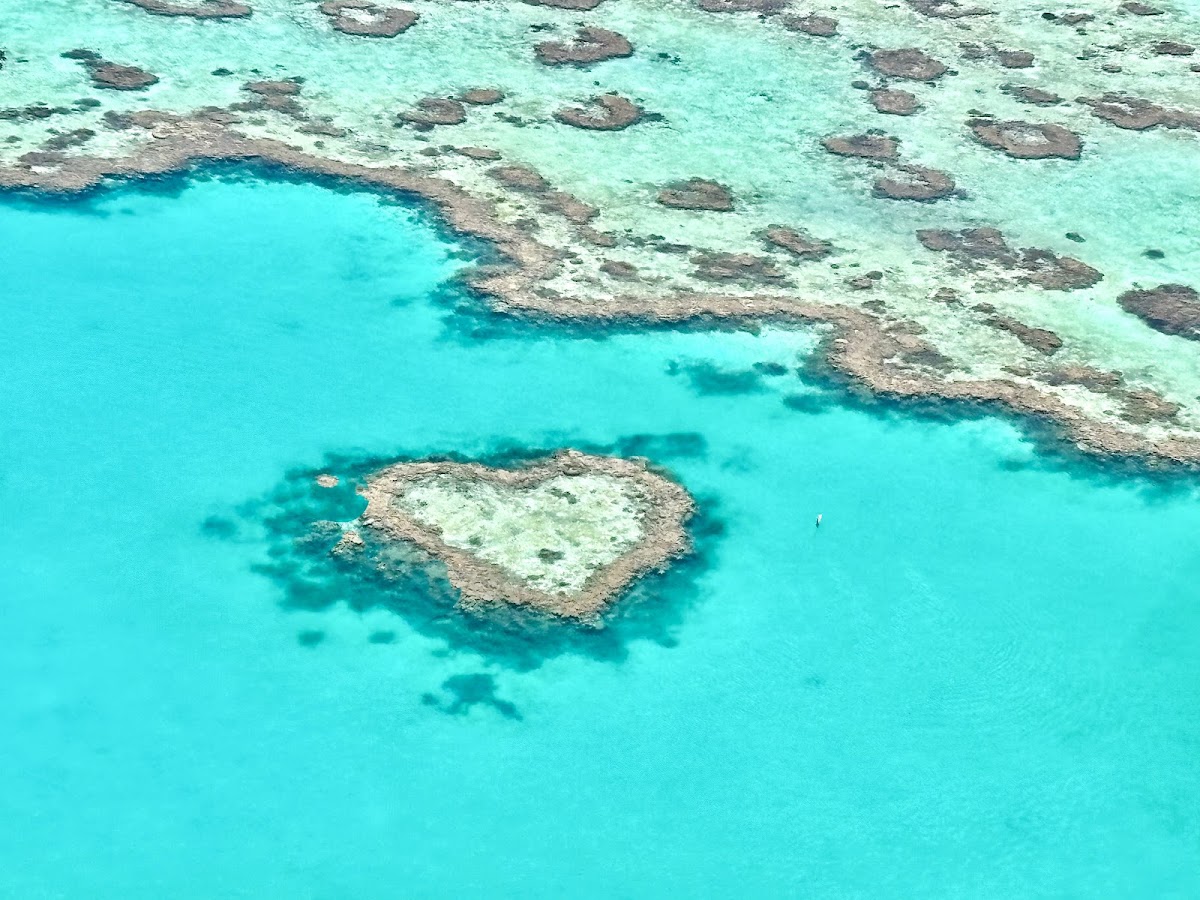
Heart Reef is the small, naturally heart-shaped coral formation that has become one of the most famous images of the Great Barrier Reef — and the only way to see it is from the air, because you cannot land on it or swim to it. Scenic flights by seaplane or helicopter leave from Hamilton, loop out over the reef and the Whitsundays, and give you the view that no boat trip can: the scale and the colours of the outer reef, the patterns of the coral, Whitehaven and Hill Inlet, and Heart Reef itself laid out below you.
It suits anyone who wants the big-picture perspective, couples after a special-occasion experience, and visitors who are short on time or prone to seasickness and would rather see the reef from the air than spend a long day on the water. Many flights combine the aerial loop with a landing at a reef pontoon or on Whitehaven, which is the best of both worlds. The caveats are the cost — scenic flights are a premium experience — and the weather, since flights are conditions-dependent; book in advance and keep your dates flexible, and it is one of the most memorable hours of the trip.
It is the only way to see Heart Reef and the scale of the outer reef, and the aerial view of the coral, Whitehaven and the islands is genuinely jaw-dropping.
“The seaplane flight over Heart Reef and Whitehaven was the splurge of the trip and worth every dollar — seeing the reef and the white sand from above is something photos can't capture.”
— Traveller review
The aerial view of Heart Reef and the outer coral, ideally on a combined flight that also lands on the reef or Whitehaven.
The premium price and the weather dependency — flights are conditions-dependent, so book ahead, keep your dates flexible, and treat it as a special-occasion splurge.
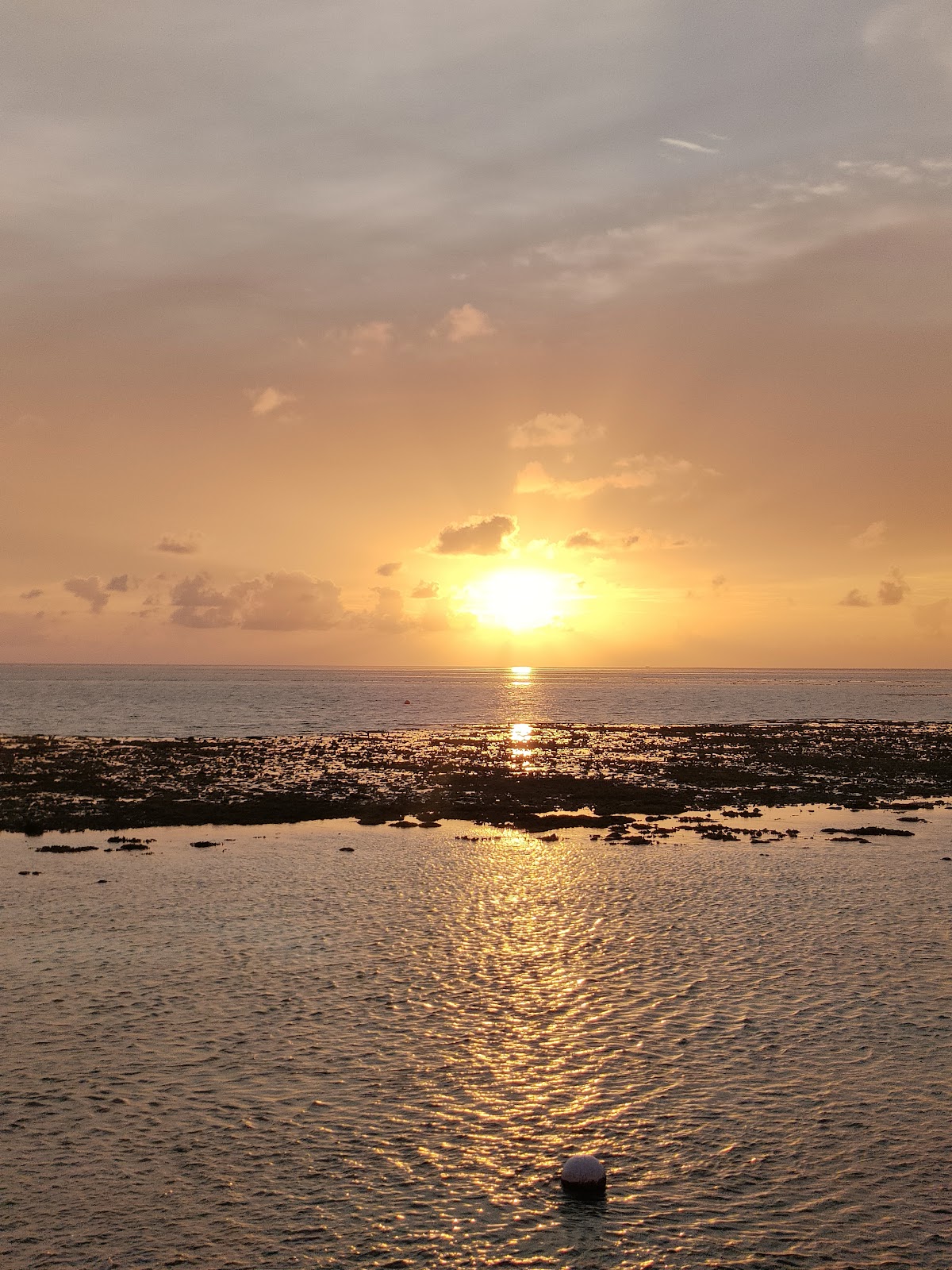
You do not have to be a diver to experience the best of the reef — snorkelling the outer reef from Hamilton puts you right over living coral, reef fish, turtles, rays and the occasional reef shark, with nothing more than a mask, snorkel and fins. Both the pontoon days and smaller dedicated snorkel boats reach the outer-reef sites around Hardy and Bait Reef, where the coral is healthiest and the visibility, on a calm day, is superb. Guided snorkel tours and flotation aids mean even nervous or first-time snorkellers can get out over the coral safely.
This is the reef experience that suits the widest range of swimmers — anyone reasonably comfortable in the water, from families with older kids to couples and solo travellers, can do it, and the smaller boats give a quieter, less crowded trip than the big pontoons. The honest caveats are the conditions and the comfort: visibility and ease depend on a calm sea, the water is open ocean, and stinger-season precautions (a suit) apply from November to May. Pick a calm-forecast day, take a guided trip if you are unsure, and snorkelling delivers most of the reef's magic without the cost or training of a dive.
Snorkelling puts you right over living coral, turtles and reef fish with no certification needed — it is the most accessible way to experience the best of the reef.
“Snorkelled the outer reef on a small boat — far fewer people than the big pontoons, and we floated over coral with turtles and a reef shark below us. Magic on a calm day.”
— Google review
A guided snorkel over healthy coral at Hardy or Bait Reef on a calm, clear day.
A rough day, which cuts visibility and comfort, and the open-ocean conditions — take a guided trip if you are unsure, and wear a stinger suit from November to May.
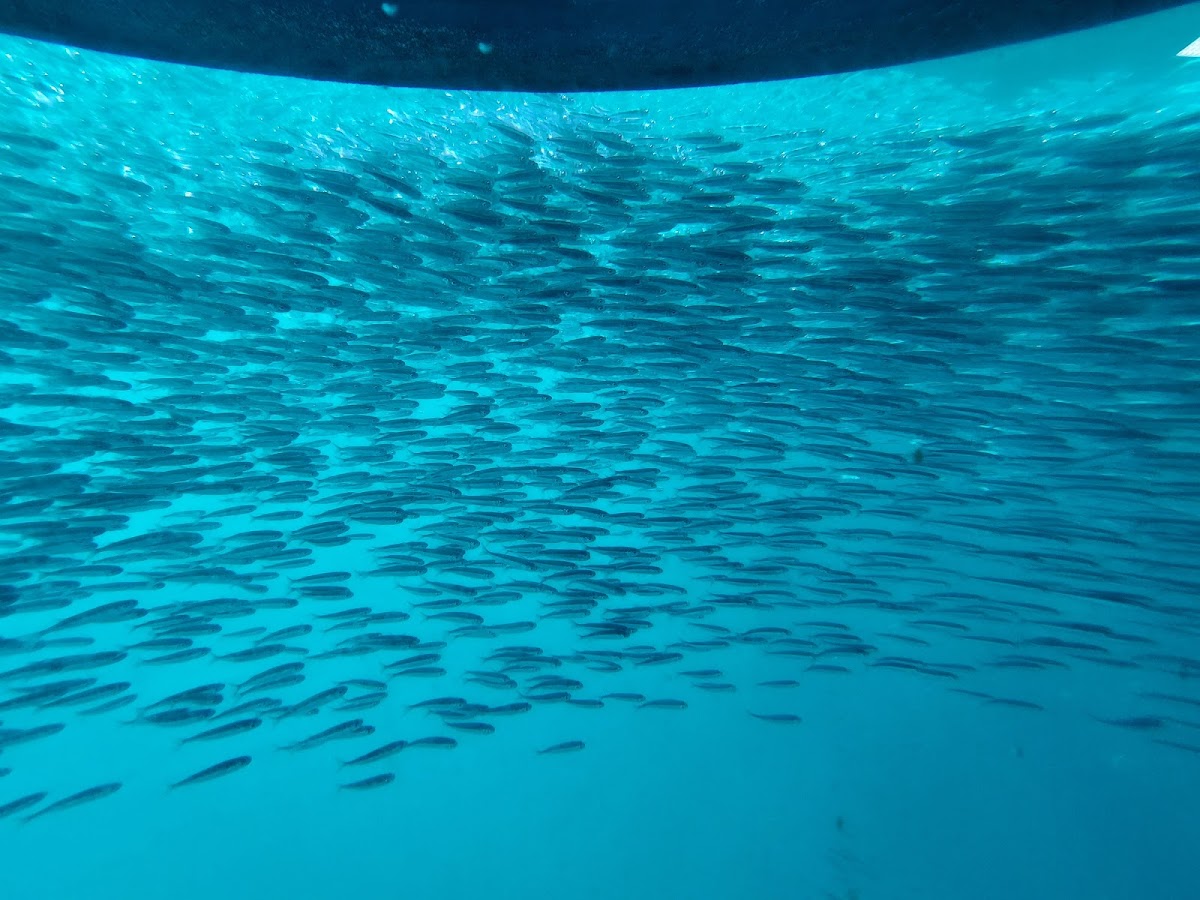
For divers, the outer reef around Hardy and Bait Reef is the main event — coral gardens, swim-throughs, reef fish in their thousands, turtles, rays and reef sharks, in some of the best-preserved reef in the Whitsundays. The pontoon days include introductory dives for complete beginners (no certification needed, with an instructor) as well as guided dives for certified divers, and dedicated dive boats run trips with multiple dives at the better sites for those who want to make a day of it underwater. Bait Reef in particular is rated among the standout dive sites in the region.
It suits certified divers chasing the best of the reef, and — through the introductory-dive option — first-timers who want to try scuba in one of the world's great dive locations without committing to a course. It is not for non-swimmers or anyone uncomfortable in deep water, and there are medical and safety requirements for diving, so check the conditions and declare any health issues honestly. The usual reef caveats apply: calm seas make for the best dives, it is a long crossing and a premium experience, and stinger-season suits are needed from November to May. For a diver, though, it is the reason to come.
Hardy and Bait Reef offer some of the best-preserved coral and richest marine life in the Whitsundays, with introductory dives that let complete beginners try it in a world-class location.
“Did my first ever dive on the outer reef with an instructor — coral, turtles, a reef shark, the lot. Honestly the best thing I've ever done. Certified mates rated Bait Reef the highlight.”
— Traveller review
A guided dive at Bait Reef on a calm day, or an introductory dive if it is your first time.
It is not for non-swimmers or those uncomfortable in deep water, and there are medical and safety requirements — declare any health issues, and pick a calm-forecast day.
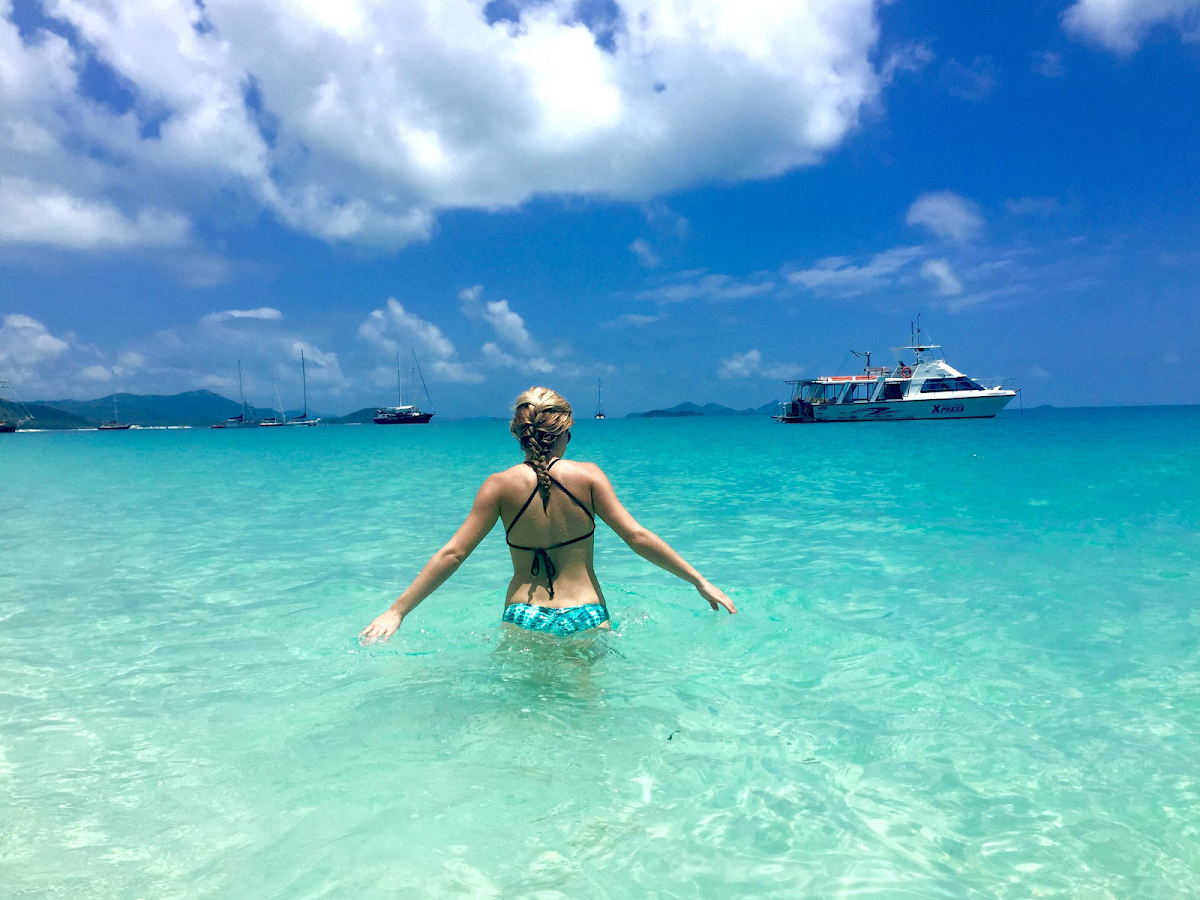
If you are short on time and want to see both of the Whitsundays' headline sights, combined trips pair the Great Barrier Reef with Whitehaven Beach in a single day. The classic version is a scenic flight that loops over the outer reef and Heart Reef before landing on Whitehaven, but there are also boat-based itineraries that fit in a reef snorkel and a few hours on the famous sand. It is the efficient choice for a short stay, and it gives you the two experiences most people travel to Hamilton for in one go.
It suits visitors with only a day or two to spare, couples wanting a single big special-occasion day, and anyone who would rather see the reef from the air and spend their water time at Whitehaven. The honest trade-off is depth versus breadth: a combo day necessarily gives you less time at each than a dedicated reef day or a full Whitehaven cruise would, so if you have the days, doing them separately lets each one breathe. But for a packed short trip, the combo is the smart, memorable way to tick off both icons — book it early and pick a calm, clear forecast.
It packs the two icons of the Whitsundays — the Great Barrier Reef and Whitehaven Beach — into a single, efficient day, which is perfect for a short stay.
“Only had two days, so we did the combo flight — over the reef and Heart Reef, then landed on Whitehaven. Saw both of the big sights in one incredible day.”
— Google review
A flight over Heart Reef and the outer coral that lands on Whitehaven — both icons in one day.
Less time at each than a dedicated trip — if you have the days, do the reef and Whitehaven separately so each can breathe. Book early and pick a calm forecast.
| Season | Conditions | Highlights | Crowds |
|---|---|---|---|
| Autumn (Mar–May) | Warm, settling into the dry; stingers tail off by late autumn | Warm water, easing humidity, fewer crowds than winter | Building toward peak |
| Winter (Jun–Aug) | Dry, warm days, mild nights — the island at its best | No stingers, whale season (Jul–Sep), perfect reef and beach days | Peak — book well ahead |
| Spring (Sep–Nov) | Warming up, dry early then humid late; stingers return from Nov | Tail of whale season, warm water, great reef visibility | Easing then building |
| Summer (Dec–Feb) | Hot, humid, wet season with afternoon storms; stinger season | Warmest water, lush and green — swim in stinger suits or pools | Quieter (busy over Christmas) |
What visitors say most often about the reef from Hamilton Island.
The outer reef's coral and marine life — turtles, reef fish, the occasional reef shark — are the most-praised part of a reef day, and visitors say it is worth the long trip.
“The coral and the fish on the outer reef were unreal — turtles right next to us. Worth the long boat ride.”— Google review
Visitors with mixed-ability groups love that the pontoon viewing chambers and scenic flights let non-swimmers experience the reef too.
The two-to-three-hour crossing, the chance of seasickness on a rough day and the weather-dependency are the recurring caveats — pick a calm day and take precautions.
“Wish we'd known how long the crossing was — take seasickness tablets and pick a calm day.”— Traveller review
“A must see destination. The pure white sand, the crystal blue waters is like nothing else. Find your own spot amongst the long beach, relax & enjoy the serenity of it all. Don't rush this spot "just to say you've seen it". We hired our own boat, found our own section with no-one near us for over a kilometres on the sand.”— Scott Mander (on Whitehaven Beach), Google review
“Absolutely breathtaking! The sand is so pure and soft it almost squeaks under your feet, and the turquoise water looks unreal. We spent hours just relaxing, swimming, hiking and soaking in the views — it honestly feels like paradise. If you’re visiting the Whitsundays, this is a must-see. Bring your camera and plenty of sunscreen — you’ll never want to leave”— T J (on Whitehaven Beach), Google review
“Such a spectacular beach and it's so huge that even when there's heaps of boatloads of tourists there is room to spread out and have your own private slice of paradise. A must see when in Australia.”— Amy Garden (on Whitehaven Beach), Google review
It is the outer reef: the healthiest coral is a two-to-three-hour crossing each way by fast catamaran, so a reef day is a long, full day on the open sea, not a quick afternoon. Treat it as the centrepiece of your trip and plan around it.
Weather & seasickness: reef trips are weather-dependent and cancel on rough days. Pick a calm-forecast day for the smoothest crossing and the best visibility, take motion-sickness precautions if you are prone to it, and keep a spare day as a buffer so a cancellation does not cost you the reef entirely.
Season: April to October brings calmer seas, the best visibility and no stingers — the ideal reef window. From November to May, wear a stinger suit in the water (operators usually provide them).
For non-swimmers: you do not have to swim to see the reef — the pontoon viewing chambers, semi-submersibles and scenic flights all let non-swimmers and less-confident visitors experience it. Book the pontoon or a flight if your group has mixed abilities, and book early, as the best trips fill in peak season.
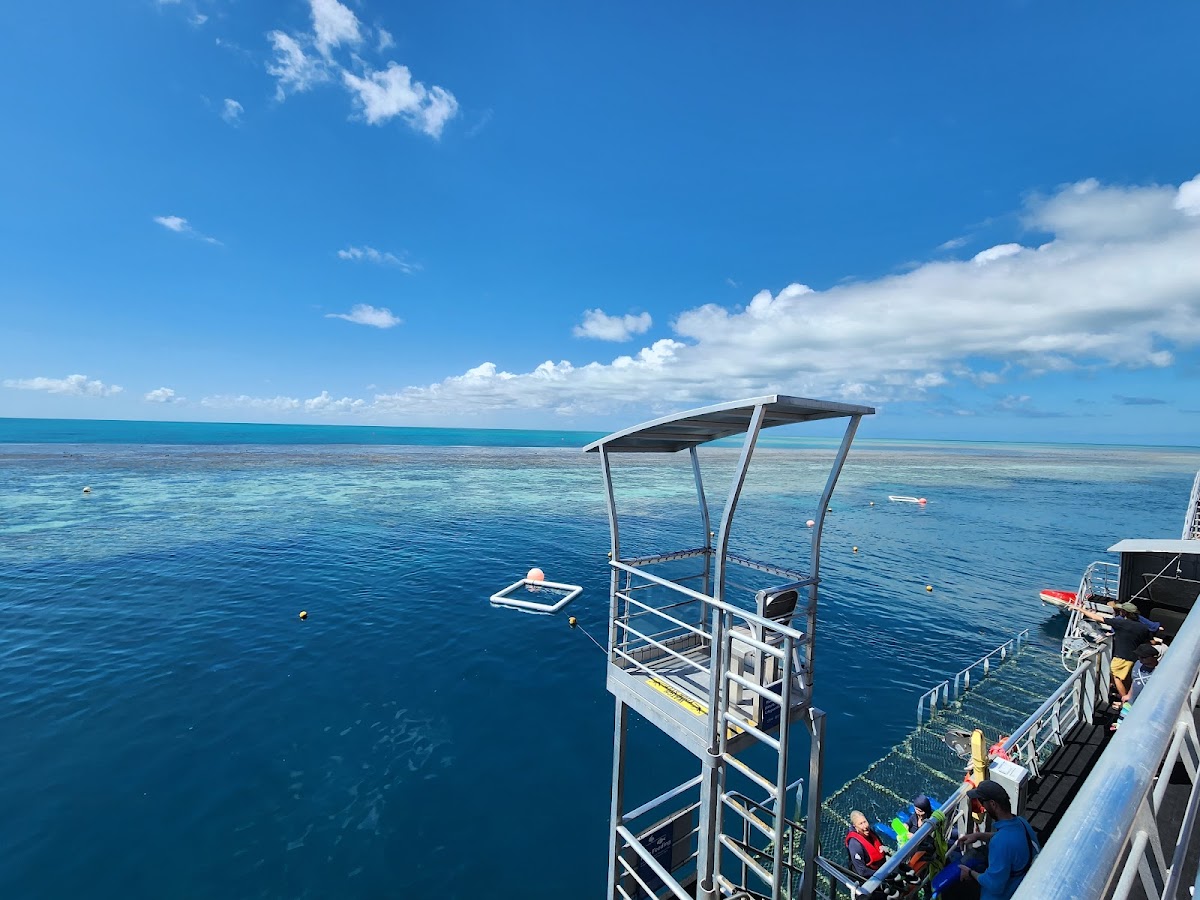
A day on the Great Barrier Reef is, for most people, the highlight of a Hamilton Island trip — and the island's position makes the outer reef genuinely reachable, whether you want to dive the coral, snorkel over turtles, see the fish from a viewing chamber, or take in Heart Reef from the air. There is a reef experience for every kind of visitor, swimmer or not, and the coral and marine life live up to the reef's reputation.
The rules that make it work are simple: pick a calm-forecast day, book early and keep a weather buffer, take seasickness seriously on the long crossing, and choose the experience — pontoon, snorkel boat, dive trip or scenic flight — that matches your group. Do that, ideally in the April-to-October window, and the reef day will be the one you talk about long after the trip is over. Book it first, and build the rest of your stay around it.

Reef View Hotel — Hamilton Island
Book Direct & Save →
Whitsunday Apartments Hamilton Island — Hamilton Island
Book Direct & Save →
Palm Bungalows — Hamilton Island
Book Direct & Save →Skip OTA fees. Connect directly with Hamilton Island owners for the best rates and a truly personal experience.
We match any online rate. No service fees — 100% of your payment supports local owners.
Direct guests receive complimentary hampers, early check-in, and priority access to experiences.
Speak directly with the people who manage the properties. No call centres, just local expertise.
Part of Queensland · The Whitsundays