01. Cable Beach Club Resort & Spa
4.5 (968 reviews)
Cable Beach Club Resort & Spa — Broome
Book Direct & Save →Every year between June and November, humpback whales pass through the waters off Broome in numbers that rank among the highest migration concentrations on the Australian coast. The Western Australian humpback whale population — one of the fastest recovering populations in the southern hemisphere — migrates north past Broome to warm breeding grounds in the Kimberley and Timor Sea in winter, and returns south in spring. At the peak of the season, dozens of whales may be visible from a single boat trip offshore, and on calm days in August and September the breaches and tail slaps are visible from the headlands at Gantheaume Point.
View 3 Properties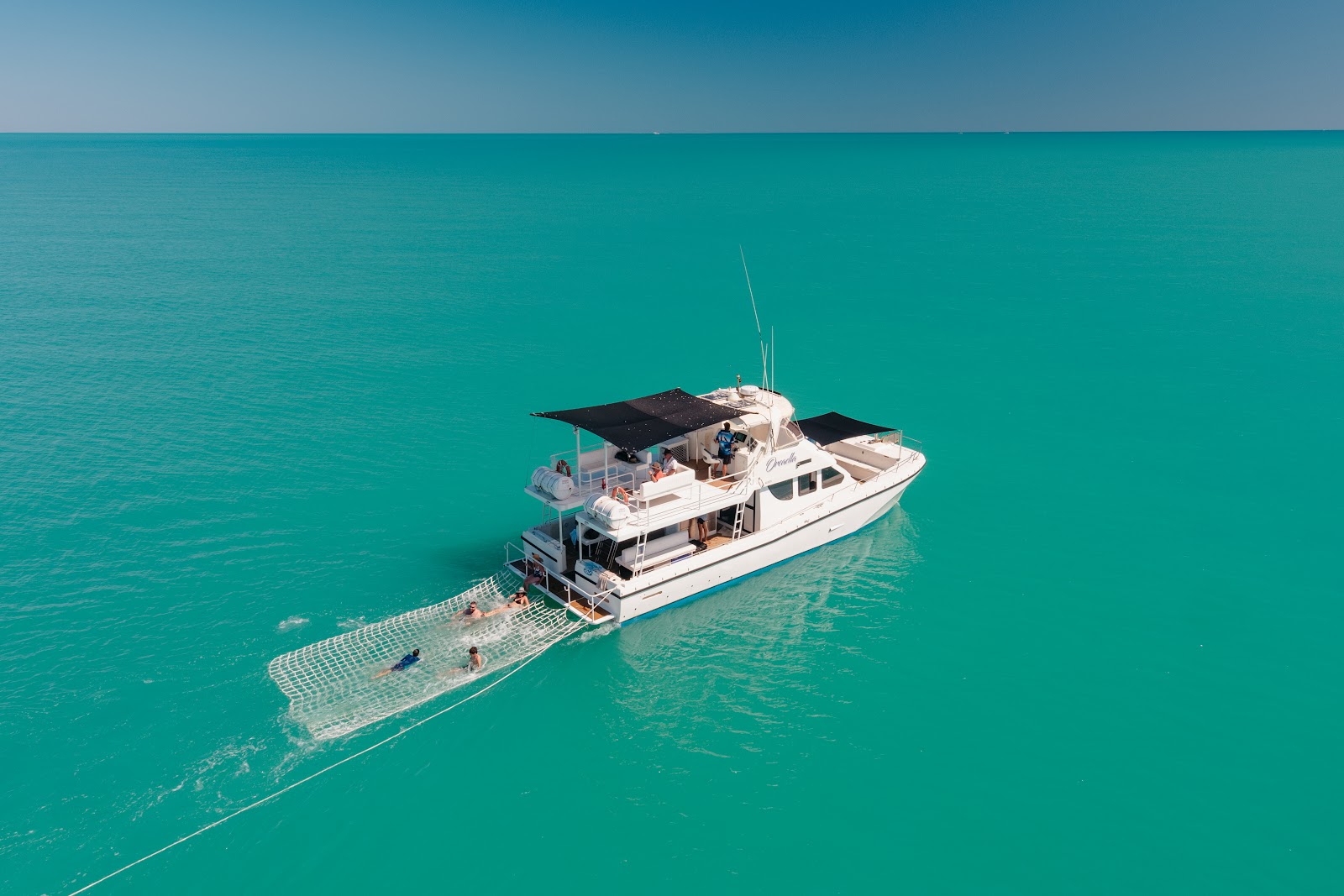
"Remote, wild, Southern Hemisphere migration at its peak"
But humpbacks are not Broome's only whale story. Roebuck Bay, the wide tidal bay immediately east of town, is home year-round to the Australian snubfin dolphin — one of the few locations in the world where this little-known, endemic species is reliably seen. Unlike humpbacks, snubfin dolphins are present in Roebuck Bay every month of the year, and the bay's tidal creek mouths and mangrove margins are among the most accessible places in Australia to find them. This guide covers both.
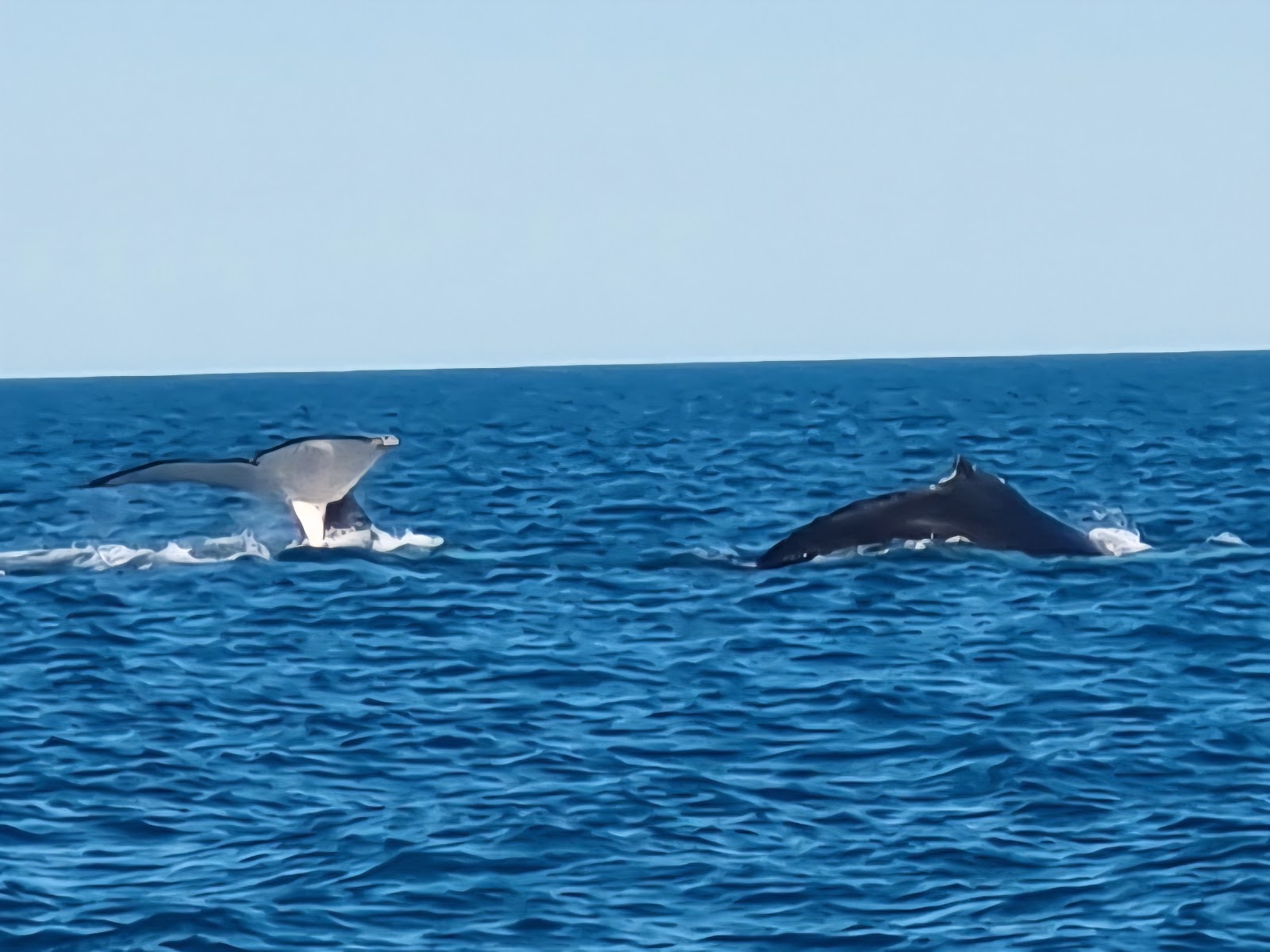
The Western Australian humpback whale population migrates along the continent's western coast twice annually, and Broome sits directly on this migration corridor. The northward journey to tropical breeding grounds happens from approximately June to August; the southward return passes from September to November. The timing of the northern migration, combined with Broome's offshore geography and the high density of whales in these waters, makes the June-to-November window one of the most productive periods for whale watching anywhere in Australia.
What distinguishes whale watching off Broome from the better-publicised locations further south is the scale of the migration and the clarity of the water. The Indian Ocean off the Kimberley coast is warm, very clear and without the cold-current upwellings that characterise the feeding grounds further south — which means the whales here are often more active behaviourally, breaching, pec-slapping and tail-lobbing in behaviour associated with social interaction and communication. Whether or not this translates into consistently more dramatic viewing than in other locations is anecdotal, but the reports from operators are consistent: August and September are genuinely impressive.
The WA humpback population has recovered from near-extinction during the whaling era (Cheynes Beach Whaling Station near Albany processed its last whale in 1978) to an estimated population of over 40,000 animals and growing. Seeing these whales now, in a recovering population that has rebuilt itself over two human generations, adds a layer of meaning to the experience that goes beyond the spectacle.
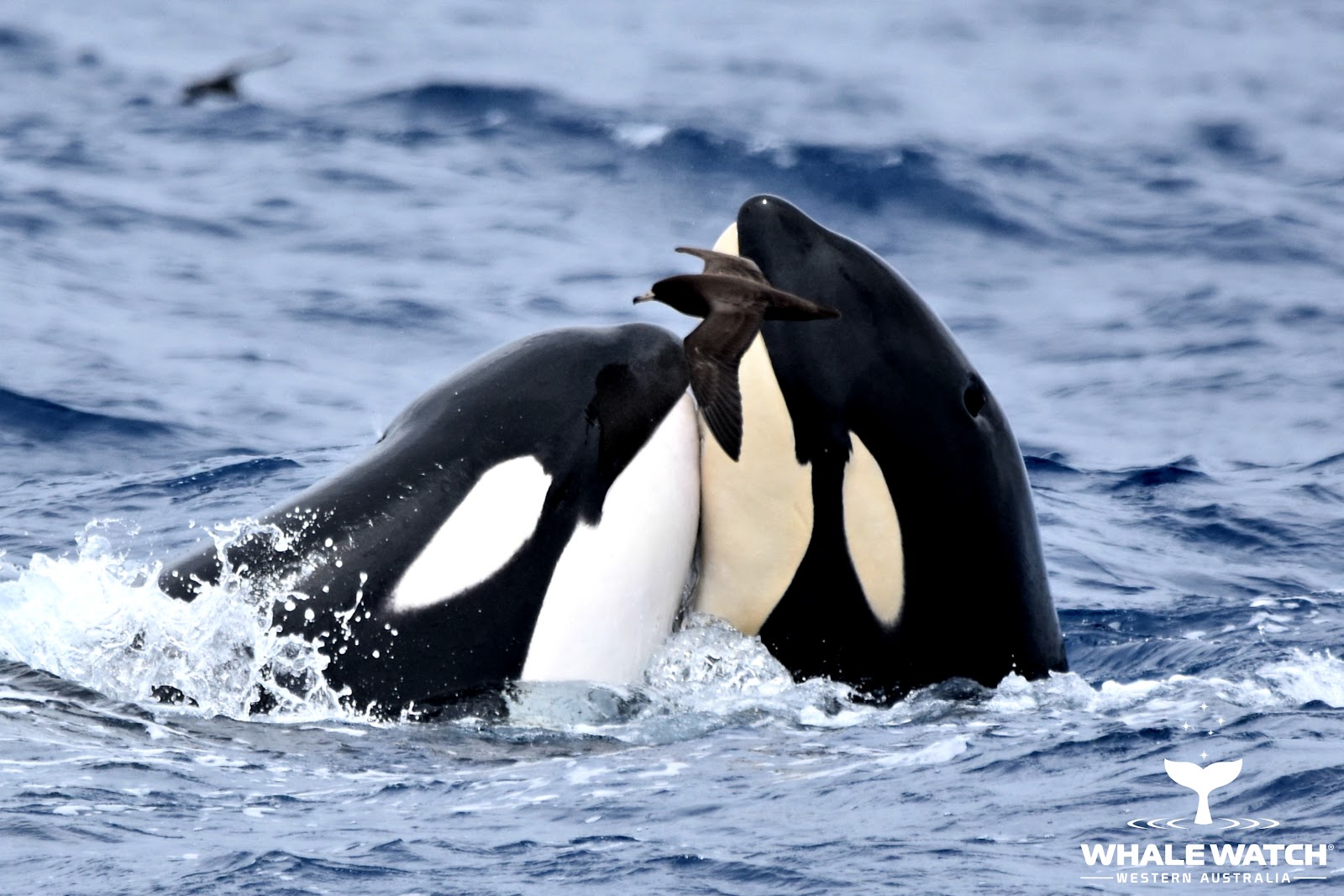
The Australian snubfin dolphin (Orcaella heinsohni) is one of the world's least-known dolphin species — it was only formally separated from the Irrawaddy dolphin as a distinct species in 2005, and its range is restricted to the tropical northern Australian coast from the Kimberley around to Queensland. It is not the Indo-Pacific bottlenose dolphin that most Australians have seen at a beach or on a harbour tour; the snubfin is smaller, rounder-headed, paler in colour and significantly shyer. It's the dolphin that doesn't approach boats.
Roebuck Bay is one of the most reliably productive locations in Australia for seeing snubfin dolphins. The bay's shallow tidal flats, mangrove creek mouths and rich baitfish populations provide ideal habitat, and a resident population of snubfins uses the bay year-round. The key to seeing them is patience and a low-impact approach: a good eco-tour operator knows the areas where they feed, the tidal times when they're most active, and how to approach without causing the animals to move off. Snubfins that feel pressured simply dive and don't resurface nearby.
Beyond snubfins, Roebuck Bay also holds Australian humpback dolphins (a different species from the large offshore humpback whales) and occasional Indo-Pacific bottlenose dolphins — making an eco-cruise of the bay potentially a three-species day for those who choose the right guide and the right conditions.
A humpback whale boat tour departing from Broome is the most direct and reliable way to experience the migration. Boats leave Broome Boat Harbour and head offshore to the waters where humpbacks are concentrated, and the tours are typically two to three hours. In good conditions in August and September, the whale density offshore can be extraordinary — multiple animals visible simultaneously, with breaches, tail slaps and socialising groups in close proximity to the boat. These are not the careful, maintain-200-metres encounters of some other whale watching locations; in peak season the whales come to the boats as readily as the boats go to the whales.
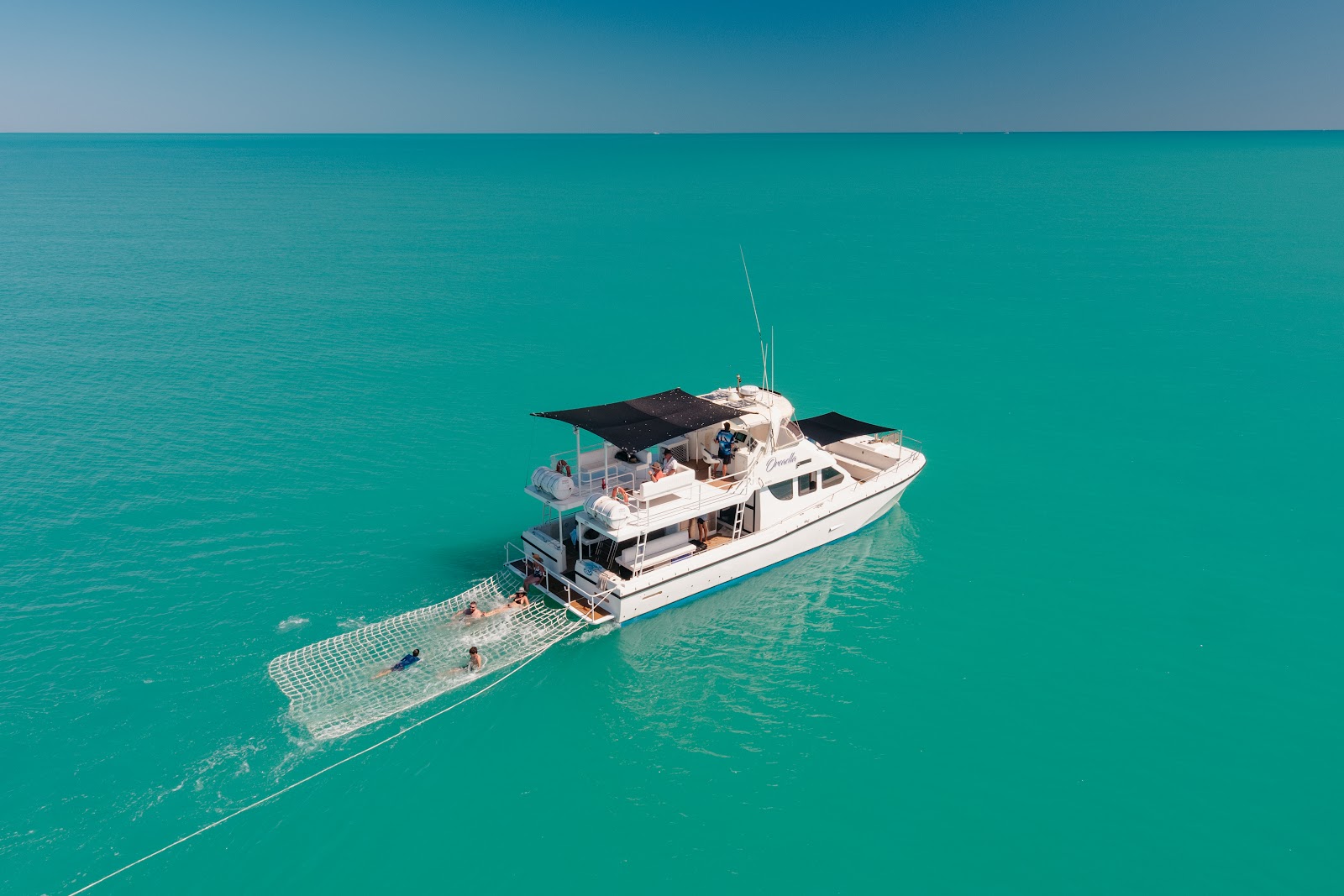
Several operators run dedicated whale watching tours out of Broome in season, with vessels ranging from small zodiac-style inflatables (faster and lower to the water, more physically active but excellent for closeness) to larger catamarans (more stable for passengers prone to seasickness, with shade and seating). Choose based on your group's motion tolerance. All reputable operators follow Australian Marine Wildlife Watching Guidelines, which include approaching slowly, not cutting across a whale's path, and limiting approach to 100 metres without a scientific permit.
For families with children, the larger catamarans are generally the better choice — the motion is more manageable for younger passengers and the platform is more stable for watching and photography. Bring seasickness medication if your party has any history of motion sickness; even in calm conditions a two-hour offshore run can produce some swell. Book ahead in peak season — July through September tours fill up quickly.
In peak season the whale density offshore is extraordinary — multiple animals breaching and socialising simultaneously, in warm clear water, on a boat that you share with maybe 20 other people. It's one of Australia's great wildlife experiences.
“Booked a morning tour in August and within 20 minutes of leaving the harbour we had a mother and calf alongside the boat. The guide counted eleven humpbacks in view at one point. Nothing prepares you for the scale of it.”
— Google review
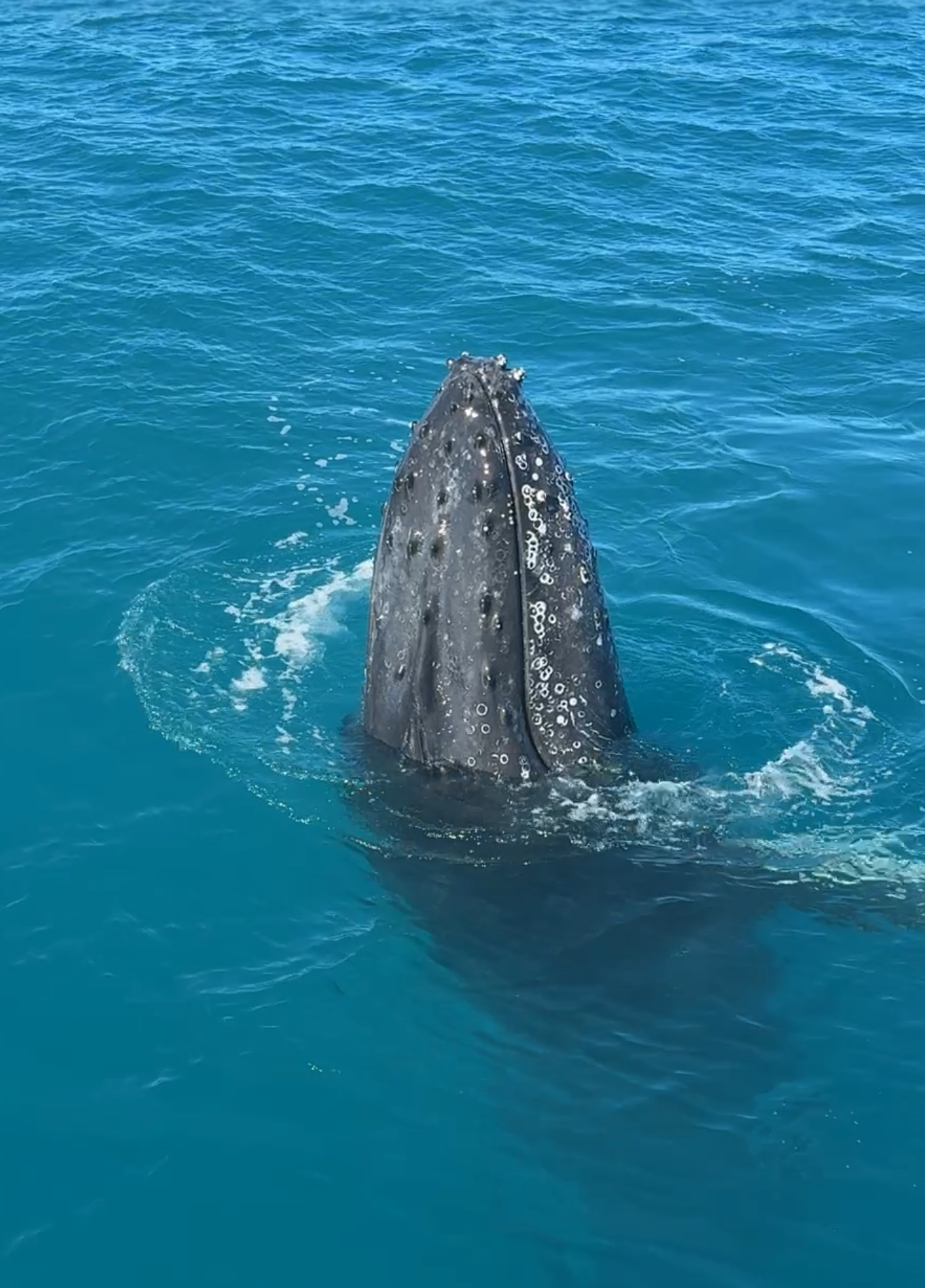
A large humpback alongside the boat in warm, clear Indian Ocean water — be ready with the camera before the boat slows, as breaches happen without warning.
Book well ahead in August–September — tours fill up, especially on days following rough weather when multiple days' worth of passengers reschedule simultaneously. Motion sickness medication is worth taking precautionarily if you have any history.
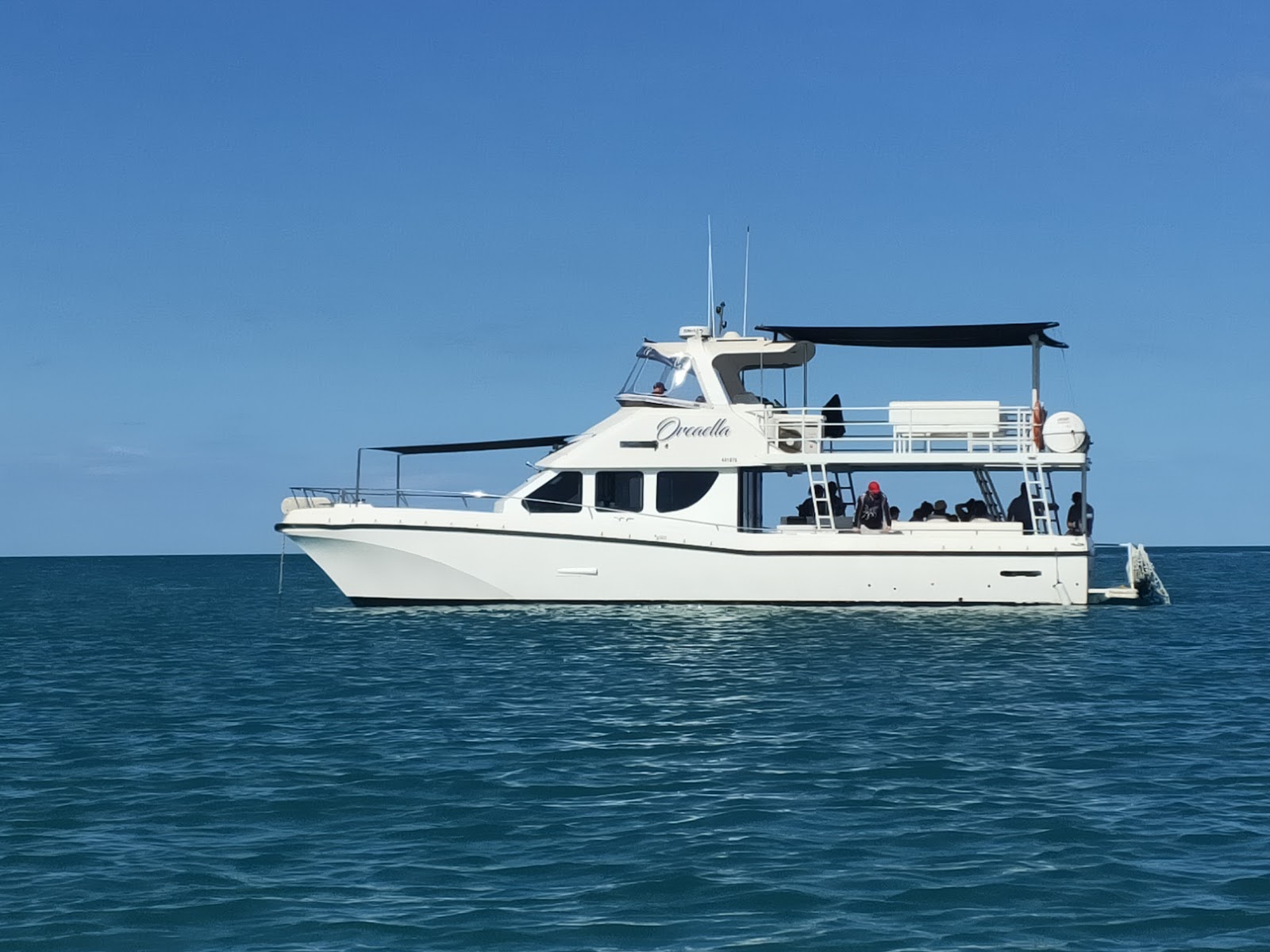
Eco-cruise operators focusing on the Australian snubfin dolphin and the wildlife of Roebuck Bay offer a completely different experience to the offshore whale watching trips. Where the humpback tours go out to sea and deal in scale — large animals, open ocean, dramatic breaches — the snubfin eco-cruises are intimate and patient, focused on a small population of shy animals in the shallow tidal margins of a bay that most tourists overlook in favour of Cable Beach. Getting close to snubfin dolphins requires low speed, patience and a guide who knows the bay.
The operators who specialise in Roebuck Bay ecology typically also cover the bay's other cetaceans (Australian humpback dolphins and occasional bottlenose dolphins), its birdlife (the bay is a critical shorebird staging area of international significance, particularly for migratory waders), and the ecology of the mangrove systems that support the entire food web. If the snubfins aren't cooperating, there is always something else to look at and learn about in Roebuck Bay; the guides who work this water know it deeply.
This experience suits wildlife enthusiasts, photographers and anyone who wants to go beyond the mainstream tourist activities. It's a longer, slower, more observational experience than an offshore whale watching trip — closer to a naturalist's expedition than a thrill-seeking activity. Year-round availability (unlike the humpback season) makes it a viable option for visitors arriving in any month.
Seeing one of the world's rarest and least-known dolphin species in the bay adjacent to Broome's town centre — a species most Australians have never heard of — is the wildlife encounter most visitors don't know they can have here.
“The snubfin dolphins were unlike anything we'd seen. They're so different from bottlenose — stockier, shyer, this round blunt head. The guide's knowledge of the bay was exceptional. Easily the best hour on the water.”
— Traveller review
A patient, close approach to a snubfin dolphin feeding in the shallows — the guide's local knowledge is what separates a successful encounter from an empty bay.
Snubfins are genuinely shy and not reliably visible on every trip — any eco-operator who guarantees a sighting is over-promising. Choose an operator who describes managing expectations honestly.
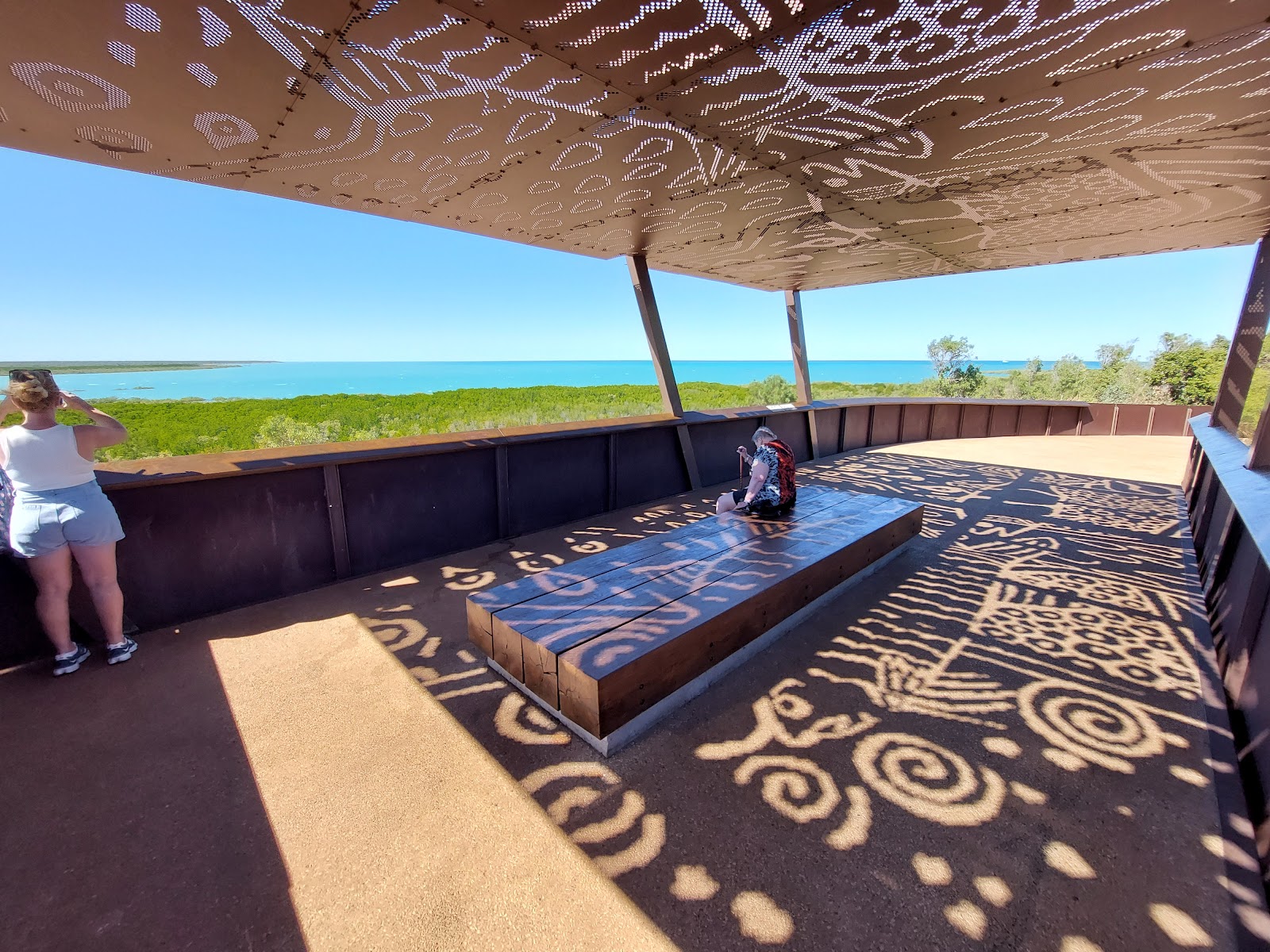
Roebuck Bay is one of the most ecologically significant coastal bays in the southern hemisphere and arguably one of Broome's most underappreciated attractions. The bay's enormous tidal range — up to nine metres — exposes vast areas of mudflat twice daily, and these mudflats support the largest concentrations of migratory shorebirds in Australia, many of them travelling the East Asian-Australasian Flyway from breeding grounds in Siberia and Alaska. In April and May, before the northern migration, the bay can hold hundreds of thousands of birds — counts regularly exceed 130,000 waders.
For whale watchers, the bay's importance is as the home of the snubfin dolphins, but it also functions as a cetacean highway during the humpback migration: on calm days in season, whales passing close inshore are sometimes visible from the Town Beach foreshore or the elevated positions at the Mangrove Hotel, though land-based sightings of humpbacks in the bay rather than offshore are more occasional than reliable. The bay's rich tidal ecosystem — the mangrove forests, the tidal creek mouths and the fish schools — is the system that supports the snubfins year-round and the visiting whales in transit.
Roebuck Bay is also where the Staircase to the Moon reflects each month in season, and where the red-ochre mudflats catch the sunrise light in a way that makes the whole eastern side of Broome look like a landscape painting. If you are only seeing Cable Beach, you are missing the half of Broome that faces the right direction at dawn.
The bay that holds the snubfin dolphins and the world's greatest migratory shorebird staging is on the doorstep of Broome's town centre and almost entirely overlooked by tourists — its scale is extraordinary.
“We walked to Town Beach at dawn and the bay was covered in tens of thousands of birds with the red mudflats lit by the sunrise. We hadn't known any of this was here. Incredible.”
— Traveller review
Roebuck Bay at dawn or low tide during the April–May shorebird peak — one of the great concentrations of wild birds in Australia, combined with the chance of seeing snubfin dolphins in the foreground.
Most of the bay's tidal flat and mangrove area is only accessible by boat; the shore-accessible viewing points at Town Beach and the Mangrove Hotel give a good outlook but limited resolution for bird or dolphin identification — bring binoculars.
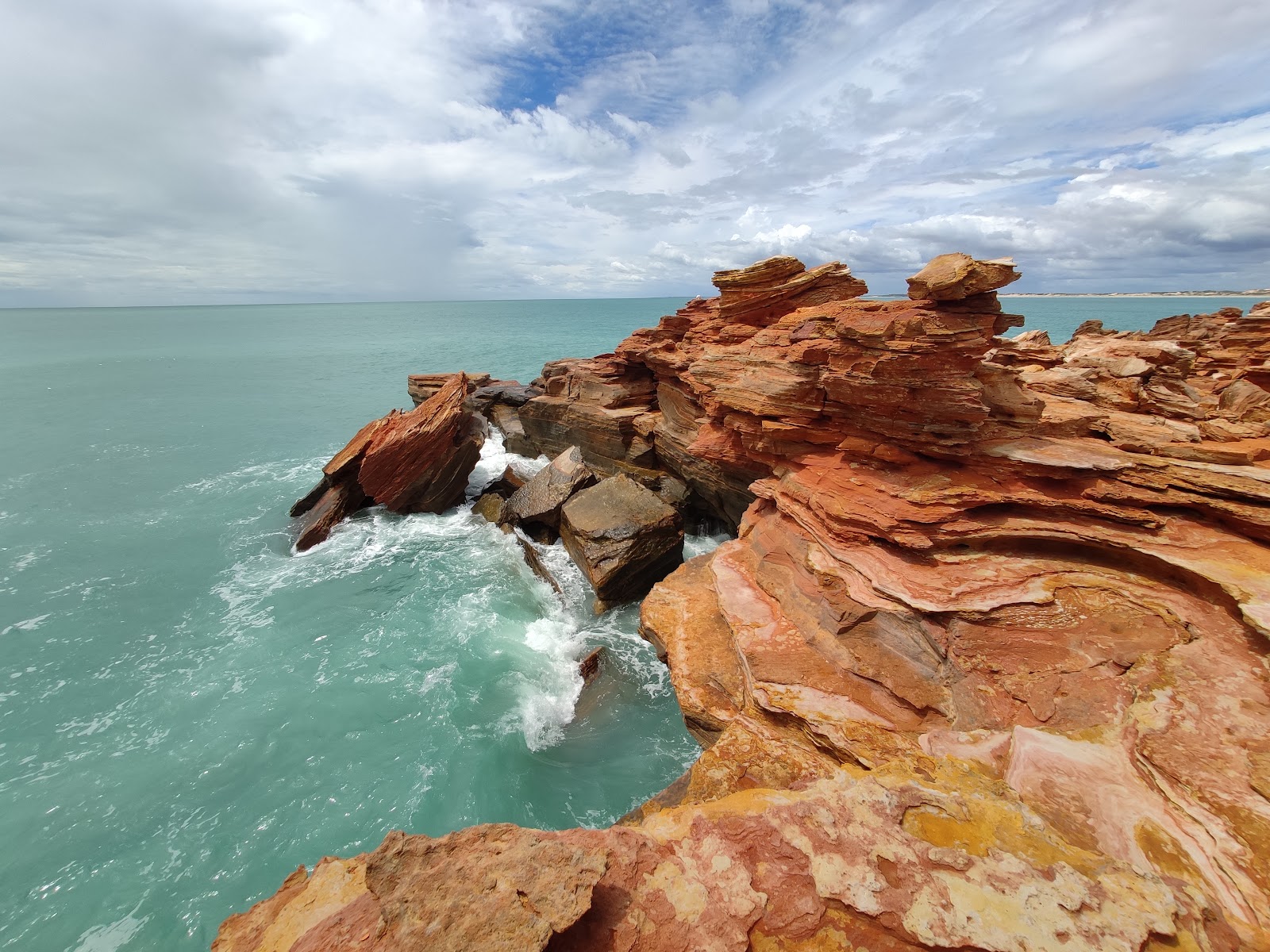
Gantheaume Point, the rocky red-pindan headland six kilometres south of Broome town, is the best land-based whale spotting position on the Broome coast. The headland projects into the Indian Ocean and provides elevation above the waterline, and in clear conditions in peak whale season (August–September) the migration passes close enough inshore for humpbacks to be visible from the clifftops — breaches, blows and the dark shapes of large animals at the surface. It is not a guaranteed sighting; it is the kind of patient observation that rewards visitors who know where to look and when.
Beyond whale watching, Gantheaume Point is also one of Broome's most striking geological and historical sites. The red pindan cliffs erode into irregular formations that contrast dramatically with the turquoise Indian Ocean, and at extreme low tides a set of 130-million-year-old dinosaur tracks (sauropod footprints) is exposed in the rock platform — one of only a few accessible dinosaur track sites on the WA coast. A replica cast of the tracks is accessible at all tides near the point for visitors who can't time the extreme low. The lighthouse here (no longer operational) is a historical landmark, and the view from the point at sunset, with the red cliffs and the white beach below, is considered by many regular Broome visitors to be as striking as Cable Beach.
For whale watching specifically, bring binoculars, check the current conditions and plan to spend at least an hour — whales move through, they don't stay. Early morning before the sea breeze fills in gives the clearest sea surface.
The red pindan cliffs, the dinosaur tracks, the Indian Ocean view and the occasional humpback breach — Gantheaume Point is three experiences in one headland visit and admission costs nothing.
“Watched two humpbacks breach from the point in September, then walked down to the dinosaur track replica. The red cliffs at sunset on the way back were extraordinary. Free, no crowds.”
— Google review
A humpback breach visible from the red pindan cliffs in the right conditions in August–September — bring binoculars and give it an hour.
Land-based whale watching is never guaranteed — don't make it your only whale experience. The dinosaur track site exposed at extreme low tide requires precise timing; the replica is always accessible.
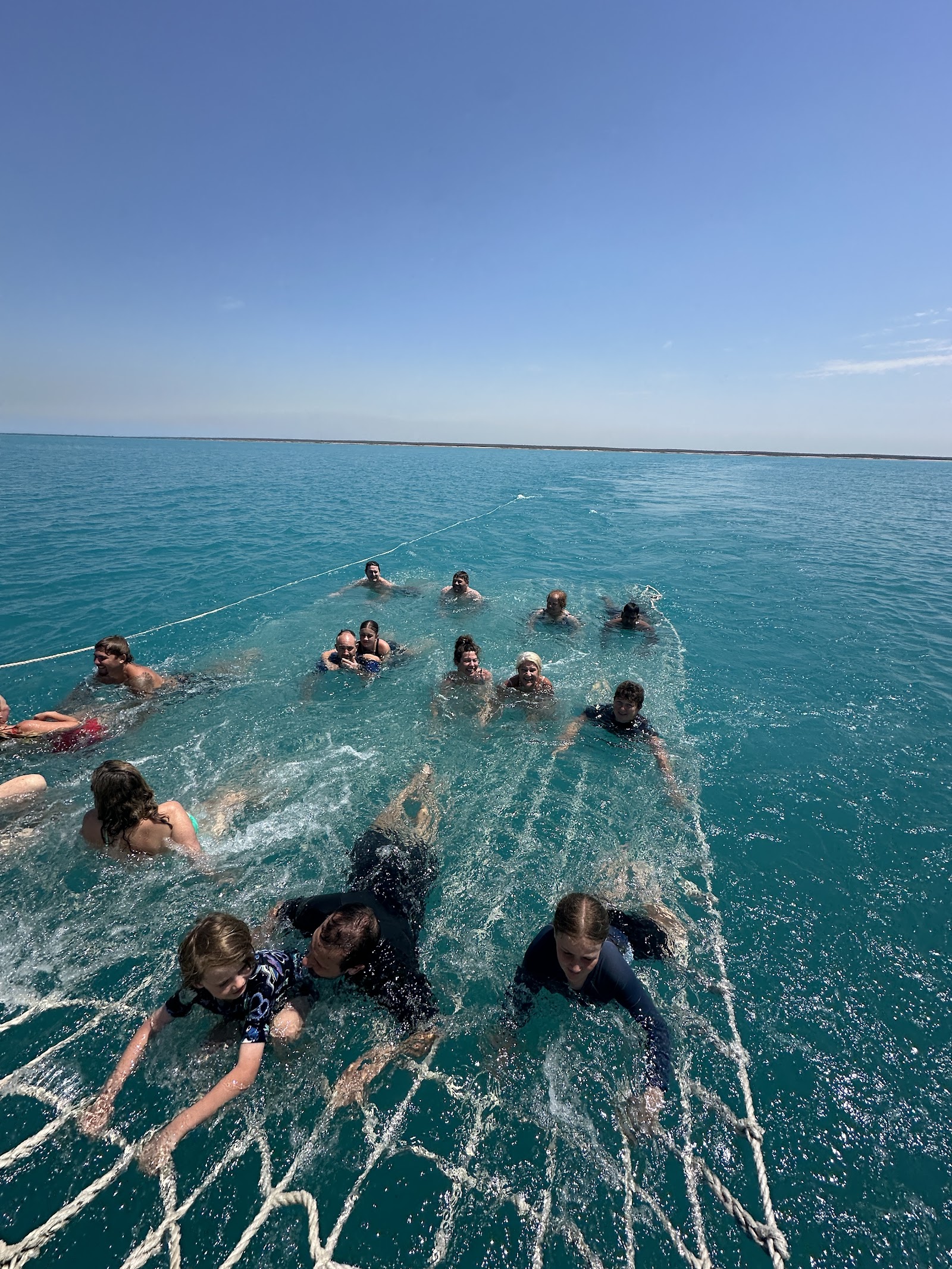
Several Broome operators run evening whale watching cruises that combine the offshore humpback encounter with the Indian Ocean sunset. Departing in the late afternoon and returning after dark, these tours offer the Broome combination that the city is known for — the extraordinary western light over the ocean, combined with humpbacks that are often more active in the cooler late-afternoon conditions. A humpback breach silhouetted against a golden-hour Indian Ocean sky is the kind of image that justifies carrying a camera.
Evening cruises typically include a champagne or beverage service and are positioned as a premium experience — they are more expensive than the standard morning or afternoon whale tour and carry fewer passengers. For couples and travellers specifically interested in the combination of the sunset and the wildlife, they are worth the premium. The social atmosphere on evening cruises is usually relaxed and unhurried, and the cooler late-afternoon temperatures make the outdoor deck more comfortable than midday conditions.
The practical limitation is the same as any whale watching: sightings are not guaranteed, and a cloudy evening reduces both the sunset spectacle and the visibility for whale spotting. The best conditions are a clear afternoon in August or September, when whale density is at its highest and the dry-season sky reliably delivers the Indian Ocean sunset in full. Book ahead — evening cruise spots are limited.
A humpback in the foreground of a Broome Indian Ocean sunset is one of the most photographically spectacular possible combinations — and the cooler late-afternoon conditions often produce more active whale behaviour.
“A breach against the golden sunset light on the way back in — the operator actually apologised for not having more whales visible, but I'd already got the shot of a lifetime.”
— Traveller review
A humpback breach in golden-hour Indian Ocean light — bring a camera with a fast shutter speed and be ready as soon as the sun begins to lower.
Premium pricing for a premium experience — evening cruises cost more than standard tours. Book ahead; spots are limited and cloudy evenings significantly reduce the dual spectacle.
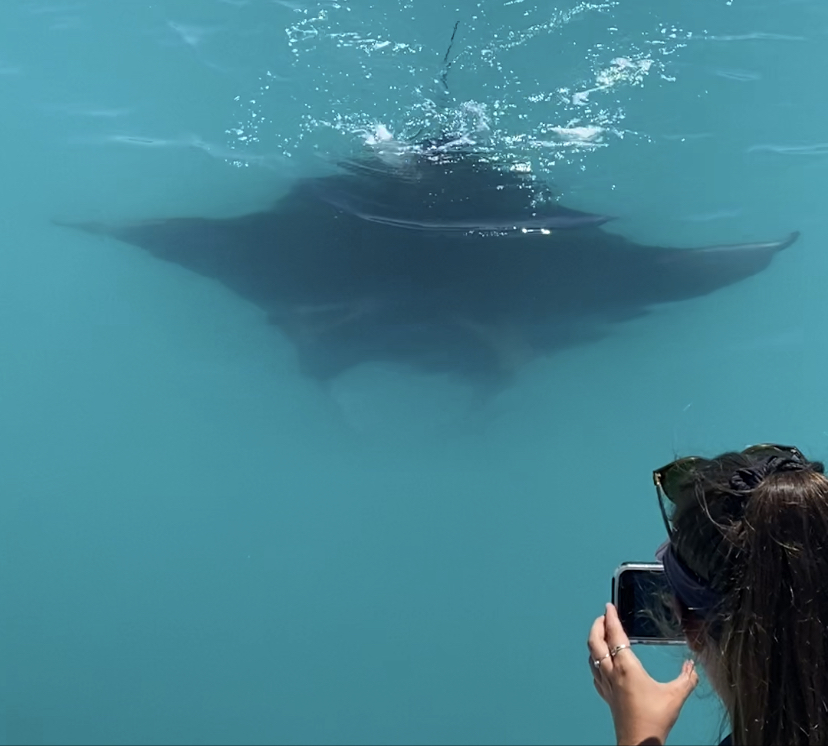
Aerial whale watching from a scenic flight out of Broome Airport offers a completely different perspective on the migration: from above, in clear water, humpbacks are visible as pale shapes below the surface and the scale of the animals relative to the Indian Ocean is immediately apparent in a way that's different from being at deck level on a boat. Broome scenic flight operators offer dedicated whale watching routes over the offshore grounds in season, and the combination of the Kimberley coastline, Cable Beach (22 kilometres of white sand visible from the air as a single arc), Roebuck Bay and the offshore whale grounds makes for a visually extraordinary hour.
Aerial whale watching has practical advantages that boat tours don't. There's no seasickness. The aircraft covers more water in a shorter time, increasing the probability of finding whales. The view of Cable Beach and the surrounding Kimberley coast from the air is one of the best ways to understand the landscape — the geology, the tidal systems and the sheer scale of the Broome coastal zone become readable from altitude in a way they aren't from the ground. And the experience of watching a humpback breach from a light aircraft is genuinely unique.
The limitation is cost — scenic flights are the most expensive whale watching option — and weather dependency (flights don't operate in poor visibility or strong wind conditions). They are best booked as a complement to a boat tour rather than a replacement: the two experiences are genuinely different and both worthwhile. For travellers on a single trip to Broome, the boat tour is the priority if budget forces a choice.
Watching a humpback from above in clear water — the pale shape of the animal in the ocean, the spray of the blow visible from a kilometre up — is a perspective on the migration that a boat deck simply cannot give you.
“We could see two humpbacks below the surface as the plane banked over them — then one came up and blew right under the wing. Combined with the view of Cable Beach from the air, it was money extremely well spent.”
— Traveller review
A clear-water view of a humpback below the surface from altitude — the scale of the animal from above is something you can't see from a boat.
The most expensive whale watching option — book a boat tour first if budget is a consideration. Flights are weather-dependent and may be cancelled with short notice on windy or low-visibility days.
| Season | Conditions | Highlights | Crowds |
|---|---|---|---|
| June–August (north migration) | Clear dry-season skies, calm seas, excellent boat conditions | Humpbacks moving north to breeding grounds; increasingly high whale density as the season builds; June whale watching begins quietly and builds through July; calm seas make for comfortable boat trips | Moderate, building through August |
| August–September (peak) | Dry season peak — clear skies, calm seas, excellent visibility | Peak whale density offshore; the best conditions for both boat tours and land-based spotting; multiple animals per trip is the norm rather than the exception; snubfin dolphin encounters also reliable year-round | High — peak tourist season |
| October–November (south return) | Building humidity, occasional early cloud; sea conditions still good | Humpbacks returning south with calves born in the northern breeding grounds; cow-and-calf pairs are a highlight of the late season; whale activity begins to wind down through November | Moderate, decreasing |
| December–May (off-season) | Wet season and transitional | Humpbacks are absent; snubfin dolphins year-round in Roebuck Bay; shorebird peak in Roebuck Bay in April–May (migratory wader staging before the northern flight) | Low |
What recent visitors say:
“Cable beach is a lovely spot to sit and relax and go for a dip. You can ride a camel or take your bike on the compact sand. Later in the day drive onto the beach have a glass of wine and watch the sunset.”— Pamela Rivers (on Cable Beach), Google review
“Excellent place, they’re currently doing renovations on the for-sure but since there are life guards, there’s safe excellent beach swimming along with a easy walk to the beachside business/restaurants. Great views allowed by 4x4 vehicles able to view the sunset while driving on the beach. Also able to see the camel rides with the tide being quite volatile so”— Kyle Sapphire (on Cable Beach), Google review
“Cable Beach: An absolute gem for sunset enthusiasts, Cable Beach offers stunning views with a vibrant atmosphere. Crowds gather to admire the breathtaking sunset, and the sight of people enjoying camel rides adds a unique charm to the experience. A must-visit spot for those seeking beauty and a lively beach ambiance.”— Amy Elizabeth (on Cable Beach), Google review
Booking and timing: Whale watching boat tours in Broome peak in August and September, when the migration is densest and the weather is most reliable. Tours fill quickly — book as far ahead as possible for peak-season departures, particularly if you have fixed travel dates. Operators sometimes consolidate tours on days following rough weather (when multiple previously-cancelled tours reschedule simultaneously), which can mean crowded boats in otherwise quiet periods. Call ahead to check availability rather than assuming a walk-in spot.
What to bring: Sunscreen and a hat — you will be outside on the water in full sun. A camera with a zoom lens; whale behaviours happen fast and you want focal length ready rather than fumbling to adjust. Seasickness medication if you have any history of motion sickness; even calm Indian Ocean conditions produce some swell at offshore distances. A light layer for the return journey — the afternoon sea breeze can make the trip back cooler than expected even in mid-season.
Conservation note: All Australian cetaceans are protected under the Environment Protection and Biodiversity Conservation Act. The Australian Marine Wildlife Watching Guidelines specify approach distances and vessel behaviour around whales and dolphins. Choose operators who visibly follow these guidelines — approach slowly, don't cut across whales' paths, limit the time spent near individual animals. The recovery of the WA humpback population is one of the great Australian conservation stories, and it depends on continued low-impact watching practices.
Whale watching in Broome is, in peak season, among the best in Australia. The combination of the humpback migration density, the warm and clear Indian Ocean, the quality of the operators who work these waters and the backdrop of the Kimberley coast makes a good August or September whale tour genuinely extraordinary. The snubfin dolphins in Roebuck Bay add a year-round wildlife experience that is unique and largely unknown — not a consolation prize for missing the whale season, but a genuine wildlife encounter that most Australian wildlife enthusiasts have never had.
Book a boat tour first. Add a scenic flight if budget allows. Take an evening to watch from Gantheaume Point and let the landscape be part of the experience. And if you are here outside whale season, the bay's shorebird concentrations in April–May are as spectacular in their own way as the humpbacks — just measured in tens of thousands of individual birds rather than in breaching animals. Broome's wildlife wealth goes well beyond what the Cable Beach photographs show.
Enjoying whale watching? Here’s where else in Australia it’s worth the trip — ranked by how loved each destination is, with the one thing not to miss at each.
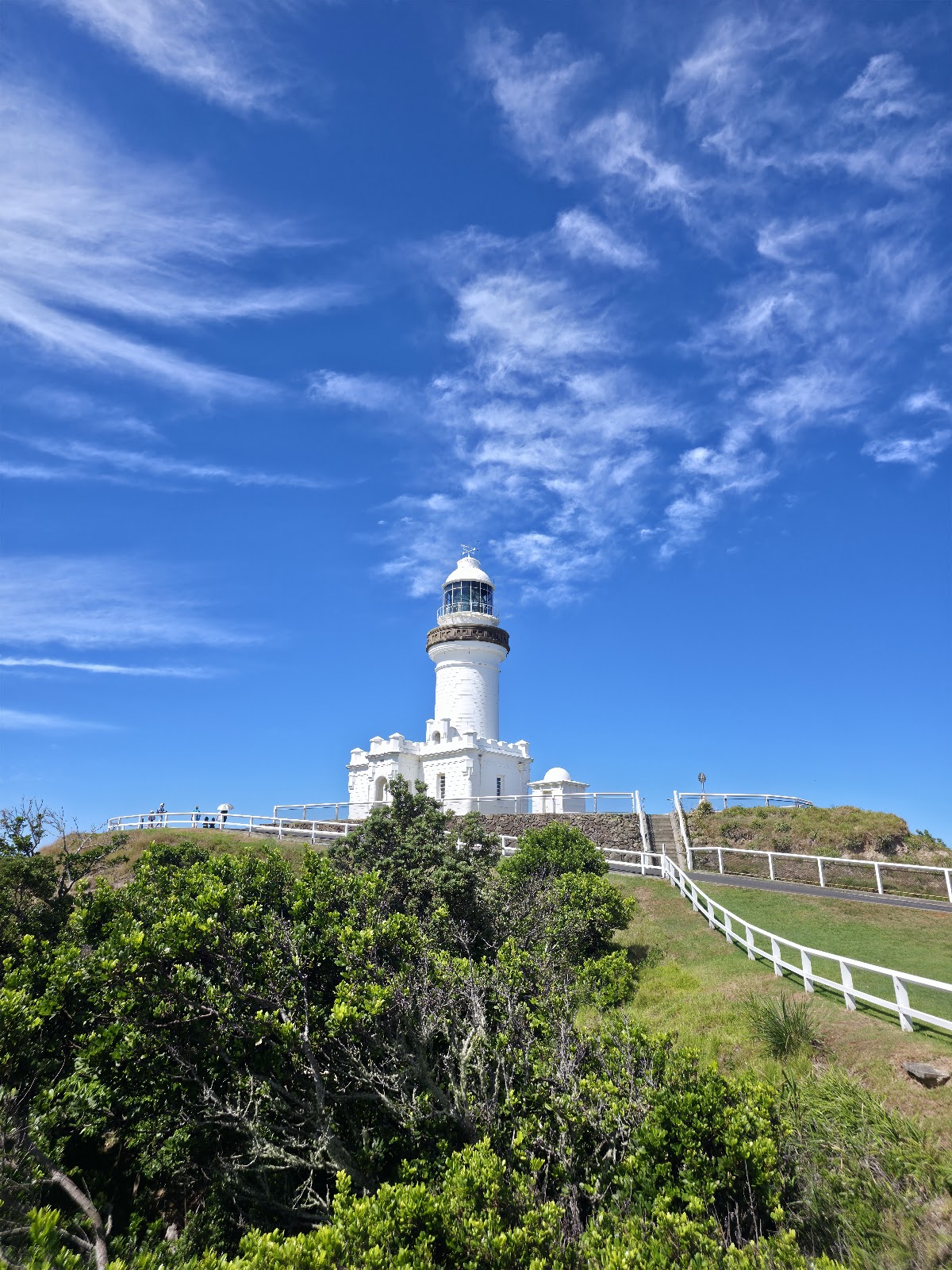 Byron Bay
Northern Rivers, New South Wales
Cape Byron lighthouse & walking track — First light at the most easterly point with humpbacks breaching offshore and dolphins in the break below.
Explore whale watching in Byron Bay →
2
Byron Bay
Northern Rivers, New South Wales
Cape Byron lighthouse & walking track — First light at the most easterly point with humpbacks breaching offshore and dolphins in the break below.
Explore whale watching in Byron Bay →
2
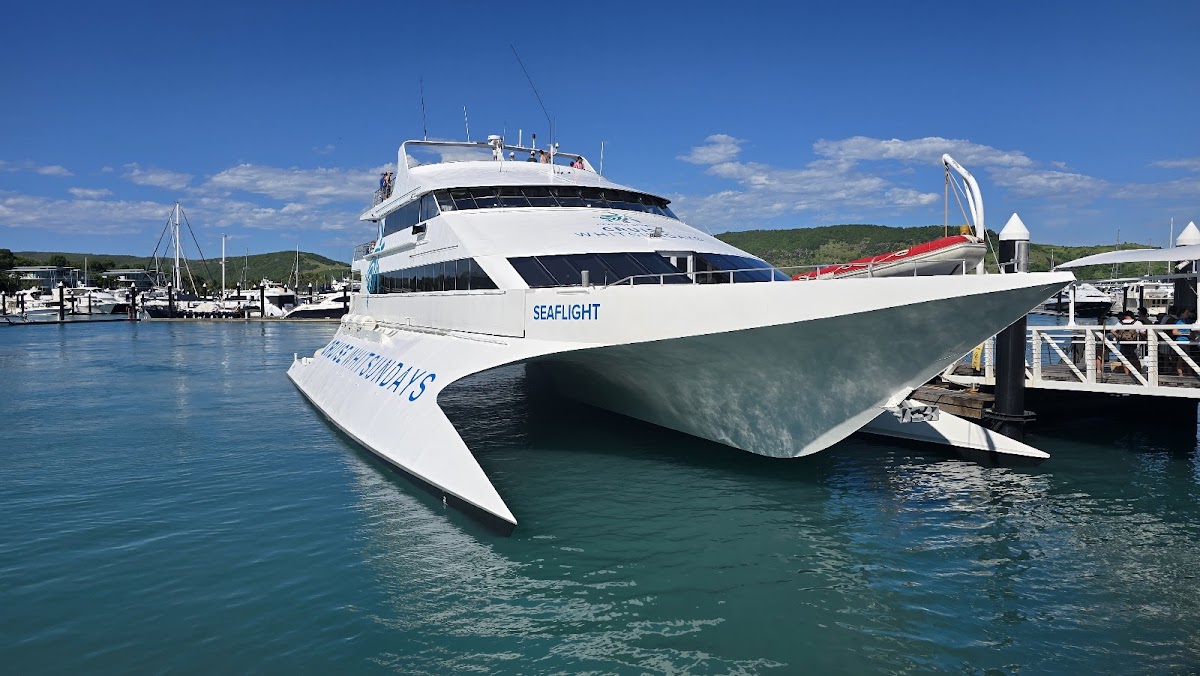 Hamilton Island
The Whitsundays, Queensland
A dedicated whale watching cruise — A resting humpback mother and calf surfacing close to a quietly positioned boat among the islands — the moment a cruise is worth booking for.
Explore whale watching in Hamilton Island →
Broome you’re here
Australia's North West, Western Australia
Humpback whale boat tours — offshore Broome — A large humpback alongside the boat in warm, clear Indian Ocean water — be ready with the camera before the boat slows, as breaches happen without warning.
You’re reading this guide
Hamilton Island
The Whitsundays, Queensland
A dedicated whale watching cruise — A resting humpback mother and calf surfacing close to a quietly positioned boat among the islands — the moment a cruise is worth booking for.
Explore whale watching in Hamilton Island →
Broome you’re here
Australia's North West, Western Australia
Humpback whale boat tours — offshore Broome — A large humpback alongside the boat in warm, clear Indian Ocean water — be ready with the camera before the boat slows, as breaches happen without warning.
You’re reading this guide
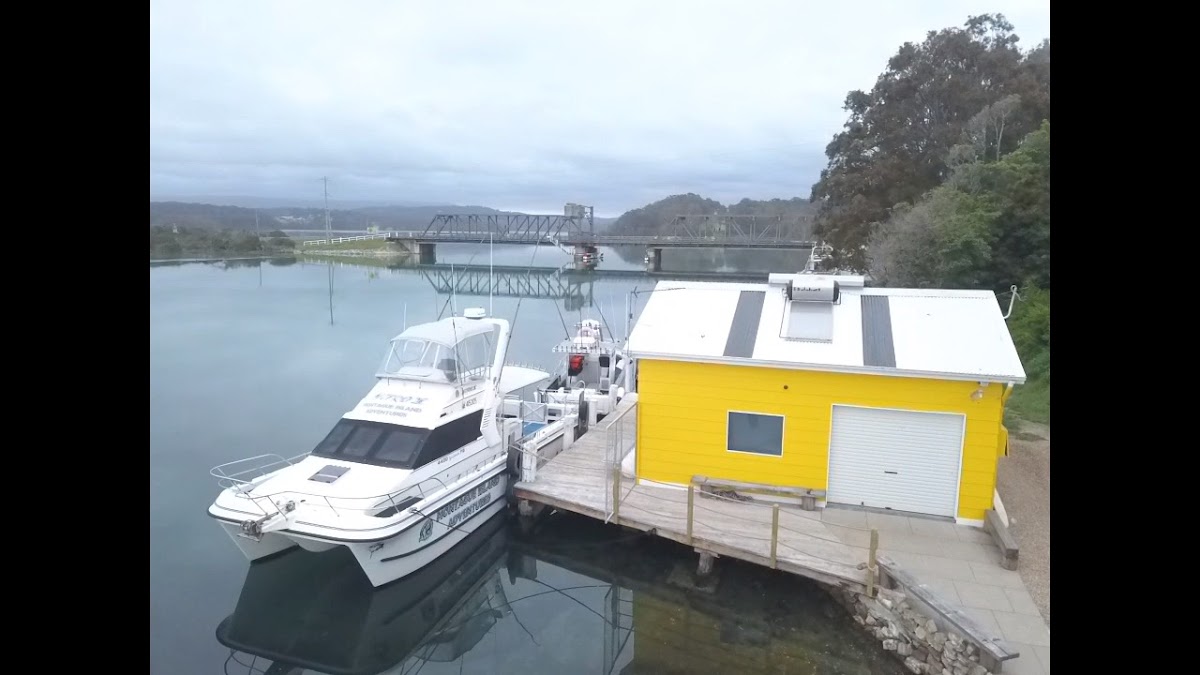 Narooma
South Coast, New South Wales
Bar Rock Lookout — A clear spring morning with binoculars and a coffee — give it time and the migration delivers.
Explore whale watching in Narooma →
Narooma
South Coast, New South Wales
Bar Rock Lookout — A clear spring morning with binoculars and a coffee — give it time and the migration delivers.
Explore whale watching in Narooma →
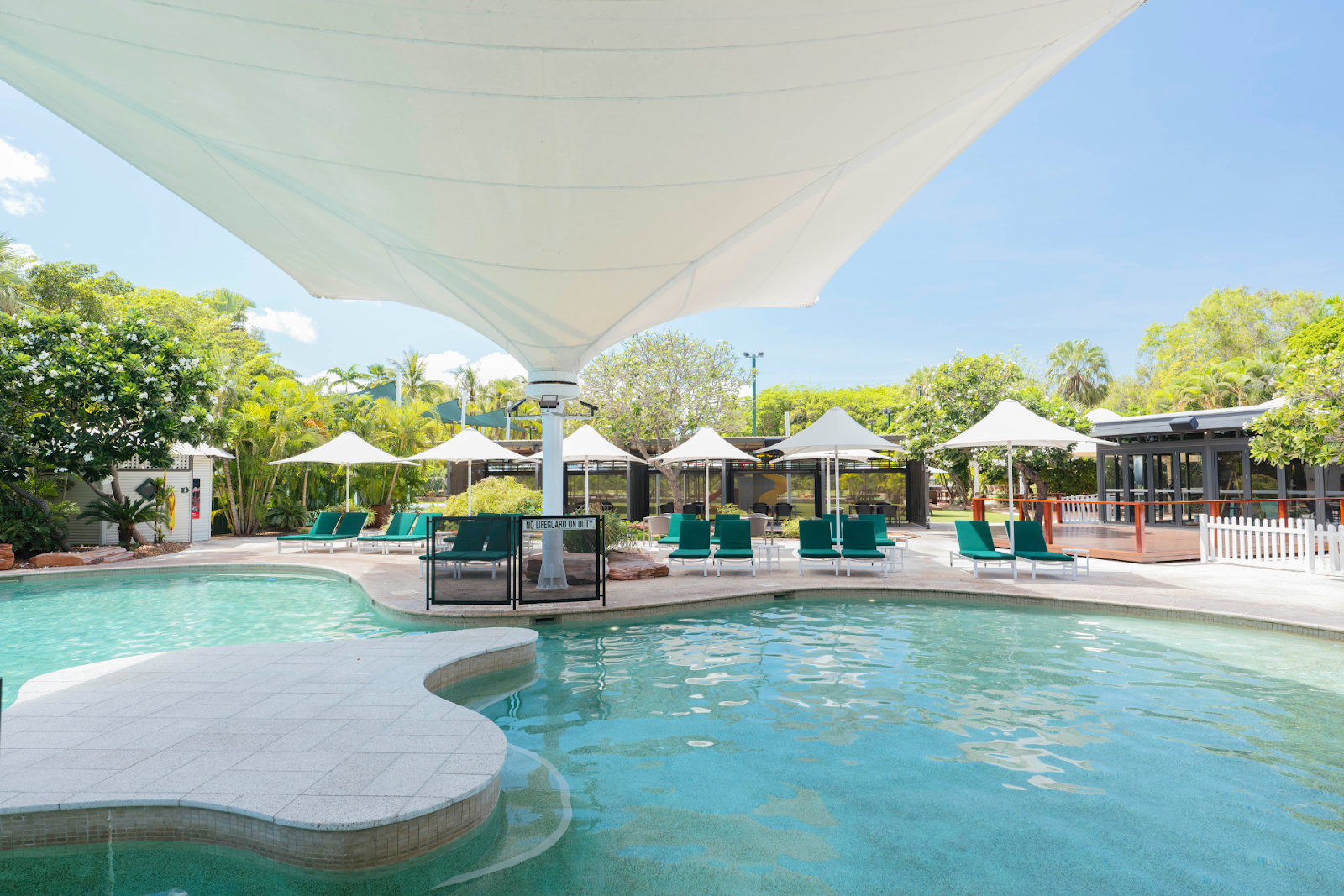
Cable Beach Club Resort & Spa — Broome
Book Direct & Save →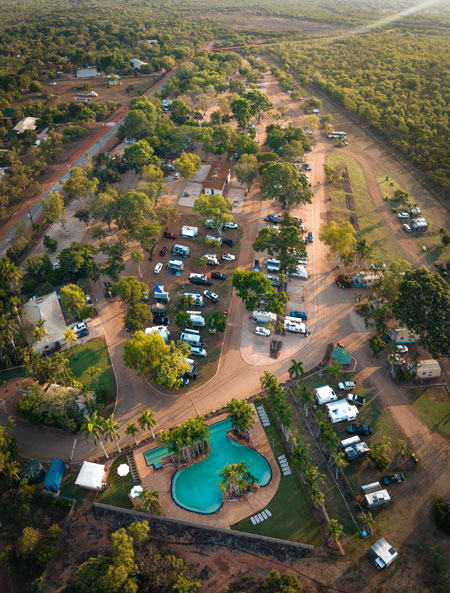
Broome Caravan Park — Broome
Book Direct & Save →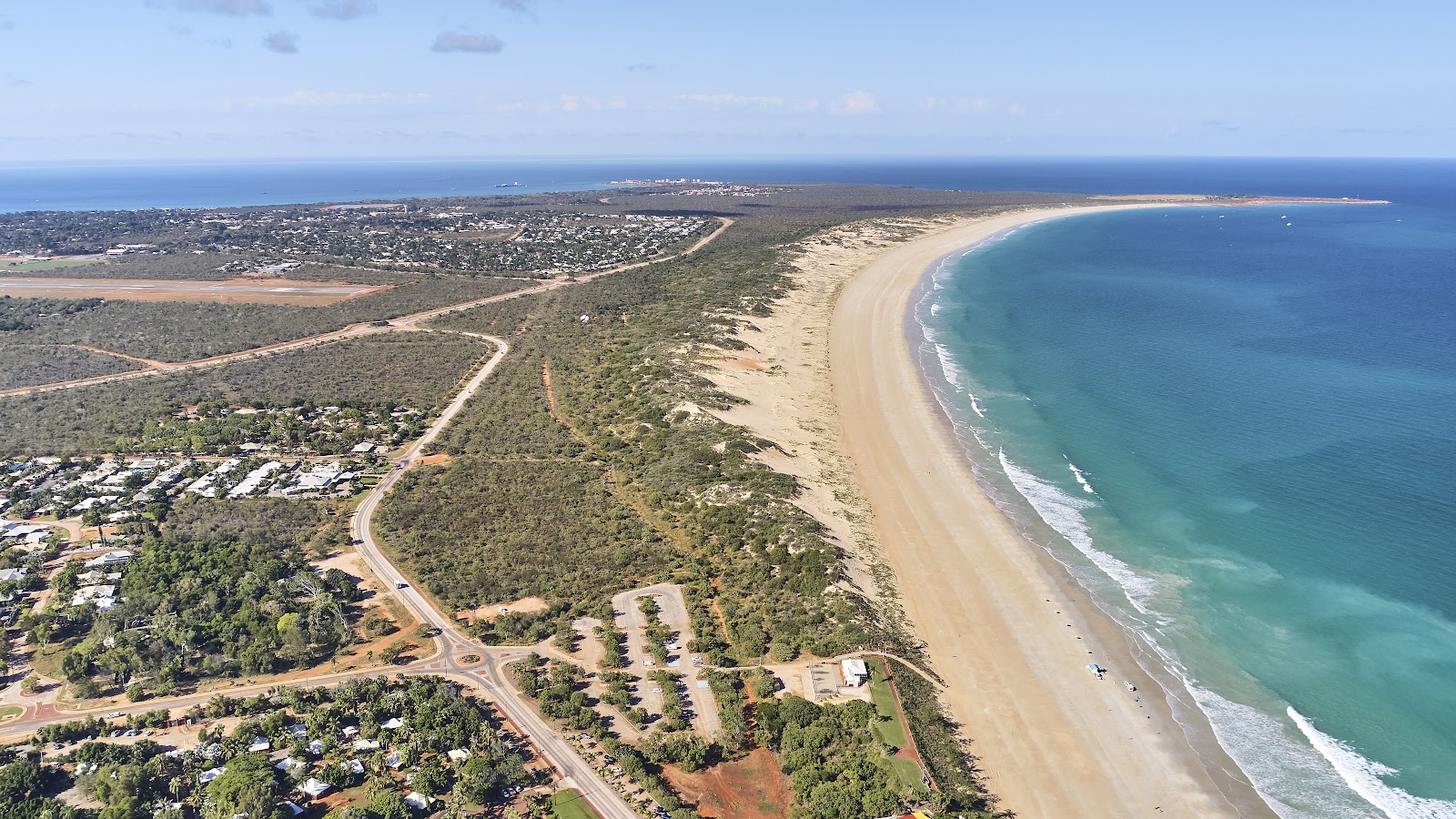
Beaches of Broome — Broome
Book Direct & Save →Skip OTA fees. Connect directly with Broome owners for the best rates and a truly personal experience.
We match any online rate. No service fees — 100% of your payment supports local owners.
Direct guests receive complimentary hampers, early check-in, and priority access to experiences.
Speak directly with the people who manage the properties. No call centres, just local expertise.
Part of Western Australia · Australia's North West
 Glen Aplin
Granite Belt, Queensland
Queensland's most underrated wine valley
Explore the guide →
Glen Aplin
Granite Belt, Queensland
Queensland's most underrated wine valley
Explore the guide →
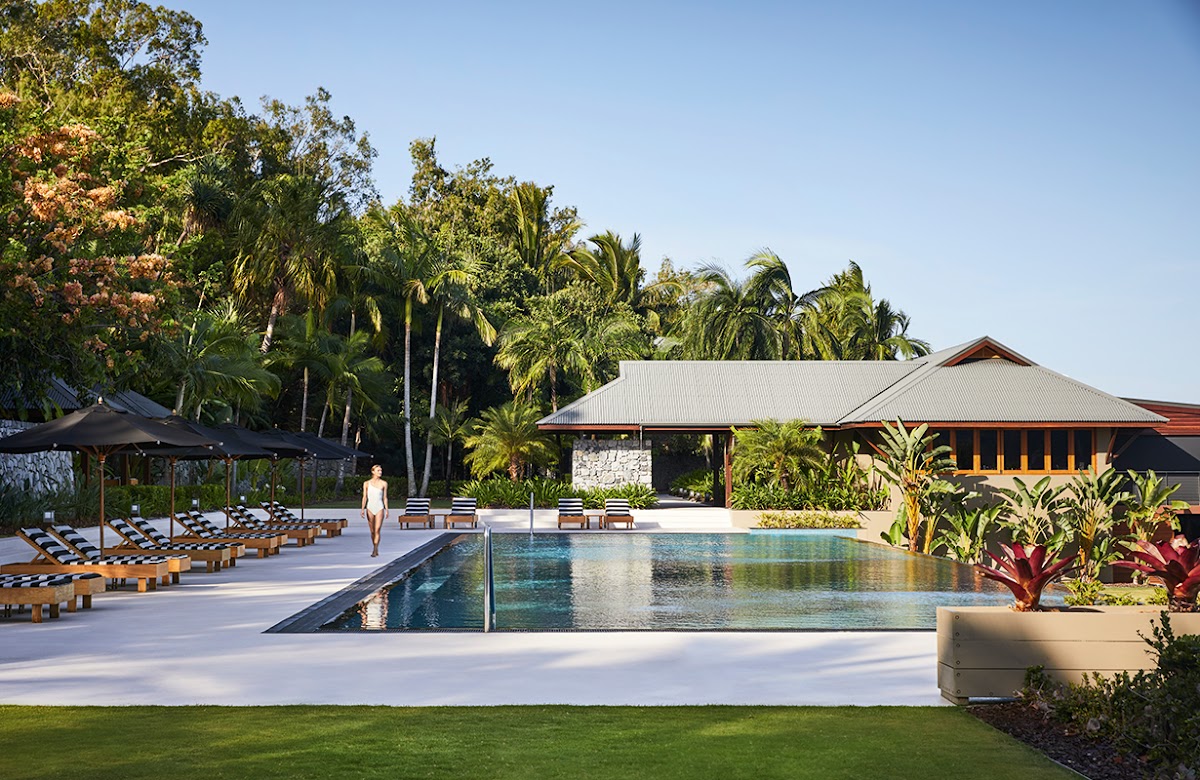 Hamilton Island
The Whitsundays, Queensland
Whitsundays island resort — Whitehaven Beach, reef trips and golf-buggy life
Explore the guide →
Hamilton Island
The Whitsundays, Queensland
Whitsundays island resort — Whitehaven Beach, reef trips and golf-buggy life
Explore the guide →
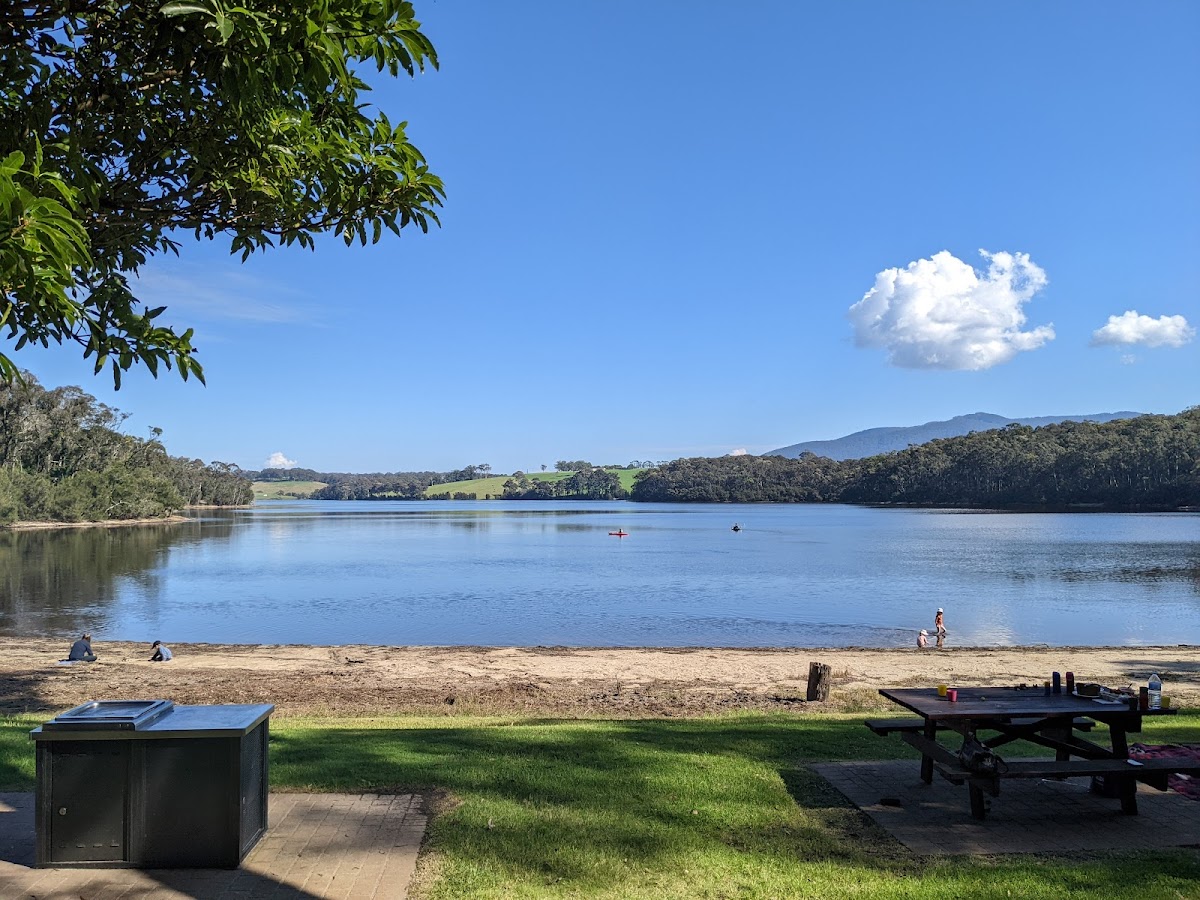 Narooma
South Coast, New South Wales
Crystal-clear inlet, surf beaches, oysters and Montague Island
Explore the guide →
Narooma
South Coast, New South Wales
Crystal-clear inlet, surf beaches, oysters and Montague Island
Explore the guide →
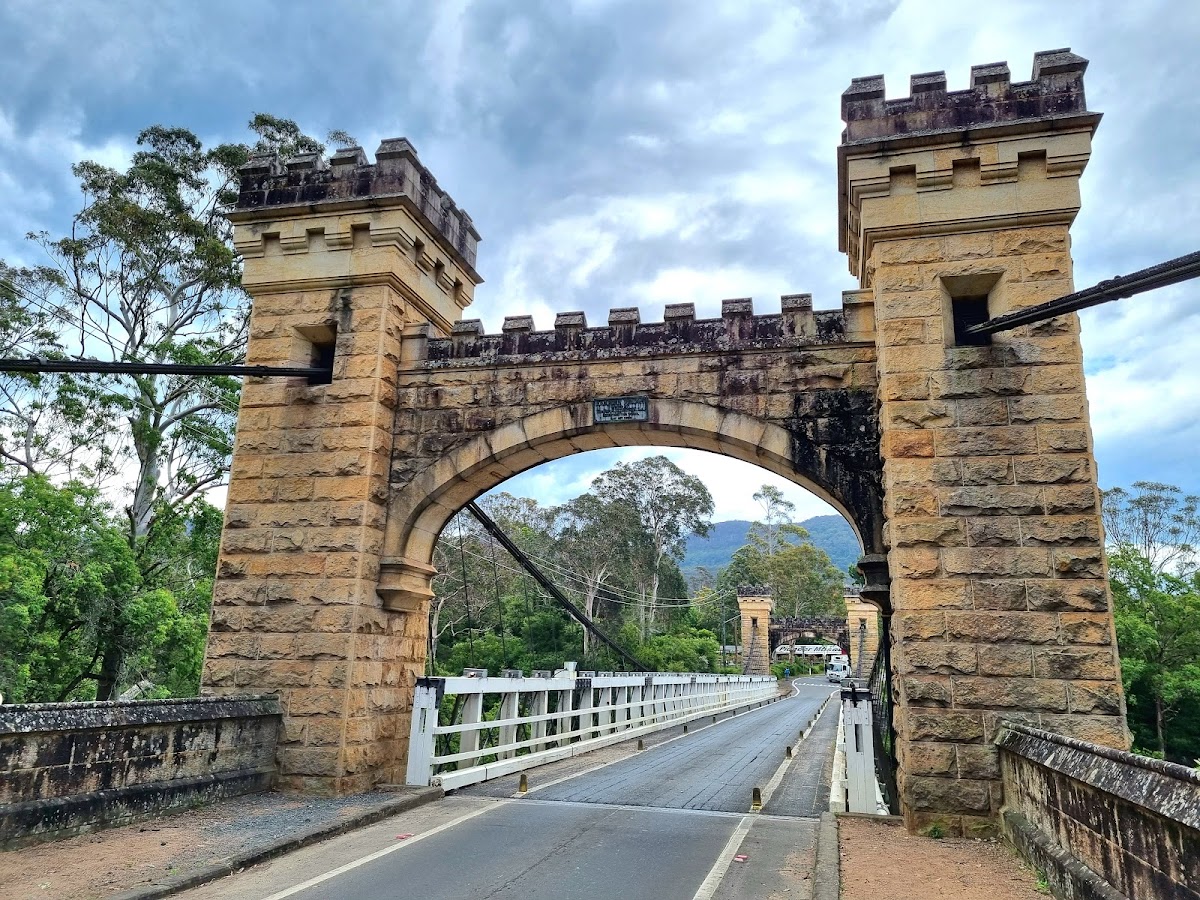 Kangaroo Valley
Shoalhaven, New South Wales
Hampden Bridge, kayaking and wombats in a green valley
Explore the guide →
Kangaroo Valley
Shoalhaven, New South Wales
Hampden Bridge, kayaking and wombats in a green valley
Explore the guide →
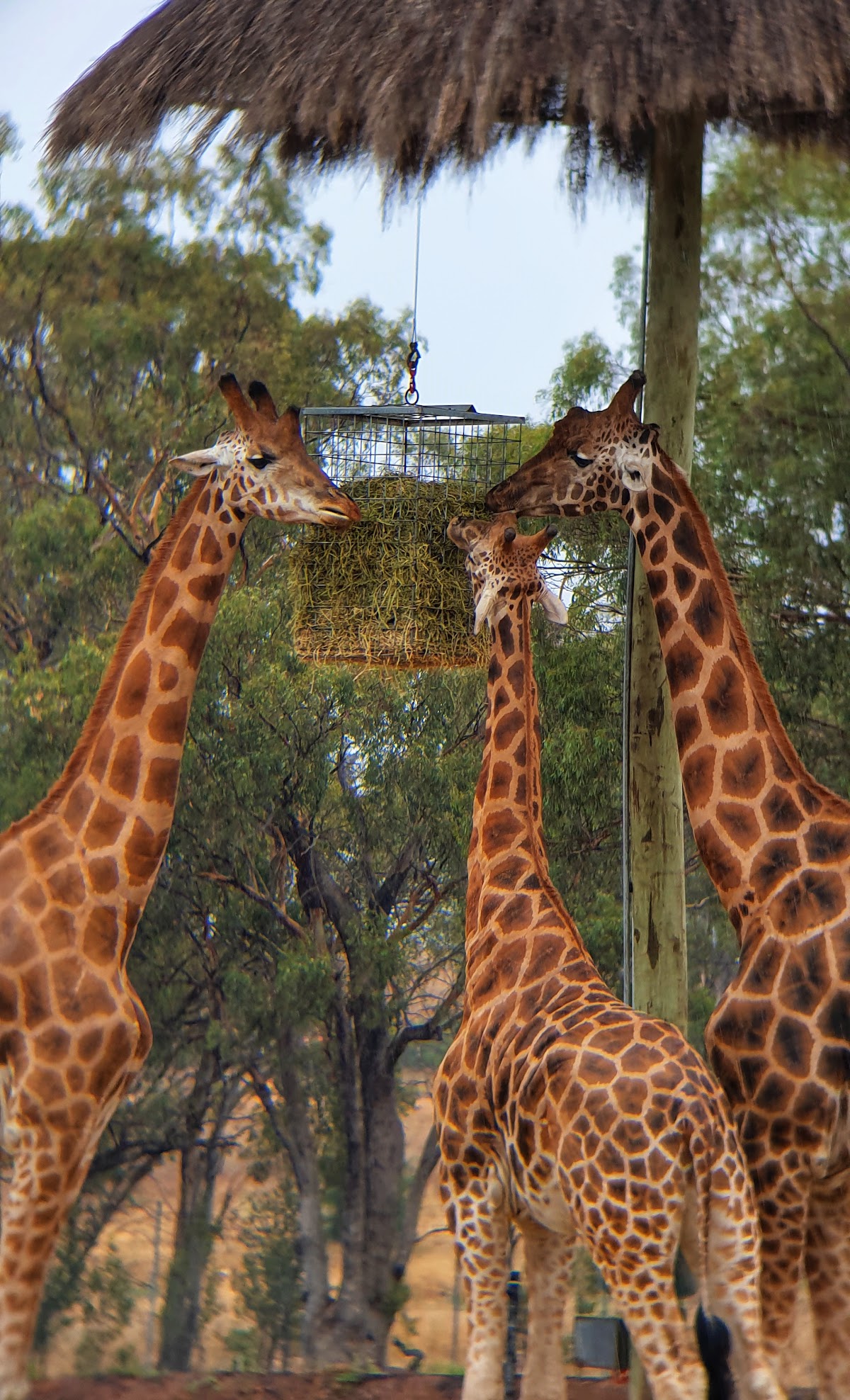 Dubbo
Central West, New South Wales
Open-range zoo and Outback gateway on the Macquarie River
Explore the guide →
Dubbo
Central West, New South Wales
Open-range zoo and Outback gateway on the Macquarie River
Explore the guide →
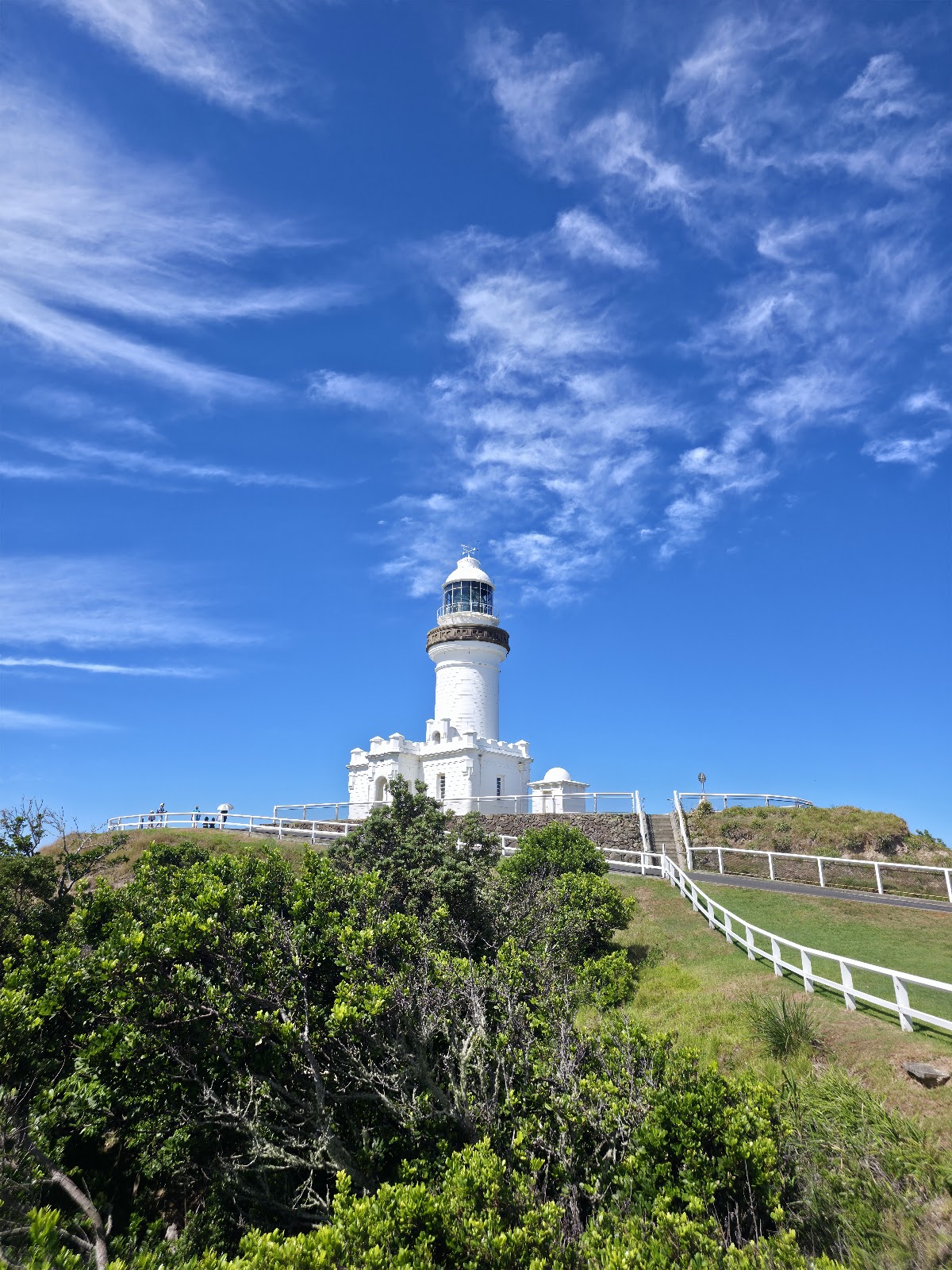 Byron Bay
Northern Rivers, New South Wales
Australia's iconic beach town and most easterly point
Explore the guide →
Byron Bay
Northern Rivers, New South Wales
Australia's iconic beach town and most easterly point
Explore the guide →
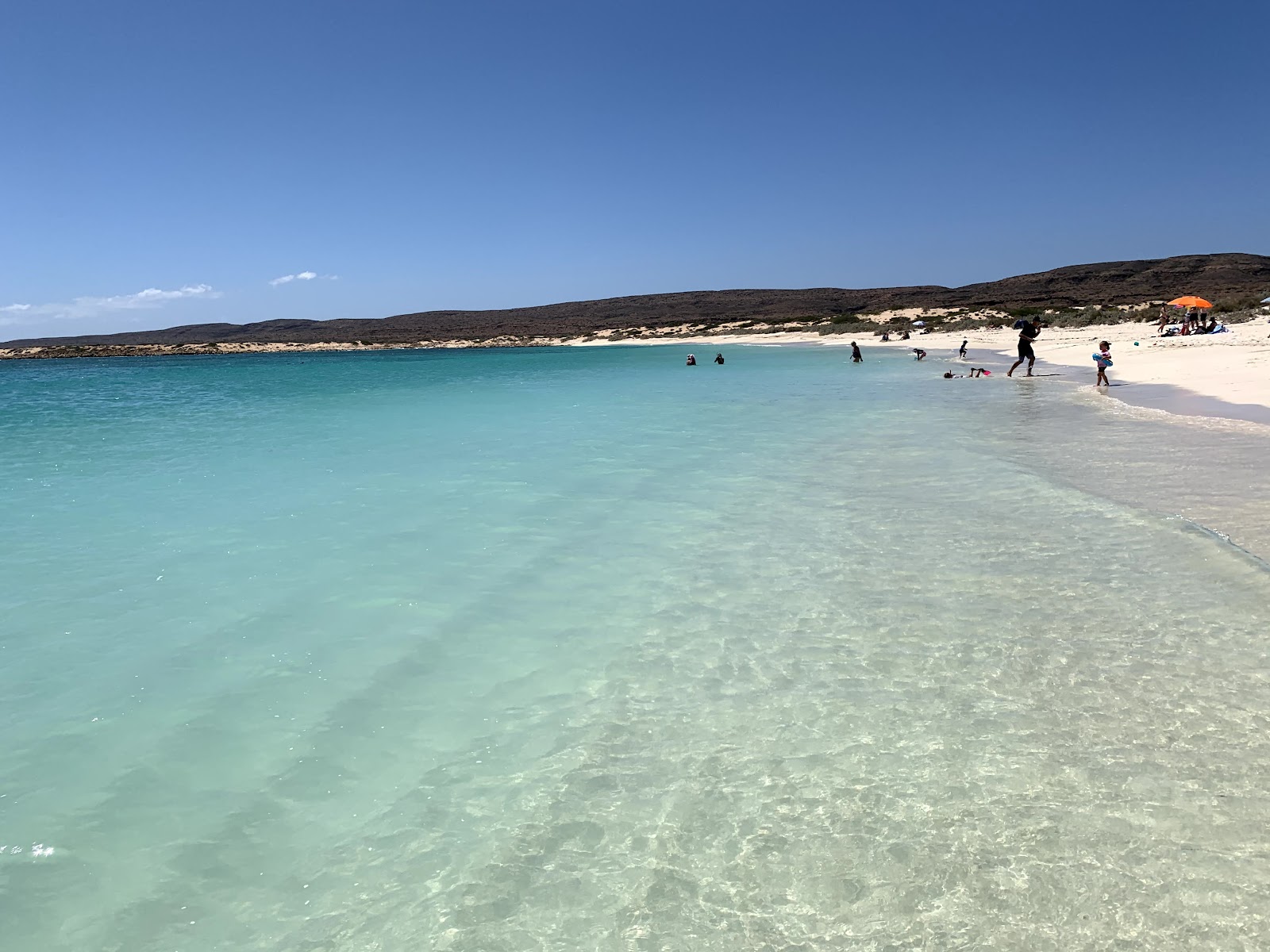 Ningaloo Reef
Australia's Coral Coast, Western Australia
Swim with whale sharks and snorkel a World-Heritage reef straight off the beach
Explore the guide →
Ningaloo Reef
Australia's Coral Coast, Western Australia
Swim with whale sharks and snorkel a World-Heritage reef straight off the beach
Explore the guide →
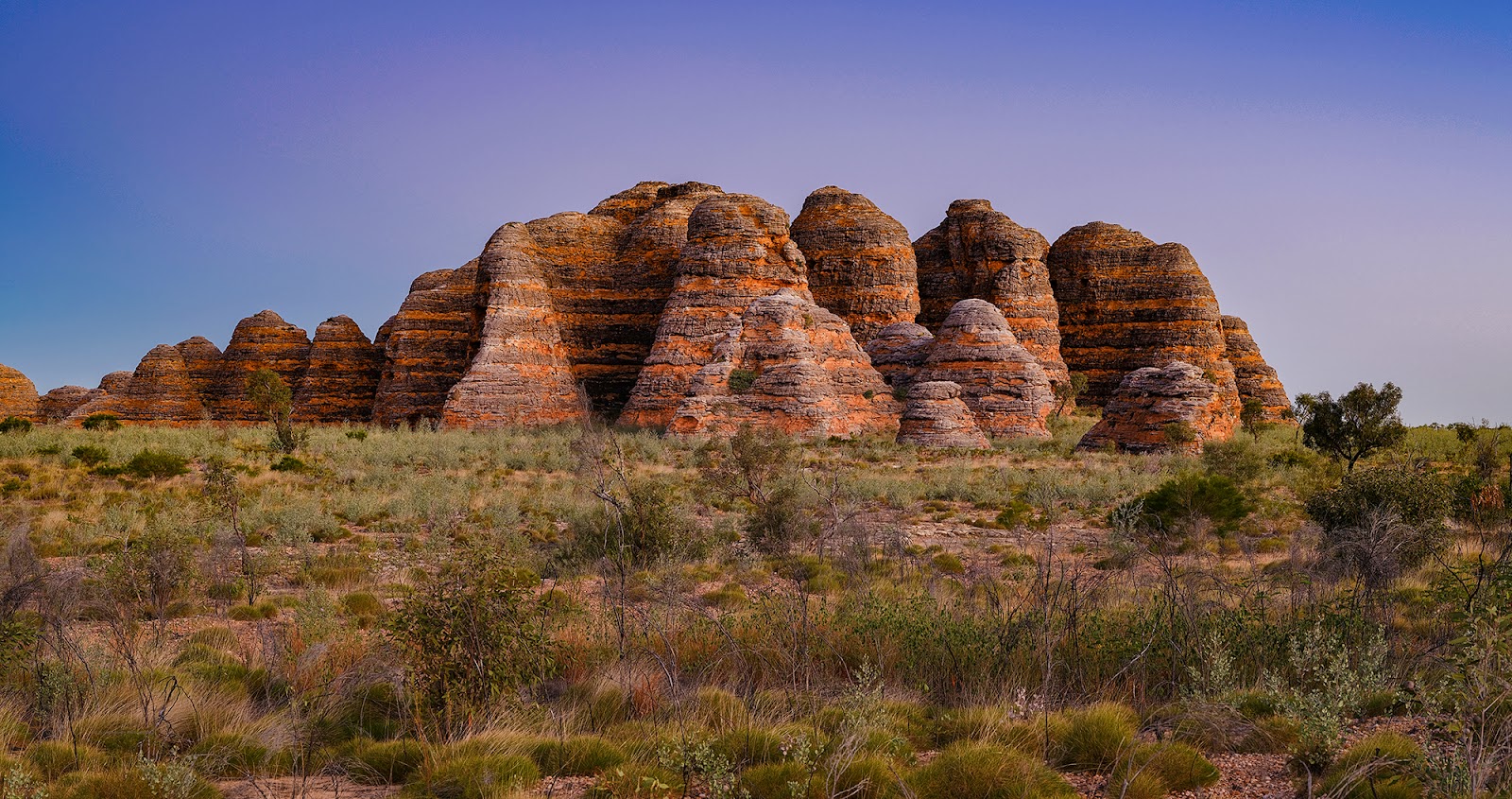 The Kimberley
Australia's North West, Western Australia
Gibb River Road, the Bungle Bungles, gorges and waterfalls in Australia's last frontier
Explore the guide →
The Kimberley
Australia's North West, Western Australia
Gibb River Road, the Bungle Bungles, gorges and waterfalls in Australia's last frontier
Explore the guide →
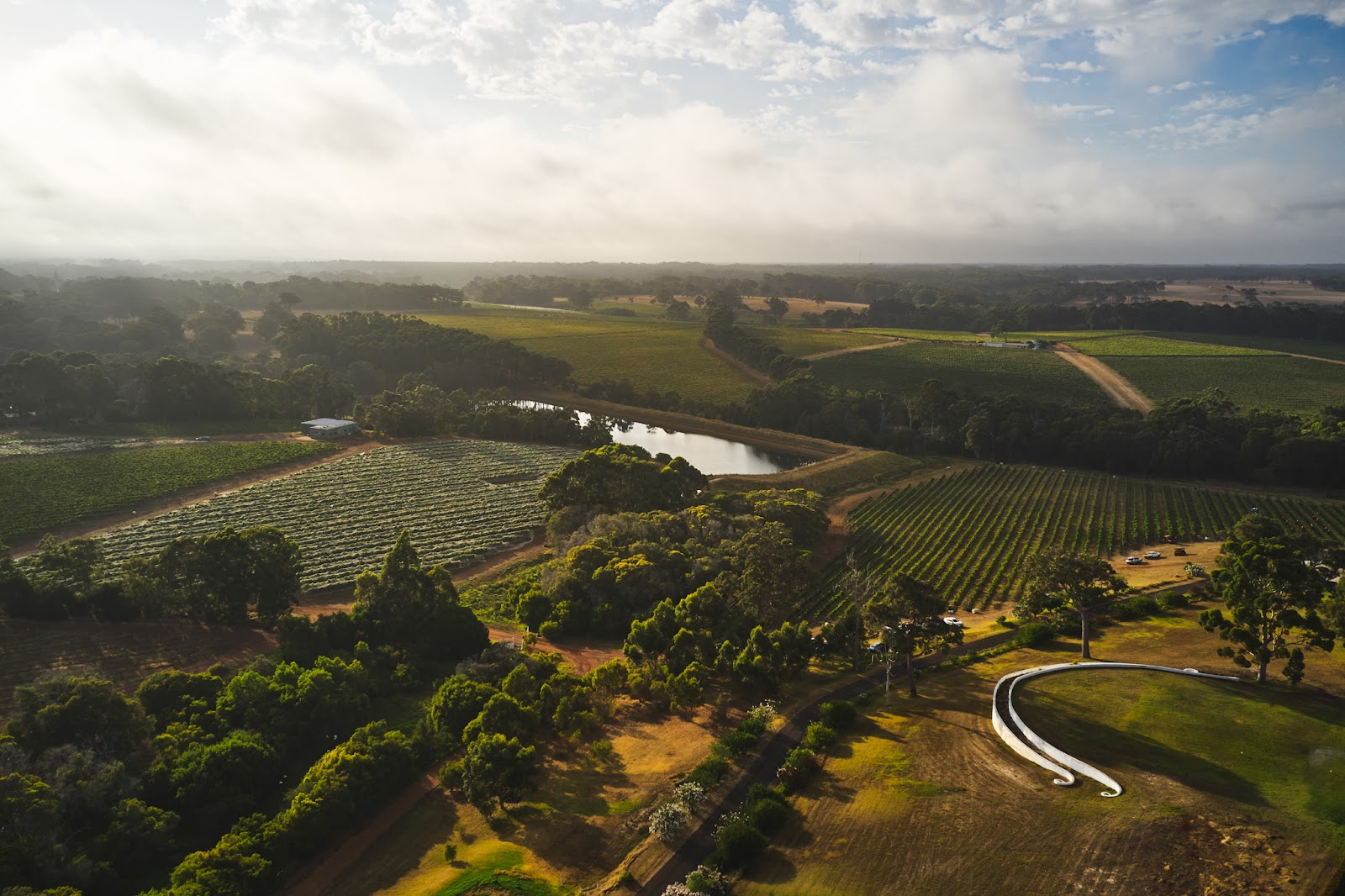 Margaret River
Australia's South West, Western Australia
World-class wineries, surf breaks and limestone caves three hours south of Perth
Explore the guide →
Margaret River
Australia's South West, Western Australia
World-class wineries, surf breaks and limestone caves three hours south of Perth
Explore the guide →