01. Margarets Beach Resort
4.5 (689 reviews)
Margarets Beach Resort — Margaret River
Book Direct & Save →The Margaret River region sells itself on wine and waves, and both are excellent. But the region is large — nearly 200 kilometres of coastline, the Leeuwin-Naturaliste Ridge, ancient karri forest, historic homesteads and a coastline cut with natural formations that most visitors speed past on their way between cellar doors. The crowd concentrates on a predictable circuit, which means anyone willing to drive a little further or arrive a little earlier has the South West largely to themselves.
View 3 Properties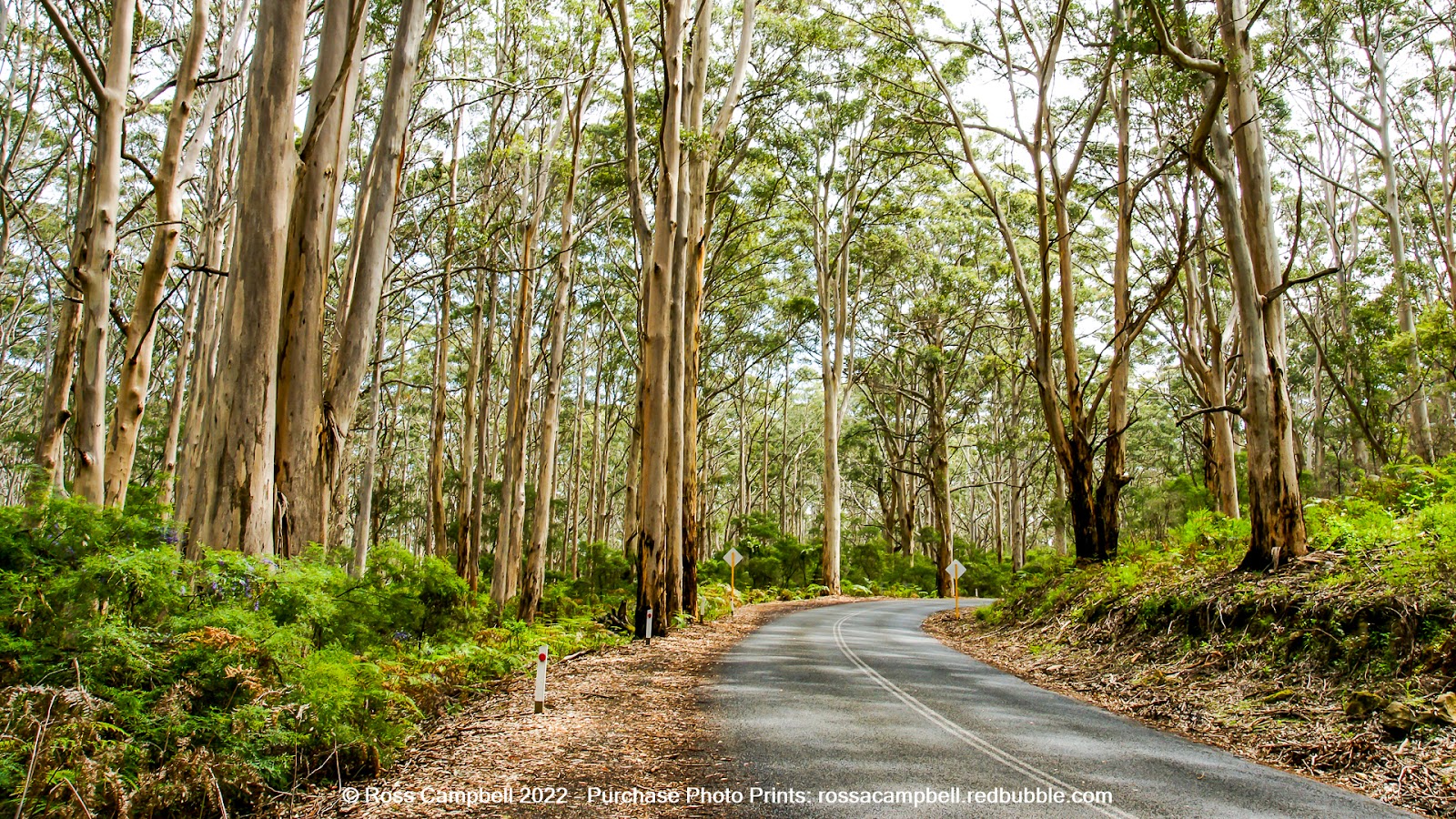
"Unhurried, off the brochure, physically engaging"
This guide covers the lesser-visited corners — places that are not difficult to reach and do not require specialist equipment, but that reward a bit of deliberate attention rather than waiting to be stumbled upon. Most are free. A note before we start: this is a coastal landscape shaped by the Southern Ocean and the Indian Ocean, and several of these spots involve exposed headlands, rock platforms and tidal conditions. Treat them with the care they deserve, take your rubbish out, and leave the geology exactly as you found it.
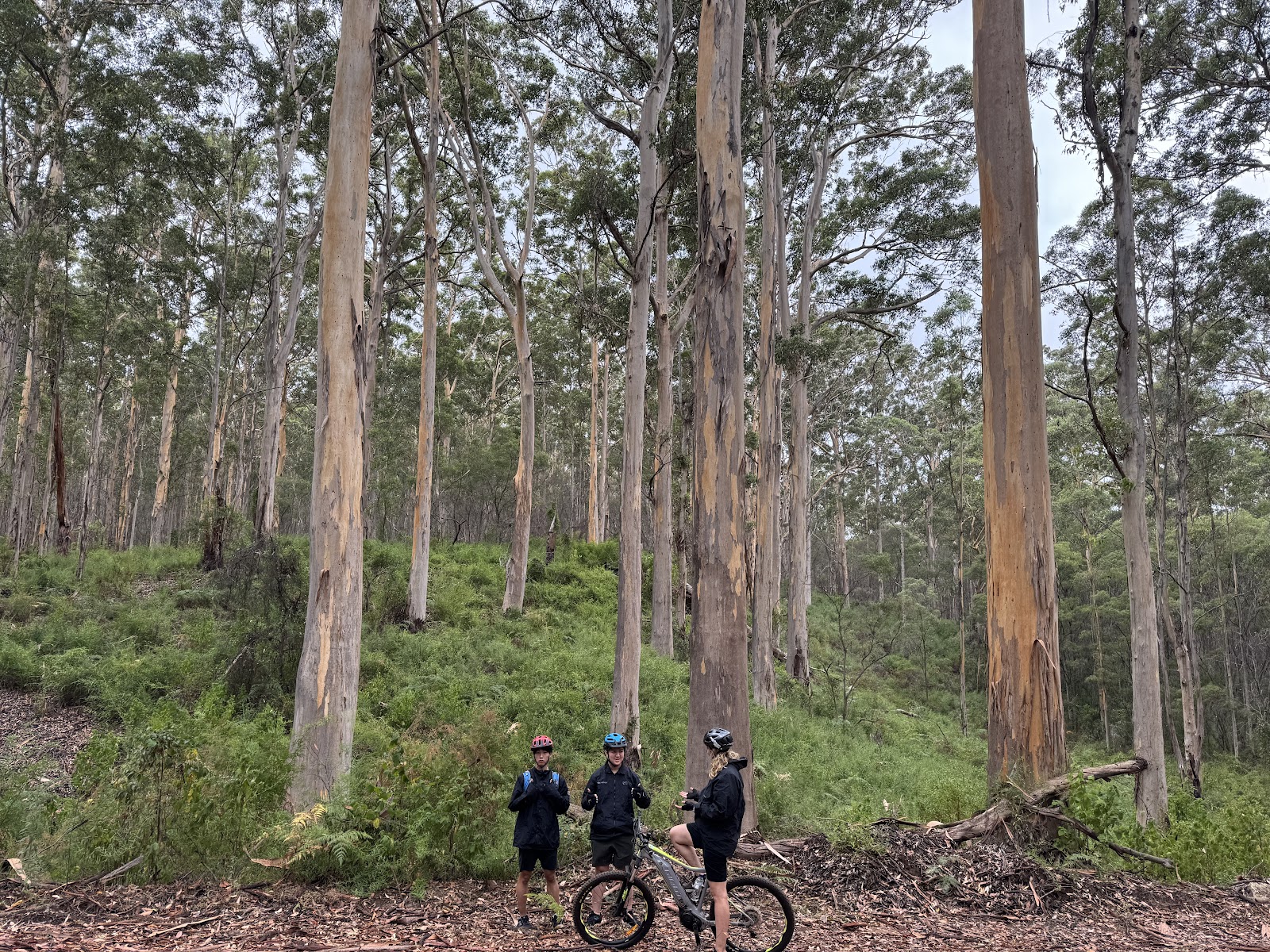
Most visitors to Margaret River drive Caves Road as a corridor to reach cellar doors and caves. The detour they miss is Boranup Drive — an 11-kilometre unsealed loop off Caves Road, south of Lake Cave, that passes through a dense grove of regenerating karri trees reaching up to 60 metres. The drive takes about 20 minutes and is rated suitable for two-wheel-drive vehicles on its hard limestone base, though corrugations and potholes mean a slow speed is sensible. What you get in return is forest that closes over the road, dappled light regardless of the weather, and a complete quiet that the main road does not offer.
The Boranup Lookout partway along the drive has picnic facilities and views across the forest canopy to Hamelin Bay's turquoise water — one of the better free viewpoints in the South West. In spring, the forest understorey is thick with white clematis, purple hovea, yellow hibbertia and coral creeper. Early morning or late afternoon on a weekday, the drive is effectively private — most people do it as a quick loop while heading south, which is exactly right.
A 20-minute detour through ancient karri giants that most Caves Road visitors skip entirely — the viewpoint over Hamelin Bay is a bonus they do not see coming.
The Boranup Lookout midway through the drive, with views over the forest canopy to the turquoise water of Hamelin Bay.
Corrugations and potholes are common — drive slowly and do not attempt it after heavy rain without checking conditions. Caravans and motorhomes should avoid it.
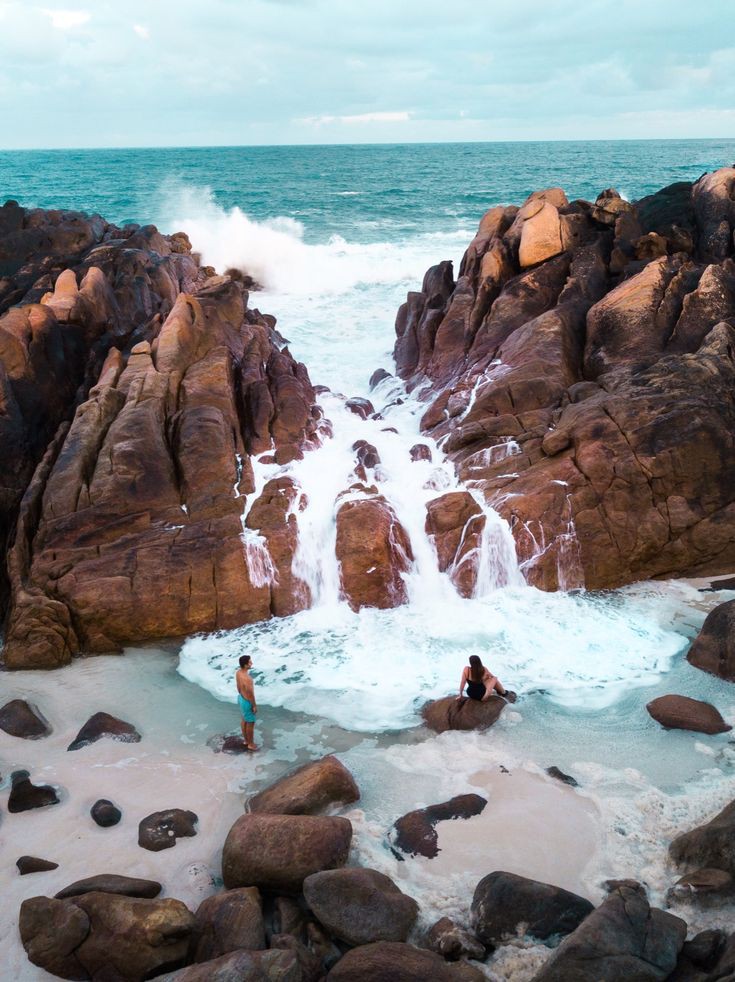
About ten minutes south of Yallingup along Caves Road, at the end of Wyadup Road, a natural rock formation creates a sheltered pool at the ocean's edge where incoming waves push water over surrounding rocks and generate a bubbling, spa-like effect. When the conditions align — mid to high tide, moderate swell — the pool fills with warm, surging water and is unlike any beach experience in the region. The formation sits in a shallow bowl of ochre-coloured limestone, and on a windless morning with low sun it is deeply photogenic.
The timing is the whole challenge. At low tide the pool barely fills, and in very large swell the surrounding rocks are dangerous. The ideal visit is a moderate swell day at mid-to-high tide, ideally not a weekend in summer when the car park fills quickly. Check the tide times and a surf forecast the evening before, and aim for mid-morning on a day with one-to-two-metre swell and a rising tide.
Ocean-heated water in a natural limestone bowl, bubbling like a spa at mid-tide — it only works when the ocean cooperates, which makes getting it right feel like a small achievement.
A moderate swell at mid-to-high tide — when the wave push creates the bubbling spa effect that gives the formation its name.
Dangerous in large swell or at very low tide. Do not attempt entry when waves are breaking over the surrounding rocks — people have been injured here. Check tide and swell conditions the evening before you plan to visit.
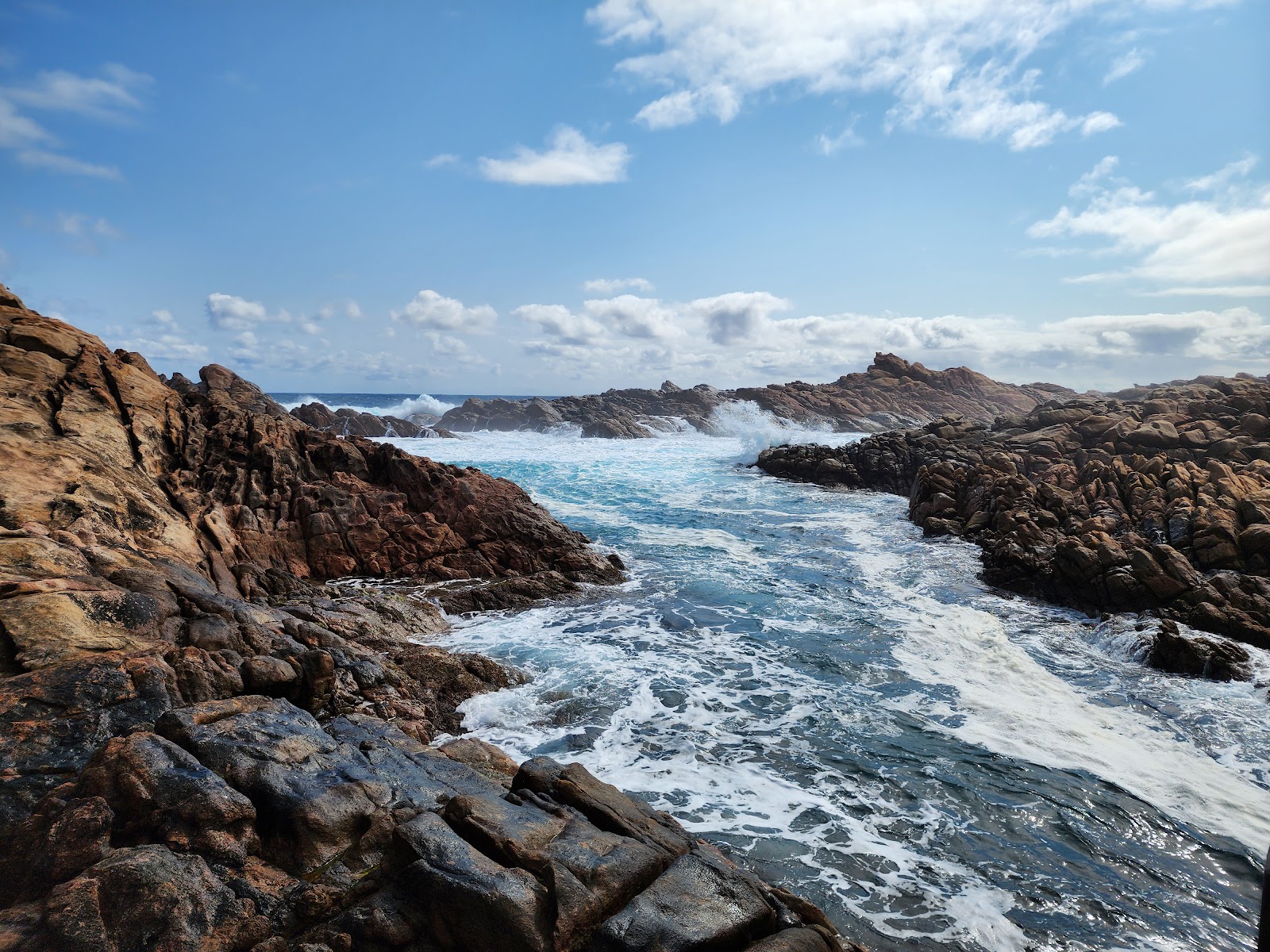
Canal Rocks gets a reasonable number of visitors but most arrive, walk to the obvious viewpoint, photograph the channel and leave in 20 minutes. What the short-stay visitors miss is the return walk south along the Cape to Cape Track from the Canal Rocks car park to Wyadup Cliffs — about two kilometres, with views along the exposed coast that the main boardwalk does not offer. The extended walk takes around an hour return and passes sections of the coastline that are entirely without other visitors on most days outside midsummer.
The boardwalk itself is genuinely striking: the Indian Ocean has carved a network of channels and crevasses through the granite headland, and the raised timber walkway lets you look directly down into the surging water below. Free to visit, no entry fee, open at all hours — arrive at sunrise for the best light on the rock formations and the quietest car park.
The Cape to Cape extension south of the car park gives you ocean cliff views that most Canal Rocks visitors never see, for the cost of an extra hour on foot.
The early-morning boardwalk at first light — the granite formations in low sun, empty of other visitors, the channels surging below.
No shade at the rocks themselves. King waves operate on the exposed headland — do not stand at the edge of the rocks or climb down to the water level; the warning signs are there for a reason. Bring sun protection.
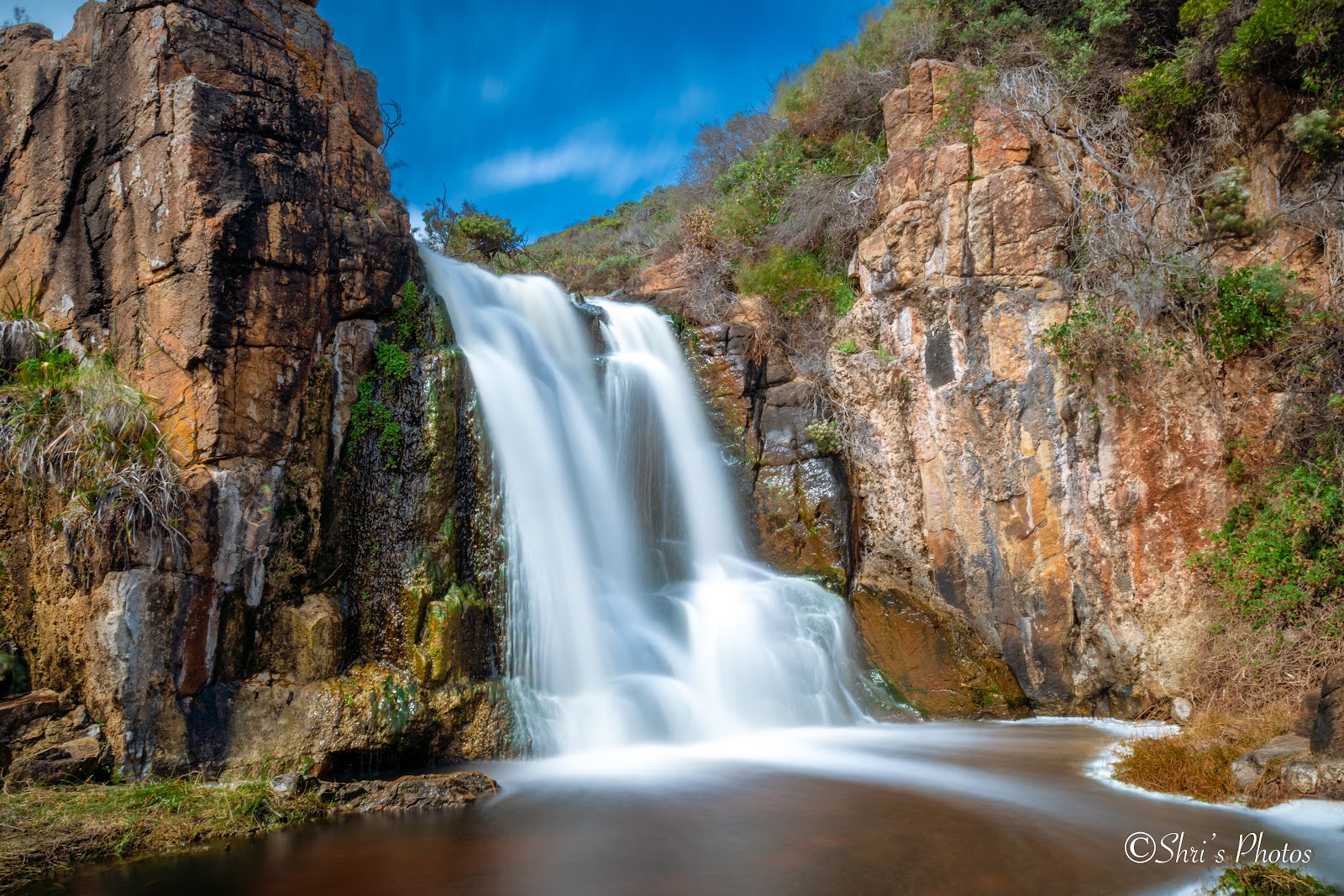
Quinninup Falls are located in Wilyabrup, about 30 kilometres north of Margaret River, accessed via a car park at the end of Moses Road off Caves Road. The walk to the falls follows a section of the Cape to Cape Track and covers about four kilometres return, with a moderate level of fitness required — the route crosses uneven rocky surfaces, soft sand and a steep sand dune section on the return that demands more effort than the distance suggests. Allow 90 minutes to two hours. The falls are best between late winter and late spring (June to November) when the water flow is at its strongest.
The falls run over a coastal headland into the ocean, which makes them unusual — a waterfall that meets the sea rather than a river — and the setting in Leeuwin-Naturaliste National Park has minimal built infrastructure. The name comes from the Wadandi word meaning 'place of the zamia palm', and the site holds cultural significance to the Wadandi people. Do not climb to the top of the falls, and treat the site with respect.
A coastal waterfall dropping into the Southern Ocean, reached by a Cape to Cape section that most visitors to the region never walk — the falls at full winter flow are unexpectedly beautiful.
The waterfall at winter or spring flow, before the summer dries the stream to a trickle — timing it well is half the experience.
The steep sand dune on return is genuinely hard — not for people with knee or back issues. Completely dry or minimal flow outside winter–spring. Do not climb to the top of the falls; respect its cultural significance to the Wadandi people.
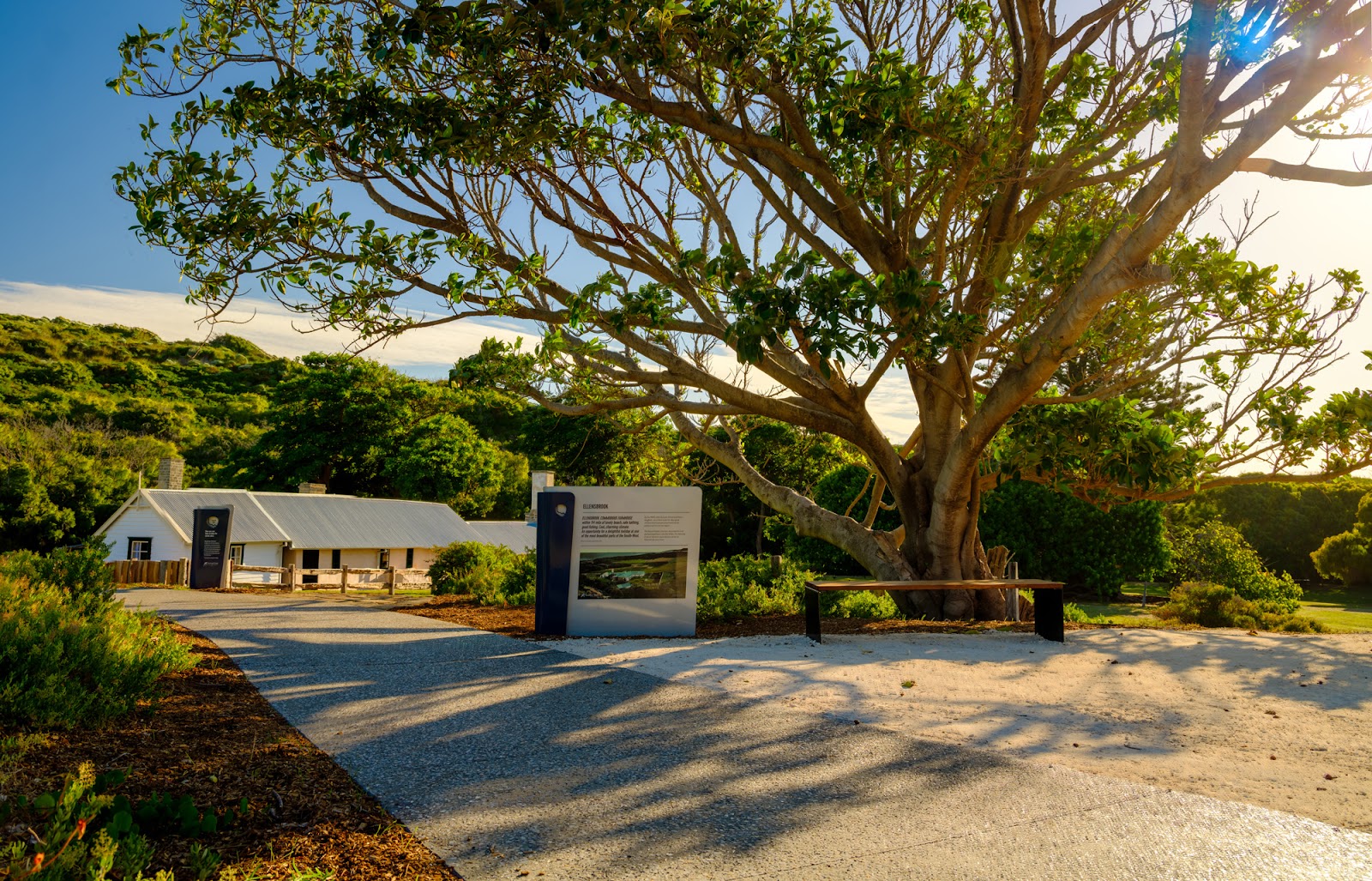
Ellensbrook at Mokidup — about eight kilometres northwest of Margaret River town — is Western Australia's oldest homestead still standing in its original location. Built in 1857 for settlers Alfred and Ellen Bussell, the site sits in the Leeuwin-Naturaliste National Park in a protected coastal valley and is managed by the National Trust WA. The homestead is open Thursday to Saturday, 10am–4pm, with Sunday guided tours at 10:30am from the grounds, which are open daily. The building itself is modest and well-preserved, and the guides provide genuine historical context about the Bussell family's relationship with the Wadandi people of the area.
The 30-minute return walk to Meekadarabee Falls from the homestead follows part of the Cape to Cape Track through thick coastal bush and arrives at a grotto with trickling rapids and fern-draped limestone walls. Meekadarabee — meaning 'bathing place of the moon' — is significant to Wadandi women. The track is paved for wheelchair access. The falls are best between June and November when the water is flowing; in summer they can reduce significantly.
A 165-year-old homestead in its original valley setting followed by a short walk to a grotto with genuine cultural depth — it is the quiet, historic side of the South West that the winery circuit does not touch.
The short walk to Meekadarabee Falls from the homestead — the grotto setting is beautiful in winter or spring flow, and the cultural significance of the site adds a dimension most falls walks lack.
The homestead is not open every day — Thursday to Saturday only, outside Sunday guided tours (grounds open daily). Falls are minimal in summer. Respect the Wadandi cultural significance of Meekadarabee — it is not a swimming hole.
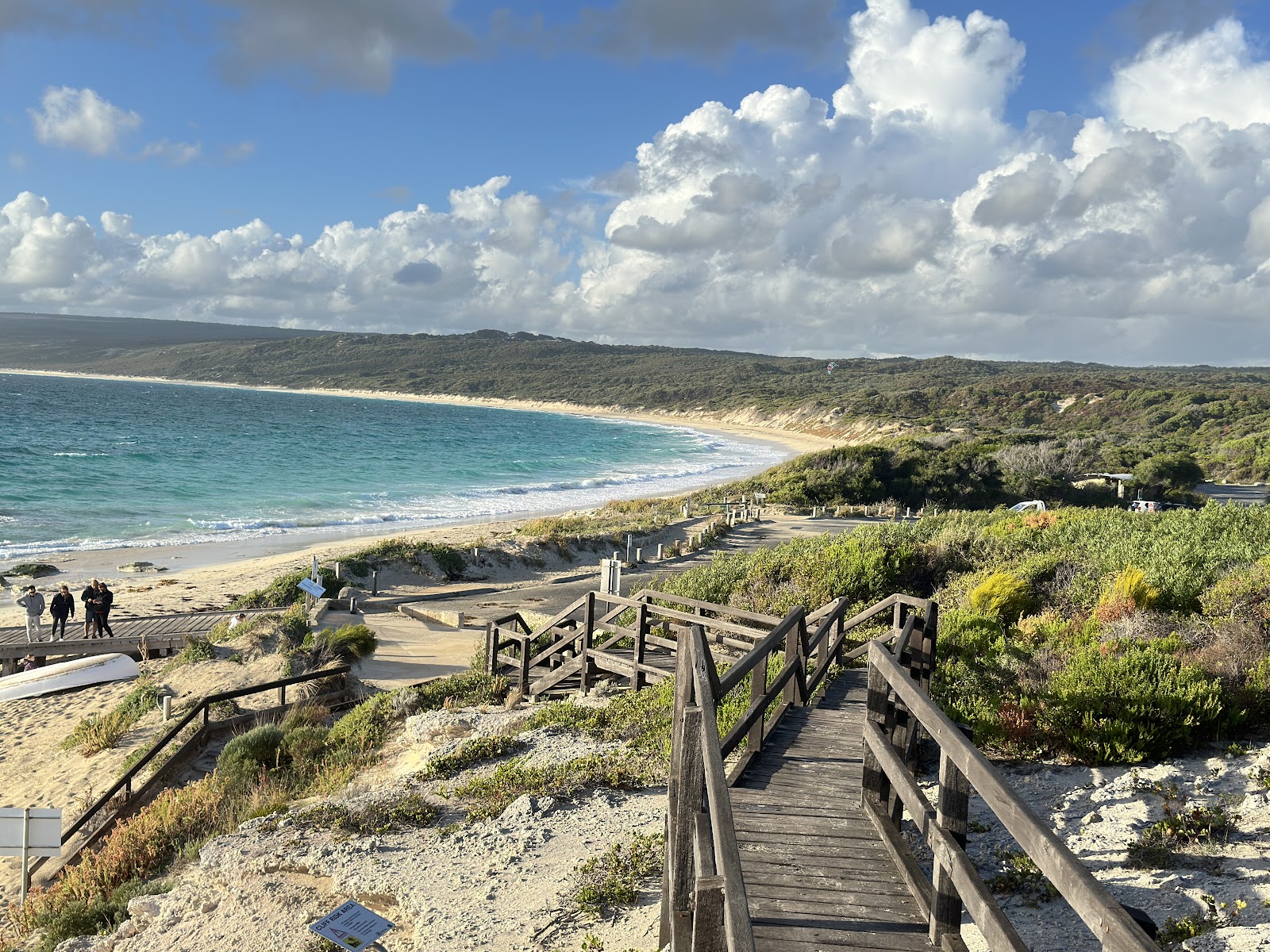
Most visitors arrive at Hamelin Bay for the stingrays and leave without looking south along the beach at the pattern of timber piles that break the water surface. These are the remains of a jetty built in 1881 to export karri timber from the surrounding forests — at its peak, stretching some 550 metres into the bay and connecting by a narrow-gauge railway to the mills at Karridale. The timber industry closed in 1913, the jetty fell into disuse, and what you see today is an irregular grid of weathered piles emerging from the sand and shallow water.
There is no formal heritage interpretation at the site — just the piles and the knowledge that they mark where one of WA's short-lived timber-export ports once operated. Walking south along the beach at low tide brings you among them, and the contrast between the deep turquoise water, white sand and the dark, barnacled timber posts makes it one of the more photographically interesting stretches of coast in the South West. Combine it naturally with the stingray visit rather than making a separate trip.
An 1881 timber jetty reduced to weathered piles on a turquoise beach — quiet industrial history in a setting that would be beautiful even without the story behind it.
Walking among the jetty piles at low tide, when the timber grid is most exposed and the water between them is clear to the sand.
There is no shade on the beach walk south to the ruins — pack sun protection and water for even a short walk. No formal interpretation on site; do a quick read about the Hamelin Bay timber trade before you visit.
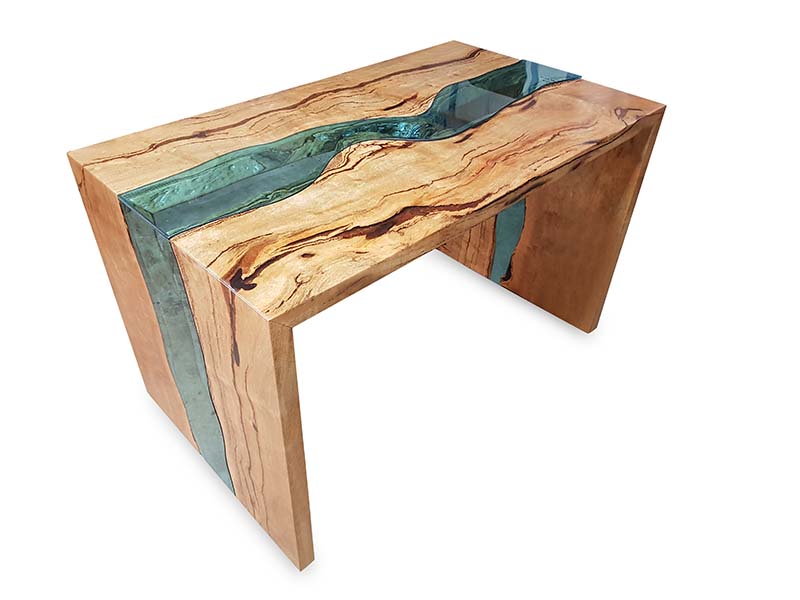
Boranup Gallery sits on Caves Road in the heart of the Boranup Forest, 20 minutes south of Margaret River town. The building itself — constructed from rammed earth and local timbers by the Howieson family — is part of the experience: it looks grown from the surrounding landscape rather than placed on top of it. Inside, the gallery's collection runs to handcrafted furniture made from Western Australian hardwoods (jarrah, marri, karri, blackbutt and sheoak), alongside paintings, glass, jewellery, wood and metal sculpture from regional and national artists.
The furniture in particular reflects a calibre of craft that is increasingly rare — pieces made from rare West Australian timbers using traditional joinery, built to last generations. It is not the kind of gallery you browse in five minutes; people who love material and making tend to linger for 30 to 45. Entry is free. The gallery is accessible by Caves Road only, making it a natural stop in either direction on a Caves Road day, and sits immediately adjacent to the turnoff for the Boranup Forest Drive loop.
A rammed-earth gallery in a karri forest selling furniture and art made from some of the world's finest hardwoods — it is the craft-focused stop the South West does not advertise loudly enough.
The WA hardwood furniture collection — jarrah, marri and karri pieces made with genuine joinery skill, in a building that uses the same materials.
The gallery sells premium-priced work — it is a browsing destination, not a souvenir shop, and that is absolutely fine. Pure Caves Road access only; not signposted from the main road.
What return visitors and locals consistently say about the quieter corners:
The recurring insight from local visitors is that the region rewards the habit of taking the unsigned turnoff, walking past the obvious viewpoint, and giving the landscape a few minutes of quiet attention. Almost every spot on this list is within a few minutes of a major road.
Several spots — Injidup, Quinninup Falls, Meekadarabee — require timing the tide, the season or the waterfall flows. Getting it right is not complicated, but checking the night before rather than turning up on the day makes a significant difference.
The South West peaks hard in January. The same spots that feel crowded at midday on a summer weekend are quiet by 8am or after 4pm, and the secondary paths and extensions from the main viewpoints are rarely busy at any time.
“The Voyager Estate is a must visit when you are in the Margaret River area. The gardens are perfectly manicured, the rose garden in gorgeous and the vineyards very pretty. This is a winery on a larger scale. The Dutch inddpired Estate house is absolutely beautiful insand out. There is a restaurant there and a bar area where you can taste wines or oder a smal”— Babs (on Voyager Estate), Google review
“We had a beautiful long lunch at Voyager Estate yesterday. Each dish was delicious and beautifully presented. Maria and Lisanne were excellent hosts. We enjoyed the wine pairing and their philosophy of matching the food to the wine. The gardens are amazing too, especially the rose garden. Not inexpensive, but a great choice for a special day out 💕.”— Michele Campbell (on Voyager Estate), Google review
“Voyage Estate is absolutely wonderful—a true beauty! The food is fantastic, the wine is excellent, and the service is impeccable. Every detail makes it a memorable experience. Highly recommend visiting for a relaxing and indulgent day out!”— Kristie Park (on Voyager Estate), Google review
| Season | Conditions | Highlights | Crowds |
|---|---|---|---|
| Winter (Jun–Aug) | Cool, wet, dramatic | Quinninup Falls and Meekadarabee at full flow; Injidup Spa with big swell; forest at its most atmospheric | Low |
| Spring (Sep–Nov) | Warm, often still | Wildflowers along Boranup Drive and Cape to Cape; waterfalls still flowing; beaches emptying out | Low–moderate |
| Autumn (Mar–May) | Mild, settled | Post-summer quiet; beaches calm and warm; cellar doors less crowded | Low |
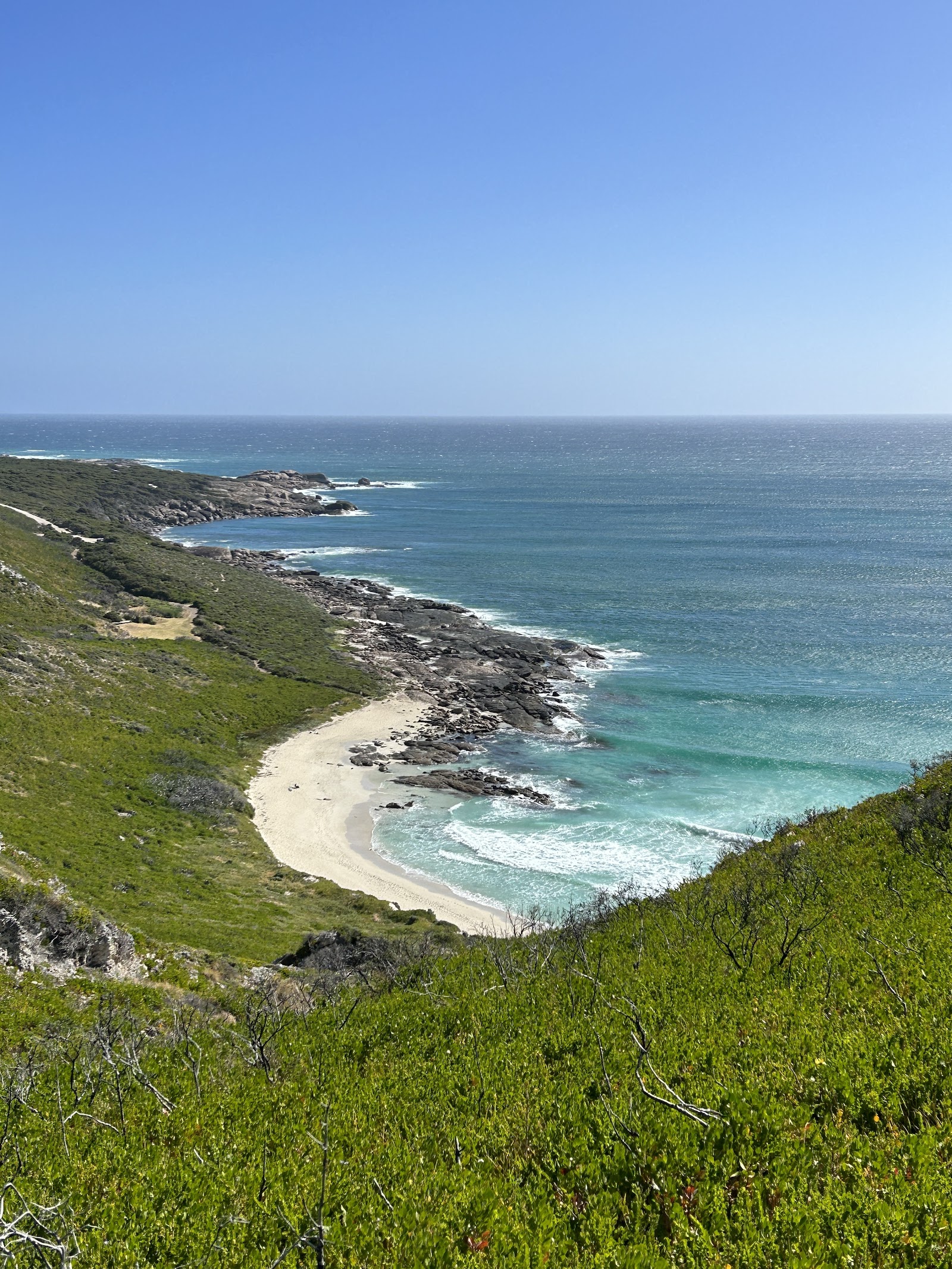
Several of the places on this list involve coastal access at a landscape — the Cape to Cape Track, exposed headlands, tidal formations — that carries real risk if not treated with appropriate care. The standard rules apply and are worth repeating: never turn your back on the ocean on exposed rock platforms, do not enter tidal formations in large swell, download offline maps before leaving mobile coverage, and carry water even on short walks. Meekadarabee Falls and Quinninup Falls are sites of cultural significance to the Wadandi Noongar people — behave accordingly, do not climb restricted areas, and do not geolocate them with crowds of followers who will not treat them with the same care.
The best way to extend this list is to ask at the Margaret River Visitor Centre on Bussell Highway, which has current knowledge of track conditions, seasonal access restrictions and the kind of local detail that no website captures. The staff there are consistent sources of genuine local knowledge and are used to directing curious visitors to the spots that reward a slower pace.
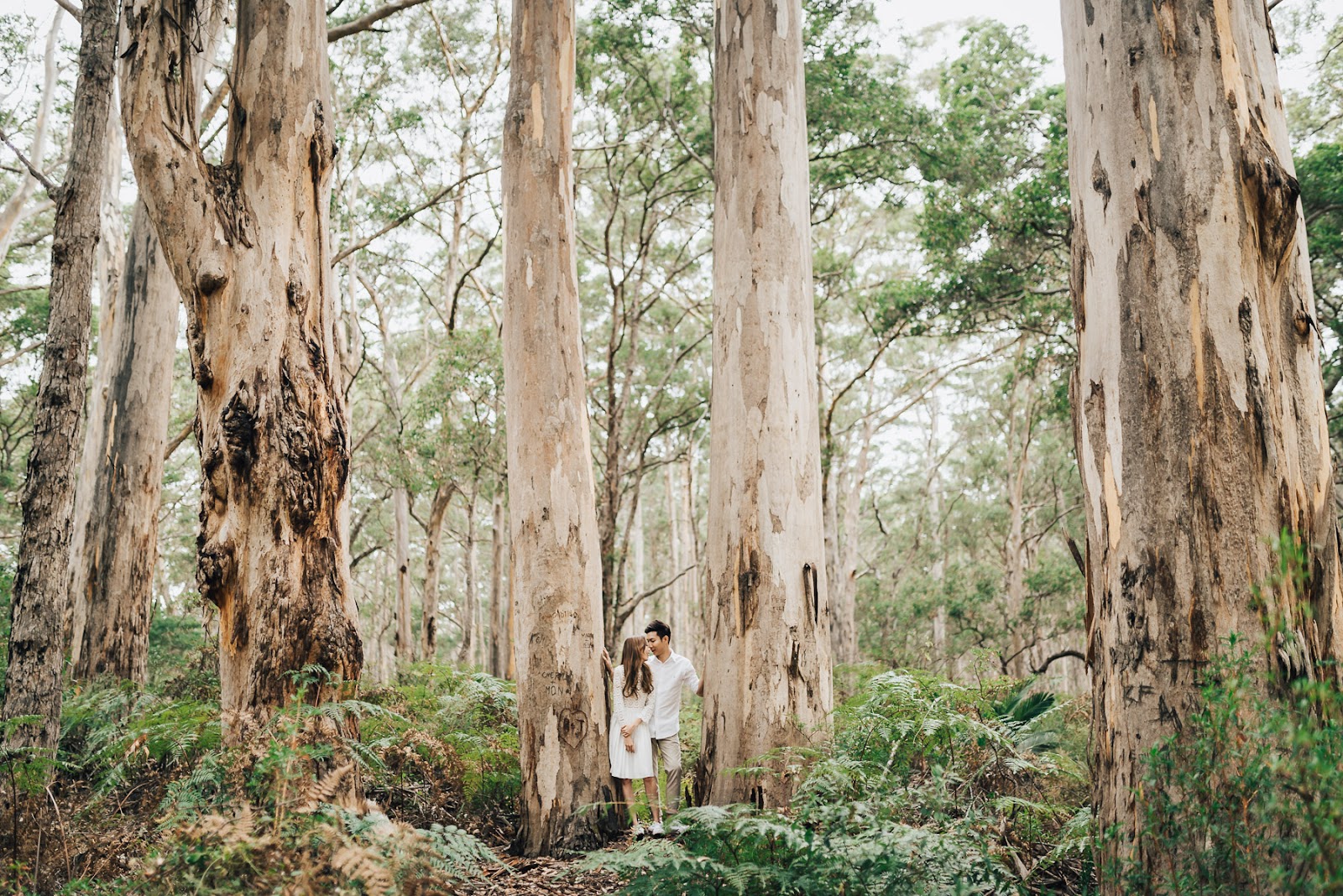
The famous parts of Margaret River are famous for good reasons. But the region is large enough and varied enough that a visit built entirely around the winery circuit, the main surf breaks and the show caves barely scratches the surface of what it offers. The forest drive through the karri giants, the industrial-history ruins at Hamelin Bay, the tidal spa pool timed to a rising swell, the homestead at the end of a coastal valley with its grotto waterfall — these are the parts of the region that have room to breathe.
None of them require anything more than a car, a bit of planning and the willingness to take the road that does not have a brown heritage sign pointing at it. The South West's quiet side is easy to reach. Most visitors just do not reach for it.
Enjoying hidden gems? Here’s where else in Australia it’s worth the trip — ranked by how loved each destination is, with the one thing not to miss at each.
 Glen Aplin
Granite Belt, Queensland
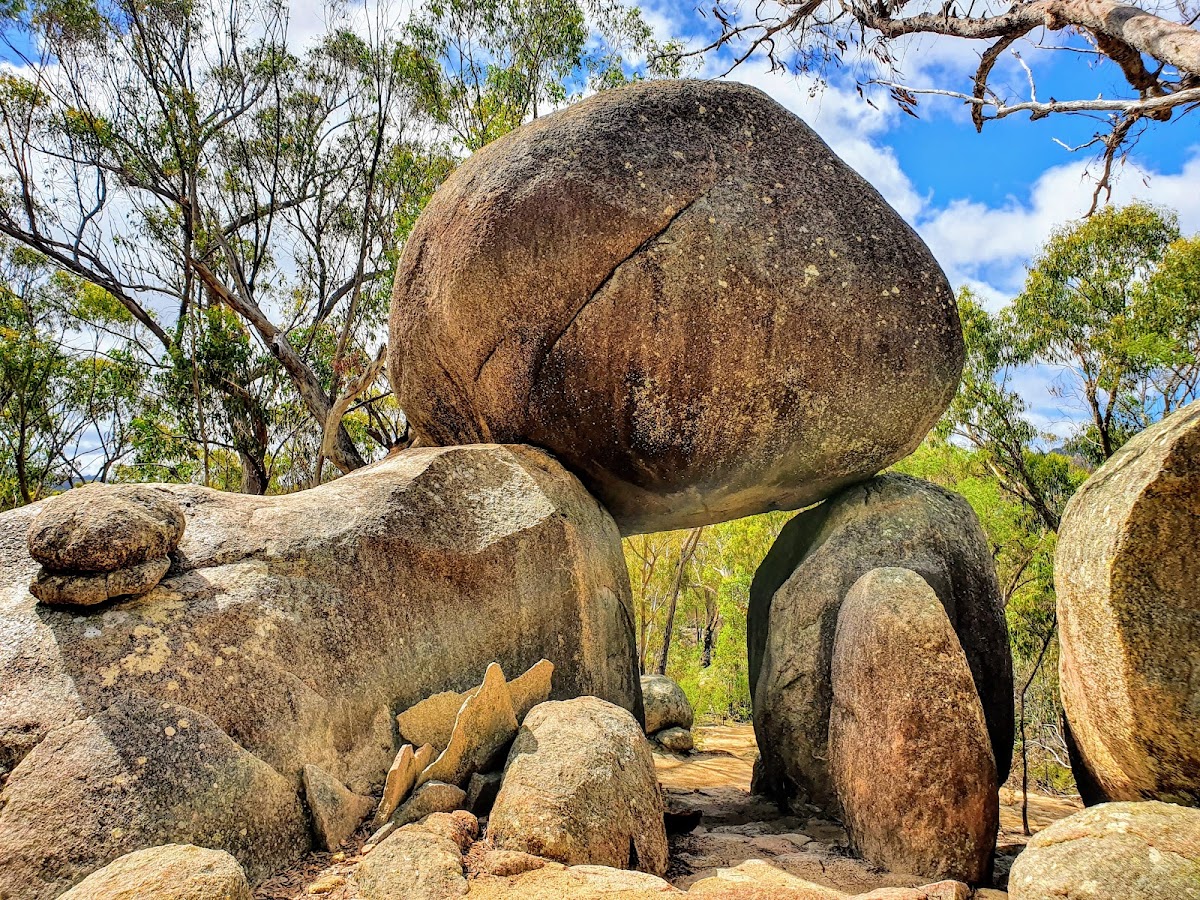
The broad granite pools upstream at dawn, when the canopy is full of birdsong.
Explore hidden gems in Glen Aplin →
2
Glen Aplin
Granite Belt, Queensland
The broad granite pools upstream at dawn, when the canopy is full of birdsong.
Explore hidden gems in Glen Aplin →
2
 Ningaloo Reef
Australia's Coral Coast, Western Australia
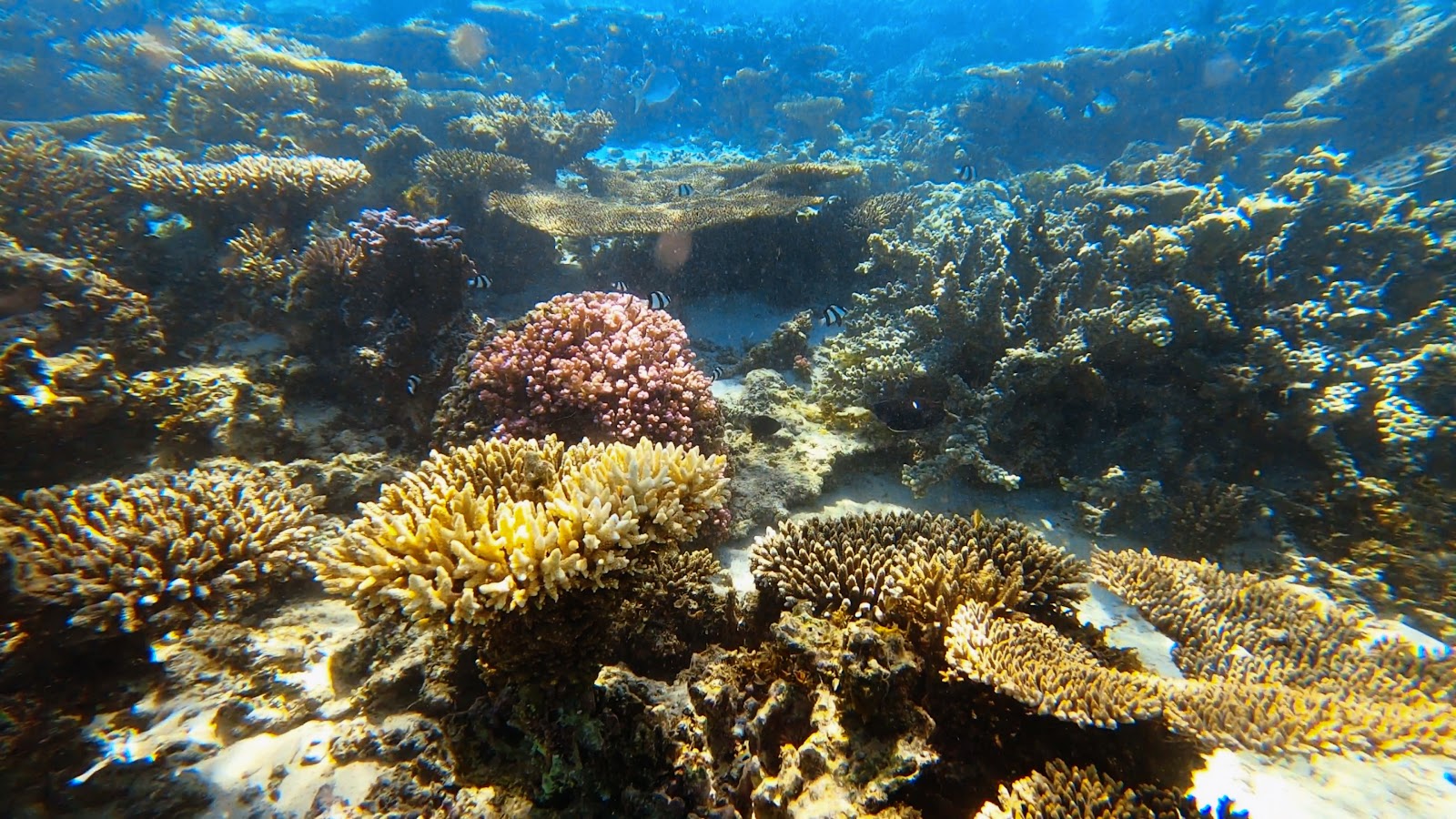
Arriving in the correct tidal window for a light drift snorkel through the coral channel — check the tide chart the night before and leave Exmouth early.
Explore hidden gems in Ningaloo Reef →
3
Ningaloo Reef
Australia's Coral Coast, Western Australia
Arriving in the correct tidal window for a light drift snorkel through the coral channel — check the tide chart the night before and leave Exmouth early.
Explore hidden gems in Ningaloo Reef →
3
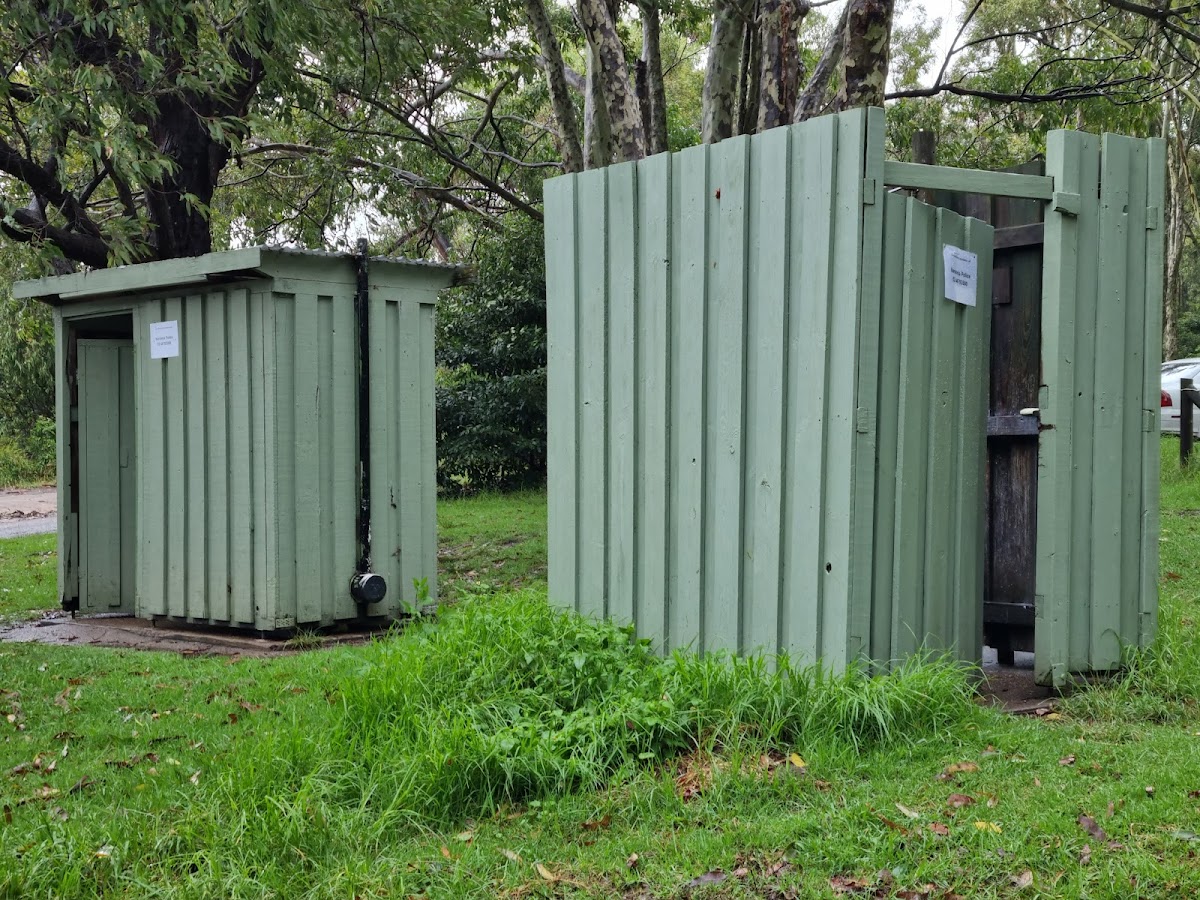 Narooma
South Coast, New South Wales
Low tide for the exposed rock platforms and pools; late afternoon for the light on the tilted formations.
Explore hidden gems in Narooma →
4
Narooma
South Coast, New South Wales
Low tide for the exposed rock platforms and pools; late afternoon for the light on the tilted formations.
Explore hidden gems in Narooma →
4
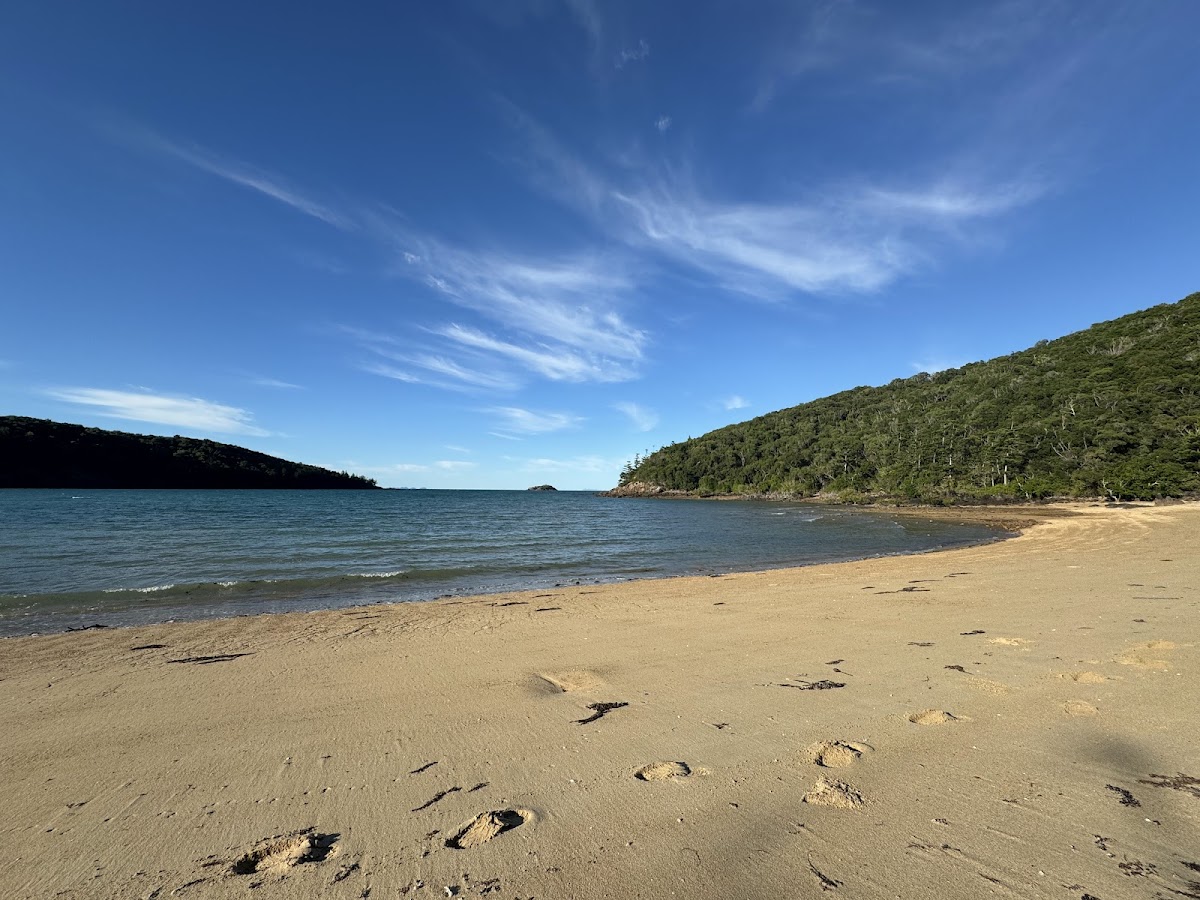 Hamilton Island
The Whitsundays, Queensland
A mid-morning swim at Coral Cove when Catseye is busy and you want a beach with barely anyone on it.
Explore hidden gems in Hamilton Island →
5
Hamilton Island
The Whitsundays, Queensland
A mid-morning swim at Coral Cove when Catseye is busy and you want a beach with barely anyone on it.
Explore hidden gems in Hamilton Island →
5
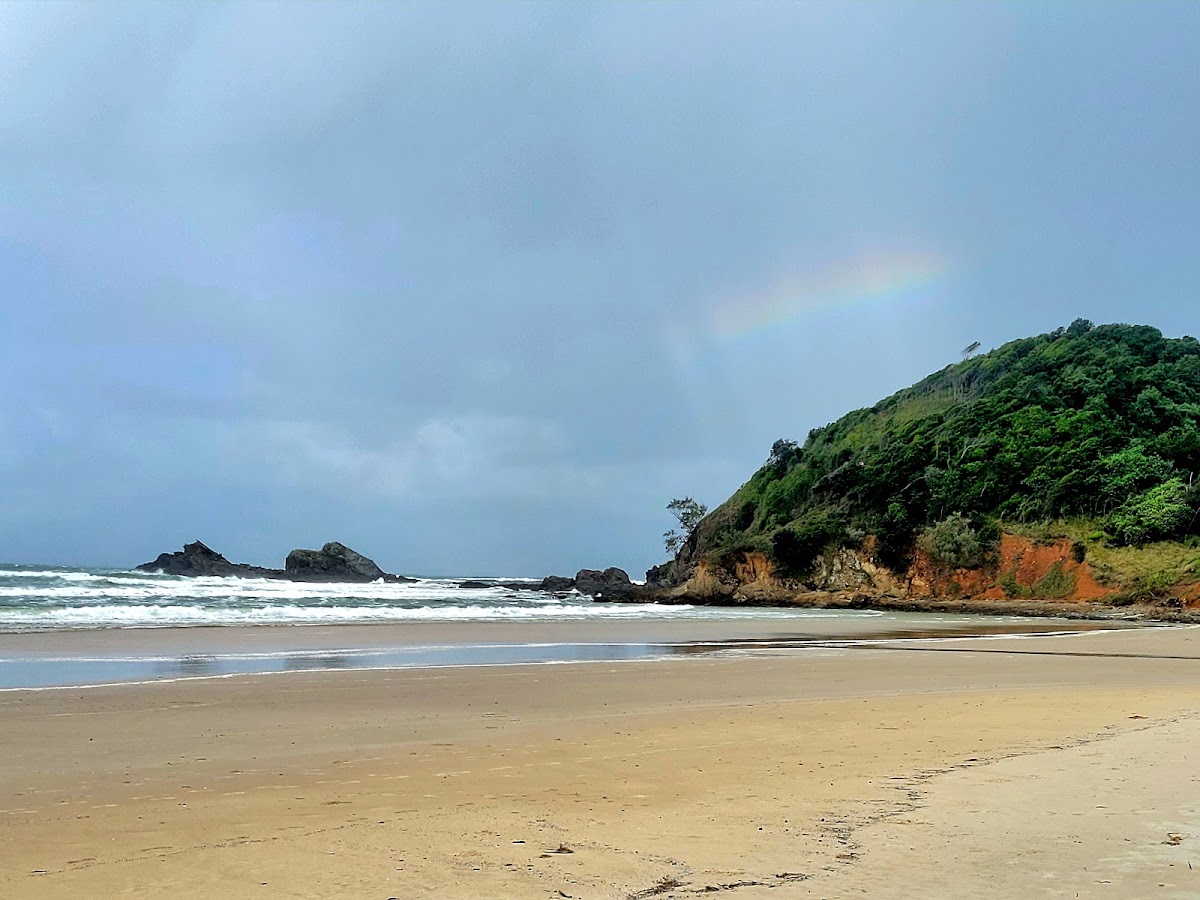 Byron Bay
Northern Rivers, New South Wales
A near-empty hidden beach at Broken Head or a swimmable hinterland waterfall, both minutes from the crowds.
Explore hidden gems in Byron Bay →
6
Byron Bay
Northern Rivers, New South Wales
A near-empty hidden beach at Broken Head or a swimmable hinterland waterfall, both minutes from the crowds.
Explore hidden gems in Byron Bay →
6
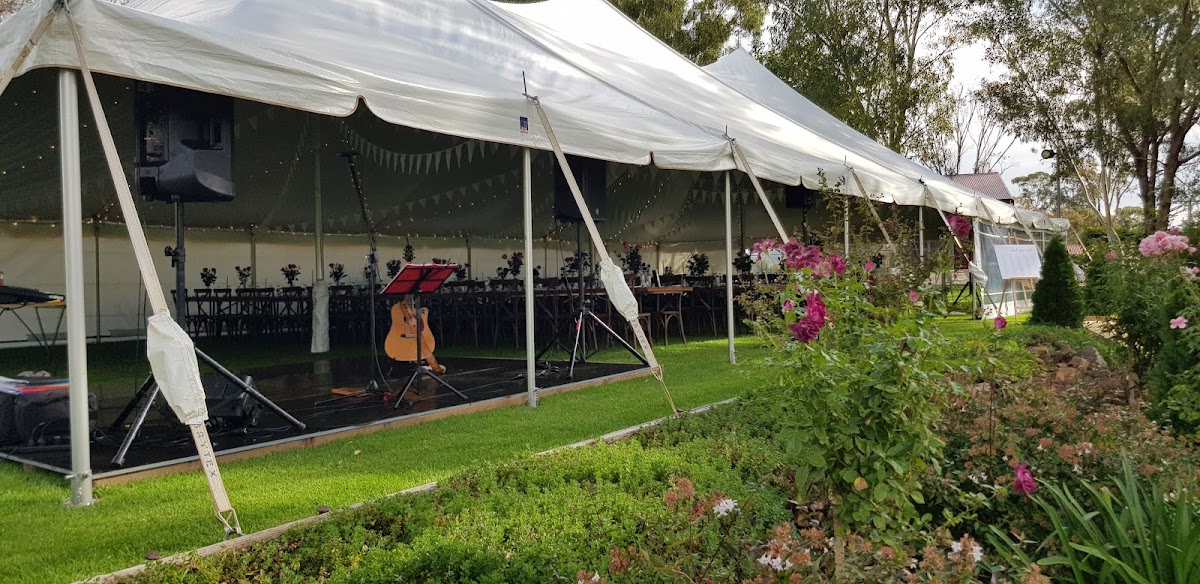 Dubbo
Central West, New South Wales
Realising, on a third unhurried day, how much of the region sits just beyond the headline attractions.
Explore hidden gems in Dubbo →
Margaret River you’re here
Australia's South West, Western Australia
The Boranup Lookout midway through the drive, with views over the forest canopy to the turquoise water of Hamelin Bay.
You’re reading this guide
Dubbo
Central West, New South Wales
Realising, on a third unhurried day, how much of the region sits just beyond the headline attractions.
Explore hidden gems in Dubbo →
Margaret River you’re here
Australia's South West, Western Australia
The Boranup Lookout midway through the drive, with views over the forest canopy to the turquoise water of Hamelin Bay.
You’re reading this guide
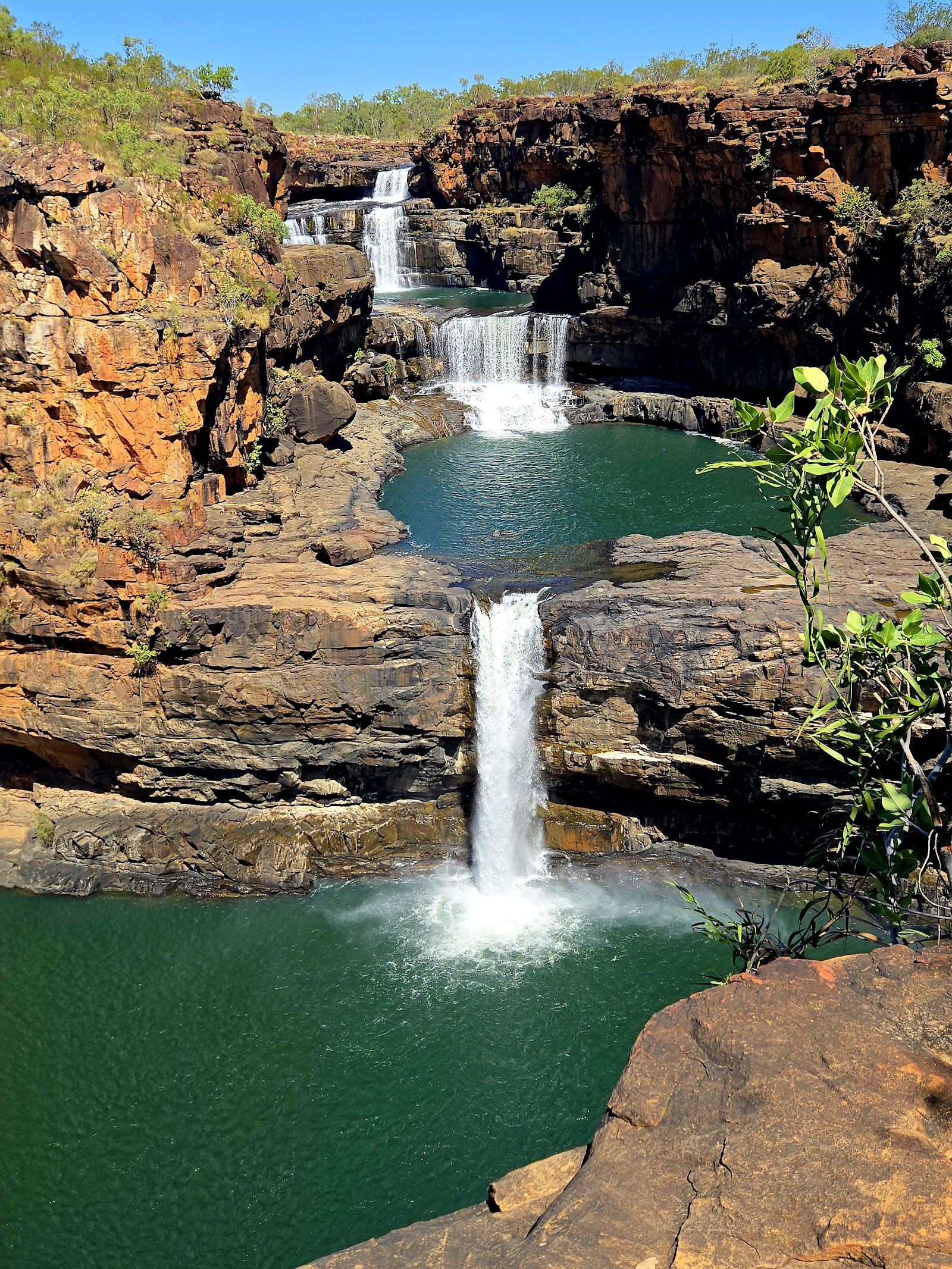 The Kimberley
Australia's North West, Western Australia
Canoeing Dimond Gorge and swimming Sir John Gorge — quiet, cliff-walled water, often to yourself.
Explore hidden gems in The Kimberley →
9
The Kimberley
Australia's North West, Western Australia
Canoeing Dimond Gorge and swimming Sir John Gorge — quiet, cliff-walled water, often to yourself.
Explore hidden gems in The Kimberley →
9
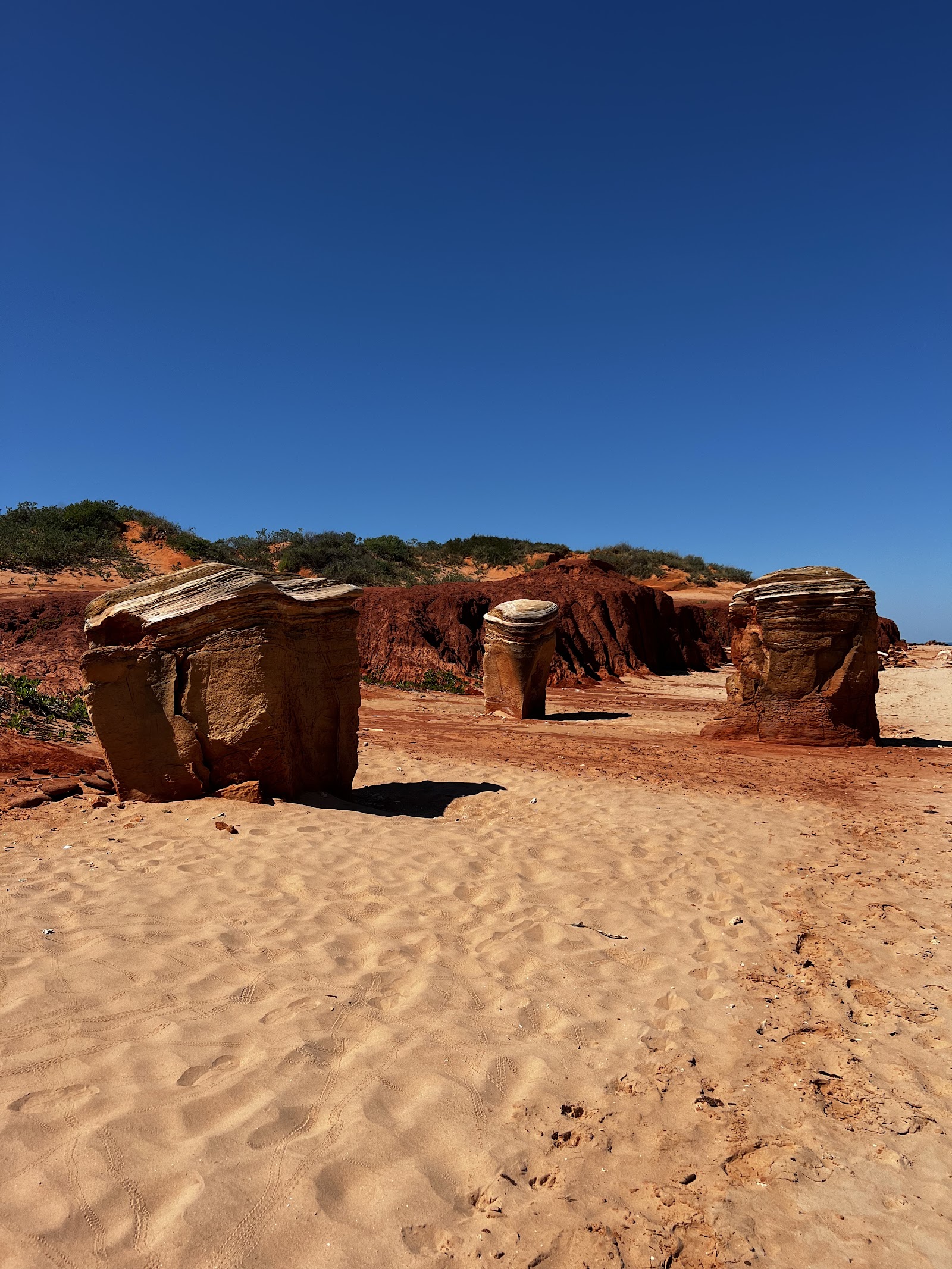 Broome
Australia's North West, Western Australia
Low tide in the late afternoon, when the cliffs are at their most vivid and the tidal pools are fully exposed.
Explore hidden gems in Broome →
10
Broome
Australia's North West, Western Australia
Low tide in the late afternoon, when the cliffs are at their most vivid and the tidal pools are fully exposed.
Explore hidden gems in Broome →
10
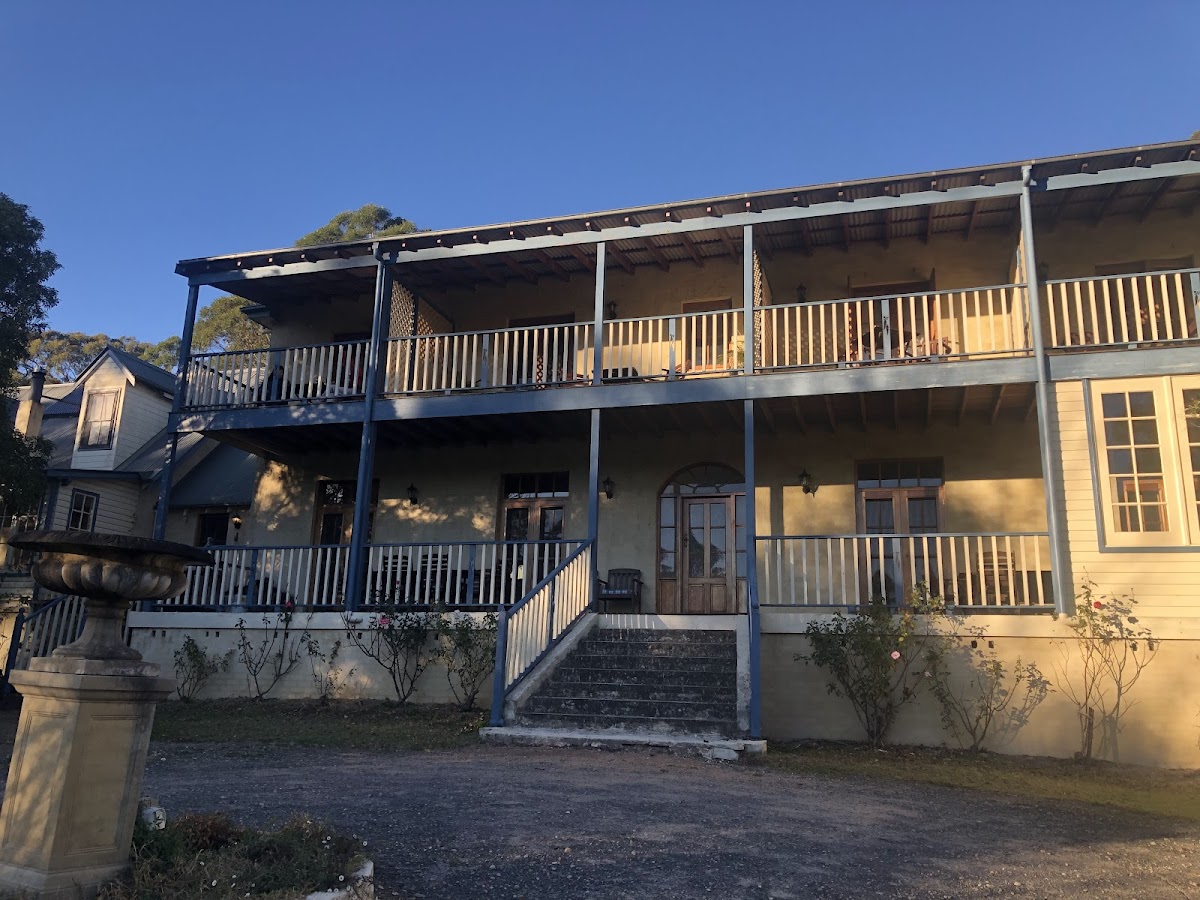 Kangaroo Valley
Shoalhaven, New South Wales
The realisation, on a second night, that the quiet dawn-and-dusk valley is a different place from the busy day one.
Explore hidden gems in Kangaroo Valley →
Kangaroo Valley
Shoalhaven, New South Wales
The realisation, on a second night, that the quiet dawn-and-dusk valley is a different place from the busy day one.
Explore hidden gems in Kangaroo Valley →
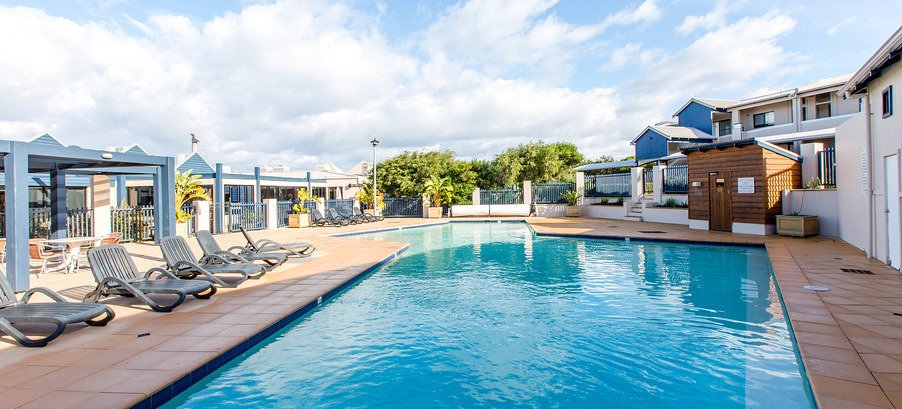
Margarets Beach Resort — Margaret River
Book Direct & Save →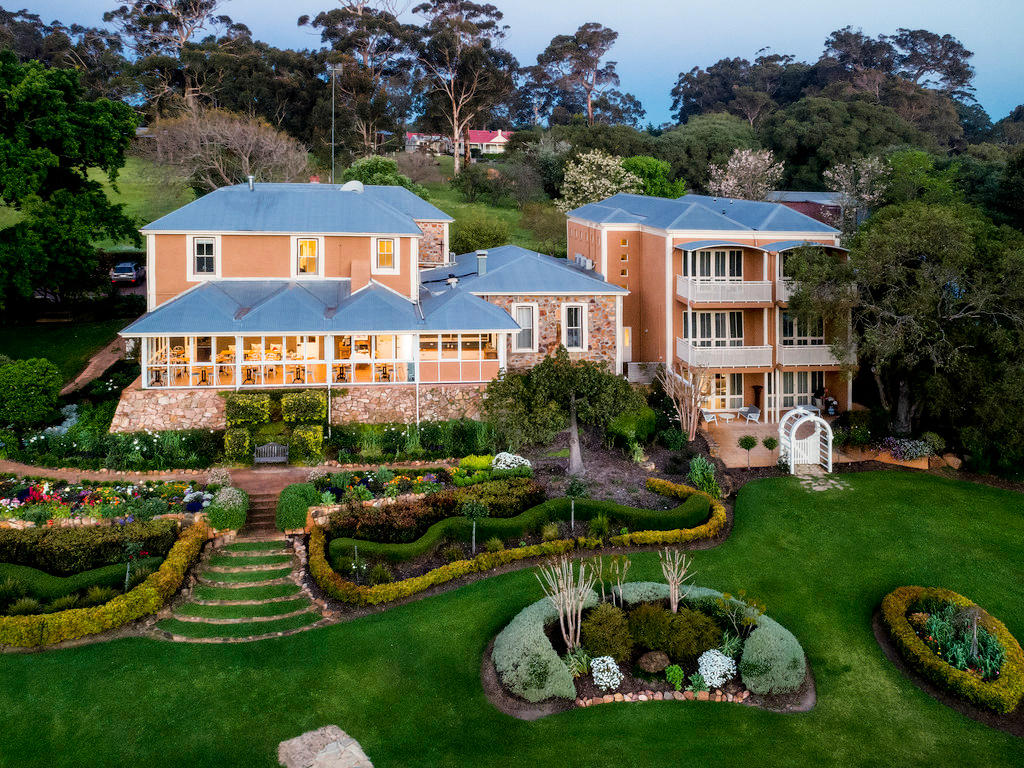
Margaret River Guest House — Margaret River
Book Direct & Save →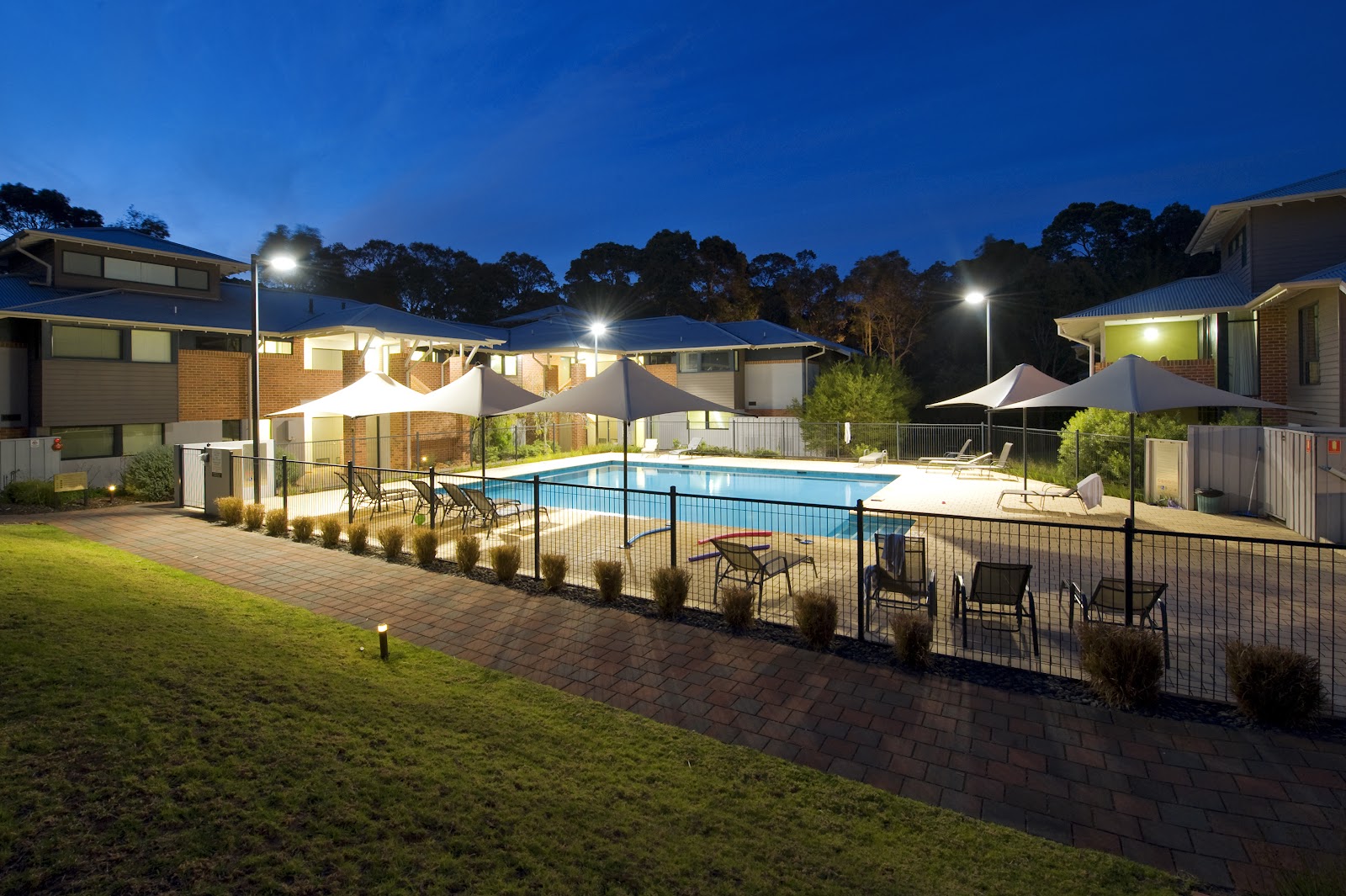
RAC Margaret River Nature Park — Margaret River
Book Direct & Save →Skip OTA fees. Connect directly with Margaret River owners for the best rates and a truly personal experience.
We match any online rate. No service fees — 100% of your payment supports local owners.
Direct guests receive complimentary hampers, early check-in, and priority access to experiences.
Speak directly with the people who manage the properties. No call centres, just local expertise.
Part of Western Australia · Australia's South West
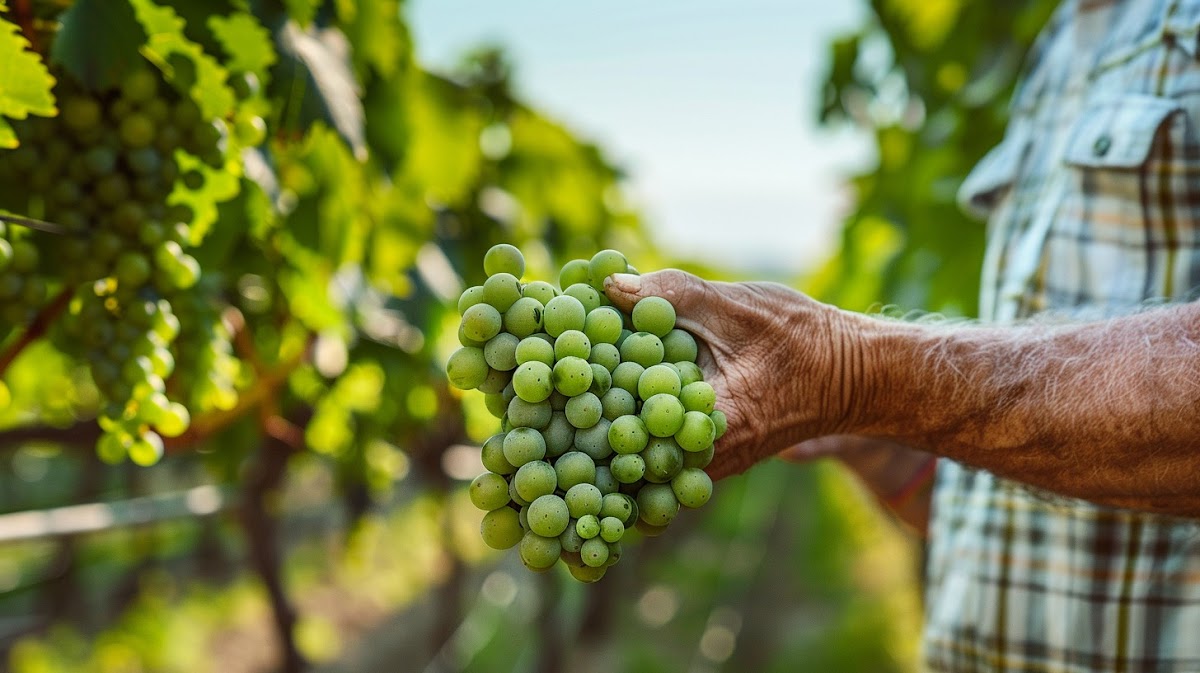 Glen Aplin
Granite Belt, Queensland
Queensland's most underrated wine valley
Explore the guide →
Glen Aplin
Granite Belt, Queensland
Queensland's most underrated wine valley
Explore the guide →
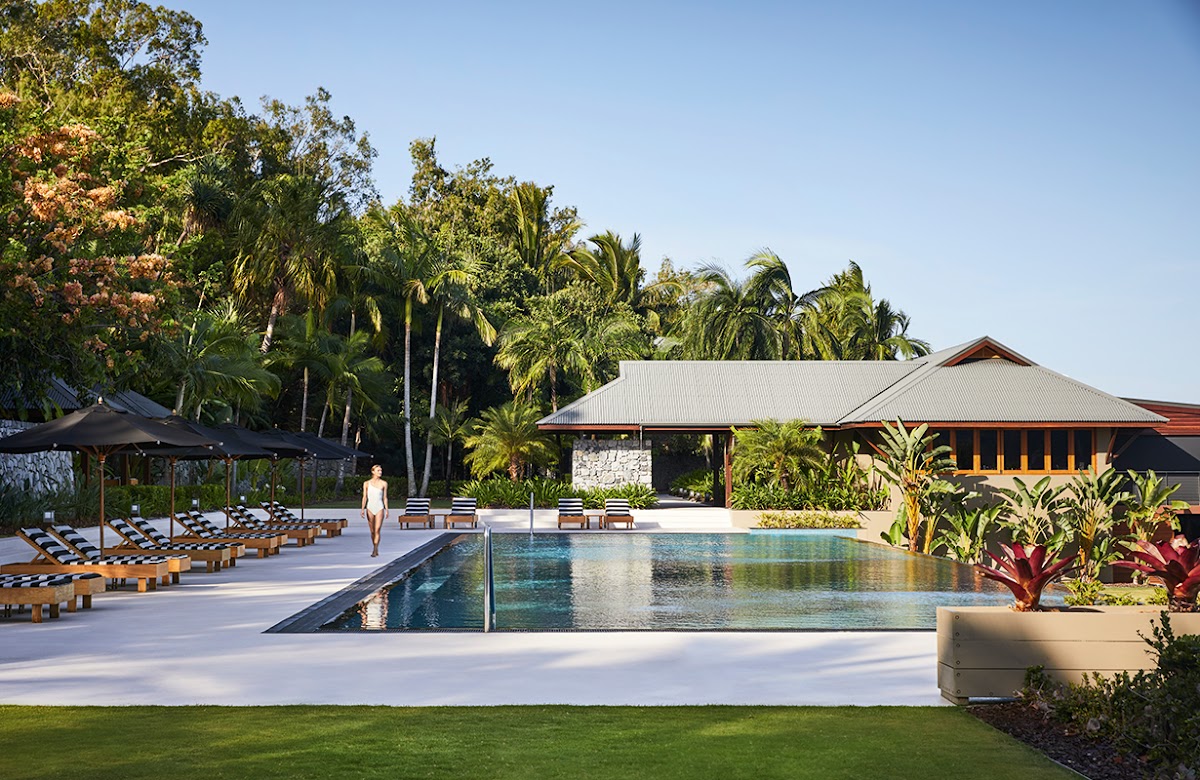 Hamilton Island
The Whitsundays, Queensland
Whitsundays island resort — Whitehaven Beach, reef trips and golf-buggy life
Explore the guide →
Hamilton Island
The Whitsundays, Queensland
Whitsundays island resort — Whitehaven Beach, reef trips and golf-buggy life
Explore the guide →
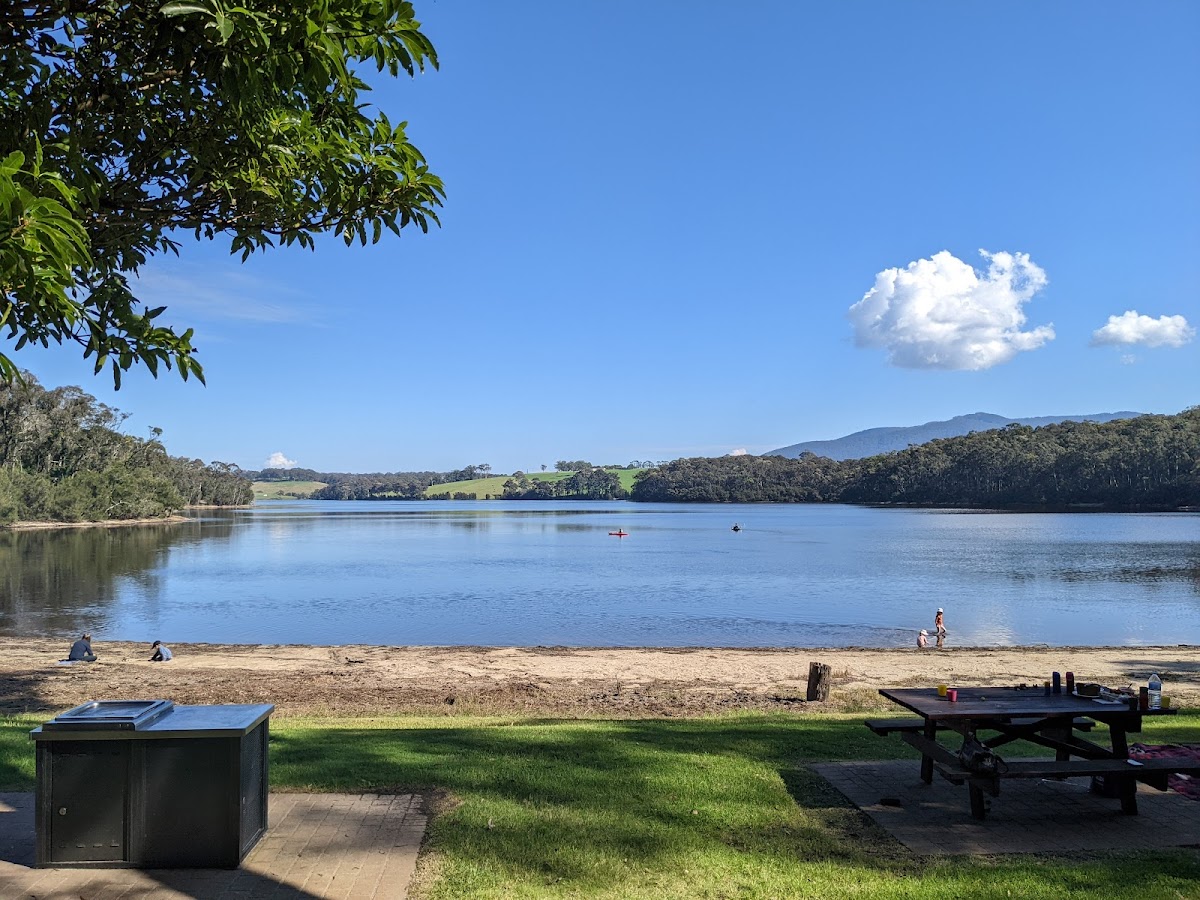 Narooma
South Coast, New South Wales
Crystal-clear inlet, surf beaches, oysters and Montague Island
Explore the guide →
Narooma
South Coast, New South Wales
Crystal-clear inlet, surf beaches, oysters and Montague Island
Explore the guide →
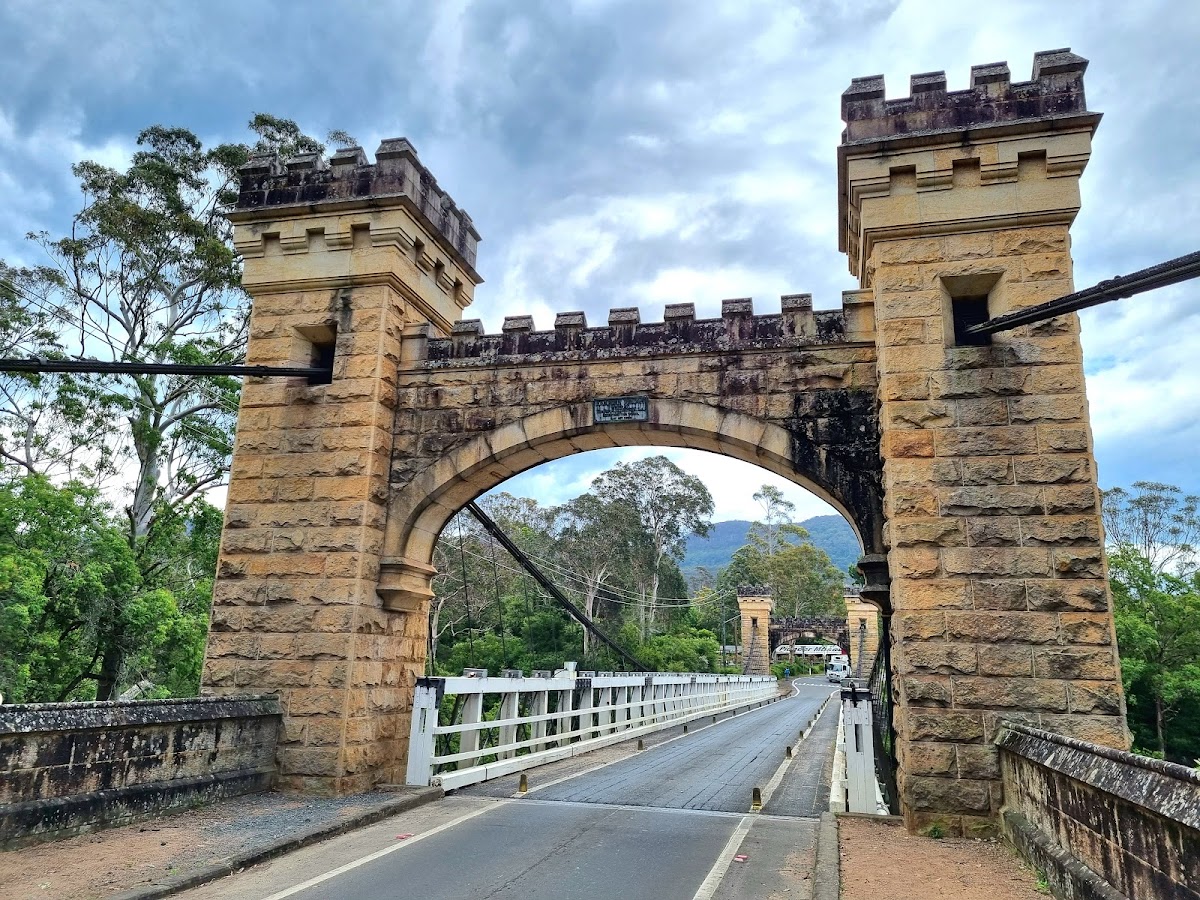 Kangaroo Valley
Shoalhaven, New South Wales
Hampden Bridge, kayaking and wombats in a green valley
Explore the guide →
Kangaroo Valley
Shoalhaven, New South Wales
Hampden Bridge, kayaking and wombats in a green valley
Explore the guide →
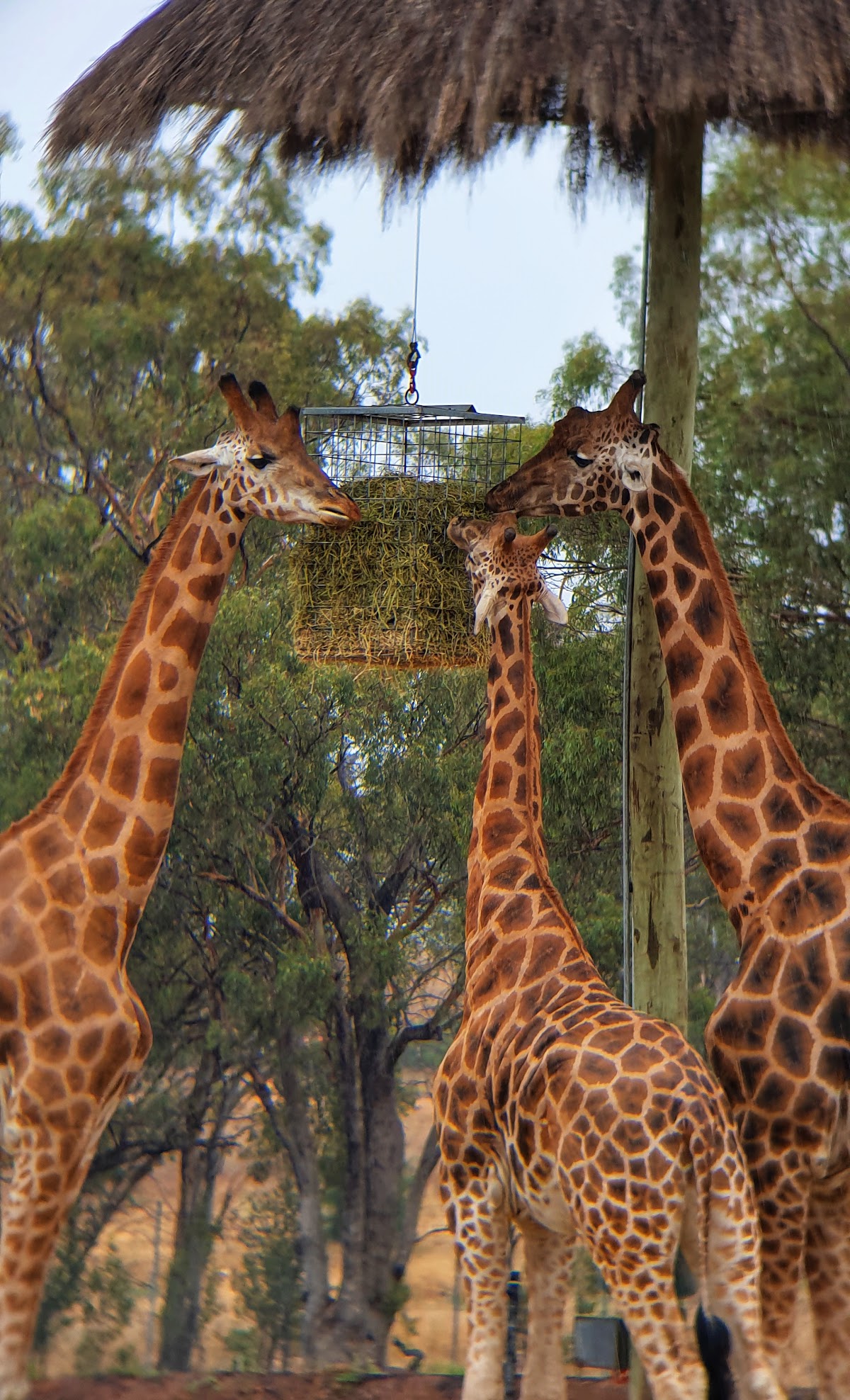 Dubbo
Central West, New South Wales
Open-range zoo and Outback gateway on the Macquarie River
Explore the guide →
Dubbo
Central West, New South Wales
Open-range zoo and Outback gateway on the Macquarie River
Explore the guide →
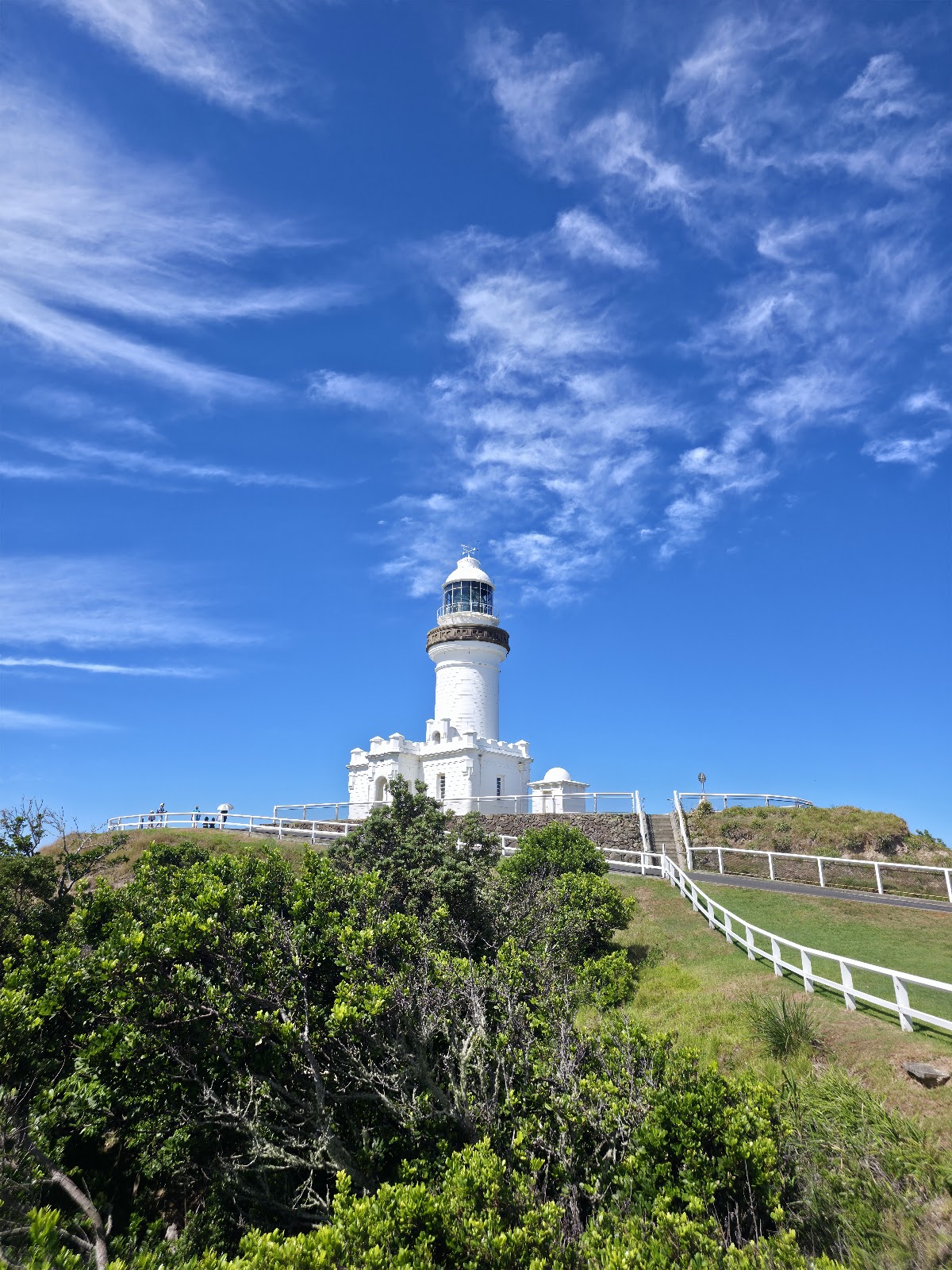 Byron Bay
Northern Rivers, New South Wales
Australia's iconic beach town and most easterly point
Explore the guide →
Byron Bay
Northern Rivers, New South Wales
Australia's iconic beach town and most easterly point
Explore the guide →
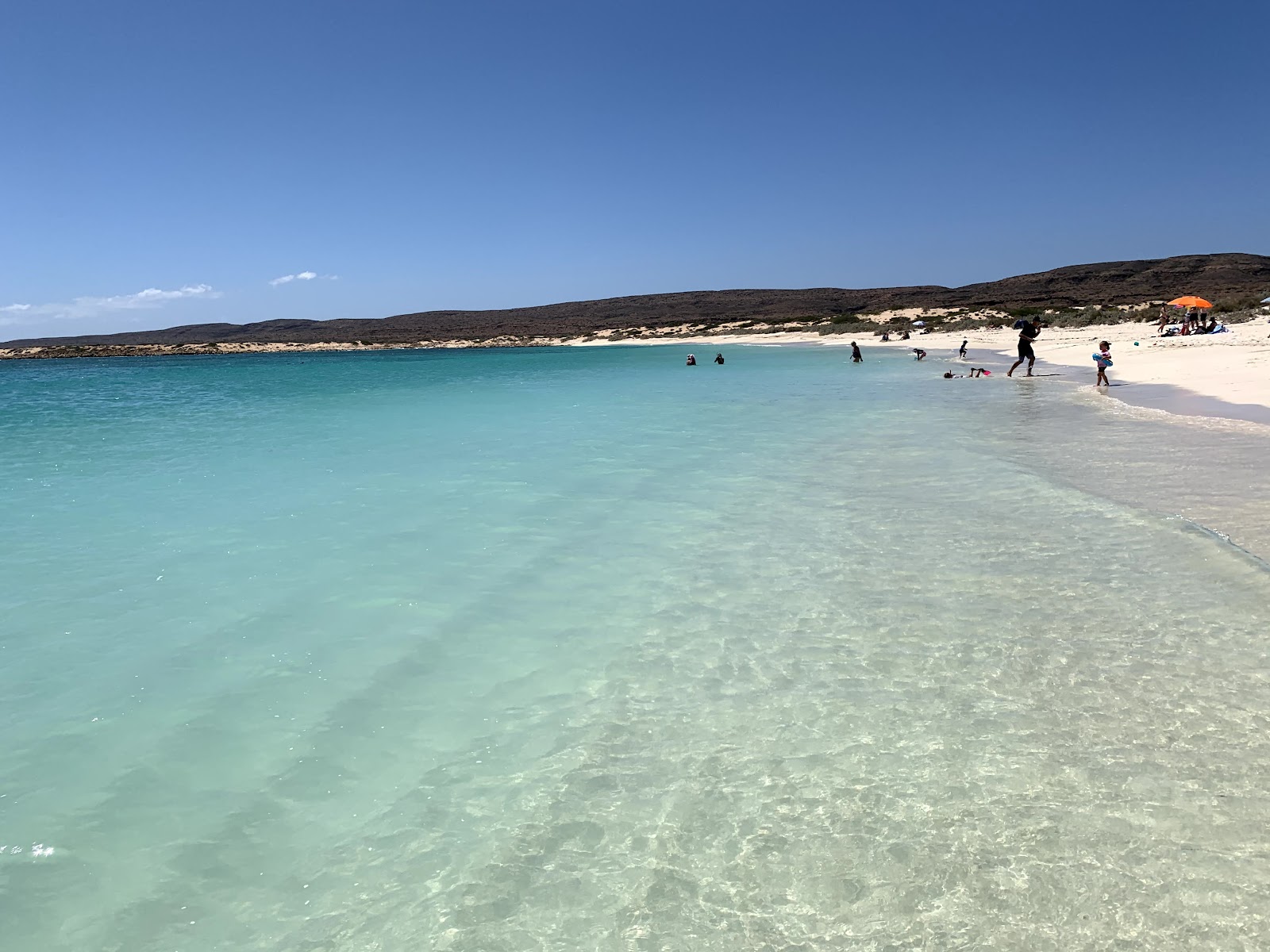 Ningaloo Reef
Australia's Coral Coast, Western Australia
Swim with whale sharks and snorkel a World-Heritage reef straight off the beach
Explore the guide →
Ningaloo Reef
Australia's Coral Coast, Western Australia
Swim with whale sharks and snorkel a World-Heritage reef straight off the beach
Explore the guide →
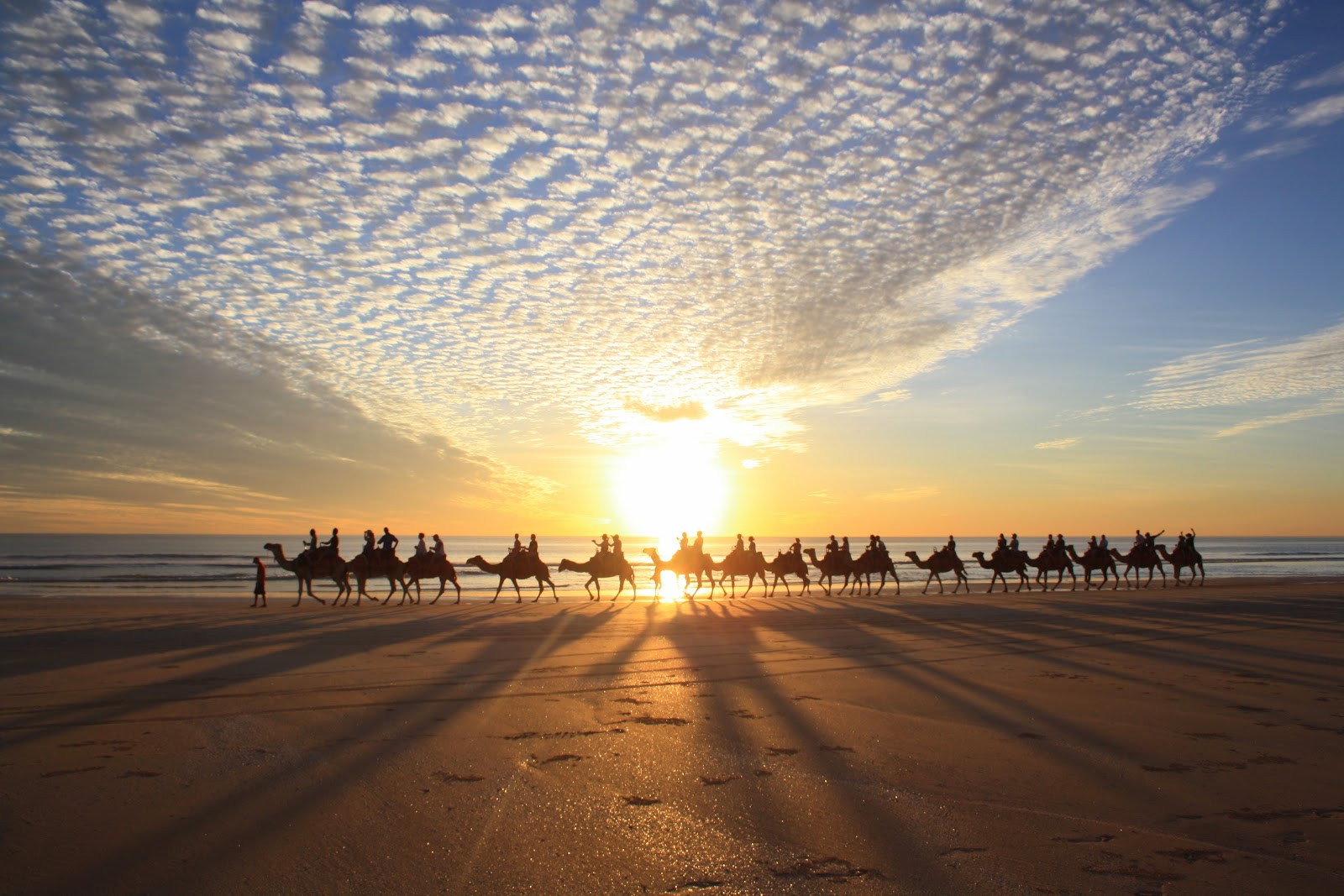 Broome
Australia's North West, Western Australia
Cable Beach sunsets, pearling history and camels on 22km of sand
Explore the guide →
Broome
Australia's North West, Western Australia
Cable Beach sunsets, pearling history and camels on 22km of sand
Explore the guide →
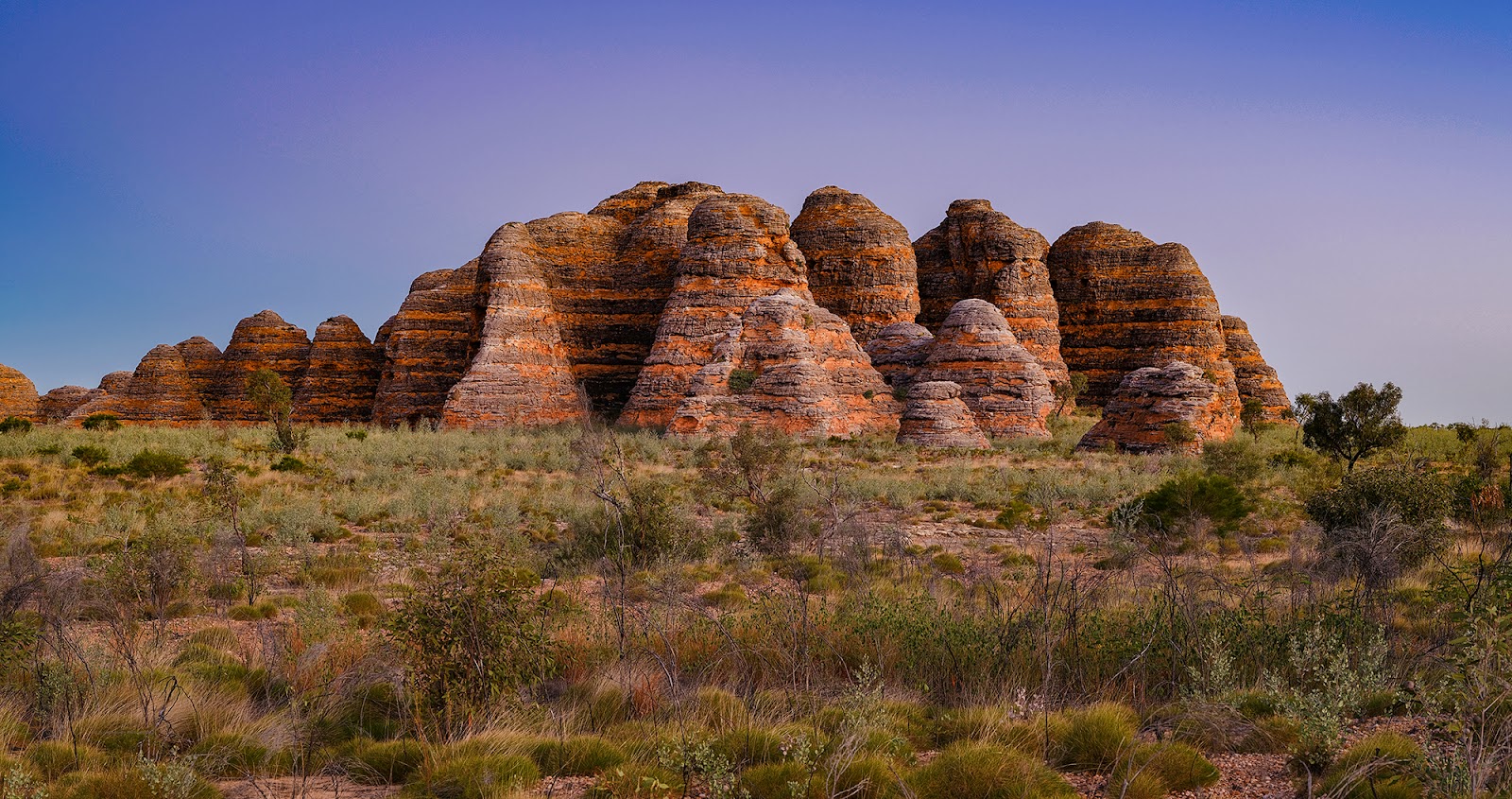 The Kimberley
Australia's North West, Western Australia
Gibb River Road, the Bungle Bungles, gorges and waterfalls in Australia's last frontier
Explore the guide →
The Kimberley
Australia's North West, Western Australia
Gibb River Road, the Bungle Bungles, gorges and waterfalls in Australia's last frontier
Explore the guide →