01. The Kimberley Grande Resort
4 (399 reviews)
The Kimberley Grande Resort — The Kimberley
Book Direct & Save →Every traveller arrives in the Kimberley with the same shortlist — the Bungle Bungles, Horizontal Falls, a gorge swim on the Gibb. They're famous for good reason, and you should see them. But a region this vast and this empty hides a deeper layer for travellers willing to drive a little further, plan a little harder, and trade the headline sights for the quieter corners where you'll often have an entire wilderness to yourself.
View 3 Properties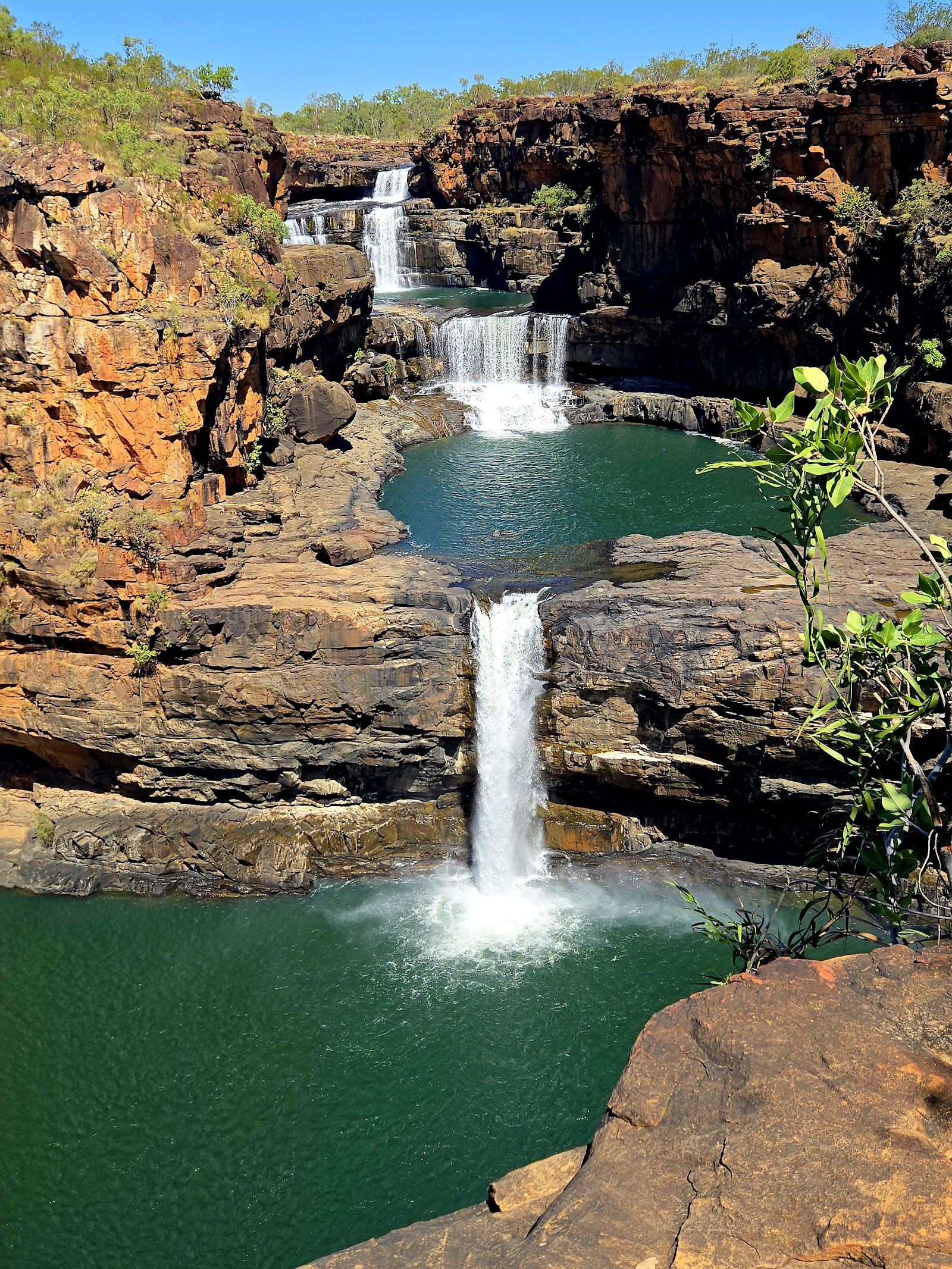
"Remote, quiet, off the main circuit"
A note before we go any further, and it matters more here than almost anywhere. The Kimberley is living Aboriginal country, and many of these quieter places sit on or near land that is culturally significant, restricted, or cared for by communities who welcome visitors only on their terms. Travel with that front of mind: respect every permit, closure and 'no entry' sign, never touch rock art, book community stays and tours ahead, and follow Be Crocwise around all water. The remoteness that makes these places special also makes them unforgiving — carry more fuel, water and self-recovery capability than you think you need, and tell someone your plan. Leave no trace, and leave each place exactly as you found it.
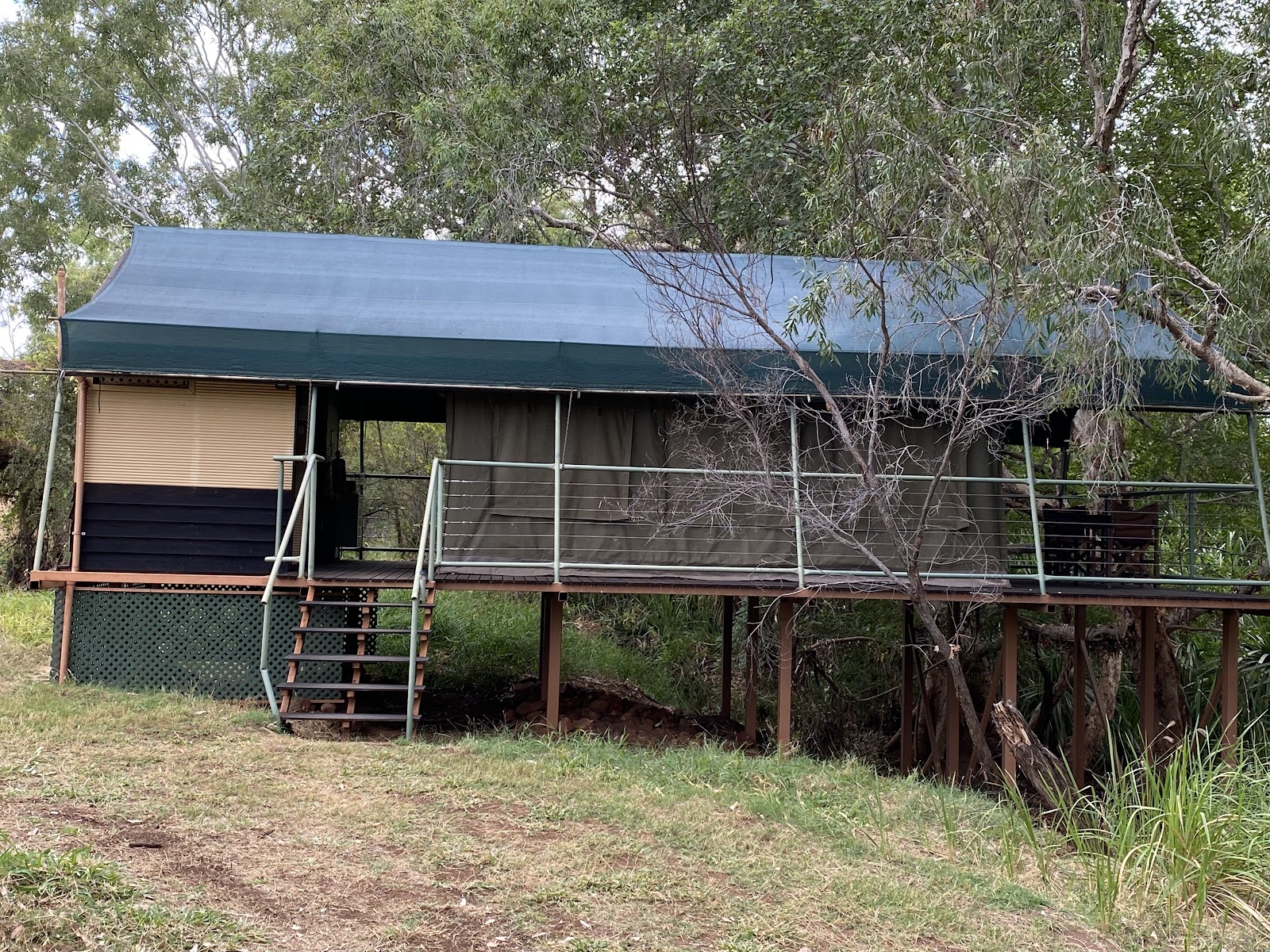
Run by the Australian Wildlife Conservancy on Bunuba and Kija Country, Mornington protects more than half a million hectares of central Kimberley as a wildlife sanctuary — and the wilderness camp at its heart is one of the most rewarding places to stay in the whole region. The draw is the gorges: you can canoe the still, cliff-walled waters of Dimond Gorge and swim and explore Sir John Gorge, often with no one else in sight, while the sanctuary's 200-plus bird species make it a genuine naturalist's destination rather than a tick-box stop.
Getting there is the filter that keeps it quiet. Access is by 4WD only, via the Gibb River Road and then a 90-kilometre no-through Mornington Road — and you check in by radio at the turn-off before you commit to the drive. That remoteness, and the conservation focus, mean Mornington attracts travellers who want to slow down and stay a few nights rather than rush through, which is exactly what it rewards.
It's the rare place where you can canoe a silent, cliff-bound gorge with no one else around and know your stay is funding the conservation of the Country you're paddling through.
Canoeing Dimond Gorge and swimming Sir John Gorge — quiet, cliff-walled water, often to yourself.
It's 90km of no-through 4WD road off the Gibb and may close in the Wet — check in by radio, carry fuel and water, and don't attempt it without a capable vehicle or as a quick day stop; it rewards a multi-night stay.
Most travellers know Mitchell Falls; far fewer appreciate the plateau around it as a destination in its own right. The Mitchell Plateau — reached via the Kalumburu Road and the notoriously rough Mitchell Plateau track north of the Gibb — is some of the most remote driving in the Kimberley, a landscape of Livistona palms, sandstone escarpment, smaller falls like Little Mertens, and rock-art sites that most visitors never reach. The plateau holds deep significance for the Wunambal people, whose Country this is.
What makes it a gem isn't a single sight but the immersion: camping up here, walking sections of the country beyond the main falls trail, and feeling genuinely far from everything is the experience. It's also the gateway to the wild north coast and King George Falls for those continuing on. This is expedition territory, not a day trip — the reward is a level of solitude and wilderness that's hard to find even by Kimberley standards.
It delivers the deepest solitude in the region — a palm-and-escarpment plateau where being genuinely far from everything is the whole point.
Camping on the plateau and exploring beyond the main falls trail, where almost no one goes.
The Mitchell Plateau track is among the roughest, most remote 4WD routes in the Kimberley — this is expedition territory needing fuel, water, comms and experience. Respect Wunambal Country, stay on tracks, and never touch rock art.
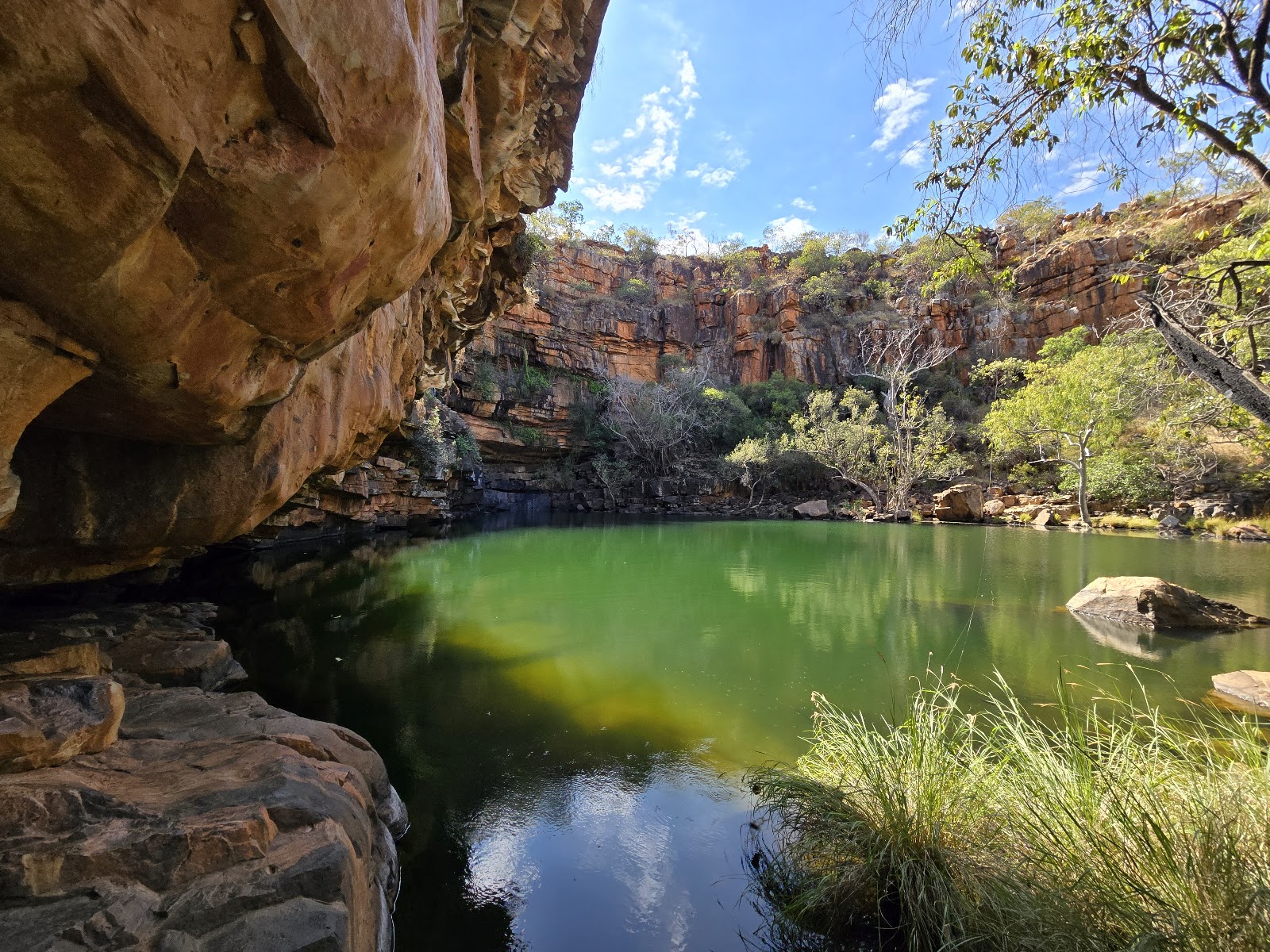
Bell Gorge and Manning Gorge get the crowds and the photographs, but the Gibb River Road hides smaller, quieter gorges that reward the travellers who bother to stop. Galvans Gorge is the easiest — a short walk from the road to a pretty waterhole with a small falls, a boab and a rock-art panel above the water, often passed by people hurrying to the bigger names. Adcock Gorge, a little off the road, is rockier and quieter again, a peaceful swimming hole for those who make the short detour.
The appeal is precisely that they're not the headliners. On a road where the famous gorges can feel busy in peak Dry, these smaller stops offer the same essential Kimberley experience — a hot walk, a cold swim, red cliffs, and stillness — with a fraction of the people. They make perfect mid-drive breaks, and stringing the quiet gorges into your Gibb itinerary alongside the famous ones is how you find solitude on Australia's most popular outback road.
They hand you the classic Gibb gorge swim — red cliffs, clear water, a boab — with hardly anyone there, simply because most people drive straight past to the famous names.
The short walk into Galvans Gorge, with its waterhole, boab and rock-art panel above the water.
Conditions and water levels change, and quieter doesn't mean croc-checked — only swim where it's locally confirmed safe, take your rubbish, and don't touch or photograph rock art where signage asks you not to.
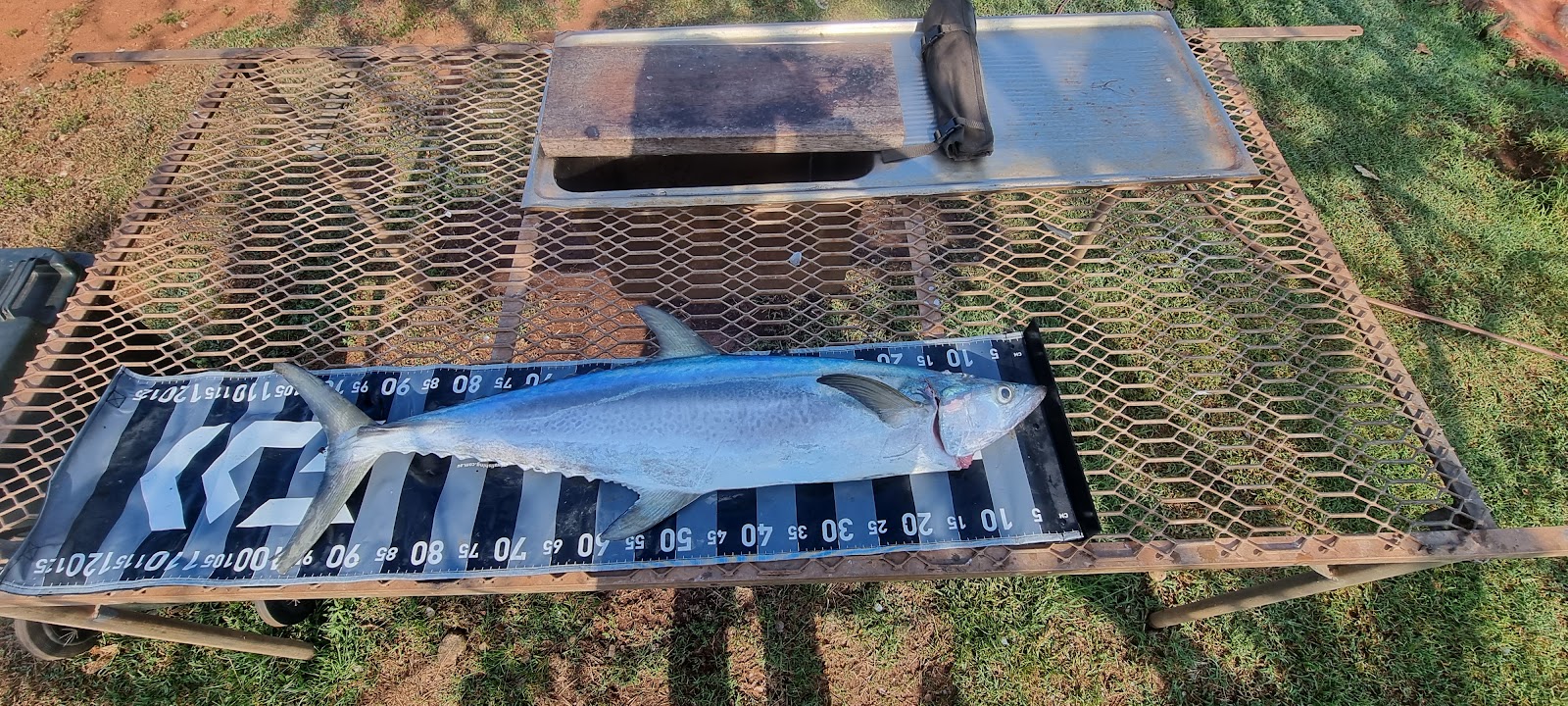
Most visitors to the Dampier Peninsula drive up, photograph the red cliffs at Cape Leveque, and drive back. The quieter, richer way to experience it is to stay — at one of the Bardi Jawi community-run camps and stays scattered down the peninsula, where the experience is led by the people whose saltwater Country this is. Mud-crabbing and fishing tours, bush-tucker walks, and evenings learning the traditions firsthand turn a scenic detour into the most meaningful few days of a Kimberley trip.
This is travel on the community's terms, and that's the point. Some stays and tours require permits or advance booking, access can change with the season and community circumstances, and you go as a guest rather than a tourist ticking off a beach. Book ahead, check current access before you drive up the (now-sealed) Cape Leveque Road, follow every instruction once you're there, and you'll come away understanding the Kimberley coast in a way no lookout can teach you.
Staying with a Bardi Jawi community and learning the saltwater traditions on Country is the most genuine cultural experience the Kimberley offers — and it directly supports the community that hosts you.
A community-led mud-crabbing or bush-tucker experience and an overnight stay, learning Country from its Traditional Owners.
Don't just turn up — many stays and tours need permits or advance booking and access changes. Respect that these are people's homes and Country, follow all instructions, and book ahead before driving the peninsula.
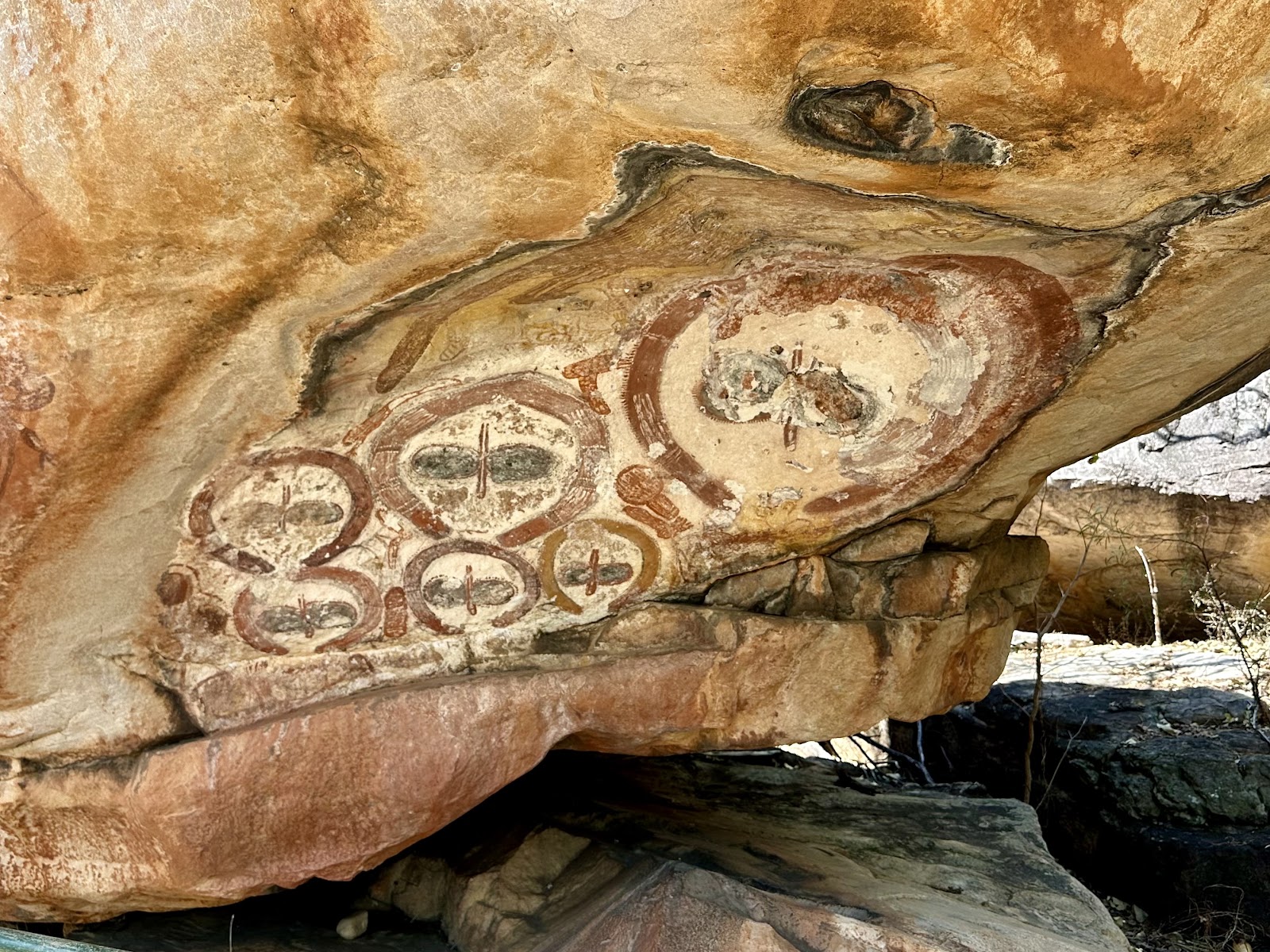
Scattered across the Kimberley's escarpments and shelters are some of the oldest rock-art galleries on Earth — the slender, adorned Gwion Gwion (Bradshaw) figures, among the oldest figurative art known, and the powerful mouthless Wandjina ancestral beings still cared for by the groups who painted them. A handful of accessible sites can be visited, but the genuine hidden-gem experience is reaching the lesser-known galleries the right way: on a tour led by Traditional Owners or licensed cultural operators who hold the permissions and can tell you what you're seeing.
The reason to seek these out is the depth they add. A figure on a rock becomes a story tens of thousands of years deep when the person guiding you belongs to its Country. But this is living, sacred culture, much of it on restricted land, and it carries the strictest responsibilities of anything in this guide: never touch the art, never visit restricted sites without permission, follow every rule about photography and access, and treat each site with the reverence it's owed. Done that way, it's unforgettable; done carelessly, it does real harm.
Reaching a quiet rock-art gallery with a Traditional Owner guide, away from any crowd, is the most profound and humbling thing you can do in the Kimberley.
A Traditional Owner-led visit to a lesser-known Gwion or Wandjina gallery, with the story told on Country.
Never touch the art or enter restricted sites without permission, and don't chase remote galleries unguided. Go only with a Traditional Owner or licensed operator, and follow every instruction about access and photography.
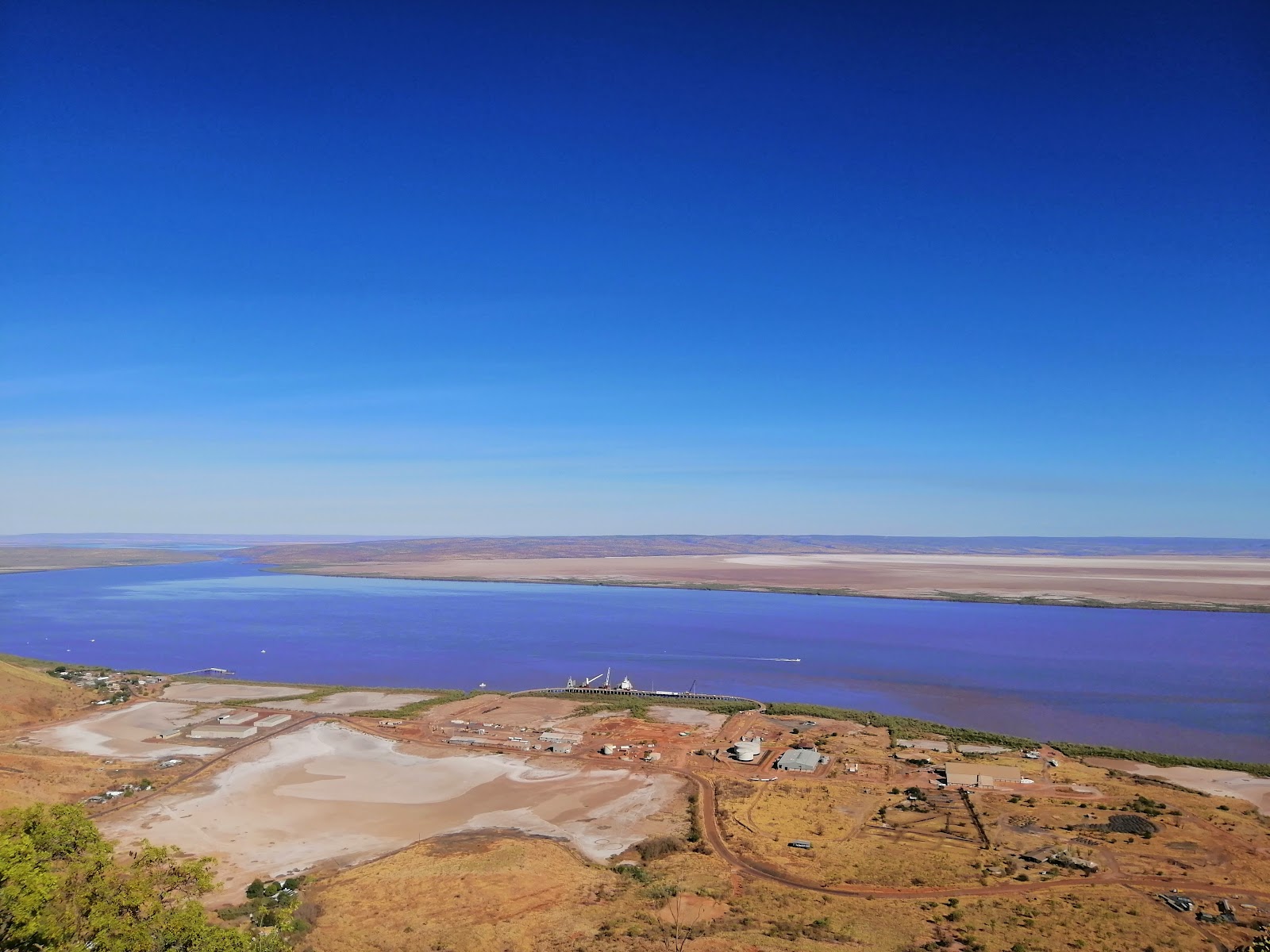
Wyndham, the Kimberley's oldest and most northerly town, is bypassed by most travellers heading between Kununurra and the Gibb — which is exactly why its best sight stays quiet. The Five Rivers Lookout, atop the Bastion Range (Daharwi) at 330 metres above the town, takes in one of the great panoramas of northern Australia: the point where the King, Ord, Durack, Forrest and Pentecost Rivers all flow into the Cambridge Gulf, an immense fan of tidal channels and mudflats that turns molten at sunset.
The road up is fully sealed (though steep, so take care), which makes this a rare big-payoff Kimberley view that needs no 4WD and barely a detour. Time it for late afternoon, when the low sun lights the five rivers and the gulf, and you'll likely share the lookout with a handful of people rather than a crowd. It's the kind of quietly spectacular stop that rewards the travellers willing to make the short run into a town everyone else skips.
It's a top-ten northern-Australia sunset — five rivers fanning into the gulf, molten in the late light — reached on a sealed road from a town almost everyone drives past.
Late-afternoon at the lookout, when the low sun lights all five rivers flowing into Cambridge Gulf.
The access road is steep — drive it with care, and don't leave the run too late, as the unlit road down after dark is no fun. There's little shade or facilities up top, so bring water.
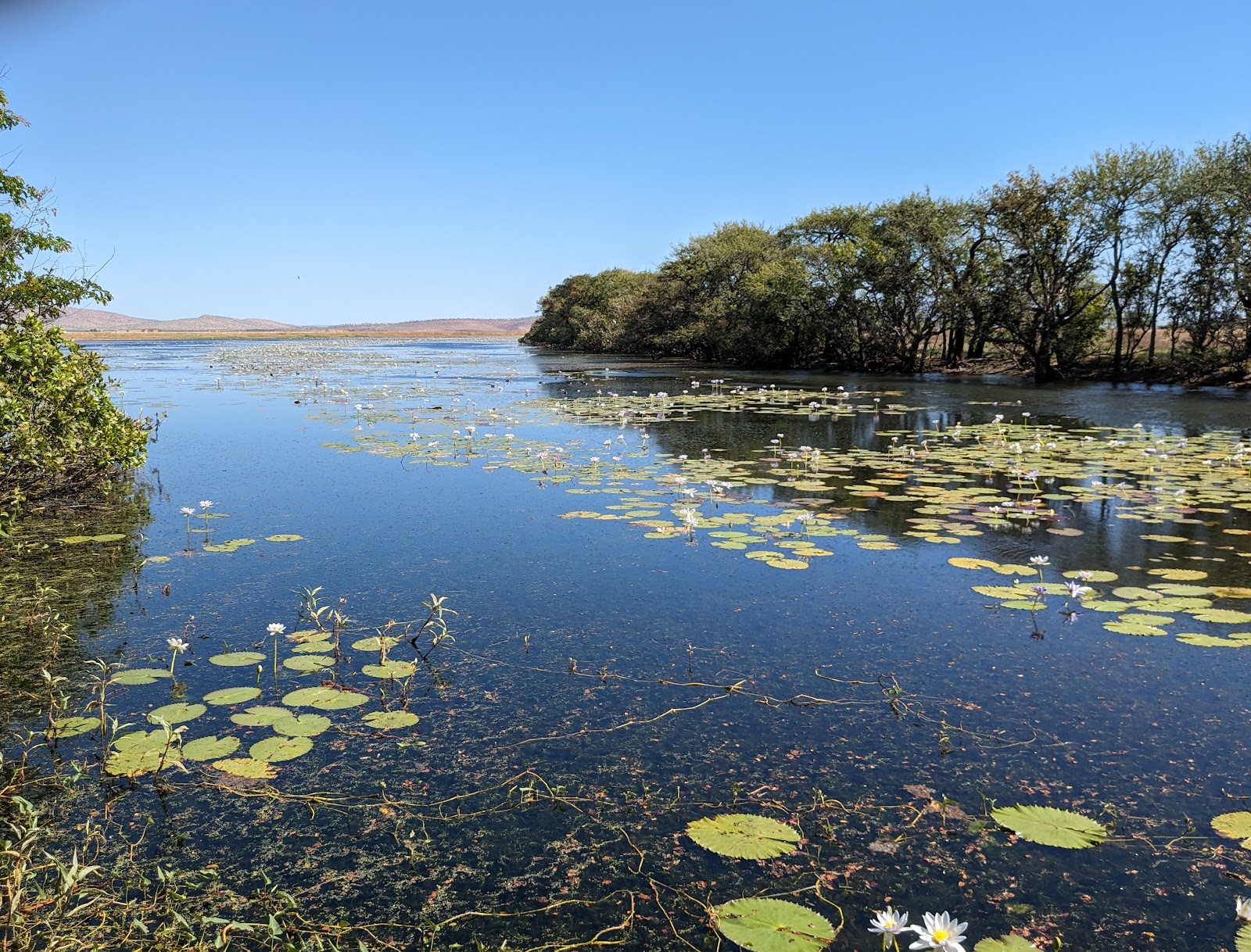
About 25 kilometres from Wyndham, the Parry Lagoons Nature Reserve is one of the Kimberley's quiet natural treasures — a Ramsar-listed wetland that draws migratory birds from as far away as Siberia, and one of the best, most accessible birdwatching spots in the north. At Marlgu Billabong, a boardwalk and a bird hide let you watch the spectacle in comfort: at the right time of the Dry, the billabong teems with magpie geese, brolgas, jabiru, egrets and dozens of other species, with freshwater crocodiles often visible in the water below.
What makes it a gem is how few visitors detour for it, and how rewarding it is when they do — a peaceful, low-effort stop that's a complete contrast to the gorges and the gravel. Early morning and late afternoon are the best times for birdlife and light, and the nearby ruins and lookouts add to a quiet half-day. Bring binoculars, keep back from the water's edge (those freshwater crocodiles are wild), and enjoy one of the Kimberley's gentlest and most underrated experiences.
It's the Kimberley at its gentlest — a boardwalk and a bird hide over a teeming Ramsar wetland, a world away from the gorges, and almost always quiet.
Dawn or late-afternoon at the Marlgu Billabong bird hide, with the wetland full of geese, brolgas and jabiru.
It's seasonal — the birdlife is best mid-to-late Dry as the wetlands shrink and concentrate; early in the season it can be quieter. Keep well back from the water's edge: the freshwater crocodiles are wild.
What return visitors and experienced Kimberley travellers say about the region’s quieter side:
The recurring tip is that solitude in the Kimberley is a function of effort — the travellers who drove the extra hours to Mornington, the Mitchell Plateau or the quiet gorges had whole landscapes to themselves.
Visitors consistently rate the Traditional Owner-led experiences — Dampier Peninsula stays, guided rock art — as the most meaningful part of their trip, and urge others to book them rather than chasing sites unguided.
Experienced travellers stress that much of the quieter Kimberley is on restricted or culturally significant Country — permits, closures and leave-no-trace aren’t optional, and the places stay special only because visitors honour them.
“OMG...this place reduced me to tears due to being overwhelmed by its grandeur and spectacular scenery. We had two days here but would have loved a week. Echidna Chasm was amazing, Cathedral Gorge breathtaking and Mini Palms gorgeous. I have travelled extensively throughout Europe, Australia, Asia and parts of Canada and the US and l rate this as No 1. This I”— Megan Hollick (on The Bungle Bungles), Google review
“I'll admit that before I visited The Kimberley all I knew about The Bungles Bungles was the classic aerial image of the striated doom rocks. We visited at sunrise so caught the early morning, 'golden hour' light on the ranges. Early start meant that the day use area was not busy, and the trails were cool, shaded and not crowded. Trial heads had maps, paths w”— Zeglar “Zeg” Fergus (on The Bungle Bungles), Google review
“A place that is kinda impossible to review, you gotta see it for yourself! First warning, the track in is not for the faint hearted (even when graded) but if you can do that you will be fine. Its over 45kms from the front gate to the Visitors centre, which you have to stop at and check in if you are staying at either campsite (Walardi or Kurrajon). Special ”— cktravels (on The Bungle Bungles), Google review
| Season | Conditions | Highlights | Crowds |
|---|---|---|---|
| Early Dry (May–Jun) | Roads opening, falls full, green-tinged | The remote gorges at their fullest; cooler walking — but some tracks may still be closed after the Wet | Low — many travellers haven’t arrived yet |
| Peak Dry (Jul–Aug) | Clear, warm days, cold nights, all open | Everything accessible; even the quiet spots see a few more people in peak season | Moderate at the gems; book remote camps ahead |
| Late Dry (Sep–Oct) | Hot and building, falls fading, very quiet | The emptiest the quiet spots ever get — but serious heat and some fading water | Very low — hot and thinning out |
The quieter Kimberley asks more of you than the icons do, and the preparation is the price of the solitude. Most of these places need a capable, high-clearance 4WD and genuine self-sufficiency — carry two spare tyres, recovery gear, far more fuel and water than a southern trip would need, and satellite comms (a sat phone or EPIRB), because mobile coverage exists only near the towns. Check road and park status before every leg, tell someone your route and expected return, and build flexibility into the plan, because remote tracks close and conditions change fast.
The deeper responsibility is cultural. So much of the quieter Kimberley is living Aboriginal Country — restricted, significant, or cared for by communities who host visitors on their terms. Respect every permit, closure and sign without exception, book community stays and tours ahead, never touch rock art, and choose Traditional Owner-led experiences where you can. Around all water, follow Be Crocwise and only swim where it's locally confirmed safe. And honour the leave-no-trace ethic absolutely: take your rubbish, stay on tracks, and leave each place exactly as you found it — these corners stay worth finding only because the people before you treated them with care.
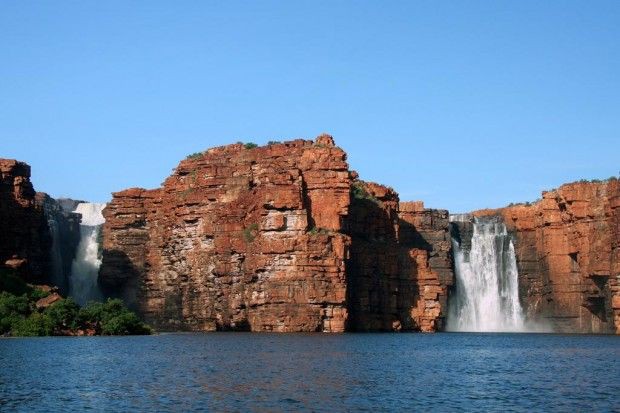
The famous Kimberley — the Bungles, Horizontal Falls, the Gibb's headline gorges — is genuinely worth the hype, and you should see it. But the region's real magic lives in the quieter places: the silent canoe down Dimond Gorge at Mornington, the deep solitude of the Mitchell Plateau, a swim at a Gibb gorge everyone else drove past, the saltwater traditions learned at a Dampier Peninsula community stay, rock art tens of thousands of years old reached the right way, the five rivers blazing at sunset from Wyndham, and the birds massing over Marlgu Billabong.
None of these is a secret in the sense that no one knows them — they're quiet because they ask more: more driving, more planning, more self-sufficiency, and more respect for the Country they sit on. Give the Kimberley that, and it gives back the rarest thing in modern travel — genuine wilderness, mostly to yourself. Prepare properly, tread lightly, honour the culture and the crocodile rule, and these quieter corners will still be worth finding for the travellers who come after you.
Enjoying hidden gems? Here’s where else in Australia it’s worth the trip — ranked by how loved each destination is, with the one thing not to miss at each.
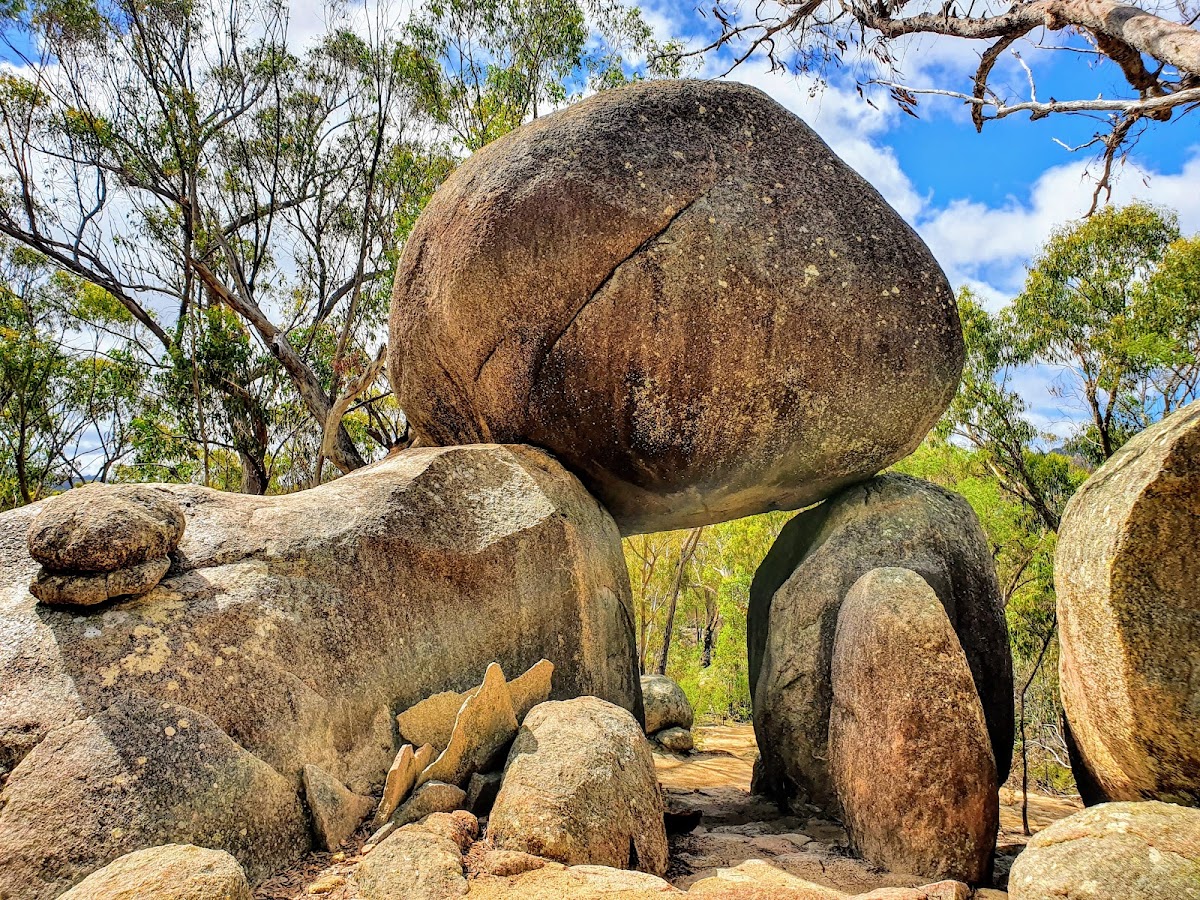 Glen Aplin
Granite Belt, Queensland
The broad granite pools upstream at dawn, when the canopy is full of birdsong.
Explore hidden gems in Glen Aplin →
2
Glen Aplin
Granite Belt, Queensland
The broad granite pools upstream at dawn, when the canopy is full of birdsong.
Explore hidden gems in Glen Aplin →
2
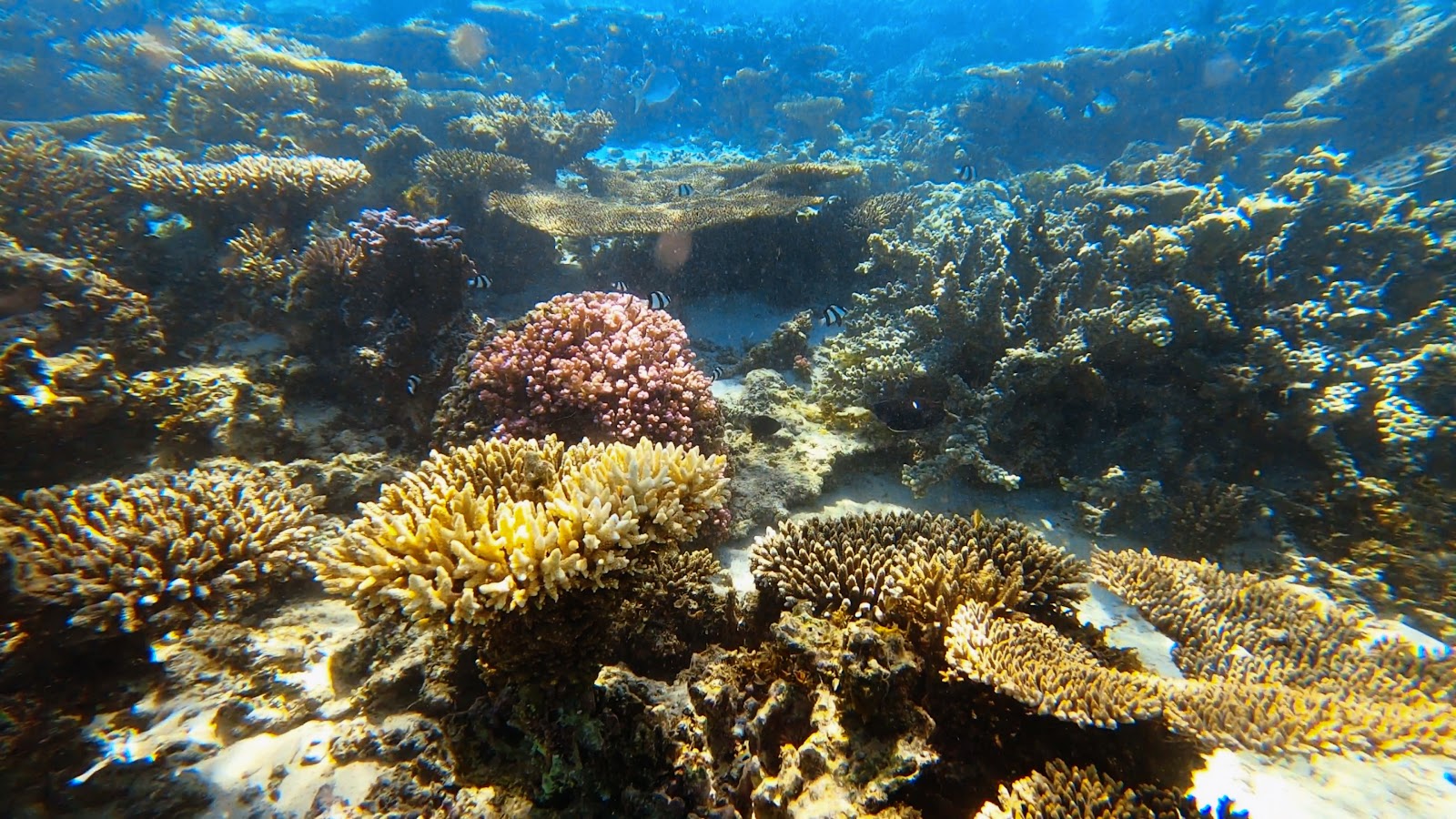 Ningaloo Reef
Australia's Coral Coast, Western Australia
Arriving in the correct tidal window for a light drift snorkel through the coral channel — check the tide chart the night before and leave Exmouth early.
Explore hidden gems in Ningaloo Reef →
3
Ningaloo Reef
Australia's Coral Coast, Western Australia
Arriving in the correct tidal window for a light drift snorkel through the coral channel — check the tide chart the night before and leave Exmouth early.
Explore hidden gems in Ningaloo Reef →
3
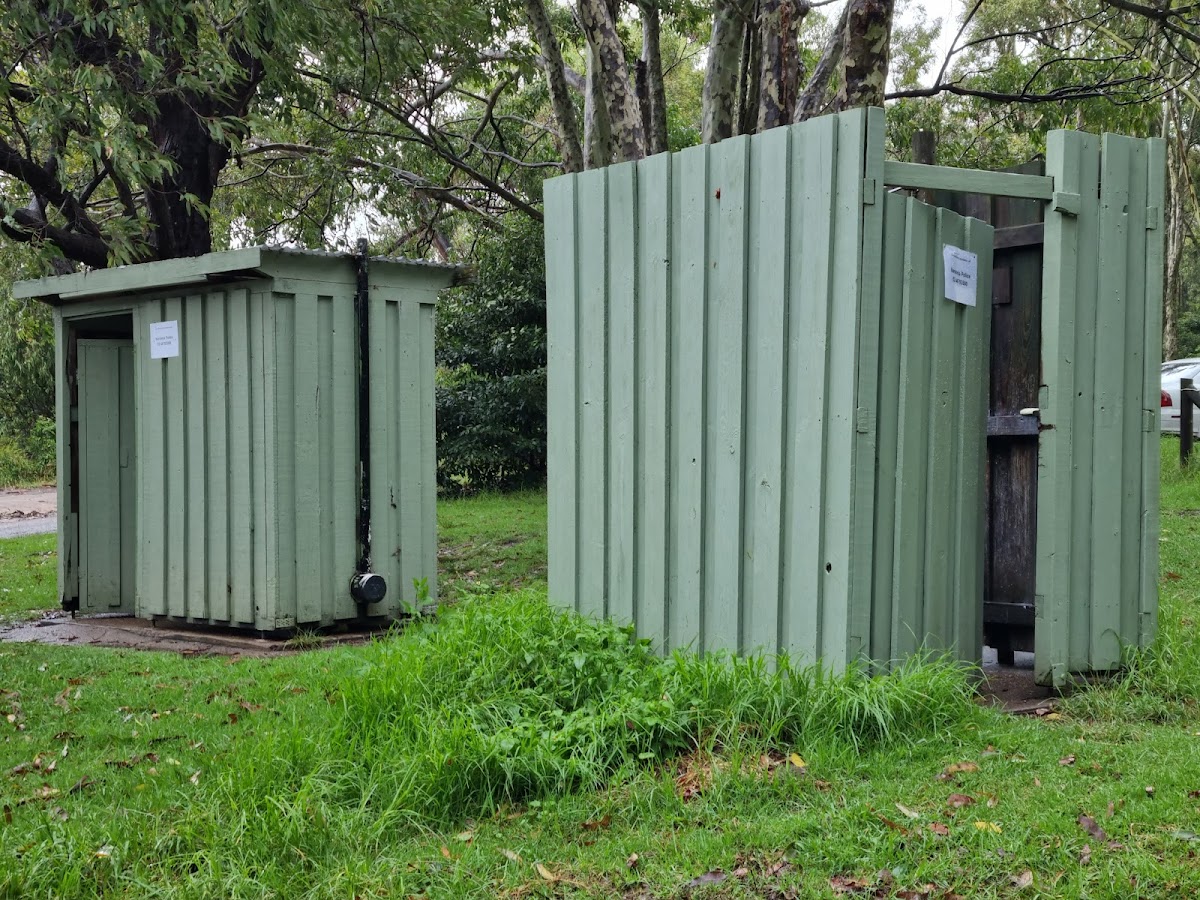 Narooma
South Coast, New South Wales
Low tide for the exposed rock platforms and pools; late afternoon for the light on the tilted formations.
Explore hidden gems in Narooma →
4
Narooma
South Coast, New South Wales
Low tide for the exposed rock platforms and pools; late afternoon for the light on the tilted formations.
Explore hidden gems in Narooma →
4
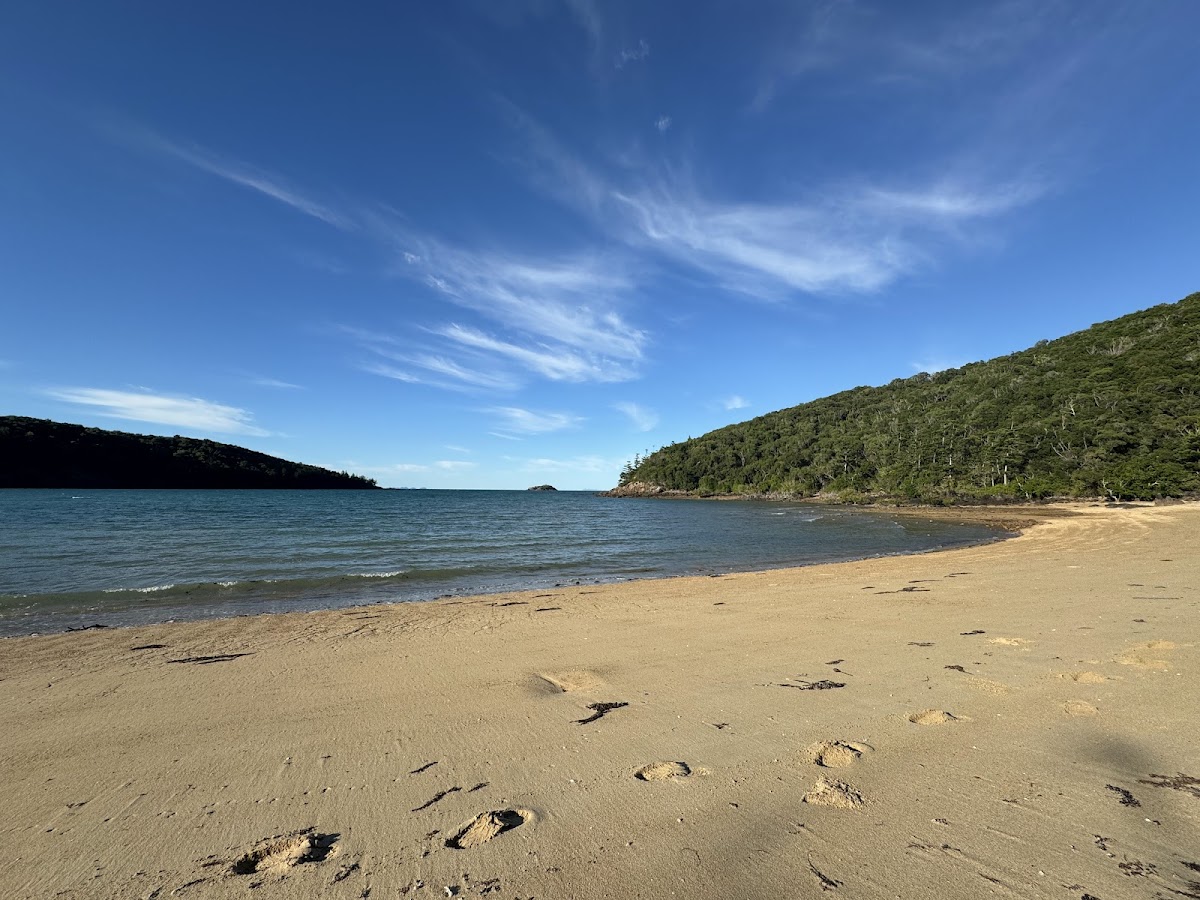 Hamilton Island
The Whitsundays, Queensland
A mid-morning swim at Coral Cove when Catseye is busy and you want a beach with barely anyone on it.
Explore hidden gems in Hamilton Island →
5
Hamilton Island
The Whitsundays, Queensland
A mid-morning swim at Coral Cove when Catseye is busy and you want a beach with barely anyone on it.
Explore hidden gems in Hamilton Island →
5
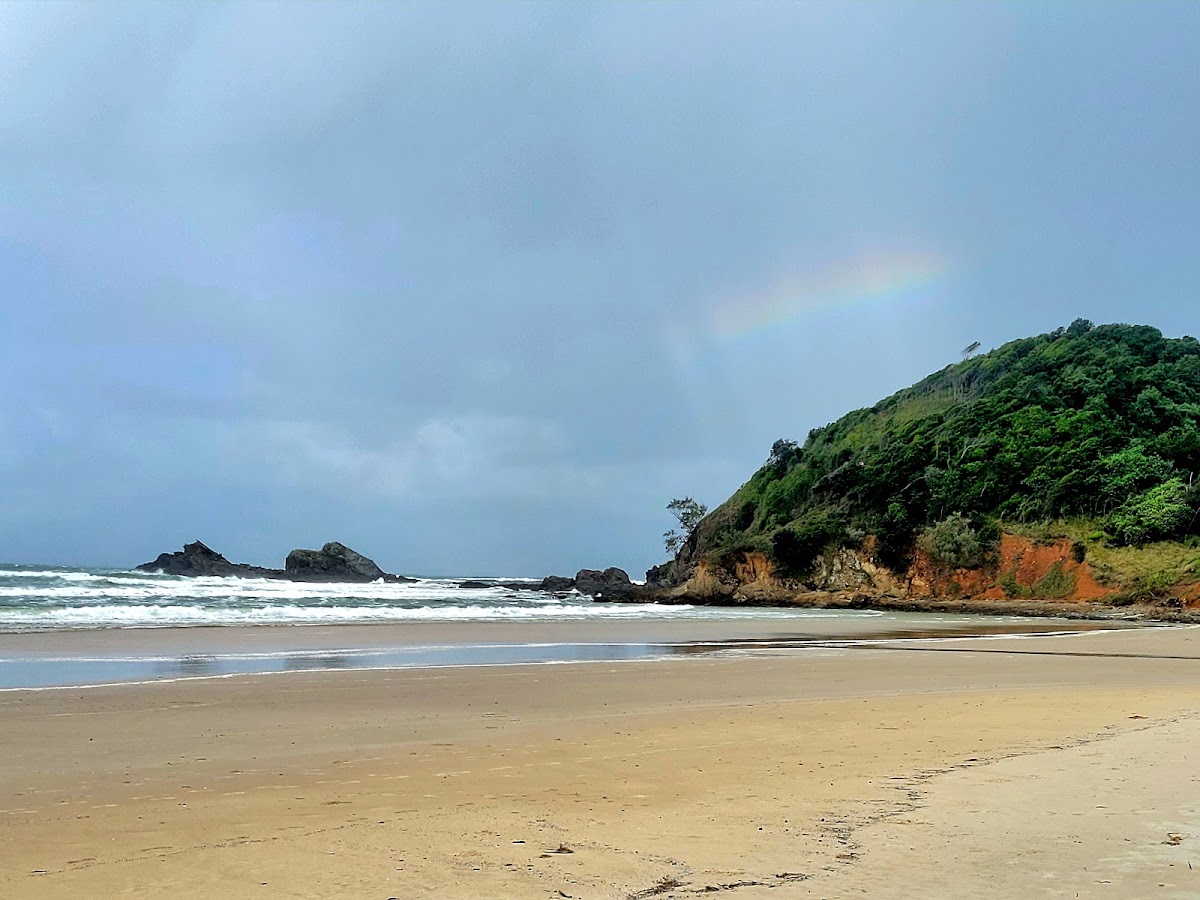 Byron Bay
Northern Rivers, New South Wales
A near-empty hidden beach at Broken Head or a swimmable hinterland waterfall, both minutes from the crowds.
Explore hidden gems in Byron Bay →
6
Byron Bay
Northern Rivers, New South Wales
A near-empty hidden beach at Broken Head or a swimmable hinterland waterfall, both minutes from the crowds.
Explore hidden gems in Byron Bay →
6
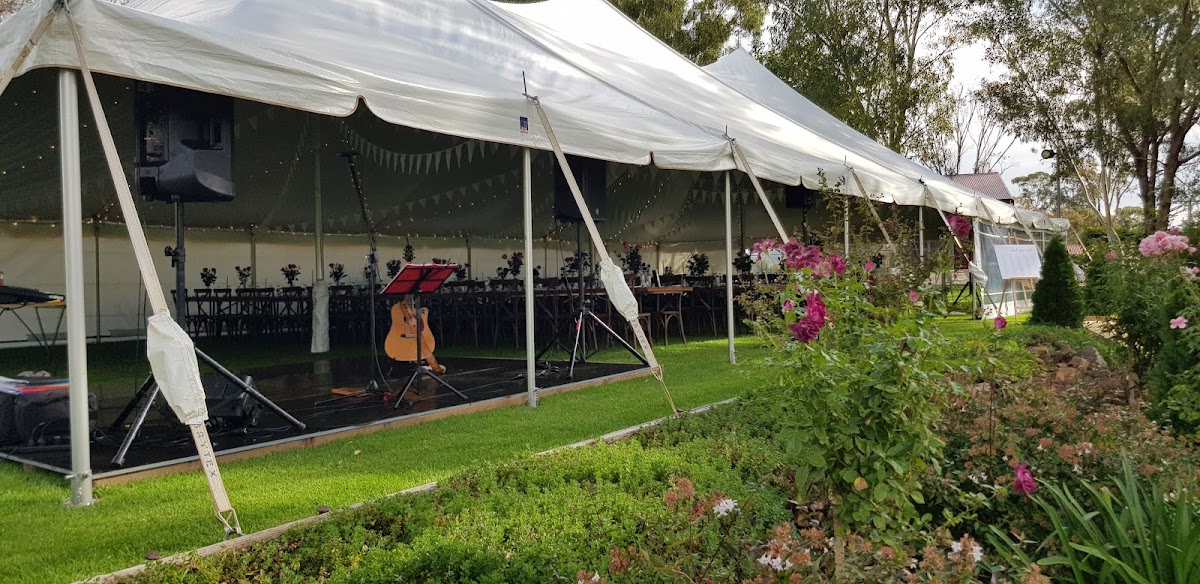 Dubbo
Central West, New South Wales
Realising, on a third unhurried day, how much of the region sits just beyond the headline attractions.
Explore hidden gems in Dubbo →
7
Dubbo
Central West, New South Wales
Realising, on a third unhurried day, how much of the region sits just beyond the headline attractions.
Explore hidden gems in Dubbo →
7
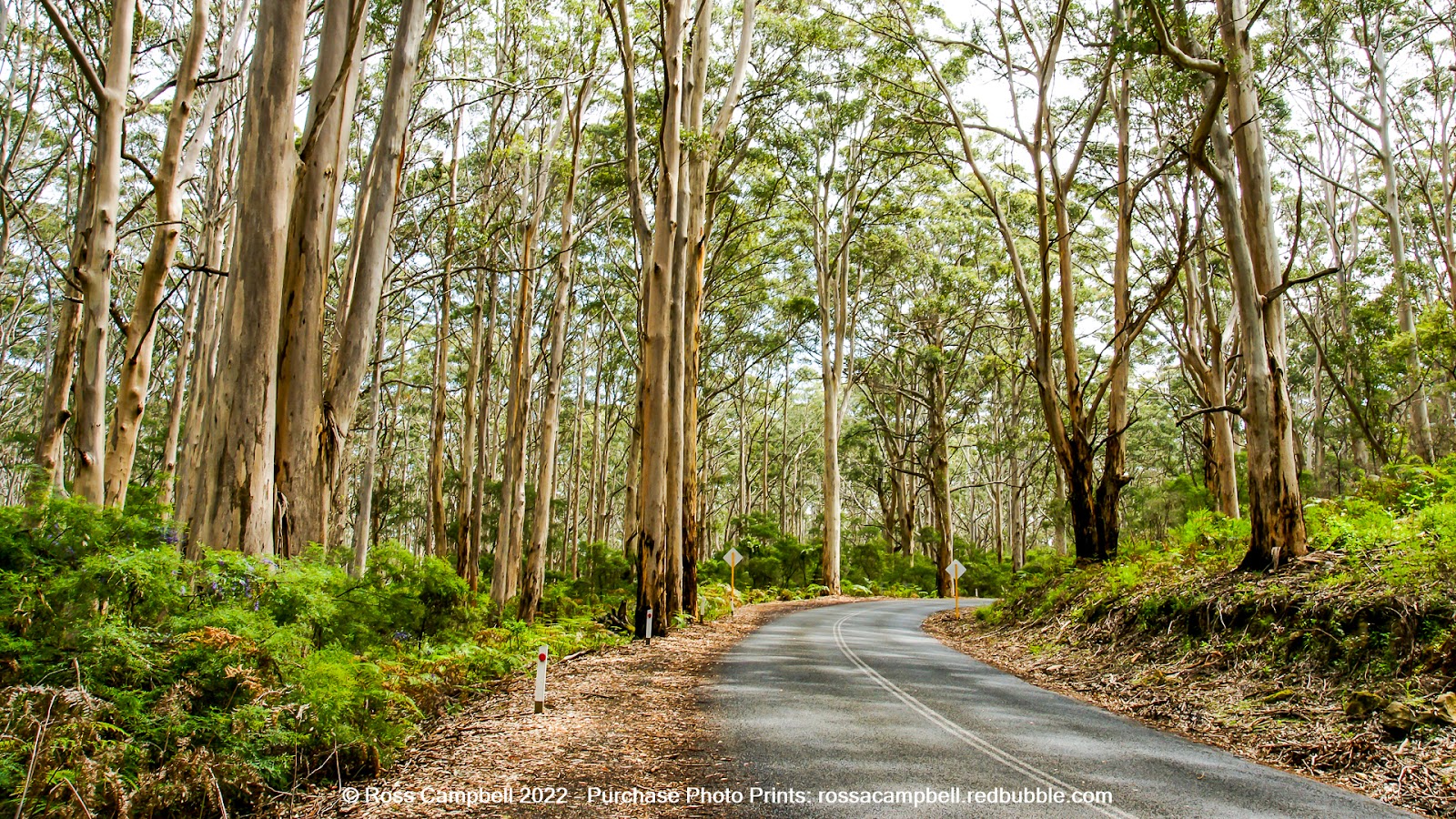 Margaret River
Australia's South West, Western Australia
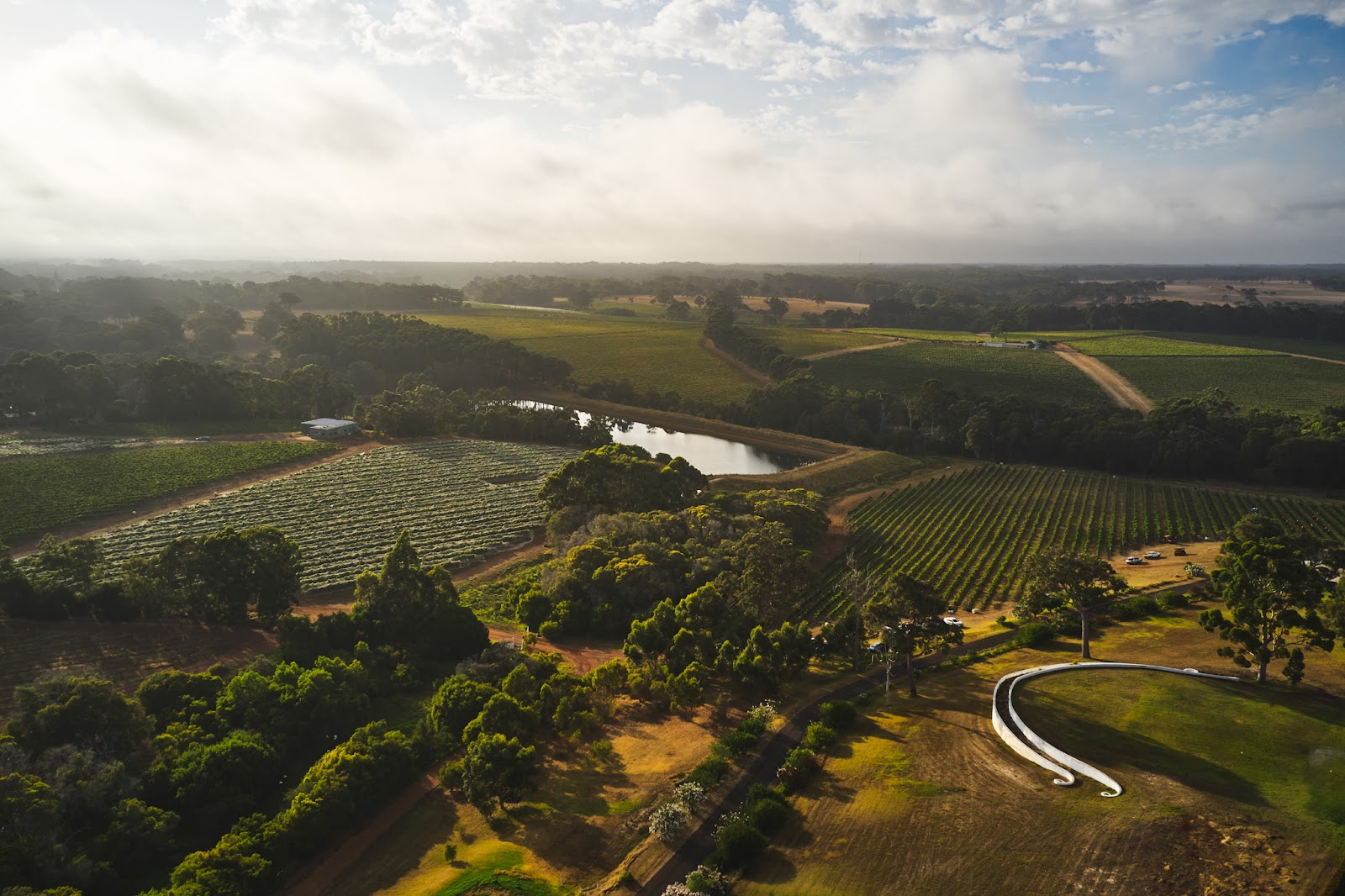
The Boranup Lookout midway through the drive, with views over the forest canopy to the turquoise water of Hamelin Bay.
Explore hidden gems in Margaret River →
The Kimberley you’re here
Australia's North West, Western Australia
Canoeing Dimond Gorge and swimming Sir John Gorge — quiet, cliff-walled water, often to yourself.
You’re reading this guide
Margaret River
Australia's South West, Western Australia
The Boranup Lookout midway through the drive, with views over the forest canopy to the turquoise water of Hamelin Bay.
Explore hidden gems in Margaret River →
The Kimberley you’re here
Australia's North West, Western Australia
Canoeing Dimond Gorge and swimming Sir John Gorge — quiet, cliff-walled water, often to yourself.
You’re reading this guide
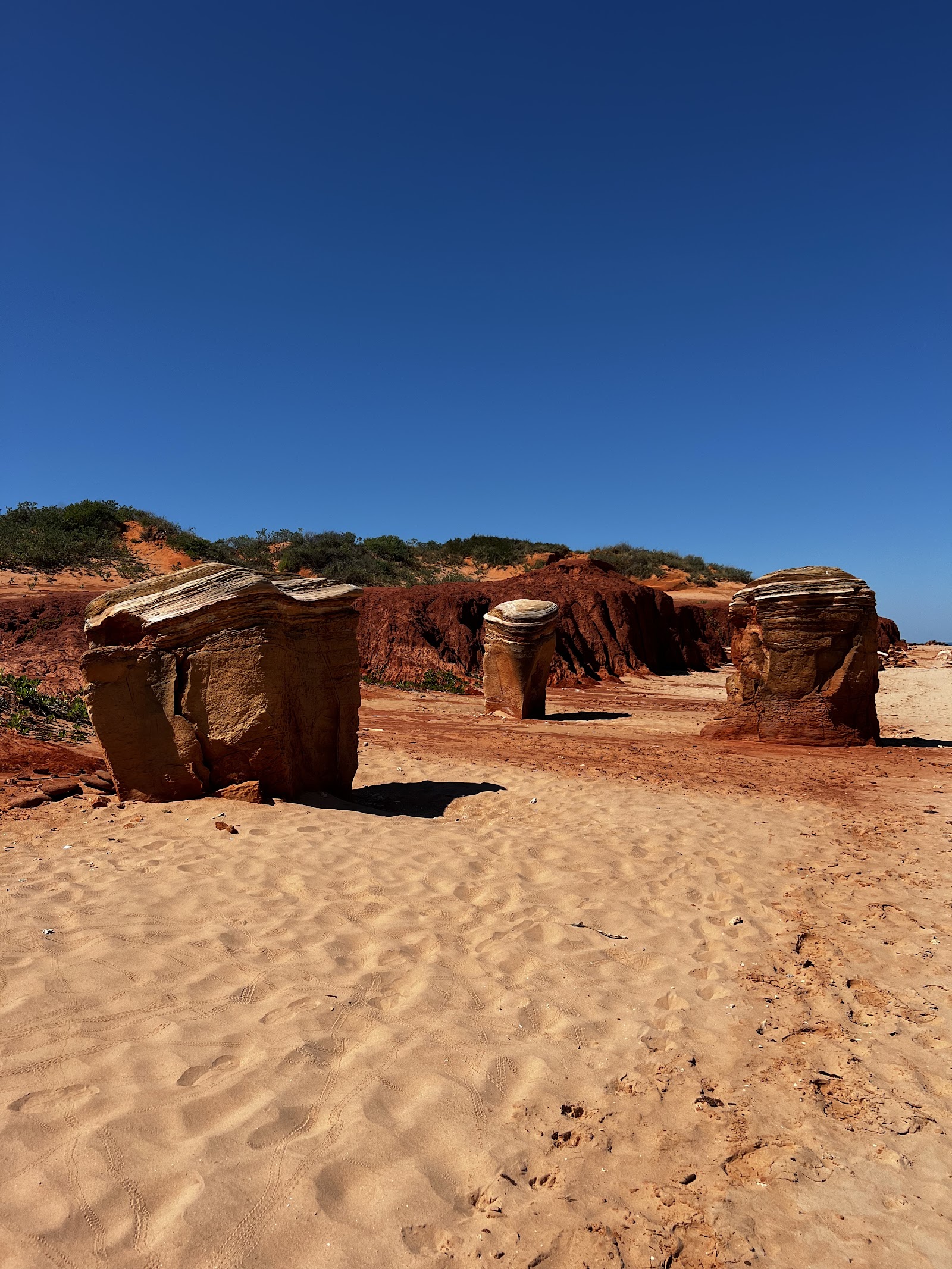 Broome
Australia's North West, Western Australia
Low tide in the late afternoon, when the cliffs are at their most vivid and the tidal pools are fully exposed.
Explore hidden gems in Broome →
10
Broome
Australia's North West, Western Australia
Low tide in the late afternoon, when the cliffs are at their most vivid and the tidal pools are fully exposed.
Explore hidden gems in Broome →
10
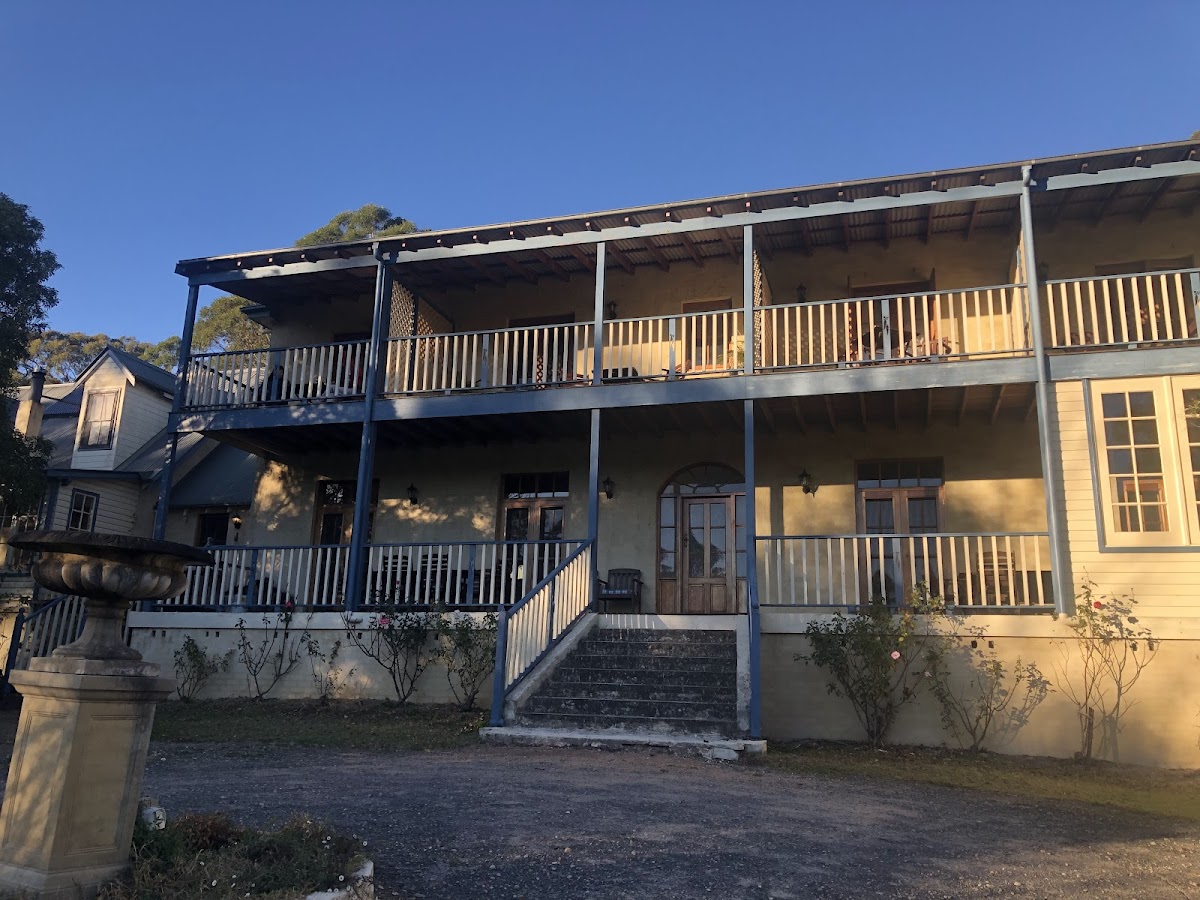 Kangaroo Valley
Shoalhaven, New South Wales
The realisation, on a second night, that the quiet dawn-and-dusk valley is a different place from the busy day one.
Explore hidden gems in Kangaroo Valley →
Kangaroo Valley
Shoalhaven, New South Wales
The realisation, on a second night, that the quiet dawn-and-dusk valley is a different place from the busy day one.
Explore hidden gems in Kangaroo Valley →
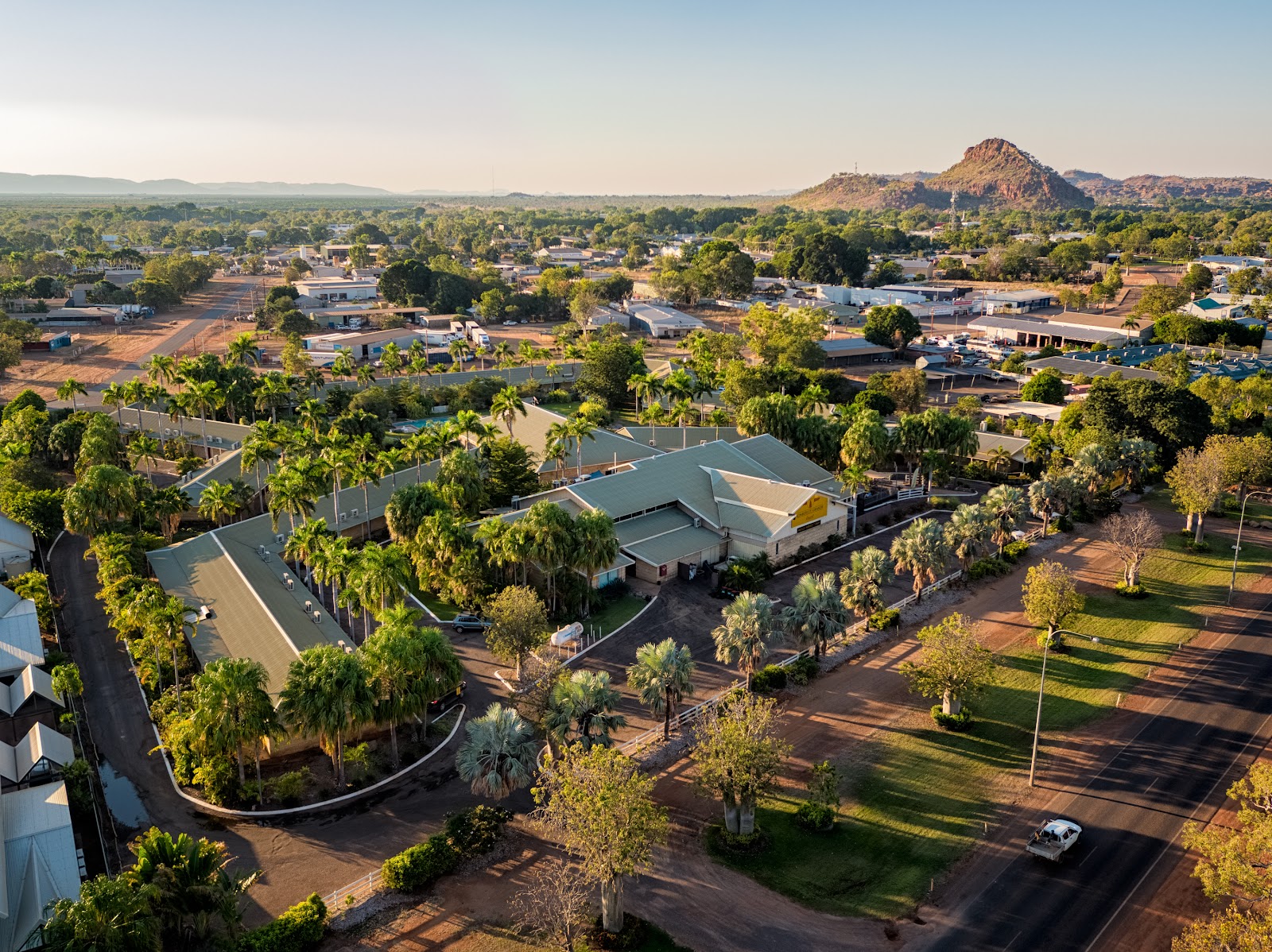
The Kimberley Grande Resort — The Kimberley
Book Direct & Save →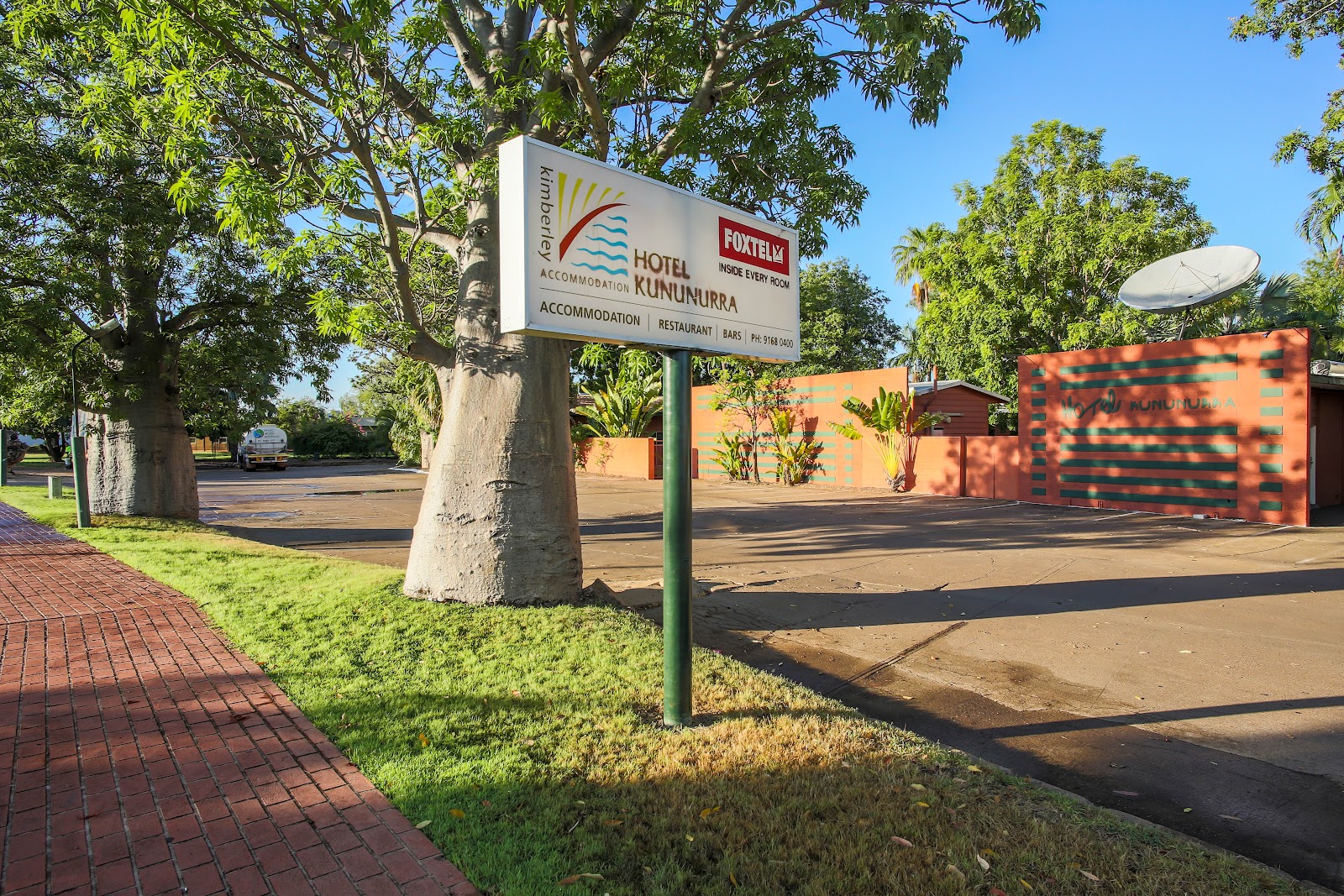
Best Western Cambridge Hotel Kununurra — The Kimberley
Book Direct & Save →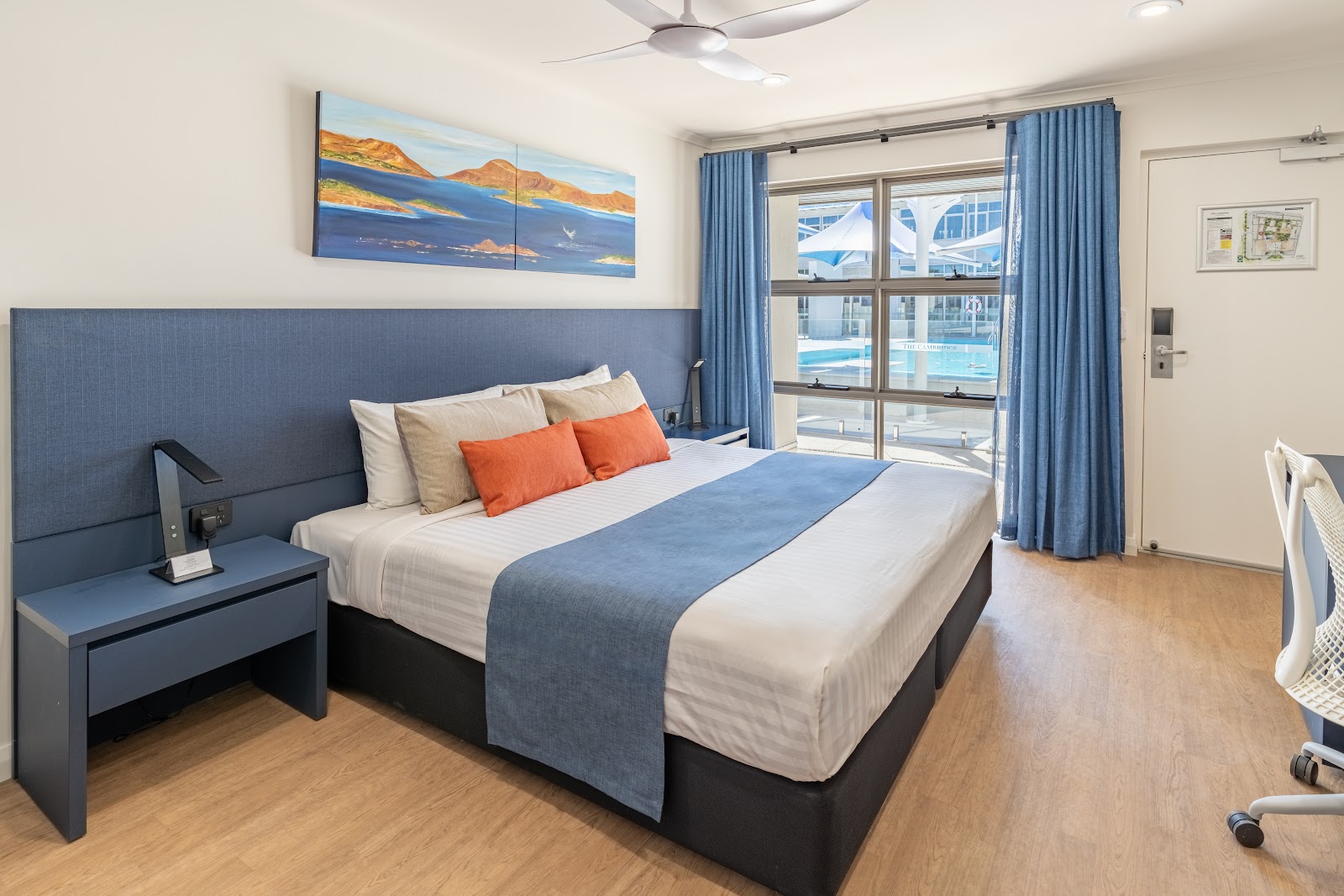
Hotel Kununurra — The Kimberley
Book Direct & Save →Skip OTA fees. Connect directly with The Kimberley owners for the best rates and a truly personal experience.
We match any online rate. No service fees — 100% of your payment supports local owners.
Direct guests receive complimentary hampers, early check-in, and priority access to experiences.
Speak directly with the people who manage the properties. No call centres, just local expertise.
Part of Western Australia · Australia's North West
 Glen Aplin
Granite Belt, Queensland
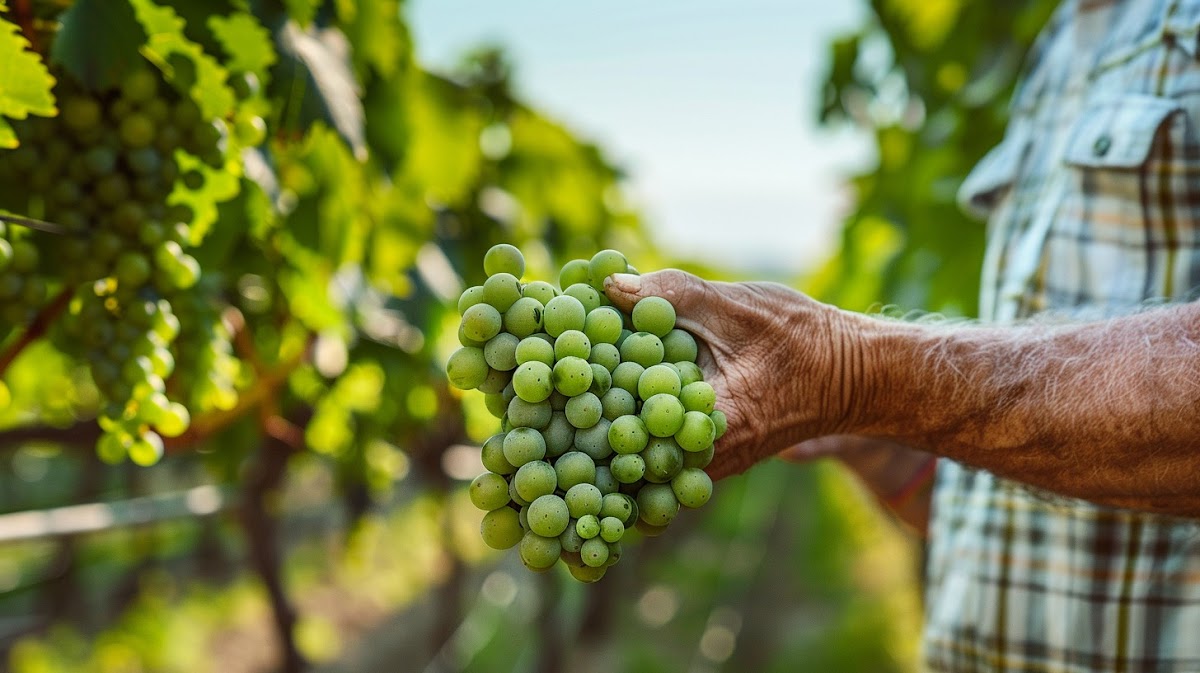
Queensland's most underrated wine valley
Explore the guide →
Glen Aplin
Granite Belt, Queensland
Queensland's most underrated wine valley
Explore the guide →
 Hamilton Island
The Whitsundays, Queensland
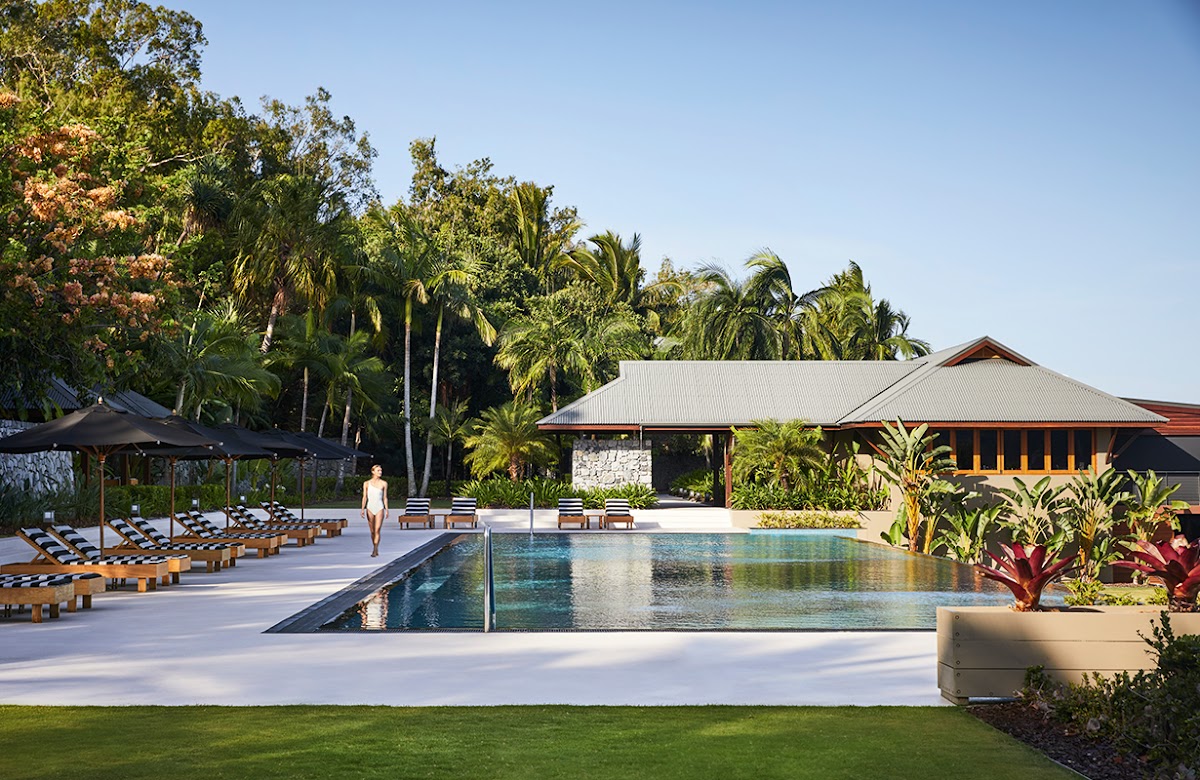
Whitsundays island resort — Whitehaven Beach, reef trips and golf-buggy life
Explore the guide →
Hamilton Island
The Whitsundays, Queensland
Whitsundays island resort — Whitehaven Beach, reef trips and golf-buggy life
Explore the guide →
 Narooma
South Coast, New South Wales
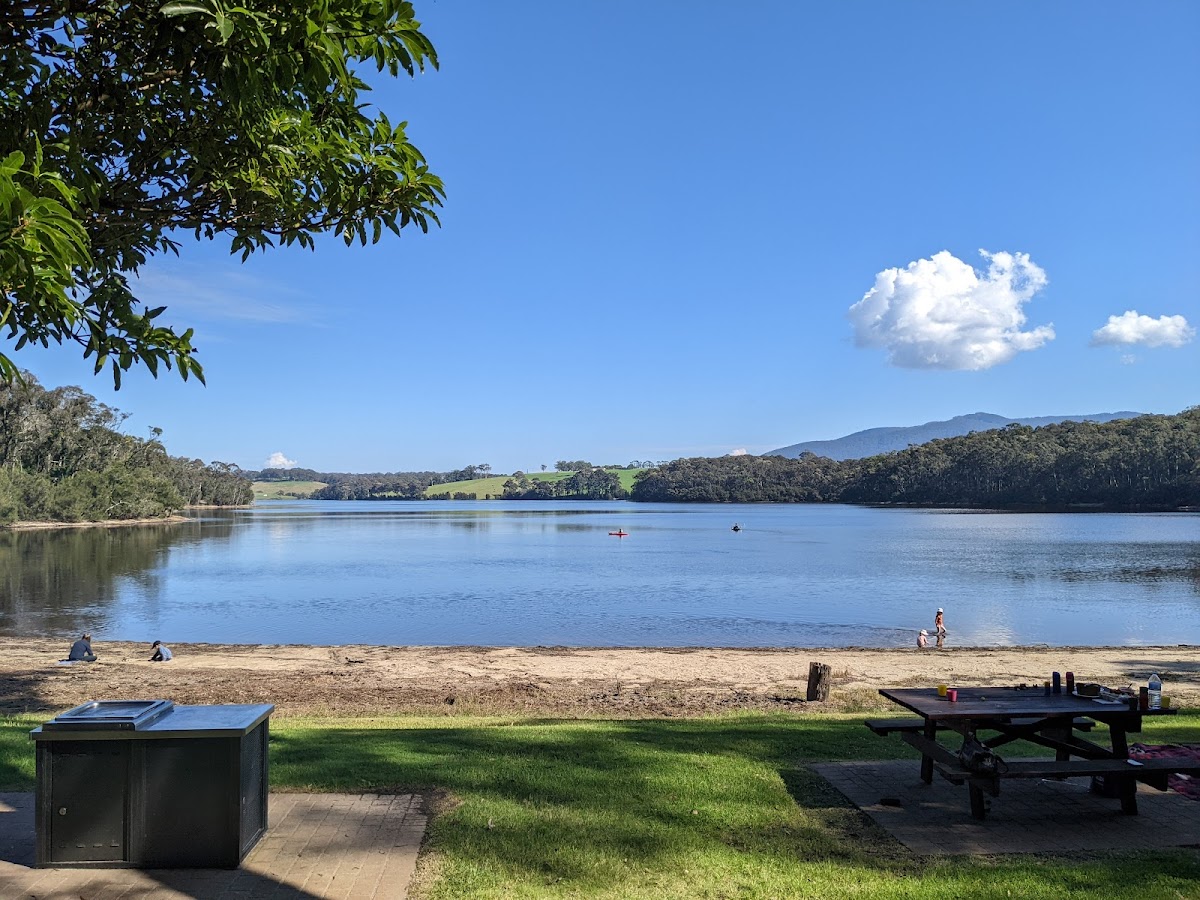
Crystal-clear inlet, surf beaches, oysters and Montague Island
Explore the guide →
Narooma
South Coast, New South Wales
Crystal-clear inlet, surf beaches, oysters and Montague Island
Explore the guide →
 Kangaroo Valley
Shoalhaven, New South Wales
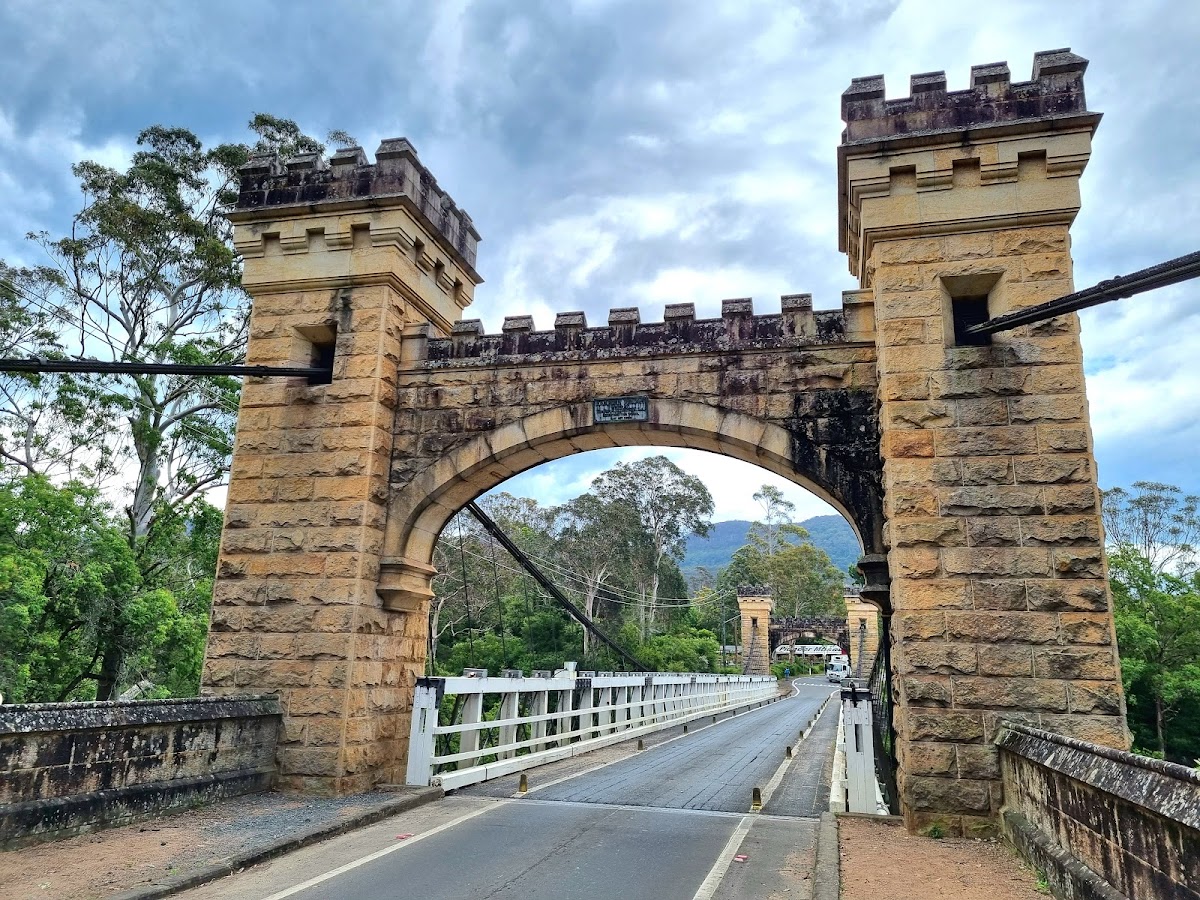
Hampden Bridge, kayaking and wombats in a green valley
Explore the guide →
Kangaroo Valley
Shoalhaven, New South Wales
Hampden Bridge, kayaking and wombats in a green valley
Explore the guide →
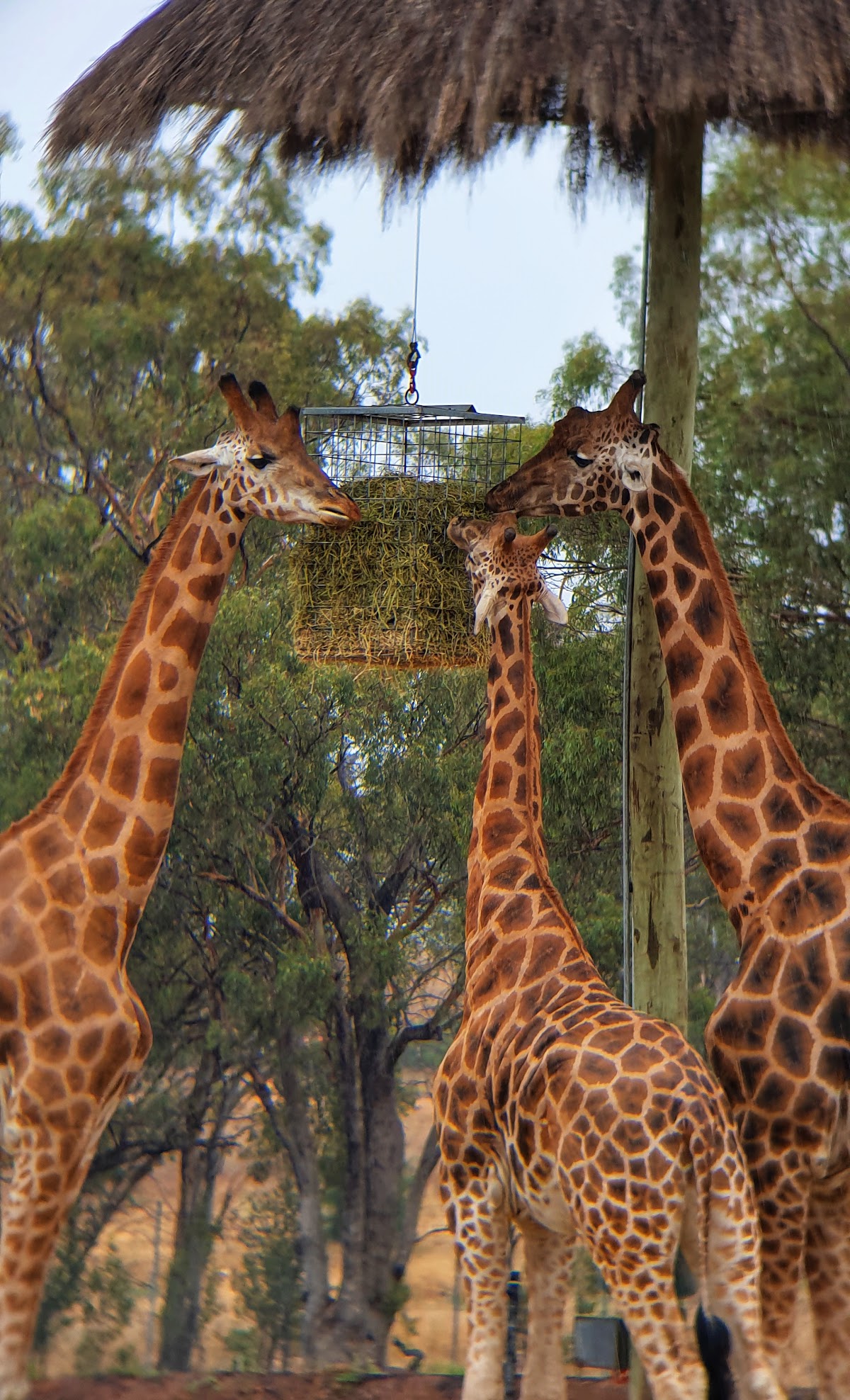 Dubbo
Central West, New South Wales
Open-range zoo and Outback gateway on the Macquarie River
Explore the guide →
Dubbo
Central West, New South Wales
Open-range zoo and Outback gateway on the Macquarie River
Explore the guide →
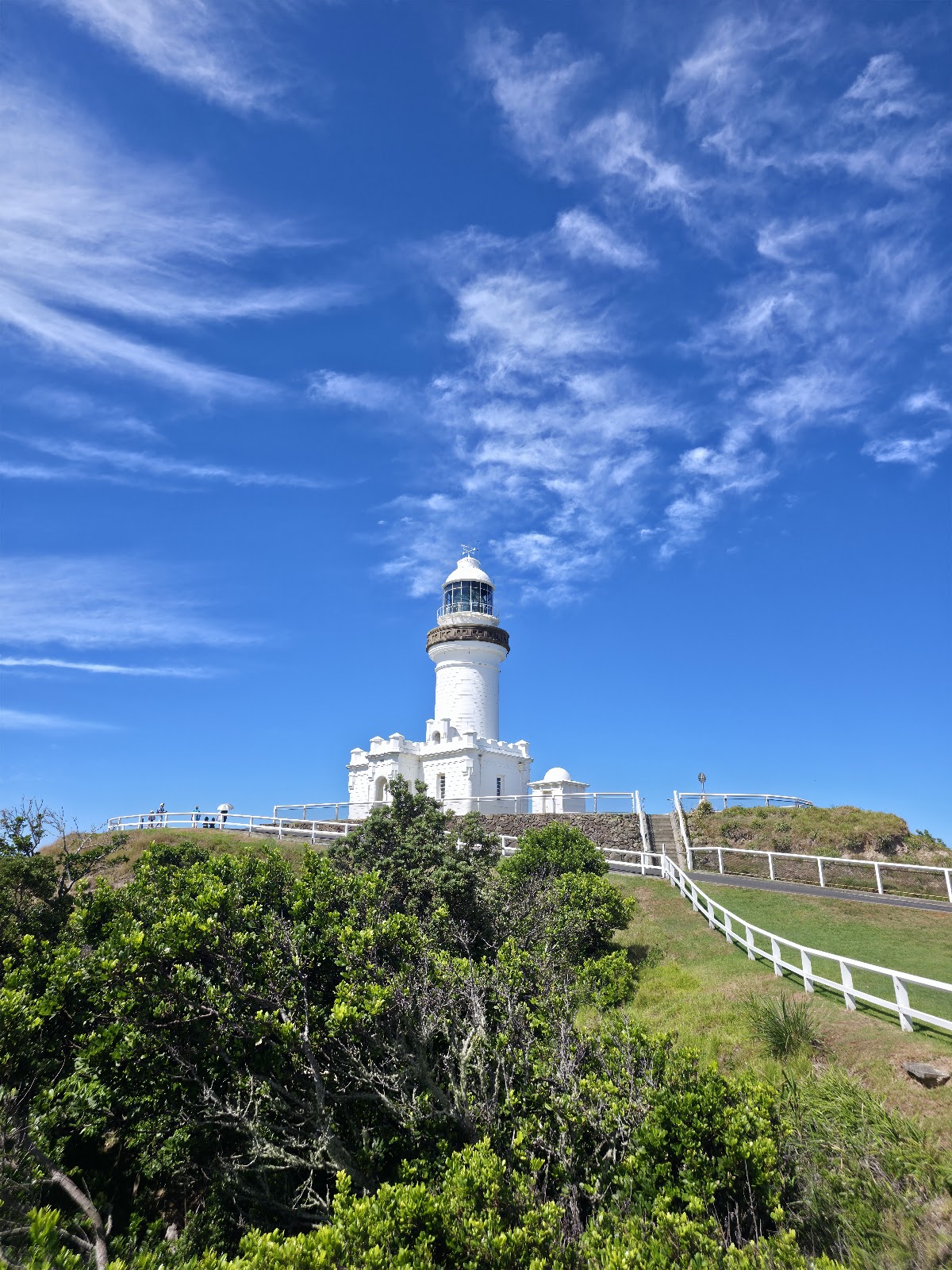 Byron Bay
Northern Rivers, New South Wales
Australia's iconic beach town and most easterly point
Explore the guide →
Byron Bay
Northern Rivers, New South Wales
Australia's iconic beach town and most easterly point
Explore the guide →
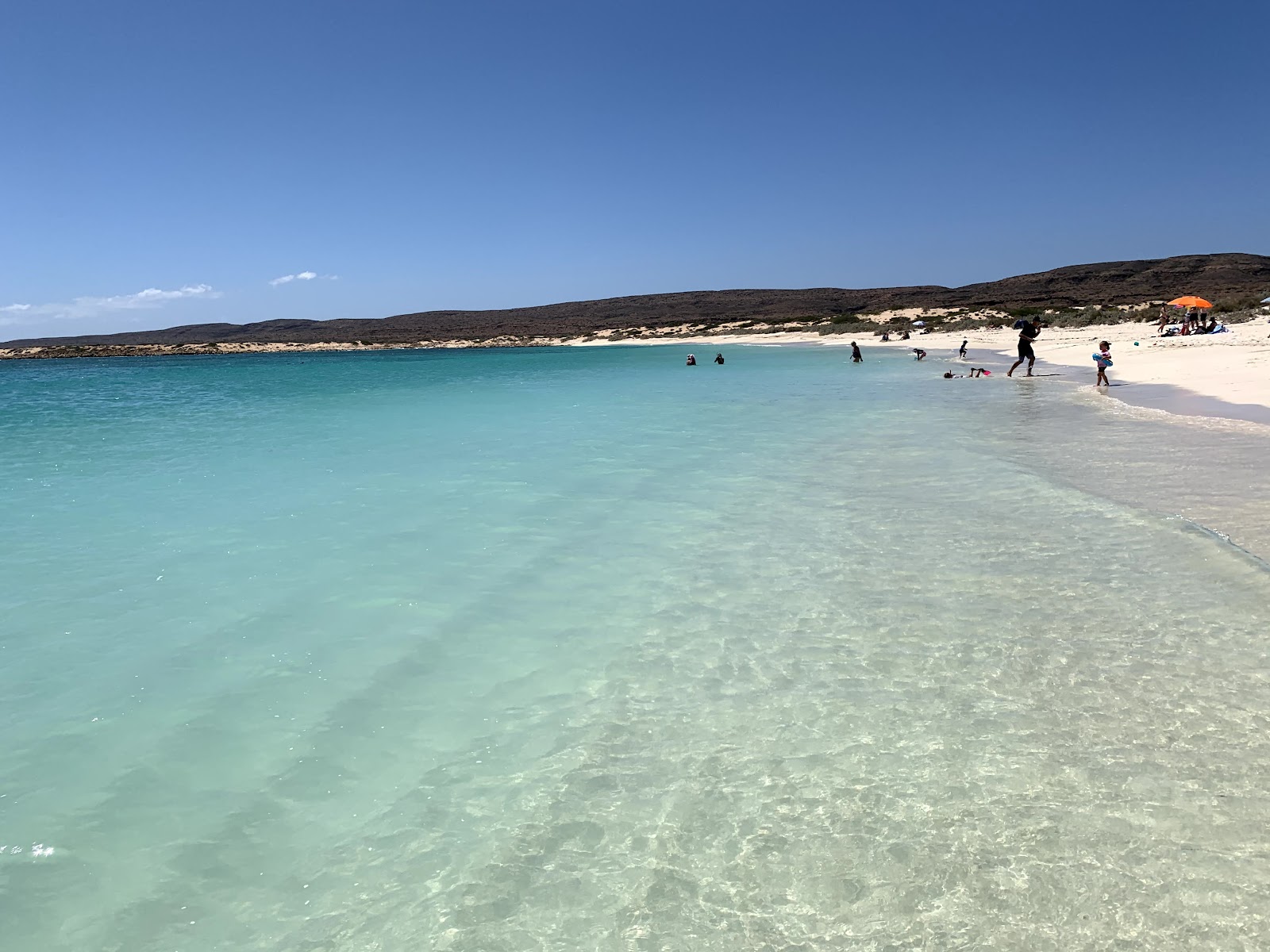 Ningaloo Reef
Australia's Coral Coast, Western Australia
Swim with whale sharks and snorkel a World-Heritage reef straight off the beach
Explore the guide →
Ningaloo Reef
Australia's Coral Coast, Western Australia
Swim with whale sharks and snorkel a World-Heritage reef straight off the beach
Explore the guide →
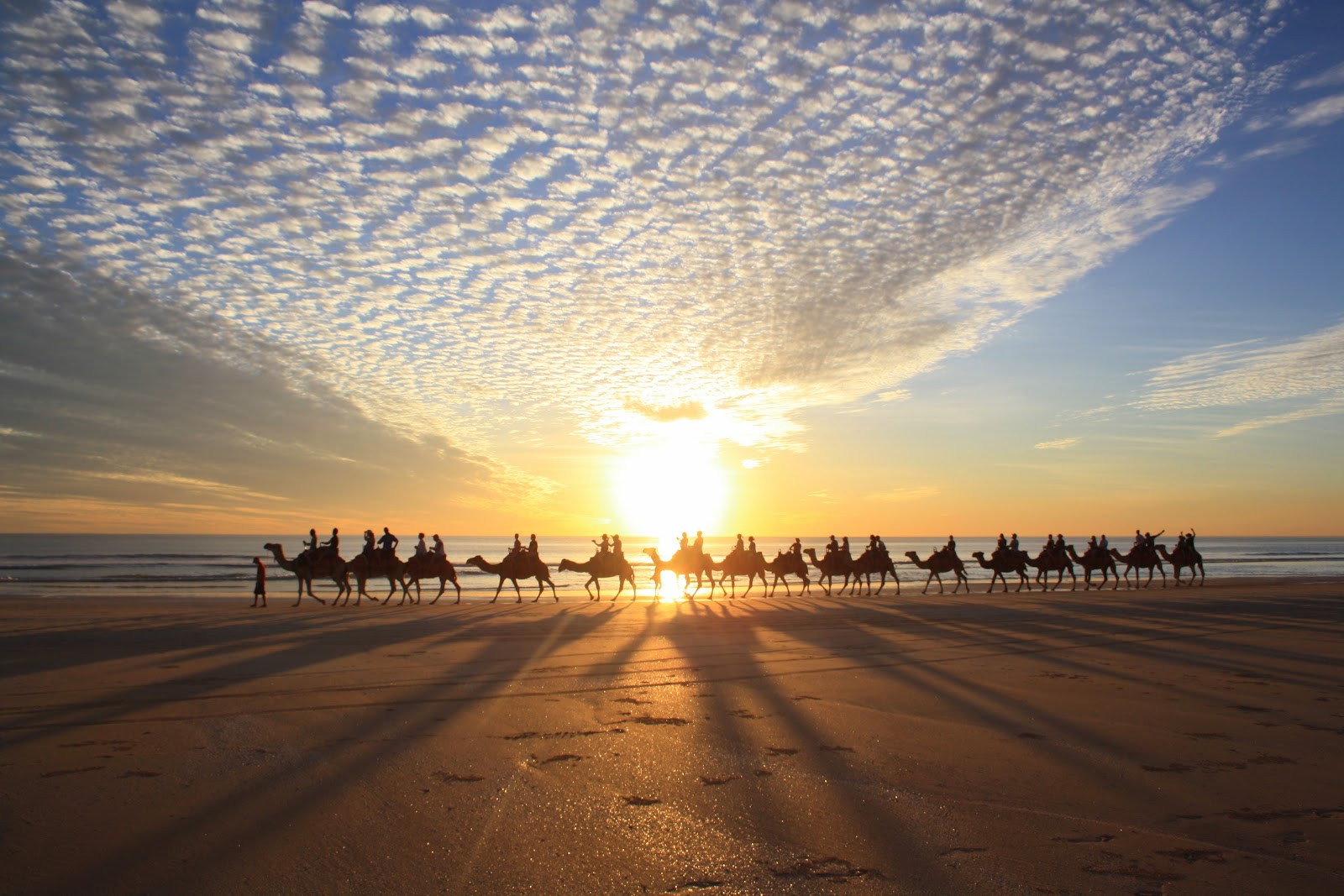 Broome
Australia's North West, Western Australia
Cable Beach sunsets, pearling history and camels on 22km of sand
Explore the guide →
Broome
Australia's North West, Western Australia
Cable Beach sunsets, pearling history and camels on 22km of sand
Explore the guide →
 Margaret River
Australia's South West, Western Australia
World-class wineries, surf breaks and limestone caves three hours south of Perth
Explore the guide →
Margaret River
Australia's South West, Western Australia
World-class wineries, surf breaks and limestone caves three hours south of Perth
Explore the guide →