01. The Kimberley Grande Resort
4 (399 reviews)
The Kimberley Grande Resort — The Kimberley
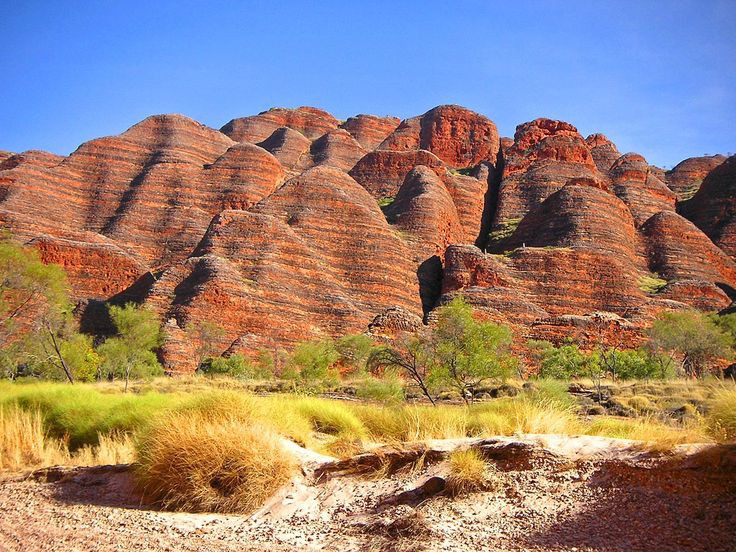
Book Direct & Save →The Bungle Bungle Range -- and the national park that surrounds it, Purnululu -- has been on Gija and Kija country for millennia, but the wider world only came to know it in 1983 when a documentary crew filmed the domes from the air and the footage made national news. The beehive-shaped sandstone towers, banded in alternating orange and grey-black, are unlike any other landscape in Australia, and their listing as a World Heritage site in 2003 recognised not just geological rarity but an ancient cultural landscape still lived and managed by its custodians today.
View 3 Properties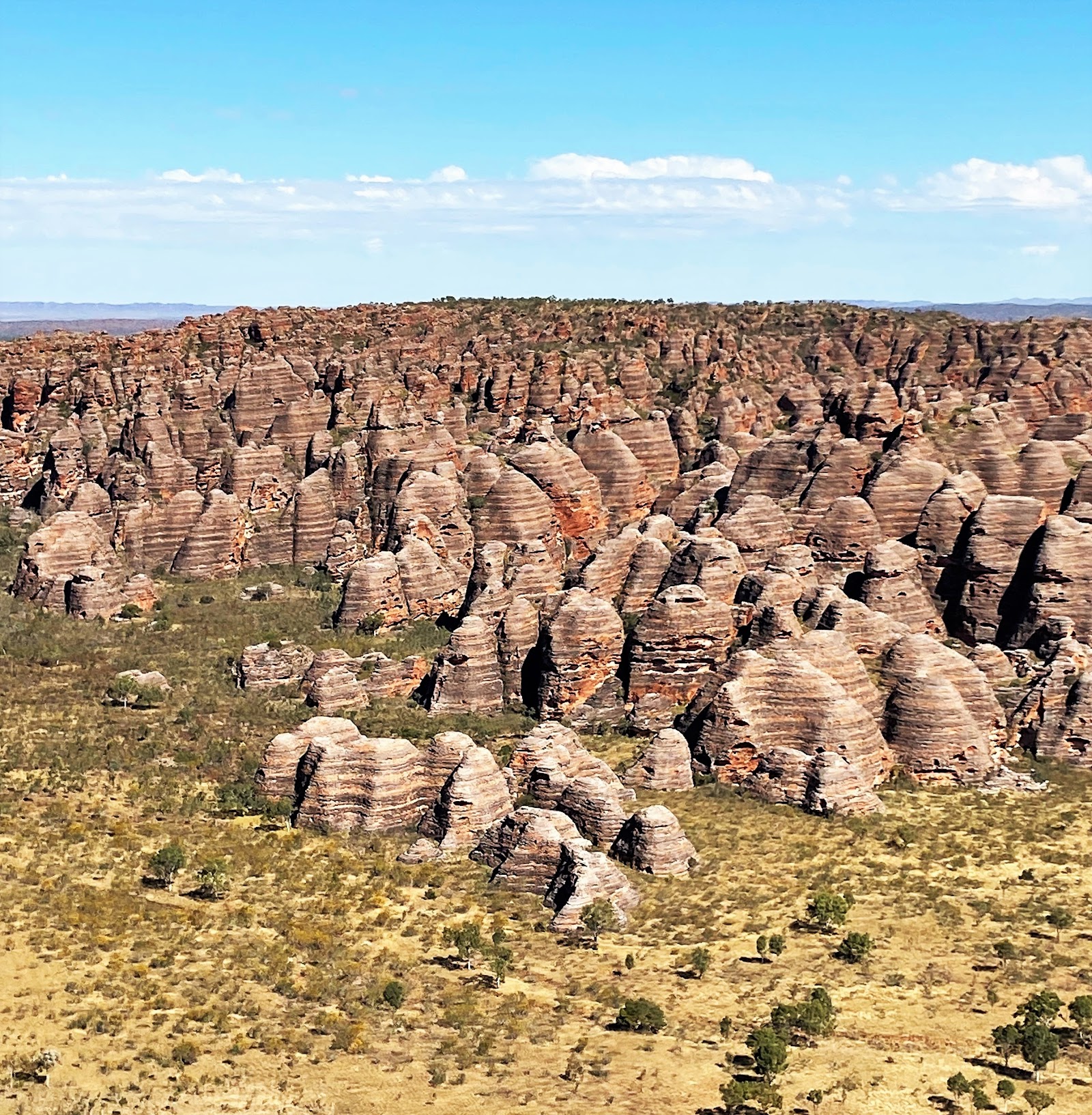
"Ancient, remote, otherworldly"
Getting there is an honest challenge. Purnululu sits roughly 300 kilometres south of Kununurra, and the final 53-kilometre Spring Creek Track is a slow, rough, creek-crossing 4WD road that takes up to three hours and excludes all standard 2WD vehicles. The alternative -- a scenic flight from Kununurra or Halls Creek -- delivers the dome field from the air in a fraction of the time and, for the aerial view, is arguably the best way to see the formation at all. This guide covers both approaches: what to expect on the ground, walk by walk, and what flying over adds that driving in cannot.
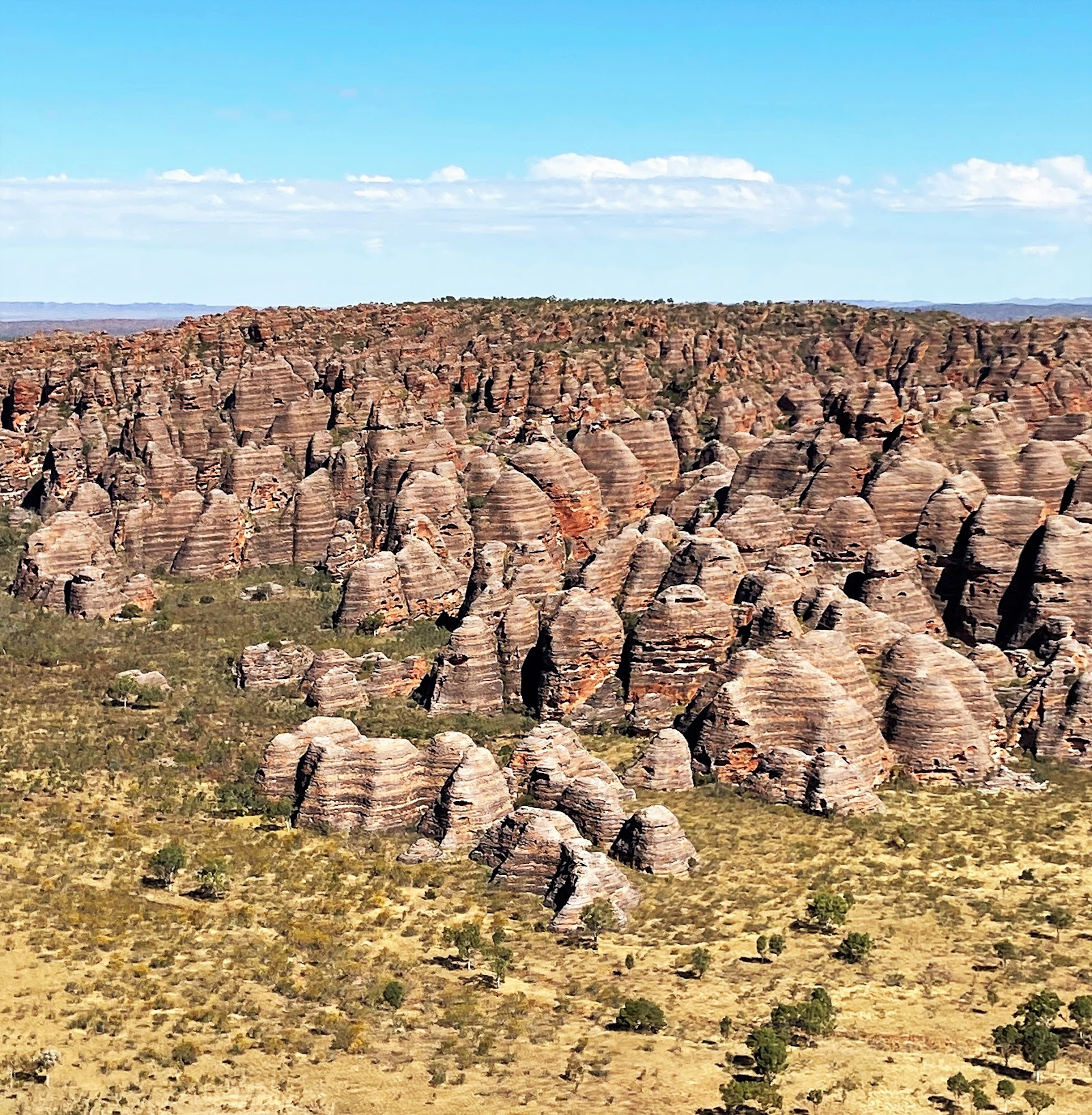
The banding that gives the domes their distinctive appearance is structural: the orange layers are silica-cemented, and the darker grey-black layers are colonised by cyanobacteria -- both are inherent to the sandstone rather than surface staining, which is why the banded pattern is so consistent across the thousands of towers that make up the range. The domes form where vertical jointing in the rock allows weathering to carve individual towers from the mass of sandstone; over 20 million years this has produced the beehive shapes. It is an outcome of geology that took 360 million years of sediment deposition and 20 million years of erosion to produce.
The Gija and Kija peoples have lived on and managed this landscape throughout that time, and Purnululu is not simply a geological attraction -- it is cultural country with deep living significance. Visitors are guests on this land, and approaching it with that understanding changes how you experience it. The management of the park is a joint effort between the traditional custodians and DBCA (the WA parks authority).
For planning purposes, the dome field splits into two zones: the southern zone (Walardi campsite) holds Cathedral Gorge, the Domes Walk and the Piccaninny Gorge trailhead; the northern zone (Kurrajong campsite) holds Echidna Chasm and the Kungkalanayi Lookout. Each campsite is about 30 kilometres from the park entrance along the park road, which is itself a slow, rough track. Plan at least two nights -- one per zone -- to do both sides of the range without rushing.
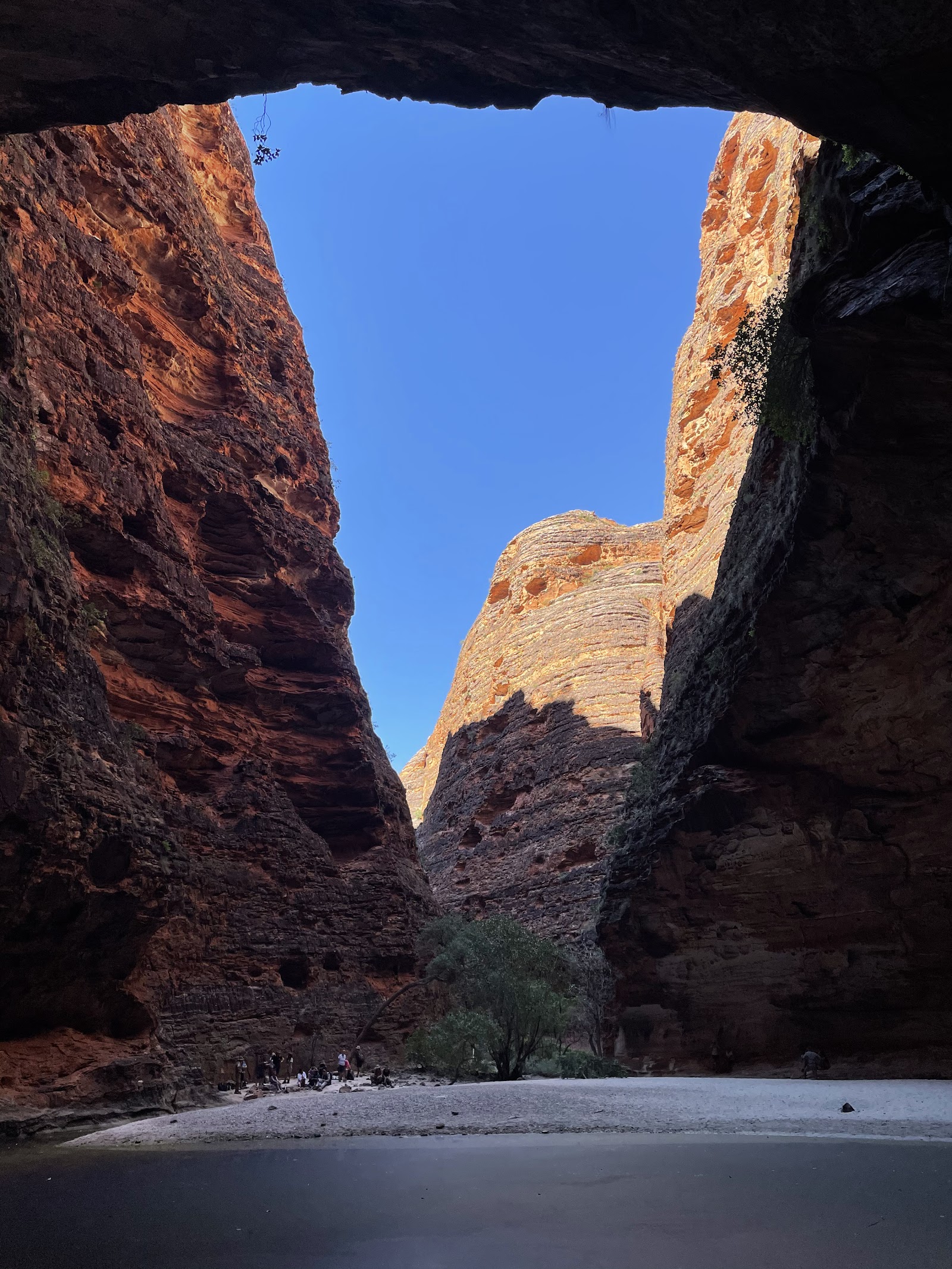
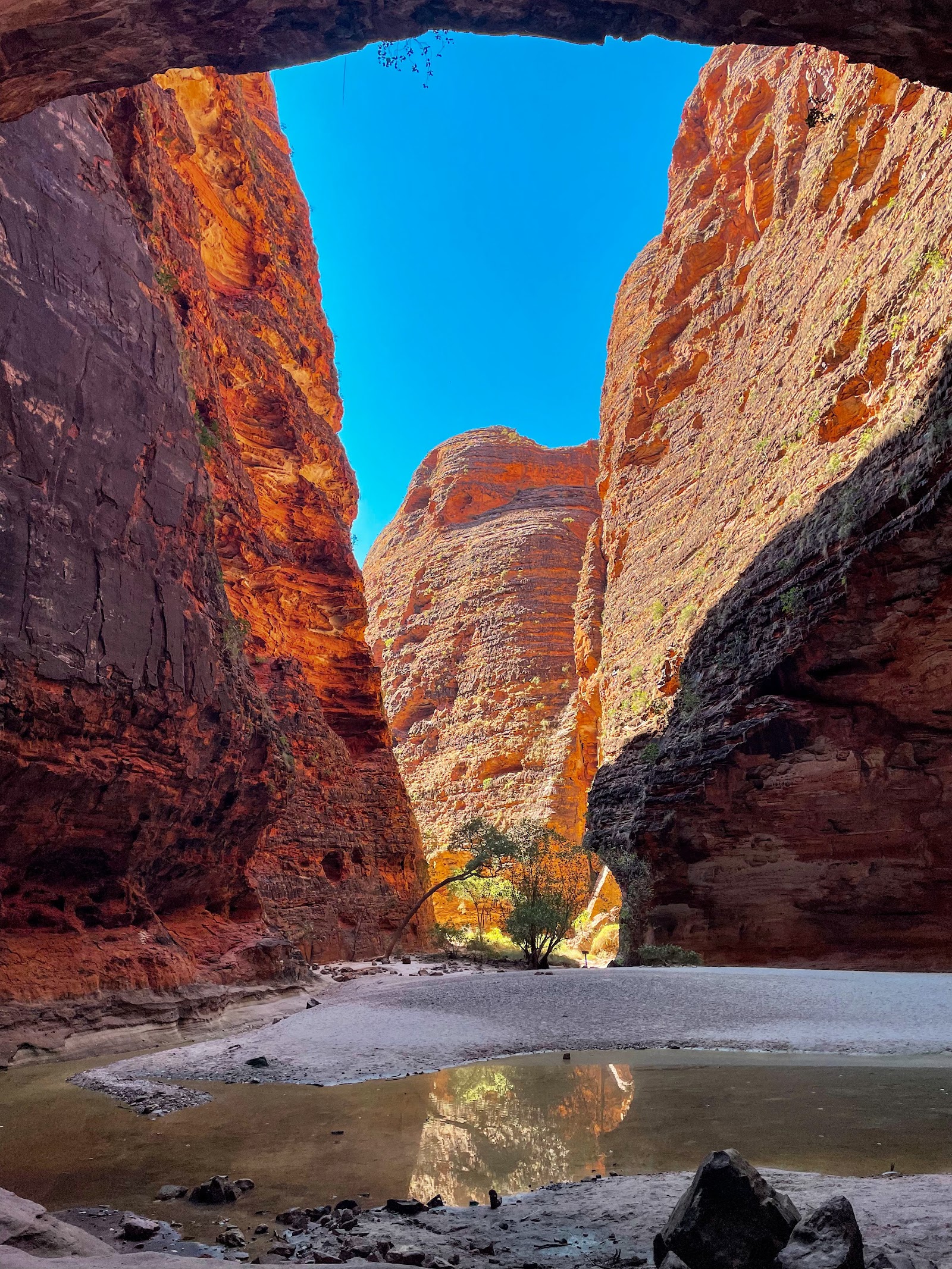
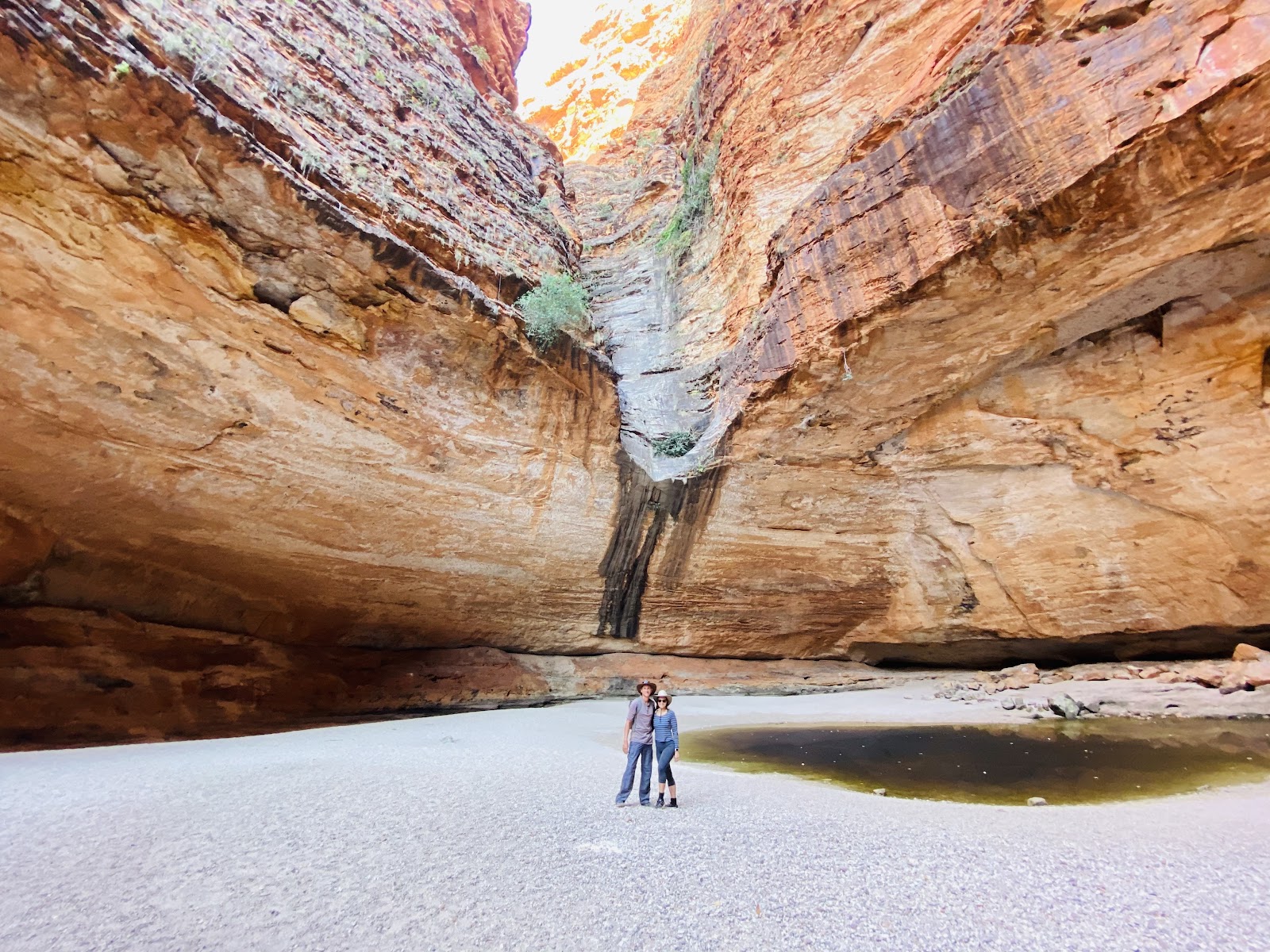
Cathedral Gorge is the walk that stops people mid-stride. A 3-kilometre return path from the Walardi campsite area leads through the dome field -- domes pressing close on both sides, the scale becoming clearer with every hundred metres -- before the gorge narrows into a tall sandstone slot that opens, abruptly, into a vast natural amphitheatre. The chamber is roughly circular, open to the sky at the top, and fills with a diffuse, reflected light that gives the orange and grey sandstone walls an almost luminous quality in the early morning. A small, shallow pool sits at the base. The acoustics of the chamber are extraordinary -- sound moves around it in a way that emphasises the silence.
The walk to Cathedral Gorge is classified easy but it is not a sealed path. The ground is sandy and rocky in sections, and the dome field section narrows considerably. Most fit adults and older teenagers will find it comfortable; less-mobile walkers should take their time and use the rock faces for balance on the narrower sections. Start early -- by 9am in July and August the gorge is busy with tour groups, and the light is better at dawn anyway.
It is the single most rewarding walk in Purnululu for most visitors, and it consistently delivers the moment that makes the long drive in feel worthwhile. For those who can only do one walk in the park, this is the one. Be quiet inside the chamber -- both for the sound experience and out of respect for this significant cultural site.
The moment the narrow gorge opens into the amphitheatre, with that diffuse light filling the chamber, is one of the most quietly extraordinary things the Kimberley produces.
“I've been to gorges all over the world and Cathedral Gorge stopped me cold. The light in that chamber in the early morning is unlike anything. Go before 7am if you can.”
— Google review
Walking into the amphitheatre at first light when the chamber fills with soft orange-and-grey reflected light and the pool is still.
Avoid the mid-morning peak (9am-12pm July-Aug) when tour groups fill the gorge -- the chamber experience is ruined by large crowds. Sandy and rocky underfoot -- not suitable for mobility-limited walkers without significant assistance.
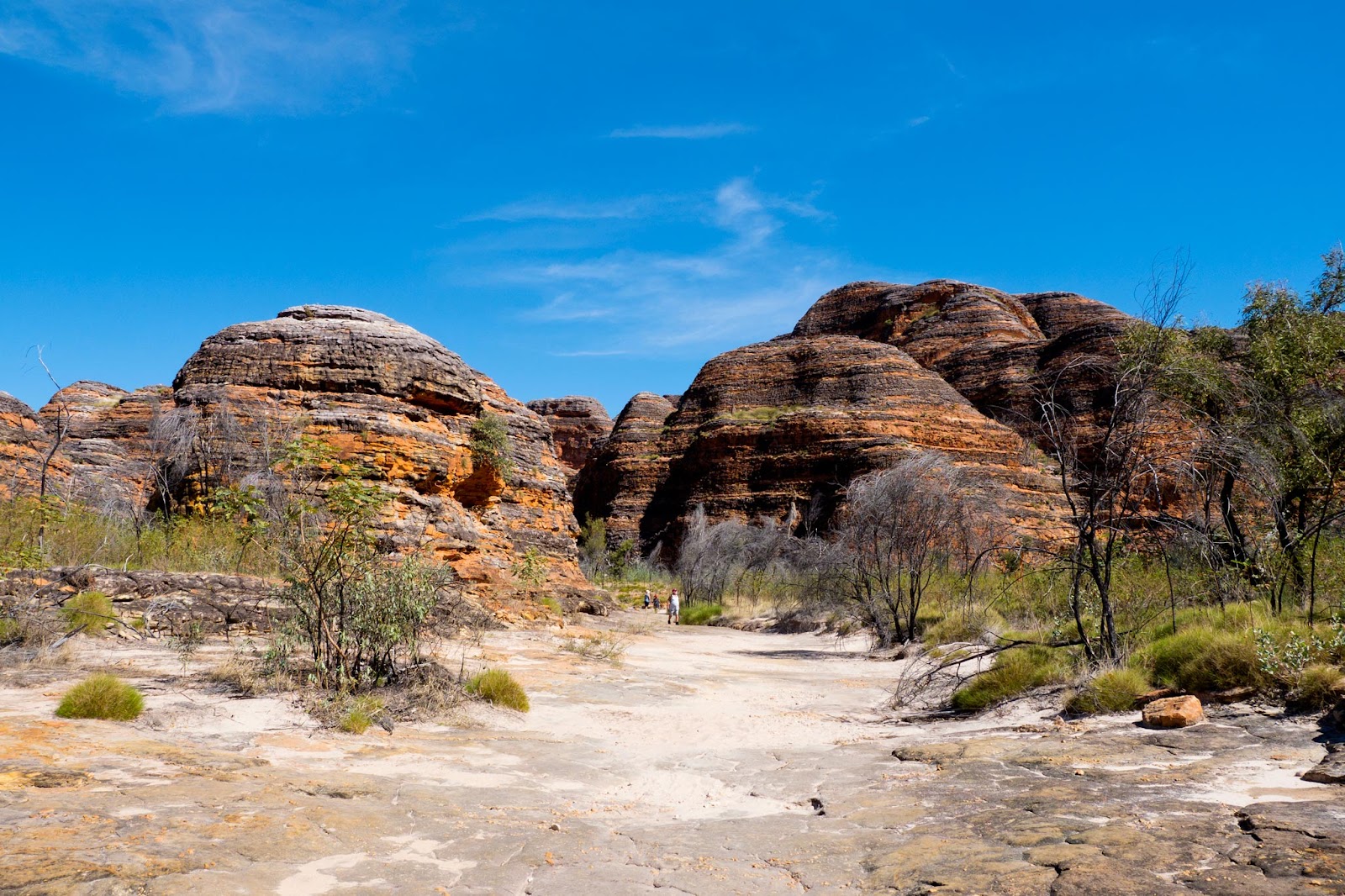
The Domes Walk is the short-form version of the beehive experience -- a 2.4-kilometre loop directly through the dome field where the towers press close enough to touch (though touching them erodes the delicate surface and is strongly discouraged). This is the walk where the scale of the individual domes becomes visceral rather than abstract: each tower rises 5 to 30 metres above the sandy floor, their banding at eye level, and the field extends in all directions. The landscape is disorienting in the best way -- there are no directional cues, only orange and grey towers and blue sky.
Because the walk is circular and relatively short, it's one of the more accessible Purnululu experiences for visitors with limited time or energy. The sandy floor between domes is mostly flat with minor undulations; the main challenge is heat, and the walk should be done before 8am in the peak Dry season months. It suits families and most fitness levels, though very young children may struggle with the sand and heat in a long day.
It is often paired with the Cathedral Gorge walk -- the two together from the Walardi zone make a full morning and cover the park's most famous experiences in a single outing. The Domes Walk is best in the early morning when the low sun angles across the banding and the colour saturation is at its highest; the same walk at midday in flat overhead light is noticeably less dramatic.
Walking inside the beehive field with the banded towers pressing close on both sides and nothing else visible in any direction is as alien a landscape as Australia offers.
“We were inside the dome field at 6.30am in July. Nobody else there, towers glowing orange, silence. That was the Kimberley for me.”
— Traveller review
Walking through the dome field at first light, when low-angle sun catches the banding and the orange saturation is at its deepest.
Do not touch the domes -- the surface silica and cyanobacteria layers are fragile. Midday in the heat is punishing and the light is flat; go at dawn and be done by 9am.
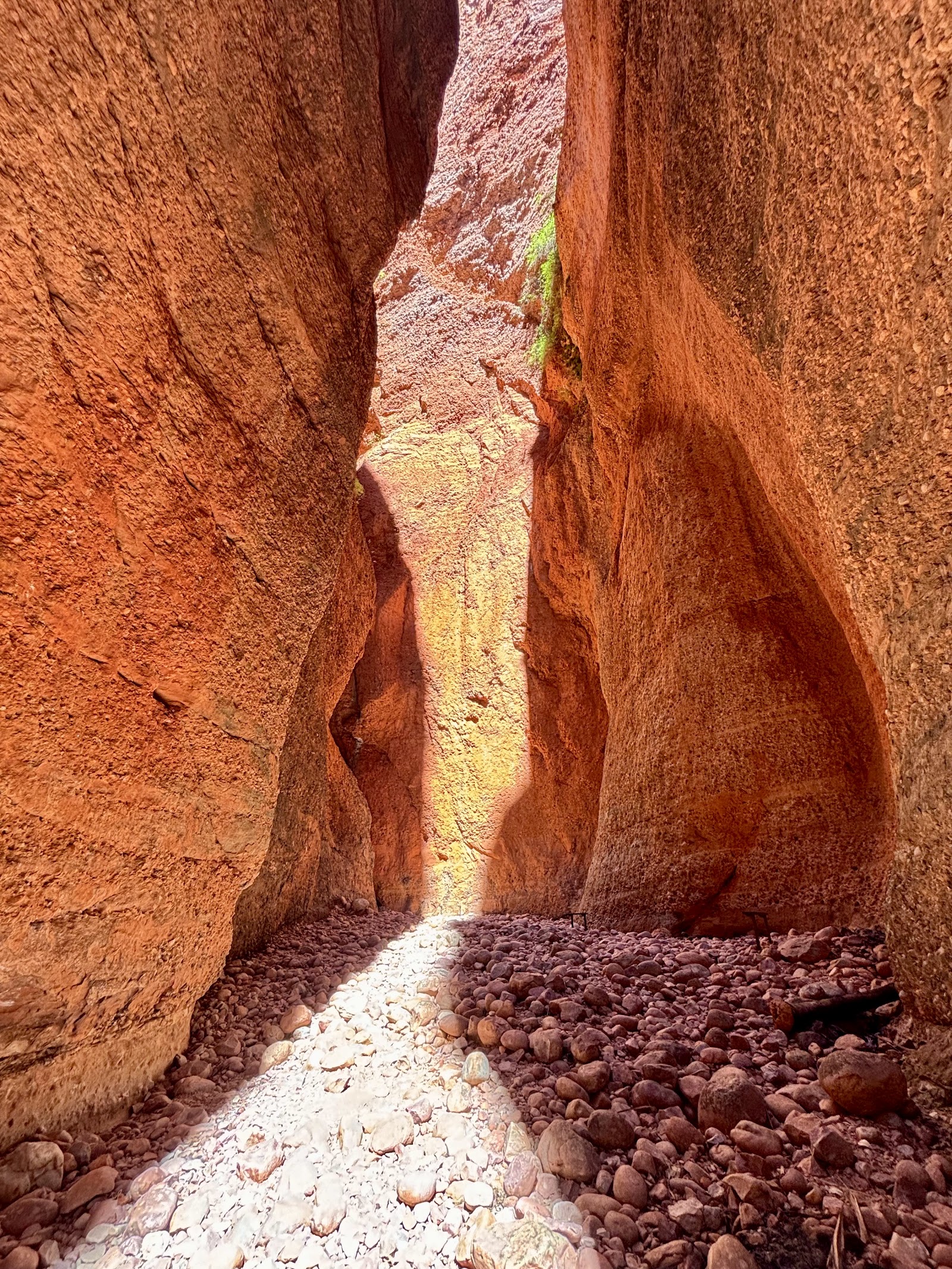
Echidna Chasm is the most dramatic walk in the north zone and one of the most impressive gorge experiences in the park. A 2-kilometre return walk from the Kurrajong campsite leads into a progressively narrowing sandstone slot gorge, eventually so tight you move between the walls by turning sideways in sections. The walls rise 100 metres on either side; at the deepest point the sky is reduced to a sliver of light directly above. The chasm is home to livistona fan palms and figtrees growing in perpetual shade, and at around noon in the peak Dry months the sun tracks directly overhead and fills the narrow slot with a brief shaft of extraordinary gold-red light -- a photographic moment that draws photographers specifically for that window.
The walk out of the chasm is just as good as the walk in -- turning around to face the exit, with the walls tapering to the blue sky ahead, is one of the better frames in the park. The sandy floor is mostly flat with some boulder scrambling near the end; the narrow sections require lateral movement and are not accessible to those with significant mobility restrictions or strong claustrophobia. The last section involves rock scrambling that younger and shorter walkers may find awkward.
Echidna Chasm is worth a dedicated night at Kurrajong camp to reach it at midday in optimal conditions, and the Kungkalanayi Lookout above the dome field (accessed from the same camp) rounds out the day. The northern zone is generally quieter than the southern, which adds to the appeal for those who want the park without the crowds.
The midday shaft of light filling a 100-metre slot gorge to a sliver of gold is one of the most extraordinary natural-light moments in Australian photography.
“We timed it for midday and stood at the back of the chasm while the light turned red and gold above us. Felt like standing inside something alive.”
— Google review
Midday light in the slot gorge -- a narrow band of gold-red filling the chasm from the overhead sun; time your walk to be at the deepest point around noon.
Not suitable for those with claustrophobia or significant mobility restrictions -- the gorge narrows severely, and the final section requires boulder scrambling. The midday light window is brief: arrive by 11am and work back from the deepest point.
Piccaninny Gorge is the commitment walk at Purnululu -- a full-day, 30-kilometre return trip into the heart of the range along an unmarked route that follows the gorge into increasingly tight, twisting slot sections lined with ancient weathered walls. The first 6 kilometres are relatively open; from the Piccaninny Creek junction the gorge deepens and the walls close in, eventually becoming a series of chambers and narrows with pools that may require wading, depending on conditions. It is the most rewarding walk in the park and the hardest.
Because it is an unmarked track in remote country, preparation is more critical here than on any other Purnululu walk. Hikers should carry a minimum of 3 litres of water per person, a map and compass (GPS is a backup, not a primary), sun protection, emergency supplies, and enough food for a full day. Start before 6am to reach the deep gorge sections before the heat peaks. The route requires good navigation skills and physical fitness; anyone less than confident about both should turn back at the junction rather than pushing into the narrows unprepared.
It suits experienced, fit hikers who want an extended wilderness experience rather than a day-visitor attraction. It is not appropriate for families with young children, less-fit adults, or those without remote navigation experience. The gorge at its deepest sections -- narrow sandstone chambers with the dome field massed above on both sides -- is among the most remote and spectacular walking environments in Australia.
Walking 15 kilometres into the heart of the Bungle Bungles on an unmarked route, with the gorge progressively narrowing around you, is the Kimberley on its own terms.
“Six hours in and the walls were pressing 20 metres high on each side and we hadn't seen anyone for four hours. I don't have words for it. Do the preparation.”
— Traveller review
The deep narrows in the back third of the gorge, 15+ kilometres in, where the dome field rises above on both sides and the walls tighten to walking-width.
This is a hard, remote, unmarked route -- not appropriate for inexperienced hikers, anyone below excellent fitness, or those without emergency equipment and navigation skills. Turn back before the junction if uncertain.
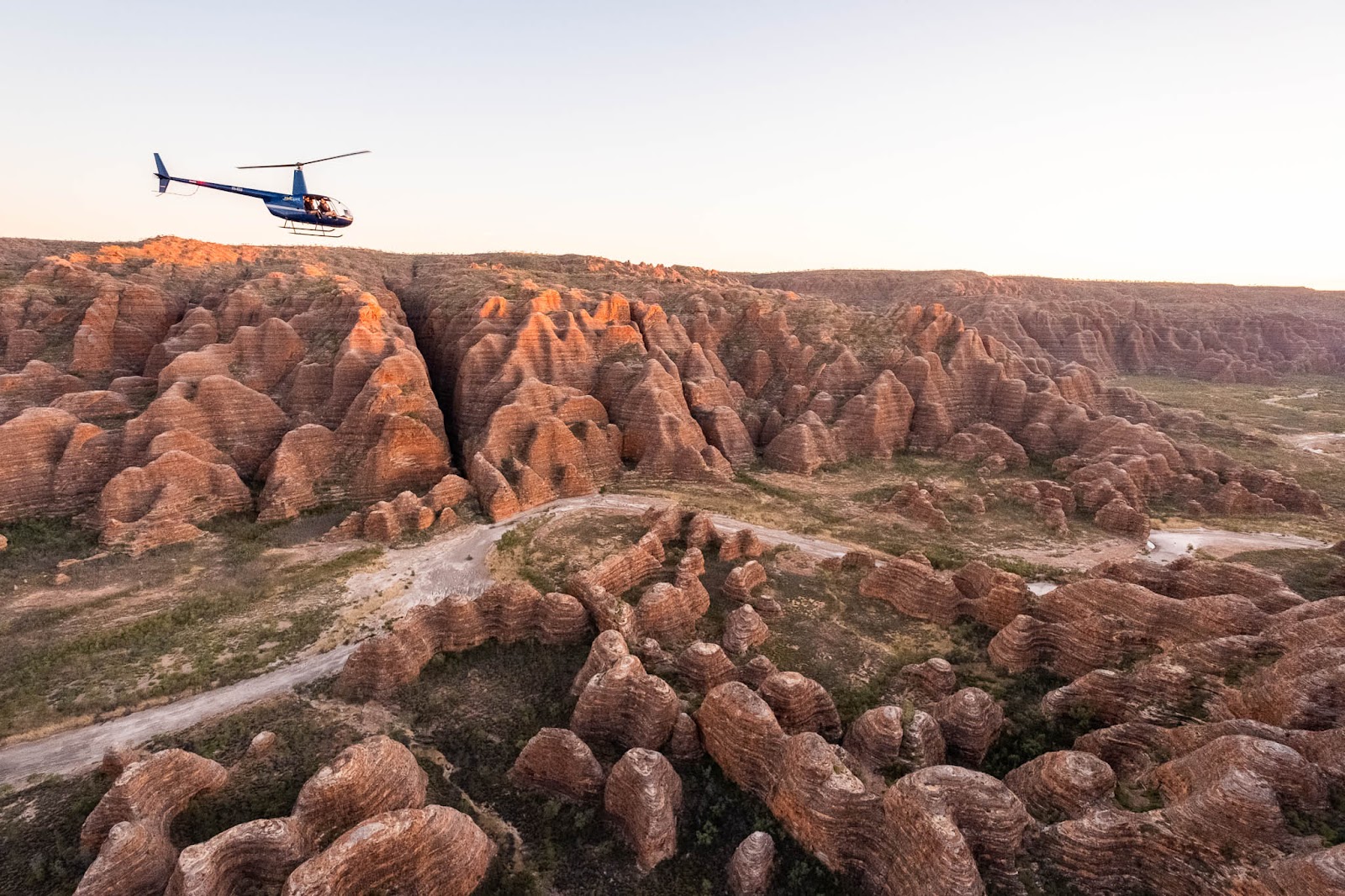
The aerial view of the Bungle Bungles is genuinely different from the ground experience, and for many travellers -- those who cannot drive the Spring Creek Track, those short on time, or those who simply want the domes from above -- it is the better choice rather than a compromise. The dome field from the air reveals the full extent and geometry of the beehive formation in a way that walking among the towers cannot; the banding, the scale, and the sheer number of individual domes covering the range is most comprehensible from altitude. A 30- to 60-minute fixed-wing scenic flight from Kununurra covers the whole range and, in the right light, produces photographs that ground visitors cannot replicate.
Helicopter flights offer a different experience again -- they can descend into the gorge corridors and land at viewpoints inside the range, which is a spectacular option for those with the budget. Fixed-wing tours are significantly cheaper and still deliver the best panoramic view. Several Kununurra operators run both options in the Dry season; book at least several days ahead in July and August when demand is high.
Flying in suits travellers who cannot access the park by vehicle, those who want to add the aerial perspective to a ground visit, and anyone on a time-limited itinerary that can't accommodate the slow Spring Creek Track. It does not replace the Cathedral Gorge walk or Echidna Chasm for those who can drive in -- the ground experience is irreplaceable. But as the single fastest way to understand the full scale of the dome field, a flight is exceptional value.
From the air, the full extent of the beehive field -- thousands of banded towers extending to the horizon -- is comprehensible in a way it simply is not from the ground.
“We flew over and then drove in on the ground. The flight gave us the whole picture; the walks gave us the detail. Both together is the best way to do the Bungles.”
— Google review
The aerial perspective of the full dome field on a clear Dry-season morning -- the one image that makes the Kimberley internationally recognisable.
Flights are weather-dependent and can be cancelled at short notice; build in a contingency day if the flight is the centrepiece of your trip. Book and confirm in advance -- July-August slots fill early.
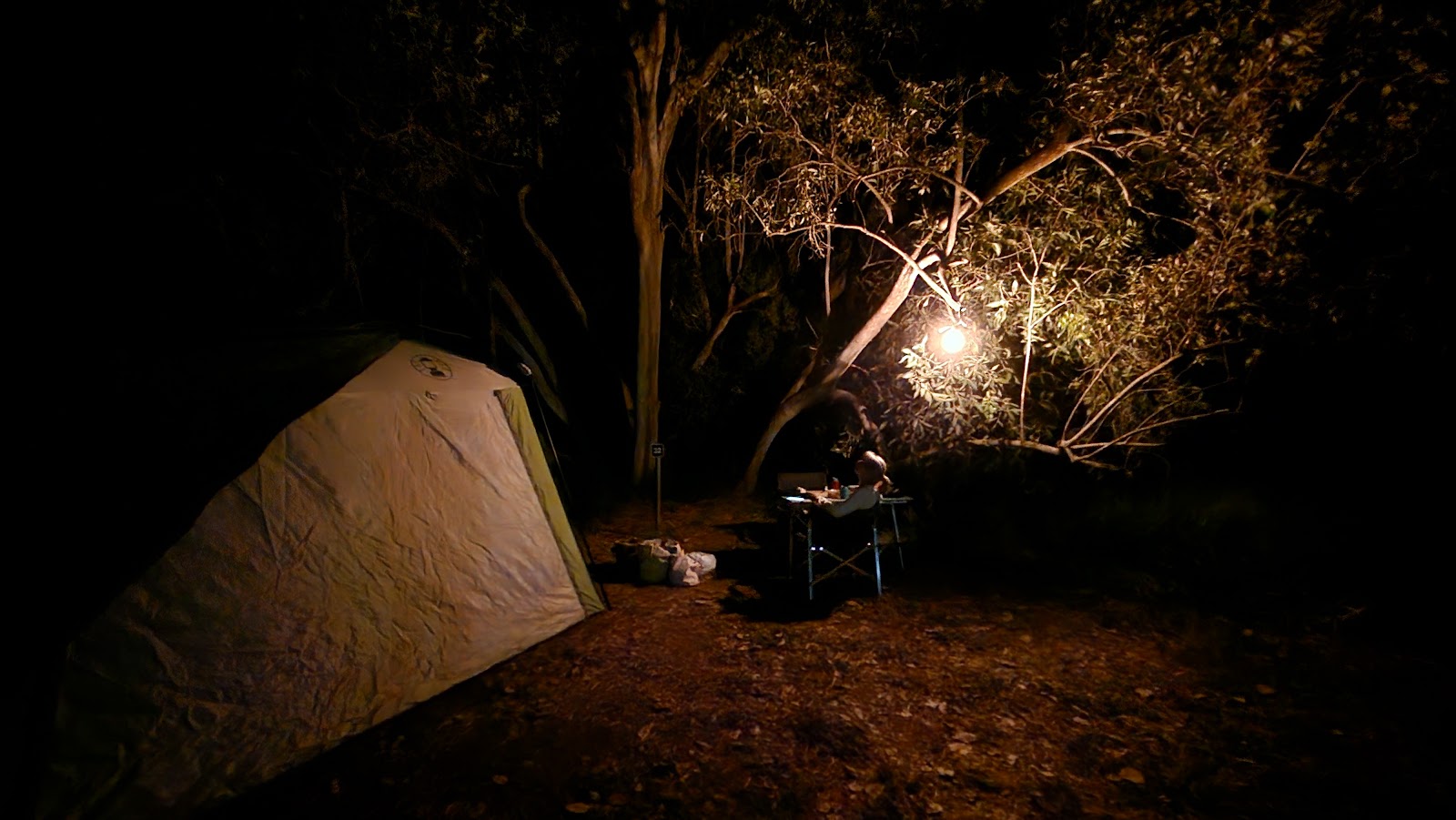
Staying inside the park is the only way to reach Cathedral Gorge or Echidna Chasm before the day-visitor rush, and the pre-dawn and golden-hour light in the dome field is unambiguously the best. Day visitors, even those who drive the Spring Creek Track in the morning, rarely arrive before 9am; campers are walking among the domes in the first light. The experience difference is considerable, and photographers specifically camp for the dawn access.
Walardi campsite (south zone) is the base for Cathedral Gorge, the Domes Walk and the Piccaninny Gorge trailhead. Kurrajong campsite (north zone) is the base for Echidna Chasm and the Kungkalanayi Lookout. The campsites have basic facilities -- pit toilets and showers in the Dry season, but no power, no phone reception and no shop. You bring everything in and carry everything out. The camp fee is on top of the national park entry fee; both must be paid via the DBCA Parks Direct system before arrival.
Both campsites fill quickly in July and August -- book online before you leave Perth, and ideally before you leave home. Allowing three nights total (one to two per zone, or two at Walardi for the dome field side) gives you unhurried access to the park's best walks at the best times. The drone of generators and the smell of camp cooking at dusk in the Bungle Bungles is, for most travellers, one of the best moments of the trip.
Dawn inside the dome field with only the other campers for company -- no tours, no crowds, just the domes and the morning light.
“We booked three nights at Walardi and got Cathedral Gorge at 6am twice. That dawn light in the amphitheatre is the reason you book early.”
— Traveller review
Walking to Cathedral Gorge or through the Domes field at dawn from the campsite -- the most compelling reason to camp rather than day-visit.
Book before you leave home in peak season (July-Aug) -- both camps fill completely and walk-ins are not possible. Come entirely self-sufficient: no shops, no power, no phone.
| Season | Conditions | Highlights | Crowds |
|---|---|---|---|
| April-June (Early Dry) | Cool mornings, mild days, road often just opened | Best conditions for walking; fewest crowds in April-May; park may open as early as 1 April (check DBCA) | Low-moderate |
| July-August (Peak Dry) | Perfect temperatures, completely settled | The best weather; also the busiest period -- campsites and flights book out. Best light for photography | High -- book everything in advance |
| September-October (Late Dry) | Increasing heat (35-42 degreesC); still dry | Very hot midday walks; start before 6am. Park often closes late October or early November | Moderate |
| November-March (Wet/transition) | Park typically closed; Spring Creek Track flooded | No access -- the park closes for the Wet season. Check DBCA for exact annual closure dates | None |
What recent visitors say:
“OMG...this place reduced me to tears due to being overwhelmed by its grandeur and spectacular scenery. We had two days here but would have loved a week. Echidna Chasm was amazing, Cathedral Gorge breathtaking and Mini Palms gorgeous. I have travelled extensively throughout Europe, Australia, Asia and parts of Canada and the US and l rate this as No 1. This I”— Megan Hollick (on The Bungle Bungles), Google review
“I'll admit that before I visited The Kimberley all I knew about The Bungles Bungles was the classic aerial image of the striated doom rocks. We visited at sunrise so caught the early morning, 'golden hour' light on the ranges. Early start meant that the day use area was not busy, and the trails were cool, shaded and not crowded. Trial heads had maps, paths w”— Zeglar “Zeg” Fergus (on The Bungle Bungles), Google review
“A place that is kinda impossible to review, you gotta see it for yourself! First warning, the track in is not for the faint hearted (even when graded) but if you can do that you will be fine. Its over 45kms from the front gate to the Visitors centre, which you have to stop at and check in if you are staying at either campsite (Walardi or Kurrajon). Special ”— cktravels (on The Bungle Bungles), Google review
Getting there: The Spring Creek Track is 53 kilometres of rough, unsealed road with multiple creek crossings that takes between one and a half and three hours to drive. It is 4WD-only and specifically excludes conventional 2WDs, campervans, caravans, and large vehicles. In the creek crossings, assess the depth before entering -- after rain within the previous 48 hours, crossings can be deeper than usual. Check the DBCA road status and conditions report before leaving the highway, and again at the closest roadhouse (Turkey Creek/Warmun) if you pass through.
Facilities and preparation: Purnululu has no shops, no fuel, no phone coverage and no medical facilities. You arrive with everything you need and leave with everything you brought. Carry at minimum three litres of drinking water per person per day, plus emergency supplies and a satellite communicator. The camp fees and national park entry are paid online in advance via DBCA Parks Direct -- cash is not accepted at the park, and entry cannot be paid on arrival.
Cultural respect: Purnululu is significant Gija and Kija cultural country. Stay on marked tracks, do not climb the domes (it damages their surface and is prohibited), do not remove any rock or geological material, and approach all rock art sites as cultural sites rather than backdrops. The joint management arrangement between traditional custodians and DBCA is how the park operates -- follow ranger and cultural guidance at all times.
Purnululu repays every inconvenience of getting there. The Spring Creek Track is slow and rough, the facilities are minimal, the heat demands respect and early starts -- and the dome field, the gorges and the light inside them are genuinely extraordinary. Cathedral Gorge alone justifies the drive. Echidna Chasm is the complement to it from the north zone, Piccaninny Gorge is the full-day reward for serious hikers, and a scenic flight from Kununurra adds the aerial perspective that no ground walk can replicate.
Come self-sufficient, book ahead in July and August, camp for the dawn access, and start every walk before 7am. The Bungle Bungles are the Kimberley at its most distinctive -- an ancient, banded, extraordinary landscape that has no equal in Australia.
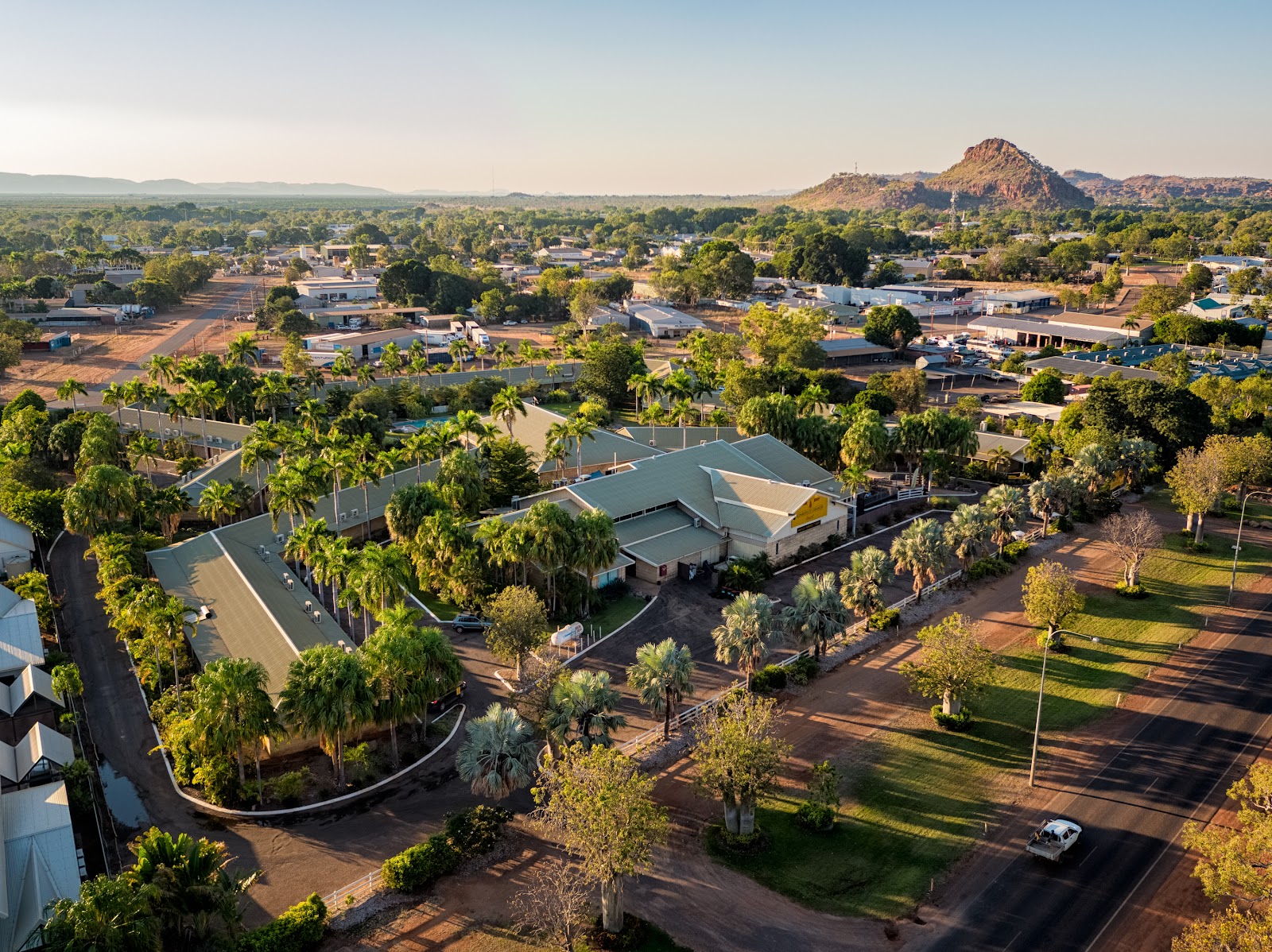
The Kimberley Grande Resort — The Kimberley
Book Direct & Save →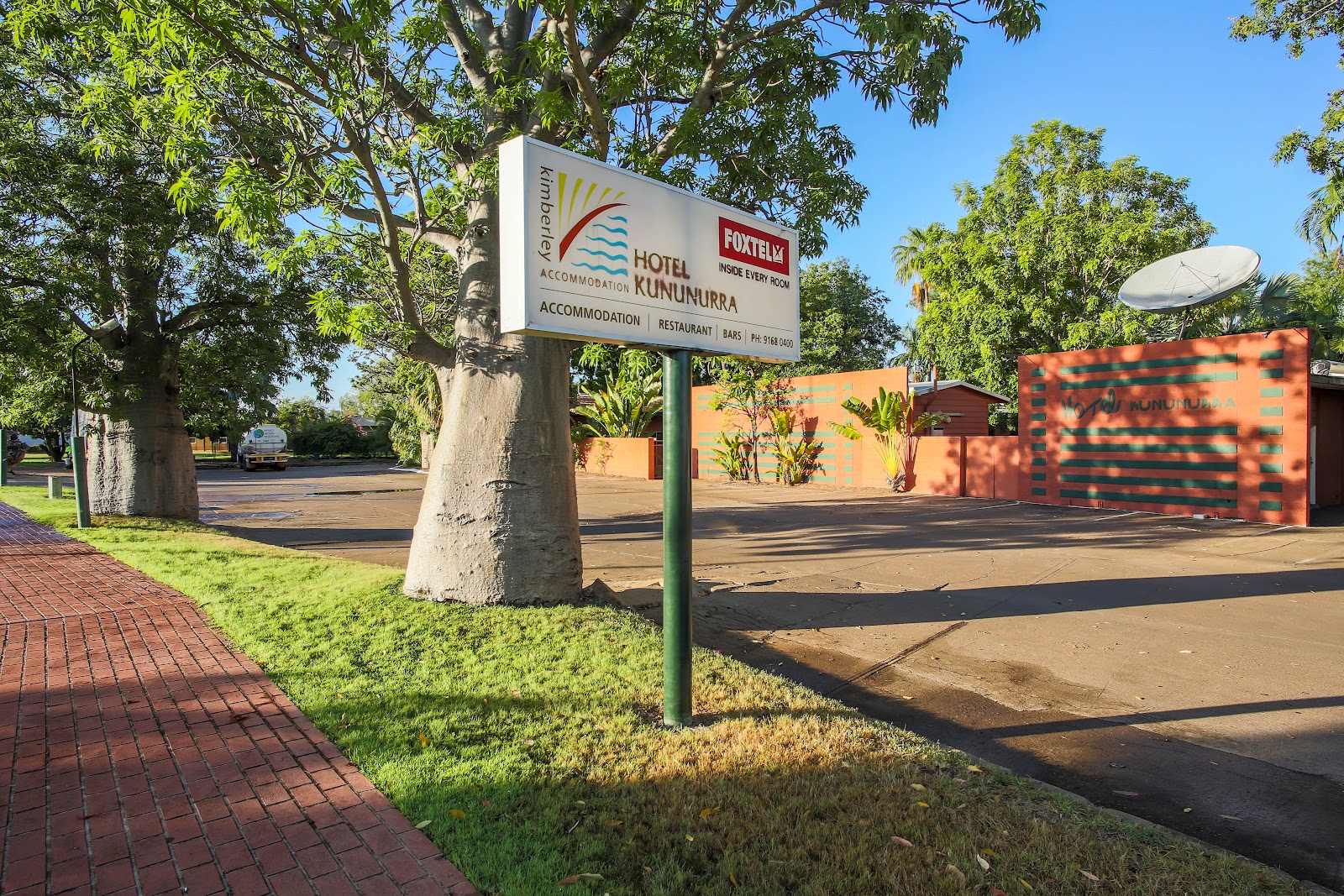
Best Western Cambridge Hotel Kununurra — The Kimberley
Book Direct & Save →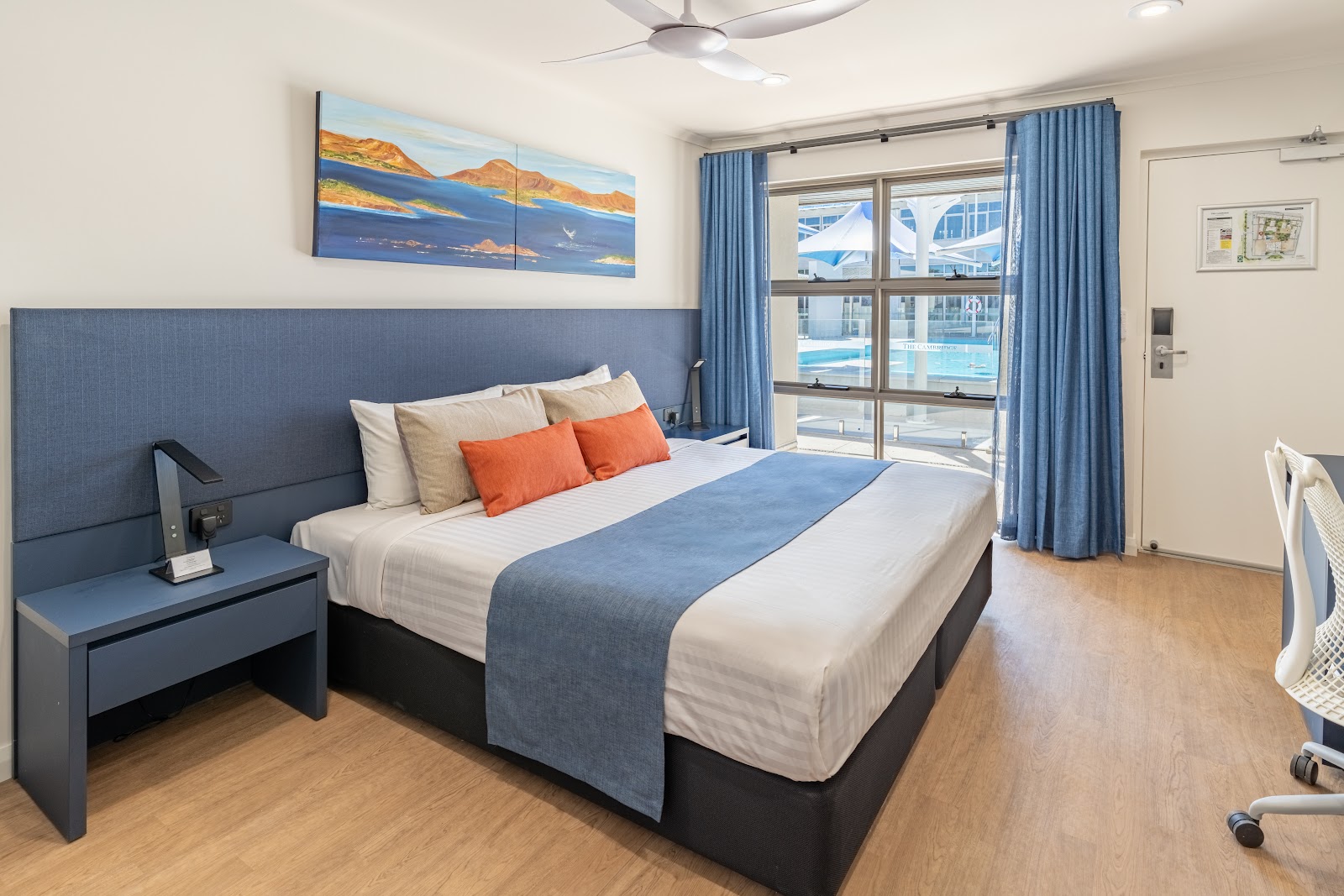
Hotel Kununurra — The Kimberley
Book Direct & Save →Skip OTA fees. Connect directly with The Kimberley owners for the best rates and a truly personal experience.
We match any online rate. No service fees — 100% of your payment supports local owners.
Direct guests receive complimentary hampers, early check-in, and priority access to experiences.
Speak directly with the people who manage the properties. No call centres, just local expertise.
Part of Western Australia · Australia's North West
 Glen Aplin
Granite Belt, Queensland
Queensland's most underrated wine valley
Explore the guide →
Glen Aplin
Granite Belt, Queensland
Queensland's most underrated wine valley
Explore the guide →
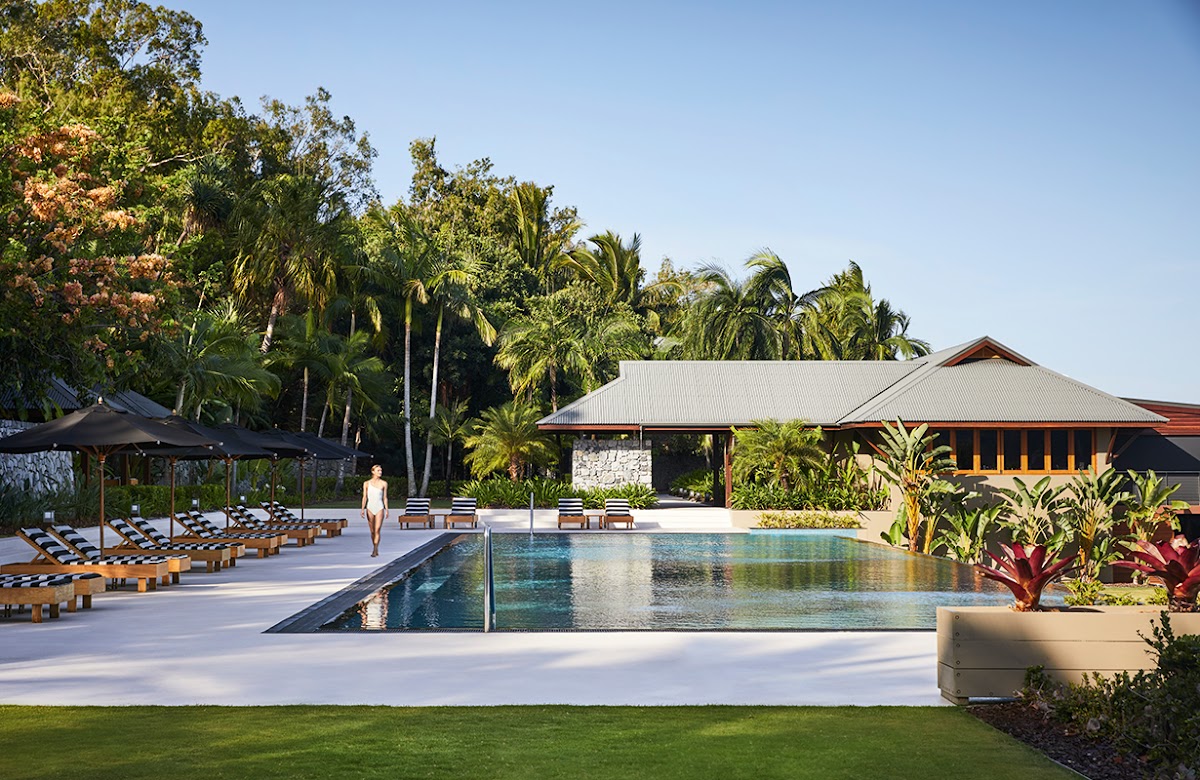 Hamilton Island
The Whitsundays, Queensland
Whitsundays island resort — Whitehaven Beach, reef trips and golf-buggy life
Explore the guide →
Hamilton Island
The Whitsundays, Queensland
Whitsundays island resort — Whitehaven Beach, reef trips and golf-buggy life
Explore the guide →
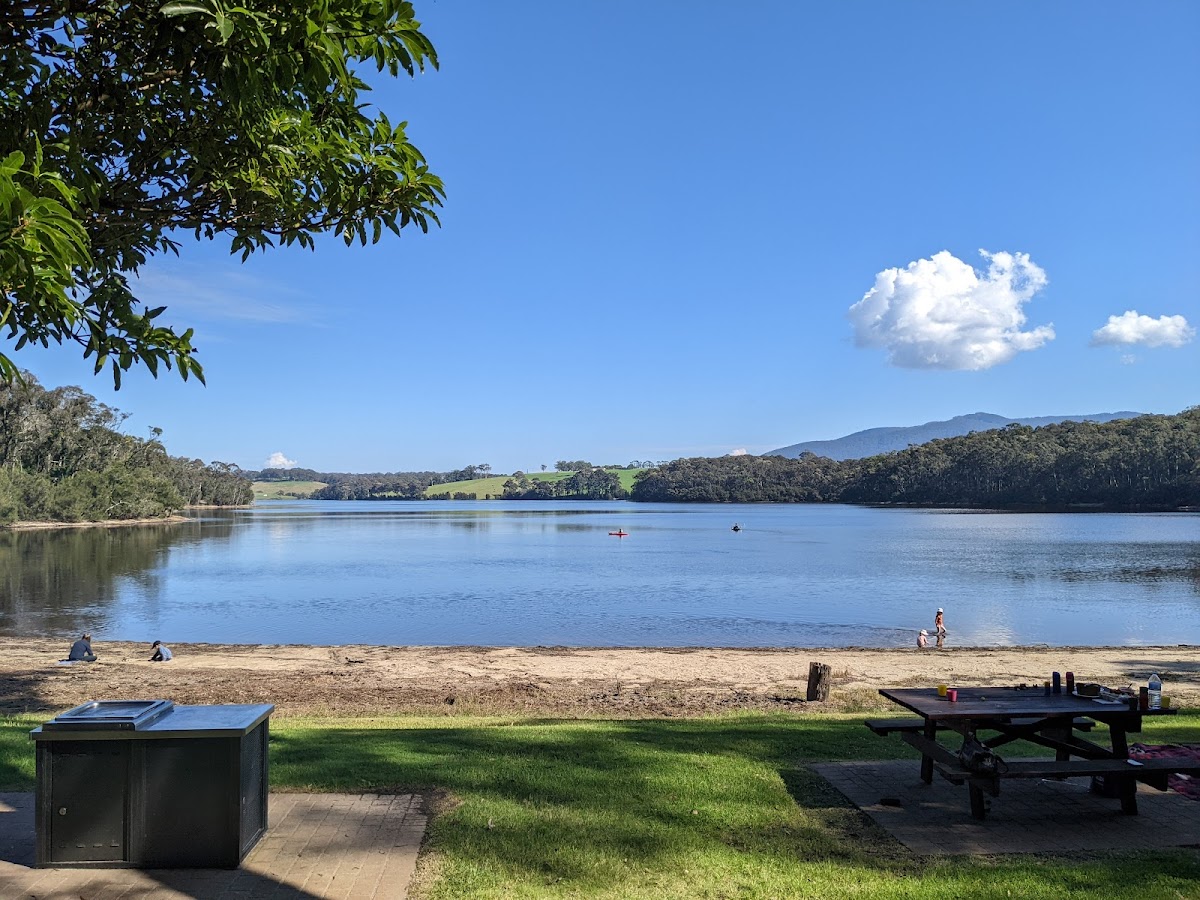 Narooma
South Coast, New South Wales
Crystal-clear inlet, surf beaches, oysters and Montague Island
Explore the guide →
Narooma
South Coast, New South Wales
Crystal-clear inlet, surf beaches, oysters and Montague Island
Explore the guide →
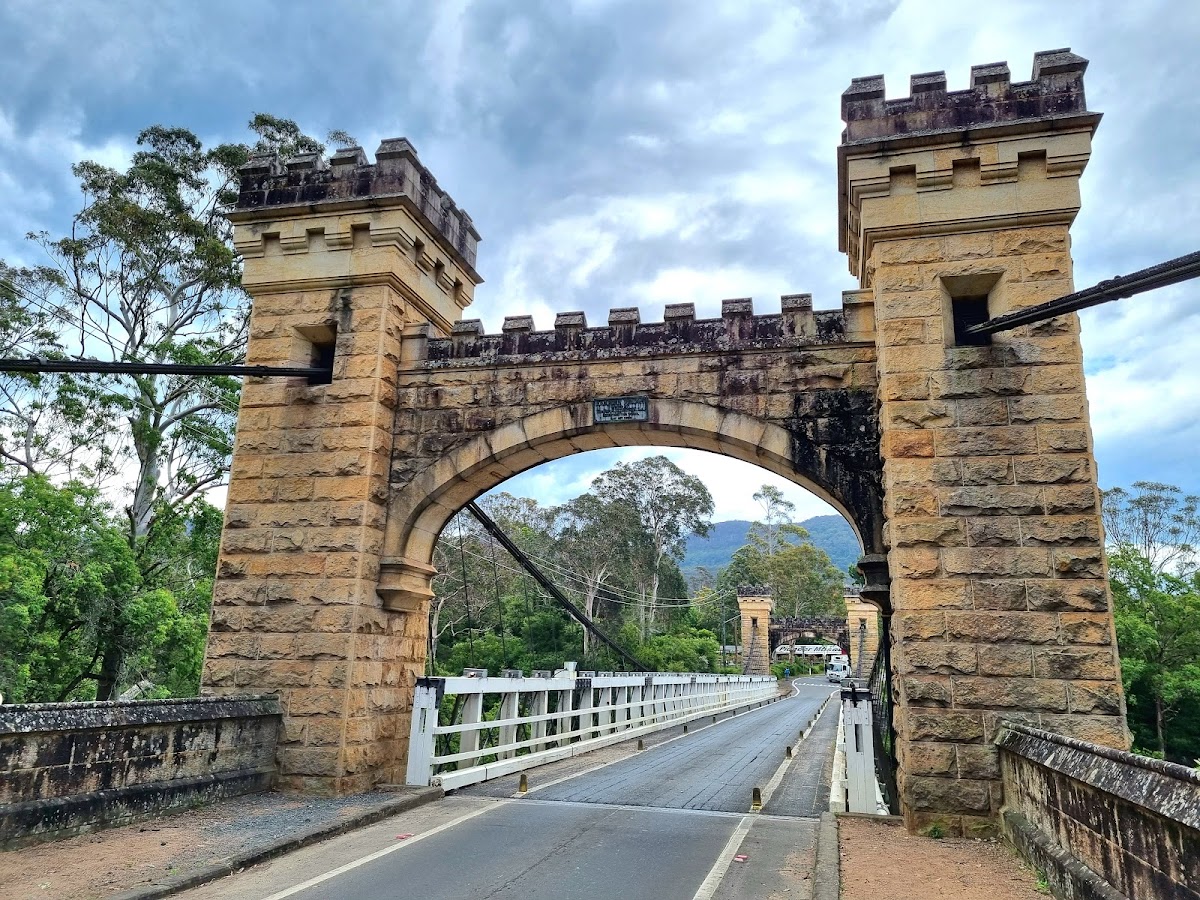 Kangaroo Valley
Shoalhaven, New South Wales
Hampden Bridge, kayaking and wombats in a green valley
Explore the guide →
Kangaroo Valley
Shoalhaven, New South Wales
Hampden Bridge, kayaking and wombats in a green valley
Explore the guide →
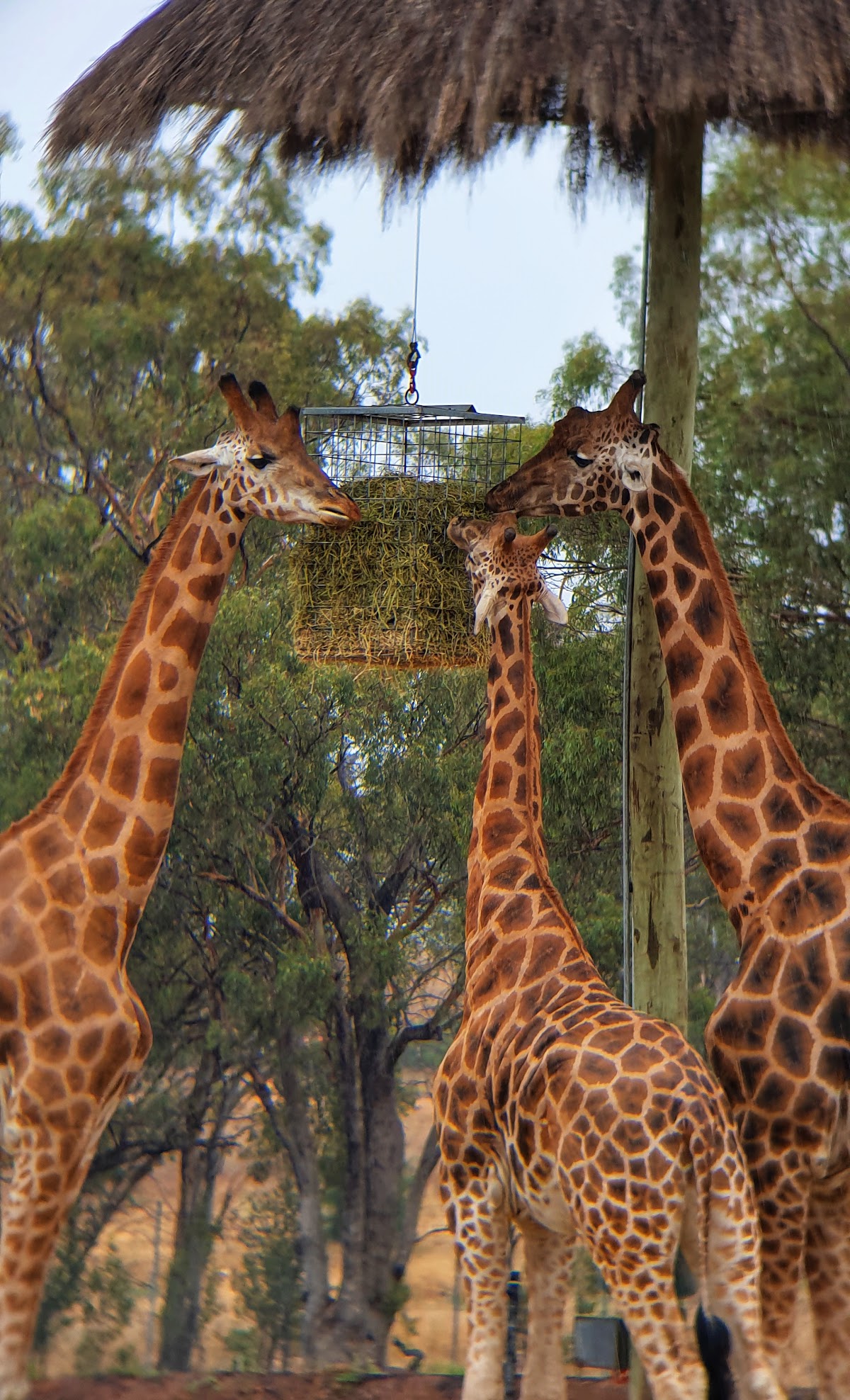 Dubbo
Central West, New South Wales
Open-range zoo and Outback gateway on the Macquarie River
Explore the guide →
Dubbo
Central West, New South Wales
Open-range zoo and Outback gateway on the Macquarie River
Explore the guide →
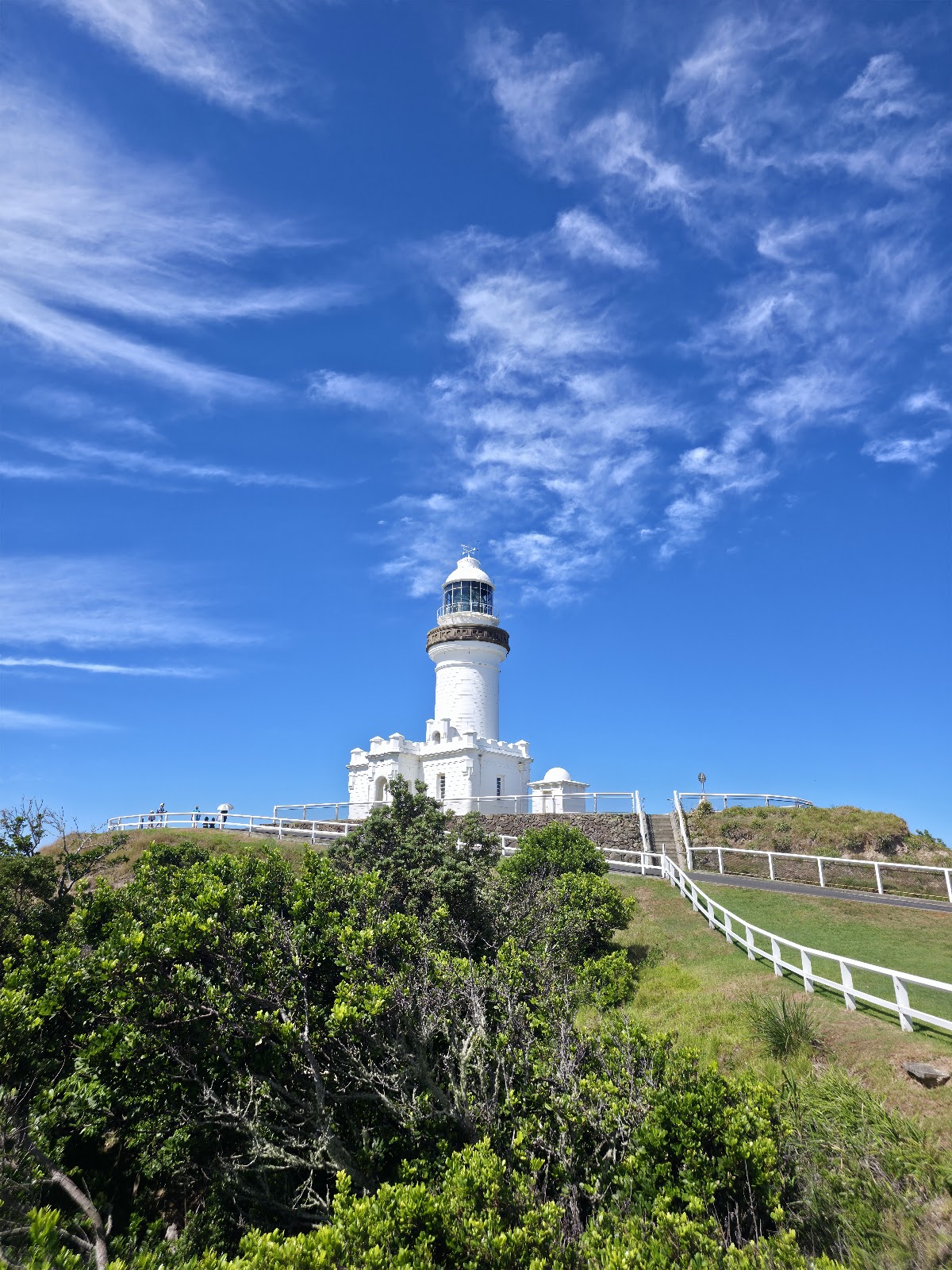 Byron Bay
Northern Rivers, New South Wales
Australia's iconic beach town and most easterly point
Explore the guide →
Byron Bay
Northern Rivers, New South Wales
Australia's iconic beach town and most easterly point
Explore the guide →
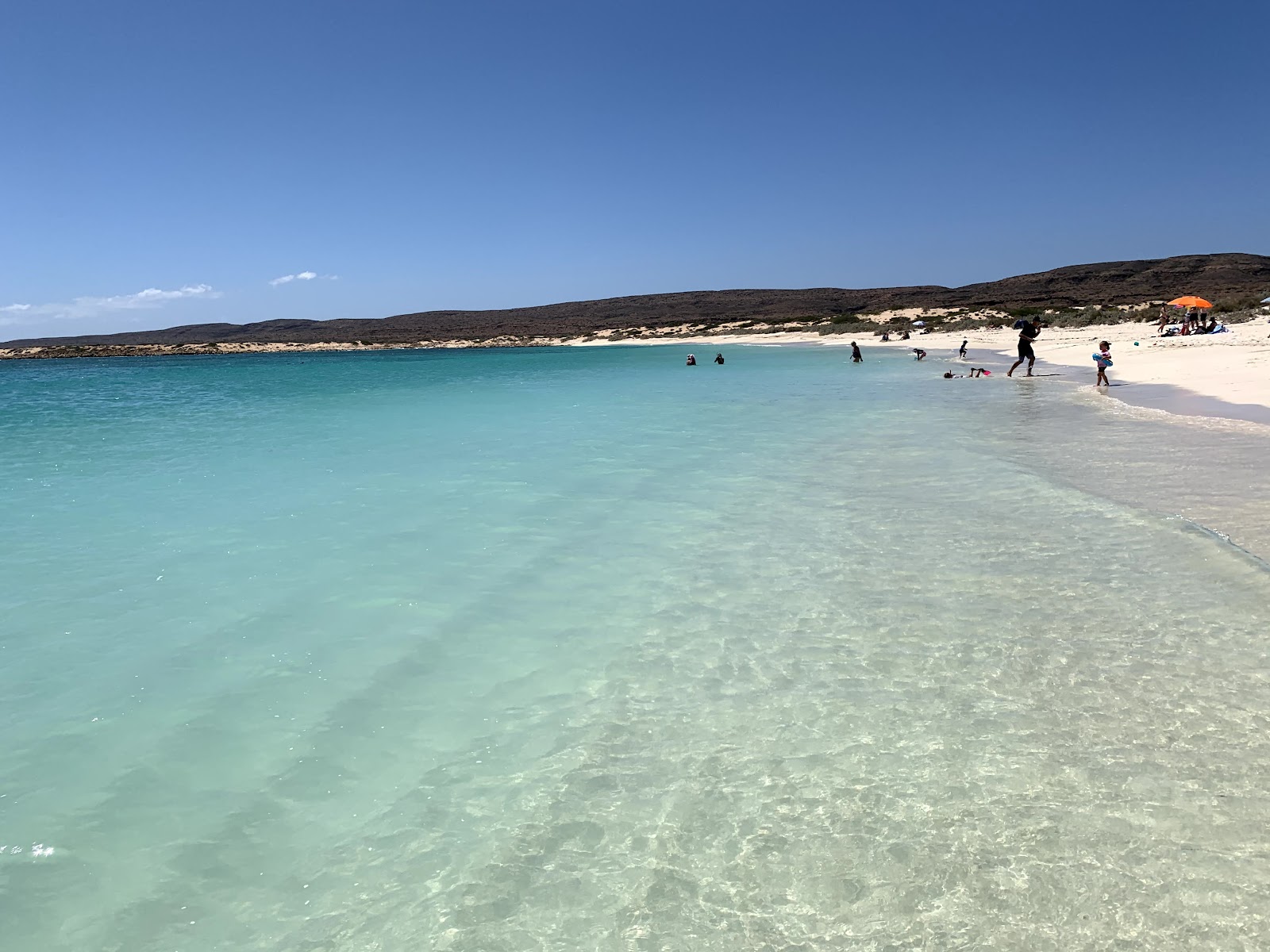 Ningaloo Reef
Australia's Coral Coast, Western Australia
Swim with whale sharks and snorkel a World-Heritage reef straight off the beach
Explore the guide →
Ningaloo Reef
Australia's Coral Coast, Western Australia
Swim with whale sharks and snorkel a World-Heritage reef straight off the beach
Explore the guide →
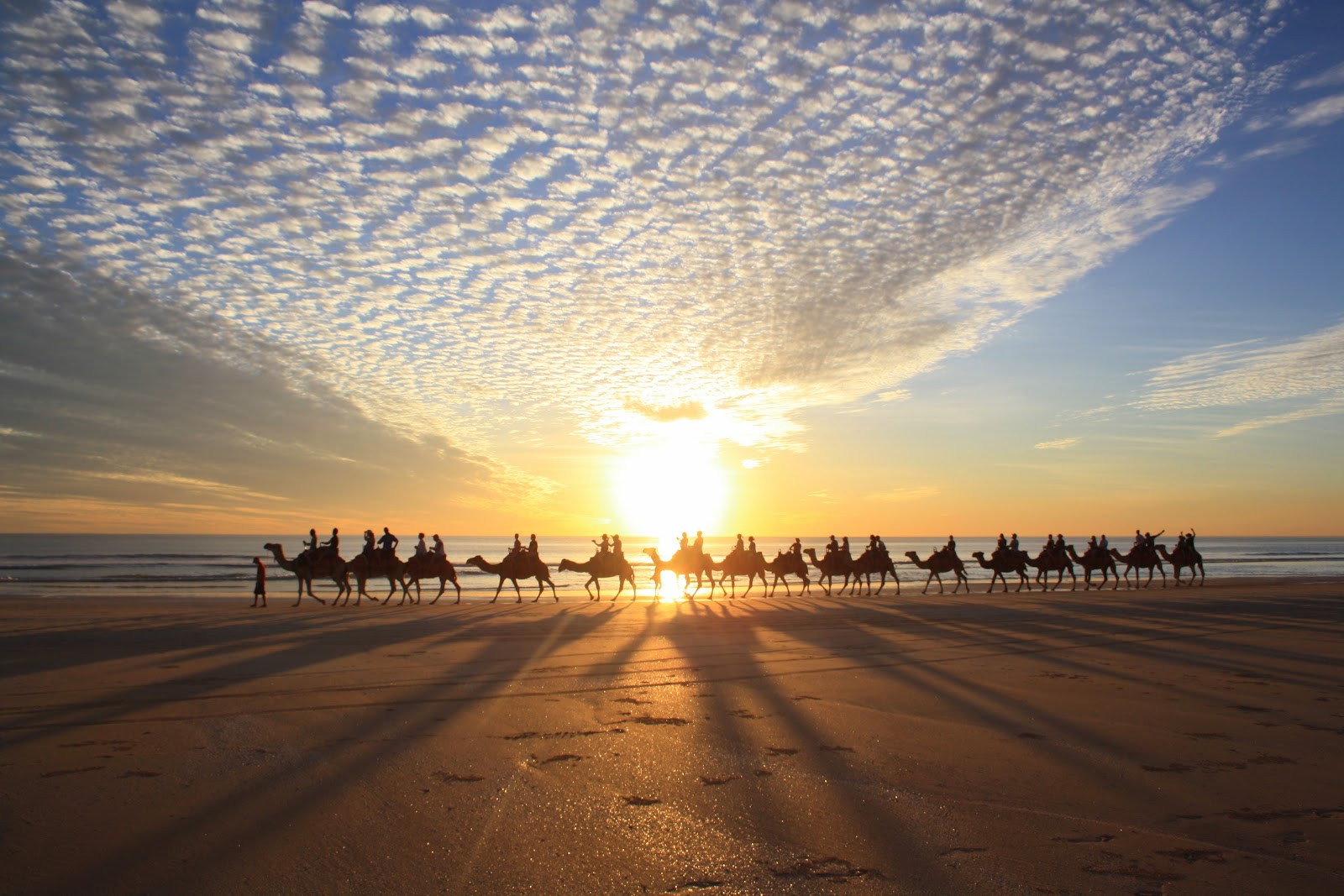 Broome
Australia's North West, Western Australia
Cable Beach sunsets, pearling history and camels on 22km of sand
Explore the guide →
Broome
Australia's North West, Western Australia
Cable Beach sunsets, pearling history and camels on 22km of sand
Explore the guide →
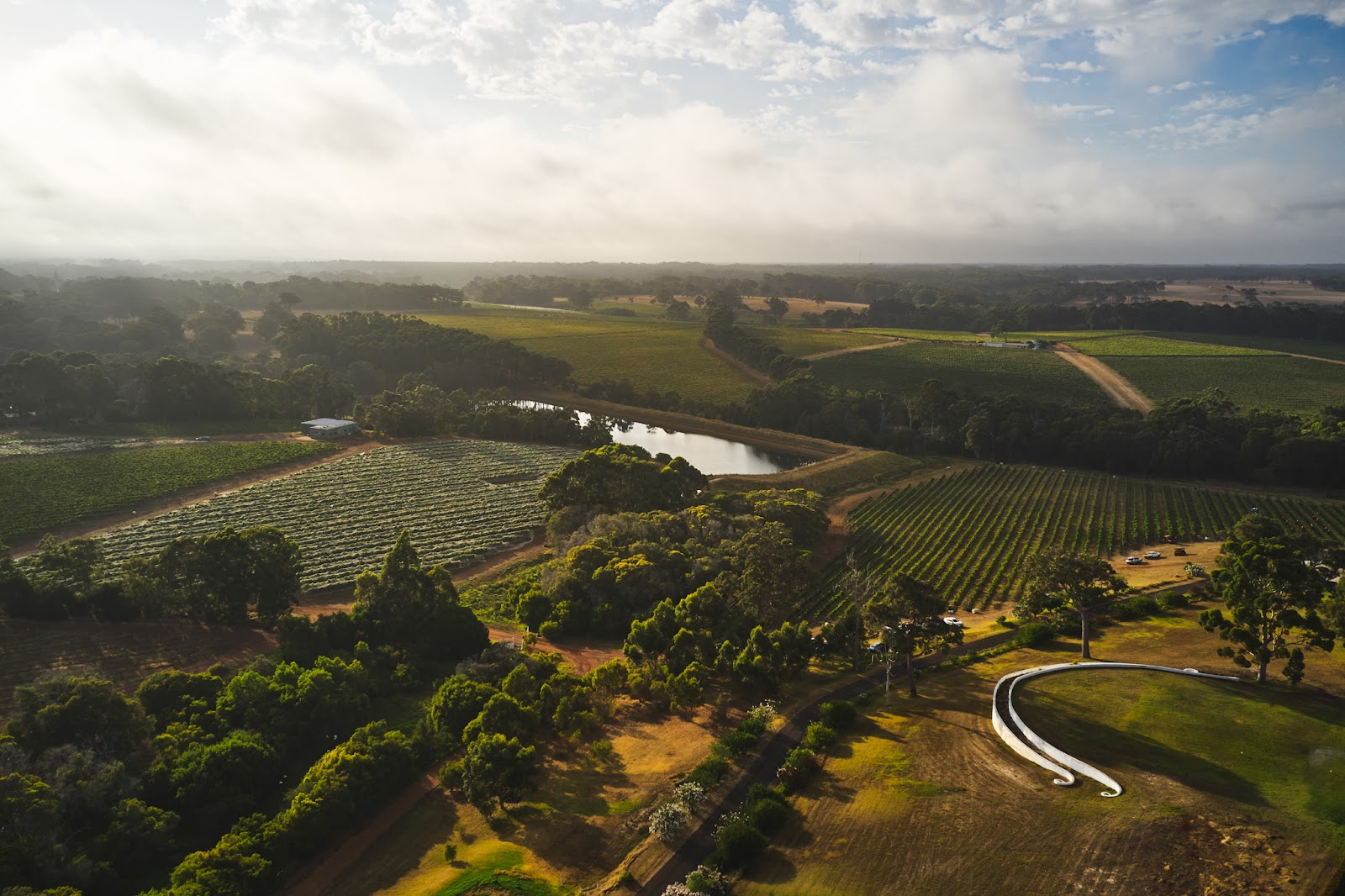 Margaret River
Australia's South West, Western Australia
World-class wineries, surf breaks and limestone caves three hours south of Perth
Explore the guide →
Margaret River
Australia's South West, Western Australia
World-class wineries, surf breaks and limestone caves three hours south of Perth
Explore the guide →