01. Exmouth Escape Resort
4.5 (428 reviews)
Exmouth Escape Resort — Ningaloo Reef
Book Direct & Save →Every destination has a version of itself that makes the brochures, and a version that takes an early start, a local recommendation, or the willingness to check a tide chart. At Ningaloo Reef, the brochure version is excellent — Turquoise Bay really is extraordinary, the whale sharks really do justify the flight from Perth. But the reef system stretches for 260 kilometres, the Cape Range backs it with ancient limestone gorges, and most visitors see a fraction of it.
View 3 Properties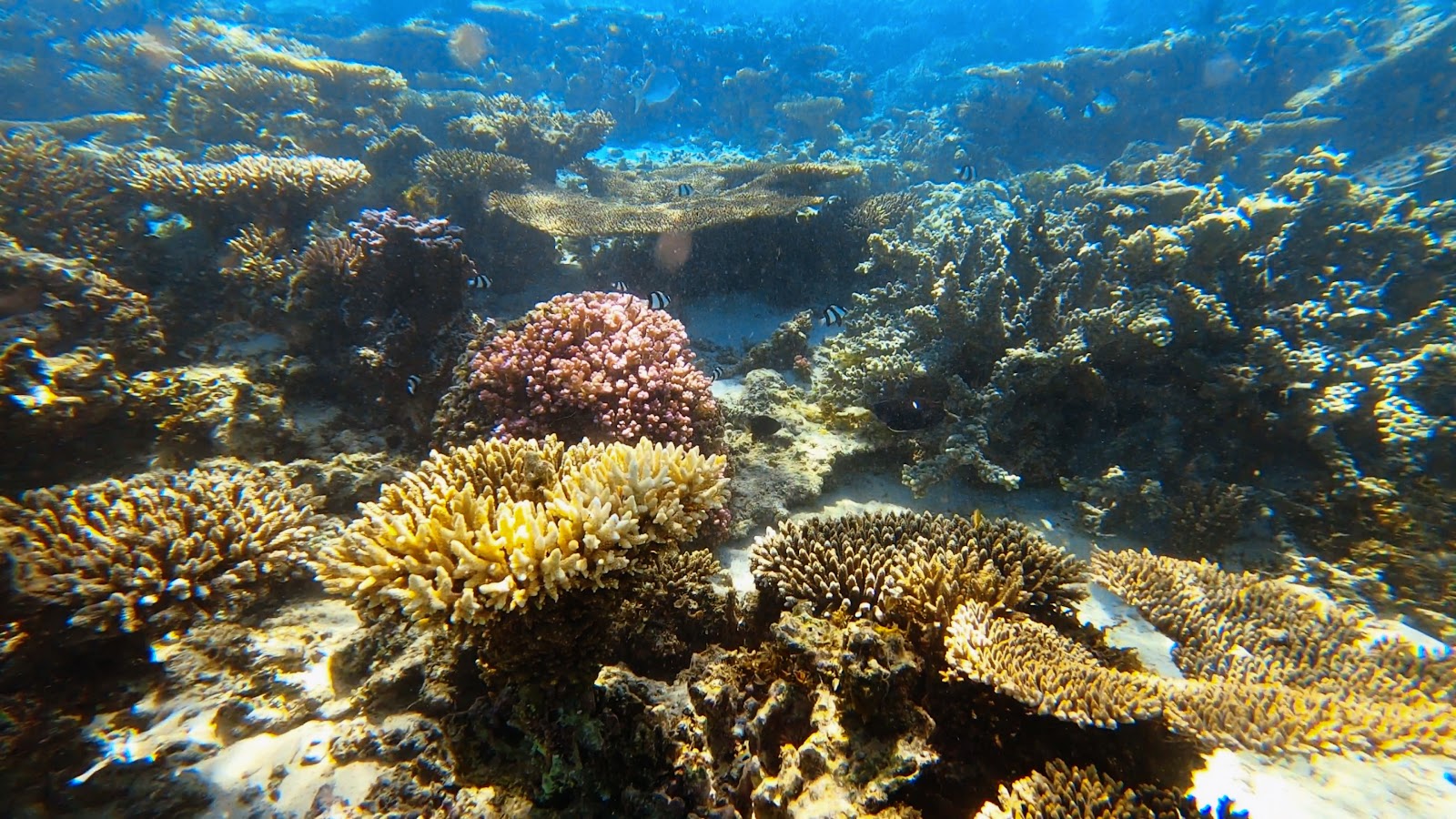
"Remote, tide-dependent, patient — different from the main beach experience"
The places in this guide are quieter for reasons that are worth understanding before you visit. Several depend on tide timing; one requires a 4WD; one is genuinely unknown to first-time visitors because it requires walking past an obvious stopping point. They reward patience and preparation, and they repay that effort with the kind of solitude that is increasingly rare at a World Heritage site that receives hundreds of thousands of visitors each year. The underlying principle: treat these places gently. Take nothing, leave nothing, park considerately, and do not broadcast exact coordinates of places that are quiet because they have always been treated with care.
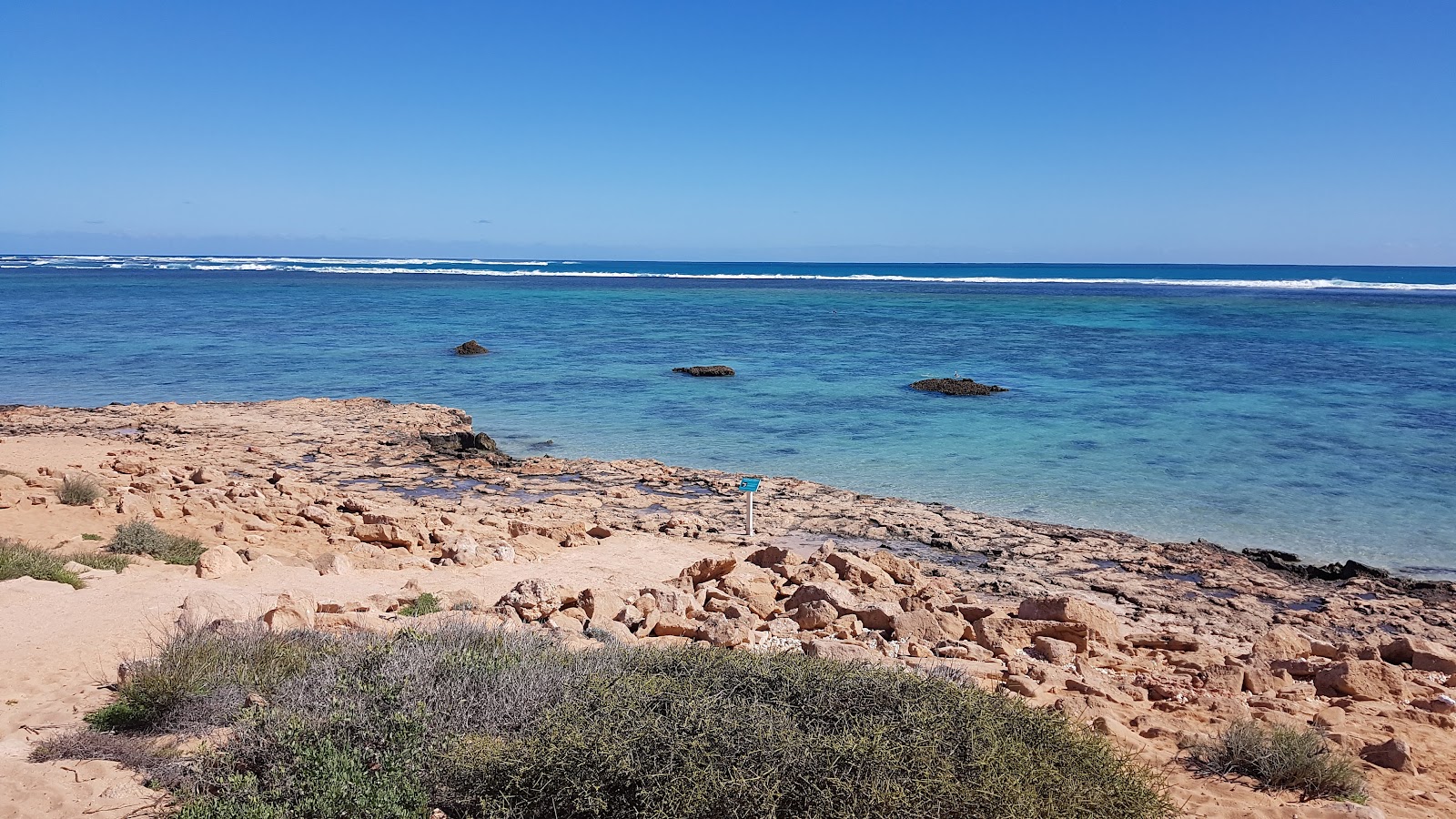
Oyster Stacks is a snorkel site within Cape Range National Park that is genuinely one of the more beautiful reef passages on the Ningaloo system — and almost nobody is there when you arrive, because it only works in a specific tidal window. The site consists of a series of coral-encrusted limestone outcrops that create a natural current-fed channel: as the tide drops, the water flows through the gap and carries snorkellers along with it at a pace that requires little effort. You drift over dense coral, trevally schools, reef sharks and sea turtles at a leisurely pace, then walk back along the beach and repeat. On a light incoming tide it is some of the best drift snorkelling in Western Australia.
The reason the main beach crowds do not come here is that it requires planning. You need a tide chart (available at the Exmouth visitor centre and on tide apps), moderate snorkelling ability, and the patience to drive to a spot only during a specific two-to-three-hour window. Timing it wrong — arriving at high tide or a strong run — means the current is too powerful for safe snorkelling or the coral is too deep to appreciate. Get the timing right and you have a world-class experience shared with a handful of people.
You drift through a coral-lined channel with almost no effort, carried by the tide past reef sharks and turtles — a completely different experience from any beach entry on the Ningaloo system.
Arriving in the correct tidal window for a light drift snorkel through the coral channel — check the tide chart the night before and leave Exmouth early.
Do not enter if the current is running strongly — the strength can surprise even experienced swimmers. The site is within Cape Range National Park and the day-use fee applies. It is unpatrolled; never snorkel alone.
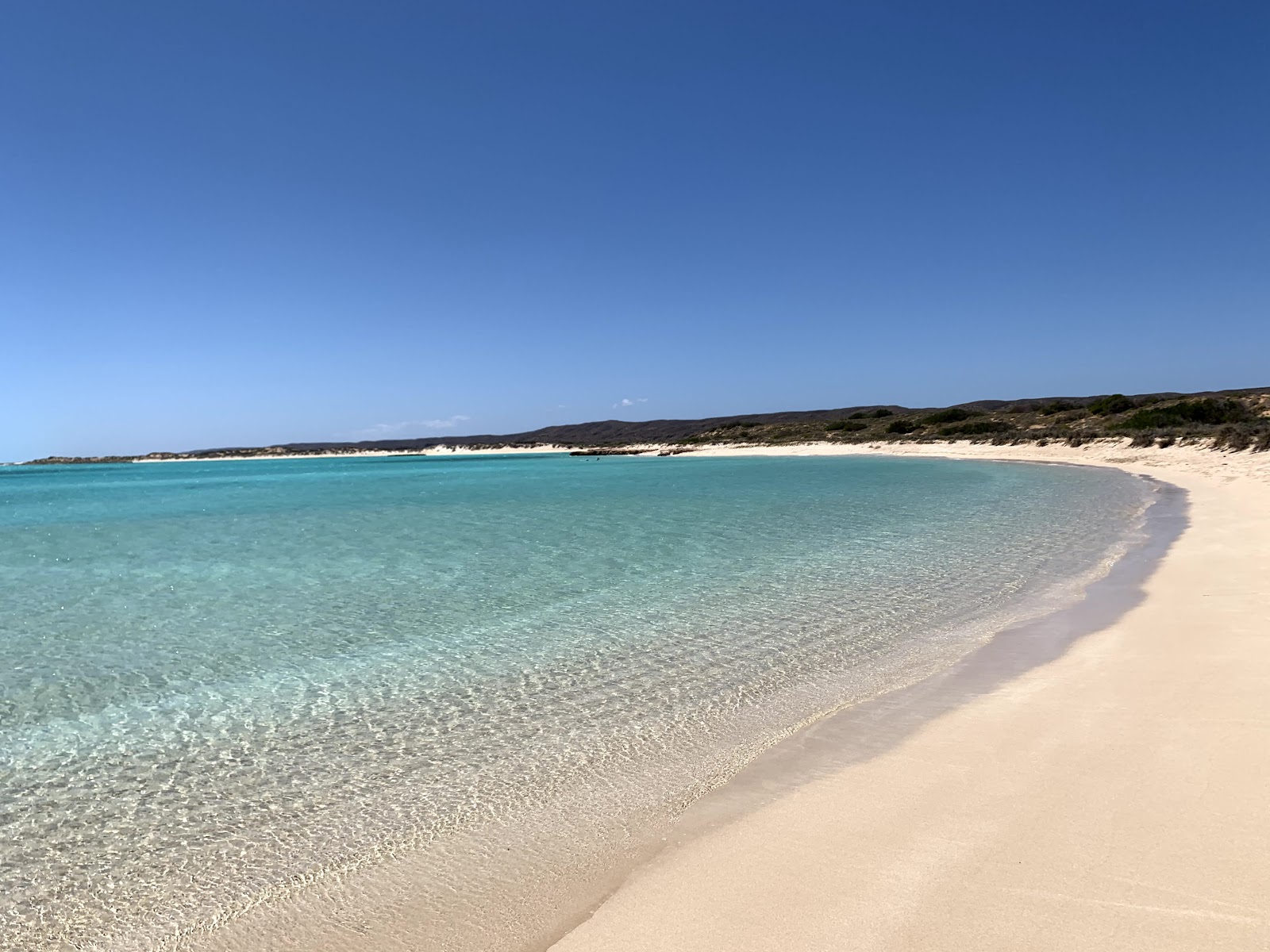
Sandy Bay is a beach within Cape Range National Park that is consistently described by repeat visitors as having excellent snorkel access and notably fewer people than Turquoise Bay. It receives less attention in part because it sits further into the park on a rougher section of road and lacks the famous drift-snorkel reputation that draws crowds to Turquoise Bay. The coral gardens at Sandy Bay are healthy and accessible from the beach, and the relative quiet means you can watch fish behaviour that disappears when fifty snorkellers are in the water at the same time.
Bringing your own snorkel gear is essential — there is no hire at Sandy Bay. The access road from the park entrance requires a standard 2WD but involves several kilometres of corrugated dirt; a 4WD is more comfortable than a low-clearance car. As with all Cape Range beaches, the day-use fee applies. Go early for the calmest conditions and best light, and allow the return drive when planning departure time.
The reef is as good as the more famous sites further north in the park, and the difference in crowd level on a busy school-holiday morning is significant.
An early-morning arrival with your own gear and the reef largely to yourself — the extra drive genuinely pays off in the school holidays.
No hire gear, no facilities on-site. Access requires a corrugated dirt road that is rough in a low car. Always check Cape Range road conditions locally after rain.
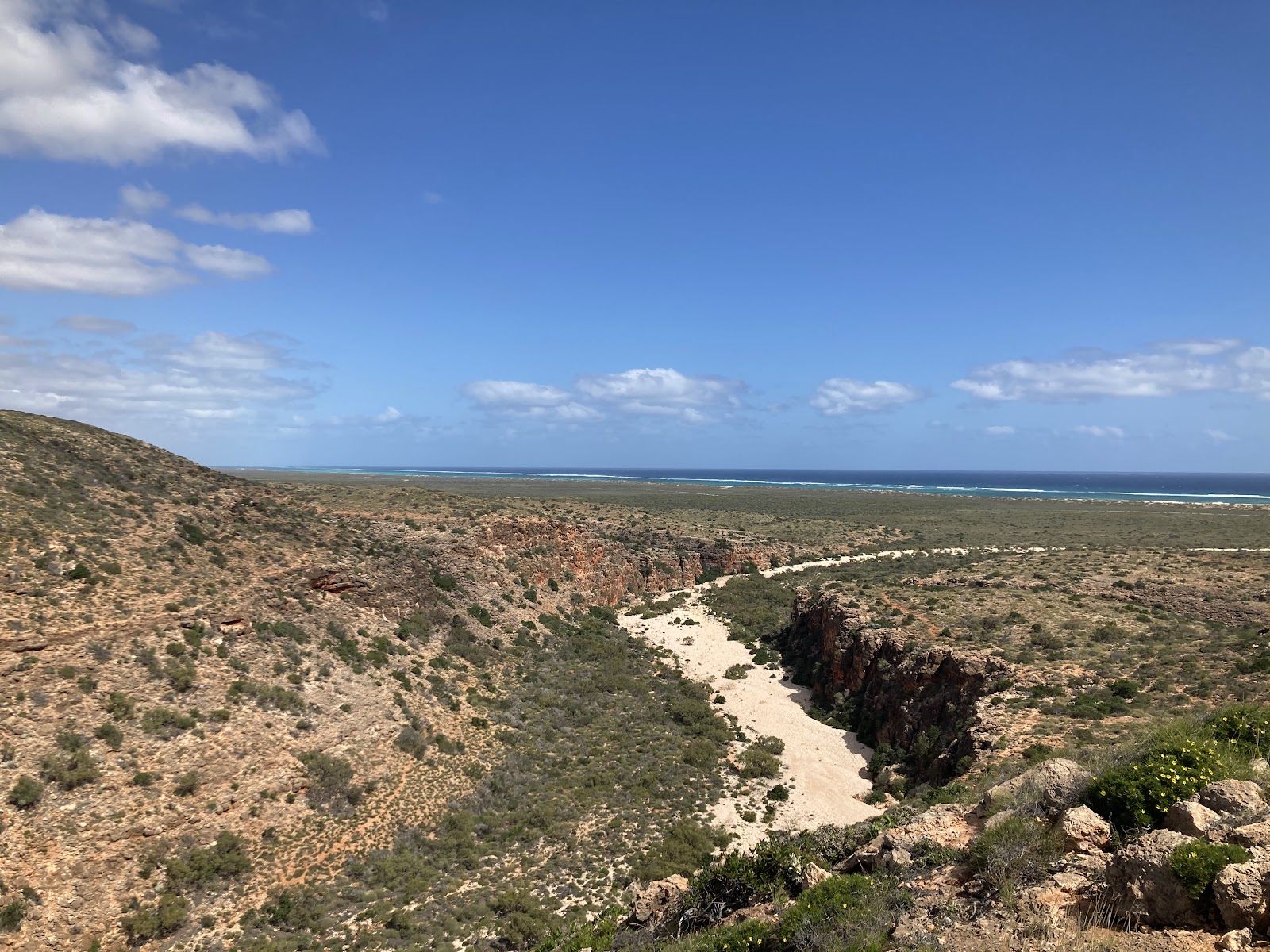
Most visitors to Mandu Mandu Gorge in Cape Range National Park arrive mid-morning, when the gorge is flooded with heat and flat light. The small number who set their alarm for an hour before sunrise get a different place entirely: the limestone walls blush orange and gold as the first light catches the upper rim, the temperature is genuinely comfortable, and the gorge is empty except for occasional spinifex pigeons and rock wallabies moving along the ledges. The 3-kilometre return walk takes around an hour at a relaxed pace, and the dawn start means you are back in the car before the serious heat begins.
This is not a difficult walk — the terrain is rocky but the gradient is gentle and the path is clear. Closed shoes are required; thongs on the limestone are a genuine risk. It is the quietest version of one of Cape Range's signature walks, and the colour of the rock at the specific moment the sun crests the range is genuinely worth setting the alarm for. Bring water even for an early walk — the dry air dehydrates quickly.
The limestone walls change colour every minute for the first twenty minutes after sunrise — it is a light show that costs nothing except the willingness to be there for it.
Being in the gorge when the first sun hits the upper walls — roughly 20 to 30 minutes after the sun clears the range, the colour is at its best.
Never attempt the walk after 9 a.m. in the warmer months. Wear closed shoes — the limestone is sharp and slippery in spots. Cape Range National Park day-use fee applies.
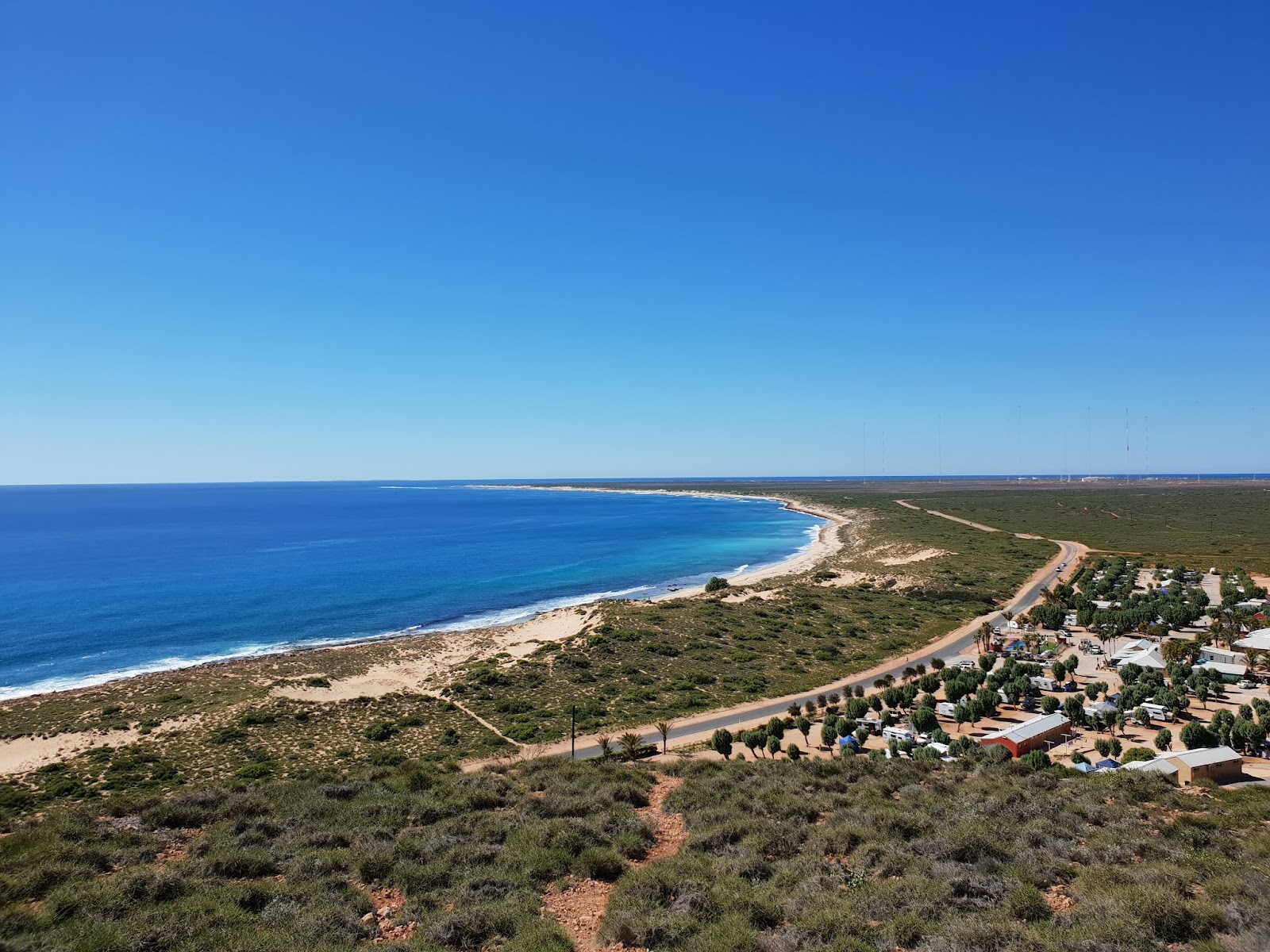
The Vlamingh Head Lighthouse sits on the northern tip of the North West Cape, about 14 kilometres from Exmouth, and looks out over the Indian Ocean to the west and the Exmouth Gulf to the east. The panoramic view at sunset is exceptional — the lighthouse is one of the few spots on the cape where you can watch the sun drop into the ocean from an elevated vantage point, with the ocean stretching uninterrupted to the horizon. It is also a reliable spot for humpback whale sightings between June and November, as the migration route passes close to the cape tip.
The lighthouse itself is a functioning heritage structure and the site is accessible by a standard 2WD via the sealed road through the North West Cape Navy town. The Jurabi Turtle Centre information bay sits nearby and is worth combining with a lighthouse visit. The dawn version — watching the first light reach the cape from the elevated headland — is less well known than the sunset, and on most mornings in the dry season the site is genuinely empty. In whale season, a pair of binoculars rewards the dawn visit considerably.
The view west from the lighthouse at sunset, with the Indian Ocean going dark and nothing between you and the horizon, is the kind of scene that makes the drive to the North West Cape feel fully justified.
Sunset from the lighthouse platform during whale season (June to November), when a humpback sighting is a real possibility.
The light is at its best within 45 minutes of sunrise or sunset — visiting mid-afternoon or mid-morning is unremarkable. Check whether access through the North West Cape Navy base is currently open to civilians.
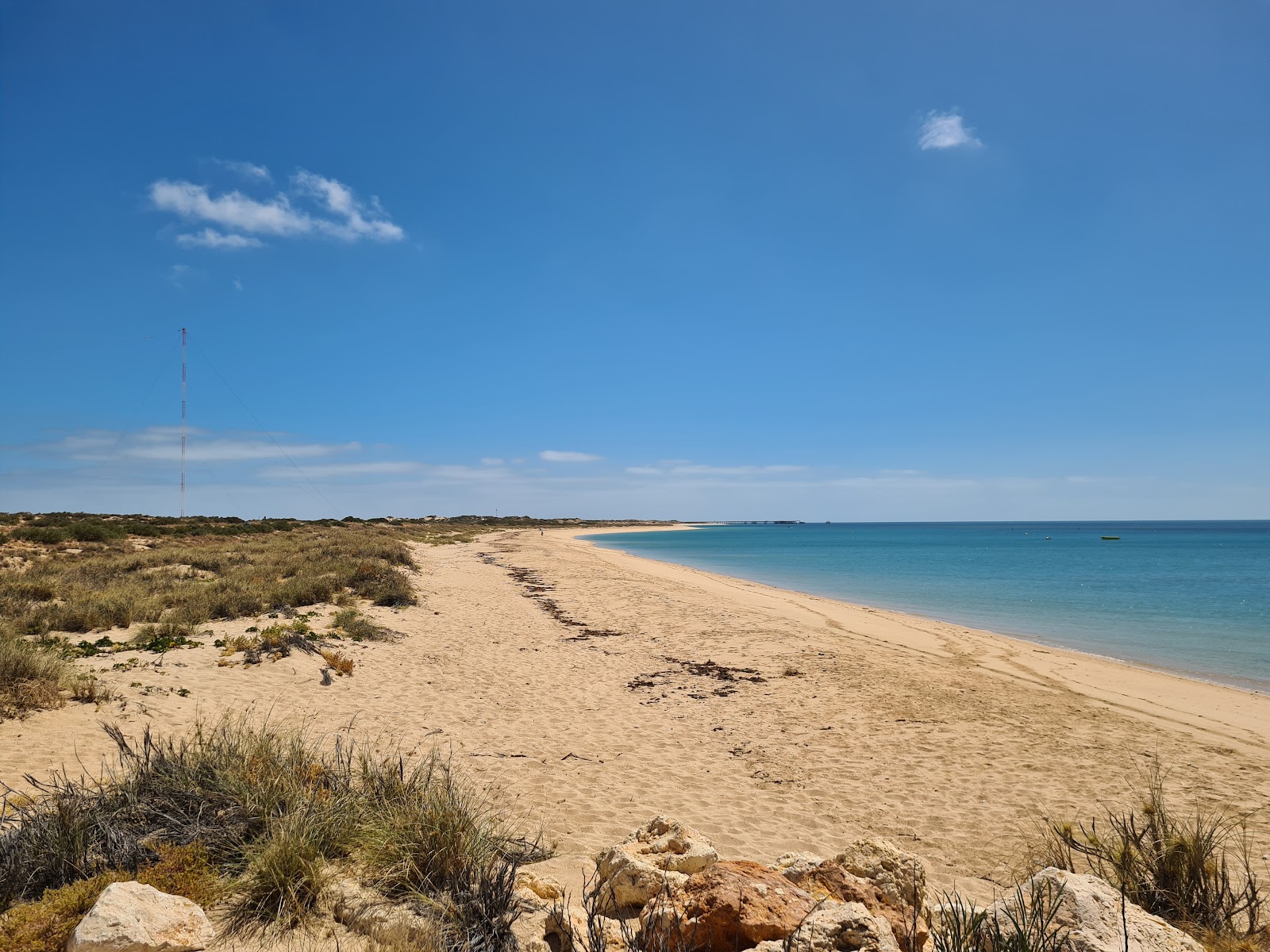
When wind and swell make the ocean-facing reef beaches difficult, Bundegi — a small beach and boat ramp area on the Exmouth Gulf side of the cape, about 15 kilometres north of Exmouth — is the local alternative. The gulf-side water is almost always calmer than the reef coast, and Bundegi has a sandy seabed with seagrass beds that support a surprising range of marine life including sea turtles, dugong and large rays. It is not a coral reef experience, but it is genuinely excellent wildlife snorkelling in conditions that beginners can manage comfortably.
Bundegi is used primarily by local families and reef fishers — it has a concrete boat ramp, some basic facilities, and a grassy area that suits a relaxed afternoon. The turtles and rays are not guaranteed, but consistent local reports suggest both are seen regularly throughout the year. On a windy day when every reef beach is whitecapped, Bundegi offers a useful and frequently overlooked alternative. It is a good backup option to keep in mind whenever the forecast is working against the main reef programme.
It is the spot the locals drive to when the reef coast is rough, and the gulf water at Bundegi has its own wildlife that the reef crowds miss entirely.
A calm-conditions morning snorkel in the gulf-side seagrass looking for turtles and rays — a completely different texture from the reef beach experience.
This is gulf-side seagrass, not a coral reef — manage expectations accordingly. There is minimal infrastructure and no lifeguard. The boat ramp gets very busy on popular fishing mornings.
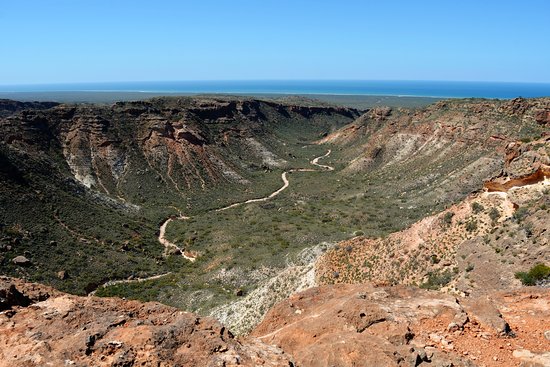
On the eastern escarpment of Cape Range, Charles Knife Road climbs to a series of cliff-top lookouts over a deeply cut gorge system with views that extend across the range and down toward the Exmouth Gulf. The road is sealed to the upper lookouts and is accessible by standard 2WD, which makes it the Cape Range experience that requires the least preparation. Most visitors who arrive at Exmouth for the first time head directly for the reef coast; the small number who drive the Charles Knife Road get an elevated perspective on the entire cape that the reef-side visits do not provide.
The lookouts are at their best in the late afternoon when the western light catches the gorge walls and the range turns amber and red. In the early dry season, wildflowers on the escarpment rim add further colour. The view east toward the Exmouth Gulf, with the road dropping away below the cliff edge, is striking enough that the 20-minute drive from town is one of the better short detours available. Carry water even for a short lookout visit — the escarpment is exposed and the sun is strong.
The view down into the gorge from the cliff-top lookout is a different kind of dramatic to the reef, and the sealed road makes it available to anyone — no preparation, no tide chart, no equipment required.
A late-afternoon drive with the western sun lighting the gorge walls — a 20-minute detour that most reef visitors never make.
The exposed lookout has no shade; visit early morning or late afternoon rather than midday. Stay well back from unfenced cliff edges — the drop is significant and the ground crumbles at the edge.
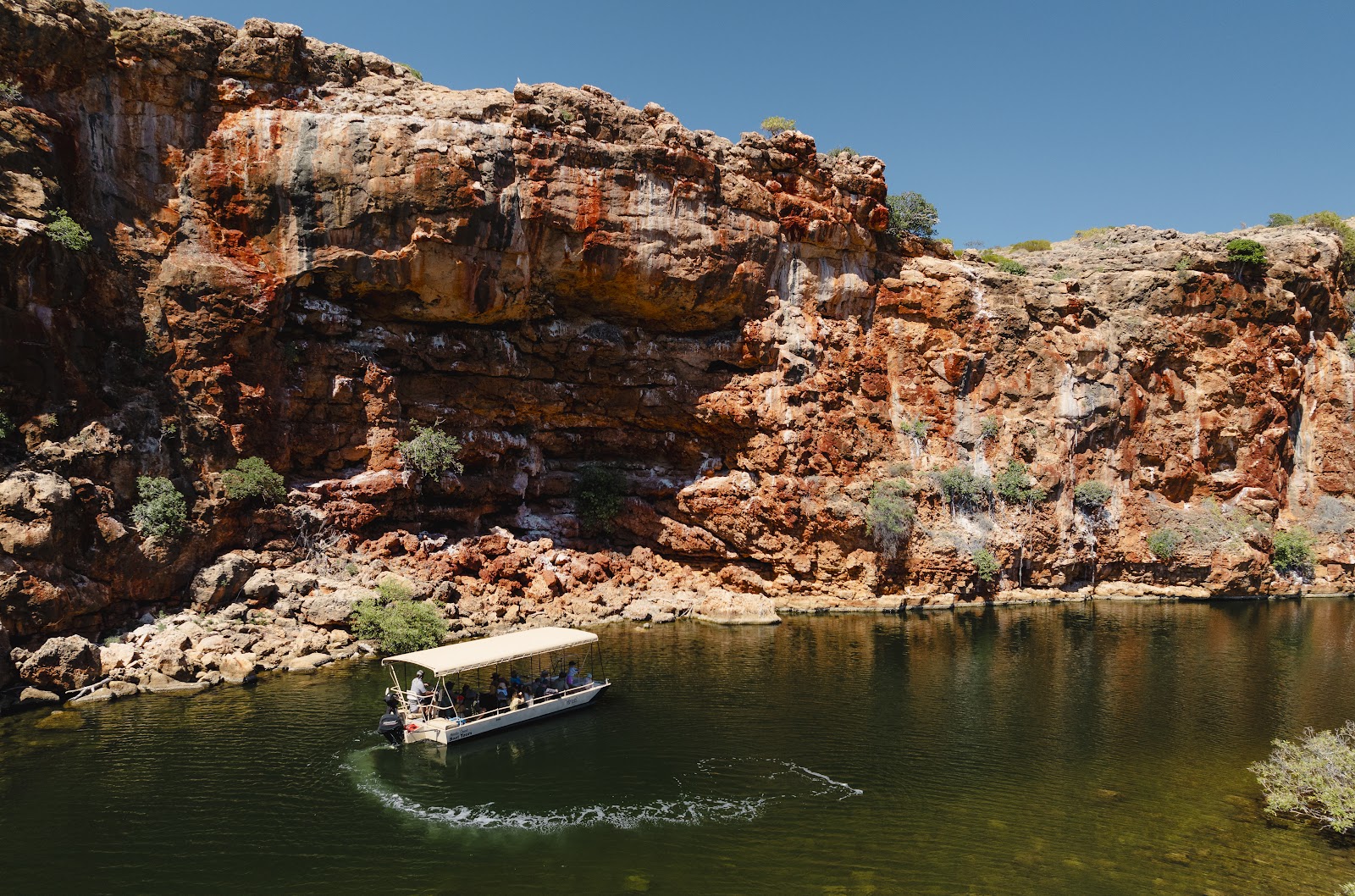
Yardie Creek is at the southern end of Cape Range National Park, at the end of the main park road — which means many visitors who enter from the north at the park gate see it only on a driving map and turn back before they reach it. The gorge is a narrow, red-walled creek gorge cut through limestone, accessible by a short walking track along the northern bank or by boat cruise. The creek is one of the only permanent freshwater sources in the park, and the vegetation in the gorge floor is distinctly different from the surrounding scrub, attracting birds including the rare black-flanked rock wallaby.
The boat tour, when it operates, is a gentle 45-minute cruise into the gorge with a local guide; it is the best way to see the rock wallabies on the ledges and to experience the narrowing of the gorge walls at water level. The walking track is shorter and more exposed but gives a different perspective. Check whether the boat tour is operating in your visit period — services are seasonal and subject to water levels. Yardie Creek is a long drive from the park entrance; combine it with early stops at Oyster Stacks or Turquoise Bay to justify the distance.
The narrowing of the gorge walls at water level, with rock wallabies watching from the ledges above, has a completely different scale and character from the open reef beaches — it is the least-visited extraordinary thing in the park.
The boat cruise into the gorge, or the walk along the northern bank in the early morning when the rock wallabies are most active.
The drive to Yardie Creek from the park north gate is significant — don't treat it as a quick add-on. The road beyond the main reef beaches is corrugated and slower than it looks on a map. Cape Range National Park day-use fee applies.
What return visitors and experienced Ningaloo travellers say about the quieter side:
The consistent tip from experienced Ningaloo visitors is that the difference between a crowded mediocre snorkel and a solitary exceptional one is often just timing. Learning to read a tide chart and planning around the right window separates a first-timer's experience from a return visitor's.
The majority of visitors stop at the first few reef beach car parks. The Cape Range sites further along the road — Oyster Stacks, Sandy Bay, Yardie Creek — are genuinely less crowded, not because they are worse, but because most people don't drive far enough. The road improves with distance.
The reef gets the attention, and correctly so. But visitors who spend their whole Ningaloo trip on the reef coast and skip the gorges, the lighthouse, and the Charles Knife panorama leave without seeing half of what makes the North West Cape exceptional. The balance between reef and land makes for the richest trip.
“Inside the National park, must pay $17 entry for 1 day or can get a multi-day-pass. Toilets are available, No showers. Sanctuary area- no fishing Beautiful snorkelling and exploring day along the beach and the water. Be mindful of the strong currents/ rips around the sandbank. Take some shade and a picnic it's a gorgeous place.”— Ca Bi (on Turquoise Bay), Google review
“Drift Snorkeling is amazing!!! Water temp was nice - early August, didn't need a wetsuit. Plenty of colourful fish of varying sizes, even a reef shark crossed my path Totally recommend when in the area”— Violet Patty (on Turquoise Bay), Google review
“Absolutely perfectly clear water and clean sand. Great for snorkelling. Had fish swimming around me which was an awesome experience”— Taylor Cougle (on Turquoise Bay), Google review
| Season | Conditions | Highlights | Crowds |
|---|---|---|---|
| April–May | Cooling, calm seas, excellent visibility | Best all-round conditions; whale sharks still running; turtle hatchlings in late April–May; wildflowers beginning | Moderate (shoulder) |
| June–August | Cool, occasionally windy, crystal clarity | Humpback whale migration peaking; gorge walks comfortable all day; least-crowded reef beaches | Lower |
| September–October | Warming, calming | Manta rays; warm evenings; pre-season quiet before the school holiday peak | Moderate |
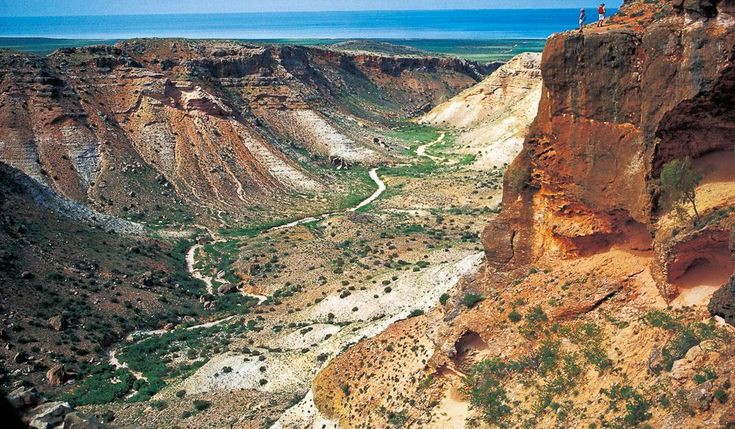
Many of the places in this guide are quiet because they require a specific effort — checking a tide chart, setting an alarm, driving to the end of the park road, or simply walking past the first parking spot. That effort is the entry barrier that keeps them from being overrun, and it is worth maintaining. When you find a spot worth visiting, consider whether broadcasting its exact coordinates serves the place or undermines it.
The practical notes: carry a tide chart for any marine activities (the Exmouth visitor centre and apps have current data), bring more water than you think you need for any land activity, wear closed shoes on limestone, carry out everything you carry in, and use reef-safe sunscreen wherever there is any chance of getting in the water. A Cape Range National Park day pass covers multiple sites and is valid for multiple entries on the same day — pick it up at the park entrance. Rangers are genuinely knowledgeable and approachable; if you are unsure about a site or conditions, ask at the visitor centre before heading out.
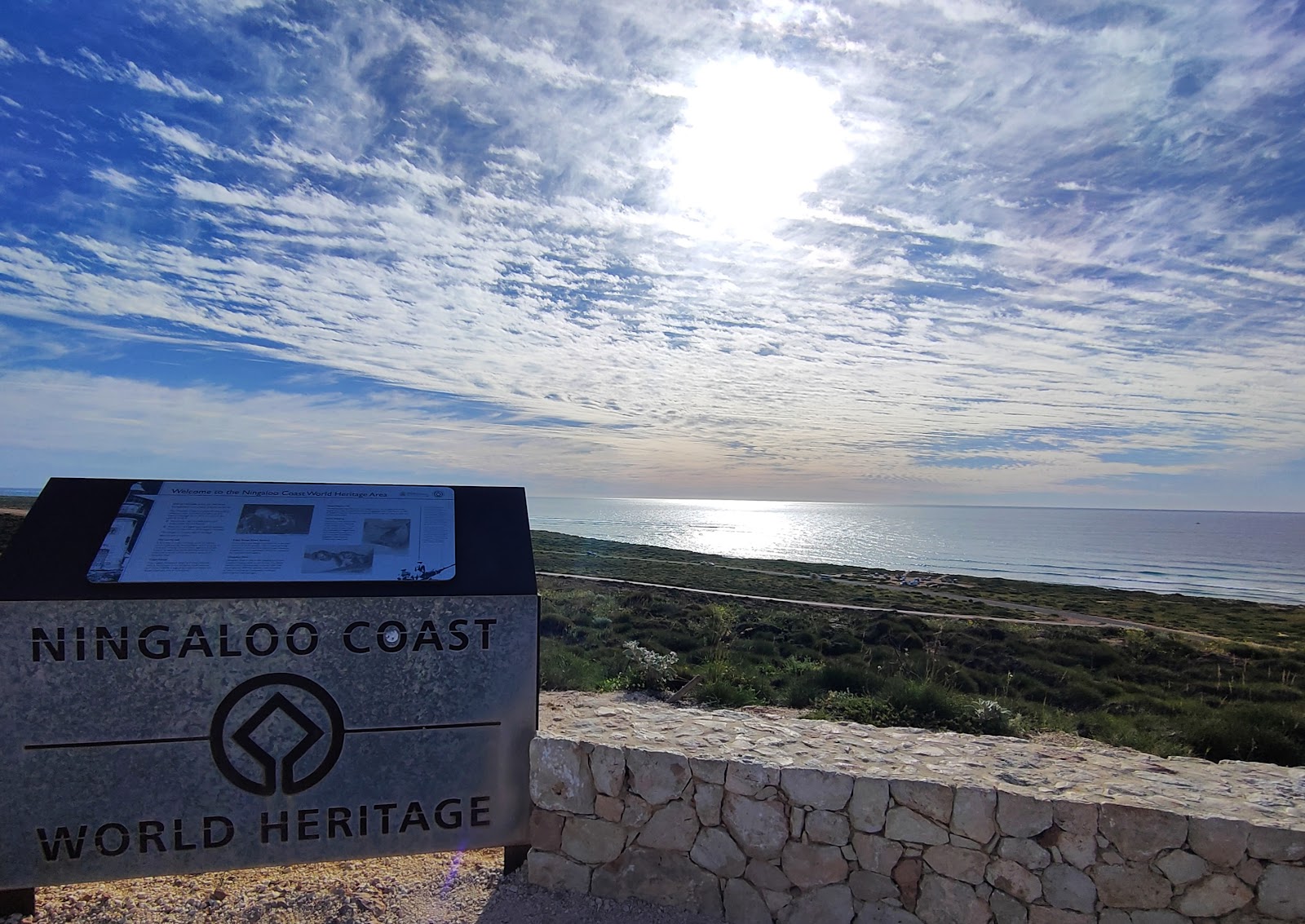
The main sites at Ningaloo Reef are among the best in Australia, and you should visit them. But the reef system and the Cape Range behind it are large enough that patience, curiosity, and a willingness to check a tide chart or drive to the end of the park road open up experiences that most visitors never access. The drift through Oyster Stacks in the right tidal window, the dawn gorge walk before the heat arrives, the Bundegi turtle sighting on the windy day when everyone else stayed by the pool — these are the Ningaloo that repeat visitors return for.
Ningaloo is already well-loved, and the World Heritage listing brings more visitors each year. The best thing anyone can do for the reef is visit these quieter corners with care, leave them undamaged, and let the places that are still quiet stay that way.
Enjoying hidden gems? Here’s where else in Australia it’s worth the trip — ranked by how loved each destination is, with the one thing not to miss at each.
 Glen Aplin
Granite Belt, Queensland
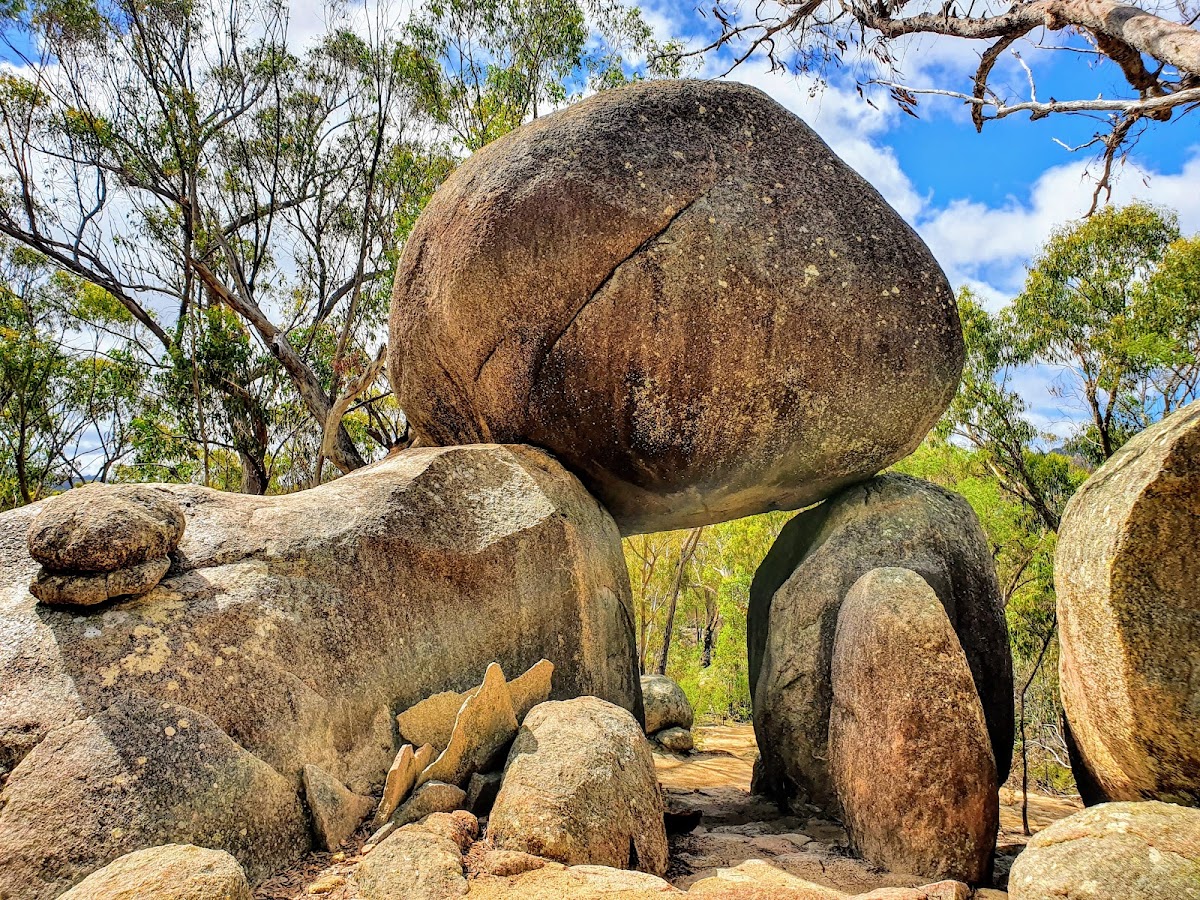
The broad granite pools upstream at dawn, when the canopy is full of birdsong.
Explore hidden gems in Glen Aplin →
Ningaloo Reef you’re here
Australia's Coral Coast, Western Australia
Arriving in the correct tidal window for a light drift snorkel through the coral channel — check the tide chart the night before and leave Exmouth early.
You’re reading this guide
Glen Aplin
Granite Belt, Queensland
The broad granite pools upstream at dawn, when the canopy is full of birdsong.
Explore hidden gems in Glen Aplin →
Ningaloo Reef you’re here
Australia's Coral Coast, Western Australia
Arriving in the correct tidal window for a light drift snorkel through the coral channel — check the tide chart the night before and leave Exmouth early.
You’re reading this guide
 Narooma
South Coast, New South Wales
Low tide for the exposed rock platforms and pools; late afternoon for the light on the tilted formations.
Explore hidden gems in Narooma →
4
Narooma
South Coast, New South Wales
Low tide for the exposed rock platforms and pools; late afternoon for the light on the tilted formations.
Explore hidden gems in Narooma →
4
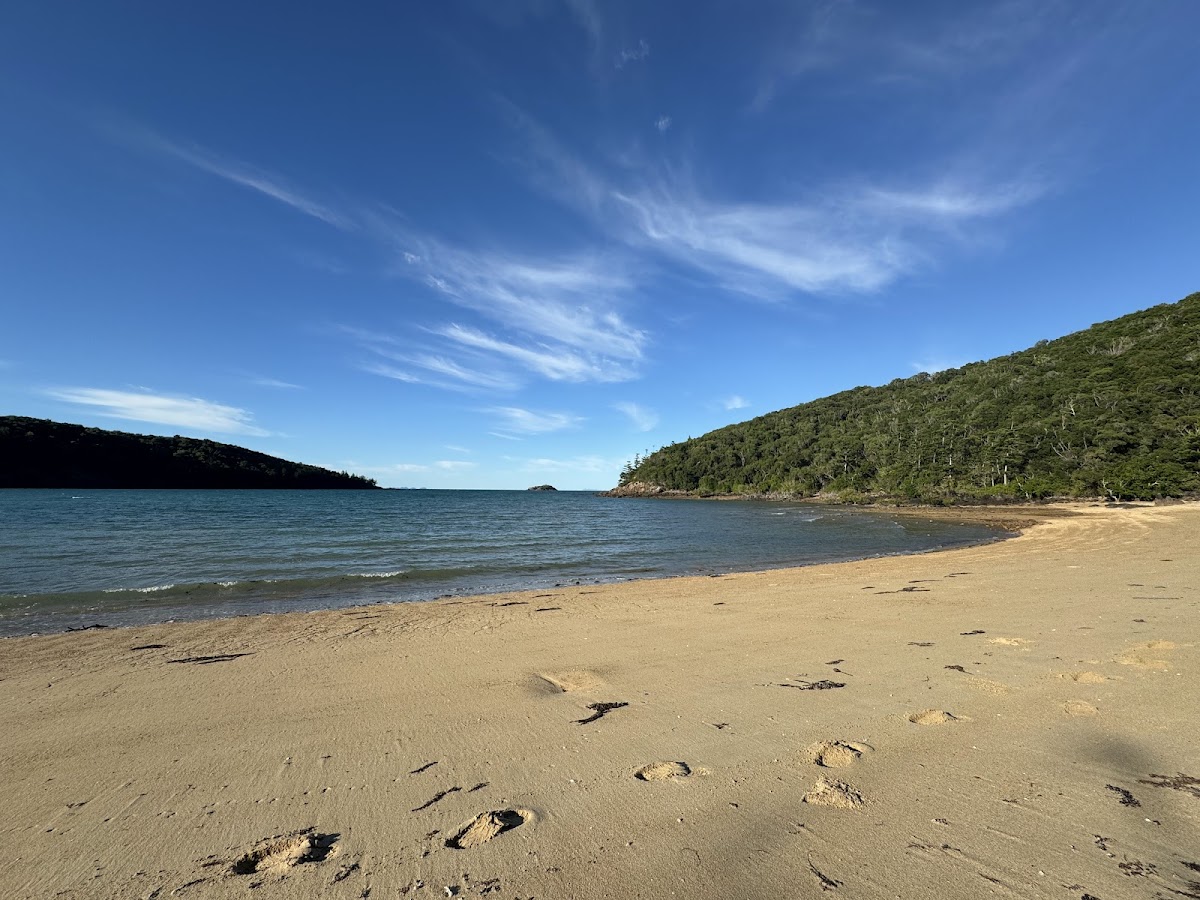 Hamilton Island
The Whitsundays, Queensland
A mid-morning swim at Coral Cove when Catseye is busy and you want a beach with barely anyone on it.
Explore hidden gems in Hamilton Island →
5
Hamilton Island
The Whitsundays, Queensland
A mid-morning swim at Coral Cove when Catseye is busy and you want a beach with barely anyone on it.
Explore hidden gems in Hamilton Island →
5
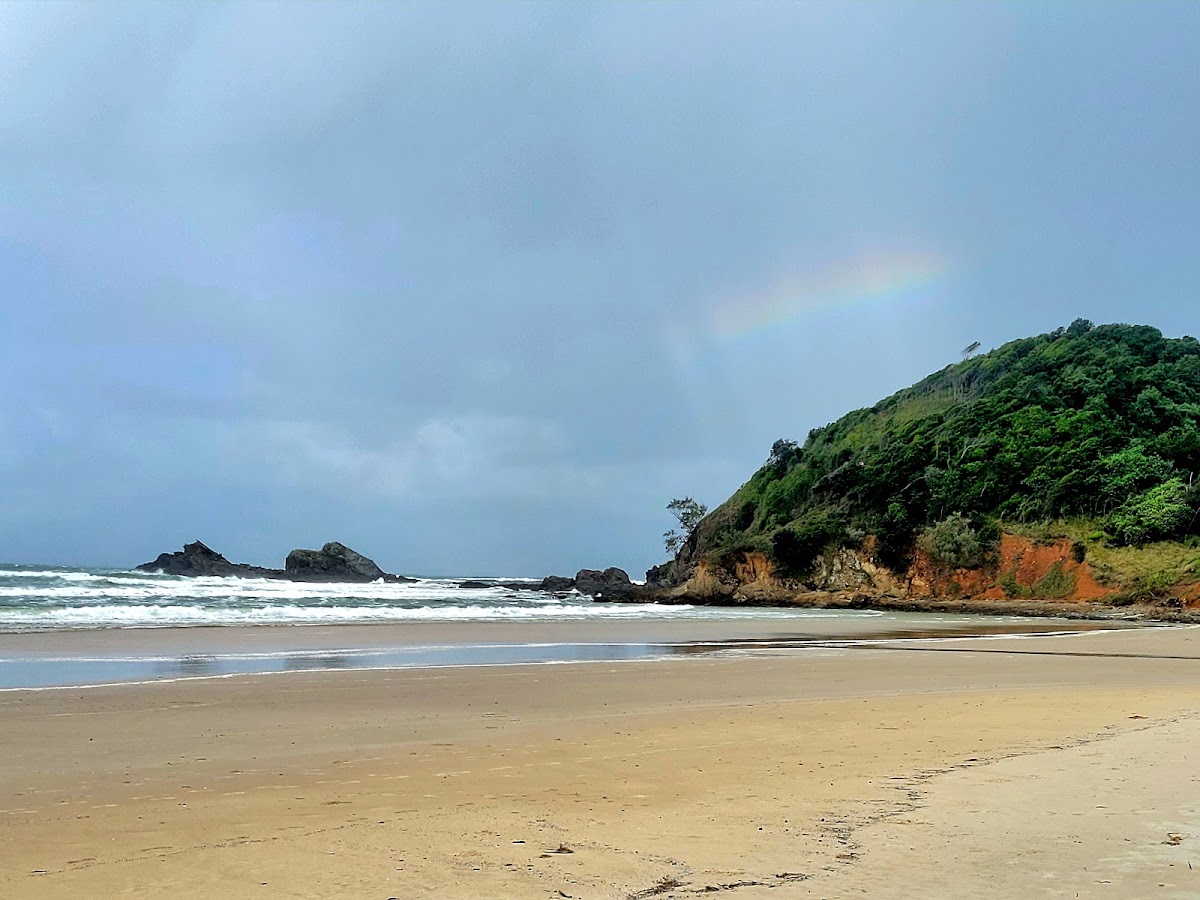 Byron Bay
Northern Rivers, New South Wales
A near-empty hidden beach at Broken Head or a swimmable hinterland waterfall, both minutes from the crowds.
Explore hidden gems in Byron Bay →
6
Byron Bay
Northern Rivers, New South Wales
A near-empty hidden beach at Broken Head or a swimmable hinterland waterfall, both minutes from the crowds.
Explore hidden gems in Byron Bay →
6
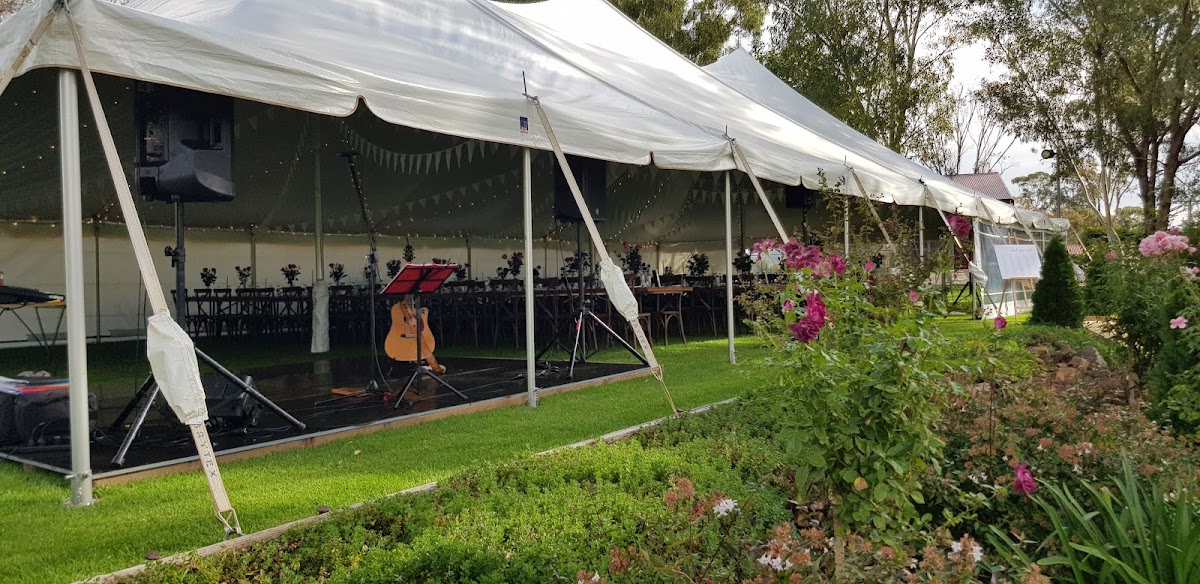 Dubbo
Central West, New South Wales
Realising, on a third unhurried day, how much of the region sits just beyond the headline attractions.
Explore hidden gems in Dubbo →
7
Dubbo
Central West, New South Wales
Realising, on a third unhurried day, how much of the region sits just beyond the headline attractions.
Explore hidden gems in Dubbo →
7
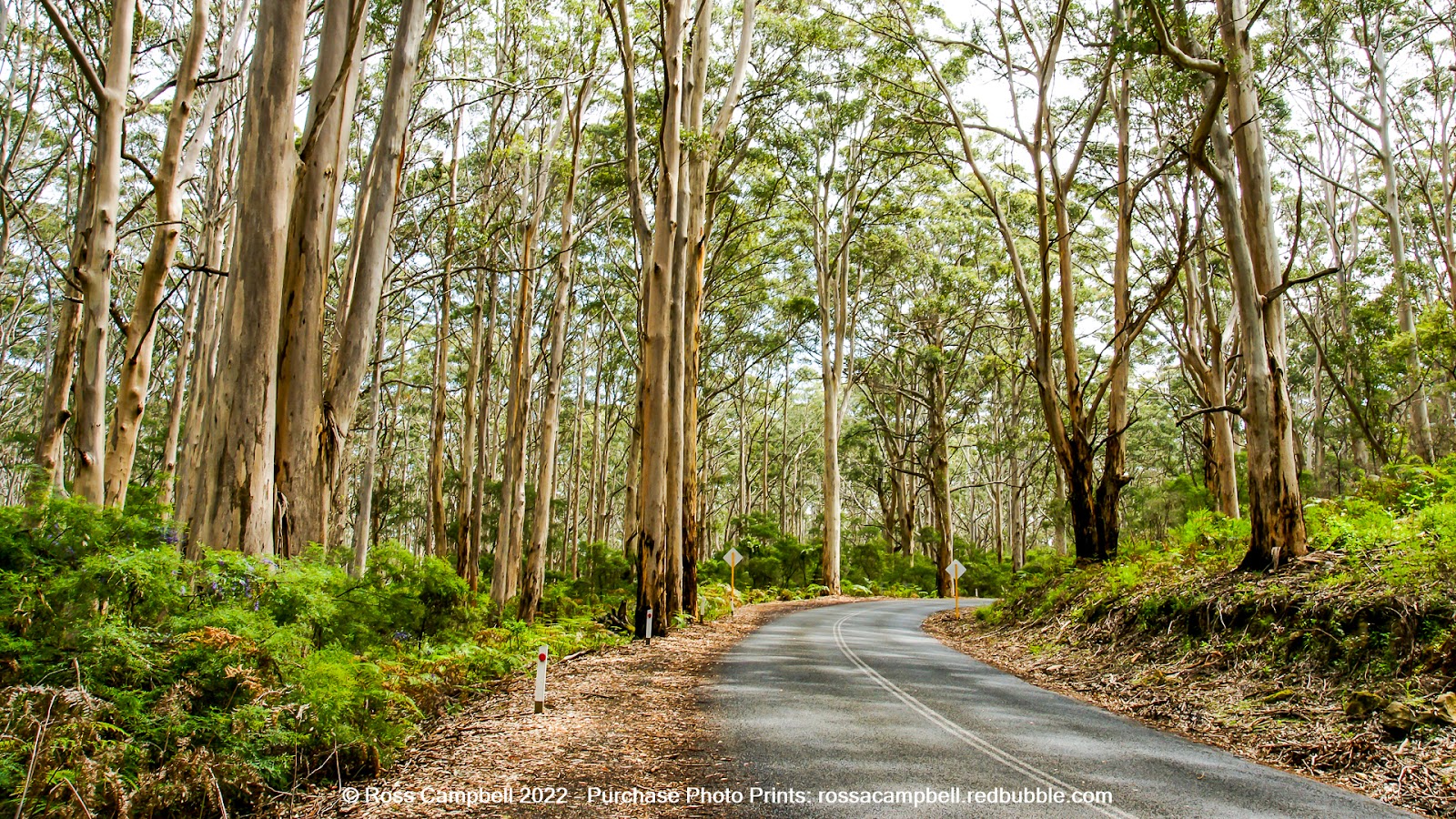 Margaret River
Australia's South West, Western Australia
The Boranup Lookout midway through the drive, with views over the forest canopy to the turquoise water of Hamelin Bay.
Explore hidden gems in Margaret River →
8
Margaret River
Australia's South West, Western Australia
The Boranup Lookout midway through the drive, with views over the forest canopy to the turquoise water of Hamelin Bay.
Explore hidden gems in Margaret River →
8
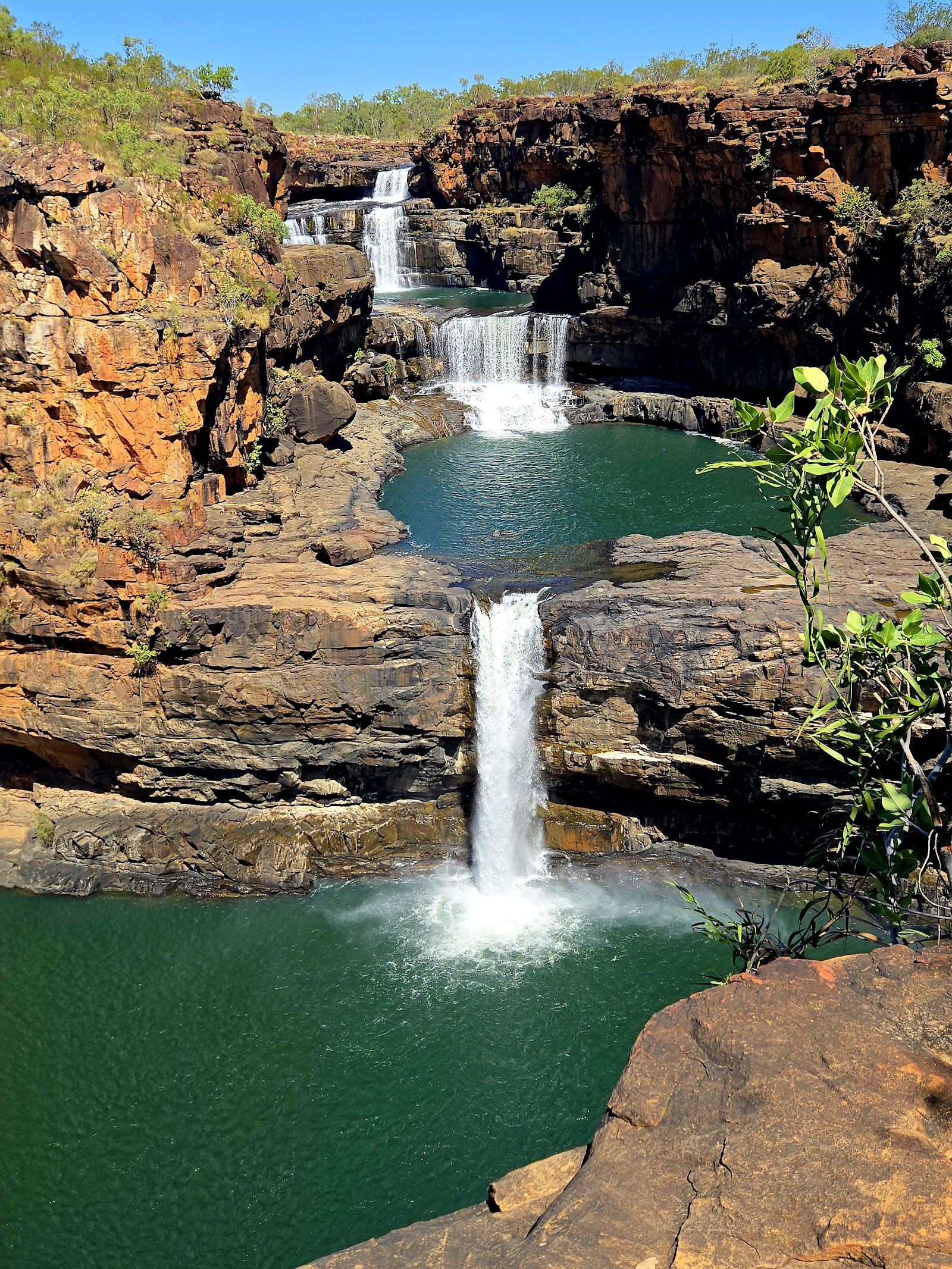 The Kimberley
Australia's North West, Western Australia
Canoeing Dimond Gorge and swimming Sir John Gorge — quiet, cliff-walled water, often to yourself.
Explore hidden gems in The Kimberley →
9
The Kimberley
Australia's North West, Western Australia
Canoeing Dimond Gorge and swimming Sir John Gorge — quiet, cliff-walled water, often to yourself.
Explore hidden gems in The Kimberley →
9
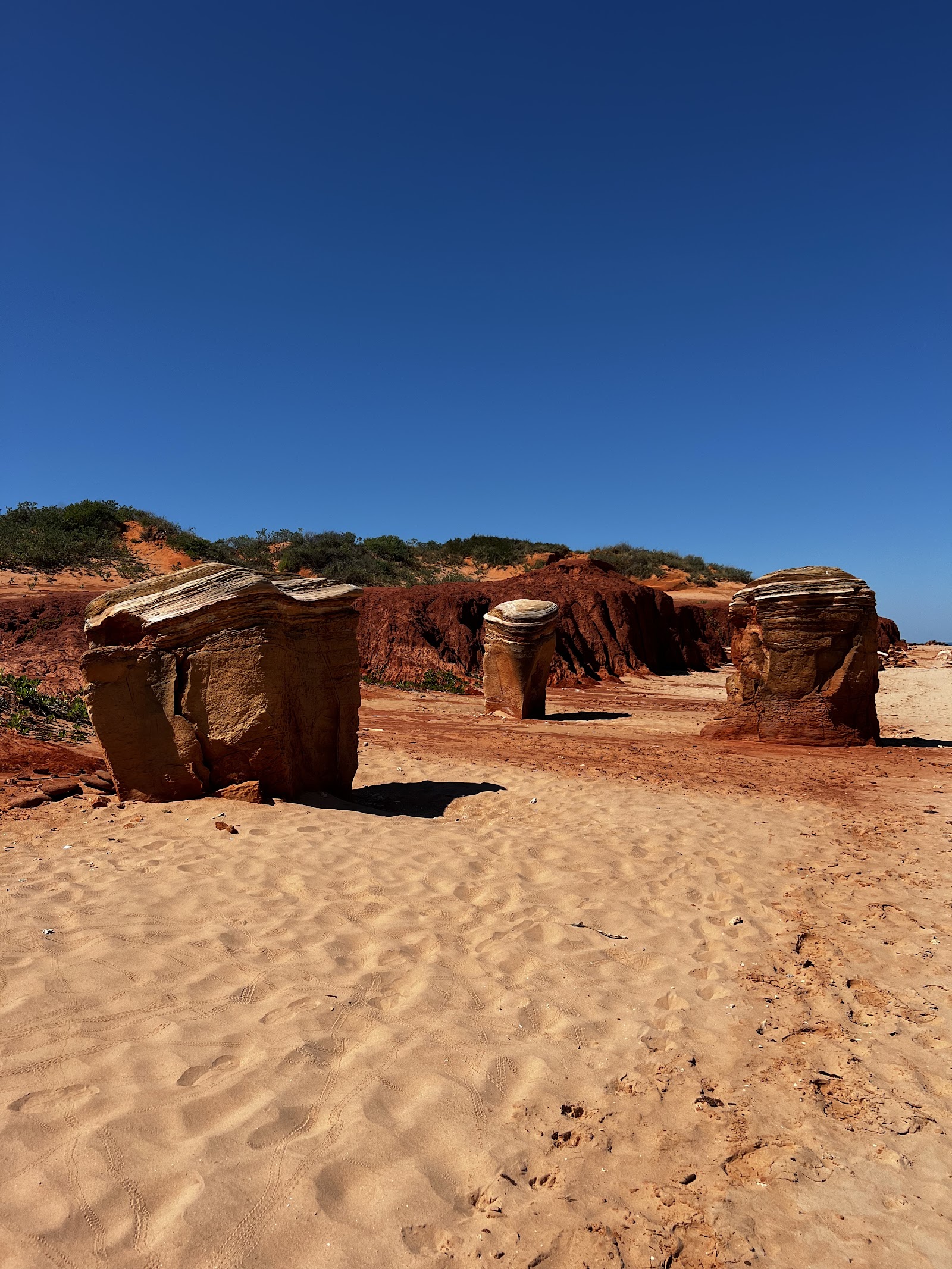 Broome
Australia's North West, Western Australia
Low tide in the late afternoon, when the cliffs are at their most vivid and the tidal pools are fully exposed.
Explore hidden gems in Broome →
10
Broome
Australia's North West, Western Australia
Low tide in the late afternoon, when the cliffs are at their most vivid and the tidal pools are fully exposed.
Explore hidden gems in Broome →
10
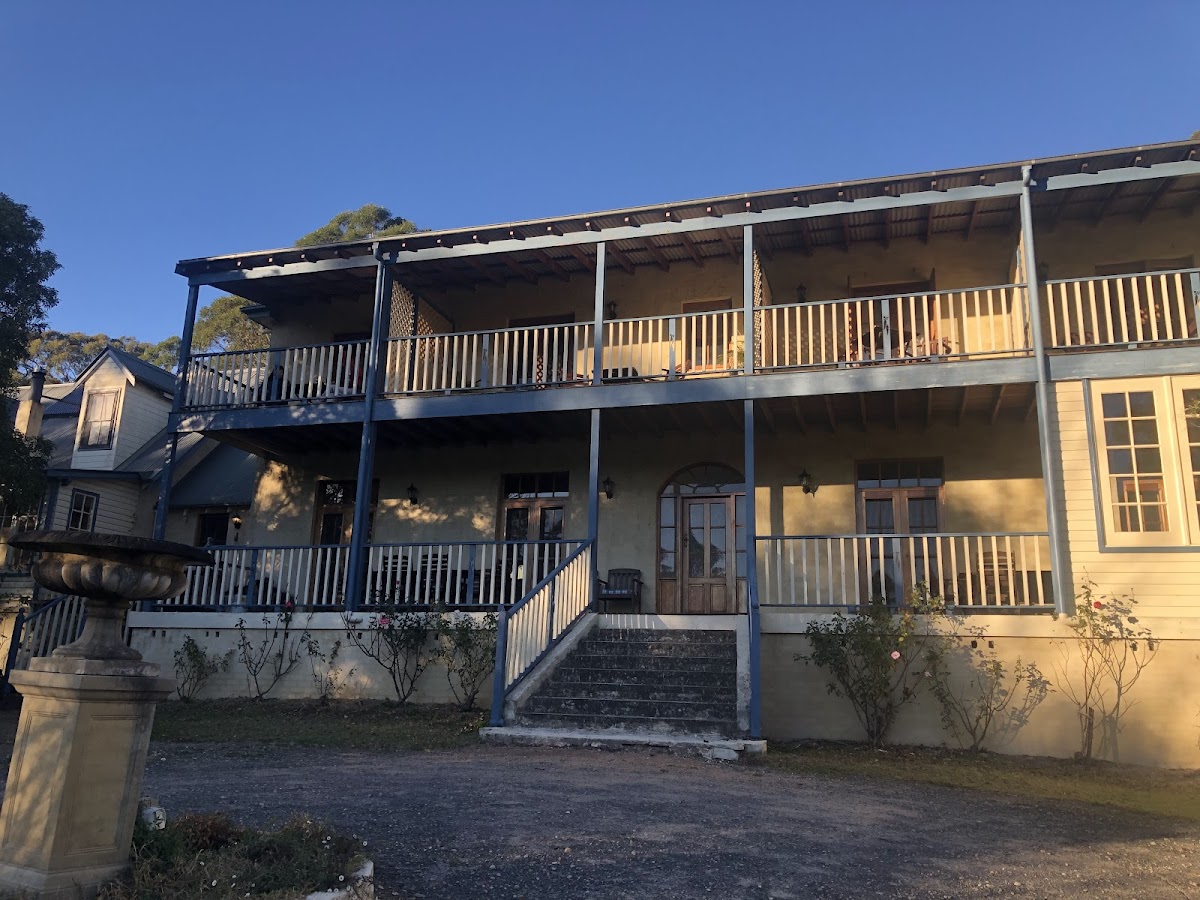 Kangaroo Valley
Shoalhaven, New South Wales
The realisation, on a second night, that the quiet dawn-and-dusk valley is a different place from the busy day one.
Explore hidden gems in Kangaroo Valley →
Kangaroo Valley
Shoalhaven, New South Wales
The realisation, on a second night, that the quiet dawn-and-dusk valley is a different place from the busy day one.
Explore hidden gems in Kangaroo Valley →
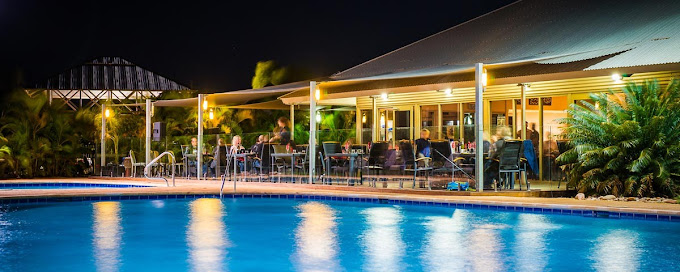
Exmouth Escape Resort — Ningaloo Reef
Book Direct & Save →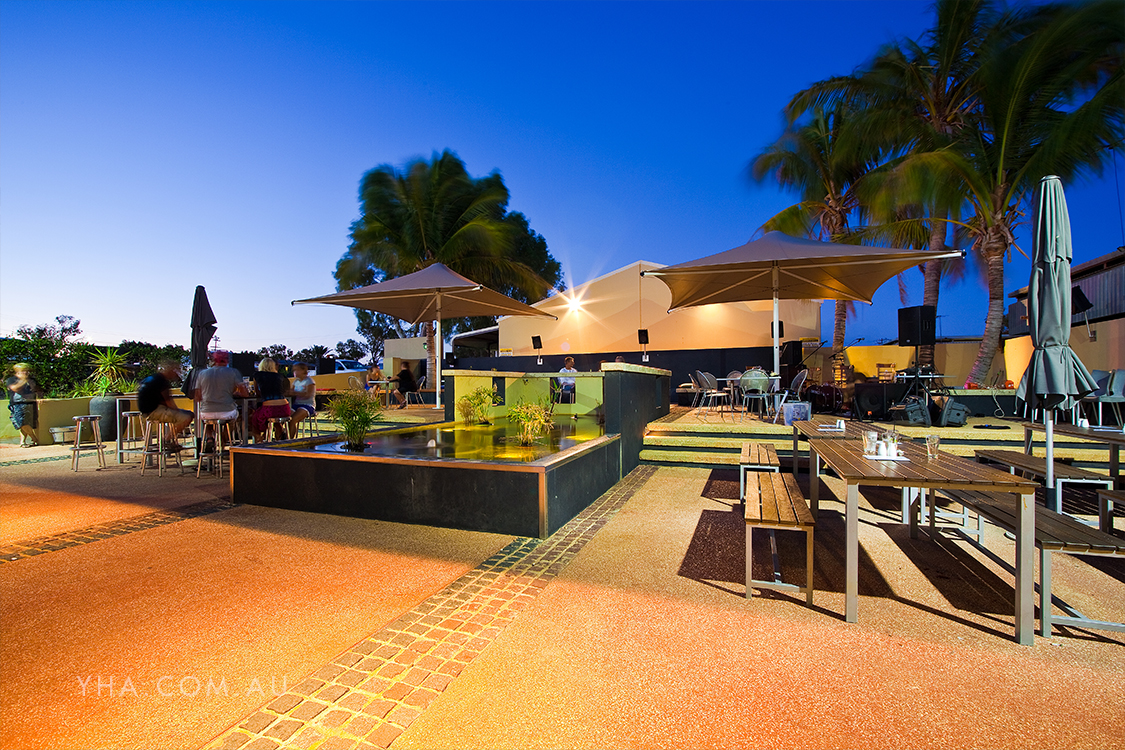
Ningaloo Caravan and Holiday Resort — Ningaloo Reef
Book Direct & Save →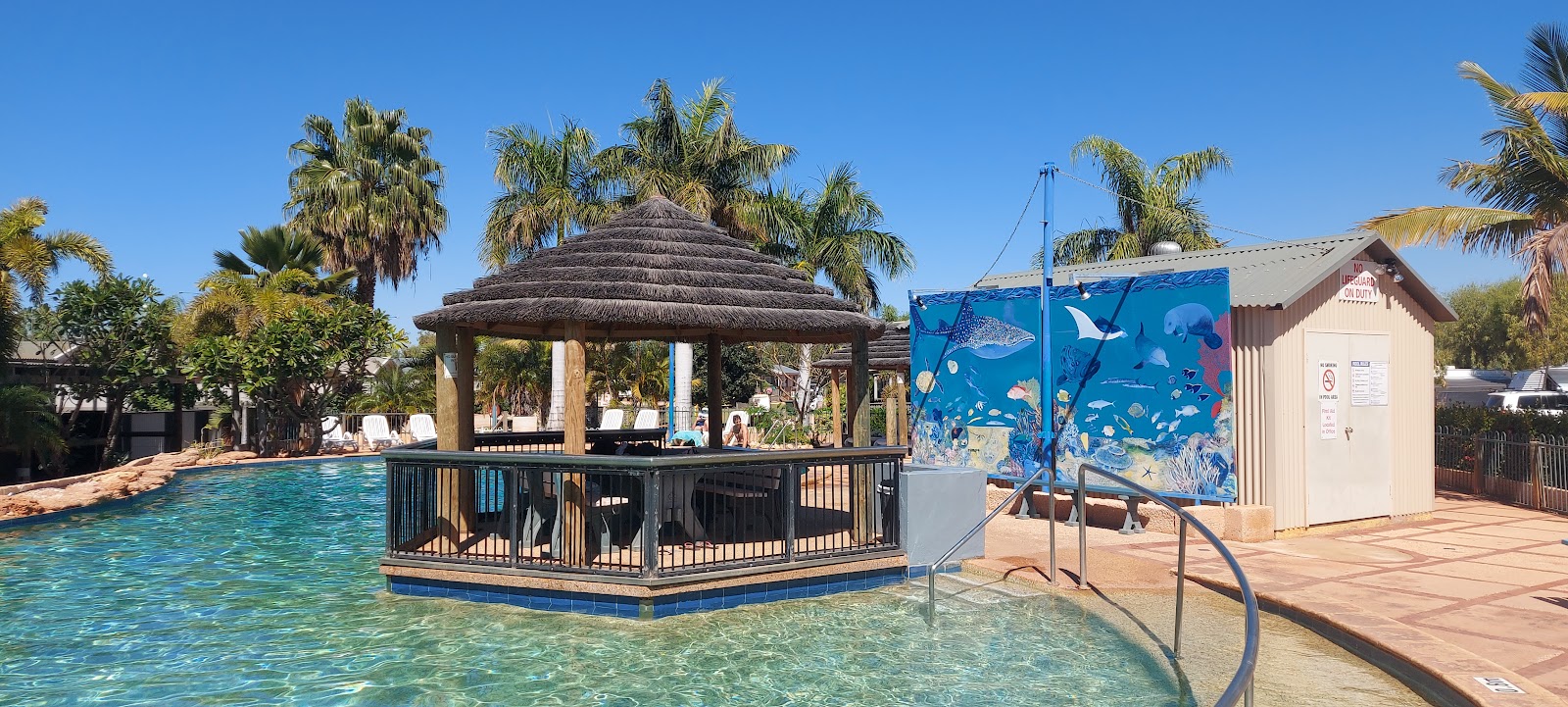
Skip OTA fees. Connect directly with Ningaloo Reef owners for the best rates and a truly personal experience.
We match any online rate. No service fees — 100% of your payment supports local owners.
Direct guests receive complimentary hampers, early check-in, and priority access to experiences.
Speak directly with the people who manage the properties. No call centres, just local expertise.
Part of Western Australia · Australia's Coral Coast
 Glen Aplin
Granite Belt, Queensland
Queensland's most underrated wine valley
Explore the guide →
Glen Aplin
Granite Belt, Queensland
Queensland's most underrated wine valley
Explore the guide →
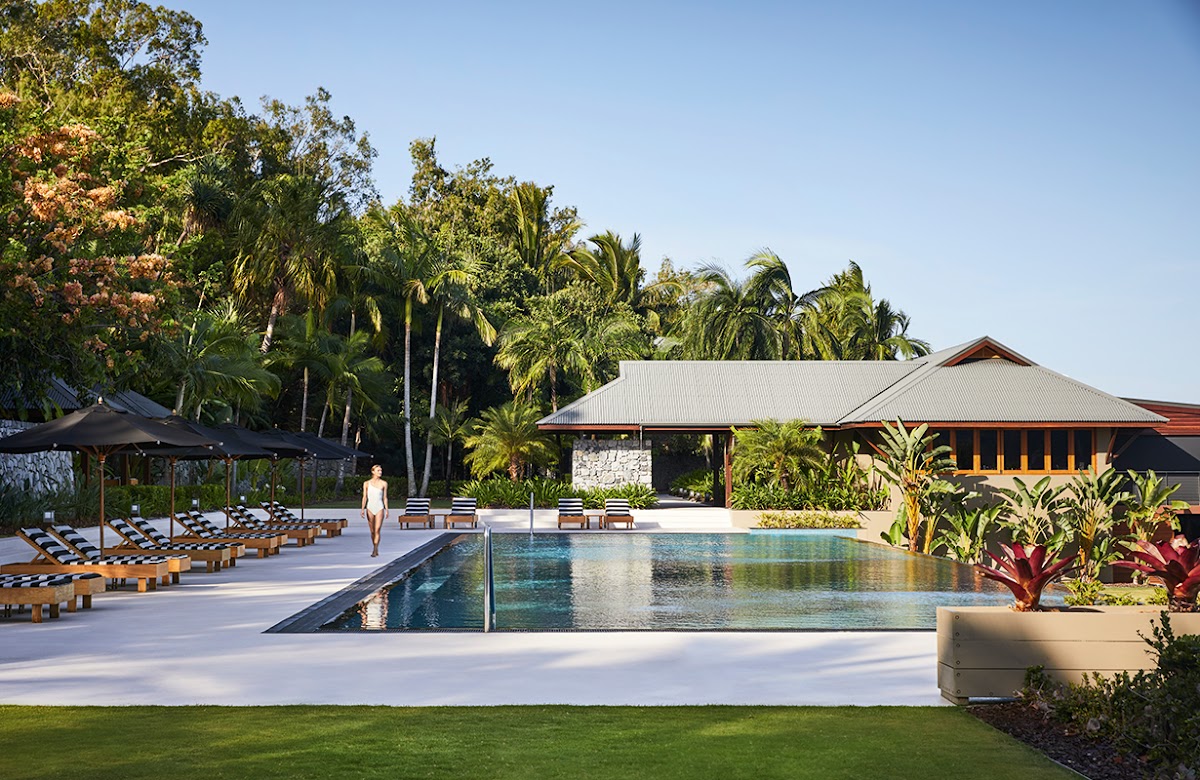 Hamilton Island
The Whitsundays, Queensland
Whitsundays island resort — Whitehaven Beach, reef trips and golf-buggy life
Explore the guide →
Hamilton Island
The Whitsundays, Queensland
Whitsundays island resort — Whitehaven Beach, reef trips and golf-buggy life
Explore the guide →
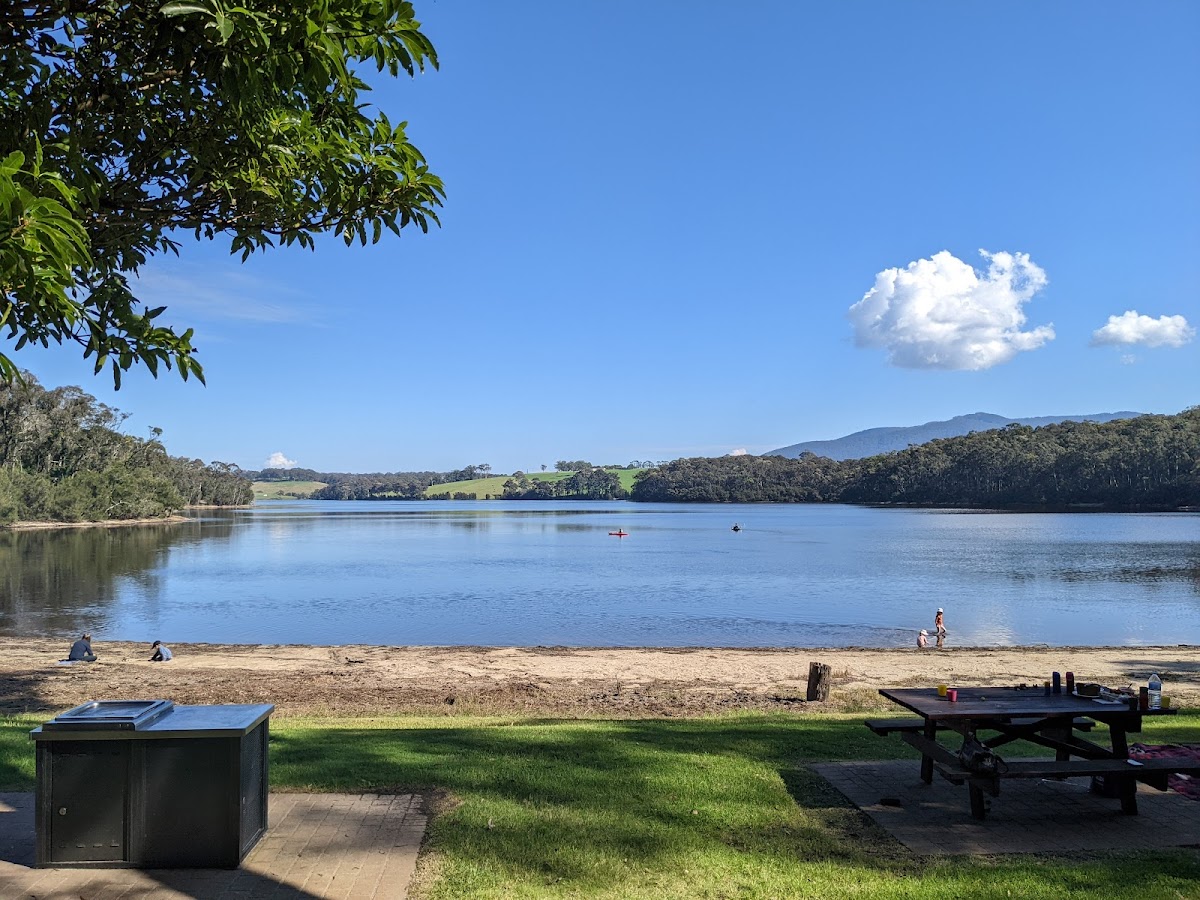 Narooma
South Coast, New South Wales
Crystal-clear inlet, surf beaches, oysters and Montague Island
Explore the guide →
Narooma
South Coast, New South Wales
Crystal-clear inlet, surf beaches, oysters and Montague Island
Explore the guide →
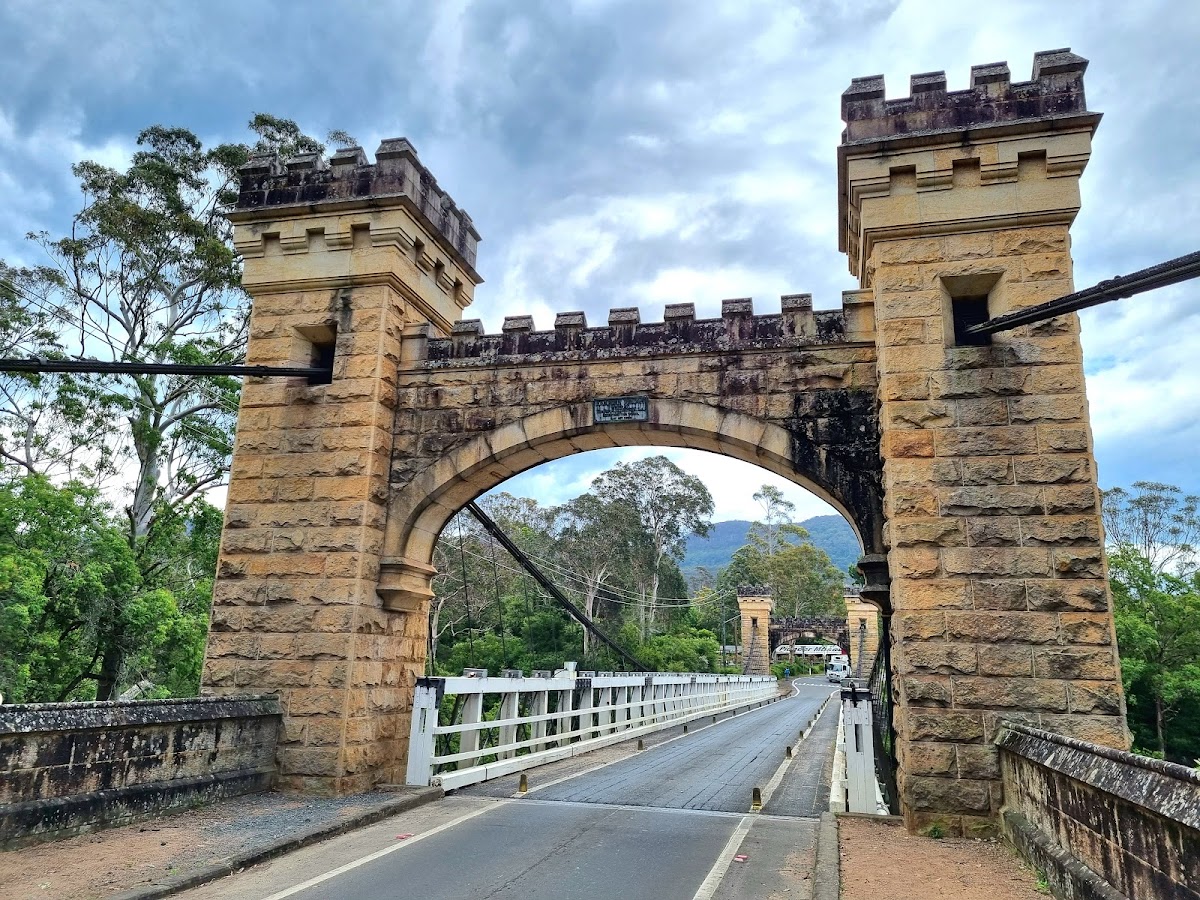 Kangaroo Valley
Shoalhaven, New South Wales
Hampden Bridge, kayaking and wombats in a green valley
Explore the guide →
Kangaroo Valley
Shoalhaven, New South Wales
Hampden Bridge, kayaking and wombats in a green valley
Explore the guide →
 Dubbo
Central West, New South Wales
Open-range zoo and Outback gateway on the Macquarie River
Explore the guide →
Dubbo
Central West, New South Wales
Open-range zoo and Outback gateway on the Macquarie River
Explore the guide →
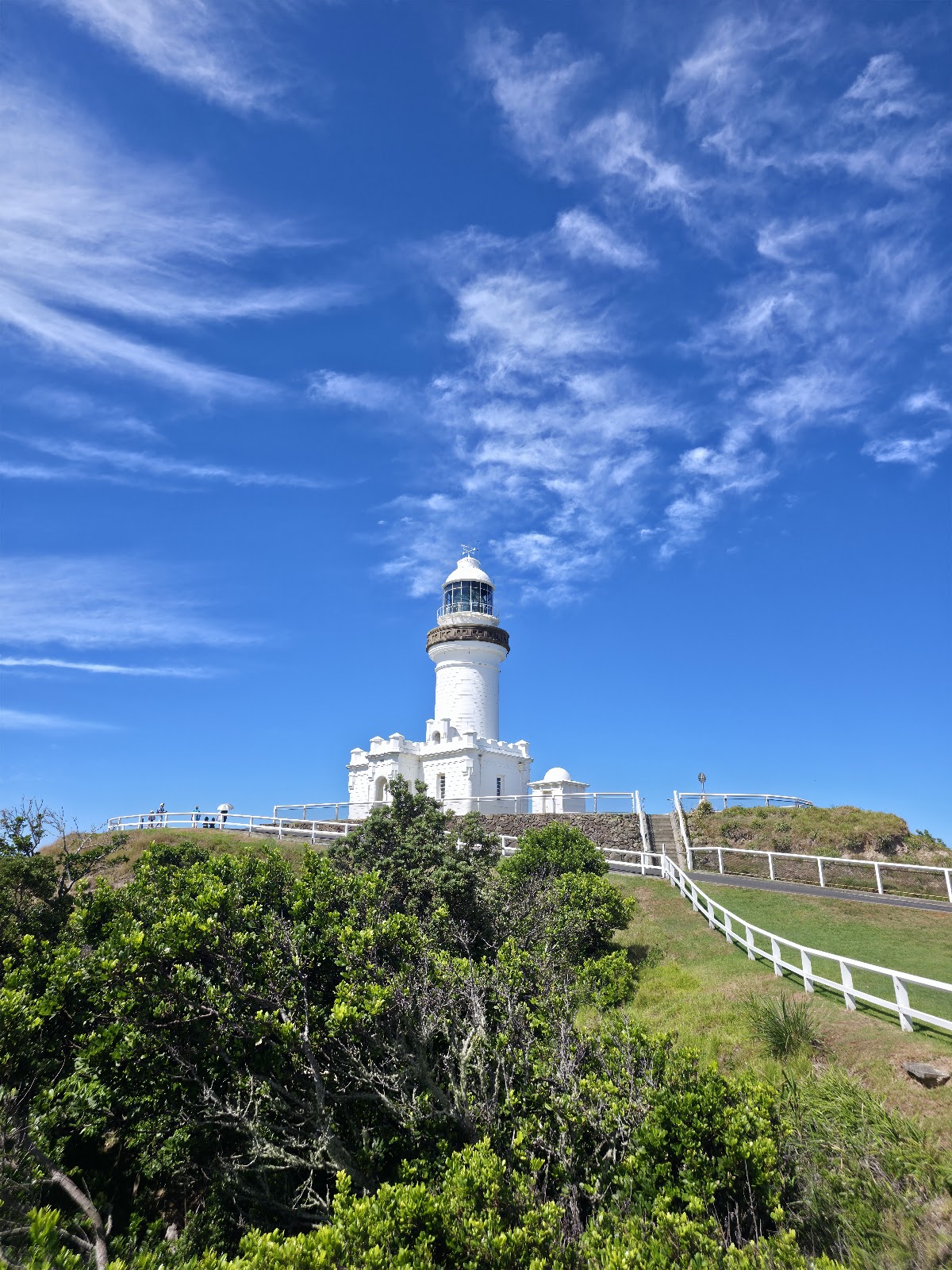 Byron Bay
Northern Rivers, New South Wales
Australia's iconic beach town and most easterly point
Explore the guide →
Byron Bay
Northern Rivers, New South Wales
Australia's iconic beach town and most easterly point
Explore the guide →
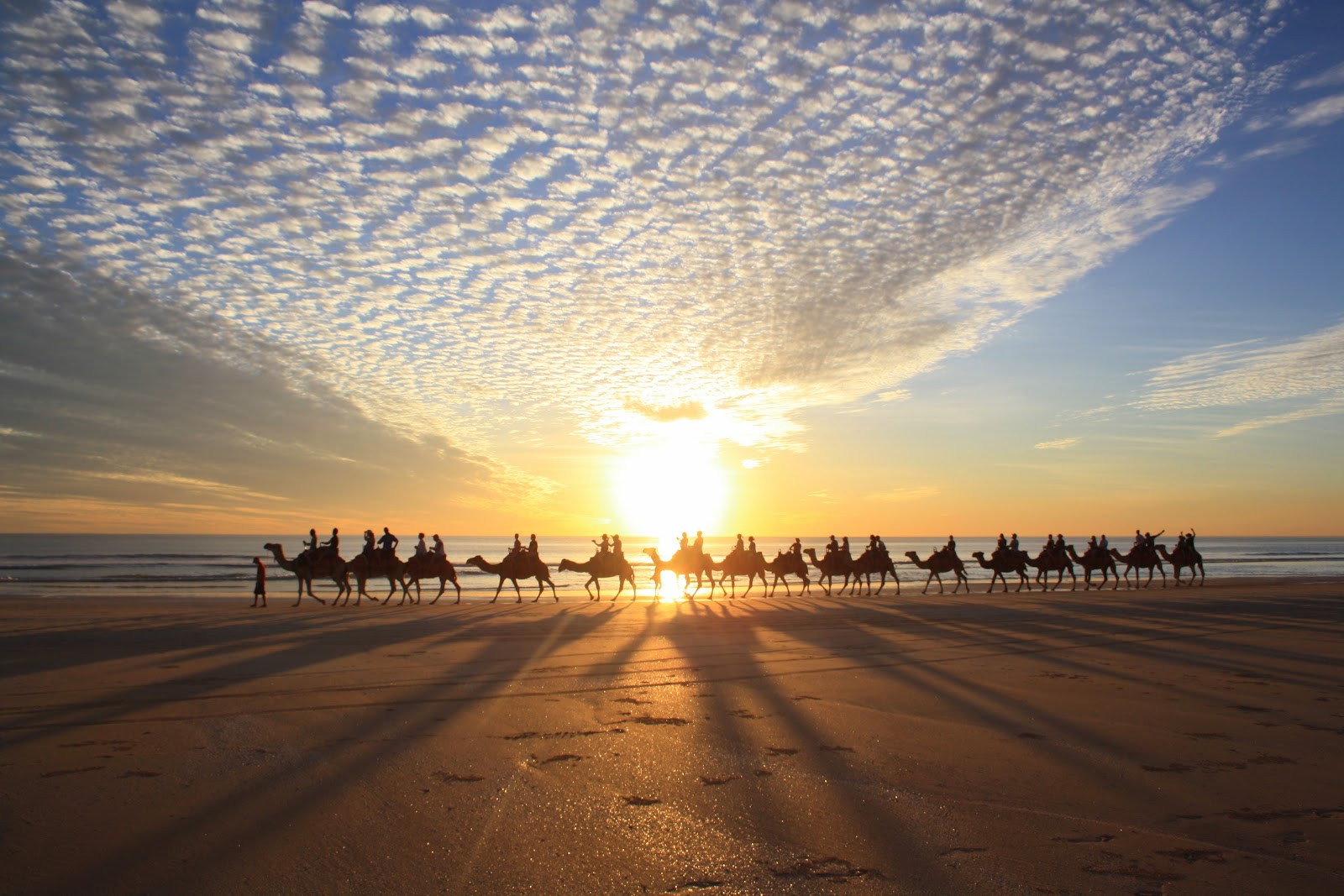 Broome
Australia's North West, Western Australia
Cable Beach sunsets, pearling history and camels on 22km of sand
Explore the guide →
Broome
Australia's North West, Western Australia
Cable Beach sunsets, pearling history and camels on 22km of sand
Explore the guide →
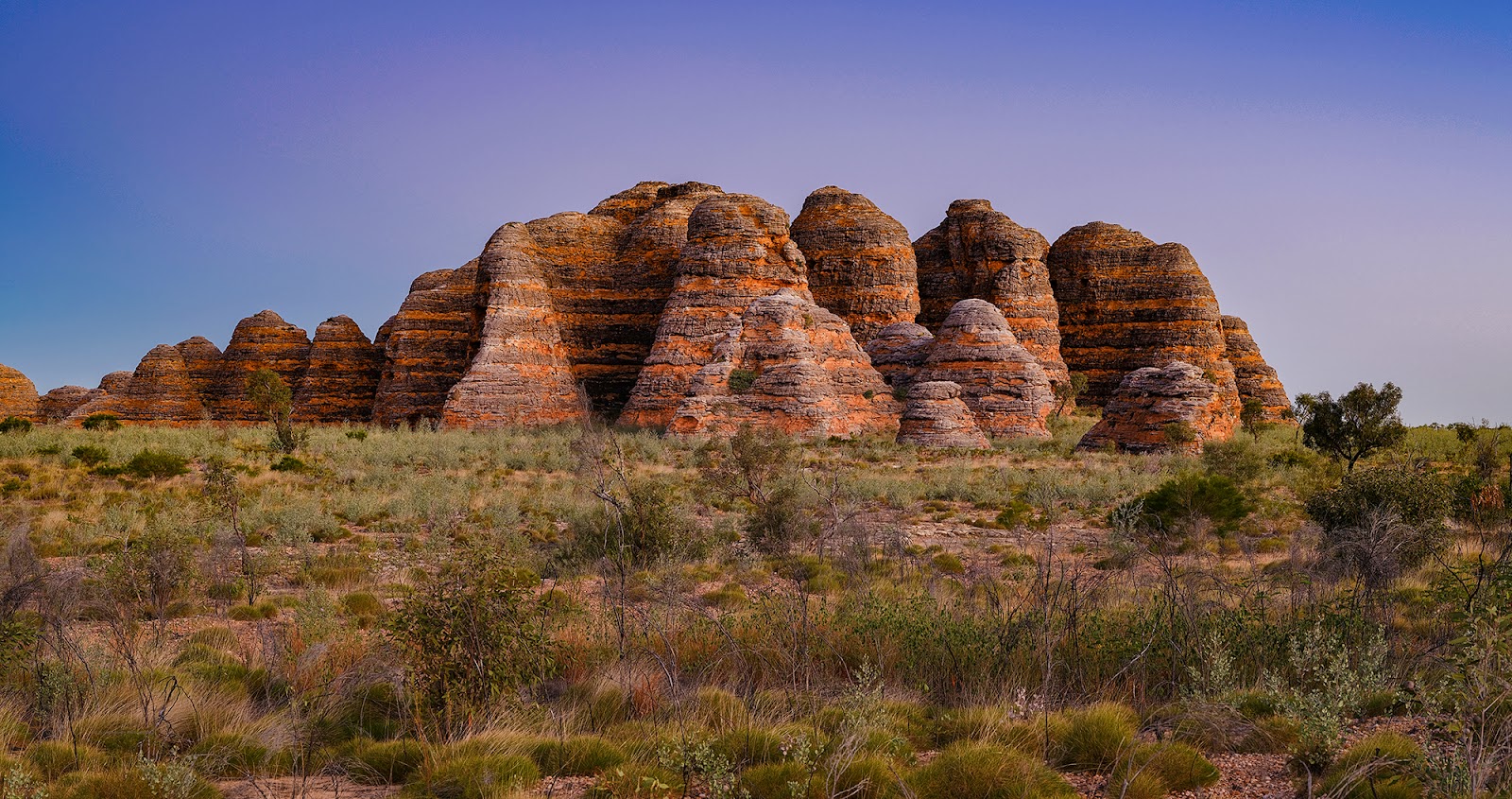 The Kimberley
Australia's North West, Western Australia
Gibb River Road, the Bungle Bungles, gorges and waterfalls in Australia's last frontier
Explore the guide →
The Kimberley
Australia's North West, Western Australia
Gibb River Road, the Bungle Bungles, gorges and waterfalls in Australia's last frontier
Explore the guide →
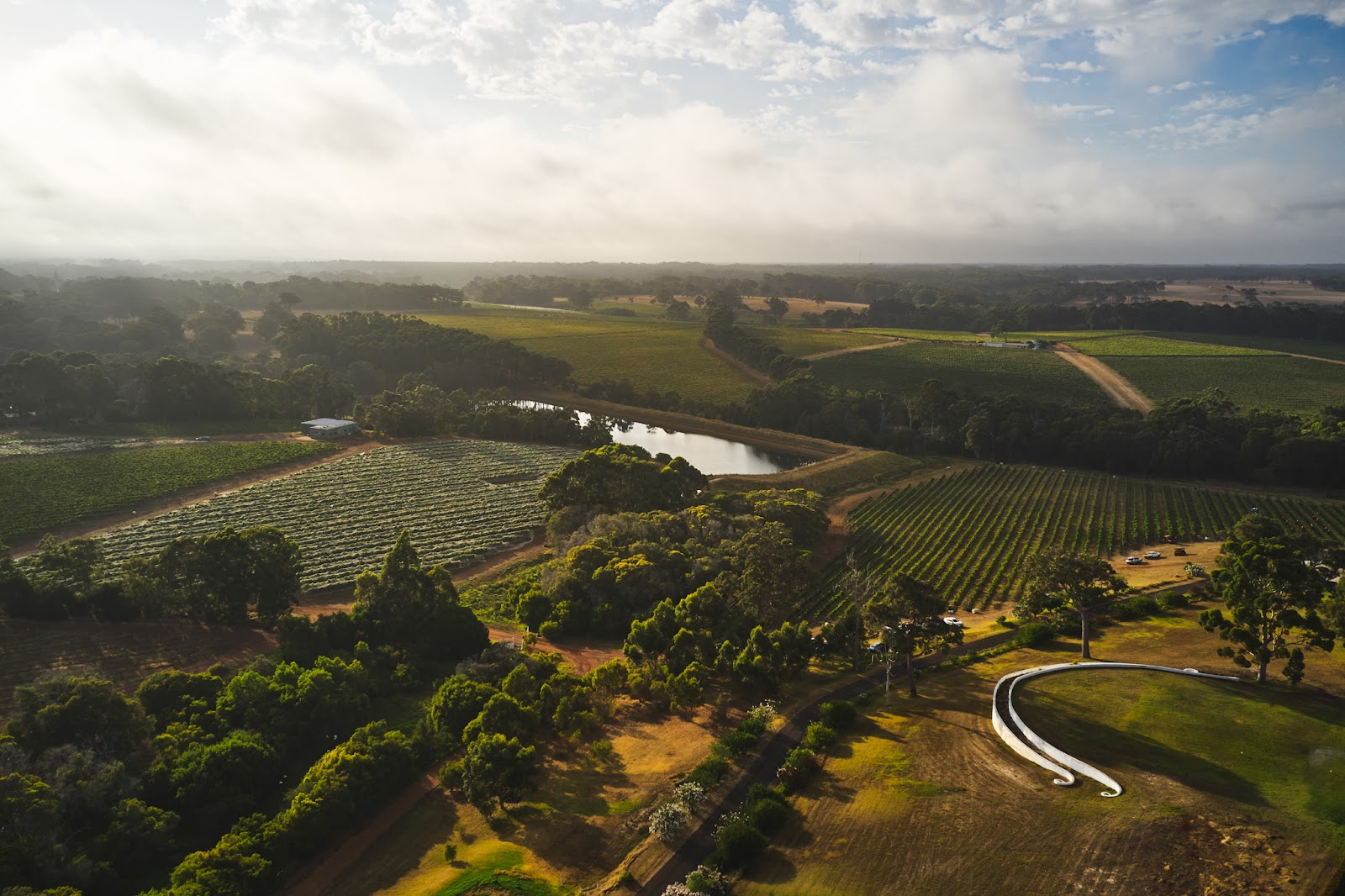 Margaret River
Australia's South West, Western Australia
World-class wineries, surf breaks and limestone caves three hours south of Perth
Explore the guide →
Margaret River
Australia's South West, Western Australia
World-class wineries, surf breaks and limestone caves three hours south of Perth
Explore the guide →