01. Cable Beach Club Resort & Spa
4.5 (968 reviews)
Cable Beach Club Resort & Spa — Broome
Book Direct & Save →Broome's appeal is overwhelmingly outdoor and tropical — Cable Beach, the camel rides, the Staircase to the Moon — and that outdoor appeal disappears almost entirely in the wet season and build-up. From October to April, the humidity climbs into the 80–90 per cent range, cyclone activity can make outdoor plans unreliable, and the midday heat makes anything ambitious between 10am and 4pm a genuine endurance test rather than a holiday. Indoor activities are not a fallback option in Broome for those months — they are the plan.
View 3 Properties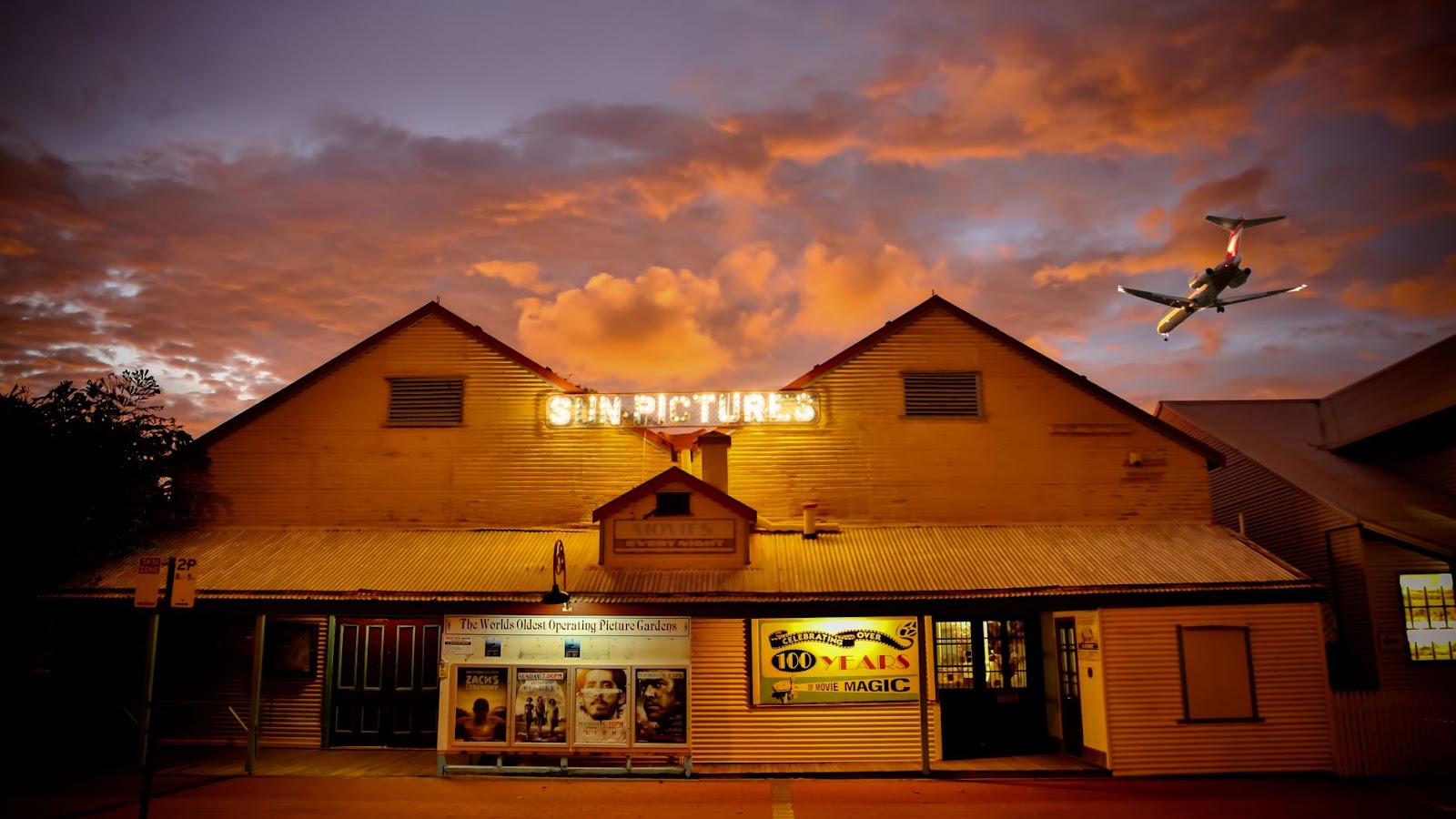
"Cultural, historical, relaxed and sensory"
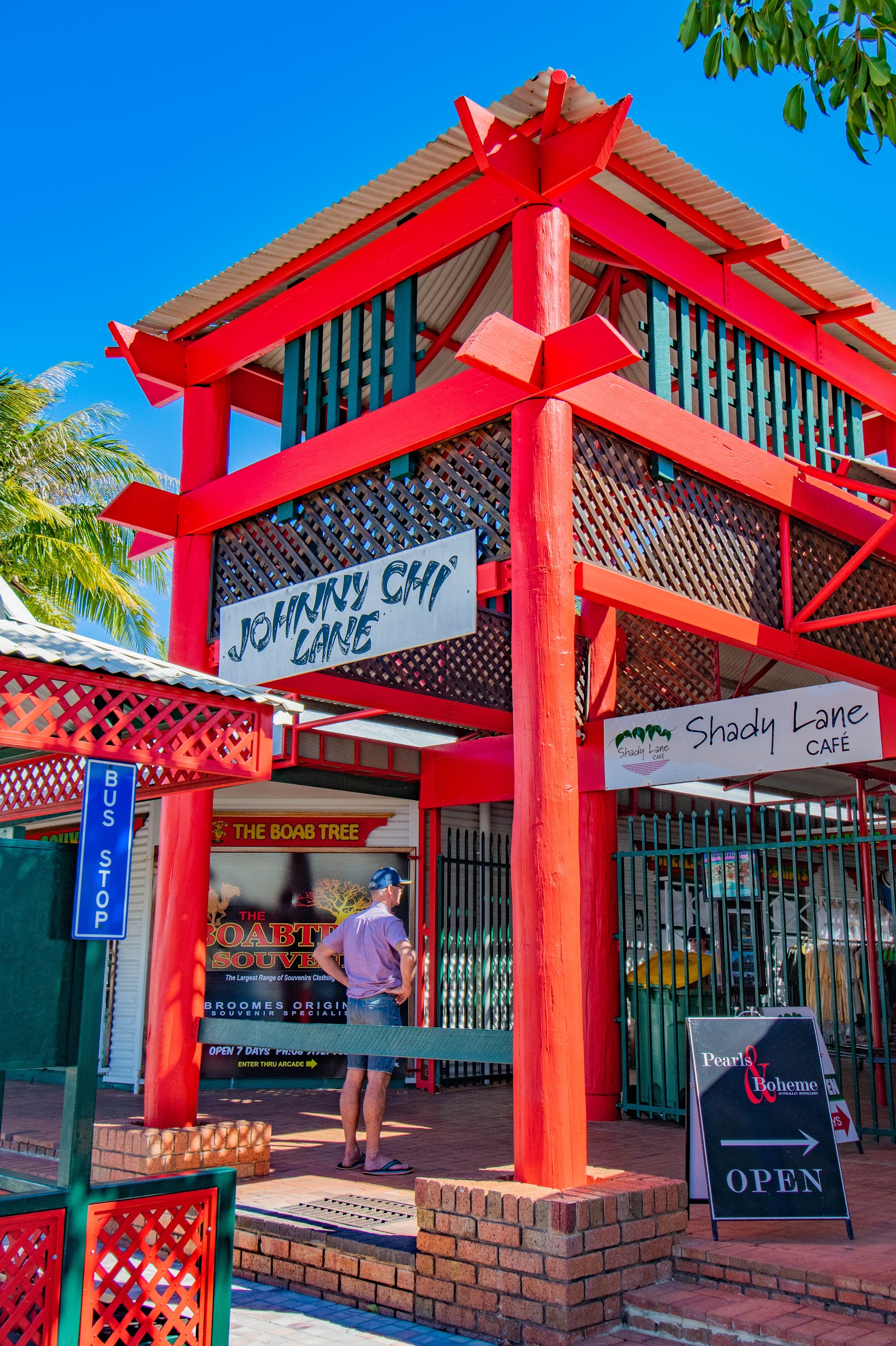
Even in the dry season, having a day or two of indoor activity mixed into a Broome itinerary is worthwhile: the museums and the outdoor cinema give depth to the pearling heritage that the beach experience alone does not, and they provide genuine temperature relief during the hottest hours of any season. This guide covers the best indoor options — the ones that hold their own as experiences rather than just air-conditioned duration-killers. Broome is a compact town and most of these are within five minutes of each other in the Chinatown precinct.
Most Australian coastal towns are manageable in any weather — the worst that tends to happen is a rainy day that needs filling. Broome in the wet season or the build-up is categorically different. The heat index in November and December regularly exceeds 40 degrees with high humidity; cyclone watches can cancel outdoor plans entirely; the stinger restriction on ocean swimming reduces beach activity to walking; and the midday heat from roughly October through April makes sustained outdoor activity genuinely unpleasant for most visitors.
The good news is that Broome has enough indoor depth to fill multiple full days without covering the same ground twice. The Pearl Luggers museum, the Broome Museum, the Sun Pictures outdoor cinema, Short Street Gallery, the pearl showrooms, Matso's Brewery and the covered Chinatown dining precincts together offer a varied, historically layered indoor programme that happens to also be the most concentrated way to understand Broome's character in any season. On a 38-degree November day, working through the pearling museums is not a compromise — it is the right thing to be doing.
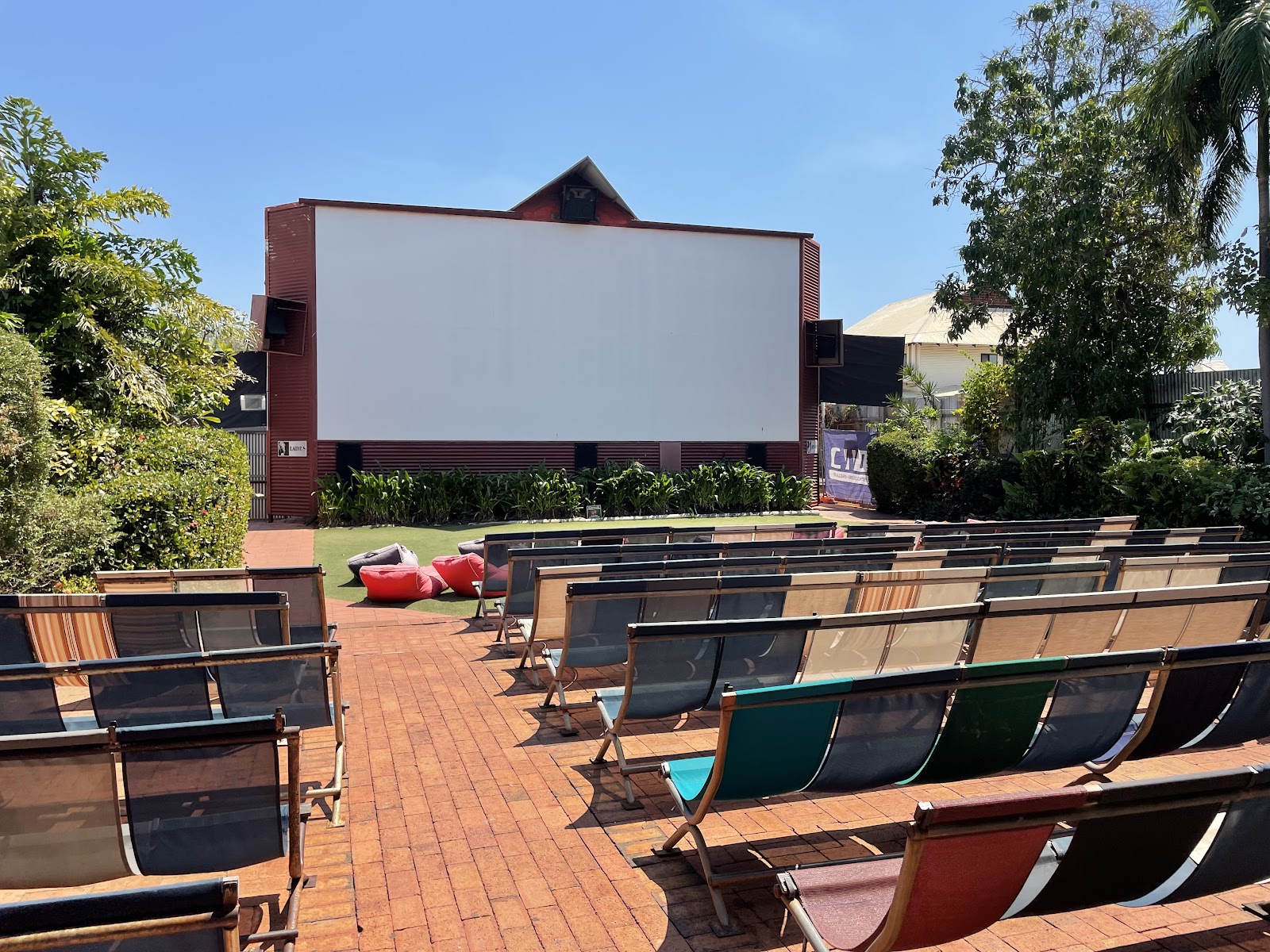
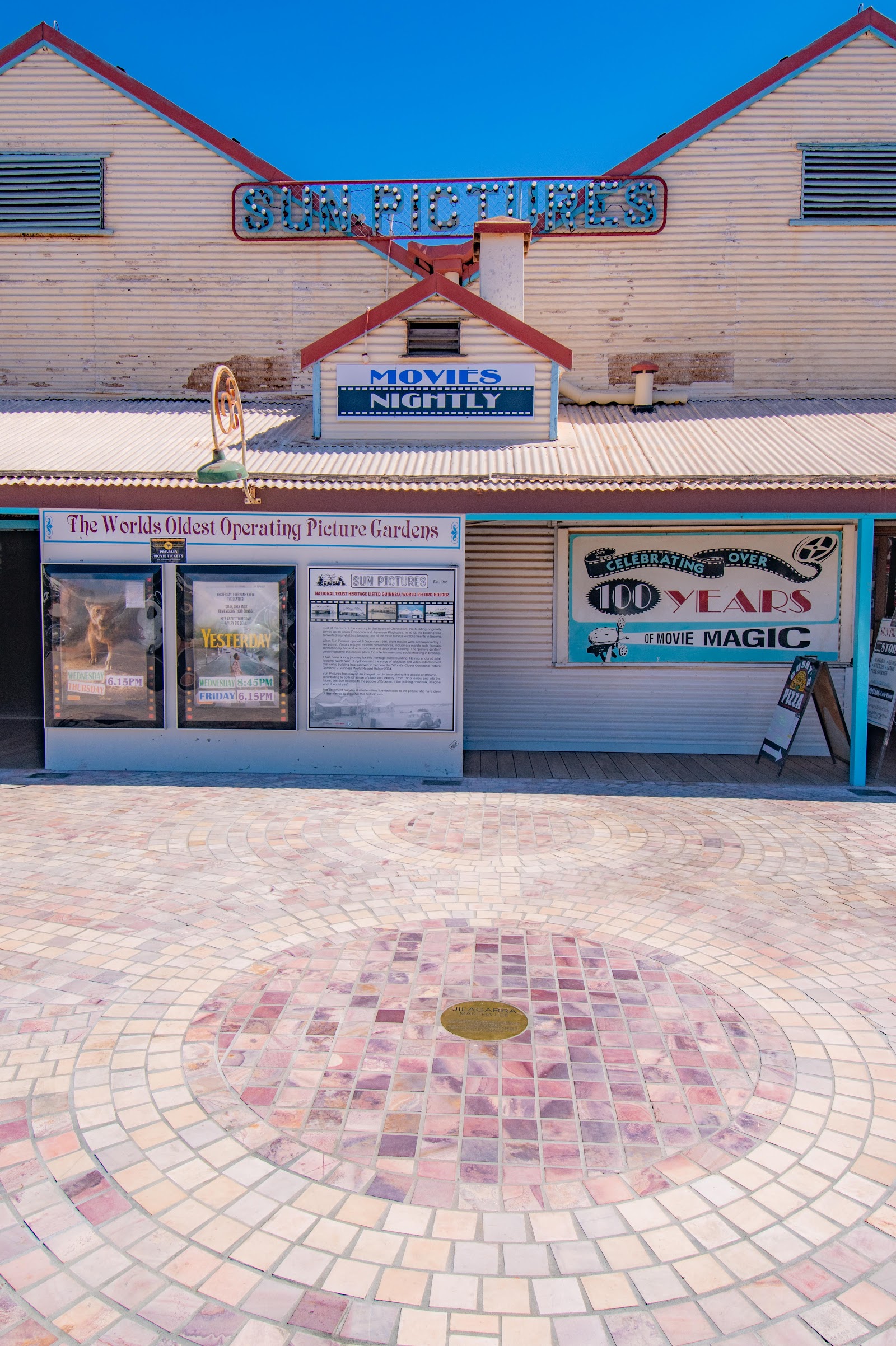
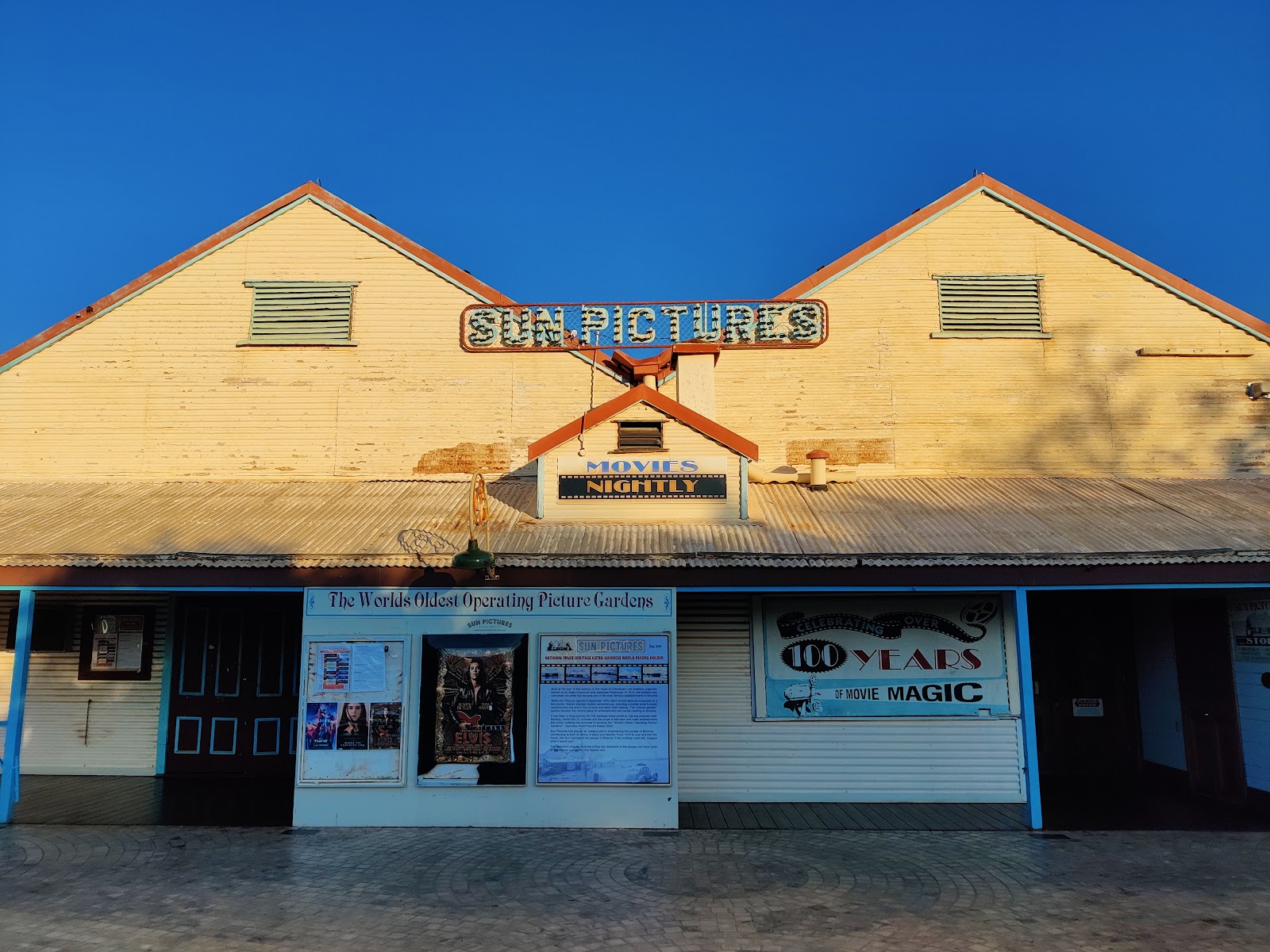
Sun Pictures on Carnarvon Street has been operating since 1916 and is recognised as the oldest operating outdoor cinema in the world — a garden of deckchairs, wooden benches and corrugated-iron heritage architecture under a tropical sky, screening a regular programme of current releases and classics. The experience bears almost no resemblance to a modern multiplex: the sound drifts in competition with the ambient town, planes from Broome airport occasionally pass overhead, and the whole event has the character of a community gathering rather than an entertainment product.
The atmosphere is what earns Sun Pictures its reputation. Even films that would be ordinary at home become something different here — the warm dry-season air, the stars appearing as the sky darkens, the mixture of tourists and locals on the deckchairs, and the decades of history embedded in the garden all contribute to an experience that visitors consistently describe as one of the most distinctive things they did in Broome. Film quality matters less than it does at a conventional cinema; the event is the point.
Check the current programme before you go — session options are limited compared to a multiplex, and not every night has the right film for your group. Arrive early for the best deckchair positions; the garden fills up in peak dry-season weeks. Get food from Chinatown before you arrive, as the cinema's own food options are modest. In the wet season, rain can interrupt a screening — this is an outdoor cinema, and the tropical weather occasionally wins.
A film under the Broome stars from a garden deckchair, in a cinema that has been doing exactly this since 1916 — it is categorically unlike any other cinema experience in Australia.
“We went twice in a week — couldn't help it. The atmosphere is unlike anything else. The planes going over only add to it. Get there early for a good deckchair.”
— Google review
Arrive 20–30 minutes before the session for the best deckchair positioning, combine with dinner from Chinatown, and stay for the full experience rather than leaving at the credits.
Not suitable for very young children who cannot sit through a film. Rain can interrupt in the wet season — check the forecast, and know that outdoor means exactly that. Film programme is limited; check before planning around it.
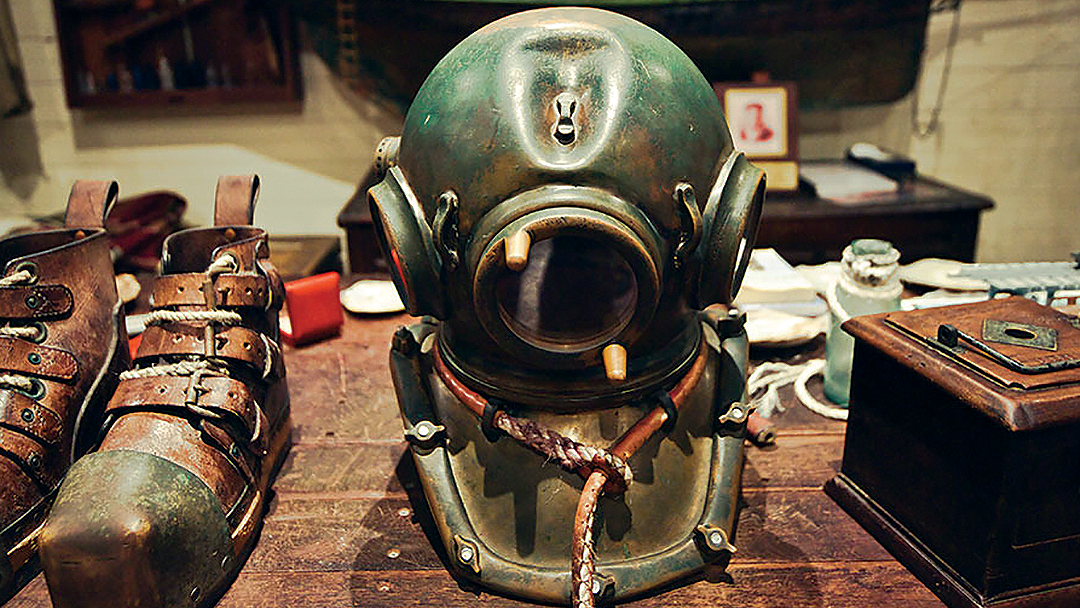
Pearl Luggers on Dampier Terrace is the most substantive museum experience in Broome — a heritage attraction that preserves two restored pearling luggers (the working sailboats that carried the pearling trade from the 1880s through the mid-20th century), along with diving suits, equipment, artefacts and documentary material that give the full account of how the Kimberley pearling industry was built, who built it, and what it cost. The museum is the context that makes everything else in Broome — the Chinatown architecture, the Japanese Cemetery, the pearl showrooms — make sense in relation to each other.
Tours are guided and last approximately 90 minutes; they include the luggers themselves, the equipment used in deepsea diving (which was extraordinarily dangerous before modern standards), and the multicultural workforce story that shaped Broome's unusual character. The guide quality is consistently praised in visitor feedback, and the historical material is handled without sentimentality — the story of who made the money and who did the dying is told honestly.
This is the natural companion to a Japanese Cemetery visit and a pearl showroom browse: the cemetery shows the human cost, the Pearl Luggers show the equipment and the process, and the showrooms show the product. Combined, they give a rare degree of historical completeness to what is otherwise a commercial experience. Allow a half-day for the combination, with the museum as the anchor.
Standing inside a real pearling lugger and understanding the deepsea diving that built Broome is the kind of museum experience that actually changes how you see the place you're in.
“Best thing we did in Broome. The guide was fantastic and the luggers themselves are extraordinary. Go before the pearl showrooms and you'll appreciate them completely differently.”
— Google review
The guided tour of the restored luggers and the deepsea diving equipment — the physical reality of the work makes the pearling history immediate in a way museum displays alone cannot.
Without a guided tour, the significance of much of the collection is difficult to appreciate fully — do the guided option rather than self-guiding. Check current tour times as they run at specific hours.
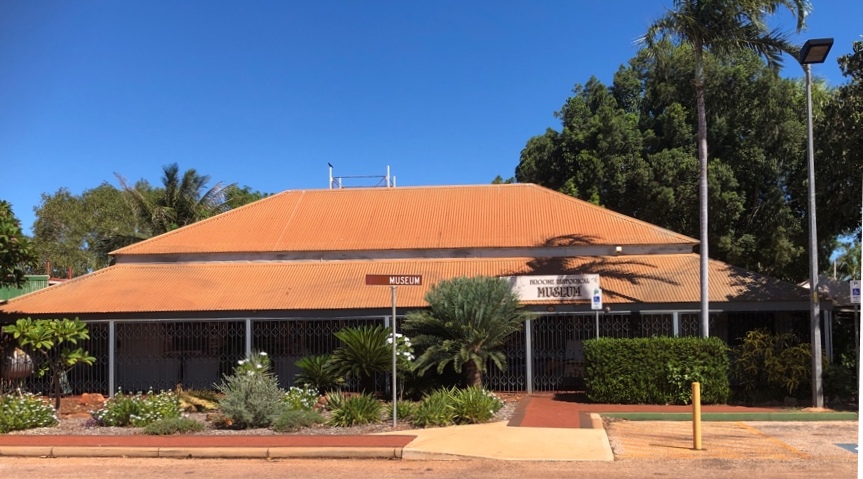
The Broome Museum on Saville Street is a community heritage museum covering the full span of Broome's human history — from the Yawuru people whose country this is, through the establishment of the pearling industry, the multicultural workforce that built the town, the Japanese bombing of Broome harbour in 1942 (a significant but little-known WWII event), and the twentieth-century development of the town into a regional centre. The scope is broader and less focused than Pearl Luggers, making it the right starting point if you want context before diving into the specifics.
The museum is housed in the old Customs House building near the port, which gives the location a historical relevance beyond just the exhibits. The collection includes photographs, documents, personal artefacts and oral history material that put specific names and faces to the broad history covered elsewhere in Broome's heritage trail. The WWII section covering the 1942 Japanese air attack — in which flying boats moored in the harbour were destroyed and a significant number of people were killed — is genuinely little-known outside WA and is among the more surprising and substantive parts of the collection.
The museum is run by volunteers and opening hours can be variable, particularly outside the dry season — check before you make it the centrepiece of a day plan. Entry is modestly priced. For visitors doing the full Broome heritage circuit (museum, Pearl Luggers, Japanese Cemetery, Chinatown) it is the logical first stop.
The Broome Museum is the town's memory — photographs, voices and objects that give the sweep of history a human face before the more focused museums make it specific.
“Didn't expect much and left genuinely impressed — the WWII section especially. The volunteers were knowledgeable and welcoming. A solid 90 minutes well spent.”
— Google review
The 1942 Japanese bombing of Broome harbour section — a significant and little-known WWII event that most Australian visitors have never heard of.
Hours can be variable, particularly in the wet season and outside peak dry-season periods — confirm opening times before visiting. Run by volunteers, so staffing levels affect the depth of the experience.
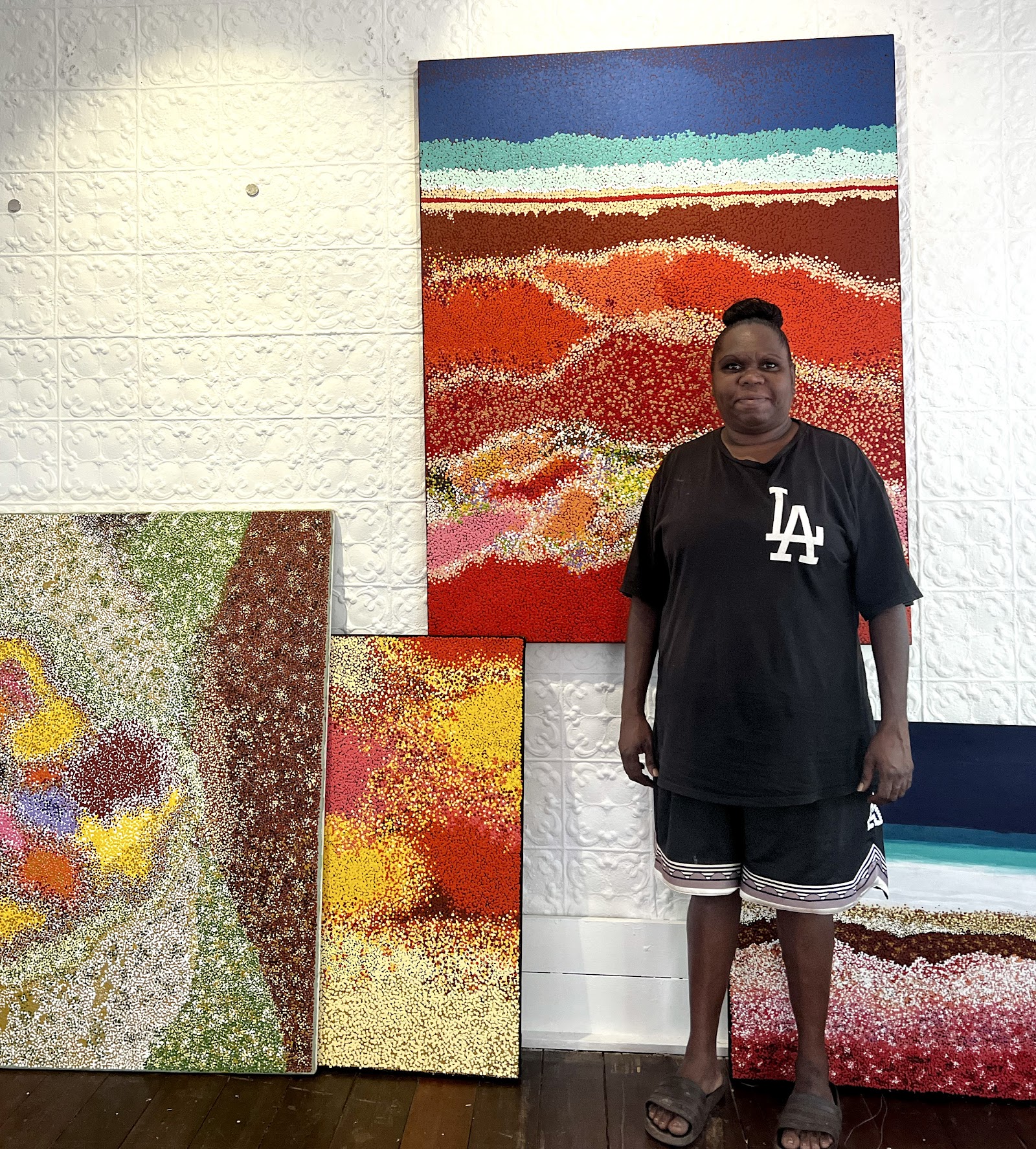
Short Street Gallery on Short Street is one of the most respected commercial art galleries in the Kimberley region, carrying Indigenous Australian art alongside contemporary WA artists in a proper gallery environment. The Indigenous work spans a range of traditions, communities and media — from Kimberley bark and ochre works to contemporary acrylic and textile pieces — and the curatorial standard is high enough to make it substantive rather than a souvenirs operation presented with gallery lighting.
Browsing is free and completely without pressure — the gallery operates on the understanding that serious collectors browse seriously and are not rushed, and visitors who are simply looking are welcome. For those with no prior knowledge of Indigenous Australian art, the gallery staff are knowledgeable and willing to explain the works, the artists and the communities they come from without treating curiosity as a commercial opportunity. A visit here alongside the Broome Museum gives the cultural history of the region a contemporary creative dimension.
The gallery is air-conditioned and a genuine refuge on a hot or wet day. It is open during regular business hours in the dry season; hours may be reduced in the wet. The works range from affordable entry-level prints to significant investment pieces, so the gallery suits all budgets from the perspective of browsing — purchasing is entirely optional and the no-pressure environment is genuine.
Serious Indigenous and contemporary WA art in a proper gallery with no pressure to buy — the best art browsing experience in Broome and an excellent rainy-day cultural option.
“No pressure at all to buy and genuinely interesting work — some of the best Indigenous art we saw on the whole trip. The staff took real time with us even though we weren't buying.”
— Google review
Ask the gallery staff to explain the provenance and cultural context of the Indigenous works — the knowledge they bring to the conversation transforms a browse into an education.
Hours can reduce in the wet season — check before planning around it. The work ranges widely in price; if the temptation to spend beyond budget is a concern, browse the lower shelves first.
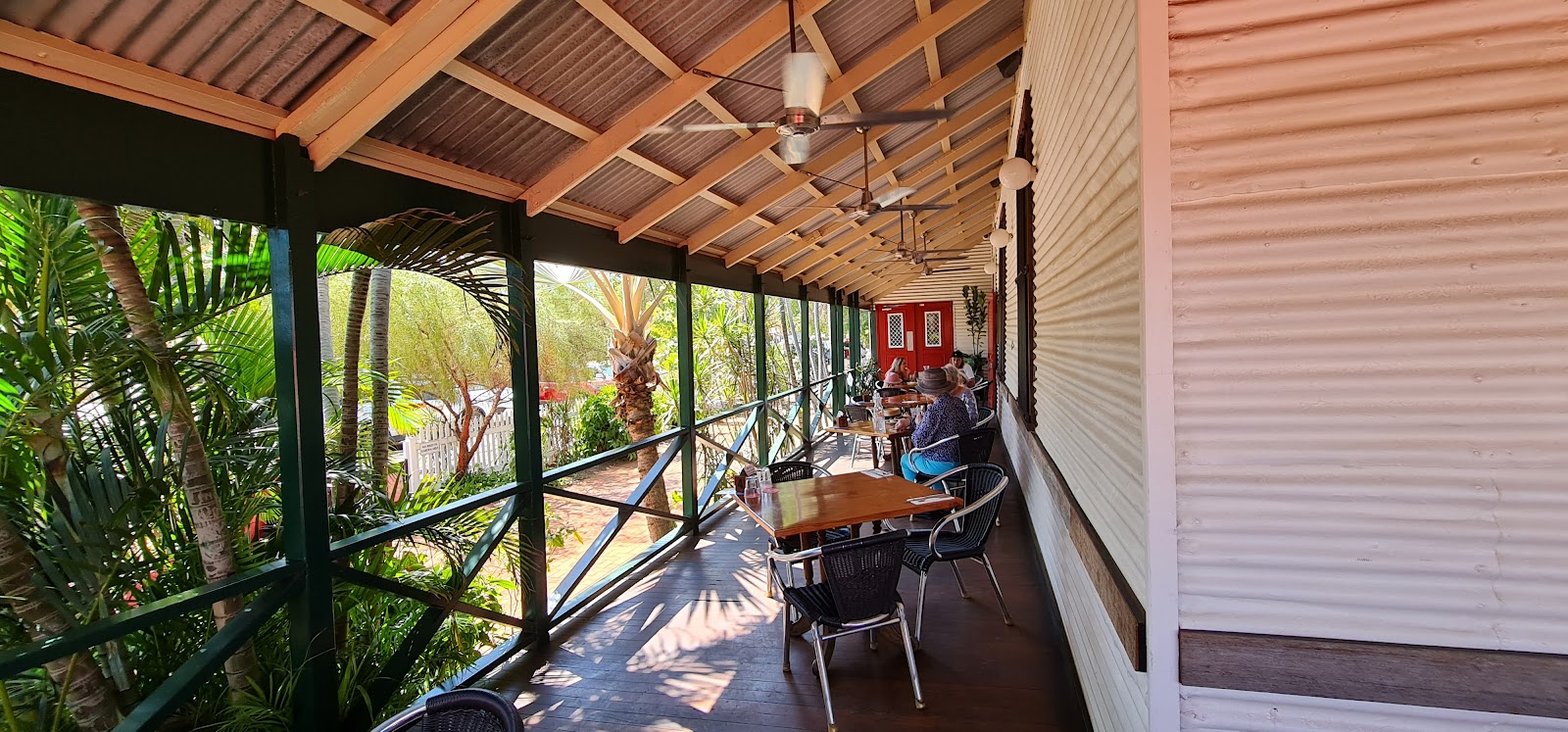
Matso's Broome Brewery on Hamersley Street is Broome's most famous hospitality establishment — a craft brewery housed in a heritage 1910s mango-orchard property that has been making tropical-inspired ales, ginger beers and fruited lagers since the 1990s. The mango beer in particular has become synonymous with Broome tourism to a degree that means you will be asked if you had one at Matso's for the rest of your trip. The covered courtyard setting is a significant practical asset: it provides shade and shelter from both the dry-season sun and the wet-season rain, making it a viable option in most weather conditions.
The food menu supports a proper meal rather than just a drink stop — the kitchen runs a full lunch and dinner service with a menu that leans toward tropical and seasonal WA produce. The setting is relaxed and unhurried, and the combination of the heritage buildings, the tropical garden courtyard and the genuinely interesting beer programme gives it more character than a standard brewery tap room. It is a good option for a long lunch on a hot day, a late-afternoon beer after the museums, or an early dinner before Sun Pictures.
Check current opening hours before visiting, as the dry-season and wet-season schedules differ and public holiday coverage varies. Bookings are advisable for dinner in the peak July–August period when Broome is at its fullest. The ginger beer is non-alcoholic and available for designated drivers and non-drinkers.
A mango ale in a tropical heritage courtyard at the end of a hot Broome afternoon — it is the brewery experience that becomes the shorthand for the whole trip.
“The mango beer lives up to the hype — and the courtyard is beautiful. We ended up staying for dinner when we'd only planned a drink. The food is genuinely good.”
— Google review
The covered heritage courtyard for a late-afternoon break between the museums and Sun Pictures — try the mango beer or the ginger beer if not drinking.
Bookings are advisable for dinner in peak July–August. Check opening hours before planning around it — the wet-season schedule is lighter. Not primarily a children's destination in the evening; fine for a family lunch.
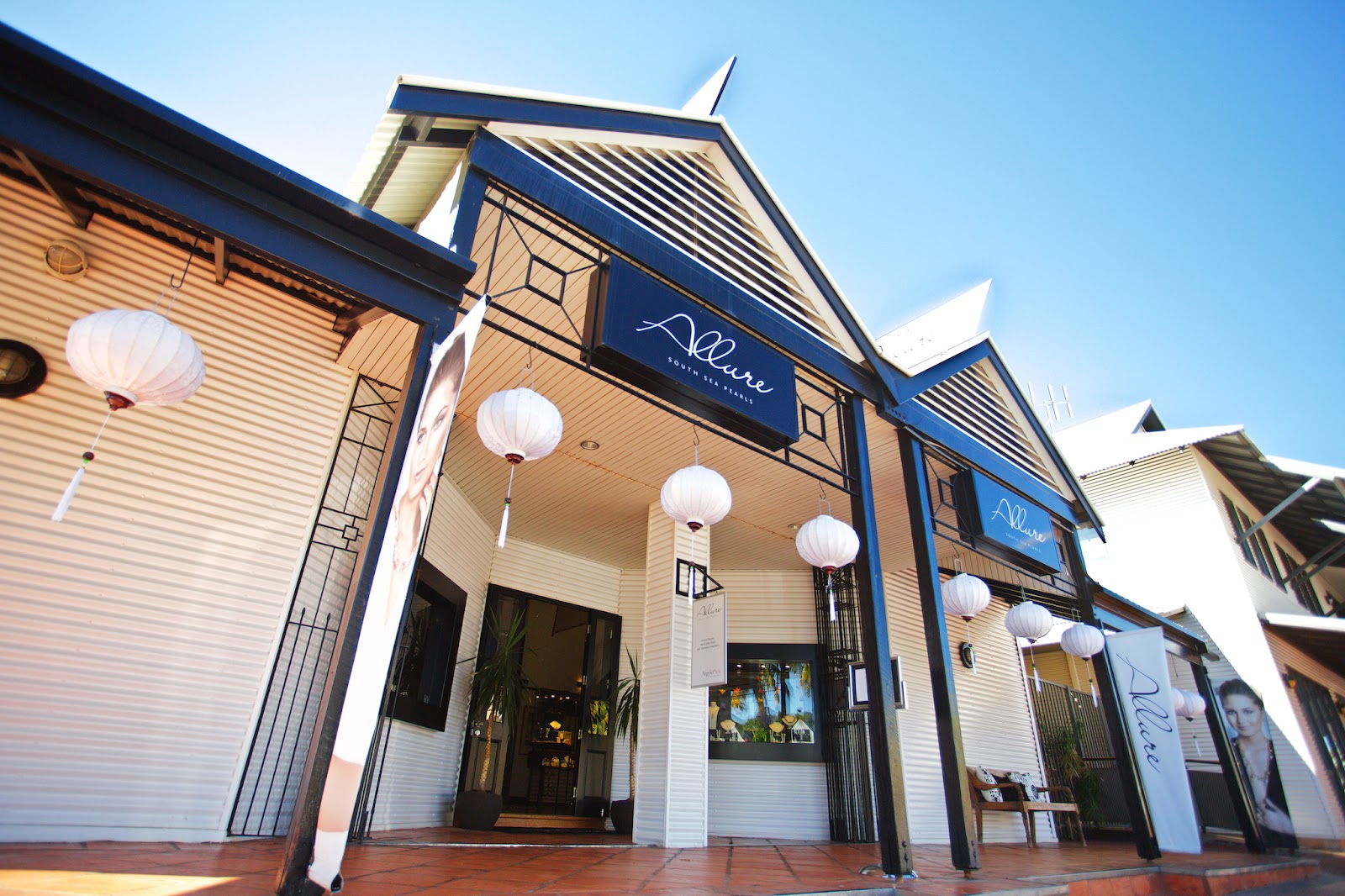
Broome's Chinatown contains multiple pearl showrooms carrying South Sea pearls harvested from the Broome region, and browsing them is free. The showrooms range from the well-known national retailers to smaller independent operations, and the variety within each is sufficient to understand the grading system — size, lustre, surface quality, shape and colour — that determines the extraordinary price range of South Sea pearls, from a few hundred to tens of thousands of dollars for a single piece.
This is genuinely educational rather than just retail exposure. South Sea pearls are Broome's defining product and a direct result of the pearling history covered in the museums — understanding what you are looking at requires the context of Pearl Luggers, the Japanese Cemetery and Chinatown, all of which are a few minutes' walk from each other. Staff in the better independent showrooms are knowledgeable and happy to explain grading and value without pressuring a visitor who is there to understand rather than buy.
Browsing the showrooms is also one of the most comfortable indoor activities available in Broome on a hot or wet day — all the showrooms are air-conditioned, and the combination of Carnarvon Street's café stops, the showroom circuit and a visit to the Short Street Gallery fills a comfortable morning in the Chinatown precinct without requiring a fixed itinerary. Set a clear budget expectation before entering if retail temptation is a concern — South Sea pearls at the quality Broome produces are genuinely beautiful, and the showrooms are designed to make them desirable.
Walking through the showrooms with the Pearl Luggers context in your head transforms the pearl display from a retail exercise into the punchline of a century-long story.
“Fascinating to understand the grading — we went in after the Pearl Luggers museum and it completely changed how we saw the display. The independent showrooms were more informative and less pressured than the larger retailers.”
— Google review
Visit after the Pearl Luggers museum and the Japanese Cemetery — the showroom experience is transformed when you understand how the pearls were produced and at what human cost.
The large national chain retailers can feel pressured; the smaller independent showrooms in Chinatown tend to offer a more educational and relaxed experience. South Sea pearls are expensive — set a clear mental budget before entering any showroom.
What recent visitors say:
“Cable beach is a lovely spot to sit and relax and go for a dip. You can ride a camel or take your bike on the compact sand. Later in the day drive onto the beach have a glass of wine and watch the sunset.”— Pamela Rivers (on Cable Beach), Google review
“Excellent place, they’re currently doing renovations on the for-sure but since there are life guards, there’s safe excellent beach swimming along with a easy walk to the beachside business/restaurants. Great views allowed by 4x4 vehicles able to view the sunset while driving on the beach. Also able to see the camel rides with the tide being quite volatile so”— Kyle Sapphire (on Cable Beach), Google review
“Cable Beach: An absolute gem for sunset enthusiasts, Cable Beach offers stunning views with a vibrant atmosphere. Crowds gather to admire the breathtaking sunset, and the sight of people enjoying camel rides adds a unique charm to the experience. A must-visit spot for those seeking beauty and a lively beach ambiance.”— Amy Elizabeth (on Cable Beach), Google review
The Chinatown and Dampier Terrace precinct puts Sun Pictures, Pearl Luggers, the Broome Museum, Short Street Gallery, the pearl showrooms and Matso's all within five to ten minutes' walk of each other — a single indoor day can cover most of them without anyone needing to get back in the car. The logical sequence for a heritage-focused day is: Broome Museum first (for context), Pearl Luggers (for depth), Japanese Cemetery (for the human dimension — bring a hat, it is not shaded), then the pearl showrooms (fully understood after the museums), then Matso's for an afternoon break and Short Street Gallery if there is energy. Top it with a Sun Pictures session in the evening.
Check opening hours before setting out: the Broome Museum and Short Street Gallery can have variable hours in the wet season, and Pearl Luggers runs tours at specific times rather than open-access browsing. Wet-season and build-up visitors should book Matso's for dinner in advance on busy nights. Heat and humidity in the wet mean the midday slot (11am–3pm) is best spent in air-conditioned venues; plan outdoor walks (including the Chinatown stroll and the cemetery) for early morning or late afternoon.
The wet season and the build-up heat test visitors who came for the beach and the sunsets. The towns that handle that test well are the ones with enough indoor depth to be genuinely interesting when the outdoor programme is closed. Broome passes that test. The museums here are among the more substantive in regional WA, the gallery is serious, the brewery is excellent, and the outdoor cinema is an experience unlike any other in Australia — and it is the outdoor cinema that manages to be indoors enough to be comfortable on all but the wettest of nights.
The indoor Broome takes the same amount of time as the outdoor one. You will not be waiting for the weather to clear — you will be at Matso's, in Pearl Luggers or on a deckchair at Sun Pictures, and the whole thing will make sense.
Enjoying indoor activities? Here’s where else in Australia it’s worth the trip — ranked by how loved each destination is, with the one thing not to miss at each.
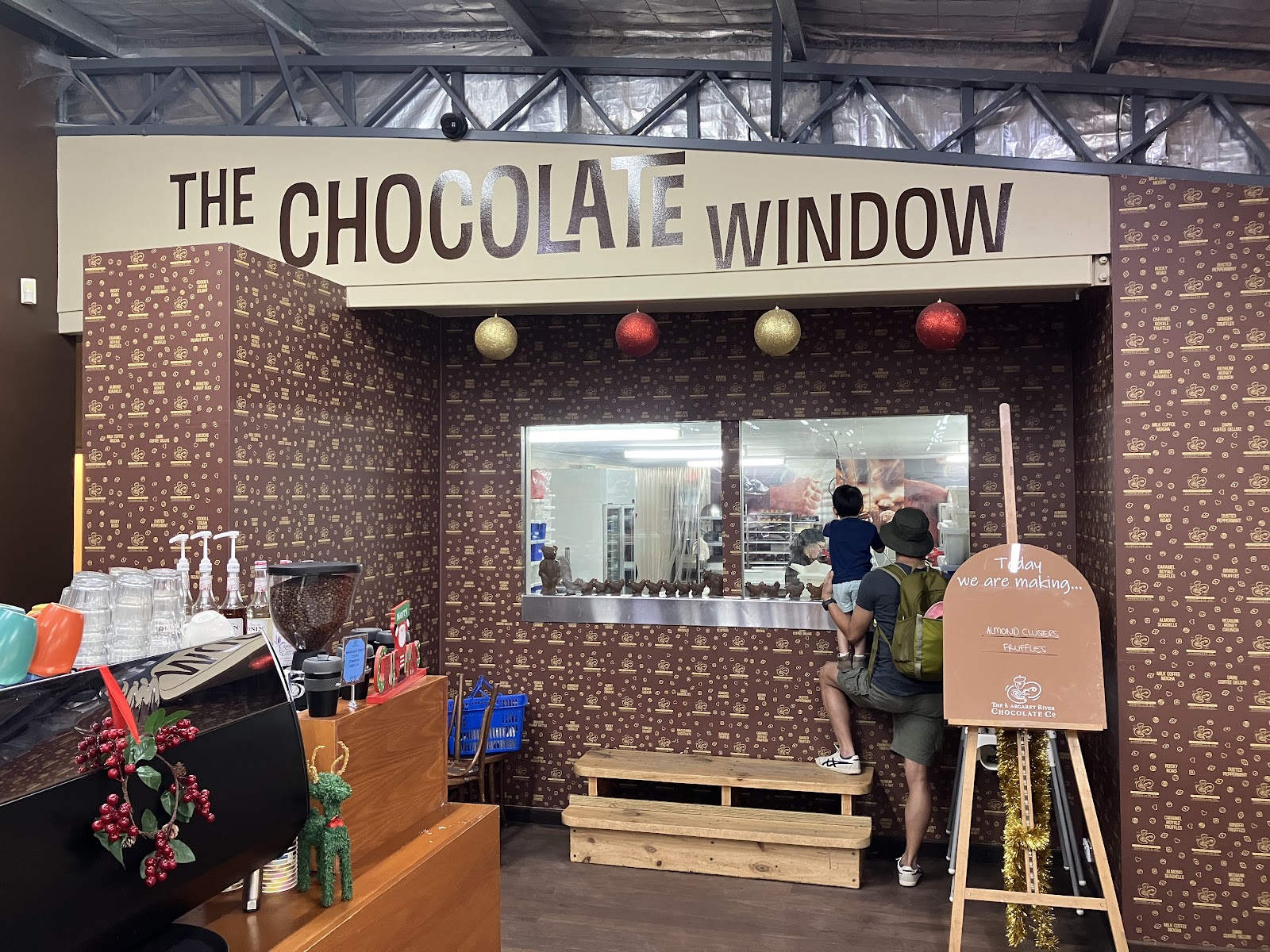 Margaret River
Australia's South West, Western Australia
The Margaret River show caves — Ngilgi and Lake Cave — Lake Cave's underground lake and the suspended calcite table formation — best seen on the guided tour with full lighting.
Explore indoor activities in Margaret River →
2
Margaret River
Australia's South West, Western Australia
The Margaret River show caves — Ngilgi and Lake Cave — Lake Cave's underground lake and the suspended calcite table formation — best seen on the guided tour with full lighting.
Explore indoor activities in Margaret River →
2
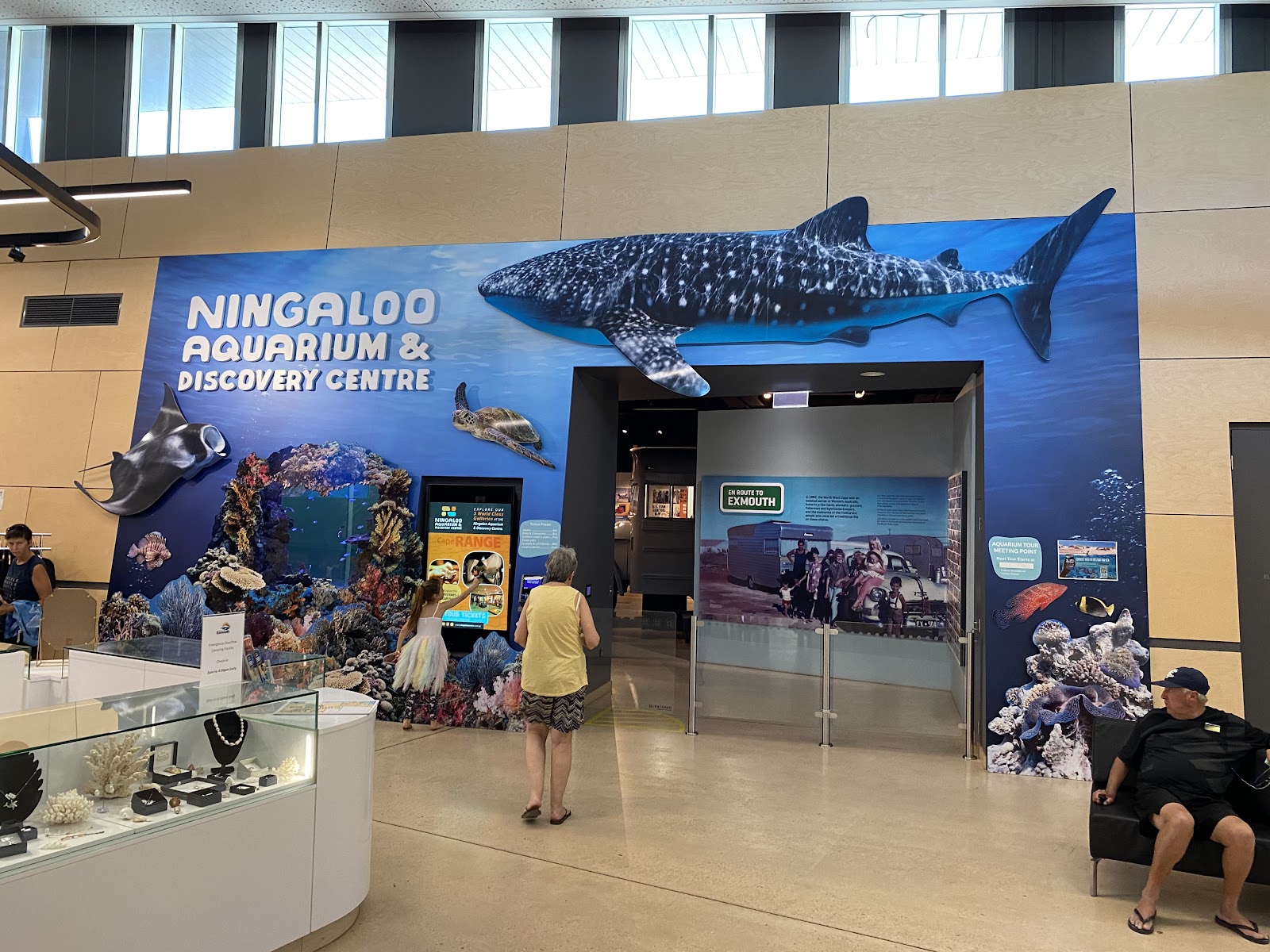 Ningaloo Reef
Australia's Coral Coast, Western Australia
Ningaloo Centre — reef exhibition and live aquarium — The live aquarium section in the morning before a snorkel day — seeing the species in the tanks beforehand makes the reef visit significantly richer.
Explore indoor activities in Ningaloo Reef →
3
Ningaloo Reef
Australia's Coral Coast, Western Australia
Ningaloo Centre — reef exhibition and live aquarium — The live aquarium section in the morning before a snorkel day — seeing the species in the tanks beforehand makes the reef visit significantly richer.
Explore indoor activities in Ningaloo Reef →
3
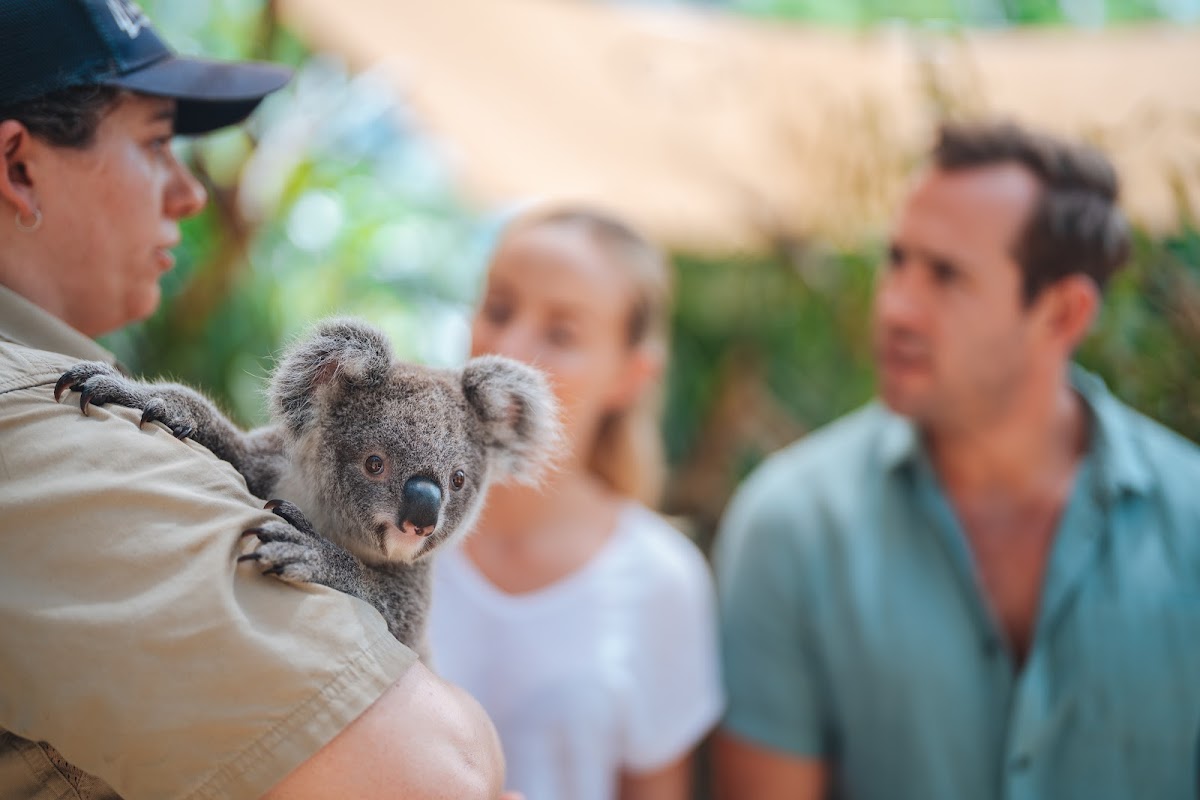 Hamilton Island
The Whitsundays, Queensland
Spa wumurdaylin — A long, indulgent treatment while the rain falls outside — the island’s best wet-day reset.
Explore indoor activities in Hamilton Island →
Broome you’re here
Australia's North West, Western Australia
Sun Pictures outdoor cinema — Arrive 20–30 minutes before the session for the best deckchair positioning, combine with dinner from Chinatown, and stay for the full experience rather than leaving at the credits.
You’re reading this guide
Hamilton Island
The Whitsundays, Queensland
Spa wumurdaylin — A long, indulgent treatment while the rain falls outside — the island’s best wet-day reset.
Explore indoor activities in Hamilton Island →
Broome you’re here
Australia's North West, Western Australia
Sun Pictures outdoor cinema — Arrive 20–30 minutes before the session for the best deckchair positioning, combine with dinner from Chinatown, and stay for the full experience rather than leaving at the credits.
You’re reading this guide
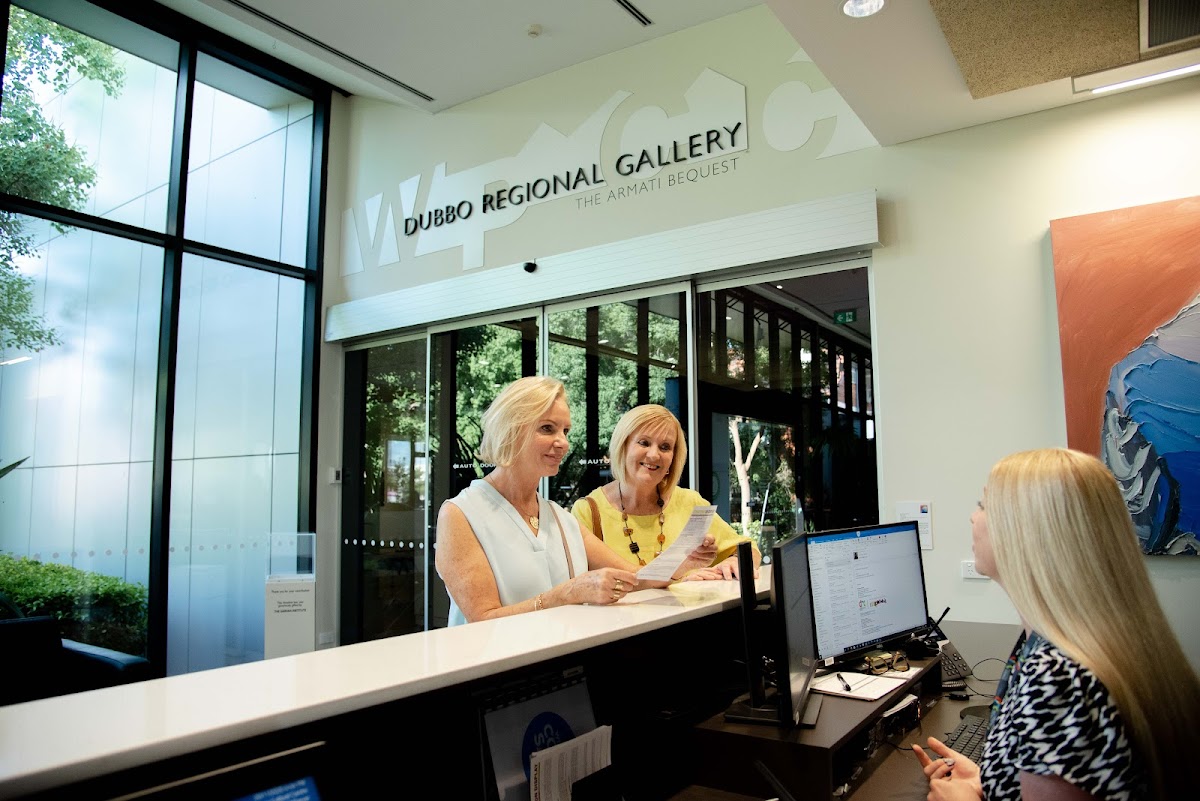 Dubbo
Central West, New South Wales
Old Dubbo Gaol — The animatronic characters and the gallows — the moments that make the history land for all ages.
Explore indoor activities in Dubbo →
6
Dubbo
Central West, New South Wales
Old Dubbo Gaol — The animatronic characters and the gallows — the moments that make the history land for all ages.
Explore indoor activities in Dubbo →
6
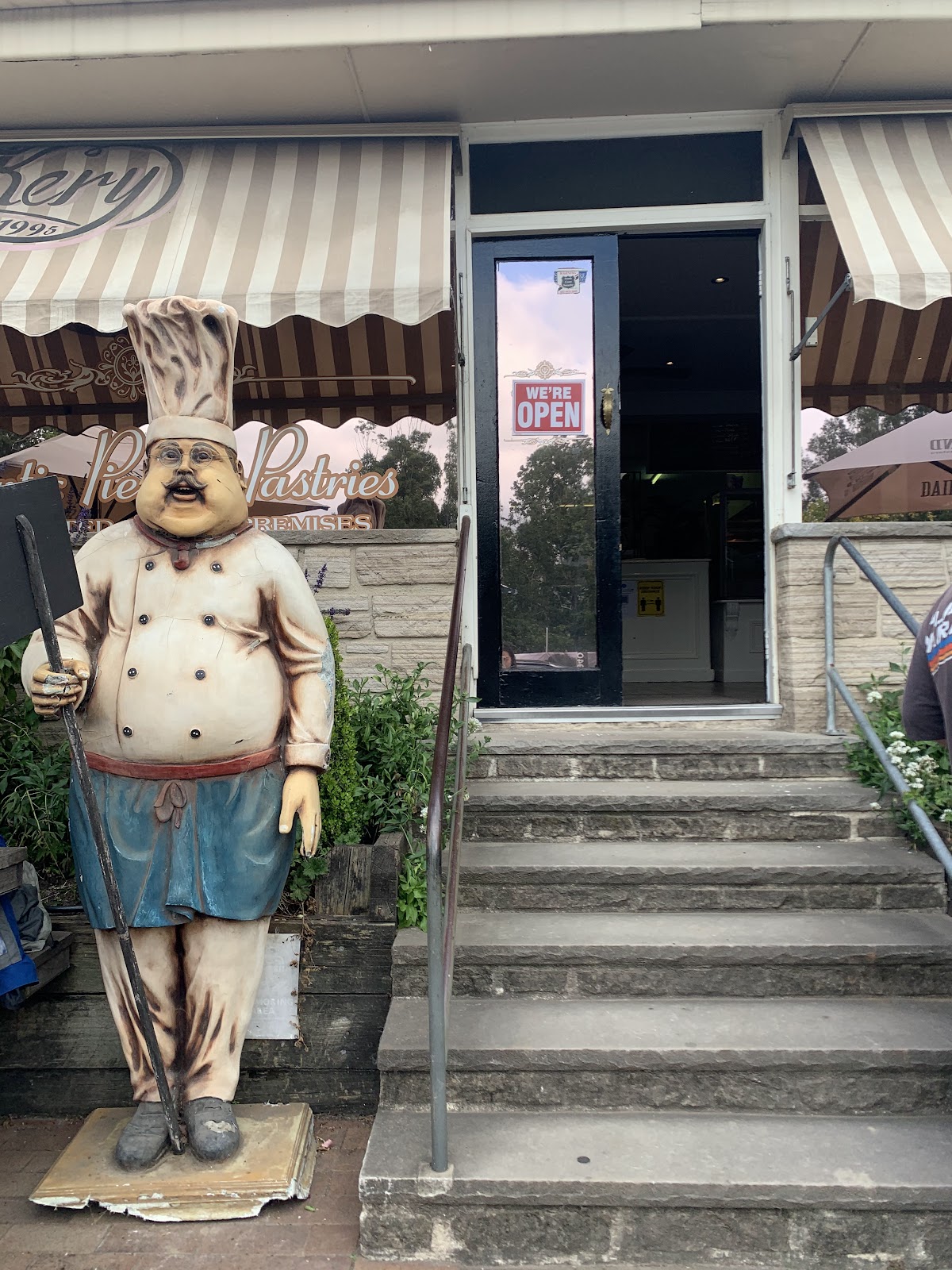 Kangaroo Valley
Shoalhaven, New South Wales
Pioneer Village Museum — Exploring the slab huts, the schoolhouse and the old machinery between showers, with the kids loose in the grounds.
Explore indoor activities in Kangaroo Valley →
7
Kangaroo Valley
Shoalhaven, New South Wales
Pioneer Village Museum — Exploring the slab huts, the schoolhouse and the old machinery between showers, with the kids loose in the grounds.
Explore indoor activities in Kangaroo Valley →
7
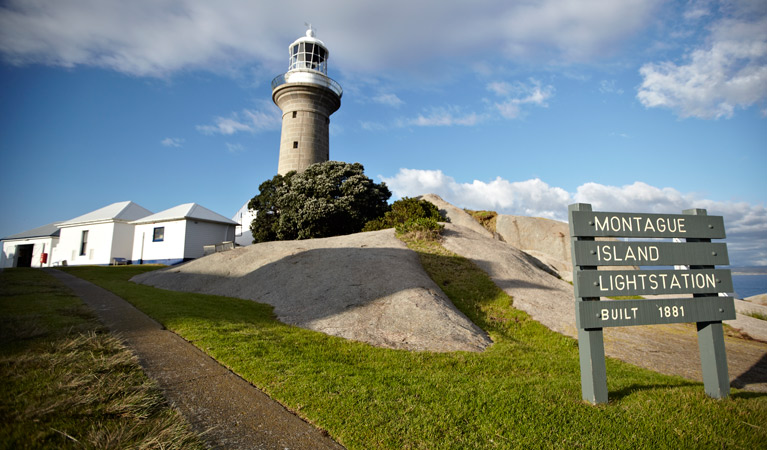 Narooma
South Coast, New South Wales
Narooma Visitor Centre & Lighthouse Museum — The original Montague Island Lightstation light and optical apparatus in its purpose-built extension.
Explore indoor activities in Narooma →
8
Narooma
South Coast, New South Wales
Narooma Visitor Centre & Lighthouse Museum — The original Montague Island Lightstation light and optical apparatus in its purpose-built extension.
Explore indoor activities in Narooma →
8
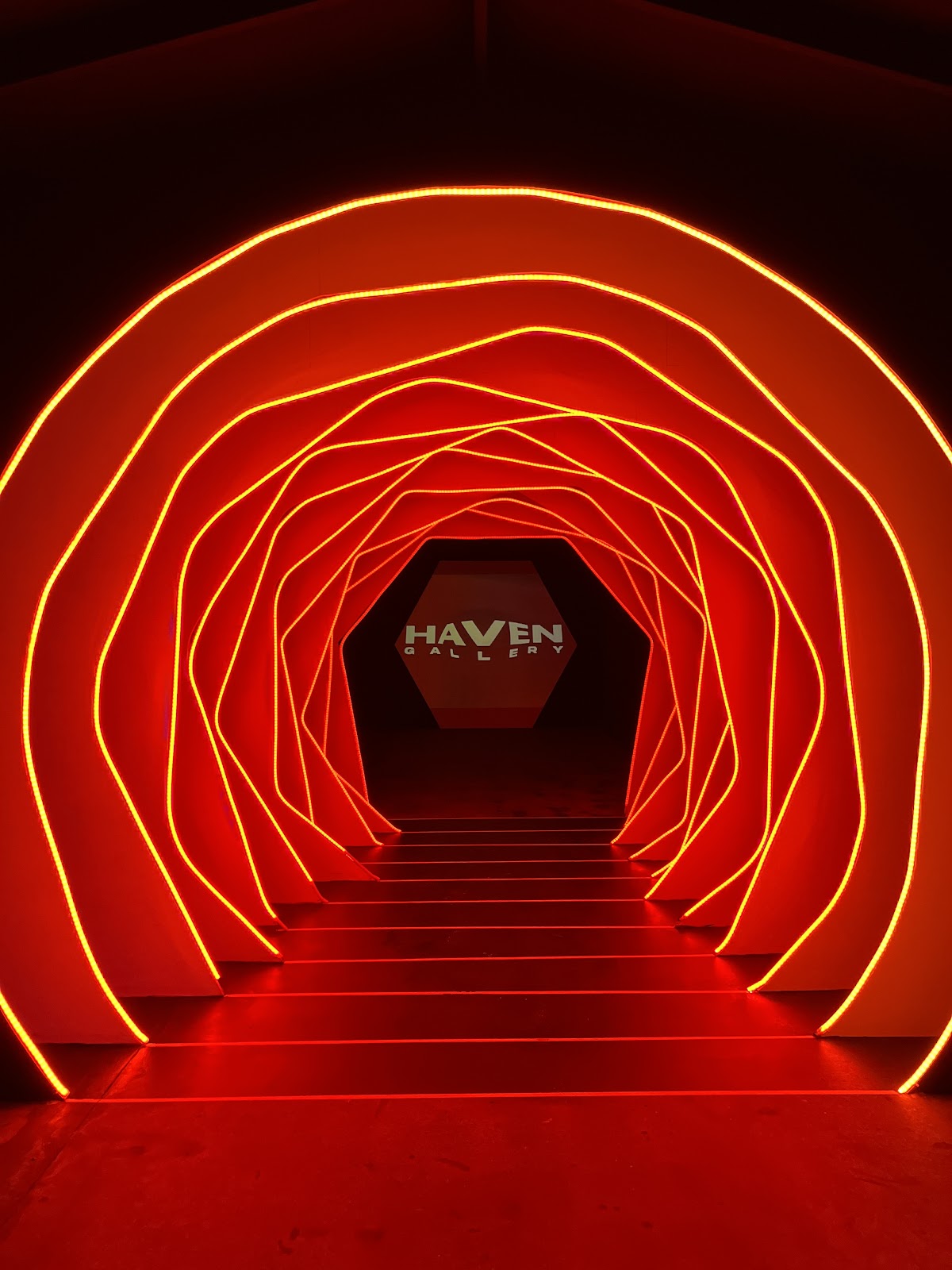 Byron Bay
Northern Rivers, New South Wales
Galleries & local makers — An unhurried browse of local makers’ work in town and the hinterland villages, free and under cover.
Explore indoor activities in Byron Bay →
9
Byron Bay
Northern Rivers, New South Wales
Galleries & local makers — An unhurried browse of local makers’ work in town and the hinterland villages, free and under cover.
Explore indoor activities in Byron Bay →
9
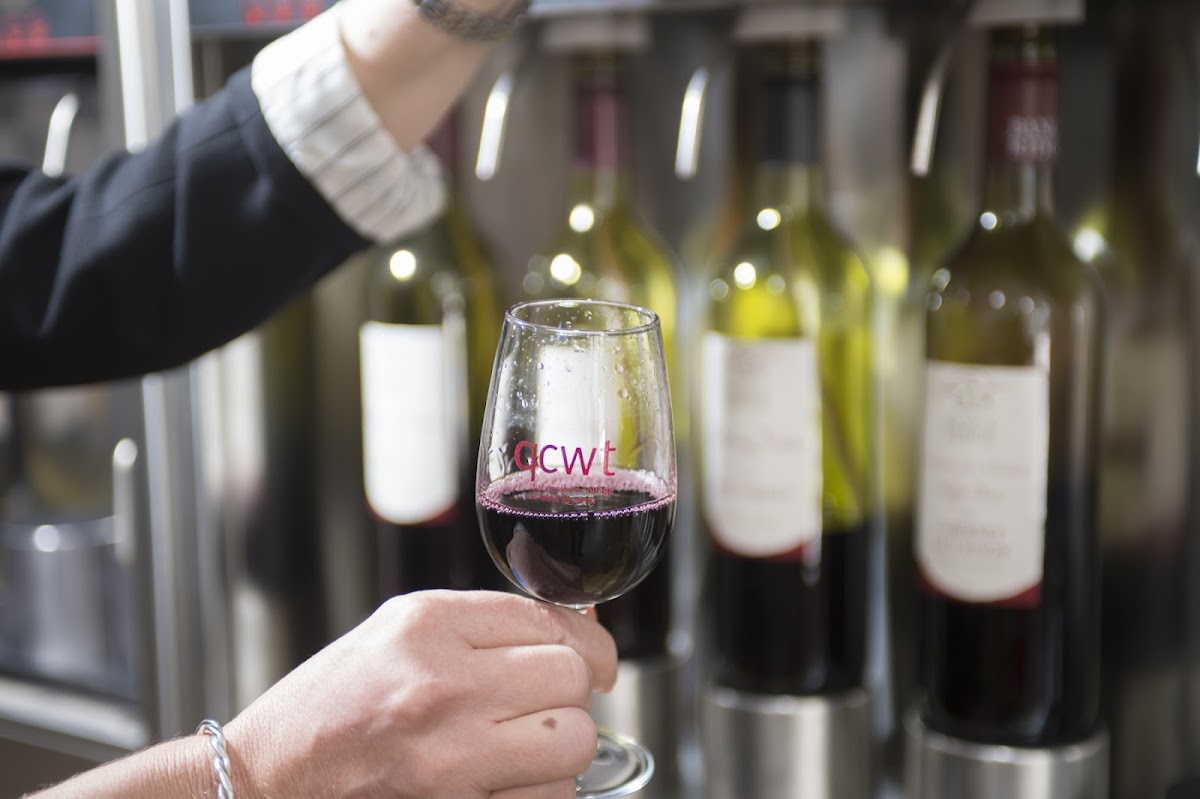 Glen Aplin
Granite Belt, Queensland
Cellar-door tastings (indoors) — A slow, story-led tasting at Jester Hill on a fresh palate, then the ridge views (or mist) from Mountview.
Explore indoor activities in Glen Aplin →
Glen Aplin
Granite Belt, Queensland
Cellar-door tastings (indoors) — A slow, story-led tasting at Jester Hill on a fresh palate, then the ridge views (or mist) from Mountview.
Explore indoor activities in Glen Aplin →
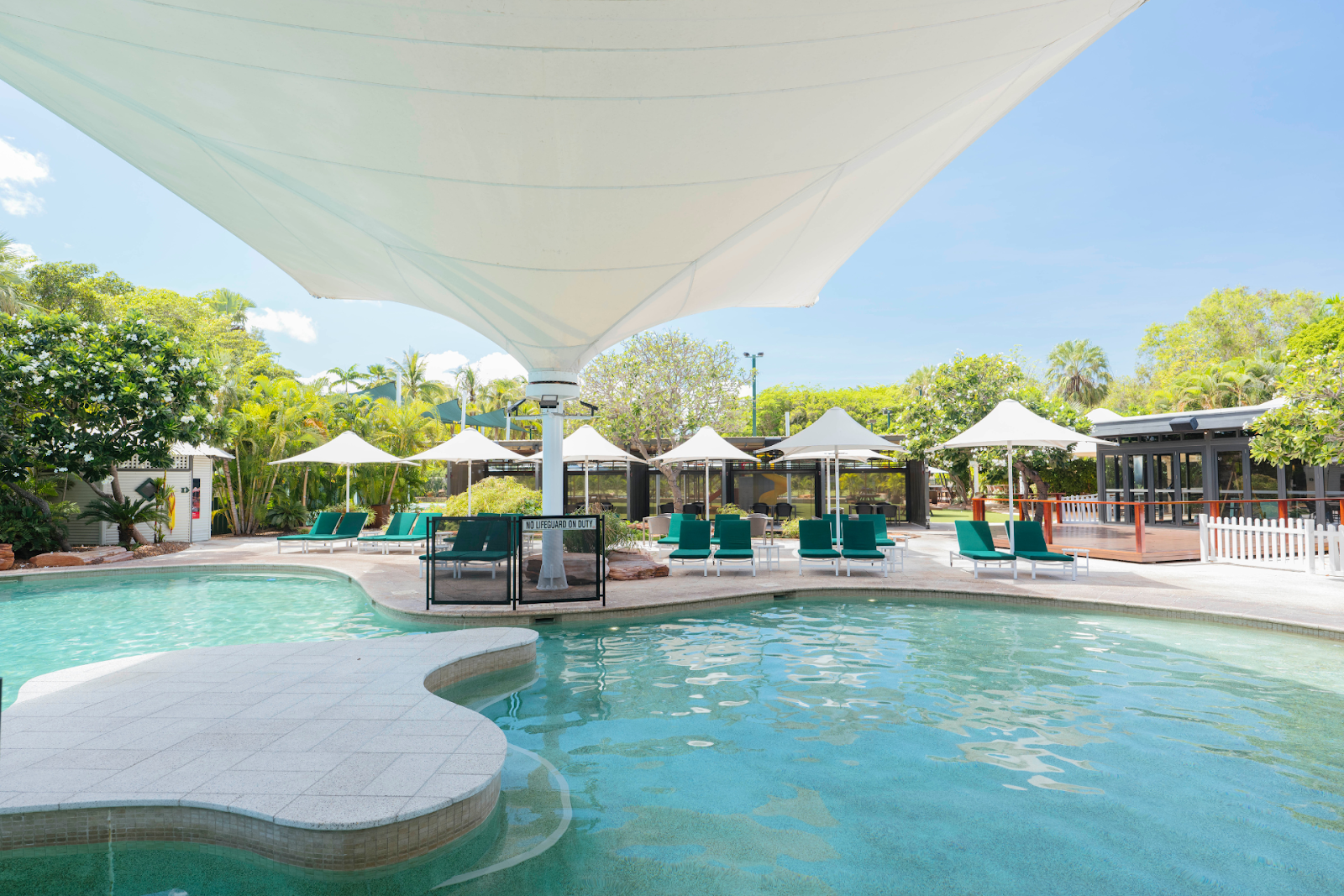
Cable Beach Club Resort & Spa — Broome
Book Direct & Save →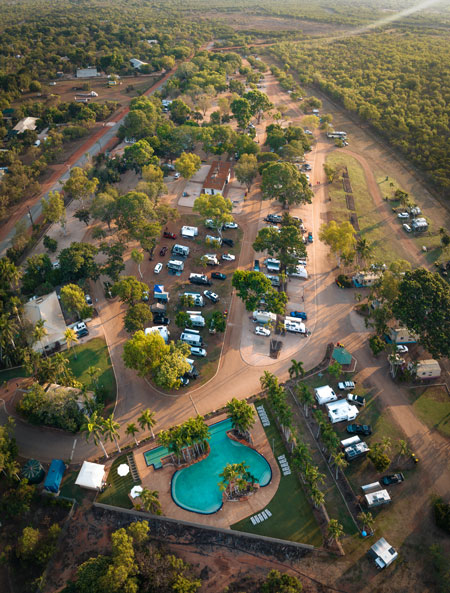
Broome Caravan Park — Broome
Book Direct & Save →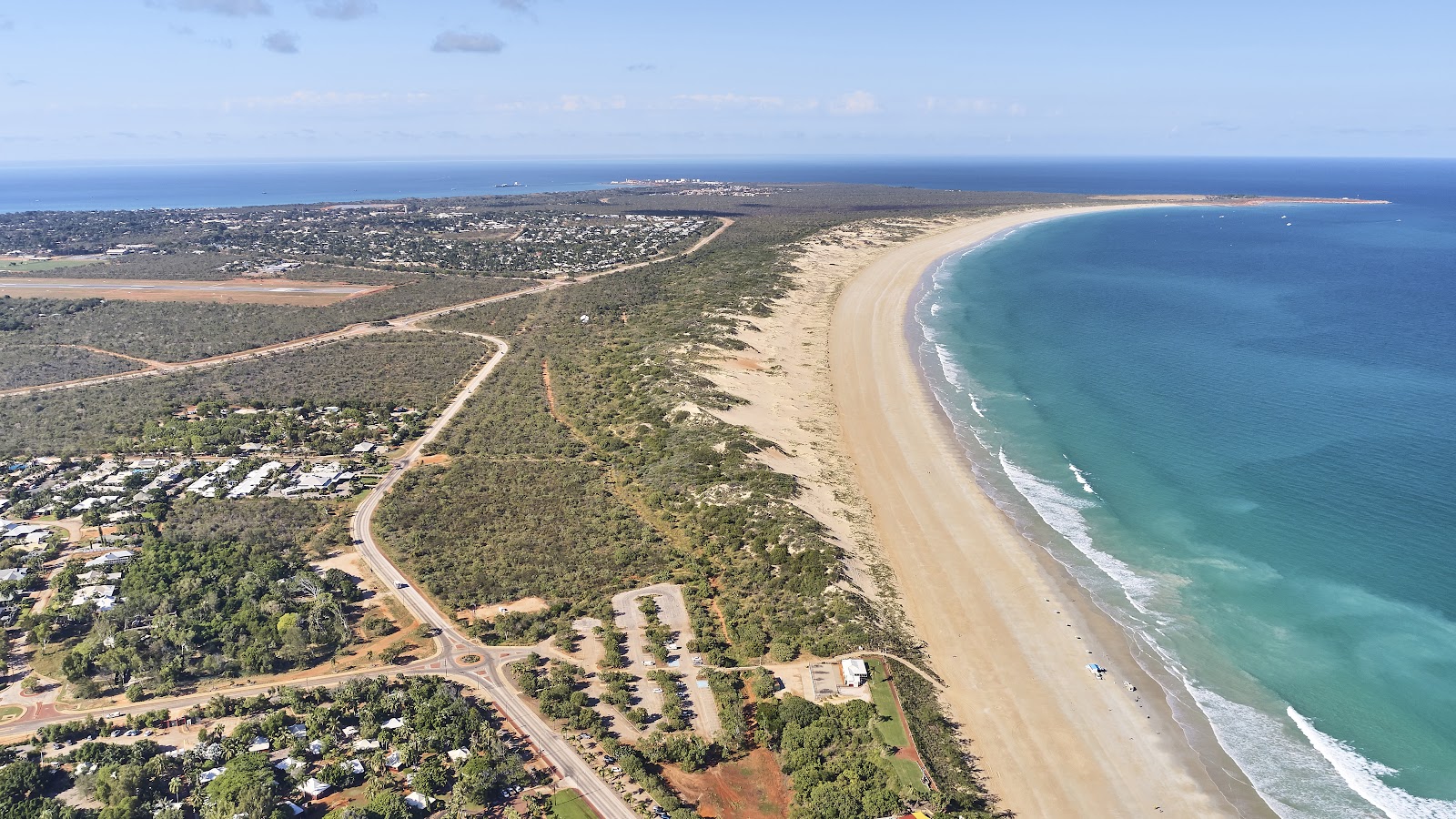
Beaches of Broome — Broome
Book Direct & Save →Skip OTA fees. Connect directly with Broome owners for the best rates and a truly personal experience.
We match any online rate. No service fees — 100% of your payment supports local owners.
Direct guests receive complimentary hampers, early check-in, and priority access to experiences.
Speak directly with the people who manage the properties. No call centres, just local expertise.
Part of Western Australia · Australia's North West
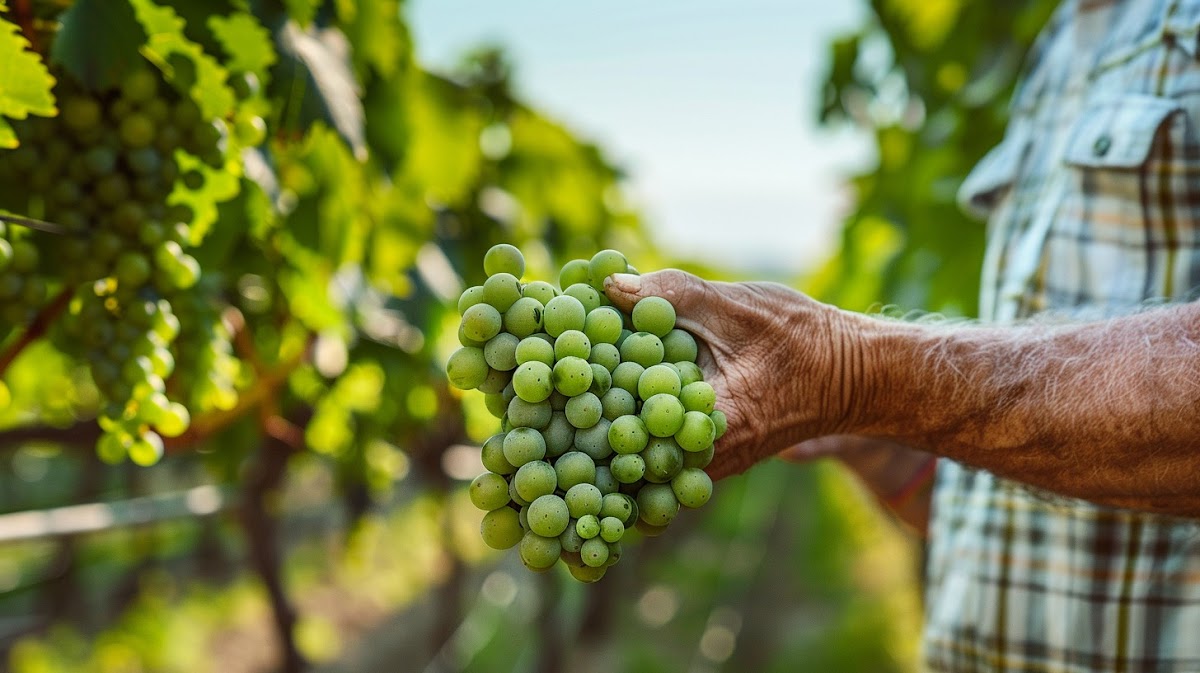 Glen Aplin
Granite Belt, Queensland
Queensland's most underrated wine valley
Explore the guide →
Glen Aplin
Granite Belt, Queensland
Queensland's most underrated wine valley
Explore the guide →
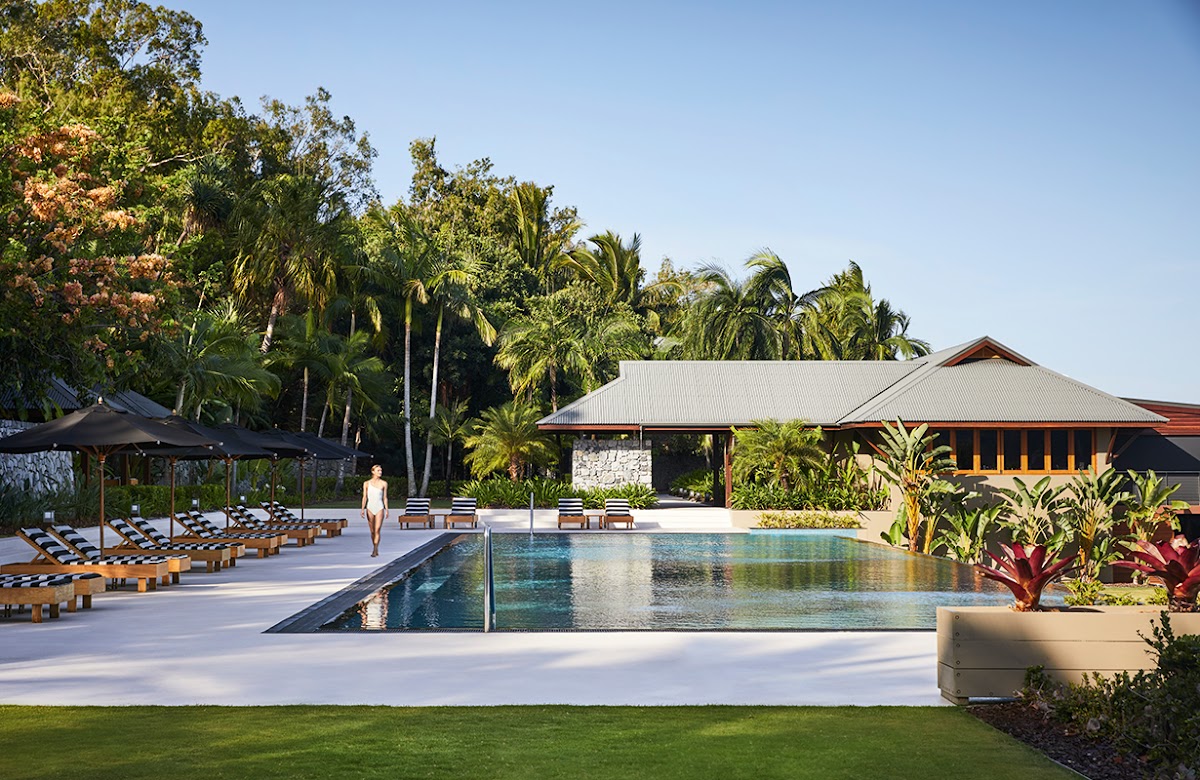 Hamilton Island
The Whitsundays, Queensland
Whitsundays island resort — Whitehaven Beach, reef trips and golf-buggy life
Explore the guide →
Hamilton Island
The Whitsundays, Queensland
Whitsundays island resort — Whitehaven Beach, reef trips and golf-buggy life
Explore the guide →
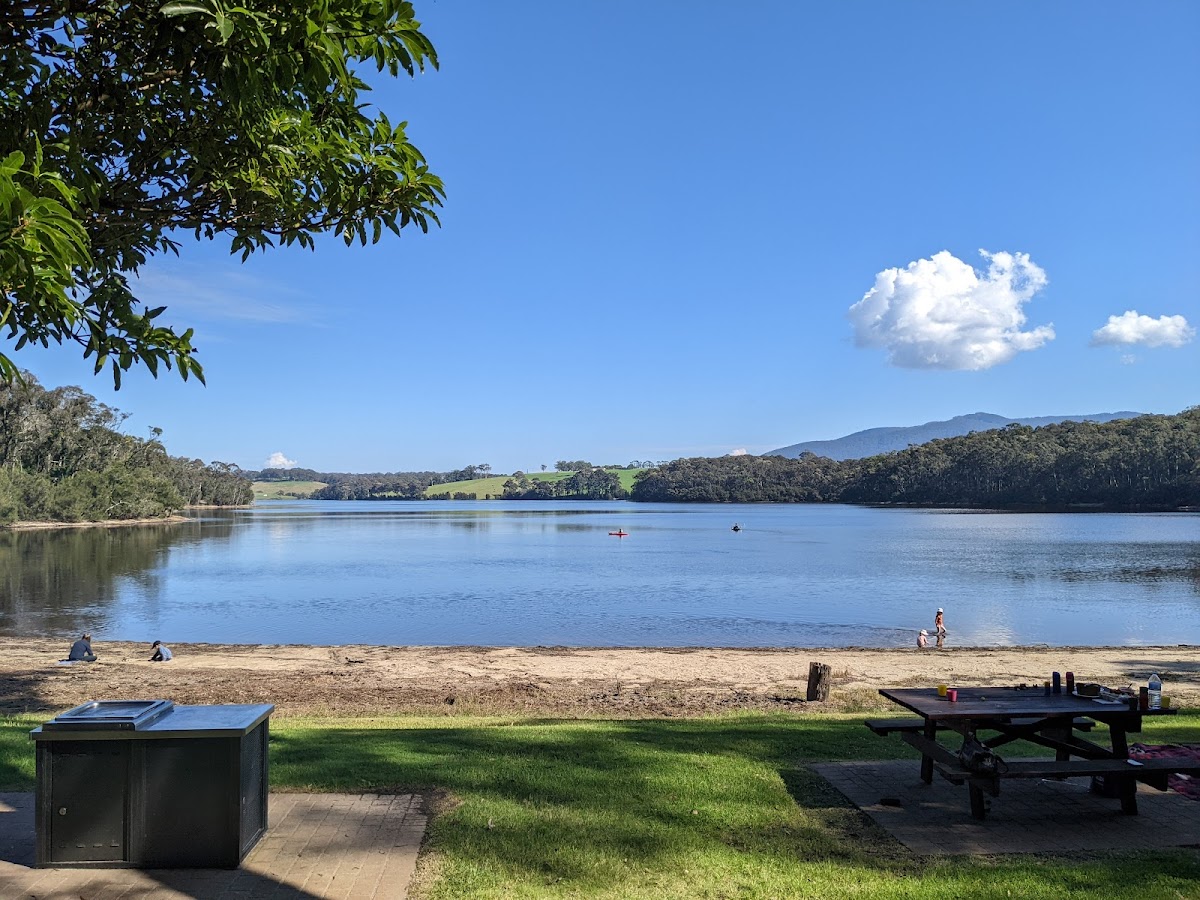 Narooma
South Coast, New South Wales
Crystal-clear inlet, surf beaches, oysters and Montague Island
Explore the guide →
Narooma
South Coast, New South Wales
Crystal-clear inlet, surf beaches, oysters and Montague Island
Explore the guide →
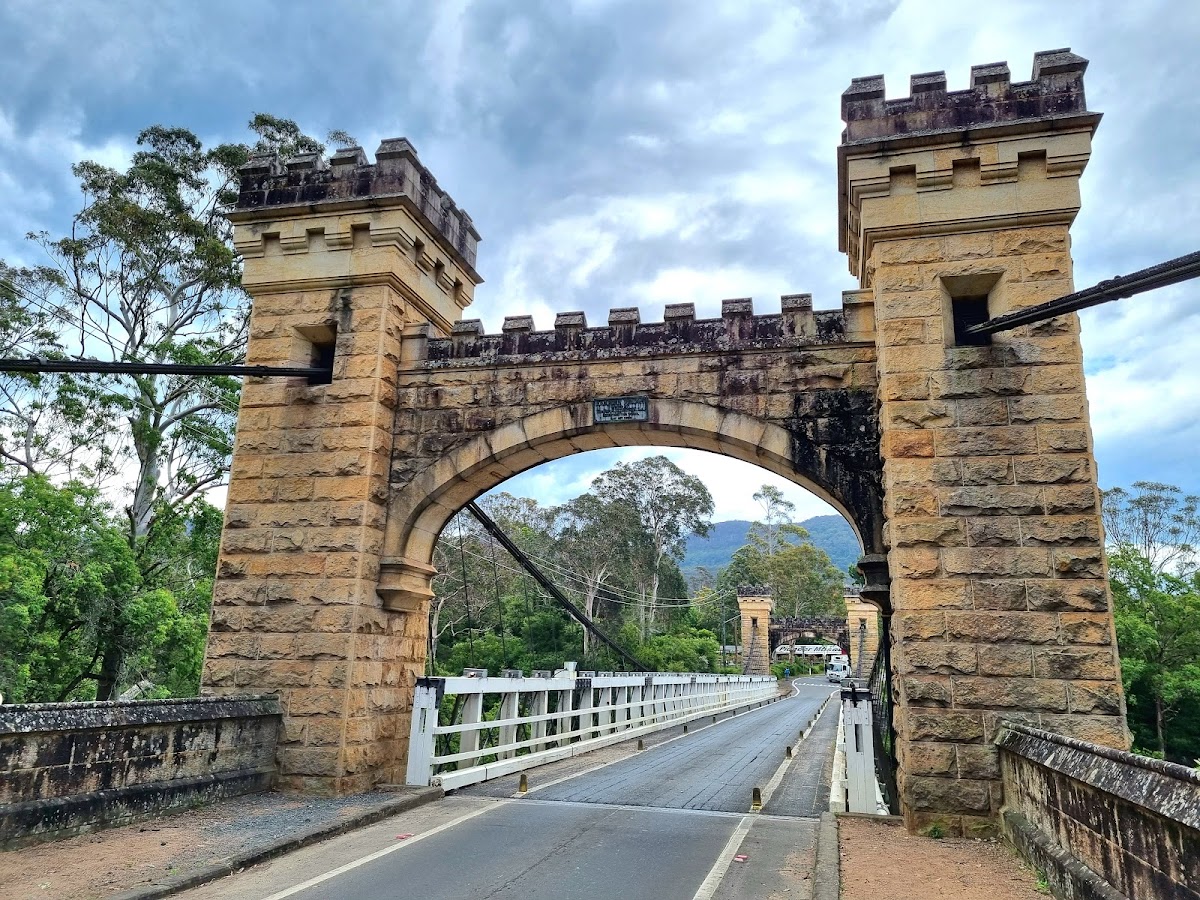 Kangaroo Valley
Shoalhaven, New South Wales
Hampden Bridge, kayaking and wombats in a green valley
Explore the guide →
Kangaroo Valley
Shoalhaven, New South Wales
Hampden Bridge, kayaking and wombats in a green valley
Explore the guide →
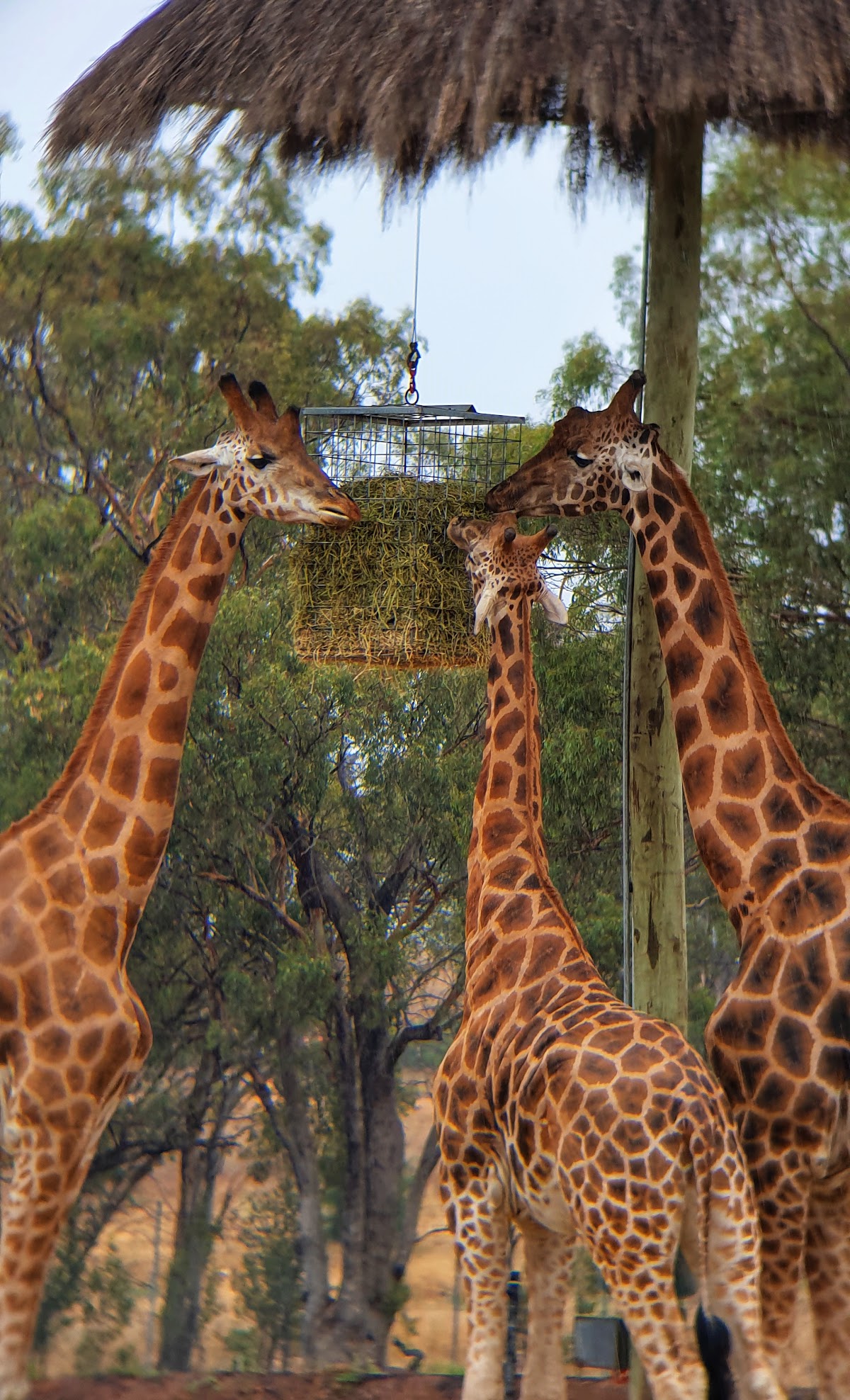 Dubbo
Central West, New South Wales
Open-range zoo and Outback gateway on the Macquarie River
Explore the guide →
Dubbo
Central West, New South Wales
Open-range zoo and Outback gateway on the Macquarie River
Explore the guide →
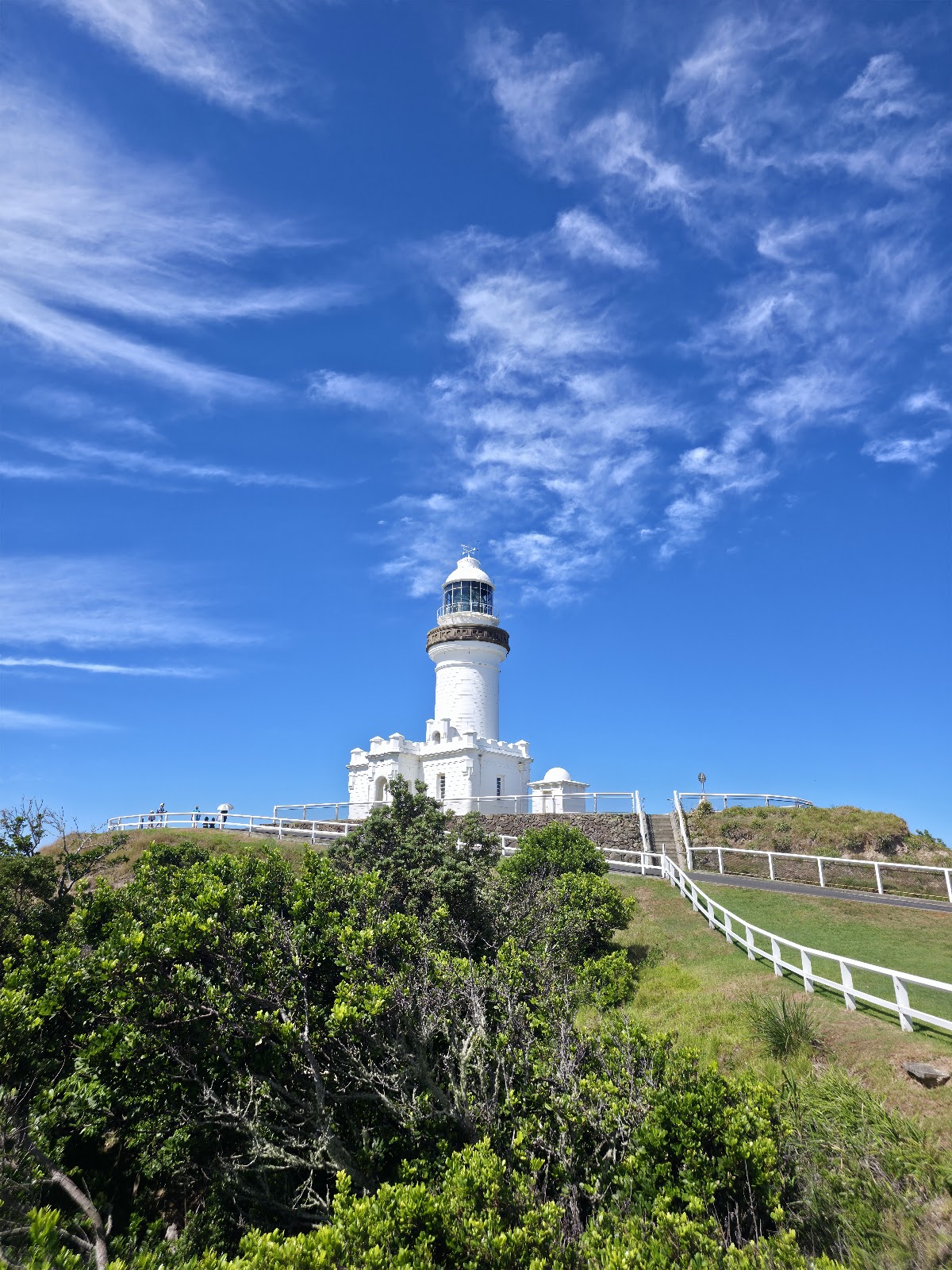 Byron Bay
Northern Rivers, New South Wales
Australia's iconic beach town and most easterly point
Explore the guide →
Byron Bay
Northern Rivers, New South Wales
Australia's iconic beach town and most easterly point
Explore the guide →
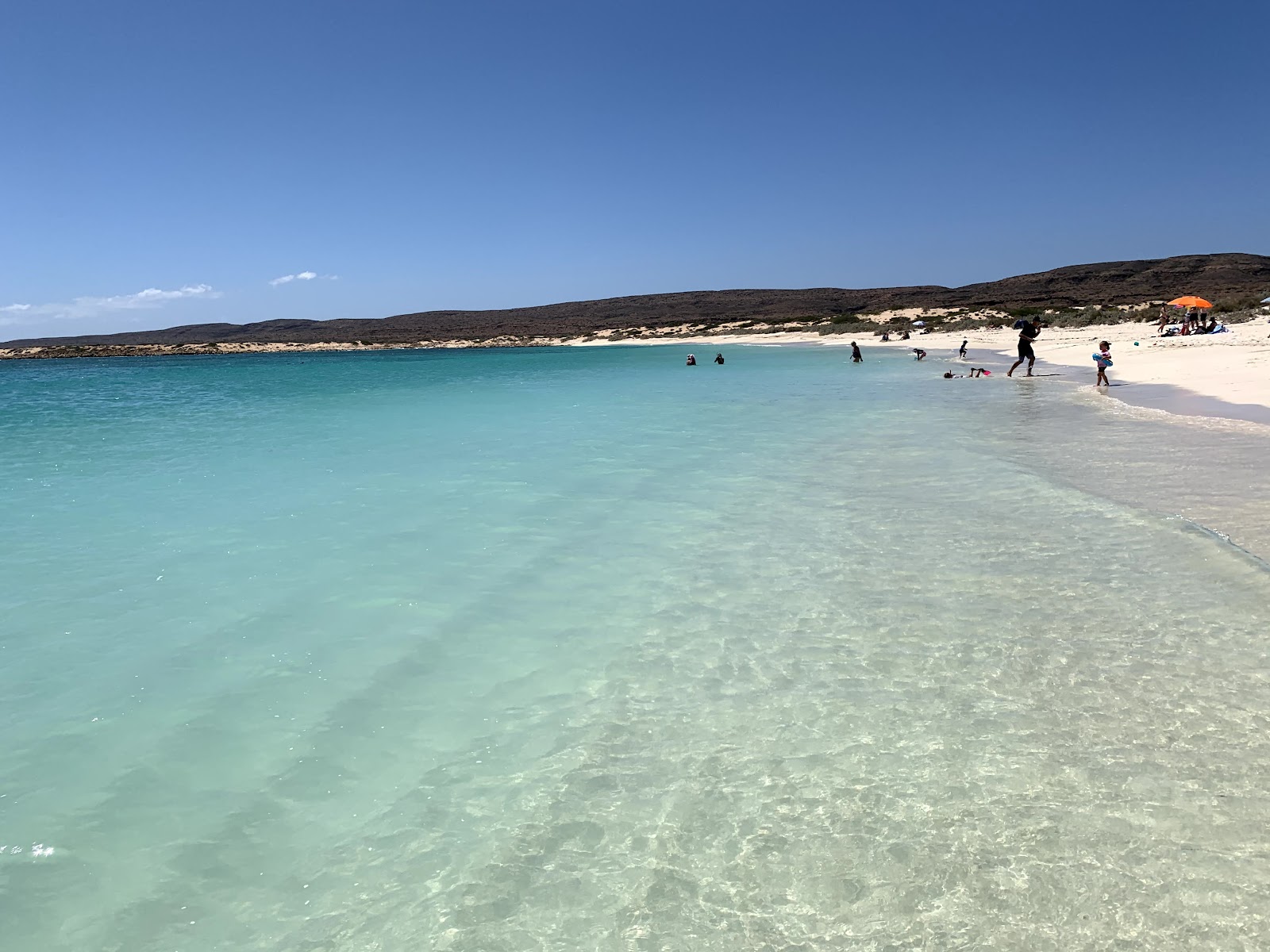 Ningaloo Reef
Australia's Coral Coast, Western Australia
Swim with whale sharks and snorkel a World-Heritage reef straight off the beach
Explore the guide →
Ningaloo Reef
Australia's Coral Coast, Western Australia
Swim with whale sharks and snorkel a World-Heritage reef straight off the beach
Explore the guide →
 The Kimberley
Australia's North West, Western Australia
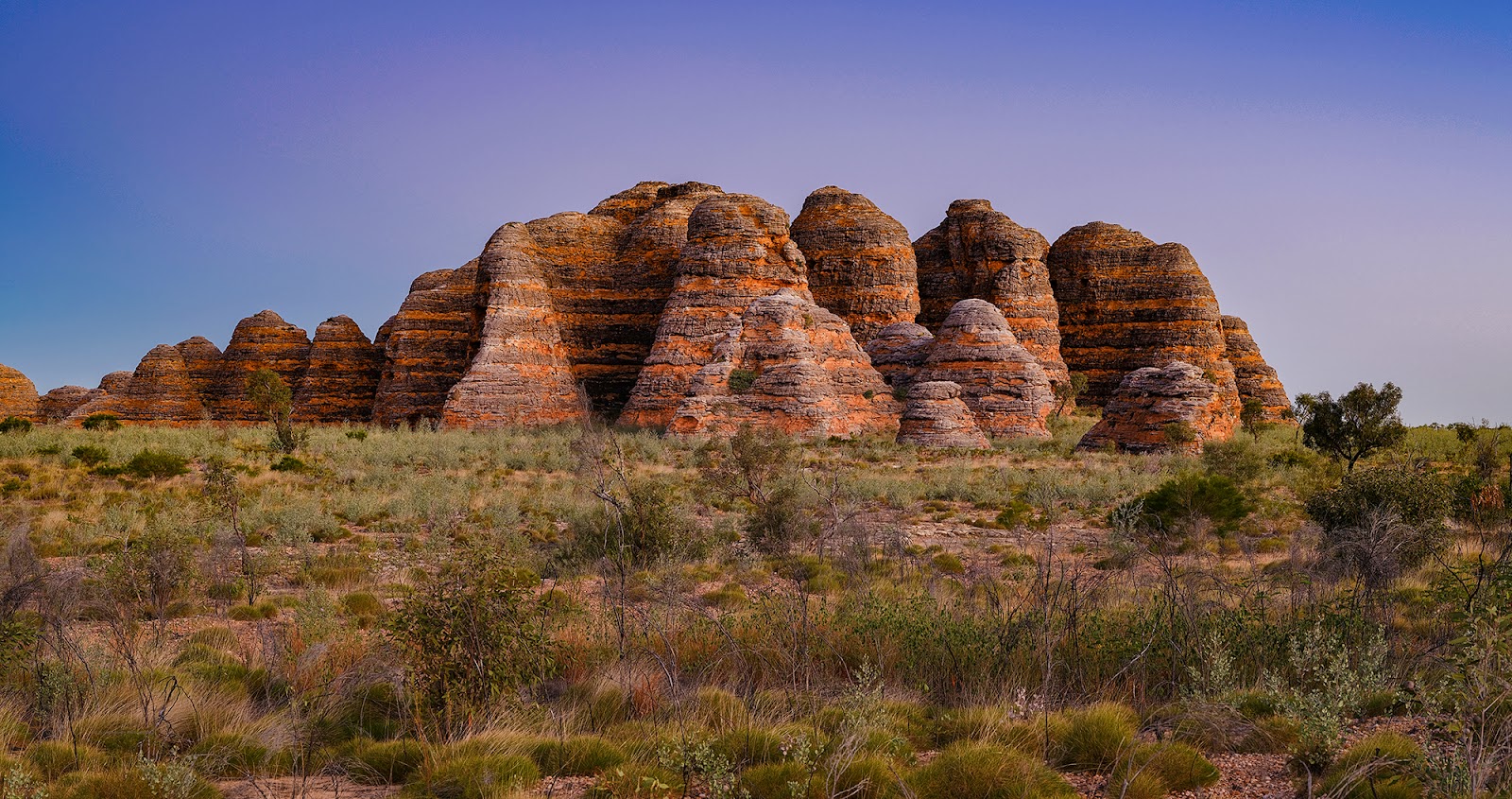
Gibb River Road, the Bungle Bungles, gorges and waterfalls in Australia's last frontier
Explore the guide →
The Kimberley
Australia's North West, Western Australia
Gibb River Road, the Bungle Bungles, gorges and waterfalls in Australia's last frontier
Explore the guide →
 Margaret River
Australia's South West, Western Australia
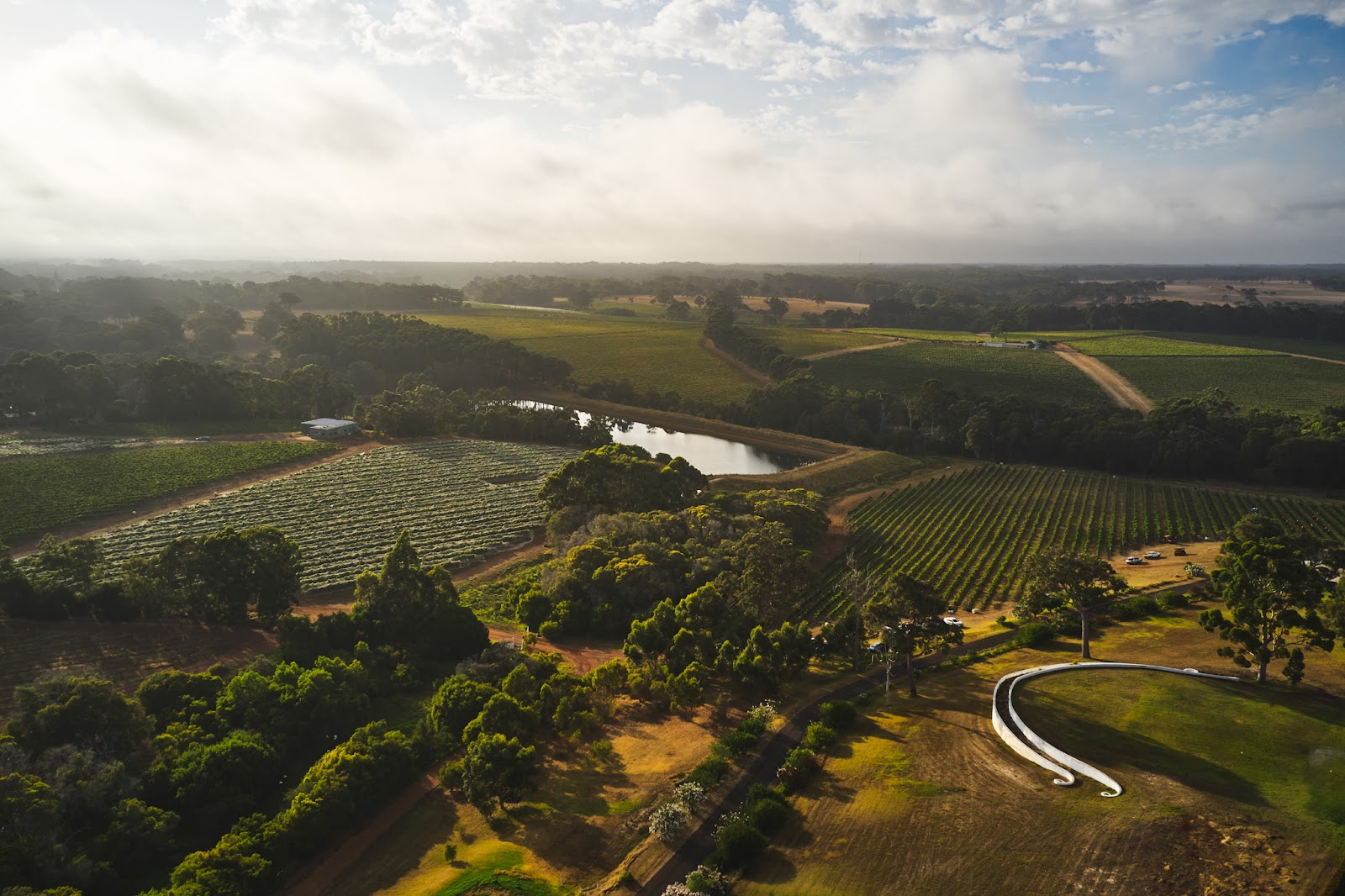
World-class wineries, surf breaks and limestone caves three hours south of Perth
Explore the guide →
Margaret River
Australia's South West, Western Australia
World-class wineries, surf breaks and limestone caves three hours south of Perth
Explore the guide →