01. Cable Beach Club Resort & Spa
4.5 (968 reviews)
Cable Beach Club Resort & Spa — Broome
Book Direct & Save →Broome is a town that looks best on foot, and the best walking it offers is on the edges — red pindan cliffs dropping straight to turquoise sea, twenty-two kilometres of white sand backed by dunes, a coastal park where the scrub gives way to Indian Ocean views, and a prehistoric shoreline where dinosaur footprints pressed into Cretaceous rock are still uncovered by the tide. You can drive most of it, but you miss the textural detail: the way the pindan turns deep red at low-angle light, the wading birds working the tidal flats, the silence between the sea sound and nothing else.
View 3 Properties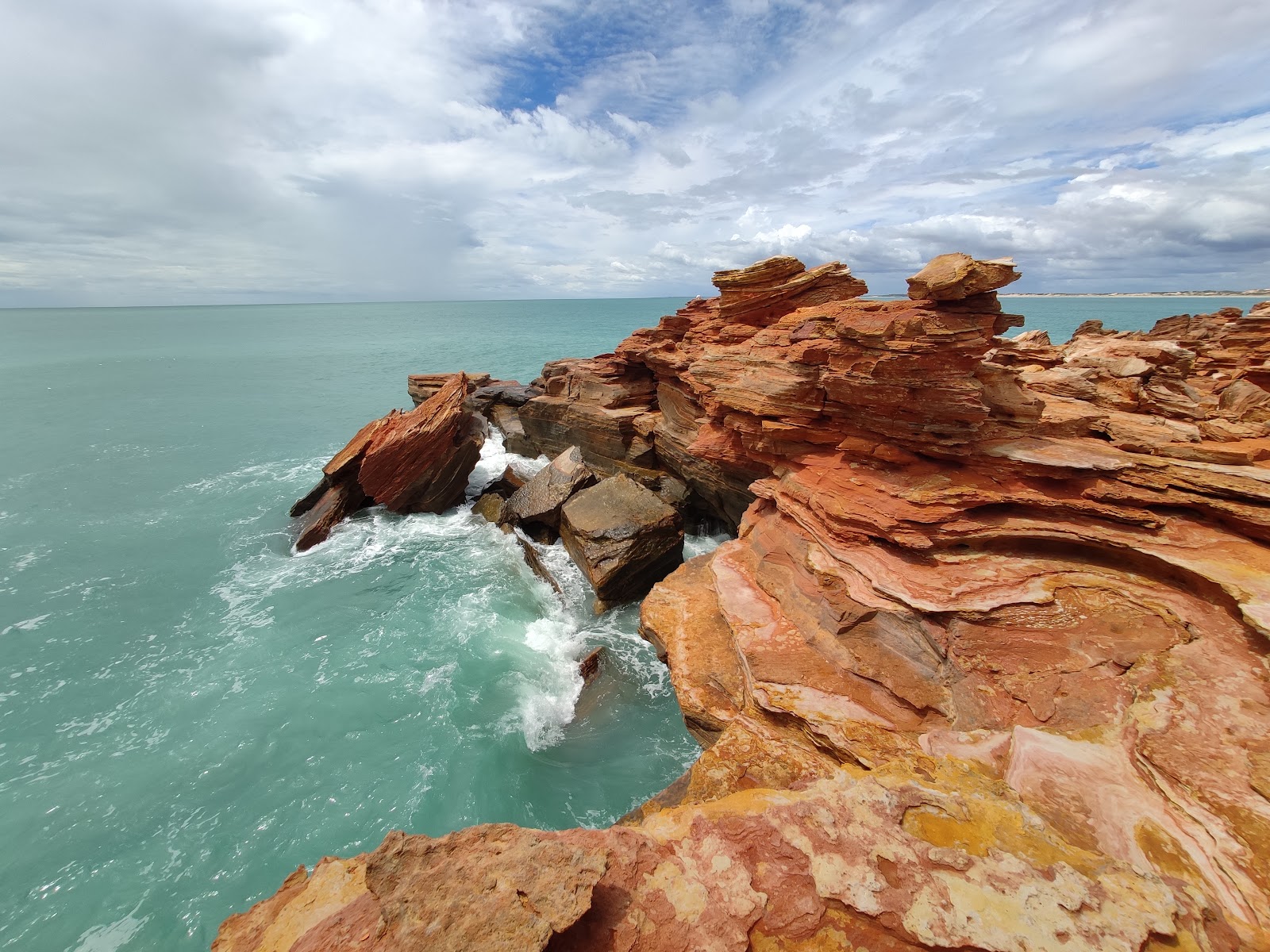
"Red cliffs to white sand"
This guide covers the best walks in Broome one by one — the distance, the difficulty, what you'll see and who each suits. They range from flat beach strolls anyone can manage to rough cliff tracks that need sturdy shoes and an eye on the tide. One rule applies to all of them: walk in the early morning. Broome is on the 17th parallel south, and from October onwards the midday heat is serious. The walks here are best before 9am in the Dry season and before 8am in the build-up months — pair them with a sunrise and you get the light, the temperature and the solitude in the same hour.
Walking Broome early in the morning is one of the better experiences in northern Australia, and it doesn't require planning or payment. The geology does the work: the pindan — iron-rich red soil and cliff — is a colour that doesn't photograph accurately, and in the first and last hours of the day it glows in a way that a midday visit can't replicate. The scale helps too: Cable Beach is twenty-two kilometres of white sand backed by red dunes, and the tidal range here is extraordinary — at low tide the sand goes out for what feels like a kilometre, and the wading birds follow the waterline in enormous flocks. No path or infrastructure required.
The practical constraint is the heat. Broome in the Dry season (May to October) has comfortable mornings — 25 to 28 degrees by 8am — but by midday the sun is serious and the exposed cliff walks feel it hard. In the build-up months (September to November) and the Wet (November to April), the temperature and humidity climb fast after sunrise. The walkers who love Broome are the ones who set the alarm, get out early, and let the rest of the day slow down in the shade. Get that timing right and the walking here is better than you expect for a town more famous for its beach than its trails.
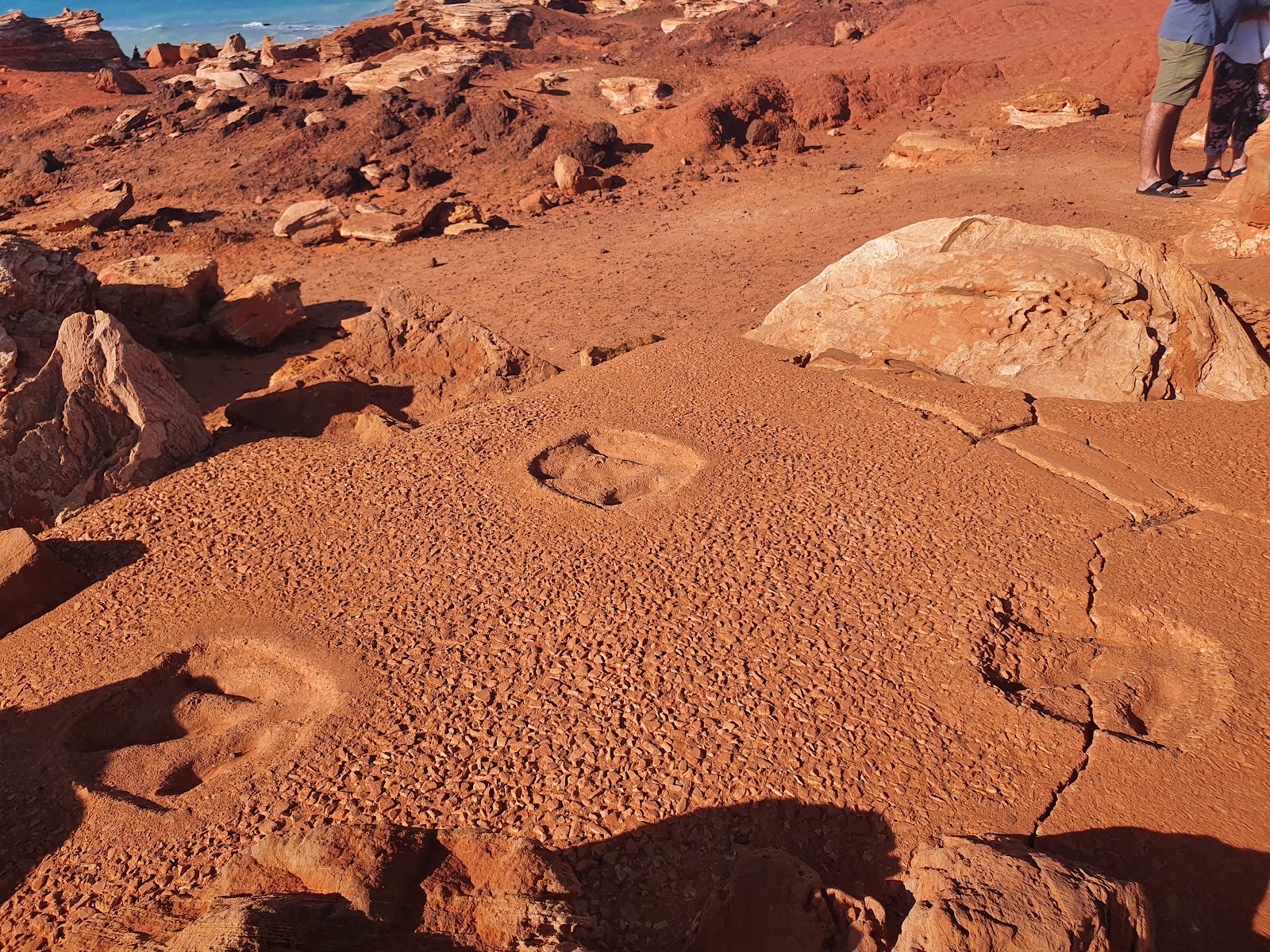
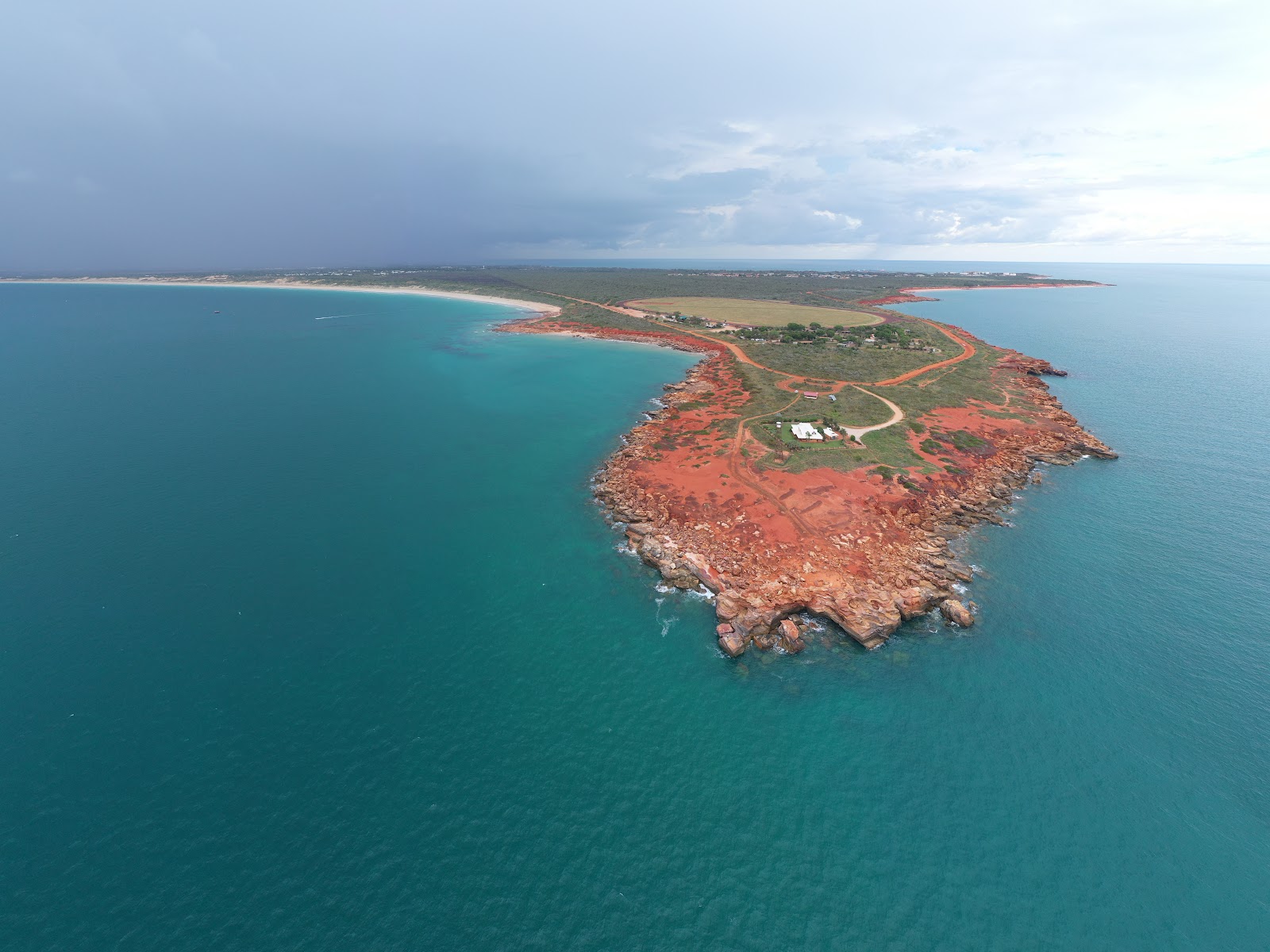
Gantheaume Point is the best walk in Broome and one of the more dramatic short walks in WA. The access road ends at a car park above extraordinary pindan-red cliffs dropping straight to turquoise Indian Ocean water, and the informal walking track around the point lets you explore the cliff edge, the rock platforms and — the headline — the real 130-million-year-old dinosaur footprints pressed into the Cretaceous-age reef flat at the base of the cliffs. At very low tide the original prints are accessible; at other times the carpark displays fibreglass casts of the originals. Either way, the walk around the point is one of the most visually striking thirty minutes on the Kimberley coast.
The red pindan cliffs are the colour that makes Broome distinctive — a deep, iron-rich crimson that intensifies at sunrise and sunset and looks entirely different from the bleached midday version in tourist photographs. Walk the track first thing in the morning, when the light is low and raking across the cliff face, and the whole headland feels like somewhere genuinely extraordinary. The lighthouse at the western end of the point adds a second landmark; the view south down the coast from the cliff edge shows you Cable Beach stretching away into the distance.
It suits confident walkers comfortable on rough, uneven rock — the cliff-edge sections and the reef-flat access are informal tracks rather than constructed paths. Families with older children manage it well; those with toddlers or in pushchairs are better off on the beach itself. Go at sunrise if you can, wear shoes with grip, carry water, and keep the children and the dog back from the cliff edges — they're real drops into real ocean.
It's the walk that explains what makes Broome different — red cliffs against turquoise water and actual dinosaur footprints in the rock, all within ten minutes of town.
“Walked to Gantheaume Point at sunrise — the red cliffs lit up gold, the water was unreal, and we found the dinosaur footprints in the rock. Best 45 minutes we had in Broome. Go early.”
— Google review
The pindan cliffs glowing red-gold at sunrise, with the dinosaur footprints in the reef flat below.
The cliff edges are real and unfenced — keep children and dogs well back. The reef-flat footprint access requires very low tide; check the tide chart. Not accessible for pushchairs or the less mobile on the rough track sections.
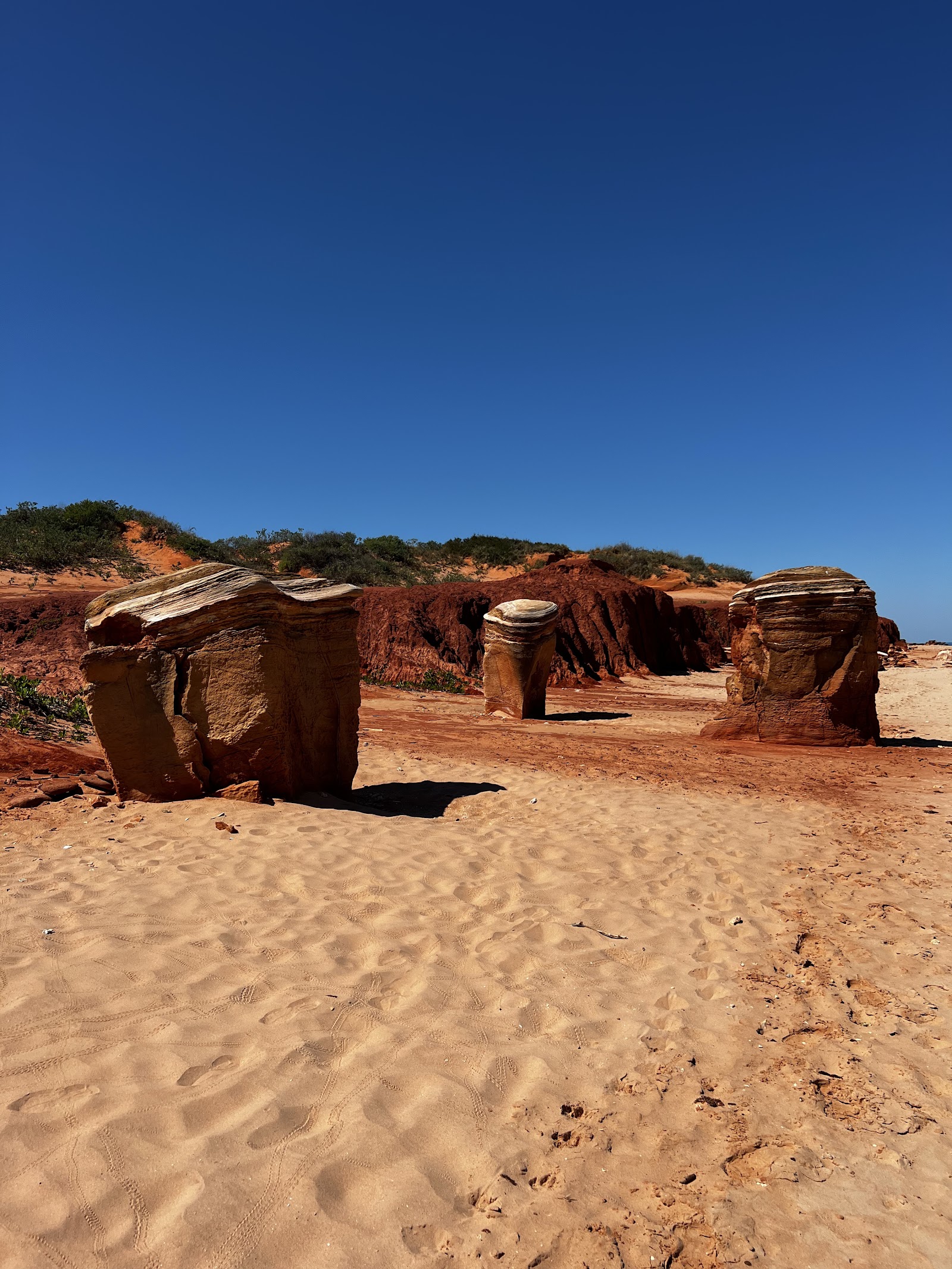
Cable Beach is one of the longest uninterrupted beaches in Australia — twenty-two kilometres of white sand backed by pindan dunes and scrub, running north from the access point at the Cable Beach car park to the remote northern end — and a sunrise walk along its southern section is one of Broome's signature experiences. The crowds that define the afternoon sunset-and-camel-riding set are nowhere in evidence at 5:30am; there is just the sand, the sound of the Indian Ocean, the dune scrub, and a sky that goes from black to purple to coral orange in the half-hour before the sun clears the horizon.
The beach itself is flat, firm and completely navigable barefoot, which makes it one of the most accessible long walks in WA. The southern section around the access car park is where the camel-trek operators set up and where the patrolled swimming zone sits; further north it gets quieter and emptier the further you go. Dog-friendly sections exist in the northern zone (check current signage at the car park for the latest rules and boundaries). The tidal range here is large — at low tide the sand extends much further and the walking is firmer; at high tide the beach narrows and may be impassable in sections.
It suits walkers of all abilities — the flat, firm sand is manageable for almost everyone, including families pushing beach-adapted prams. The honest notes are practical: stinger season runs roughly October to May (wear a rash vest in the water), and swimming is only at the patrolled zone near the car park. The northern end beyond the camel zone is remote and unpatrolled, so walk with a phone and tell someone your plan if you're going beyond a kilometre.
It's the walk that shows you why people fall in love with Broome — twenty-two kilometres of uncrowded white sand and a sunrise that the midday photo doesn't prepare you for.
“Up at 5am for the Cable Beach sunrise walk — the whole beach to ourselves, the sky going from black to orange, the sand still cool underfoot. Genuinely one of the best walks of our lives.”
— Traveller review
The beach entirely to yourself at sunrise, with the pindan dunes lit red-gold and the Indian Ocean flat.
Stinger season roughly October to May — wear a rash vest in the water and do not swim outside the patrolled zone. The northern section is unpatrolled; walk prepared and with a plan. The midday beach in Dry season is hot and exposed — this walk is for the early morning.
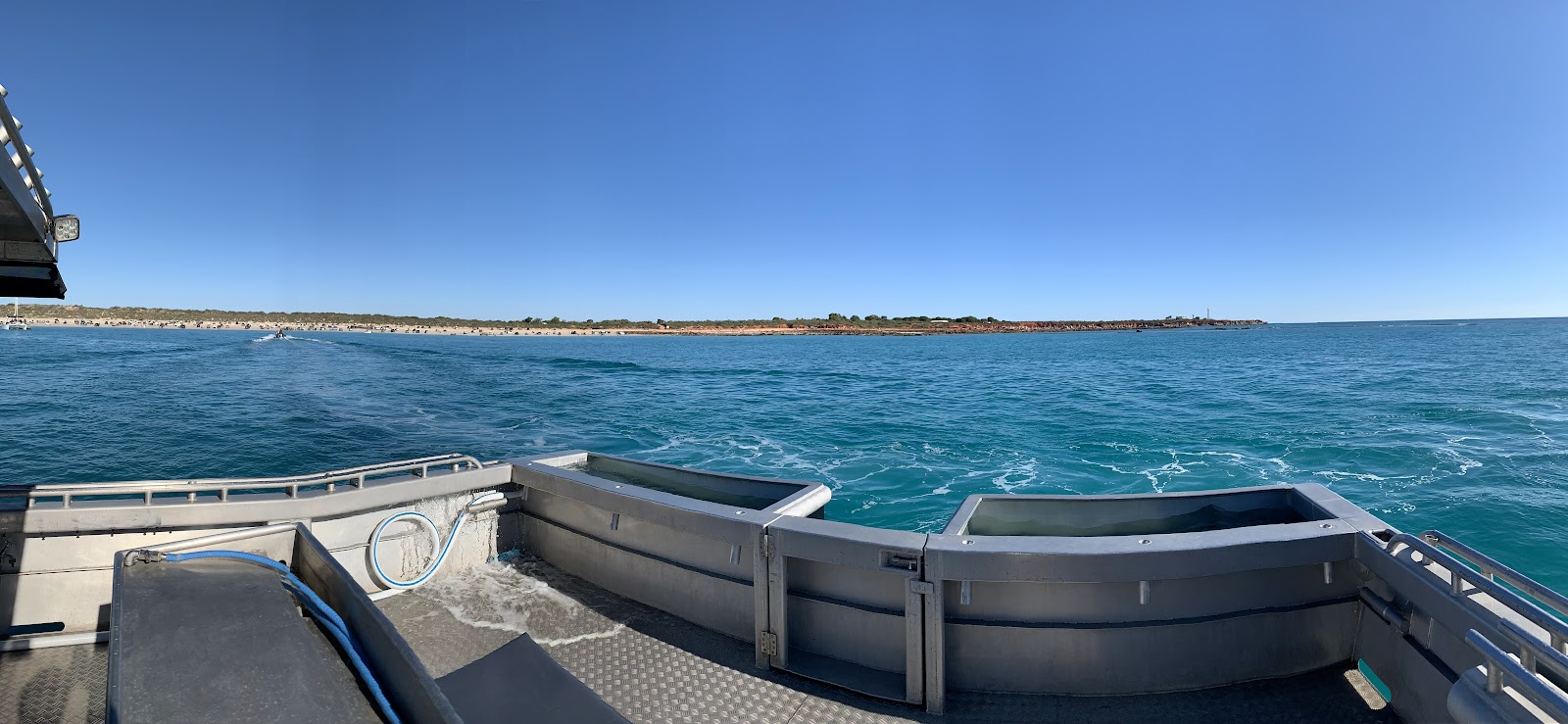
Minyirr Park is the coastal park that sits between Broome townsite and Cable Beach, and it contains some of the better walking in town that visitors consistently overlook because they drive straight to the sand. The park protects the dune system and coastal scrub immediately behind Cable Beach, and the tracks through it — some formed, some informal — give you ocean views through the spinifex and sheoak, the birdsong of the coastal scrub, and a perspective on the relationship between the dune country and the beach that the sand-level view can't give you.
The walk through the dunes and to the beach access at the southern end of Cable Beach is a good twenty-to-thirty-minute alternative to the car park approach, and it rewards the detour: the scrub is genuine coastal bushland with seasonal wildflowers in the Dry, the track to the beach emerges at one of the quieter access points, and the birdlife — honeyeaters, waders, the occasional sea eagle — is active in the early morning. It's also the right walk for the afternoons when the beach is too hot and exposed: the dune scrub provides intermittent shade, the track is mostly flat, and you get the coastal experience without standing on bare sand in full sun.
It suits walkers who want something beyond the beach-and-car-park experience, families comfortable on informal tracks, and birders working through the coastal scrub species of the Kimberley. The tracks are informal in sections and the surface varies — not suitable for pushchairs — and the park has no facilities, so carry water.
It's the walk that gives you the Broome dune country — coastal scrub, ocean views and birdsong, without the crowds that define the beach carpark approach.
“Walked through Minyirr Park to Cable Beach instead of driving — the track through the dunes was gorgeous, birds everywhere, emerged at a quiet part of the beach. Far better than the car park.”
— Traveller review
The dune-scrub track that emerges at a quiet section of Cable Beach — a thirty-minute walk that changes the whole morning.
Informal tracks in sections — not suitable for pushchairs or the less mobile. No facilities; carry water. The tracks are easier in the early morning before the heat builds.
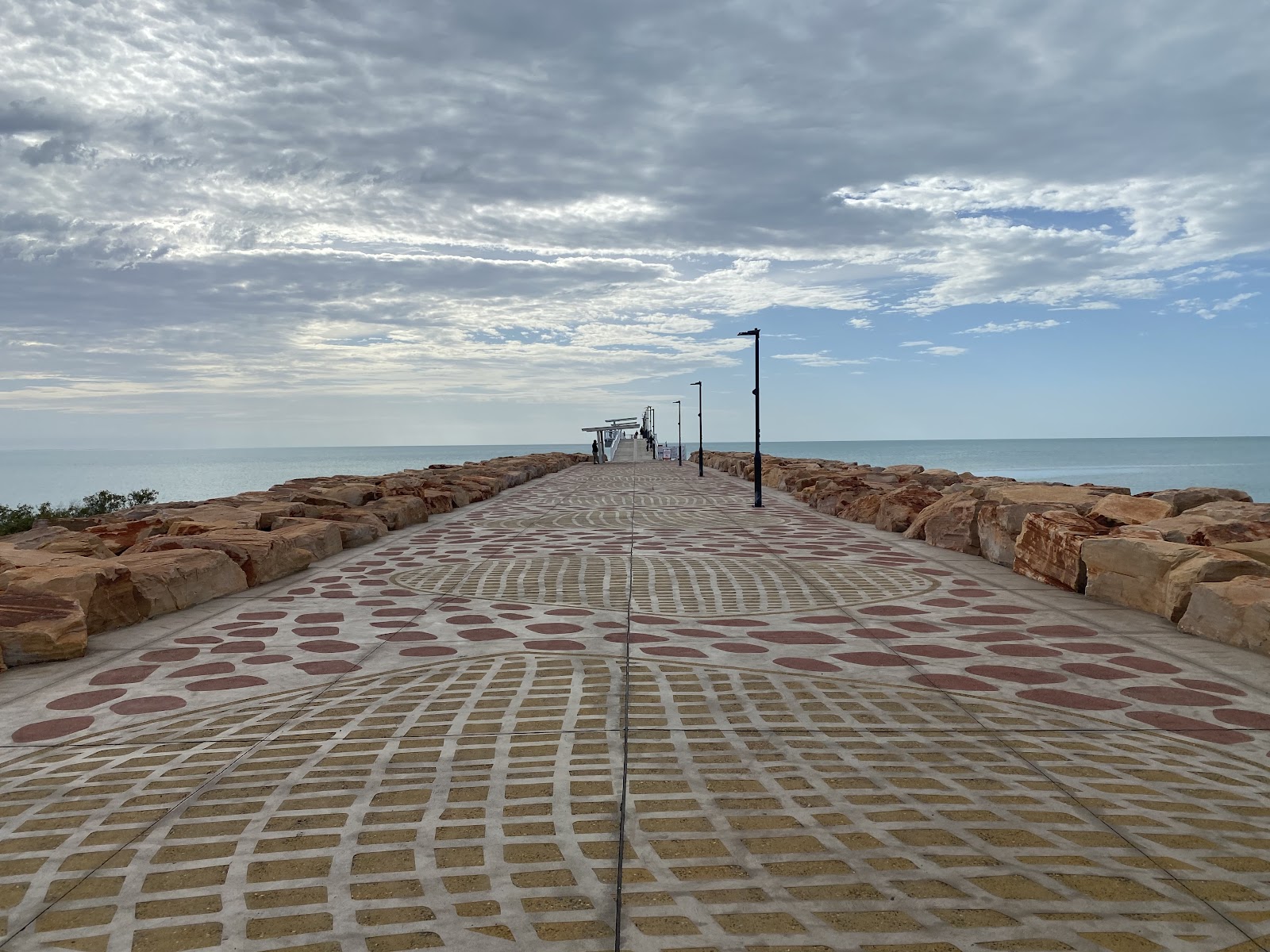
Town Beach is Broome's bay-facing working beach on Roebuck Bay, and the foreshore walk from Town Beach toward the historic jetty is as good an introduction to the real Broome as any walk in town. The tidal flats here are enormous — at low tide the bay exposes hundreds of metres of red-brown sand and mud that supports extraordinary numbers of migratory wading birds, including some of the largest concentrations of shorebirds in the southern hemisphere during the northern-hemisphere winter. Even if you know nothing about birds, the scale of the spectacle on a good low-tide morning is one of the most unusual things you'll see in WA.
The foreshore path itself is flat and easy, running from the main Town Beach car park past the cafe and along the bay toward the old pearling jetty. The pearling history is tangible here: the jetty, the bay, the Japanese-influenced memorials and heritage markers trace the industry that made Broome what it is. The Staircase to the Moon foreground — the stretch of tidal flat that creates the famous optical illusion on full-moon evenings from March to October — lies right in front of you on the Town Beach foreshore walk.
One absolute rule: do not enter the water at Town Beach. Roebuck Bay and its tidal waterways are saltwater crocodile habitat — not a theoretical risk but a documented one, with confirmed croc presence in the bay and its connecting creeks. This is a walking and viewing beach exclusively.
It's where the pearling history and the extraordinary migratory birdlife converge — a flat, easy foreshore walk that shows you a Broome few visitors bother to find.
“Walked the Town Beach foreshore at low tide and counted hundreds of wading birds — dunlin, godwits, all kinds of things. Then had coffee at the cafe and watched the light change over the flats. Beautiful.”
— Traveller review
Migratory shorebirds on the tidal flats at low tide — one of the largest concentrations of wading birds in the southern hemisphere.
Do NOT enter the water at Town Beach or any adjacent tidal creek — saltwater crocodiles are present in Roebuck Bay year-round. This is a walking beach only.
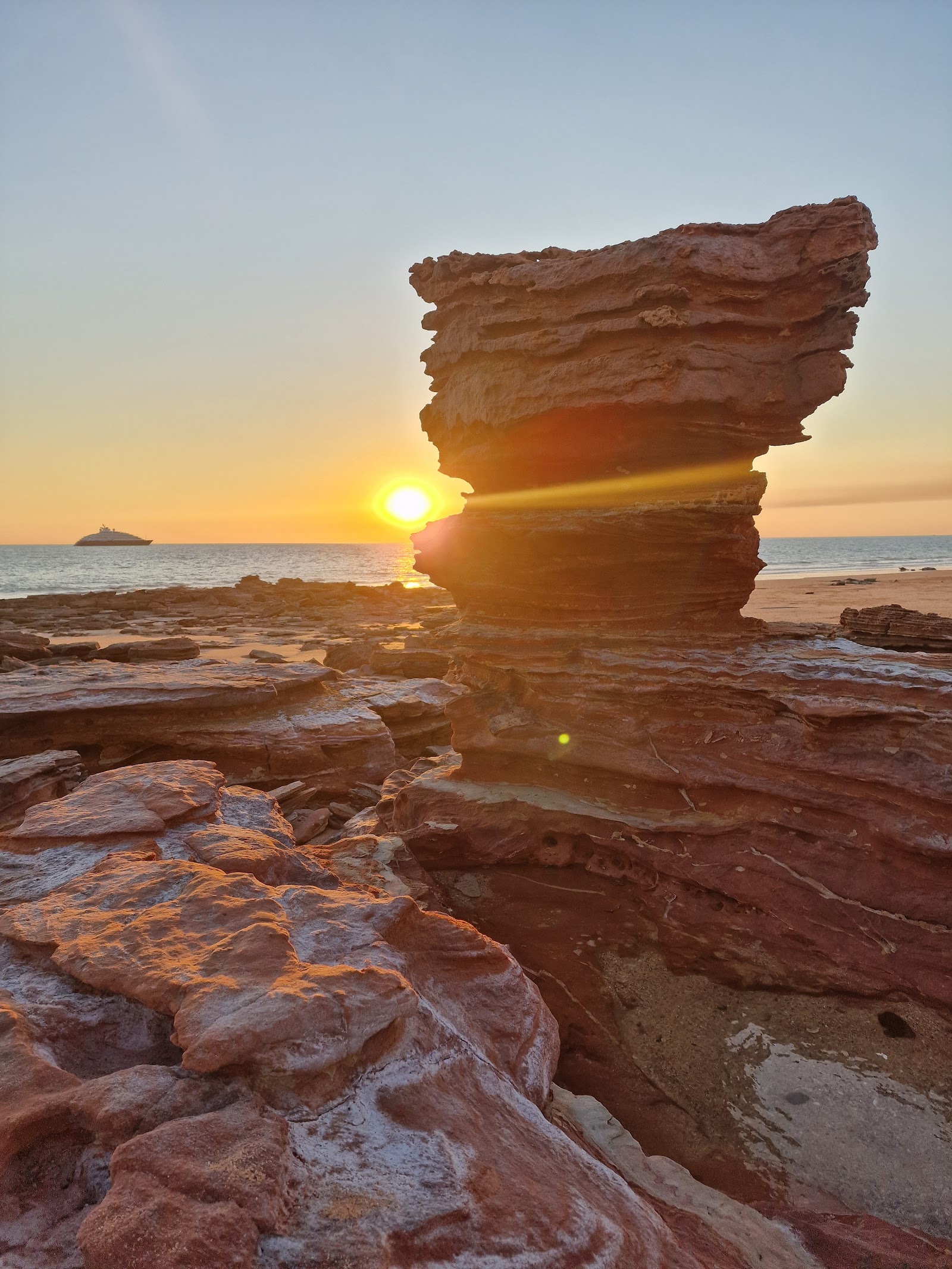
Reddell Beach is the local alternative to Gantheaume Point — a shorter, quieter stretch of red pindan cliff and beach north of Chinatown that most visitors never find, because Gantheaume gets the guidebook coverage and Reddell sits on a side road off the townsite. The reward for finding it is one of the better combinations of cliff and beach in Broome, without the car park and without the crowds. The pindan cliffs here have the same deep-red colour as Gantheaume and catch the same extraordinary low-angle light at sunrise and sunset; the beach below is accessible from a short track down the cliff and gives you a swimming beach without the Cable Beach volume.
The walk from the access point along the cliff edge and down to the beach takes twenty to thirty minutes and covers easy ground — the track is rough in sections but manageable for most walkers with reasonable footwear. The beach below is not patrolled, and stingers are a concern in the build-up and Wet months, so save the swimming for Cable Beach's patrolled zone and come here for the walk and the view rather than the water. Early morning, when the cliffs are lit red and the Indian Ocean is flat and cobalt, is when Reddell is at its best and when you're most likely to have it to yourself.
It suits walkers who want the red-cliff experience without the visitor numbers at Gantheaume, couples and photographers looking for a quiet sunrise location, and anyone staying in the Chinatown end of town who wants a shorter walk without the six-kilometre drive.
It's Broome's best-kept walking secret — the same extraordinary red pindan cliffs as Gantheaume, on a quiet beach most visitors never find.
“Found Reddell Beach on the second morning and had the whole red-cliff walk to ourselves. Same dramatic colours as Gantheaume Point, but completely quiet. Locals only. Worth finding.”
— Google review
The pindan cliffs lit deep red at sunrise, with the beach below and almost no one else there.
The beach is unpatrolled — do not swim without checking stinger status (season roughly Oct–May) and do not enter any tidal creek or rocky pool (croc risk). The track is rough in sections; not suitable for pushchairs.
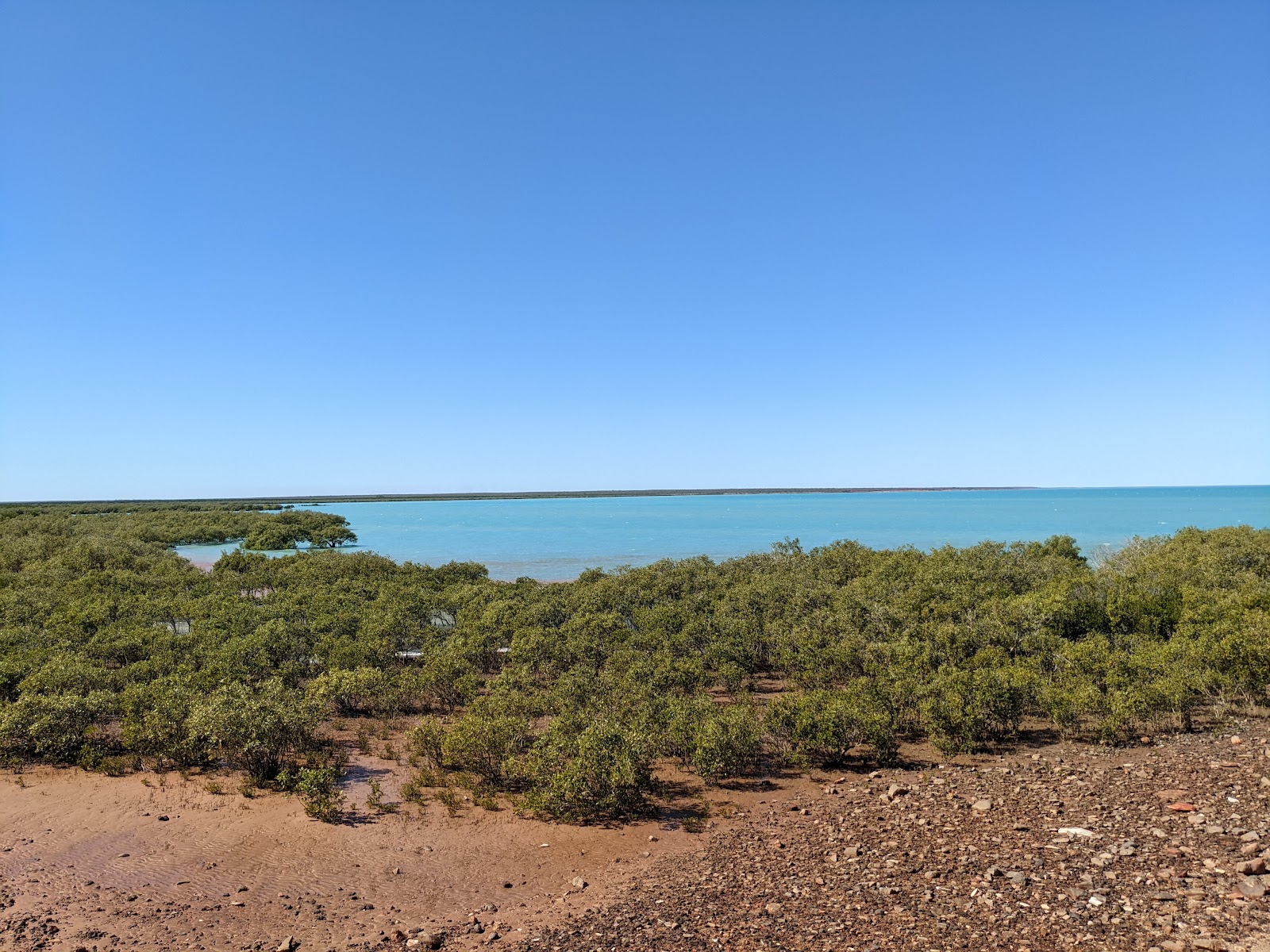
The mangrove boardwalk near Town Beach is the most unusual short walk in Broome — a raised timber path through the mangrove fringe on the edge of Roebuck Bay that puts you inside the tidal forest rather than looking at it from the road. Mangroves are not everyone's idea of a scenic walk, and they shouldn't be: the appeal is watching the mud come alive at low tide, with mudskippers moving across the substrate, fiddler crabs working in hundreds across the exposed mud, and egrets hunting the channel edges. It is a different register entirely from the red cliffs and white sand, and it's one of the better thirty-minute experiences in town for anyone who wants to understand the ecology behind the postcard.
The boardwalk is flat and accessible, with a raised deck that keeps your feet clear of the mud and lets you look down into the tidal channels. It is most interesting at low tide, when the flat is fully exposed and the animal activity is at its peak; at high tide the water comes in and covers the substrate, the crabs and mudskippers disappear, and the visual interest drops. Check the tide table before you go. The walk takes twenty to thirty minutes at a comfortable pace, and there is enough to look at — the root systems, the tidal channels, the birdlife overhead — to slow most walkers down significantly.
One important safety note: the mangrove fringe and adjacent tidal channels are confirmed saltwater crocodile habitat in the Broome area — stay on the boardwalk and do not wade into any water at the edges, regardless of tide height or apparent depth.
It's the walk that explains Broome's ecology — mudskippers and fiddler crabs in their hundreds on a tidal flat, seen from above on a raised boardwalk at low tide.
“Walked the mangrove boardwalk at low tide and the mud was absolutely heaving with crabs and mudskippers. An hour we didn't expect to enjoy as much as we did.”
— Traveller review
Hundreds of fiddler crabs and mudskippers on the exposed tidal flat at low tide.
Check the tide table — the walk is almost pointless at high tide. Do NOT leave the boardwalk or wade in any adjacent water — saltwater crocodile habitat.
| Season | Conditions | Highlights | Crowds |
|---|---|---|---|
| Dry season (May–Oct) | Warm (25–30°C), clear, low humidity | Ideal walking temperature before 9am; full access to all walks | Peak — walk early for solitude on Cable Beach |
| Build-up (Oct–Nov) | Hot, humid, storms begin | Dramatic skies at sunrise; stingers arriving in the sea | Moderate — locals season, fewer tourists |
| Wet season (Dec–Mar) | Very hot, humid, monsoonal rain | Lush green country; some walks waterlogged | Low — many visitors avoid; some cafes close |
| End of Wet (Apr) | Cooling, cleaner air | Wildflowers beginning; stingers reducing; Staircase starts | Low — best value entry to the Dry |
What walkers consistently say about Broome:
The most consistent advice from experienced Broome visitors: the walks are better before 8am than at any other time of day — the light, the temperature and the solitude all favour the early start.
The red cliffs, turquoise water and dinosaur footprints at Gantheaume Point are consistently rated the best short walk in Broome — visitors who time it for sunrise and low tide consistently rate it the walk of the trip.
Visitors who understand the safety rules — no swimming outside patrolled zones, no entering tidal waterways, stingers in the Wet — have no issues. Those who don't take the warnings seriously occasionally have unpleasant experiences.
“Cable beach is a lovely spot to sit and relax and go for a dip. You can ride a camel or take your bike on the compact sand. Later in the day drive onto the beach have a glass of wine and watch the sunset.”— Pamela Rivers (on Cable Beach), Google review
“Excellent place, they’re currently doing renovations on the for-sure but since there are life guards, there’s safe excellent beach swimming along with a easy walk to the beachside business/restaurants. Great views allowed by 4x4 vehicles able to view the sunset while driving on the beach. Also able to see the camel rides with the tide being quite volatile so”— Kyle Sapphire (on Cable Beach), Google review
“Cable Beach: An absolute gem for sunset enthusiasts, Cable Beach offers stunning views with a vibrant atmosphere. Crowds gather to admire the breathtaking sunset, and the sight of people enjoying camel rides adds a unique charm to the experience. A must-visit spot for those seeking beauty and a lively beach ambiance.”— Amy Elizabeth (on Cable Beach), Google review
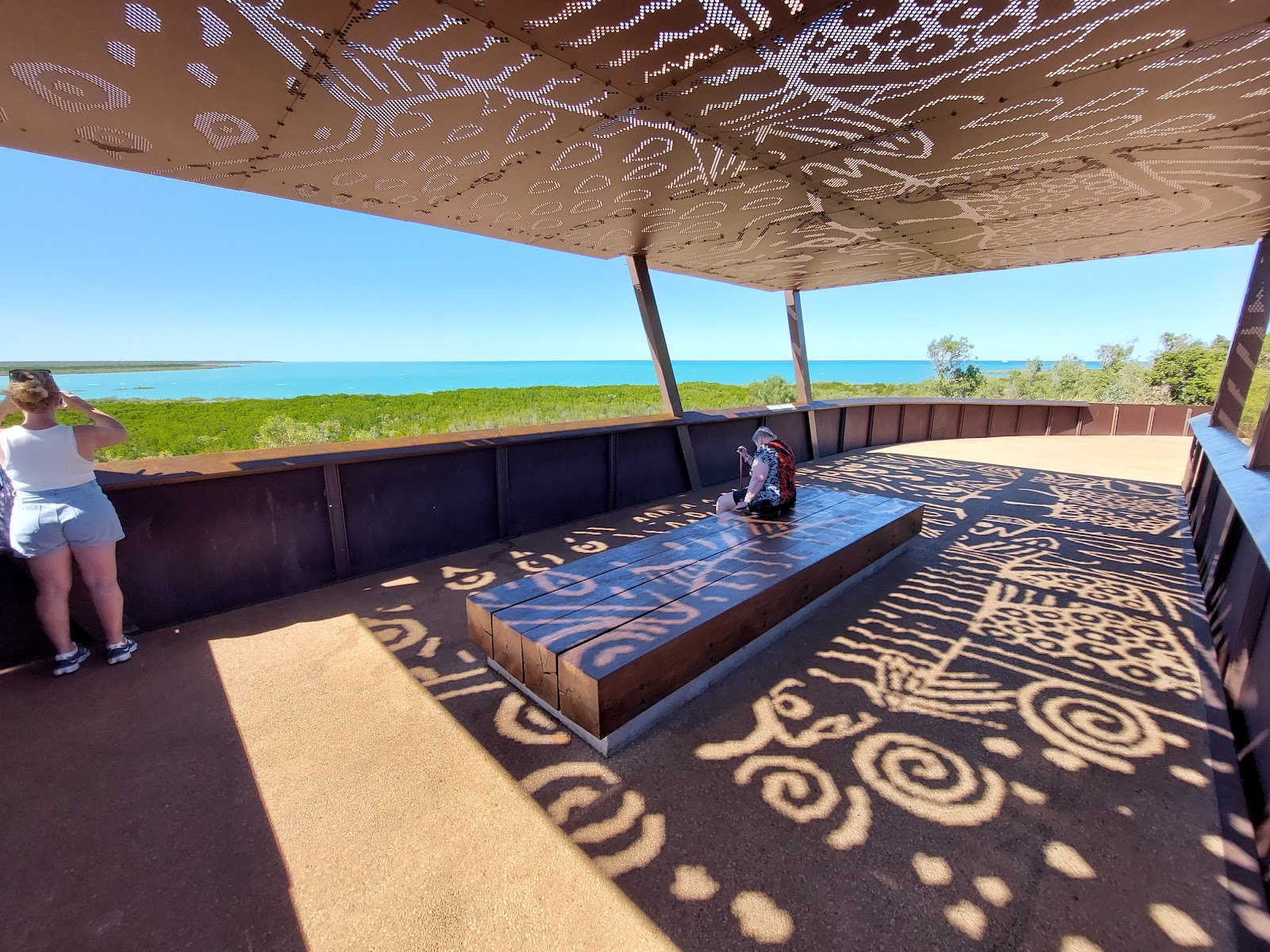
Heat and timing: Broome sits on the 17th parallel south, and the sun is serious by mid-morning even in the Dry season. All the walks here are best done before 9am in the Dry and before 8am in the build-up. Carry water on any walk longer than thirty minutes, wear sun protection from the moment you step outside, and plan the rest of the day in the shade.
Crocs and stingers: Two safety realities define Broome walking. First, saltwater crocodiles are present year-round in Roebuck Bay, its tidal creeks, the mangrove fringe and any tidal waterway in the area — stay out of the water at Town Beach, the mangrove boardwalk and any non-patrolled beach or creek, regardless of how shallow it looks. Second, stinger season runs roughly October to May; swim only at the patrolled Cable Beach zone and wear a rash vest in the water during the stinger months.
Access: All the walks here are within fifteen minutes of town and require a car or bicycle to reach (except the Town Beach and mangrove walks, which are walkable from the Chinatown end). Cable Beach car park fills early on peak-season weekends — arrive before 7:30am for a space.
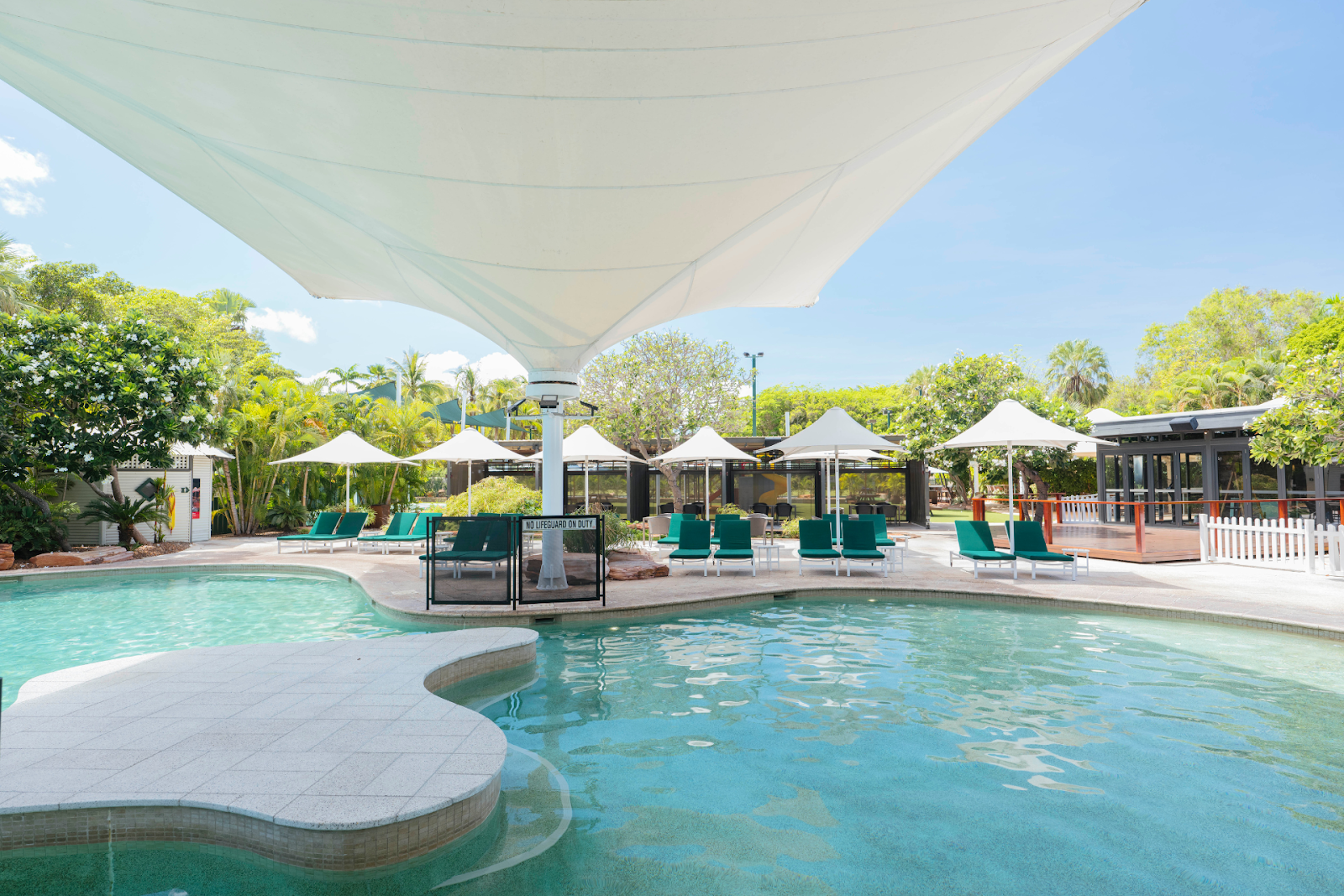
Start with Gantheaume Point at sunrise — it is the walk that tells you what Broome is: red cliffs, turquoise sea, ancient rock and a feeling of being somewhere genuinely far from everywhere else. Then Cable Beach in the early morning, before the camel crowd arrives and before the sun gets serious. Add the mangrove boardwalk at low tide and the Town Beach foreshore for the tidal-flat birdlife, and you have a walking menu that covers the best of the town's extraordinary natural range.
The rule that unifies all of it: early morning, every time. The walkers who love Broome are the ones who set the alarm and get out before the day heats up. The half-hour before and after sunrise is when the cliffs are the right colour, the sand is cool underfoot, the birds are loud and the beach is yours. Get that timing right and the walks here are better than any beach town you've walked before.
Enjoying walks? Here’s where else in Australia it’s worth the trip — ranked by how loved each destination is, with the one thing not to miss at each.
 Kangaroo Valley
Shoalhaven, New South Wales
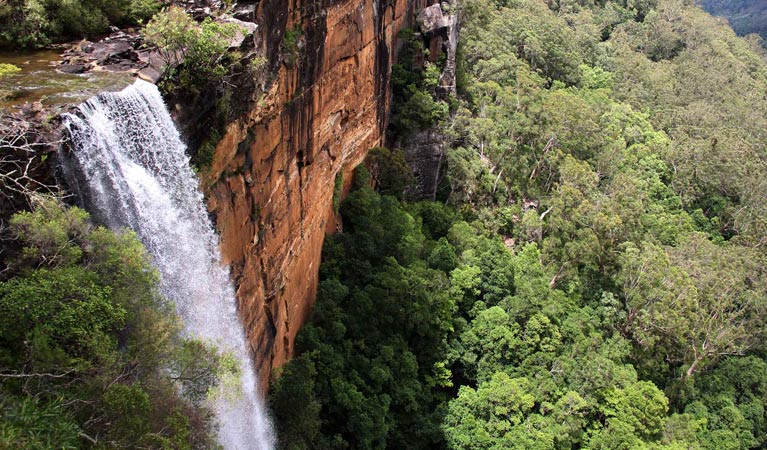
Fitzroy Falls — East & West Rim — The West Rim lookouts after decent rain, when the falls are thundering.
Explore walks in Kangaroo Valley →
Broome you’re here
Australia's North West, Western Australia
Gantheaume Point Dinosaur Coast Walk — The pindan cliffs glowing red-gold at sunrise, with the dinosaur footprints in the reef flat below.
You’re reading this guide
Kangaroo Valley
Shoalhaven, New South Wales
Fitzroy Falls — East & West Rim — The West Rim lookouts after decent rain, when the falls are thundering.
Explore walks in Kangaroo Valley →
Broome you’re here
Australia's North West, Western Australia
Gantheaume Point Dinosaur Coast Walk — The pindan cliffs glowing red-gold at sunrise, with the dinosaur footprints in the reef flat below.
You’re reading this guide
 Byron Bay
Northern Rivers, New South Wales
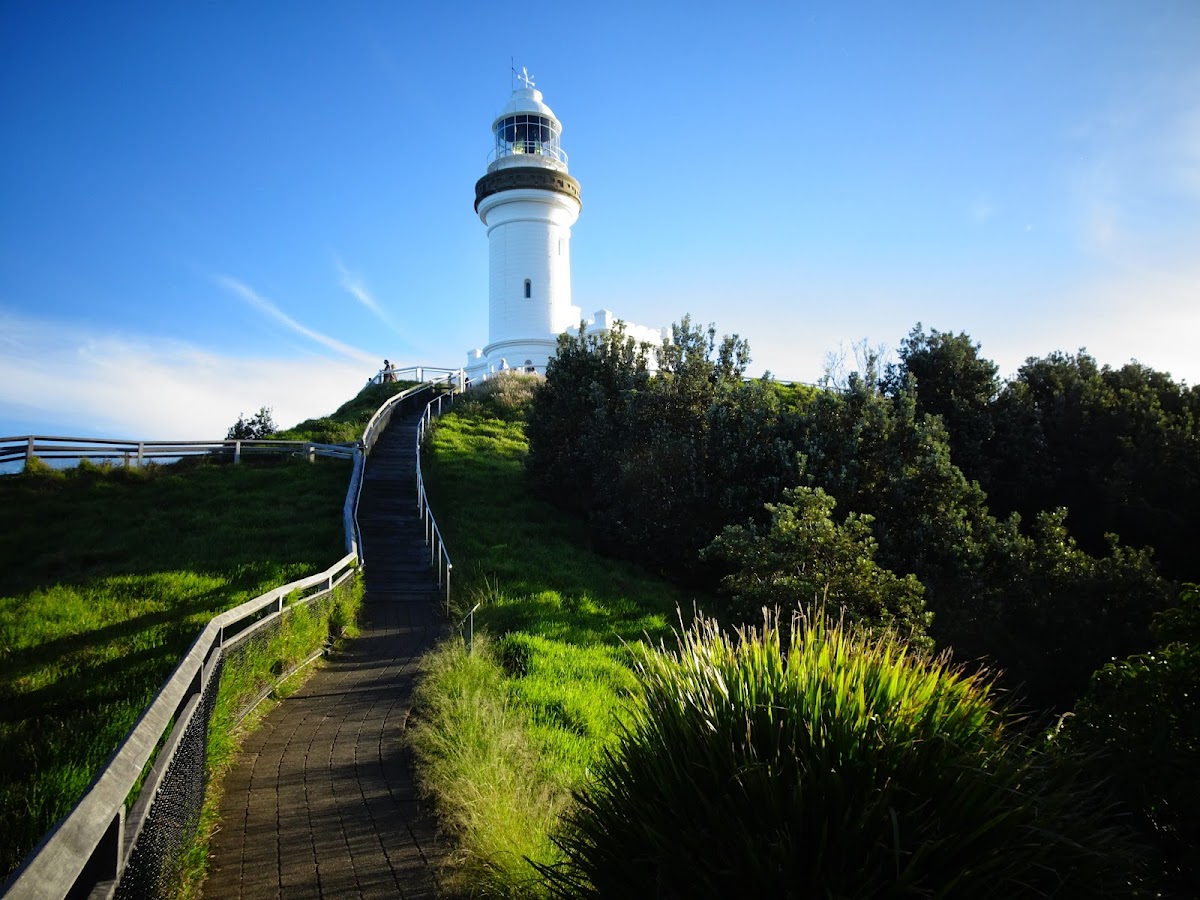
Cape Byron Walking Track — First light at the easternmost point with humpbacks offshore (May–November).
Explore walks in Byron Bay →
4
Byron Bay
Northern Rivers, New South Wales
Cape Byron Walking Track — First light at the easternmost point with humpbacks offshore (May–November).
Explore walks in Byron Bay →
4
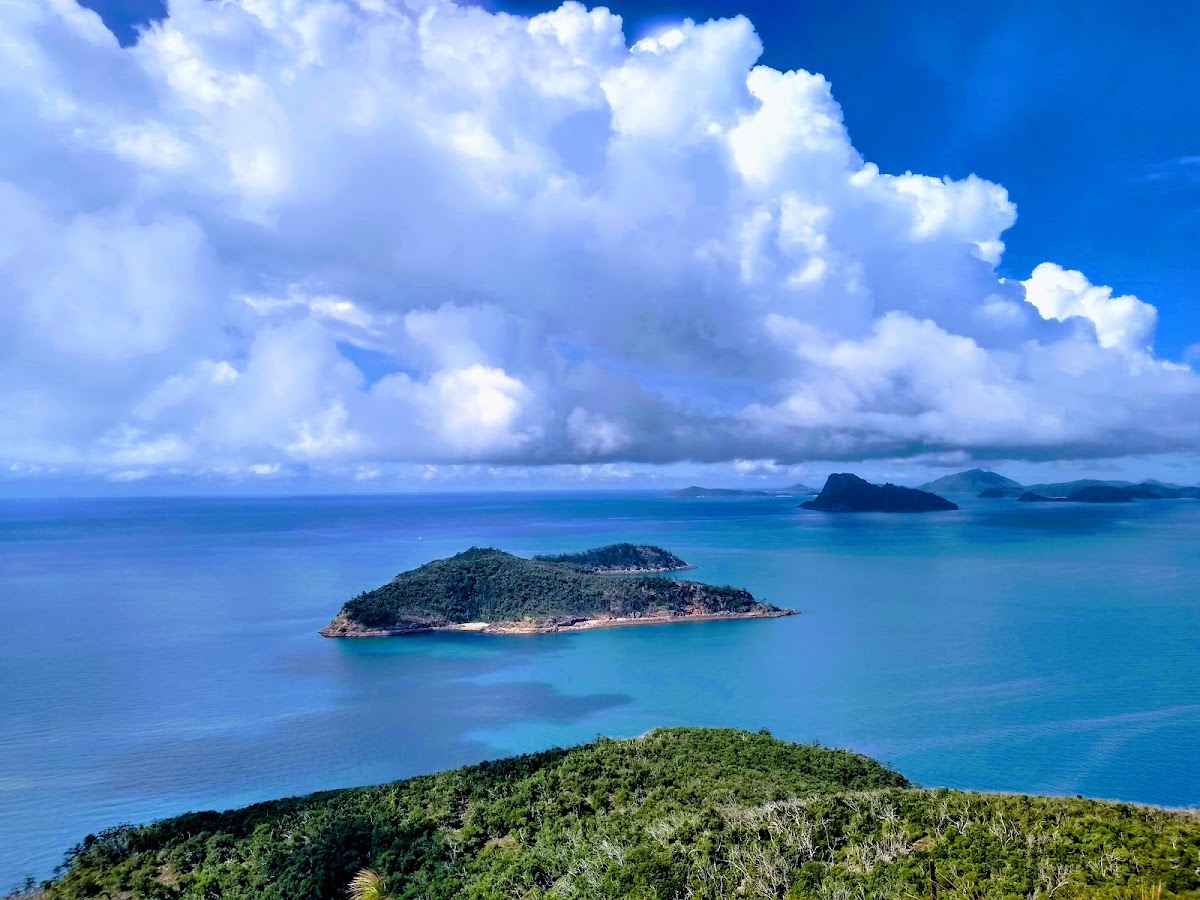 Hamilton Island
The Whitsundays, Queensland
Passage Peak — The 360-degree summit panorama at dawn, with the islands stacked away to the horizon and barely anyone else up there.
Explore walks in Hamilton Island →
5
Hamilton Island
The Whitsundays, Queensland
Passage Peak — The 360-degree summit panorama at dawn, with the islands stacked away to the horizon and barely anyone else up there.
Explore walks in Hamilton Island →
5
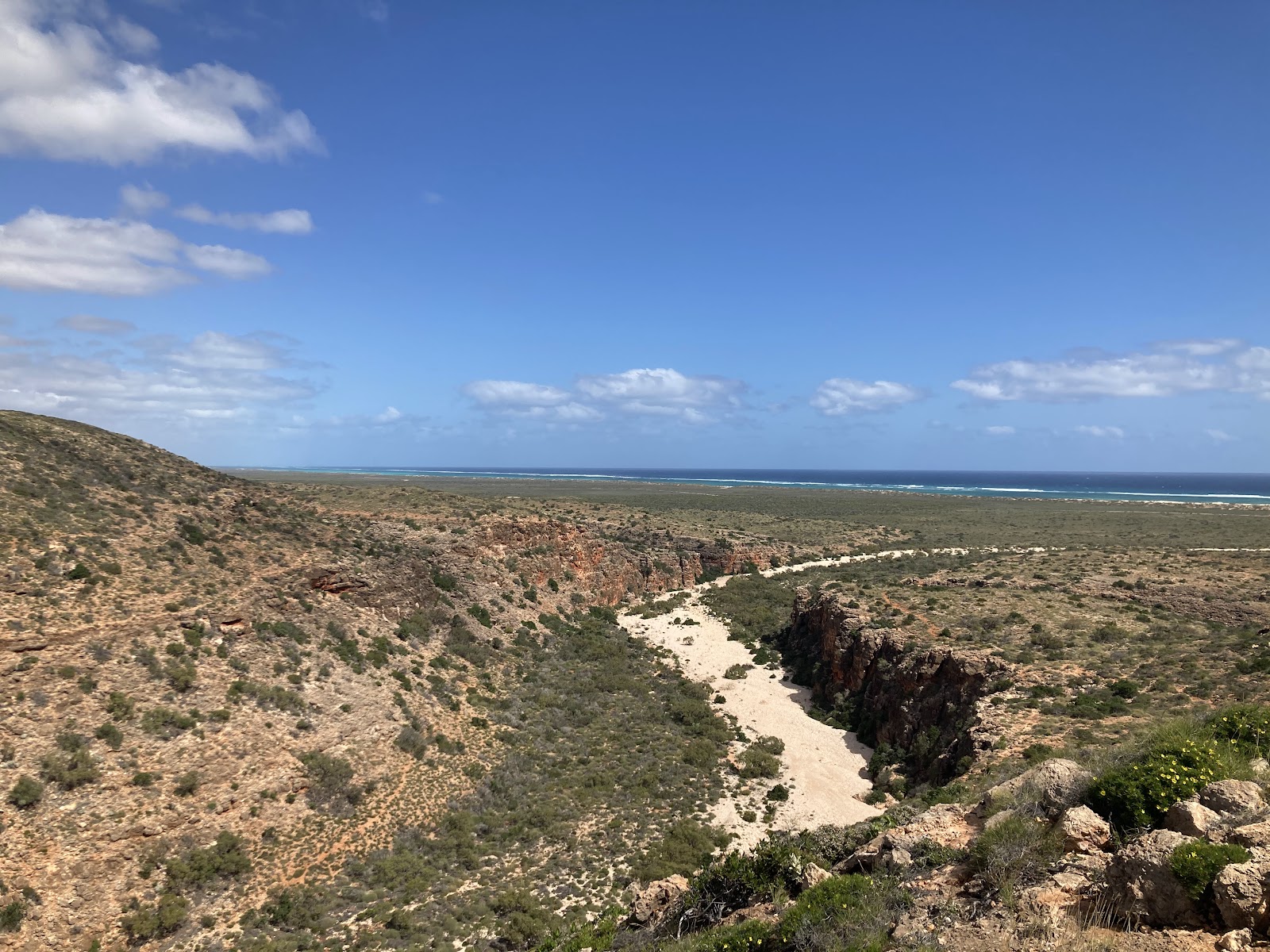 Ningaloo Reef
Australia's Coral Coast, Western Australia
Mandu Mandu Gorge Walk — The gorge descent at first light, with the limestone walls catching the sunrise in orange and ochre.
Explore walks in Ningaloo Reef →
6
Ningaloo Reef
Australia's Coral Coast, Western Australia
Mandu Mandu Gorge Walk — The gorge descent at first light, with the limestone walls catching the sunrise in orange and ochre.
Explore walks in Ningaloo Reef →
6
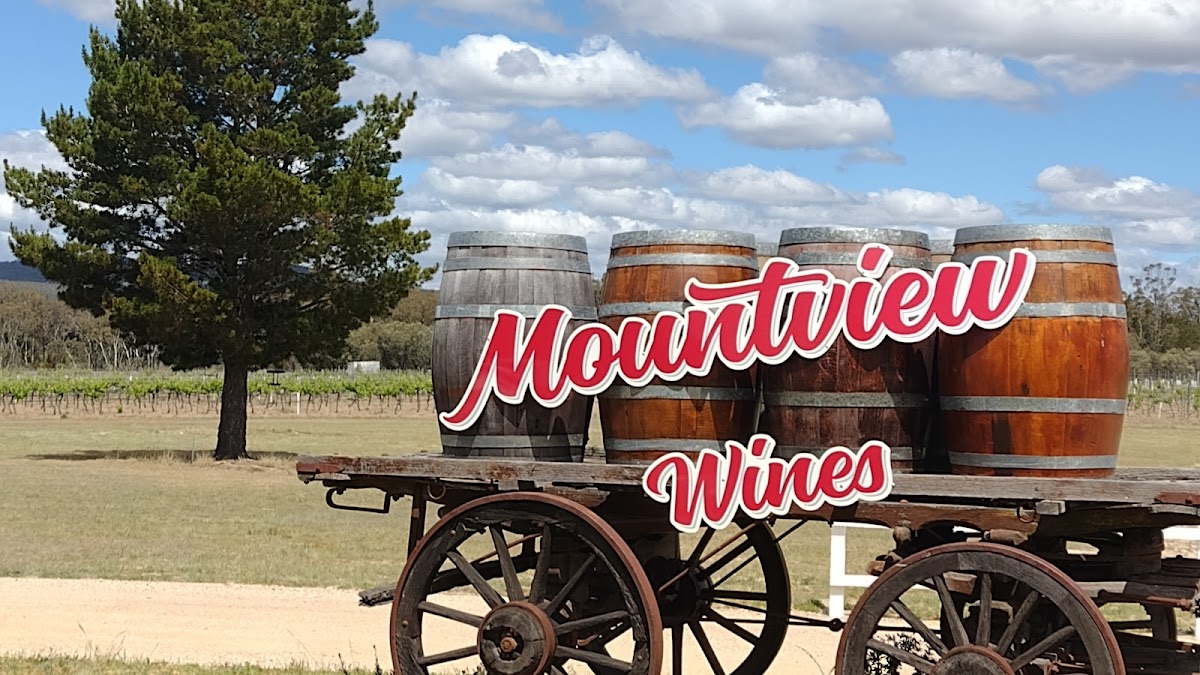 Glen Aplin
Granite Belt, Queensland
Mount Stirling Road Vineyard Trail — The northern stretch where the vineyards open on both sides — best light between 7 and 8am.
Explore walks in Glen Aplin →
7
Glen Aplin
Granite Belt, Queensland
Mount Stirling Road Vineyard Trail — The northern stretch where the vineyards open on both sides — best light between 7 and 8am.
Explore walks in Glen Aplin →
7
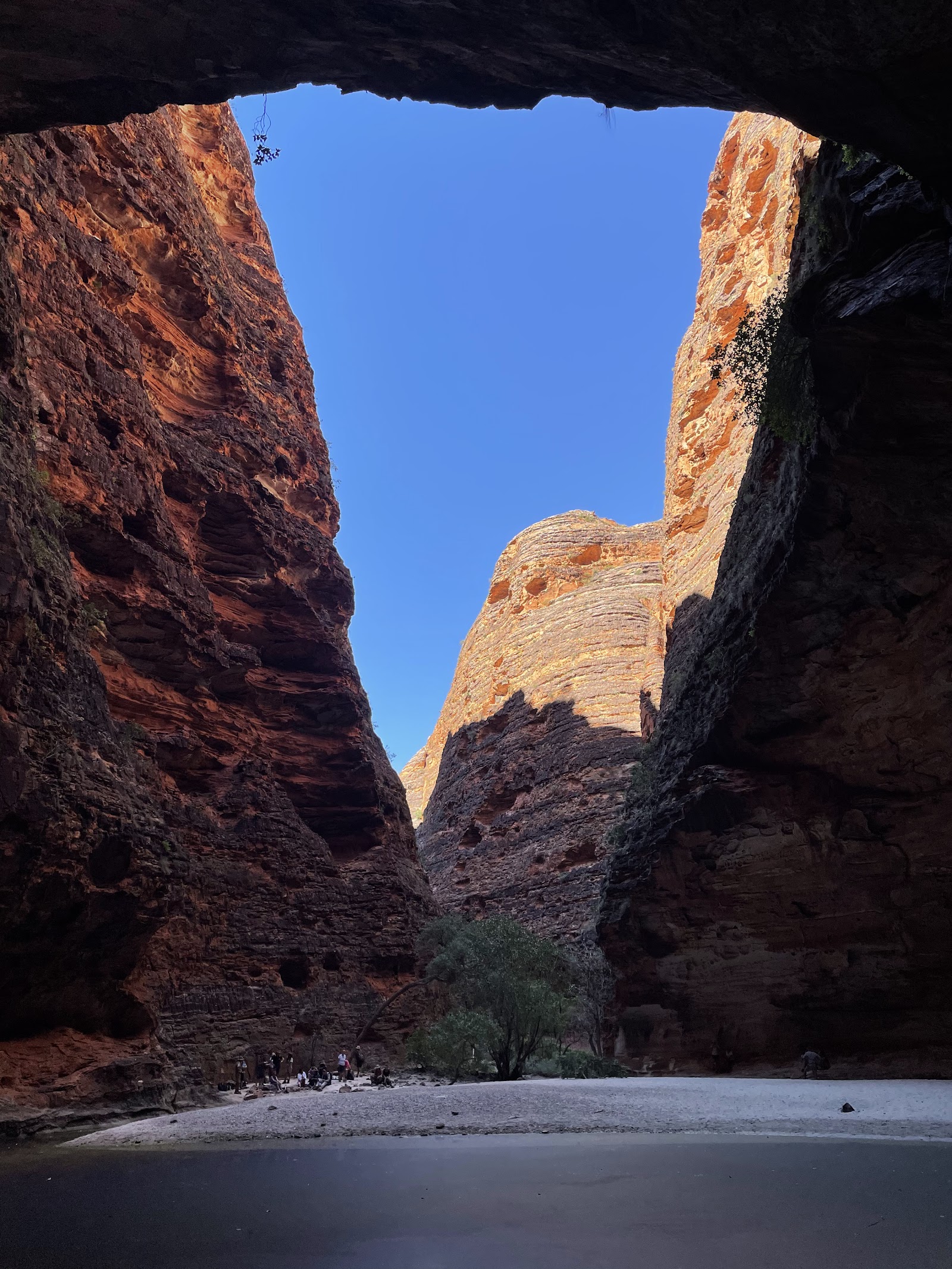 The Kimberley
Australia's North West, Western Australia
Cathedral Gorge, Purnululu National Park — The natural amphitheatre at the end of the gorge — arrive at sunrise for the walls glowing orange in the first light.
Explore walks in The Kimberley →
8
The Kimberley
Australia's North West, Western Australia
Cathedral Gorge, Purnululu National Park — The natural amphitheatre at the end of the gorge — arrive at sunrise for the walls glowing orange in the first light.
Explore walks in The Kimberley →
8
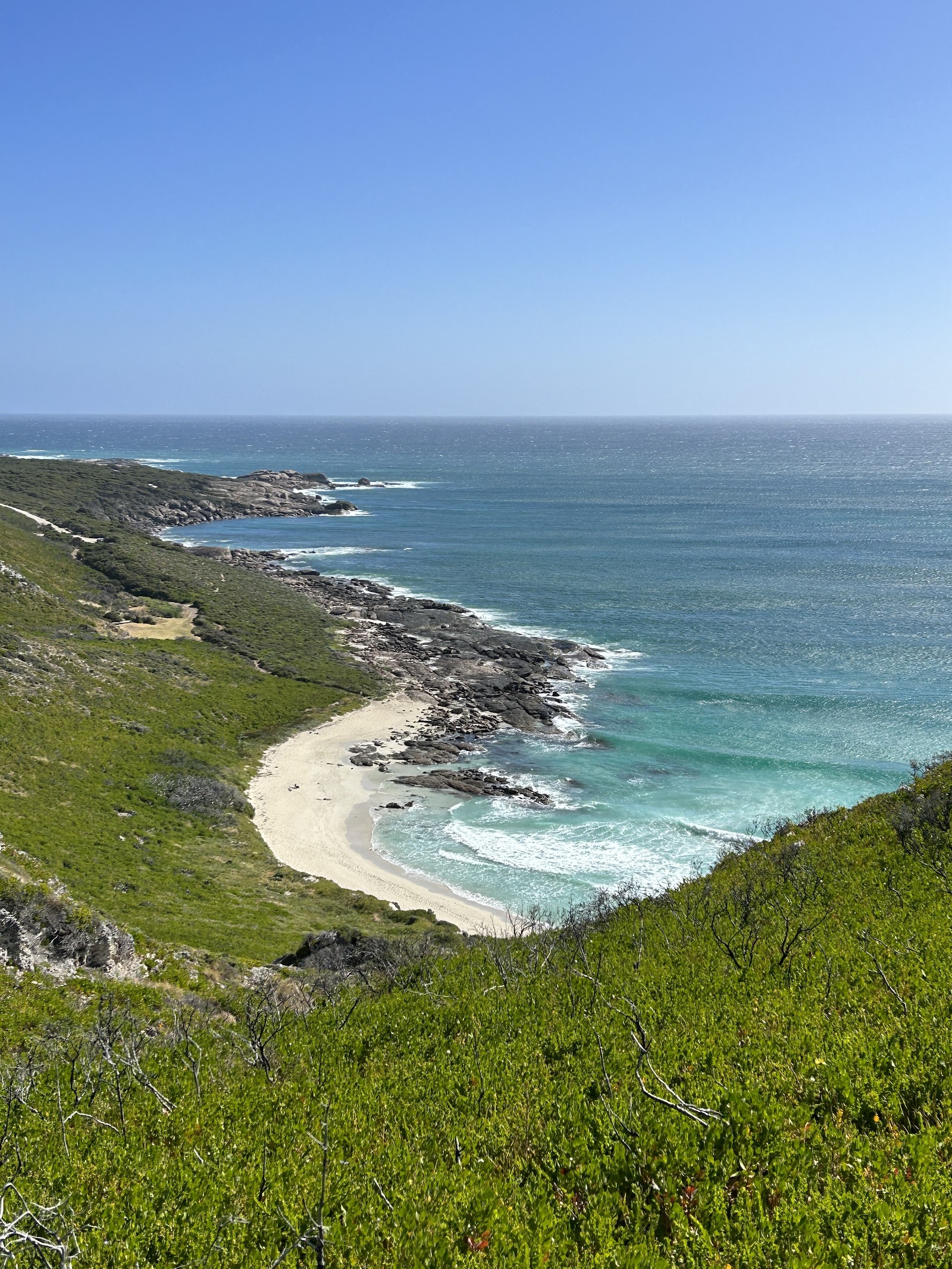 Margaret River
Australia's South West, Western Australia
Cape Naturaliste Lighthouse Walk & Whale Lookout — Humpback whales in Geographe Bay from the headland lookout, August to December.
Explore walks in Margaret River →
9
Margaret River
Australia's South West, Western Australia
Cape Naturaliste Lighthouse Walk & Whale Lookout — Humpback whales in Geographe Bay from the headland lookout, August to December.
Explore walks in Margaret River →
9
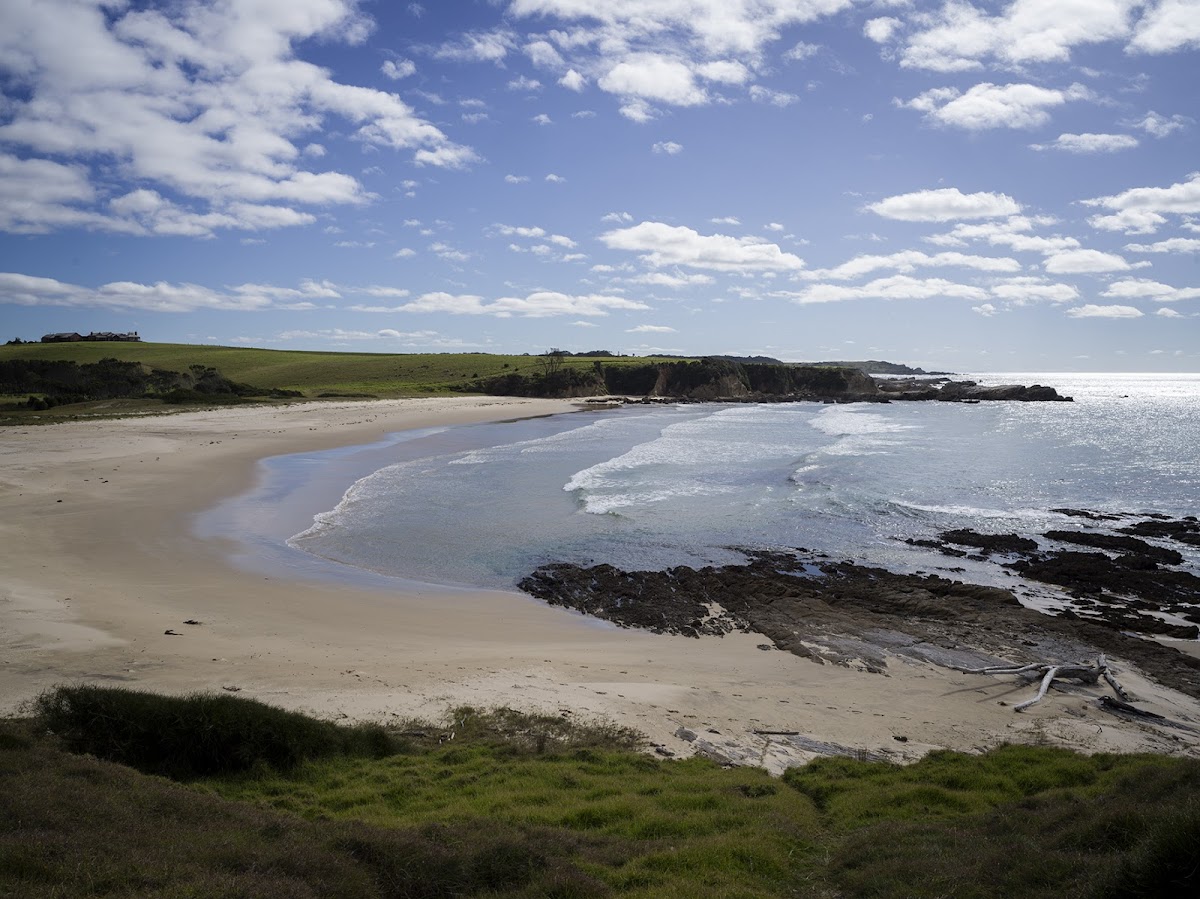 Narooma
South Coast, New South Wales
Mill Bay Boardwalk — Stingrays gliding below the planks in the clear shallows — best in the still early morning.
Explore walks in Narooma →
10
Narooma
South Coast, New South Wales
Mill Bay Boardwalk — Stingrays gliding below the planks in the clear shallows — best in the still early morning.
Explore walks in Narooma →
10
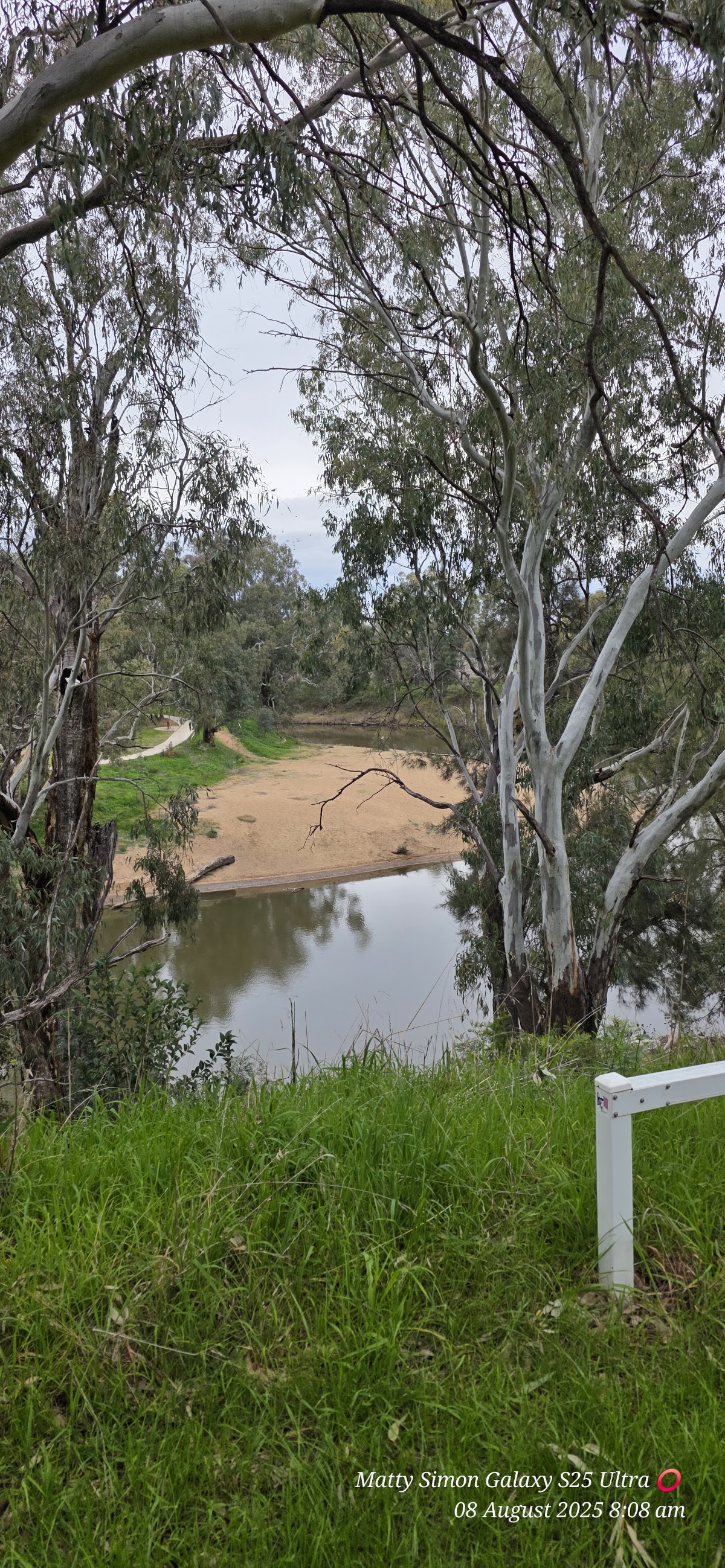 Dubbo
Central West, New South Wales
Tracker Riley Cycleway — The riverbank at dawn, with mist on the water and the birdlife at its busiest.
Explore walks in Dubbo →
Dubbo
Central West, New South Wales
Tracker Riley Cycleway — The riverbank at dawn, with mist on the water and the birdlife at its busiest.
Explore walks in Dubbo →
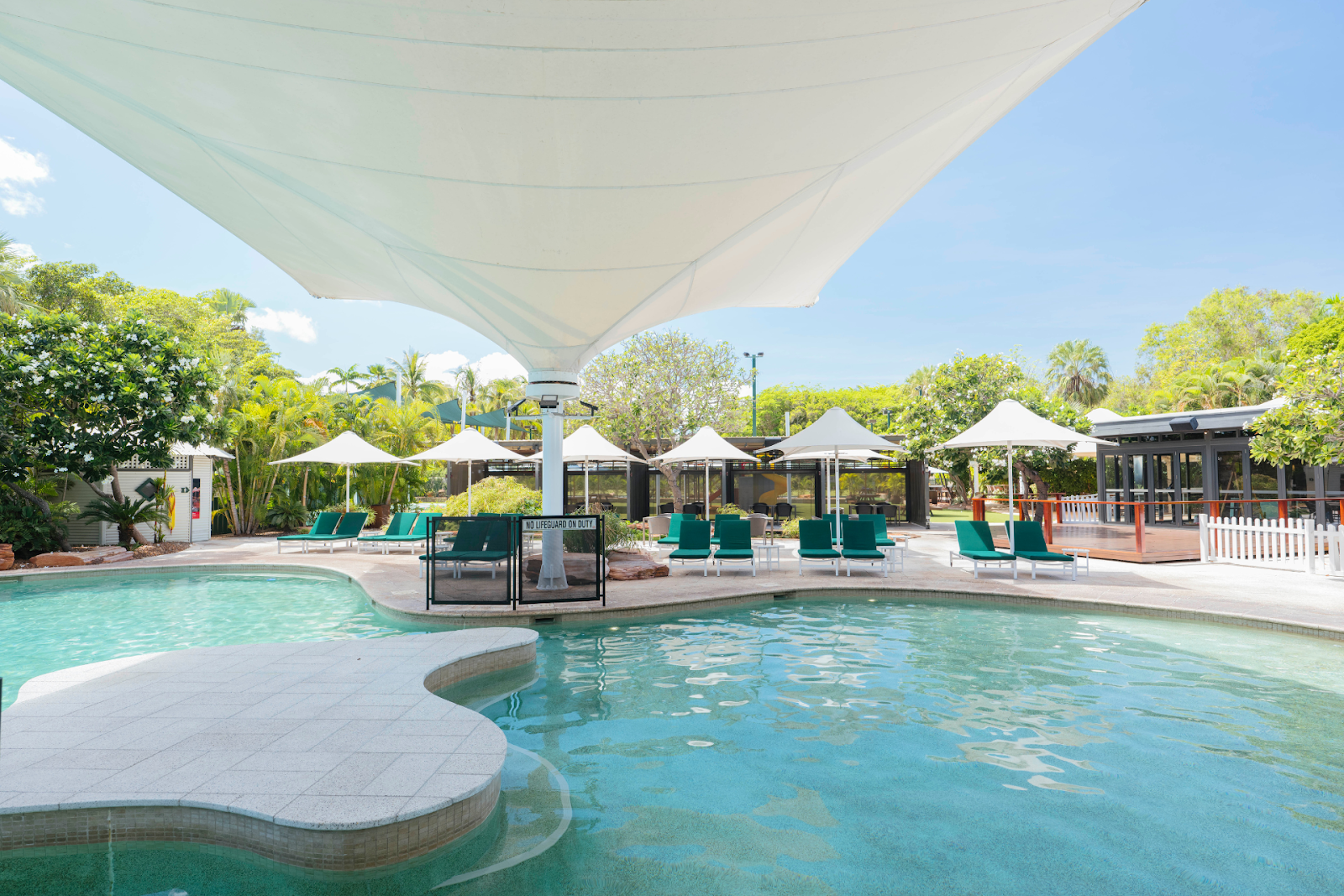
Cable Beach Club Resort & Spa — Broome
Book Direct & Save →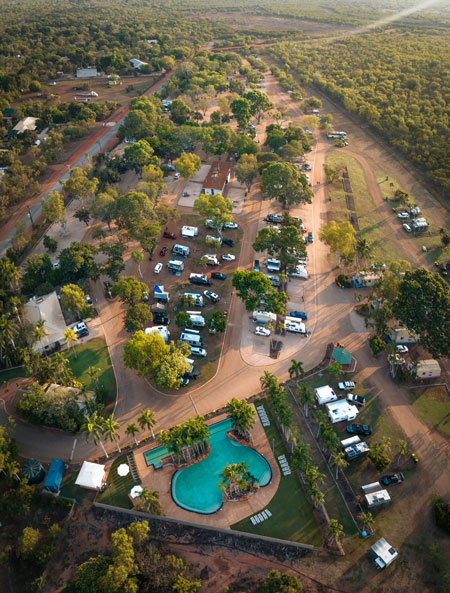
Broome Caravan Park — Broome
Book Direct & Save →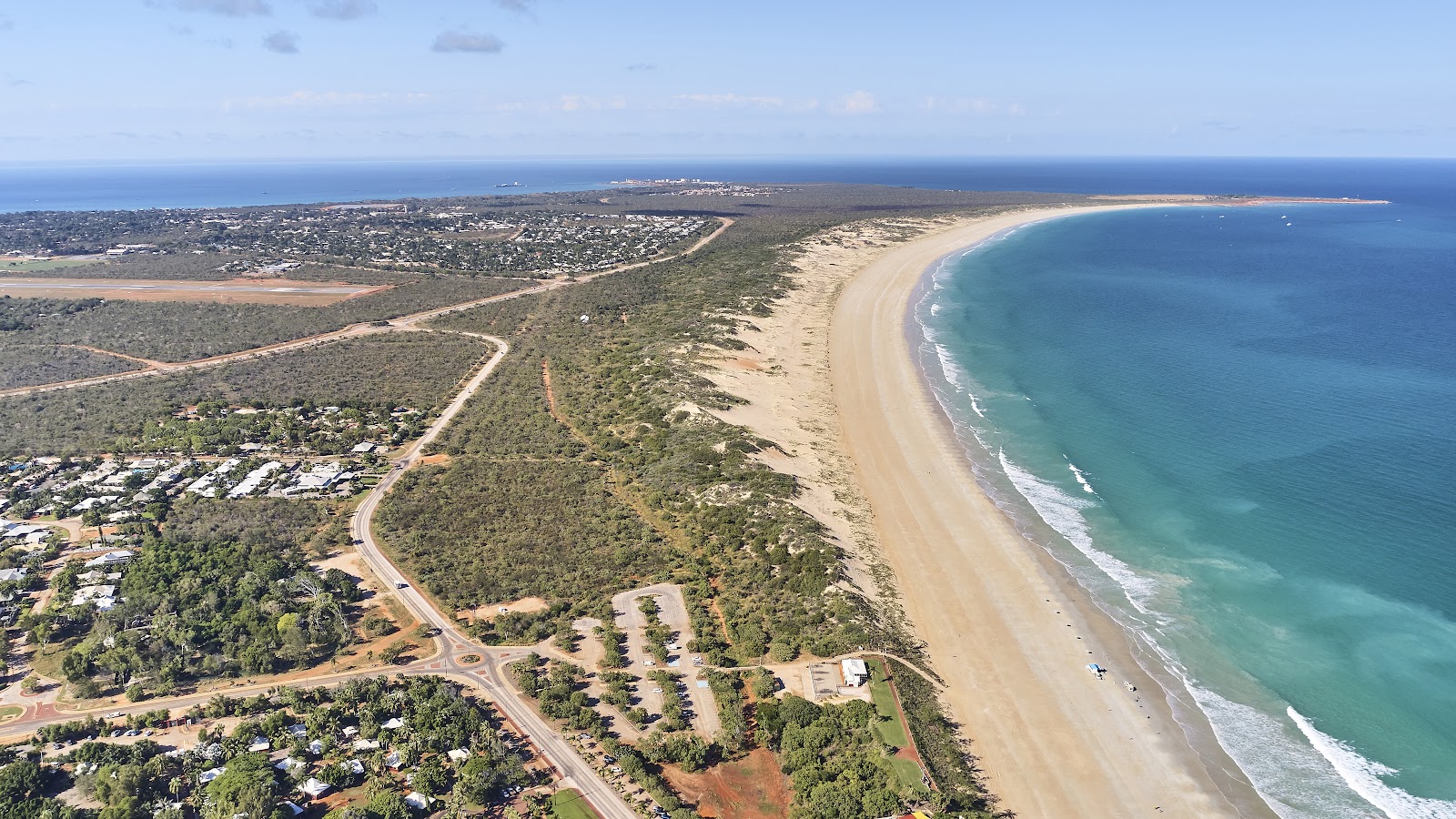
Beaches of Broome — Broome
Book Direct & Save →Skip OTA fees. Connect directly with Broome owners for the best rates and a truly personal experience.
We match any online rate. No service fees — 100% of your payment supports local owners.
Direct guests receive complimentary hampers, early check-in, and priority access to experiences.
Speak directly with the people who manage the properties. No call centres, just local expertise.
Part of Western Australia · Australia's North West
 Glen Aplin
Granite Belt, Queensland
Queensland's most underrated wine valley
Explore the guide →
Glen Aplin
Granite Belt, Queensland
Queensland's most underrated wine valley
Explore the guide →
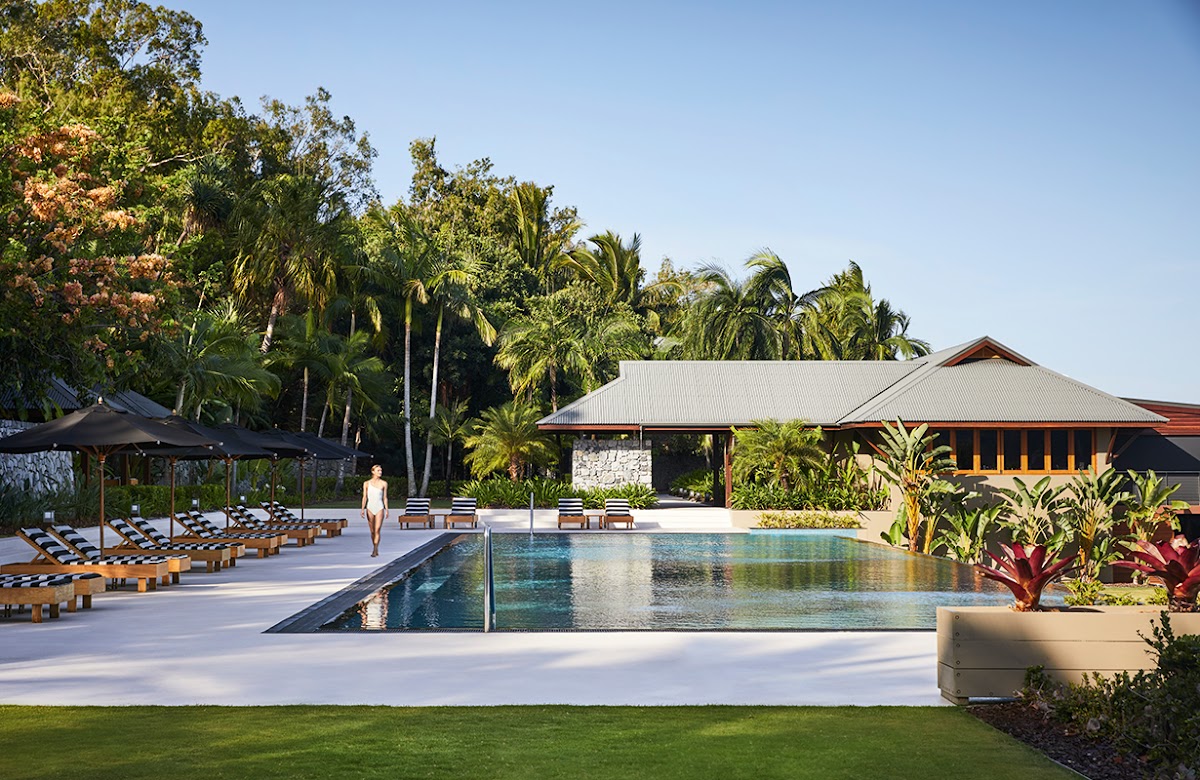 Hamilton Island
The Whitsundays, Queensland
Whitsundays island resort — Whitehaven Beach, reef trips and golf-buggy life
Explore the guide →
Hamilton Island
The Whitsundays, Queensland
Whitsundays island resort — Whitehaven Beach, reef trips and golf-buggy life
Explore the guide →
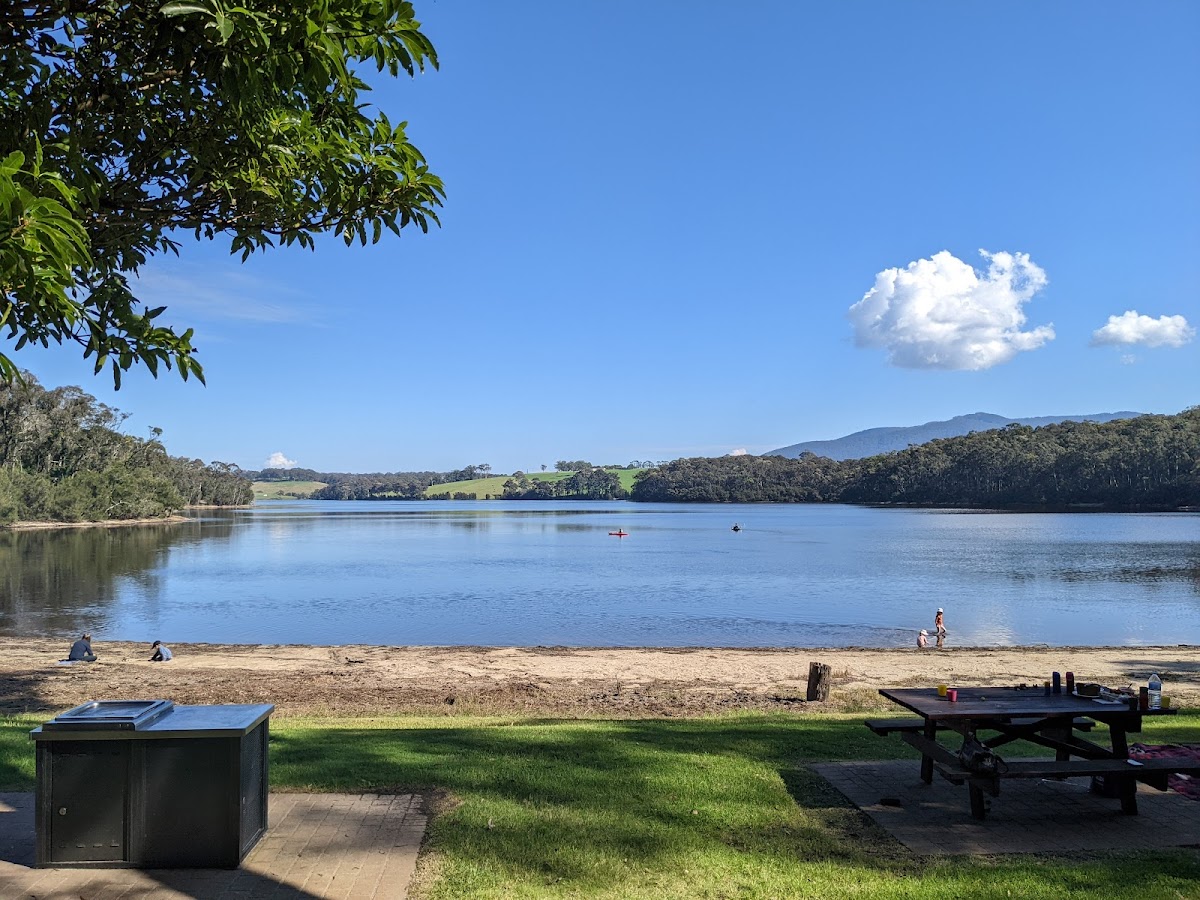 Narooma
South Coast, New South Wales
Crystal-clear inlet, surf beaches, oysters and Montague Island
Explore the guide →
Narooma
South Coast, New South Wales
Crystal-clear inlet, surf beaches, oysters and Montague Island
Explore the guide →
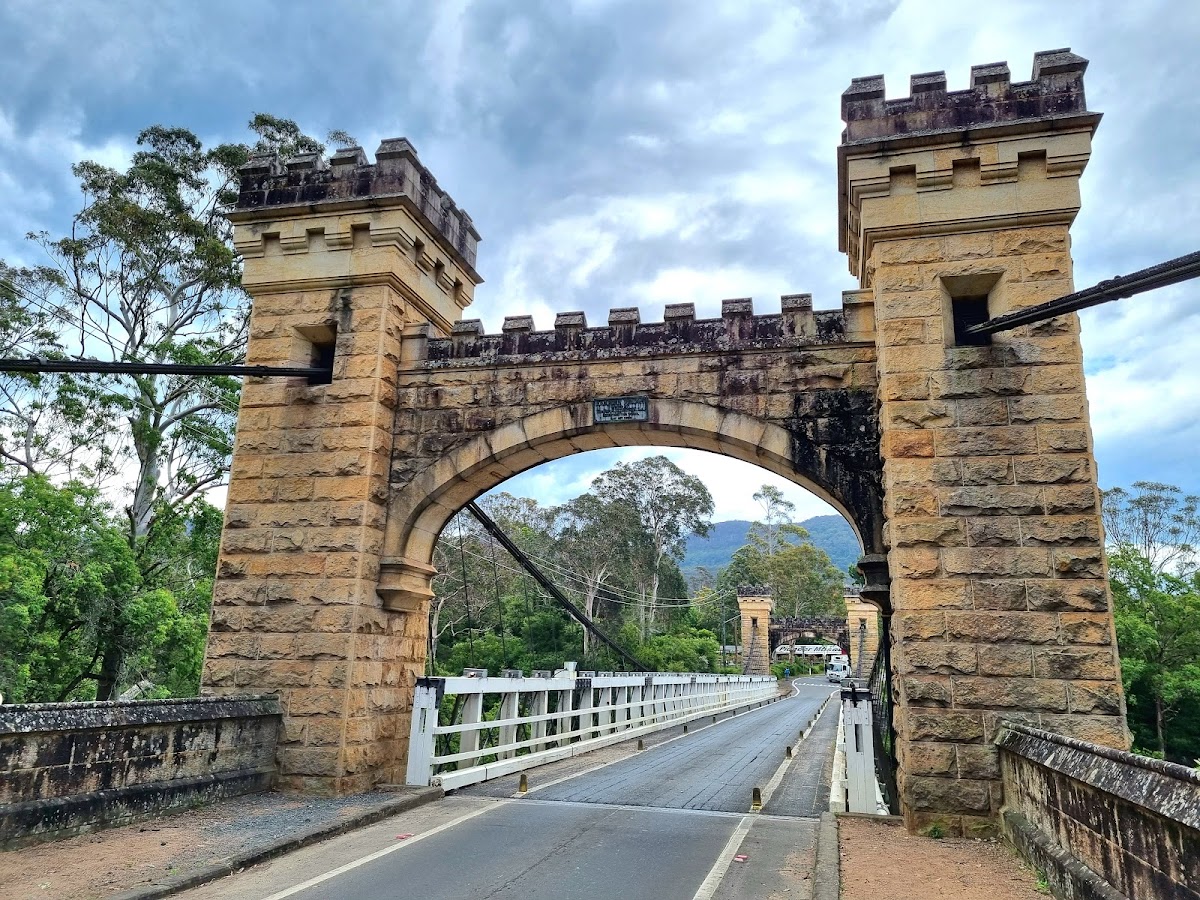 Kangaroo Valley
Shoalhaven, New South Wales
Hampden Bridge, kayaking and wombats in a green valley
Explore the guide →
Kangaroo Valley
Shoalhaven, New South Wales
Hampden Bridge, kayaking and wombats in a green valley
Explore the guide →
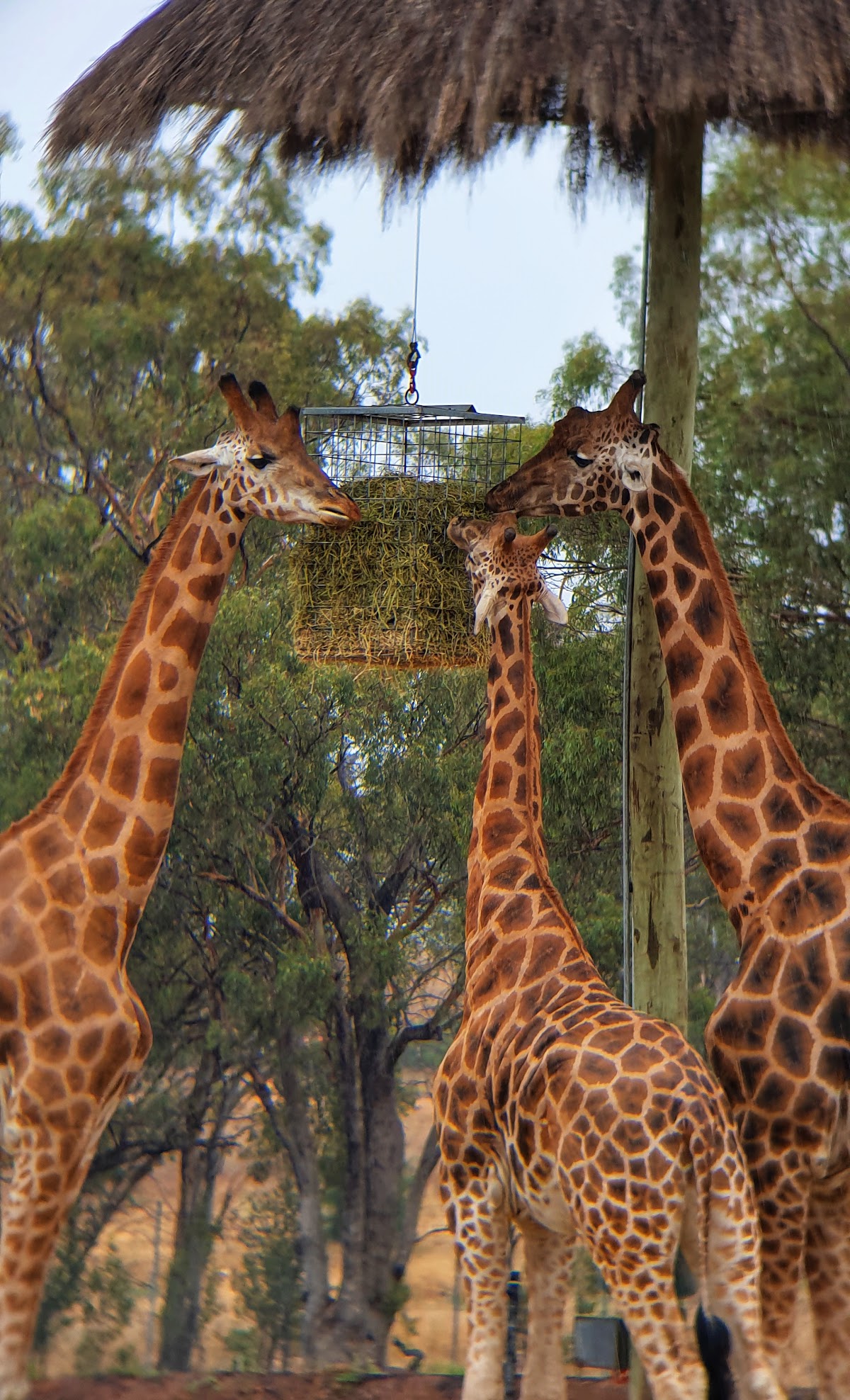 Dubbo
Central West, New South Wales
Open-range zoo and Outback gateway on the Macquarie River
Explore the guide →
Dubbo
Central West, New South Wales
Open-range zoo and Outback gateway on the Macquarie River
Explore the guide →
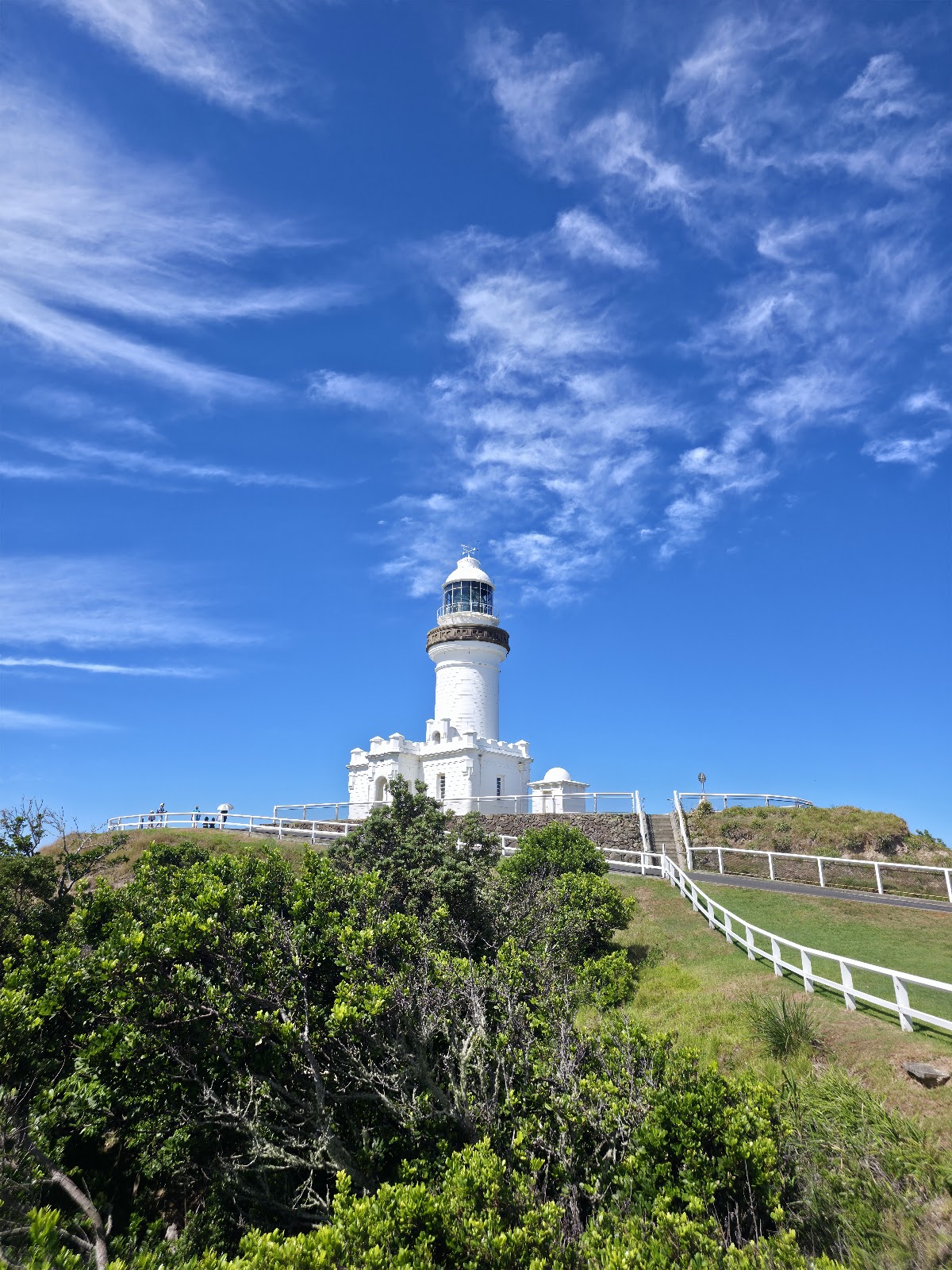 Byron Bay
Northern Rivers, New South Wales
Australia's iconic beach town and most easterly point
Explore the guide →
Byron Bay
Northern Rivers, New South Wales
Australia's iconic beach town and most easterly point
Explore the guide →
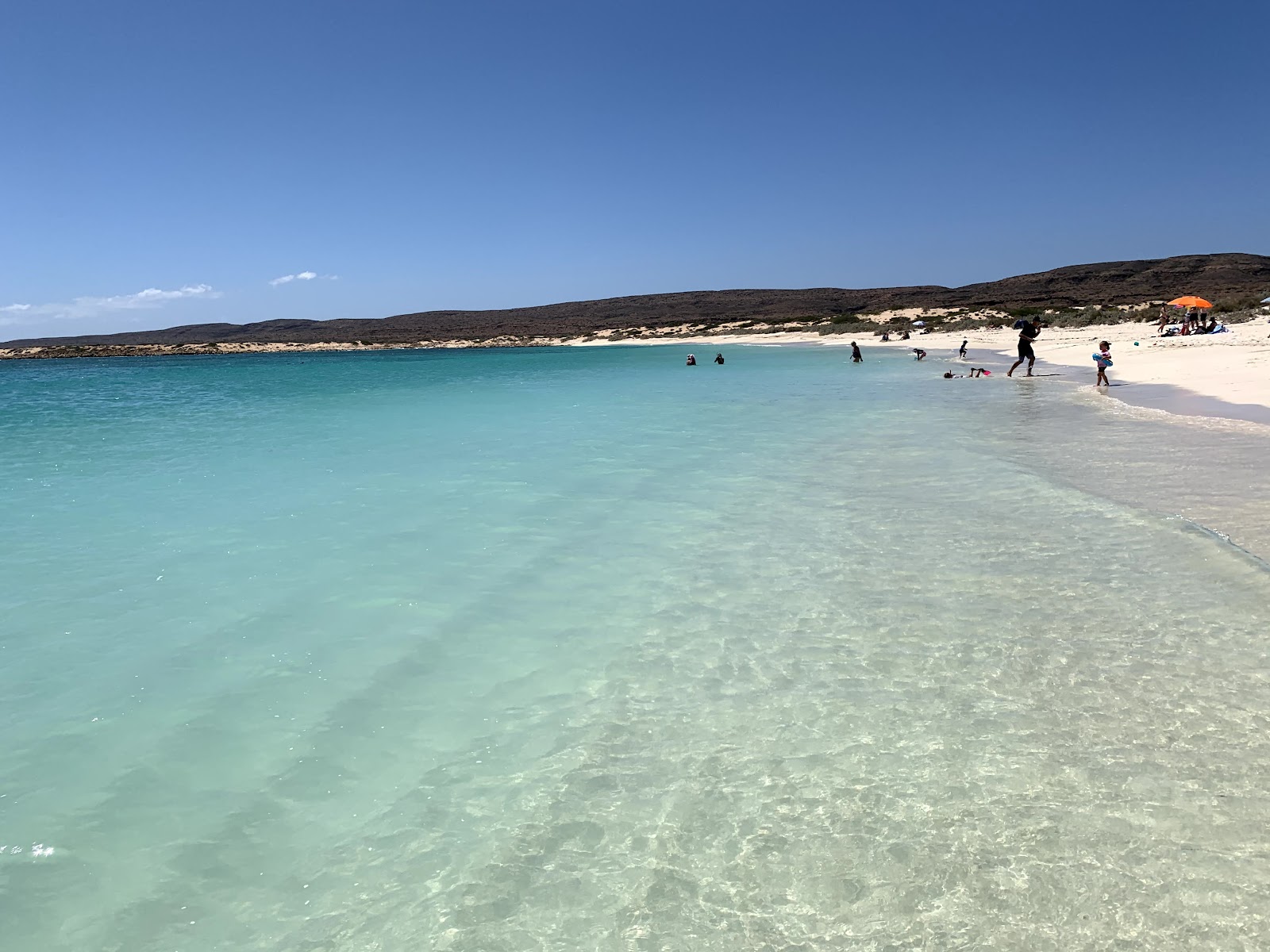 Ningaloo Reef
Australia's Coral Coast, Western Australia
Swim with whale sharks and snorkel a World-Heritage reef straight off the beach
Explore the guide →
Ningaloo Reef
Australia's Coral Coast, Western Australia
Swim with whale sharks and snorkel a World-Heritage reef straight off the beach
Explore the guide →
 The Kimberley
Australia's North West, Western Australia
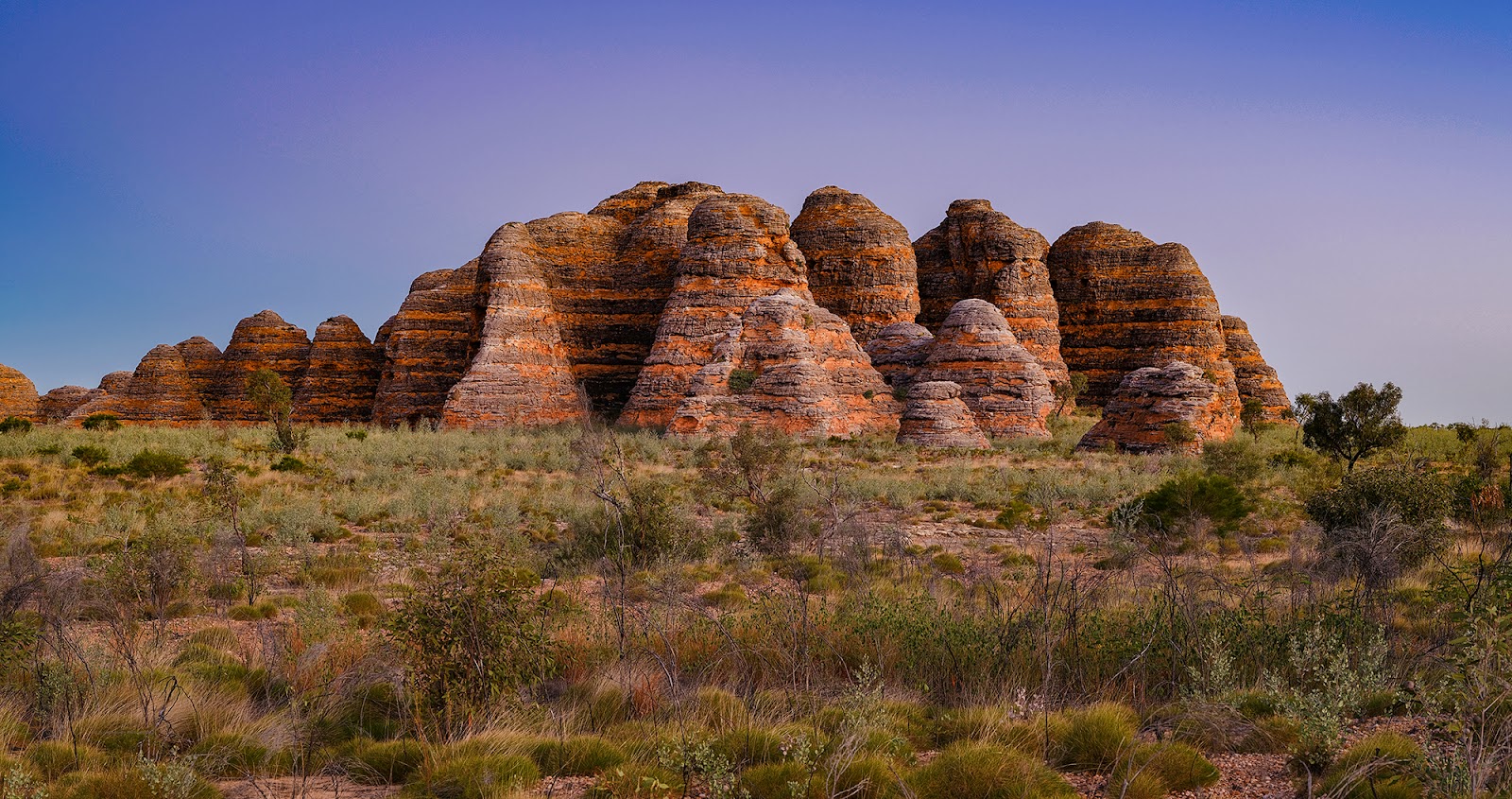
Gibb River Road, the Bungle Bungles, gorges and waterfalls in Australia's last frontier
Explore the guide →
The Kimberley
Australia's North West, Western Australia
Gibb River Road, the Bungle Bungles, gorges and waterfalls in Australia's last frontier
Explore the guide →
 Margaret River
Australia's South West, Western Australia
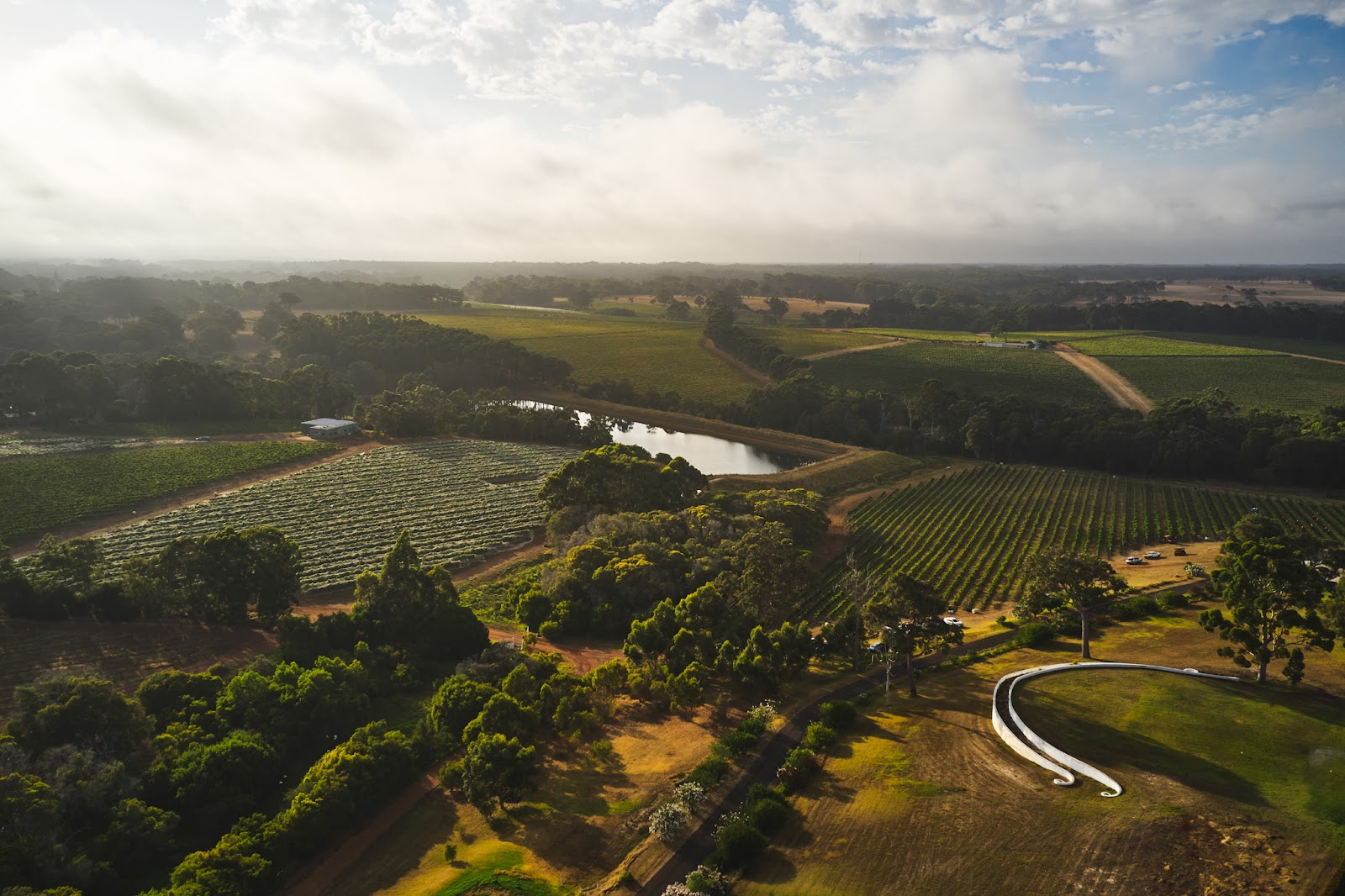
World-class wineries, surf breaks and limestone caves three hours south of Perth
Explore the guide →
Margaret River
Australia's South West, Western Australia
World-class wineries, surf breaks and limestone caves three hours south of Perth
Explore the guide →