01. Exmouth Escape Resort
4.5 (428 reviews)
Exmouth Escape Resort — Ningaloo Reef
Book Direct & Save →Ningaloo Reef is overwhelmingly understood through the water — and rightly so, because the reef itself is extraordinary. But the land half of the experience is Cape Range National Park: a range of ancient limestone gorges dropping straight into the Indian Ocean, with walking trails that deliver some of the most dramatic canyon scenery in Western Australia, entirely without crowds. The contrast is the whole point: you can drift-snorkel a pristine reef in the morning and walk a red-rock gorge in the golden afternoon light, all within an hour's drive of your accommodation.
View 3 Properties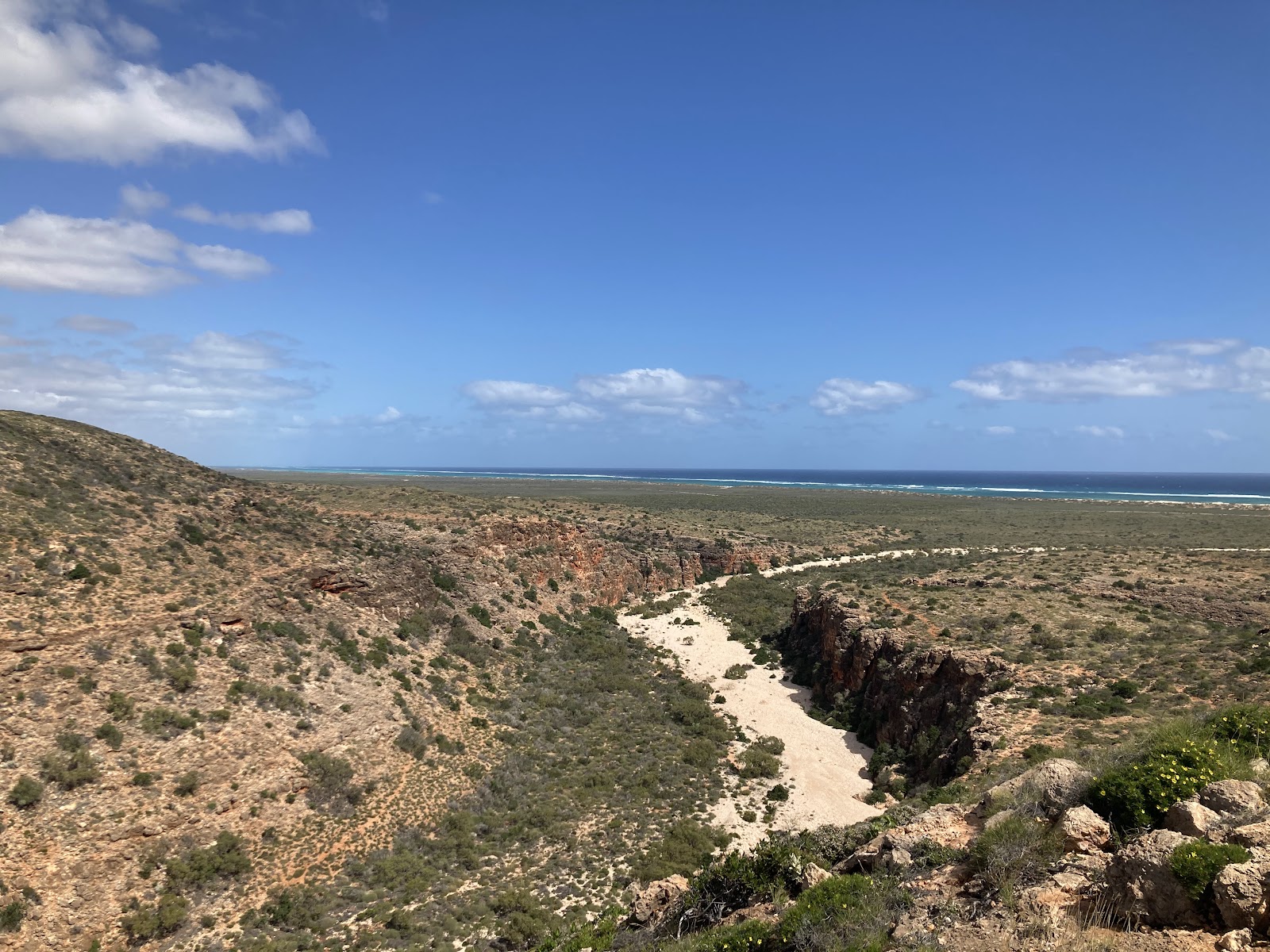
"Gorge, coastal and bird life — very quiet"
This guide covers the best walks at Ningaloo one by one — the distance, the difficulty, the heat reality, what you'll see and who each suits. A critical safety note that applies to every walk on this list: Exmouth sits at 22 degrees south of the equator and summer temperatures regularly exceed 40°C. From November through March, walking in the middle of the day is dangerous. Start before 8am, carry at least two litres of water per person, and have a plan to be off exposed tracks before 10am in summer. In April through October the temperatures are manageable, but you still need sun protection, water and a hat.
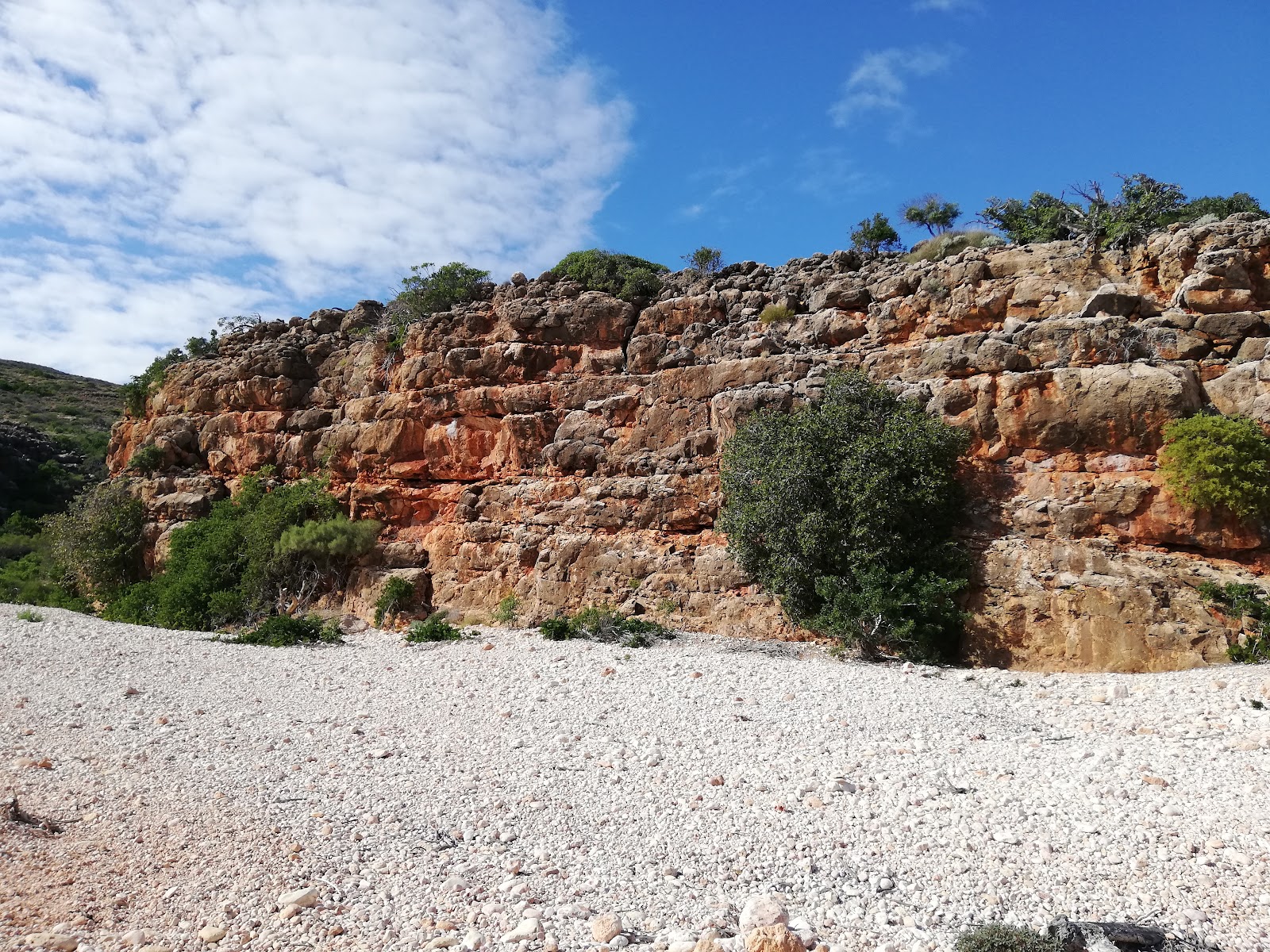
Most visitors to Ningaloo structure their days entirely around the water — and that's the right call, because the reef itself justifies the journey. But Cape Range National Park, which borders the reef's western shoreline, offers something the underwater world can't: the geological inverse of the reef, a series of ancient limestone gorges cut deep into the range, fringed with spinifex and populated by wallabies and wedge-tailed eagles, with trails that take you from the rim down to the creek bed and back in under two hours. From the gorge floor, the scale of the limestone walls is viscerally different from anything you'd expect on what is effectively a coastal park.
The practical logic is to build the walks into the cooler bookends of the day: into the gorges before 8am (when the light on the limestone is also most dramatic), back at the car park by the time the reef-tour boats depart. This rhythm — walk then swim, or walk then drift-snorkel — is how visitors who spend a week at Ningaloo avoid the mid-afternoon inertia that the heat enforces. The walks listed here range from a short, accessible boardwalk near the mangroves that anyone can do, to a technically straightforward but remote 6km canyon walk. Match the walk to your group's fitness and the day's temperature and you'll understand Cape Range in a way most reef visitors completely miss.
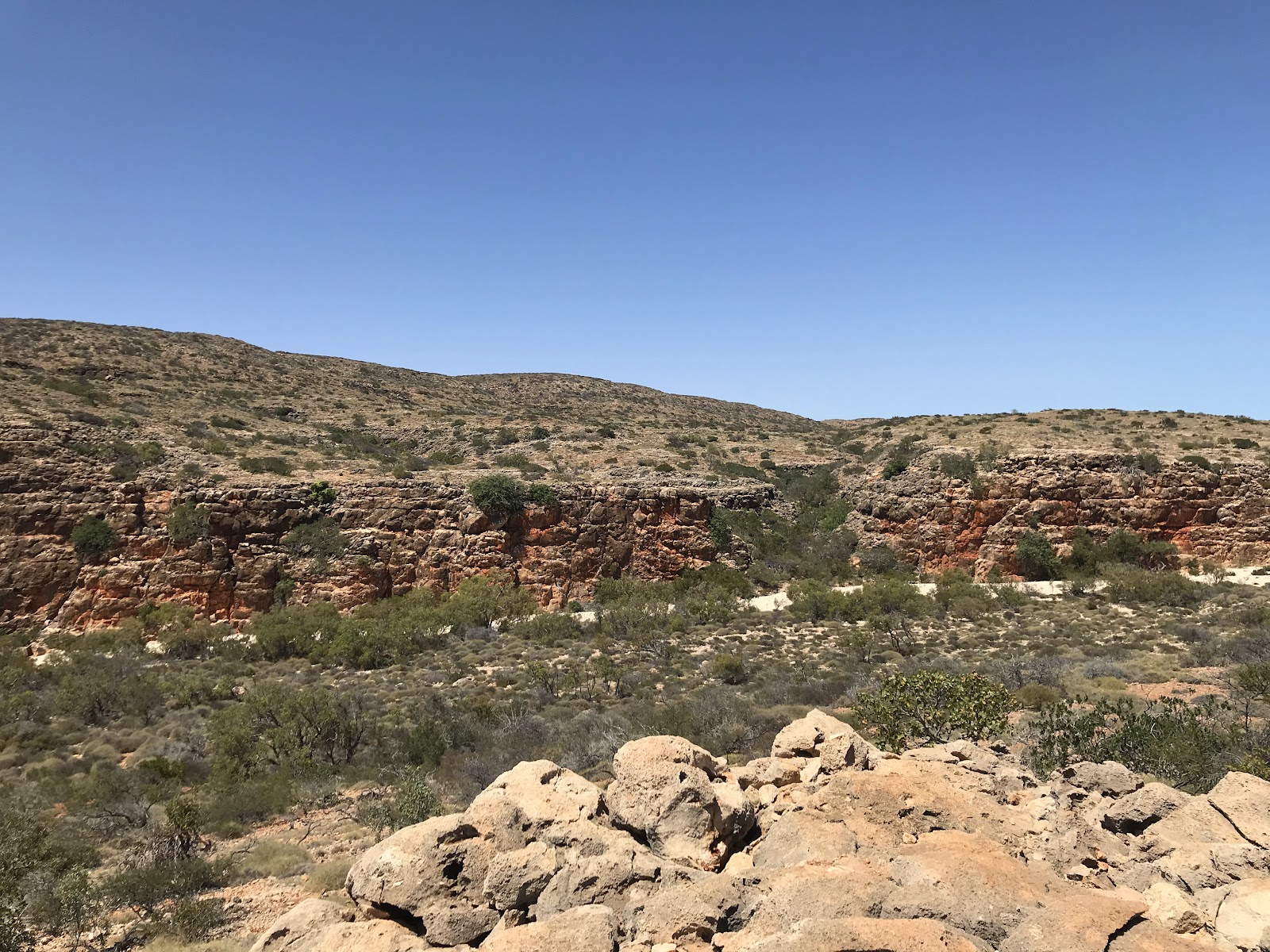
Mandu Mandu Gorge is the walk most visitors mean when they say they walked Cape Range: a 3km loop trail that starts at the gorge rim, drops into the canyon on a Class 4 (moderate) track, and follows the dry creek bed back through ancient cream-and-ochre limestone walls before climbing back out. The gorge walls rise steeply on both sides and the light in the early morning turns the stone gold-orange — it's a walk that looks dramatically better in photographs than most people expect before they arrive, and then turns out to look even better in person.
The Class 4 rating means it requires moderate fitness and sure-footedness on rocky ground — there are loose stones, a descent into the gorge that needs care, and sections of the creek bed that involve minor scrambling. It's not technically demanding, but it's not a flat path, and footwear with ankle support and grip makes a real difference. The trail starts 14km south of the Milyering Discovery Centre on Yardie Creek Road, roughly 52km south of Exmouth town. Finish the loop before 9:30am in the April–October dry season to avoid the worst heat on the exposed gorge rim; in summer, the November–March heat makes this a pre-dawn start or a skip.
The walk is at its most rewarding for those who walk slowly and look closely — there are rock wallabies in the walls, spinifex pigeons on the track, and the fossiled coral patterns in the limestone that tell the geological story of the reef above. This is genuinely ancient country with Mandu Mandu meaning "sweet water" — walk it with that history in mind.
It's the walk that makes Cape Range real — ancient limestone walls, a dry creek bed, and first light turning the gorge gold.
“Started at sunrise, descended into the gorge as the walls turned orange. Rock wallaby in the shadows, not a single other person. The best hour of the trip that didn't involve the reef.”
— Google review
The gorge descent at first light, with the limestone walls catching the sunrise in orange and ochre.
Class 4 — loose rocks and a gorge descent; not for prams, mobility aids or small children without confident adult supervision. Start before 8am in the dry season; skip or start pre-dawn in summer (Nov–Mar).
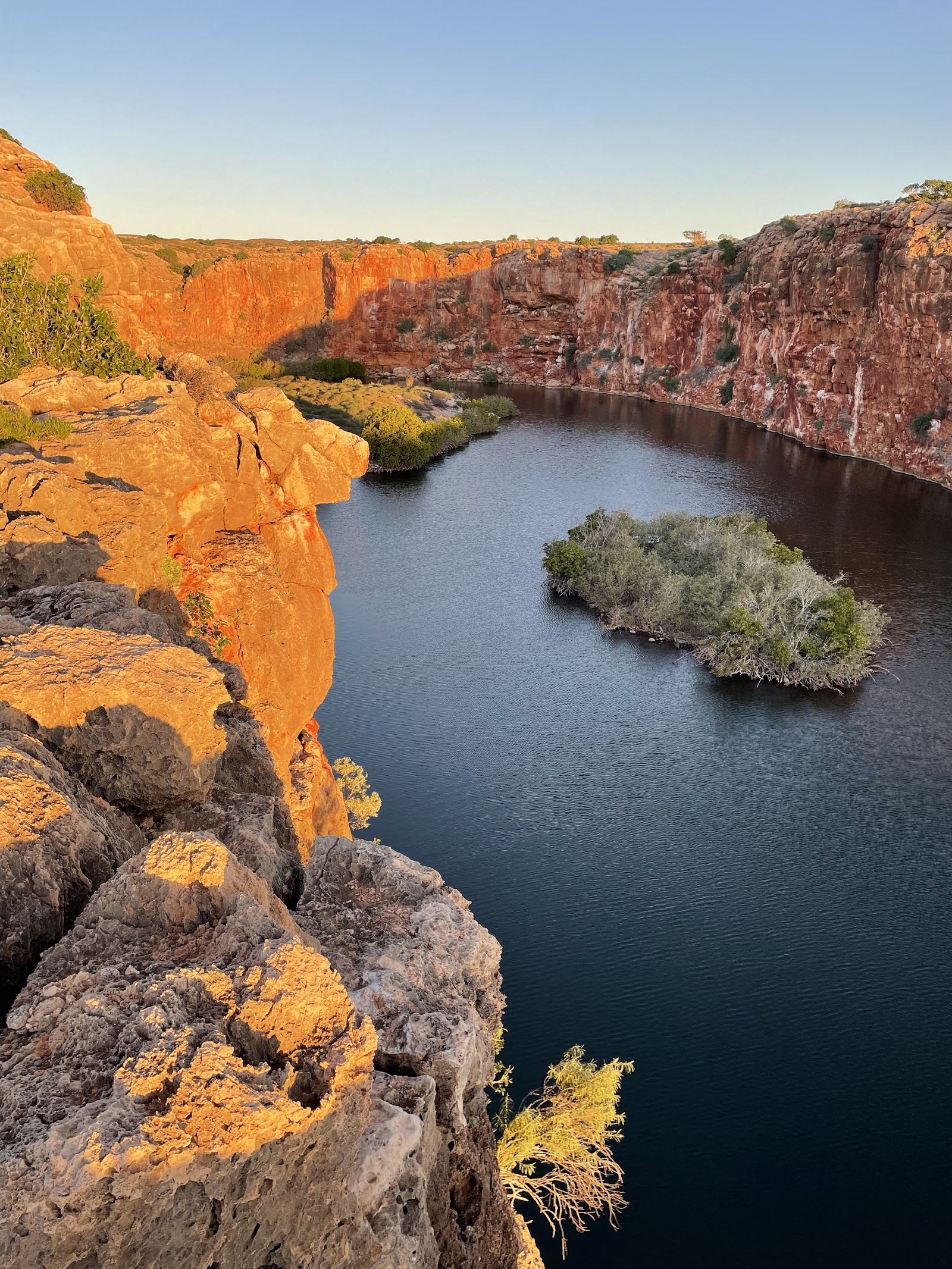
Yardie Creek is where Cape Range meets the sea — a narrow, emerald-green creek cutting through the limestone to the Indian Ocean, with walls populated by the rare black-flanked rock wallaby, one of Australia's most endangered marsupials. The Yardie Nature Trail is a two-part walk: the first 1.25km follows the northern bank of the creek on a Class 2 (easy) track with gentle gradients and superb views down into the water, suitable for a very wide range of walkers. At the end, the 750m Yardie Gorge Trail begins on Class 4 terrain — rougher, steeper, requiring moderate to high fitness — before the path ends at a viewpoint over the gorge interior.
Yardie Creek also runs guided boat tours up the creek from the carpark, which offer a completely different perspective on the gorge from water level and are particularly good for spotting the rock wallabies on the clifftops. The combination of a gentle flat walk (suitable for families and less mobile visitors) transitioning to a more demanding gorge trail makes Yardie the most accessible Cape Range walk for a mixed-fitness group: everyone does the first 1.25km together, then those who want the challenge continue on the Gorge Trail while others wait at the viewpoint or explore the creek bank.
The creek is at its most beautiful in the morning when the water glows green against the red limestone, and the boat tours generally depart mid-morning. Carry water, apply sunscreen before you start, and note that swimming in Yardie Creek is not recommended — the water looks inviting but the currents in the tidal creek are unpredictable.
It's the walk that delivers the black-flanked rock wallaby and the emerald-green gorge creek in one easy morning — the most wildlife-rich trail in Cape Range.
“Spotted three black-flanked rock wallabies on the cliff above the creek on the easy first section. My elderly mother managed the whole first part comfortably. We'd have missed this if we only did the reef.”
— Traveller review
Black-flanked rock wallabies on the canyon walls and the emerald-green creek below — best from the first viewpoint on the Class 2 section.
Swimming in the creek is not recommended — tidal currents are unpredictable. The Gorge Trail extension (Class 4) is not suitable for prams, the less mobile or young children.
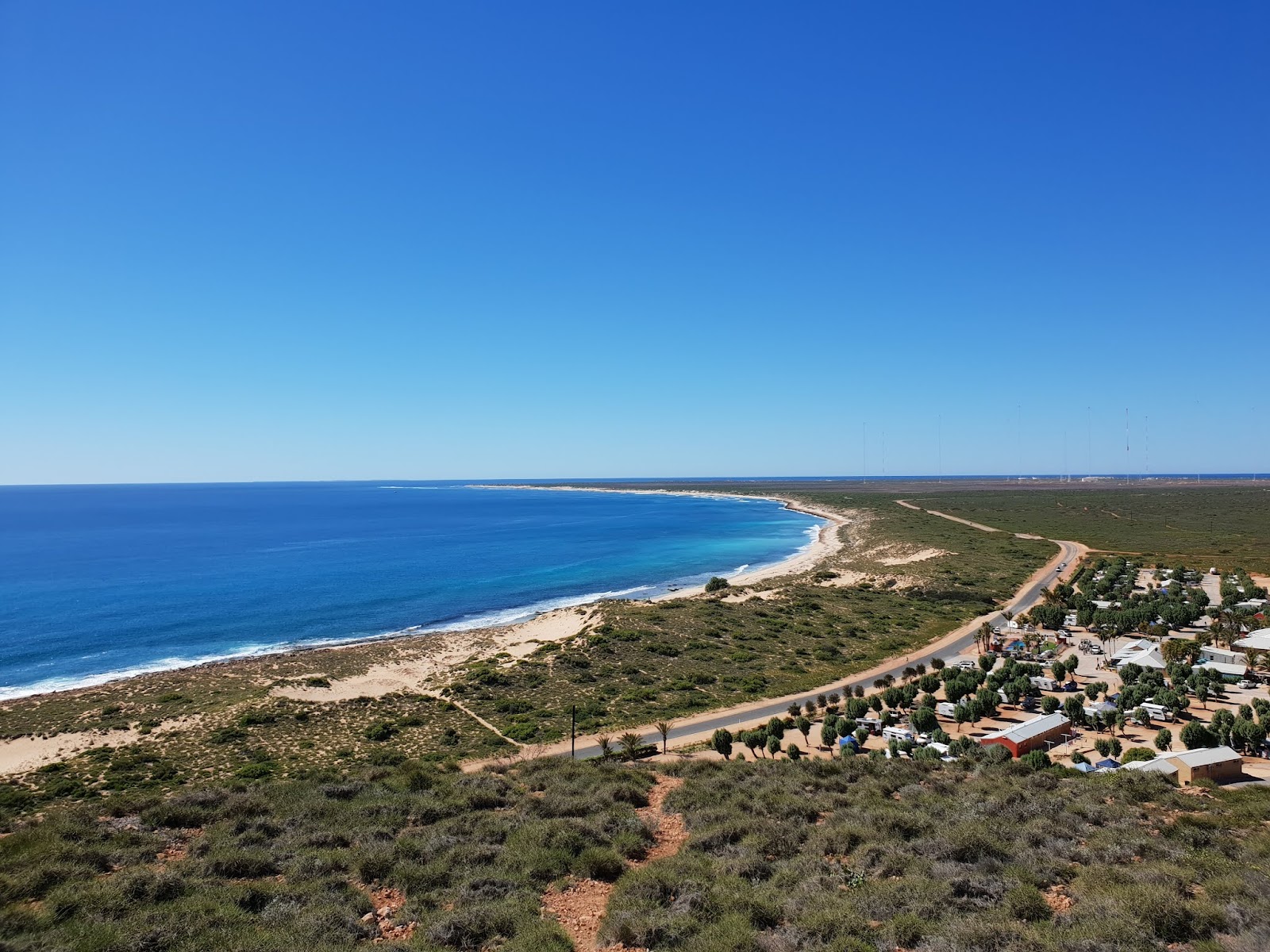
Vlamingh Head Lighthouse sits on a hilltop 17 kilometres north of Exmouth and is one of the very few places in Australia where you can observe both the sunrise and the sunset from the same spot — the cape faces east over the Exmouth Gulf and west over the Indian Ocean simultaneously. The approach is by a scenic drive that winds up the cape to the lighthouse, and the walk from the car park to the lighthouse itself is short (a few hundred metres) but rewards those who take the time to read the history boards and look in both directions: the Gulf shimmering on one side, the deep blue of the Indian Ocean and Ningaloo Reef visible below on the other.
From June to October, humpback whales migrate through the waters visible from this headland, and the elevated vantage point makes Vlamingh Head one of the best free land-based whale-watching sites in the Exmouth area — bring binoculars and watch for blows and breaches in the blue below. The lighthouse itself is historic: built in 1912, it guided pearling luggers and trading ships along one of Australia's most remote and dangerous coastlines. The sunset viewing here is extraordinary on a clear evening, and it's a natural bookend to a day in Cape Range — gorge walk in the morning, Vlamingh Head at golden hour.
The site is free to visit (outside Cape Range NP, no park fee required), and the drive up is worthwhile in itself for the panoramic views along the cape ridge.
It's the free panoramic view that frames the whole Ningaloo trip — both coasts of the cape, humpbacks in season, and a sunset that turns the Indian Ocean gold.
“Drove up for the sunset and watched humpbacks breaching in the water below with binoculars. Free, five minutes from the main road, and the most dramatic view we found in the whole area.”
— Google review
Humpback whale watching from the headland between June and October, and a sunset over the Indian Ocean.
The walk from the car park is short but the site is exposed and windy — bring a layer for sunset visits. Not a walking trail in the traditional sense; the value is the drive and the lookout, not distance covered.
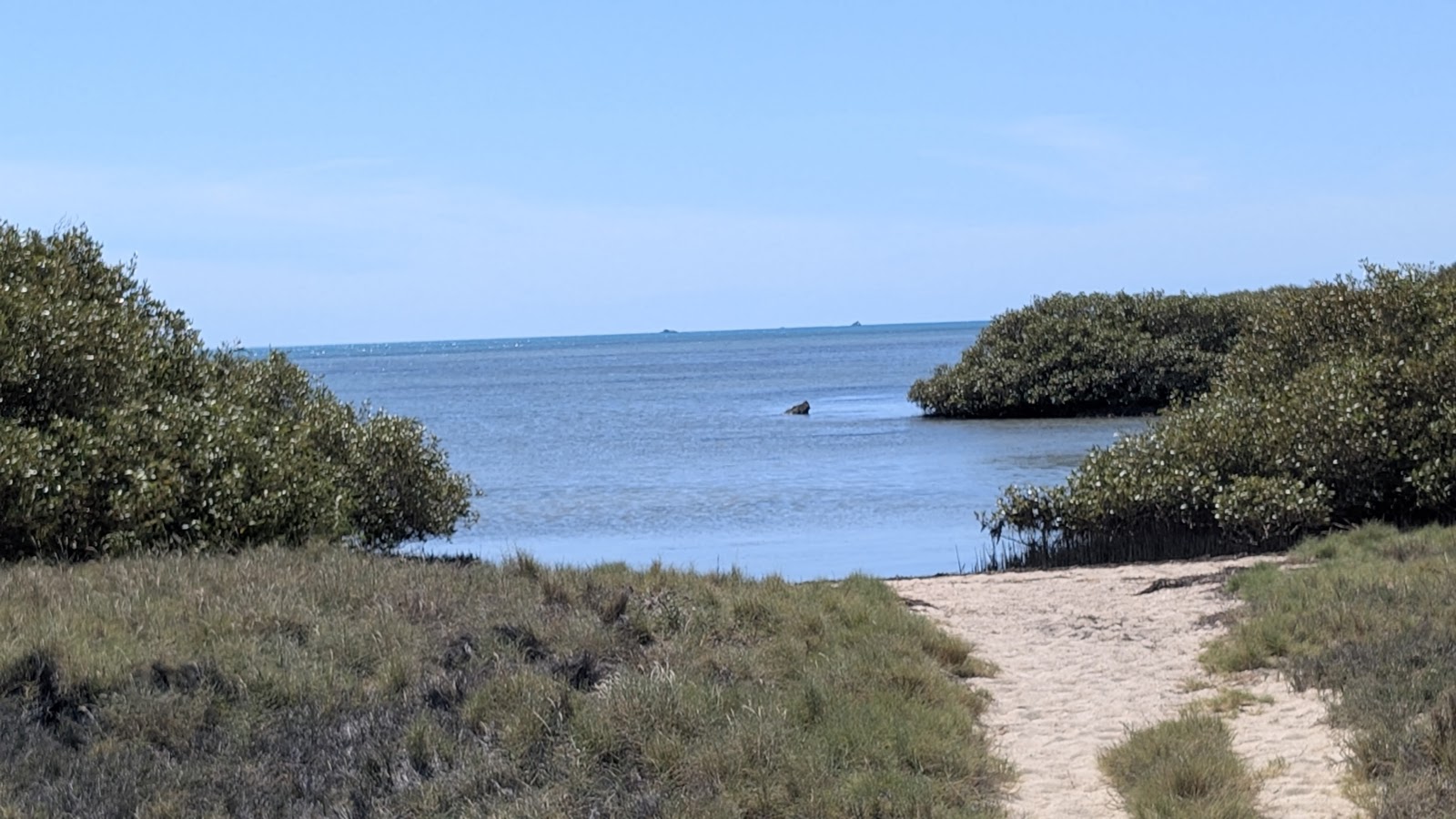
Mangrove Bay is the quiet secret of Cape Range — a sheltered bay on the reef's western shore where a 100-metre boardwalk winds through the mangroves to a covered bird hide overlooking a tidal flat that attracts some of the most significant concentrations of migratory shorebirds on Australia's north-west coast. Species including Eastern Curlew, Bar-tailed Godwit, Curlew Sandpiper and Red Knot use the bay as a critical refuelling stop during their migrations between the northern hemisphere breeding grounds and southern Australia, and the tide determines everything: as the water ebbs, the birds move down to feed, and a morning visit timed to the outgoing tide gives you the best possible viewing.
The boardwalk itself is short — only 100 metres from the car park to the hide — and entirely flat, making it the most accessible walk in Cape Range. But the experience in the hide is unhurried: sit quietly, allow your eyes to adjust to the light, and the bay comes alive with activity in a way that rewards patience. Beyond the migratory species, resident herons, egrets and waders work the shallows, and at dawn the light on the mangroves is soft and golden. It suits birdwatchers above all, but also families who want an early easy walk before a reef day, and photographers who chase the dawn light on the still water.
The site is 35 minutes from Exmouth on the Ningaloo side of North West Cape. Bring insect repellent in the wetter months, and time your visit to low-to-mid tide for the best bird activity.
It's the walk where you sit still and let the birds come to you — migratory shorebirds from Siberia and Alaska, feeding on the tide flats 35 minutes from Exmouth.
“Arrived at the hide at dawn, timed it to the outgoing tide. Bar-tailed godwits feeding ten metres away. My birding partner described it as one of the best shorebird sites they'd visited anywhere in Australia.”
— Traveller review
Migratory shorebirds at close range during the outgoing tide — godwits, curlews and sandpipers from as far as Siberia.
The 100m boardwalk is extremely short — this is a birdwatching site, not a walking trail. If you come mid-tide with little patience for sitting still, it'll feel underwhelming. Bring insect repellent in the wetter months.
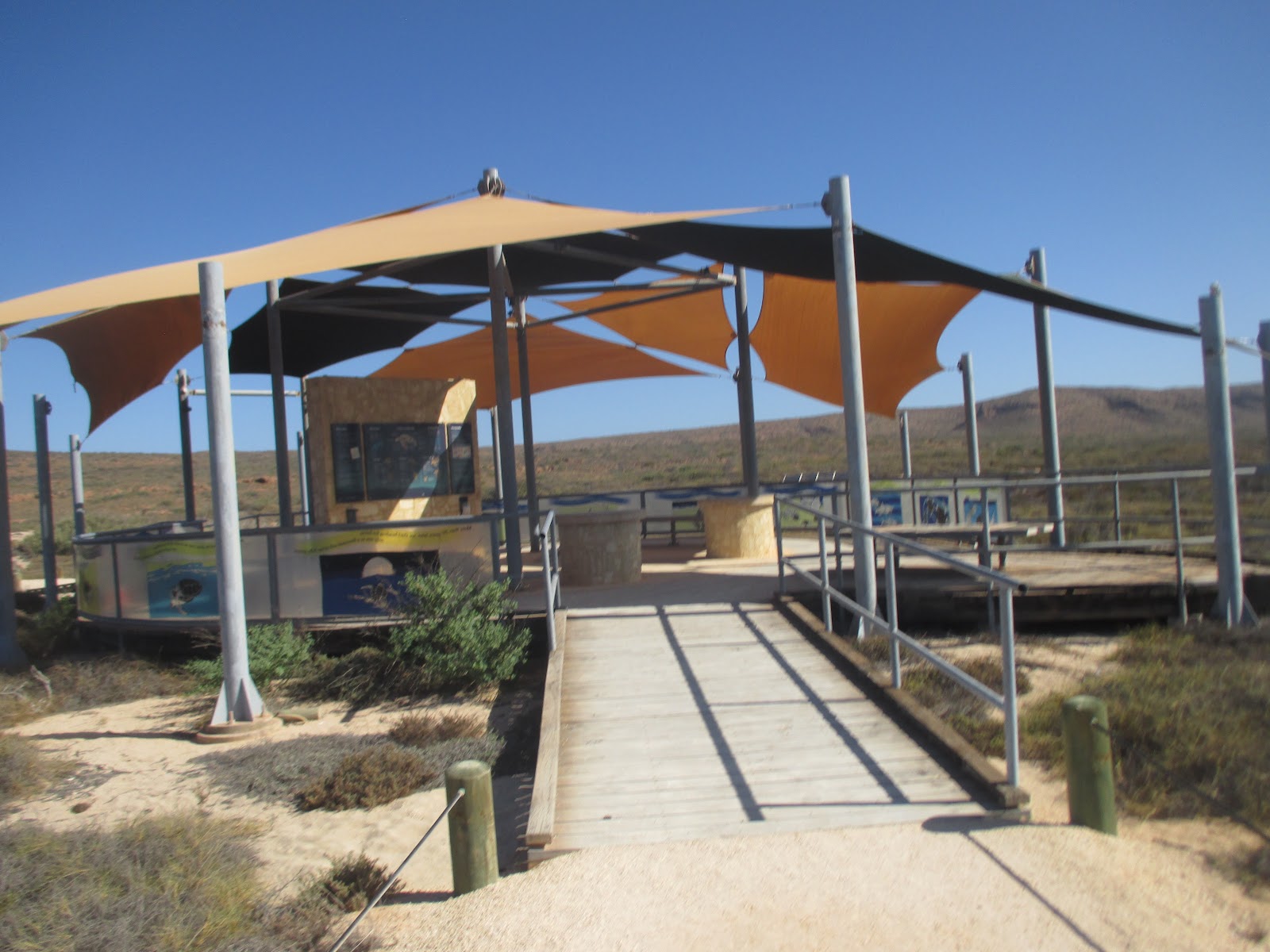
Jurabi Coastal Park, 20 kilometres from Exmouth on Yardie Creek Road, is where the loggerhead and green sea turtles that nest on the North West Cape beaches come ashore between November and March. The Jurabi Turtle Centre has a free outdoor information area with displays on the turtles and nesting activity, and from December through February you can join guided evening turtle education tours where rangers take small groups to observe nesting females and hatching events on the dark beach — an experience that is simultaneously scientific and profoundly affecting.
The "walk" at Jurabi is less about distance than about the experience: a short, flat path to the beach through the coastal park, with the guided tours adding a ranger-led element that dramatically increases the chance of a direct sighting. Without a guide, independent visitors can walk the beach at night following the strict rules: no white torches (red lights only), no flash photography, no approaching or touching the turtles, and give any turtle a wide berth. Entry to the coastal park is free.
Outside the November–March nesting season, Jurabi is worth a day visit for the coastal park walking, the nearby beaches, and the information centre — but the turtle experience is the only reason to time a visit for summer, when the heat and cyclone risk make Exmouth harder to visit. If you're here in summer, the turtles are the silver lining; if you're here in the dry season, Jurabi is a pleasant short stop on the way to or from the Cape Range gorges.
It's the wildlife encounter that rivals the reef for sheer impact — a loggerhead turtle laying eggs on a dark beach, guided by a ranger, 20 minutes from town.
“Joined the ranger-guided evening tour in January. A green turtle came ashore and we watched her nest from a respectful distance with a red light. My children haven't stopped talking about it months later.”
— Google review
A ranger-guided evening turtle nesting or hatching tour between December and February.
The turtle season (Nov–Mar) coincides with Exmouth's hottest and most difficult weather — heat, humidity and cyclone risk. If you're visiting in the dry season, the turtle experience won't be available. Outside guided tours, strict rules apply on the beach at night.
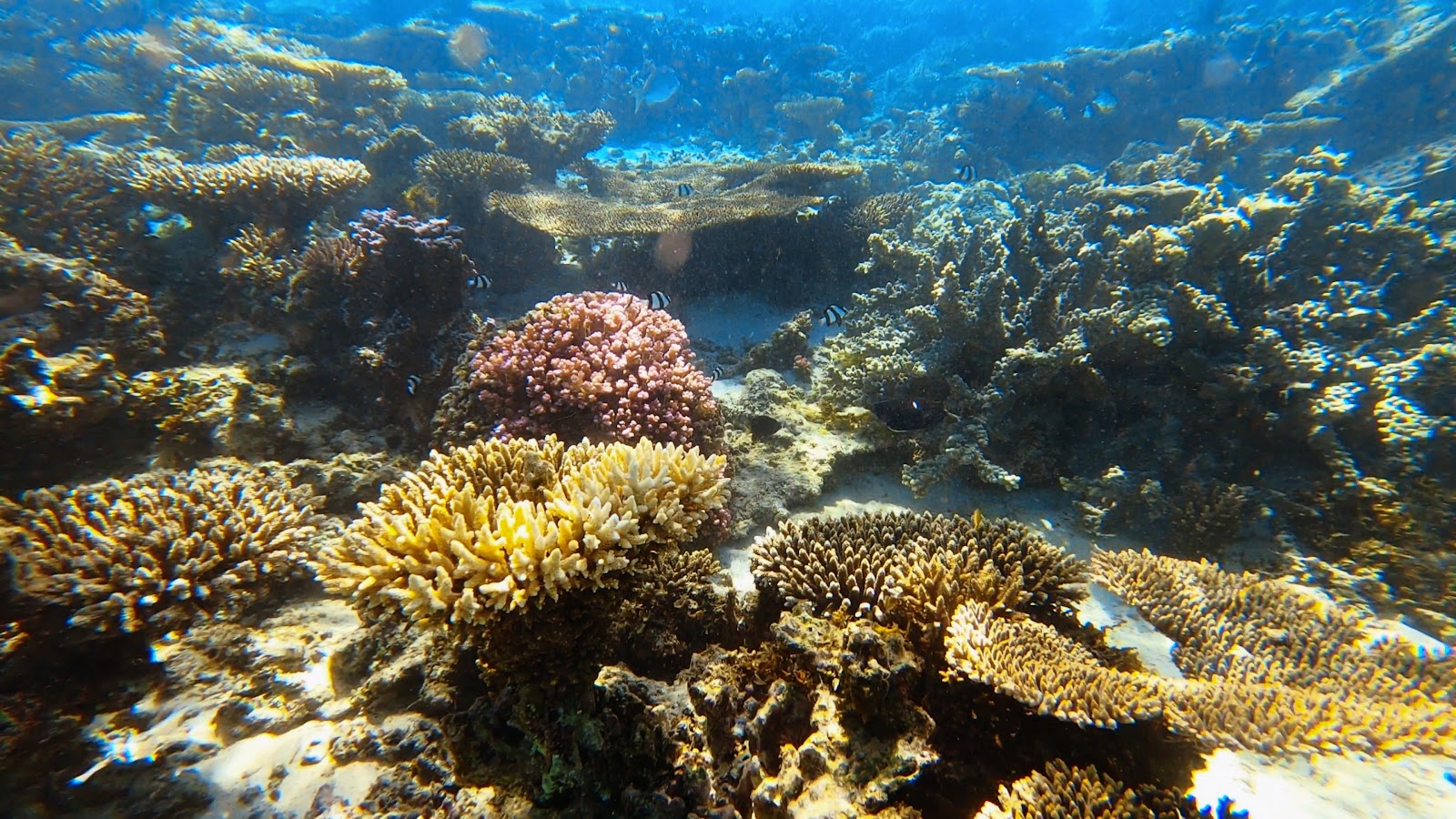
Oyster Stacks is less of a walking trail than a reef-access experience — a flat, short beach walk to the water's edge at one of the most accessible snorkel entry points on the Ningaloo Reef. The coral bommies begin immediately offshore, the depth is shallow enough for beginners and older children, and hundreds of species of fish are visible without the drift-current challenge that Turquoise Bay presents. It's the spot that guides and local experts recommend when the group has mixed swimming ability or when you want a calm, uncrowded reef entry with clear water close to the beach.
The walk from the car park to the water is brief and flat across the low-lying coastal terrain, and the beach itself is narrow but beautiful — the coral growth begins a few metres from the shore, which makes the transition from sand to reef immediate and startling. In the early morning, before the day-tour boats arrive and the south-setting current picks up, the water is at its calmest. The same advice that applies to all Ningaloo snorkelling applies here: reef-safe sunscreen only (chemical sunscreens are banned in the marine park), fins recommended, and don't stand on or touch the coral.
Note that Oyster Stacks is within Cape Range National Park, so the daily entry fee applies. It's one of the walks best paired with a Cape Range gorge visit — drive into the park, walk the gorge in the morning, drive south to Oyster Stacks for the midday snorkel, and be back before the afternoon heat peaks.
It's the most accessible entry point to the Ningaloo Reef from the beach — immediate coral, hundreds of fish species, and suitable for every ability level.
“Reef starts literally a metre from the sand. My 8-year-old saw her first sea turtle here and I could stand and help her without the drift current. The best family snorkel spot we found at Ningaloo.”
— Google review
Immediate coral from the beach edge — sea turtles, parrotfish and leopard sharks in clear, shallow water.
The current picks up in the afternoon — snorkel in the morning for calm conditions. The car park can fill early in peak season. Reef-safe sunscreen is mandatory in the marine park.
| Season | Conditions | Highlights | Crowds |
|---|---|---|---|
| Autumn (Apr–May) | Warm and comfortable, ideal walking | Best all-round walking temperatures, dry, clear skies | Moderate — school holidays can be busy |
| Winter (Jun–Aug) | Cool mornings, warm days, 24–30°C | Peak walking season, humpback whales offshore, clear low-tide snorkelling | Peak — book accommodation well ahead |
| Spring (Sep–Oct) | Warming, still very pleasant | Whale shark season (ends mid-Aug), manta rays active, good walking temperatures | Busy — peak whale shark season |
| Summer (Nov–Mar) | Extreme heat 38–45°C, cyclone risk, high humidity | Turtle nesting at Jurabi, near-empty beaches | Low — most visitors avoid; limited services may reduce |
What recent visitors say:
“Inside the National park, must pay $17 entry for 1 day or can get a multi-day-pass. Toilets are available, No showers. Sanctuary area- no fishing Beautiful snorkelling and exploring day along the beach and the water. Be mindful of the strong currents/ rips around the sandbank. Take some shade and a picnic it's a gorgeous place.”— Ca Bi (on Turquoise Bay), Google review
“Drift Snorkeling is amazing!!! Water temp was nice - early August, didn't need a wetsuit. Plenty of colourful fish of varying sizes, even a reef shark crossed my path Totally recommend when in the area”— Violet Patty (on Turquoise Bay), Google review
“Absolutely perfectly clear water and clean sand. Great for snorkelling. Had fish swimming around me which was an awesome experience”— Taylor Cougle (on Turquoise Bay), Google review
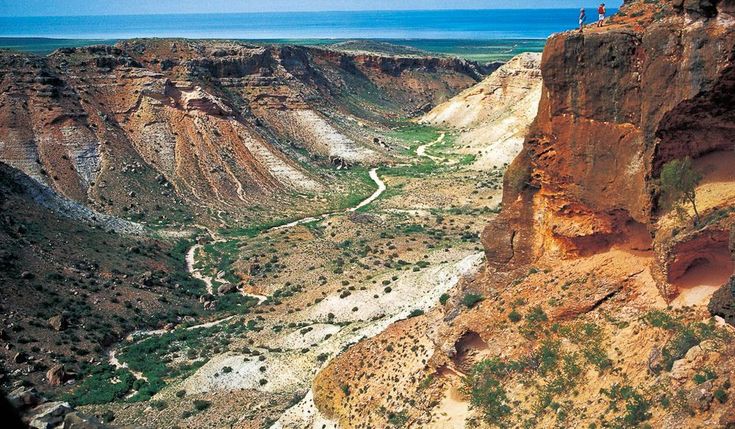
Exmouth sits in one of the hottest inhabited parts of Western Australia. Between November and March, temperatures in Cape Range National Park regularly reach 40–45°C by mid-morning, and the exposed gorge trails offer zero shade for extended sections. Heatstroke can develop rapidly in these conditions, and the park is remote — getting help takes time. This is not a hypothetical risk; Parks WA and local operators take it seriously, and you should too.
The practical rules that apply to every walk on this list: start before 8am in the April–October dry season and no later than 7am in November–March; carry a minimum of two litres of water per person for any gorge walk; wear sun protection (hat, long sleeves, SPF50+); tell someone your route and expected return time if heading beyond the main car parks. The early morning is also the best time to walk for light, wildlife and temperature — the gorge walls catch the sunrise in colours that disappear by mid-morning, and the wallabies and birds are most active at dawn. Get up early, and the walking at Ningaloo rewards you twice.
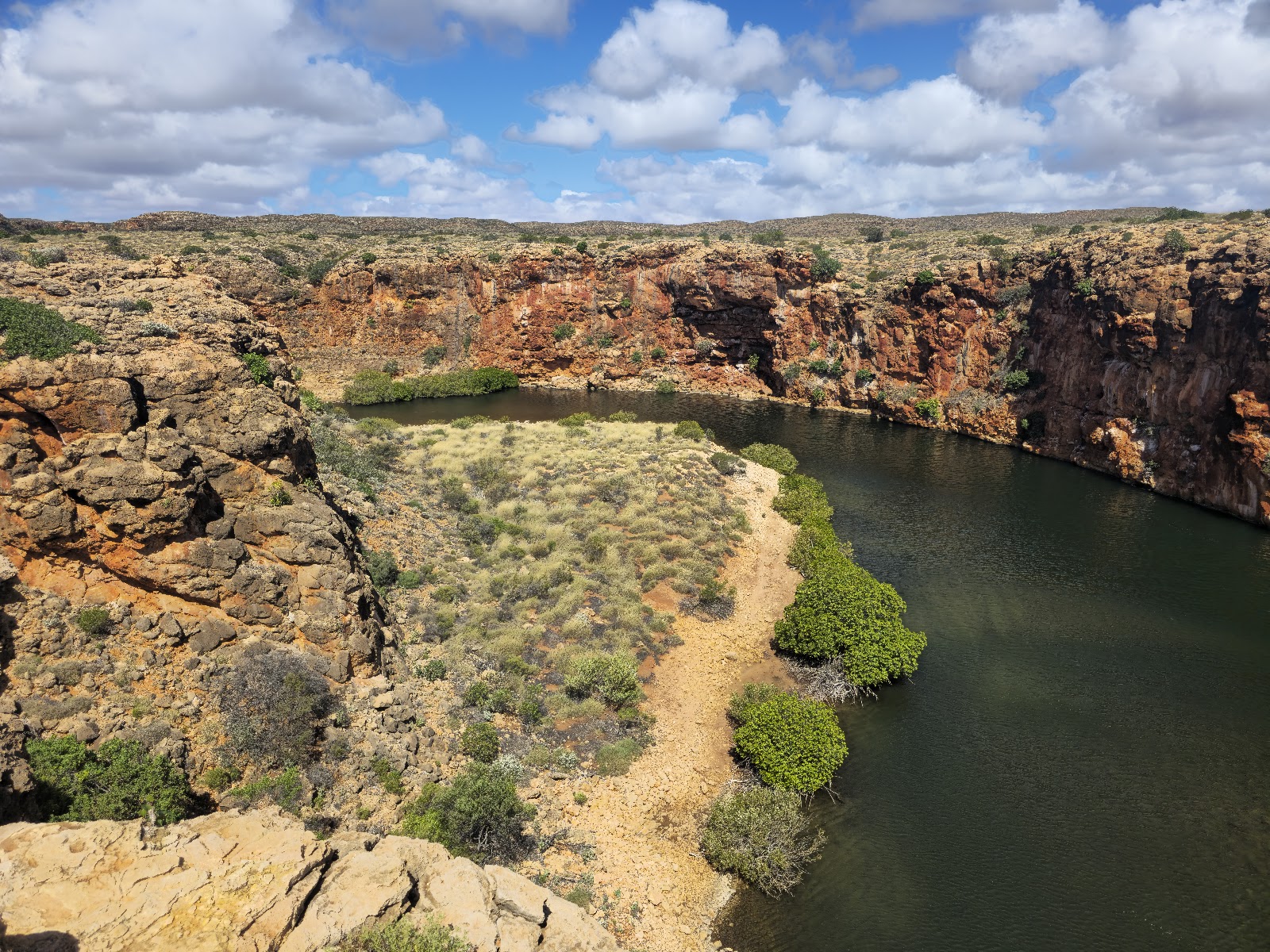
The walks at Ningaloo don't compete with the reef — they complete it. A morning in the Mandu Mandu Gorge, an afternoon drift-snorkel at Turquoise Bay, a sunset at the lighthouse: that day uses both halves of the North West Cape and leaves you with a physical understanding of the landscape — its scale, its age, and its silence — that the underwater world alone doesn't give you.
Start with Mandu Mandu Gorge for the defining Cape Range experience. Add Yardie Creek if your group has mixed fitness levels. Do the Mangrove Bay hide if you or anyone travelling with you has an interest in birds. And time at least one evening at Vlamingh Head Lighthouse for the view across both oceans. That set covers the range from accessible to moderately challenging, requires less than two hours each, and shows you a landscape that most visitors at Ningaloo completely miss.
Enjoying walks? Here’s where else in Australia it’s worth the trip — ranked by how loved each destination is, with the one thing not to miss at each.
 Kangaroo Valley
Shoalhaven, New South Wales
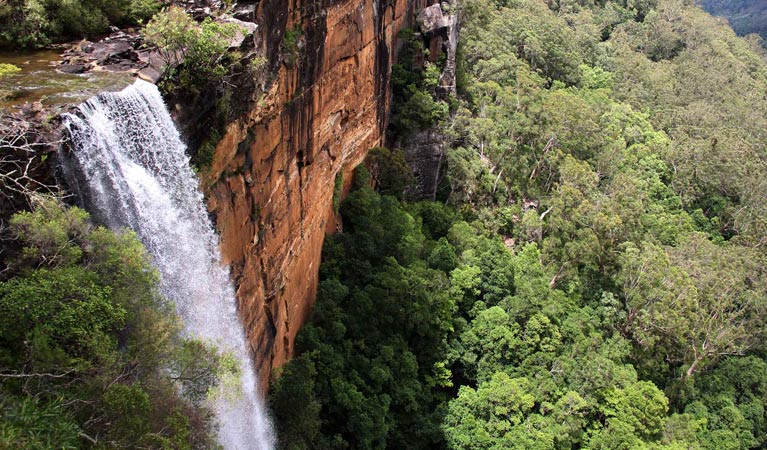
Fitzroy Falls — East & West Rim — The West Rim lookouts after decent rain, when the falls are thundering.
Explore walks in Kangaroo Valley →
2
Kangaroo Valley
Shoalhaven, New South Wales
Fitzroy Falls — East & West Rim — The West Rim lookouts after decent rain, when the falls are thundering.
Explore walks in Kangaroo Valley →
2
 Broome
Australia's North West, Western Australia
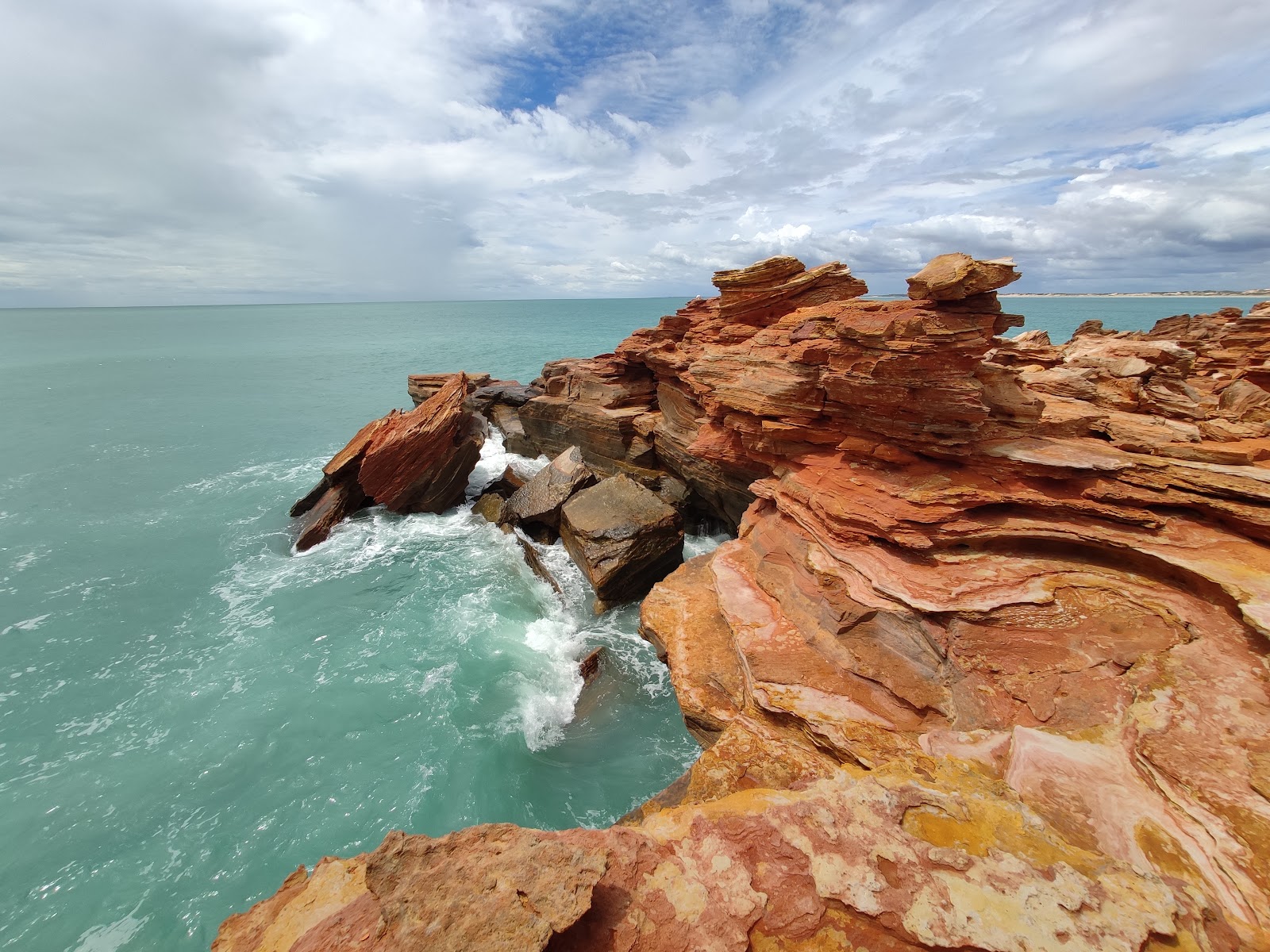
Gantheaume Point Dinosaur Coast Walk — The pindan cliffs glowing red-gold at sunrise, with the dinosaur footprints in the reef flat below.
Explore walks in Broome →
3
Broome
Australia's North West, Western Australia
Gantheaume Point Dinosaur Coast Walk — The pindan cliffs glowing red-gold at sunrise, with the dinosaur footprints in the reef flat below.
Explore walks in Broome →
3
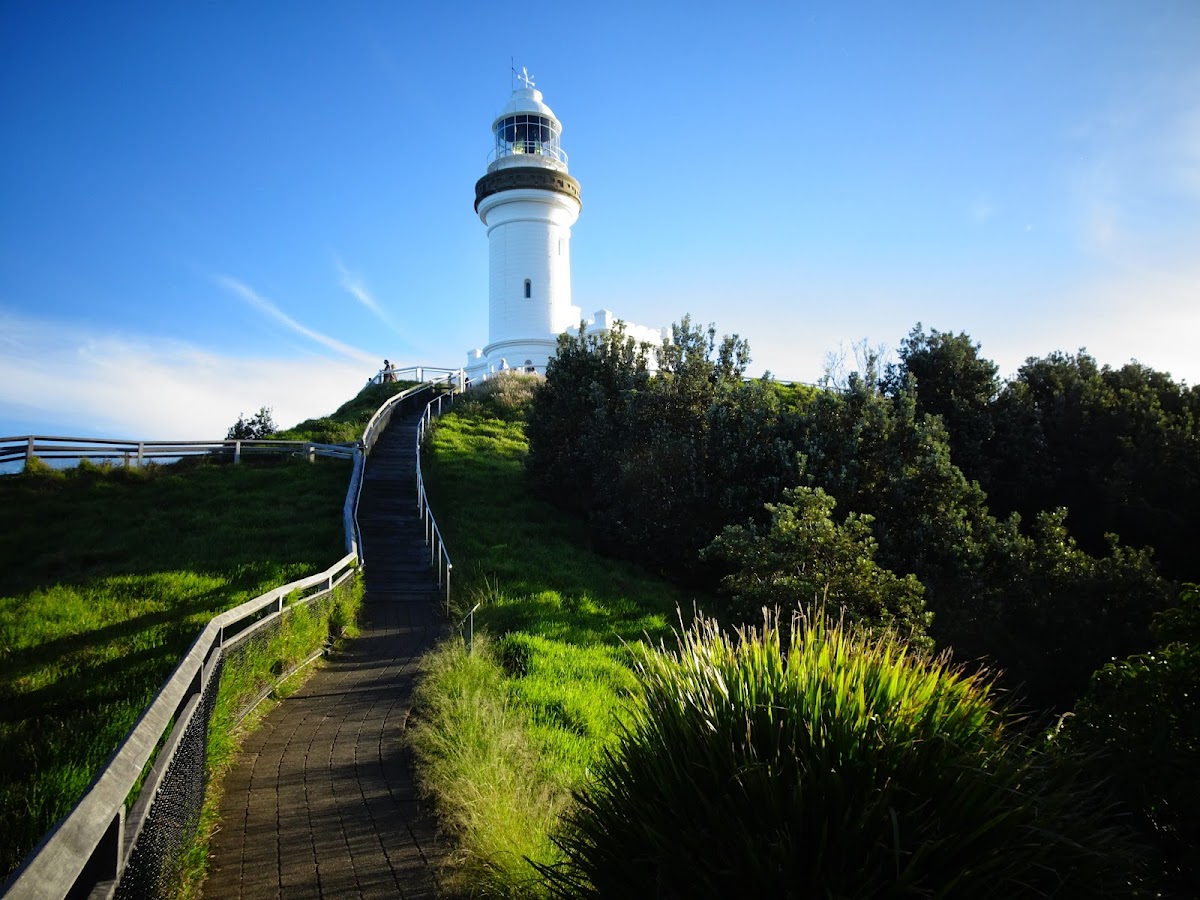 Byron Bay
Northern Rivers, New South Wales
Cape Byron Walking Track — First light at the easternmost point with humpbacks offshore (May–November).
Explore walks in Byron Bay →
4
Byron Bay
Northern Rivers, New South Wales
Cape Byron Walking Track — First light at the easternmost point with humpbacks offshore (May–November).
Explore walks in Byron Bay →
4
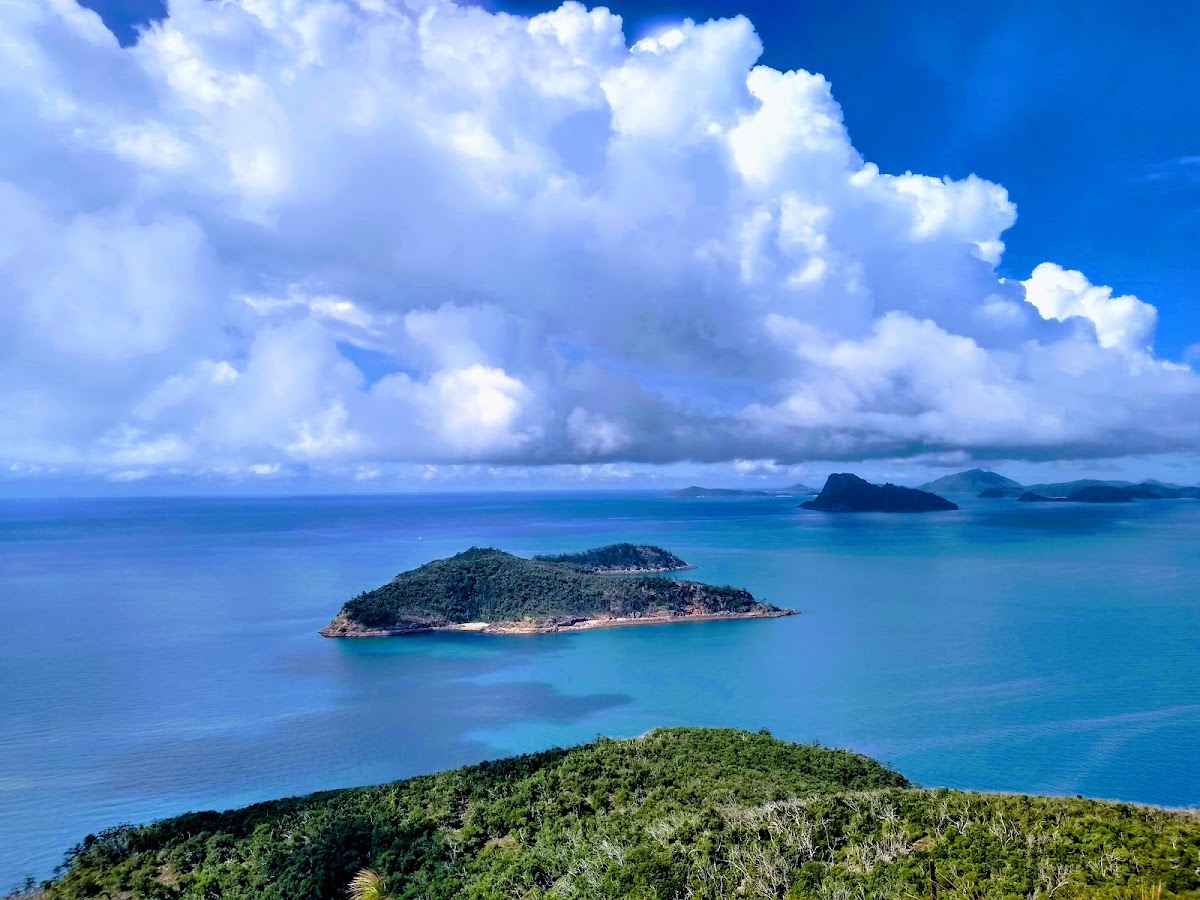 Hamilton Island
The Whitsundays, Queensland
Passage Peak — The 360-degree summit panorama at dawn, with the islands stacked away to the horizon and barely anyone else up there.
Explore walks in Hamilton Island →
Ningaloo Reef you’re here
Australia's Coral Coast, Western Australia
Mandu Mandu Gorge Walk — The gorge descent at first light, with the limestone walls catching the sunrise in orange and ochre.
You’re reading this guide
Hamilton Island
The Whitsundays, Queensland
Passage Peak — The 360-degree summit panorama at dawn, with the islands stacked away to the horizon and barely anyone else up there.
Explore walks in Hamilton Island →
Ningaloo Reef you’re here
Australia's Coral Coast, Western Australia
Mandu Mandu Gorge Walk — The gorge descent at first light, with the limestone walls catching the sunrise in orange and ochre.
You’re reading this guide
 Glen Aplin
Granite Belt, Queensland
Mount Stirling Road Vineyard Trail — The northern stretch where the vineyards open on both sides — best light between 7 and 8am.
Explore walks in Glen Aplin →
7
Glen Aplin
Granite Belt, Queensland
Mount Stirling Road Vineyard Trail — The northern stretch where the vineyards open on both sides — best light between 7 and 8am.
Explore walks in Glen Aplin →
7
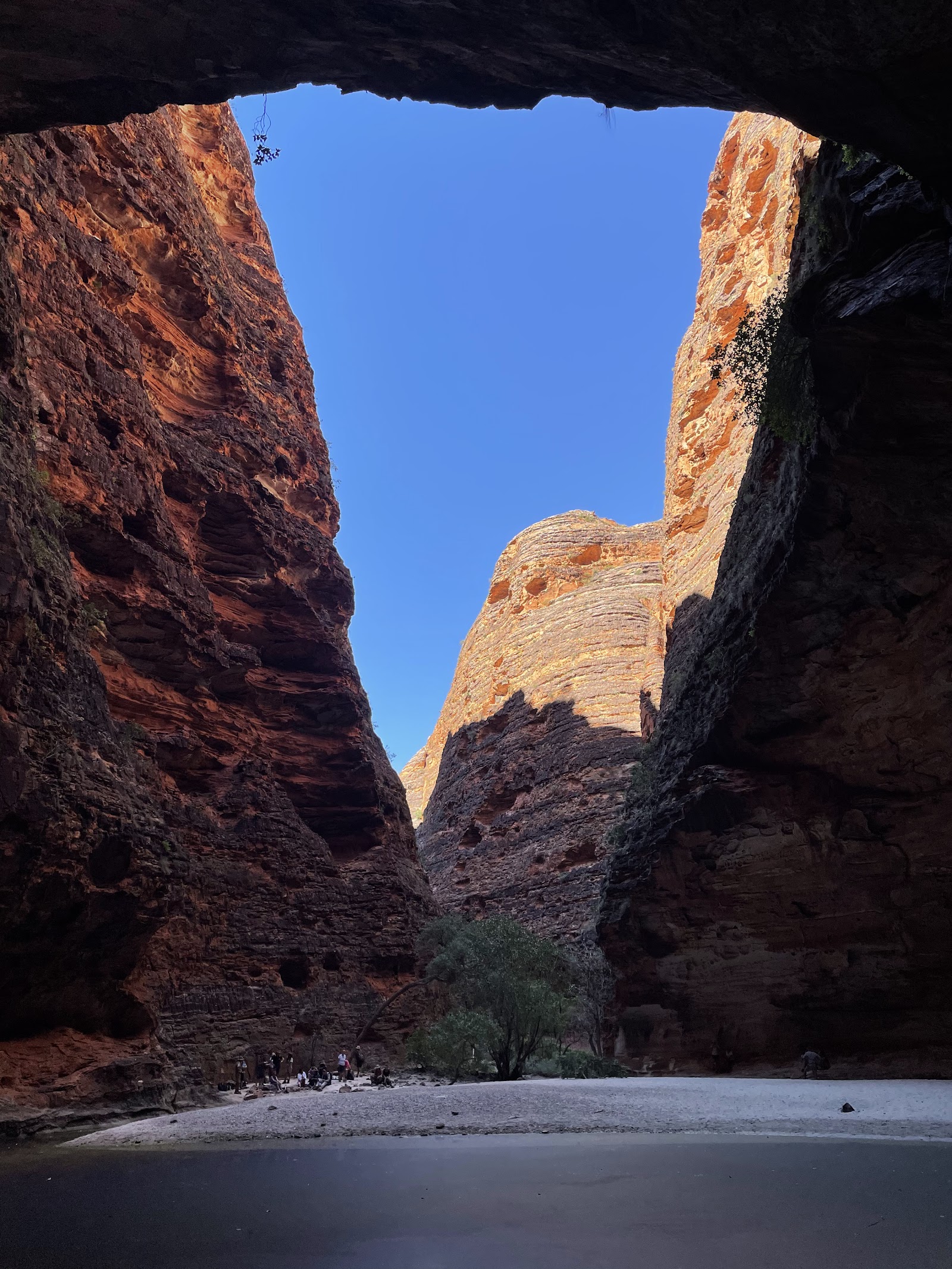 The Kimberley
Australia's North West, Western Australia
Cathedral Gorge, Purnululu National Park — The natural amphitheatre at the end of the gorge — arrive at sunrise for the walls glowing orange in the first light.
Explore walks in The Kimberley →
8
The Kimberley
Australia's North West, Western Australia
Cathedral Gorge, Purnululu National Park — The natural amphitheatre at the end of the gorge — arrive at sunrise for the walls glowing orange in the first light.
Explore walks in The Kimberley →
8
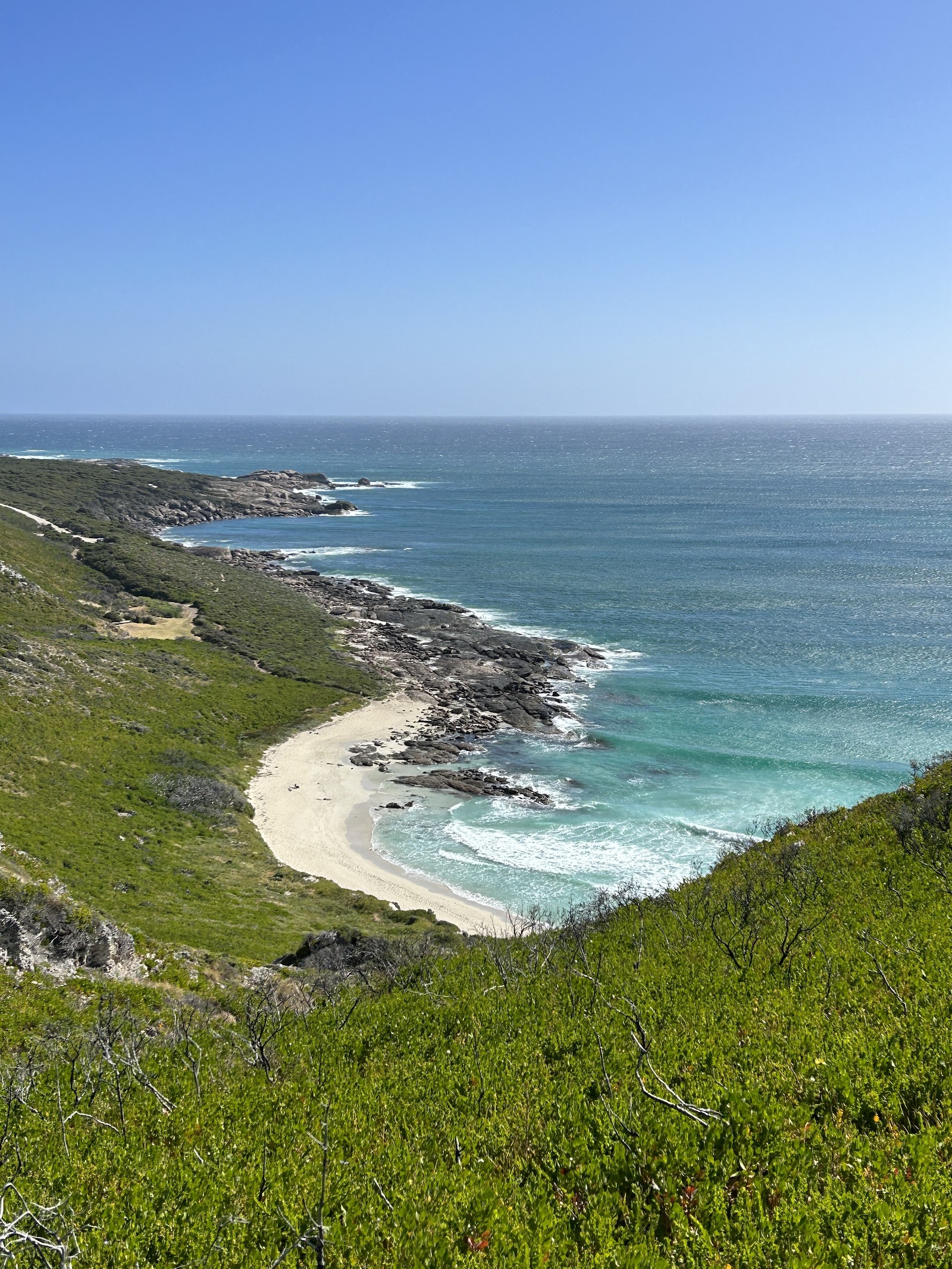 Margaret River
Australia's South West, Western Australia
Cape Naturaliste Lighthouse Walk & Whale Lookout — Humpback whales in Geographe Bay from the headland lookout, August to December.
Explore walks in Margaret River →
9
Margaret River
Australia's South West, Western Australia
Cape Naturaliste Lighthouse Walk & Whale Lookout — Humpback whales in Geographe Bay from the headland lookout, August to December.
Explore walks in Margaret River →
9
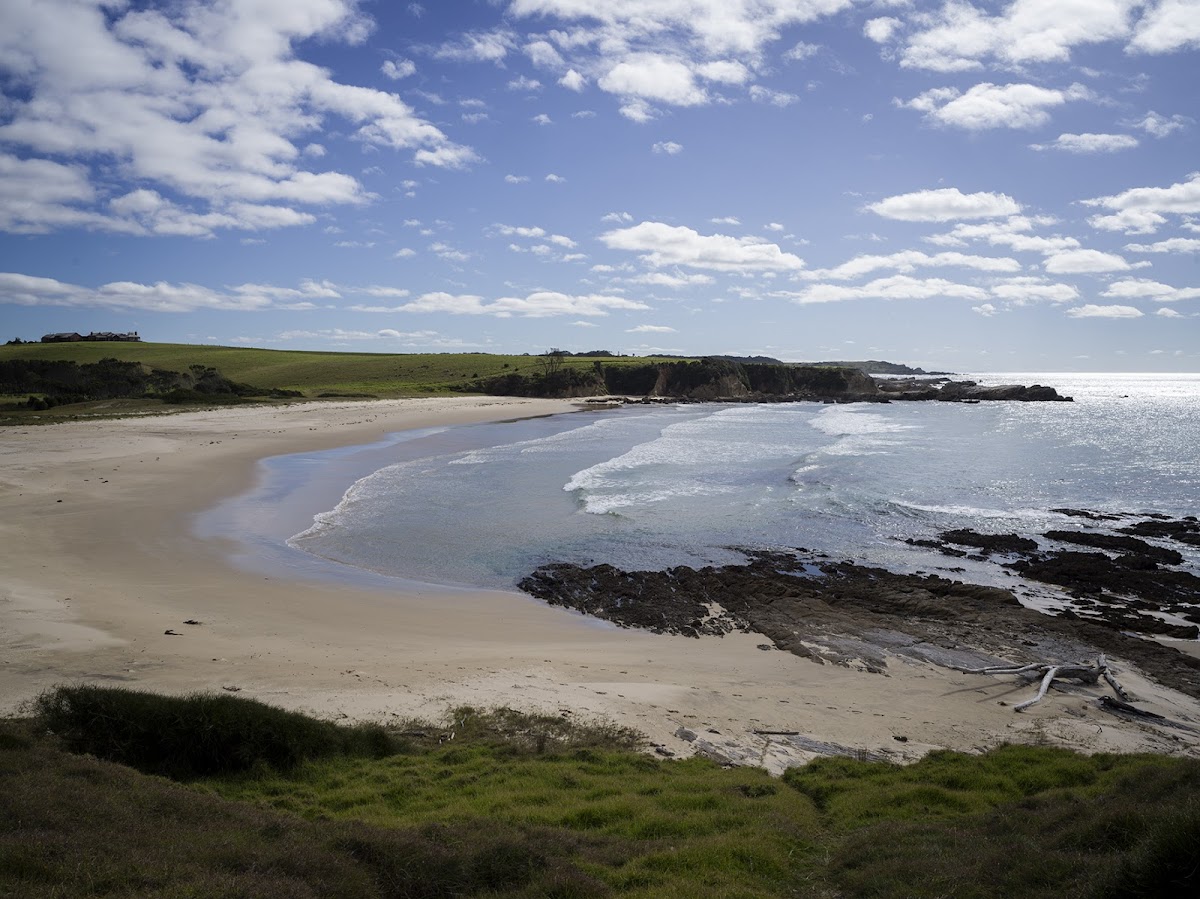 Narooma
South Coast, New South Wales
Mill Bay Boardwalk — Stingrays gliding below the planks in the clear shallows — best in the still early morning.
Explore walks in Narooma →
10
Narooma
South Coast, New South Wales
Mill Bay Boardwalk — Stingrays gliding below the planks in the clear shallows — best in the still early morning.
Explore walks in Narooma →
10
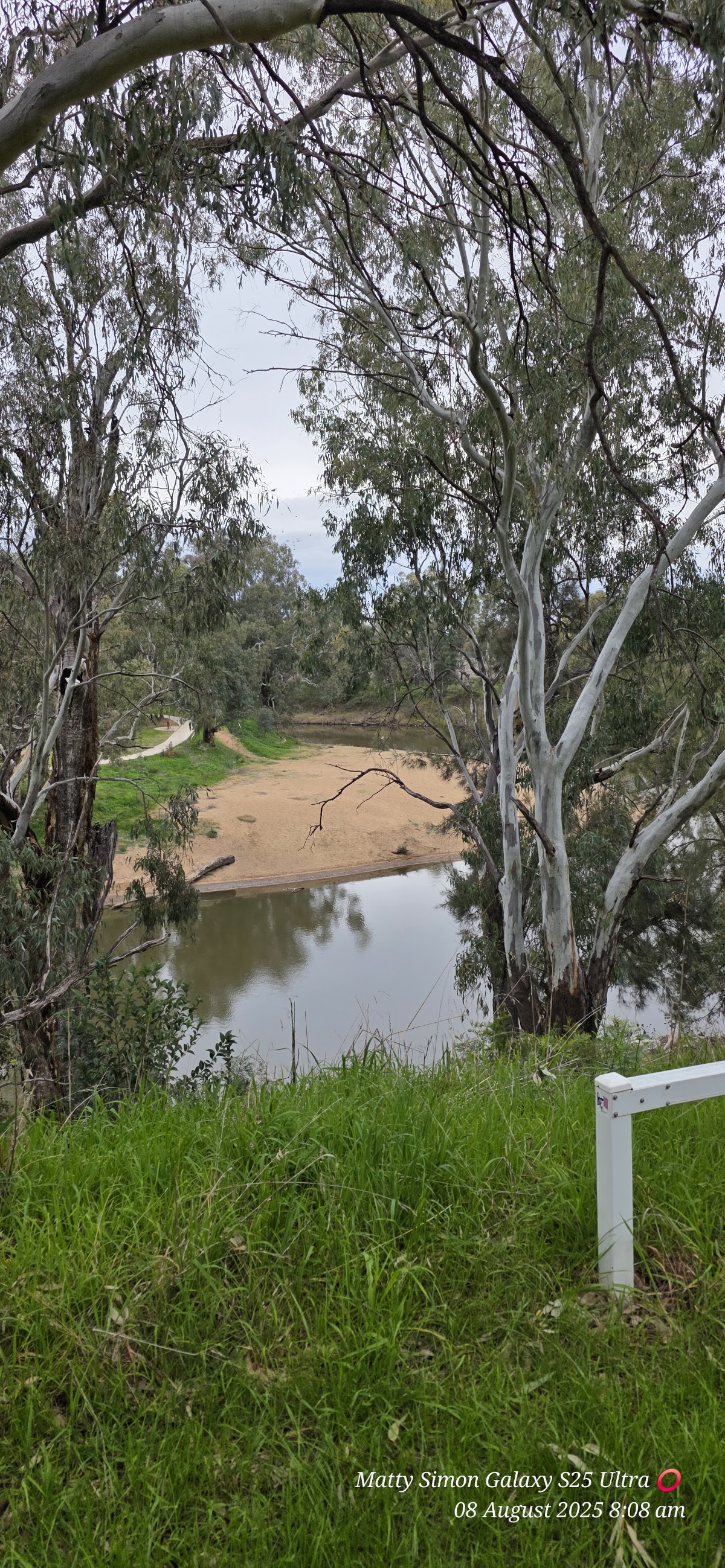 Dubbo
Central West, New South Wales
Tracker Riley Cycleway — The riverbank at dawn, with mist on the water and the birdlife at its busiest.
Explore walks in Dubbo →
Dubbo
Central West, New South Wales
Tracker Riley Cycleway — The riverbank at dawn, with mist on the water and the birdlife at its busiest.
Explore walks in Dubbo →
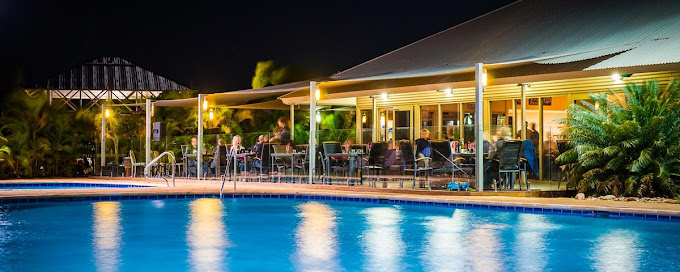
Exmouth Escape Resort — Ningaloo Reef
Book Direct & Save →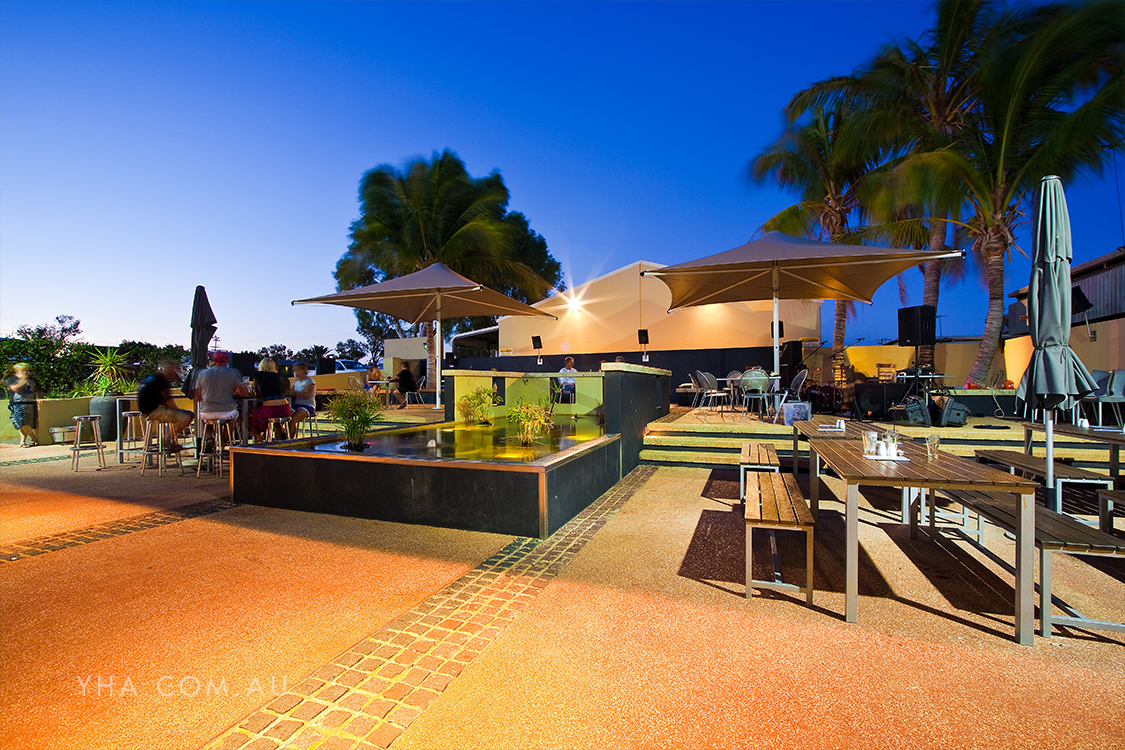
Ningaloo Caravan and Holiday Resort — Ningaloo Reef
Book Direct & Save →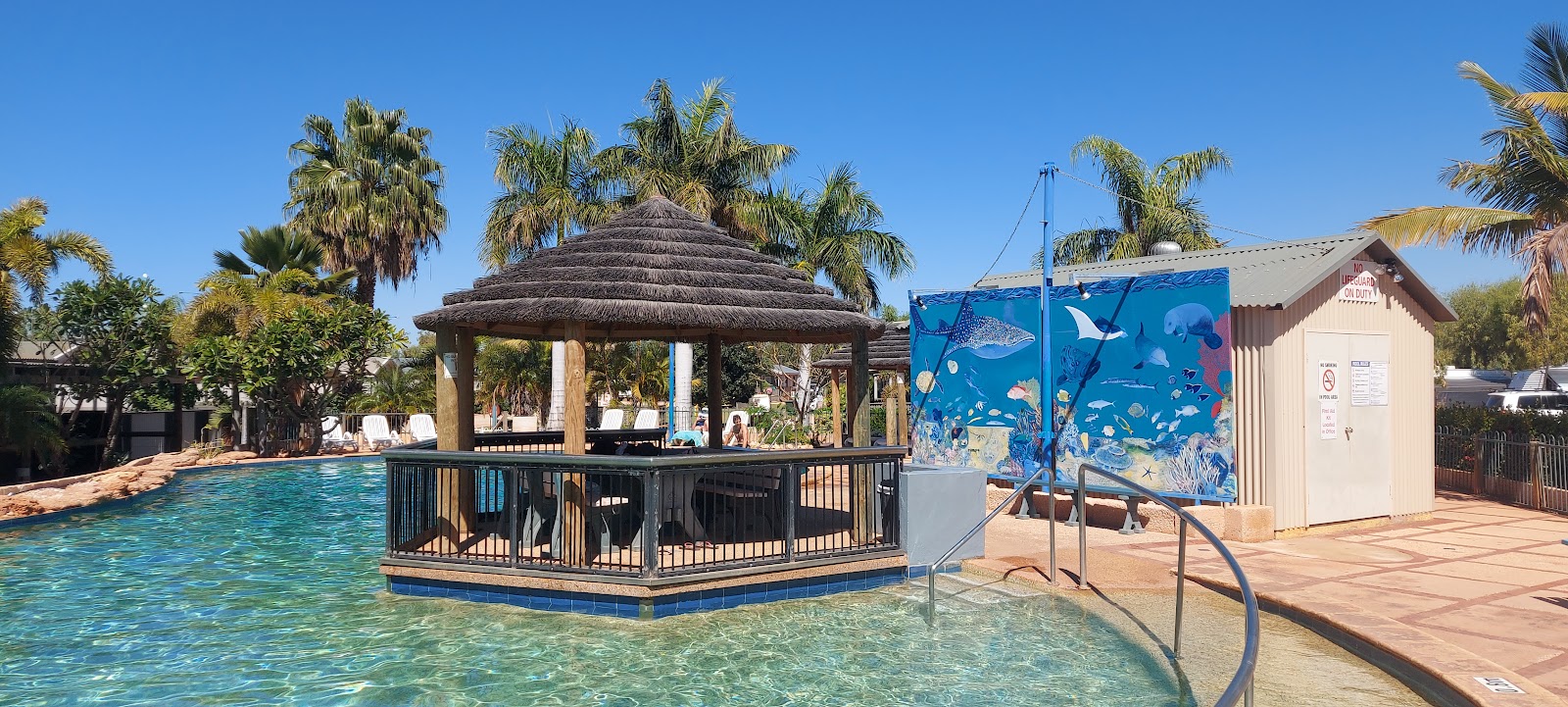
Skip OTA fees. Connect directly with Ningaloo Reef owners for the best rates and a truly personal experience.
We match any online rate. No service fees — 100% of your payment supports local owners.
Direct guests receive complimentary hampers, early check-in, and priority access to experiences.
Speak directly with the people who manage the properties. No call centres, just local expertise.
Part of Western Australia · Australia's Coral Coast
 Glen Aplin
Granite Belt, Queensland
Queensland's most underrated wine valley
Explore the guide →
Glen Aplin
Granite Belt, Queensland
Queensland's most underrated wine valley
Explore the guide →
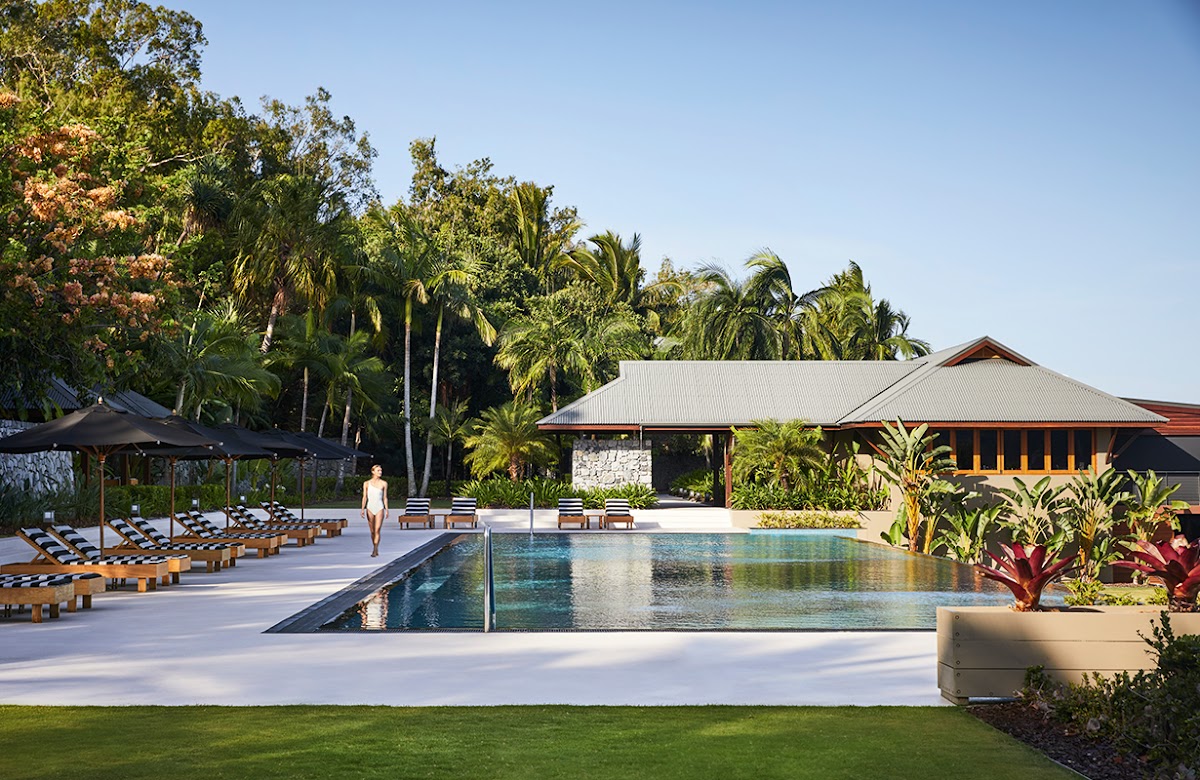 Hamilton Island
The Whitsundays, Queensland
Whitsundays island resort — Whitehaven Beach, reef trips and golf-buggy life
Explore the guide →
Hamilton Island
The Whitsundays, Queensland
Whitsundays island resort — Whitehaven Beach, reef trips and golf-buggy life
Explore the guide →
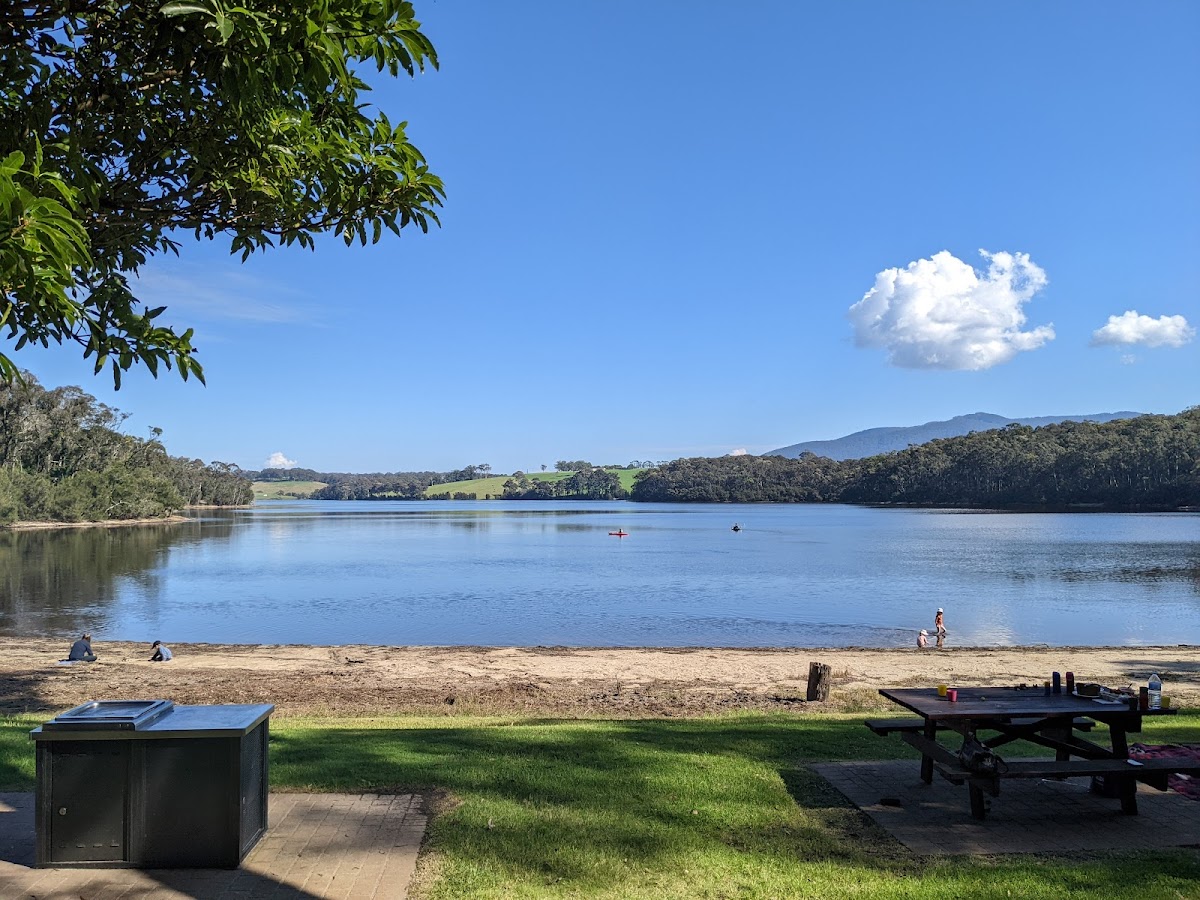 Narooma
South Coast, New South Wales
Crystal-clear inlet, surf beaches, oysters and Montague Island
Explore the guide →
Narooma
South Coast, New South Wales
Crystal-clear inlet, surf beaches, oysters and Montague Island
Explore the guide →
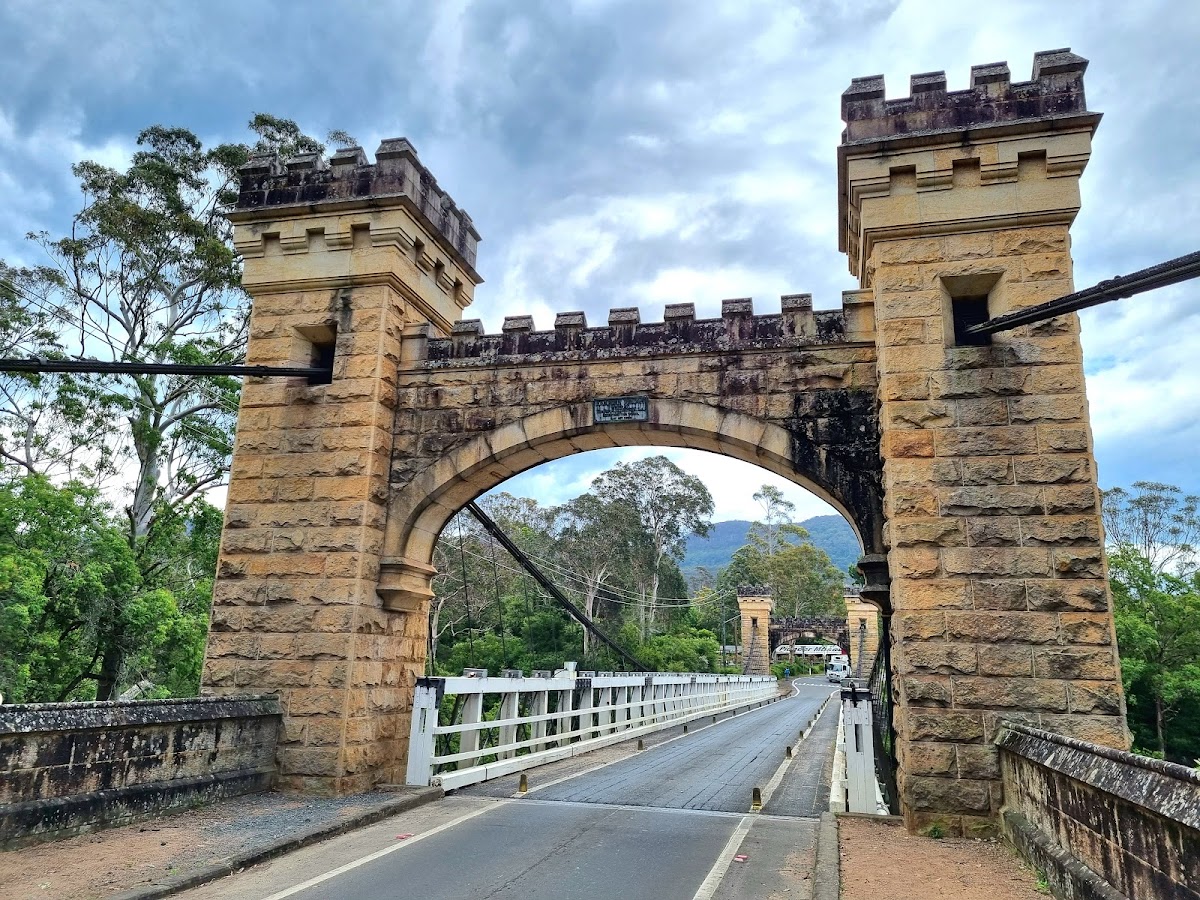 Kangaroo Valley
Shoalhaven, New South Wales
Hampden Bridge, kayaking and wombats in a green valley
Explore the guide →
Kangaroo Valley
Shoalhaven, New South Wales
Hampden Bridge, kayaking and wombats in a green valley
Explore the guide →
 Dubbo
Central West, New South Wales
Open-range zoo and Outback gateway on the Macquarie River
Explore the guide →
Dubbo
Central West, New South Wales
Open-range zoo and Outback gateway on the Macquarie River
Explore the guide →
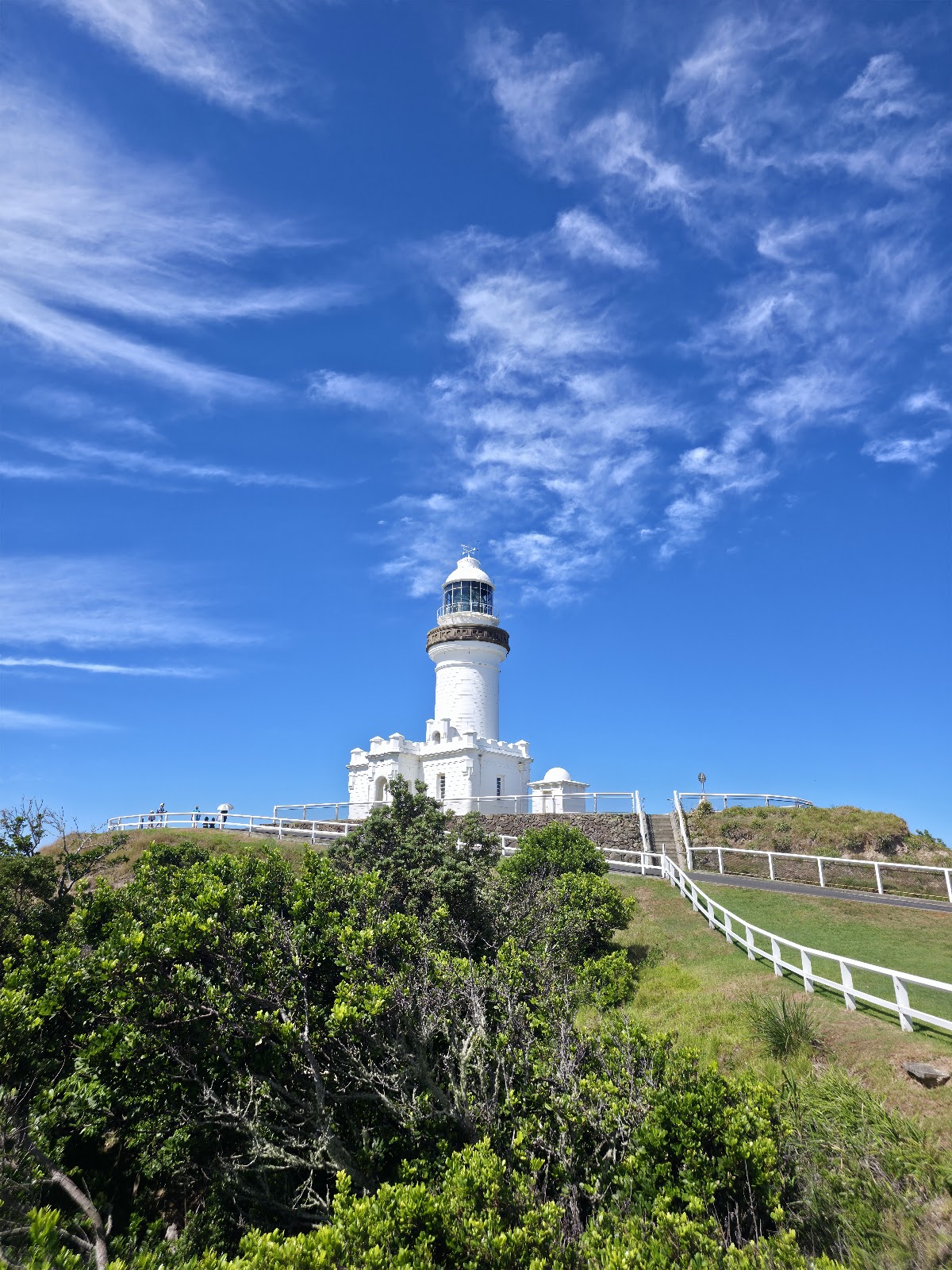 Byron Bay
Northern Rivers, New South Wales
Australia's iconic beach town and most easterly point
Explore the guide →
Byron Bay
Northern Rivers, New South Wales
Australia's iconic beach town and most easterly point
Explore the guide →
 Broome
Australia's North West, Western Australia
Cable Beach sunsets, pearling history and camels on 22km of sand
Explore the guide →
Broome
Australia's North West, Western Australia
Cable Beach sunsets, pearling history and camels on 22km of sand
Explore the guide →
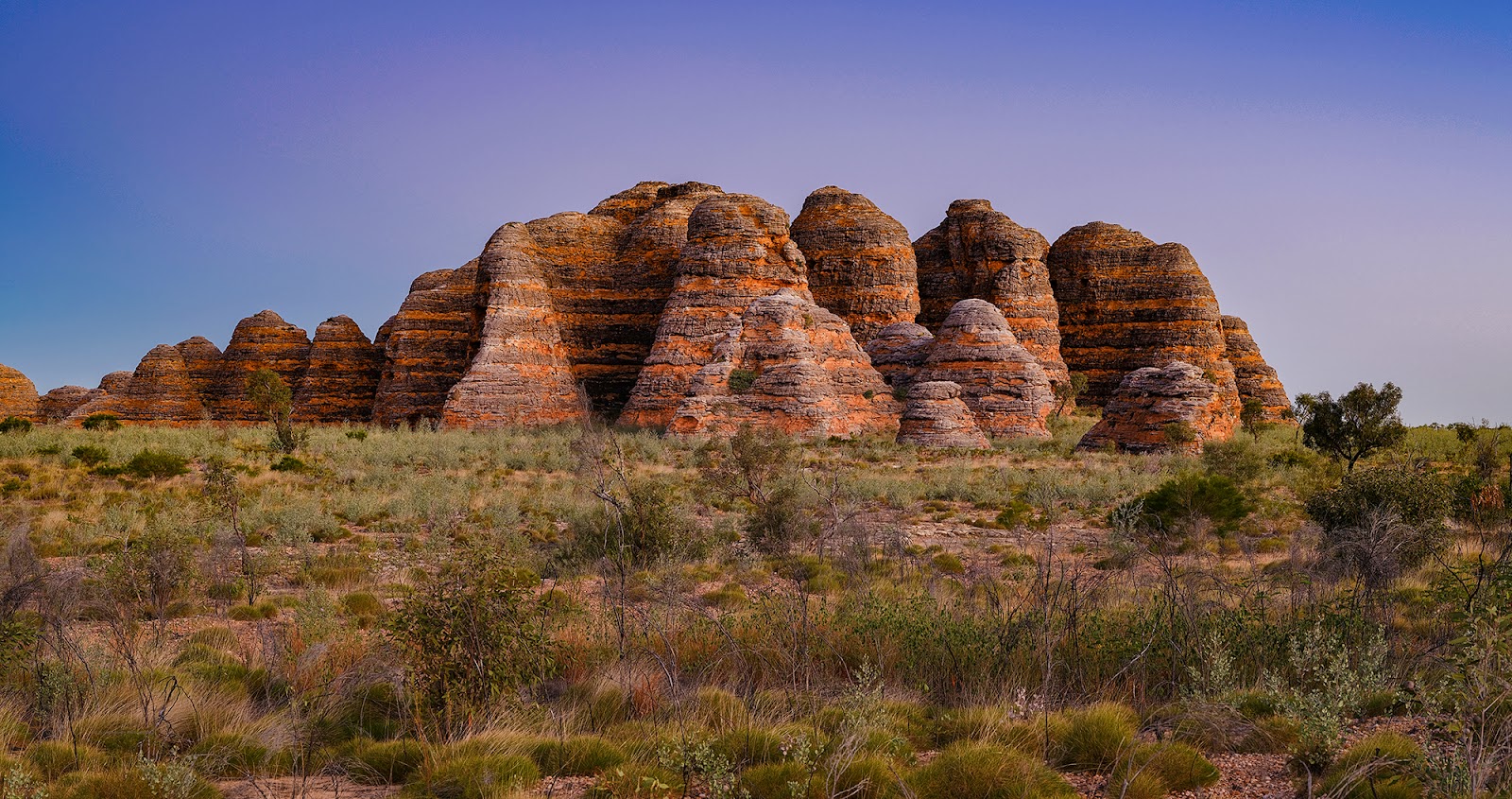 The Kimberley
Australia's North West, Western Australia
Gibb River Road, the Bungle Bungles, gorges and waterfalls in Australia's last frontier
Explore the guide →
The Kimberley
Australia's North West, Western Australia
Gibb River Road, the Bungle Bungles, gorges and waterfalls in Australia's last frontier
Explore the guide →
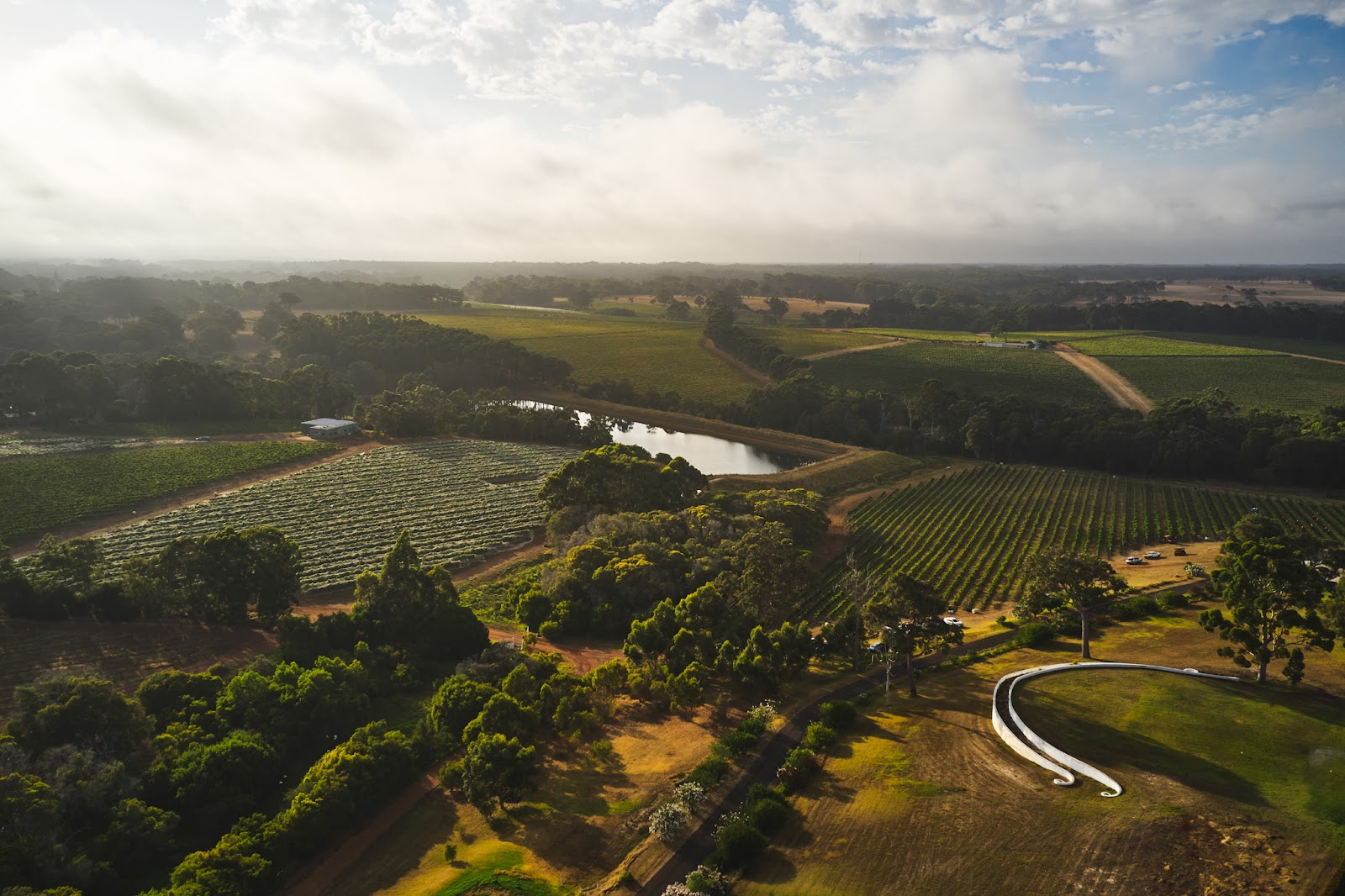 Margaret River
Australia's South West, Western Australia
World-class wineries, surf breaks and limestone caves three hours south of Perth
Explore the guide →
Margaret River
Australia's South West, Western Australia
World-class wineries, surf breaks and limestone caves three hours south of Perth
Explore the guide →