01. Exmouth Escape Resort
4.5 (428 reviews)
Exmouth Escape Resort — Ningaloo Reef
Book Direct & Save →Ningaloo Reef makes an unlikely but undeniable case as one of Australia's best romantic destinations. It isn't a resort island with a swim-up bar and a couple's massage menu — it's a remote, largely undeveloped stretch of the Indian Ocean coastline where the reef begins metres from the sand, the night sky over the water is the darkest you'll find within a few hours of a commercial airport, and the only luxury camp inside Cape Range National Park sits on a private beach with a double hammock facing the Indian Ocean. The romance at Ningaloo isn't engineered; it's geographical.
View 3 Properties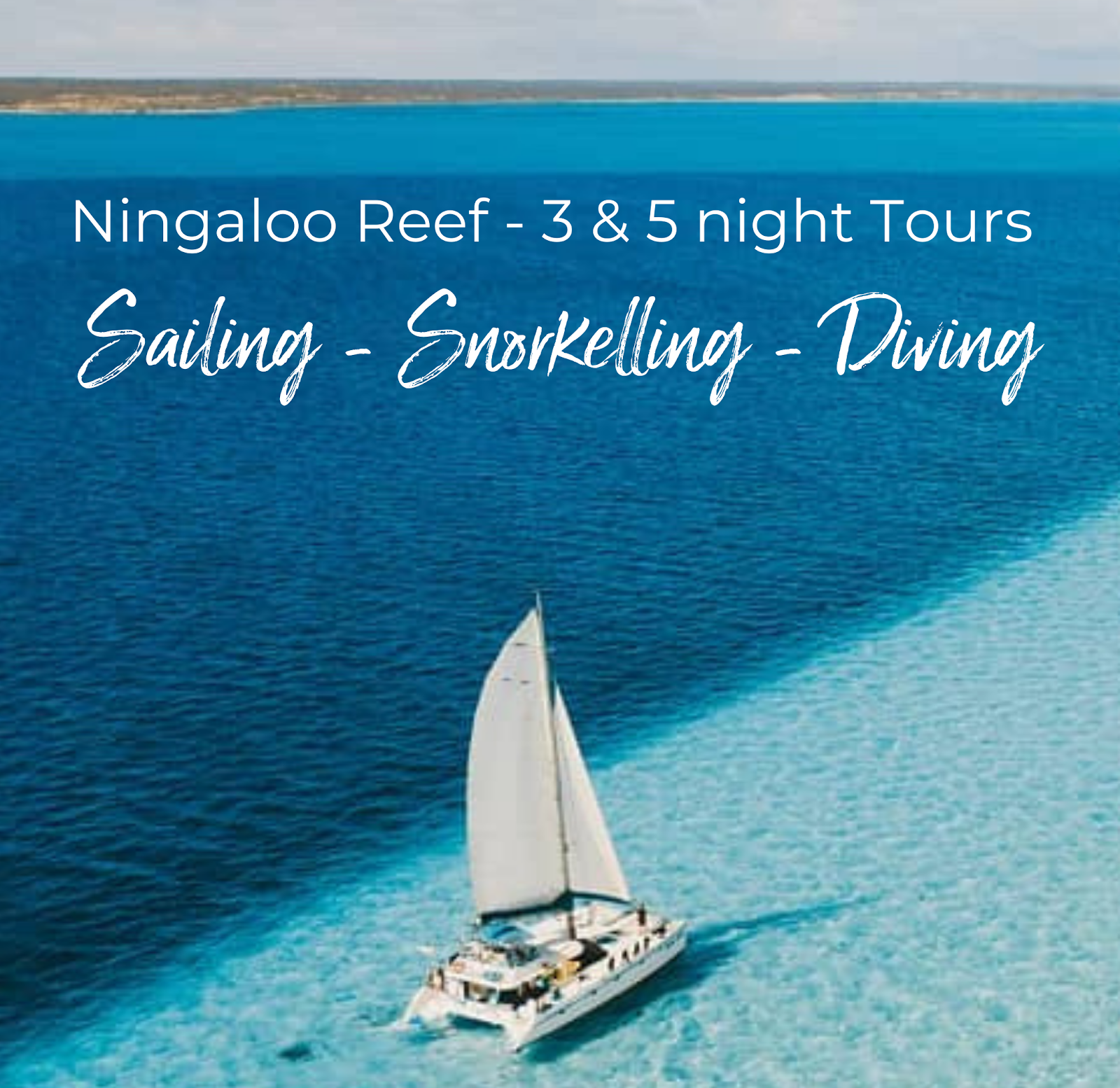
"Remote, natural luxury, genuinely private"
It works for couples who value extraordinary natural experience over curated luxury — those who find something profoundly affecting about swimming alongside a whale shark, watching the stars emerge over the Indian Ocean from a camp that has no light pollution within hundreds of kilometres, or sailing a private catamaran over a reef that holds 500 species of fish. If that's you, Ningaloo is one of the most romantic places in Australia. If you want a day spa, room service and a choice of fine-dining restaurants, be honest with yourself and book the Whitsundays instead.
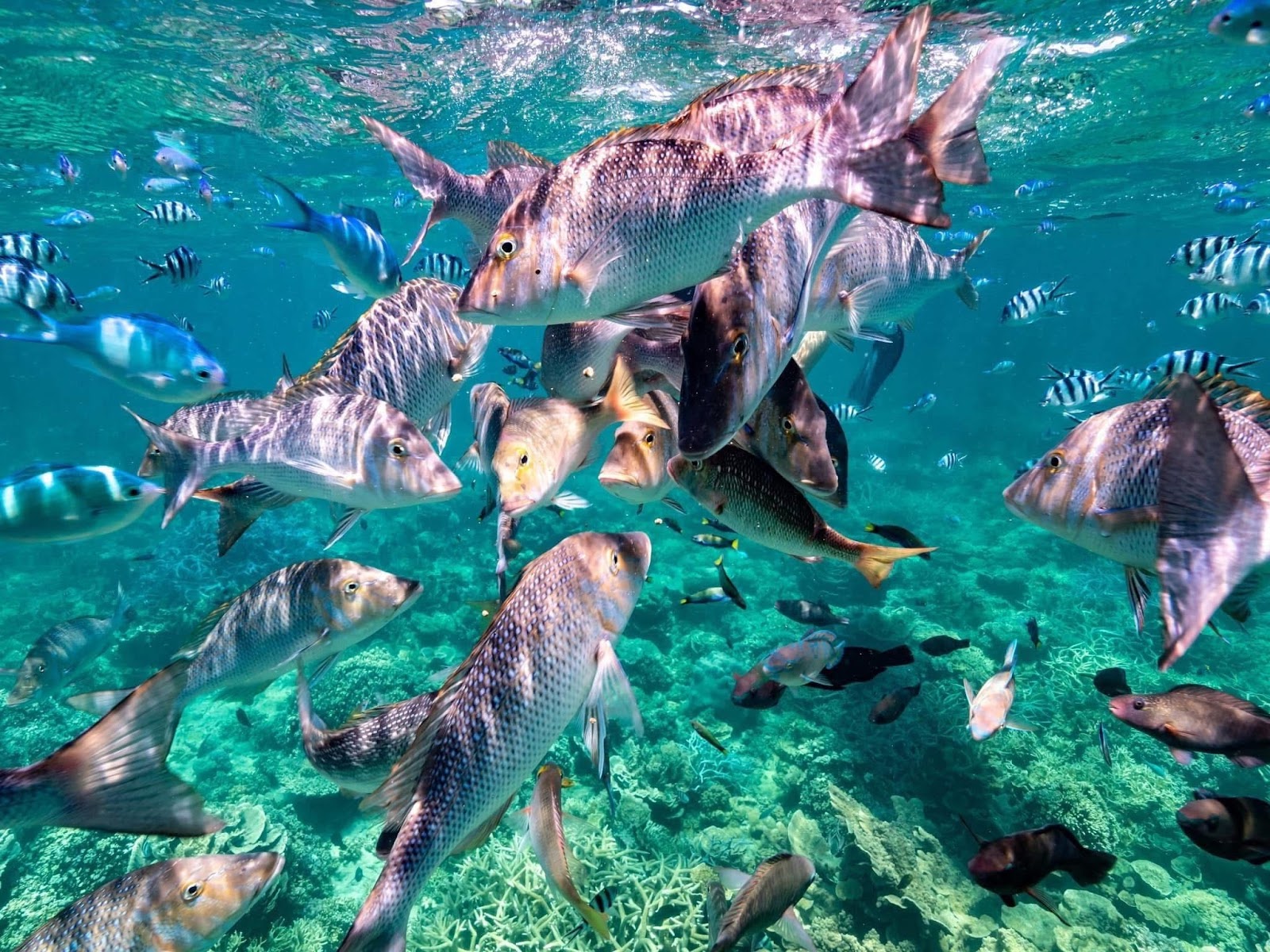
The romance at Ningaloo isn't in the infrastructure — there are no boutique wine bars, no hotel spas, no fashionable restaurants taking bookings weeks in advance. The romance is in the scale and the solitude: a reef with 500 species of fish that you can access from a beach, an Indian Ocean horizon that is literally the edge of the earth from where you're standing, a sky so dark that the Milky Way is visible without a torch to interfere. At Sal Salis, the only accommodation inside the national park, your tent opens directly onto a private beach and the reef is a 100-metre walk into the water.
The couples who find Ningaloo most romantic are those who have stopped being impressed by hotels and started being impressed by places. The experience of swimming alongside a whale shark — a 10-metre filter-feeder moving at its own pace through the blue, entirely unbothered by the two of you in the water alongside it — is not something a honeymoon suite anywhere replicates. Neither is lying on the roof of the Sal Salis dining tent watching the Milky Way overhead while a chef brings you a glass of WA wine. Get the expectations right and Ningaloo is one of the most profoundly romantic places in Australia. Get them wrong and you'll miss everything that's there.
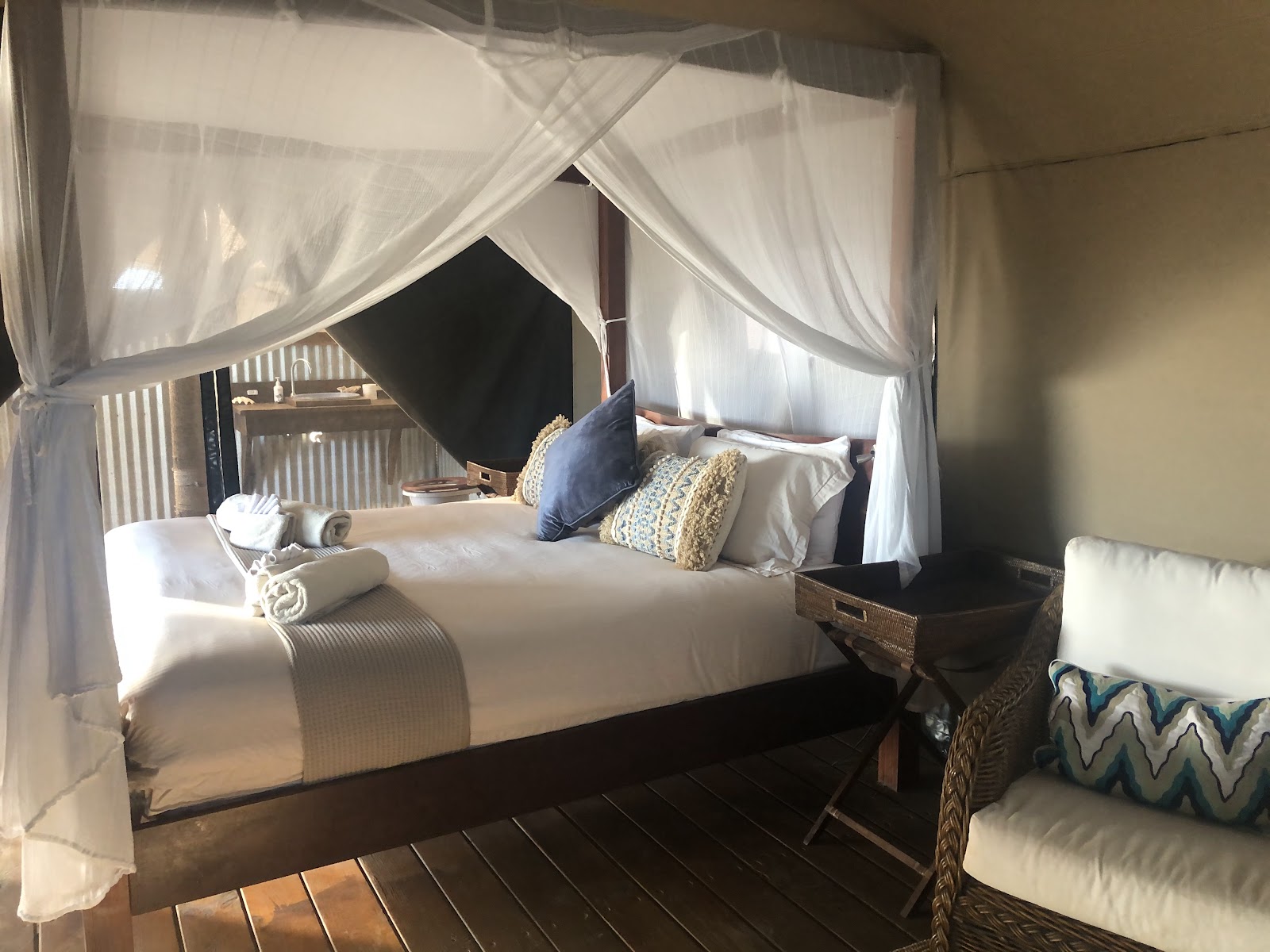
Sal Salis is the most talked-about accommodation in Western Australia for couples for a clear reason: it is the only lodge inside Cape Range National Park, built on a private beach where the Ningaloo Reef lies 100 metres offshore. The camp has fifteen safari tents — including a dedicated honeymoon tent with a double hammock on the deck and views across a private beach — set among the dunes and spinifex at the water's edge. The rate is all-inclusive: meals prepared by a resident chef, all drinks from the open bar, snorkel gear, kayaks, SUPs, guided wilderness activities and all reef snorkels are part of the daily rate. There is no mobile signal and no WiFi, which is understood here as a feature rather than a deficiency.
The evenings are what Sal Salis is most known for. Sundowners and canapés as the sun drops across the Indian Ocean, a shared meal under the stars with WA wines, and after dinner the clearest night sky most guests have ever seen — the Milky Way fully visible overhead, the Southern Cross bright without any optical aid, and no light source for hundreds of kilometres in any direction. The honeymoon tents are booked months in advance for the peak May–August season; book six months out for any school holiday or peak period.
Sal Salis is unambiguously premium — rates start above $1,200 per night per couple — but the all-inclusive structure means the rate is closer to value than it first appears, and the remoteness, the exclusivity and the quality of natural access genuinely justify the price for couples who rate those things. It's the Ningaloo accommodation that couples return to on anniversaries.
It's the one place in Australia where you wake up on a private beach inside a national park, snorkel Ningaloo before breakfast, and fall asleep under the Milky Way with no one within kilometres.
“We splurged on the honeymoon tent for our first anniversary. The reef was 100 metres from our private deck. Open bar, incredible food, Milky Way overhead from the hammock. Worth every cent and we still talk about it every week.”
— Google review
Sundowners on the deck as the Indian Ocean turns orange, followed by a Milky Way sky so clear it needs no description.
No mobile signal, no WiFi, no day spa, no room service in the conventional sense — all meals are shared experiences. Not the right choice for couples who need connectivity or who prefer private dining. The all-inclusive rate is premium; check the full inclusions before comparing to a hotel price.
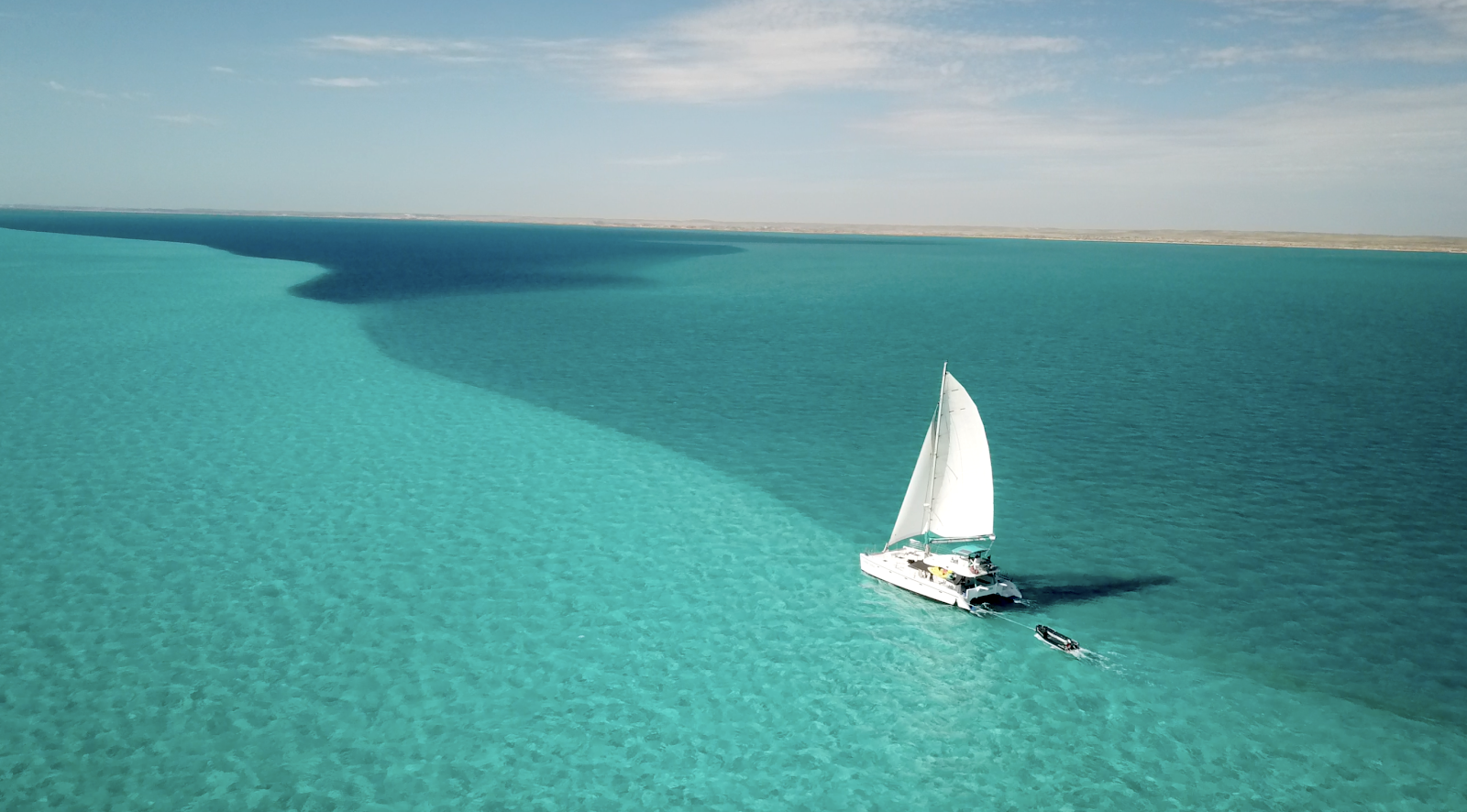
A private reef charter from Exmouth Harbour is the most immersive romantic experience available for couples who aren't staying at Sal Salis. Sail Ningaloo operates a 51-foot sailing catamaran (Shore Thing) with just you as guests — a private crew, freshly prepared meals on board, and the freedom to snorkel the Ningaloo Reef and Muiron Islands on your own terms, without the 20-person group dynamic of a standard tour. Ningaloo Discovery's private sunset sail includes champagne, canapés and a cheese platter on the open water as you sail over the reef watching turtles, dolphins and, in season, whale sharks surface below.
The experience is qualitatively different from a group tour: the silence when the engine goes off and you're drifting over a pristine reef with nobody else around, the ease of slipping back into the water for a second snorkel when the guide calls the group back on a standard tour, the meal at anchor in a sheltered bay. It's the version of Ningaloo that feels genuinely private and tailored rather than expeditionary. Private charters run by the half-day (sunset sail, cheese and wine) or full-day; both Sail Ningaloo and Ningaloo Discovery have minimum night requirements (Sail Ningaloo 3 nights on the catamaran) and book out quickly in peak season.
For the full day, combine a private charter with a sunrise reef entry — most operators will accommodate an early morning start on request — and pair it with a Turquoise Bay drift snorkel in the afternoon to complete the most thorough reef day it's possible to have at Ningaloo.
It's the reef experience without the group — just the two of you, a private crew and a catamaran anchored over Ningaloo, with time to go back in the water as many times as you want.
“Private catamaran, just us and the crew. Snorkelled the reef three times in the morning, champagne and canapés at anchor watching a turtle surface beside the boat. The best day we've ever spent on the water.”
— Traveller review
Anchoring over the Ningaloo Reef on a private catamaran and re-entering the water whenever you want, with no group schedule.
Private charters are premium-priced and book out weeks to months ahead in peak season. The full-day sail requires comfort with an open-ocean day — not the right call if either of you is prone to seasickness.
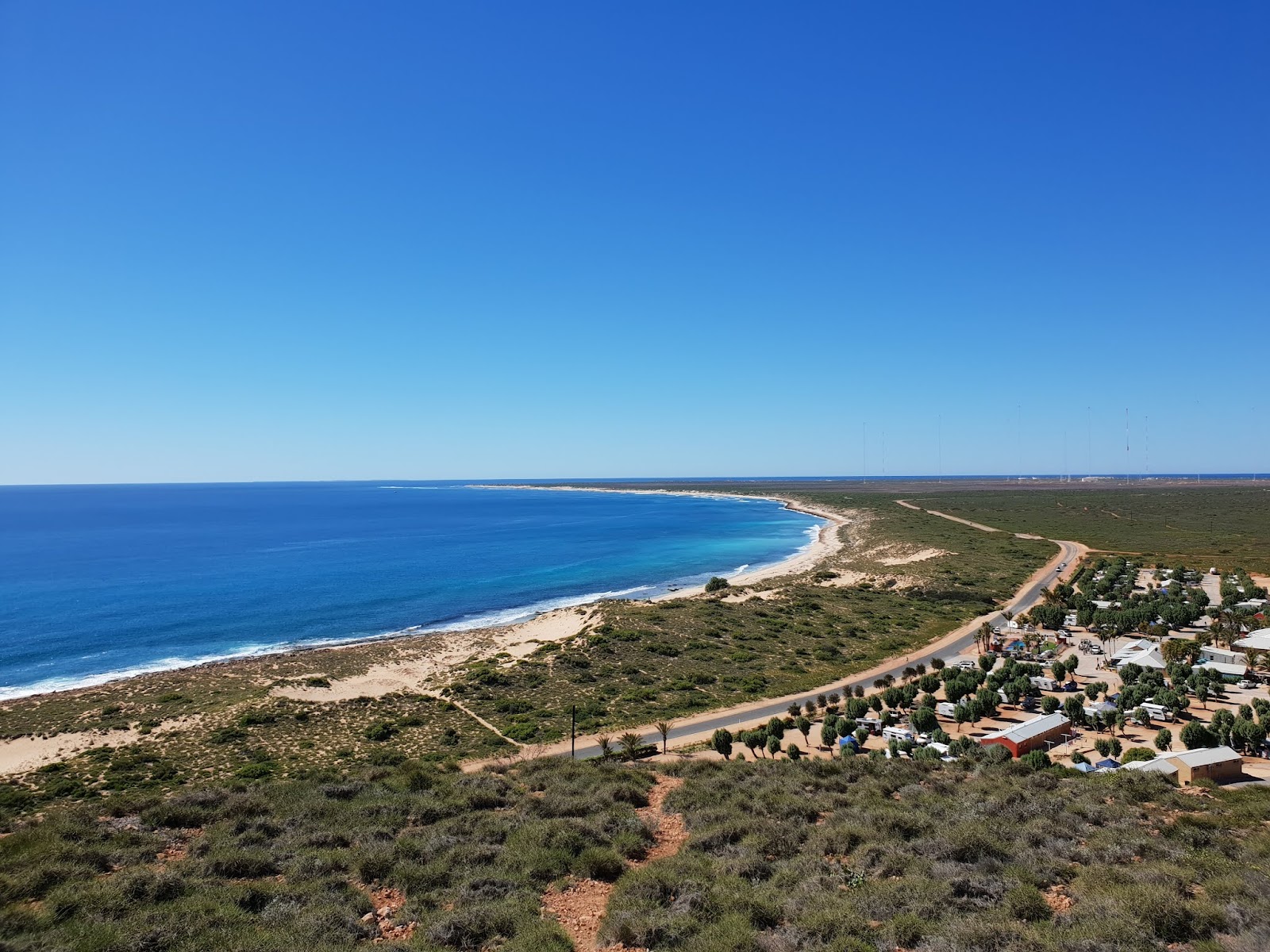
Vlamingh Head Lighthouse is one of the very few places in Australia where you can watch both the sunrise and the sunset from the same spot — the lighthouse stands at the tip of North West Cape where the Exmouth Gulf meets the Indian Ocean, giving 360-degree views across two bodies of water. At sunset, the Indian Ocean to the west turns gold then deep orange, and on a clear evening the horizon is the cleanest, most uninterrupted line you'll see anywhere in Western Australia. The lighthouse itself is historic — built in 1912 to guide pearling luggers along one of Australia's most dangerous coastlines — and the history boards add depth to what might otherwise be just a very beautiful view.
This is the free romantic experience that requires nothing — no booking, no cost, just the 17-kilometre drive north from Exmouth and the will to be there an hour before dark. From June to October, humpback whales are visible in the water below as they migrate past the cape — bring binoculars and watch for blows and full breaches. The evening cools quickly once the sun drops, so bring a layer, and note that the path from the car park to the lighthouse is unpaved and short but uneven in the dark — carry a torch for the walk back.
It's the most romantic free thing at Ningaloo — the Indian Ocean turning gold as the sun drops, humpbacks breaching in the water below in season, and total silence.
“Drove up for sunset on our last evening. Humpbacks visible below — two breaching in the deep blue. The sun went straight down into the Indian Ocean and took the sky with it. We didn't speak for ten minutes. Free, ten minutes from the highway, nothing else like it.”
— Google review
Humpback whale watching from the headland in season, and the Indian Ocean sunset from the highest point on North West Cape.
The path to the lighthouse is short but uneven — bring a torch for the walk back after dark. Windy in the evenings; bring a layer. The sunset experience depends entirely on a clear sky, so check the forecast.
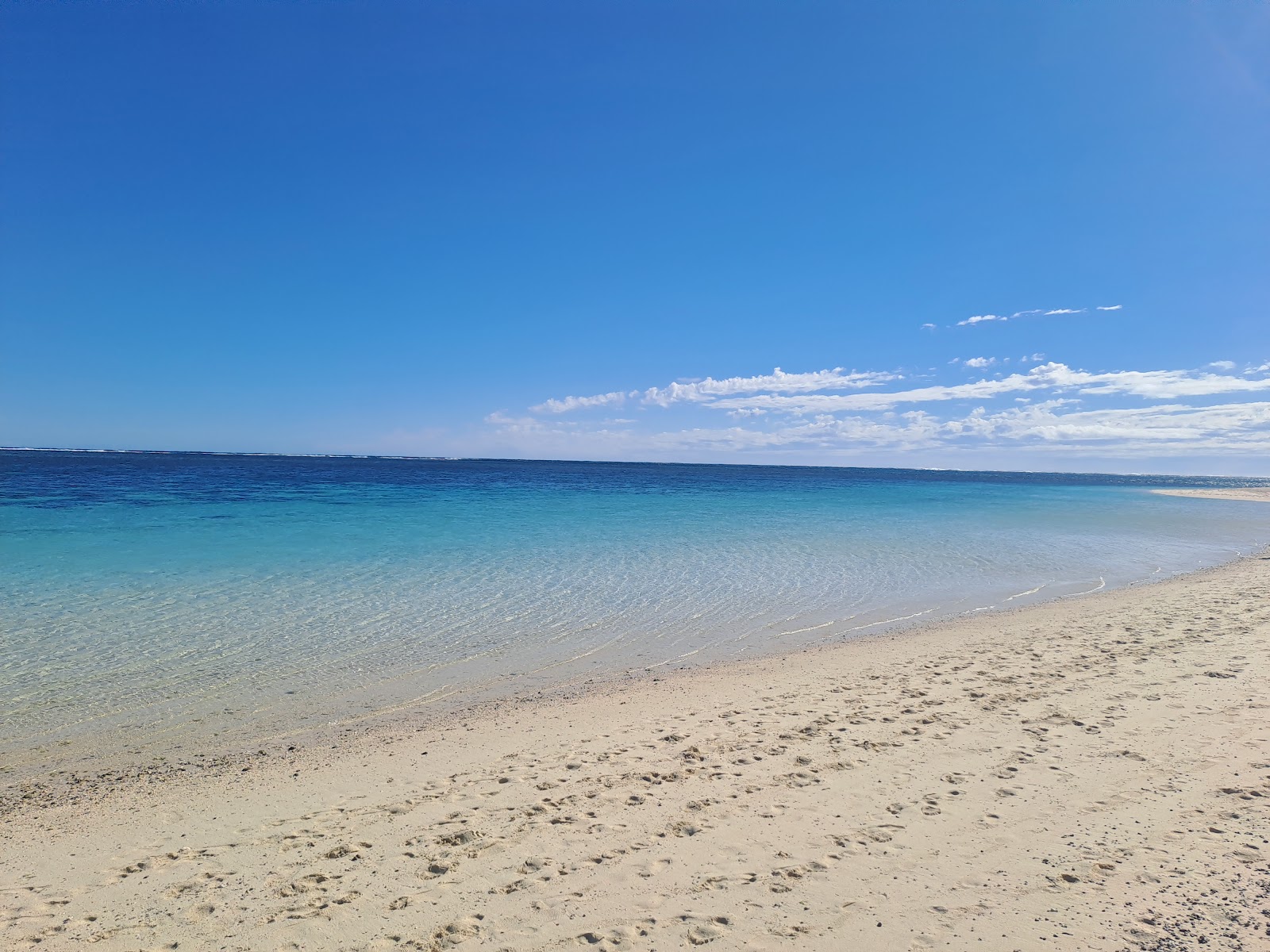
Turquoise Bay regularly tops lists of Australia's best beaches, and the drift snorkel — walking to the southern end of the beach, entering the water and letting the current carry you over the reef for 20 minutes through 500 species of fish, turtles and coral — is the most exhilarating free thing you can do at Ningaloo. In the early morning, before the day-tour buses arrive and the south-setting current picks up, the beach is nearly empty, the water is at its clearest, and the light in the shallows has a quality that photographs don't capture.
For couples, the logistics of the drift snorkel have a naturally shared rhythm: one person walks up the beach ahead to retrieve the snorkel gear and towels while the other guides a first-time partner through the water entry. Doing it at sunrise — before the park gates open to the general public — means having the beach to yourselves in the blue-gold light of the earliest hour. It's not warm in winter mornings (June–July water temperatures are around 22°C, which feels cold without a wetsuit), but the light and the silence and the absolute absence of anyone else makes it the most intimate version of the Ningaloo experience.
Note the safety points: the current at Turquoise Bay is real and picks up in the afternoon — snorkel only at high tide or just after, enter from the southern end and exit before the northern point, and reef-safe sunscreen is mandatory in the marine park. Fins are strongly recommended to assist with water exit.
It's the free shared adventure that defines Ningaloo — drifting over 500 species of fish and coral in silence, on an empty beach at first light, with nothing but the sound of the ocean.
“We arrived before the gates opened and had the beach to ourselves for the first hour. The drift snorkel at sunrise with the water glowing gold and turtles surfacing beside us was the most extraordinary thing we've ever done for free. Then everyone arrived by 9am and the moment was gone — get there first.”
— Traveller review
The drift snorkel on an empty beach at first light — turtles, coral and 500 species of fish, with the Indian Ocean to yourself.
Arrive before 7:30am in peak season or you will share the beach. The current picks up in the afternoon, making the drift potentially dangerous — snorkel only in the morning on a high tide. Not suitable for weak swimmers or those without fins.
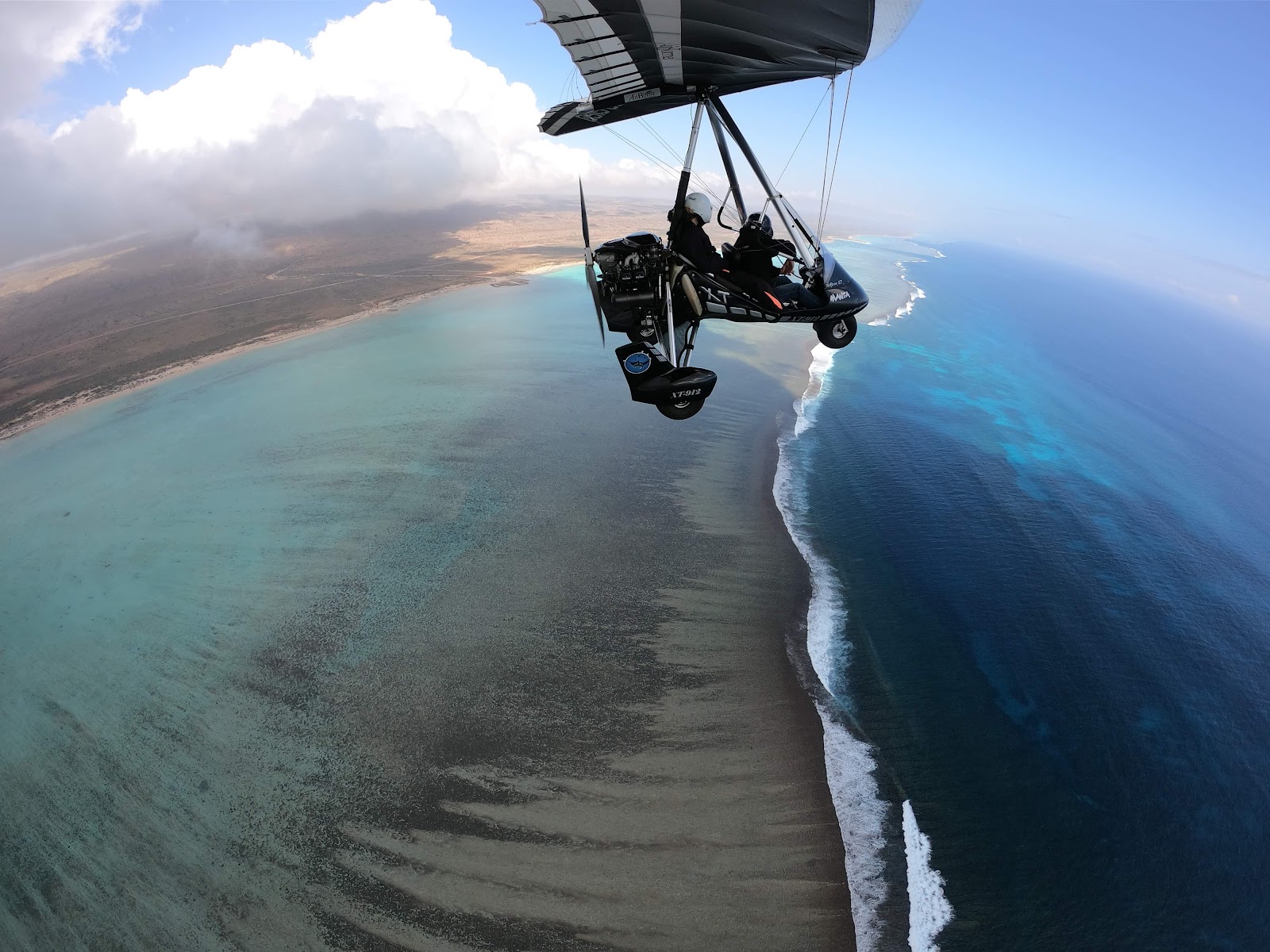
Exmouth sits at 22 degrees south of the equator, on the edge of one of the world's largest stretches of uninhabited coastline. The nearest city with meaningful light pollution is Geraldton, 640km south. The result is a night sky that is, in objective terms, one of the clearest accessible from a township anywhere in Australia — the Milky Way is visible with the naked eye across a significant arc of the sky on a clear, moonless night, and the star density overhead is the kind that makes visitors from cities feel they've arrived at a different planet.
For couples, this is the evening experience that Sal Salis guests describe as the equal of the reef itself. It's also entirely free and available from the beach, the caravan park, or anywhere away from the small town-centre lighting. Step out of your accommodation after 9pm on a moonless night in the dry season, give your eyes ten minutes to adjust, and look south. The Southern Cross will be obvious, the Large and Small Magellanic Clouds visible to the naked eye, and the Milky Way — the arc of our own galaxy — a distinct, milky band crossing the sky.
The practical note: the darkness requires distance from the Exmouth town centre. A five-minute drive south along the peninsula towards the coast, or north to the lighthouse area, takes you away from the streetlights entirely. Download the Stellarium app before your trip for identification. Check the moon phase before planning a stargazing evening — a full moon washes out the fainter stars; a new-moon night in June–August gives you the best sky.
It's the free experience that Sal Salis guests mention in the same breath as the reef — the clearest night sky most visitors have ever seen, from the edge of the Indian Ocean.
“Drove two minutes from the caravan park and lay on the bonnet looking at more stars than I've seen in my entire life. My partner cried. Neither of us had seen the Milky Way like that before. It costs nothing and nothing prepares you for it.”
— Google review
The Milky Way overhead on a new-moon night in the dry season — visible, bright and unmistakable from the edge of the Indian Ocean.
Requires a clear, moonless night — check the moon phase before planning a stargazing evening. A short drive from the town centre is needed to escape the streetlights. The experience is weather-dependent; cloud cover from late October onwards with the approaching summer season reduces reliability.
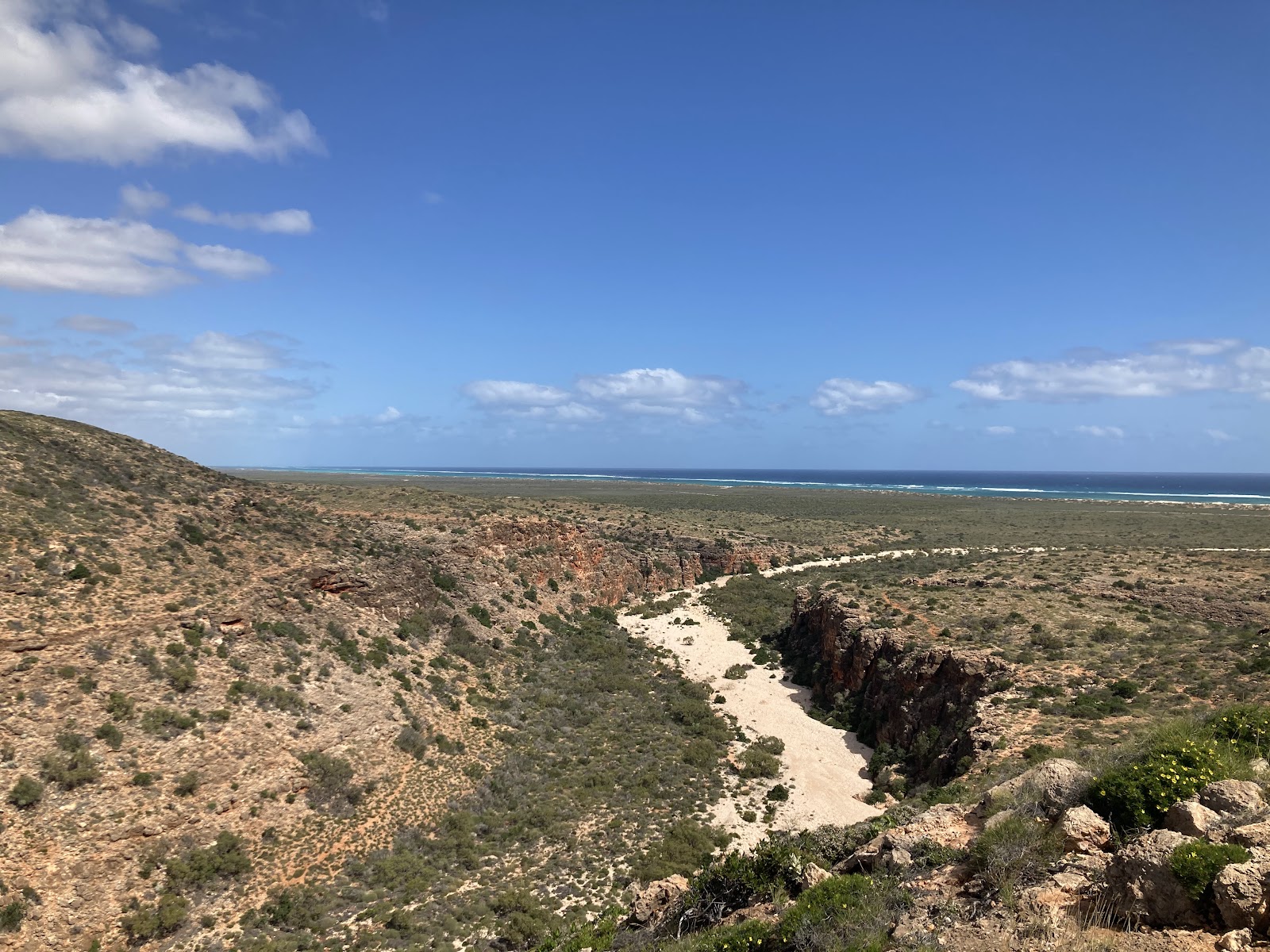
For couples who want to pair a proper meal with the most photogenic natural moment in Cape Range, the combination is simple: dinner at Adrift Cafe on Huston Street (BYO — bring a WA wine, order the duck spring rolls or the seafood linguine, and take the time the place invites you to take), then a 5:45am departure the next morning for the Mandu Mandu Gorge before the sun clears the range. The gorge walls catch the first light in deep orange and ochre, the track is quiet before anyone else arrives, and a dawn walk in the limestone gives you a version of Cape Range that almost no standard-itinerary visitor reaches.
The logic of the pairing is the contrast: the intimate, specific pleasure of a chef-driven meal in a quietly understated Exmouth cafe, followed by the geological and biological scale of standing in a 10,000-year-old limestone gorge as the sun rises over the range. Both experiences are genuinely Exmouth — nothing imported or manufactured — and together they constitute the most characterful 18 hours the town has on offer. Book Adrift by checking the feature night (curry night is the most popular — check social media for the weekly schedule); plan to leave for the gorge before 6am the next morning to be in the canyon by 6:30am.
It's the best of land-based Exmouth paired: a BYO dinner with serious cooking, then the gorge at dawn with the limestone turning gold.
“Adrift for dinner on a curry night — genuinely surprised by the quality, BYO with a local Riesling. Mandu Mandu Gorge at 6am the next morning, entirely alone, walls turning orange. The two most memorable things we did at Ningaloo and neither involves the reef.”
— Traveller review
Dawn in the Mandu Mandu Gorge as the limestone turns orange, the morning after the best dinner in Exmouth.
Adrift books up on feature nights — check social media for the current schedule and phone to book. The gorge at dawn requires a 5:45am departure; it's worth every minute of lost sleep.
What couples consistently say about Ningaloo as a romantic destination:
The single most mentioned element couples didn't anticipate — the darkness and star density at Ningaloo is described repeatedly as the most memorable free experience of the trip, equal or superior to the reef.
Couples staying at Sal Salis uniformly describe it as the most extraordinary accommodation they've experienced in Australia — the combination of in-park reef access, the private beach, the food quality and the darkness is described as uniquely unmatched.
Couples where one partner is not comfortable in the ocean find Ningaloo more challenging — the centrepiece experience is underwater, and the land experiences, while beautiful, don't fully replace the reef for those who planned a reef-focused trip.
“Inside the National park, must pay $17 entry for 1 day or can get a multi-day-pass. Toilets are available, No showers. Sanctuary area- no fishing Beautiful snorkelling and exploring day along the beach and the water. Be mindful of the strong currents/ rips around the sandbank. Take some shade and a picnic it's a gorgeous place.”— Ca Bi (on Turquoise Bay), Google review
“Drift Snorkeling is amazing!!! Water temp was nice - early August, didn't need a wetsuit. Plenty of colourful fish of varying sizes, even a reef shark crossed my path Totally recommend when in the area”— Violet Patty (on Turquoise Bay), Google review
“Absolutely perfectly clear water and clean sand. Great for snorkelling. Had fish swimming around me which was an awesome experience”— Taylor Cougle (on Turquoise Bay), Google review
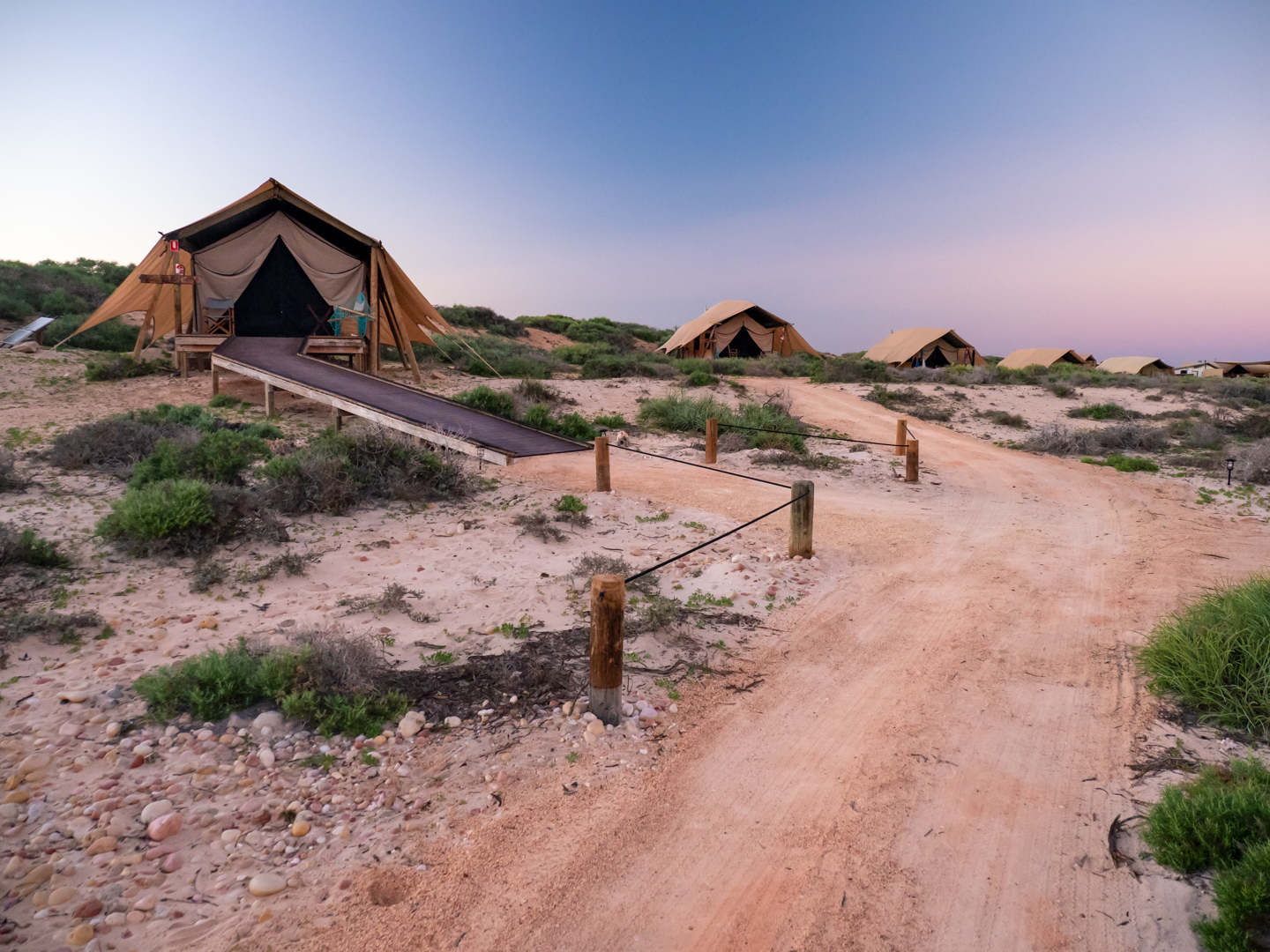
If you want a romantic trip built around extraordinary natural experience — swimming alongside a whale shark, stargazing over the Indian Ocean, waking up on a private beach inside a national park — Ningaloo Reef is one of the most profoundly romantic places in Australia, precisely because it offers those things at a scale and quality no manufactured resort can match.
If you want a day spa, a turn-down service, a cocktail bar, and a restaurant with a Michelin-starred head chef, be honest with yourself: the Whitsundays, Hayman Island or the Maldives serve you better. Ningaloo's romance is the natural kind — the cleanest night sky you'll see, a reef that starts metres from the sand, and the Indian Ocean turning gold at Vlamingh Head with a whale breaching below. Book Sal Salis six months ahead for peak season, arrange a private charter, pack a good pair of fins, and go in June or July when the temperature is perfect and the whale sharks are guaranteed. The rest is the Indian Ocean doing what it has been doing for 500 million years.
Enjoying romantic getaways? Here’s where else in Australia it’s worth the trip — ranked by how loved each destination is, with the one thing not to miss at each.
 Byron Bay
Northern Rivers, New South Wales
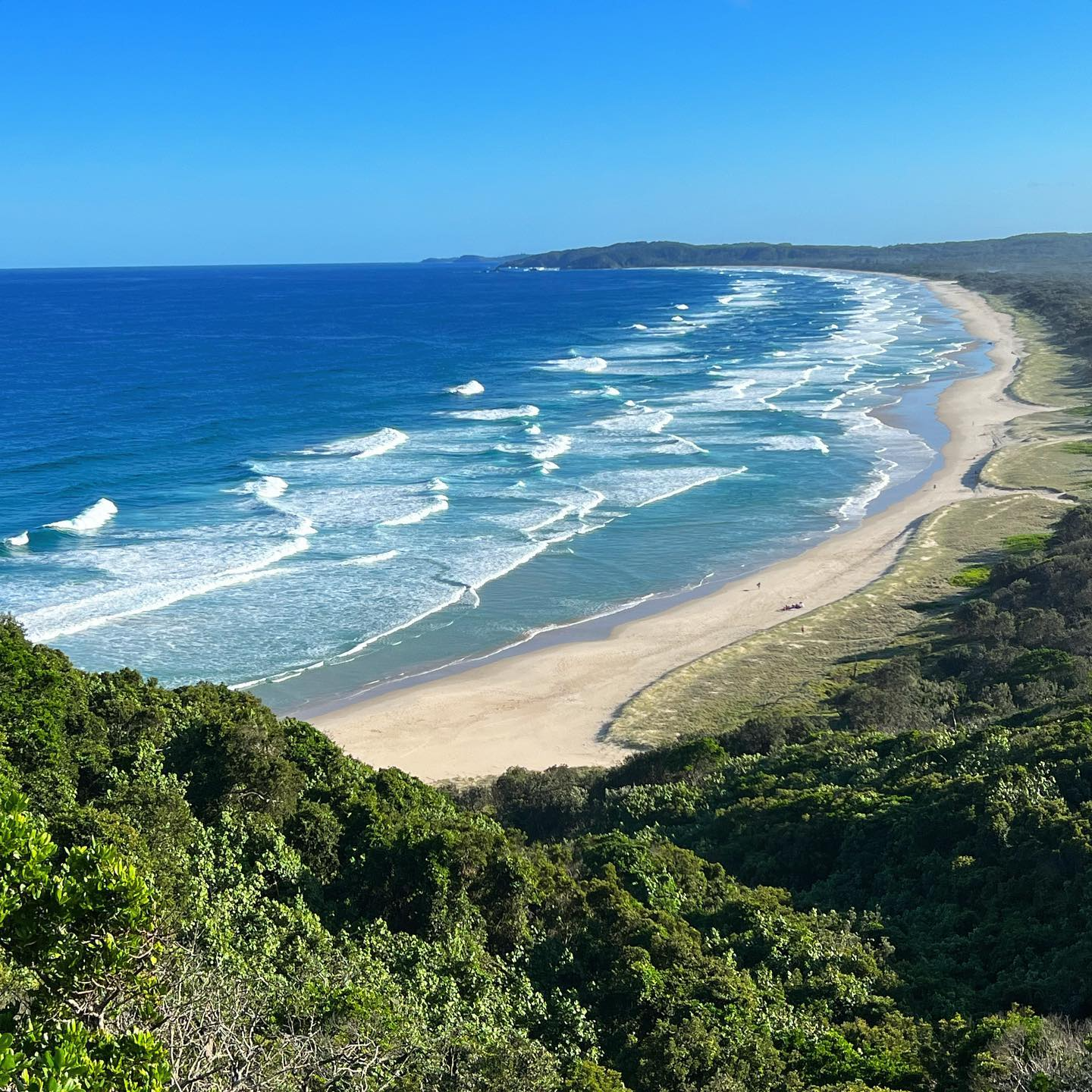
Sunrise at the lighthouse — First light at the easternmost point with whales offshore (May–November), just the two of you.
Explore romantic getaways in Byron Bay →
2
Byron Bay
Northern Rivers, New South Wales
Sunrise at the lighthouse — First light at the easternmost point with whales offshore (May–November), just the two of you.
Explore romantic getaways in Byron Bay →
2
 Narooma
South Coast, New South Wales
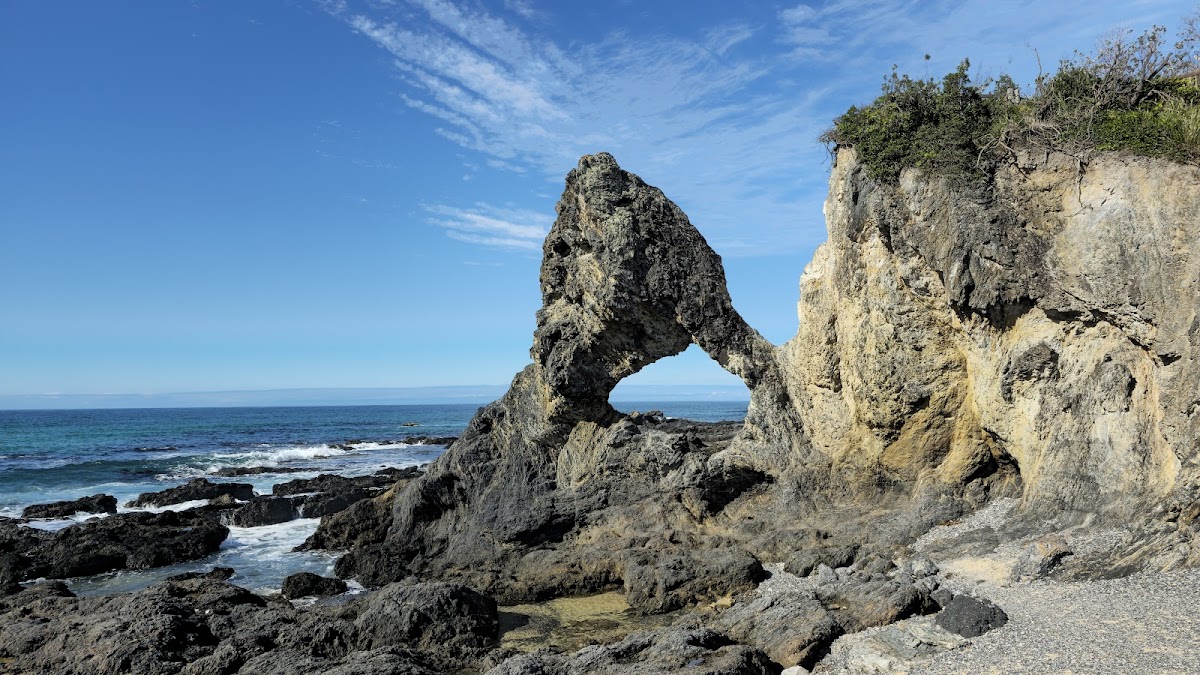
Sunset among the granite at Mystery Bay — A picnic on the granite with a bottle and a few oysters as the boulders glow at golden hour.
Explore romantic getaways in Narooma →
3
Narooma
South Coast, New South Wales
Sunset among the granite at Mystery Bay — A picnic on the granite with a bottle and a few oysters as the boulders glow at golden hour.
Explore romantic getaways in Narooma →
3
 Hamilton Island
The Whitsundays, Queensland
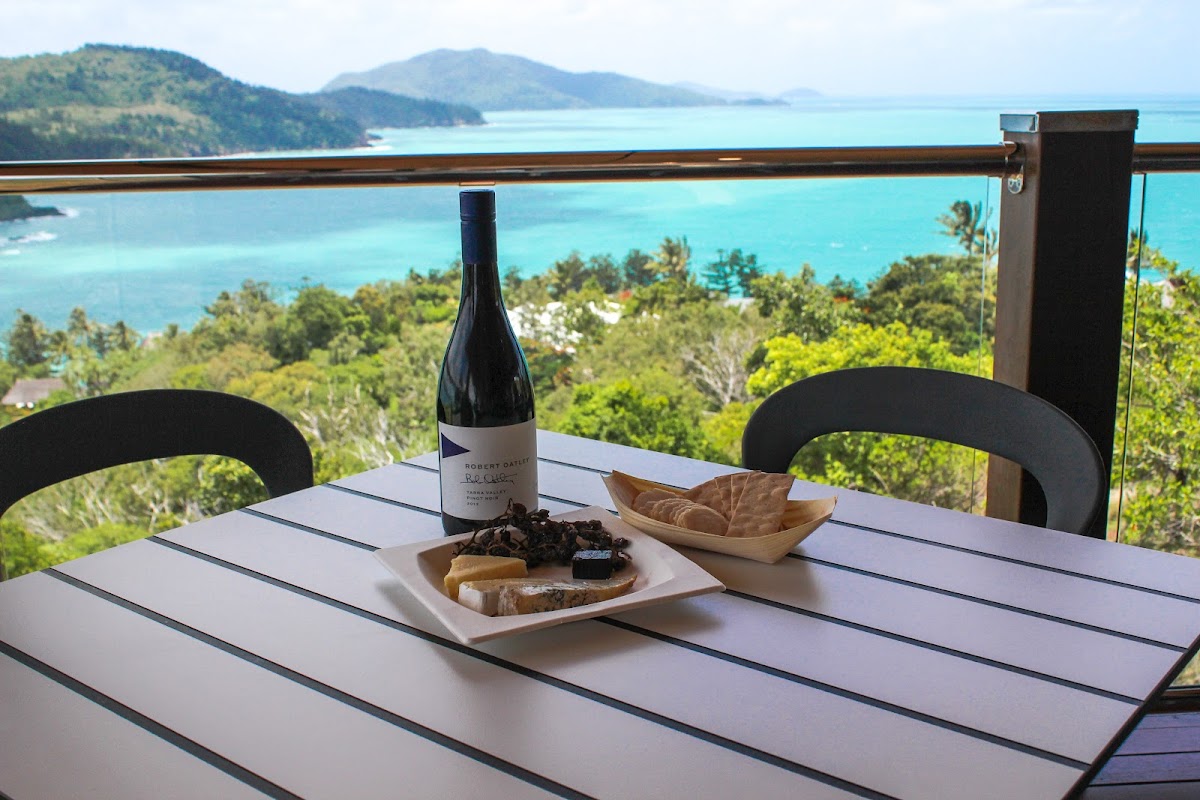
Stay adults-only at qualia or the Beach Club — An infinity-pool sunset at qualia, or a beachfront room steps from Catseye Beach at the Beach Club.
Explore romantic getaways in Hamilton Island →
4
Hamilton Island
The Whitsundays, Queensland
Stay adults-only at qualia or the Beach Club — An infinity-pool sunset at qualia, or a beachfront room steps from Catseye Beach at the Beach Club.
Explore romantic getaways in Hamilton Island →
4
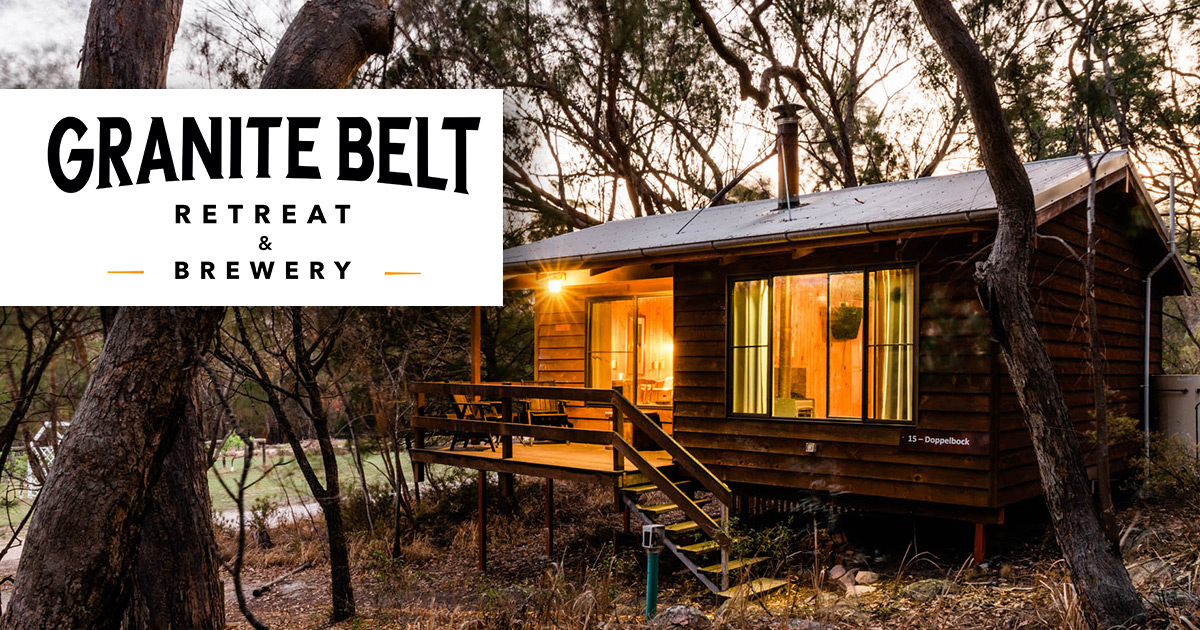 Glen Aplin
Granite Belt, Queensland
Stay on a winery property — Arriving Friday evening, before the weekend crowd — the valley at its most private.
Explore romantic getaways in Glen Aplin →
5
Glen Aplin
Granite Belt, Queensland
Stay on a winery property — Arriving Friday evening, before the weekend crowd — the valley at its most private.
Explore romantic getaways in Glen Aplin →
5
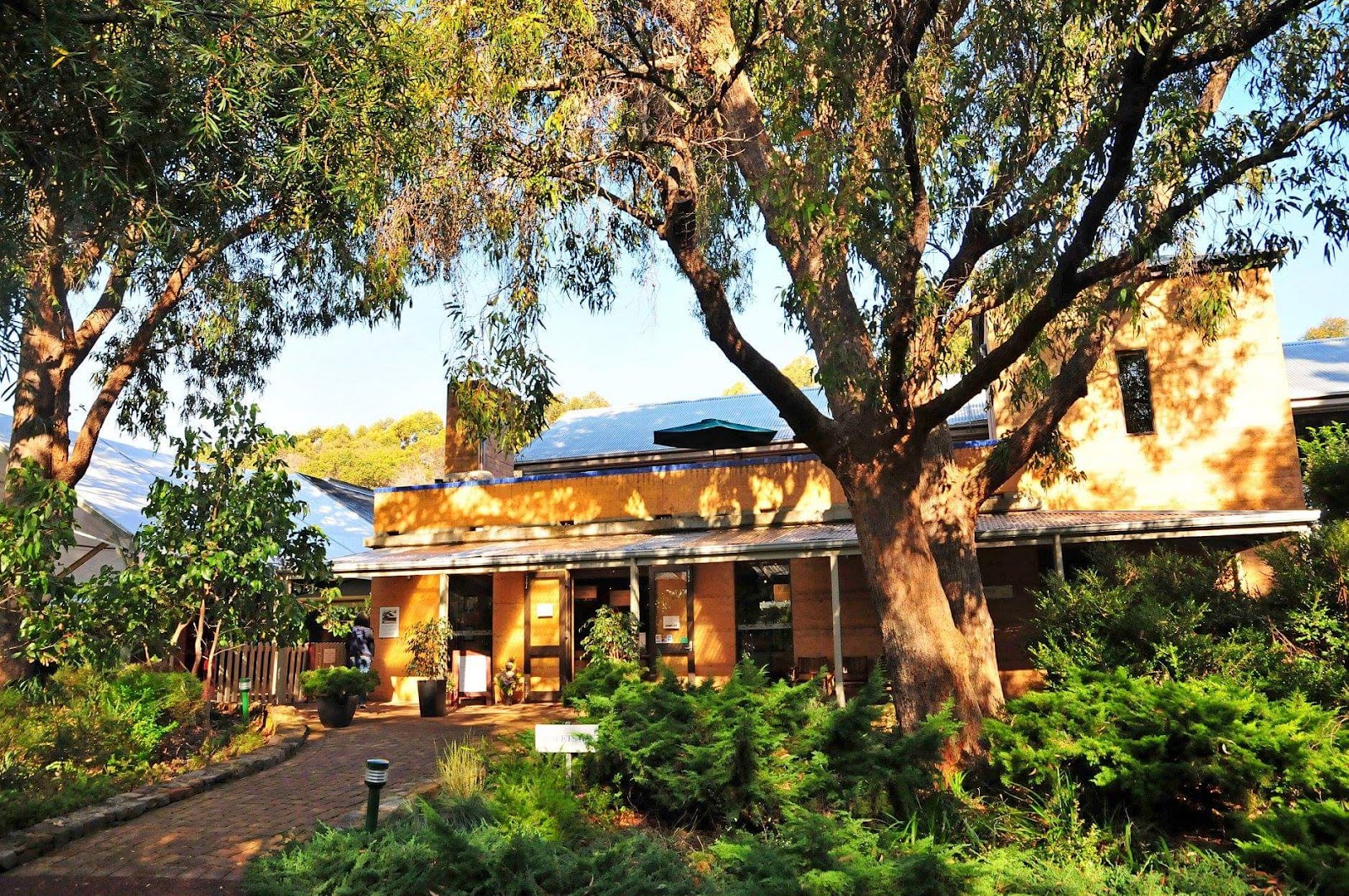 Margaret River
Australia's South West, Western Australia
A long cellar-door lunch at Leeuwin Estate, Voyager or Vasse Felix — A long estate-restaurant lunch at Leeuwin with the Art Series Chardonnay and the afternoon stretching out ahead of you.
Explore romantic getaways in Margaret River →
6
Margaret River
Australia's South West, Western Australia
A long cellar-door lunch at Leeuwin Estate, Voyager or Vasse Felix — A long estate-restaurant lunch at Leeuwin with the Art Series Chardonnay and the afternoon stretching out ahead of you.
Explore romantic getaways in Margaret River →
6
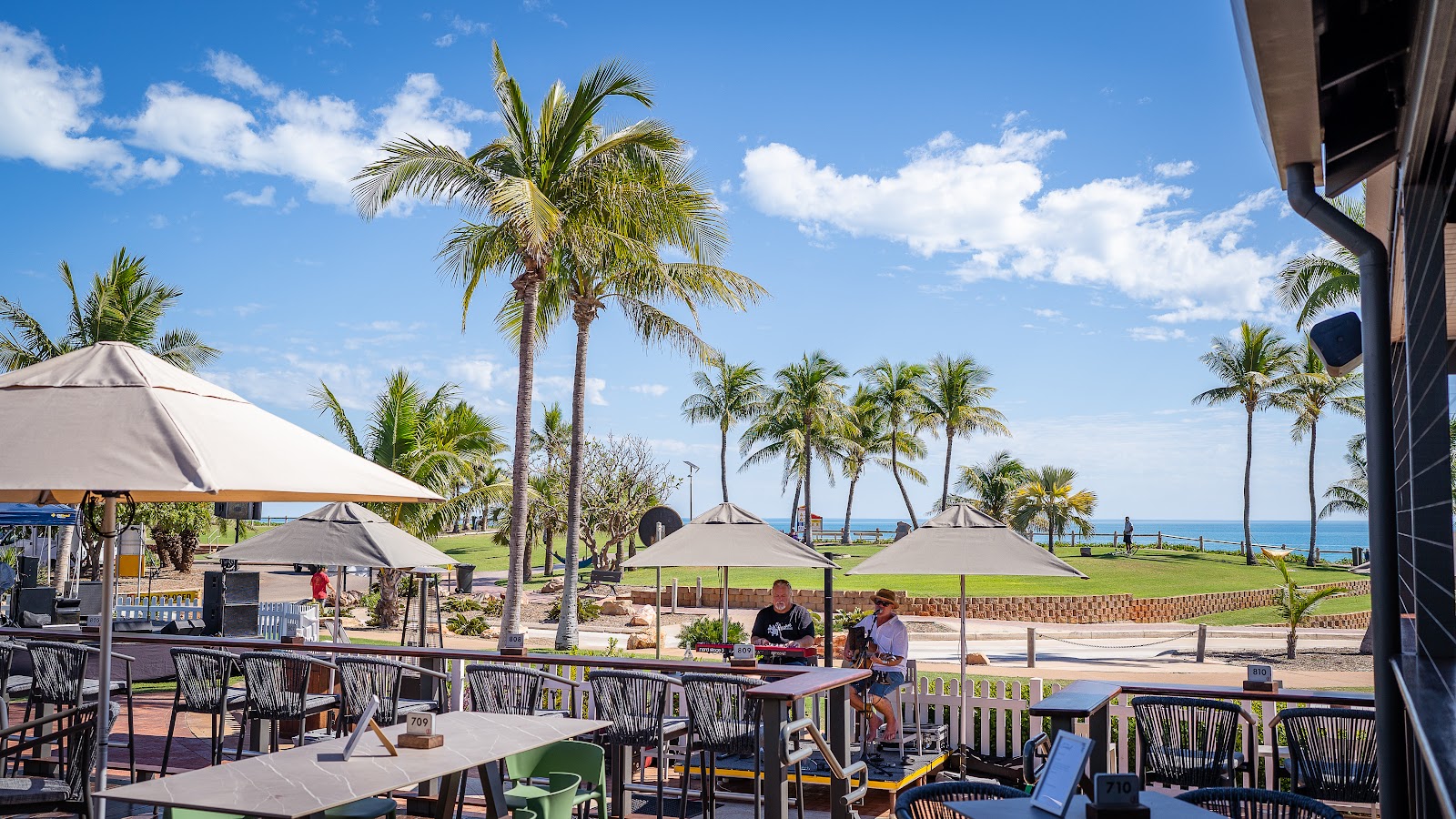 Broome
Australia's North West, Western Australia
Cable Beach Sunset — the camel ride or the empty sand — The fifteen minutes when the sky shifts from orange to coral to deep red over the Indian Ocean — from the back of a camel or a blanket on the sand.
Explore romantic getaways in Broome →
7
Broome
Australia's North West, Western Australia
Cable Beach Sunset — the camel ride or the empty sand — The fifteen minutes when the sky shifts from orange to coral to deep red over the Indian Ocean — from the back of a camel or a blanket on the sand.
Explore romantic getaways in Broome →
7
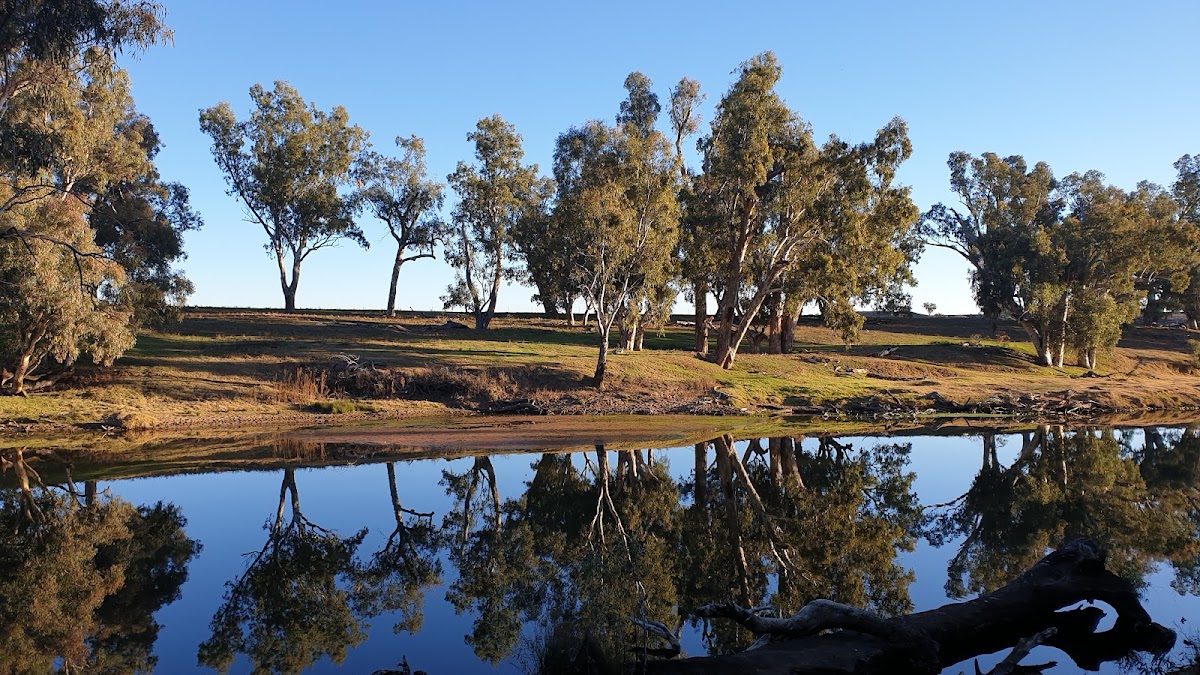 Dubbo
Central West, New South Wales
A night at Zoofari Lodge — After-hours and early-morning access to the open range, with the day crowds gone.
Explore romantic getaways in Dubbo →
Ningaloo Reef you’re here
Australia's Coral Coast, Western Australia
Sal Salis Luxury Safari Camp, Cape Range National Park — Sundowners on the deck as the Indian Ocean turns orange, followed by a Milky Way sky so clear it needs no description.
You’re reading this guide
Dubbo
Central West, New South Wales
A night at Zoofari Lodge — After-hours and early-morning access to the open range, with the day crowds gone.
Explore romantic getaways in Dubbo →
Ningaloo Reef you’re here
Australia's Coral Coast, Western Australia
Sal Salis Luxury Safari Camp, Cape Range National Park — Sundowners on the deck as the Indian Ocean turns orange, followed by a Milky Way sky so clear it needs no description.
You’re reading this guide
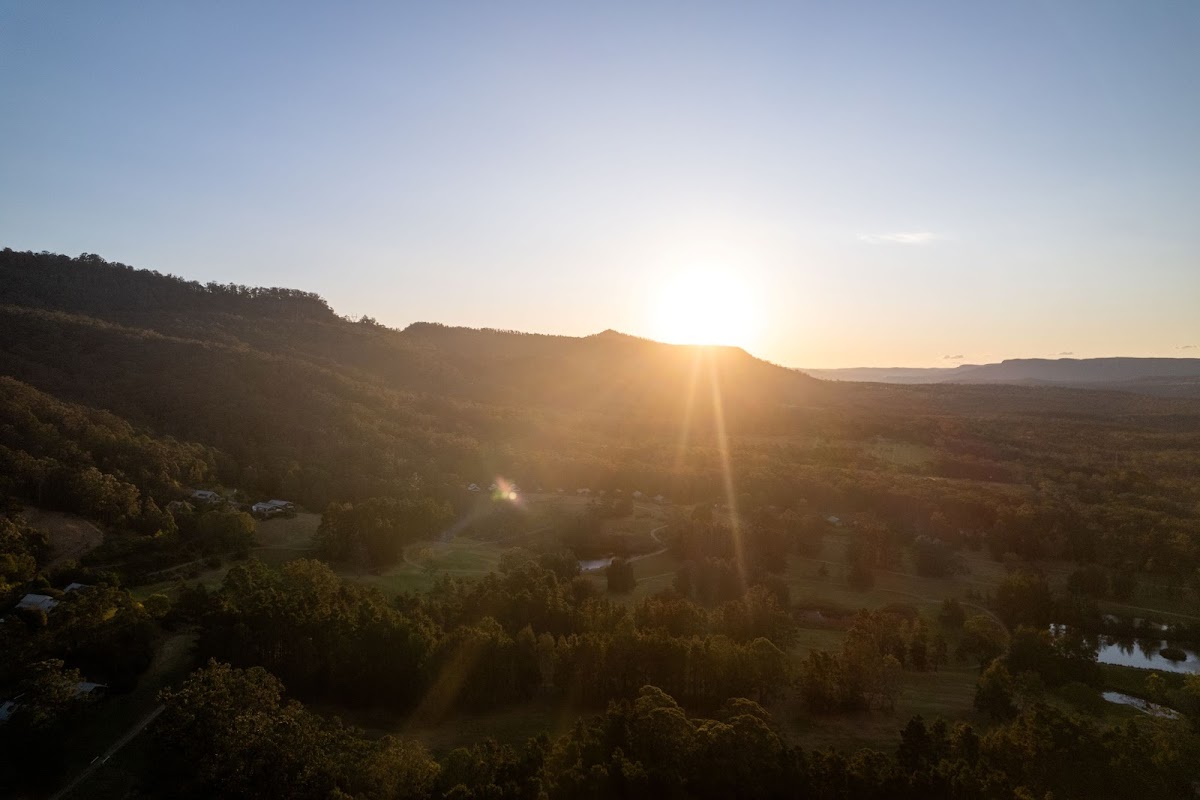 Kangaroo Valley
Shoalhaven, New South Wales
A secluded cabin with a fireplace — Arriving Friday before the weekend crowd, fire lit, valley going dark — the most private the weekend gets.
Explore romantic getaways in Kangaroo Valley →
Kangaroo Valley
Shoalhaven, New South Wales
A secluded cabin with a fireplace — Arriving Friday before the weekend crowd, fire lit, valley going dark — the most private the weekend gets.
Explore romantic getaways in Kangaroo Valley →
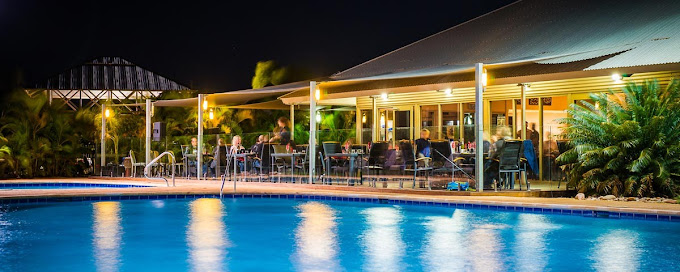
Exmouth Escape Resort — Ningaloo Reef
Book Direct & Save →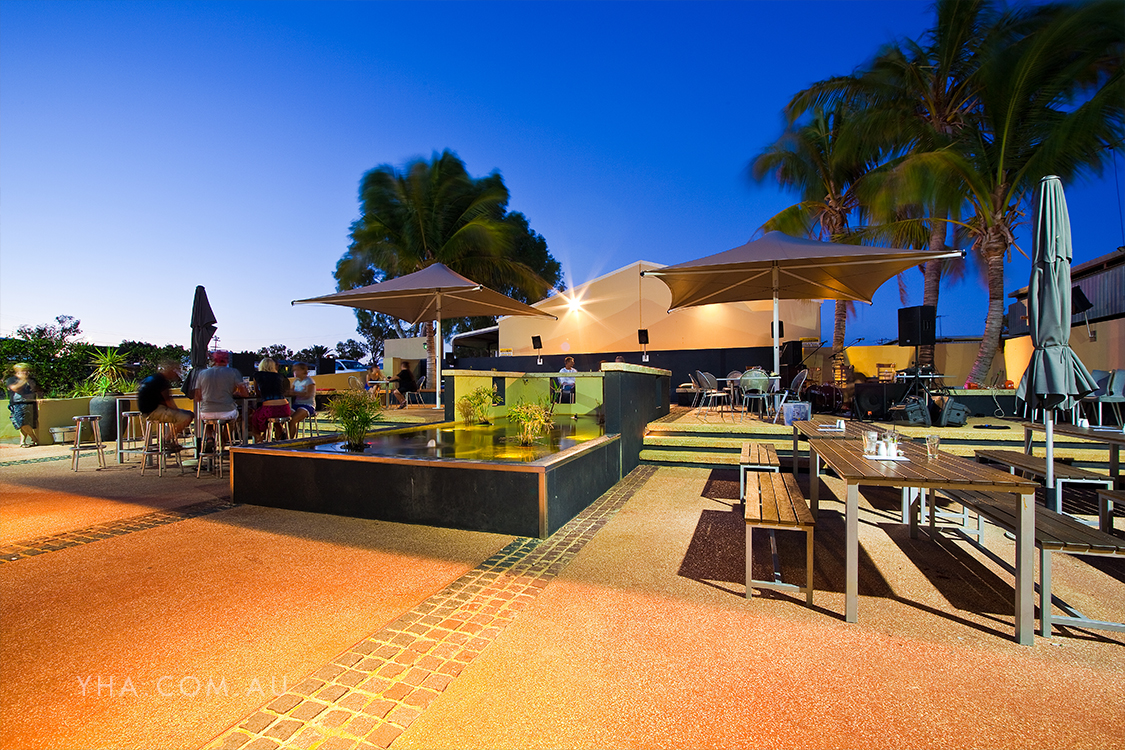
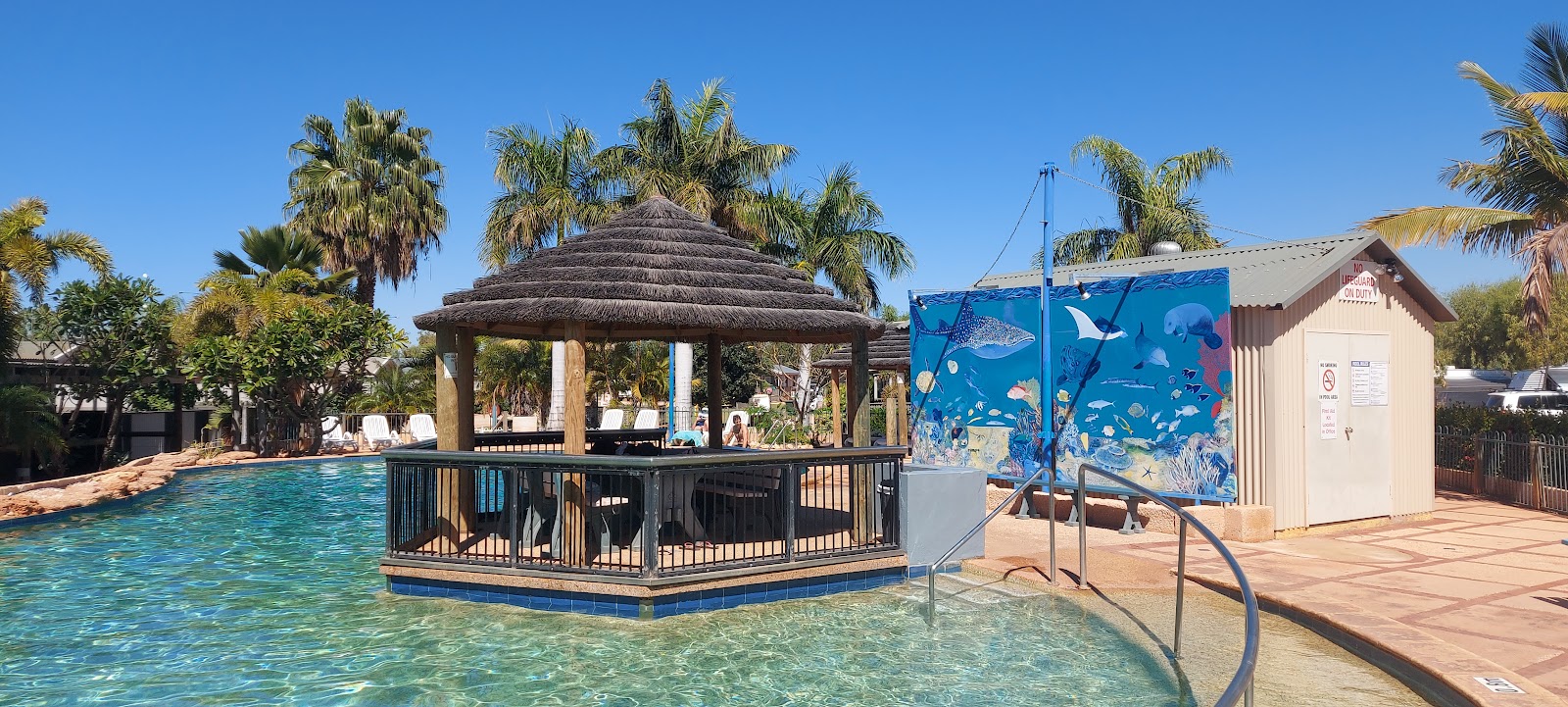
Ningaloo Caravan and Holiday Resort — Ningaloo Reef
Book Direct & Save →Skip OTA fees. Connect directly with Ningaloo Reef owners for the best rates and a truly personal experience.
We match any online rate. No service fees — 100% of your payment supports local owners.
Direct guests receive complimentary hampers, early check-in, and priority access to experiences.
Speak directly with the people who manage the properties. No call centres, just local expertise.
Part of Western Australia · Australia's Coral Coast
 Glen Aplin
Granite Belt, Queensland
Queensland's most underrated wine valley
Explore the guide →
Glen Aplin
Granite Belt, Queensland
Queensland's most underrated wine valley
Explore the guide →
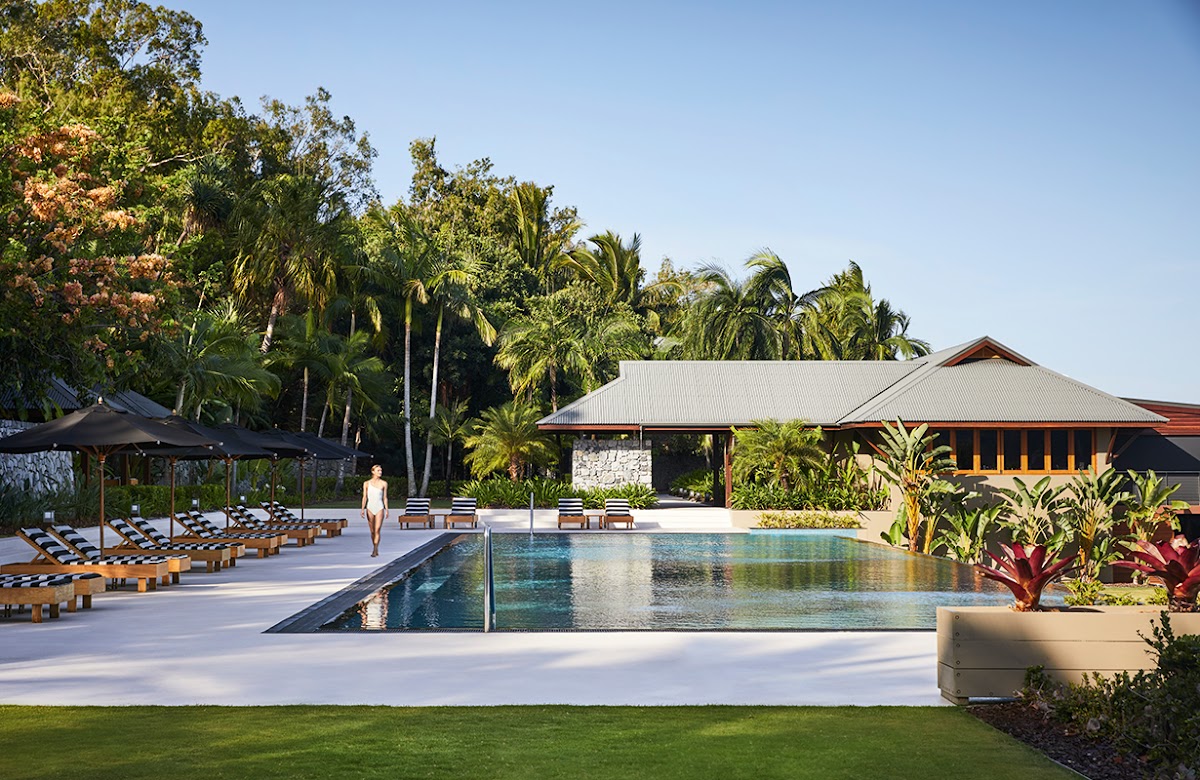 Hamilton Island
The Whitsundays, Queensland
Whitsundays island resort — Whitehaven Beach, reef trips and golf-buggy life
Explore the guide →
Hamilton Island
The Whitsundays, Queensland
Whitsundays island resort — Whitehaven Beach, reef trips and golf-buggy life
Explore the guide →
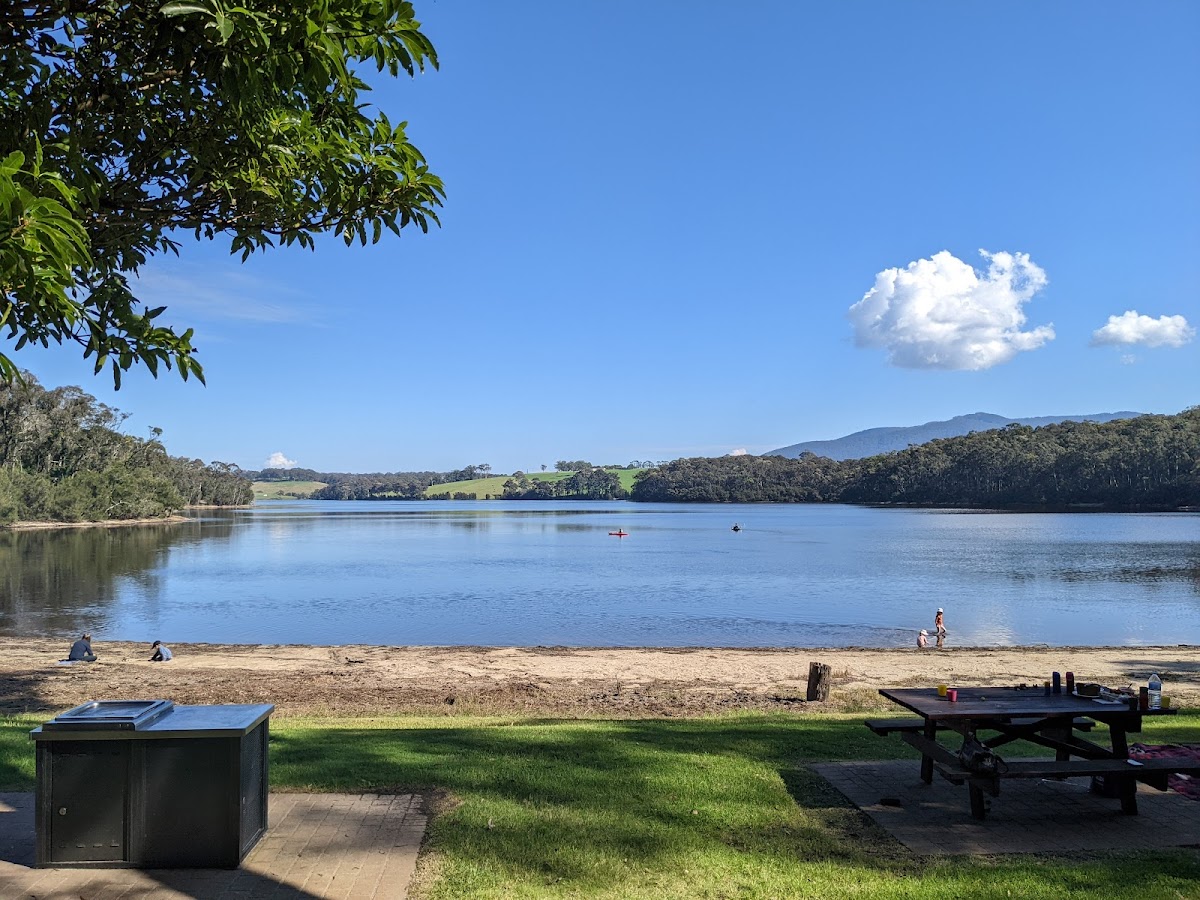 Narooma
South Coast, New South Wales
Crystal-clear inlet, surf beaches, oysters and Montague Island
Explore the guide →
Narooma
South Coast, New South Wales
Crystal-clear inlet, surf beaches, oysters and Montague Island
Explore the guide →
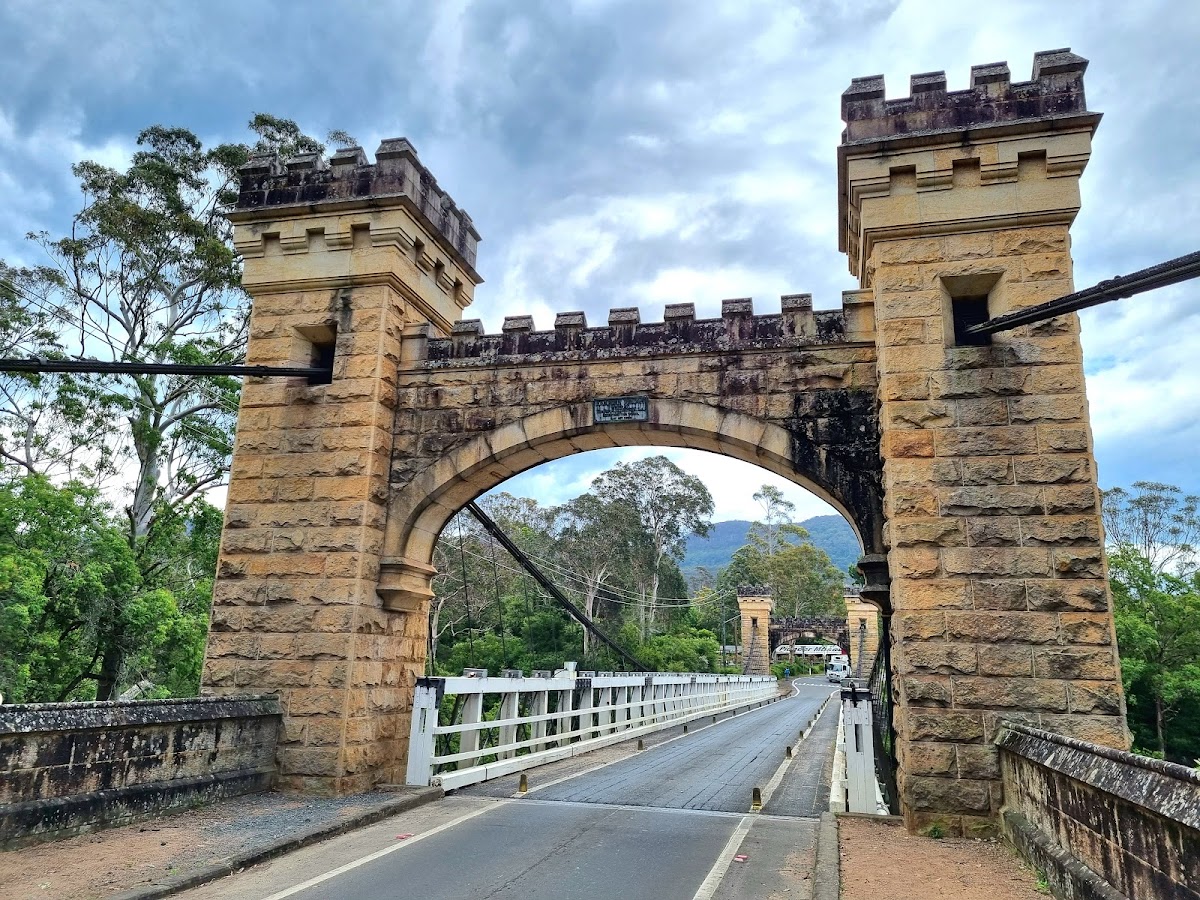 Kangaroo Valley
Shoalhaven, New South Wales
Hampden Bridge, kayaking and wombats in a green valley
Explore the guide →
Kangaroo Valley
Shoalhaven, New South Wales
Hampden Bridge, kayaking and wombats in a green valley
Explore the guide →
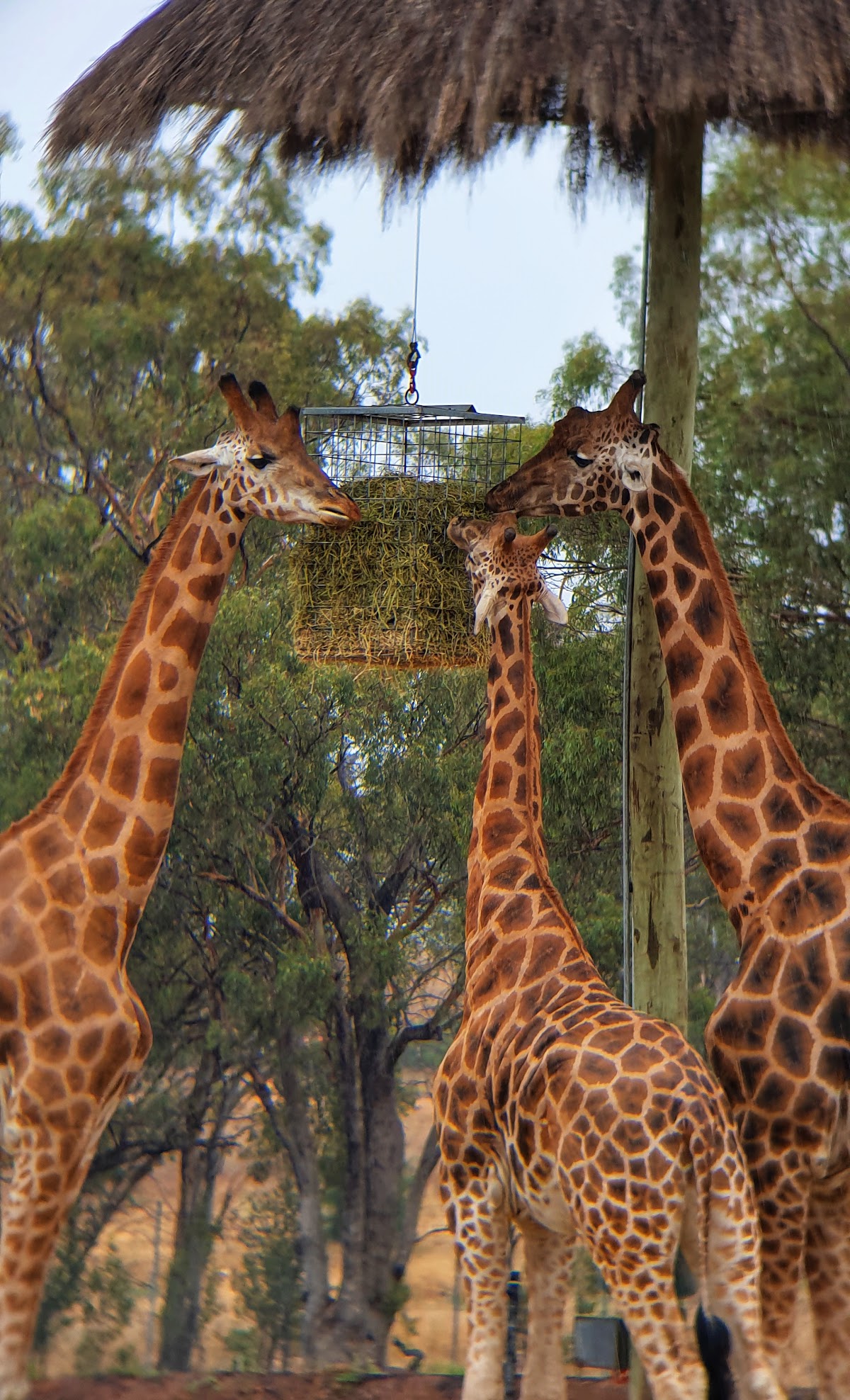 Dubbo
Central West, New South Wales
Open-range zoo and Outback gateway on the Macquarie River
Explore the guide →
Dubbo
Central West, New South Wales
Open-range zoo and Outback gateway on the Macquarie River
Explore the guide →
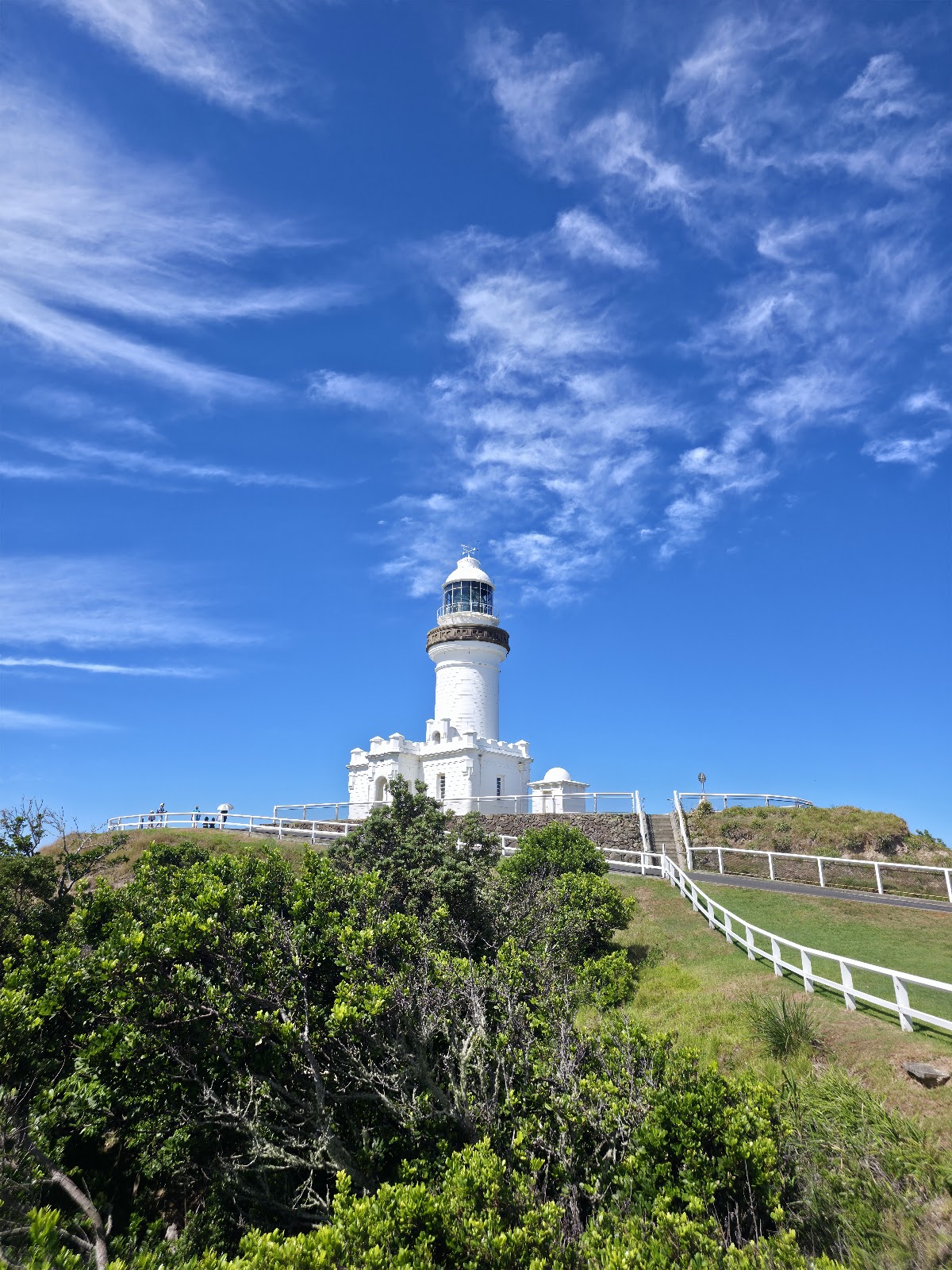 Byron Bay
Northern Rivers, New South Wales
Australia's iconic beach town and most easterly point
Explore the guide →
Byron Bay
Northern Rivers, New South Wales
Australia's iconic beach town and most easterly point
Explore the guide →
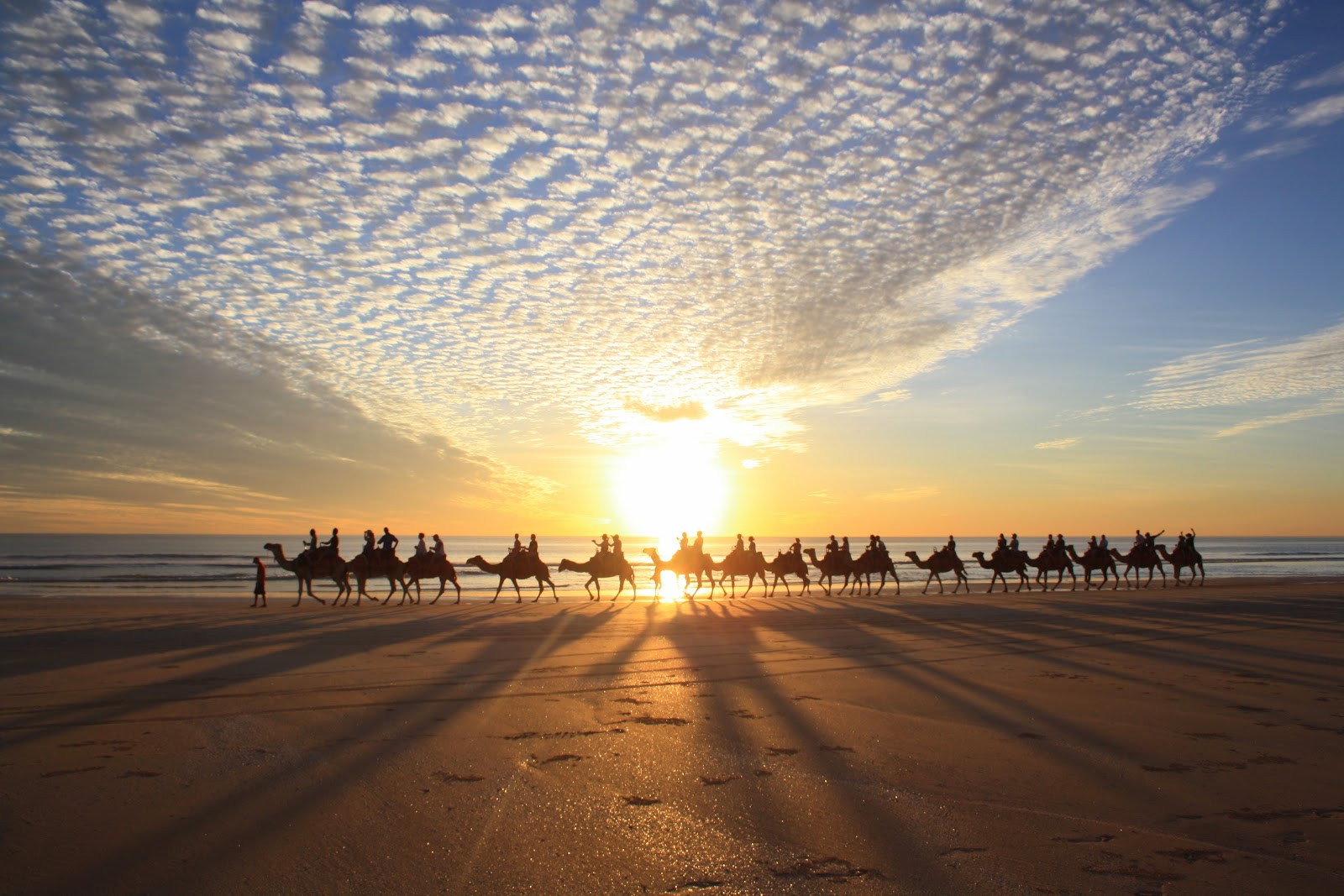 Broome
Australia's North West, Western Australia
Cable Beach sunsets, pearling history and camels on 22km of sand
Explore the guide →
Broome
Australia's North West, Western Australia
Cable Beach sunsets, pearling history and camels on 22km of sand
Explore the guide →
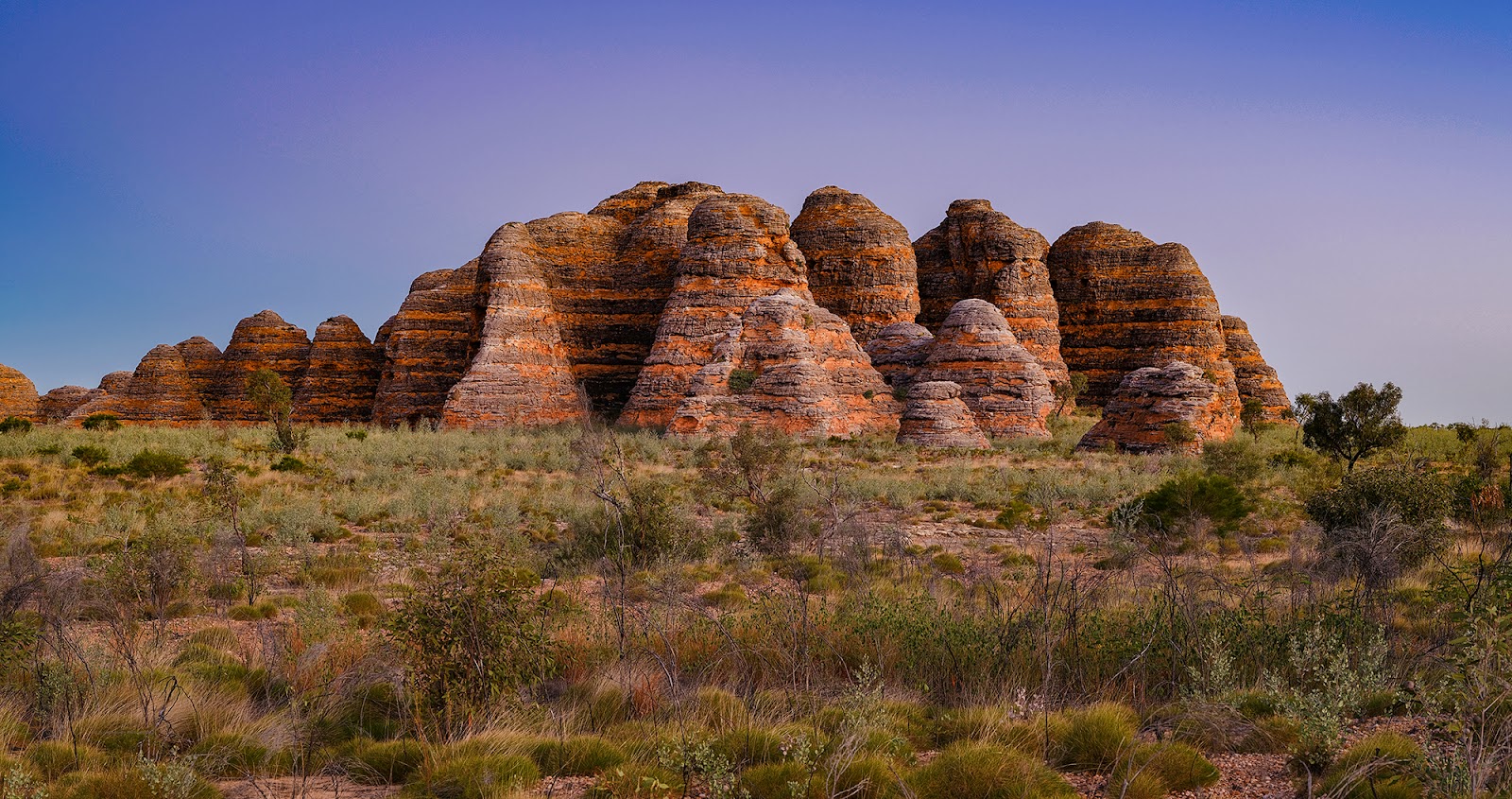 The Kimberley
Australia's North West, Western Australia
Gibb River Road, the Bungle Bungles, gorges and waterfalls in Australia's last frontier
Explore the guide →
The Kimberley
Australia's North West, Western Australia
Gibb River Road, the Bungle Bungles, gorges and waterfalls in Australia's last frontier
Explore the guide →
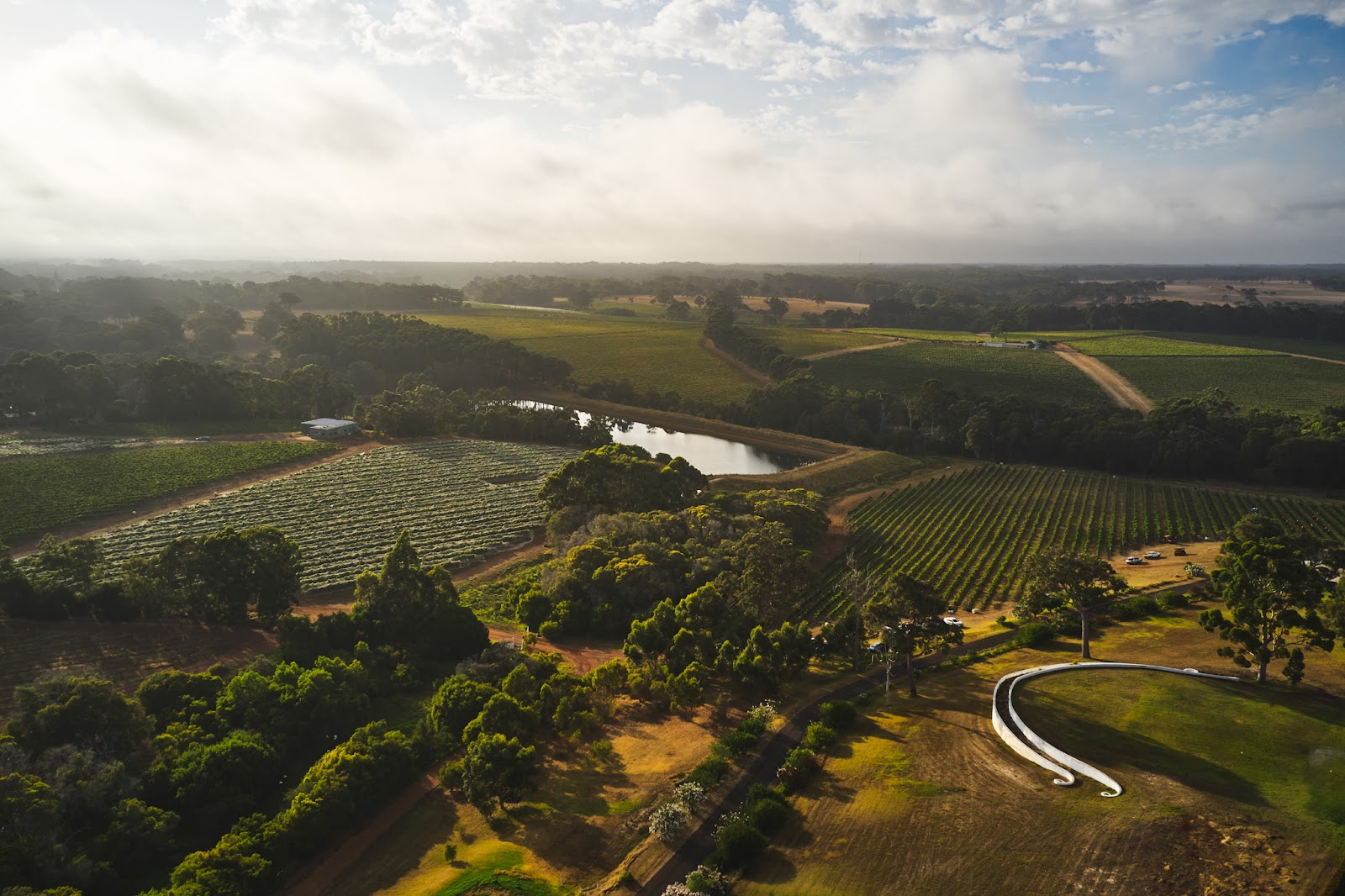 Margaret River
Australia's South West, Western Australia
World-class wineries, surf breaks and limestone caves three hours south of Perth
Explore the guide →
Margaret River
Australia's South West, Western Australia
World-class wineries, surf breaks and limestone caves three hours south of Perth
Explore the guide →