01. Cable Beach Club Resort & Spa
4.5 (968 reviews)
Cable Beach Club Resort & Spa — Broome
Book Direct & Save →Broome has a well-earned reputation for being expensive — peak dry-season accommodation is among the pricier in regional Australia, paid activities add up quickly, and the remote location means few things are cheap by default. Which makes the list of genuinely worthwhile free experiences in Broome more valuable than in most places. The Cable Beach sunset costs nothing. The Staircase to the Moon is free to watch from Town Beach. The Gantheaume Point headland and the Japanese Cemetery both ask only your time. These are not second-tier substitutes for the paid highlights — they are among the most memorable things Broome offers.
View 3 Properties
"Varied — coastal, cultural, historical, wildlife"
This guide covers the real free things to do in Broome — the experiences that hold their own whether or not you have paid for anything else that day. We have noted the seasonal constraints honestly: Cable Beach swimming requires the dry season and the flagged zone; the Staircase to the Moon only happens on specific nights; Gantheaume's dinosaur footprints need a very low tide. The croc and stinger safety reminders appear throughout — they apply everywhere that involves water, and they are not optional reading.
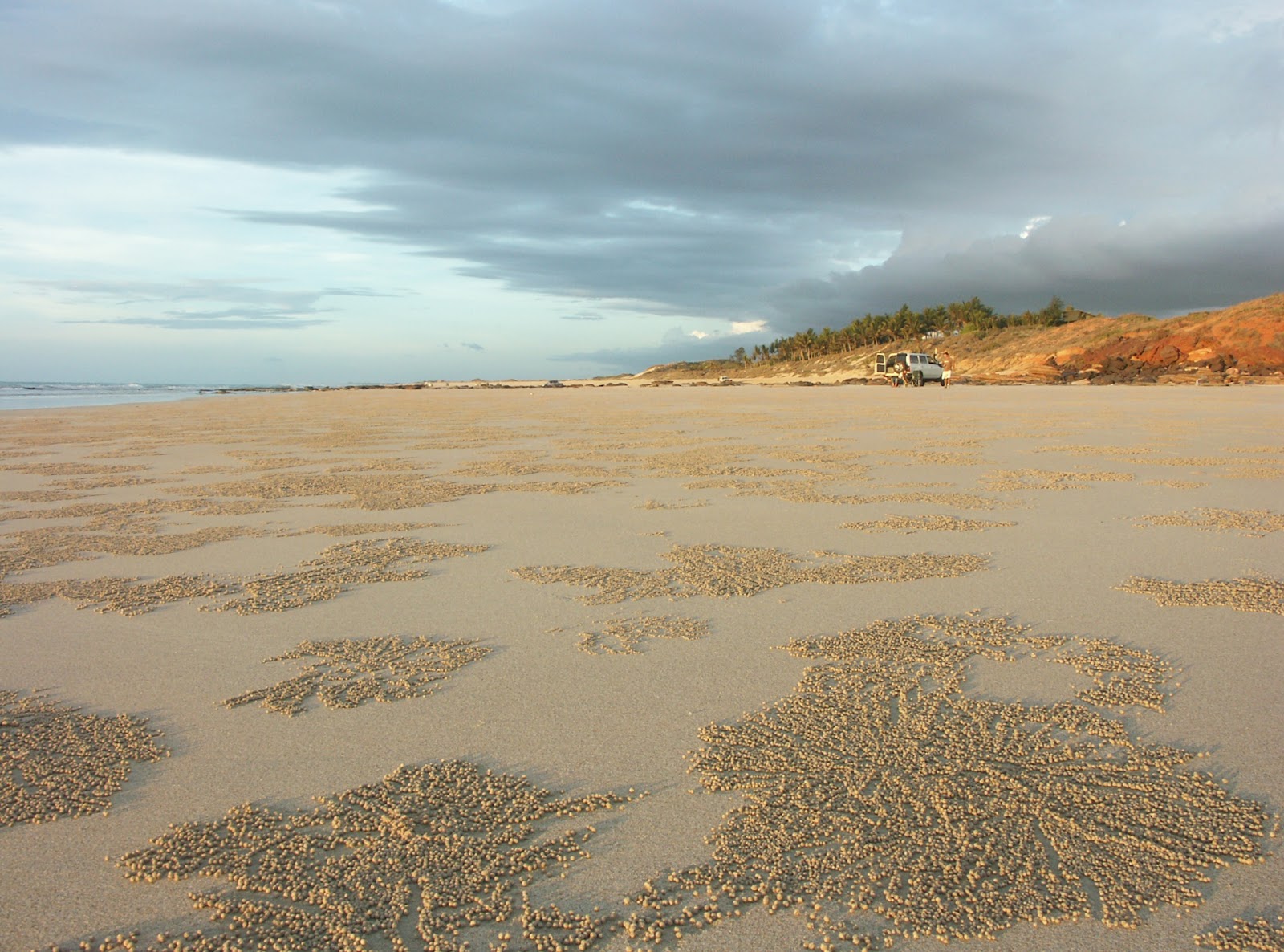
In a destination where accommodation can cost several hundred dollars a night at peak season, the free experiences carry unusual weight in the budget and in the satisfaction of the trip. The most remarkable thing about Broome's free activities is that they are not compromises — the Cable Beach sunset is free and it is the most visually spectacular thing the town offers. The Staircase to the Moon at Town Beach is one of the most photographed phenomena in Western Australia and it costs nothing. The Japanese Cemetery is one of the most historically significant places in Broome and the entry is free.
What the free experiences require is planning rather than money: the right tide for the Gantheaume Point footprints, the right date and clear sky for the Staircase to the Moon, the dry season for the best beach experience, and the right hour of day for Chinatown. This guide gives you the timing, the safety notes, and the context to make each free experience deliver. Broome rewards the visitor who shows up with a tide table and a clear sky forecast as much as the one who shows up with a credit card.
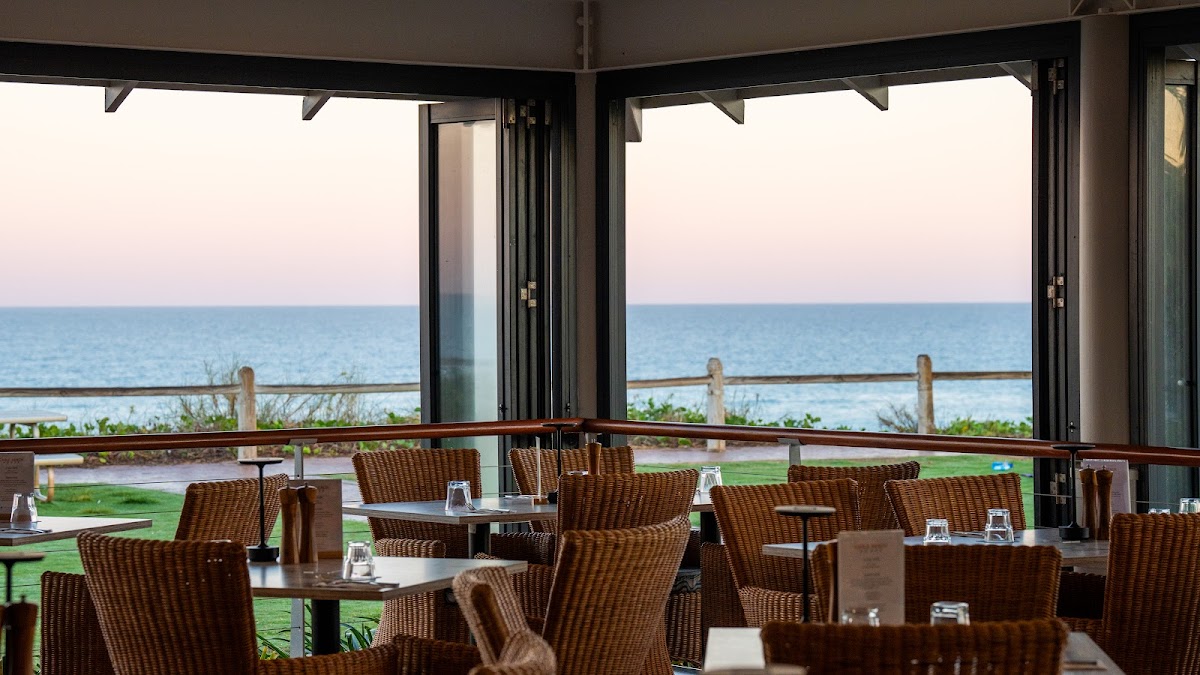
The Cable Beach sunset is one of those rare natural phenomena that lives up to the hype and does not require a ticket. The beach faces west into the Indian Ocean and provides 22 kilometres of unobstructed horizon for the sun to drop into — on a clear evening, the light sequence from golden hour to afterglow is genuinely extraordinary, the kind that draws strangers into conversation on the sand because there is no other appropriate response to what is happening in the sky.
Watching the sunset from the beach is free. The camel ride at sunset is paid (see the with-kids guide) but is not the only way to experience it — many visitors who have done the camel ride more than once report that walking the beach, sitting on the sand, or watching from the low dunes is often as satisfying and significantly less expensive. The light on the beach itself — the sand, the water, the figures in silhouette — is the spectacle, not just the sun.
Bring a rug or a camp chair, arrive 30–45 minutes before the published sunset time to choose your spot, and stay for the afterglow. The colours often peak 10–15 minutes after the sun drops below the horizon. The beach is safe to walk on in all seasons; ocean swimming in the evening is not recommended (dusk is a higher-risk period for croc activity near waterways, and the stinger caveats apply).
It is the best free show in the north-west — an entire ocean for a horizon, the kind of sunset that makes people stop mid-sentence, and the only price is getting there early enough for a good spot.
“We didn't do the camel ride and we weren't bothered at all. Sat on the sand with a drink and watched it. One of the best evenings of the trip, and it cost us nothing.”
— Google review
Arrive 30–45 minutes before sunset to choose your spot on the sand and stay for the afterglow after the sun drops.
Do not swim at dusk or after dark — this is a higher-risk period for crocodile activity near any waterway, and the stinger risk applies in season. Walking the beach at sunset is fine; ocean swimming at dusk is not.
The Staircase to the Moon is an optical phenomenon that occurs when a full moon rises over the exposed tidal mudflats of Roebuck Bay during very low tides — the moon's reflection on the rippled tidal pools creates the visual effect of a staircase rising from the sea to the sky. It happens on a limited number of nights between approximately March and October, roughly around the full moon but on specific dates that align with the low tide. Town Beach on Robinson Street is the principal free viewing location in Broome.
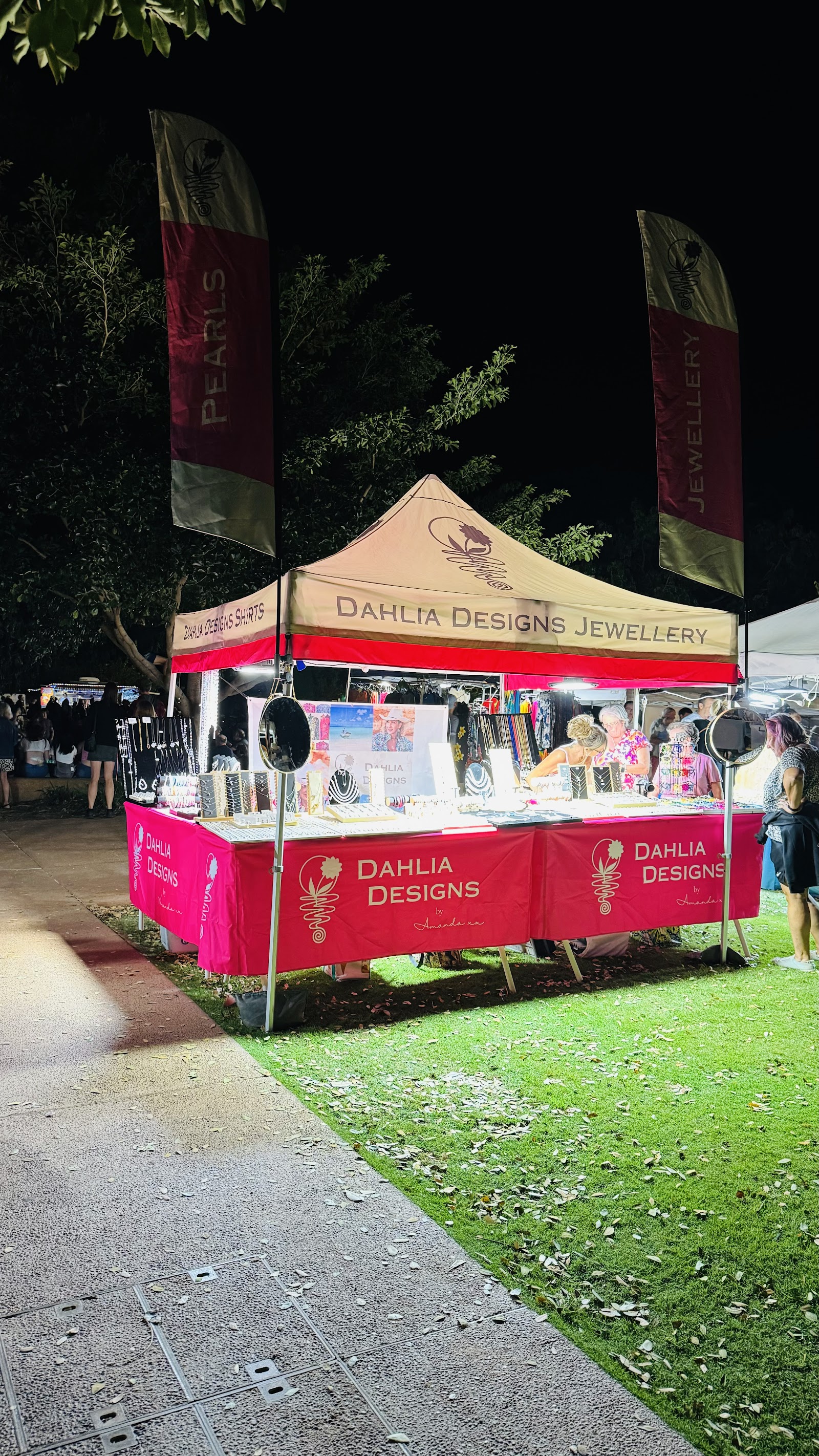
The phenomenon draws significant crowds on the right nights — Town Beach fills with visitors, and the nearby Courthouse Markets run a special Staircase to the Moon night market. The spectacle genuinely earns the attention. As a piece of free natural theatre it is remarkable: the staircase effect in clear conditions produces a golden ladder across the mudflats that looks like a long-exposure photograph but is happening live in front of you. Photography without a tripod is largely futile for capturing the full effect; bring one if it matters.
The critical practicality is timing. The dates are published annually by Tourism Broome and depend on the specific full-moon and tide alignment — not every full moon produces the right conditions. Check the current year's Staircase to the Moon dates before planning your Broome itinerary, and if you are visiting specifically for this, book accommodation around the date rather than hoping the dates align with a general booking.
A free optical wonder that draws visitors across Australia specifically to see it — an unmissable natural event if the dates align with your trip.
“I drove six hours to see it and I'd do it again. The staircase effect was genuinely stunning. Check the exact dates — you can't just show up on any full moon night.”
— Google review
Check the published annual dates from Tourism Broome and plan your visit around a specific Staircase to the Moon night rather than hoping it happens.
Not every full moon produces the staircase — the dates depend on the specific low-tide alignment. Check and confirm before planning around it. Overcast skies can obscure the effect. Town Beach gets crowded on Staircase nights.
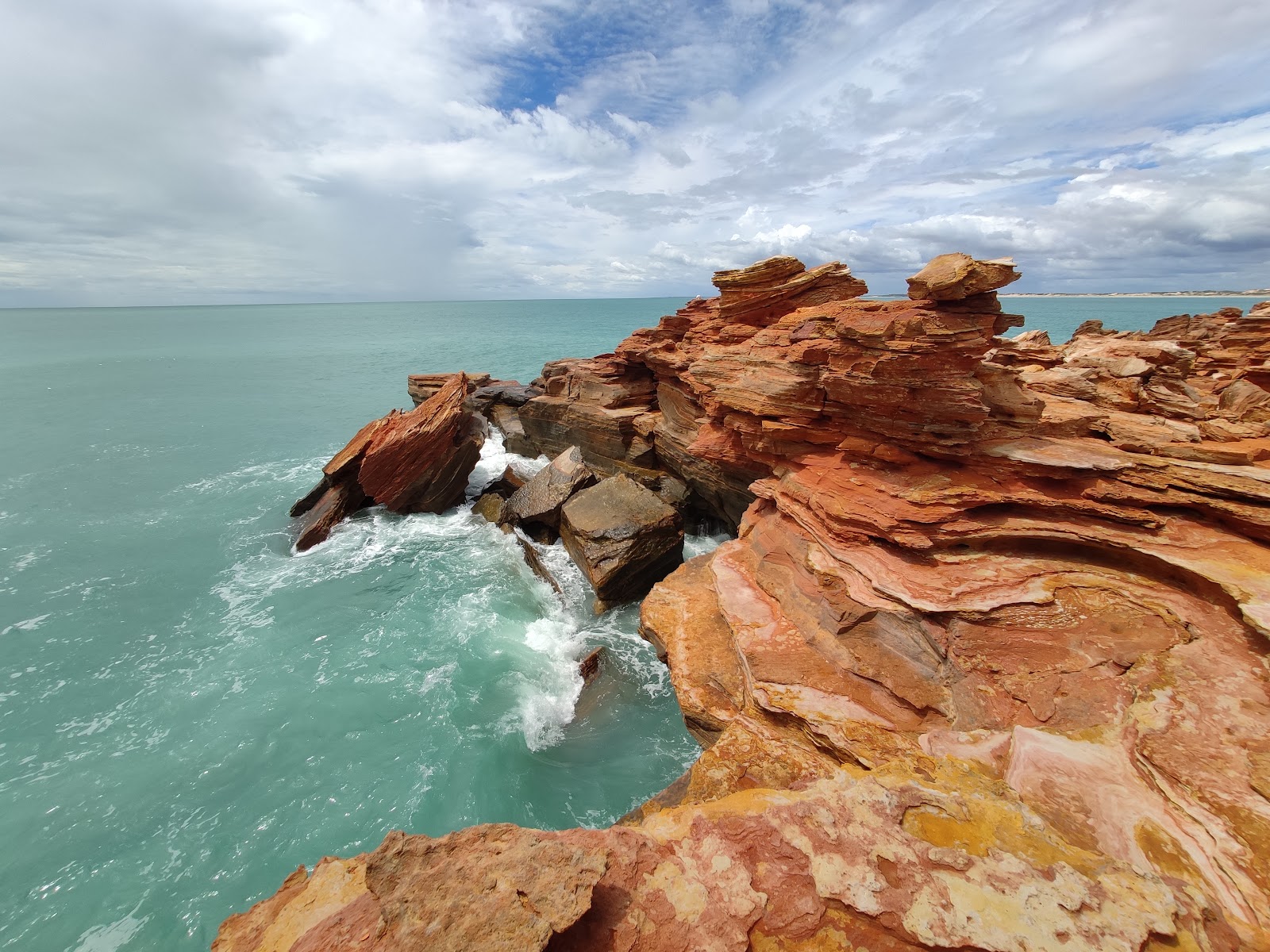
The Gantheaume Point headland five kilometres south of Cable Beach is free to visit and worth the short drive for the layered pindan cliffs, the ocean views and the permanent display of dinosaur footprint casts even if the low tide does not cooperate for seeing the originals. The headland is one of the most photographically arresting spots in Broome in good light — the deep red of the compacted sandstone against the blue of the Indian Ocean produces the colour contrast that appears on most Broome postcards, and the genuine article is better than the photograph.
The permanent footprint cast on the headland platform gives context to the Broome Sandstone formation below: the original footprints made by large dinosaurs 130 million years ago are in the rock shelf beneath, exposed only at very low spring tides. The cast is always present and always free. The point also contains Anastasia's Pool — a rock pool at the base of the cliff historically attributed to the early lighthouse keeper (see the hidden-gems guide for its full story).
Walking the headland takes 20–30 minutes at a relaxed pace. Combine it with Reddell Beach (a further short drive north toward Cable Beach) for the other side of the red-cliffs experience. The access road to the point is sealed but narrow; the car park is small and fills quickly at peak times.
Deep red cliffs, a rock cast of genuine dinosaur footprints and an Indian Ocean horizon — a free 30-minute outing that consistently outperforms expectations.
“Free to visit and one of the best views in Broome. The red cliffs against the ocean are extraordinary. The dinosaur footprint cast was a bonus we didn't know about.”
— Google review
The permanent footprint cast on the headland platform (always accessible, no tide constraint) and the cliff-ocean colour contrast in the late afternoon.
The actual in-situ dinosaur footprints in the rock shelf are only visible at very low spring tides — check tide tables if that is the purpose of the visit. Keep well back from the unstable cliff edges. Check croc signage at tidal areas.
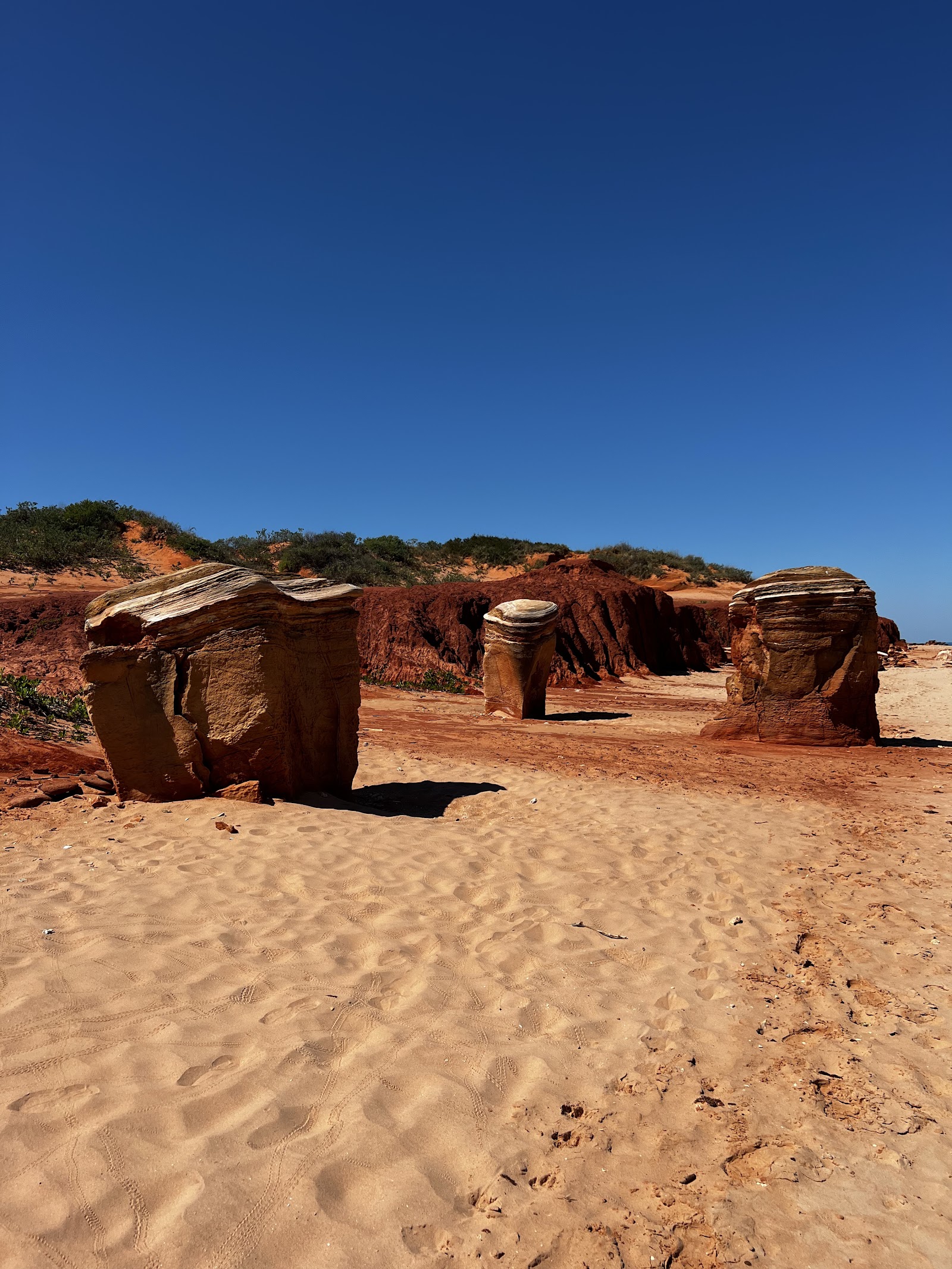
Reddell Beach is a short drive north of Cable Beach and home to Broome's most vivid red pindan cliffs — a dramatic wall of compacted red sandstone dropping to tidal flats that transform at low tide and late-afternoon light into one of the most visually striking coastal views in the north-west. Almost no one from Cable Beach makes the detour, which is inexplicable given the quality of the scene and the brevity of the additional drive.
The experience rewards an honest low-tide and late-afternoon timing combination: arrive when the tidal platform is exposed and the sun is falling to the west, and the reflection of the cliff colour in the residual tidal pools adds a layer of visual intensity that photographs at midday or high tide entirely miss. It is one of those free natural locations where the difference between a mediocre visit and a memorable one is entirely a function of planning — the cliffs are always there, but the tide and the light determine how extraordinary they are.
The site is informal and has no facilities. The pindan cliff edges are unstable and crumbling — keep a safe distance. Sturdy shoes are recommended for the rock platform if you want to explore at the base. There is no shade on the beach, so the usual Broome sun-protection regime applies doubly.
The most photogenic free coastal view in Broome — red cliffs, tidal reflections and a sunset angle that the famous beach misses — and almost nobody goes there.
“Incredible. We almost didn't stop and I'm so glad we did — the red of the cliffs at low tide with the sunset was better than anything we saw at Cable Beach that trip.”
— Google review
Low tide in the late afternoon when the cliff colour and the tidal reflections are at maximum intensity.
The pindan cliff edges are unstable — do not approach the edge. The experience at high tide is significantly diminished. No facilities; bring water.
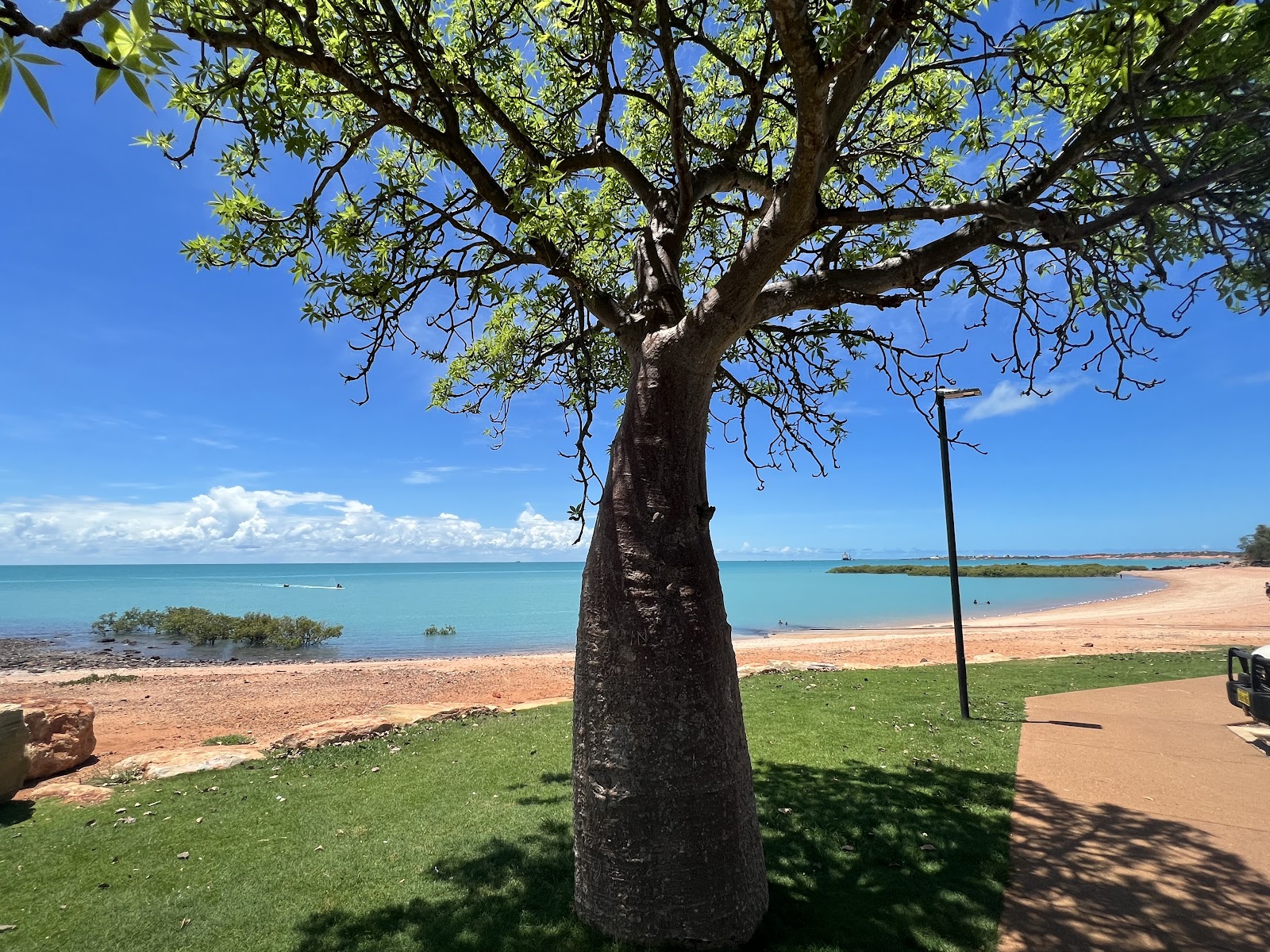
Town Beach on Robinson Street overlooks the tidal mudflats of Roebuck Bay, and the mudflat edge at the right tide hosts a varied and often underappreciated wildlife spectacle at no cost. The flats attract shorebirds (including species from the Broome Bird Observatory's monitored flyway populations) at low tide as they feed in the exposed sediment, and the inlet channels at the beach's edge see herons, egrets and coastal waders at various times of day. For visitors who do not make it to the Bird Observatory, Town Beach is the accessible free version of Roebuck Bay's birdwatching.
The foreshore walk along the Robinson Street frontage is flat, shaded in parts and walkable even on hot days in the early morning or evening. It is the most central and accessible free walk in Broome, and it combines well with the playground and water park for families with young children. In the late afternoon, the foreshore starts to fill with locals, which gives it a different character to Cable Beach's visitor-dominated crowd.
Town Beach is also, of course, the principal free viewing location for the Staircase to the Moon (see above). On non-Staircase nights the beach is quiet in the evenings — a pleasant, low-key alternative to Cable Beach if you want somewhere less photographed to watch the light change over the bay.
It is the local beach — the one Broome residents use, free of charge, year-round — and the Roebuck Bay mudflats in front of it are one of the most ecologically important tidal systems in Australia.
“Lovely morning walk along the foreshore with birds on the flats — completely free and felt much more like the real Broome than the tourist beach.”
— Google review
The foreshore walk at low tide in the early morning for coastal birds on the mudflats — combine with the playground for families with young children.
Town Beach is not a swimming beach in the conventional sense — the focus is the foreshore walk, the playground and the tidal viewing, not ocean swimming. The water park is the swimming option for young children.
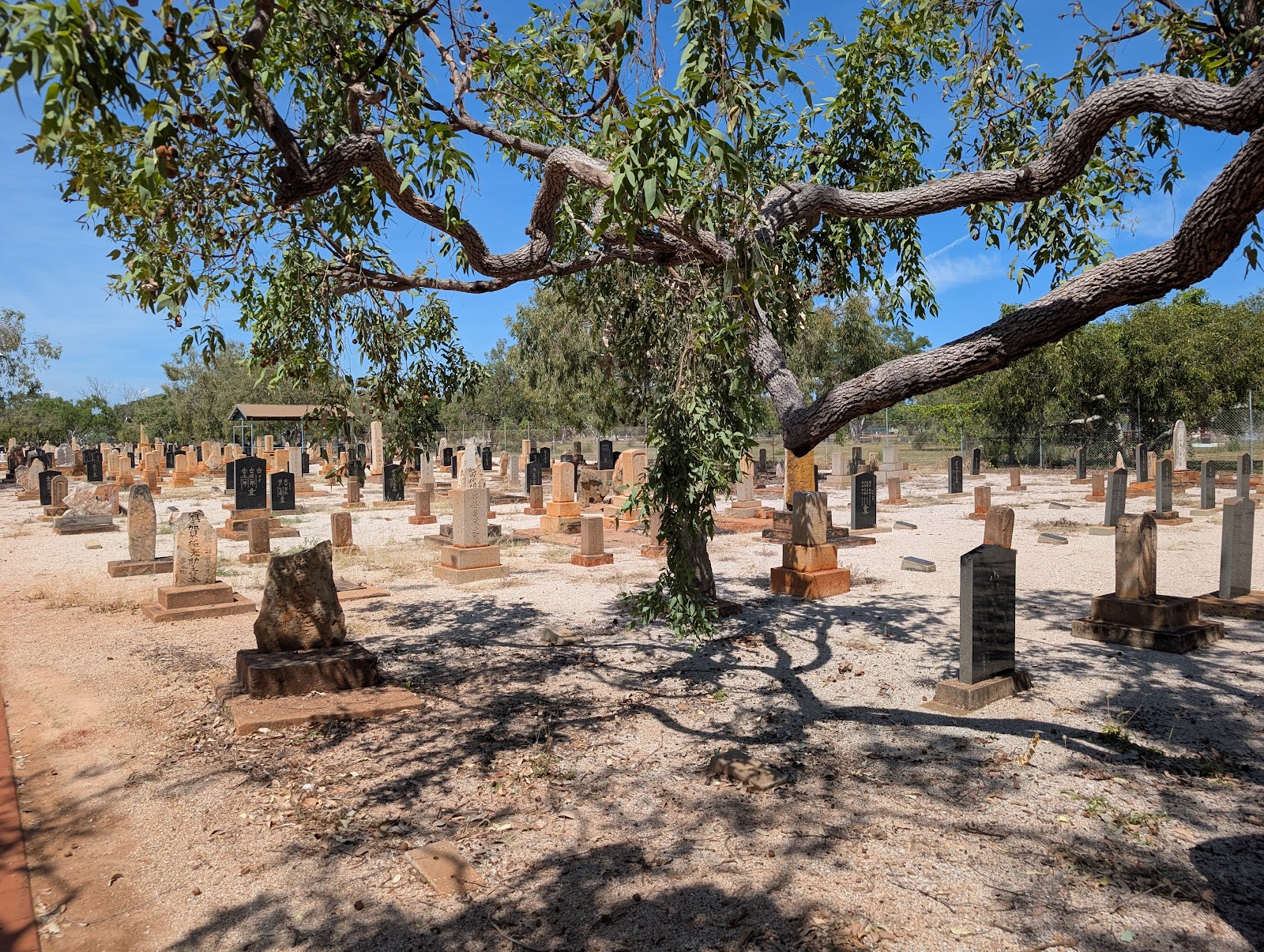
The Japanese Cemetery on Port Drive is free to visit and holds the graves of over 900 pearl divers — Japanese, Korean, Malay and Torres Strait Islander workers who died in the Broome pearling industry from the late 1800s through to the mid-20th century. The cemetery is the most honest and historically substantial free experience in Broome: nothing in the pearl showrooms or museum exhibitions quite conveys the weight of what the industry cost in human terms the way 900 graves in a single enclosure do.
The headstones carry Japanese, English and other inscriptions, and the interpretive information on site gives enough context to make the visit meaningful without requiring prior knowledge of pearling history. The cemetery is well maintained by the Japanese consulate and community organisations and is always open. A combination of the cemetery and the Pearl Luggers museum on Dampier Terrace (paid, but moderately priced) gives a complete account of Broome's pearling past across its most important dimensions: commercial, human and technological.
Visit in the early morning or late afternoon when the light is gentler and the cemetery is typically empty. Treat the site with the respect its history deserves — speak quietly, do not disturb anything, and do not rush. The story it tells is one worth taking the time to absorb.
Nothing else in Broome makes the human dimension of the pearl industry as immediate and real as 900 graves on Port Drive — a free, quiet and historically essential visit.
“Unexpectedly moving. We spent much longer than planned just reading the headstones and thinking about what it represents. Free to visit and unlike anywhere else in Broome.”
— Google review
The early morning when the cemetery is quiet and the light is low — allow at least 30–45 minutes and read the interpretive signage before walking through.
This is a place of historical mourning, not a tourist sight — treat it accordingly and keep noise to a minimum. There is no shade; bring water and sun protection for a summer visit.
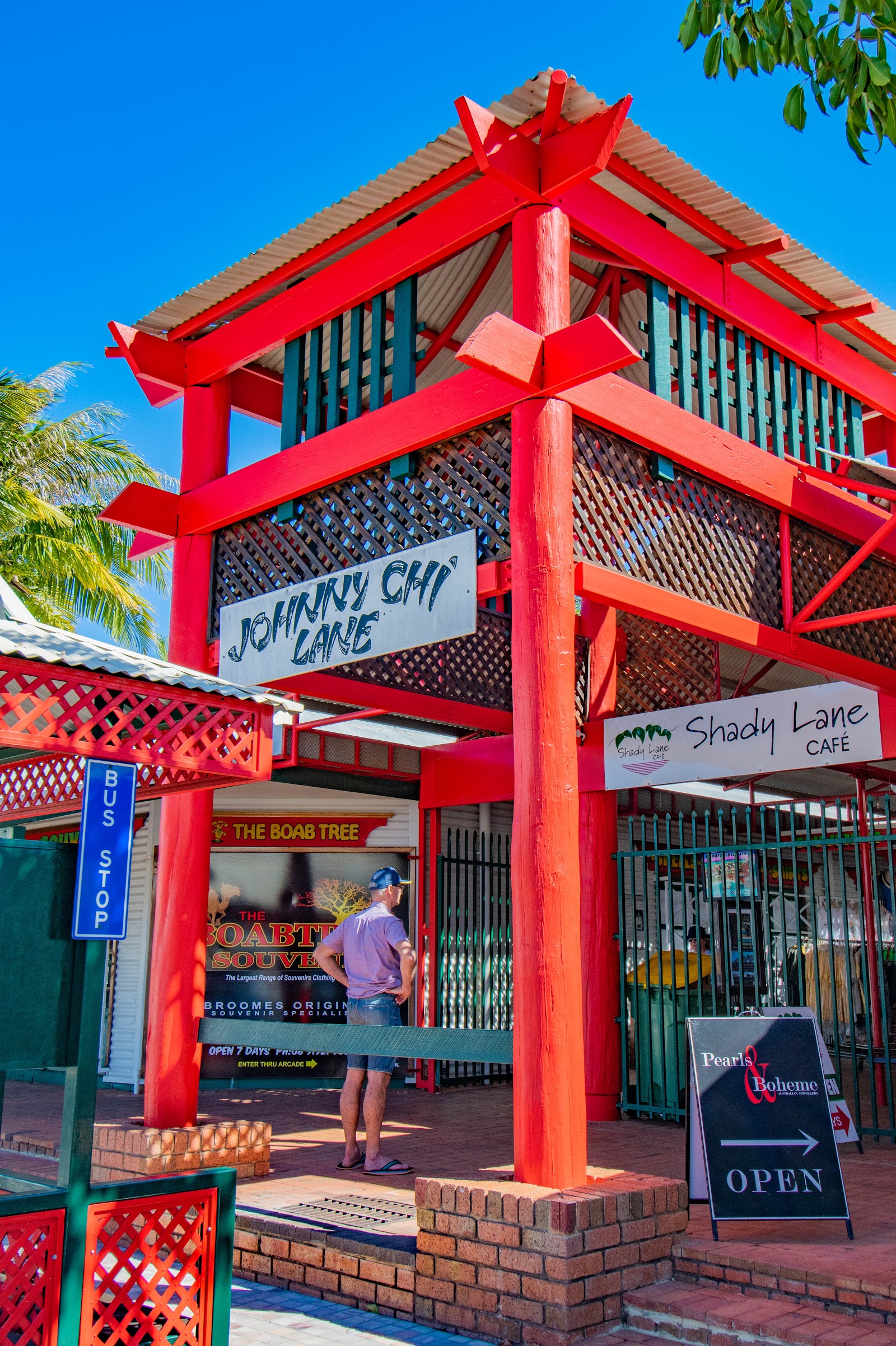
Walking Carnarvon Street in Chinatown costs nothing and takes 20–30 minutes at a relaxed pace — but the architecture of the street is a genuine historical record of the extraordinary cultural mix that the pearling industry assembled in Broome from the 1880s onward. Sino-Malay shopfronts, Japanese merchants' buildings, colonial-era trading houses and pearl showrooms occupy the same block, reflecting an era when Broome's pearling grounds drew workers and traders from across Asia and the Pacific. The heritage interpretation boards along the street provide context that is worth reading rather than walking past.
The free element of Chinatown extends beyond just walking the street: browsing the pearl showrooms carries no obligation to buy and is a genuine education in South Sea pearl grading, colour and quality. The short-street galleries and artists' studios (Short Street and nearby) have no admission charge to enter and browse. Sun Pictures outdoor cinema — the world's oldest operating outdoor cinema — can be viewed from the street even without a ticket, though the experience is worth paying for (see indoor activities).
Combine the Chinatown stroll with the Japanese Cemetery (10 minutes away on Port Drive) for the most concentrated free half-day of Broome history available. Add coffee at one of the Carnarvon Street cafés and the whole morning accounts for itself with very little expenditure.
A street that tells the story of how Broome came to be — pearl traders, Japanese merchants, Malay workers, Chinese shopkeepers — all within a few hundred metres, and free to walk any time.
“We spent a morning browsing Chinatown without spending much at all — the buildings, the pearl showrooms and the history boards kept us going for longer than we expected. Really interesting.”
— Google review
The heritage interpretation boards along Carnarvon Street — read them before browsing the showrooms and the buildings make far more sense.
The pearl showrooms are free to browse but the retail prices for South Sea pearls are significant — if budget is a constraint, be clear with yourself before entering.
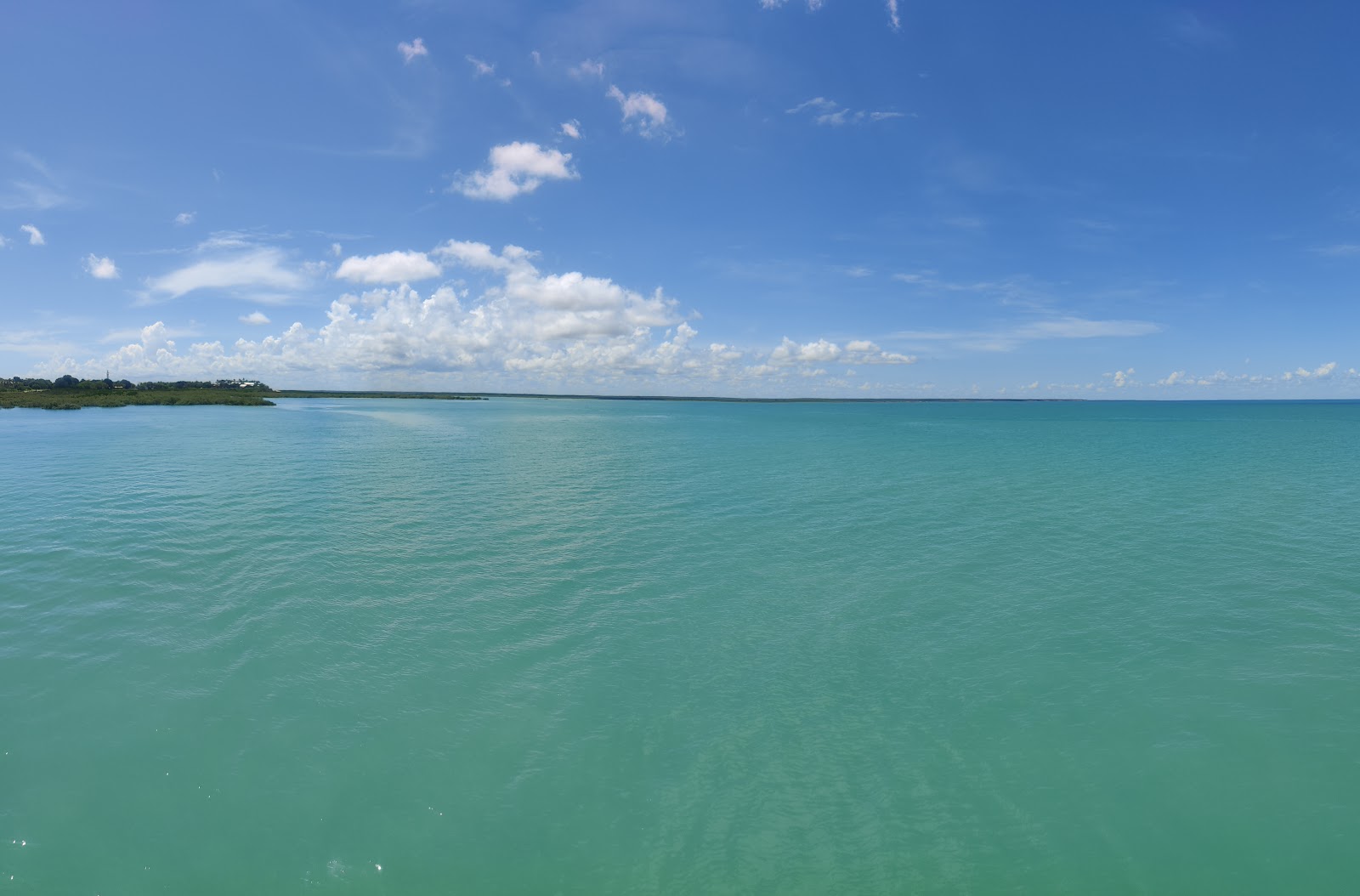
The Roebuck Bay tidal system is one of the most important shorebird habitats on the East Asian–Australasian Flyway, and the foreshore road and accessible viewpoints along the bay provide a free, unseated view of the tidal flats that is accessible without visiting the formal Bird Observatory (which requires advance booking — see the hidden-gems guide). During the peak migration months of August to October, the mudflats host tens of thousands of waders; even outside peak season the bay is reliably productive for coastal birdwatching.
Binoculars transform the experience from a pleasant coastal view into a genuinely engaging wildlife encounter — the difference between "yes, there are birds there" and being able to watch bar-tailed godwits, red knots and great knots feeding in the flats is entirely the optics. A basic pair of 8x42 binoculars is a worthwhile Broome investment that will pay back multiple times across the cable beach foreshore, the tidal mudflats and the headland walks.
The best free viewing times are roughly two hours before and after low tide when the flats are exposed and the birds are actively feeding. At very high tide, birds roost on the higher ground and are concentrated and easier to find but less actively interesting. The foreshore is accessible at any time and requires no booking; it is the informal complement to a formal Bird Observatory visit if you want more.
A globally significant shorebird spectacle visible for free from the roadside — with binoculars, the bar-tailed godwits that flew from Alaska are feeding 50 metres away.
“Rented a cheap pair of binoculars and spent two hours at the bay — completely free, genuinely amazing, and we saw species from four continents. Broome's underrated wildlfe treasure.”
— Google review
Two hours around low tide during August–October migration peak with a pair of binoculars — the shorebird concentration on the exposed flats is remarkable.
Without binoculars, the distant birds on the mudflats are hard to appreciate — bring or borrow a pair. The experience depends heavily on tide and season; August–October is the peak window.
What recent visitors say:
“Cable beach is a lovely spot to sit and relax and go for a dip. You can ride a camel or take your bike on the compact sand. Later in the day drive onto the beach have a glass of wine and watch the sunset.”— Pamela Rivers (on Cable Beach), Google review
“Excellent place, they’re currently doing renovations on the for-sure but since there are life guards, there’s safe excellent beach swimming along with a easy walk to the beachside business/restaurants. Great views allowed by 4x4 vehicles able to view the sunset while driving on the beach. Also able to see the camel rides with the tide being quite volatile so”— Kyle Sapphire (on Cable Beach), Google review
“Cable Beach: An absolute gem for sunset enthusiasts, Cable Beach offers stunning views with a vibrant atmosphere. Crowds gather to admire the breathtaking sunset, and the sight of people enjoying camel rides adds a unique charm to the experience. A must-visit spot for those seeking beauty and a lively beach ambiance.”— Amy Elizabeth (on Cable Beach), Google review
The free experiences in Broome require the same preparation as the paid ones, and in some cases more. Download a tide table app (BoM Tides or similar) before your trip — the Gantheaume Point footprints, Reddell Beach at its best and the Staircase to the Moon all depend on specific tide conditions that you cannot predict without a proper tides reference. Check the annual Staircase to the Moon dates from Tourism Broome before you finalise your accommodation booking if you are visiting specifically for that.
Sun protection is non-negotiable. The Broome UV index is extreme year-round, and the most common visitor mistake is underestimating it. Apply SPF 50+ at home before going out, wear a wide-brim hat and a long-sleeve shirt for extended outdoor time, and carry a water bottle at all times — even on mild dry-season days. The Japanese Cemetery and Chinatown stroll have no shade; the beach experiences require the full sun-protection regime regardless of how pleasant the temperature feels.
Broome is an expensive destination and the cost of accommodation, activities and food in peak season can surprise visitors who are used to east coast pricing. But the free experiences here are genuinely among the best things the town offers — not consolation prizes but some of the most vivid, memorable and historically substantial encounters the destination provides. The Cable Beach sunset is free. The Staircase to the Moon is free. The most honest account of the pearling history is free. The world's most important shorebird flyway is visible from the roadside for nothing.
The formula is simple: spend on accommodation and the one or two paid highlights that matter most to you, and let the free list fill out the rest of the week. Broome rewards the visitor who shows up with a tide table, a sunset time, a clear sky forecast and a pair of binoculars — and spends the difference on good fish and chips.
Enjoying free things to do? Here’s where else in Australia it’s worth the trip — ranked by how loved each destination is, with the one thing not to miss at each.
 Glen Aplin
Granite Belt, Queensland
The dawn walk on Mount Stirling Road — The northern stretch where the vineyards open on both sides, in the best light between 7 and 8am.
Explore free things to do in Glen Aplin →
2
Glen Aplin
Granite Belt, Queensland
The dawn walk on Mount Stirling Road — The northern stretch where the vineyards open on both sides, in the best light between 7 and 8am.
Explore free things to do in Glen Aplin →
2
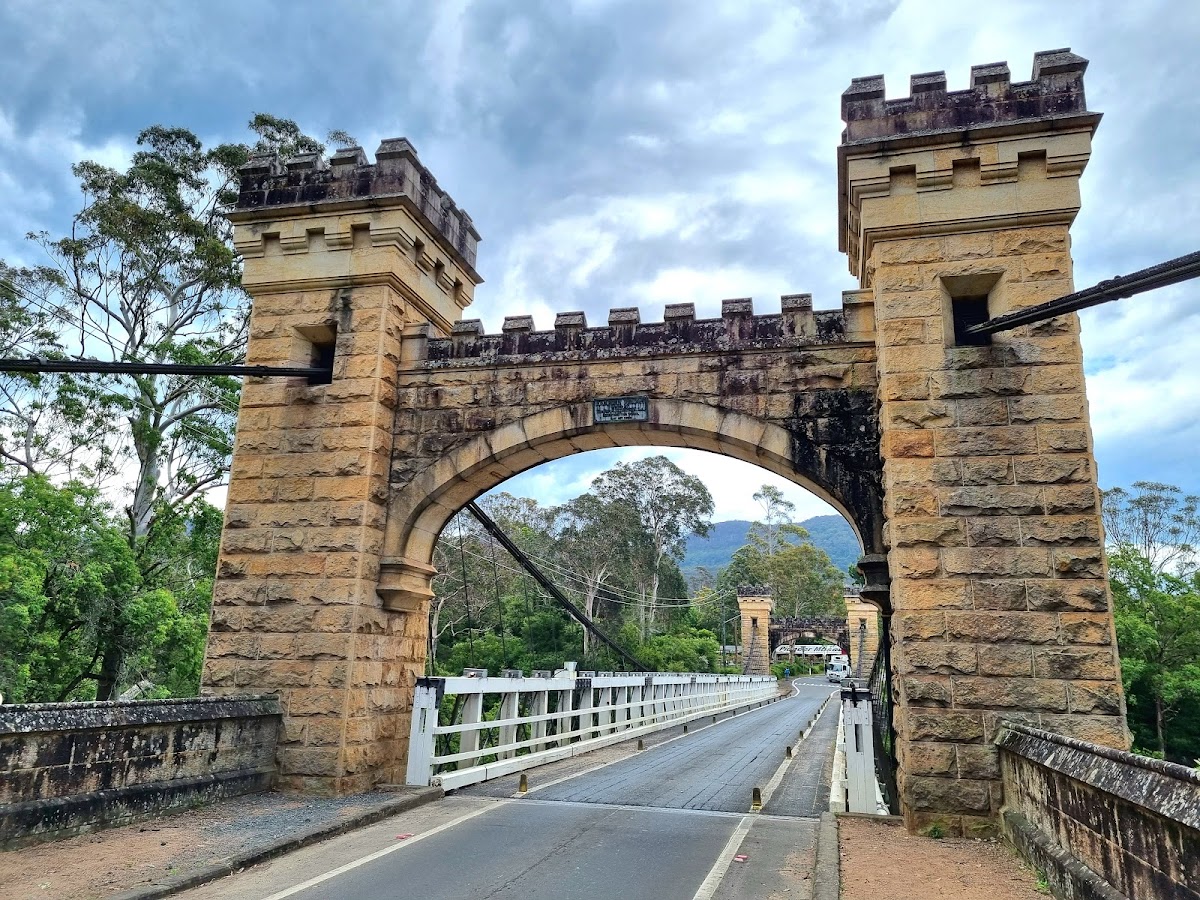 Kangaroo Valley
Shoalhaven, New South Wales
Walk Hampden Bridge — The classic view back up at the castellated towers from the riverbank below, in early-morning or late-afternoon light.
Explore free things to do in Kangaroo Valley →
3
Kangaroo Valley
Shoalhaven, New South Wales
Walk Hampden Bridge — The classic view back up at the castellated towers from the riverbank below, in early-morning or late-afternoon light.
Explore free things to do in Kangaroo Valley →
3
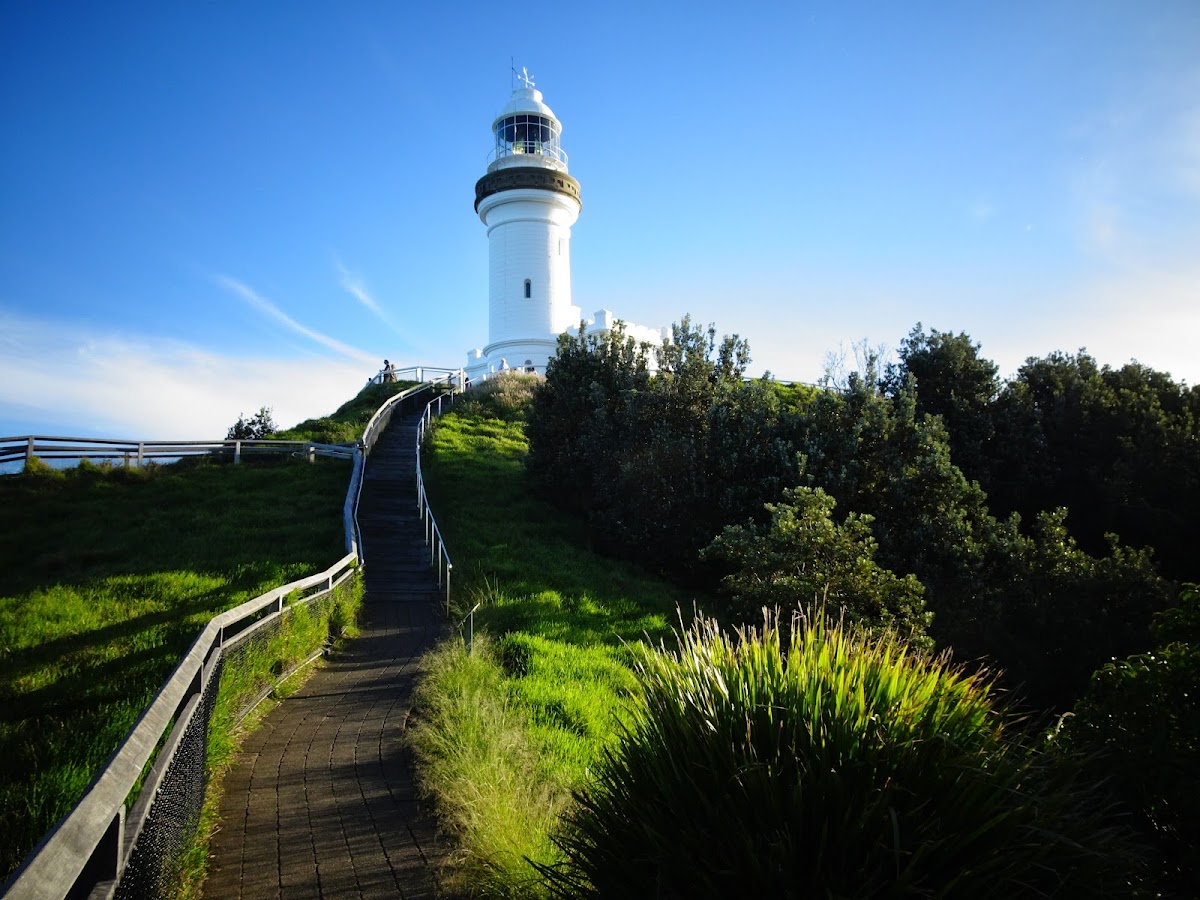 Byron Bay
Northern Rivers, New South Wales
The Cape Byron lighthouse walk — First light at the easternmost point with humpbacks offshore (May–November).
Explore free things to do in Byron Bay →
4
Byron Bay
Northern Rivers, New South Wales
The Cape Byron lighthouse walk — First light at the easternmost point with humpbacks offshore (May–November).
Explore free things to do in Byron Bay →
4
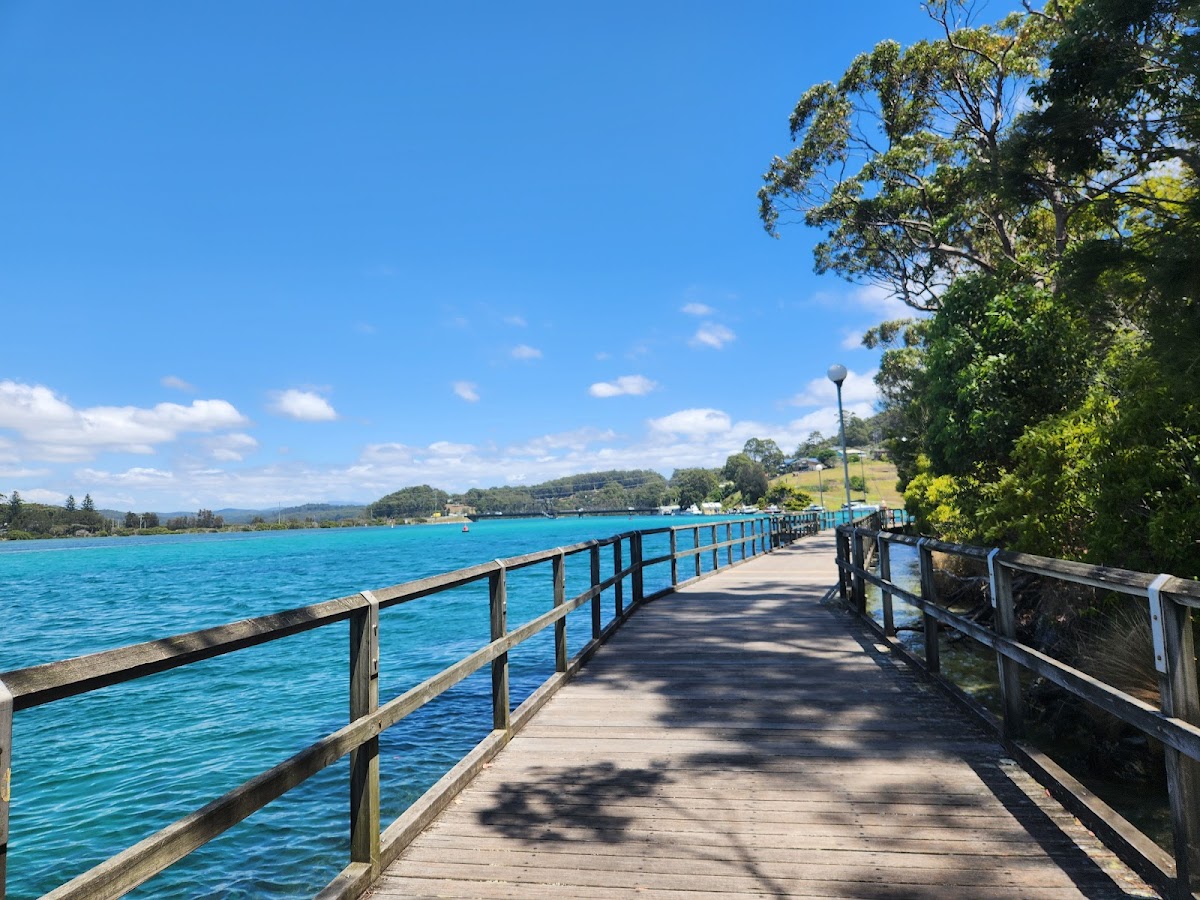 Narooma
South Coast, New South Wales
Whale watching from the headlands — A clear winter morning at the Gap lookout during peak migration — bring binoculars and give it time.
Explore free things to do in Narooma →
Broome you’re here
Australia's North West, Western Australia
Cable Beach sunset — Arrive 30–45 minutes before sunset to choose your spot on the sand and stay for the afterglow after the sun drops.
You’re reading this guide
Narooma
South Coast, New South Wales
Whale watching from the headlands — A clear winter morning at the Gap lookout during peak migration — bring binoculars and give it time.
Explore free things to do in Narooma →
Broome you’re here
Australia's North West, Western Australia
Cable Beach sunset — Arrive 30–45 minutes before sunset to choose your spot on the sand and stay for the afterglow after the sun drops.
You’re reading this guide
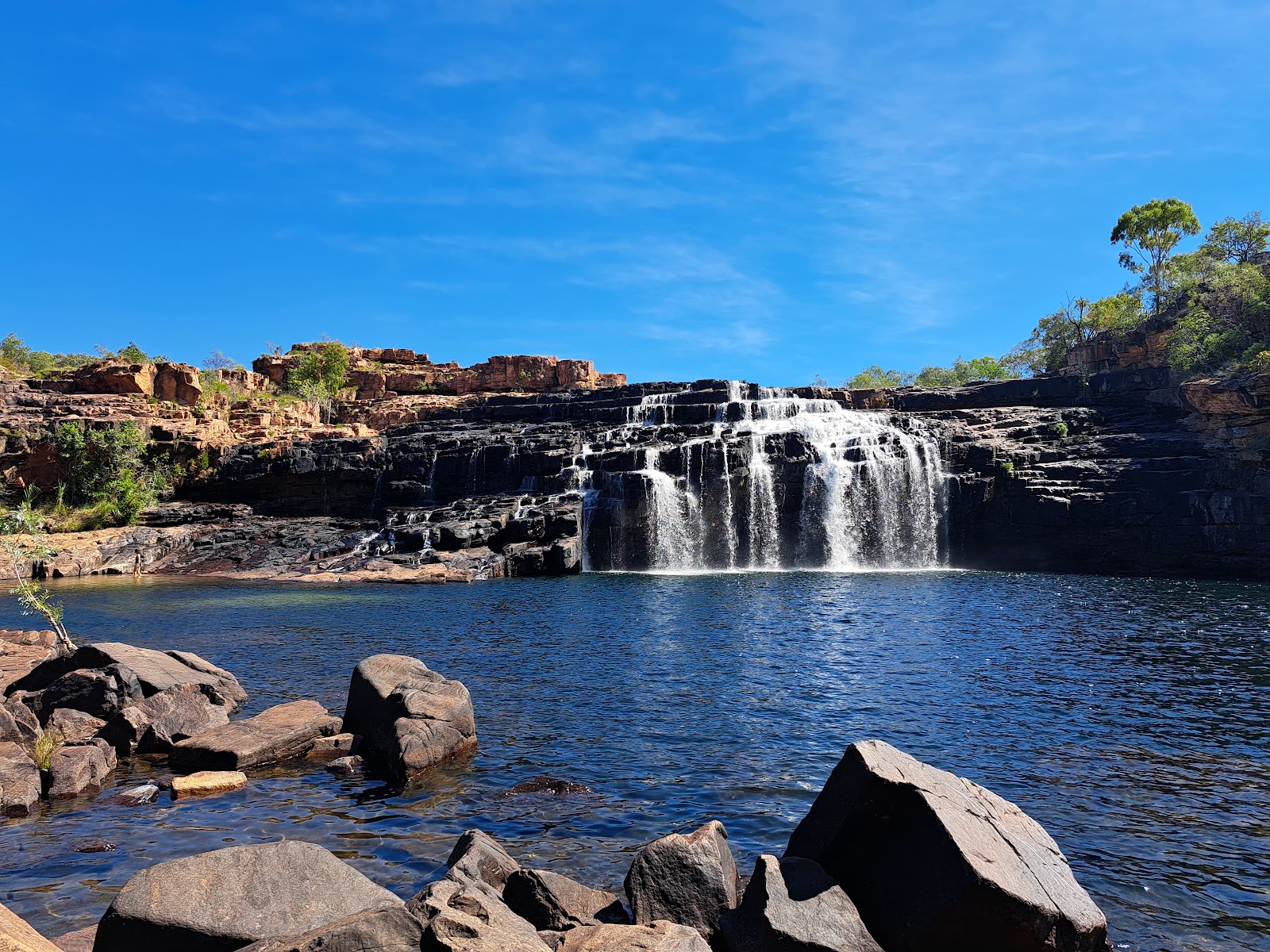 The Kimberley
Australia's North West, Western Australia
Five Rivers Lookout, Wyndham — The five river systems converging across the coastal plain at golden hour, with the Cambridge Gulf behind them.
Explore free things to do in The Kimberley →
7
The Kimberley
Australia's North West, Western Australia
Five Rivers Lookout, Wyndham — The five river systems converging across the coastal plain at golden hour, with the Cambridge Gulf behind them.
Explore free things to do in The Kimberley →
7
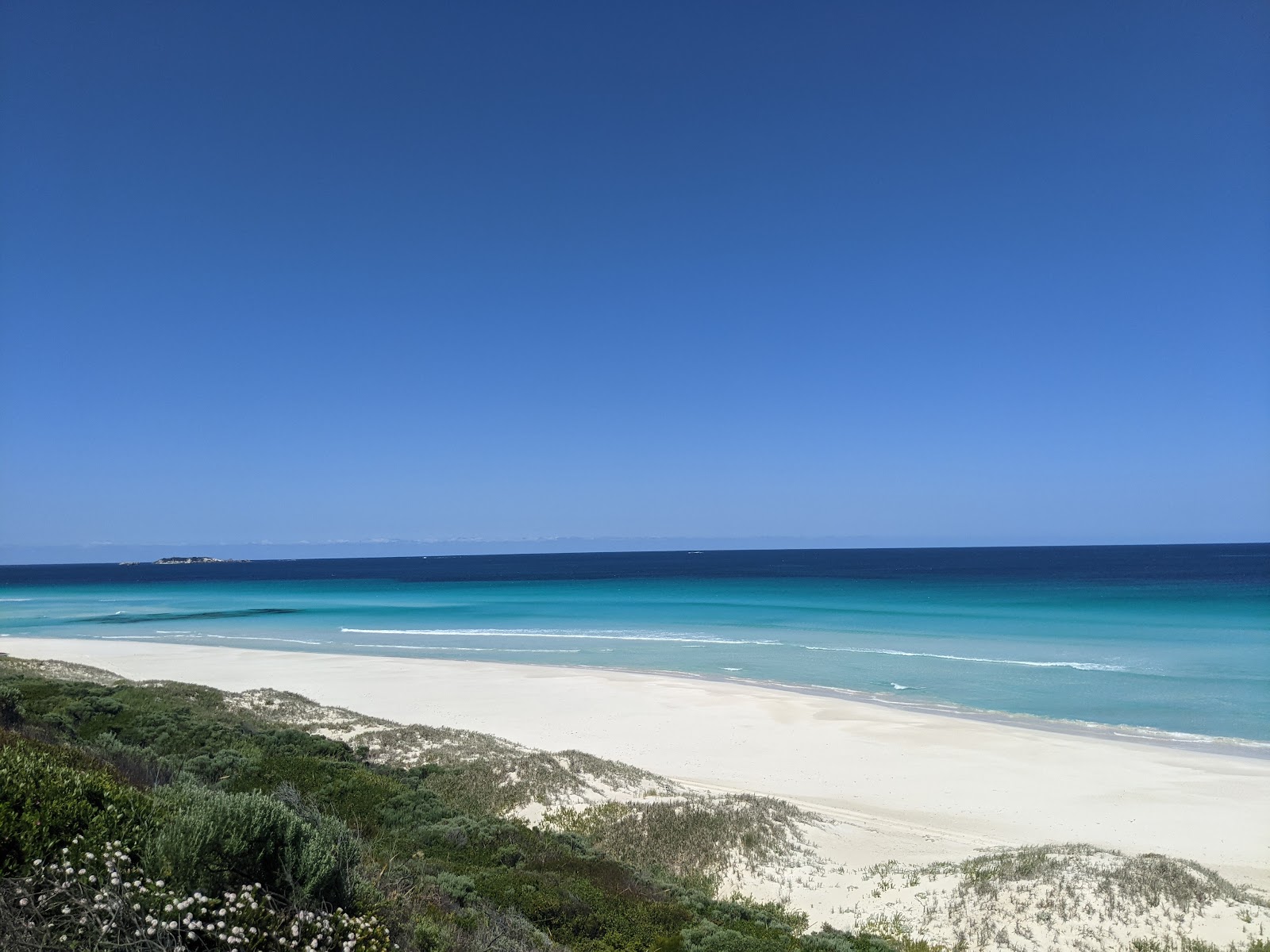 Margaret River
Australia's South West, Western Australia
Hamelin Bay stingrays — A slow, quiet wade near the boat ramp on a calm morning — rays will approach and circle without any prompting.
Explore free things to do in Margaret River →
8
Margaret River
Australia's South West, Western Australia
Hamelin Bay stingrays — A slow, quiet wade near the boat ramp on a calm morning — rays will approach and circle without any prompting.
Explore free things to do in Margaret River →
8
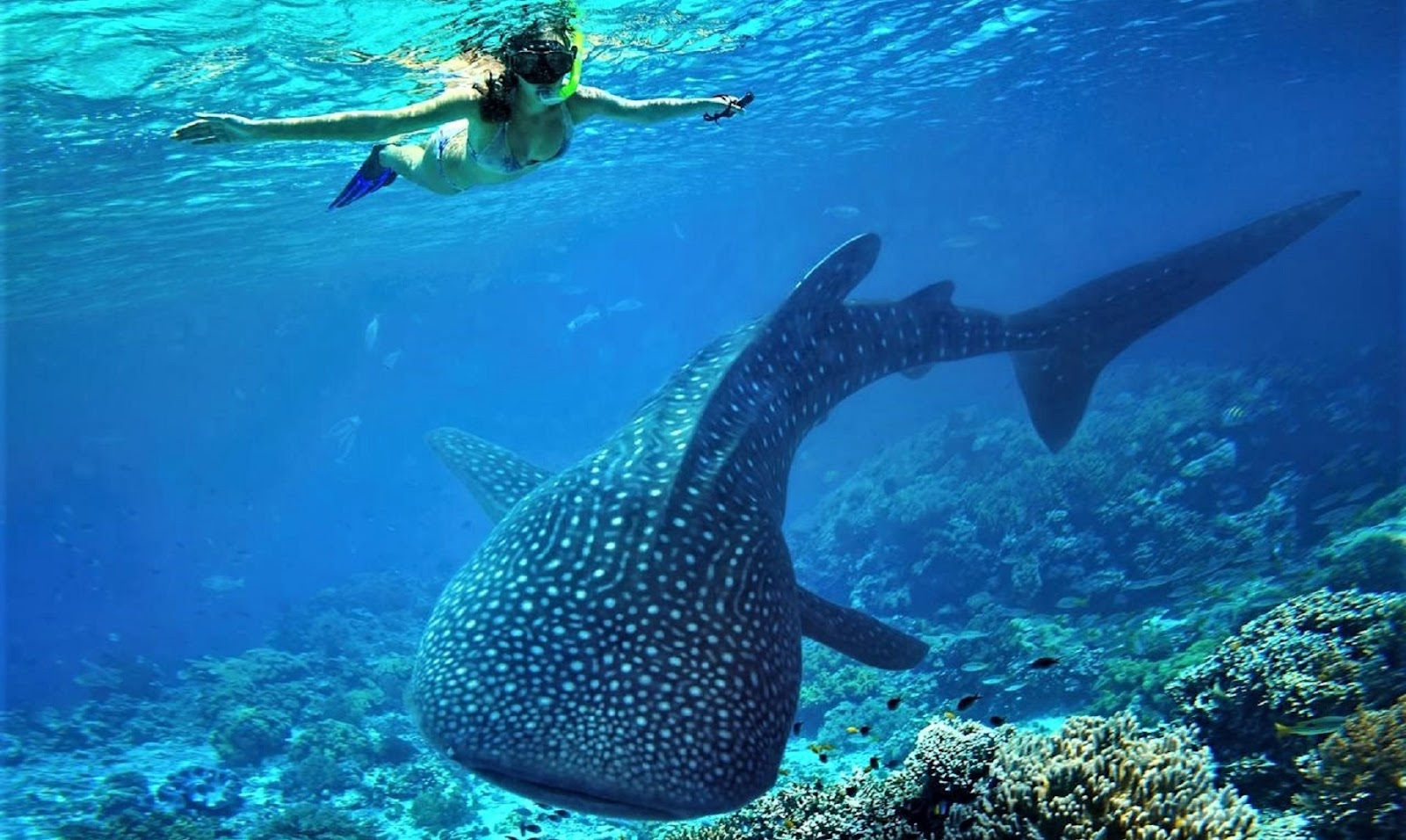 Ningaloo Reef
Australia's Coral Coast, Western Australia
Turquoise Bay drift snorkel (Cape Range National Park) — The drift snorkel on an incoming tide at low-to-mid water, exiting at the main beach — go early and time it right.
Explore free things to do in Ningaloo Reef →
9
Ningaloo Reef
Australia's Coral Coast, Western Australia
Turquoise Bay drift snorkel (Cape Range National Park) — The drift snorkel on an incoming tide at low-to-mid water, exiting at the main beach — go early and time it right.
Explore free things to do in Ningaloo Reef →
9
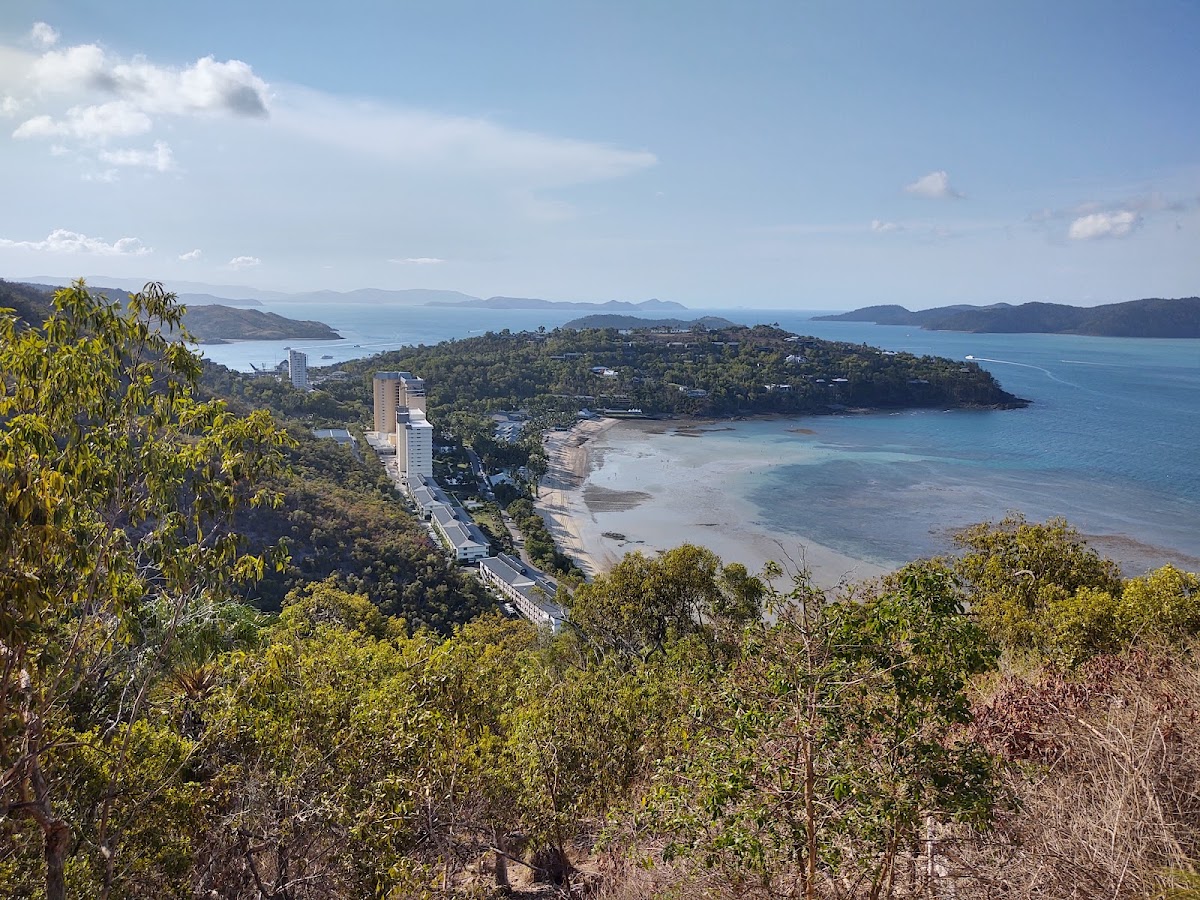 Hamilton Island
The Whitsundays, Queensland
Catseye Beach — A free swim in the netted enclosure with the islands across the water — safe through stinger season and lovely year-round.
Explore free things to do in Hamilton Island →
10
Hamilton Island
The Whitsundays, Queensland
Catseye Beach — A free swim in the netted enclosure with the islands across the water — safe through stinger season and lovely year-round.
Explore free things to do in Hamilton Island →
10
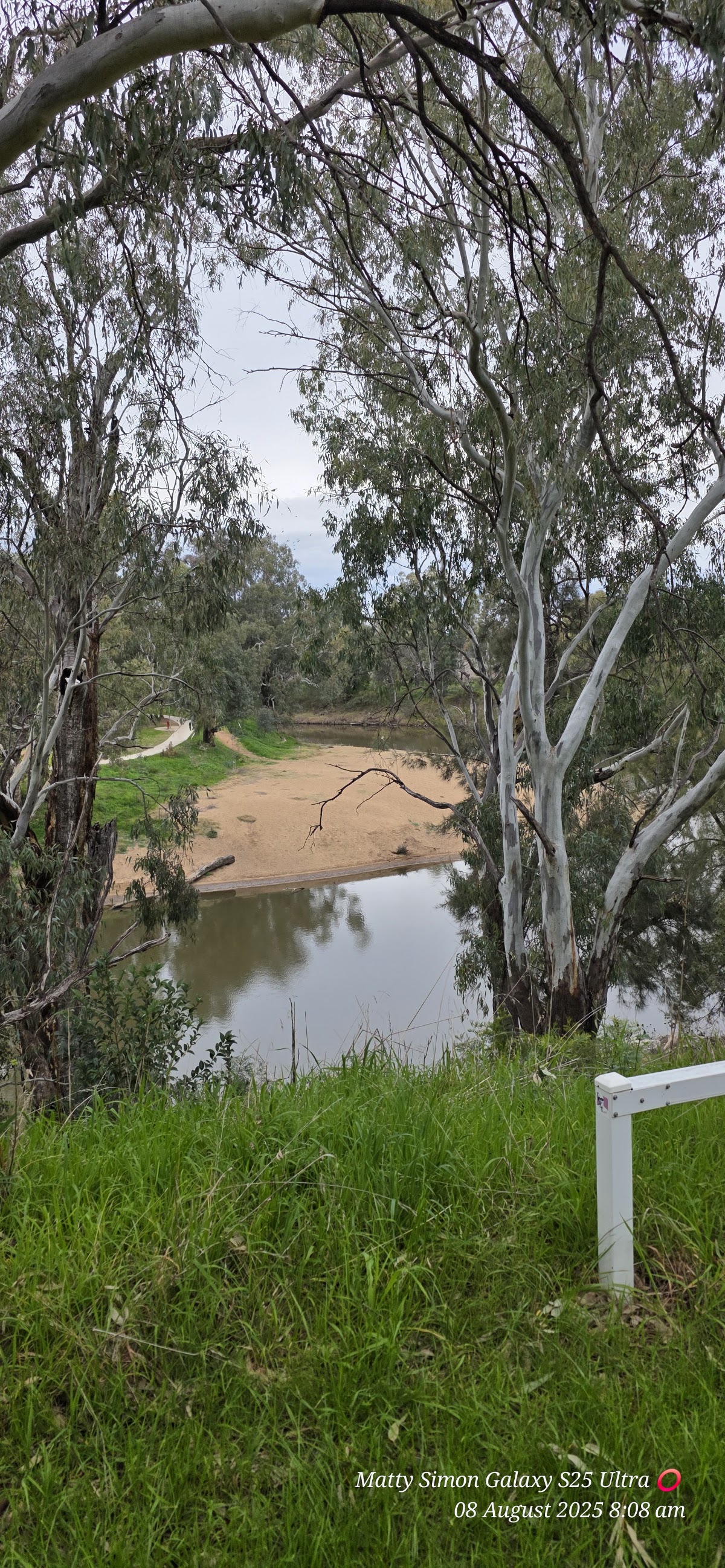 Dubbo
Central West, New South Wales
Tracker Riley Cycleway & the Macquarie River — The riverbank at dawn — soft light, birdsong and the city still asleep.
Explore free things to do in Dubbo →
Dubbo
Central West, New South Wales
Tracker Riley Cycleway & the Macquarie River — The riverbank at dawn — soft light, birdsong and the city still asleep.
Explore free things to do in Dubbo →
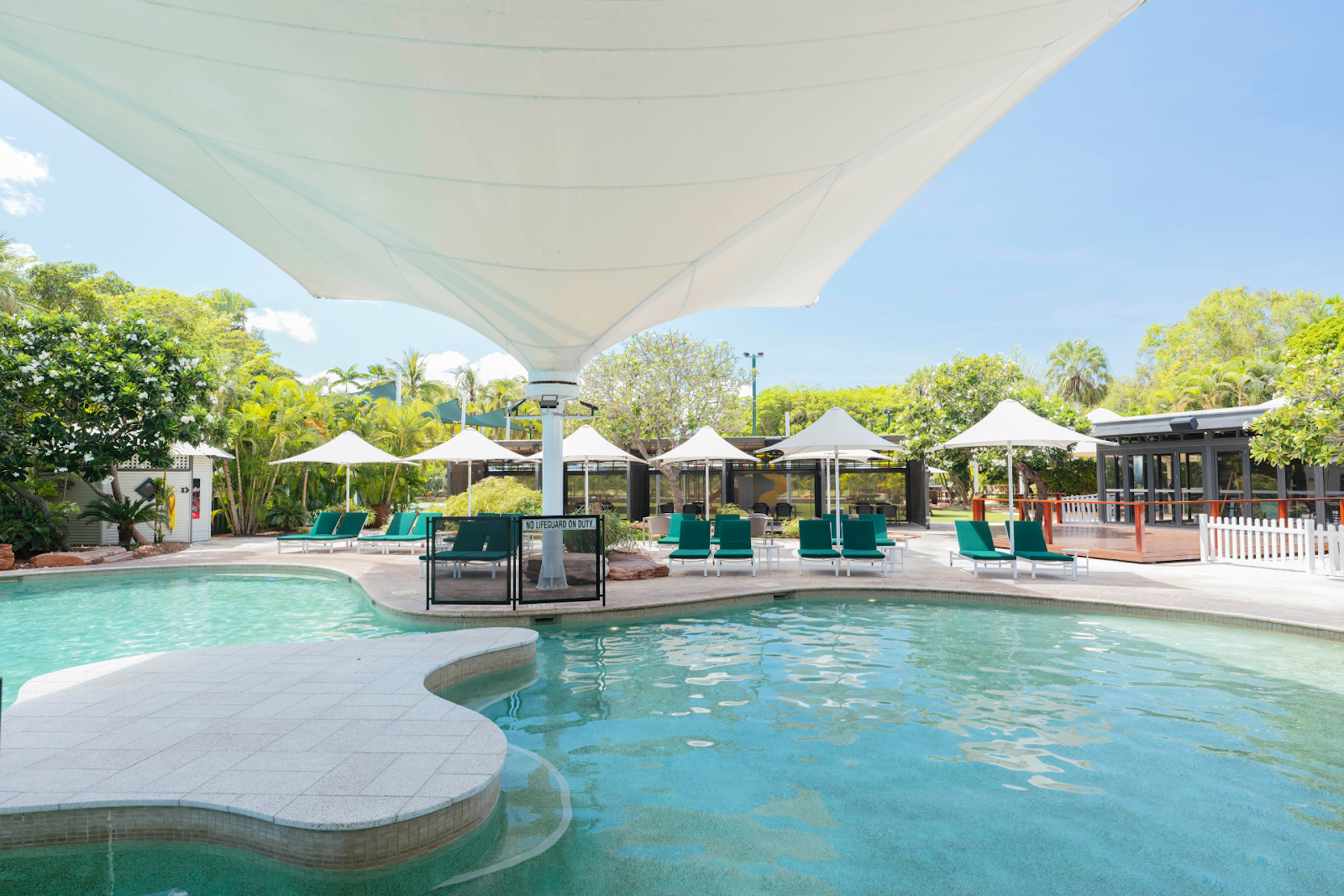
Cable Beach Club Resort & Spa — Broome
Book Direct & Save →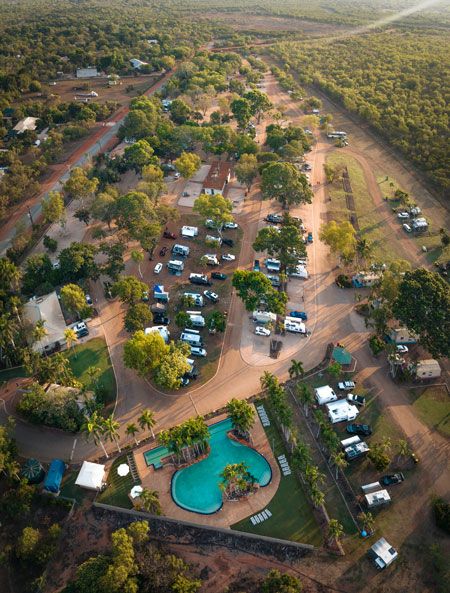
Broome Caravan Park — Broome
Book Direct & Save →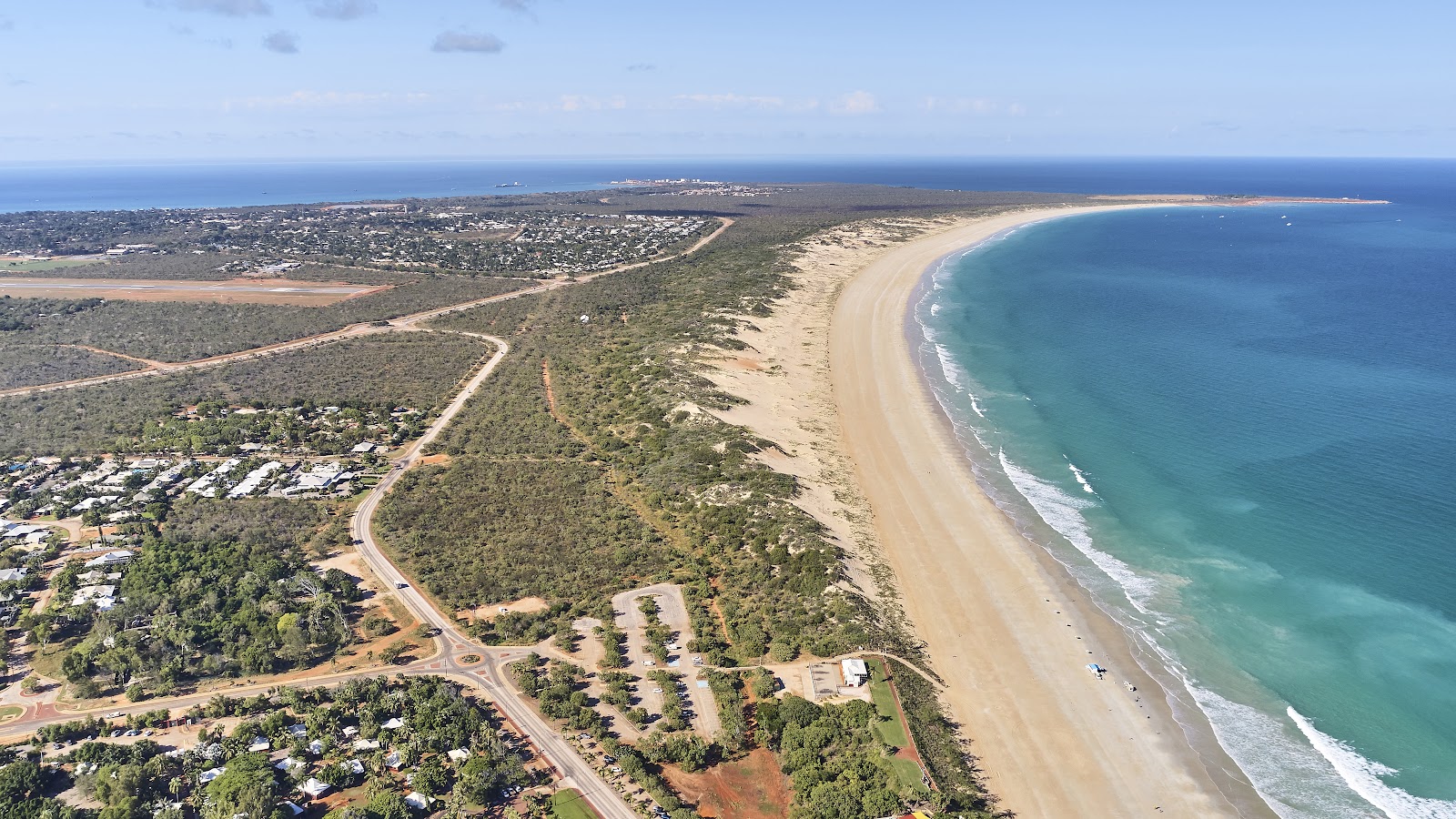
Beaches of Broome — Broome
Book Direct & Save →Skip OTA fees. Connect directly with Broome owners for the best rates and a truly personal experience.
We match any online rate. No service fees — 100% of your payment supports local owners.
Direct guests receive complimentary hampers, early check-in, and priority access to experiences.
Speak directly with the people who manage the properties. No call centres, just local expertise.
Part of Western Australia · Australia's North West
 Glen Aplin
Granite Belt, Queensland
Queensland's most underrated wine valley
Explore the guide →
Glen Aplin
Granite Belt, Queensland
Queensland's most underrated wine valley
Explore the guide →
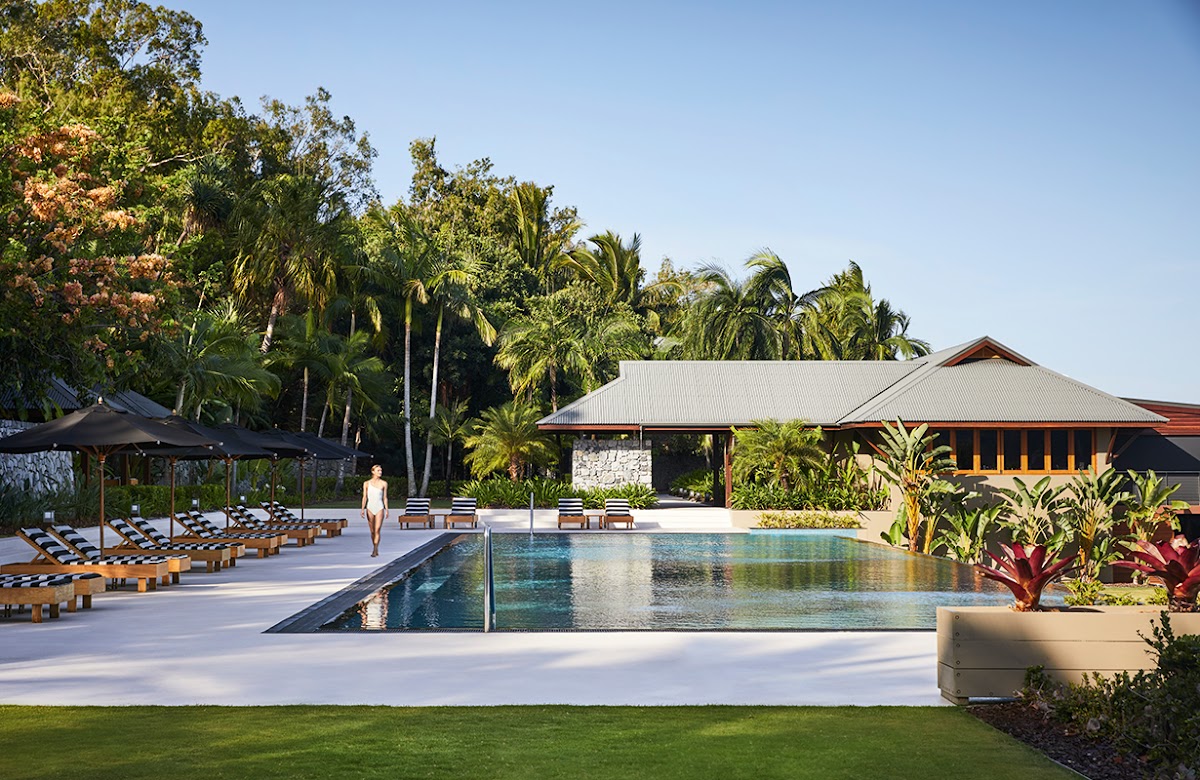 Hamilton Island
The Whitsundays, Queensland
Whitsundays island resort — Whitehaven Beach, reef trips and golf-buggy life
Explore the guide →
Hamilton Island
The Whitsundays, Queensland
Whitsundays island resort — Whitehaven Beach, reef trips and golf-buggy life
Explore the guide →
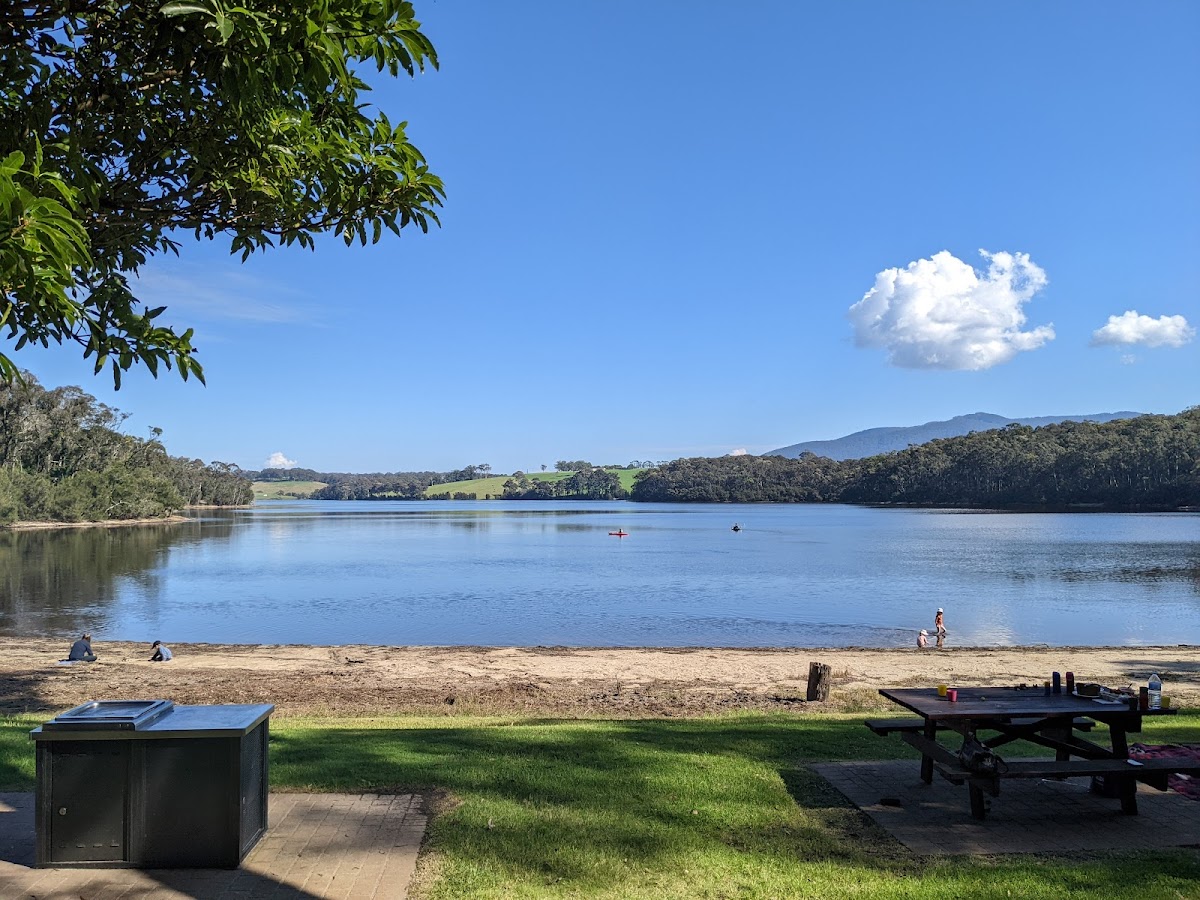 Narooma
South Coast, New South Wales
Crystal-clear inlet, surf beaches, oysters and Montague Island
Explore the guide →
Narooma
South Coast, New South Wales
Crystal-clear inlet, surf beaches, oysters and Montague Island
Explore the guide →
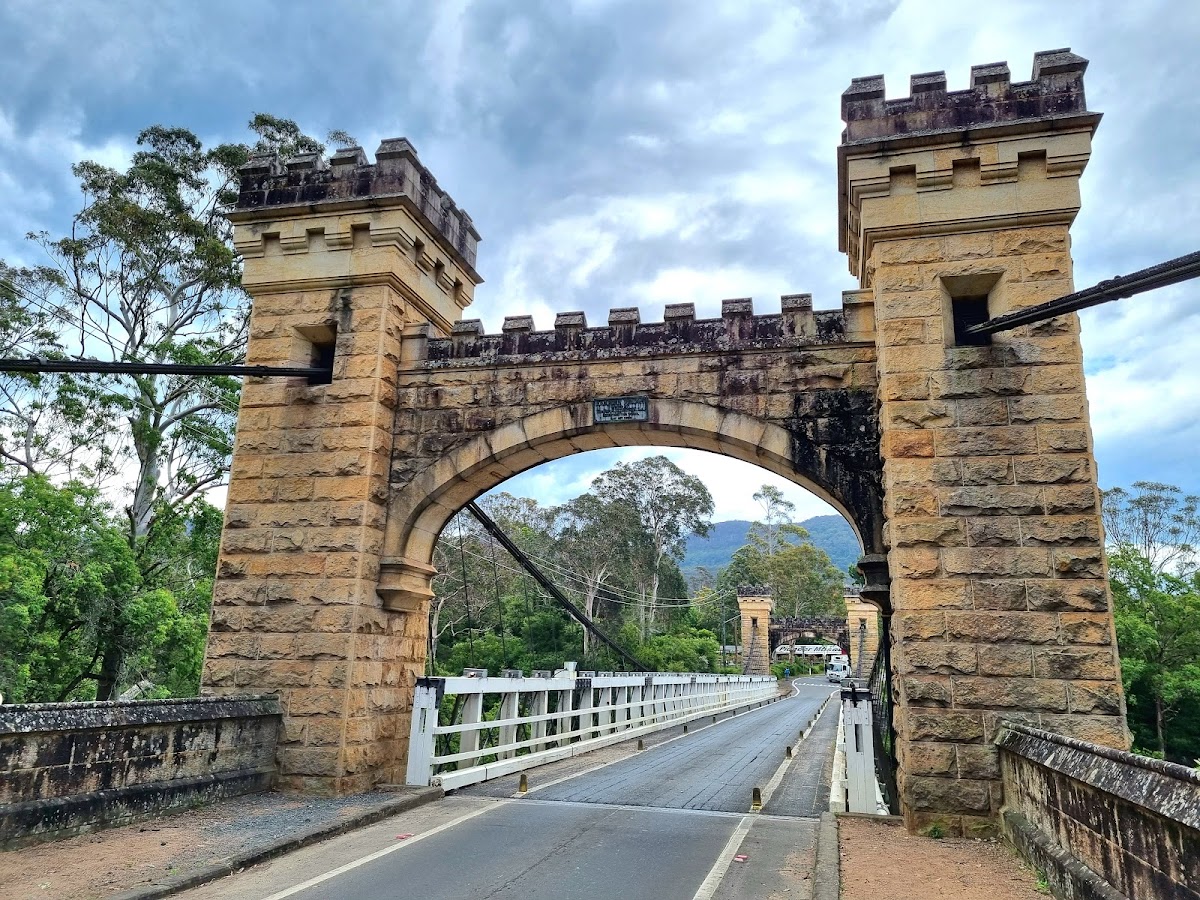 Kangaroo Valley
Shoalhaven, New South Wales
Hampden Bridge, kayaking and wombats in a green valley
Explore the guide →
Kangaroo Valley
Shoalhaven, New South Wales
Hampden Bridge, kayaking and wombats in a green valley
Explore the guide →
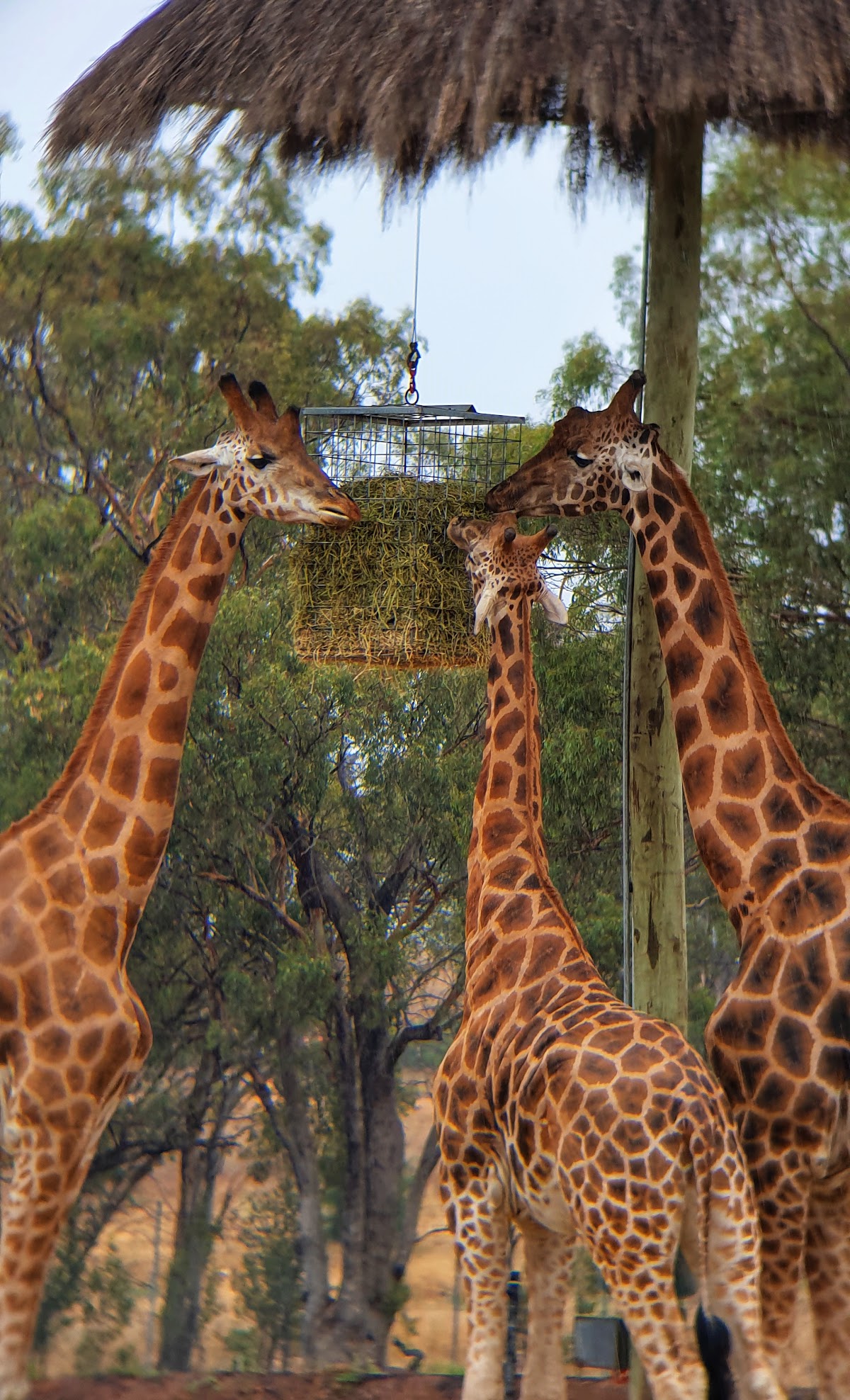 Dubbo
Central West, New South Wales
Open-range zoo and Outback gateway on the Macquarie River
Explore the guide →
Dubbo
Central West, New South Wales
Open-range zoo and Outback gateway on the Macquarie River
Explore the guide →
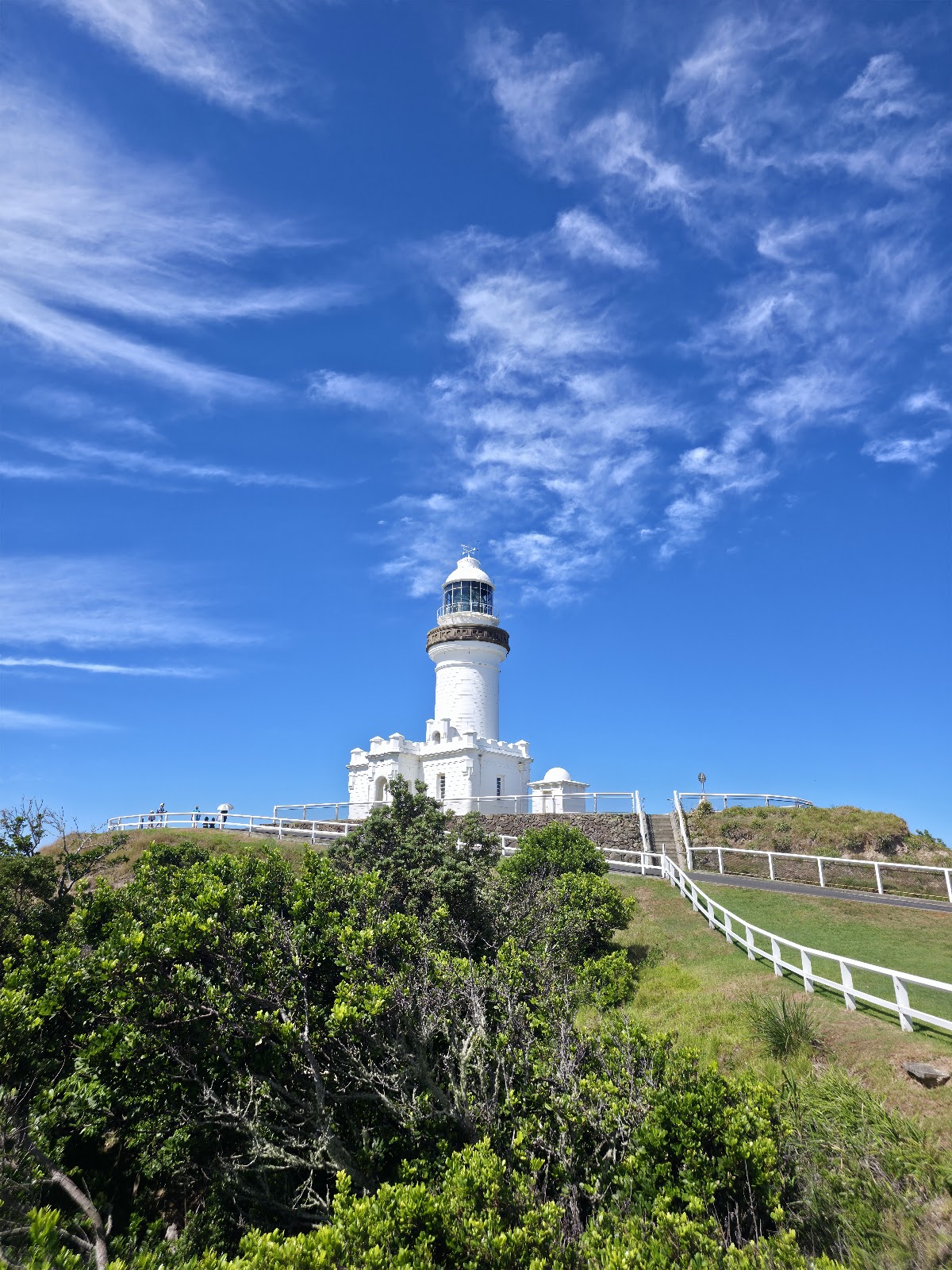 Byron Bay
Northern Rivers, New South Wales
Australia's iconic beach town and most easterly point
Explore the guide →
Byron Bay
Northern Rivers, New South Wales
Australia's iconic beach town and most easterly point
Explore the guide →
 Ningaloo Reef
Australia's Coral Coast, Western Australia
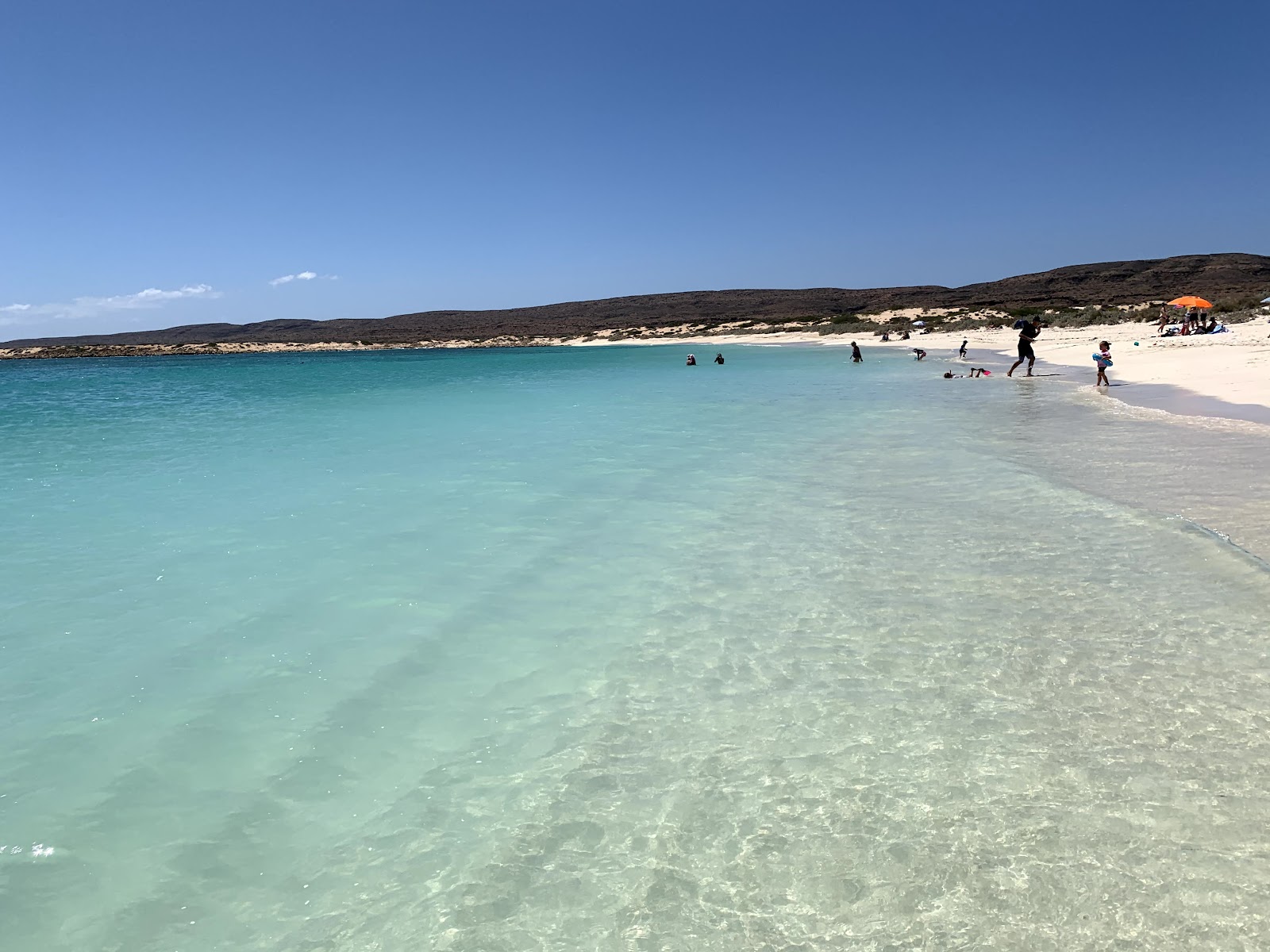
Swim with whale sharks and snorkel a World-Heritage reef straight off the beach
Explore the guide →
Ningaloo Reef
Australia's Coral Coast, Western Australia
Swim with whale sharks and snorkel a World-Heritage reef straight off the beach
Explore the guide →
 The Kimberley
Australia's North West, Western Australia
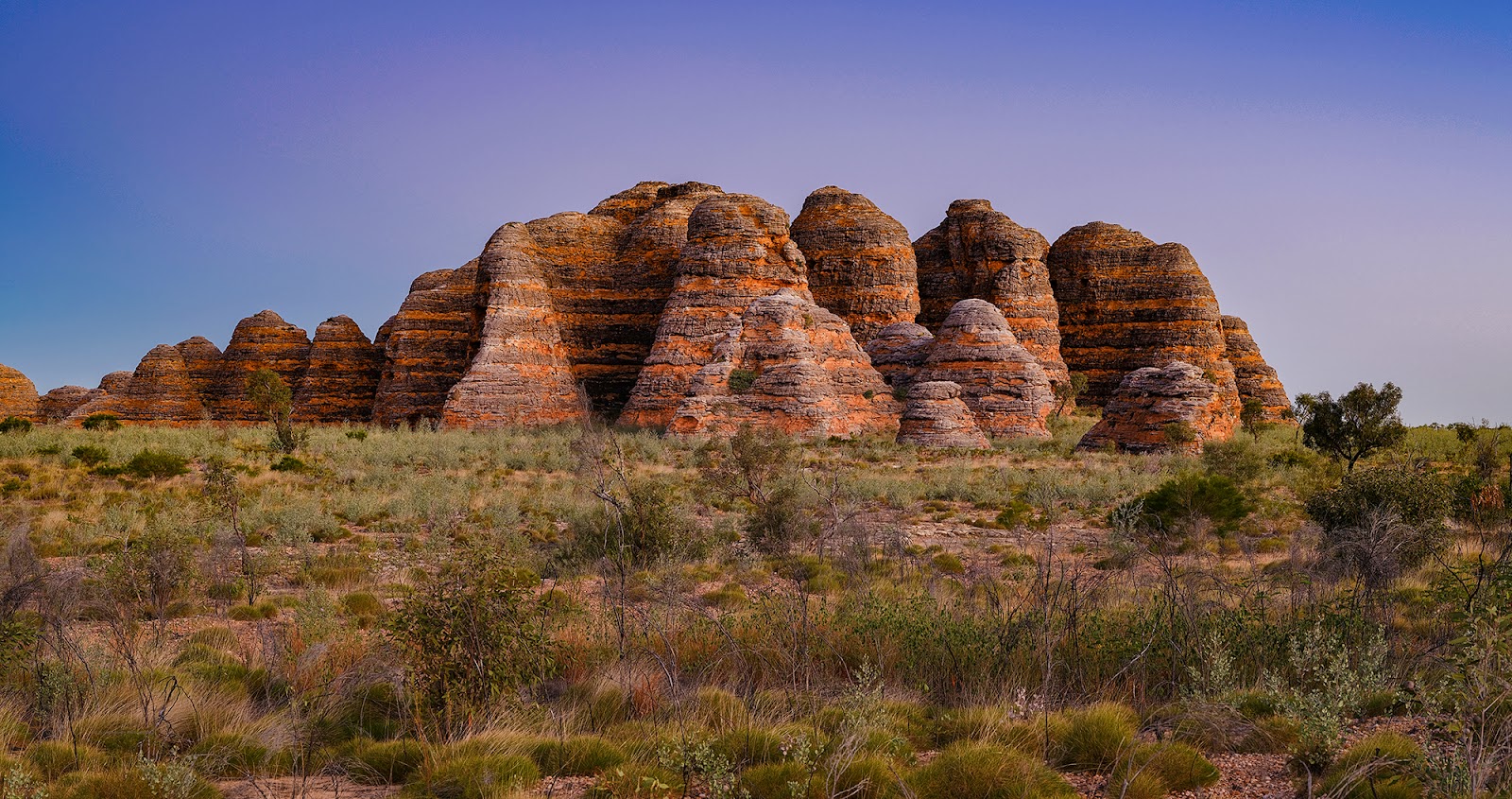
Gibb River Road, the Bungle Bungles, gorges and waterfalls in Australia's last frontier
Explore the guide →
The Kimberley
Australia's North West, Western Australia
Gibb River Road, the Bungle Bungles, gorges and waterfalls in Australia's last frontier
Explore the guide →
 Margaret River
Australia's South West, Western Australia
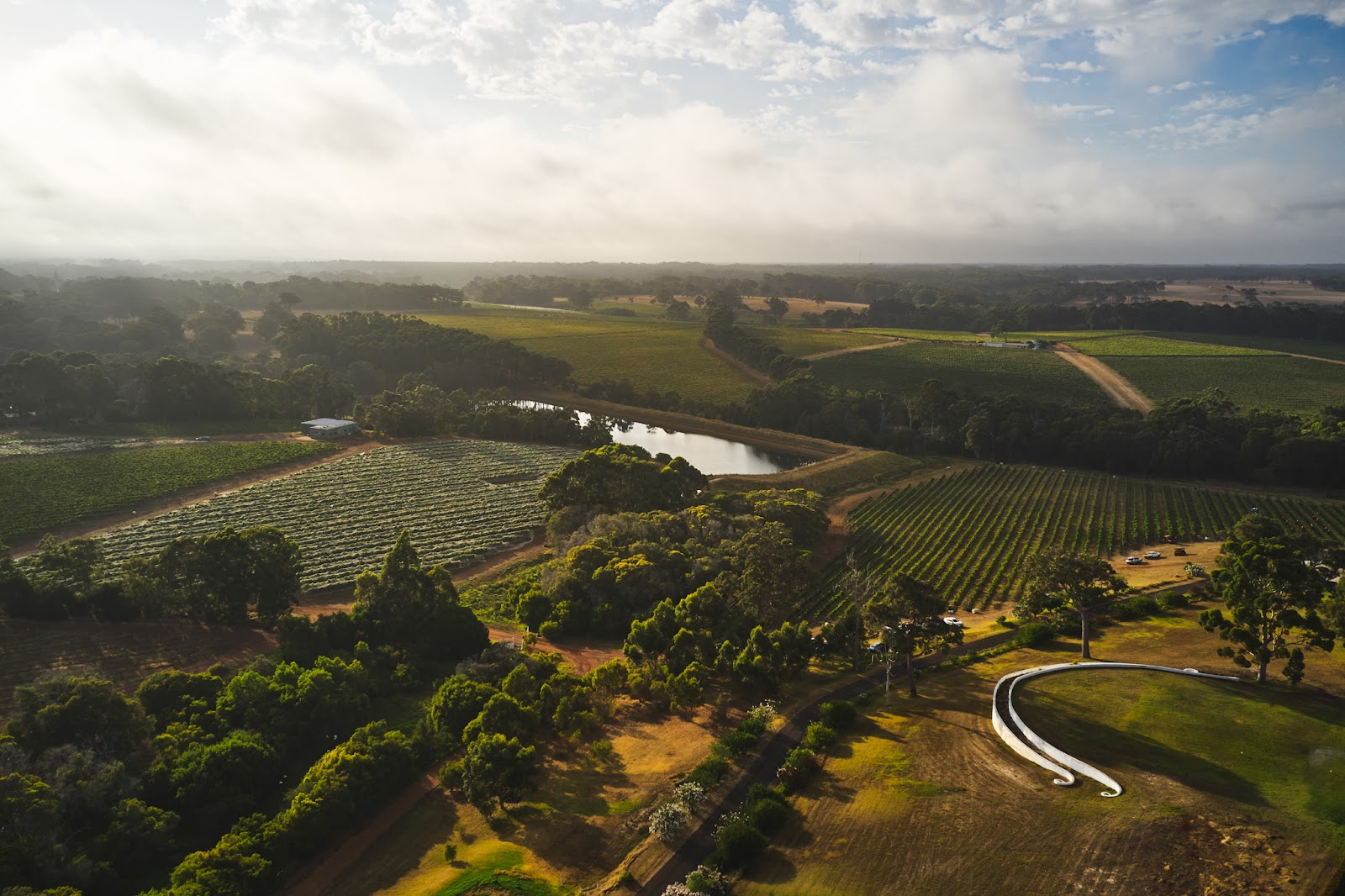
World-class wineries, surf breaks and limestone caves three hours south of Perth
Explore the guide →
Margaret River
Australia's South West, Western Australia
World-class wineries, surf breaks and limestone caves three hours south of Perth
Explore the guide →