01. Exmouth Escape Resort
4.5 (428 reviews)
Exmouth Escape Resort — Ningaloo Reef
Book Direct & Save →Ningaloo Reef has a reputation for expensive tours, and the commercial whale shark and manta ray experiences are exactly that. But the reef itself — the 260-kilometre fringing reef system on Australia's North West Cape — is a UNESCO World Heritage Area that is free to access at multiple points, and the experiences available without spending money are genuinely extraordinary. The most famous snorkel beach in Western Australia is free. The sunsets over the Indian Ocean are free. The turtle nesting beaches are free to visit ethically. The gorge drives and lookout points across Cape Range are free (with the honest exception noted below).
View 3 Properties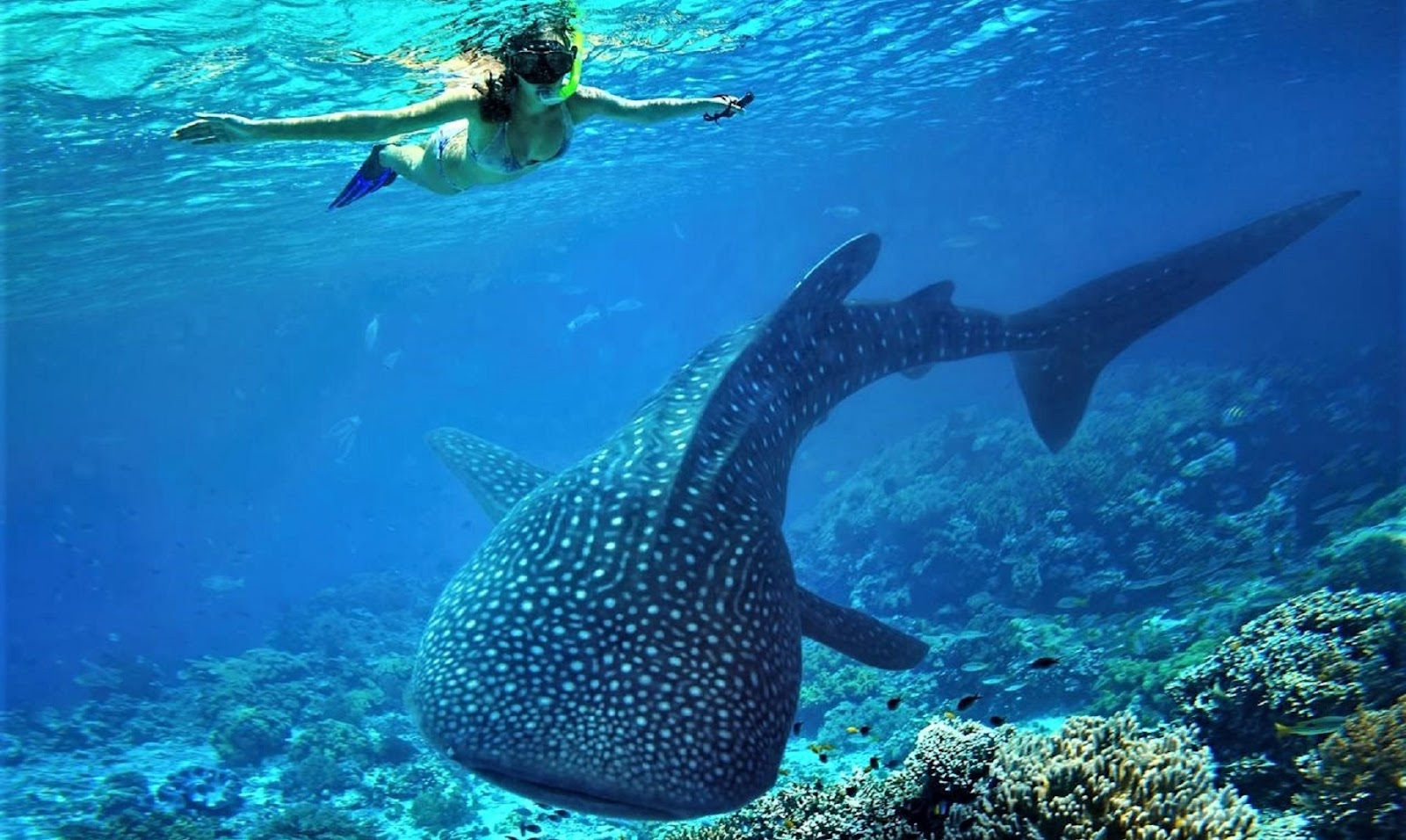
"Wild, self-guided, unhurried — the reef on your own terms"
One honest note runs through this guide: Cape Range National Park charges a per-vehicle day-use fee for access to its beaches, gorge walks and lookouts. That fee is not large — it funds the ranger service and park maintenance — but it is not zero, so we have flagged it on every item inside the park boundary. If you are managing a strict budget, a single day-use fee covers multiple sites visited in the same day, and a Parks Pass is available for frequent visitors. Outside the park, the free activities at Coral Bay and in Exmouth township are completely without charge.
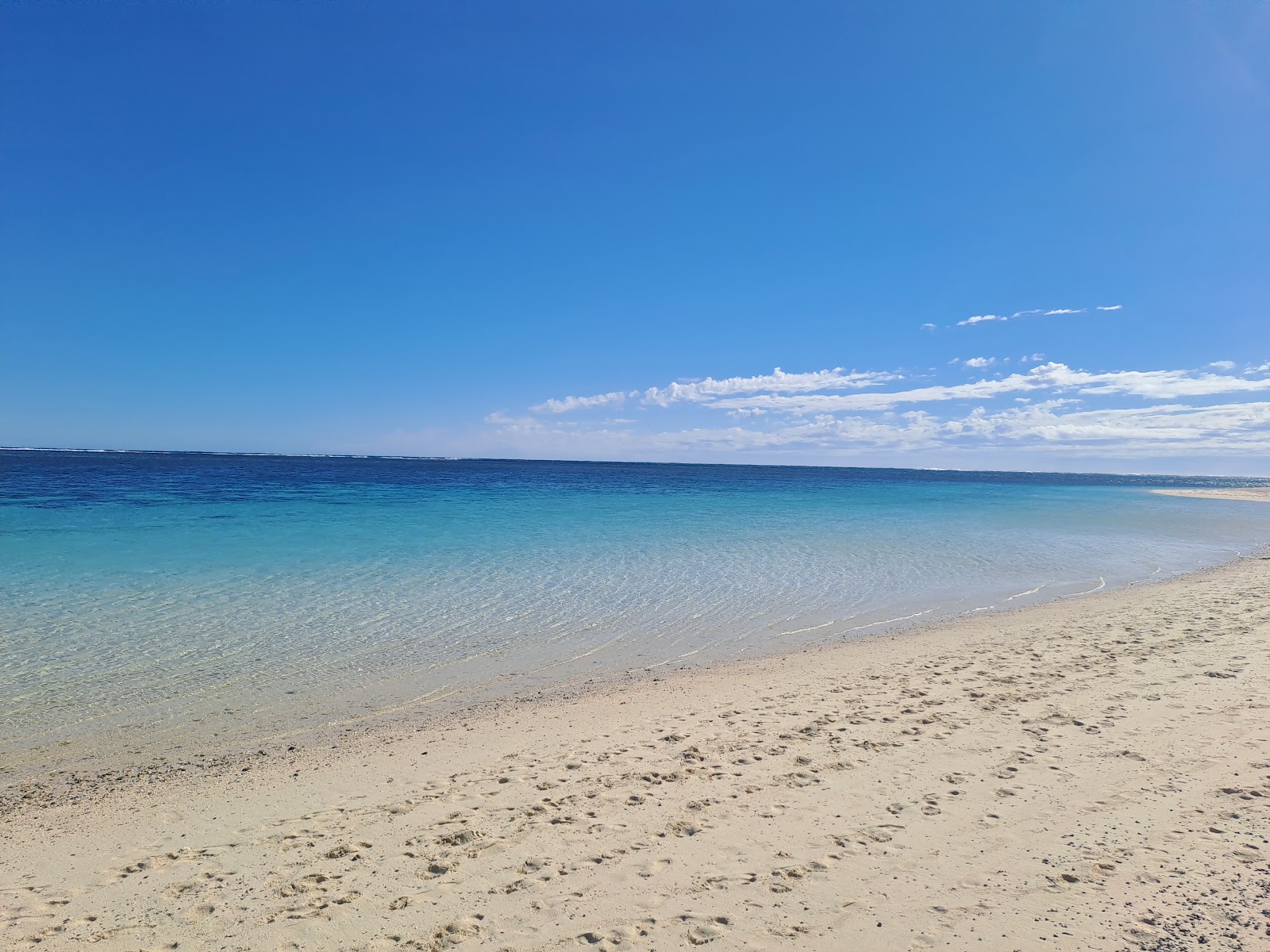
The commercial tours at Ningaloo — whale sharks, manta ray swims, dive charters — are excellent and genuinely worth the cost for those who can afford them. But the reason Ningaloo is consistently rated one of Australia's most extraordinary reef destinations has nothing to do with those tours. It is because a world-class coral reef system runs within swimming distance of public beaches, and you can access it with nothing more than a mask and a pair of fins.
For budget-conscious travellers, or simply those who prefer to explore independently rather than on a schedule, the free version of Ningaloo is deeply rewarding. Snorkelling Turquoise Bay's drift section on a calm morning, watching a turtle pull through the shallows at Coral Bay, catching the Indian Ocean sunset from the lighthouse headland, or driving the Charles Knife escarpment road at dusk — none of these require a tour booking or a significant outlay. The reef does not charge a gate fee. The sunsets are free. The wildlife follows its own schedule and pays attention to none of ours.
What the self-guided experience does require is preparation: a basic tide chart for the best snorkel timing, reef-safe sunscreen (a non-negotiable at Ningaloo), enough water for any land activity, and an understanding of when and where entry is appropriate. With that in place, a Ningaloo week can be built almost entirely around free and near-free experiences that rival anything with a price tag.
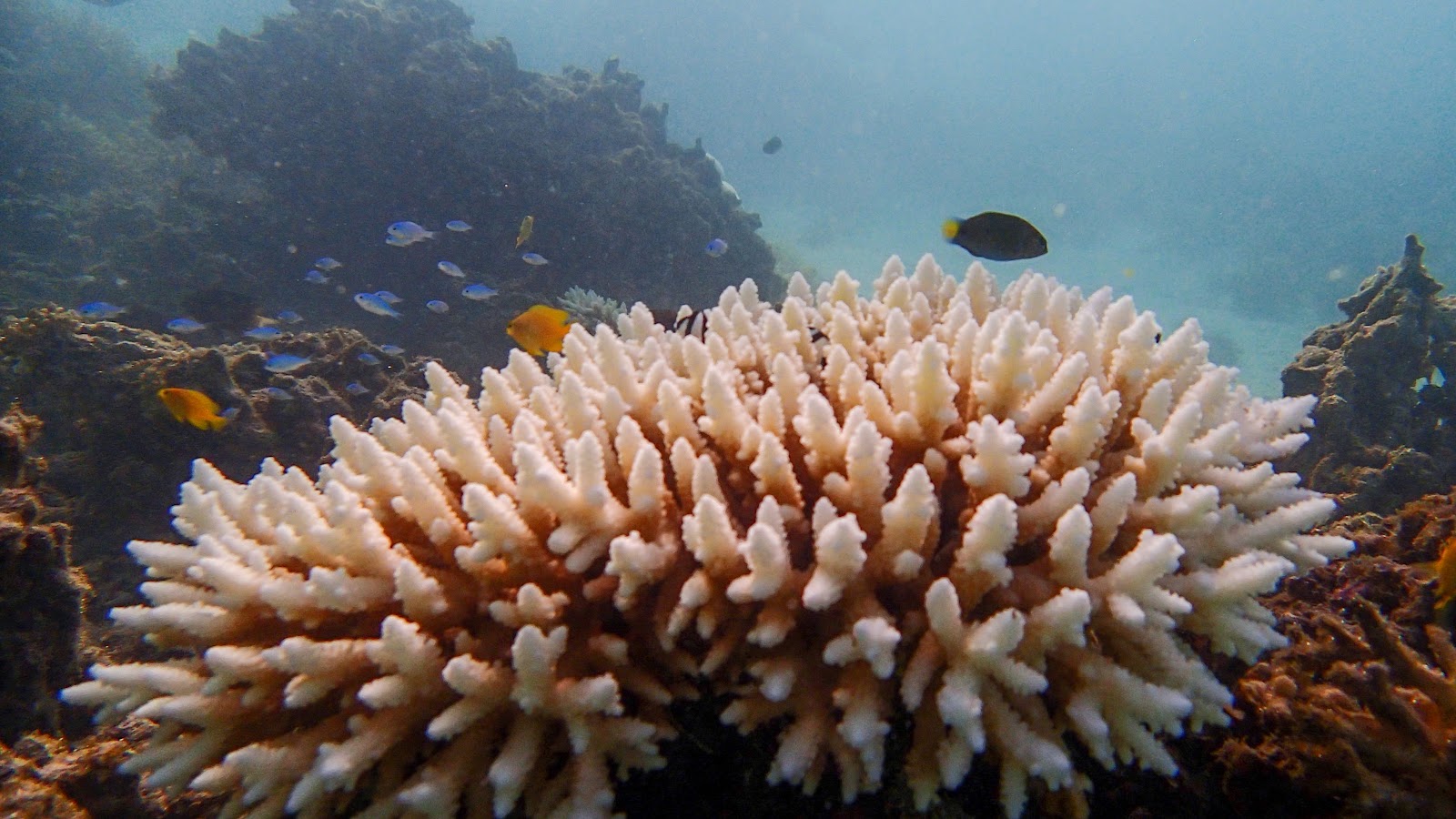
Turquoise Bay is one of the most-photographed beaches in Western Australia: a sweep of white sand with water that cycles from white to pale blue to deep turquoise as the reef pushes toward the shore. The snorkelling — specifically the drift section at the southern end of the beach — is the experience most Ningaloo visitors come for. You enter the water at the southern end, let the incoming current carry you north along the reef wall, and exit at the main beach area. The drift takes around 20 minutes at a comfortable pace and covers coral gardens, schools of tropical fish, rays and, regularly, sea turtles.
The drift only works comfortably on an incoming tide, when the current runs in the right direction. On an outgoing tide the water pushes the other way and the swim becomes laboured; on a very strong incoming tide the current can overpower moderate swimmers. Check the local tide chart the night before and aim for the two-to-three hours after low water for the best conditions. Entering at the right time is the entire difference between a relaxed, extraordinary experience and an exhausting one.
Honest note on cost: Turquoise Bay is inside Cape Range National Park, and a per-vehicle day-use fee applies at the park entrance. This is not zero, but a single day-use payment covers all sites in the park on the same day, and a Parks Pass (annual WA) may be worth purchasing if you plan multiple park visits. Bring your own snorkel gear — there is no hire on site — and reef-safe sunscreen is mandatory.
It is the closest thing Australia has to a guaranteed extraordinary reef experience for the cost of a snorkel, a tide chart and a short drive.
“Did the drift at the right tidal stage and couldn't believe what I was looking at. Turtles, coral, schools of fish — and the whole beach was still quiet at 8am.”
— Google review
The drift snorkel on an incoming tide at low-to-mid water, exiting at the main beach — go early and time it right.
Do not attempt the drift on a strong outgoing tide or in high wind conditions. There is no snorkel hire at the site — bring your own. Cape Range NP day-use fee applies. The car park fills on school-holiday mornings; arrive before 8am.
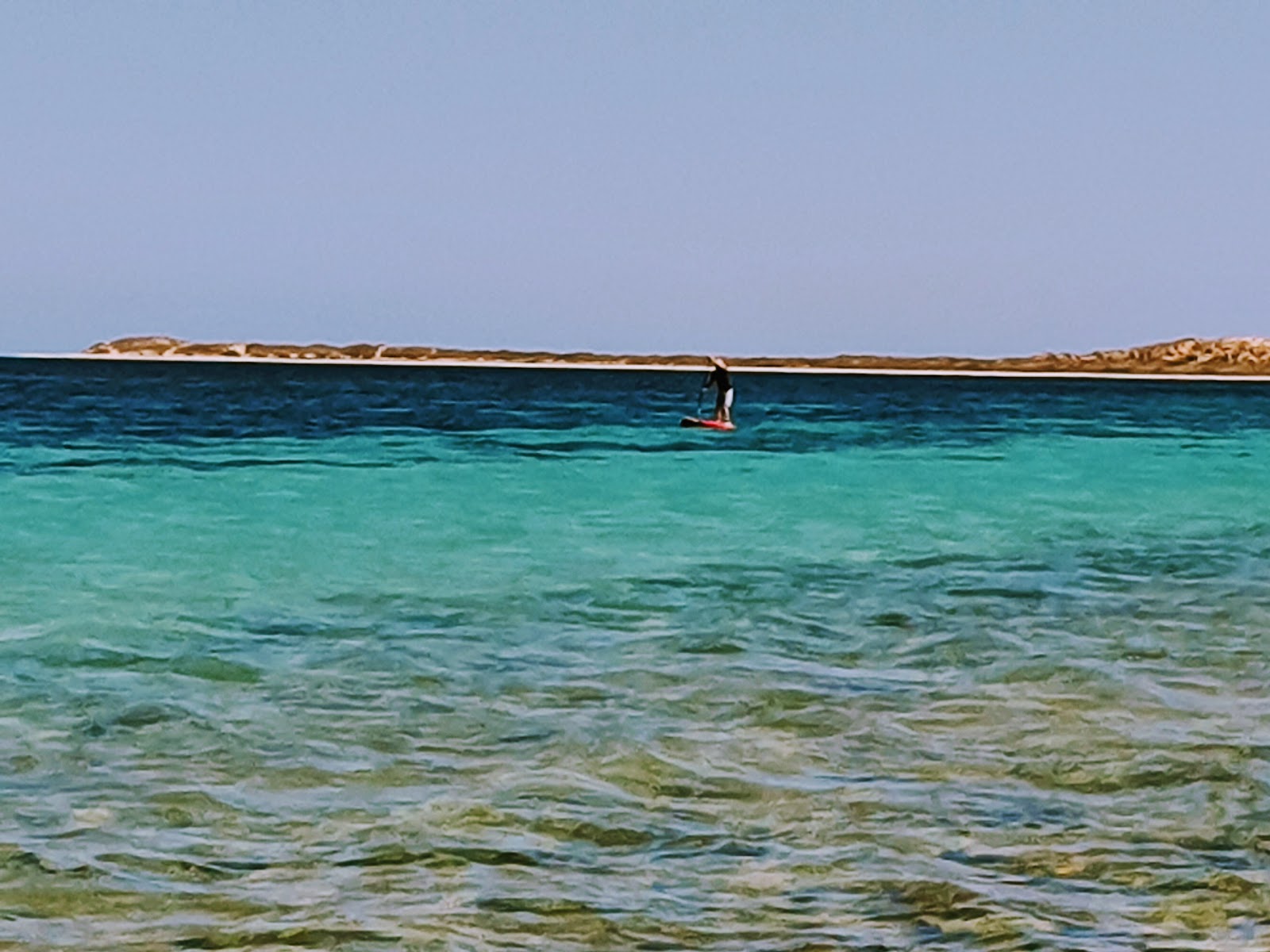
Bills Bay at Coral Bay is the most accessible free reef experience in Western Australia. The Ningaloo Reef system comes within metres of the shore here, and a confident swimmer with a mask and fins can be over living coral within a few minutes of entering the water. There is no boat, no booking, no national park fee — the beach is a public beach and the snorkel access is simply there. The variety of marine life in the immediate bay — parrotfish, trevally, wrasse, turtles, occasional reef sharks, stingrays — is substantial for a beach entry.
Bills Bay is the right starting point for anyone visiting Ningaloo for the first time who wants to understand what the reef looks like before committing to a guided tour. The visual reward is immediate enough that experienced divers often find themselves spending the first afternoon here simply because the access is so easy and the conditions so forgiving.
Reef-safe sunscreen is essential — regular SPF spray is discouraged and damages the coral ecosystem. Snorkel gear is available to hire from the Coral Bay shops if you have not brought your own. Do not stand on or touch coral; the shallow reef flat is tempting to walk across, but coral takes decades to recover from a single footstep. Follow the sandy channels between the reef structures. Water safety note: the bay is sheltered but unpatrolled — always snorkel with another person and stay within your ability.
It is one of the few places in Australia where a world-class coral reef requires nothing more complicated than walking into the sea.
“Completely free, completely extraordinary. Just hired a mask from the shop in town and walked in off the beach. Kids saw turtles on the first day.”
— Traveller review
Walking off the public beach at Bills Bay and being on a living coral reef within a few metres — the barrier to entry is genuinely just putting your face in the water.
Unpatrolled — do not snorkel alone. Do not stand on coral or use non-reef-safe sunscreen. On very windy days the water clarity drops considerably.
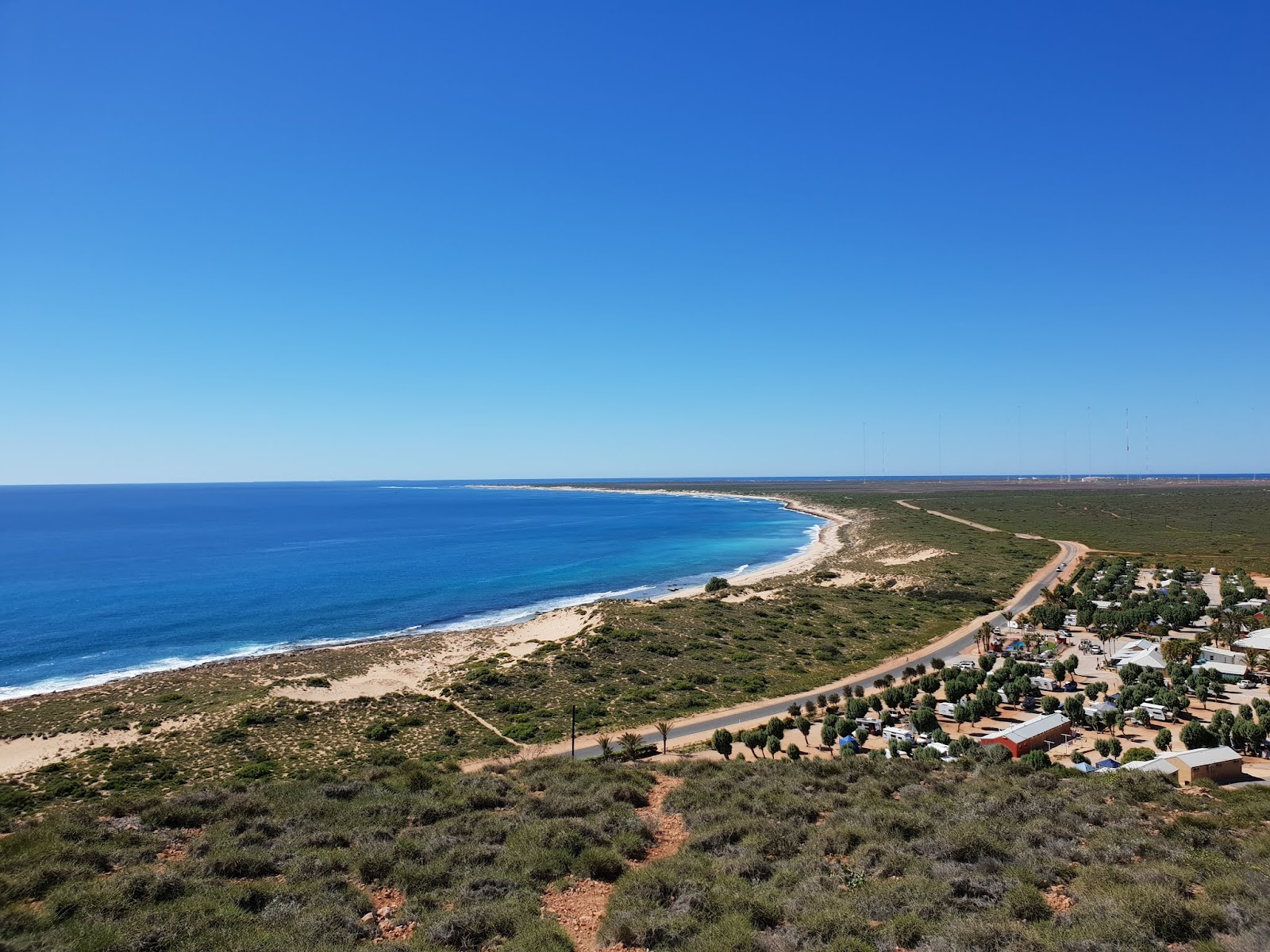
The Vlamingh Head Lighthouse sits at the northern tip of the North West Cape, about 14 kilometres from Exmouth town via a sealed road. Its westward-facing position gives an unobstructed view of the Indian Ocean, and the sunset from the headland platform is the best free sunset experience in the Exmouth area. The lighthouse is a functioning heritage structure; the surrounding area is open to visitors and has parking and an information bay.
Between June and November the headland doubles as a whale-watching point. Humpback whales pass close to the tip of the cape on their migration, and the elevated position makes sightings frequent without requiring a boat. Binoculars significantly improve the experience — a pair is worth packing. The lighthouse and Jurabi Turtle Centre information bay nearby are often combined into a single afternoon drive from Exmouth, stopping first at the centre and finishing at the lighthouse for sunset.
The drive takes around 20 minutes each way from central Exmouth on sealed road. There is no entry fee, no facilities other than parking, and no infrastructure at the lighthouse site beyond the interpretation boards. It is one of the simplest, most rewarding free experiences on the cape — drive up, watch the sun go down, count the whales.
Standing at the tip of the cape watching the sun drop into the Indian Ocean, with the possibility of a humpback breach on the horizon — all of it free, and requiring nothing more than driving there in time.
“Arrived 30 minutes before sunset and saw three humpbacks breach from the lighthouse point. Completely free, one of the best things we did all trip.”
— Google review
Arriving 45 minutes before sunset during the June to November whale migration — the combination of the ocean panorama and the humpbacks is exceptional.
The road to the lighthouse passes through the North West Cape naval communication station area — check that civilian access is currently open before making the drive.
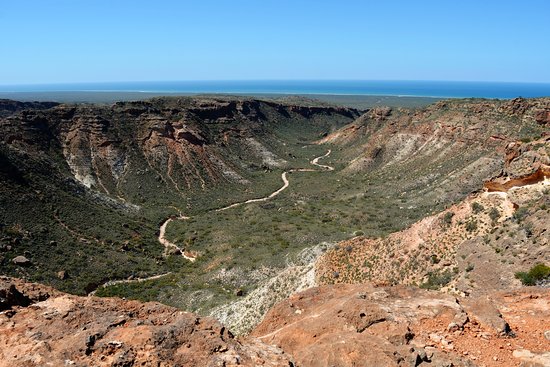
The Charles Knife Road climbs the eastern escarpment of Cape Range from the Exmouth township side and provides access to a series of lookout points over the deep gorge country of the range interior and views east toward the Exmouth Gulf. The road is sealed to the upper lookouts, is accessible in a standard 2WD vehicle, and has no national park entry fee — it is one of the few Cape Range experiences that is genuinely free.
The lookouts are at their best in the late afternoon when the western sun catches the gorge walls from the opposite direction, or in the early morning when the eastern light fills the gulf view. The rock walls turn from cream to deep amber in the last light of the day. Wildflowers bloom on the escarpment edges in the early dry season (April to June). At the top the wind is frequently strong and the cliff edges are unfenced — keep well back and supervise children carefully. The drive takes around 20 minutes each way from Exmouth.
The Charles Knife experience is low-effort and high-reward for what it delivers: a panoramic view of a landscape that most visitors miss because it sits on the land side of a destination everyone has come to for the reef. It works best as a late-afternoon addition to a reef day or as a pre-dawn drive to watch the light come up over the Exmouth Gulf.
The view down into the gorge system at dusk, with the walls turning amber and no-one else at the lookout, is as striking as anything else the North West Cape offers — and it costs nothing.
“Drove up on our last afternoon and couldn't believe we'd nearly skipped it. The views over the gorge are incredible and we had the lookout entirely to ourselves.”
— Traveller review
A late-afternoon drive timed for the last light catching the western gorge walls — the change in colour happens quickly and lasts about 20 minutes.
The cliff edges are unfenced and the drop is real — stay back and supervise children. The road can be rough in wet conditions; check locally after any rain.
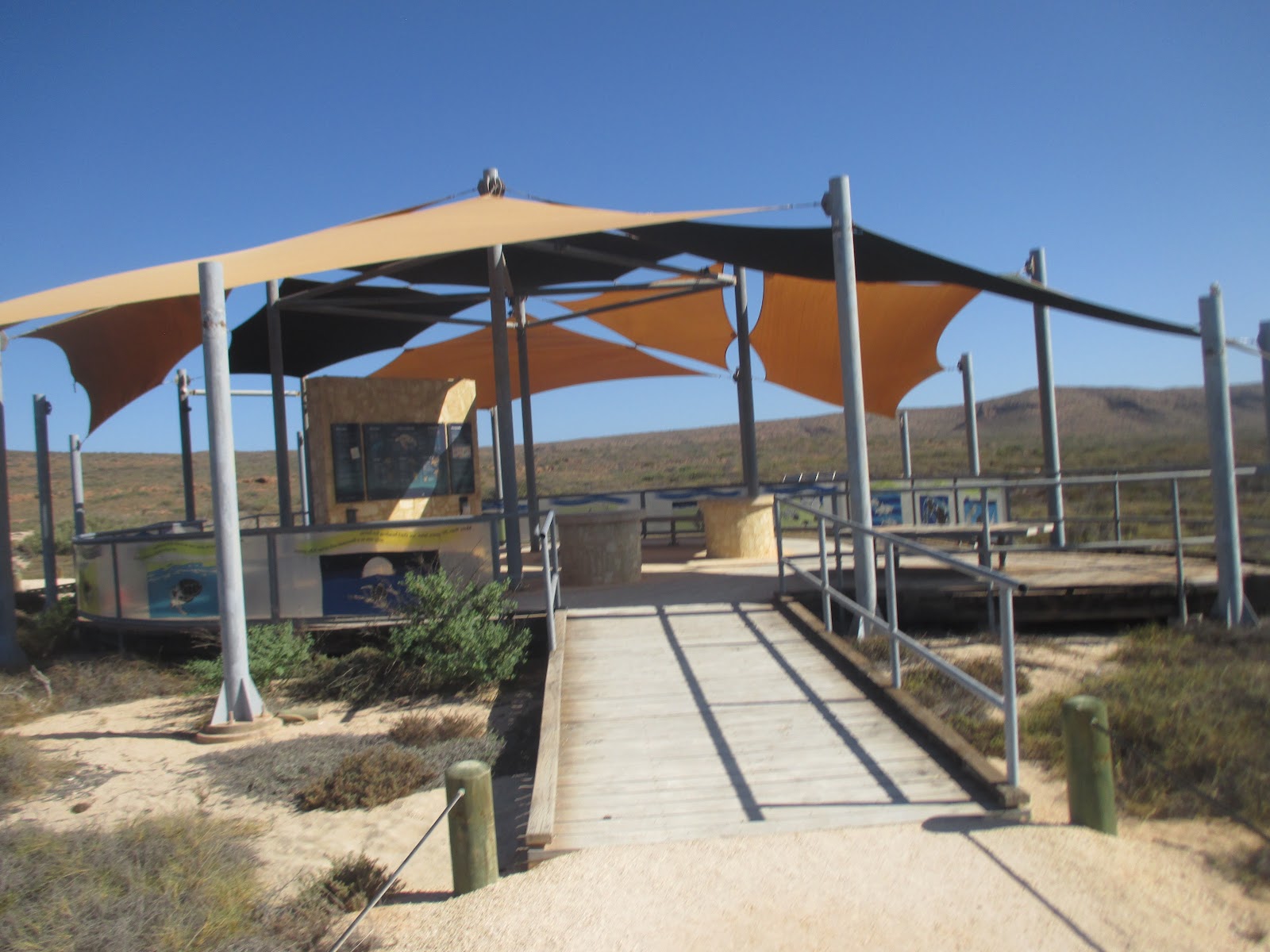
Jurabi Coastal Park, on the North West Cape north of Exmouth, is one of the most significant turtle nesting areas in the Indian Ocean. Loggerhead, hawksbill and green turtles nest along the beaches here from November to March, and hatchlings emerge from February through May. Self-guided turtle watching is permitted at designated areas during the day; the Jurabi Turtle Centre interpretation bay provides background on the species present and the nesting season.
Self-guided, unaided visits to Jurabi's daytime beaches are free and appropriate for respectful visitors — you may find evidence of turtle activity, turtle tracks, and occasionally turtles in the water near the nesting beaches. What is not appropriate is approaching nesting turtles at night without a guide, using torches or flash on the nesting beaches, or handling turtles in any way. Authorised guided night tours are the correct format for seeing nesting and hatching events; the self-guided free option covers daytime visits and the interpretation centre.
During the day, the beaches at Jurabi and the snorkel access nearby are genuinely rewarding. The area is 15 kilometres north of Exmouth on the sealed road toward the lighthouse, and combining a Jurabi visit with the lighthouse and a Bundegi afternoon makes an excellent free day on the northern cape. The Turtle Centre information bay is free and open during daylight hours — it is a good introduction to the reef ecosystem for children before a snorkel session.
Standing on a beach that hosts hundreds of turtle nests each season — even outside nesting events, the knowledge of what the sand is protecting gives the beach a particular quality.
“Went during the day and saw turtle tracks all over the beach from the previous night. The kids found it fascinating. The centre has great background too.”
— Google review
A self-guided daytime walk along the Jurabi nesting beaches, with the Turtle Centre information bay as an introduction, in November to May season.
Do NOT approach nesting turtles at night without an authorised guide. No torches on nesting beaches. Night guided tours are the correct format for nesting and hatchling events and must be booked in advance.
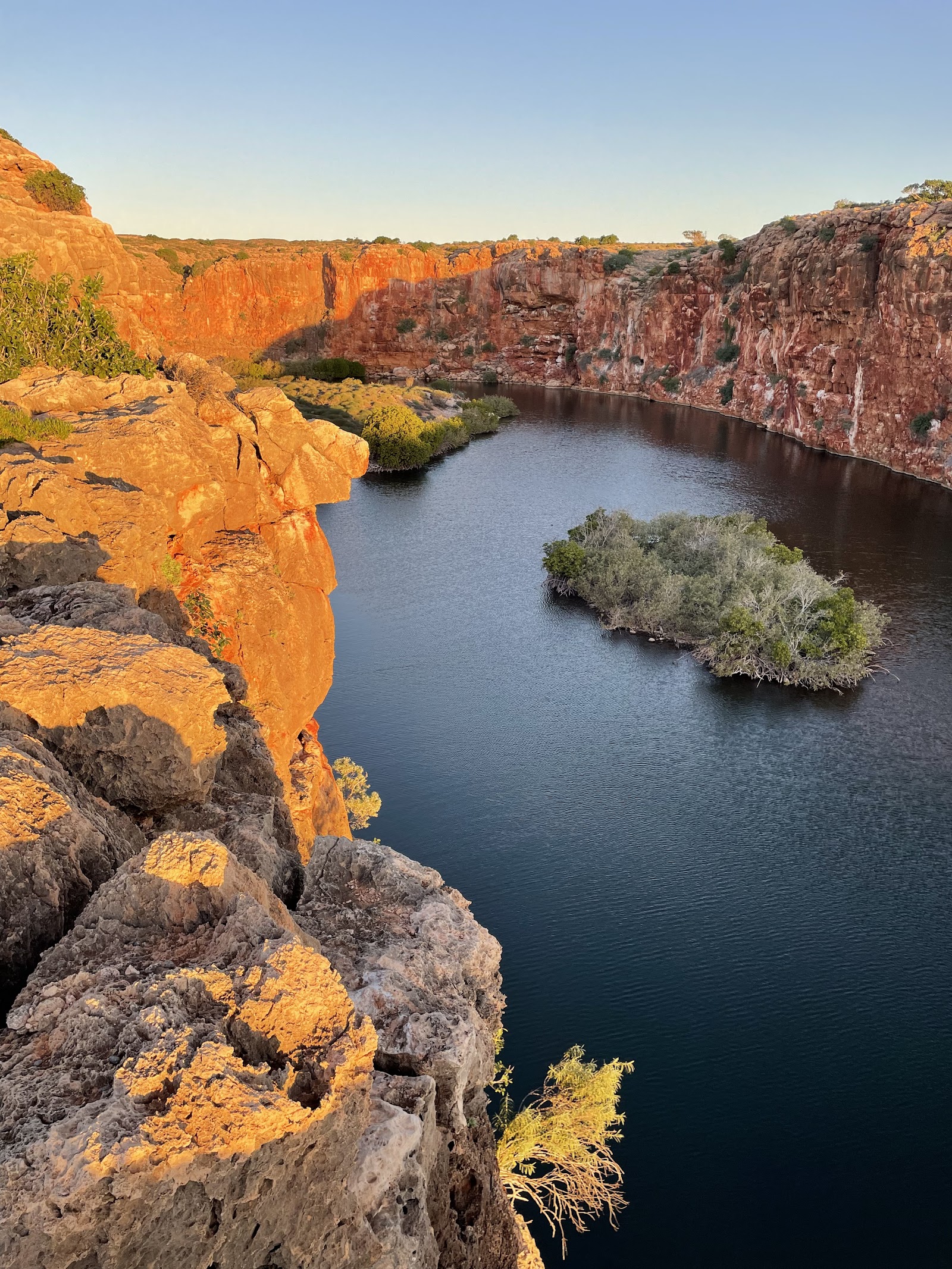
The Yardie Creek Gorge lookout and short walk at the southern end of Cape Range National Park requires driving the full length of the park road from the north entrance, which is exactly why most visitors do not reach it. The gorge is a narrow red limestone slot with permanent water at its base, flanked by walls that support black-flanked rock wallabies — one of Australia's rarer macropods — on the upper ledges. A short walking track runs along the northern rim of the gorge; the views down into the water and across to the southern wall are among the more dramatic in the park.
The payoff for the drive is significant: the gorge environment is completely different from the open desert scrub of the cape, the bird life in the gorge floor is distinct, and the wallabies are often visible on the rock ledges in the early morning and late afternoon. The free lookout does not require any technical walking — it is a short track from the car park to the cliff-edge viewpoint. The full gorge walk and the boat tour (when operating) cover more of the creek at a different level.
Honest note on cost: Yardie Creek is inside Cape Range National Park, and the day-use fee at the park entrance covers the visit. The lookout walk itself costs nothing beyond the park fee.
The black-flanked rock wallabies on the gorge walls are one of the wildlife sightings most visitors never realise is available at Ningaloo — and the gorge environment is completely unlike the rest of the cape.
“Worth every bump of the corrugated road. Saw four rock wallabies on the gorge walls and had the whole lookout to ourselves.”
— Traveller review
An early-morning visit to catch the rock wallabies active on the gorge ledges — they are most visible before the heat of the day.
The drive to Yardie Creek from the park entrance is long and part of the road is corrugated — allow extra time. Cape Range NP day-use fee applies. Check road conditions locally after rain.
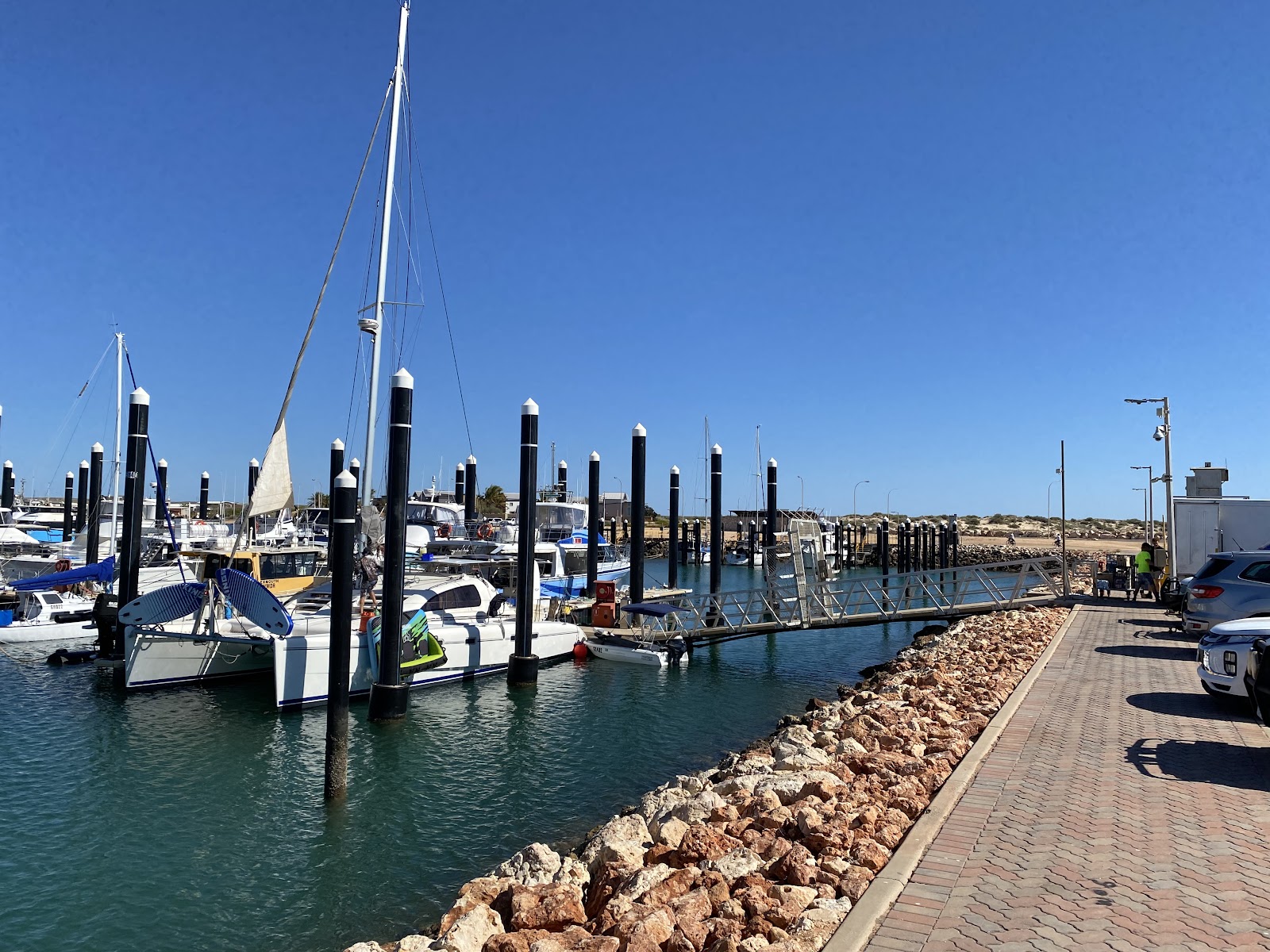
Exmouth is a small town with a clear point of orientation: the foreshore and marina area on the gulf side of the cape. The evening walk from the Town Beach foreshore along to the marina precinct is the local wind-down — flat, easy, accessible to all ages, and free. The marina itself is a working boat harbour from which many of the commercial tours depart each morning; in the evening it is quiet, with the charter boats moored and the water reflecting the last light.
This is not a destination in the way that Turquoise Bay is a destination. It is the easy evening that requires nothing — a short walk, the calm gulf water at dusk, the outline of the range behind town. For families with young children who need a rest from reef exertion, or for anyone wanting an hour out of the accommodation without driving anywhere, the foreshore walk is the reliable local option. The Town Beach playground is nearby, and the flat foreshore suits prams and less-mobile walkers.
The marina precinct has a small number of food and retail options that can be confirmed on arrival — opening hours in a remote town of Exmouth's size are subject to change, particularly off-peak. The walk itself is always available.
A walk along the marina in the evening light, with the charter boats moored and the range silhouetted behind town, is a quietly lovely end to a busy reef day that costs nothing at all.
“The evening marina walk was a lovely low-key end to the day. Calm water, the boats reflected, not crowded. Kids ran around while we watched the sun go down.”
— Google review
The 30 minutes around sunset when the gulf water reflects the light and the marina is at its quietest — no charge, no planning required.
This is a flat, easy local walk — it is not a substitute for reef or gorge experiences. Food options at the marina are limited and hours change; check locally before relying on them for dinner.
What recent visitors say:
“Inside the National park, must pay $17 entry for 1 day or can get a multi-day-pass. Toilets are available, No showers. Sanctuary area- no fishing Beautiful snorkelling and exploring day along the beach and the water. Be mindful of the strong currents/ rips around the sandbank. Take some shade and a picnic it's a gorgeous place.”— Ca Bi (on Turquoise Bay), Google review
“Drift Snorkeling is amazing!!! Water temp was nice - early August, didn't need a wetsuit. Plenty of colourful fish of varying sizes, even a reef shark crossed my path Totally recommend when in the area”— Violet Patty (on Turquoise Bay), Google review
“Absolutely perfectly clear water and clean sand. Great for snorkelling. Had fish swimming around me which was an awesome experience”— Taylor Cougle (on Turquoise Bay), Google review
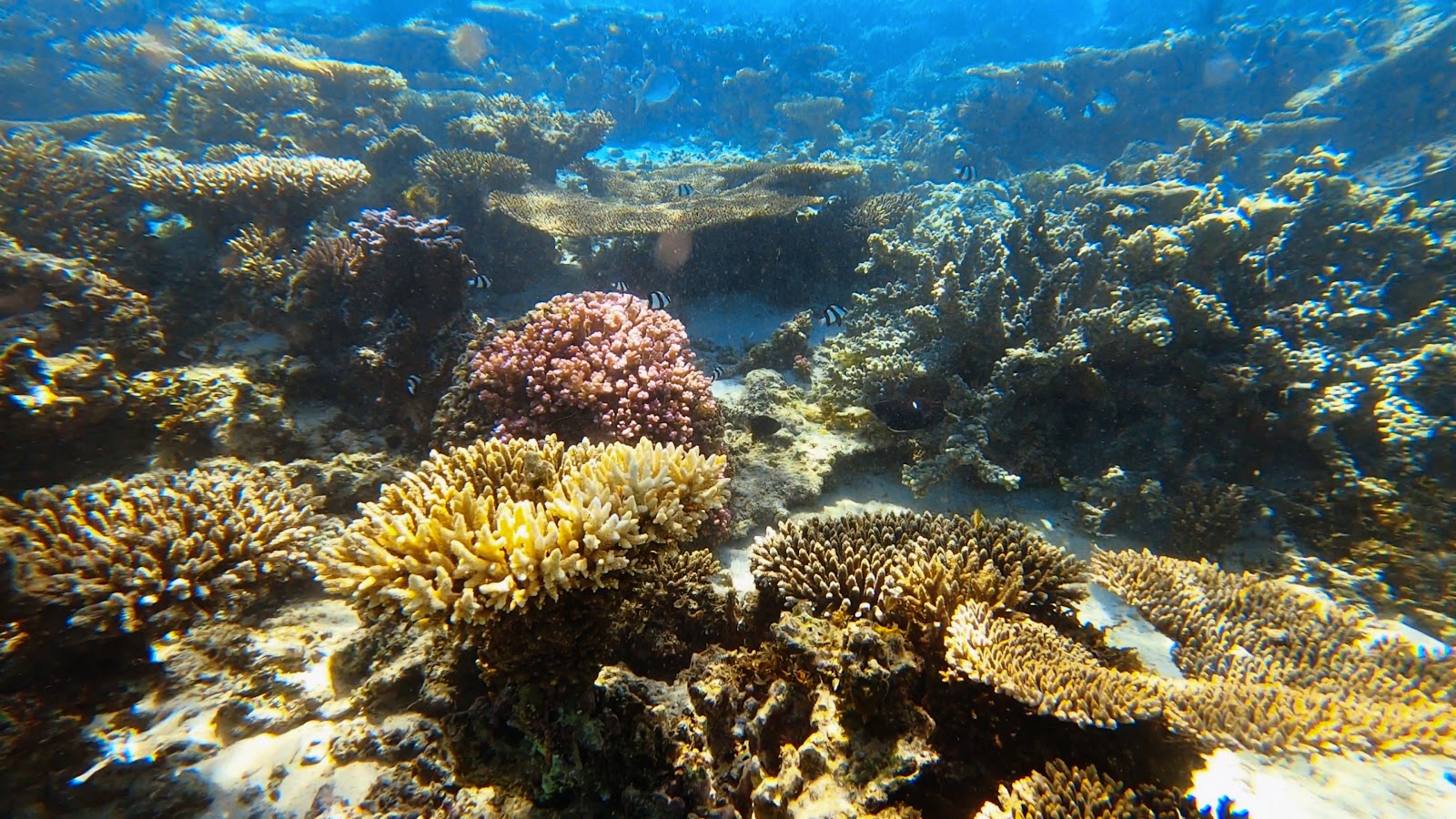
Buy reef-safe sunscreen before you leave Perth or at a chemist in Exmouth — the regular SPF spray sold at service stations is not reef-safe and its use at Ningaloo sites is actively discouraged. Standard sunscreens contain chemicals that damage coral, and the reef depends on visitors using the mineral alternatives. It is not an optional courtesy; it is a genuine conservation issue at a World Heritage site.
For snorkel gear: Coral Bay has hire shops, but supply is limited and popular sizes go early in school holidays. Exmouth has better hire availability. Bringing your own mask, snorkel and fins eliminates the dependency entirely and pays for itself quickly across a week of daily snorkelling. The cape day-use fee for Cape Range National Park is the one unavoidable cost for the park's beach sites — a single payment covers all sites visited on the same day, and the Discovery Pass (annual WA parks pass) is worth considering if you plan to visit multiple national parks. Carry cash as well as card: some Coral Bay vendors and the park entrance prefer cash.
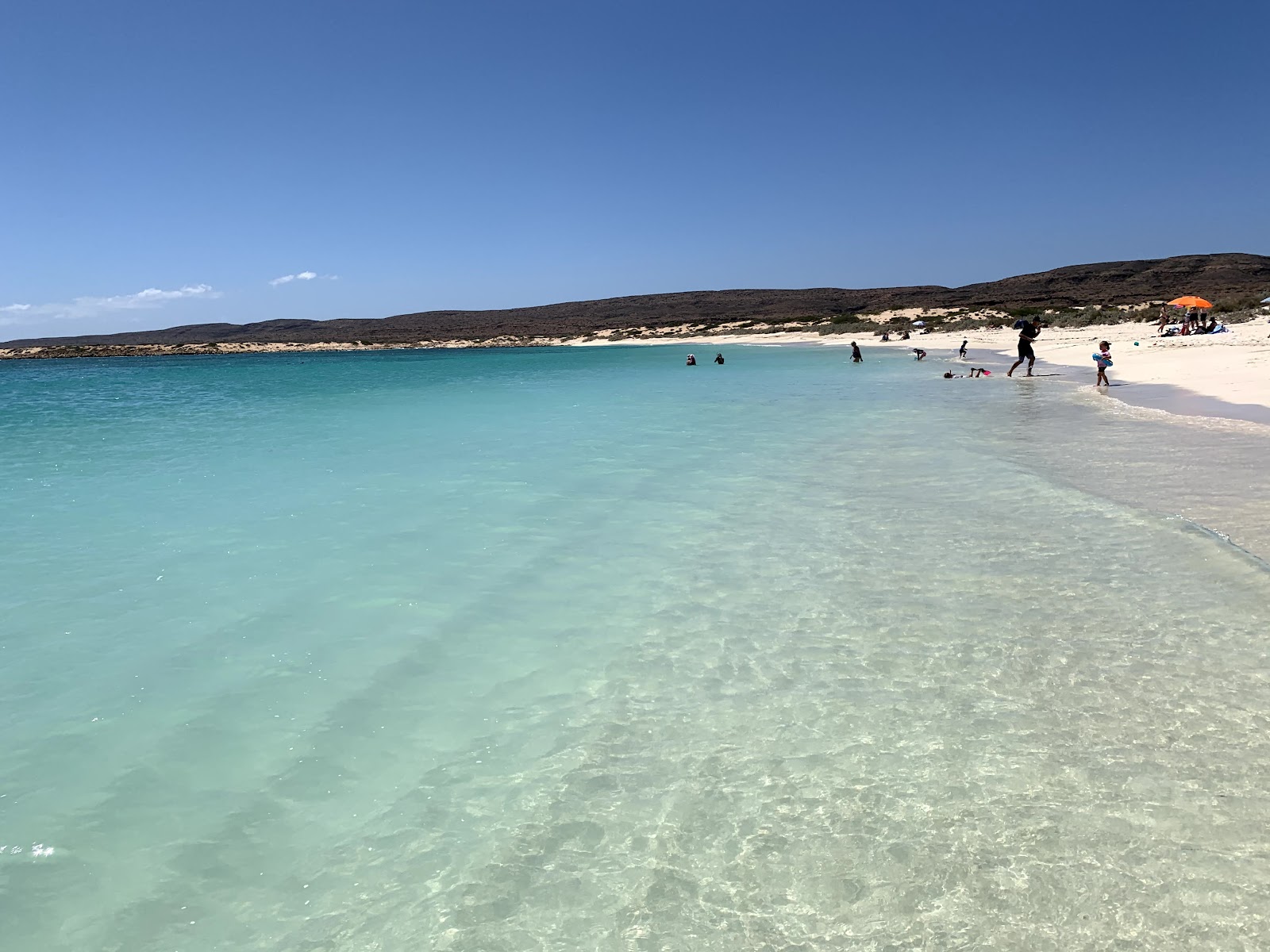
The commercial tours at Ningaloo are excellent, and the whale shark experience is genuinely one of the best in the world. But the reason the reef has the reputation it has — the reason people drive 1,200 kilometres from Perth, or fly across the country — is the thing that costs nothing: the reef itself, running along a public coast, accessible with a mask and the willingness to walk into the water. Turquoise Bay. Bills Bay. The turtle tracks on a Jurabi beach. The humpback breach from the lighthouse headland at dusk.
Plan your free activities around tide timing and an early start, pack reef-safe sunscreen and more water than you think you need, and let the reef do the rest. It is extraordinary before you spend a single dollar on a tour — and remains extraordinary after.
Enjoying free things to do? Here’s where else in Australia it’s worth the trip — ranked by how loved each destination is, with the one thing not to miss at each.
 Glen Aplin
Granite Belt, Queensland
The dawn walk on Mount Stirling Road — The northern stretch where the vineyards open on both sides, in the best light between 7 and 8am.
Explore free things to do in Glen Aplin →
2
Glen Aplin
Granite Belt, Queensland
The dawn walk on Mount Stirling Road — The northern stretch where the vineyards open on both sides, in the best light between 7 and 8am.
Explore free things to do in Glen Aplin →
2
 Kangaroo Valley
Shoalhaven, New South Wales
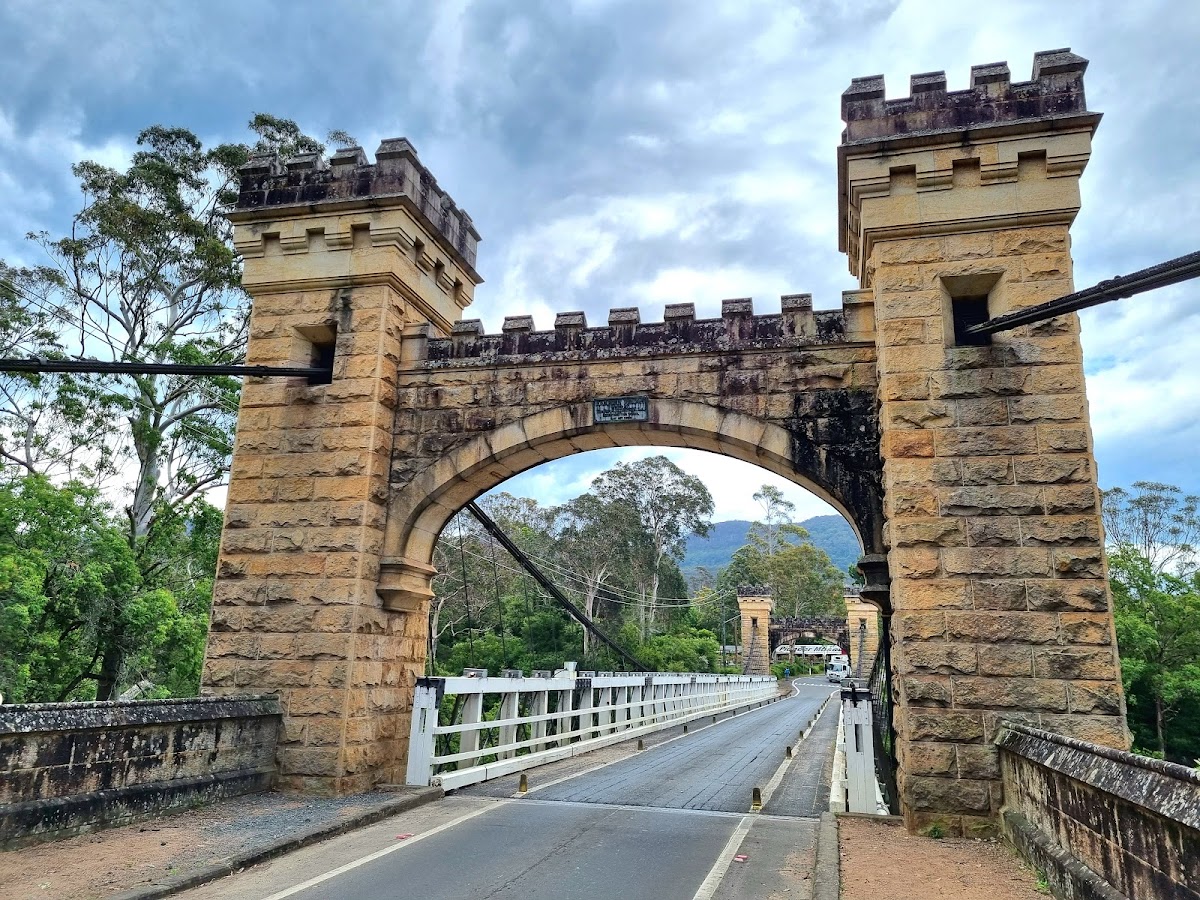
Walk Hampden Bridge — The classic view back up at the castellated towers from the riverbank below, in early-morning or late-afternoon light.
Explore free things to do in Kangaroo Valley →
3
Kangaroo Valley
Shoalhaven, New South Wales
Walk Hampden Bridge — The classic view back up at the castellated towers from the riverbank below, in early-morning or late-afternoon light.
Explore free things to do in Kangaroo Valley →
3
 Byron Bay
Northern Rivers, New South Wales
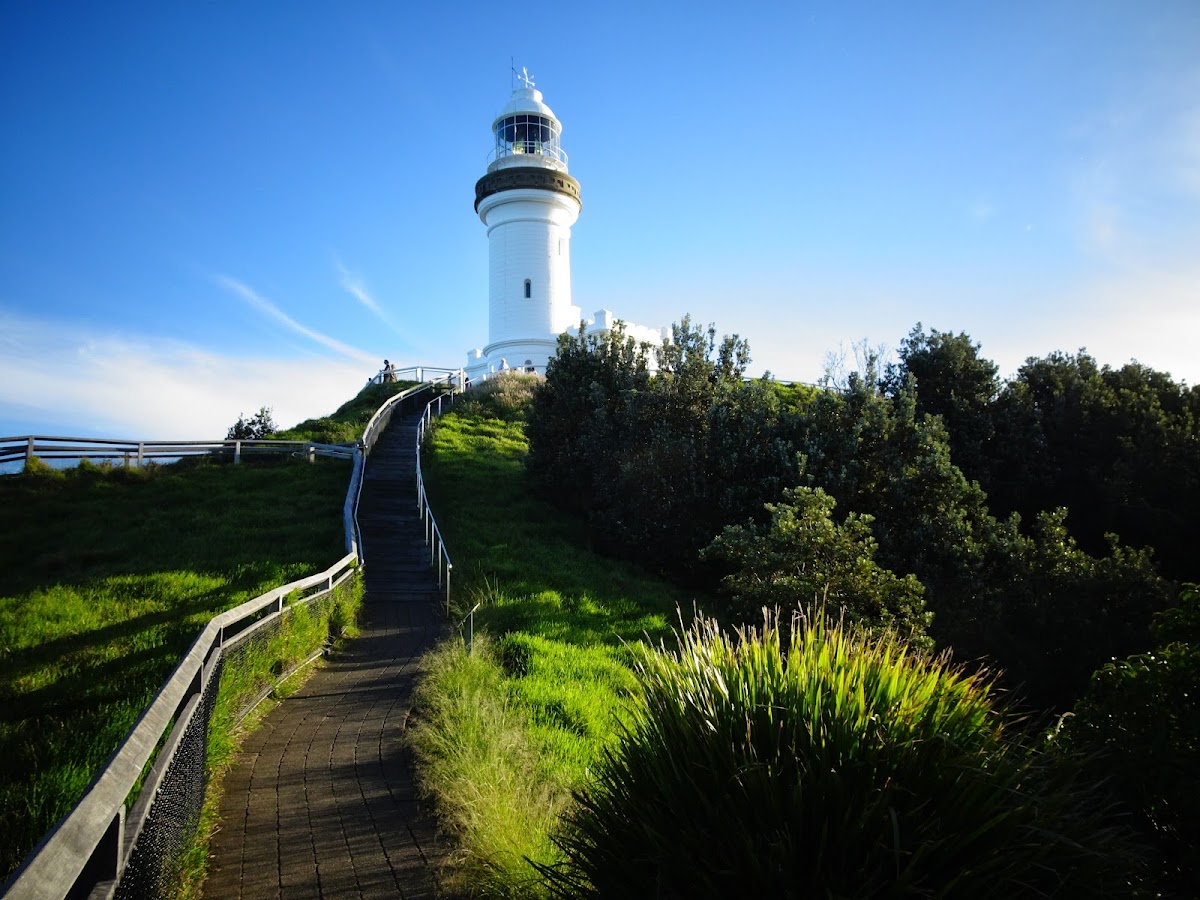
The Cape Byron lighthouse walk — First light at the easternmost point with humpbacks offshore (May–November).
Explore free things to do in Byron Bay →
4
Byron Bay
Northern Rivers, New South Wales
The Cape Byron lighthouse walk — First light at the easternmost point with humpbacks offshore (May–November).
Explore free things to do in Byron Bay →
4
 Narooma
South Coast, New South Wales
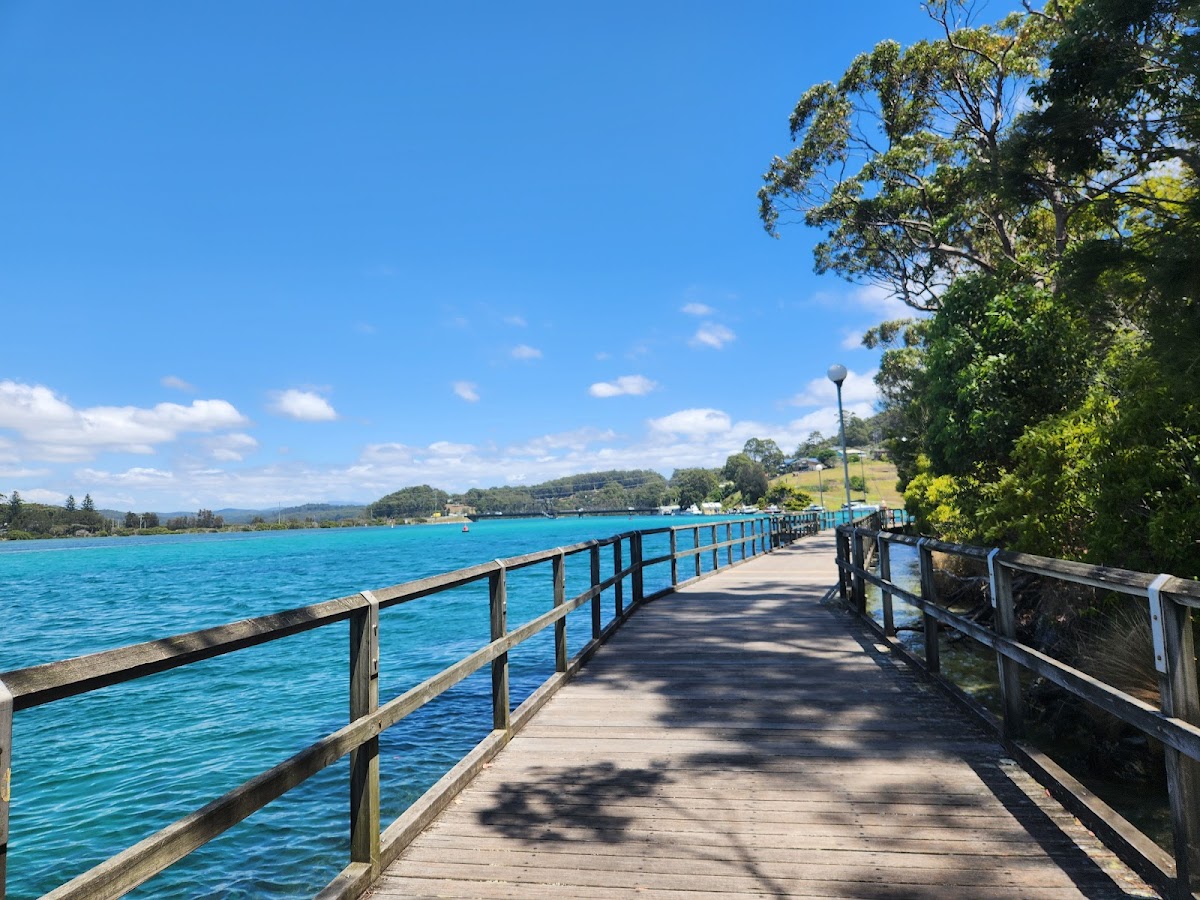
Whale watching from the headlands — A clear winter morning at the Gap lookout during peak migration — bring binoculars and give it time.
Explore free things to do in Narooma →
5
Narooma
South Coast, New South Wales
Whale watching from the headlands — A clear winter morning at the Gap lookout during peak migration — bring binoculars and give it time.
Explore free things to do in Narooma →
5
 Broome
Australia's North West, Western Australia
Cable Beach sunset — Arrive 30–45 minutes before sunset to choose your spot on the sand and stay for the afterglow after the sun drops.
Explore free things to do in Broome →
6
Broome
Australia's North West, Western Australia
Cable Beach sunset — Arrive 30–45 minutes before sunset to choose your spot on the sand and stay for the afterglow after the sun drops.
Explore free things to do in Broome →
6
 The Kimberley
Australia's North West, Western Australia
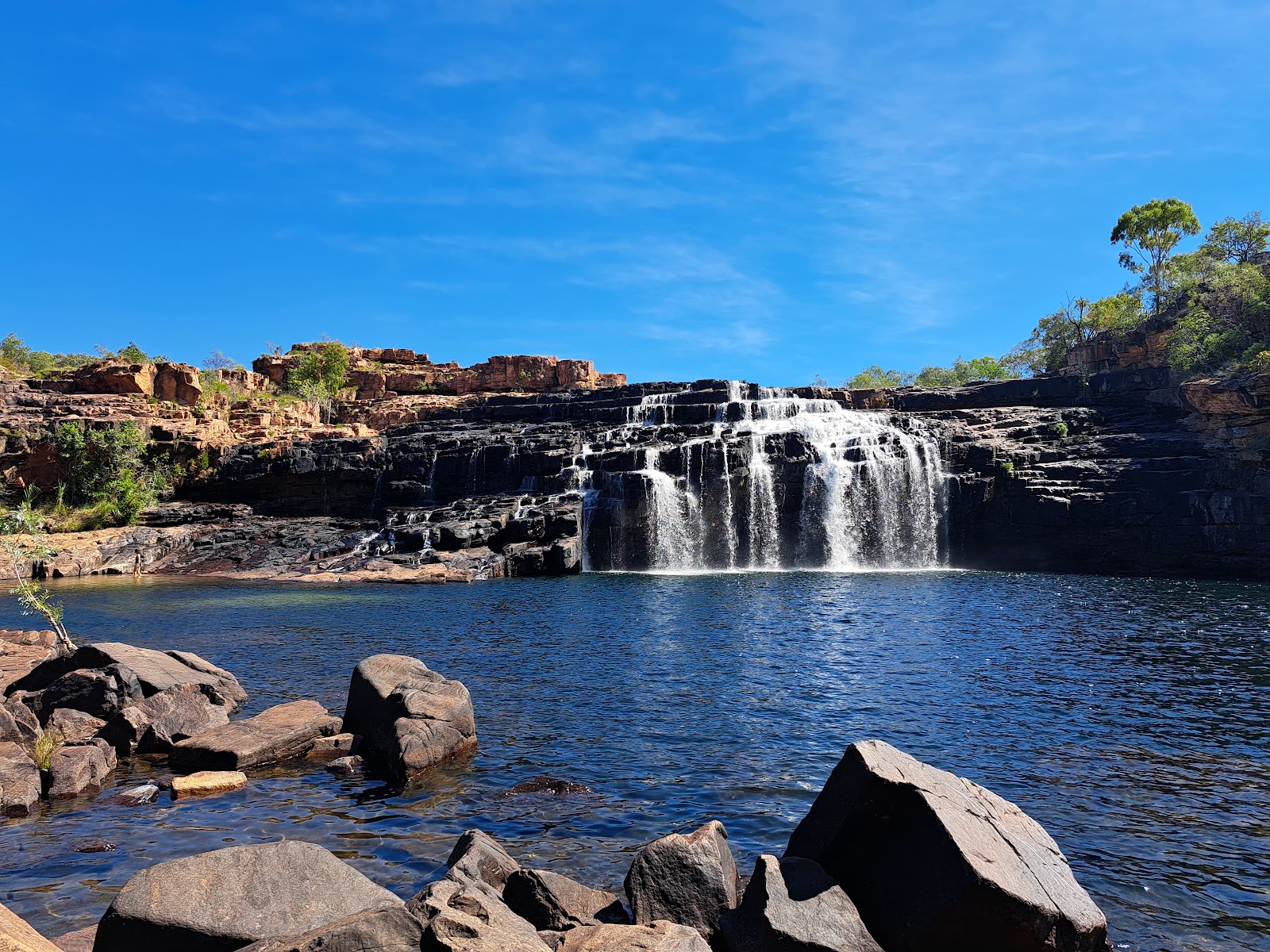
Five Rivers Lookout, Wyndham — The five river systems converging across the coastal plain at golden hour, with the Cambridge Gulf behind them.
Explore free things to do in The Kimberley →
7
The Kimberley
Australia's North West, Western Australia
Five Rivers Lookout, Wyndham — The five river systems converging across the coastal plain at golden hour, with the Cambridge Gulf behind them.
Explore free things to do in The Kimberley →
7
 Margaret River
Australia's South West, Western Australia
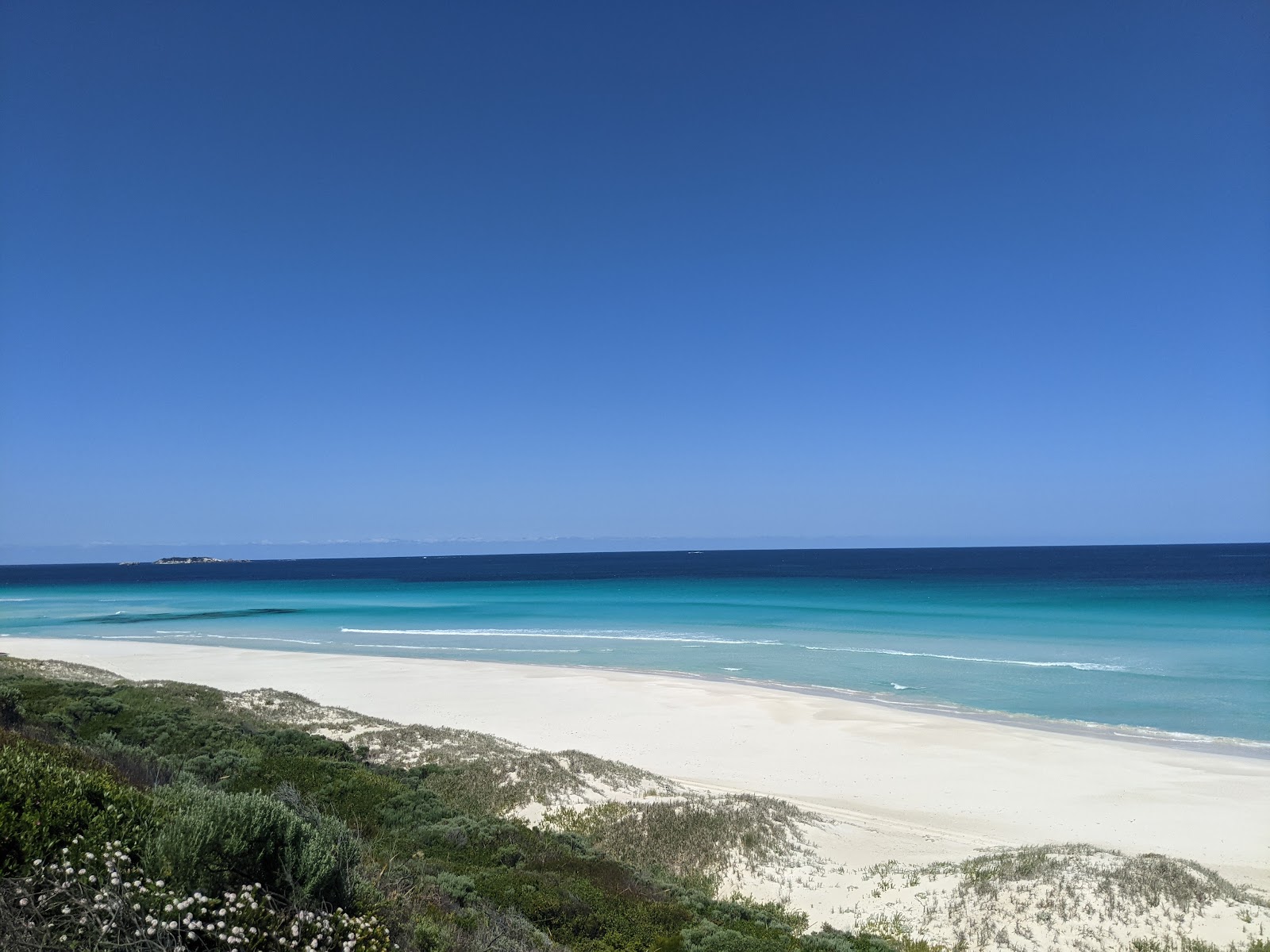
Hamelin Bay stingrays — A slow, quiet wade near the boat ramp on a calm morning — rays will approach and circle without any prompting.
Explore free things to do in Margaret River →
Ningaloo Reef you’re here
Australia's Coral Coast, Western Australia
Turquoise Bay drift snorkel (Cape Range National Park) — The drift snorkel on an incoming tide at low-to-mid water, exiting at the main beach — go early and time it right.
You’re reading this guide
Margaret River
Australia's South West, Western Australia
Hamelin Bay stingrays — A slow, quiet wade near the boat ramp on a calm morning — rays will approach and circle without any prompting.
Explore free things to do in Margaret River →
Ningaloo Reef you’re here
Australia's Coral Coast, Western Australia
Turquoise Bay drift snorkel (Cape Range National Park) — The drift snorkel on an incoming tide at low-to-mid water, exiting at the main beach — go early and time it right.
You’re reading this guide
 Hamilton Island
The Whitsundays, Queensland
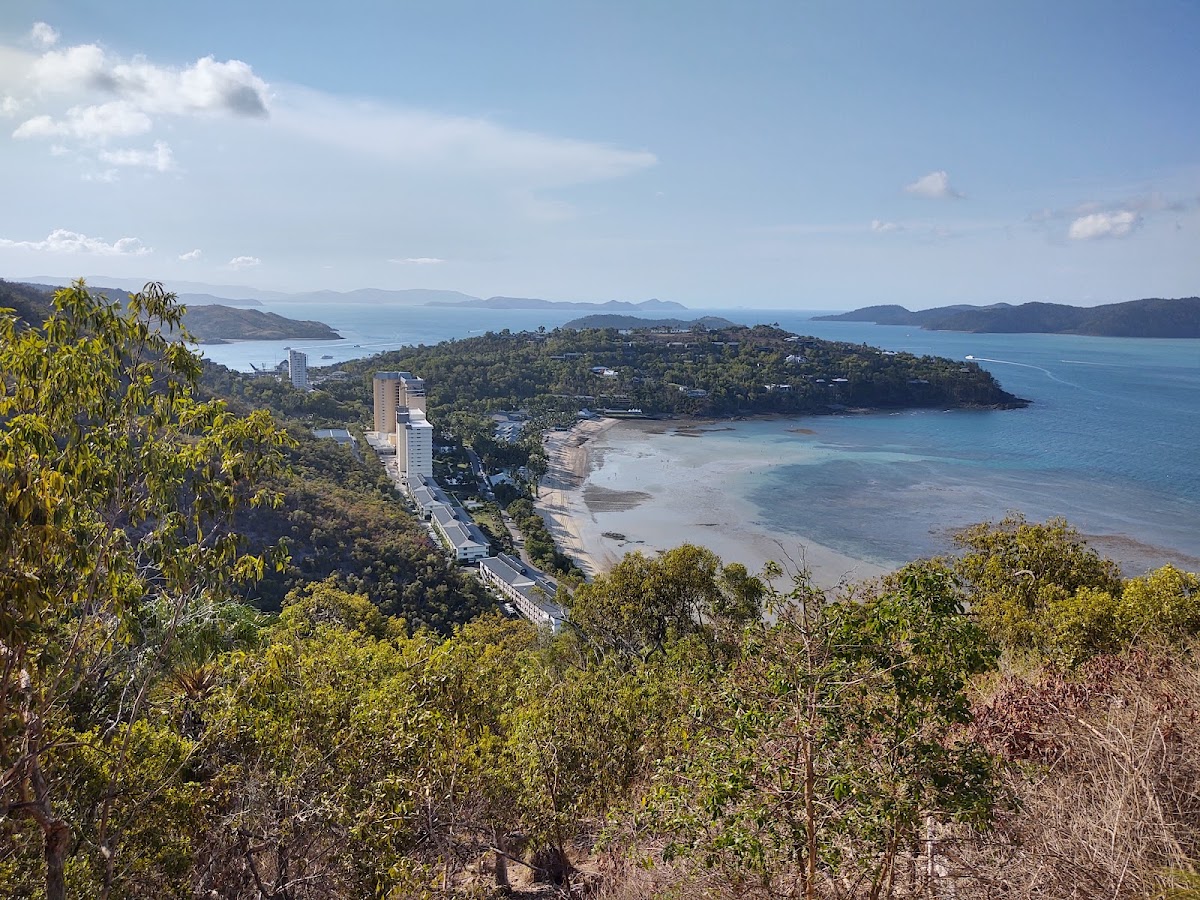
Catseye Beach — A free swim in the netted enclosure with the islands across the water — safe through stinger season and lovely year-round.
Explore free things to do in Hamilton Island →
10
Hamilton Island
The Whitsundays, Queensland
Catseye Beach — A free swim in the netted enclosure with the islands across the water — safe through stinger season and lovely year-round.
Explore free things to do in Hamilton Island →
10
 Dubbo
Central West, New South Wales
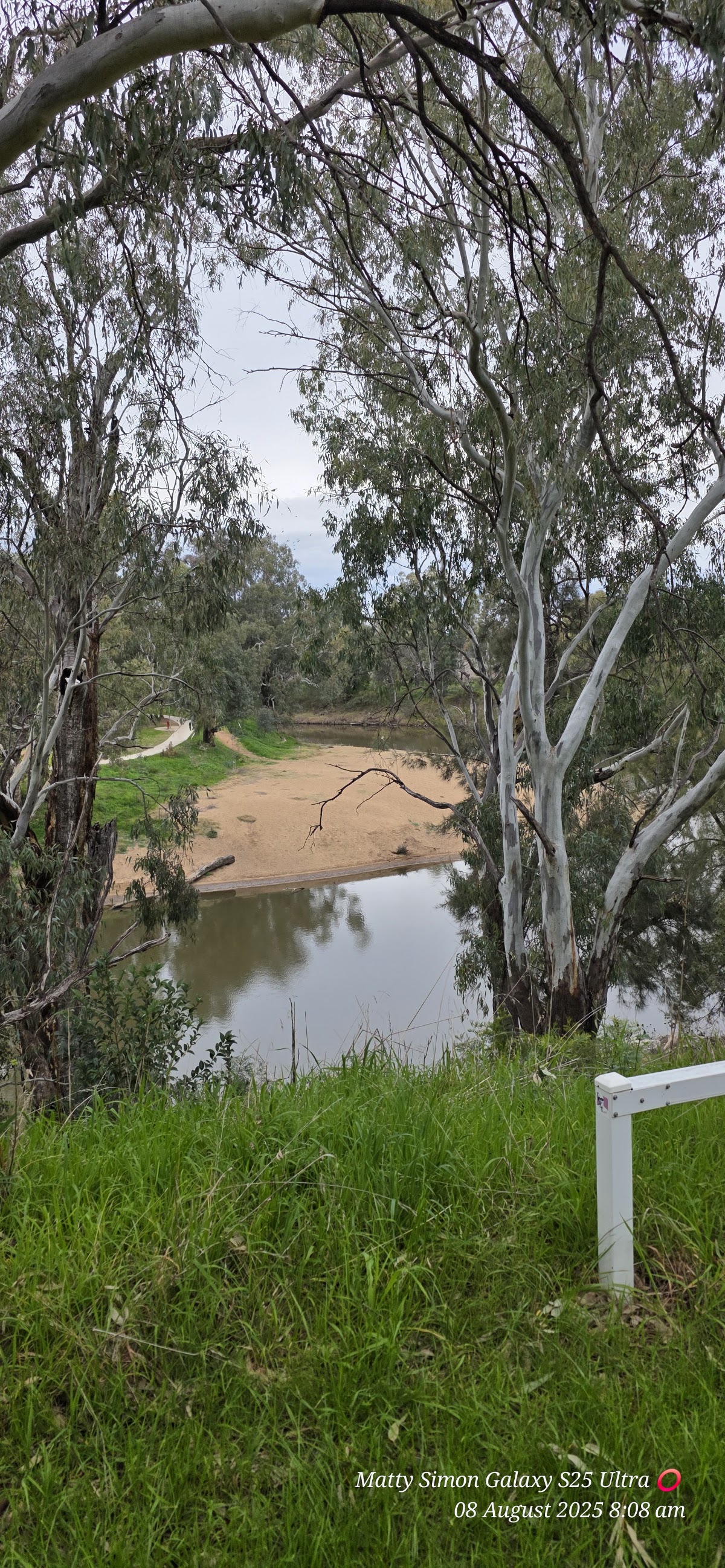
Tracker Riley Cycleway & the Macquarie River — The riverbank at dawn — soft light, birdsong and the city still asleep.
Explore free things to do in Dubbo →
Dubbo
Central West, New South Wales
Tracker Riley Cycleway & the Macquarie River — The riverbank at dawn — soft light, birdsong and the city still asleep.
Explore free things to do in Dubbo →
Exmouth Escape Resort — Ningaloo Reef
Book Direct & Save →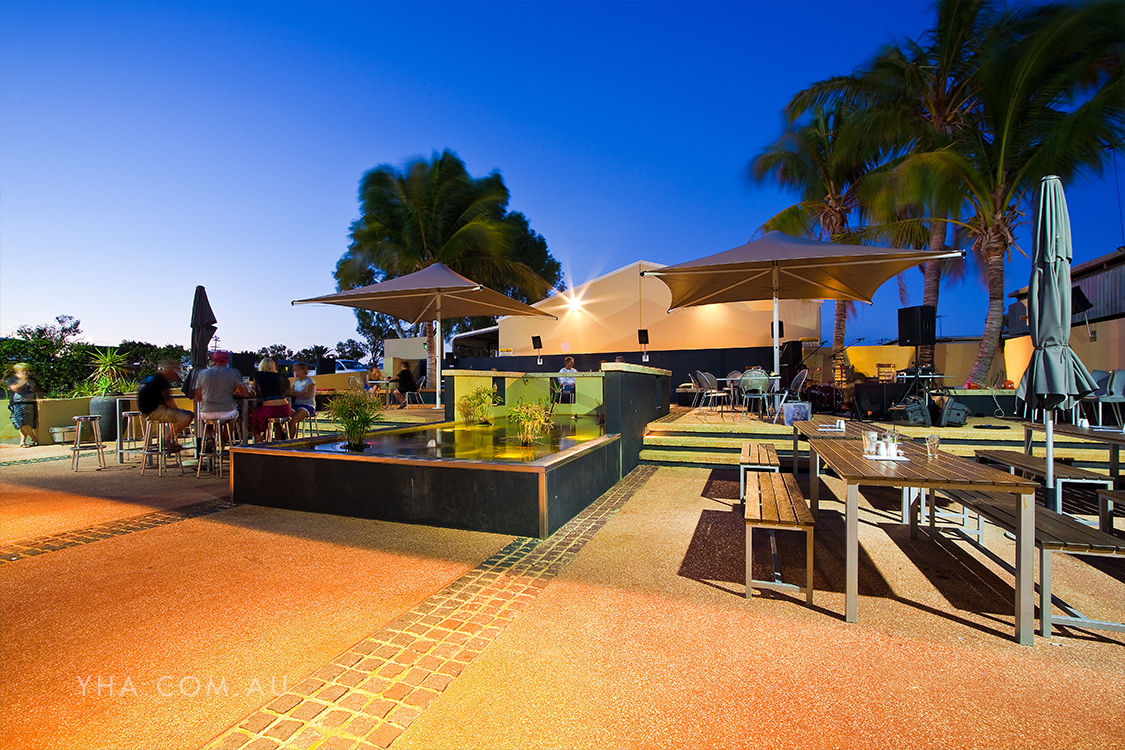
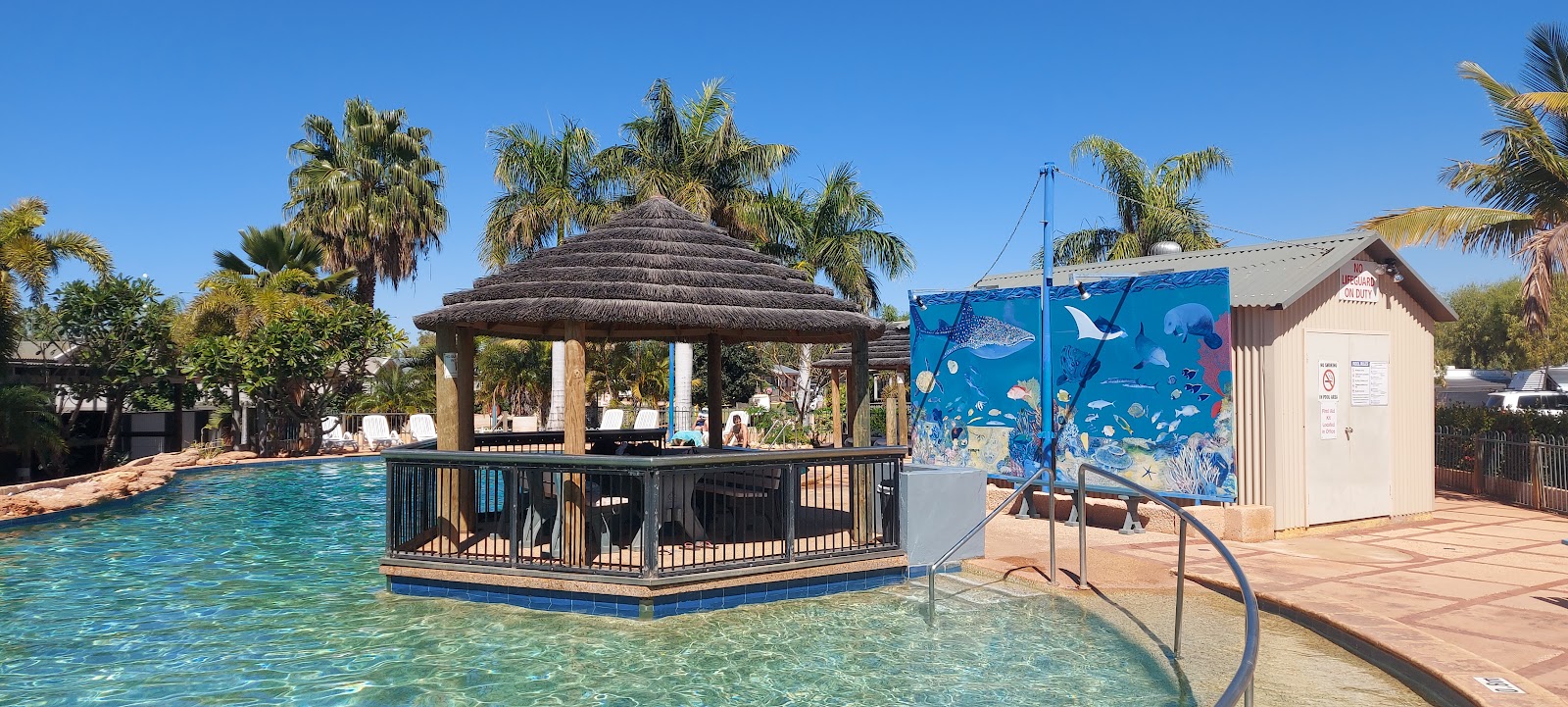
Ningaloo Caravan and Holiday Resort — Ningaloo Reef
Book Direct & Save →Skip OTA fees. Connect directly with Ningaloo Reef owners for the best rates and a truly personal experience.
We match any online rate. No service fees — 100% of your payment supports local owners.
Direct guests receive complimentary hampers, early check-in, and priority access to experiences.
Speak directly with the people who manage the properties. No call centres, just local expertise.
Part of Western Australia · Australia's Coral Coast
 Glen Aplin
Granite Belt, Queensland
Queensland's most underrated wine valley
Explore the guide →
Glen Aplin
Granite Belt, Queensland
Queensland's most underrated wine valley
Explore the guide →
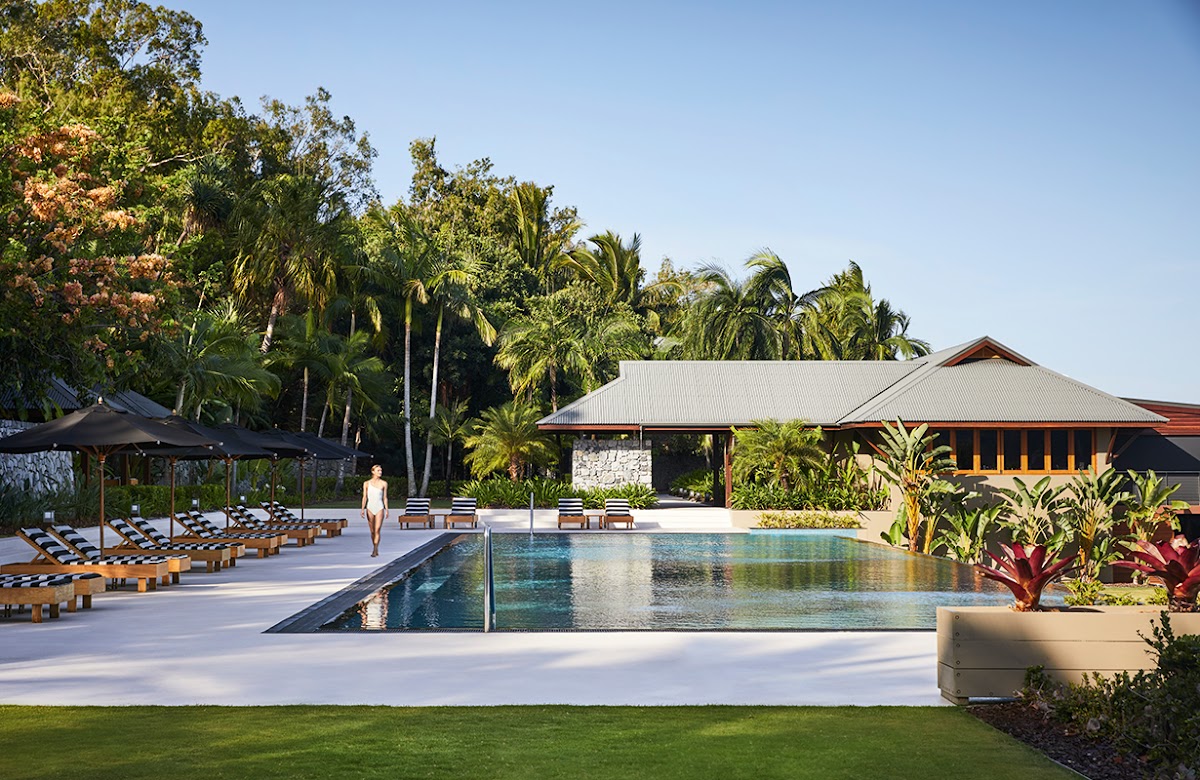 Hamilton Island
The Whitsundays, Queensland
Whitsundays island resort — Whitehaven Beach, reef trips and golf-buggy life
Explore the guide →
Hamilton Island
The Whitsundays, Queensland
Whitsundays island resort — Whitehaven Beach, reef trips and golf-buggy life
Explore the guide →
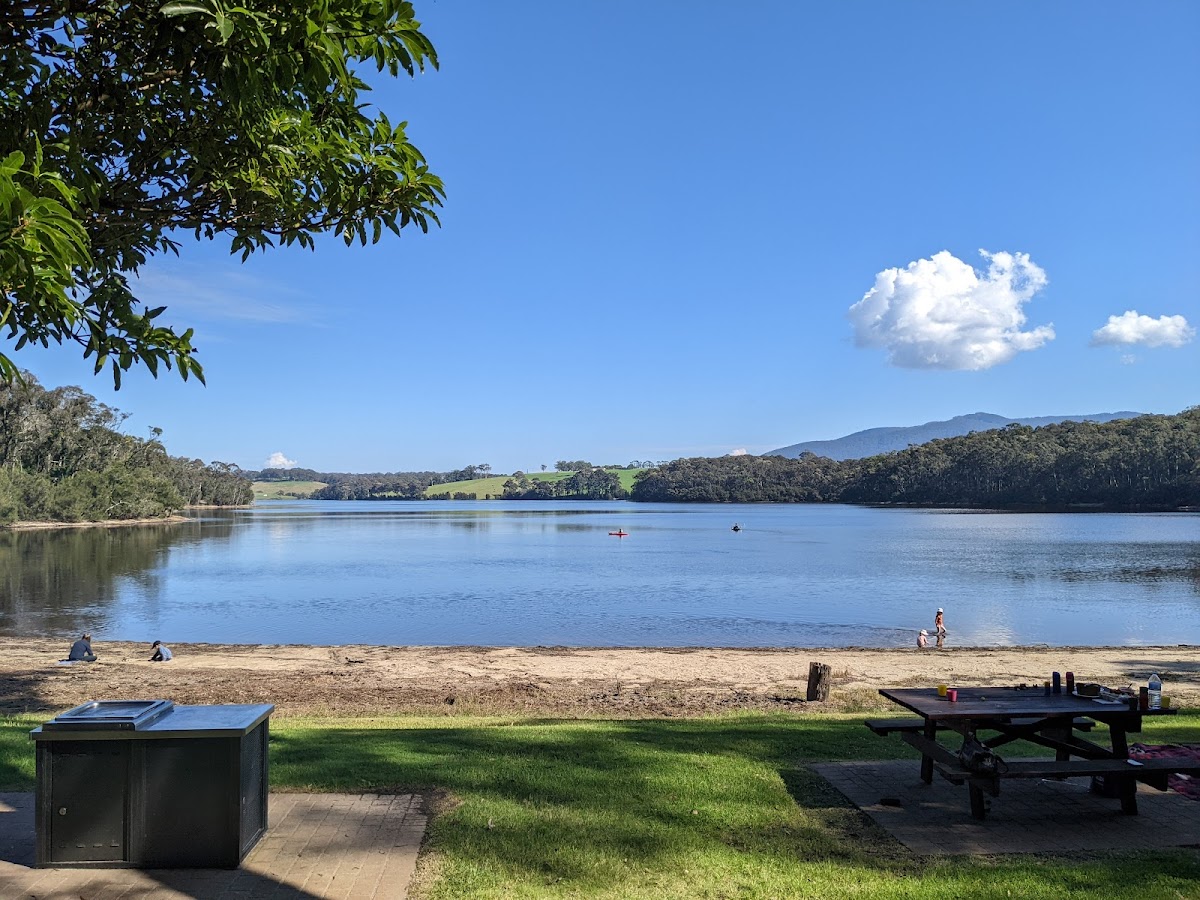 Narooma
South Coast, New South Wales
Crystal-clear inlet, surf beaches, oysters and Montague Island
Explore the guide →
Narooma
South Coast, New South Wales
Crystal-clear inlet, surf beaches, oysters and Montague Island
Explore the guide →
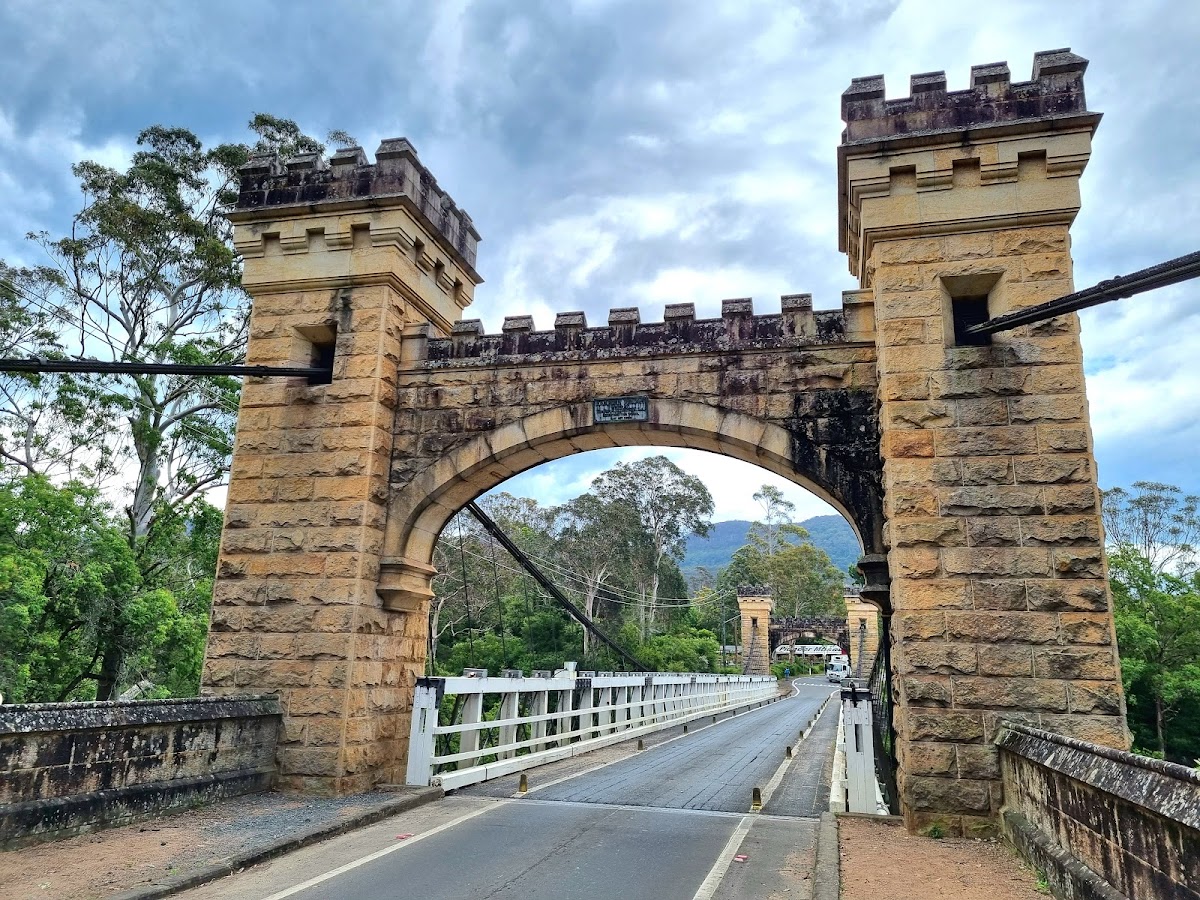 Kangaroo Valley
Shoalhaven, New South Wales
Hampden Bridge, kayaking and wombats in a green valley
Explore the guide →
Kangaroo Valley
Shoalhaven, New South Wales
Hampden Bridge, kayaking and wombats in a green valley
Explore the guide →
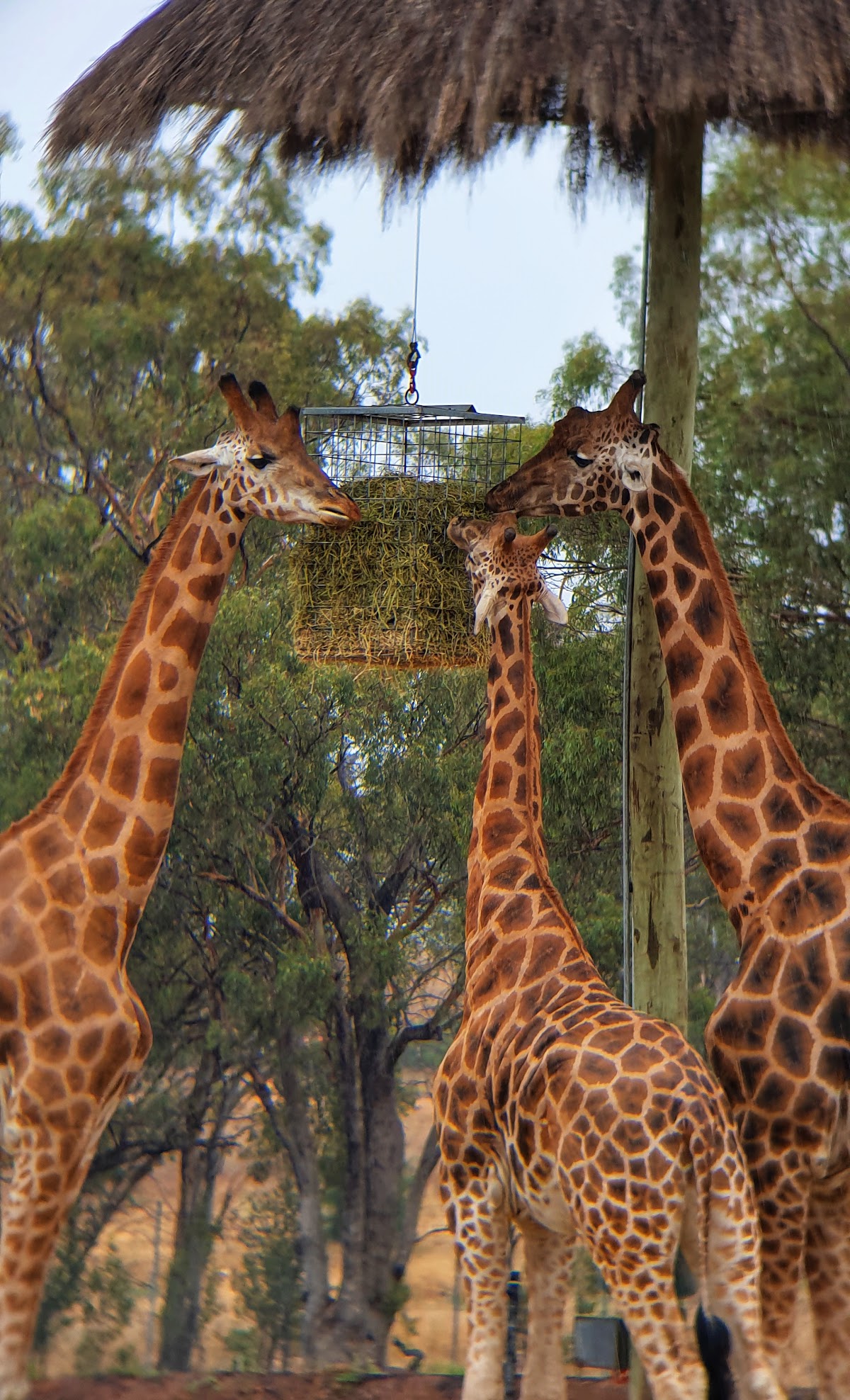 Dubbo
Central West, New South Wales
Open-range zoo and Outback gateway on the Macquarie River
Explore the guide →
Dubbo
Central West, New South Wales
Open-range zoo and Outback gateway on the Macquarie River
Explore the guide →
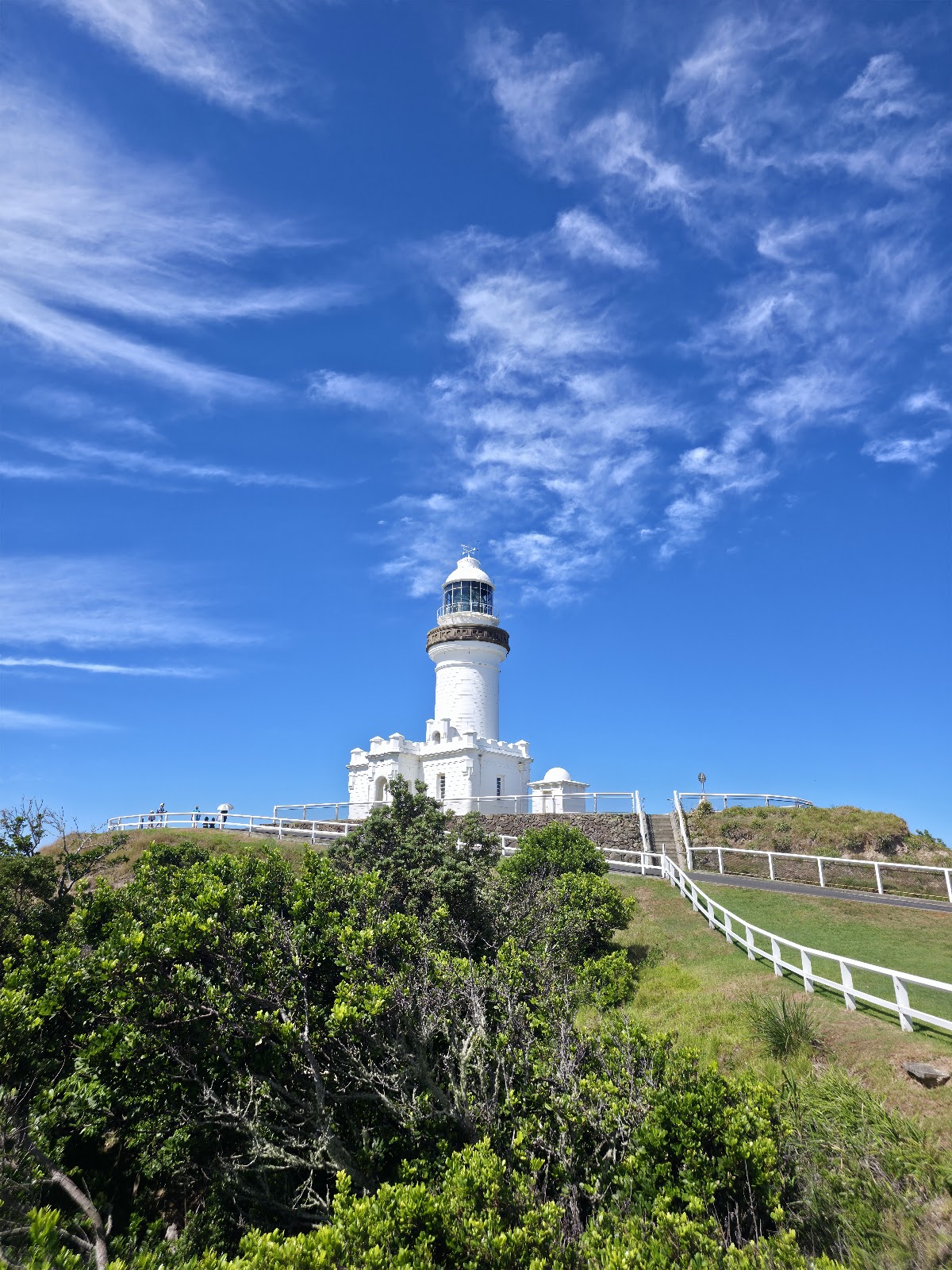 Byron Bay
Northern Rivers, New South Wales
Australia's iconic beach town and most easterly point
Explore the guide →
Byron Bay
Northern Rivers, New South Wales
Australia's iconic beach town and most easterly point
Explore the guide →
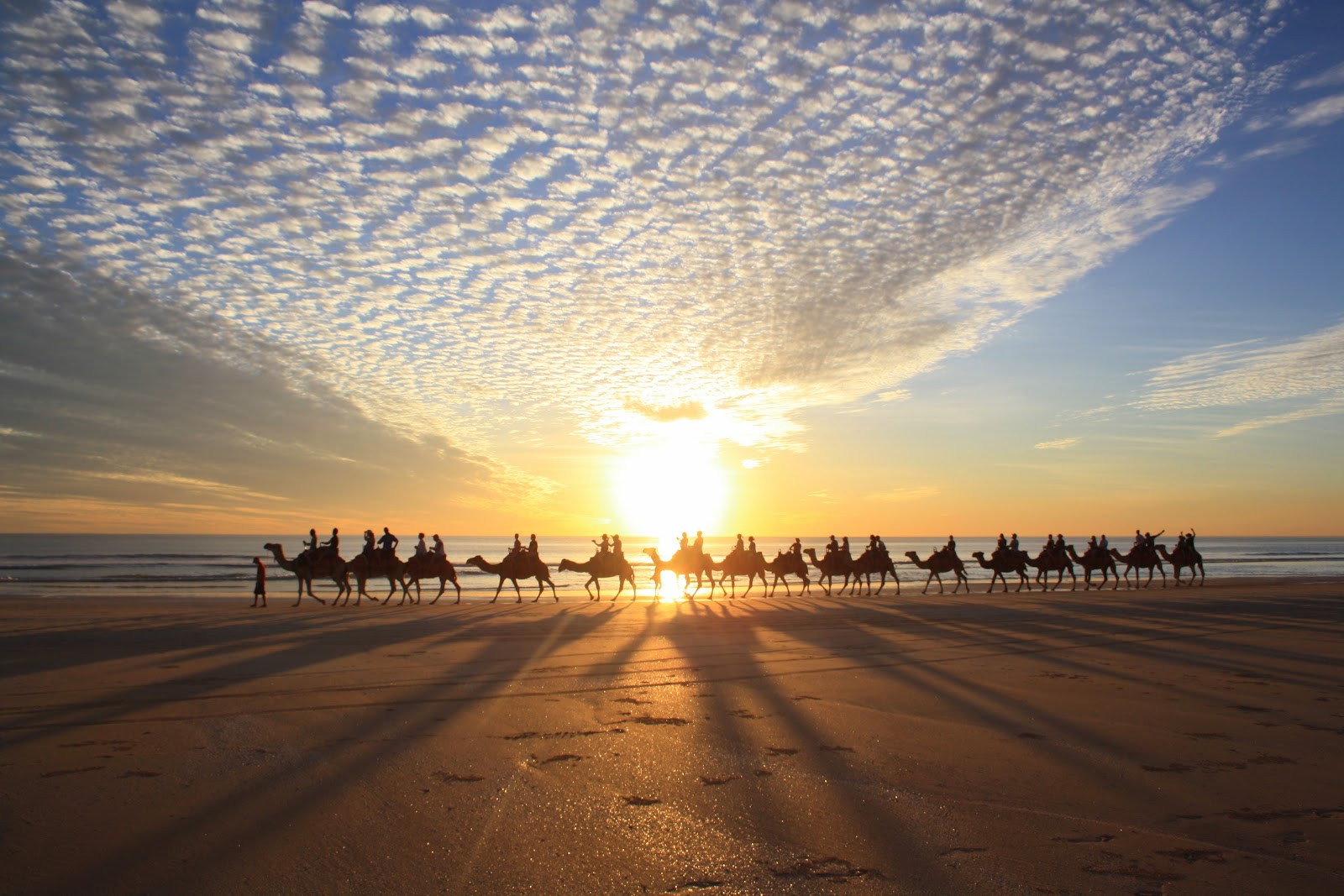 Broome
Australia's North West, Western Australia
Cable Beach sunsets, pearling history and camels on 22km of sand
Explore the guide →
Broome
Australia's North West, Western Australia
Cable Beach sunsets, pearling history and camels on 22km of sand
Explore the guide →
 The Kimberley
Australia's North West, Western Australia
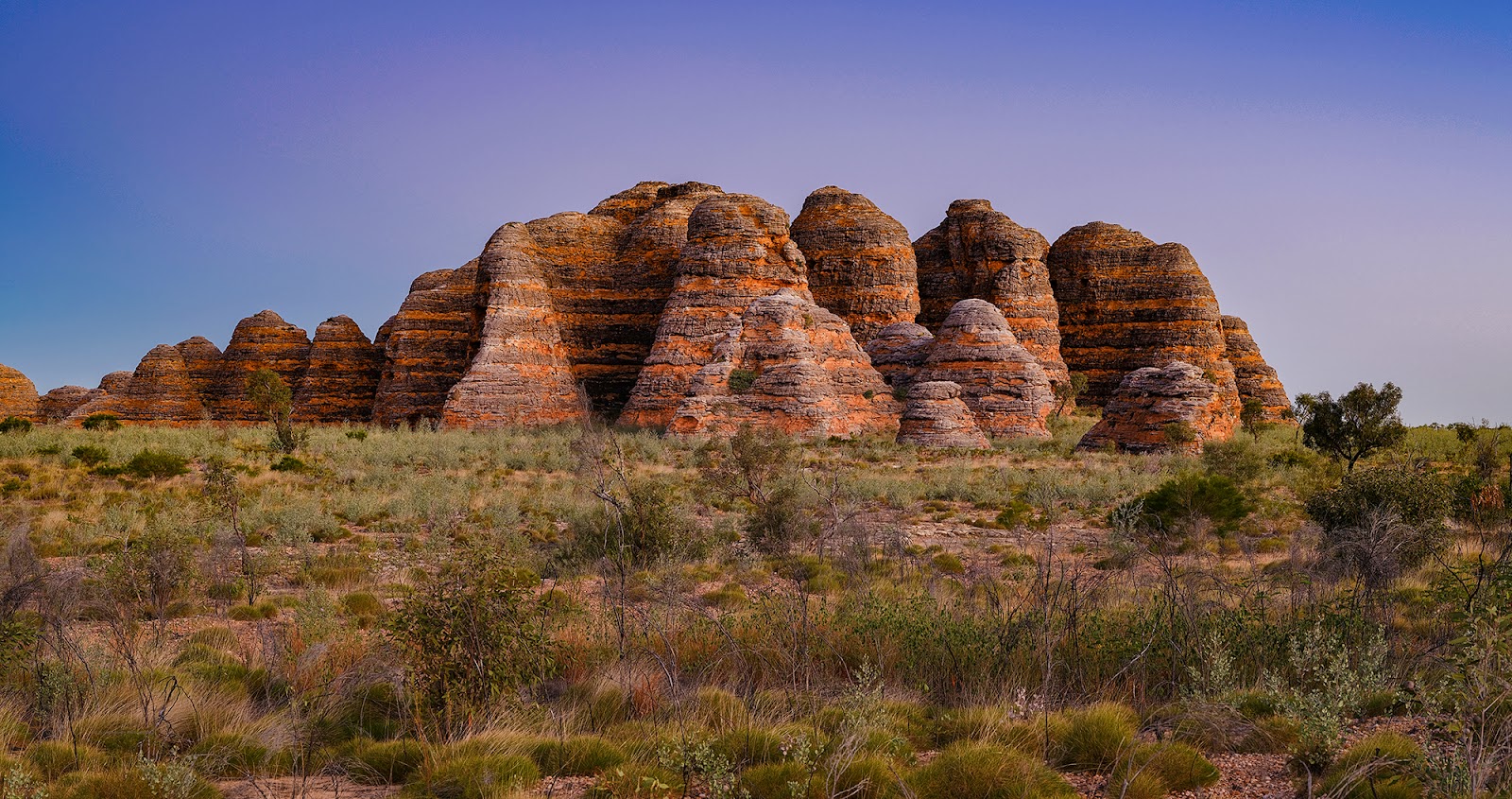
Gibb River Road, the Bungle Bungles, gorges and waterfalls in Australia's last frontier
Explore the guide →
The Kimberley
Australia's North West, Western Australia
Gibb River Road, the Bungle Bungles, gorges and waterfalls in Australia's last frontier
Explore the guide →
 Margaret River
Australia's South West, Western Australia
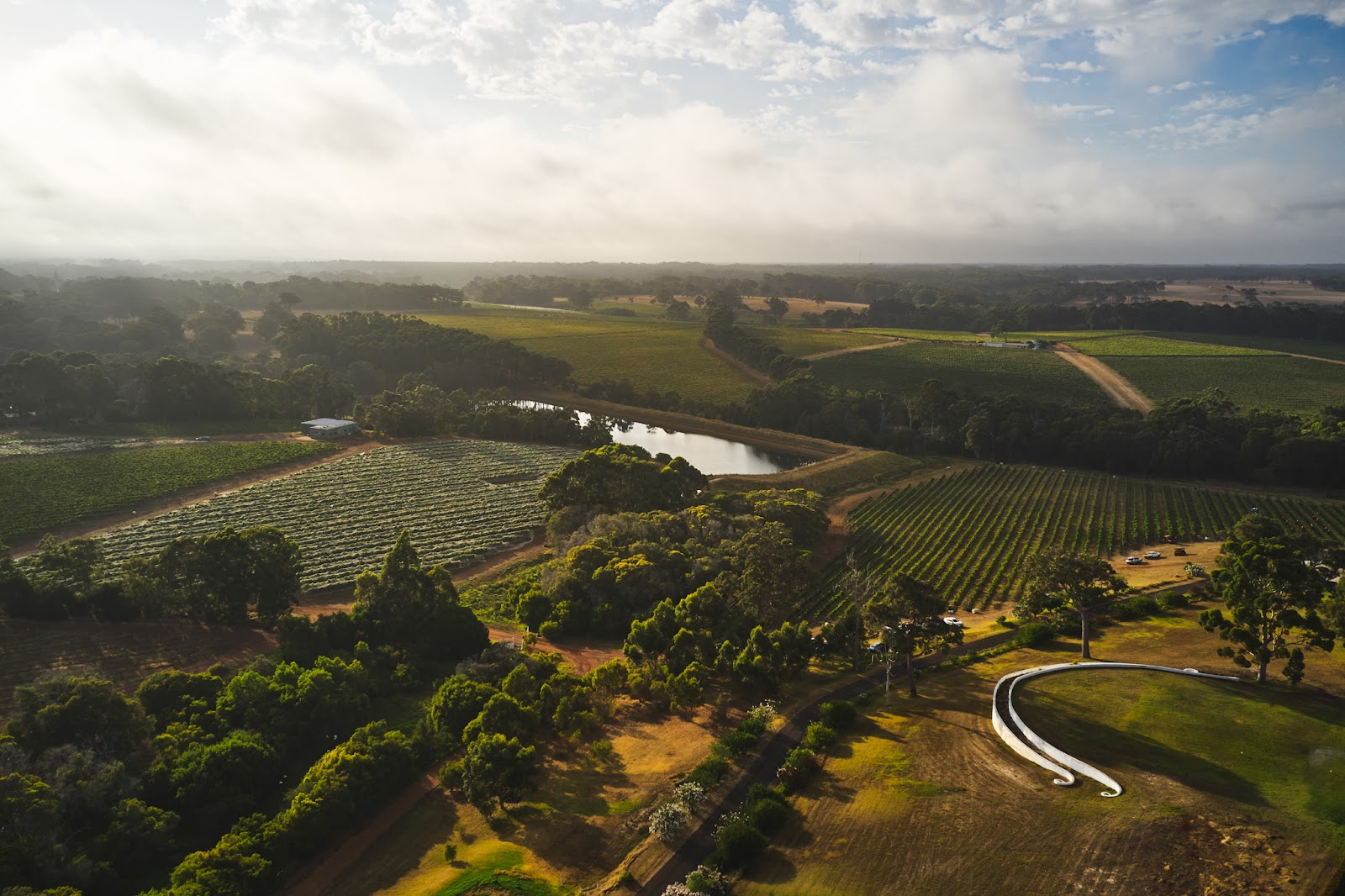
World-class wineries, surf breaks and limestone caves three hours south of Perth
Explore the guide →
Margaret River
Australia's South West, Western Australia
World-class wineries, surf breaks and limestone caves three hours south of Perth
Explore the guide →