01. The Kimberley Grande Resort
4 (399 reviews)
The Kimberley Grande Resort — The Kimberley
Book Direct & Save →The Kimberley is not a cheap destination. Flights into Broome or Kununurra are significant, fuel prices at remote stations are striking, and the guided tours, national park entries and station passes add up quickly across a trip of two weeks. Understanding which experiences are genuinely free — and how to maximise them — is part of planning a Kimberley trip well.
View 3 Properties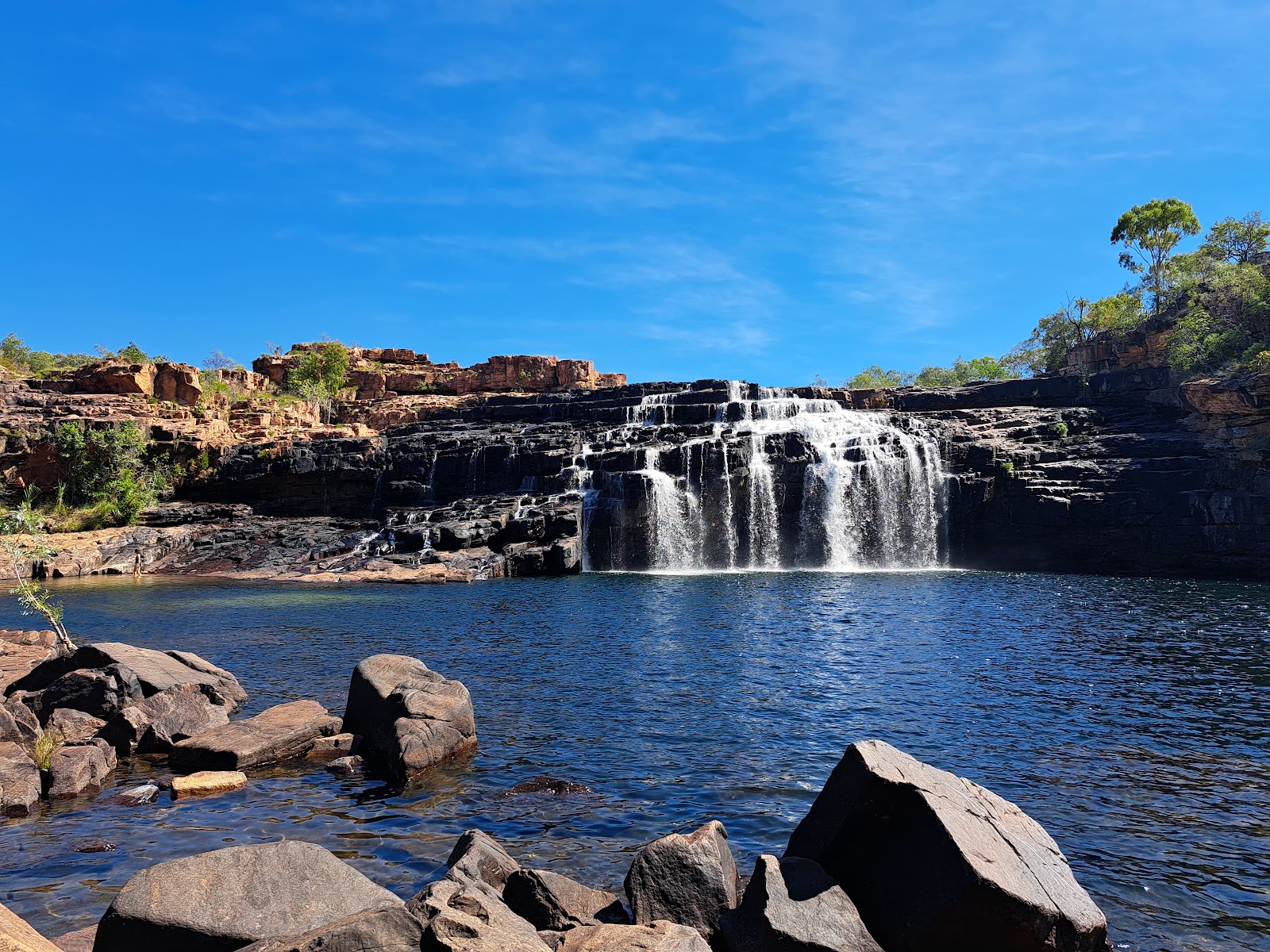
"Remote, ancient, staggeringly beautiful"
The good news is that some of the most extraordinary experiences in the region cost nothing: the lookout over the Five Rivers at Wyndham, a confirmed-safe gorge swim in a plunge pool you reached on your own legs, the Pentecost River crossing on the Gibb River Road at sunrise, ancient rock art in open-access shelters, a sunset over Lake Argyle from the public lookout, and the star visibility from any campground in the region. This guide lists the genuinely free experiences, notes honestly where national park entry fees or 4WD access apply, and helps you allocate the spending toward the experiences that justify it.
In a region where a two-week self-drive trip can cost $5,000–$10,000 including vehicle hire, fuel and accommodation, "free" is a relative term that deserves honest explanation. The experiences listed here cost nothing in direct entry fees — but most of them require you to already be in the Kimberley with a 4WD, camping or staying nearby. A gorge swim at Bell Gorge is free in the sense that there's no swim entry fee, but it sits inside a Gibb River Road trip with significant costs around it. The Wyndham Five Rivers Lookout costs nothing at the gate, but you drove an hour to get there.
With that context, here is what is genuinely worth seeking out without paying for entry: the lookouts, the sunset stops, the rock-art shelters you can access without a paid tour, the gorge swims that sit outside national parks, the campground star-gazing, and the geological formations visible from the road. These experiences are the connective tissue of the trip — the moments between the paid attractions that, in the Kimberley, often rank among the best memories of the whole journey.
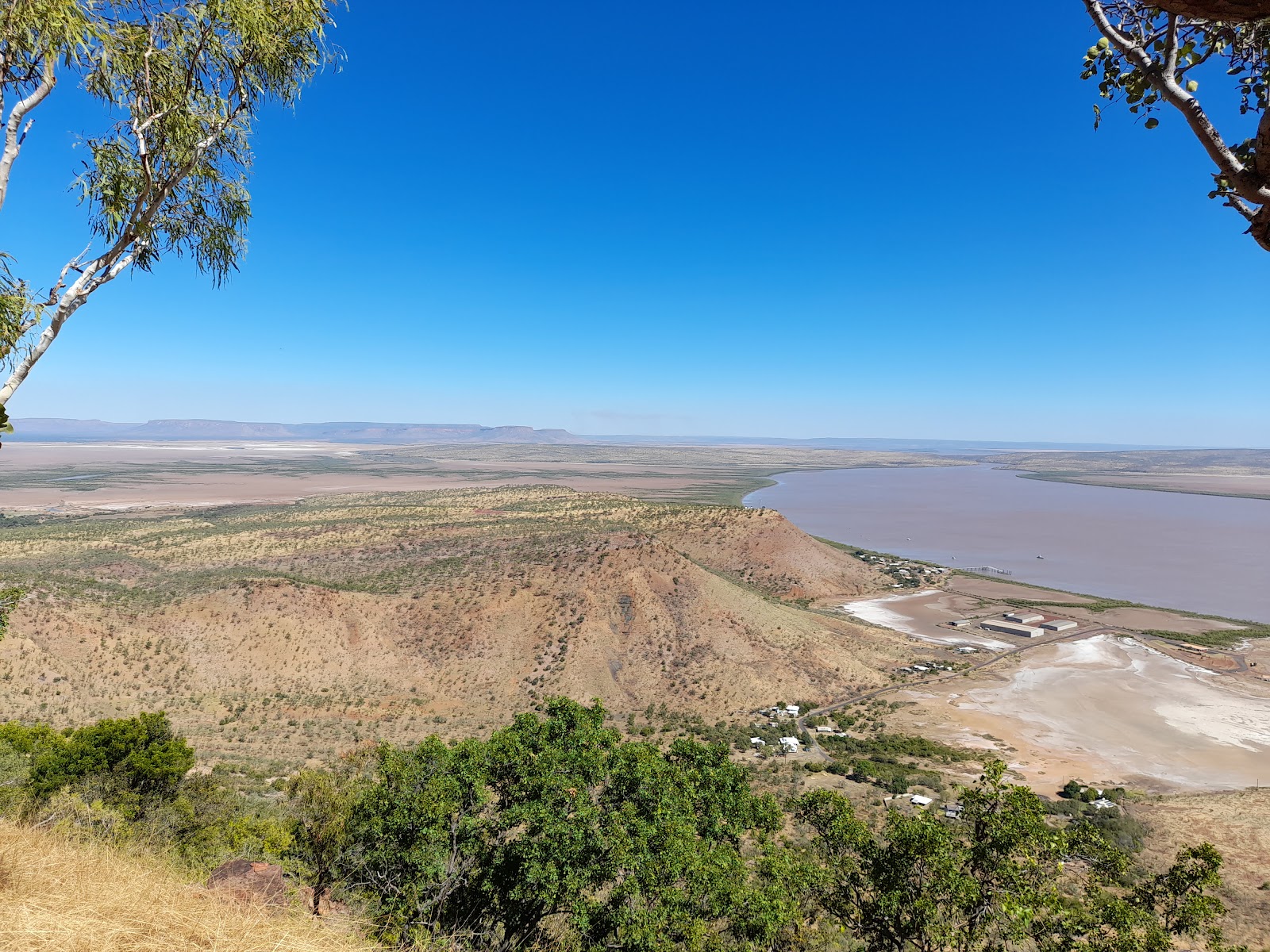
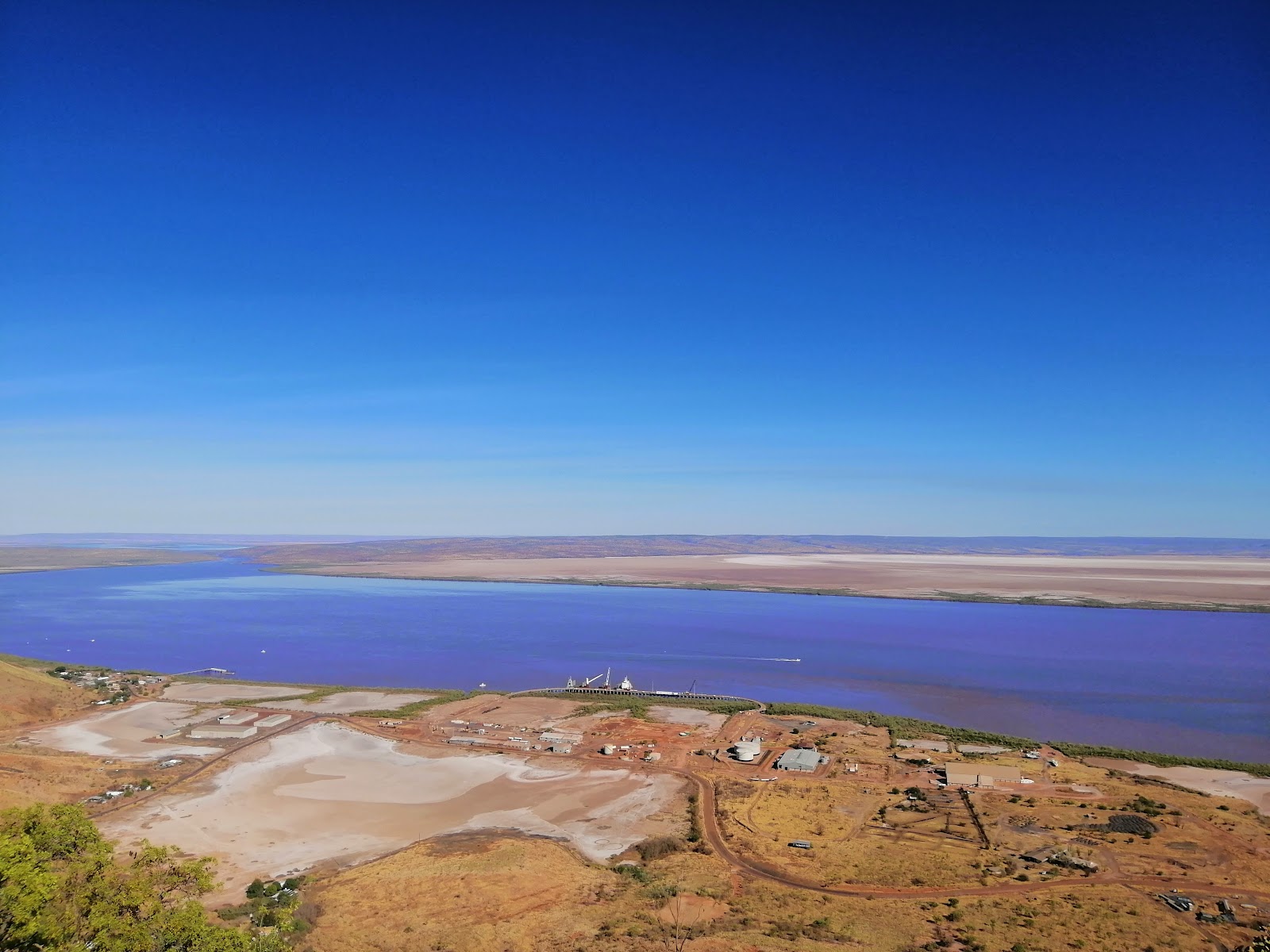
The Five Rivers Lookout on the Bastion Range above Wyndham is the finest free viewpoint in the Kimberley and one of the best in Australia. From the car park at the top — reached via a short sealed road up the range, no fees, no entry process — you can look out over the convergence of five river systems (Ord, Forrest, Pentecost, King and Durack) spreading across the coastal plain below, with the Cambridge Gulf opening to the sea beyond. The scale is extraordinary even by Kimberley standards: the tidal flats, the river channels, the red ranges and the gulf all visible at once, from a point 300 metres above the plain.
Wyndham is a small historical port town about 100km north of Kununurra on a sealed road, making this one of the most accessible free experiences in the eastern Kimberley — no 4WD required for the road in, and the short walk to the lookout point is manageable for most visitors. The light is best in the early morning or around sunset, when the rivers catch the low sun and the coastal flats show their full colour range. Combine it with a stop at the Wyndham town itself, which has a free crocodile park and a historical port precinct that costs nothing to explore.
Note that the temperature at the lookout car park can be extreme from mid-morning in September–October — arrive early in those months.
Five rivers, a gulf, and a vast red-rock plain spread 300 metres below in silence — the panorama that most visitors describe as the moment they understood how large the Kimberley actually is.
“We stopped at the Five Rivers Lookout on the way north and couldn't leave for an hour. Nothing we'd read prepared us for the scale of what you can see from up there. And it cost nothing.”
— Traveller review
The five river systems converging across the coastal plain at golden hour, with the Cambridge Gulf behind them.
The sealed road means it's accessible to most vehicles, but arrive early or in the late afternoon — extreme heat from mid-morning, particularly in September–October.
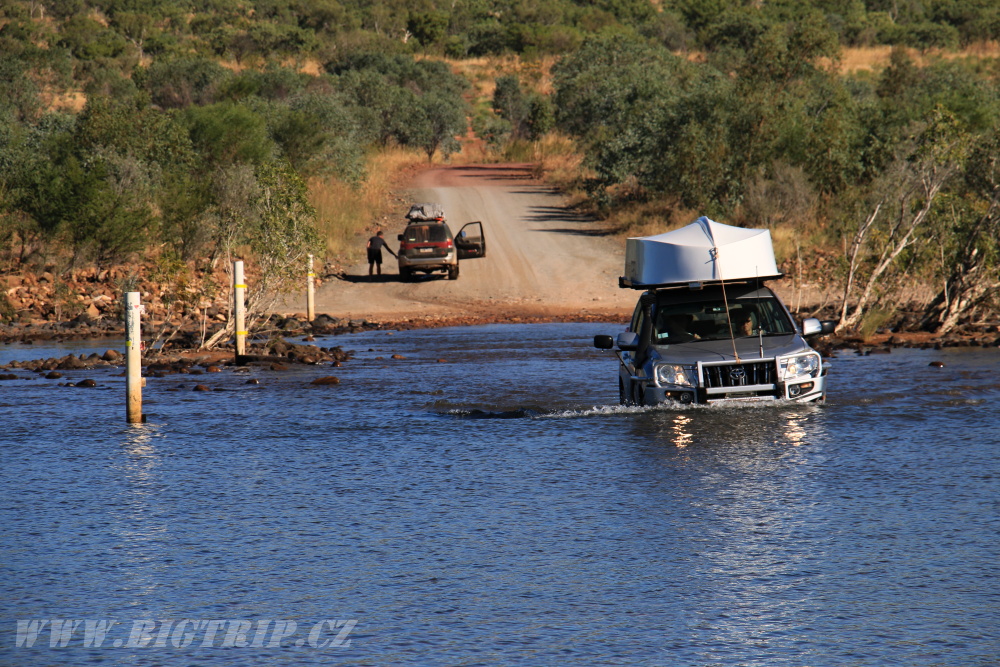
The Pentecost River crossing is the most photographed point on the Gibb River Road — a wide, shallow river ford where the ochre-coloured water spreads across red rock with the Cockburn Range rising behind it, and 4WDs and road trains pass in steady procession during the Dry Season. It sits about 60km east of the Gibb River Road highway turnoff, so it's among the first major sights on the standard west-to-east Gibb traverse, and it sets the visual tone for everything that follows.
The crossing itself costs nothing to see or drive through — it's a public road — and the stop for photographs from the low bank is entirely free. The experience is best in the morning when the light comes in from the east and the Range is lit from the side, or at sunset when the red rock and the water both catch the last light. There's a well-known vantage point on the eastern bank with a clear view across the water to the 4WD crossing.
Note that the Pentecost crossing is iconic partly because it is a real ford across a real river: check the water depth before crossing, particularly in early May when the river may still be running higher after the Wet. Saltwater crocs have been sighted at the crossing and the river itself — do not enter the water at this location under any circumstances.
The Cockburn Range reflected in the shallow river ford at sunrise is the Gibb River Road image — the moment that confirms you're actually doing this trip.
“Pulled over at the Pentecost crossing at 7am and the range was going orange in the first light while a road train drove through the ford. The definitive Gibb River Road photograph.”
— Google review
The Cockburn Range lit from the side in morning light, reflected in the shallow ford crossing.
Do not enter the water at this crossing — saltwater crocs have been sighted in the Pentecost River. Check river depth before crossing if water levels are higher than expected in early May.
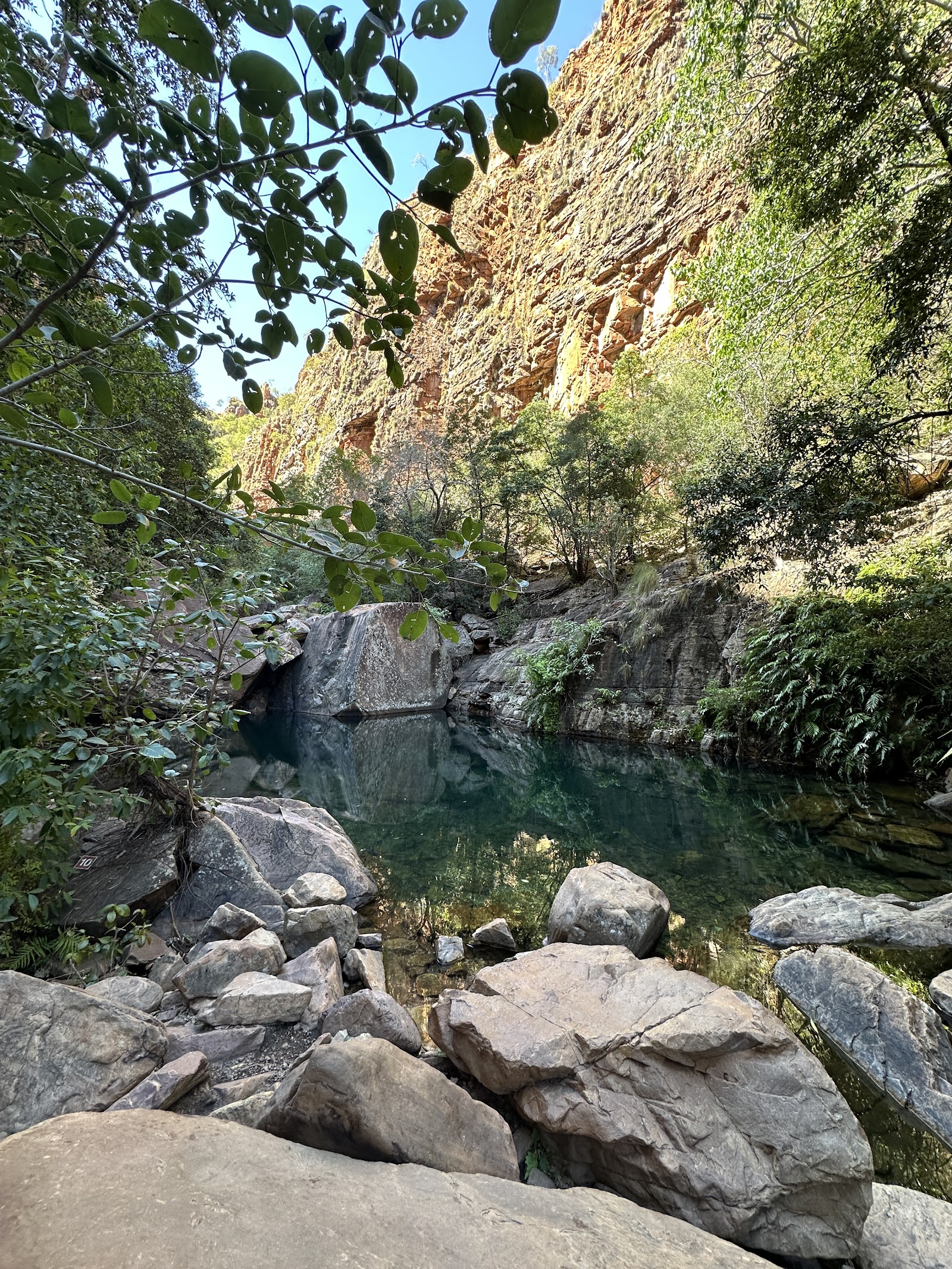
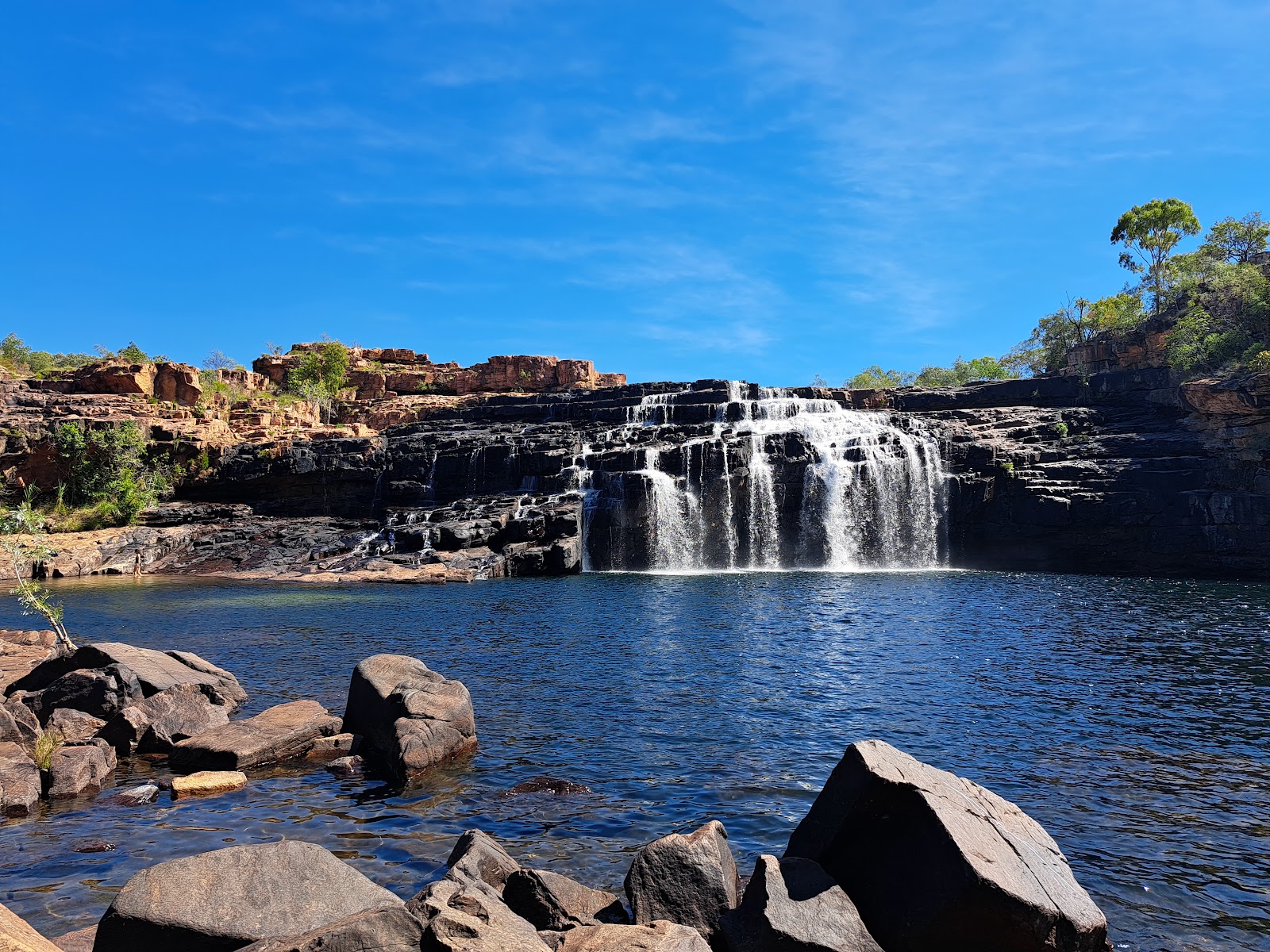
The most valuable free experiences on the Gibb River Road are the gorge swimming holes that sit outside national parks — places where you pay a small station fee (typically $15–$20 per vehicle for the night or day) rather than a per-person national park charge, and access a gorge swim that rivals anything in Australia. Manning Gorge (reached from Mount Barnett Roadhouse), Barnett River Gorge, and Adcock Gorge are among the Gibb's most popular, and their plunge pools are cold, clear, and genuinely extraordinary on a 38°C afternoon.
Bell Gorge (covered in the walks section) technically requires a national parks day pass for camping at Silent Grove, but the gorge itself is accessed via that campground without a separate entry fee — so if you are already camping there, the swim is included. Manning Gorge requires a 2km walk (with a canoe river crossing to start) that makes it feel genuinely remote even though it's a well-known stop. The swim at the base of the gorge, where the water is cold and deep, is one of the best an hour's walk can deliver anywhere in Australia.
The standard croc-safety rule applies at every gorge: confirm via current on-site signage or direct station staff advice before swimming. Most Gibb River Road stations are active about updating croc-safe swimming status, and the station staff are the right people to ask on arrival.
Cold, clear water in a red sandstone gorge after four hours of corrugated red dirt driving — the contrast is one of the best physical sensations available in Australian travel.
“Manning Gorge — canoe across the river, walk 2km, swim in a deep cold pool under a waterfall. One of the best swims we've had anywhere. Station fee of $20 was the best money on the trip.”
— Traveller review
The cold plunge pool at the base of Manning Gorge after the 2km walk — the swim that defines the Gibb River Road experience for most visitors.
Confirm croc safety with station staff before every swim — every time, every location. Station access fees apply (typically $15–25 per vehicle); these are not national park charges but are required. Some gorge tracks close temporarily — check with the station on arrival.
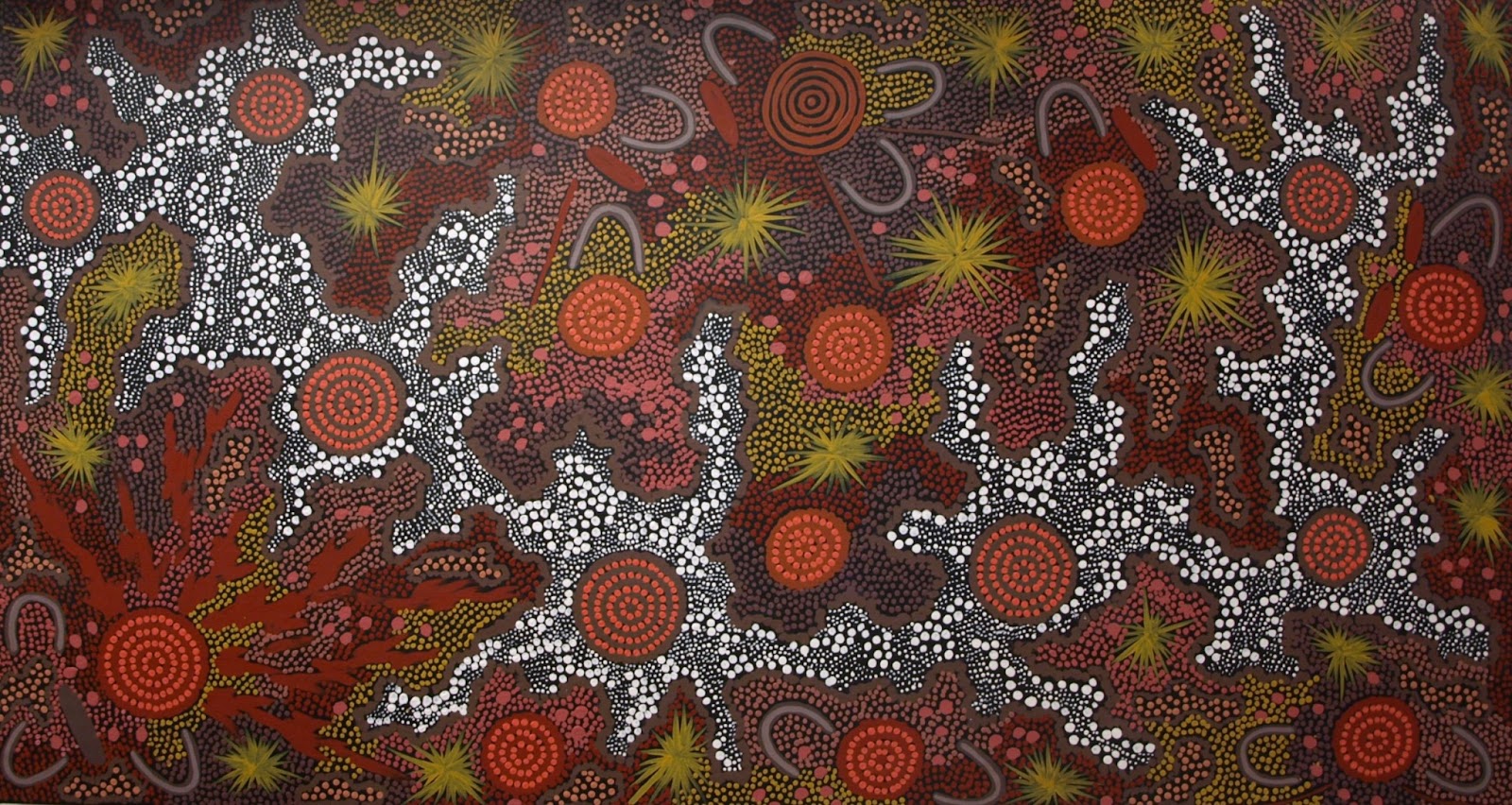
The Kimberley contains some of the oldest and most significant rock art in Australia — Gwion Gwion figures (also called Bradshaw paintings) estimated at 17,000+ years old and Wandjina spirit figures that continue to hold active spiritual significance for Kimberley Traditional Owner groups. Several sites with accessible art are open to visitors at little or no cost, either at roadside shelters along the highway or at station properties where access is included in the station fee.
The most accessible free site for first-time visitors is the Mowanjum Aboriginal Art and Culture Centre outside Derby, where the cultural context for Wandjina and Wunggurr art is presented through the artists themselves. On the Gibb River Road, several stations have rock art visible in their gorge and creek areas, and the access road between Fitzroy Crossing and Geikie Gorge has additional accessible art in the Devonian Reef limestone country.
Approach these sites with the respect they deserve. Rock art sites in the Kimberley are not "attractions" in a recreational sense — they are living cultural heritage with continuing significance. Stay on signed paths, never touch the art, never photograph without checking whether photography is permitted at the specific site, and follow all instructions from signage and Traditional Owner guides. Many of the most significant sites are not open to independent visitors and require guided access — the best guided rock art tours operate out of Kununurra and Broome.
Standing in front of a Wandjina figure painted 15,000 years ago in a sheltered rock overhang — the depth of time it represents is unlike any museum display.
“The rock art at the station gorge was unlike anything we'd seen. Our guide explained the ongoing significance of the Wandjina figures and the whole context changed. Not just old paintings.”
— Traveller review
A guided rock art tour that puts the sites in cultural context — the experience is transformed when you understand what you're looking at.
Never touch rock art. Many of the most significant sites require guided Traditional Owner access — do not attempt to find them independently. Photography may not be permitted at specific sites; check signage before photographing.
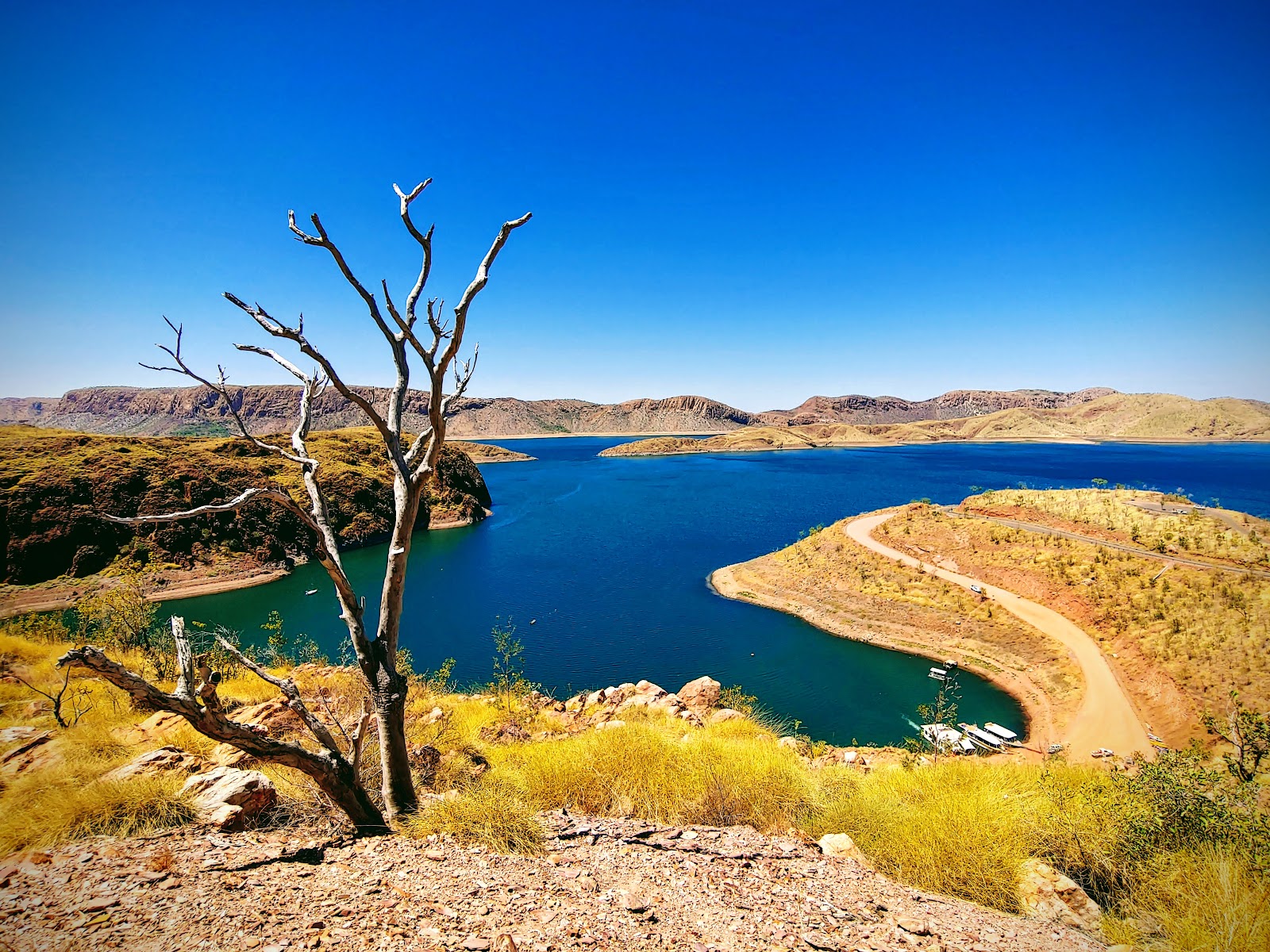
Lake Argyle Resort operates the famous infinity pool and sunset cruises as paid experiences, but the Lake Argyle public lookout — a designated viewpoint on the road in — delivers a version of the same view for free. The reservoir spreads below you, ringed by the ancient red Carr Boyd Ranges, and the late-afternoon light turns the whole scene orange in a way that is, by any measure, one of the finer views in Western Australia. It is not the infinity pool experience, and it is not the cruise — but for travellers who want to see Lake Argyle without the paid overlay, the public lookout is a genuine and satisfying stop.
The lookout is on the sealed Lake Argyle Road, 72km from Kununurra, and accessible to any vehicle. Time your arrival for the hour before sunset and bring a camera — the colours on the ranges and the water change significantly through the golden hour. There is no entry fee, no booking, and no infrastructure to navigate. It suits visitors passing through who want to see the lake without the additional time and cost of the cruise, and it makes a worthwhile addition to any Kununurra day trip even for those who do the resort visit on a separate day.
The same ancient reservoir and the same red ranges, viewed from a public lookout at no cost — the scale of Lake Argyle is evident from here even without the paid experiences around it.
“Stopped at the public lookout on the way back from the resort and the light was better there than at the infinity pool. Totally free, no booking, and the colours were extraordinary.”
— Traveller review
The last 20 minutes of golden hour from the public lookout — the ranges going orange behind a reservoir the size of a small sea.
Not the same as the resort infinity pool or the cruise — this is a roadside lookout, not a facilities experience. Arrive at least 30 minutes before sunset for the best of the light.
Tunnel Creek (covered in detail in the Best Walks guide) is worth including here because its access structure is different from the other national parks: entry is via the Devonian Reef National Parks day pass, which at the time of writing covers both Tunnel Creek and Windjana Gorge for a single per-person fee — significantly less per experience than the Purnululu entry fee. For travellers in the western Kimberley around Fitzroy Crossing and Derby, combining Tunnel Creek and Windjana Gorge on a single park pass day is one of the best-value full days in the region.
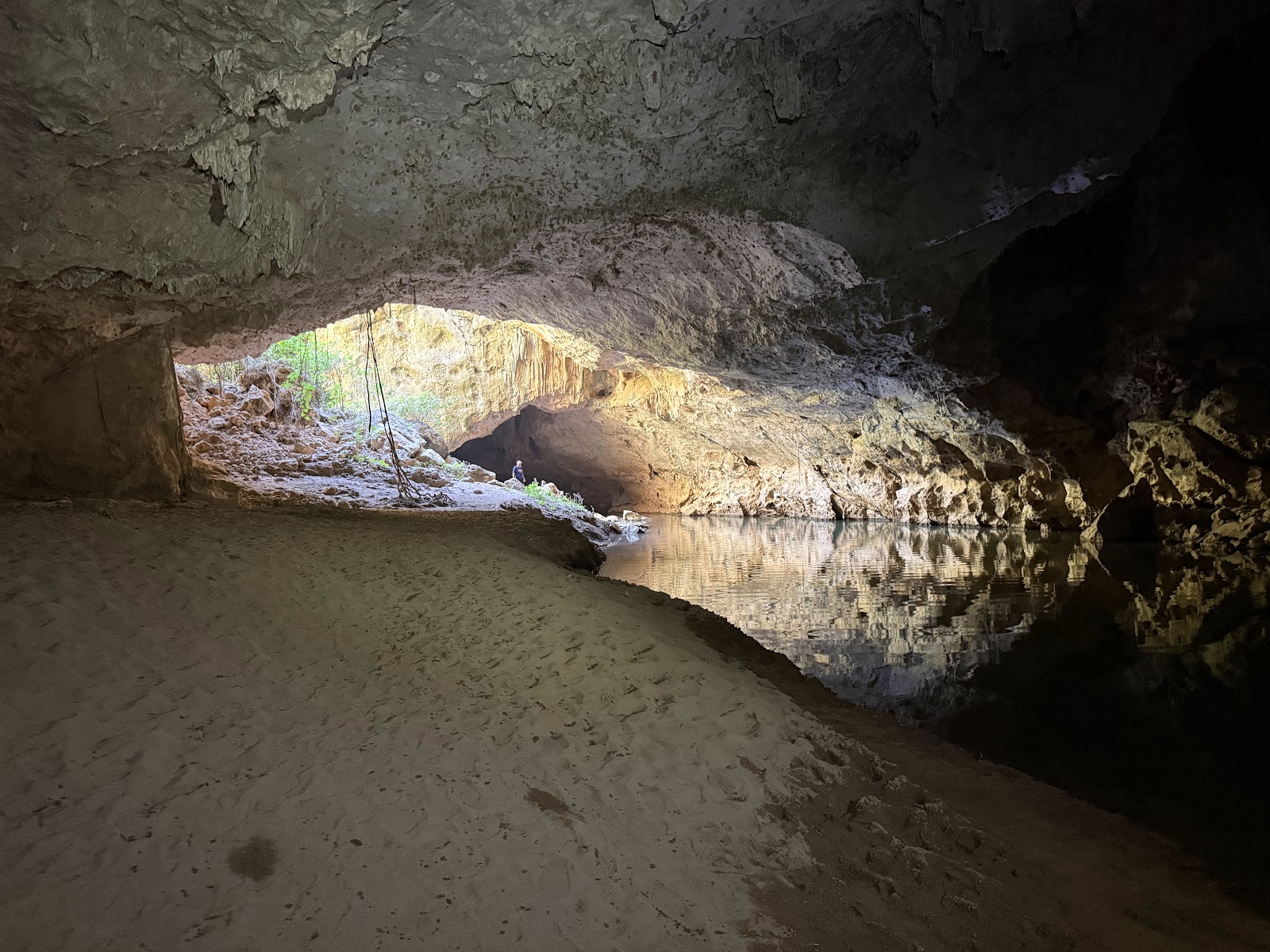
The walk itself — 750 metres through a naturally bored limestone tunnel, wading through dark water by torchlight — requires no payment beyond the park day pass, and is genuinely extraordinary. The sunlit collapse chamber in the middle of the tunnel, reached after wading through cold dark water in near-silence, is one of the most unexpected spaces in Australian wilderness walking. The approach road from the highway is sealed, making this more accessible than most Kimberley experiences.
For families and casual visitors who want a genuine Kimberley cave experience without the full gorge-trek commitment, Tunnel Creek delivers considerable impact at moderate cost and effort.
Wading through cold dark water by torchlight and emerging into a sunlit cave chamber is completely unlike anything else in the Kimberley — and it is among the more affordable experiences in the region.
“The least expensive thing we did in the Kimberley was among the most memorable. Knee-deep cold water in the dark with bats overhead, then sunlight through the cave roof. Nothing else quite like it.”
— Google review
The sunlit collapse chamber in the middle of the tunnel after the dark wading section — the contrast of dark and light is one of the most dramatic natural reveals in the region.
Devonian Reef National Parks day pass required; freshwater crocs are present — read ranger information before entering. Bring a head torch and a spare. Not suitable for those with a strong fear of the dark or deep aversion to cold water.
In a region this remote and this far from any major city, the night sky is a free experience in a category of its own. There is no artificial light pollution across most of the Kimberley, and on a clear, moonless night the Milky Way is visible from horizon to horizon with a clarity that most visitors from southern and eastern Australian cities have genuinely never encountered before. It is, consistently, one of the experiences Kimberley travellers report as unexpectedly among the most powerful of the trip.
It costs nothing beyond being in the region. From any campground on the Gibb River Road, at Lake Argyle, at Purnululu or anywhere else away from the main towns, step outside after dark, give your eyes ten minutes to adjust, and look up. The Southern Cross, the Milky Way core, the Magellanic Clouds and the full southern sky are present in a way that photographs understate. For children raised in suburban Australia, it can genuinely alter their sense of scale and their relationship to the natural world.
The best conditions are a clear night with a new moon or late in the lunar cycle, which means checking the moon phase before you plan around it. June through August are typically the clearest months. A red-light torch preserves your night vision if you want to walk around camp without ruining the adjustment.
The Milky Way arm-to-arm from horizon to horizon over a silent gorge country campground — free, extraordinary, and impossible to replicate at home.
“Our children had never seen stars like that. They stood at the edge of the campsite in silence for twenty minutes. Worth the whole trip for that single hour.”
— Google review
A clear moonless night with the Milky Way core directly overhead and the Southern Cross on the horizon — twenty minutes outside any Gibb River Road campground.
Requires a clear, moonless night — check the lunar calendar before planning around it. Moon phases vary; the best viewing is around new moon periods. In May–June there can be haze from distant fire smoke.
What recent visitors say:
“OMG...this place reduced me to tears due to being overwhelmed by its grandeur and spectacular scenery. We had two days here but would have loved a week. Echidna Chasm was amazing, Cathedral Gorge breathtaking and Mini Palms gorgeous. I have travelled extensively throughout Europe, Australia, Asia and parts of Canada and the US and l rate this as No 1. This I”— Megan Hollick (on The Bungle Bungles), Google review
“I'll admit that before I visited The Kimberley all I knew about The Bungles Bungles was the classic aerial image of the striated doom rocks. We visited at sunrise so caught the early morning, 'golden hour' light on the ranges. Early start meant that the day use area was not busy, and the trails were cool, shaded and not crowded. Trial heads had maps, paths w”— Zeglar “Zeg” Fergus (on The Bungle Bungles), Google review
“A place that is kinda impossible to review, you gotta see it for yourself! First warning, the track in is not for the faint hearted (even when graded) but if you can do that you will be fine. Its over 45kms from the front gate to the Visitors centre, which you have to stop at and check in if you are staying at either campsite (Walardi or Kurrajon). Special ”— cktravels (on The Bungle Bungles), Google review
In a destination where a two-week trip has a significant price tag, knowing which experiences are free — and which paid experiences are worth every dollar — is the practical skill that defines the quality of the trip. The free experiences listed here are not the budget consolation prizes of the Kimberley; several of them are among the best things available anywhere in the region. The Five Rivers Lookout at Wyndham, the Pentecost River crossing at sunrise, a gorge swim in a cold plunge pool after a two-hour walk, and a cloudless Kimberley night sky rank with the paid headline experiences by most measures.
The paid experiences that justify their cost are the ones with access gates: Purnululu (national park entry for Cathedral Gorge and the Bungles), Lake Argyle sunset cruise (a specific viewpoint and experience unavailable from the road), and guided rock art tours (the cultural context that transforms the sites). Everything else — including most of the driving, the lookouts, the campground stargazing, the roadside geology and the Gibb River crossing — is part of the fabric of being in the Kimberley, and it is free.
Enjoying free things to do? Here’s where else in Australia it’s worth the trip — ranked by how loved each destination is, with the one thing not to miss at each.
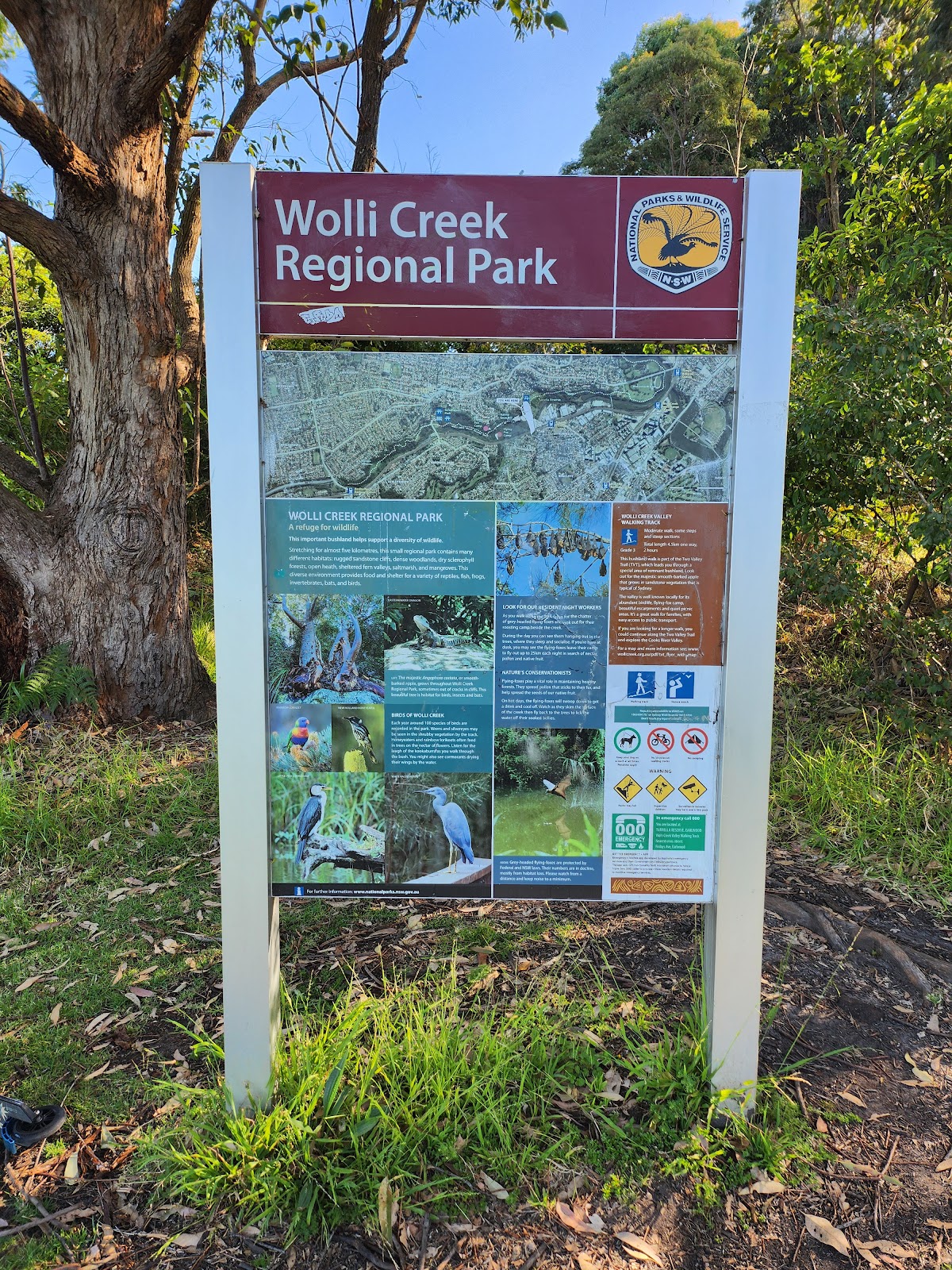 Glen Aplin
Granite Belt, Queensland
The dawn walk on Mount Stirling Road — The northern stretch where the vineyards open on both sides, in the best light between 7 and 8am.
Explore free things to do in Glen Aplin →
2
Glen Aplin
Granite Belt, Queensland
The dawn walk on Mount Stirling Road — The northern stretch where the vineyards open on both sides, in the best light between 7 and 8am.
Explore free things to do in Glen Aplin →
2
 Kangaroo Valley
Shoalhaven, New South Wales
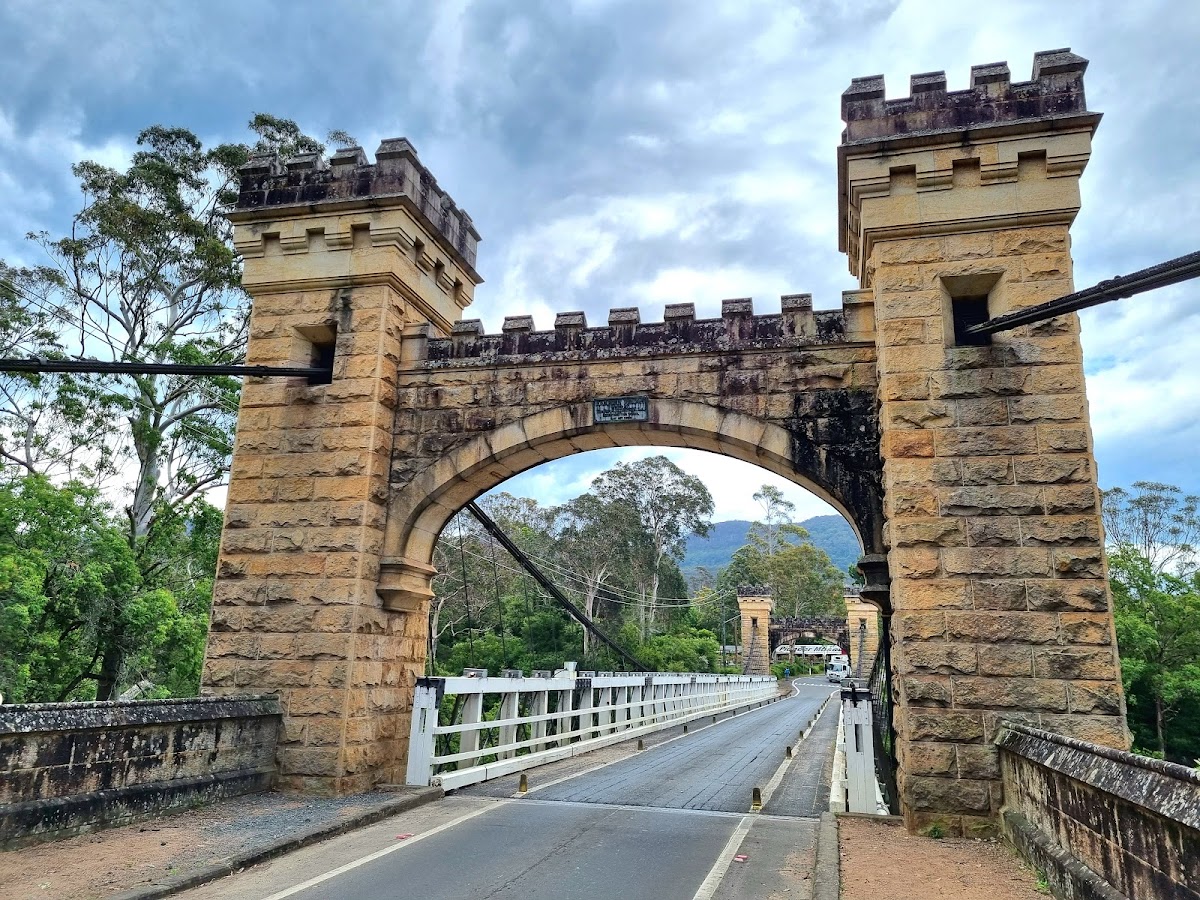
Walk Hampden Bridge — The classic view back up at the castellated towers from the riverbank below, in early-morning or late-afternoon light.
Explore free things to do in Kangaroo Valley →
3
Kangaroo Valley
Shoalhaven, New South Wales
Walk Hampden Bridge — The classic view back up at the castellated towers from the riverbank below, in early-morning or late-afternoon light.
Explore free things to do in Kangaroo Valley →
3
 Byron Bay
Northern Rivers, New South Wales
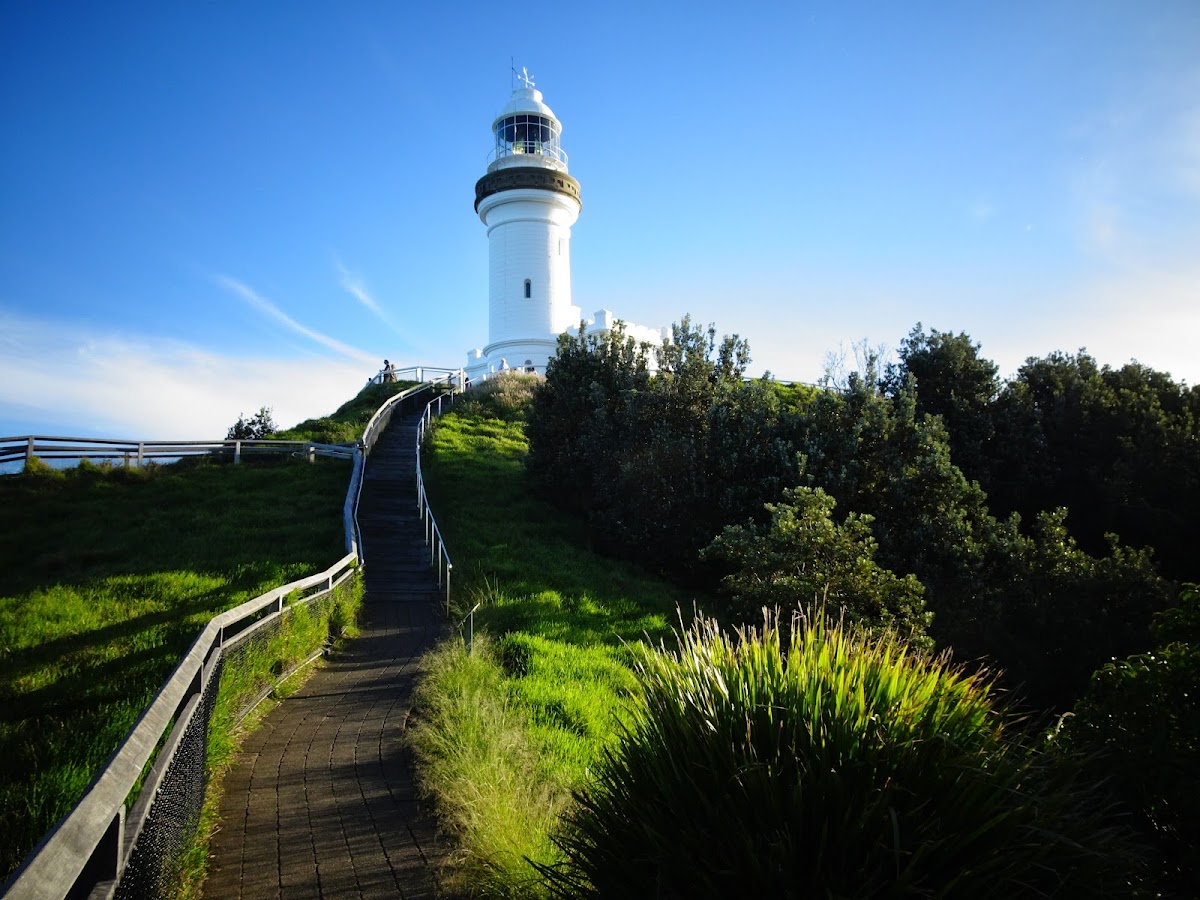
The Cape Byron lighthouse walk — First light at the easternmost point with humpbacks offshore (May–November).
Explore free things to do in Byron Bay →
4
Byron Bay
Northern Rivers, New South Wales
The Cape Byron lighthouse walk — First light at the easternmost point with humpbacks offshore (May–November).
Explore free things to do in Byron Bay →
4
 Narooma
South Coast, New South Wales
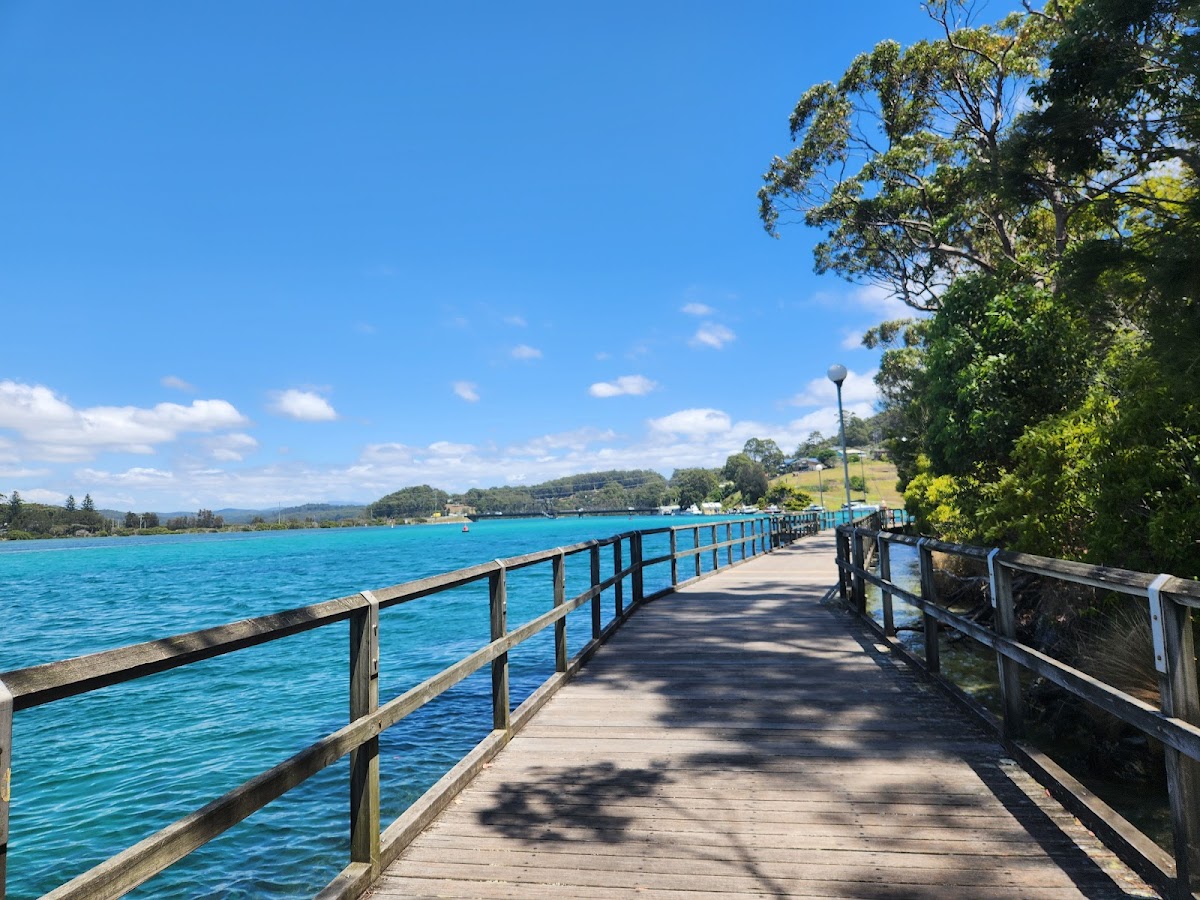
Whale watching from the headlands — A clear winter morning at the Gap lookout during peak migration — bring binoculars and give it time.
Explore free things to do in Narooma →
5
Narooma
South Coast, New South Wales
Whale watching from the headlands — A clear winter morning at the Gap lookout during peak migration — bring binoculars and give it time.
Explore free things to do in Narooma →
5
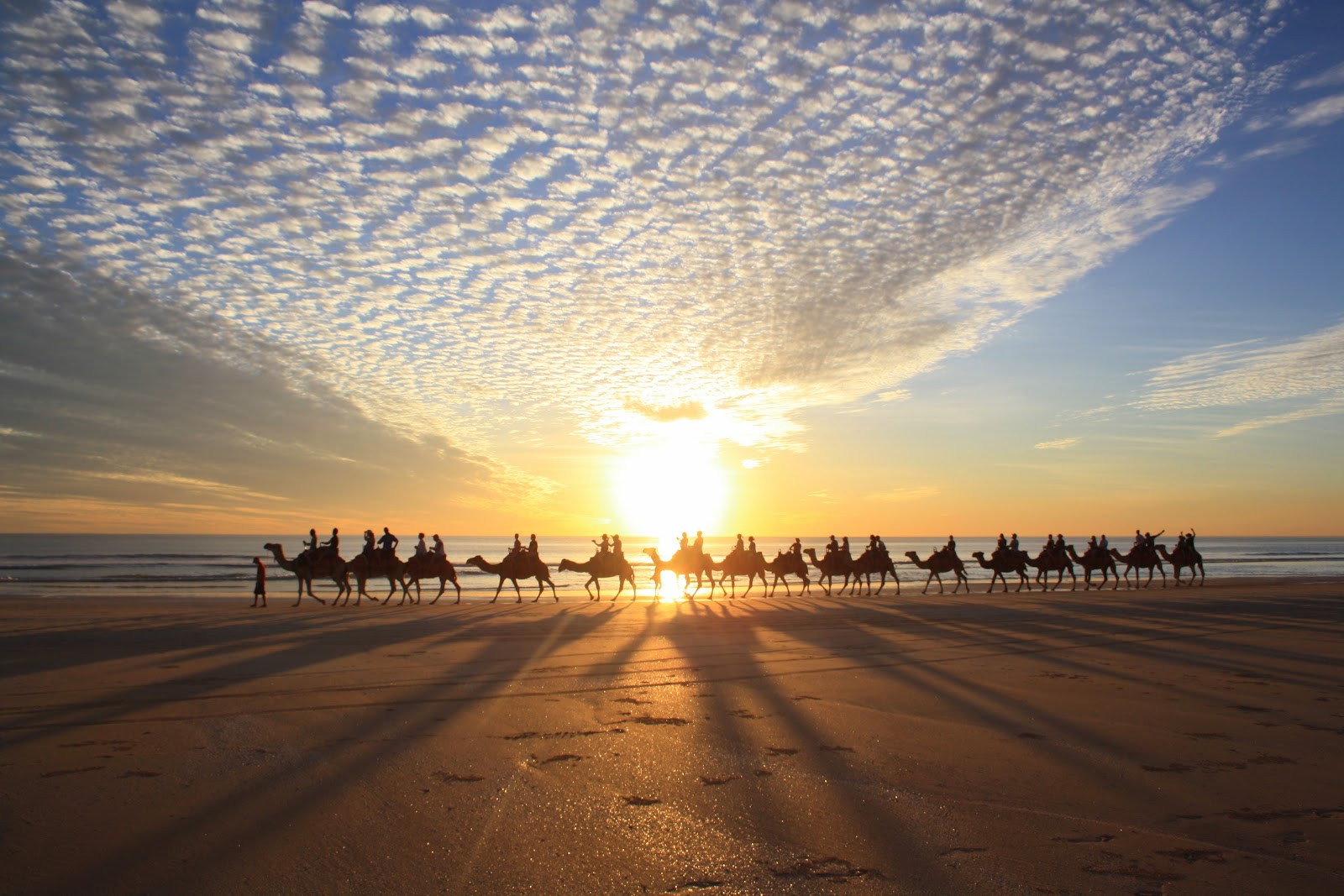
 Broome
Australia's North West, Western Australia
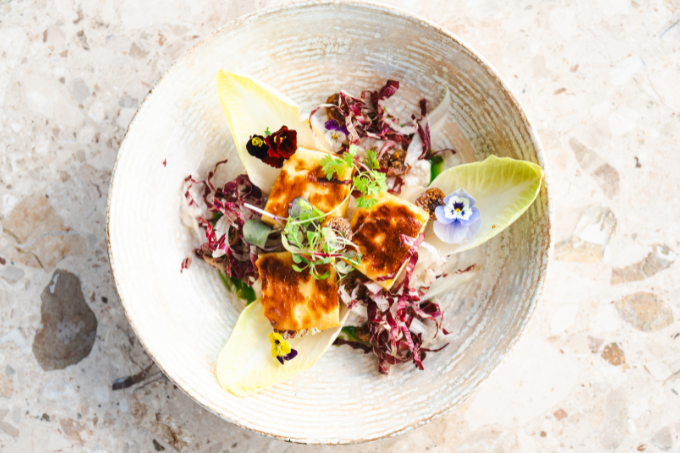
Cable Beach sunset — Arrive 30–45 minutes before sunset to choose your spot on the sand and stay for the afterglow after the sun drops.
Explore free things to do in Broome →
The Kimberley you’re here
Australia's North West, Western Australia
Five Rivers Lookout, Wyndham — The five river systems converging across the coastal plain at golden hour, with the Cambridge Gulf behind them.
You’re reading this guide
Broome
Australia's North West, Western Australia
Cable Beach sunset — Arrive 30–45 minutes before sunset to choose your spot on the sand and stay for the afterglow after the sun drops.
Explore free things to do in Broome →
The Kimberley you’re here
Australia's North West, Western Australia
Five Rivers Lookout, Wyndham — The five river systems converging across the coastal plain at golden hour, with the Cambridge Gulf behind them.
You’re reading this guide
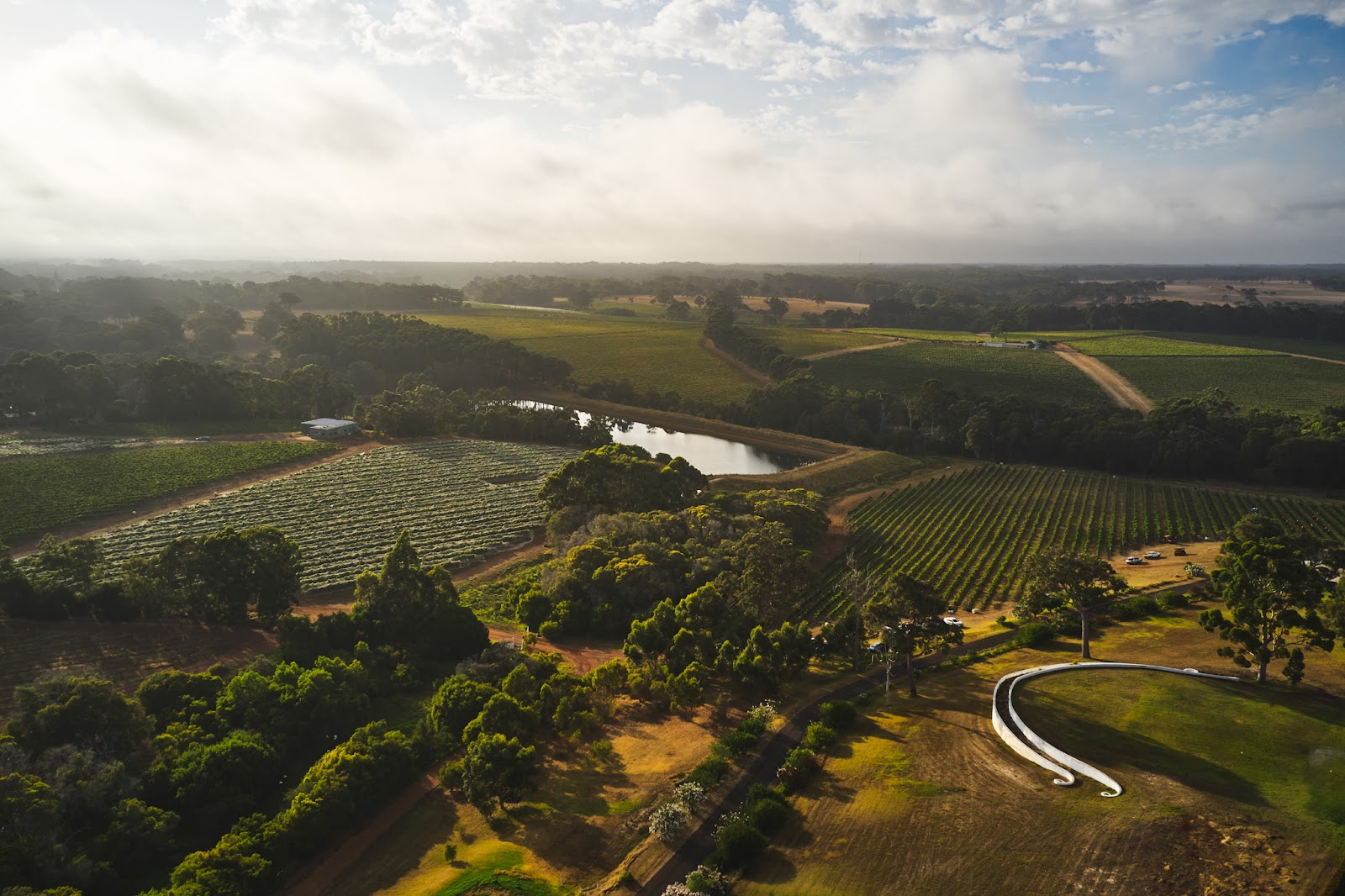
 Margaret River
Australia's South West, Western Australia
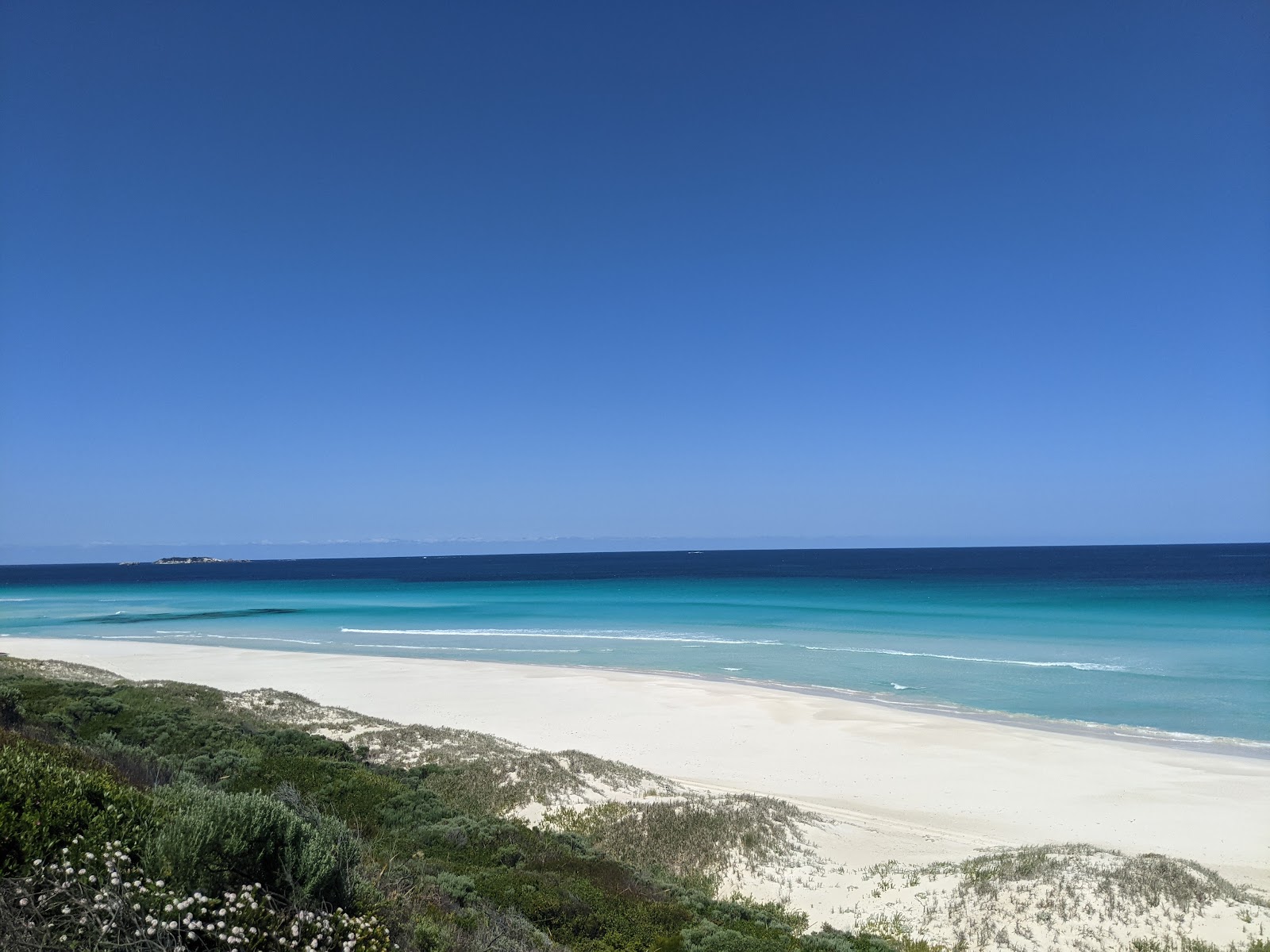
Hamelin Bay stingrays — A slow, quiet wade near the boat ramp on a calm morning — rays will approach and circle without any prompting.
Explore free things to do in Margaret River →
8
Margaret River
Australia's South West, Western Australia
Hamelin Bay stingrays — A slow, quiet wade near the boat ramp on a calm morning — rays will approach and circle without any prompting.
Explore free things to do in Margaret River →
8
 Ningaloo Reef
Australia's Coral Coast, Western Australia
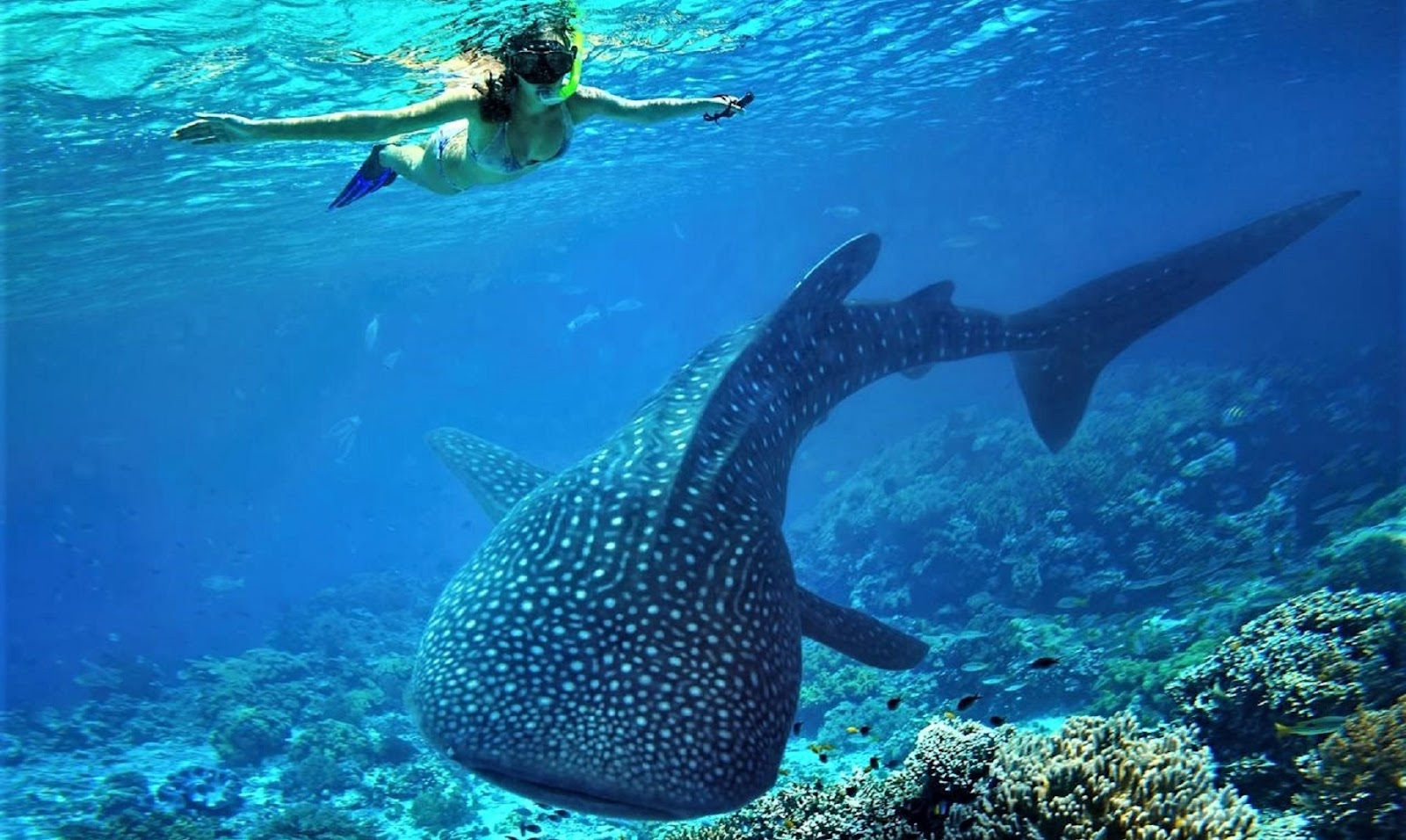
Turquoise Bay drift snorkel (Cape Range National Park) — The drift snorkel on an incoming tide at low-to-mid water, exiting at the main beach — go early and time it right.
Explore free things to do in Ningaloo Reef →
9
Ningaloo Reef
Australia's Coral Coast, Western Australia
Turquoise Bay drift snorkel (Cape Range National Park) — The drift snorkel on an incoming tide at low-to-mid water, exiting at the main beach — go early and time it right.
Explore free things to do in Ningaloo Reef →
9
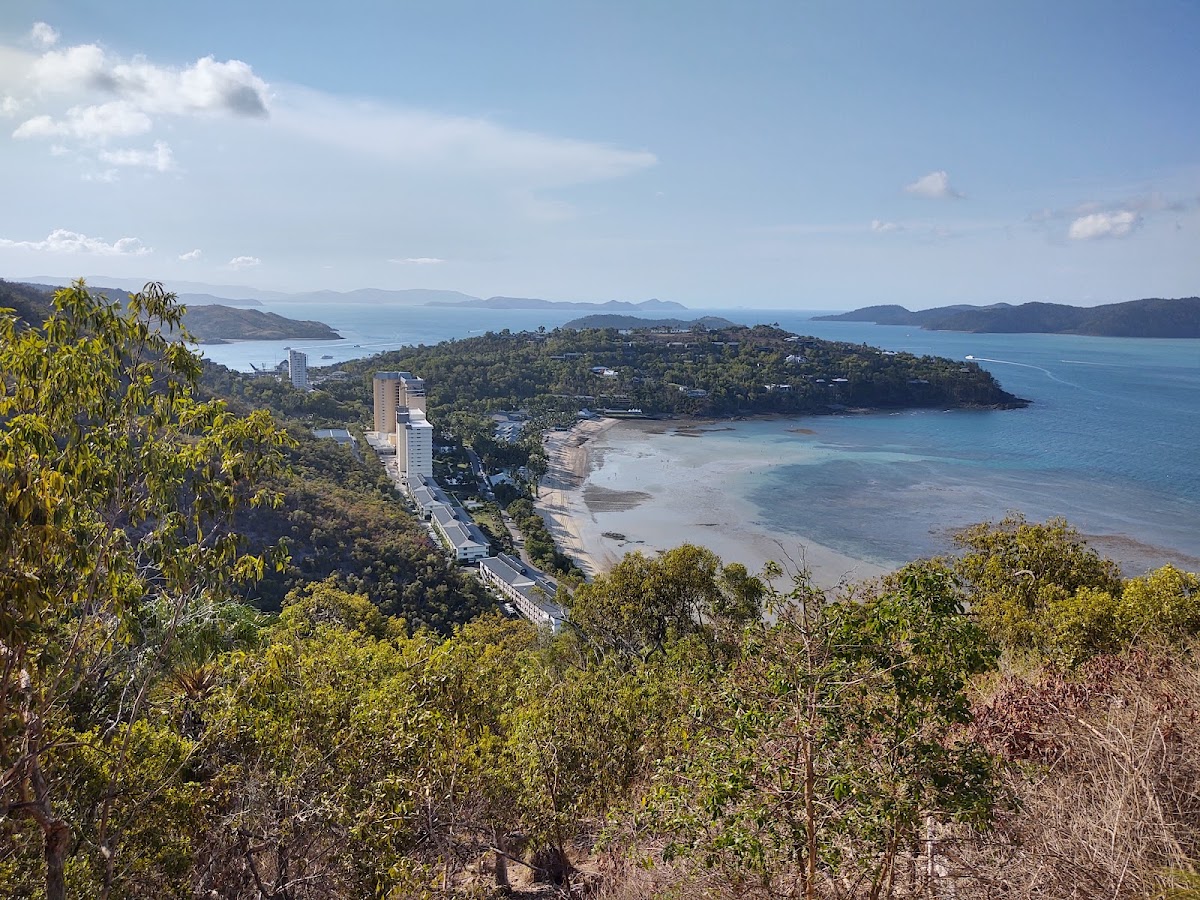 Hamilton Island
The Whitsundays, Queensland
Catseye Beach — A free swim in the netted enclosure with the islands across the water — safe through stinger season and lovely year-round.
Explore free things to do in Hamilton Island →
10
Hamilton Island
The Whitsundays, Queensland
Catseye Beach — A free swim in the netted enclosure with the islands across the water — safe through stinger season and lovely year-round.
Explore free things to do in Hamilton Island →
10
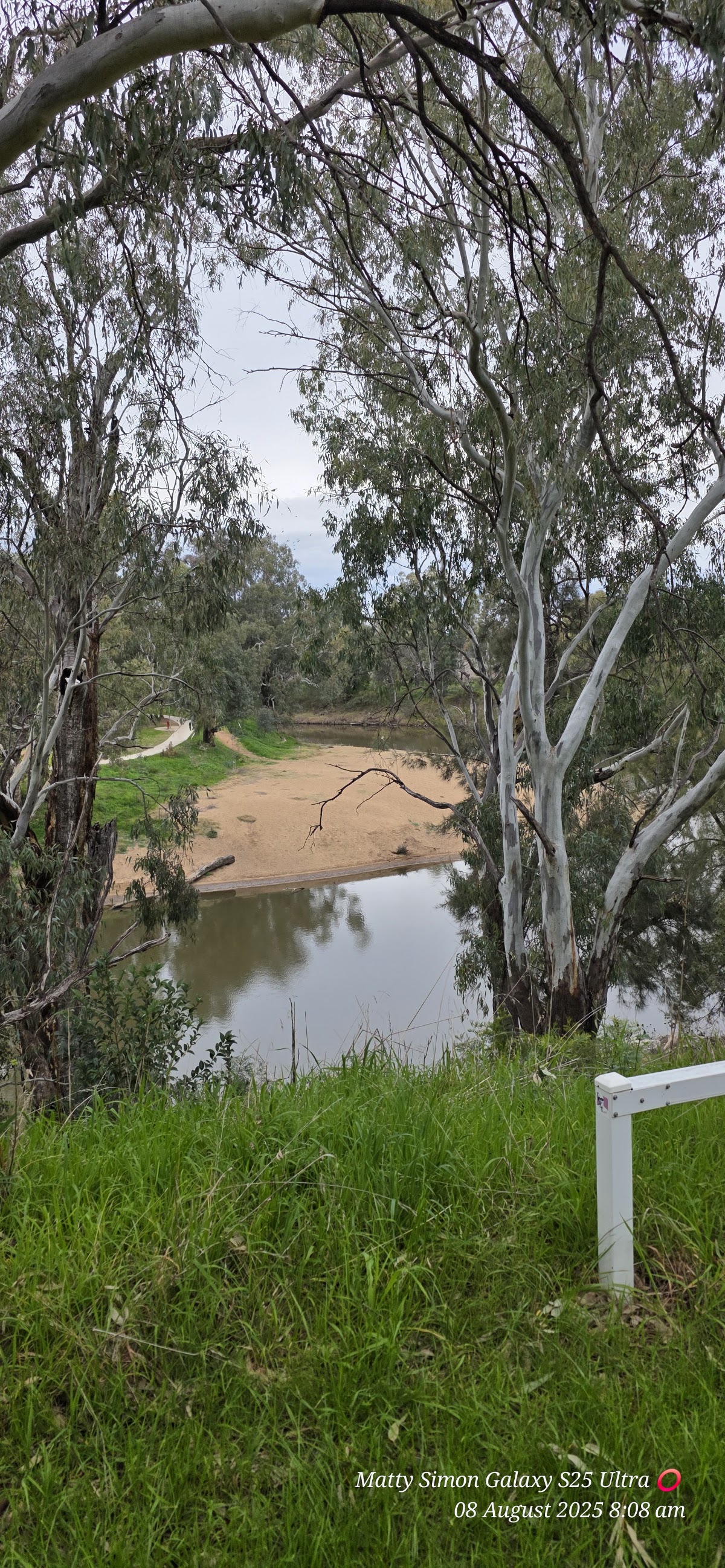 Dubbo
Central West, New South Wales
Tracker Riley Cycleway & the Macquarie River — The riverbank at dawn — soft light, birdsong and the city still asleep.
Explore free things to do in Dubbo →
Dubbo
Central West, New South Wales
Tracker Riley Cycleway & the Macquarie River — The riverbank at dawn — soft light, birdsong and the city still asleep.
Explore free things to do in Dubbo →
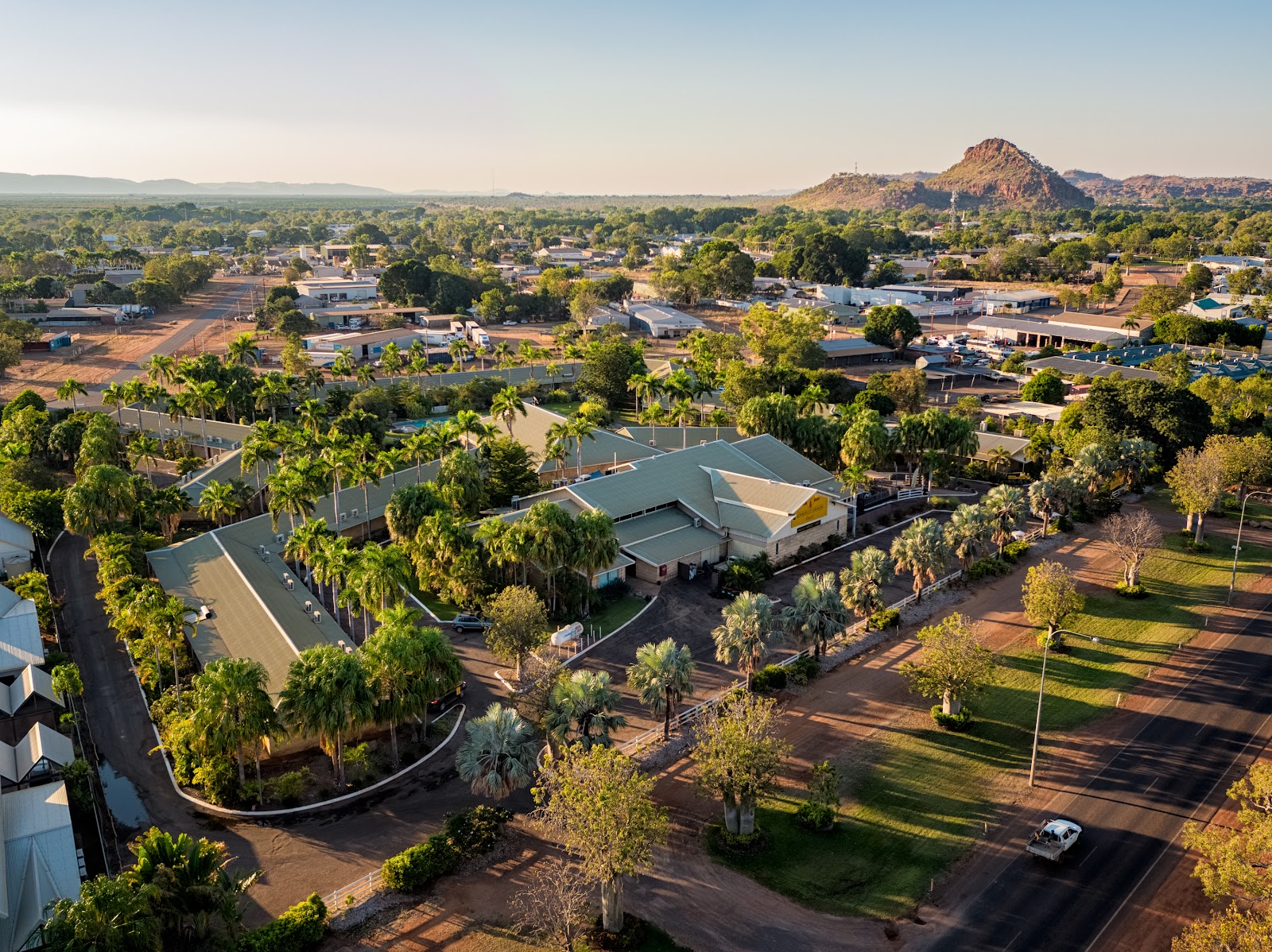
The Kimberley Grande Resort — The Kimberley
Book Direct & Save →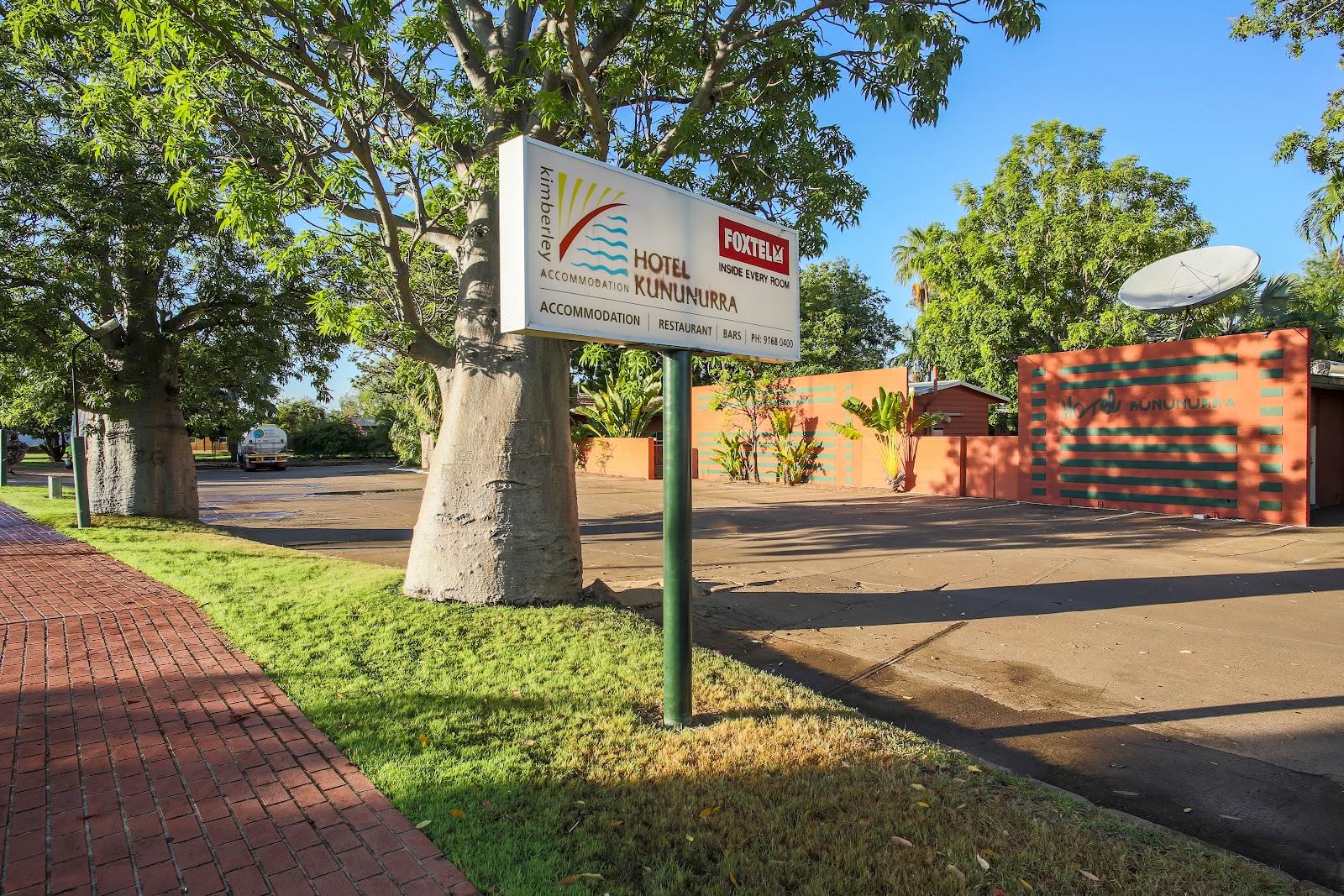
Best Western Cambridge Hotel Kununurra — The Kimberley
Book Direct & Save →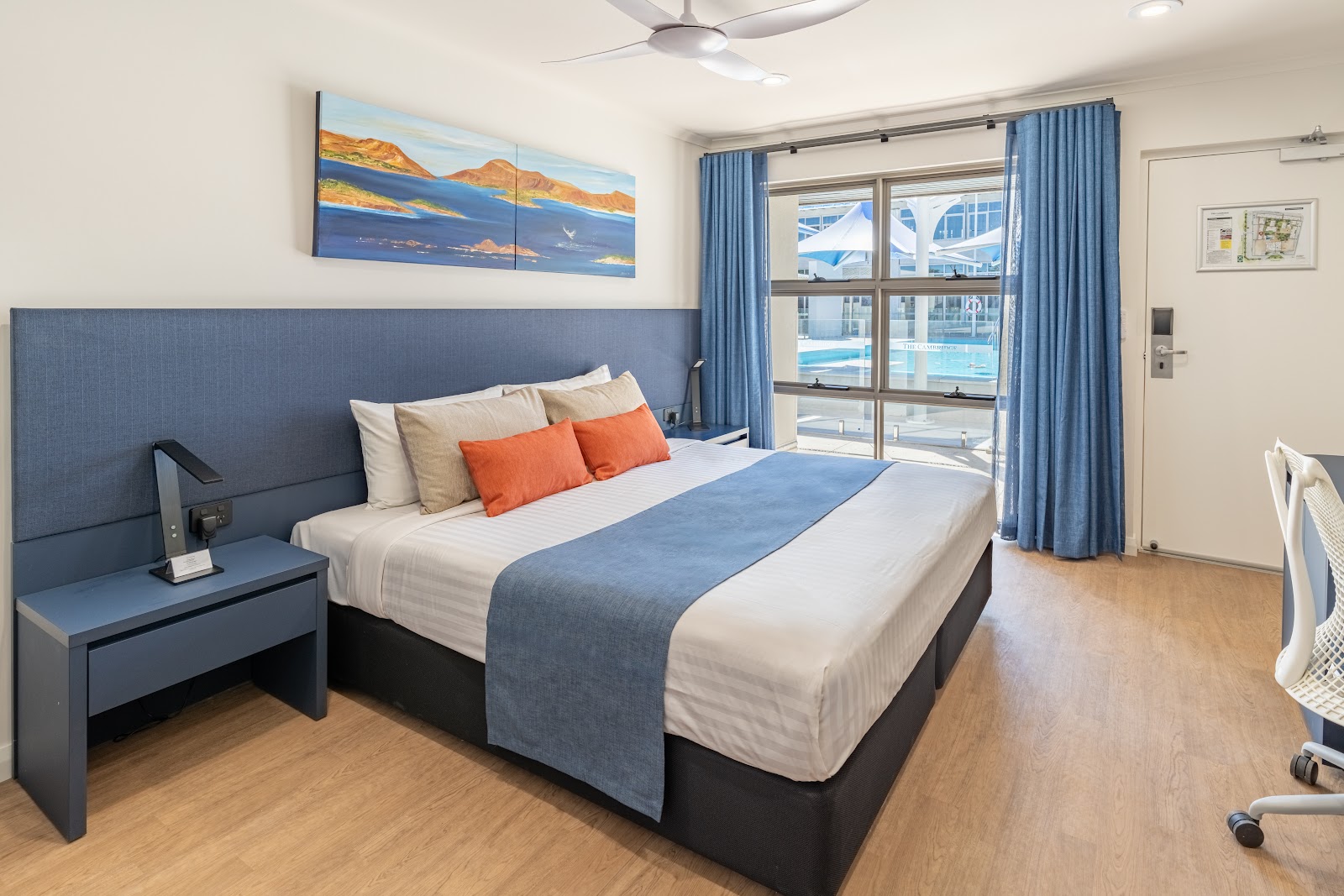
Hotel Kununurra — The Kimberley
Book Direct & Save →Skip OTA fees. Connect directly with The Kimberley owners for the best rates and a truly personal experience.
We match any online rate. No service fees — 100% of your payment supports local owners.
Direct guests receive complimentary hampers, early check-in, and priority access to experiences.
Speak directly with the people who manage the properties. No call centres, just local expertise.
Part of Western Australia · Australia's North West
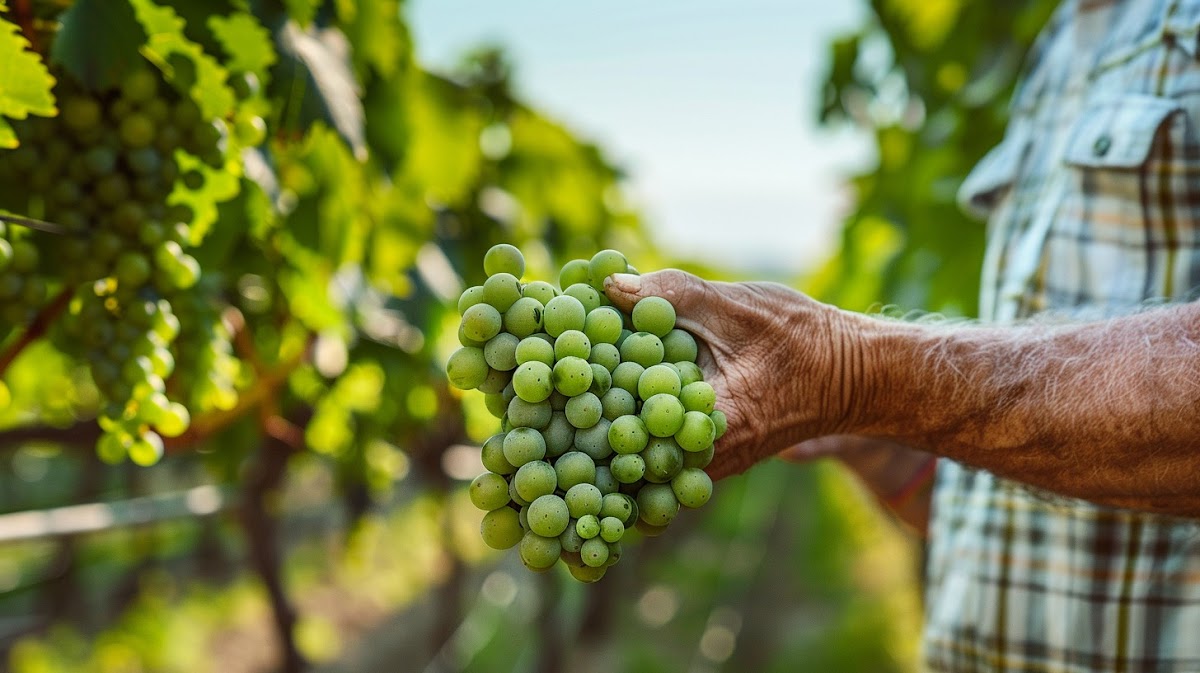 Glen Aplin
Granite Belt, Queensland
Queensland's most underrated wine valley
Explore the guide →
Glen Aplin
Granite Belt, Queensland
Queensland's most underrated wine valley
Explore the guide →
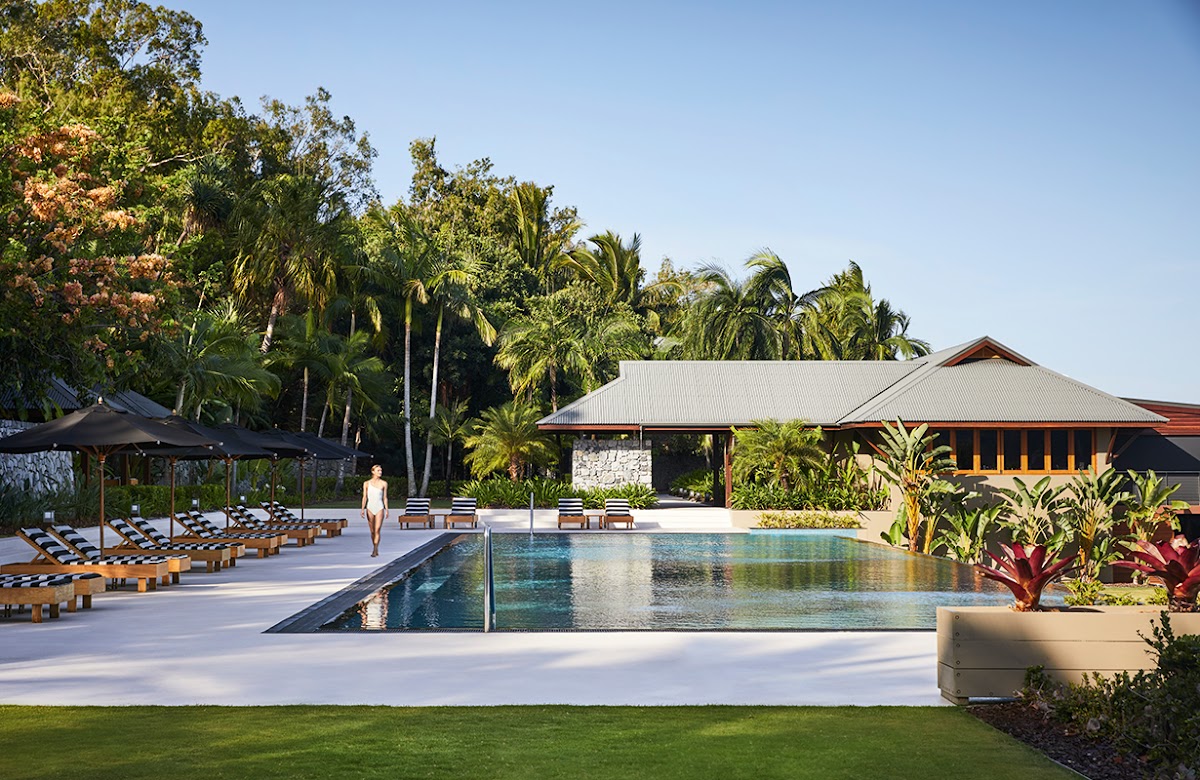 Hamilton Island
The Whitsundays, Queensland
Whitsundays island resort — Whitehaven Beach, reef trips and golf-buggy life
Explore the guide →
Hamilton Island
The Whitsundays, Queensland
Whitsundays island resort — Whitehaven Beach, reef trips and golf-buggy life
Explore the guide →
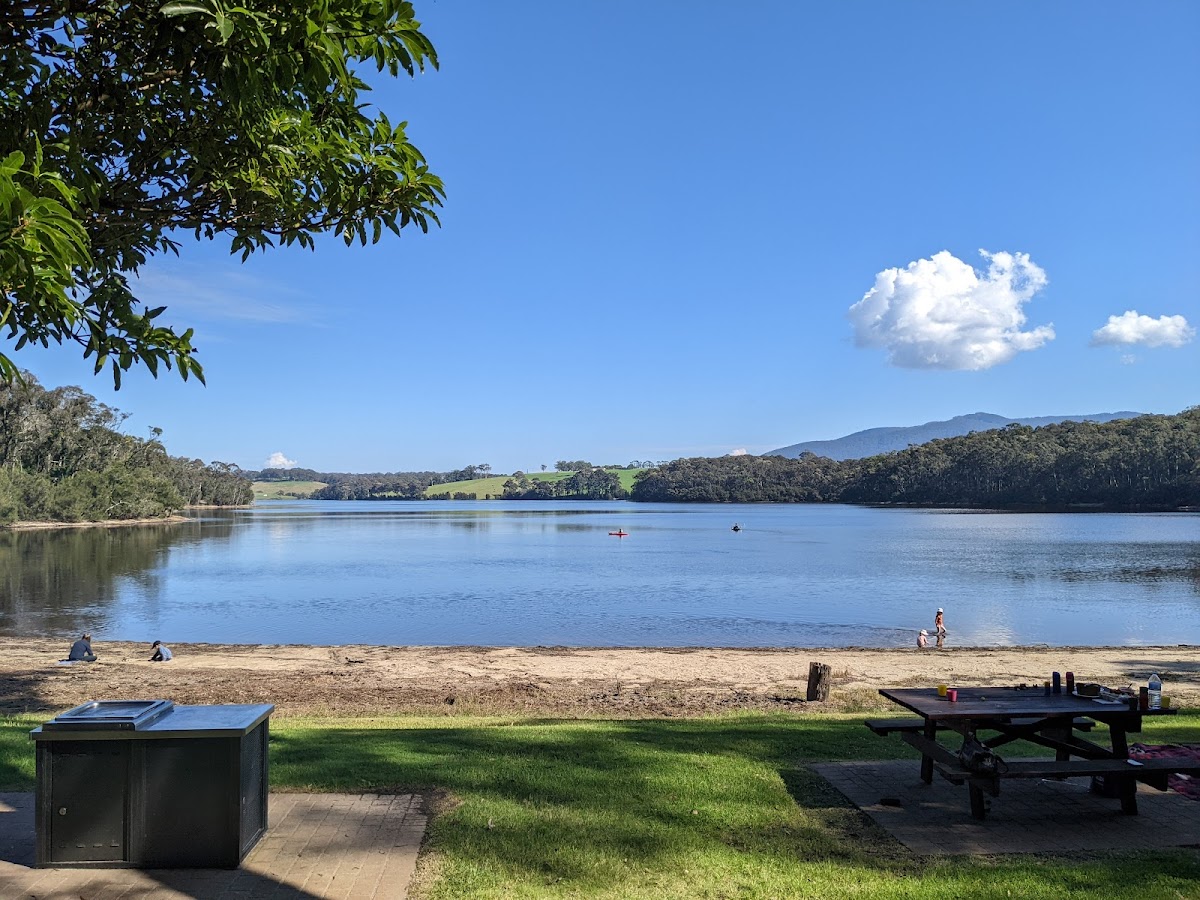 Narooma
South Coast, New South Wales
Crystal-clear inlet, surf beaches, oysters and Montague Island
Explore the guide →
Narooma
South Coast, New South Wales
Crystal-clear inlet, surf beaches, oysters and Montague Island
Explore the guide →
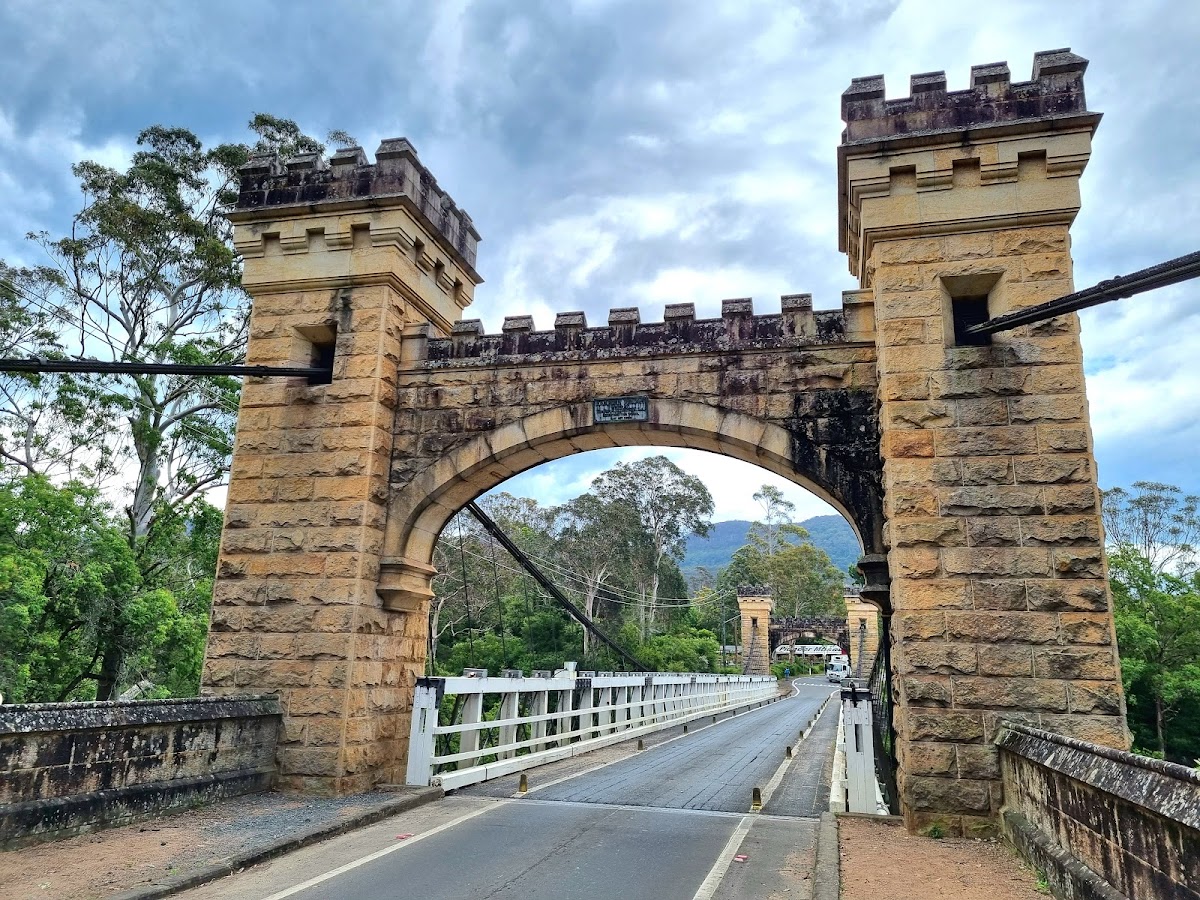 Kangaroo Valley
Shoalhaven, New South Wales
Hampden Bridge, kayaking and wombats in a green valley
Explore the guide →
Kangaroo Valley
Shoalhaven, New South Wales
Hampden Bridge, kayaking and wombats in a green valley
Explore the guide →
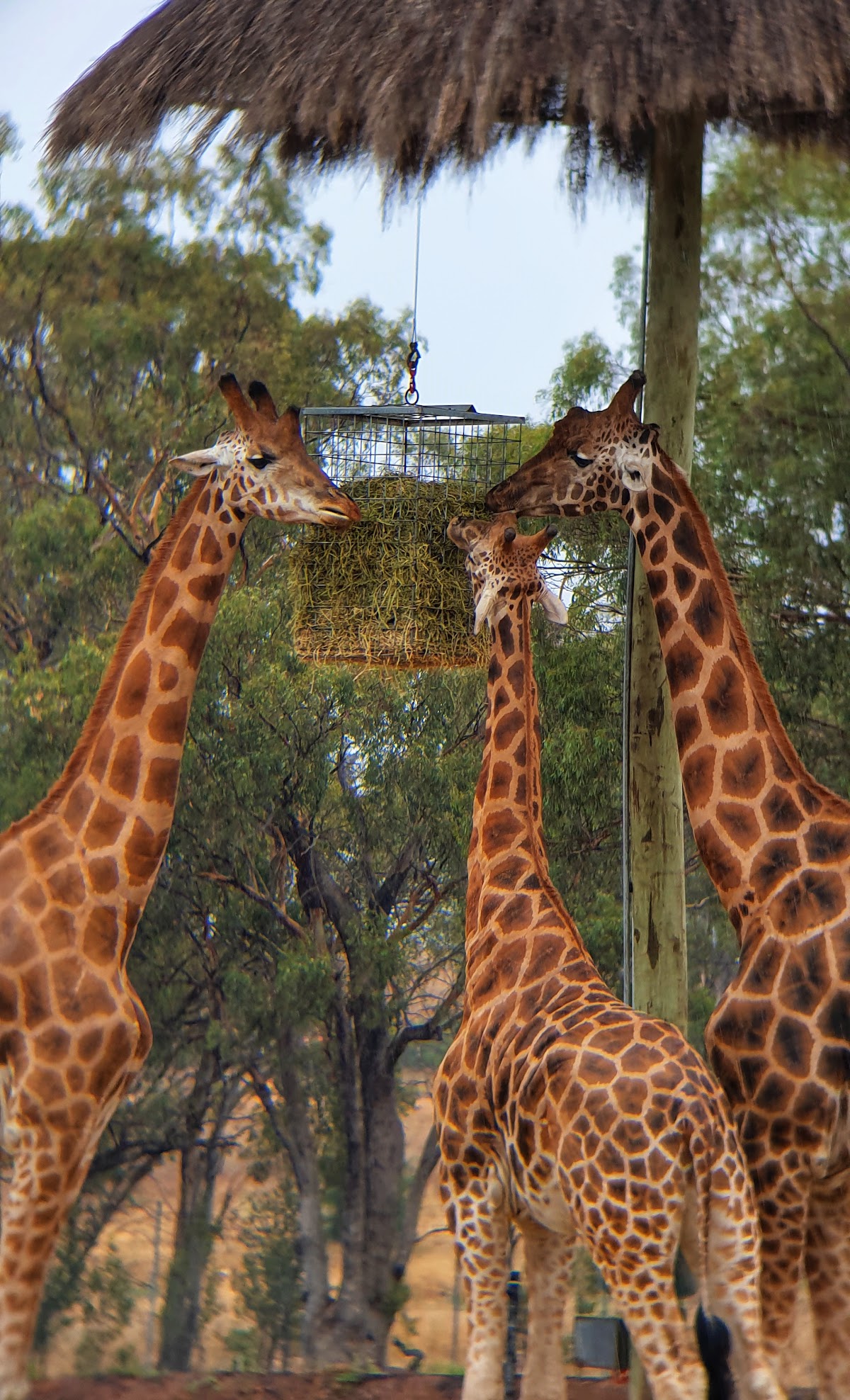 Dubbo
Central West, New South Wales
Open-range zoo and Outback gateway on the Macquarie River
Explore the guide →
Dubbo
Central West, New South Wales
Open-range zoo and Outback gateway on the Macquarie River
Explore the guide →
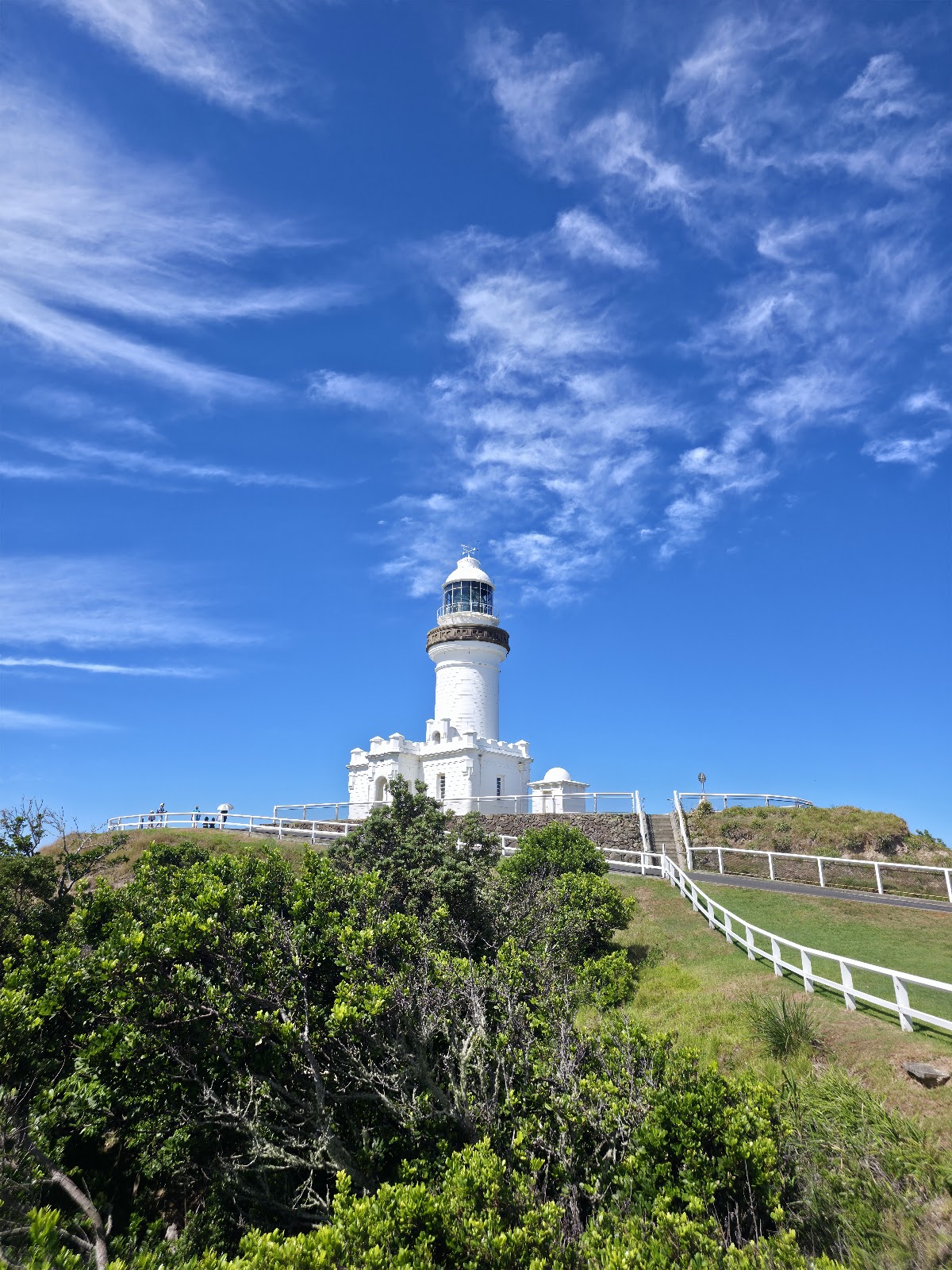 Byron Bay
Northern Rivers, New South Wales
Australia's iconic beach town and most easterly point
Explore the guide →
Byron Bay
Northern Rivers, New South Wales
Australia's iconic beach town and most easterly point
Explore the guide →
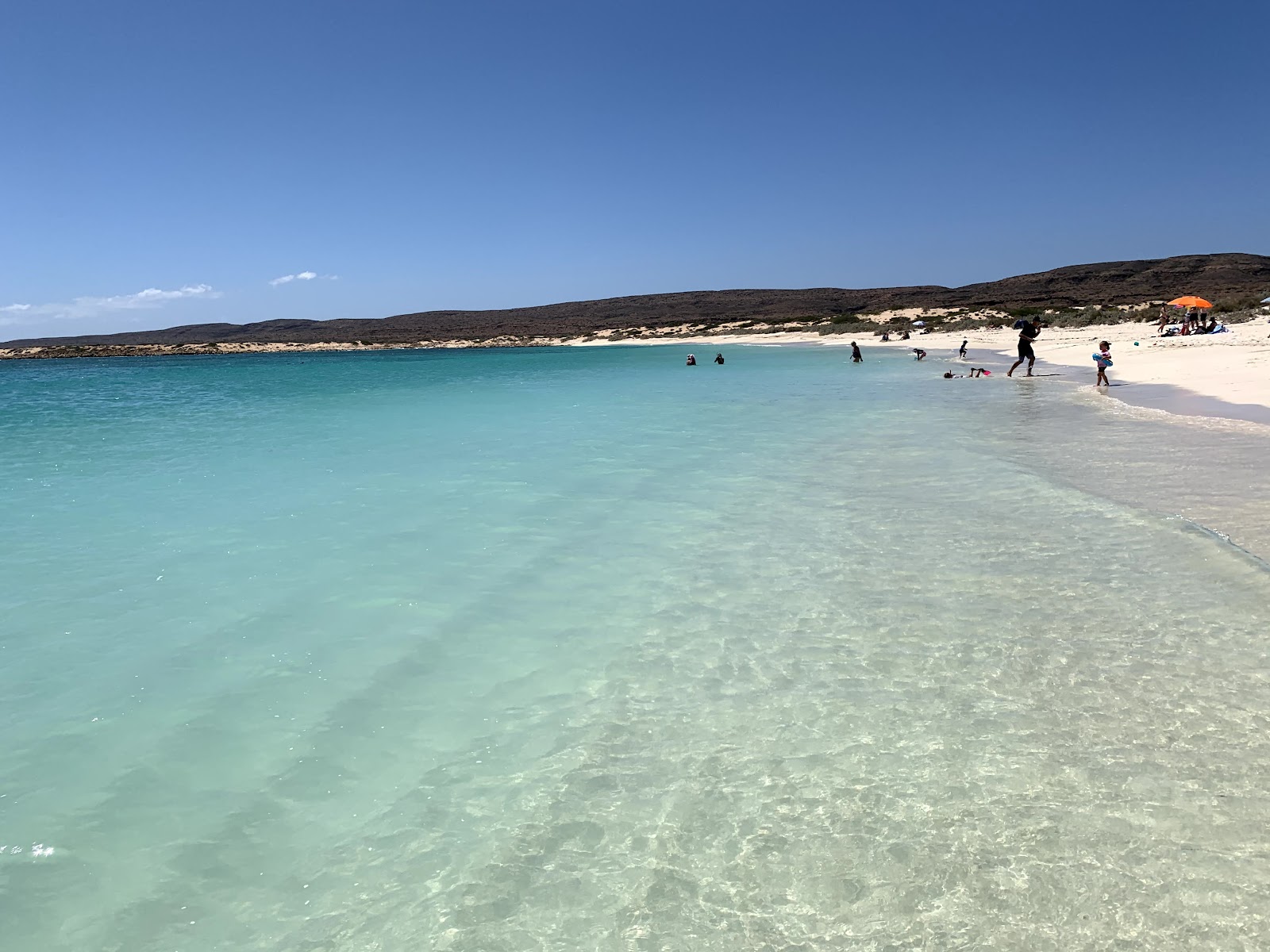 Ningaloo Reef
Australia's Coral Coast, Western Australia
Swim with whale sharks and snorkel a World-Heritage reef straight off the beach
Explore the guide →
Ningaloo Reef
Australia's Coral Coast, Western Australia
Swim with whale sharks and snorkel a World-Heritage reef straight off the beach
Explore the guide →
 Broome
Australia's North West, Western Australia
Cable Beach sunsets, pearling history and camels on 22km of sand
Explore the guide →
Broome
Australia's North West, Western Australia
Cable Beach sunsets, pearling history and camels on 22km of sand
Explore the guide →
 Margaret River
Australia's South West, Western Australia
World-class wineries, surf breaks and limestone caves three hours south of Perth
Explore the guide →
Margaret River
Australia's South West, Western Australia
World-class wineries, surf breaks and limestone caves three hours south of Perth
Explore the guide →