01. The Kimberley Grande Resort
4 (399 reviews)
The Kimberley Grande Resort — The Kimberley
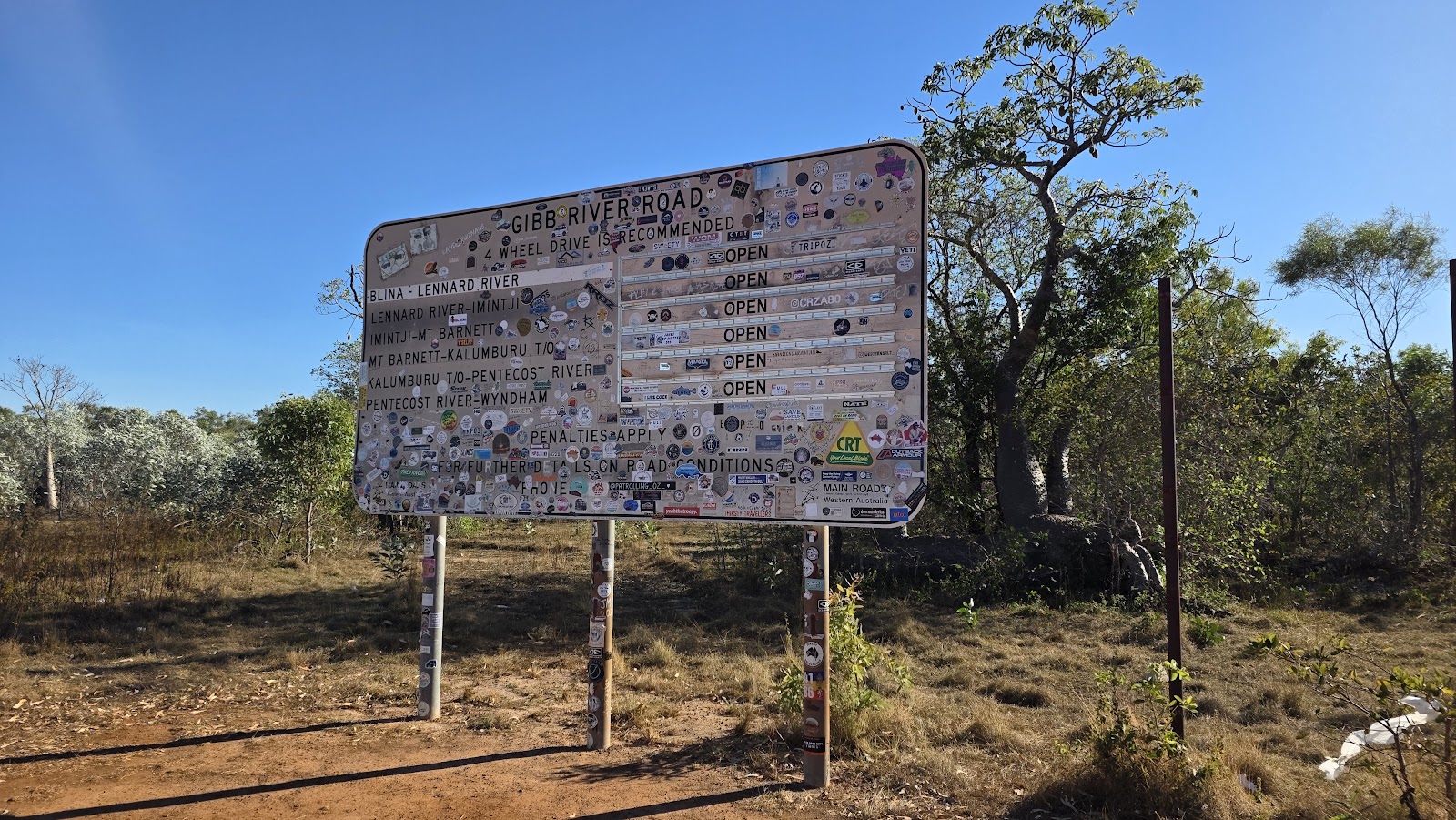
Book Direct & Save →The classic Kimberley trip is a linear traverse from Broome to Kununurra (or the reverse) across the Gibb River Road — approximately 660km of unsealed station road between Derby and Kununurra, with gorge camps, waterfall swims and some of the most dramatic driving in Australia en route. Add the Purnululu extension south from Kununurra and you have the full set: red rock gorges, beehive formations, ancient country and the eastern Kimberley's lake and river system. The standard window is 10 to 14 days; 14 is better for anyone who wants to linger.
View 3 Properties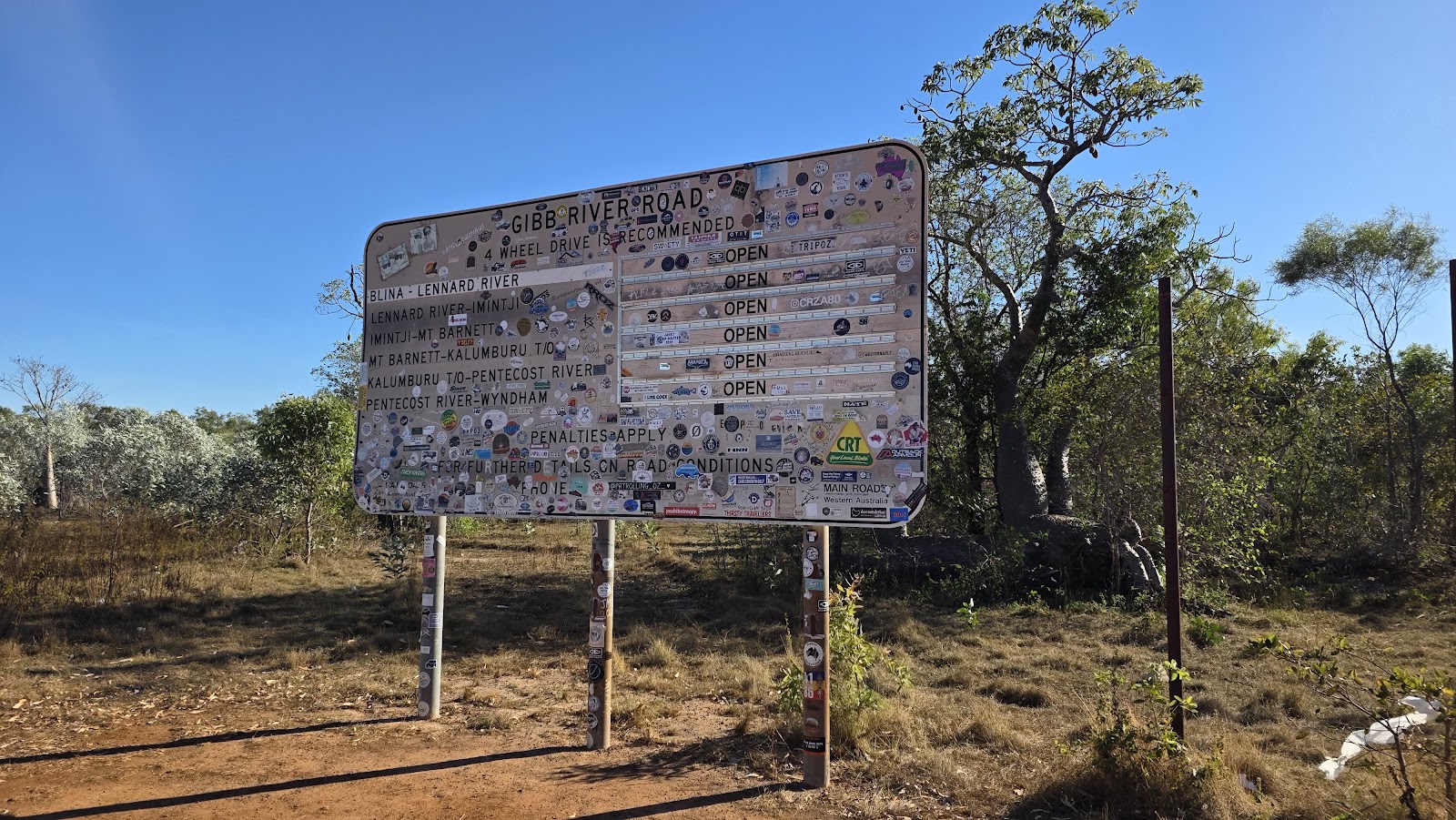
"Expedition road trip through ancient wilderness"
This itinerary runs west to east — Broome as the entry point, Derby as the Gibb River Road start, Kununurra as the exit, with an optional Purnululu loop at the end. It can be run east to west without significant change. Below, the days are grouped by location rather than hour-by-hour; the actual pace within each camp is yours to determine based on heat, energy and the conditions you find. The fundamental planning constraint is the early-morning start rule: in a climate where the temperature exceeds 40°C by midday in October and reaches 38°C in July, your outdoor hours are 5:30am to 10:30am. Structure every day accordingly.
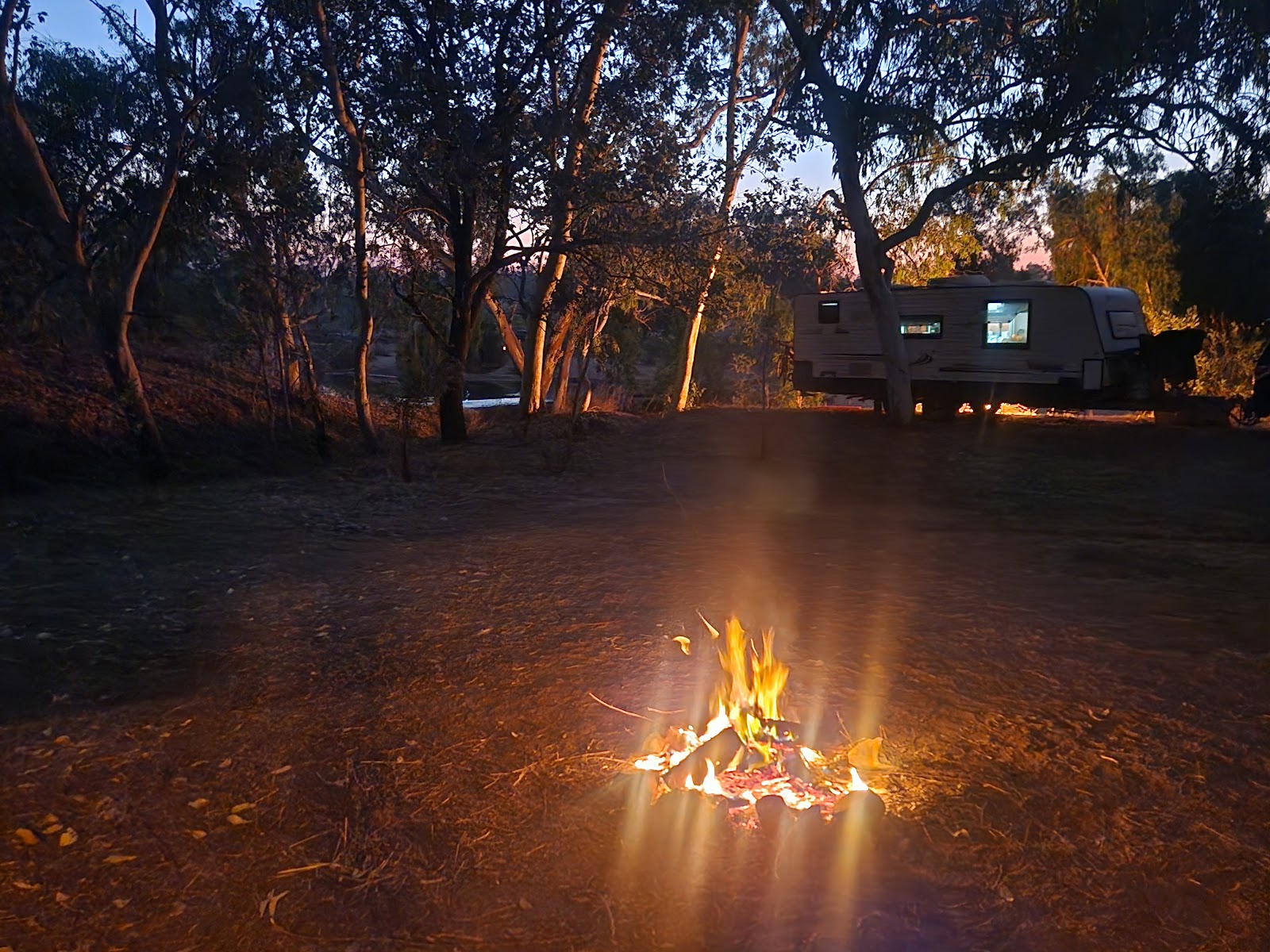
The Kimberley road trip is not a traditional itinerary in the sense of morning-this, afternoon-that. It is structured by the campground you sleep in and the gorges that campground gives you access to, and the days within each camp are organised by the one rule that governs all Kimberley outdoor activity: start before 8am, complete your walking or swimming by 10:30am, and spend midday in shade or water. The afternoons can include short gorge visits and driving; the evenings, if you're at a station camp, include a campfire in genuinely dark and quiet country.
The driving between camps is part of the experience rather than a transit inconvenience. The Gibb River Road passes through geological country of extraordinary beauty — the corrugations are real and the bulldust can be deep, but the views across the Cockburn Range, the station country and the river systems reward attention rather than windscreen-staring. Carry a CB radio on channel 40 for road-train communication on the Gibb's single-lane sections, and slow to 60km/h or below on the corrugations to manage tyre wear.
The most common regret from Kimberley travellers is not staying longer at the best places. Build in one floating day in the middle of the trip — a night unallocated that you can use to stay an extra day at a gorge that earns it, or to buffer a breakdown day. The Gibb River Road will give you a flat tyre. Have the spare and the time.
| Day 1 arrival | Fly into Broome and collect the vehicleBroome has a well-serviced airport with regular flights from Perth and direct routes from several eastern cities in peak season. Collect your hire vehicle, confirm your recovery kit and spare tyres are present, and spend the afternoon settling in. Stock the vehicle at one of the Broome supermarkets — Kununurra is the next reliable full supermarket stop. |
| Day 1 afternoon | Cable Beach sunsetCable Beach is 22km of tidal white sand west of town. The sunset view from the beach or the adjacent beach bar is the standard Broome arrival experience, and it's entirely free. The famous camel rides operate along the beach at sunset — book ahead if this is on the list. |
| Day 2 morning | Gantheaume Point and the town precinctGantheaume Point at low tide exposes dinosaur tracks in the red sandstone platform — one of the more unusual free geological experiences in the north. Combine with a walk along the heritage streets of Broome town centre and a visit to Willie Creek Pearl Farm (book ahead, tours available) if pearling culture is an interest. |
| Day 2 afternoon | Prepare for departureTop up fuel (fill the tank and the jerry cans — diesel is significantly cheaper in Broome than on the Gibb). Check that the satellite communicator is charged and registered. Review road status on MRWA and DBCA for the Gibb River Road and any specific closures. Charge all devices. |
| Day 3 | Broome to Derby (~220km sealed)Derby is the Gibb River Road's western gateway and a good base for the Devonian Reef day trips. The town has fuel, a supermarket top-up opportunity, and a hospital — last reliable services before Kununurra. Stop at the Prison Boab Tree on the edge of town (free, short walk) and the Derby Wharf for the extraordinary tidal range of King Sound (up to 11.8m — among the largest tides in the world). |
| Day 4 morning | Tunnel CreekStart at Tunnel Creek before 8am. The 750-metre cave walk and wade takes 1.5 hours; bring head torches and wade shoes, and read the croc-risk information at the entrance. Allow time to sit in the sunlit collapse chamber before the return. |
| Day 4 afternoon | Windjana GorgeWindjana Gorge (1hr from Tunnel Creek) is a broad, flat-floored gorge through ancient reef limestone — the Lennard River runs through it in the Dry Season and freshwater crocodiles are common along the banks. The 3.5km return walk to the gorge end is easy and suitable for older children. Camp at Windjana, or return to Derby for the night. |
| Day 5 morning | Enter the Gibb River RoadTurn east from Derby onto the Gibb River Road. The first major stop is Bell Gorge via Silent Grove Campground (~270km from Derby, mostly unsealed). Camp at Silent Grove for two nights to allow Bell Gorge a morning walk with full time at the plunge pool, plus a shorter afternoon outing to a nearby gorge or a rest day. The corrugations on the first section of the Gibb from Derby can be significant — slow down, check tyre pressures and set the pace for the road ahead. |
| Day 5 afternoon/evening | Silent Grove CampgroundSettle into camp early, do a short afternoon gorge exploration if energy allows, and manage the campfire while there's still daylight. The star visibility from Silent Grove after dark is extraordinary — sit outside for the sky once the camp is settled. |
| Day 6 morning | Bell GorgeStart the Bell Gorge walk before 7am — the 8km return is the best morning on the Gibb for most travellers. Confirm croc safety with the camp ranger. Carry three litres per person minimum. The swim at the plunge pool base of the waterfall is the day's highlight; allow 4 hours total. Return to camp before midday for rest. |
| Day 7 | Drive east: Barnett River and Manning GorgeContinue east on the Gibb to Mount Barnett Roadhouse (~120km). Fill fuel here. Camp at the Mount Barnett station for two nights and do Manning Gorge the following morning — the 2km return walk with the river canoe crossing is the most adventurous easy gorge walk on the Gibb. The station camp has excellent facilities by Gibb standards. |
| Day 8 | Drive east to El Questro (~240km from Barnett River)Continue along the Gibb to the El Questro turn-off, approximately 35km from the Kununurra highway. El Questro is a large private station with a range of accommodation — from camping to the luxury homestead — and manages access to several of the eastern Gibb's best gorges. Purchase the station pass on arrival. The Pentecost River crossing is approximately 60km from the Gibb's start — photograph it from the eastern bank in the afternoon light. |
| Day 9 morning | Zebedee Springs at openingZebedee Springs opens typically at 7am and closes at midday — arrive at opening for the quietest experience. The 500m walk in reaches the warm thermal pools in the palms; allow 1.5–2 hours. Directly afterwards: Emma Gorge walk and swim (2km return with creek crossings), best done immediately after Zebedee while the morning is still cool enough to enjoy the walk. |
| Day 9 afternoon | Drive to Kununurra or final night at El QuestroEl Questro to Kununurra is ~100km on the sealed highway from the park entrance. Either complete the drive in the afternoon, or spend a third night at El Questro for additional gorge time and the Cockburn Range sunset. |
| Day 10 | Arrive Kununurra — restock, rest, logisticsKununurra has the infrastructure the Gibb does not: a full supermarket, a hospital, petrol at normal prices, laundry facilities, and a wide range of accommodation. Use Day 10 to restock, do laundry, transfer from camp to a motel or caravan park if desired, and book the Lake Argyle sunset cruise and Ord River activities if not already confirmed. |
| Day 11 morning | Ord River cruiseBook a morning Ord River cruise from Kununurra for the best wildlife activity — freshwater crocodiles, sea eagles, jabiru and kingfisher are reliably present. Multiple operators depart from town; the standard cruise is 2–3 hours. |
| Day 11 afternoon | Lake Argyle sunset cruiseDrive to Lake Argyle (72km sealed, 1 hour) for the sunset cruise on the reservoir. The cruise returns after dark; time your arrival at the resort to use the infinity pool before the cruise if day-visitor access allows. Book both well ahead in peak season. |
| Day 12 | Drive to Purnululu (~200km from Kununurra, including 53km unsealed)The Purnululu access road branches south from the Great Northern Highway approximately 110km south of Kununurra. The 53km unsealed track into the park takes approximately 1.5–2 hours in a high-clearance 4WD — it is rocky and slow. Arrive at the Walardi campground (southern circuit) by 2pm to set up in daylight. Self-registration and park entry fees apply. |
| Day 13 morning | Cathedral Gorge and the Domes WalkStart Cathedral Gorge at first light — the 3km return walk opens into the amphitheatre as the walls catch the first sun. Follow with the Domes Walk from the same car park. Both walks done by 10am; rest through midday. |
| Day 13 afternoon | Drive to Kurrajong campground (northern circuit)Move camp from the south to the north circuit to position for Echidna Chasm the following morning. The drive between campgrounds is on the park's internal track. |
| Day 14 morning | Echidna Chasm, then depart for KununurraEchidna Chasm before 9am for the midday light alignment. Depart Purnululu by late morning — the 2-hour park exit drive and 110km to the highway puts you back in Kununurra by early afternoon for a flight or overnight before the return journey. |
This is the itinerary as written. The key is preparation before departure: two spare tyres, a recovery kit, a satellite communicator, full fuel and water for each major section, and accommodation booked at least 3 months ahead for July–August travel. Build one floating day into days 10–11 in Kununurra as your buffer — for a flat tyre, a recovery day or an extra night at a gorge that earns it.
Multiple operators run 10–16 day Kimberley tours covering the same route in a supported convoy format — accommodation, guiding, most meals and 4WD vehicles included. Costs are higher but the vehicle-preparation and navigation overhead is removed. Recommended for first-time remote travellers, solo travellers who prefer company, or anyone who wants the cultural and natural interpretation that the best guides deliver. Book 6–12 months ahead; reputable operators fill early.
If a 10-day drive trip isn't feasible, a 4–5 day Kimberley highlights trip using Kununurra as the base and scenic flights for the remote gorges covers the main headliners: Lake Argyle cruise and infinity pool, Ord River cruise, Zebedee Springs at El Questro, and a scenic flight over Purnululu and Mitchell Falls. This version lacks the road-trip immersion but delivers the visual high points and is accessible without 4WD expertise.
| Season | Conditions | Highlights | Crowds |
|---|---|---|---|
| May–June | Some sections still opening; waterfalls fuller | Bell Gorge and Mitchell Falls at their best accessible flow; fewer visitors; green country | Lower — good choice if flexibility on access is acceptable |
| July–August | Ideal temperatures (28–32°C); all routes open | The standard Kimberley window — all parks, all stations, all tours operating | Peak — book all accommodation 3–6 months ahead |
| September–October | Hotter (35–42°C); less crowded | All access still open through early October; lower prices; pre-dawn starts essential | Moderate, decreasing — some operators close by late October |
The three operational disciplines that separate a successful Kimberley road trip from a difficult one are: the early start (before 8am for any walk or gorge visit, before 7am in September–October), the water carry (minimum three litres per person for any activity, four or more for the longer walks), and the croc check (current signage at the site, every time, before any water entry). These are not guidelines — they are the operational baseline. Everything else flows from getting them right consistently across the whole trip.
For the vehicle: check tyre pressures daily, slow to 60km/h or below on corrugated sections, and change tyres before they develop cuts from the rocky sections. The Gibb will give you at least one puncture across a 660km traverse in most seasons — have both spares properly inflated and the tools to change a tyre in the dark. A tyre repair kit and compressor are the items that determine whether a puncture is a 20-minute problem or a four-hour one.
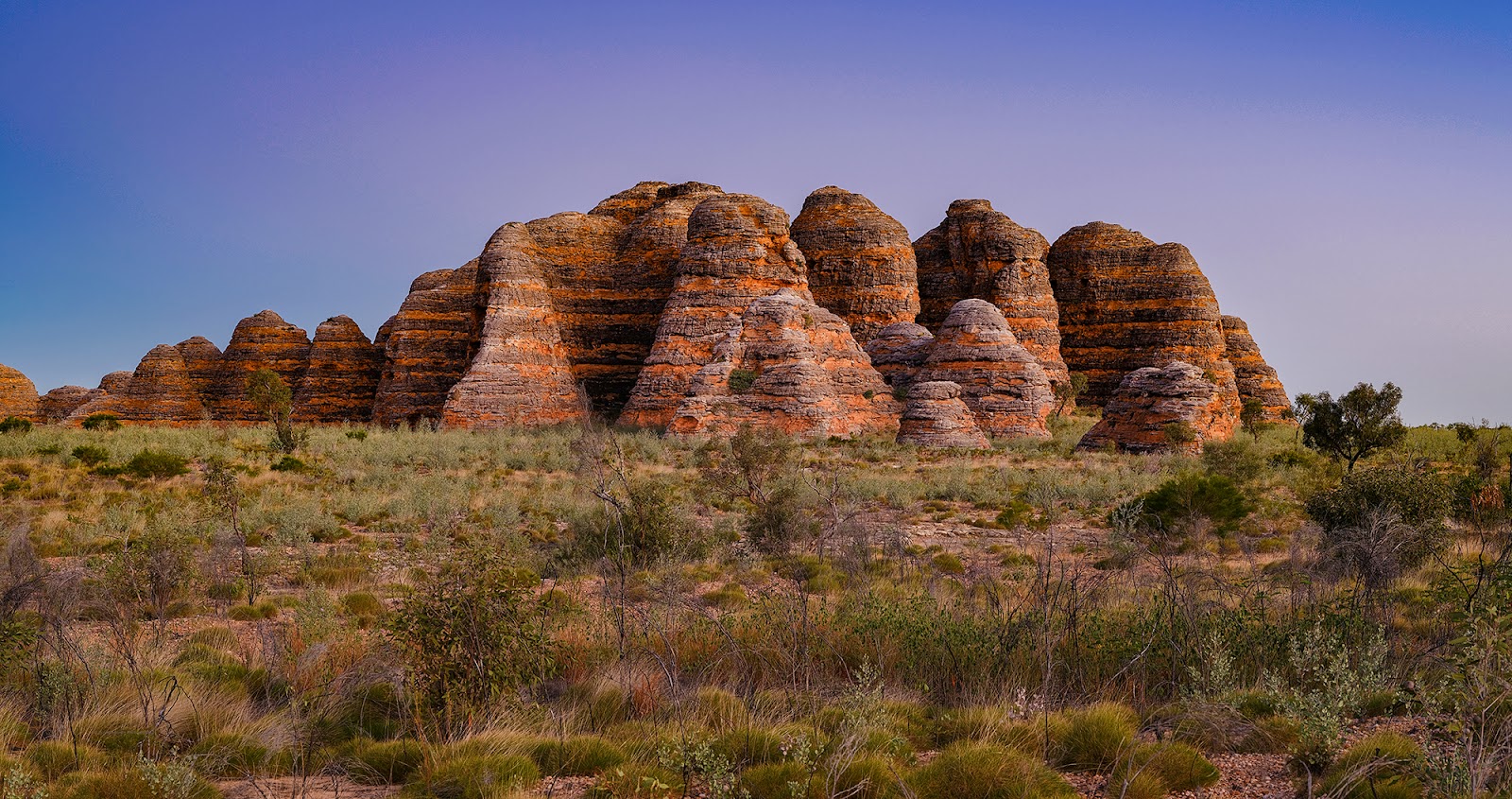
The Broome–Gibb–Kununurra–Purnululu traverse is the Australian road trip that most Australians have never done and never forget once they have. The combination of the Gibb's gorge-camp immersion, the scale of the eastern Kimberley country, and the Bungle Bungles as a finale is a sequence that builds correctly: each stage opens a landscape different from the last, and the whole thing accumulates into a sense of place that a standard tourism-circuit itinerary cannot manufacture.
The planning friction is real and worth the investment. The vehicle preparation, the advance bookings, the satellite communicator, the early starts — these are the inputs that make the output possible. Do them seriously, go in the right season, start every morning early, and the Kimberley road trip will rank among the best trips of your life. Not because someone told you it should, but because the country itself demands that response.
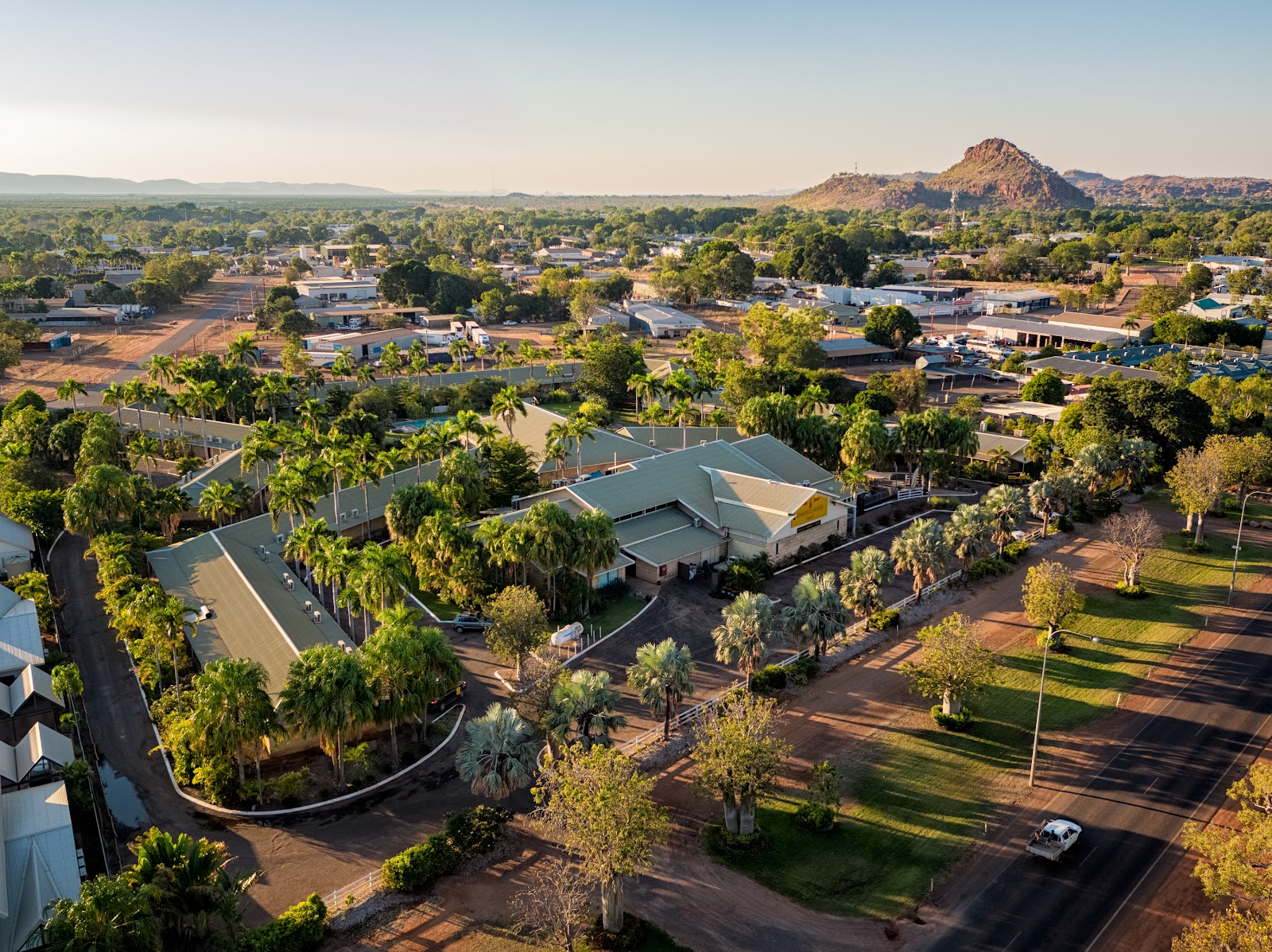
The Kimberley Grande Resort — The Kimberley
Book Direct & Save →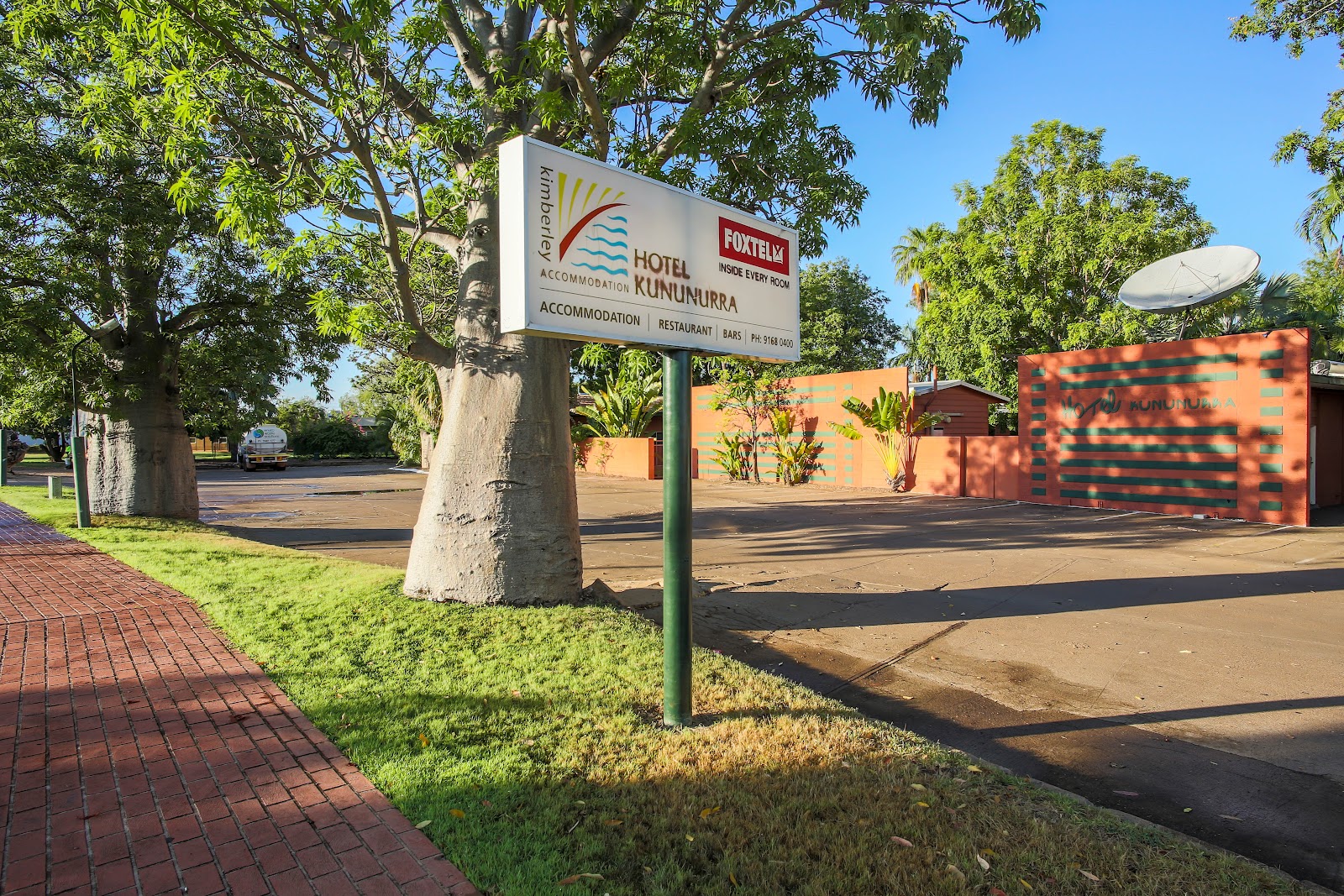
Best Western Cambridge Hotel Kununurra — The Kimberley
Book Direct & Save →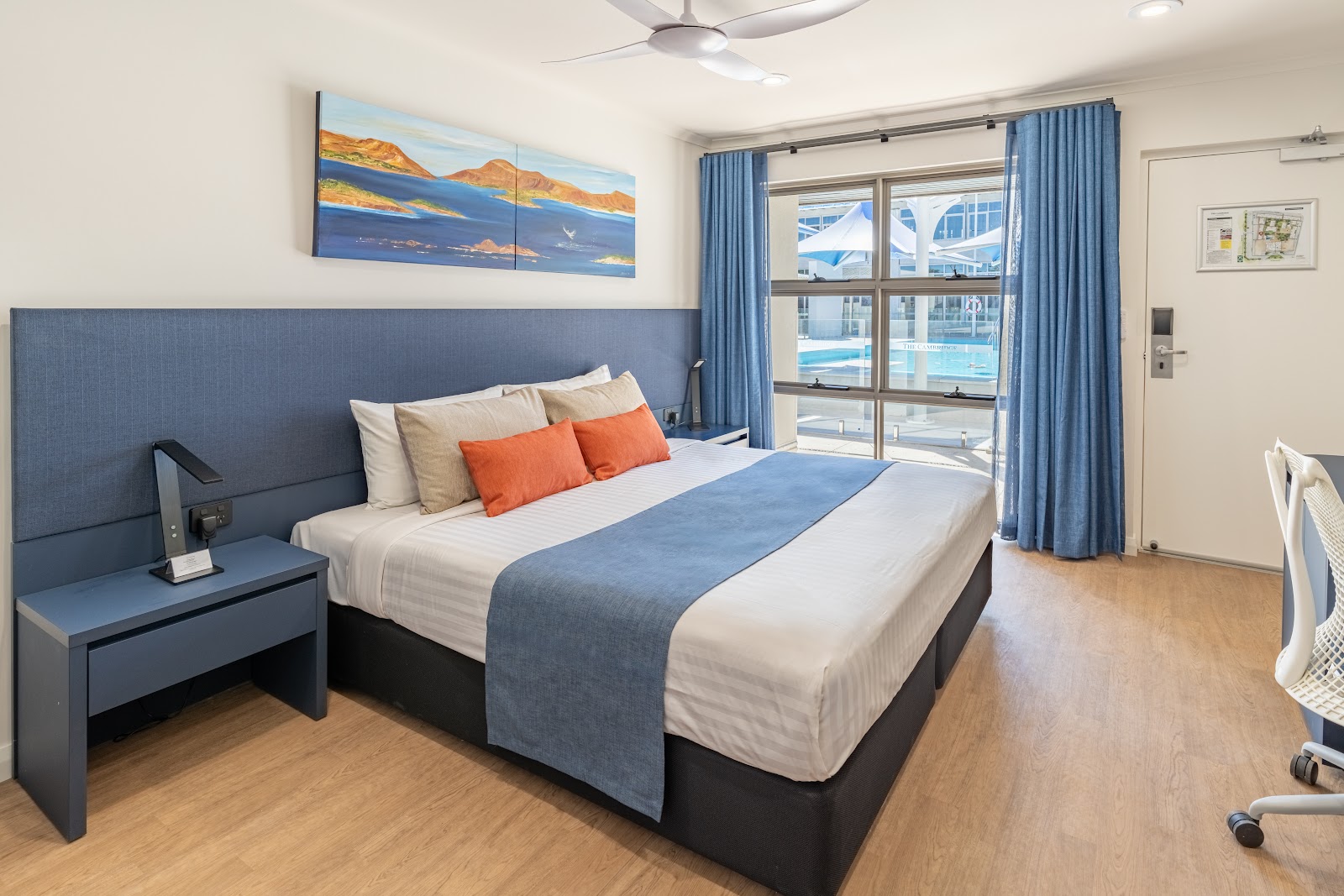
Hotel Kununurra — The Kimberley
Book Direct & Save →Skip OTA fees. Connect directly with The Kimberley owners for the best rates and a truly personal experience.
We match any online rate. No service fees — 100% of your payment supports local owners.
Direct guests receive complimentary hampers, early check-in, and priority access to experiences.
Speak directly with the people who manage the properties. No call centres, just local expertise.
Part of Western Australia · Australia's North West
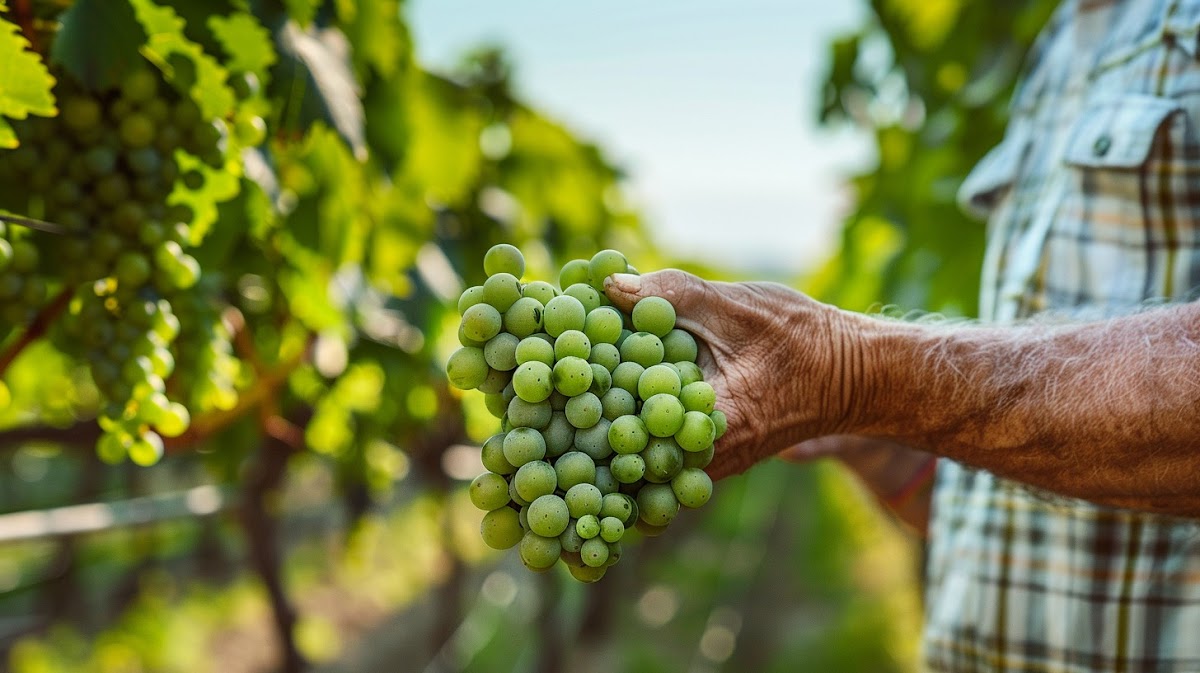 Glen Aplin
Granite Belt, Queensland
Queensland's most underrated wine valley
Explore the guide →
Glen Aplin
Granite Belt, Queensland
Queensland's most underrated wine valley
Explore the guide →
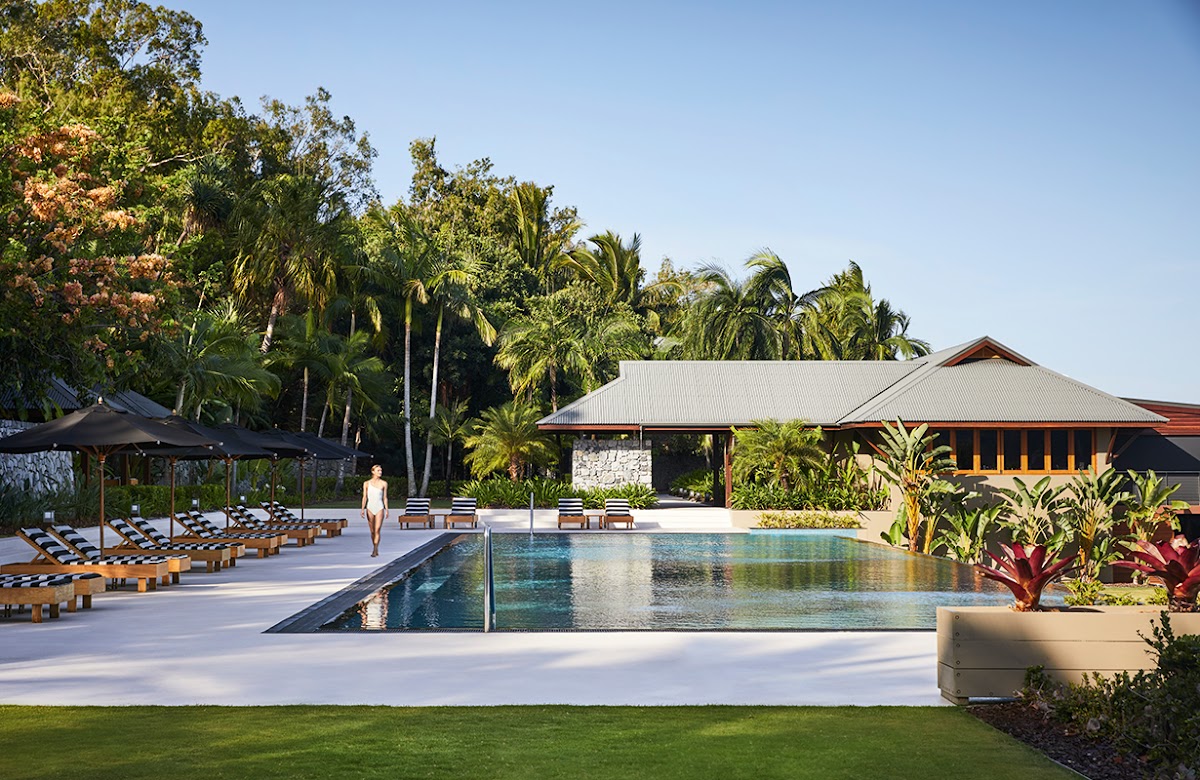 Hamilton Island
The Whitsundays, Queensland
Whitsundays island resort — Whitehaven Beach, reef trips and golf-buggy life
Explore the guide →
Hamilton Island
The Whitsundays, Queensland
Whitsundays island resort — Whitehaven Beach, reef trips and golf-buggy life
Explore the guide →
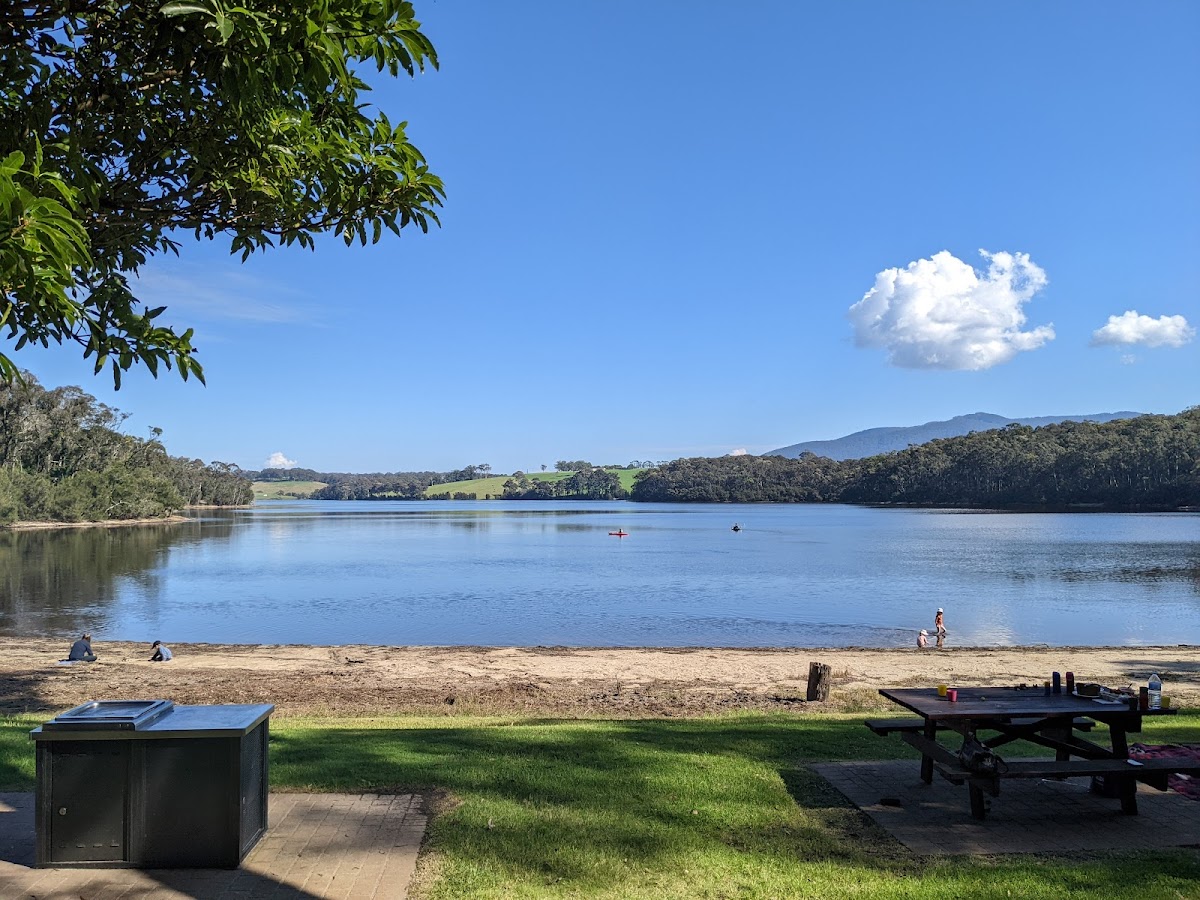 Narooma
South Coast, New South Wales
Crystal-clear inlet, surf beaches, oysters and Montague Island
Explore the guide →
Narooma
South Coast, New South Wales
Crystal-clear inlet, surf beaches, oysters and Montague Island
Explore the guide →
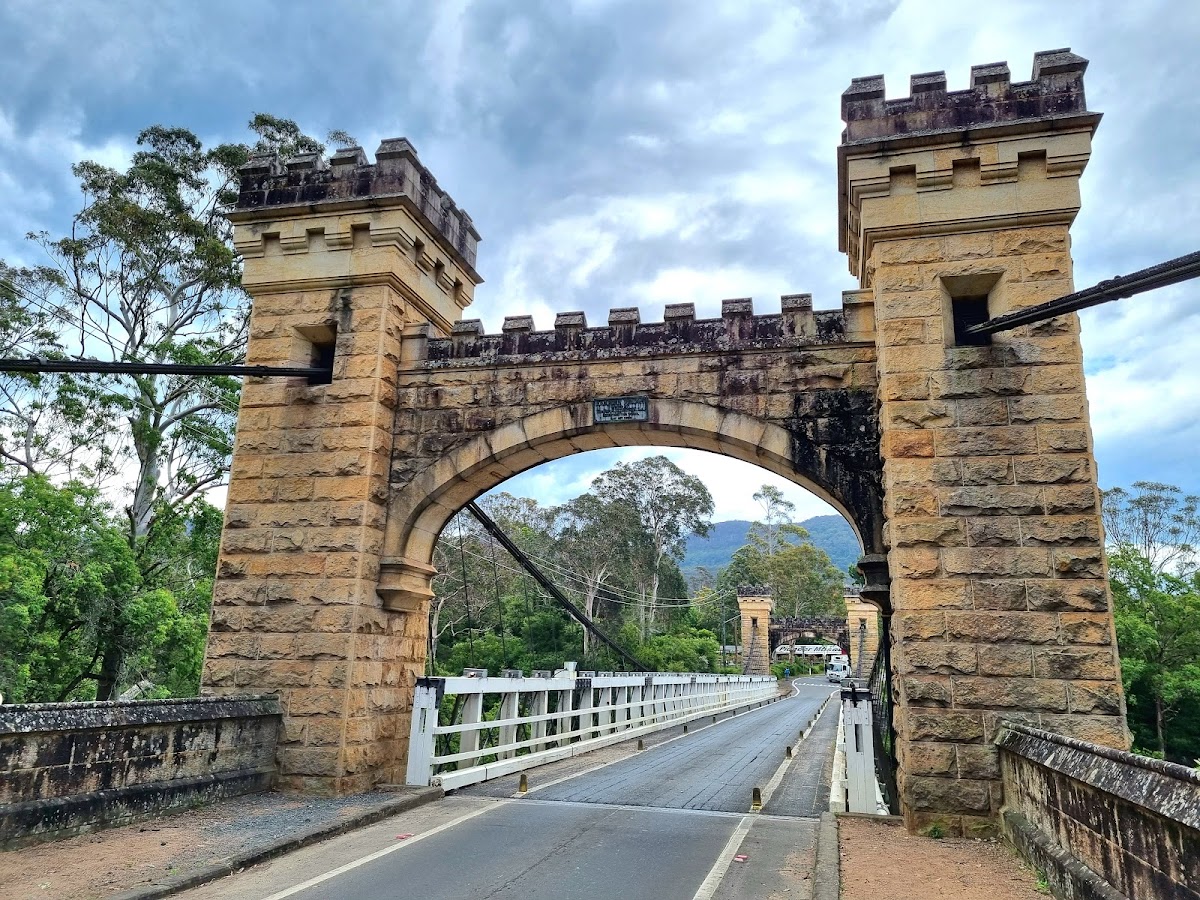 Kangaroo Valley
Shoalhaven, New South Wales
Hampden Bridge, kayaking and wombats in a green valley
Explore the guide →
Kangaroo Valley
Shoalhaven, New South Wales
Hampden Bridge, kayaking and wombats in a green valley
Explore the guide →
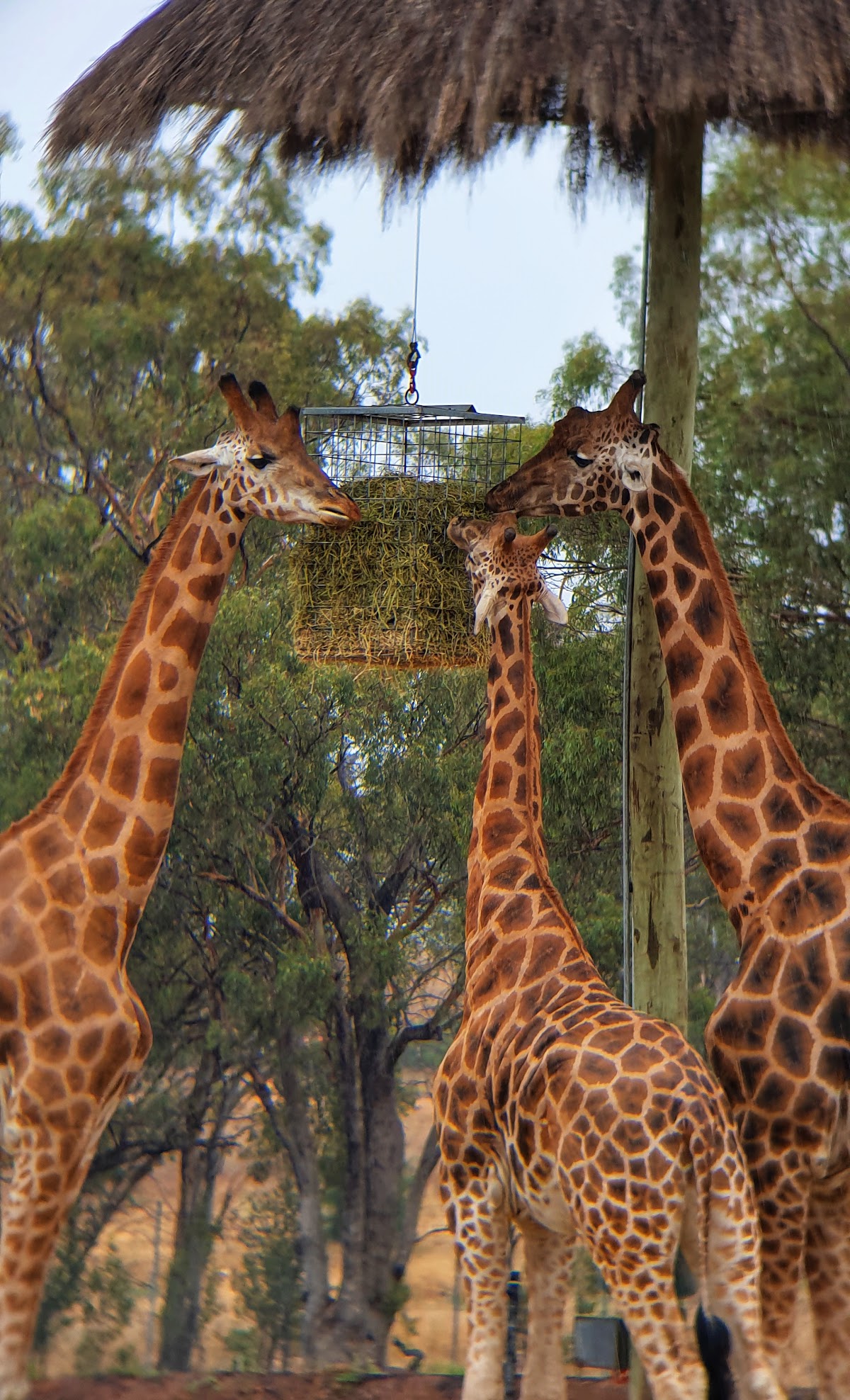 Dubbo
Central West, New South Wales
Open-range zoo and Outback gateway on the Macquarie River
Explore the guide →
Dubbo
Central West, New South Wales
Open-range zoo and Outback gateway on the Macquarie River
Explore the guide →
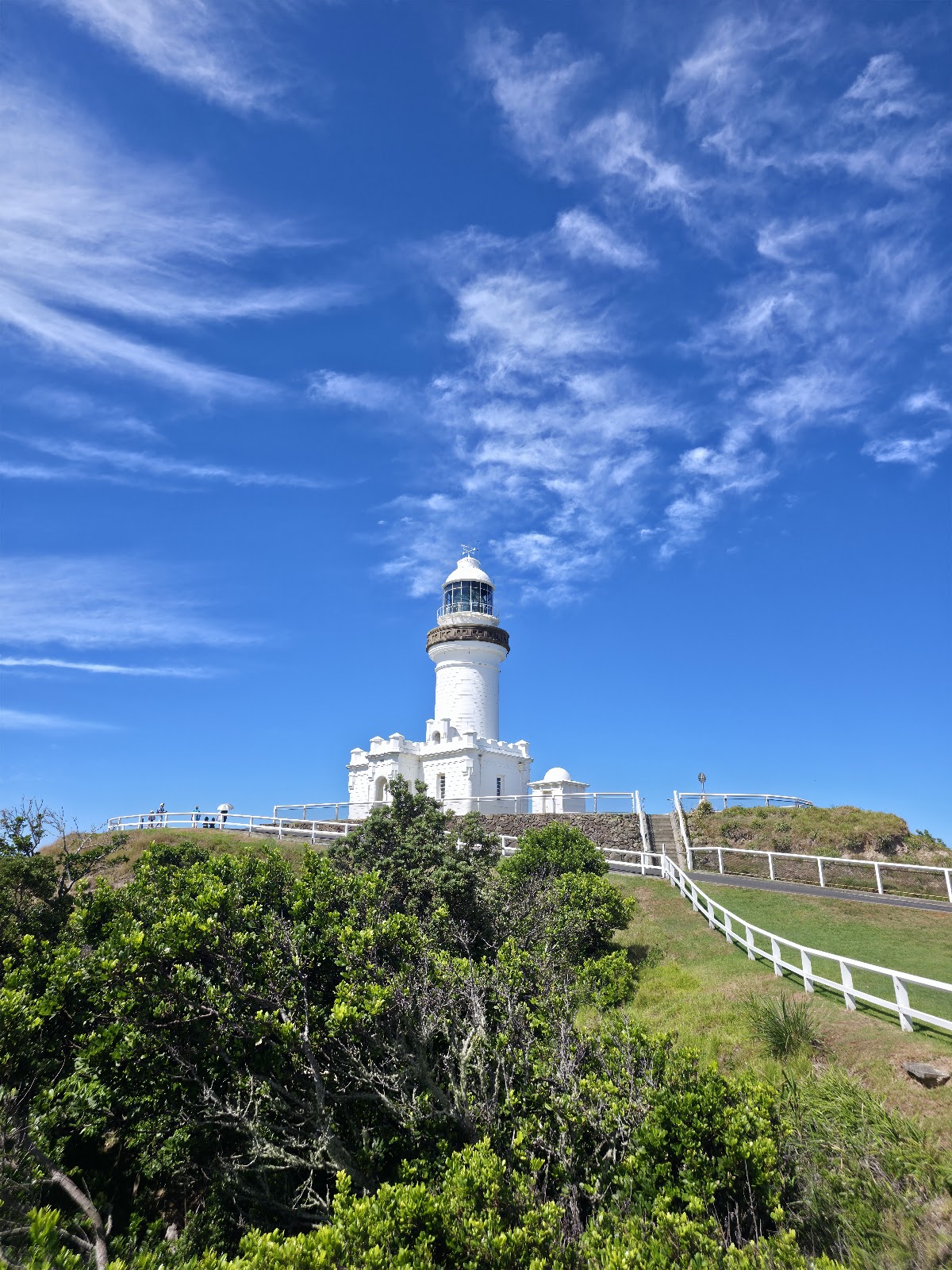 Byron Bay
Northern Rivers, New South Wales
Australia's iconic beach town and most easterly point
Explore the guide →
Byron Bay
Northern Rivers, New South Wales
Australia's iconic beach town and most easterly point
Explore the guide →
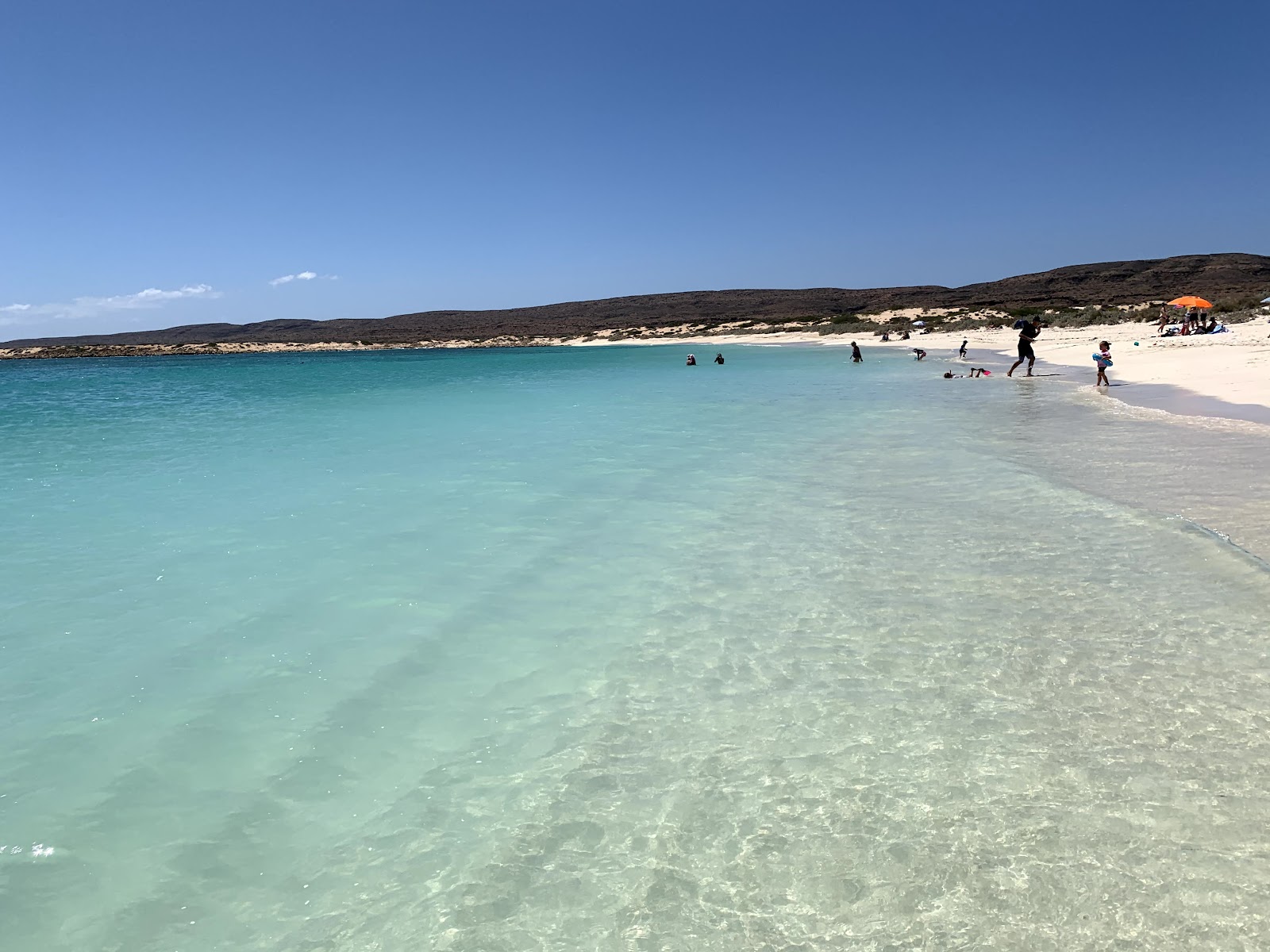 Ningaloo Reef
Australia's Coral Coast, Western Australia
Swim with whale sharks and snorkel a World-Heritage reef straight off the beach
Explore the guide →
Ningaloo Reef
Australia's Coral Coast, Western Australia
Swim with whale sharks and snorkel a World-Heritage reef straight off the beach
Explore the guide →
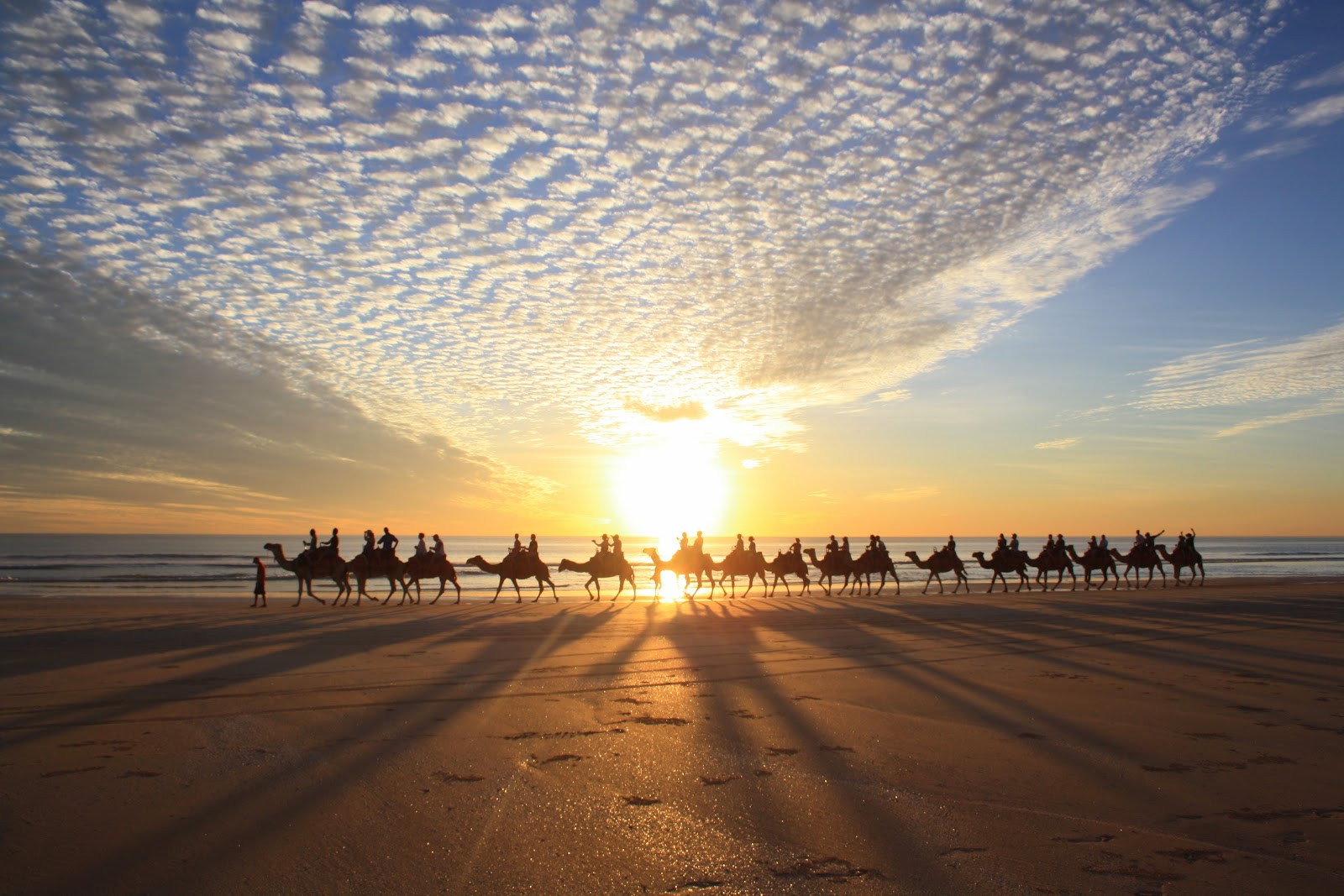 Broome
Australia's North West, Western Australia
Cable Beach sunsets, pearling history and camels on 22km of sand
Explore the guide →
Broome
Australia's North West, Western Australia
Cable Beach sunsets, pearling history and camels on 22km of sand
Explore the guide →
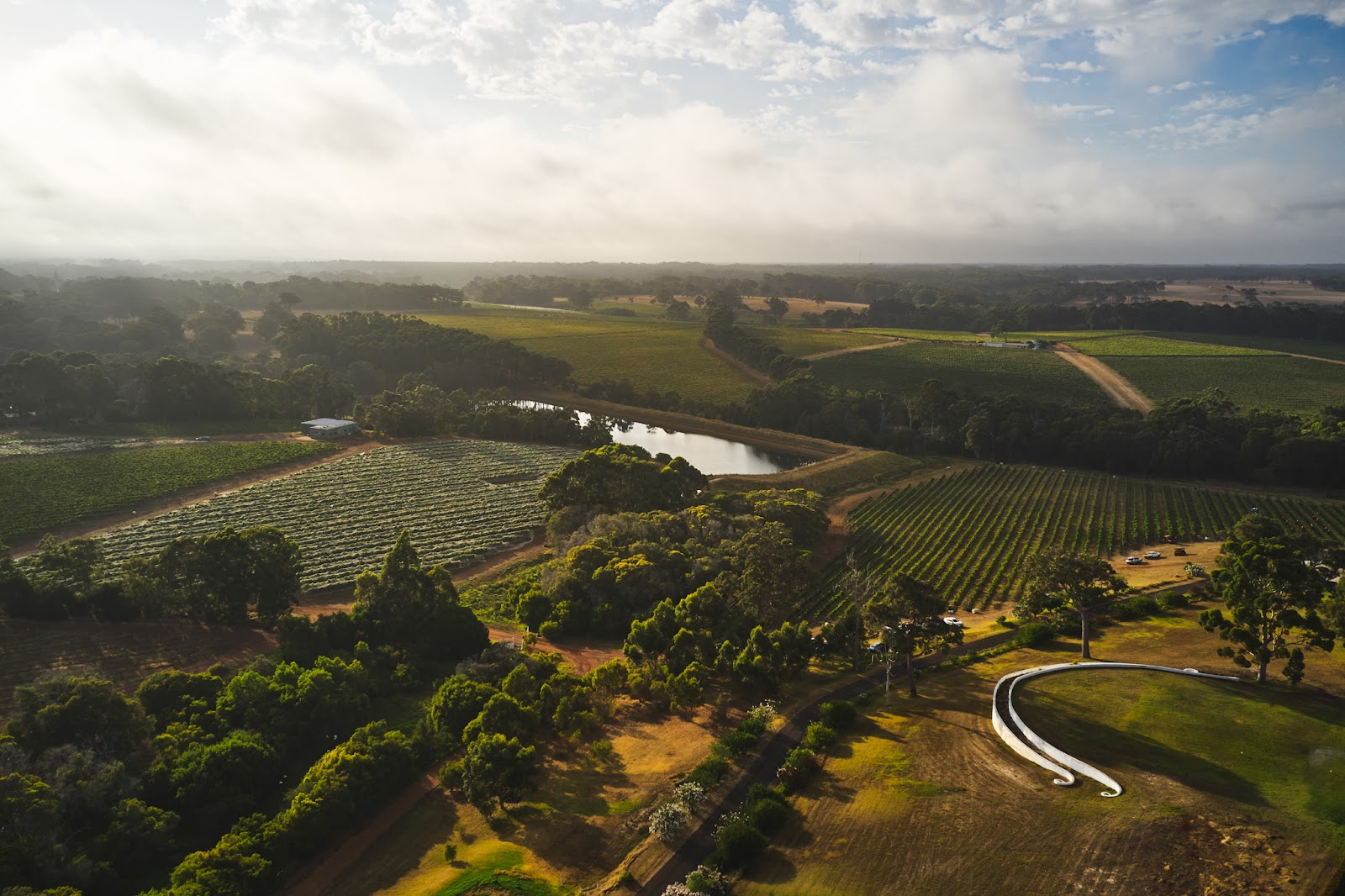 Margaret River
Australia's South West, Western Australia
World-class wineries, surf breaks and limestone caves three hours south of Perth
Explore the guide →
Margaret River
Australia's South West, Western Australia
World-class wineries, surf breaks and limestone caves three hours south of Perth
Explore the guide →