01. Whitsunday Apartments Hamilton Island
4.5 (779 reviews)
Whitsunday Apartments Hamilton Island — Hamilton Island
Book Direct & Save →Hamilton Island sits in the middle of one of the best fishing playgrounds in Australia. Drop a line over the inshore reefs and island drop-offs for coral trout and sweetlip, run out toward Bait Reef and the outer ribbons for red emperor and big nannygai, troll the channels for Spanish mackerel and tuna, or charter across to the mainland creeks for barramundi and mangrove jack. From one car-free island in the Whitsundays you have warm tropical water, world-class reef and a genuine shot at a trophy pelagic — all within reach of the marina.
View 3 Properties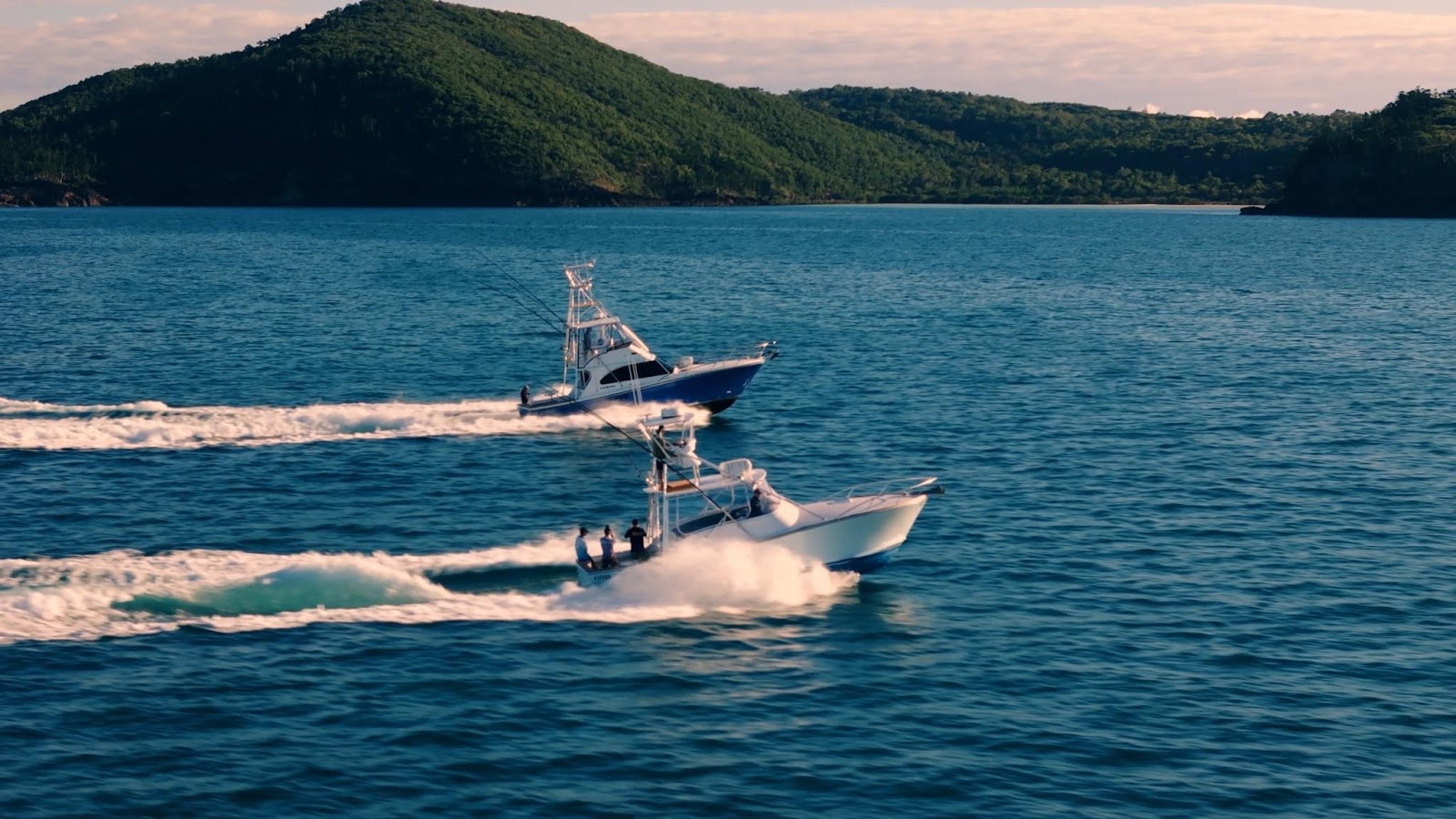
"Tropical, world-class reef, year-round"
This Hamilton Island fishing guide covers it all — the reef bottom-fishing, the sport and game fishing for mackerel, tuna, giant trevally and seasonal sailfish, the estuary and flats fishing on the mainland creeks, the mud and sand crabbing, and how to get on the water from Hamilton Island Marina. It also covers the rules that genuinely matter up here, which are different from anything you fish for down south.
One thing upfront, because it’s the difference between a great day and a $3,000 fine: most of this water lies inside the Great Barrier Reef Marine Park, and large areas are Marine National Park (green) zones where no fishing is allowed at all. Unlike NSW, Queensland doesn’t require a recreational fishing licence for saltwater line fishing — but the rules that matter here are the Marine Park zoning, the size and bag limits, and the seasonal closures. Check the current zoning maps (the free Reef Authority zoning app makes it easy) before you cast.
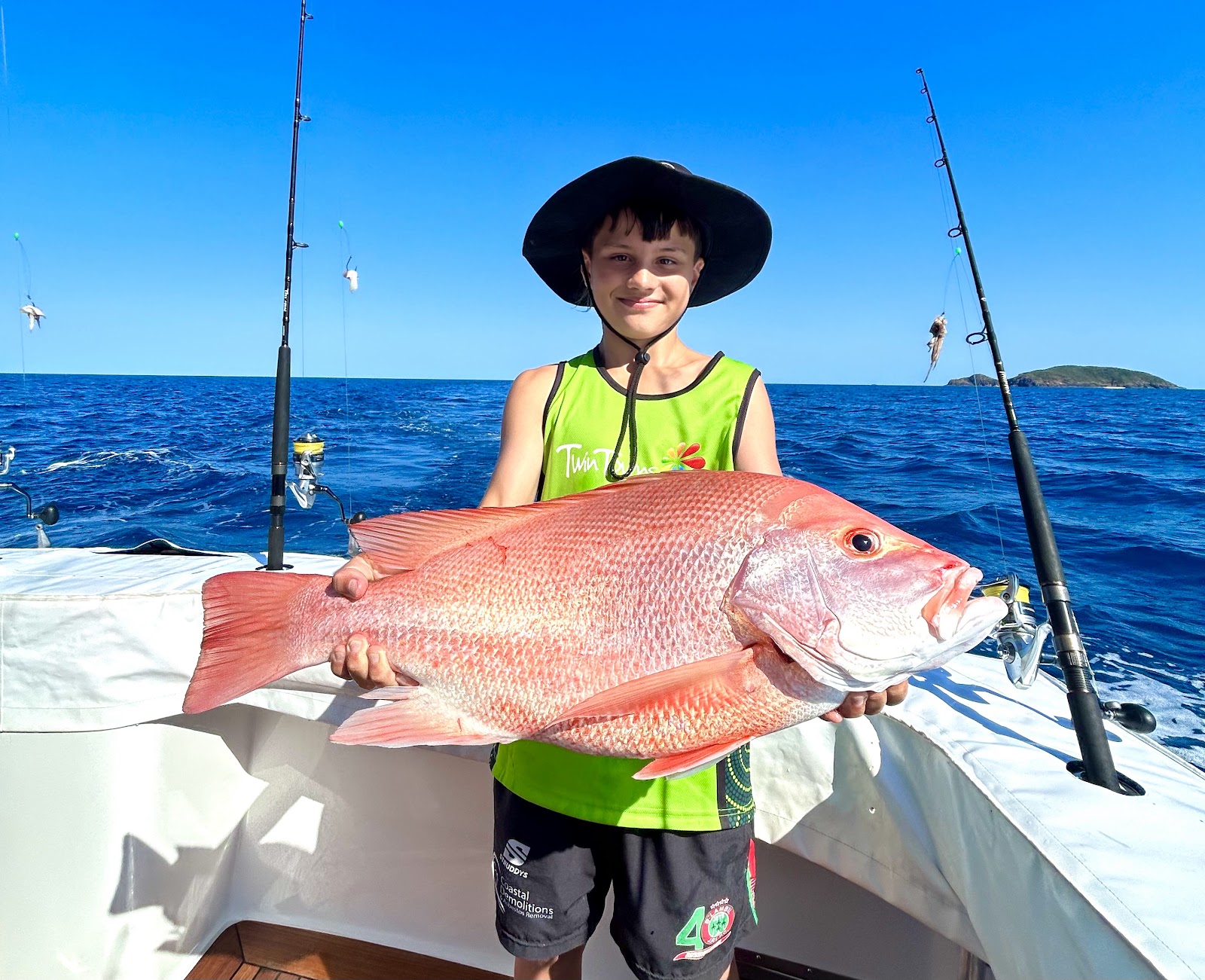
Few places offer the fishing range that Hamilton Island does. The reason is geography: the island sits in the sheltered island chain of the Whitsundays, with fringing reefs and rocky drop-offs right on its doorstep, the outer Great Barrier Reef ribbons within a longer run offshore, the deep channels and shoals between the islands holding fast pelagics, and the mainland creeks and estuaries a charter ride away. In a single trip you can bottom-bash a fringing reef for coral trout at dawn, troll a channel for Spanish mackerel by mid-morning, and — on another day — work a mangrove creek for barramundi and jack.
That variety is also what makes the Whitsundays reliable. When the wind is up and the outer reef is out of reach, the sheltered island bays and the leeward drop-offs still fish beautifully; when the reef is quiet, the pelagics are often firing in the passages. The water is warm and the fishery produces year-round — the cooler, calmer winter months are prime for the outer reef and the mackerel run, while summer fires up the estuaries and the sport fishing.
The one thing to get right before you start is the rules, and up here they’re unusual. You don’t need a fishing licence in Queensland salt water — but the Great Barrier Reef Marine Park zoning is strict and heavily enforced, with large green (no-take) zones where fishing is banned outright. Sort the zoning, learn the size and bag limits, mind the seasonal closures, treat the reef gently, and the rest is choosing your water.
Hamilton Island fishes well year-round, but knowing what’s running when helps you plan. The reef staples are available all year: coral trout, red-throat emperor and other sweetlip, cod, nannygai, and trevally over the inshore reefs and drop-offs; out wider toward Bait Reef and the outer ribbons you add red emperor, big large-mouth nannygai, spangled emperor and cobia in deeper water. The cooler, calmer months from around April to September are the classic reef and Spanish mackerel season, when settled weather opens up the outer grounds and the mackerel and tuna run through the channels.
The sport and game fishing layers on top. Spanish mackerel, longtail and mack tuna, giant trevally (GT) and wahoo are the regular pelagic targets, with sailfish and the occasional marlin showing offshore mostly through the warmer months — light-tackle sportfishing for GTs around the headlands and bommies is a Whitsundays highlight in its own right. The mainland estuaries flip to summer: barramundi, mangrove jack, fingermark, grunter and queenfish fish best in the warmer, wetter months, with the big caveat that barramundi are closed on the Queensland east coast from 1 November to 1 February.
A conservation note worth honouring throughout: this is the Great Barrier Reef, and slow-growing reef fish like coral trout and the emperors don’t bounce back quickly. Observe the Queensland size and bag limits, watch for the coral reef fin fish spawning closures around the October and November new moons, release undersized and excess fish, use a release weight to send reef fish back down, and the fishery stays great for the next angler. Always confirm what’s running — and which zones are open — with a local charter before a special trip.
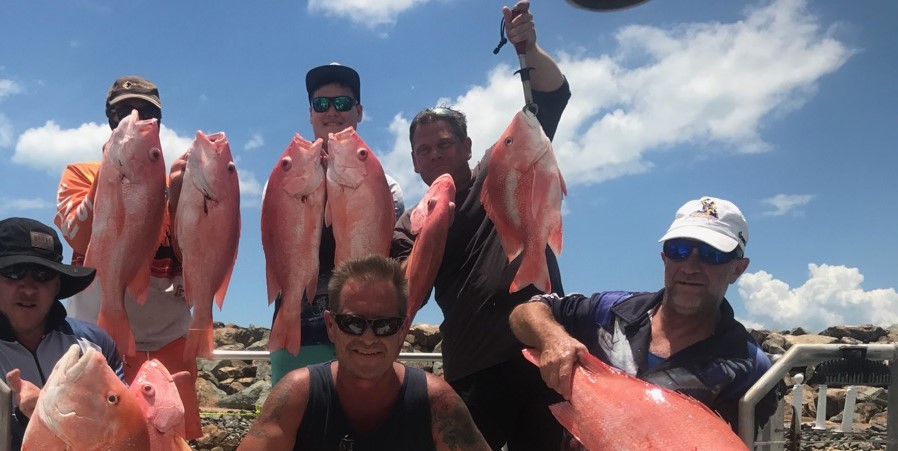
Reef bottom-fishing is the heart of fishing the Whitsundays, and the reason most anglers come to Hamilton Island. Drop a bait or a soft plastic over a fringing reef, a rocky drop-off or a patch of bommies and you’re in coral-trout country — the prized, hard-pulling reef fish that everyone wants in the esky — alongside red-throat emperor and other sweetlip, cod, nannygai and trevally. It’s productive year-round and, crucially, much of it is sheltered: when the wind is up, the leeward island reefs still fish, so something is almost always on.
The grounds split into two tiers. The inshore fringing reefs and island drop-offs, close to Hamilton, are the half-day option — coral trout, sweetlip and smaller reef species in shallower water, ideal for families and first-timers. For the real prizes you run wider to the outer Great Barrier Reef around Bait Reef, roughly fifteen kilometres north-east, where the deeper water of forty to eighty metres holds red emperor, big large-mouth nannygai, larger coral trout and cobia — a full-day mission that rewards the longer run.
It suits just about everyone, from kids on their first reef session to experienced bottom-bashers chasing a red emperor. The one critical caveat is the zoning: enormous areas of this reef are Marine National Park (green) no-take zones where bottom-fishing is banned, and the boundaries are not obvious on the water. Check the current Reef Authority zoning maps before you fish, or — far easier — go with a charter that knows exactly which patches are open.
World-class reef fishing with coral trout and red emperor on the cards, much of it sheltered enough to fish even when the wind’s up — and a genuine feed of premium tropical reef fish.
“Boated a couple of solid coral trout and a sweetlip off the drop-offs near the island, then ran wider and pulled a red emperor. Warm water, clear, and the skipper kept us well clear of the green zones.”
— Google review
A full-day run to the outer reef for red emperor and big nannygai, with coral trout on the inshore drop-offs.
Huge areas are green (no-take) zones where fishing is banned and the boundaries aren’t obvious — check the zoning maps or fish with a charter. Mind the coral reef fin fish spawning closures (Oct/Nov).
For anglers who want a fight rather than a feed, the Whitsundays deliver some of the best sport and game fishing on the Queensland coast. Trolling and casting through the deep channels and shoals between the islands targets fast pelagics: Spanish mackerel are the headline winter target, with longtail and mack tuna, wahoo and big giant trevally (GT) on offer through much of the year. Light-tackle sportfishing for GTs around the headlands, bommies and current lines is a thrilling, take-no-prisoners style of fishing that the islands are made for.
Push further offshore and the game fishing opens up. Sailfish show through the warmer months, the occasional marlin is encountered, and mahi mahi and tuna patrol the blue water — the kind of light-tackle billfish and pelagic action that draws sportfishers to the region. This is generally a charter game: the channels and the offshore grounds reward local knowledge of where the bait and the current are holding, and the established Whitsundays game crews have it.
It suits anglers who want hard-pulling fish, from a half-day trolling session for mackerel to a full-day offshore game charter chasing sailfish. It doesn’t suit anyone after a guaranteed feed of reef fish — the pelagics are a moving target — or those prone to seasickness on a long offshore day. Note that some pelagics, like GTs, are commonly released, and Spanish mackerel carry size and bag limits, so confirm the rules with your skipper.
Screaming runs from Spanish mackerel and giant trevally, and a real shot at a sailfish — light-tackle sport fishing in warm, island-studded water that few places can match.
“Trolled the channels and got smashed by Spanish mackerel, then the skipper put us on a school of GTs that nearly pulled the rods out of our hands. Hard, fast, brilliant fun.”
— Traveller review
Casting light tackle for giant trevally around the headlands and bommies, or trolling the channels for Spanish mackerel.
Pelagics are a moving target, not a guaranteed feed, and offshore days can be long and rough — take sea-sickness precautions and go with a capable charter, not a small boat.
Hamilton Island is an island, so the classic tropical sweetwater-meets-saltwater estuary fishing happens on the mainland — and it’s well worth the trip across. The Proserpine River and the network of mangrove creeks near Airlie Beach are renowned barramundi country, and the snags, gully mouths and creek corners also hold mangrove jack, fingermark, grunter, queenfish and flathead. This is land-of-plenty estuary fishing: working lures tight to the structure for an explosive jack, or casting at a snag for a metre-plus barra.
The estuaries fish best in the warmer, wetter months — barramundi in particular fire up in the run-up to and through the wet — which makes this the summer counterpoint to the cooler-season reef and mackerel fishing. Because Hamilton is offshore, most visitors reach these grounds with a charter or a guided sportfishing trip that includes the run across to the mainland creeks; a few operators specialise in exactly this estuary and flats fishing.
It suits lure anglers and sportfishers who love structure fishing and a hard strike, and anyone who wants a barra or a jack to round out a reef trip. The one rule you must not miss: barramundi are closed on the Queensland east coast from 1 November to 1 February, and you can’t even target them for catch-and-release in the closed season — so if barra is the goal, fish outside those dates. Mangrove jack and the other species remain on offer, with their own size and bag limits, and saltwater crocodiles inhabit these creeks, so take local advice on safety.
Explosive structure fishing for mangrove jack and a real shot at a big barramundi — tropical estuary fishing that perfectly complements a reef and game trip.
“Ran across to the mainland creeks and the jacks were savage off the snags, then landed a solid barra before the close. A completely different day to the reef — loved it.”
— Google review
Casting lures tight to the snags for mangrove jack, with a metre-plus barramundi the prize (in the open season).
Barramundi are CLOSED 1 Nov – 1 Feb on the QLD east coast — no targeting, even catch-and-release. Saltwater crocodiles inhabit these creeks; take local safety advice and never clean fish or enter the water at the bank.
No tropical fishing trip is complete without a crab in the pot, and the Whitsundays mainland delivers two of the best: mud crabs in the mangrove creeks and sand (blue swimmer) crabs over the sandy flats and channels. A full mud crab is one of the finest feeds in the country, and dropping a few pots in a likely creek while you fish the snags for jack is the classic tropical double-up. It’s a relaxed, productive way to fish that suits families and casual anglers as much as the keen.
The technique is simple — bait your pots or dillies, set them in a creek mouth or along a drain for muddies, or over the sand flats for sandies, and check them on a tide change — but the rules in Queensland are firm and strictly enforced. You may use no more than four crab pots or dillies per person, all gear must carry a light-coloured float at least 15cm in every dimension marked with your surname and address, and the float and apparatus rules are checked.
It suits anyone who wants a feed and a relaxed day on the water, and it pairs perfectly with a mainland estuary session. The most important rule, and a no-exceptions one: female mud crabs and female sand crabs are fully protected and must be released — taking a female is illegal. Check the current minimum sizes before you keep any crab, return undersized and all female crabs unharmed, and never leave pots unattended for days. As with the estuaries, these are crocodile creeks, so set and check pots carefully and take local advice.
A full mud crab is one of the best feeds in Australia, and dropping pots while you fish the creeks for jack and barra is the classic, relaxed tropical day on the water.
“Set four pots in the creek mouth, fished the snags, and came back to a couple of cracking muddies — let the females go, kept the big bucks. Best feed of the trip.”
— Traveller review
Pulling a pot of big mud crabs from a mangrove creek mouth on a tide change.
Female mud and sand crabs are fully protected — taking one is illegal. Max four pots/dillies per person, floats must be marked and ≥15cm; and these are crocodile creeks, so set pots with care.
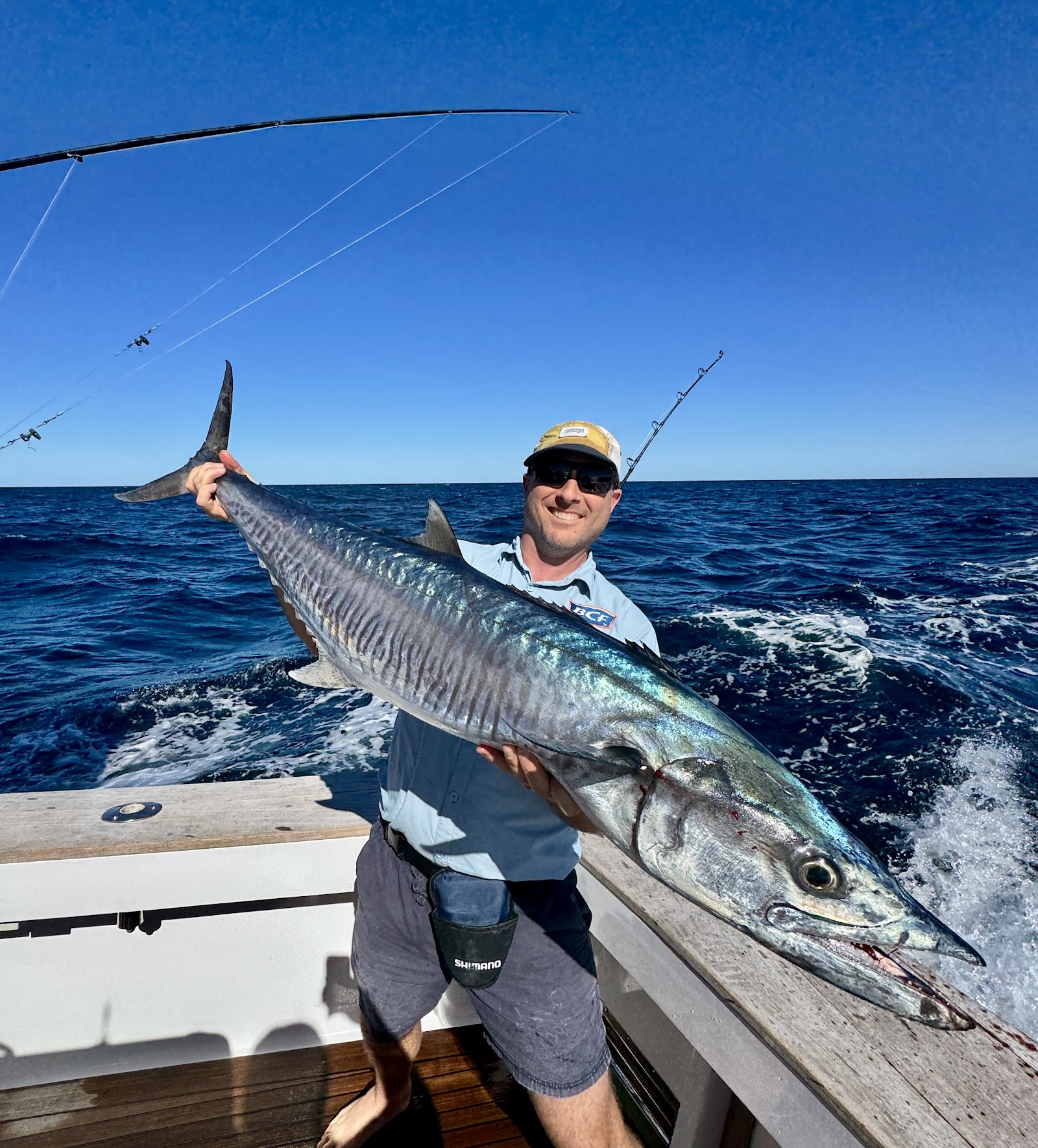
However you want to fish Hamilton Island, the easiest way onto the water is from the marina. Charter and sportfishing operators run from Hamilton Island Marina and the wider Whitsundays, offering half-day inshore-reef trips (coral trout, sweetlip and smaller reef fish — perfect for families and a few hours on the water) and full-day adventures to the outer reef around Bait Reef and Hardy Reef for red emperor, big nannygai and Spanish mackerel. Dedicated game and estuary charters cover the pelagics and the mainland creeks. Charters depart Hamilton Island Marina and Airlie Beach, and the big advantage of going guided here is that the skipper knows exactly which patches of reef are open to fishing and which are no-take green zones.
For visitors, a charter is genuinely the simplest and safest option — they supply the boat, the gear, the local knowledge and the all-important zoning know-how, so you just turn up and fish. Compare what each offers: half-day versus full-day, inshore reef versus outer reef versus game versus estuary, and book ahead in peak season, as the good trips fill fast. Operator line-ups and trip types change, so confirm current operators, departure points and what’s included directly before you book.
It suits everyone — a family wanting a relaxed few hours on the inshore reef, a keen angler chasing a red emperor on the outer reef, or a sportfisher after mackerel and GTs. If you’re an experienced skipper with your own boat in the Whitsundays, you can of course fish independently — but the zoning, the tides and the distances are serious, so download the Reef Authority zoning app, check the maps and the marine forecast, and treat the reef and the green zones with respect.
It puts every kind of Whitsundays fishing within reach from one marina — half-day reef for the family, full-day outer reef for the prizes, game and estuary charters for the rest — with a skipper who knows the zones.
“Booked a half-day reef trip out of the marina with the kids — coral trout, sweetlip, easy and fun — then a full-day to the outer reef the next day for the bigger fish. The crew knew exactly where we could and couldn’t fish.”
— Google review
A half-day inshore-reef charter from the marina, then a full-day to the outer reef for the prizes.
Operators and trip types change — confirm current operators, departure points and inclusions directly. If fishing your own boat, the zoning, tides and distances are serious; use the zoning app and check the forecast.
| Season | Conditions | Highlights | Crowds |
|---|---|---|---|
| Summer (Dec–Feb) | Hot, wet, often windier; stinger season on the water | Estuaries fire for mangrove jack, fingermark & queenfish; sailfish & marlin offshore; barramundi CLOSED 1 Nov – 1 Feb | Peak (school holidays) |
| Autumn (Mar–May) | Settling, often the sweet spot | Barra reopens 1 Feb and fishes well; reef bottom-fishing reliable; pelagics still about as the water cools | Moderate |
| Winter (Jun–Aug) | Cool, calm, settled — prime reef weather | Classic Spanish mackerel run; outer reef opens up for red emperor & nannygai; the best reef-fishing weather of the year | Peak (dry-season high season) |
| Spring (Sep–Nov) | Warming, generally calm early | Coral trout & reef fishing strong; mackerel tapering; mind the coral reef fin fish spawning closures (Oct/Nov) and the barra close from 1 Nov | Moderate |
What anglers consistently say about fishing Hamilton Island and the Whitsundays:
The recurring praise is the range — coral trout and red emperor on the reef, screaming runs from mackerel and GTs in the channels, and barra and crabs in the mainland creeks — all in warm, scenic, island-studded water, and something is almost always fishing.
Anglers note that the Great Barrier Reef green (no-take) zones are strict and heavily fined, the barra and coral reef fin fish closures are real, and crocodiles patrol the creeks — those who check the zoning maps, mind the closures and go with a knowledgeable charter have the best, safest trips.
“A must see destination. The pure white sand, the crystal blue waters is like nothing else. Find your own spot amongst the long beach, relax & enjoy the serenity of it all. Don't rush this spot "just to say you've seen it". We hired our own boat, found our own section with no-one near us for over a kilometres on the sand.”— Scott Mander (on Whitehaven Beach), Google review
“Absolutely breathtaking! The sand is so pure and soft it almost squeaks under your feet, and the turquoise water looks unreal. We spent hours just relaxing, swimming, hiking and soaking in the views — it honestly feels like paradise. If you’re visiting the Whitsundays, this is a must-see. Bring your camera and plenty of sunscreen — you’ll never want to leave”— T J (on Whitehaven Beach), Google review
“Such a spectacular beach and it's so huge that even when there's heaps of boatloads of tourists there is room to spread out and have your own private slice of paradise. A must see when in Australia.”— Amy Garden (on Whitehaven Beach), Google review
Get the legal side right first — up here it’s the difference between a great day and a heavy fine. Unlike NSW, Queensland doesn’t require a recreational fishing licence for saltwater line fishing, so you don’t need to buy a permit. But the rules that matter are the Great Barrier Reef Marine Park zoning, the size and bag limits, and the seasonal closures. Large areas of this water are Marine National Park (green) zones where no fishing is allowed at all, the boundaries are not obvious on the water, and poaching from a green zone carries a fine of around $3,000 — so check the current Reef Authority zoning maps before you fish, and use the free zoning app. If you’re transiting a green zone with fish on board that’s fine, but all fishing gear must be stowed and out of the water.
Know the limits and closures. Queensland sets minimum sizes and possession limits for each species — coral trout, the emperors, mackerel, barramundi and more — so check the current Queensland tidal-water limits before keeping any fish, and release undersized and excess fish (use a release weight to send reef fish back down). Barramundi are closed on the east coast from 1 November to 1 February, and two short coral reef fin fish spawning closures fall around the new moon in October and November each year, during which you can’t take coral trout, emperors and other reef species — confirm the exact dates for the year before you travel. For crabs: a maximum of four pots or dillies per person, marked floats, and no taking female mud or sand crabs.
Mind the tropical safety basics. The Whitsundays have a large tidal range, so plan your reef and crabbing sessions around the tides and the marine forecast. Marine stingers are present in the water from roughly October to May, so take care if you’re wading or in the water then. Saltwater crocodiles inhabit the mainland creeks and estuaries — never clean fish or enter the water at the bank, and take local advice. And treat the reef gently: don’t anchor on coral, handle fish carefully, and take your rubbish and line with you.
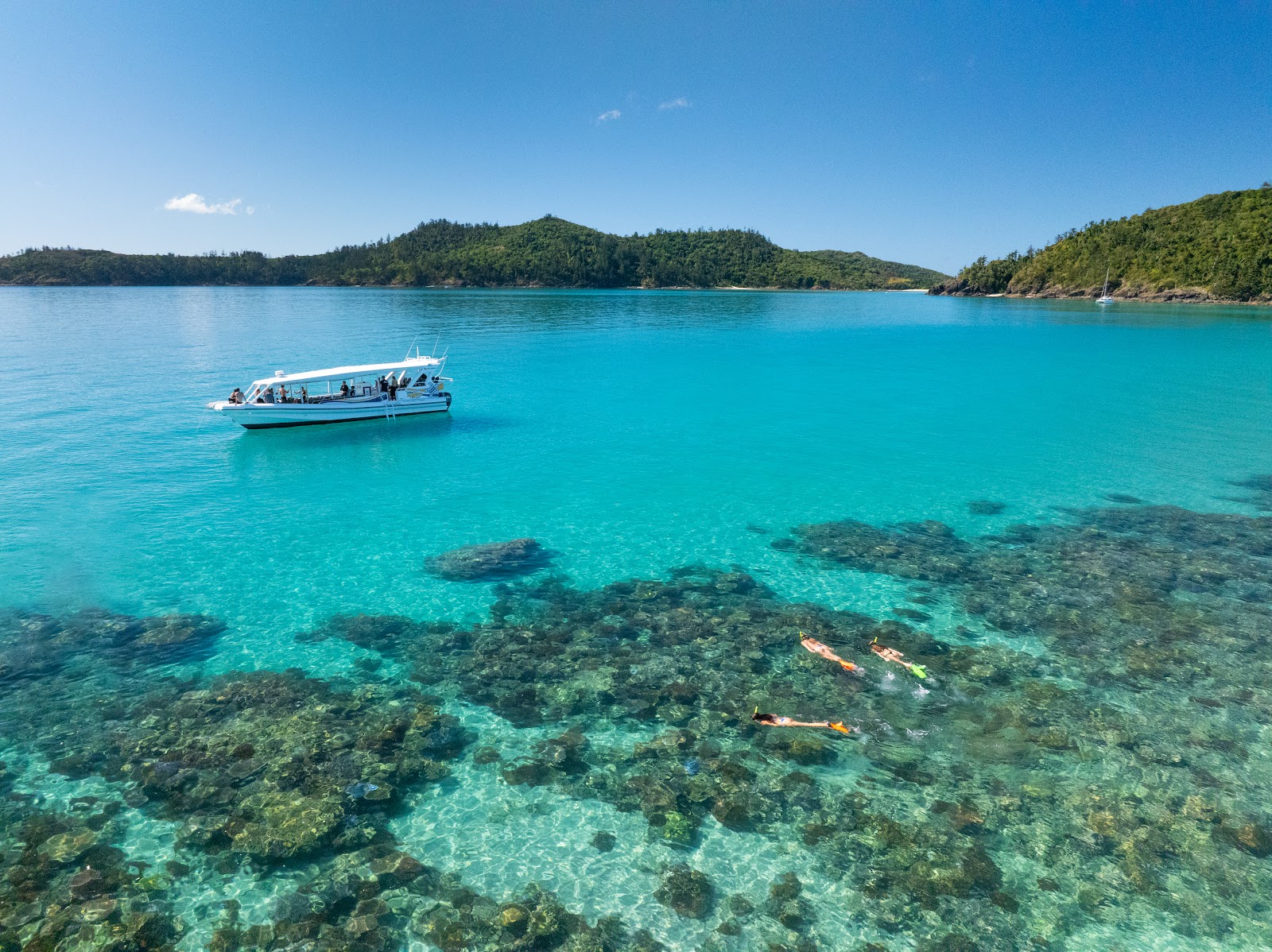
Few places offer the fishing range that Hamilton Island and the Whitsundays do. In a single trip you can bottom-fish a fringing reef for coral trout at dawn, run wider for red emperor on the outer Great Barrier Reef, troll the channels for screaming Spanish mackerel and giant trevally, and charter across to the mainland creeks for barramundi, mangrove jack and a pot of mud crabs. Add warm tropical water, world-class reef and a marina that puts every kind of fishing within reach, and it’s no wonder the Whitsundays are one of the most respected fishing destinations in Australia.
The trick up here isn’t a licence — Queensland doesn’t require one for saltwater line fishing — it’s the rules that matter most: check the Marine Park zoning before you cast, learn the size and bag limits, mind the barramundi and coral reef fin fish closures, and respect the tides, the stingers and the crocodiles. Sort those, pick your water — inshore reef, outer reef, channel, estuary or creek — and the Hamilton Island fishing in this guide will put you on the fish. Tight lines — and look after the reef.
Enjoying fishing? Here’s where else in Australia it’s worth the trip — ranked by how loved each destination is, with the one thing not to miss at each.
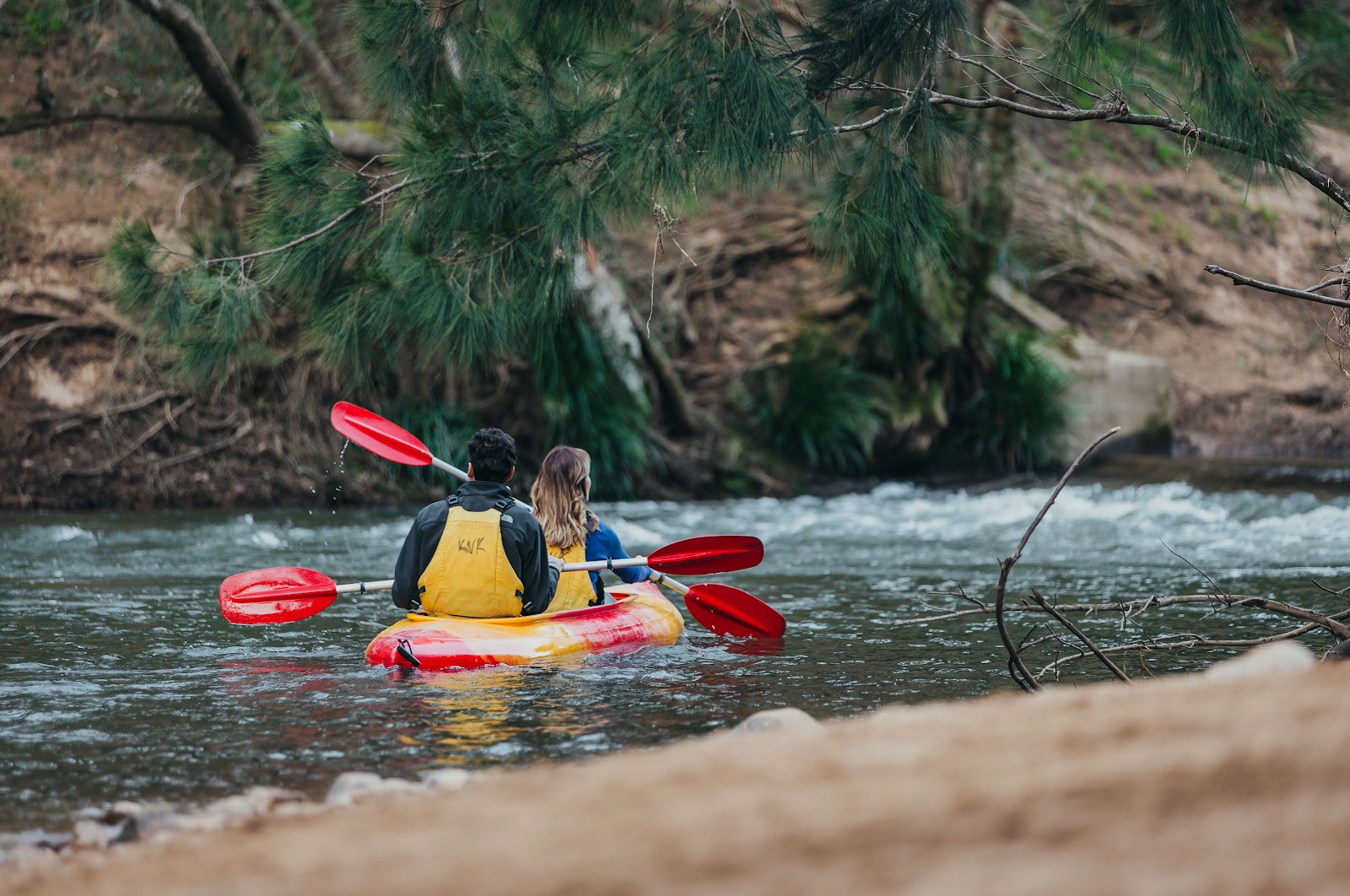 Kangaroo Valley
Shoalhaven, New South Wales
Kangaroo River bass on lures — the signature paddle-and-cast — A dawn surface-lure session in the clear pools — a bass blowing up on a popper, photographed and released.
Explore fishing in Kangaroo Valley →
Hamilton Island you’re here
The Whitsundays, Queensland
Reef bottom-fishing — coral trout, emperor & sweetlip — A full-day run to the outer reef for red emperor and big nannygai, with coral trout on the inshore drop-offs.
You’re reading this guide
Kangaroo Valley
Shoalhaven, New South Wales
Kangaroo River bass on lures — the signature paddle-and-cast — A dawn surface-lure session in the clear pools — a bass blowing up on a popper, photographed and released.
Explore fishing in Kangaroo Valley →
Hamilton Island you’re here
The Whitsundays, Queensland
Reef bottom-fishing — coral trout, emperor & sweetlip — A full-day run to the outer reef for red emperor and big nannygai, with coral trout on the inshore drop-offs.
You’re reading this guide
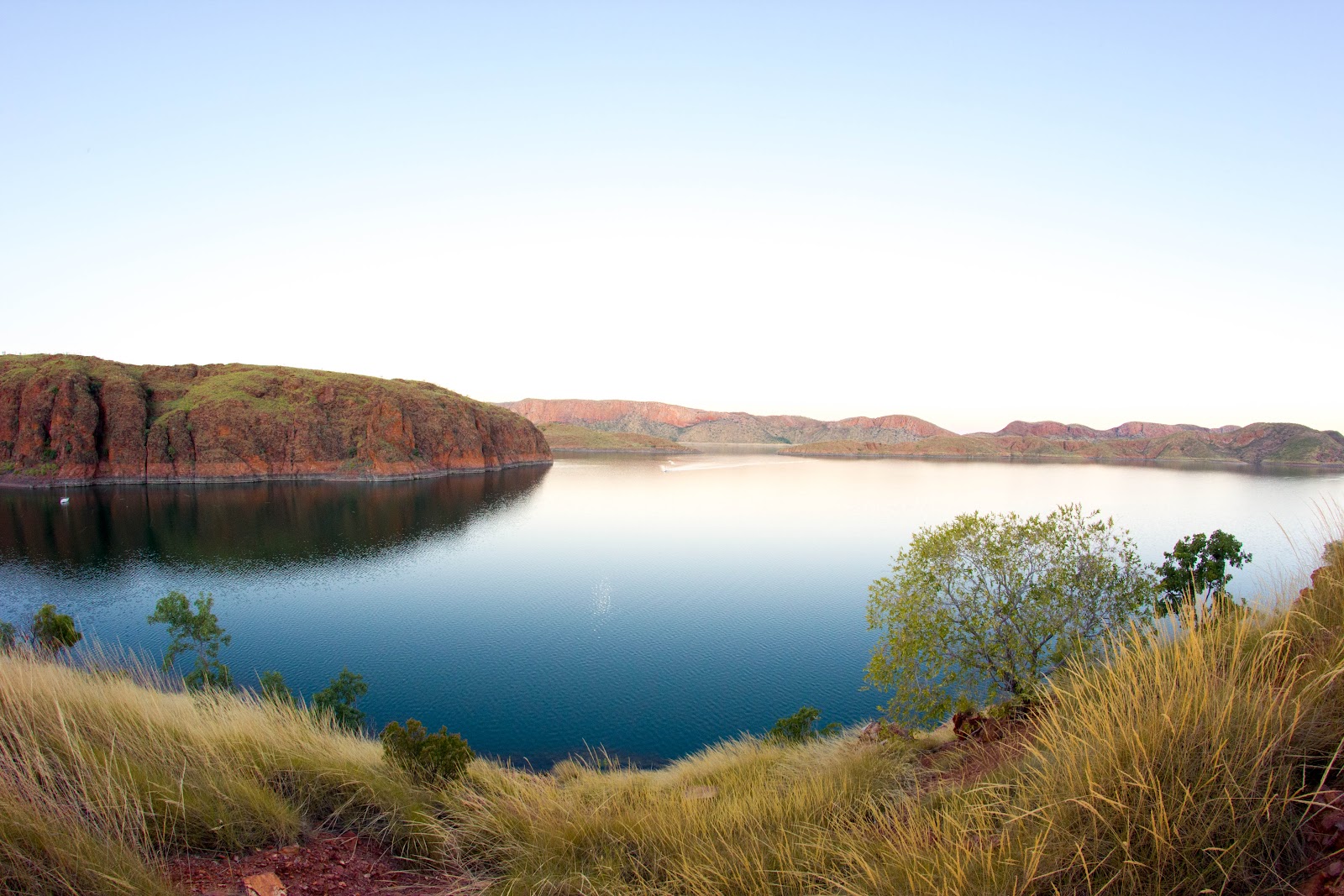 The Kimberley
Australia's North West, Western Australia
Lake Argyle — Dawn surface fishing over submerged timber lines when barra are actively busting bait -- the most productive window of the day.
Explore fishing in The Kimberley →
4
The Kimberley
Australia's North West, Western Australia
Lake Argyle — Dawn surface fishing over submerged timber lines when barra are actively busting bait -- the most productive window of the day.
Explore fishing in The Kimberley →
4
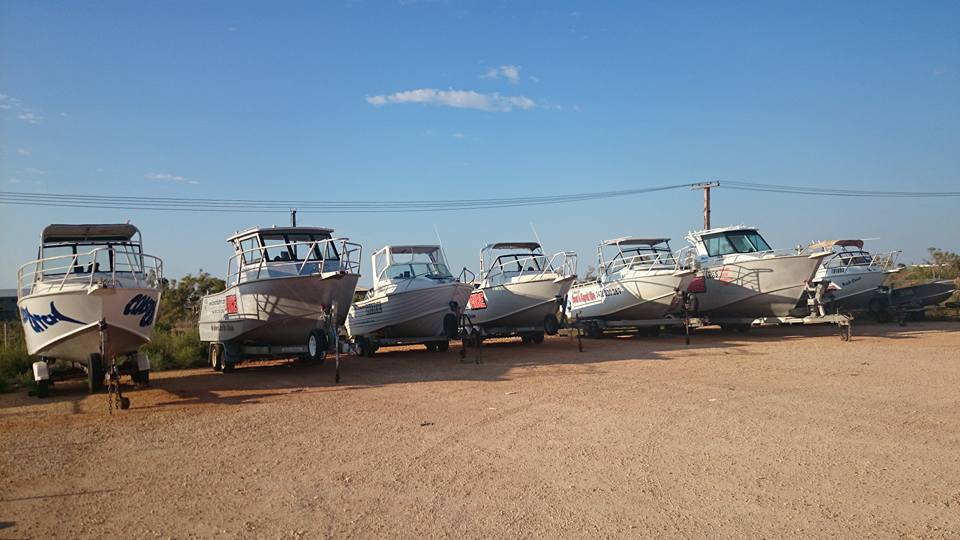 Ningaloo Reef
Australia's Coral Coast, Western Australia
Exmouth Gulf game fishing charters — A full-day blue-water charter targeting billfish in the Gulf — the premier fishing experience at Ningaloo, with a knowledgeable skipper who knows where the fish are.
Explore fishing in Ningaloo Reef →
5
Ningaloo Reef
Australia's Coral Coast, Western Australia
Exmouth Gulf game fishing charters — A full-day blue-water charter targeting billfish in the Gulf — the premier fishing experience at Ningaloo, with a knowledgeable skipper who knows where the fish are.
Explore fishing in Ningaloo Reef →
5
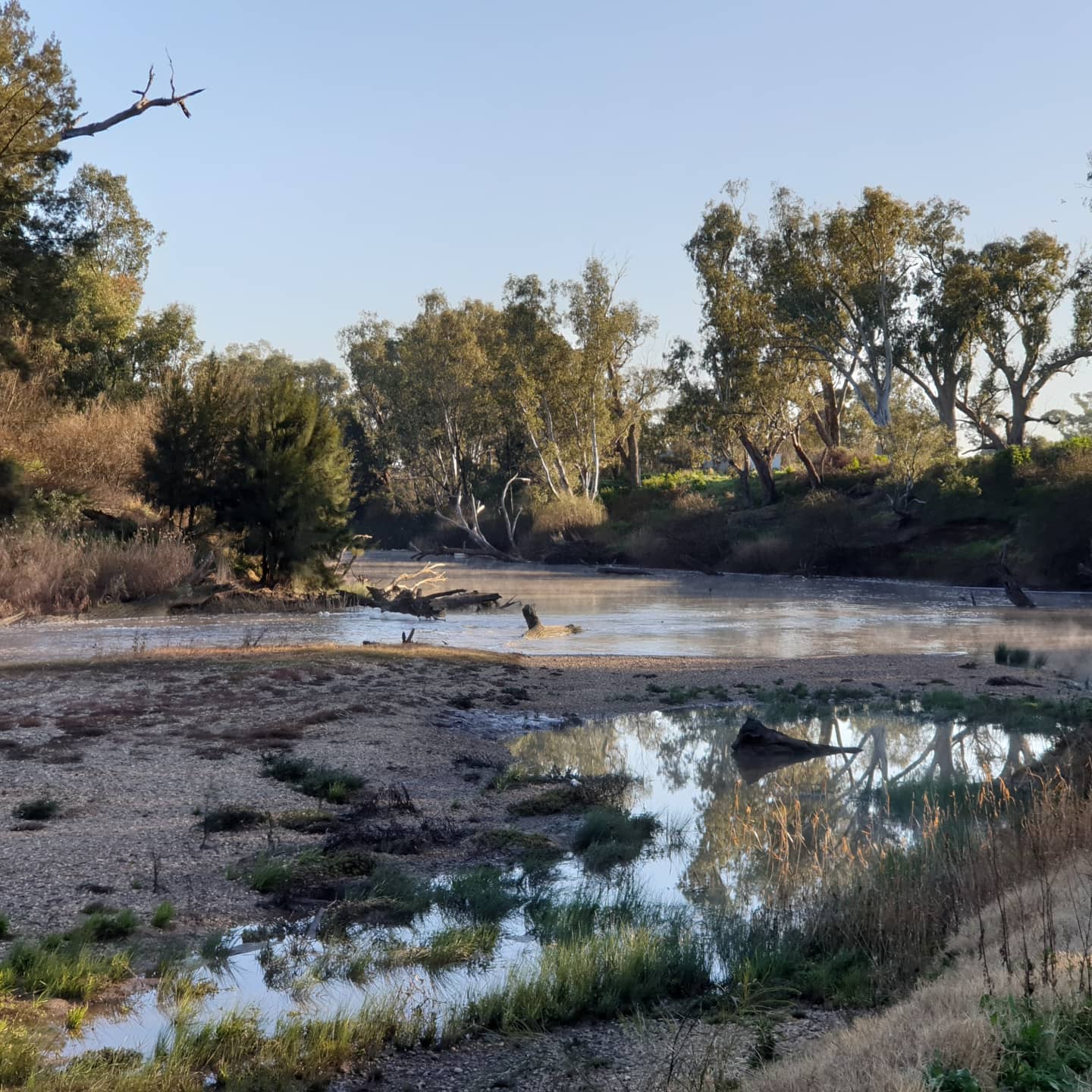 Dubbo
Central West, New South Wales
The Macquarie River through Dubbo — the riverside reserves — A dawn or dusk session working a surface lure over the river timber for Murray cod.
Explore fishing in Dubbo →
6
Dubbo
Central West, New South Wales
The Macquarie River through Dubbo — the riverside reserves — A dawn or dusk session working a surface lure over the river timber for Murray cod.
Explore fishing in Dubbo →
6
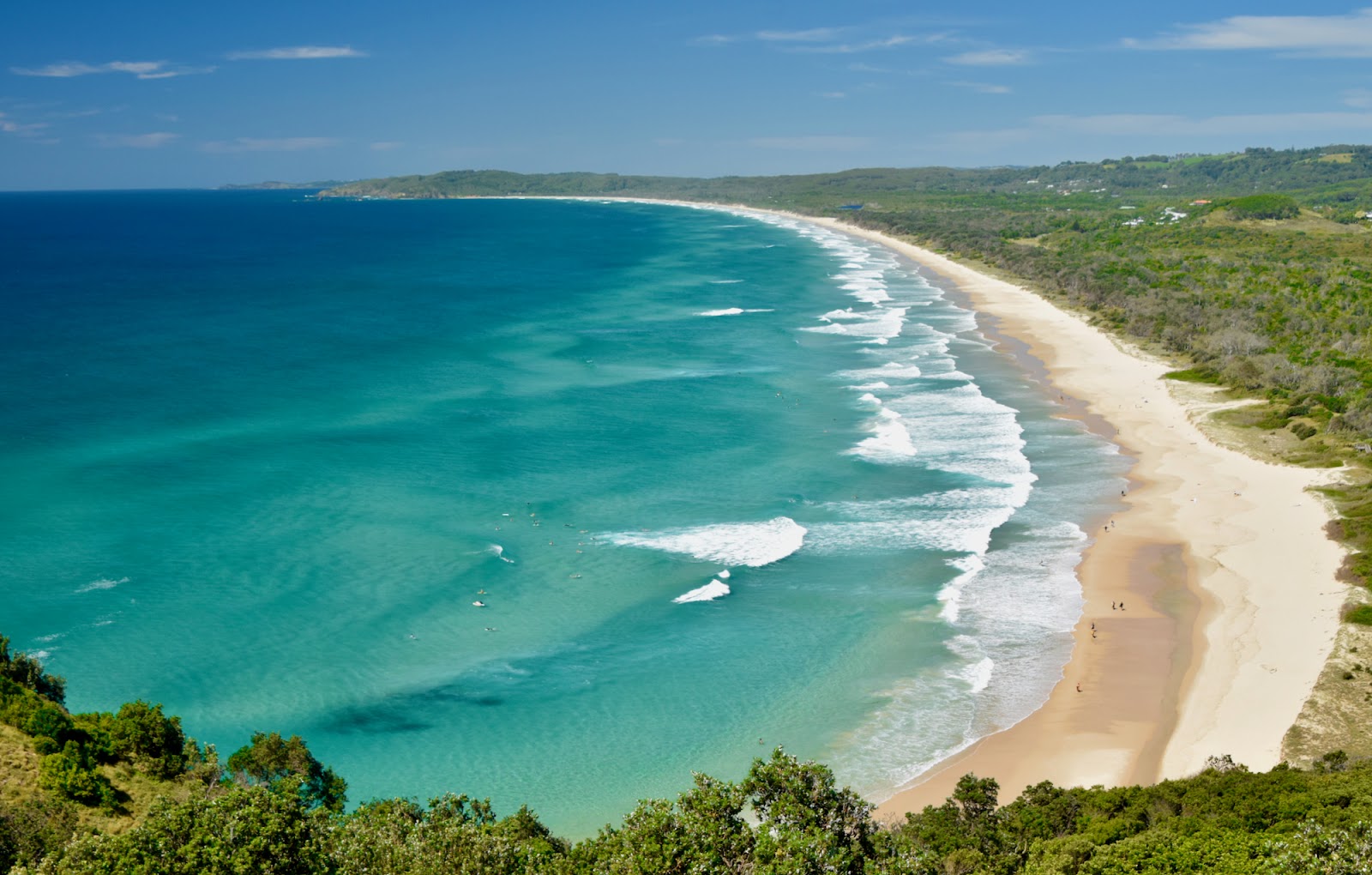 Byron Bay
Northern Rivers, New South Wales
Beach & surf fishing — Tallow and the open beaches — A moving-tide dawn session in a Tallow Beach gutter for tailor, whiting and a shot at a jewfish.
Explore fishing in Byron Bay →
7
Byron Bay
Northern Rivers, New South Wales
Beach & surf fishing — Tallow and the open beaches — A moving-tide dawn session in a Tallow Beach gutter for tailor, whiting and a shot at a jewfish.
Explore fishing in Byron Bay →
7
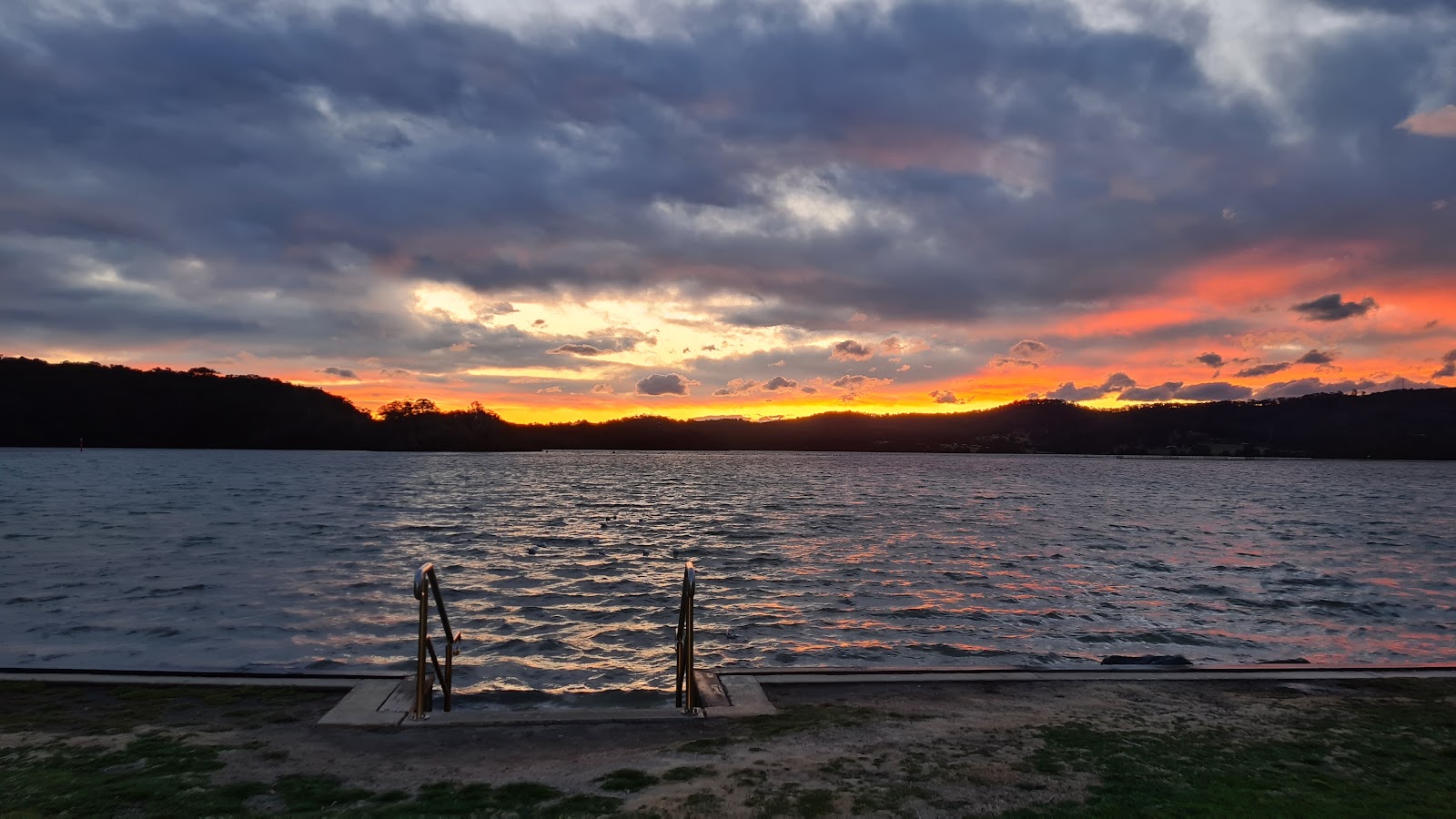 Narooma
South Coast, New South Wales
Wagonga Inlet — the estuary fishing jewel — A dawn session on the sand flats with soft plastics — and a ‘croc’ flathead photographed and released.
Explore fishing in Narooma →
8
Narooma
South Coast, New South Wales
Wagonga Inlet — the estuary fishing jewel — A dawn session on the sand flats with soft plastics — and a ‘croc’ flathead photographed and released.
Explore fishing in Narooma →
8
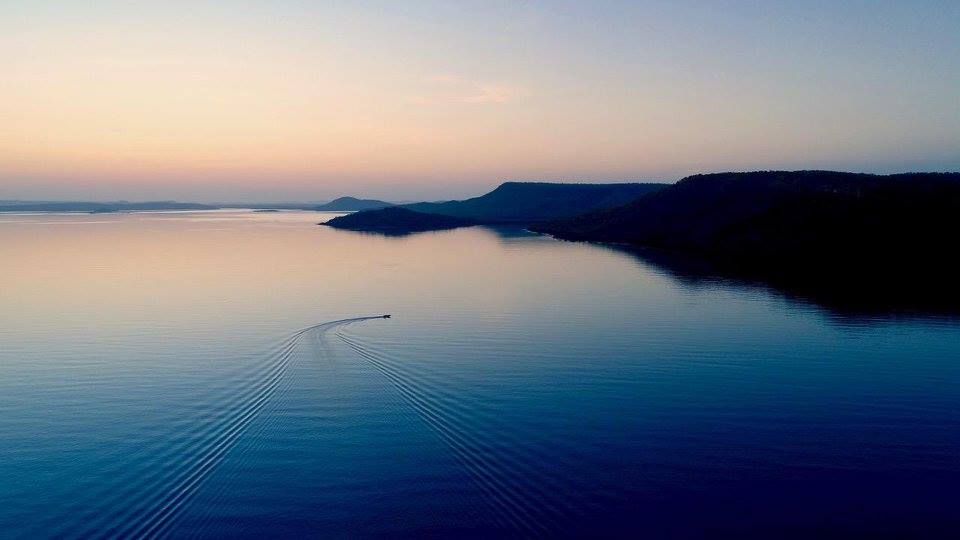 Broome
Australia's North West, Western Australia
Town Beach jetty and foreshore — Fishing the run-in tide with a surface popper or metal slice for queenfish and trevally — the bite window is two hours, so time it well.
Explore fishing in Broome →
Broome
Australia's North West, Western Australia
Town Beach jetty and foreshore — Fishing the run-in tide with a surface popper or metal slice for queenfish and trevally — the bite window is two hours, so time it well.
Explore fishing in Broome →
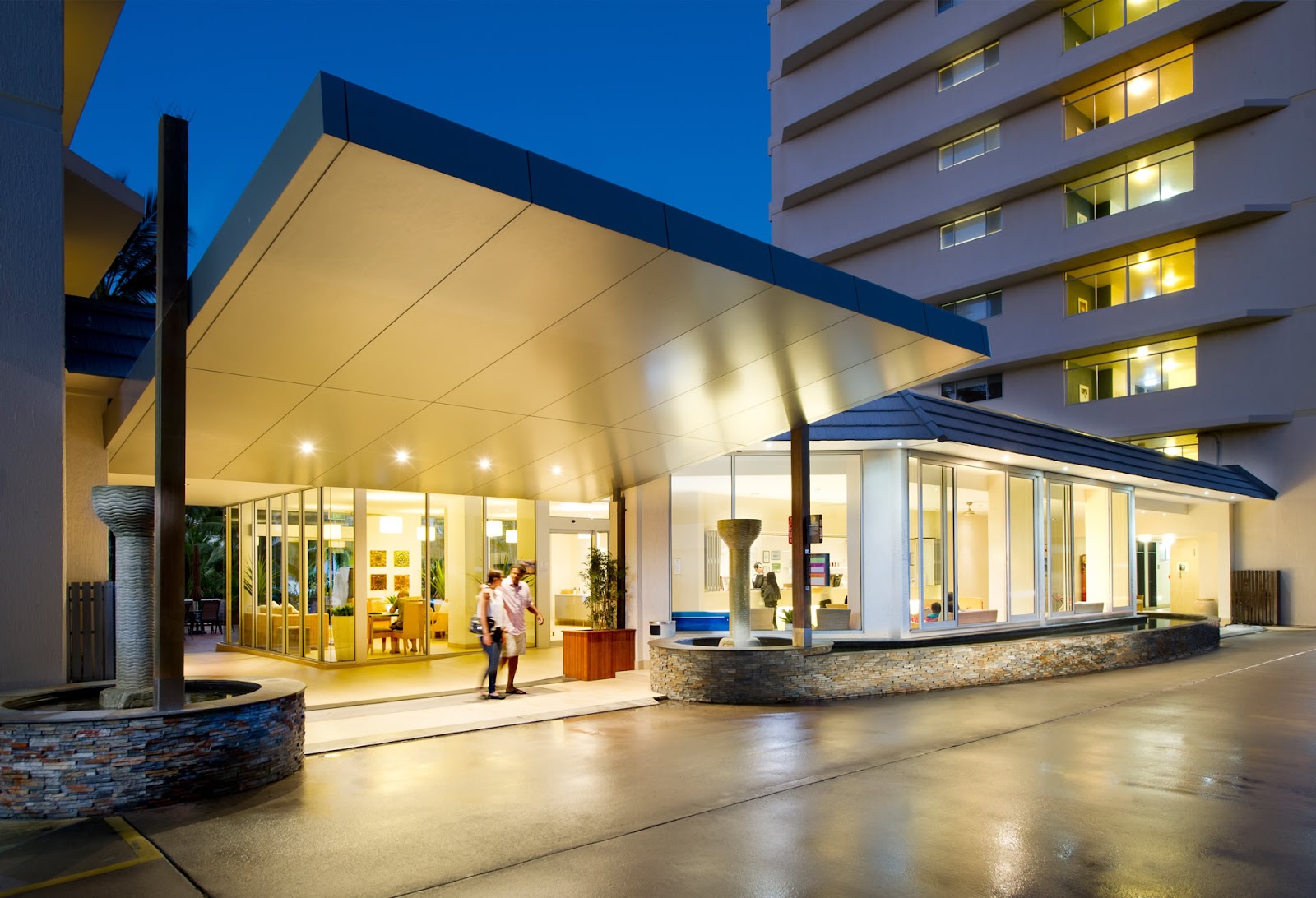
Whitsunday Apartments Hamilton Island — Hamilton Island
Book Direct & Save →
Reef View Hotel — Hamilton Island
Book Direct & Save →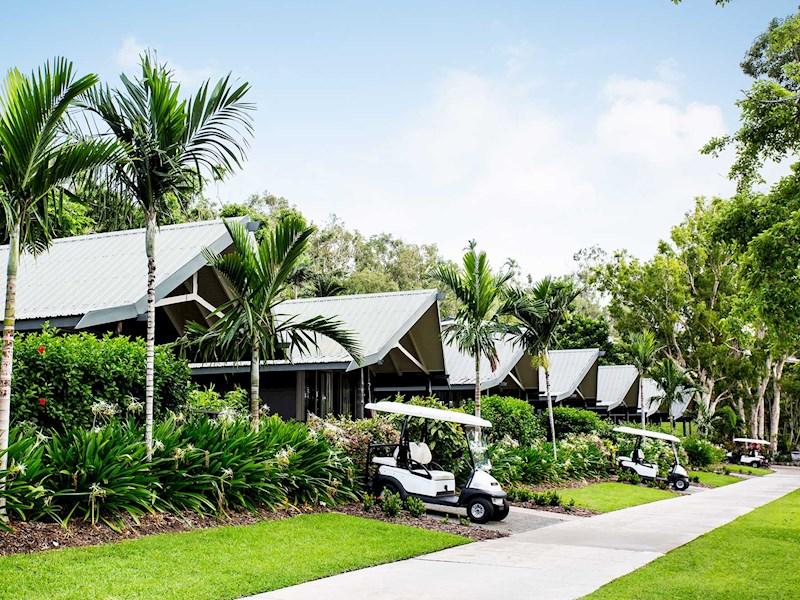
Palm Bungalows — Hamilton Island
Book Direct & Save →Skip OTA fees. Connect directly with Hamilton Island owners for the best rates and a truly personal experience.
We match any online rate. No service fees — 100% of your payment supports local owners.
Direct guests receive complimentary hampers, early check-in, and priority access to experiences.
Speak directly with the people who manage the properties. No call centres, just local expertise.
Part of Queensland · The Whitsundays
 Glen Aplin
Granite Belt, Queensland
Queensland's most underrated wine valley
Explore the guide →
Glen Aplin
Granite Belt, Queensland
Queensland's most underrated wine valley
Explore the guide →
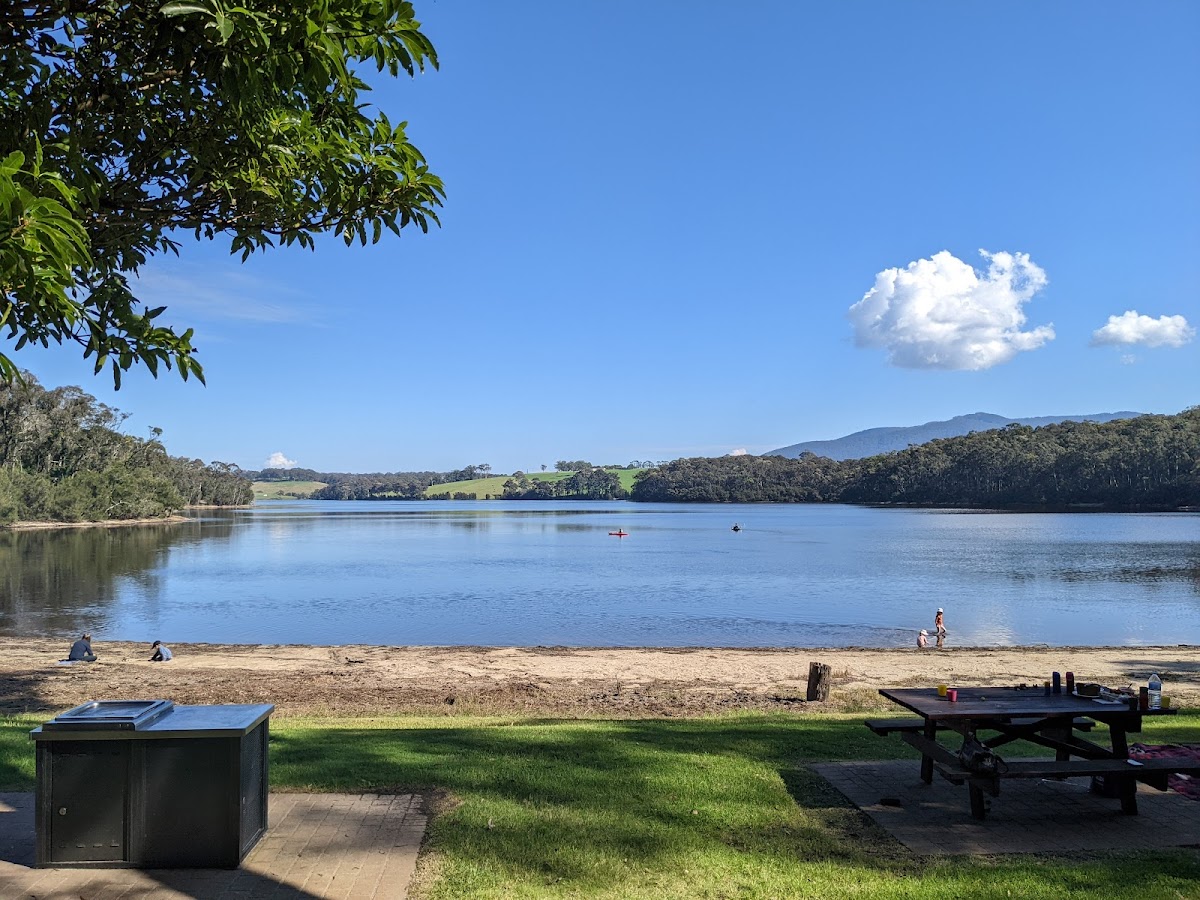 Narooma
South Coast, New South Wales
Crystal-clear inlet, surf beaches, oysters and Montague Island
Explore the guide →
Narooma
South Coast, New South Wales
Crystal-clear inlet, surf beaches, oysters and Montague Island
Explore the guide →
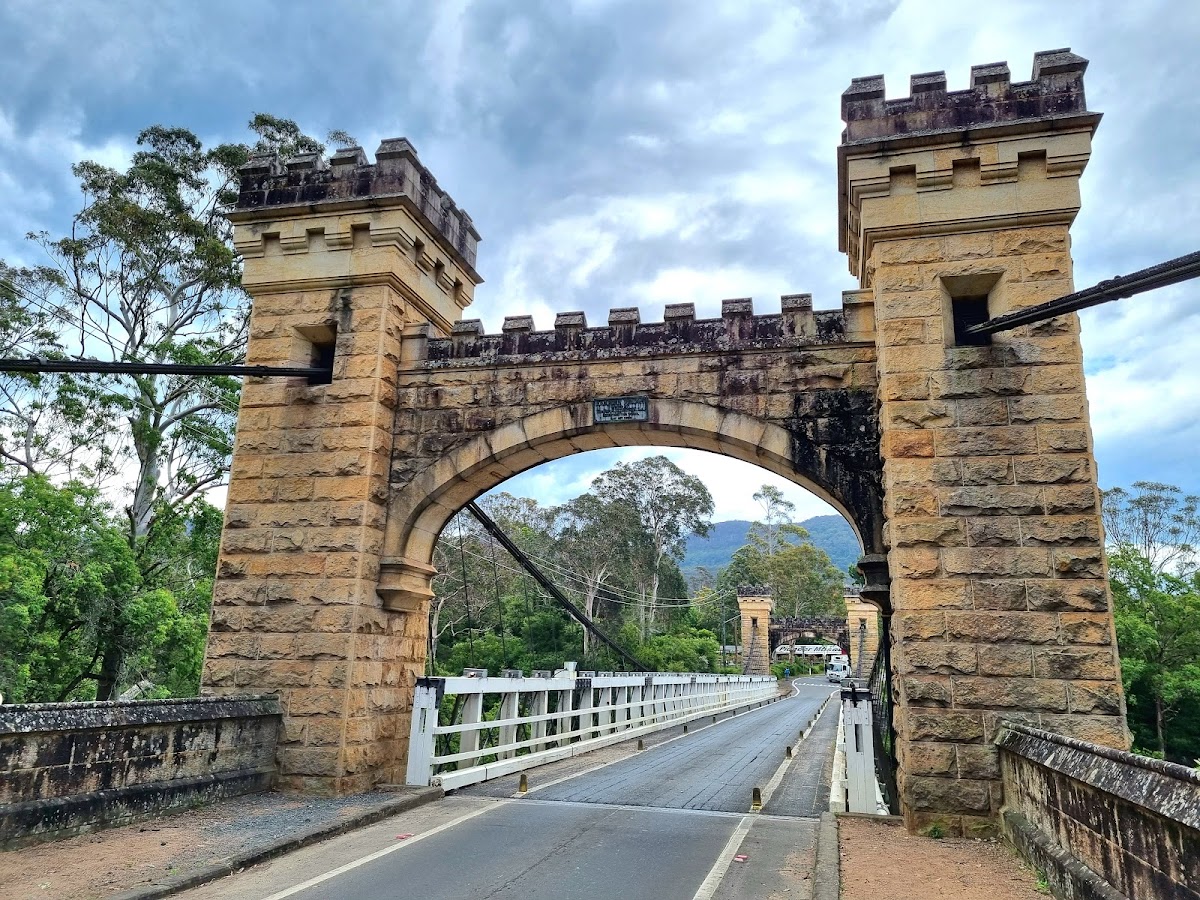 Kangaroo Valley
Shoalhaven, New South Wales
Hampden Bridge, kayaking and wombats in a green valley
Explore the guide →
Kangaroo Valley
Shoalhaven, New South Wales
Hampden Bridge, kayaking and wombats in a green valley
Explore the guide →
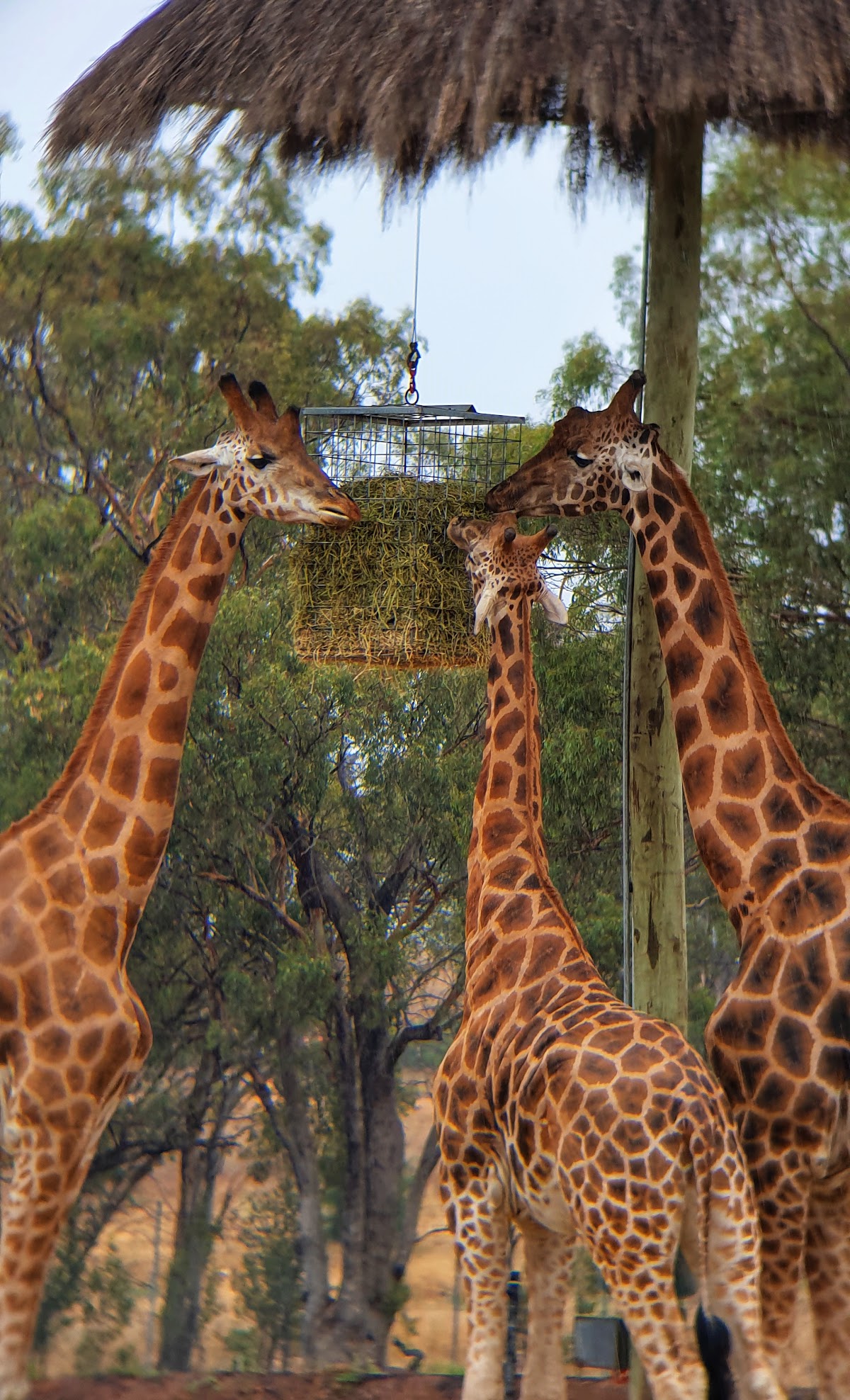 Dubbo
Central West, New South Wales
Open-range zoo and Outback gateway on the Macquarie River
Explore the guide →
Dubbo
Central West, New South Wales
Open-range zoo and Outback gateway on the Macquarie River
Explore the guide →
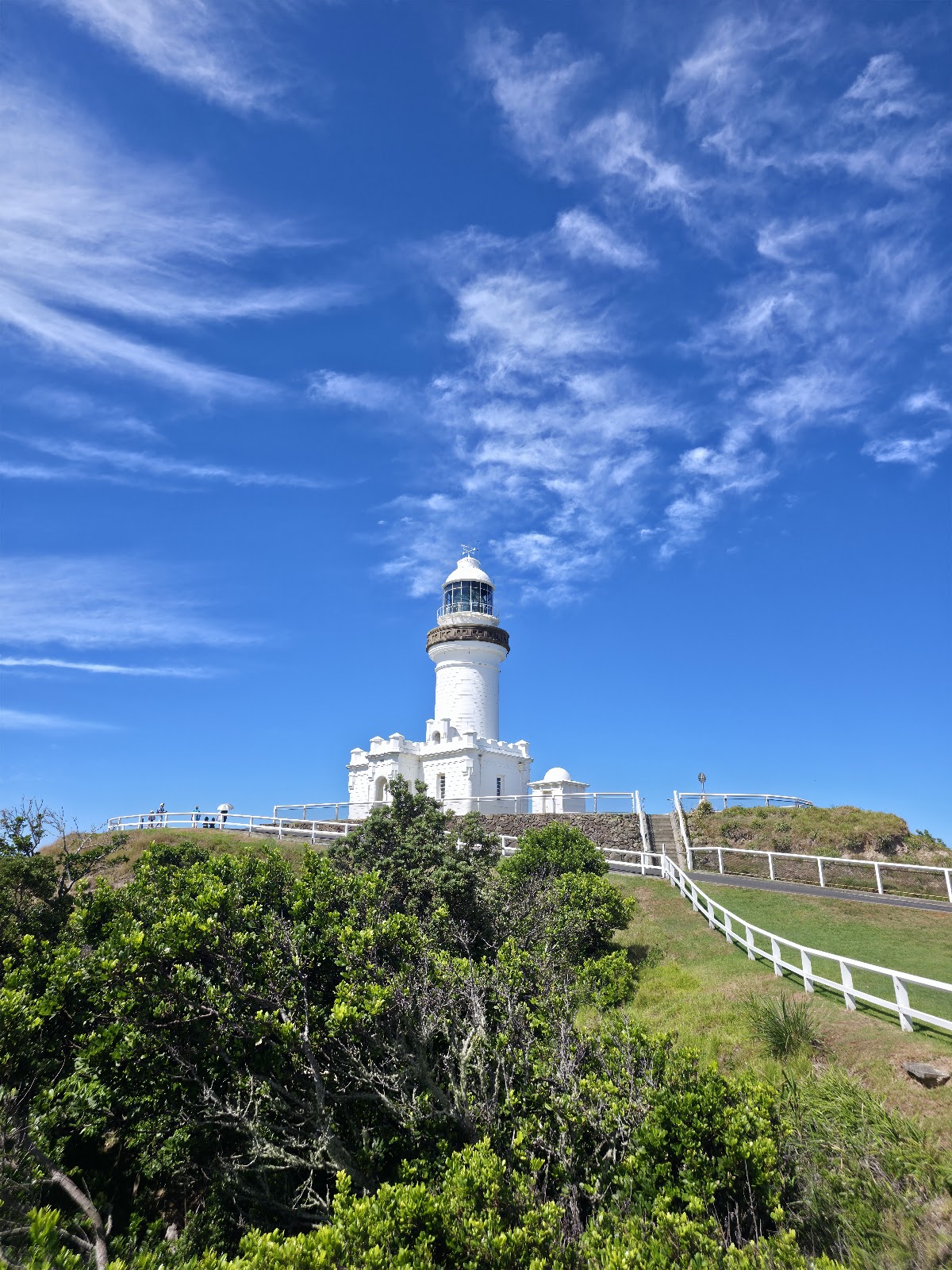 Byron Bay
Northern Rivers, New South Wales
Australia's iconic beach town and most easterly point
Explore the guide →
Byron Bay
Northern Rivers, New South Wales
Australia's iconic beach town and most easterly point
Explore the guide →
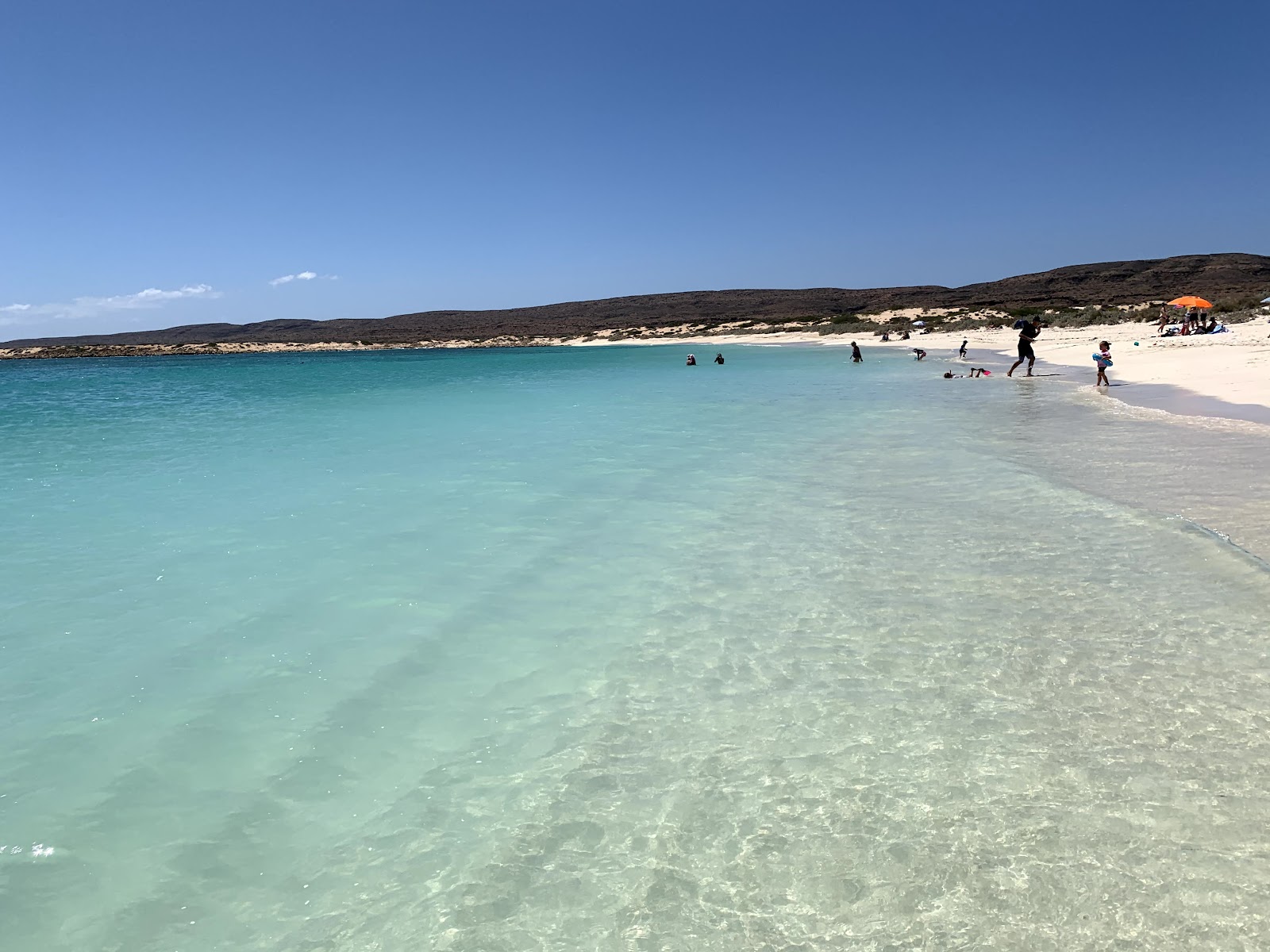 Ningaloo Reef
Australia's Coral Coast, Western Australia
Swim with whale sharks and snorkel a World-Heritage reef straight off the beach
Explore the guide →
Ningaloo Reef
Australia's Coral Coast, Western Australia
Swim with whale sharks and snorkel a World-Heritage reef straight off the beach
Explore the guide →
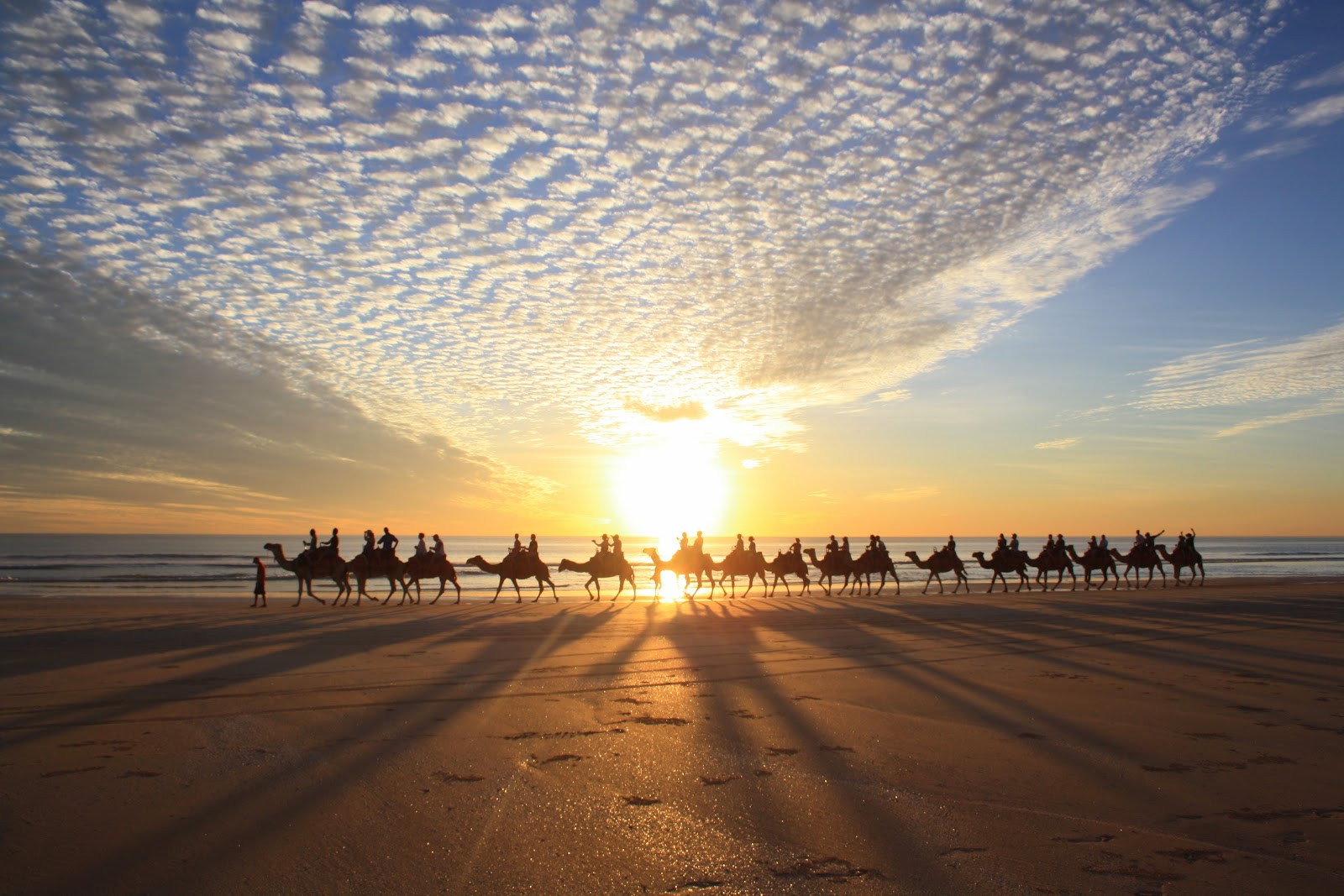 Broome
Australia's North West, Western Australia
Cable Beach sunsets, pearling history and camels on 22km of sand
Explore the guide →
Broome
Australia's North West, Western Australia
Cable Beach sunsets, pearling history and camels on 22km of sand
Explore the guide →
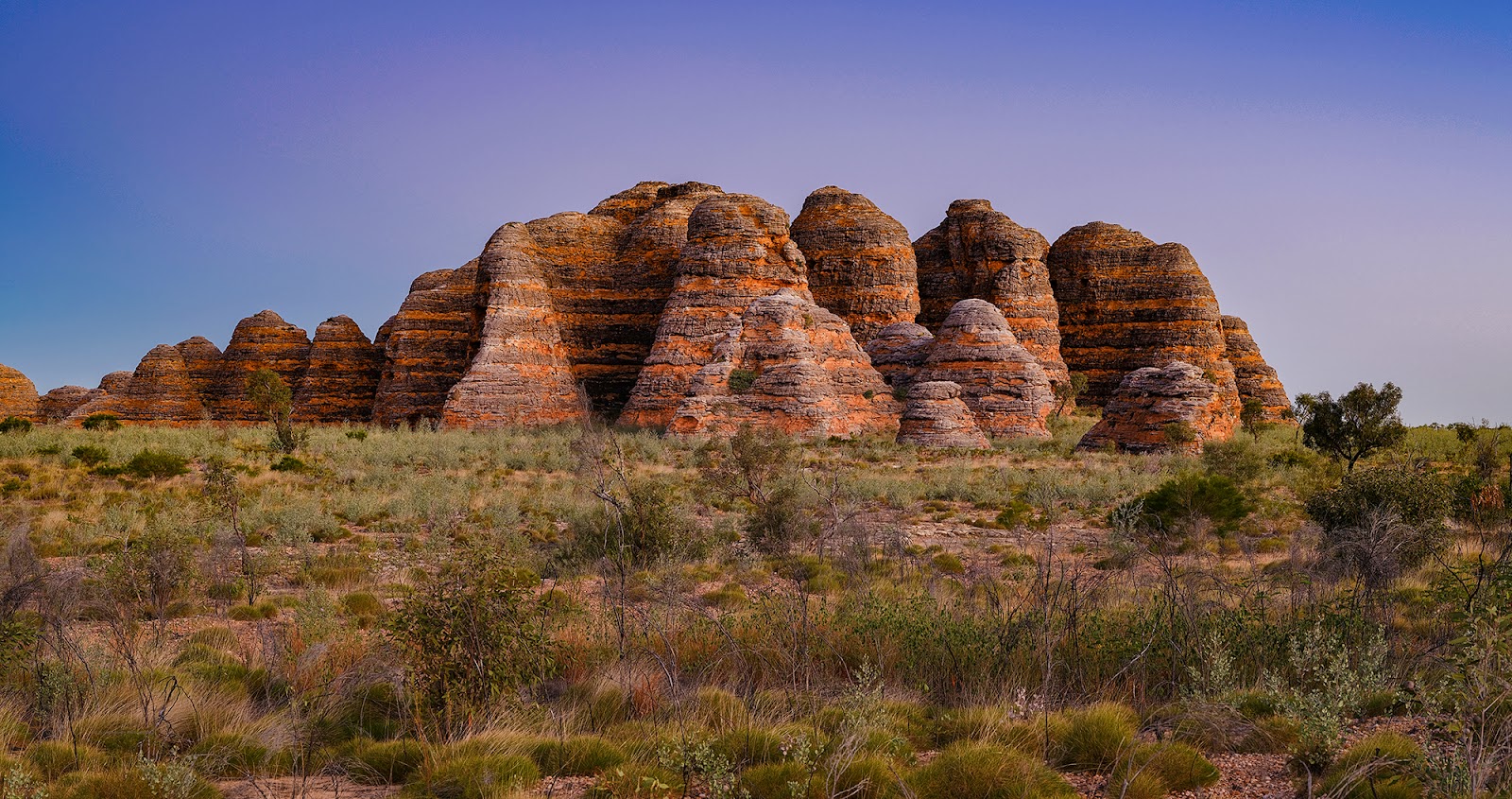 The Kimberley
Australia's North West, Western Australia
Gibb River Road, the Bungle Bungles, gorges and waterfalls in Australia's last frontier
Explore the guide →
The Kimberley
Australia's North West, Western Australia
Gibb River Road, the Bungle Bungles, gorges and waterfalls in Australia's last frontier
Explore the guide →
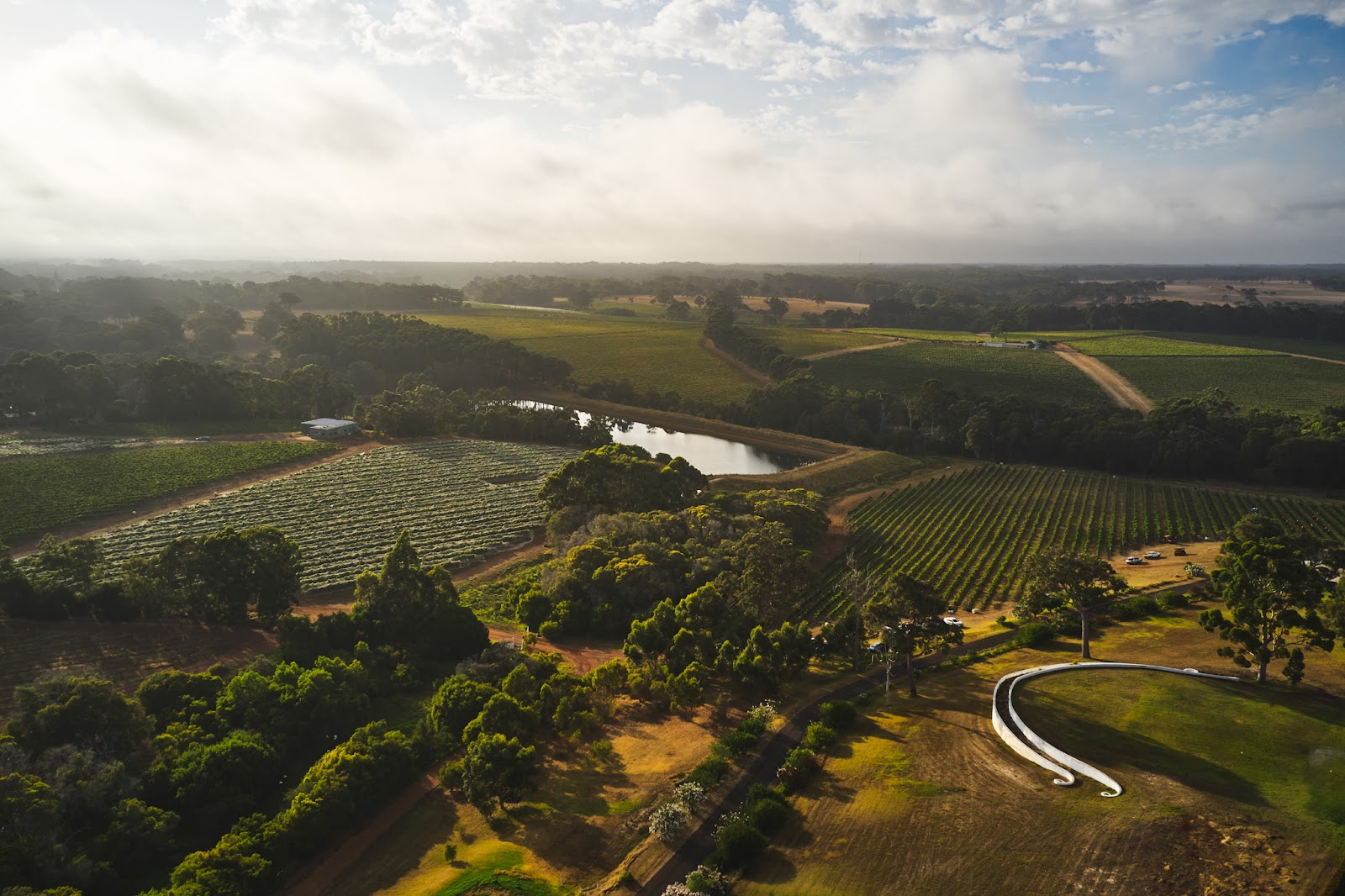 Margaret River
Australia's South West, Western Australia
World-class wineries, surf breaks and limestone caves three hours south of Perth
Explore the guide →
Margaret River
Australia's South West, Western Australia
World-class wineries, surf breaks and limestone caves three hours south of Perth
Explore the guide →