01. Wildes Boutique Hotel Kangaroo Valley
4.5 (297 reviews)
Wildes Boutique Hotel Kangaroo Valley — Kangaroo Valley
Book Direct & Save →Kangaroo Valley is one of the loveliest freshwater fisheries in New South Wales, and the native fish that runs it is the Australian bass — a prized, hard-fighting sportfish that takes a surface lure with a heart-stopping smash at dawn and dusk. Quietly paddling a kayak along the Kangaroo River beneath the sandstone escarpment, casting a popper into the shadows under the casuarinas, is the signature Kangaroo Valley angling experience. This is wading, walking and paddling water, not a place of big boats and bait buckets — and it’s all the better for it.
View 3 Properties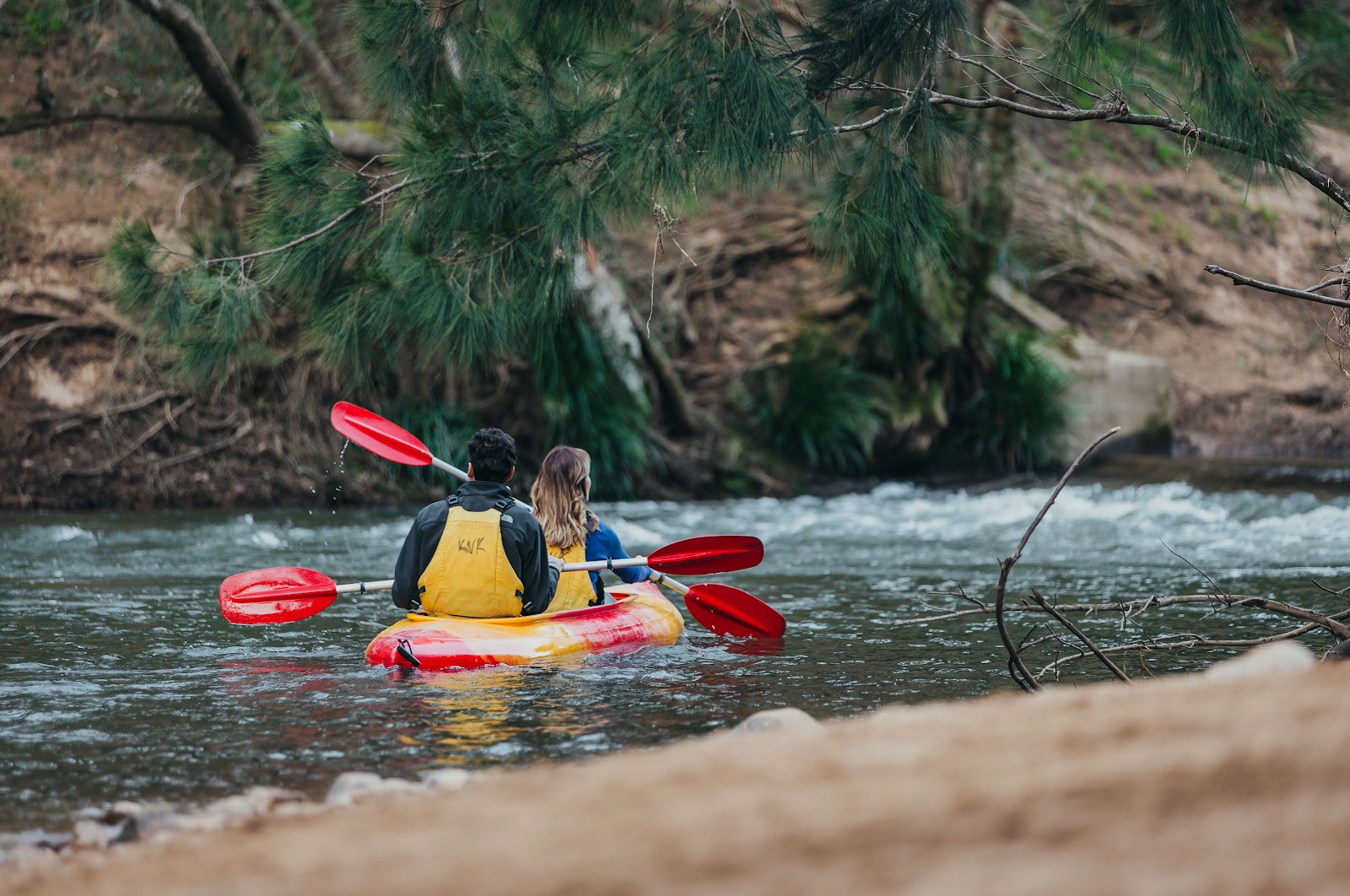
"Wild, scenic, catch-and-release"
This Kangaroo Valley fishing guide covers it all — the best places to chase bass on the Kangaroo River, in Lake Yarrunga behind Tallowa Dam and on the Shoalhaven; the species you’ll catch and when; the lure techniques that work; how to fish it from a kayak, canoe or the bank with the kids; and the licences and rules you need to know. Whether you’re a lure angler after a trophy bass or a family dropping a line for eels and mullet off a riverside reserve, here’s how fishing in Kangaroo Valley works.
Two things upfront: you need a NSW recreational fishing licence (more below), and — most importantly — Australian bass in flowing rivers are protected by a closed season from 1 June to 31 August every year, when they must be released. This is the valley’s equivalent of a no-take rule, and it exists to protect the spawning run. Honour it, fish gently in a river that’s home to platypus, and take your line and rubbish home — the rest is choosing your water.
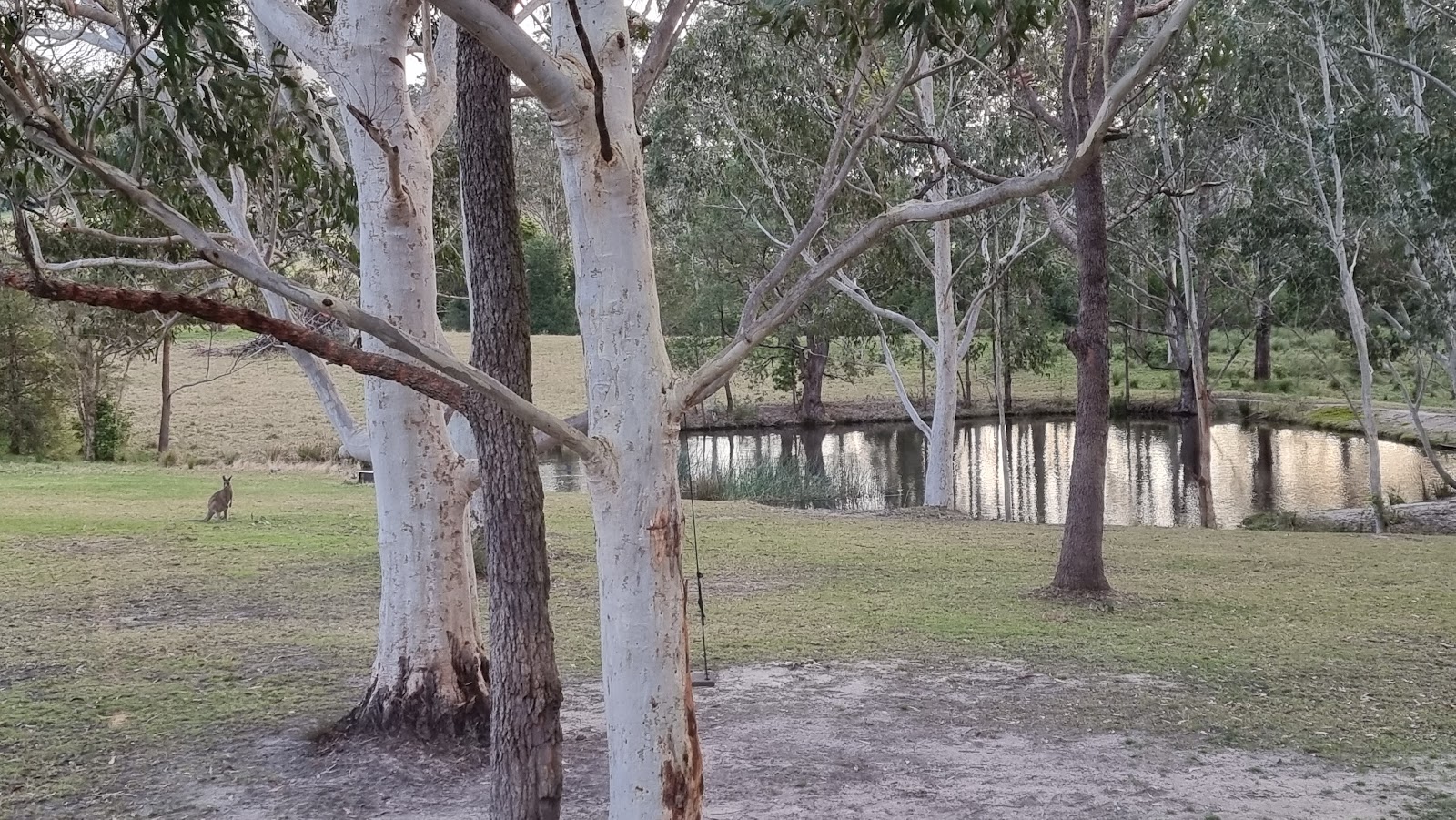
Plenty of places hold Australian bass, but few hold them in scenery like Kangaroo Valley. The Kangaroo River rises in the Budderoo escarpment and winds through the valley in a series of deep pools, shaded runs and rocky pinch-points before joining the Shoalhaven and backing up into Lake Yarrunga behind Tallowa Dam. It’s clear, cool, native-fish water, framed by sandstone cliffs and overhanging casuarinas — the kind of river you’d want to fish even if nothing was biting. And the bass do bite.
What makes the valley special is how you fish it. This isn’t boat-ramp-and-esky country; much of the best bass fishing is done on foot — wading and walking the river, working a lure into the snags and undercut banks — or from a kayak or canoe, drifting quietly along the river casting under the trees. The lake adds another dimension: a sheltered impoundment you can only reach by paddle, where bass and estuary perch hold around the timber and the drowned river arms. It’s intimate, low-impact, wonderfully scenic fishing.
The one thing to get right before you start is the rules — and here they matter more than almost anywhere. A NSW recreational fishing licence is required even for freshwater shore fishing, and river bass are protected by a closed season from 1 June to 31 August when they must be released. The Kangaroo River is also home to platypus, so fish gently and take everything home. Sort the licence, learn the closed-season rule, respect the river, and the rest is choosing your water.
The fish everyone comes for is the Australian bass — a stocky, olive-bronze native that punches well above its size and hits a surface lure with real aggression. Bass are most active in the warmer months: the open river season runs from 1 September, and from spring through to autumn they’ll smash poppers and walk-the-dog lures at first light and last light, and take spinnerbaits and soft plastics worked deeper through the heat of the day. In Lake Yarrunga you’ll often find bass alongside estuary perch, a closely related native that schools around the standing timber and the drowned river channels and fishes well on small lures and soft plastics.
The river and lake hold more than just the headline natives. Eels and sea mullet run up the freshwater reaches and are easy, obliging fish to catch off the bank — ideal for getting kids onto something that pulls. There are also introduced pests in the system: European carp and, in places, redfin perch. Both are fine to keep and remove (they shouldn’t be returned to the water alive in NSW), and a session targeting carp on bait can be a fun, no-pressure way to fish the lake with the family.
A conservation note to honour throughout the year: the bass is the soul of this fishery, and it’s a slow-growing native that’s easily over-fished. The strong local ethic is catch-and-release — a quick photo and a careful release, especially for larger fish. Crucially, from 1 June to 31 August every year, bass in the flowing river must be released regardless: it’s a closed season (zero bag limit) that protects the spawning migration. Always check the current NSW DPI rules and size and bag limits before keeping any fish.
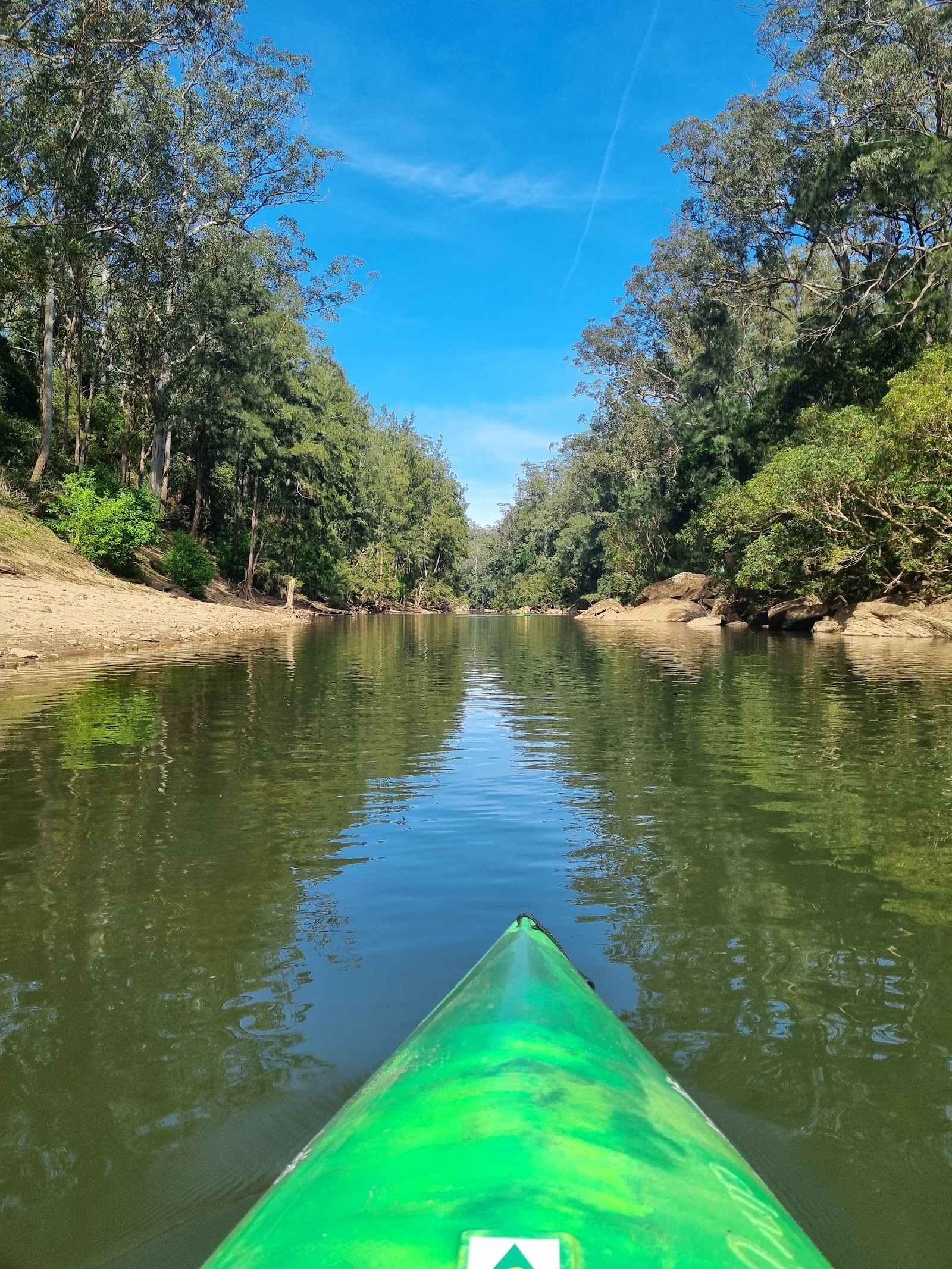
The Kangaroo River is the heart of fishing in the valley and the reason bass anglers make the trip. Above and around Hampden Bridge the river runs in a chain of deep, clear pools separated by shallow rocky runs — classic bass water, where the fish hold tight against the snags, undercut banks and overhanging casuarinas. Much of it is fished on foot, wading and walking between pools, but the deeper stretches are made for a kayak or canoe, drifting quietly with the current and casting tight to the structure as you go.
Timing is everything. The bass come alive at dawn and dusk in the warmer months, and there is little in Australian freshwater fishing as exciting as a bass exploding on a surface lure — a popper, a paddler or a walk-the-dog stickbait twitched across a still pool in the half-light. Through the brighter middle of the day the fish go deep and sulky, and that’s the time to switch to a spinnerbait or a weighted soft plastic worked slowly through the snags. A short paddle from the bridge or the riverside reserves puts you onto fish without a boat ramp in sight.
It suits lure anglers who enjoy a hands-on, scenic style of fishing, and reasonably confident paddlers — though you can fish plenty of it from the bank too. Two things to honour: from 1 June to 31 August the river bass must be released (closed season), and the Kangaroo River is platypus habitat, so fish gently, never leave line in the water, and take a quick photo before releasing your bass with wet hands.
A native bass detonating on a surface lure at dawn, cast from a kayak beneath the escarpment, is one of the most thrilling and beautiful sessions in NSW freshwater fishing.
“Paddled out from the bridge at first light and had bass smashing surface lures in the quiet pools. Crystal-clear water, escarpment all around, and we released every fish. Magic morning.”
— Google review
A dawn surface-lure session in the clear pools — a bass blowing up on a popper, photographed and released.
River bass are closed (no take) 1 June – 31 August. It’s platypus habitat — never leave line in the water and handle fish gently with wet hands.
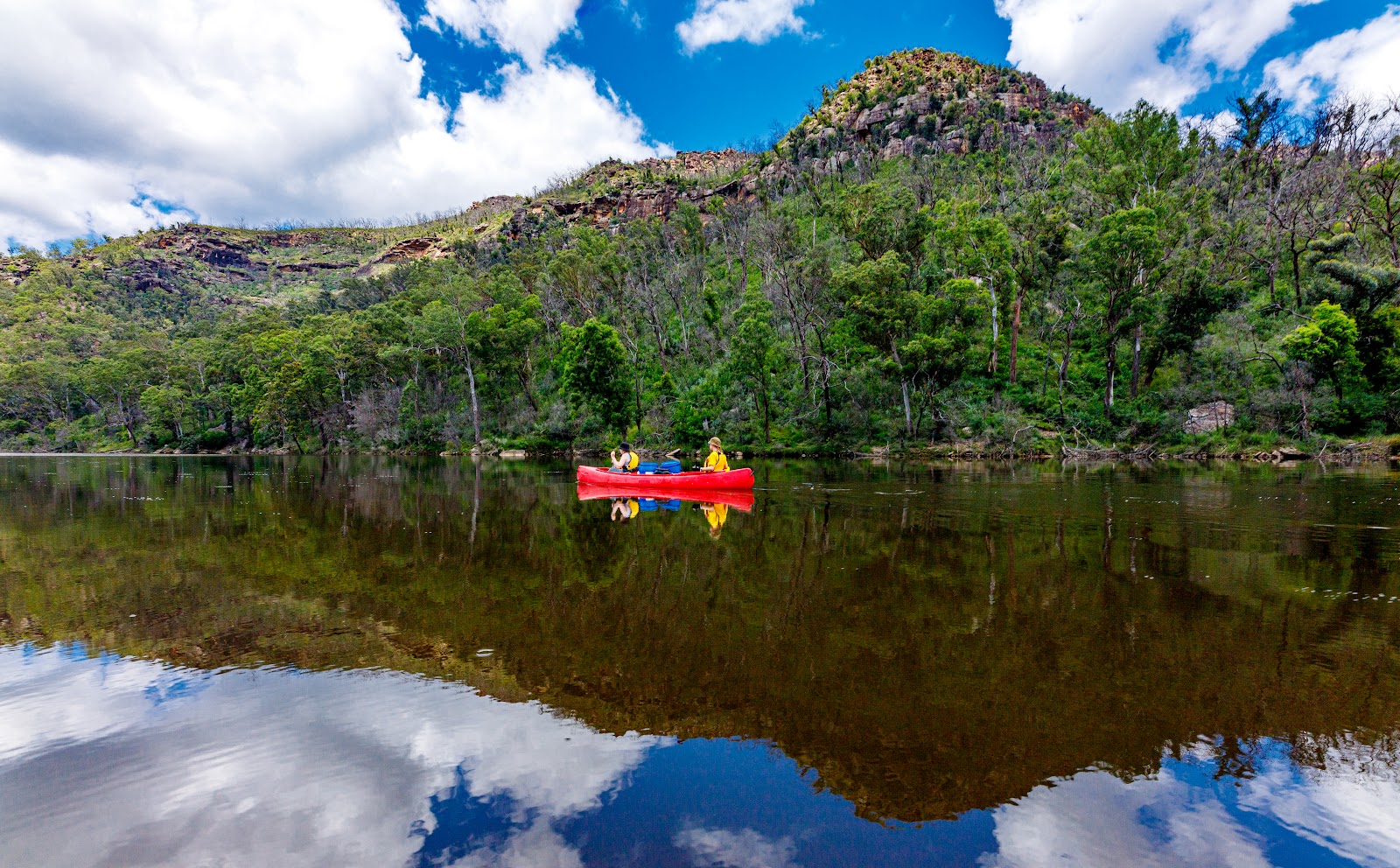
Where the Kangaroo and Shoalhaven Rivers meet, Tallowa Dam backs the water up into Lake Yarrunga — a long, sheltered impoundment that offers a different, more forgiving kind of bass fishing. Here the fish school around the drowned river channels, the standing timber and the rocky points, and you’ll often find bass and estuary perch holding together. Because it’s an impoundment rather than a flowing river, the lake is more stable than the river and can fish well when the river is too high or too low. The dam also has a fish lift — a mechanical ‘bucket’ that carries native fish up and over the wall — part of why the upper Shoalhaven holds the fish it does.
The defining feature is the access: Tallowa Dam permits only canoes, kayaks and electric motors — no large petrol-powered boats — which keeps the lake quiet, clean and beautifully un-crowded. You launch a paddle craft (or a small electric-powered tinny) at the dam and fish your way up the lake arms, often with the whole place to yourself. It’s a genuinely peaceful way to chase native fish, and the drowned timber makes for textbook bass-and-perch structure.
It suits paddlers and small-craft anglers who like to explore and aren’t in a hurry, and it’s a good option in winter when the river bass are closed — the impoundment has different rules, so check the current NSW DPI limits before keeping any fish, as dams and rivers are treated differently. Pack for a paddle, take plenty of water, and leave the petrol outboard at home.
A quiet, paddle-only lake of drowned timber and hidden arms where bass and estuary perch school — native-fish water you’ll often have entirely to yourself.
“Launched the kayak at the dam and worked the standing timber up the lake — bass and a couple of perch, not another boat in sight. The no-big-motors rule makes it so peaceful.”
— Traveller review
Drifting the drowned timber and lake arms by kayak, casting soft plastics for bass and estuary perch.
No large powered boats — canoes, kayaks and electric motors only. Dam and river bass rules differ, so check current NSW DPI limits before keeping anything.
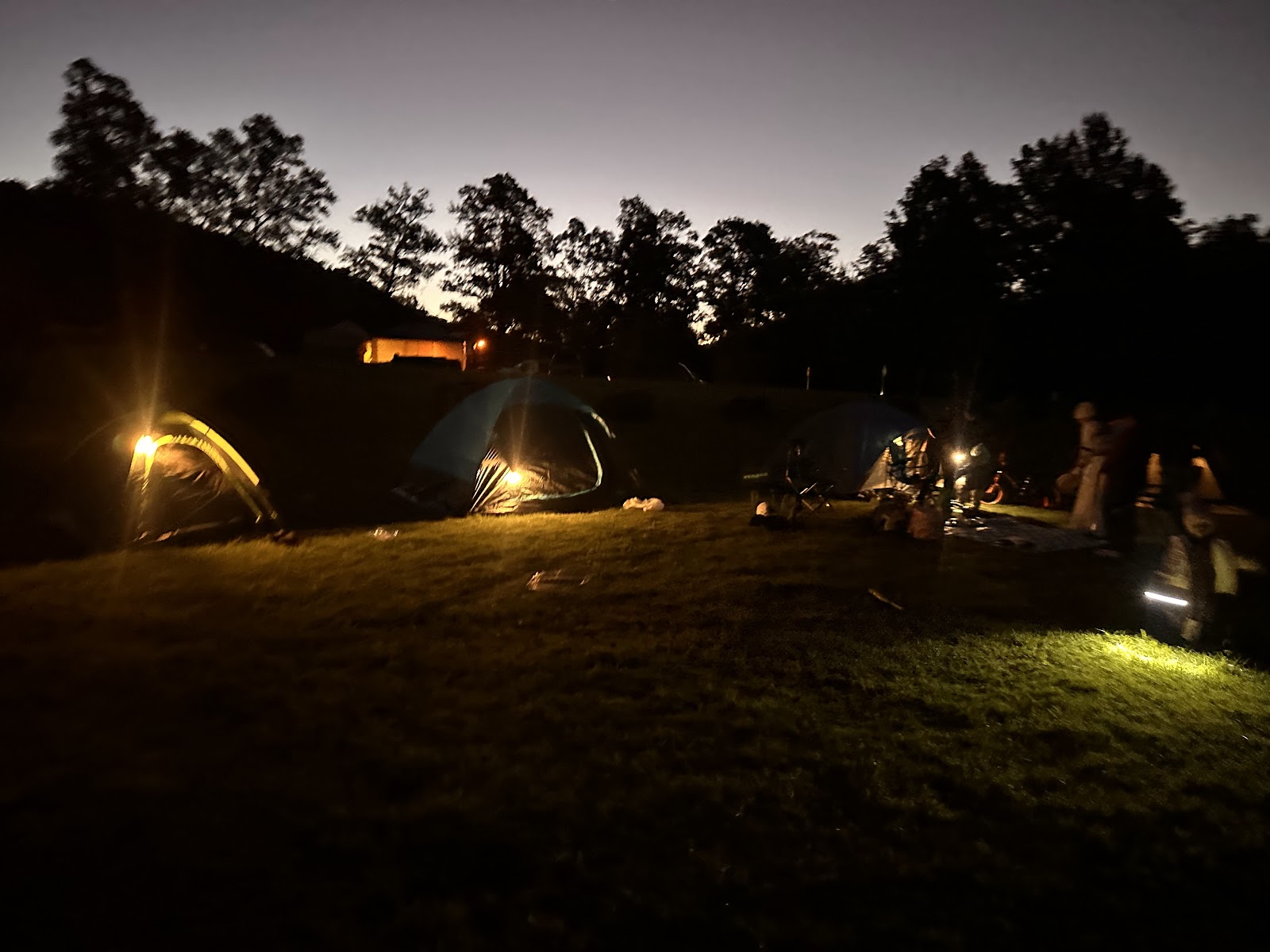
Not everyone wants to paddle a kayak at dawn, and the valley has easy, accessible bank fishing for families and first-timers. The Bendeela picnic and camping area on the Kangaroo River is the best-known spot — grassy banks, gentle access to the water, picnic tables and plenty of room for kids — and there are riverside reserves around the valley and near Hampden Bridge that offer the same relaxed, feet-on-dry-land fishing. It’s the kind of place you can set up a picnic, drop a line and let the children fish at their own pace.
For kids, the obliging fish are the ones to target. Eels and sea mullet run up the freshwater reaches and will take a simple bait off the bank, giving young anglers something that bends the rod without the patience a bass demands. Introduced carp are common and a great no-pressure target on bait — and because they’re a pest, there’s no guilt in keeping them (in NSW they must not be returned to the water alive). A keen junior might even tempt a bass on a small lure in the cooler parts of the day from a likely-looking bank.
It suits families, beginners and anyone who wants the river without a boat. The same valley-wide rules apply: a NSW licence is needed even for shore fishing, river bass are closed 1 June to 31 August, and the river is platypus habitat — so the whole family takes their line and rubbish home, and handles any bass gently before letting it go.
Grassy banks, a picnic and obliging eels, mullet and carp make it the perfect spot to get kids hooked on fishing — no boat, no fuss, plenty of bites.
“Set up at Bendeela for the afternoon — the kids pulled in eels and mullet off the bank while we had a picnic. Easy access, beautiful spot, everyone happy.”
— Google review
A relaxed afternoon on the bank at Bendeela — picnic out, kids onto eels and mullet, a bass if you’re lucky.
A NSW licence is still required for shore fishing. River bass are closed 1 Jun – 31 Aug; take all line and rubbish home — it’s platypus water.
Catching Australian bass is a lure game, and matching the lure to the light and the water makes all the difference. The most exciting method is surface fishing at dawn and dusk: a popper, a paddler or a walk-the-dog stickbait twitched and paused across a quiet pool, waiting for the explosive strike. When the sun is high and the bass have gone deep and sulky, switch to a spinnerbait or a weighted soft plastic, working it slowly through the snags, the undercut banks and the standing timber where the fish hold up. In the lake, soft plastics and small lures around the drowned timber pick up both bass and estuary perch.
The gear is light and simple — a 2–4 kilo spin outfit, a handful of lures and a small landing net is enough to fish the whole valley. Cast tight to structure, because bass live hard against cover; the better fish come from the awkward, shaded, snaggy spots most people skip. A kayak or canoe lets you reach the deep pools and present a lure quietly, but plenty of fish are caught wading and walking the bank.
The most important technique of all is how you treat the fish. Bass are a slow-growing native and the local ethic is strongly catch-and-release: use a knotless landing net, wet your hands, keep the fish in the water as much as you can, take a quick photo and let it swim off strongly. From 1 June to 31 August this is the law for river bass, not just good manners — they must be released. Do it well, fish a platypus river gently, and the fishery stays superb for the next angler.
It’s pure, hands-on lure fishing — a light rod, a few poppers and spinnerbaits, and the thrill of a native bass smashing a surface lure tight against the snags.
“Switched to a spinnerbait once the sun was up and pulled bass out of the snags all morning. Light gear, careful release, and the fishing just kept giving.”
— Traveller review
A surface lure twitched across a still pool at first light — and the explosive strike of a native bass.
Bass are slow-growing — release them carefully with wet hands and a knotless net. From 1 Jun – 31 Aug release is mandatory for river bass.
Fishing Kangaroo Valley well starts with getting the rules right — and they’re stricter here than at the coast for good reason. In NSW you must pay the recreational fishing fee and carry your licence receipt when fishing anywhere, including freshwater and shore-based fishing in the valley. Short-term and longer licences are available online through NSW DPI Fisheries, from three days to three years, and they’re inexpensive. Some exemptions apply (for example under-18s and certain pensioners), so check the current rules — and note that fisheries officers do patrol.
The rule that defines the valley is the bass closed season. Australian bass and estuary perch in flowing rivers are protected by a zero bag limit from 1 June to 31 August every year, when the fish school up and migrate to spawn — during this period they must be released, no exceptions. Outside the closed season, strict size and bag limits apply, so check the current NSW DPI freshwater limits before keeping any fish, and note that impoundments such as Lake Yarrunga can have different rules to the open river. The strong local ethic, year-round, is catch-and-release for these slow-growing natives.
Finally, look after the river itself. The Kangaroo River is home to platypus and a sensitive native ecosystem, so handle bass gently with wet hands, never leave fishing line in or near the water (it’s lethal to platypus and birds), and take all your rubbish home. Remove introduced carp and redfin rather than returning them alive. Get the licence, learn the closed season, fish gently — and Kangaroo Valley stays one of the most beautiful freshwater fisheries in the state.
The same rules that protect the bass — a closed season, catch-and-release, line and rubbish taken home — are what keep this platypus river clear, healthy and full of fish.
“Sorted the licence online in minutes, learned the June–August closed season, and fished it the right way. Released everything, took our line home. The river deserves it.”
— Google review
Fishing it the right way — licence sorted, river bass released in the closed season, line and rubbish carried out.
Don’t keep river bass from 1 Jun – 31 Aug, and never leave fishing line near the water — it kills platypus and birds. Don’t return carp or redfin alive.
| Season | Conditions | Highlights | Crowds |
|---|---|---|---|
| Summer (Dec–Feb) | Warm, low light at the edges of the day | Prime surface-lure bass at dawn and dusk; deep pools and snags midday; eels and mullet easy for kids off the bank | Peak (school holidays) |
| Autumn (Mar–May) | Settled, often the sweet spot | Reliable bass on lures before the river closes; estuary perch in Lake Yarrunga; mild, less-crowded sessions | Low–moderate |
| Winter (Jun–Aug) | Cool — river bass CLOSED (release only) | River bass must be released; head to Lake Yarrunga (impoundment rules differ); a quiet, scenic paddle-fishing season | Low |
| Spring (Sep–Nov) | Warming, fish on the move | Open river bass season begins 1 September; bass active and aggressive on surface lures; the standout time to chase a trophy | Low–moderate |
What anglers consistently say about fishing Kangaroo Valley:
The recurring praise is the combination — wild, beautiful native-fish water beneath the escarpment, and the genuine thrill of a bass smashing a surface lure from a quiet kayak at dawn.
Anglers note the 1 June – 31 August bass closure, the catch-and-release ethic and the platypus habitat — those who release the fish, fish gently and take their line home leave the river better than they found it.
“It may just be a bridge, but the area around it is absolutely stunning. The drive from Sydney is so scenic. The surroundings make the whole trip feel worth it. There’s parking conveniently located nearby, and from the parking area you have easy access down to the river, which makes it a great spot to relax and take in the views. The bridge adds a lot of char”— Fahid Chy (on Hampden Bridge), Google review
“Marvellous piece of architectural and engineering history worth stopping for a look and a short walk along the river to the lookouts.”— Greg Gordon (on Hampden Bridge), Google review
“Probably the highlight ( in terms of looks) of the town. Make it seem historic. It’s a small bridge. But looks cool. If around check it out.”— H and S (on Hampden Bridge), Google review
Before you wet a line in Kangaroo Valley, get the legal side sorted — it’s quick and inexpensive. In NSW you must pay the recreational fishing fee and carry your licence receipt when fishing in fresh water, including from the bank. Short-term and longer licences are available online through NSW DPI Fisheries, for periods ranging from three days to three years. Some exemptions apply (for example under-18s and certain pensioners) — check the current rules, and note that fisheries officers do check.
The single most important rule is the bass closed season. Australian bass and estuary perch in flowing rivers are protected by a zero bag limit from 1 June to 31 August every year — during this period the fish are migrating to spawn and must be released, with no exceptions. Outside the closure, NSW has legal minimum sizes and bag limits to protect stocks, so check the current NSW DPI freshwater limits before keeping any fish, and be aware that impoundments such as Lake Yarrunga can be treated differently from the open river. The strong local ethic, all year round, is catch-and-release for these slow-growing natives — a quick photo and a careful release with wet hands.
Responsible fishing keeps Kangaroo Valley special. The Kangaroo River is home to platypus, so handle bass gently, never leave fishing line in or near the water (it’s lethal to platypus and birds), and take all your rubbish home. Remove introduced carp and redfin rather than returning them alive. And mind the basics on the water — wear a life jacket in a kayak or canoe, watch the river levels after rain, and remember Tallowa Dam allows only paddle craft and electric motors, never large powered boats.
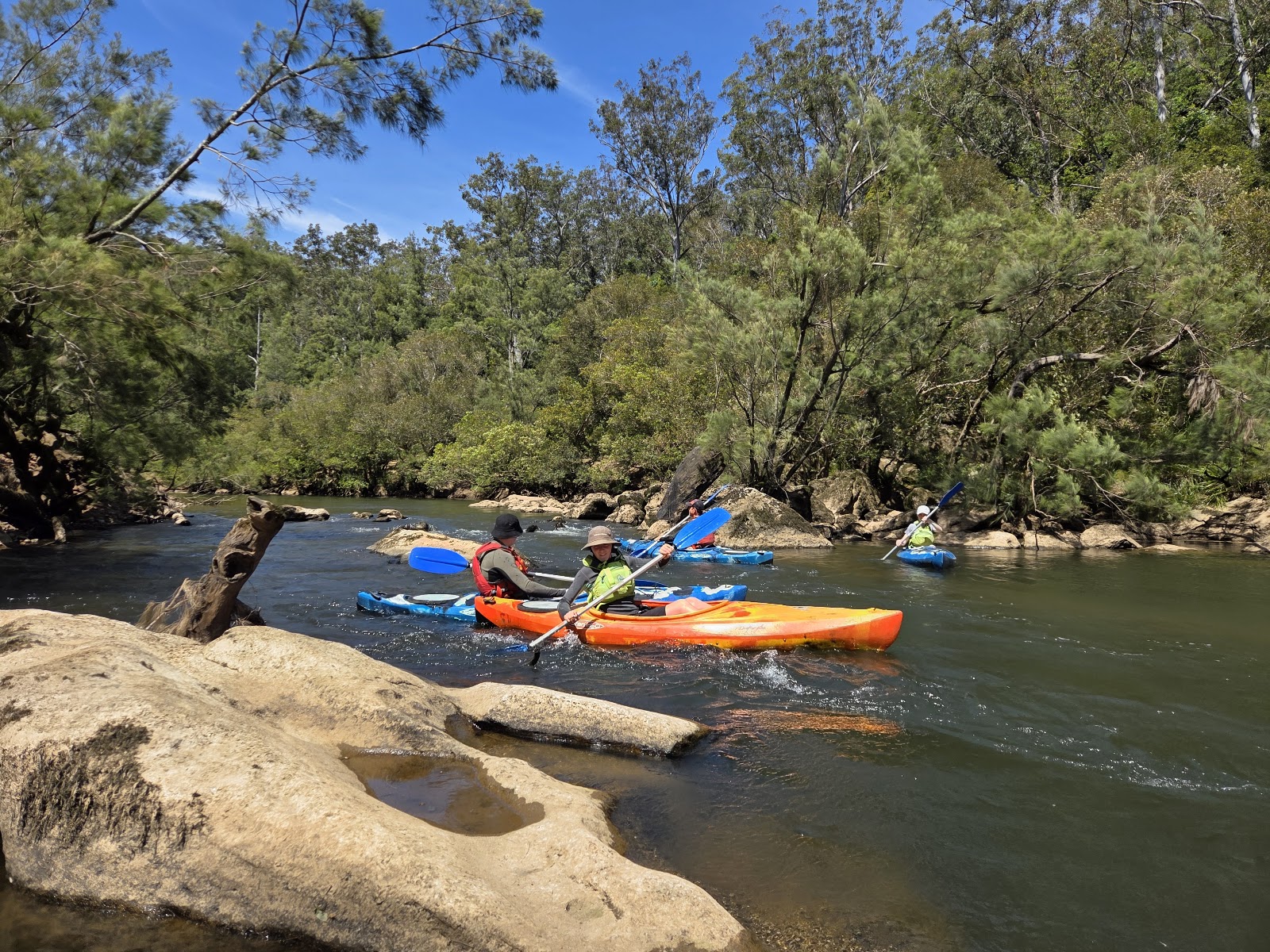
Few freshwater fisheries in New South Wales offer what Kangaroo Valley does. You can paddle a kayak along the Kangaroo River at dawn and watch a native bass detonate on a surface lure, work the drowned timber of Lake Yarrunga for bass and estuary perch, or set up on the bank at Bendeela and get the kids onto eels and mullet — all beneath the sandstone escarpment, in some of the prettiest fishing water in the state. It’s intimate, low-impact, lure-and-paddle fishing, and it rewards anglers who slow down and read the river.
Sort your licence, learn the all-important bass closed season (1 June to 31 August on the river), fish gently in a river that’s home to platypus, and pick your water — the river, the lake or the bank. Whether you’re chasing a trophy bass on the surface or sharing a relaxed afternoon with the family, the Kangaroo Valley fishing spots in this guide will put you on the fish. Tight lines — and let the bass go.
Enjoying fishing? Here’s where else in Australia it’s worth the trip — ranked by how loved each destination is, with the one thing not to miss at each.
Kangaroo Valley you’re here
Shoalhaven, New South Wales
Kangaroo River bass on lures — the signature paddle-and-cast — A dawn surface-lure session in the clear pools — a bass blowing up on a popper, photographed and released.
You’re reading this guide
 Hamilton Island
The Whitsundays, Queensland
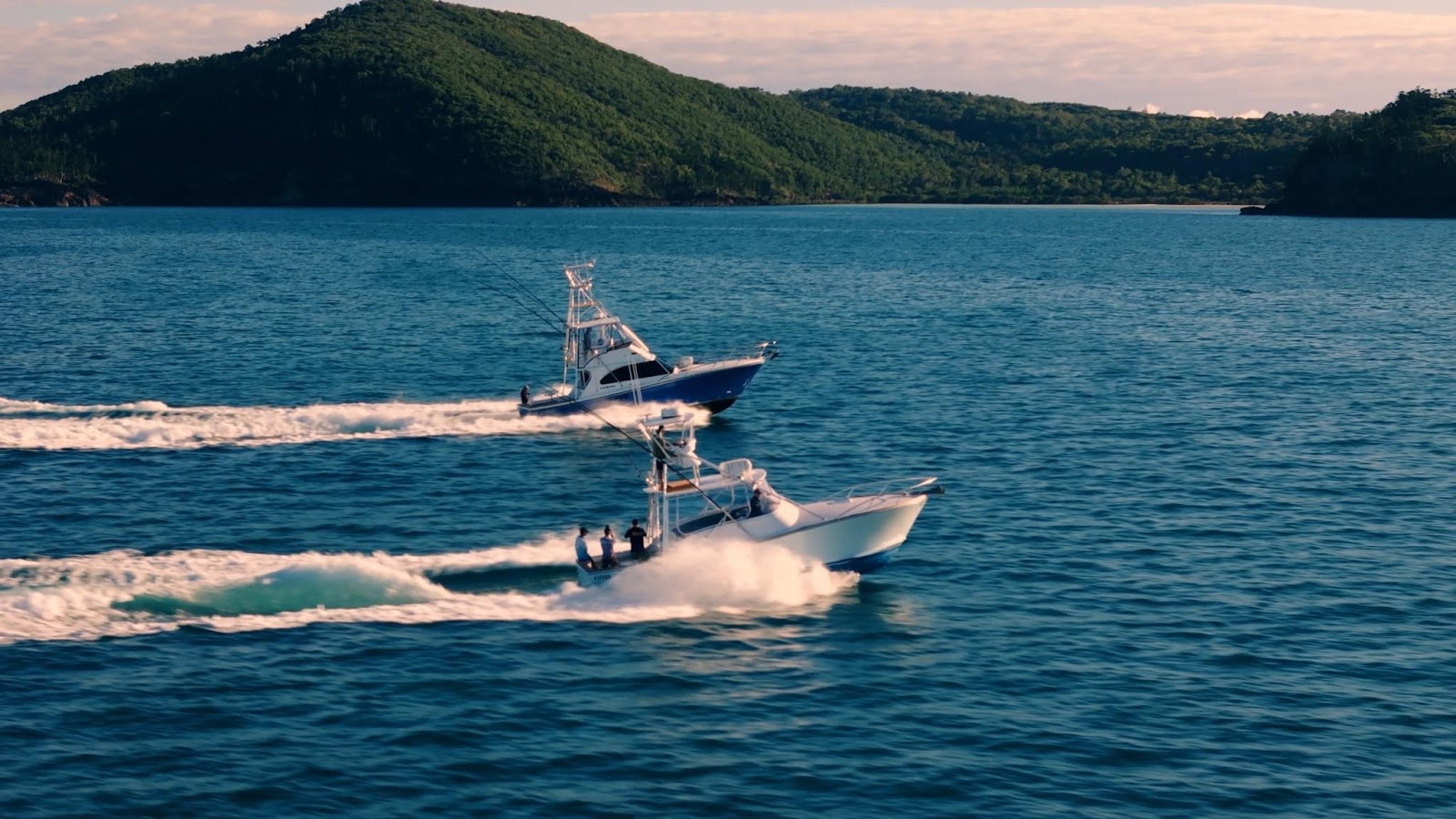
Reef bottom-fishing — coral trout, emperor & sweetlip — A full-day run to the outer reef for red emperor and big nannygai, with coral trout on the inshore drop-offs.
Explore fishing in Hamilton Island →
3
Hamilton Island
The Whitsundays, Queensland
Reef bottom-fishing — coral trout, emperor & sweetlip — A full-day run to the outer reef for red emperor and big nannygai, with coral trout on the inshore drop-offs.
Explore fishing in Hamilton Island →
3
 The Kimberley
Australia's North West, Western Australia
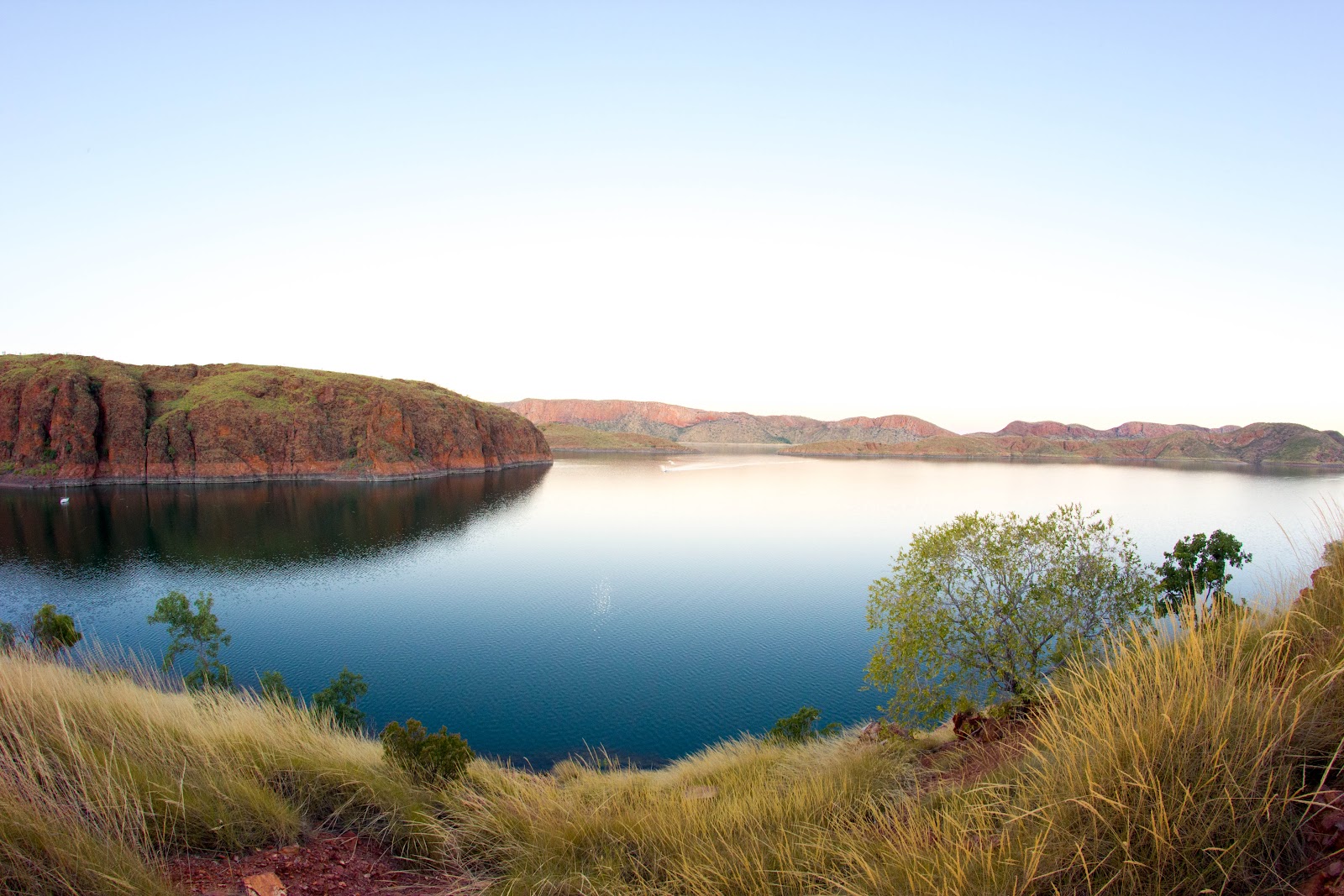
Lake Argyle — Dawn surface fishing over submerged timber lines when barra are actively busting bait -- the most productive window of the day.
Explore fishing in The Kimberley →
4
The Kimberley
Australia's North West, Western Australia
Lake Argyle — Dawn surface fishing over submerged timber lines when barra are actively busting bait -- the most productive window of the day.
Explore fishing in The Kimberley →
4
 Ningaloo Reef
Australia's Coral Coast, Western Australia
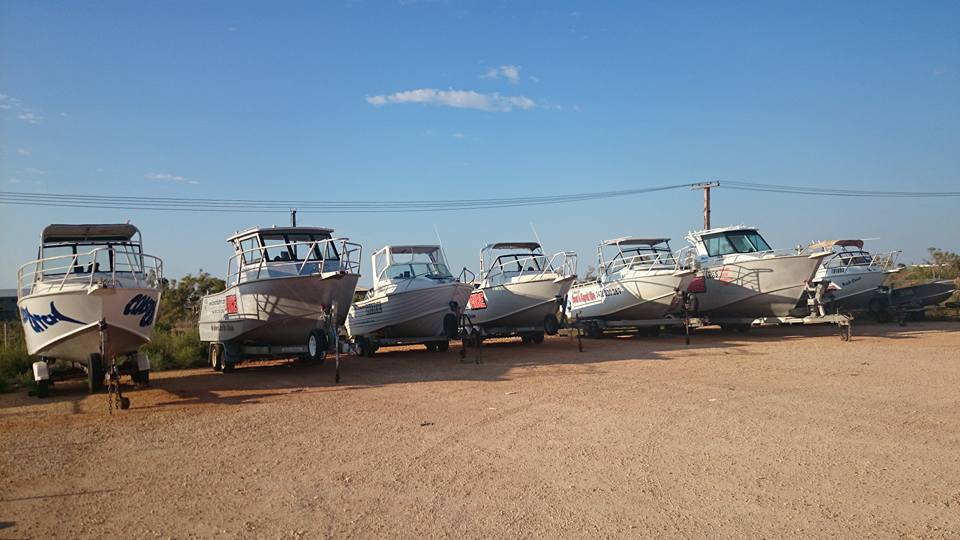
Exmouth Gulf game fishing charters — A full-day blue-water charter targeting billfish in the Gulf — the premier fishing experience at Ningaloo, with a knowledgeable skipper who knows where the fish are.
Explore fishing in Ningaloo Reef →
5
Ningaloo Reef
Australia's Coral Coast, Western Australia
Exmouth Gulf game fishing charters — A full-day blue-water charter targeting billfish in the Gulf — the premier fishing experience at Ningaloo, with a knowledgeable skipper who knows where the fish are.
Explore fishing in Ningaloo Reef →
5
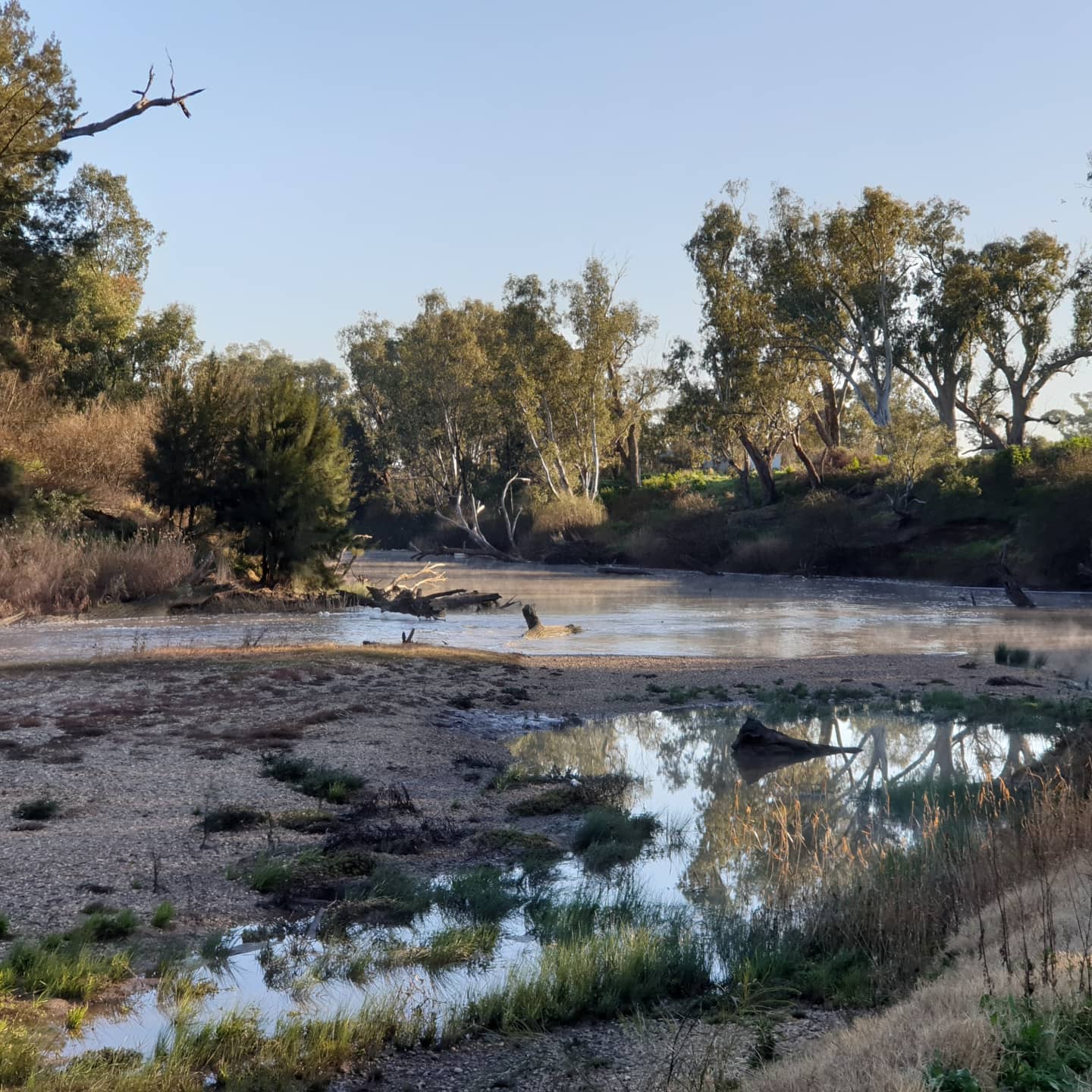 Dubbo
Central West, New South Wales
The Macquarie River through Dubbo — the riverside reserves — A dawn or dusk session working a surface lure over the river timber for Murray cod.
Explore fishing in Dubbo →
6
Dubbo
Central West, New South Wales
The Macquarie River through Dubbo — the riverside reserves — A dawn or dusk session working a surface lure over the river timber for Murray cod.
Explore fishing in Dubbo →
6
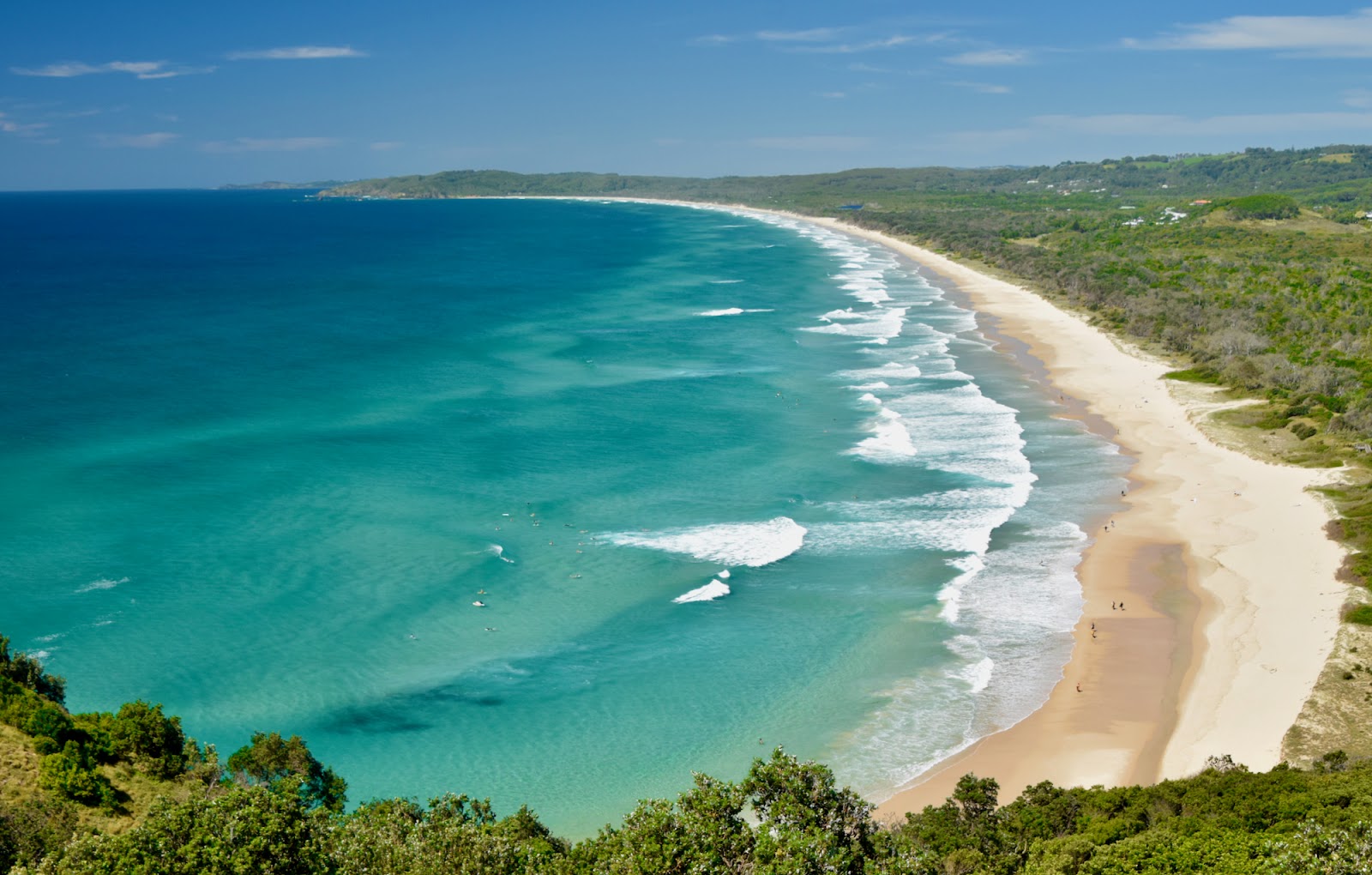 Byron Bay
Northern Rivers, New South Wales
Beach & surf fishing — Tallow and the open beaches — A moving-tide dawn session in a Tallow Beach gutter for tailor, whiting and a shot at a jewfish.
Explore fishing in Byron Bay →
7
Byron Bay
Northern Rivers, New South Wales
Beach & surf fishing — Tallow and the open beaches — A moving-tide dawn session in a Tallow Beach gutter for tailor, whiting and a shot at a jewfish.
Explore fishing in Byron Bay →
7
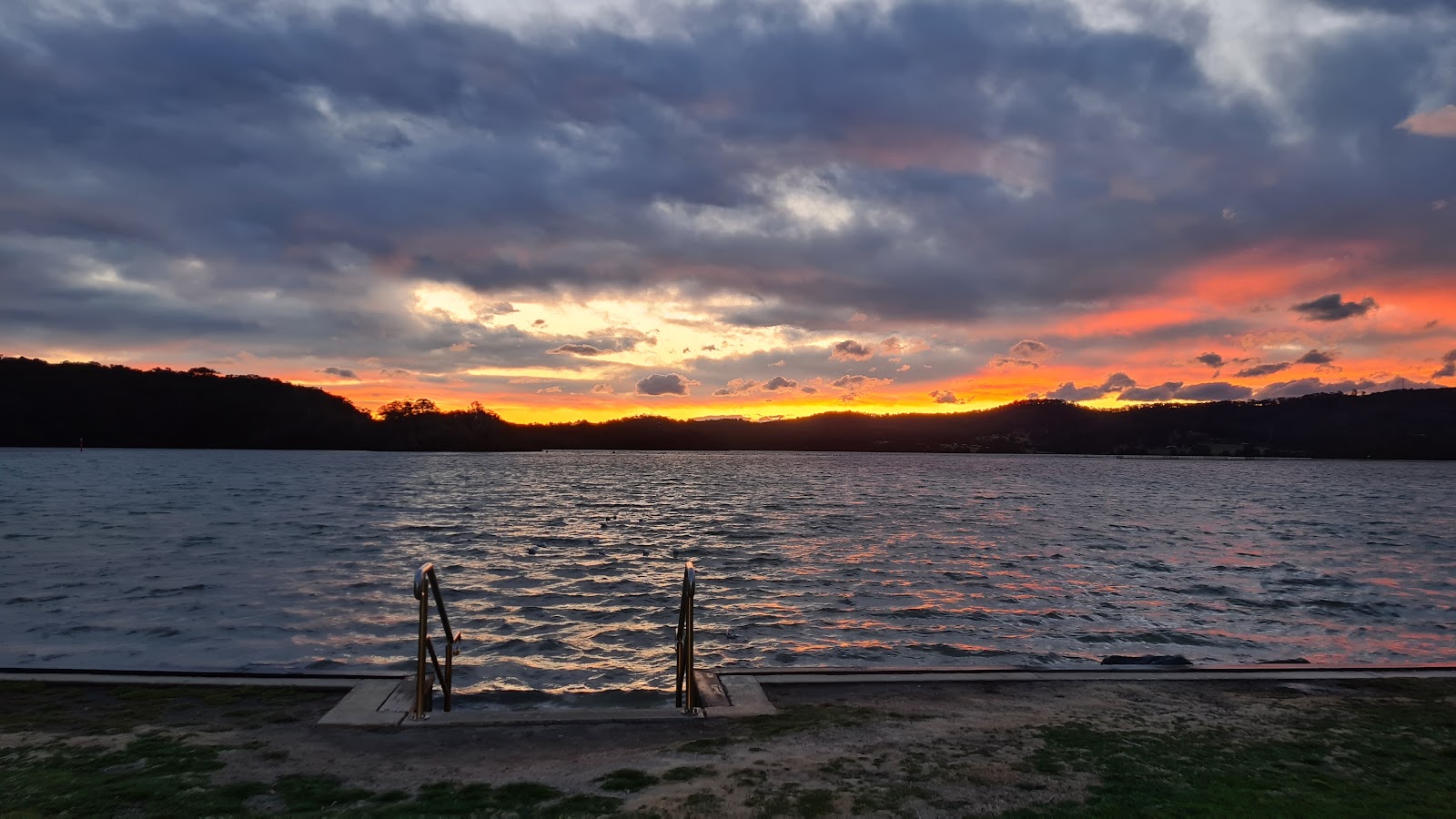 Narooma
South Coast, New South Wales
Wagonga Inlet — the estuary fishing jewel — A dawn session on the sand flats with soft plastics — and a ‘croc’ flathead photographed and released.
Explore fishing in Narooma →
8
Narooma
South Coast, New South Wales
Wagonga Inlet — the estuary fishing jewel — A dawn session on the sand flats with soft plastics — and a ‘croc’ flathead photographed and released.
Explore fishing in Narooma →
8
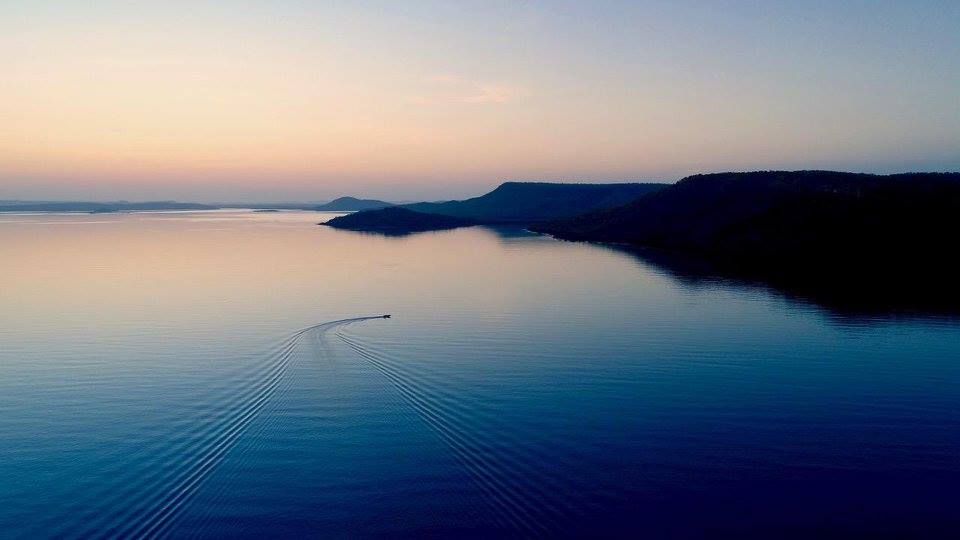 Broome
Australia's North West, Western Australia
Town Beach jetty and foreshore — Fishing the run-in tide with a surface popper or metal slice for queenfish and trevally — the bite window is two hours, so time it well.
Explore fishing in Broome →
Broome
Australia's North West, Western Australia
Town Beach jetty and foreshore — Fishing the run-in tide with a surface popper or metal slice for queenfish and trevally — the bite window is two hours, so time it well.
Explore fishing in Broome →
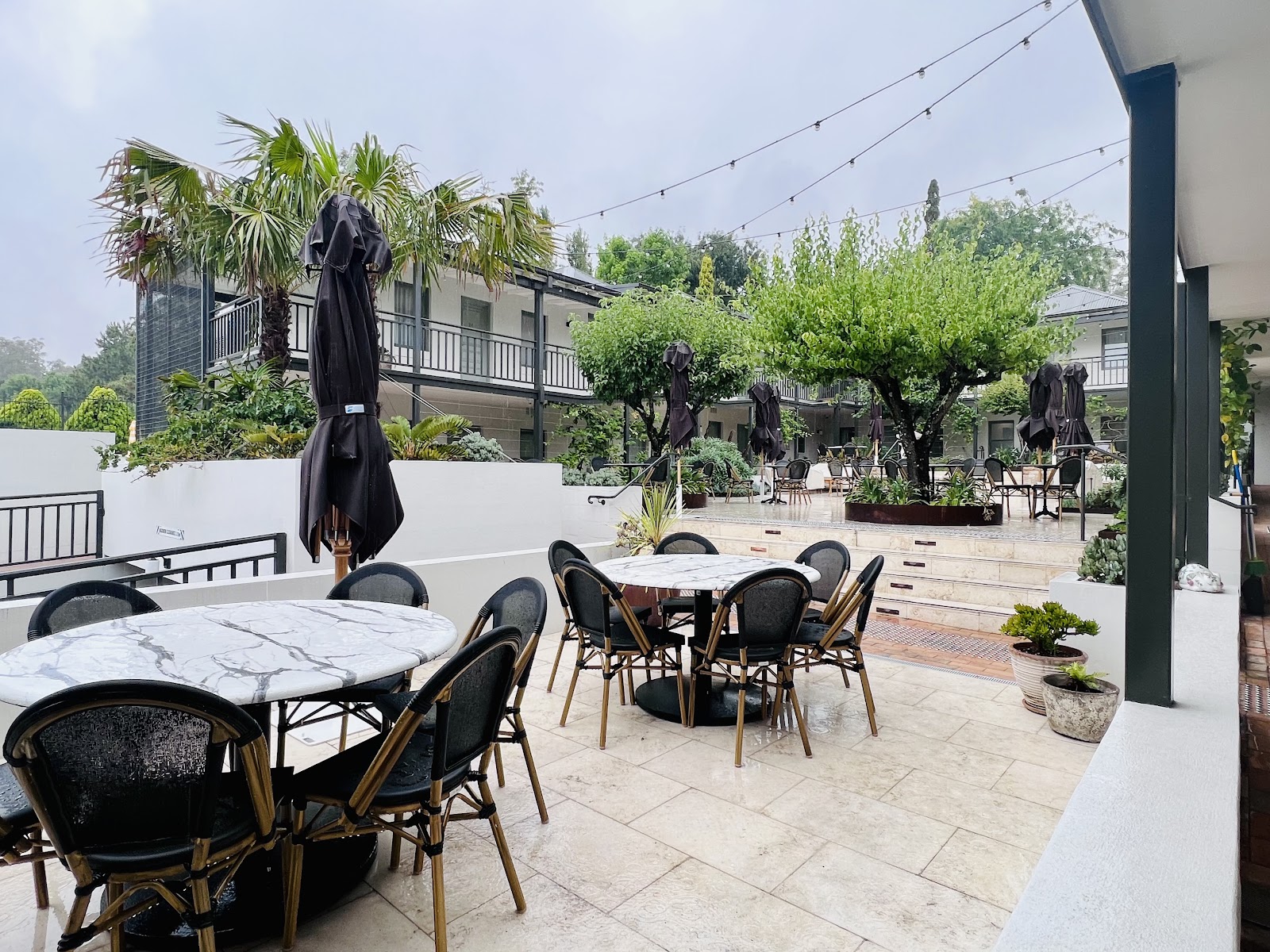
Wildes Boutique Hotel Kangaroo Valley — Kangaroo Valley
Book Direct & Save →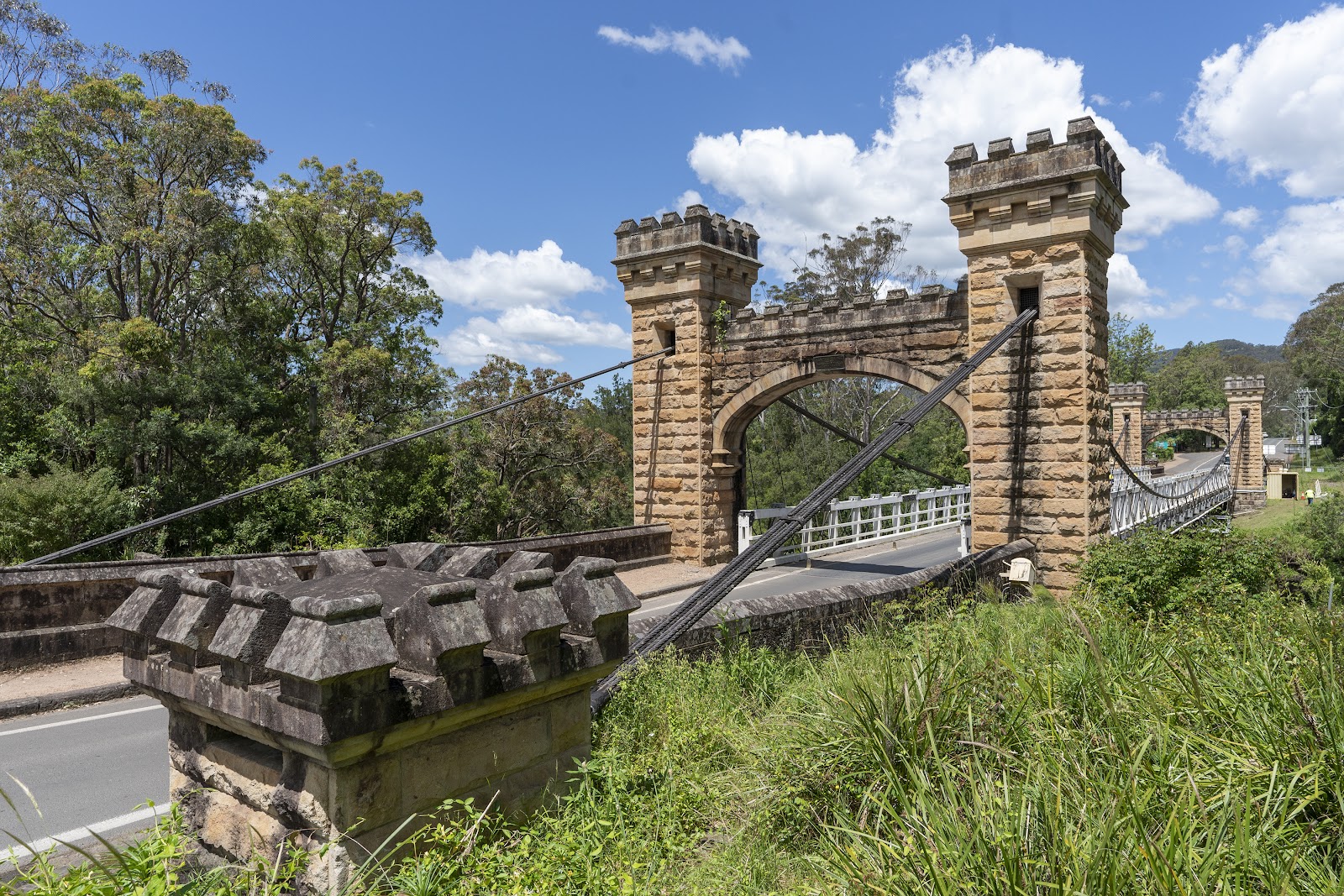
Holiday Haven Kangaroo Valley — Kangaroo Valley
Book Direct & Save →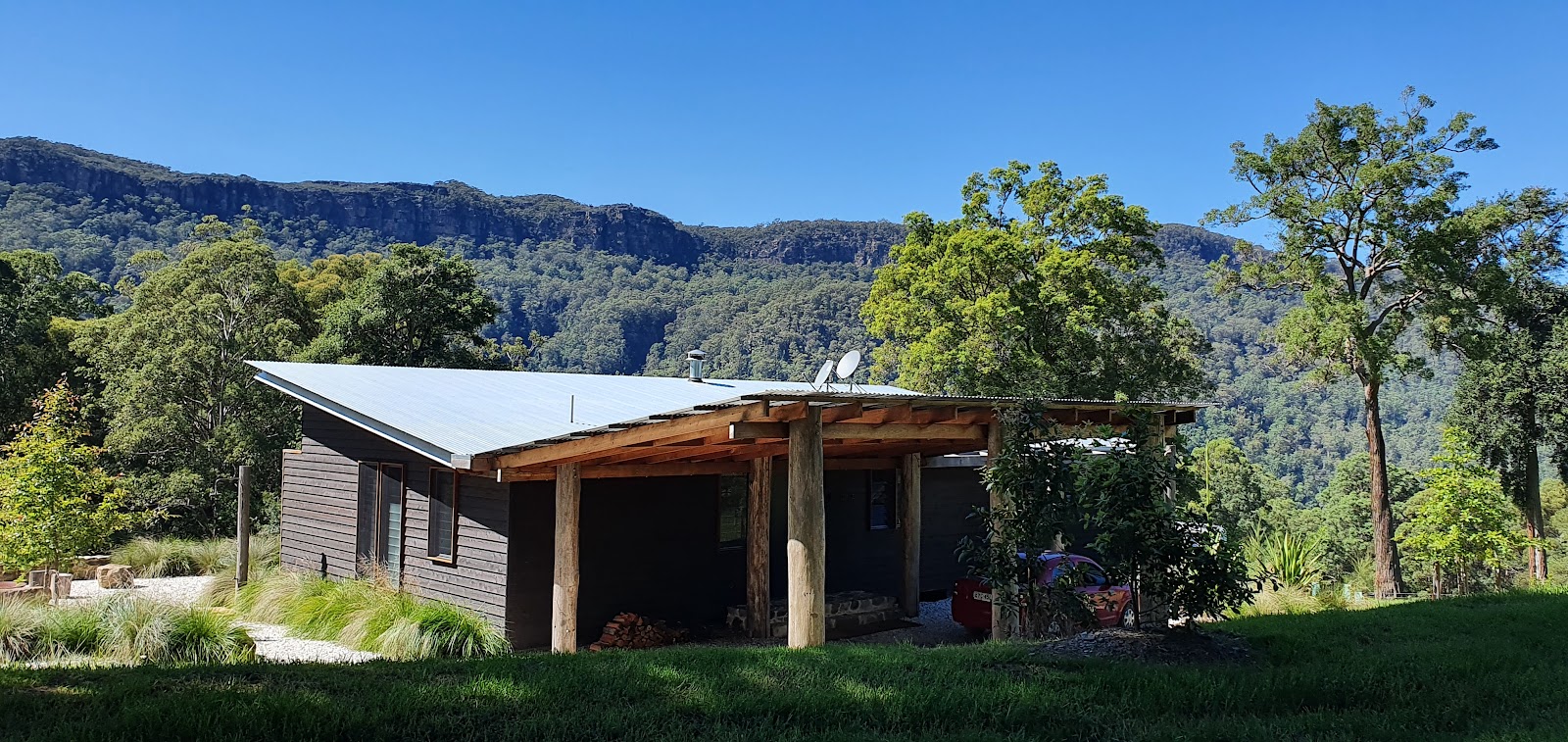
Kangaroo Valley Golf & Country Retreat — Kangaroo Valley
Book Direct & Save →Skip OTA fees. Connect directly with Kangaroo Valley owners for the best rates and a truly personal experience.
We match any online rate. No service fees — 100% of your payment supports local owners.
Direct guests receive complimentary hampers, early check-in, and priority access to experiences.
Speak directly with the people who manage the properties. No call centres, just local expertise.
Part of New South Wales · Shoalhaven
 Glen Aplin
Granite Belt, Queensland
Queensland's most underrated wine valley
Explore the guide →
Glen Aplin
Granite Belt, Queensland
Queensland's most underrated wine valley
Explore the guide →
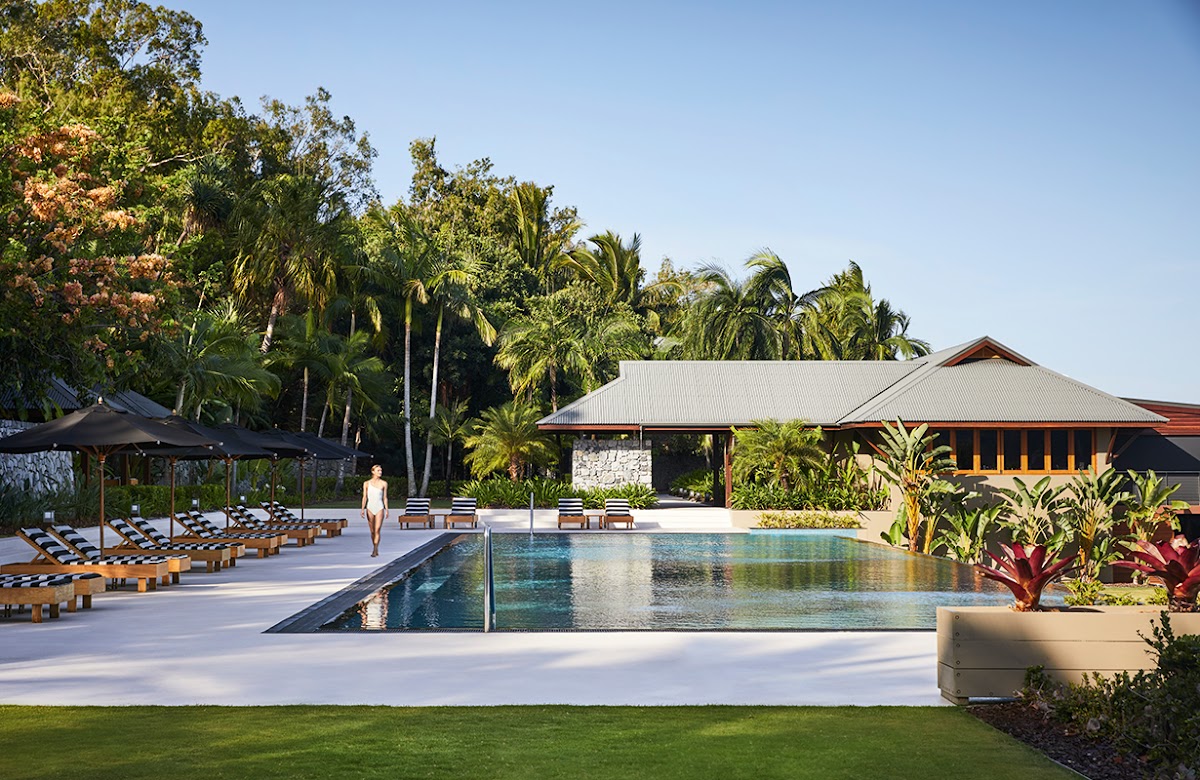 Hamilton Island
The Whitsundays, Queensland
Whitsundays island resort — Whitehaven Beach, reef trips and golf-buggy life
Explore the guide →
Hamilton Island
The Whitsundays, Queensland
Whitsundays island resort — Whitehaven Beach, reef trips and golf-buggy life
Explore the guide →
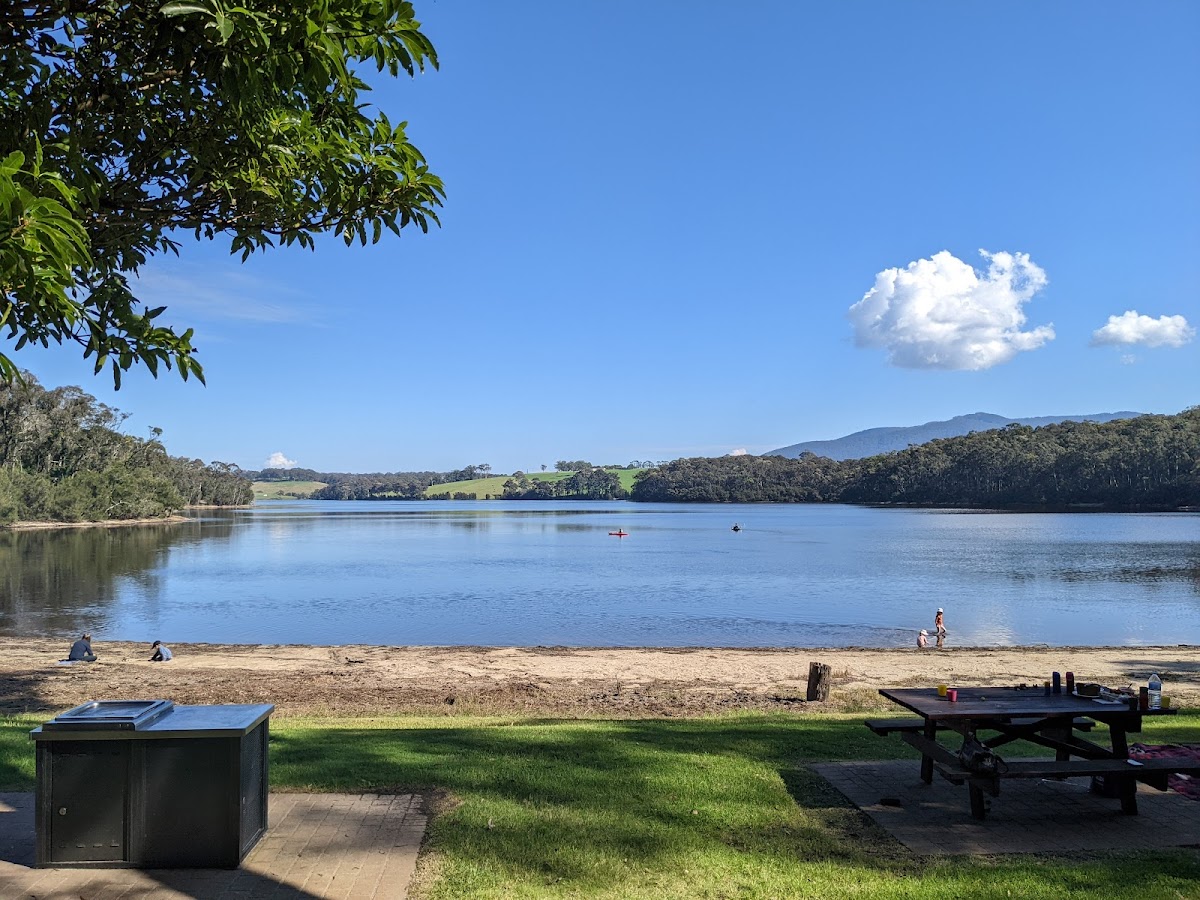 Narooma
South Coast, New South Wales
Crystal-clear inlet, surf beaches, oysters and Montague Island
Explore the guide →
Narooma
South Coast, New South Wales
Crystal-clear inlet, surf beaches, oysters and Montague Island
Explore the guide →
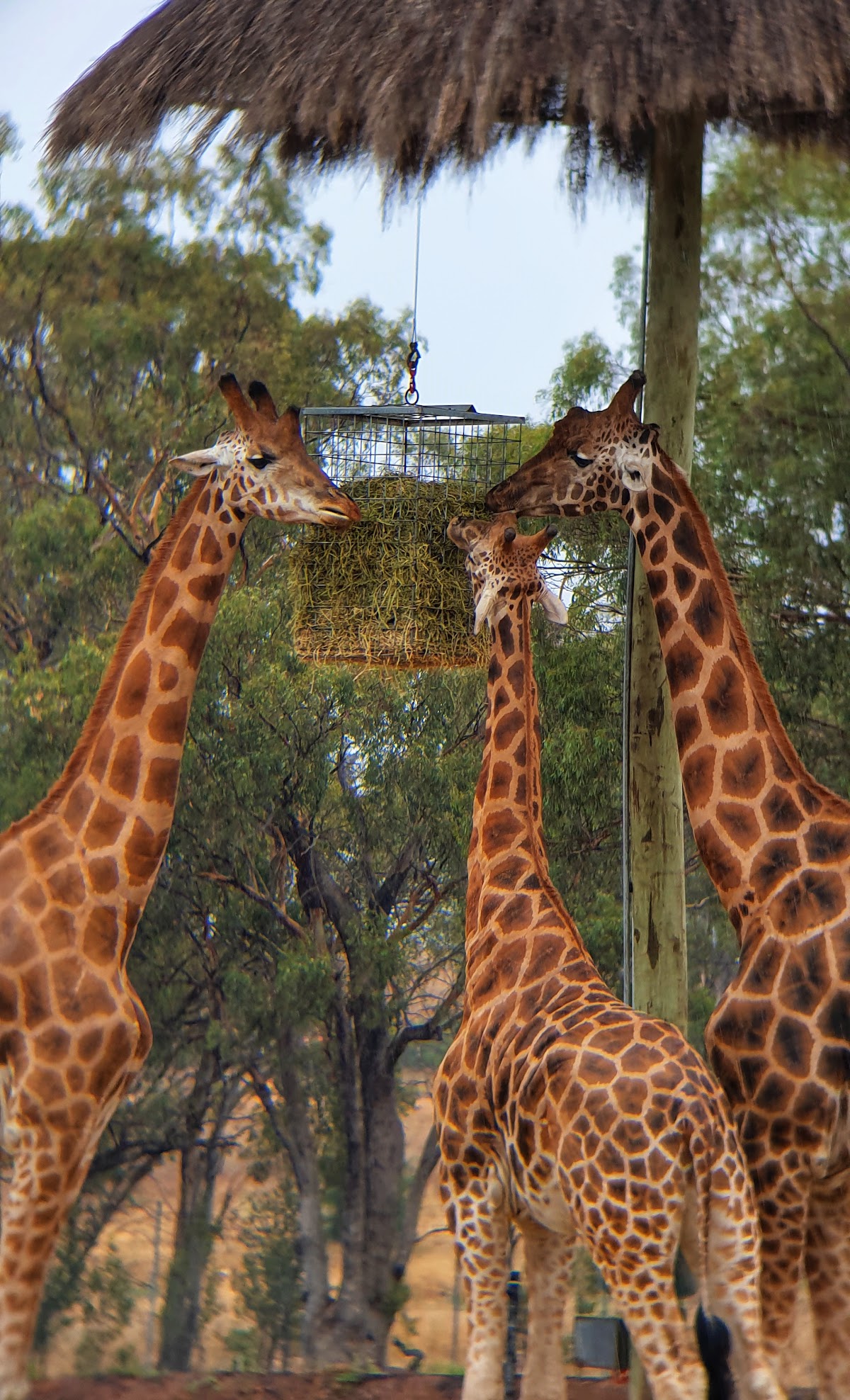 Dubbo
Central West, New South Wales
Open-range zoo and Outback gateway on the Macquarie River
Explore the guide →
Dubbo
Central West, New South Wales
Open-range zoo and Outback gateway on the Macquarie River
Explore the guide →
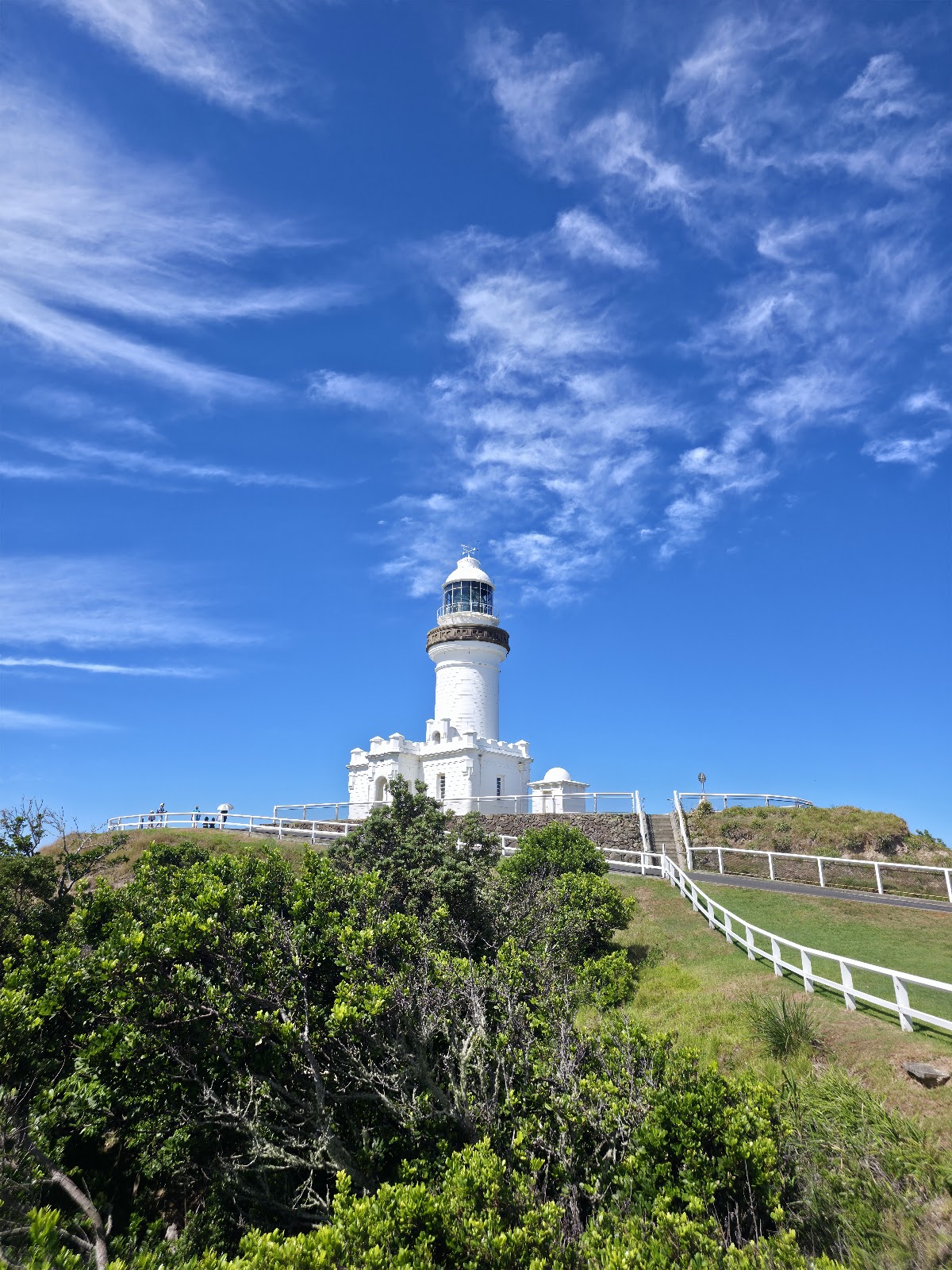 Byron Bay
Northern Rivers, New South Wales
Australia's iconic beach town and most easterly point
Explore the guide →
Byron Bay
Northern Rivers, New South Wales
Australia's iconic beach town and most easterly point
Explore the guide →
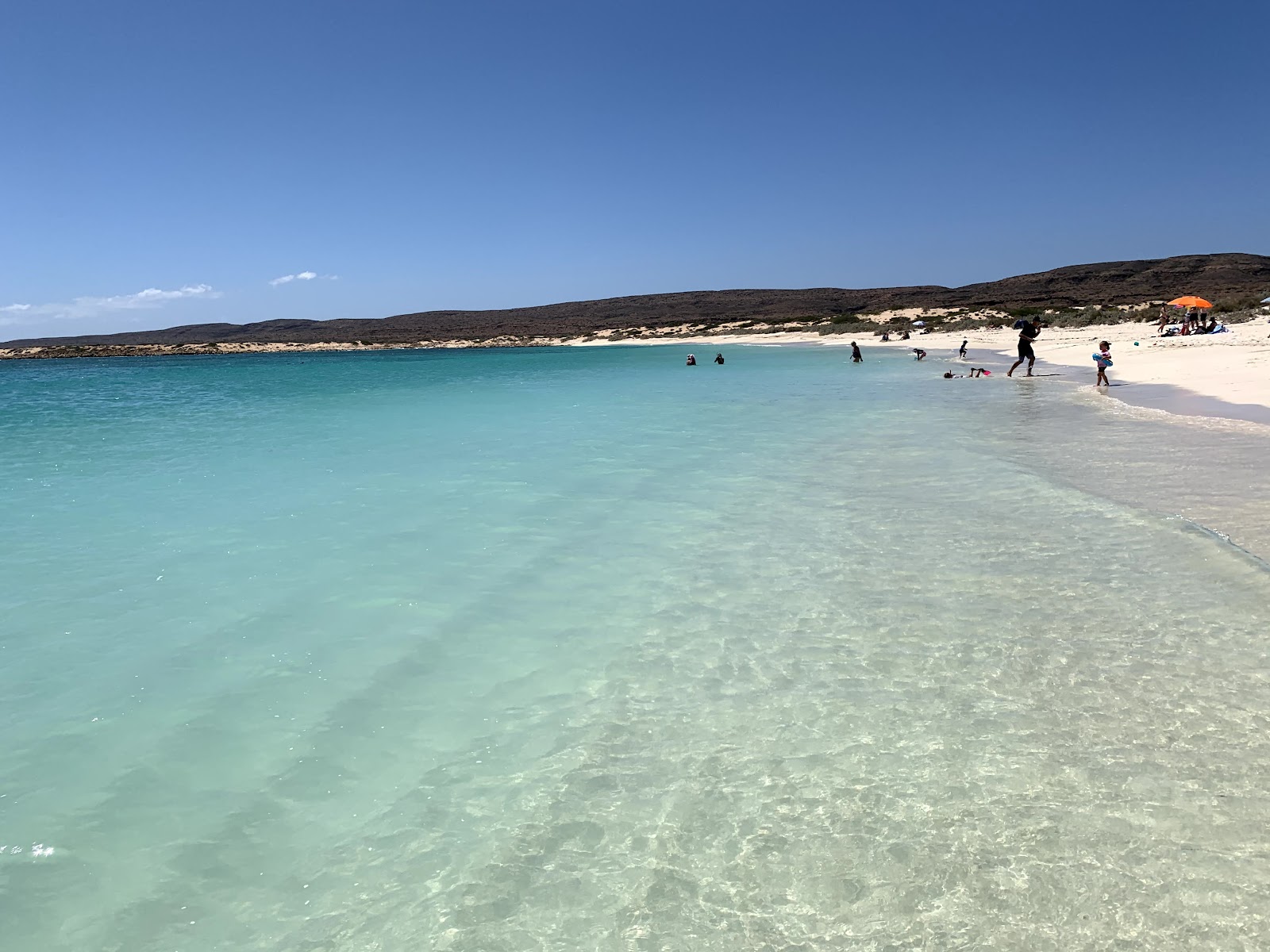 Ningaloo Reef
Australia's Coral Coast, Western Australia
Swim with whale sharks and snorkel a World-Heritage reef straight off the beach
Explore the guide →
Ningaloo Reef
Australia's Coral Coast, Western Australia
Swim with whale sharks and snorkel a World-Heritage reef straight off the beach
Explore the guide →
 Broome
Australia's North West, Western Australia
Cable Beach sunsets, pearling history and camels on 22km of sand
Explore the guide →
Broome
Australia's North West, Western Australia
Cable Beach sunsets, pearling history and camels on 22km of sand
Explore the guide →
 The Kimberley
Australia's North West, Western Australia
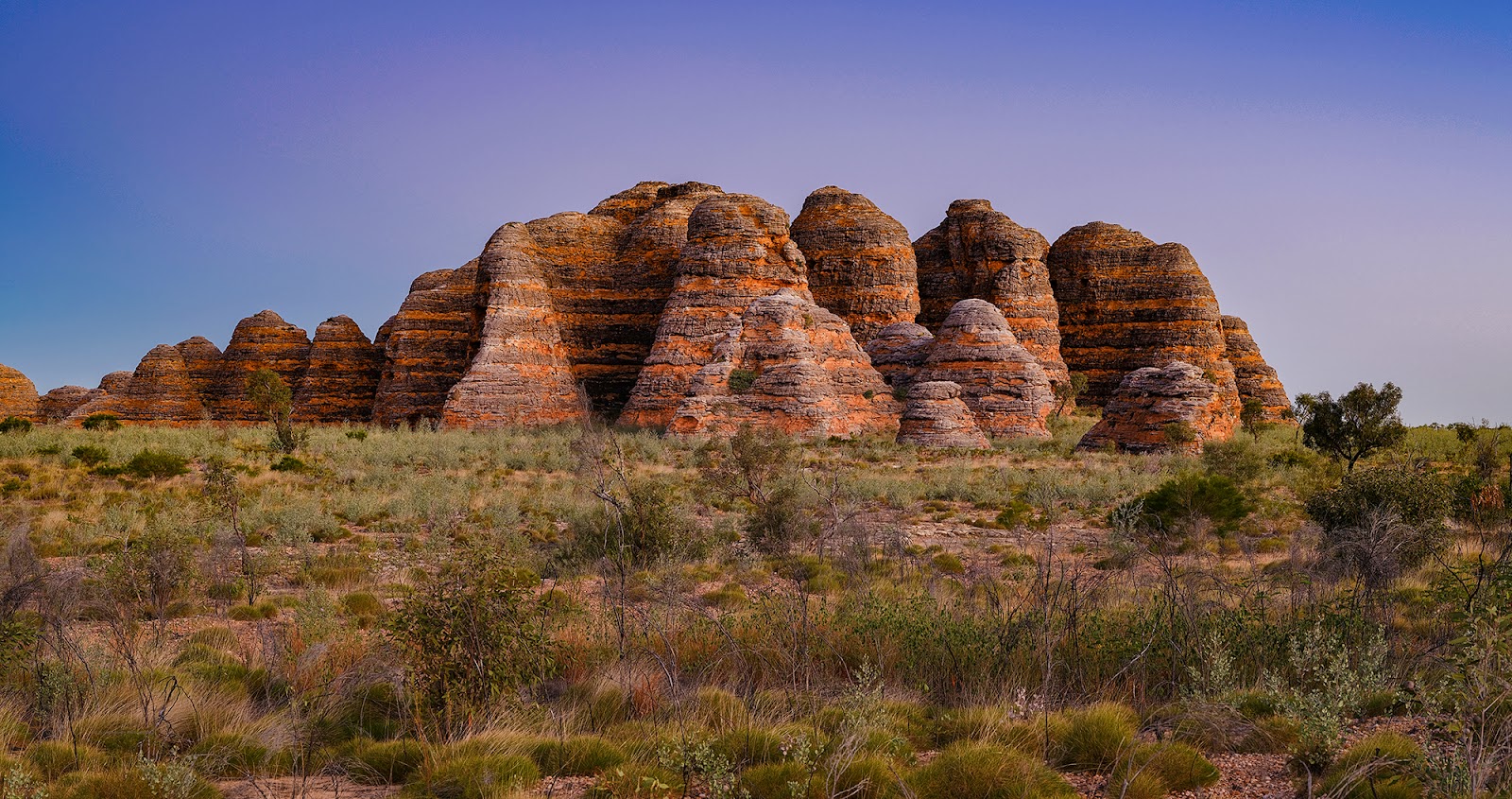
Gibb River Road, the Bungle Bungles, gorges and waterfalls in Australia's last frontier
Explore the guide →
The Kimberley
Australia's North West, Western Australia
Gibb River Road, the Bungle Bungles, gorges and waterfalls in Australia's last frontier
Explore the guide →
 Margaret River
Australia's South West, Western Australia
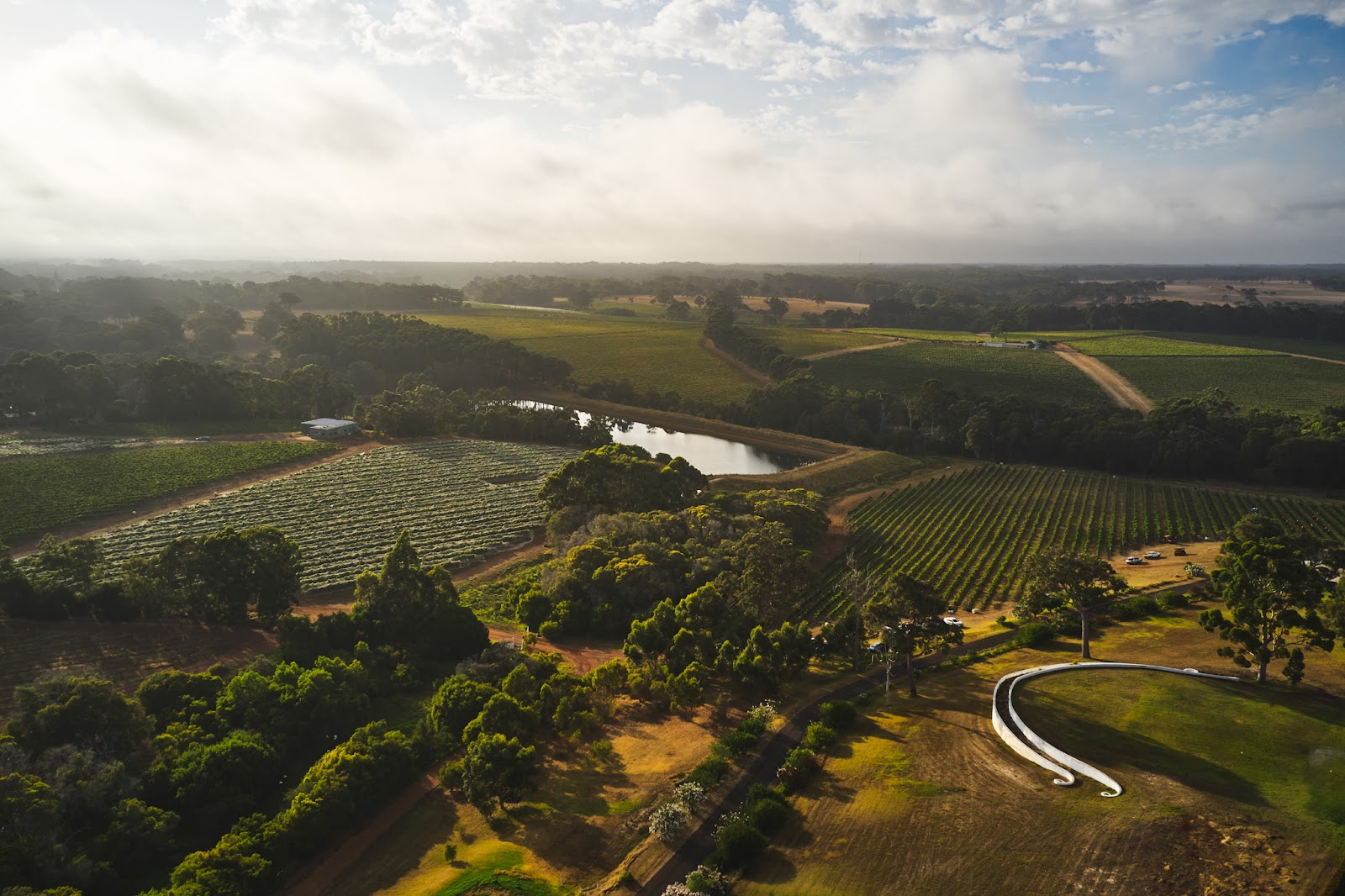
World-class wineries, surf breaks and limestone caves three hours south of Perth
Explore the guide →
Margaret River
Australia's South West, Western Australia
World-class wineries, surf breaks and limestone caves three hours south of Perth
Explore the guide →