01. Amooran Oceanside Apartments and Motel
4.4 (275 reviews)
Amooran Oceanside Apartments and Motel — Narooma
Book Direct & Save →Narooma is one of New South Wales’ great fishing towns, and it earns the reputation honestly. You can chase monster flathead in the Wagonga Inlet at dawn, cast for salmon off the beach, drop a line from a jetty with the kids, or run twenty minutes offshore to Montague Island for kingfish, snapper, and — out toward the continental shelf — marlin and tuna. Few places on the South Coast pack this much variety into one easily accessible spot.
View 3 Properties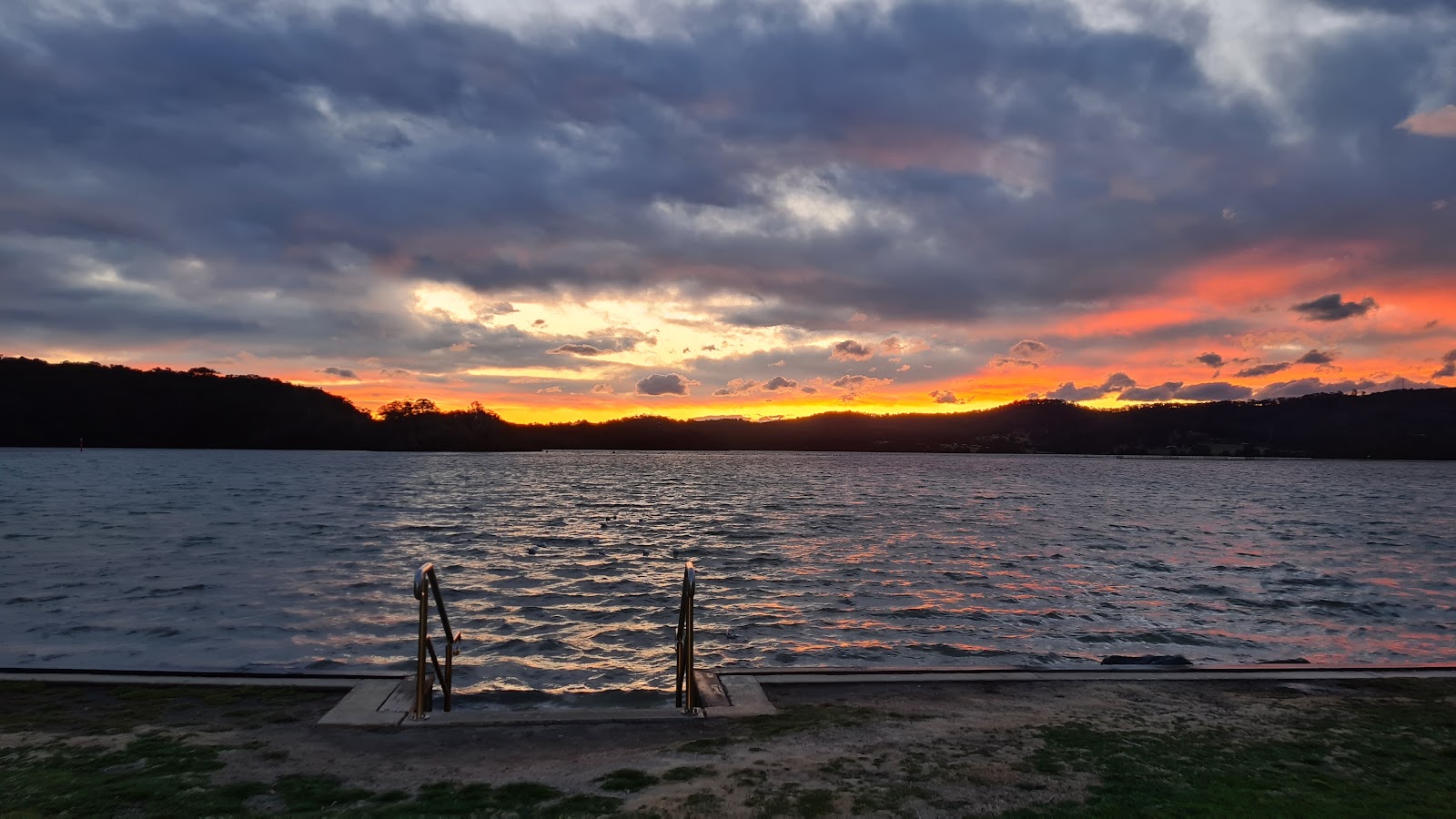
"Versatile, productive, year-round"
This Narooma fishing guide covers it all — the best Narooma fishing spots in the estuary, off the beaches and rocks, and offshore; the species you’ll catch and when; the charter operators and boat hire; and the licences and rules you need to know. Whether you’re a land-based angler after a feed or a game fisher chasing a trophy, here’s how fishing in Narooma works.
Two things upfront: you need a NSW recreational fishing licence (more below), and parts of these waters sit within the Batemans Marine Park, which has sanctuary zones where fishing is not permitted. Always check current zoning and rules before you cast — the boundaries matter, and they can change.
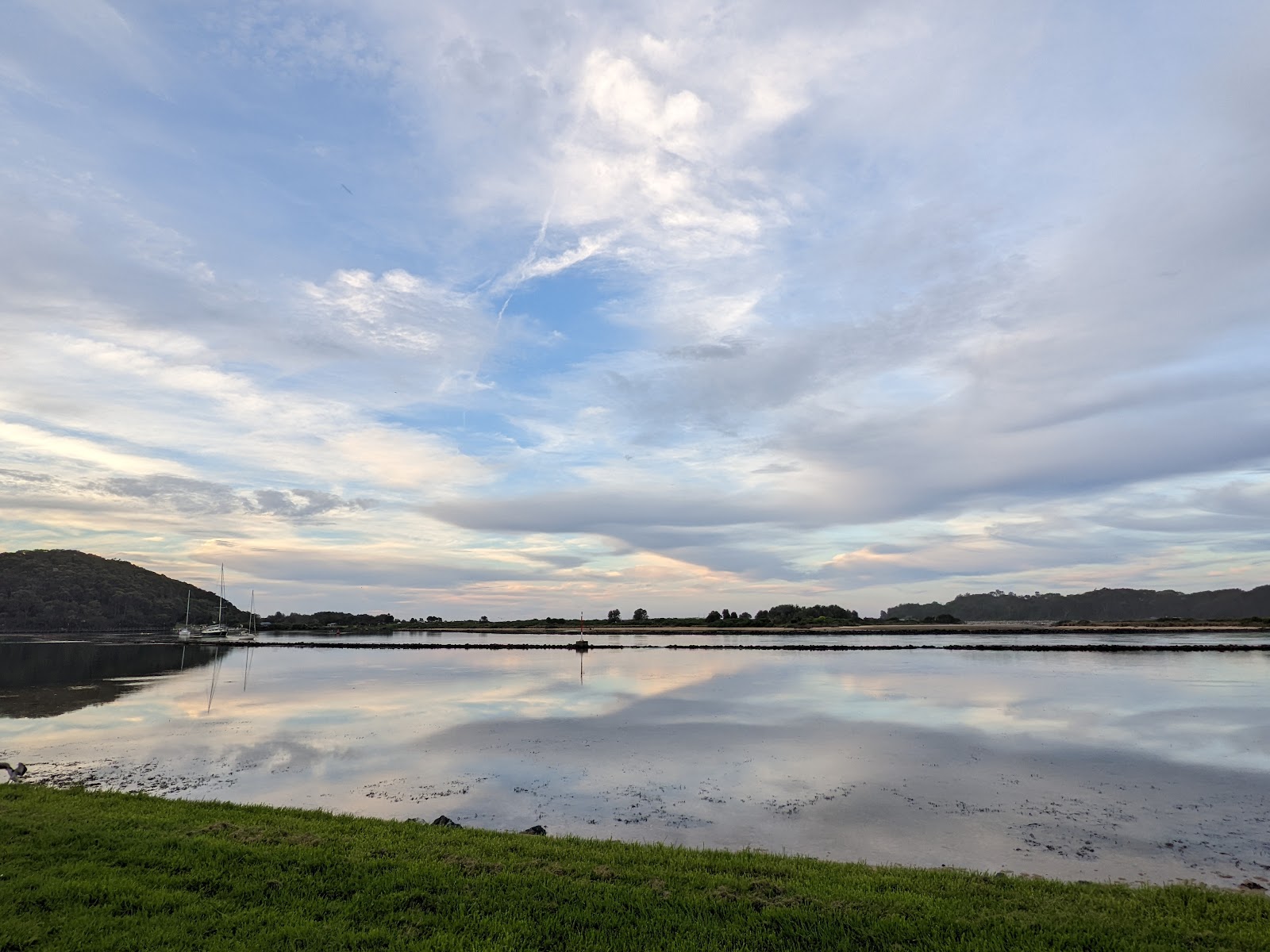
Few towns offer the fishing range that Narooma does. The reason is geography: a large, sheltered tidal estuary in the Wagonga Inlet, kilometres of beach and rock platform along the open coast, productive reefs around Montague Island just twenty minutes out, and the continental shelf within easy reach offshore — all from one small town with five all-weather boat ramps. In a single trip you can chase crocodile flathead in a glassy estuary at dawn, flick lures off a beach in the afternoon, and run out to the island for kingfish.
That versatility is also what makes Narooma reliable. When it’s rough offshore, the inlet still fishes beautifully; when the estuary is quiet, the reefs are firing. The fishery produces year-round — even in winter the milder conditions keep the fish active — and there’s an option to suit every kind of angler, from a family dropping a line off the Mill Bay Boardwalk to a game fisher cubing for southern bluefin tuna near the shelf.
The one thing worth getting right before you start is the rules. A NSW recreational fishing licence is required, and the waters around Narooma and Montague Island include Batemans Marine Park sanctuary zones where fishing is prohibited. Sort the licence, check the current zoning maps, respect the breeding fish, and the rest is choosing your water.
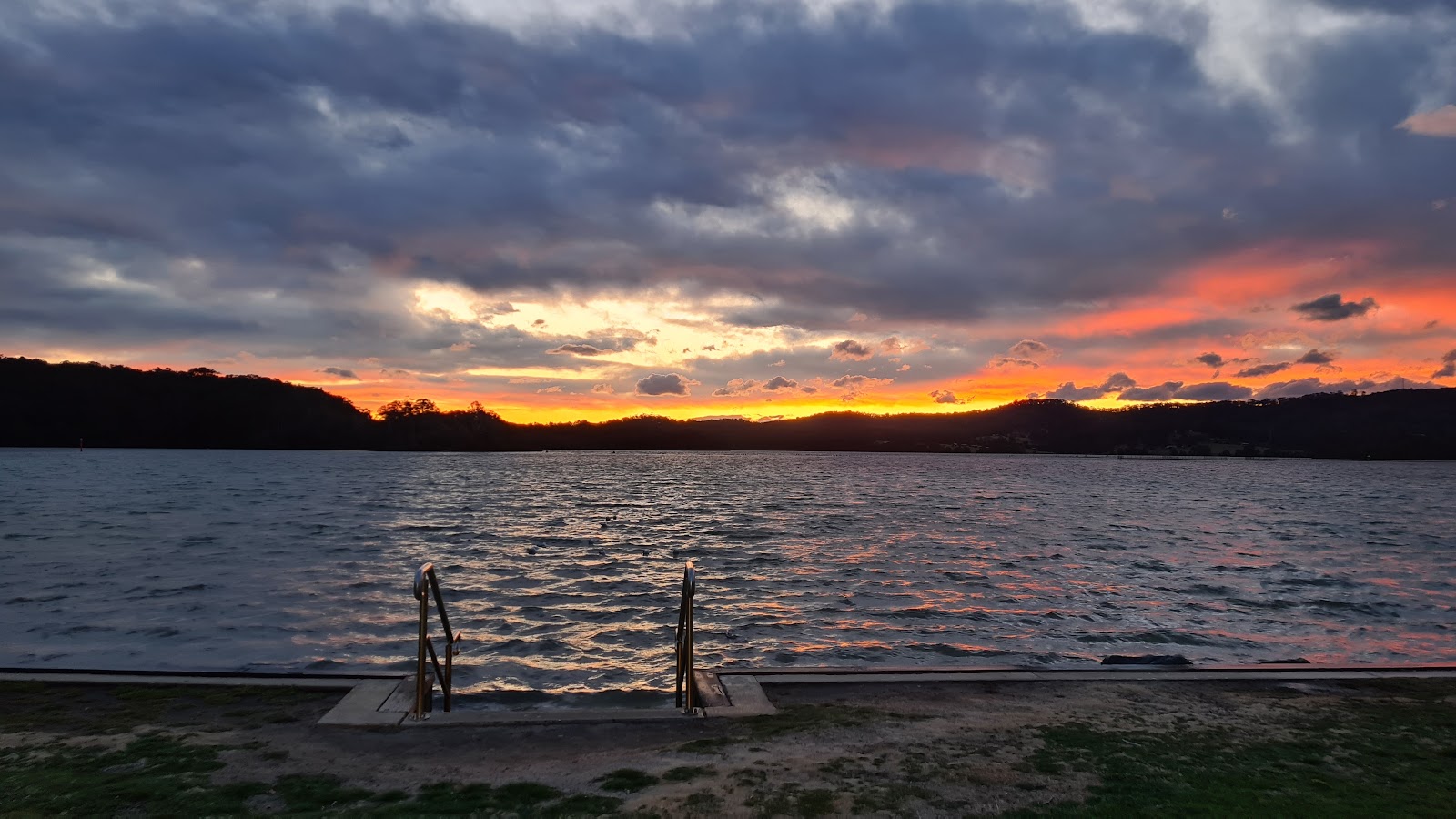
Narooma fishes well year-round, but knowing what’s running when helps you plan. Year-round species include flathead (including the big ‘crocodile’ flathead the inlet is famous for), bream, kingfish, snapper, morwong, trevally, leatherjacket, bonito and luderick. The warmer months (spring to autumn) bring whiting, mulloway and the tuna and kingfish runs, and summer is prime for big flathead around the bridge and for the Wagonga prawn run on dark, moonless nights — when mulloway often run with the prawns at the lake mouth.
Offshore and game seasons layer on top. Marlin (striped and black), mahi mahi and yellowfin tuna are more frequent in the warmer months toward the shelf, while southern bluefin tuna are a cooler-water target chased by ‘cubing’ (chumming) for the schools. The reefs around Montague Island, by contrast, produce reliably all year, with the yellowtail kingfish the local obsession.
A conservation note worth honouring throughout: the big breeding flathead — the ‘matrons’ — are vital to future stocks, and local advice is to take a quick photo and release them, keeping smaller fish for a feed. Observe the NSW size and bag limits, release undersized and excess fish, and the fishery stays great for the next angler. Always confirm what’s running with a local charter or tackle shop before a special trip.
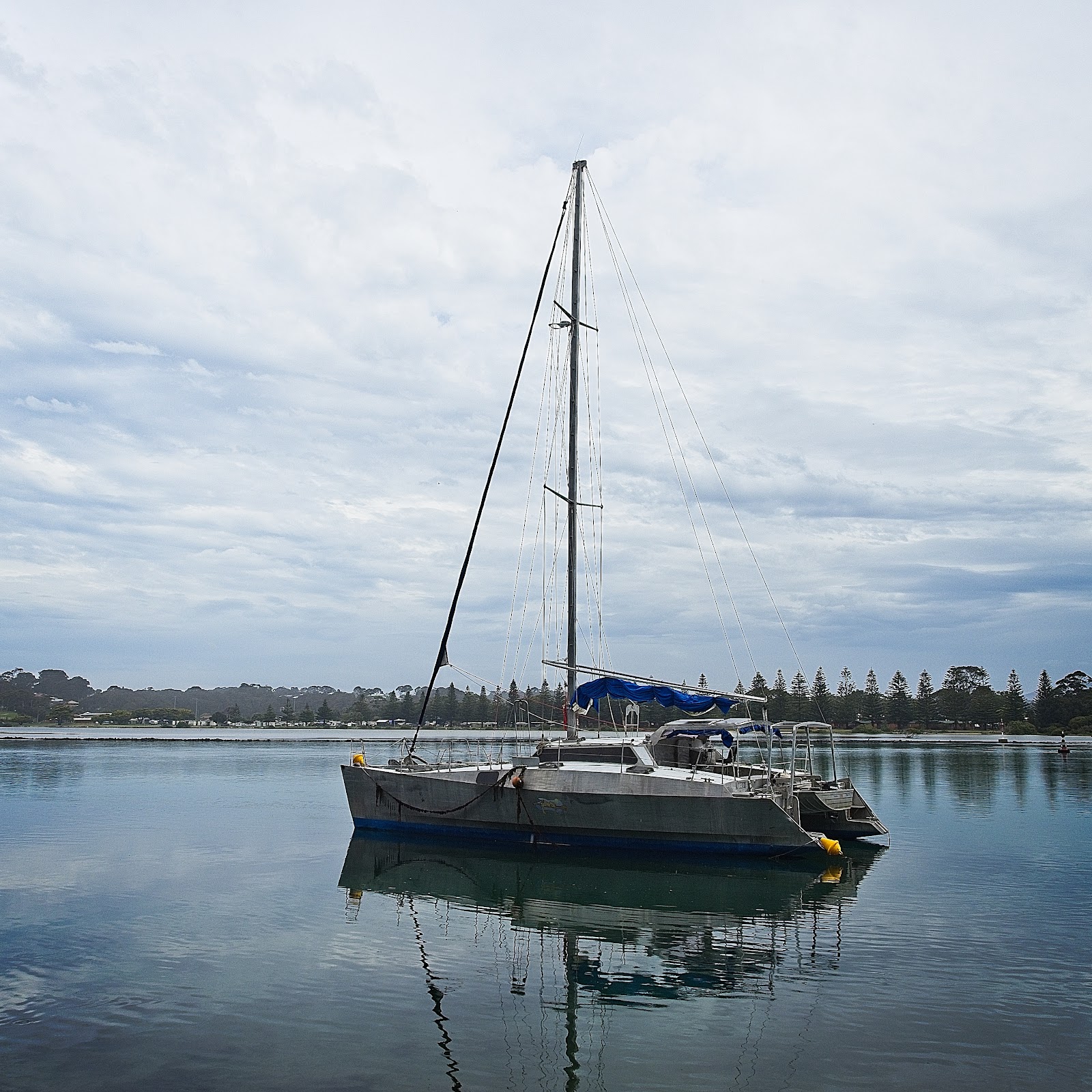
Wagonga Inlet is the heart of land-based and small-boat fishing in Narooma — one of the oldest recreational fishing precincts on the South Coast, and a favoured spot for monster flathead, big bream, fat whiting and quality mulloway. The ‘crocodile’ flathead here are spoken of in the same breath as those in nearby Tuross Lake. It’s calm, clear, accessible and productive year-round — and crucially, when it’s rough offshore, the inlet still fishes beautifully.
The best spots within the inlet reward a bit of local knowledge. The sand boat ramp area fishes best early morning midweek when boat traffic is low; west of the bridge near Quota Park holds bream, flathead and mulloway; around the bridge is good for big flathead, particularly in summer; the sand flats and channels produce whiting, flathead and leatherjacket on fresh nippers; and the oyster racks at the back of the inlet are prime bream territory. The Mill Bay Boardwalk is a readily accessible land-based spot with a great view, perfect for families and beginners.
It suits just about everyone — families and kids off the boardwalk and jetties, beginners after their first fish, and experienced anglers chasing trophy flathead. Large soft-plastic lures work well across the inlet, and on dark summer nights the Wagonga prawns run with mulloway behind them. The one rule to honour: photograph and release the big breeding flathead, and keep the smaller ones for the table.
It’s a calm, clear, year-round fishery that produces trophy flathead and suits everyone from a kid on the boardwalk to a lure angler chasing a ‘croc’.
“Caught more flathead than I could count off the flats, plus a solid bream by the oyster racks. Calm water, easy access, and the kids landed whiting off the boardwalk.”
— Google review
A dawn session on the sand flats with soft plastics — and a ‘croc’ flathead photographed and released.
The big breeding flathead (‘matrons’) should be released, not kept — they’re vital to stocks. Midweek mornings beat busy weekends for boat traffic.
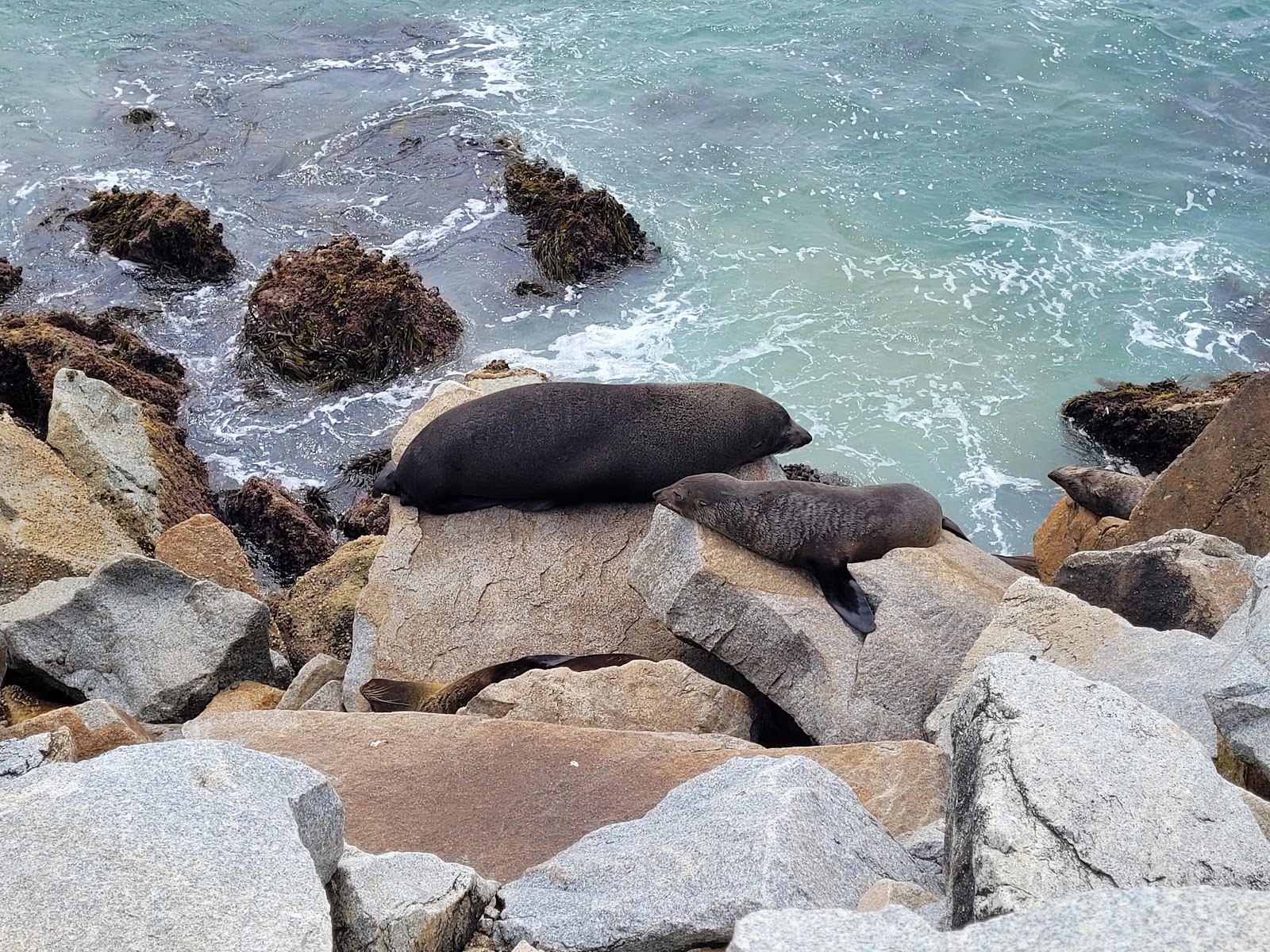
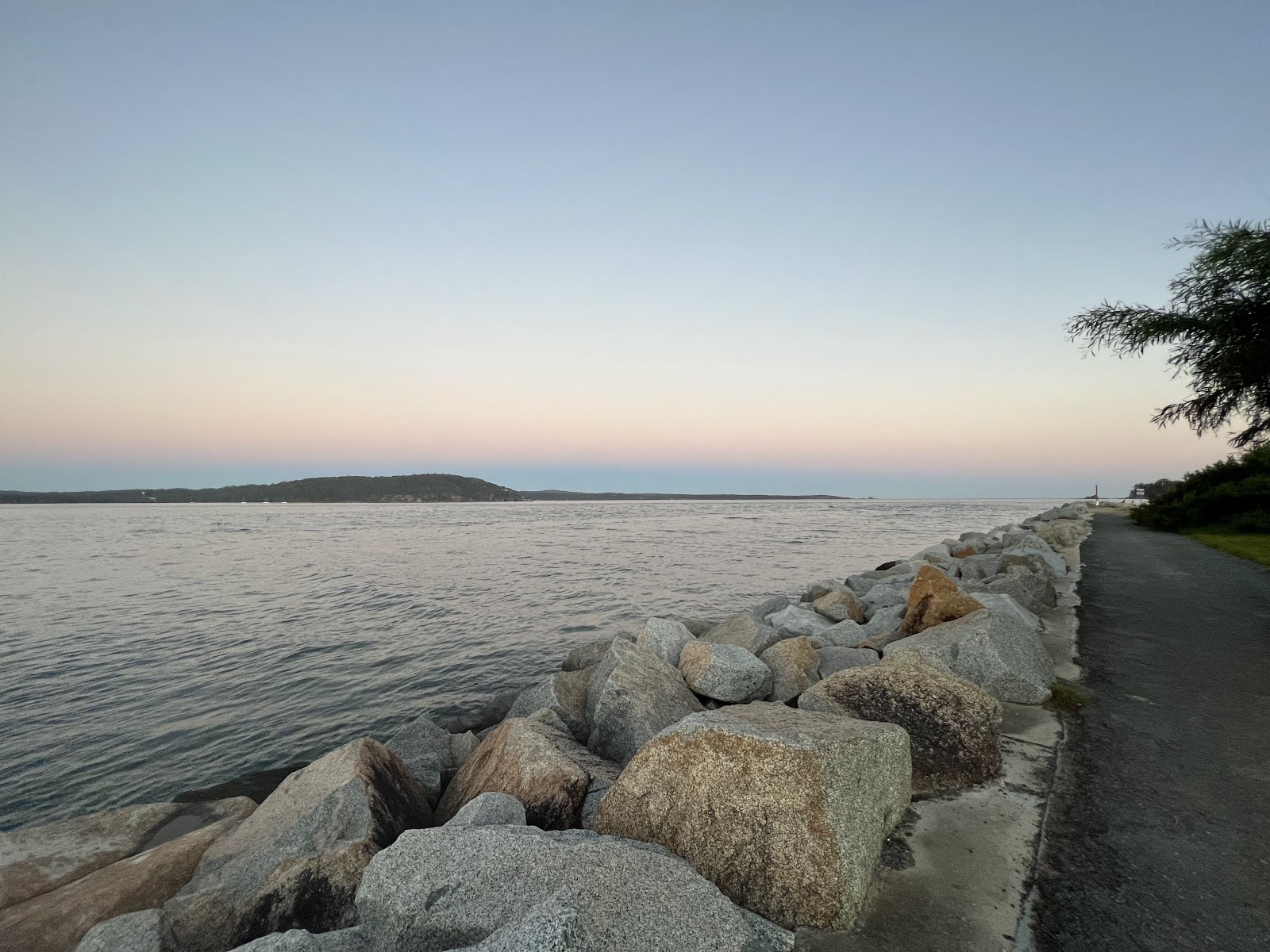
The coast around Narooma offers excellent land-based beach and rock fishing for anglers who’d rather keep their feet on the ground. Wagonga Head produces salmon, tailor, bream and luderick; Narooma Beach and Bar Beach hold flathead and salmon; the beach by the Surf Beach Holiday Park gives up salmon, flathead and bream; the mouth of Little Creek is a good bream spot on a morning or late-afternoon tide; and the long entrance rock walls produce big mulloway, bream, salmon and tailor for those who fish them carefully.
Best fishing across these spots is generally on a moving tide, early morning or late afternoon. The beaches suit anglers happy to walk and read a gutter, while the rock walls reward local knowledge and patience — but they come with a serious safety caveat.
That caveat matters: the entrance rock walls produce quality fish, but the tide rips through hard and the rocks are large, making fishing difficult and potentially dangerous. Rock fishing is among the highest-risk forms of angling in Australia — wear appropriate footwear and a life jacket, never fish alone, never turn your back on the sea, and avoid the rock walls in anything but calm conditions. The beaches are the safer choice for families and less-experienced anglers.
It’s free, accessible and productive — a sunrise session in a beach gutter for salmon and tailor needs nothing more than a rod and a moving tide.
“Pulled salmon and tailor off the beach at first light on a run-out tide. The rock walls looked fishy but the swell was up, so we stuck to the sand — glad we did.”
— Traveller review
A moving-tide session at dawn in a beach gutter for salmon, tailor and bream.
The entrance rock walls are high-risk — strong tidal rips, big rocks, real danger. Never fish them alone or in swell; wear a life jacket, or stick to the beaches.
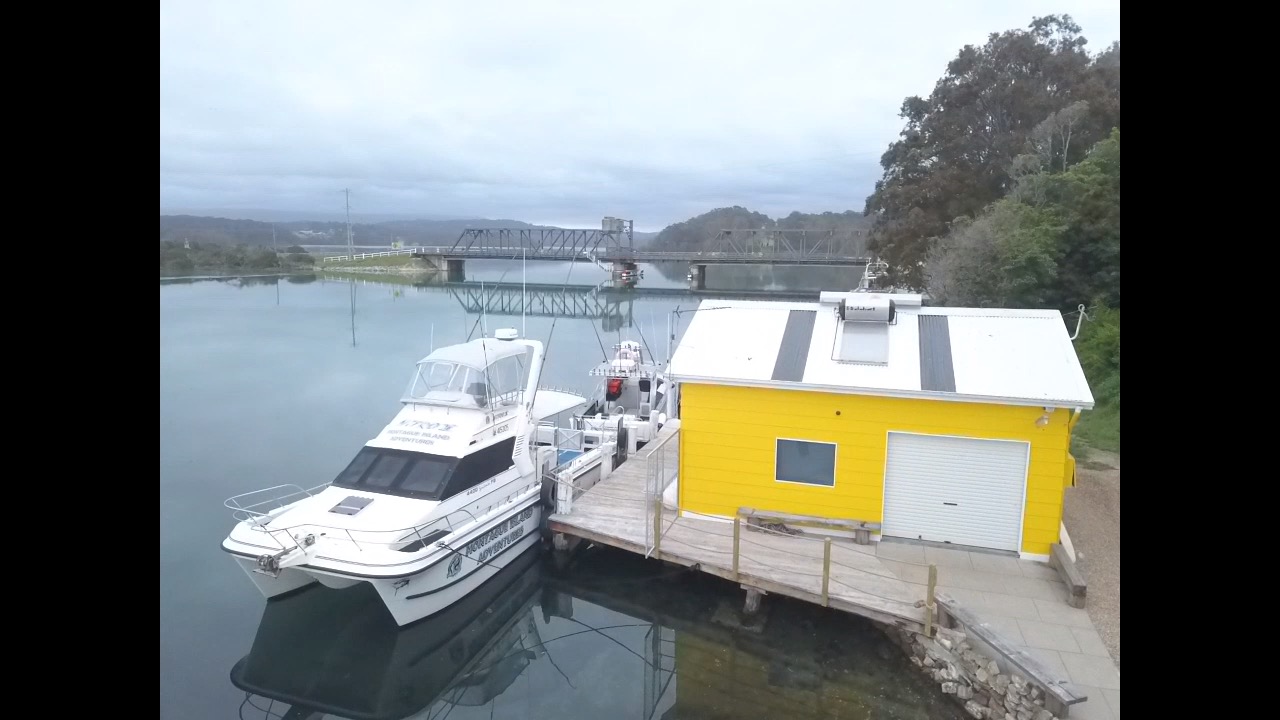
Narooma is the closest port to Montague Island (Barunguba), one of the most renowned fishing hot-spots on the South Coast — and just a twenty-minute boat ride from the harbour. The reefs around the island are productive year-round, and if you ask a local angler about the island, they’ll likely only want to talk about one thing: the yellowtail kingfish. A favourite local technique is casting for kingfish with light tackle and jigs, or live-baiting with ‘yakkas’ (yellowtail scad) and slimy mackerel for these hard-fighting fish.
Beyond the kingfish, the local reefs reliably produce snapper, morwong, trevally, leatherjacket, flathead, wrasse and bonito throughout the year, with the Aughinish Rocks just south of the island noted for snapper. This is the fishing that makes Narooma a serious boat-angling destination rather than just a pretty estuary — and because the island is so close, you don’t need a big offshore boat or a full day to get among it.
It suits boat anglers and charter guests of all levels, and it’s the natural next step up from the estuary. The one critical caveat is the marine park: Montague Island and the surrounding waters fall within the Batemans Marine Park, which includes sanctuary zones where fishing is prohibited. Always check the current zoning maps before fishing the island, or fish with a licensed charter who knows exactly where the boundaries are.
World-class reef fishing just twenty minutes offshore — hard-fighting kingfish and reliable snapper and morwong, all year, from a small-town harbour.
“Hooked kingfish on jigs off the island and boxed a few solid snapper. Twenty minutes from the ramp — you don’t get reef fishing this good this close anywhere else.”
— Google review
Casting jigs or live-baiting yakkas for yellowtail kingfish off Montague Island.
Montague Island has Batemans Marine Park sanctuary zones where fishing is banned — check the current zoning maps, or go with a charter that knows the boundaries.
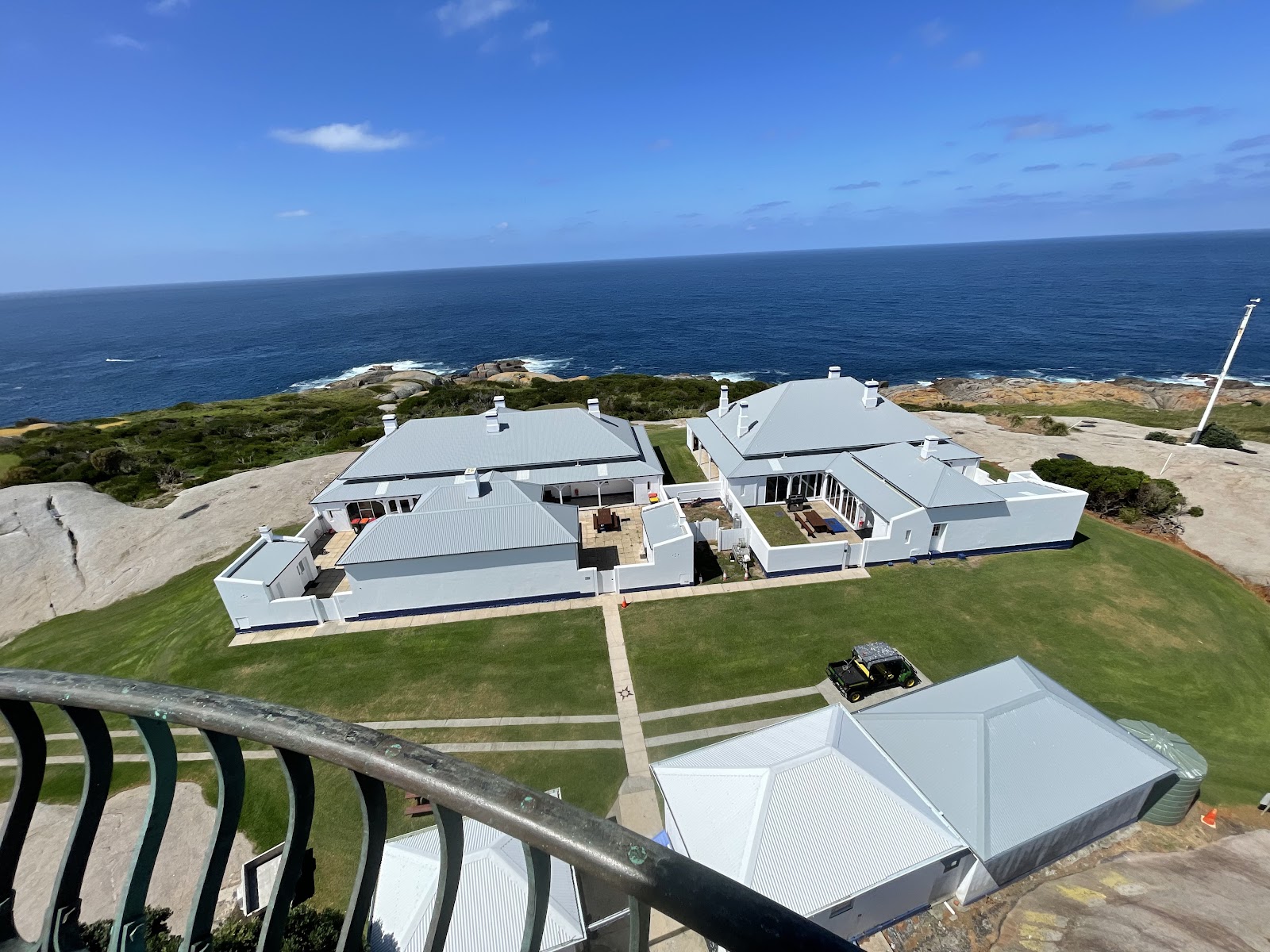
For serious game fishers, the waters off Narooma are internationally regarded. The continental shelf lies around twenty kilometres offshore — terrific, easily accessible deep-sea fishing by Australian standards. Out toward the shelf and features like ‘the kink’ and Montague Canyon, baitfish draw marlin (striped and black), yellowfin tuna, albacore, mahi mahi and wahoo. A favourite big-game technique on the Oyster Coast is ‘cubing’ (chumming) for schools of huge southern bluefin tuna, while the Narooma FAD (Fish Aggregating Device) a couple of miles north-east of the island also draws mahi mahi and more.
This is charter territory for most visitors. The shelf is genuine open-ocean fishing that demands a capable boat, the right gear and local knowledge of the grounds, and Narooma’s established game operators have all three. The reward is the chance at a trophy — a marlin or a big bluefin — in waters that draw game fishers from across the country.
It suits experienced game anglers and anyone willing to invest in a full-day charter for a shot at a billfish or tuna. It doesn’t suit beginners, young children or anyone prone to seasickness on a long open-water day — for them, the inlet and the close reefs are far better. Confirm what’s running, the season and the trip length with a game charter before booking, and take sea-sickness precautions seriously.
A genuine shot at marlin and big tuna with the shelf only ~20km out — internationally regarded game fishing within reach of a small harbour town.
“Ran out to the shelf with a local game crew and cubed up a southern bluefin that nearly spooled me. The skipper knew exactly where to be. Bucket-list stuff.”
— Traveller review
A full-day game charter to the shelf — cubing for southern bluefin or trolling for marlin.
It’s a long open-water day for experienced anglers — not for beginners, young kids or the seasickness-prone. Go with a capable charter, not your own small boat.
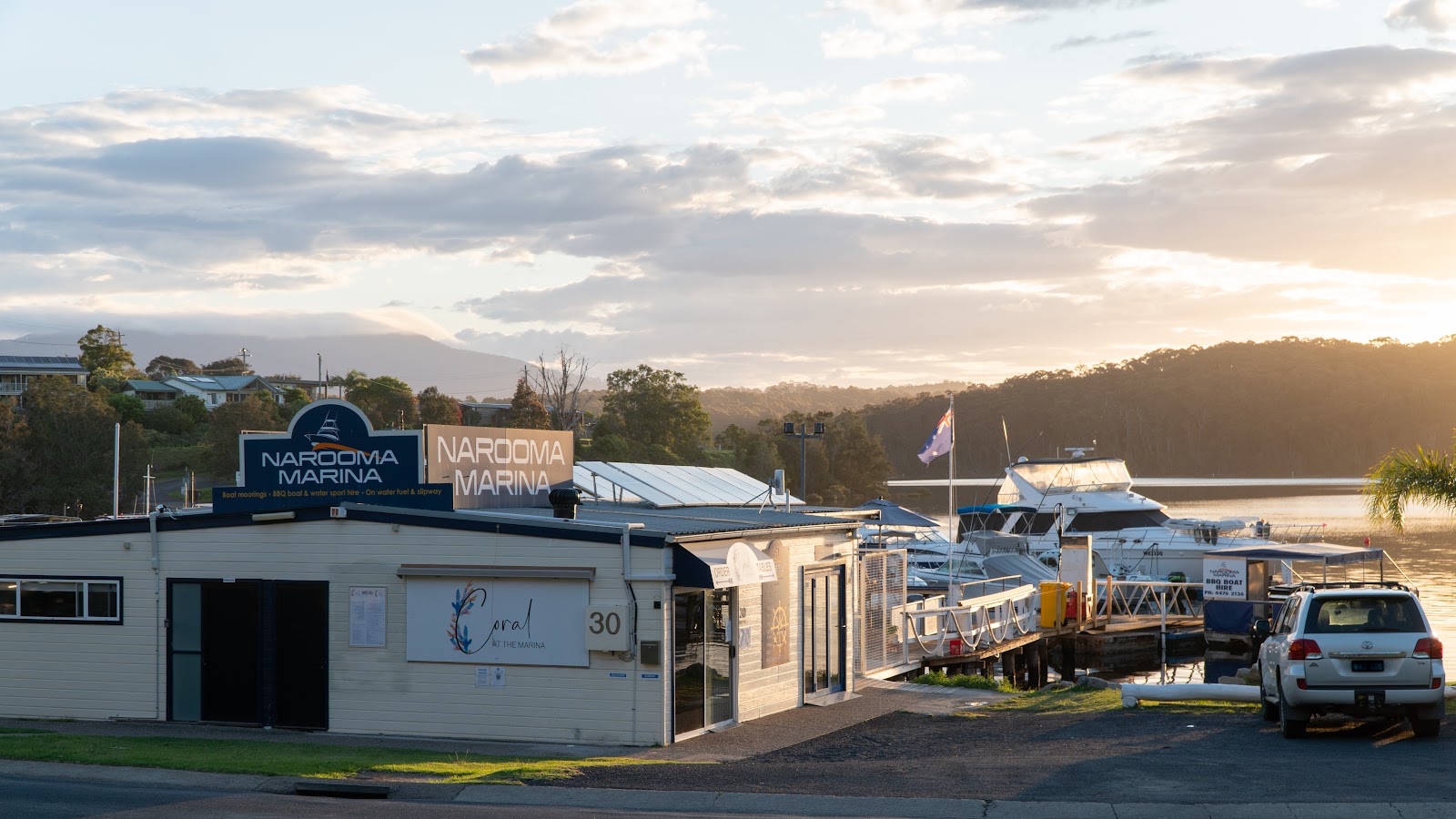
However you want to fish Narooma, there’s a way onto the water. If you don’t have a boat — or want local expertise to put you on the fish — several established charter operators run from Narooma: Charter Fish Narooma offers reef, game and estuary fishing for all skill levels; Narooma Charters runs everything from casual family fishing to serious game fishing, making the most of being the closest port to Montague Island; Narooma Fishing Charters runs trips to the island, Potato Point, Tuross Reefs and Mystery Bay; and Montague Island Adventures offers sport and game packages alongside its wildlife trips. Compare what each offers — estuary versus reef versus game, gear included, trip length — and book ahead in peak season.
If you’d rather skipper your own session, Narooma makes it easy. Narooma Marina hires boats that take up to five people and don’t require a boat licence — ideal for a self-guided day on the inlet — and the town has five all-weather boat ramps, so launching your own tinny is straightforward.
One serious caveat for anyone heading offshore in their own boat: Narooma Bar can be hazardous and should only be crossed in good conditions. If you’re not experienced with bar crossings, fish the inlet or go with a charter — the inlet alone offers more than enough to fill a day. Match the option to your experience: a hire boat or the inlet for a relaxed family day, a charter for the reefs and the shelf.
It covers every angler — licence-free hire boats for the inlet, five all-weather ramps for your own tinny, and expert charters for the reefs and the shelf.
“Hired a boat from the marina for a family day on the inlet — no licence needed, easy ramp, fish everywhere. Booked a reef charter the next day. Best of both.”
— Google review
A licence-free hire boat on the inlet one day, a reef or game charter the next.
Narooma Bar can be dangerous — only cross in good conditions and with bar experience. If in doubt, fish the inlet or take a charter offshore.
| Season | Conditions | Highlights | Crowds |
|---|---|---|---|
| Summer (Dec–Feb) | Warm, prime estuary conditions | Big flathead around the bridge; Wagonga prawn run on dark nights with mulloway behind; marlin, yellowfin & mahi mahi toward the shelf | Peak (school holidays) |
| Autumn (Mar–May) | Settled, often the sweet spot | Reliable reef fishing off Montague; bream and luderick firing; mild, less-crowded estuary sessions | Low–moderate |
| Winter (Jun–Aug) | Cooler but milder than most | Southern bluefin tuna the cool-water target via cubing; reefs still produce; salmon off the beaches | Low |
| Spring (Sep–Nov) | Warming, fish on the move | Kingfish active off the island; whiting and mulloway returning to the inlet; game season building toward the shelf | Low–moderate |
What anglers consistently say about fishing Narooma:
The recurring praise is the variety — estuary, beach, reef and shelf all from one small harbour — and that something is always fishing: when it’s rough offshore, the inlet still produces.
Anglers note the Batemans Marine Park sanctuary zones, the hazardous bar crossing and the high-risk rock walls — those who check the maps, watch the weather and release the big breeders have the best, safest trips.
“Incredible spot, well worth a visit. You’ll spot seals, amazing views, blue water, some great spots for photos, more seals, and a nice beach. Might even get splashed by waves along the walkway. Definitely stop by here if you get a chance, you won’t regret it.”— Ben C (on Australia Rock), Google review
“Australia Rock in Narooma is a peaceful and relaxing place. Multiple viewpoints, the Narooma River mouth, and Dolphin Point are all close by. There’s also a family-friendly area where kids can enjoy the sea. The rock formation itself is an amazing natural creation. Definitely worth a visit.”— Hasaan Keeragala (on Australia Rock), Google review
“This attraction offers breathtaking views, adorable sea lions, and truly spectacular natural scenery. With the slightly salty ocean breeze in the air, it’s a perfect place to relax and unwind.”— Dorothy (on Australia Rock), Google review
Before you wet a line in Narooma, get the legal side sorted — it’s quick and inexpensive. In NSW you must pay the recreational fishing fee and carry your licence receipt when fishing in both fresh and salt water, including from the shore. Short-term and longer licences are available online through NSW DPI Fisheries, for periods ranging from three days to three years. Some exemptions apply (for example under-18s and certain pensioners) — check the current rules, and note that fisheries officers do check.
NSW has legal minimum sizes and bag limits for each species to protect stocks, so check the current NSW DPI saltwater limits before keeping any fish, and release undersized and excess fish. Just as importantly, the waters around Narooma and Montague Island include Batemans Marine Park sanctuary zones where fishing is prohibited — check the current marine park zoning maps before you fish, as boundaries and rules can change.
Responsible fishing keeps Narooma great: release the big breeding flathead, observe the bag limits, take your rubbish and discarded line with you, and handle released fish carefully. And mind the safety basics — Narooma Bar should only be crossed in good conditions, and rock fishing is high-risk, so wear a life jacket, never fish alone and never turn your back on the sea.
Few towns offer the fishing range that Narooma does. In a single trip you can chase crocodile flathead in a glassy estuary at dawn, flick lures off a beach in the afternoon, and run offshore to Montague Island for kingfish — with marlin and tuna waiting near the shelf for those who want them. Add five boat ramps, easy licence-free boat hire, expert charters and a fishery that produces year-round, and it’s no wonder Narooma is one of the most respected fishing destinations on the NSW South Coast.
Sort your licence, check the marine park zones, respect the breeding fish, and pick your water — estuary, beach, reef or shelf. Whether you’re after a relaxed family session on the inlet or a serious offshore mission, the Narooma fishing spots in this guide will put you on the fish. Tight lines — and let the big flathead go.
Enjoying fishing? Here’s where else in Australia it’s worth the trip — ranked by how loved each destination is, with the one thing not to miss at each.
 Kangaroo Valley
Shoalhaven, New South Wales
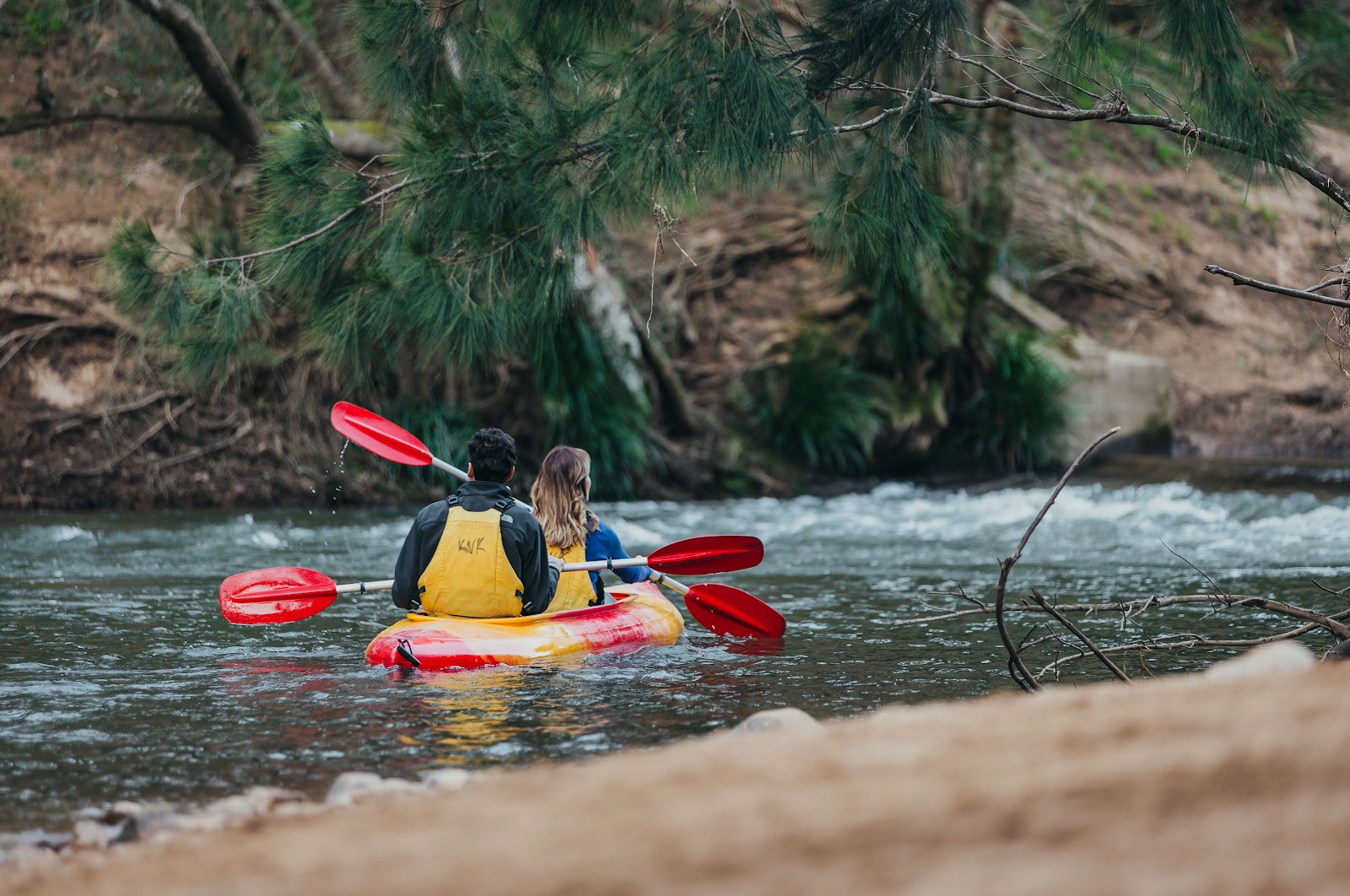
Kangaroo River bass on lures — the signature paddle-and-cast — A dawn surface-lure session in the clear pools — a bass blowing up on a popper, photographed and released.
Explore fishing in Kangaroo Valley →
2
Kangaroo Valley
Shoalhaven, New South Wales
Kangaroo River bass on lures — the signature paddle-and-cast — A dawn surface-lure session in the clear pools — a bass blowing up on a popper, photographed and released.
Explore fishing in Kangaroo Valley →
2
 Hamilton Island
The Whitsundays, Queensland
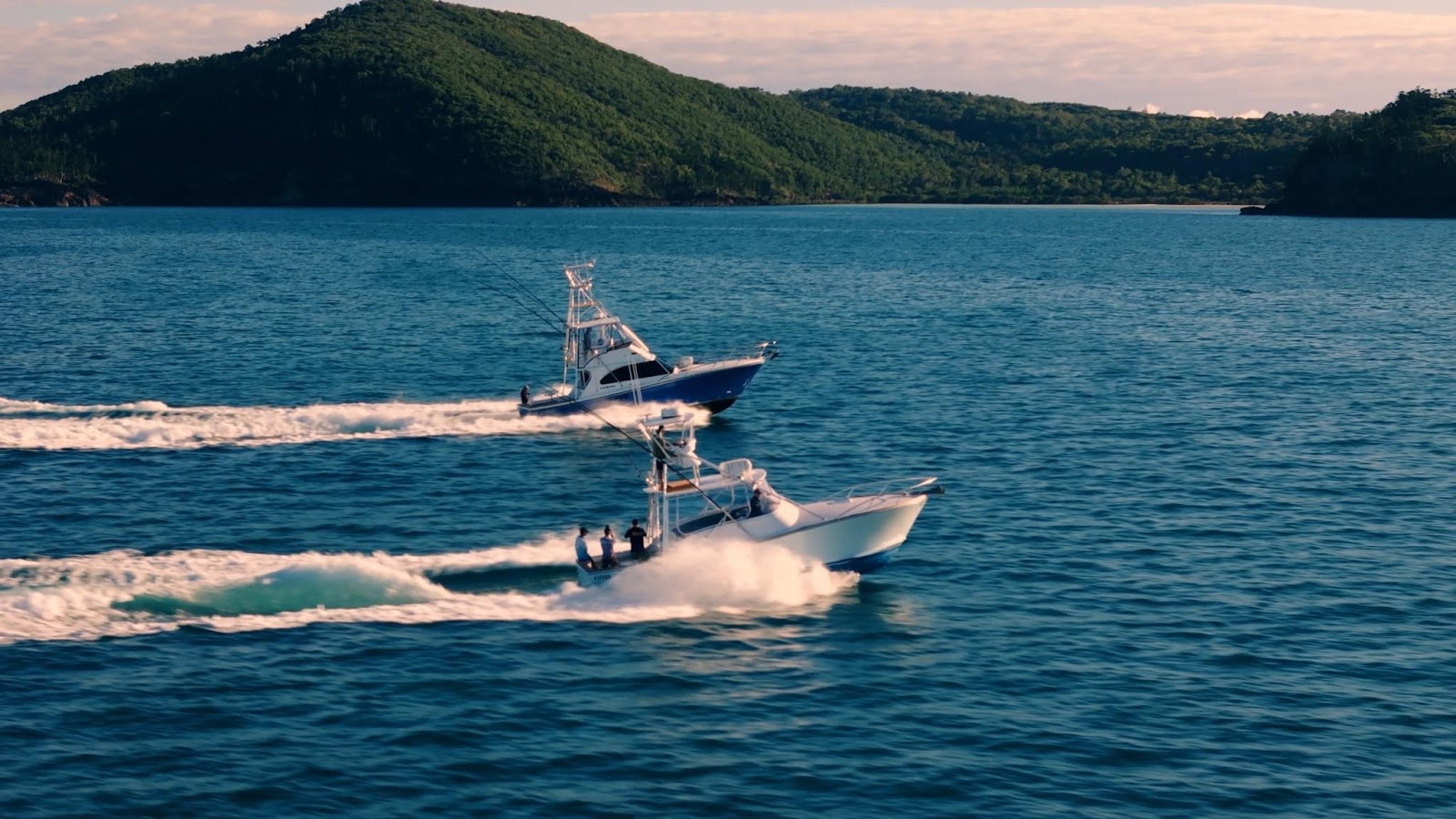
Reef bottom-fishing — coral trout, emperor & sweetlip — A full-day run to the outer reef for red emperor and big nannygai, with coral trout on the inshore drop-offs.
Explore fishing in Hamilton Island →
3
Hamilton Island
The Whitsundays, Queensland
Reef bottom-fishing — coral trout, emperor & sweetlip — A full-day run to the outer reef for red emperor and big nannygai, with coral trout on the inshore drop-offs.
Explore fishing in Hamilton Island →
3
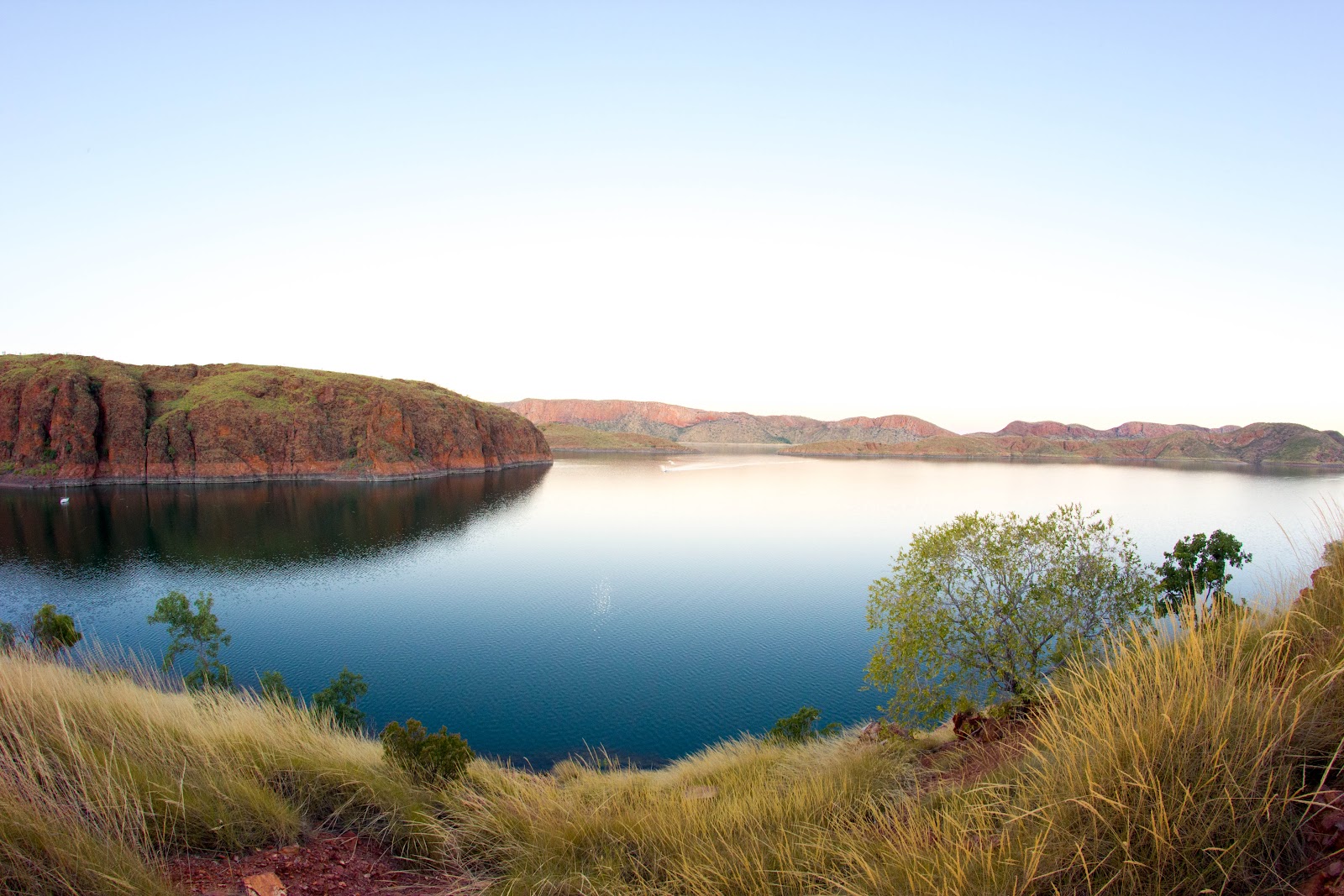 The Kimberley
Australia's North West, Western Australia
Lake Argyle — Dawn surface fishing over submerged timber lines when barra are actively busting bait -- the most productive window of the day.
Explore fishing in The Kimberley →
4
The Kimberley
Australia's North West, Western Australia
Lake Argyle — Dawn surface fishing over submerged timber lines when barra are actively busting bait -- the most productive window of the day.
Explore fishing in The Kimberley →
4
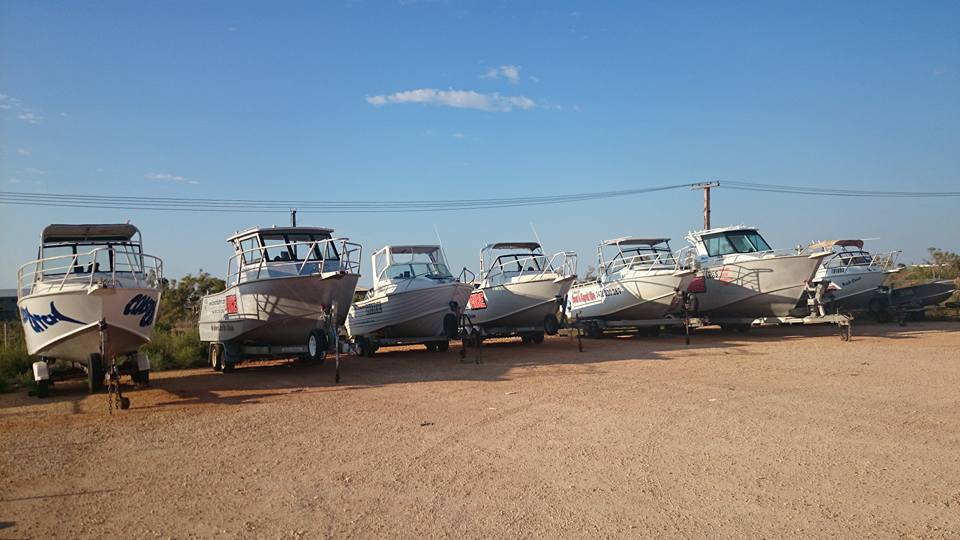 Ningaloo Reef
Australia's Coral Coast, Western Australia
Exmouth Gulf game fishing charters — A full-day blue-water charter targeting billfish in the Gulf — the premier fishing experience at Ningaloo, with a knowledgeable skipper who knows where the fish are.
Explore fishing in Ningaloo Reef →
5
Ningaloo Reef
Australia's Coral Coast, Western Australia
Exmouth Gulf game fishing charters — A full-day blue-water charter targeting billfish in the Gulf — the premier fishing experience at Ningaloo, with a knowledgeable skipper who knows where the fish are.
Explore fishing in Ningaloo Reef →
5
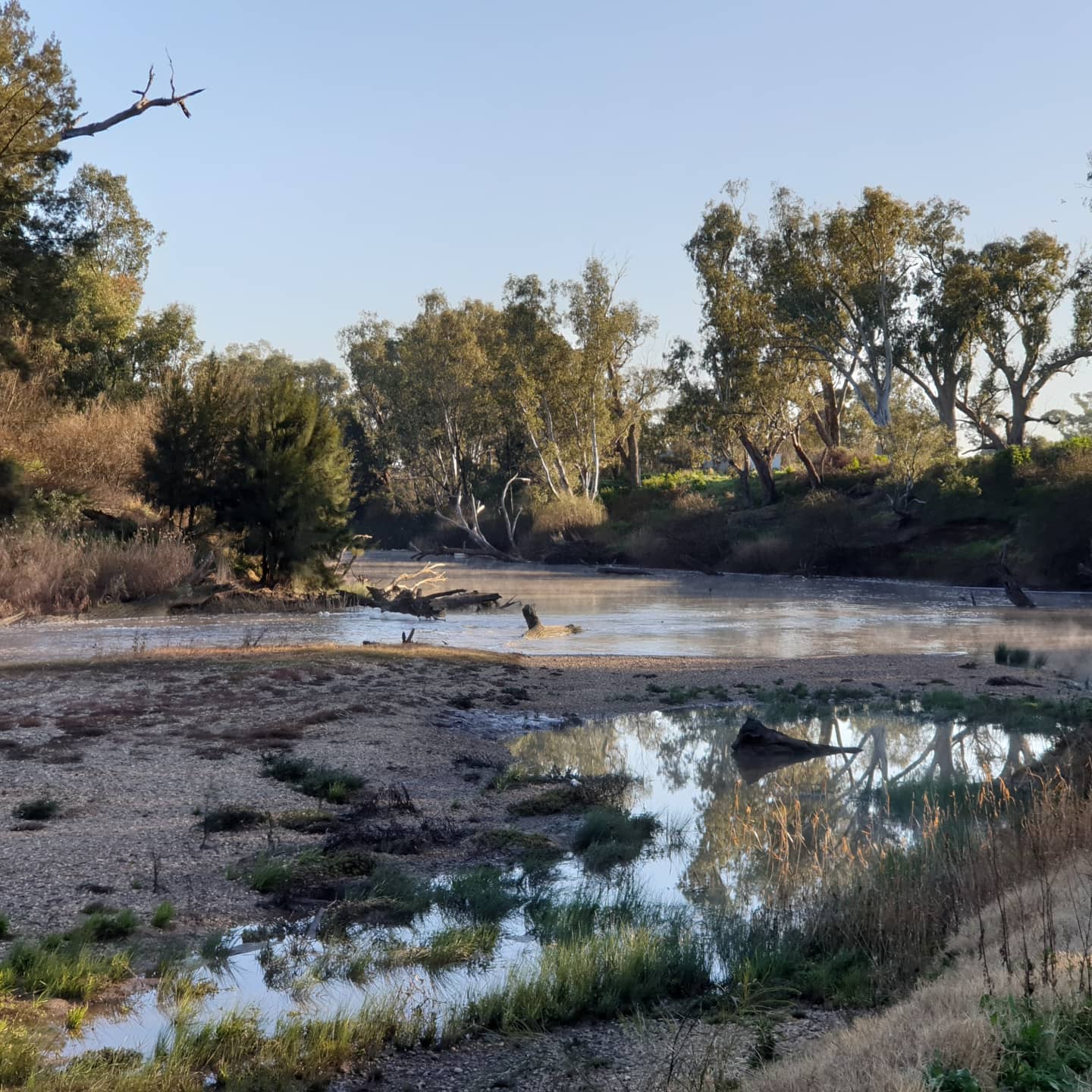 Dubbo
Central West, New South Wales
The Macquarie River through Dubbo — the riverside reserves — A dawn or dusk session working a surface lure over the river timber for Murray cod.
Explore fishing in Dubbo →
6
Dubbo
Central West, New South Wales
The Macquarie River through Dubbo — the riverside reserves — A dawn or dusk session working a surface lure over the river timber for Murray cod.
Explore fishing in Dubbo →
6
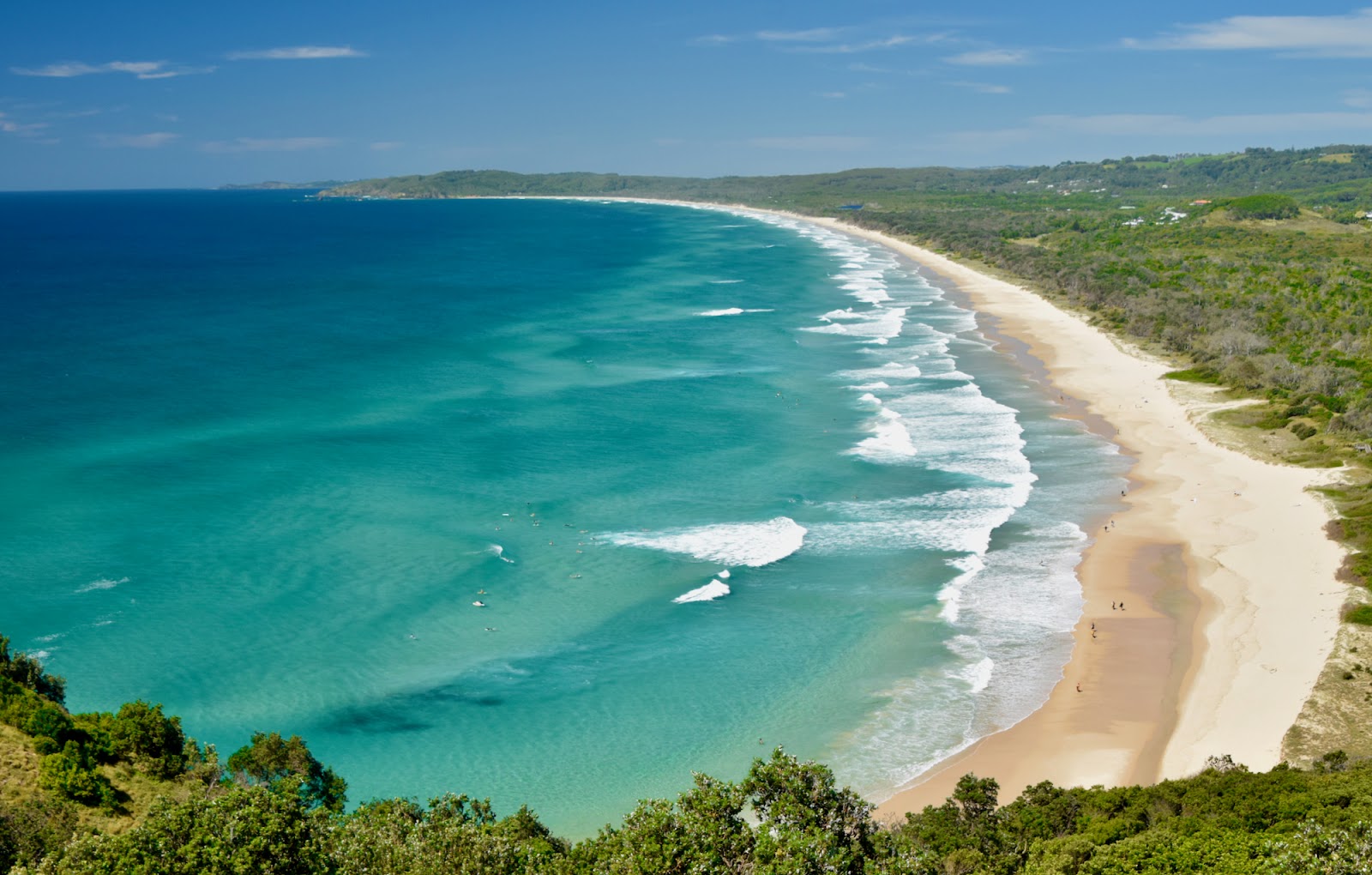 Byron Bay
Northern Rivers, New South Wales
Beach & surf fishing — Tallow and the open beaches — A moving-tide dawn session in a Tallow Beach gutter for tailor, whiting and a shot at a jewfish.
Explore fishing in Byron Bay →
Narooma you’re here
South Coast, New South Wales
Wagonga Inlet — the estuary fishing jewel — A dawn session on the sand flats with soft plastics — and a ‘croc’ flathead photographed and released.
You’re reading this guide
Byron Bay
Northern Rivers, New South Wales
Beach & surf fishing — Tallow and the open beaches — A moving-tide dawn session in a Tallow Beach gutter for tailor, whiting and a shot at a jewfish.
Explore fishing in Byron Bay →
Narooma you’re here
South Coast, New South Wales
Wagonga Inlet — the estuary fishing jewel — A dawn session on the sand flats with soft plastics — and a ‘croc’ flathead photographed and released.
You’re reading this guide
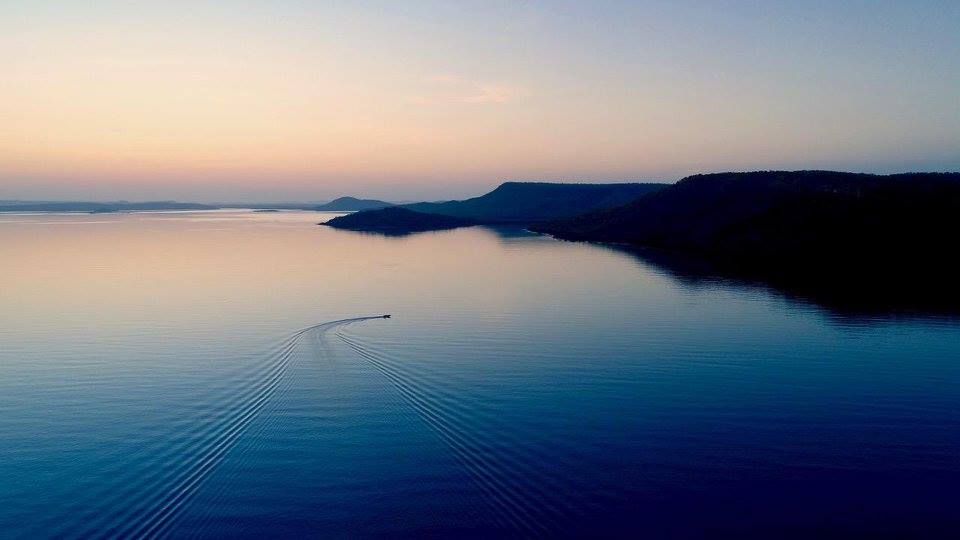 Broome
Australia's North West, Western Australia
Town Beach jetty and foreshore — Fishing the run-in tide with a surface popper or metal slice for queenfish and trevally — the bite window is two hours, so time it well.
Explore fishing in Broome →
Broome
Australia's North West, Western Australia
Town Beach jetty and foreshore — Fishing the run-in tide with a surface popper or metal slice for queenfish and trevally — the bite window is two hours, so time it well.
Explore fishing in Broome →
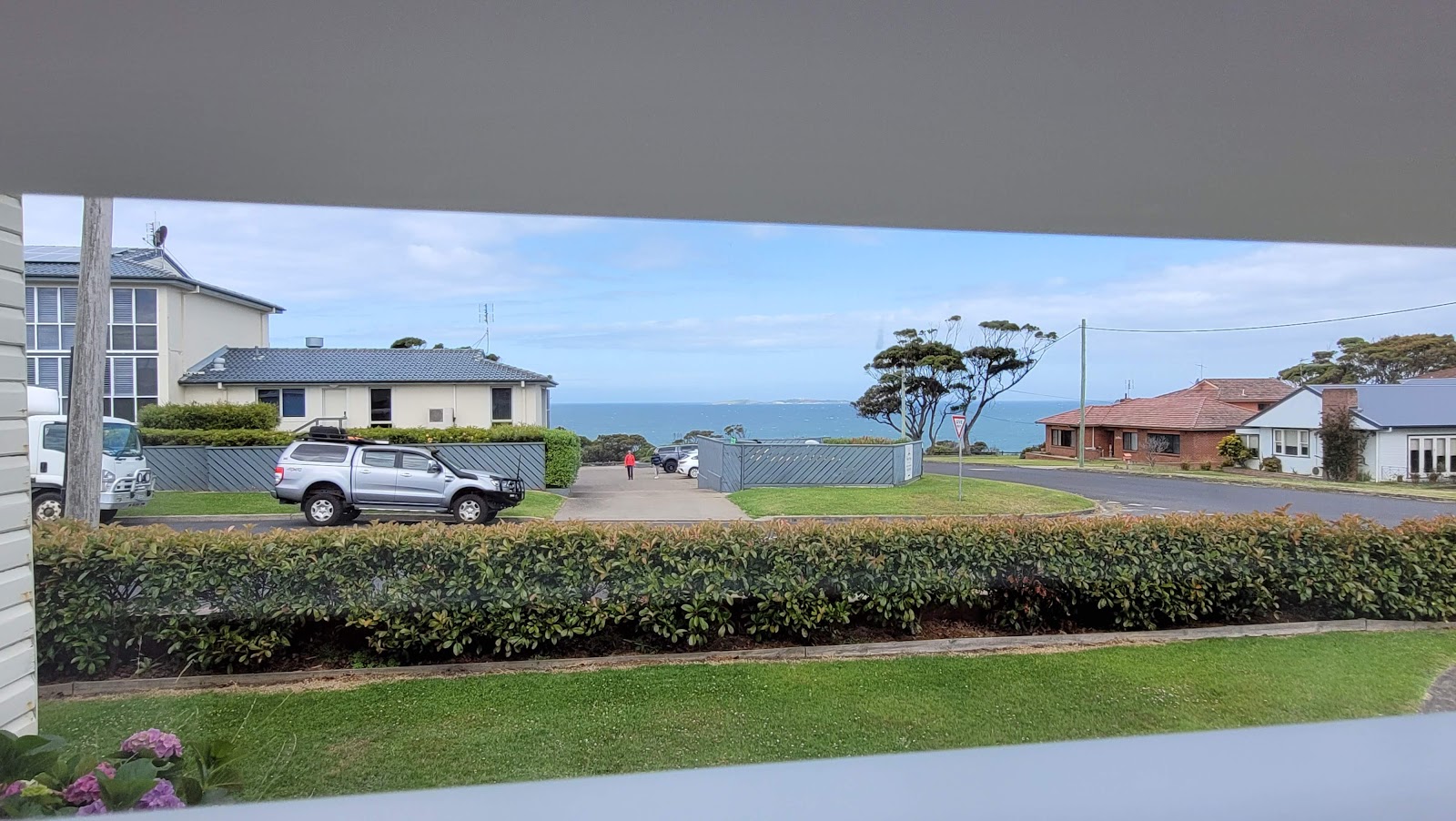
Amooran Oceanside Apartments and Motel — Narooma
Book Direct & Save →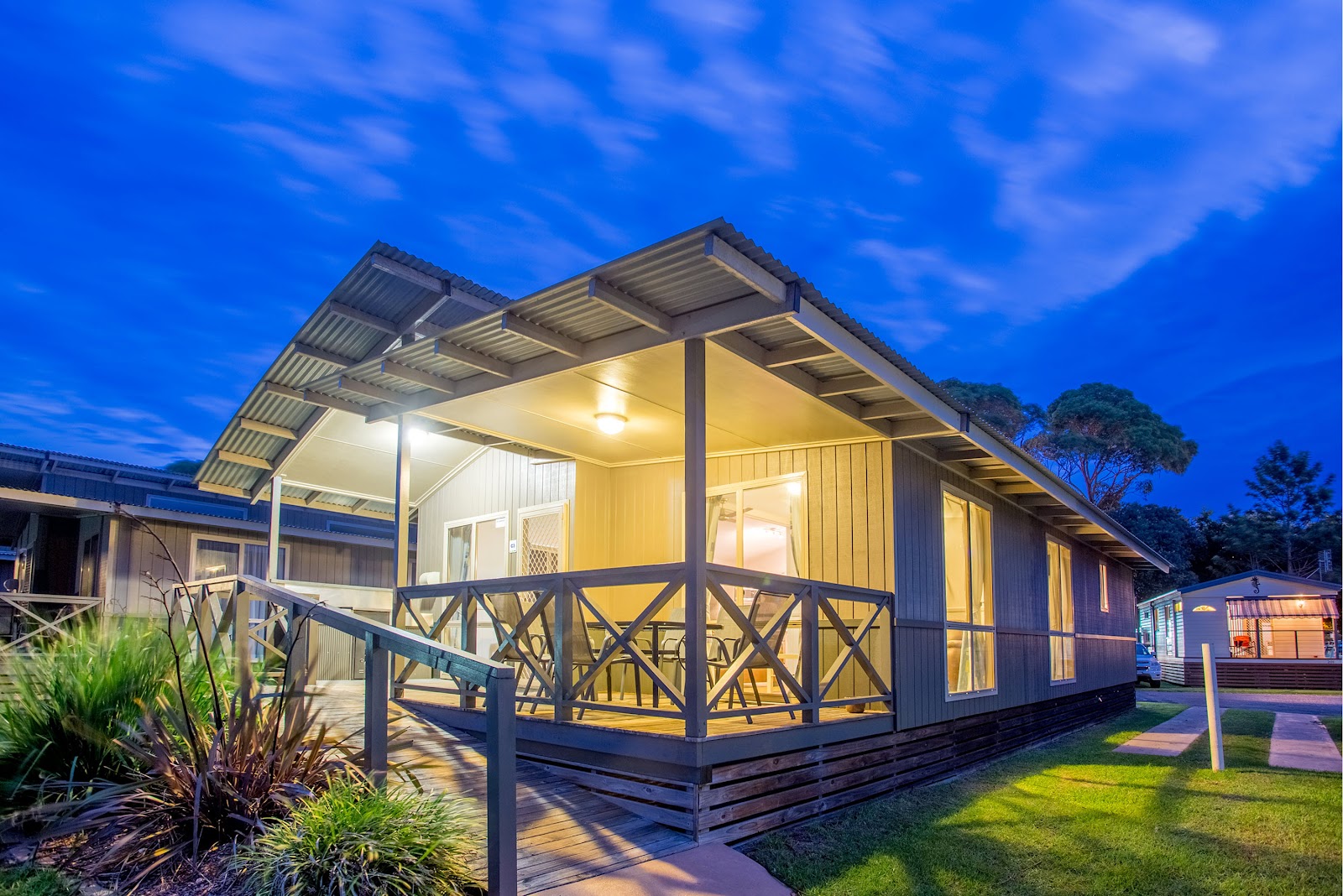
Discovery Parks - Narooma Beach — Narooma
Book Direct & Save →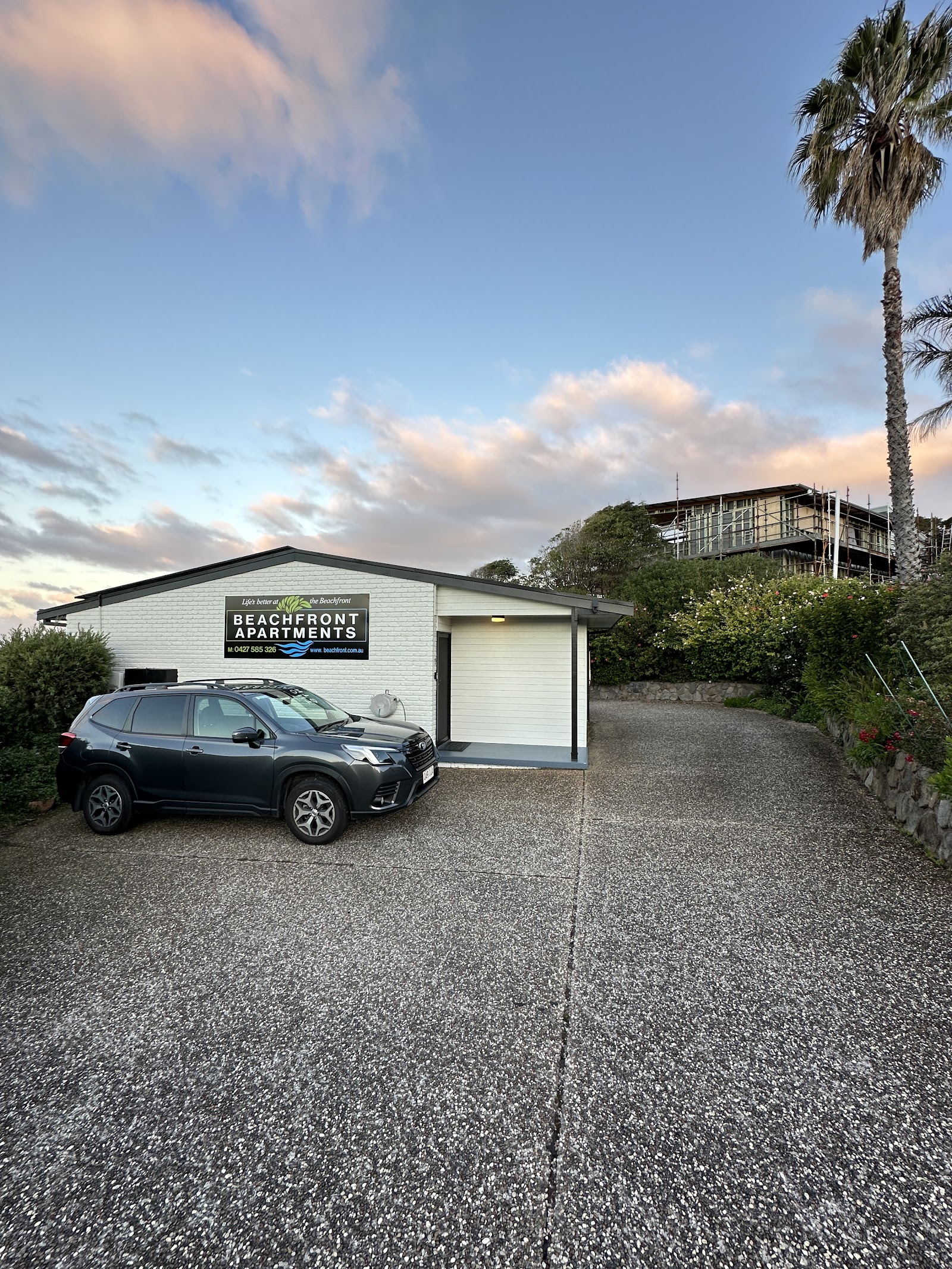
BIG4 Narooma Easts Holiday Park — Narooma
Book Direct & Save →Skip OTA fees. Connect directly with Narooma owners for the best rates and a truly personal experience.
We match any online rate. No service fees — 100% of your payment supports local owners.
Direct guests receive complimentary hampers, early check-in, and priority access to experiences.
Speak directly with the people who manage the properties. No call centres, just local expertise.
Part of New South Wales · South Coast
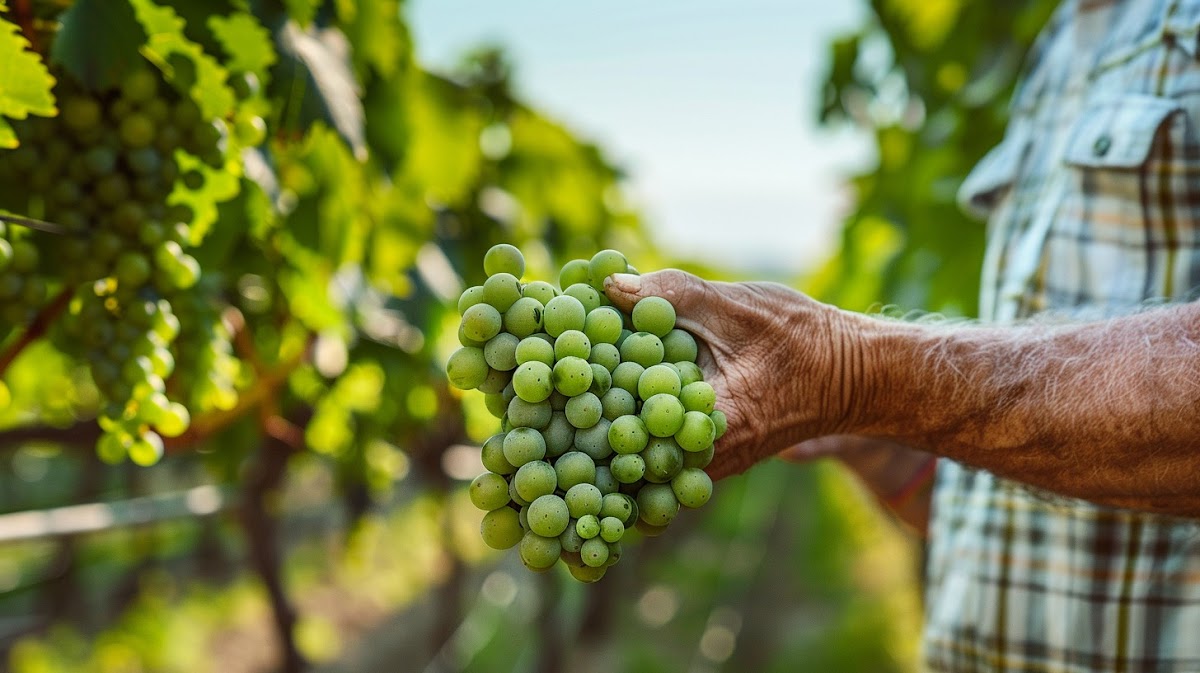 Glen Aplin
Granite Belt, Queensland
Queensland's most underrated wine valley
Explore the guide →
Glen Aplin
Granite Belt, Queensland
Queensland's most underrated wine valley
Explore the guide →
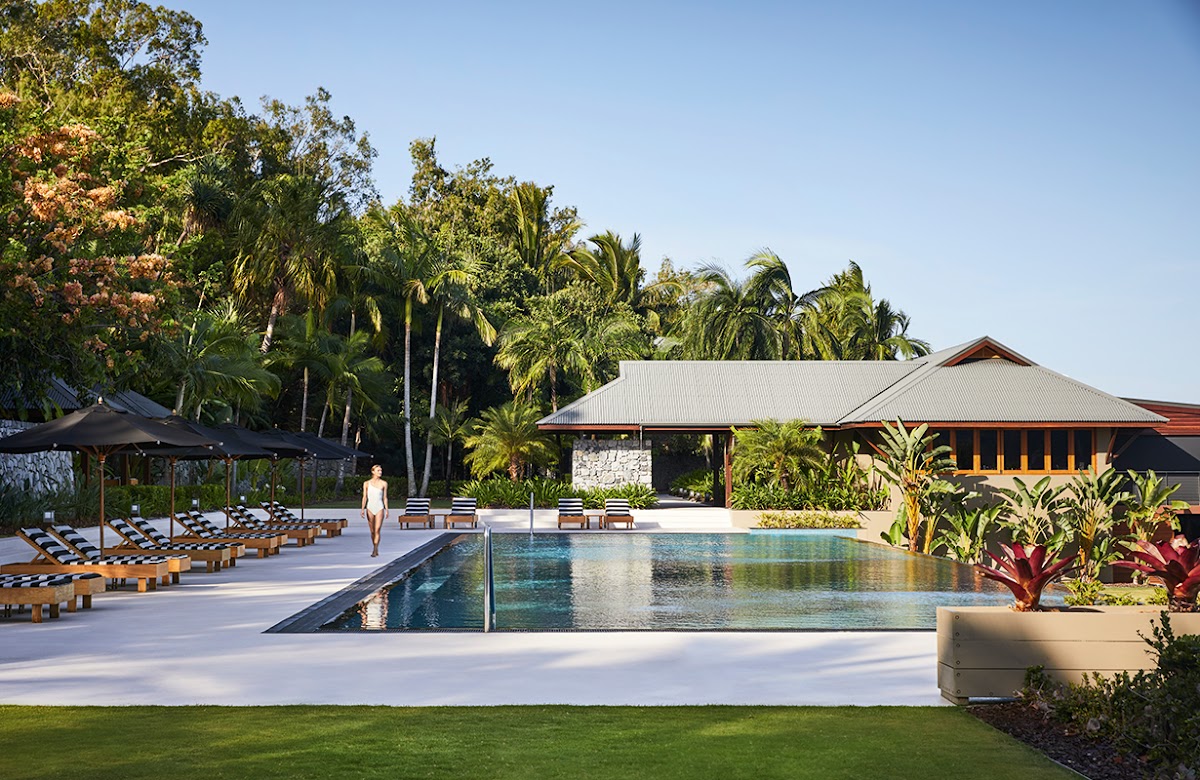 Hamilton Island
The Whitsundays, Queensland
Whitsundays island resort — Whitehaven Beach, reef trips and golf-buggy life
Explore the guide →
Hamilton Island
The Whitsundays, Queensland
Whitsundays island resort — Whitehaven Beach, reef trips and golf-buggy life
Explore the guide →
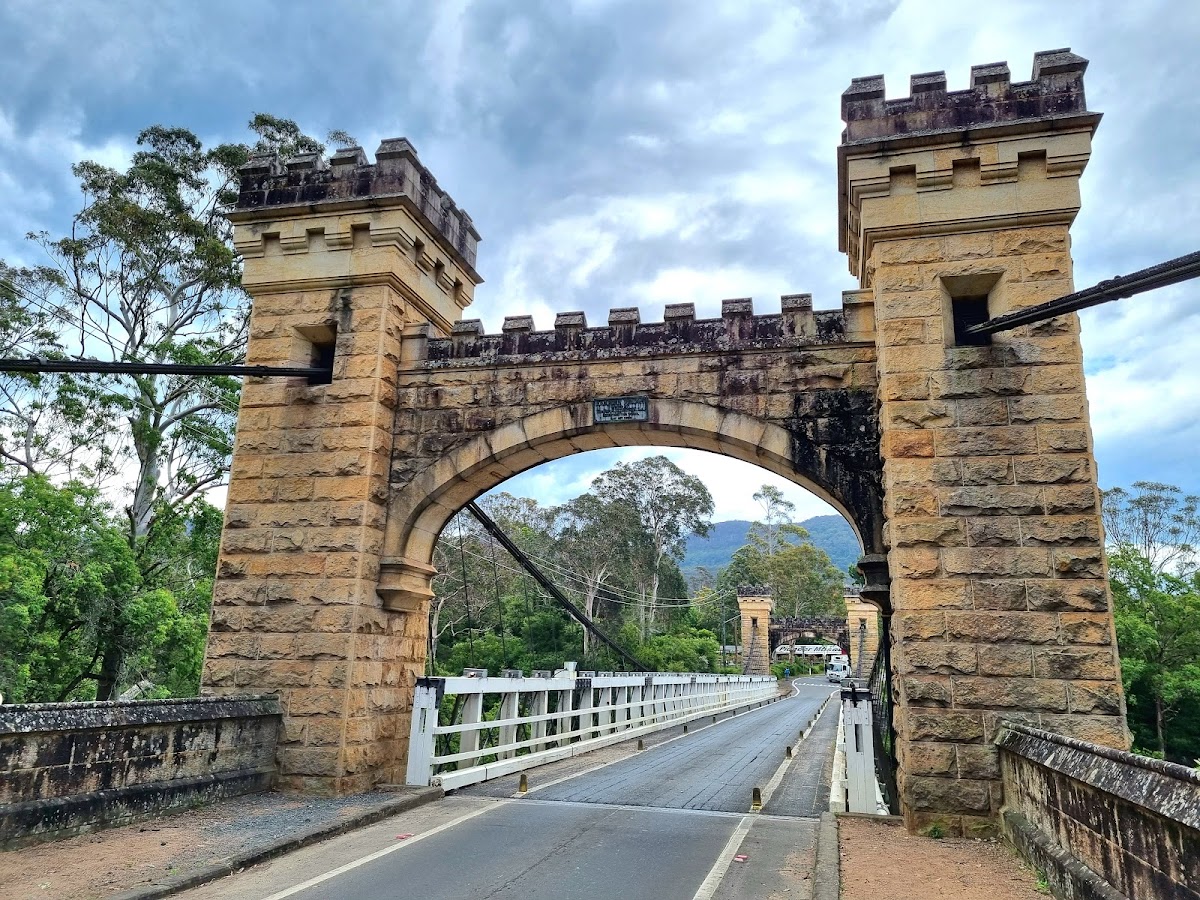 Kangaroo Valley
Shoalhaven, New South Wales
Hampden Bridge, kayaking and wombats in a green valley
Explore the guide →
Kangaroo Valley
Shoalhaven, New South Wales
Hampden Bridge, kayaking and wombats in a green valley
Explore the guide →
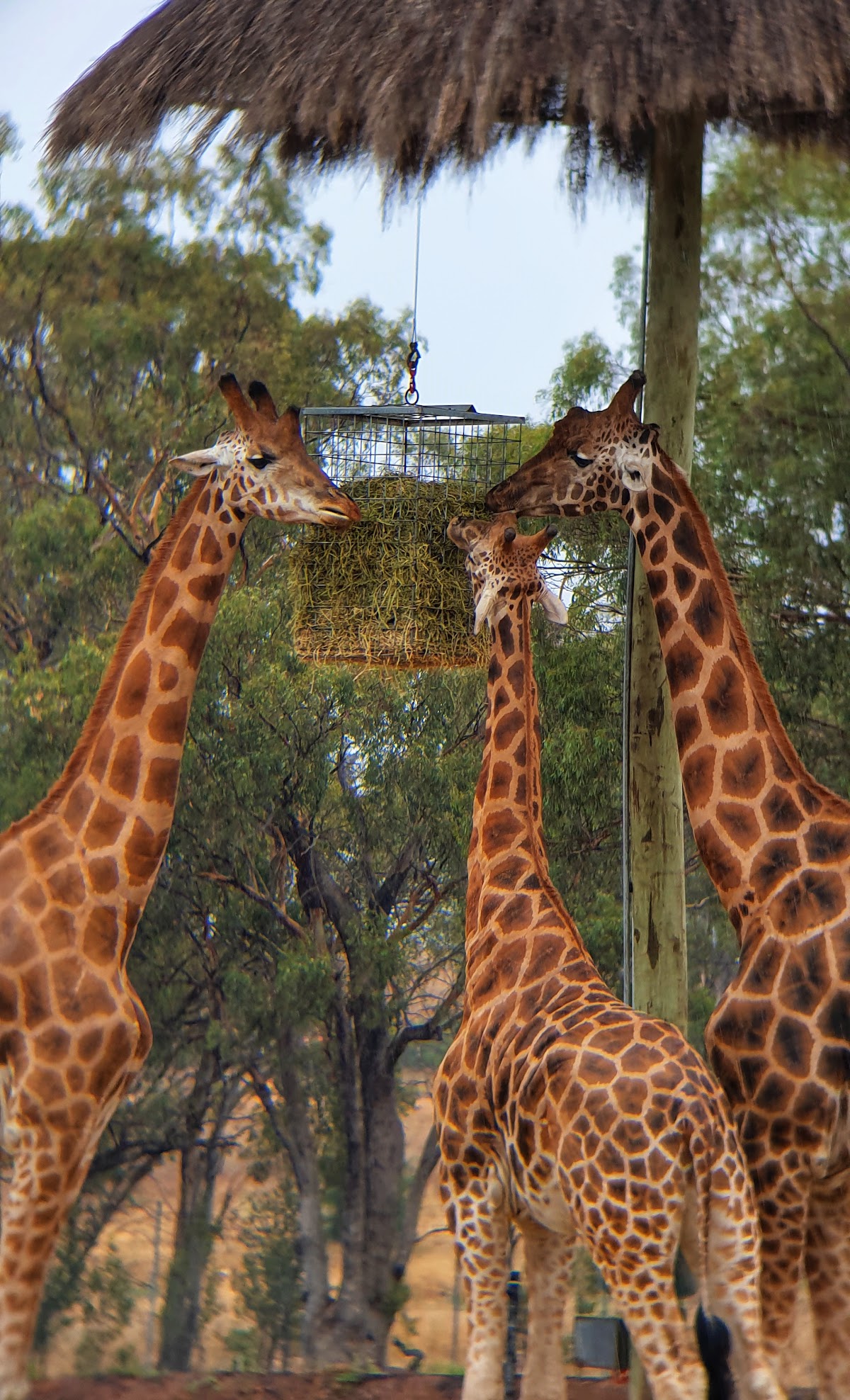 Dubbo
Central West, New South Wales
Open-range zoo and Outback gateway on the Macquarie River
Explore the guide →
Dubbo
Central West, New South Wales
Open-range zoo and Outback gateway on the Macquarie River
Explore the guide →
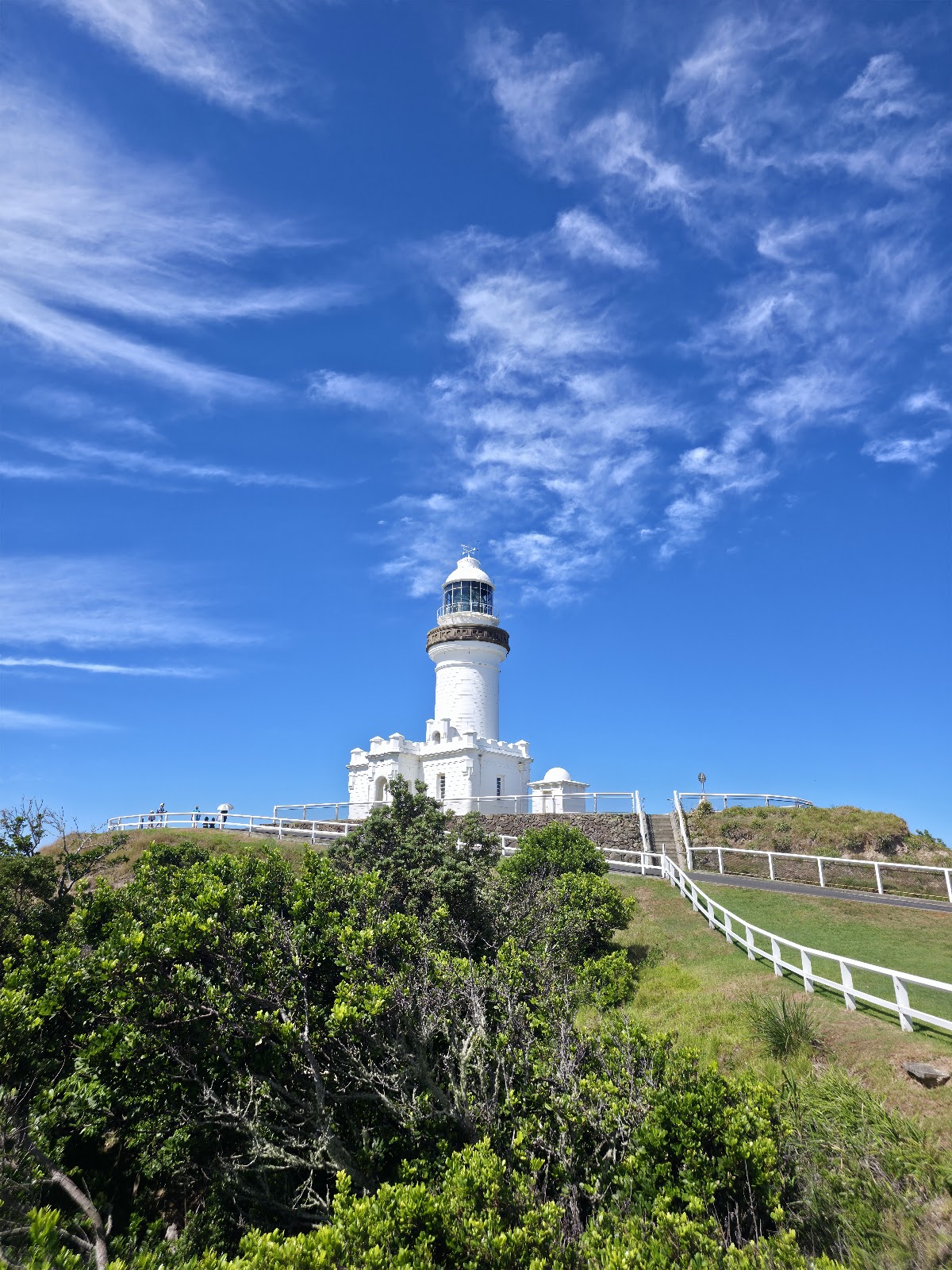 Byron Bay
Northern Rivers, New South Wales
Australia's iconic beach town and most easterly point
Explore the guide →
Byron Bay
Northern Rivers, New South Wales
Australia's iconic beach town and most easterly point
Explore the guide →
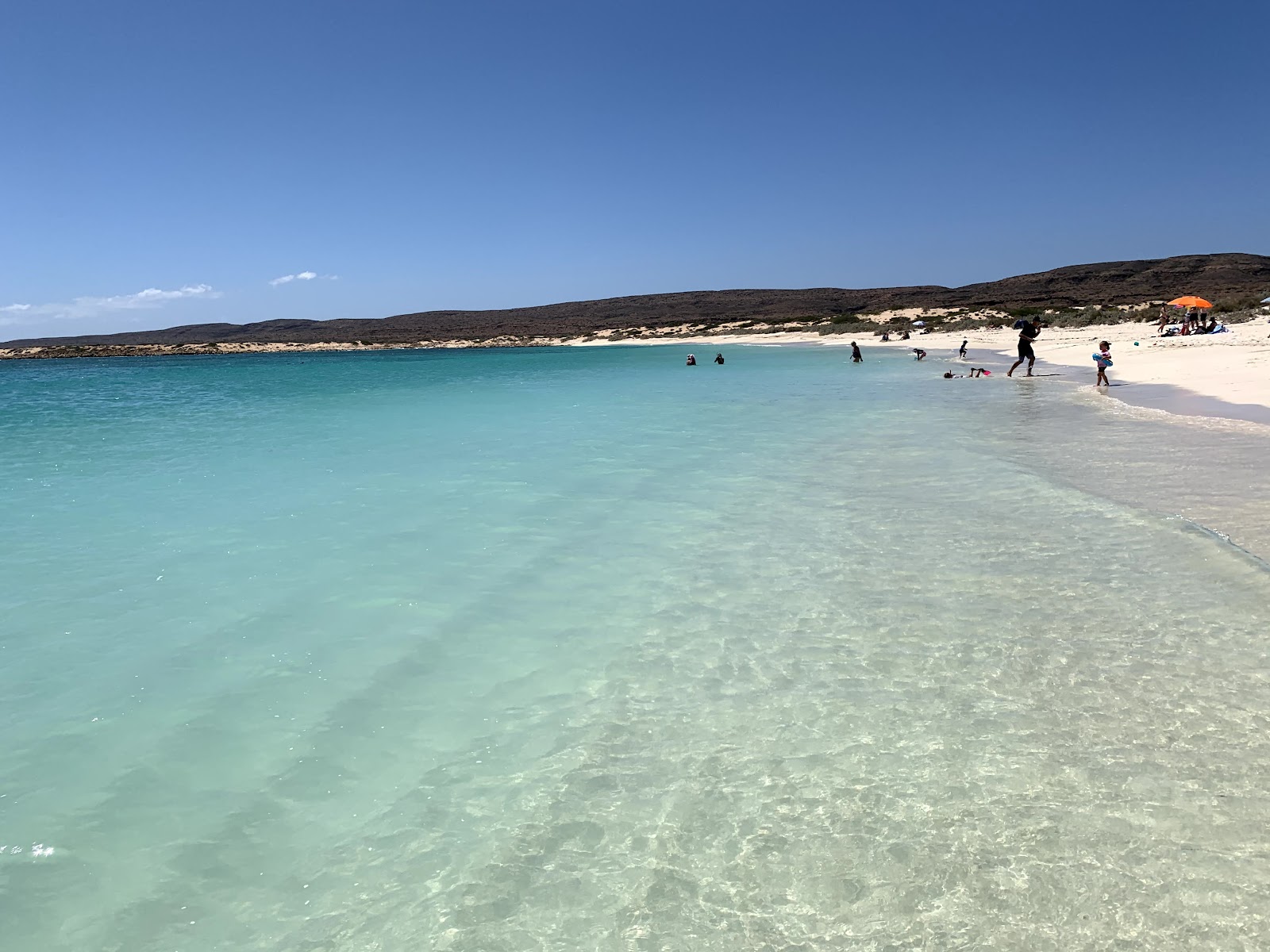 Ningaloo Reef
Australia's Coral Coast, Western Australia
Swim with whale sharks and snorkel a World-Heritage reef straight off the beach
Explore the guide →
Ningaloo Reef
Australia's Coral Coast, Western Australia
Swim with whale sharks and snorkel a World-Heritage reef straight off the beach
Explore the guide →
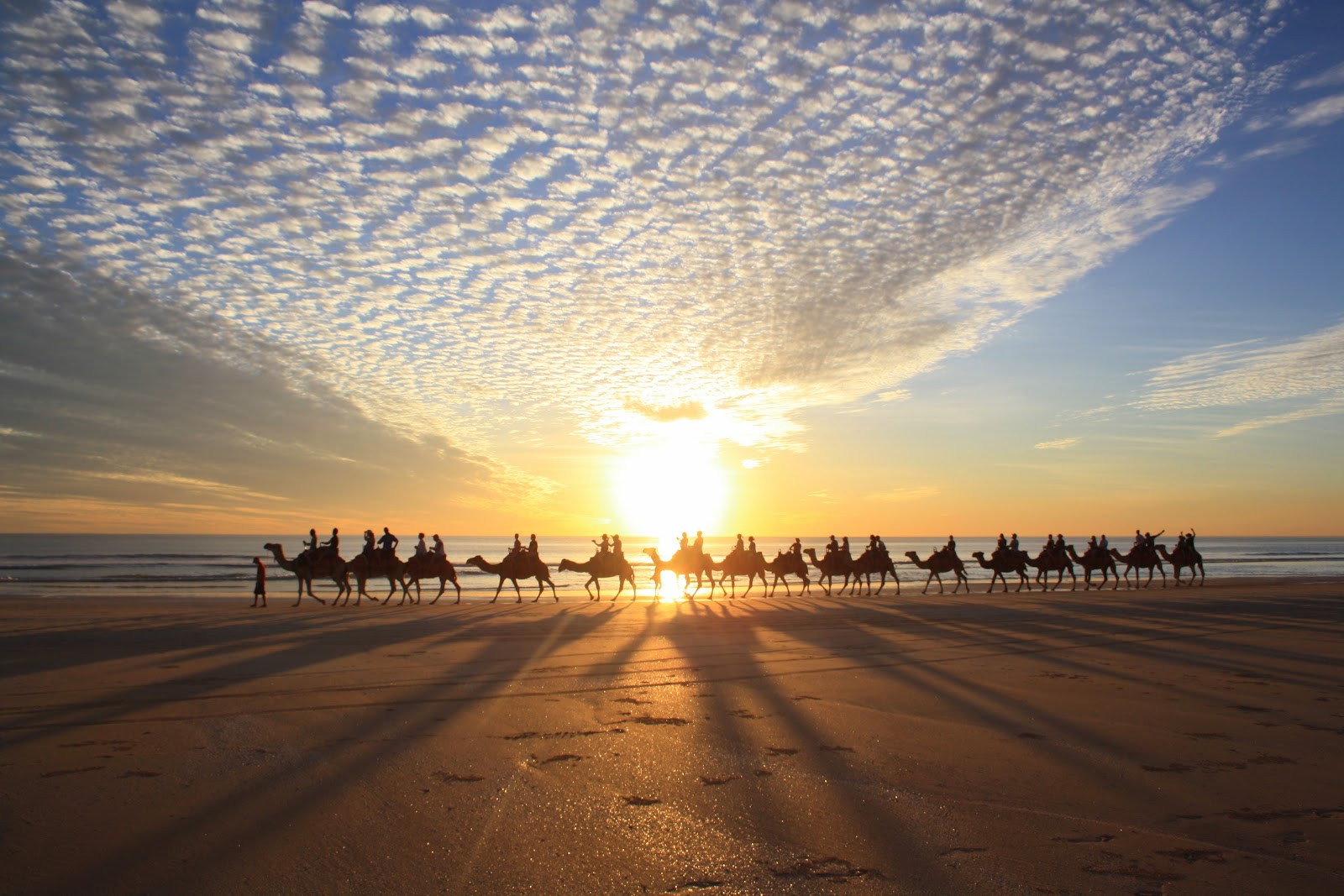 Broome
Australia's North West, Western Australia
Cable Beach sunsets, pearling history and camels on 22km of sand
Explore the guide →
Broome
Australia's North West, Western Australia
Cable Beach sunsets, pearling history and camels on 22km of sand
Explore the guide →
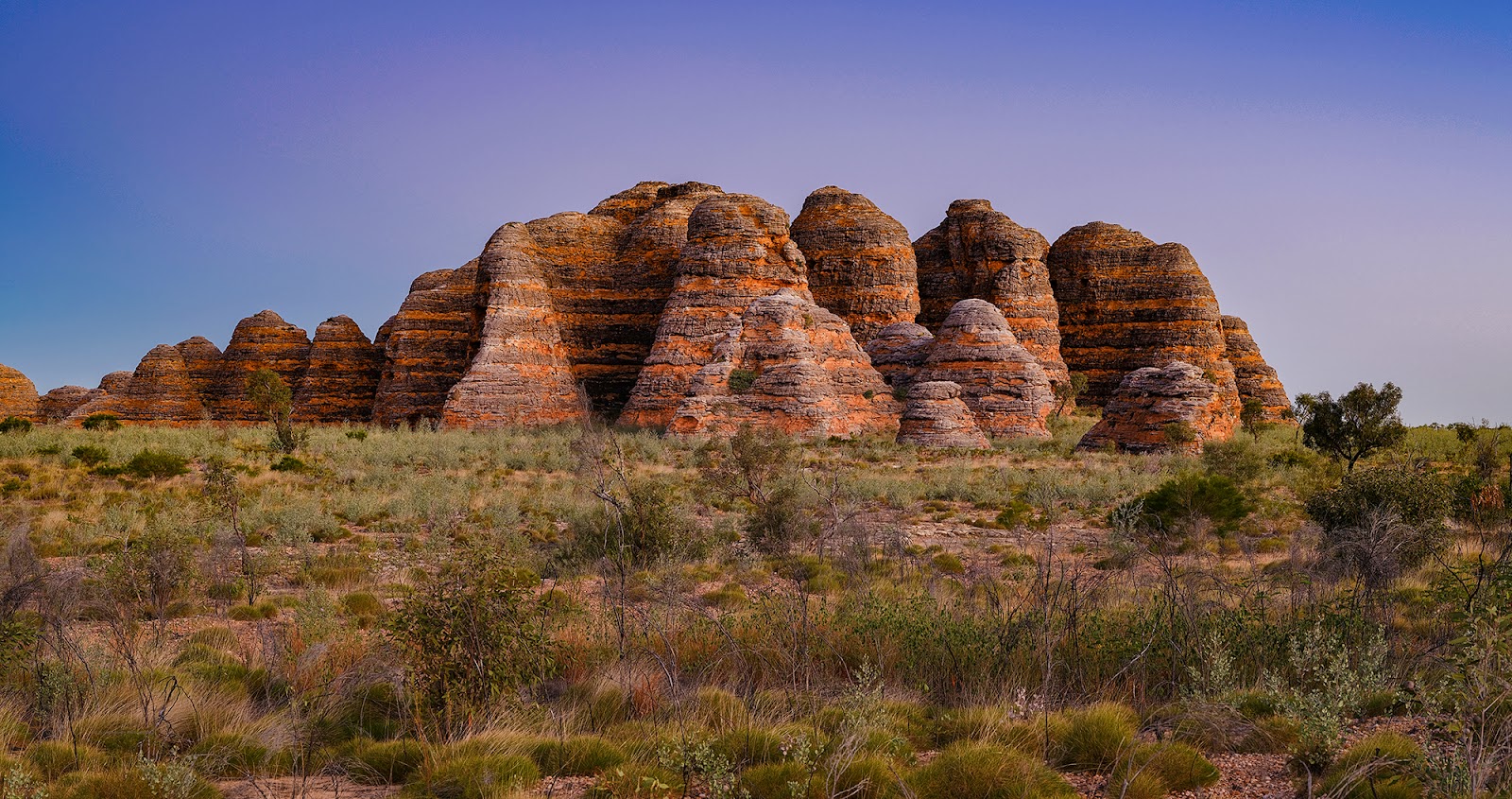 The Kimberley
Australia's North West, Western Australia
Gibb River Road, the Bungle Bungles, gorges and waterfalls in Australia's last frontier
Explore the guide →
The Kimberley
Australia's North West, Western Australia
Gibb River Road, the Bungle Bungles, gorges and waterfalls in Australia's last frontier
Explore the guide →
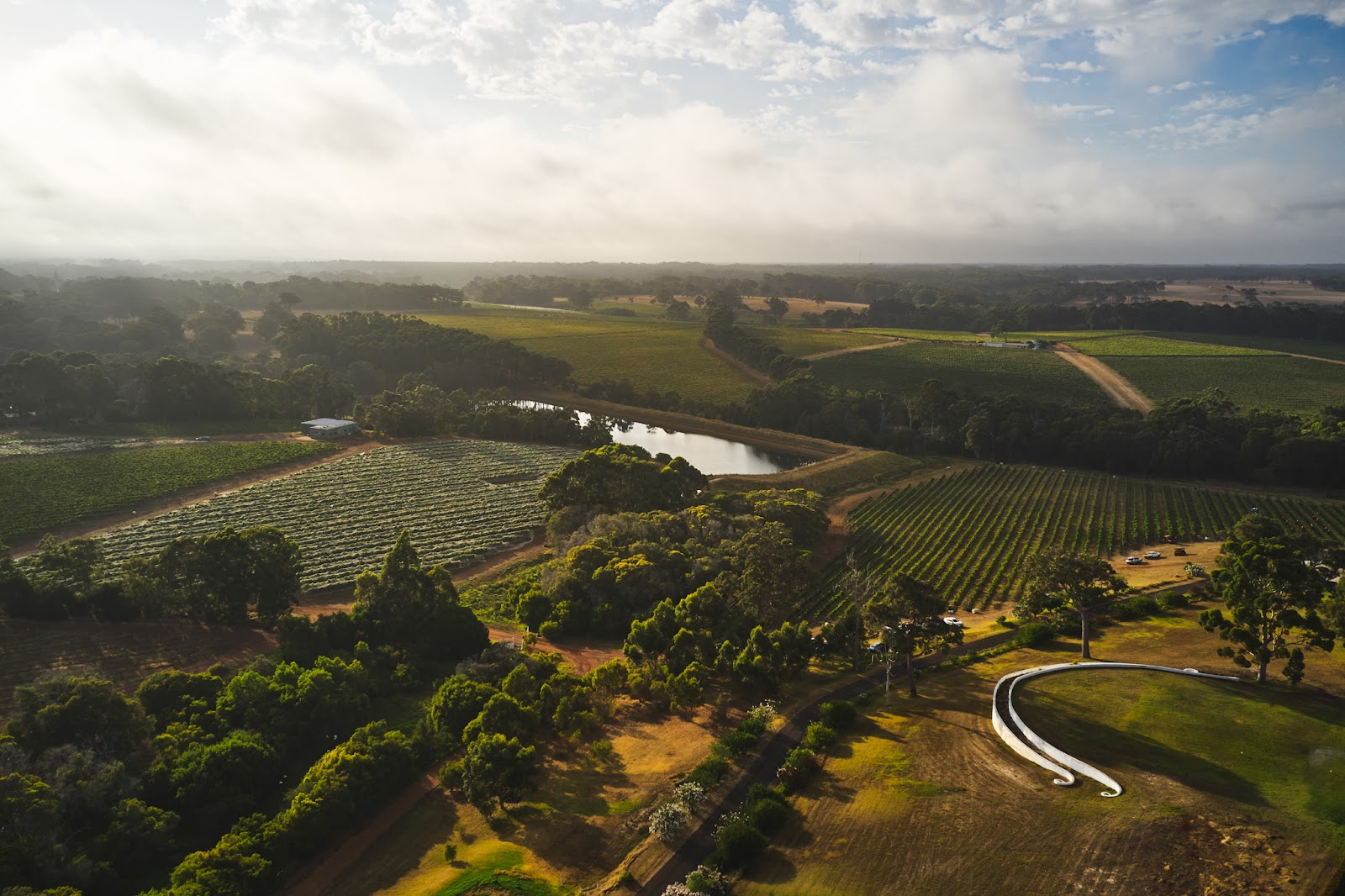 Margaret River
Australia's South West, Western Australia
World-class wineries, surf breaks and limestone caves three hours south of Perth
Explore the guide →
Margaret River
Australia's South West, Western Australia
World-class wineries, surf breaks and limestone caves three hours south of Perth
Explore the guide →