01. Amooran Oceanside Apartments and Motel
4.4 (275 reviews)
Amooran Oceanside Apartments and Motel — Narooma
Book Direct & Save →Nine kilometres off the coast of Narooma sits one of the most special places on the entire NSW South Coast. Barunguba Montague Island is a protected nature reserve, a wildlife sanctuary and a living piece of maritime history all at once — home to the largest fur seal colony in New South Wales, one of Australia’s biggest little penguin breeding sites, and a beautifully preserved 1881 lighthouse with views that stop visitors in their tracks. It’s also a place of deep Aboriginal cultural significance, woven into an ancient songline of the Yuin people.
View 3 Properties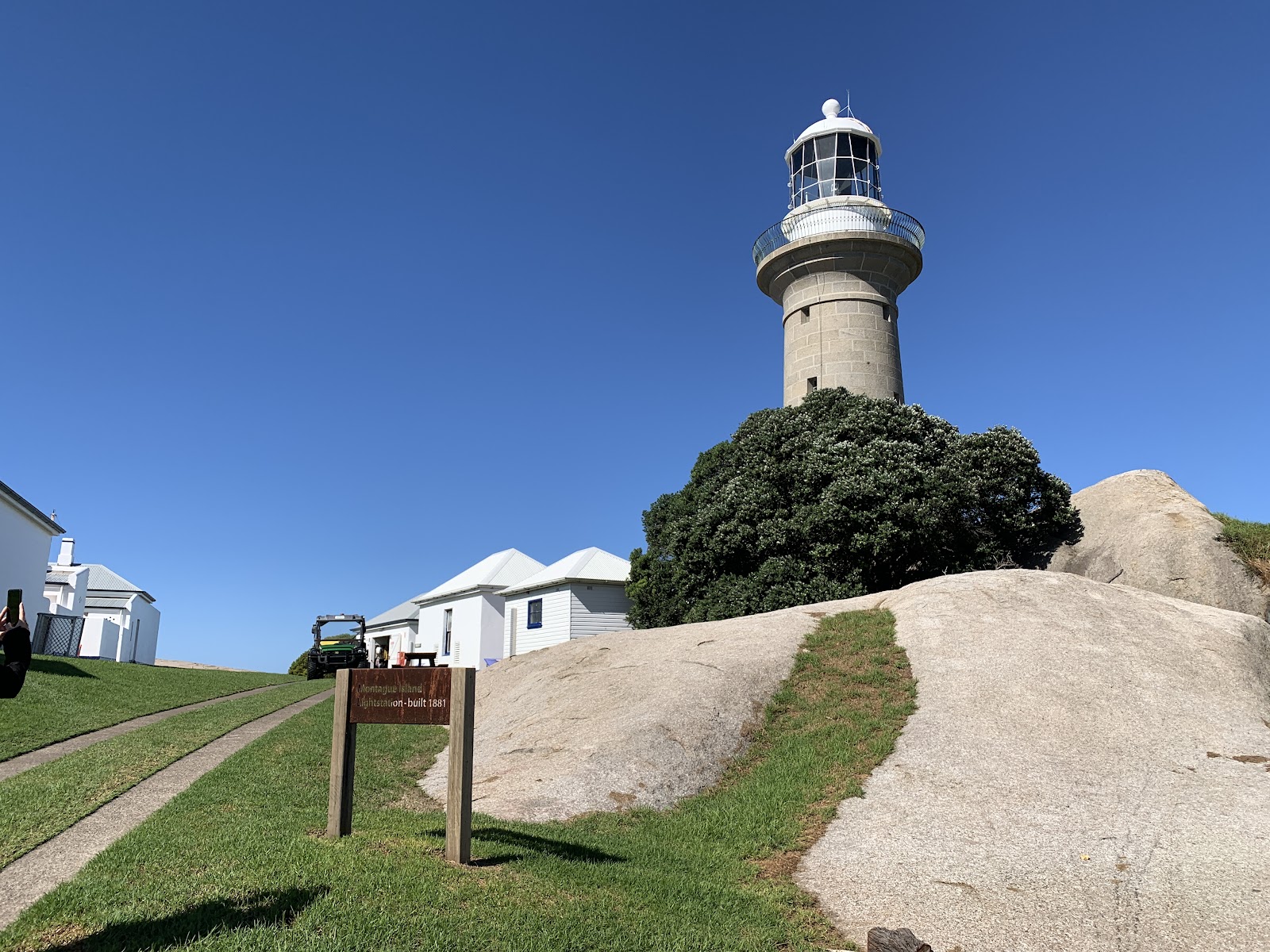
"Wild, historic, offshore"
This is the complete guide to Montague Island — the tours and how to book them, the lighthouse and its history, the penguins and seals and when to see them, how to get there, and everything else the island offers. Whether you want a guided walk to the lighthouse, a snorkel with the seals or an evening penguin tour, here’s how to plan your Montague Island day trip.
One key thing to know upfront: you can’t just turn up. Barunguba Montague Island is a protected nature reserve, and landing on the island is only possible with a licensed tour operator and a NSW National Parks and Wildlife Service (NPWS) guide. That’s a feature, not a limitation — it’s what keeps the island pristine. Tours depend on sea conditions, and the reserve is closed each August.
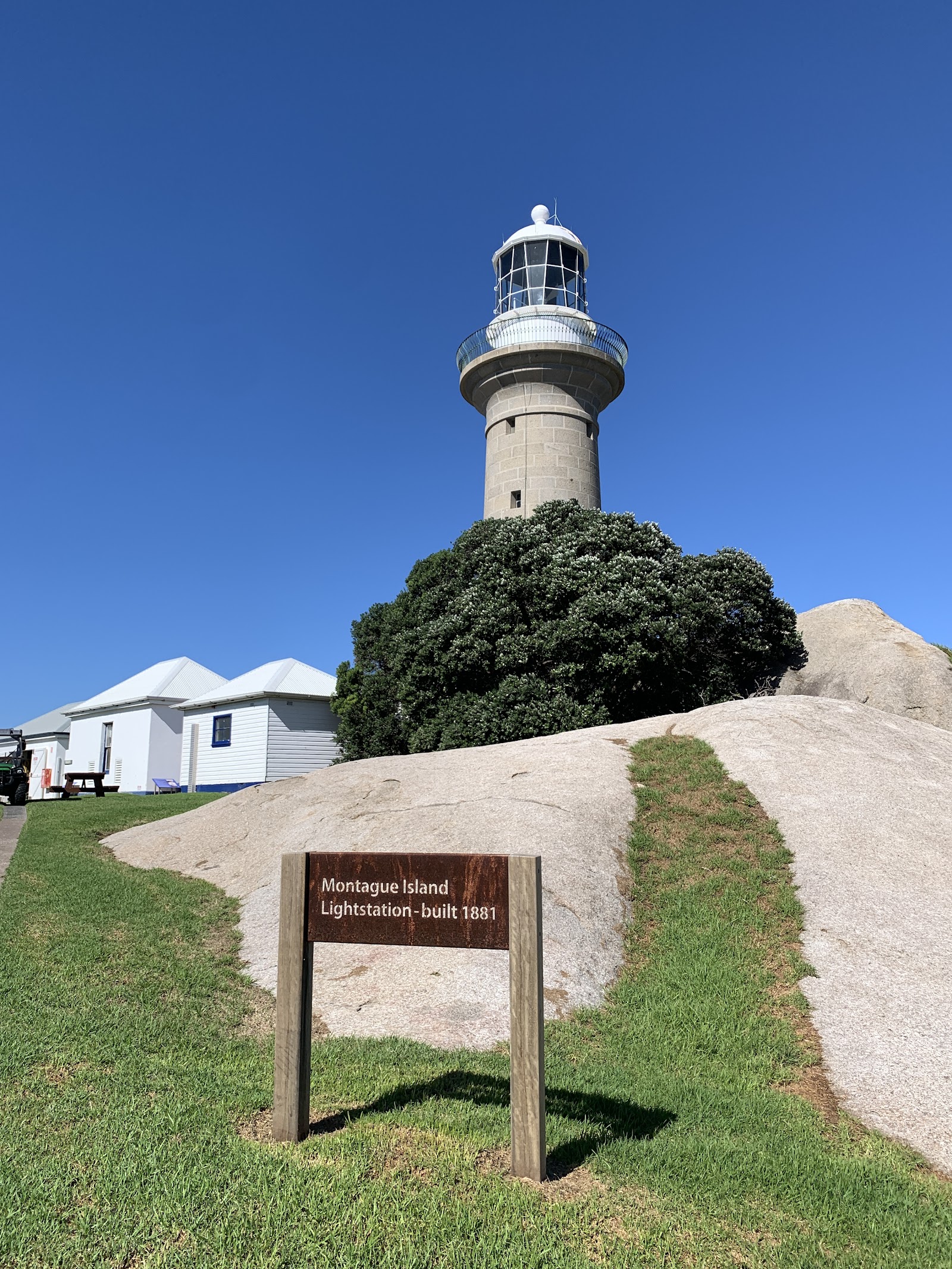
Barunguba Montague Island is roughly 80 hectares of granite, grassland and rugged coastline, sitting about nine kilometres off Narooma. Known to the Yuin people as Barunguba, the island is part of an ancient Aboriginal songline and carries deep cultural significance — a layer of meaning that predates its European history by many thousands of years. Captain James Cook recorded the island in 1770, and it later became a crucial part of the colonial coastal navigation network with the building of its lighthouse.
Today the island is a NSW National Parks nature reserve and one of the most important wildlife sanctuaries on the South Coast — protecting tens of thousands of seabirds, the largest fur seal colony in NSW, and one of Australia’s largest little penguin colonies. It’s this combination of wildlife, history and dramatic island scenery, all just offshore from Narooma, that makes Montague Island the headline attraction of the entire region.
The practical upshot is that there’s no such thing as a dull tour. In a single half-day you can stand beneath an 1881 lighthouse built from granite quarried beneath your feet, watch hundreds of fur seals play in the surf, walk among a great penguin colony and — in season — see humpback whales pass on their migration, all while a National Parks guide explains the island’s Aboriginal and maritime history.
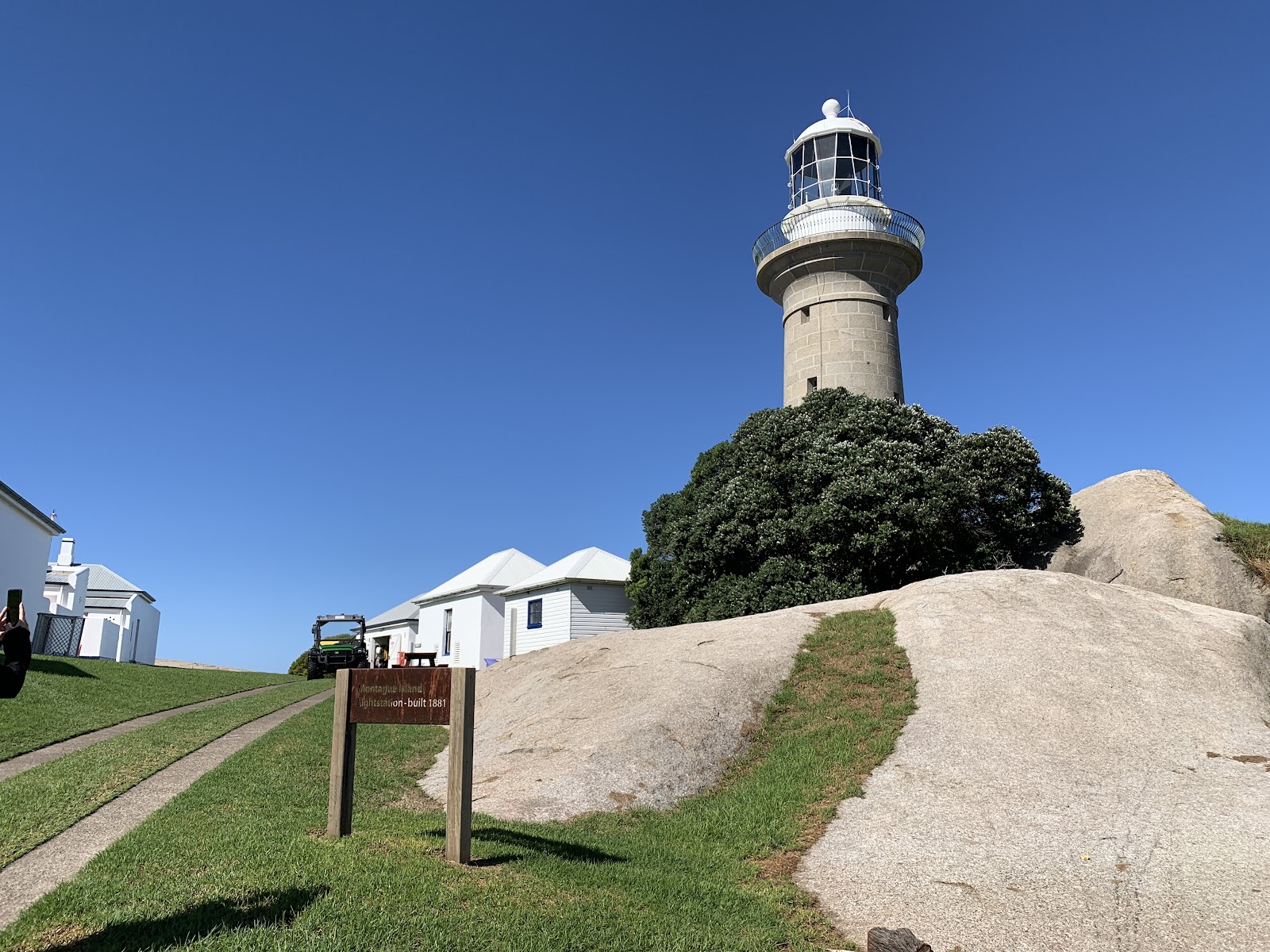
Because landing on the island is only possible with a licensed operator and an NPWS guide, a tour is the way you experience Montague Island — and there’s one for every interest. On a typical guided tour you take a 20–25 minute boat trip out, land at Jetty Bay (climbing a ladder at the jetty), and are met by an NPWS guide who leads you up the walking track past the penguin breeding boxes and the lighthouse keepers’ cottages to the historic lighthouse, with its spectacular ocean views. Many tours combine the island landing with a shoreline cruise of the seal colonies, and seasonal whale watching is often included between roughly September and November.
The main options are a morning guided tour (longer on the island, around 2.5 hours, year-round except August), an afternoon guided tour (a shorter island visit), an evening penguin tour (watching the little penguins return at dusk, roughly September to February), a seal snorkel in the warmer months, and a shoreline wildlife cruise that circumnavigates the island. The right one depends on whether you’re chasing the lighthouse and history, the penguins, or time in the water with the seals.
How to book: tours run daily subject to minimum numbers and sea conditions, and bookings are essential. Licensed operators include Montague Island Adventures and Narooma Charters, among others — book online or by phone, and arrive at the wharf about 15 minutes before departure. Tours may be cancelled at short notice in poor weather, so build a little flexibility into your plans, and remember the reserve is closed each August.
Montague Island hosts the largest colony of Australian and New Zealand fur seals in NSW — hundreds haul out on the rocks and play in the surrounding waters, and they’re a highlight of every tour. You can watch them from the boat on a shoreline cruise or, in the warmer months, snorkel with them, where the curious seals often swim and play around snorkellers. The colony is largest over summer but seals are present year-round, so this is the one near-certainty of any visit.
The island is also home to one of the largest little penguin breeding colonies in Australia — up to around two thousand pairs nest among the tussock grass and in the penguin boxes. The little penguin, the world’s smallest penguin species, is the star of the island’s evening tours: present roughly September to February, when NPWS runs a special dusk tour to watch them return from a day at sea. Numbers and tour availability vary year to year, so always confirm the current penguin tour when booking.
Beyond the seals and penguins, the island’s wildlife calendar runs all year. Humpback, southern right and occasionally orca whales pass on the migration, roughly May to November with spring the peak; dolphins are common in the waters around the island year-round; and tens of thousands of seabirds, including crested terns and silver gulls, nest along the walking track, making the island a significant bird sanctuary.
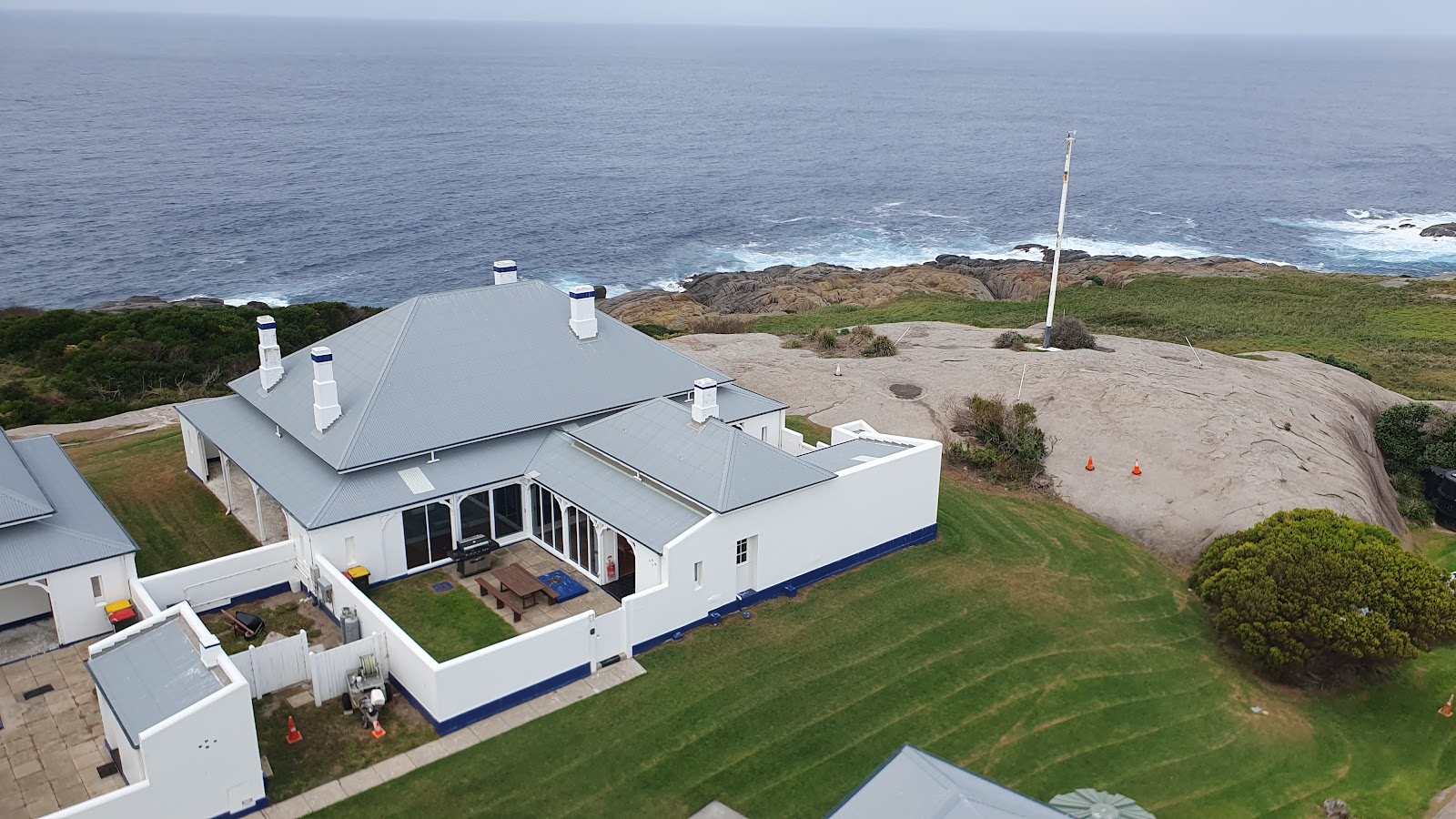
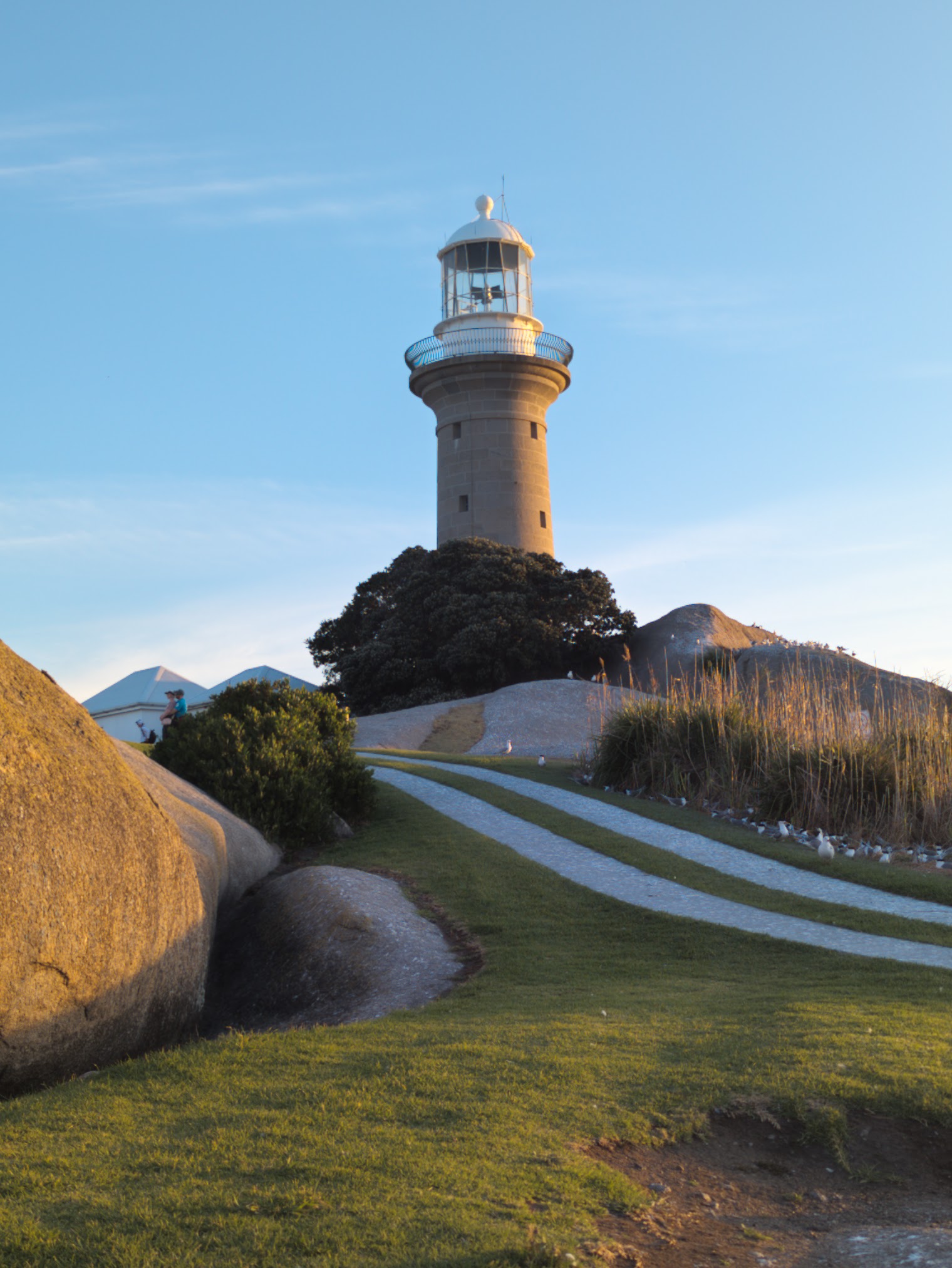
The morning guided tour is the headline Montague Island experience and the one most first-time visitors should book. It gives you the longest time on the island — around two and a half hours ashore — and the full guided walk: up the track past the penguin breeding boxes and the restored keepers’ cottages to the 1881 lighthouse at the island’s highest point, where the reward is a breathtaking panorama over the seal colonies and the NSW coastline stretching away in both directions. An NPWS guide brings the island’s Aboriginal songline, maritime history and wildlife to life along the way.
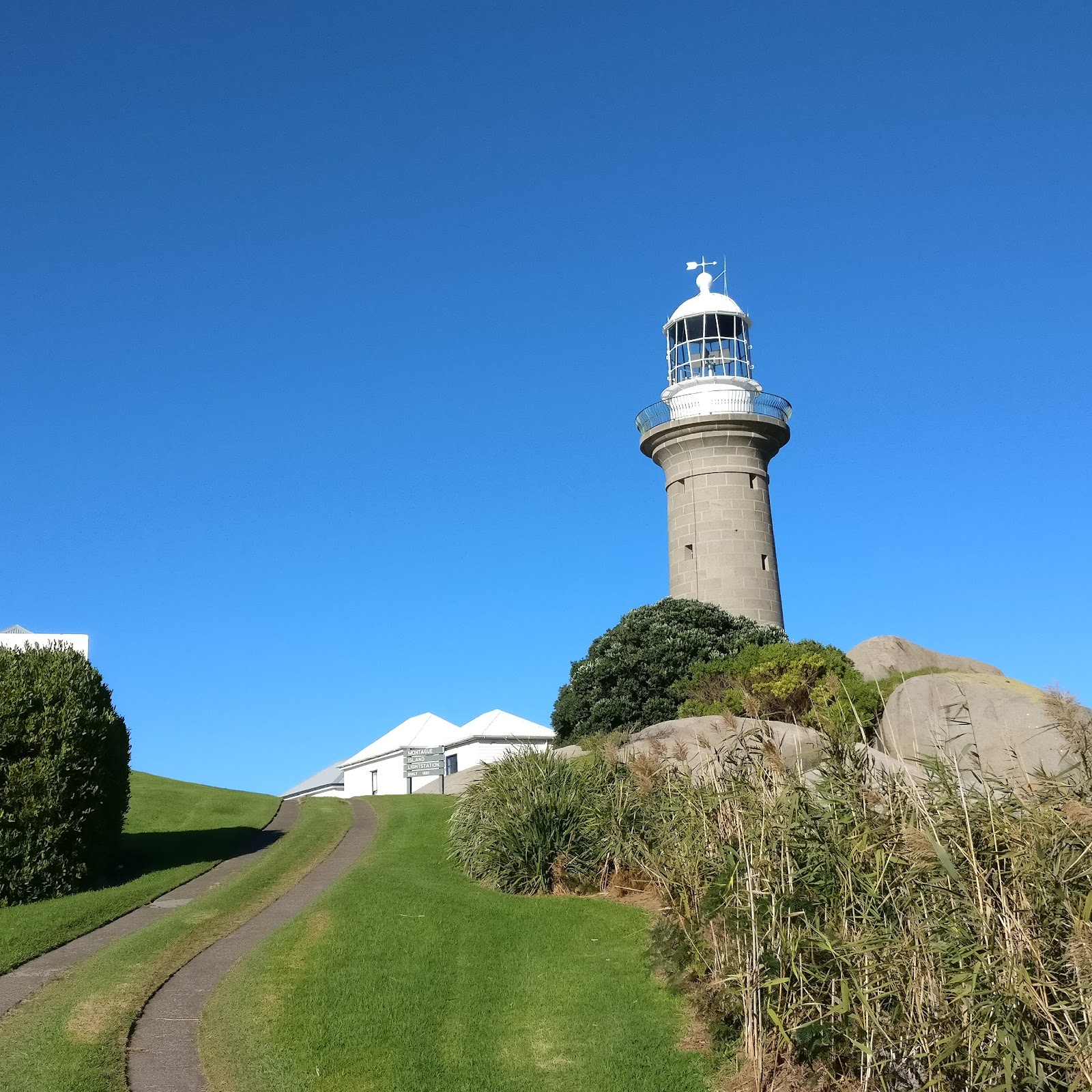
The lighthouse itself is the centrepiece. First lit in 1881 and built from granite quarried on the island, it was automated in 1986 and remains part of Australia’s coastal navigation network — an active piece of working maritime heritage. Standing at the base of the tower with the ocean all around is one of the genuine highlights of any visit to the Narooma region, and the morning light over the colonies is the best of the day for photographs.
It suits active families with children over five, history lovers and anyone who wants the fullest version of the island. It’s less suited to very young children or anyone who can’t manage the jetty ladder and the steep walking — there’s a moderate fitness requirement, with up to around 3km of walking on uneven, sometimes steep terrain.
It packs an 1881 lighthouse, a great penguin colony and hundreds of fur seals into one guided half-day — with the most time ashore of any tour.
“The guide made the whole island come alive — the history, the seals, the climb to the lighthouse. Worth every minute of the boat ride out.”
— Google review
The climb to the 1881 lighthouse for the panorama over the seal colonies and the coast.
Not for very young children or the less mobile — there’s a jetty ladder and up to ~3km of steep, uneven walking. Minimum age is 5.
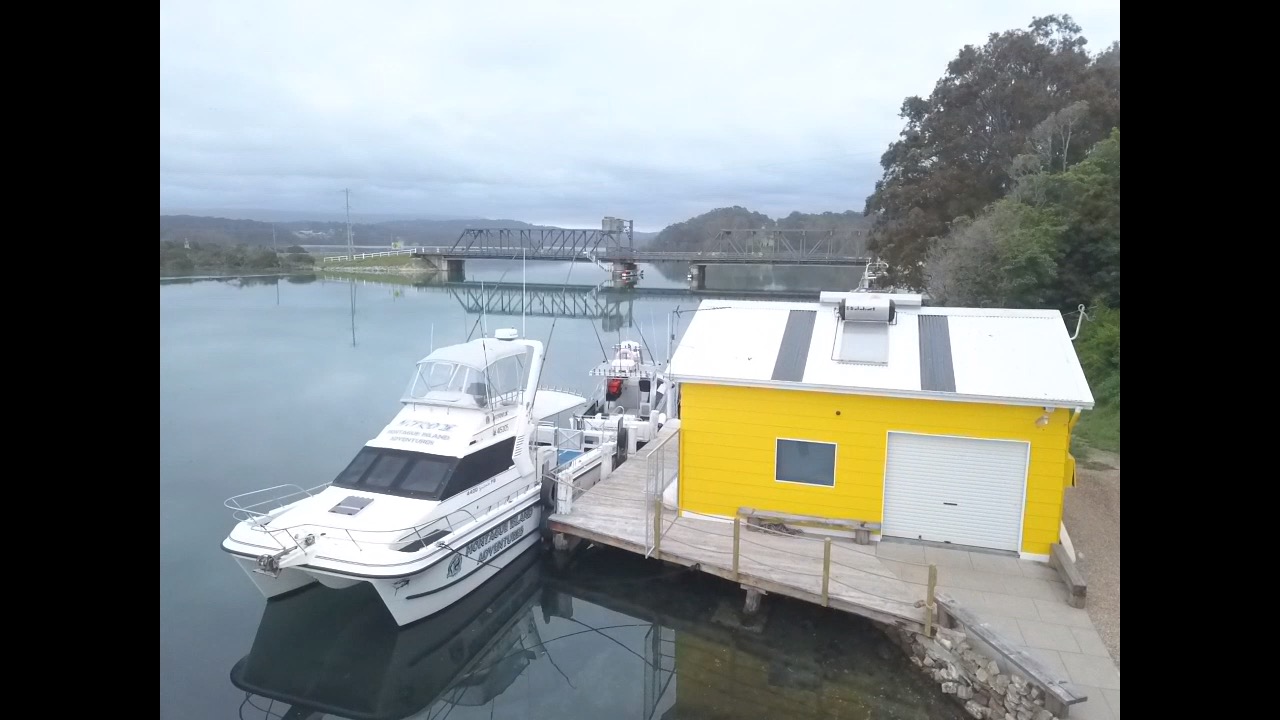
During penguin season — roughly September to February — NPWS runs a special evening tour to watch the little penguins return from a day at sea to their nesting grounds at dusk. It’s a genuinely magical experience: in the fading light, the world’s smallest penguins come ashore in their rafts and waddle up through the tussock grass to their burrows and the penguin boxes scattered across the island, with up to around two thousand pairs breeding here.
This is the tour to choose if the wildlife, rather than the lighthouse, is what draws you. It’s a quieter, more atmospheric outing than the daytime tours, and the guide’s commentary on the colony and its conservation adds real depth to what you’re seeing. You may also spot a penguin or two on daytime tours during the season, but the evening tour is built around the dusk return.
It suits wildlife enthusiasts, photographers comfortable in low light and families with children old enough for an evening on the water. The honest caveat is that penguin numbers and tour availability vary year to year — some seasons the evening tour is replaced by a sunset tour if numbers are low — so always confirm the current penguin tour when you book, and dress warmly for an exposed island after dark.
Watching thousands of the world’s smallest penguins waddle ashore at dusk is the kind of wildlife moment you remember for years.
“Stood quietly in the dusk as the little penguins came in from the sea and crossed right past us to their burrows. Unforgettable, and the guide was wonderful.”
— Traveller review
The dusk return — rafts of little penguins coming ashore and crossing to their burrows.
Penguins are seasonal (roughly Sep–Feb) and numbers vary — some seasons the tour becomes a sunset tour. Confirm availability and dress warmly for an exposed island after dark.
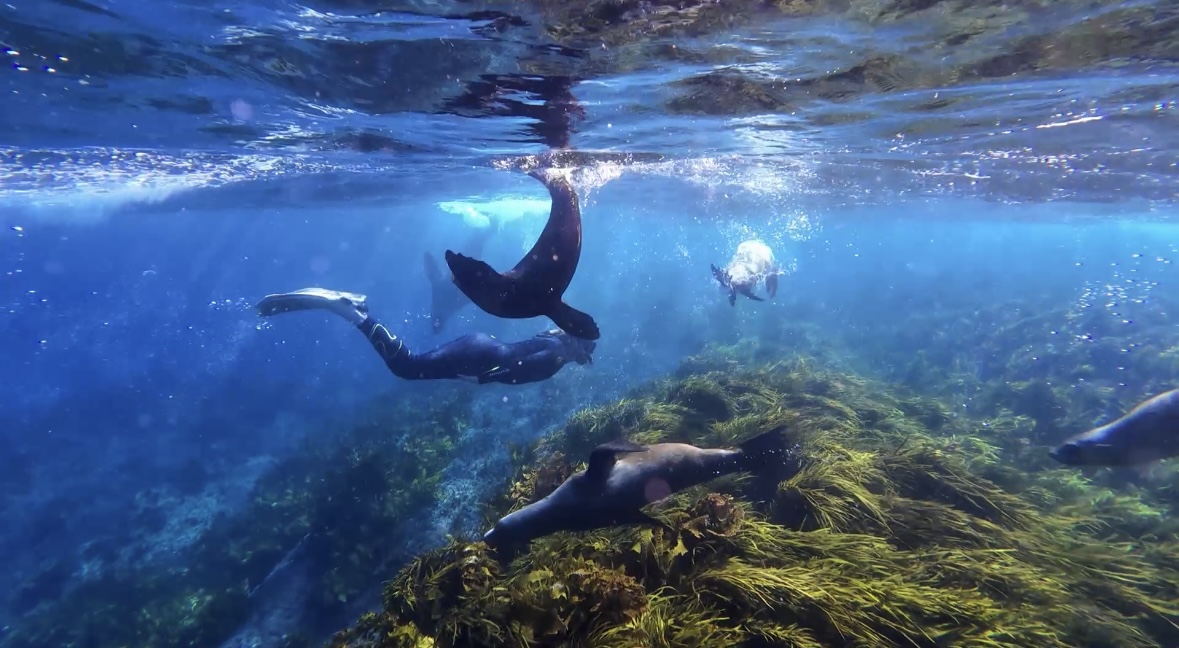
For many visitors the most memorable way to experience Montague Island is to get in the water with its seals. In the warmer months, operators run seal snorkel trips to the shallow, sheltered sites where the curious fur seals will often swim and play around snorkellers and divers, twisting and darting and circling back. It’s an interaction, not a viewing — the seals are as curious about you as you are about them.
The water at the island can be five to fifteen metres deep and conditions are open water rather than a sheltered pool, so the key requirement is being a confident swimmer; wetsuits and snorkelling gear are provided by operators. For certified divers, the same seal sites and the deeper kelp reefs around the island make Montague one of the best dives on the NSW coast — covered in full in our dedicated Diving in Narooma guide.
It suits confident-swimmer families, non-divers who want the seal encounter without scuba, and certified divers chasing the kelp reefs. It doesn’t suit weak or nervous swimmers, who should build water confidence first, and on a rough day the skipper may call it — so keep your plans flexible and treat it as a wildlife experience rather than a guarantee.
You get the full curious-seal encounter — playful fur seals circling you in clear water — with nothing more than a wetsuit and the ability to swim.
“The seals came straight at us, rolling and darting like puppies. Shallow, clear and the best hour of our whole South Coast trip.”
— Google review
Curious fur seals playing around you in the shallow, clear seal sites.
It’s open water 5–15m deep, not a calm pool — you must be a confident swimmer, and rough days can be cancelled. Snorkel season is the warmer months.
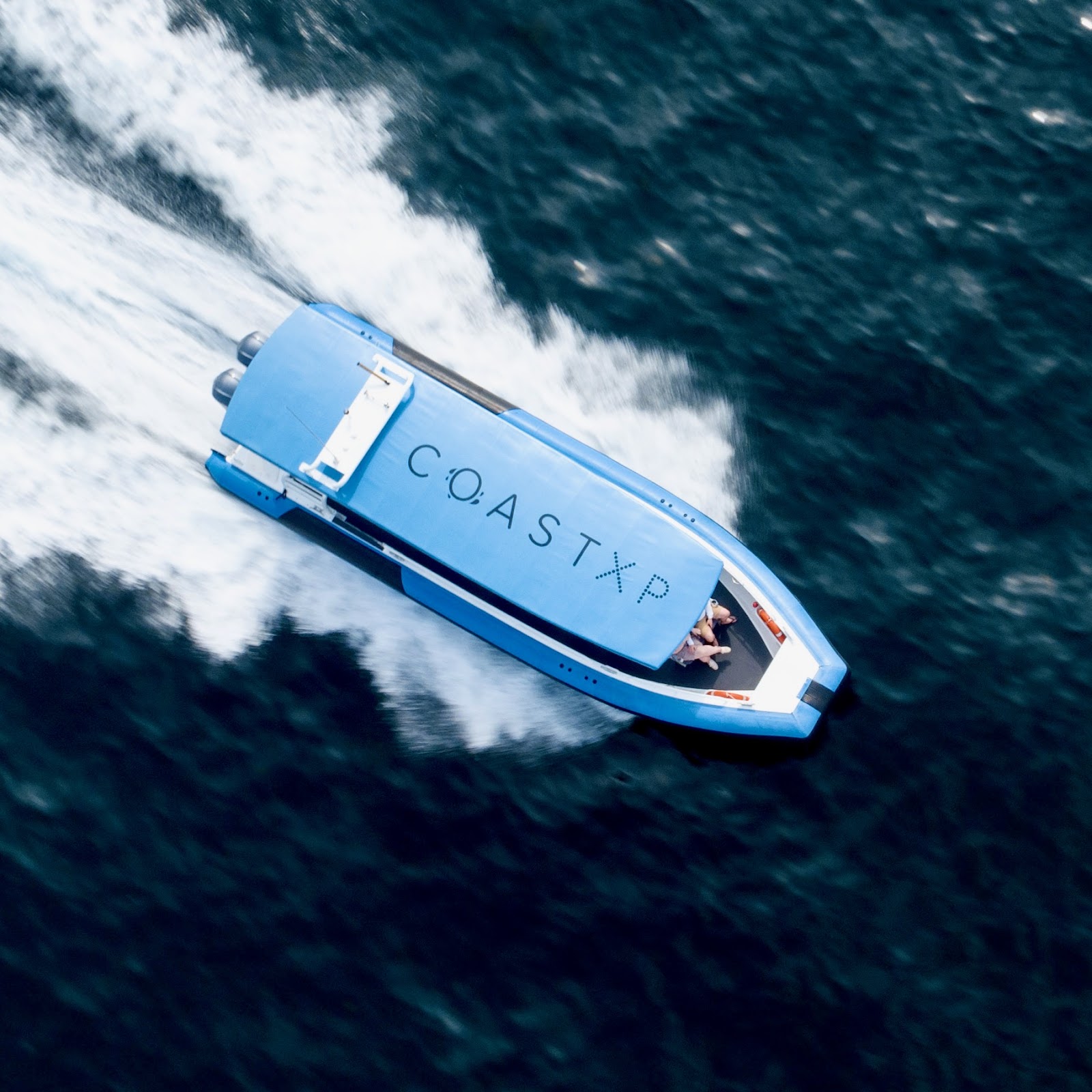
Not everyone can manage the jetty ladder or the steep island walk — and for those visitors, a shoreline wildlife cruise is the answer. These trips circumnavigate the island without landing, bringing you close to the fur seal colonies hauled out on the rocks, the seabirds along the cliffs and, in season, the whales passing offshore. It’s the most accessible way to experience Montague’s wildlife, and it doubles as a whale-watching cruise between roughly September and November.
Because there’s no landing, the cruise suits a wider range of visitors than the guided island tours — older travellers, families with very young children, and anyone who’d rather watch the seals and whales from the comfort of the boat. The trade-off is that you don’t set foot on the island or reach the lighthouse, so if the history and the climb are your priority, choose a guided landing tour instead.
It suits the less mobile, families with under-fives, and anyone short on time who still wants the island’s wildlife. It’s also a good cool-season option, when snorkelling is less appealing and the whales are running. As with every Montague trip it’s weather-dependent and open water, so take sea-sickness precautions before boarding if you’re prone to it.
It delivers the seals, seabirds and seasonal whales from the boat with no ladder and no climb — the island’s wildlife for everyone.
“My parents couldn’t do the island walk, so we took the shoreline cruise — dozens of seals on the rocks and a whale on the way back. Perfect for us.”
— Traveller review
The fur seal colony hauled out on the rocks, with whales passing offshore in spring.
There’s no landing — you won’t reach the lighthouse or walk the island. It’s still open water, so take sea-sickness precautions.
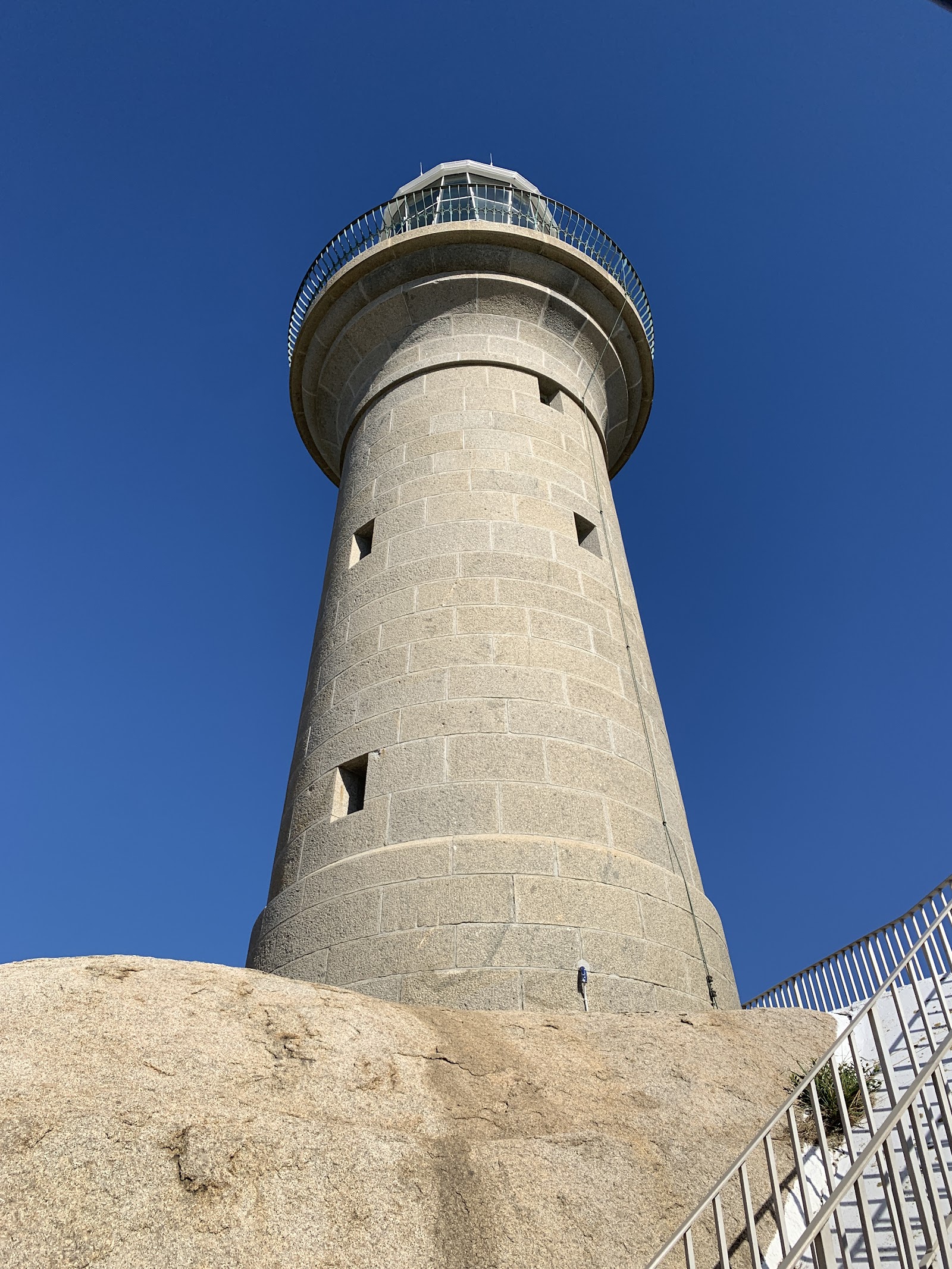
For a genuinely unique experience, NSW National Parks offers overnight accommodation on the island in the restored heritage lighthouse keepers’ cottages — the Head Keeper’s Cottage and the Assistant Keeper’s Cottage. Sympathetically restored with modern conveniences, a cottage stay lets you experience the island after the day tours have left: the wildlife, the sunset and sunrise, the lighthouse, and the rare quiet of a night on a wildlife sanctuary nine kilometres offshore.
This is one of the most distinctive stays on the entire NSW coast, and the appeal is the solitude — once the last tour boat departs, the island is effectively yours, with the penguins coming ashore at dusk and the seals on the rocks below. Stays are managed by NPWS, include guided experiences, and are popular, so they book out well ahead.
It suits couples, photographers and anyone marking a special occasion who wants more than a day trip. It’s not suited to travellers wanting hotel-style service or easy in-and-out access — you’re committing to the island’s tour schedule and conditions for your transfers — and the same fitness and ladder requirements apply. Book early, pack warm layers, and treat it as the rare, off-grid experience it is.
Once the day boats leave, you have a wildlife sanctuary and an 1881 lighthouse almost to yourself — penguins at dusk, seals below, and the island quiet.
“Staying overnight after the tours left was extraordinary — penguins crossing the path at dusk, the lighthouse above us, not another soul on the island.”
— Traveller review
Having the island to yourselves after the day tours leave — penguins at dusk, the lighthouse, total quiet.
It books out well ahead and ties you to the tour schedule for transfers — no hotel-style service, and the same ladder and fitness requirements apply.
| Season | Conditions | Highlights | Crowds |
|---|---|---|---|
| Summer (Dec–Feb) | Warm, clearer water, calmer crossings | Seal colony at its largest; little penguins still around early summer; best snorkelling with the seals; book well ahead | Peak (school holidays) |
| Autumn (Mar–May) | Mild, quieter shoulder season | Penguins largely gone by March, but seals year-round; good for lighthouse, history and photography in soft light | Low–moderate |
| Winter (Jun–Jul; closed Aug) | Cooler, more dramatic; reserve closed in August | Prime whale watching as humpbacks and southern rights pass; shoreline cruises over snorkelling | Low |
| Spring (Sep–Nov) | Variable, warming late | The best all-rounder — penguins return, whale migration peaks, seals active, seabirds nesting all at once | Low–moderate |
What visitors consistently say about Montague Island:
Visitors repeatedly describe the island — the lighthouse, the seals, the penguins and the guide’s storytelling — as the highlight of their entire Narooma trip, and well worth the boat ride.
Travellers who treat it as a managed wildlife experience leave delighted; the crossing is open water, the August closure and the skipper’s weather calls are real, and a little flexibility is rewarded.
“Incredible spot, well worth a visit. You’ll spot seals, amazing views, blue water, some great spots for photos, more seals, and a nice beach. Might even get splashed by waves along the walkway. Definitely stop by here if you get a chance, you won’t regret it.”— Ben C (on Australia Rock), Google review
“Australia Rock in Narooma is a peaceful and relaxing place. Multiple viewpoints, the Narooma River mouth, and Dolphin Point are all close by. There’s also a family-friendly area where kids can enjoy the sea. The rock formation itself is an amazing natural creation. Definitely worth a visit.”— Hasaan Keeragala (on Australia Rock), Google review
“This attraction offers breathtaking views, adorable sea lions, and truly spectacular natural scenery. With the slightly salty ocean breeze in the air, it’s a perfect place to relax and unwind.”— Dorothy (on Australia Rock), Google review
Access & fitness: you can only land on the island with a licensed operator and an NPWS guide — there’s no public ferry and no independent landing. A minimum age of 5 applies to all visitors, children must be accompanied by an adult, and a moderate level of fitness is needed: you’ll climb a ladder at the jetty and walk up to around 3km on steep hills and stairs to reach the lighthouse. If the ladder or the climb is an issue, choose a shoreline cruise that doesn’t land.
Seasons & closures: the reserve is closed entirely during August. Penguins are generally present roughly September to February; whales pass roughly May to November with spring the peak; fur seals and dolphins are year-round. Tours run subject to minimum numbers and sea conditions and may be cancelled at short notice in poor weather, so build flexibility into your plans and don’t bank your only free day on a single crossing.
What to bring: warm, windproof layers (the island is exposed and can be cooler than the mainland), a spray jacket, sturdy walking shoes, sun protection, drinking water and a snack (there’s no drinking water on the island), and a camera. It’s an open-water crossing of around 20–25 minutes each way, so take sea-sickness precautions before boarding if you’re prone to it.
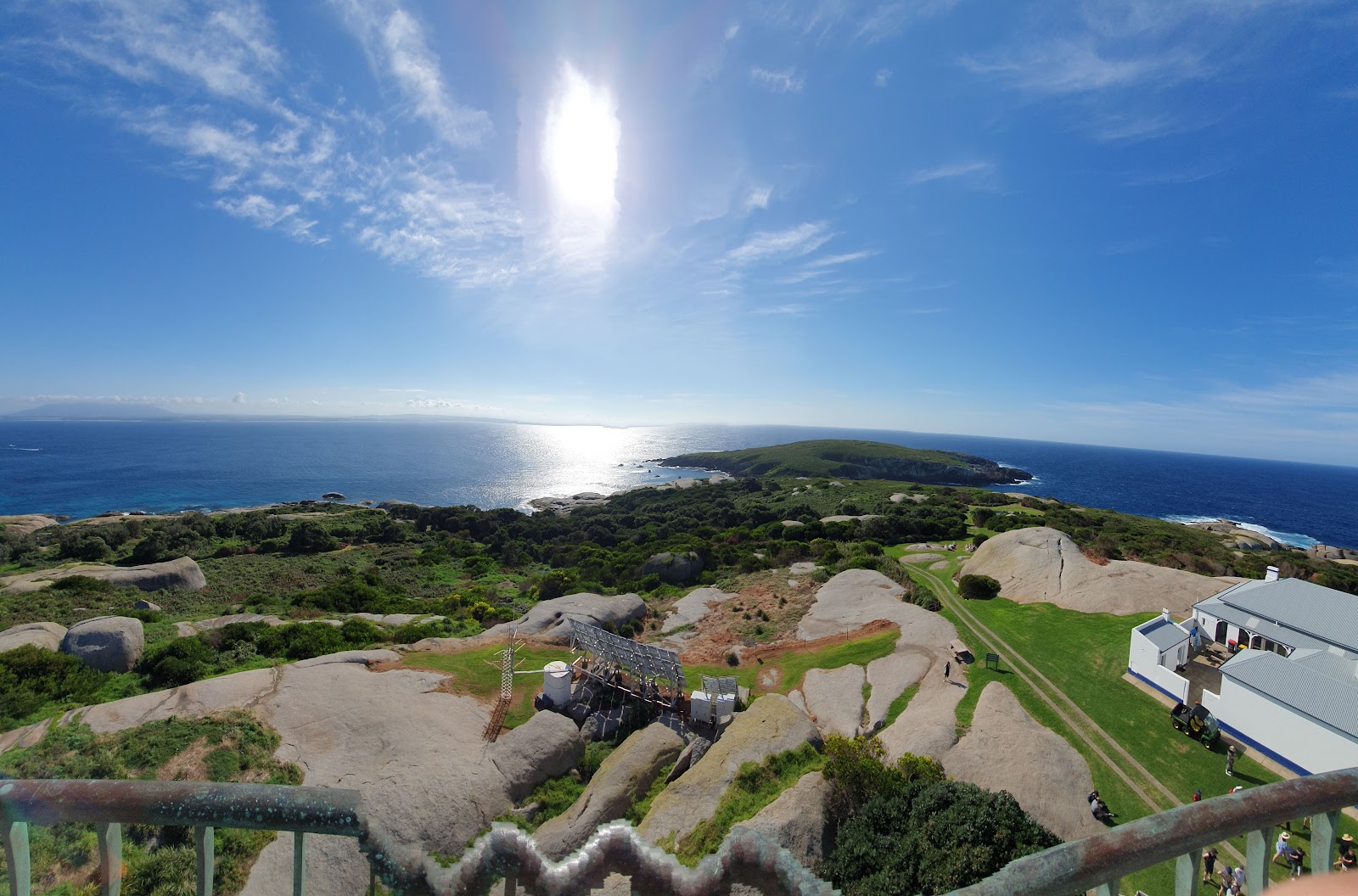
Few places pack as much into one small island as Barunguba Montague Island. In a single half-day tour you can stand beneath an 1881 lighthouse built from granite quarried beneath your feet, watch hundreds of fur seals play in the surf, walk among one of Australia’s great penguin colonies and — in season — see humpback whales pass on their migration, all while learning the island’s deep Aboriginal and maritime history from a National Parks guide. Stay overnight in a keeper’s cottage and you’ll have it almost to yourself.
Book a tour with a licensed operator, check the season for the wildlife you most want to see, pack warm layers and good shoes, and prepare for one of the genuine highlights of the NSW South Coast. Montague Island isn’t just Narooma’s best attraction — it’s one of the best wildlife and heritage experiences on the whole east coast. Nine kilometres offshore, a world away.
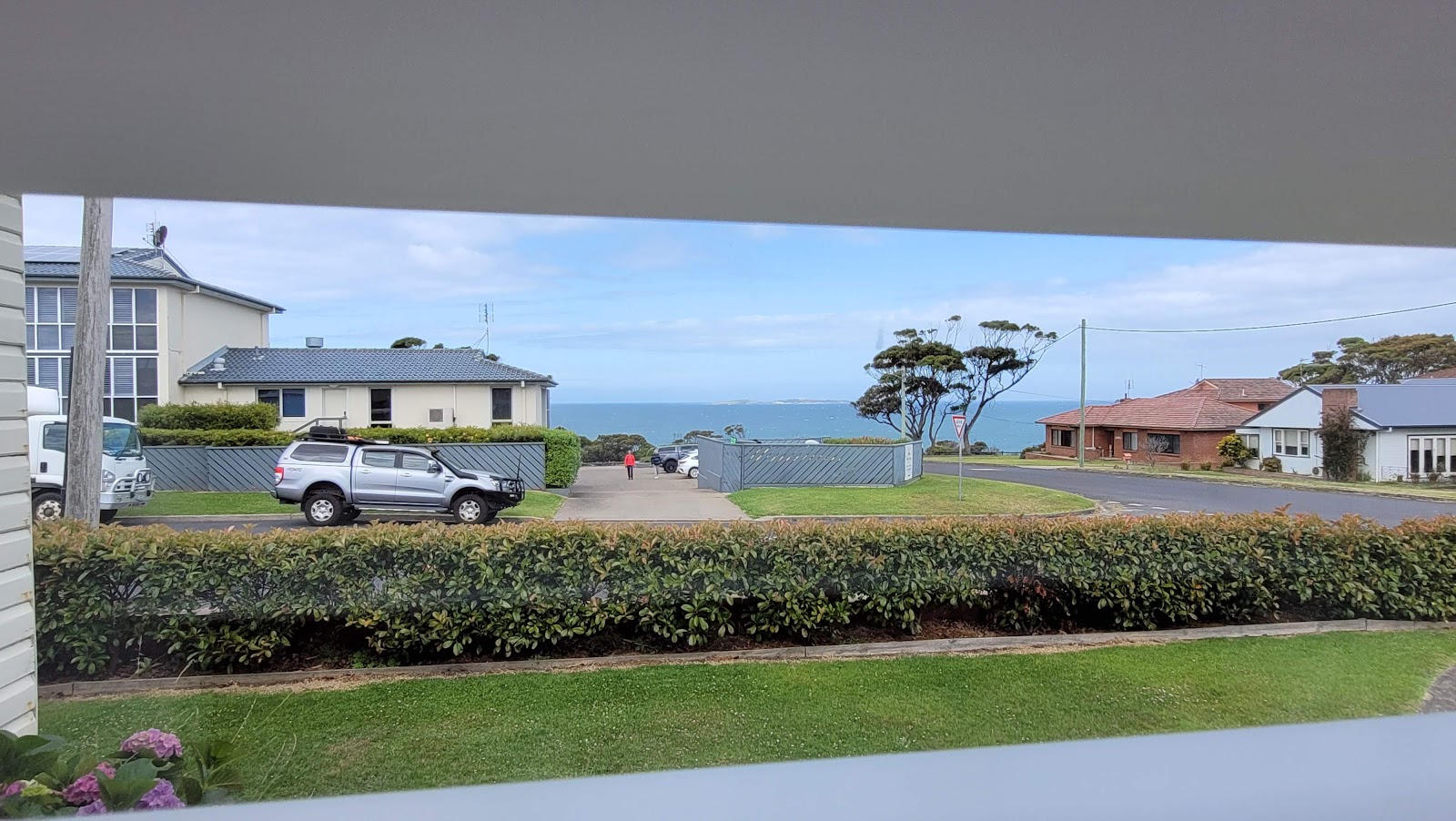
Amooran Oceanside Apartments and Motel — Narooma
Book Direct & Save →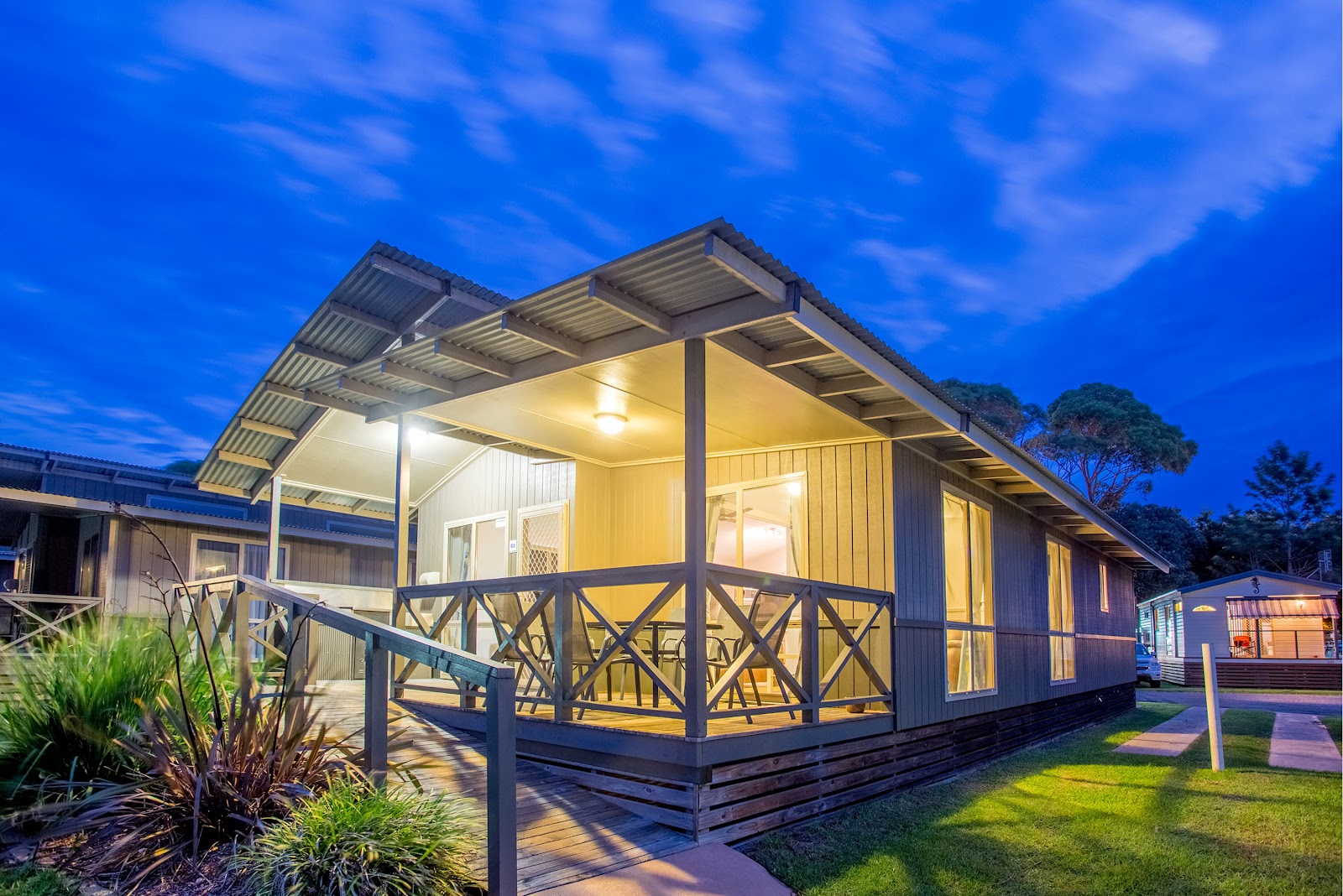
Discovery Parks - Narooma Beach — Narooma
Book Direct & Save →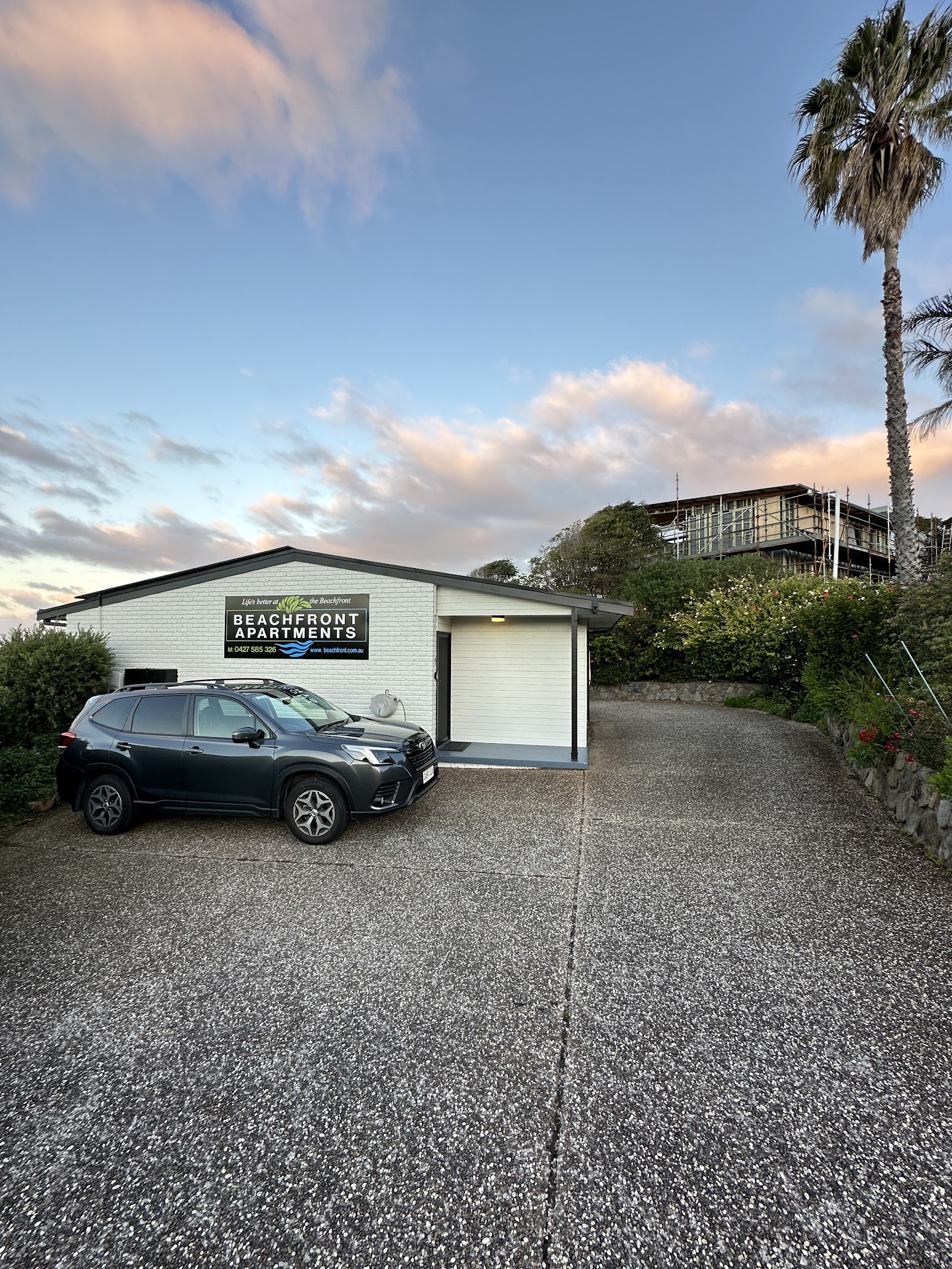
BIG4 Narooma Easts Holiday Park — Narooma
Book Direct & Save →Skip OTA fees. Connect directly with Narooma owners for the best rates and a truly personal experience.
We match any online rate. No service fees — 100% of your payment supports local owners.
Direct guests receive complimentary hampers, early check-in, and priority access to experiences.
Speak directly with the people who manage the properties. No call centres, just local expertise.
Part of New South Wales · South Coast
 Glen Aplin
Granite Belt, Queensland
Queensland's most underrated wine valley
Explore the guide →
Glen Aplin
Granite Belt, Queensland
Queensland's most underrated wine valley
Explore the guide →
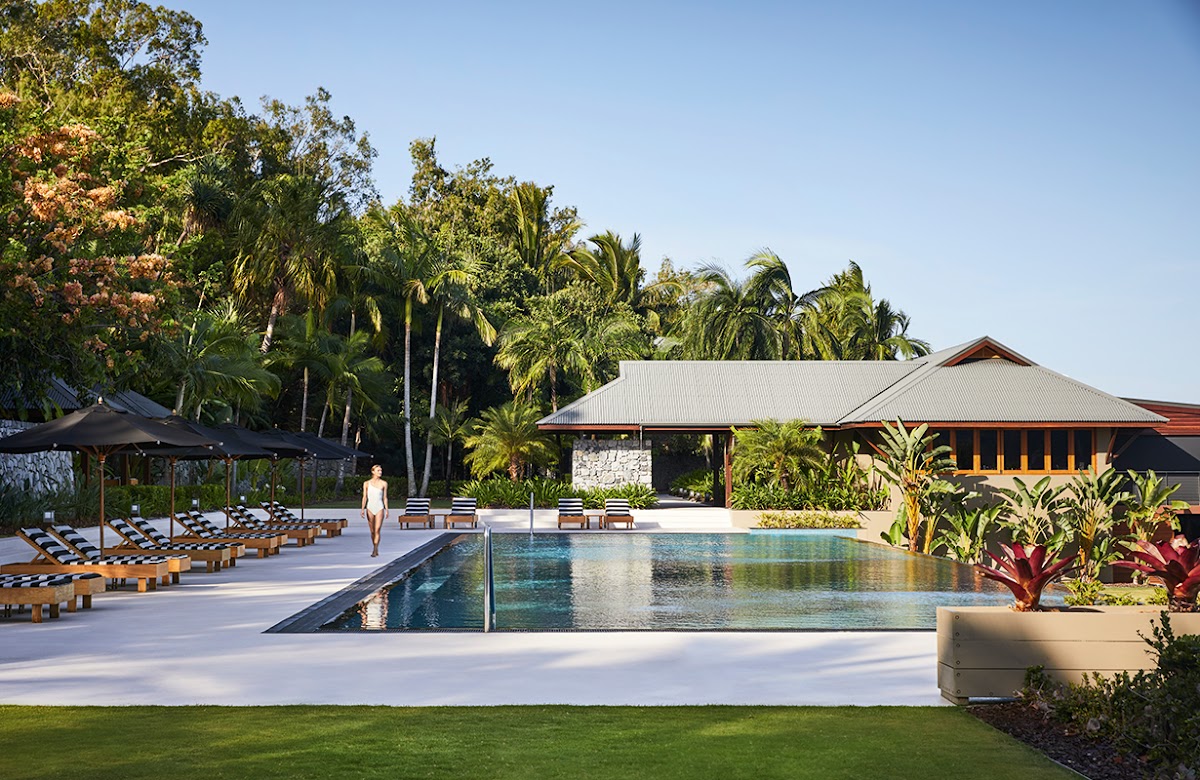 Hamilton Island
The Whitsundays, Queensland
Whitsundays island resort — Whitehaven Beach, reef trips and golf-buggy life
Explore the guide →
Hamilton Island
The Whitsundays, Queensland
Whitsundays island resort — Whitehaven Beach, reef trips and golf-buggy life
Explore the guide →
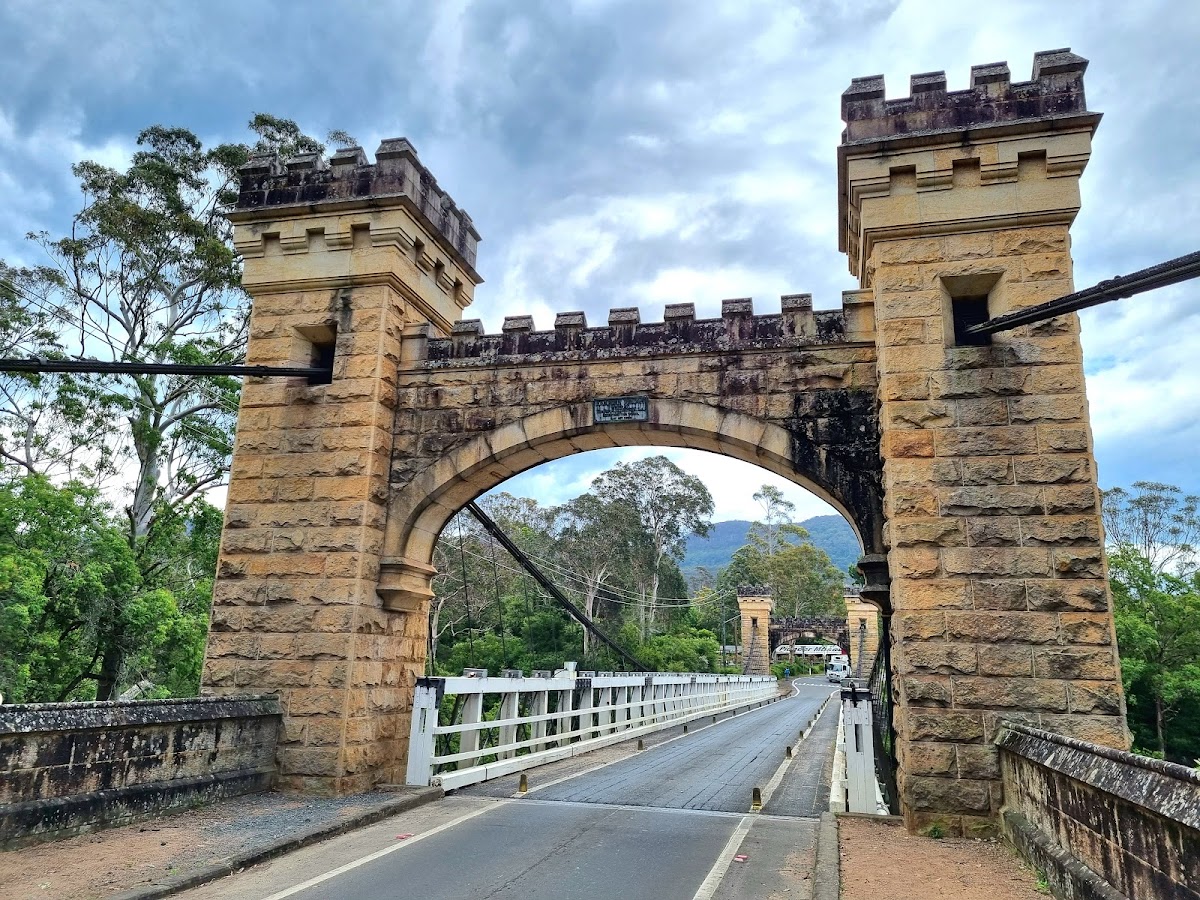 Kangaroo Valley
Shoalhaven, New South Wales
Hampden Bridge, kayaking and wombats in a green valley
Explore the guide →
Kangaroo Valley
Shoalhaven, New South Wales
Hampden Bridge, kayaking and wombats in a green valley
Explore the guide →
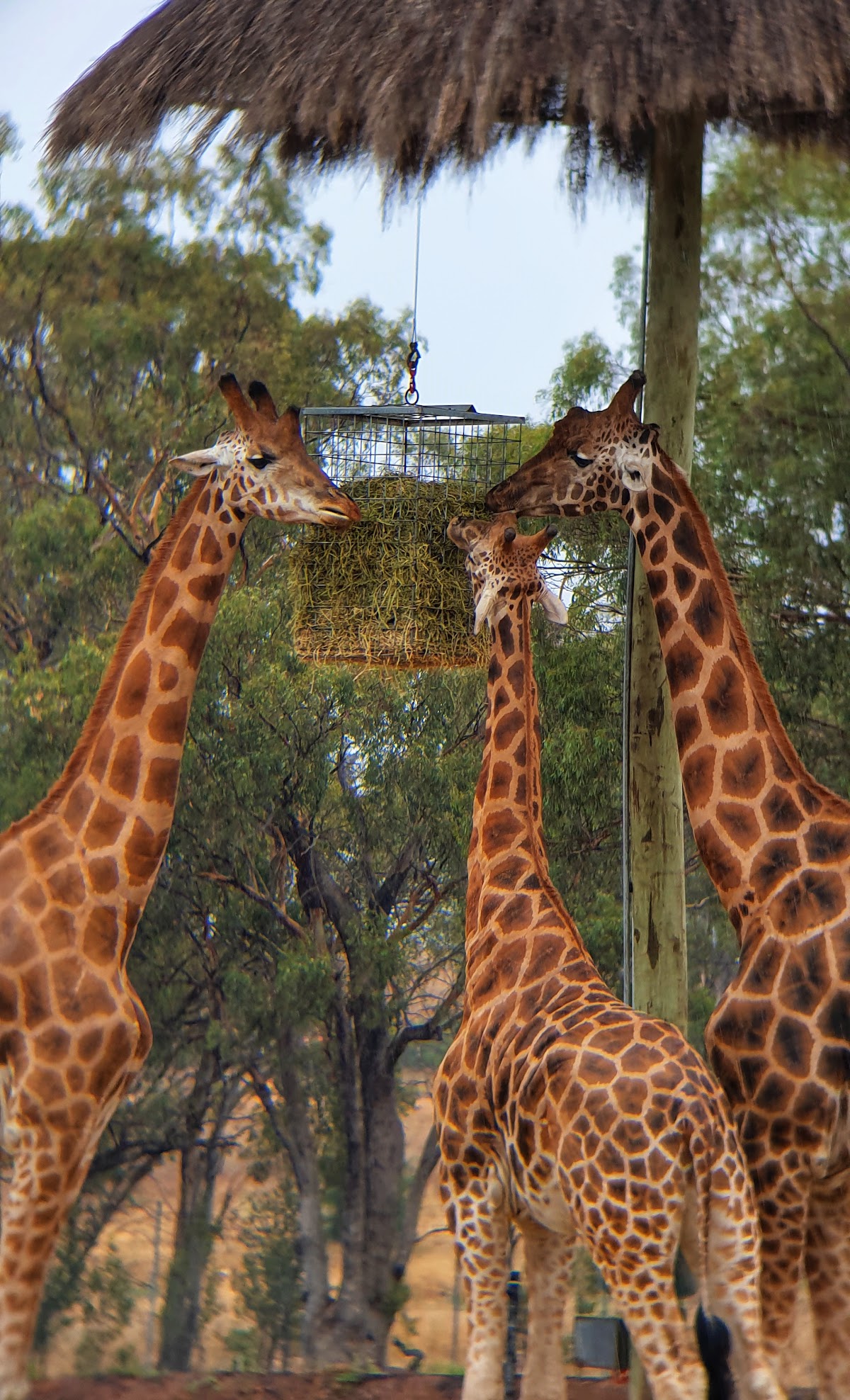 Dubbo
Central West, New South Wales
Open-range zoo and Outback gateway on the Macquarie River
Explore the guide →
Dubbo
Central West, New South Wales
Open-range zoo and Outback gateway on the Macquarie River
Explore the guide →
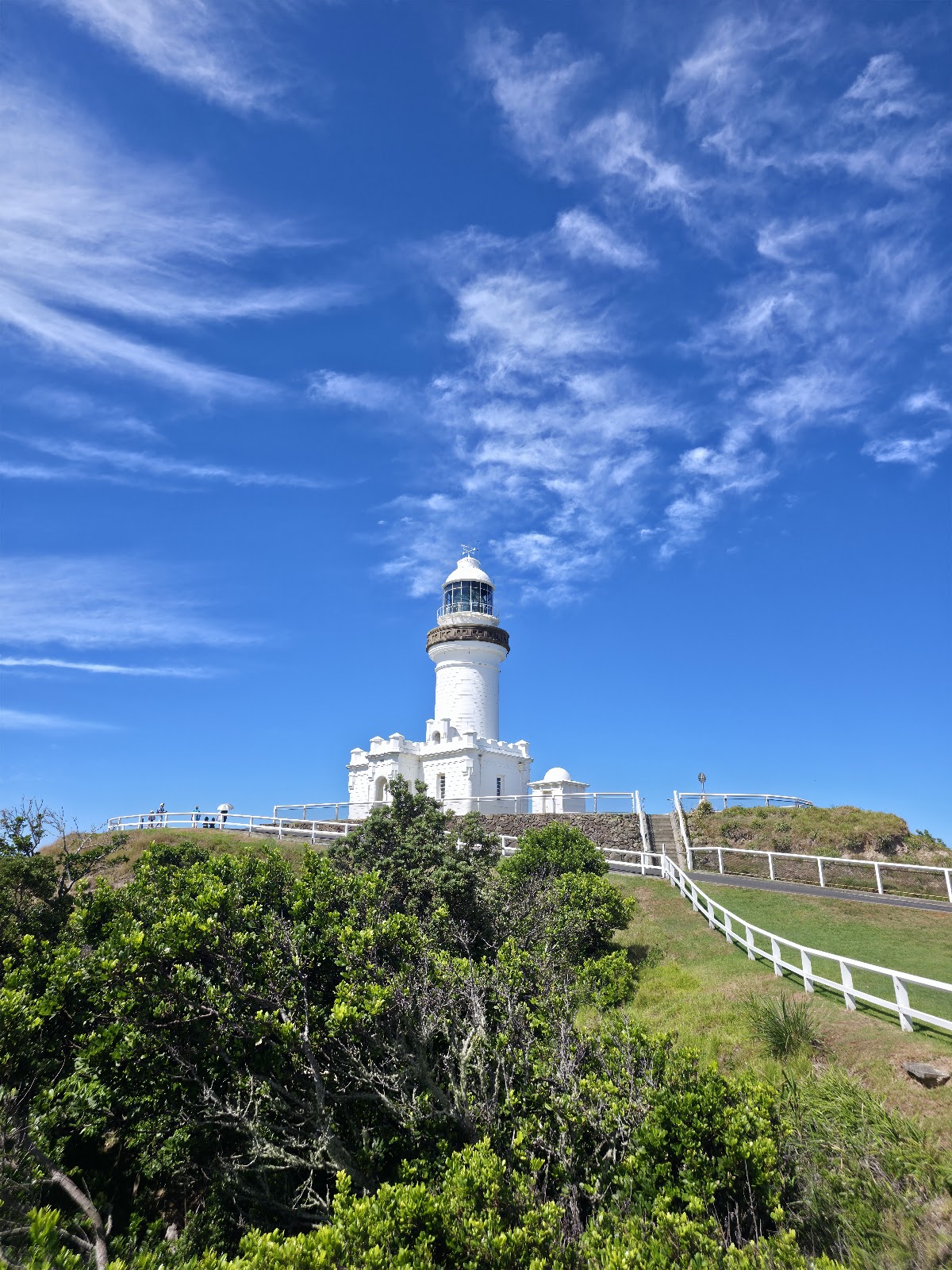 Byron Bay
Northern Rivers, New South Wales
Australia's iconic beach town and most easterly point
Explore the guide →
Byron Bay
Northern Rivers, New South Wales
Australia's iconic beach town and most easterly point
Explore the guide →
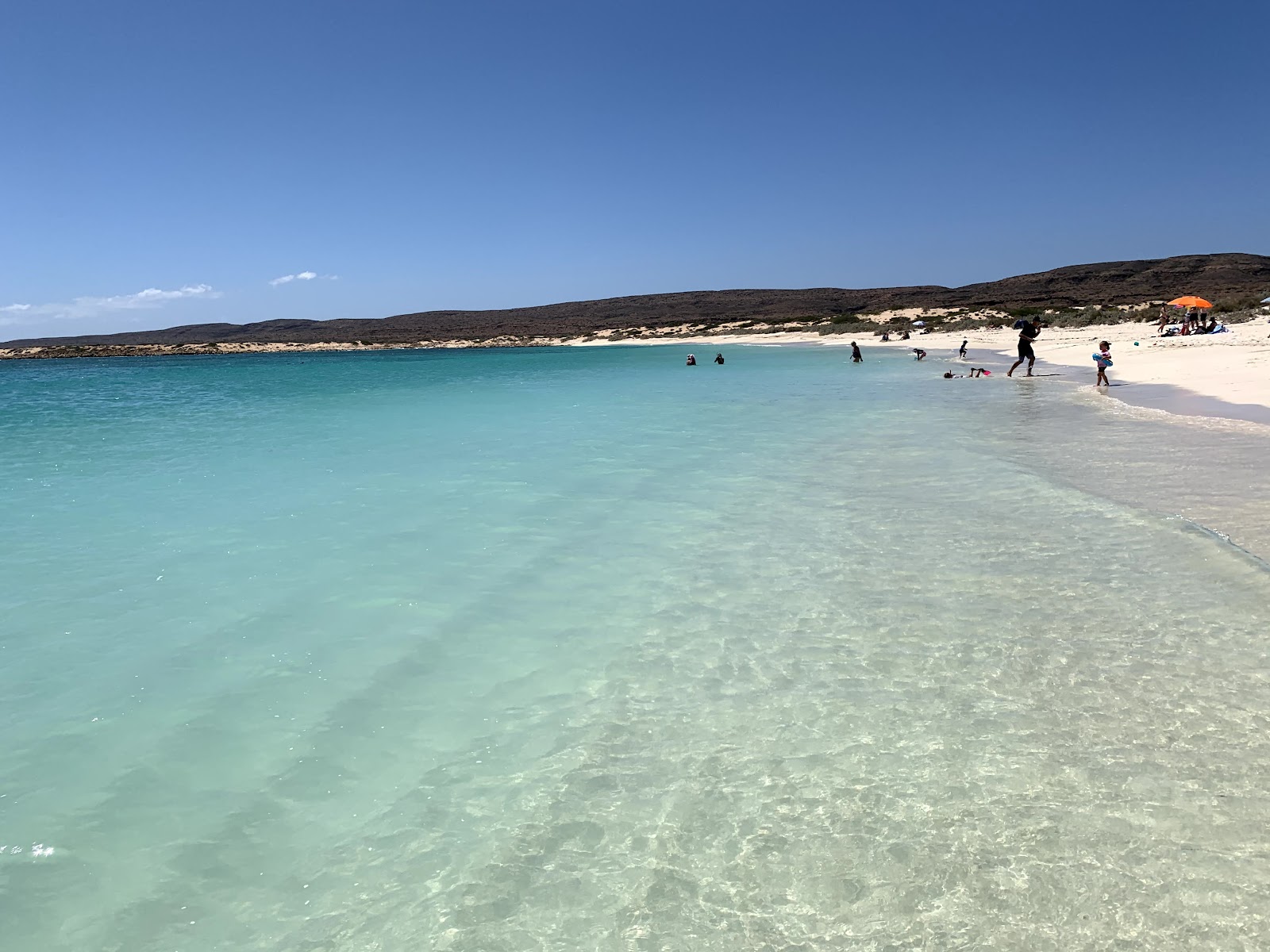 Ningaloo Reef
Australia's Coral Coast, Western Australia
Swim with whale sharks and snorkel a World-Heritage reef straight off the beach
Explore the guide →
Ningaloo Reef
Australia's Coral Coast, Western Australia
Swim with whale sharks and snorkel a World-Heritage reef straight off the beach
Explore the guide →
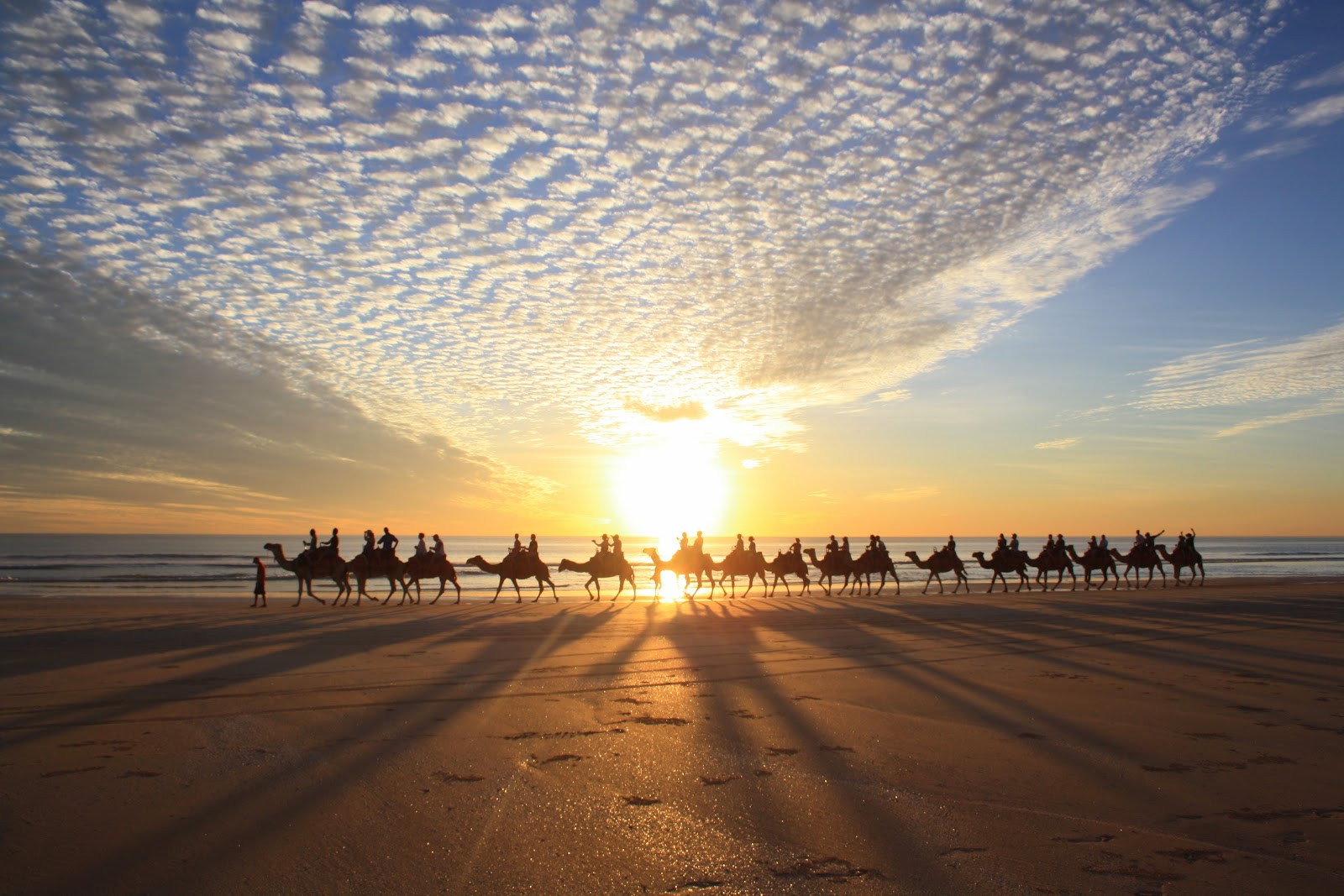 Broome
Australia's North West, Western Australia
Cable Beach sunsets, pearling history and camels on 22km of sand
Explore the guide →
Broome
Australia's North West, Western Australia
Cable Beach sunsets, pearling history and camels on 22km of sand
Explore the guide →
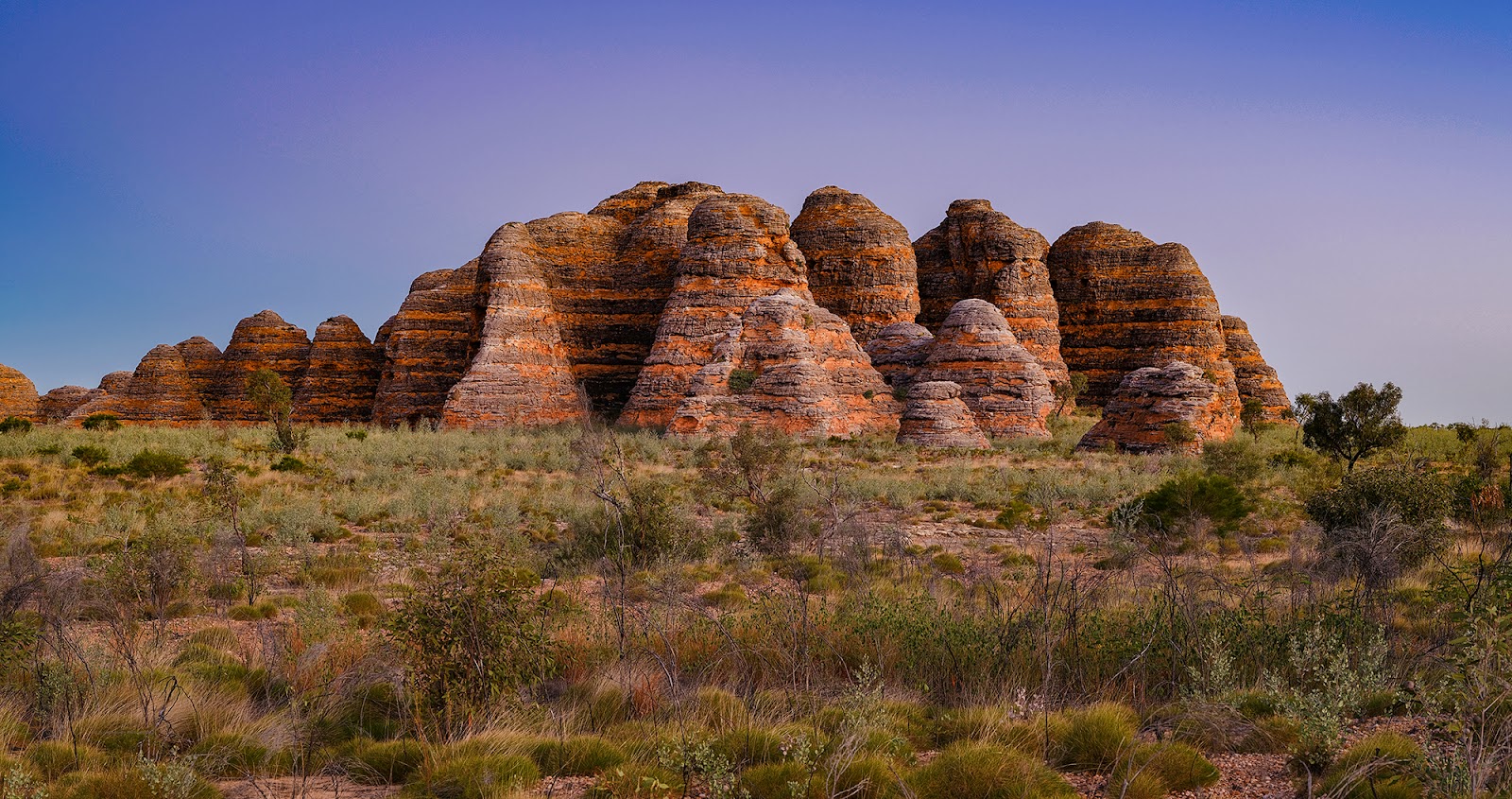 The Kimberley
Australia's North West, Western Australia
Gibb River Road, the Bungle Bungles, gorges and waterfalls in Australia's last frontier
Explore the guide →
The Kimberley
Australia's North West, Western Australia
Gibb River Road, the Bungle Bungles, gorges and waterfalls in Australia's last frontier
Explore the guide →
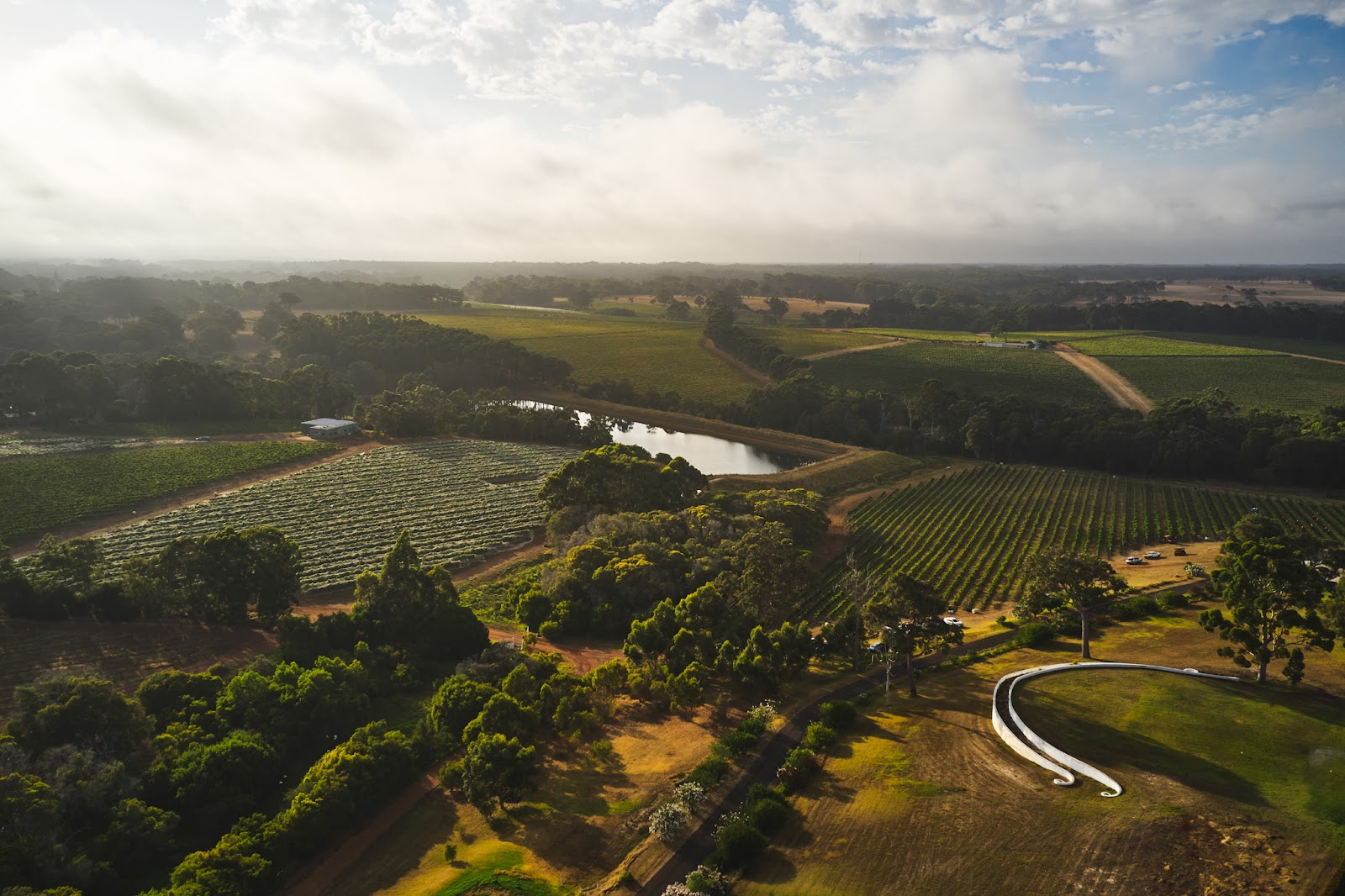 Margaret River
Australia's South West, Western Australia
World-class wineries, surf breaks and limestone caves three hours south of Perth
Explore the guide →
Margaret River
Australia's South West, Western Australia
World-class wineries, surf breaks and limestone caves three hours south of Perth
Explore the guide →